Most people have heard the eerie claim that, after death, hair and nails continue to grow. It’s one of those ideas that feels believable, whispered around campfires or woven into spooky stories. But the reality works differently, and understanding it reveals something interesting about how the body changes after passing. The belief likely came from centuries-old observations made long before modern science. People noticed odd changes and tried to make sense of them, and the idea of continued growth became the explanation that stuck. It settled into folklore and even found its way into textbooks. In truth, nothing actually grows. What people saw was a natural shift in the skin, not mysterious post-mortem growth.
Shrinking Skin And The Optical Illusion
Right after someone passes, their body undergoes many transformations. One key change involves the skin, which begins to dry out and shrink. This shrinkage causes the skin to pull back away from hair follicles and nail beds to reveal more of the hair shafts and nails that were always there beneath the skin’s surface. Your skin is like a flexible covering for your body. When it’s healthy, it fits snugly and keeps everything in place. After someone passes, however, the skin loses moisture and elasticity. As it pulls back, the visible length of hair and nails increases—not because they’re growing, but because more of them are exposed.
This natural effect creates a powerful optical illusion. When you see longer-looking hair or nails on someone who has passed away, it looks as if they grew after they passed away. In reality, the hair and nails stopped growing the moment life ended. To understand why hair and nails stop growing after someone passes, we need to first examine how growth occurs in the living body. Here’s the breakdown: Hair and nails grow from living cells located in specialized areas—hair follicles and nail matrices. These cells divide rapidly and produce keratin, the protein that forms hair and nails. But for this division and growth to occur, cells need a constant supply of nutrients carried by the bloodstream.
Once the heart stops beating, its steady delivery of oxygen and nutrients ends almost immediately. Without that supply, the cells responsible for producing hair and nails can’t continue functioning, so any growth halts. The shutdown mirrors what happens throughout the rest of the body, where every cellular activity depends on the same lifeline. This sudden stoppage explains why no biological process continues after someone passes, including hair and nail formation. The myth only survives because the visible changes that follow create an impression that seems to contradict biology, especially to observers who lack the scientific tools to understand what they saw.
Additional changes, which also include the way a body might be prepared for cultural or religious rites, can emphasize this illusion further. Together, these effects create the unsettling illusion that something is still happening beneath the surface. The contrast between tightened skin and unchanged keratin makes the features look strangely vivid, which can catch people off guard. Even trained observers in earlier eras misread these visual cues. Our brains quickly search for explanations, and in the absence of scientific knowledge, the myth of post-mortem growth becomes an easy conclusion to reach.
Looking Closer: The Science Behind Body Changes
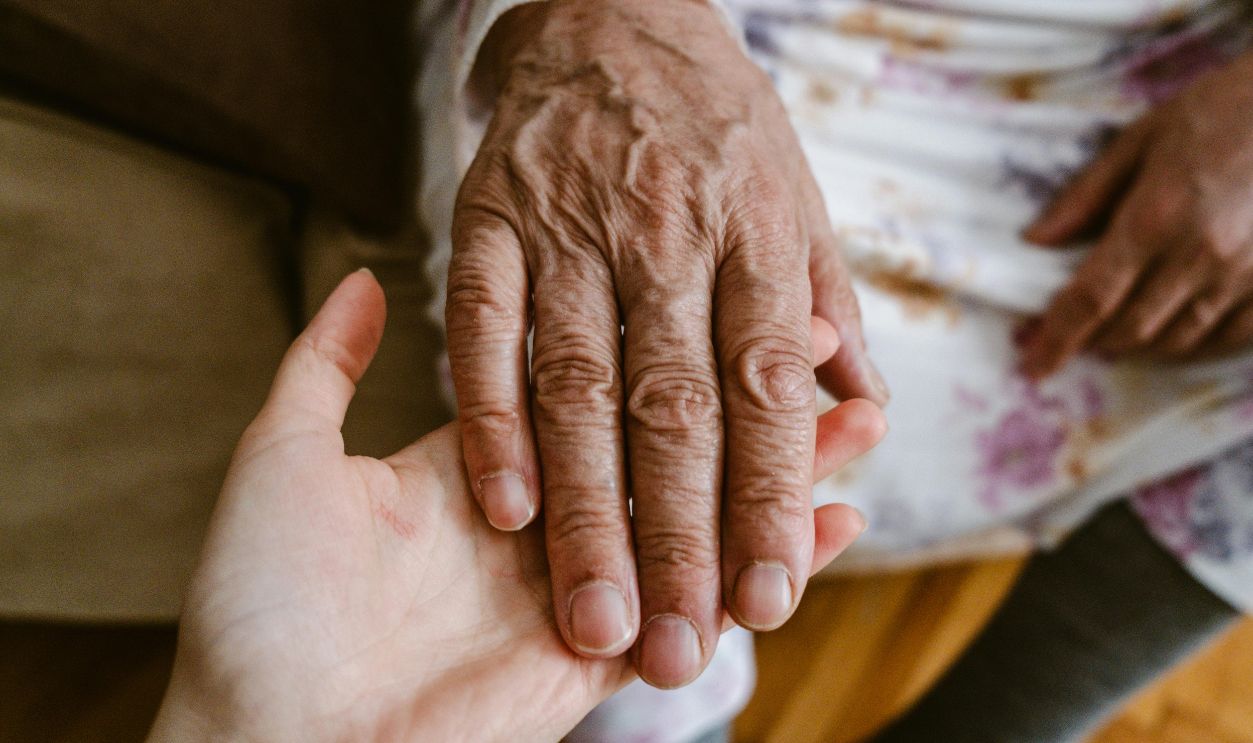
Scientists study what happens afterwards through fields like forensic pathology and thanatology—the study of the process of dying. They carefully observe how bodies dehydrate and how skin responds to changes. The skin’s shrinkage is just one part. Another factor involves the color of the skin. After circulation stops, the skin pales and loses its rosy glow. The contrast between the pale skin and darker hair and nails makes the latter look more pronounced. Moreover, decomposition can cause skin to loosen over time, creating folds that further reveal hair shafts and fingernails. All these natural processes happen in a sequence, dependent on factors such as temperature and time since someone passed. The next time you hear someone mention that hair or nails continue to grow after someone passes, you’ll know the truth. It’s not growth but skin shrinkage, revealing what’s already there.
 Hamman, Edouard, 1819-1888; L. Prang & Co, Wikimedia Commons