When Saying “I Do” Came With A Much Longer Shopping List
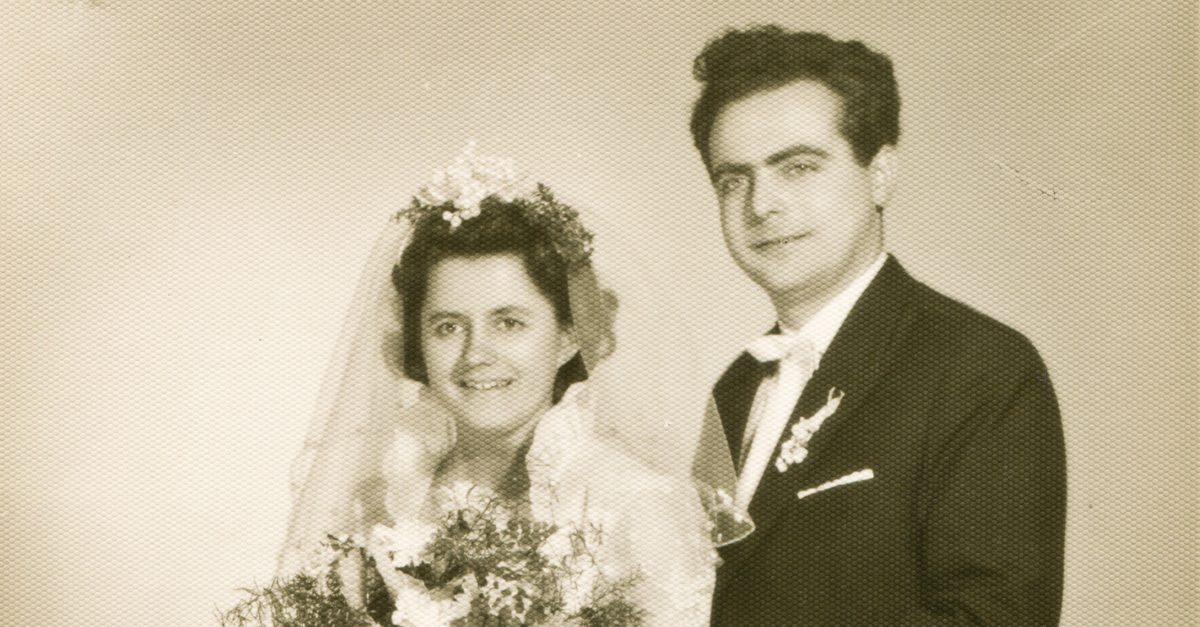
Weddings have never been cheap, but the expenses have changed dramatically. From elaborate stationery to matching accessories and reception traditions, previous generations spent money on things modern couples often skip entirely. Some disappeared because technology made them unnecessary, while others simply went out of fashion. Here are the wedding expenses that once seemed perfectly normal.
 Elzbieta Sekowska, Shutterstock Images
Hope Chests
Before marriage, some American families purchased wooden hope chests for young women to store household belongings. These often contained linens, clothing, and treasured possessions intended for married life. Today, purchasing dedicated furniture for a future wedding is unusual.
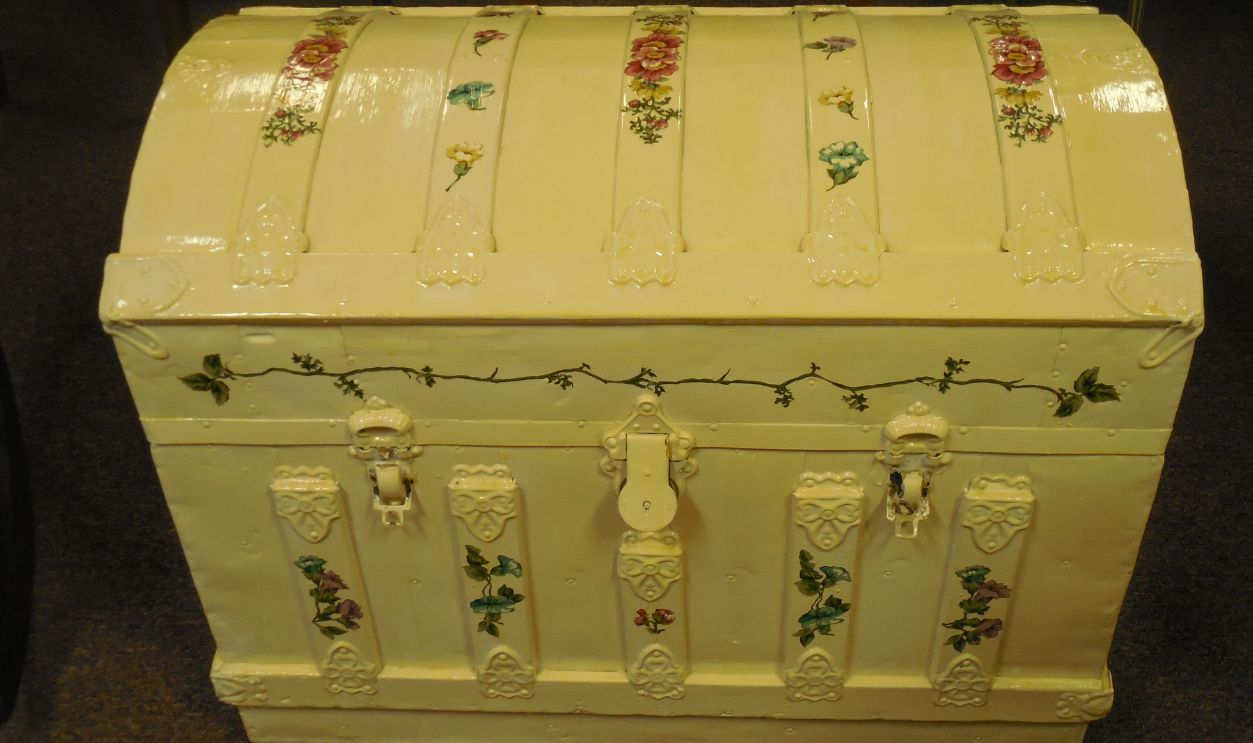
Elaborate Bridal Trousseaus
Historically, brides assembled trousseaus containing clothing, undergarments, and household linens for their new lives. Some collections were remarkably extensive, particularly among wealthier families. Modern couples generally acquire household necessities independently rather than preparing an elaborate bridal collection.
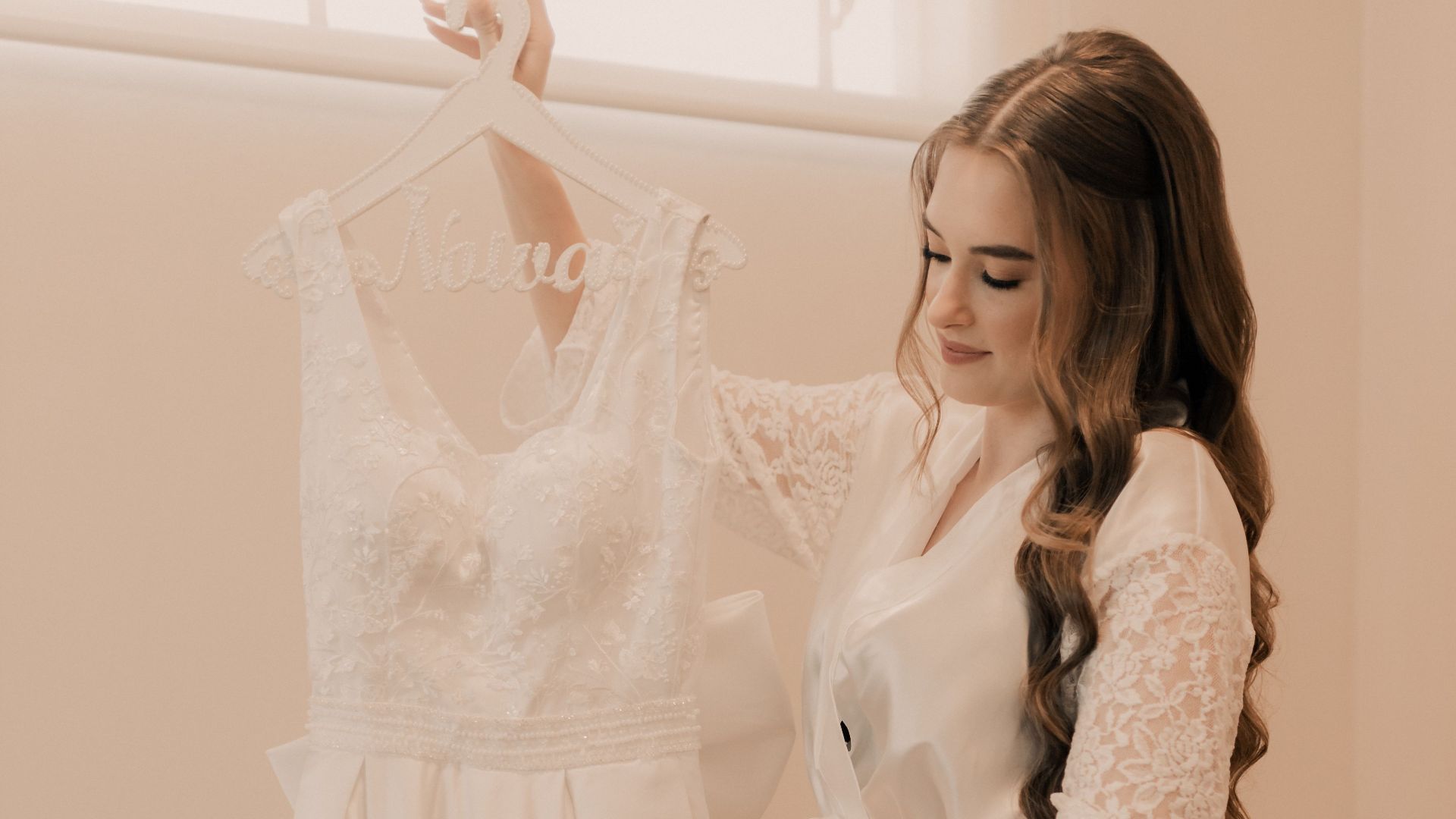
Engraved Invitation Plates
Traditional engraved invitations required specialized printing techniques involving metal plates. The process produced raised lettering but could be expensive. Digital printing and customizable stationery now allow couples to achieve elegant results without commissioning traditional engraving.

Double Invitation Envelopes
Formal wedding invitations traditionally arrived inside two envelopes. The outer envelope handled mailing, while the inner envelope protected the stationery and identified invited guests. Modern couples frequently use a single envelope, eliminating an entire stationery expense.

Invitation Tissue Paper
Remember those delicate sheets tucked inside wedding invitations? They originally helped prevent ink from smearing onto other stationery. Modern printing makes this protection unnecessary, meaning most couples can skip the additional paper without sacrificing anything important.

Separate Reception Cards
Traditional invitation suites sometimes included individual cards announcing reception details. Couples holding ceremonies and receptions at different locations could purchase hundreds of these inserts. Today, wedding websites and consolidated invitation designs often handle the same information.
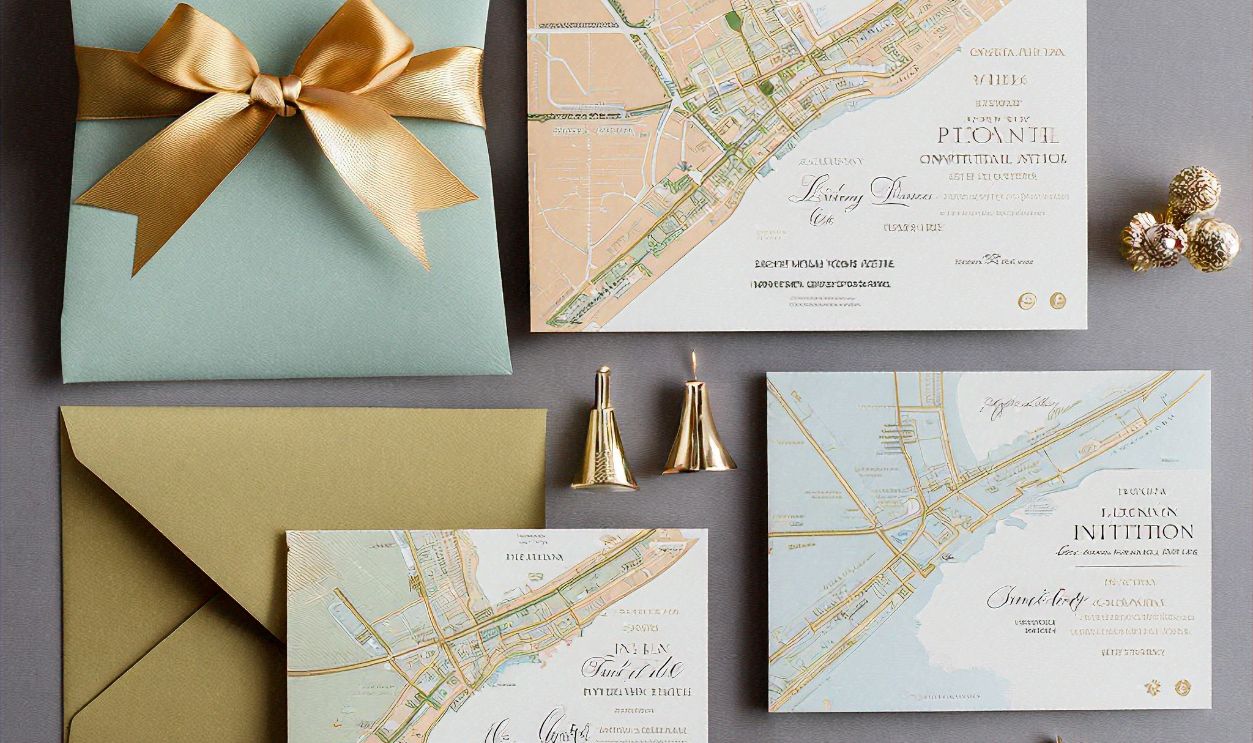
Printed Driving Directions
Before smartphones, guests sometimes received printed maps and driving instructions with their invitations. These required additional stationery and sometimes professional design. Wedding websites and digital navigation have largely eliminated the need for customized paper directions.
 Shutterstock.AI Generator, Shutterstock
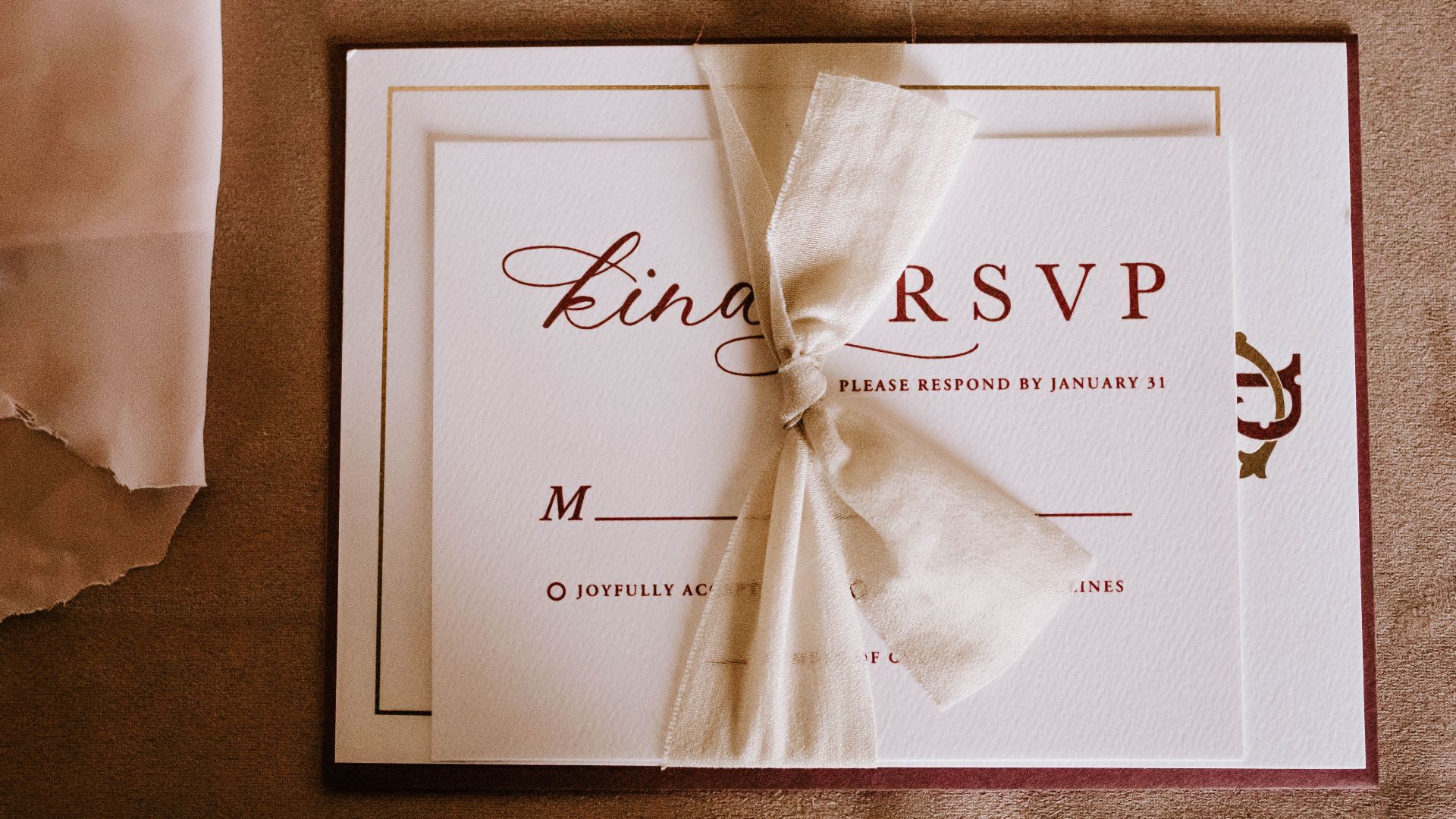
Mail-Back RSVP Packages
Traditional invitations included response cards, return envelopes, and postage paid by the hosts. Online RSVP systems now offer a cheaper alternative, although physical cards remain popular. Couples choosing digital responses can eliminate several separate printing and mailing costs.

Professionally Calligraphed Addresses
Hiring a calligrapher once added considerable formality to wedding invitations. Every guest's address could be written individually in elegant script. Modern printing services offer attractive envelope addressing, making professional hand lettering an optional luxury rather than an expectation.

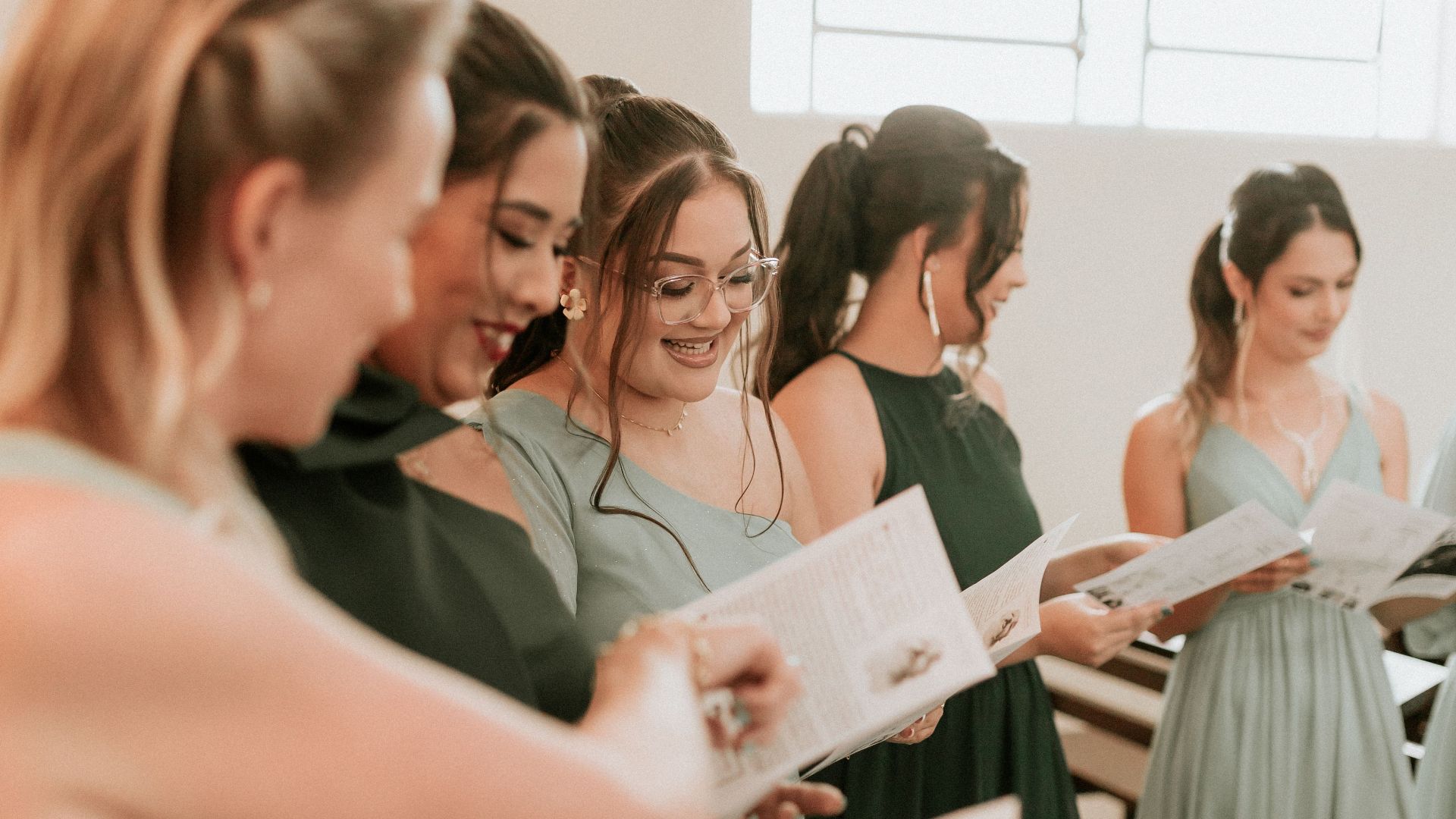
Printed Programs For Every Guest
Wedding programs traditionally outlined the ceremony and identified participants. Ordering enough professionally printed copies for every attendee could become expensive. Today, couples increasingly use shared programs, simple signs, or QR codes linking to digital versions.
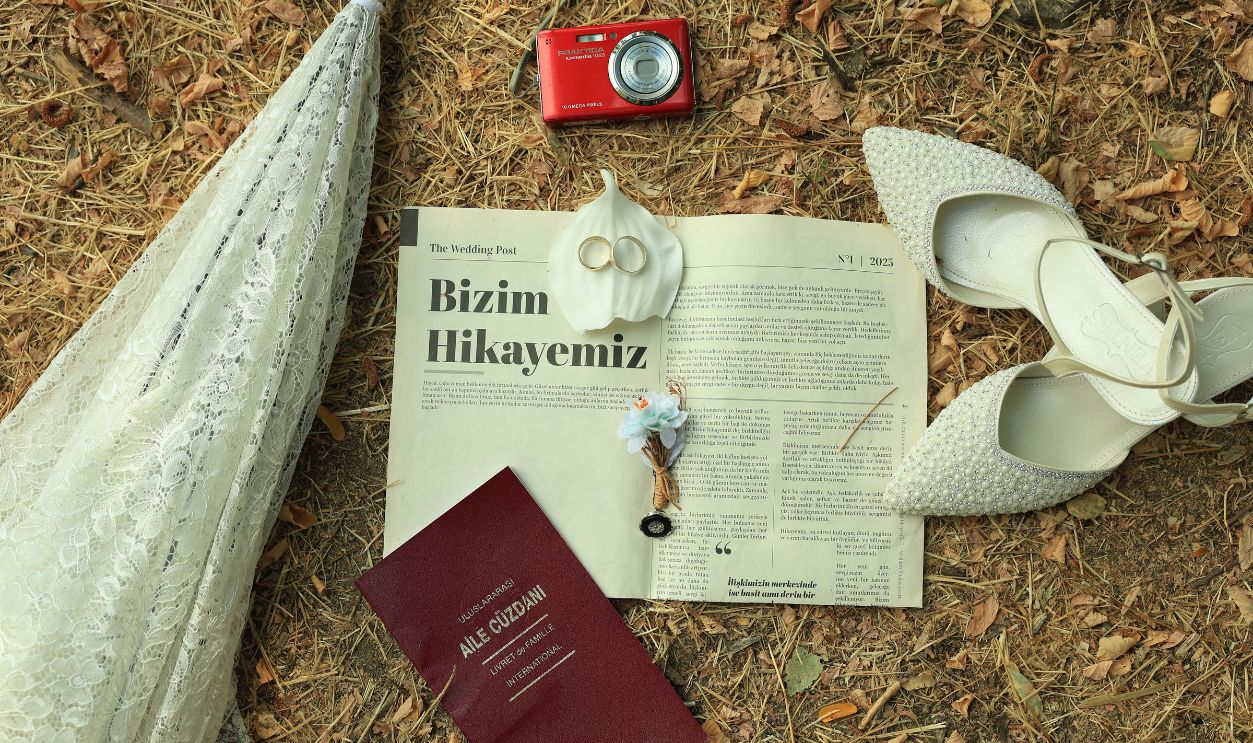
Newspaper Wedding Announcements
Publishing wedding announcements in newspapers was once an established tradition. Some publications charge substantial placement fees, particularly for larger announcements. Social media now provides an immediate, generally free alternative, although newspaper notices remain available.
 Aydin Photography, Pexels, Modified
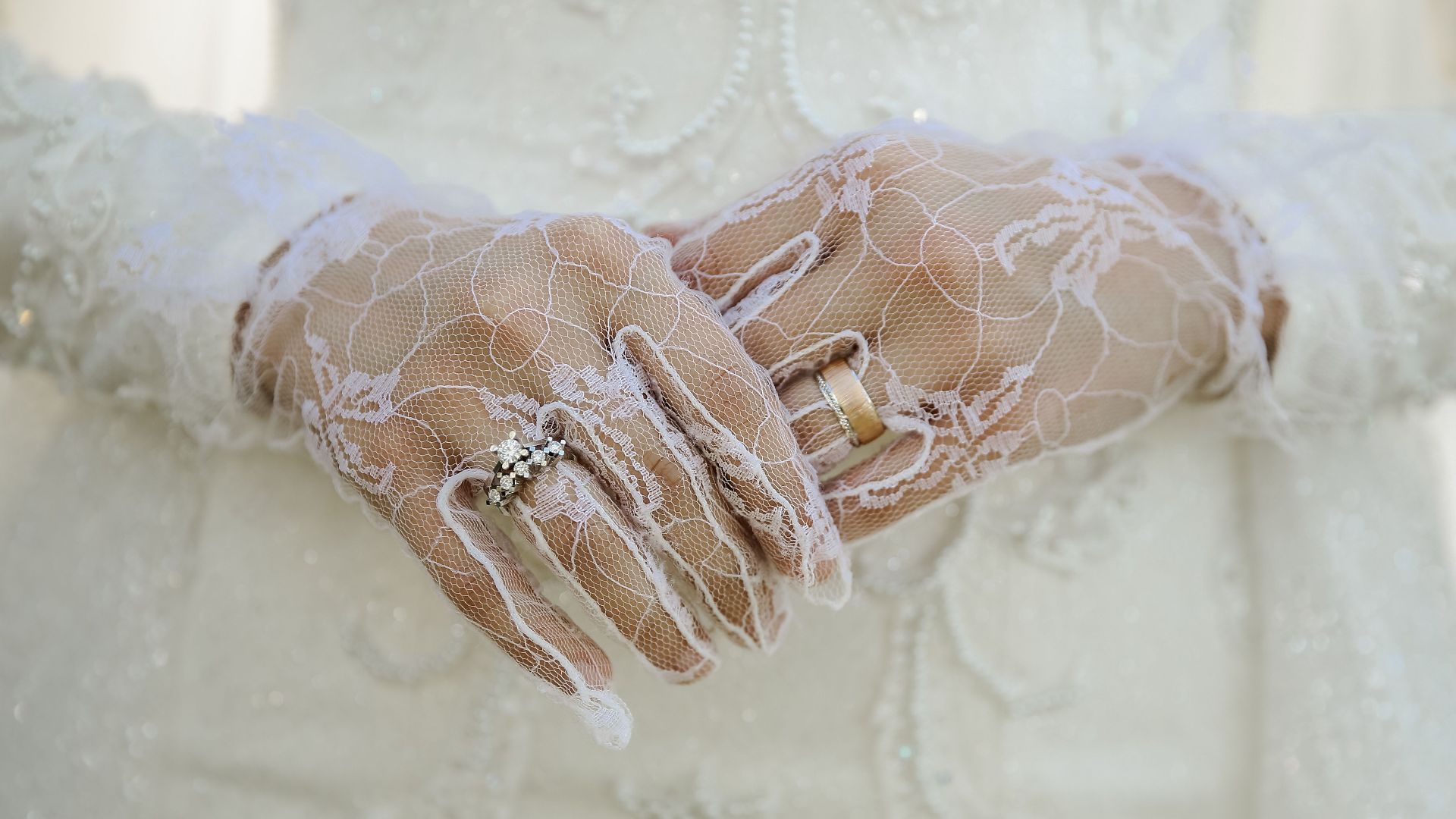
Formal Bridal Gloves
White satin or lace gloves were fashionable bridal accessories during earlier decades. Styles ranged from wrist-length pairs to elaborate opera gloves. Although gloves occasionally return as fashion statements, they are no longer considered essential wedding attire.
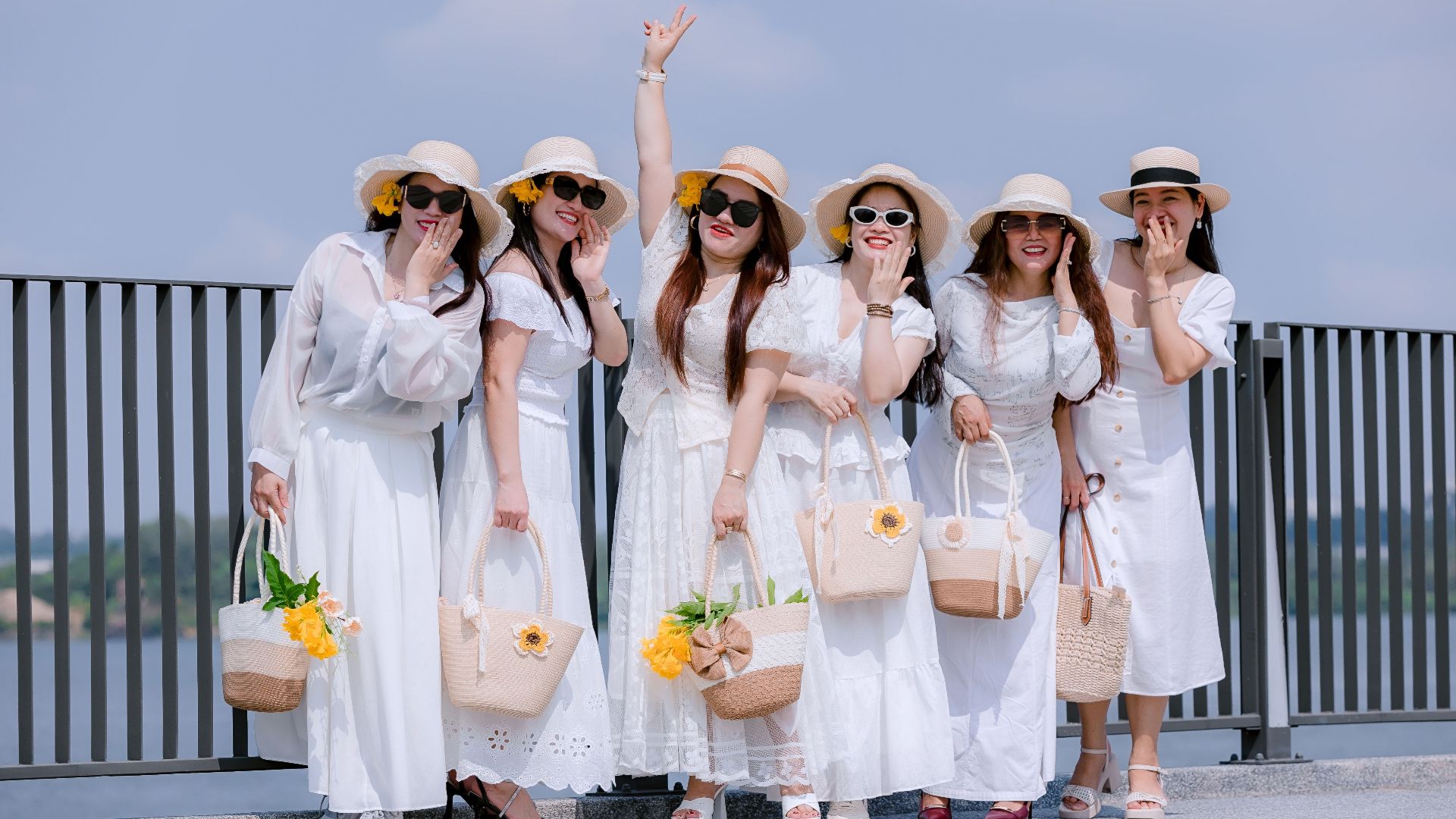
Matching Bridesmaid Hats
During the 1980s, coordinated bridesmaid outfits sometimes included matching hats or elaborate headpieces. Historical bridal advertisements featured remarkably consistent accessories. Modern wedding parties generally have greater freedom, making those additional coordinated purchases far less necessary.
 🇻🇳🇻🇳Nguyen Tien Thinh 🇻🇳🇻🇳, Pexels
Dyed-To-Match Satin Shoes
Bridesmaids once purchased satin pumps and had them dyed to match their dresses. The result was perfect coordination, even if the shoes proved difficult to wear afterward. Today, attendants commonly choose neutral footwear they already own.

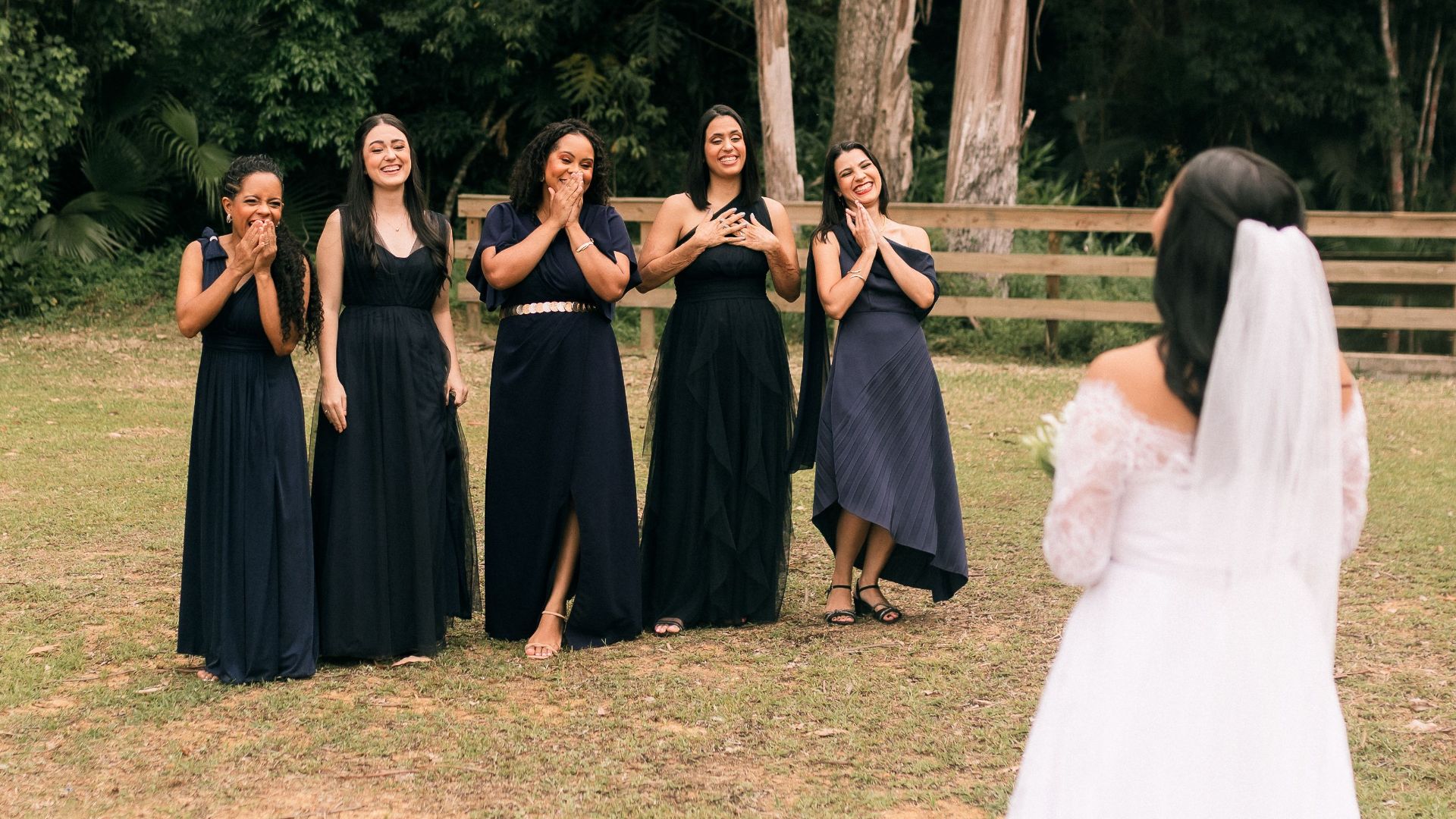
Identical Bridesmaid Dresses
Exact matching once dominated wedding-party fashion. According to The Knot's research, identical bridesmaid dresses declined from 51% of weddings in 2014 to 15% in 2024. Different silhouettes and coordinated color palettes have increasingly replaced uniform outfits.
Matching Groomsmen Cummerbunds
Traditional wedding parties sometimes coordinated tuxedo accessories with bridesmaids' dresses. Colored bow ties and cummerbunds were especially recognizable during the 1980s. Today's groomsmen often wear simpler suits or accessories without purchasing elaborate matching sets.

Decorative Ring Bearer Pillows
Little satin pillows decorated with ribbons, pearls, or lace once appeared frequently in wedding ceremonies. Today, many couples entrust their rings directly to an attendant. Others choose reusable ring boxes instead of purchasing ceremonial cushions.

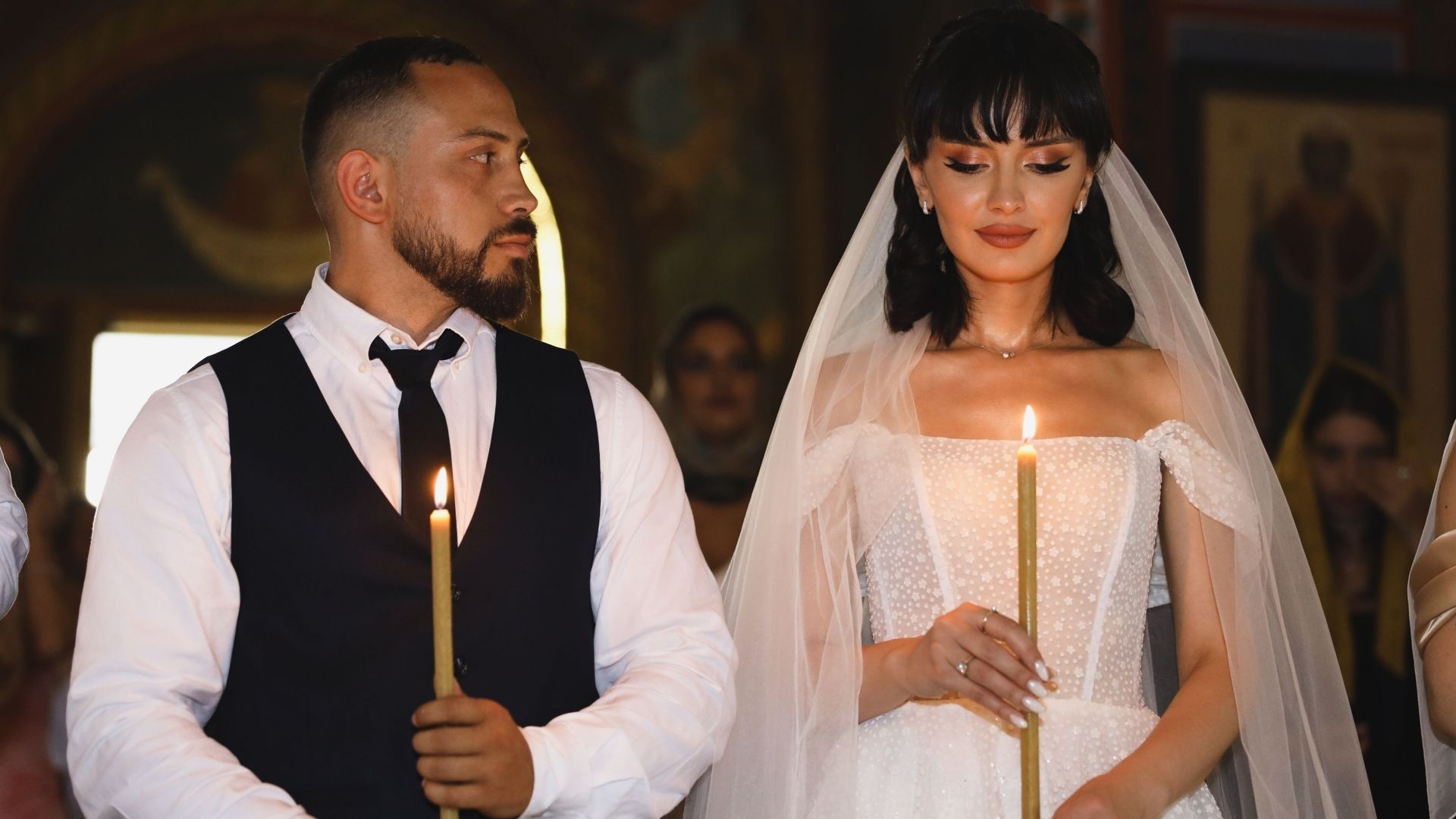
Unity Candle Sets
Unity candle ceremonies became especially recognizable during the 1980s. Couples purchased coordinated tapers and a larger central candle to symbolize their marriage. Contemporary ceremonies offer numerous alternatives, meaning specialized candle sets are no longer necessary.
 Photography Maghradze PH, Pexels
Traditional White Aisle Runners
White fabric runners once added ceremonial formality while protecting bridal gowns from dirty floors. Modern venues rarely require that protection. Couples may choose bare flooring, flower petals, or alternative decorations rather than purchasing disposable runners.
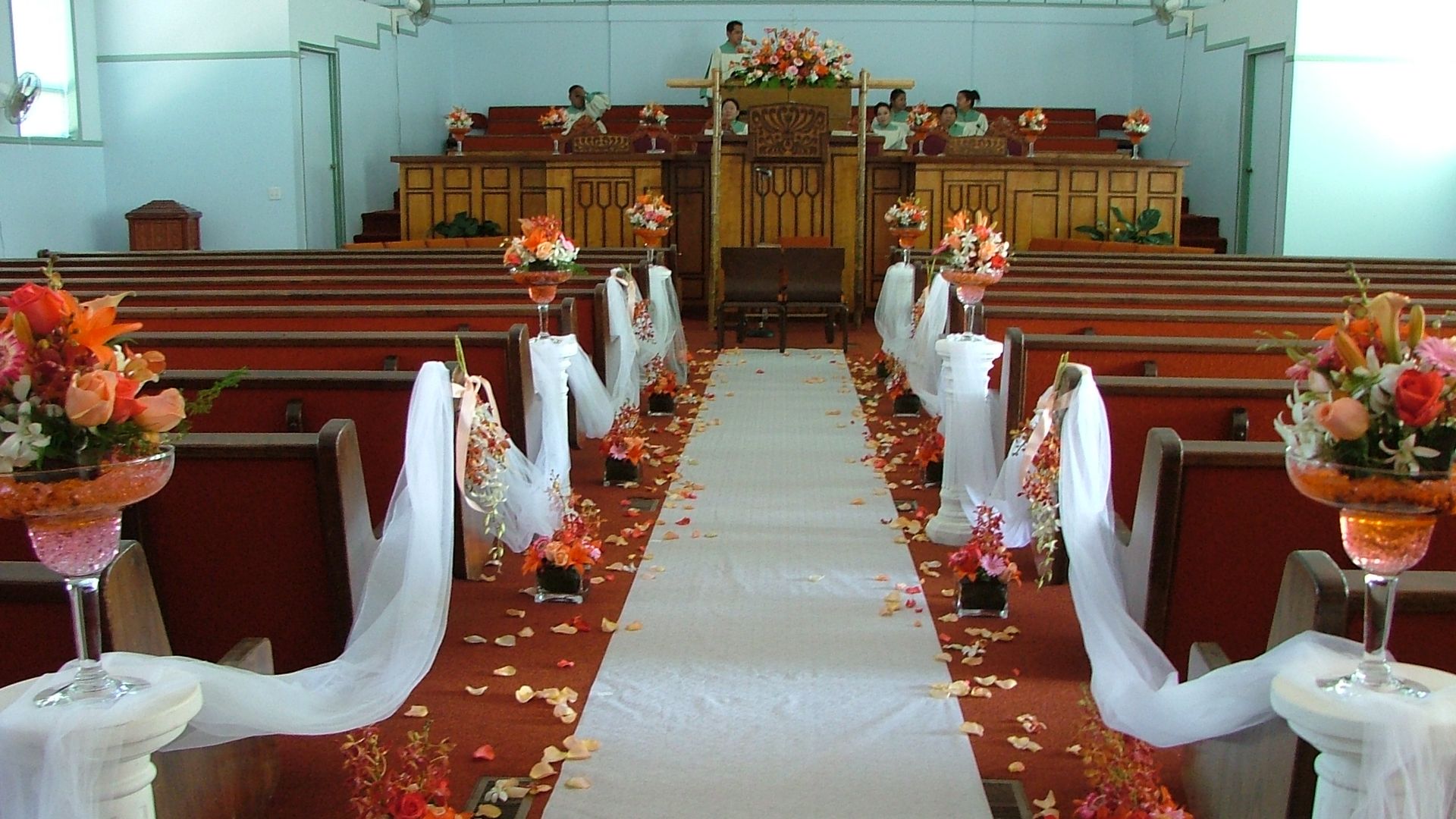 Photo by and (c)2007 Jina Lee, Wikimedia Commons
Individual Packets Of Wedding Rice
Guests traditionally showered newlyweds with rice, sometimes supplied in specially prepared packets. Concerns about cleanup and slippery surfaces have led some venues to restrict the practice. Couples increasingly choose alternative exits or simply skip the expense.

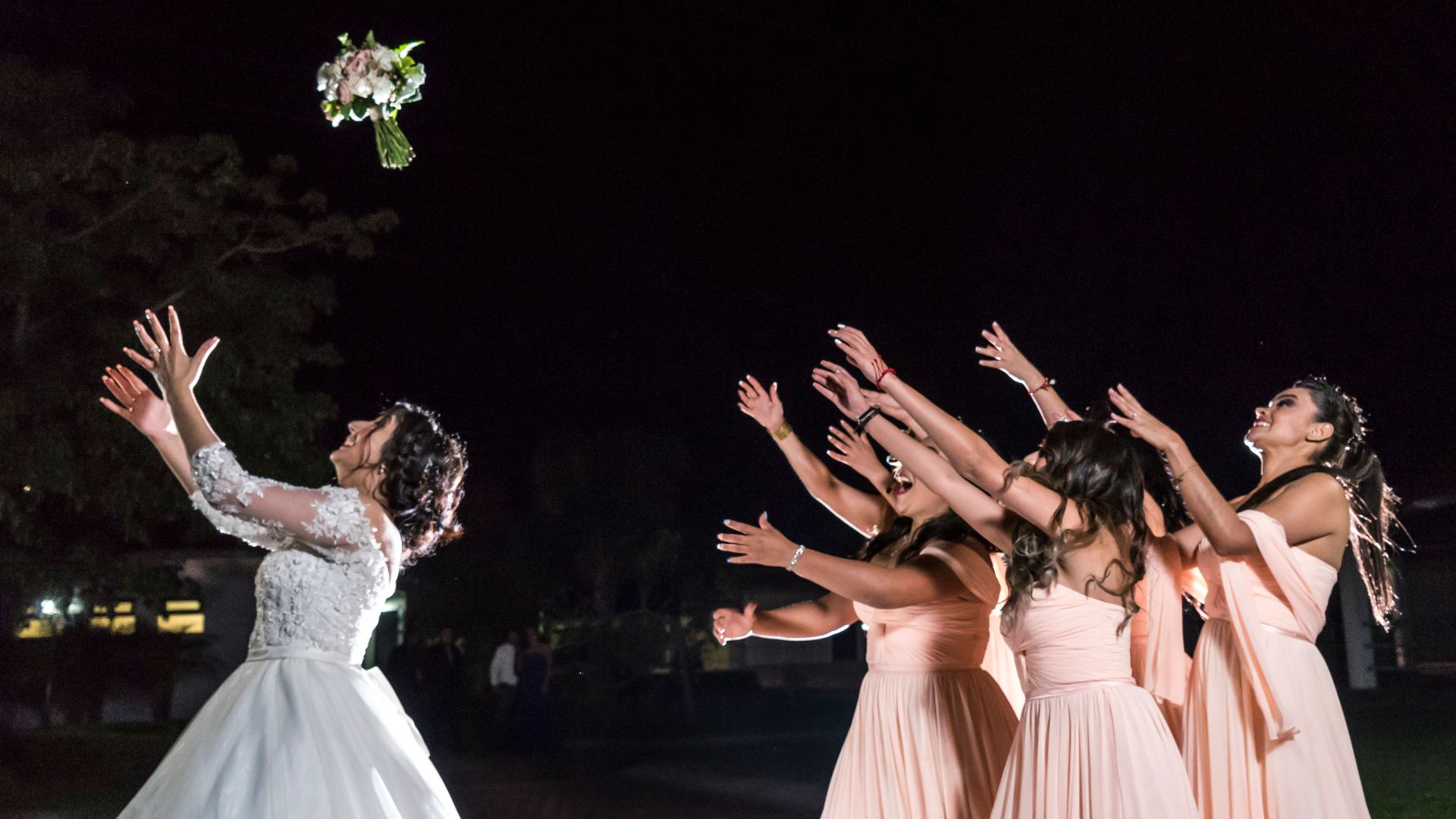
Extra Bouquets For Tossing
Some brides purchased separate bouquets specifically for the traditional bouquet toss. However, The Knot's 2026 study found that only 24% of couples included this ritual. Skipping the toss also eliminates the need for an additional arrangement.
 Luis Becerra Fotógrafo, Pexels
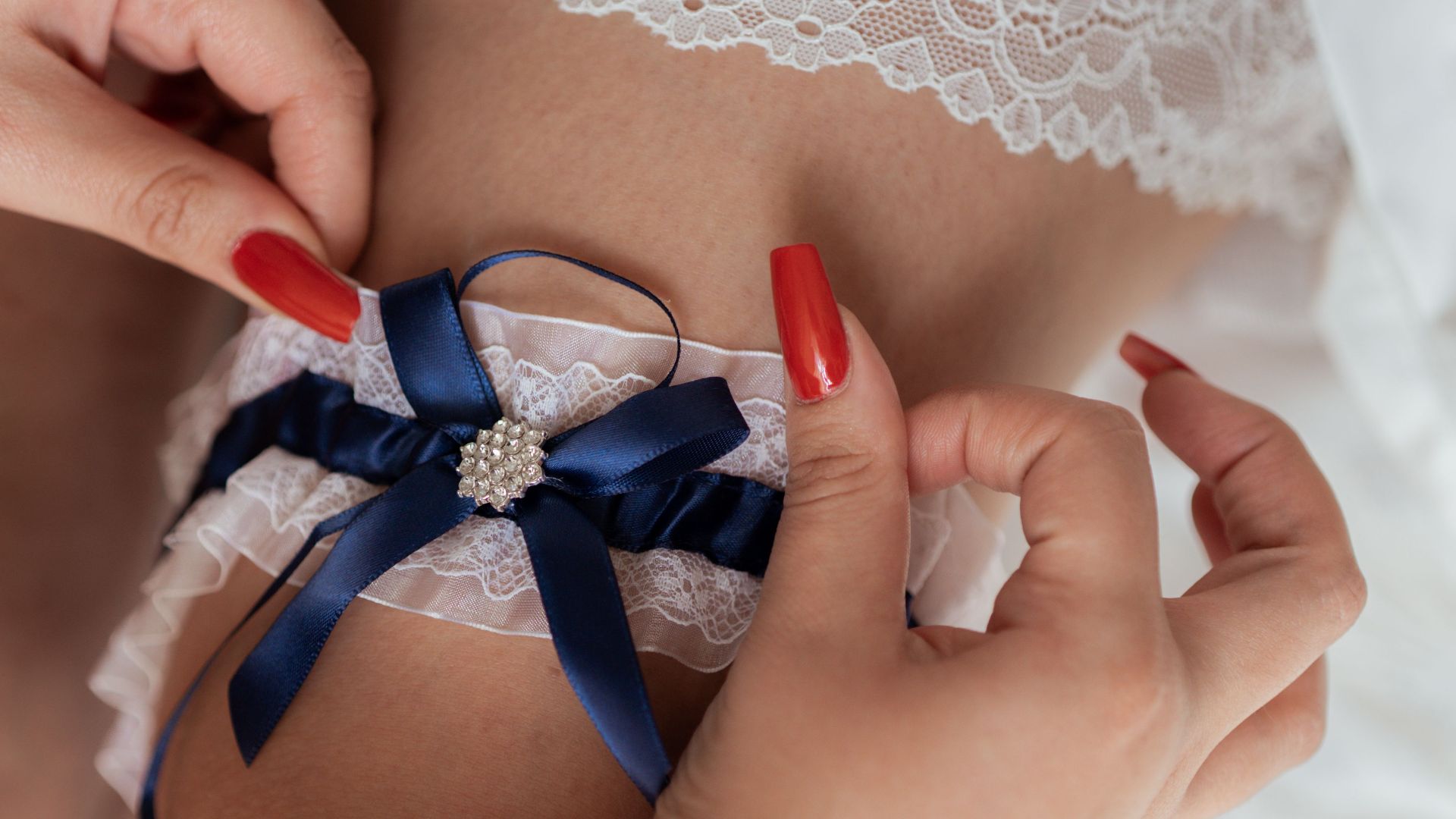
Wedding Garter Sets
Brides once purchased decorative garters specifically for wedding receptions. Some bought two, keeping one while the groom tossed the other. As garter tosses have declined, these accessories have become optional purchases rather than routine bridal necessities.
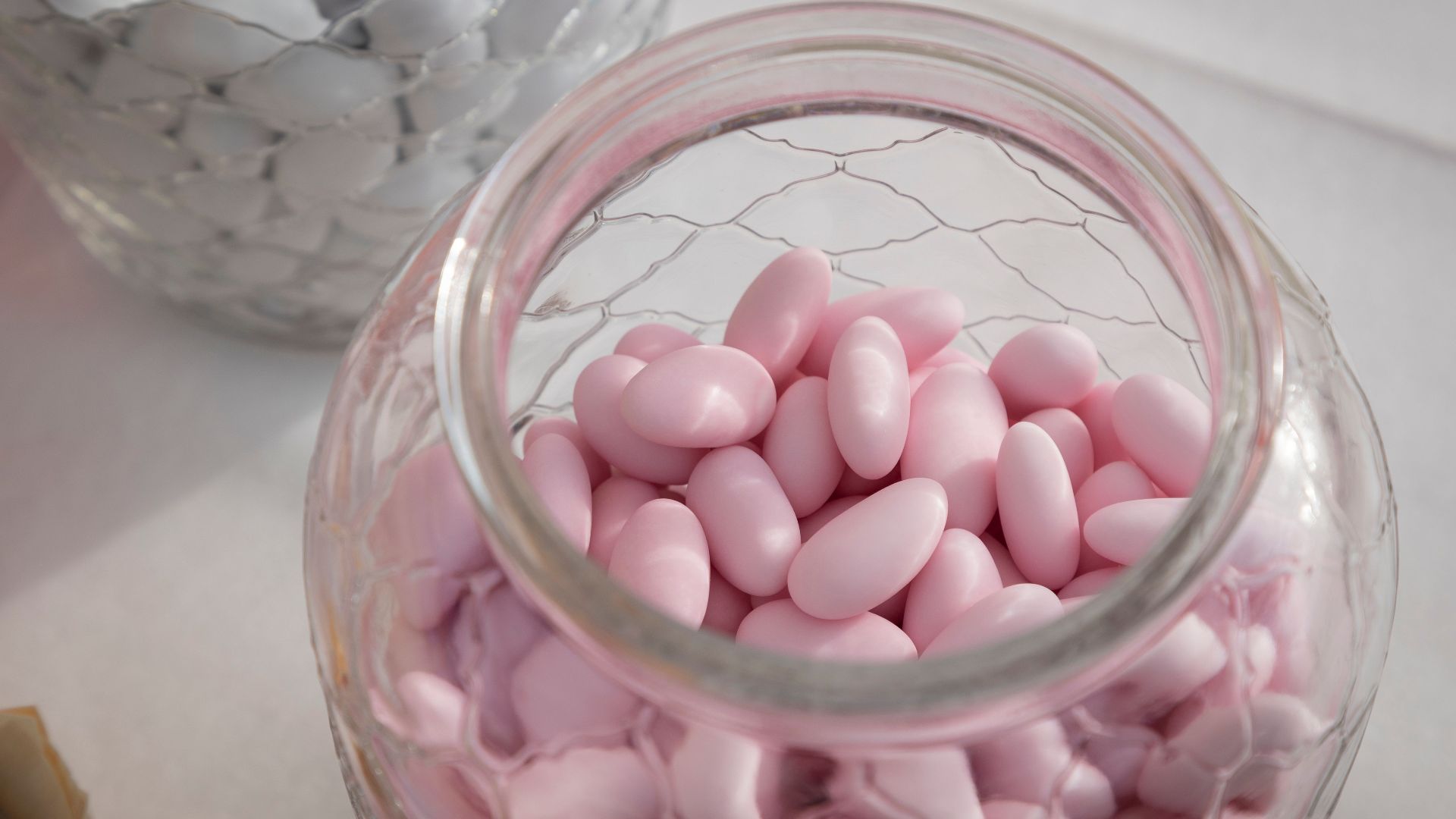
Jordan Almond Favors
Sugar-coated almonds were traditional wedding favors, especially within Italian and Greek communities. Couples purchased the candies and decorative packaging for guests. Today, generic favors are often discouraged, although the almonds retain significance in certain cultural celebrations.
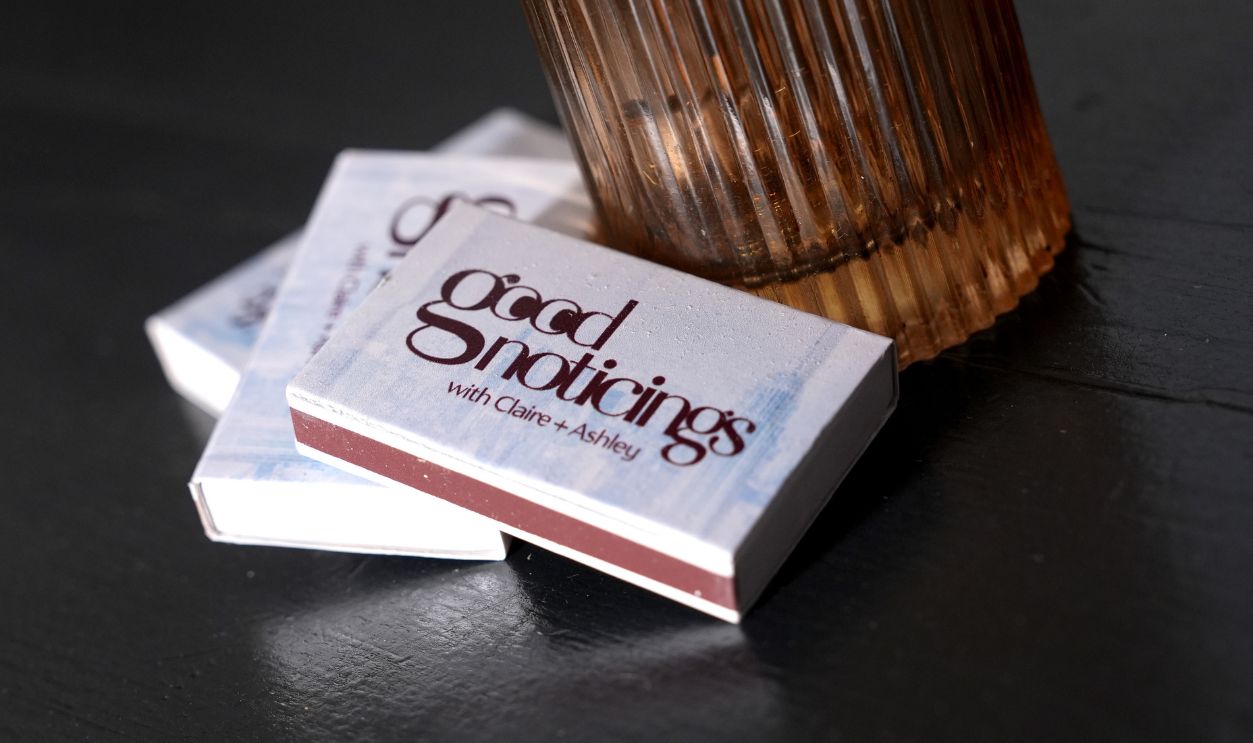
Personalized Matchbooks
Custom matchbooks were recognizable wedding souvenirs throughout the twentieth century. Couples printed their names and wedding dates on miniature covers. Although vintage-inspired matchbooks have recently returned, they are no longer a standard reception requirement.
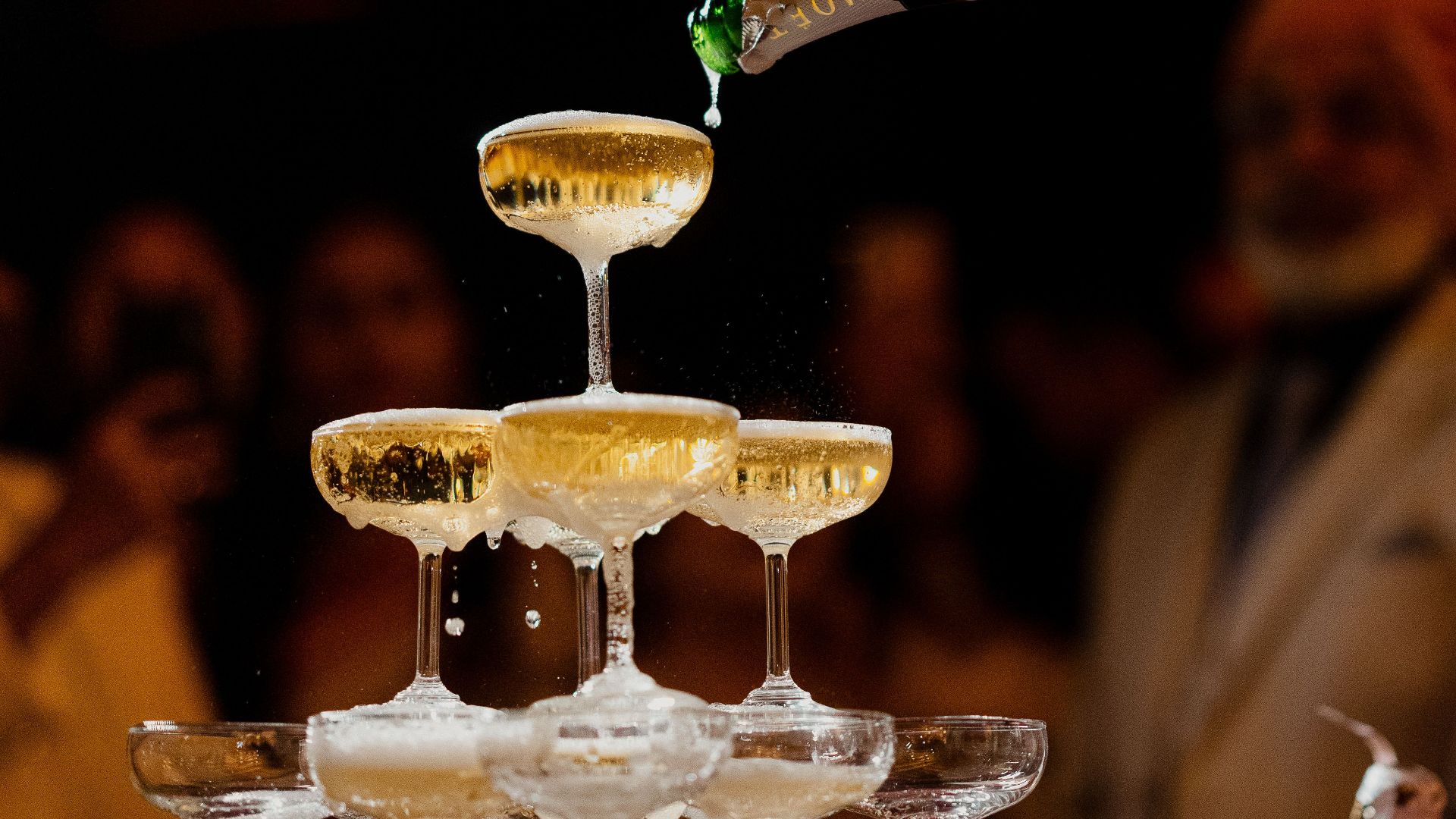
Champagne Fountains
During the 1980s, some wedding receptions featured elaborate fountains circulating sparkling wine. Renting the equipment added another expense to the reception budget. Modern couples often choose conventional beverage service, although champagne towers have experienced their own revival.
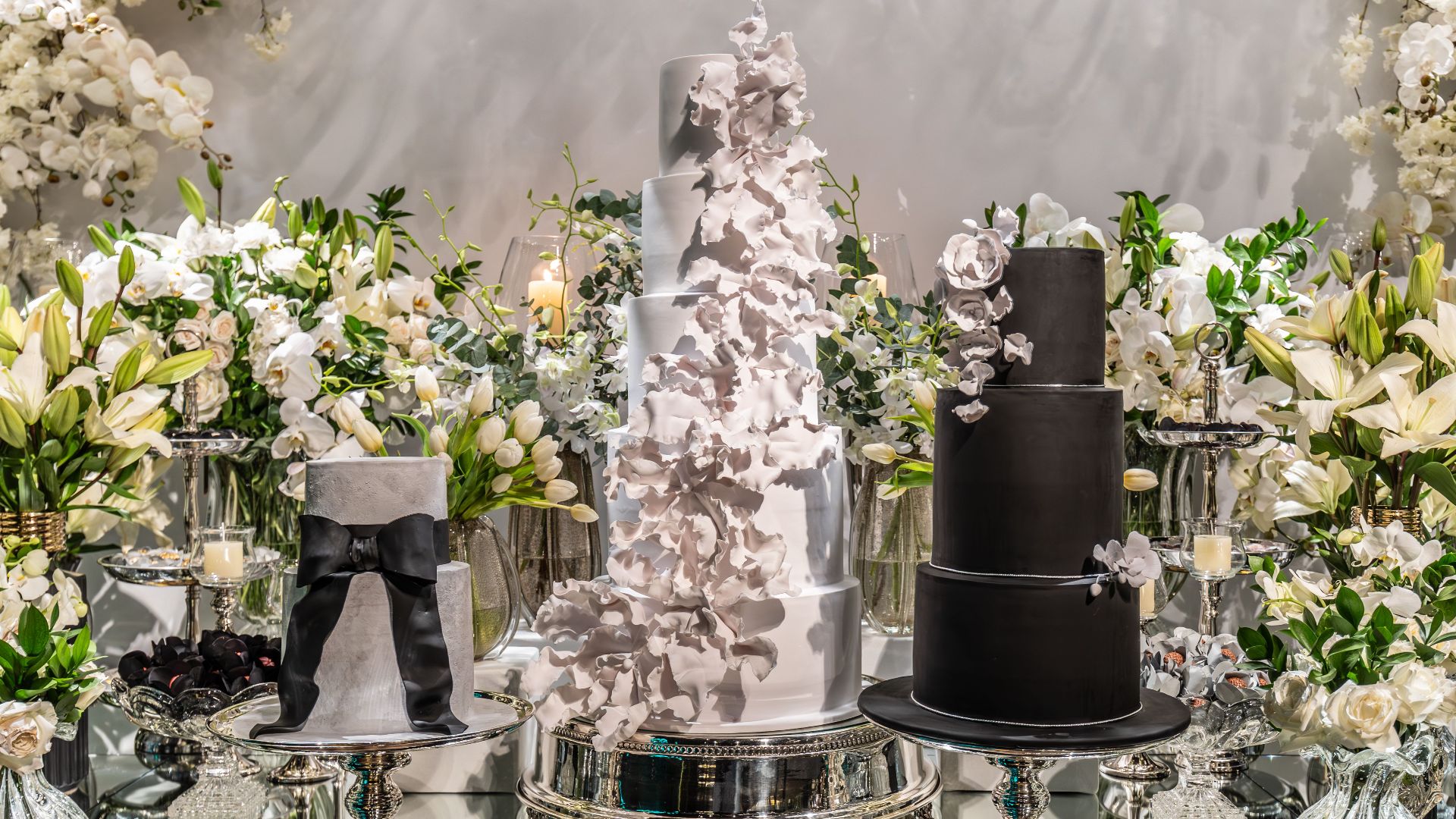
Elaborate Wedding Cake Pillars
Wedding cakes once frequently featured separated tiers supported by decorative pillars. Some elaborate designs even incorporated miniature fountains beneath the cake. Contemporary couples have far more dessert options, reducing the need for these complicated structural decorations.
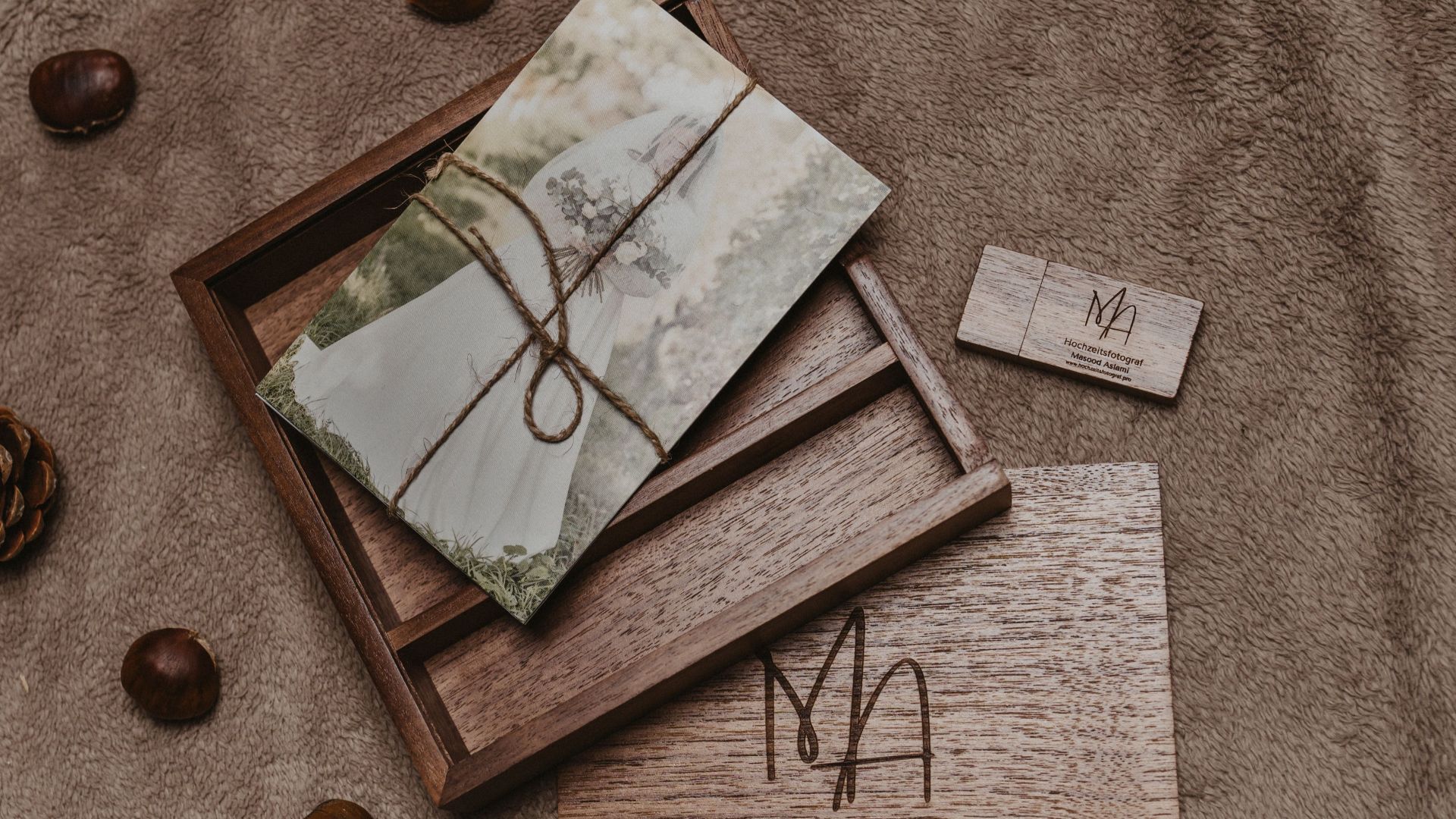
Printed Wedding Photo Packages
Before digital photography, couples relied on film processing and physical prints. Professional albums could include mounted photographs and protective sleeves. Digital galleries now make sharing wedding photographs considerably easier, although physical albums remain popular keepsakes.
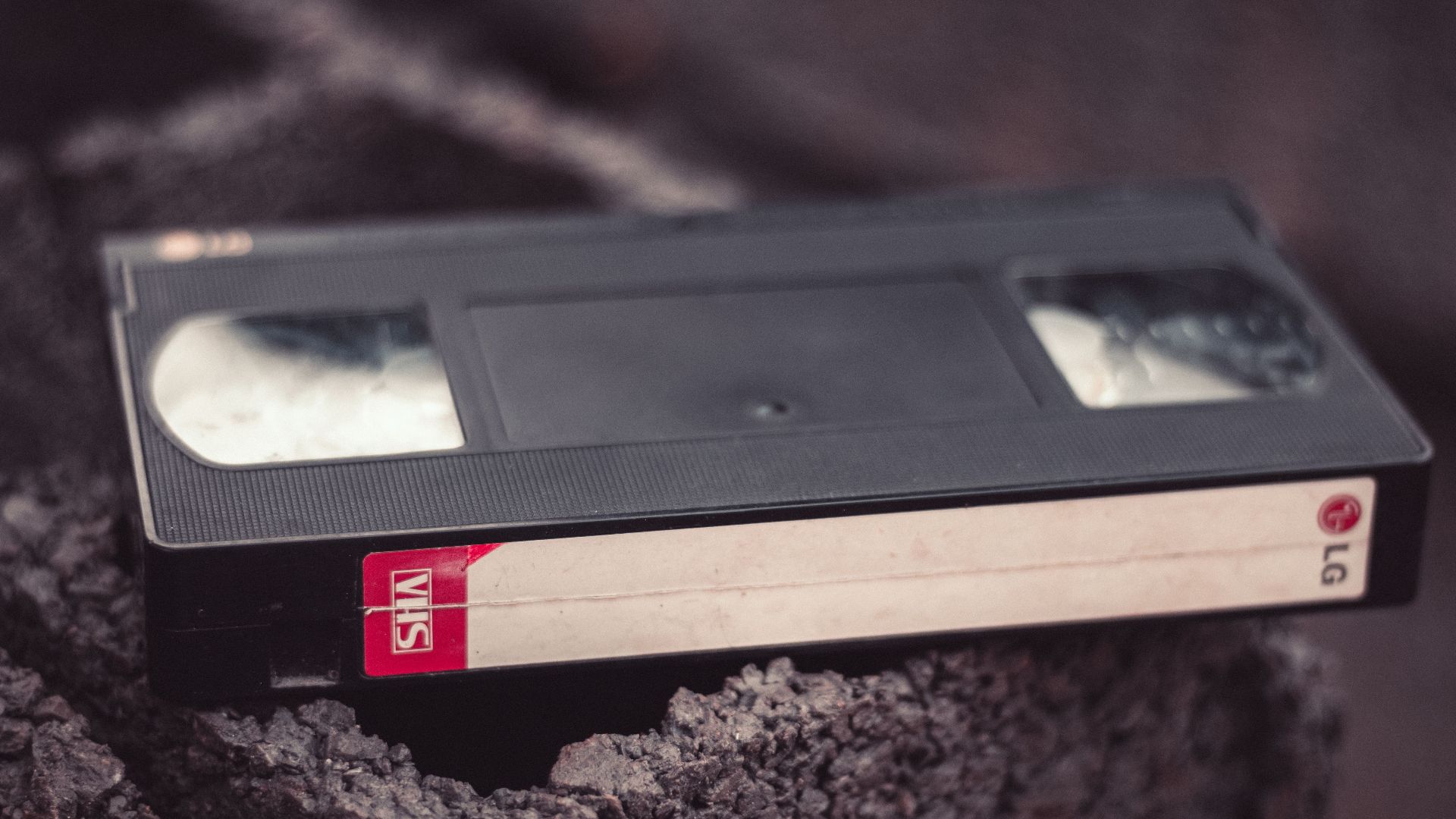
VHS Wedding Videos
During the 1980s and 1990s, wedding videographers frequently delivered recordings on videotapes. Couples paid for physical copies to preserve their ceremonies and receptions. Today's wedding films are generally delivered digitally, eliminating the need for VHS production.
Disposable Cameras On Reception Tables
During the 1990s and early 2000s, couples placed disposable cameras on reception tables to capture candid photographs. Developing the film added another expense. Smartphones have largely replaced this practice, although younger couples are reviving it for nostalgia.
 nick vangopoulos, Shutterstock
You May Also Like:
Everyday American Habits Whose Practical Origins Have Been Totally Forgotten
Sources: 1, 2, 3, 4, 5, 6, 7, 8, 9, 10, 11, 12, 13, 14, 15, 16, 17, 18, 19, 20, 21, 22, 23, 24, 25, 26