Bodies Keep Odd Secrets
Most people move through the day assuming their bodies behave in predictable ways, yet a handful of hidden quirks quietly defy that idea. The deeper things go, the stranger the discoveries become.

Humans Shed About 600,000 Skin Particles Every Hour
A busy city sidewalk shows how easily tiny things scatter, and skin behaves the same way. Around 600,000 particles drift off every hour as the outer layer renews itself. Over a year, the total reaches roughly 1.5 pounds, enough to replace that surface repeatedly.

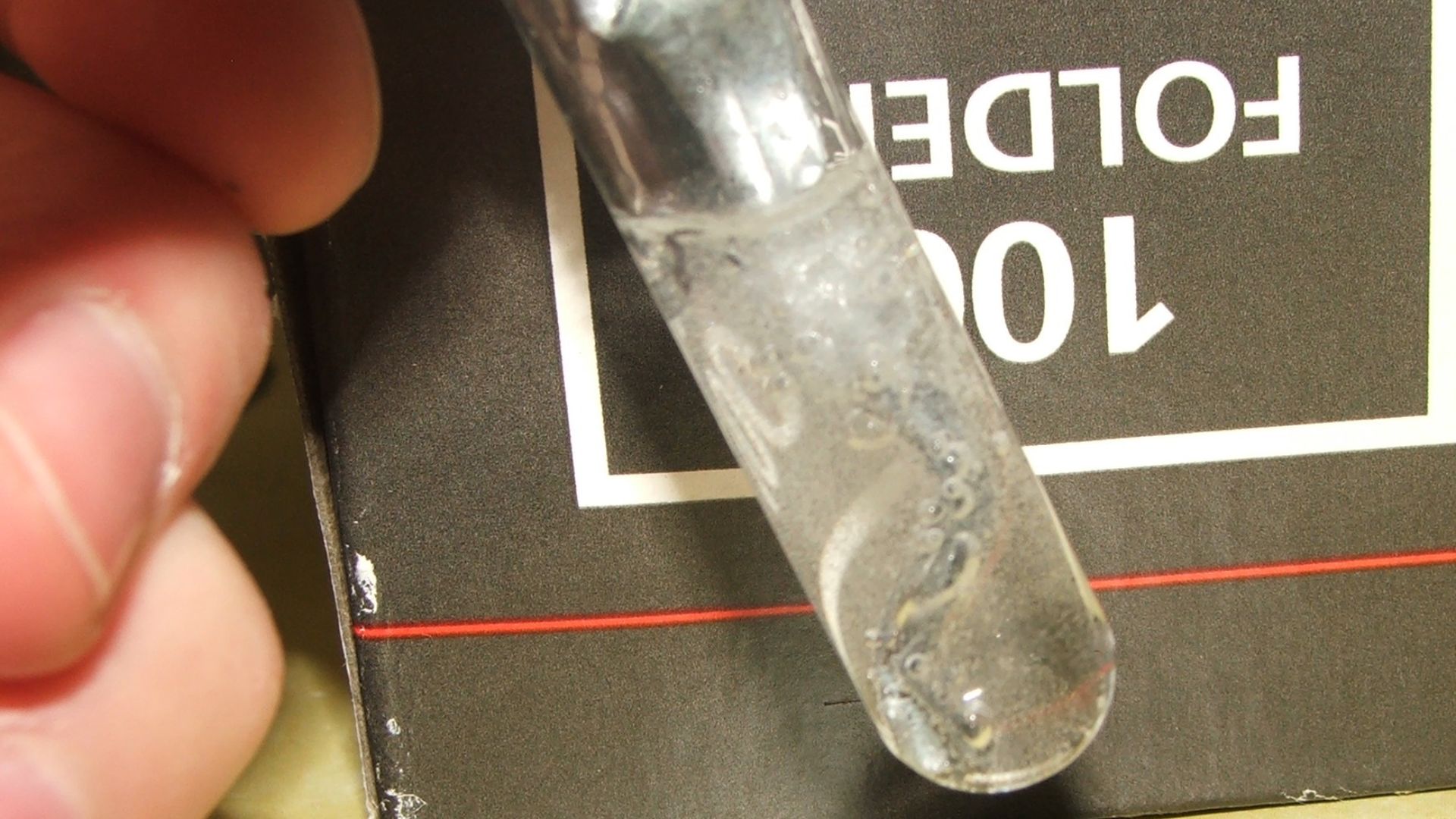
Stomach Acid Can Dissolve Metal
The stomach acts like an industrial vat filled with acid capable of dissolving metals such as zinc. Its lining wears out fast and rebuilds constantly. Then the process shifts to the small intestine, an eighteen-to-twenty-foot tube designed for nutrient absorption.
 Chemicalinterest, Wikimedia Commons
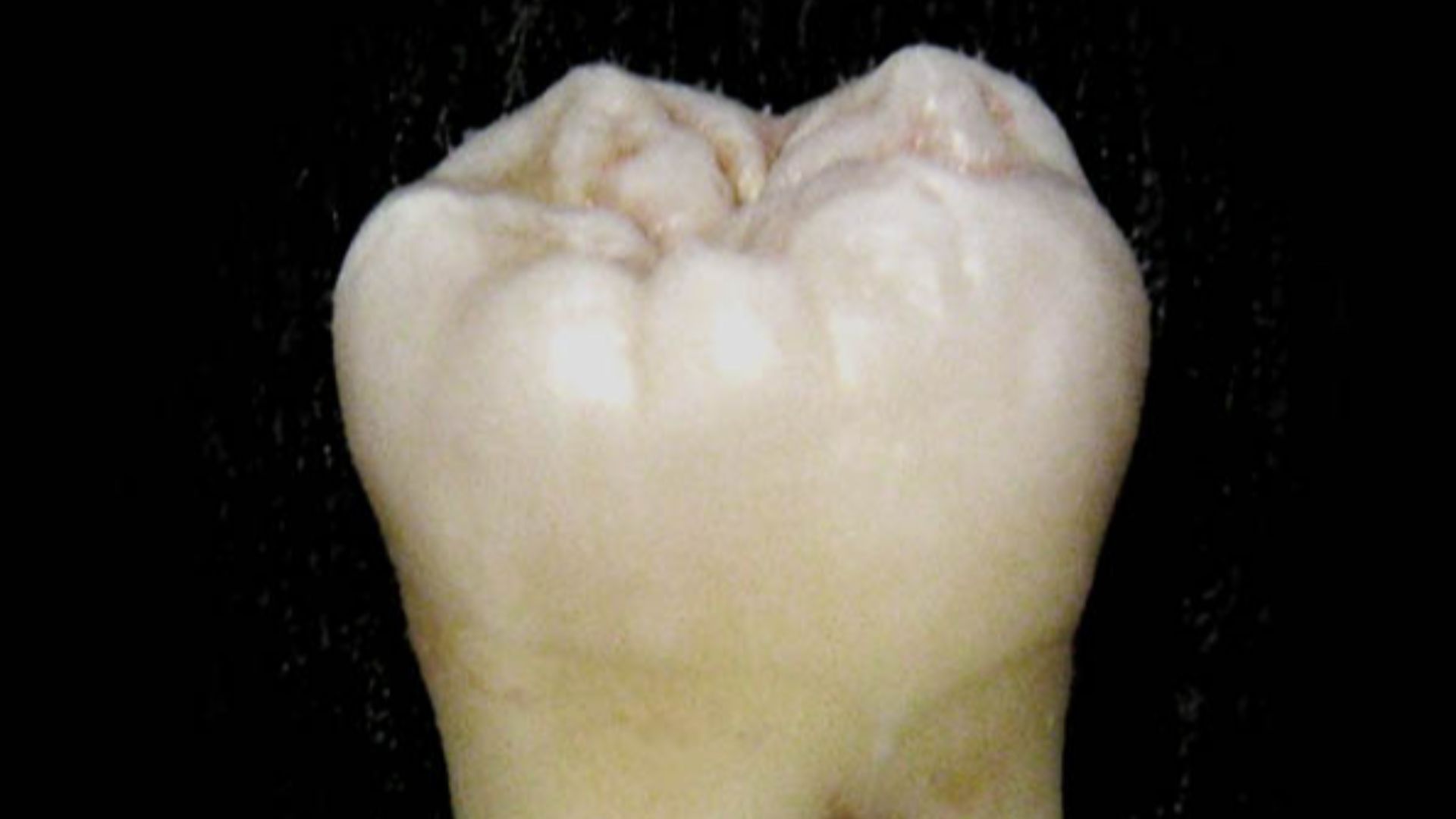
Tumors Called Teratomas Can Grow Hair And Teeth
Stories about tumors containing hair or teeth sound exaggerated until teratomas enter the conversation. These growths form from germ cells that can turn into many tissue types. Most remain simple, though rare cases include bits of bone.
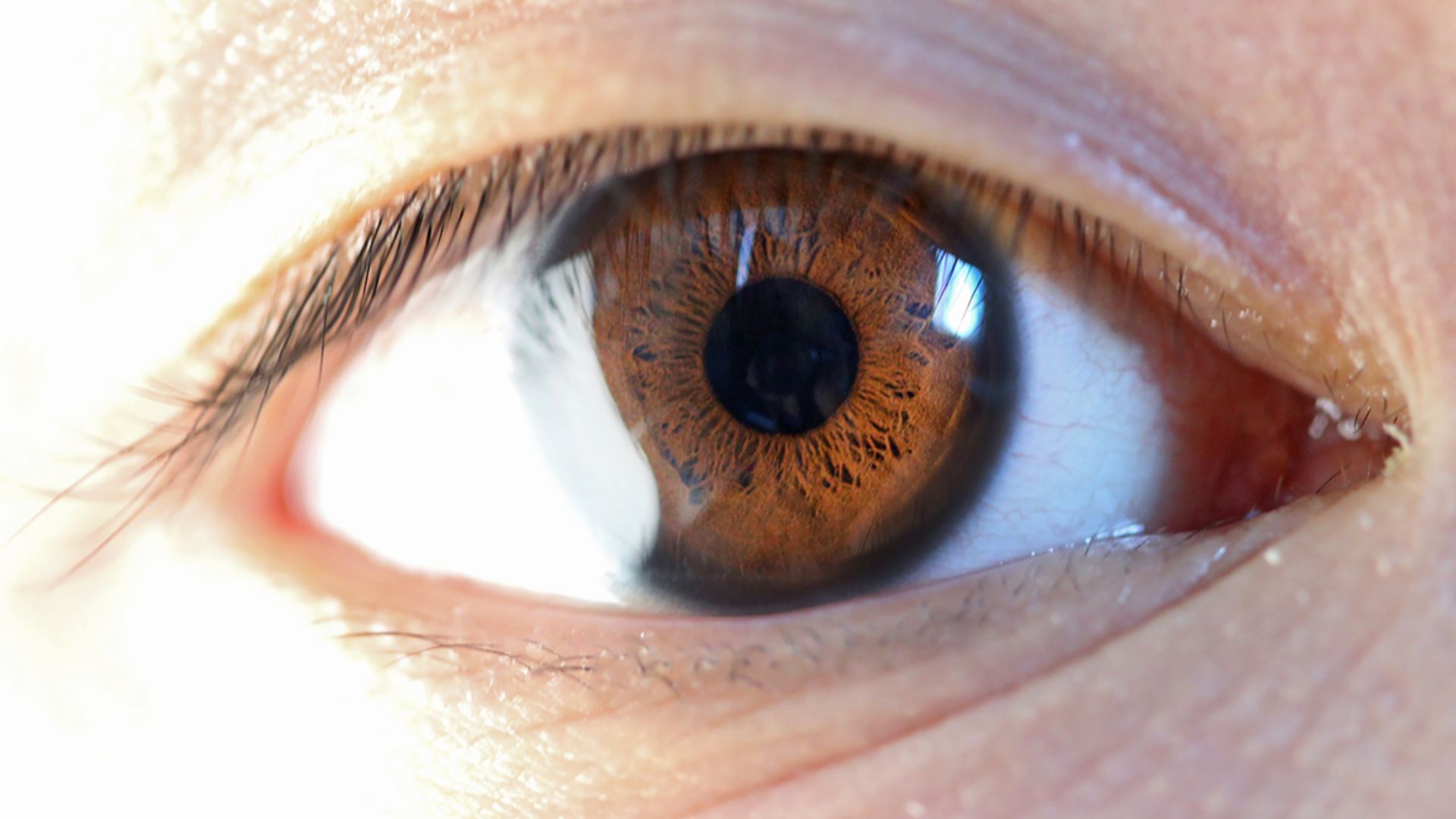
The Cornea Receives Oxygen Directly From Air
The cornea has no blood vessels at all, so oxygen reaches it straight from the surrounding air. This design keeps the front of the eye perfectly clear for incoming light. That’s why contact lenses need to allow enough oxygen to pass through.
 Rapidreflex, Wikimedia Commons
Blushing Turns The Stomach Lining Red Too
Once blushing begins, the body performs a coordinated cascade. Blood vessels open across several regions, sending a brief wave of redness through internal tissues as well. Some questioned this effect years ago, but the consistent vascular pattern supports how different areas can flush together.

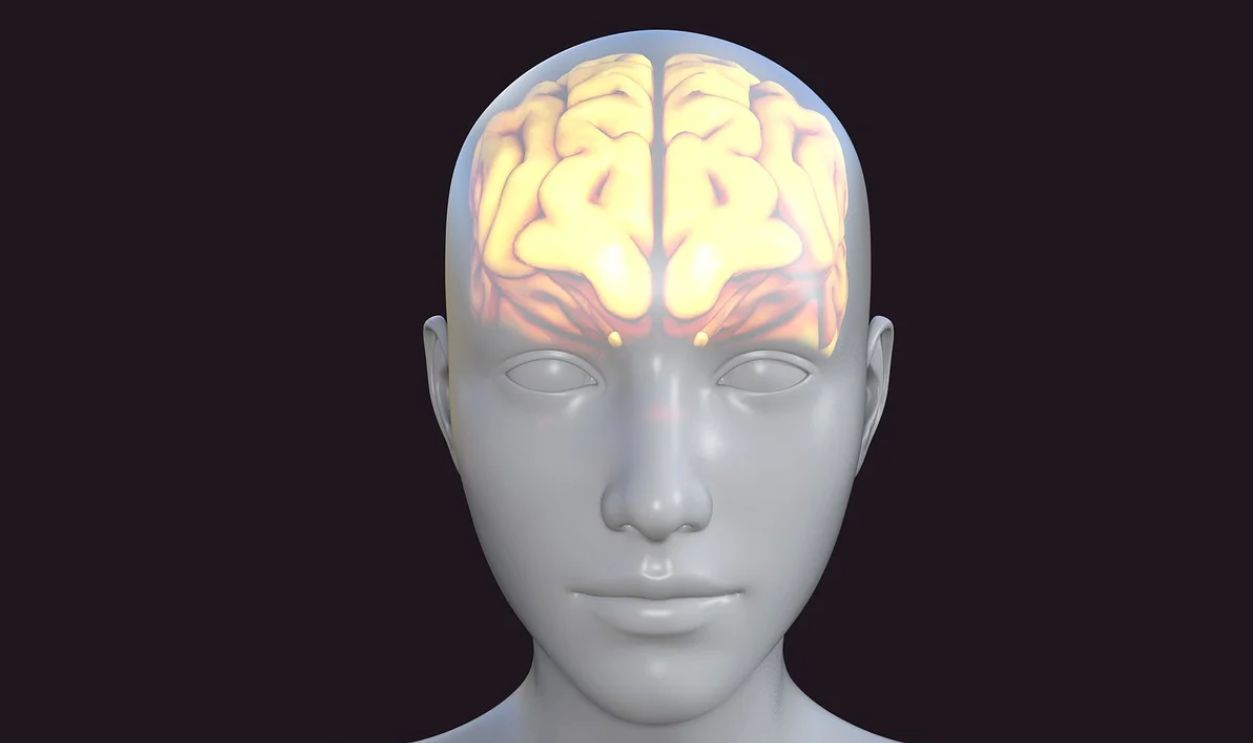
Your Brain Can Survive Several Minutes Without Oxygen
Your brain can keep going for a short time even without oxygen, but the clock starts ticking fast. In most cases, it can last about three to six minutes before serious damage begins. After that point, brain cells start breaking down quickly, which is why immediate help is crucial.
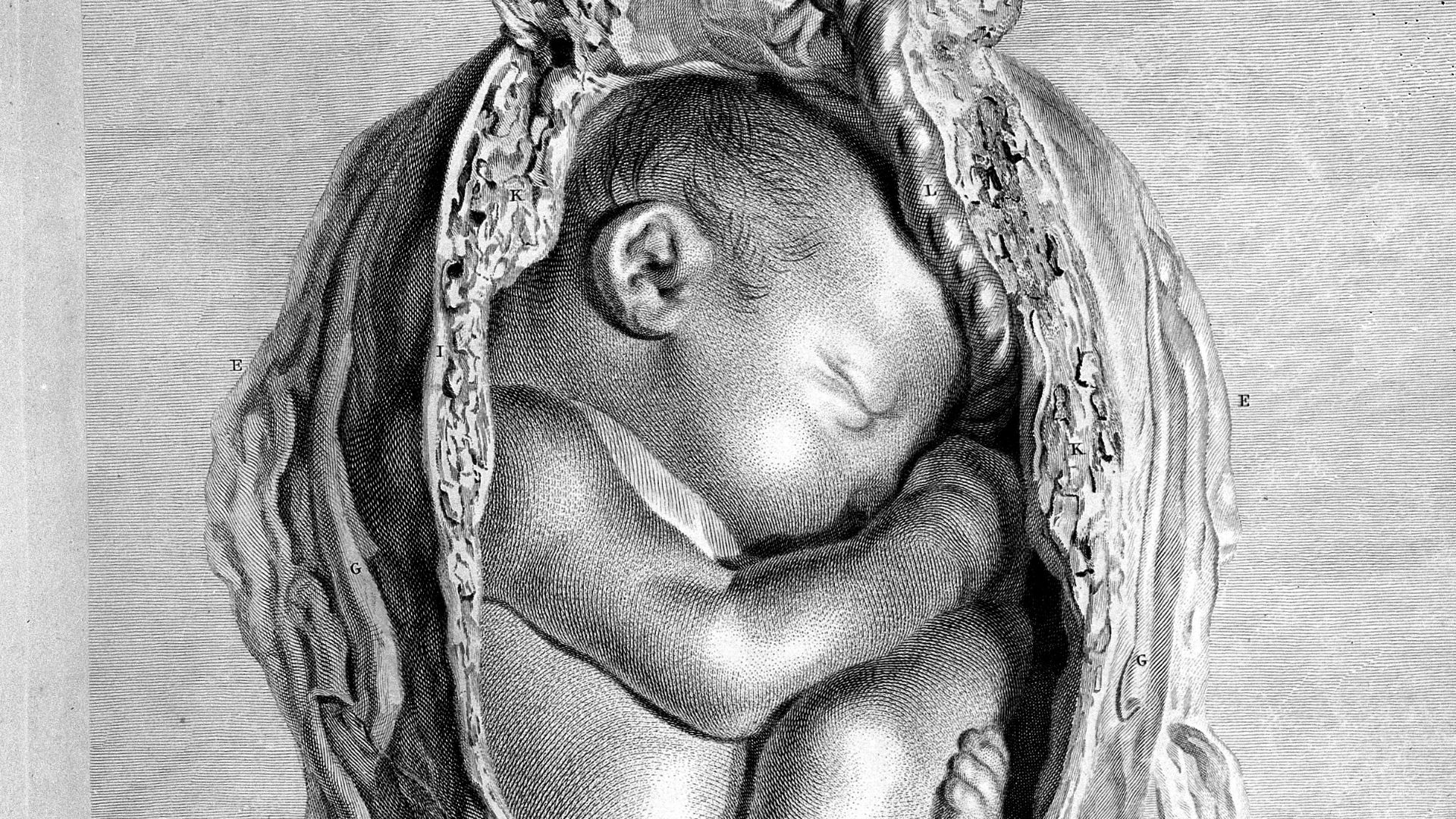
Babies Develop Fingertips While Still In The Womb
Tiny ridges start forming long before birth, which give every person a set of fingerprints that never changes. These patterns appear around the third to fourth month of pregnancy as fetal skin develops its distinct shape.
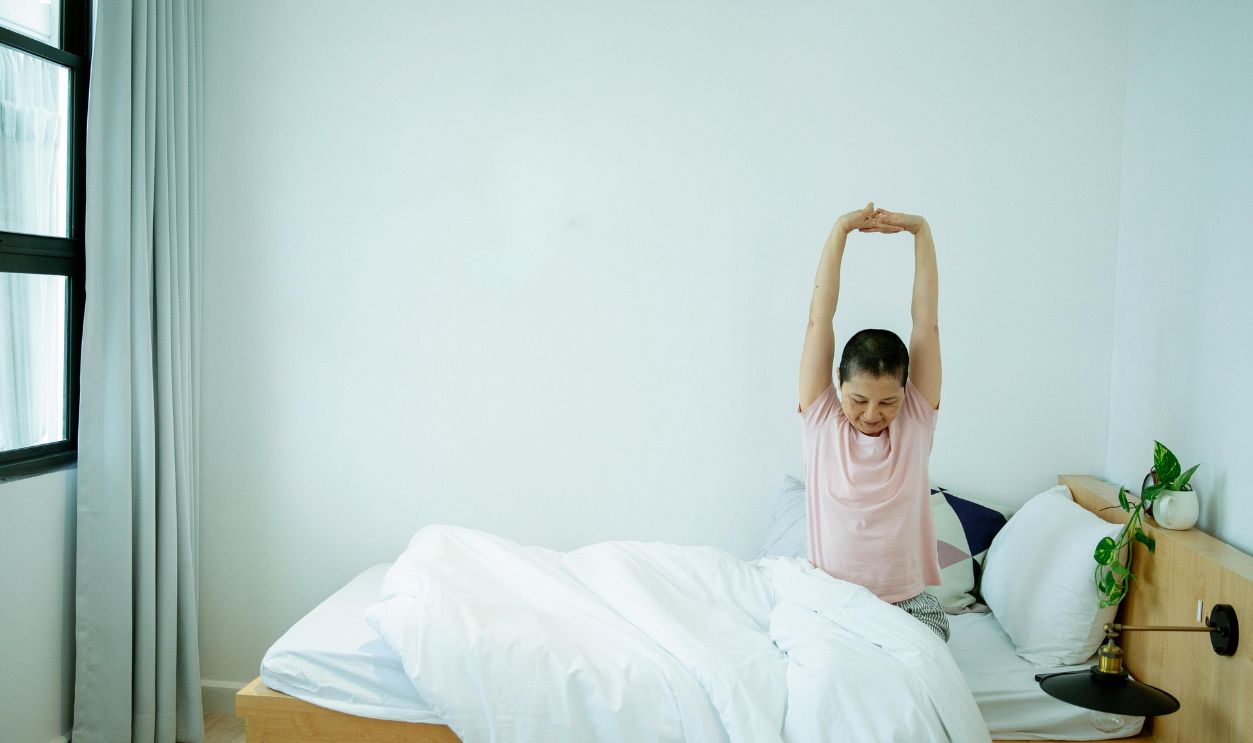
You’re Slightly Taller In The Morning Than At Night
Sleep actually does more than rest the mind. Hours without standing allow spinal cartilage to re-expand after a full day of compression. Gravity slowly pushes everything downward, so height decreases by evening. After lying down overnight, the spine lengthens again.

History's most fascinating stories and darkest secrets, delivered to your inbox daily.
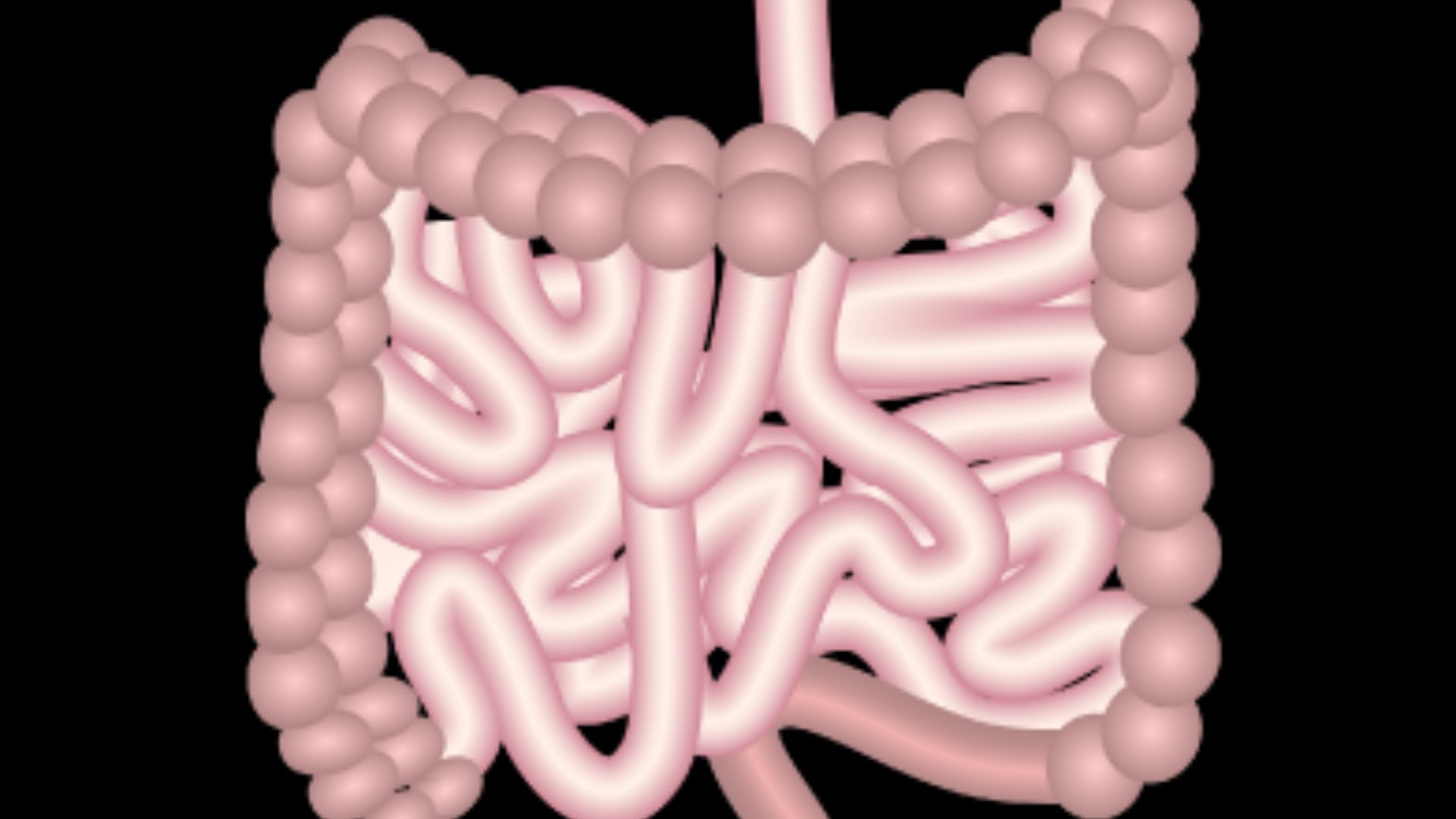
The Small Intestine Is About 18–23 Feet Long
Uncoiled, the small intestine’s length reaches roughly eighteen to twenty-three feet, which is several times taller than the average adult. That extended pathway increases surface area for absorbing nutrients. Despite being packed tightly inside the abdomen, it handles the bulk of digestion.
 DataBase Center for Life Science (DBCLS), Wikimedia Commons
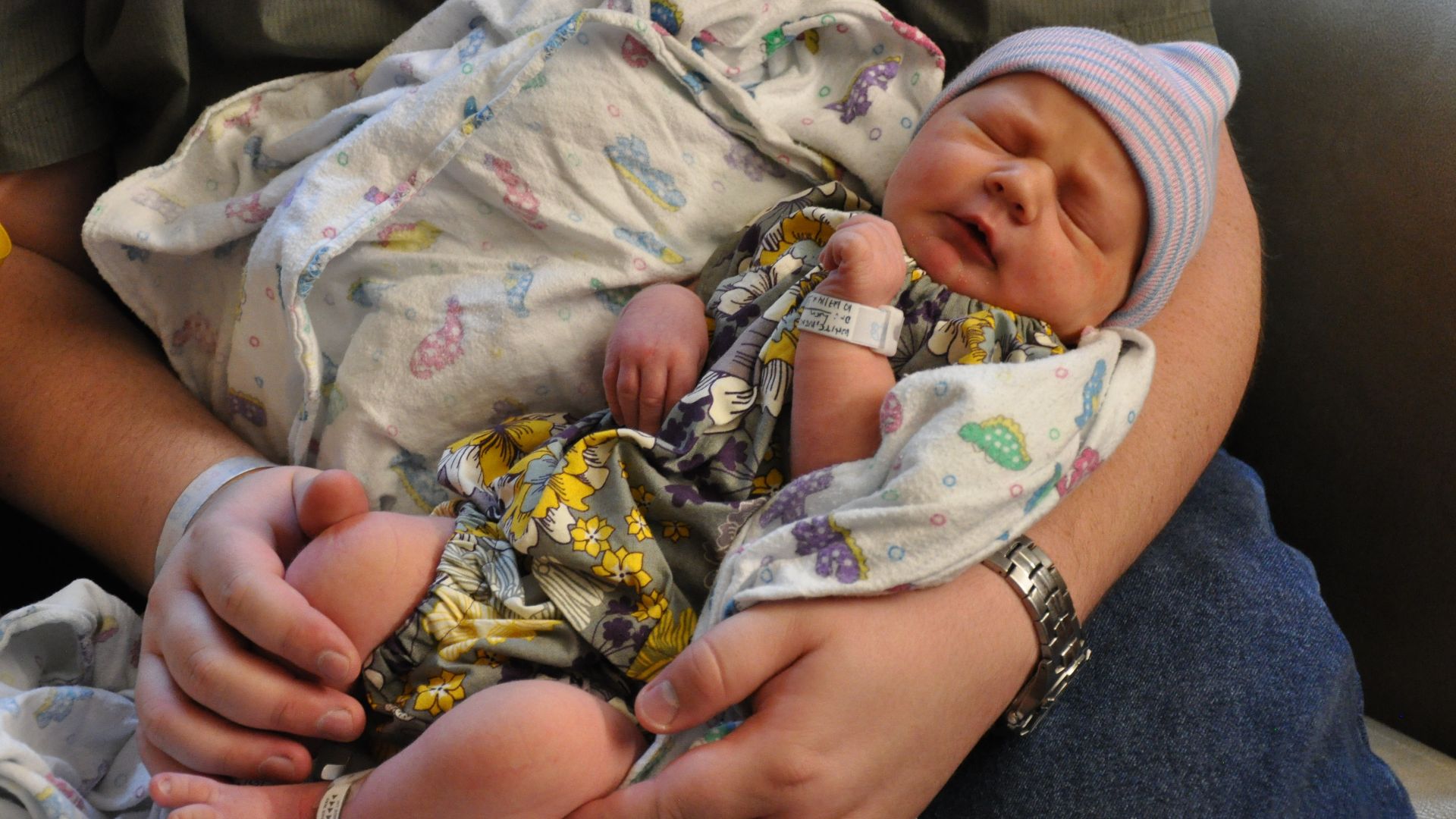
You’re Born With More Bones Than You Keep
Newborns start life with roughly three hundred bones, many separated to support early growth. Over time, several pieces fuse to create sturdier structures. By adulthood, the total falls to about two hundred six. The process shapes everything from the skull to the spine.
 Kimberly Vardeman, Wikimedia Commons
Your Heart Can Keep Beating Outside Your Body (With Oxygen)
A heartbeat doesn’t rely on the rest of the body to keep its rhythm. Cardiac muscle generates its own electrical impulses, so with an oxygen supply, the organ can continue beating outside the body. That self-contained system allows it to remain active during transplant transport.

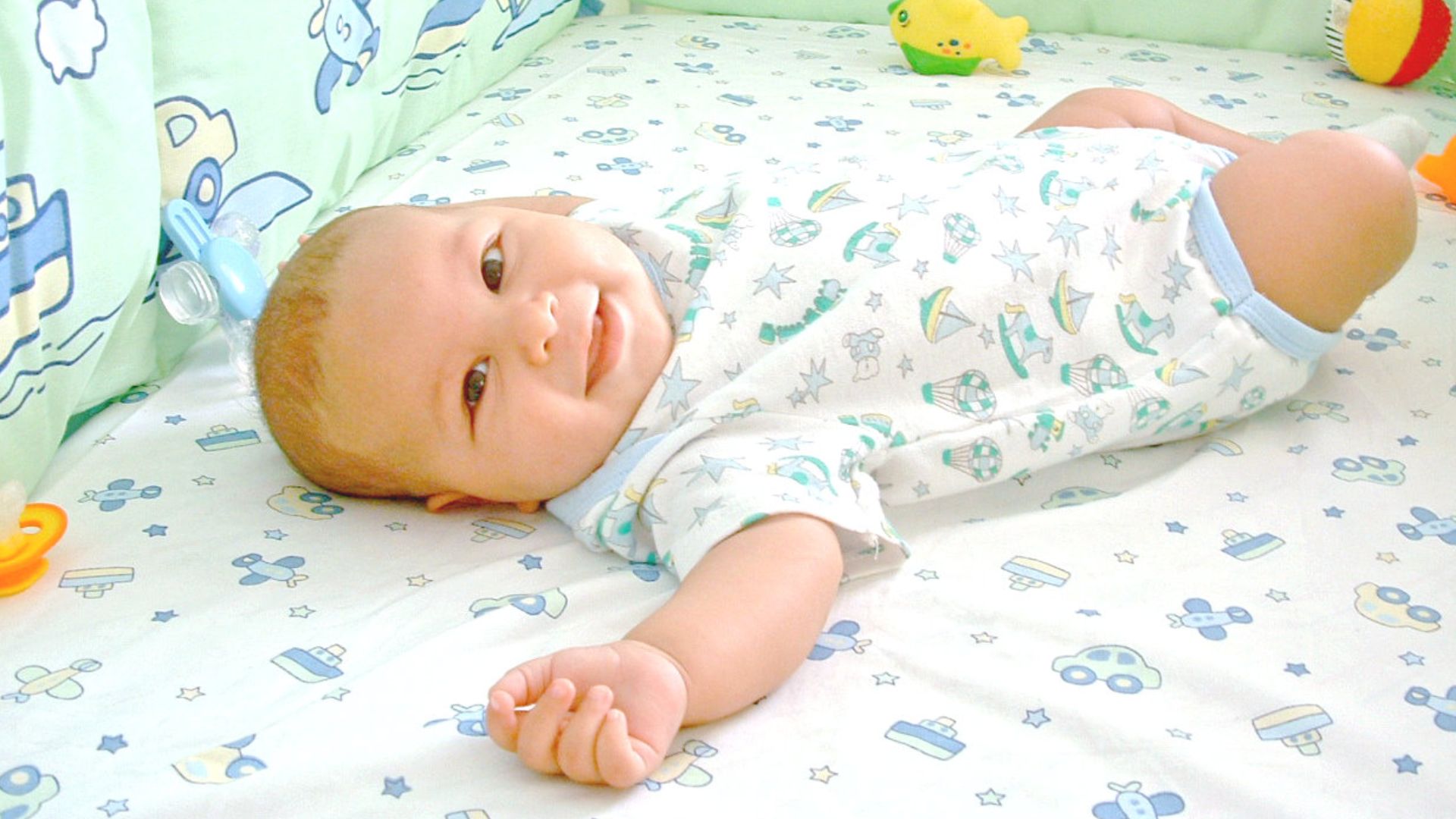
Humans Are Born With A Diving Reflex That Shuts Down Some Bodily Functions
Cold water once meant survival, and newborns still carry a version of that instinct. Submersion slows the heart rate and redirects blood toward vital organs to preserve oxygen. Infants show the strongest response, even managing brief breath holds. The reflex fades with age but never disappears entirely.
 Carin Araujo, http://www.prtc.net/~carin, Wikimedia Commons
Your Brain Could Shrink Slightly During Pregnancy
Changes during pregnancy reach far beyond the obvious ones, and the brain quietly adapts along the way. Its volume can shrink slightly, a shift that may continue for two years after birth. The adjustment reflects natural remodeling rather than damage.
 Oyvind Holmstad, Wikimedia Commons
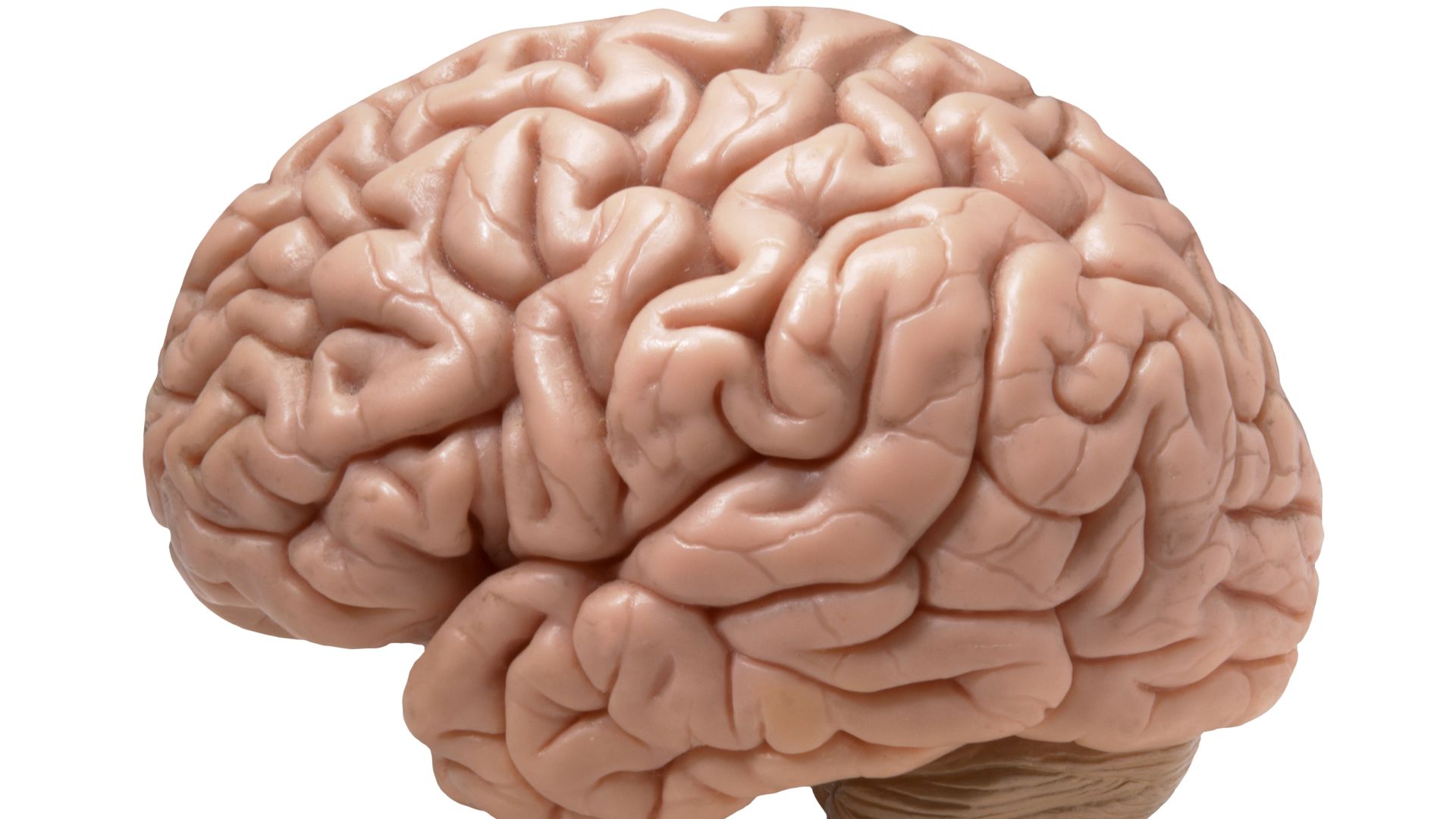
Smoothed-Out, The Human Brain Would Be The Size Of A Pillowcase
All those folds and grooves hide a surprising amount of surface area. Flatten every wrinkle of the cortex, and it spreads roughly twenty-five hundred square centimeters. Evolution stacked these layers to pack more processing power into a small, protected space inside the skull.
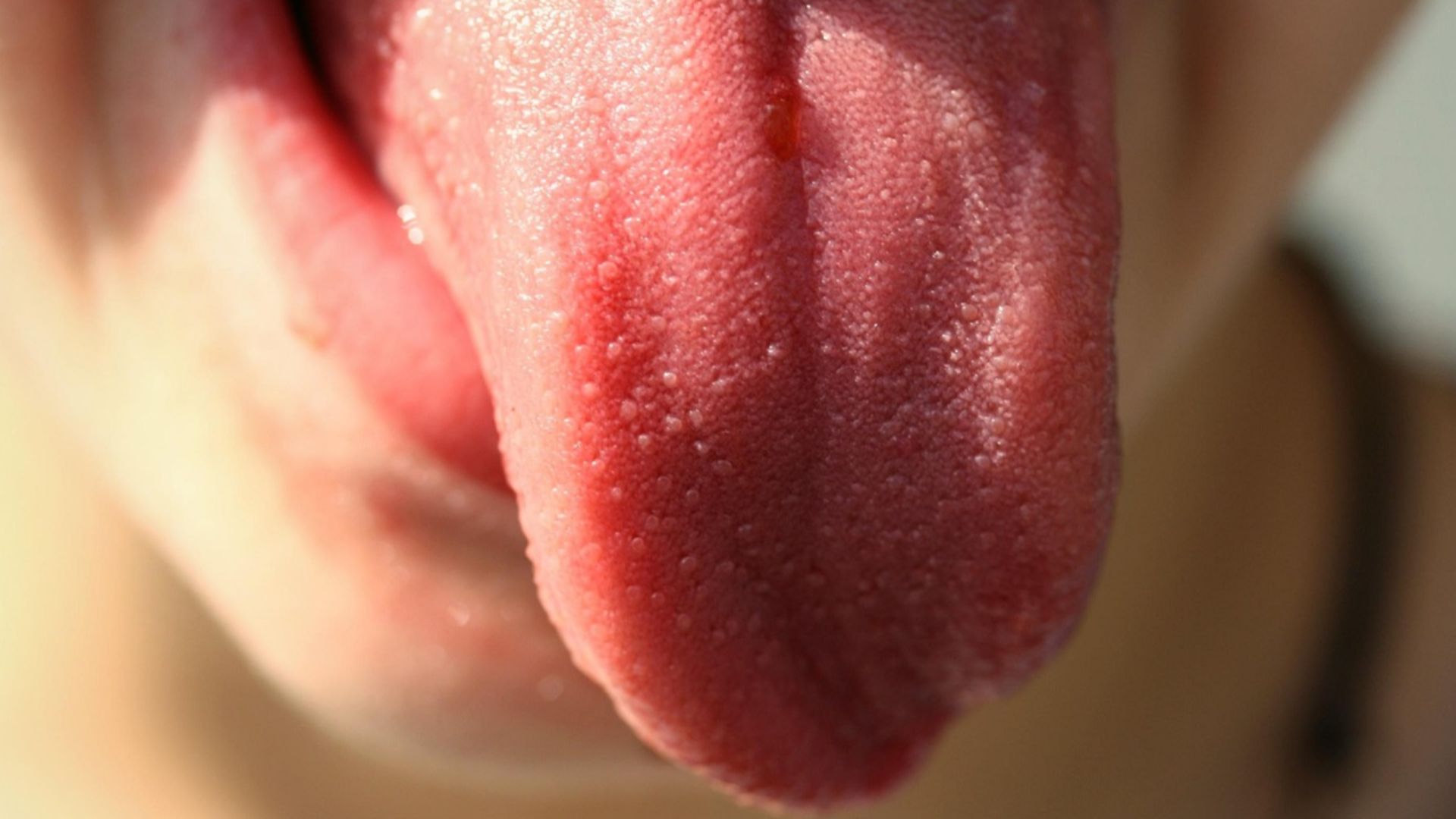
Humans Have Unique Tongue Prints
Some forms of identification don’t involve hands at all. The tongue carries its own set of ridges and patterns that remain unchanged throughout life. Each one is unique, much like a fingerprint.
In A Lifetime, You Produce Enough Saliva To Fill Two Swimming Pools
Consider how quickly one liter of water pours from a bottle. The mouth produces that much saliva every day. Stretch that output across decades, and the total could fill two swimming pools. It comes from multiple glands working continuously around the clock.
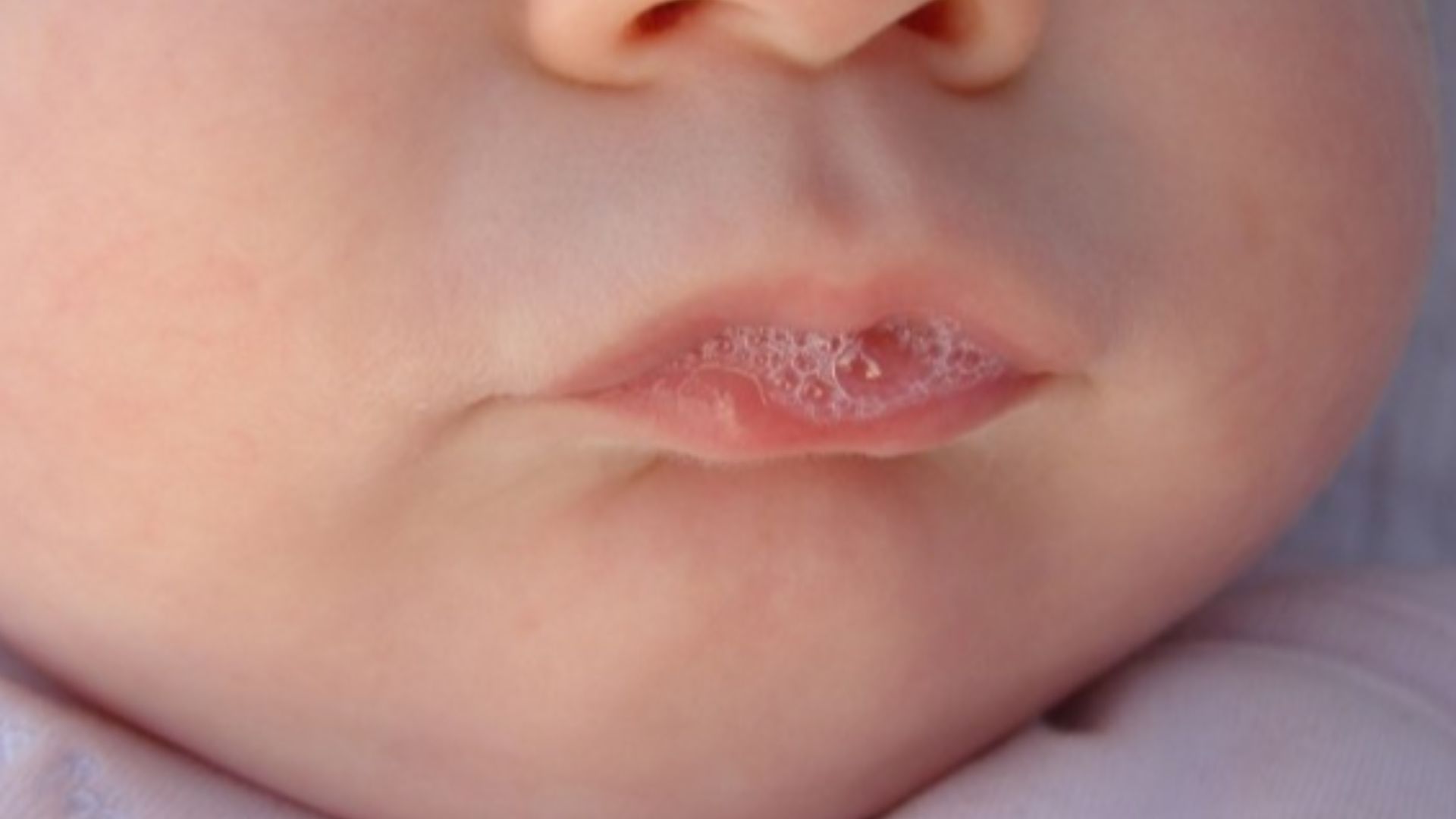
Your Lungs Are The Only Organs That Float In Water
Drop a lung into water, and it floats, supported by millions of tiny air-filled alveoli that hold pockets of air even when the organ is empty. You rely on those same sacs for the huge surface area needed for gas exchange.
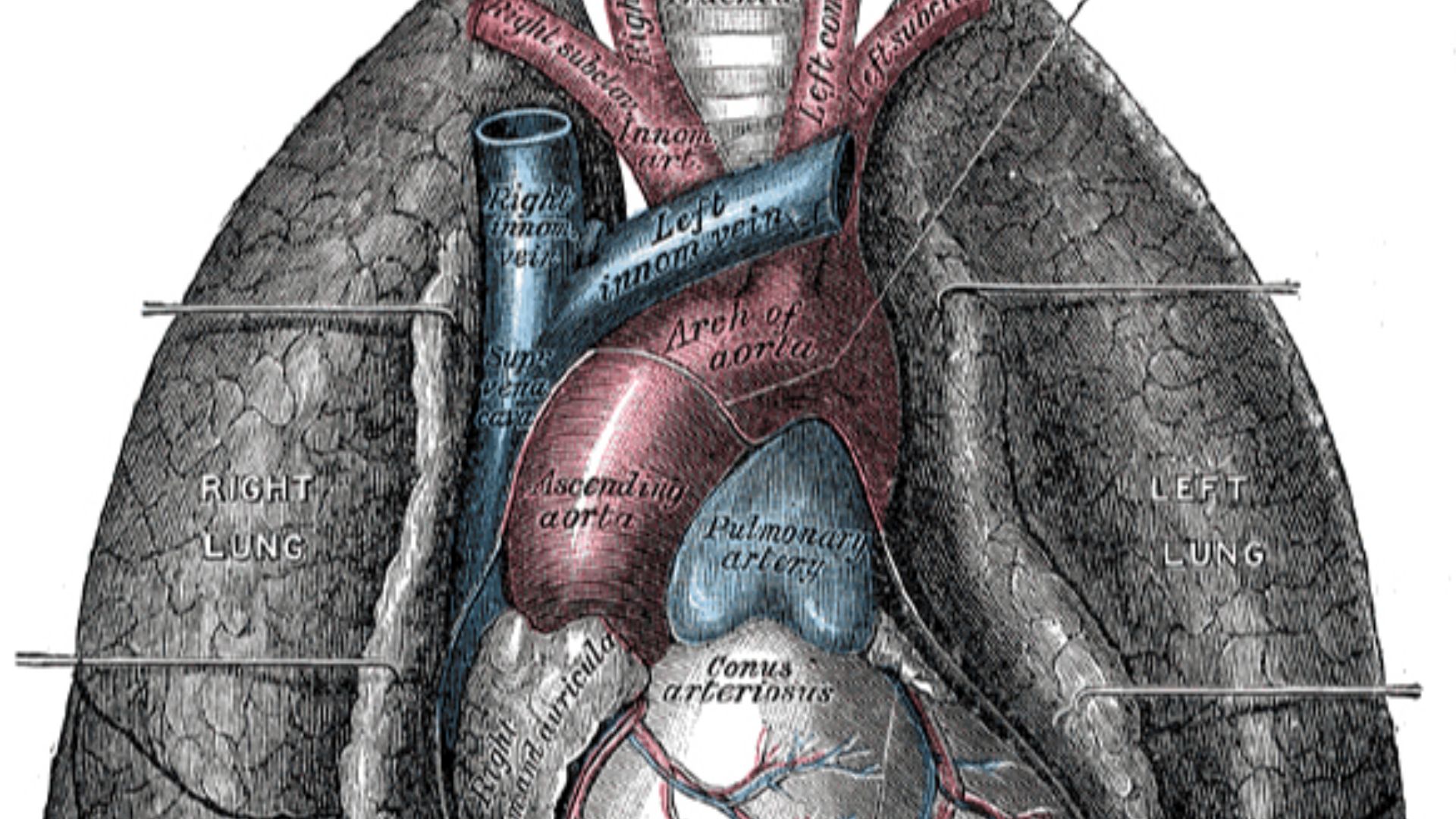 Gray's Anatomy, Wikimedia Commons
You Can’t Breathe And Swallow At The Same Time
Try pairing a swallow with a breath, and the throat refuses to cooperate. The epiglottis flips over the windpipe during swallowing, which blocks airflow so food doesn’t slip into the lungs. Because the two pathways cross, simultaneous action becomes impossible.

Your Right Kidney Sits Lower Than The Left
If you imagine your organs lined up neatly, the kidneys quickly challenge that picture. Your right kidney sits lower because the liver sits above it and takes up more room. That downward nudge makes the left kidney appear higher to sit safely beneath the ribcage.
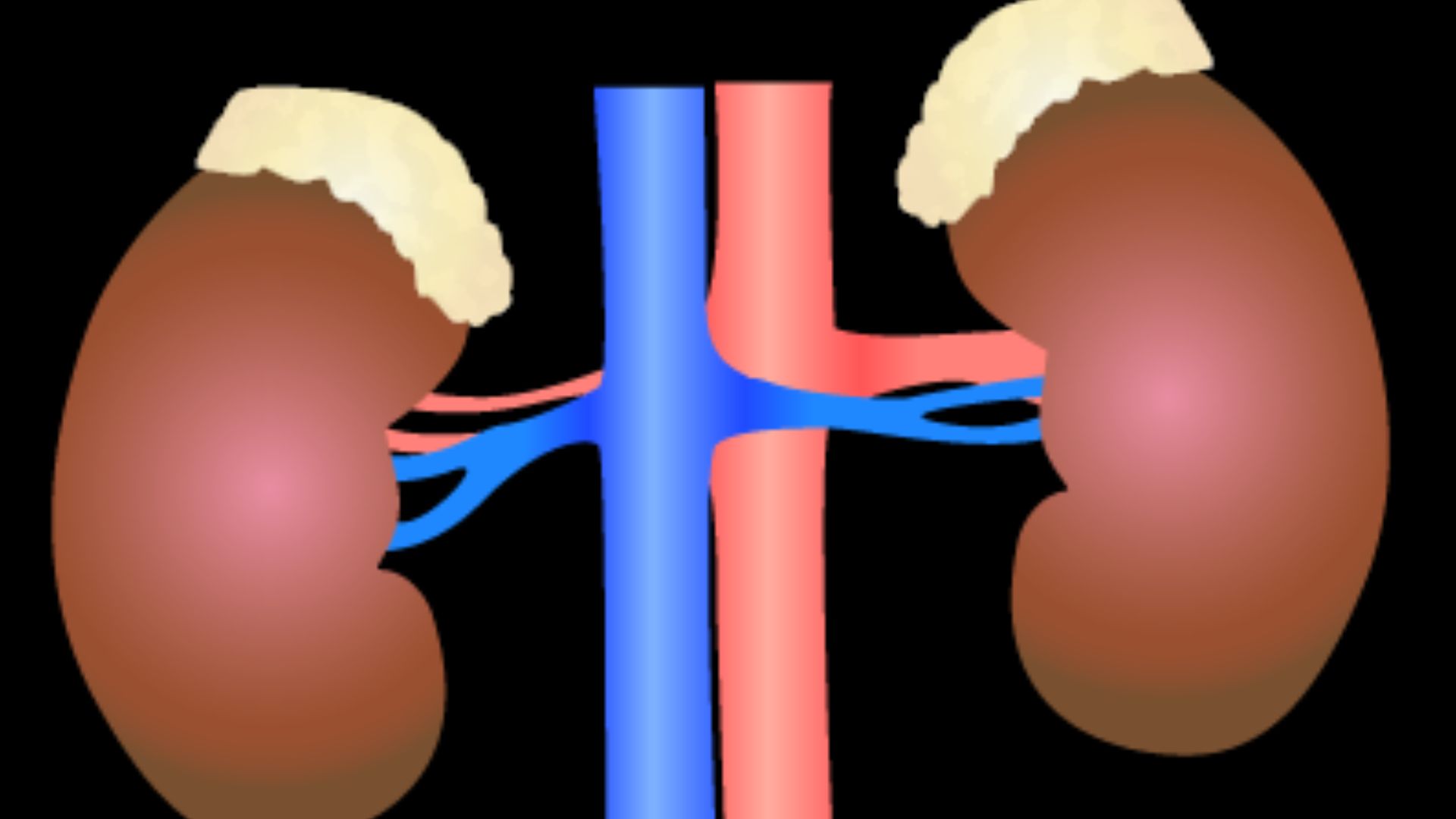 DataBase Center for Life Science (DBCLS), Wikimedia Commons
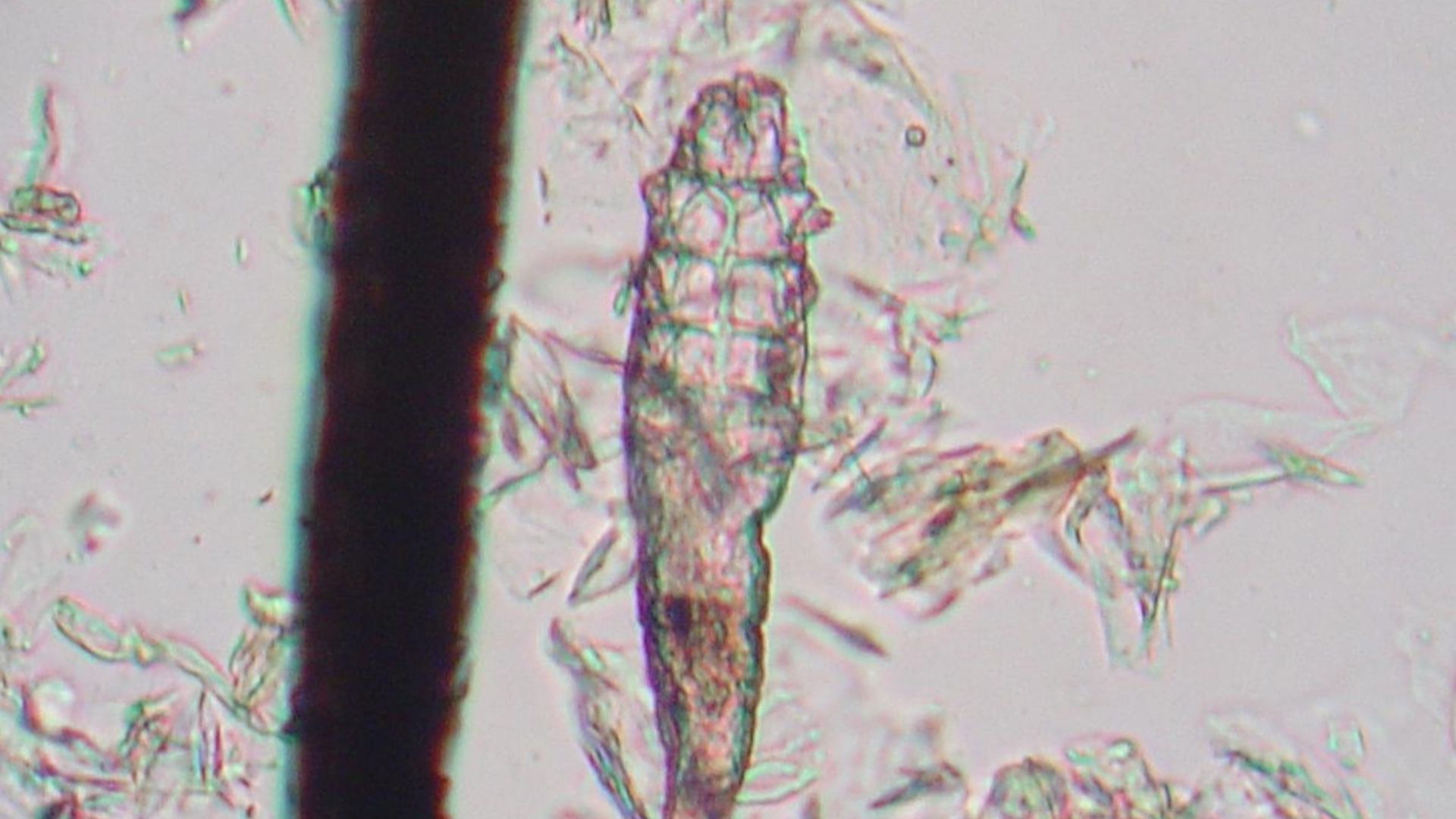
Tiny Mites (Demodex) Are Living In Your Eyelashes And Pores
Nighttime brings out some of the smallest companions humans carry. Demodex mites, too tiny to see unaided, live inside pores and eyelash follicles. They feed on dead skin cells and natural oils, and their limited numbers usually prevent any noticeable irritation.
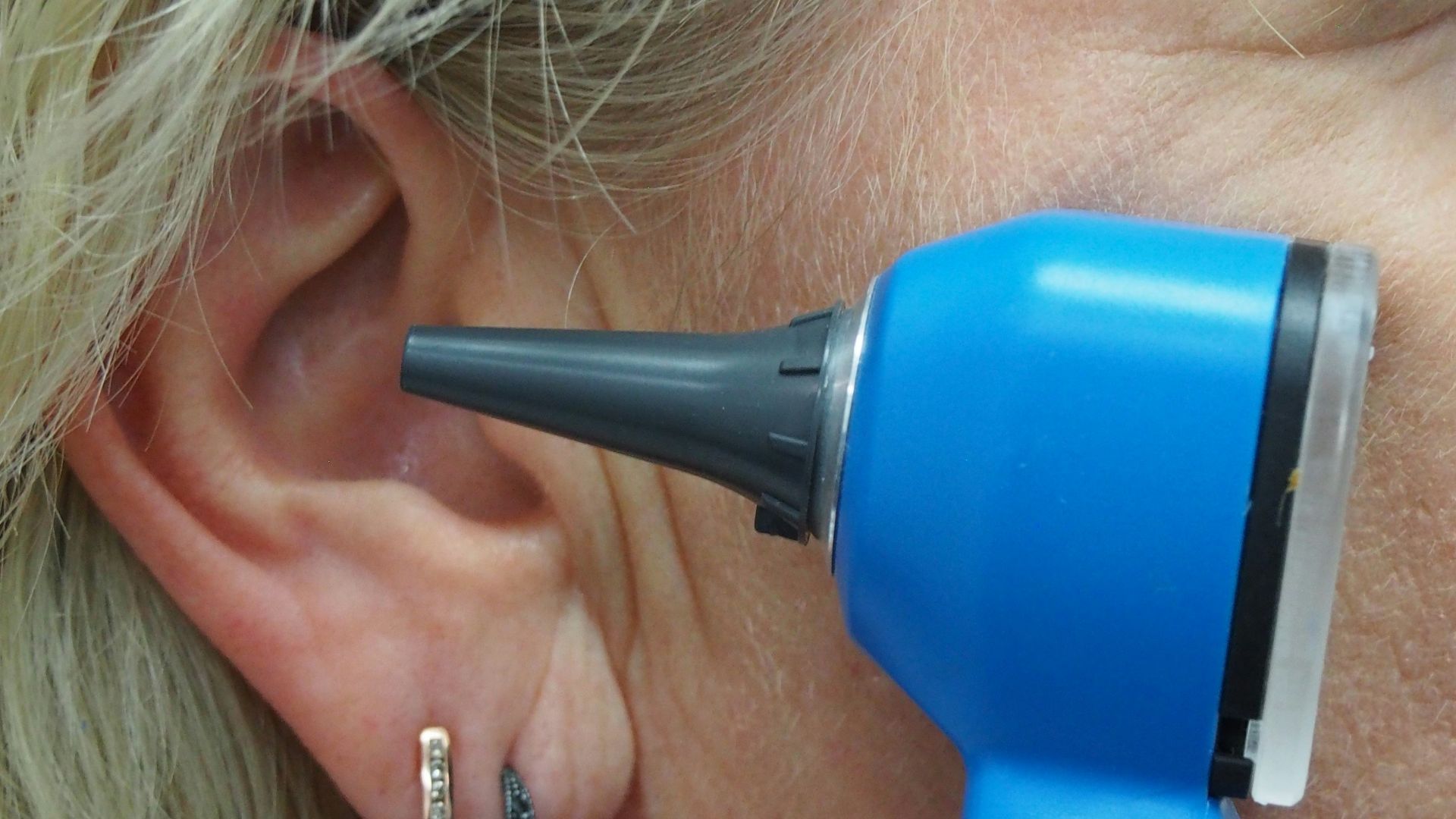
Your Earwax Is Actually A Form Of Sweat
A closer look at the ear canal shows glands doing a job most people don’t expect. They’re modified sweat glands and produce earwax from secretions mixed with dead skin cells and tiny hairs. The sticky layer traps dust and microorganisms.
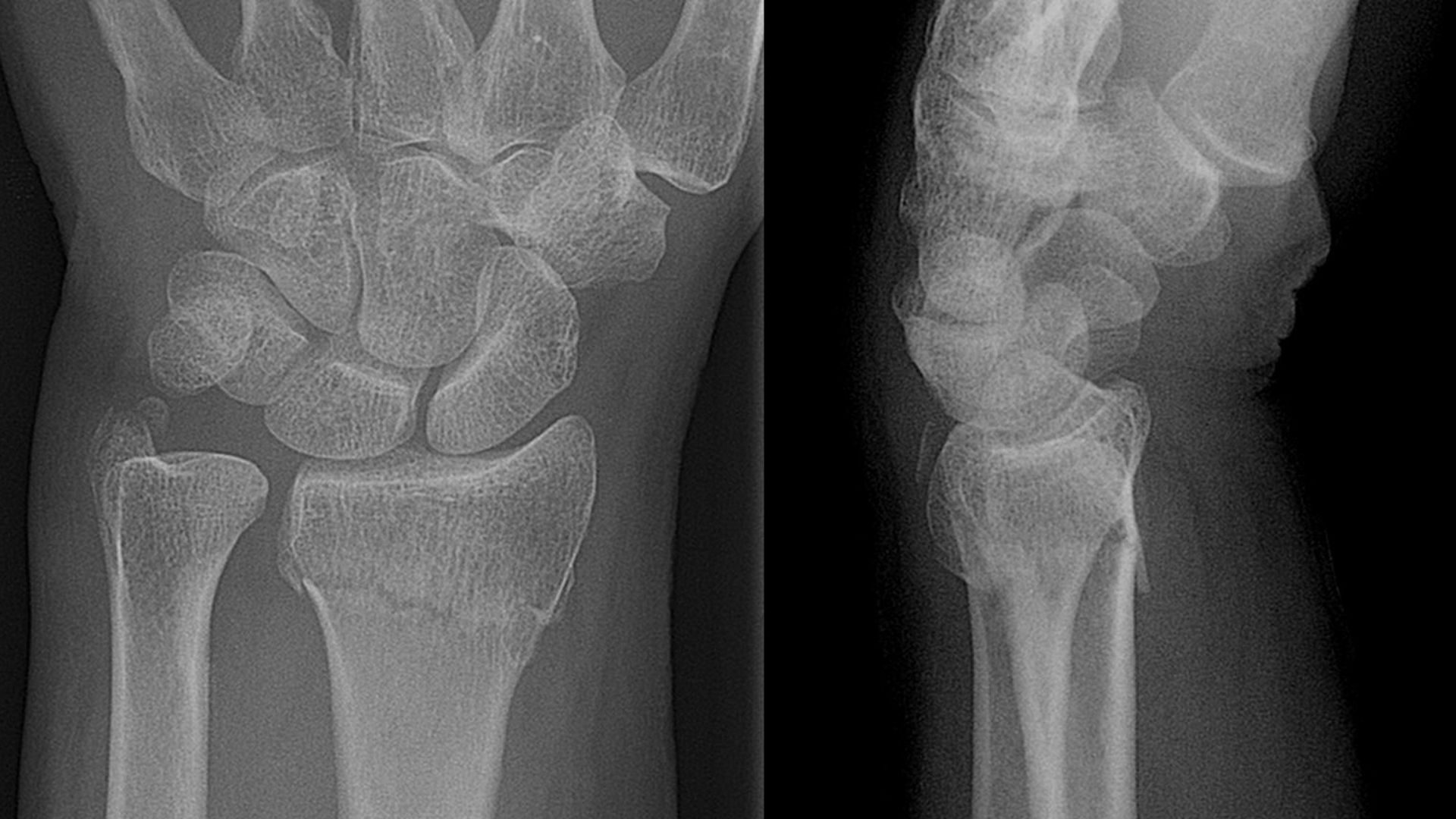
Bones Are Living Tissue
Bones behave more like active construction sites than stiff, lifeless support beams. Specialized cells constantly break old bone down and rebuild new structure in its place. This ongoing remodeling explains how fractures heal once immobilized. The tissue never stops changing, quietly renewing itself throughout an entire lifetime.
 Lucien Monfils, Wikimedia Commons
Your Heart Beats ~100,000 Times A Day
Across a full day, the heart drives an enormous workload. In fact, it fires close to one hundred thousand beats. Each steady contraction sends blood through thousands of gallons of circulation. The pace never fully rests to maintain a continuous rhythm.

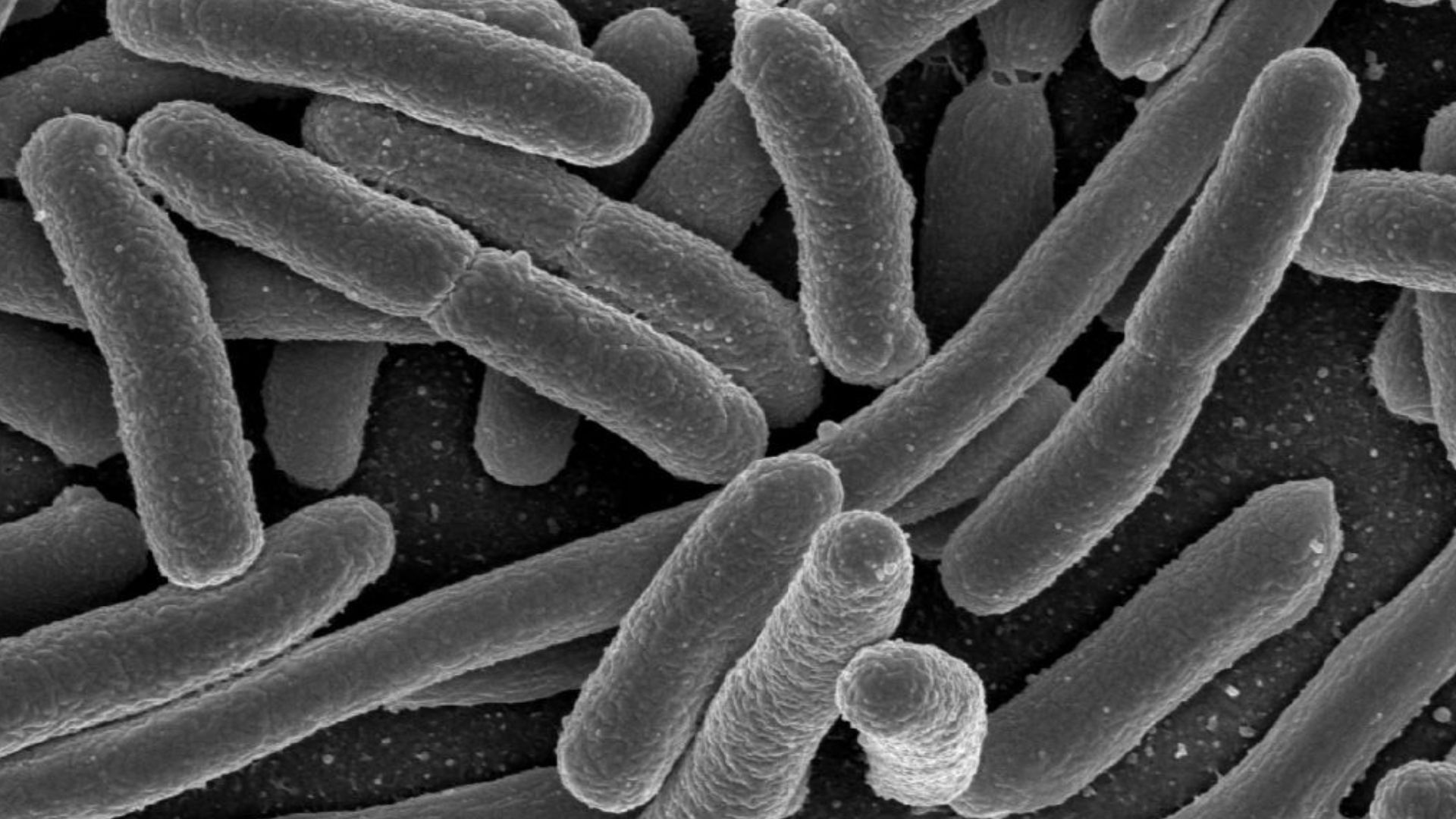
The Human Body Is Home To Trillions Of Microorganisms
Every surface of the body hosts microscopic residents, which form a community of bacteria, viruses, and fungi. Many species outnumber human cells, though their total mass stays under a kilogram. Most behave as harmless or helpful partners, especially in the gut.
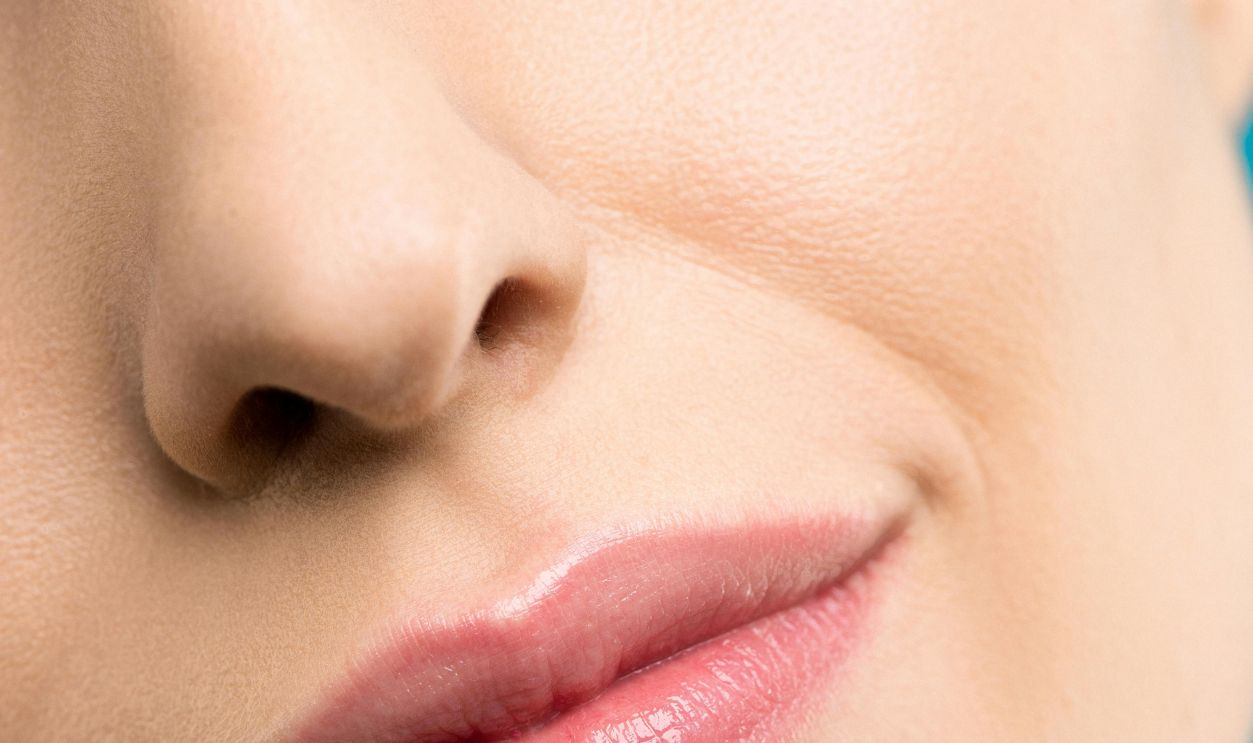
There’s Erectile Tissue Inside Your Nose
The nose runs a quiet rotation system all day long. Nasal erectile tissue periodically enlarges on one side, then relaxes on the other. Built like erectile tissue elsewhere in the body, it helps your nose balance moisture levels and stabilize temperature with every breath.