When Visibility Slips Away
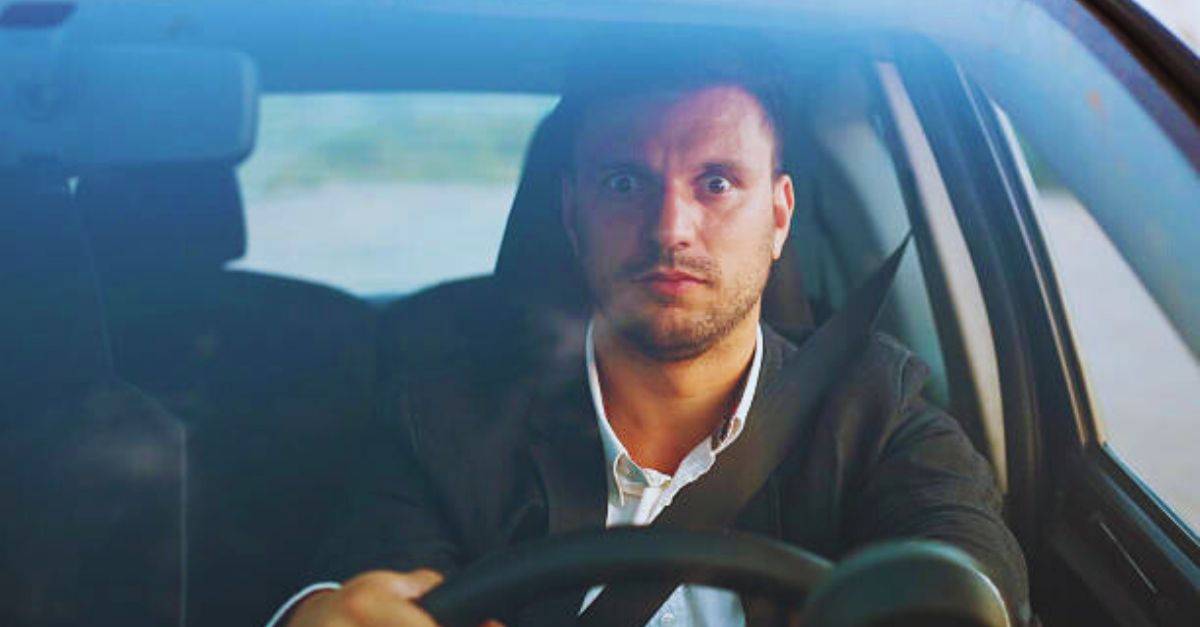
Driving after sunset used to feel predictable. Now tension builds when rear lights go missing, and distance becomes harder to judge. Something fundamental changed, and the danger lies in how easily it merges into routine.
The Mystery Of Dark Rear Lights
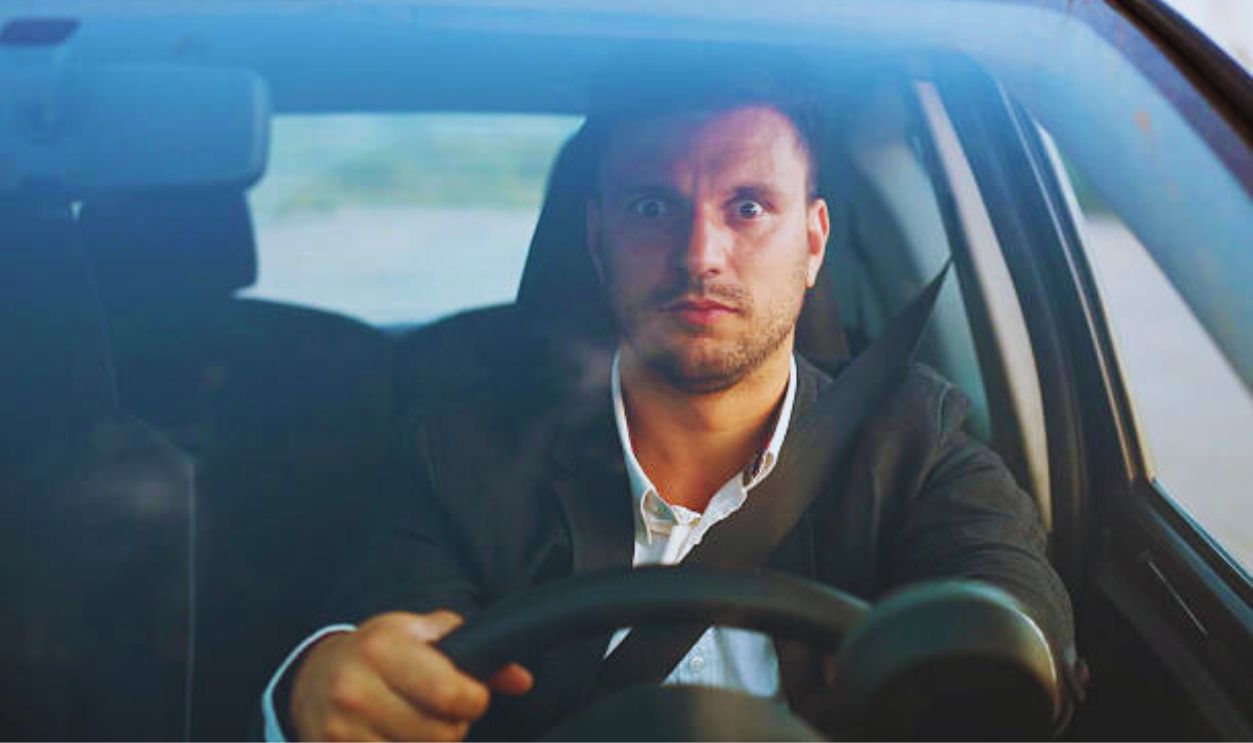
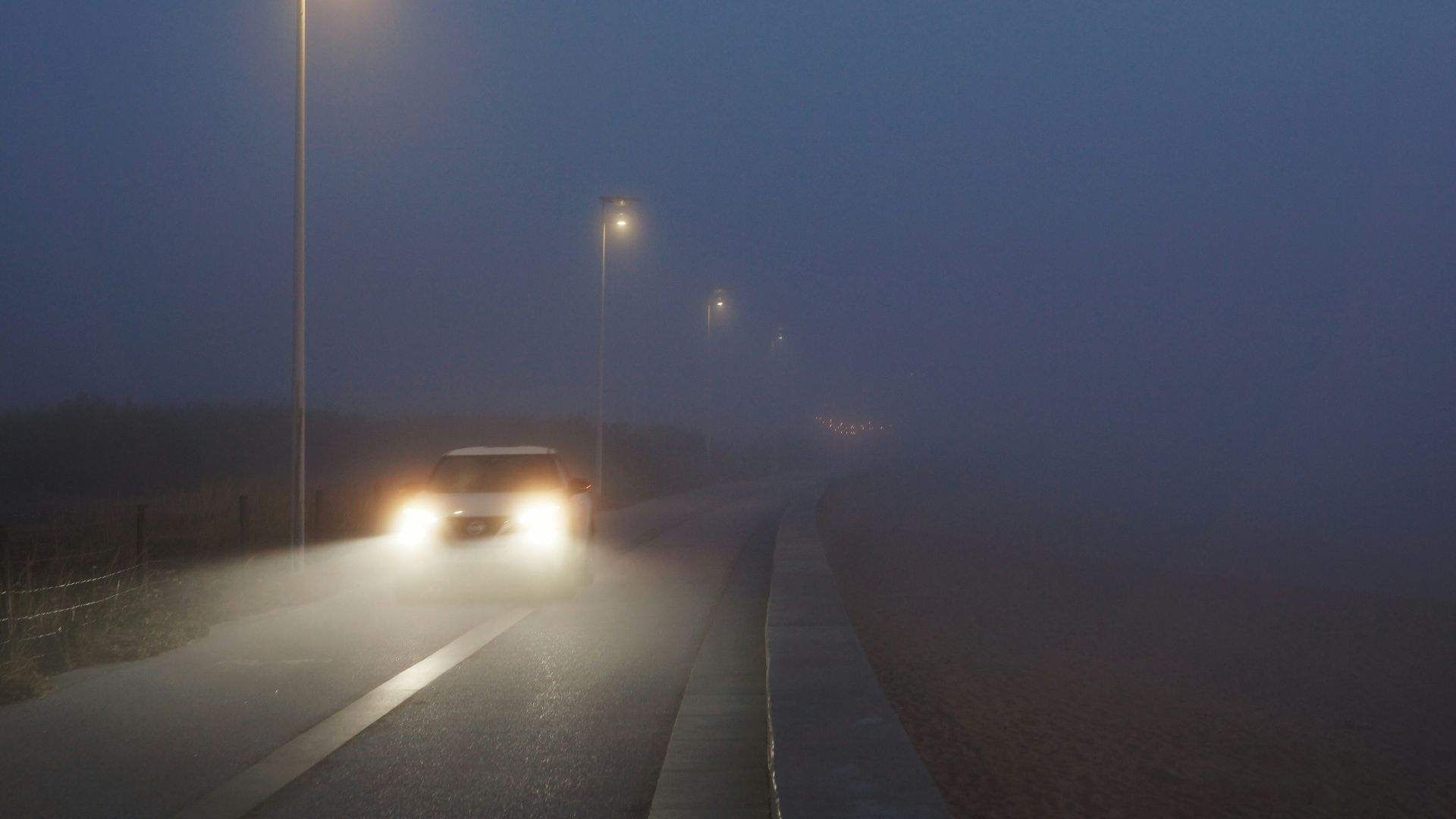
A common sight on today’s roads is a car with its front lights glowing while the rear remains dark. Modern lighting technology plays a central role in this mismatch. The situation creates safety risks during low visibility and appears frequently across highways throughout the United States.
What Rear Lights Are And Their Purpose
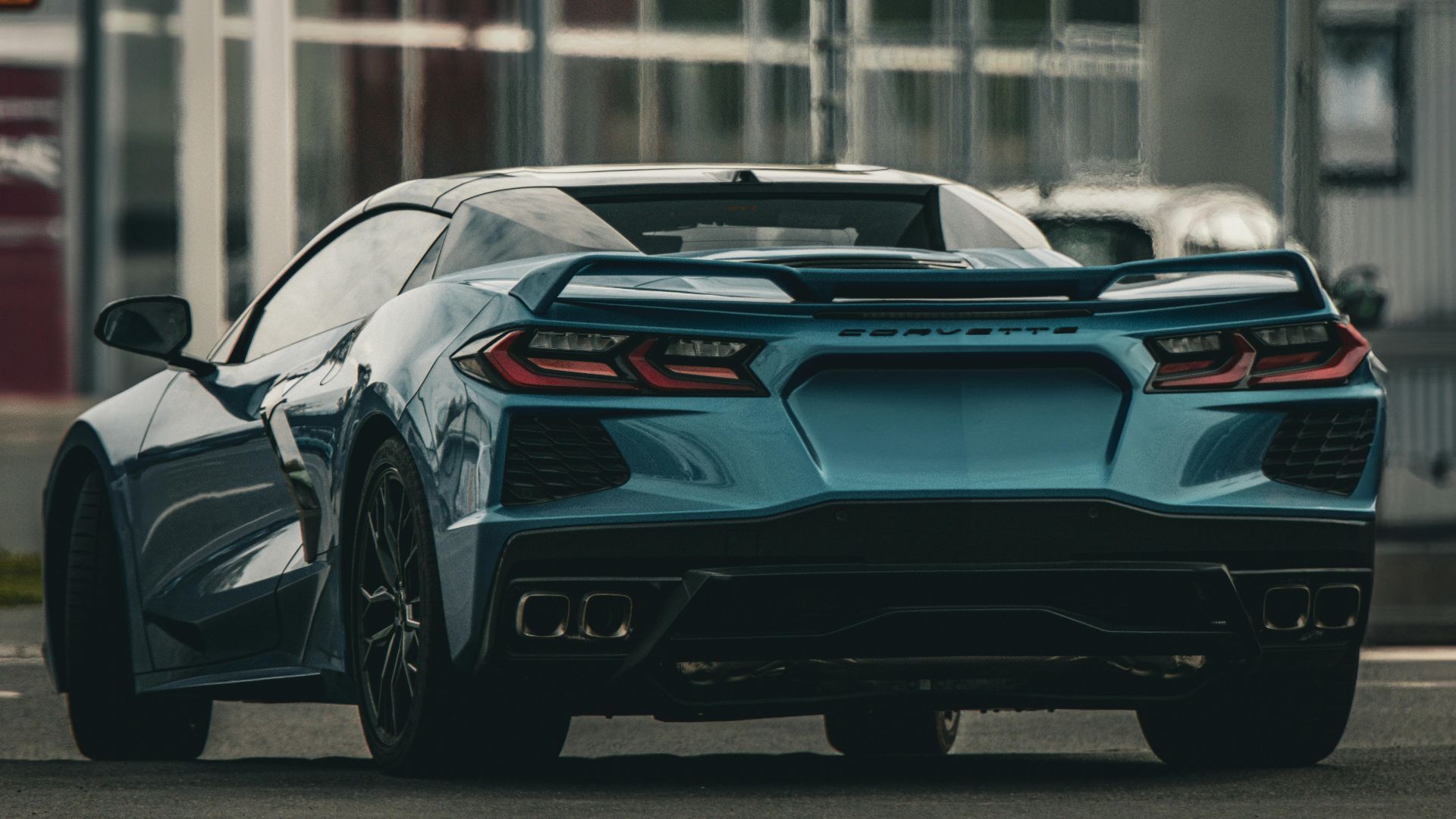
Designed for continuous visibility, rear lights make a vehicle noticeable to traffic approaching from behind. They support brake lights and turn signals by signaling presence rather than action. Their importance increases after sunset and during conditions that reduce roadway clarity.

Daytime Running Lights (DRLs)
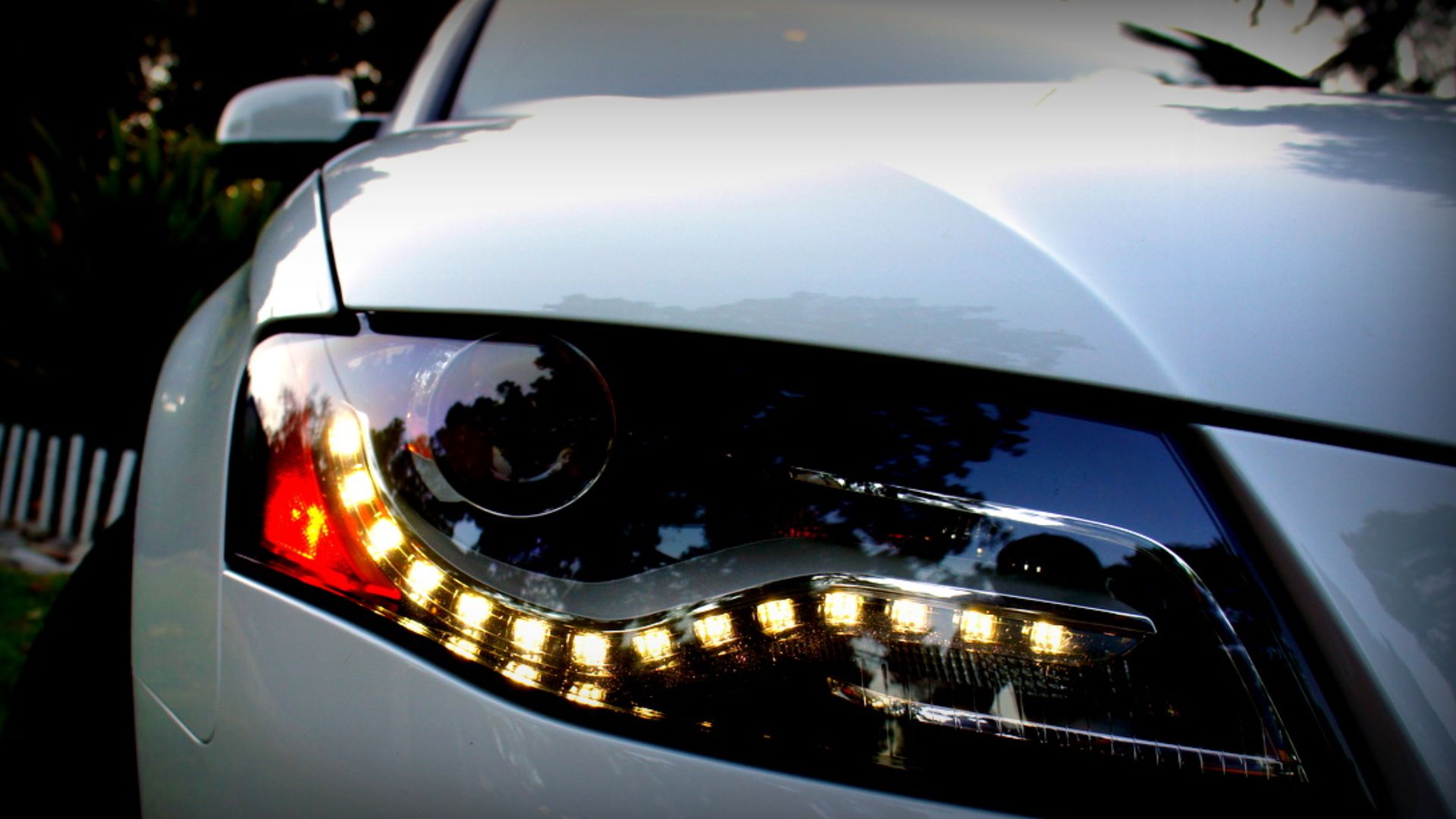
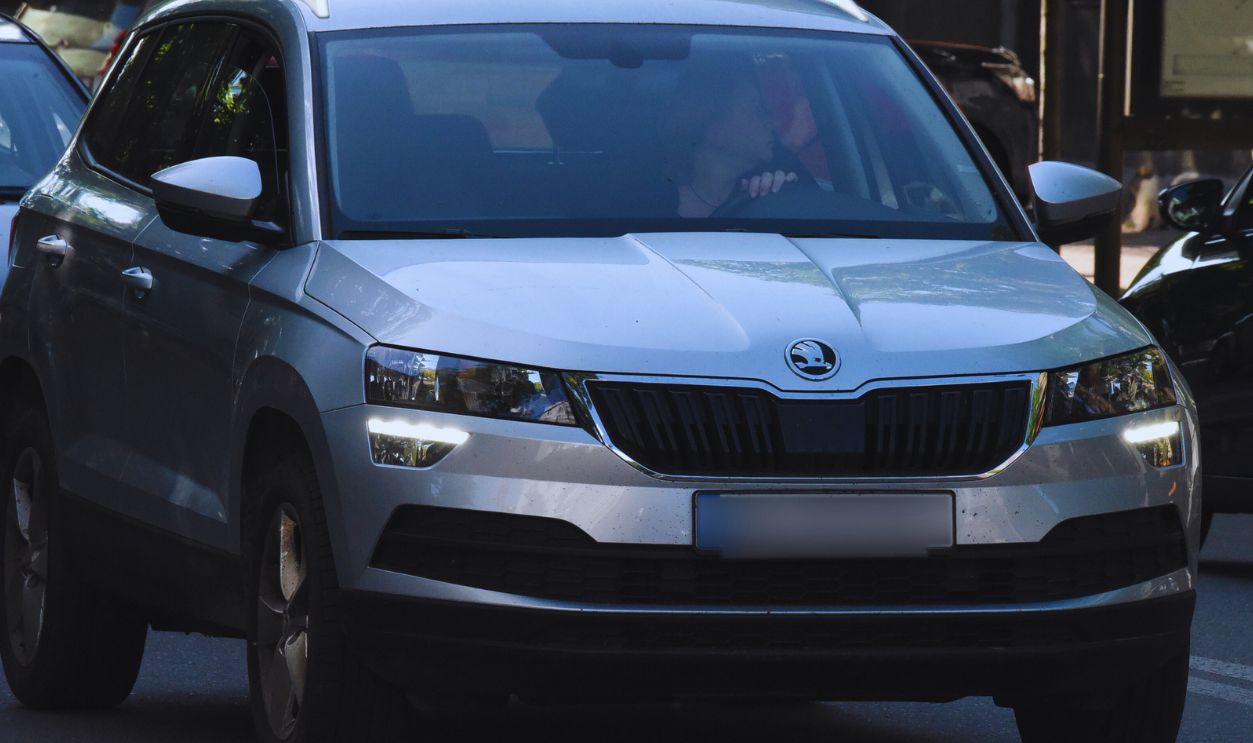
Installed at the front of vehicles, Daytime Running Lights automatically activate when the engine is on. Their output is intentionally low and meant for daylight use. Unlike headlights, these lights typically function without illuminating the rear of the vehicle at any time.
 Michael Sheehan, Wikimedia Commons
Why DRLs Exist
Improving daytime road safety is the primary reason DRLs were introduced. Making vehicles easier to see helps reduce certain types of daytime collisions. Many US manufacturers have voluntarily included DRLs on new vehicles since the 1990s, following evidence that supported their safety benefits, though they remain optional under federal regulations.
 Vadim Chuprina, Wikimedia Commons
DRLs VS Traditional Headlights
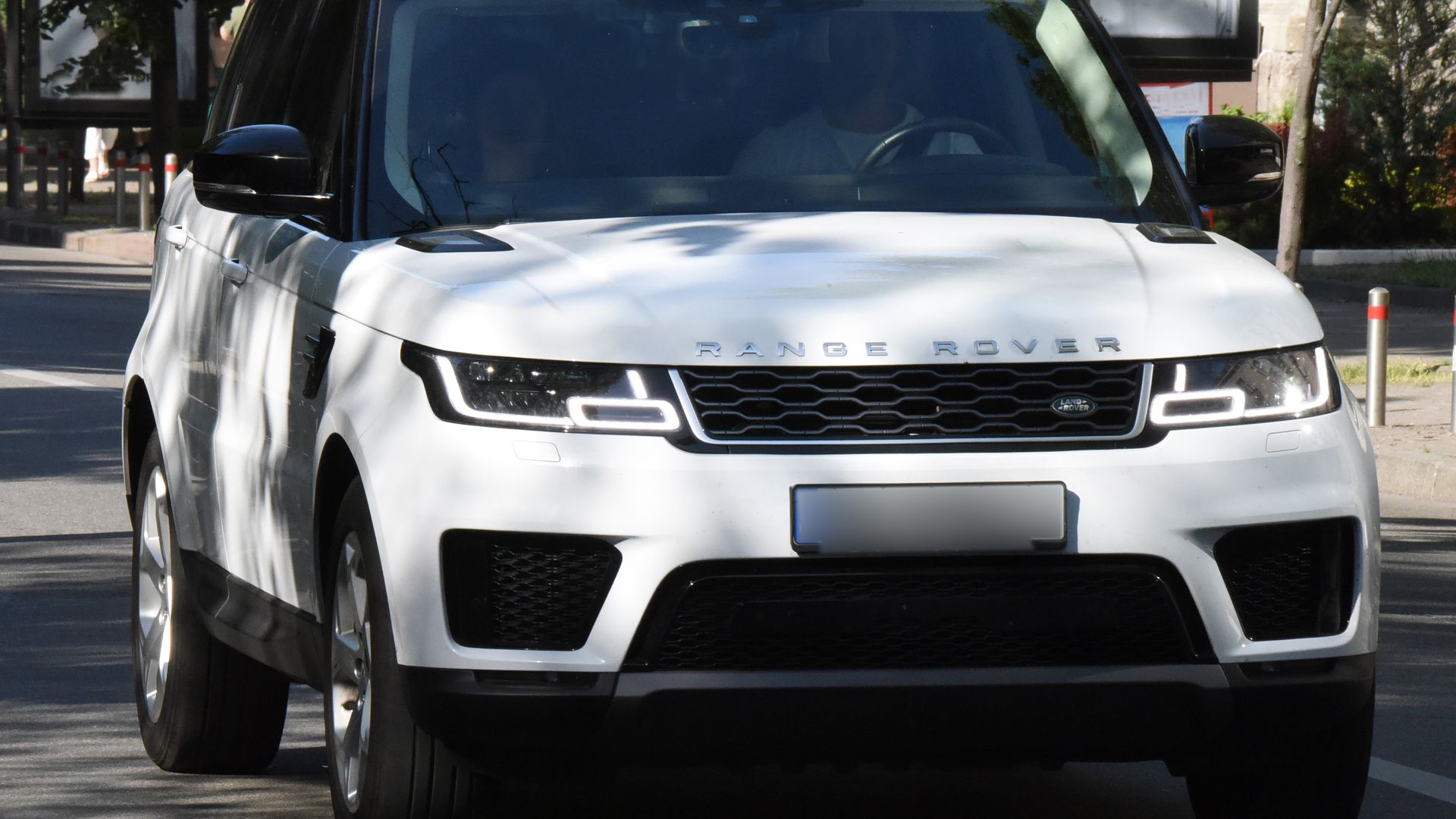
Functionally distinct from headlights, DRLs provide limited forward illumination only. Traditional headlights are brighter and activate both front and rear lighting systems. Night driving relies on headlights rather than DRLs, which require driver engagement to deliver full visibility in darker conditions.
 Vadim Chuprina, Wikimedia Commons
The Regulatory Gap
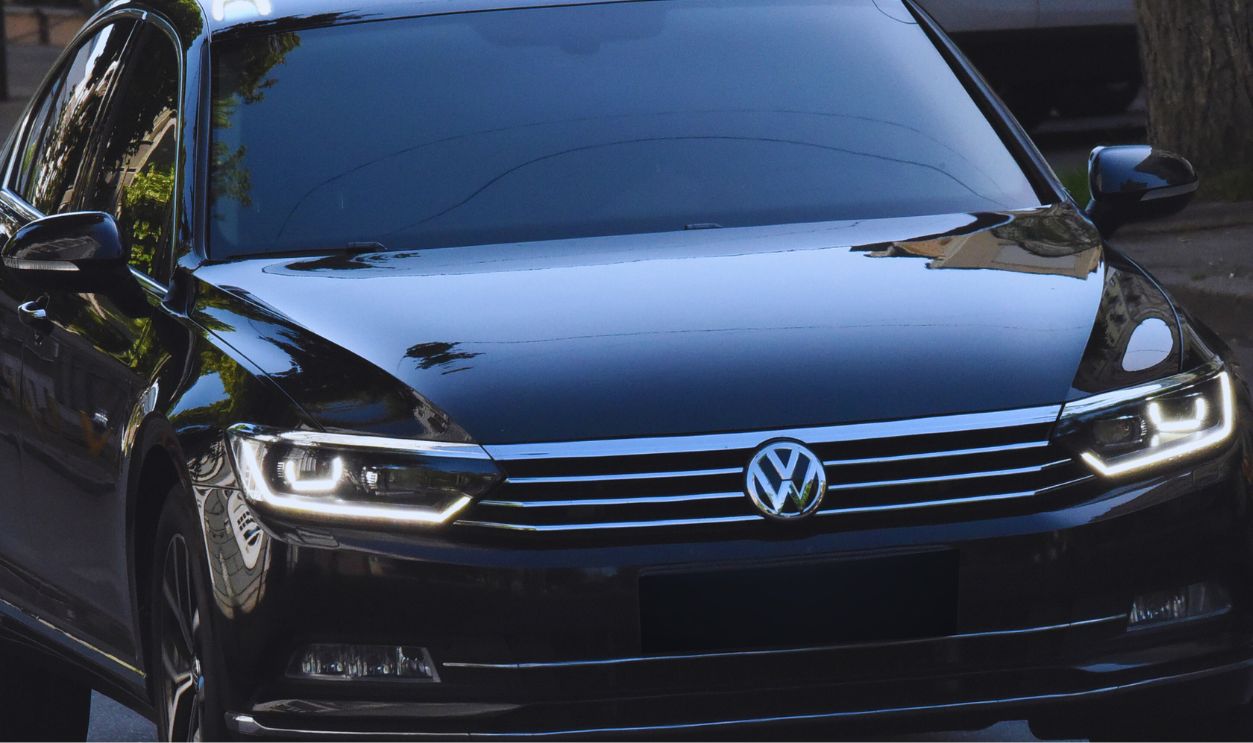
US vehicle regulations permit Daytime Running Lights only at the front of cars. Rear DRLs are not mandated under current laws. This creates an imbalance in vehicle visibility. As a result, drivers often assume rear lights are active when they are not.
 Vadim Chuprina, Wikimedia Commons
How Manufacturers Implement DRLs
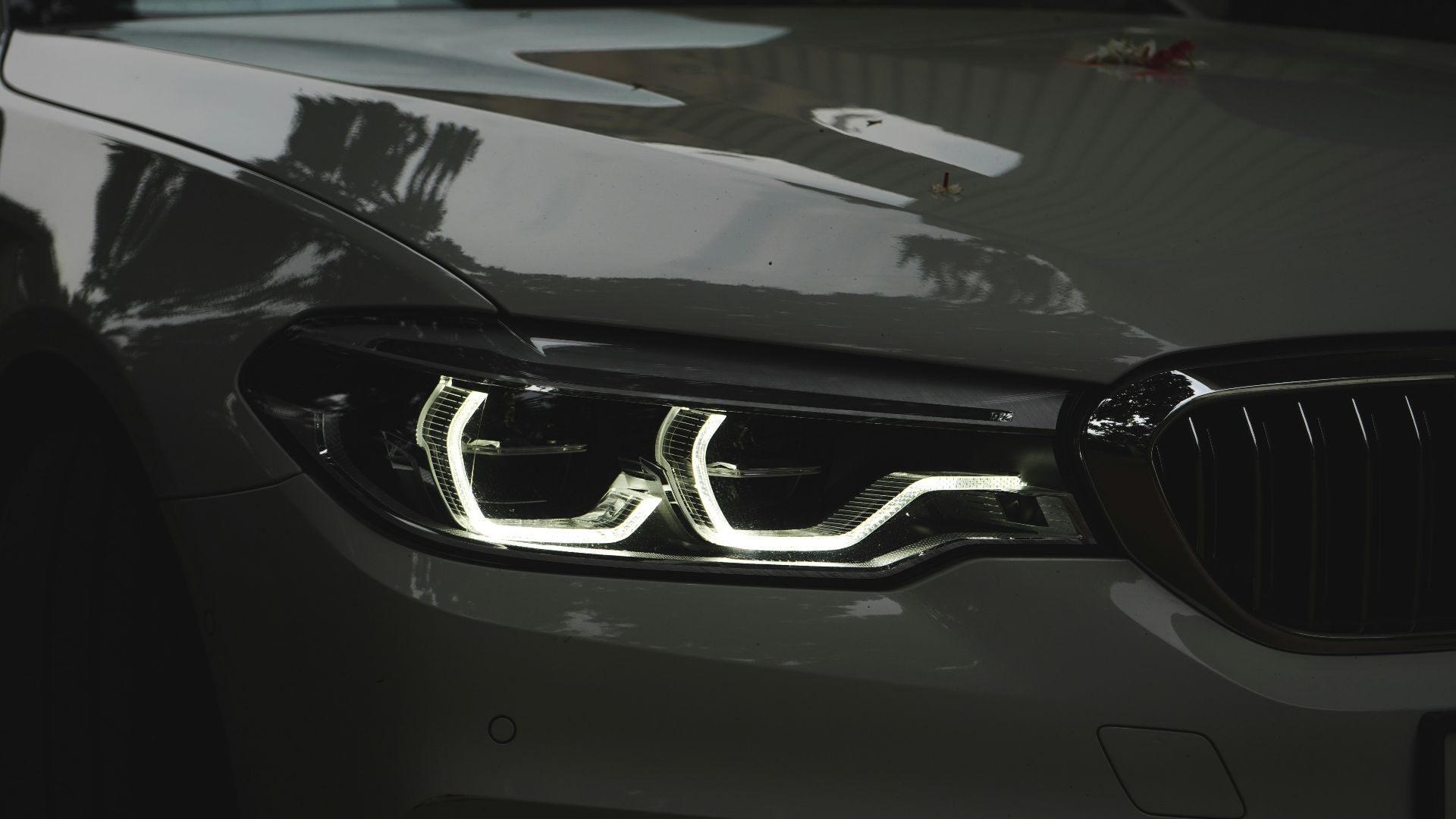
To meet regulations, manufacturers commonly use LED strips or dimmed headlamps for DRLs. Rear lights are usually excluded to reduce energy use. Implementation varies widely across automakers, with design choices focused mainly on meeting front-light compliance requirements.
Driver Misconceptions About DRLs
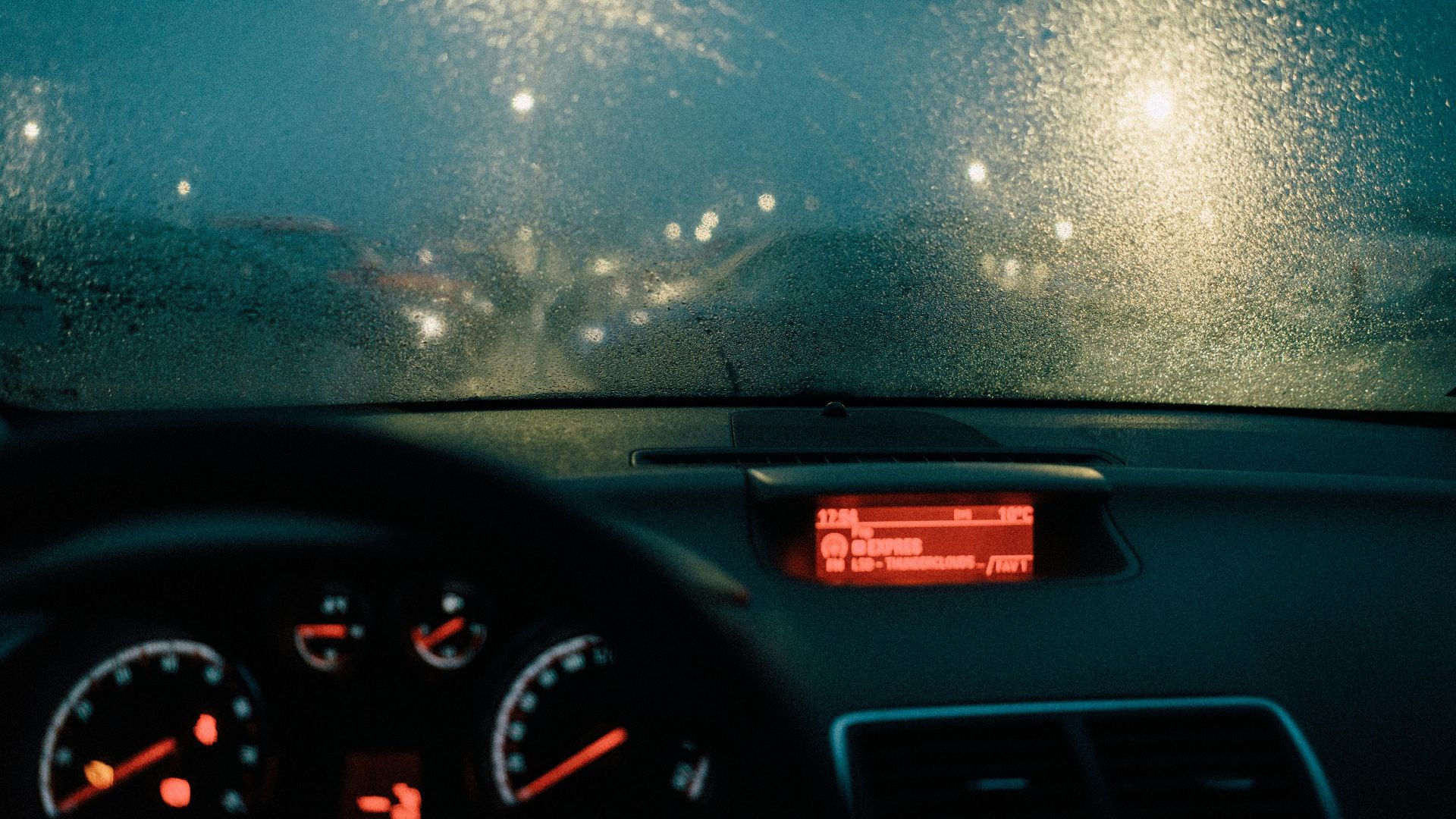
A widespread misunderstanding leads many drivers to believe DRLs function like full headlights. The assumption that rear lights are automatically included is common. Illuminated dashboards further reinforce this belief, which resulted in vehicles being driven during dusk or rain with dark rear lights.

History's most fascinating stories and darkest secrets, delivered to your inbox daily.
Automatic Lighting Systems
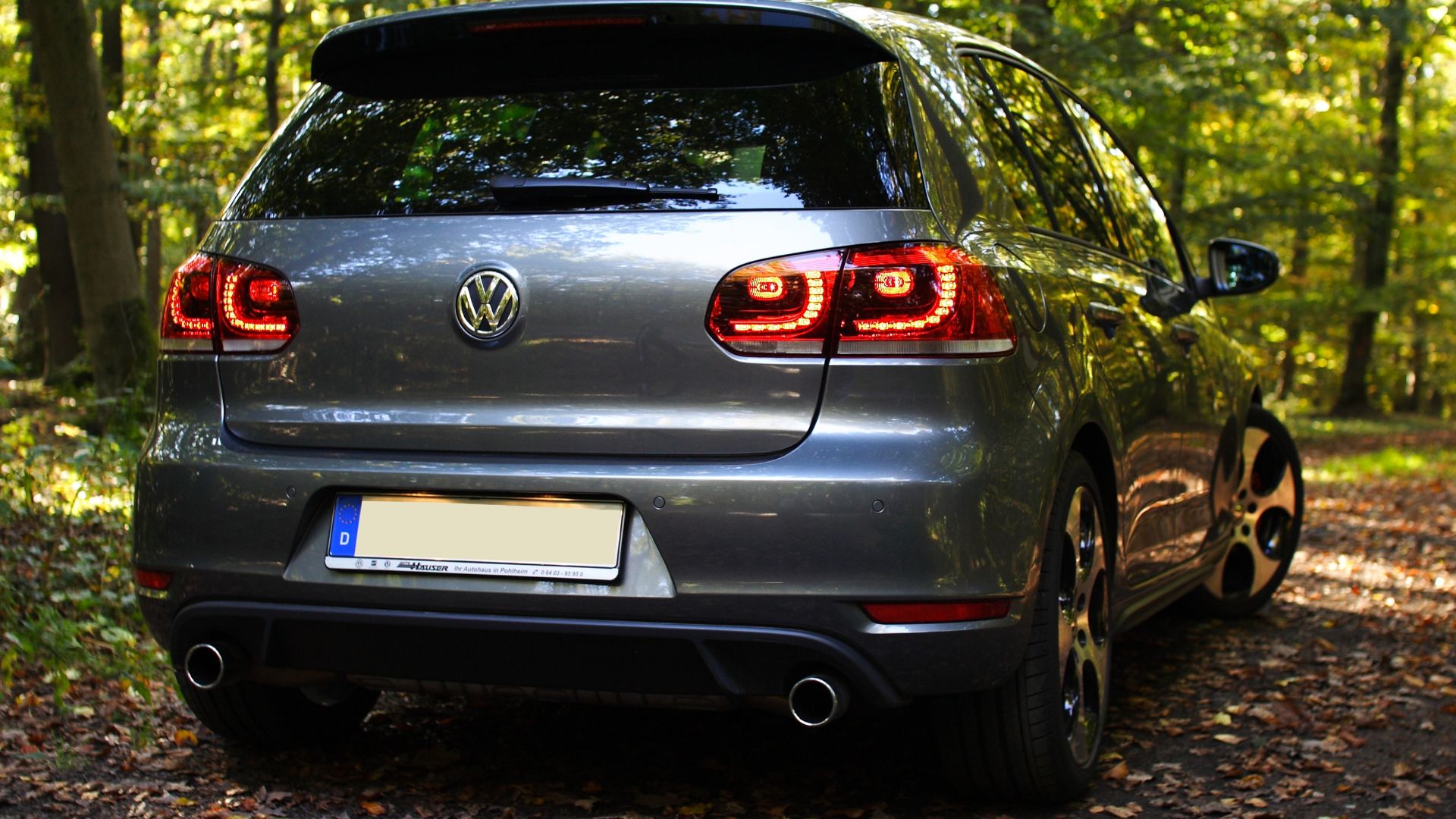
Some vehicles rely on automatic lighting systems that activate headlights based on ambient light sensors. Rear lights turn on only when full headlights engage. If sensors fail or drivers override the system, cars may continue operating with unlit rear sections.
 Martin Schmitt from Pohlheim, Germany, Wikimedia Commons
Dashboard Illumination Confusion
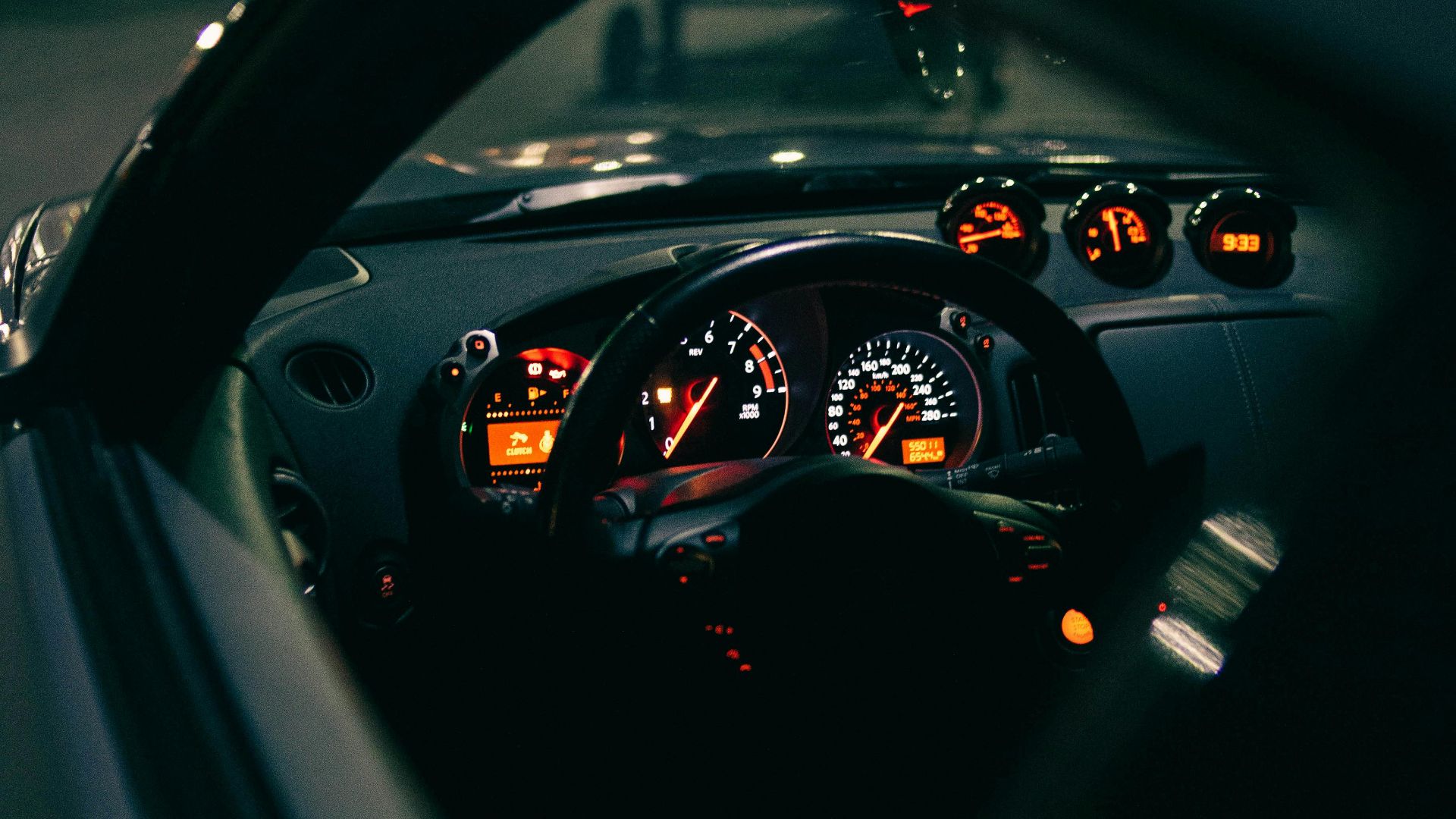
Modern vehicles illuminate dashboards regardless of whether headlights are turned on. This differs from older designs that required headlight activation. The constant glow misleads drivers into thinking their lights are fully engaged, contributing to unnoticed rear-light inactivity.
Weather Makes The Problem Worse
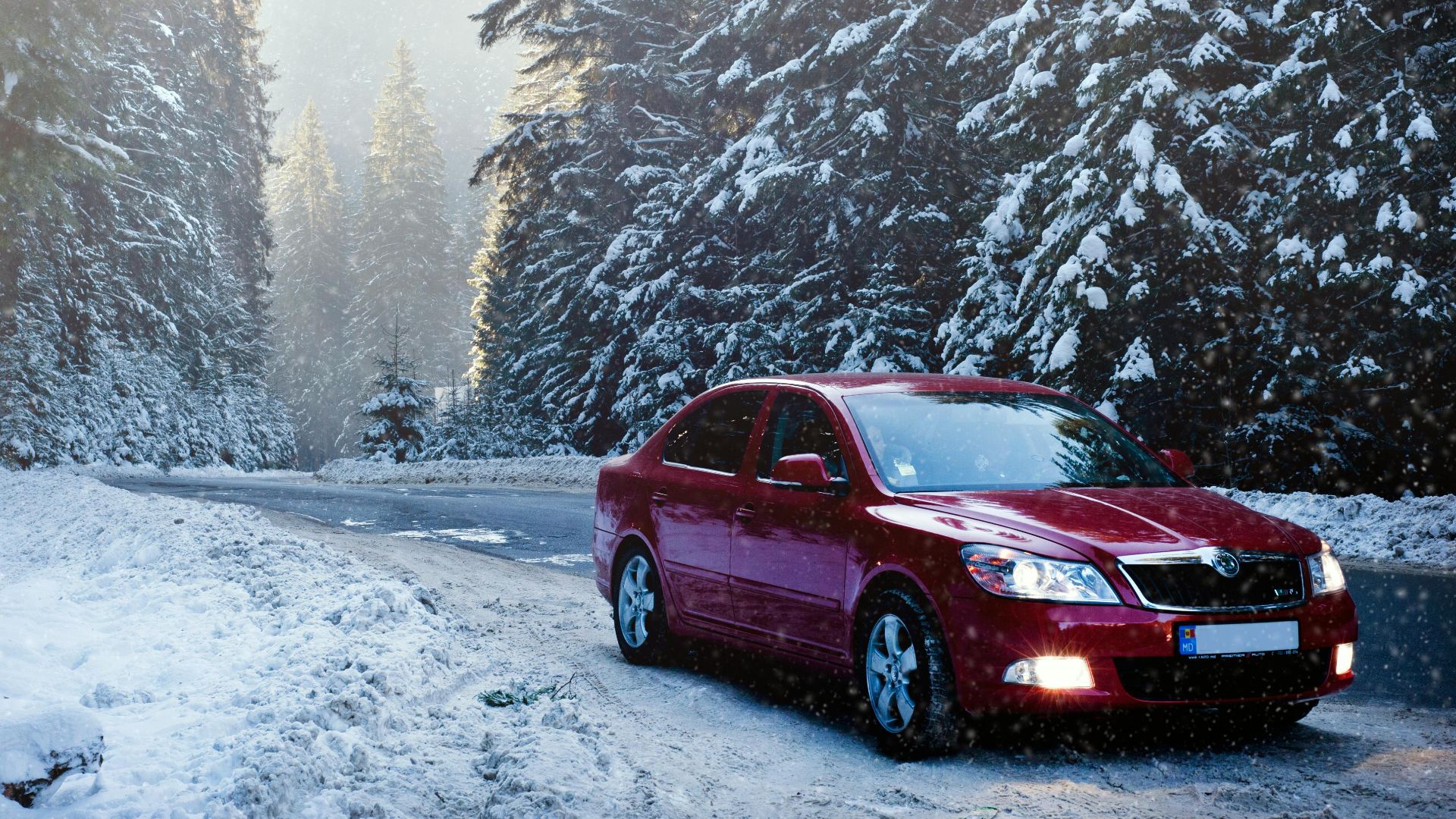
Rain, fog, and snow dramatically reduce contrast on the road. When rear lights are unlit, vehicles blend into wet pavement and low-contrast skies. Drivers approaching from behind lose crucial depth cues, which increases reaction time and makes sudden stops or lane changes far more dangerous.
Crash Risk Statistics
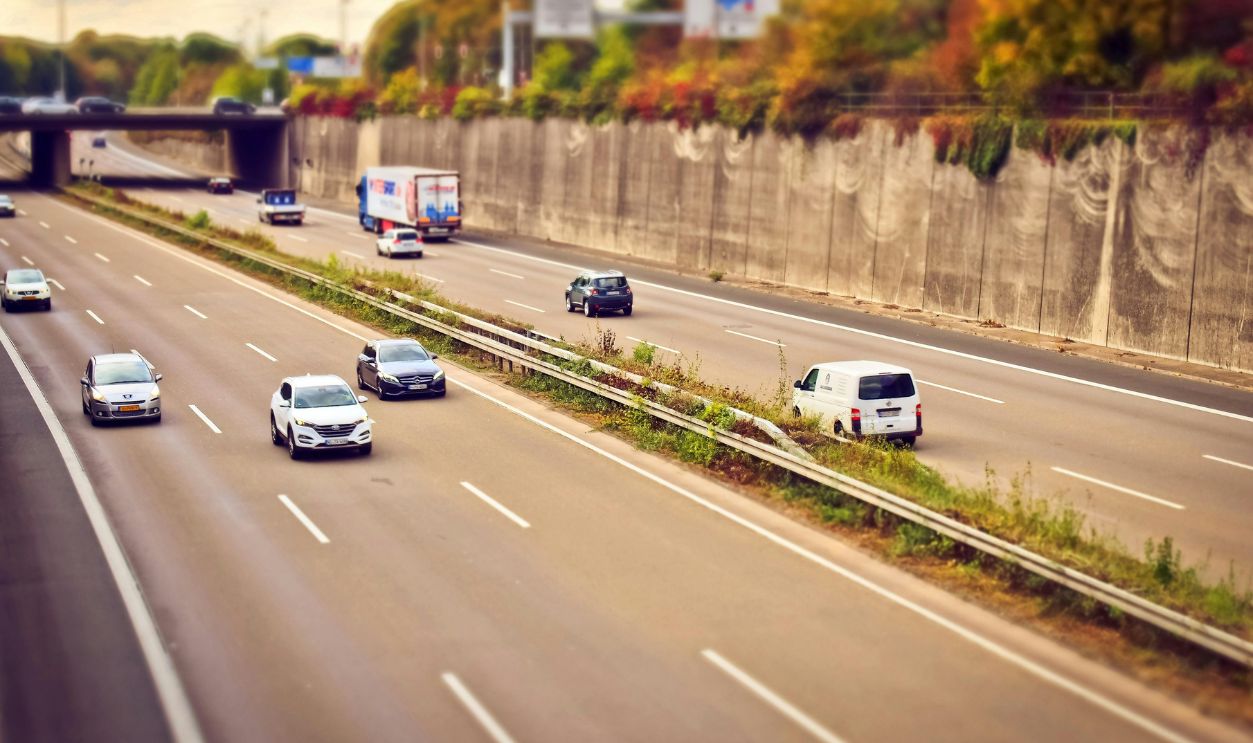
Rear-end collisions are one of the most common crash types in the US, accounting for nearly 30% of all reported accidents according to NHTSA data. Poor visibility and unlit rear lights contribute to these collisions, which frequently result in injuries or property damage.

Manufacturer Responses
Some automakers have begun responding to rear-light concerns by voluntarily adding rear DRLs. Others connect rear lights to automatic lighting systems. The industry has acknowledged the visibility issue, but adoption of these solutions remains inconsistent across different vehicle brands and models.

Examples Of Cars With Rear DRLs
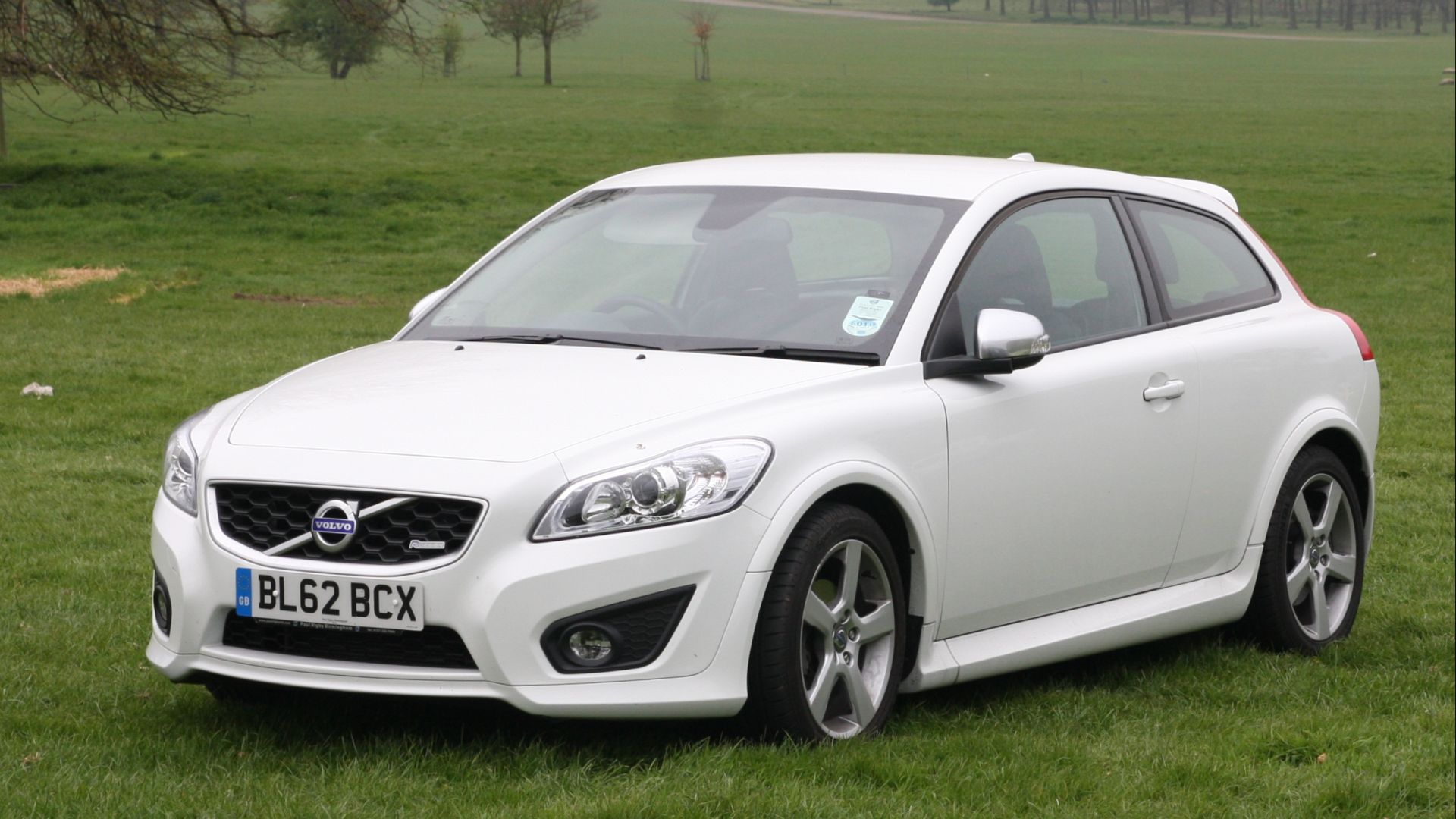
Certain Volvo models include rear DRLs as part of their lighting systems. Some General Motors vehicles link rear lights to DRL operation. European imports often feature rear illumination, while luxury brands are more likely than mass-market vehicles to adopt full lighting solutions.
Technology Solutions
Modern lighting systems use sensors to measure ambient brightness and determine when full headlights should activate. Once triggered, both front and rear lights turn on together. This reduces reliance on driver judgment and helps ensure proper illumination during changing light conditions.
 Matti Blume, Wikimedia Commons
Driver Responsibility
Despite automation, drivers remain responsible for ensuring their vehicle lights are properly activated. Manual checks are still necessary, especially during poor visibility. Automatic systems are not foolproof, so driver awareness is a critical factor in preventing unlit rear lights.

A Simple Habit That Prevents Most Cases
Manually turning on headlights at dusk (or confirming they are on), during storms, or in low-visibility conditions is vital. This small habit bypasses sensor failures and DRL confusion entirely. Consistent manual use remains one of the most effective ways to ensure full vehicle visibility.
Legal Requirements In The US
Federal regulations permit new vehicles to include front Daytime Running Lights. However, no national mandate exists for rear DRLs. Individual states enforce headlight use at night or in poor weather, but enforcement standards and consistency vary widely.

Comparison With European Nations
European Union regulations require front Daytime Running Lights on new vehicles, with some countries imposing stricter visibility standards that may include rear position lights in certain conditions, resulting in more consistently illuminated vehicles. European models often arrive with full lighting systems, while US regulations continue to allow front-only DRL configurations.
Insurance And Liability Issues
Crashes involving vehicles with unlit rear lights can complicate insurance claims. Drivers may be considered negligent if proper lighting was not used. Insurance companies emphasize adequate lighting, as poor visibility increases liability and contributes to disputes over accident responsibility.

Public Awareness Campaigns
Road safety organizations run awareness campaigns to educate drivers about the limitations of Daytime Running Lights. These efforts encourage drivers to manually check their rear lights. Despite ongoing outreach, overall awareness remains low. It fuels continued advocacy for improved lighting standards.

Role Of Car Dealerships
Car dealerships have an opportunity to educate buyers about vehicle lighting systems during the sales and delivery process. Demonstrating how DRLs and headlights function can reduce confusion. However, rear-light operation is rarely emphasized, which leaves many drivers unaware of potential visibility issues.

Consumer Advocacy For Regulation Change
Consumer advocacy groups are increasingly calling for rear DRL mandates. They emphasize the safety benefits of full vehicle illumination and lobby regulators to modernize standards. Sustained consumer pressure plays a role in influencing both policymakers and automakers toward improved lighting practices.

Future Trends In Vehicle Lighting
Vehicle lighting is moving toward adaptive systems that respond to driving conditions. Full LED setups and innovative lighting technologies improve visibility and consistency. These developments point toward more comprehensive safety-focused lighting solutions that reduce dependence on driver input.
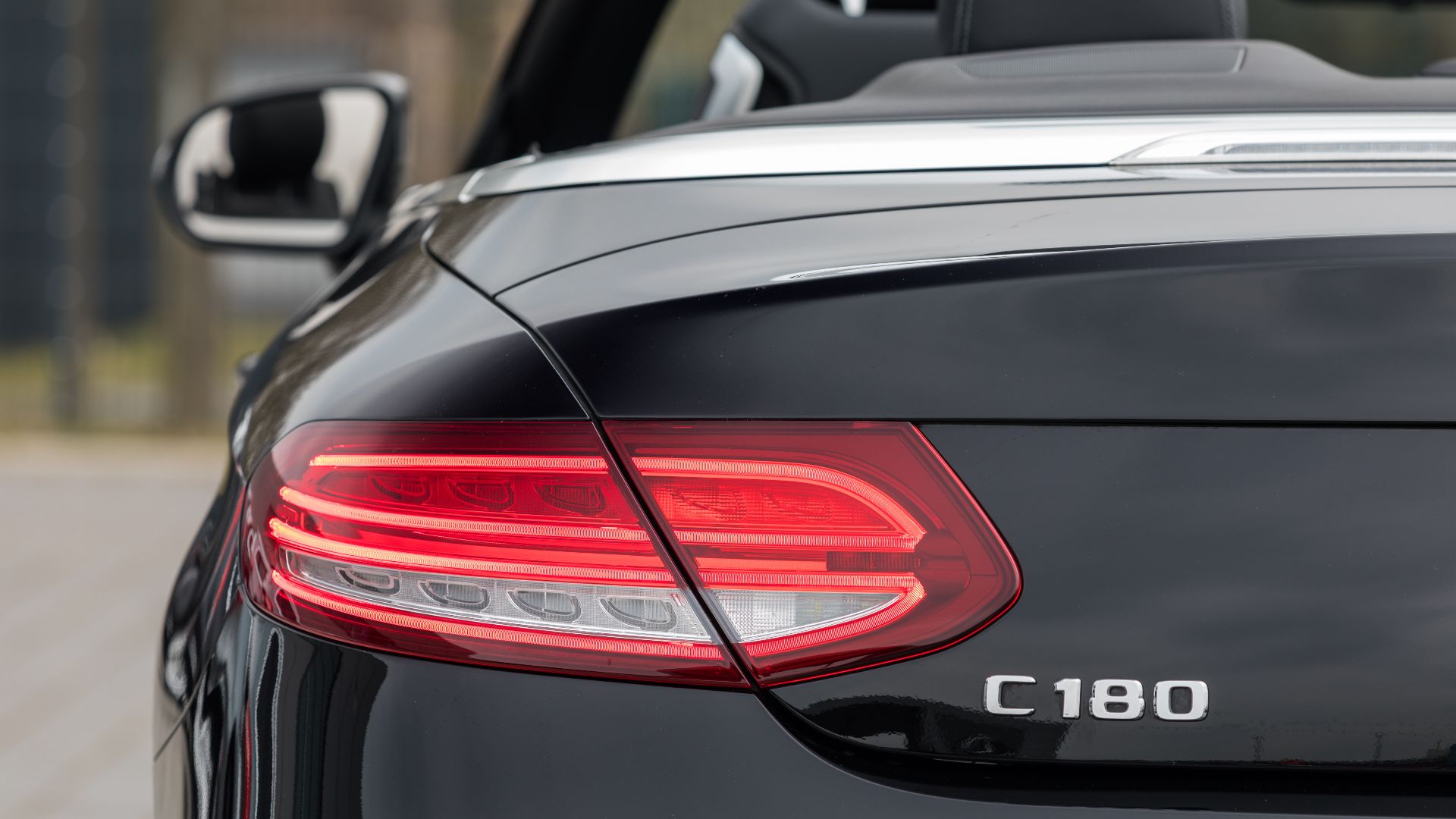 Dietmar Rabich, Wikimedia Commons
Electric And Hybrid Cars
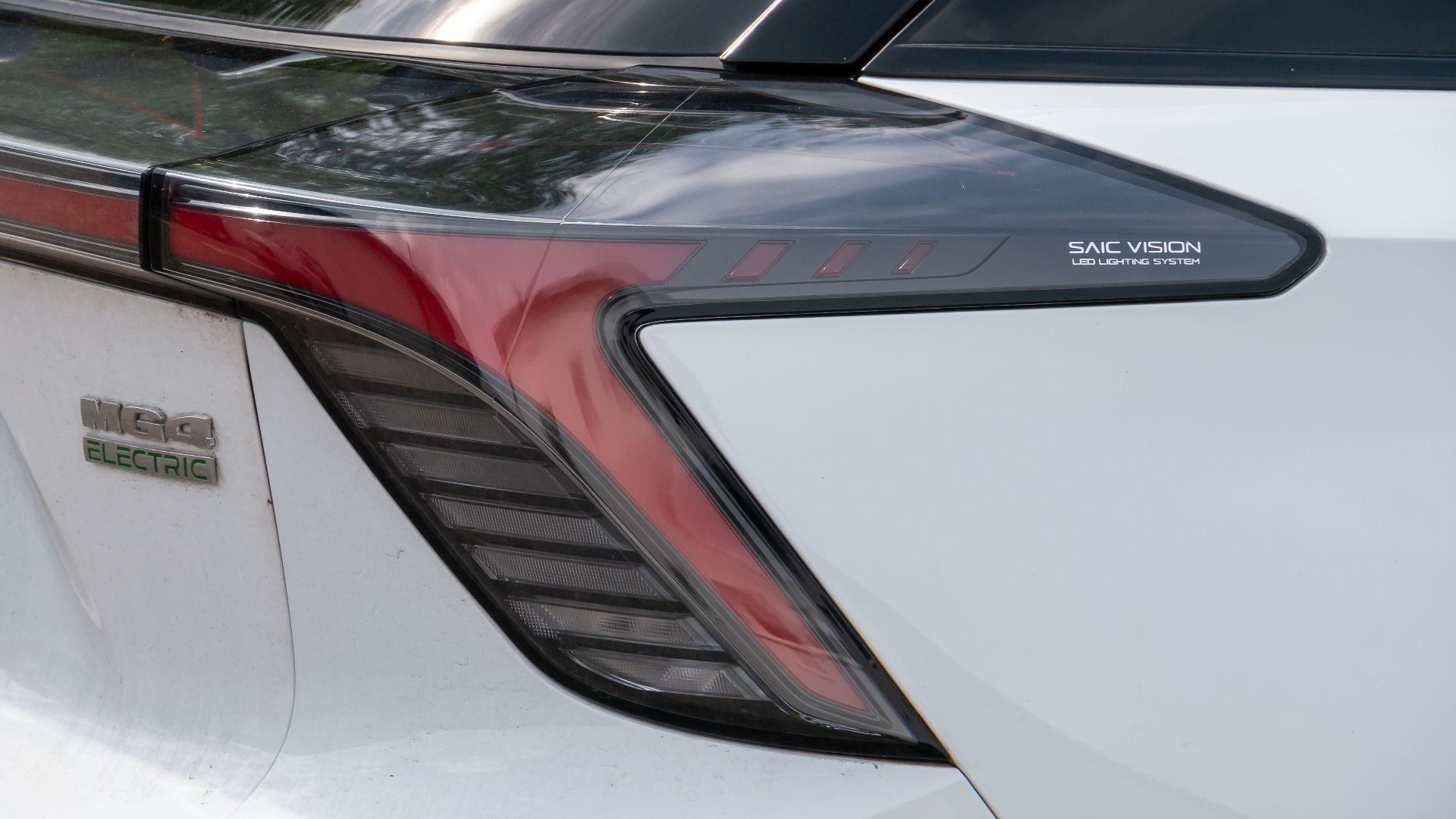
Electric and hybrid vehicles often feature advanced lighting designs. Energy-efficiency considerations influence how lights are implemented, but some models integrate rear DRLs to improve safety. As adoption grows, these vehicles may help normalize the use of more complete lighting systems.
 Nikolai Bulykin, Wikimedia Commons