When Slang Shows Its Age
Every generation swears their slang is effortless and cool. That's never going to change. But then a few decades pass and those everyday phrases don't quite have the same sound to younger ears. Baby Boomers basically invented slang, but while much of it shaped pop culture, some of those once-hip expressions now make any listeners born after 1970 cringe with embarrassment.
Far Out
If something was impressive in the 1960s or 1970s, it was “far out.” The phrase came out of West Coast surf and psychedelic culture and was popularized by musicians and counterculture icons. Today, younger people are more likely to say “that slaps” or “that’s fire,” making “far out” sound delightfully dated.

Groovy
“Groovy” exploded in popularity during the late 1960s. It originally meant something was fashionable or excellent, and it was closely tied to the music scene. Now, it tends to show up ironically in retro-themed Instagram captions.

Right On
“Right on” was a go-to expression of agreement. It gained traction during the civil rights era and anti-war protests, often signaling solidarity. Modern audiences sometimes associate it more with sitcom dads than social movements.

Can You Dig It
To “dig” something meant to understand or appreciate it. The phrase has roots in African American Vernacular English and jazz culture before going mainstream. Today, it feels theatrical unless it is being used as a throwback reference.

Out Of Sight
“Out of sight” was high praise in the 1960s. It meant something was so good it was beyond ordinary view. Younger generations may hear it and think of literal invisibility rather than excitement.

Sock It To Me
This phrase meant “give it to me” or “lay it on me.” It became widely known through the television show Rowan & Martin’s Laugh-In. In 2026, it sounds more like a parody than everyday slang.
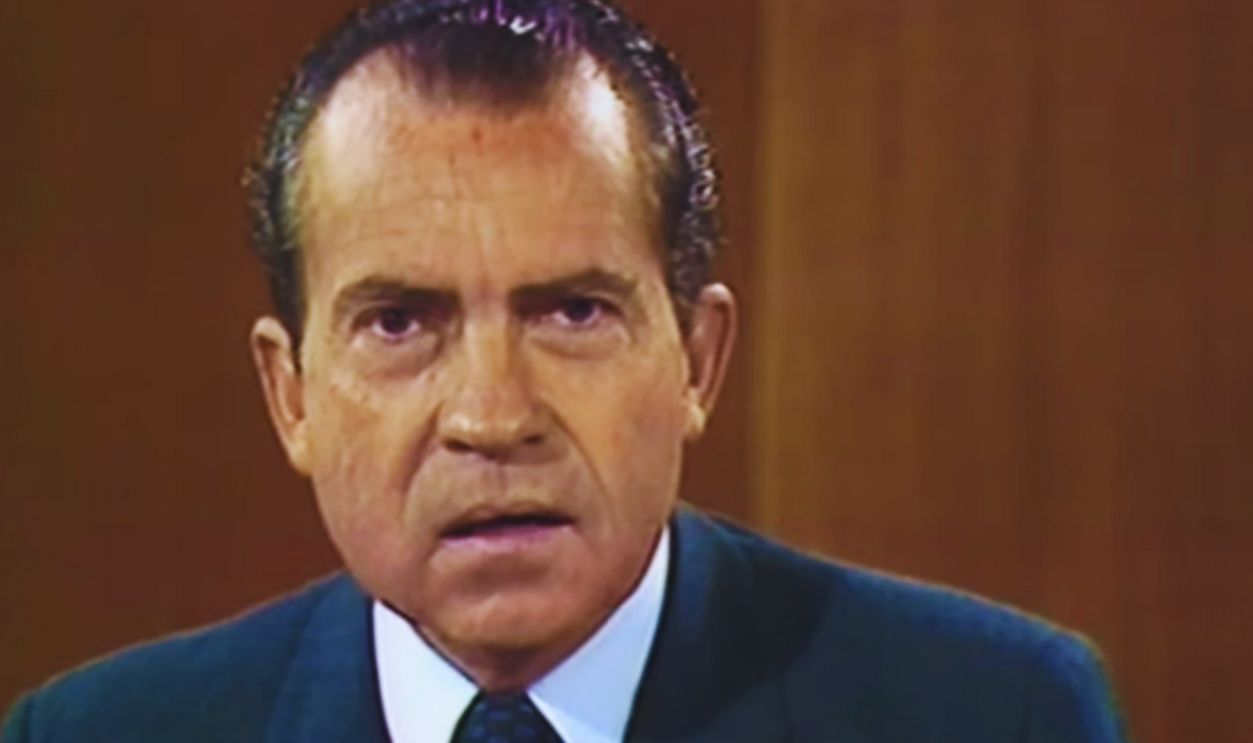 Screenshot from Laugh-In, NBC (1968–1973)
Don’t Be A Square
A “square” was someone conventional or uncool. The term was widely used in jazz circles before spreading into broader youth culture. Calling someone a square today often feels more vintage than insulting.

Lay It On Me
“Lay it on me” was an invitation to speak frankly or share information. It showed up frequently in pop songs and casual conversation. Younger people might still recognize it, but they rarely use it.


History's most fascinating stories and darkest secrets, delivered to your inbox daily.
Bread
“Bread” meant money, and it became popular in the 1960s. The metaphor likely evolved from earlier slang that compared money to basic necessities. Today, “cash” and “bucks” have stuck around, but “bread” feels like it belongs in a vinyl-era lyric.

The Man
In the 1960s and 1970s, “The Man” referred to authority figures or the establishment. It was widely used in protest culture and countercultural movements. Younger generations may use it ironically, but the political charge has faded.

Fuzz
“The fuzz” was slang for the police. The term likely dates back to the 1920s but remained common among Boomers in their youth. Today, it sounds more like a line from a crime rerun than real talk.
Pad
A “pad” was someone’s apartment or home. The term was popular in the 1960s and often associated with bachelor culture. Younger people might hear it and picture shag carpeting and lava lamps.

Threads
“Threads” referred to clothing. The slang was common in the 1960s and 1970s, especially in music scenes. Now, it mostly appears in nostalgic fashion pieces.

Knock Yourself Out
This phrase meant “go ahead” or “be my guest.” It dates back to early 20th-century American slang. While still understood, it can sound exaggerated in everyday Gen Z conversations.

What’S Your Bag
“What’s your bag?” asked about someone’s interests or deal. The phrase came out of the 1960s counterculture. Today, the word “bag” in this sense feels obscure outside of retro films.

Made In The Shade
If you were “made in the shade,” you had it easy. The expression was common in mid-20th-century American slang. Modern ears often hear it as a joke rather than a serious assessment.

Don’t Flip Your Wig
To “flip your wig” meant to lose your temper. The phrase appeared in American slang dictionaries by the mid-20th century. Younger generations might assume it has something to do with actual hairpieces.

Boob Tube
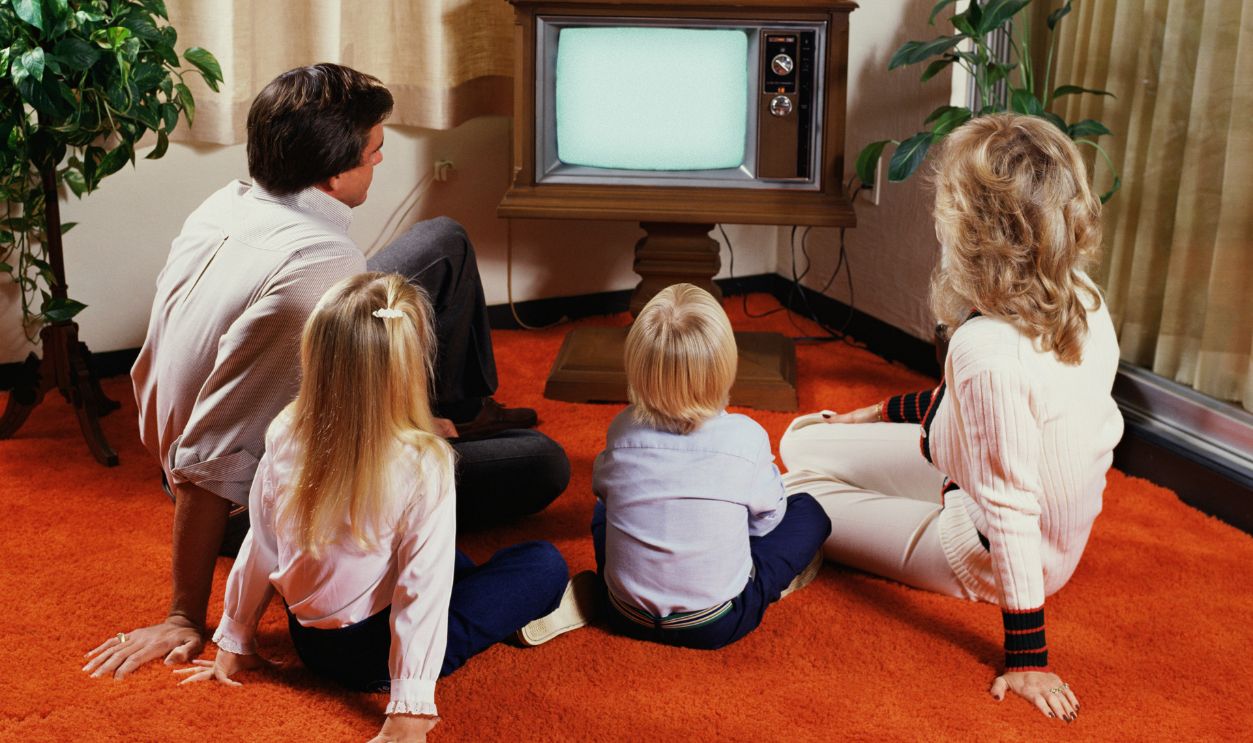
“Boob tube” was a dismissive term for television. It became popular in the 1960s as TV ownership surged in American households. In the streaming era, it feels oddly specific and outdated.
Blast
If something was “a blast,” it was a lot of fun. The phrase has been documented in American slang since at least the 1950s. It has survived longer than many other terms, though it still sounds distinctly Boomer.

Bogart
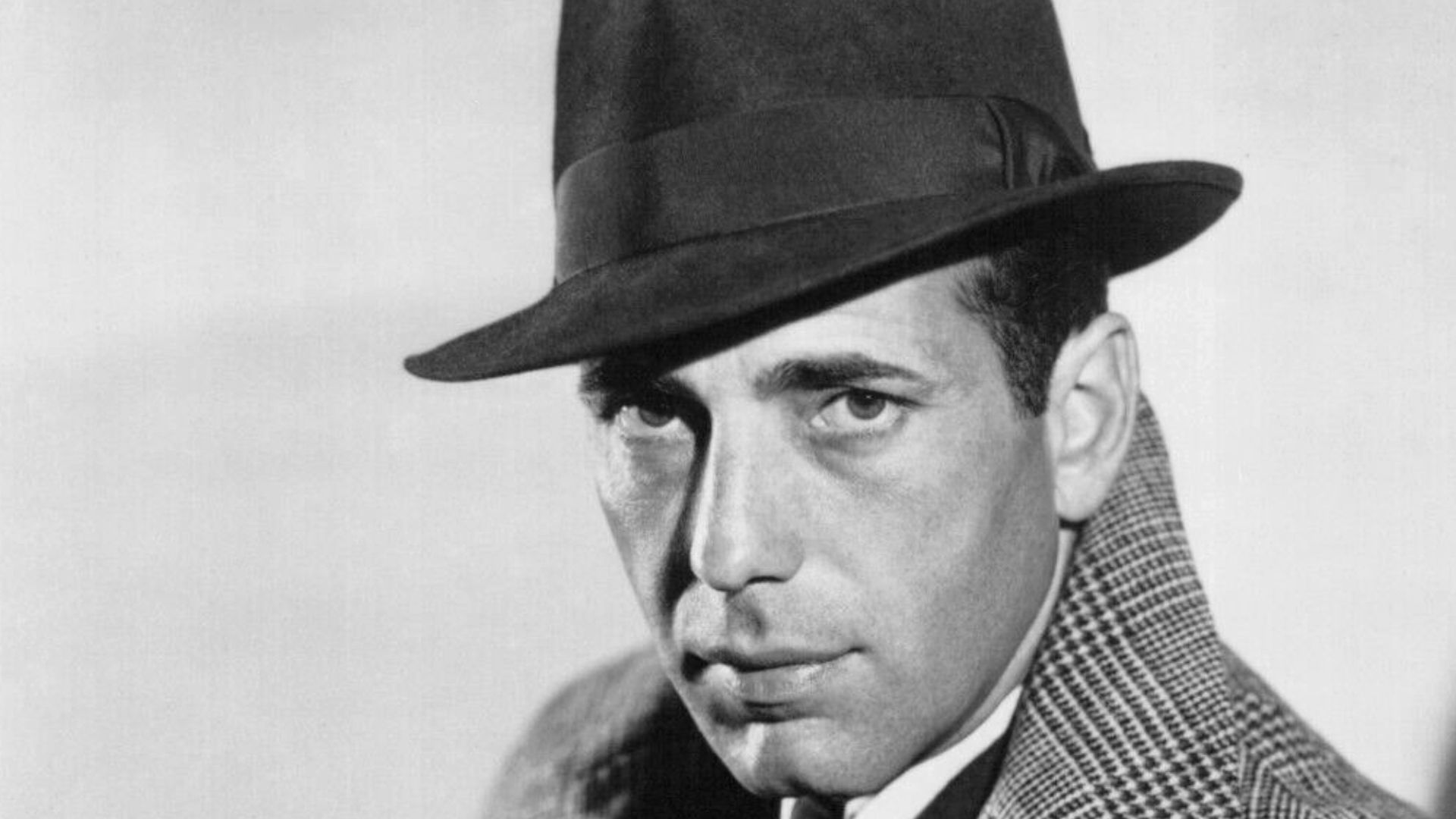
To “bogart” something meant to selfishly keep it to yourself. The term is often linked to actor Humphrey Bogart and was popularized by the 1969 song “Don’t Bogart Me.” Younger audiences may know the song before they know the slang.
 Elmer Fryer, Wikimedia Commons
Bummer
“Bummer” described disappointment or a bad situation. It rose to prominence in the 1960s counterculture. While still used, it often sounds softer and less dramatic than modern equivalents.

Dig It
To say “dig it” was to tell someone to pay attention or understand. The phrase traces back to jazz musicians in the 1940s before spreading widely. Today, it feels performative unless delivered with a wink.
 LightField Studios, Shutterstock
Far Freaking Out
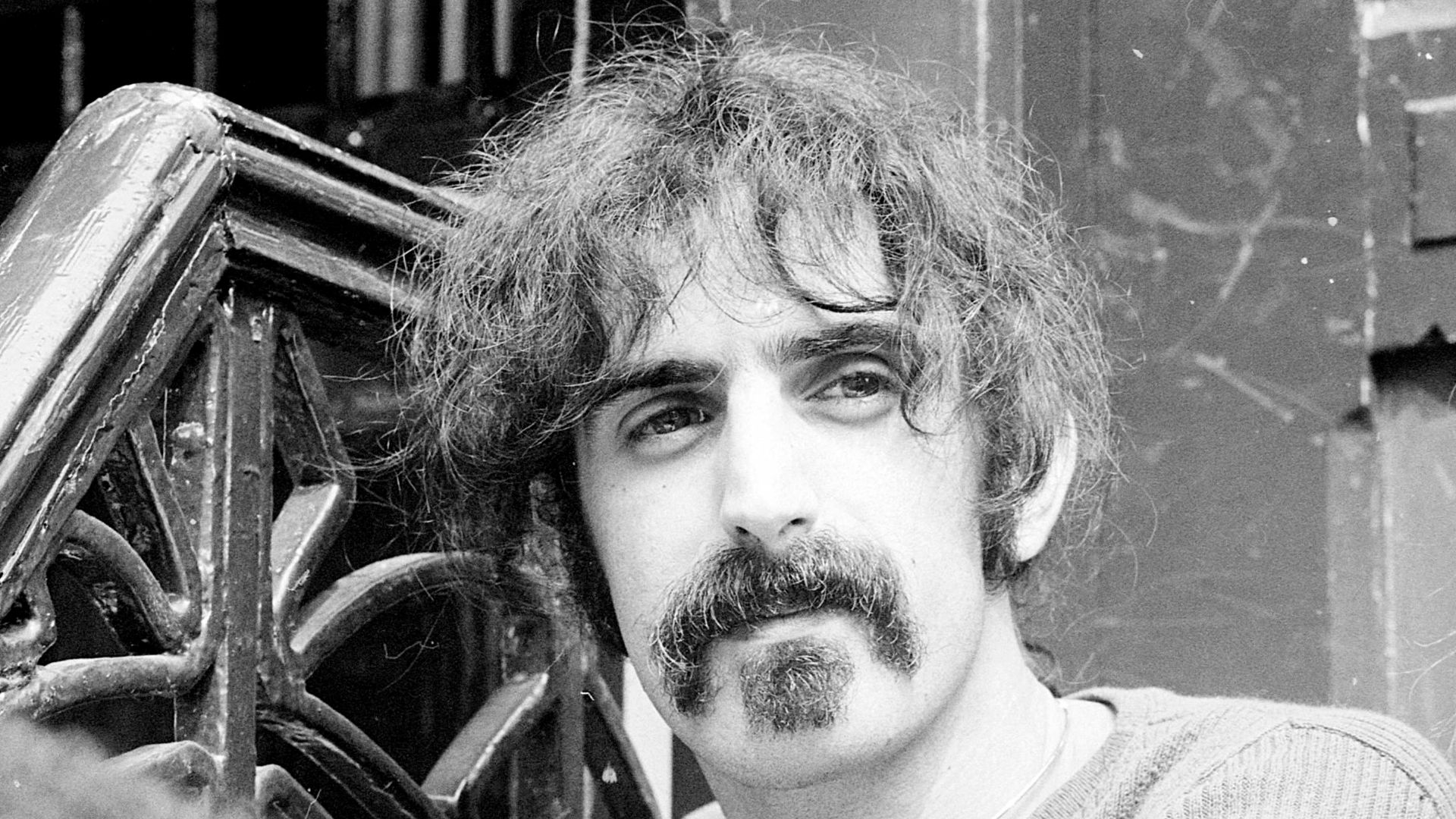
If something was “freaking out” in a positive way, it meant intense excitement. The term “freak out” was also tied to 1960s psychedelic culture and even appeared in Frank Zappa’s 1966 album title Freak Out! Modern usage usually leans negative rather than celebratory.
 Fotopersbureau De Boer, Wikimedia Commons
Heavy
Calling something “heavy” meant it was serious or emotionally intense. The slang was common in late 1960s youth culture. Younger generations might use “deep” instead.

Keep On Truckin
“Keep on truckin’” meant to persist or keep moving forward. The phrase became iconic thanks to Robert Crumb’s 1968 comic artwork. Today, it often appears on vintage T-shirts rather than in real conversation.
 Niccolo Caranti, Wikimedia Commons
Hang Loose
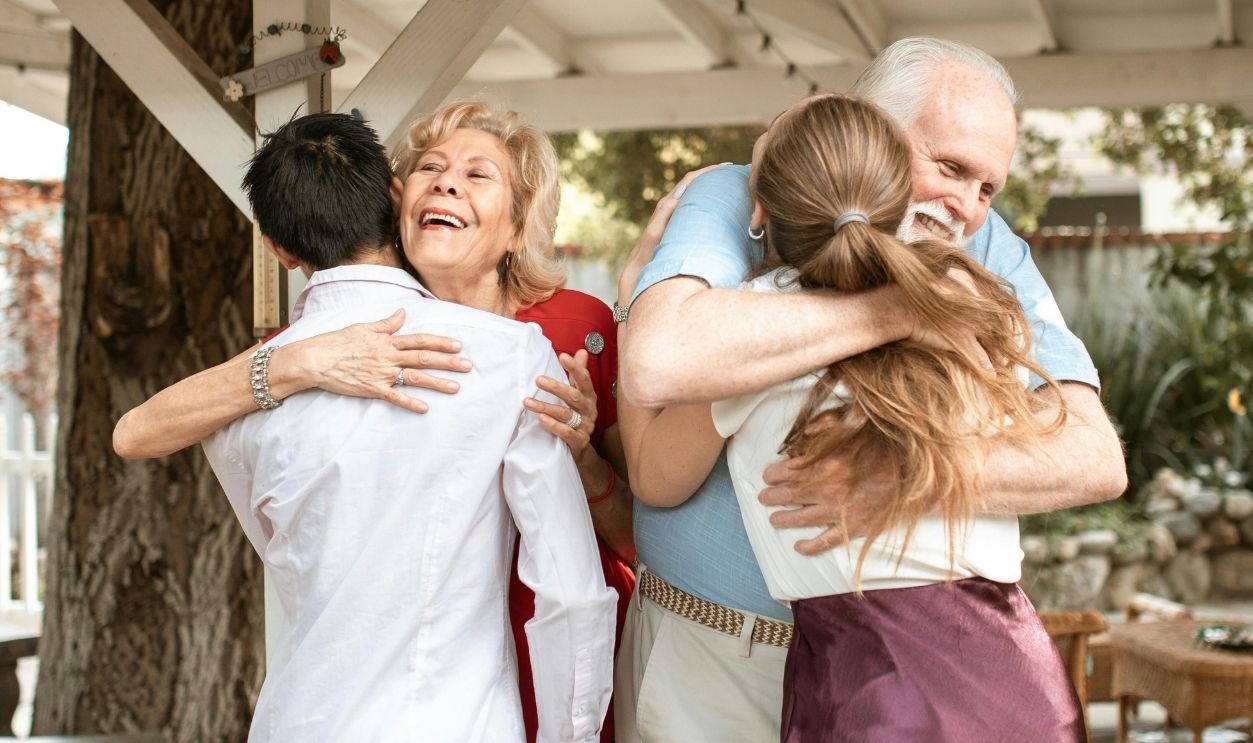
“Hang loose” encouraged someone to relax. The phrase is associated with Hawaiian surf culture and became mainstream in the 1960s. It now sounds like something your uncle says on vacation.
Solid
Calling something “solid” meant it was reliable or excellent. The slang gained popularity in the 1960s and 1970s. While still understandable, it has largely been replaced by newer superlatives.

You Might Also Like:
The Most Iconic MTV Music Videos
Cancelled TV Shows That The Networks Might Have Actually Been Right To Pull The Plug On