


Genetic research does not always produce tidy answers. Sometimes it reveals traces that raise more questions than they settle. In recent years, scientists studying human DNA identified genetic signals that point to ancient ancestors who left no confirmed fossils behind. These signals do not match Neanderthals or Denisovans, whose bones and tools are well documented. Instead, they suggest contact with unknown human groups that vanished without physical remains. This finding has changed how ancestry is reconstructed, shifting attention from what can be excavated to what still survives inside living cells.
What Scientists Mean By A “Ghost” Genetic Signal
A “ghost” genetic signal refers to DNA segments found in modern humans that cannot be linked to any known fossil population. Researchers identify these signals by comparing genomes from present-day people with those of ancient hominins whose DNA has been recovered. When certain sequences do not align with known groups, scientists infer the existence of an unknown ancestral population. This aligns with the concept of a ghost lineage, defined as a lineage inferred from genetic data but absent from the fossil record. These signals appear most often in African populations, where ancient DNA preservation remains rare due to heat, moisture, and soil conditions. Importantly, the term “ghost” does not suggest mystery species or dramatic anomalies. It reflects missing physical evidence, not gaps in evolutionary science. With that definition clear, the next question becomes how this DNA entered the human genome at all.
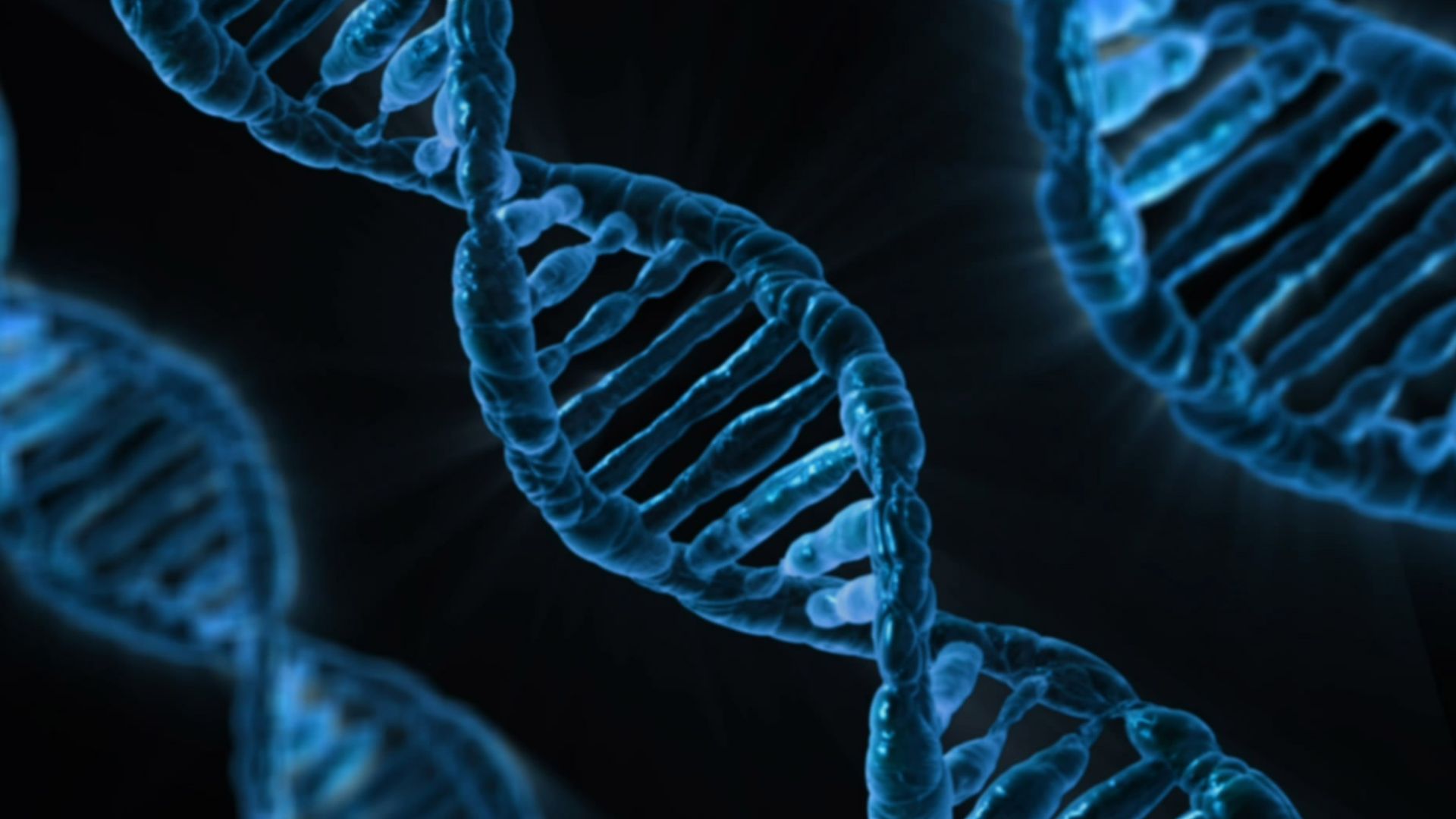 PublicDomainPictures, Wikimedia Commons
How Ghost DNA Entered Human Ancestry And What It Reveals
Ghost DNA likely entered modern human genomes through interbreeding between early Homo sapiens and other hominin groups living at the same time. Genetic modeling suggests these interactions occurred tens of thousands of years ago, possibly earlier. Unlike Neanderthals or Denisovans, these populations left no recoverable skeletal remains. In Africa, where much early human history unfolded, fossilization rarely preserves bone, and ancient DNA breaks down quickly. As a result, living genomes provide the strongest available evidence. Studies show that some present-day populations carry small but measurable portions of ancestry from these unknown groups. Over generations, those segments became diluted yet persistent. That persistence explains why genetics can reveal interactions long after physical traces disappear. It also shows why archaeology alone cannot capture the full story of human evolution.
So far, researchers have not linked ghost DNA to specific traits or behaviors. Most identified segments appear neutral, meaning they neither improve nor reduce survival. That outcome fits evolutionary expectations. Genetic material that persists usually avoids strong negative effects. Some scientists suspect certain immune responses or physiological features may trace back to unknown ancestors, but evidence remains limited and under review. The larger impact lies in what this discovery says about human evolution itself. Entire populations may have existed, exchanged genes, and vanished without leaving bones behind. Genetics captures that history by reconstructing contact through shared sequences, even when archaeology falls silent.
Why Fossils Stayed Silent And Where Research Goes Next
The absence of fossils does not mean these populations were small or insignificant. Fossilization depends on rare conditions that preserve bone, conditions uncommon in many regions where early humans lived. Acidic soils, heat, and moisture destroy skeletal material quickly. Human remains may also have been disposed of through practices that left little trace. Many ancient sites remain unexplored or lie beneath modern development. Genetics bypasses these limits by working backward from living DNA. By modeling how genomes mix, diverge, and persist, scientists can infer populations that left no physical remains. This approach already reshaped the understanding of Neanderthals and Denisovans. Ghost genetic signals extend that shift further, suggesting human history involved more interaction and overlap than once assumed.
Future research will refine these findings as genome databases expand and analytical tools improve. Scientists are comparing DNA from underrepresented populations to identify additional ghost signals. Advances in statistical modeling allow finer estimates of when and where ancient mixing occurred. At the same time, new excavation sites and improved dating methods may one day link fossils to these inferred groups. Until then, genetics remains the strongest guide. This discovery does not overturn evolutionary theory. It sharpens it. Human ancestry appears less like a straight line and more like a braided stream, with some branches visible only through DNA.
 Yulia Kolosova, Wikimedia Commons









