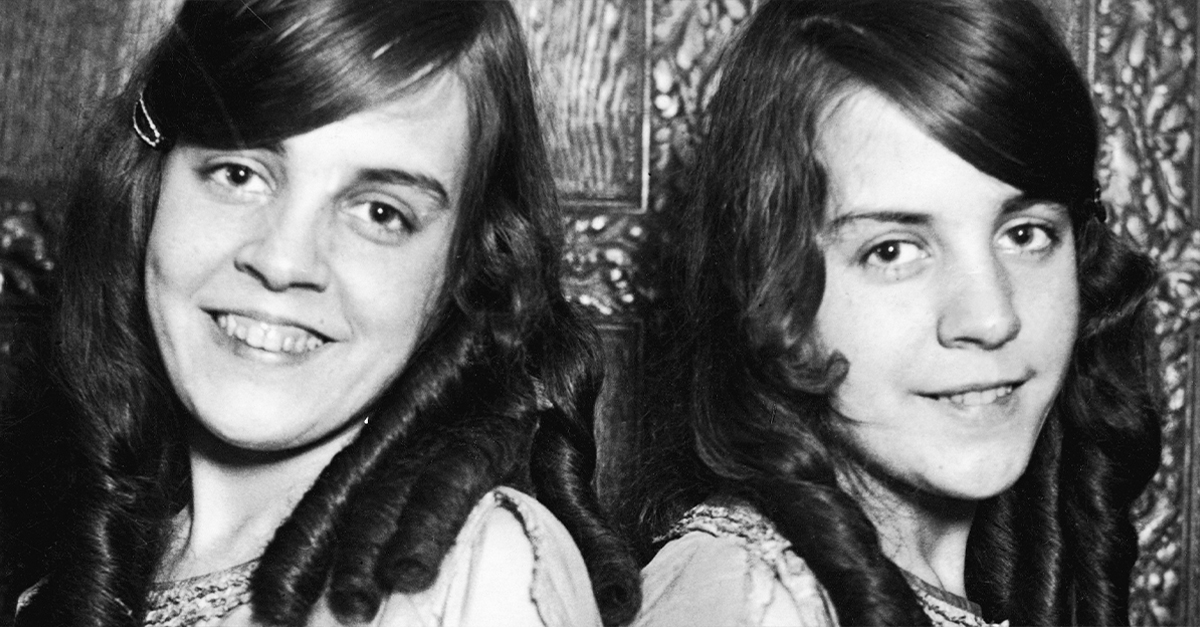
The Dark Side Of Child Stardom
Long before Hollywood invented the modern child star, audiences were already fascinated by remarkable children. Some were musical prodigies, some were stage sensations, and some were displayed because adults believed their bodies or talents could sell tickets. Their stories are dazzling, painful, and often uncomfortable.
Together, they show how childhood became public entertainment before society had language for fame, exploitation, consent, or protection.
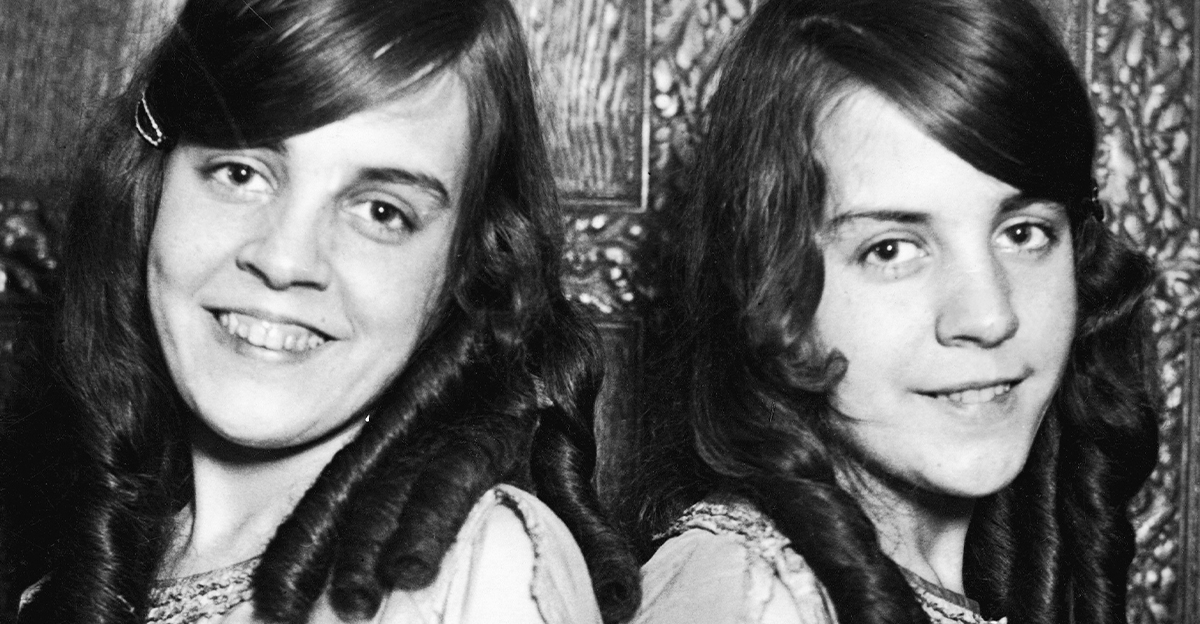
Childhood Was Once Treated Very Differently
Today, childhood is usually discussed as something to protect. In earlier centuries, children worked, toured, performed, and helped support families in ways that now feel alarming. When a child had an unusual gift, appearance, or story, adults often saw public opportunity before they saw emotional risk.
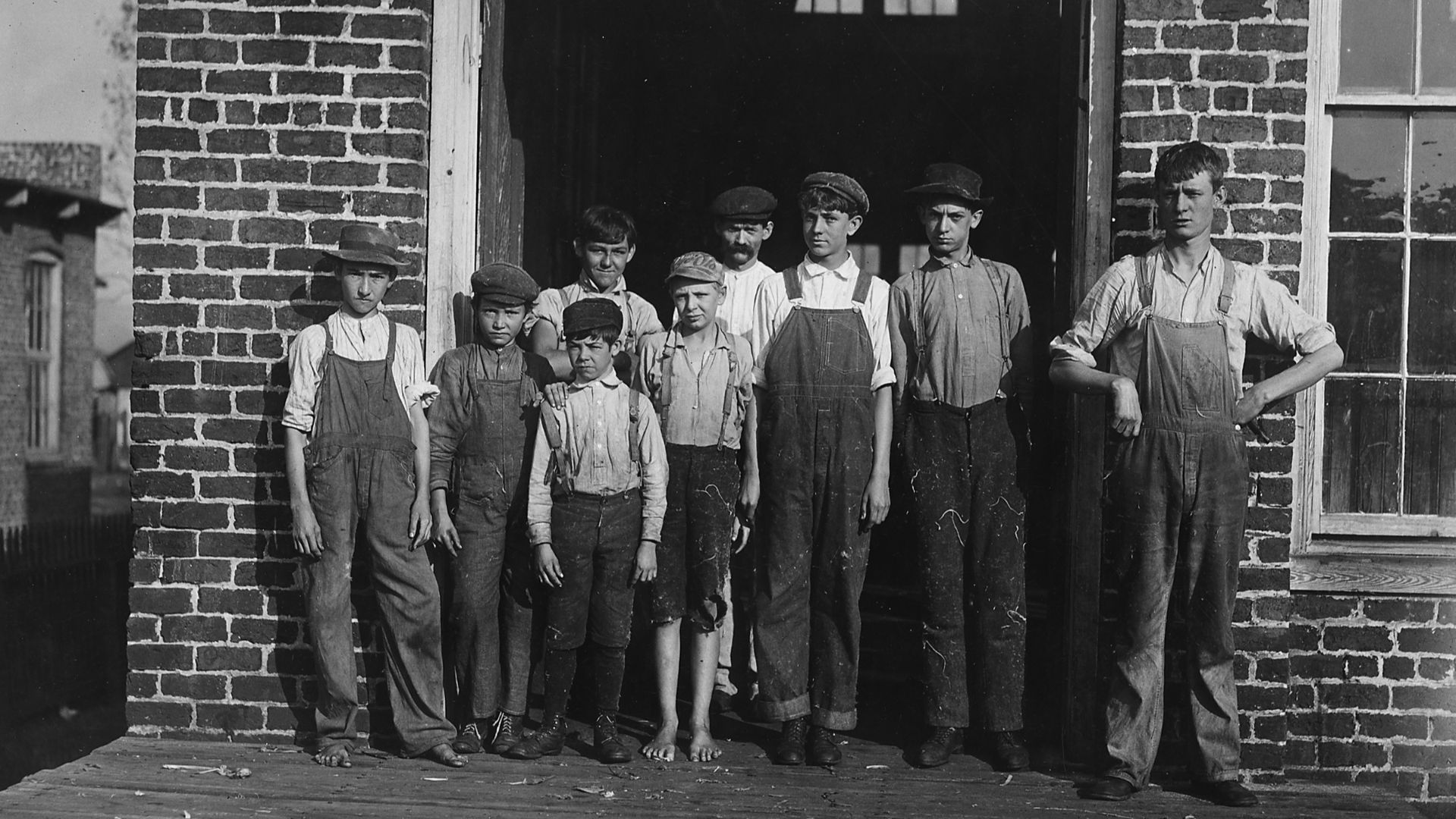
Wolfgang Mozart Was Presented As A Wonder
Wolfgang Amadeus Mozart is remembered as a genius, but as a child he was also a public attraction. In 1763, Leopold Mozart brought Wolfgang and his sister Nannerl to Versailles during a European tour. Wolfgang was seven, and audiences came not only to hear music but to witness a child performing with astonishing skill.
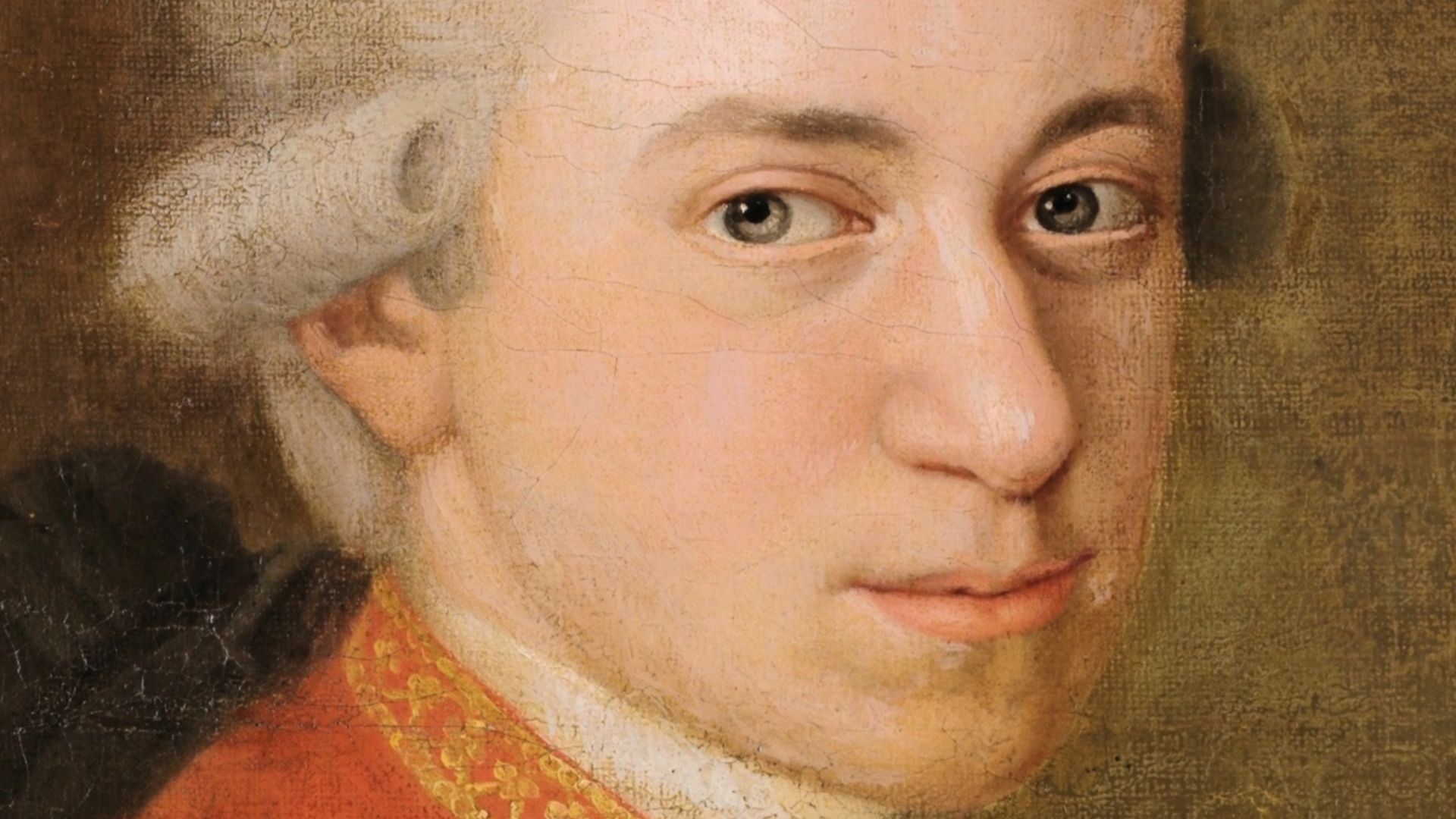 Johann Nepomuk della Croce, Wikimedia Commons
Nannerl Mozart Was Part Of The Same Exhibition
Maria Anna Mozart, known as Nannerl, was 12 when she appeared at Versailles with her younger brother. The children were promoted together as prodigies, but history remembered them very differently. Wolfgang became immortal, while Nannerl’s early brilliance was narrowed by the expectations placed on girls and women of her class.
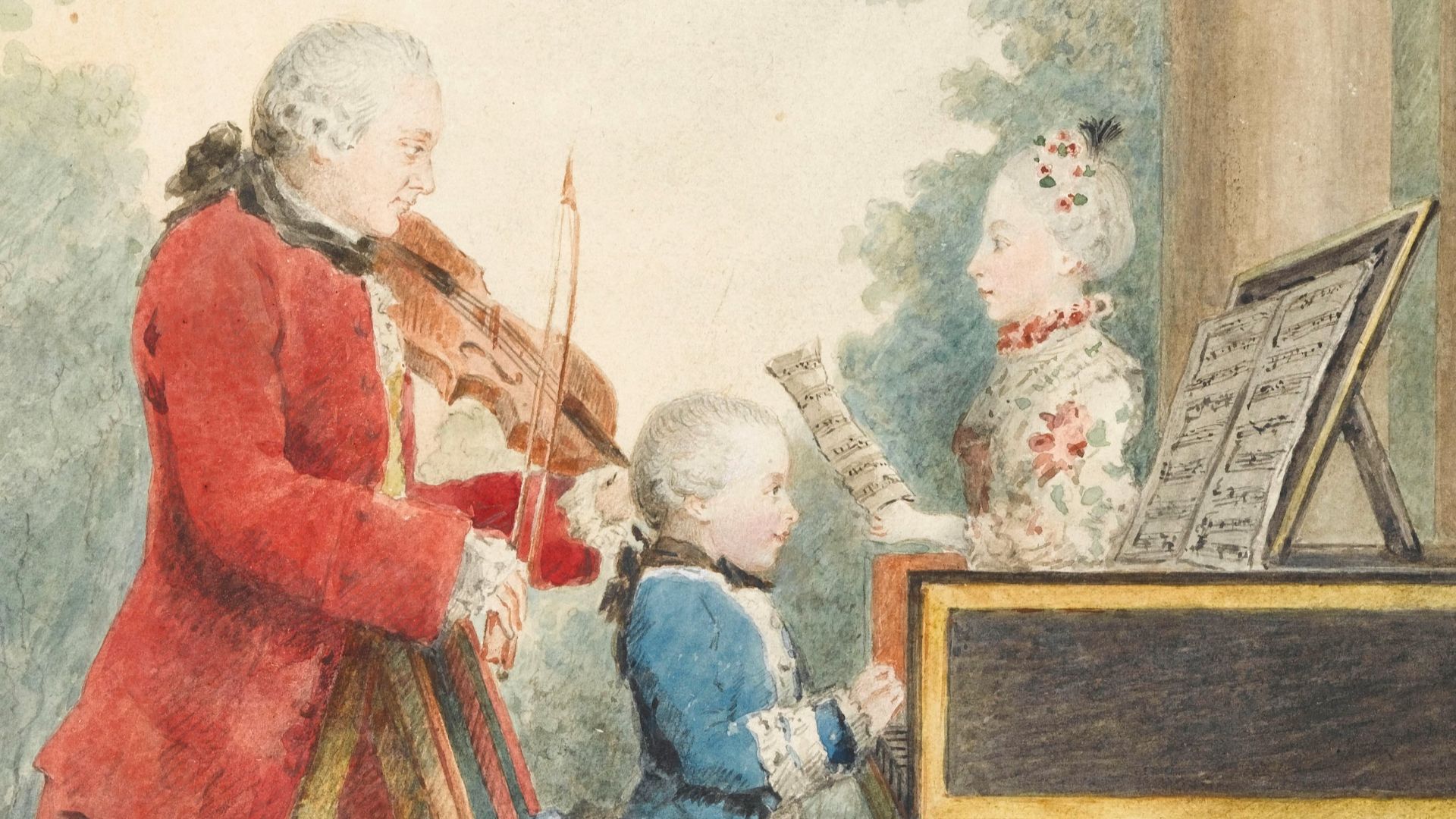 Louis Carrogis Carmontelle, Wikimedia Commons
Leopold Mozart Managed The Family Image
Leopold Mozart was not simply a proud father. He organized tours, sought court access, and judged the children’s success by their reception from elite audiences. The Mozart children were talented, but they were also carefully presented to the public. Their childhood became part of a family enterprise.
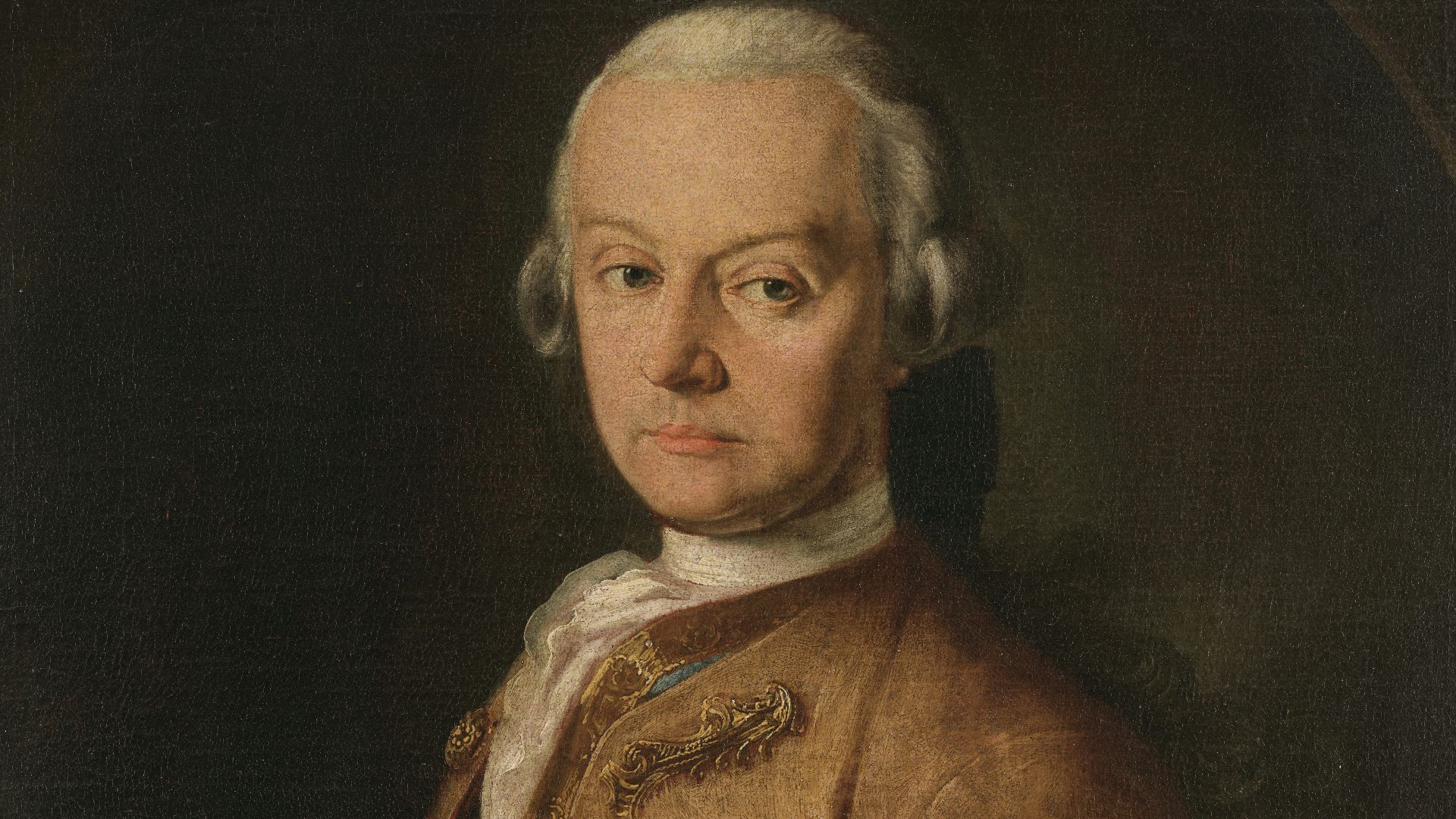 Pietro Antonio Lorenzoni, Wikimedia Commons
Master Betty Became A Theatrical Obsession
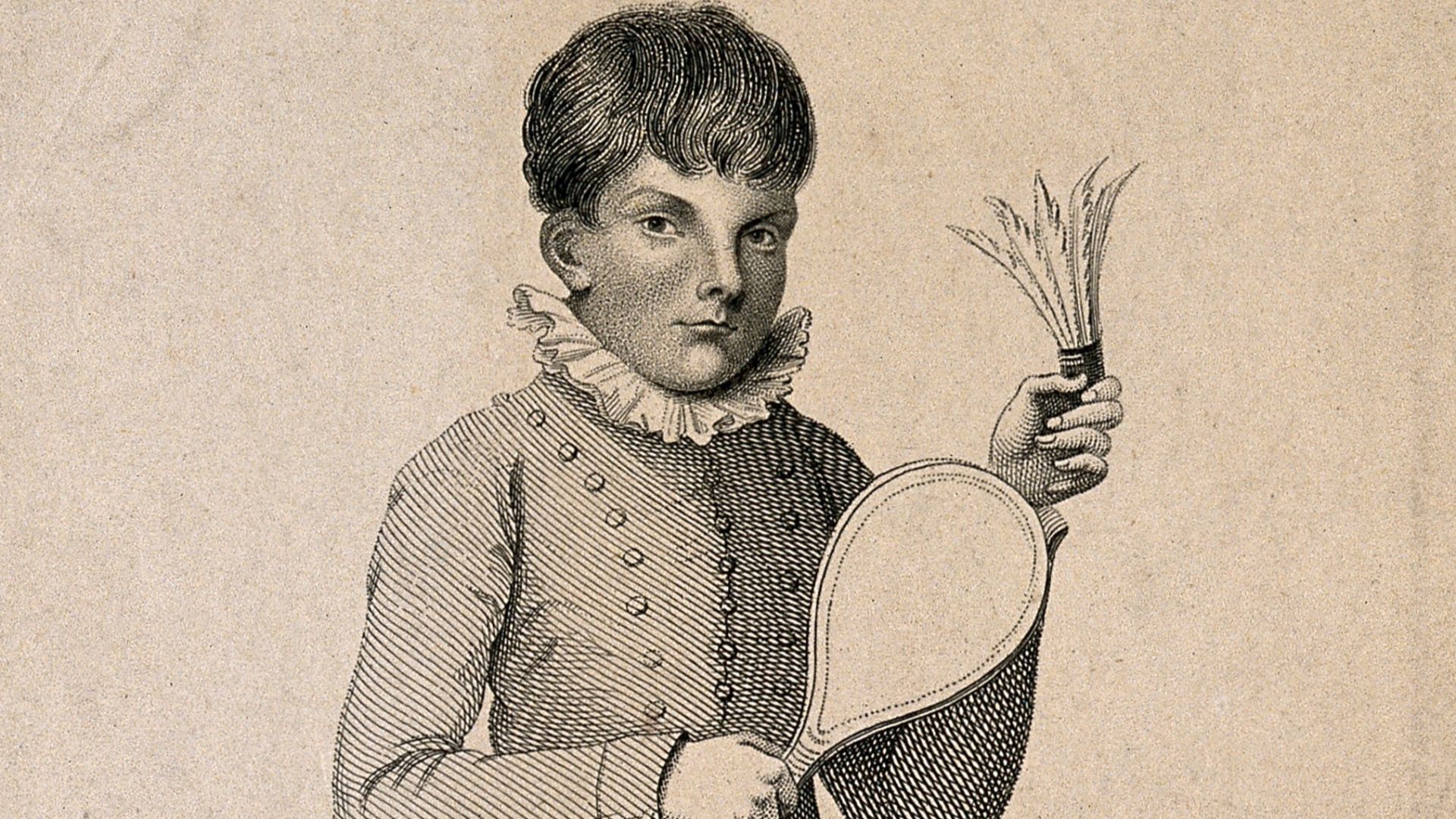
William Henry West Betty, known as Master Betty or the Young Roscius, became a wildly successful child actor in early 19th-century Britain. Sources say he had great success as a child star before adulthood exposed that he wasn't entirely cut out for acting. His fame showed how strongly audiences could attach themselves to a performing child.
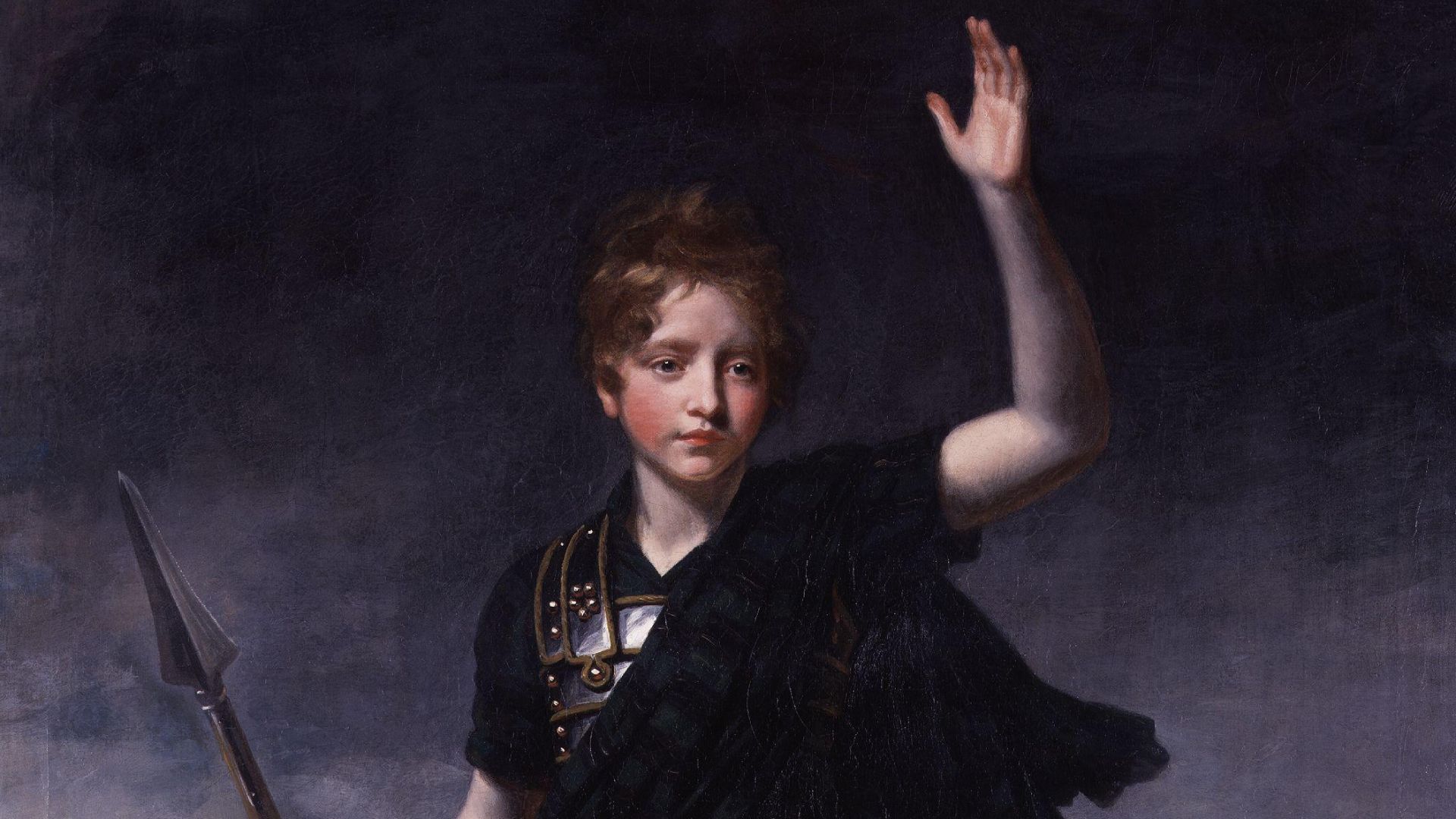
Audiences Wanted To See A Child Act Like An Adult
Part of Master Betty’s appeal was the oddness of watching a boy perform serious adult roles. His youth made the spectacle feel miraculous, sentimental, and theatrical all at once. Audiences were not simply judging technique. They were watching childhood stretched into an adult performance world.
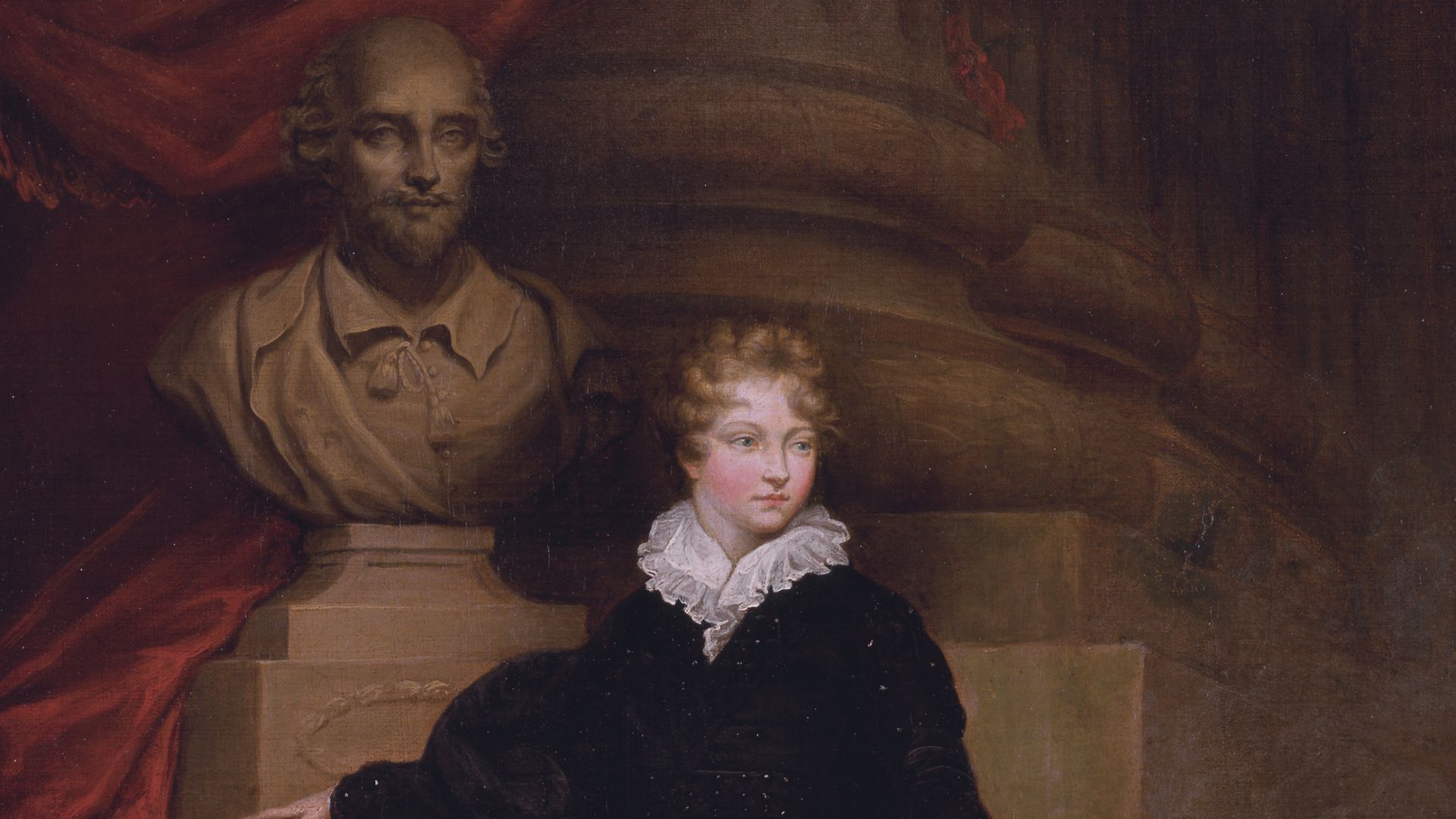 James Northcote, Wikimedia Commons
Daisy And Violet Hilton Were Exhibited From Infancy
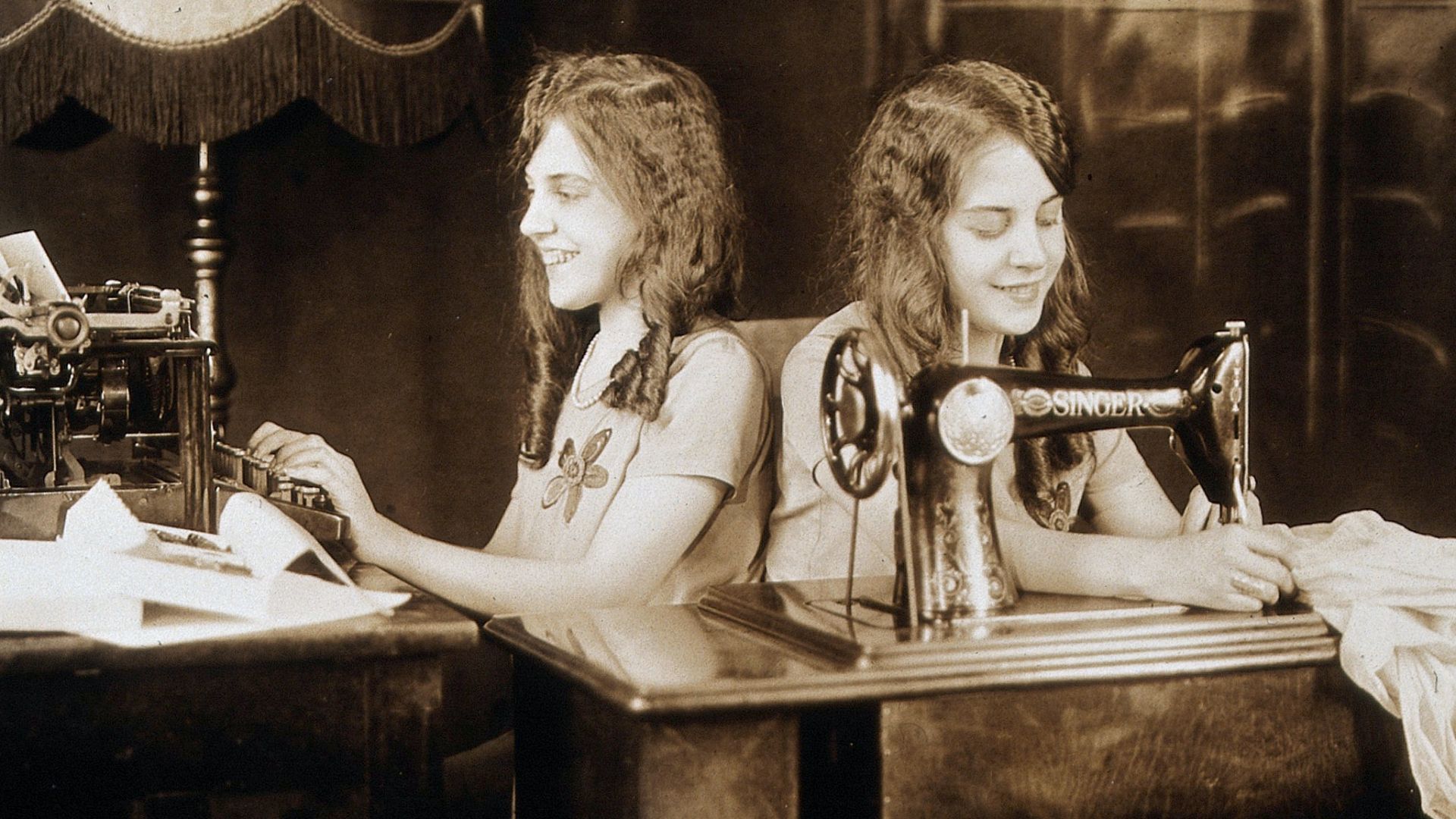
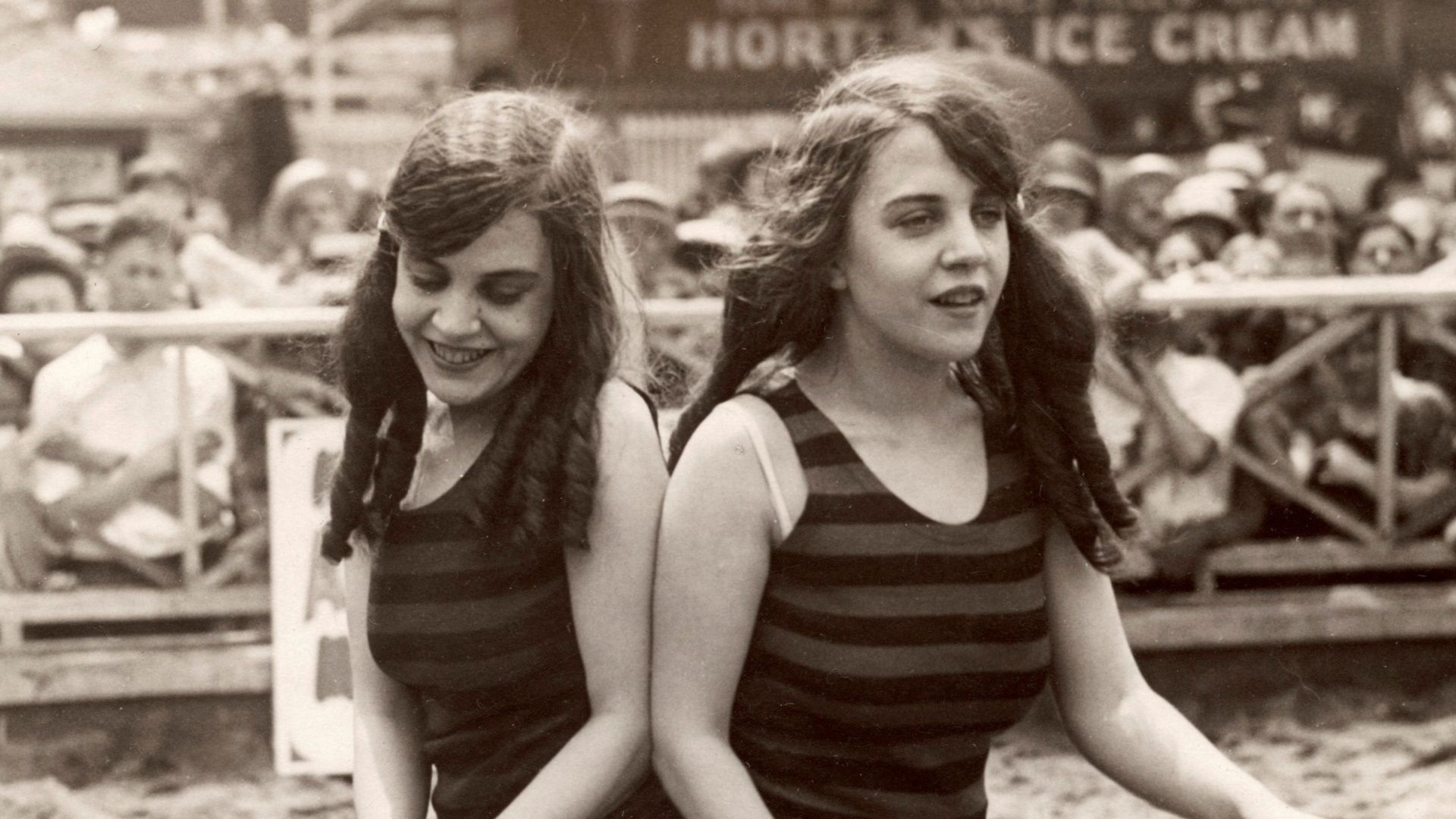
Daisy and Violet Hilton, conjoined twins born in Brighton in 1908, were exhibited as children before becoming vaudeville performers. They were put on display by their guardian Mary Hilton, ultimately passing into the care of Hilton's daughter Edith. But Edith and her husband treated them in horrifying ways.
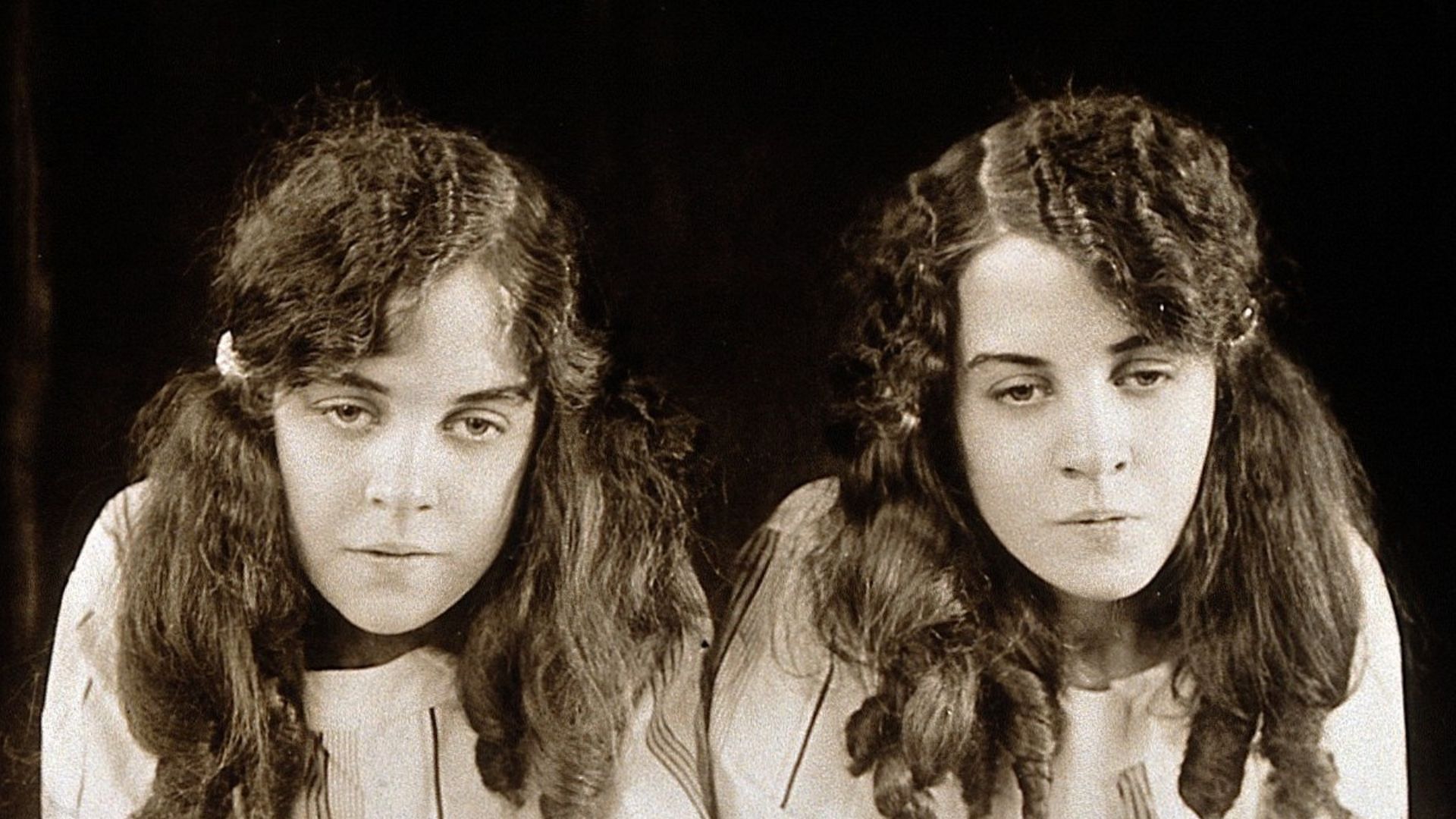 Progress StudioNew York, Wikimedia Commons
Their Guardians Treated Them Horribly
Sources say that Edith Meyers and her husband controlled Daisy and Violet, dealing brutal punishments if their demands weren't met. Keeping them away from the public, they trained the girls in jazz music. In the end, though, some semblance of justice was served. The sisters sued their managers and eventually won their freedom.
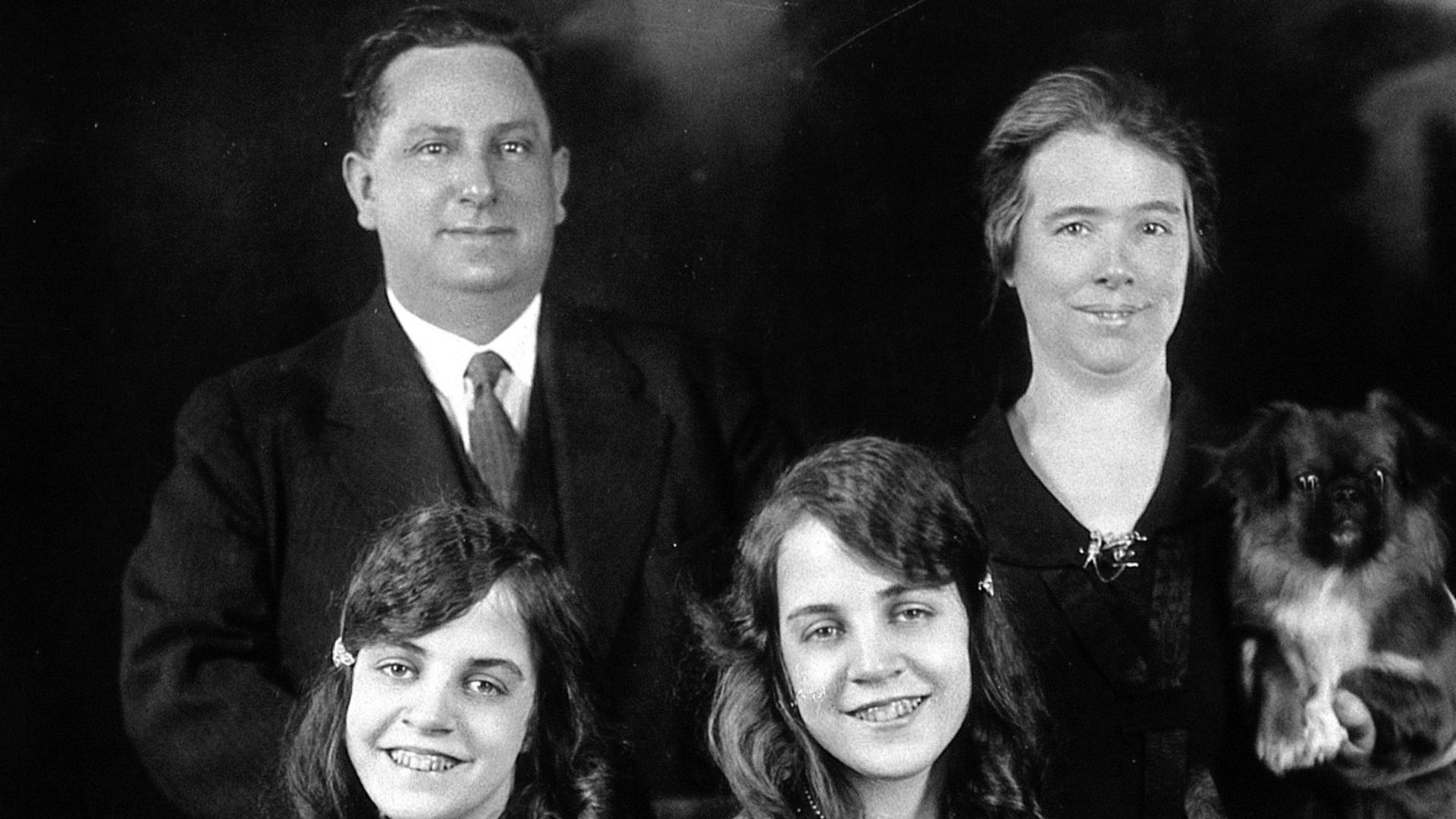 Progress Studio, New York, Wikimedia Commons

History's most fascinating stories and darkest secrets, delivered to your inbox daily.
Zerah Colburn Turned Arithmetic Into Theater
Zerah Colburn, born in Vermont in 1804, became famous as a child mental calculator. Contemporary accounts described him solving arithmetic problems without writing or visible calculation. Adults tested him repeatedly, turning his ability into a public demonstration. His childhood became a traveling proof of wonder.
The Public Loved Testing Prodigies
Child prodigies were often treated like puzzles to be solved. People wanted proof, repetition, and increasingly difficult demonstrations. A child might be asked to calculate, play, improvise, or perform on command. Admiration could become pressure, especially when a child’s public value depended on never seeming ordinary.
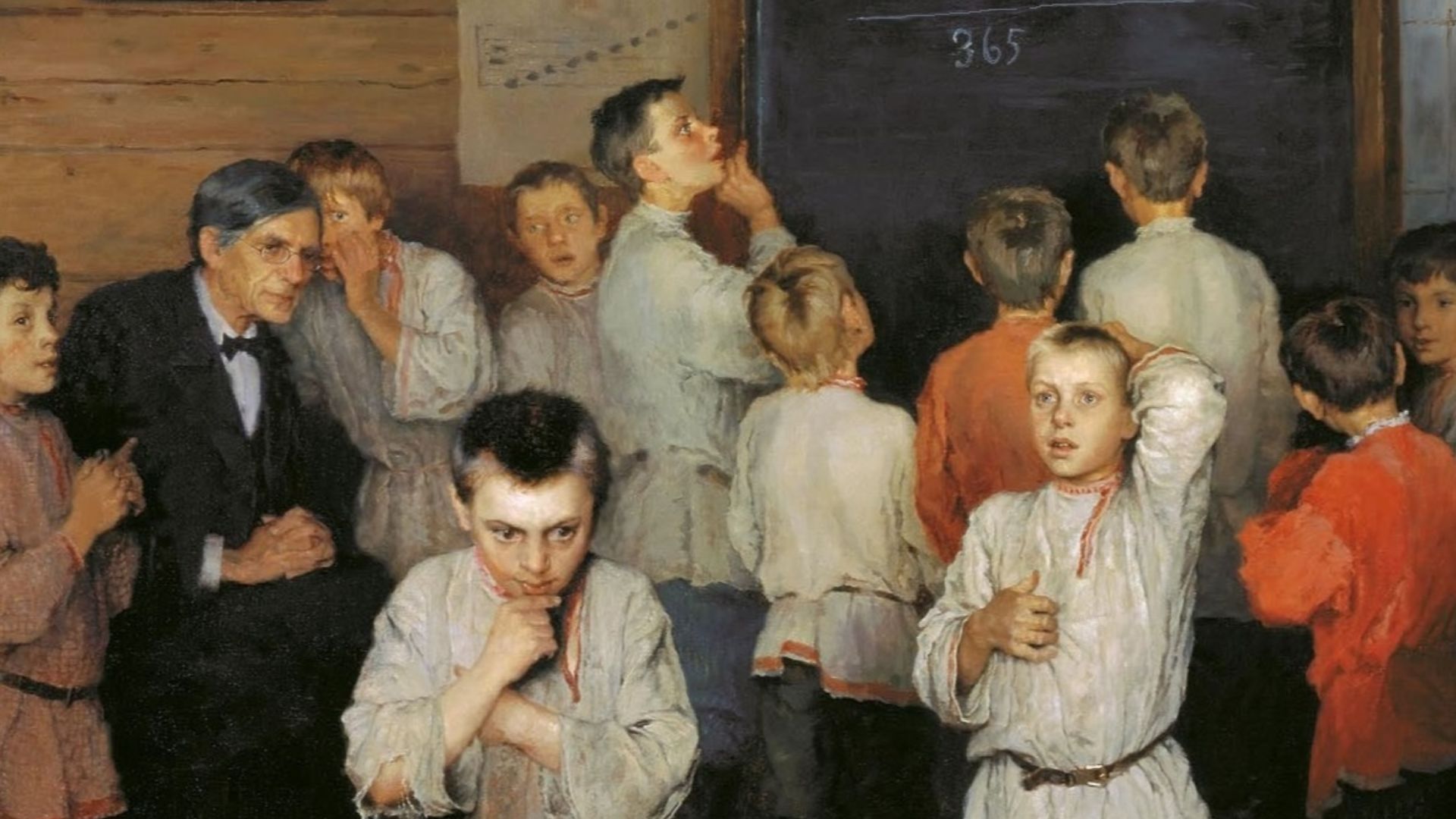 Nikolay Bogdanov-Belsky, Wikimedia Commons
Tom Thumb Was Turned Into A Brand
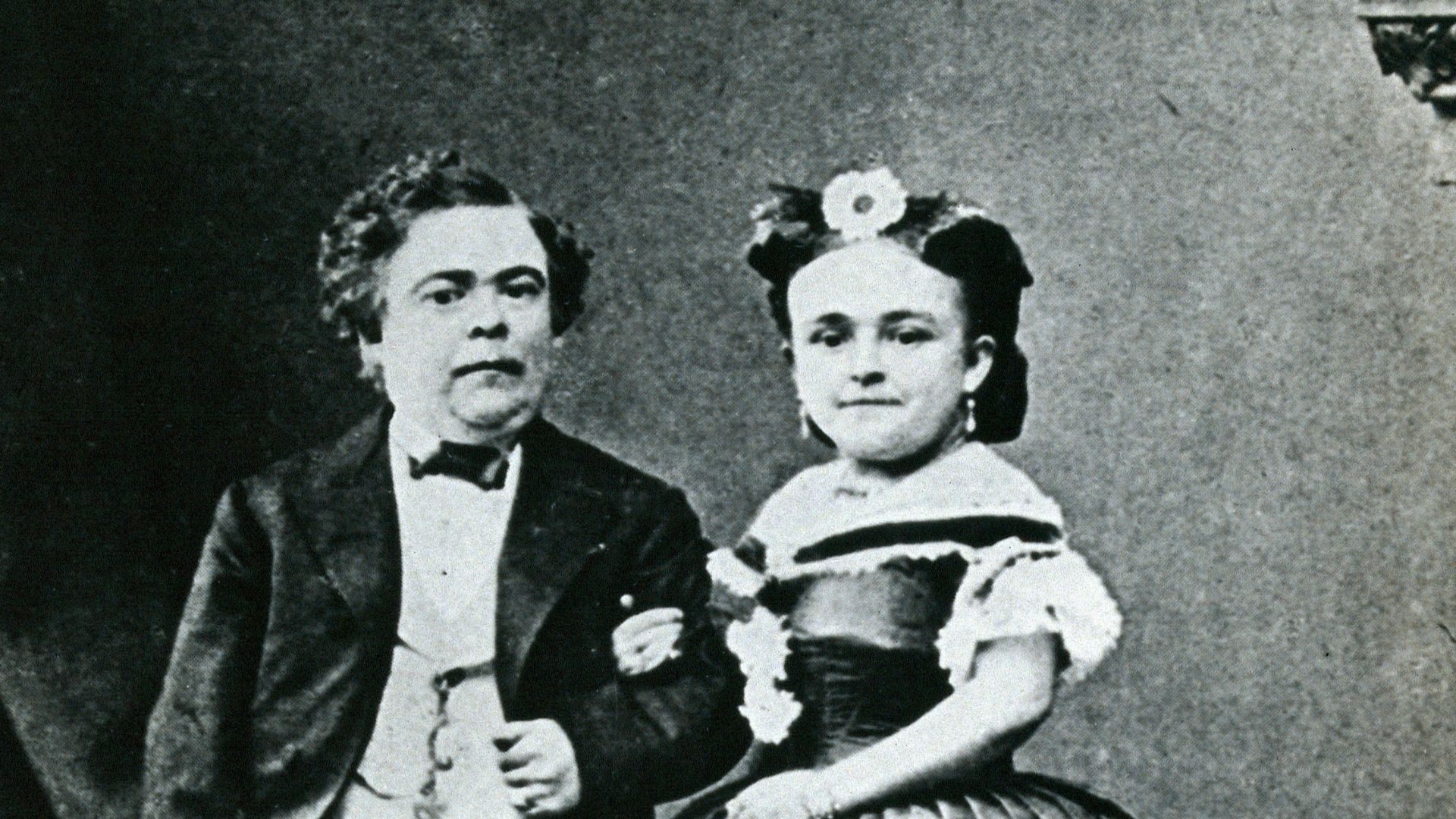
Charles Sherwood Stratton was only four when PT Barnum met him in 1842. Barnum renamed him General Tom Thumb, billed him as older than he was, and presented him as “Man in Miniature". The act made Stratton famous, but it also turned a small child into a carefully managed attraction.
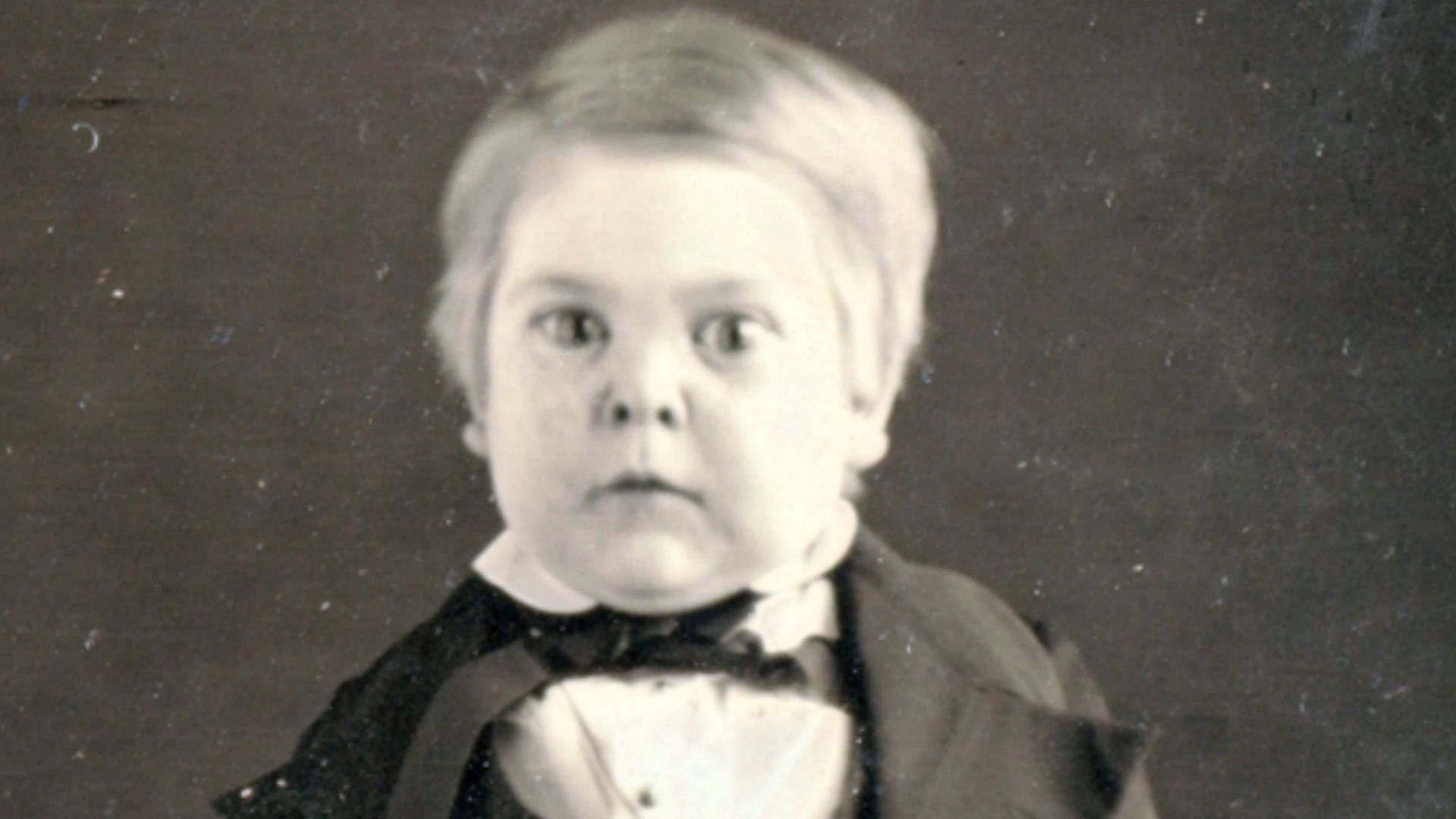 Unknown authorUnknown author, Wikimedia Commons
Barnum Understood The Power Of Public Curiosity
Barnum’s American Museum mixed education, amusement, performance, and spectacle. With Tom Thumb, Barnum created a character, a story, costumes, tours, and publicity. Audiences came to marvel, laugh, and feel they had seen something extraordinary. The machinery around him foreshadowed later celebrity systems.
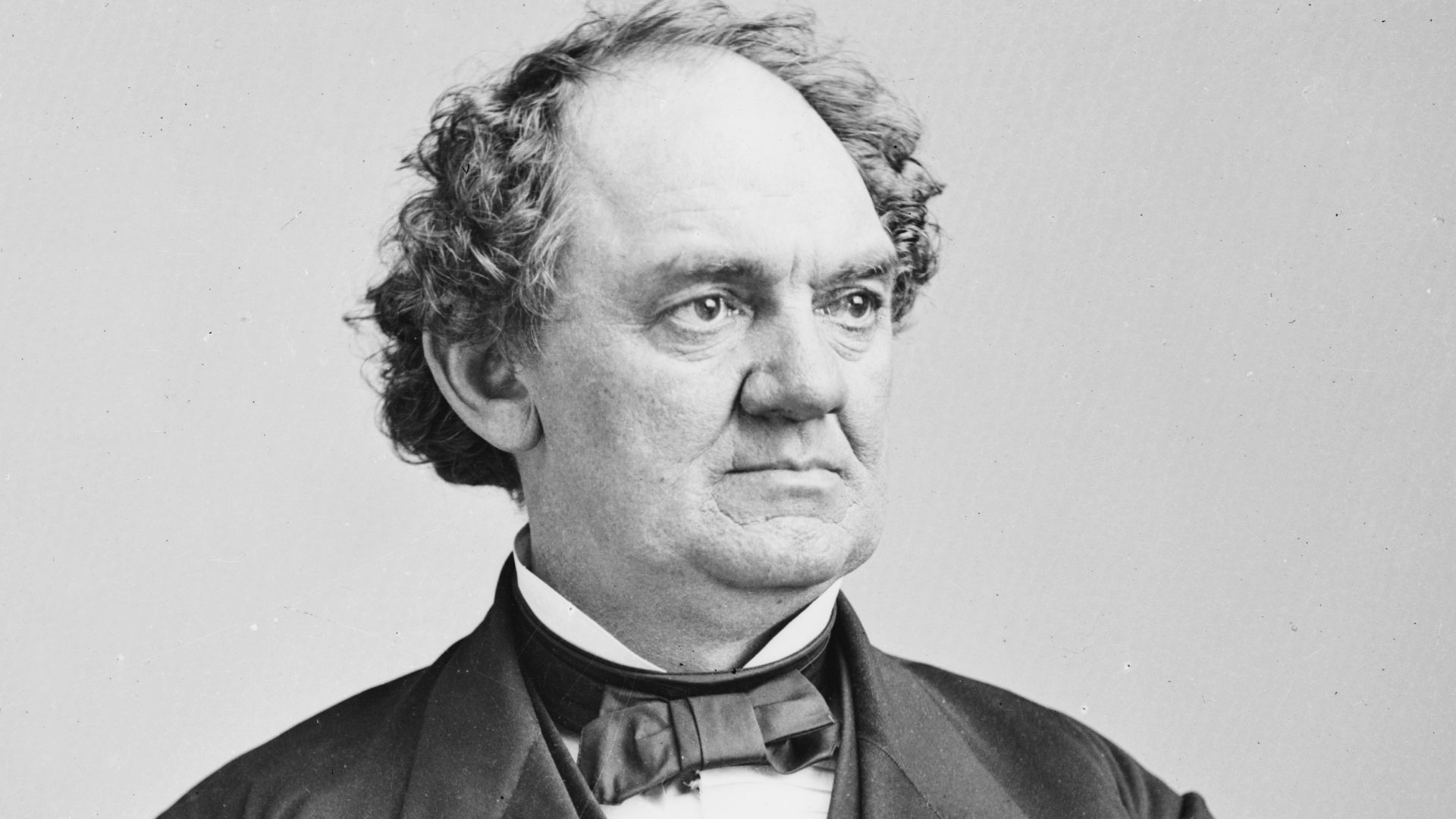 Brady-Handy Photograph Collection (Library of Congress), Wikimedia Commons
Commodore Nutt Followed A Similar Path
George Washington Morrison Nutt, billed as Commodore Nutt, became another small-statured performer associated with Barnum. Sources say Nutt was among the famous performers connected to Barnum’s Civil War-era publicity world. His stage identity was built around title, costume, and spectacle.
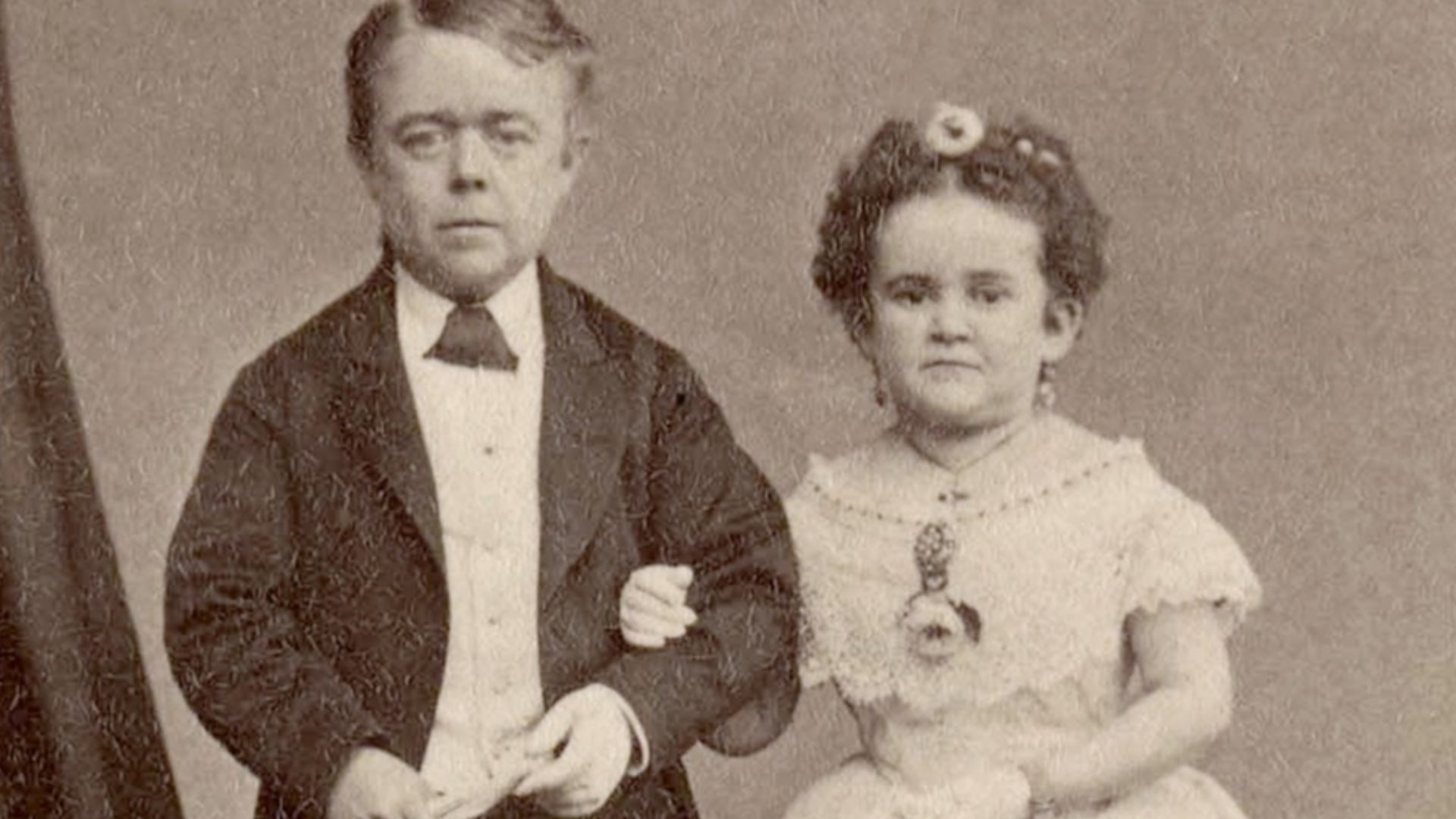 E. & H. T. Anthony & Co., Wikimedia Commons
Cordelia Howard Became Little Eva
Cordelia Howard became famous as Little Eva in stage adaptations of Uncle Tom’s Cabin. The University of Virginia’s archive notes that the Howard family saw their young daughter’s stage appeal and helped build a production around the child-centered emotional power of Stowe’s story. Her fame showed how child innocence could become a theatrical commodity.
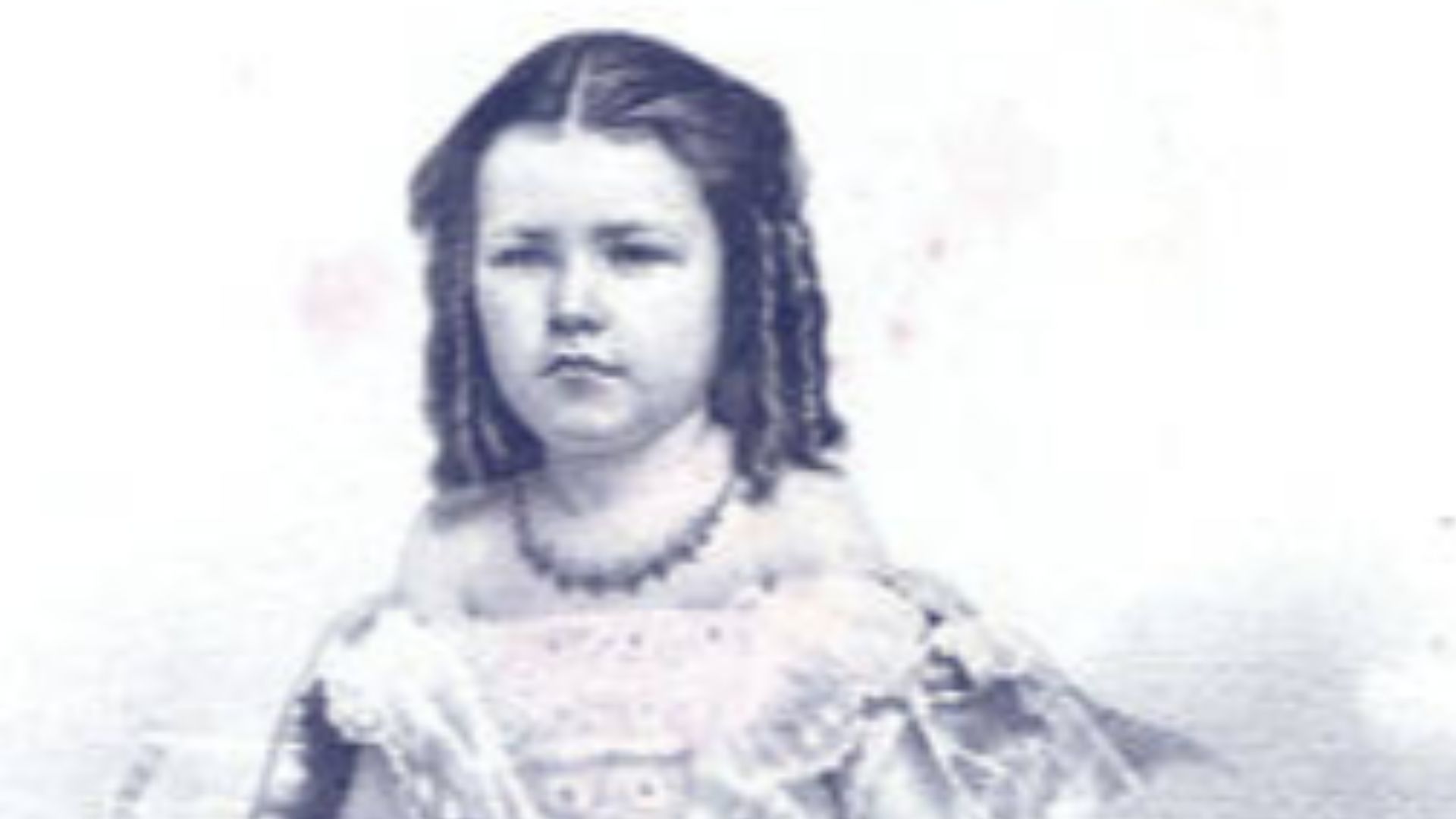 Magee, John L., active 1844-ca. 1870, Wikimedia Commons
Little Eva Made Childhood Sentimental
Little Eva was not presented as an ordinary child. She was angelic, fragile, and morally powerful. Cordelia Howard’s role helped audiences cry over idealized childhood on stage. That kind of sentimental child performance became a lasting pattern: the child performer as a vessel for adult emotion.

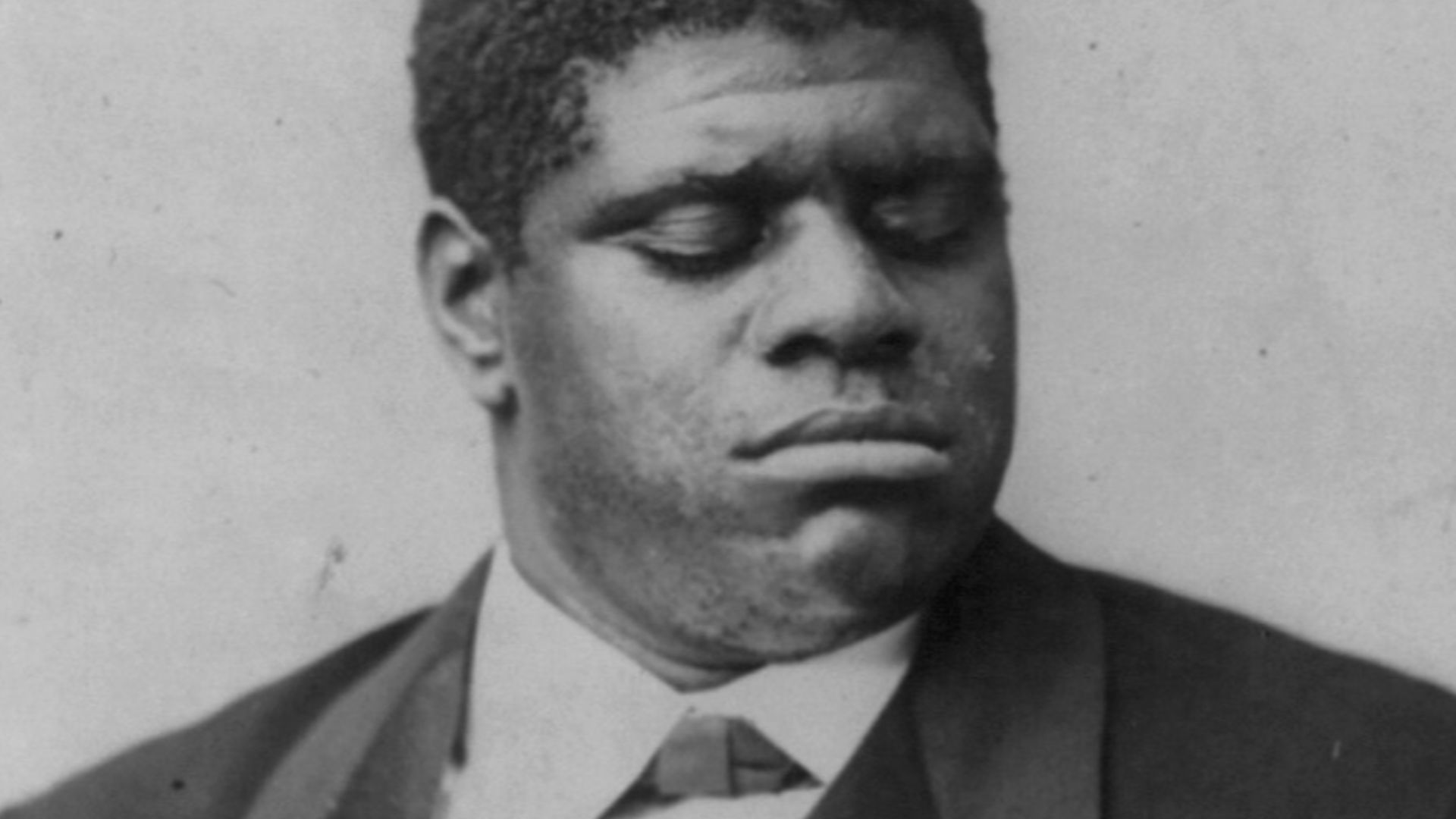
Blind Tom Wiggins Was Exploited For His Genius
Thomas “Blind Tom” Wiggins was born enslaved, blind, and musically gifted—a prodigy whose musical abilities were turned into public performance while his freedom and agency were denied. His story is one of brilliance filtered through slavery and exploitation.
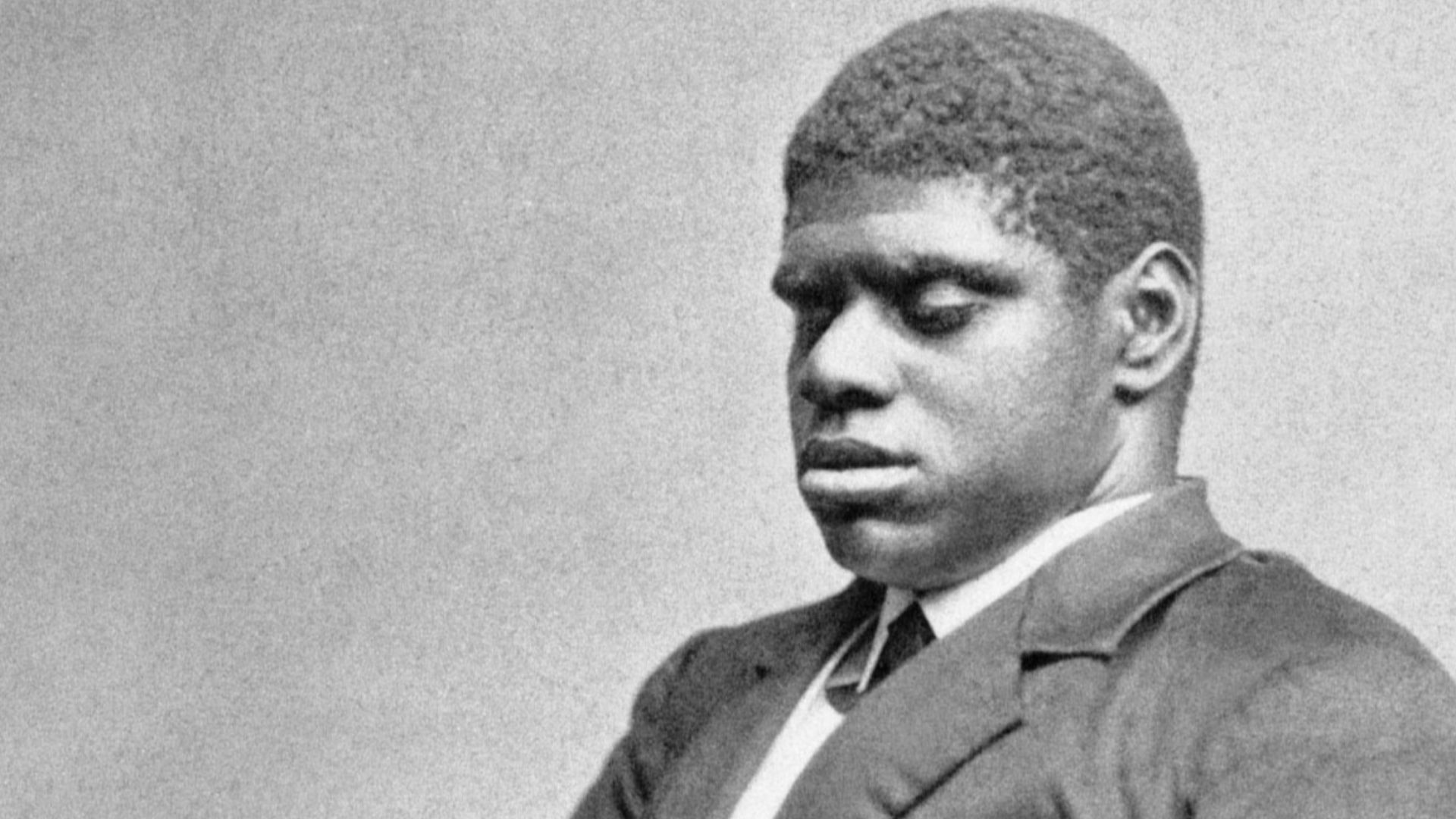 Unknown authorUnknown author, Wikimedia Commons
His Talent Was Framed Through Prejudiced Spectacle
Blind Tom’s music drew crowds, but many white audiences and promoters described him through prejudiced assumptions rather than treating him as a full artist. His ability was real, yet the public story around him often reduced him to mystery, novelty, or spectacle. Fame did not protect his humanity.
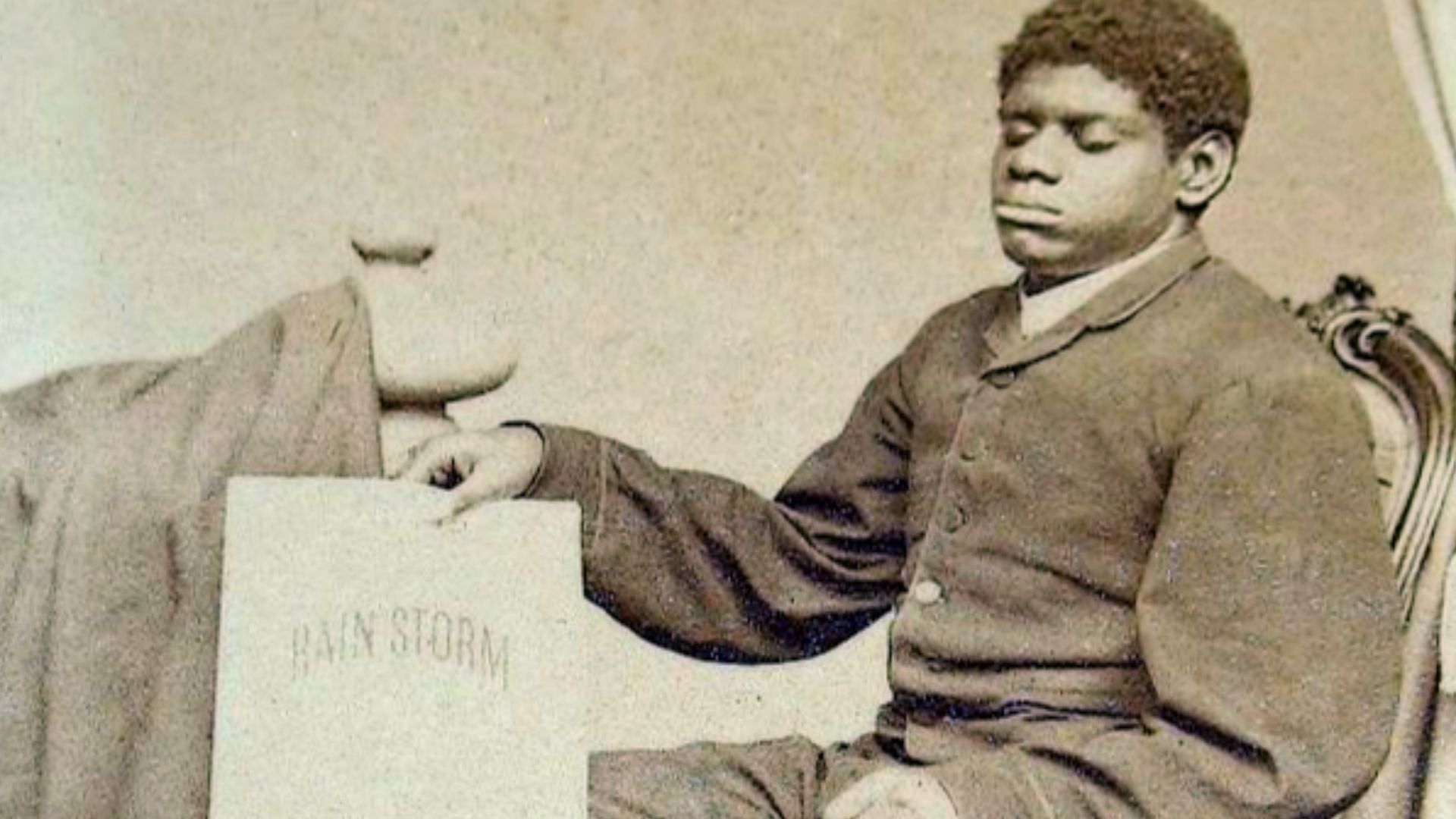 W. L. Germon of Philadelphia, Wikimedia Commons
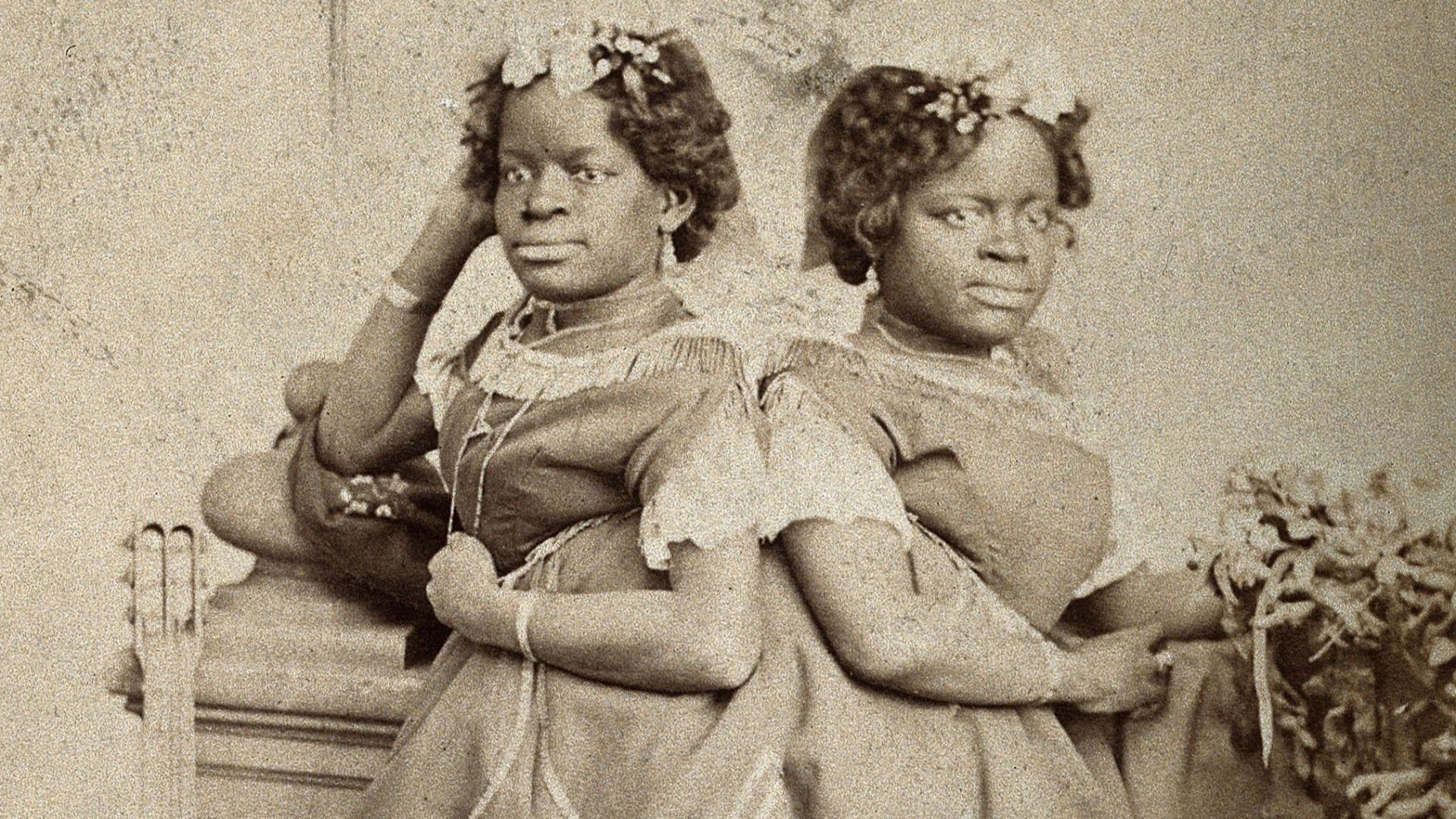
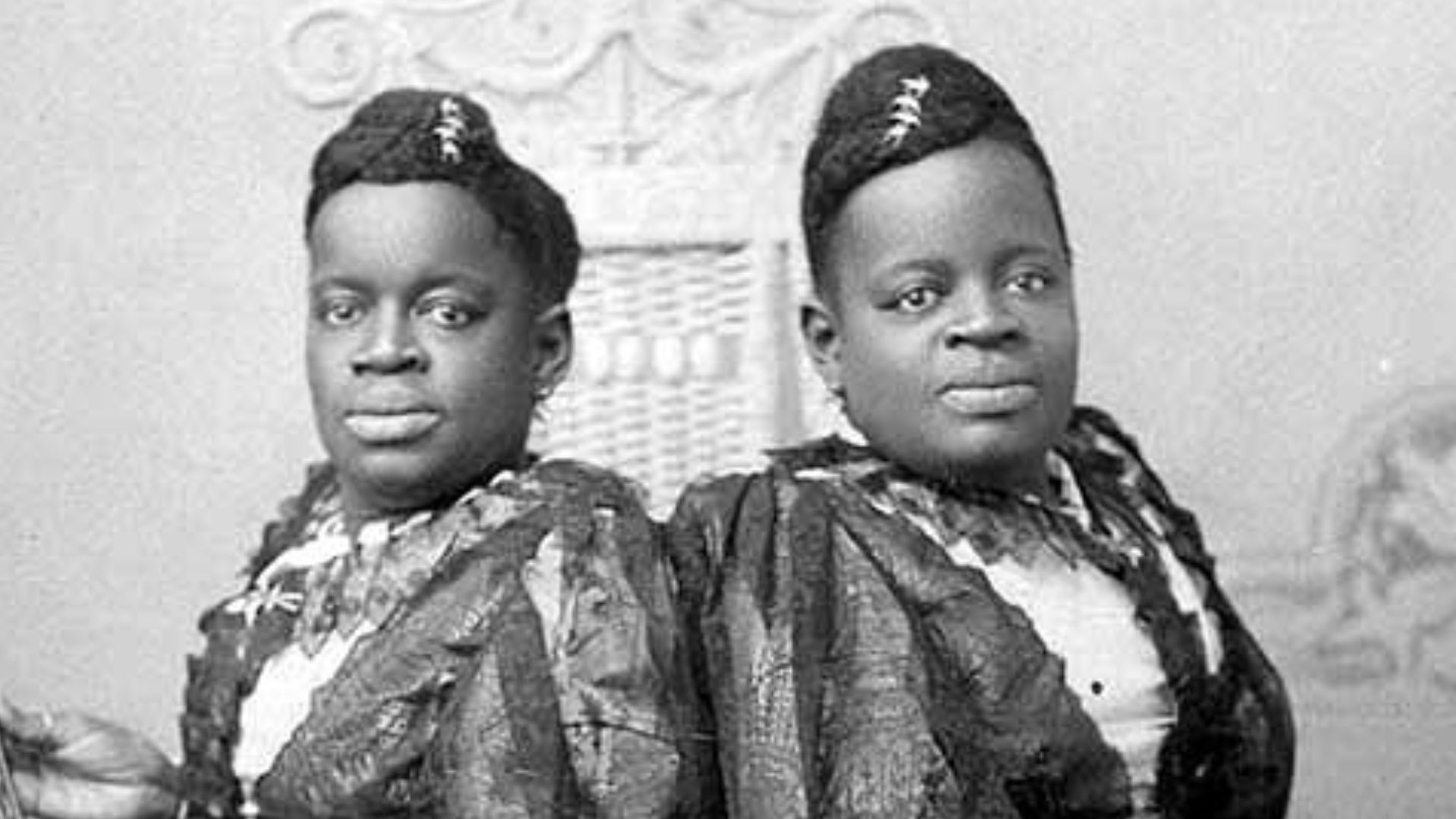
Millie-Christine McKoy Were Displayed As Children
Millie and Christine McKoy were conjoined twins born enslaved in North Carolina in 1851. The National Museum of African American History and Culture’s Searchable Museum states that they were exhibited as young children at museums and sideshows. Their early fame began in a world that treated their bodies as property and spectacle.
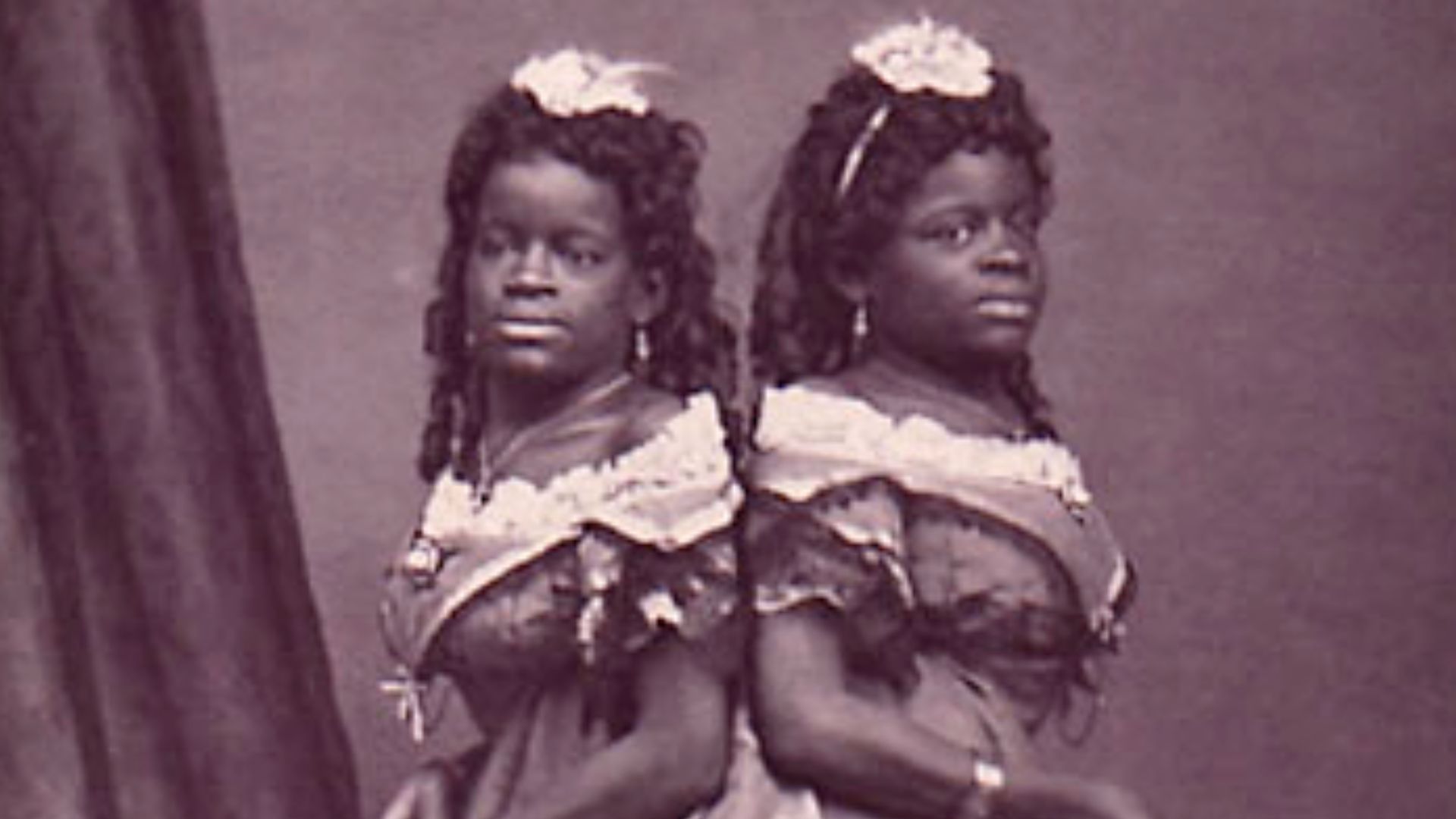 Wagner of Paris, Wikimedia Commons
Their Story Was Both Performance And Captivity
Millie-Christine later became accomplished performers who toured widely, but their childhood was shaped by enslavement, sale, kidnapping, and display. Their story cannot be reduced to applause. It contains talent and survival, but also coercion and a public market built around looking at children.
Lotta Crabtree Entertained Mining Camps
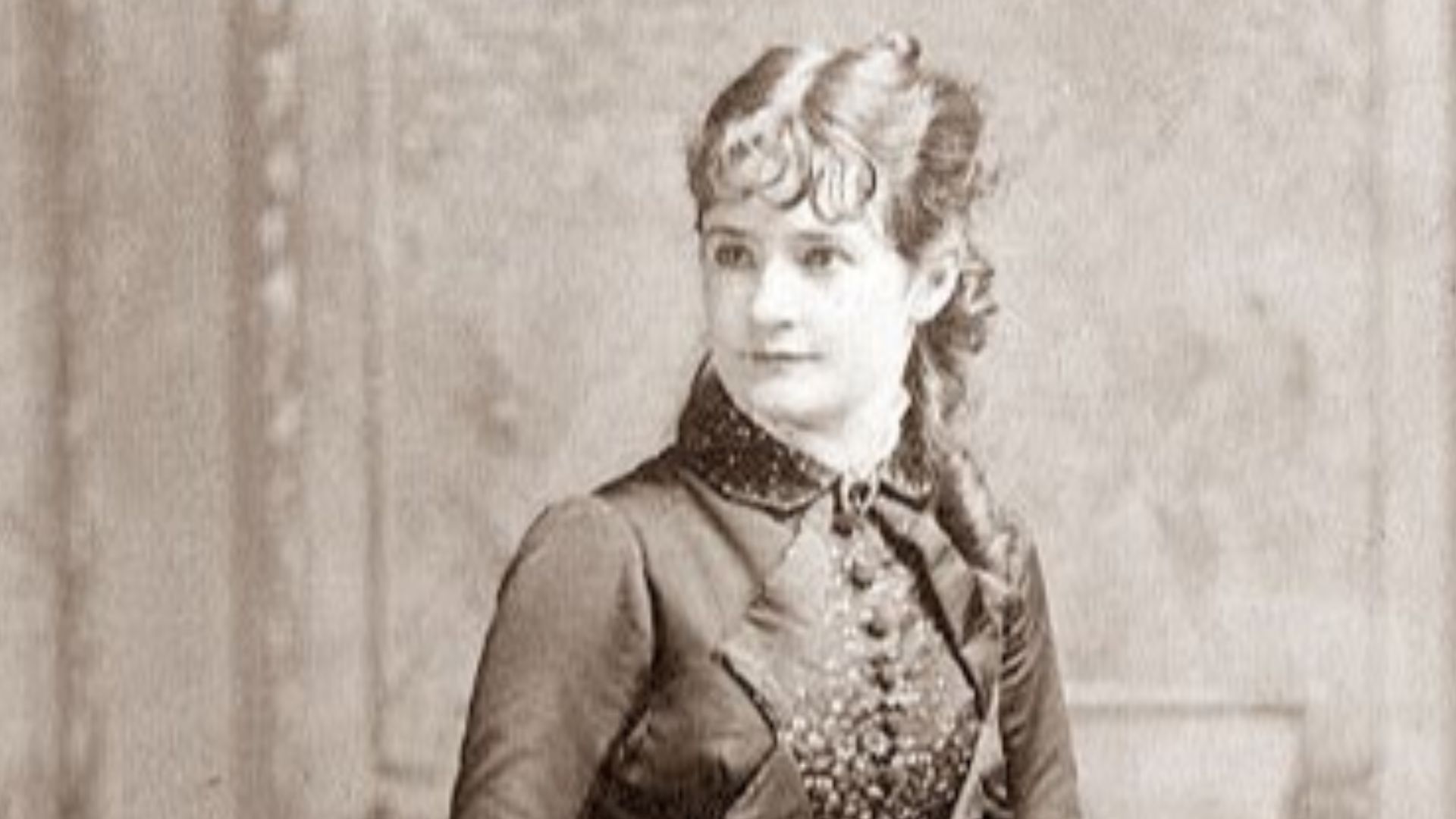
Lotta Crabtree began performing as a child in California’s Gold Rush entertainment world. She has been described as "a child of the Gold Rush" who performed in San Francisco vaudeville houses and later became one of the most popular performers of her era. Her early career shows how child charm could become public entertainment.
 Unknown authorUnknown author, Wikimedia Commons
Child Performers Could Support Whole Families
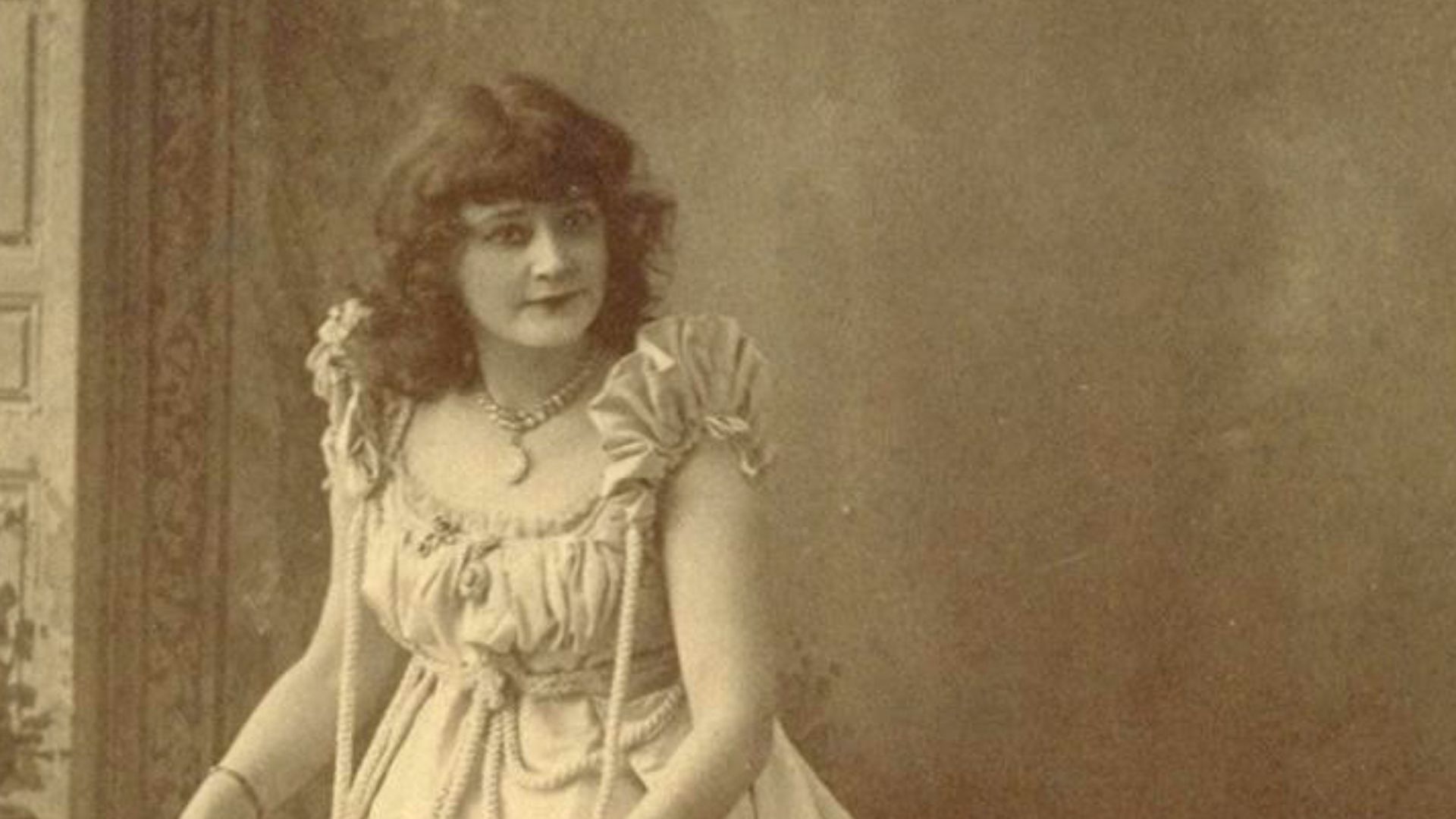
For many families, a talented child was not just a source of pride. The child could become the household’s best economic hope. That reality complicates the story. Some parents may have believed performance offered opportunity, but the pressure on the child could still be enormous.
 C. G. Wynn, Detroit, Michigan, Wikimedia Commons
Elsie Leslie Became A Stage Celebrity
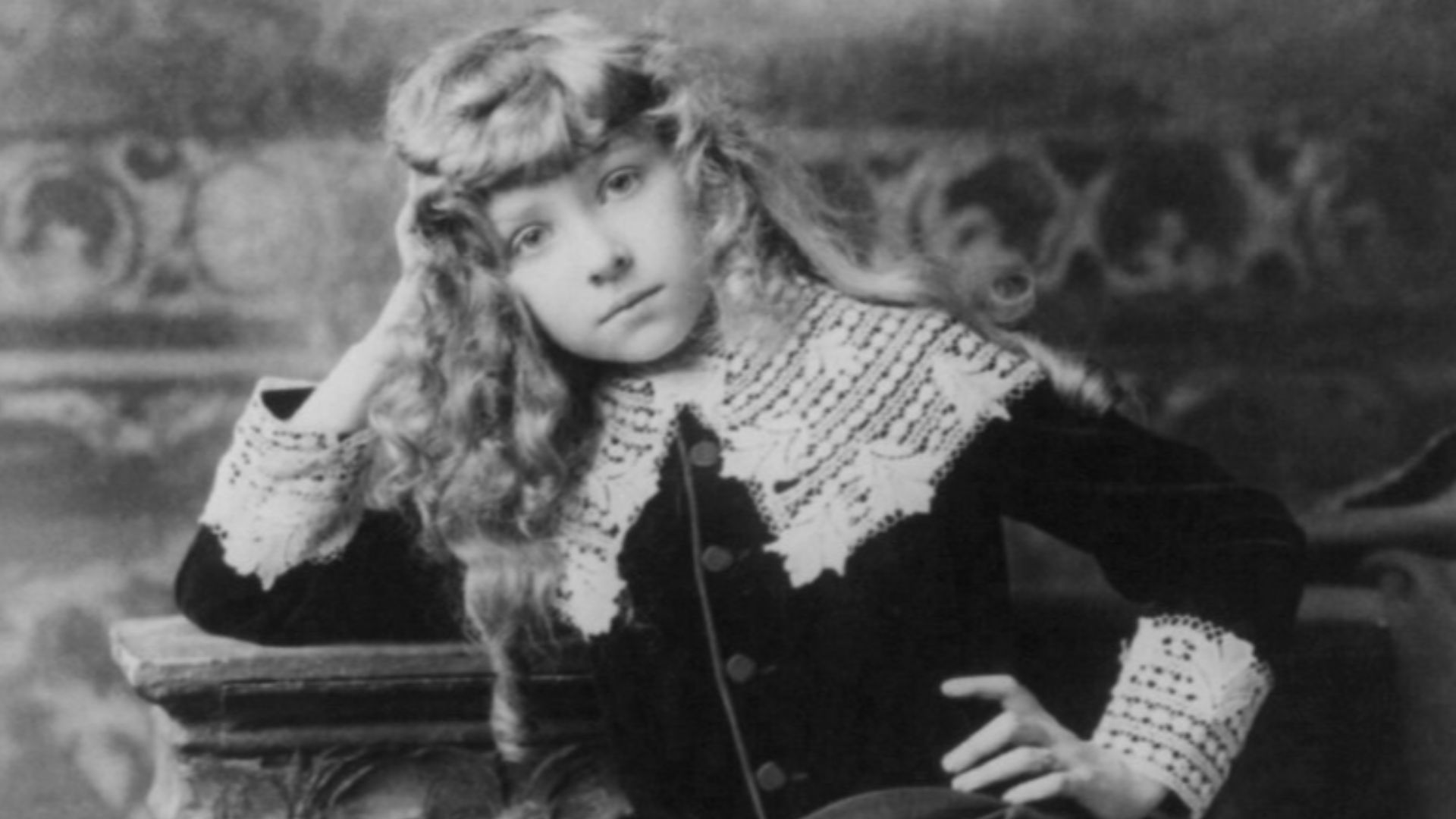
Elsie Leslie was one of America’s most famous late 19th-century child actresses, recognized for her roles in Little Lord Fauntleroy and The Prince and the Pauper. But her fame was not just about acting. Her portraits, costumes, roles, and correspondence helped create a public image of refined, charming childhood.
 Miscellaneous Items in High Demand, PPOC, Library of Congress, Wikimedia Commons
Clara Wieck Was Trained For Public Brilliance
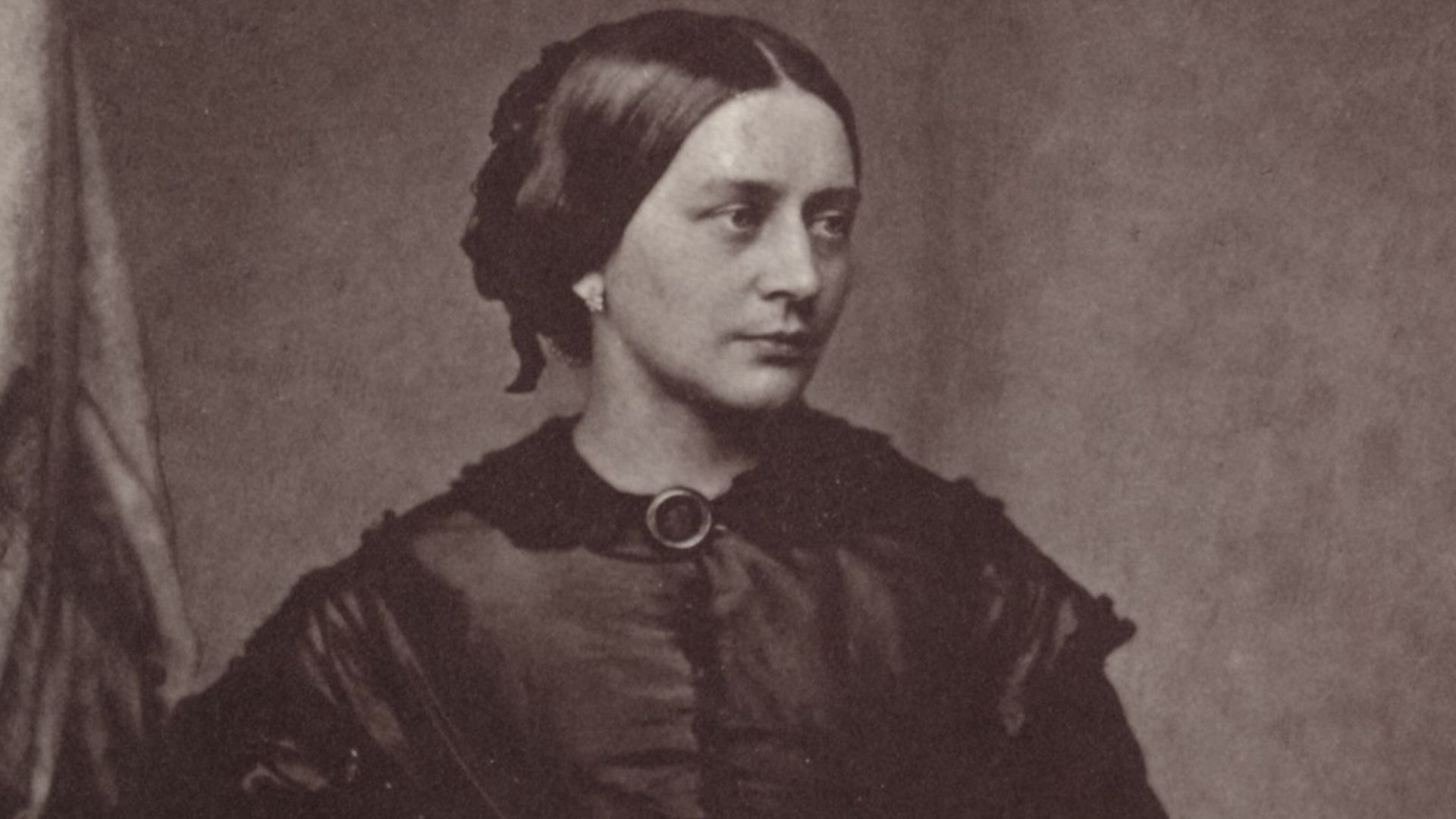
Clara Wieck, later Clara Schumann, was trained by her father Friedrich Wieck. She was a brilliant pianist, who later became a composer. Clara’s later career was extraordinary, but her path began with intense childhood preparation for public performance. She grew up far quicker than any child should.
 Franz Hanfstaengl, Wikimedia Commons
George And Willie Muse Were Taken Into A Sideshow World
George and Willie Muse, African American brothers with albinism from Virginia, became famous under the names Eko and Iko. Time’s interview about Beth Macy’s Truevine describes how the brothers were taken into circus life, marketed under false identities, and separated from their mother for years. Their story is one of exploitation as well as public display.
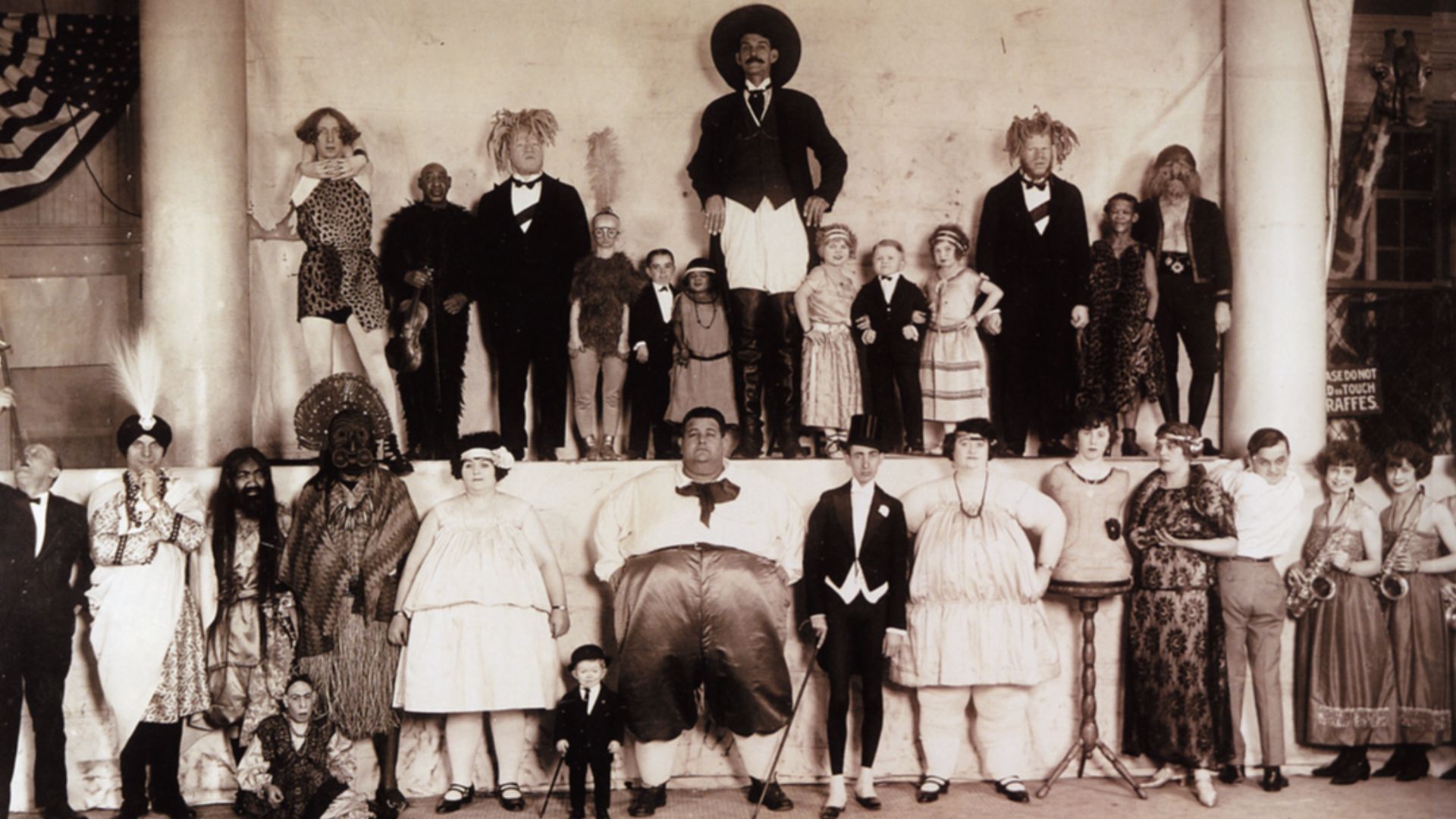 Century Flashlight Photographers, Inc. Edward J. Kelty, President, Wikimedia Commons
False Names Made Children Easier To Sell
Many child attractions were renamed, re-costumed, or given fictional backstories. Charles Stratton became General Tom Thumb; George and Willie Muse were billed as Eko and Iko; Barnum’s performers often appeared with titles that made them seem more exotic, comic, or wondrous. The stage name helped sell the attraction while obscuring the real child.
Fame Did Not Mean Protection
These children were famous in ways that feel recognizable today: crowds came to see them, newspapers wrote about them, images circulated, and adults profited from their names. But fame did not guarantee safety, education, fair pay, or control. In several cases, public attention made the children more vulnerable.
The Audience Was Part Of The System
It is easy to blame only managers, parents, promoters, or owners. But audiences mattered too. People bought tickets because they wanted wonder, sentiment, novelty, proof, or shock. Their curiosity created demand. Long before celebrity gossip and fan culture, crowds were already consuming childhood.
 Unknown authorUnknown author, Wikimedia Commons
Some Children Found Power Later
Not every story ended only in victimhood. Some former child performers became skilled professionals, wealthy entertainers, respected musicians, or adults with more control over their careers. But even when they succeeded, their childhoods had already been shaped by adults who placed them before the public very early.
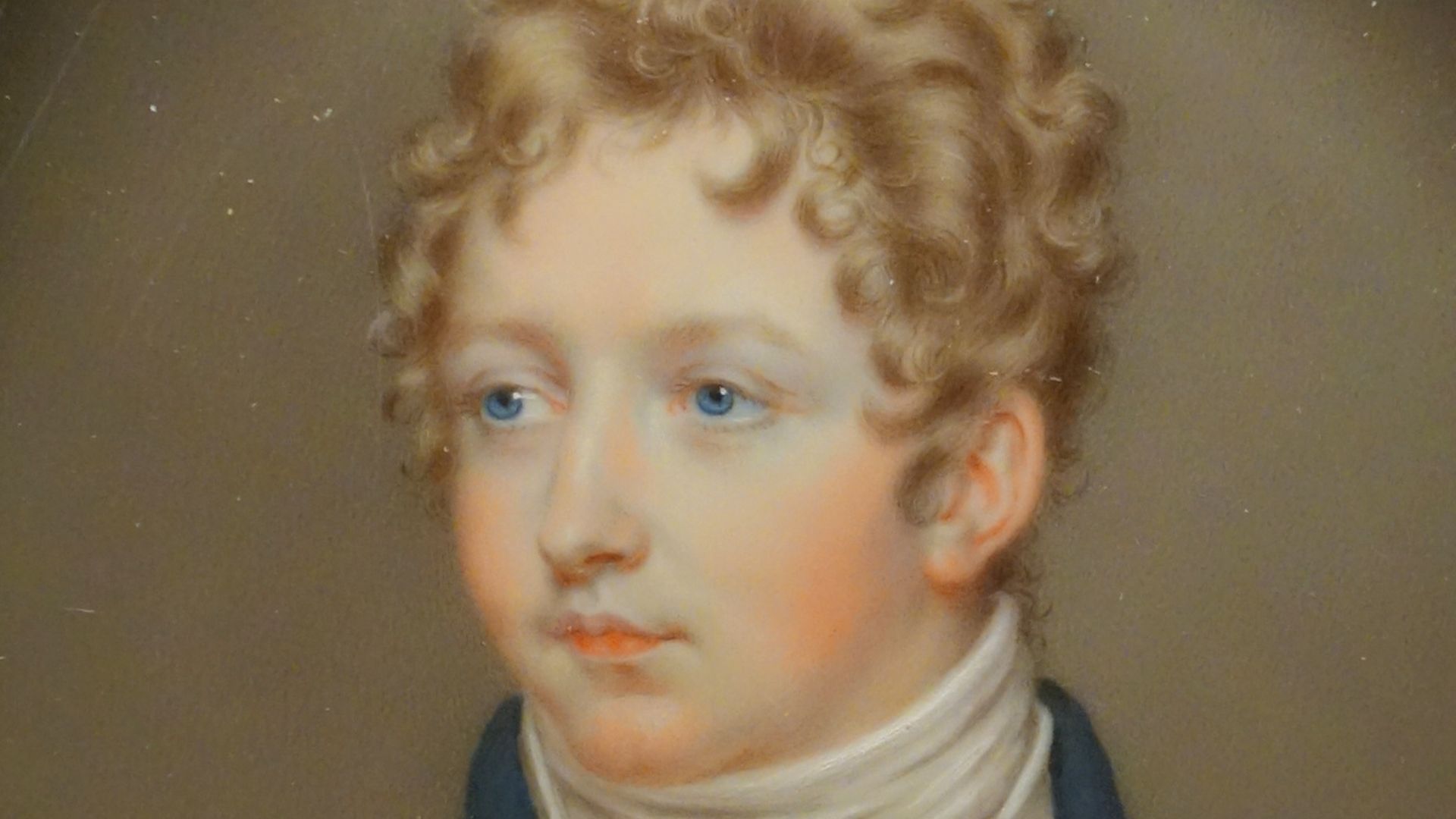
Their Stories Still Feel Uncomfortably Modern
Today, society has more laws, contracts, unions, and language around child performance. Yet the basic questions remain familiar. Who benefits from a child’s fame? Who protects the child when the audience wants more? Where is the line between talent and exploitation? These historical children lived before the phrase “child star” was common, but they faced many of the same dangers.
 Miscellaneous Items in High Demand, PPOC, Library of Congress, Wikimedia Commons
The Word Changed, But The Pattern Was Already There
Before film studios, television agents, social media accounts, and red carpets, there were child prodigies in royal courts, child actors on stage, child musicians on tour, and children displayed as human wonders. They were applauded, tested, renamed, advertised, and examined. The world did not yet have a neat word for child stardom, but it already knew how to turn children into attractions.
 Michael A. Wesner, Los Angeles, Wikimedia Commons
You May Also Like:
The Tragic Lives of Famous Conjoined Twins Daisy & Violet Hilton
Child Stars: Where Are They Now?
Archaeologists Discover 150-Year-Old Message In A Bottle
Sources: 1, 2, 3, 4, 5, 6, 7, 8, 9, 10, 11, 12, 13, 14, 15, 16, 17, 18, 19, 20, 21, 22, 23