They Wanted Him Gone
Pope Leo III was traveling through Rome for a religious procession when his enemies made their move. They wanted him out of office—and they had a brutal plan to make that happen.
They Pulled Him From His Horse
On April 25, 799, armed men ambushed Leo as he traveled through Rome. They dragged him from his horse and beat him. This was the head of the Church, attacked in public in his own city. And the people responsible had more planned than a beating.
 Giovanni Battista de'Cavalieri, Wikimedia Commons
They Wanted To Make His Return Impossible
The attackers attempted to blind Leo and severely injure his tongue, apparently intending to leave him unable to function as pope. They wanted injuries that would prevent him from carrying out his duties—and make a return to office much harder.
Then They Put Him Under Guard
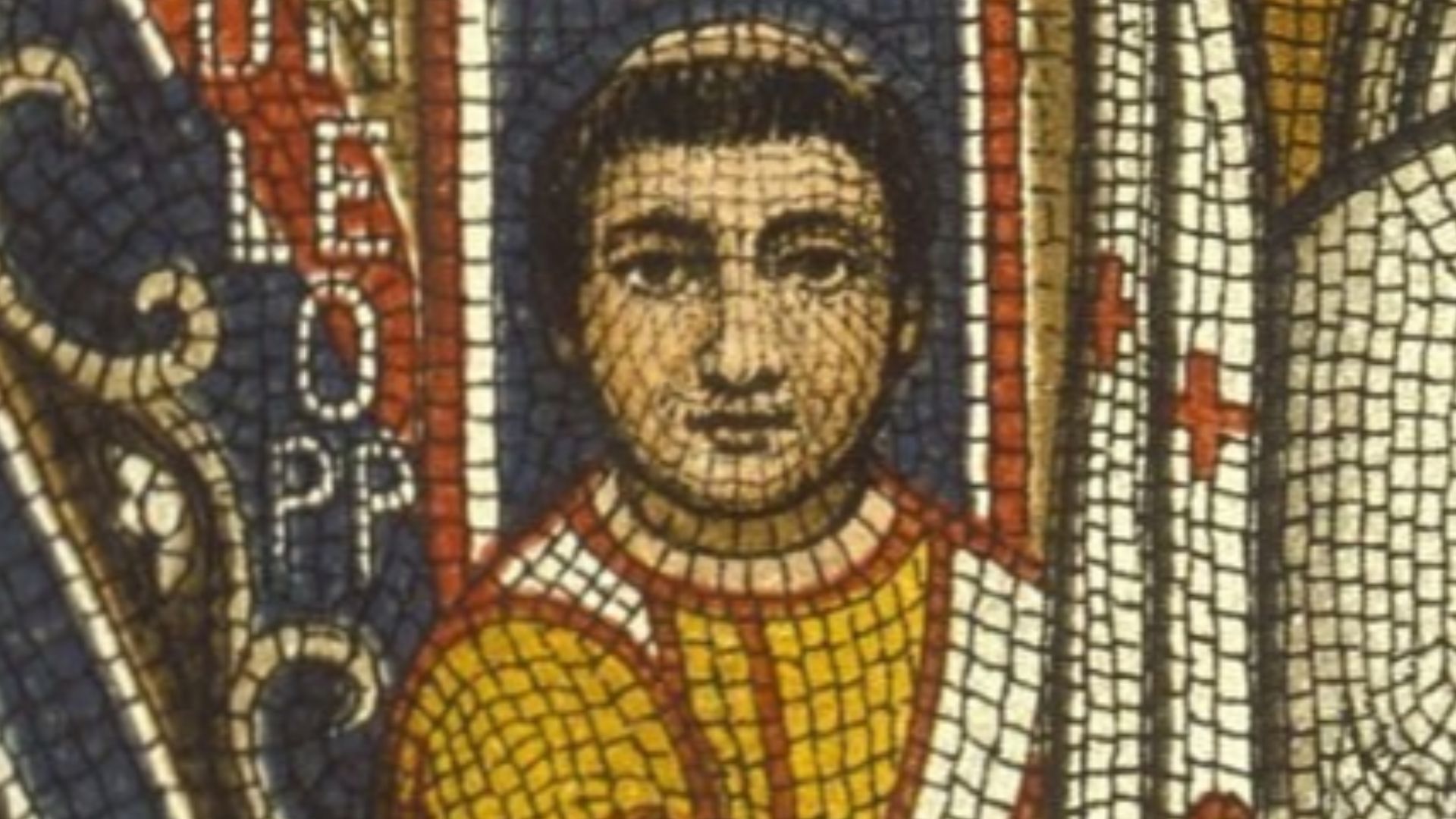
Leo was taken into confinement and eventually moved to the monastery of St. Erasmus. His opponents had managed to overpower him and remove him from public view. Now they needed to keep his supporters away. Unfortunately for them, the pope still had people willing to come looking.
 Renardo la vulpo, Wikimedia Commons
The Story Grew Even More Dramatic
Some medieval accounts claimed Leo’s eyes and tongue had actually been removed, then miraculously restored. Those claims go beyond what historians can establish about his injuries. What matters for the next part is that Leo could still see and speak. His attackers hadn’t silenced him.
Someone Got Into The Monastery
According to the papal account, an official named Albino entered the monastery with loyal supporters and recovered Leo. They took him to St. Peter’s, where clergy gathered around him. The pope was out of confinement. But he was still in the city where his enemies had just attacked him.
 Horace Vernet, Wikimedia Commons
He Needed To Get Out Of Rome
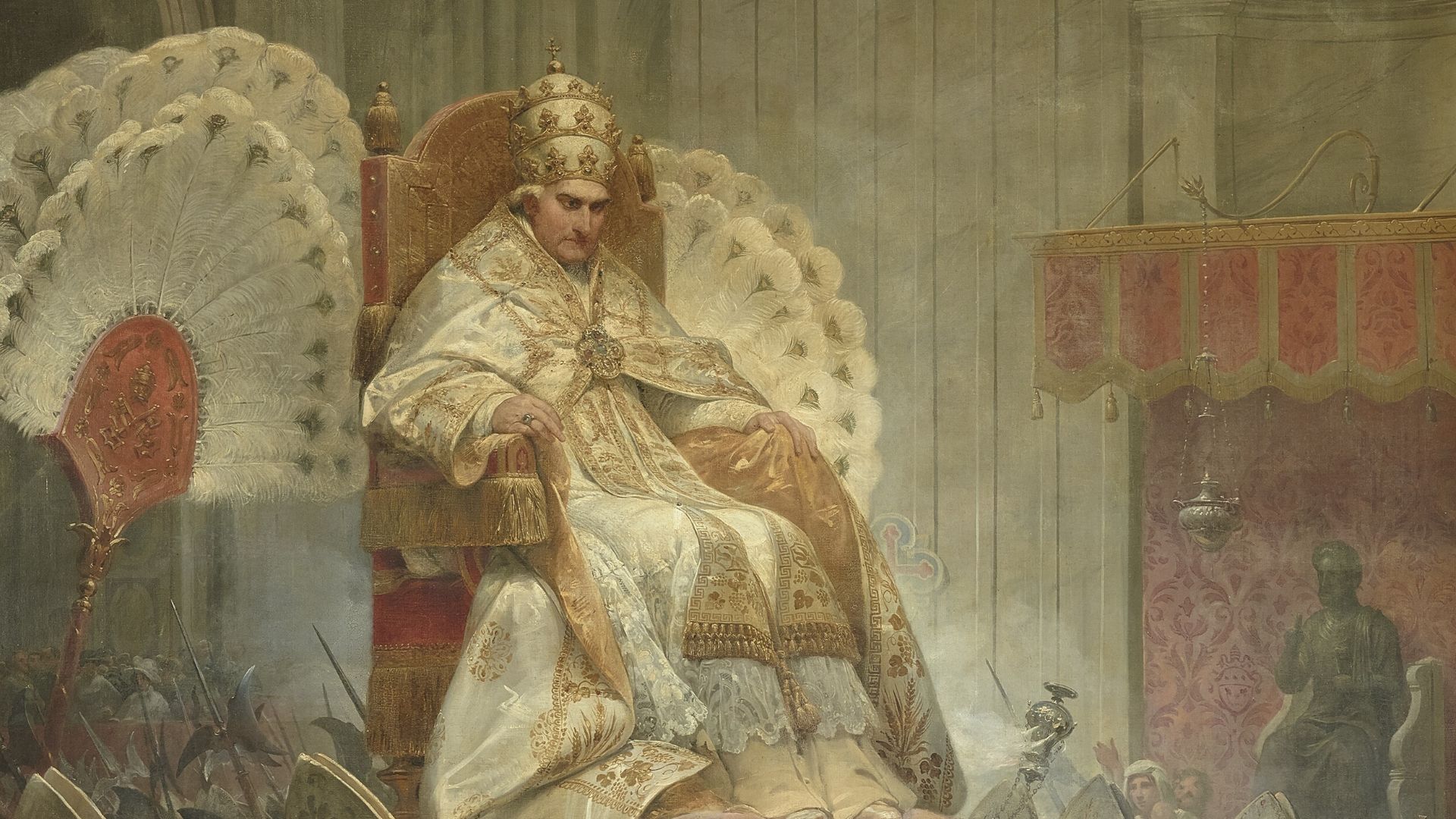
Help came from Winigis, the Frankish duke of Spoleto, who took Leo under his protection. Leaving Rome gave the pope somewhere safer to recover. It also left a rather obvious problem: how was he supposed to govern a city he couldn’t safely remain in?
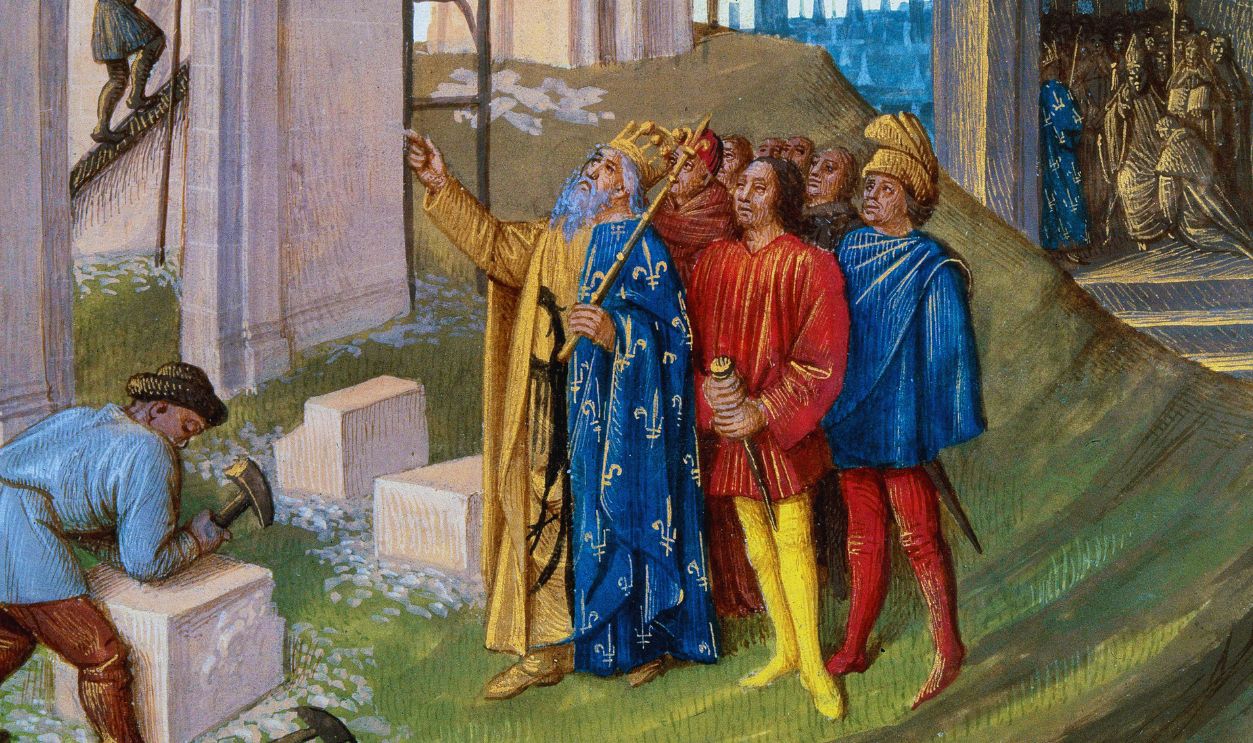 Photo Josse/Leemage, Getty Images
His Job Had Come With Enemies
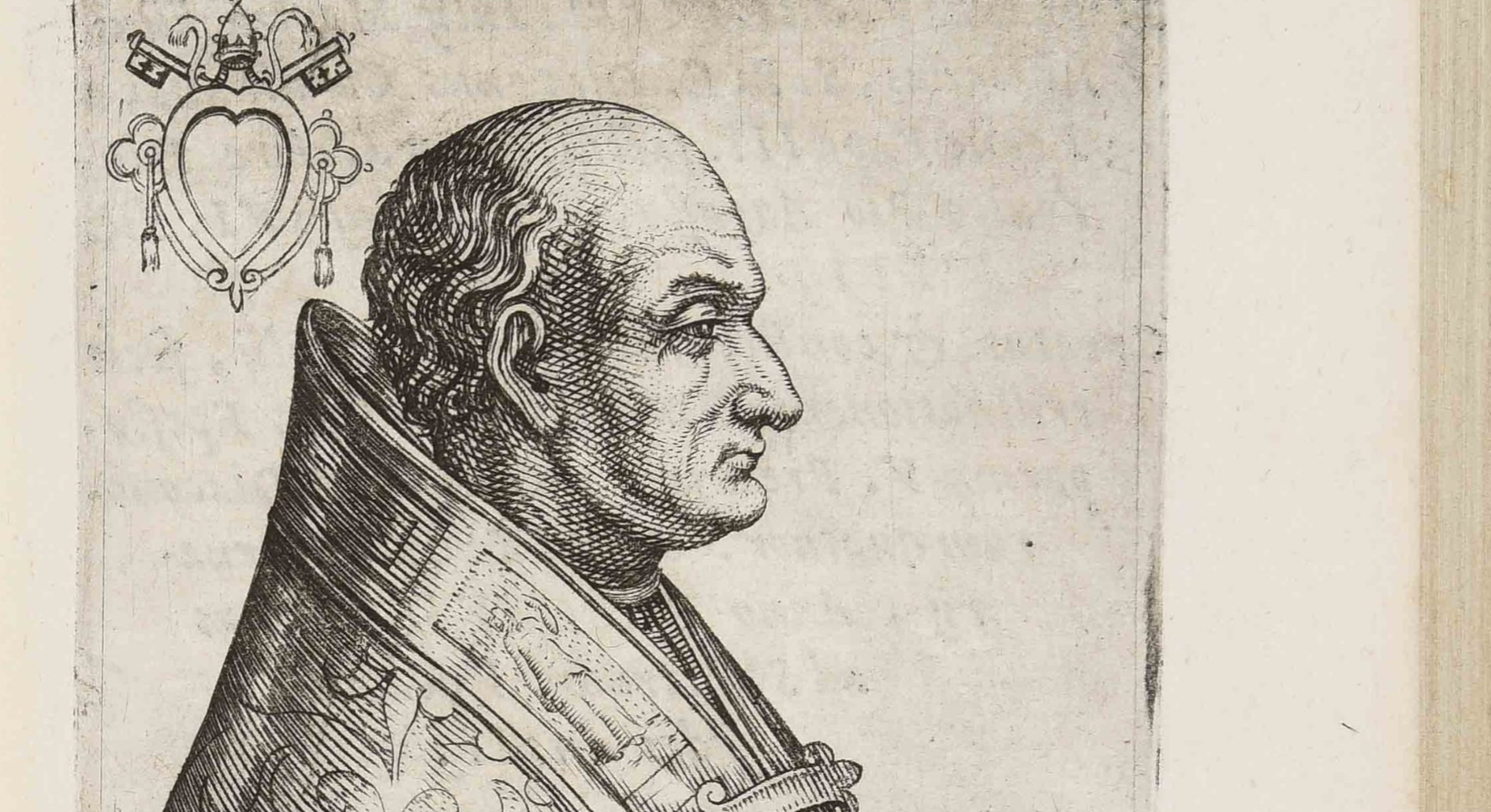
Leo had become pope in December 795, succeeding Adrian I after a reign of more than twenty years. Adrian’s relatives and supporters had enjoyed plenty of time to build their influence. Leo inherited the office, but that didn’t mean everyone was prepared to accept his authority.
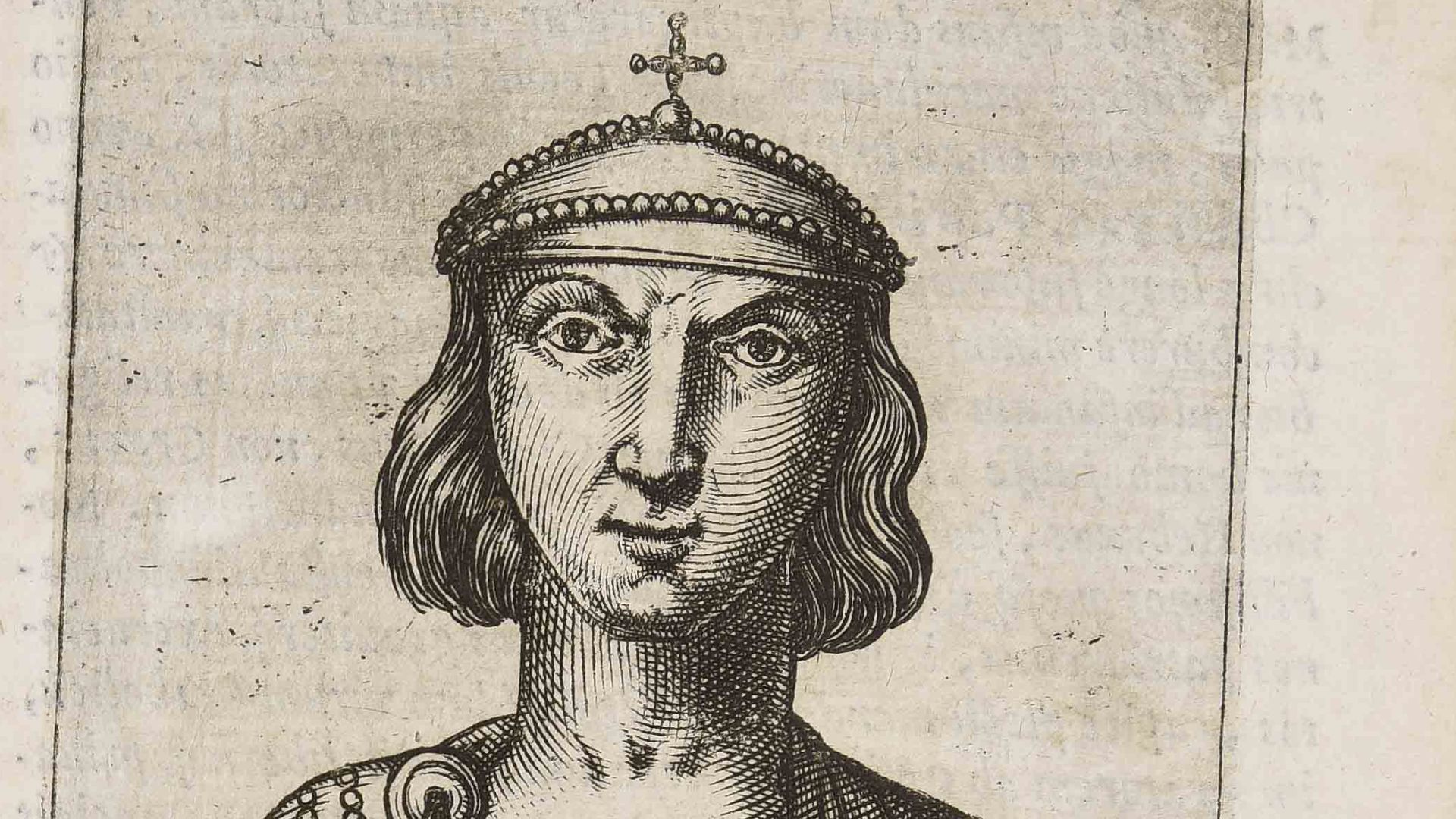 Giovanni Battista de'Cavalieri, Wikimedia Commons
The Plot Came From His Own Circle
Two leading opponents were Paschal, a nephew of the previous pope, and another senior official named Campulus. These men knew the papal administration because they worked inside it. Leo hadn’t been ambushed by strangers. People close to his own government had helped turn a public appearance into a trap.
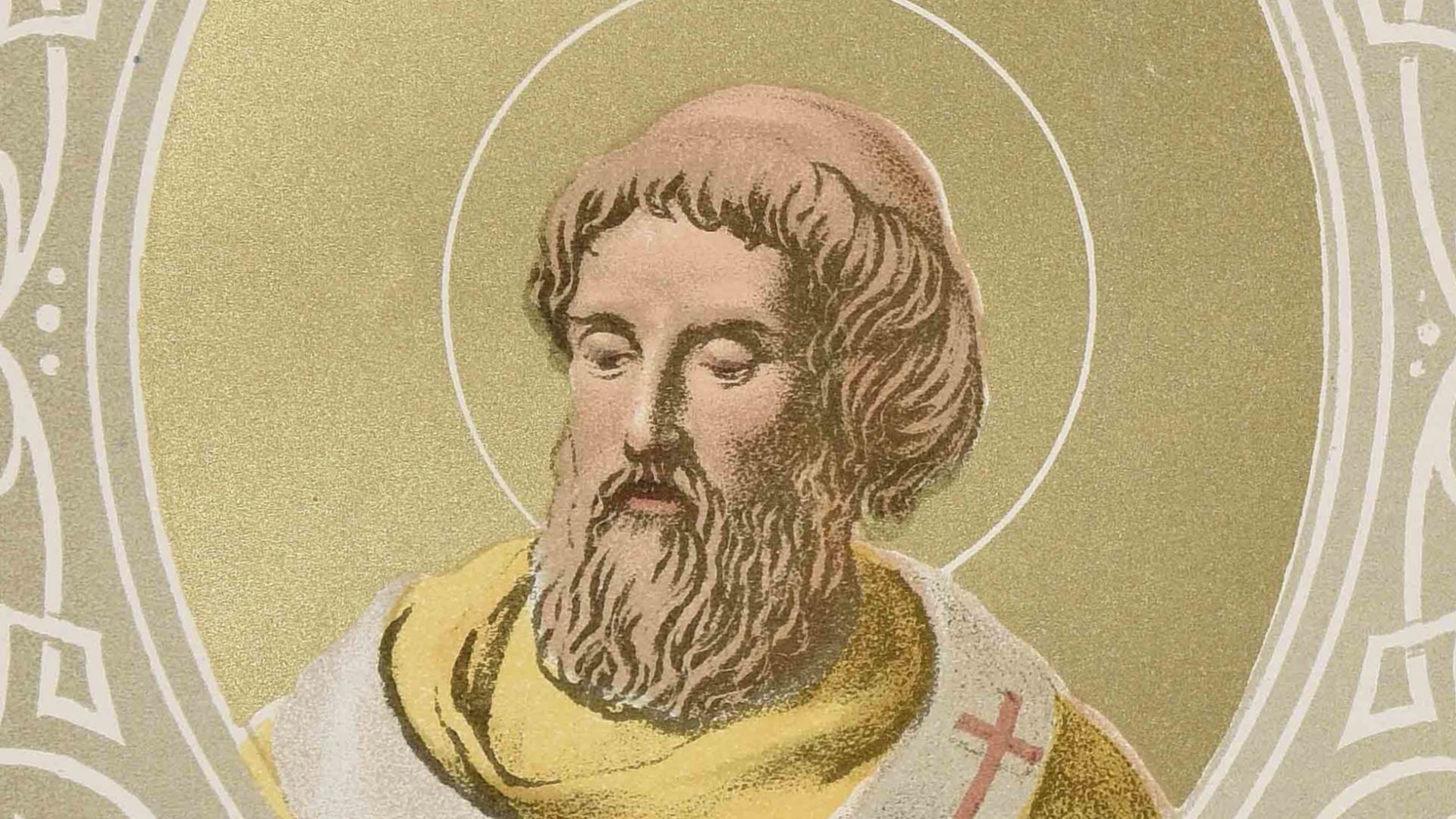 Oleografia Panigati e Meneghini Milano, Wikimedia Commons
There Was More At Stake Than The Title
Their exact motives remain uncertain, but this went beyond simply disliking the new pope. Leo’s efforts to strengthen papal government and acquire property for the Church appear to have threatened powerful Roman interests. Whoever controlled his office could influence the city’s government, wealth, and land.
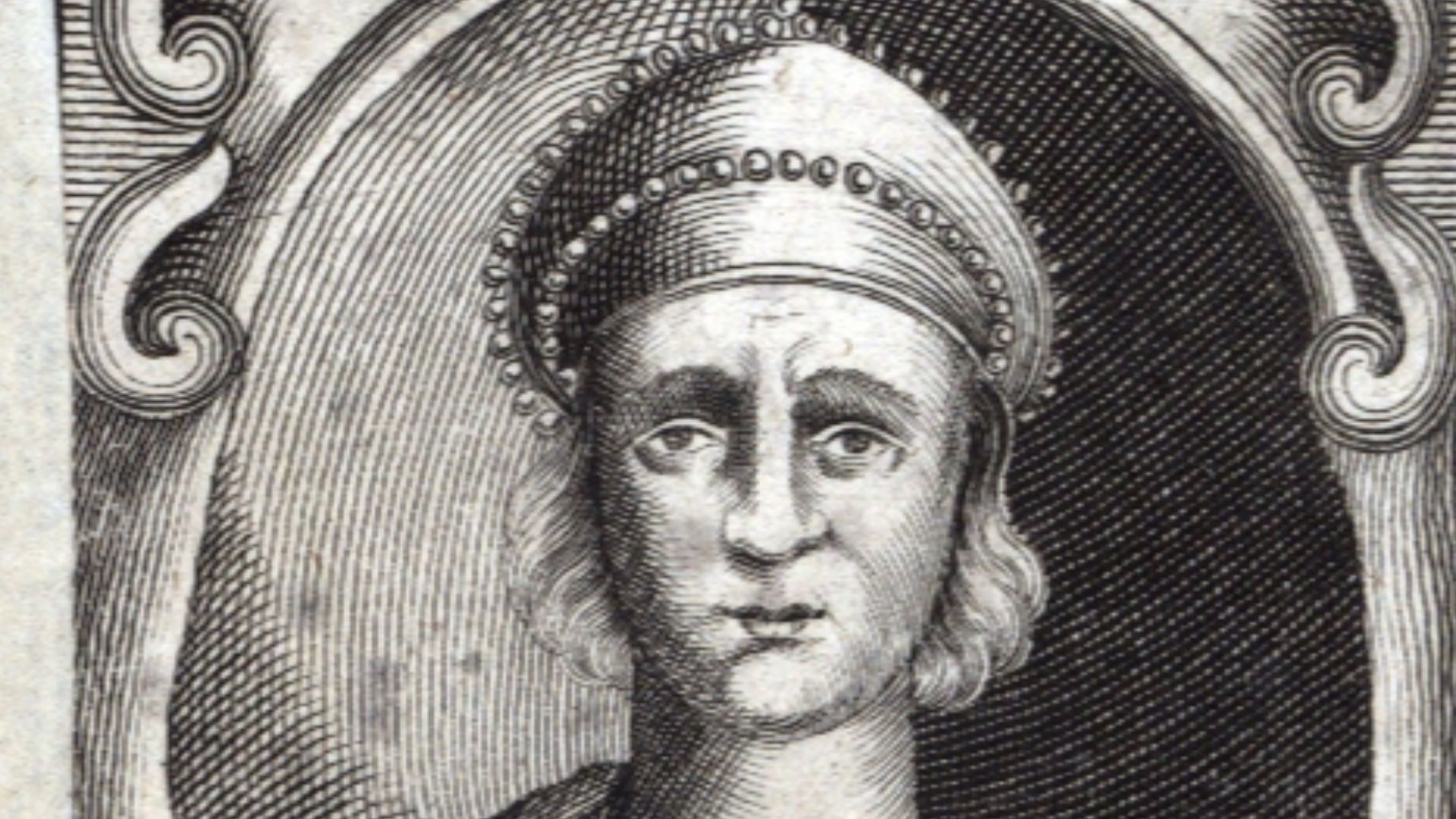 Unknown authorUnknown author, Wikimedia Commons
Leo Went Looking For Serious Help
Leo crossed the Alps and reached Paderborn, in what is now Germany. There he met Charlemagne, king of the Franks and ruler of a vast stretch of Western Europe. His opponents had shown what they could do in Rome. Leo now needed someone with power well beyond it.
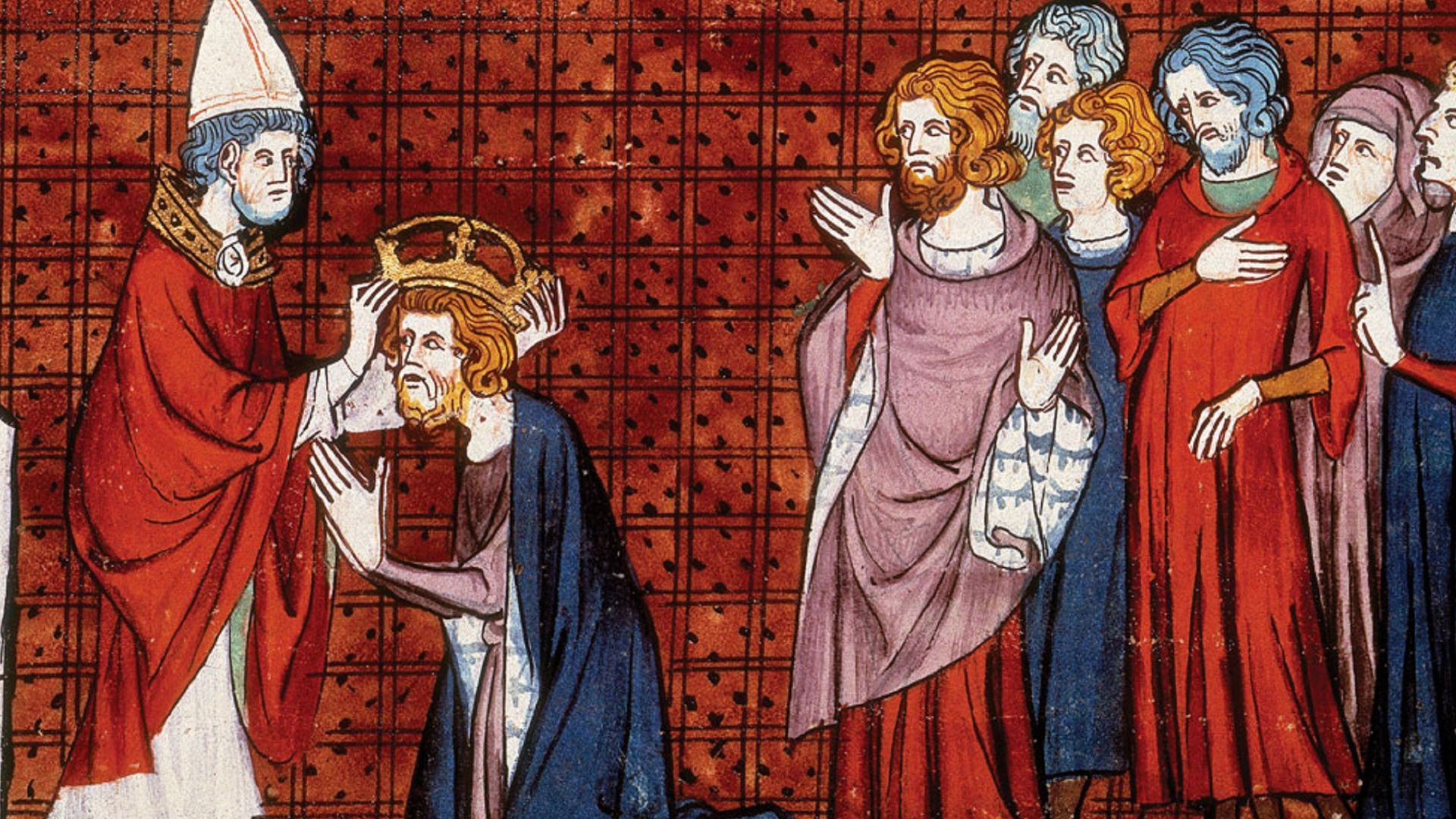 Levan Ramishvili from Tbilisi, Georgia, Wikimedia Commons
He Already Knew Who To Ask
Shortly after becoming pope, Leo had sent Charlemagne symbolic gifts, including the keys to St. Peter’s tomb and Rome’s banner. Their alliance existed before the attack. Now it faced a much more urgent test: would the king help a pope who had lost control of his own city?
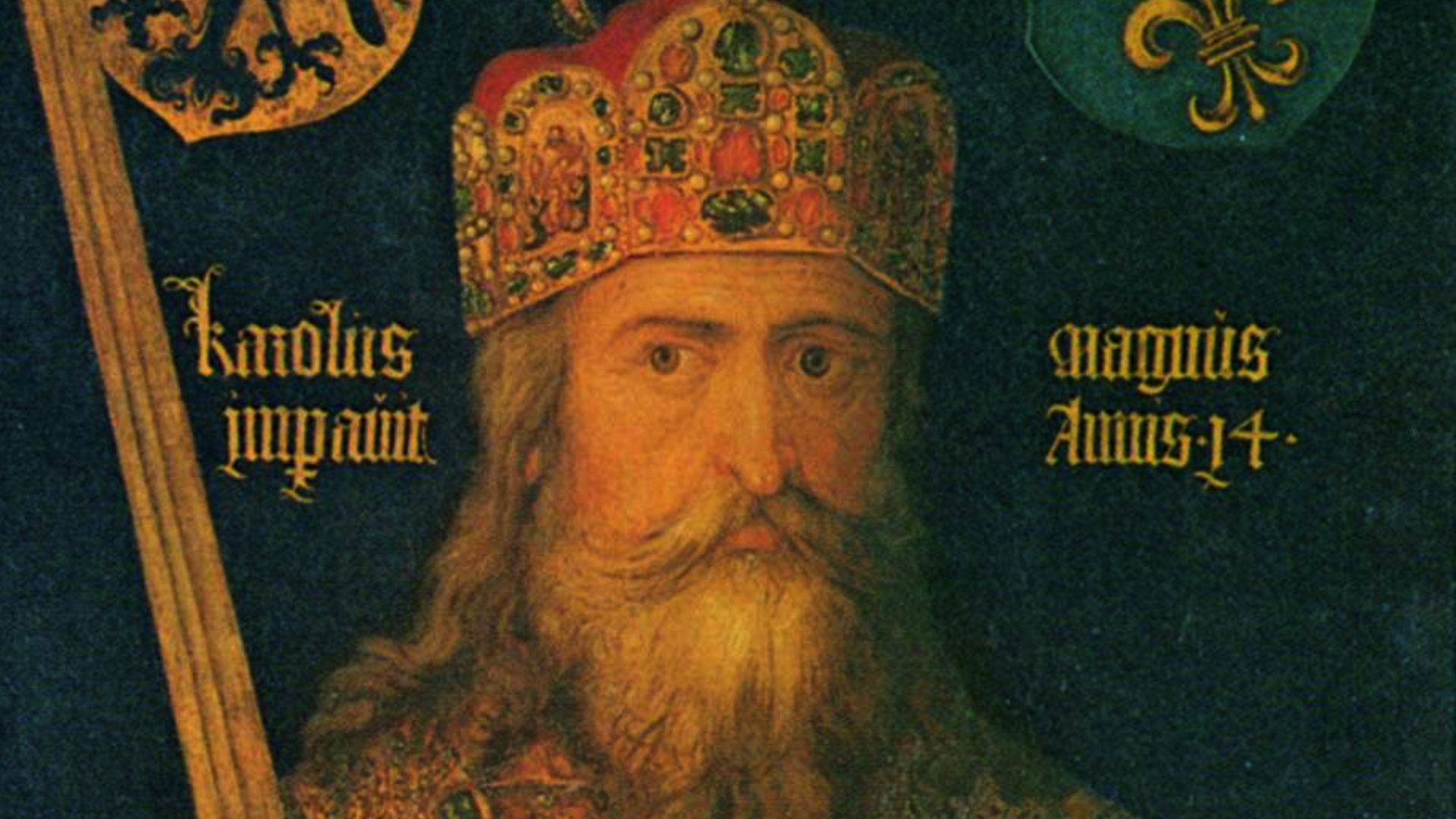 Albrecht Dürer, Wikimedia Commons
This King Expected To Be In Charge
Charlemagne saw defending the Church as part of his responsibilities. His earlier correspondence gave Leo a rather different assignment: pray for the king’s success. That tells you something about how he viewed the partnership. Leo could seek his protection, but Charlemagne expected to do considerably more than offer sympathy.
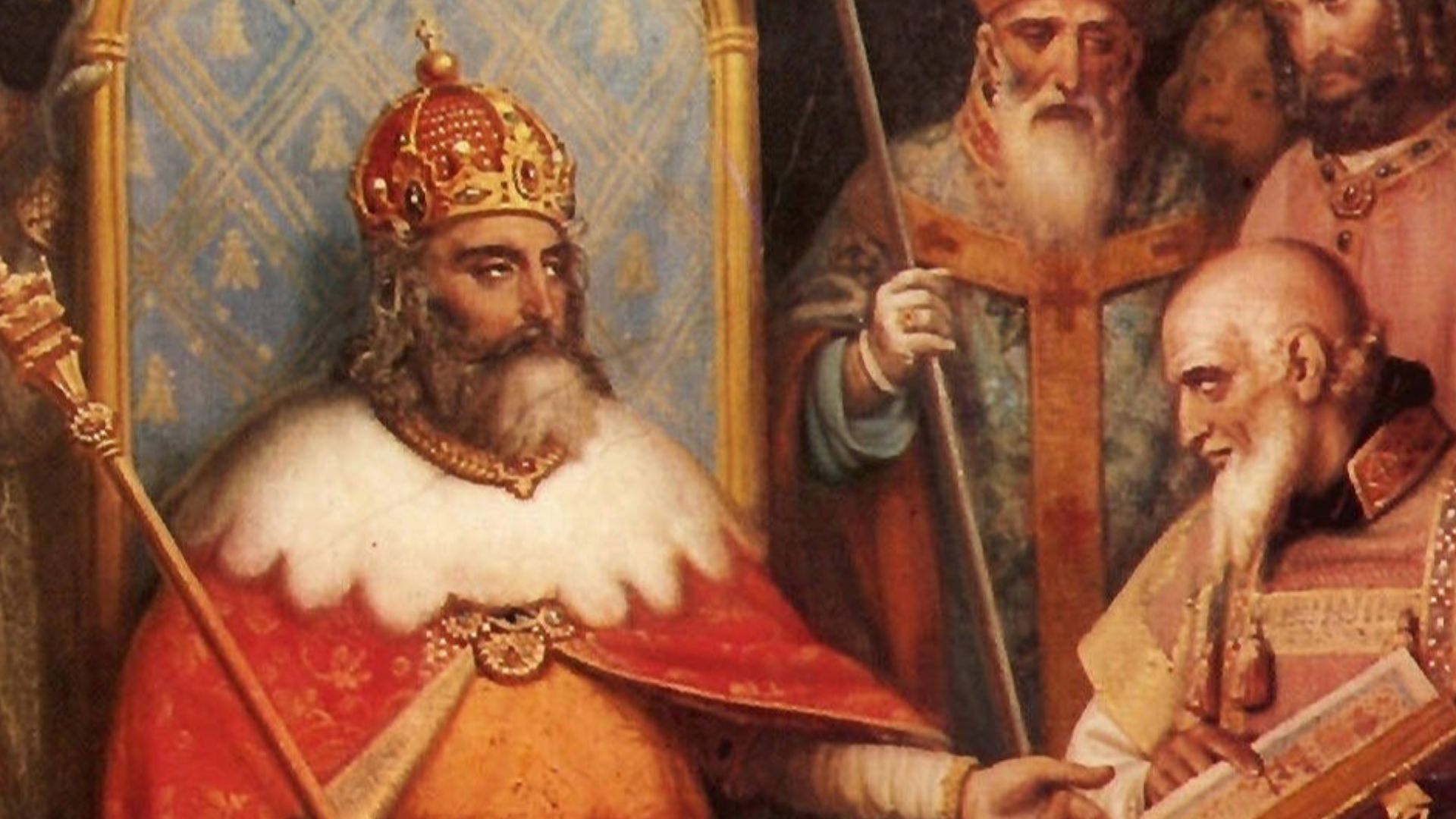 Jean-Victor Schnetz, Wikimedia Commons
Then His Enemies Told Their Story
Leo’s opponents also appealed to Charlemagne, accusing the pope of perjury and having an affair. These were allegations, not established facts. Still, they put Leo in an awkward position. He had come seeking help against his attackers. Now their accusations had followed him straight into the king’s court.
Charlemagne Had Reasons To Help Anyway
As historian Alessandro Barbero explains, the crisis threatened the standing of the papacy itself. If Roman opponents could remove a pope through violence, what happened to the Church Charlemagne claimed to protect? Helping Leo served the king’s interests, whatever he privately thought about the man asking for help.
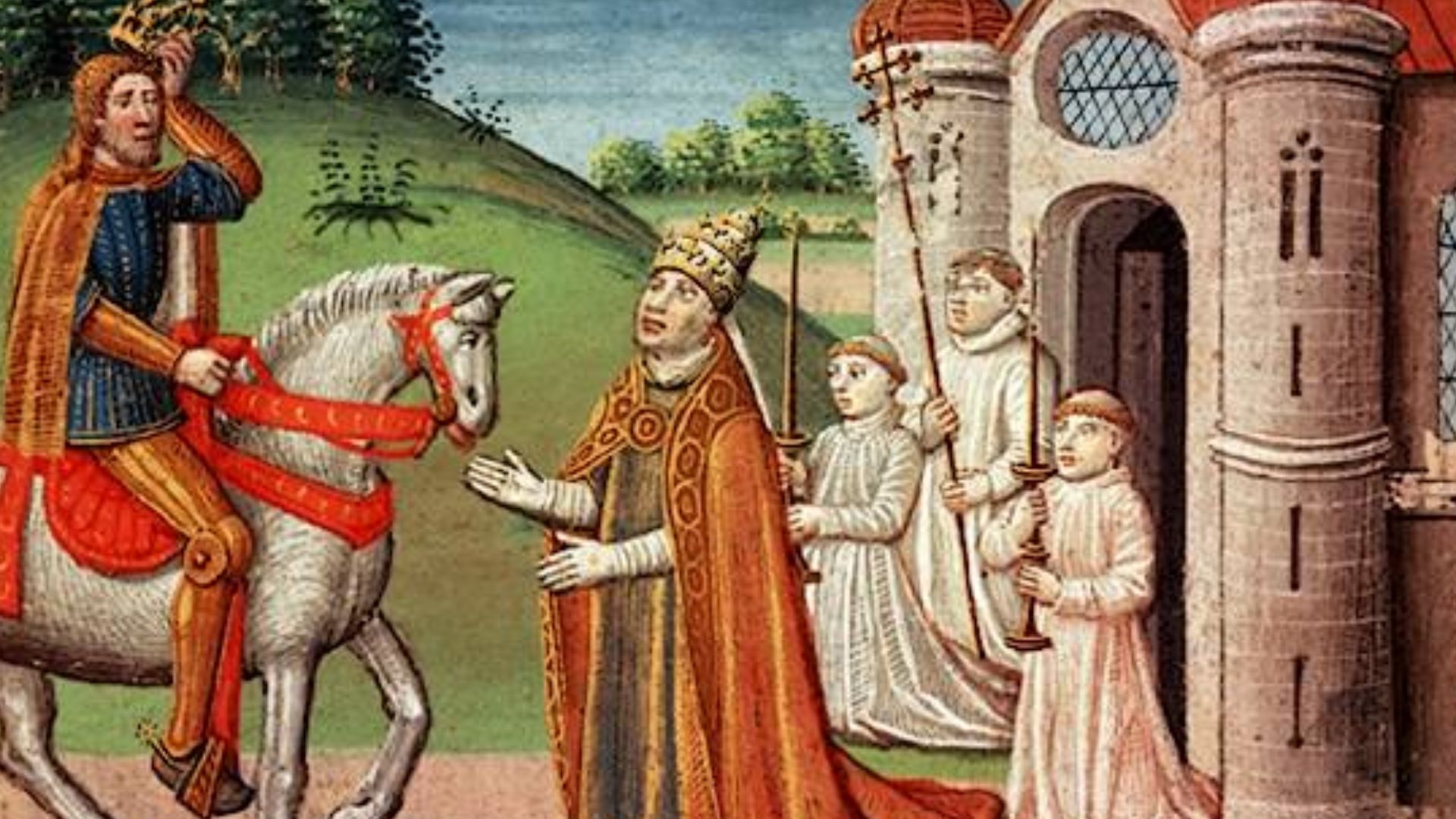 AnonymousUnknown author editor: Antoine Vérard, Wikimedia Commons
Leo Came Back With Company
Later in 799, Leo returned to Rome escorted by Frankish bishops and counts. This time, his opponents faced more than the pope and his remaining supporters. Royal officials were there to investigate the dispute. Attacking Leo had now brought a powerful king’s representatives directly into Roman affairs.
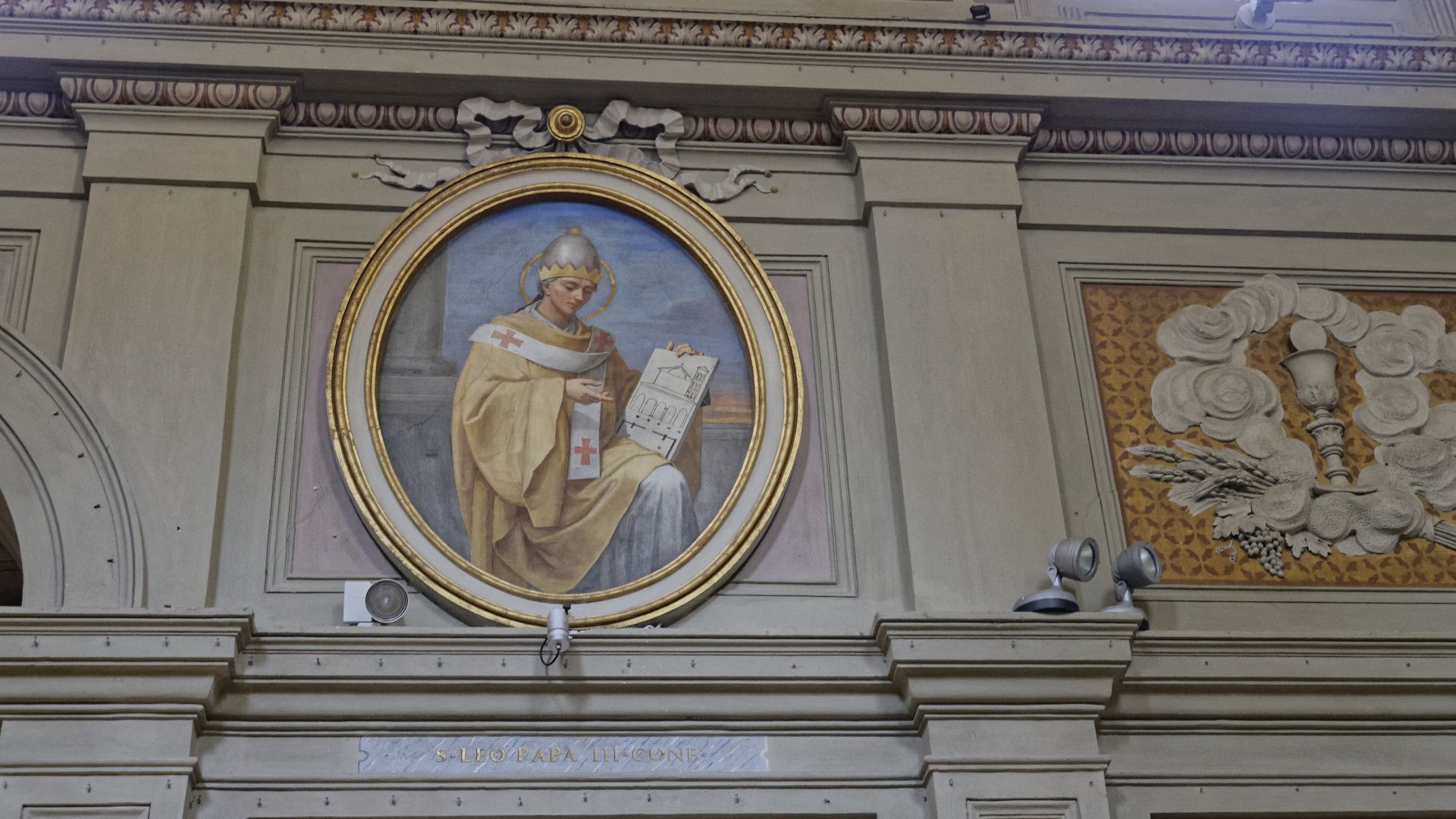 © Ra Boe / Wikipedia, Wikimedia Commons
Then The King Arrived Himself
The escort got Leo home, but it didn’t settle the accusations against him. In November 800, Charlemagne came to Rome in person. More than a year after the ambush, the dispute was still unresolved. Now the man whose support Leo depended on was there to deal with it himself.
 Louis-Félix Amiel, Wikimedia Commons
They Ran Into One Huge Problem
The assembled churchmen maintained that they had no authority to judge the pope. That made the proceedings rather complicated. They were supposed to address serious accusations against Leo, yet rejected the idea that they could try him like another defendant. Somehow, they needed to settle the matter.
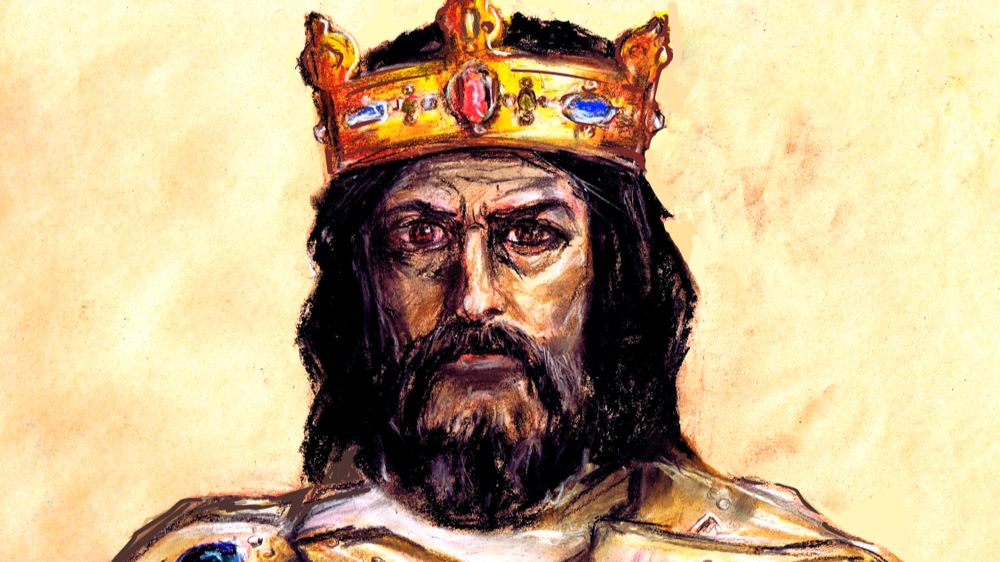
Leo Put His Innocence On Oath
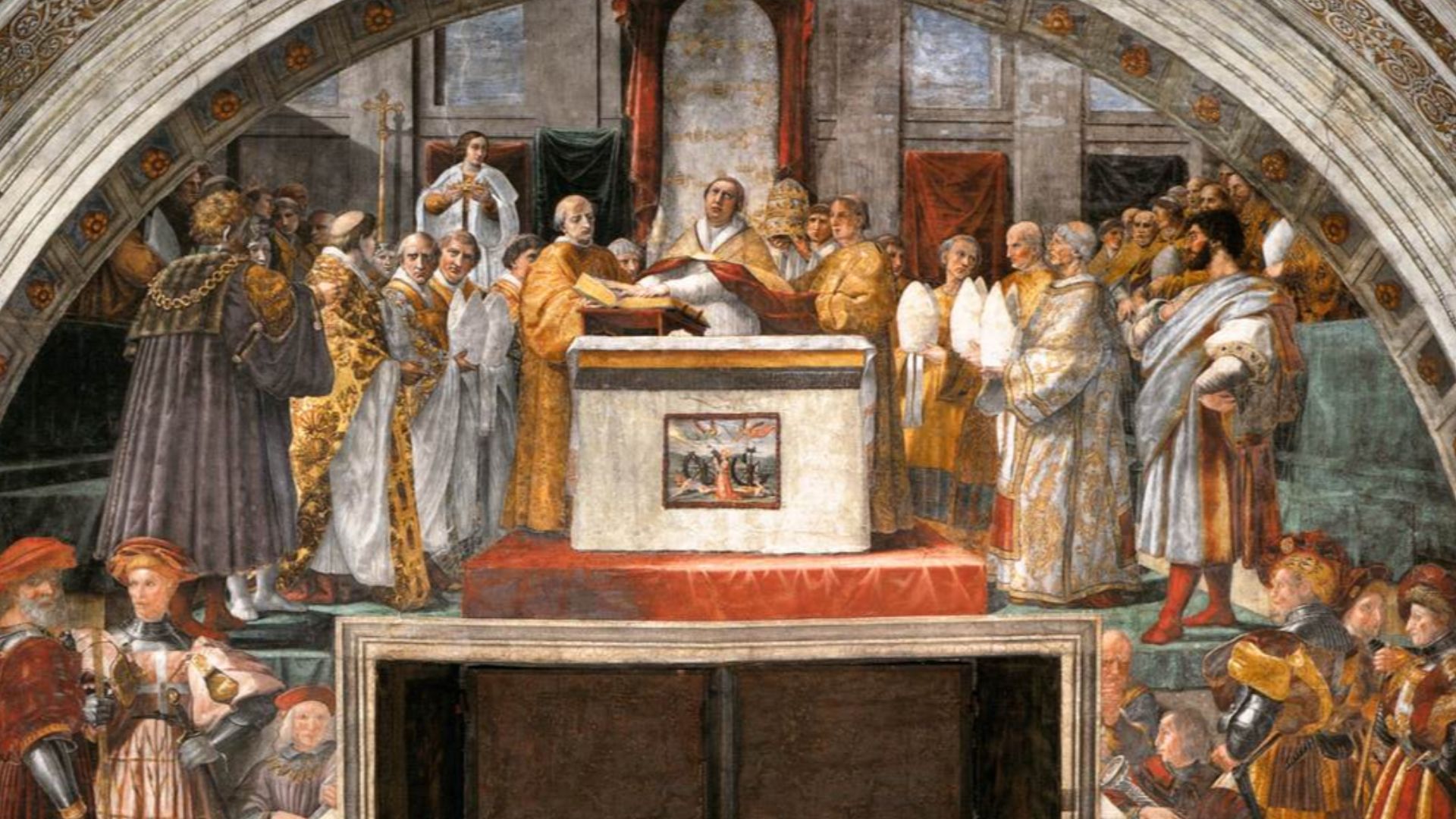
On December 23, 800, Leo publicly swore on the Gospels that he was innocent of the charges. His oath resolved the proceedings without a formal judgment against him. It doesn’t prove that every allegation was false, but it allowed the immediate crisis to be brought to an end.
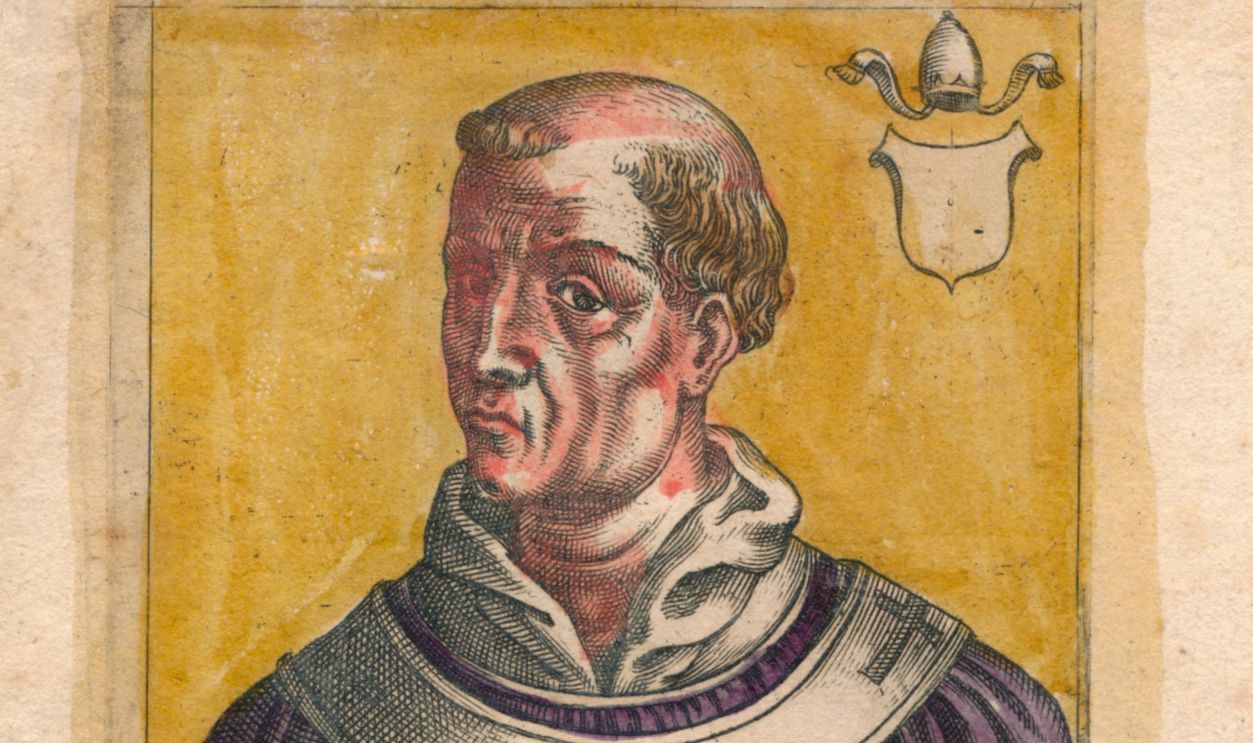
Two Days Later, He Picked Up A Crown
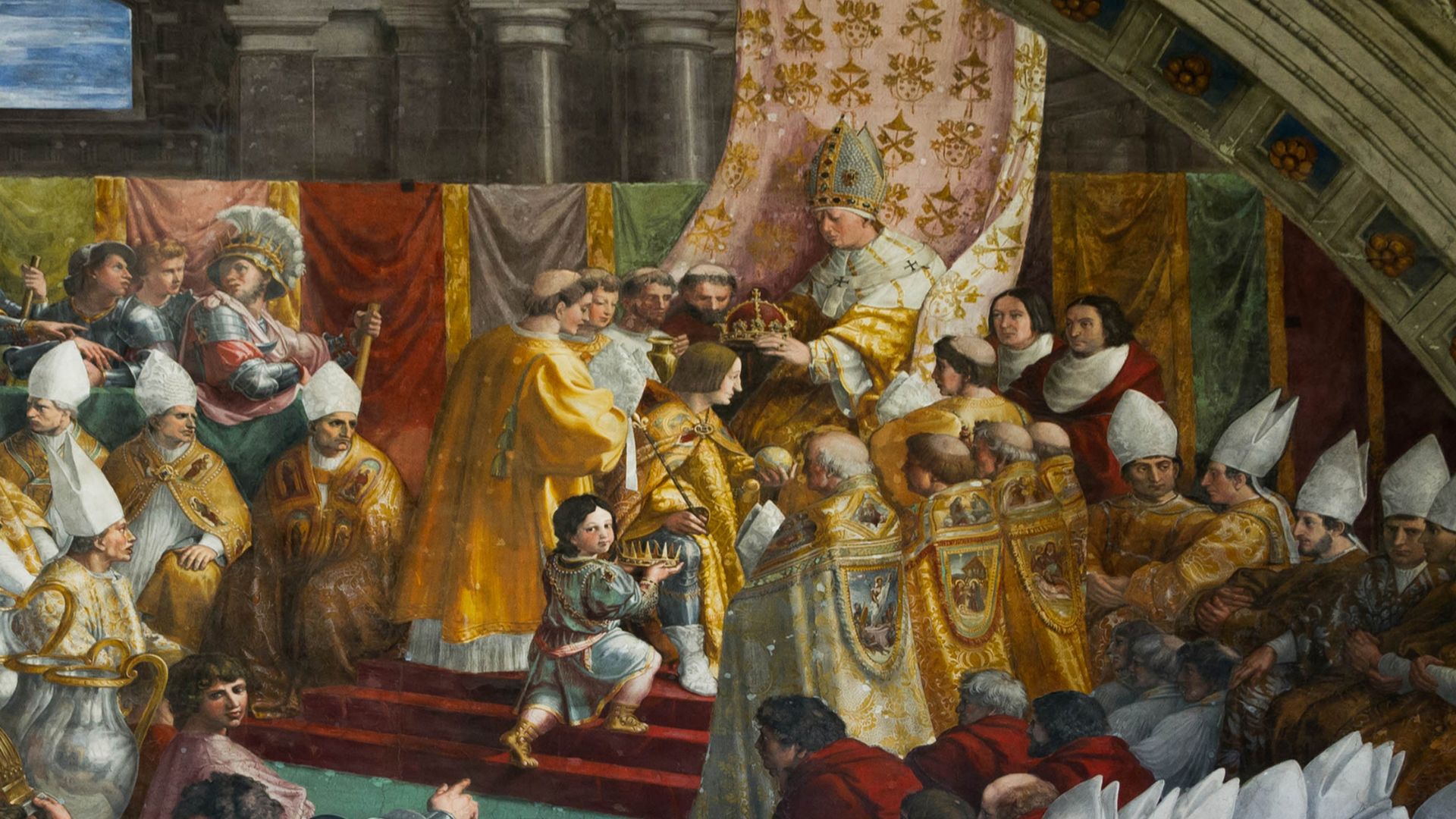
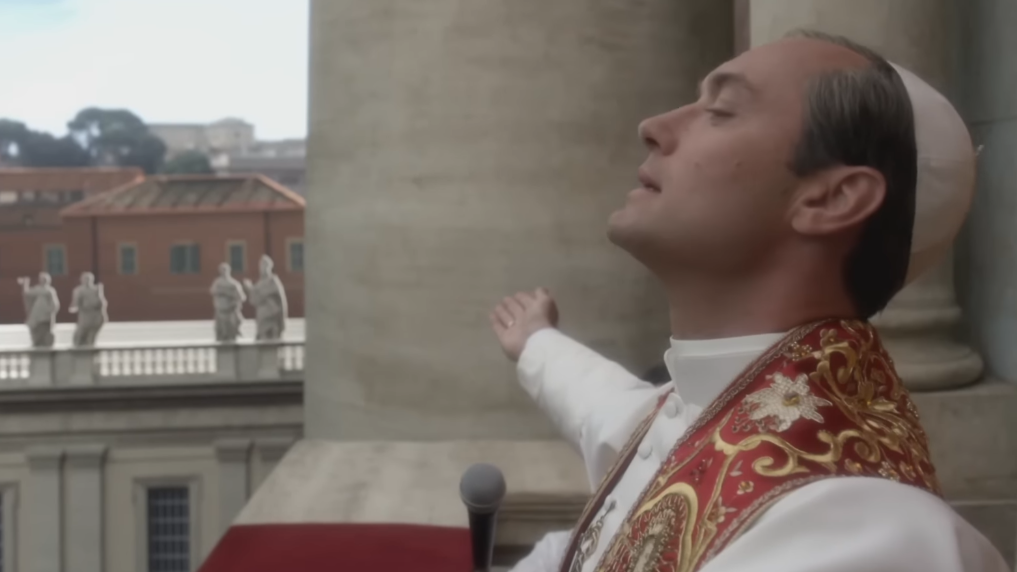
On Christmas Day, Leo placed a crown on Charlemagne’s head at St. Peter’s, and the king was acclaimed emperor. The pope who had fled Rome needing protection was now helping elevate his protector. A struggle over Leo’s position had become part of something much bigger.
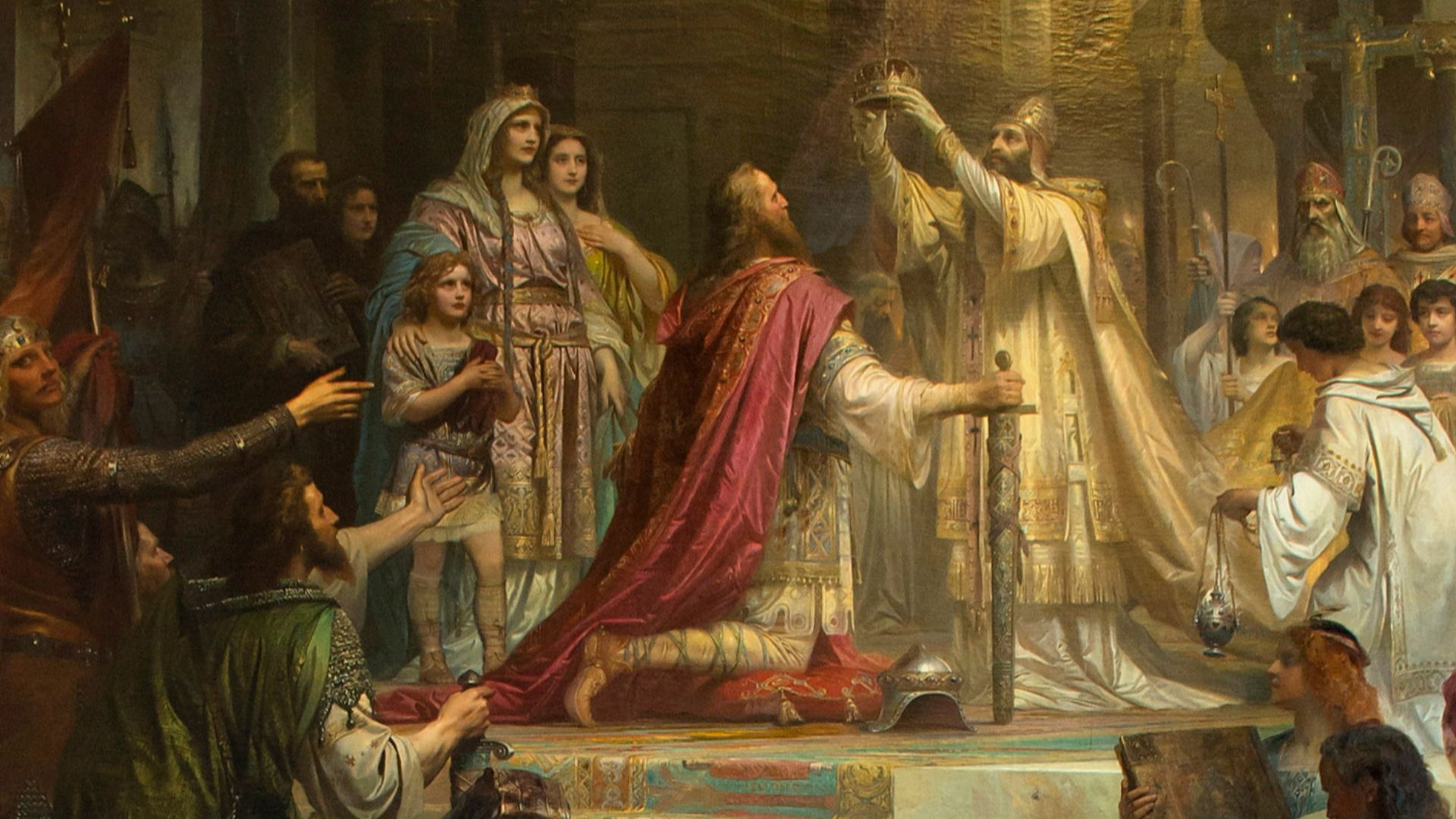 Friedrich Kaulbach, Wikimedia Commons
Was The King Really Caught Off Guard?
Charlemagne’s biographer Einhard later claimed the king would have avoided the church had he known what Leo intended. Historians have long questioned that story. Such an important ceremony required preparation. Charlemagne’s supposed surprise remains disputed, even though the coronation itself is firmly established.
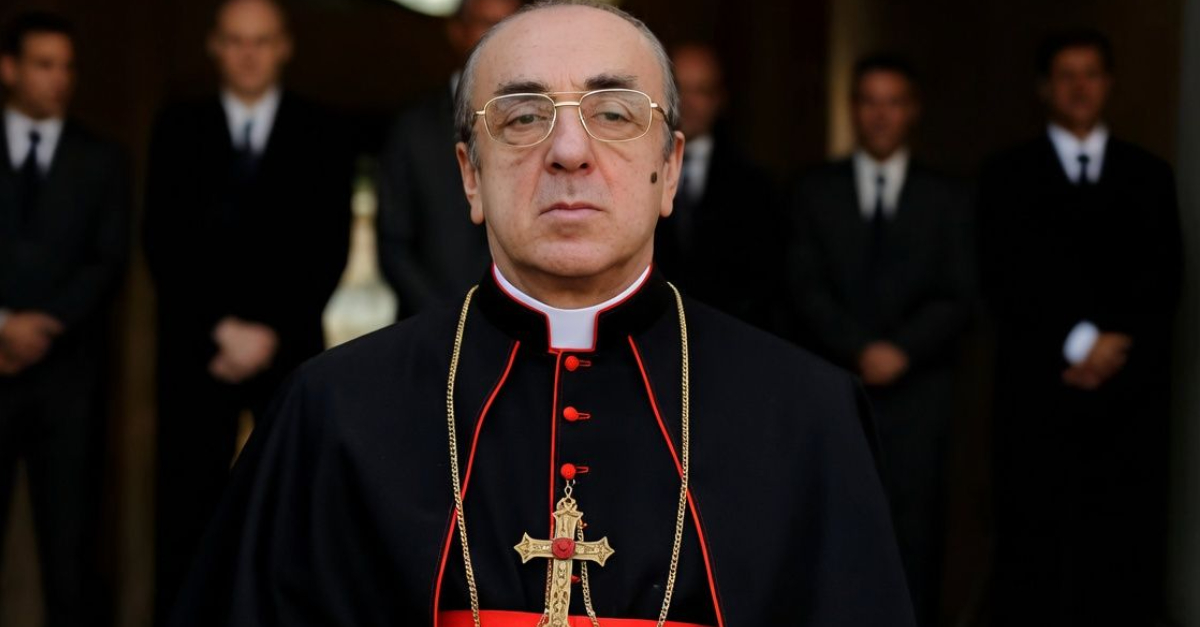
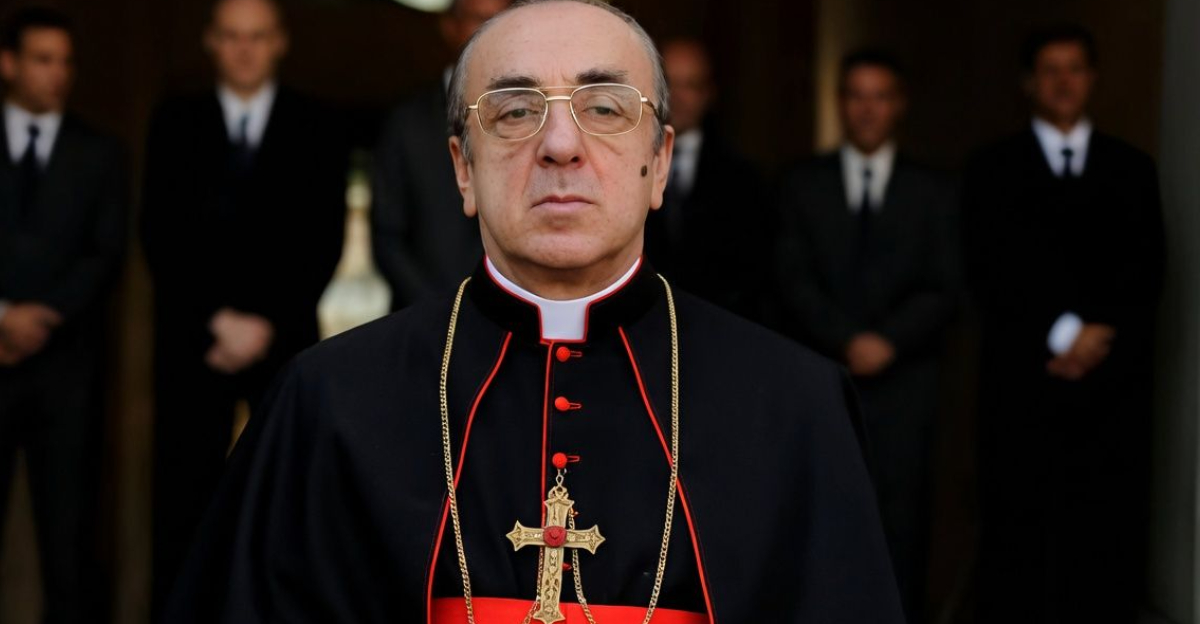
 Screenshot from The Young Pope, HBO (2016)
Another Court Had Reasons To Object
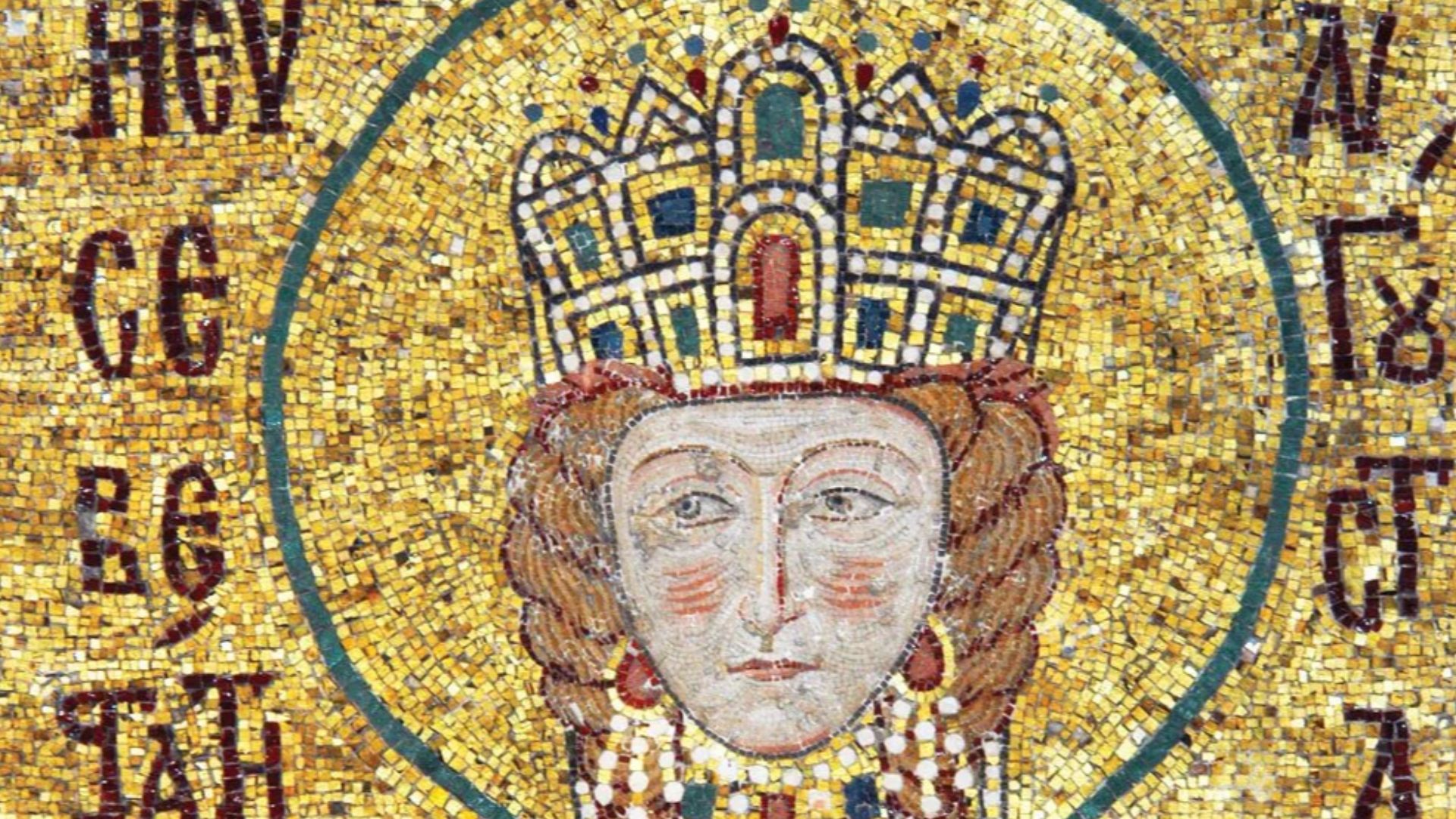
The Roman imperial tradition had continued in Constantinople, where Empress Irene ruled. Some Western supporters argued that having a woman on that throne justified elevating Charlemagne. Constantinople didn’t simply accept that reasoning. Leo’s comeback had helped create an argument over who could claim the Roman imperial title.
 Unknown Byzantine artist, Wikimedia Commons
Now His Attackers Faced The Consequences
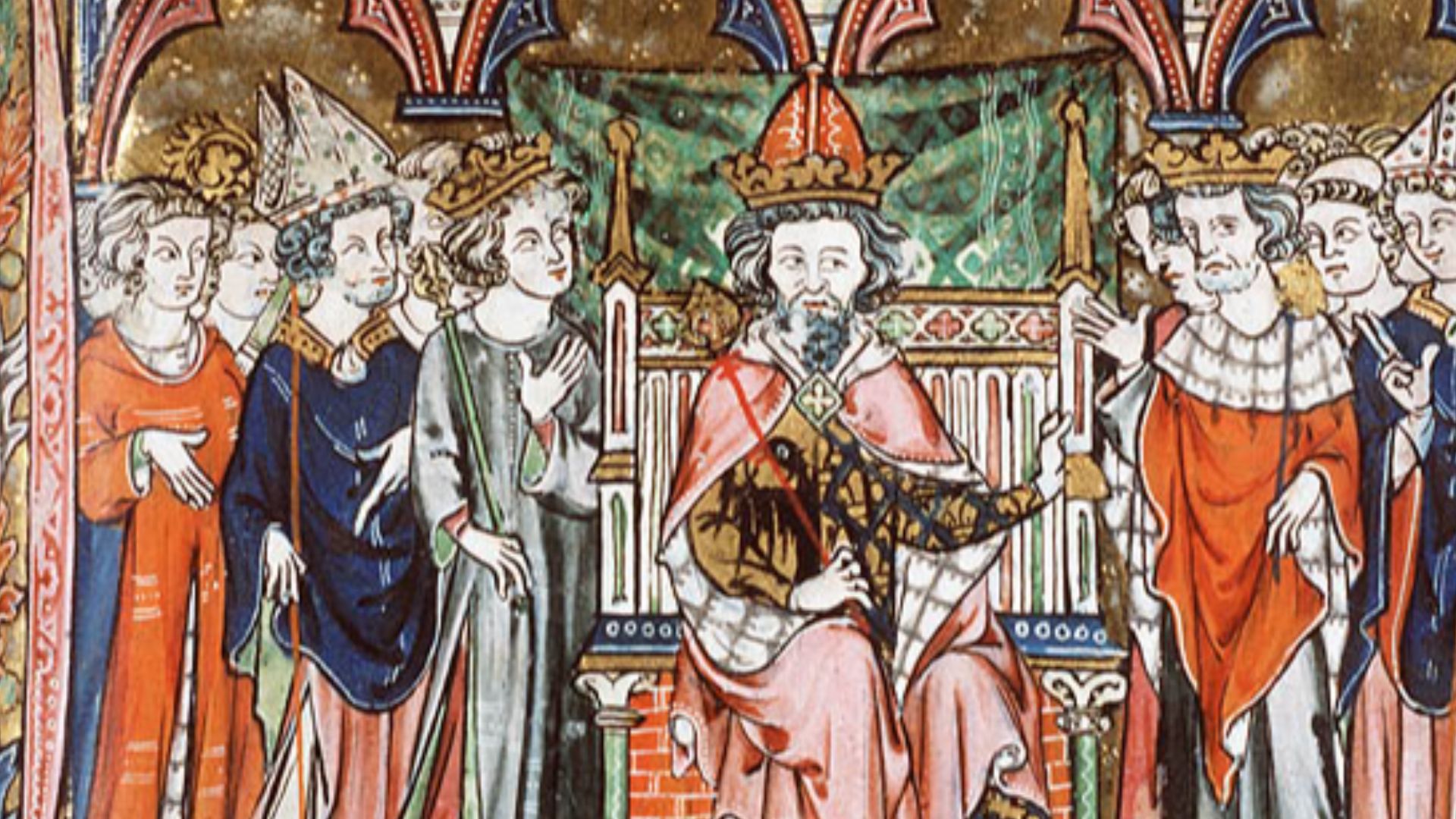
After the coronation, Charlemagne dealt with the conspirators. Leo’s principal enemies received sentences that would have cost them their lives. Then the pope intervened, securing exile instead. The people who had tried to force him out of Rome were themselves sent away to Frankish territory.
 Jacob van Maerlant, Wikimedia Commons
His Protector Had Gained Something Too
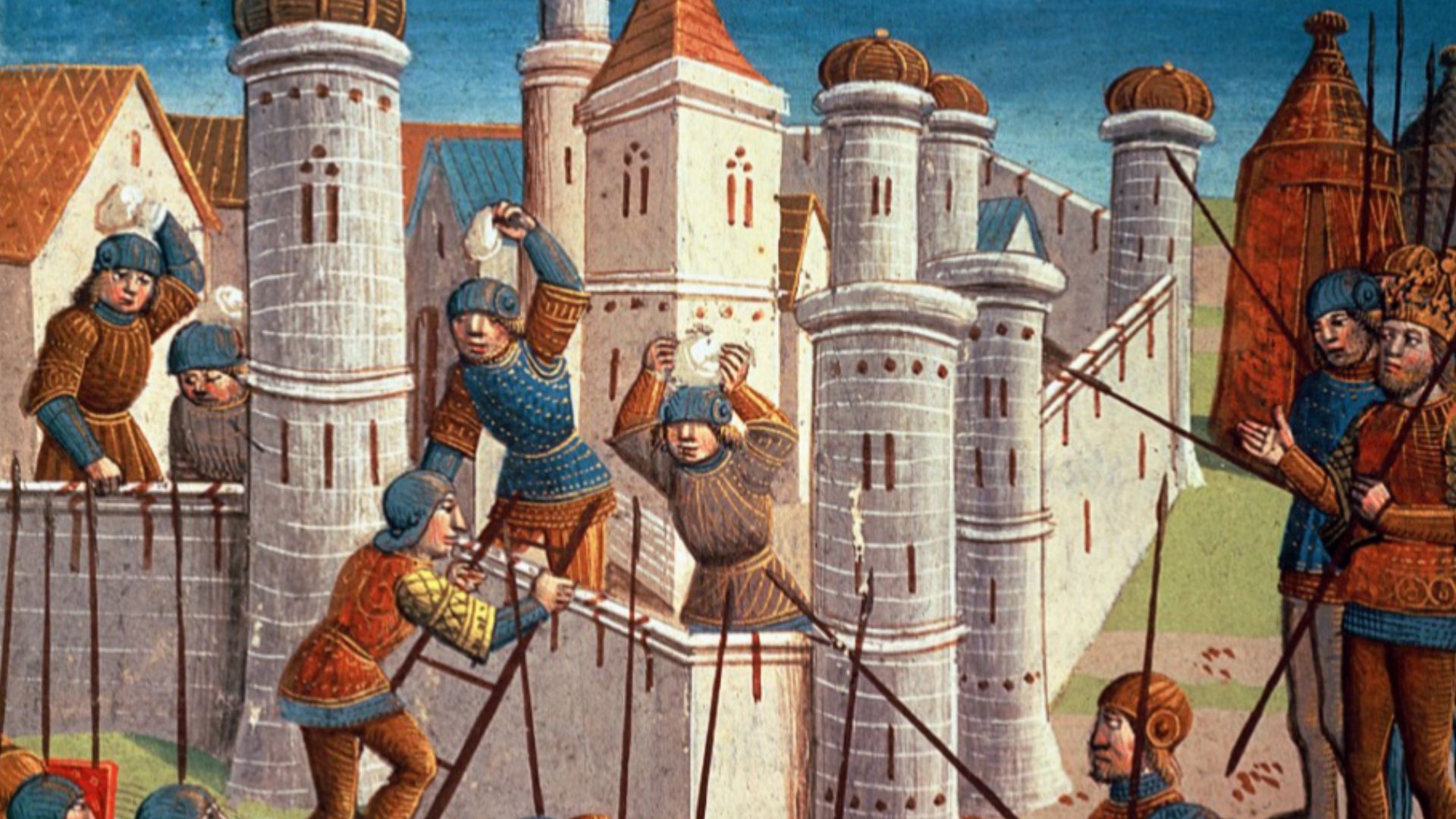
Leo had survived and kept his office. Charlemagne had gained an imperial crown and greater influence in Roman affairs. Their partnership continued, but Leo later complained about interference by imperial officials. Getting help from such a powerful ruler came with a problem: that ruler expected his authority to count.
 AnonymousUnknown author, Wikimedia Commons
Then Leo Lost His Powerful Ally
Charlemagne passed away in 814. The following year, another conspiracy formed against Leo among Roman nobles. All those years in office hadn’t made him safe from his own opponents. This time, however, he learned about the plot before it could become another attack against him.
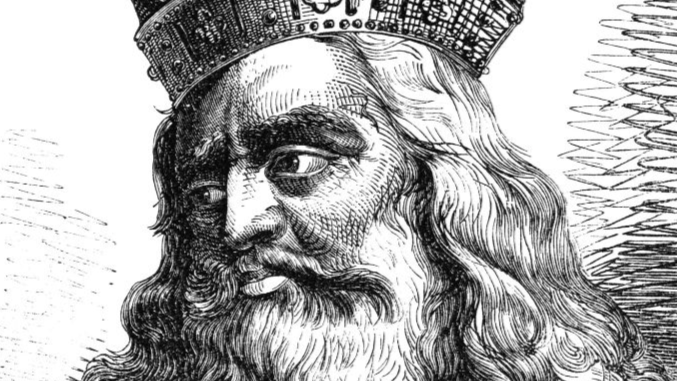 Pictures from History, Getty Images
This Time, He Didn’t Ask For Mercy
Leo ordered the captured conspirators’ executions. His actions prompted an investigation under Charlemagne’s successor, Louis the Pious, who sent Bernard, king of Italy, to examine what had happened. The pope who had secured mercy for his earlier attackers had handled this later threat very differently.
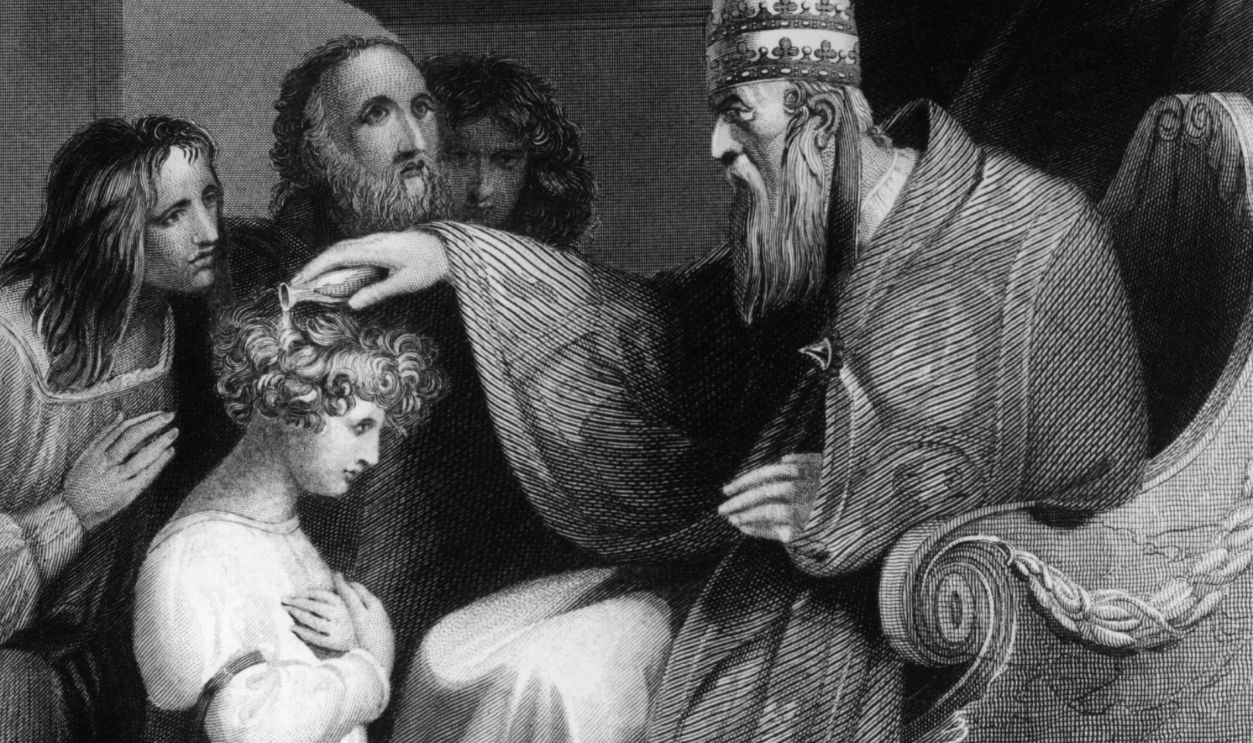
They Never Got The Ending They Wanted
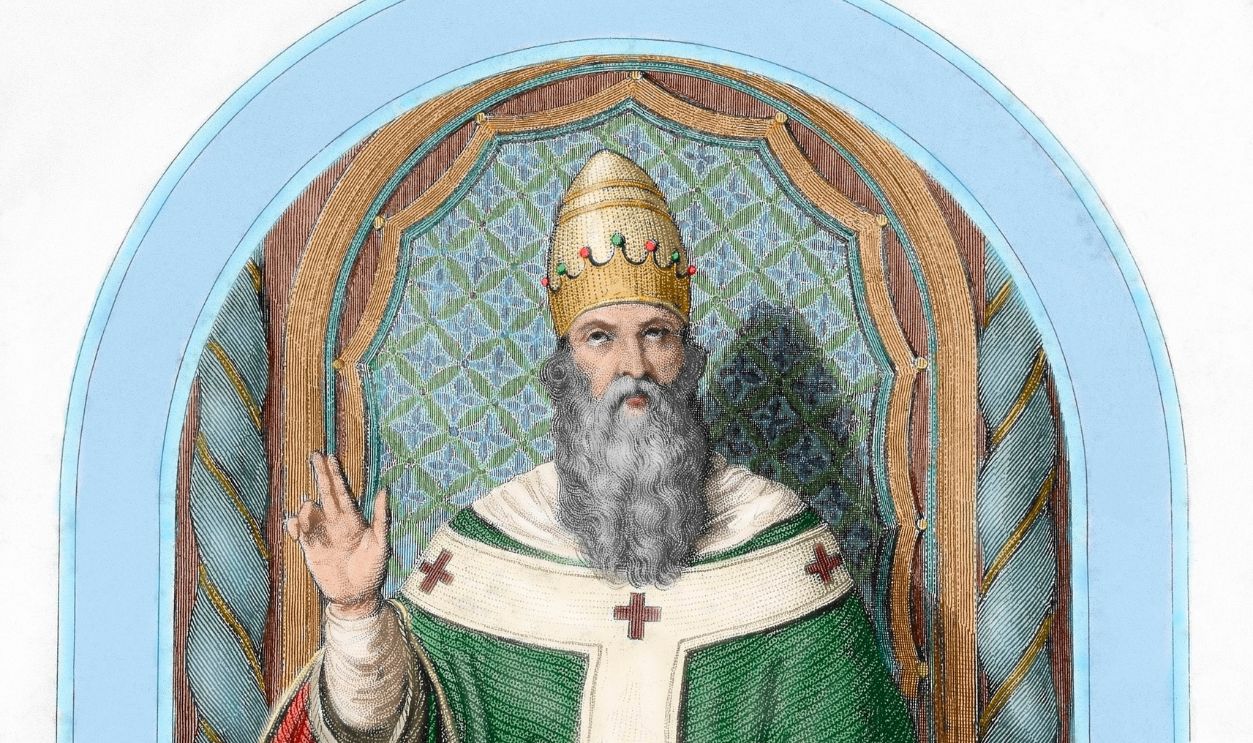
Leo remained pope until 816, roughly seventeen years after the ambush. His attackers had tried to make his return impossible. Instead, he came back with royal protection and later crowned an emperor. They had wanted to decide who controlled Rome—and helped draw a far more powerful man even deeper into its affairs.
You Might Also Like:
Maneuvering Facts About Poppaea Sabina, The Ambitious Empress Of Rome