Pizza Night Was An Entire Experience
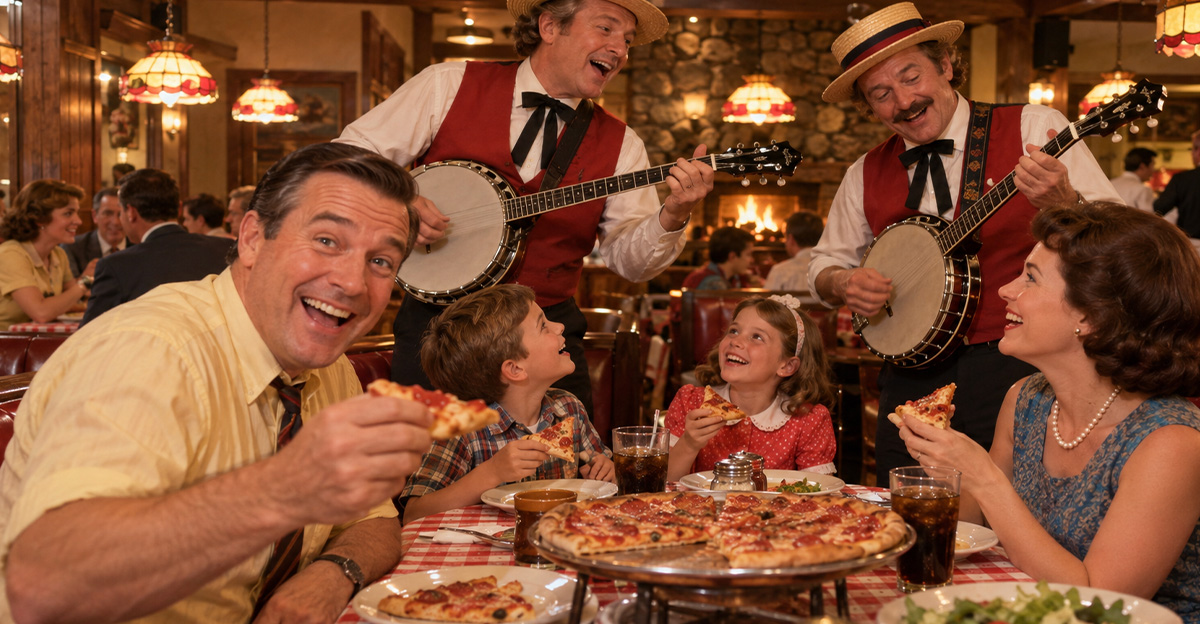
Remember when going out for pizza meant more than picking up a cardboard box? In the 1970s, American pizza restaurants offered music, games, unusual decorations, and plenty of family entertainment. Places like Pizza Hut and Shakey's had features that made them unforgettable. How many of these do you remember?
The Famous Pizza Hut Red Roof
Long before Pizza Hut became known for delivery and takeout, its restaurants were instantly recognizable by their steep red roofs. The design became a company trademark and appeared across America. Seeing one from the family car often meant something special was coming: pizza night!
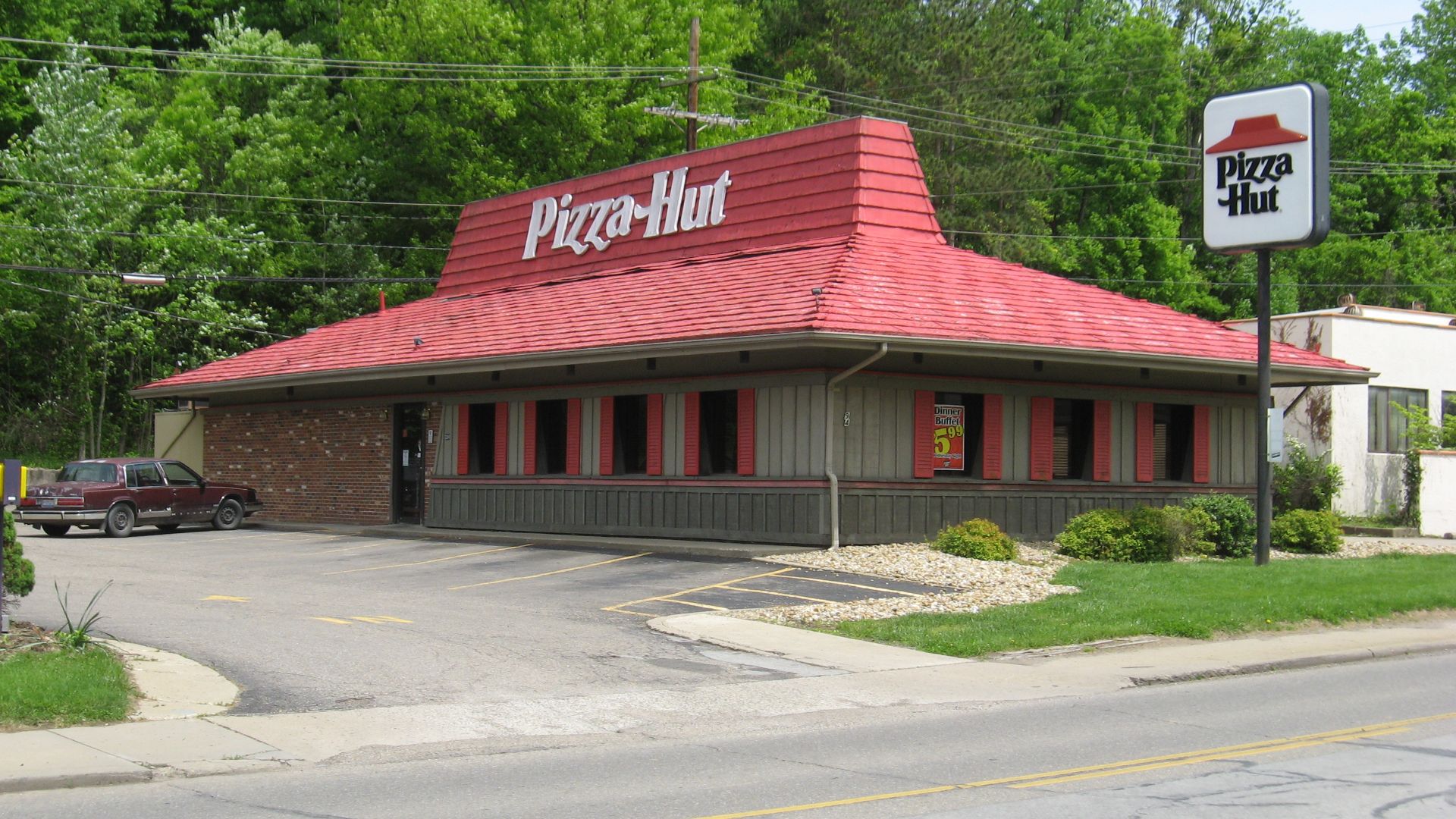 Ed!(talk)(Hall of Fame), Wikimedia Commons
Jukeboxes That Played Your Favorite Songs
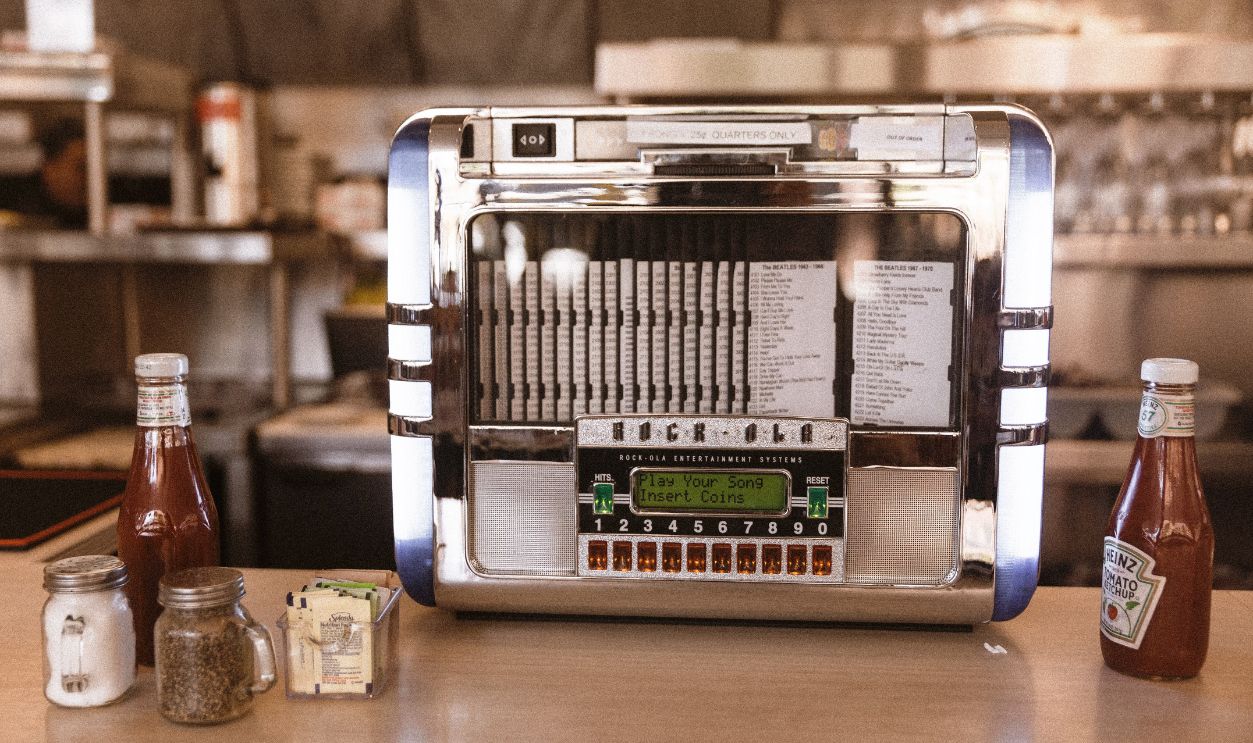
Some neighborhood pizza parlors had jukeboxes where customers could choose the music. Drop in a coin, press a few buttons, and your favorite song might play while dinner was being prepared. Of course, that also meant listening to whatever the other customers selected. Sometimes, their taste was questionable!
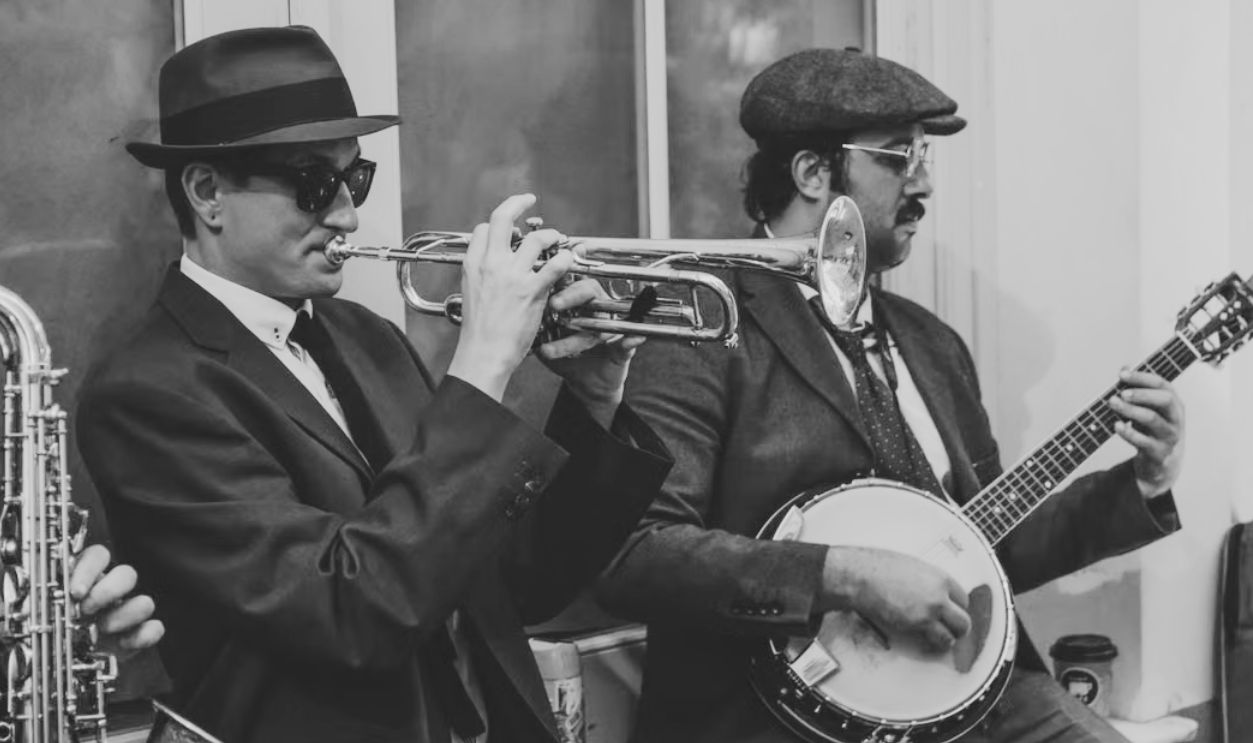
Shakey's Famous Banjo Players
If you visited Shakey's during the 1970s, you might have heard something besides the usual restaurant chatter. Certain locations featured live banjo music and old-fashioned piano entertainment. The chain had built its reputation around combining pizza with music, making dinner feel like a miniature concert.
Silent Movies Playing While You Ate
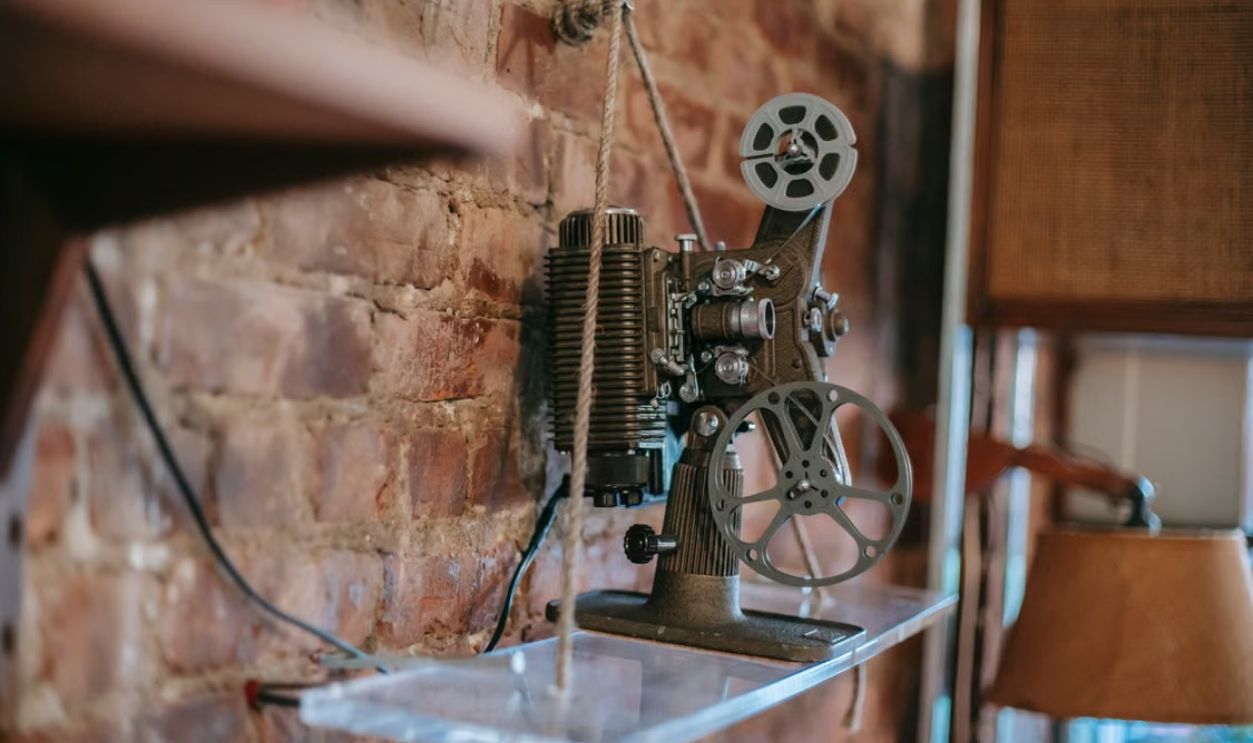
Some Shakey's restaurants offered another unusual attraction: old comedy movies. Customers could watch classic slapstick films while enjoying their pizzas. Comedians like Charlie Chaplin and the Three Stooges were perfect entertainment for families. Imagine explaining to today's kids that the restaurant television didn't show sports!
Big Pitchers Of Soda For Everyone
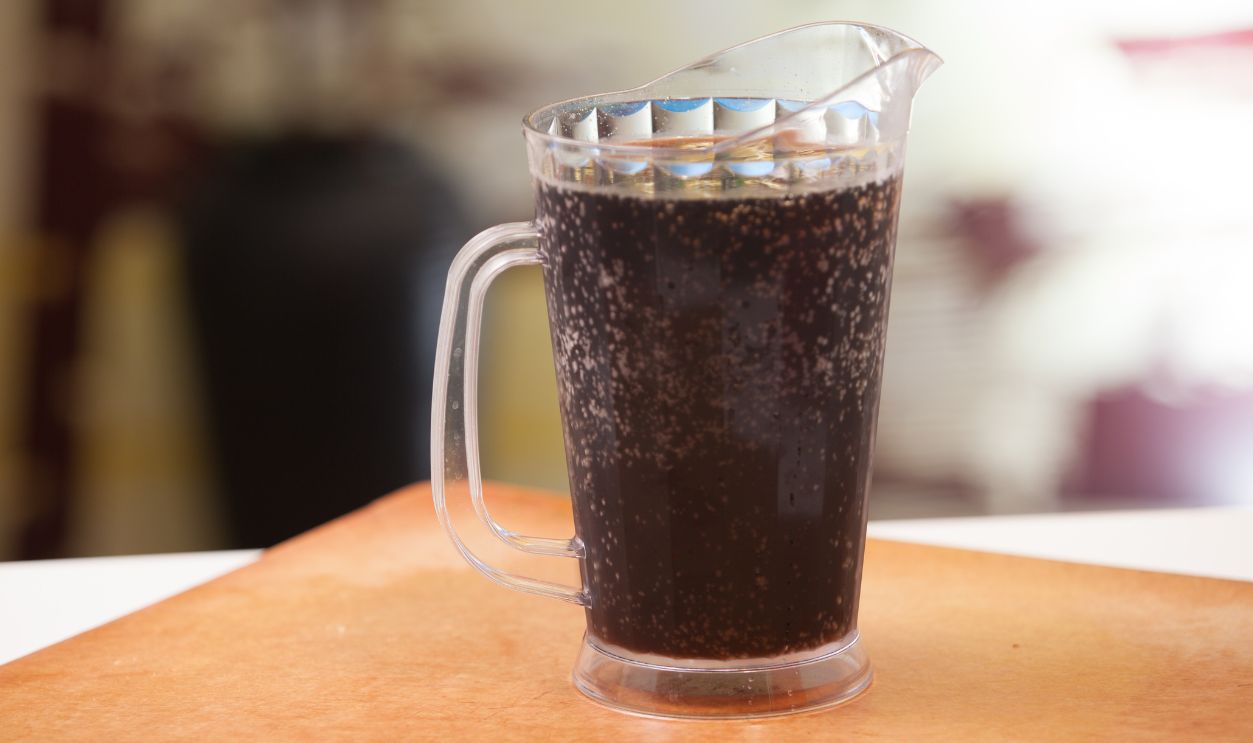
Instead of buying individual drinks for everyone, families could order a large pitcher of soda for the table. Shakey's was especially remembered for its pitchers of soft drinks. Sharing was part of the experience, although somebody inevitably complained that their glass wasn't filled as high as everyone else's.
Those Heavy Red Plastic Cups
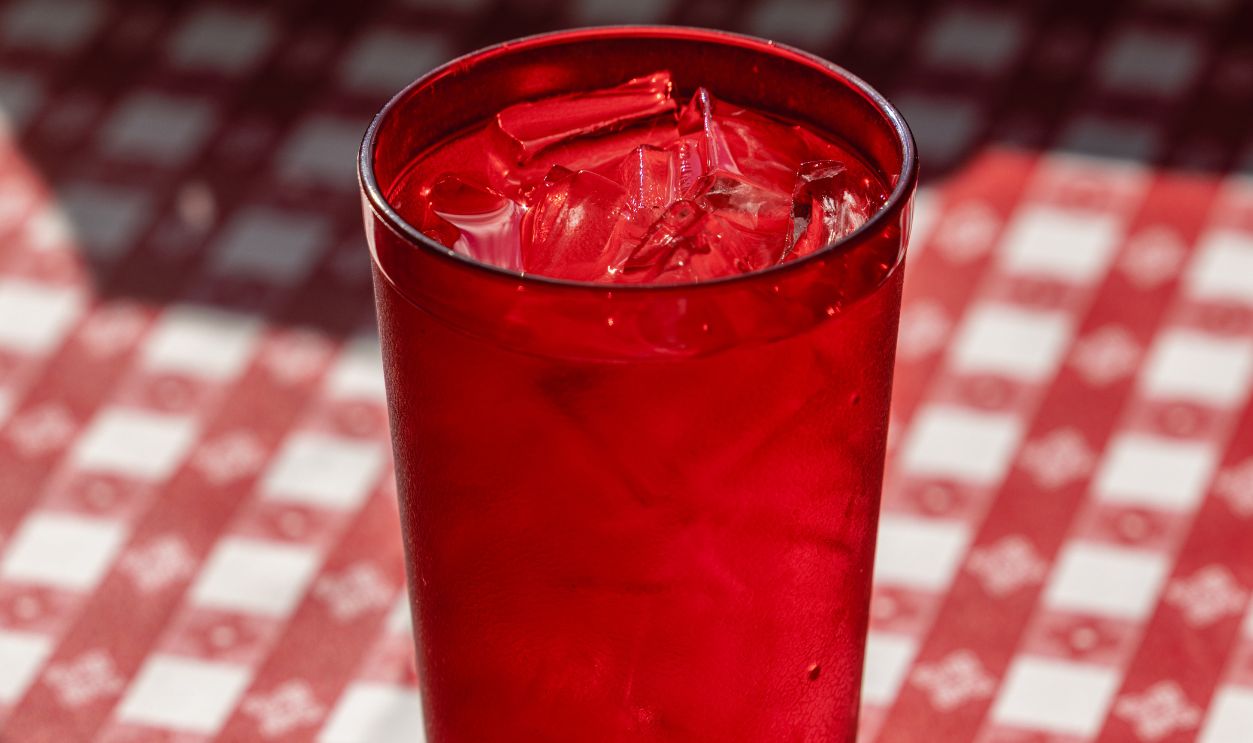
Remember the thick, textured plastic cups that became associated with old-fashioned Pizza Hut dining rooms? They seemed nearly indestructible and made even an ordinary soda feel special. Although many people associate them with later decades, they remain part of the classic pizza-parlor look that older customers recognize.
 The Washington Post, Getty Images
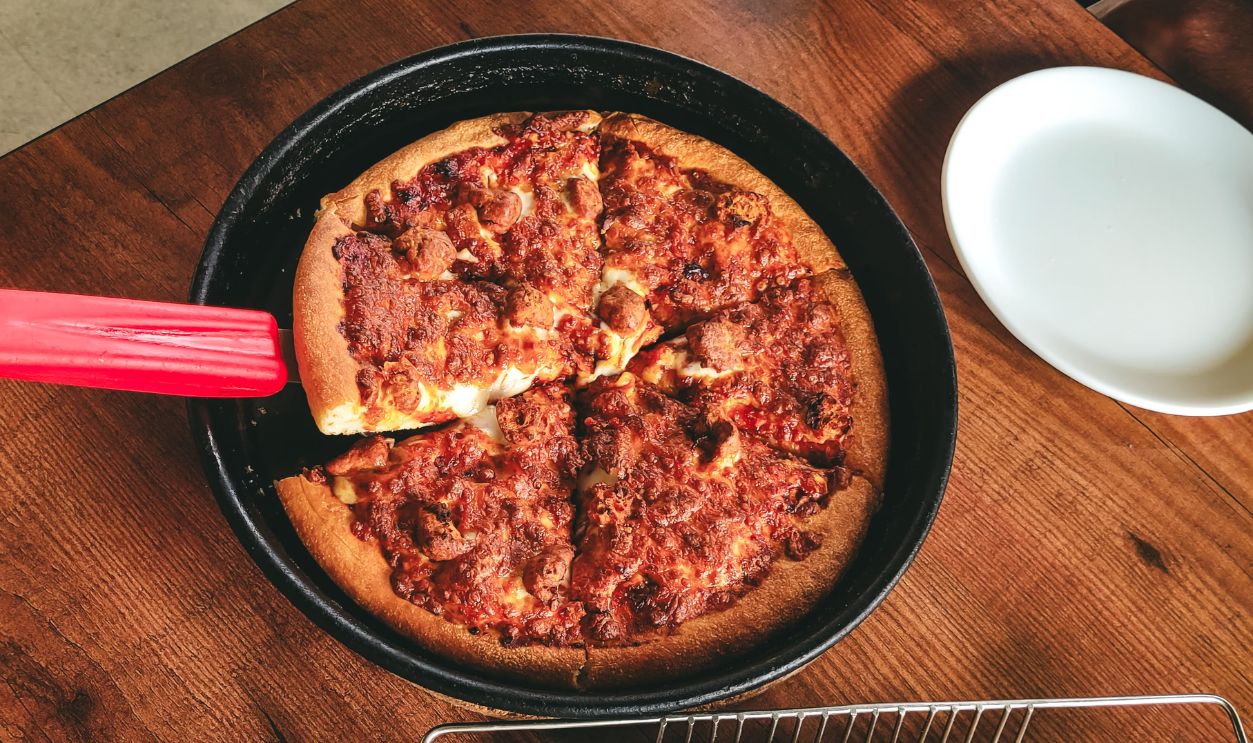
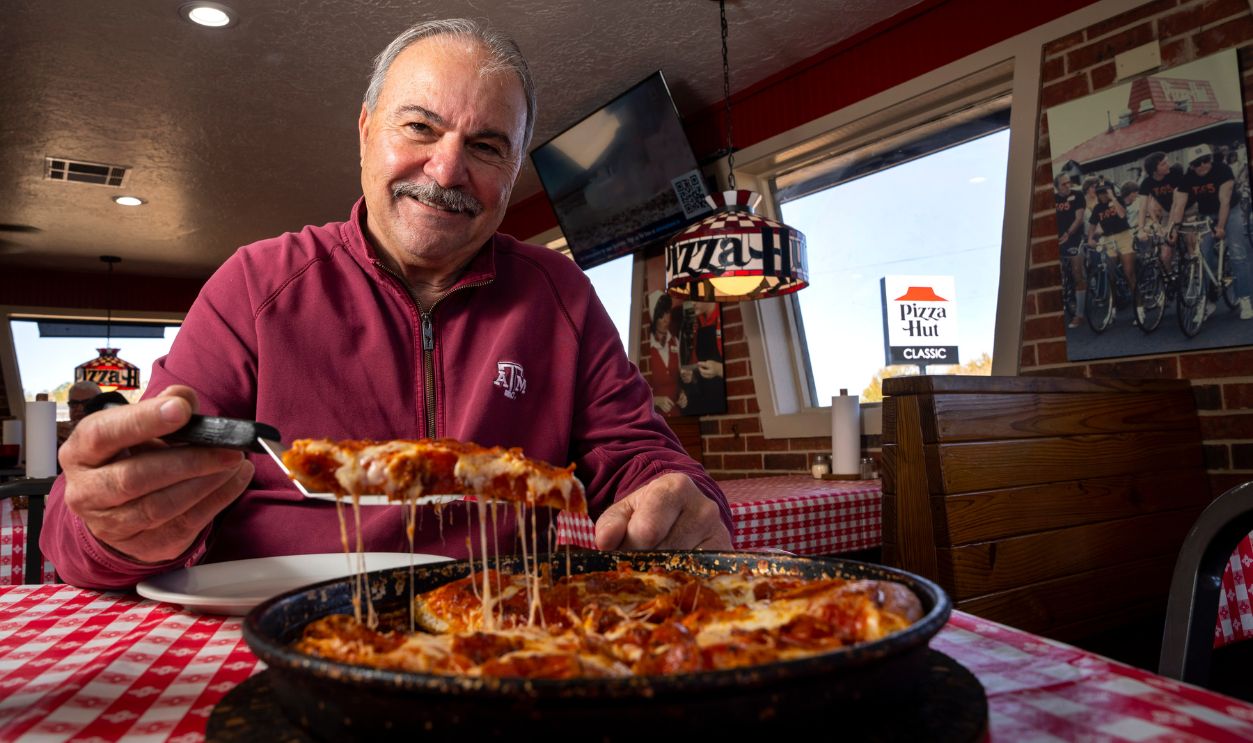
Pizza Served In Metal Pans
Before pizza was routinely handed over in cardboard boxes, dining-room customers often received their pies in metal pans. The server would bring the hot pizza directly to the table, sometimes with a warning not to touch the pan. Naturally, that warning only made children more curious.
Waitresses Bringing Pizza To Your Table
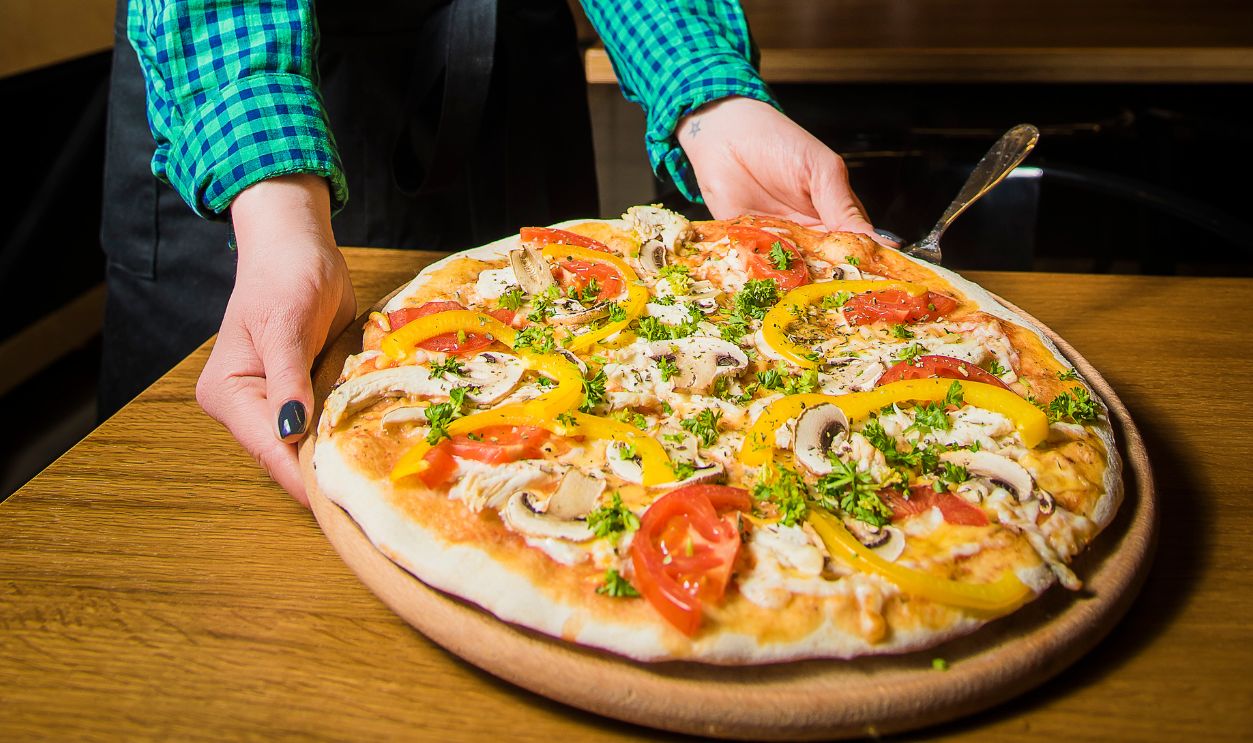
At many sit-down pizza chains, customers didn't have to listen for their order numbers. Servers brought drinks, checked on tables, and delivered freshly baked pizzas. Pizza night felt more like visiting a traditional restaurant than making a quick food stop. And nobody needed to download an app first.
 Anatoliy Evankov, Shutterstock
Stained-Glass Lamps Over The Tables
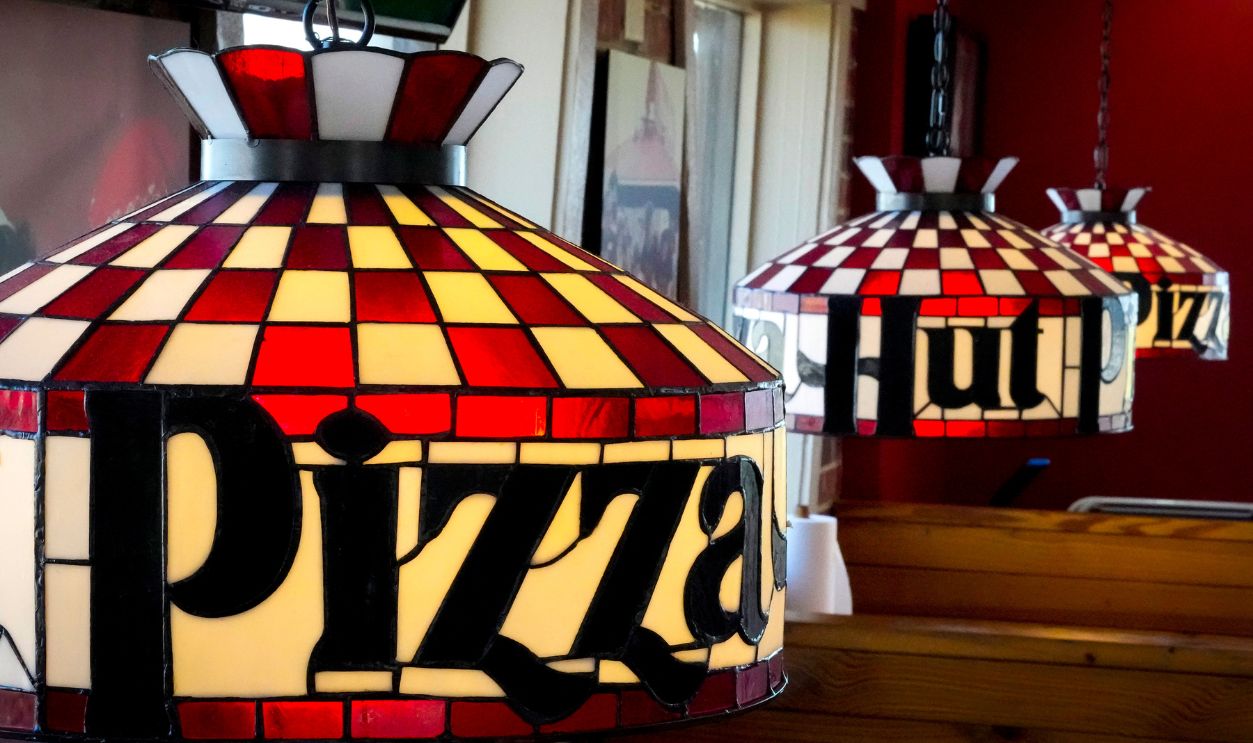
Classic Pizza Hut dining rooms became famous for their decorative hanging lamps, including stained-glass-style fixtures. The lighting helped create a cozy atmosphere that was quite different from today's brightly lit takeout counters. Paired with wooden furniture and red booths, those lamps made the restaurant feel special.
 Houston Chronicle/Hearst Newspapers, Getty Images
Cozy Booths Where Families Gathered
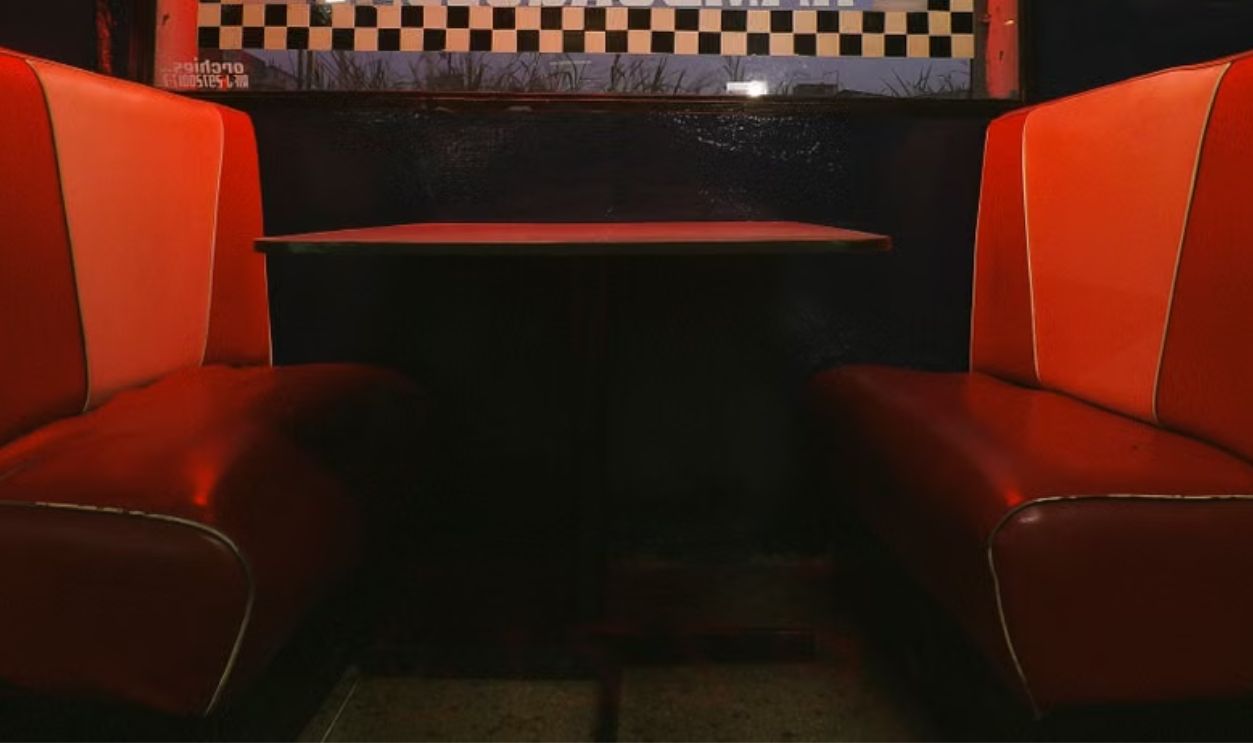
Another familiar sight was the oversized restaurant booth. Parents sat on one side, children squeezed onto the other, and everyone shared the same pizza. Pizza Hut's traditional booth seating became such a recognizable feature that the company now highlights it in its retro-inspired Classic restaurants.
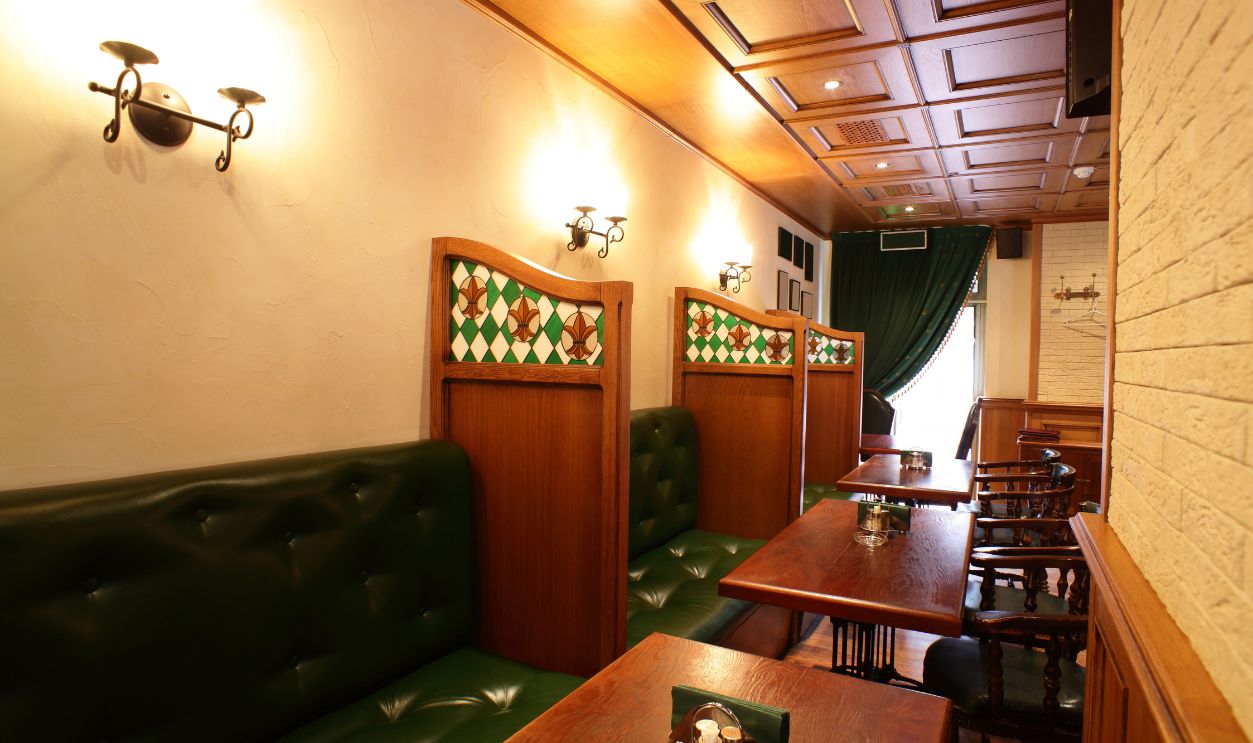
Pizza Parlors That Looked Like Old Taverns
Shakey's original concept borrowed heavily from the appearance of an old-fashioned public house. Wood-paneled interiors, traditional decorations, and lively entertainment made the surroundings feel unlike an ordinary fast-food restaurant. It was the kind of place where parents could relax while children waited impatiently for their pizza.
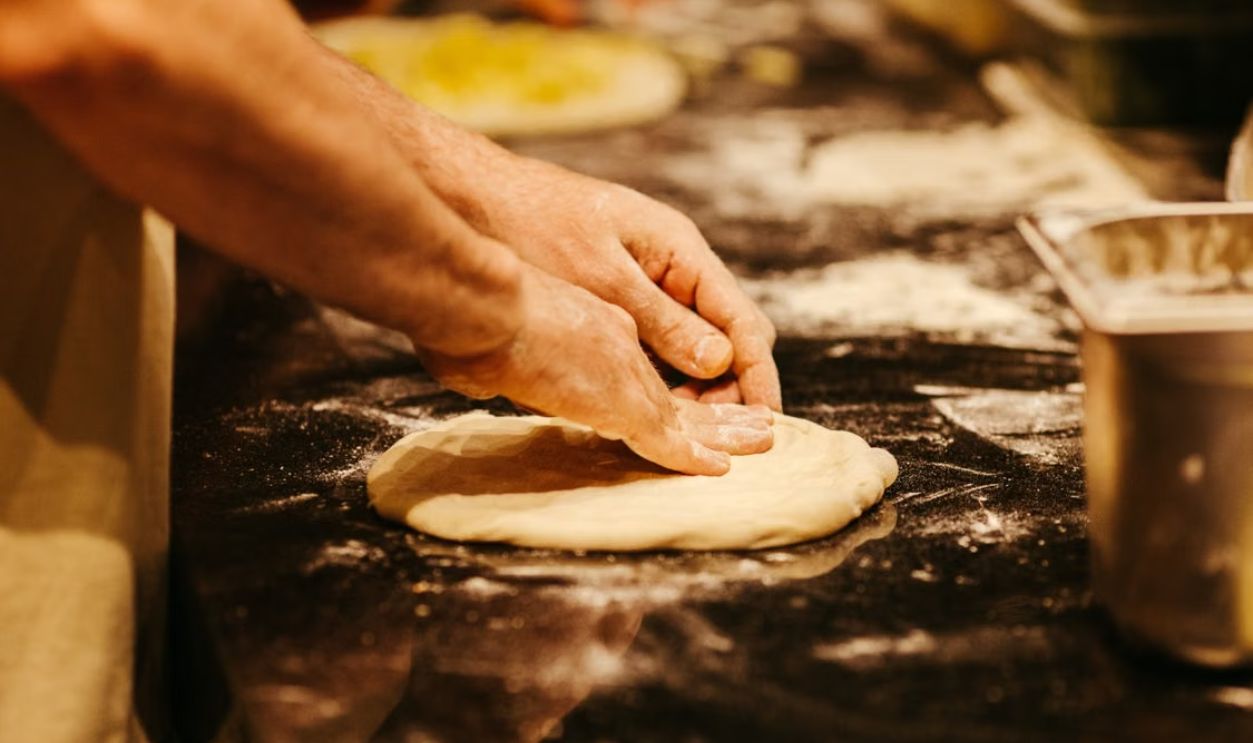
Watching The Pizza Being Made
One of the best parts of visiting certain neighborhood pizza shops was seeing the cooks at work. Children could watch dough being stretched, toppings being scattered, and pizzas disappearing into the oven. For youngsters accustomed to home cooking, watching a professional pizza maker could be surprisingly entertaining.
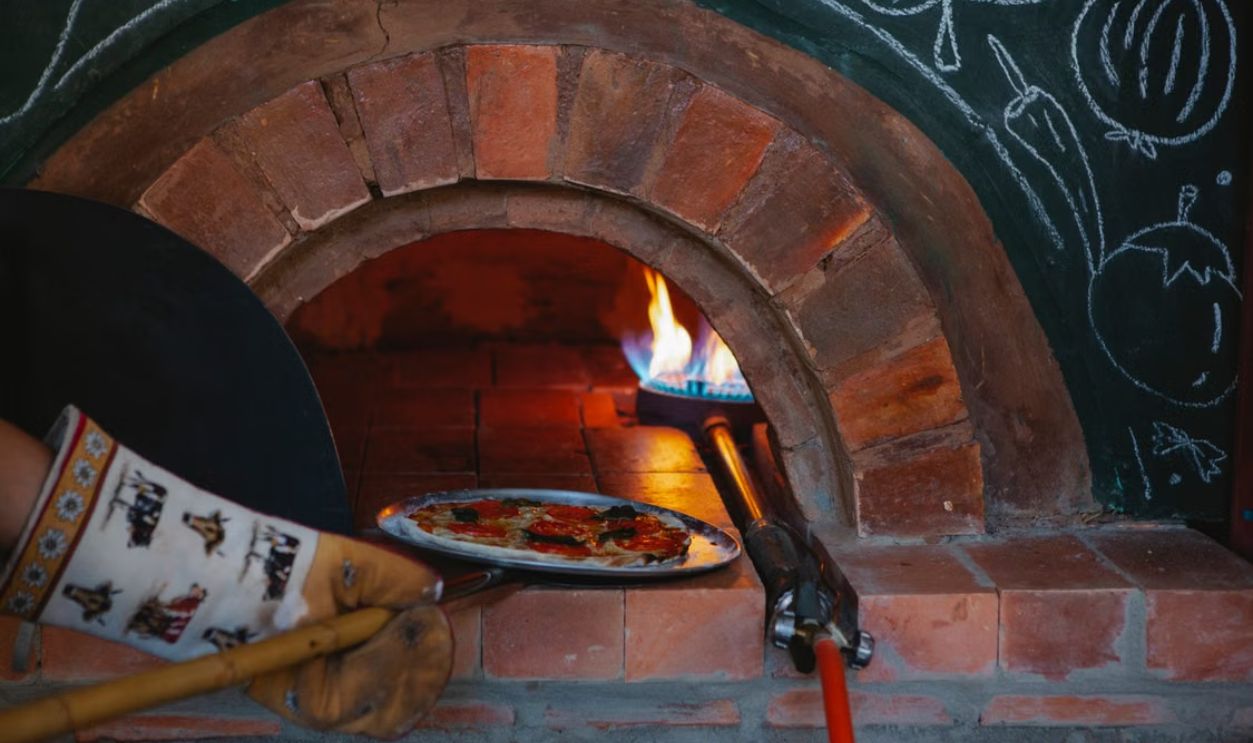
The Old-Fashioned Pizza Oven
Before modern conveyor ovens became a familiar sight in many chain restaurants, traditional deck ovens were common in pizza kitchens. Workers had to carefully manage baking times and remove pizzas using long-handled peels. Watching a cook pull a bubbling pizza from the oven was practically a performance.
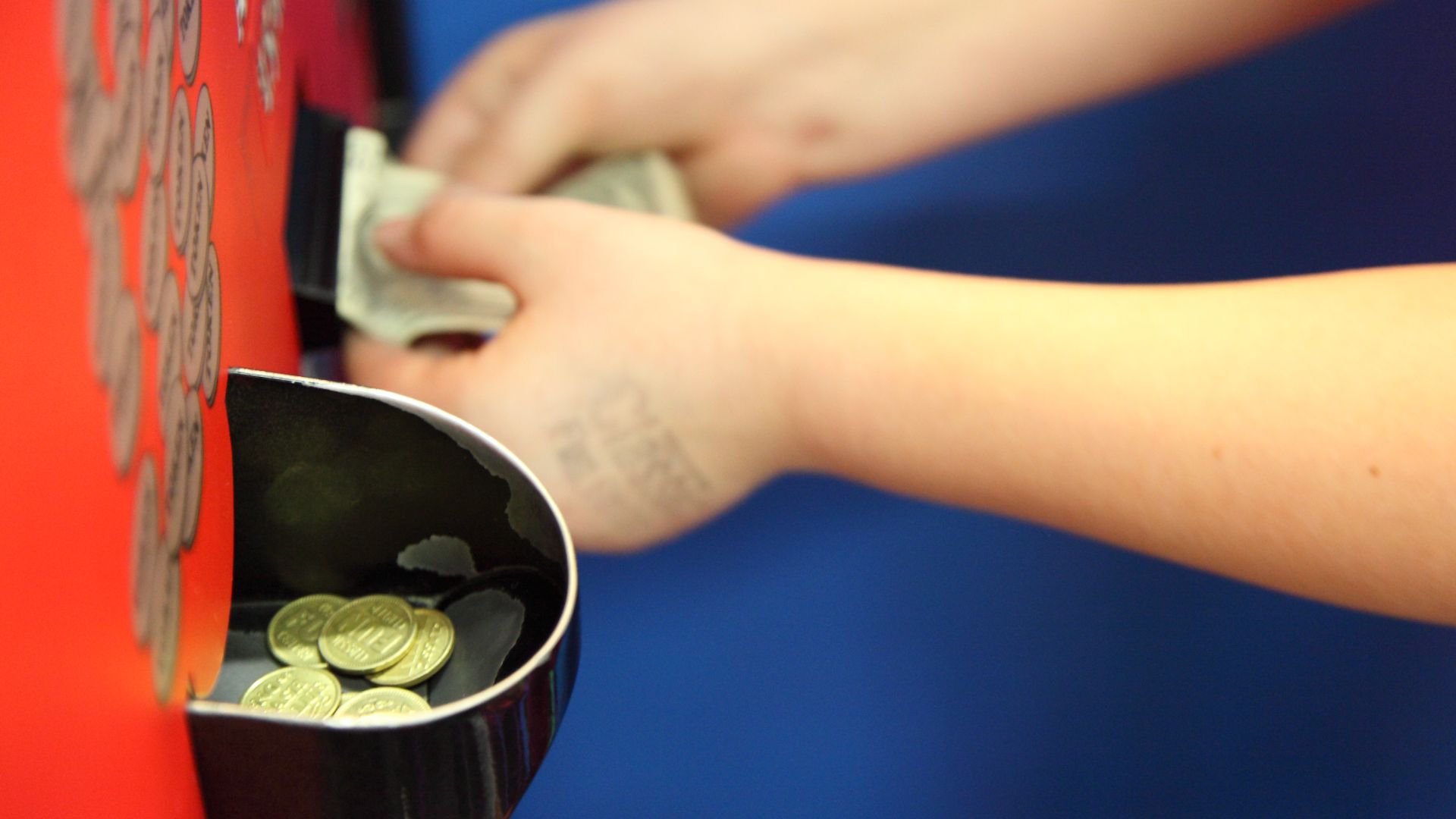
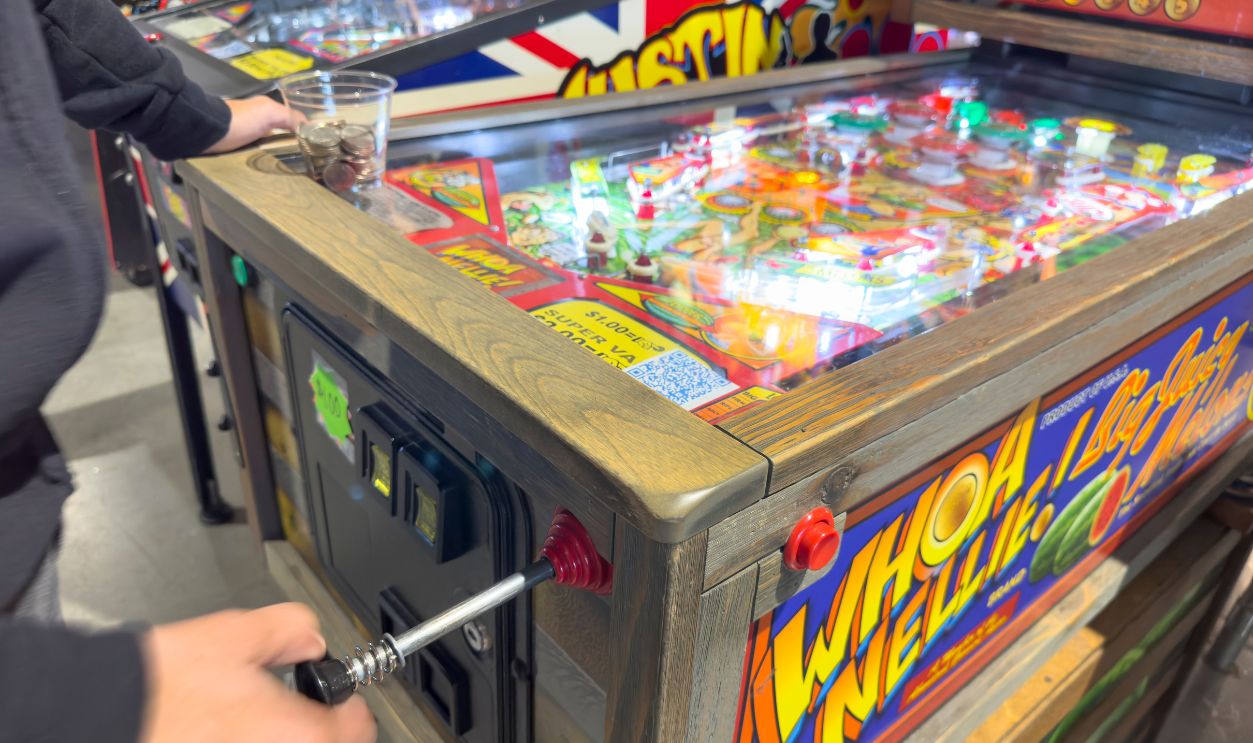
Arcade Machines That Took Real Coins
Some pizza parlors featured coin-operated entertainment that kept children occupied while their parents waited for dinner. Pinball machines and early bideo games eventually became familiar attractions. Forget tapping a payment card. Having enough change in your pocket could determine how much fun you had before dinner arrived.
 Pink Sherbet Photography from USA, Wikimedia Commons
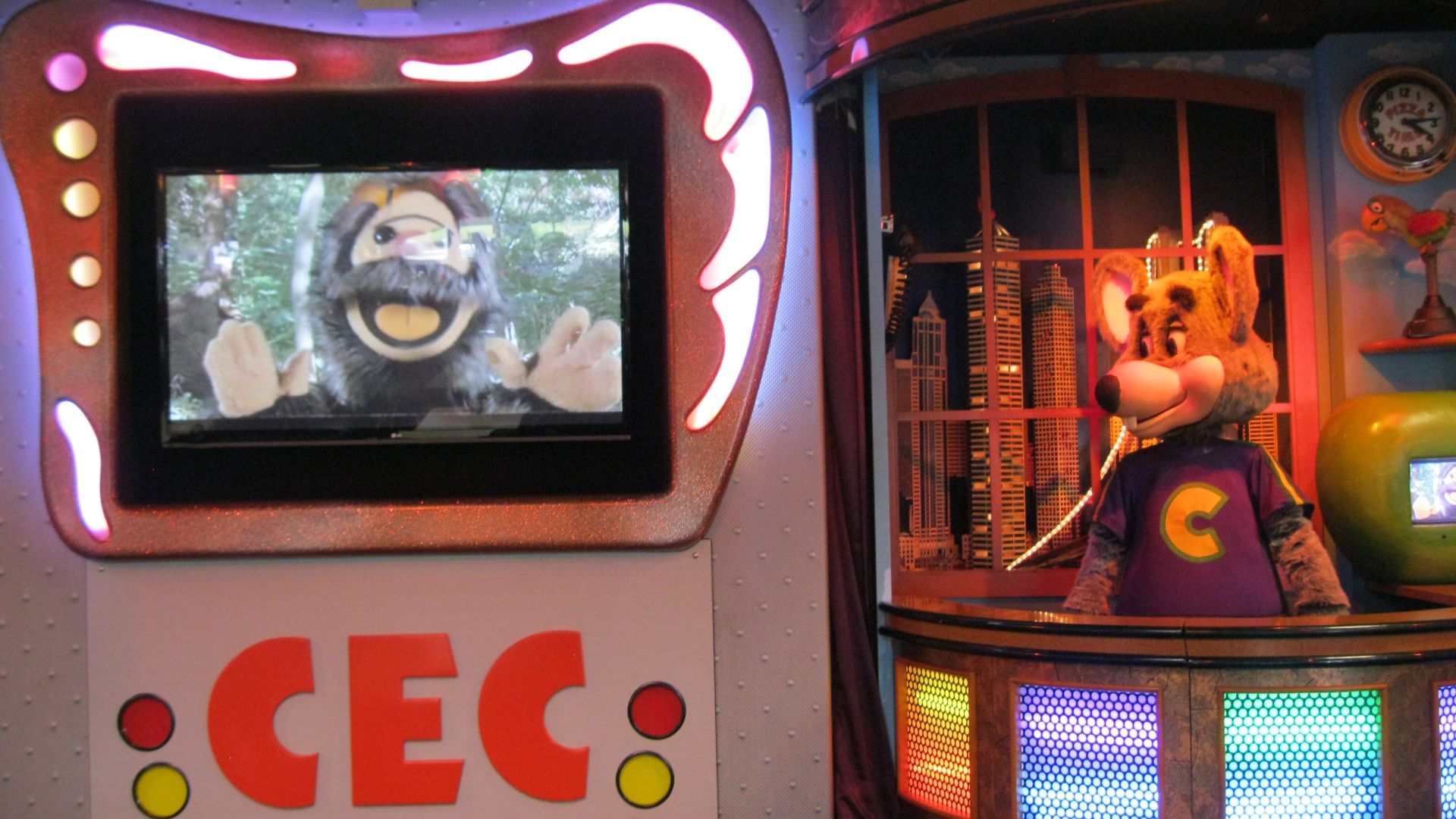
Chuck E. Cheese's Singing Robot Characters
In 1977, Chuck E. Cheese's Pizza Time Theatre opened in San Jose, California, combining pizza with something unusual: animatronic entertainment. Mechanical characters performed songs and comedy routines for customers. For families experiencing the technology for the first time, those moving, talking characters were astonishing.
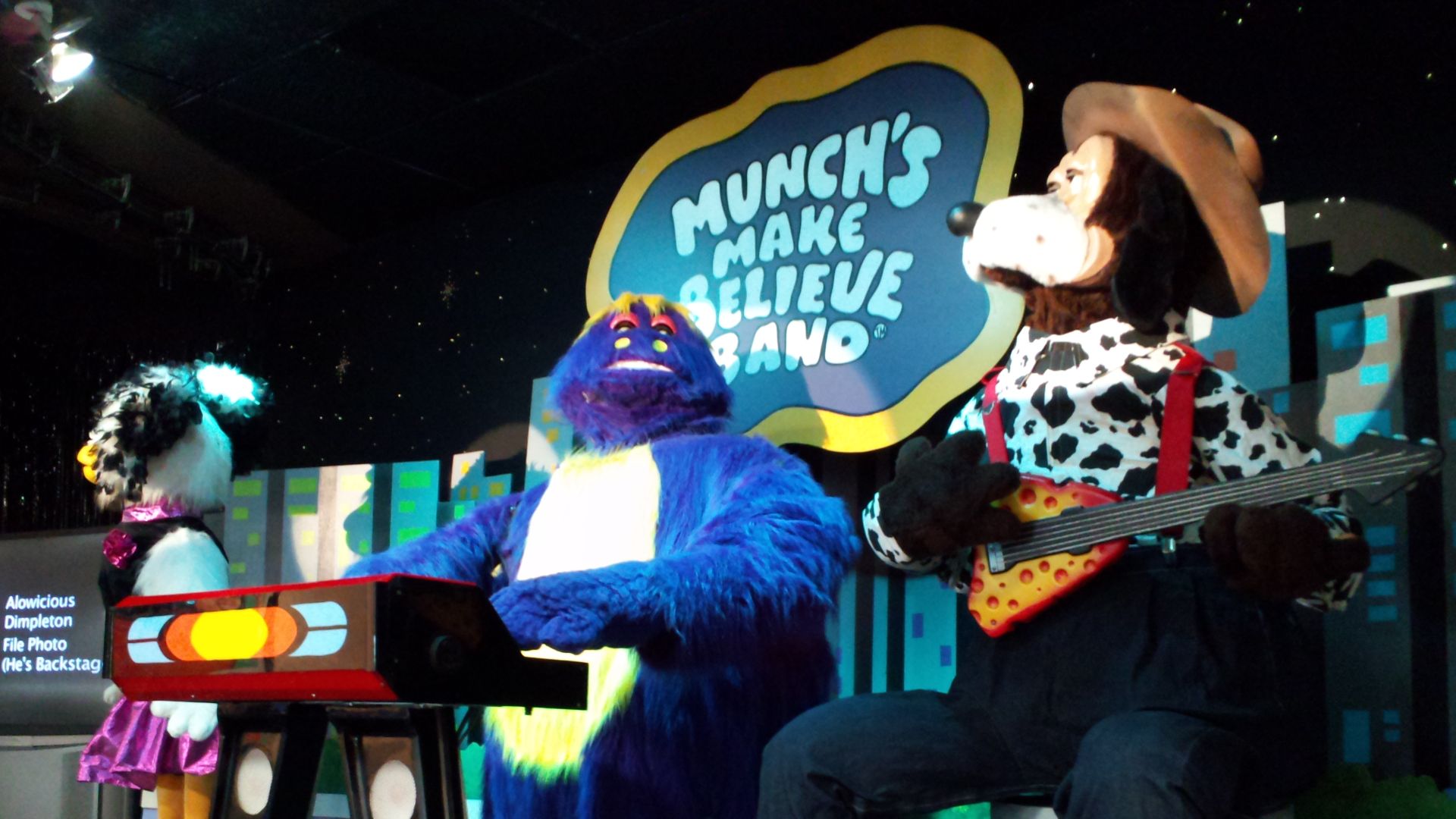 Ben Schumin from Montgomery Village, Maryland, USA, Wikimedia Commons
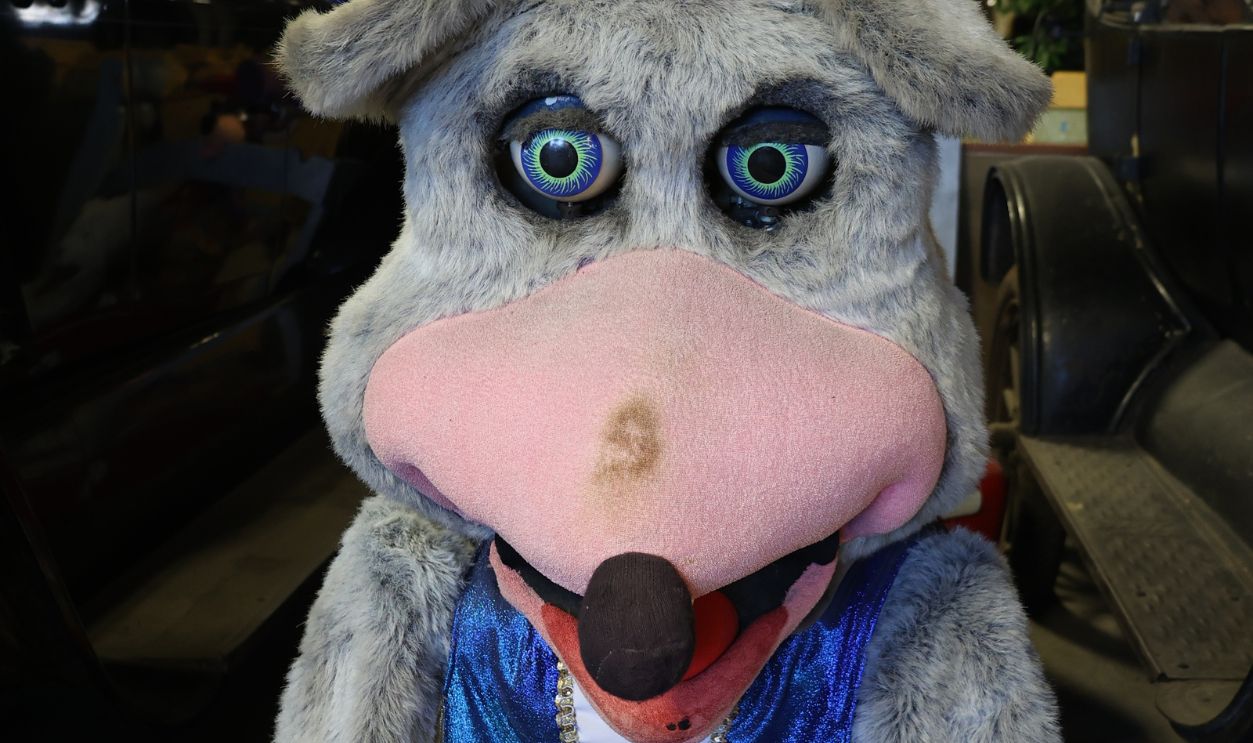
The Original Chuck E. Cheese Was A Rat
Today's Chuck E. Cheese mascot is a friendly mouse, but the original character was a rat! Early Pizza Time Theatre entertainment featured a rat character with a mischievous personality. The mascot's appearance and behavior were eventually softened as the company developed its family-friendly image.
Pizza Restaurants With Their Own Theaters
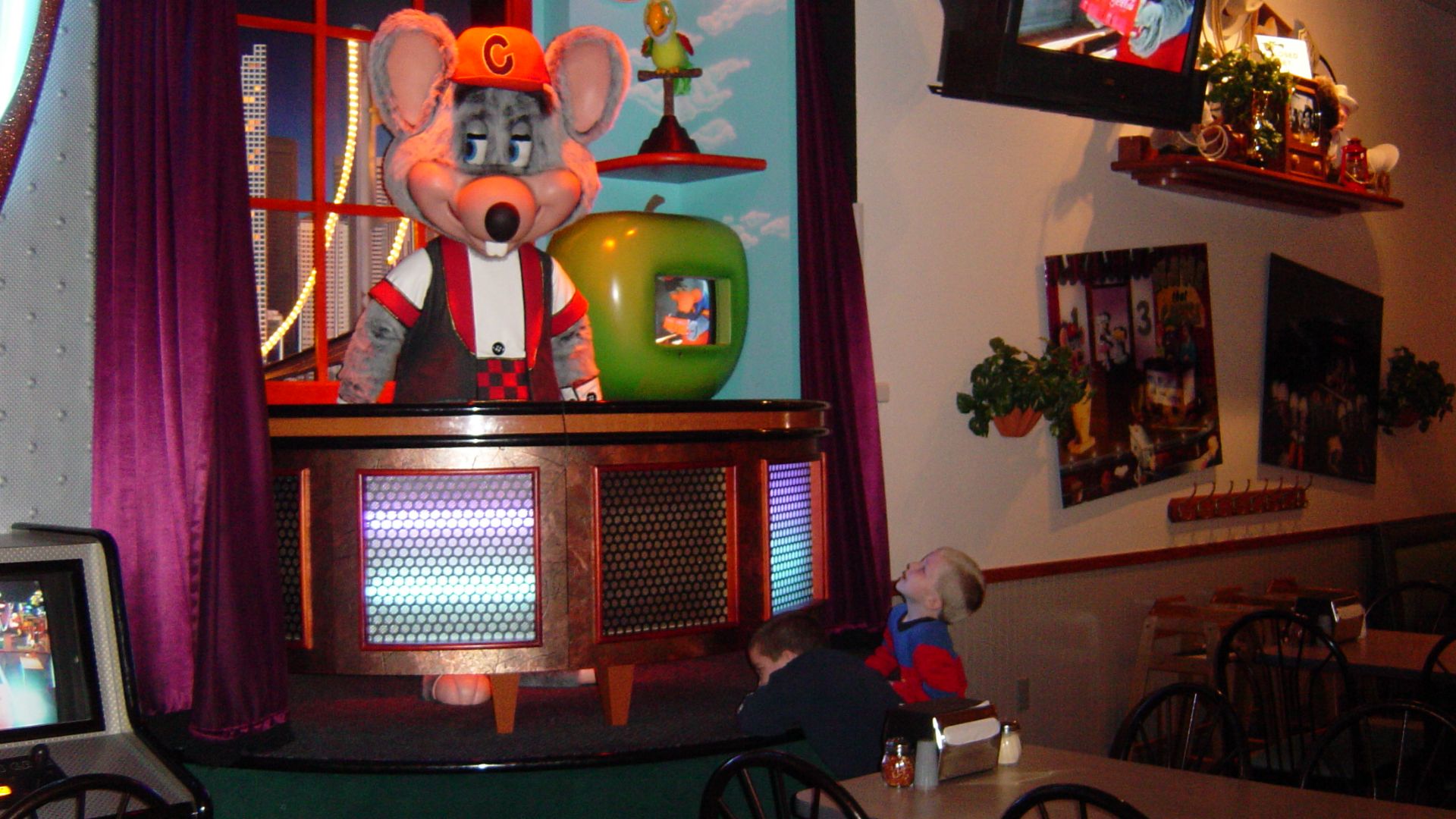
The original Pizza Time Theatre wasn't just a restaurant with an arcade attached. It incorporated theatrical entertainment into the entire concept. Animatronic characters appeared in specially designed performance areas, giving families a show alongside their meal. Back then, combining dinner and robotic entertainment was a remarkable novelty.
 Jim Trottier, Wikimedia Commons
Birthday Parties That Lasted All Afternoon
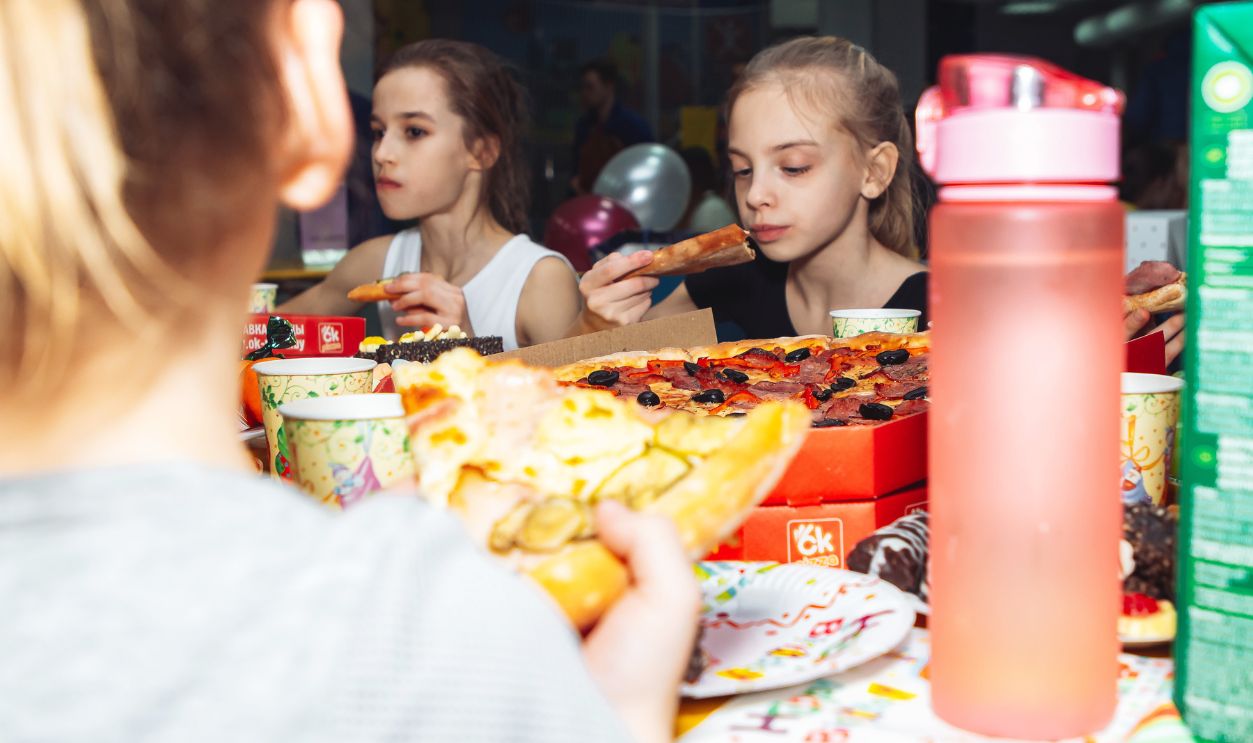
For many children, a birthday celebration at a pizza parlor was a major event. Families gathered around big tables, ordered pizzas, and enjoyed whatever entertainment was available. Places like Shakey's were popular gathering spots, while the arrival of Chuck E. Cheese created an entirely new kind of pizza-party destination.
 Uladzimir Ogonek, Shutterstock
Pinball Machines In The Corner
Before video games dominated arcades, pinball machines were a familiar attraction in entertainment venues, including some pizza parlors. Their flashing lights, ringing bells, and clattering mechanisms could keep children busy for ages. The biggest challenge was persuading Dad to hand over another quarter before the pizza arrived.
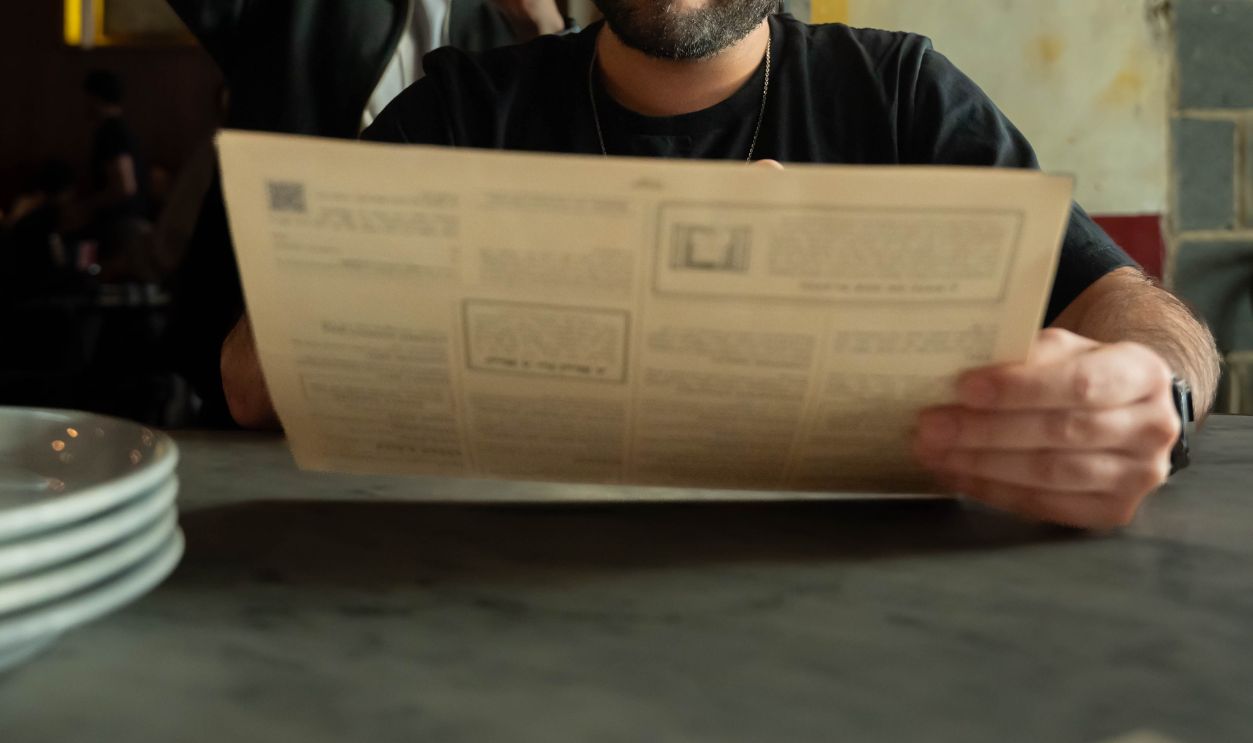
Paper Menus Instead Of Digital Screens
Choosing your pizza once involved reading an actual menu, sometimes a large laminated one that had survived countless spills. There were no tablets or illuminated digital ordering boards. Everyone studied the toppings, argued over the choices, and eventually agreed on something. Usually, it was pepperoni.
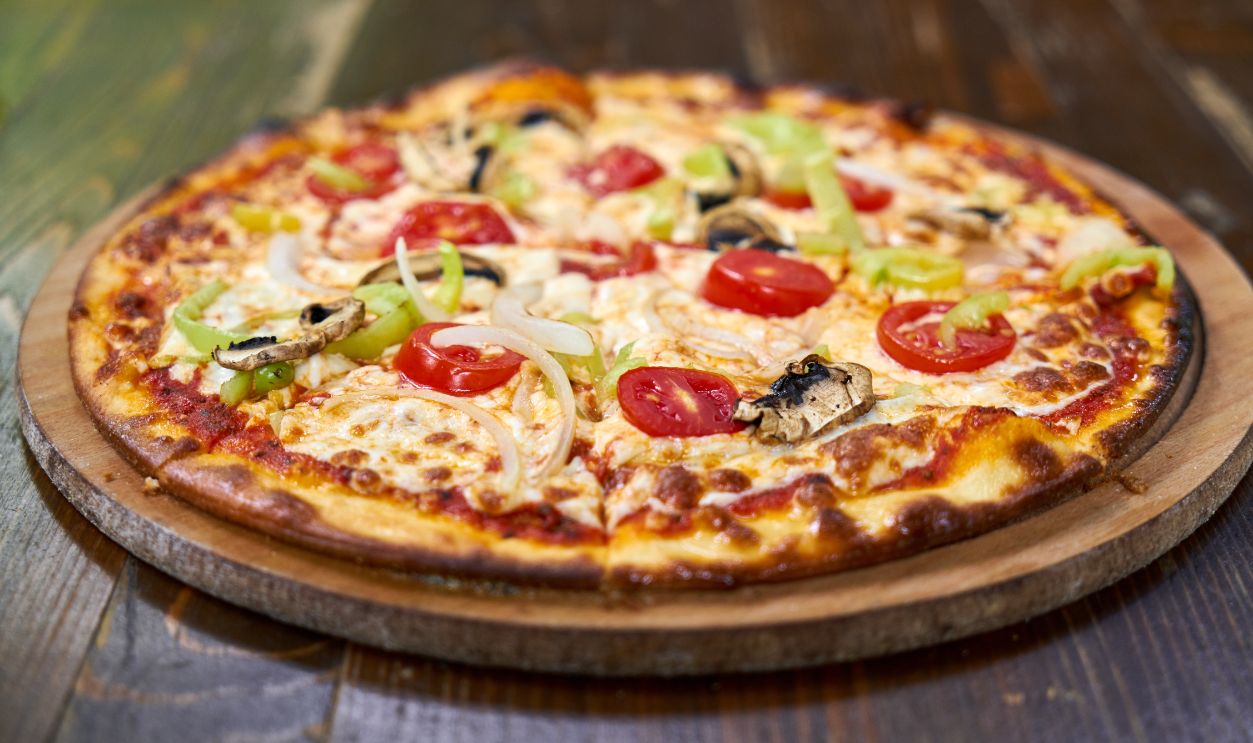
The Smell Of Freshly Baked Pizza Everywhere
Walking into a traditional pizza parlor meant being greeted by the smell of hot dough, tomato sauce, and melted cheese. With customers dining near the kitchen, the aroma often filled the restaurant. For children waiting hungrily at their tables, that familiar smell made the wait feel even longer.
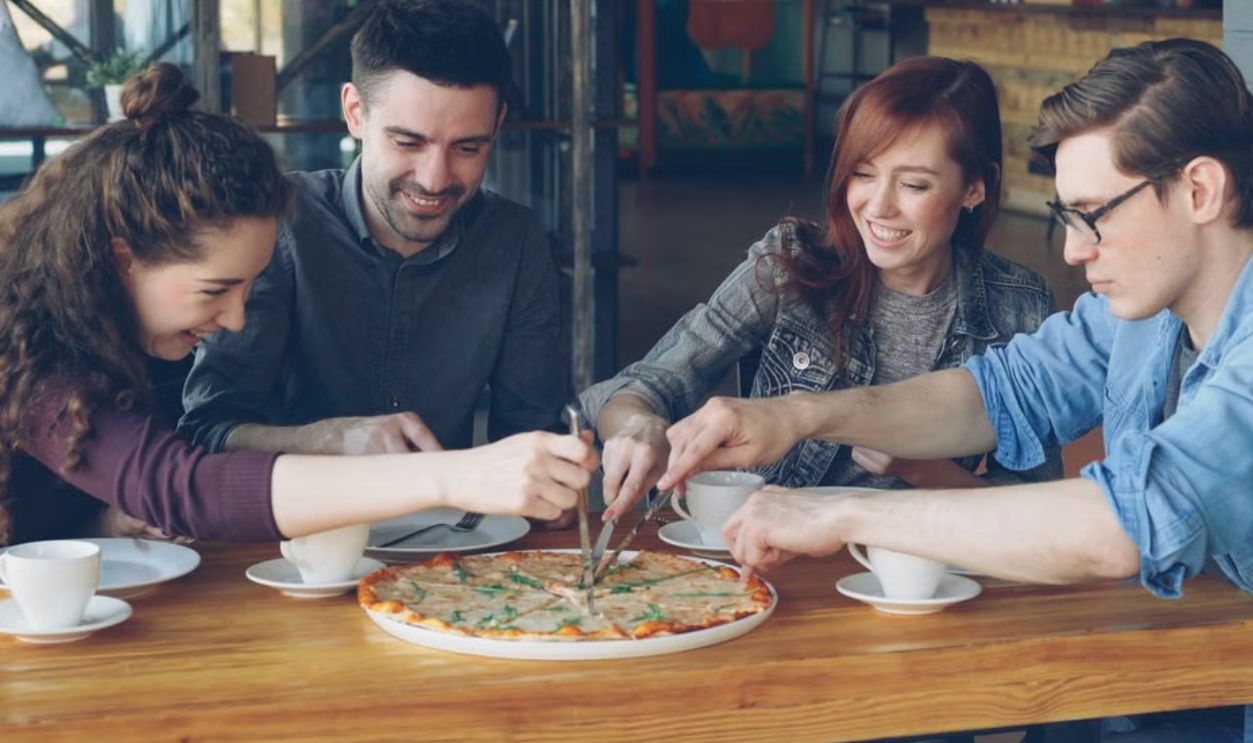
Pizza Parlors That Were Community Hangouts
Before ordering pizza on a smartphone became normal, pizza restaurants were important social gathering places. Families celebrated birthdays, Little League teams stopped by after games, and teenagers met their friends. For many communities, the local pizza parlor was more than somewhere to eat. It was somewhere to belong.
Pizza Chains With Unforgettable Mascots
By the 1970s, pizza restaurants were developing distinctive personalities. Pizza Hut had its recognizable red-roof branding, Shakey's celebrated its old-fashioned musical traditions, and Chuck E. Cheese introduced a theatrical animal mascot. These details helped transform ordinary restaurants into places customers remembered long after the meal.
 Martiniturbide, Wikimedia Commons
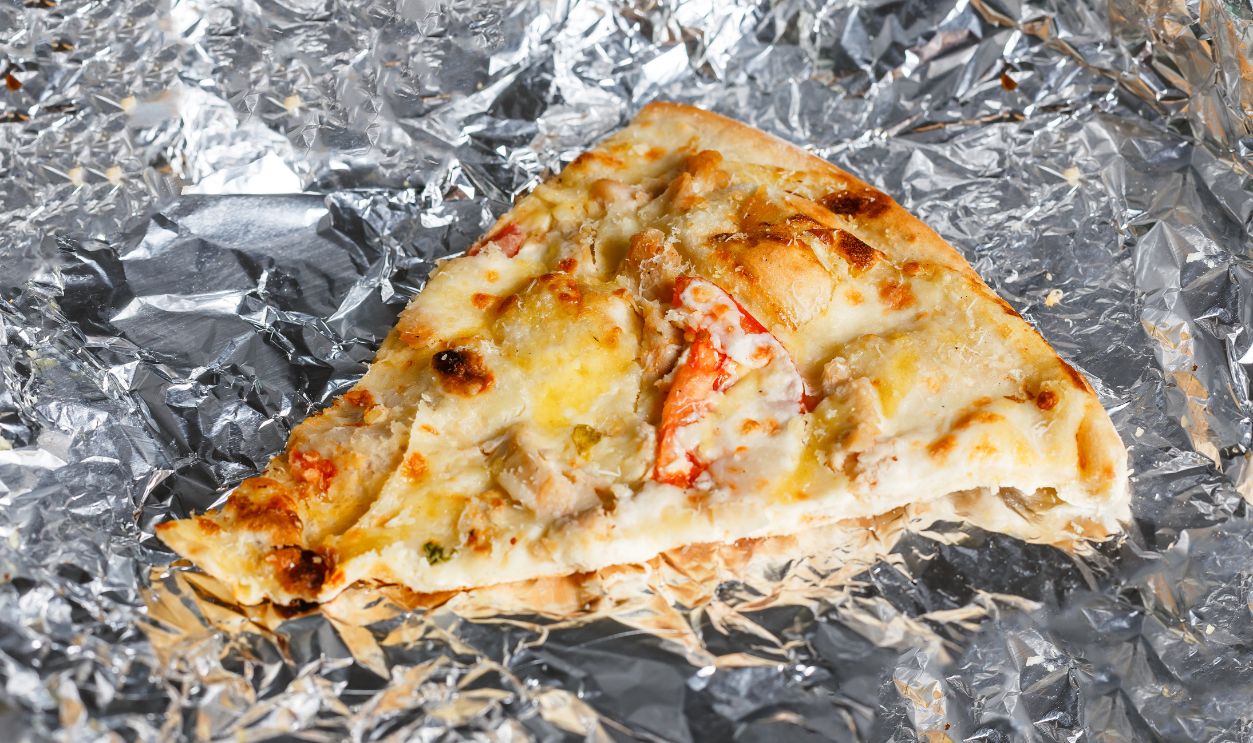
Taking Home Leftovers Wrapped In Foil
Before everyone expected a neat, branded takeout container, leftover pizza was sometimes wrapped in aluminum foil or placed in whatever packaging a restaurant provided. Parents made sure those remaining slices weren't wasted. For plenty of families, finding cold pizza in the refrigerator the next morning was a wonderful bonus.
Pizza Night Was About More Than Pizza
Today's pizza chains offer conveniences that families in the 1970s could hardly have imagined. But something about those old restaurants remains special. Whether you remember Shakey's banjo music, Pizza Hut's red roof, or Chuck E. Cheese's original robots, those experiences made pizza night unforgettable. Which feature would you bring back?
 Houston Chronicle/Hearst Newspapers, Getty Images
You May Also Like: