A Rescue Story With Missing Pages
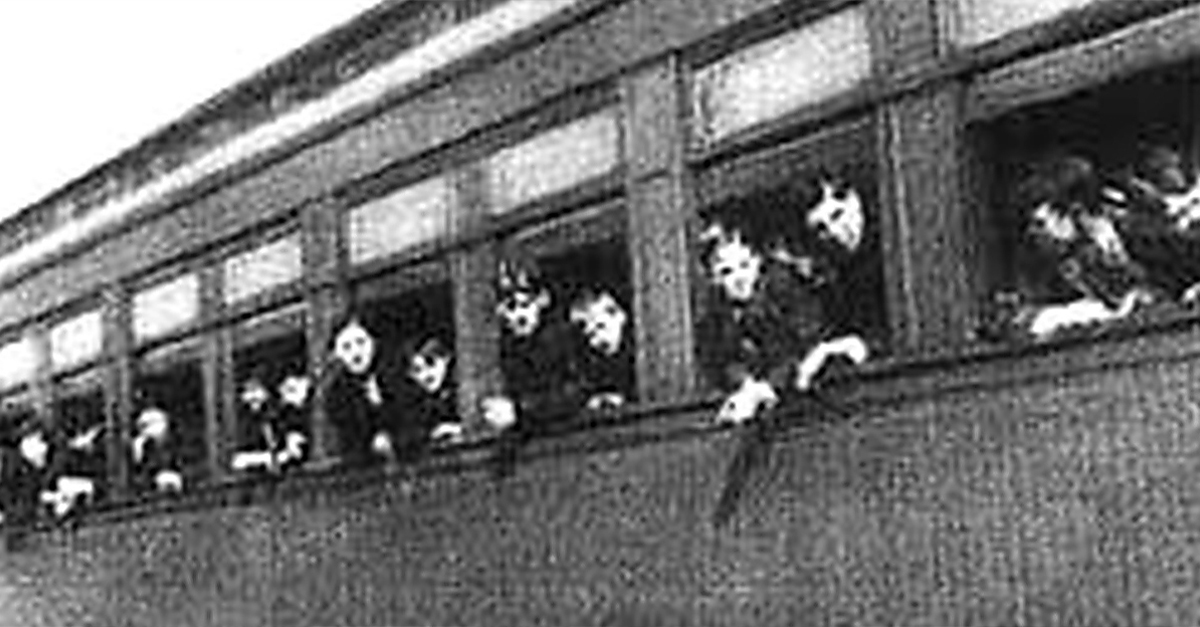
For 75 years, charities sent vulnerable children from crowded Eastern cities toward new homes across rural America. The "orphan train" movement offered many children safety, stability, and affection. It also separated families, enabled exploitation, and gave strangers enormous power over young lives. Its legacy resists an easy verdict.
 Unknown Author, Wikimedia Commons
New York’s Streets Were Filled With Desperate Children
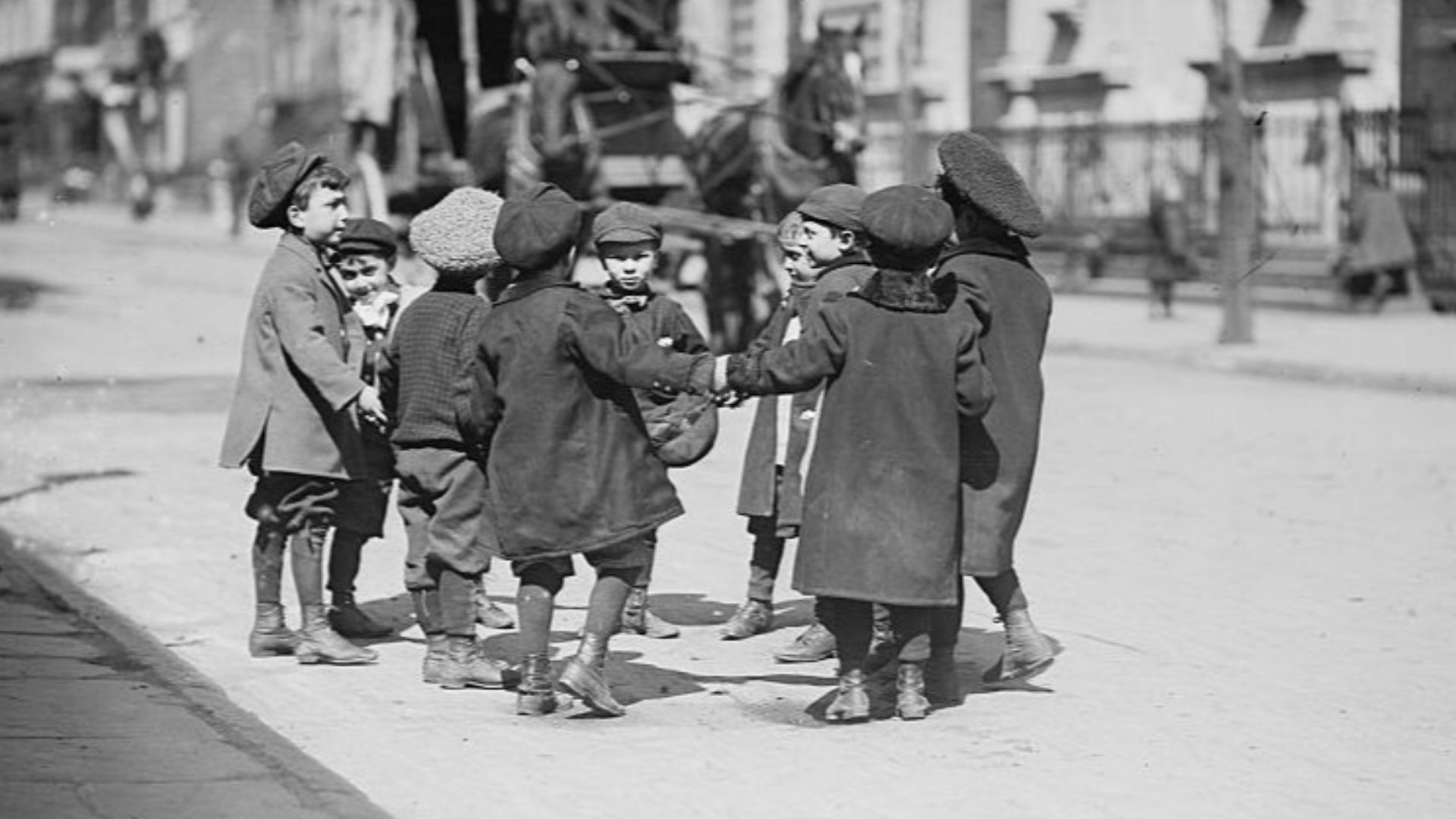
During the 1850s, thousands of children struggled to find food and shelter in New York City. Some sold newspapers, matches, or rags, while others slept near docks and breweries. Children arrested for vagrancy could be confined alongside adults. Reformers faced a real crisis, even when their proposed solutions caused new harm.
 Bain News Service, publisher., Wikimedia Commons
Poverty Could Tear A Family Apart
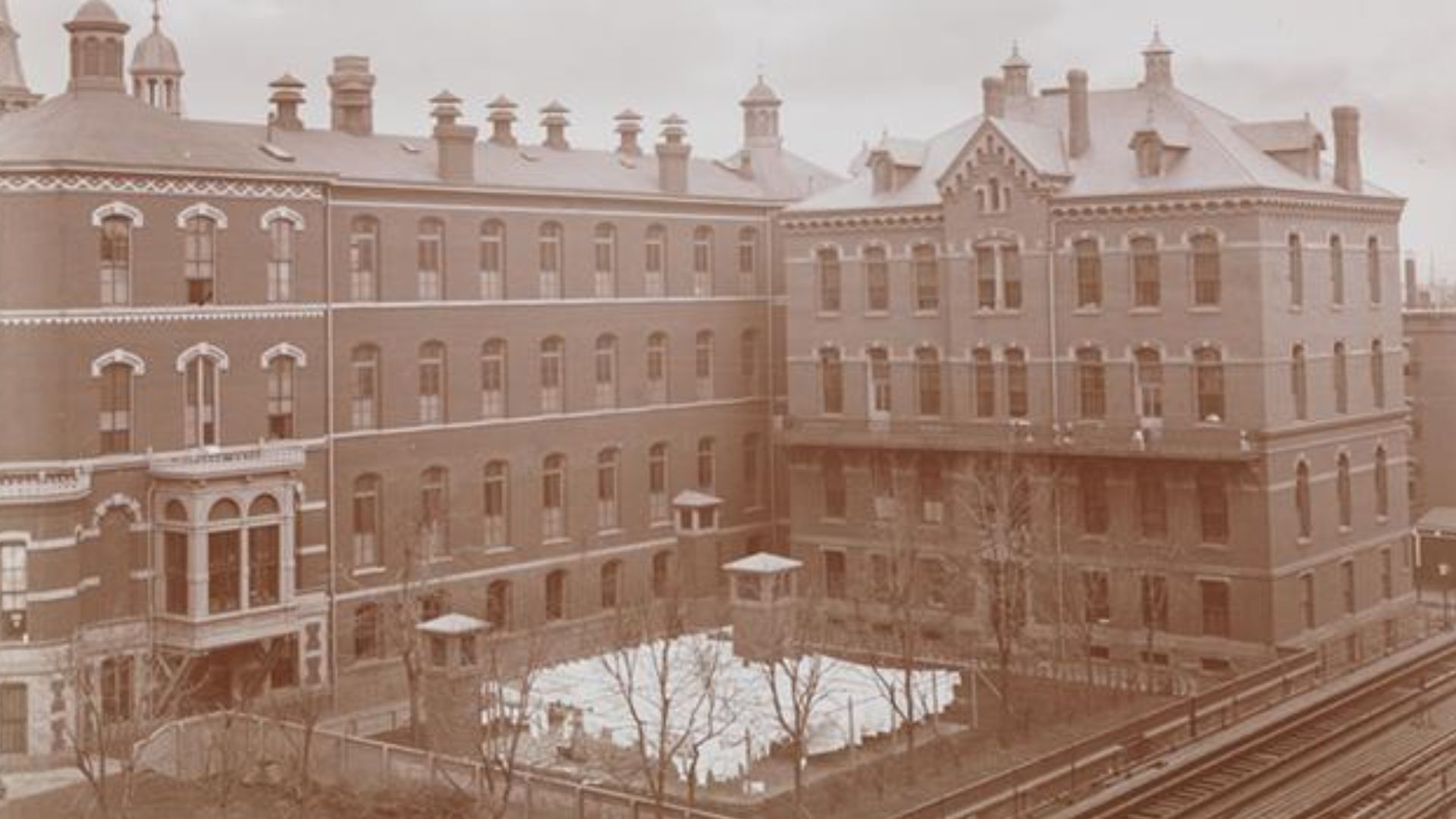
Industrial accidents, illness, unemployment, and a parent’s passing could push a working family into disaster. Public assistance was extremely limited, while institutions often housed hundreds of children at once. Many parents placed children in orphanages because poverty had left them without childcare, income, or nearby relatives.
![Title: City children - Syrian children playing in street [New York City]
Abstract/medium: 1 photographic print.](https://www.factinate.com/storage/app/media/factinate/2026/8/4/1785837586411435d1376e2e99477e16067117874273297b95.jpg) George Grantham Bain Collection, Wikimedia Commons
George Grantham Bain Collection, Wikimedia Commons
Charles Loring Brace Proposed A Radical Alternative
Congregational minister Charles Loring Brace helped establish the Children’s Aid Society in 1853. He believed institutions stunted children and that family life, education, and useful work offered a better future. His organization opened schools and lodging houses, but its most ambitious program became known as “placing out".
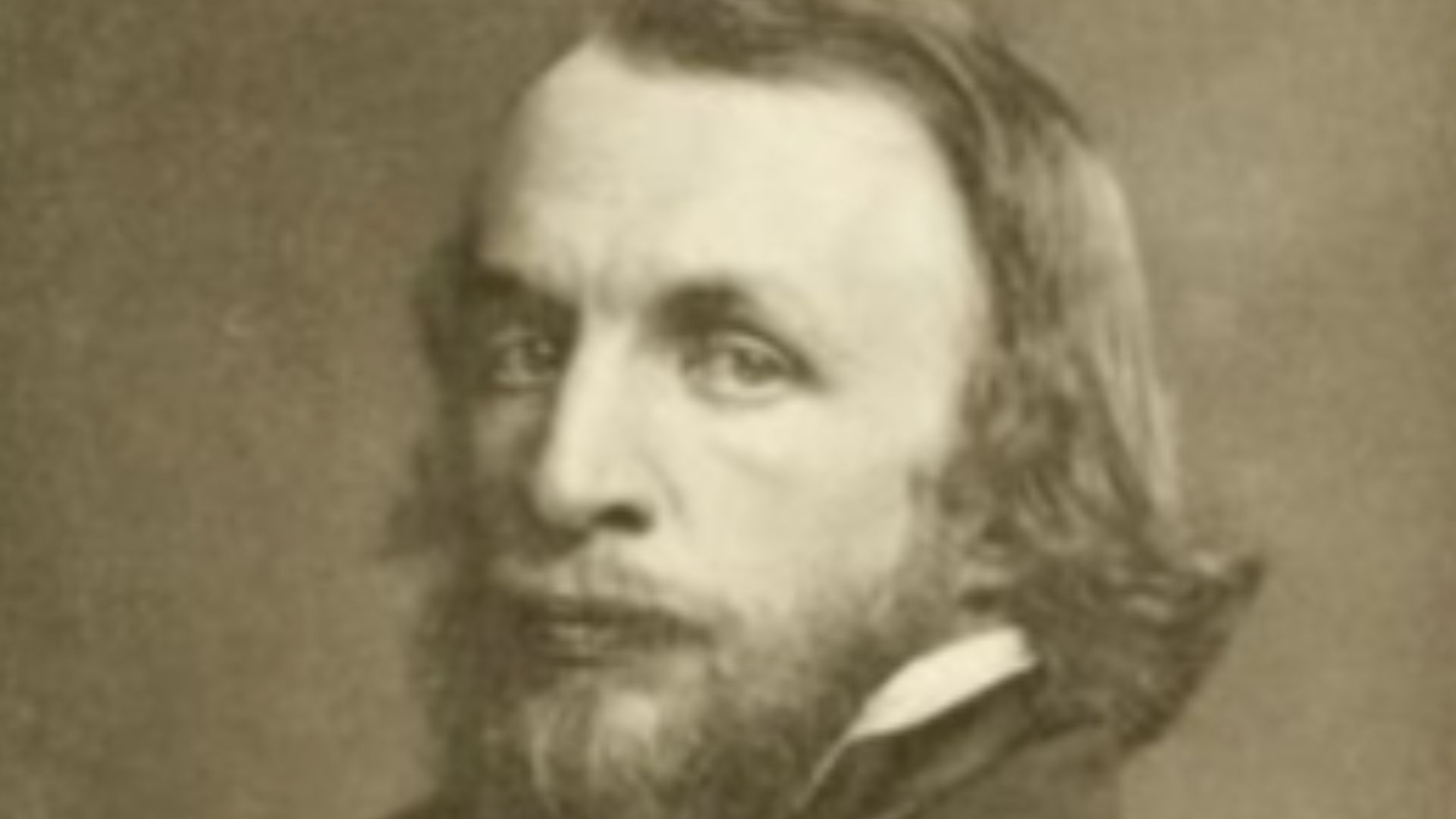 Charles Loring Brace, Wikimedia Commons
Brace Believed Geography Could Transform A Child
Brace imagined rural Protestant homes as morally healthier than New York’s tenements and streets. He believed farm families needed labor and would welcome poor children as sons and daughters. That vision contained genuine compassion, but it also reflected his suspicion of urban poverty and his idealized view of rural life.
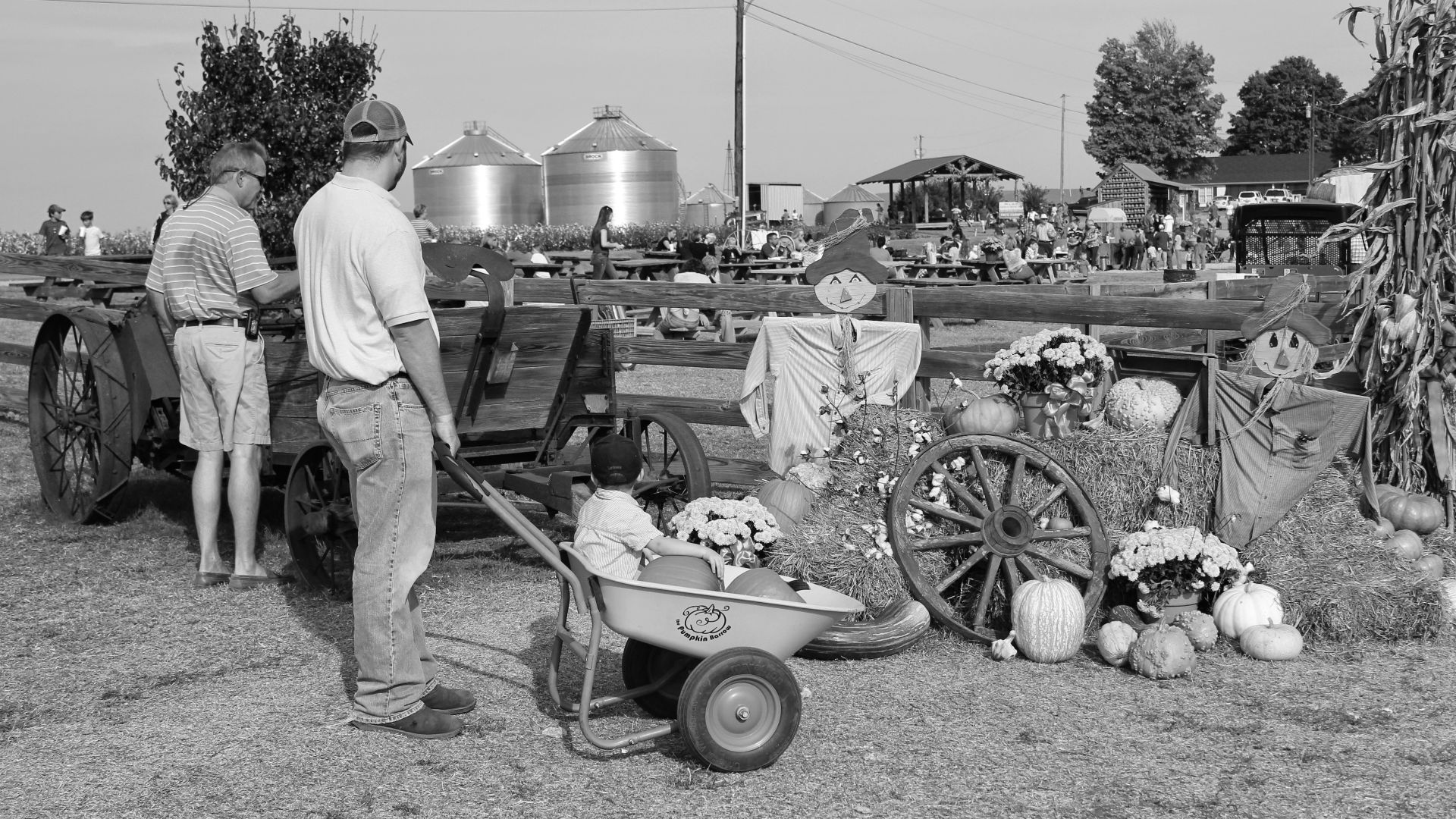
The First Major Journey Looked Like A Success
In 1854, the Children’s Aid Society sent 46 children between seven and 15 to Dowagiac, Michigan. All reportedly found homes within a week. The result encouraged Brace to expand the program, although finding a placement quickly did not necessarily reveal how safe, loving, or permanent that home would become.
 Museum of New Zealand Te Papa Tongarewa, Unsplash
The Movement Grew Far Beyond One Organization
The Children’s Aid Society inspired numerous institutions to operate their own placing-out programs. Major participants included the New York Foundling Hospital, New York Juvenile Asylum, and American Female Guardian Society. Their rules differed, meaning there was no single experience shared by every child sent away.
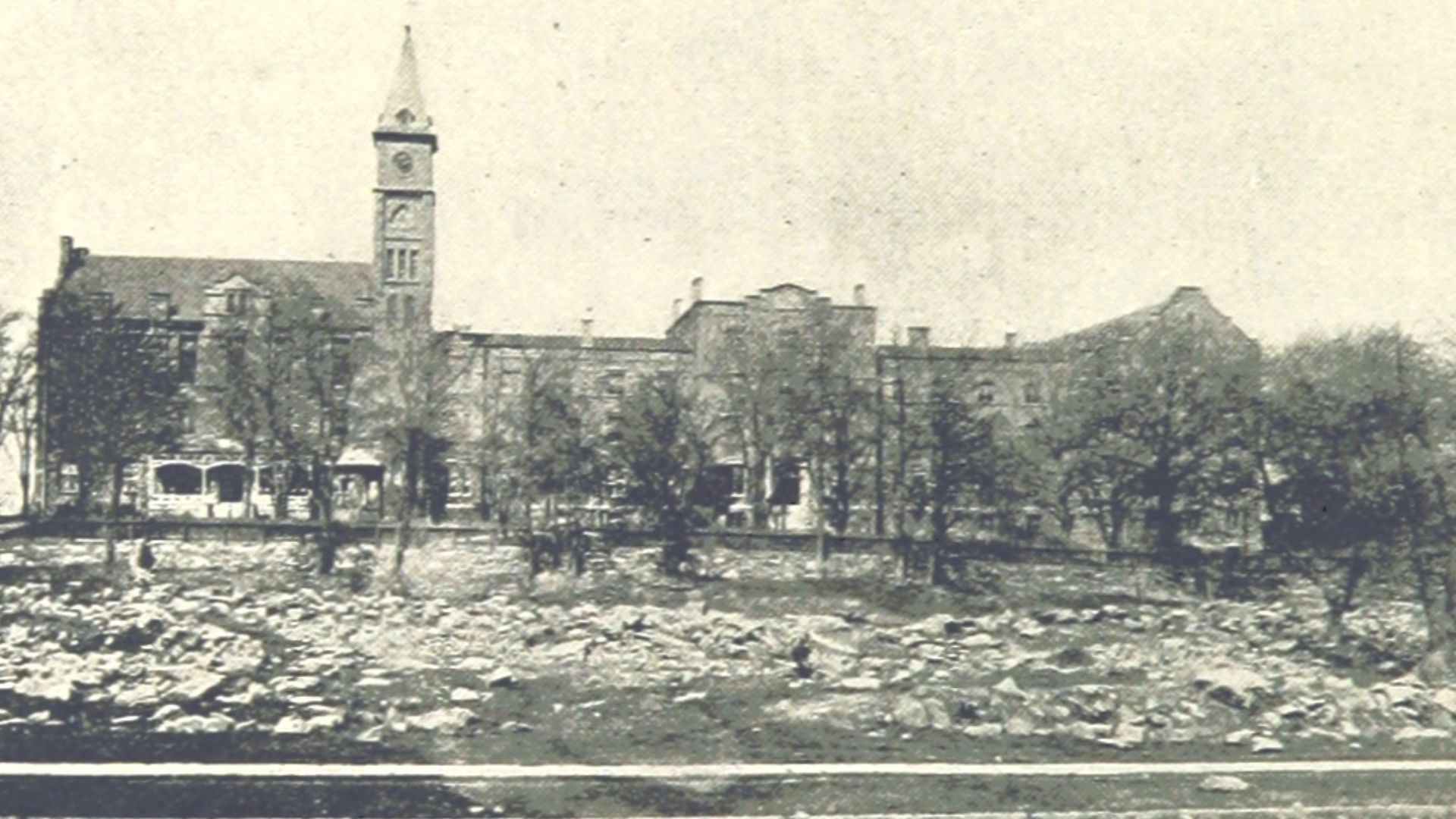 Metilsteiner, Wikimedia Commons
Even The Total Number Remains Uncertain
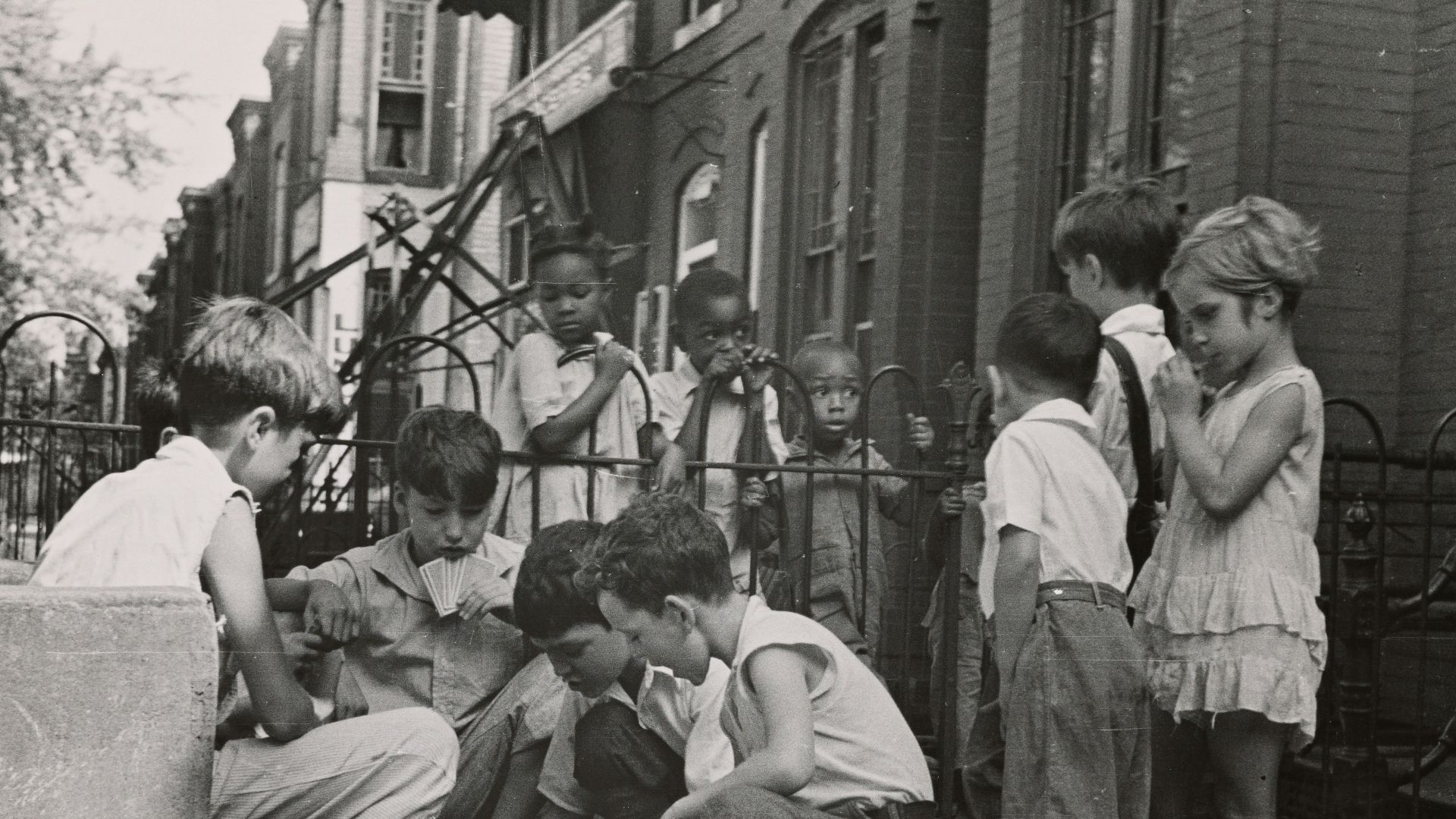
Estimates vary because numerous charities participated and their records were incomplete or inconsistent. Children’s Aid reports placing more than 120,000 children, while broader estimates for the entire movement commonly range from roughly 200,000 to 250,000. What remains clear is the enormous scale of the relocation.
 The New York Public Library, Unsplash
Many Riders Were Not Actually Orphans
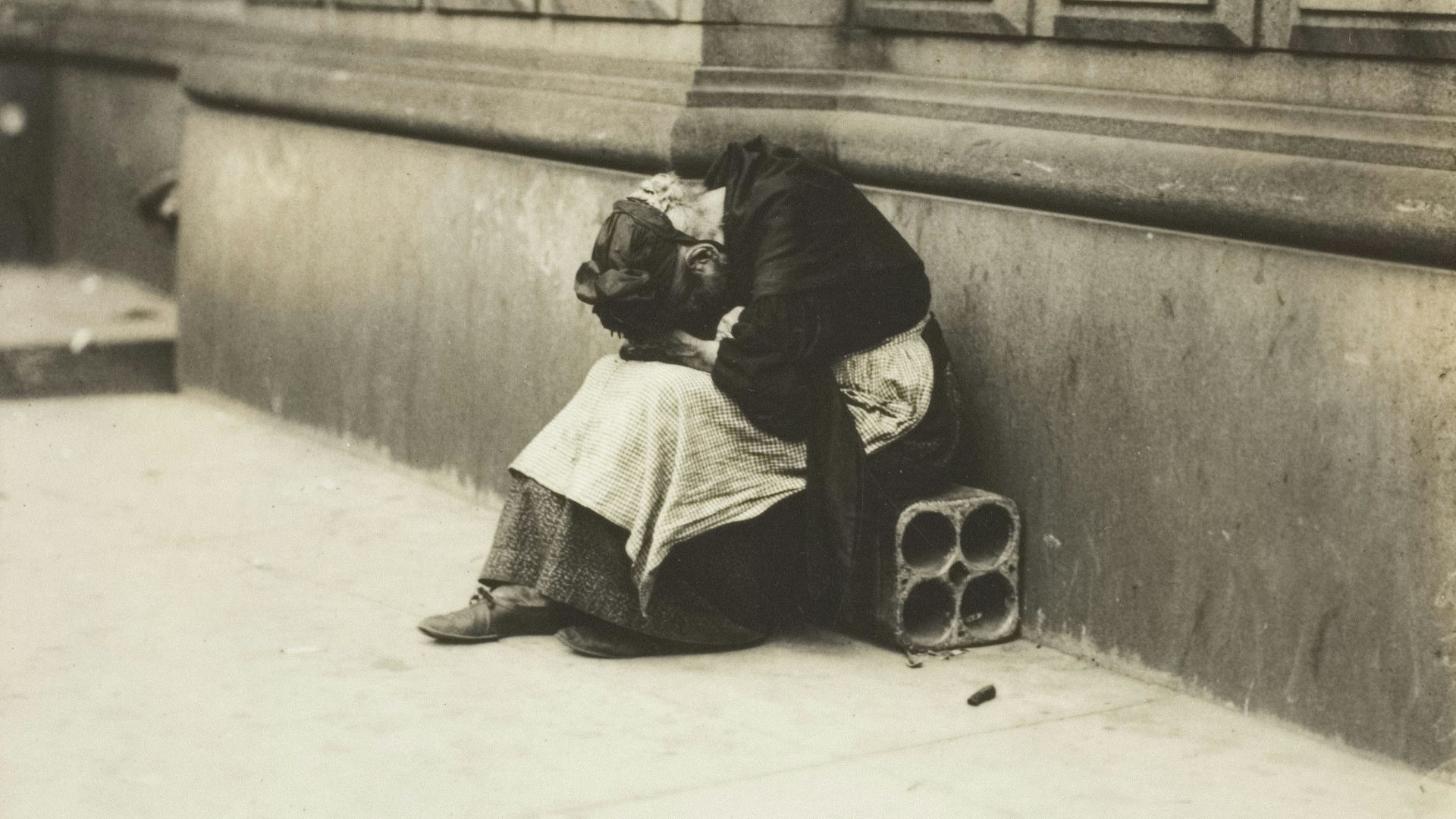
The familiar name hides an important truth. Many riders had one or both parents still living. Some were homeless or abandoned, but others entered institutional care because their families were temporarily overwhelmed by illness or poverty. A child could therefore be called an “orphan” while desperately missing a living parent.
 Art Institute of Chicago, Unsplash

History's most fascinating stories and darkest secrets, delivered to your inbox daily.
Parents Faced Choices That Were Hardly Free
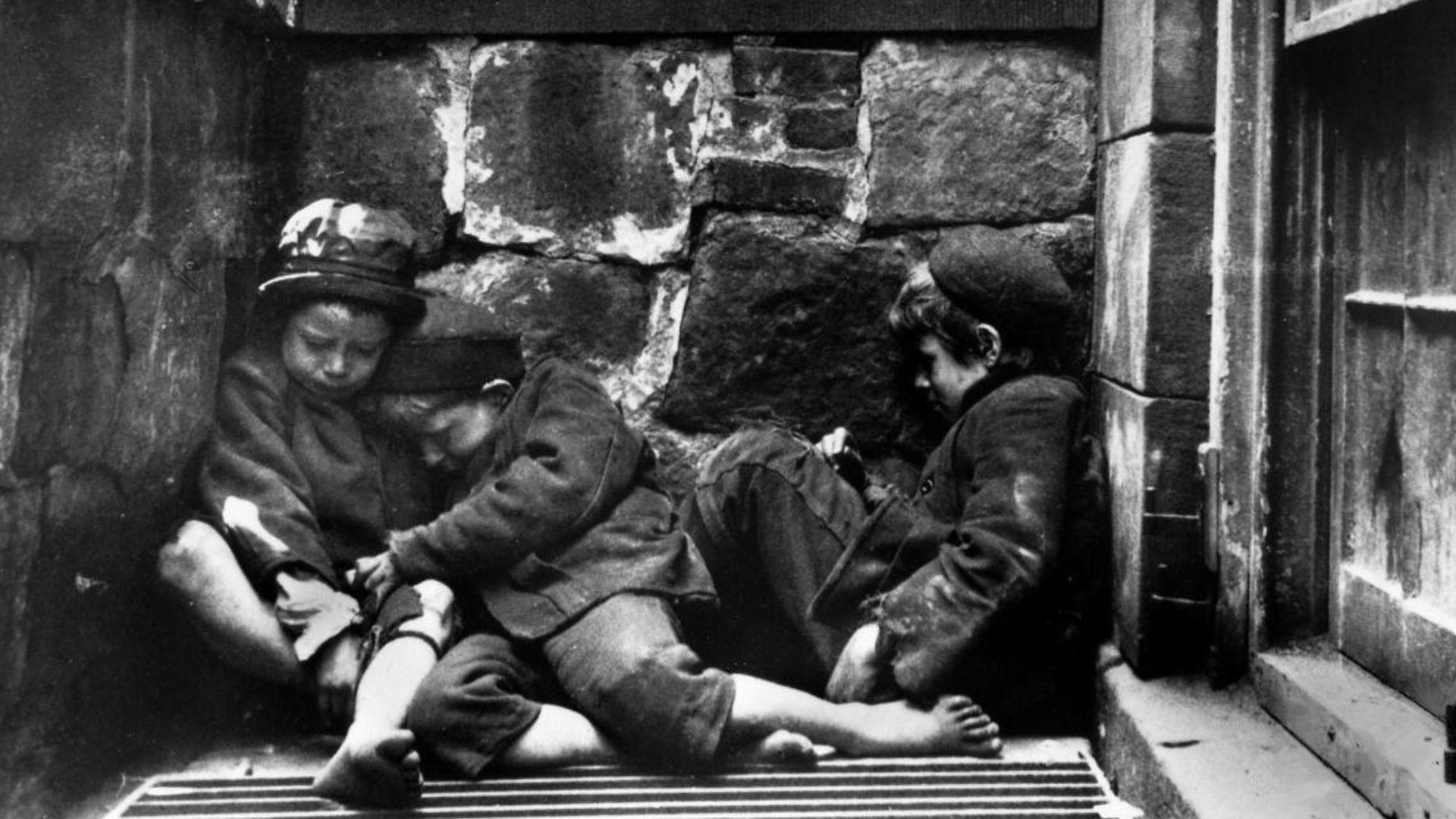
Some parents voluntarily surrendered custody because they believed relocation offered their children a chance to survive. Yet consent given under hunger, unemployment, illness, or institutional pressure was deeply complicated. Once paperwork was signed, parents could lose control over where their children went or whether they returned.
 Jacob Riis (May 3, 1849 - May 26, 1914), Wikimedia Commons
The Train Ride Carried Children Into The Unknown
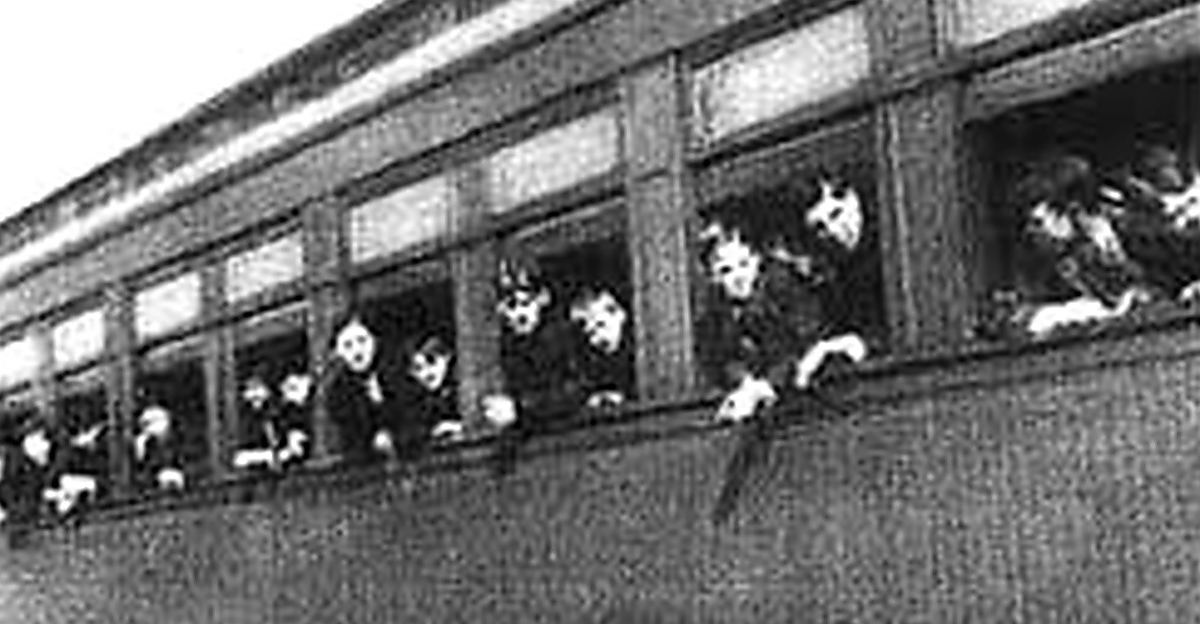
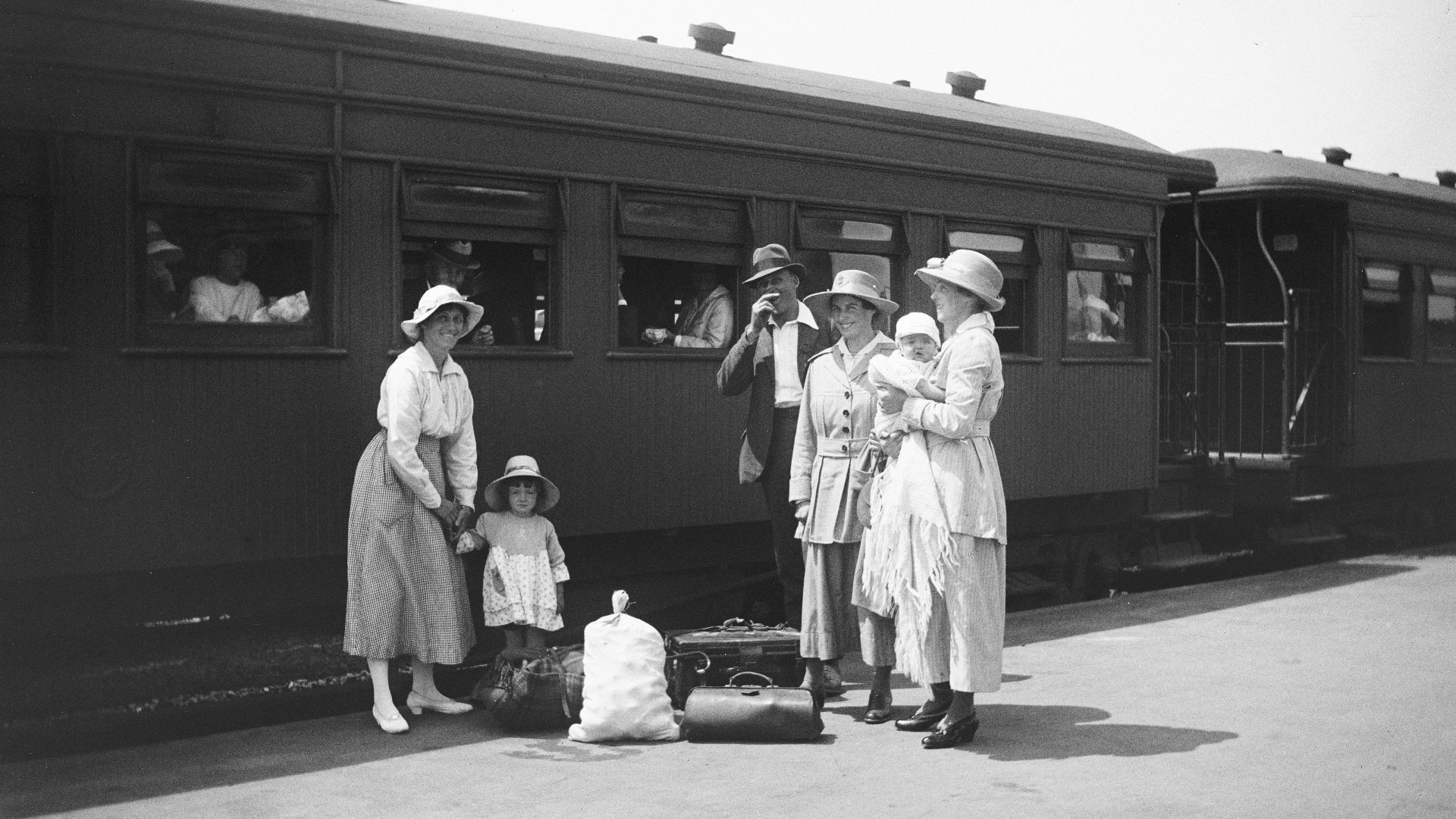
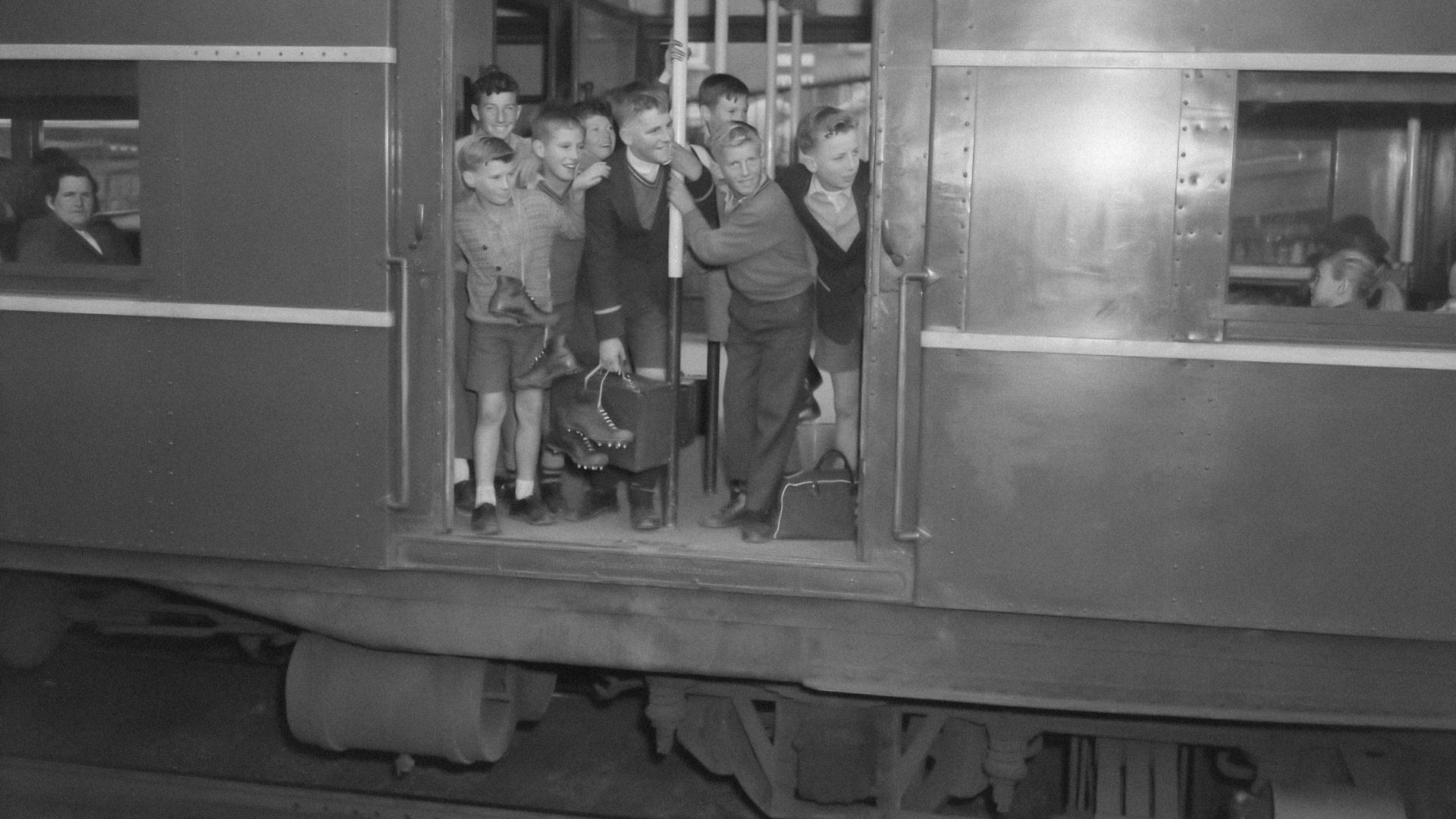
Groups ranged from a handful of children to well over 100, accompanied by charity agents. Journeys could last several days, with children sleeping in their seats and carrying few possessions. Some felt hopeful about escaping an institution. Others were frightened, angry, or confused about why familiar people had disappeared.
 Museums of History New South Wales, Unsplash
Towns Advertised The Children’s Arrival
Before a group reached its destination, newspapers announced when prospective families could meet the children. Local committees helped arrange hotels, meeting halls, and applications. Organizers intended this as an orderly placement process, but the public display could leave children feeling that their worth was being judged in front of strangers.
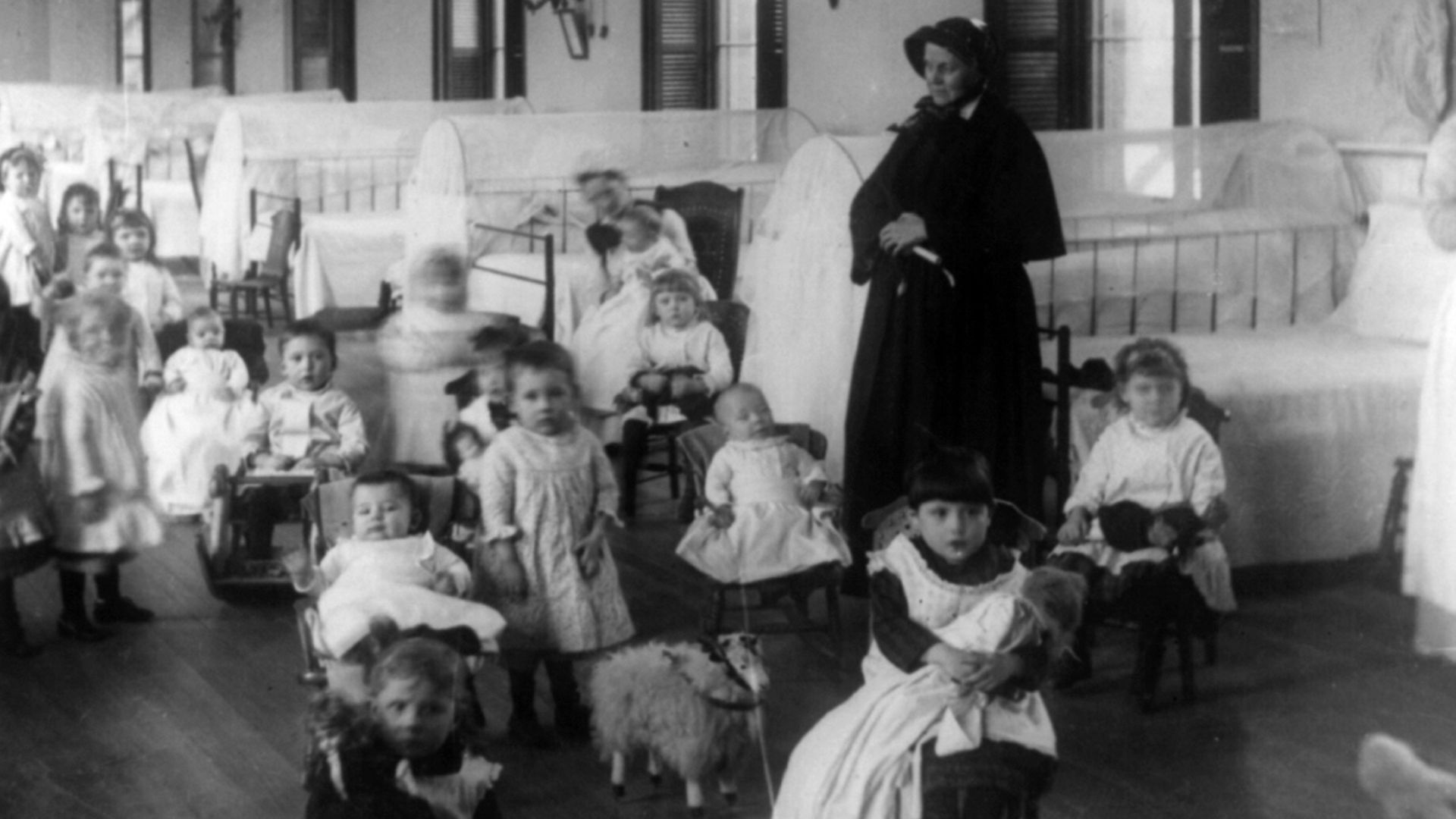
Selection Could Be Deeply Humiliating
Children sometimes stood on stages while adults inspected their appearance, health, manners, and teeth. Those chosen left with unfamiliar families, while the unselected continued to another town. Although the children were not literally sold at an auction, surviving accounts describe an ordeal that could feel disturbingly transactional.
 Harris & Ewing, photographer, Wikimedia Commons
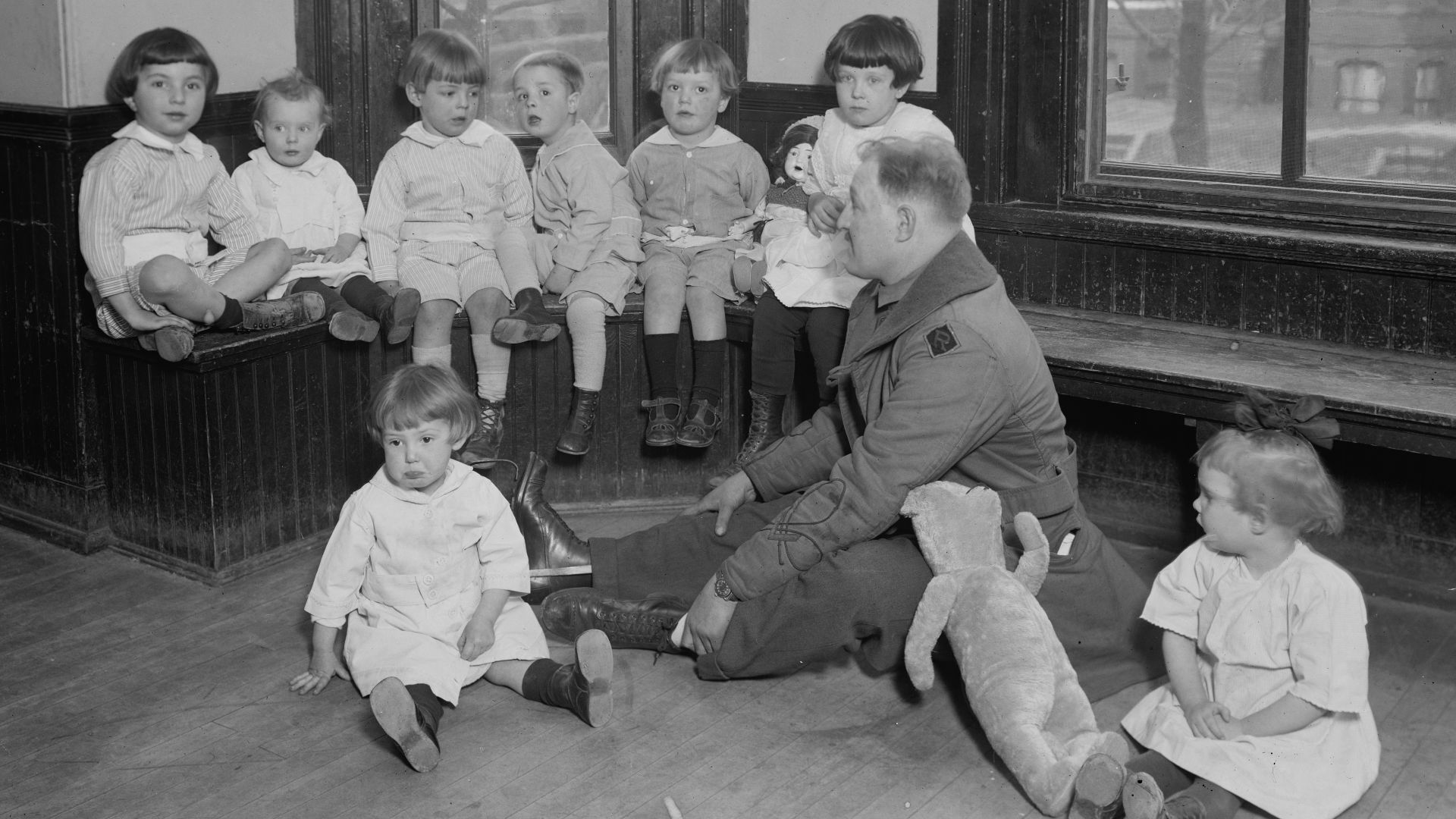
A Placement Was Not Always An Adoption
Many arrangements were trial placements rather than legal adoptions. Children were supposed to receive food, clothing, schooling, and treatment comparable to a family’s biological children. However, unclear guardianship left some riders vulnerable to repeated moves, uncertain status, name changes, and the loss of their original identity.
 Russell Lee, Wikimedia Commons
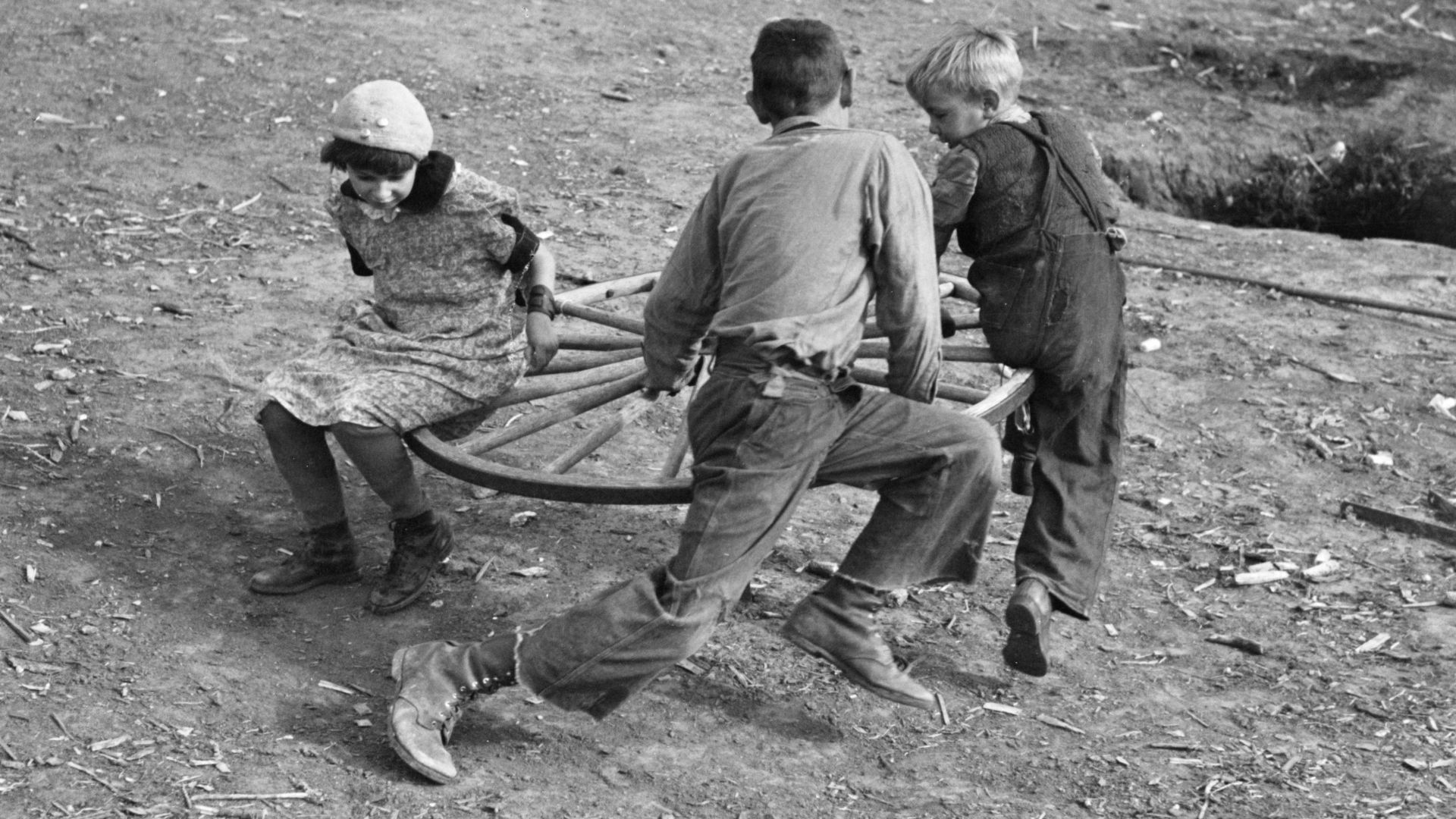
Work Was Built Into The Arrangement
Farm families were generally expected to treat riders as household members, but children were also expected to contribute through labor. In a period when many children worked, that expectation was not unusual. The danger was that a placement presented as family care could become a convenient source of unpaid domestic or agricultural labor.
 Archives New Zealand, Wikimedia Commons
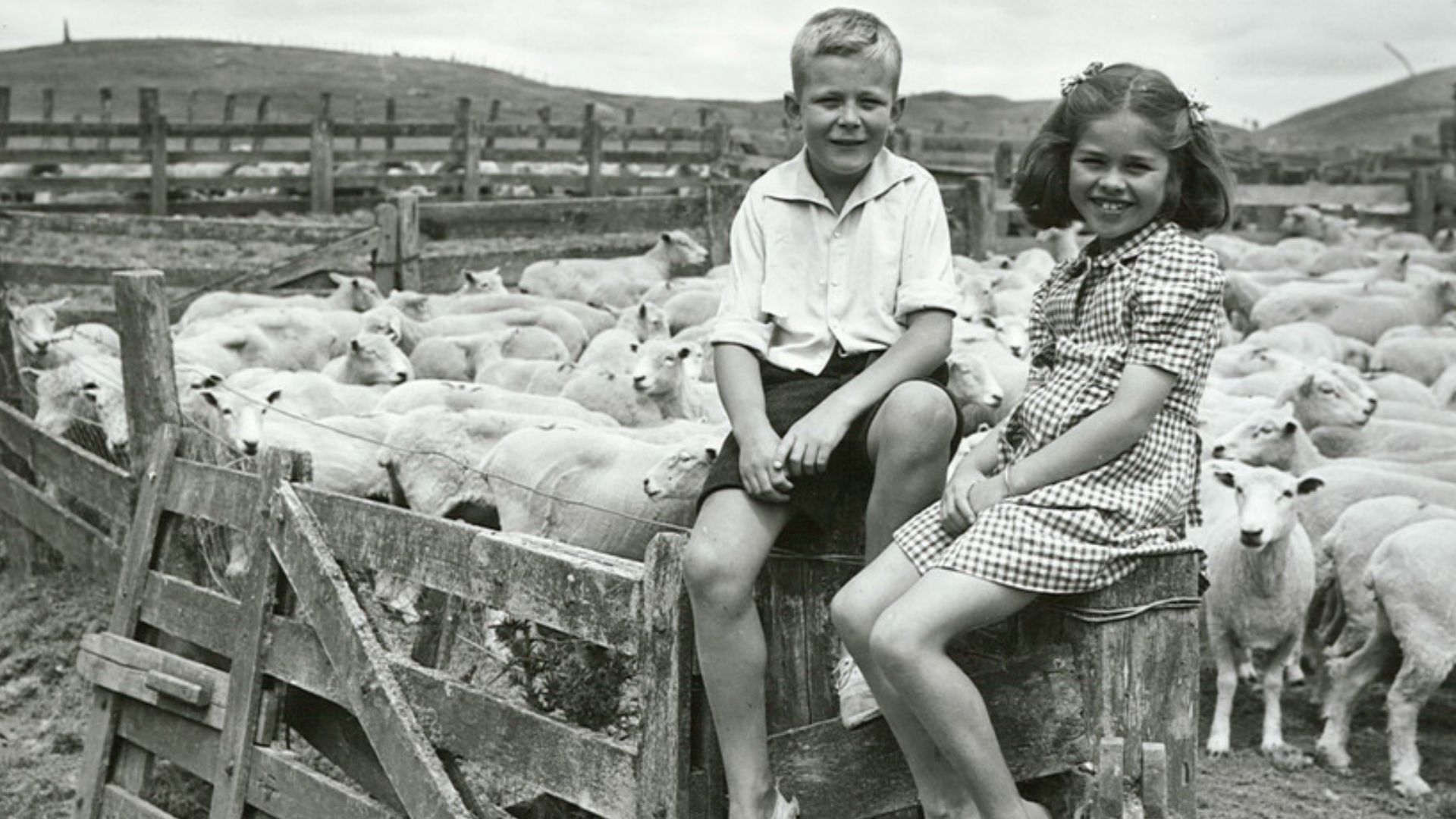
Siblings Could Lose One Another
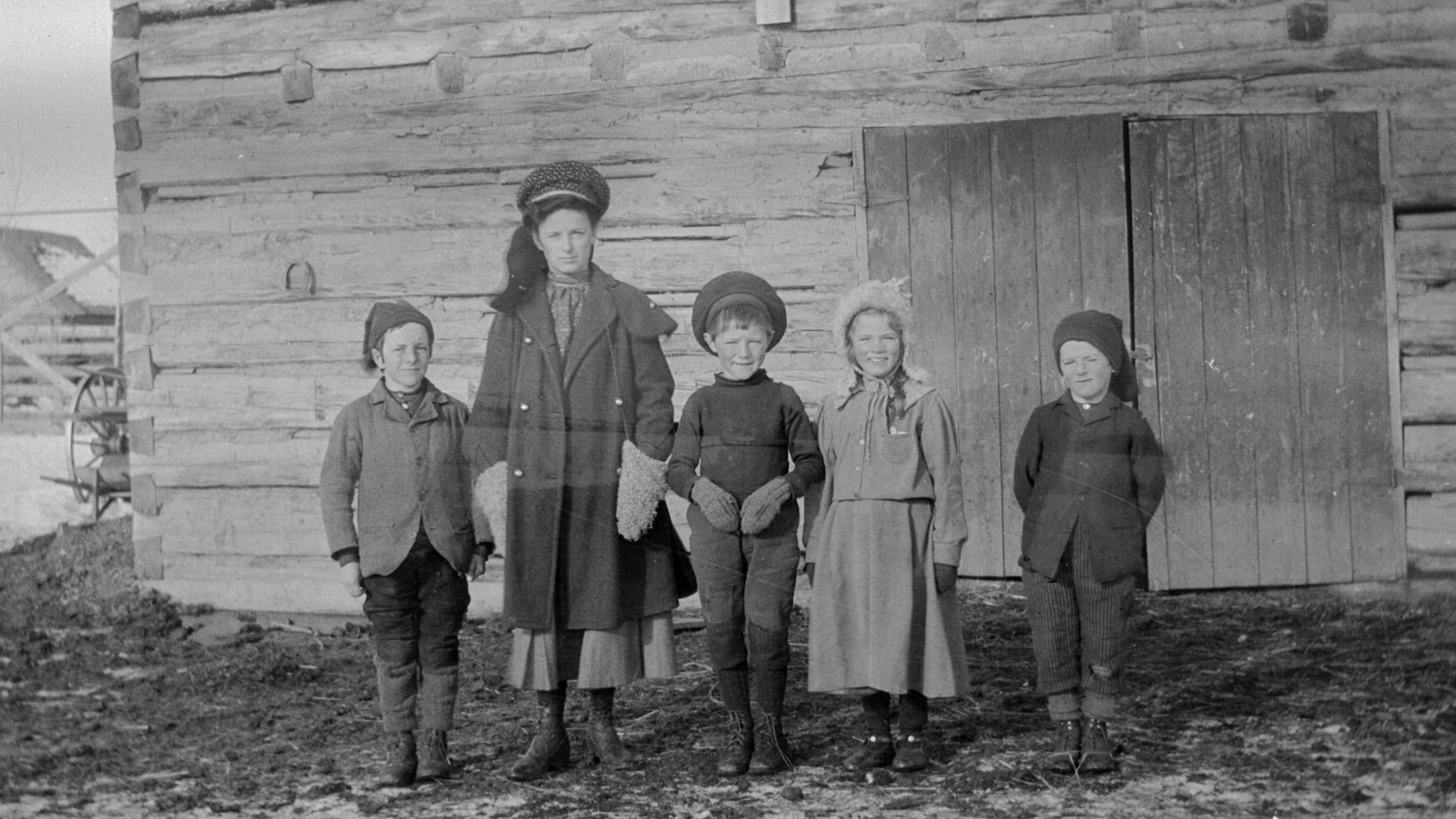
Agents sometimes tried to place siblings together or at least within the same community, but prospective caregivers could select only one child. Brothers and sisters who had already lost a home could therefore be separated during distribution. For some riders, the promise of a new family began with the breakup of the family they still had.
 Provincial Archives of Alberta, Wikimedia Commons
Some Children Truly Found Loving Homes
The movement produced authentic success stories. Some riders recalled receiving affection, education, security, and opportunities they had never known. A few formed lasting bonds with their new families and regarded the journey as a turning point. Those experiences matter, even though they cannot erase what happened to less fortunate children.
Others Were Neglected Or Exploited
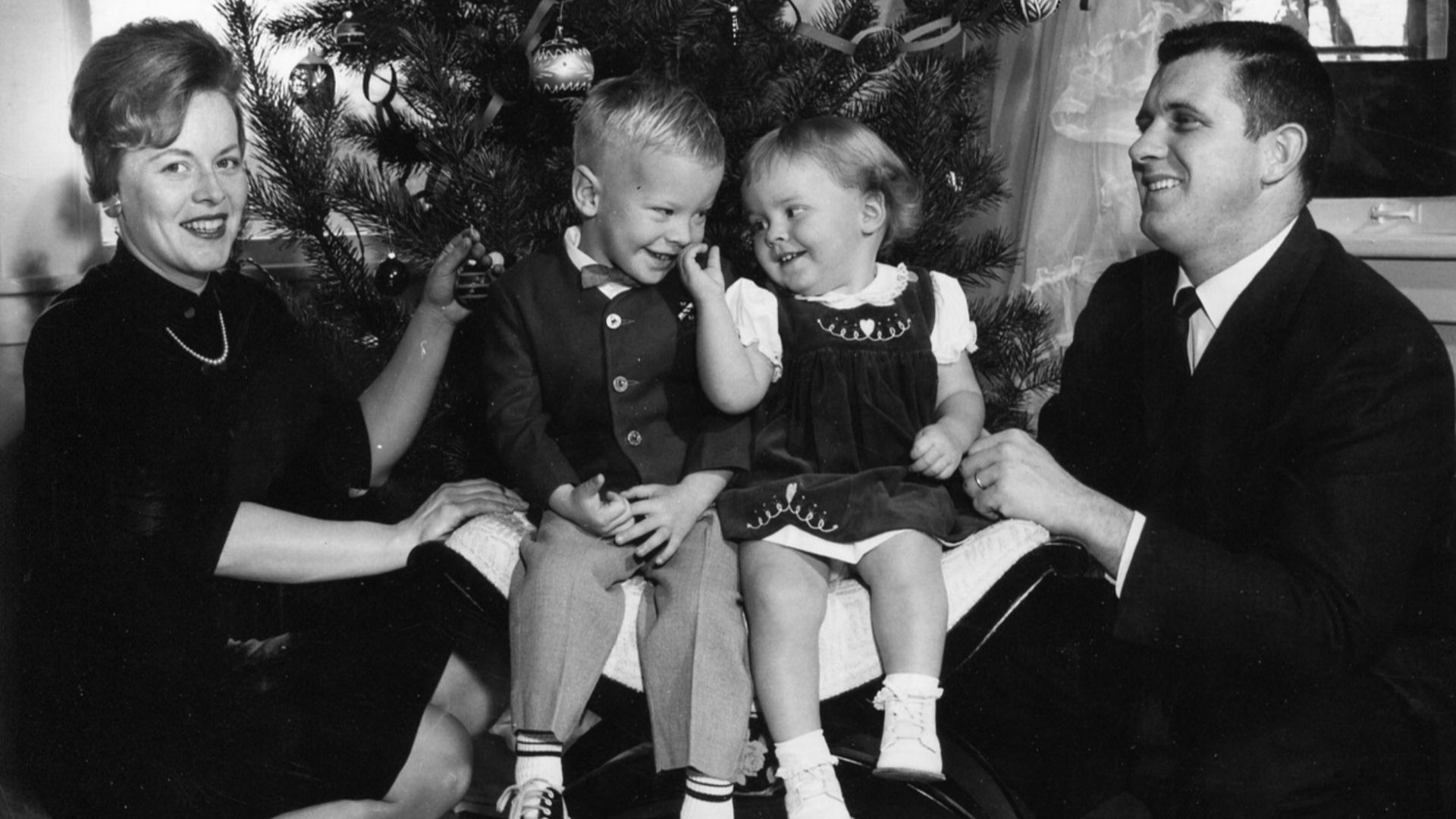
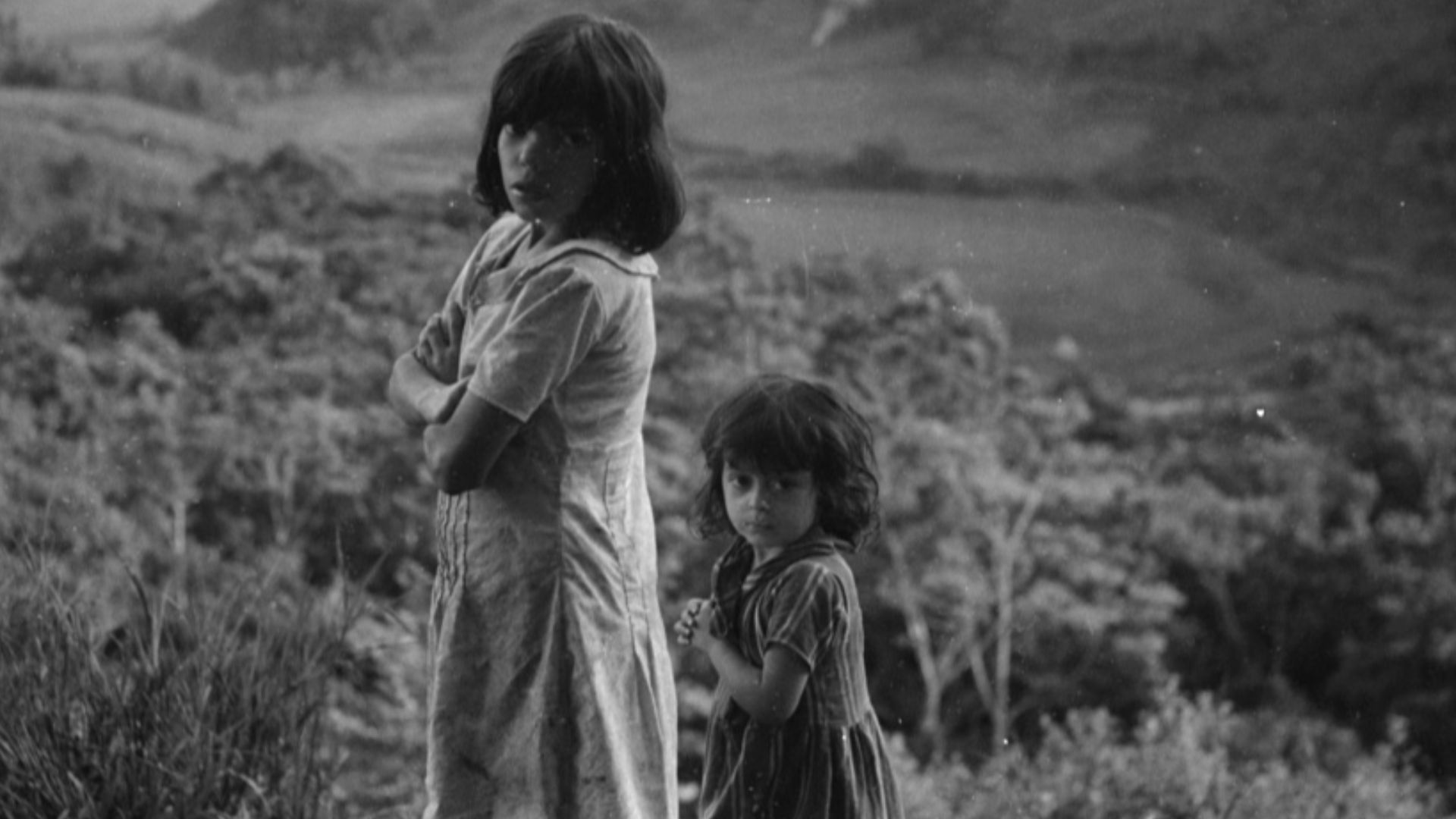
Reports described children denied schooling, worked excessively, isolated, beaten, or treated primarily as servants. Some ran away or moved repeatedly between farms. Surviving records rarely documented conditions inside each household, so historians cannot calculate the full extent of mistreatment. That uncertainty is itself evidence of the system’s weakness.
 Delano, Jack, 1914-1997, photographer, Wikimedia Commons
Oversight Could Not Match The Movement’s Scale
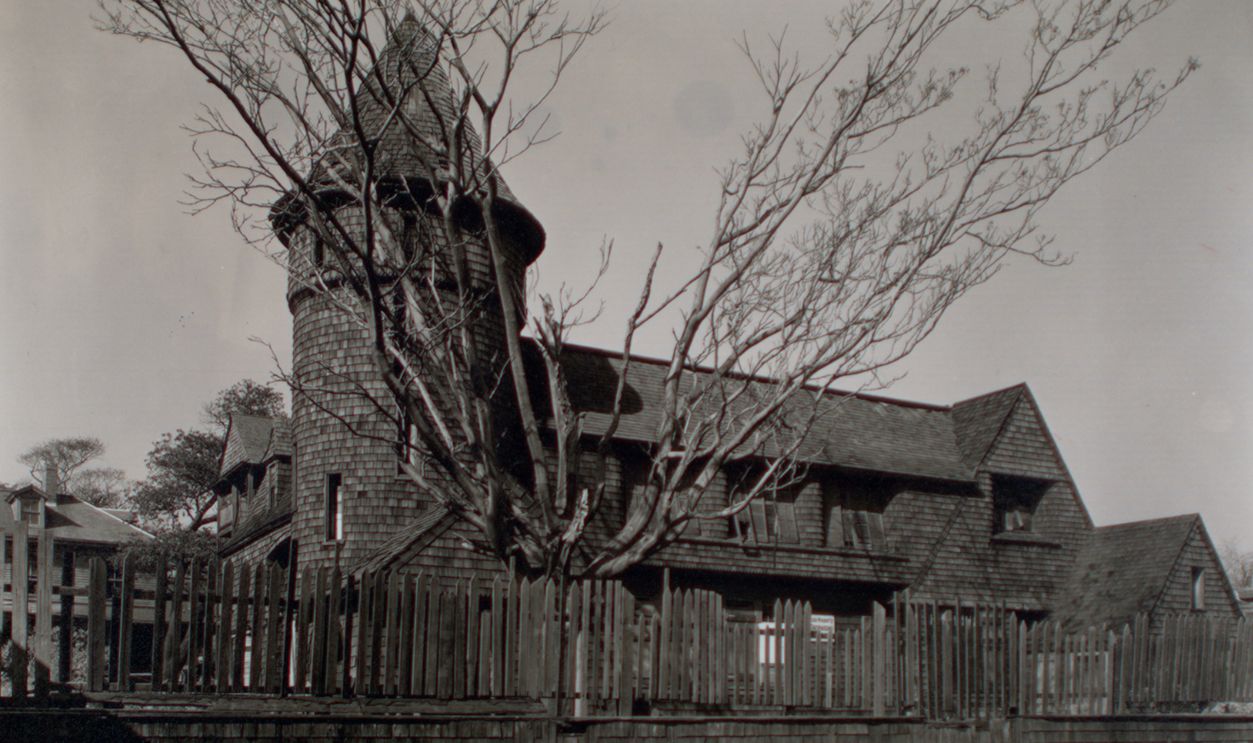
The Children’s Aid Society aimed to check on placed children, but only a small number of agents monitored thousands of homes. An independent investigation in the 1880s found weak screening and lax supervision, although it concluded that most younger children examined were doing satisfactorily. The evidence was mixed, and the safeguards were inadequate.
 Berenice Abbott, Wikimedia Commons
The Label Followed Children Into Their New Lives
Some communities viewed riders as products of criminals, immigrants, or supposedly “bad blood". Children could be mocked at school or treated as inherently untrustworthy. These prejudices undermined the movement’s claim that relocation created a fresh start. A train could change a child’s address without removing the stigma attached to poverty.
![Bain News Service,, publisher.
Farm for school children, N.Y.C.
[between ca. 1910 and ca. 1915]
1 negative : glass ; 5 x 7 in. or smaller.
Notes:
Title from unverified data provided by the Bain News Service on the negatives or caption cards.
Forms part o](https://www.factinate.com/storage/app/media/factinate/2026/8/4/17858396878227fdb2045047d4c68f6b5312d32d6e310862ee.jpg) The Library of Congress, Wikimedia Commons
The Library of Congress, Wikimedia Commons
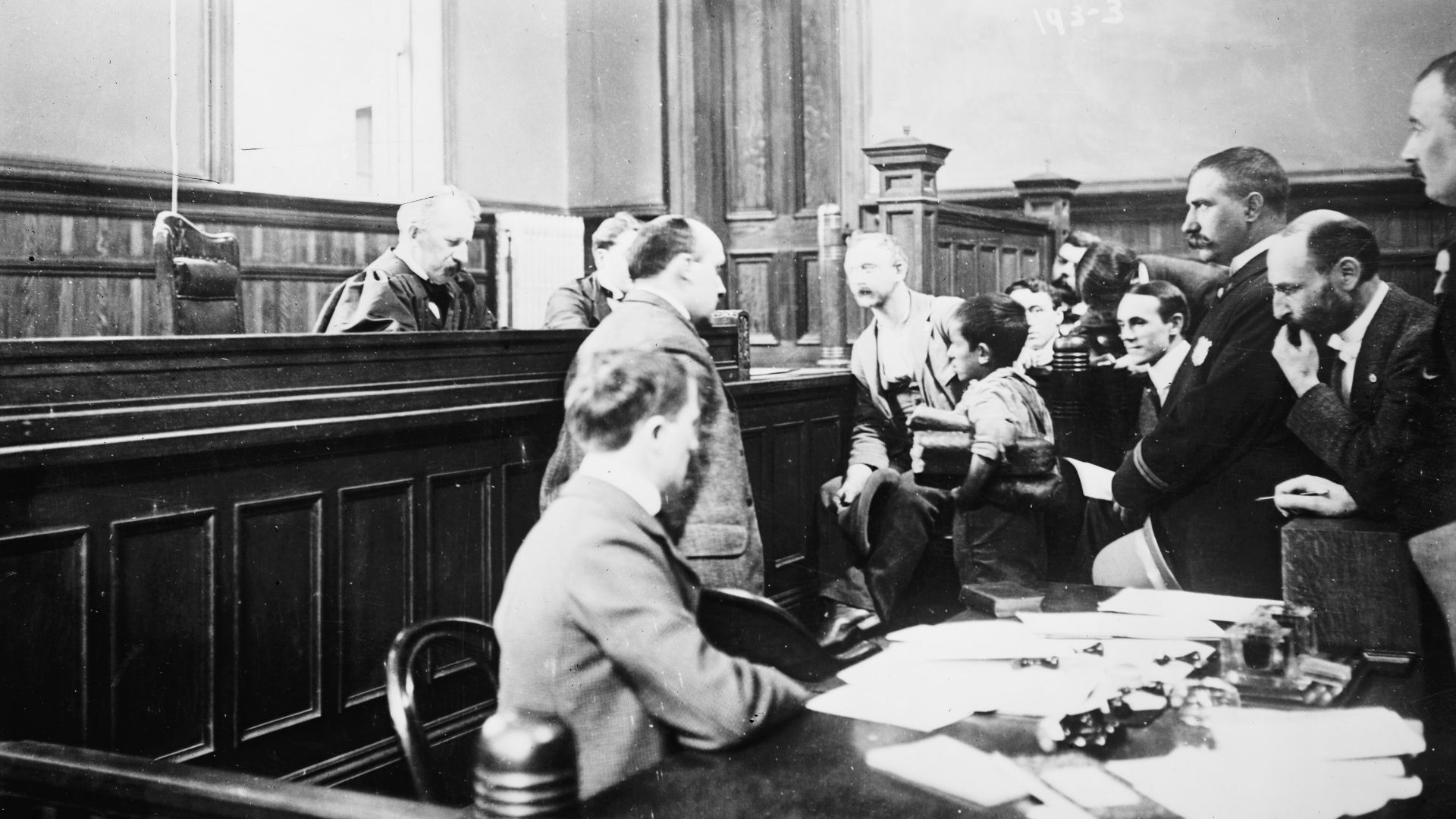
Religion Became A Fierce Point Of Conflict
Brace envisioned placement in Christian homes, but his program emerged from a Protestant reform culture. Catholic leaders feared that Catholic children were being sent into Protestant families and separated from their faith. Religious organizations responded by expanding their own institutions and placement systems, adding another layer to the struggle over custody.
 Bain News Service, publisher, Wikimedia Commons
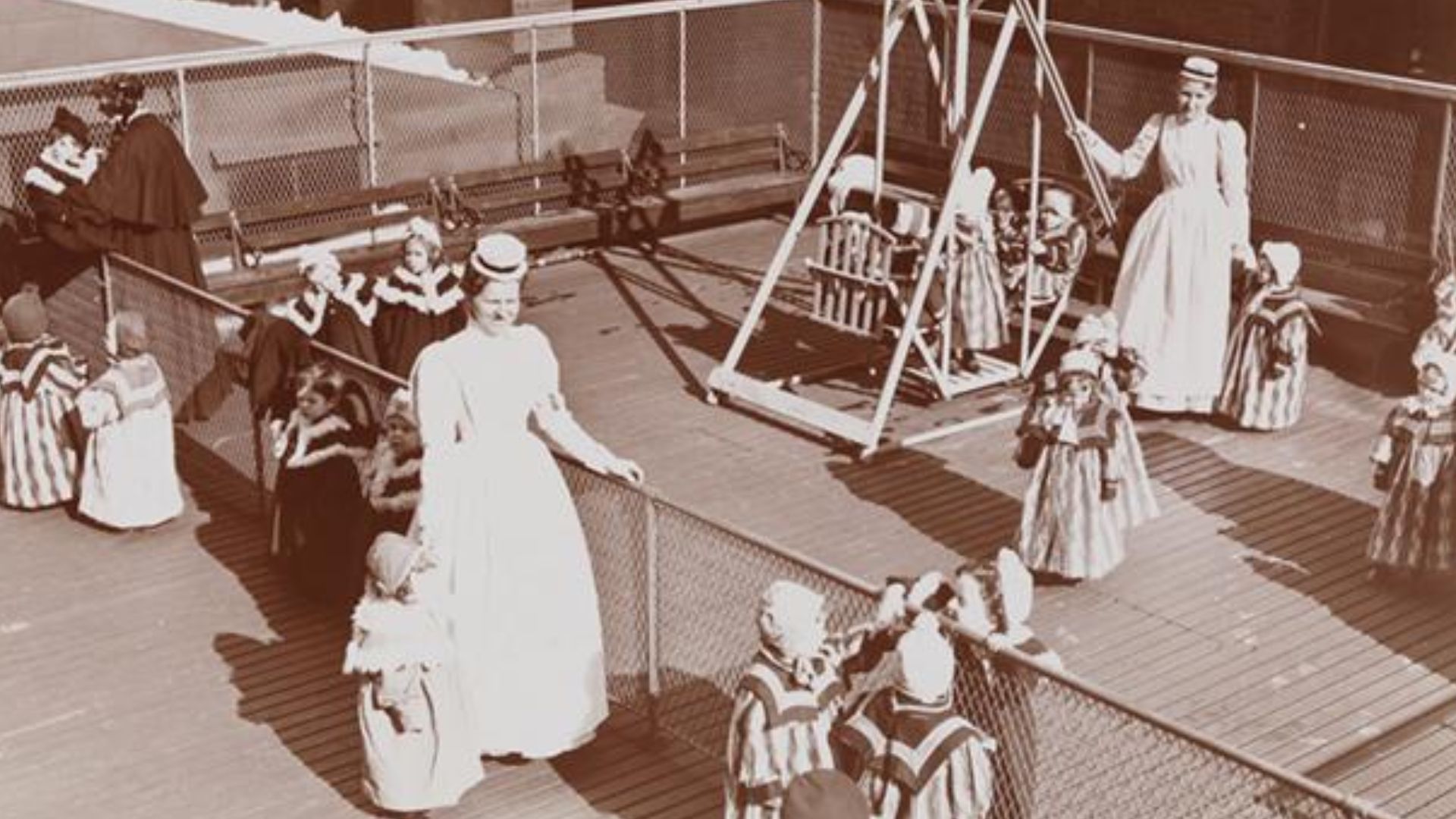
The Foundling Hospital Created A Different System
Beginning in 1875, the Catholic New York Foundling Hospital sent mainly infants and young children to prearranged Catholic homes. Children wore numbered tags matching cards held by receiving families. This avoided some public selection events, but it still moved extremely young children across great distances into homes chosen by institutions.
 Byron Company (New York, N.Y.), Wikimedia Commons
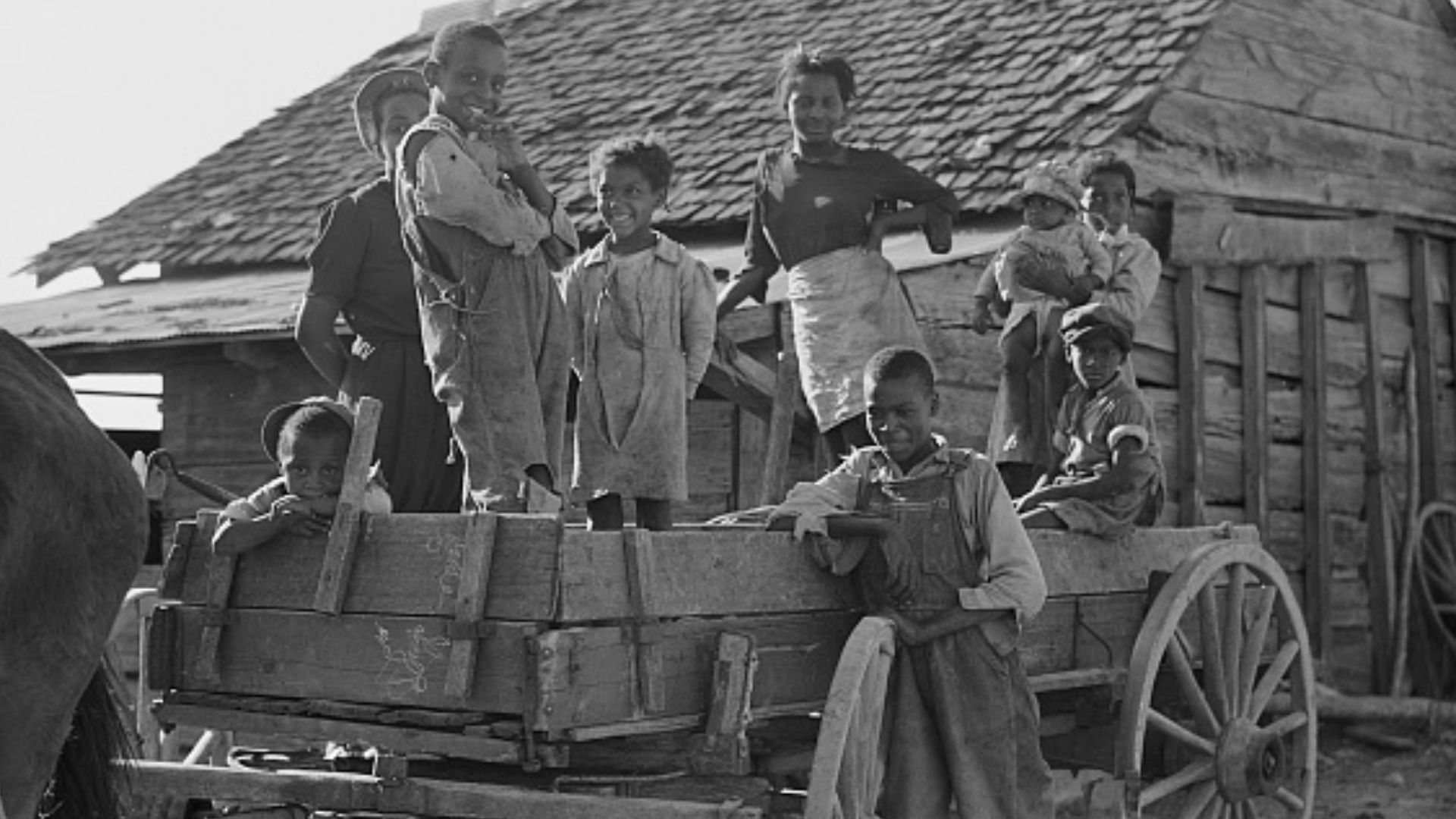
Race Shaped Who Was Considered Desirable
Children of color did travel on orphan trains, but far less frequently than children perceived as white. Receiving communities, charities, and prospective caregivers operated within a deeply segregated society. The movement’s promise of opportunity was therefore never distributed equally, and ideas about race shaped which children families considered acceptable.
 Jack Delano, Gordon Parks, Wikimedia Commons
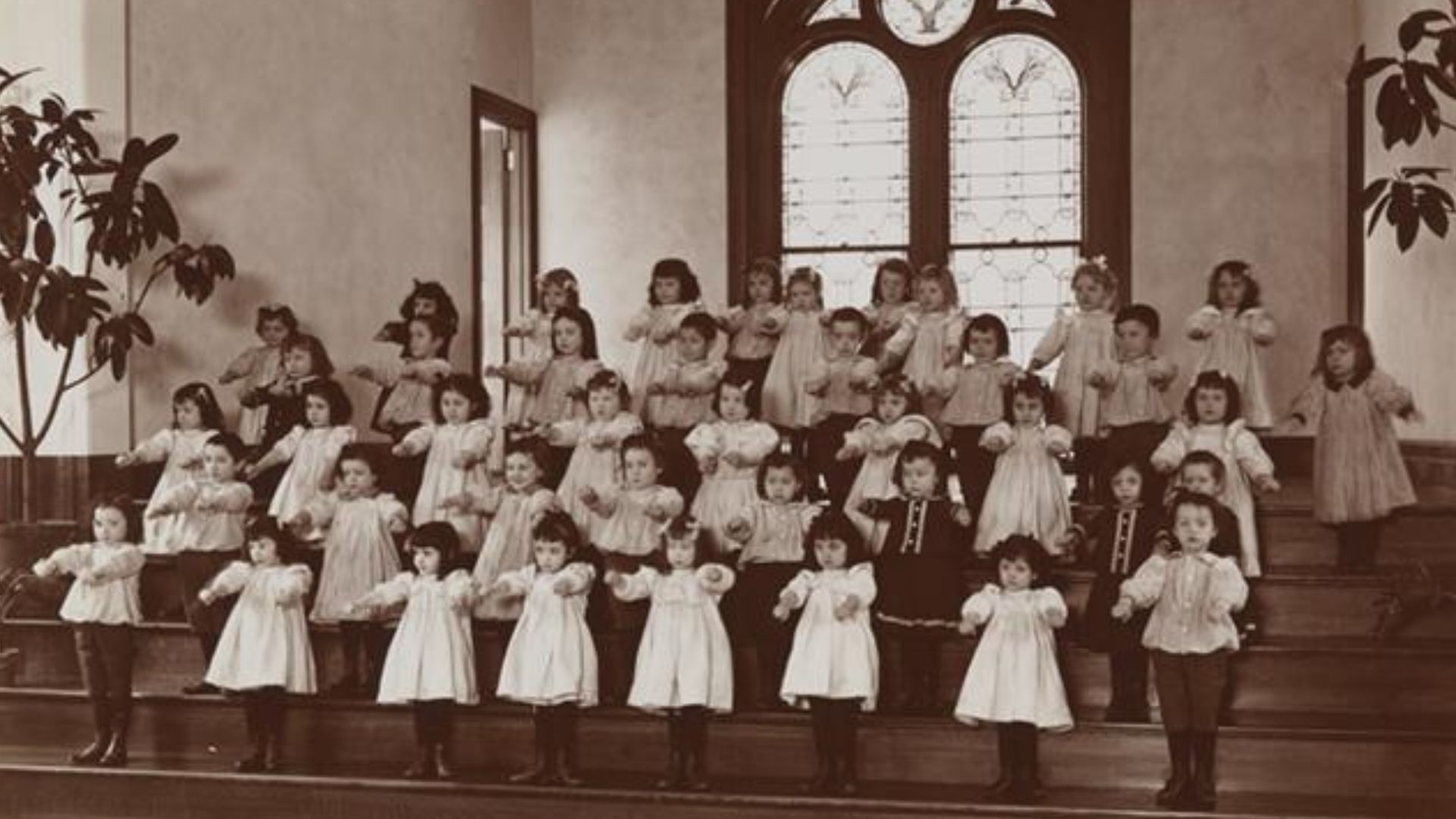
Arizona Exposed The Movement’s Racial Hierarchy
In 1904, the Foundling Hospital brought 40 Irish children to Catholic families of Mexican heritage in Arizona. White vigilantes forcibly removed the children and transferred many to Anglo homes. The resulting custody battle reached the Supreme Court, revealing how race could outweigh religion, preparation, and institutional approval.
 Byron Company (New York, N.Y.), Wikimedia Commons
Reform Eventually Replaced Relocation
States imposed bonds, guardianship requirements, home standards, and restrictions on interstate placements. Social work became more professional, while mothers’ pensions helped some children remain at home. The Foundling and Children’s Aid ended their train programs by the late 1920s as family preservation gained support.
 Byron Company (New York, N.Y.), Wikimedia Commons
Its Legacy Cannot Be Reduced To One Verdict
The movement helped establish family-based placement as an alternative to institutions, influencing what became foster care. Yet a 2025 economic study found no systematic evidence that relocation itself improved riders’ adult economic outcomes. The lesson is not that every placement failed, but that good intentions never replace consent, oversight, and accountability.
You May Also Like:
The Coney Island Incubator Babies Were Put On Display, But The Spectacle Actually Saved Lives
56 Scandalous Facts About History's Upper Class
Child Stars: Where Are They Now?
Sources: 1, 2, 3, 4, 5, 6, 7, 8, 9, 10, 11, 12, 13, 14, 15, 16, 17,