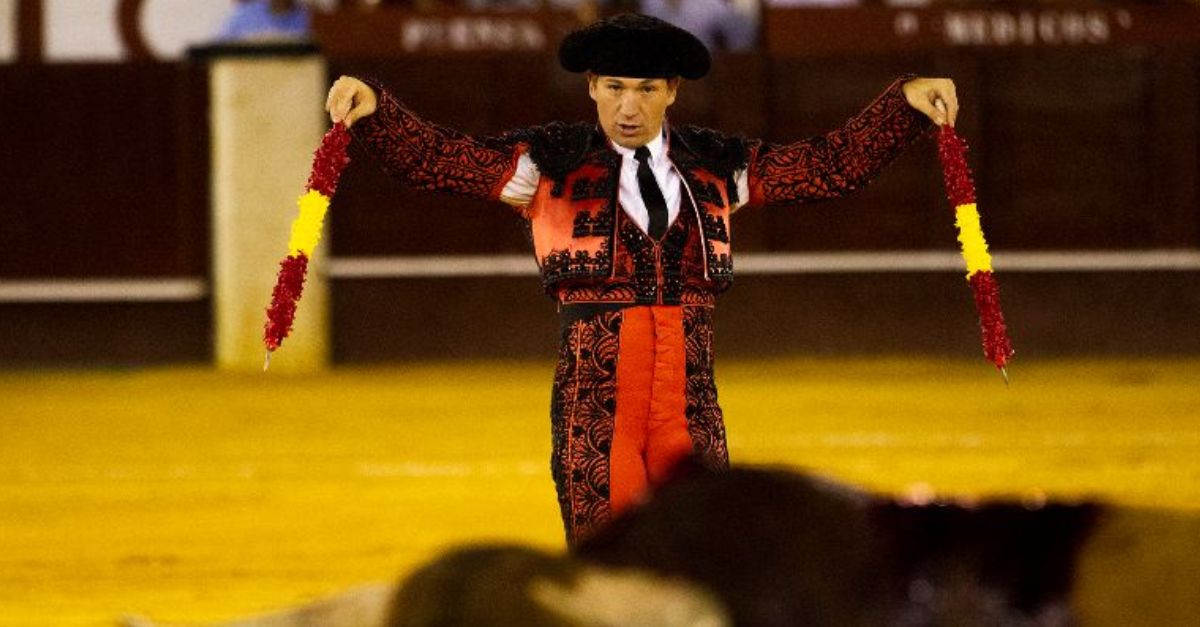
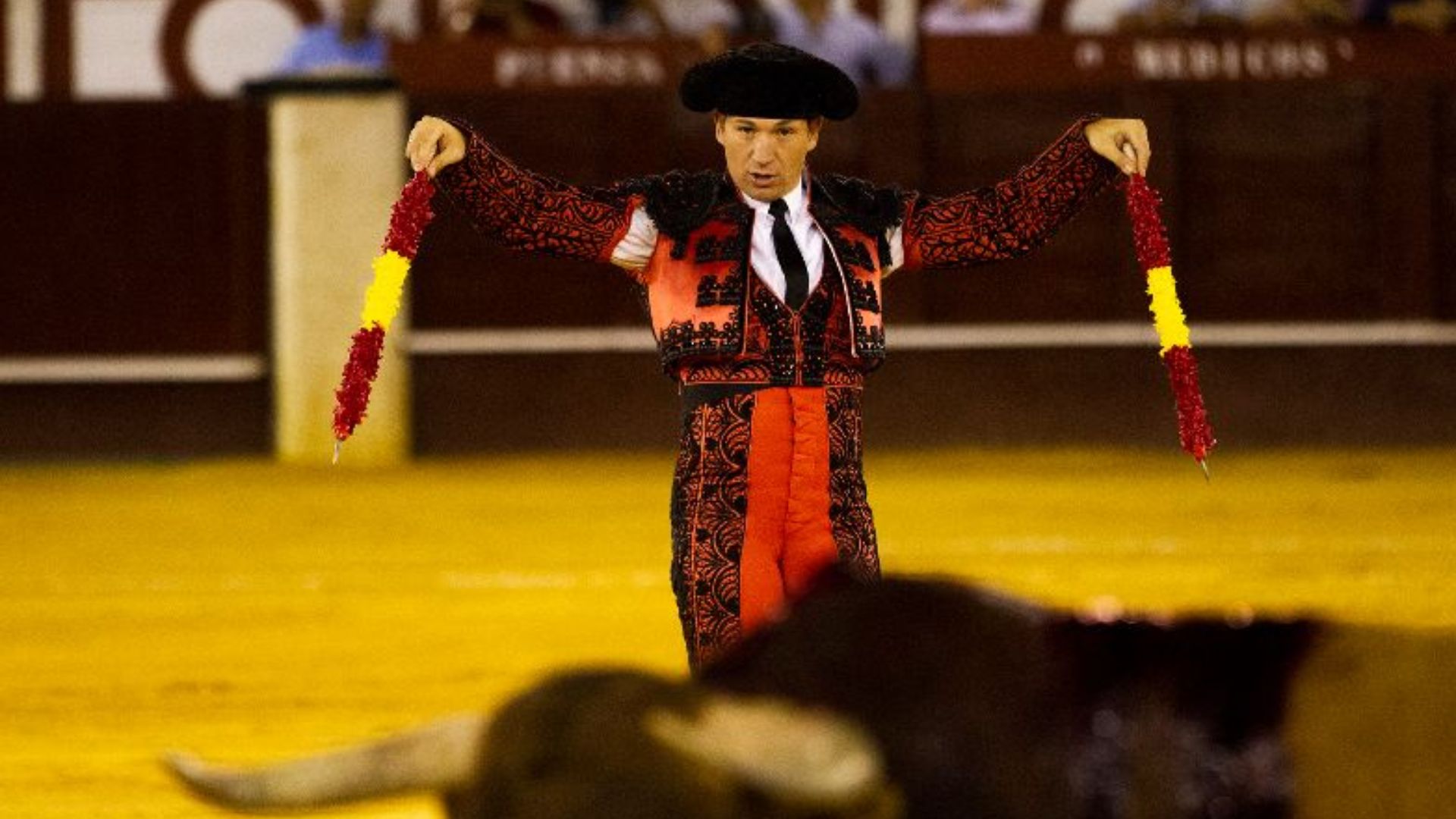
 Pablo Cobos, Wikimedia Commons
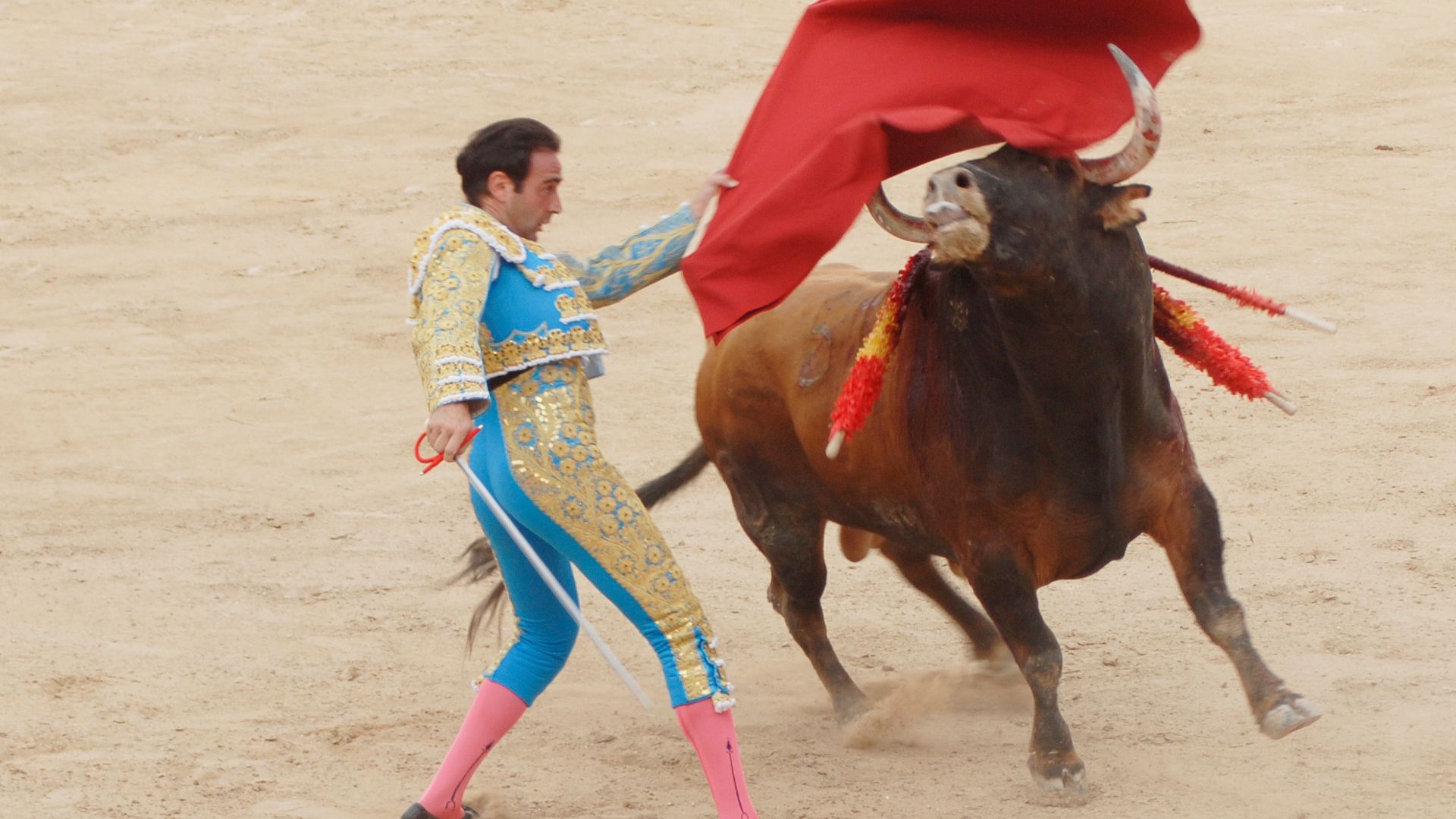
For as long as most of us can remember, the image has been iconic: a furious bull with a matador’s red cape and an explosive charge that seems like pure instinct. Every day, conversations repeat the same idea that bulls hate the color red. It’s so deeply ingrained that people rarely stop to question it. But the truth is far more scientific.
The Illusion That Fooled The World
When you watch a bullfight, it’s easy to think the red cape triggers the charge. The whole setup makes the myth feel obvious. For generations, cultural ideas about color helped keep the belief alive. Red signaled aggression and danger, so people assumed the bull reacted to the color rather than the movement behind it.
But here’s where reality breaks the illusion: bulls cannot even distinguish red. Like many large mammals, they’re essentially red-green color-blind, seeing a palette closer to shades of blue, yellow, and gray than the bright spectrum humans perceive. In other words, the fiery red we dramatize in our minds is completely invisible as “red” to the bull. This limitation comes from the fact that cattle possess only two types of cone photoreceptors—one sensitive to short wavelengths and one to medium wavelengths—while humans have three. Without the long-wavelength cone, bulls cannot process red as a unique color at all.
To understand what’s really happening, we need to step away from the color entirely and look at something much more fundamental to an animal’s instincts: motion.
 Tomas Castelazo, Wikimedia Commons
What Actually Triggers The Charge
If you slow down the scene and watch it without assuming anything, you will see a pattern. The bull doesn’t attack the cape just lying on the ground. It reacts only when the fabric sways with sudden motion.
That’s because bulls, like many prey animals, are wired to respond to movement more than color. Their eyesight is adapted for detecting motion in their peripheral vision. It was a survival tool in the wild long before humans entered the picture. A fast, unpredictable movement triggers instinct. It signals something worth confronting or driving away.
And when a matador whips the cape from side to side, he’s provoking it with motion. This disruption in the bull’s visual field is what sparks the charge every single time. Cattle in open pastures also react to this sudden movement—even of non-threatening objects like fluttering plastic sheets—can cause bulls to startle or approach defensively, confirming that motion, not hue, is the driving force.
Livestock handlers have long known this as well. This is why ranch training emphasizes staying calm and avoiding abrupt gestures. The cattle respond far more to movement patterns than to any specific color of clothing or equipment. It can cause the ranchers physical harm if they do not take care of it during the early training days.
The Science Behind The Myth’s Undoing
Scientific studies quoted in ScienceDirect have confirmed that bulls’s eyes lack the cone cells needed to perceive red. What’s fascinating is the way this research unraveled a belief held worldwide for centuries.
Researchers like Gerald H Jacobs used controlled experiments in which bulls were shown different-colored flags. When the flags remained still, the bulls showed almost no reaction regardless of the shade. But when any of the flags were waved, the animals reacted with interest or aggression. Jacobs’s findings aligned with visual-electrophysiology findings showing that cattle possess dichromatic vision similar to other grazing mammals.
This revelation sparked broader conversations about how human perception shapes animal-related myths. The bull wasn’t the one misreading the situation—we were.
It’s also interesting to consider why the cape is red in the first place. Tradition, yes—but practicality too. The red fabric helps hide the appearance of blood during bullfights, which makes the spectacle seem less gruesome to the human audience. In other words, the red was meant for the crowd.
And that brings the story full circle: the entire myth existed because humans chose red for preservation, and the world assumed the bull was drawn to the hue. It’s a perfect example of how easily we project human meaning onto animal behavior, which turns a simple survival instinct into a dramatic, centuries-old misconception.