

The Galaxy That Won’t Sit Still
For years, people thought our galaxy was steady. Then Gaia data revealed it’s more like a restless tide, rocking billions of stars in sync.
Gaia’s Discovery Of A Vast Stellar Wave Across The Milky Way
Picture millions of stars drifting together like dancers following one rhythm. Using Gaia’s precise mapping, scientists uncovered a colossal ripple spanning our galaxy.
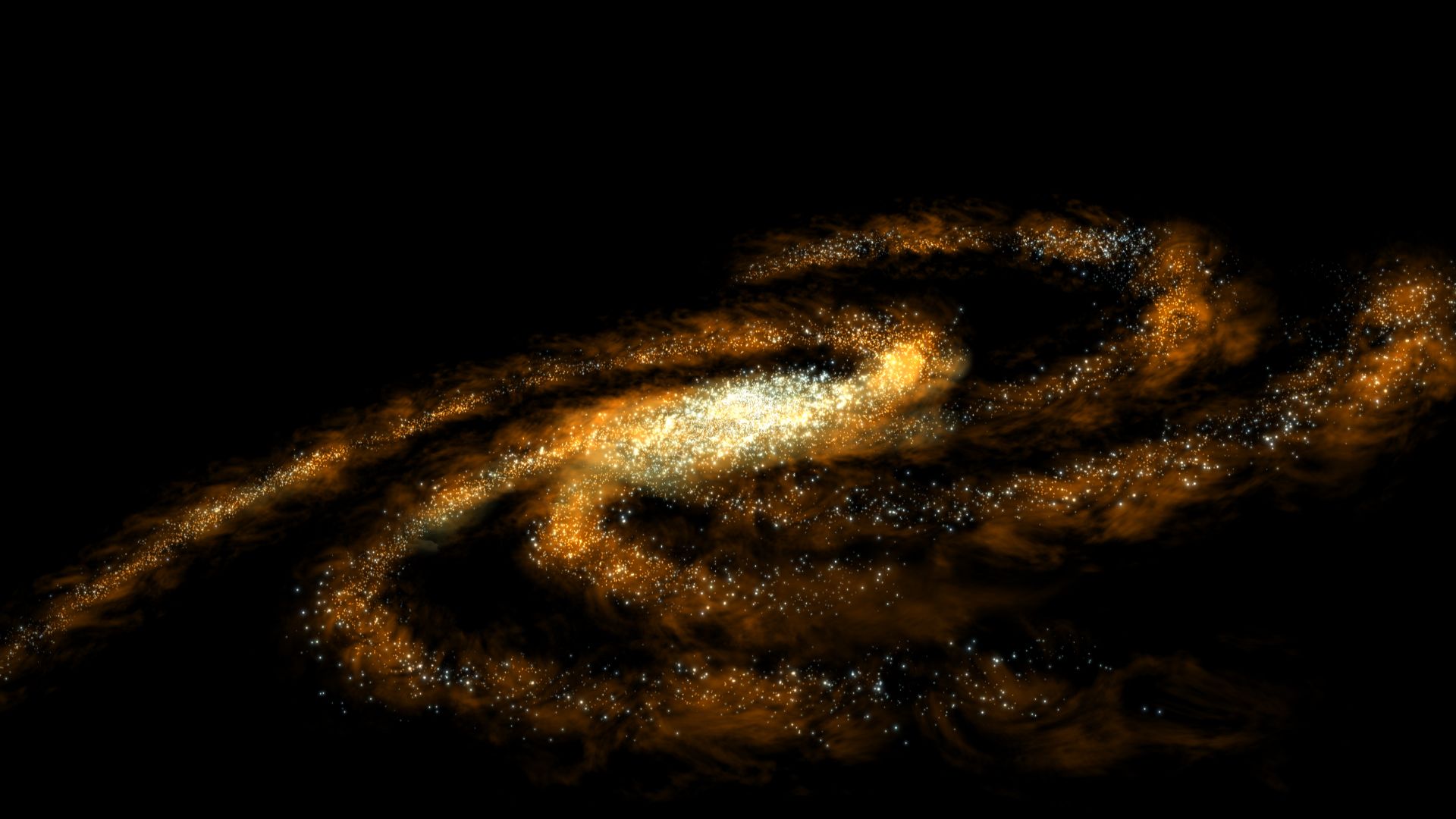
The Wave Extends Tens Of Thousands Of Light Years Across The Disc
Stretching through regions so wide they defy the imagination, this wave travels across the Milky Way’s disc in one sweeping arc. It connects far-flung clusters into a single moving scene of stars gliding through gravity’s pull.
 Nick Risinger, Wikimedia Commons
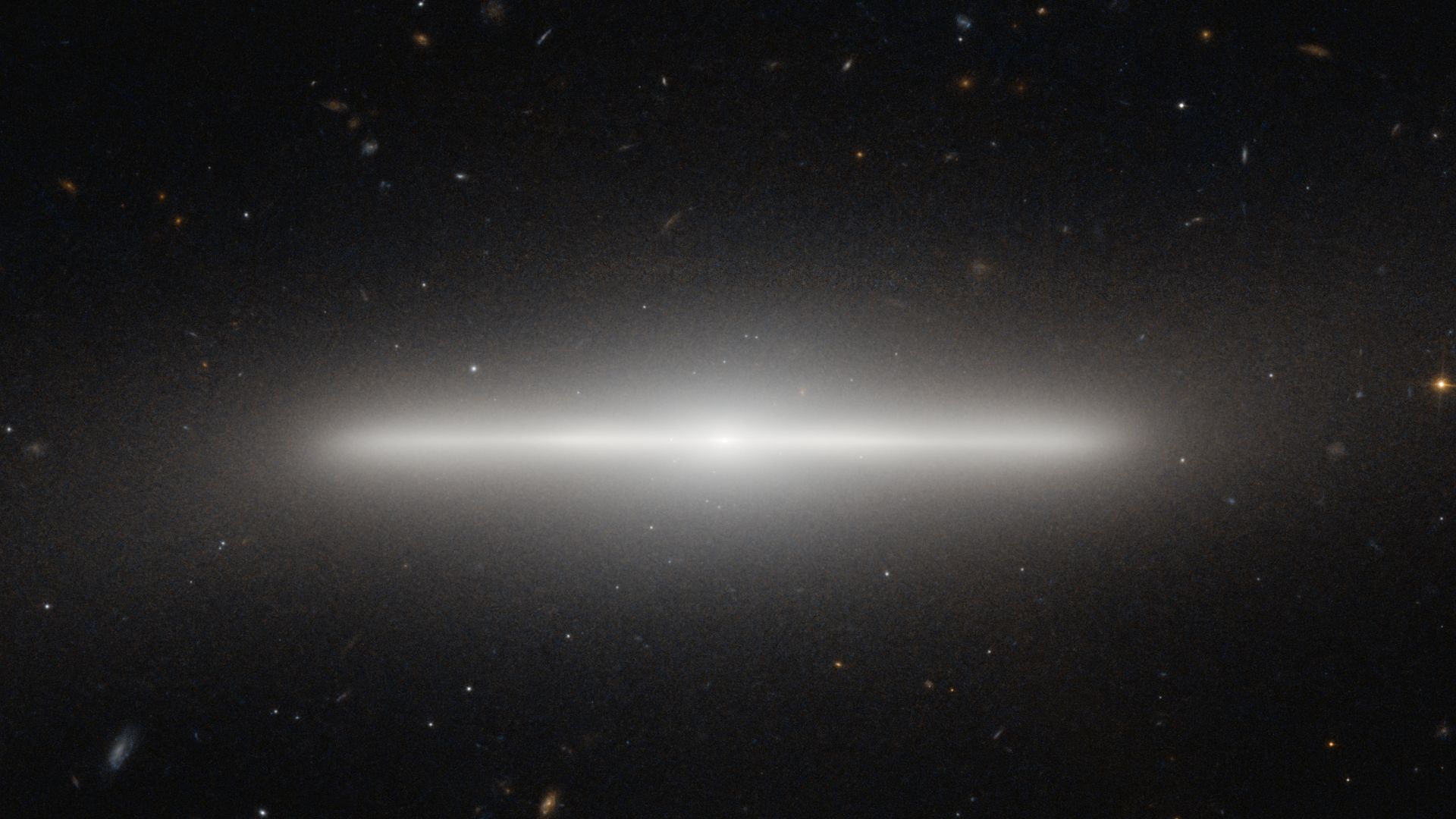
Stars Oscillate Hundreds Of Light Years Above And Below The Galactic Plane
Think of the galactic plane as a cosmic tightrope. Stars drift upward and downward in slow arcs, carried by the wave’s rhythm—each one tracing the path of an unseen force that moves entire stellar neighborhoods.
 ESA/Hubble & NASA, Wikimedia Commons
Stellar Velocities Reveal Coordinated Vertical Motion Patterns
Every star carries a story written in its movement. Astronomers studied those speeds and directions to find a perfect vertical rhythm. Together, the data shaped a map so dynamic it feels alive under the galaxy’s glow.
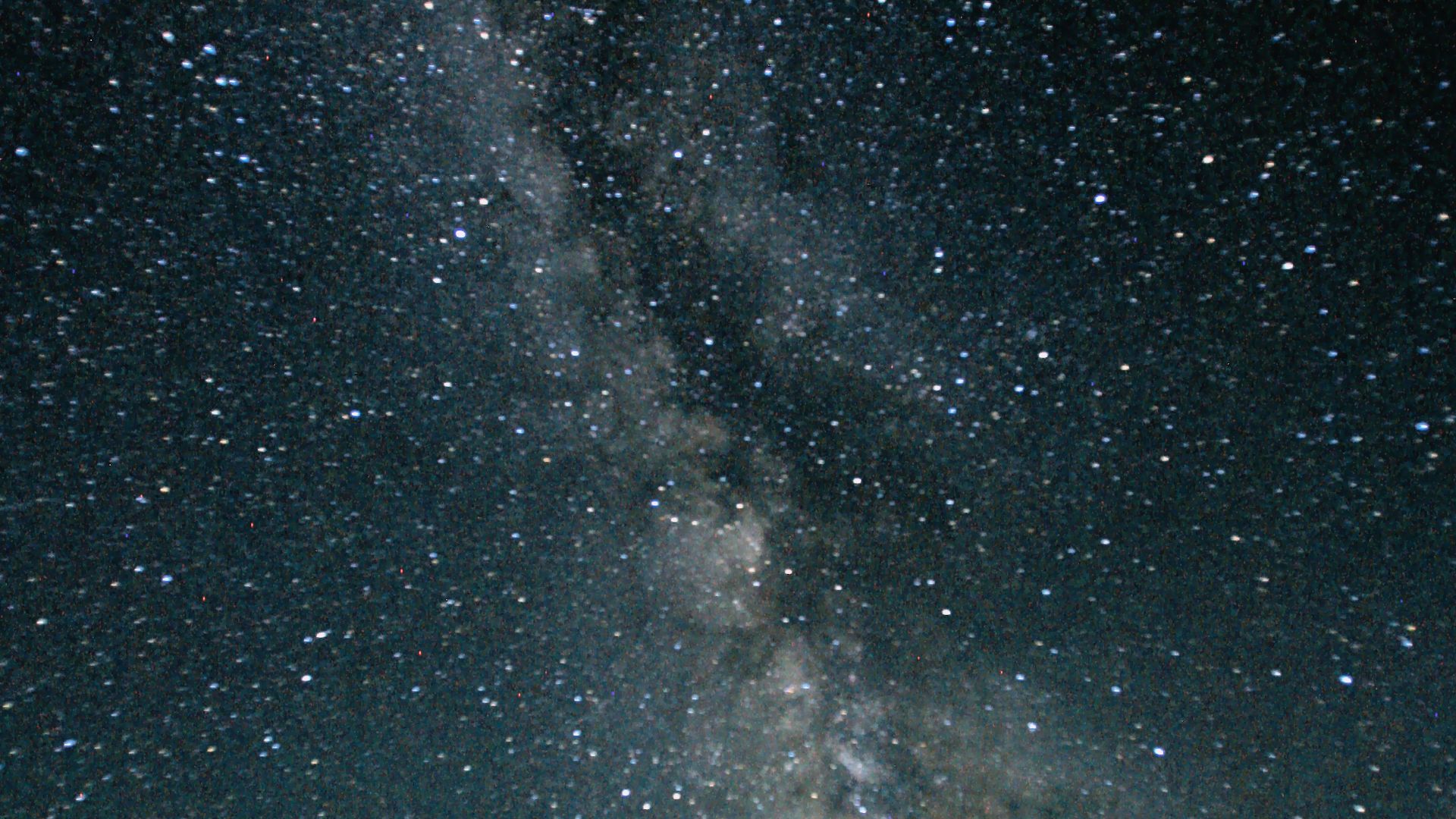 Steve Jurvetson, Wikimedia Commons
Gaia’s 3-D Positional Mapping Exposed The Phenomenon
Gaia’s deep-space survey turned static constellations into living choreography. By charting billions of stars in three dimensions, it uncovered a subtle but sweeping wave, transforming our flat view of the Milky Way into a moving masterpiece.
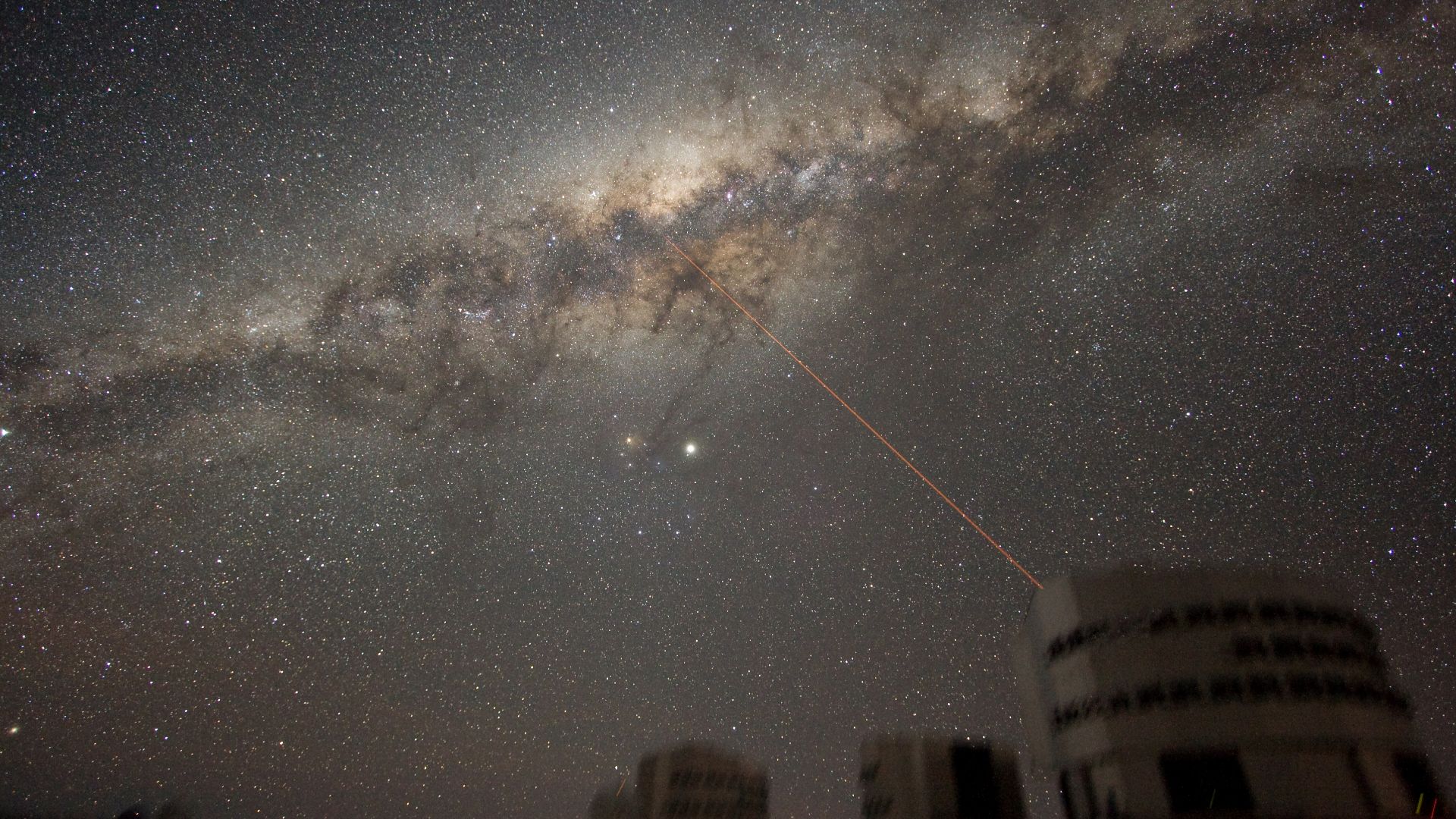 ESO/Y. Beletsky, Wikimedia Commons
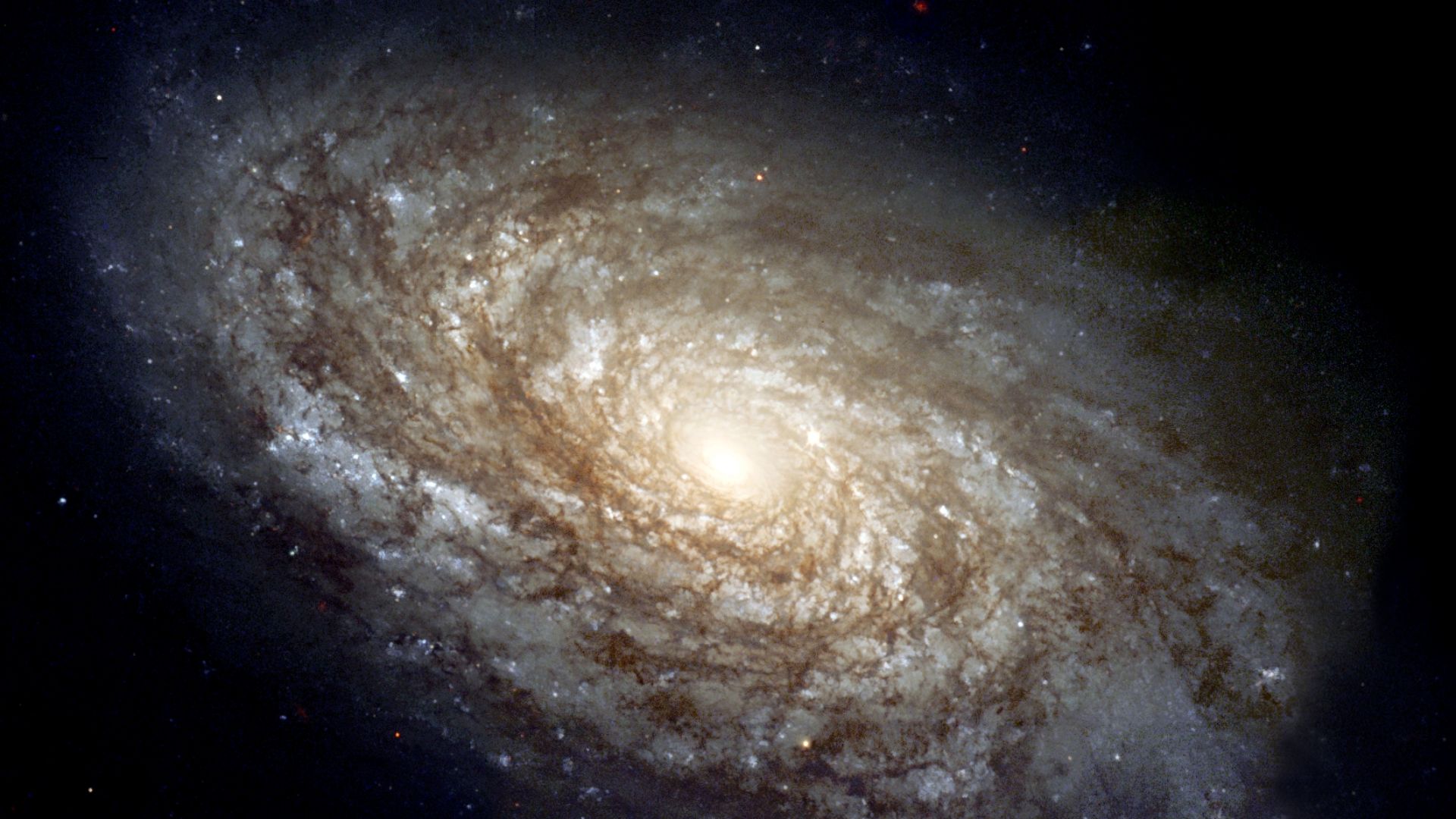
Scientists Call It A Corrugation In The Galactic Disc
The Milky Way’s disc isn’t smooth—it’s beautifully wrinkled, and it bends and folds like an enormous cosmic record. Astronomers use the term “corrugation” to describe the pattern etched into the stars by gravity’s patient hand.
The Wave Moves Coherently Through Millions Of Stars
Across the galaxy, entire star systems drift together as if following a conductor’s cue. Their collective motion forms a graceful current through space, a reminder that order can emerge from the quiet chaos of creation.
 SarahAnthonyART, Wikimedia Commons
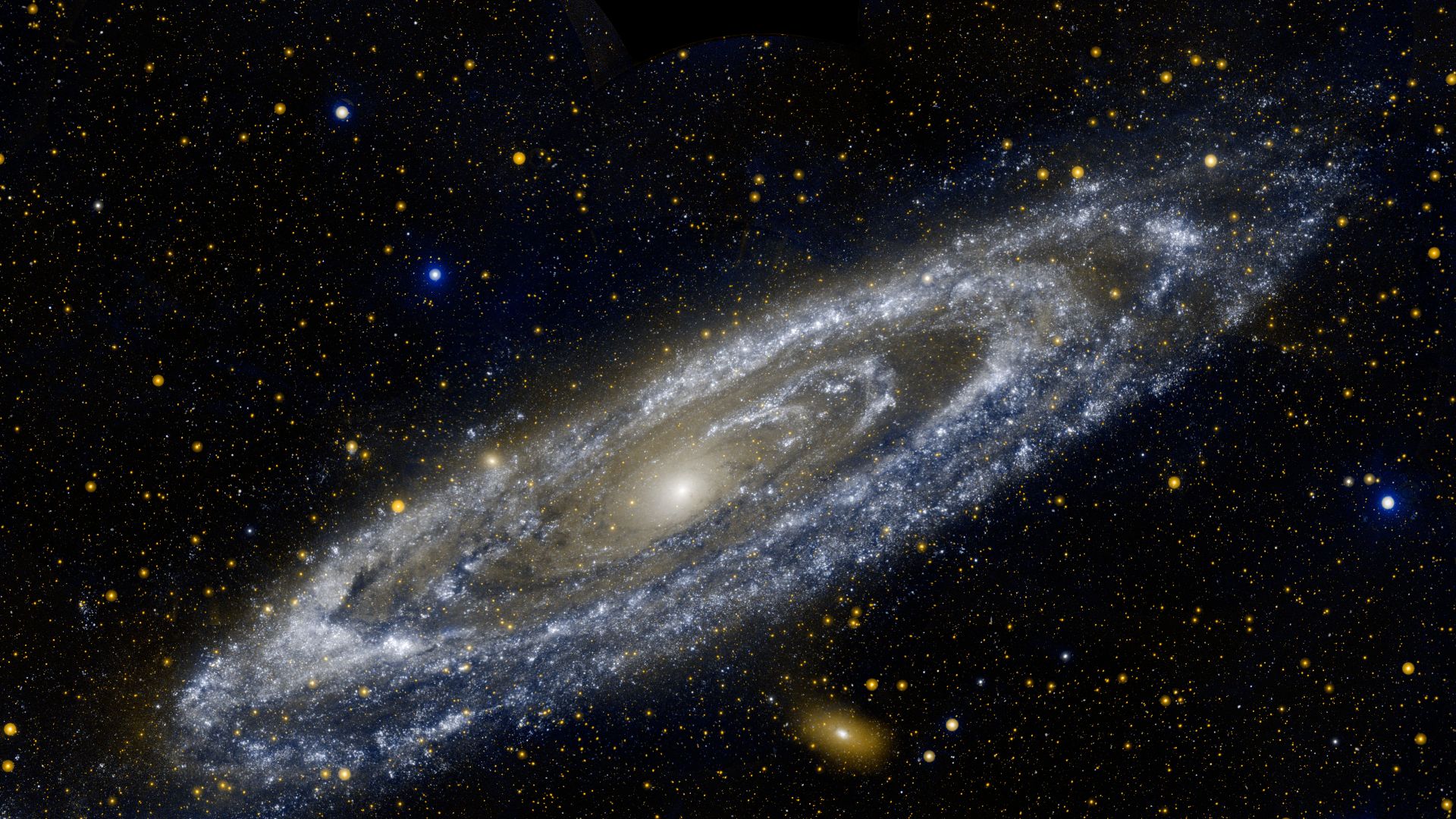
It May Be Traveling Outward From The Galactic Center (Hypothesis)
Researchers suspect the wave is moving outward, spreading from the Milky Way’s heart. If confirmed, it would mark one of the galaxy’s largest-scale flows ever tracked through stellar motion.
 NASA/JPL-Caltech, Wikimedia Commons

History's most fascinating stories and darkest secrets, delivered to your inbox daily.
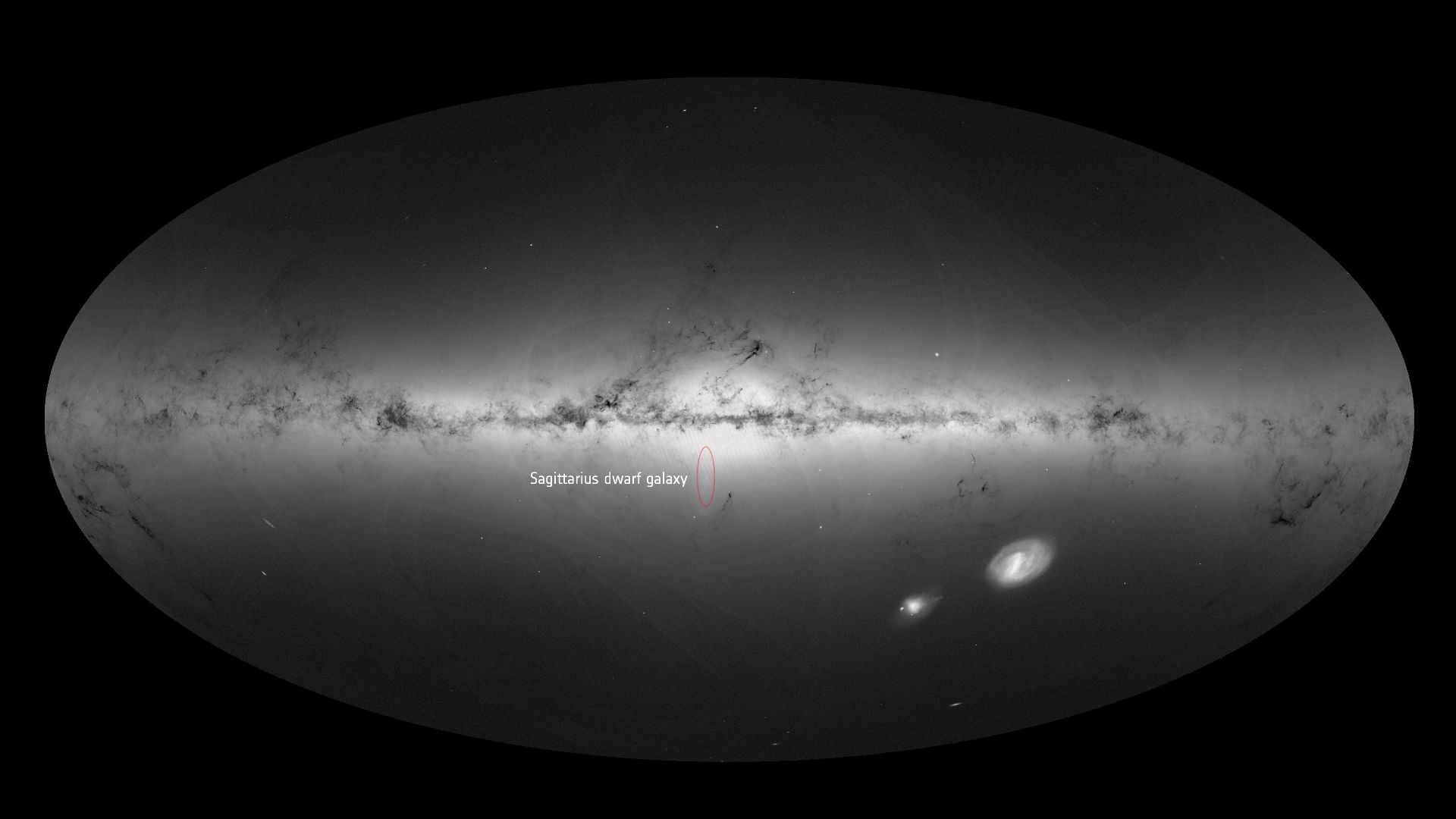
The Sagittarius Dwarf Galaxy Could Have Triggered It (Hypothesis)
Long ago, a smaller companion galaxy may have brushed past ours to disturb the Milky Way’s calm. That encounter could have launched this slow, powerful ripple—a cosmic aftershock still rolling through space today.
 European Space Agency, Wikimedia Commons
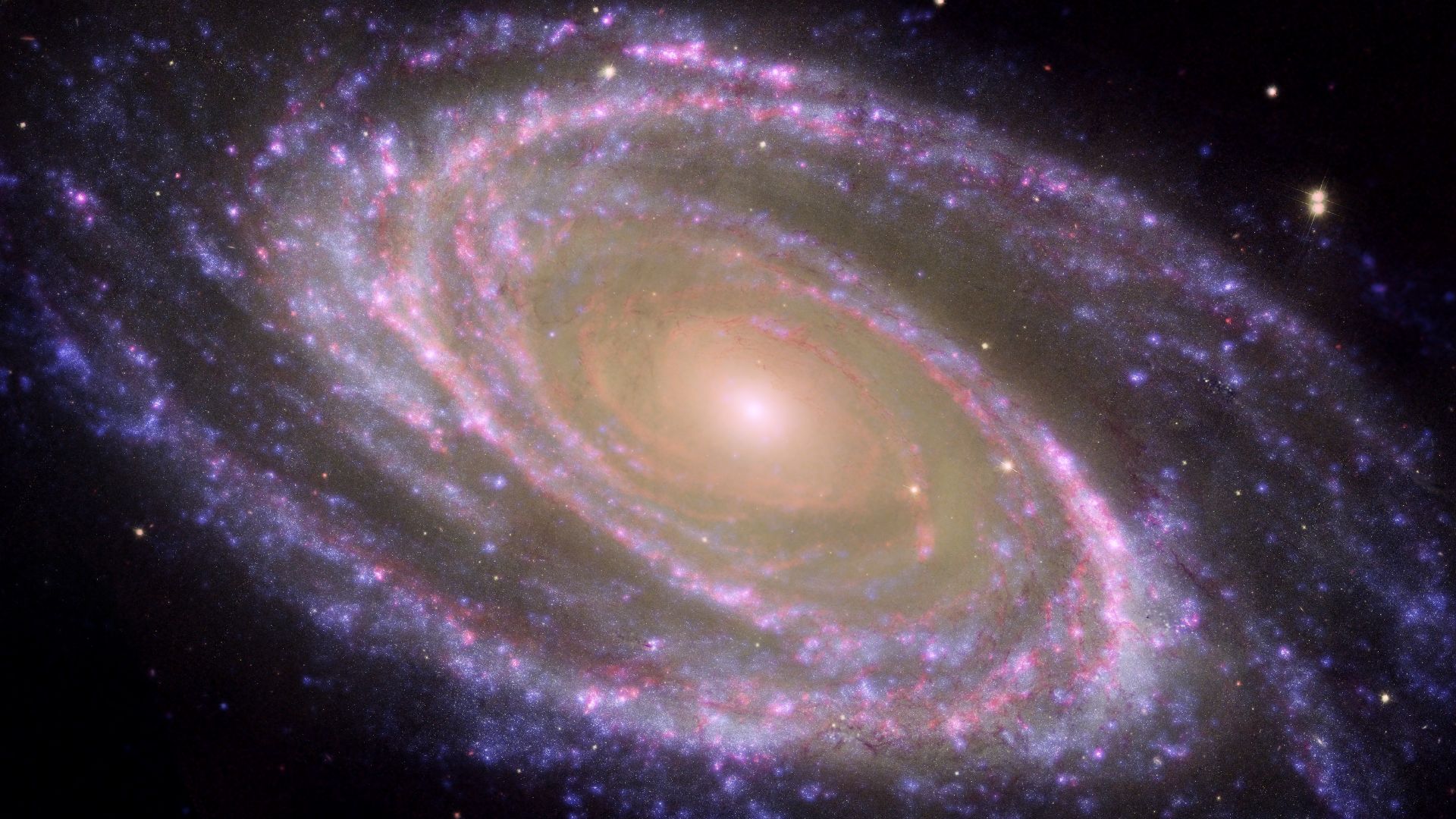
The Wave’s Amplitude Changes With Distance From The Center
The farther you look from the core, the bolder the ripple becomes. Closer in, the rise and fall shrink to gentle slopes, shaping a galactic rhythm that stretches from the heart to the rim.
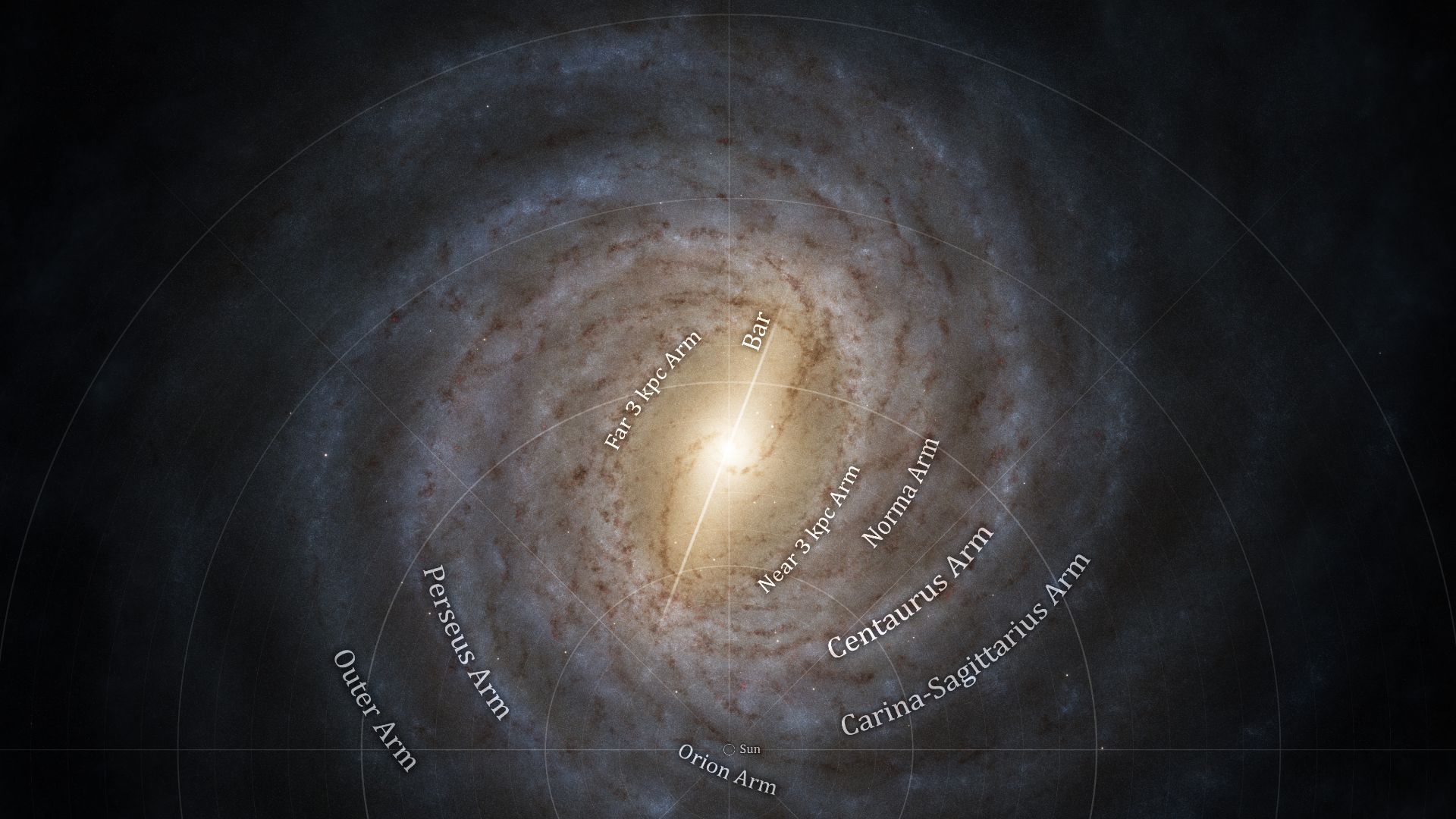
ESA Likens The Structure To Ripples Spreading On A Pond
Astronomers compared it to a ripple spreading across water, but on a scale so vast that it moves through stars instead of droplets. Each crest carries light, distance, and motion through a sea of starlight.
 European Space Agency, Wikimedia Commons
Early Gaia Data Hinted At The Same Oscillations Years Before
Before the official announcement, subtle shifts in older Gaia data already hinted at something unusual. What looked like noise back then now reads like a faint drumbeat—one that’s been echoing through our galaxy all along.
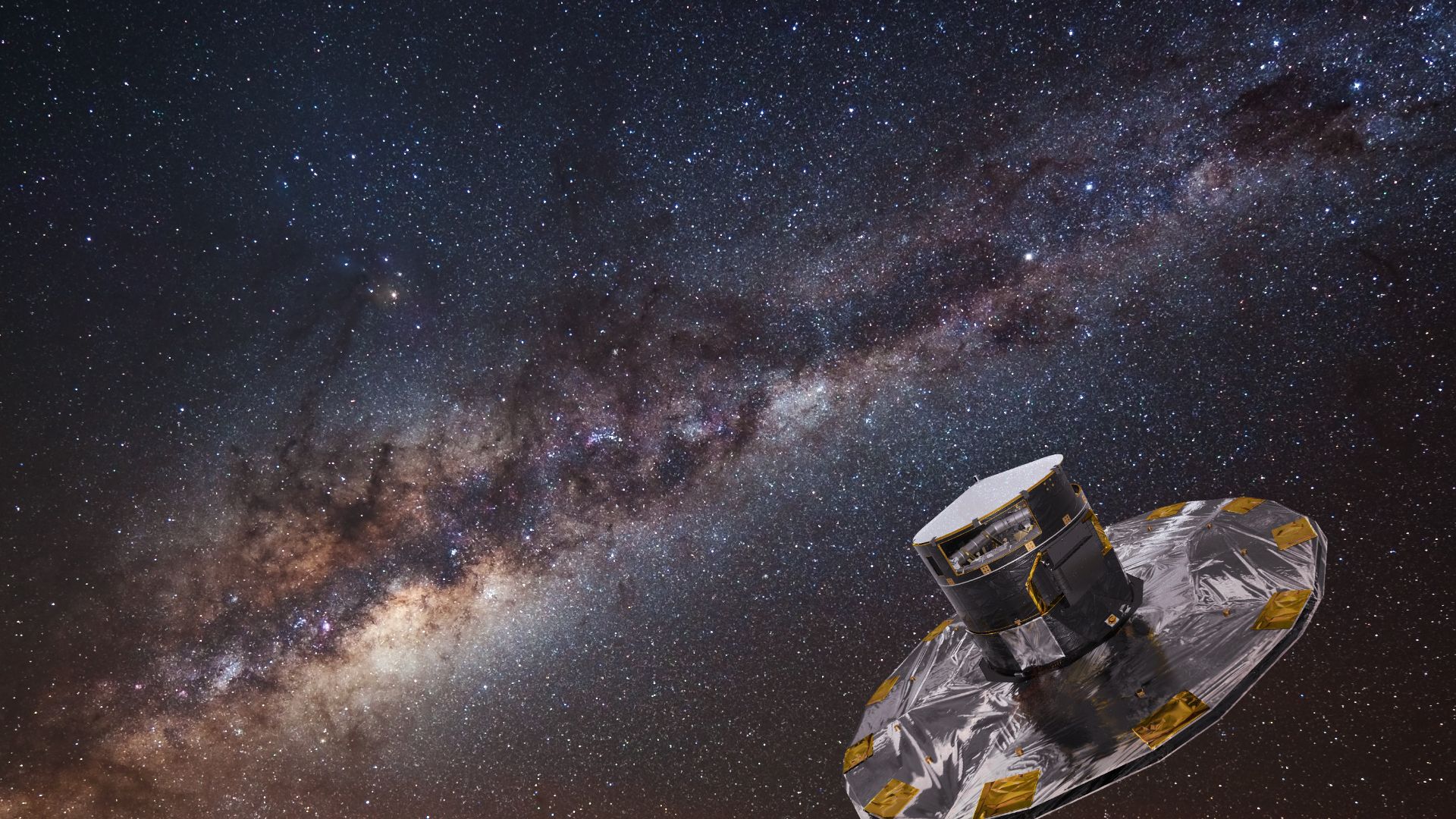 ESA/ATG medialab; background image: ESO/S. Brunier, Wikimedia Commons
The Great Wave Differs From The Gas-Based Radcliffe Wave
One wave travels through clouds of gas and dust, the other through stars themselves. Together, they layer the Milky Way with motion. The first shapes the skeleton of gas, the other moves the stars that light it.
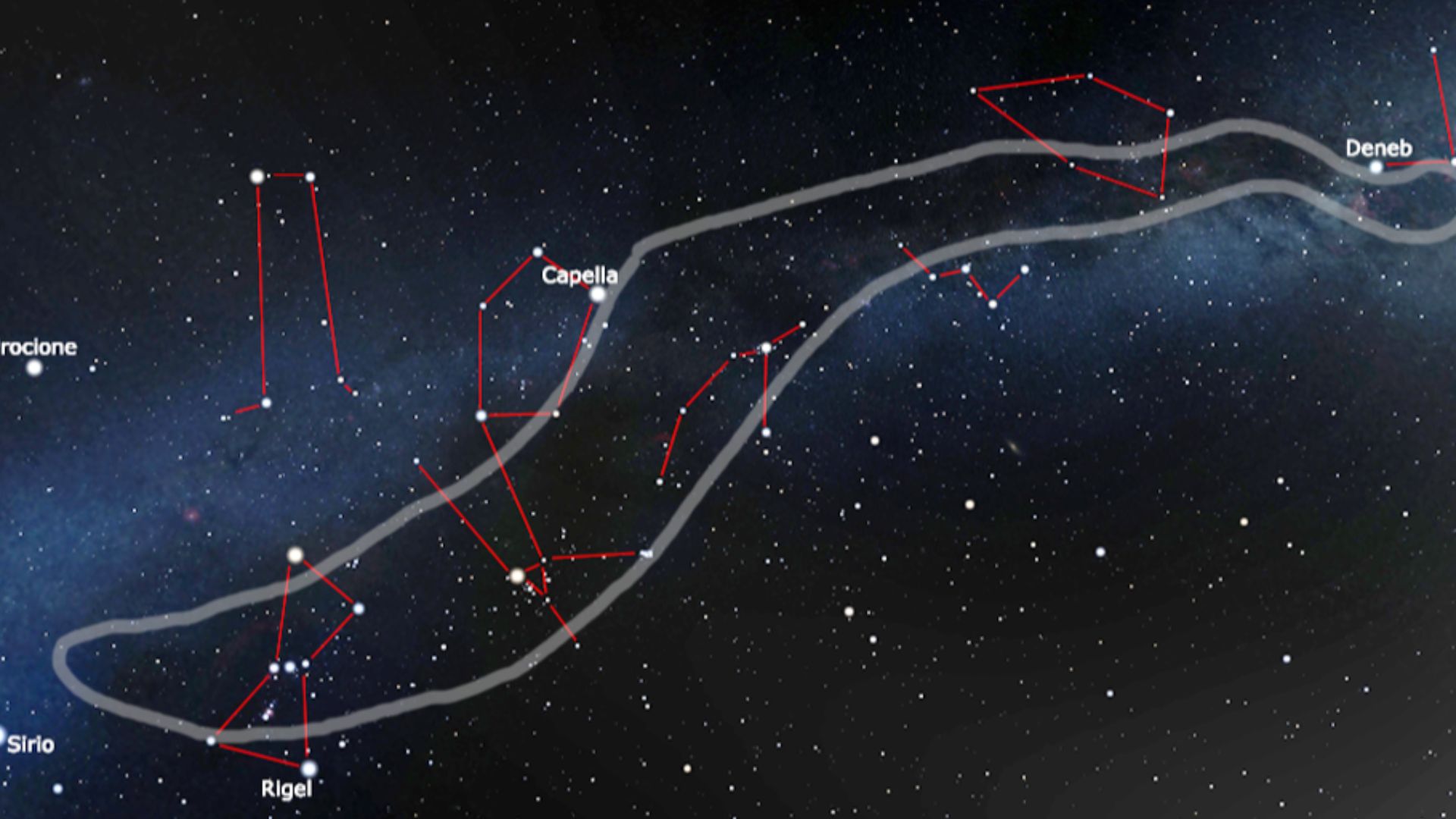 Roberto Mura, Wikimedia Commons
Together, Both Waves Prove The Milky Way Is Not Static
Gas and stars weave through space, constantly in motion, reshaping the galactic disc. The Milky Way turns out to be a living structure, always bending, always in conversation with the forces that built it.
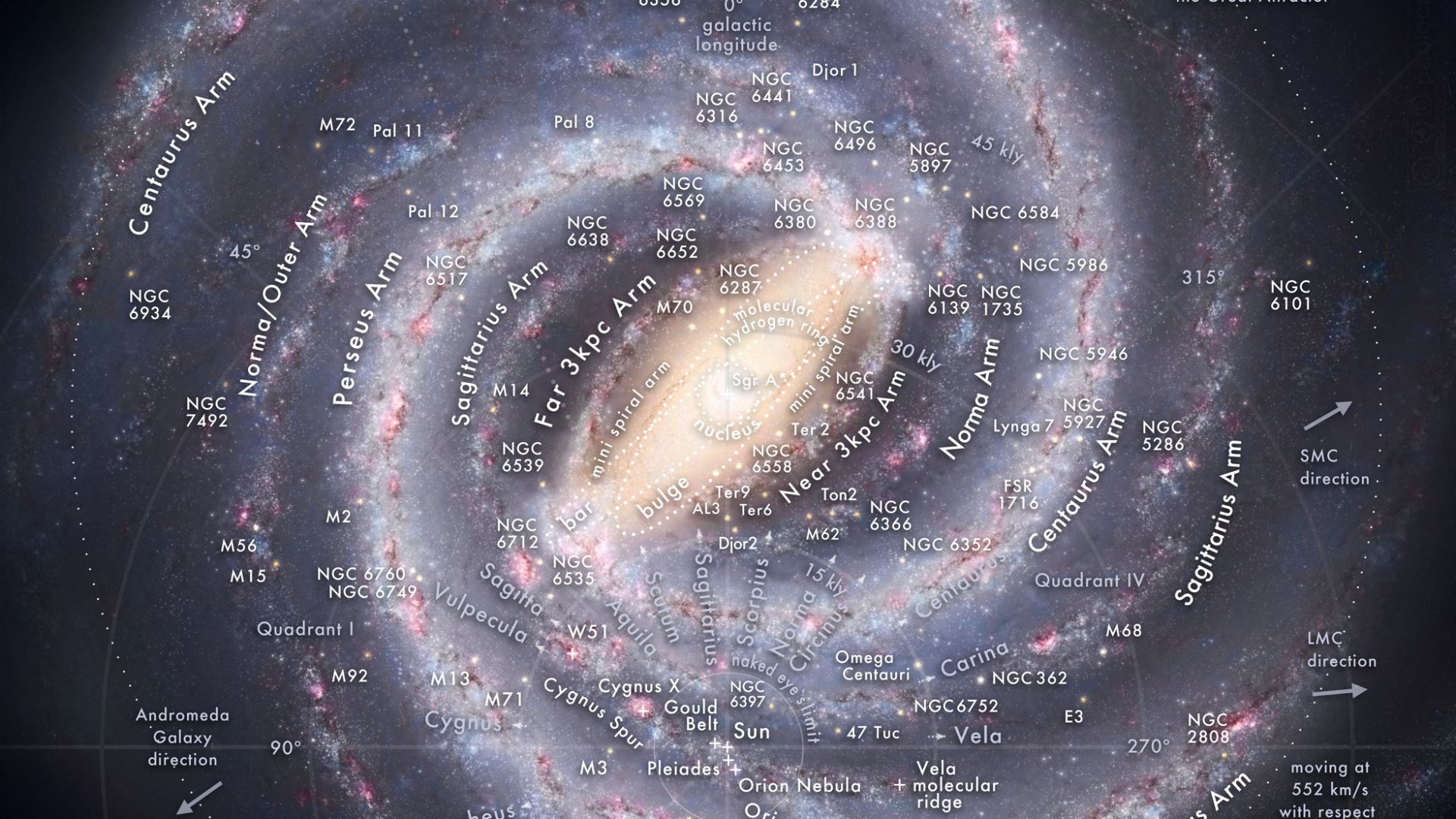 Pablo Carlos Budassi, Wikimedia Commons
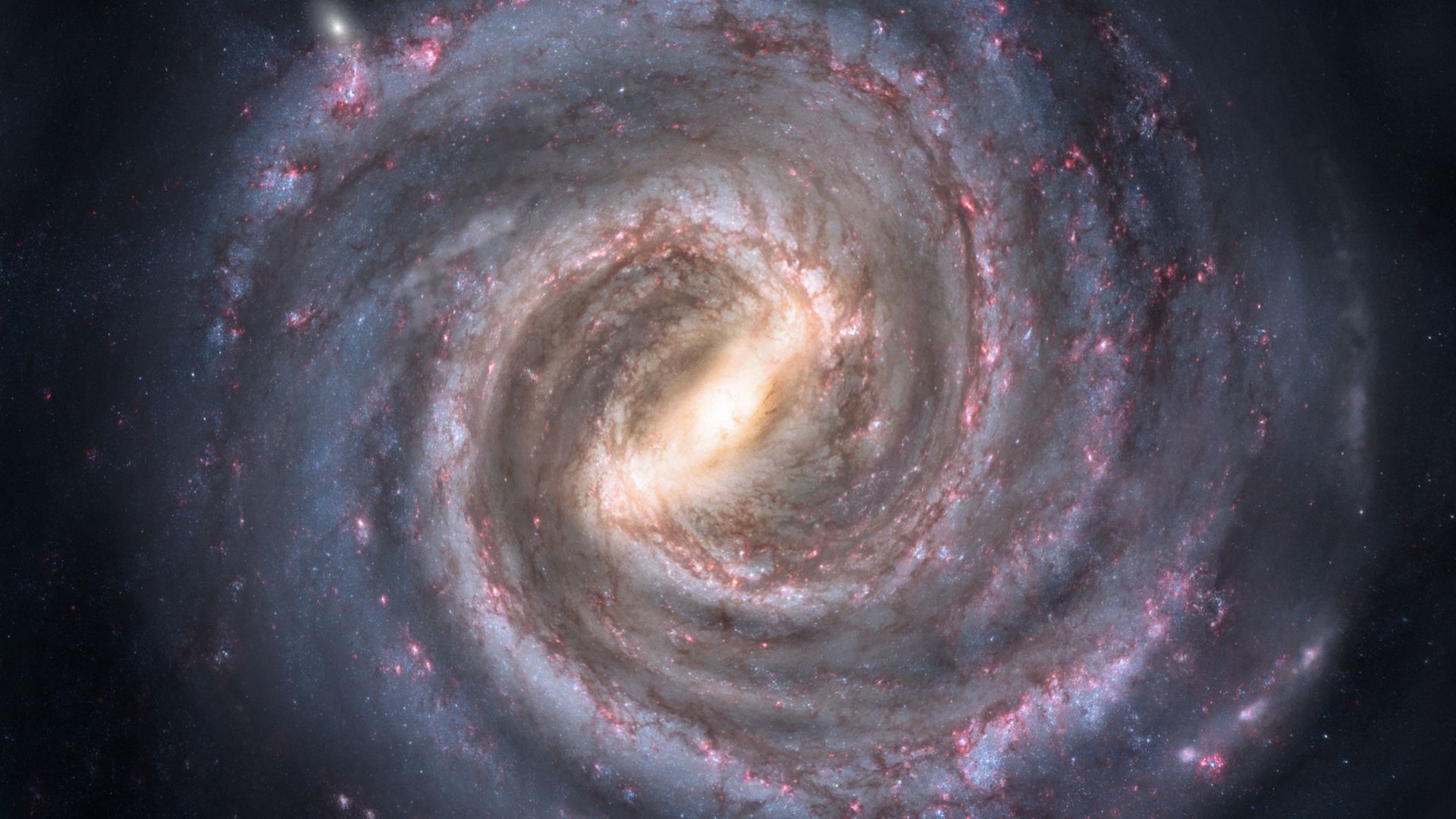
The Milky Way’s Disc Bends And Undulates Through Space
Our galaxy stretches like a ribbon twisting in slow flight. The disc warps under its own gravity, shaped by every past collision and pull. This stands as an elegant reminder that even vast systems carry graceful movement.
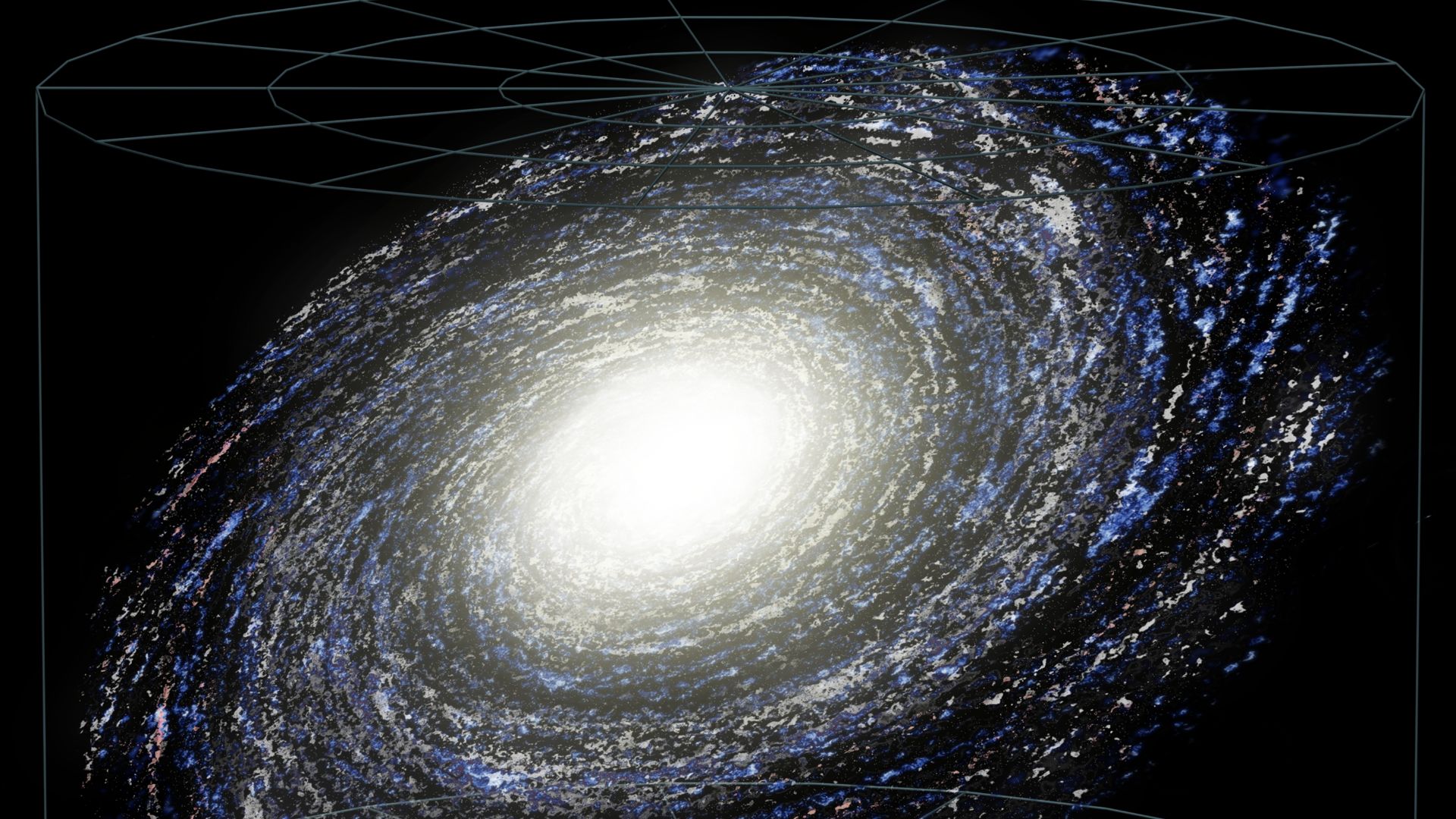 4_Milky_Way_(ELitU).png: Andrew Z. Colvin derivative work: Frederic MICHEL, Wikimedia Commons
Possible Connection To Dark Matter Distribution (Under Study)
Scientists suspect invisible matter could be tugging at this galactic wave. If that’s true, the ripple becomes more than motion. It’s a visible clue to where dark matter hides within our galaxy’s unseen depths.
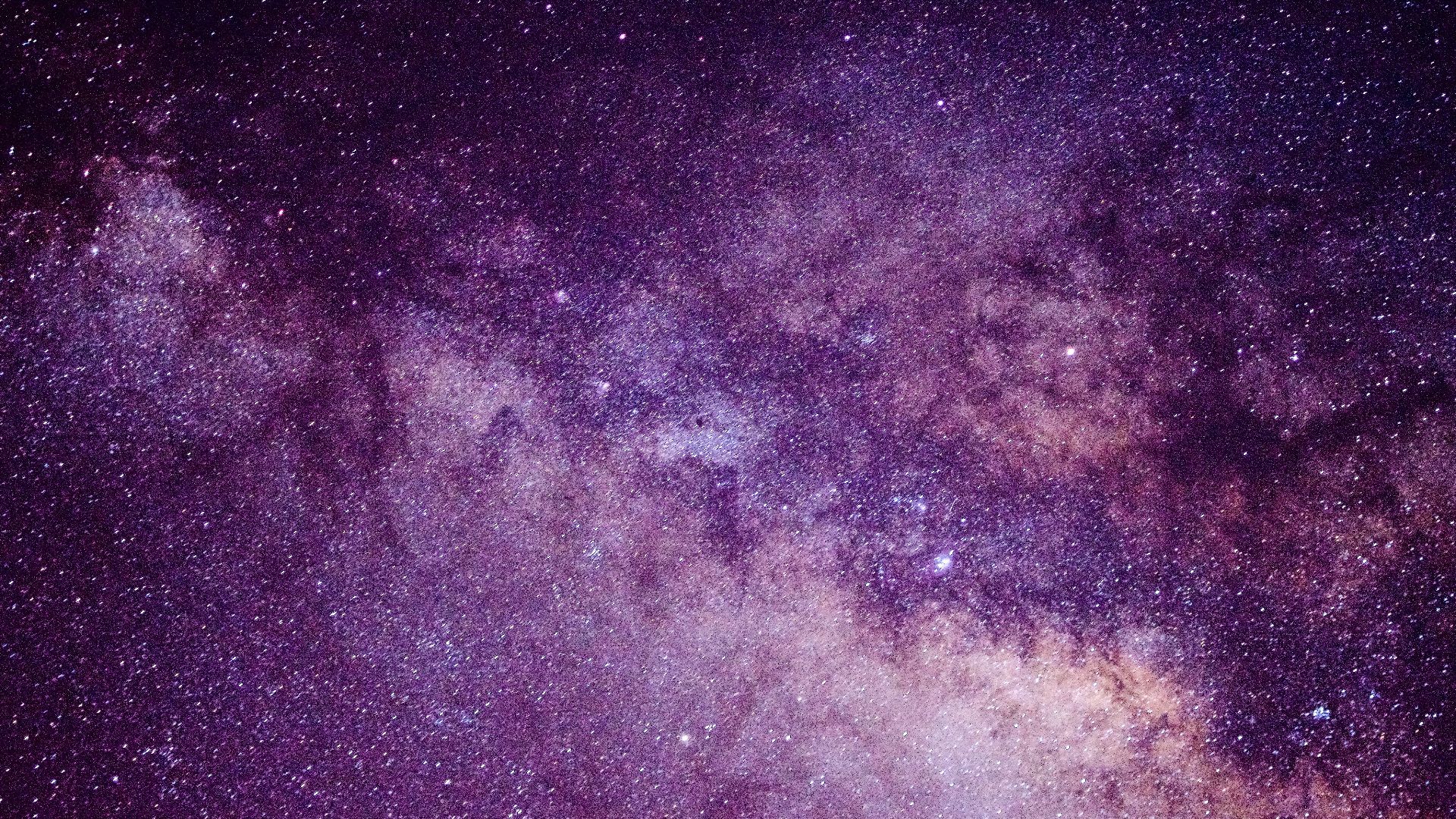 Jason Jacobs from Honolulu, USA, Wikimedia Commons
Stars Rise And Fall In Synchronized Crests And Troughs
Across enormous distances, stars move together in vertical harmony. The rhythm is structured. Each motion fits the next, and it turns the Milky Way into a slow, silent symphony conducted by gravity itself.
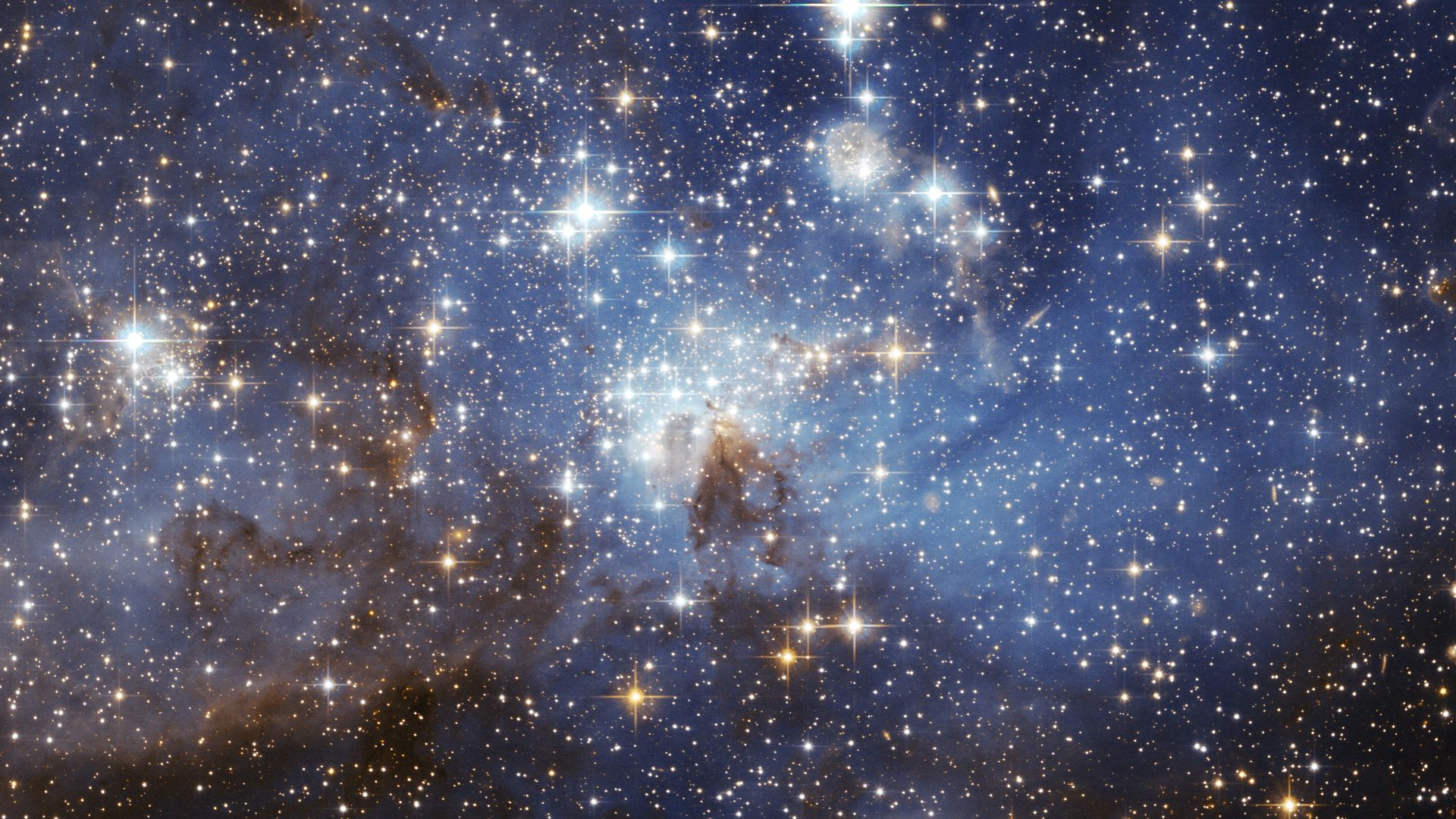
The Wave Offers Clues To Our Galaxy’s Gravitational History
Every oscillation carries the memory of an ancient event. By tracing those curves, astronomers can read a timeline of past galactic encounters written directly into the Milky Way’s moving disc.
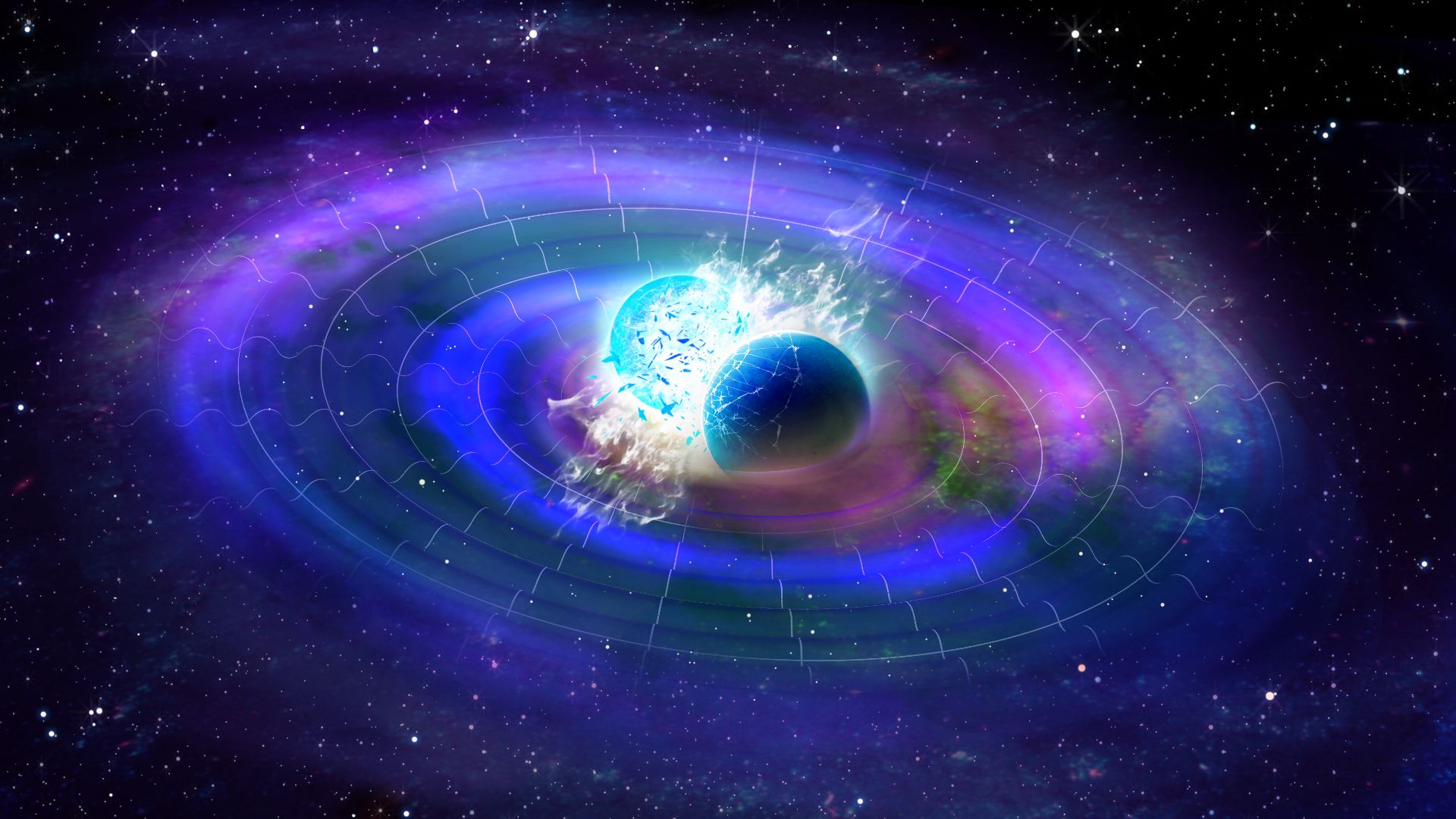
ESA Simulations Recreate Similar Traveling Corrugations
Computer models built by ESA mirror the same wave seen in Gaia’s data. Watching those simulated galaxies ripple makes one thing clear: the universe repeats its patterns more beautifully than any artist could plan.
 European Space Agency, Wikimedia Commons
E Poggio And Team Formally Identified The Great Wave In 2024
In 2024, astronomer Elisa Poggio and her collaborators pulled back the curtain on one of the galaxy’s biggest surprises. Their study gave the Great Wave its name, placing a new landmark in the Milky Way’s story of motion.
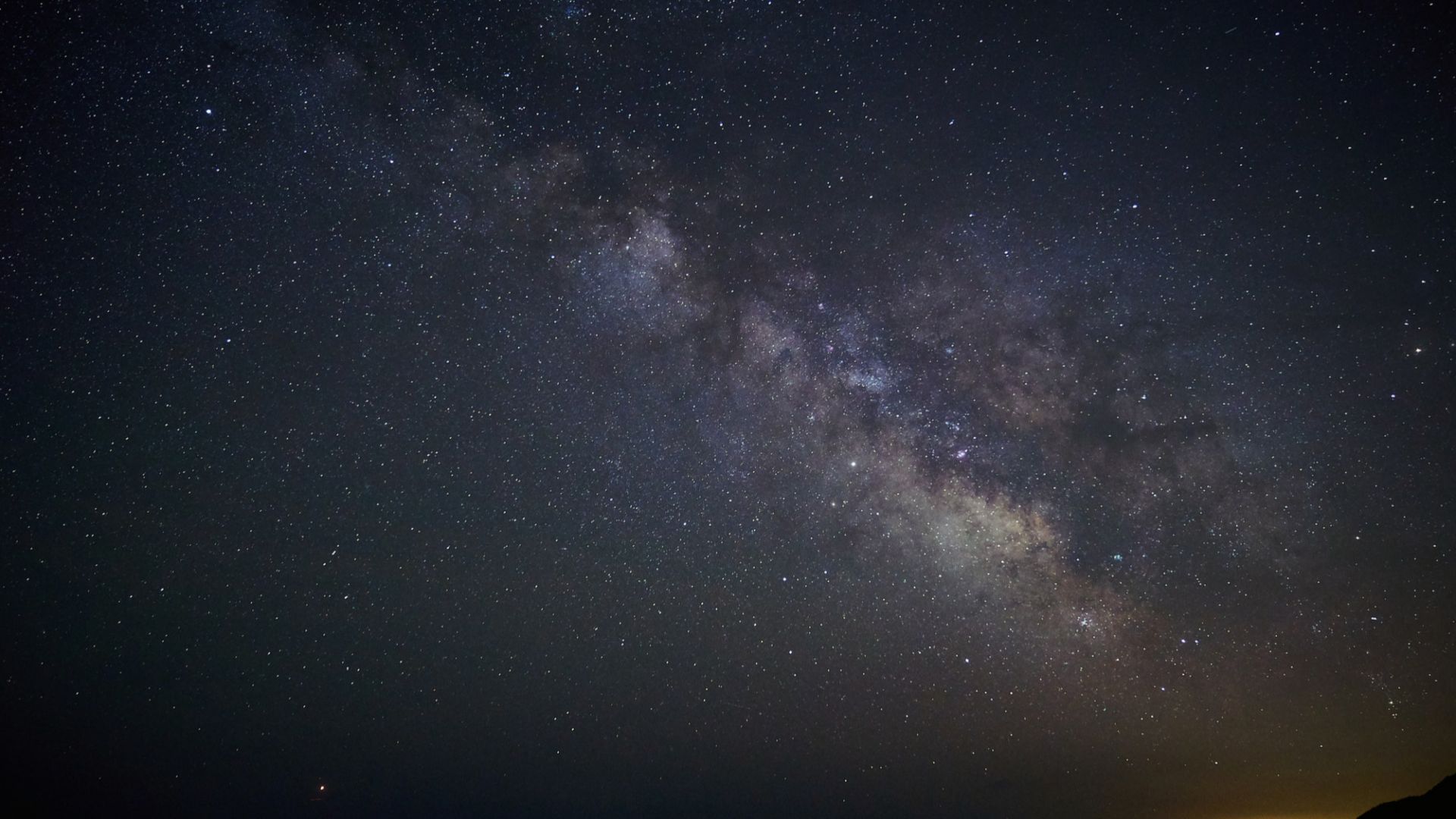 Oliver Griebl, Wikimedia Commons
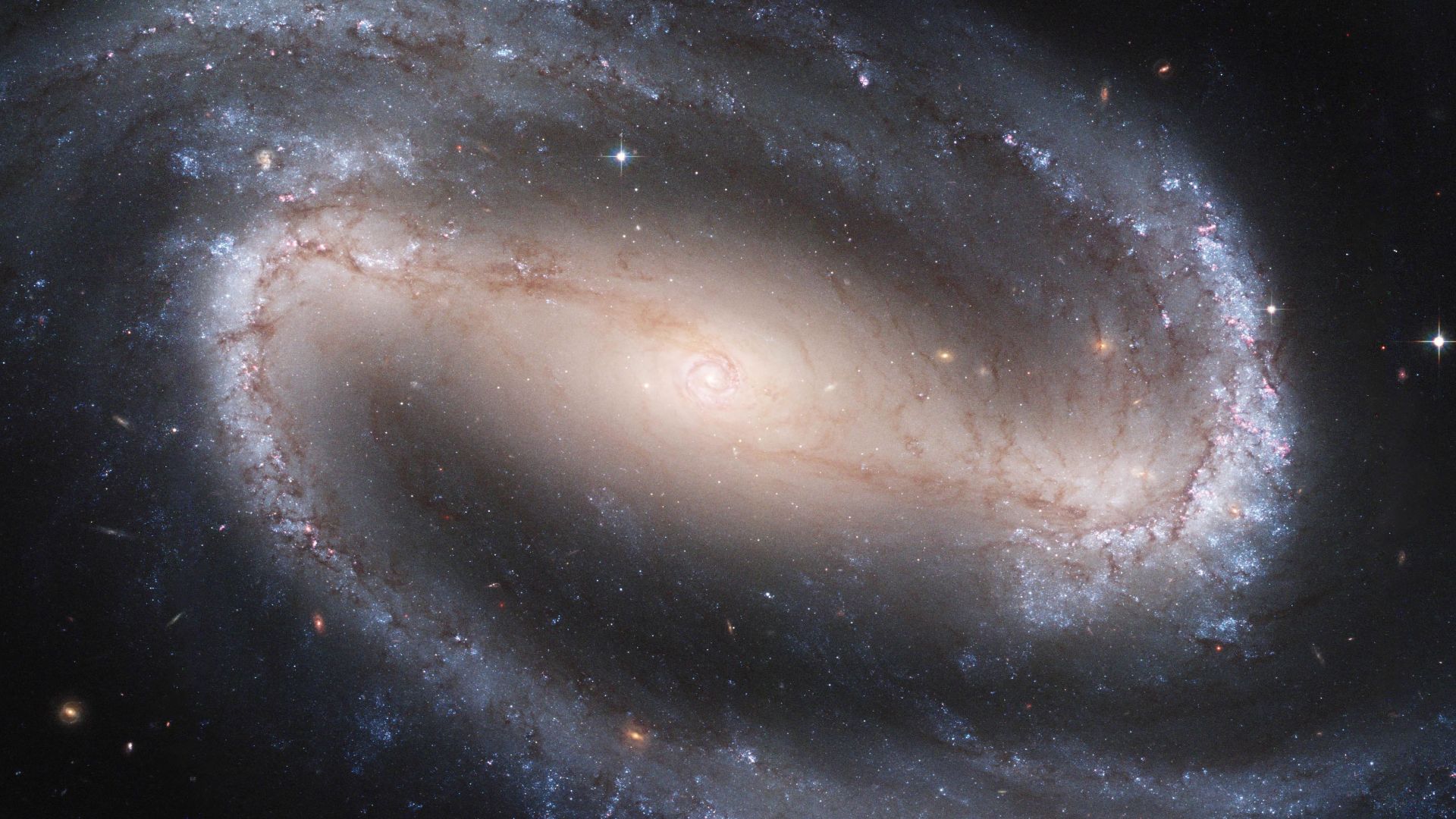
Comparable Ripples Appear In Other Spiral Galaxies Too
Our galaxy isn’t the only one rolling with rhythm. When astronomers pointed their telescopes outward, they found similar waves shimmering through other spiral galaxies.
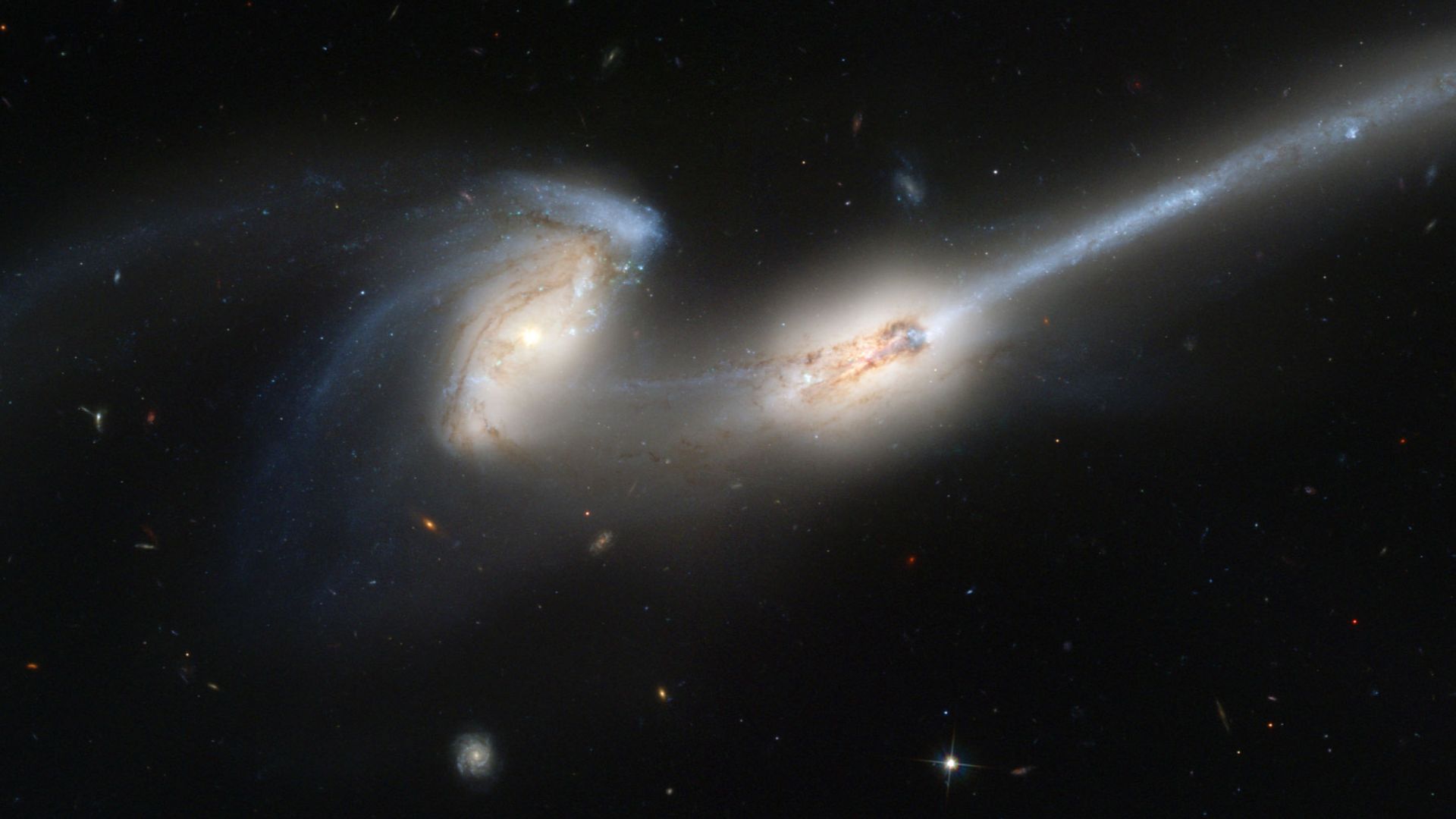
The Wave Records Echoes Of Ancient Galactic Mergers
Every crest and dip carries a whisper from the past. These oscillations trace ancient galactic collisions, turning the Milky Way into an archive of cosmic encounters waiting to be decoded star by star.
The Motion Follows A Repeating, Long-Term Vertical Cycle
The Milky Way moves in patterns that stretch beyond any human lifetime. Its vertical cycle unfolds slowly, repeating over millions of years. It moves in a steady rhythm that outlasts entire civilizations watching from one small planet.
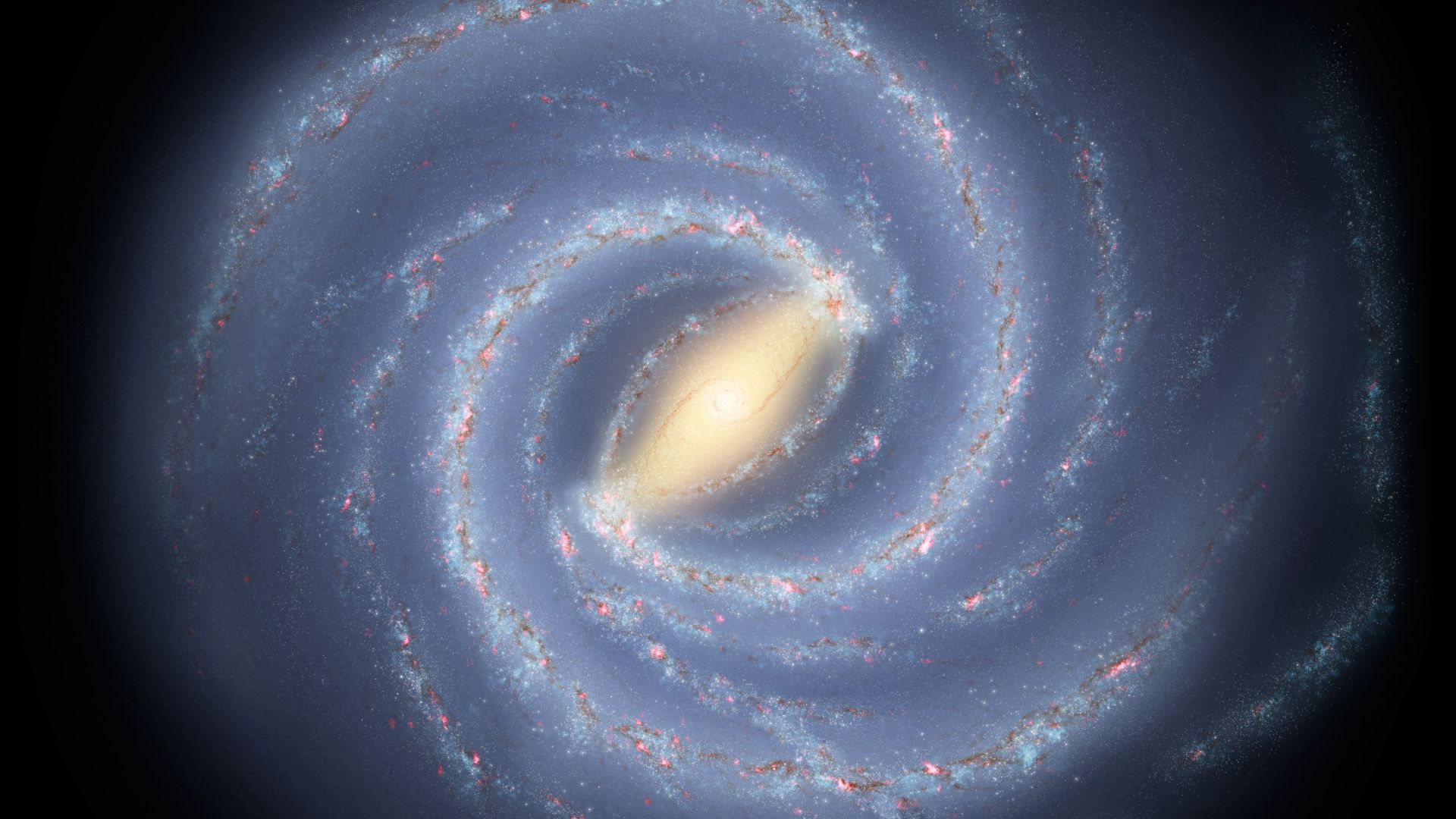 Milky_Way_2005.jpg: R. Hurt derivative work: Roberto Segnali all'Indiano, Wikimedia Commons
Our Solar System Lies Within One Crest Or Trough Of The Wave
Right now, the Solar System rides this vast ripple like a passenger on a moving tide. Earth drifts through space as part of that motion, carried quietly by the same wave that lifts entire arms of the Milky Way.
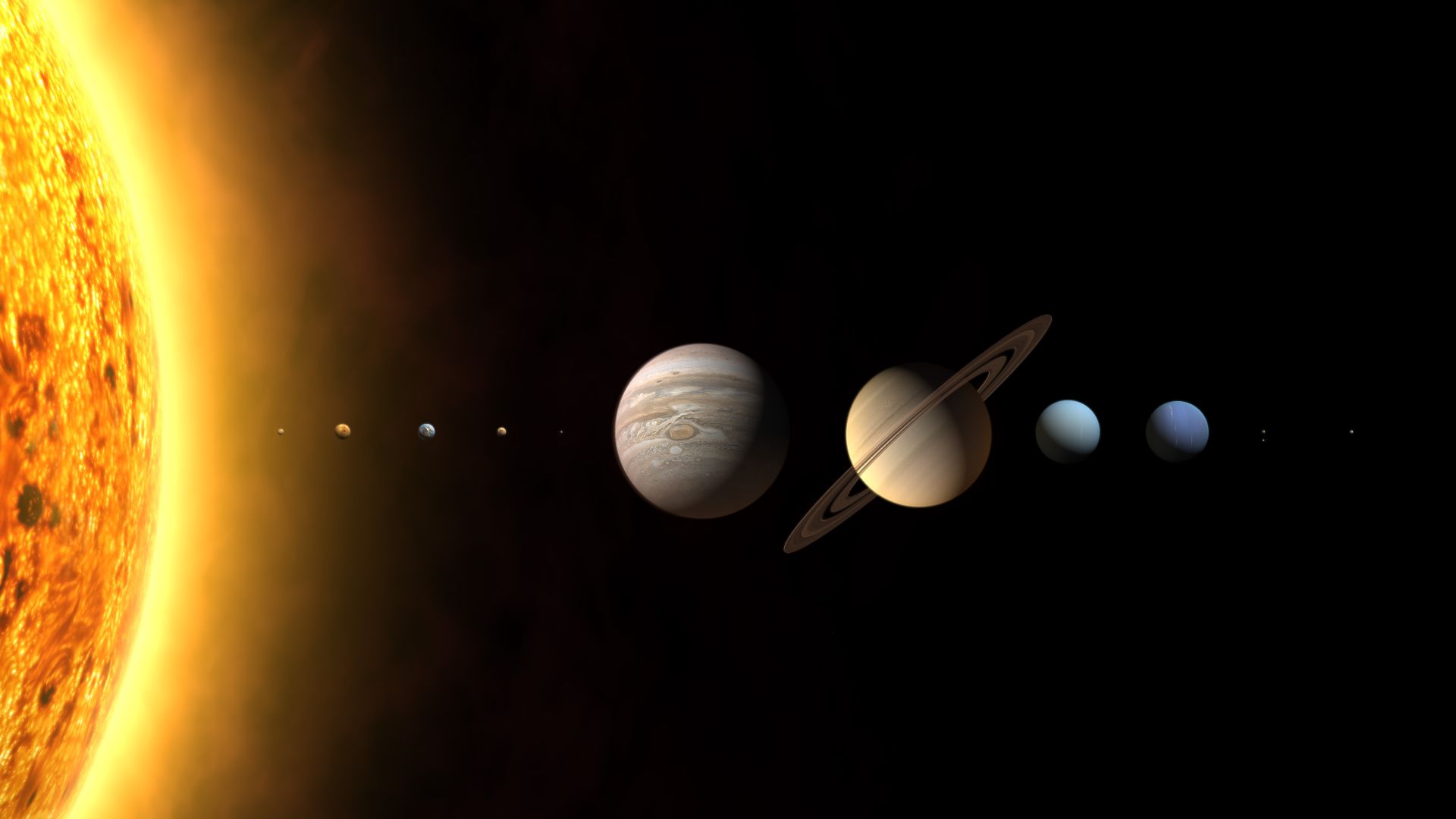 The International Astronomical Union/Martin Kornmesser, Wikimedia Commons
The Galactic Mid-Plane Itself Oscillates Through Time
Even the galaxy’s central layer refuses to stay still. The mid-plane bends gently, swaying up and down in slow arcs that trace the balance between gravity’s pull and the energy pushing outward through space.
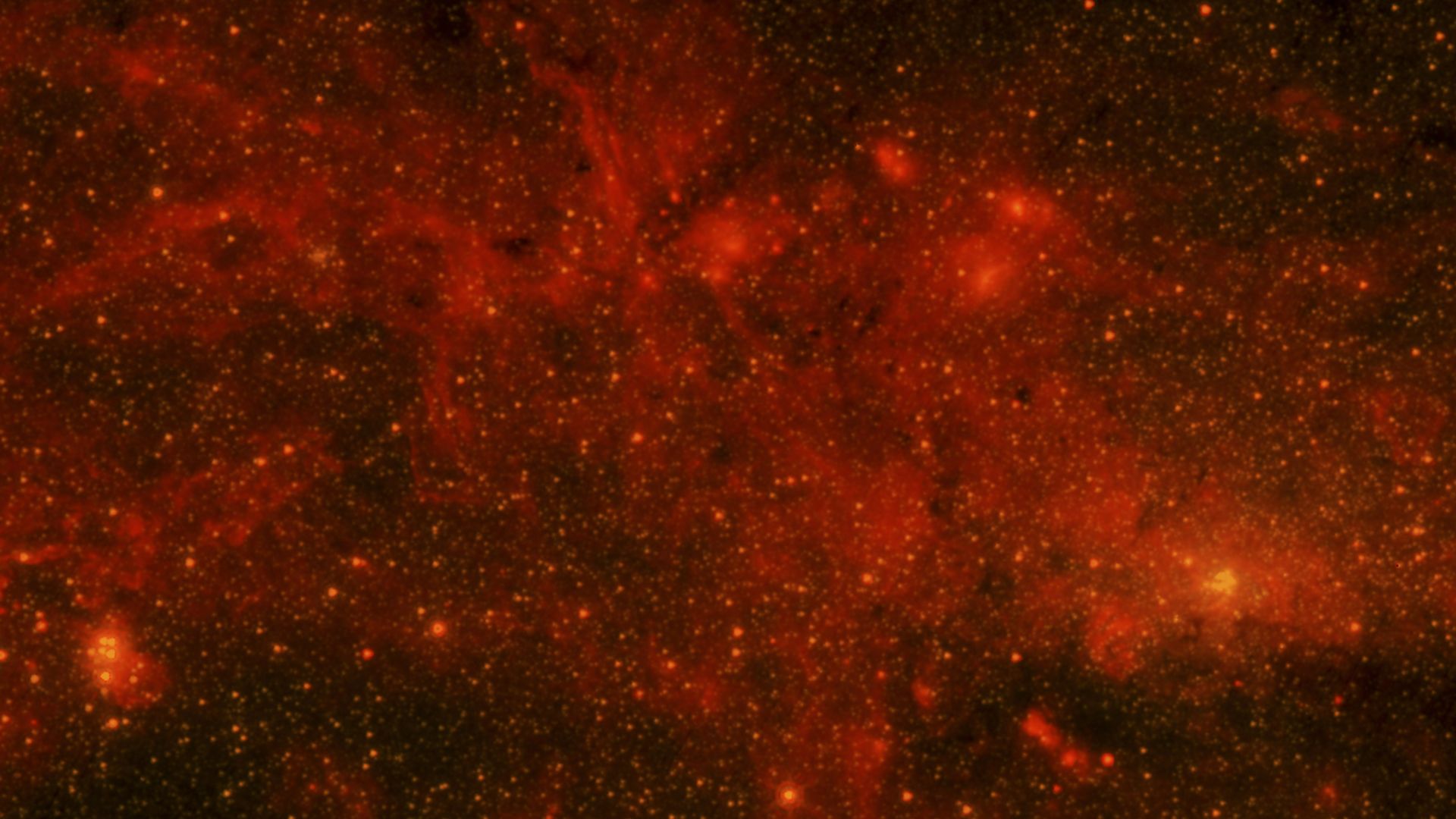 NASA/JPL-Caltech/ESA/CXC/STScI, Wikimedia Commons









