The Nobel Laureate Had Another Story Waiting In The Shadows
John Steinbeck built his reputation writing about people overlooked by society. Of Mice and Men, The Grapes of Wrath, and East of Eden helped make him one of America’s defining authors. But decades after his passing, the recollections of his second wife offered a far less sympathetic portrait of the man behind the books.
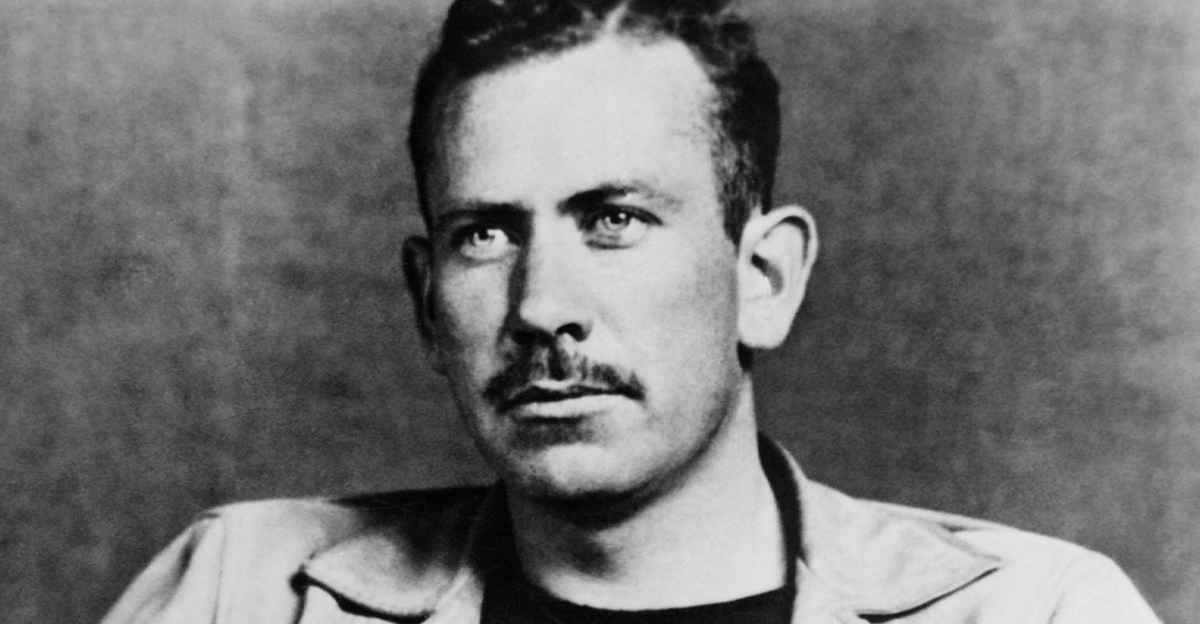
Her Name Was Gwyn Conger Steinbeck
Gwyndolyn “Gwyn” Conger was a nightclub singer when she met Steinbeck in 1938. He was still married to his first wife, Carol Henning. By 1941, John and Carol had separated, and Steinbeck was living in New York with Gwyn. He eventually married Gwyn in New Orleans on March 29, 1943.
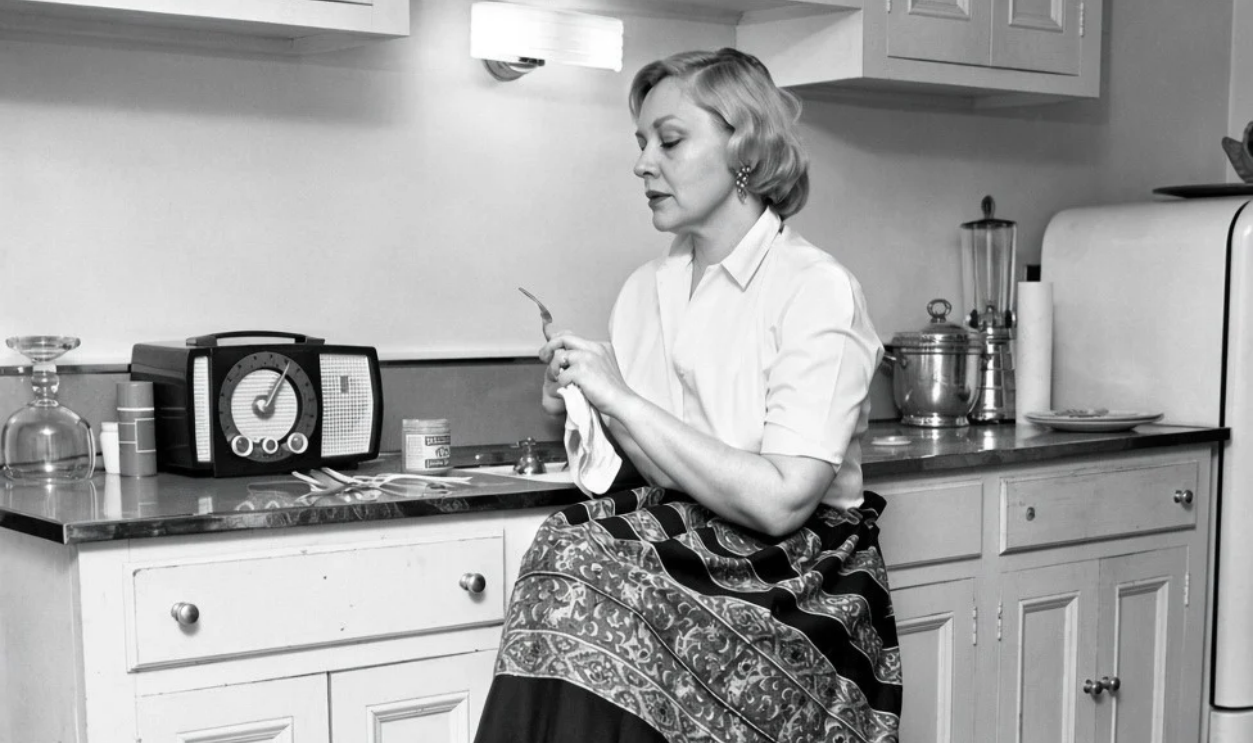 CBS Photo Archive, Getty Images
She Entered His Life As His Fame Was Already Exploding
Steinbeck was no struggling unknown by then. The Grapes of Wrath had appeared in 1939 and won the Pulitzer Prize the following year. Gwyn entered a relationship with an acclaimed writer whose career increasingly dominated his time, travel, friendships, and household, a dynamic she later said came at a steep personal cost.
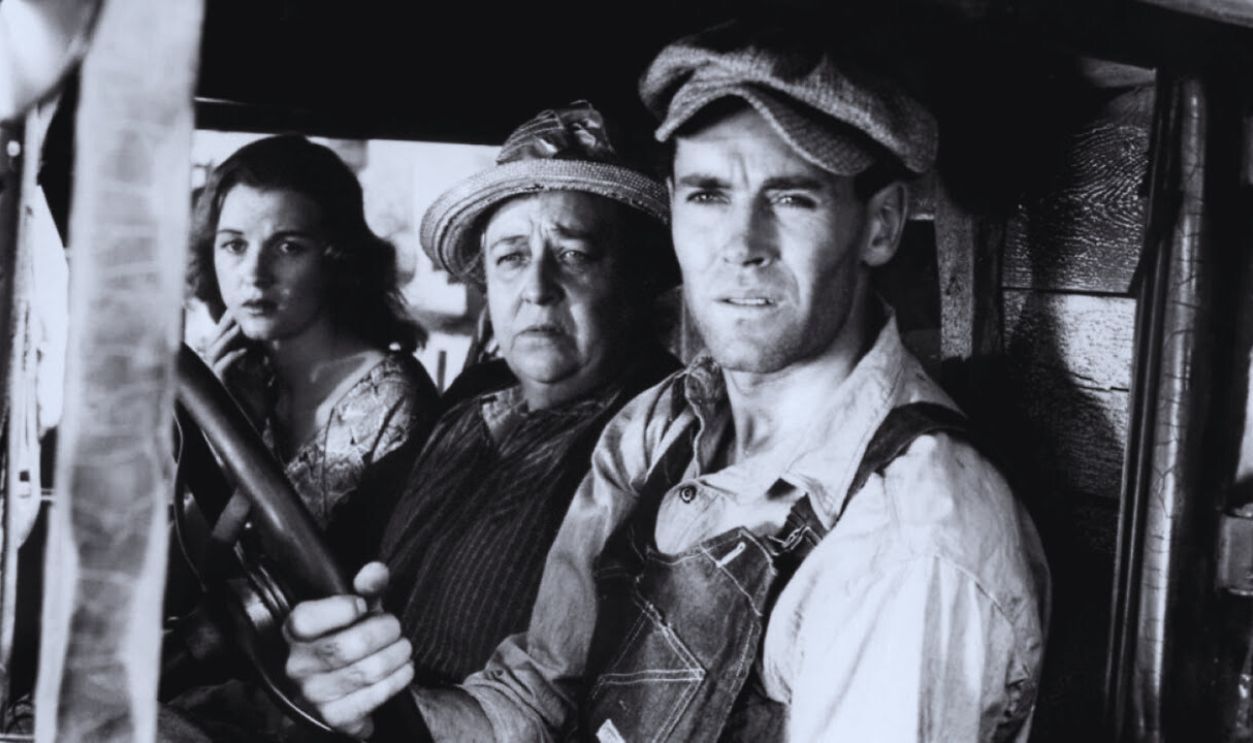 Screenshot from The Grapes of Wrath, 20th Century Fox (1940)
Their Marriage Lasted Only Five Turbulent Years
John and Gwyn remained married from 1943 until 1948. During that time Steinbeck worked as a wartime correspondent and published books including Cannery Row, The Wayward Bus, and The Pearl. The couple also had his only two children, Thom in 1944 and John IV in 1946.
 McFadden Publications, Wikimedia Commons, Modified
Gwyn Eventually Decided To Tell Her Side
Years after the divorce, Gwyn agreed to lengthy interviews with British journalist Douglas Brown. The conversations took place in the early 1970s, decades after the marriage had ended and after Steinbeck’s 1968 passing. Brown shaped her recollections into a manuscript, but the book was never published during Gwyn’s lifetime.
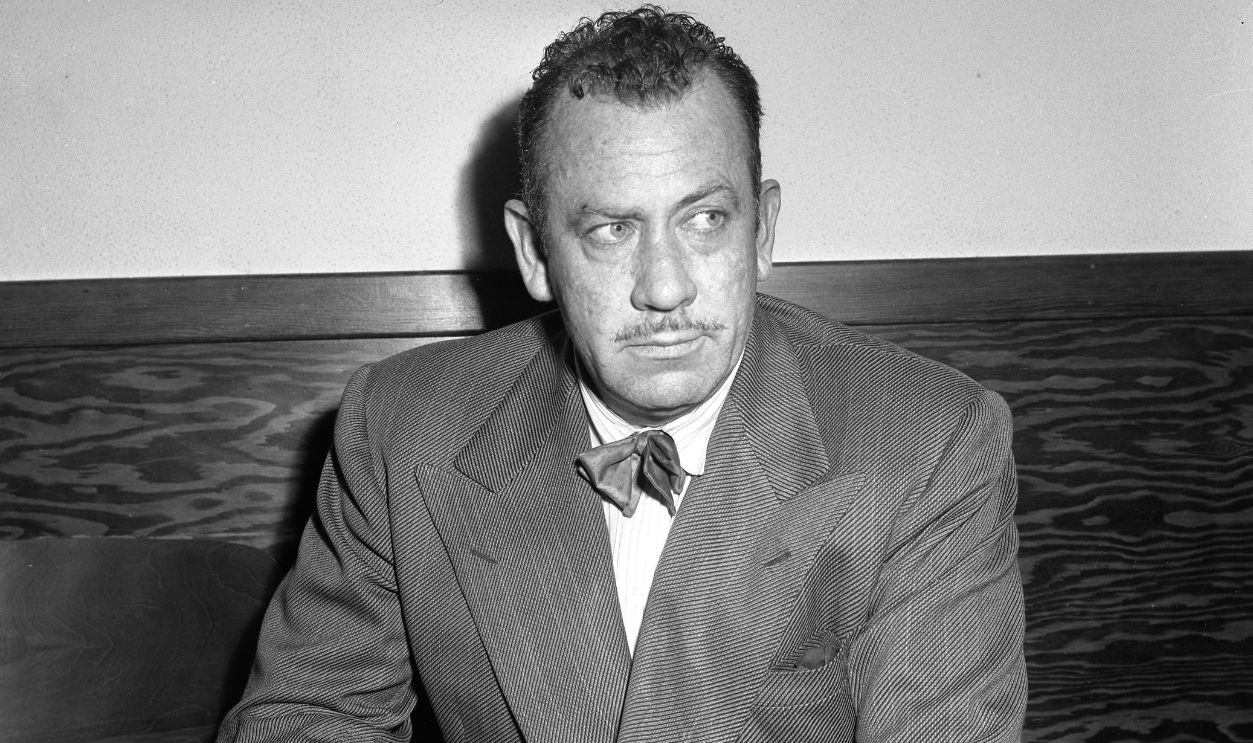 Los Angeles Daily News, CC BY 4.0, Wikimedia Commons
Then The Manuscript Disappeared For Decades
Brown died in the 1990s without publishing his version of Gwyn’s story. The manuscript eventually passed through his family and ended up in Wales. Neighbor Bruce Lawson later learned of its existence and helped bring it into print, turning what had been a forgotten typescript into a new chapter in Steinbeck’s biography.
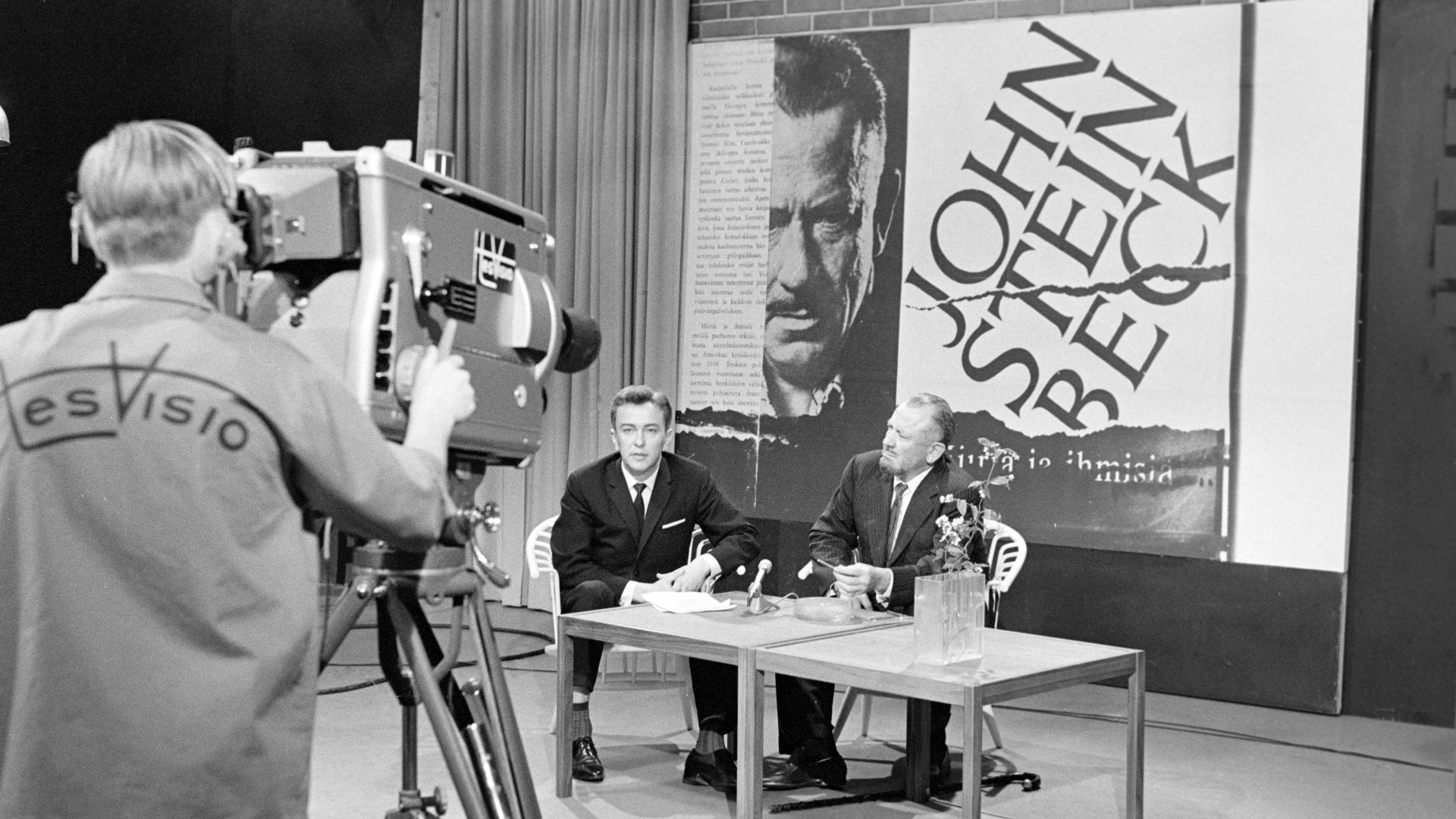 YleArchives, Wikimedia Commons
My Life With John Steinbeck Finally Appeared In 2018
The memoir was published on September 6, 2018 as My Life With John Steinbeck: The Story of John Steinbeck’s Forgotten Wife. Its appearance came 50 years after Steinbeck’s death and 43 years after Gwyn’s. Biographer Jay Parini contributed a preface to the newly published account.

Gwyn Described A Household Organized Around Steinbeck
Her complaint was not only that Steinbeck could be difficult. She remembered everyday life revolving around his writing schedule, moods, and need for quiet. In her account, the household was expected to adjust whenever he worked, leaving Gwyn increasingly responsible for maintaining the environment around him.
 Unknown (UPI), Wikimedia Commons
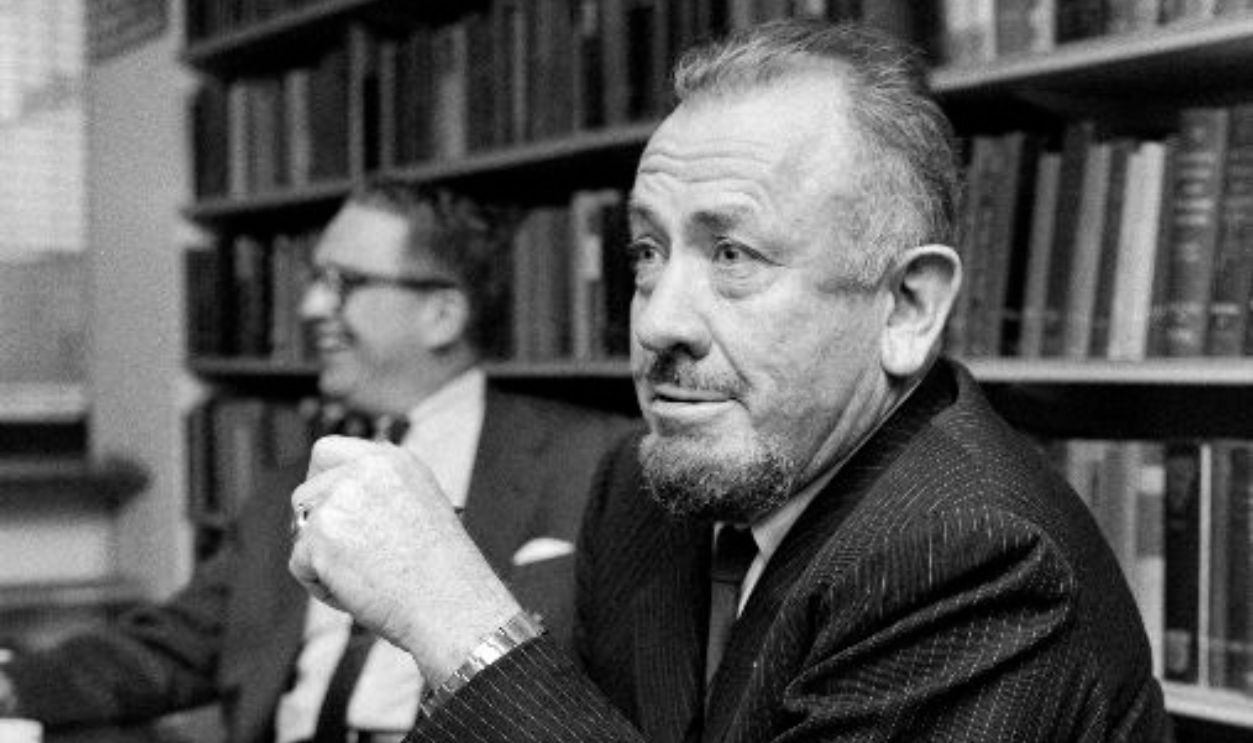
She Said She Felt More Like A Servant Than A Partner
Gwyn used startling language for that imbalance, saying she had effectively become his “slave” from the time he woke until he went to bed. Elsewhere she compared herself to a woman forced to walk behind a master. Those phrases reveal how subordinate she believed she had become inside the marriage.
 Olavi Kaskisuo / Lehtikuva, Wikimedia Commons
Her Singing Career Became Part Of What She Lost
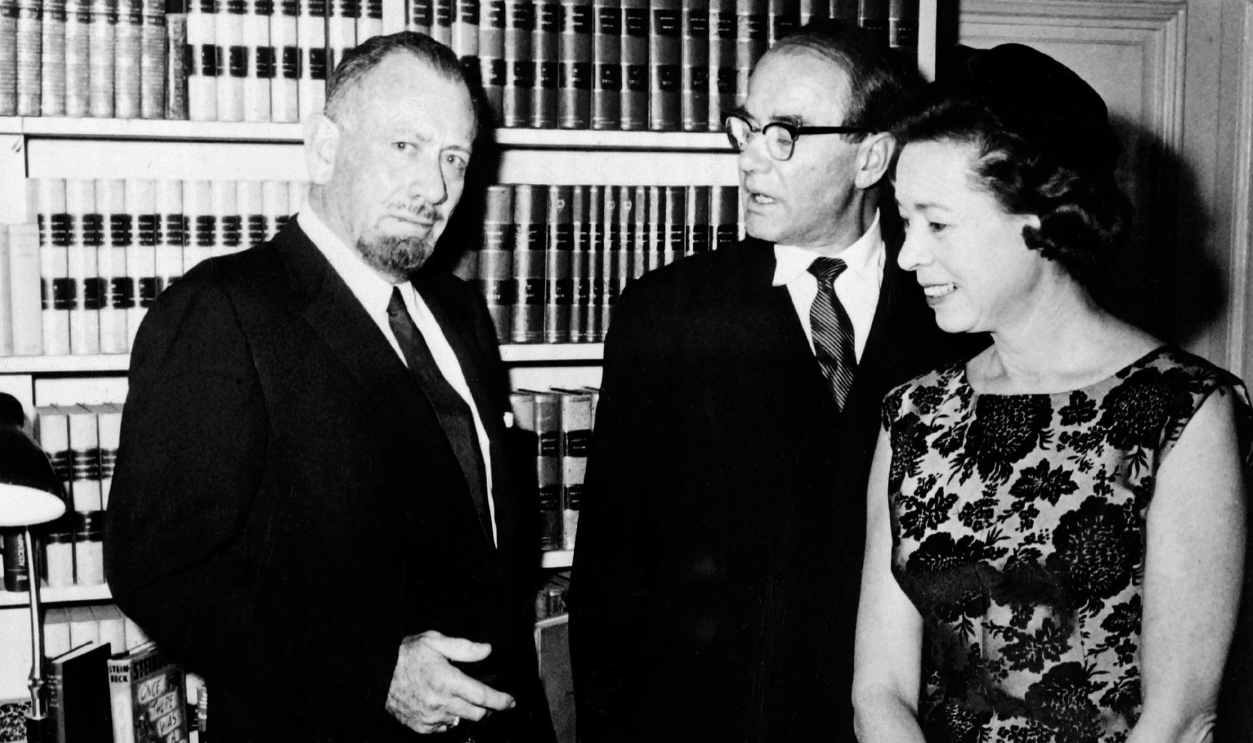
Before marriage, Gwyn had pursued singing professionally. She later described giving up more and more of that independent life as Steinbeck’s career took priority. For her, the loss was not simply about chores or inconvenience. It was the sense that the person she had been before becoming “Mrs Steinbeck” was gradually disappearing.
She Also Accused Him Of Repeated Infidelity
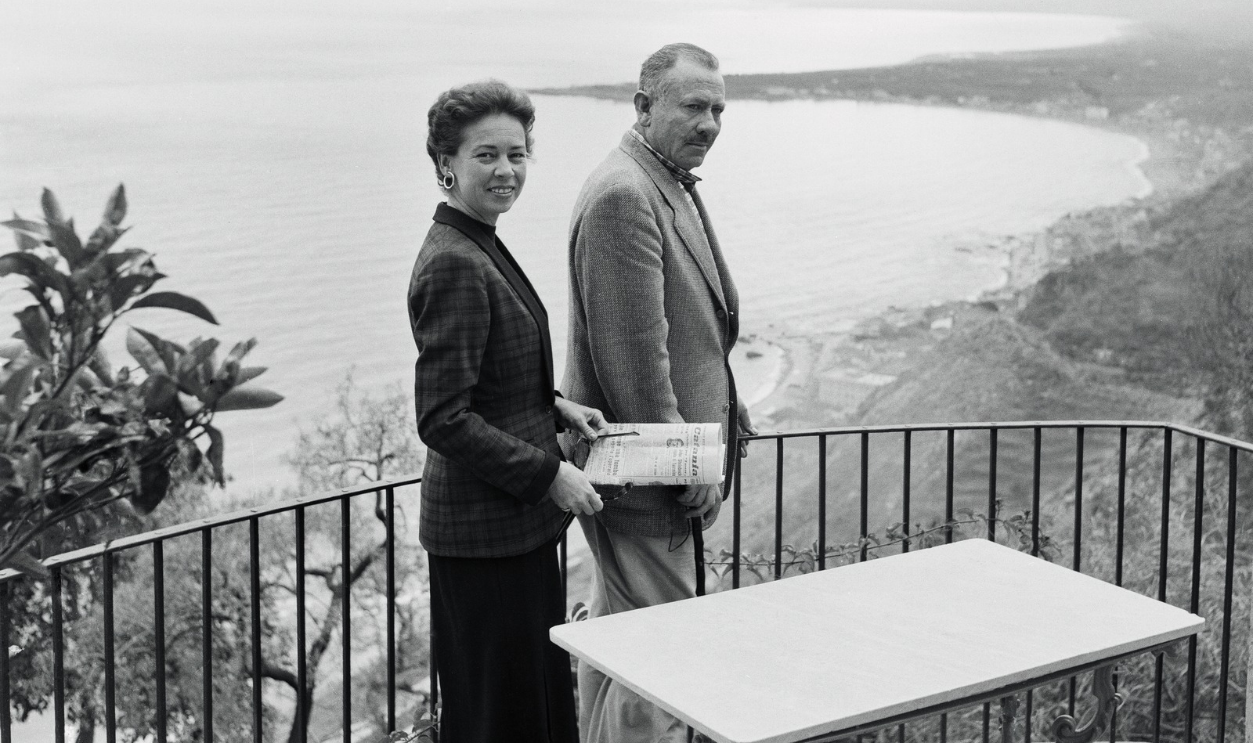
Gwyn’s memoir portrayed Steinbeck as a womanizer and described suspicions and rivalries stretching back to the beginning of their relationship. She even recalled another woman telephoning for more than an hour on the Steinbecks’ wedding night. These remain Gwyn’s allegations, but they form a major part of her account.
There Was An Uncomfortable Irony In That Accusation
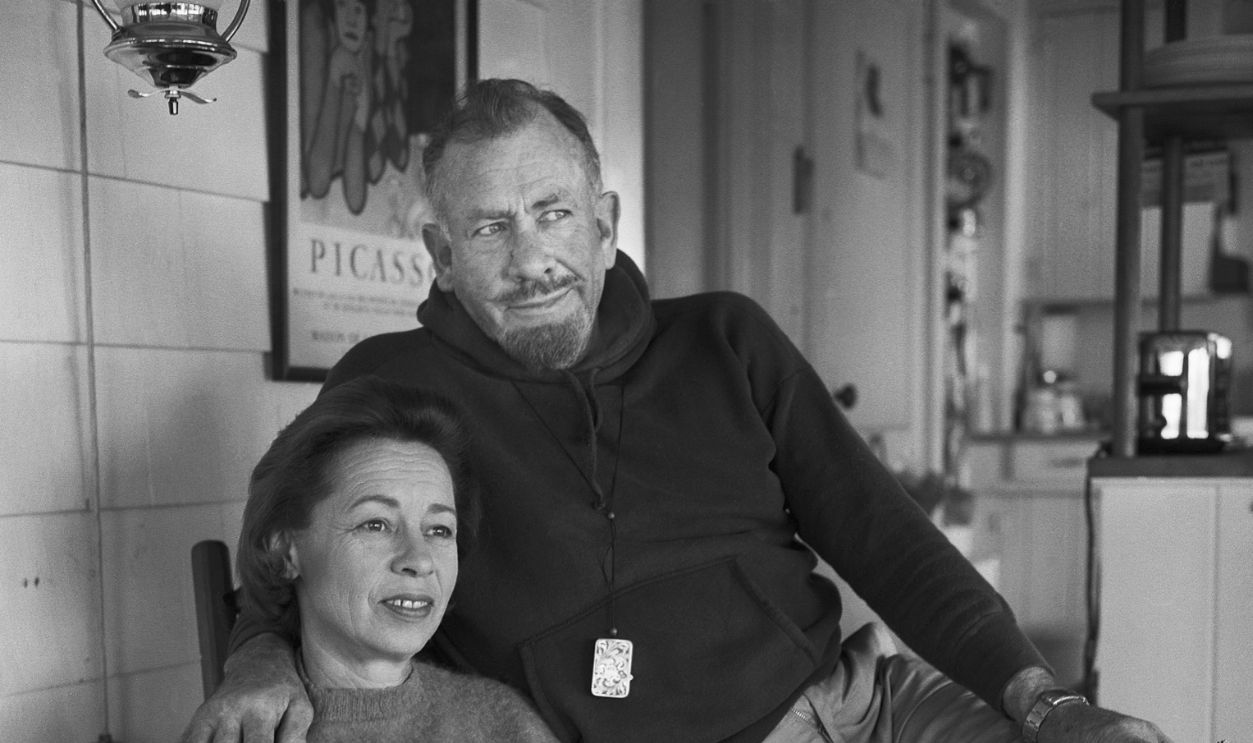
Gwyn knew from the beginning that Steinbeck’s first marriage was collapsing while their own relationship developed. That history did not make later infidelity acceptable in her eyes, but it complicated the moral ground beneath their marriage. Her memoir presents a relationship that began amid divided loyalties and never fully escaped them.
Gwyn Recalled A Cruel Choice Between Two Women
One of the memoir’s most remarkable stories concerns Steinbeck supposedly sitting Carol and Gwyn together and telling them that whichever woman wanted and needed him most was the one he would choose. Gwyn gave versions of this story before the 2018 memoir appeared, but there is no transcript of the encounter itself.
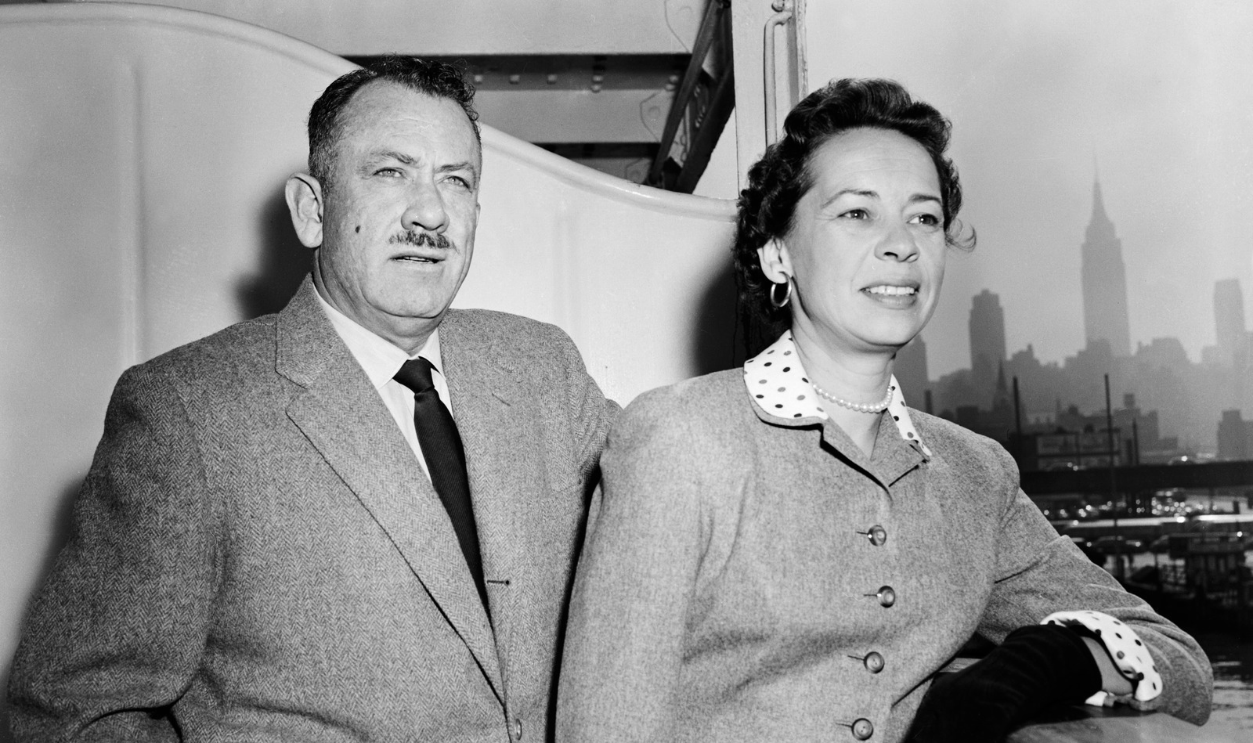
Motherhood Became A Breaking Point
Gwyn’s account describes motherhood as a major strain on the marriage. She had difficult pregnancies and Caesarean deliveries, and she particularly remembered Steinbeck becoming resentful during her second pregnancy and after John IV’s premature birth. In her telling, parenthood exposed how incompatible their expectations had become.
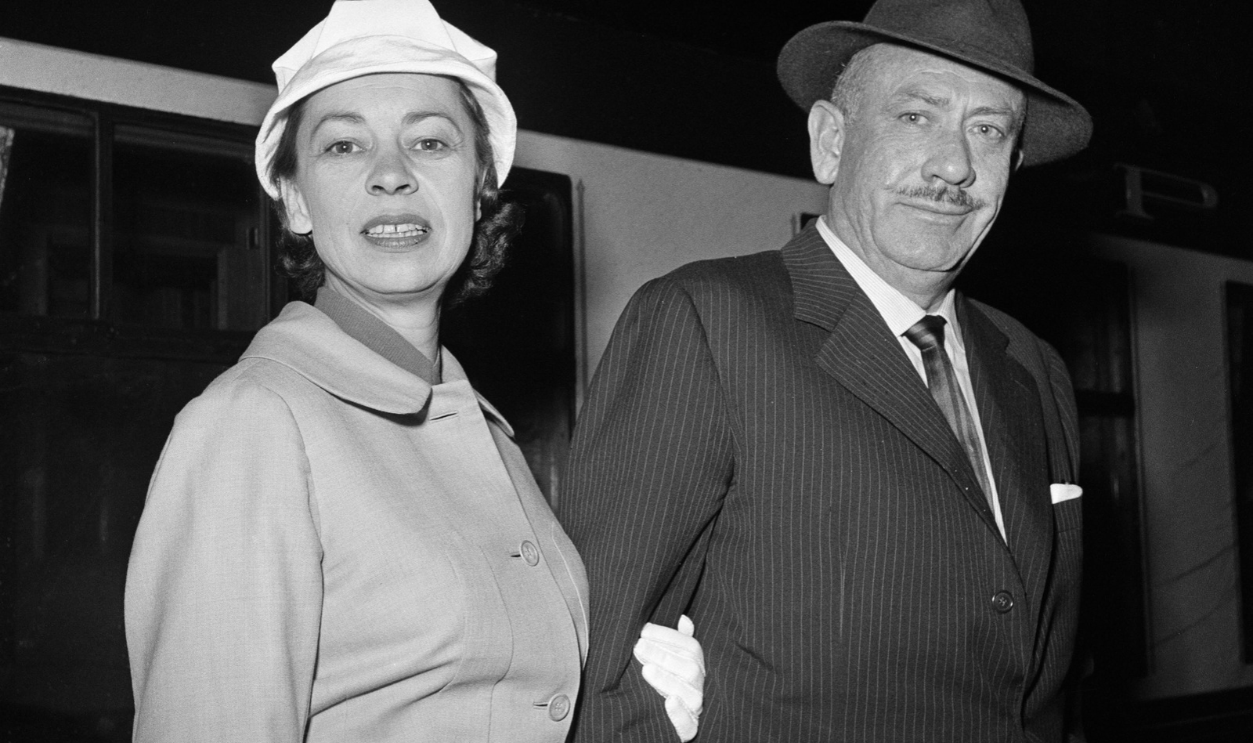 Evening Standard, Getty Images
Her Most Disturbing Memory Concerned Their Premature Son
Gwyn claimed that after John IV was born prematurely, Steinbeck angrily complained about how much of her time the baby required and said he wished the child would die. She identified that moment as the point when her love for her husband ended. The allegation is hers, recorded years afterward, but it is the memoir’s darkest passage.
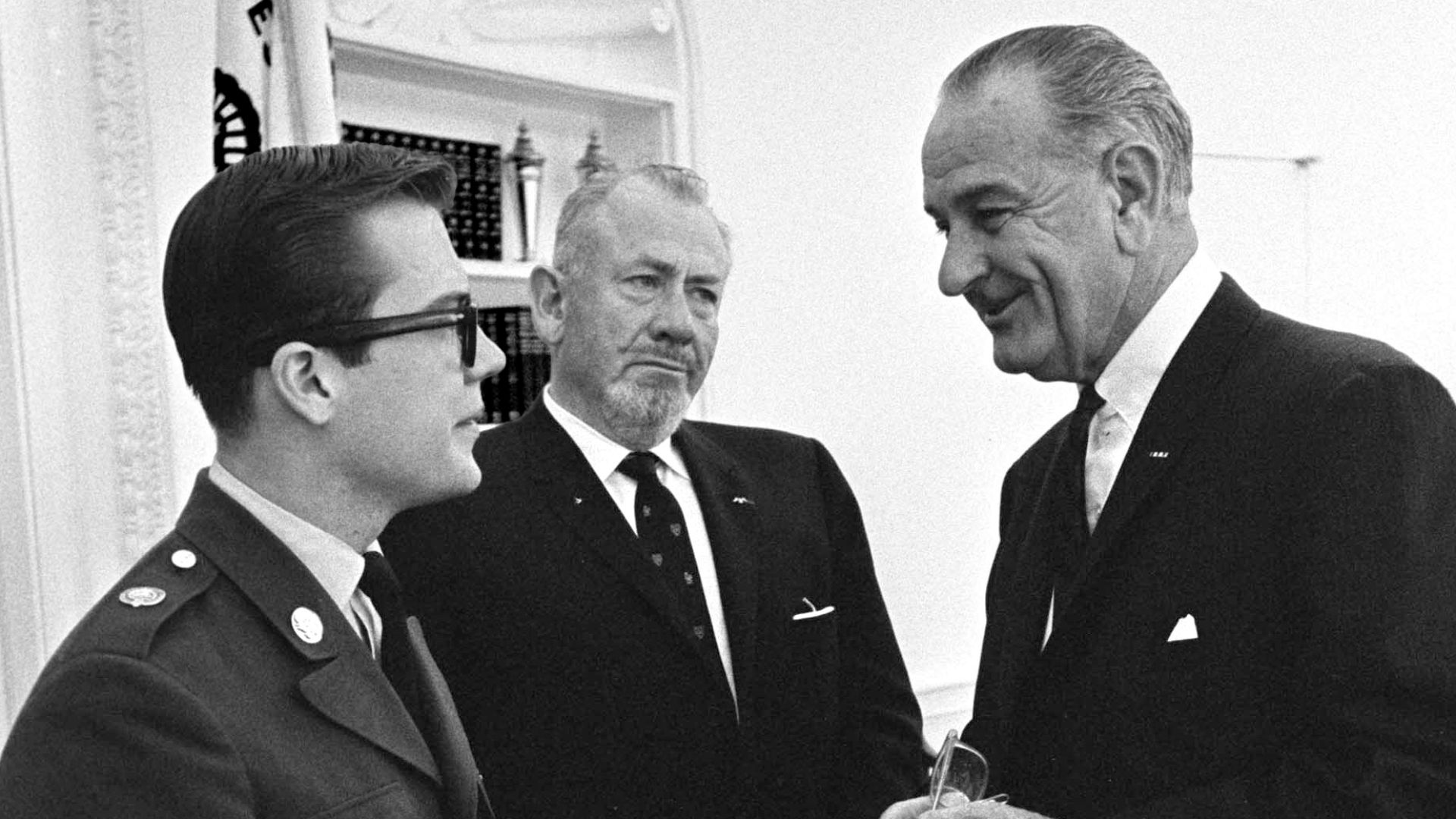 White House photographer, Wikimedia Commons
She Said He Was More Emotional About A Pet Rat
The memoir also describes Steinbeck keeping a pet rat named Burgess and becoming deeply upset when the animal perished. Gwyn contrasted that reaction with what she saw as his lack of tenderness toward his sons. Her point was deliberately harsh: she believed he could display deep emotion, but not reliably where his family needed it most.

Gwyn Even Called Him “A Sadistic Man”
That description generated headlines when the memoir finally appeared. Gwyn used the phrase while recalling behavior she believed showed pleasure in frightening or unsettling other people. Because Steinbeck could no longer answer the allegation and the memoir came from decades-old recollections, the characterization should remain clearly attributed to her.
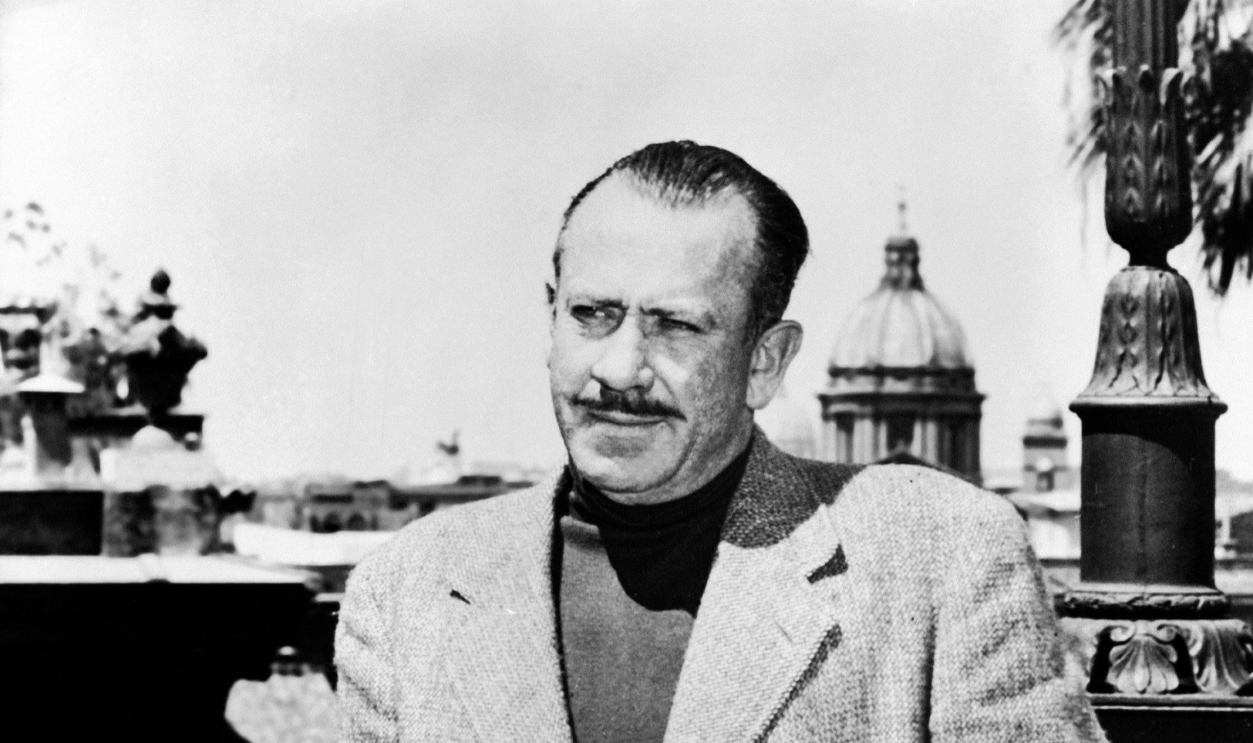
The Marriage Collapsed In 1948
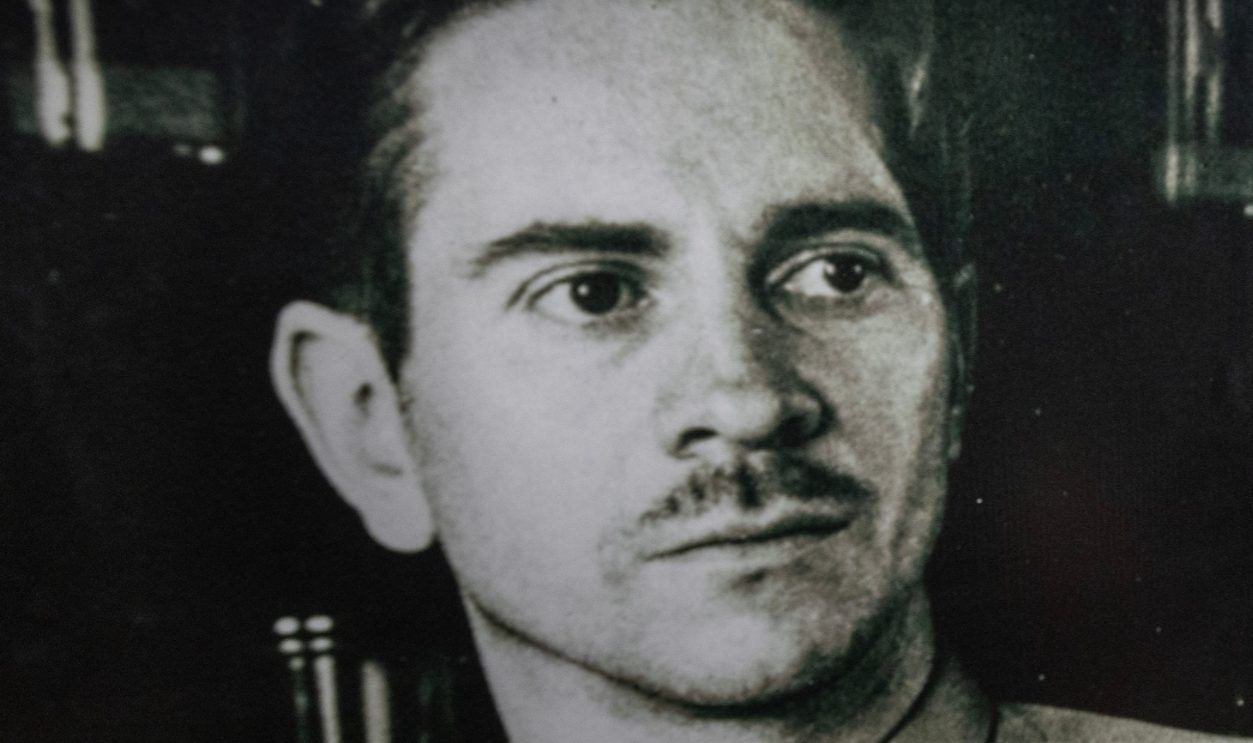
By 1948, the relationship was finished. Gwyn sought a divorce, and the couple separated while Steinbeck was also grieving one of the worst losses of his life: the passing of his close friend Ed Ricketts after a train struck Ricketts’s car. The divorce was finalized that year, leaving Steinbeck apart from his two young sons.
 Brian van der Brug, Getty Images
Steinbeck Entered One Of The Darkest Periods Of His Life
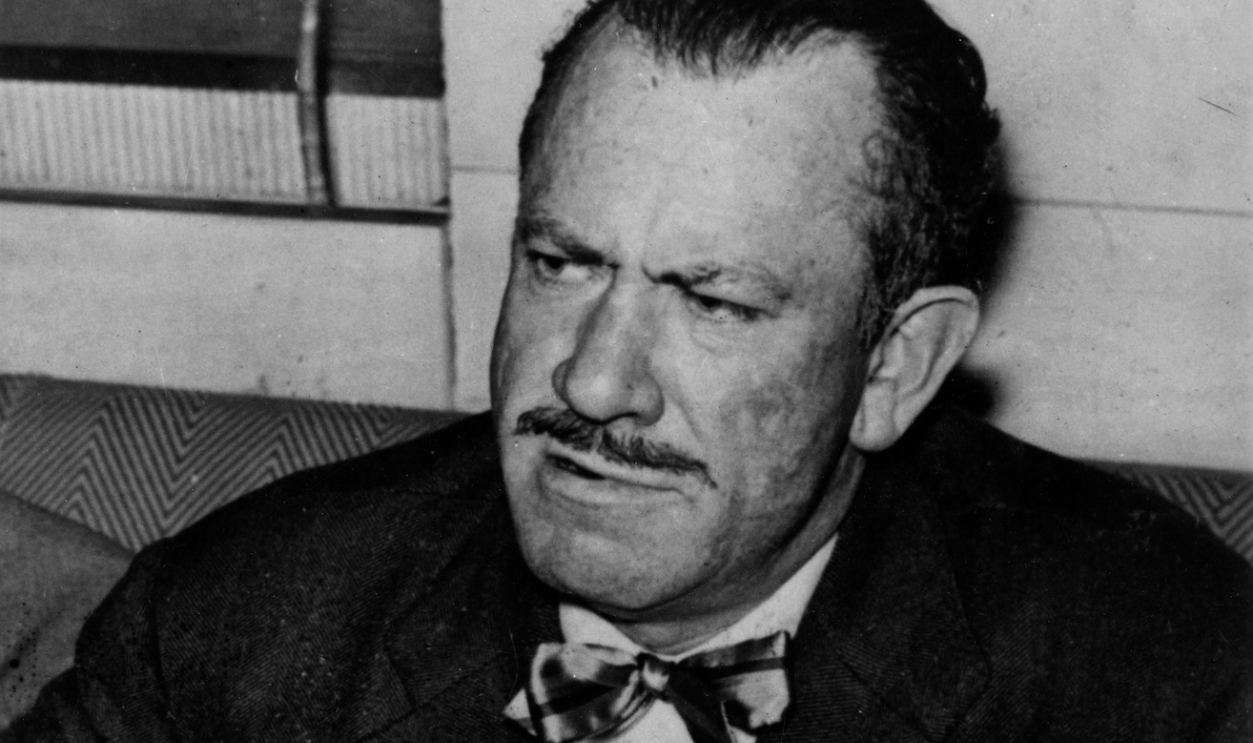
His private journals show how badly 1948 affected him. With Ricketts dead, his marriage over, and his children no longer living with him, Steinbeck fell into a severe depression and wrote relatively little. Those journals complicate the portrait: the man Gwyn remembered as cold could also experience profound grief and loneliness.
 Mondadori Portfolio, Getty Images
Their Son Remembered A Dysfunctional Family On Both Sides
John Steinbeck IV later wrote about both parents in The Other Side of Eden. His account described his mother as abusive during periods of heavy drinking while portraying his father as emotionally unavailable and absorbed in being the “Great Writer". His testimony makes clear that the family’s problems cannot be reduced to one villain and one victim.
A Memoir Is Still One Person’s Memory
That does not make Gwyn’s testimony unimportant. It does mean readers should remember what kind of source they are reading. Her recollections were recorded decades after the marriage, Steinbeck had already passed, and other family members remembered events differently. The memoir is firsthand evidence, not an uncontested verdict.
The “Unearthed” Story Is More Complicated Than It Sounds
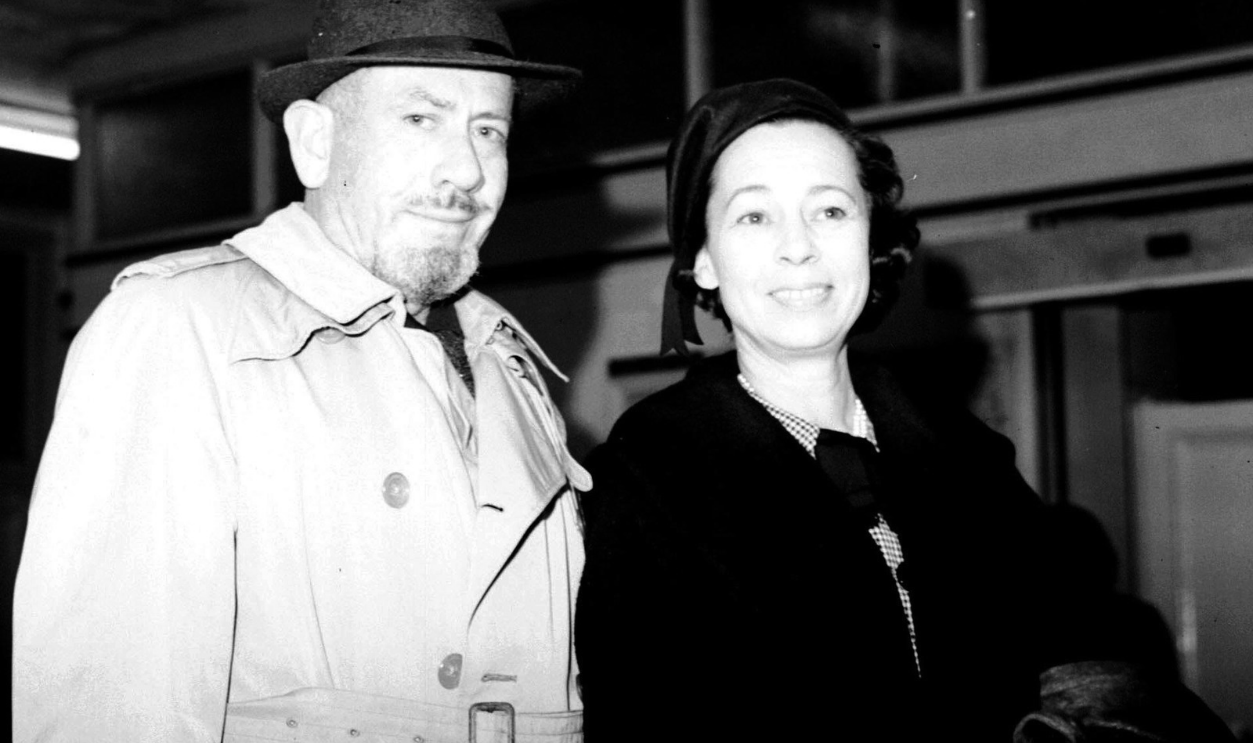
Although the 2018 book was newly available to general readers, Gwyn’s testimony was not completely unknown to scholars. Material derived from her interviews had circulated in academic work decades earlier. What changed in 2018 was that her version became accessible to a much larger audience outside specialist Steinbeck research.

East Of Eden Makes The Story Even More Uncomfortable
After the divorce, Steinbeck created Cathy Ames, the murderous and manipulative woman at the center of East of Eden. Steinbeck’s sons later said Cathy was loosely based on their mother, although scholars continue to debate how direct that connection really was. Cathy should not be treated as a literal portrait of Gwyn.
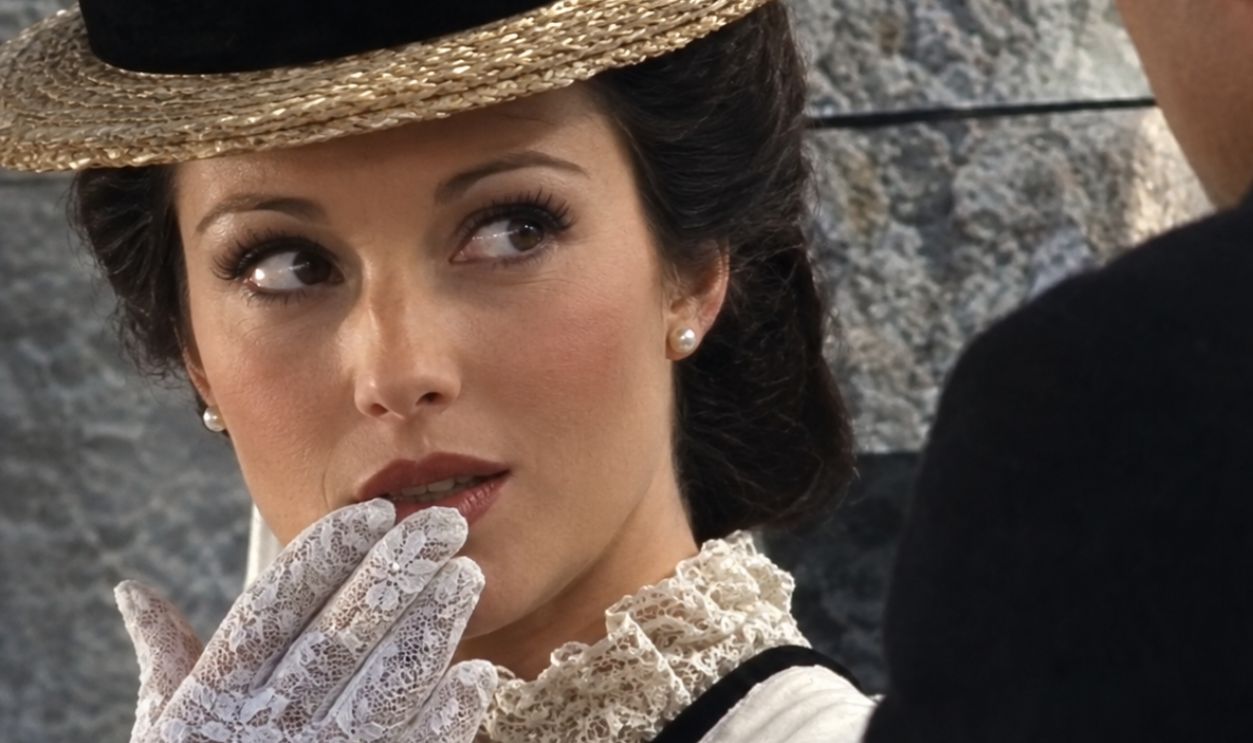 Screenshot from East of Eden, ABC (1981), Modified
Fame Eventually Made Steinbeck Almost Untouchable
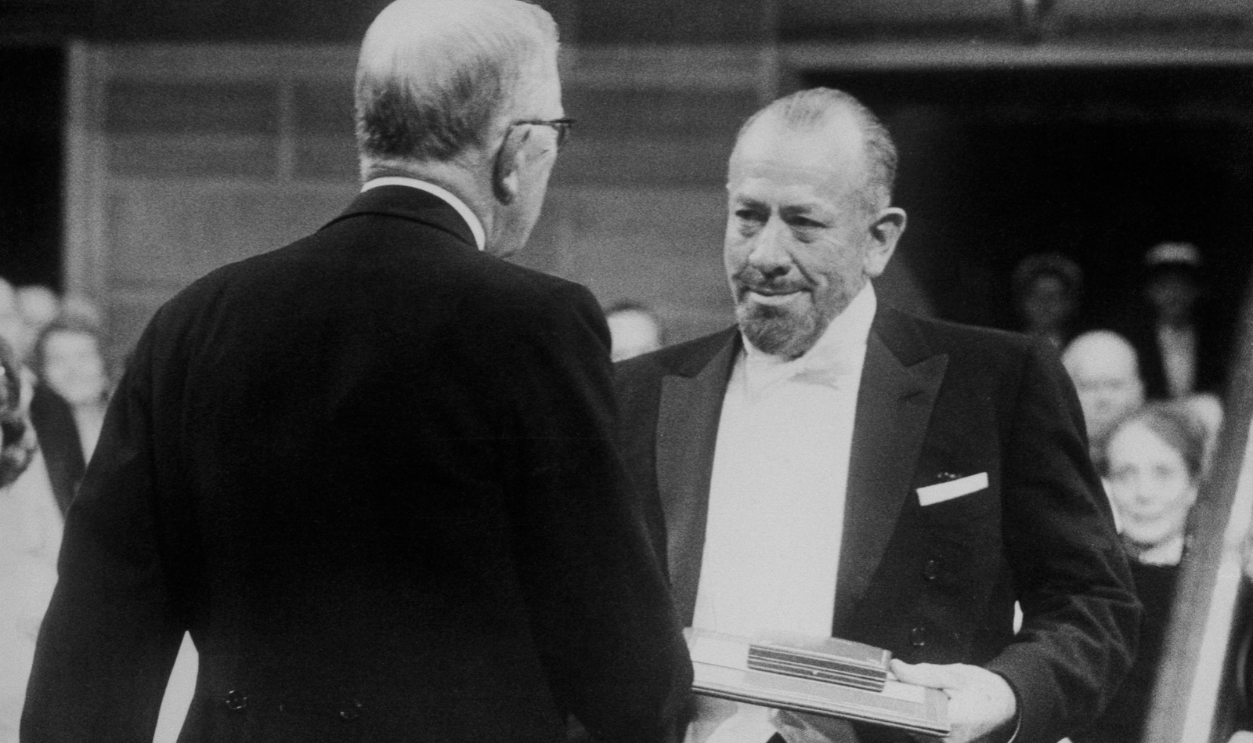
Whatever happened inside his marriages, Steinbeck’s literary reputation continued to grow. In 1962, he received the Nobel Prize in Literature for writing the Swedish Academy praised for its realism, imagination, sympathetic humor, and social perception. By then, his troubled five-year marriage to Gwyn was far behind his public image.
 YleArchives, Wikimedia Commons
Gwyn’s Version Arrived Too Late For Either Of Them To Answer
Steinbeck died in 1968. Gwyn died in 1975. When her memoir reached ordinary readers in 2018, neither could clarify memories, challenge interpretations, or answer new questions. That is why the book is revealing but inherently incomplete: it gives a voice back to Gwyn without giving the final word on their marriage to anyone.
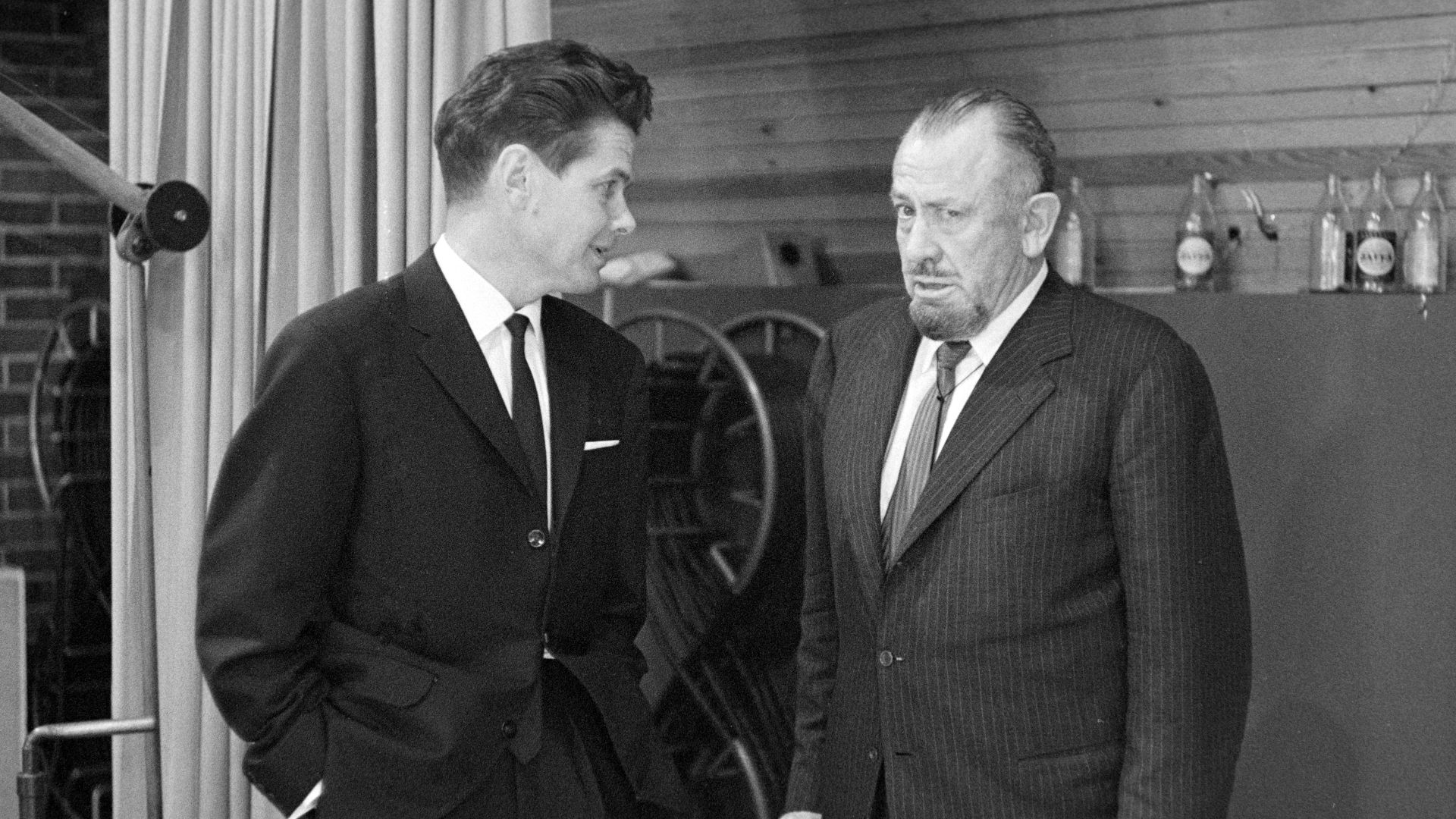 YleArchives, Wikimedia Commons
The Memoir Does Not Erase The Books
None of Gwyn’s allegations changes who wrote The Grapes of Wrath, Of Mice and Men, or East of Eden. What the memoir changes is the simplicity of the author’s public image. A writer capable of extraordinary empathy on the page could, according to the woman who lived with him, be demanding, jealous, unfaithful, and deeply hurtful at home.
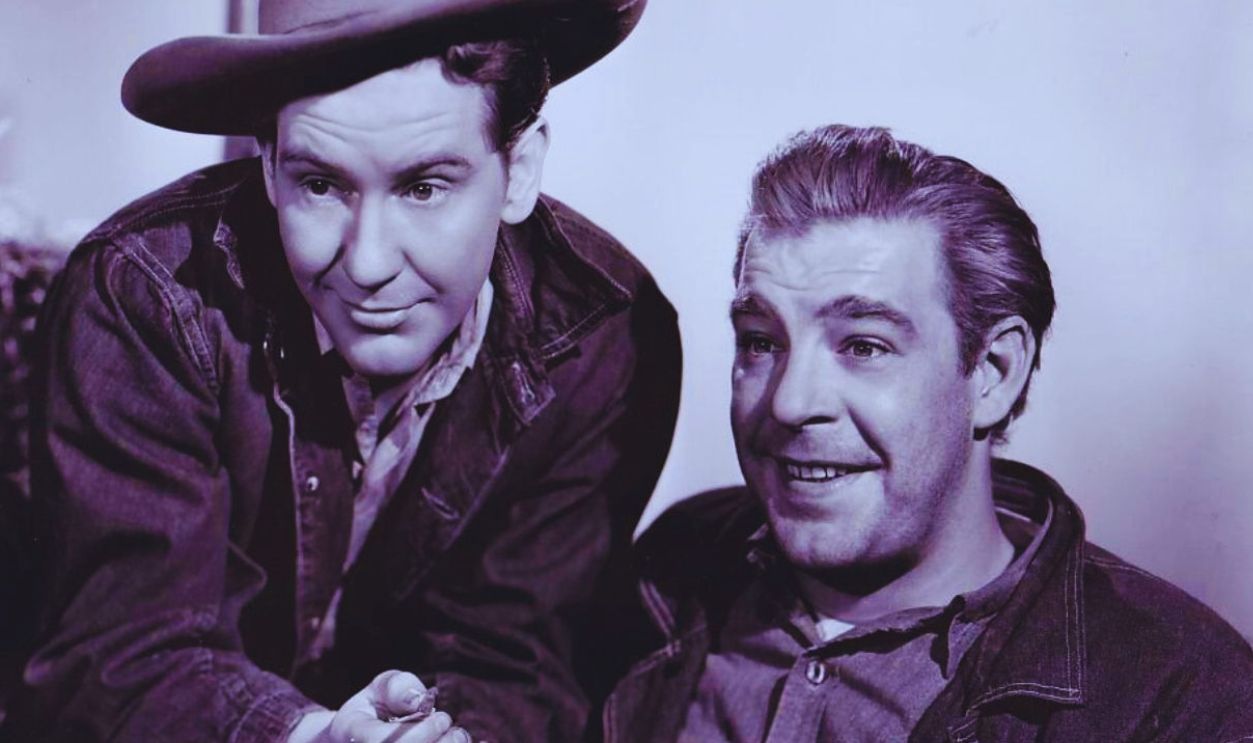 Screenshot from Of Mice and Men, United Artists (1939), Modified
Gwyn’s Story Changes Who Gets Remembered
Literary history naturally preserves the famous writer first, while spouses, children, and people living in the background can disappear. Gwyn’s account cannot settle every dispute inside the Steinbeck marriage, but it ensures that the person standing beside the celebrated author is no longer missing from the story.

You May Also Like:
Peculiar Facts About Famous Writers
Novel Facts About The Brontë Sisters, Literature's Gothic Masterminds