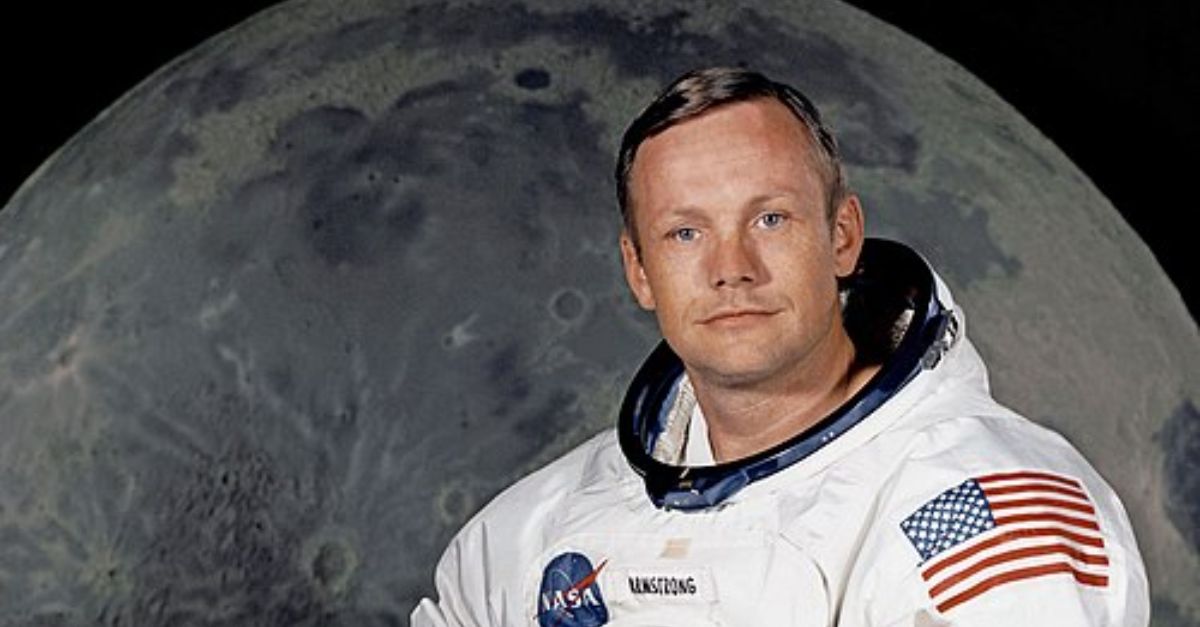
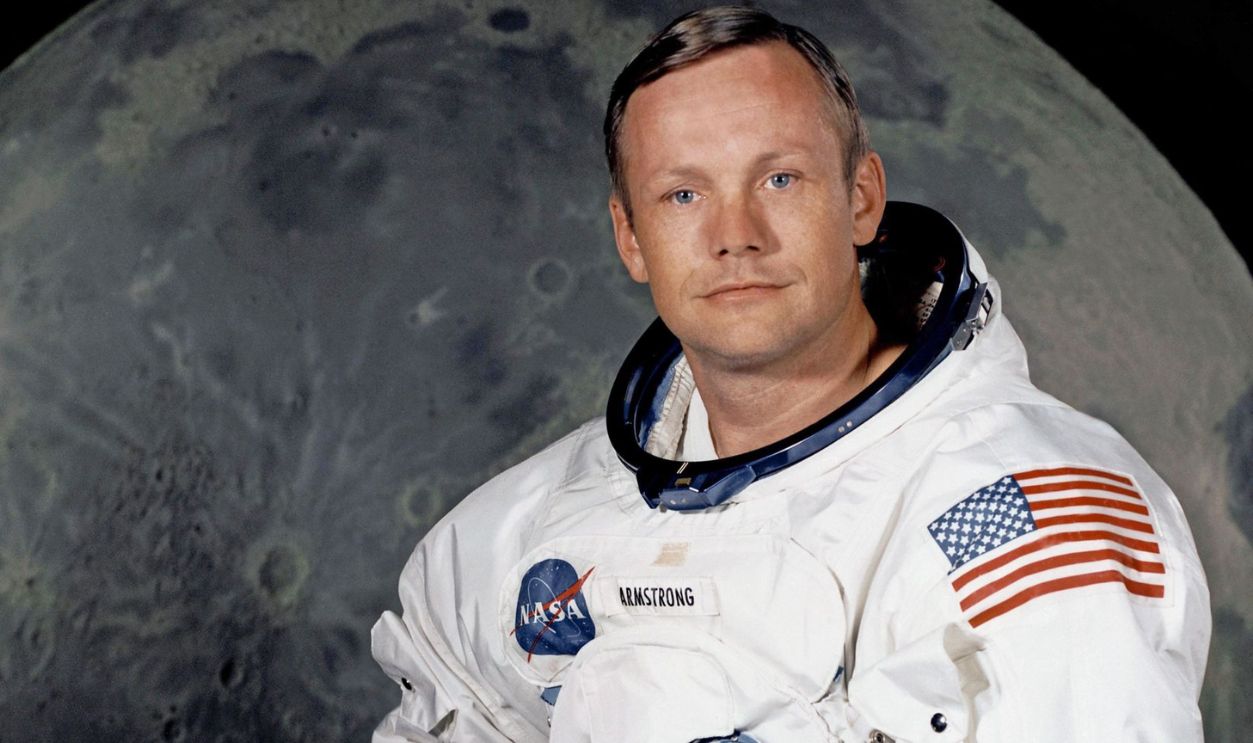
 NASA Photo ID: S69-31741 - Program: Apollo XI, Wikimedia Commons
Space has a knack for bending our sense of scale. The Moon feels close enough to touch—after all, we see its craters with nothing but our eyes. Yet, that 238,855-mile gap between Earth and its lunar neighbor is far larger than it looks. Here’s the mind-bending part: you could squeeze the entire lineup of planets, starting with Mercury and ending with Neptune, into that distance. Sounds impossible? Let’s take a closer look at why the math checks out and what that says about the wild proportions of our cosmic backyard.
How The Numbers Stack Up
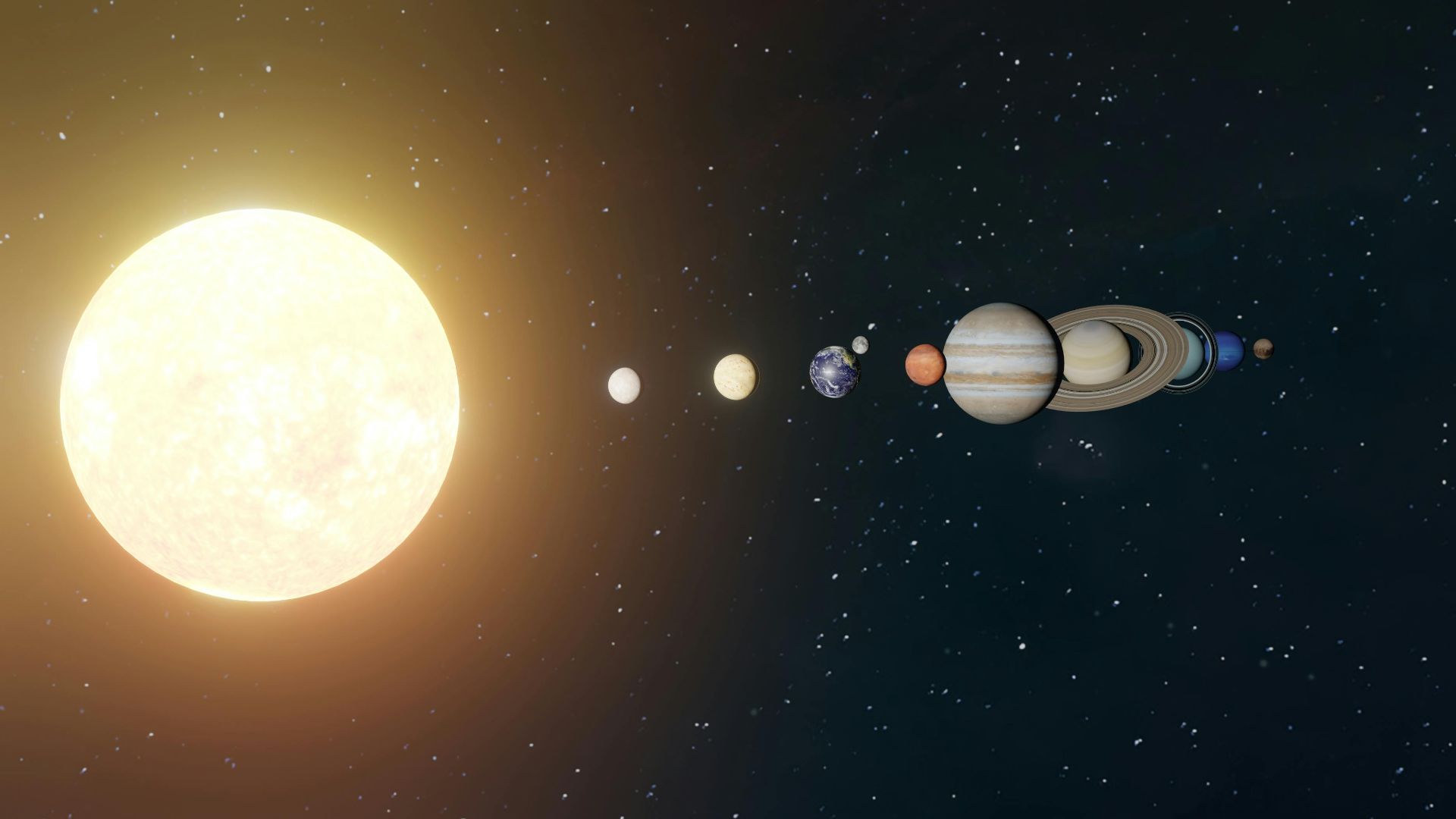
Add up the diameters of all eight planets, and you get around 248,982 miles—just short of the Moon’s average distance from Earth. Mercury’s a mere 3,032 miles wide, while Jupiter, the behemoth of the bunch, spans nearly 89,000 miles. Line them up edge-to-edge, and they’d slide neatly between Earth and the Moon with a few thousand miles to spare.
That extra room isn’t much—only about the width of Australia—but it’s enough to make the claim accurate. In fact, the lineup works only if the planets are placed side by side without their atmospheres overlapping.
What’s even more fascinating is how small our entire system seems in context. The Sun, for instance, could swallow all the planets more than 700 times over. Yet here, between our planet and its satellite, there’s enough room for the entire planetary lineup.
Putting It Into Perspective
To grasp how enormous that gap is, consider this: light takes just over one second to travel from the Moon to Earth. If you could drive there (ignoring the whole lack-of-road issue), cruising at 60 mph nonstop, you’d need about 166 days to arrive. Astronomers love this comparison because it’s both simple and humbling. It reminds us that space isn’t crowded at all; it’s mostly a vast sea of nothing.
And yet, compared to other planetary systems, ours is relatively compact. Take Kepler-90, a distant solar system where all eight planets orbit closer to their star than Earth does to the Sun. The Moon’s distance might seem vast to us, but in cosmic terms, it’s a backyard stroll. If Jupiter and Saturn could somehow squeeze between us and the Moon, their gravitational pull would tear our skies apart, but mathematically, the fit still stands.
Why It Feels So Counterintuitive
Our brains aren’t wired for cosmic distances. We tend to compress what we can’t see firsthand. The Moon looks reachable because it hangs large and bright in our sky, while the planets appear as pinpoints. But in truth, that “small” distance hides a yawning gulf—big enough for all eight worlds and still roomy enough for a few satellites.
The illusion of closeness has fooled more than just casual skywatchers. Early astronomers struggled for centuries to measure the true Earth-Moon distance. Only in 1969 did astronauts confirm it with reflectors placed on the lunar surface, which is now measured precisely by laser.
And that precision keeps improving. Today, scientists can track the Moon’s movement to within an inch, revealing that it’s slowly drifting away from us—about 1.5 inches farther every year. Over time, that means the “planet lineup” space is literally expanding. In a few million years, there’ll be room for a few extra Pluto-sized bodies in the mix.
A New Way To See Home
Thinking of our solar system this way changes perspective. Between Earth and the Moon lies not just empty space but a perfect demonstration of cosmic scale. It also sparks a deeper appreciation for how finely balanced everything is. The Moon’s distance affects ocean tides, animal migration, and even human sleep cycles. If it were just a little closer, tides would devastate coastlines. A little farther, and nights would dim. That delicate midpoint happens to be vast enough for the solar system’s planets, and yet just right for life on Earth.
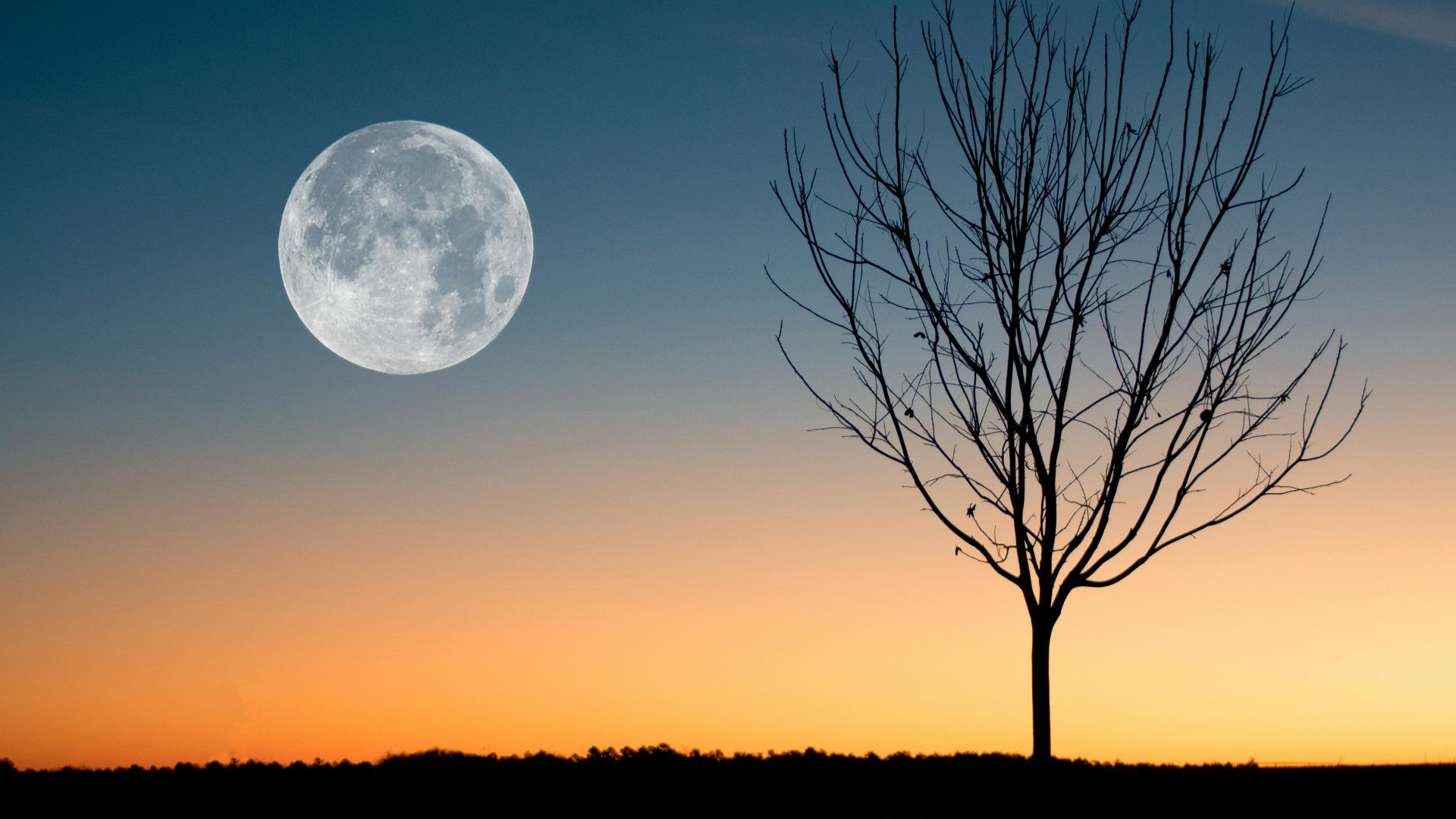
The next time you look up at that glowing orb, remember—there’s theoretically room between here and there for every planet you know. Kind of puts your morning commute in perspective, doesn’t it?
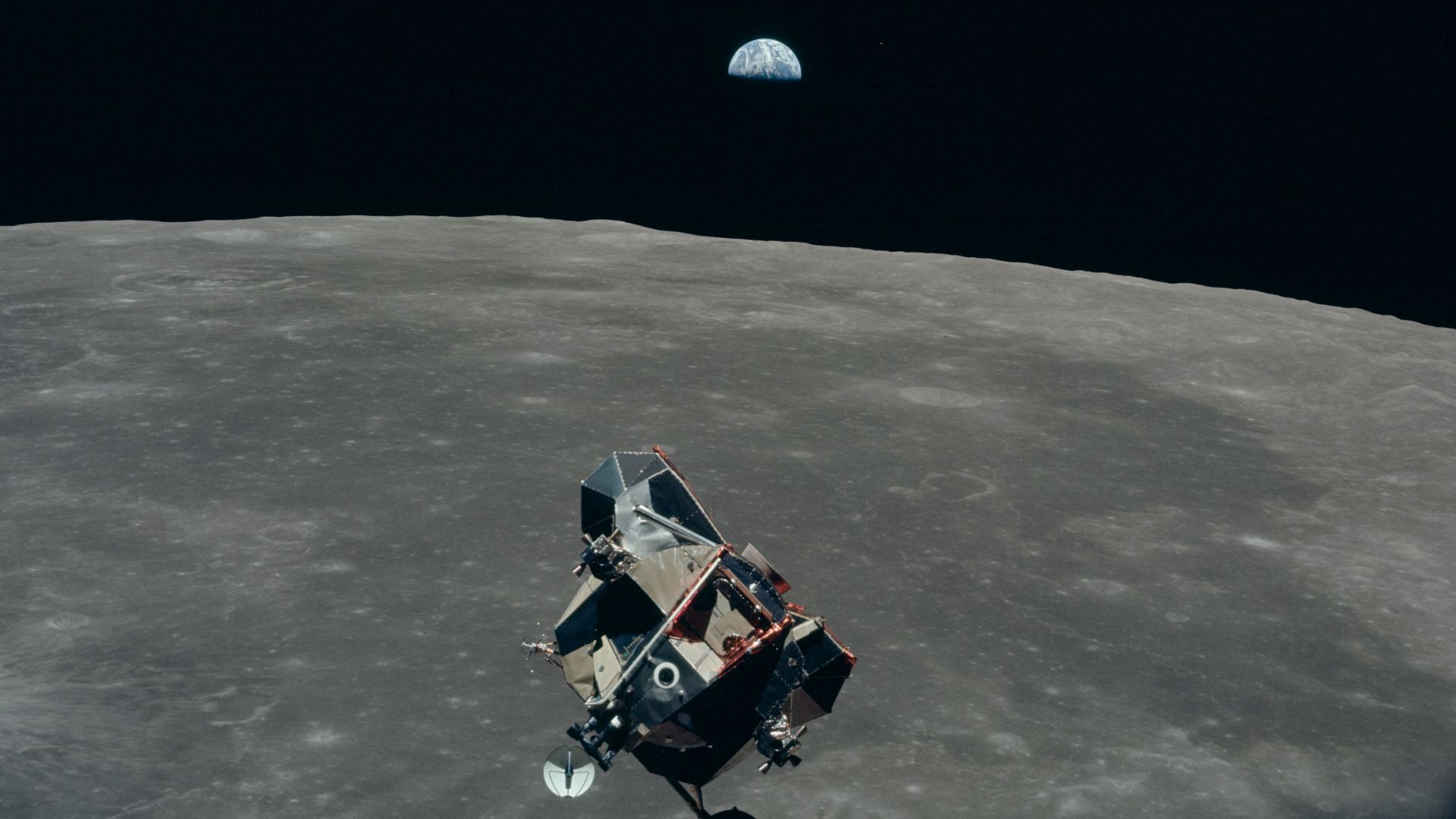 NASA / Apollo 11, Wikimedia Commons