
Stellar Mystery Spot
The universe holds countless worlds beyond our reach. Kepler-22b stands out among them—a super-Earth swimming in the habitable zone of its star. Science lets us paint a picture of what we'd find.

Discovery History
In December 2011, scientists announced an exciting breakthrough. NASA's Kepler Space Telescope had found Kepler-22b, the first confirmed planet orbiting within a star's habitable zone. This discovery came after detecting three separate transits, with the first spotted just three days after the telescope began operations in May 2009.
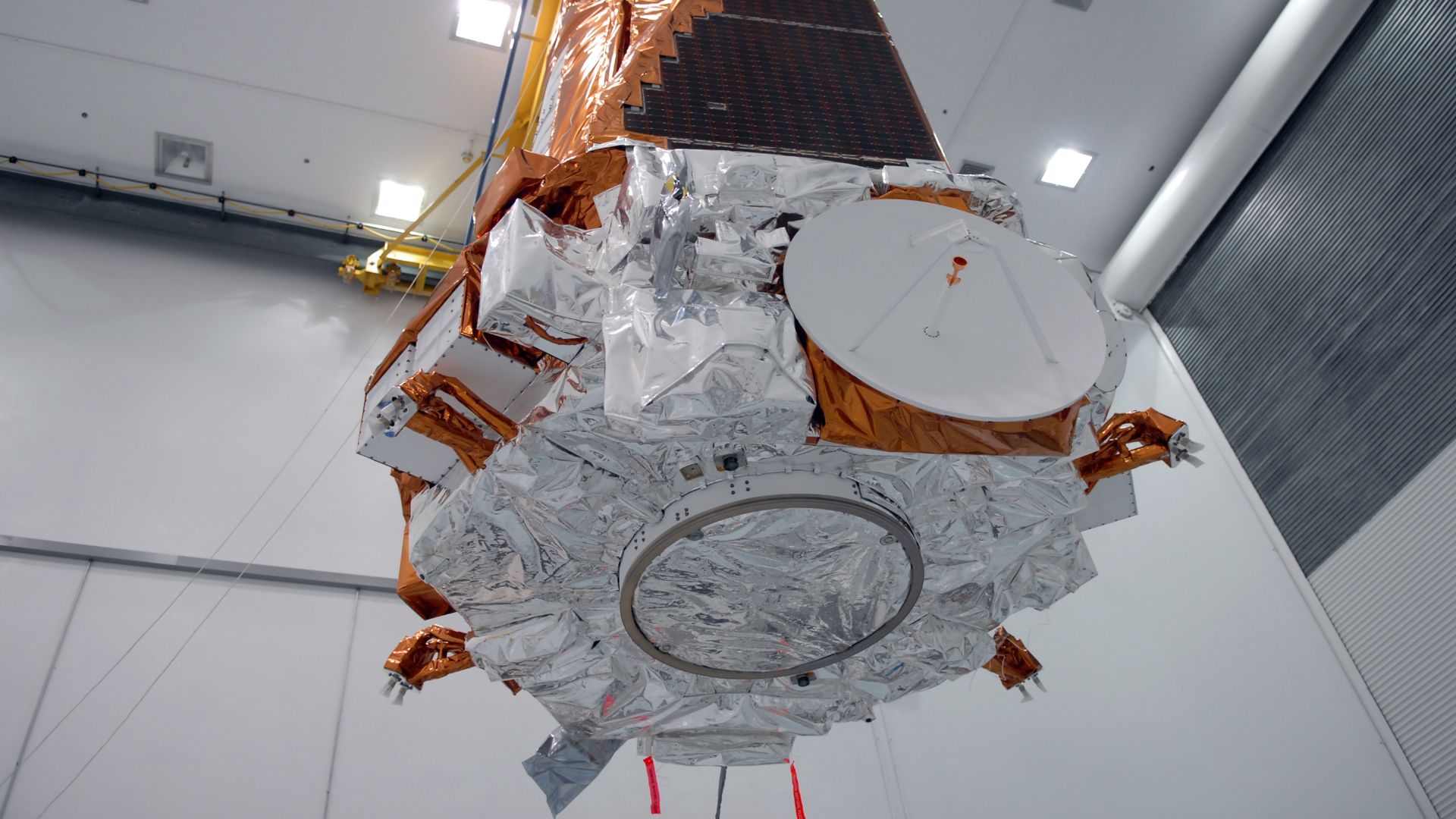 NASA/Troy Cryder, Wikimedia Commons
Telescope Method
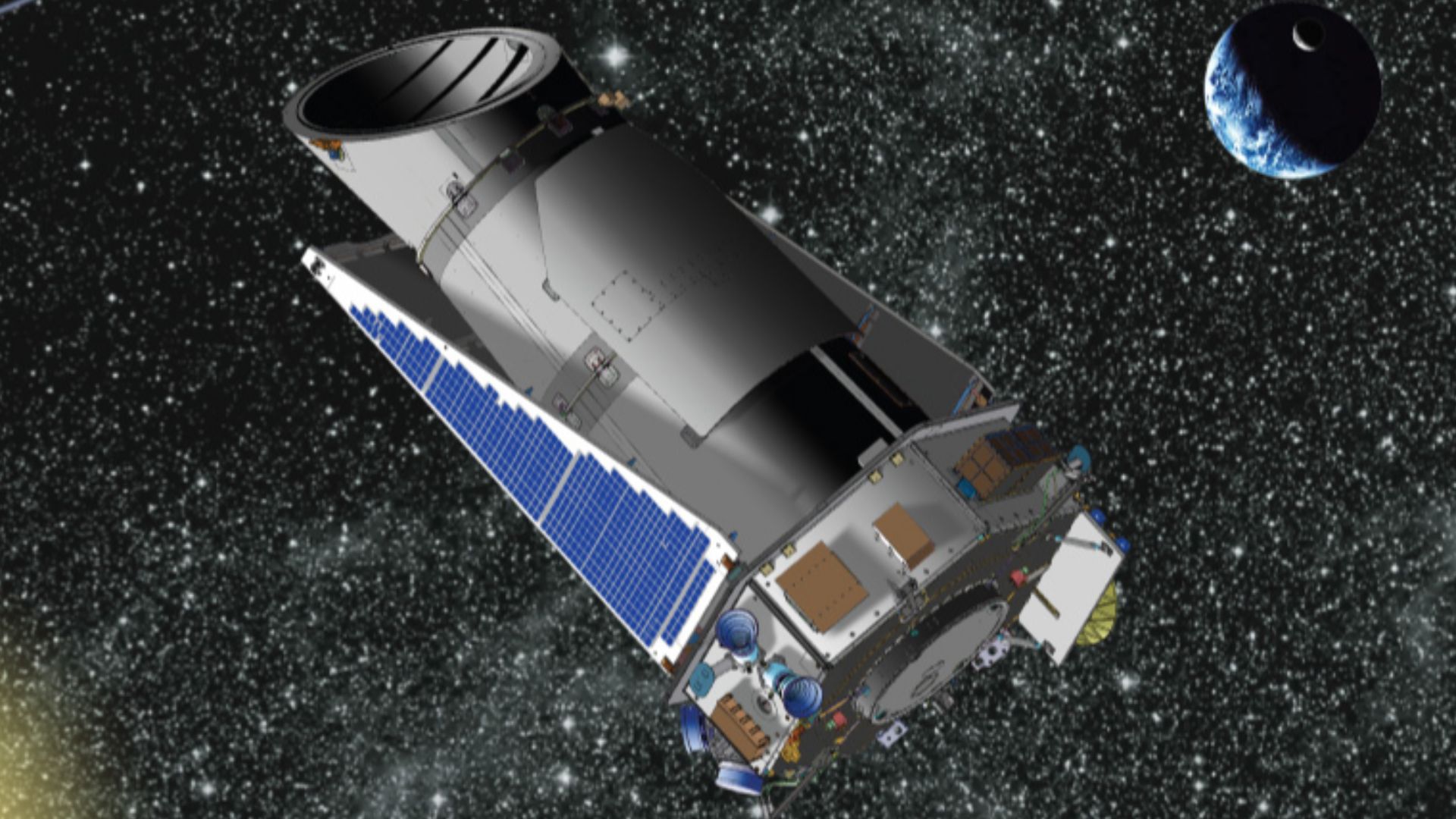
How do you find a planet 640 light-years away? The answer lies in tiny brightness dips. Kepler-22b revealed itself when it crossed in front of its star, blocking 0.01% of the star's light. Scientists needed to observe this transit three times to confirm the discovery.
Star Characteristics
Kepler-22, a G5-type star similar to our Sun but slightly smaller and cooler, provides the perfect conditions for its orbiting planet. Located in the Cygnus constellation, it radiates approximately 25% less light than our Sun. The similarities between this star and our own contributed to the excitement surrounding Kepler-22b.
 NASA/Ames/JPL-Caltech, Wikimedia Commons
Orbital Location
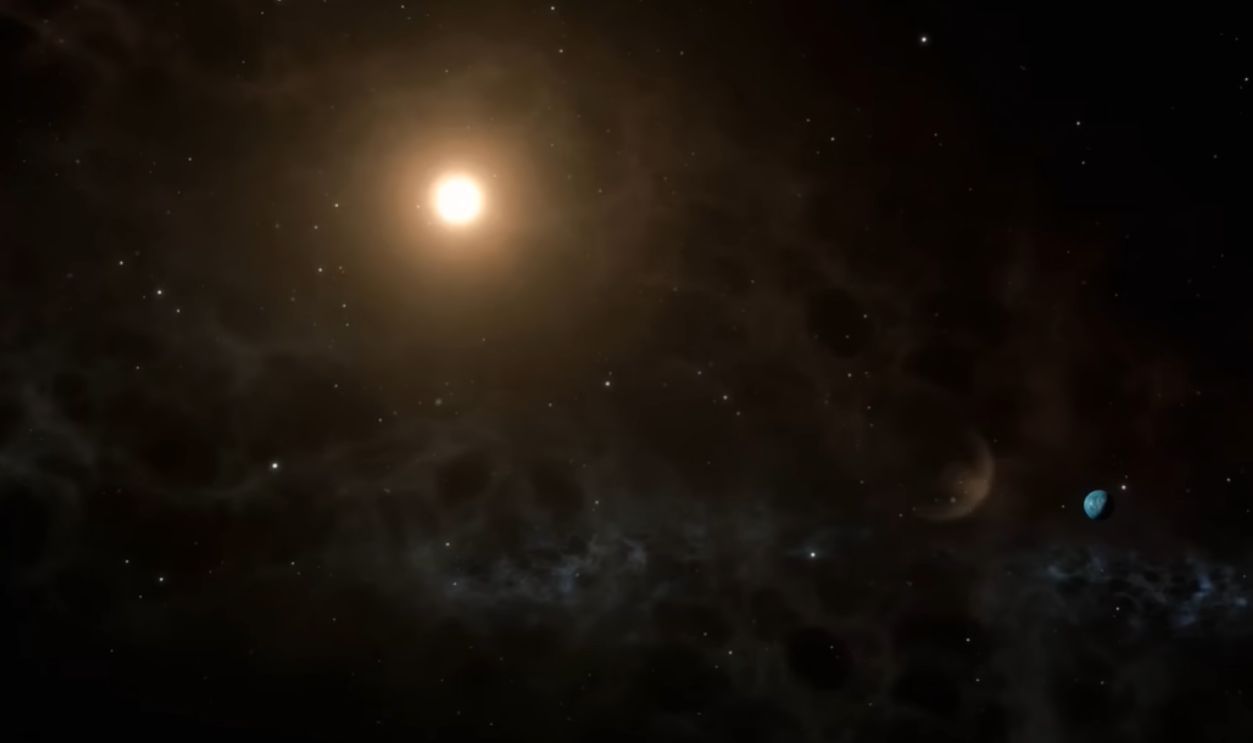
Within the vastness of space, location determines a planet's potential habitability. Kepler-22b orbits its star at a distance of 0.85 astronomical units—about 15% closer than Earth orbits the Sun. This prime real estate places it squarely within its star's habitable zone.
 Kepler-22b: Our Future Home? by BRIGHT SIDE Series
Transit Period
Every 290 days, Kepler-22b completes one orbit around its parent star. This transit period, slightly shorter than Earth's 365-day year, provided the key evidence for the planet's finding. The consistent timing of these transits allowed astronomers to calculate the planet's orbital parameters with remarkable precision.

Habitable Zone
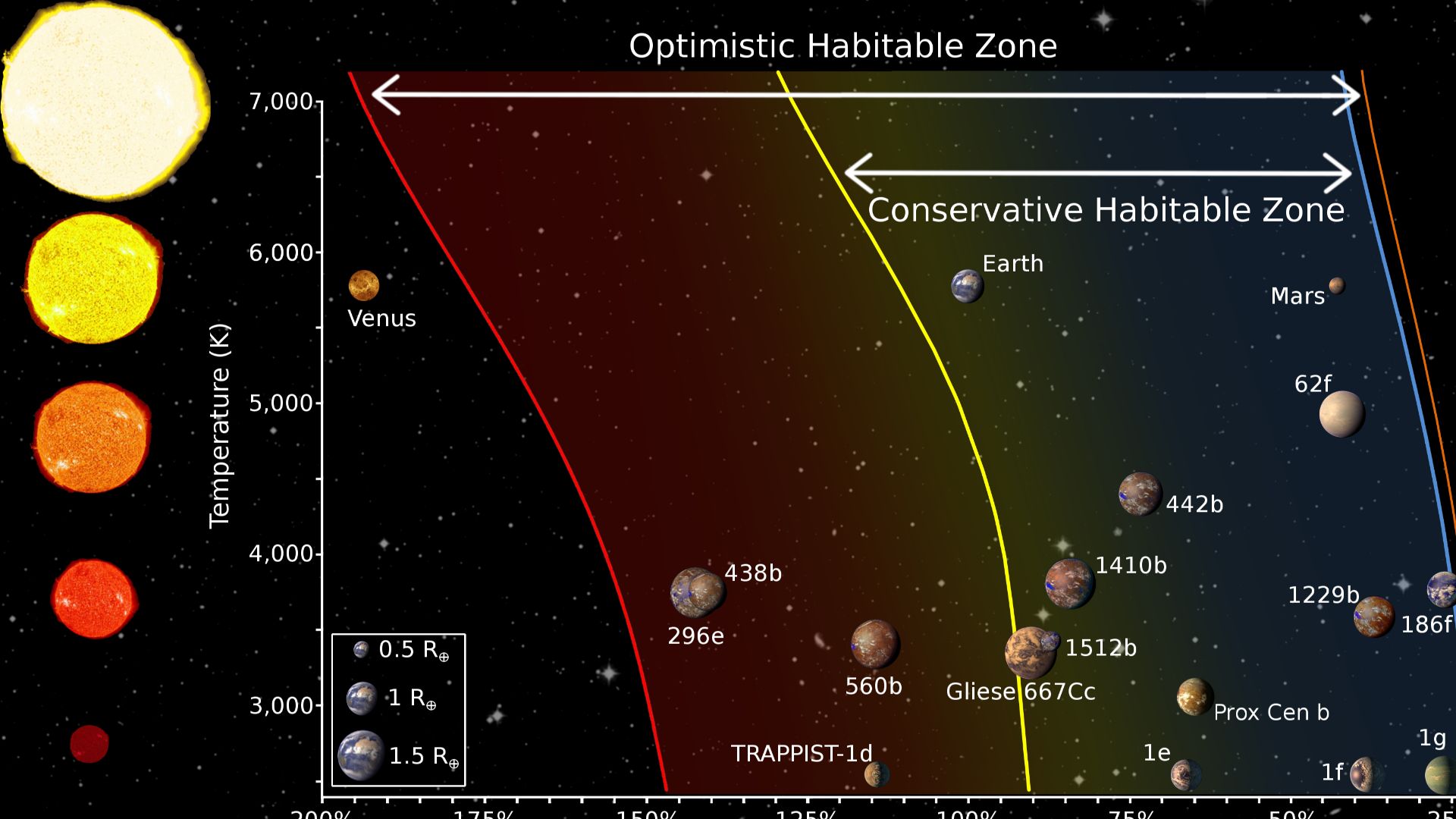
Scientists call it the "Goldilocks zone"—not too hot, not too cold, but just right. As per sources, Kepler-22b was the first confirmed exoplanet found within this critical region where liquid water could potentially exist on a planet's surface.
 Chester Harman, Wikimedia Commons
Physical Properties
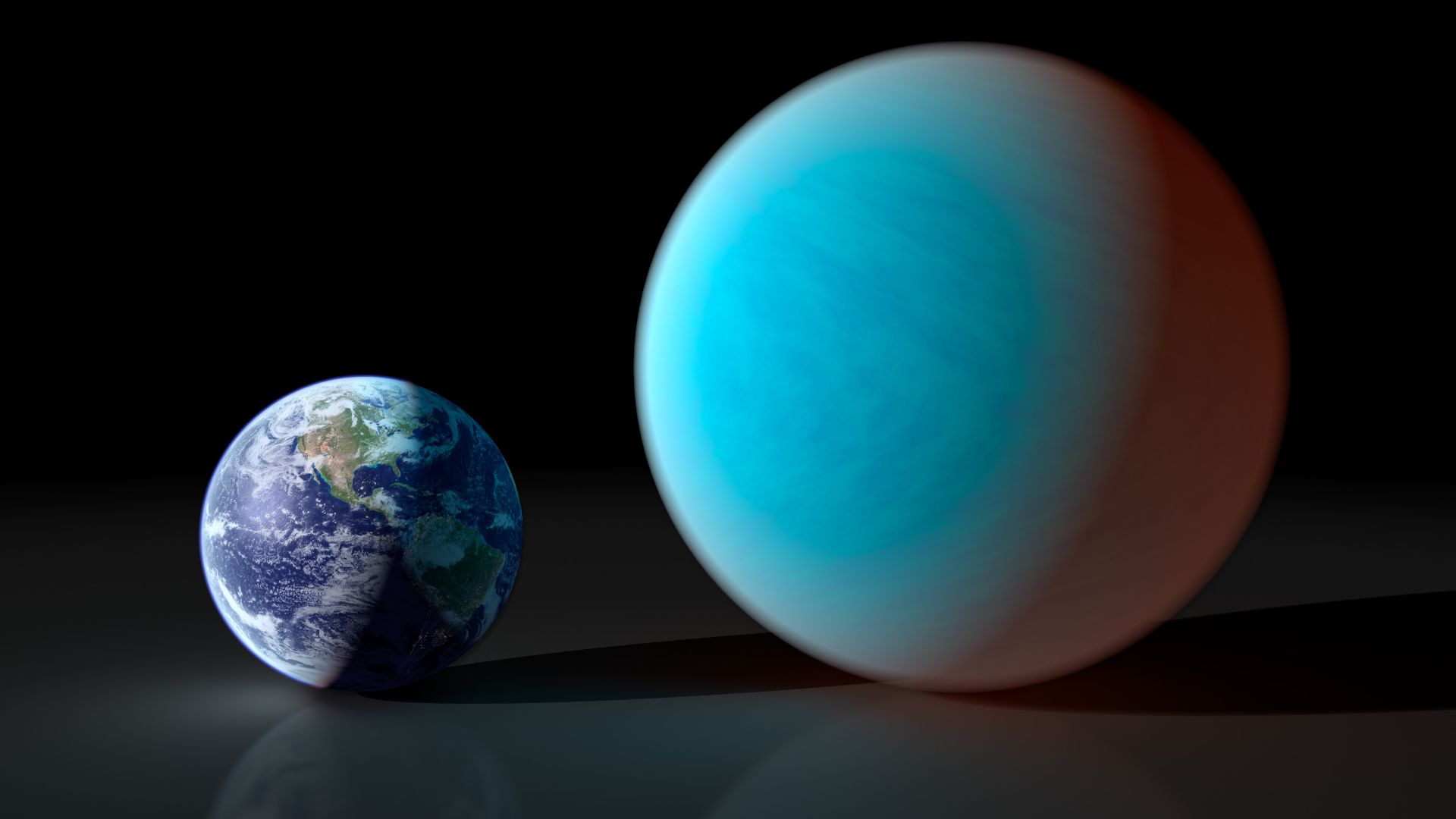
Approximately 2.4 times Earth's radius, Kepler-22b belongs to the "super-Earth" category. This is larger than our planet but smaller than Neptune. The exact composition remains unknown, making it one of astronomy's tantalizing mysteries. Scientists have revised their size estimate over time.
 NASA/JPL-Caltech/R. Hurt (SSC), Wikimedia Commons
Mass Estimates
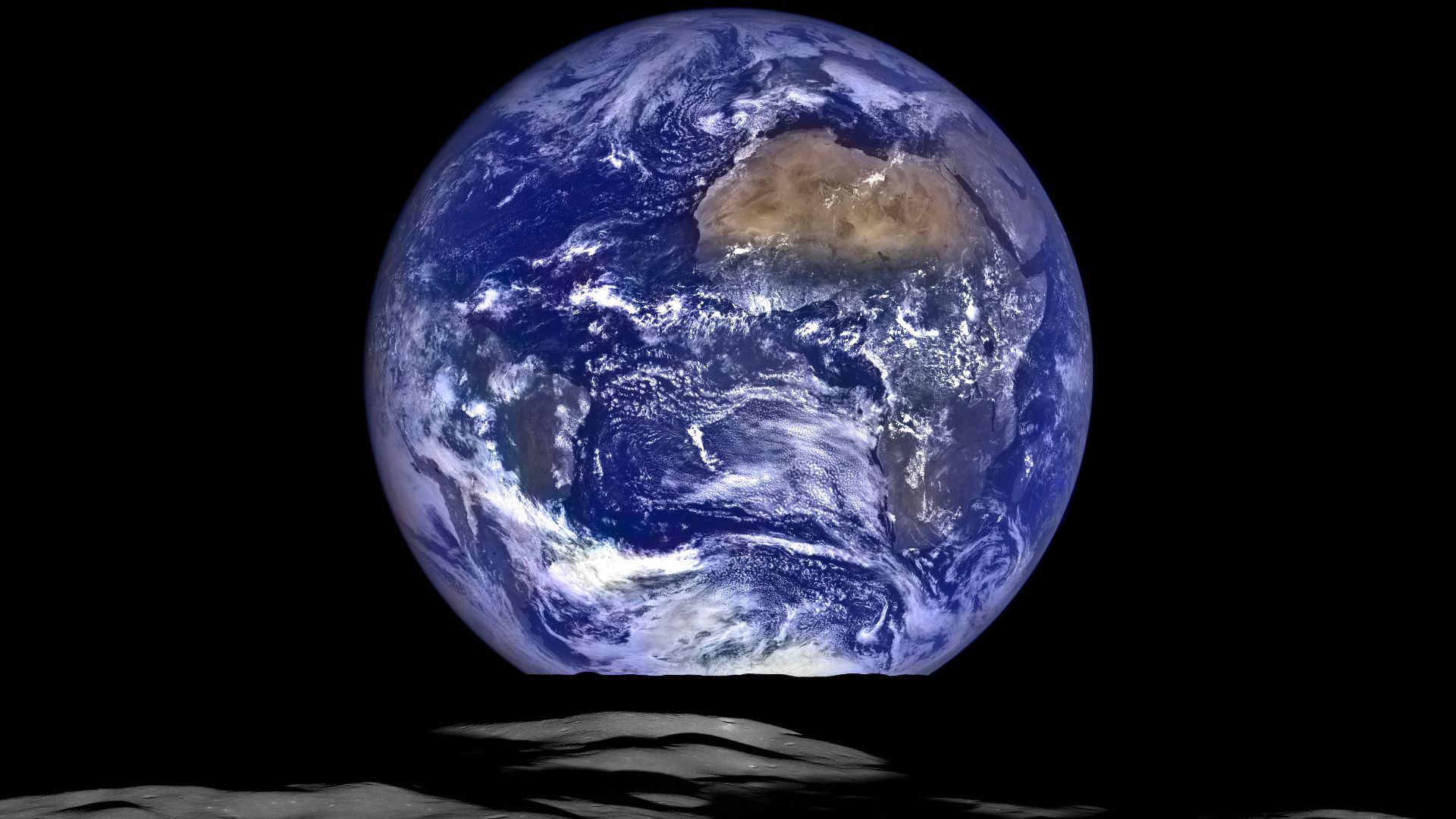
Initial measurements suggested Kepler-22b might have up to 124 Earth masses, but newer studies have dramatically reduced this estimate. Current data suggests a maximum of 9.1 Earth masses. The uncertainty highlights the challenge of measuring exoplanet properties from such vast distances.
 NASA / Goddard Space Flight Center / Arizona State University, Wikimedia Commons

History's most fascinating stories and darkest secrets, delivered to your inbox daily.
Surface Temperature
A pleasant 72°F (22°C) average temperature might await visitors to Kepler-22b, assuming it has an Earth-like atmosphere. The planet's position and its star's properties create this surprisingly Earth-like condition. Without any atmosphere, temperatures would drop to about 6°C, while a Venus-like greenhouse effect would produce a scorching 460°C inferno.
Atmospheric Composition
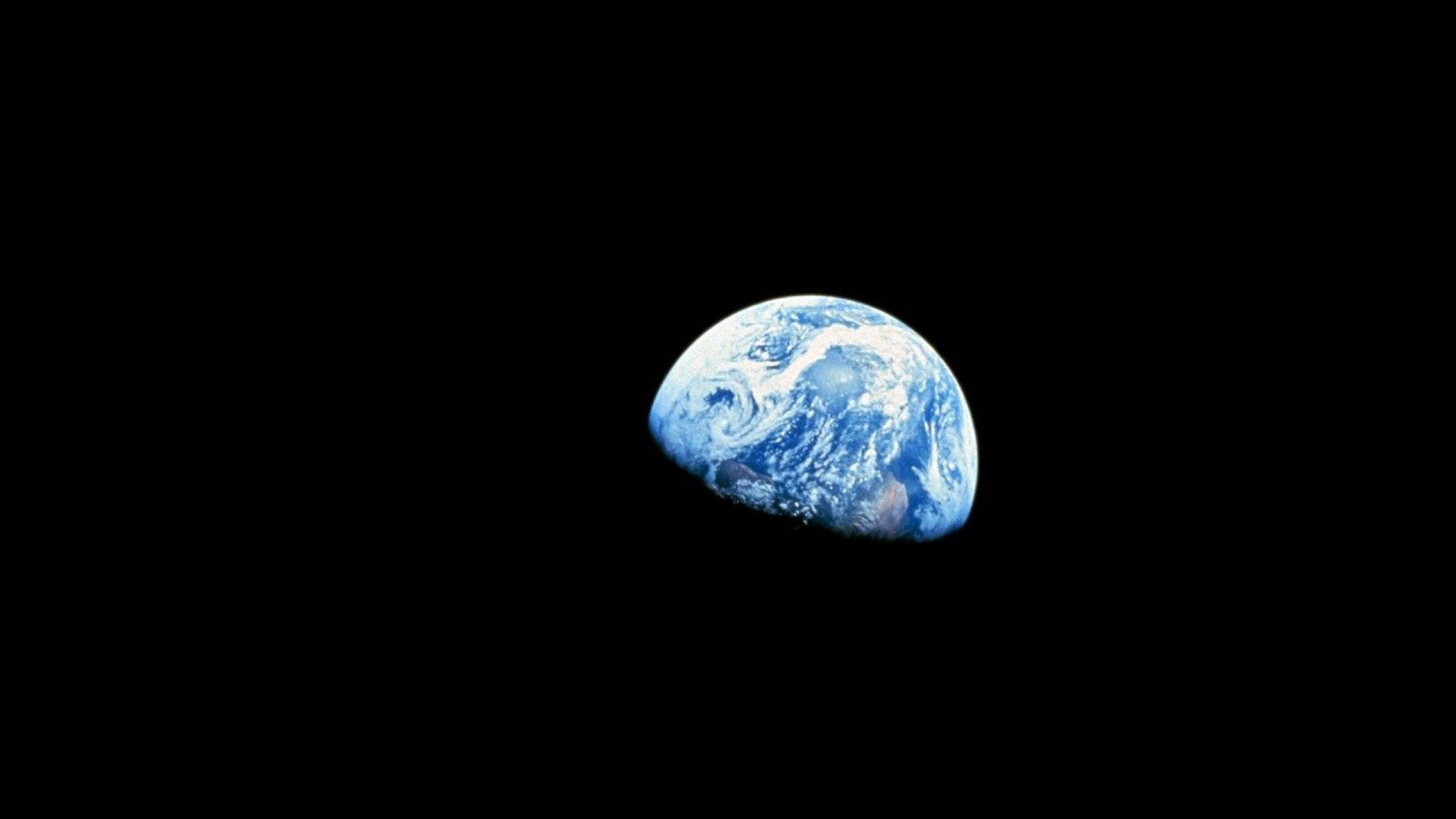
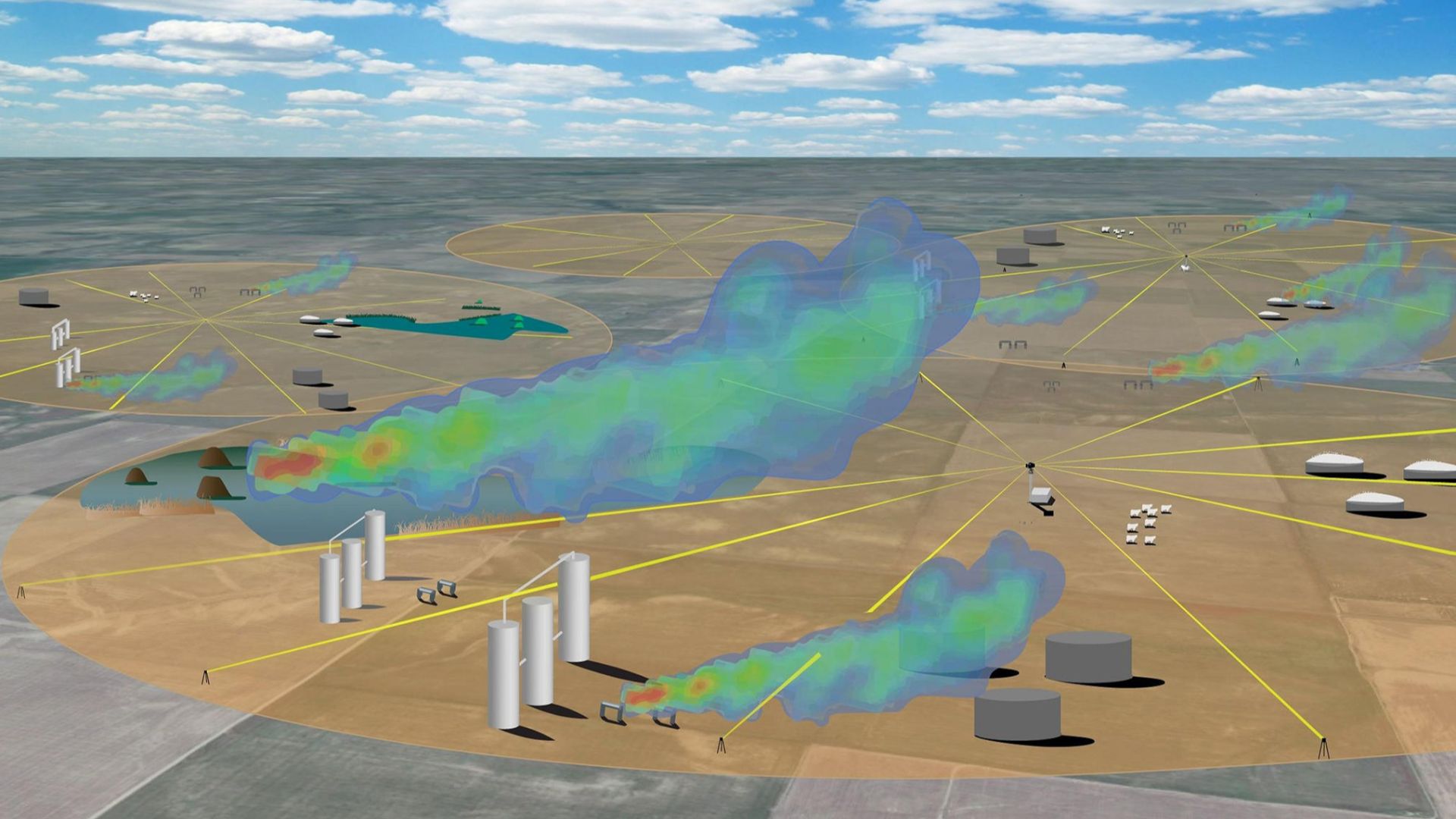
The exact nature of Kepler-22b's atmosphere remains a mystery. Scientists have developed models predicting various possibilities, from Earth-like to Venus-like compositions. The planet's larger size suggests it could retain a substantial atmosphere. Detecting atmospheric components requires spectroscopic analysis during transits.
 Stephanie Sizemore and Ian Coddington/NIST, Wikimedia Commons
Water World
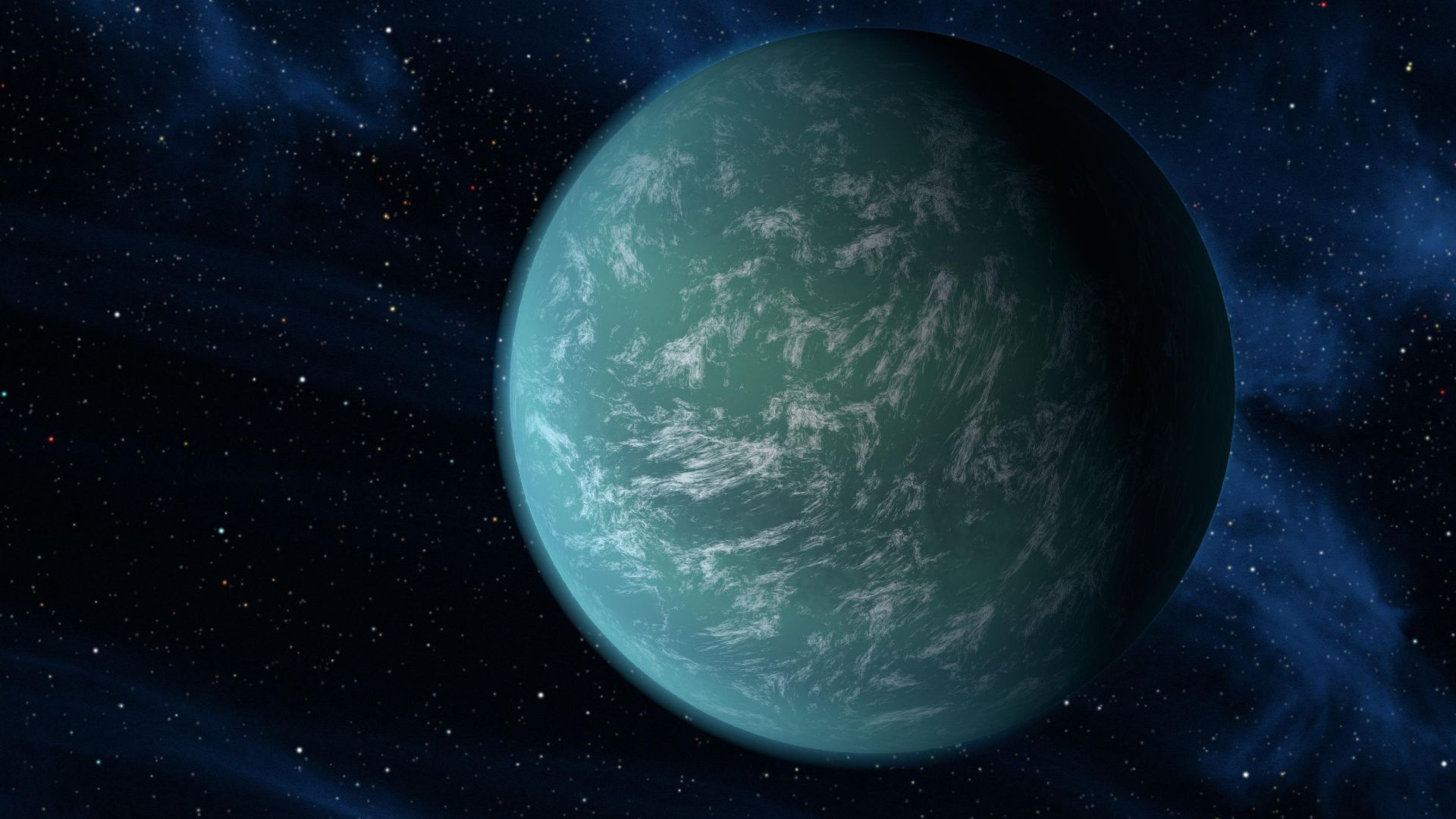
Beneath possible cloud cover lies what many scientists believe could be a vast planetary ocean. Kepler-22b's density and location suggest it might be covered entirely by liquid water—potentially hundreds or even thousands of miles deep. This "water world" scenario would present a seamless oceanic landscape.

Travel Distance
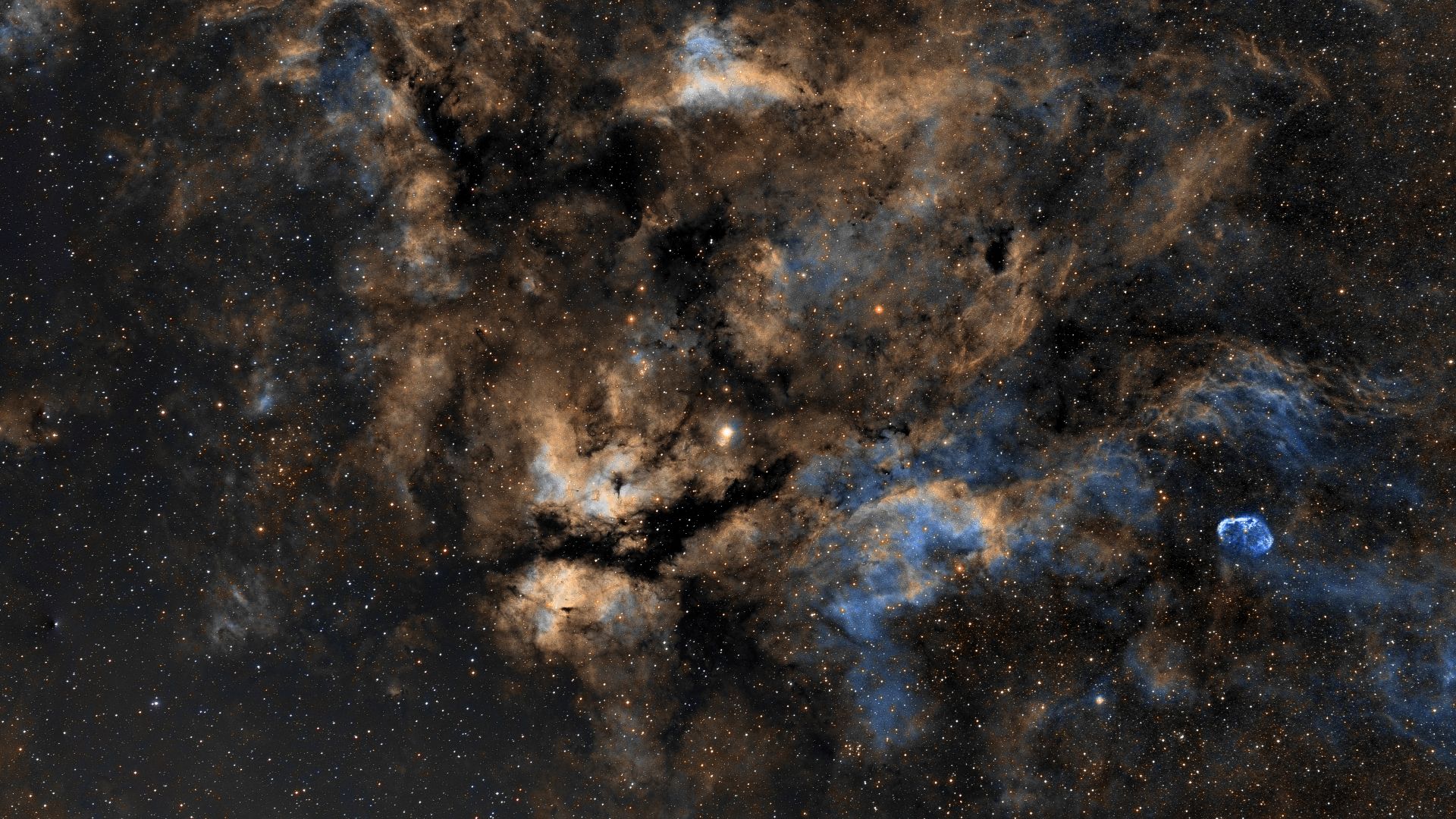
Some light-years away in the constellation Cygnus, Kepler-22b presents an enormous challenge for would-be explorers. To put this in perspective, our fastest spacecraft, Voyager 1, would take over 11 million years to reach this distant world. The gulf between our planets represents one of humanity's greatest exploration barriers.
Journey Duration
With our current chemical rockets, the journey to this region would span millions of years. More advanced theoretical propulsion systems might reduce travel time to thousands or hundreds of years. The European Space Agency's Breakthrough Starshot concept proposes tiny light-sail probes reaching 20% light speed.
 ESA, M. Trovatello, Wikimedia Commons
Propulsion Needs
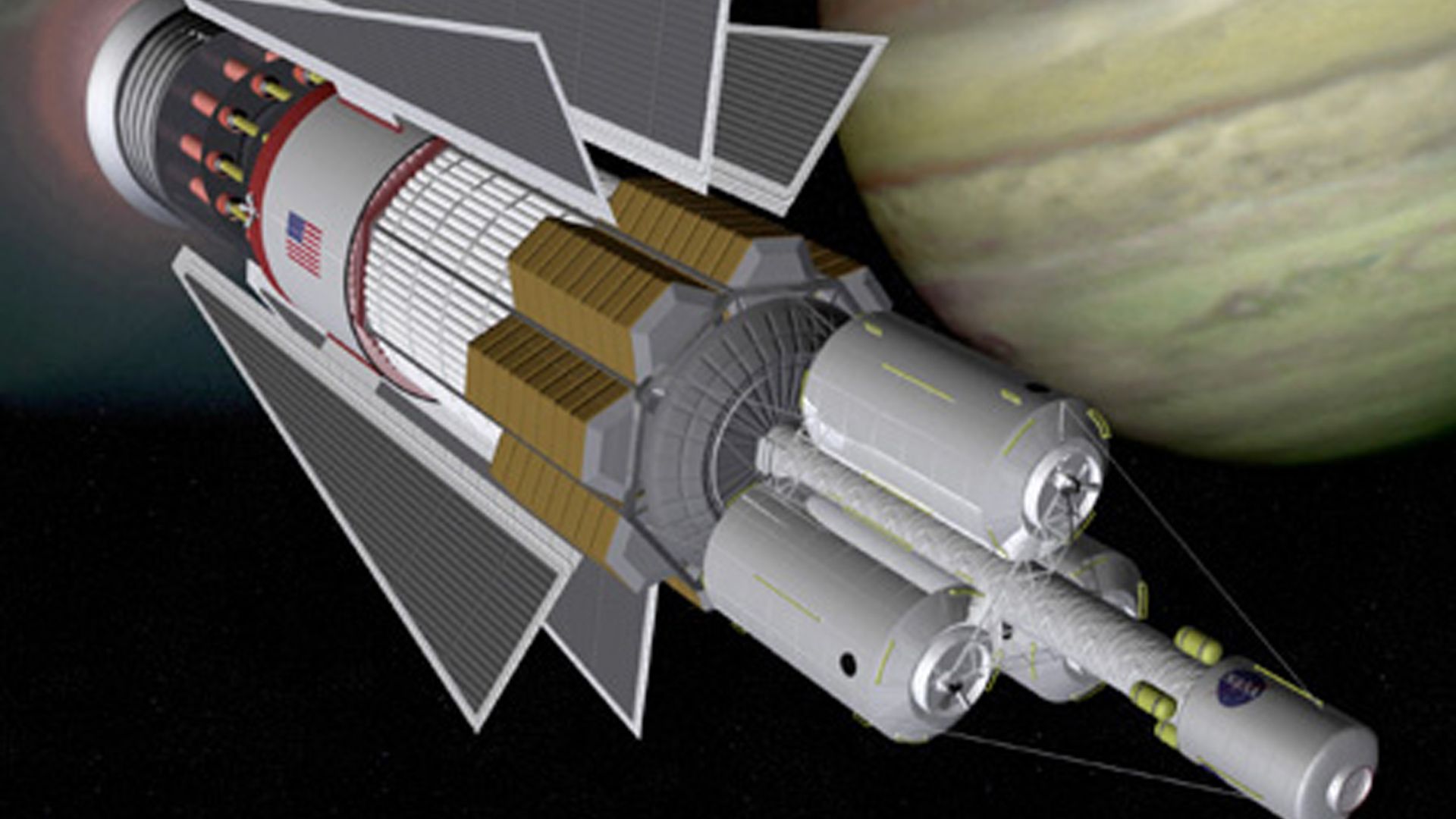
Nuclear pulse propulsion could theoretically achieve 10% of the speed of light, while antimatter engines remain purely theoretical. The energy requirements are staggering—accelerating a modest spacecraft to relativistic speeds would consume more energy than humanity currently produces in a year.
Landing Challenges
What awaits an explorer attempting to land on this distant world? The answer depends entirely on what's actually there. If Kepler-22b is a water world, conventional landing becomes impossible as the spacecraft would need to float. A rocky surface presents its own challenges with potentially higher gravity.

Gravity Effects
The physical toll of Kepler-22b's gravity would change the human experience. With its larger mass, visitors would feel significantly heavier, around 2–3 times Earth's gravity depending on the planet's exact composition. Walking would become exhausting, jumping nearly impossible, and falling dangerous.

Surface Conditions
Imagine standing on Kepler-22b's surface. The horizon might curve more sharply than on Earth due to the planet's larger size. The star Kepler-22 would appear slightly smaller and redder than our Sun. Atmospheric composition would determine cloud patterns, weather systems, and even the color of the sky.

Weather Patterns
Storms of potentially tremendous power could sweep across Kepler-22b, driven by its orbital characteristics and atmospheric dynamics. The planet's larger size could generate weather systems dwarfing Earth's most powerful hurricanes. If it possesses a tilted axis like Earth, seasonal variations would occur during its 290-day year.

Day Length
The rhythm of light and darkness on Kepler-22b remains one of its many mysteries. Its rotation period could range from hours to months—or it might be tidally locked, with one side perpetually facing its star. The day-night cycle profoundly affects the climate.

Radiation Exposure
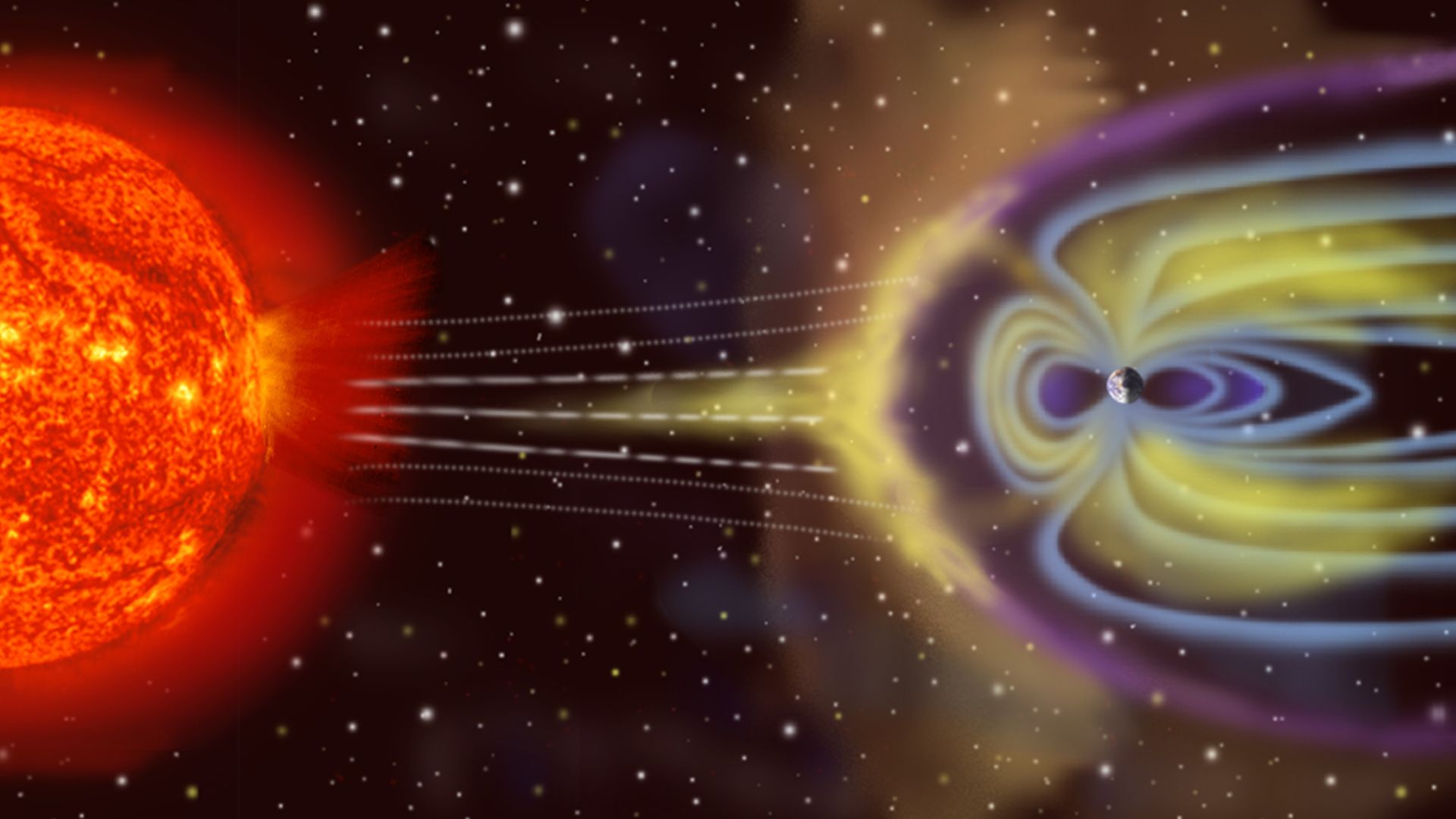
Bathed in stellar radiation, Kepler-22b's habitability hinges on invisible protective shields. Without a magnetosphere similar to Earth's, harmful cosmic radiation would penetrate any atmosphere, making surface life hazardous or impossible. The strength of its star's radiation output and the planet's magnetic field remain unknown variables.
Survival Requirements
Human explorers would face immediate survival challenges beyond just reaching Kepler-22b. Oxygen supply, radiation protection, and food production would top the priority list. The planet's high gravity would also necessitate specialized medical interventions to prevent cardiovascular and skeletal deterioration.
 NASA/Jude Guidry, Wikimedia Commons
Habitat Construction
Constructing living spaces on Kepler-22b would demand entirely new architectural approaches. The high-gravity environment obviously requires stronger structural materials than anything used on Earth. If it's an ocean world, floating or underwater habitats would become necessary.

Resource Extraction
Could humans harness Kepler-22b's resources to sustain a colony? Water extraction would be trivial on an ocean world but challenging on a gas giant. Mineral access would depend entirely on planetary composition—a rocky world might offer familiar elements, while a water planet might limit mining opportunities.

Alien Life
The most profound discovery on this surface would be encountering indigenous life forms. Its location in the habitable zone makes it a prime candidate for biological evolution. Life might range from microscopic organisms to complex aquatic species, unlike anything on Earth.