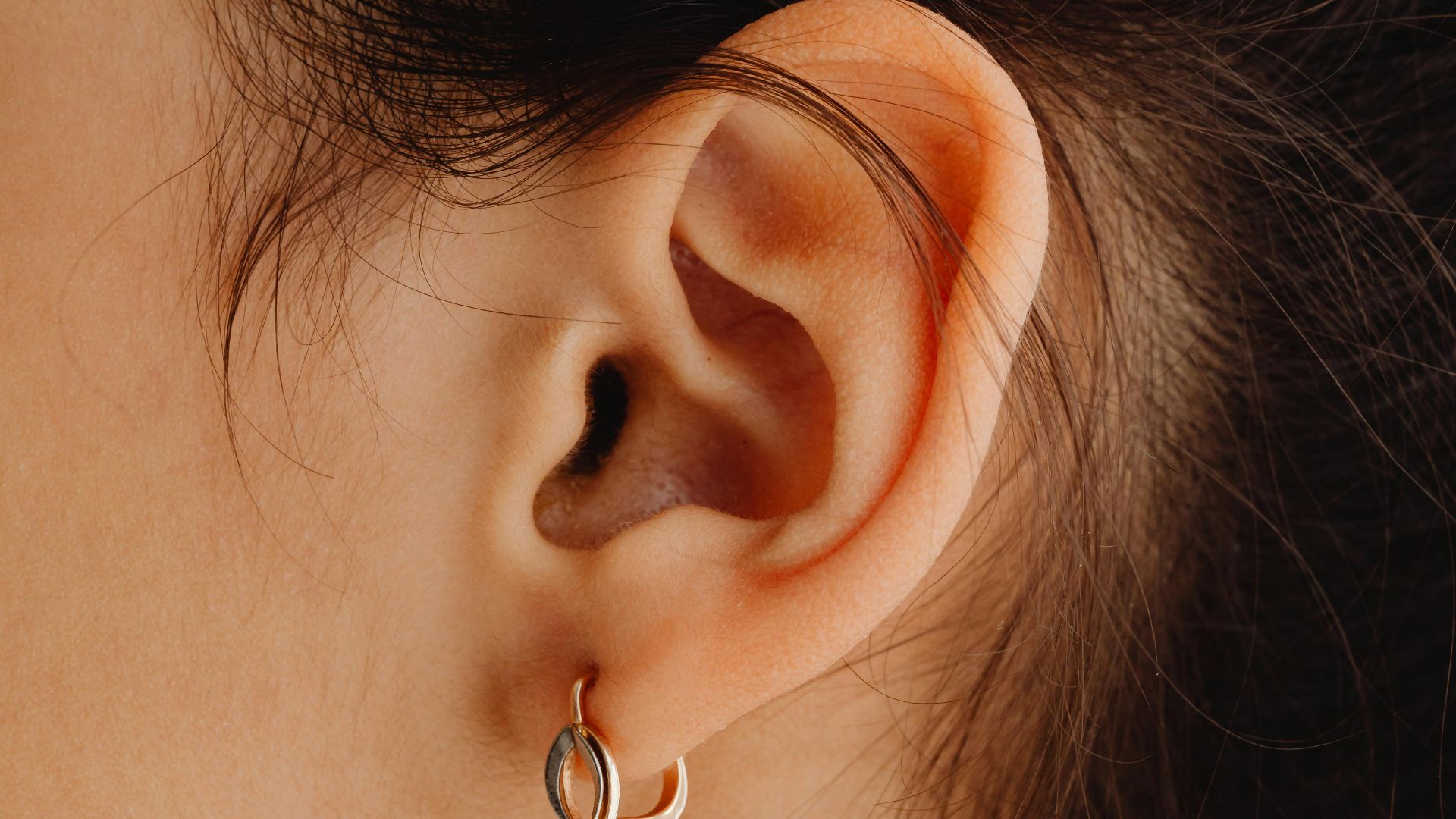

Most people never think twice about their ears, until they catch a strange little twitch they can't explain. It might happen after a sudden noise or while trying to focus on a distant sound. These movements are driven by muscles in their ears, though they're far weaker than those of our primate relatives. The subtle movements help focus attention on sounds, though they barely move the ear. So why are they so weak compared to chimps? And why do they still twitch in some of us, as if trying to do something we no longer need? It's a small quirk of the human body, but it opens a surprising window into our distant past.
Why Chimps Have Stronger Ear Muscles, And Humans's Are Weaker
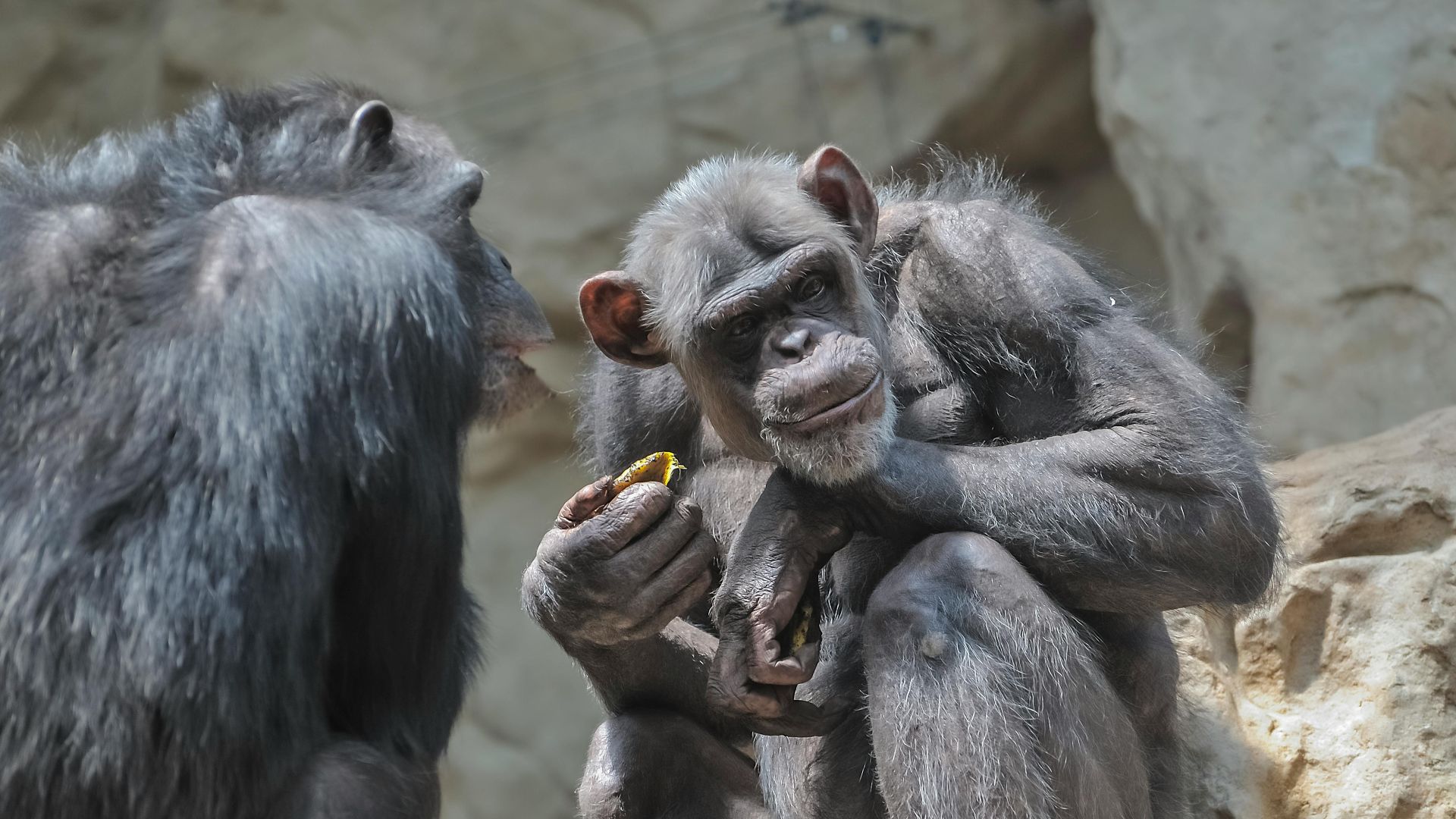
Chimpanzees and other primates use their ear muscles in ways humans cannot. When a chimp hears a sound, its powerful auricular muscles pull the ear toward the noise source, sharpening the animal's ability to detect its direction. This movement improves reaction time and enhances safety in the wild. Chimps rely on this skill to monitor predators, track troop members, or investigate interesting noises. Now, in humans, the three pairs of muscles (anterior, superior, and posterior) are the same, but ours are significantly weaker and can't produce the same range of motion. That's why most people can't wiggle their ears at all, and those who can usually manage only slight movement.
Still, in some people, those weakened muscles still activate under the surface when sudden sounds occur. The brain sends signals to the ear muscles even though the ears barely move. The reaction comes from an old reflex that once helped early humans and their ancestors respond quickly to danger. Back then, stronger ear muscles could swivel toward sounds to identify threats or movement nearby. Modern humans now rely on eye movement and head turning instead, but in some individuals, the brain still tries to use the older system. The response achieves subtle attentional aid, and it hasn't disappeared.
Ear Twitching Connects To Sound-Tracking Reflexes
What's interesting is that this ear twitching still plays a small part in how some people react to sound. A study titled "Electromyographic Correlates of Effortful Listening in the Vestigial Auriculomotor System," published in Frontiers in Neuroscience, showed that tiny ear muscles still become active when people try hard to listen. Though the ears don't move noticeably, the brain still tells those weakened muscles to respond—especially when sounds come from behind or are hard to hear. This means the twitch isn't just random; it's part of an old reflex the body still uses to help focus on sound.
That system likely evolved long before language or culture developed. Early humans and their ancestors lived in environments where being alert could mean life or death. Tracking sound direction quickly helped avoid predators or find safety. Although humans eventually developed better eyesight, community protection, and shelter, the basic reflex stayed—even as the muscles themselves weakened over generations. It became less about actual ear movement and more about readiness. The muscles simply adapted to a support role. When your ears twitch, it's a silent signal that your brain is still tuned for survival, even if there's no immediate threat to dodge anymore.
Why Evolution Keeps Weakened Muscles Around
Evolution works through adaptation, not perfection. If a muscle or structure becomes weaker but doesn't harm survival, it may remain. That's exactly what happened with human ear muscles. They don't require much energy, don't interfere with other functions, and, in some people, still activate reflexively. Since there's no evolutionary cost, nature didn't bother getting rid of them entirely or strengthening them back up. These leftover traits are called vestigial features, and humans have several—like the appendix or goosebumps. While the weakened ear muscles might not help you survive a wild animal encounter anymore, they do help scientists understand the paths evolution takes.
Some researchers believe these muscles may provide insight into how the brain evolved to handle attention, reaction, and coordination. Studying them could also help doctors track brain disorders that affect reflexes or muscle control. So, although the twitch doesn't do much, it still matters. It's a direct line to your ancestors, an invisible link between modern life and primal survival. That tiny ear movement, barely noticeable to others, carries the weight of millions of years of adaptation. It may not sharpen your hearing, but it proves that your body still listens, even when your ears stay perfectly still.