A Frozen World At The End Of The Ice Age
Siberia looked very different 24,000 years ago. Wide stretches of cold grassland covered the region, and large animals moved through it in steady cycles. In this harsh world, a young child unknowingly left clues that would reshape human history.

The Mysterious Mal’ta–Buret’ Culture
Near Lake Baikal lived a community later known as the Mal’ta–Buret’ culture. Archaeologists traced their presence through carved ivory pieces, bone shelters, and scattered tools. These finds revealed a group with enough stability to create art while dealing with a climate that shifted without warning.
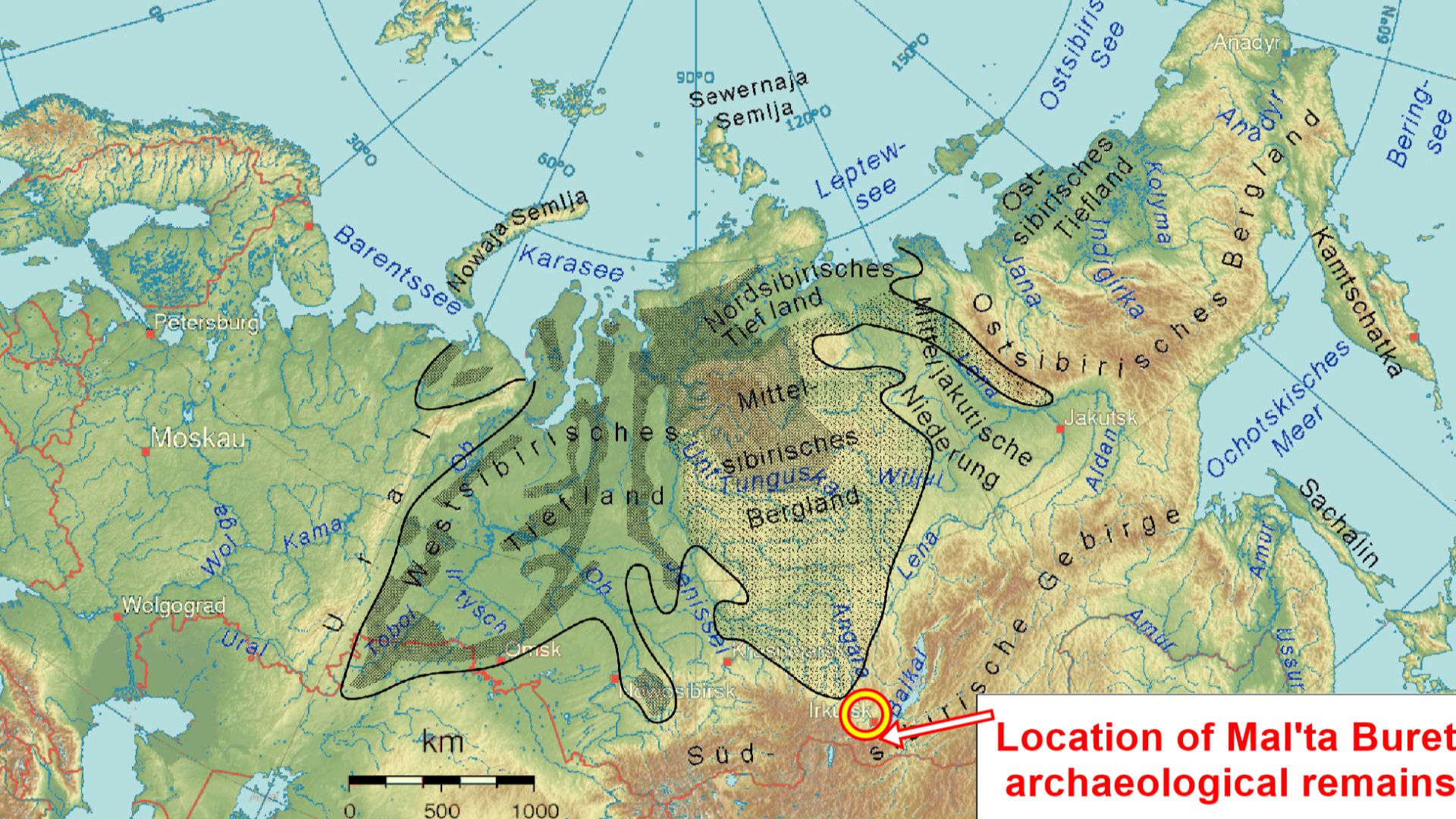 derivative work: User Jo, Wikimedia Commons
A Burial Unlike Any Other
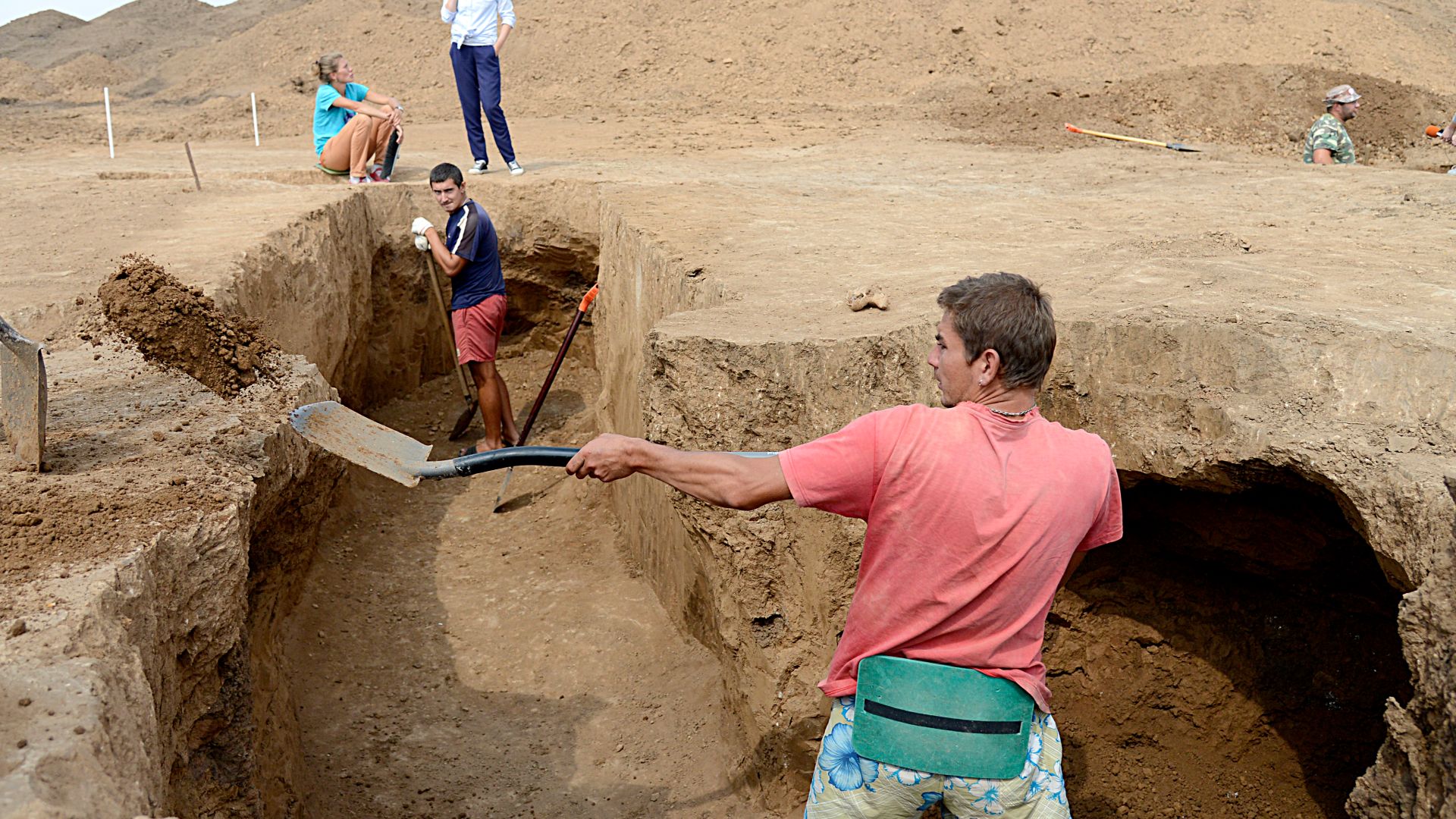
During excavations at Mal’ta, researchers uncovered a child’s grave surrounded by ivory ornaments and tools. The placement of each item seemed intentional, suggesting deep care from the people who buried the child. The burial stood out because Ice Age communities rarely left such well-preserved traces of ritual.
 Galina Fomina, Wikimedia Commons
Why Archaeologists Were Fascinated By This Child
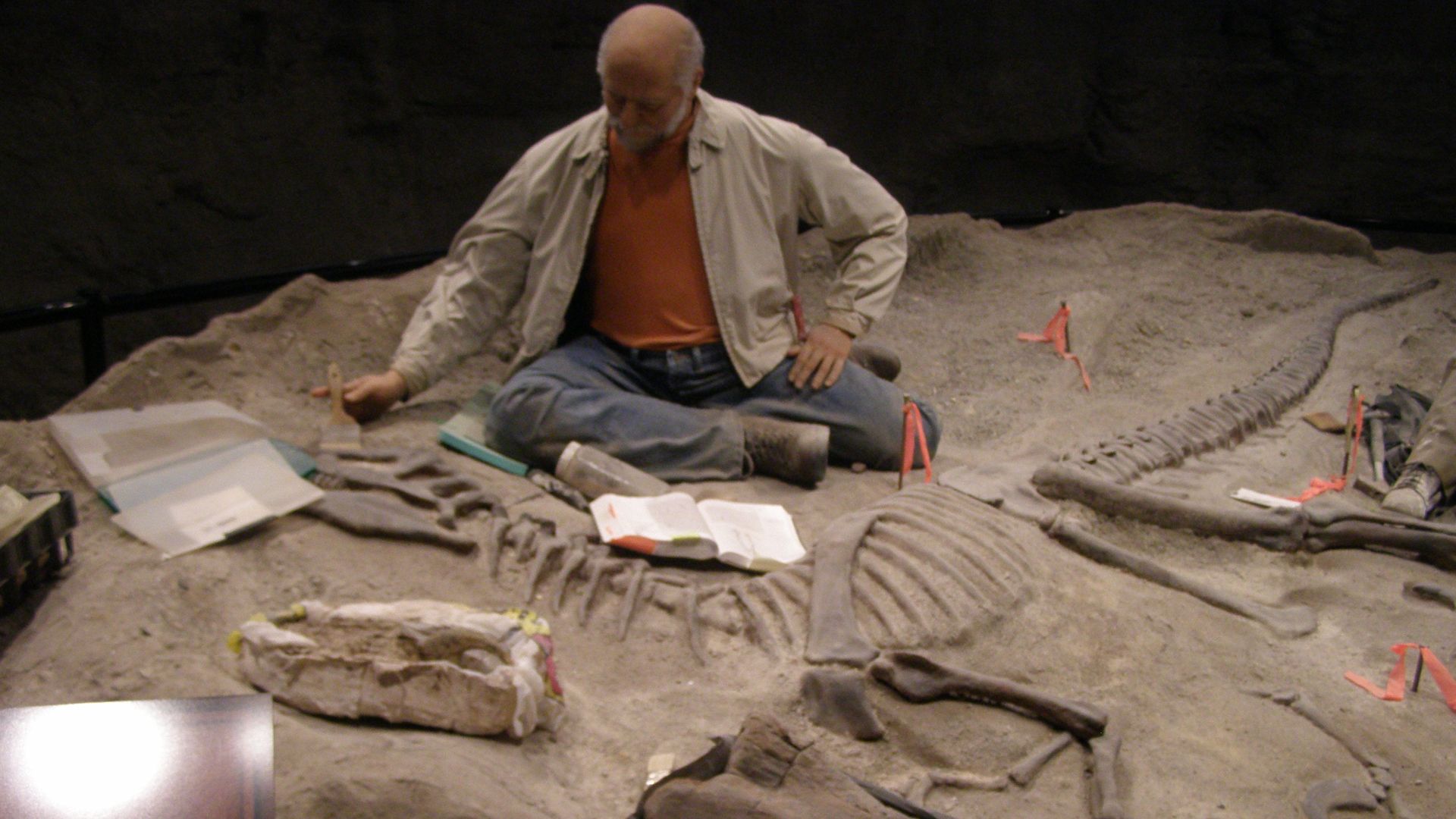
Very few burials from this period survive long enough for study. This one held enough detail to reveal how a remote community treated one of its youngest members. The arrangement of objects around the child hinted at beliefs and emotional bonds that stretched far beyond daily survival.
 Chris Light, Wikimedia Commons
The Challenges Of Studying A 24,000-Year-Old Skeleton
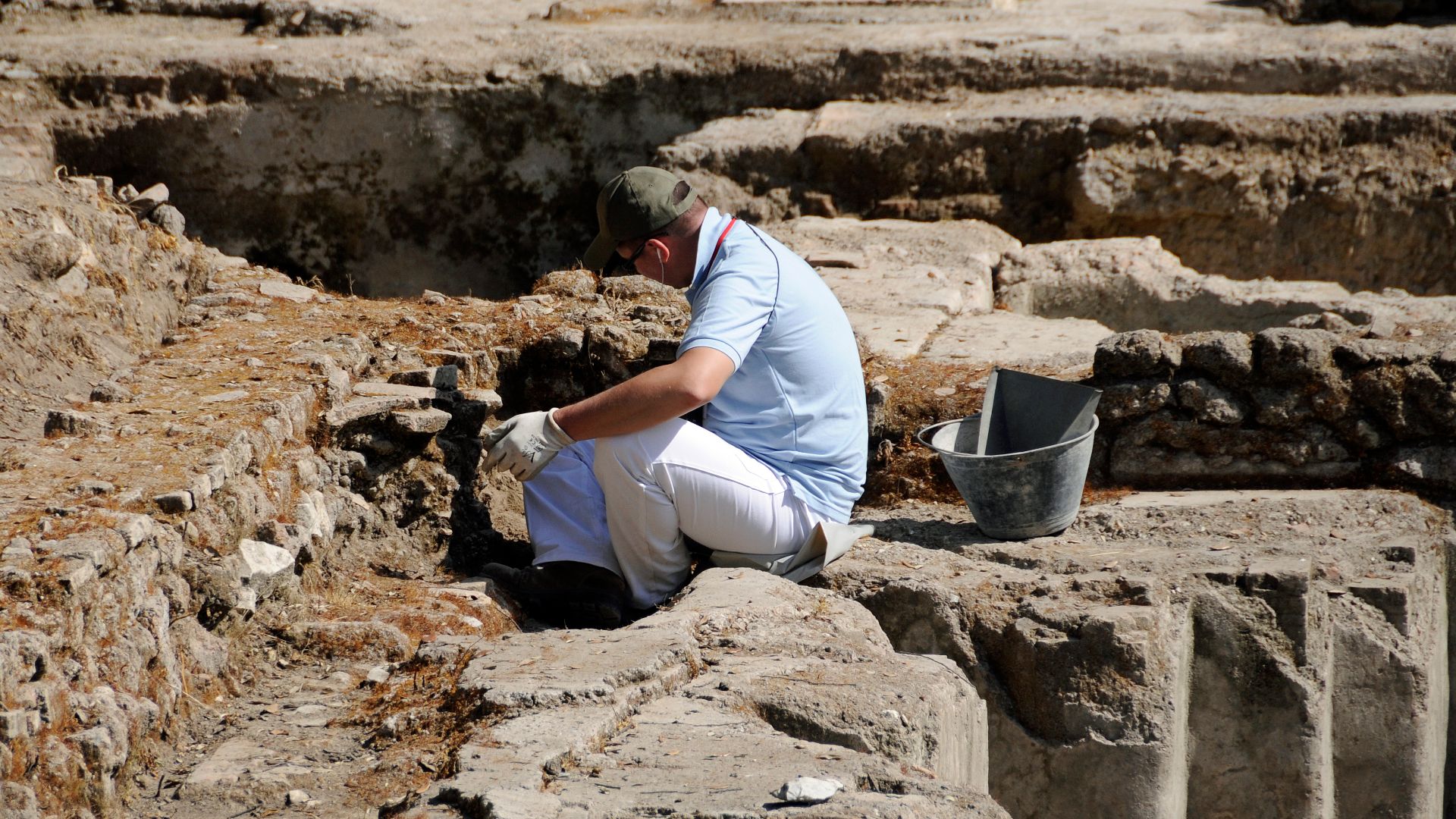
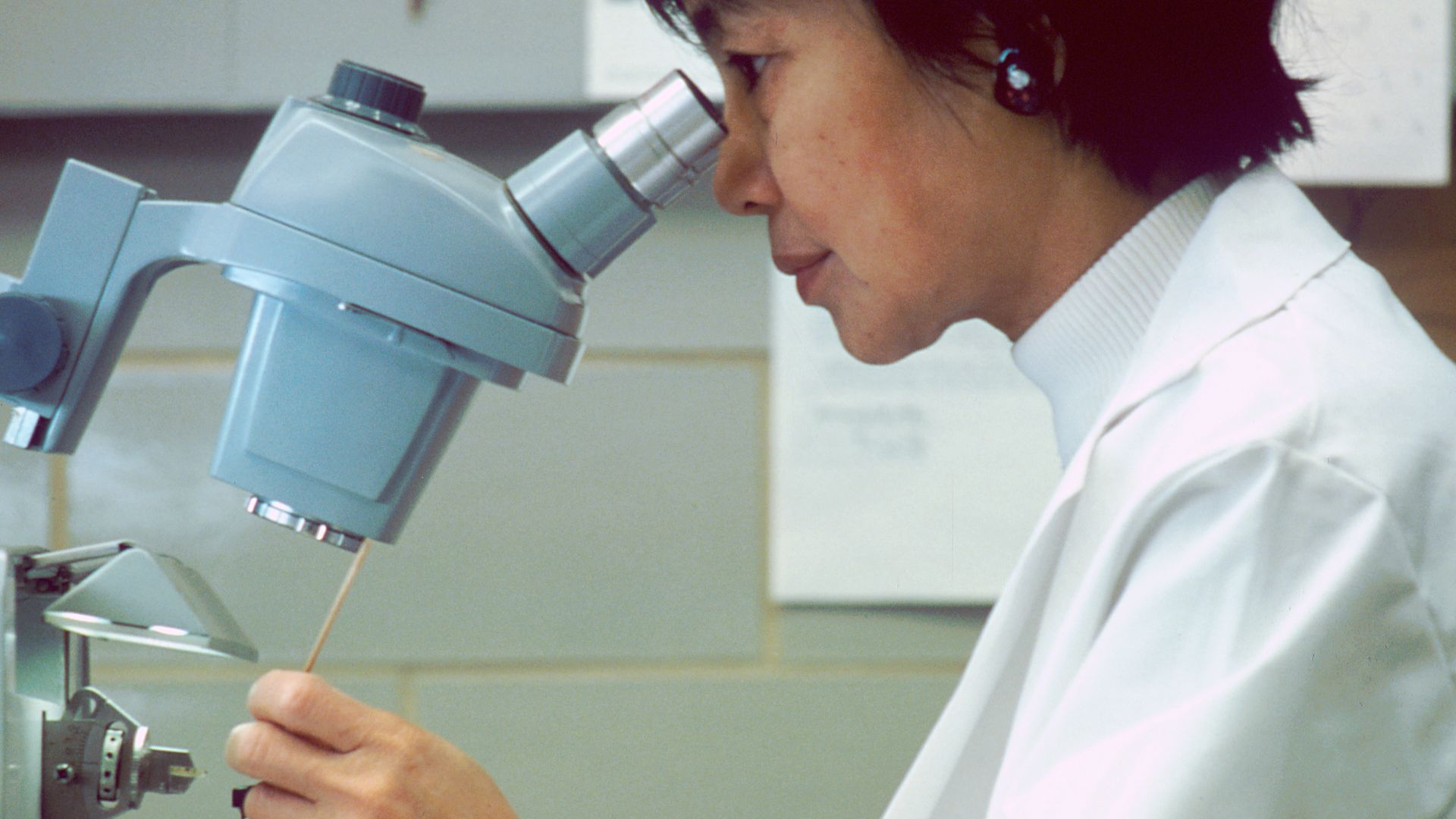
Bones this old break easily, and modern particles can damage important evidence. Researchers worked slowly with clean tools, removing soil bit by bit. Every fragment mattered because it carried information about a community without written records.
 Son of Groucho from Scotland, Wikimedia Commons
The Moment Ancient DNA Entered The Story
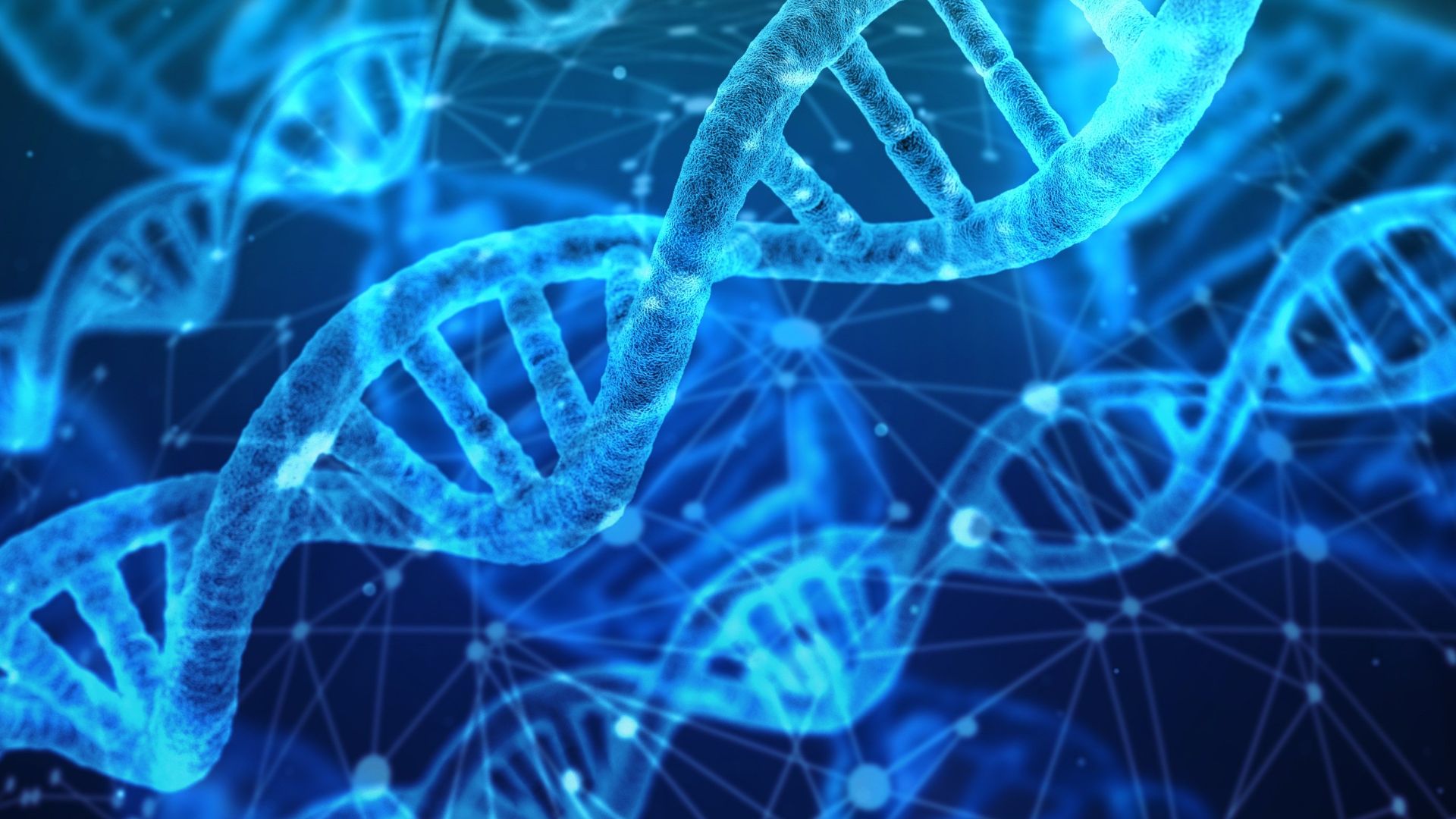
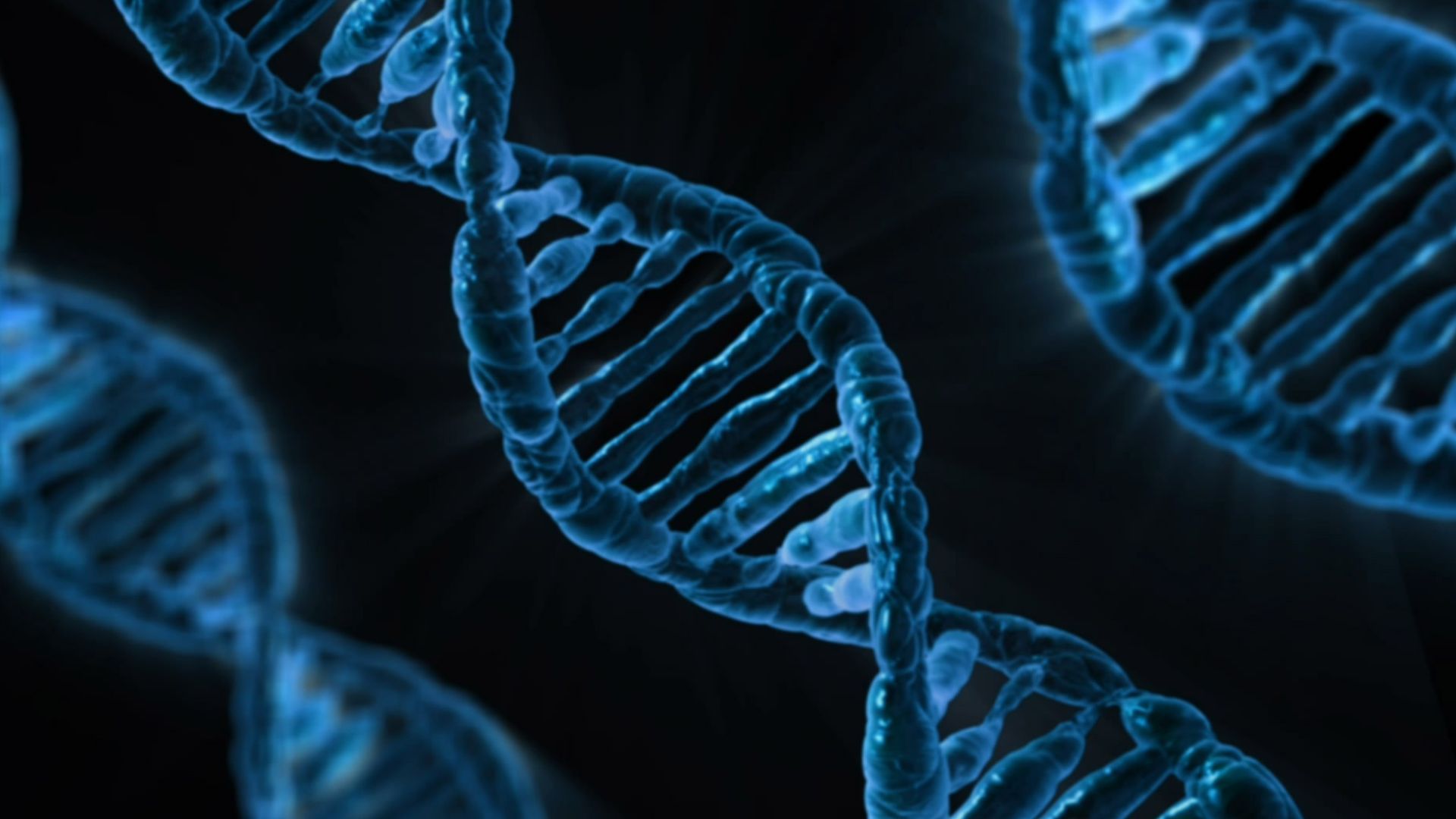
Scientists eventually tested the child’s bones for ancient DNA, as it works like a record of family connections. It helps scientists see where a person’s ancestors came from and which groups shared similarities. This approach opened a window into movements across Eurasia long before large settled communities existed.
A Child With Unexpected European Links
When researchers examined the genetic results, they found something surprising. The child’s ancestry leaned toward ancient groups associated with Western Eurasia rather than East Asia. The finding reshaped earlier ideas about Siberia’s population history and revealed movement patterns that were far more complex than once believed.
 Pikkupapupata, Wikimedia Commons
A Genetic Line That Reaches Across Siberia
The DNA suggested that people related to Western Eurasian groups had moved far deeper into Siberia than expected. Their presence showed that Ice Age populations traveled across vast distances, blending with local groups and leaving traces that survived only in small fragments of ancient bone.
 PublicDomainPictures, Wikimedia Commons
The Discovery’s Shock: Europe And Siberia Were Connected
Before this finding, many researchers pictured Siberia as isolated from Western regions during the Ice Age. The child’s DNA forced a new view. It showed that people and shared ancestry stretched across thousands of miles, which reshaped how scientists understood early human networks.

History's most fascinating stories and darkest secrets, delivered to your inbox daily.
Rethinking The Peopling Of The Americas
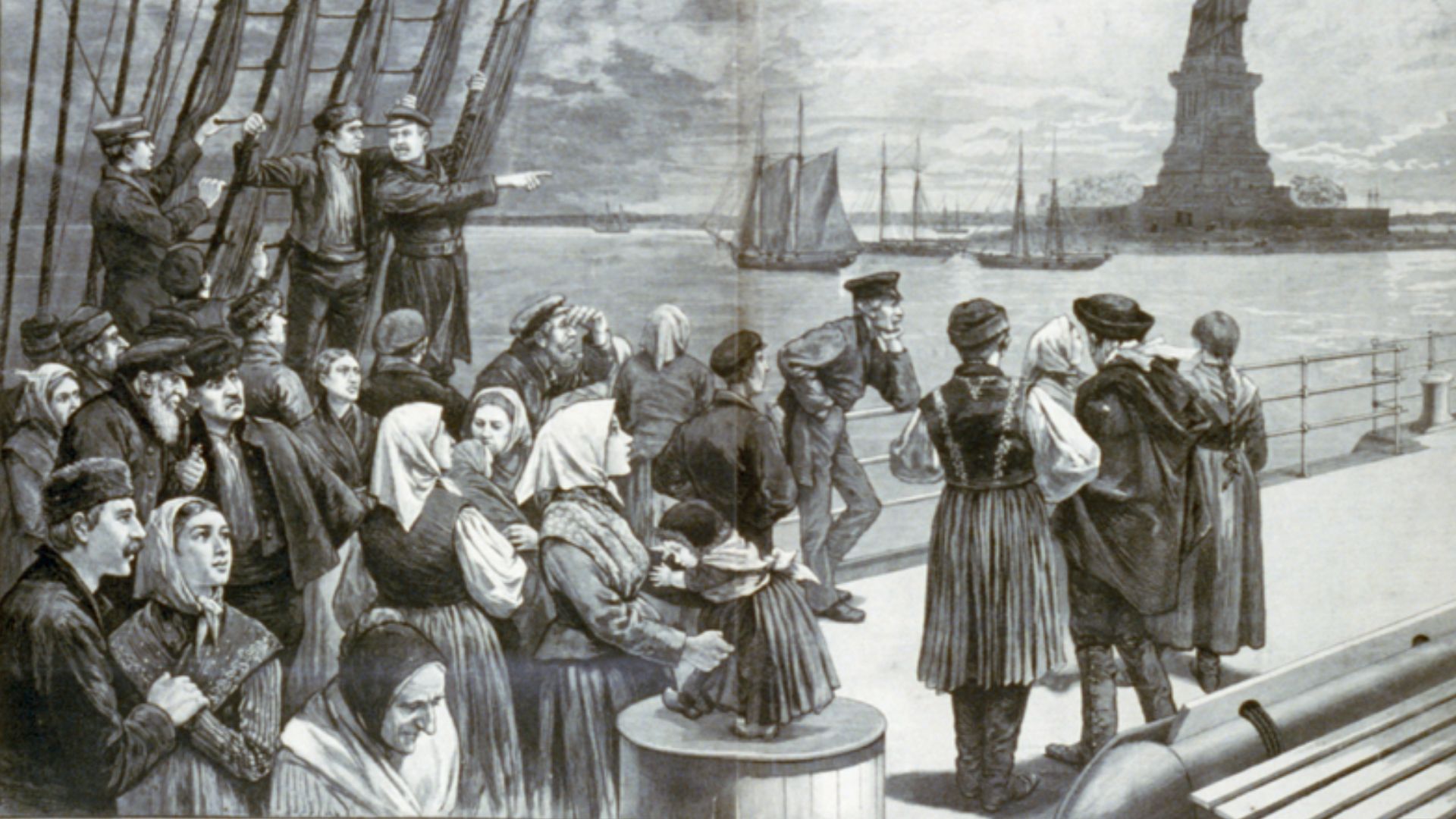
For years, scientists believed early Americans descended only from East Asian ancestors. The Mal’ta child’s genetics complicated that view. His ancestry mixed with East Asian lines long before humans reached the Americas, meaning early communities carried a blended heritage when they eventually crossed into new lands.
 Rakshitha bhat, Wikimedia Commons
The Three Ancestry Streams That Formed Native Americans
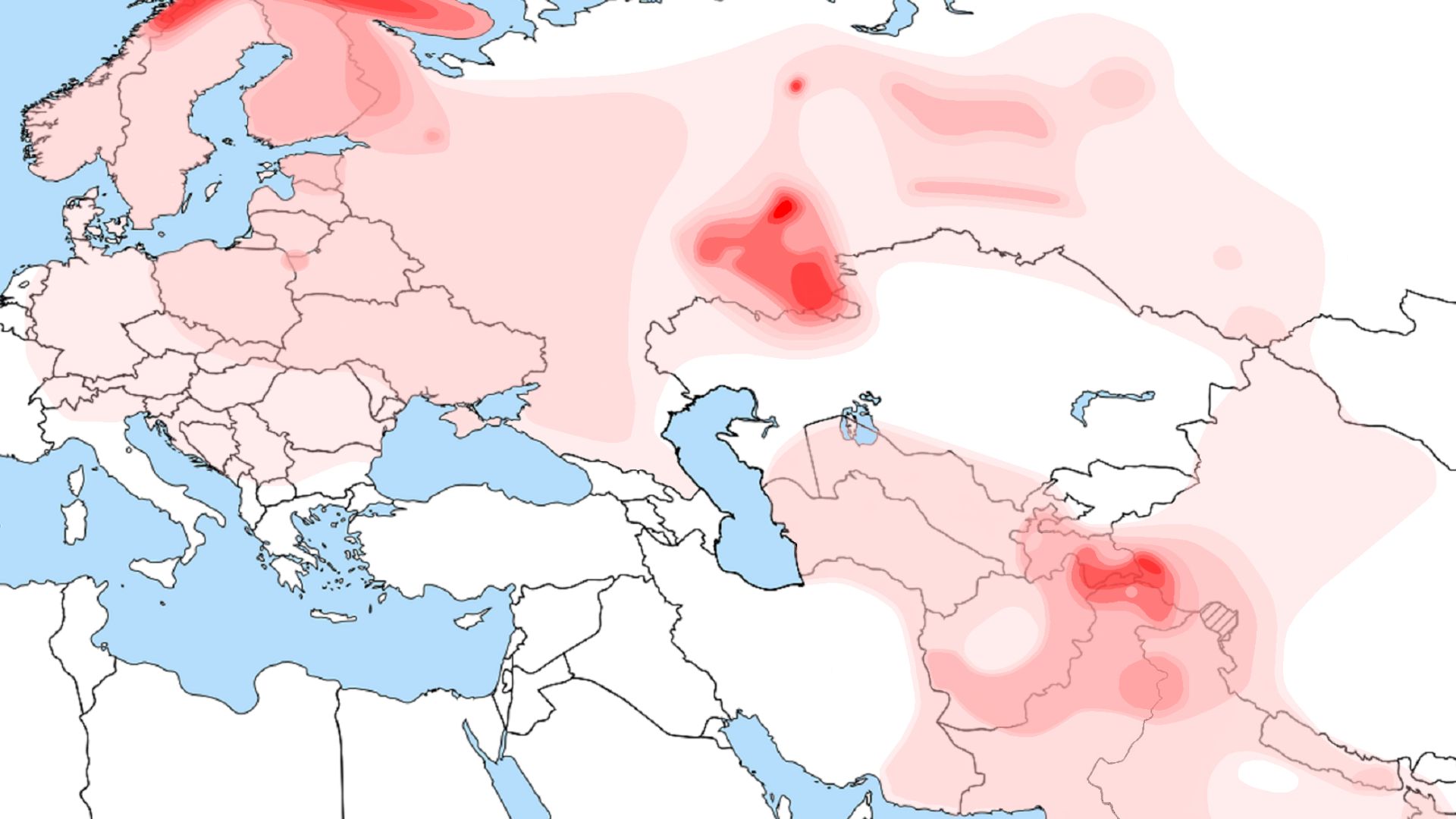
Genetic studies point to a combination of sources: East Asian groups, the Ancient North Eurasian line connected to the Mal’ta child, and a later Arctic influence. This mixture formed the foundation of many Indigenous populations in the Americas.
Understanding Ancient North Eurasians
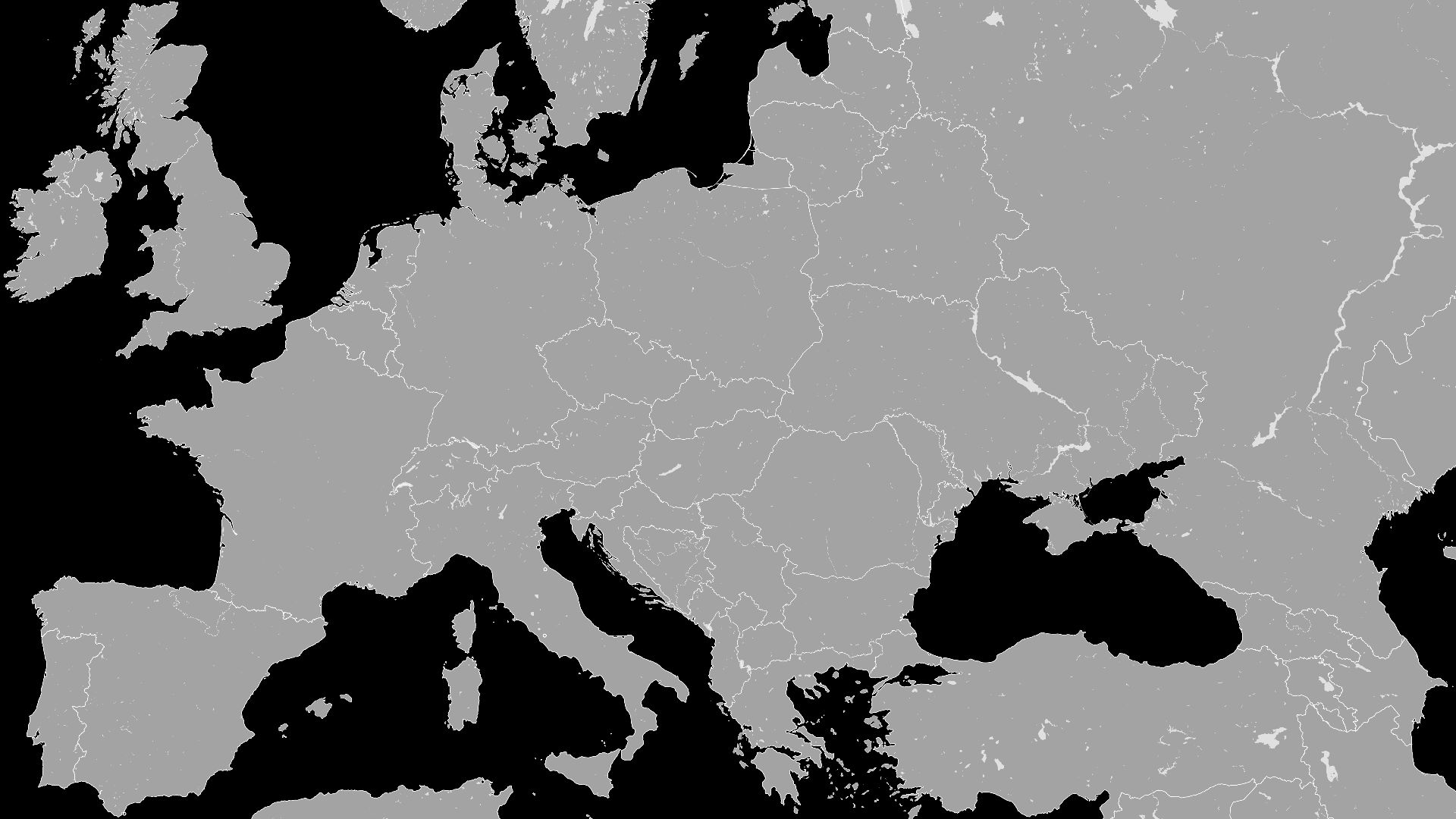
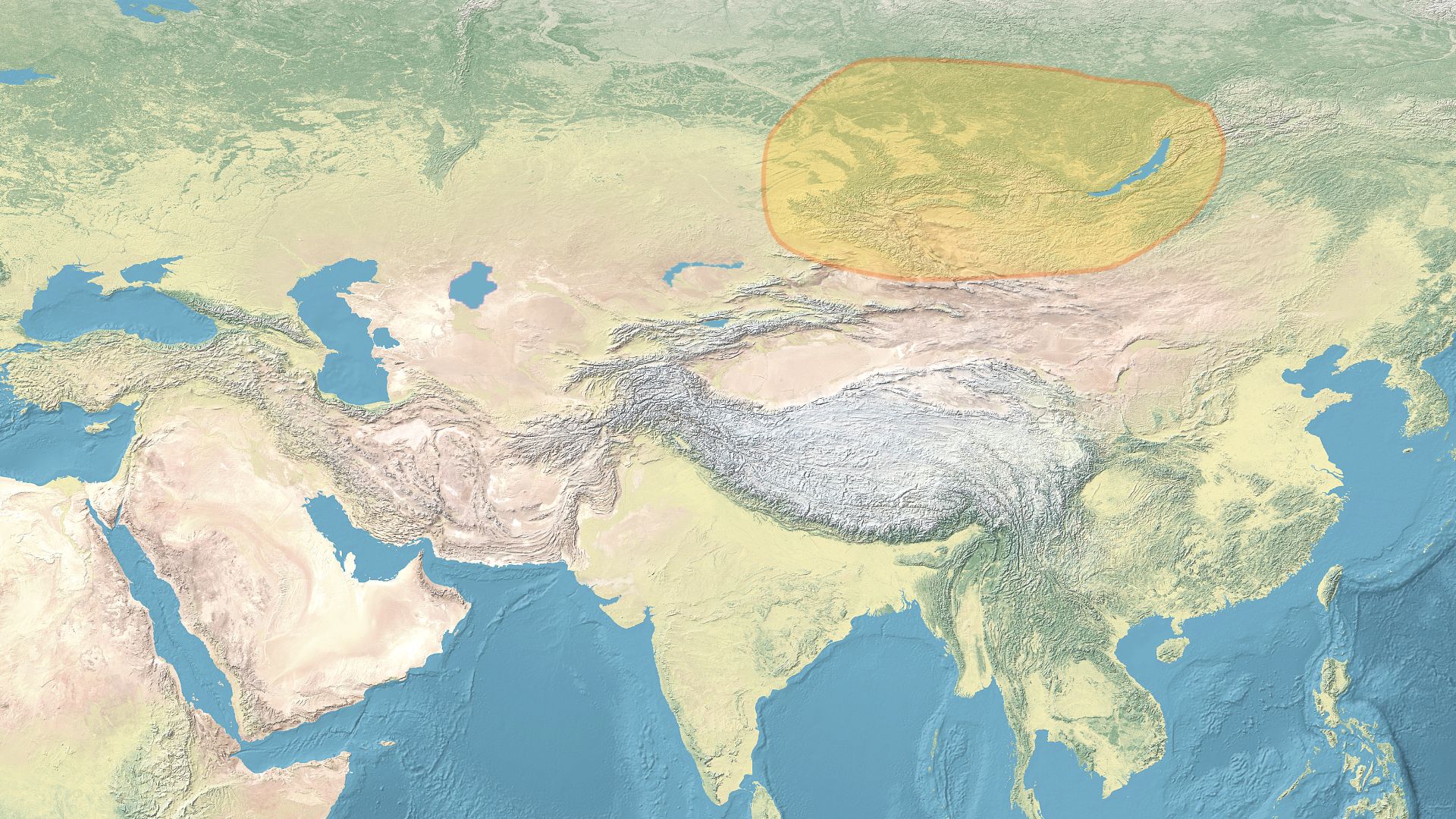
Scientists use the term Ancient North Eurasians for the population represented by the Mal’ta child. Their territory stretched across parts of Siberia during the Ice Age. Although the group disappeared long ago, fragments of their genetic legacy remain in Native American and some Eurasian communities today.
 naturalearthdata.com, offered to the Public Domain per Terms of Use, Wikimedia Commons
How Ice Age Climate Shaped Human Movement
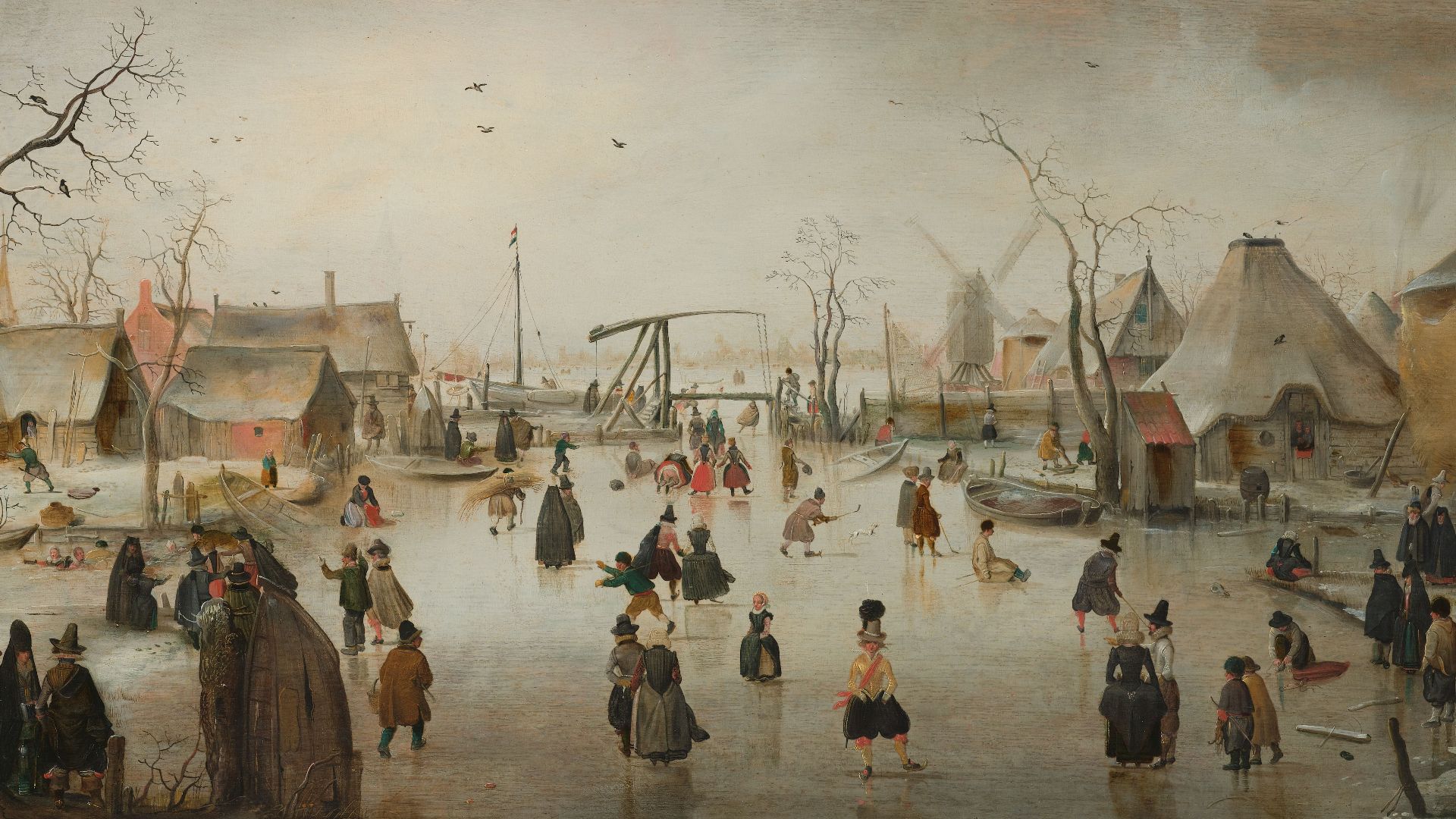
Cold periods pushed groups toward regions with reliable game, while warmer stretches opened new paths across northern lands. These shifts influenced where families settled, hunted, or moved next. The climate’s constant swings created the conditions that allowed different populations to meet and exchange ancestry.
 Rijksmuseum, Wikimedia Commons
Life At Mal’ta: Homes, Tools, And Daily Survival
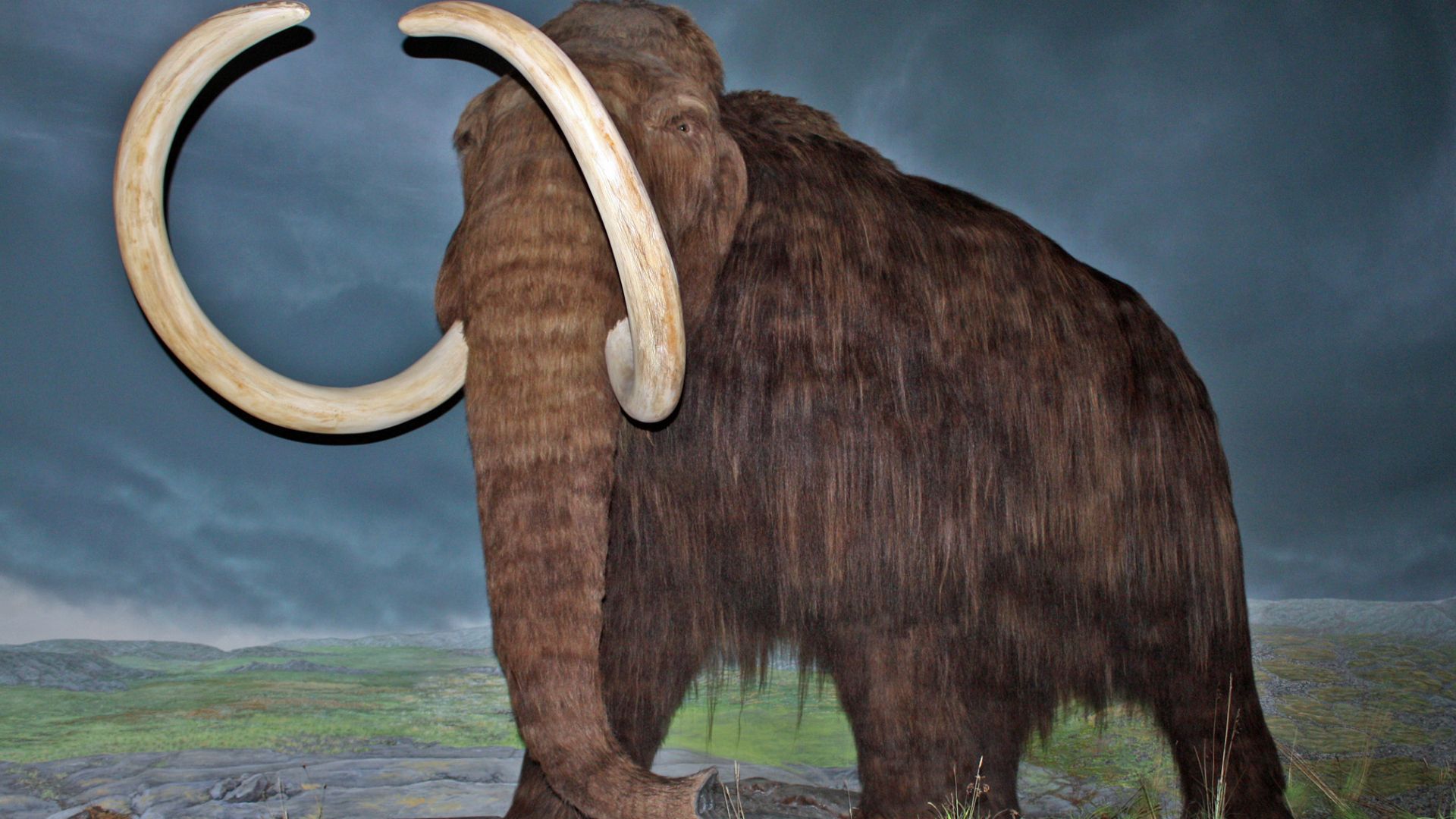
Archaeologists found traces of dwellings built from mammoth bone frames covered with hides. Stone tools and hearths showed how families prepared food and repaired equipment. These clues painted a picture of a community that adapted steadily to harsh seasons while maintaining familiar routines.
The Symbolic Objects Buried With The Child
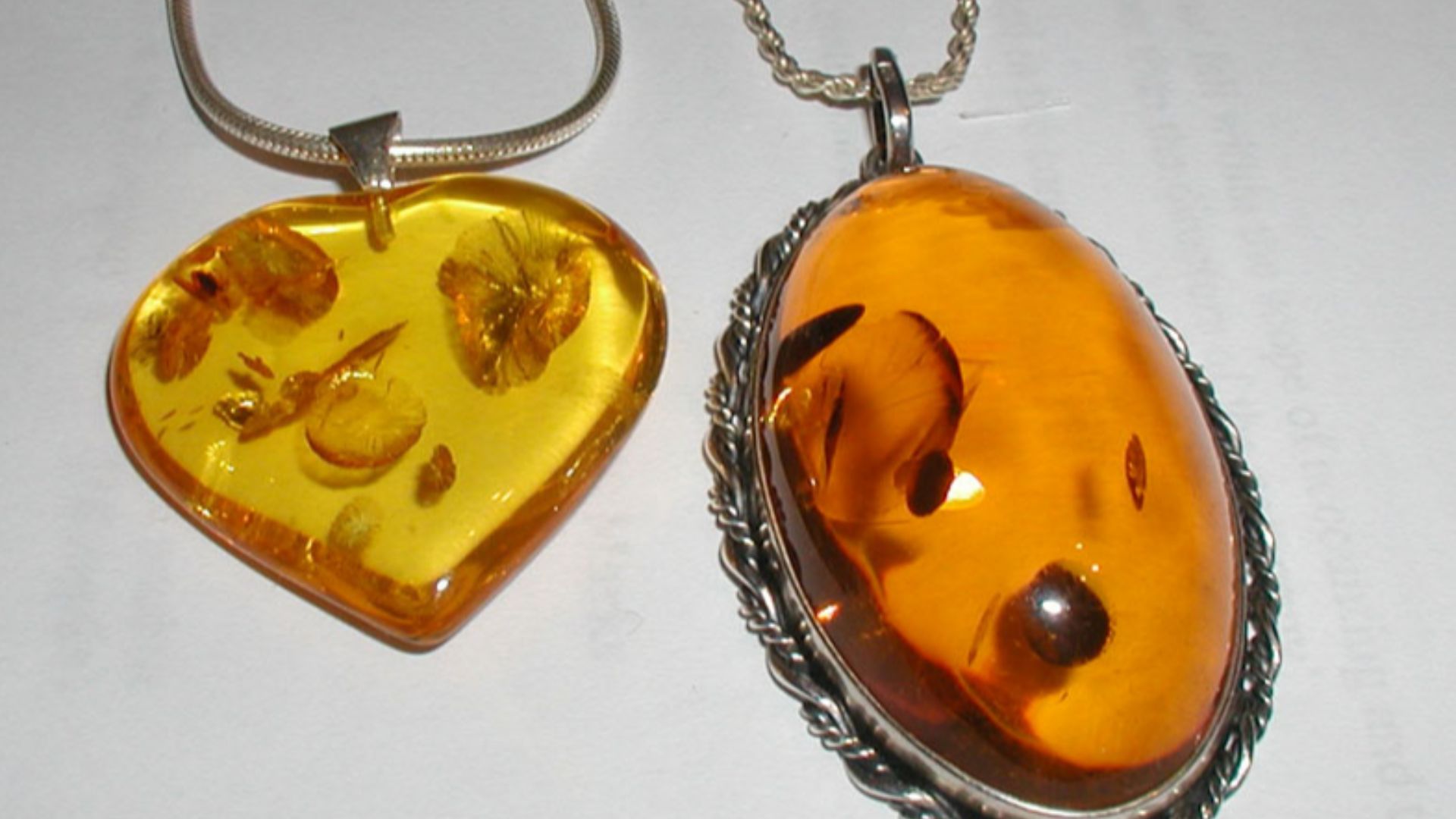
The grave included ivory beads, pendants, and tools placed near the child. Such items usually required careful carving, meaning someone invested time and effort to honor the burial. With these objects, researchers understand the emotional world surrounding the community and how they marked important moments.
 Jurema Oliveira, Wikimedia Commons
Why Children Were Given Ceremonial Burials
The careful placement of objects suggested that childhood carried meaning beyond basic survival. Many early societies honored young members through ritual, viewing them as part of the group’s future. The Mal’ta burial showed that these families expressed grief and memory through crafted items and deliberate layout.
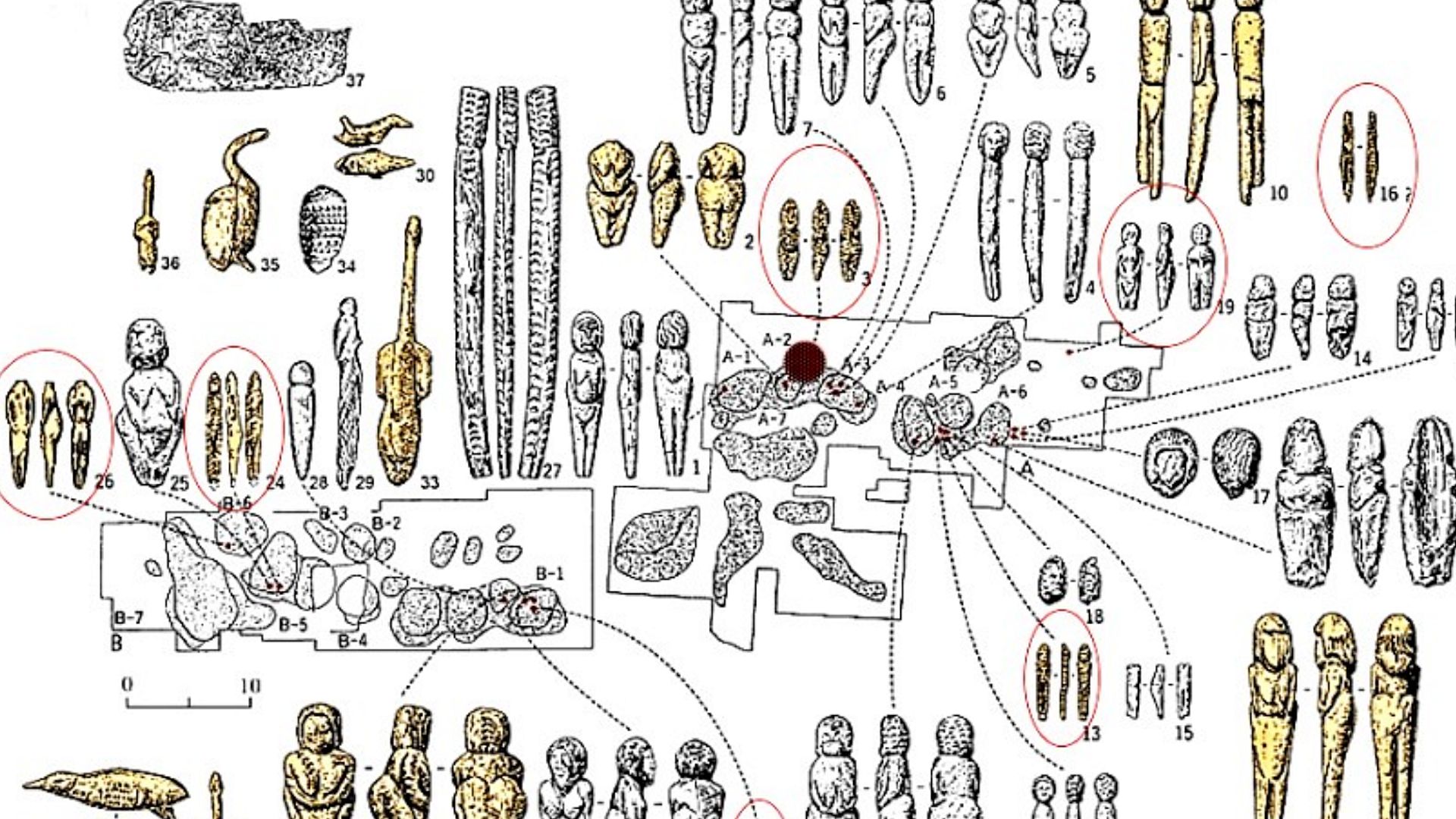 Lbova Liudmila, H. Kato Provided under CC BY 4.0 per notice [2], Wikimedia Commons
How Scientists Date A 24,000-Year-Old Burial
Researchers relied on radiocarbon testing to measure the age of materials surrounding the child, such as bone and charcoal. They compared these results with soil layers and artifact styles. Together, these methods confirmed the burial’s placement within the last Ice Age.
 Unknown photographer, Wikimedia Commons
The Complexity Of Human Migration Before Maps
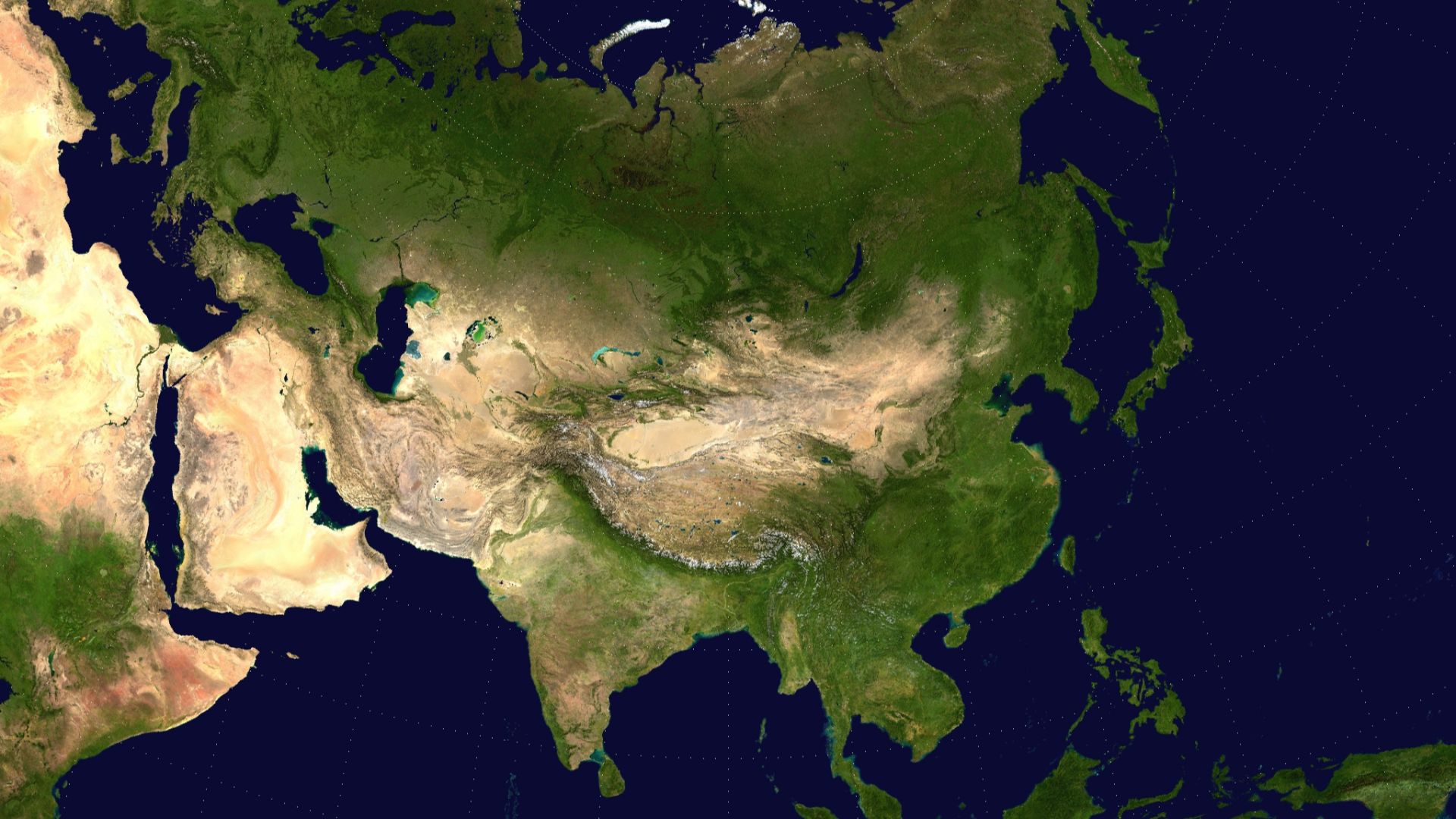
People moved according to seasons, water sources, and game routes. Knowledge was passed by stories rather than drawings or written notes. Over time, families explored new terrain and interacted with unfamiliar groups. These movements formed connections across northern Eurasia long before modern borders existed.
The Bering Land Bridge
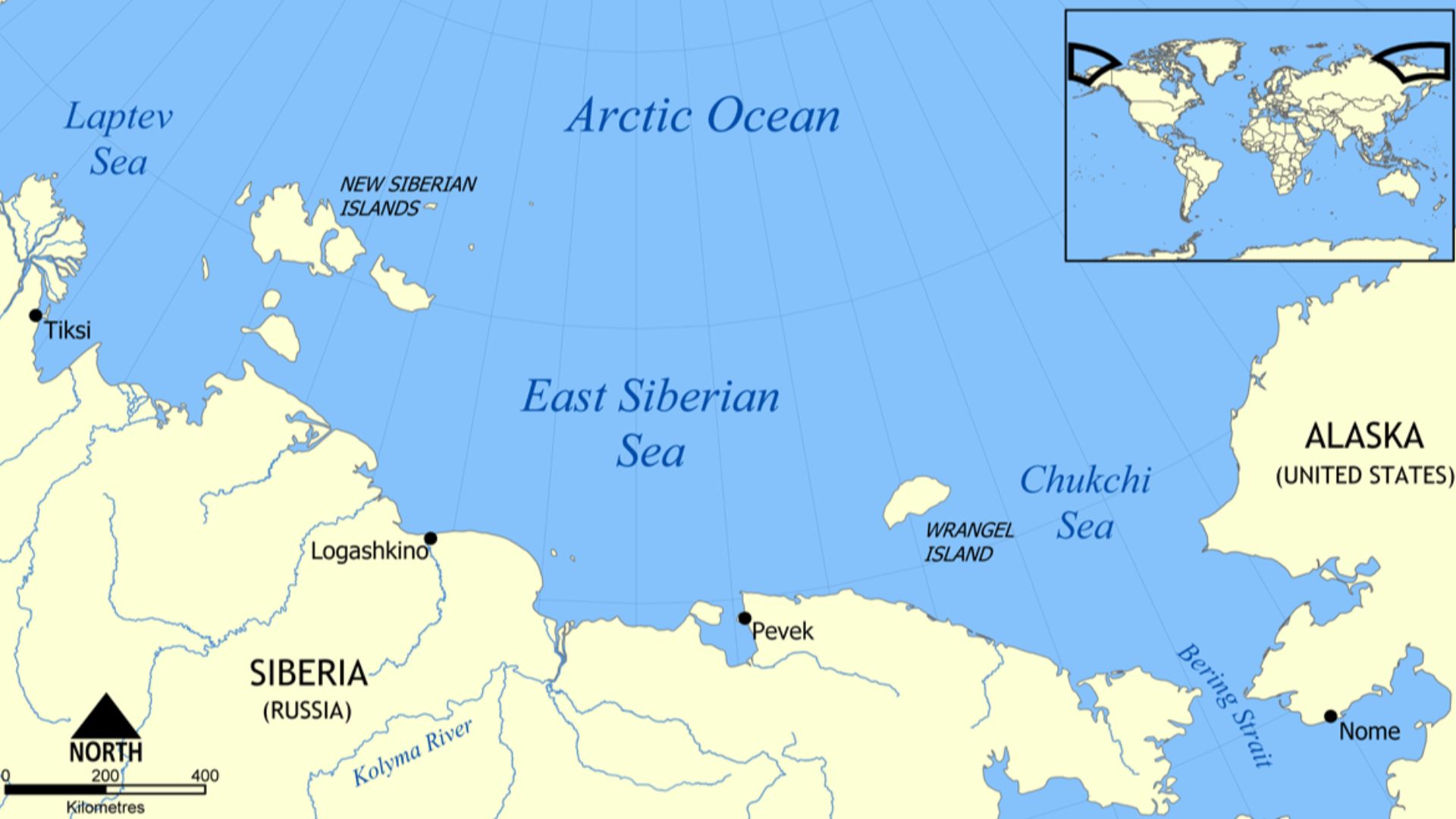
During colder periods, sea levels dropped and revealed a wide stretch of land between Siberia and Alaska. This region supported wildlife and scattered human groups. Families could travel across it gradually, carrying their blended ancestry into territories that would later become part of the Americas.
Genetics Meets Archaeology
For years, physical artifacts alone could not explain how distant populations shared traits. When scientists combined DNA results with tools, carvings and settlement remains, certain patterns became clearer. The Mal’ta child acted as a link that connected findings from Siberia, Eurasia, and early American sites.
 Rhoda Baer (Photographer), Wikimedia Commons
The Debate: Were There Multiple Waves Into The Americas?
Some researchers argue that early Americans arrived in several movements rather than one. The Mal’ta ancestry adds support to this possibility because it appears in groups that lived long before the crossing. The discovery pushed scientists to examine how many routes could have shaped early populations.
 Damek Baruska, Wikimedia Commons
What The Findings Mean For Modern Indigenous Peoples
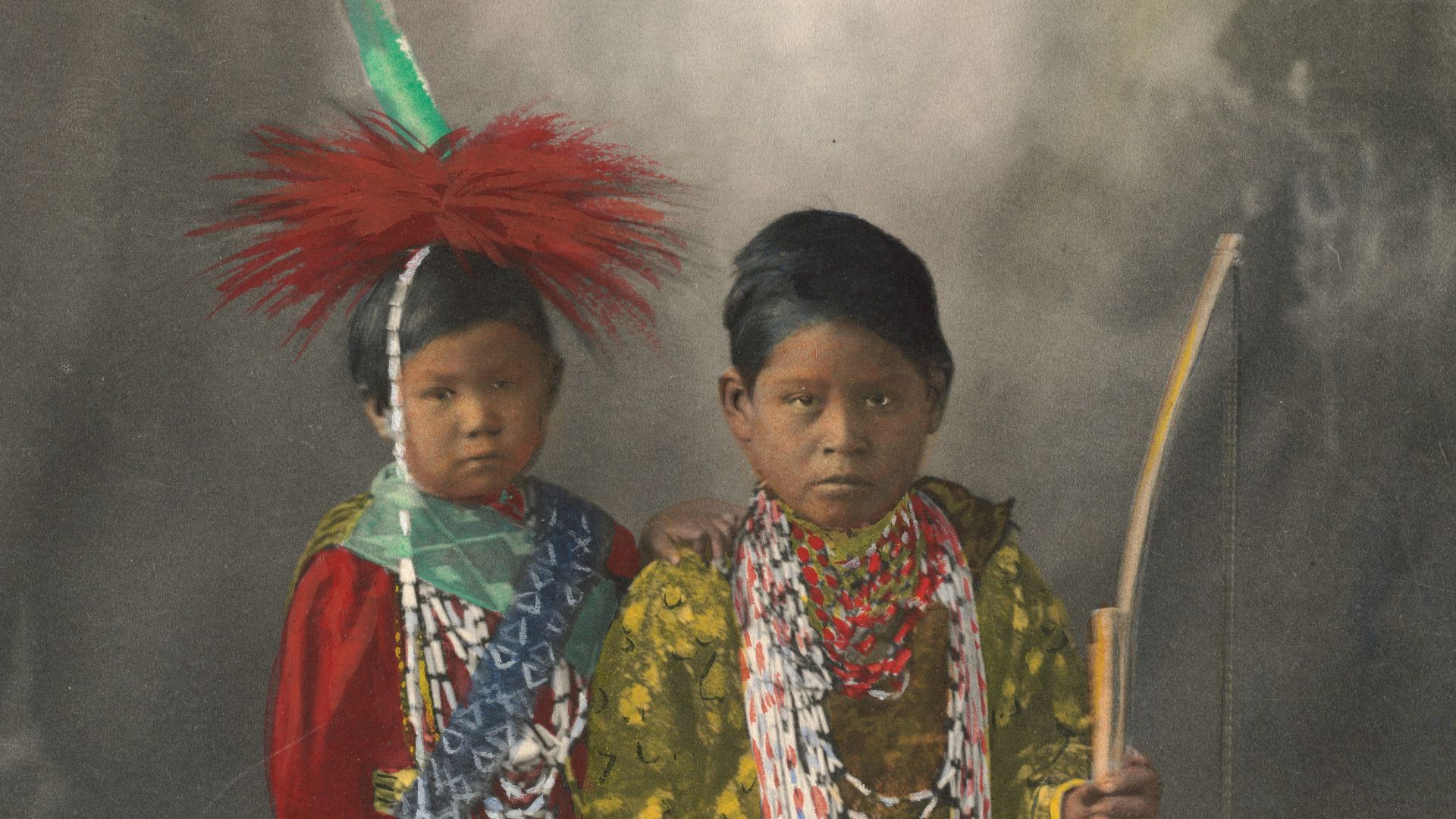
Understanding deep ancestry helps explain how communities formed over time. Researchers emphasize that genetic links describe ancient population movements rather than cultural identity. Many Indigenous groups use these studies carefully to balance scientific interest with respect for their own histories and traditions.
 Boston Public Library, Unsplash
The Ethical Questions Around Studying Ancient Remains
Research on human bones requires care and respect. Scientists follow guidelines that protect cultural values, especially when communities feel connected to the past. Each step, from excavation to testing, is reviewed so the work honors the individual rather than treating the remains as simple objects.

How This Discovery Continues To Help New Research
The child’s genome encouraged teams to study other Siberian sites and older remains across northern regions. Each new sample helps refine maps of ancient movement. The Mal’ta findings now serve as a reference point for understanding how early populations spread across cold lands.

The Legacy Of The Mal’ta Child Today
The discovery pushed researchers to rethink how they study ancient people. It encouraged labs across the world to share data, refine DNA techniques, and search older sites with greater care. The child’s quiet presence in Siberia helped build a new era of cooperation in human-origin research.