Overachieving Green Giants
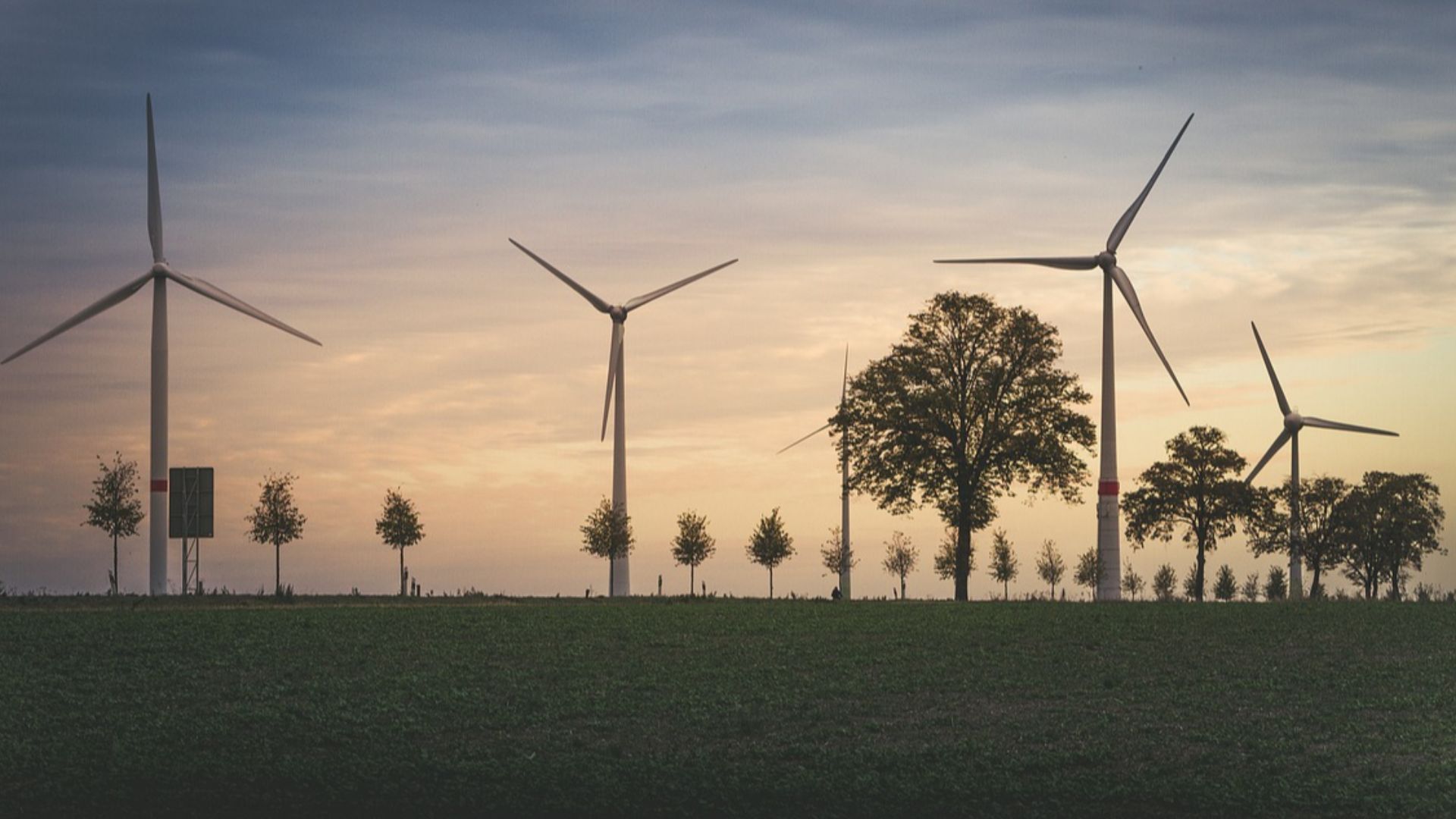
China's wind turbines are moonlighting. Sure, they generate electricity, but these towering giants are also restoring deserts, growing fish populations, and producing hydrogen fuel. The benefits just keep stacking up.
 User:CatOnMars, Wikimedia Commons, Modified
Global Leadership
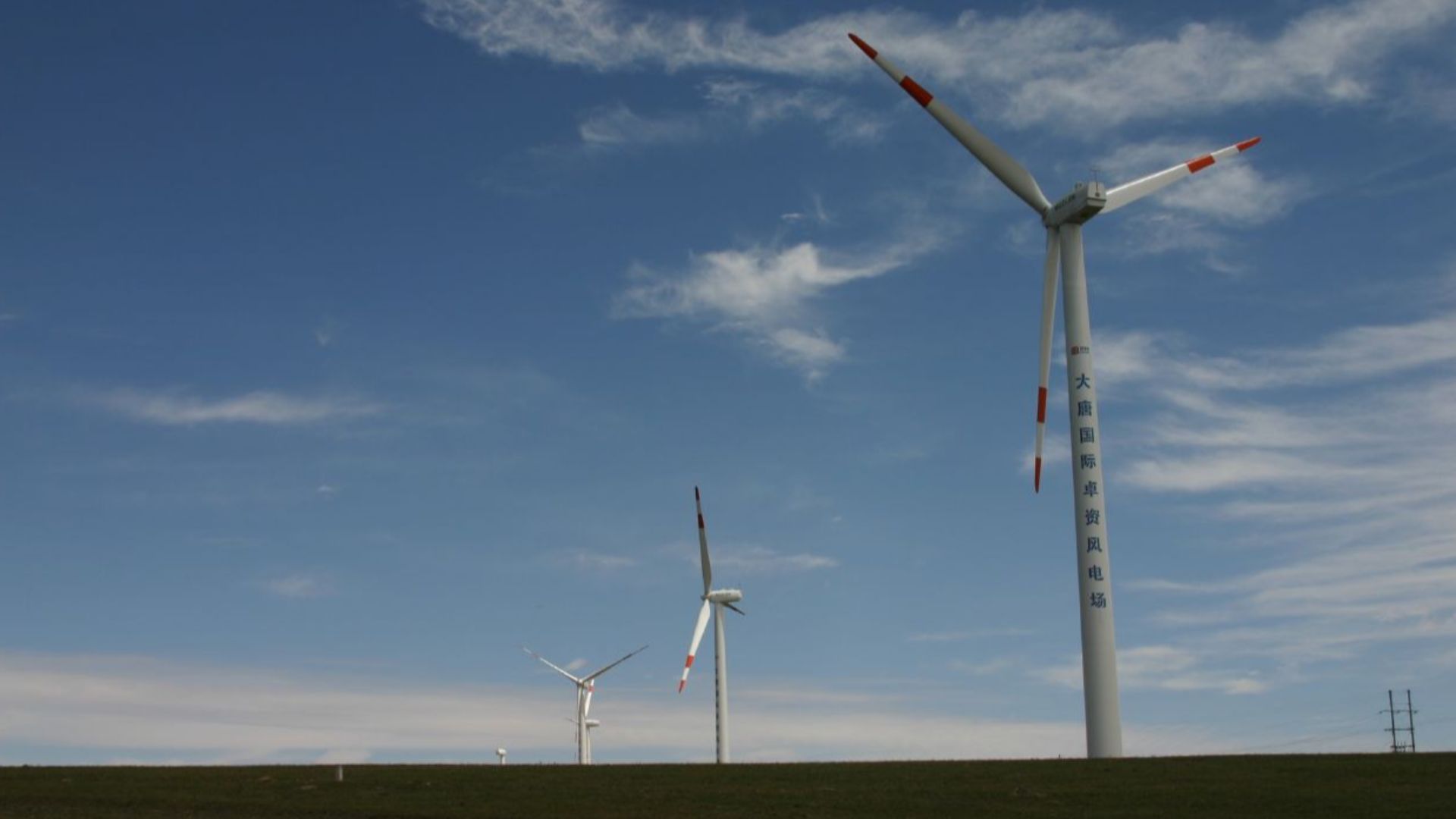
China hasn't just entered the wind power game—it's rewritten the rulebook entirely. For fifteen consecutive years, the country has maintained its position as the world's undisputed wind energy champion. By November 2025, total installed capacity had exceeded 600 gigawatts, dwarfing the combined efforts of every other nation.
 Steven Buss, Wikimedia Commons
Capacity Milestones
Between January and November 2025 alone, Chinese wind farms generated nearly 950 billion kilowatt-hours of electricity, with utilization rates consistently exceeding 94%. Here's the watershed moment: in 2025, combined wind and solar capacity surpassed coal-fired power for the first time in the nation's history.
Historical Development
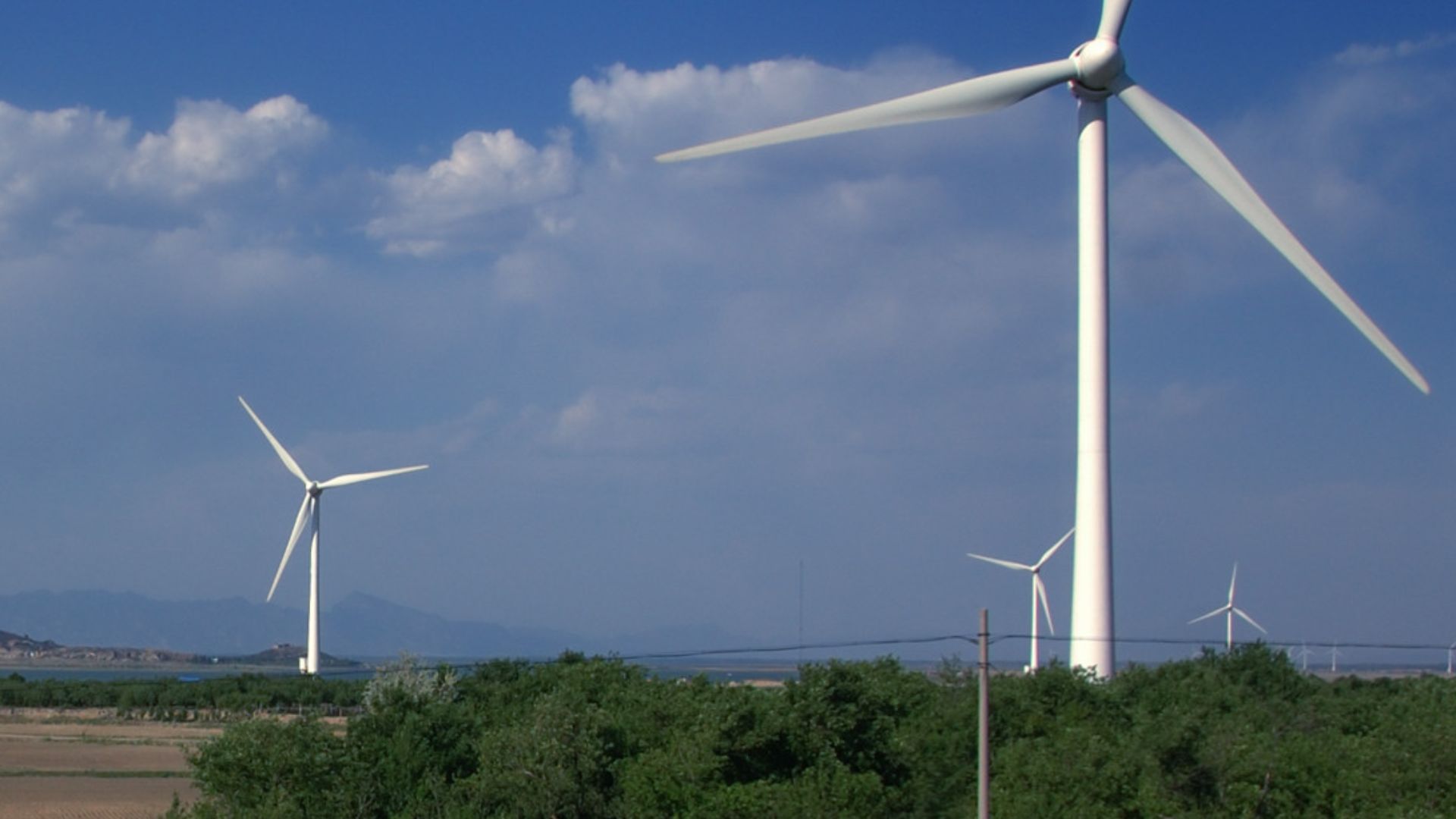
Wind turbines first appeared in China's landscape back in 1986, when the Malan Wind Farm in Shandong Province marked the beginning of an unlikely journey. The country imported its first turbine from Denmark in the same year, a modest start to what would become a global phenomenon.
Regional Distribution
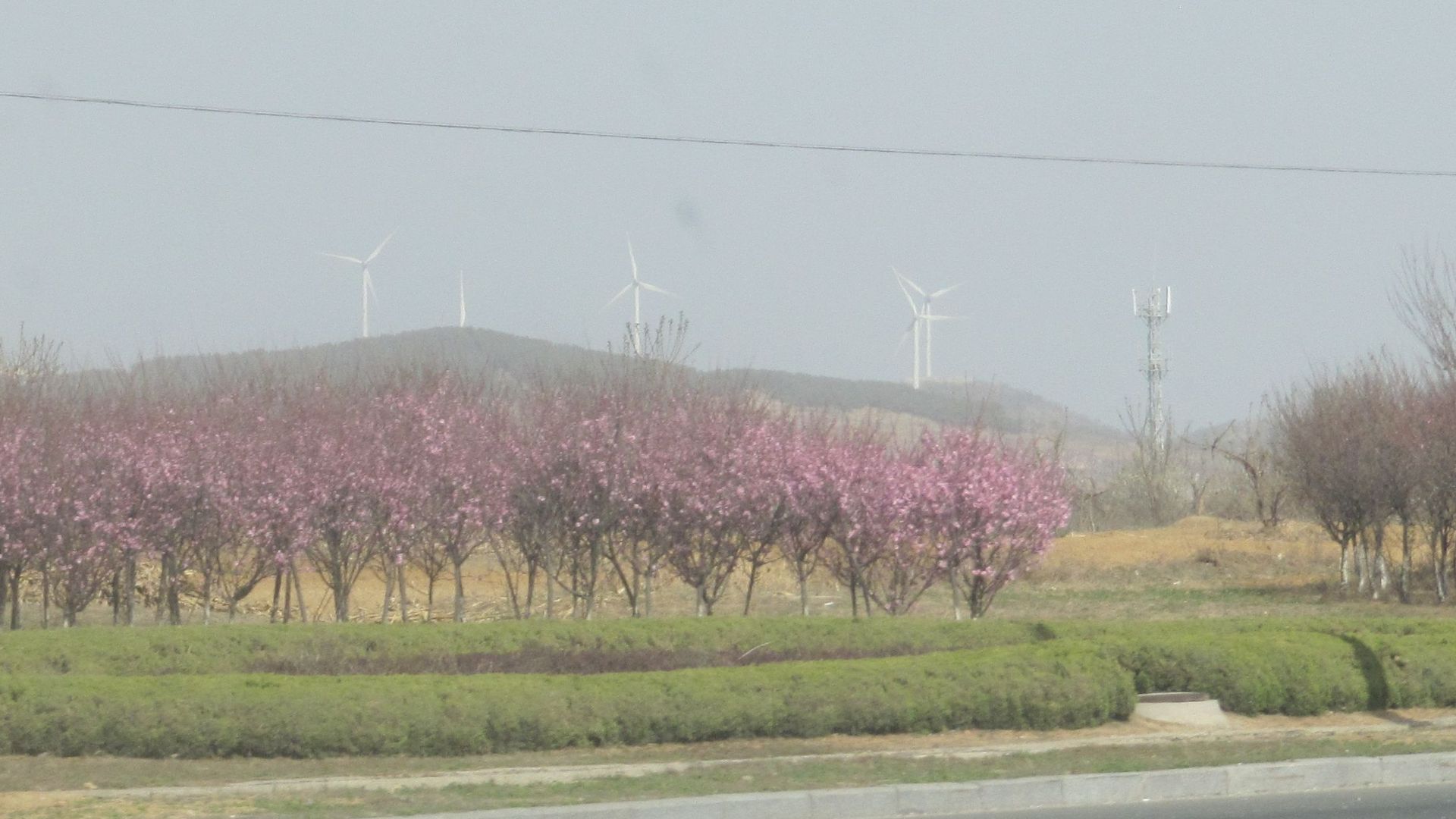
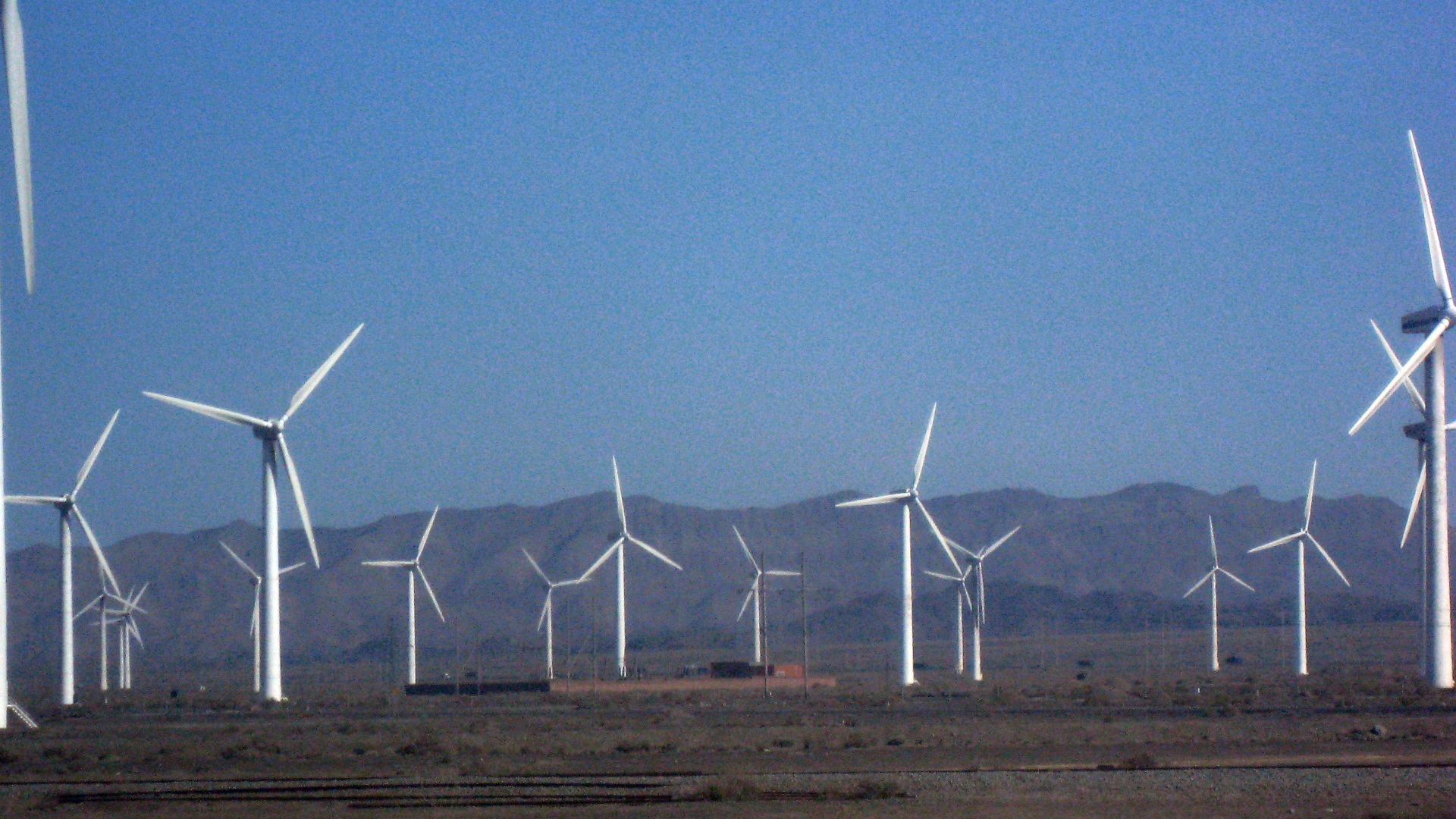
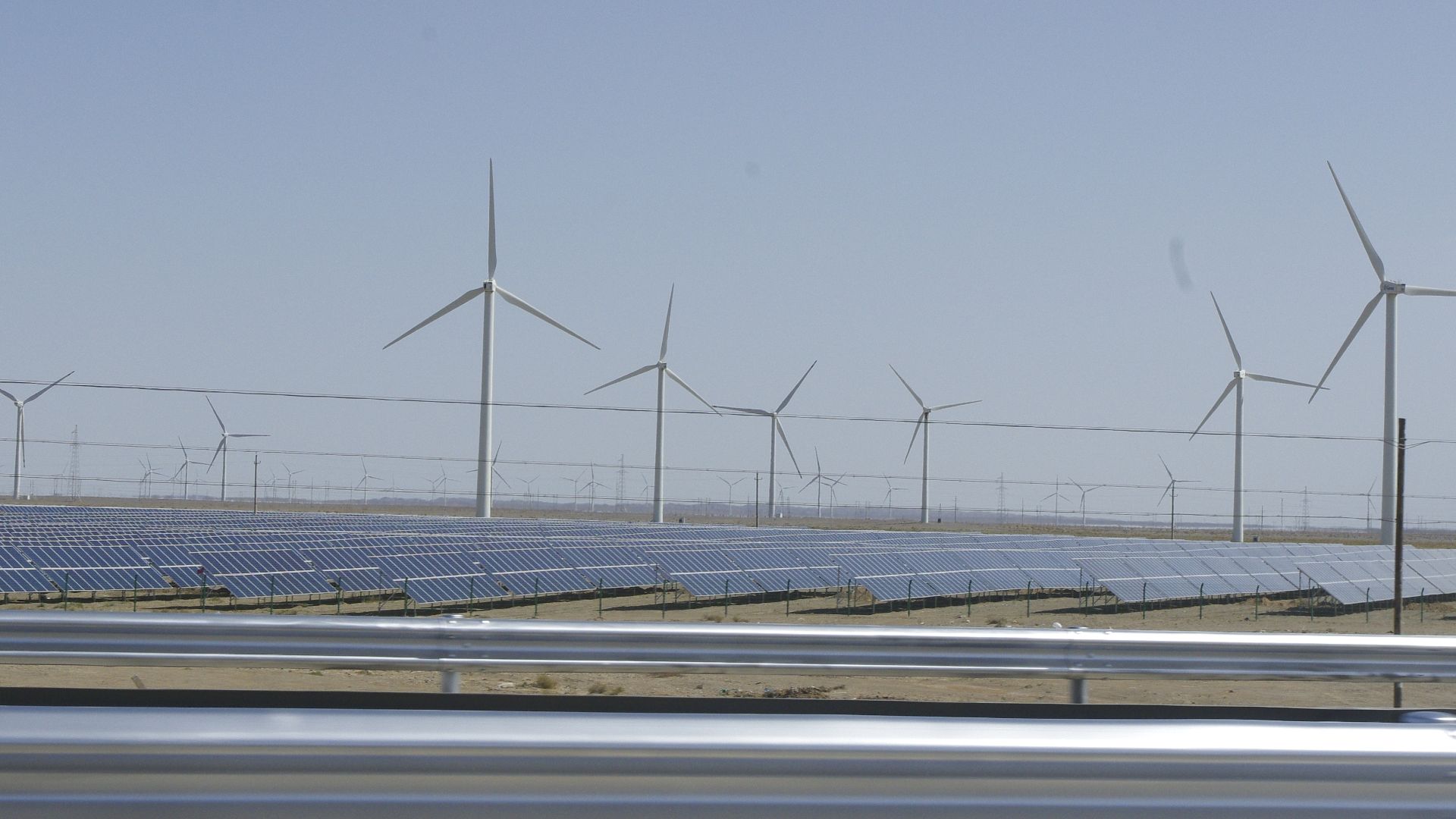
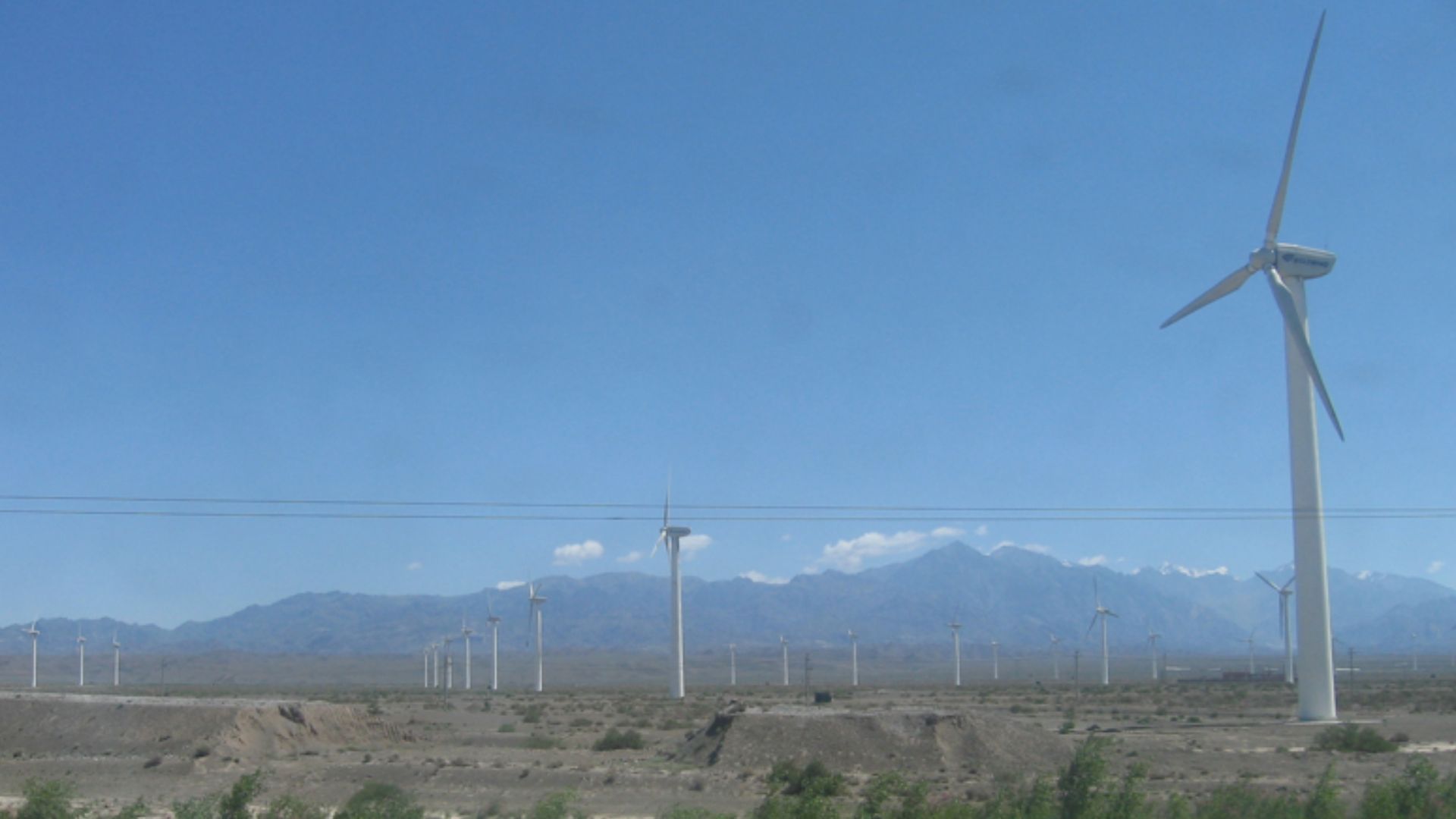
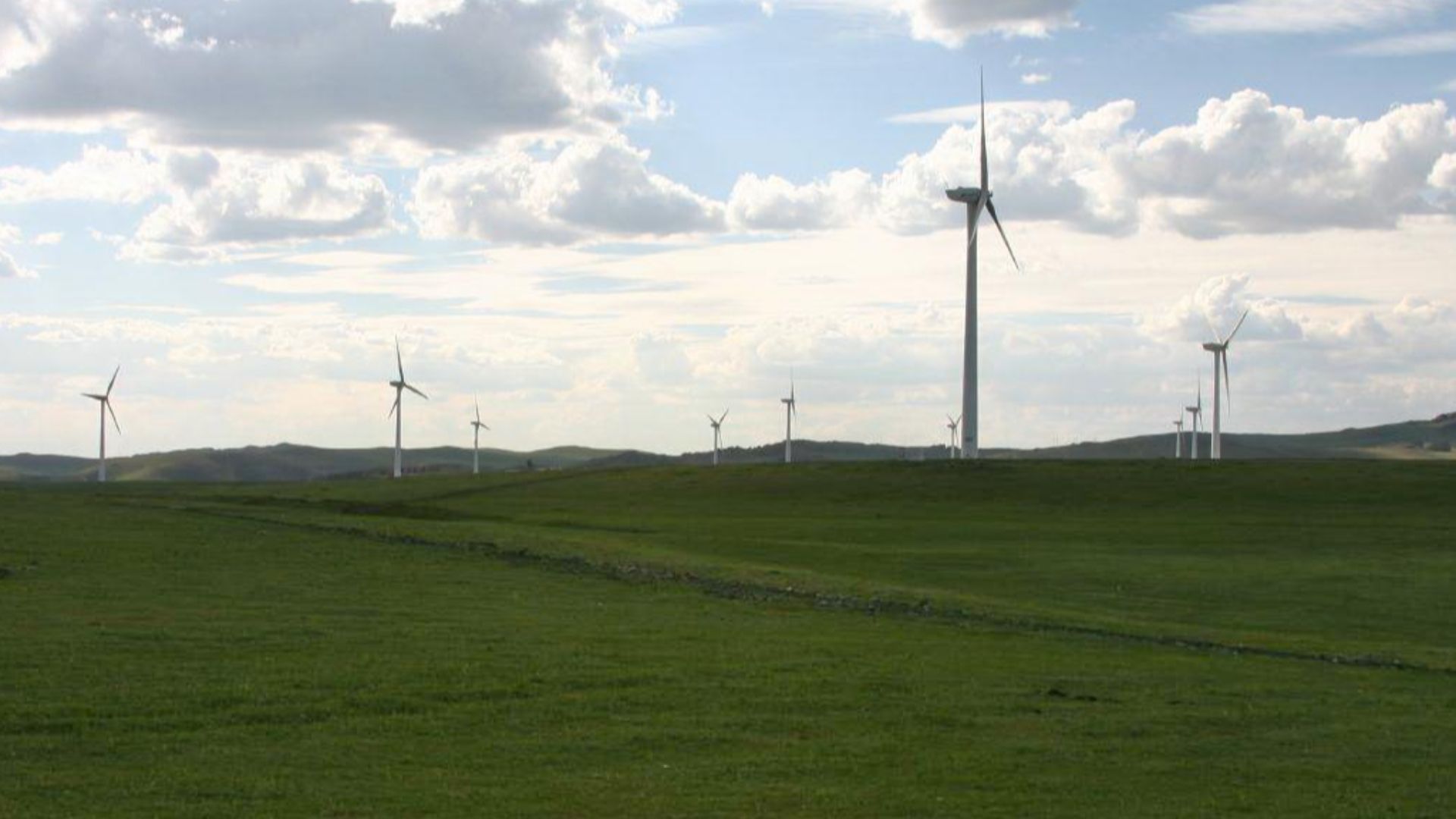
Geography shapes China's wind power story in fascinating ways. The northwestern regions—Inner Mongolia, Xinjiang, and Gansu—host massive wind power bases exploiting strong, stable desert winds that blow across the Gobi. Xinjiang alone possesses 780 million kilowatts of technically exploitable wind resources, roughly 17% of China's total.
 taylorandayumi, Wikimedia Commons
Manufacturing Dominance
Chinese manufacturers don't just supply their domestic market. They've cornered the global wind turbine industry. The country now produces over half of the world's wind turbines, with companies like Goldwind, Mingyang, and Dongfang Electric leading innovation in blade design and turbine efficiency.
 Lin Muyao / Chris Lim from East Coast (Dōnghǎi àn), Singapore (Xīnjīapō), Wikimedia Commons
Supply Chain
The industrial chain extends far beyond turbine assembly into a comprehensive manufacturing network. Mori Kazakh Autonomous County houses a Dongfang Electric base with an annual capacity exceeding 10 million kilowatts for main units, established in just two years after breaking ground in 2022.
Export Powerhouse
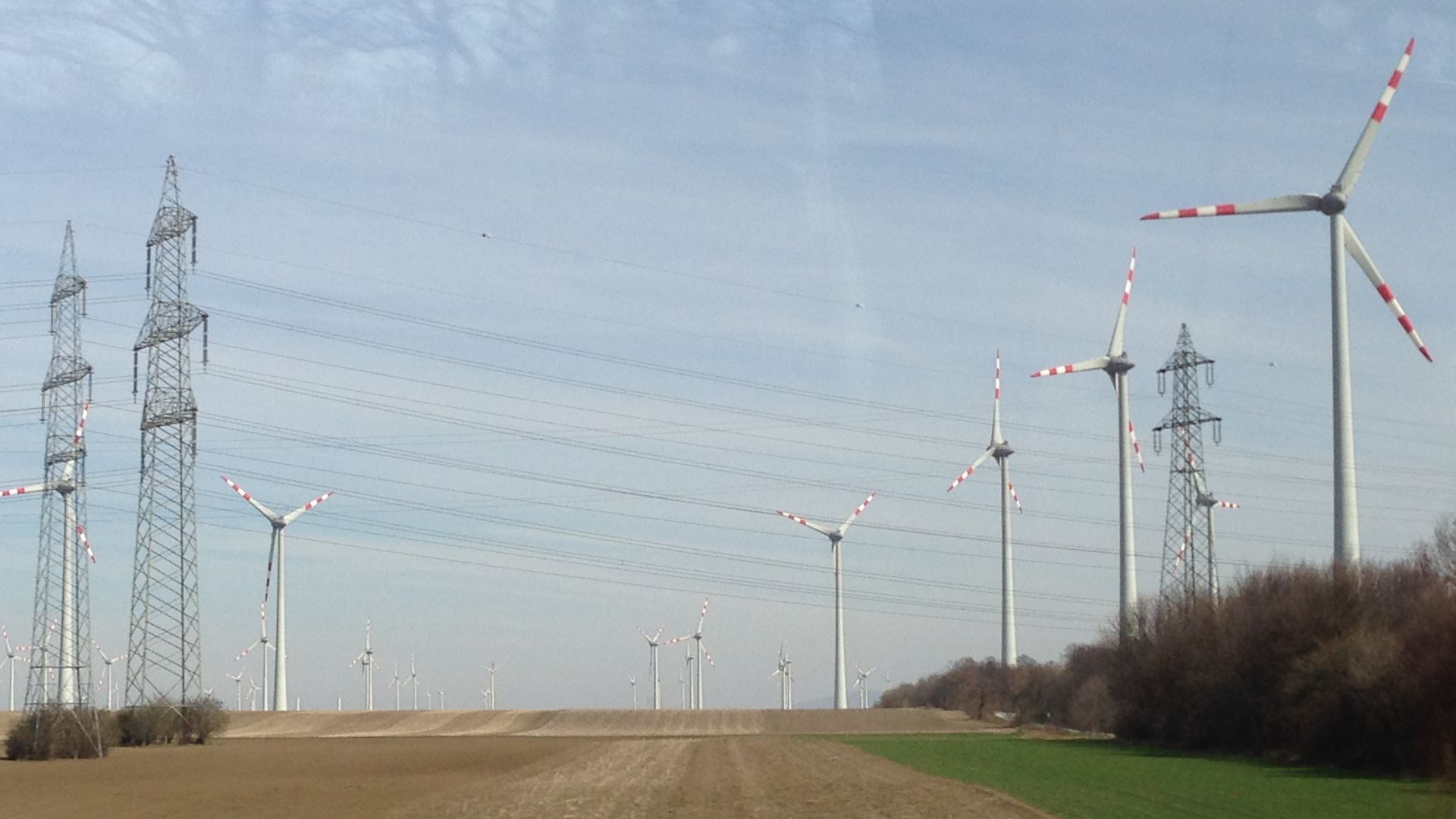
China's wind industry doesn't stop at its borders. It's reshaping global renewable markets. Within just the first eight months of 2025, the country exported wind power components worth $3 billion to nations worldwide. Chinese turbines now spin across continents, from European wind farms to African renewable projects.
 CAPTAIN RAJU, Wikimedia Commons
Cost Reduction
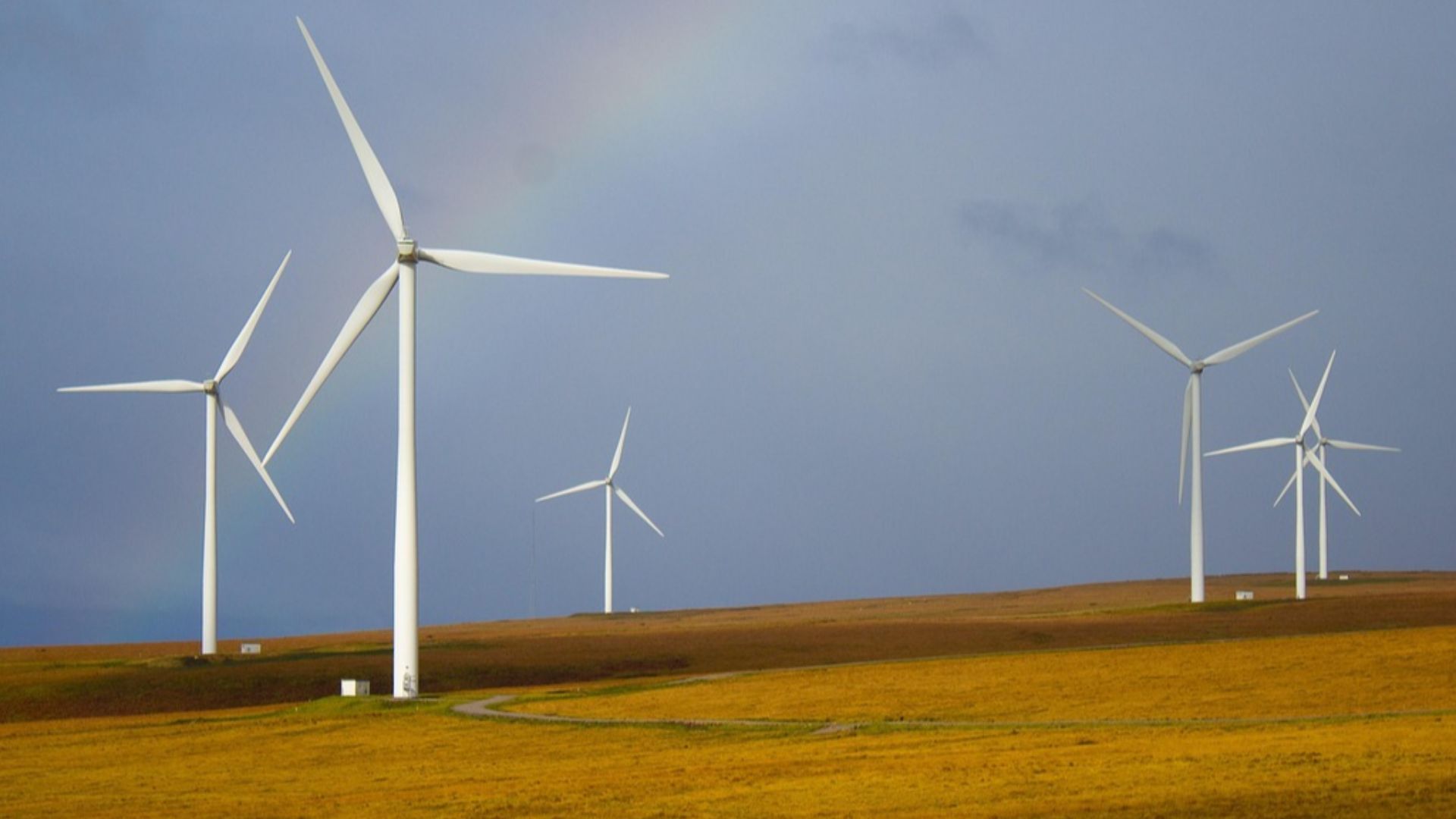
Perhaps China's most significant global contribution isn't the turbines themselves but making wind power affordable for everyone. Over the past decade, global wind power costs have plummeted by more than 60%, driven largely by Chinese manufacturing scale and innovation. Turbine costs in China are substantially lower.

History's most fascinating stories and darkest secrets, delivered to your inbox daily.
Economic Benefits
Wind power generates wealth in multiple dimensions beyond electricity sales. In 2024, Xinjiang's wind equipment manufacturing chain produced output exceeding 10 billion yuan (approximately $1.4 billion). China Longyuan Power Company's wind segment alone generated 17.78 million megawatt-hours in Q1 2025.

Job Creation
The human dimension of China's wind revolution is staggering in scale. A single manufacturing base in Mori County created over 1,000 local jobs within two years of operation. In 2024 alone, new energy projects under construction in Hainan Tibetan Autonomous Prefecture employed over 3,000 people.
Technological Innovation
Floating offshore turbines represent China's latest frontier, with the world's largest commercial floating wind farm under construction near Hainan. The 1-gigawatt project, led by state-owned PowerChina, deploys turbines in deeper waters where wind speeds are significantly higher and more consistent.
Offshore Expansion
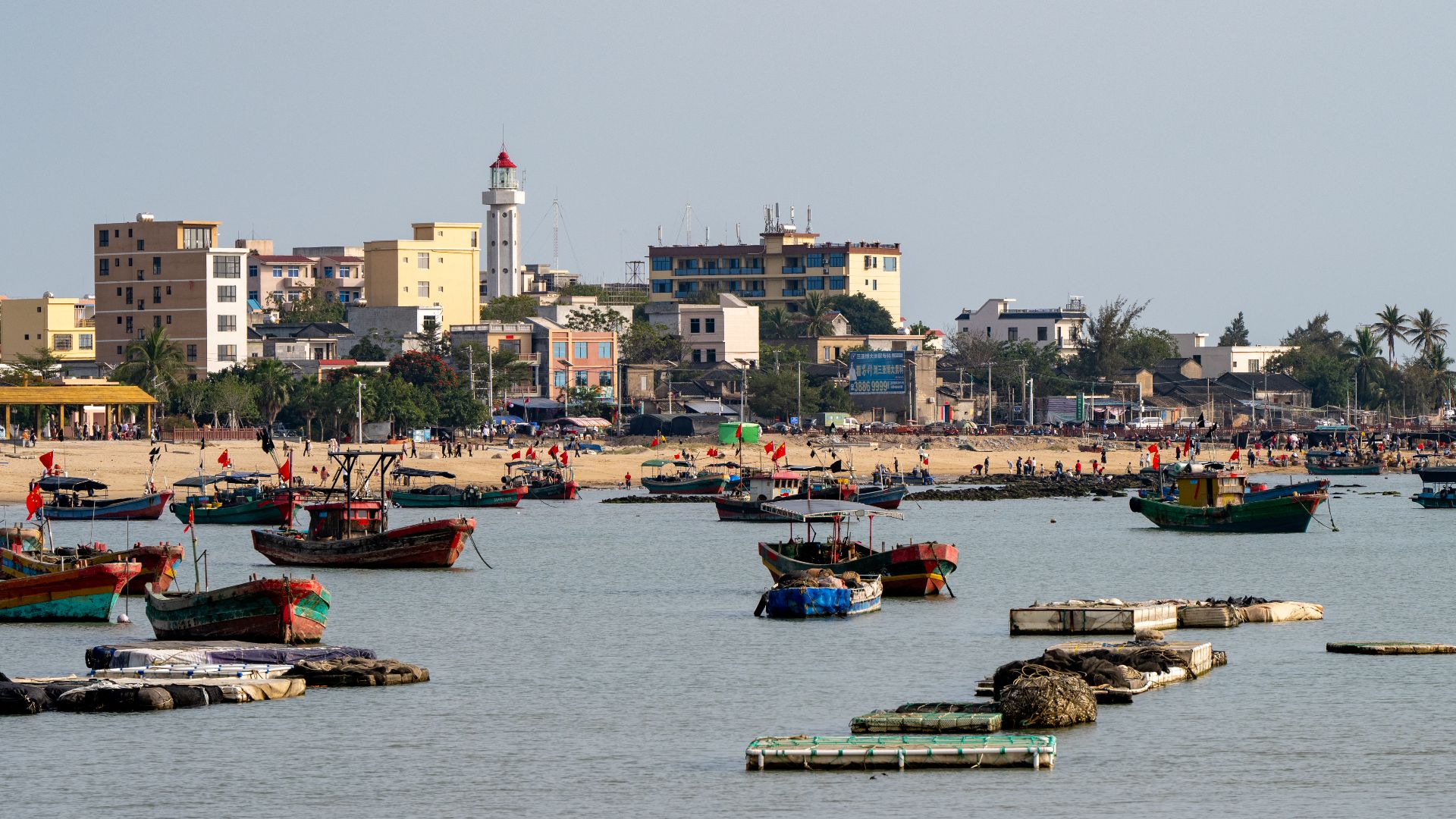
China's offshore wind capacity grew from under 5 million kilowatts in 2018 to 44.61 million kilowatts by late 2025, representing approximately 50% of global offshore wind power. Guangdong Province alone hosts 15% of the world's offshore turbines, specially engineered to withstand and even leverage the South China Sea's powerful cyclones.
 Shen Chengxin, Wikimedia Commons
Grid Integration
Early challenges nearly derailed China's wind ambitions—in 2009, only 72% of installed capacity was connected to the grid. Transmission infrastructure initially couldn't keep pace with the construction of wind farms in the northwestern region, leading to massive curtailment, with 34 terawatt-hours going unused in 2015 alone.
Energy Storage
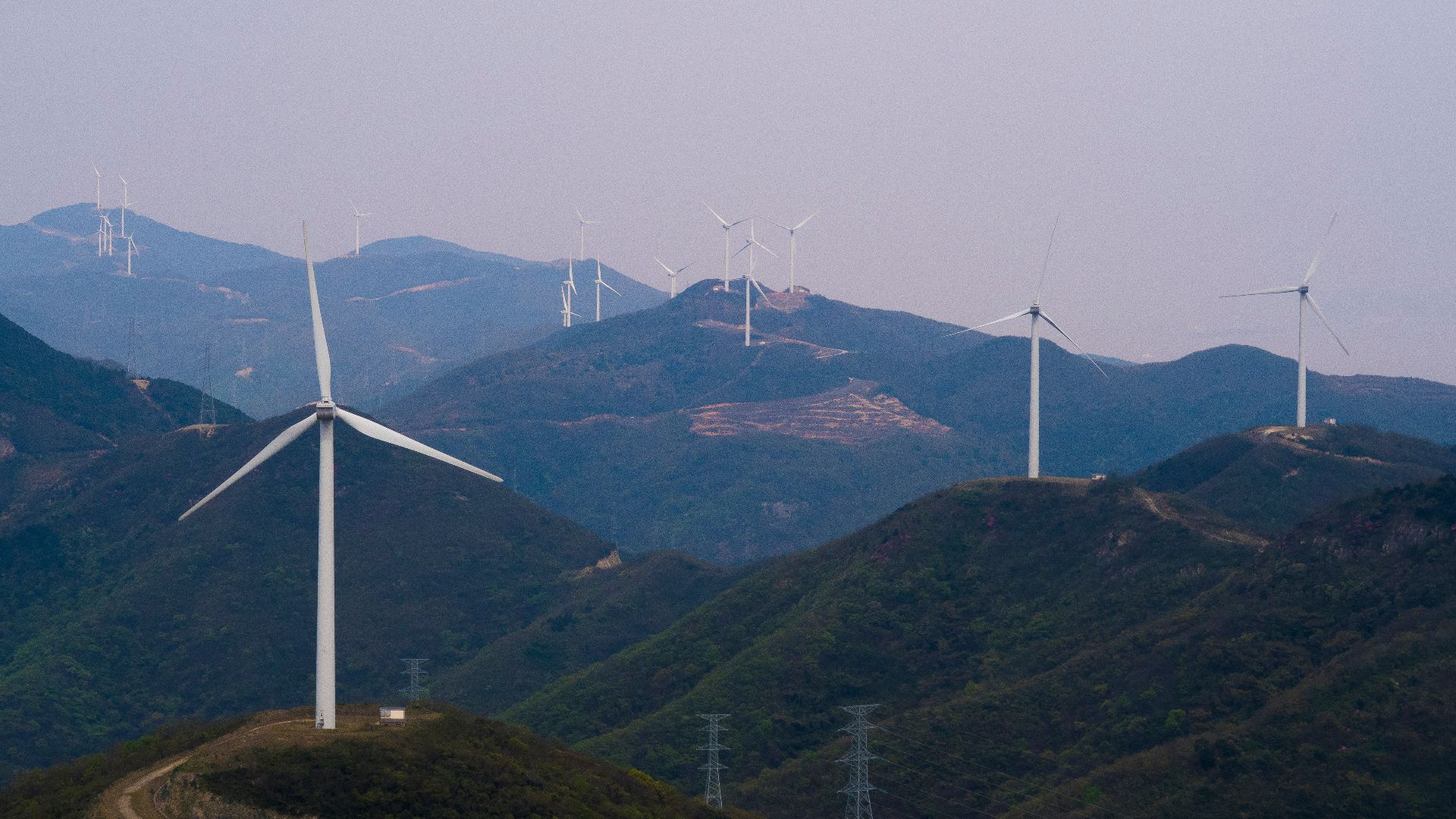
Variable wind output demands sophisticated storage solutions, and China's response showcases engineering ambition. In Hami's Shisanjianfang wind zone, where force-eight winds blow over 200 days annually, a million-kilowatt project pairs 150 low-temperature turbines with massive electrochemical storage systems. The facility stores 1.2 million kilowatt-hours.

Hydrogen Production
Stranded wind power found its salvation in hydrogen production. China's renewable hydrogen production capacity reached over 220,000 tonnes annually by late 2025. In 2019, Goldwind pioneered wind-to-hydrogen projects in northeast China, converting unused generation into clean energy for hydrogen production.
 Pzavislak at English Wikipedia, Wikimedia Commons
Green Ammonia
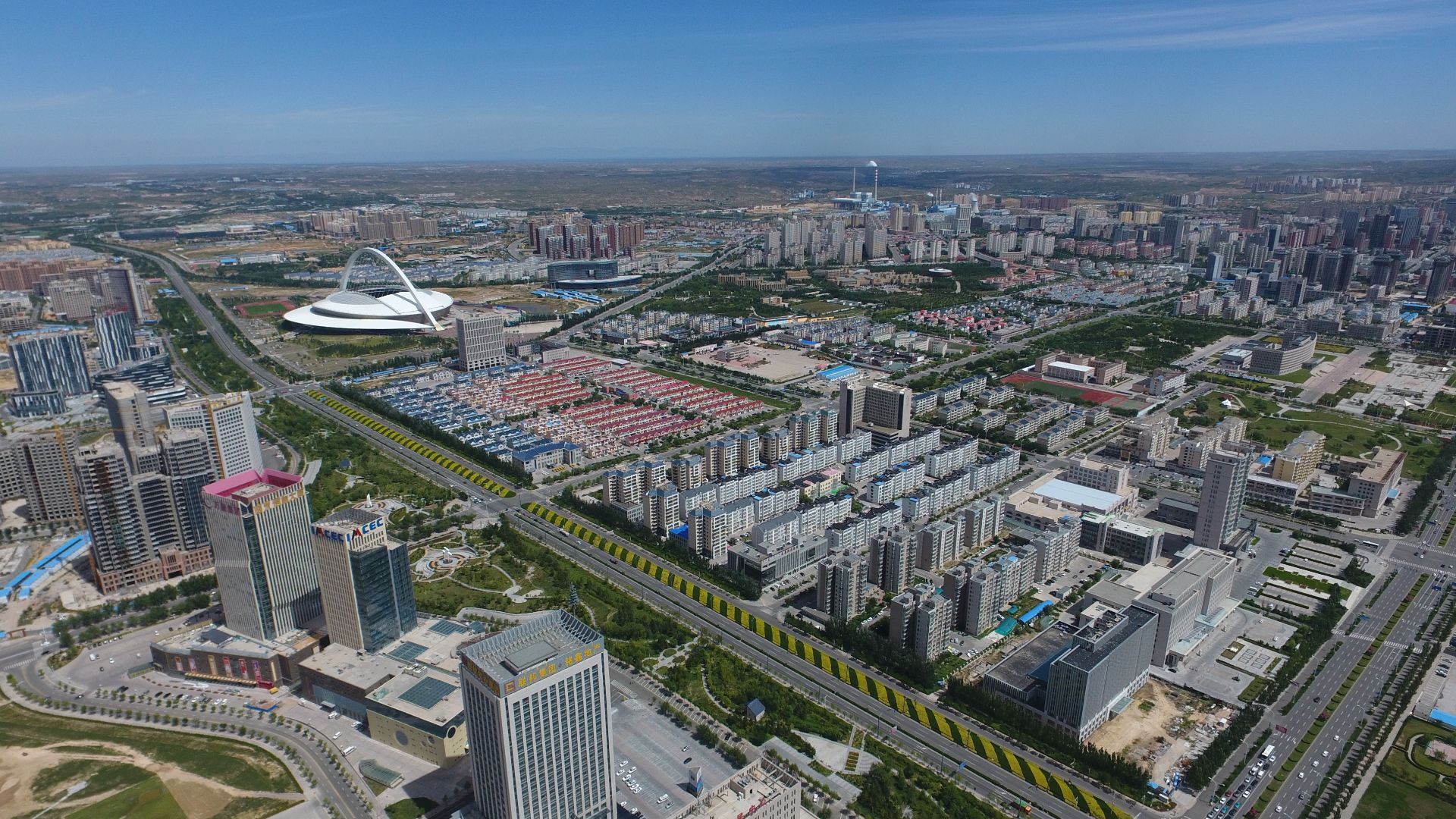
Envision Energy's Net Zero Industrial Park in Ordos, Inner Mongolia, operates the world's largest green hydrogen and ammonia facility, currently producing 320,000 tonnes of ammonia annually with plans to expand to 1.5 million tonnes by 2028. This nearly fivefold expansion signals a long-term commitment to clean fuel exports.
 Charlie fong, Wikimedia Commons
Industrial Applications
Wind-powered hydrogen production extends far beyond electricity replacement into industrial transformation. Guangdong and Jiangsu provinces also lead hydrogen energy and fuel cell advancement, with cities like Foshan, Guangzhou, and Rugao requiring massive quantities of high-purity hydrogen. Electrolyzed water from renewable energy produces hydrogen reaching 99.999% purity.
Marine Biodiversity
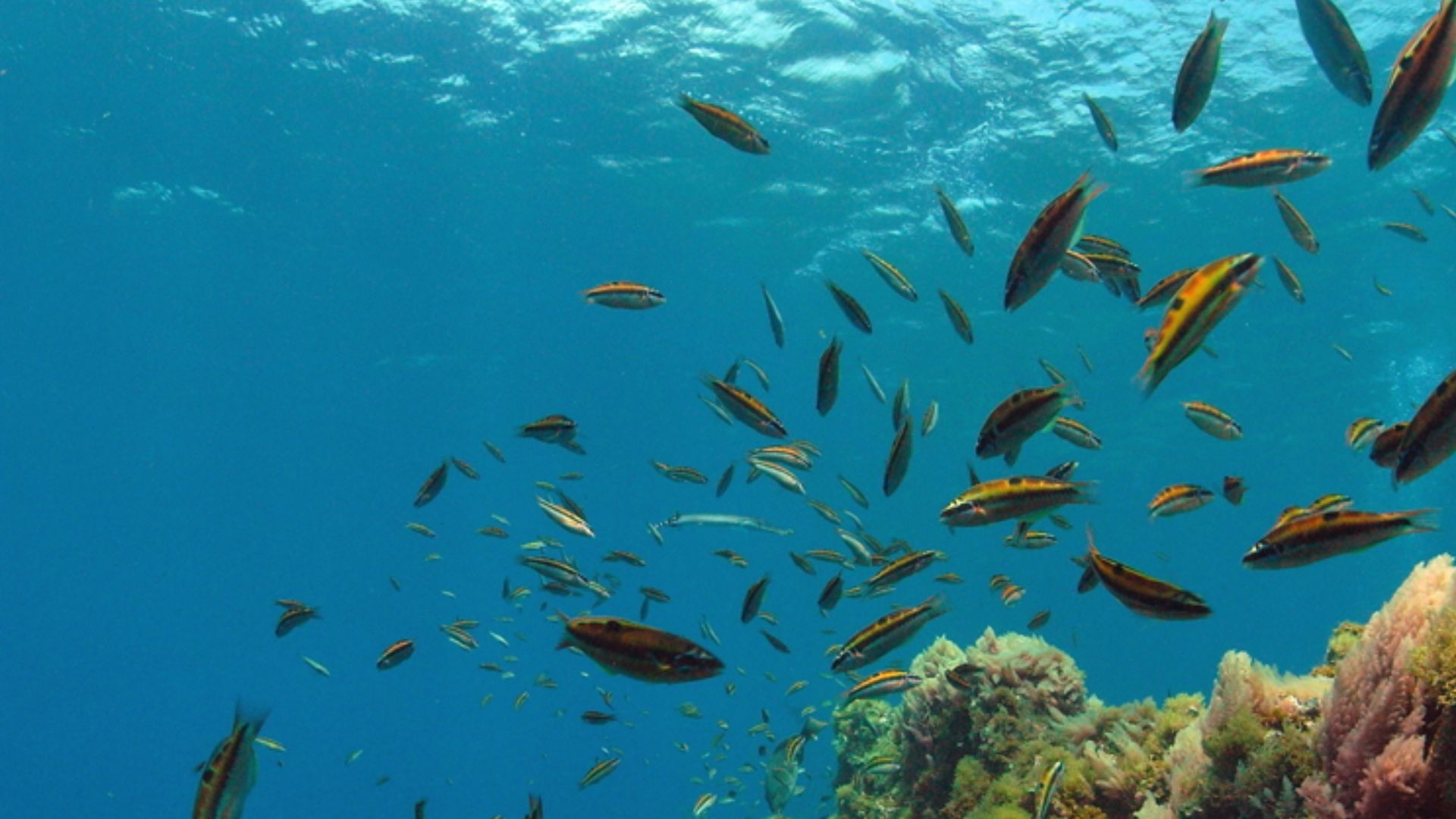
Offshore wind farms are inadvertently creating marine sanctuaries that offer measurable ecological benefits. A comprehensive 2025 study of the Zhuanghe Offshore Wind Farm in the northern Yellow Sea found that biodiversity increased markedly compared with control areas. Fish species became more abundant, with over twice the biomass near turbines.
 Your friend, Wikimedia Commons
Artificial Reefs
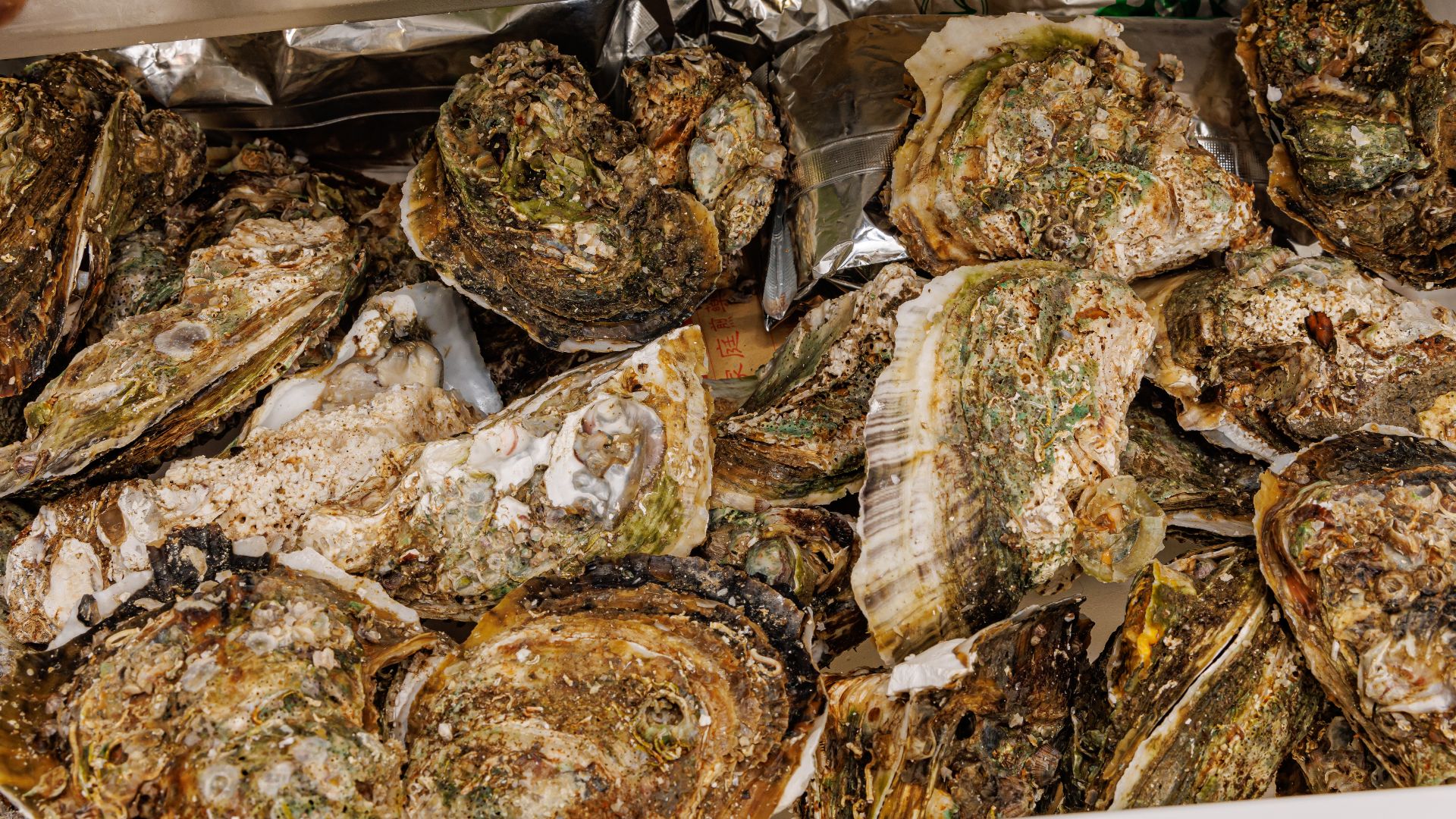
Turbine foundations rising from the seabed function as unintentional artificial reefs, fundamentally altering marine habitat structures. The rough surfaces of monopiles provide ideal attachment points for sessile organisms—barnacles, oysters, mussels—that colonize the structures in dense communities. These organisms act as critical food sources.
 Dinkun Chen, Wikimedia Commons
Fish Abundance
Several fish species exhibited dramatic population increases around offshore installations, with some showing abundance levels and biomass more than double that of control areas. The protected status created by no-trawling zones allows fish communities to establish and mature without constant fishing pressure.
 Philippe Guillaume, Wikimedia Commons
Ecosystem Enhancement
The change extends beyond individual species to entire ecosystem functions and stability. Offshore wind farm areas demonstrated enhanced detrital flow and increased system maturity compared to turbine-free zones. Total system biomass increased by approximately 40 percent through strengthened trophic cascade effects and altered resource partitioning.
 Steven Buss, Wikimedia Commons
Desertification Control
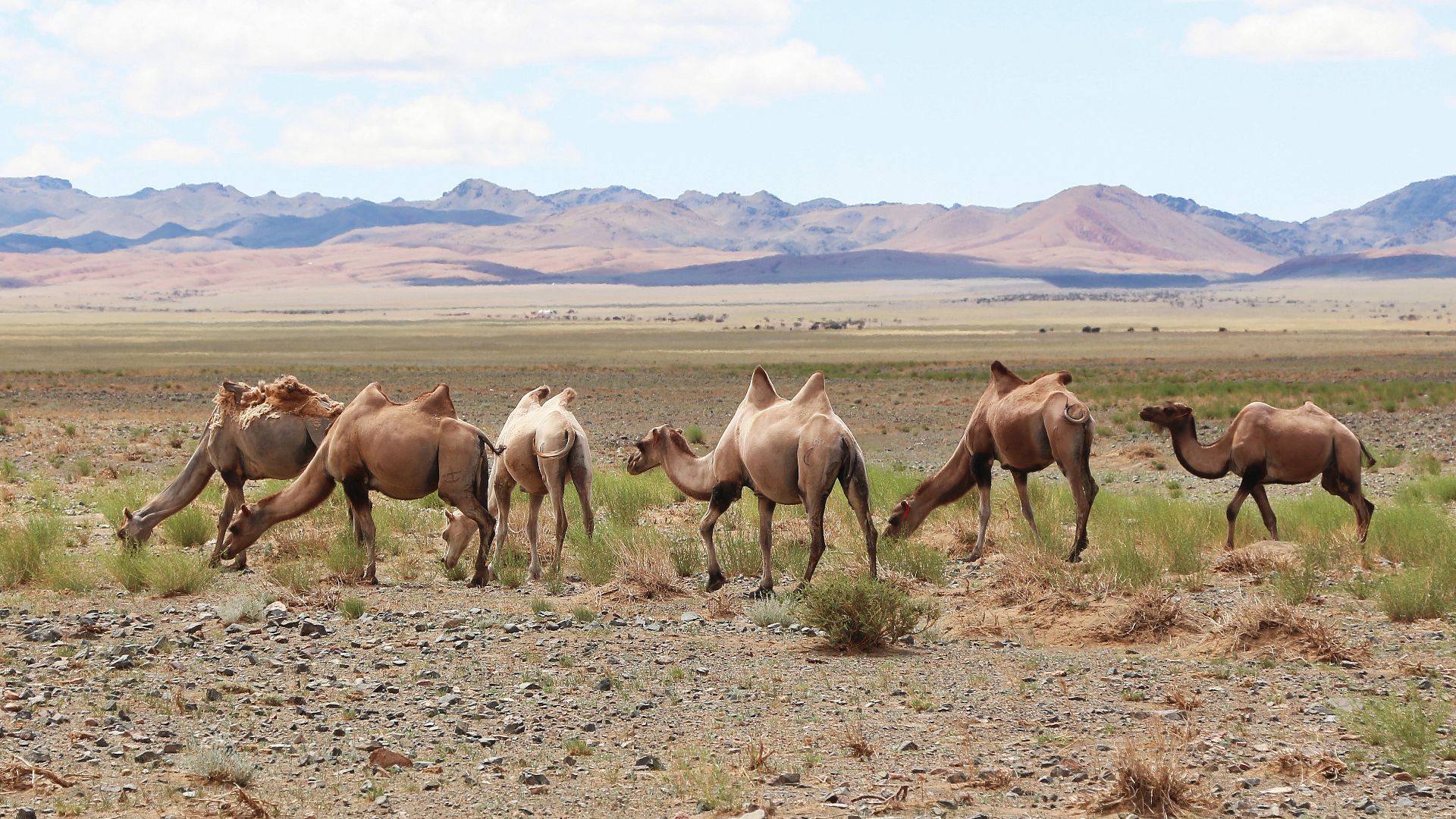
Wind farms in China's Gobi Desert are fighting ecological degradation while generating electricity. Research in Gansu Province's Guazhou region revealed unexpected vegetation improvements in areas surrounding turbines. Plants between 40 and 90 meters downstream of turbines showed higher metabolic efficiency and increased community coverage.
 Bernard Gagnon, Wikimedia Commons
Vegetation Recovery
The microclimate changes generated by wind turbines produce measurable vegetation benefits in arid regions. Community coverage, plant density, and biomass all increased in interfering areas compared with non-interfering zones more than 200 meters from turbine matrices. Strong correlations exist between changes in community structure and local climatic variations.

Carbon Neutrality
Well, wind power plays a central role in China's ambitious climate commitments and carbon neutrality goals. In 2025, marking ten years since the Paris Agreement, China announced updated targets, including its first-ever absolute emissions reduction goal for 2035.