When Hobby Shops Inspired the Imagination
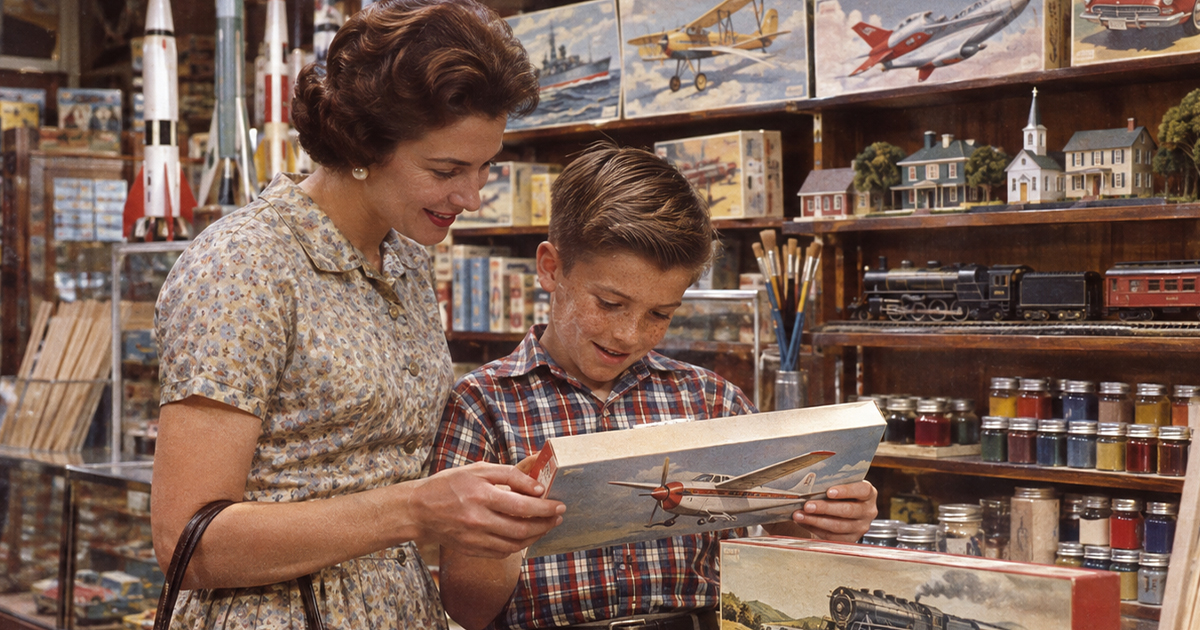
During the 1960s, hobby shops were places to browse model trains, test electronic equipment and discover projects you had never considered building. Some were neighborhood institutions, while others became national chains. While these businesses thrived during the 60s and 70s, today most young adults have never even heard of them.
Polk’s Hobby Department Store
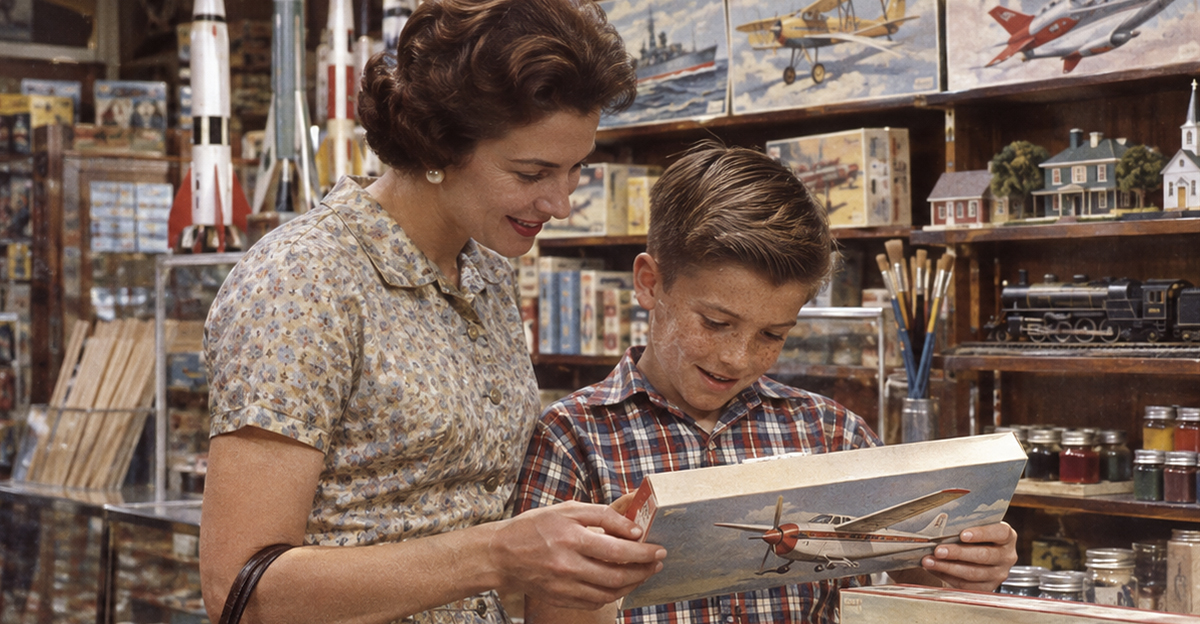
Polk’s enormous Manhattan store devoted multiple floors to model trains, airplanes, boats, military miniatures and craft supplies. Its biggest years came during the postwar modeling boom of the 1950s and 1960s. The family left Manhattan in 1980, and its remaining hobby business closed in 2013 following the recession and declining sales.
America’s Hobby Center
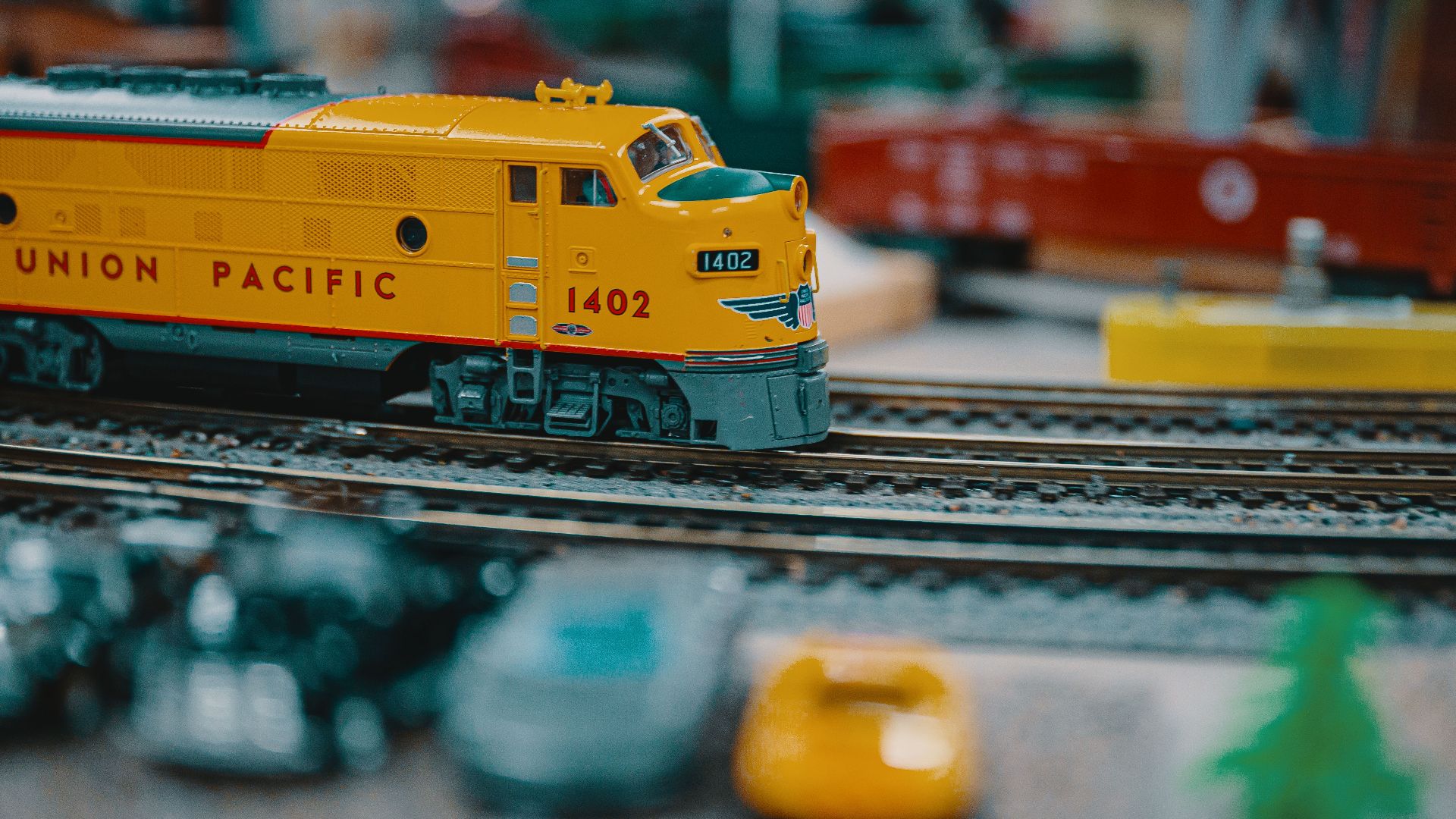
Founded in New York in 1931, America’s Hobby Center became known for model aircraft engines, train equipment, plastic kits and extensive mail-order catalogs. Its reputation peaked during the 1950s and 1960s, when serious model builders depended on specialty dealers. The store eventually vanished as hobby sales migrated to suburban retailers, mail order and later the internet.
Madison Hardware
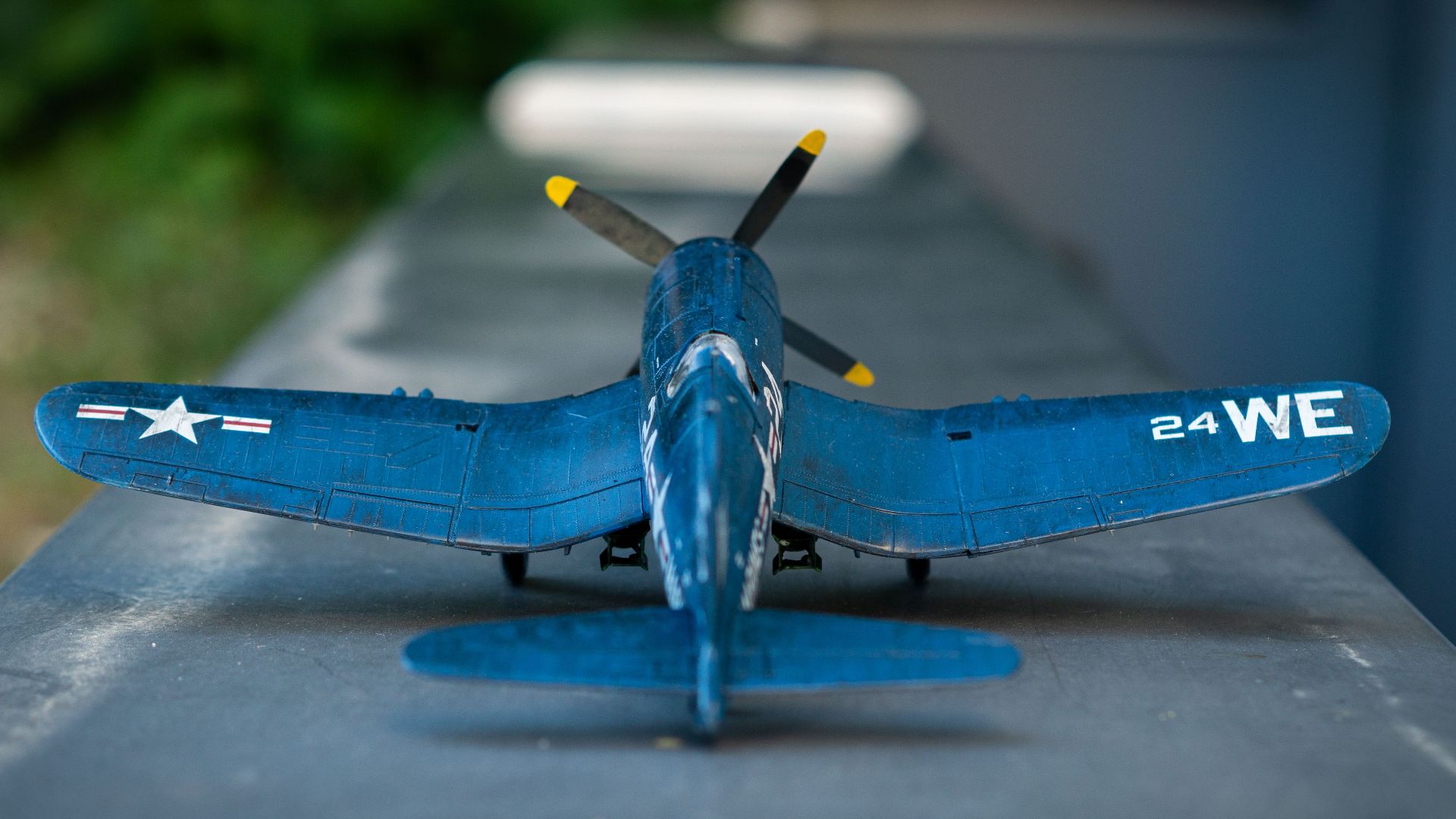
Despite its name, this Manhattan store became legendary among Lionel train enthusiasts. It carried replacement parts, accessories and discontinued merchandise that other dealers could no longer supply. Madison Hardware enjoyed its strongest following during the 1950s and 1960s. Its owners retired in 1989 and sold the remaining inventory, ending the shop’s long run.
All-Nation Hobby Shop
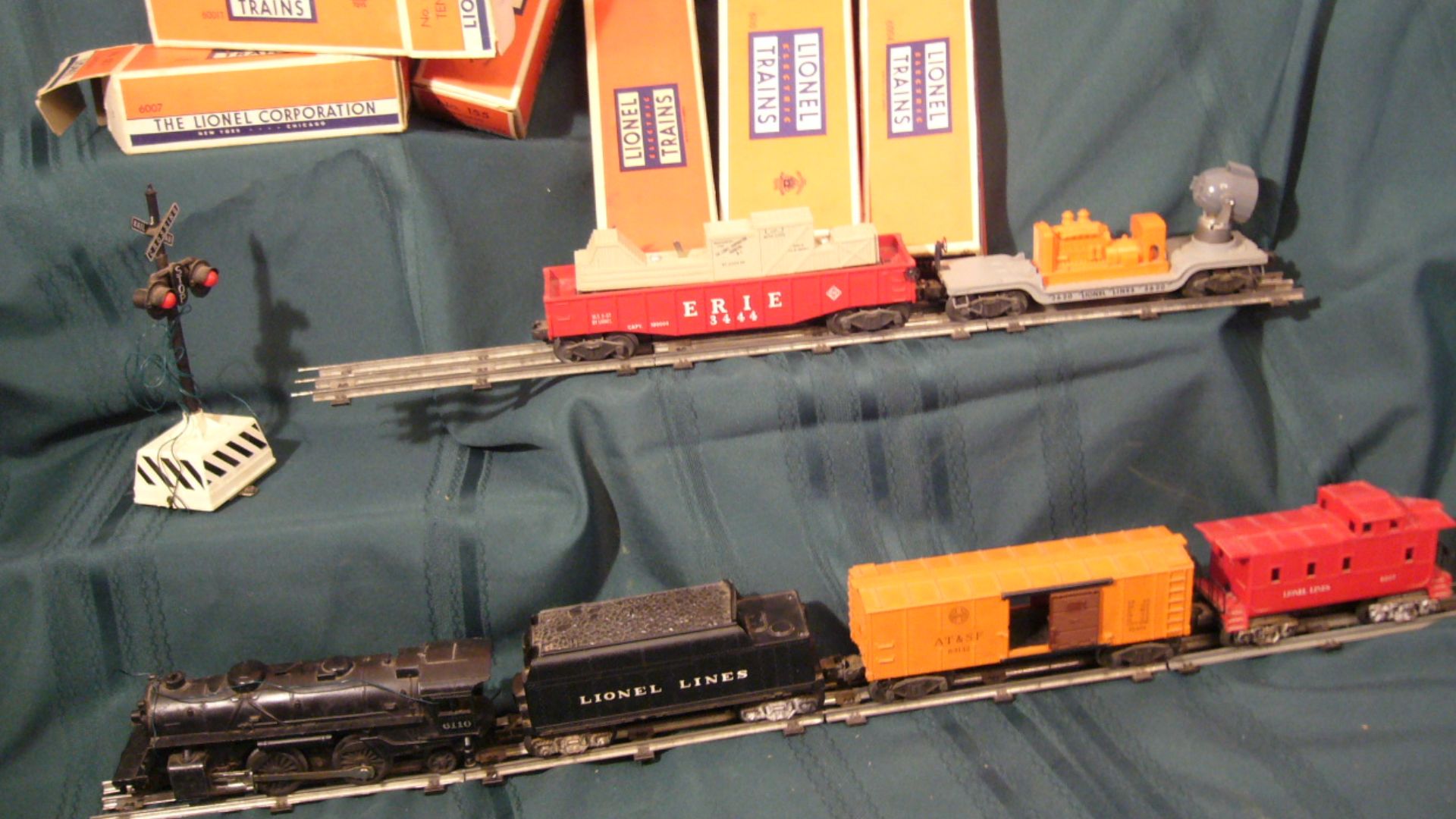
Chicago’s All-Nation Hobby Shop specialized in model trains, especially O-scale locomotives, streetcars and components for serious builders. It was a downtown destination during the 1950s and 1960s. The shop continued until 1978, but canceled leases, changing ownership and the difficulty of managing both manufacturing and retail operations led to its closure.
Johnston’s Electric Train Shop
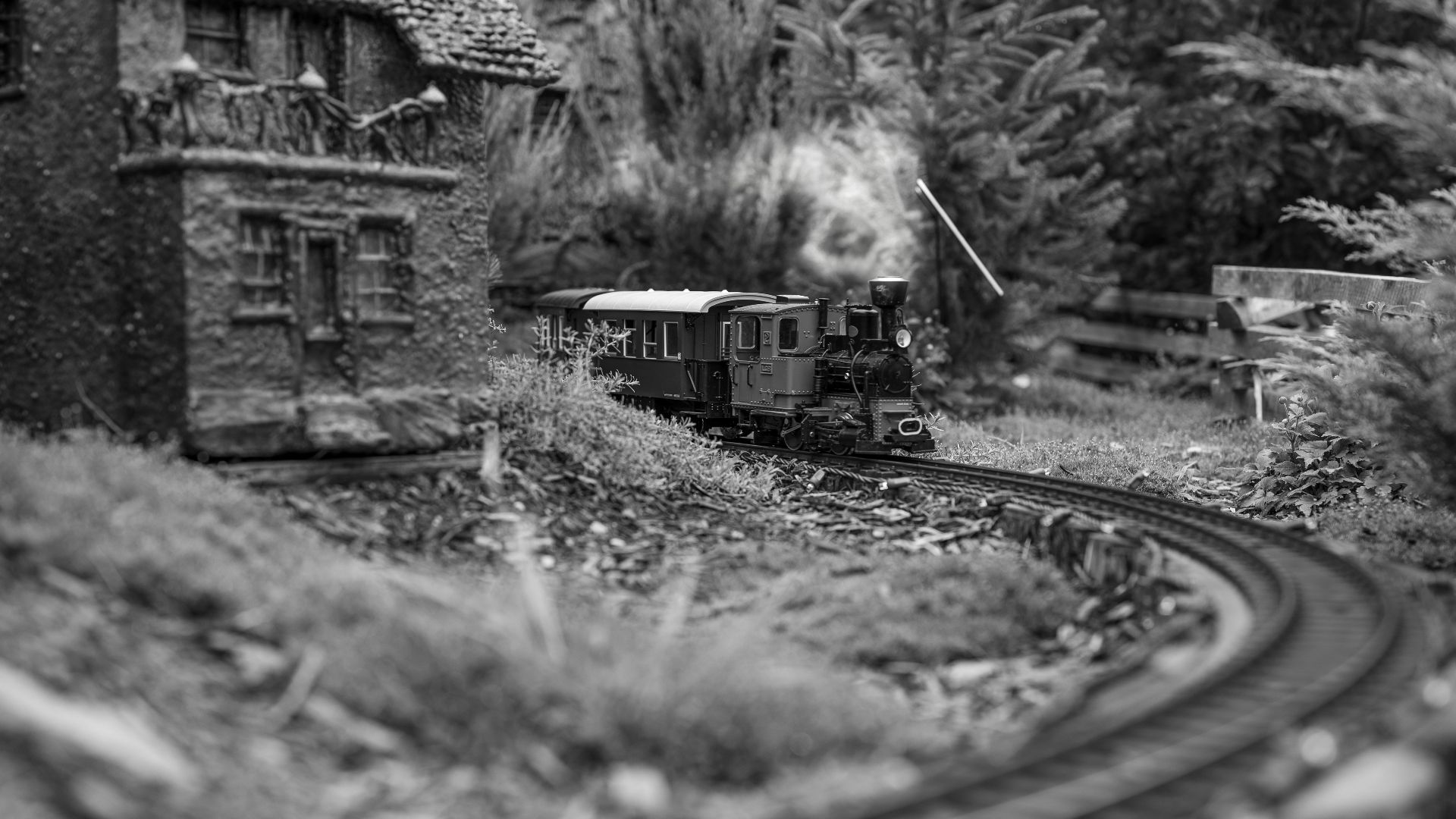
This St. Louis institution concentrated almost entirely on electric trains, offering locomotives, track, transformers, accessories and repair services. Johnston’s was especially popular during the postwar train boom and remained a destination throughout the 1960s. The family-owned business closed around 1978 after approximately 50 years.
Hi-Way Hobby House
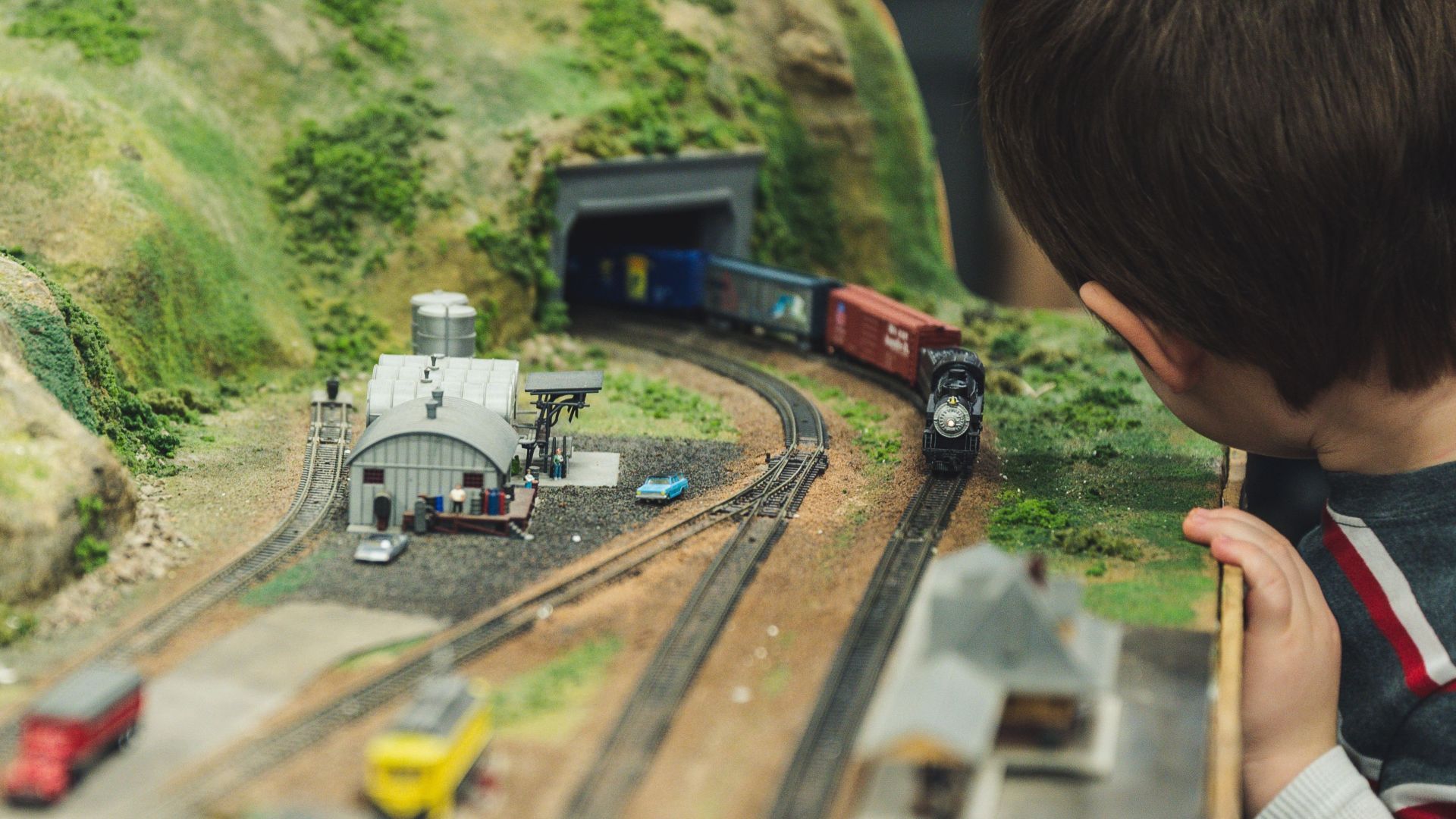
Located along Route 17 in Ramsey, New Jersey, Hi-Way Hobby House sold model trains, structures, scenery and general modeling supplies. Its roadside location made it a popular stop during the 1960s automobile era. The store survived much longer than many competitors but closed in 2010 as specialty hobby buying increasingly moved online.
M.B. Klein
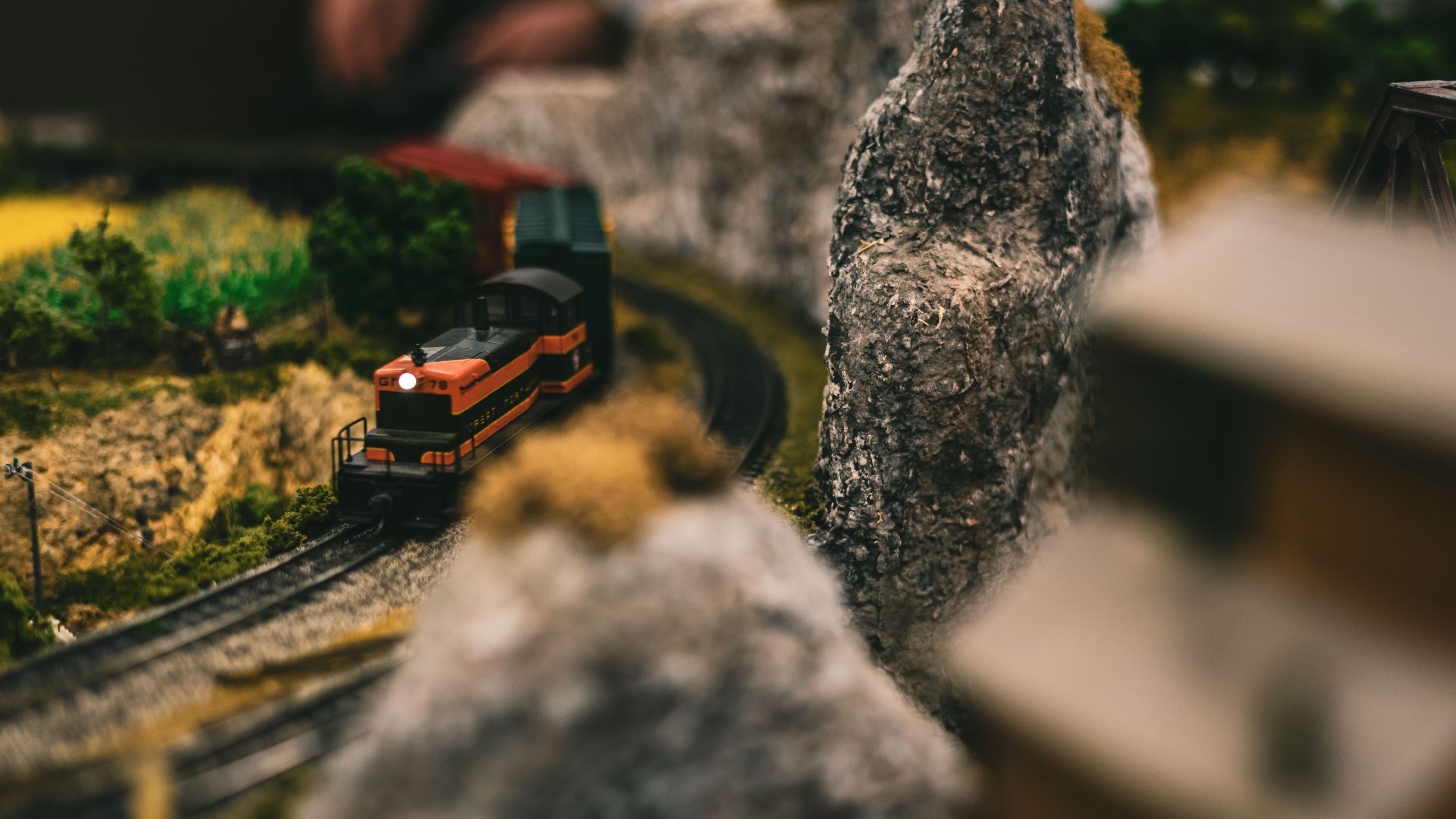
Baltimore’s M.B. Klein began as a hardware store before becoming a major destination for model trains. It entered the hobby business in earnest during the 1960s, supplying locomotives, rolling stock, track and scenery. The physical shop closed in 2019 as the business shifted online, ending the experience of browsing its famously crowded shelves.
Allied Model Trains
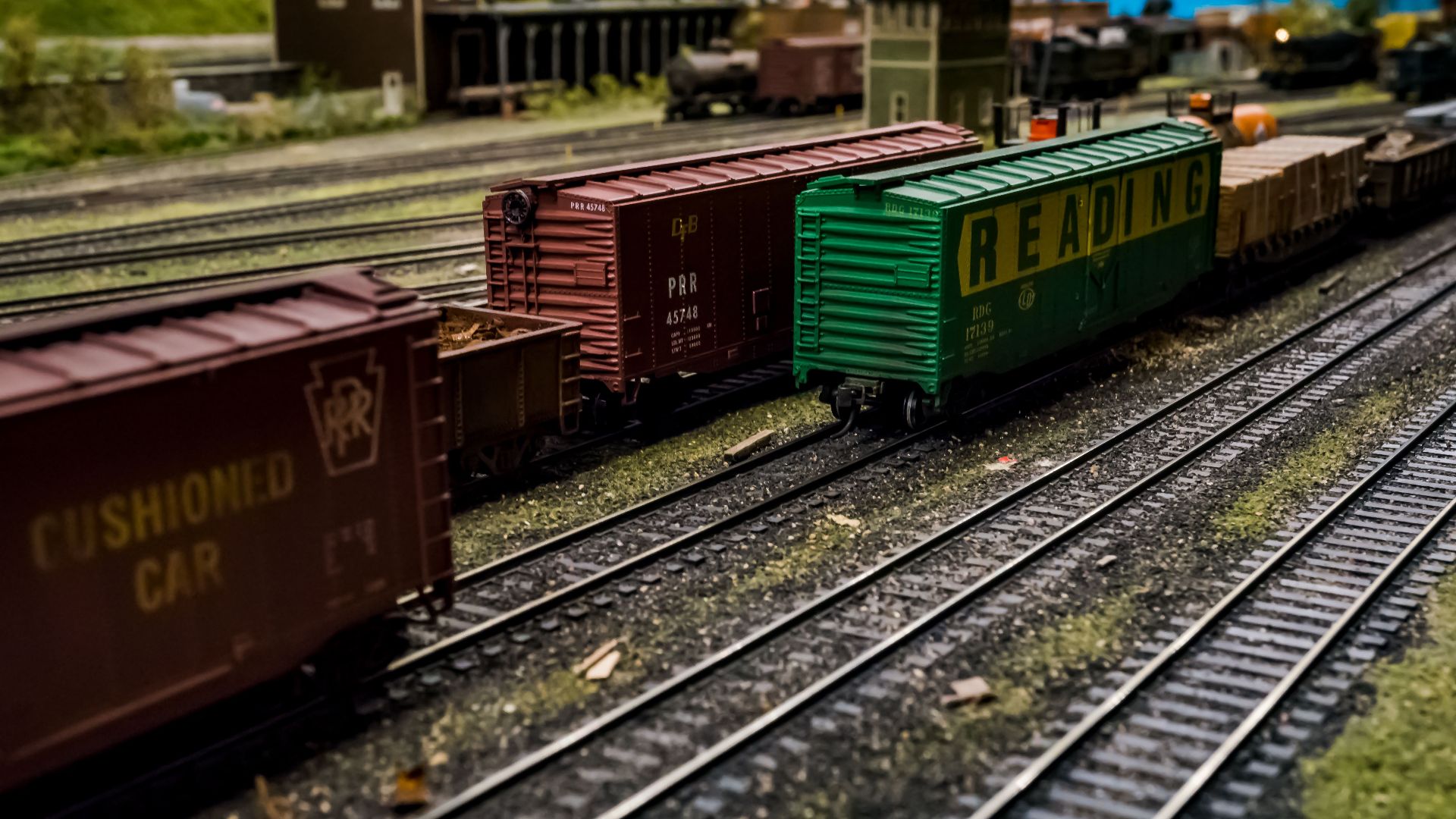
Founded in Los Angeles in 1946, Allied carried model trains, buildings, scenery and hard-to-find parts. Its business flourished during the 1950s and 1960s and later attracted celebrity customers. After downsizing from its famous Union Station-inspired building, Allied declared insolvency and closed in 2015 after 69 years.
Caboose Hobbies
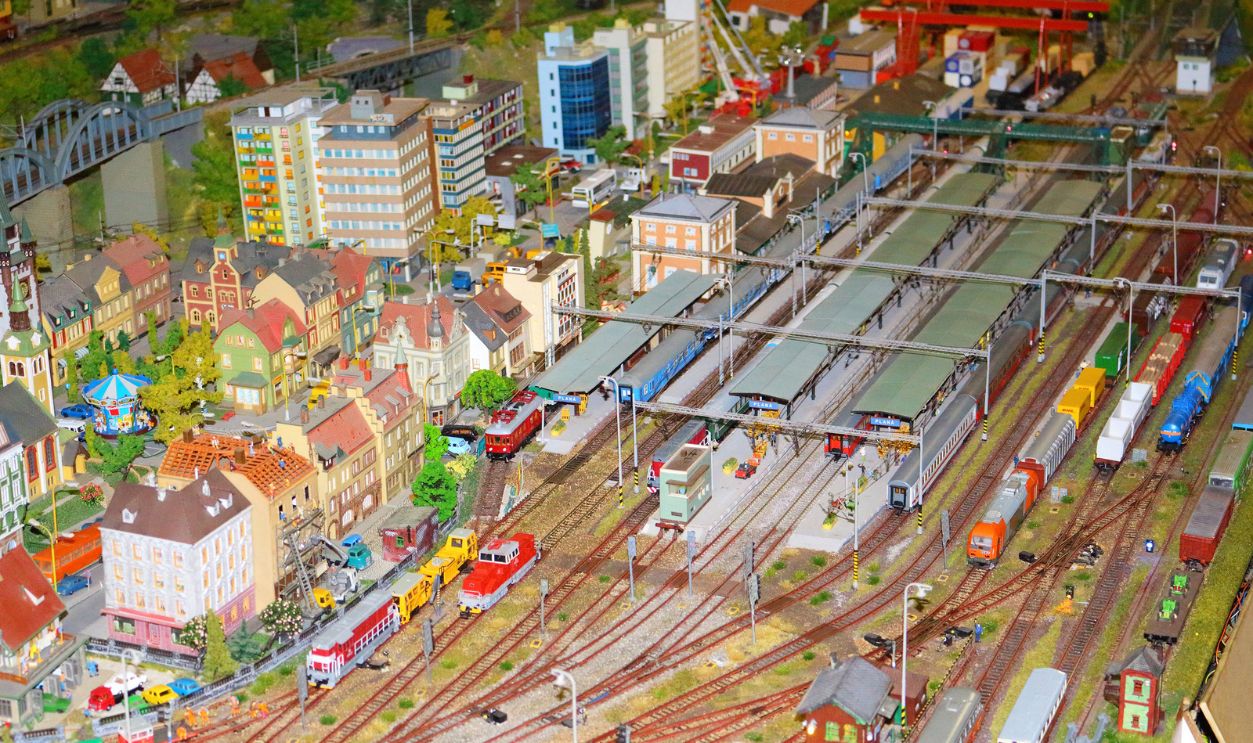
Caboose Hobbies opened in Denver in 1938 and became a paradise for model railroaders. By the 1960s, it stocked locomotives, rolling stock, track, books and scenery in numerous scales. The original family operation closed in 2016 following lease difficulties and retirement. A successor store reopened elsewhere but later closed its physical location.
San Antonio Hobby Shop
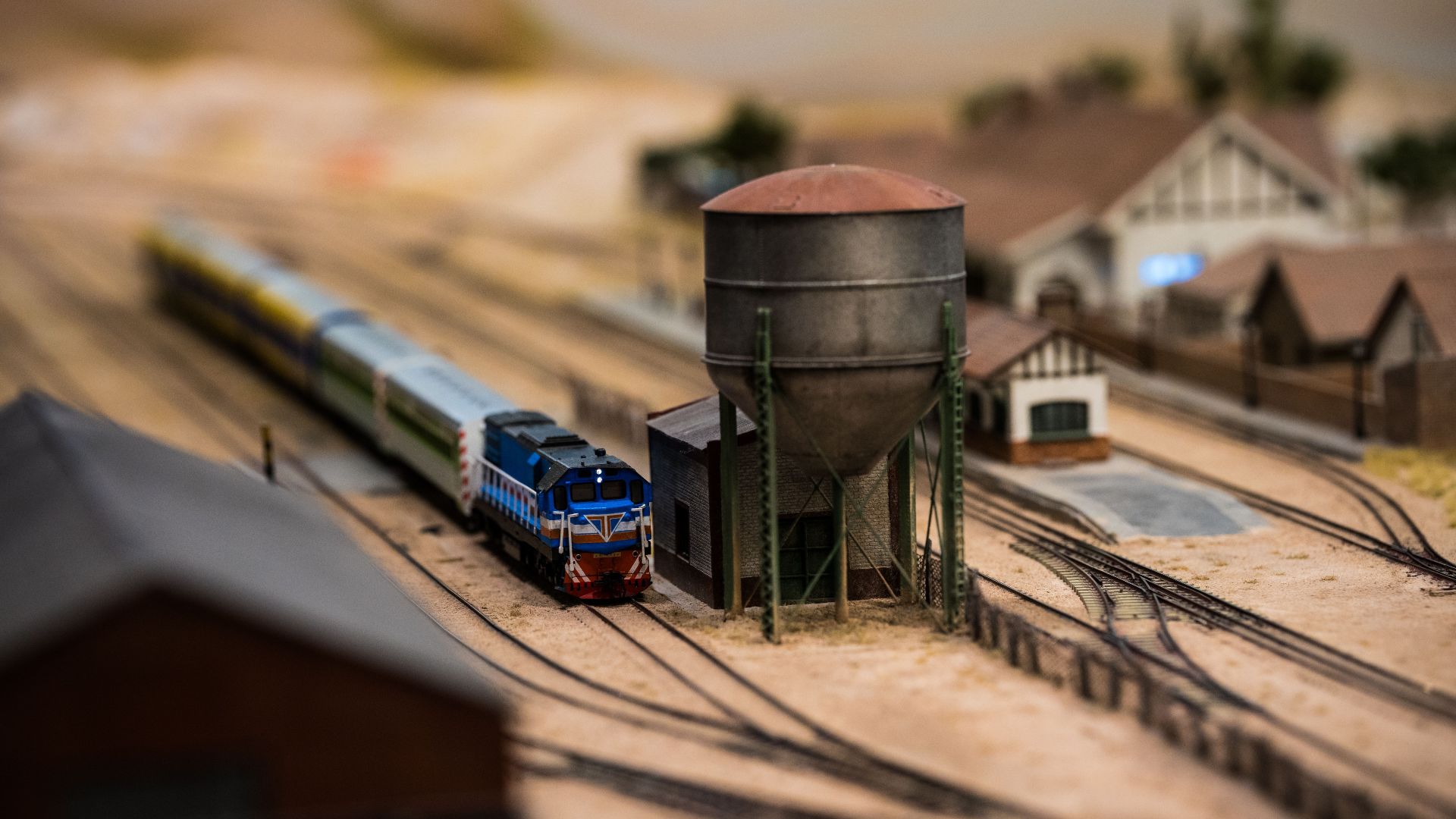
This Mountain View, California, store opened in 1965 and sold model aircraft, plastic kits, trains, rockets and radio-controlled equipment. During its peak, bicycles reportedly crowded the entrance as young customers arrived. The owners eventually closed the shop in the 2000s as video games and online sellers reduced local demand.
Orange Blossom Hobbies
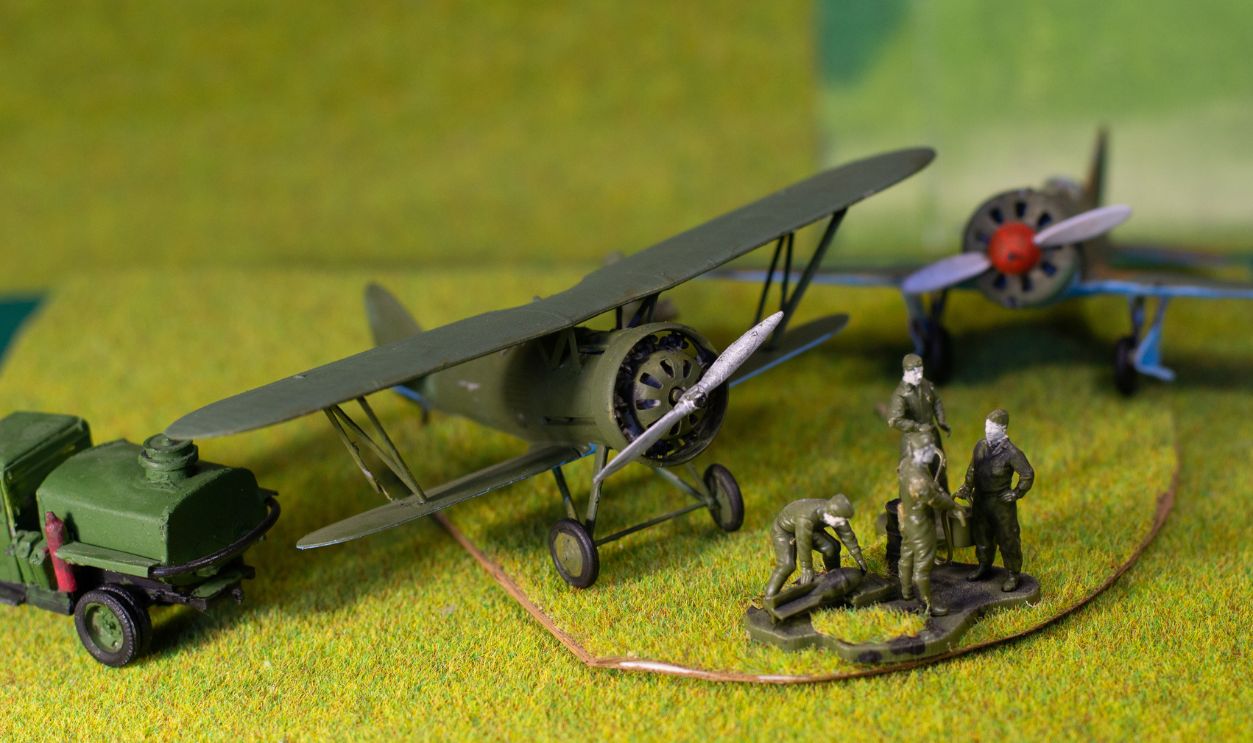
Orange Blossom Hobbies was a memorable Miami destination for model builders, particularly during the 1960s and 1970s. Customers remember its plastic kits, trains, aircraft supplies and knowledgeable employees. The store survived into a later generation but eventually closed as large retailers and internet sellers made maintaining a broad specialty inventory increasingly difficult.
Dibble’s Toys & Hobbies
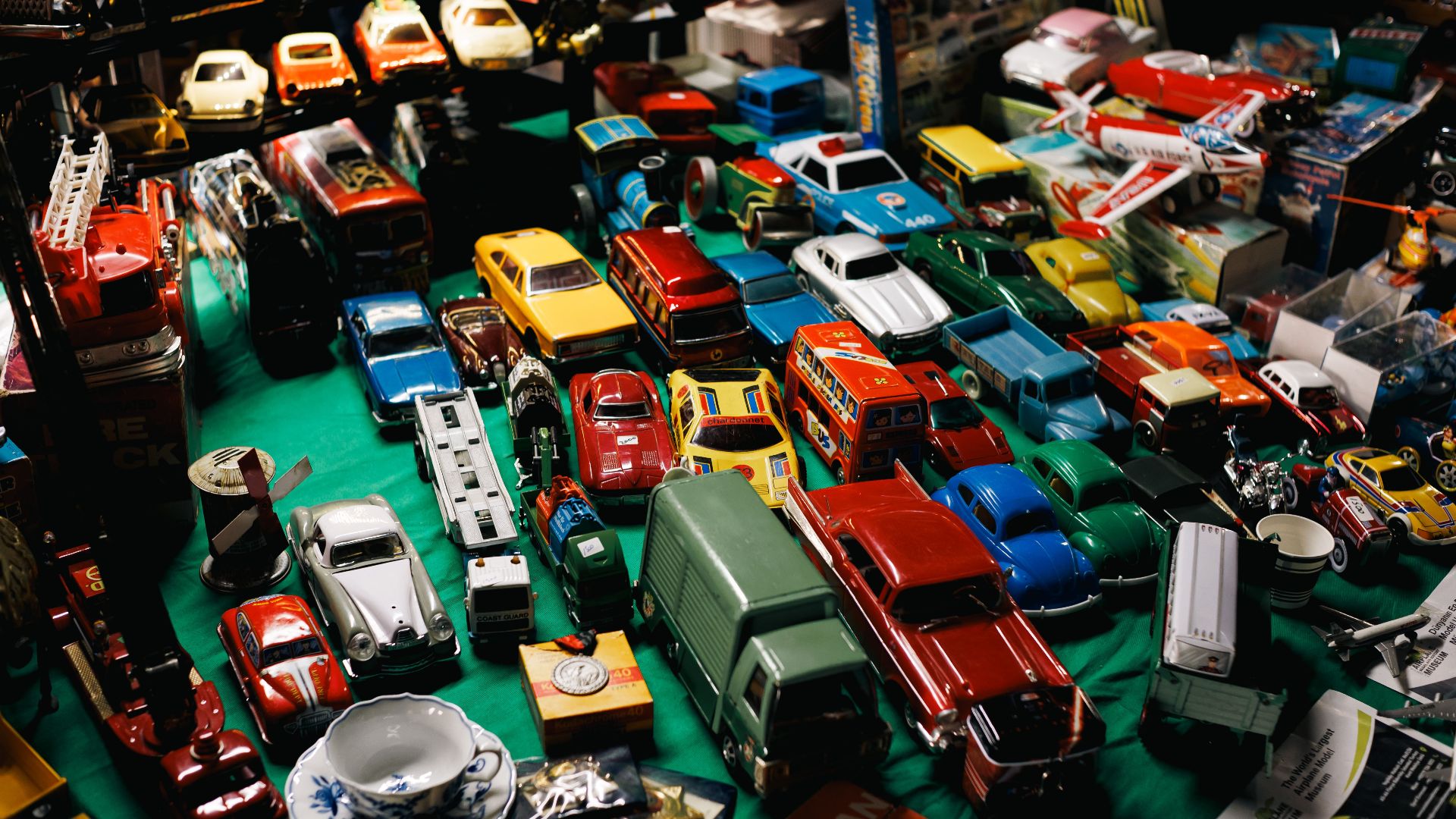
Dibble’s had operated in San Antonio since the early 20th century and became Dibble’s Toys & Hobbies during the 1960s. It offered trains, model kits, rockets, paints and craft supplies. The store changed with several generations of customers, but its physical retail operation eventually closed after an unusually long run.
Hobby House
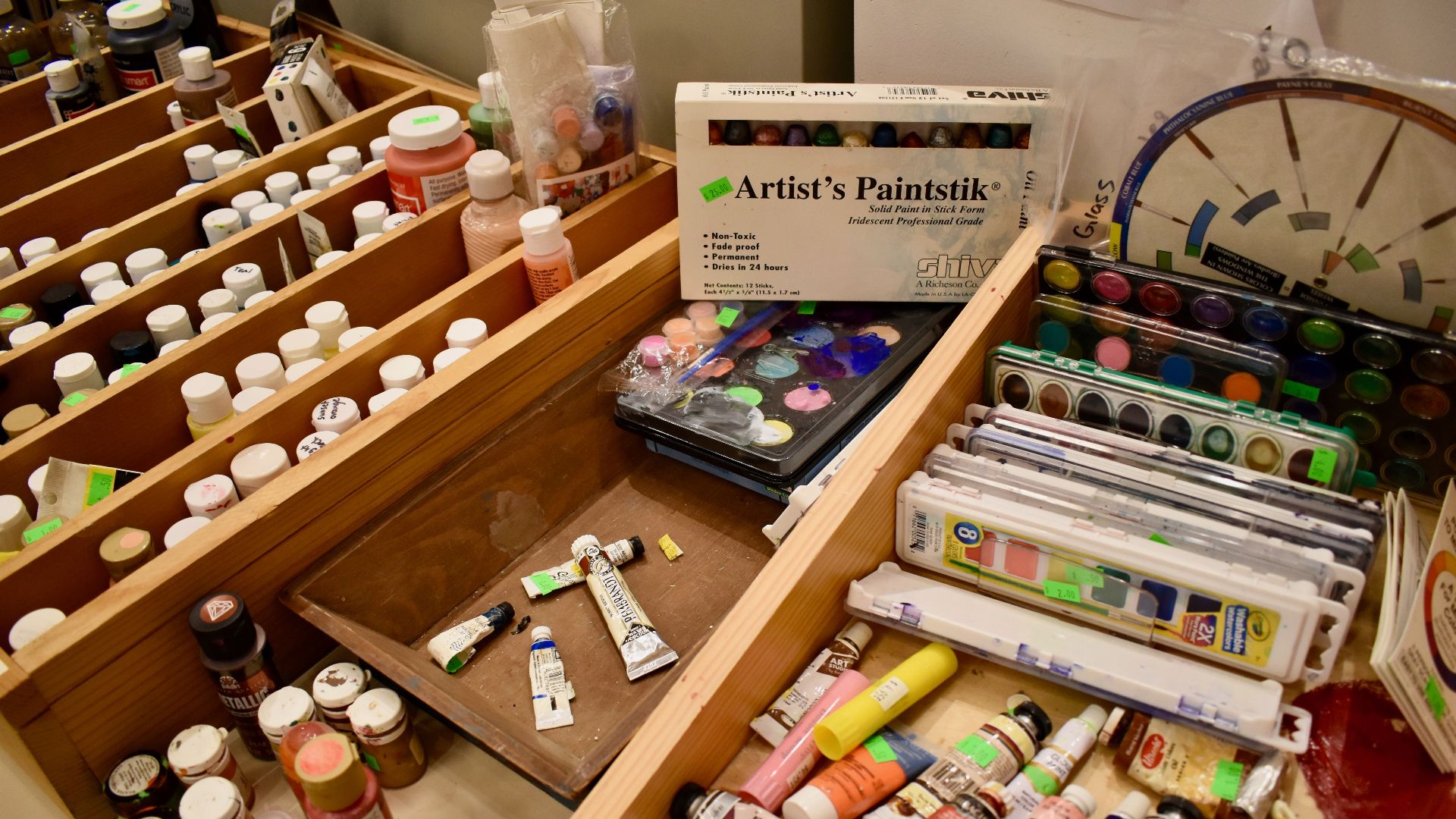
Located on Huron Road in downtown Cleveland, Hobby House was remembered for electric trains, repairs and a packed assortment of model-building merchandise. Its best-known period stretched through the 1950s and 1960s, when a downtown hobby shop could draw customers from across the region. The shop eventually closed as shopping traffic shifted toward suburban locations.
Hungates Creative Toys and Hobbies
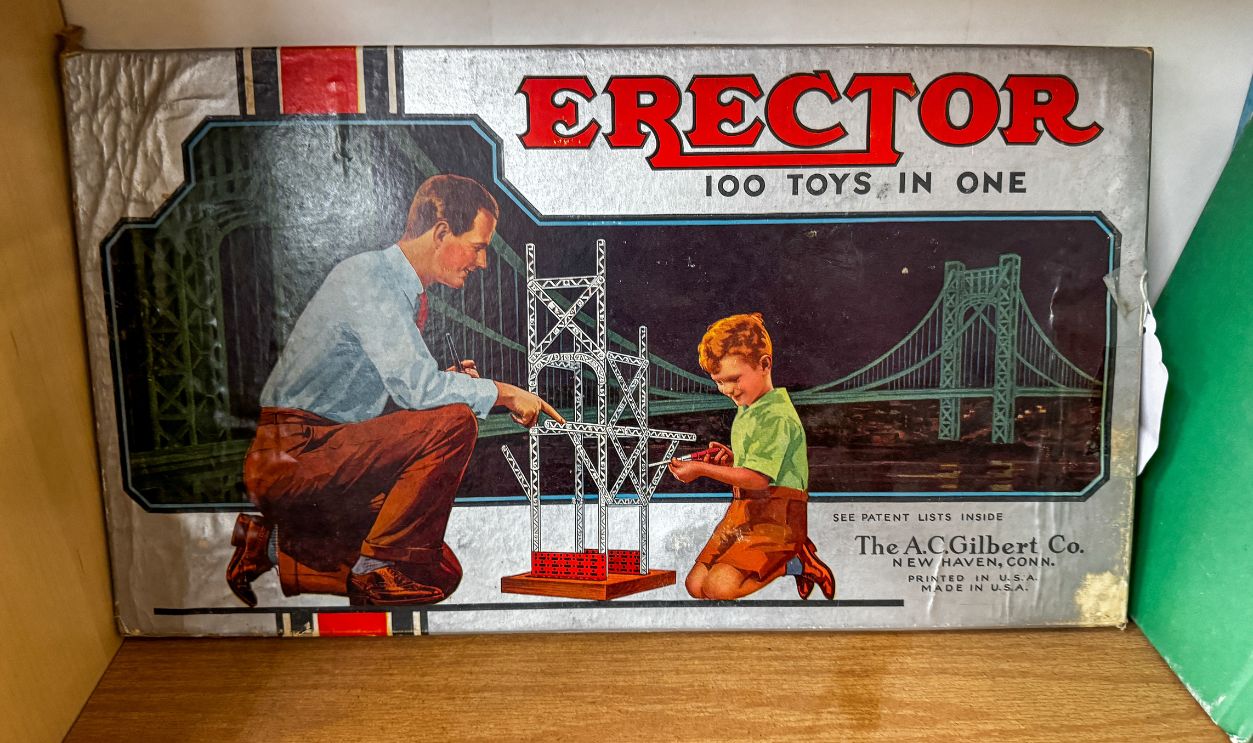
Hungates began in North Carolina in 1956 and grew into a regional chain selling model trains, plastic kits, rockets, art supplies and educational toys. Its most nostalgic era began during the 1960s and continued for decades. The company liquidated in 2010 after struggling with recession-era sales, big-box competition and online retailing.
LeeWards Creative Crafts
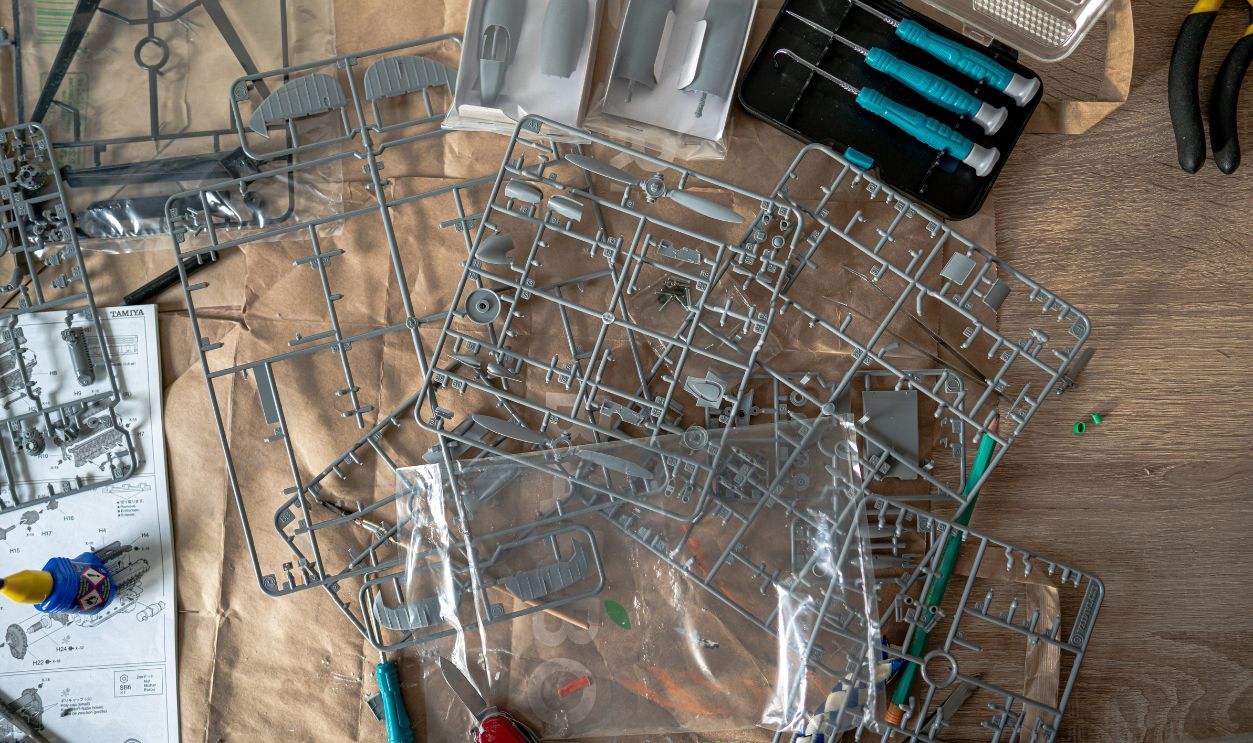
LeeWards opened its first retail store in Illinois during the 1950s and expanded nationally after General Mills acquired it in 1969. It sold yarn, embroidery kits, beads, fabric, artificial flowers and other do-it-yourself supplies. The chain later reached approximately 101 stores but disappeared after Michaels acquired it in 1994.
Edmund Scientific
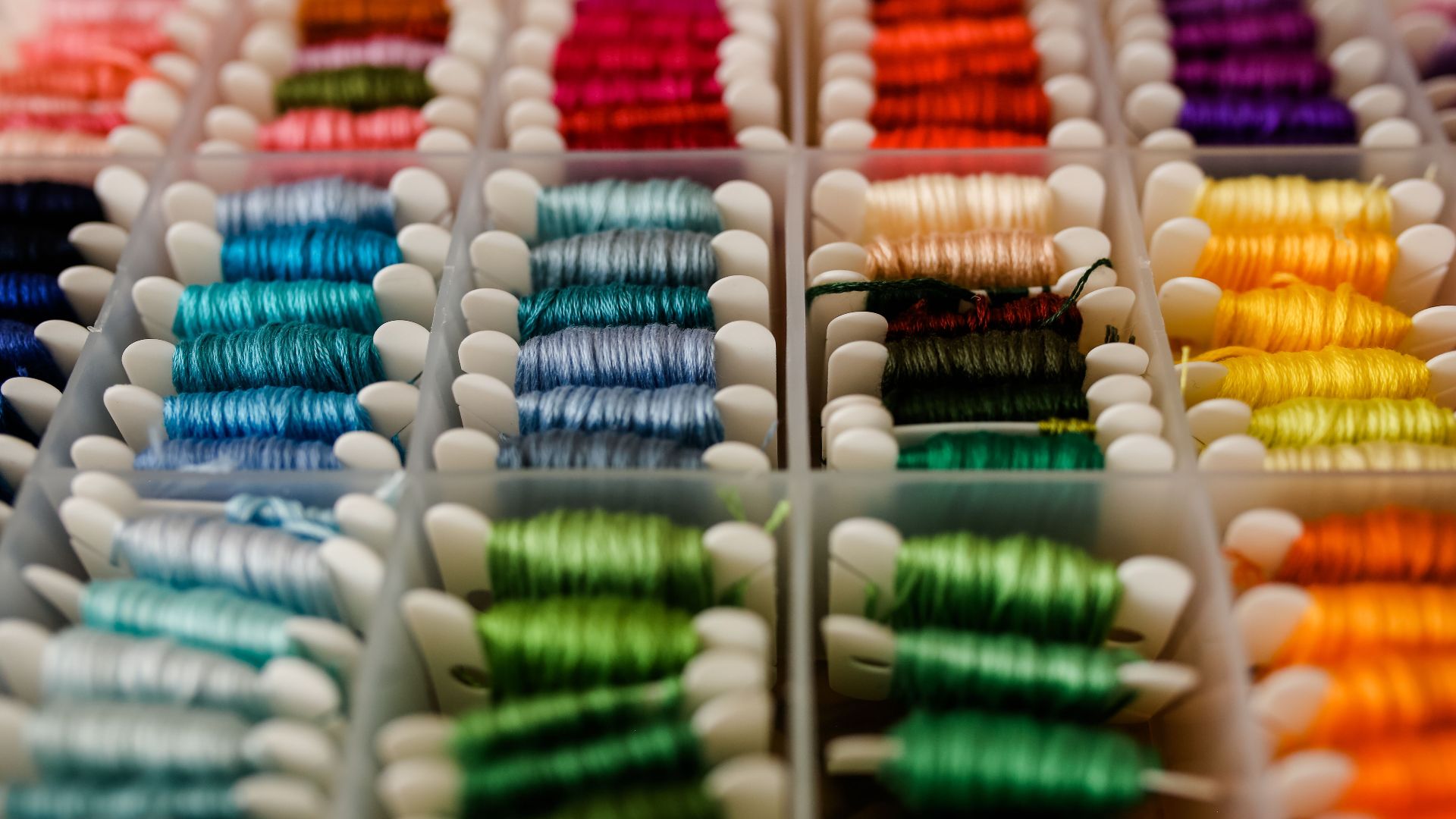
The Edmund Scientific store in Barrington, New Jersey, sold telescopes, microscopes, lenses, prisms, fossils, laboratory glassware and unusual scientific surplus. The space race helped make the 1960s a particularly exciting period. Its famous retail store closed in 2001 as the company focused on professional optics and online sales.

Lafayette Radio Electronics
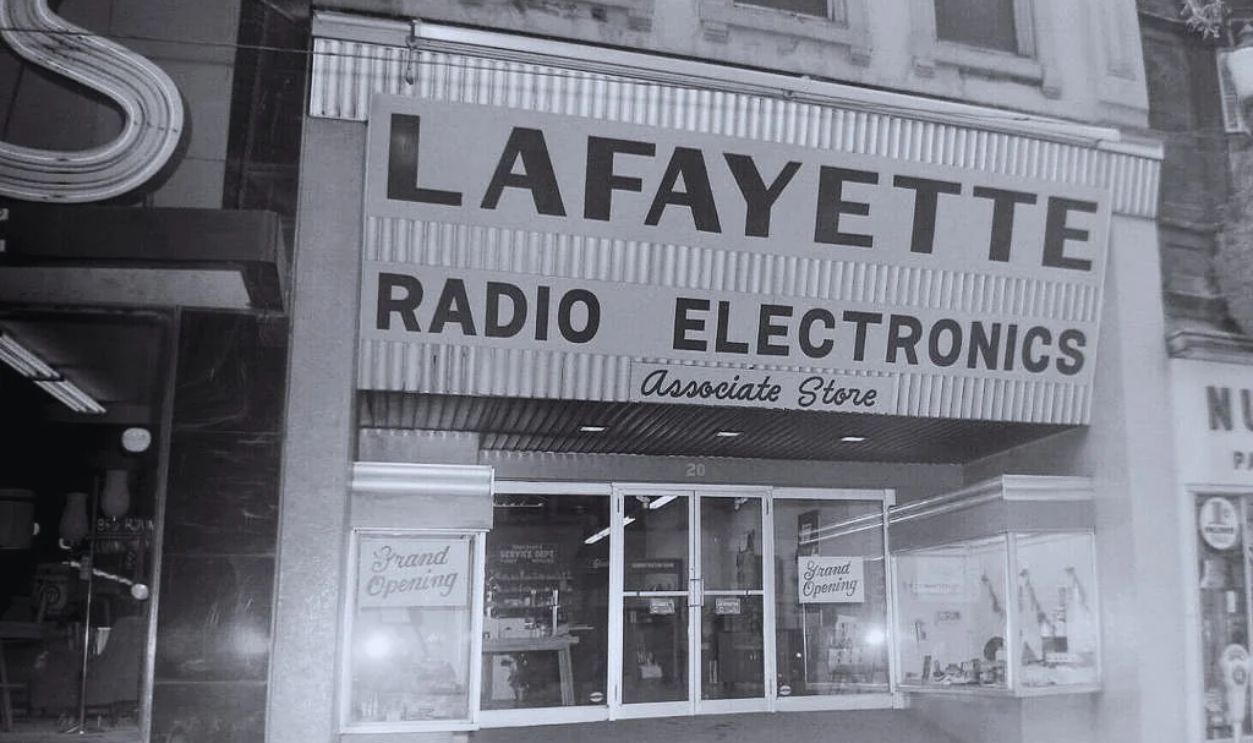
Lafayette was a playground for amateur radio operators, audiophiles and electronics experimenters. Stores stocked components, shortwave receivers, stereo equipment, test instruments and kits. The chain’s enthusiast-focused format thrived during the 1950s and 1960s, but competition from larger electronics retailers contributed to its bankruptcy and disappearance in 1981.
Allied Radio
Chicago-based Allied Radio sold electronic components, amateur-radio equipment, audio systems and its well-known electronic kits. Its enormous catalogs made it especially influential during the 1950s and 1960s. Tandy acquired the company in 1970, and the Allied retail identity was gradually eliminated as stores were sold, closed or converted.
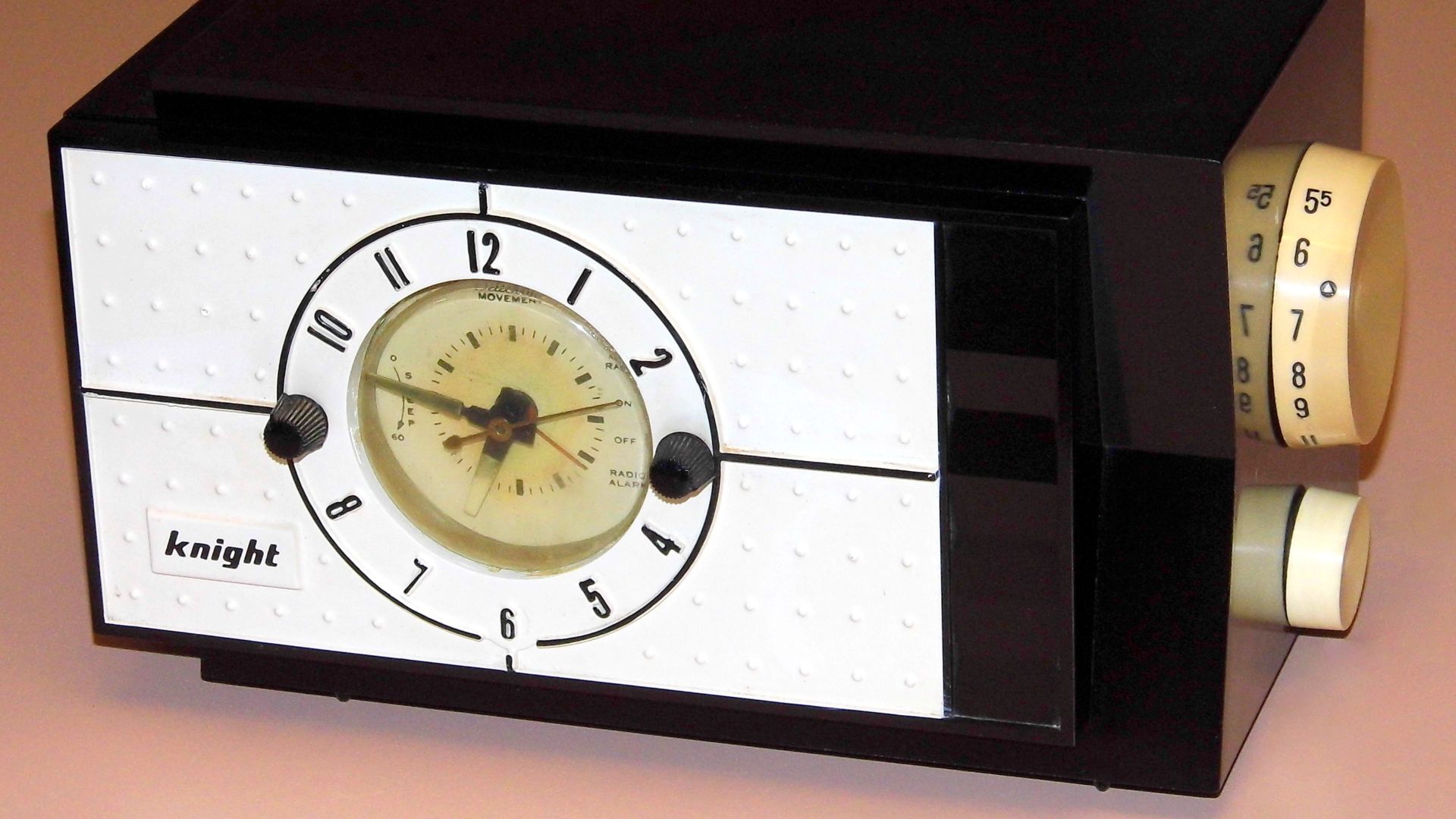 Joe Haupt from USA, Wikimedia Commons
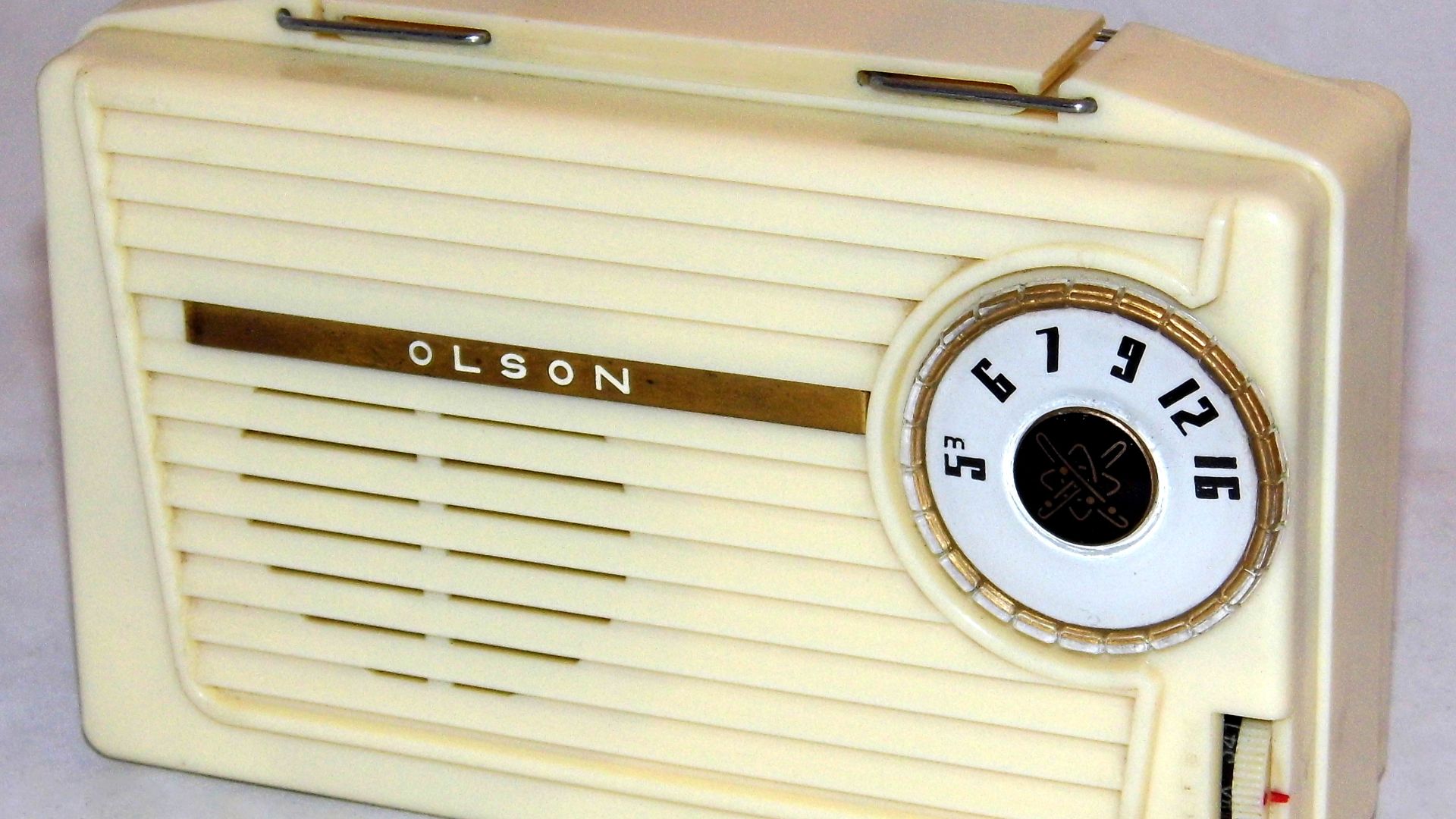
Olson Electronics
Founded in Akron, Ohio, Olson Electronics grew into a national chain carrying tubes, speakers, radios, tools, stereo components and electronic parts. Its store network was particularly visible during the 1960s. Teledyne acquired Olson in 1968, but later ownership changes and bankruptcy ultimately caused the remaining stores and name to disappear in the 1980s.
 Joe Haupt from USA, Wikimedia Commons
Burstein-Applebee
Burstein-Applebee grew from a small Kansas City operation into a chain with dozens of electronics stores. During its peak in the 1950s and 1960s, hobbyists bought radio parts, microphones, meters and audio equipment there. The company went out of business around 1979 or 1980 as home electronics became less repairable and more factory-made.
Heathkit Electronic Centers
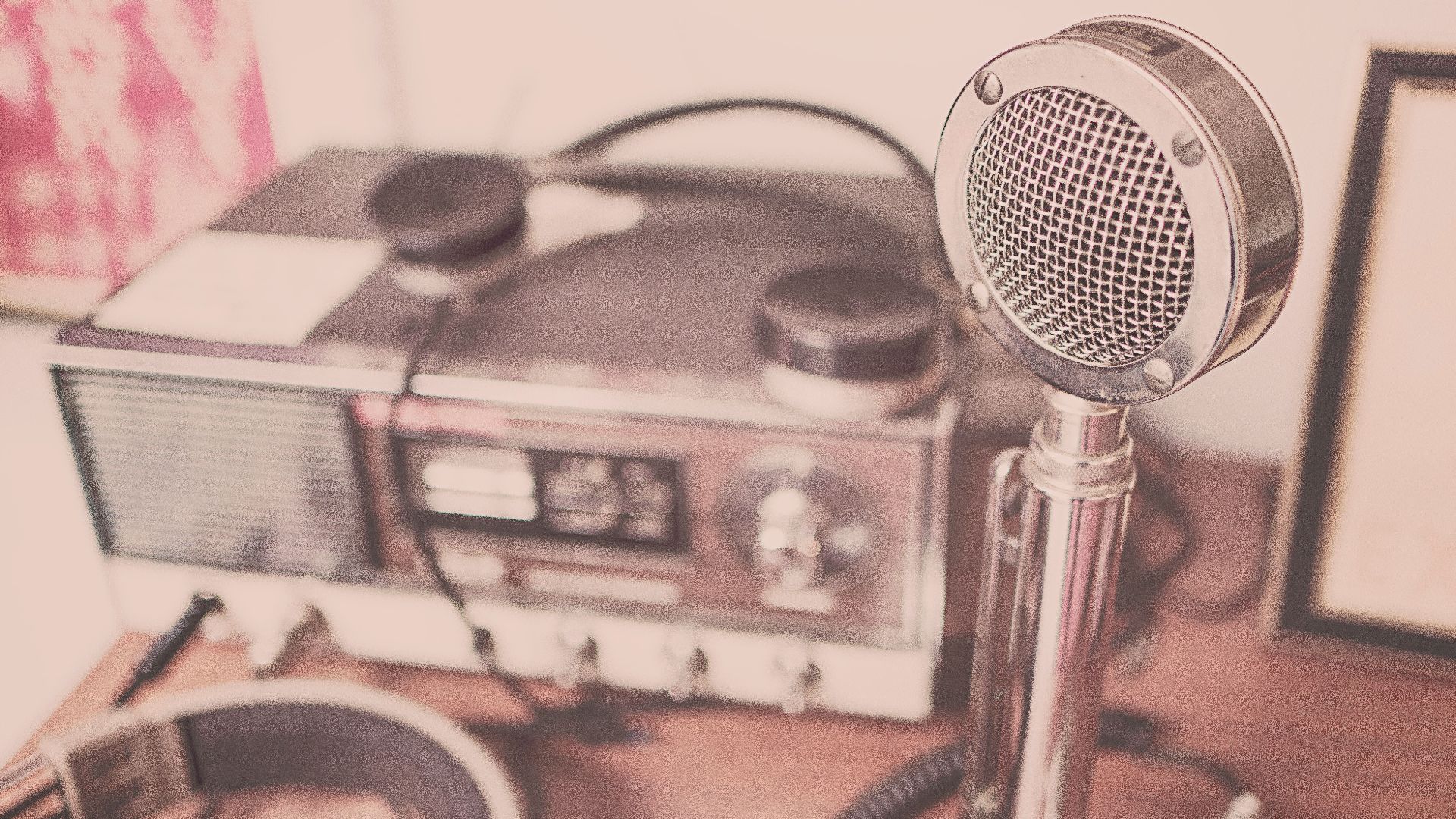
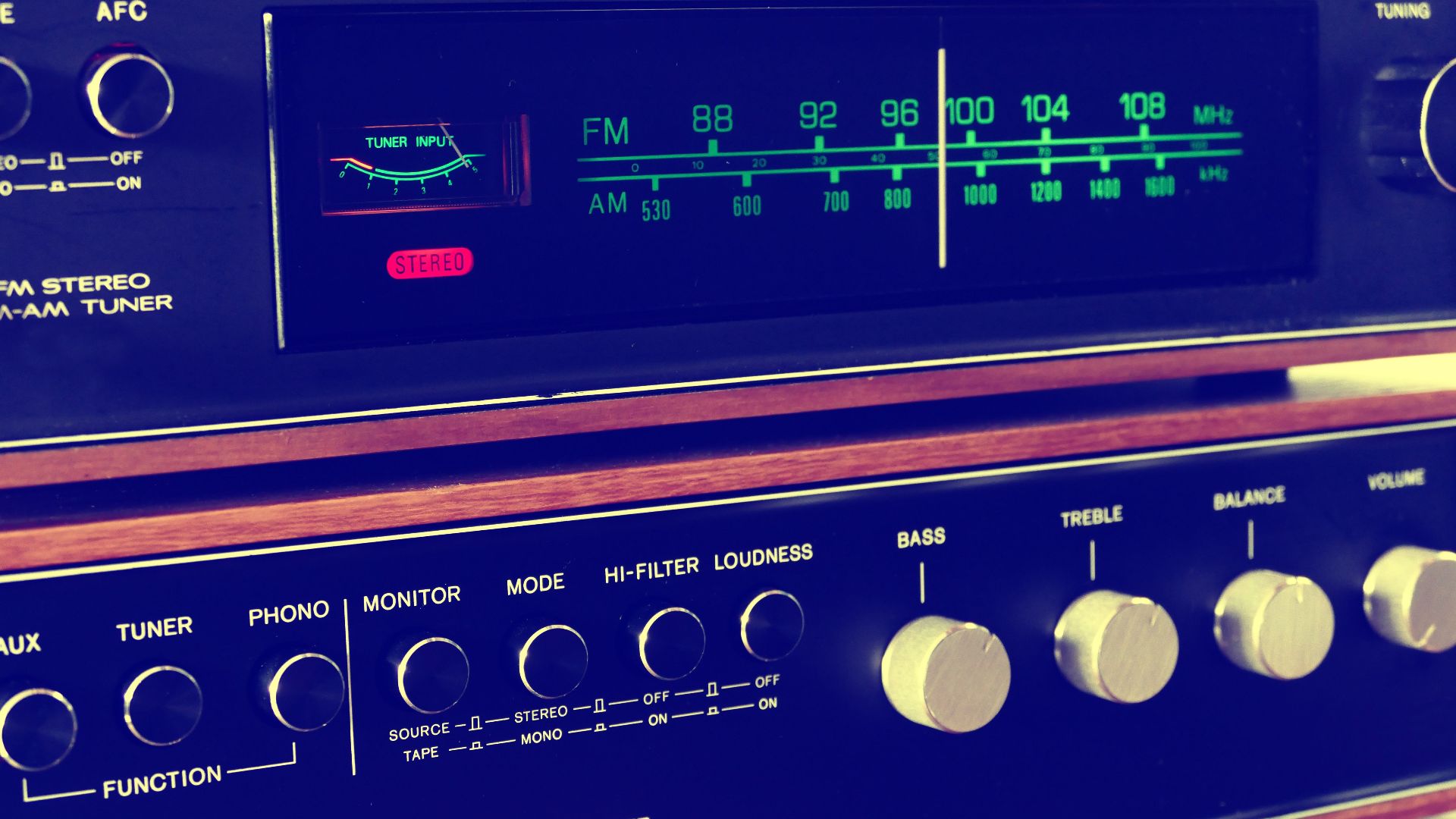
Heathkit opened its first retail center in Denver in 1962, followed by Chicago and Los Angeles locations. Customers could examine kits for radios, stereos, televisions and test equipment before building them at home. Factory-assembled electronics eventually became cheaper than kits, and Heath closed its remaining retail stores in 1992.
Pearl Paint
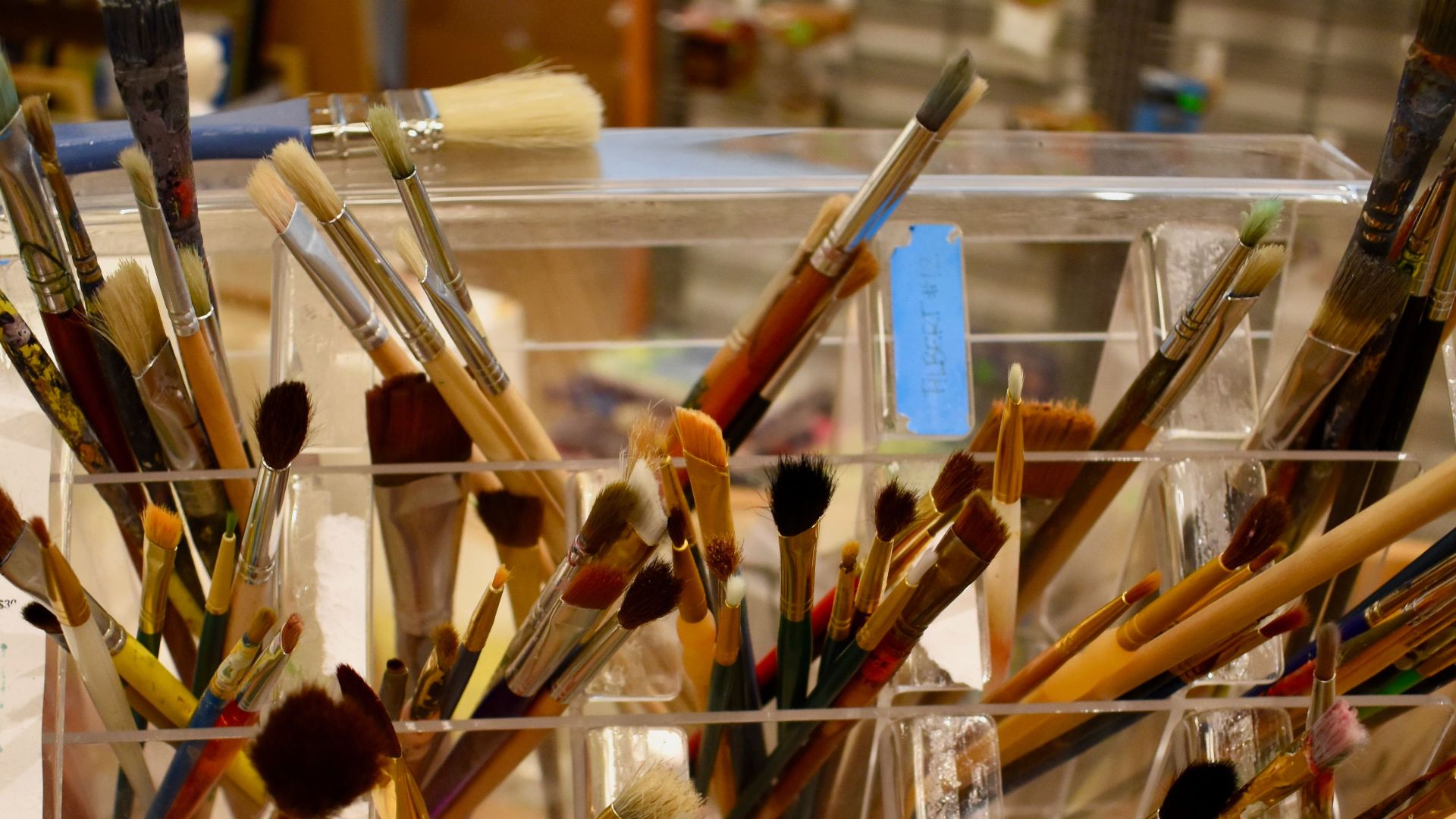
Pearl Paint supplied artists and hobbyists with canvases, brushes, paints, paper, markers and framing materials. Founded in 1933, it became a major creative destination during the 1960s and later expanded into a chain. Financial and management problems eventually contributed to bankruptcy, and the final Pearl stores closed in 2014.
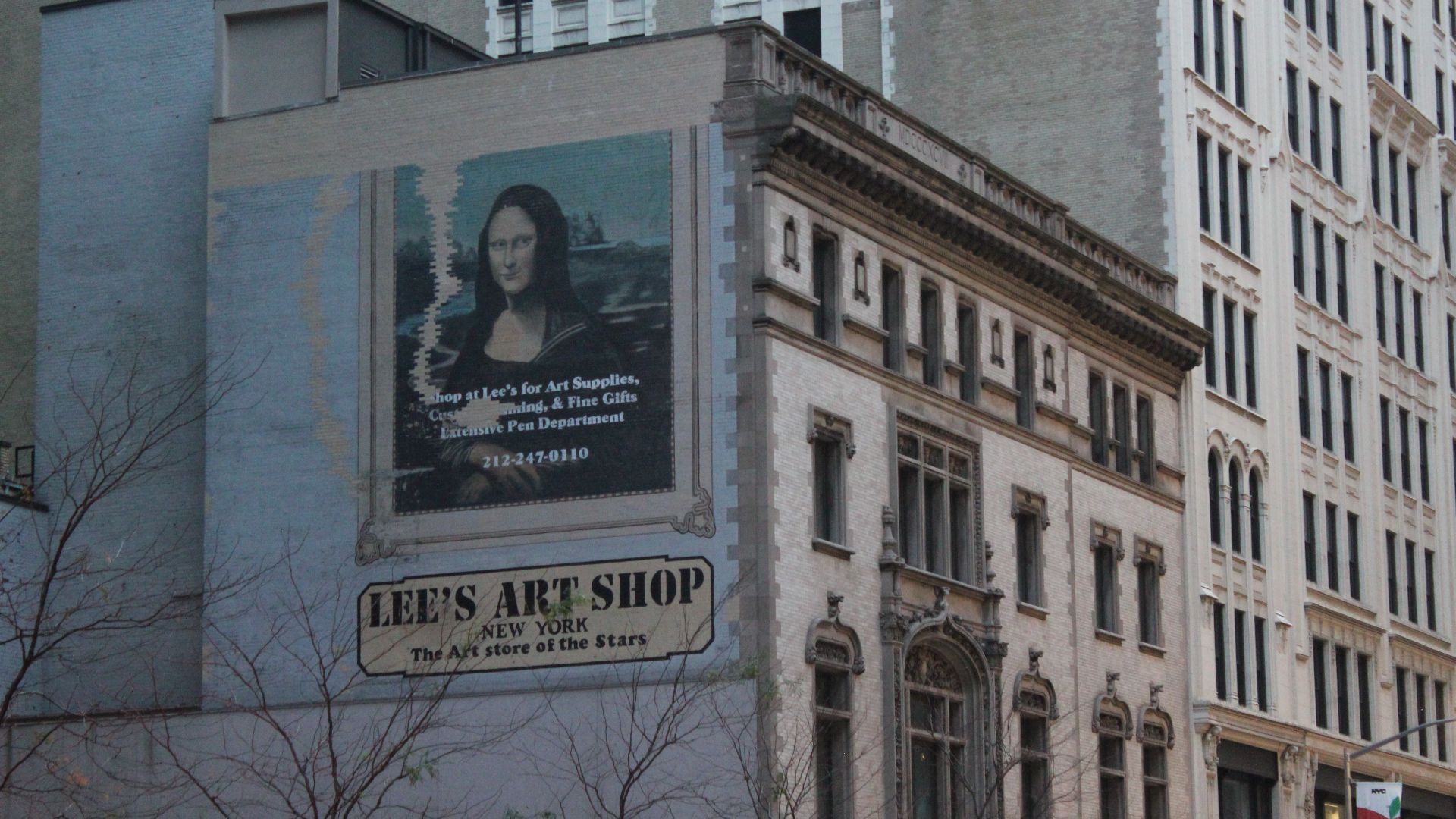
Lee’s Art Shop
Lee’s Art Shop opened in Manhattan in 1951 and grew into a multilevel destination for art supplies, craft materials, framing and stationery. It flourished through the 1960s as amateur art and home crafting expanded. Lee’s closed in 2016 after rising property values and redevelopment made its Midtown location difficult to maintain.
New York Central Art Supply
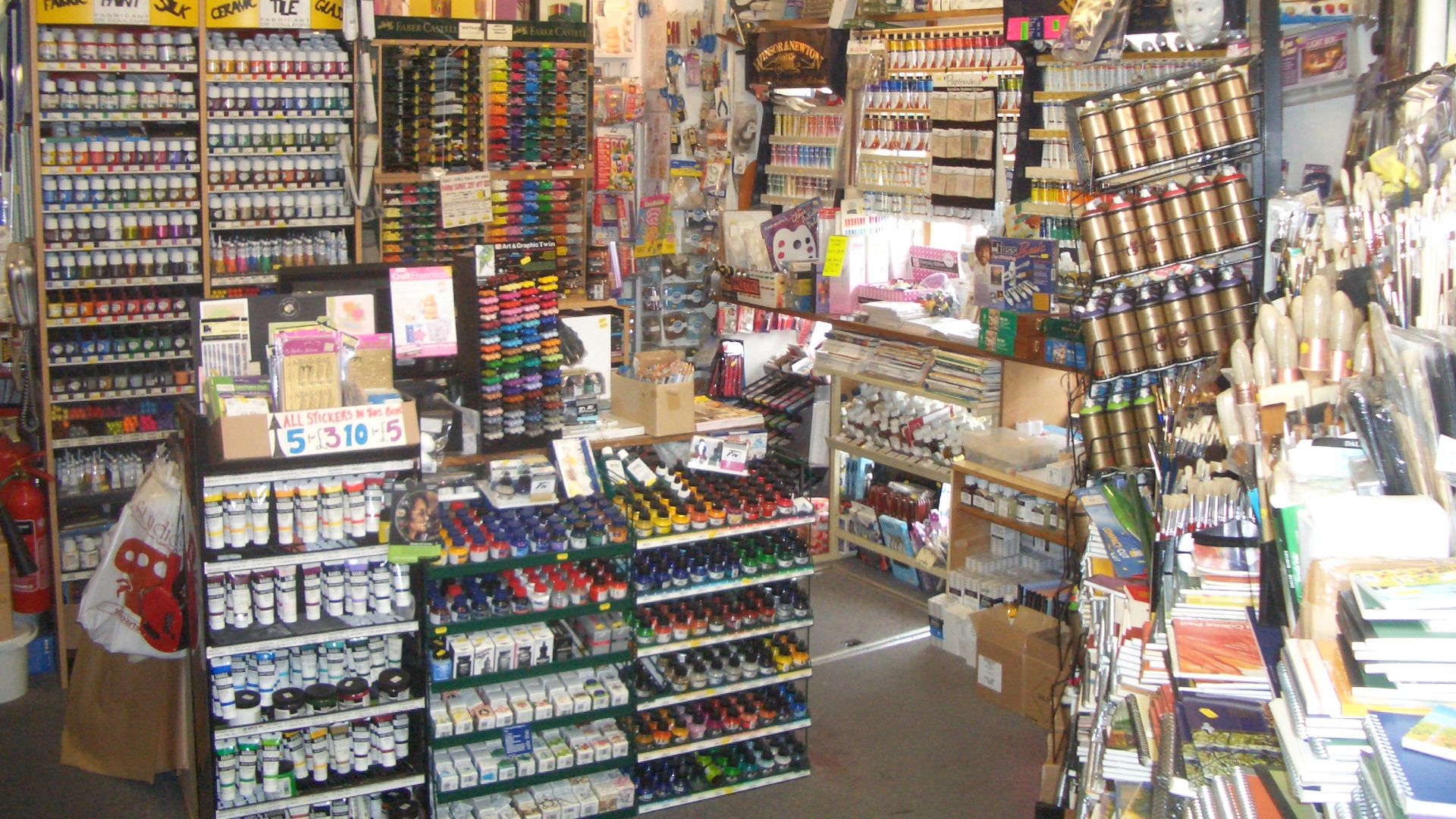
Founded in 1905, New York Central Art Supply carried specialty papers, pigments, brushes, canvas and drafting materials unavailable at ordinary stores. Artists and hobbyists relied on it throughout the 1960s. The family-owned shop closed in 2016 as online competition and Manhattan development pressures transformed the neighborhood.
 Tony Dodgson, Wikimedia Commons
Aaron Brothers
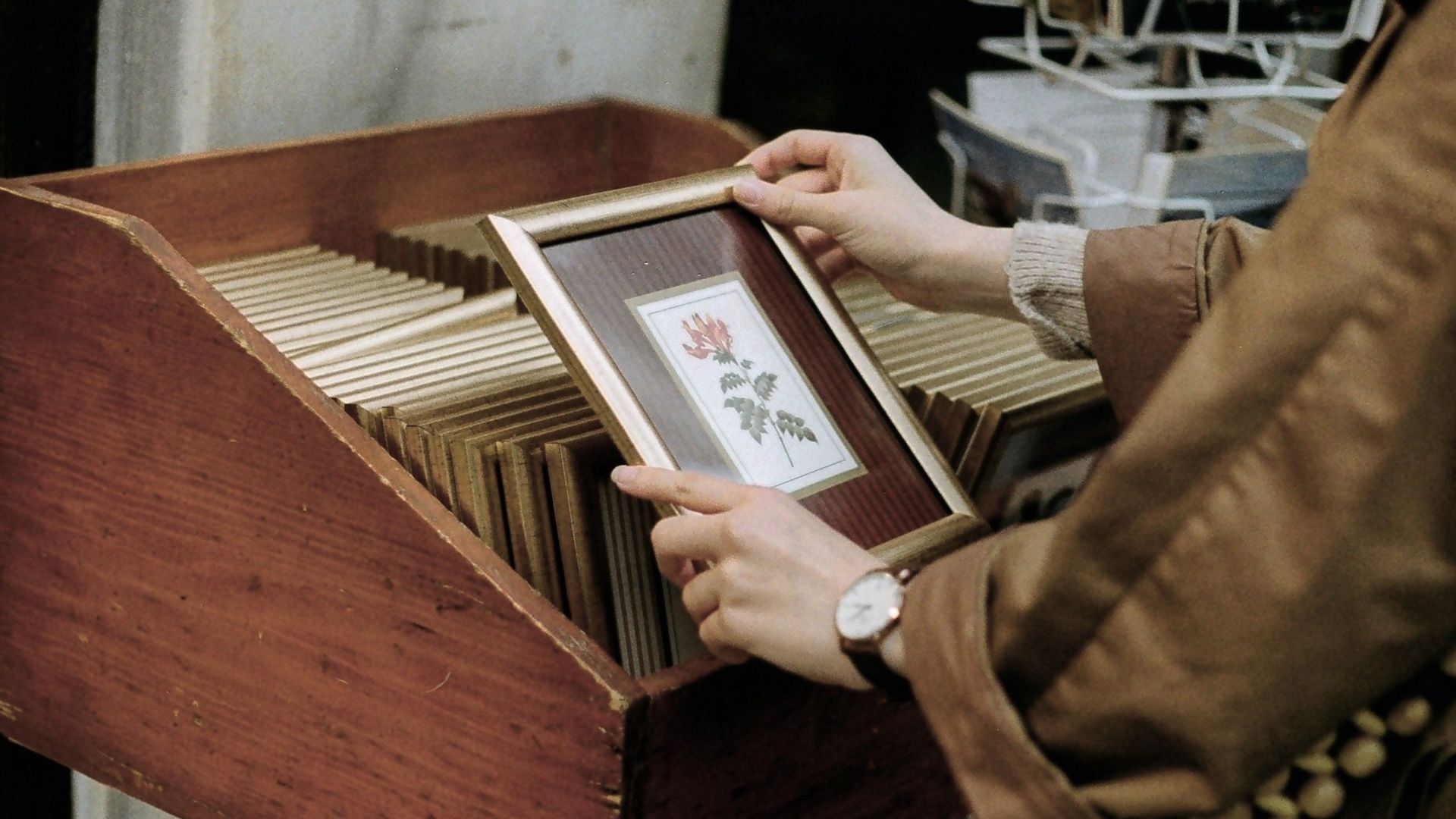
Aaron Brothers began in California in 1946, initially specializing in photography and family portraits before expanding into frames, art materials and craft supplies. It grew rapidly during the 1950s and 1960s. Michaels closed all 94 full-size Aaron Brothers stores in 2018 and converted the name into an in-store framing service.
You May Also Like: Hardware Stores That Were Huge In The 1970s—Then Completely Disappeared
Sources: 1, 2, 3, 4, 5, 6, 7, 8, 9, 10, 11, 12, 13, 14, 15, 16, 17, 18, 19