When Ordinary People Make Shocking Discoveries...
History is not solved only in universities, laboratories, or government archives. Sometimes the key clue comes from a teenager exploring a cave, a farmer digging a well, a hobbyist with a metal detector, or a volunteer genealogist following one faint family connection. These stories show how ordinary people have helped uncover the past in extraordinary ways.
 David Castor, Wikimedia Commons
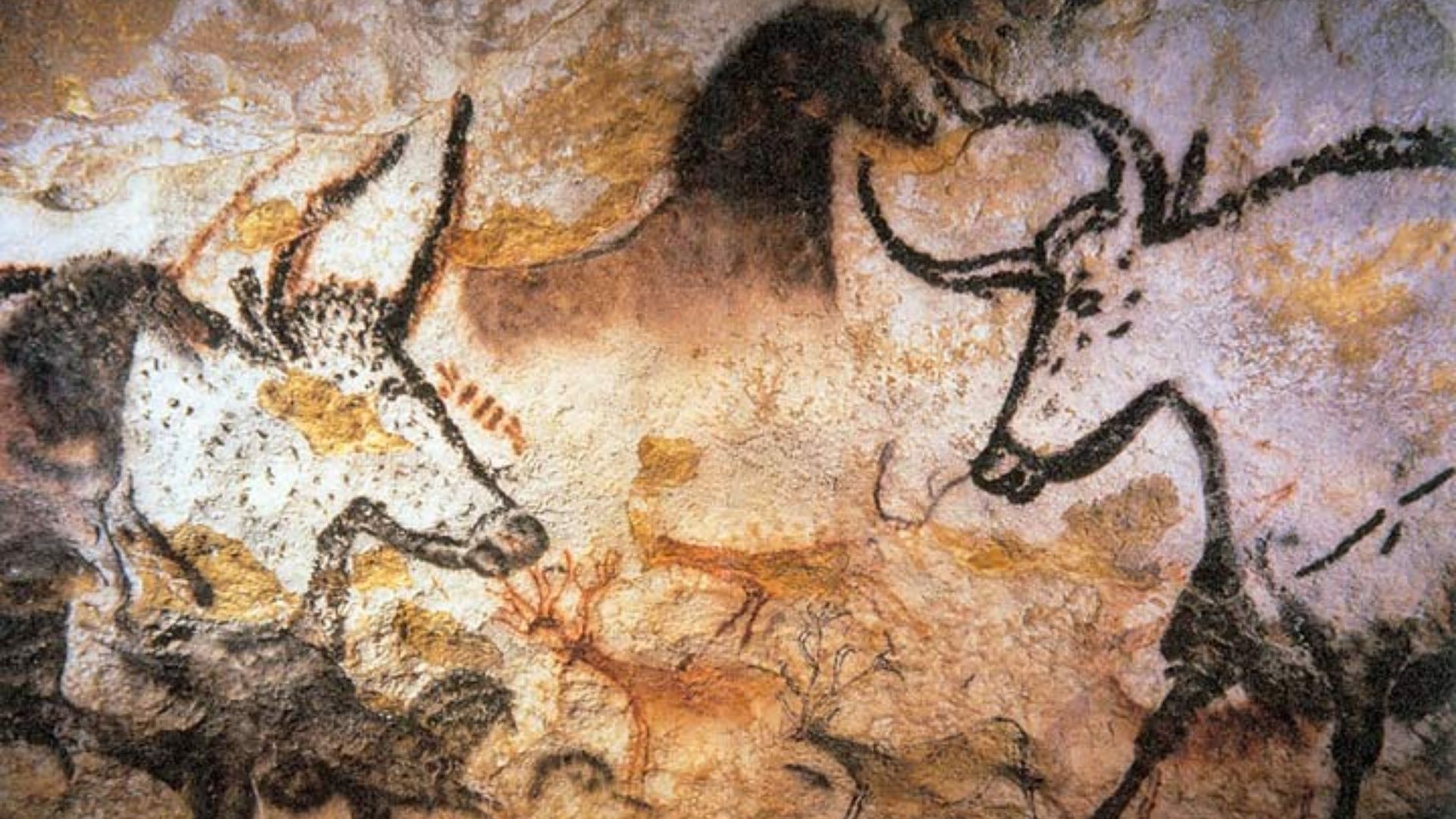
Four Teenagers Found The Lascaux Cave Paintings
In 1940, Marcel Ravidat and three friends entered a hidden cave near Montignac, France, and discovered walls covered with prehistoric animal paintings. Their accidental find revealed one of the world’s most important examples of Paleolithic art, changing how scholars understood early human creativity and symbolic expression.
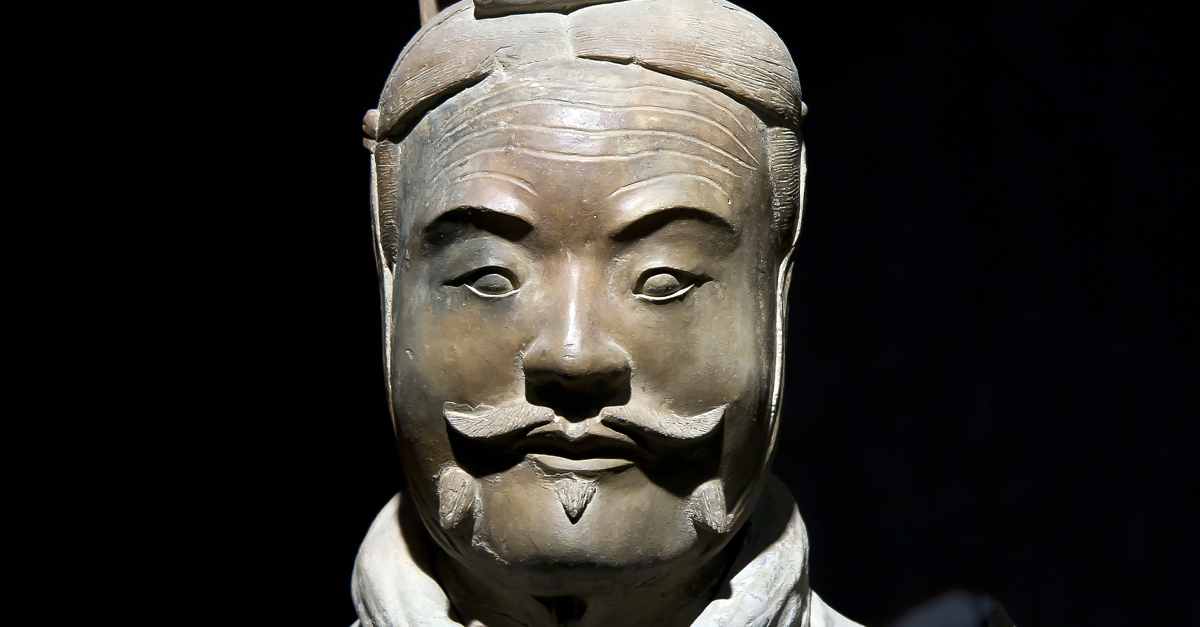
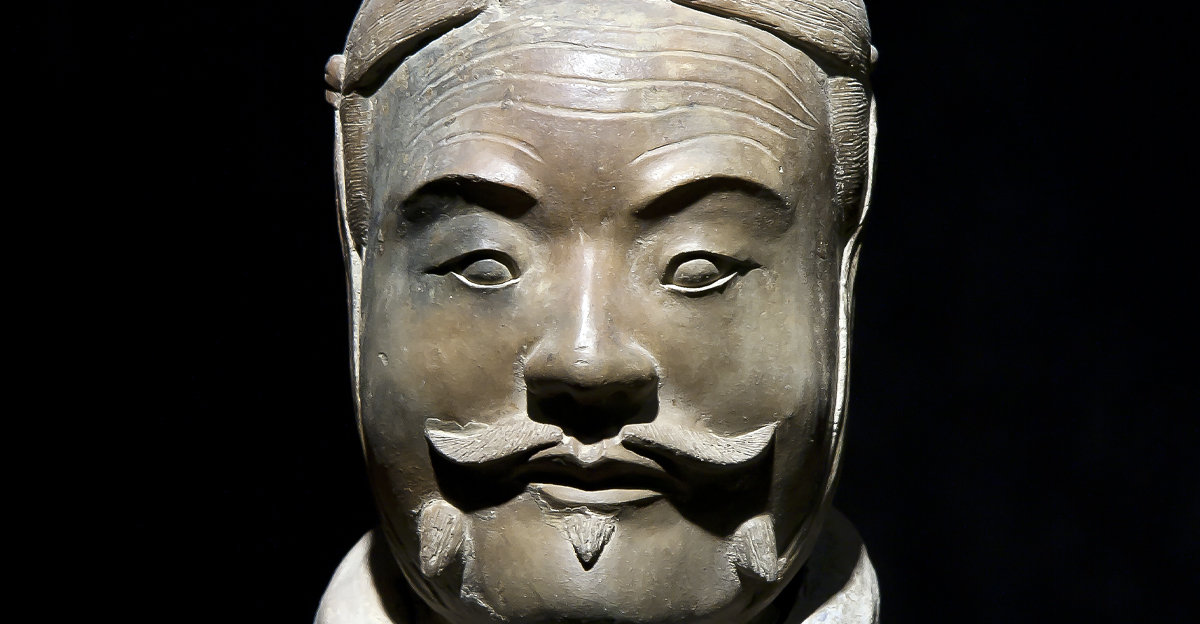
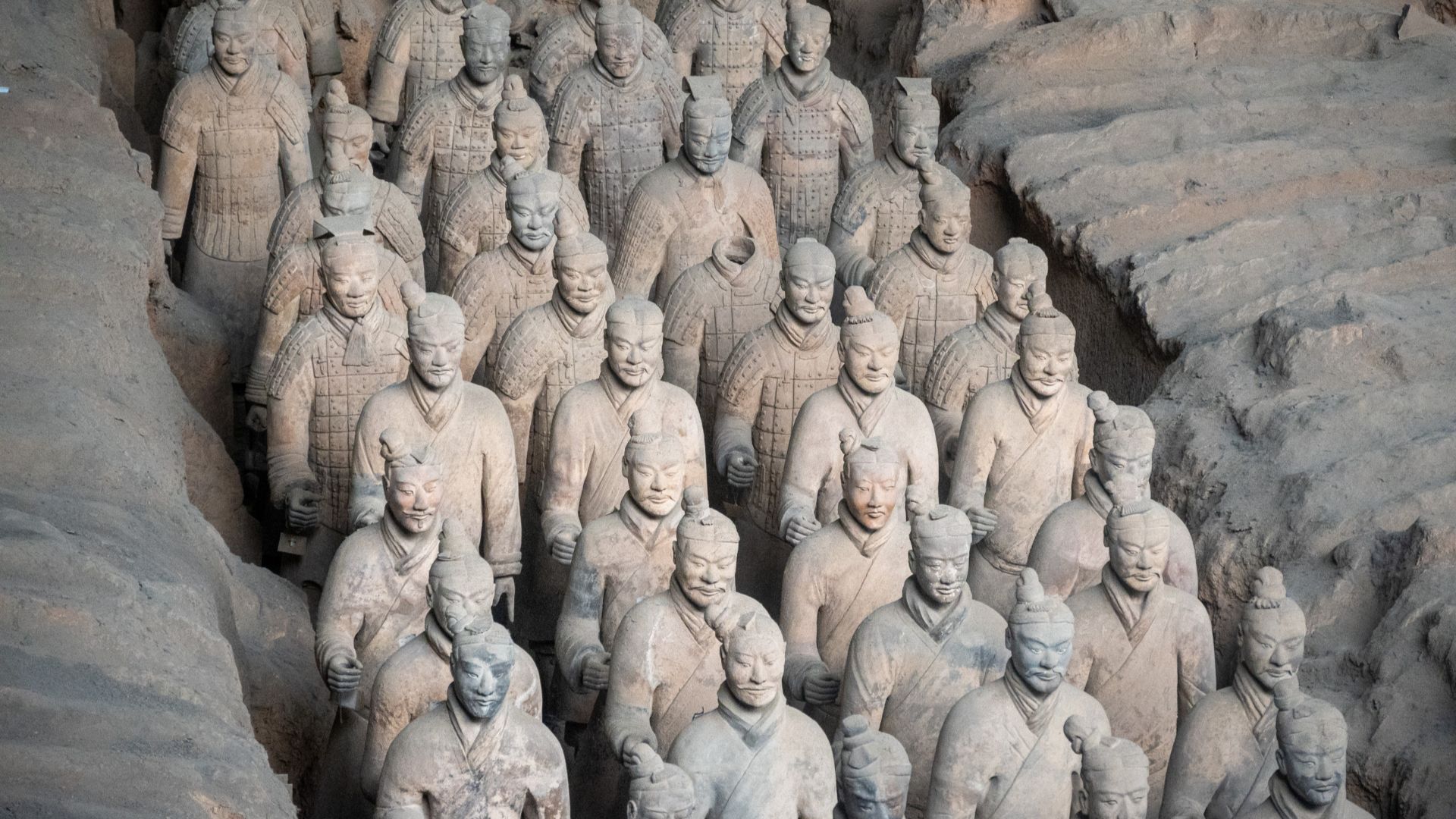
Chinese Farmers Uncovered The Terracotta Army
In 1974, farmers digging a well near Xi’an, China, struck fragments of ancient pottery. Archaeologists soon realized the farmers had uncovered part of Emperor Qin Shi Huang’s enormous buried army. The discovery revealed thousands of life-size warriors and transformed knowledge of Qin dynasty power, burial customs, and craftsmanship.
 xiquinhosilva, Wikimedia Commons
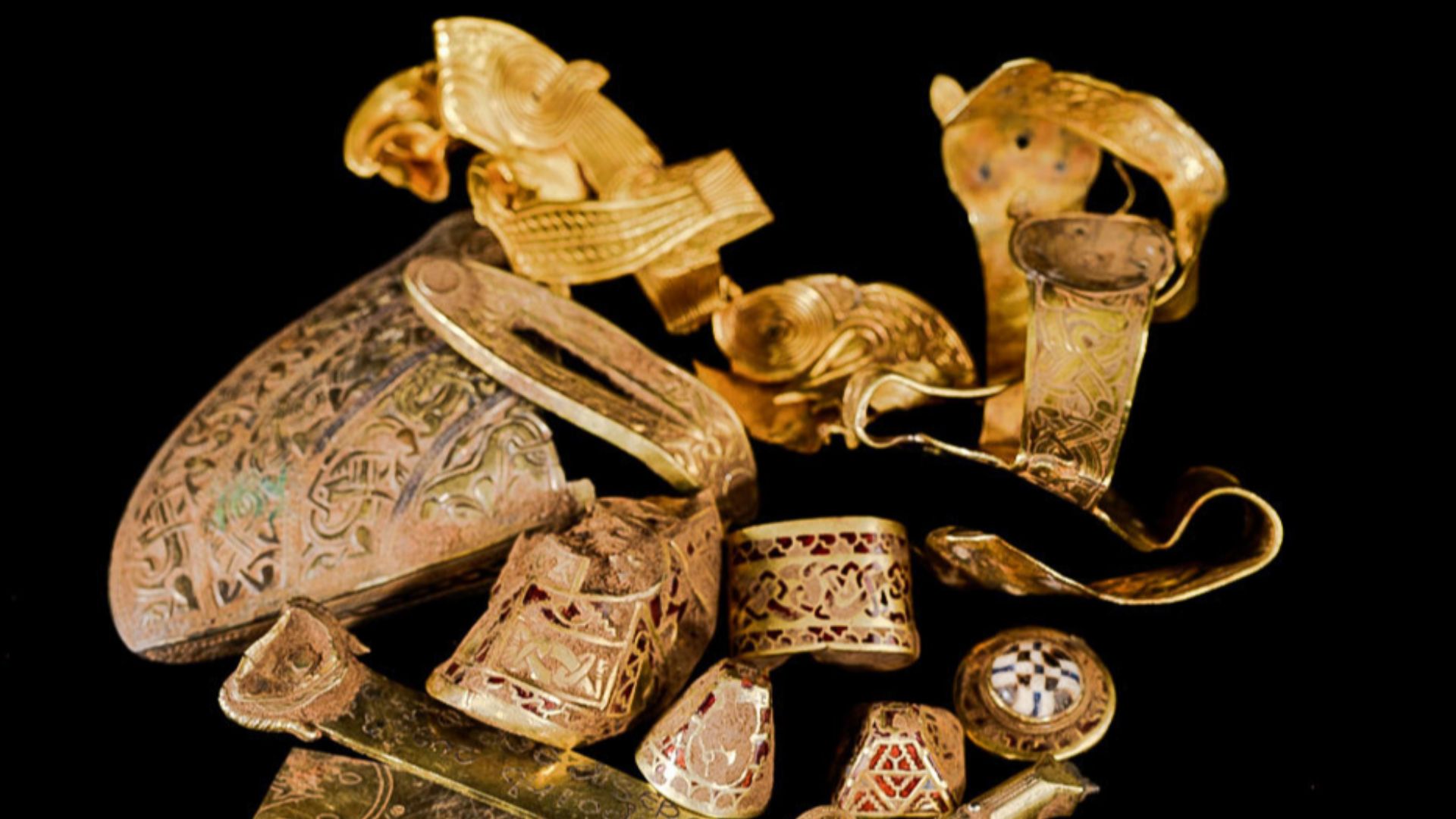
A Metal Detectorist Found The Staffordshire Hoard
Terry Herbert was using a metal detector in a Staffordshire field in 2009 when he found Anglo-Saxon gold. The discovery became the Staffordshire Hoard, the largest known collection of Anglo-Saxon gold and silver metalwork. It gave historians a stunning new look at warfare, craftsmanship, and elite culture in early medieval England.
 David Rowan, Birmingham Museum and Art Gallery, Wikimedia Commons
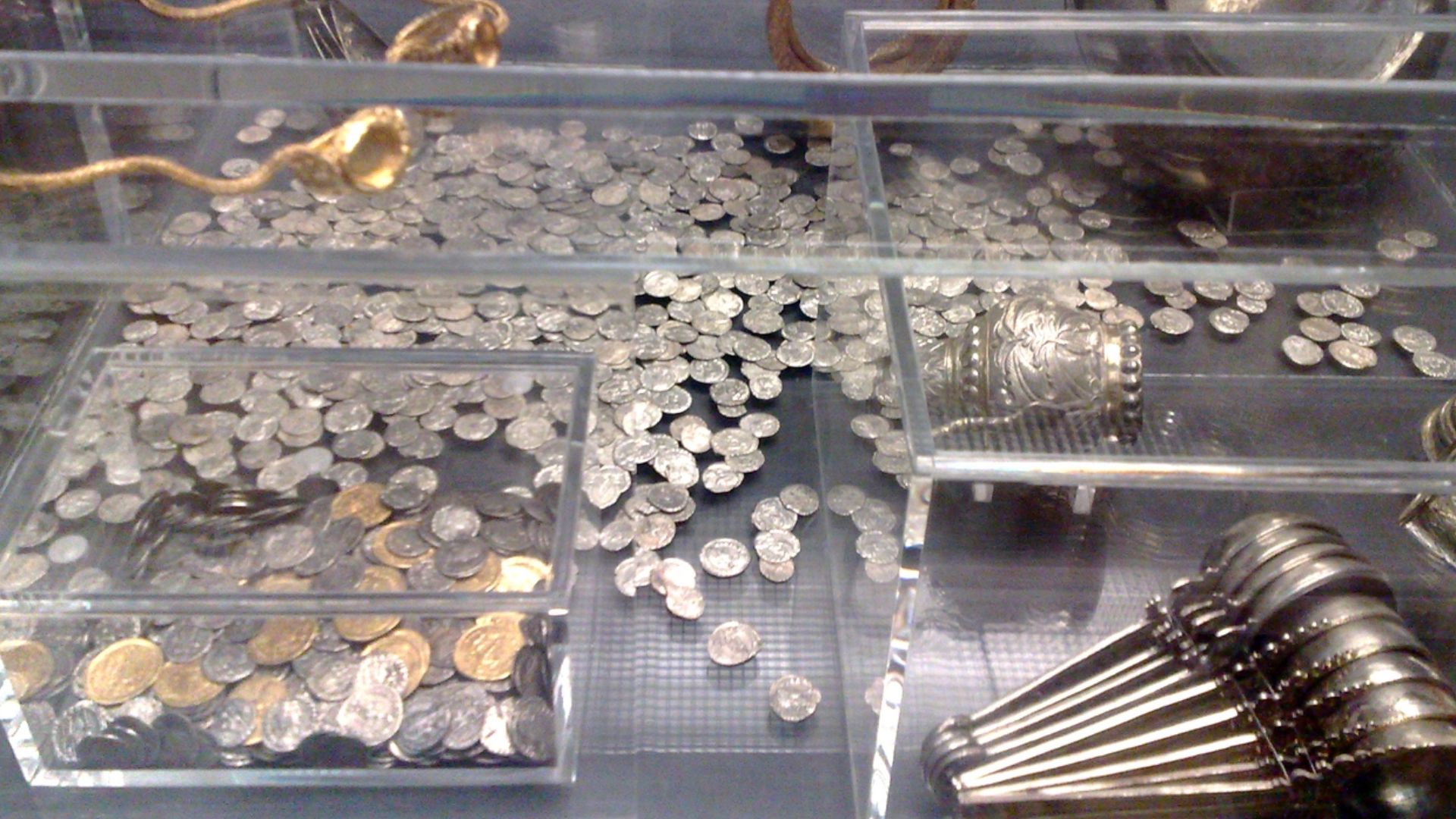
A Retired Gardener Found The Hoxne Hoard
Eric Lawes was helping a farmer look for a lost hammer in Suffolk when his metal detector located Roman treasure instead. The Hoxne Hoard contained thousands of coins and precious objects. Because Lawes reported the find properly, archaeologists excavated it carefully, preserving valuable evidence about late Roman Britain.
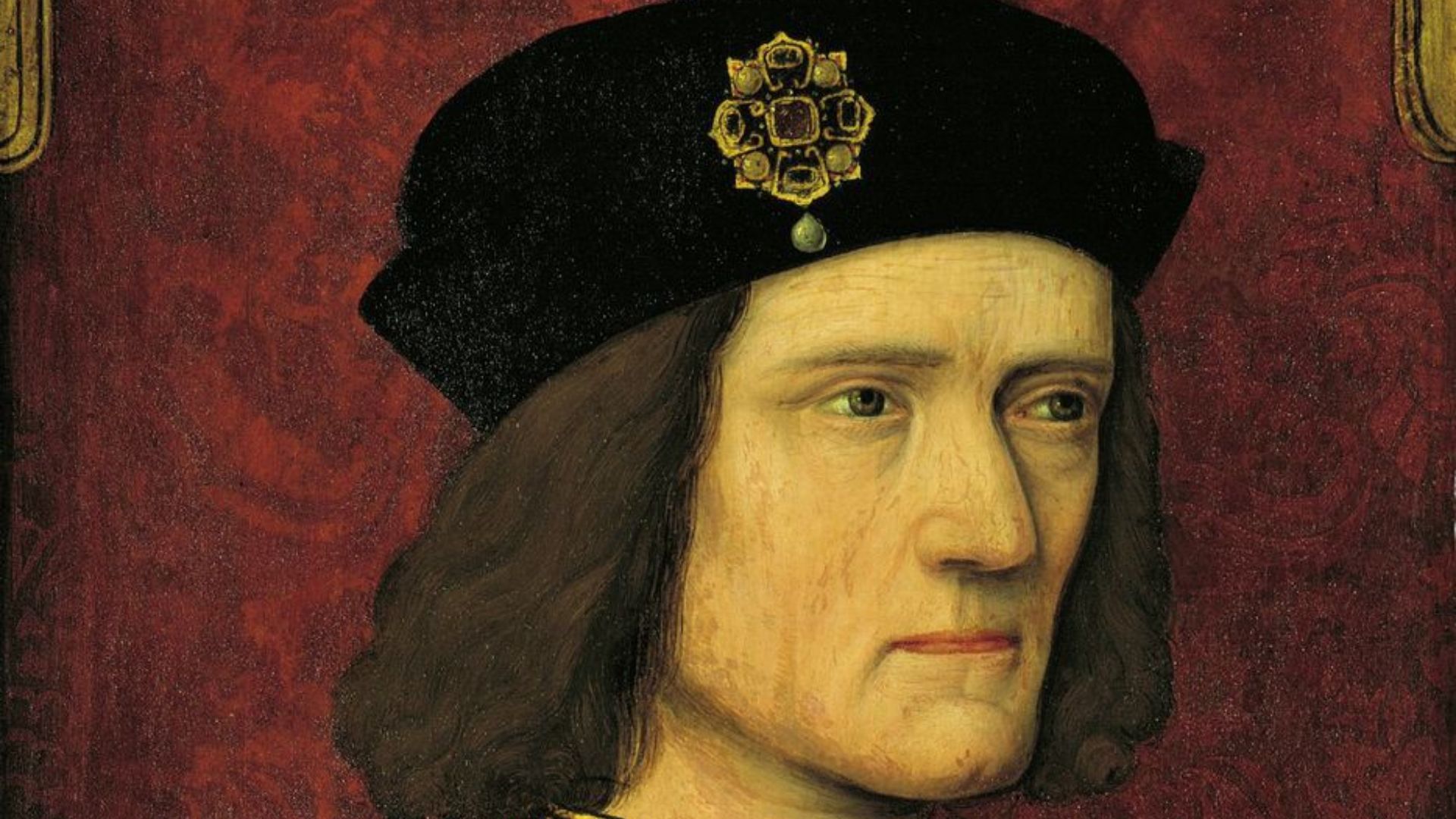
Philippa Langley Helped Find Richard III
Philippa Langley was not a university archaeologist when she became convinced that Richard III’s remains lay beneath a Leicester car park. Her persistence helped launch the dig that found the king’s skeleton in 2012. DNA and archaeological evidence confirmed the identity, solving one of England’s most famous royal burial mysteries.
 British School, Wikimedia Commons
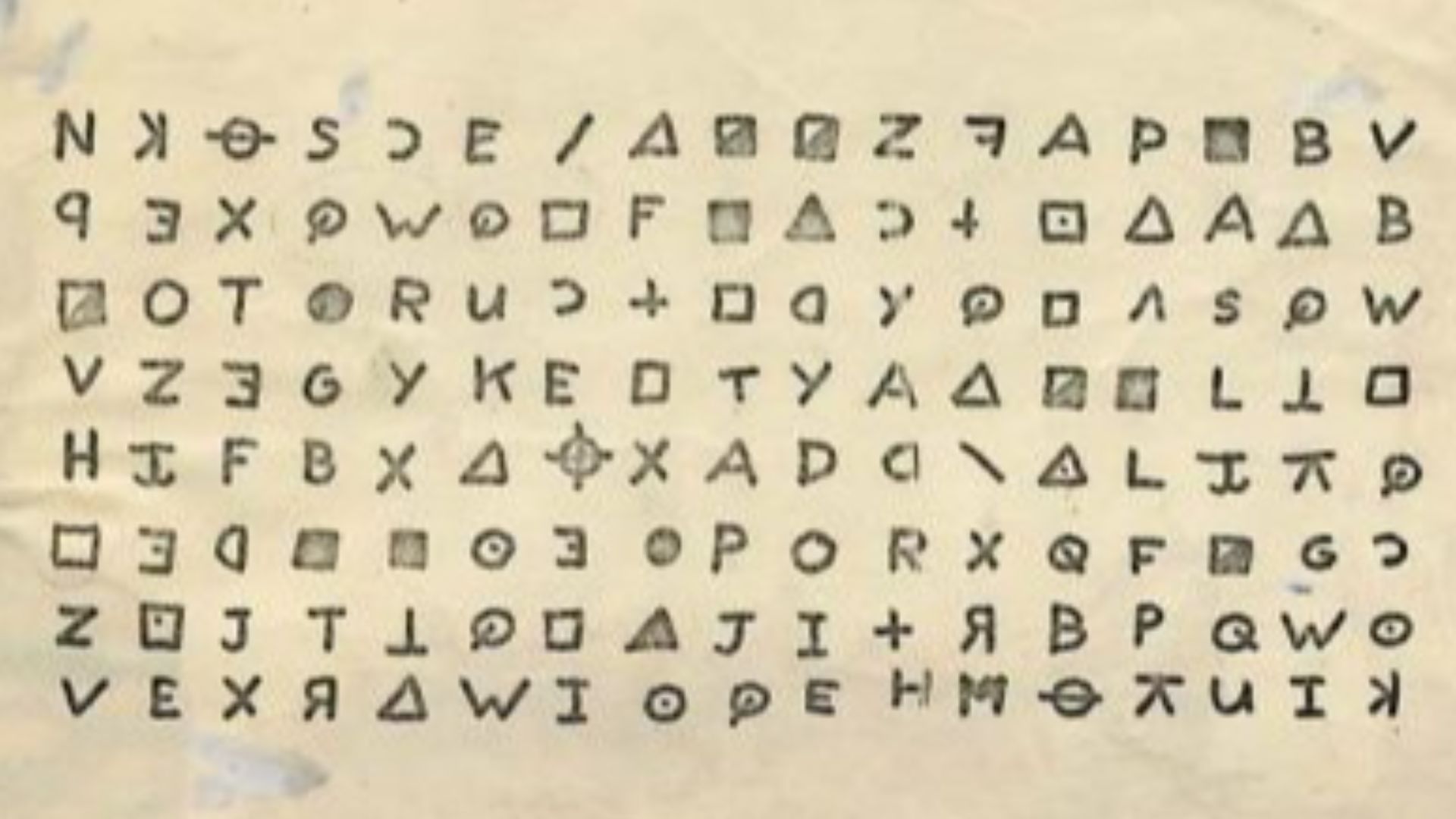
Hobby Codebreakers Cracked The Zodiac Killer’s 340 Cipher
The Zodiac Killer’s 340-character cipher remained unsolved for 51 years. In 2020, private citizens David Oranchak, Sam Blake, and Jarl Van Eycke finally cracked it using software and years of cryptographic experimentation. The message did not reveal the killer’s identity, but it solved one of the case’s most famous puzzles.
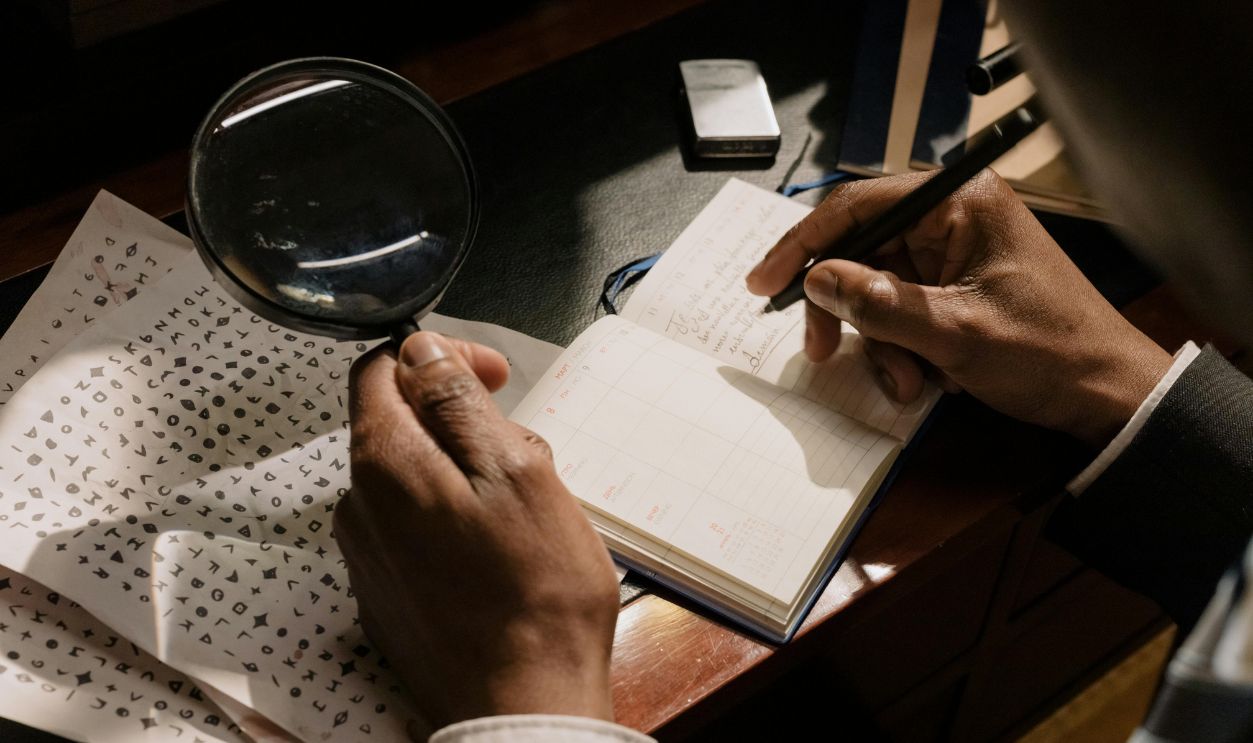
A Schoolteacher And His Wife Solved The First Zodiac Cipher
The Zodiac Killer’s first major cipher did not stay secret for long. Donald Harden, a schoolteacher, and his wife Bettye solved the 408-symbol message in 1969 after newspapers published it. Their work proved that ordinary readers could sometimes outpace experts when patience, logic, and intuition came together.
 Zodiac Killer, Wikimedia Commons
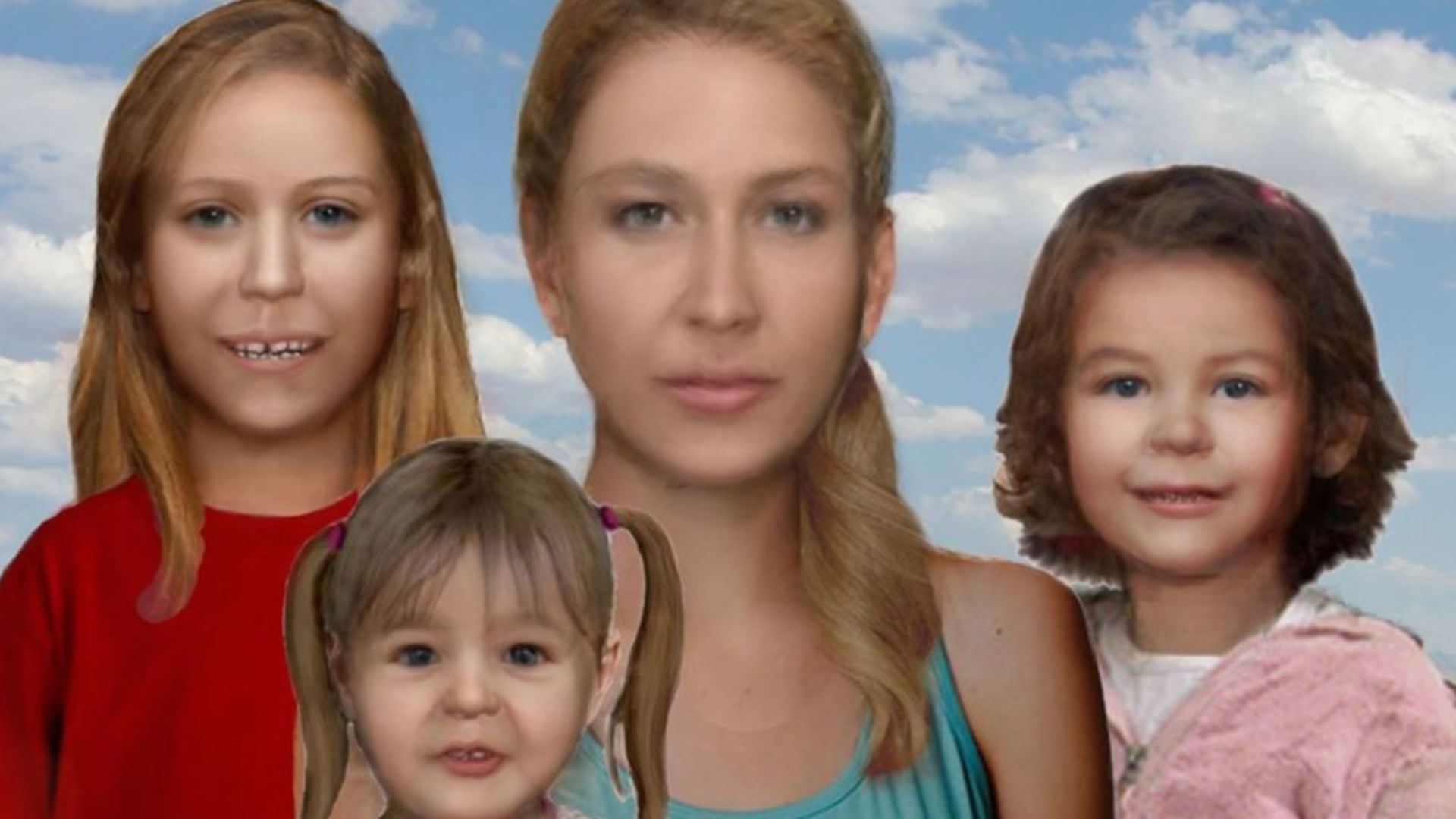
A Librarian Helped Identify The Bear Brook Victims
For decades, three unidentified victims found in barrels in New Hampshire remained nameless. Research librarian Rebekah Heath listened to the Bear Brook podcast, followed online genealogy clues, and connected missing California relatives to the case. Her work helped authorities identify Marlyse Honeychurch and two daughters in 2019.

History's most fascinating stories and darkest secrets, delivered to your inbox daily.
Volunteer Genealogists Named “Buckskin Girl”
For 37 years, a young woman found murdered in Ohio was known only as “Buckskin Girl.” Volunteers with the DNA Doe Project used genetic genealogy to identify her as Marcia King. The case became an early milestone in showing how citizen genealogists could restore names to unidentified victims.

A Retired Mystery Writer Helped Build A DNA Detective Network
Margaret Press, a retired linguist and mystery writer, co-founded the DNA Doe Project with Colleen Fitzpatrick. The volunteer-driven group has helped identify many unknown victims by building family trees from DNA matches. Their work turned a once-specialized field into a powerful tool for solving long-cold mysteries.
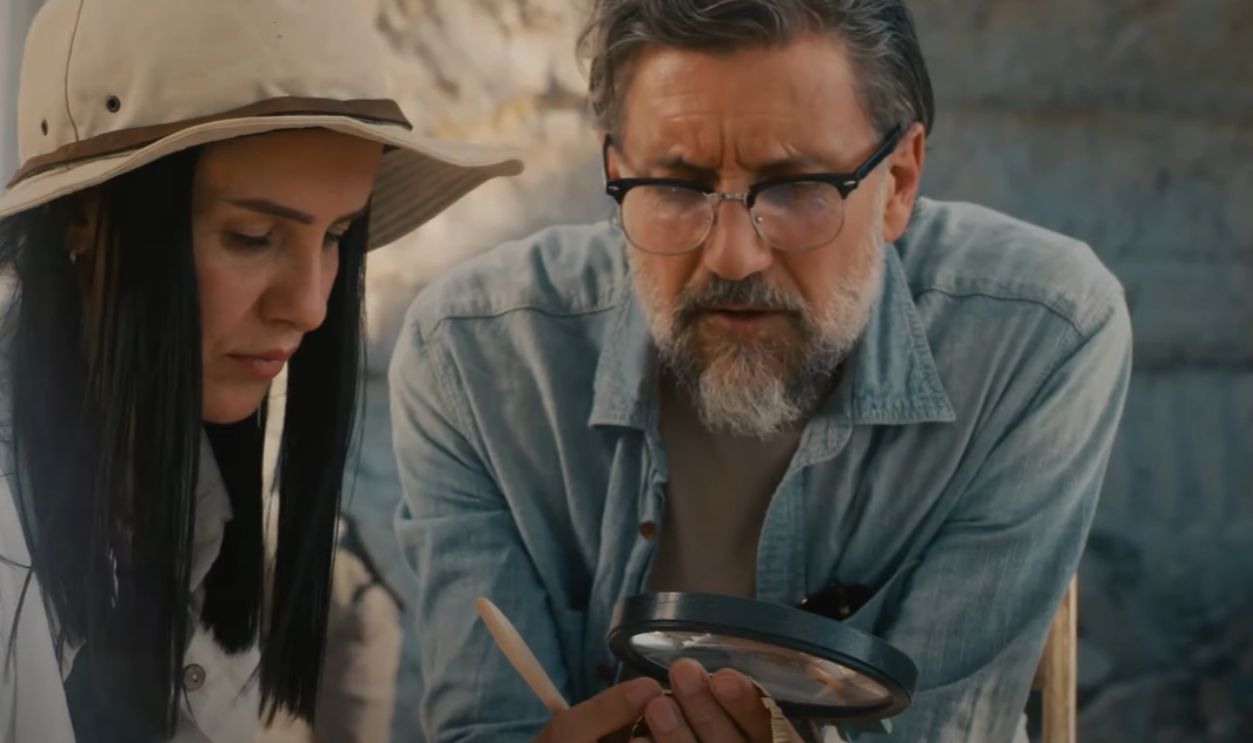 Ancient Book Found Under Nile River - Experts Turn Pale After Transcribing by Did You Know ?
A Genetic Genealogy Volunteer Helped Unmask The Golden State Killer
The Golden State Killer case had haunted California for decades before genetic genealogy changed everything. Investigators worked with genealogist Barbara Rae-Venter and public DNA databases to build family trees that led to Joseph James DeAngelo. The breakthrough showed how ordinary family-history tools could solve historic crimes.
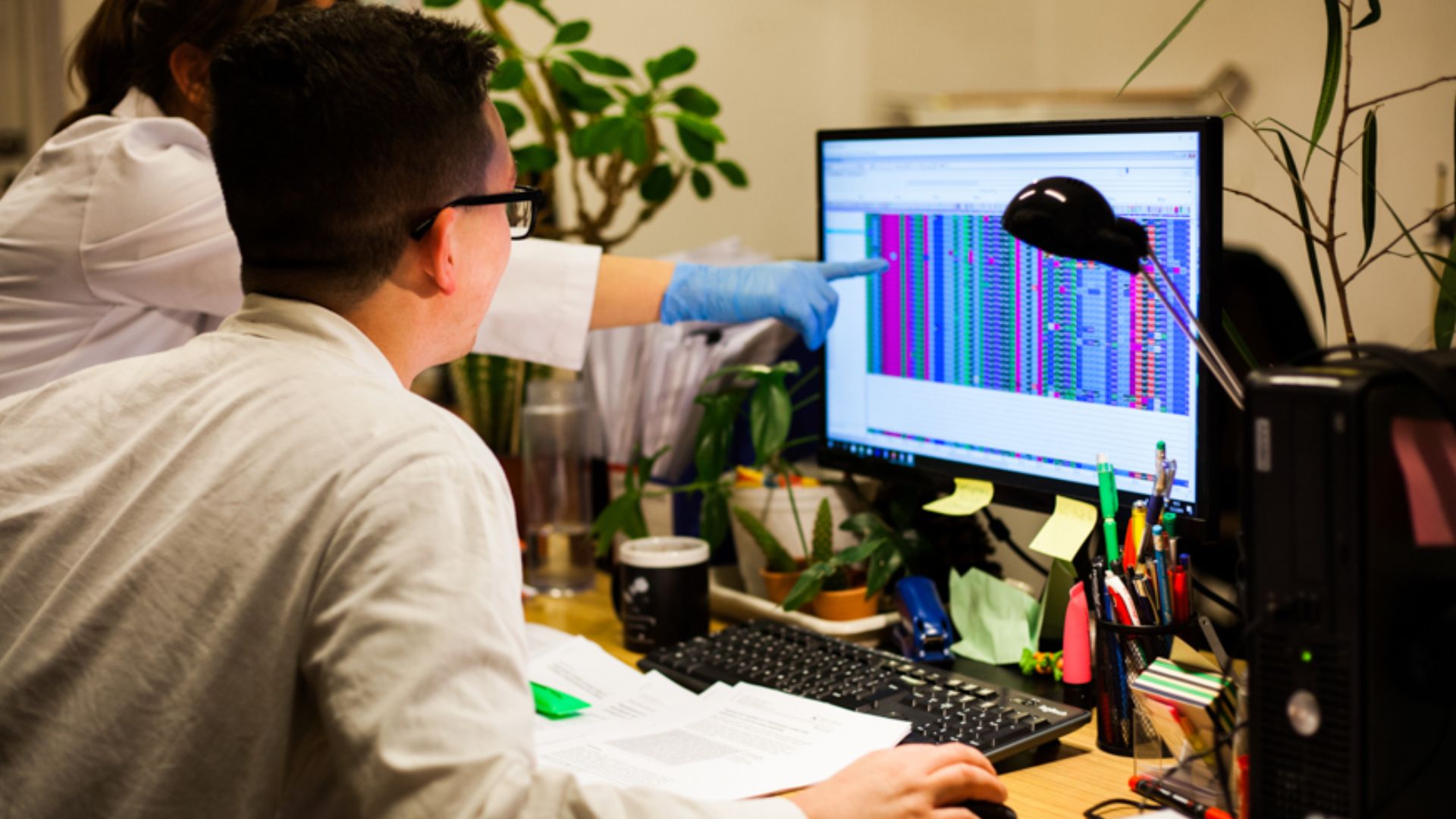 Karolina Fok, Wikimedia Commons
An Amateur Treasure Hunter Found Forrest Fenn’s Treasure
Forrest Fenn hid a chest of gold and jewels in the Rocky Mountains and left clues in a poem. Thousands searched for years before Jack Stuef, a medical student, found it in Wyoming in 2020. The discovery ended one of America’s most obsessive modern treasure hunts, though the exact location remains private.
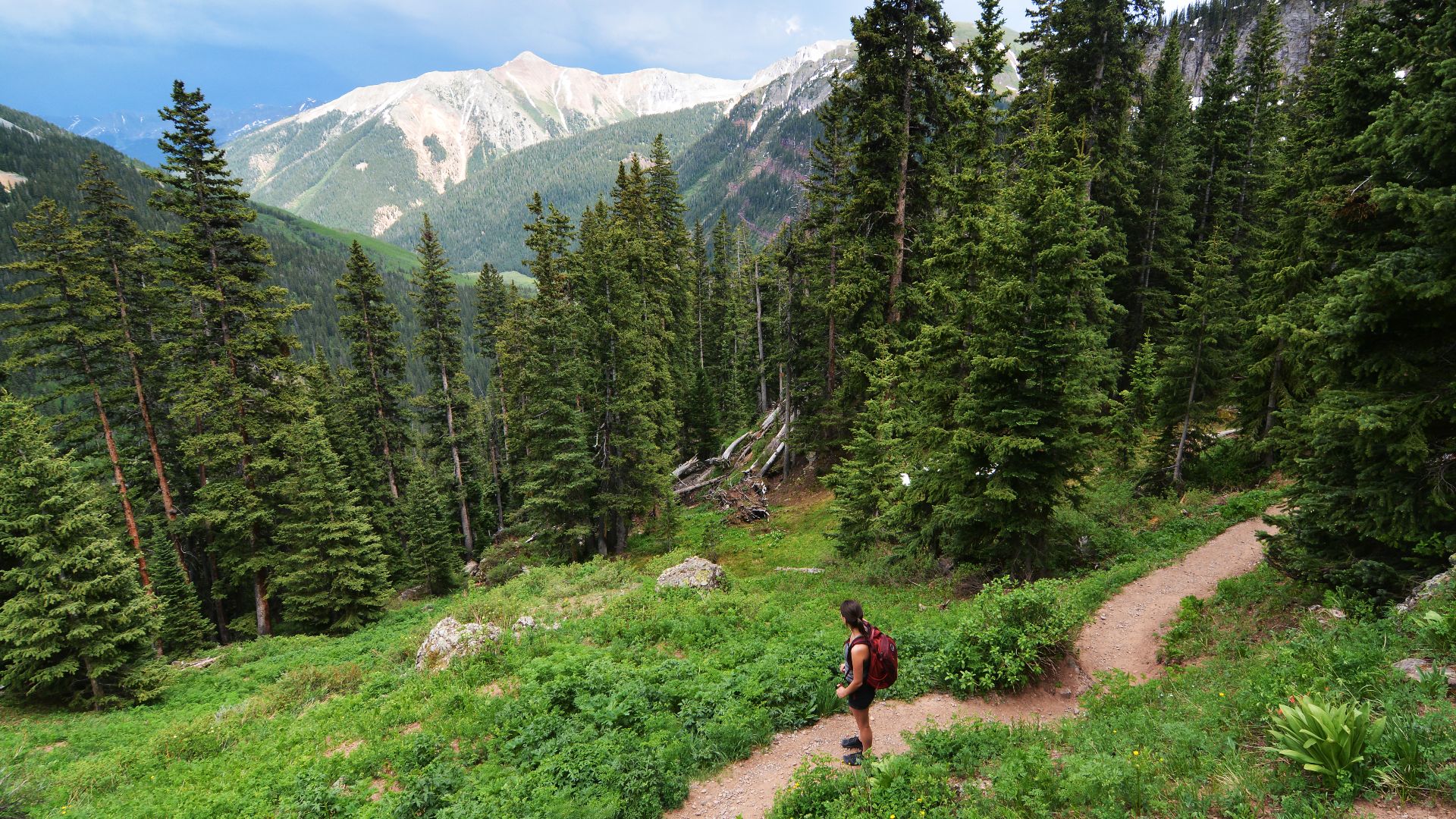 Paxson Woelber, Wikimedia Commons
Bedouin Shepherds Found The Dead Sea Scrolls
In the late 1940s, Bedouin shepherds searching near Qumran found ancient scrolls stored in caves. Their discovery eventually led scholars to one of the most important manuscript collections ever found. The Dead Sea Scrolls transformed biblical studies, Second Temple Jewish history, and understanding of ancient religious communities.
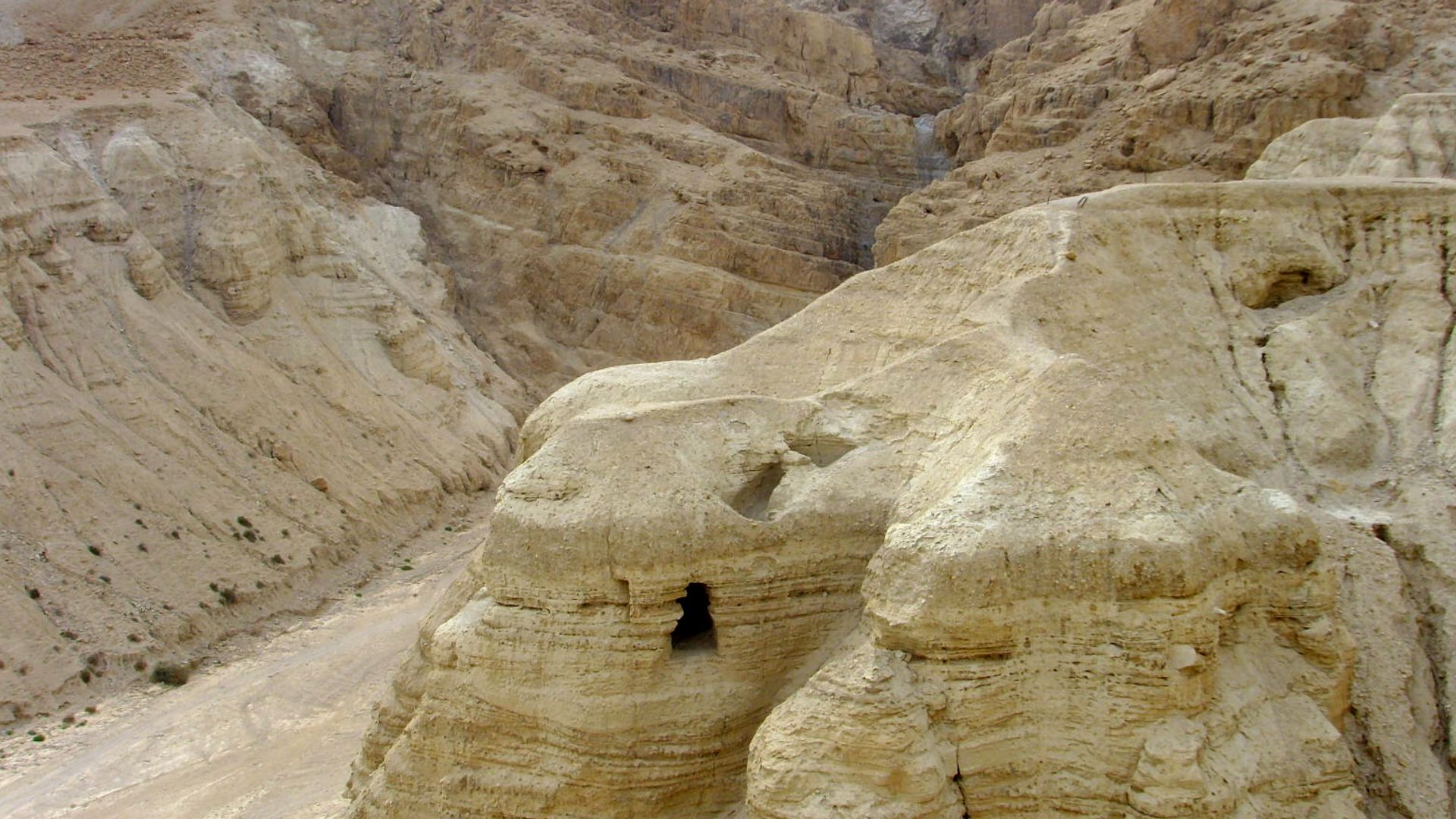 David Castor, Wikimedia Commons
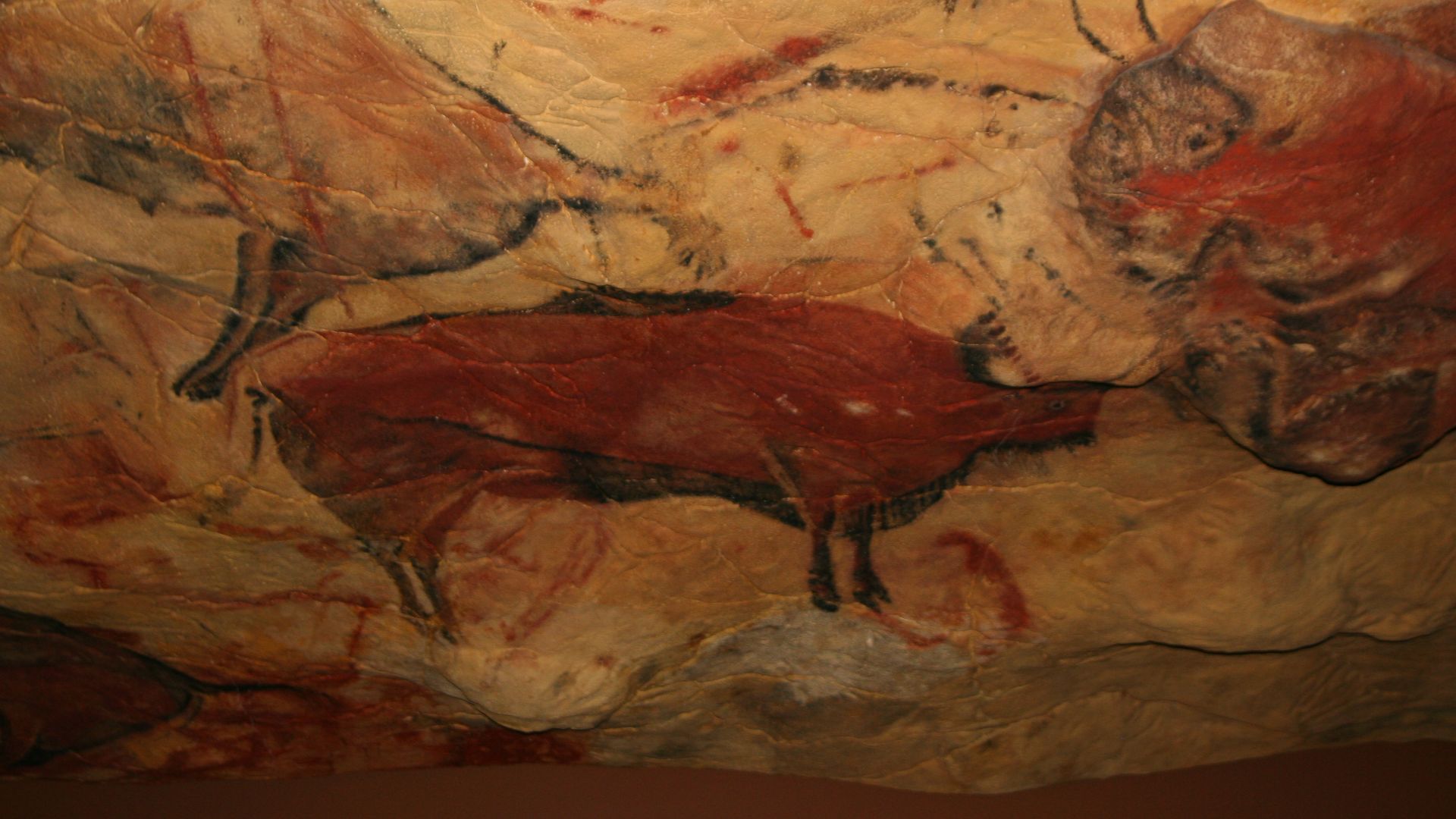
A Young Girl Helped Reveal The Altamira Cave Paintings
María de Sautuola was only a child when she noticed painted animals on the ceiling of Spain’s Altamira cave. Her father, Marcelino Sanz de Sautuola, publicized the discovery, but experts initially dismissed it. Later research confirmed the paintings were prehistoric, vindicating one of archaeology’s most famous family discoveries.
 User:MatthiasKabel, Wikimedia Commons
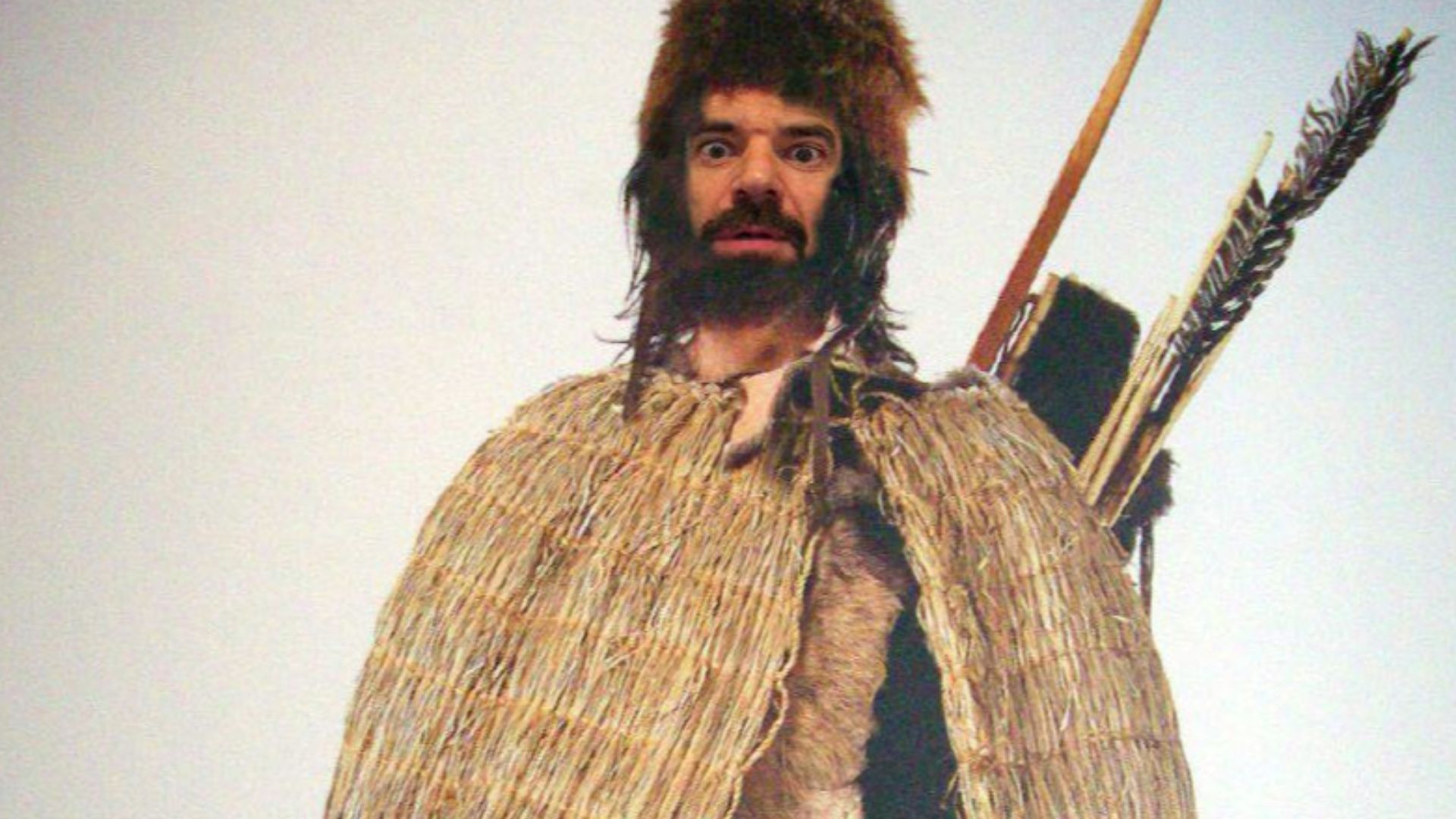
Hikers Discovered Ötzi The Iceman
In 1991, German hikers Helmut and Erika Simon found a body frozen in the Alps. What they thought might be a recent accident victim turned out to be a 5,000-year-old mummy. Ötzi became one of the most studied ancient humans ever found, revealing details about Copper Age clothing, diet, tools, and violence.
 Melotzi5713, Wikimedia Commons
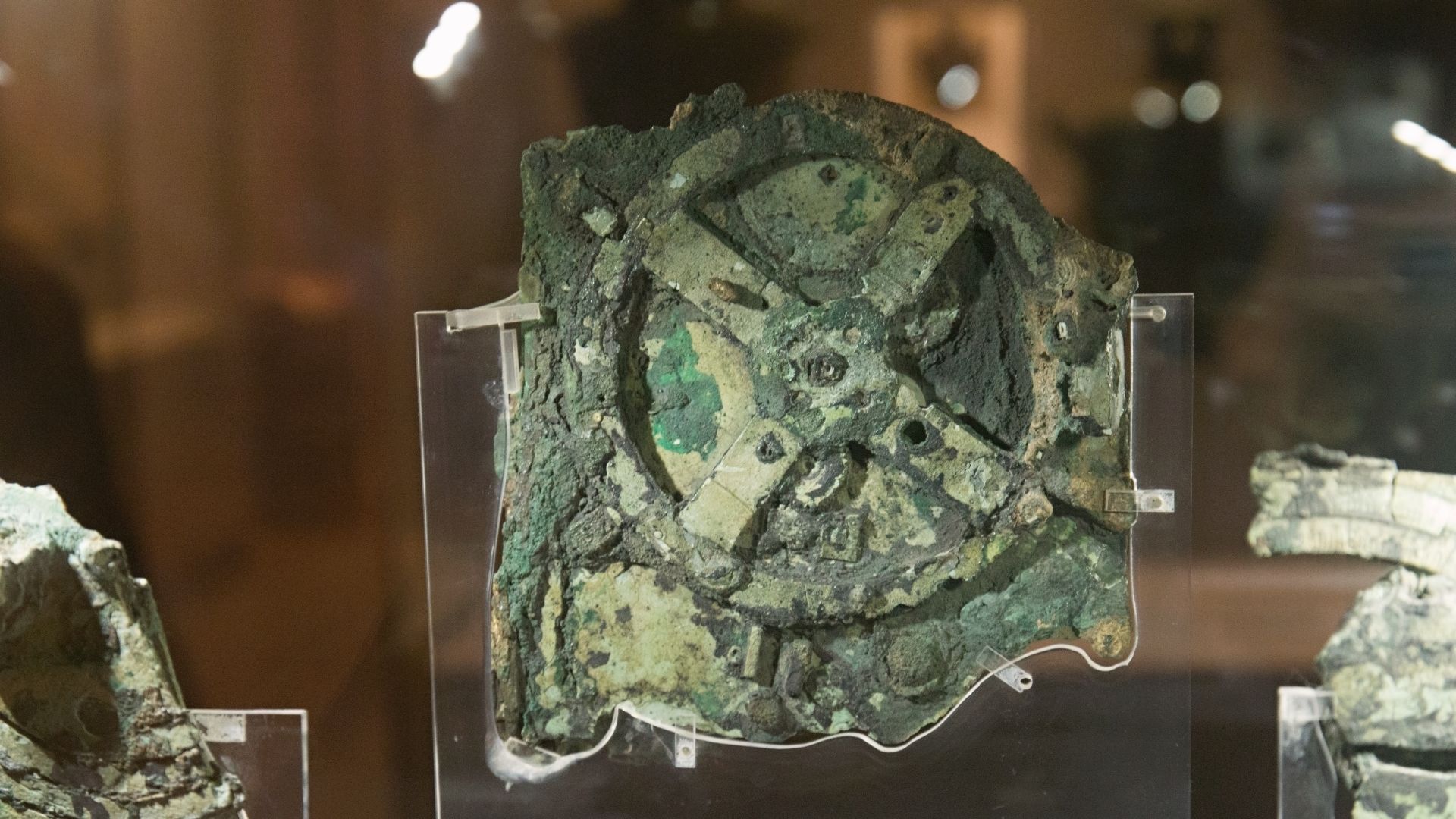
A Sponge Diver Found The Antikythera Shipwreck
Greek sponge divers discovered the Antikythera shipwreck in 1900. Among its treasures was a strange corroded device later recognized as the Antikythera mechanism, an ancient geared calculator. The divers did not solve its purpose themselves, but their find opened one of archaeology’s most fascinating technological mysteries.
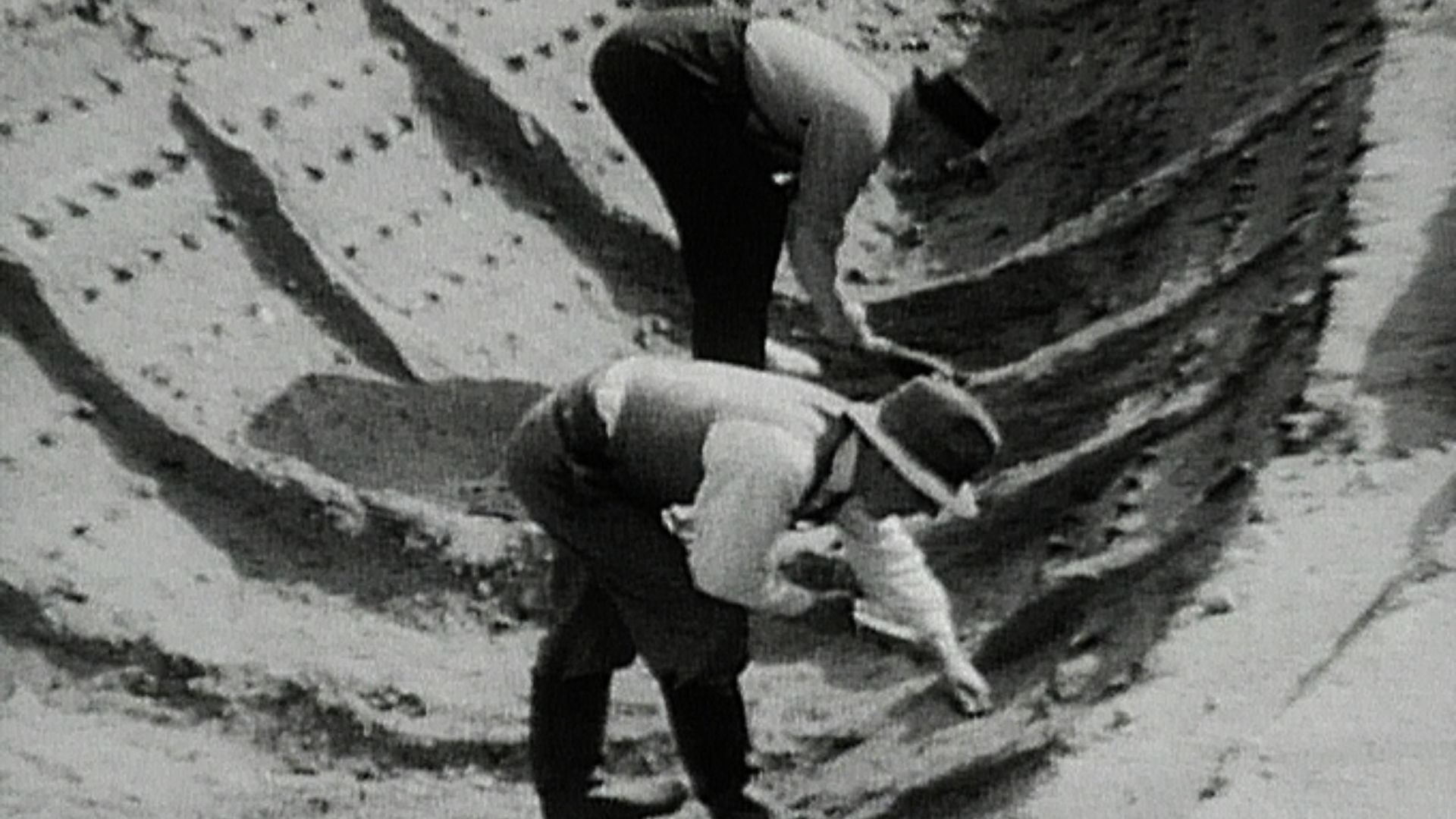
A Farmer’s Field Revealed The Sutton Hoo Ship Burial
Sutton Hoo was excavated by professionals, but the mystery began with landowner Edith Pretty, who suspected the mounds on her property were ancient burials. She hired local archaeologist Basil Brown to investigate. The discovery of an Anglo-Saxon ship burial transformed understanding of early medieval England.
 Harold John Phillips, Wikimedia Commons
Amateur Researchers Helped Decode The Somerton Man
The Somerton Man case puzzled Australia for more than 70 years. In 2022, researcher Derek Abbott and genealogist Colleen Fitzpatrick argued that DNA evidence identified the man as Carl “Charles” Webb. Authorities were cautious, but the work showed how persistent outside researchers could push old mysteries forward.
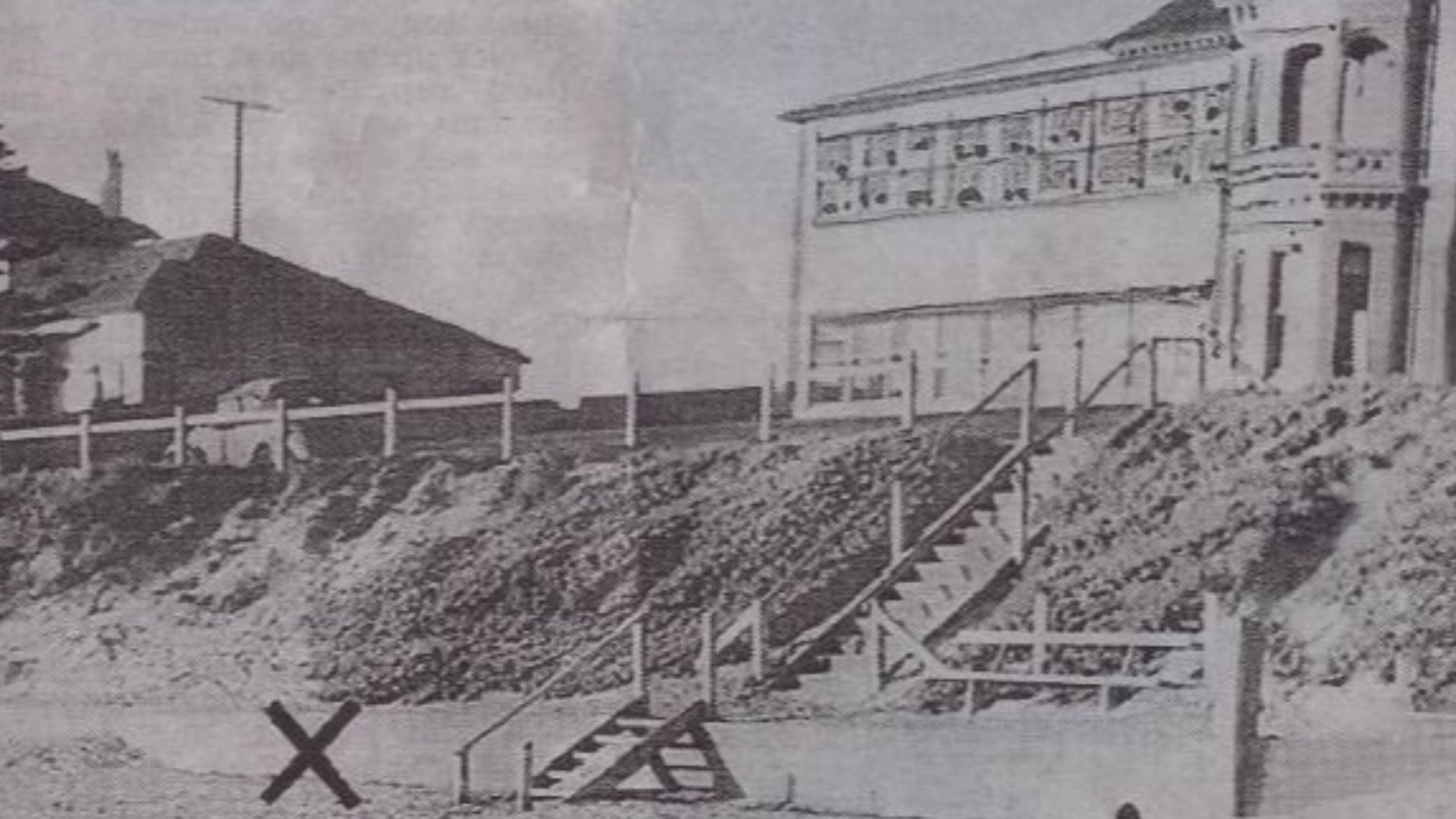
Metal Detectorists Changed Archaeology’s Relationship With The Public
Finds like the Hoxne Hoard and Staffordshire Hoard showed that hobbyists could make discoveries of national importance when they reported them responsibly. These cases strengthened relationships between detectorists, museums, and archaeologists, proving ordinary citizens could help preserve history rather than simply collect it.
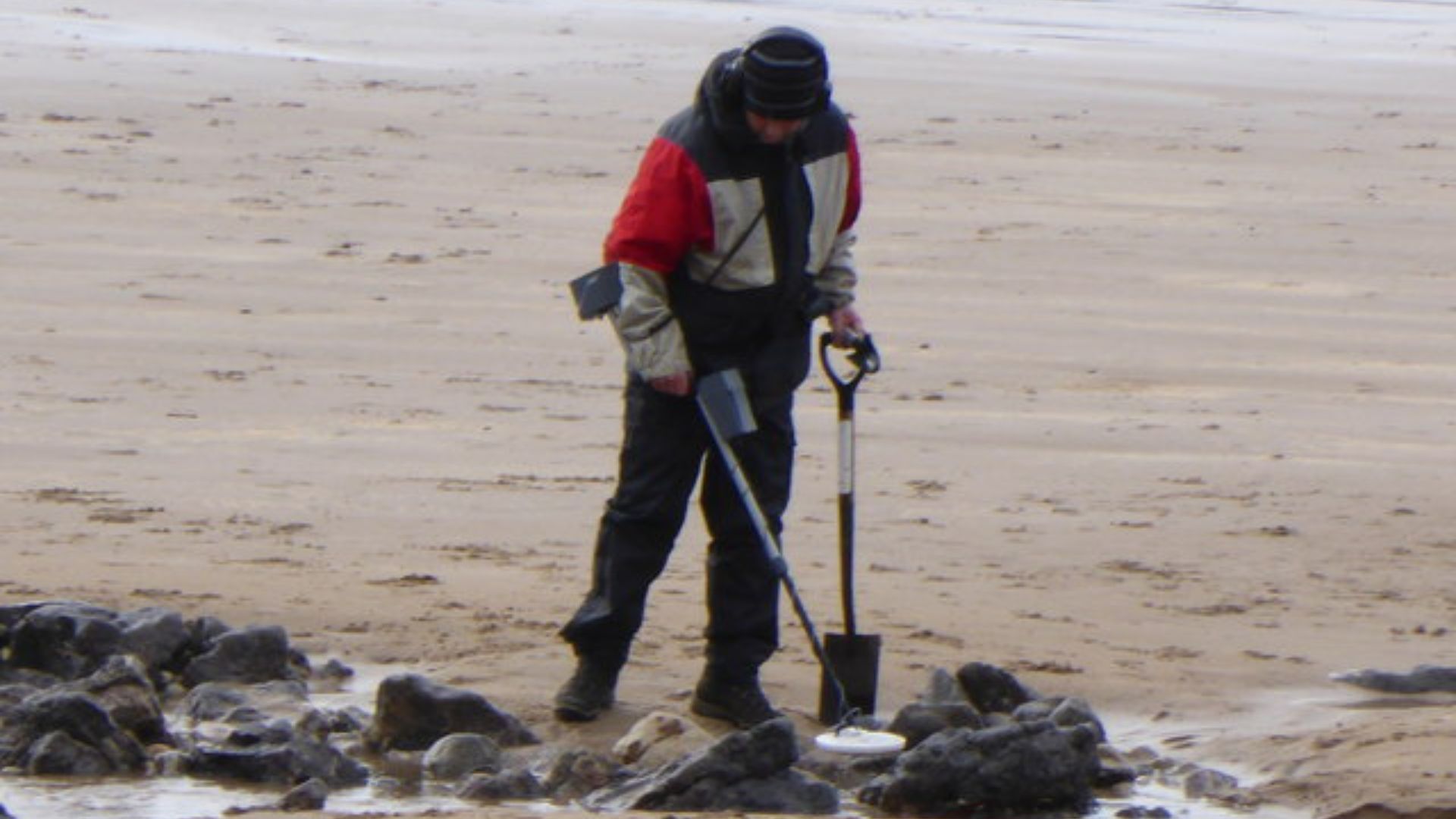 Jeremy Bolwell , Wikimedia Commons
Citizen Sleuths Have Given Names Back To The Dead
One of the most moving forms of historical mystery-solving today comes from volunteer genealogists. Instead of chasing fame, many work quietly to identify unknown victims and reconnect families with lost relatives. Their careful research has turned “Jane Doe” and “John Doe” cases into human stories again.
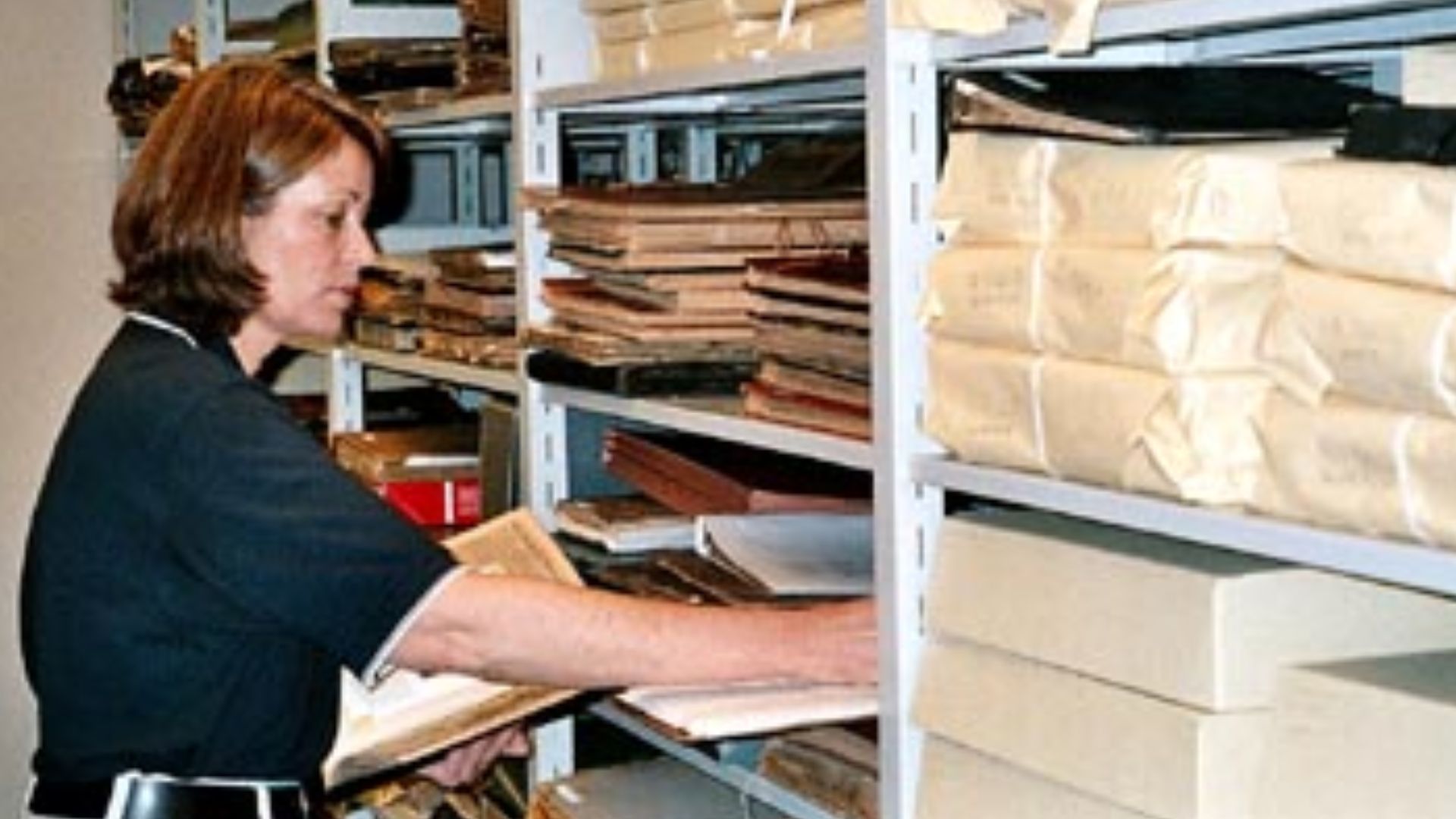 National Archives and Records Administration listerv, Wikimedia Commons
Ordinary People Often Notice What Experts Miss
The pattern is hard to ignore. Farmers, hikers, hobbyists, librarians, students, and teenagers have all solved pieces of history because they noticed something unusual and acted on it. Expertise matters, but curiosity matters too. Sometimes the person who changes history is simply the one willing to look twice.
You May Also Like:
Riveting Facts About The World’s Most Iconic Buildings
Amazing Discoveries from 2,000 Years of Brain Science
America's Most Important Archaeological Discoveries
Sources: 1, 2, 3, 4, 5, 6, 7, 8, 9, 10, 11, 12, 13, 14, 15, 16, 17, 18, 19, 20, 21, 22, 23, 24, 25, 26,