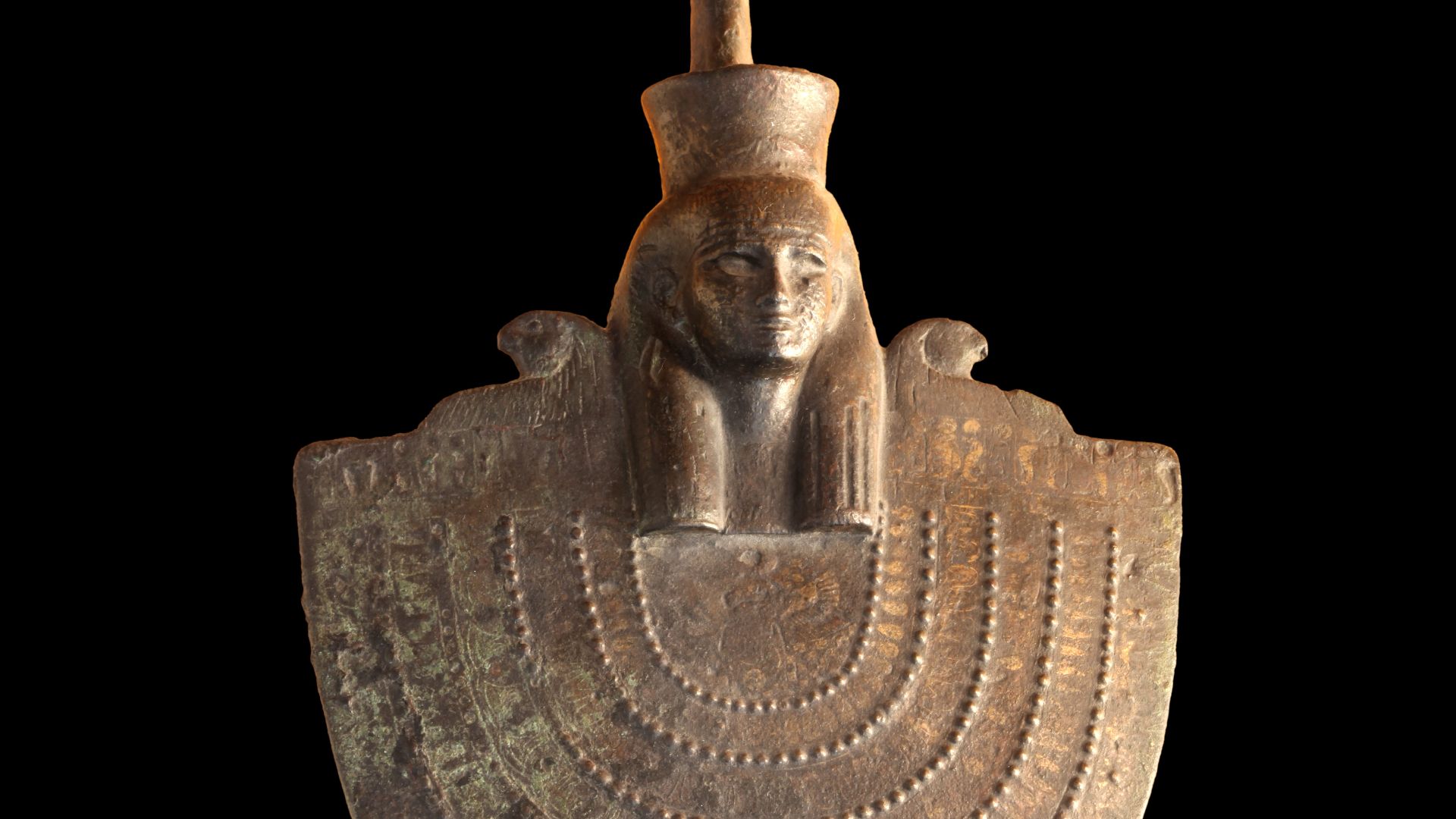
Under the shifting heat of Egypt’s desert sun and the hush of ancient stones, a remarkable find has come to light—and it invites you into a mystery that seemed almost lost. At the necropolis of Saqqara, archaeologists uncovered the tomb of a long-forgotten queen whose name vanished from the records—until the very walls of her pyramid whispered it again: Queen Neith.
Join in on this journey as we glance behind the limestone slabs, brush away centuries of sand, and listen to a past calling out for recognition. But first…
Who Was Queen Neith
Queen Neith is believed to date to around the time of the Sixth Dynasty of the Old Kingdom, and is associated with King Teti, whose pyramid complex she lies beside. Her name appears carved on an obelisk in her mortuary temple—her identity restored after millennia of anonymity.
Her burial complex isn’t just a simple tomb. It lies amid a web of coffins and mummies, and features a pyramid dedicated to her. This is the evidence that she held a high status, though the full details of her life remain elusive.
Because her name did not feature in the usual records of queens and pharaohs, her rediscovery is the re-entry of a voice into Egypt’s royal narrative.
Pyramid And Name Rediscovered
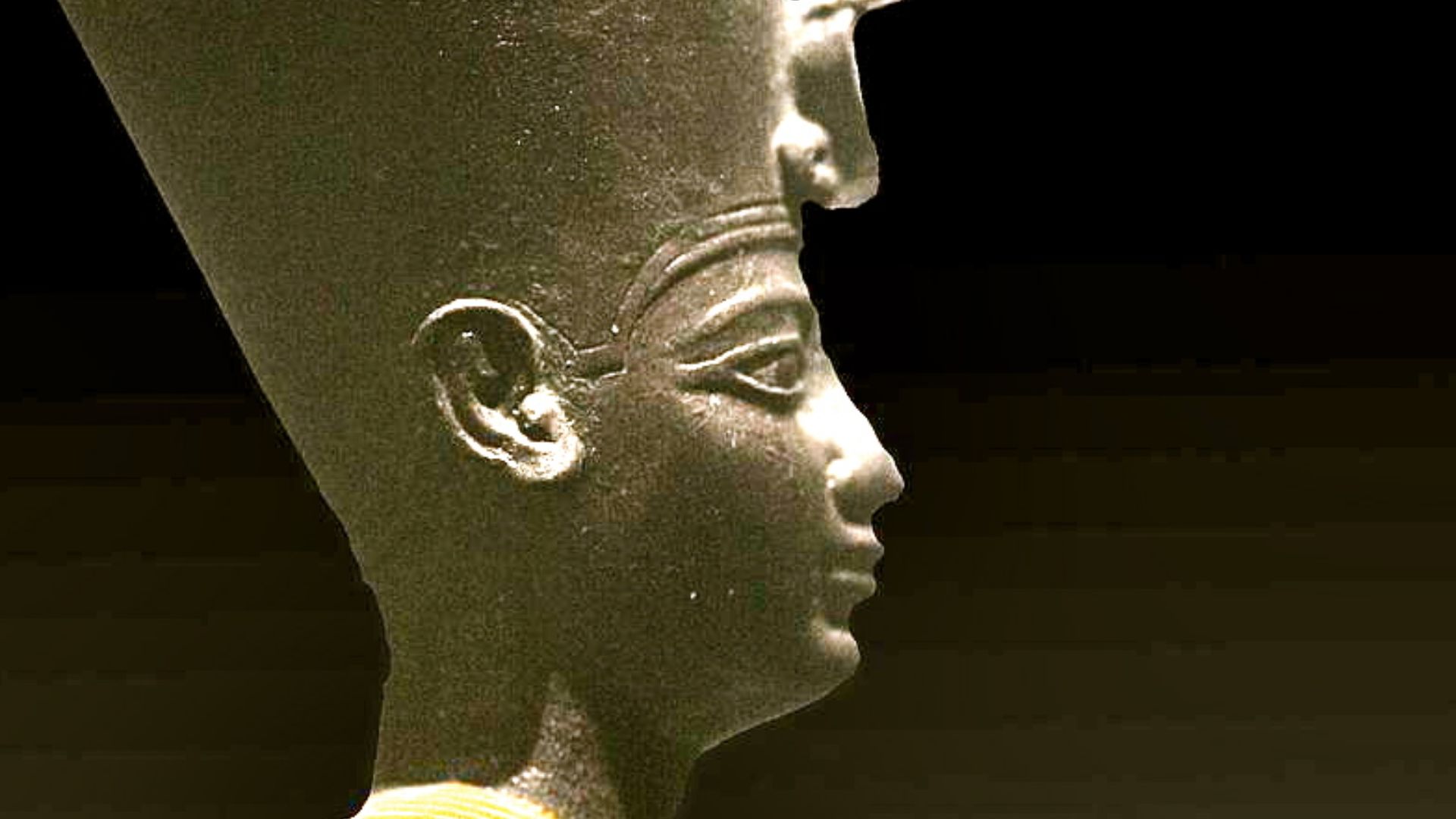
In 2010, archaeologists identified a pyramid near the pyramid of King Teti in Saqqara, but it lacked any inscribed name to identify the owner. Later excavations revealed the queen’s name, “Neith,” carved on a fallen obelisk at the entrance of her mortuary temple.
This latest discovery bridges a gap in the chronicle of Egypt’s Sixth Dynasty by assigning identity to a royal structure that stood nameless for centuries. By doing so, it reshapes how you view the lost figures of Egyptian royalty.
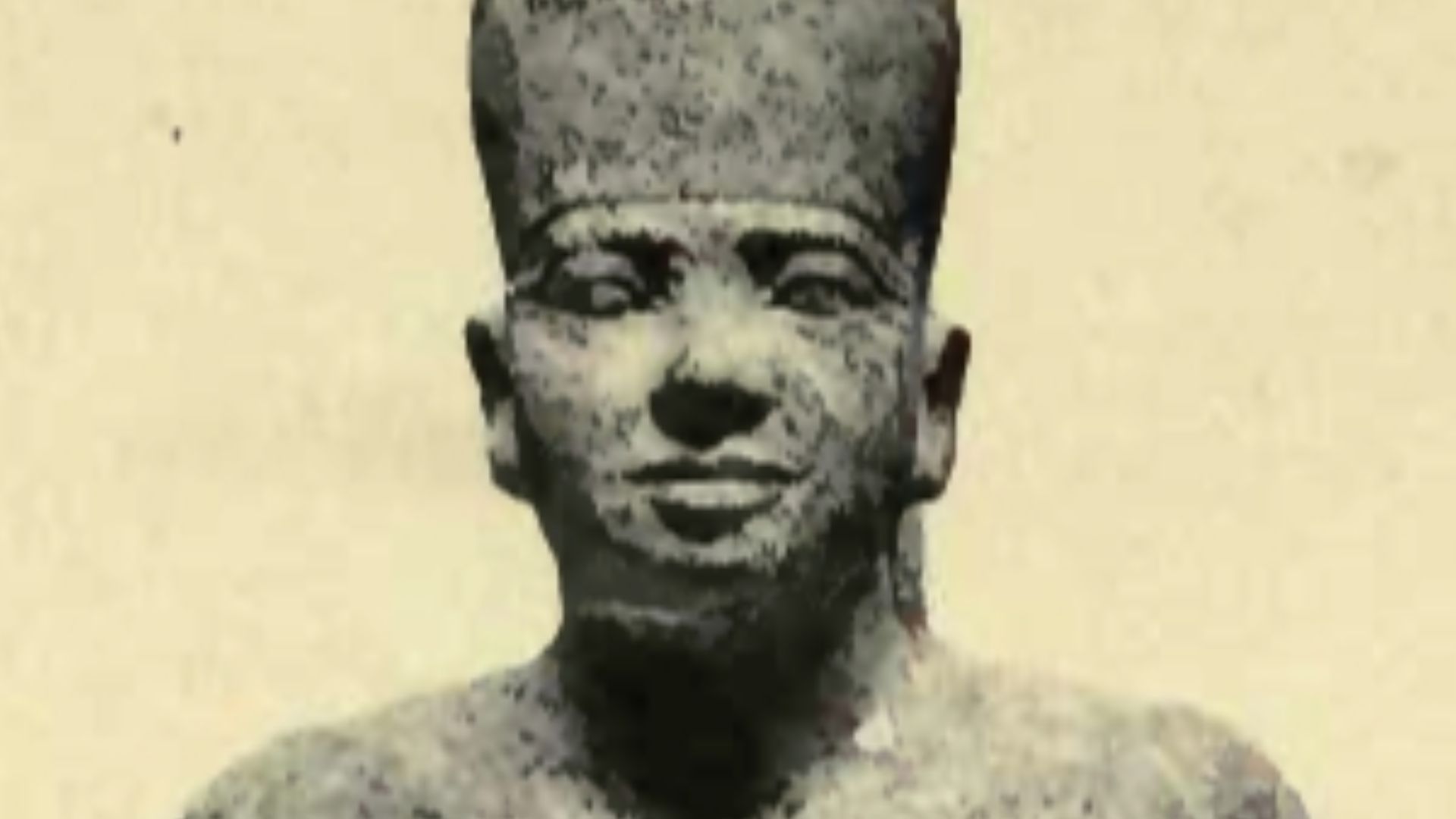 James Edward Quibell (1867-1835), Wikimedia Commons
An Unexpected Buried Tomb: Coffins, Mummies, Tunnels
The excavation yielded more than just one pyramid. Investigators uncovered around 300 coffins and over 100 mummies in interconnected shafts, alongside a pyramid dedicated to Queen Neith.
The shafts ranged from roughly 30 to 59 feet (9 to 18 meters) deep, and many coffins bore elaborate decorations and detailed faces. These finds link Neith’s pyramid to a broader funerary complex spanning Old Kingdom and New Kingdom elements—a revelation that prompts historians to rethink how burial zones at Saqqara were used over time and how royals and elites were placed near King Teti’s burial zone.
A Forgotten Queen Finds Her Voice Again
The discovery of Queen Neith’s tomb reshapes the narrative of Egypt’s royal lineage. Her name, missing from every known record, now reappears in stone, proving how fragile memory can be when buried by time. It offers fresh insight into women’s power during the Sixth Dynasty—an era when queens often guided politics and faith behind the scenes. More importantly, it reminds you that history is rarely complete. Each new find reopens questions once considered settled and challenges the notion that ancient Egypt’s story has already been fully told.
In sum, Queen Neith’s rediscovery proves that silence in history is temporary. The sands may bury names, but they cannot erase legacy. Somewhere beneath the surface, more voices wait to speak—ready for someone to listen.