A Single Day Ruined Everything
Boston in 1872 was wealthy, proud, and growing fast. Its downtown commercial district was packed with banks, warehouses, insurance offices, publishers, wholesalers, and elegant new buildings.
Then disaster struck.
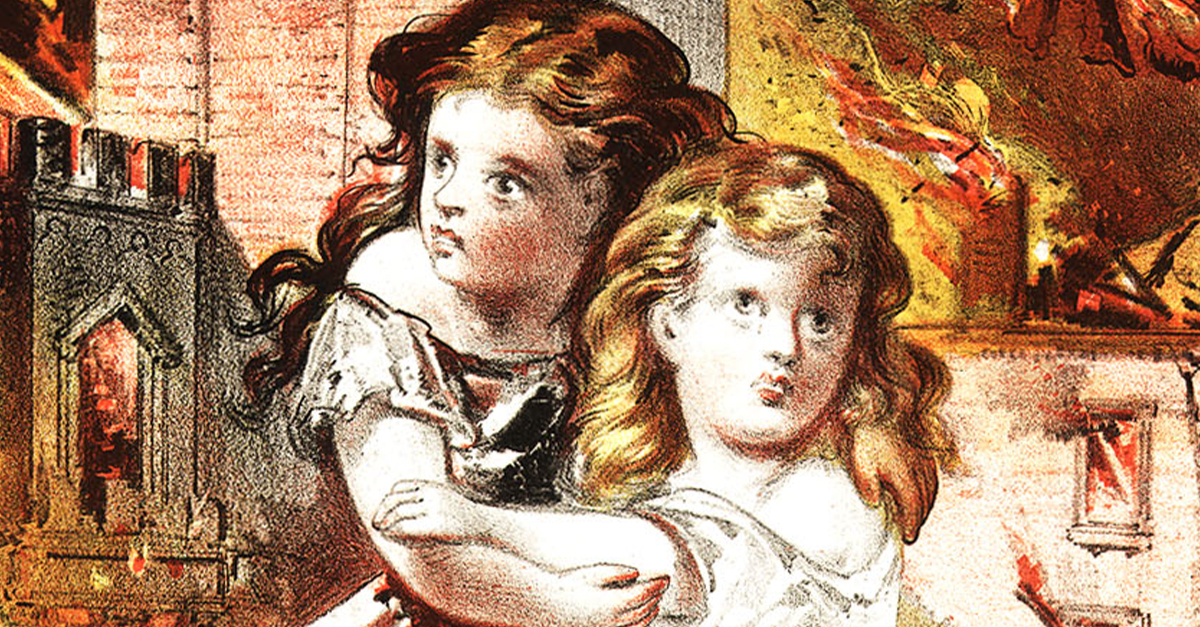
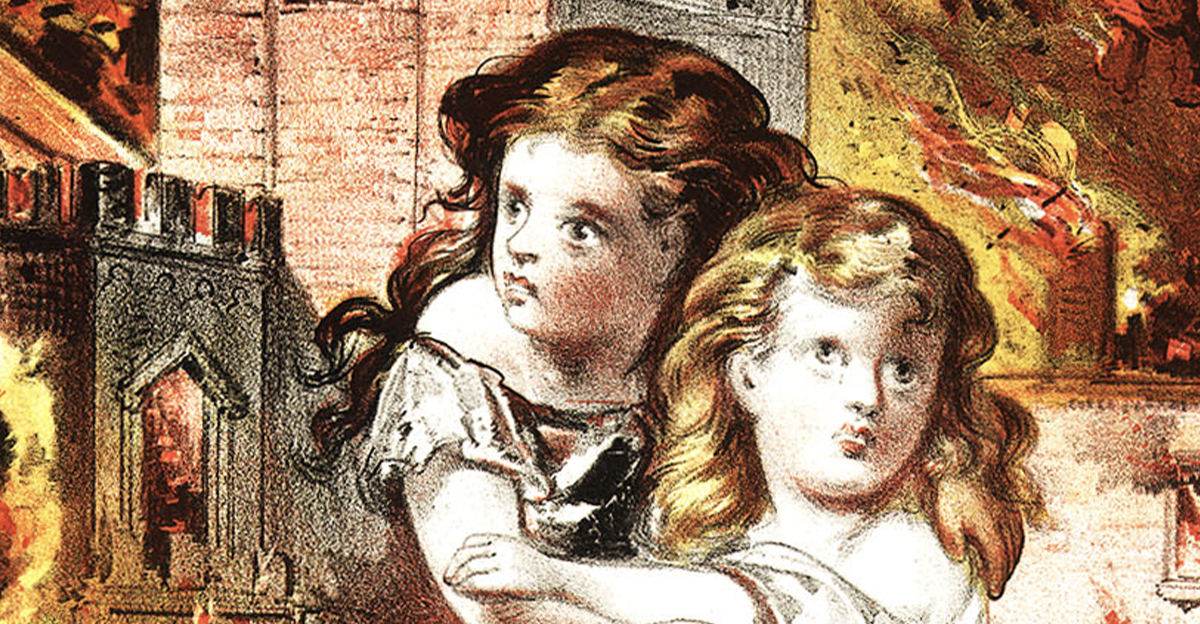
Over one November weekend, a fire tore through the city’s business heart and exposed a brutal truth: even America’s richest cities could be brought to their knees by weak infrastructure, bad timing, and misplaced confidence.
 Transcendental Graphics, Getty Images
Boston Looked Powerful Before The Flames
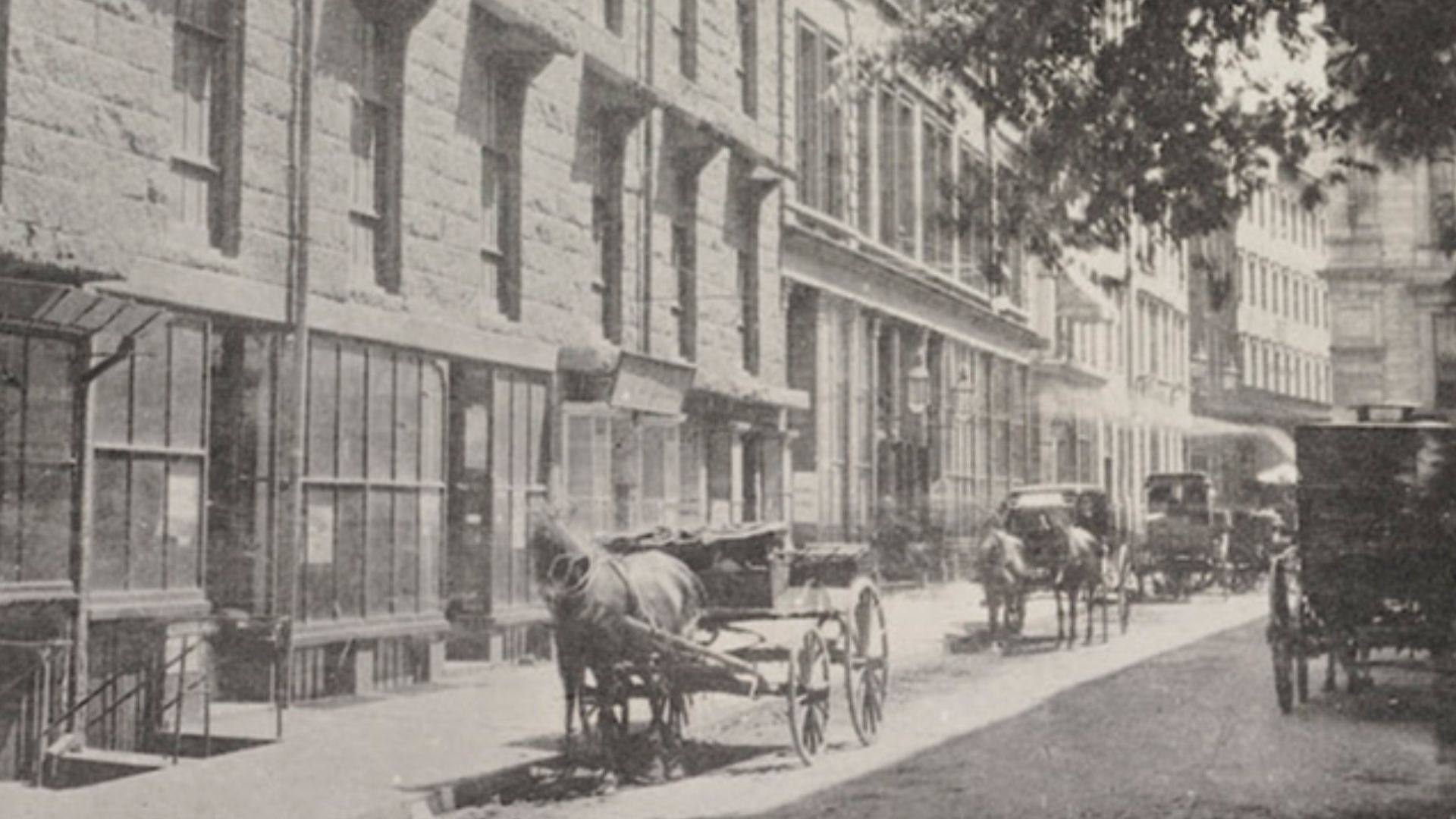
By the early 1870s, Boston was one of the most important commercial cities in the United States. Its downtown was dense, prosperous, and full of valuable goods. Merchants trusted brick walls, stone façades, insurance policies, and civic pride to protect them. The fire proved that wealth could create the illusion of safety without actually providing it.
 Author unknown, Wikimedia Commons
The Fire Started On Summer Street
The fire began on the evening of November 9, 1872, in Boston’s commercial district near Summer and Kingston Streets. The first alarm was sounded at 7:24 p.m., and firefighters arrived to find the building already heavily involved. But what started as a local emergency soon became the most destructive fire in Boston’s history.
 James Wallace Black, Wikimedia Commons
The Timing Could Not Have Been Worse
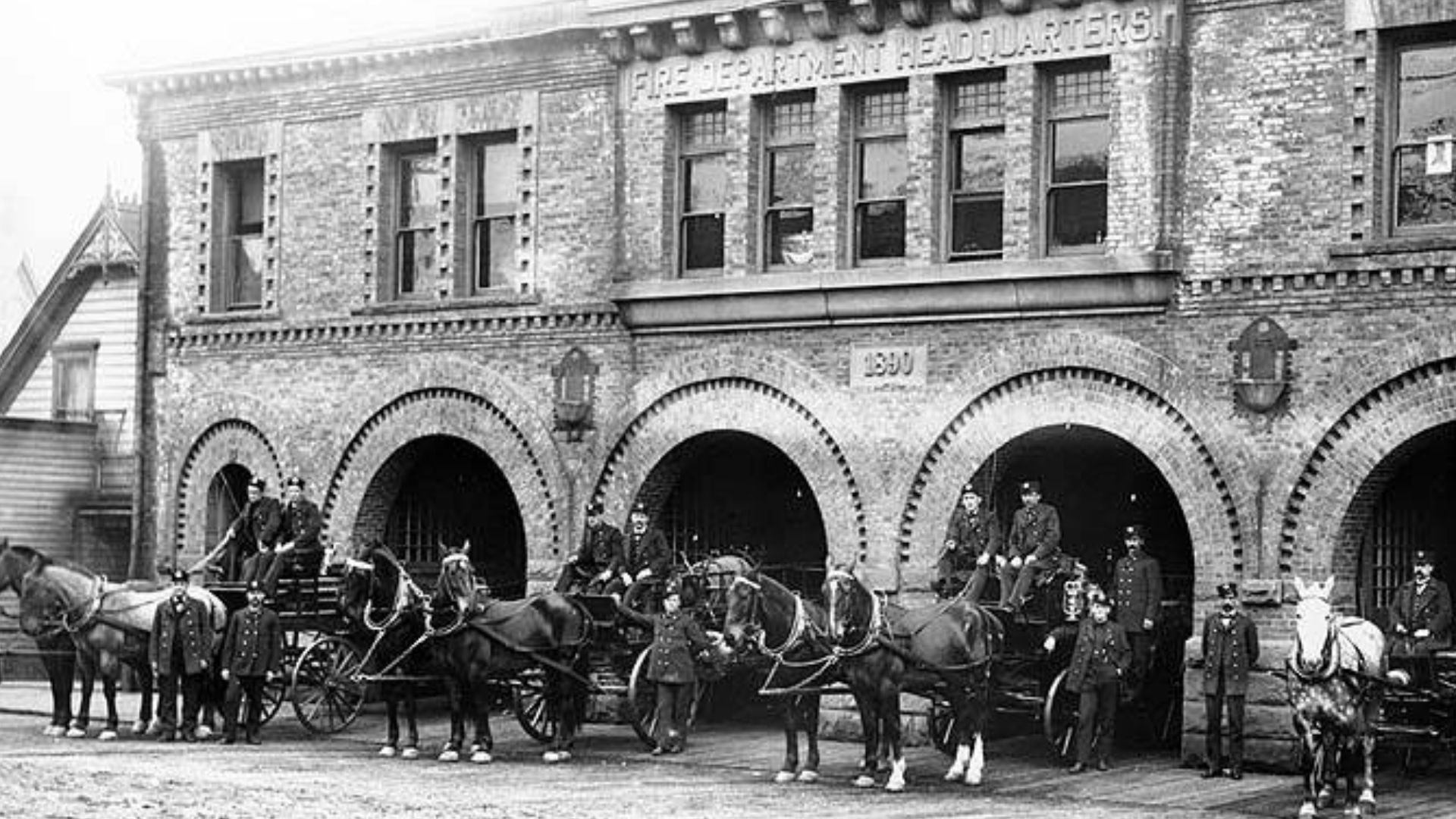
Boston’s firefighters were already facing a crisis before the first alarm rang. An epizootic disease had swept through the city’s horses, weakening the animals that normally pulled heavy fire apparatus. With fire engines harder to move quickly, Boston entered one of its worst disasters with part of its emergency system already compromised.
 Unknown authorUnknown author, Wikimedia Commons
The City Had Grown Faster Than Its Infrastructure
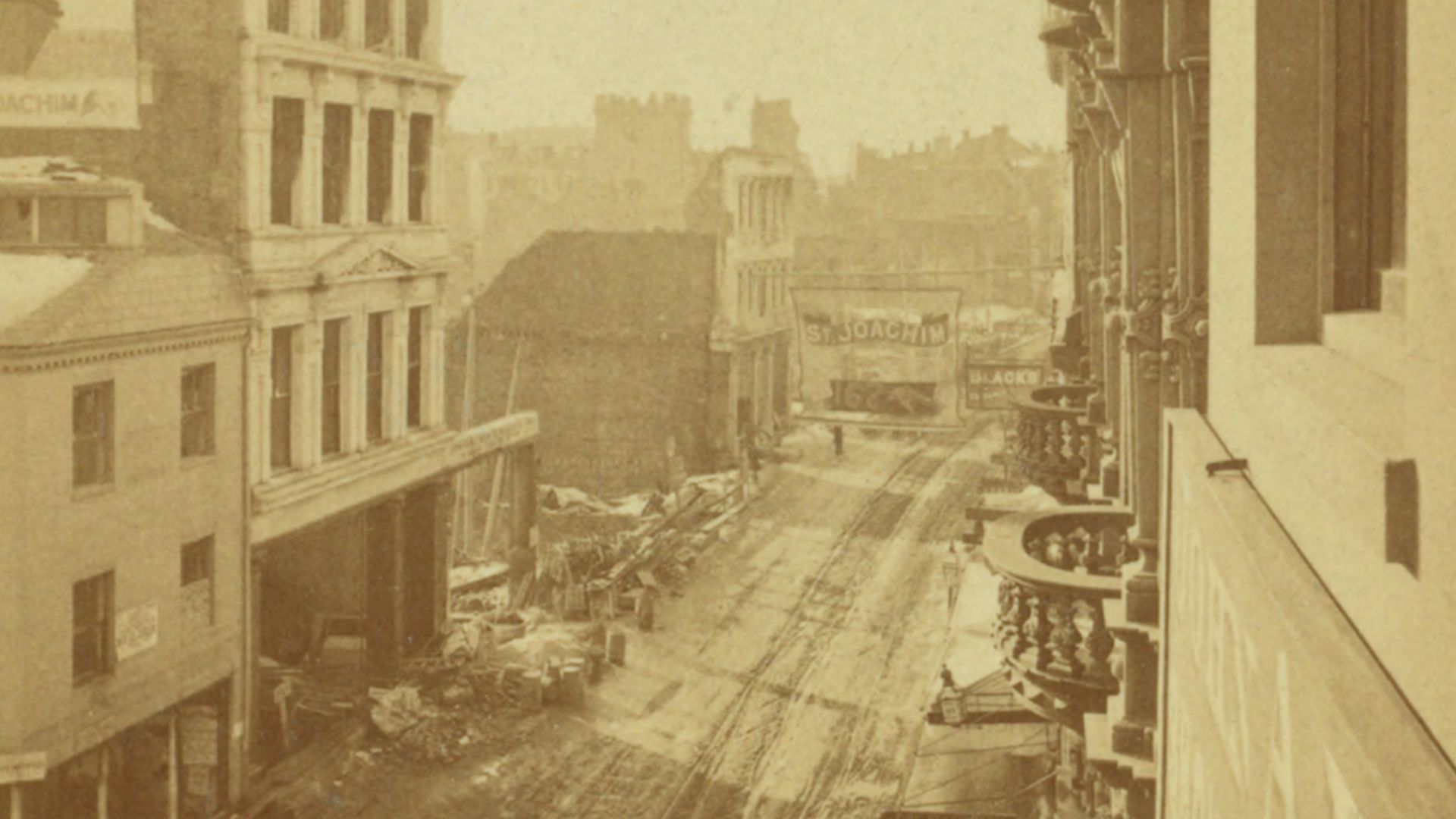
After the Civil War, Boston’s downtown developed rapidly, but its public works did not keep pace. The city needed better water mains, stronger building rules, and wider streets. Instead, valuable blocks filled up faster than safety systems improved. The fire showed what happens when growth outruns planning.
 Unknown artistUnknown artist, Wikimedia Commons
Narrow Streets Helped The Fire Spread
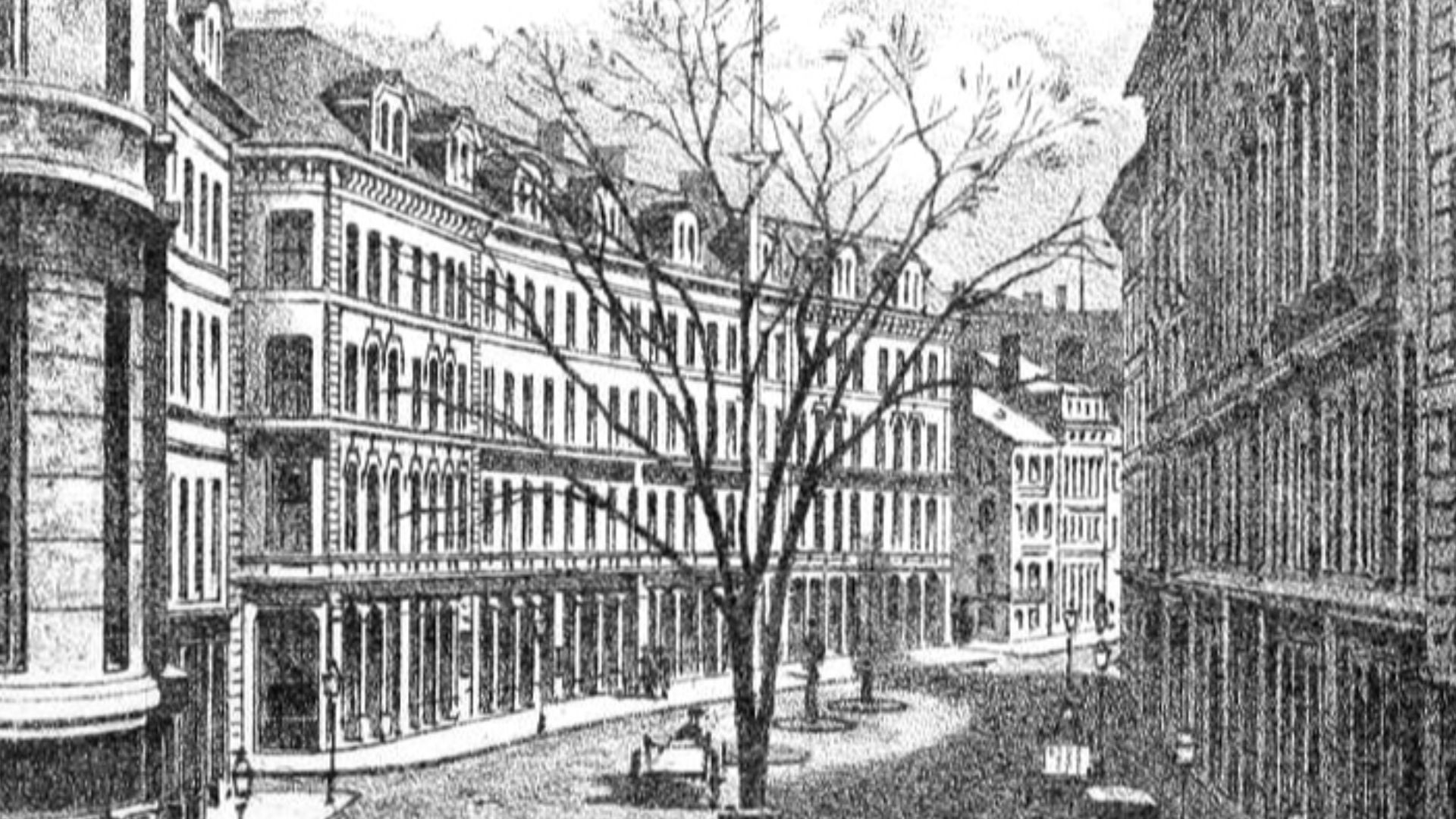
Boston’s old street pattern made the disaster worse. Narrow streets allowed flames to jump from building to building and made it harder for firefighters to maneuver. What had once seemed like charming urban density became a trap. In a packed commercial district, one burning structure could quickly endanger an entire neighborhood.
 J. Mayer & Co. Lith., Wikimedia Commons
Mansard Roofs Became Fuel
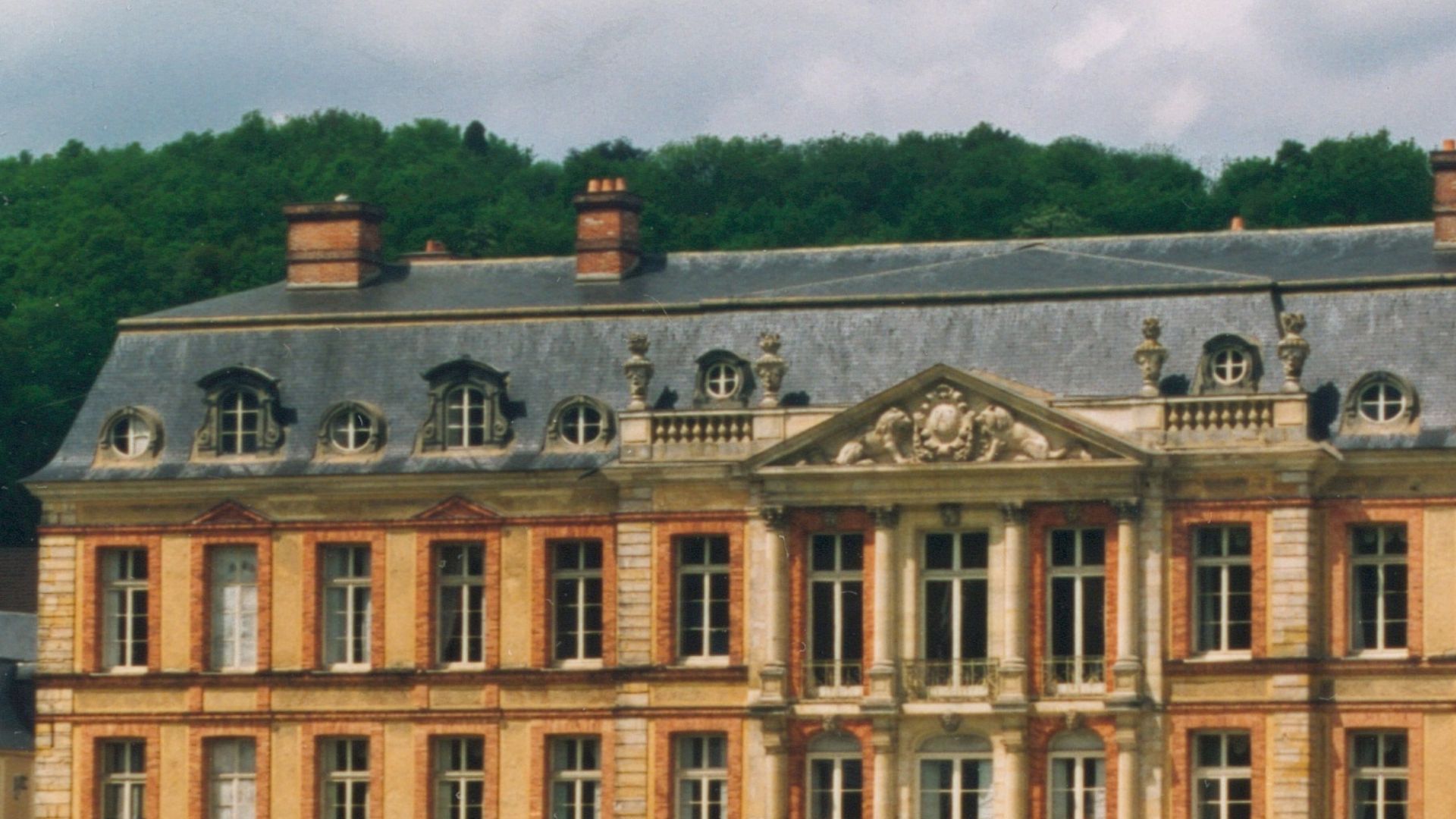
Many downtown buildings had fashionable Mansard roofs, which helped give the area a modern, elegant look. Unfortunately, those roofs often contained wooden elements that burned fiercely. The very architecture that made Boston’s commercial district look prosperous helped feed the fire once the flames reached the upper stories.
 Patrick Giraud (aka Calips at fr.wikipedia), Wikimedia Commons
Brick And Stone Did Not Save The City
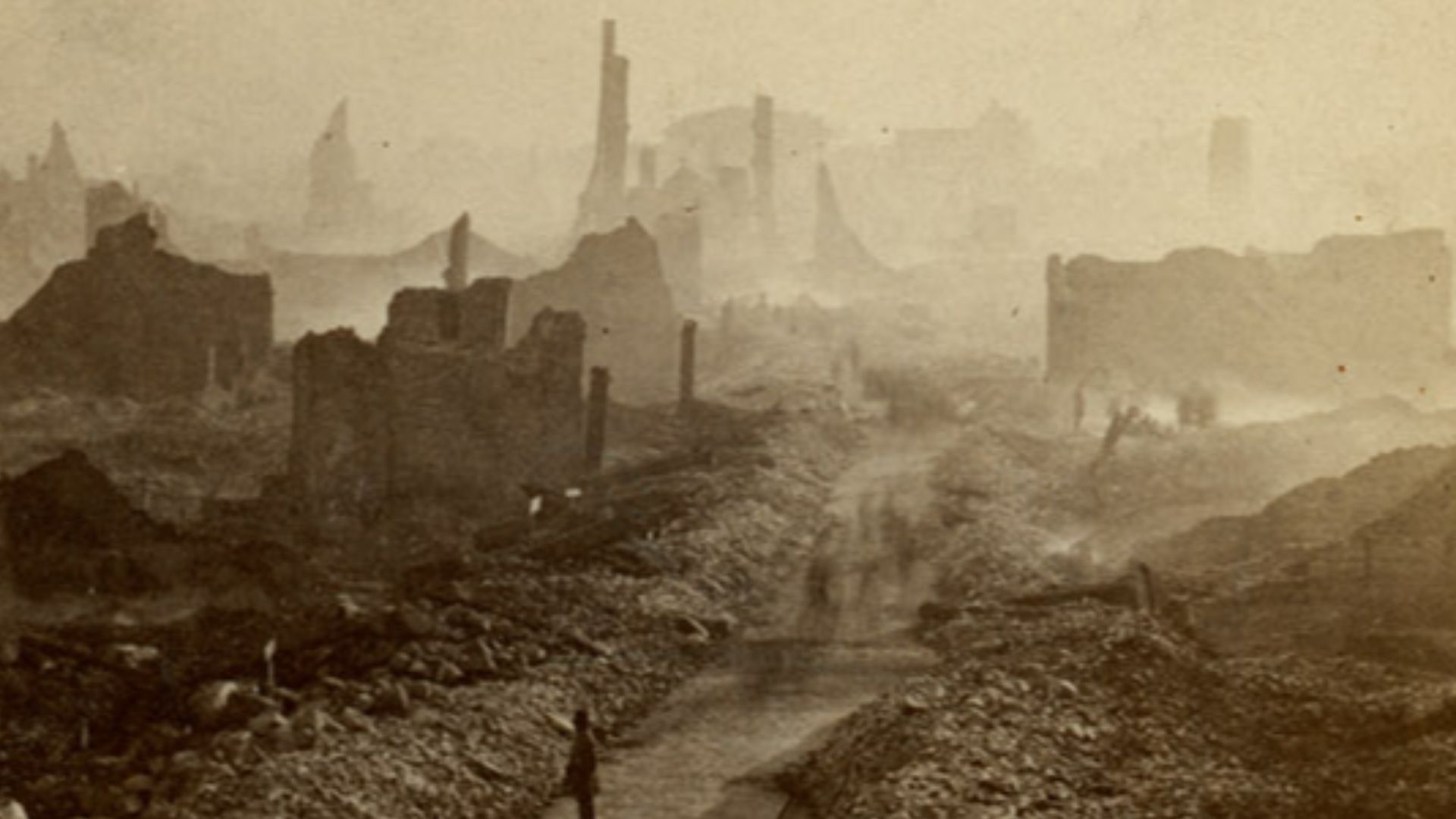
Many buildings in the fire zone were made of brick or stone, which sounded reassuring on paper. But wooden window frames, interiors, roofs, and fixtures still allowed flames to spread. Boston learned that a “fireproof” appearance was not the same as fireproof construction, especially in tightly packed blocks.
 Svenska litteratursällskapet i Finland, Wikimedia Commons
The Fire Created Its Own Momentum
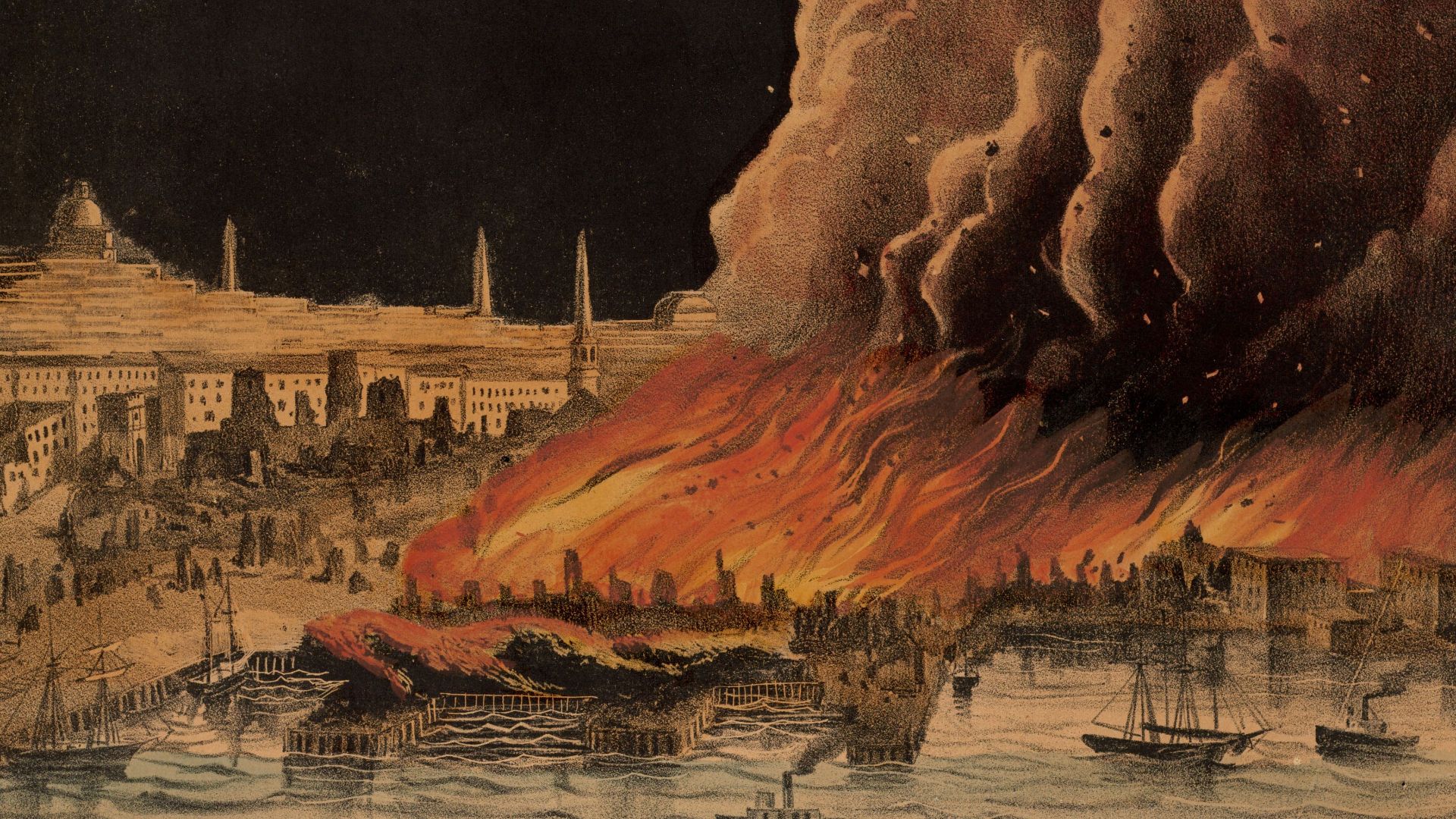
As the blaze grew, heat intensified and the fire became harder to control. Flames moved across rooftops, through windows, and along crowded commercial streets. Firefighters were not simply fighting one building fire. They were fighting a spreading urban disaster with enough heat and energy to overwhelm ordinary tactics.
 Unknown authorUnknown author, Wikimedia Commons

History's most fascinating stories and darkest secrets, delivered to your inbox daily.
Help Came From Other Cities
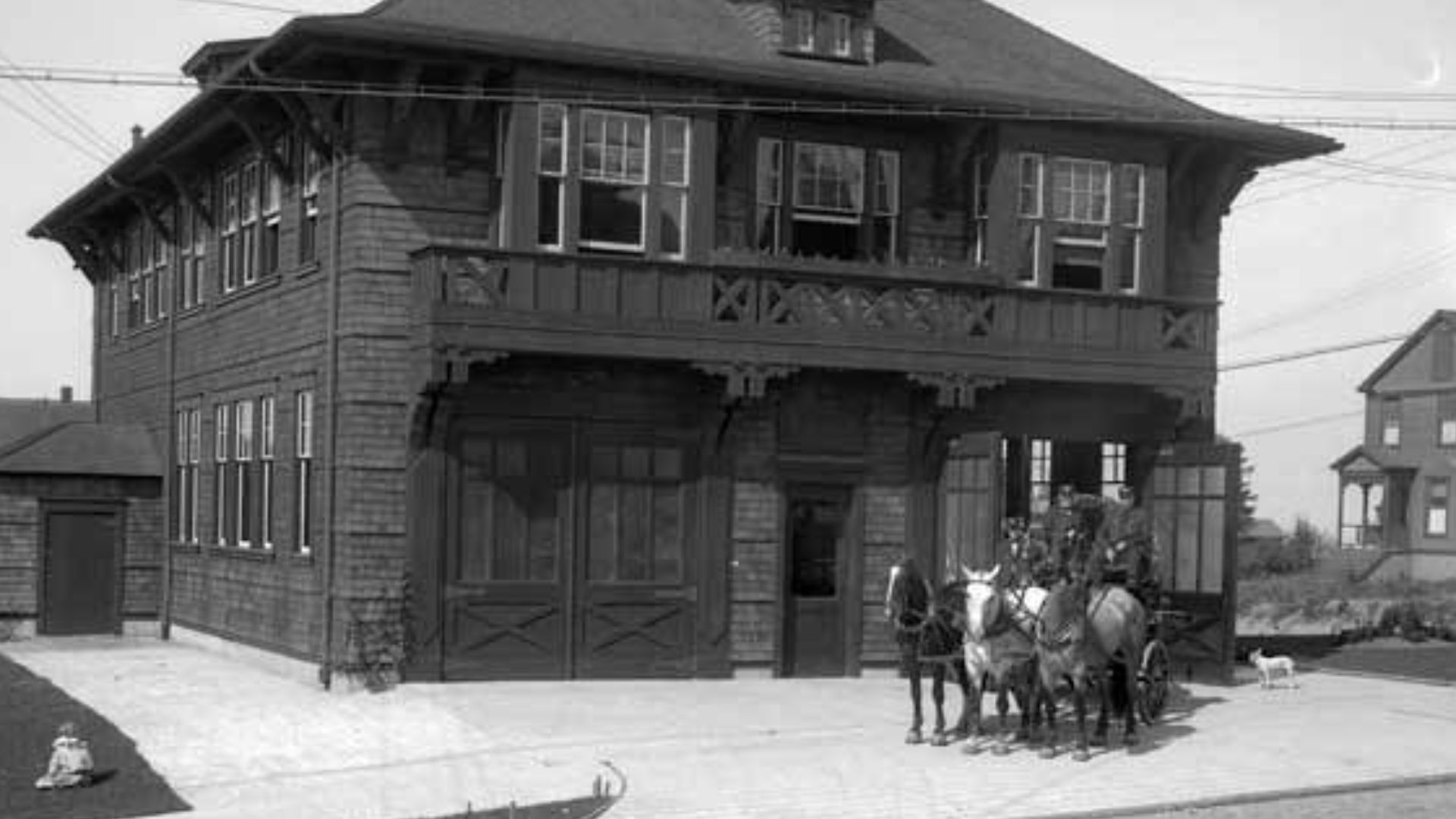
Boston called for assistance from nearby towns and cities, and some fire engines arrived by rail from farther away. Firefighters from surrounding communities rushed in to help. Their response showed regional solidarity, but it also revealed how badly Boston needed outside help once its own resources were stretched past the breaking point.
 Webster & Stevens, Wikimedia Commons
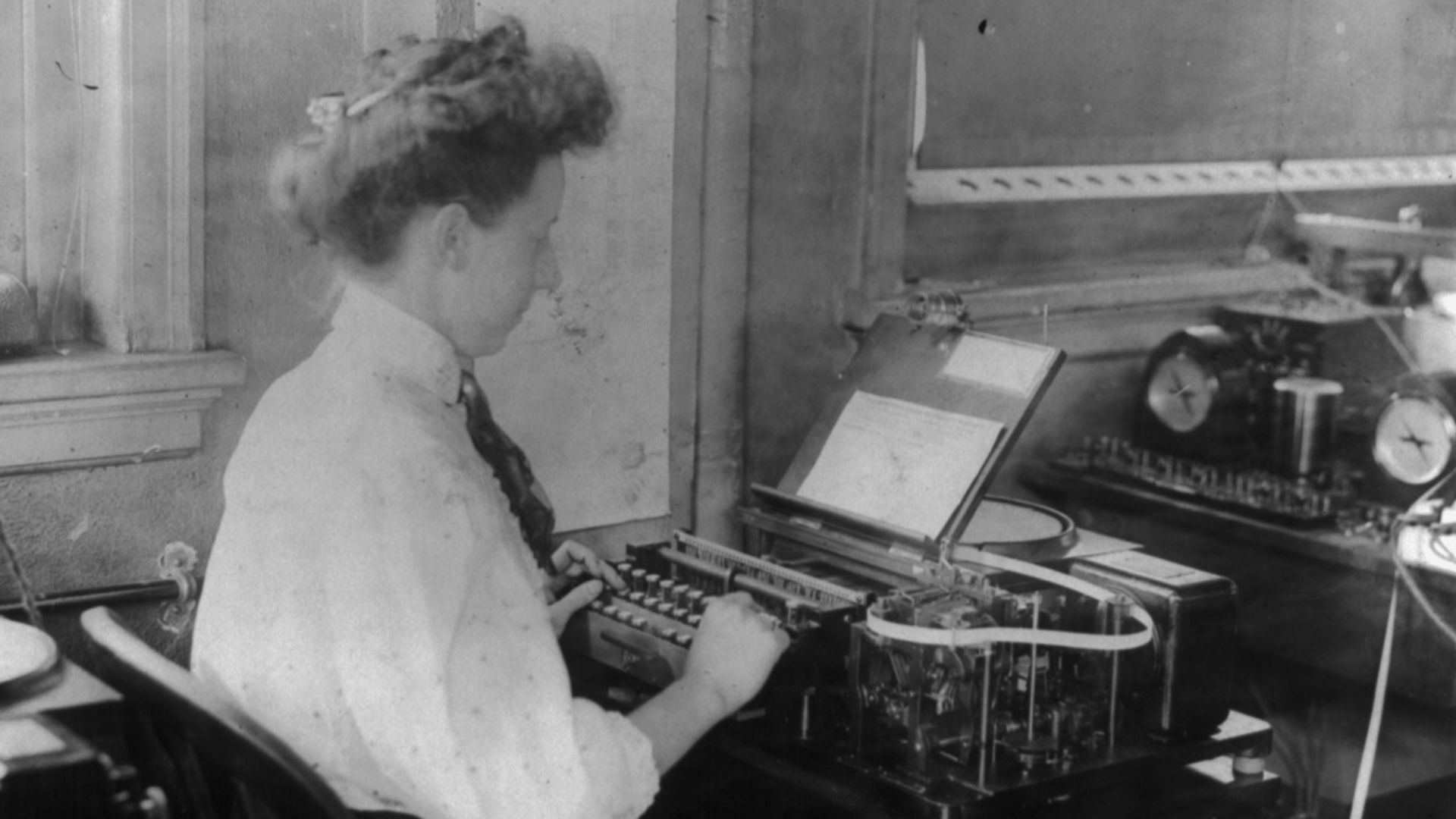
Telegraph Problems Delayed The Response
Urgent calls for assistance were sent by telegraph, but help was delayed in part because some offices had already closed for the evening. In an age before modern emergency communication, even a rich city could struggle to send fast, coordinated calls for help. The disaster exposed how fragile nineteenth-century communication systems could be.
 Schmidt, John Robert, copyright claimant, Wikimedia Commons
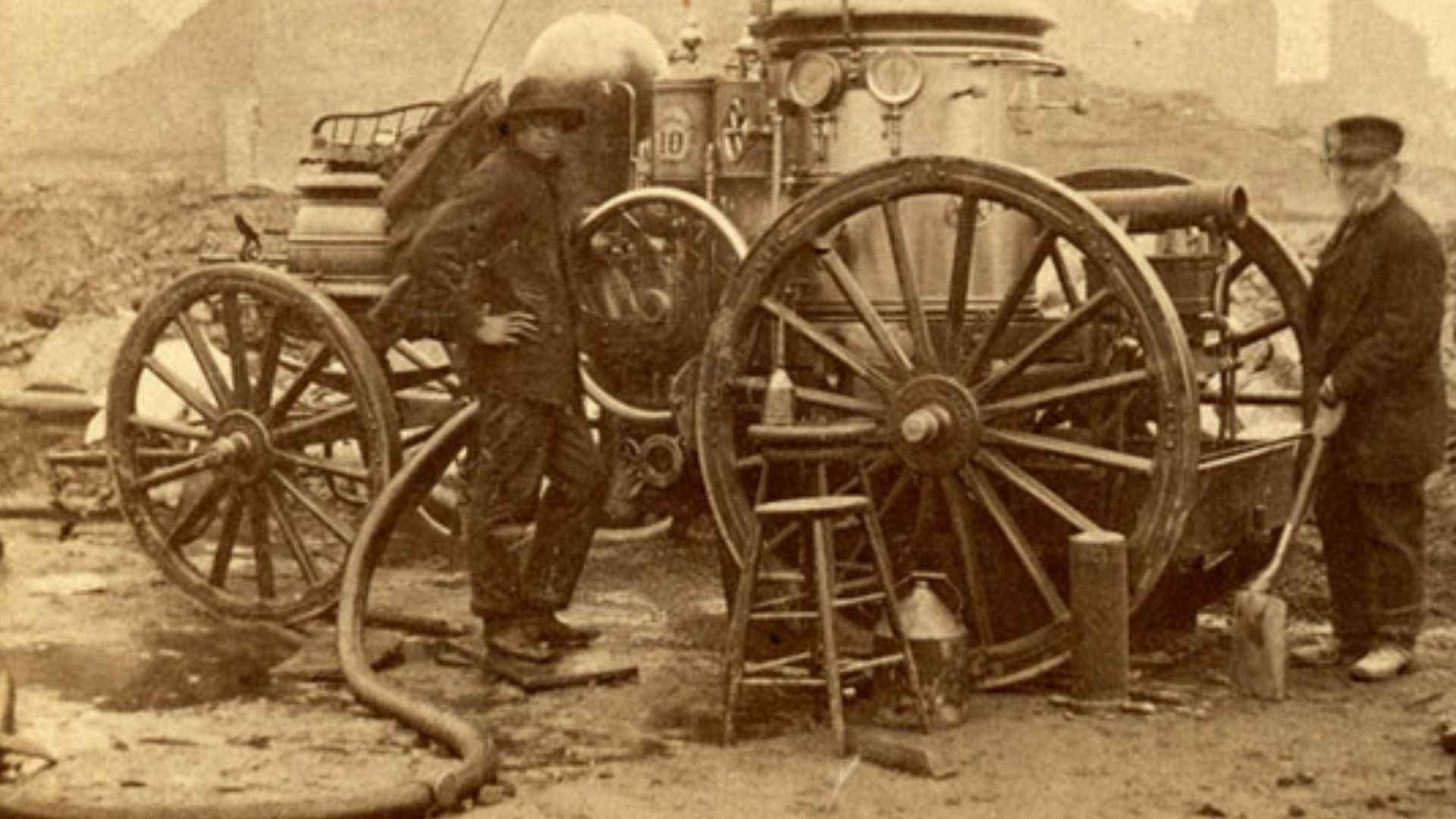
Firefighters Fought For More Than Twelve Hours
The fire burned out of control for more than twelve hours. Crews battled through the night as flames consumed buildings, businesses, records, merchandise, and livelihoods. The length of the fight showed that Boston’s problem was not simply a slow first response. The city’s built environment had become dangerously difficult to defend.
 Svenska litteratursällskapet i Finland, Wikimedia Commons
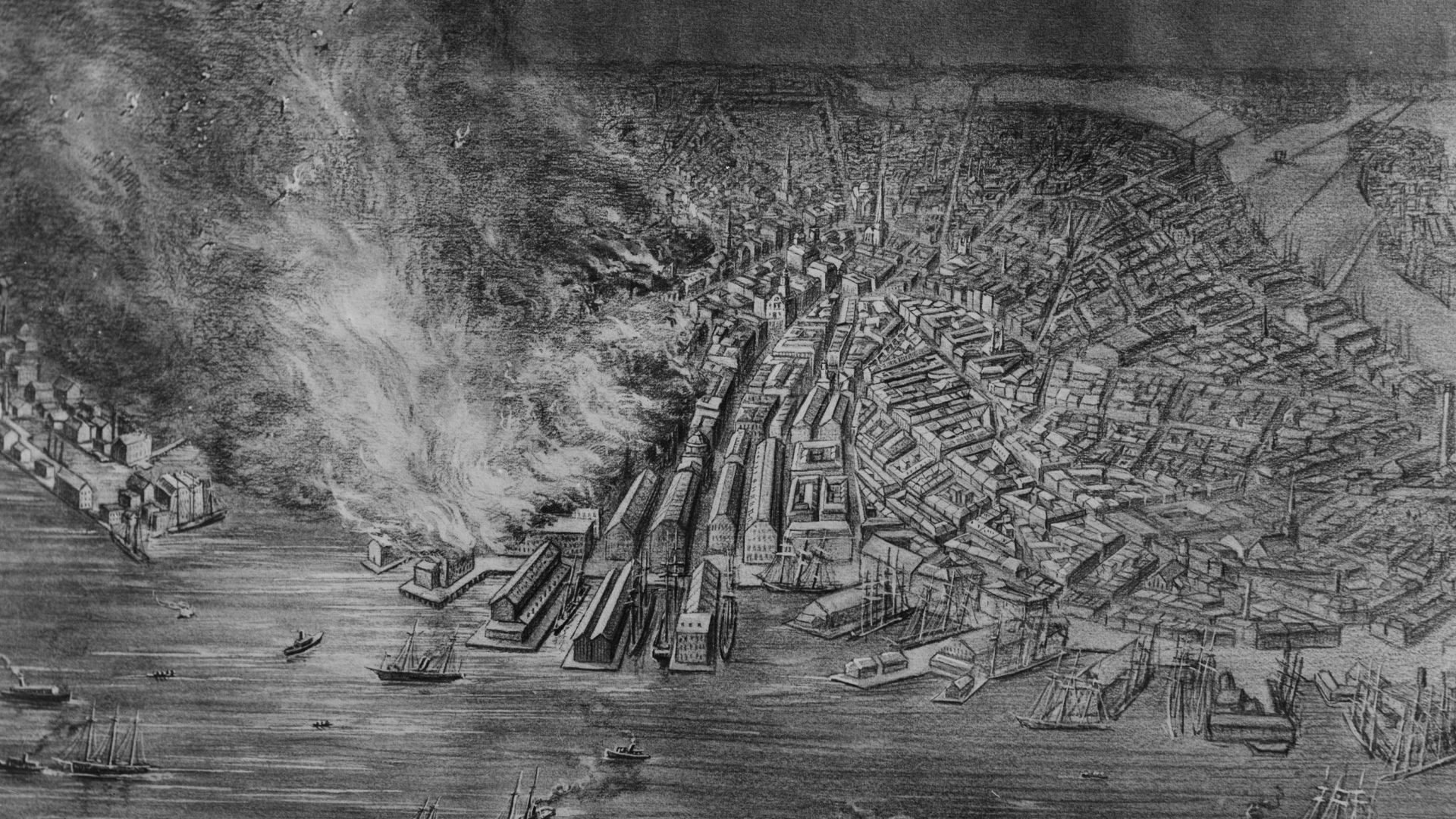
Gunpowder Demolitions Made The Crisis More Chaotic
In an attempt to create firebreaks, some buildings were blown up with black gunpowder. The tactic was controversial and did not always help. In the confusion, explosions could scatter burning debris and worsen the danger. The desperate measure showed how quickly officials ran out of better options.
 Miscellaneous Items in High Demand, PPOC, Library of Congress, Wikimedia Commons
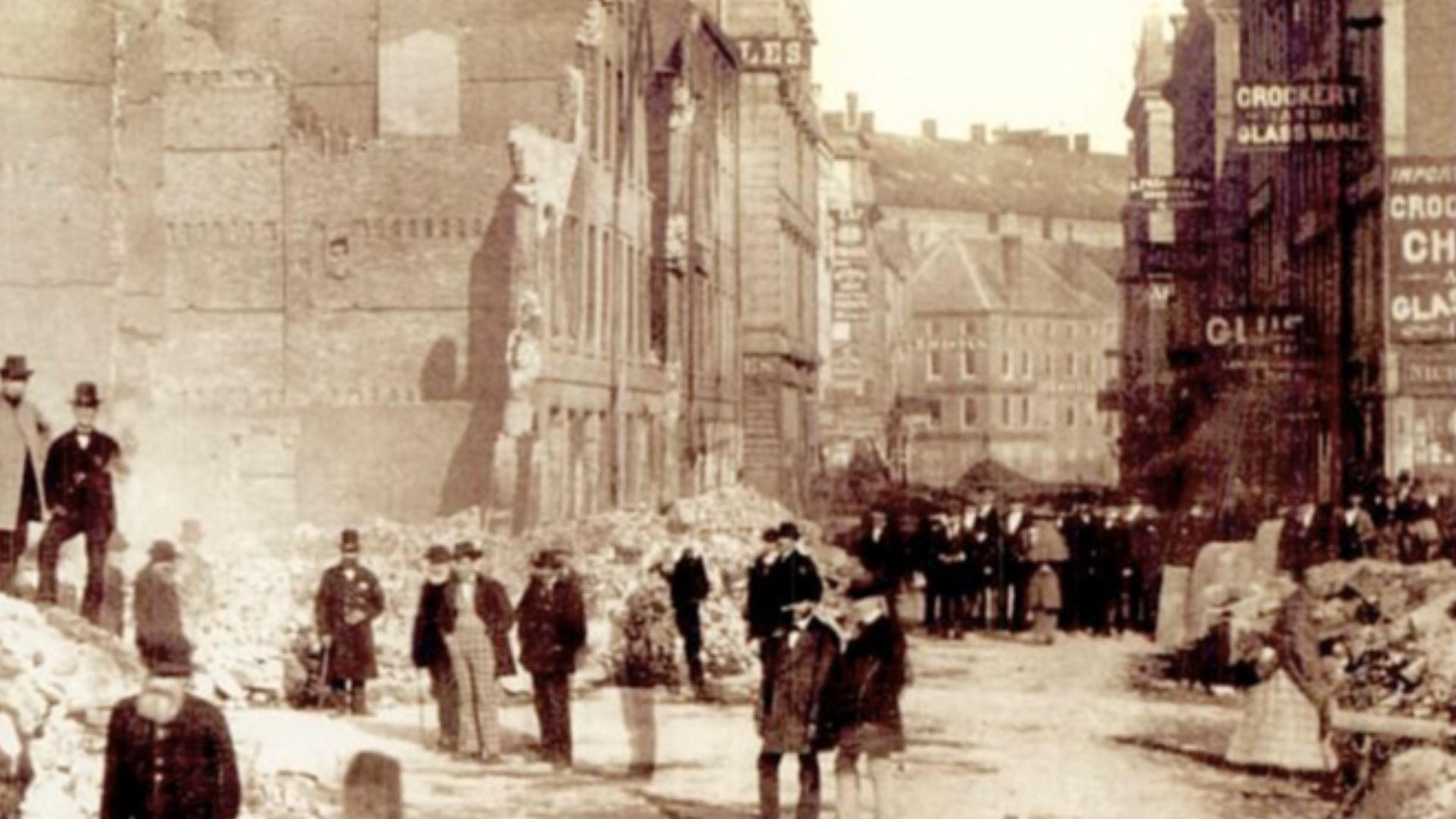
Merchants Tried To Save What They Could
As the fire spread, business owners and workers rushed to remove goods, records, and valuables from threatened buildings. Streets filled with people trying to save property while avoiding flames and falling debris. For merchants, the disaster was not abstract. Their inventories, accounts, and futures were disappearing block by block.
 Author unknown, Wikimedia Commons
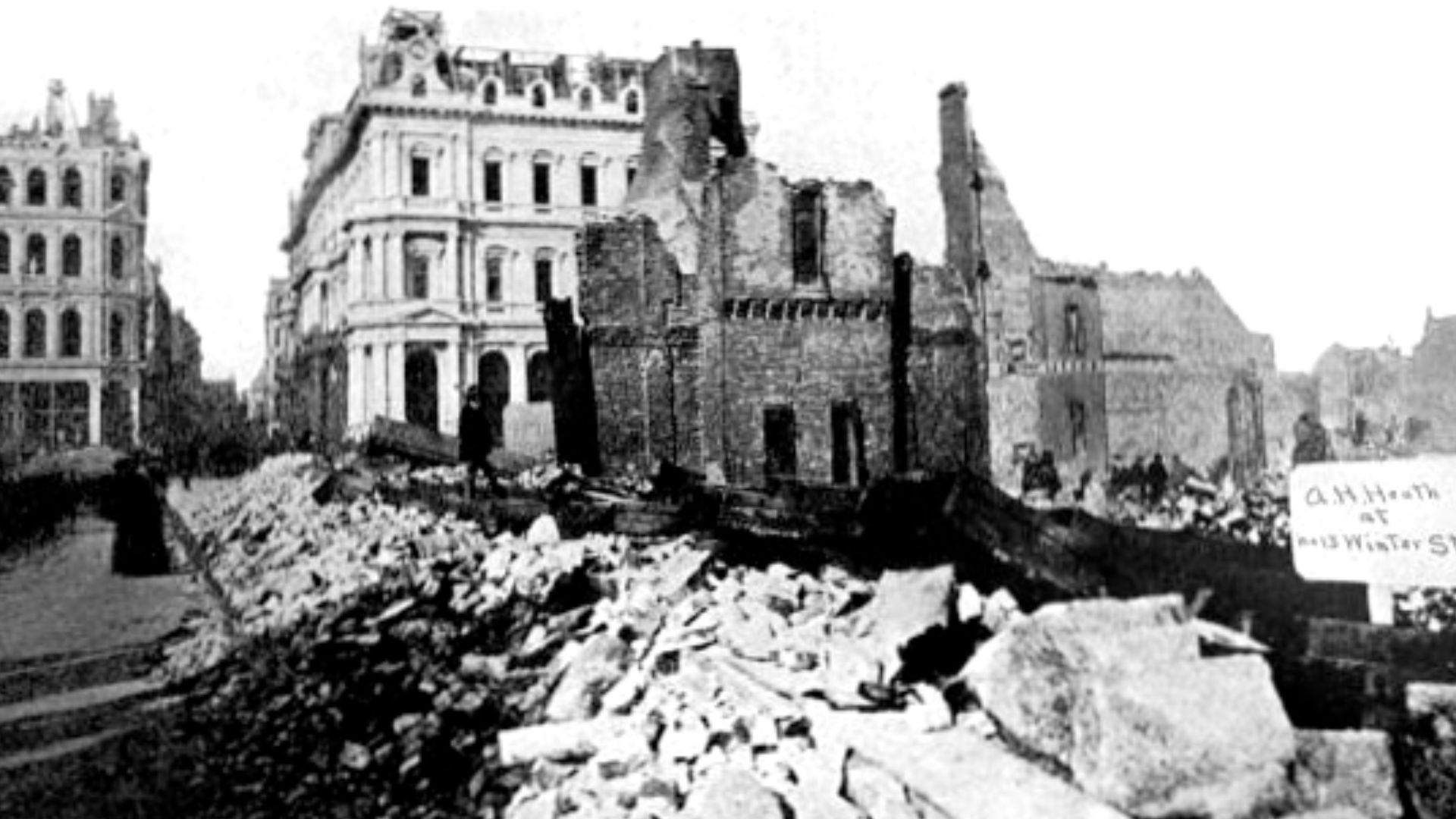
The Fire Destroyed Hundreds Of Buildings
By the time the flames were controlled, the scale of destruction was staggering. The fire destroyed 776 buildings across about 65 acres of downtown Boston. More than 1,000 businesses were affected. In one weekend, a wealthy commercial district that had seemed permanent was reduced to ruins.
 Author unknown, Wikimedia Commons
The Financial Loss Was Enormous
The property and personal losses were extraordinary for the period, with total damage often estimated at more than $70 million in 1872 dollars. For a city built on commerce, insurance, shipping, and finance, the fire was not just a physical disaster. It was an economic shock that rippled through businesses and households.
![An 1872 bird's eye view map of the damage from the Great Fire. Publisher: [s.n.]
Date: 1872
Location: Boston (Mass.)
Scale: Not drawn to scale.
Call Number: G3764.B6A3 1872.B6](https://www.factinate.com/storage/app/media/factinate/2026/7/29/17853211119758f9593dfaf3f1892f044b5bd48ce9ca0e17c3.jpg) Pi.1415926535, Wikimedia Commons
Pi.1415926535, Wikimedia Commons
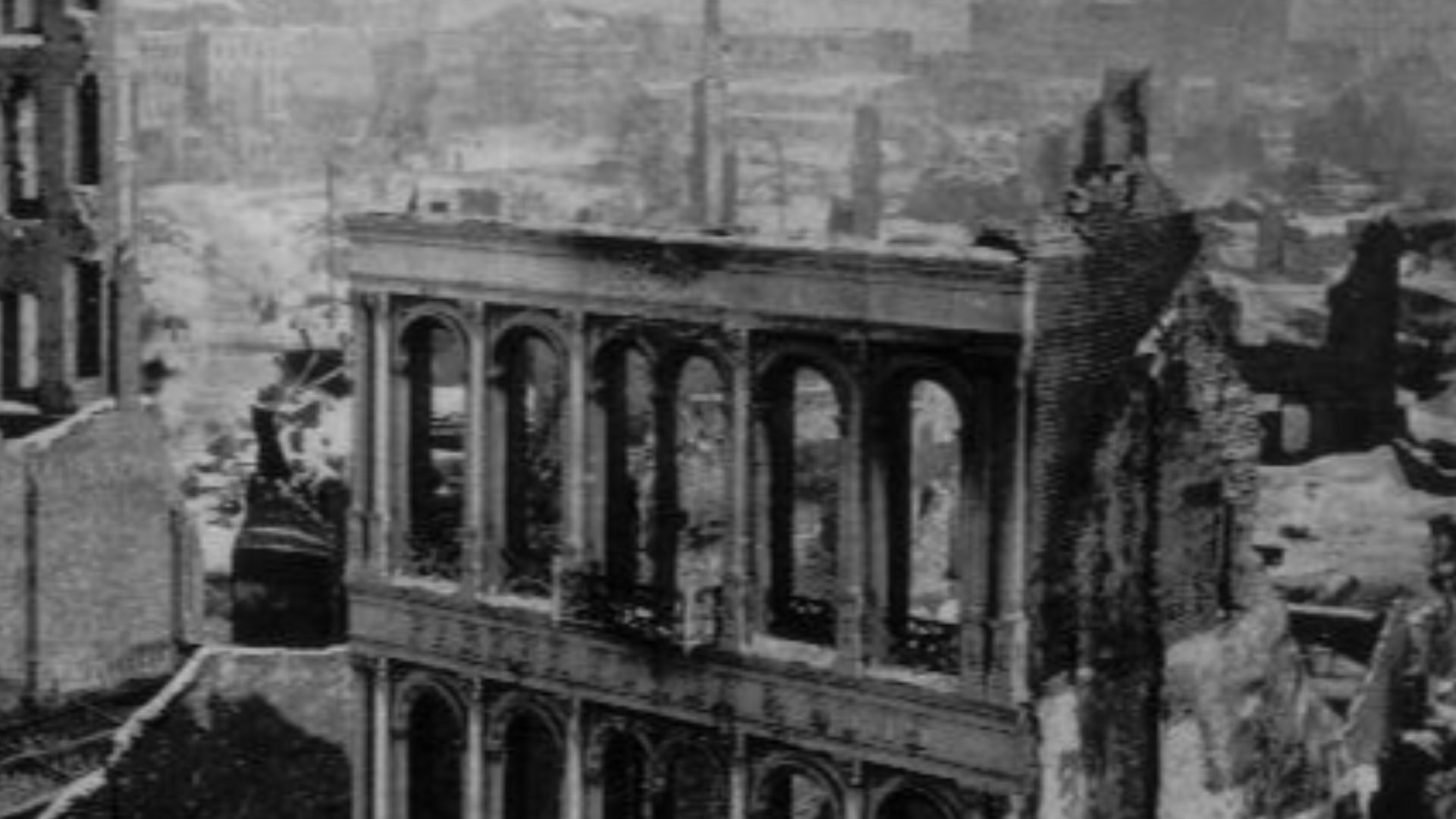
Insurance Could Not Solve Everything
Many businesses carried insurance, which helped Boston rebuild more quickly than poorer cities might have. But insurance could not replace lost records, personal possessions, jobs, or lives. It also could not hide the fact that the city’s expensive buildings had failed under pressure. Money softened the blow, but it did not prevent the disaster.
 Lotsofissues~commonswiki, Wikimedia Commons
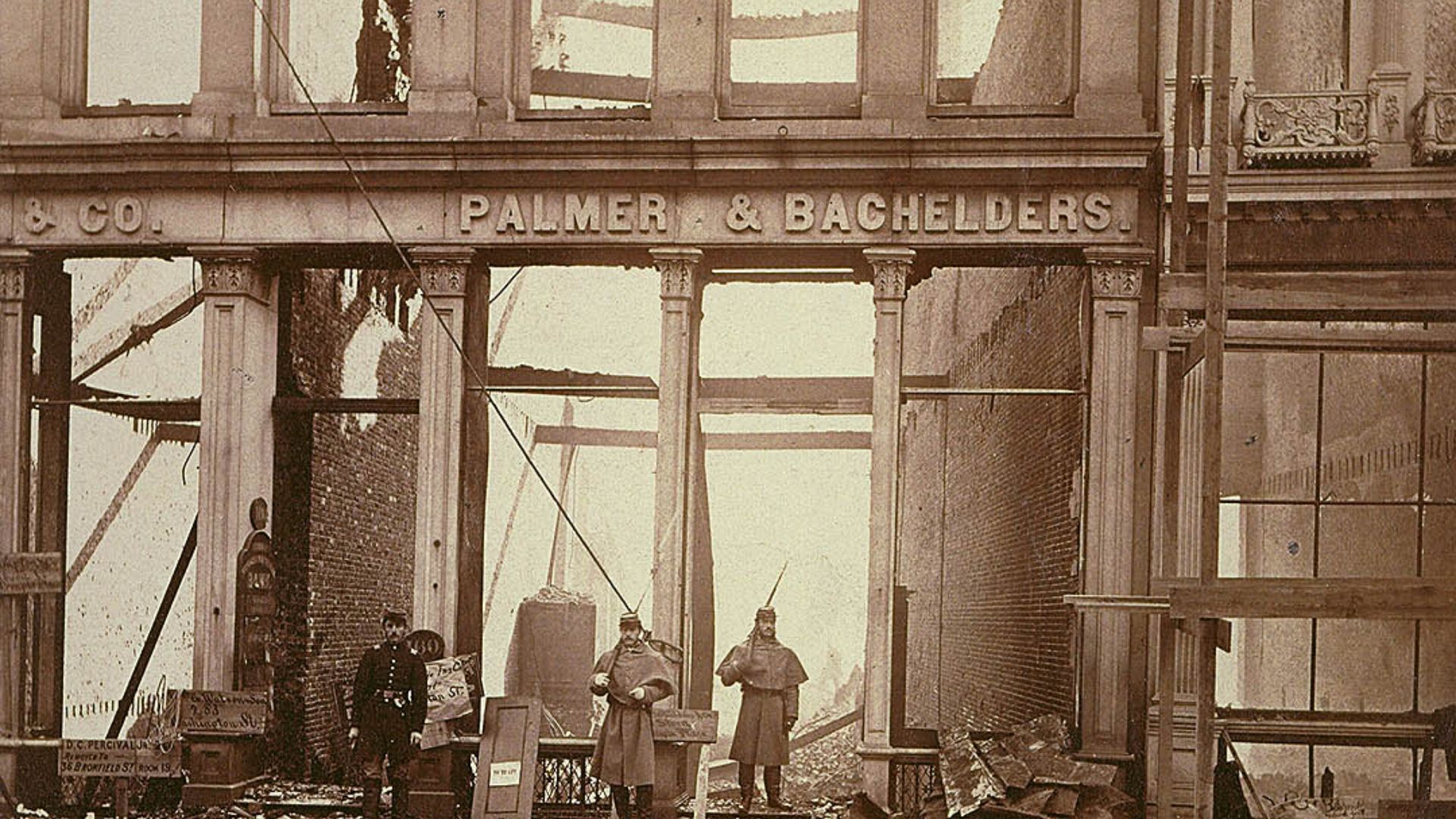
People Died In The Disaster
The Great Boston Fire was not only a story of property loss. Firefighters and civilians were killed, and others were injured. Their deaths are sometimes overshadowed by the dollar figures, but they are central to the tragedy. The city’s prosperity did not protect the people who stood in the fire’s path.
 James Wallace Black, Wikimedia Commons
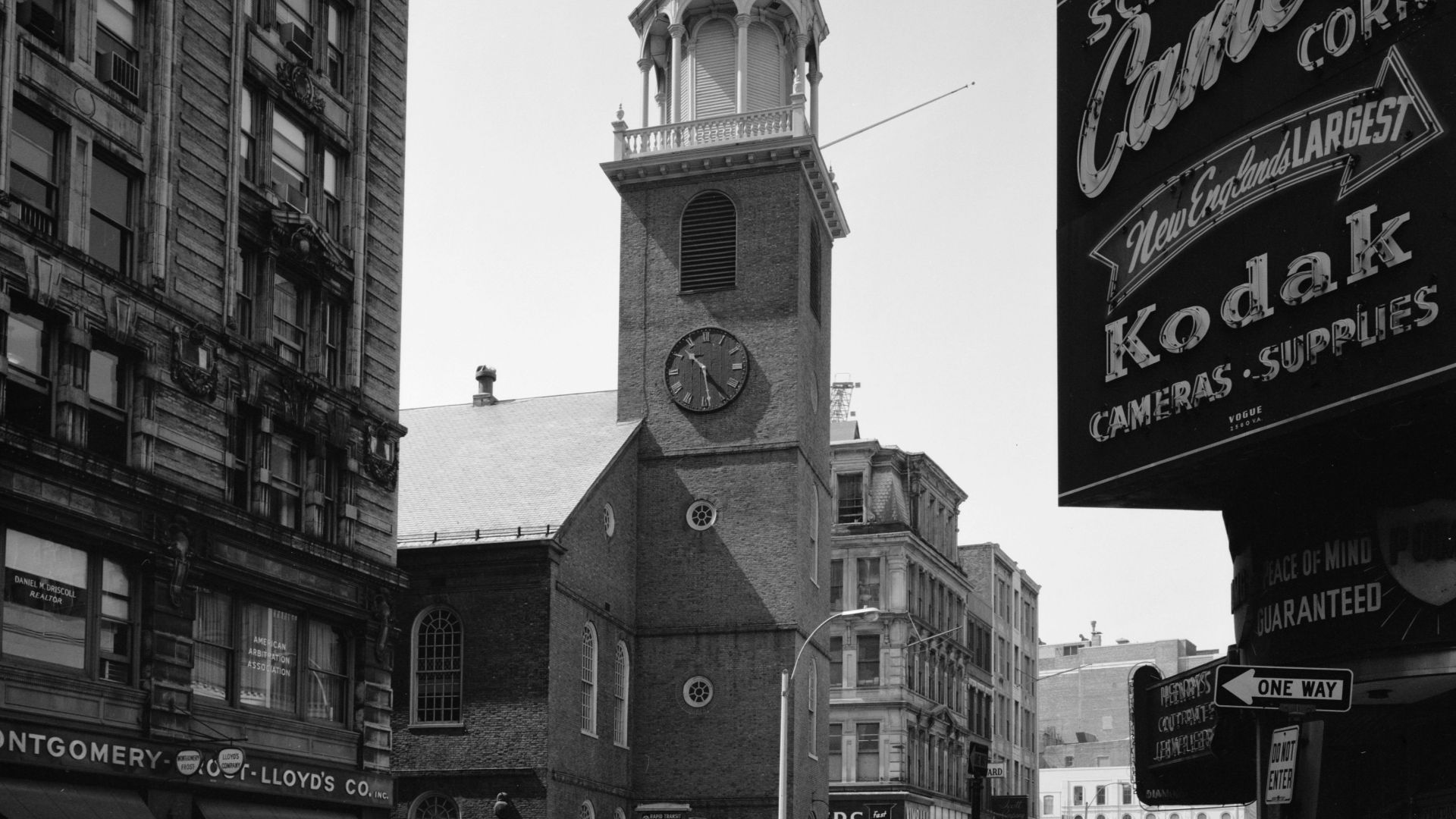
Old South Meeting House Narrowly Survived
One of the most dramatic moments came as flames threatened historic landmarks, including Old South Meeting House. Firefighters and citizens fought to save it, and its survival became a symbol of endurance. The near loss of such a famous site reminded Bostonians that history itself could be destroyed in a modern urban fire.
 Cortlandt V.D. Hubbard, Wikimedia Commons
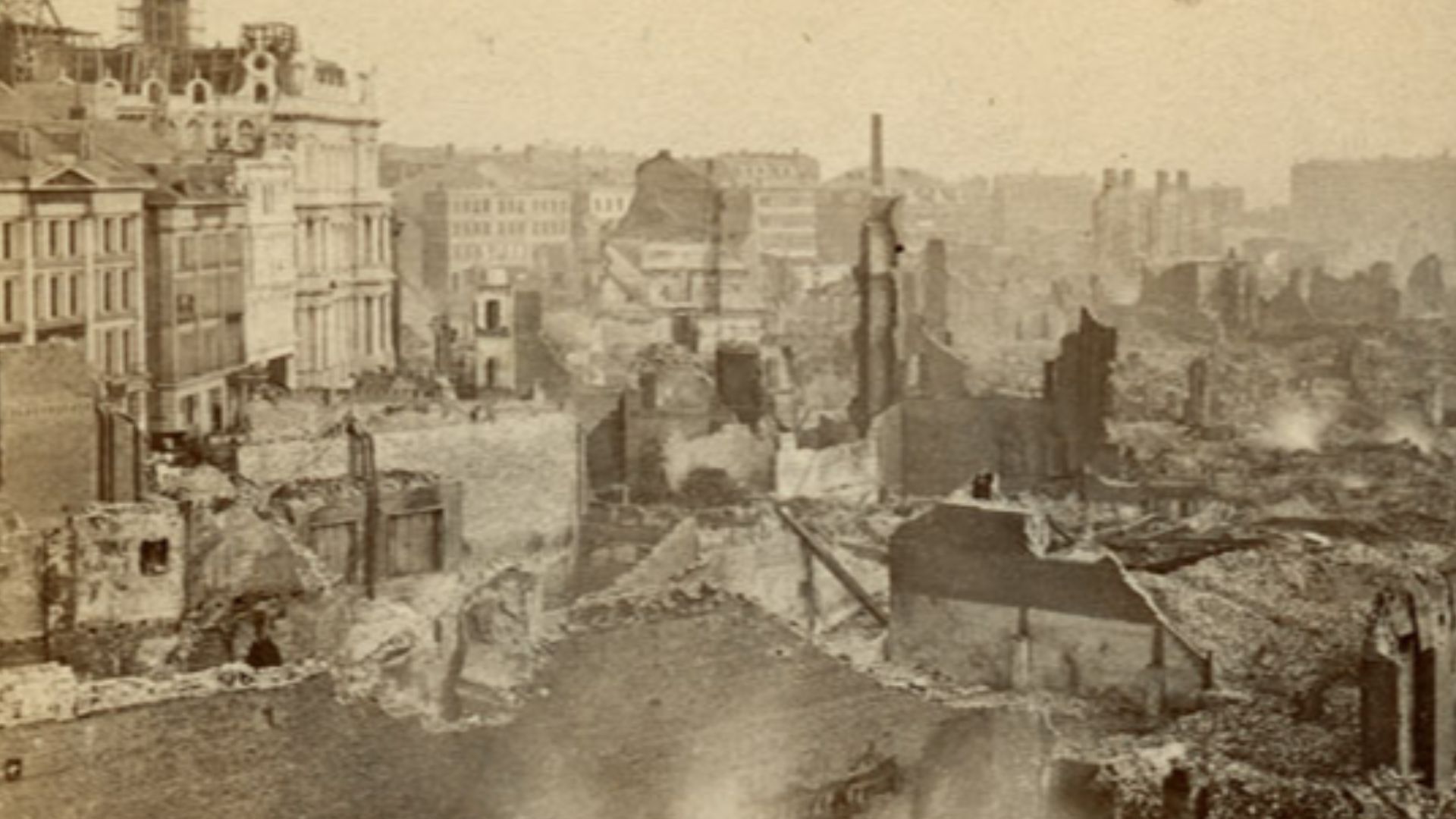
The Ruins Became A Public Spectacle
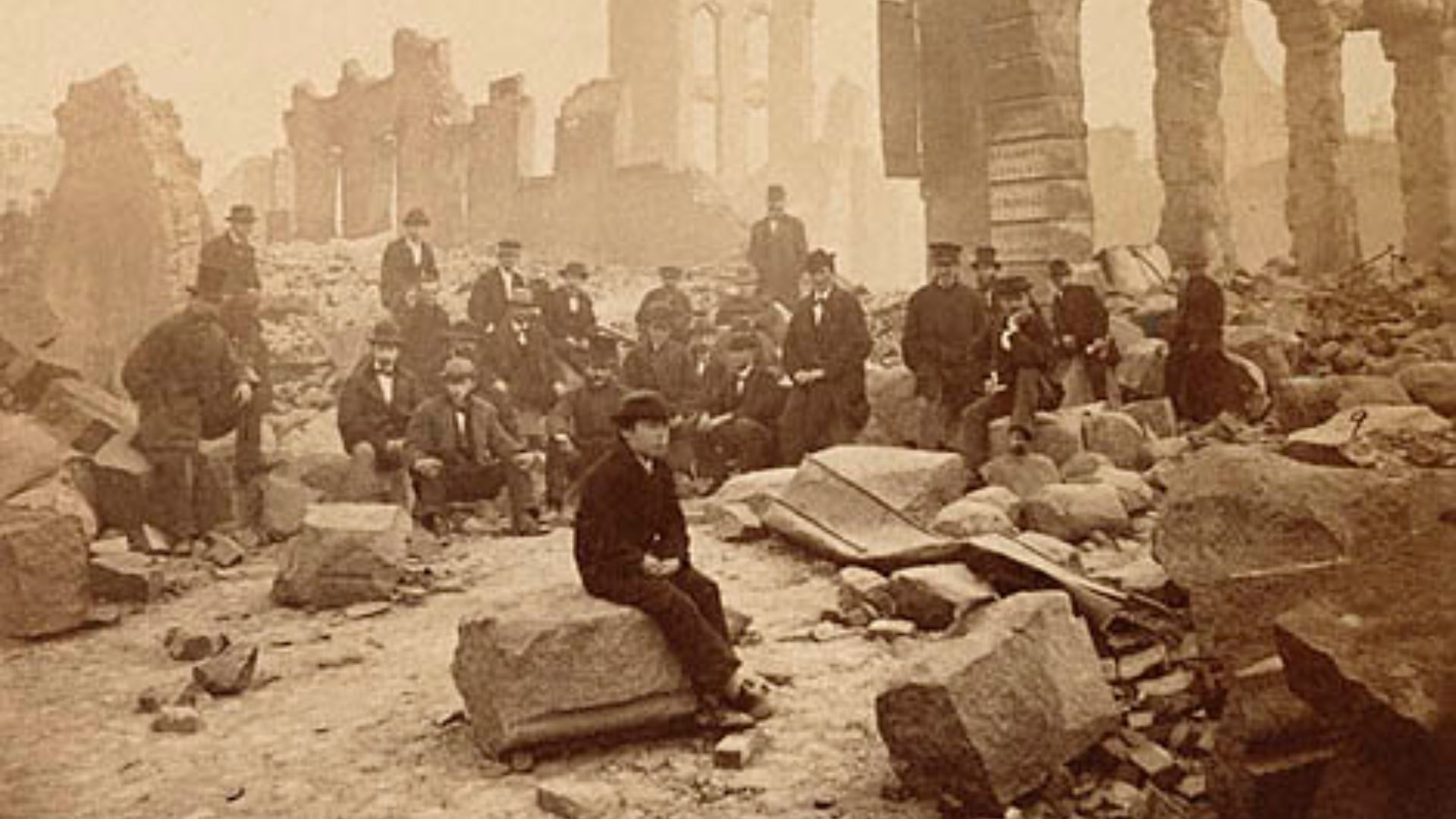
After the fire, people walked through the devastated district to see the wreckage. Photographs and prints documented blocks of ruined buildings, twisted metal, collapsed walls, and stunned crowds. The ruins became evidence that a city could look mighty one day and broken the next.
 Svenska litteratursällskapet i Finland, Wikimedia Commons
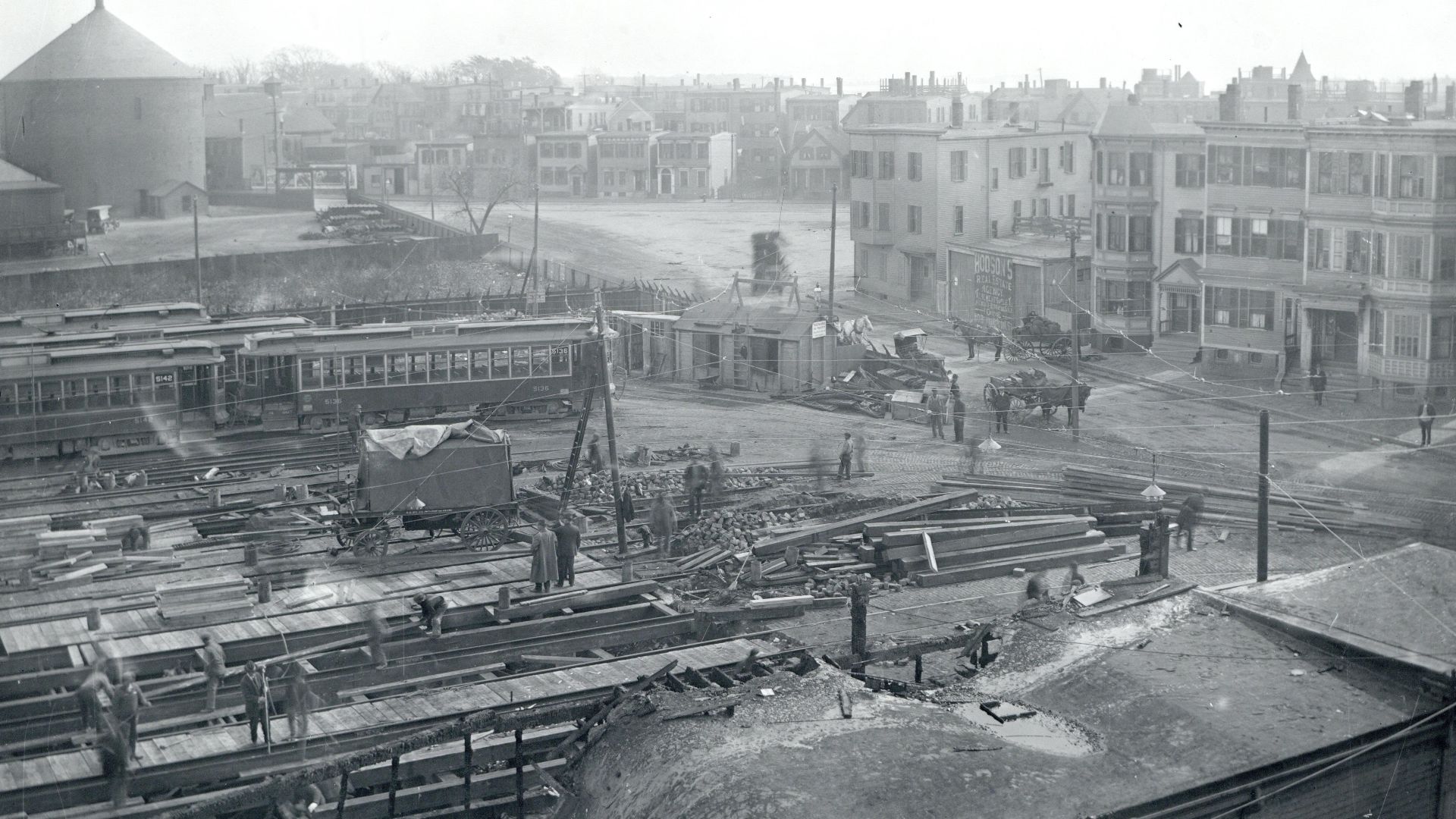
Boston Rebuilt With Remarkable Speed
Because the burned district was commercially valuable, rebuilding began quickly. Businesses wanted to return, property owners wanted income, and the city wanted to restore confidence. New buildings rose from the ashes, but rebuilding did not erase the lesson. Boston had been forced to confront the cost of ignoring safety.
 City of Boston Archives from West Roxbury, United States, Wikimedia Commons
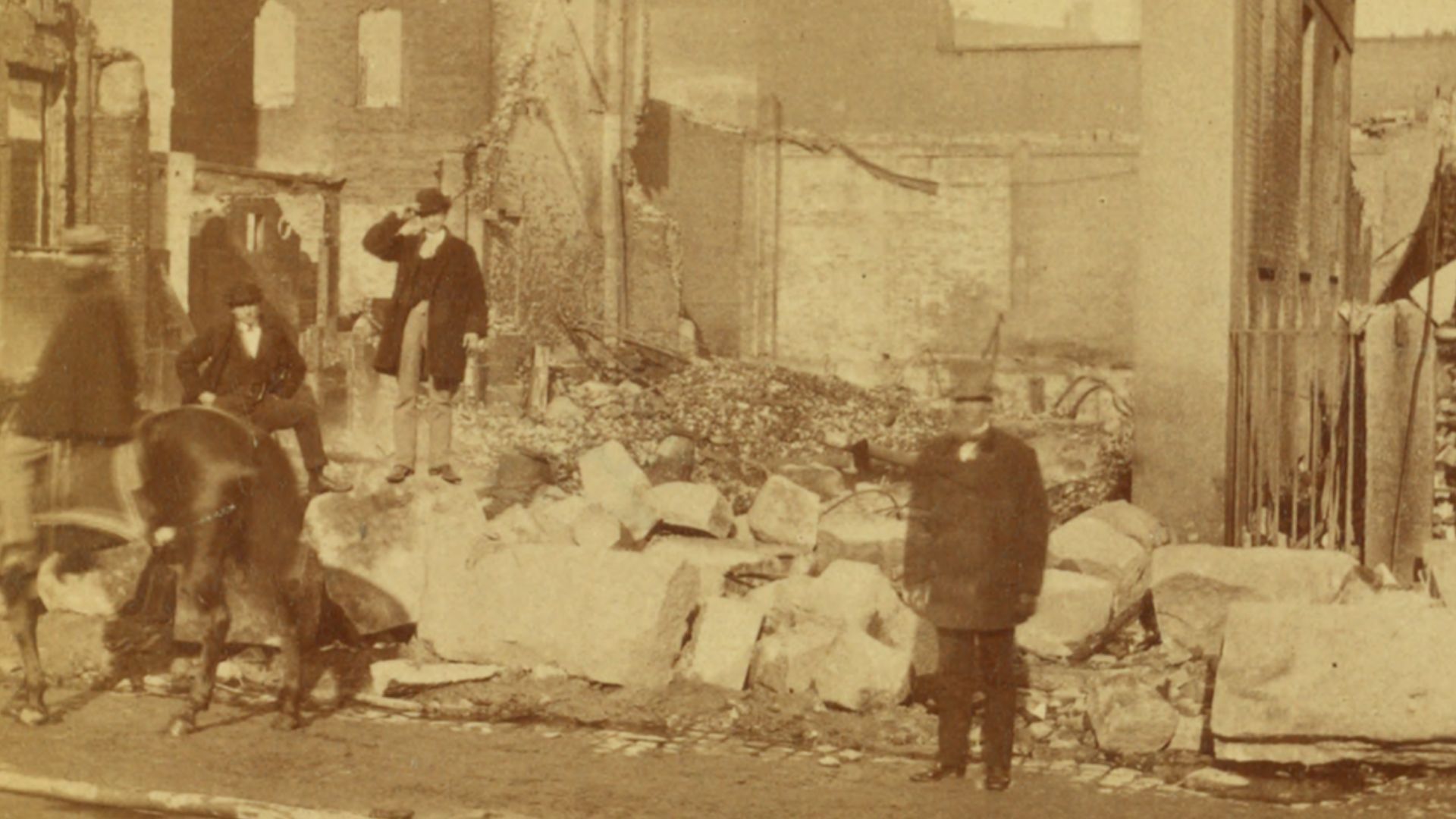
The Fire Led To Stricter Regulations
The disaster helped push Boston toward stronger building regulations and improved fire-safety thinking. The fire exposed weak construction, inadequate water systems, and risky urban density. Reforms did not arrive perfectly or instantly, but the catastrophe made it much harder to pretend that old habits were good enough.
 Unknown artistUnknown artist, Wikimedia Commons
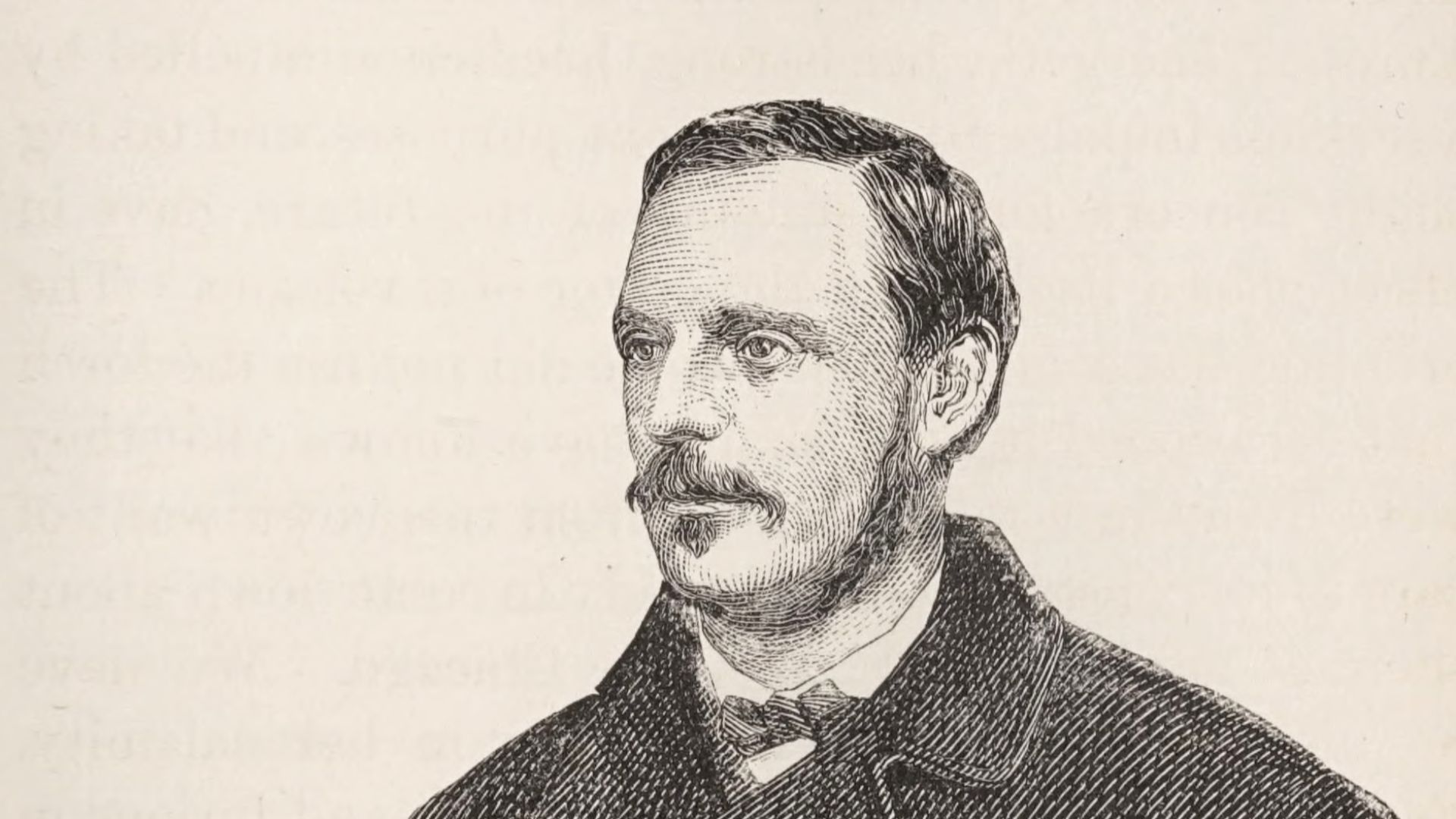
Fire Chief John Damrell Became A Target
Boston Fire Chief John Damrell faced heavy criticism after the disaster, even though he had warned about many of the city’s vulnerabilities. He later became an advocate for stronger building standards. His story shows how disasters often punish the people left managing risks that politicians and property owners ignored for years.
 Unknown artistUnknown artist, Wikimedia Commons
The Fire Changed How Cities Thought About Risk
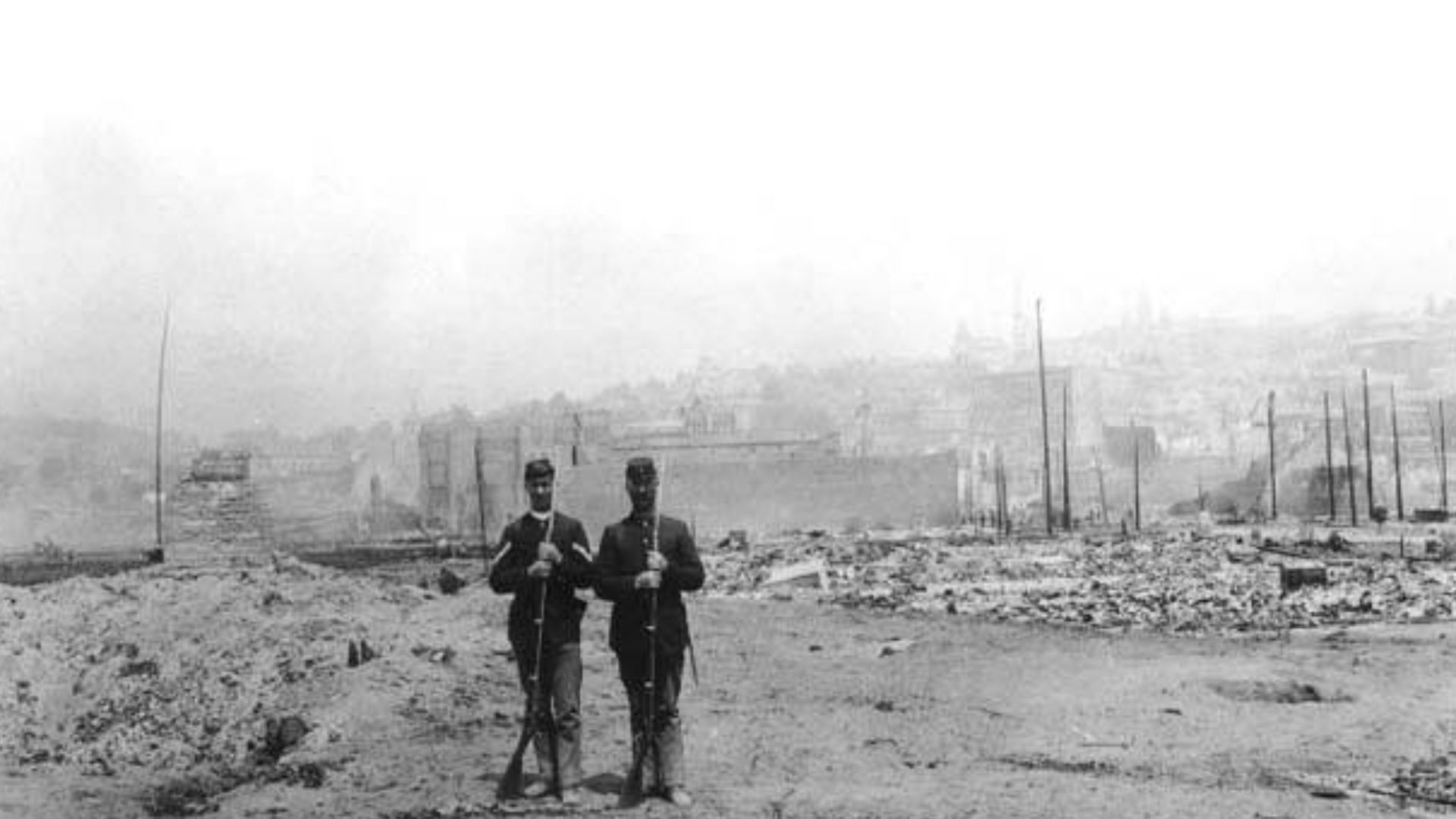
The Great Boston Fire belonged to an era of major urban fires, including Chicago’s famous fire the year before. Together, these disasters forced American cities to rethink construction, firefighting, insurance, water supply, and emergency planning. They revealed that modern city life required modern safety systems.
 Unknown authorUnknown author, Wikimedia Commons
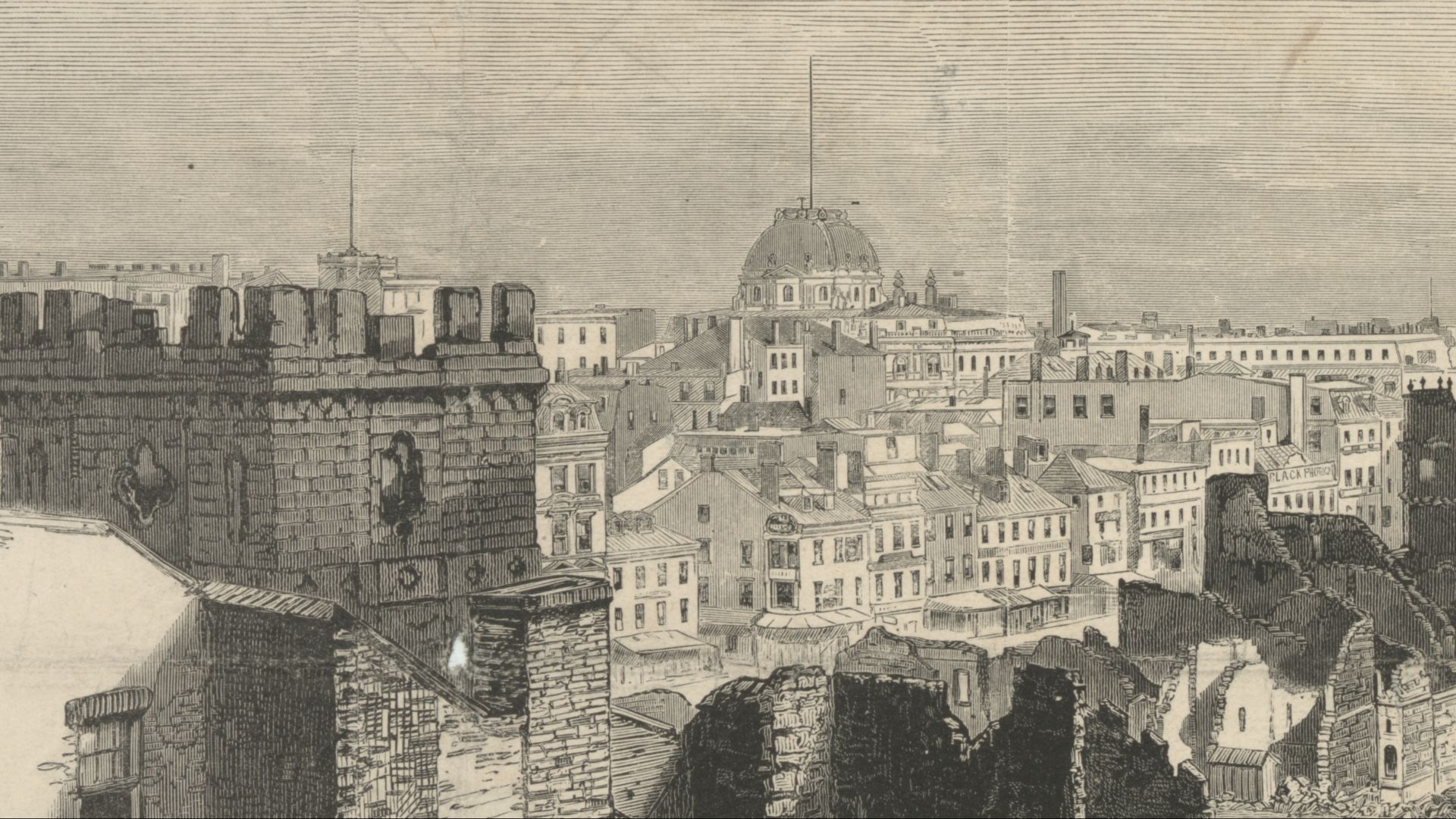
Wealth Made Boston Confident, Not Invincible
Boston’s commercial district was rich, busy, and outwardly impressive. That may have made the disaster even more shocking. The fire showed that money, architecture, and reputation meant little without practical safeguards. A city could be prosperous and still dangerously underprepared.
 Frank Leslie's Publishing House, Wikimedia Commons
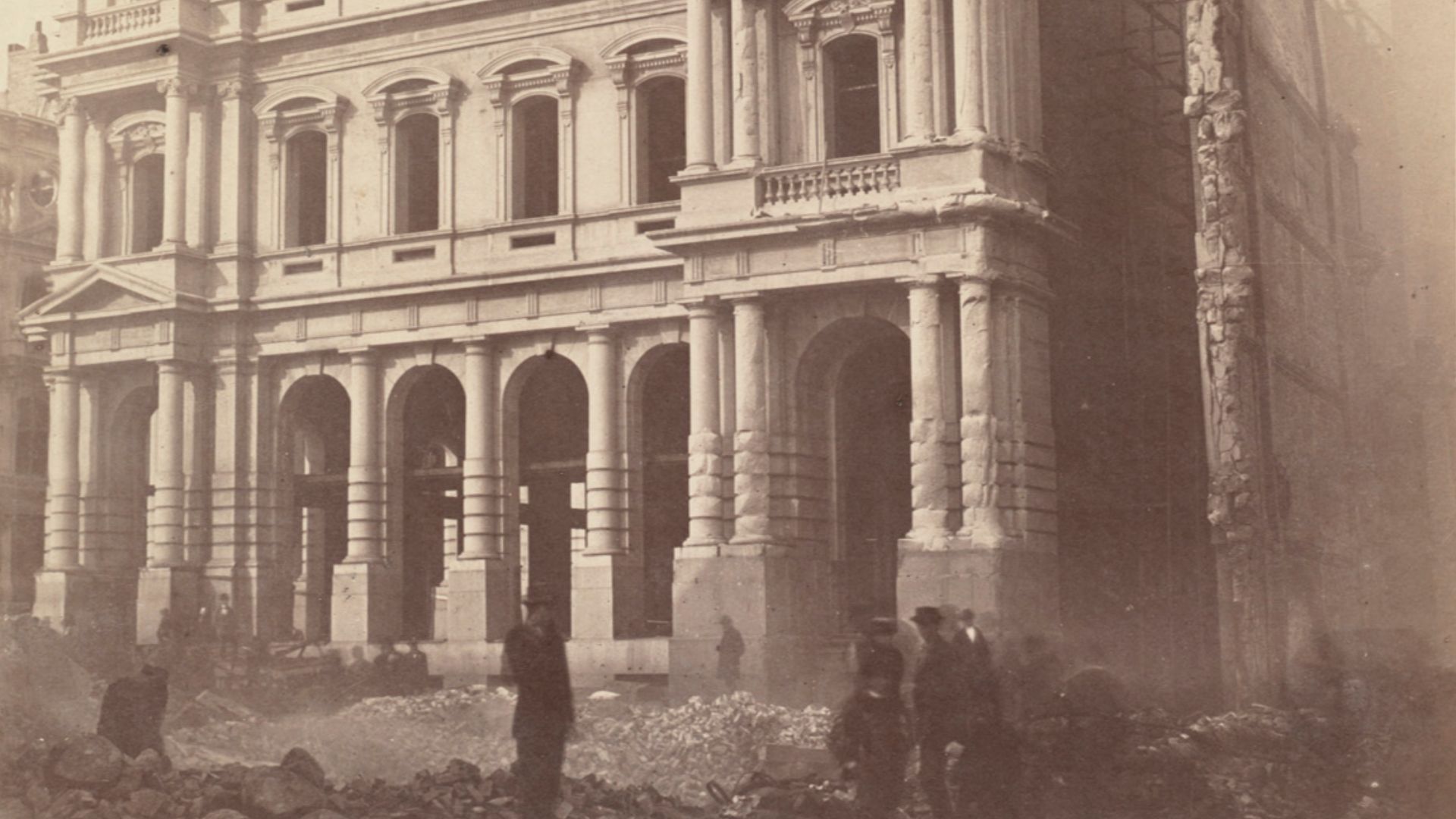
The Lesson Still Feels Modern
The Great Boston Fire of 1872 still matters because its warning is familiar. Cities can grow faster than their infrastructure, trust outdated systems, and mistake economic success for resilience. Boston’s richest blocks burned because the city’s confidence exceeded its preparation. That is why the fire remains more than a local tragedy. It is a lesson in urban fragility.
 Unknown (Uploaded on Flickr by Boston Public Library), Wikimedia Commons
You May Also Like:
Bizarre Things That People Somehow Once Believed Were Good For Their Health
Indestructible Facts About The Great Pyramids
The Forgotten Industries That Once Employed Millions Of Americans