Science Meets Scripture
Dig deep enough and the past talks back. A team in Jerusalem unearthed grapevines that grew when Jesus walked the Earth. The discovery converts ancient text into a tangible reality.

Breaking News
Archaeologists led by Professor Francesca Romana Stasolla from Sapienza University of Rome discovered remains of olive trees and grapevines approximately 2,000 years old beneath the Church of the Holy Sepulchre in Jerusalem. The botanical evidence emerged through soil sample analysis extracted from the church's stone floor.

Jerusalem Location
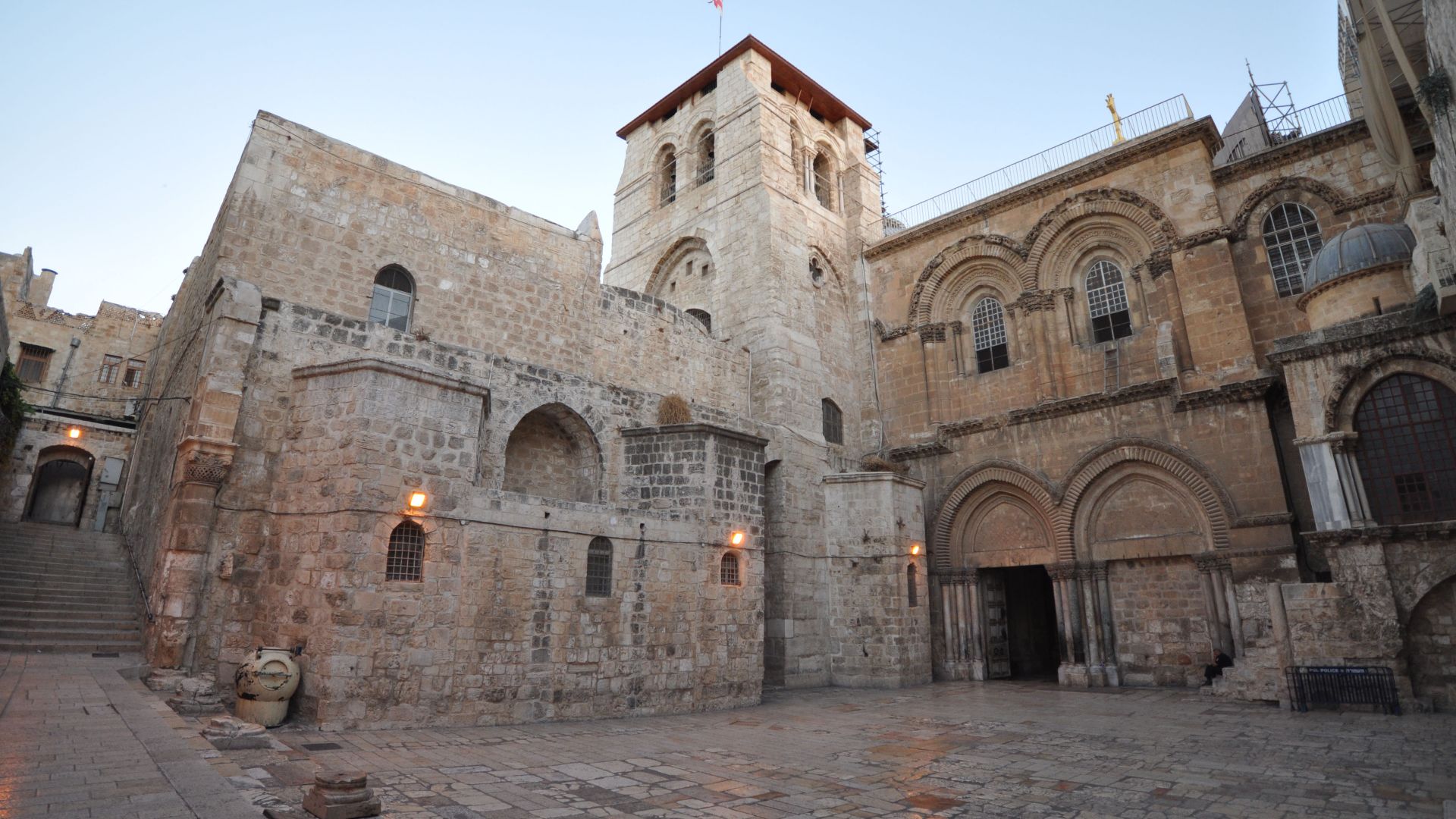
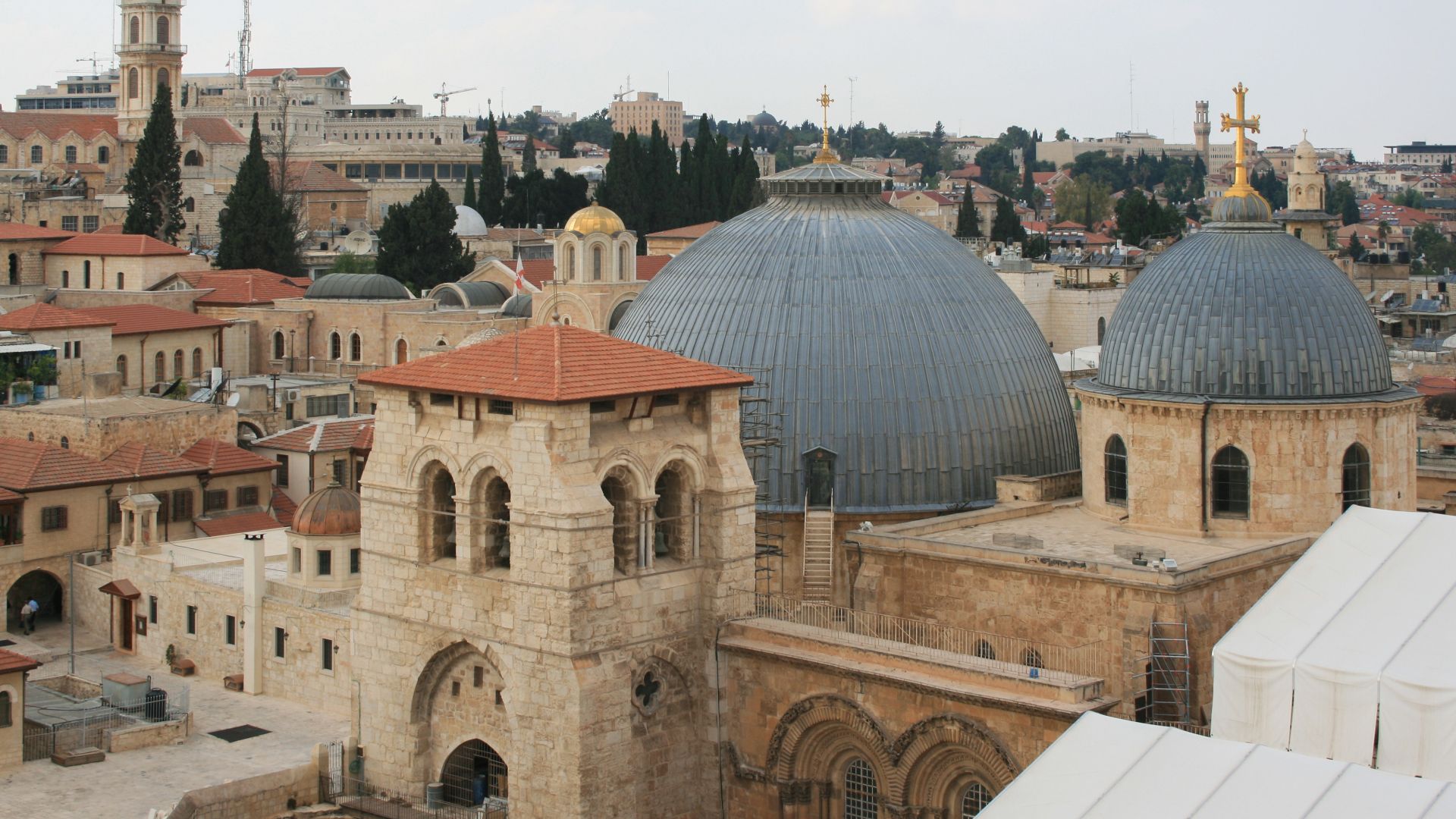
The Church of the Holy Sepulchre sits in the Christian Quarter of Jerusalem's Old City, one of Christianity's most revered pilgrimage destinations since the fourth century. Archaeological remains on the east and south sides mark the second wall's course, suggesting the site lay outside the city wall during Jesus's time.
 https://www.flickr.com/photos/jlascar/, Wikimedia Commons
Biblical Reference
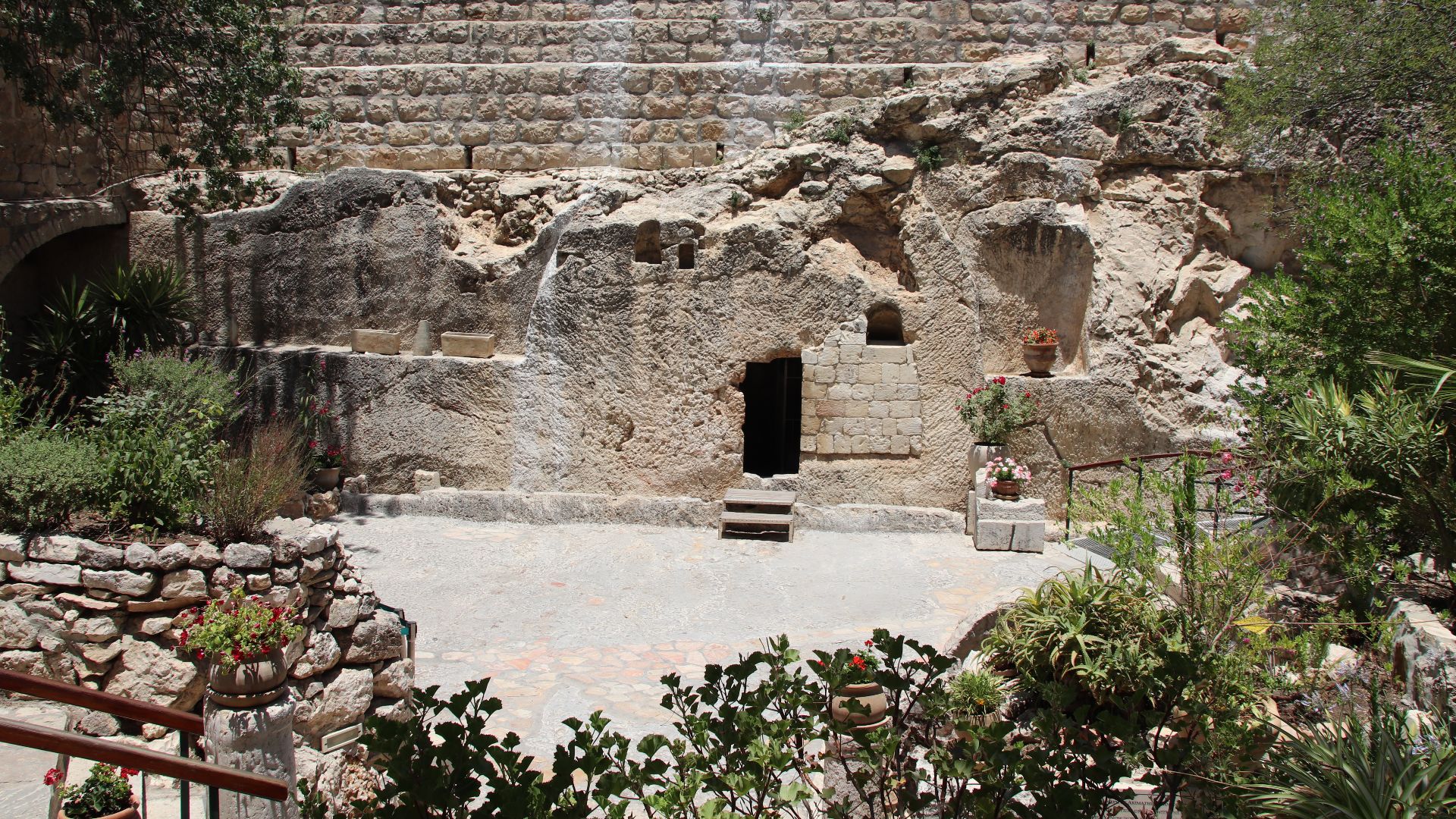
This finding provides strong verification of John 19:41, which states, "Now in the place where he was crucified there was a garden, and in the garden a new tomb in which no one had yet been laid".

Gospel Account
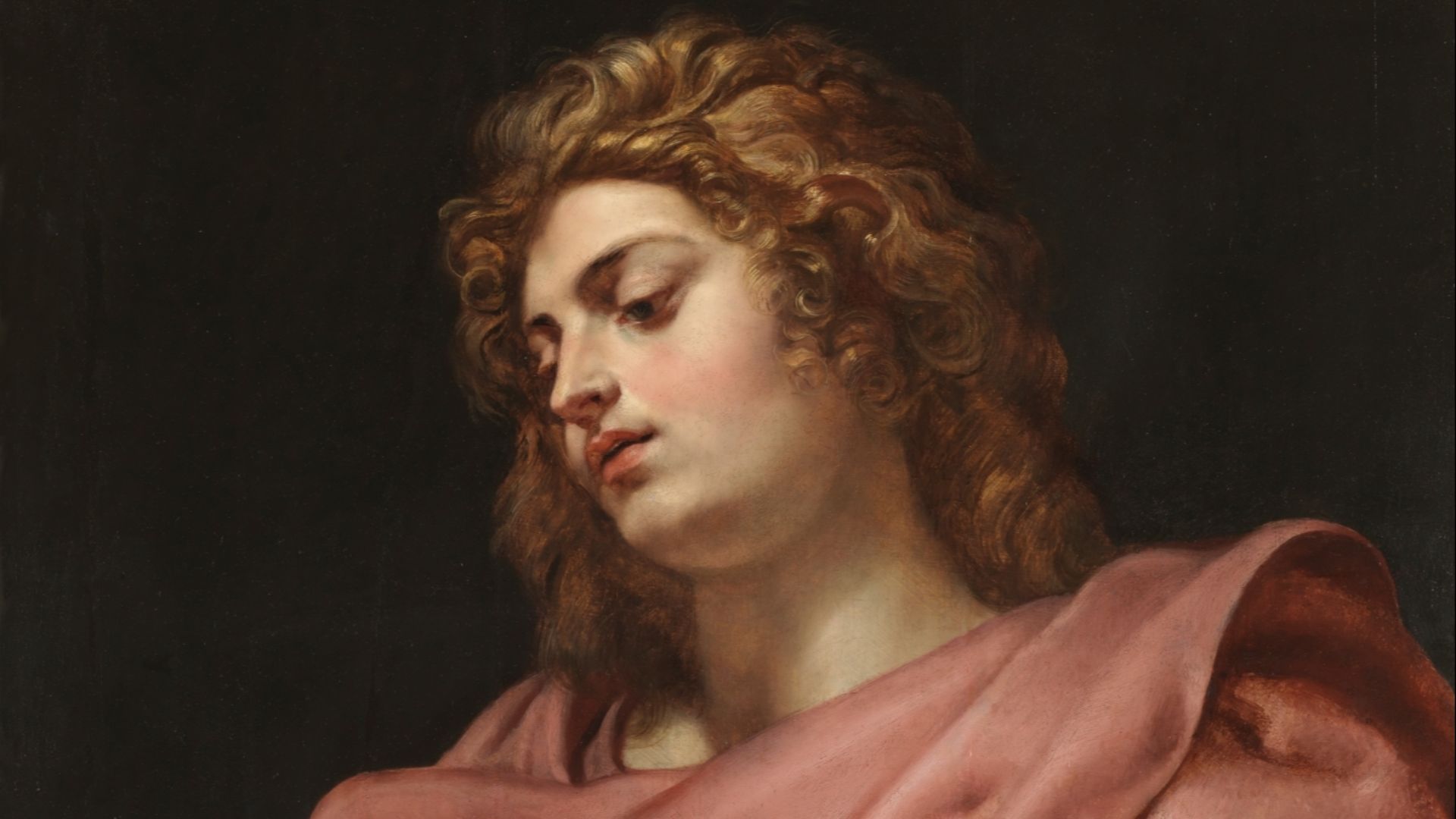
John's Gospel specifies not just a tomb, but emphasizes that it was in a garden near the crucifixion site. The fourth Gospel, traditionally attributed to John the Apostle, includes unique geographical details. This garden setting also fulfilled Isaiah 53:9's prophecy about the Messiah being “with the rich in his death”.
 Peter Paul Rubens, Wikimedia Commons
Excavation Begins
The current excavations commenced in 2022 after the three religious communities managing the church reached consensus in 2019 following decades of infighting. This marked the first major restoration project since an 1808 fire, with religious communities allowing archaeological excavations under the floor during renovation works.
 Diego Delso, Wikimedia Commons
Team Leadership
Professor Francesca Stasolla directs the excavation with day and night shifts continuing steadily. Her team rotates between Jerusalem and Rome, maintaining 10 to 12 people in Jerusalem while the bulk processes data in Rome. They occupy a modest room behind the edicule serving as an office and workspace.
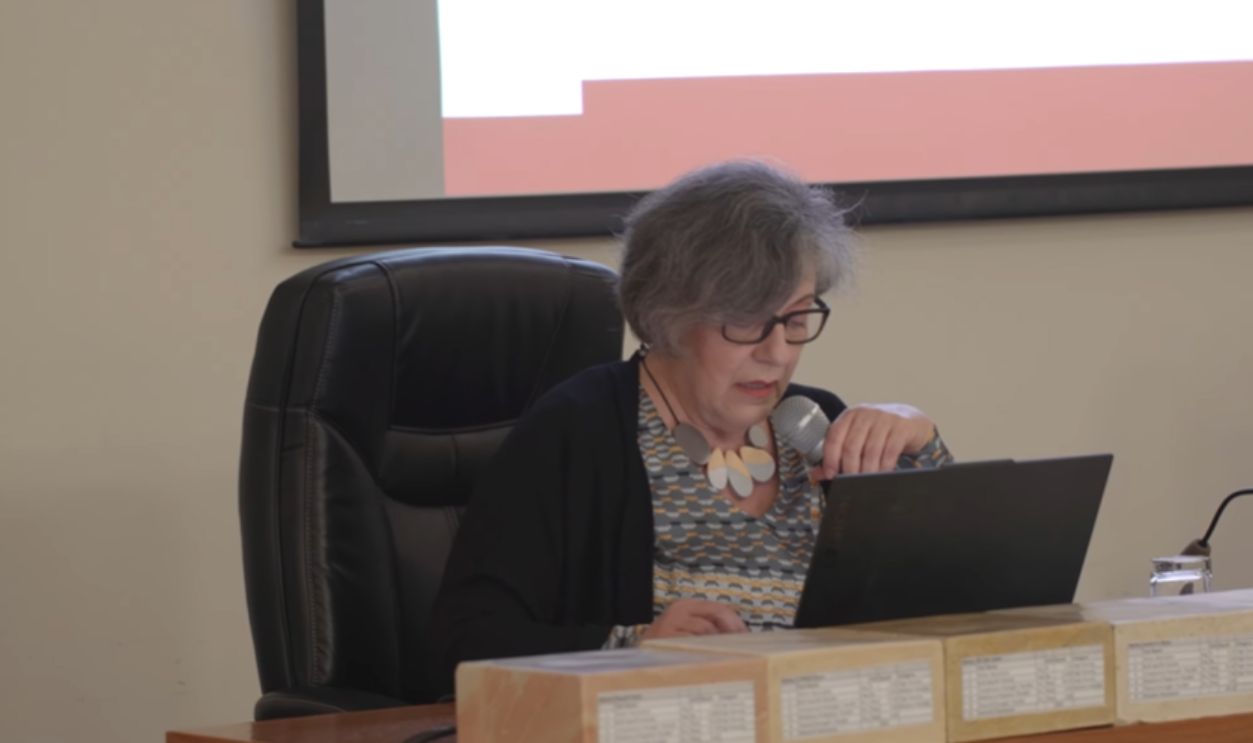 Work continues at the Holy Sepulchre by The Holy Land, by Christian Media Center - English
Restoration Project
The excavation represents the first major restoration at the Church of the Holy Sepulchre in about two centuries, requiring approval from multiple religious communities and licensing by the Israel Antiquities Authority. The nineteenth-century floor needed replacement due to deterioration from millions of pilgrims.

Religious Approval
After decades of disagreement, the Orthodox Patriarchate, Custody of the Holy Land, and Armenian Patriarchate agreed to significant renovations in 2019. This consensus broke years of deadlock over changes to the shared sacred space. The need for total agreement is personified by the 'immovable ladder' under a church window.
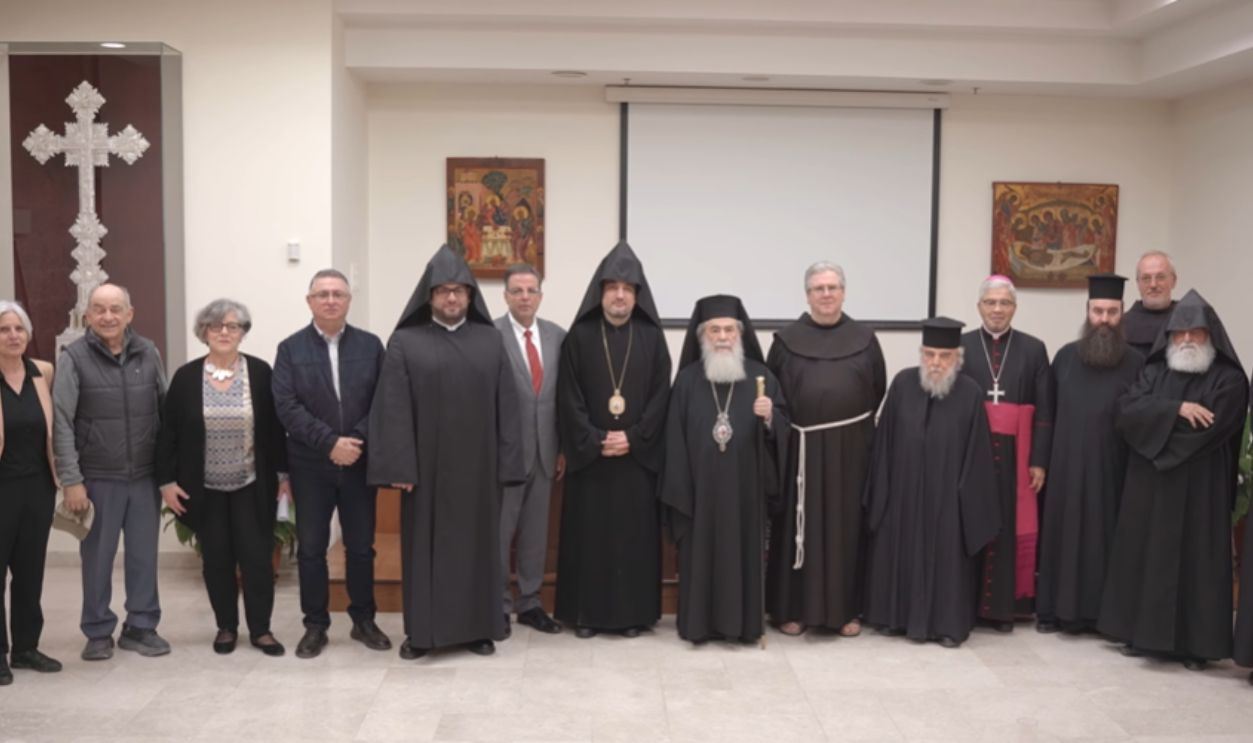 Work continues at the Holy Sepulchre by The Holy Land, by Christian Media Center - English

History's most fascinating stories and darkest secrets, delivered to your inbox daily.
Garden Discovery
The excavation team found remains of olive trees and grapevines through archaeobotanical analysis performed on soil samples extracted from under the stone floor. These plant remnants—seeds and pollen—date approximately 2,000 years old. The presence was identified through archaeobotanical and pollen analysis.

Olive Evidence
Seeds and pollen from olive trees approximately 2,000 years old were detected via archaeobotanical analysis of soil samples. Olive cultivation held immense economic and cultural significance in first-century Judea, providing oil for lighting, cooking, religious ceremonies, and trade. The olive remnants indicate deliberate agricultural cultivation.

Grapevine Remains
Alongside olive tree evidence, archaeologists discovered grapevine remains dating back roughly 2,000 years, identified through seeds and pollen preserved in soil samples. Viticulture represented a cornerstone of ancient Mediterranean agriculture, with grapes used for wine production, fresh consumption, and raisins.

Archaeological Methods
Archaeological investigations continue steadily with day and night work, documenting both funerary and agricultural use prior to Hadrian's restructuring around 130–136 CE. Researchers carefully removed soil in controlled layers, preserving spatial relationships between artifacts. The location of each sample was precisely recorded using three-dimensional coordinates.
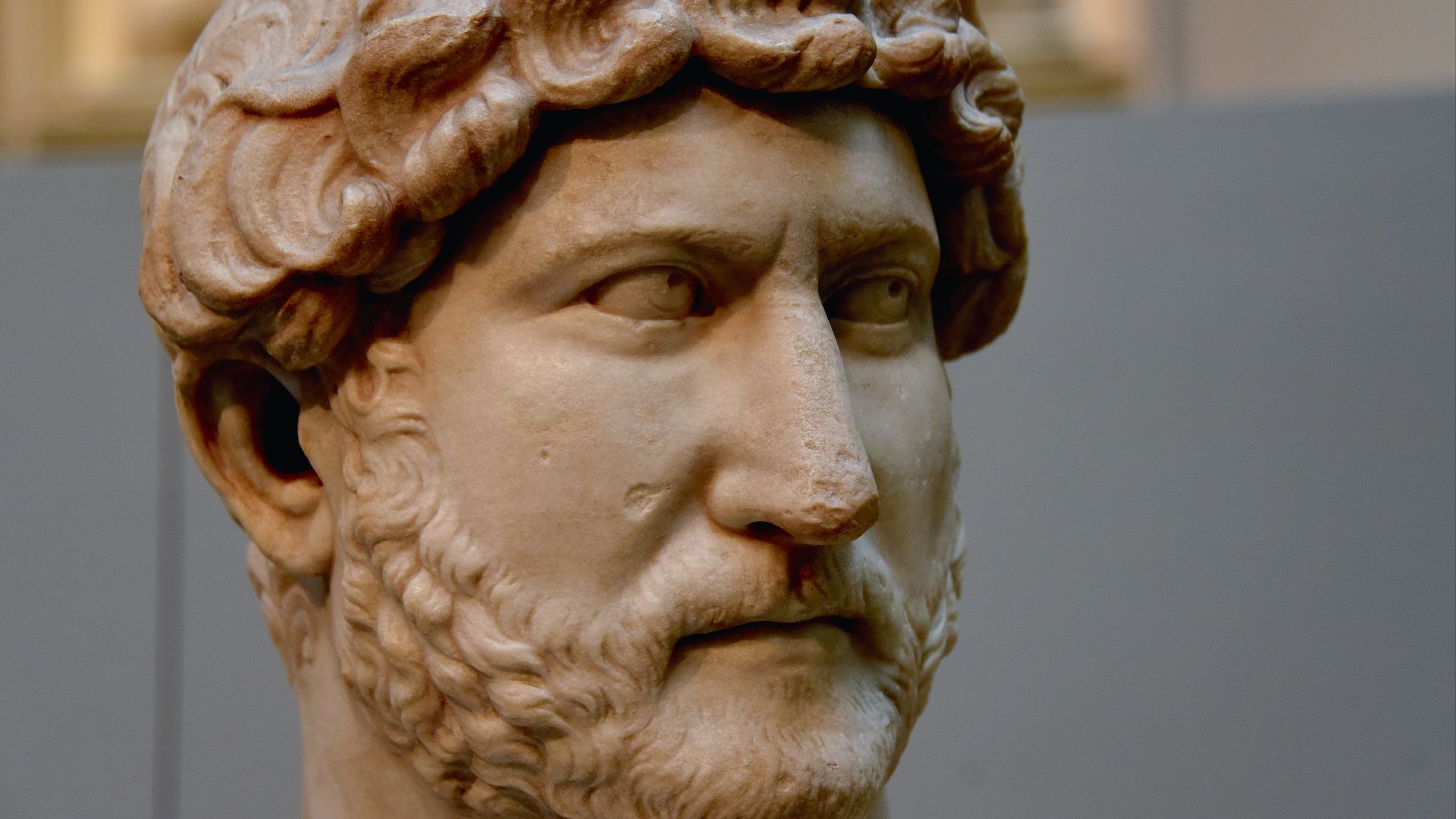 Osama Shukir Muhammed Amin FRCP(Glasg), Wikimedia Commons
Hadrian's Temple
About 135 CE, Emperor Hadrian ordered that a cave with a rock-cut tomb be filled in to produce a flat foundation for a temple dedicated to Jupiter or Venus. According to early church historian Eusebius, a temple to the goddess Venus was built on the spot.
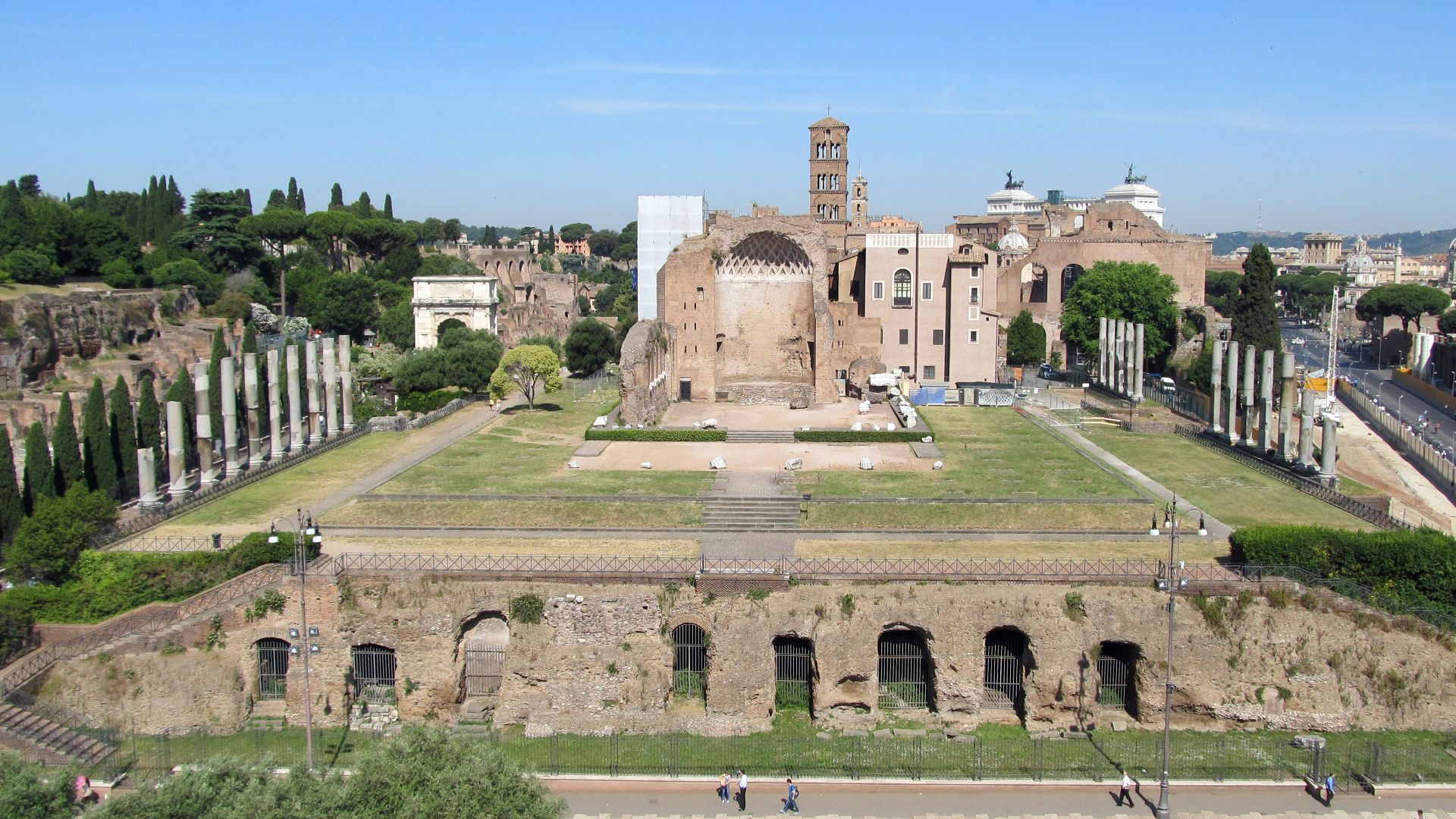 daryl_mitchell from Saskatoon, Saskatchewan, Canada, Wikimedia Commons
Dating Process
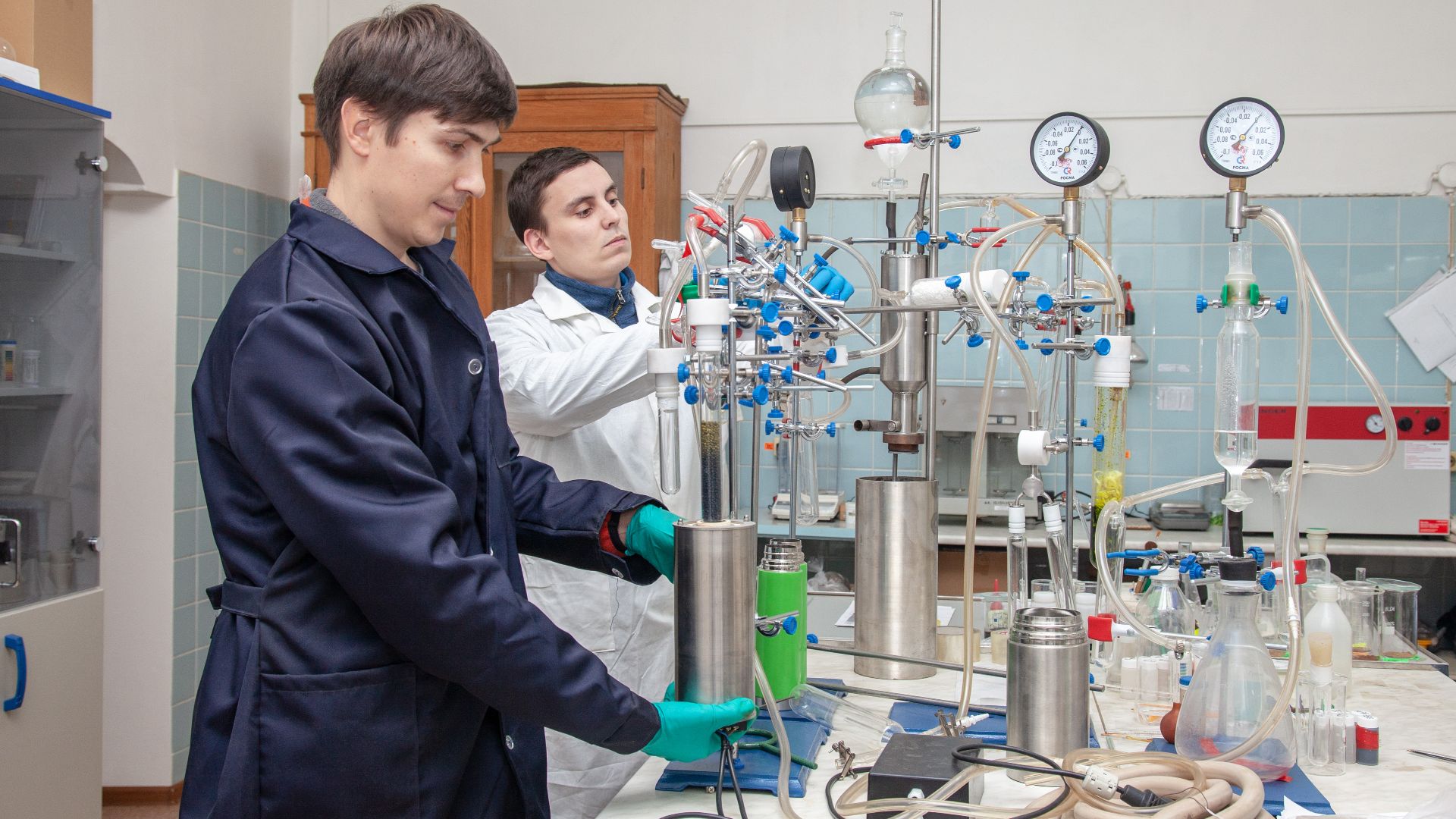
While the botanical record firmly indicates an ancient garden existed, radiocarbon dating is still underway to confirm the precise age of the remains. Radiocarbon dating checks the decay of carbon-14 isotopes in organic materials, providing age estimates accurate within decades. This method measures the decay of the carbon-14 isotope.
 Yulia Kolosova, Wikimedia Commons
Technology Used
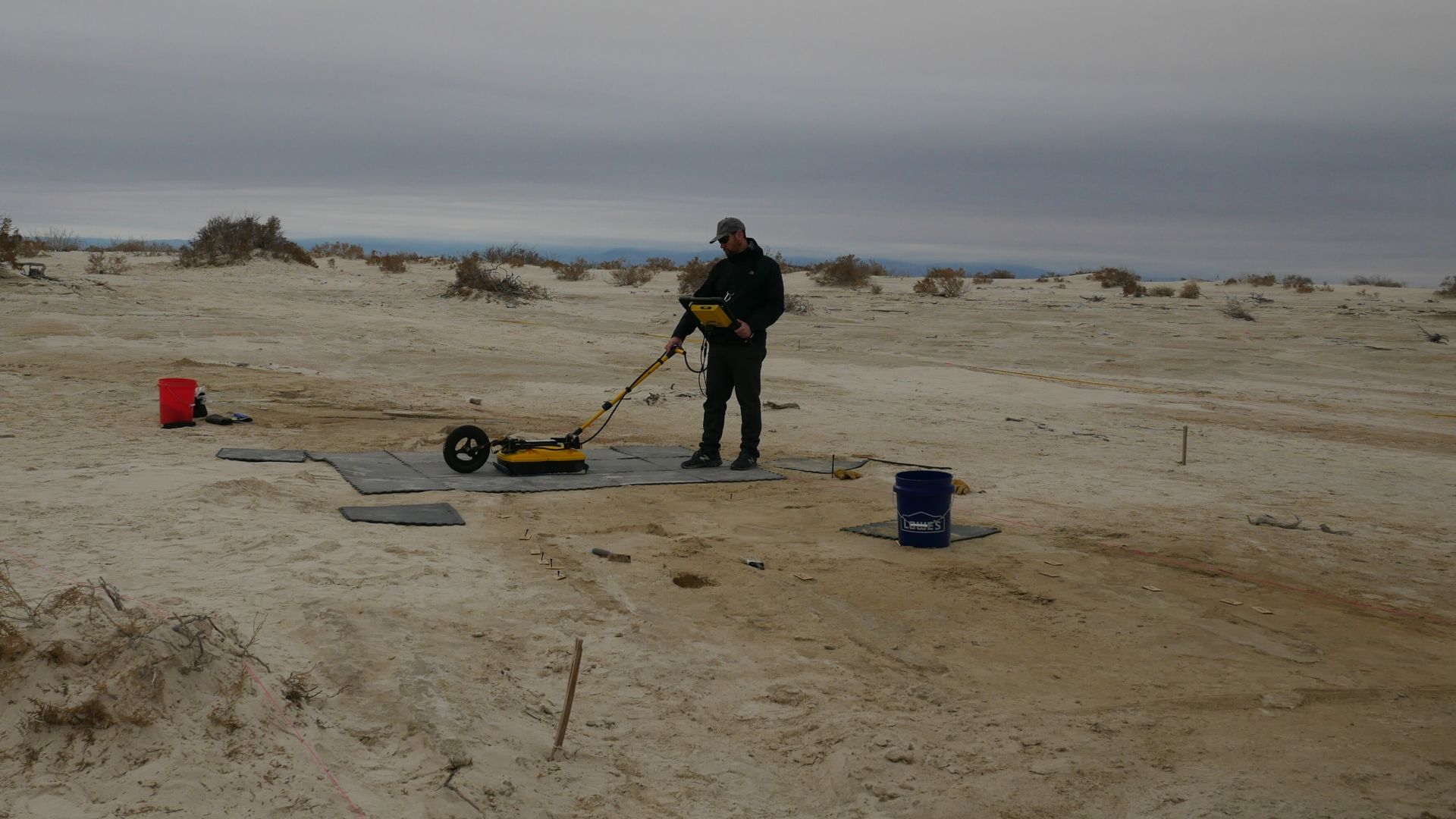
The team utilizes technologies such as 3D mapping and ground-penetrating radar to digitally reconstruct the site. Ground-penetrating radar detects underground structures without excavation, revealing hidden layers beneath the church. These technologies craft detailed digital reconstructions, essentially compiling a complete historical timeline.
Iron Age
Archaeologists have uncovered finds such as pottery, oil lamps, glass, and low stone walls separating garden plots, some dating back as far as the Iron Age. The Iron Age in the Levant spanned roughly 1200–586 BCE, preceding the era of Jesus by centuries.

Quarry History
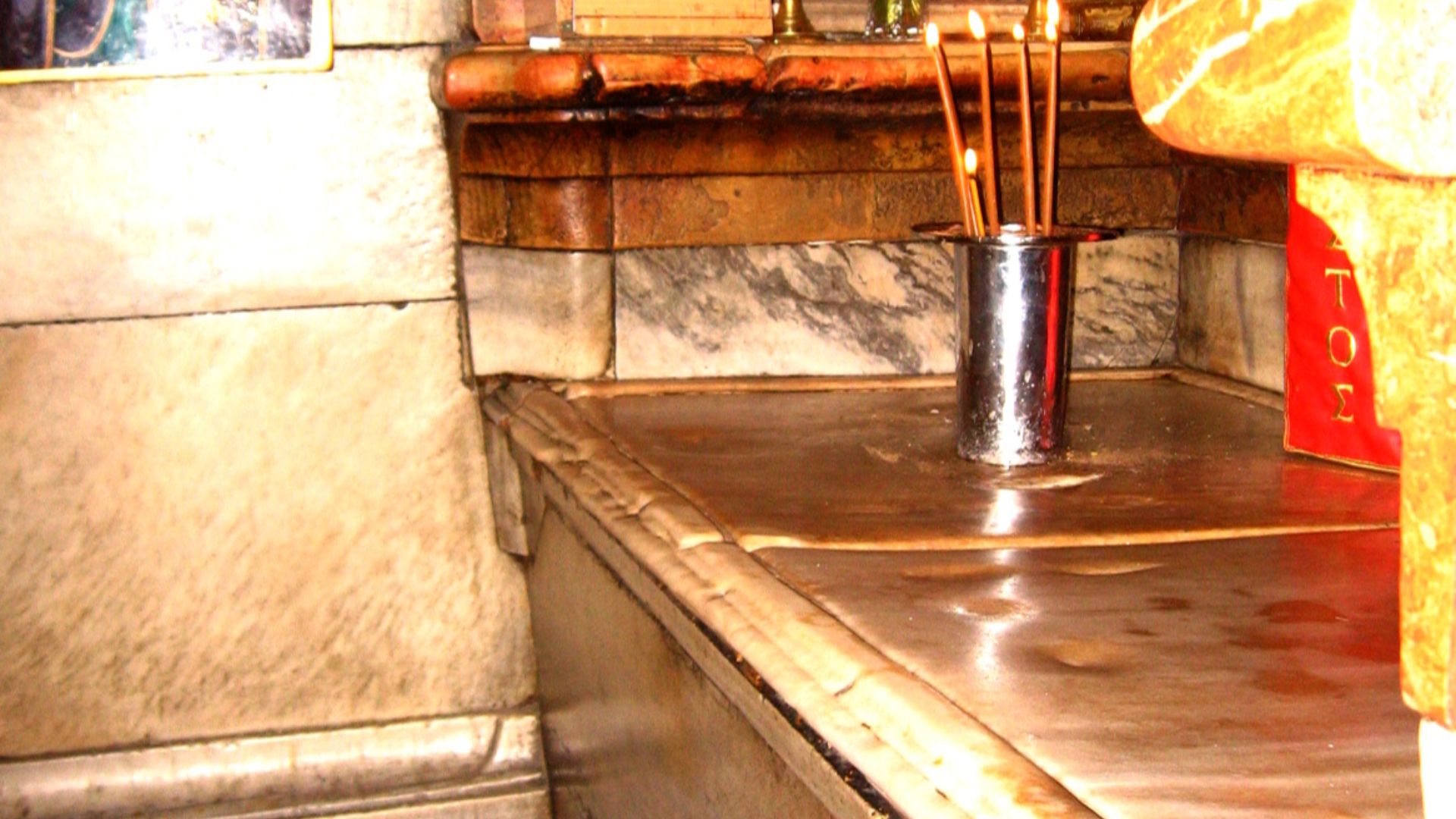
During the time of Jesus, this quarry served as a burial site with several tombs hewn into the rock, although it wasn't the only such site in Jerusalem. During the 1970s excavations, it was found that the area was originally a quarry.
 adriatikus en:commons:talk, Wikimedia Commons
Quarry History (Cont.)
It is said that the white meleke limestone from this site was taken out during earlier times. Eventually, the quarry was shut down, and after stone extraction ceased, the area was turned into farmland and tombs.

Constantine's Vision
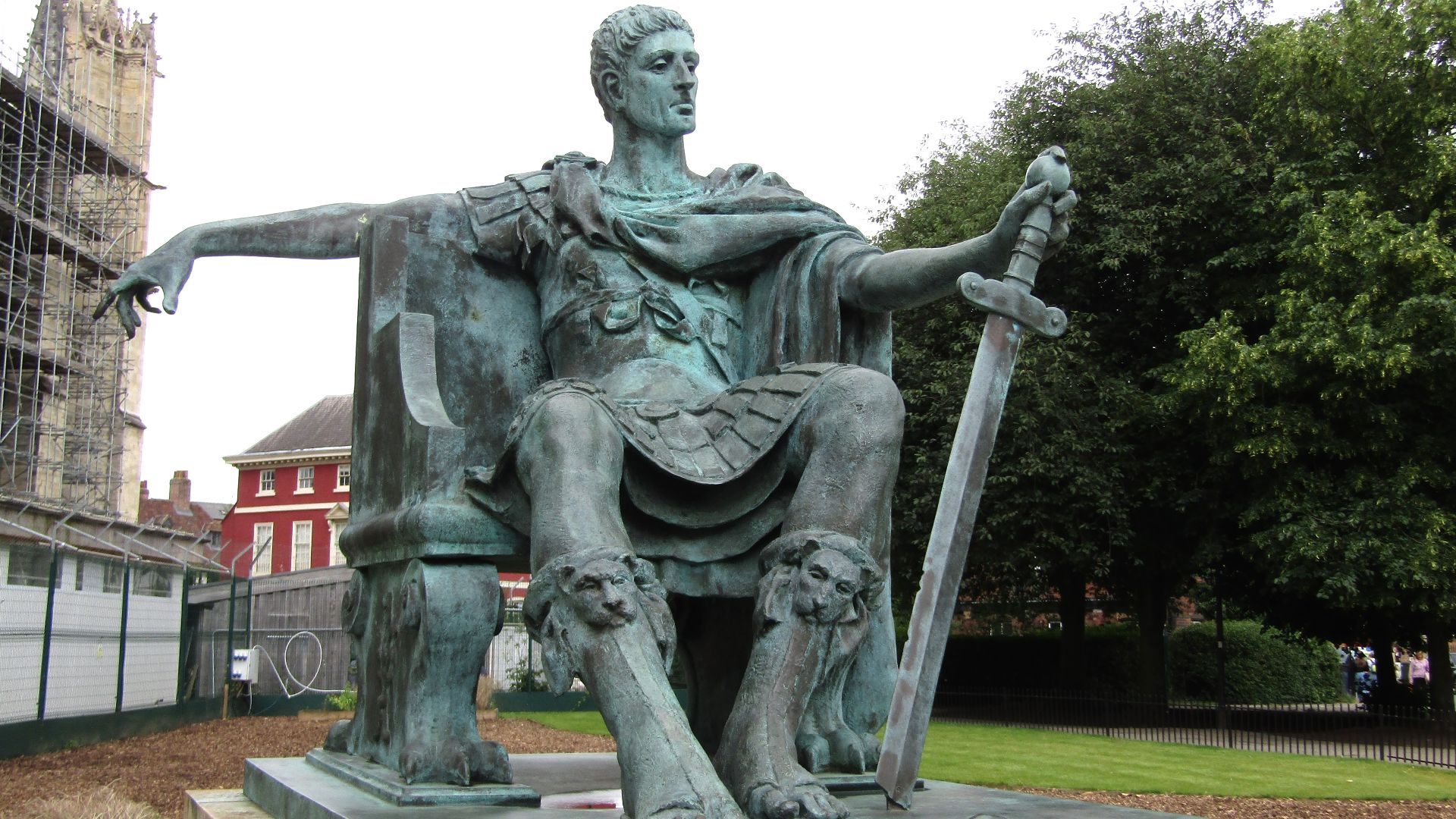
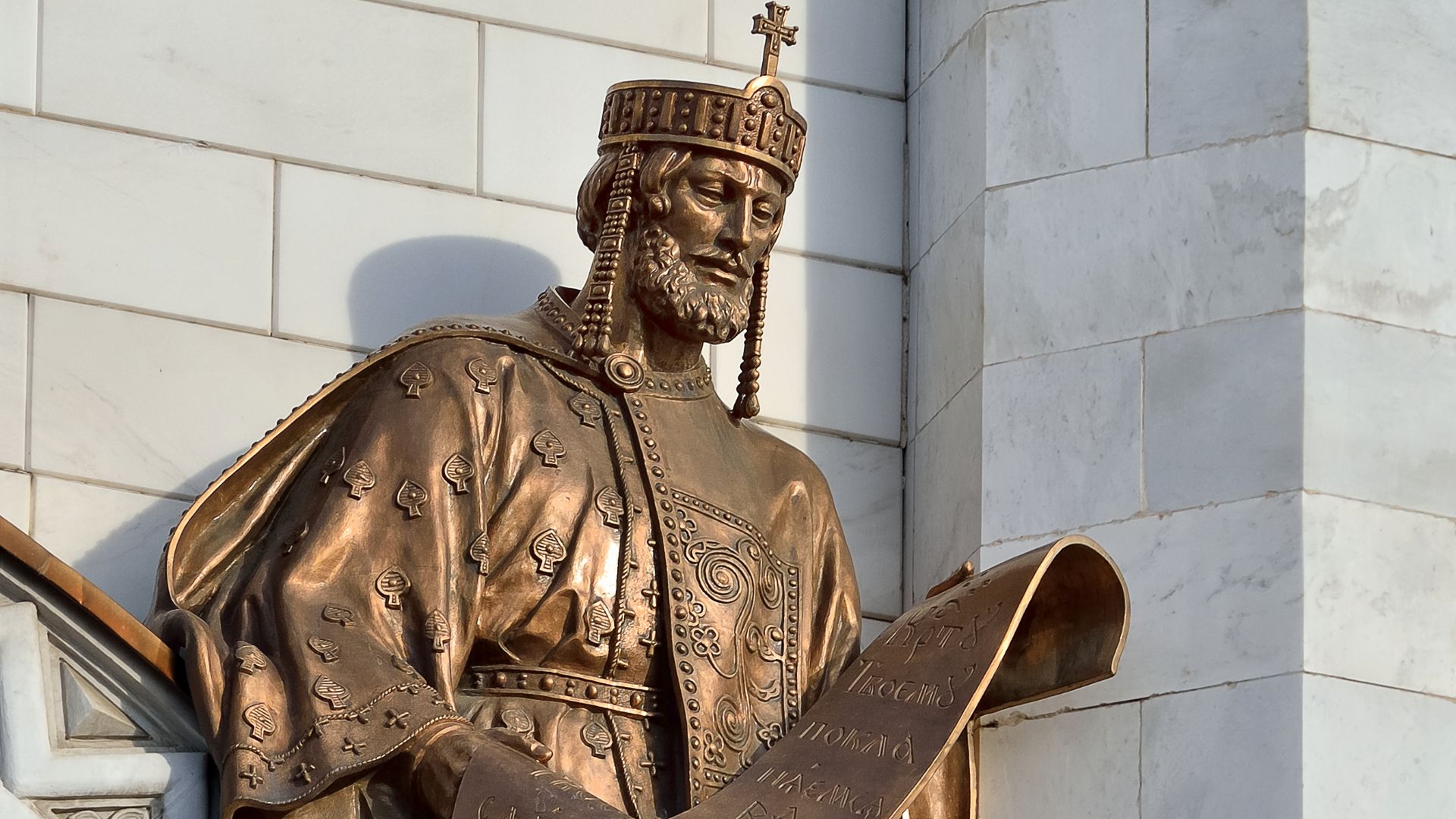
In 312 CE, after reportedly seeing a vision of a cross in the sky before the Battle of the Milvian Bridge, Constantine the Great began to favor Christianity, legalizing the religion. When Constantine, the first emperor of Rome to convert to Christianity, was in power, this quarry was exalted by early Christians.
 Colin Smith , Wikimedia Commons
Church Construction
The Church of the Holy Sepulchre, planned by architect Zenobius, was built as separate constructs over two holy sites and was consecrated on September 13, 335. Constantine ordered construction around 326–335 CE, creating the original Constantinian complex consisting of the Anastasis rotunda surrounding the tomb.
 Dmitry Ivanov., Wikimedia Commons
Helena's Discovery
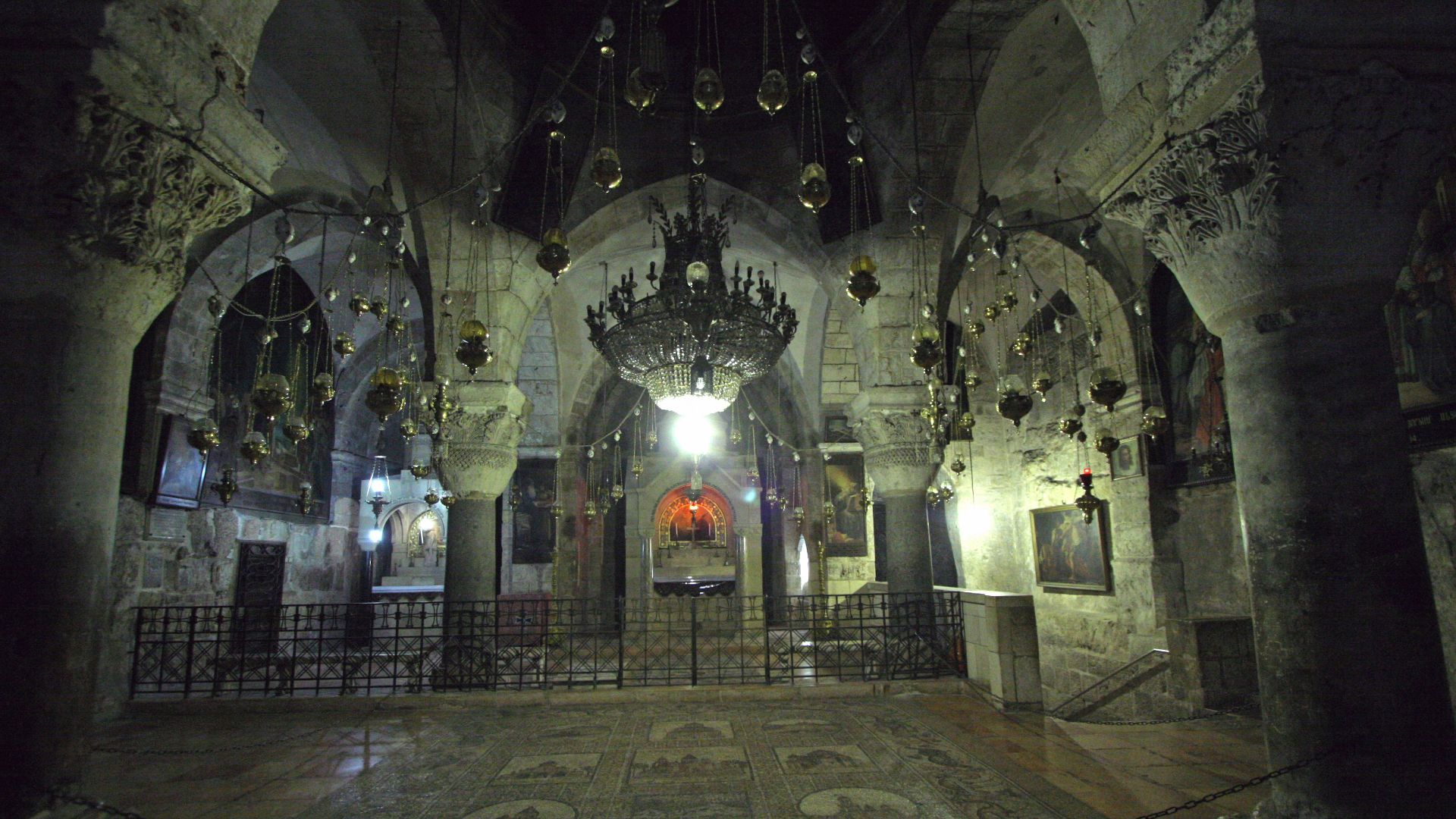
Constantine's mother, Empress Helena, a devout Christian, oversaw the church construction project after going on a pilgrimage to the Holy Land searching for Christian relics. Helena zealously sought to find the Cross of Jesus Christ, ordering excavation where the temple of Venus stood.
 zvonimir atletic, Wikimedia Commons
Historical Significance
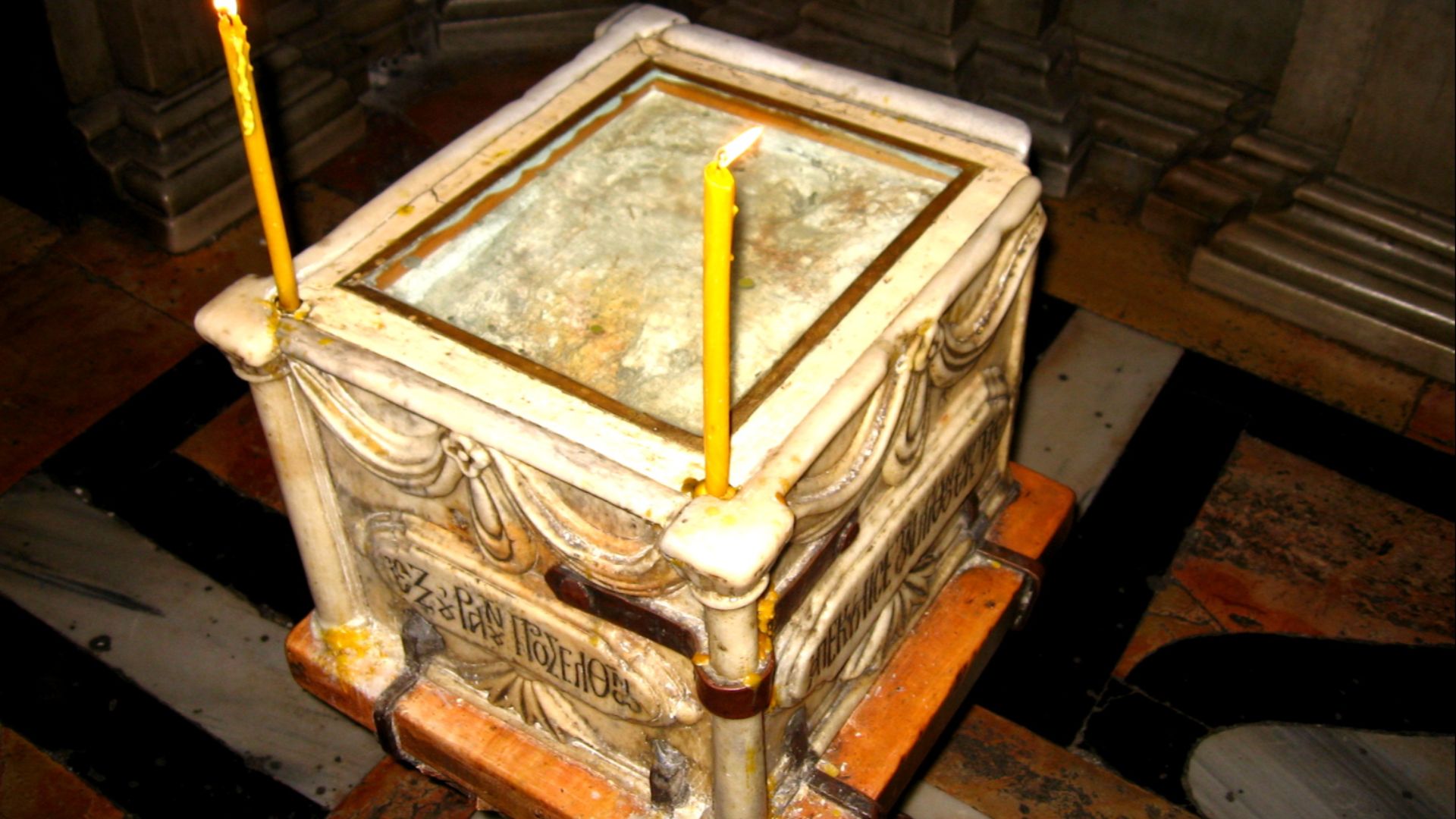
Stasolla acknowledged that a full analysis of all artifacts uncovered, including coins and pottery dating roughly to the fourth century, would take years to complete. The scientific documentation of all excavation findings includes some 100,000 fragments of pottery, requiring extensive analysis time.
 adriatikus en:commons:talk, Wikimedia Commons
Biblical Corroboration
The professor also noted that the archaeobotanical findings have been especially interesting in light of what is mentioned in the Gospel of John. The Gospel mentions a green area between Calvary and the tomb, and archaeologists identified these cultivated fields.
 Gary Todd from Xinzheng, China, Wikimedia Commons
Future Implications
As for whether this discovery definitively proved the burial site of Christ, Stasolla chose to look at it from a different angle, stating the real treasure is revealing the history of the people who made this site what it is. Archaeological evidence continues to bridge faith and history.
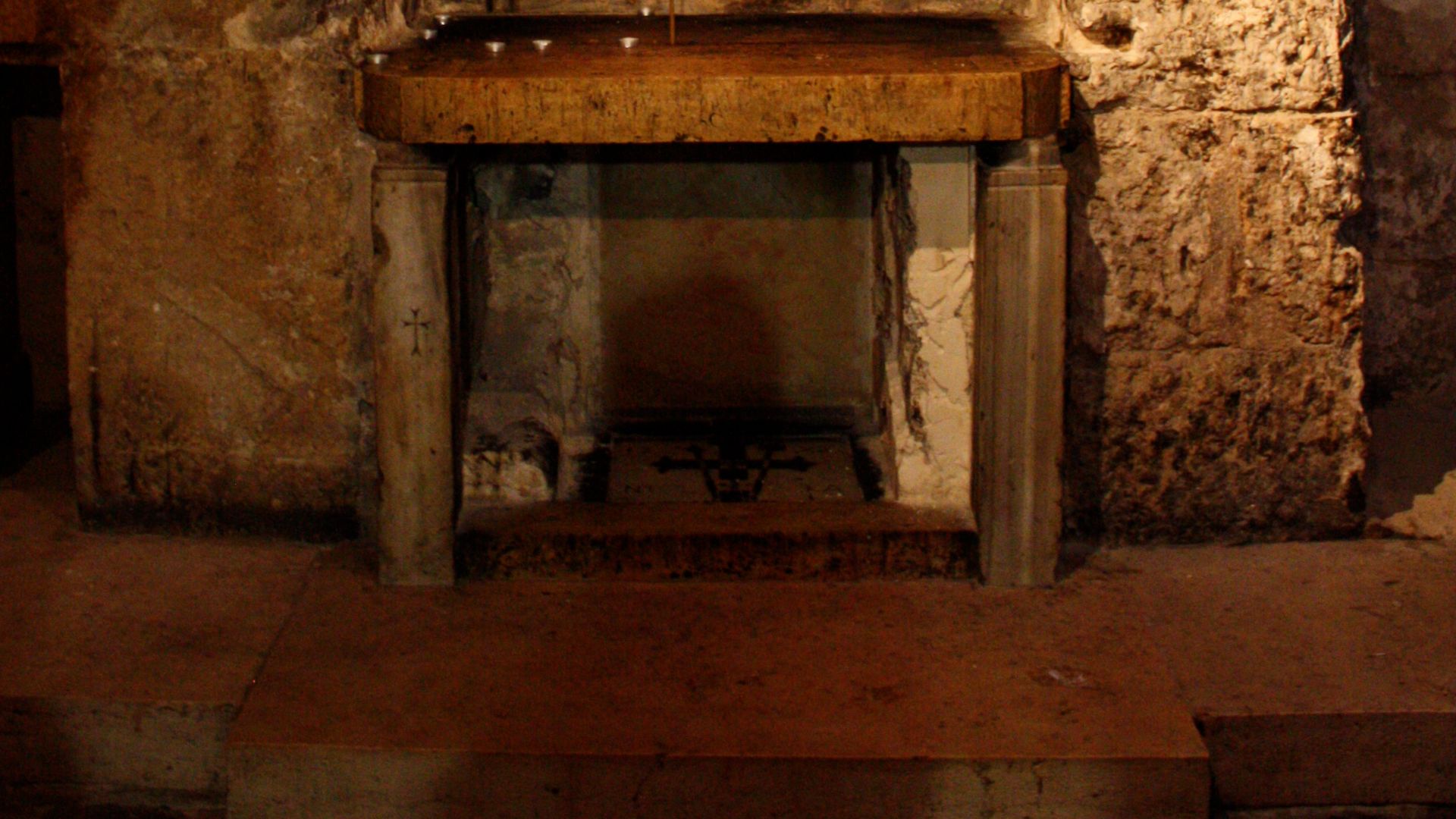 Kyle Taylor from London, 84 Countries, Wikimedia Commons