When Appliance Shopping Was An Event
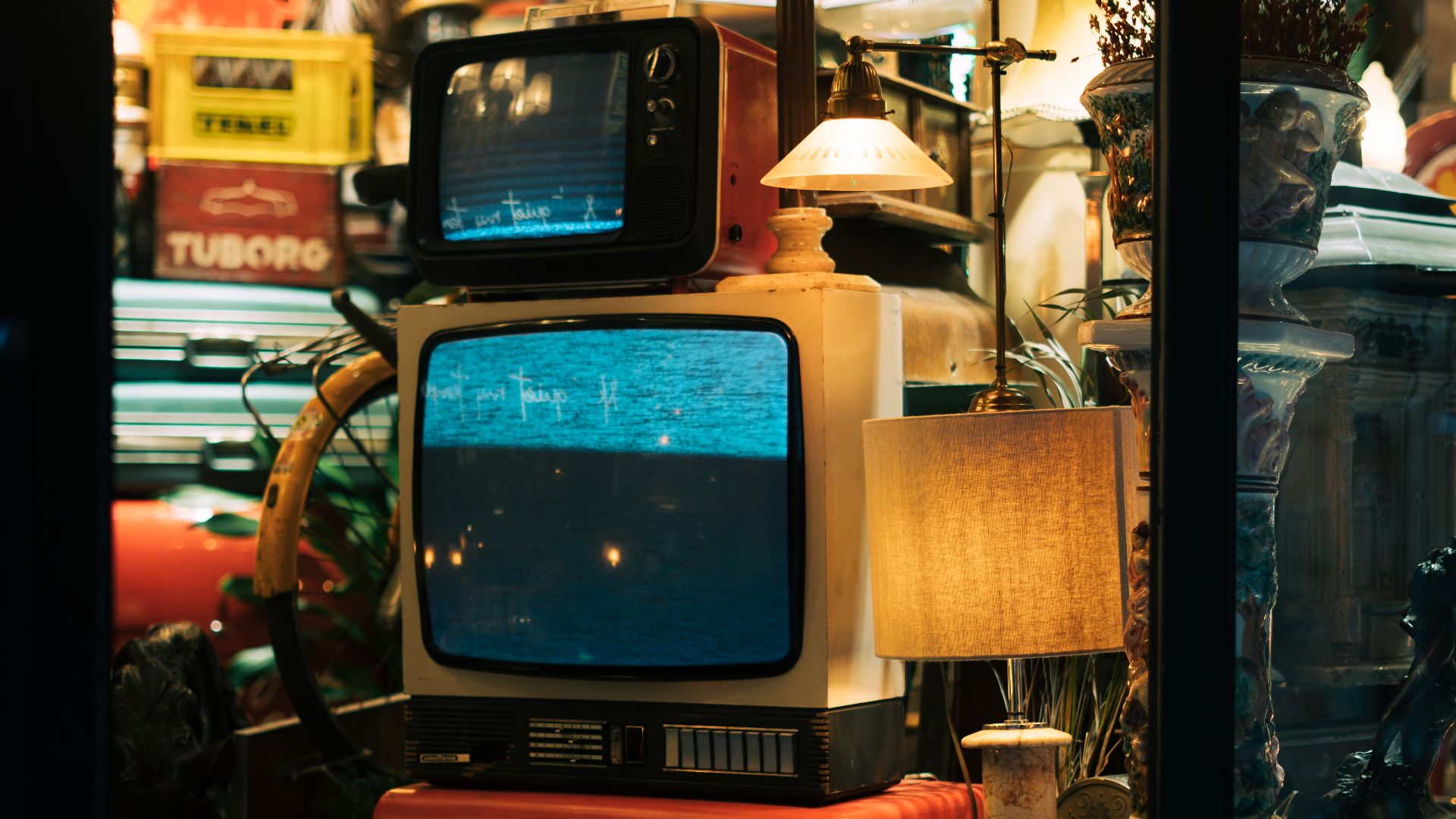
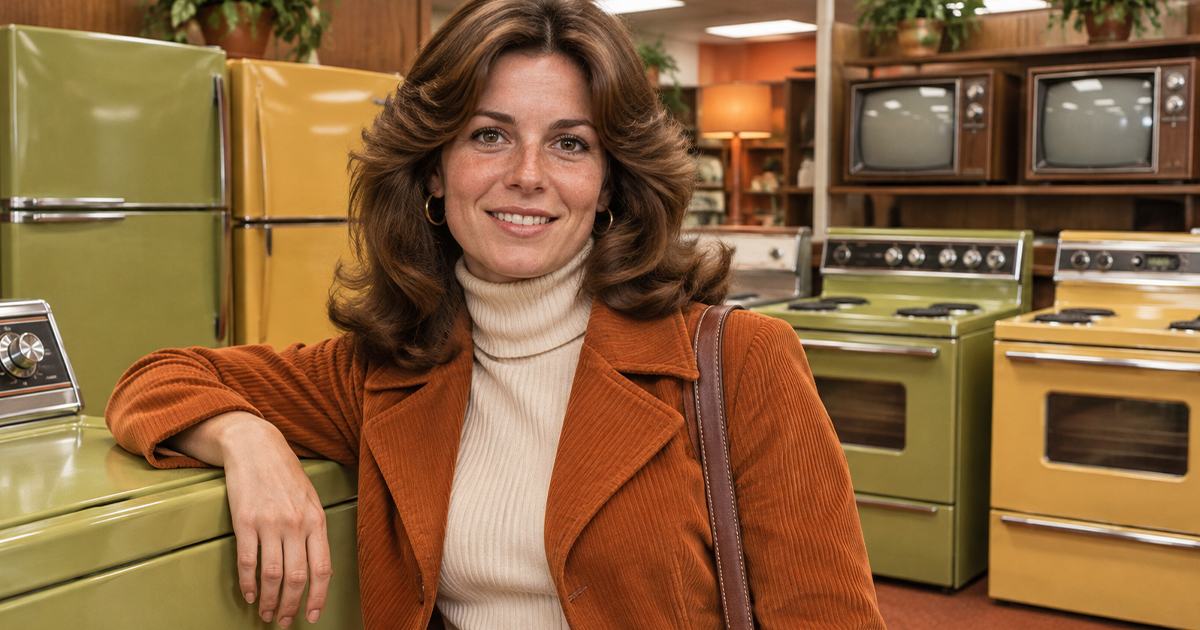
In the 1970s, buying a refrigerator, television or stereo often meant visiting a bustling showroom and speaking with a salesperson who knew every model. These appliance and home-electronics stores once filled American shopping centers, but how many do you remember?
Highland Superstores
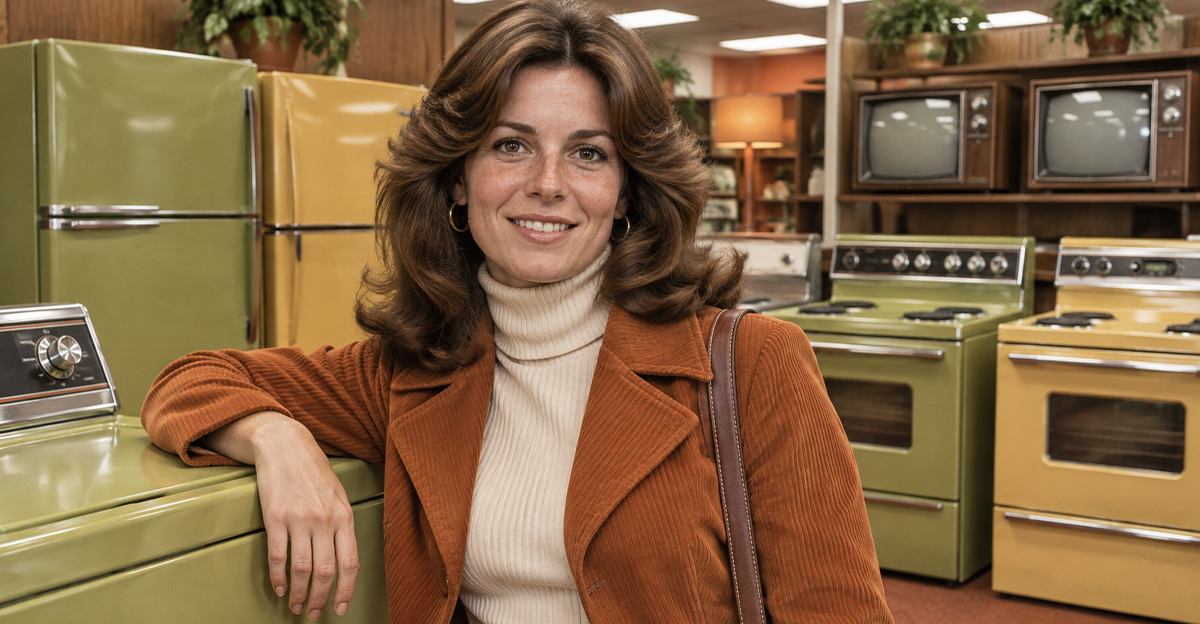
Highland began as a Michigan appliance business and grew throughout the Midwest. Its bustling showrooms carried refrigerators, washing machines, televisions and stereo equipment, frequently promoted through newspaper inserts and television commercials. Mounting losses eventually forced Highland into bankruptcy, and its remaining stores were liquidated in 1993.
Silo
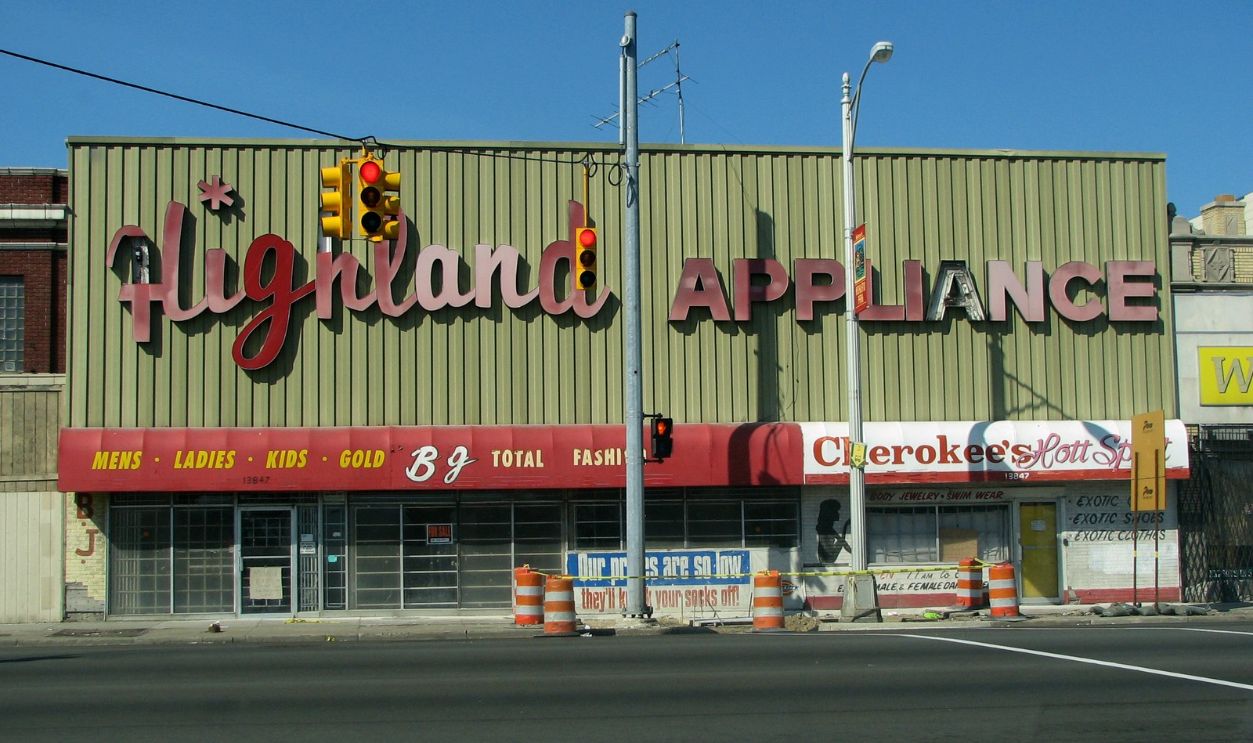
Silo was a familiar destination for televisions, refrigerators, washing machines and other household essentials. During the 1970s, the chain added dedicated audio departments to capitalize on America’s growing enthusiasm for stereo equipment. Silo later expanded dramatically, but financial difficulties caught up with the company and its stores closed during the 1990s.
Fretter Appliance
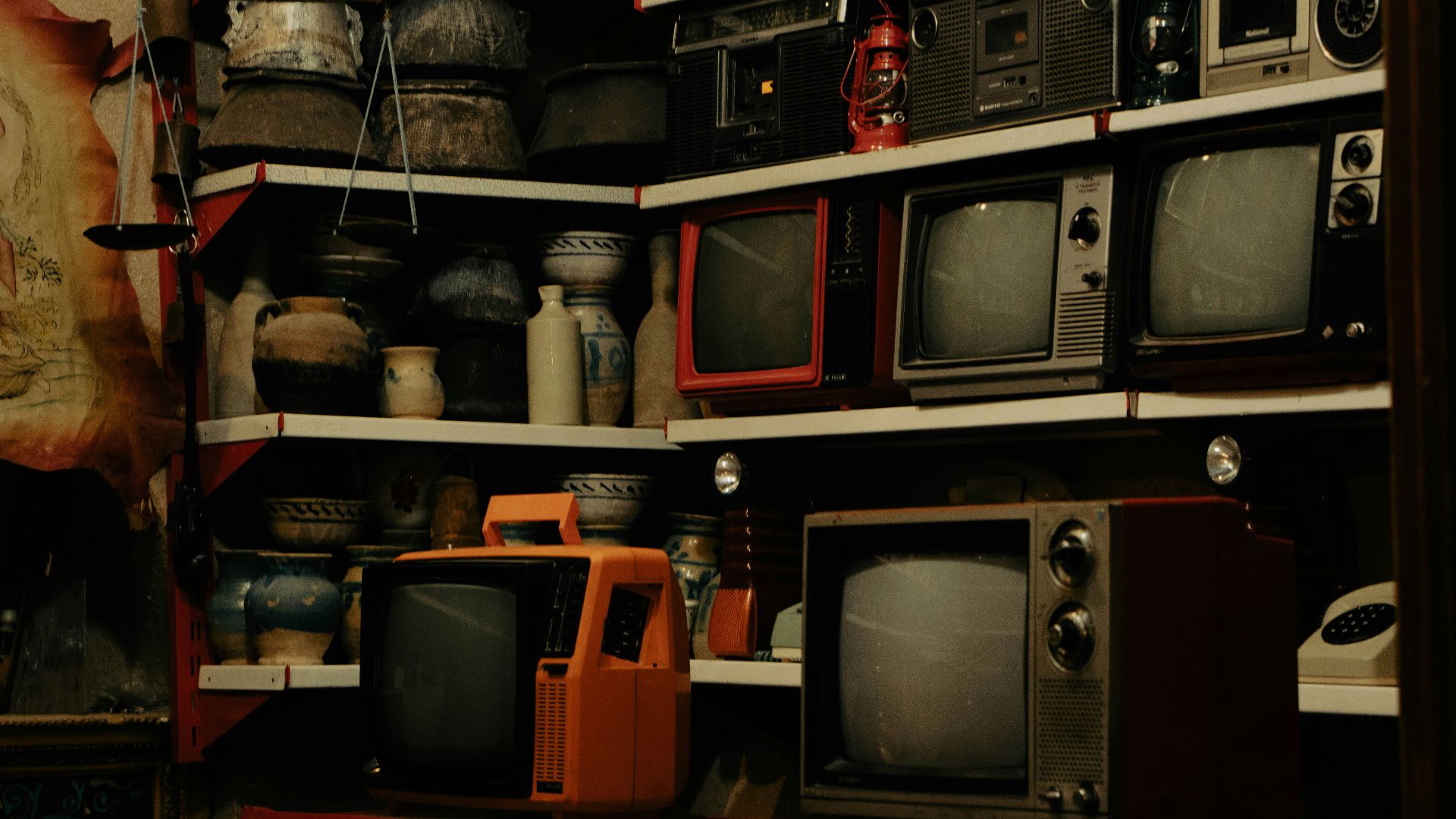
Detroit-area shoppers knew Fretter for its low-price promises and colorful commercials featuring founder Ollie Fretter. The stores sold major appliances alongside televisions and stereo equipment. Memorable advertising made Fretter a regional institution, but aggressive expansion and mounting competition contributed to its bankruptcy and liquidation in 1996.
Sun Television And Appliances
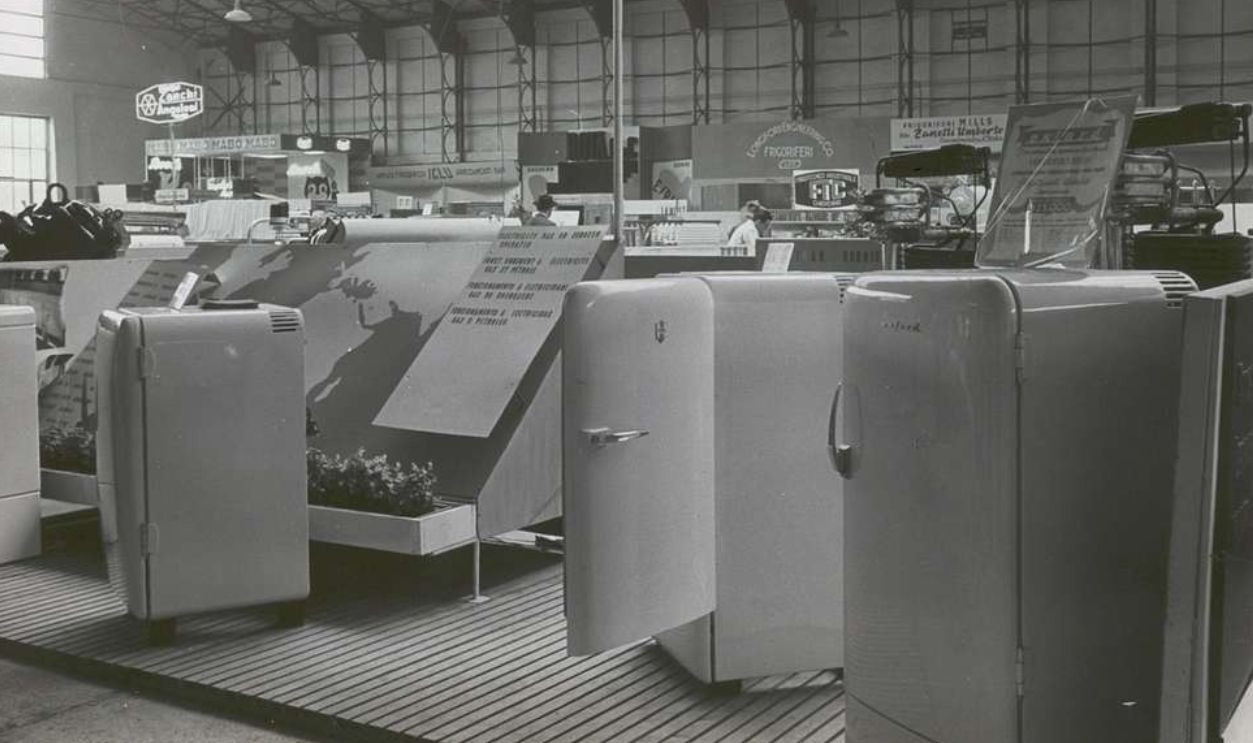
Sun operated appliance and electronics stores across Ohio and eventually expanded into neighboring states. Customers could compare televisions, refrigerators, ranges and laundry machines in one showroom. The chain became particularly successful in smaller communities before financial problems forced it into bankruptcy and liquidation during the late 1990s.
Newmark & Lewis
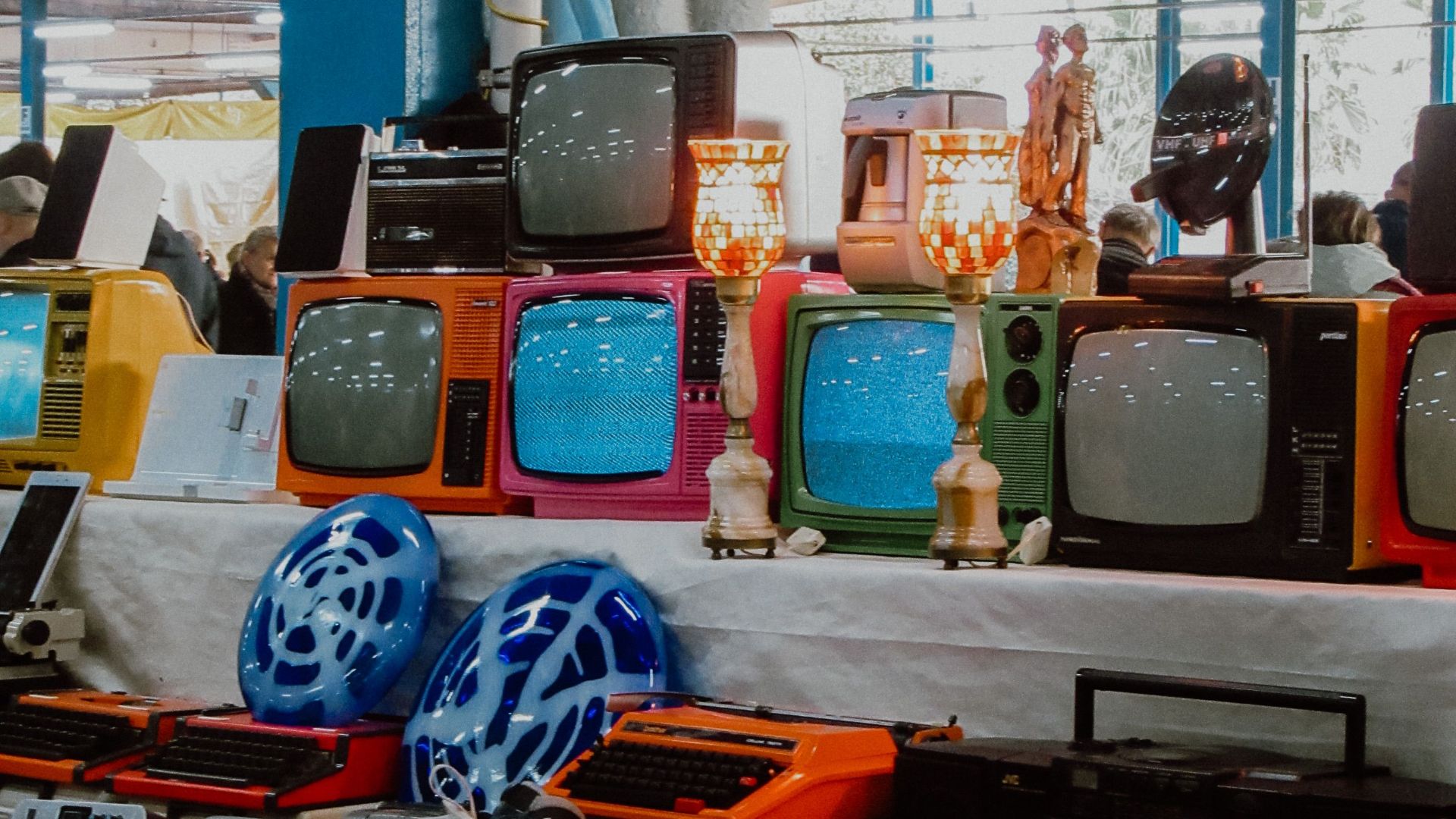
Newmark & Lewis was especially familiar to shoppers around New York and the Northeast. Its stores carried televisions, stereos, refrigerators and other major appliances, usually accompanied by heavily advertised discounts. Financial troubles and difficult retail conditions weakened the company, causing its remaining locations to close in 1992.
Crazy Eddie
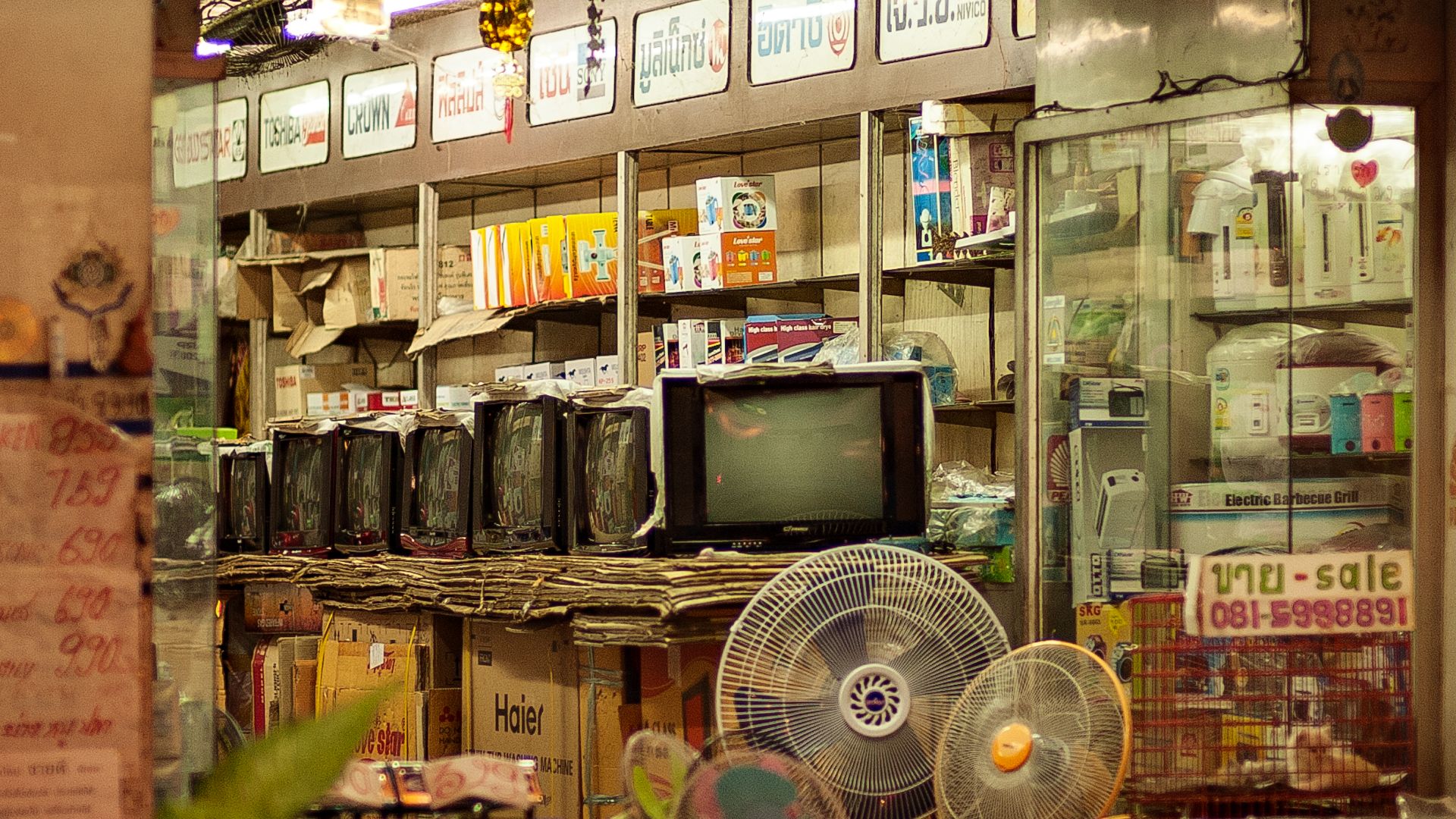
Crazy Eddie opened during the 1970s and became famous in the New York market for its loud, fast-moving television advertisements. The chain sold televisions, stereos, radios and other electronics at highly promoted prices. Rapid expansion, declining sales and a massive fraud scandal ultimately brought down the company, which liquidated in 1989.
Federated Group
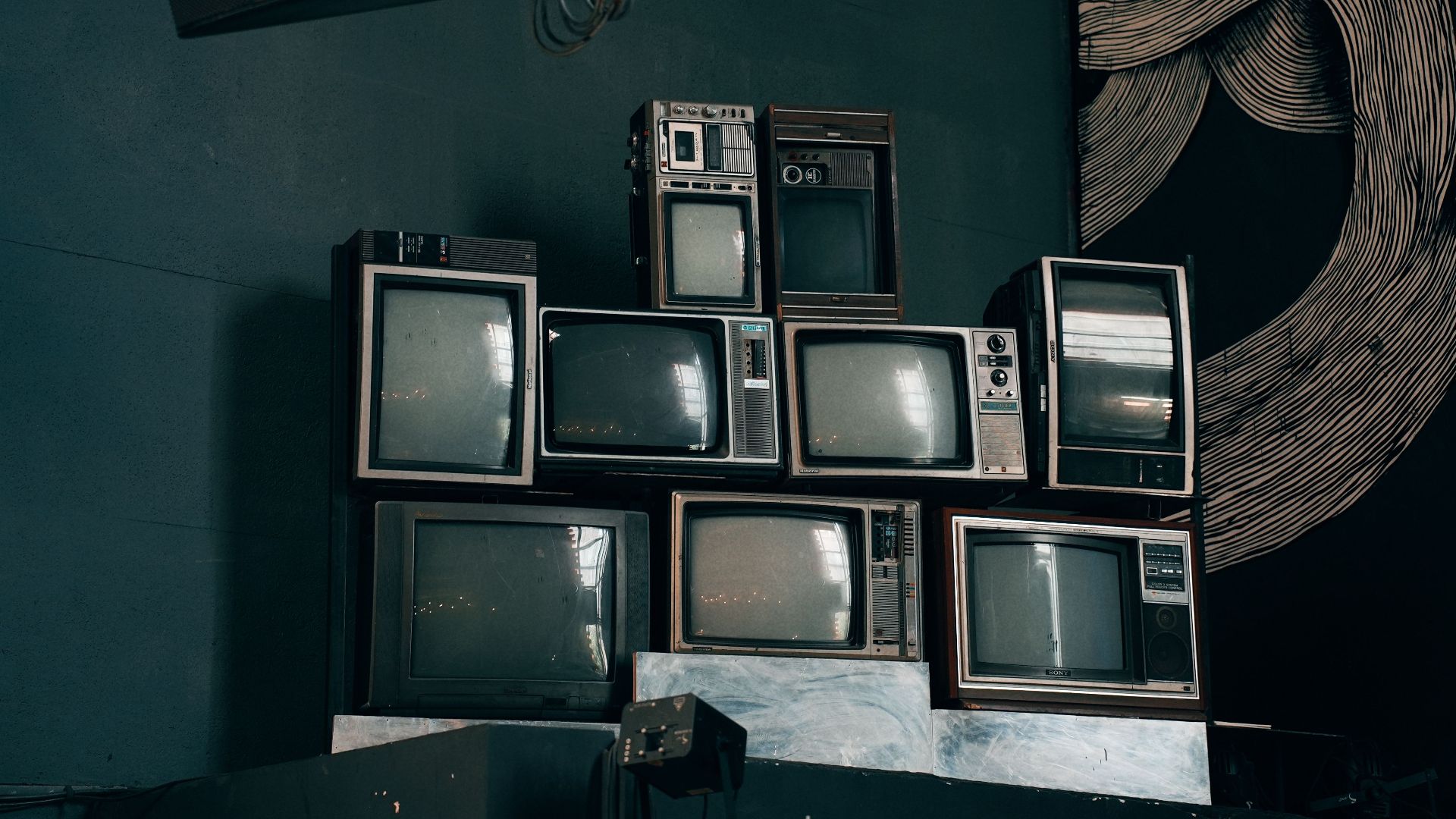
Founded in Los Angeles in 1970, Federated grew from one electronics outlet into a highly visible Southern California retailer. Shoppers visited its large stores for televisions, stereo systems, video equipment and home electronics. The company expanded aggressively, but growing losses and fierce price competition eventually caused the original chain to disappear.
Pacific Stereo
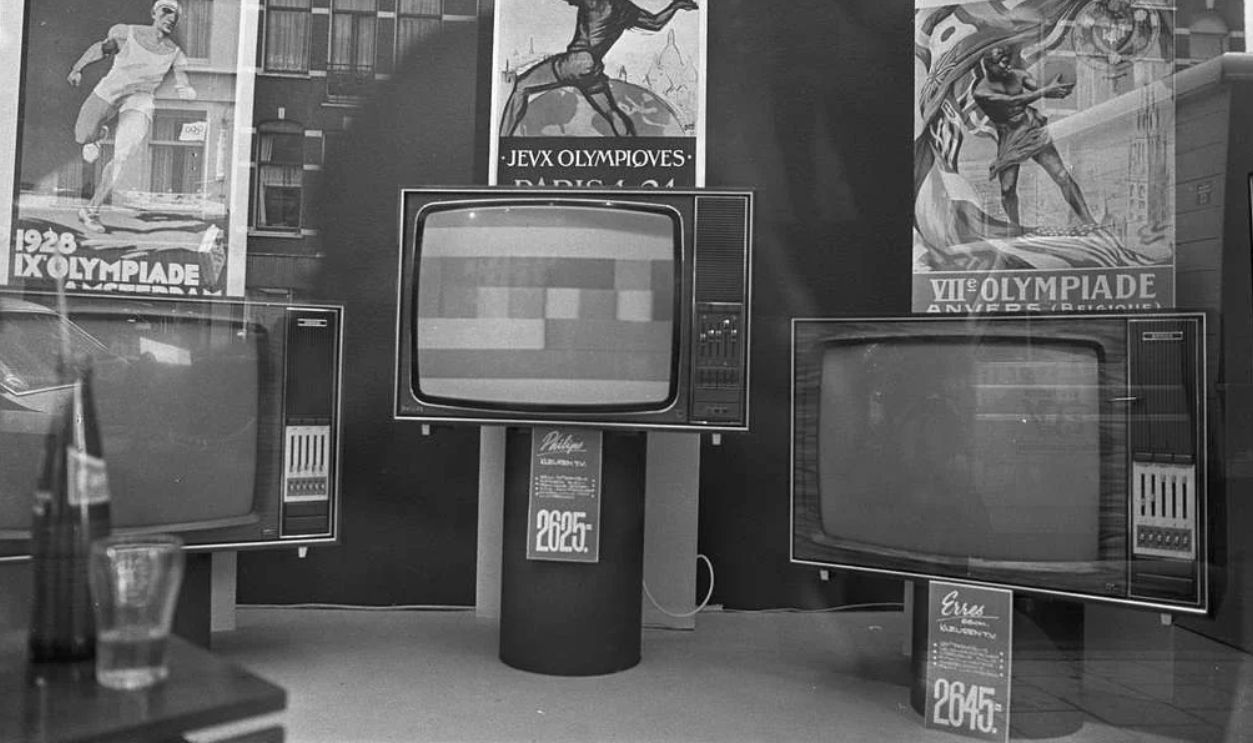
Pacific Stereo captured the excitement surrounding high-fidelity sound during the 1970s. Its showrooms displayed receivers, speakers, turntables and complete stereo systems that customers could hear before purchasing. The chain grew to dozens of stores, but changing technology, heavy debt and competition from electronics superstores contributed to its 1986 bankruptcy.
Tech HiFi
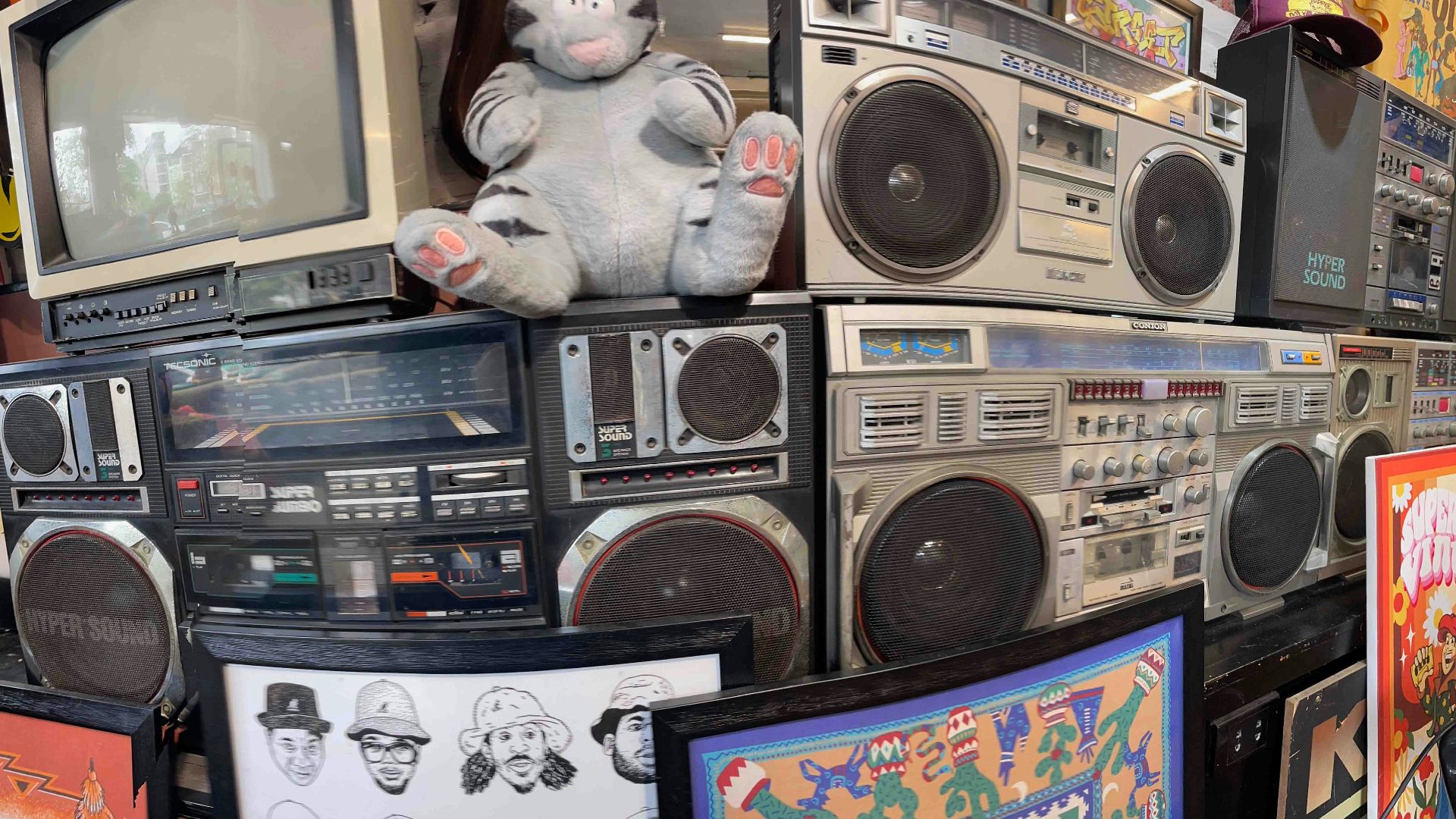
Tech HiFi attracted music lovers who wanted to assemble serious component stereo systems. Salespeople helped customers match receivers, turntables, cassette decks and speakers from different manufacturers. That specialized approach flourished during the 1970s audio boom, but discount retailers and changing consumer preferences made the business increasingly difficult during the following decade.
Lafayette Radio Electronics
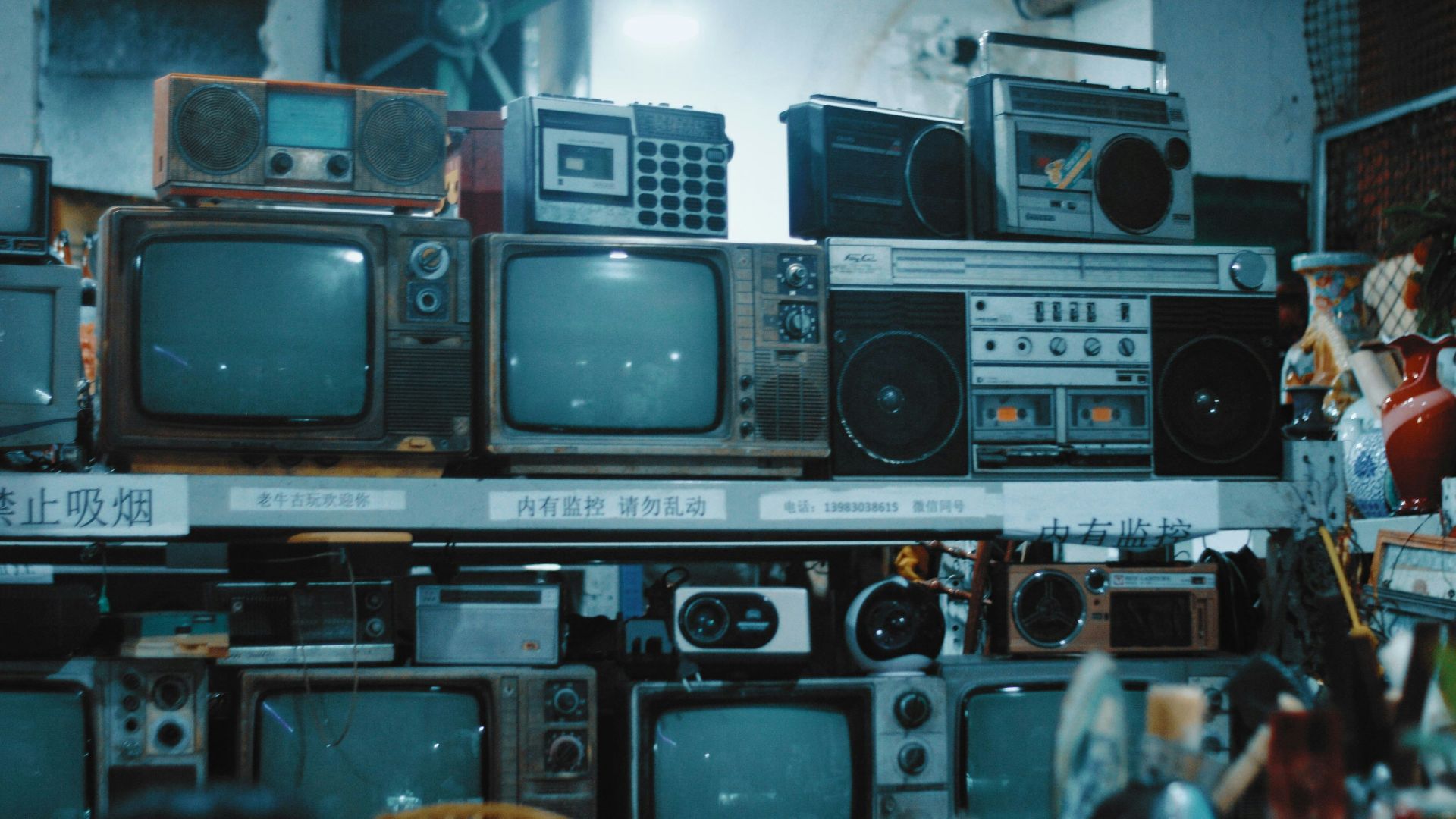
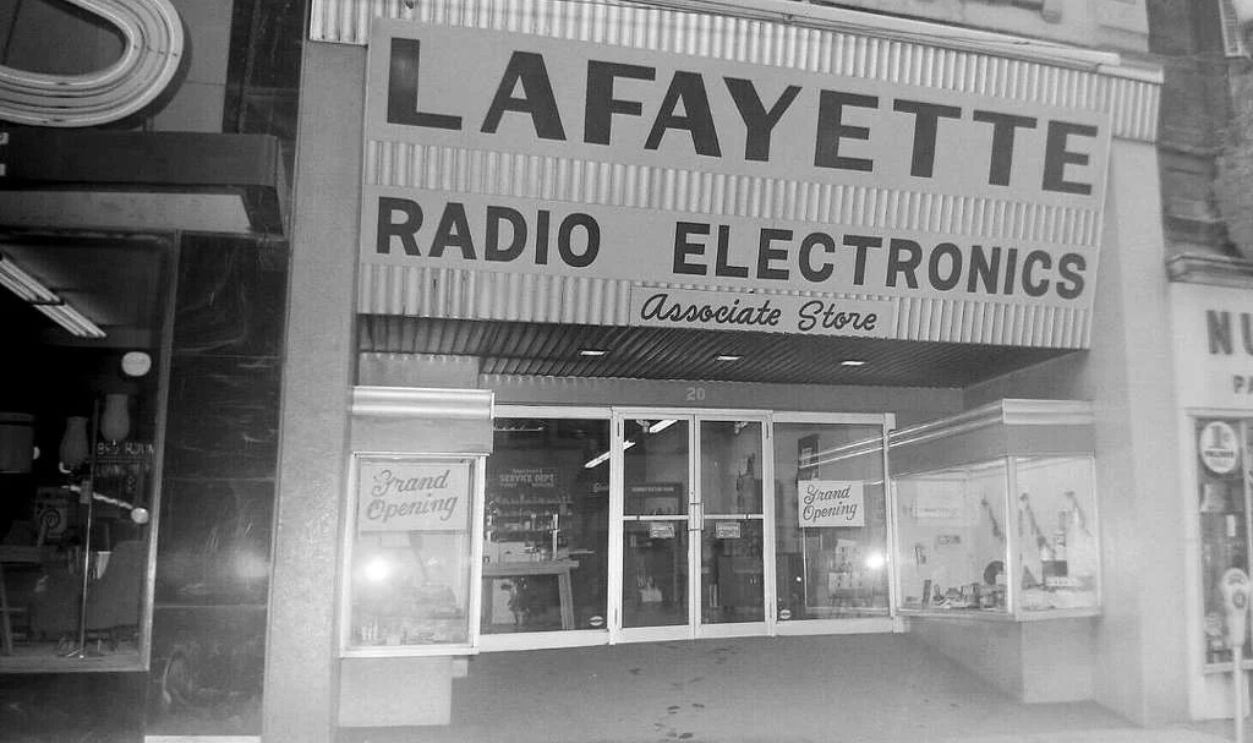
Lafayette stores were part electronics showroom and part hobby workshop. Customers could purchase stereo receivers, speakers, radios, antennas, electronic parts and Lafayette’s private-label equipment. The chain appealed to casual shoppers and dedicated hobbyists alike, but growing competition from mass-market retailers contributed to its 1981 bankruptcy.
Olson Electronics
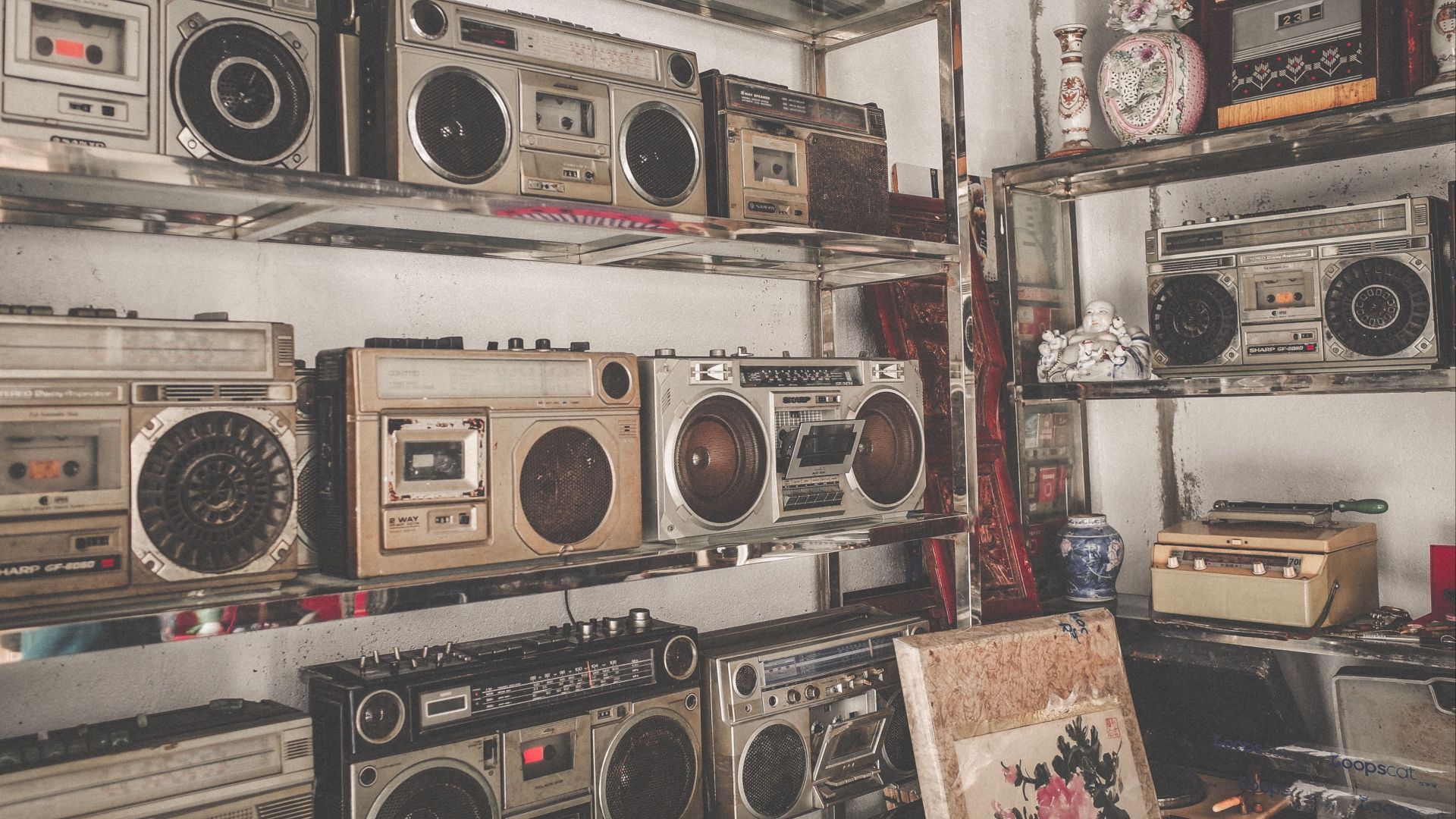
Olson Electronics stocked stereo components, radios, speakers, television accessories and bins filled with parts for do-it-yourself projects. Its stores gave technically inclined shoppers access to items ordinary department stores rarely carried. As home electronics became less repairable and large competitors expanded, Olson struggled and eventually disappeared during the 1980s.
Polk Brothers
For generations of Chicago-area families, Polk Brothers was a familiar destination for refrigerators, televisions, washers, ranges and furniture. The company built its reputation on selection, discount prices and neighborhood recognition. Larger electronics superstores eventually eroded its market, and Polk Brothers closed its remaining locations in 1992.
Luskin’s
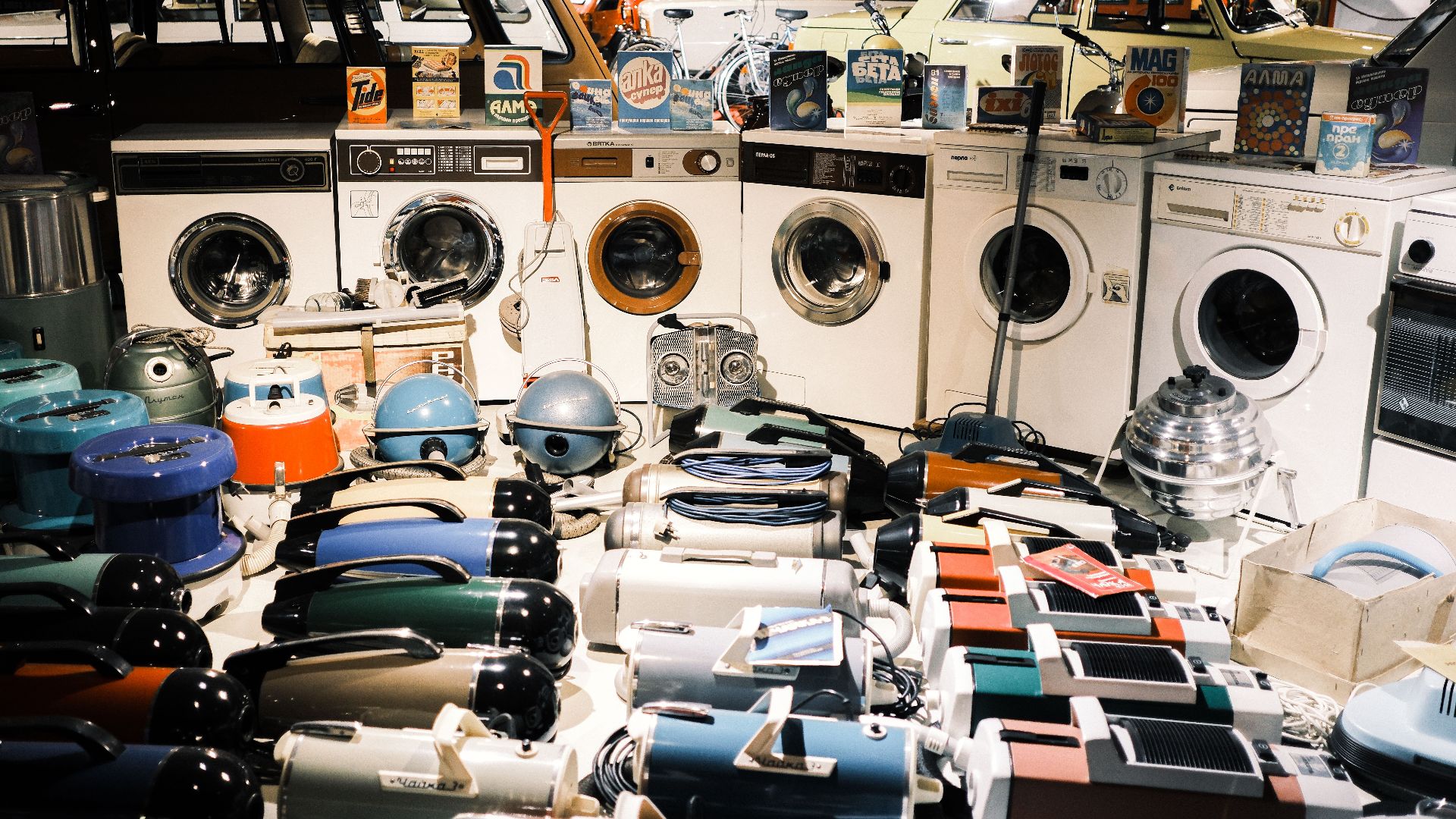
Luskin’s was a major Mid-Atlantic retailer of televisions, stereo equipment, furniture and household appliances. Its bold advertising helped the company expand beyond its Baltimore roots and acquire several smaller chains. Slower sales, debt and changing competition eventually overwhelmed the business, which disappeared during the 1990s.
Tokyo Shapiro
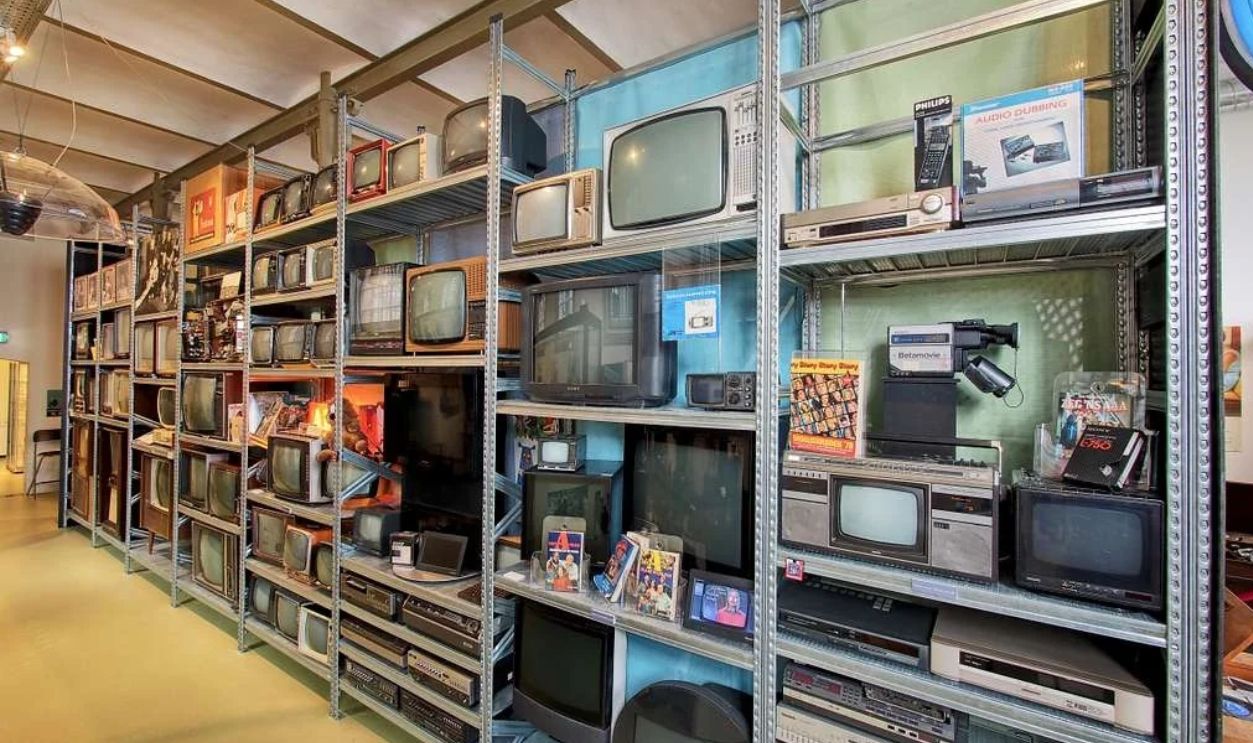
Despite its international-sounding name, Tokyo Shapiro was an American electronics and appliance retailer based in Ohio. Its showrooms offered stereo systems, televisions and other home electronics at discount prices. The company entered bankruptcy during the 1980s, and several of its locations were subsequently acquired by Luskin’s.
Kelly & Cohen
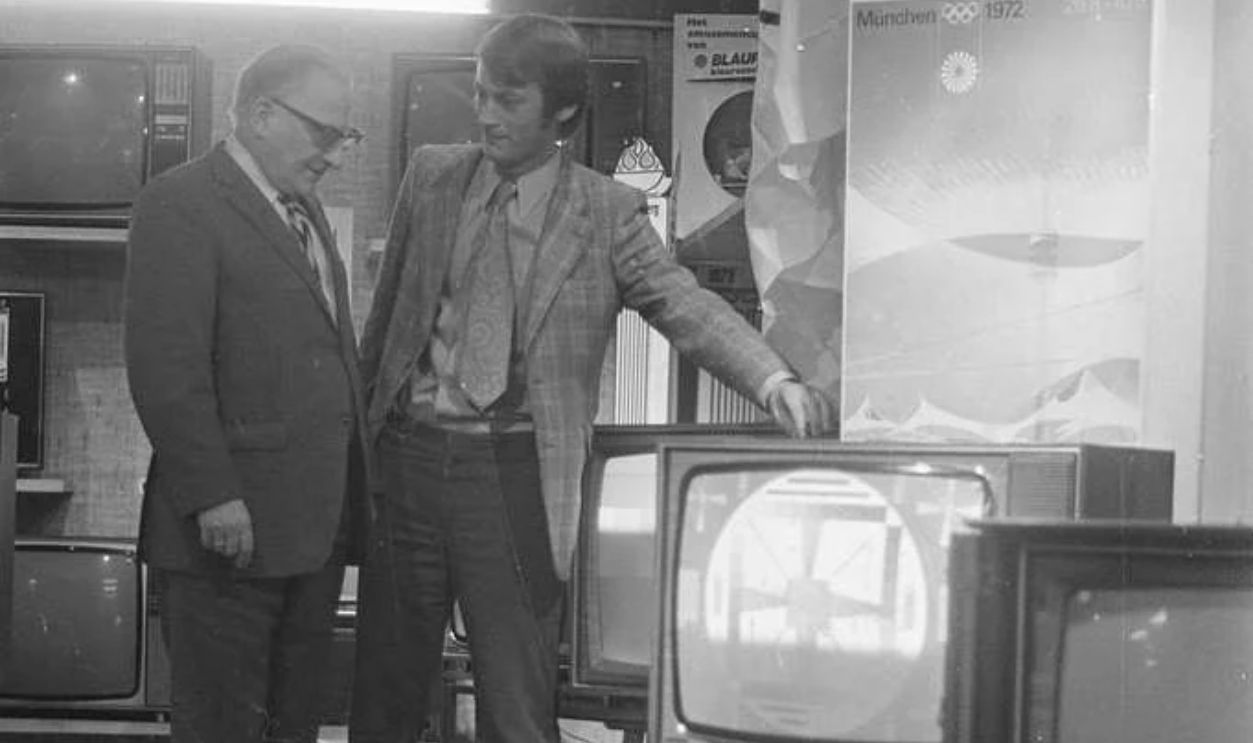
Kelly & Cohen served Washington-area households with televisions, refrigerators, ranges and other major appliances. The company grew from a single location into a significant regional chain and promoted well-known manufacturers in its showrooms. Once an important name in appliance retailing, it eventually vanished as discounting and consolidation reshaped the industry.
McDuff Electronics & Appliances
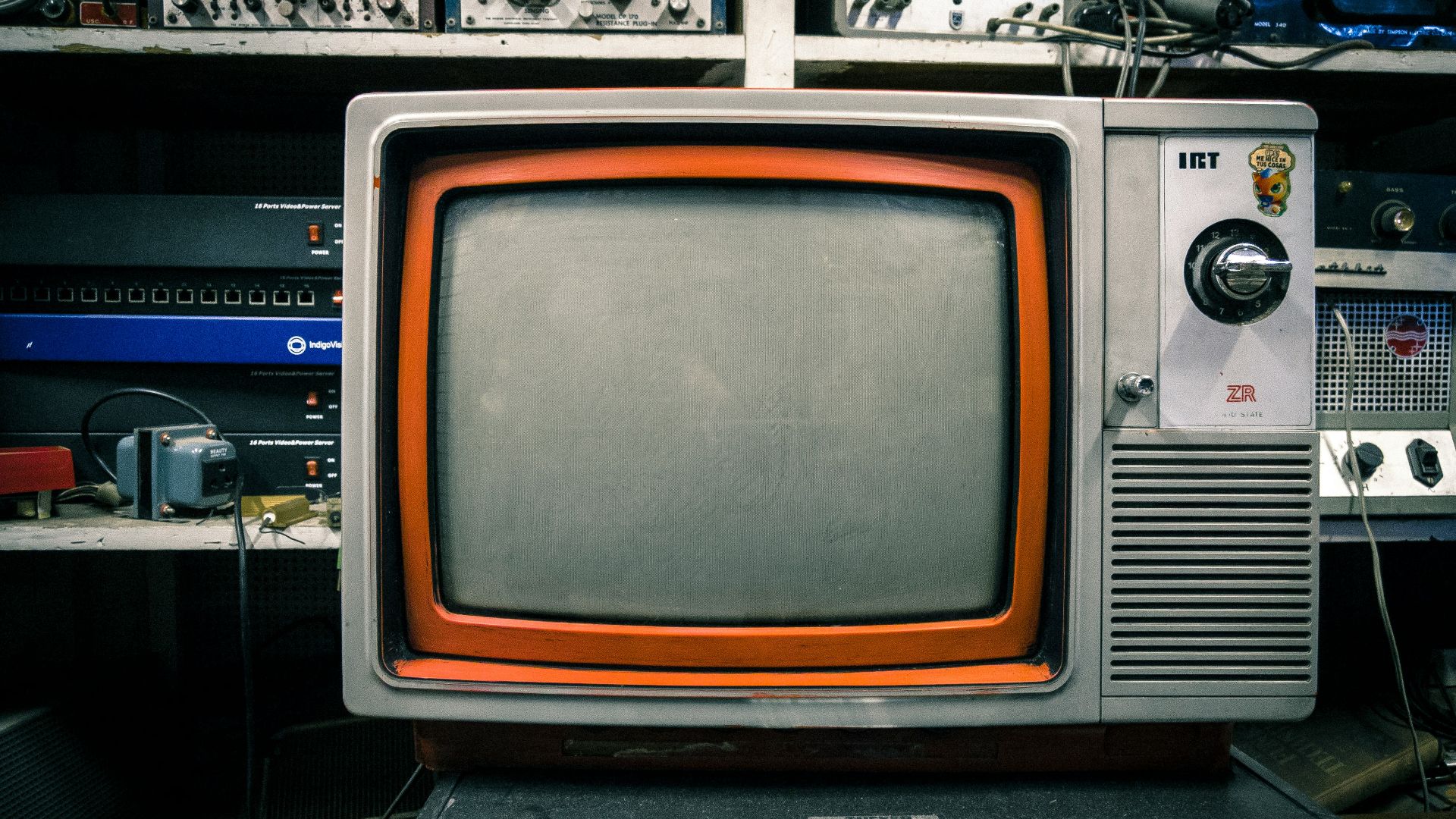
McDuff became a recognizable appliance and electronics chain across parts of Florida, Texas and the Southeast. Customers could shop for refrigerators, laundry equipment, televisions and stereos under one roof. Tandy Corporation later purchased the business, but the McDuff banner was gradually phased out as its owner reorganized its retail operations.
Lechmere
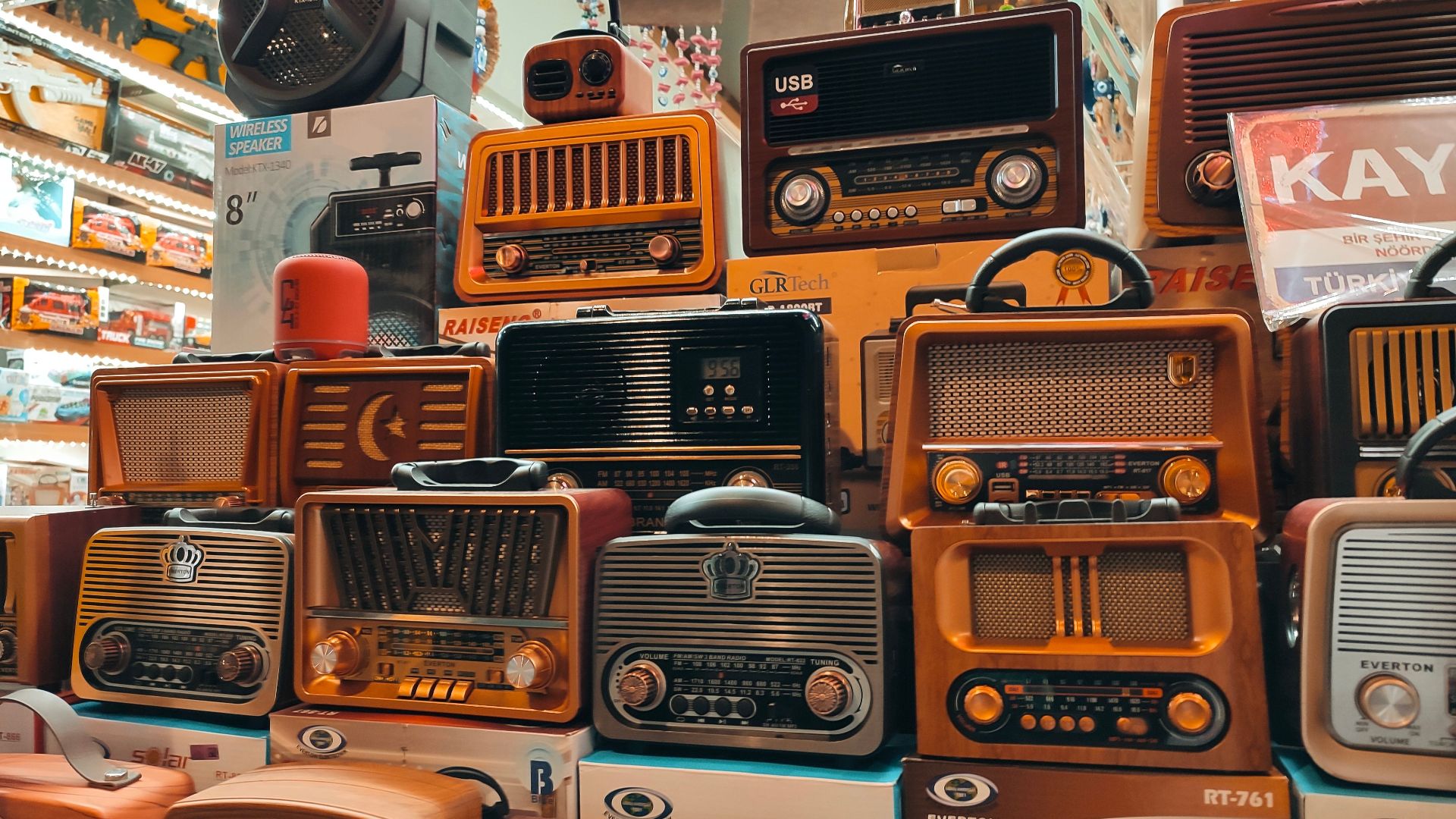
New England shoppers could find nearly everything for the home at Lechmere, including refrigerators, televisions, ranges, washers and stereo equipment. Its large discount stores combined appliance departments with sporting goods, jewelry and other merchandise. After being acquired by Montgomery Ward, the chain struggled financially and closed in 1997.
Sound Of Music
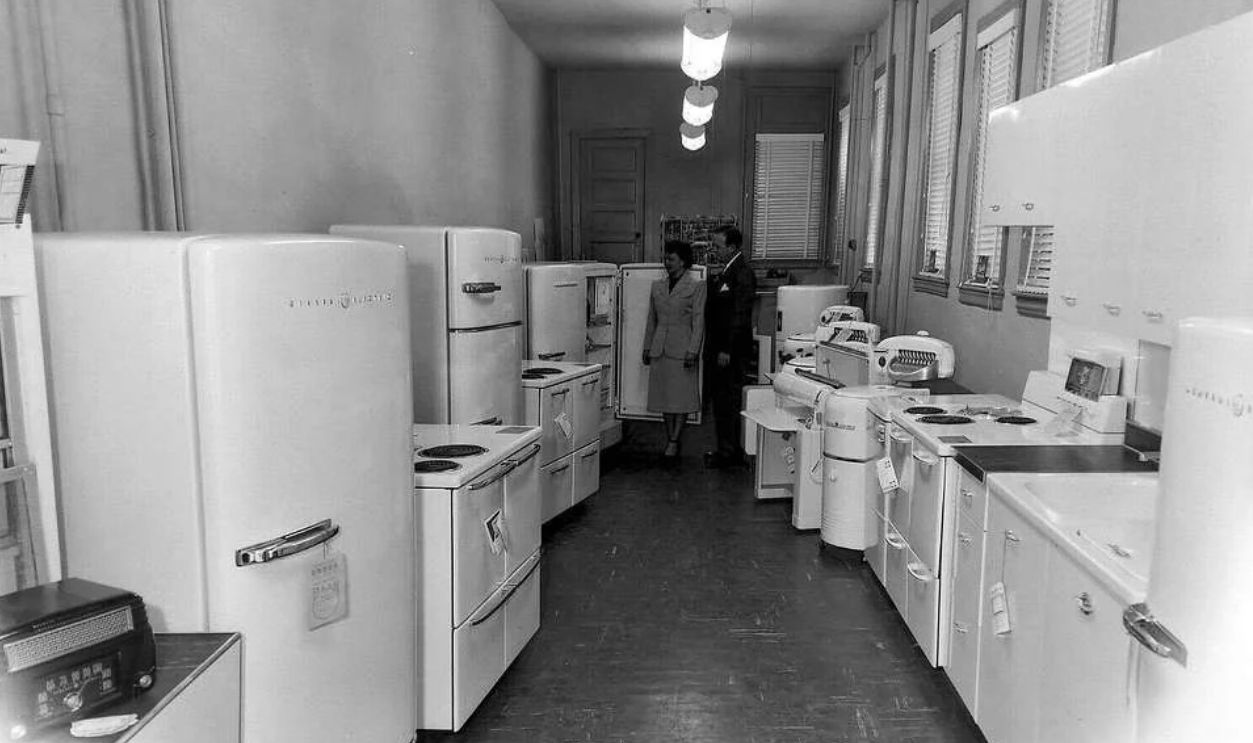
Sound of Music began in Minnesota and sold stereo components, speakers and other home electronics to consumers fascinated by high-quality audio. Its warehouse-style approach emphasized selection and competitive pricing. This chain did not exactly fail. Its owners adopted a broader superstore format and changed the company’s name to Best Buy in 1983.
Schaak Electronics
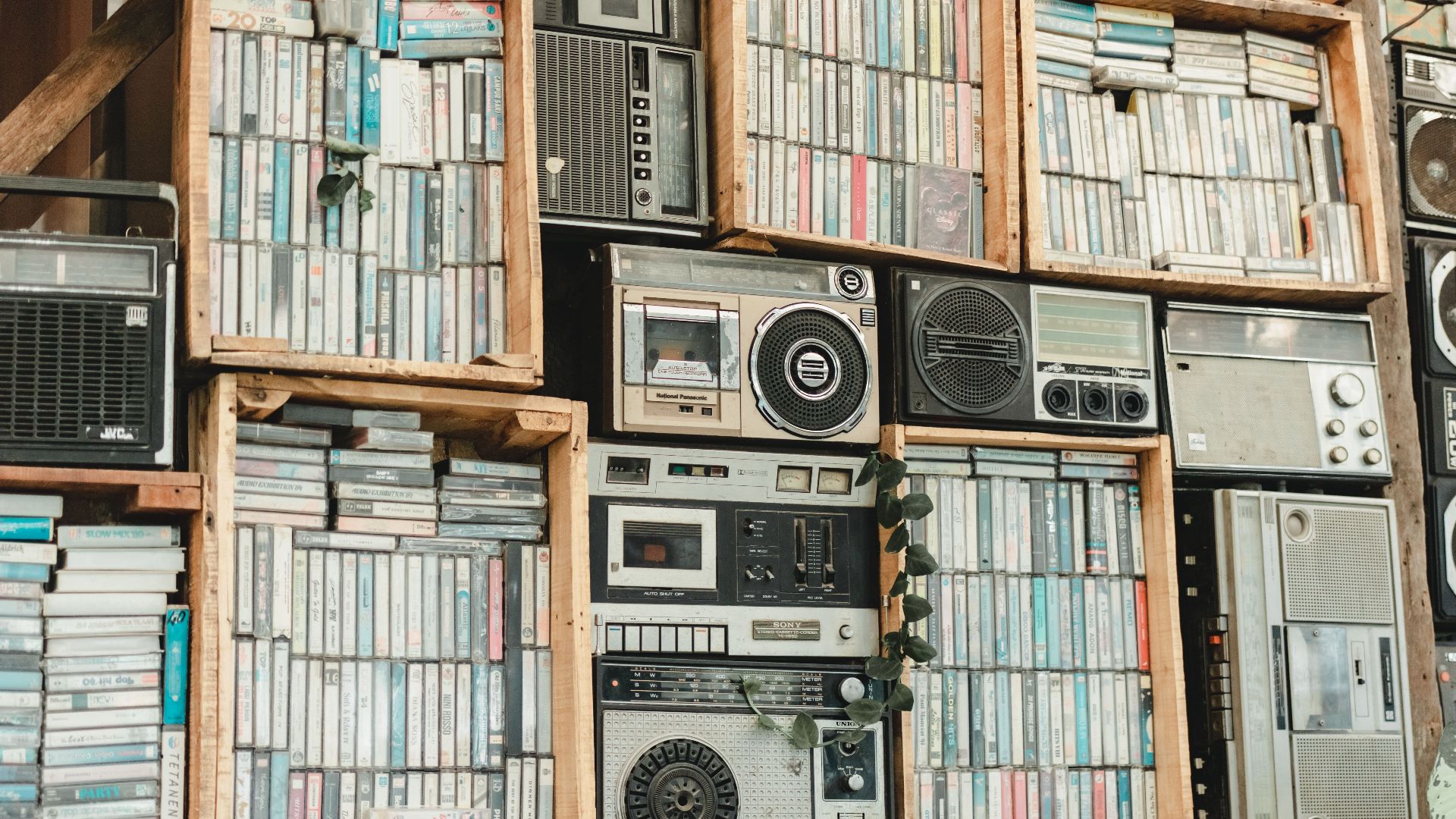
Schaak Electronics was another Minnesota-based favorite during the component-stereo era. Shoppers could test receivers, turntables, tape decks and speakers while knowledgeable employees explained the differences. The chain expanded beyond its home market, but financial problems and shifting competition led to bankruptcy and liquidation during the mid-1980s.
American TV & Appliance
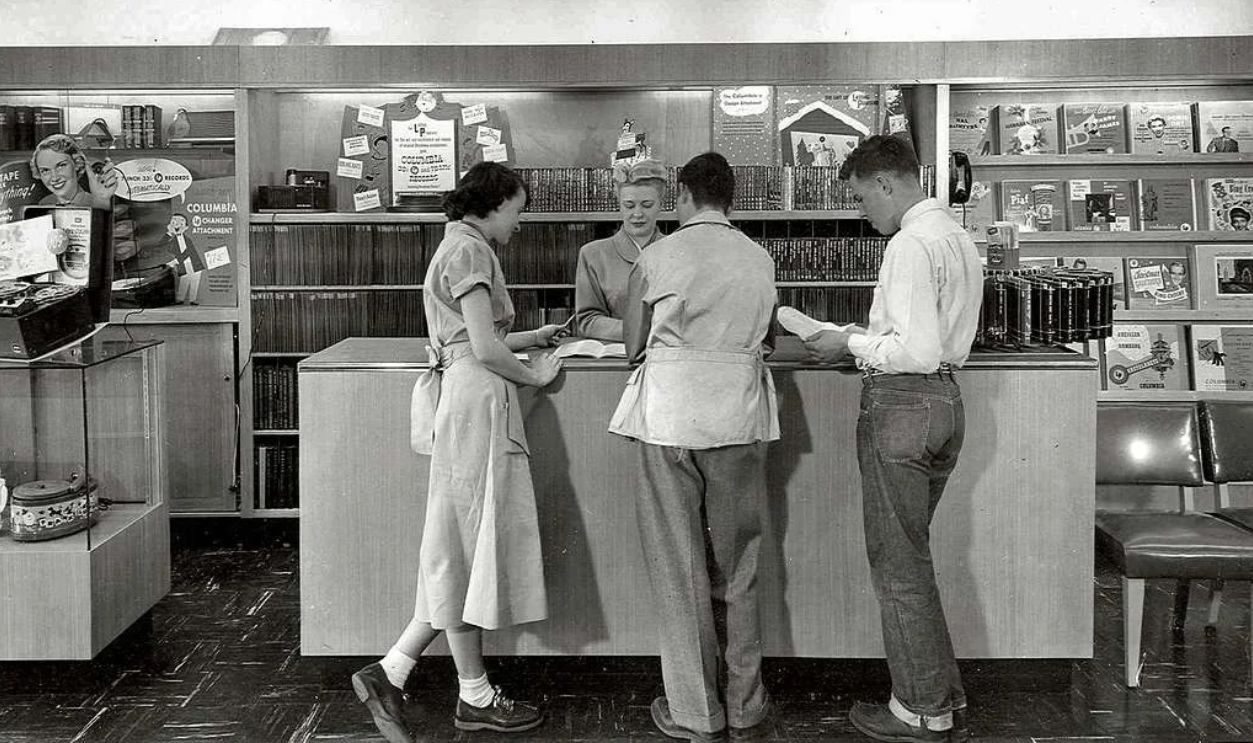
Founded in Wisconsin, American TV & Appliance became a major Midwestern destination for televisions, refrigerators, ranges, laundry machines and furniture. Its large showrooms and extensive advertising kept the company recognizable long after the 1970s ended. Online competition and shrinking margins eventually took their toll, and the chain closed in 2014.
Bernie’s
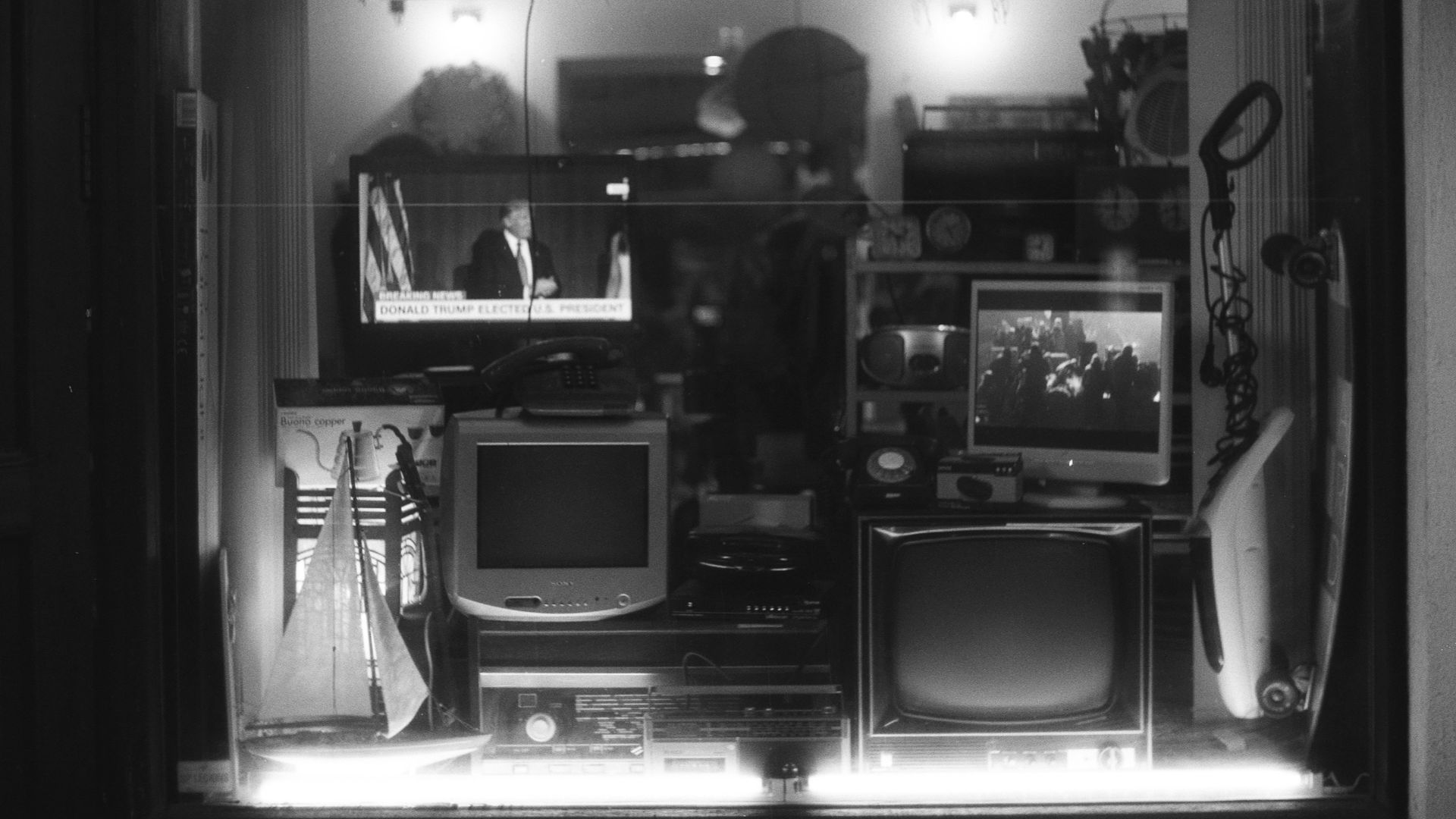
Bernie’s began as a Connecticut television business and grew into a familiar New England appliance and electronics chain. Its stores stocked televisions, refrigerators, washers, dryers and mattresses, usually supported by frequent sales promotions. After surviving several major changes in retailing, Bernie’s entered bankruptcy and closed its remaining stores in 2010.
Heilig-Meyers
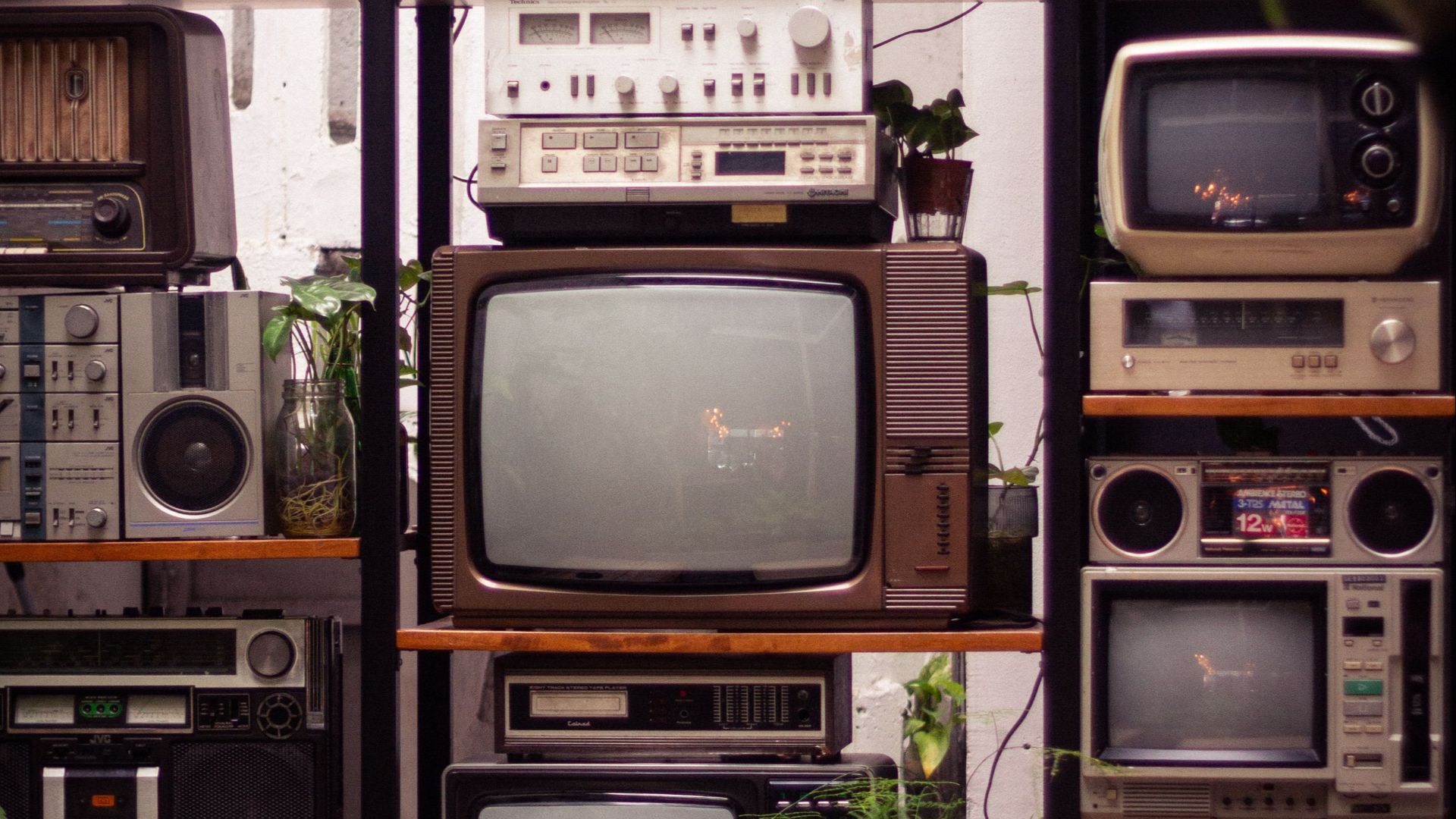
Heilig-Meyers was best known for furniture, but many locations also carried televisions, small appliances and other household equipment. Its stores were particularly important in smaller Southern communities where fewer large retailers operated. Rapid expansion and heavy debt weakened the company during the 1990s, eventually resulting in bankruptcy.
Western Auto
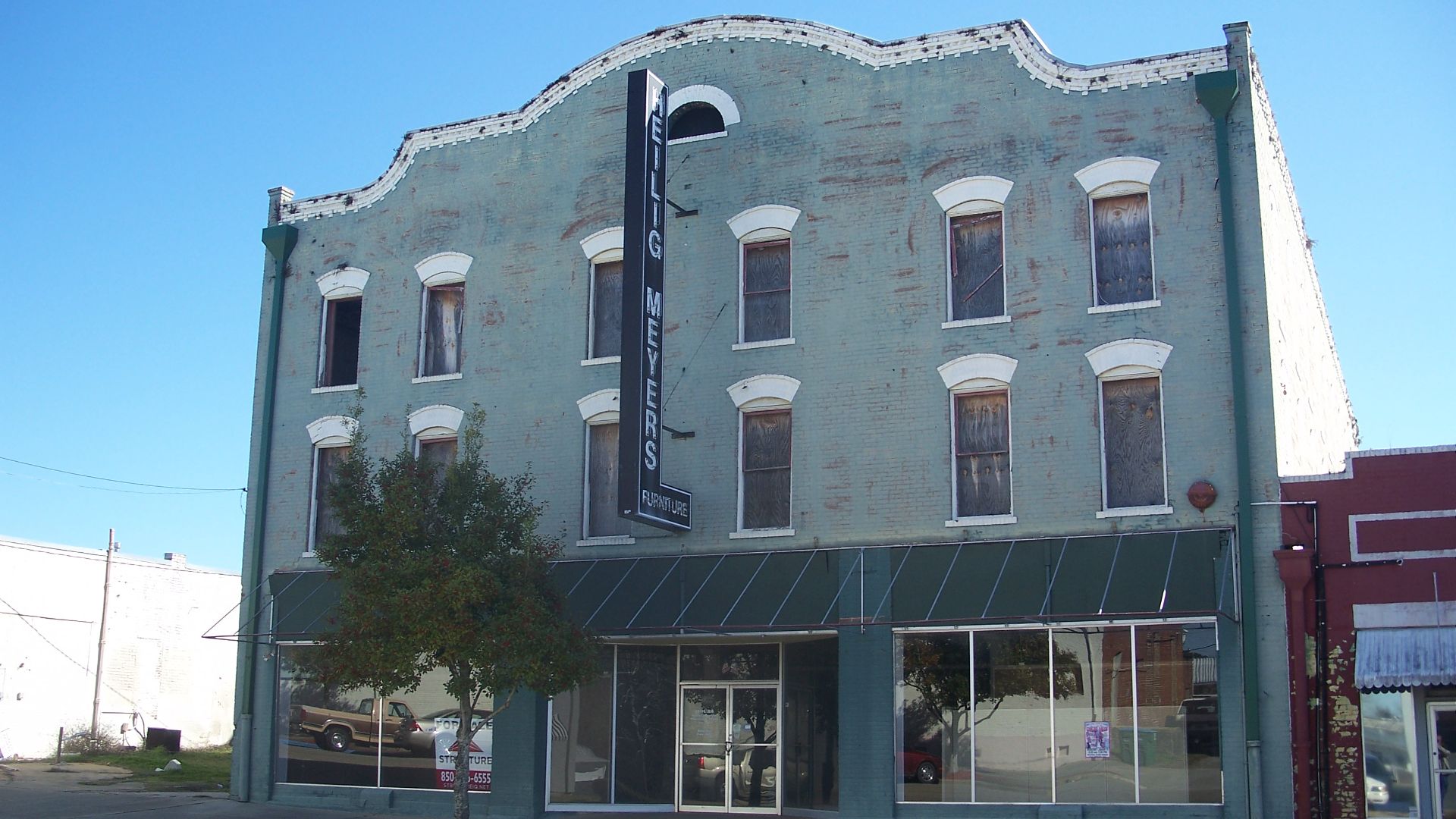
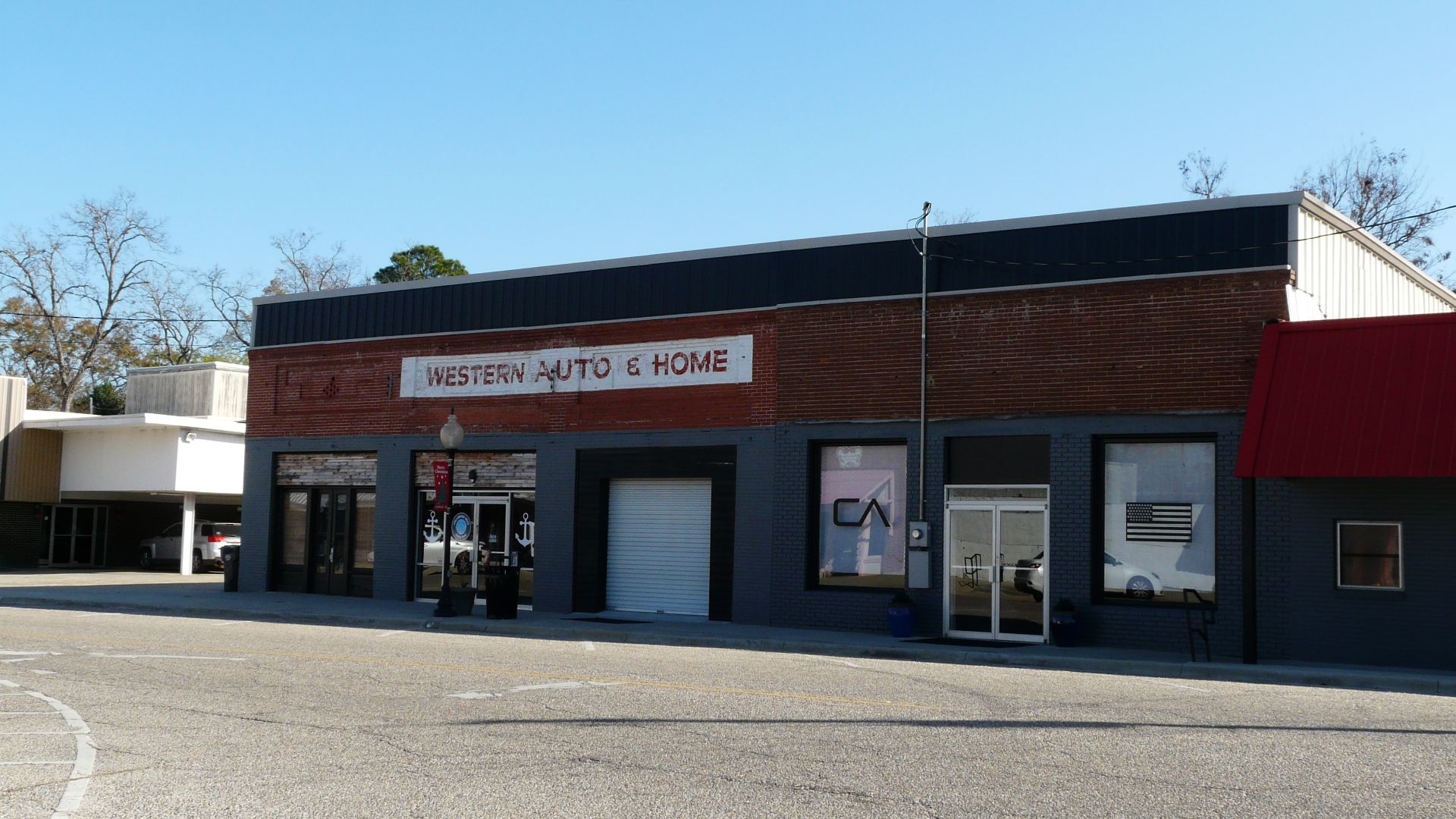
Western Auto was more than an auto-parts store. Many locations carried televisions, radios, refrigerators, washing machines and other household goods alongside tires, bicycles and tools. Its independently operated stores were common in small-town America during the 1970s. After several ownership changes, the Western Auto retail banner gradually disappeared.
 The Bushranger, Wikimedia Commons
OTASCO
The Oklahoma Tire and Supply Company, commonly called OTASCO, served communities throughout the South and Southwest. Alongside automotive supplies, its stores sold televisions, record players, stoves, refrigerators and other appliances. Competition from national discount chains steadily weakened the business, and OTASCO entered bankruptcy in 1988.
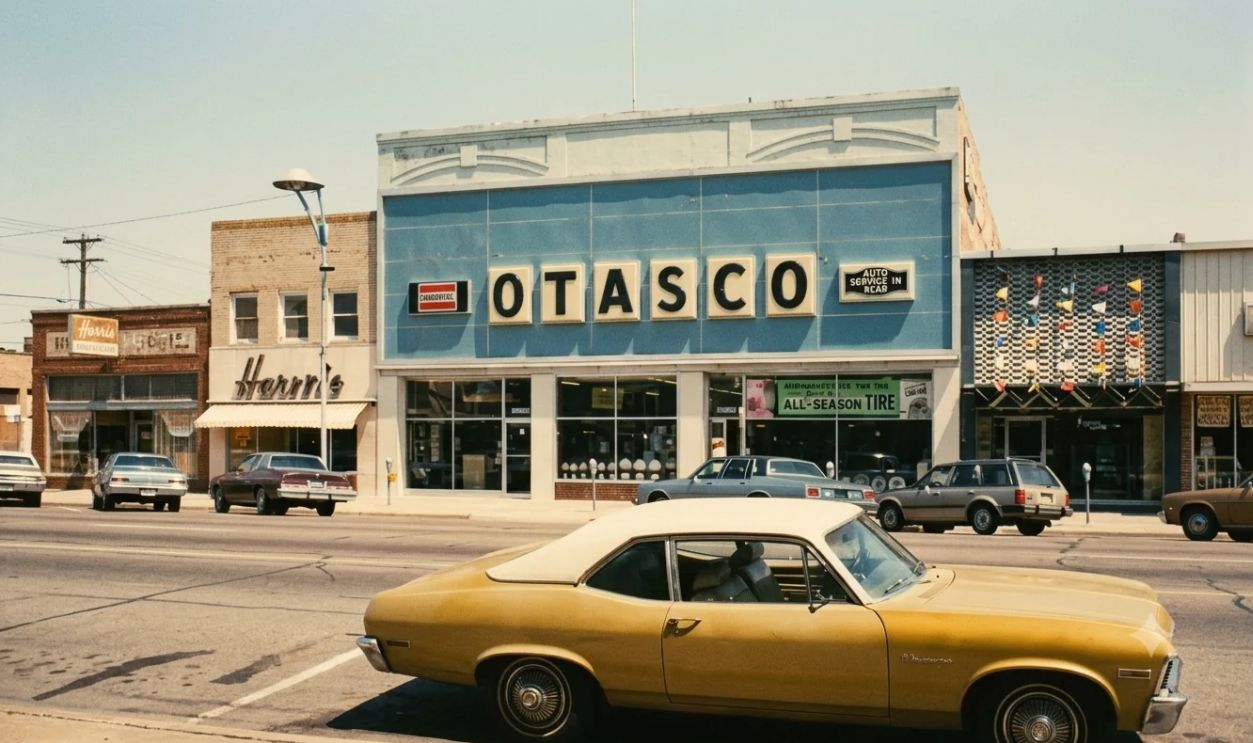 Lindell Dillon, Flickr, Modified
Gambles
Gambles stores were fixtures in many Midwestern and Western towns. Independent dealers sold hardware, televisions, radios, washers, refrigerators and other household necessities beneath the Gambles name. The dealer network once gave smaller communities convenient access to modern appliances, but corporate changes, consolidation and big-box competition caused the familiar banner to fade away.