History Hasn't Always Been Kind To Queens
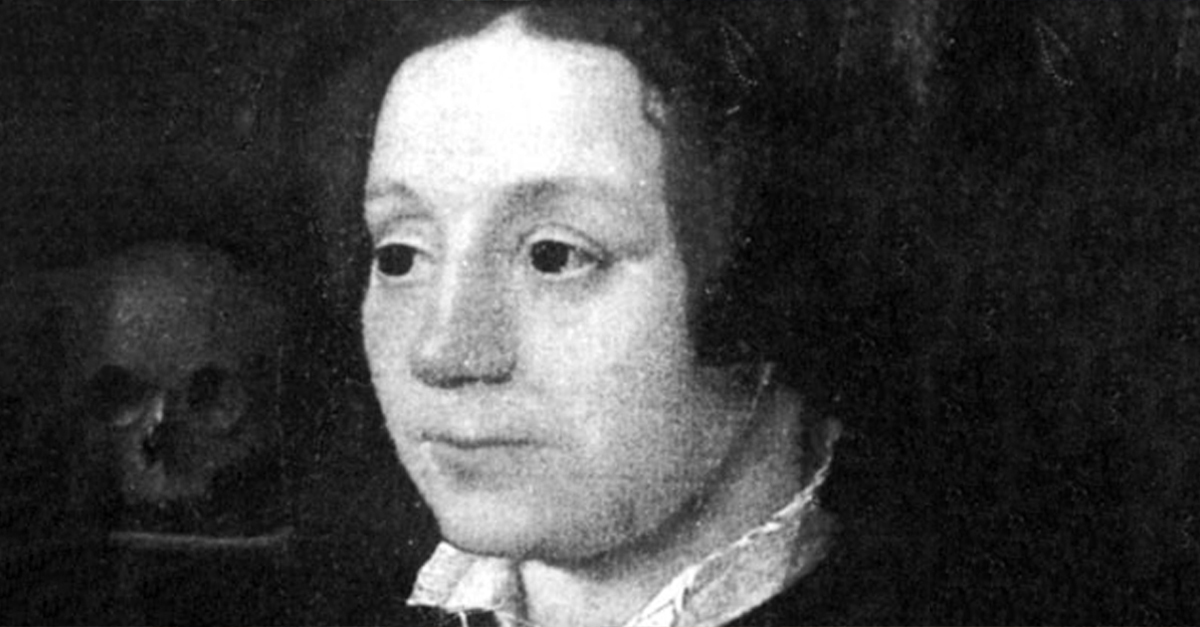
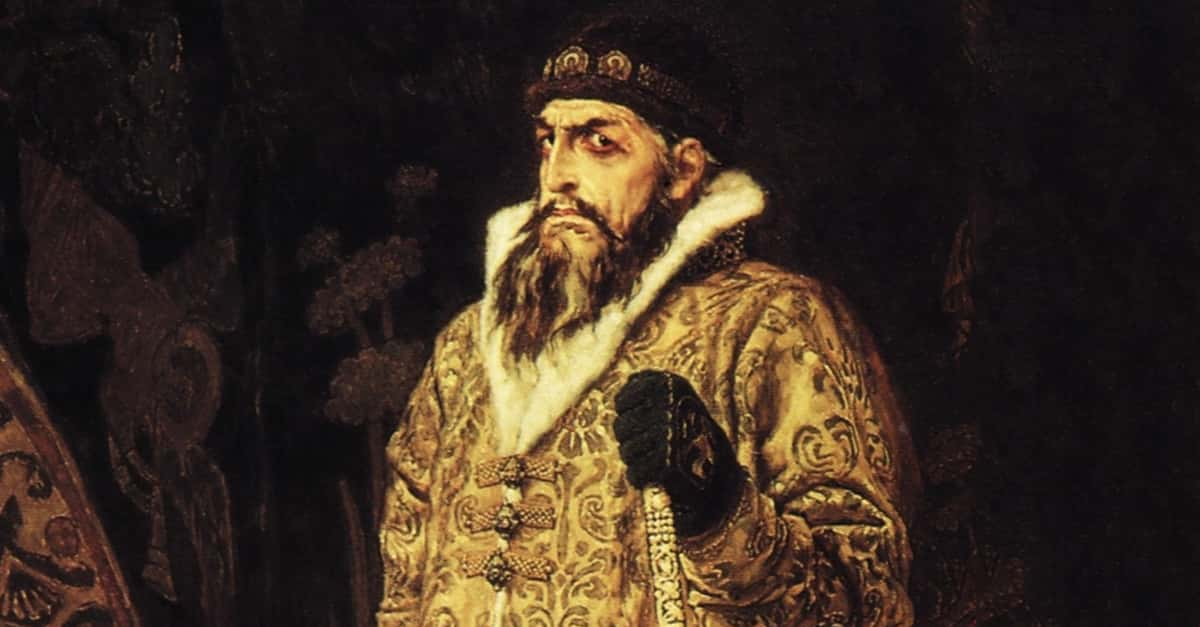
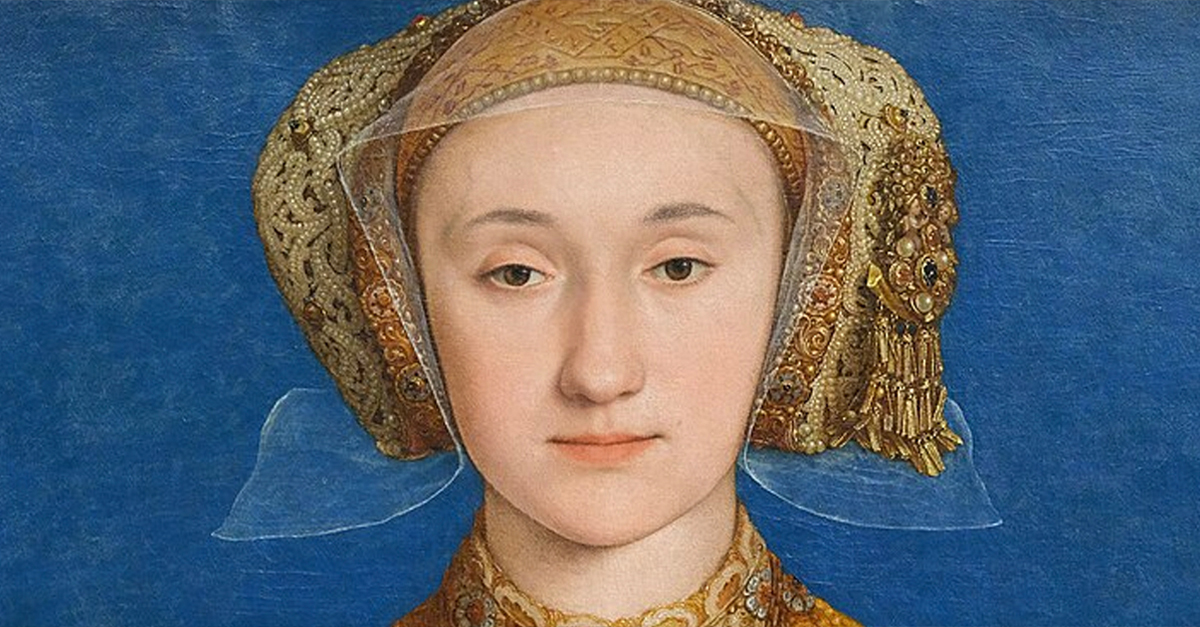
For centuries, queens were remembered through hostile chroniclers, religious opponents, political propaganda, national myths, and later storytellers. Modern historians have gone back to letters, court records, archaeology, art, and contemporary accounts. Often, the evidence reveals a woman far more complicated than the legend.
 Hans Holbein the Younger, Wikimedia Commons
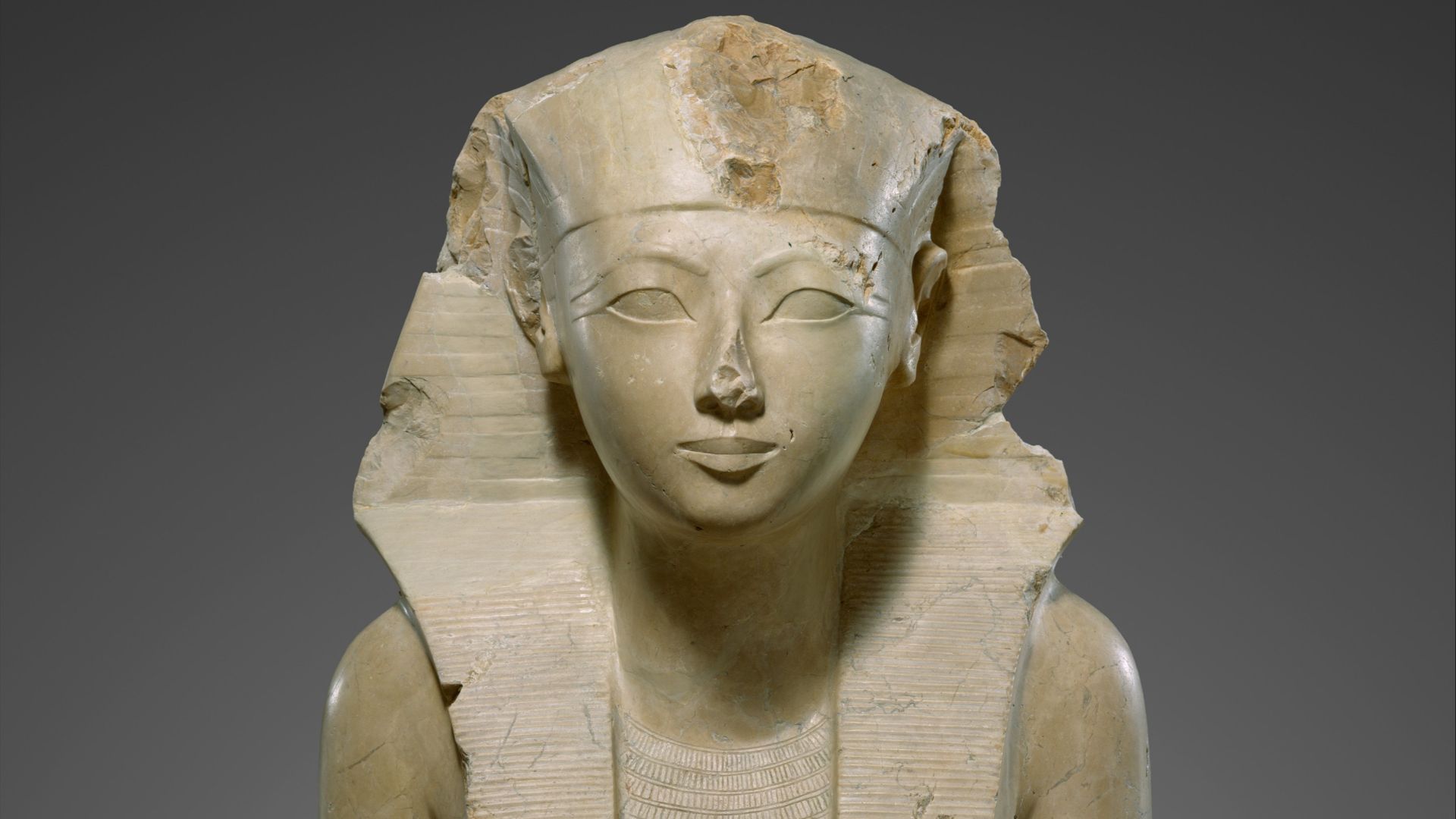
Hatshepsut Wasn't Simply A Throne-Stealing Stepmother
Hatshepsut was once portrayed as an ambitious usurper who stole power from the young Thutmose III. Yet they remained co-rulers, and Egypt flourished during her nearly 20-year reign. Her monuments were not systematically attacked until about two decades after her passing, weakening the old tale of immediate revenge.
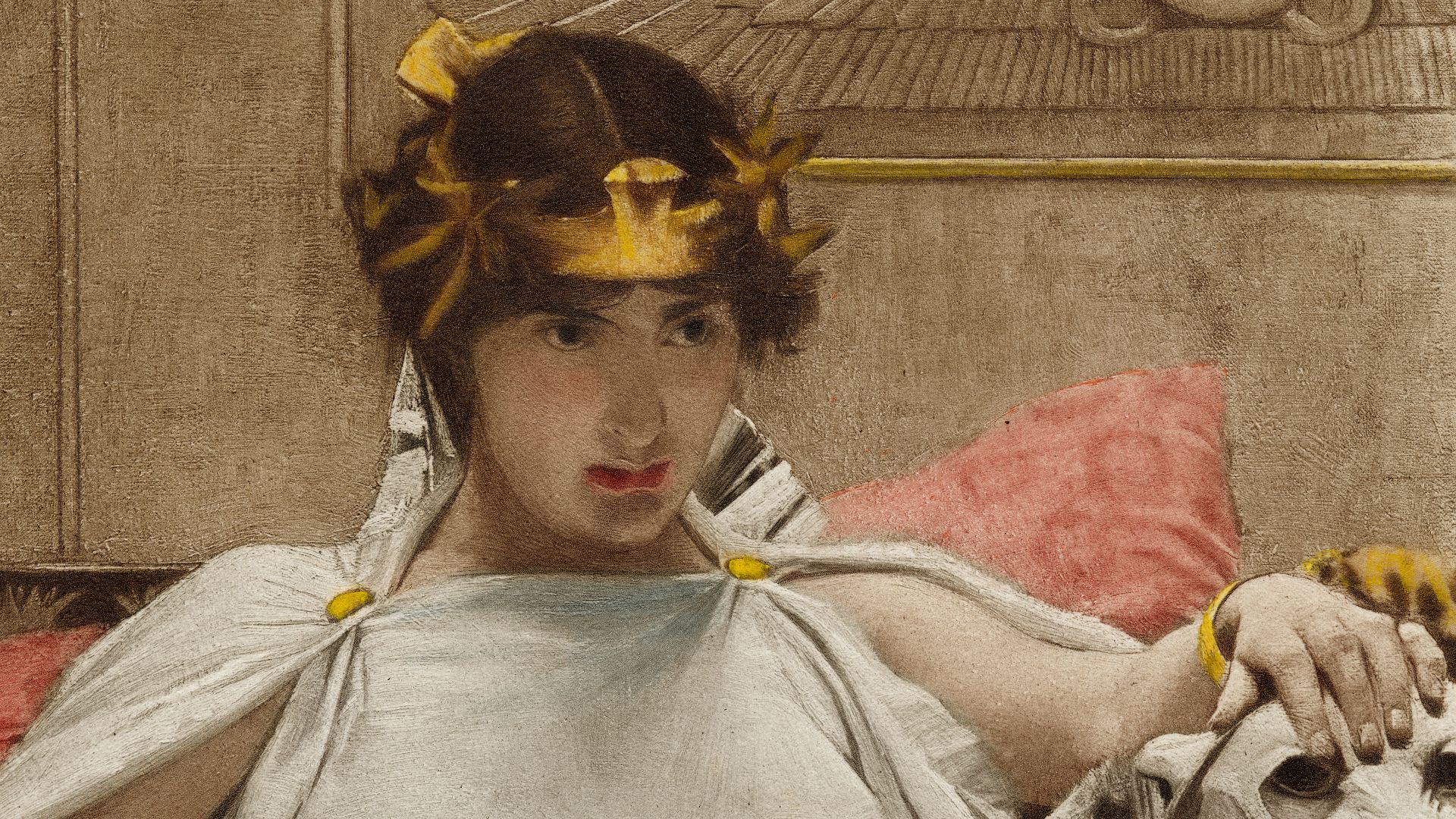
Cleopatra Was More Than Rome's Seductress
Roman propaganda, especially that surrounding Octavian's war against Antony and Cleopatra, helped turn Egypt's queen into history's ultimate seductress. Modern scholarship emphasizes something Rome's caricature obscured: Cleopatra was an educated monarch managing diplomacy, finances, territory, and the survival of an increasingly vulnerable kingdom.
 John William Waterhouse, Wikimedia Commons
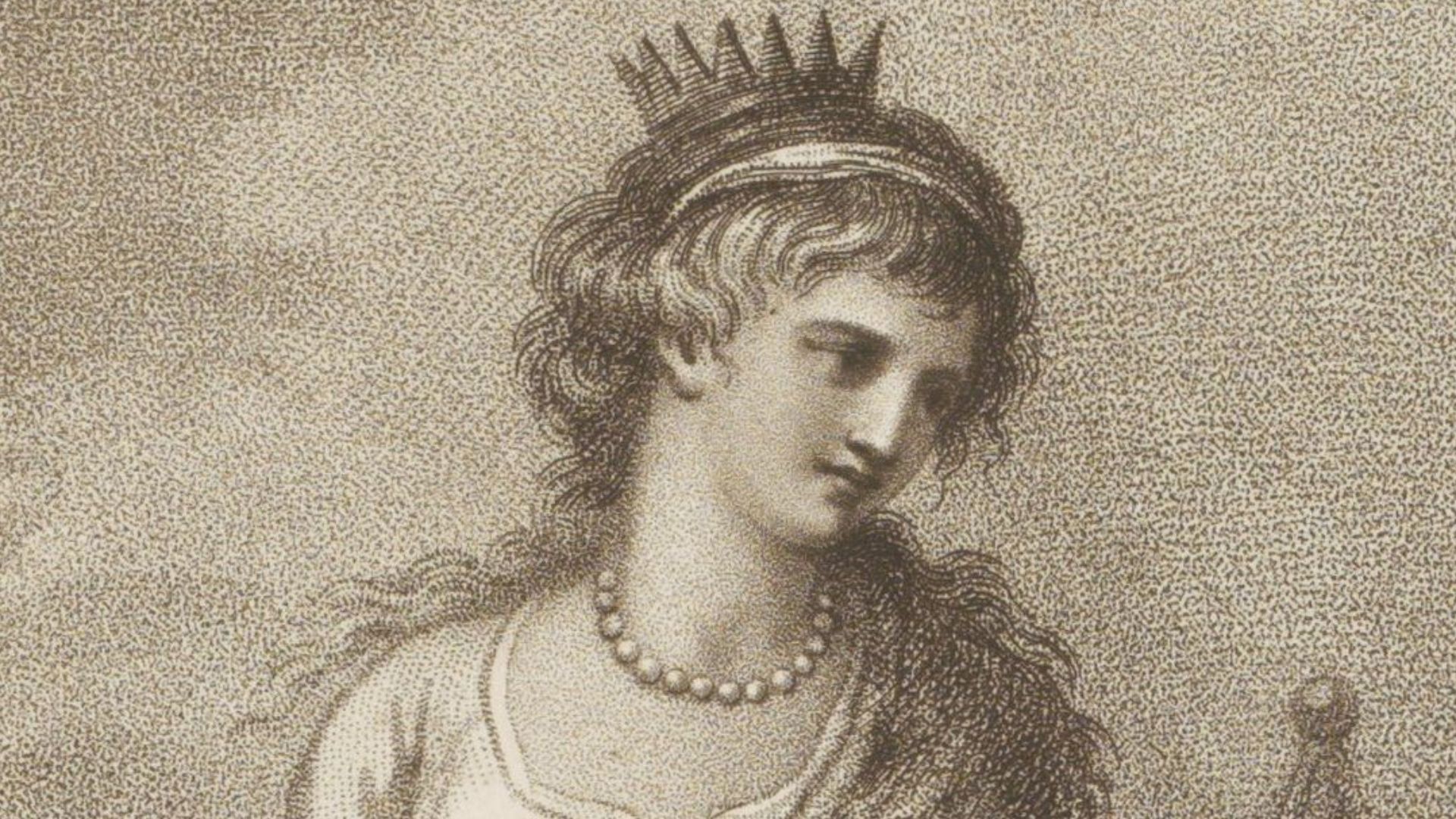
Cartimandua Wasn't Necessarily A Traitor
Unlike Boudica, Cartimandua allied herself with Rome and surrendered the rebel Caratacus in AD 51, earning a reputation for betrayal. But her decision can also be read as political survival. She ruled the powerful Brigantes for more than two decades, while Roman historian Tacitus wrote about her through his own cultural assumptions about women and power.
 Rijksmuseum, Wikimedia Commons
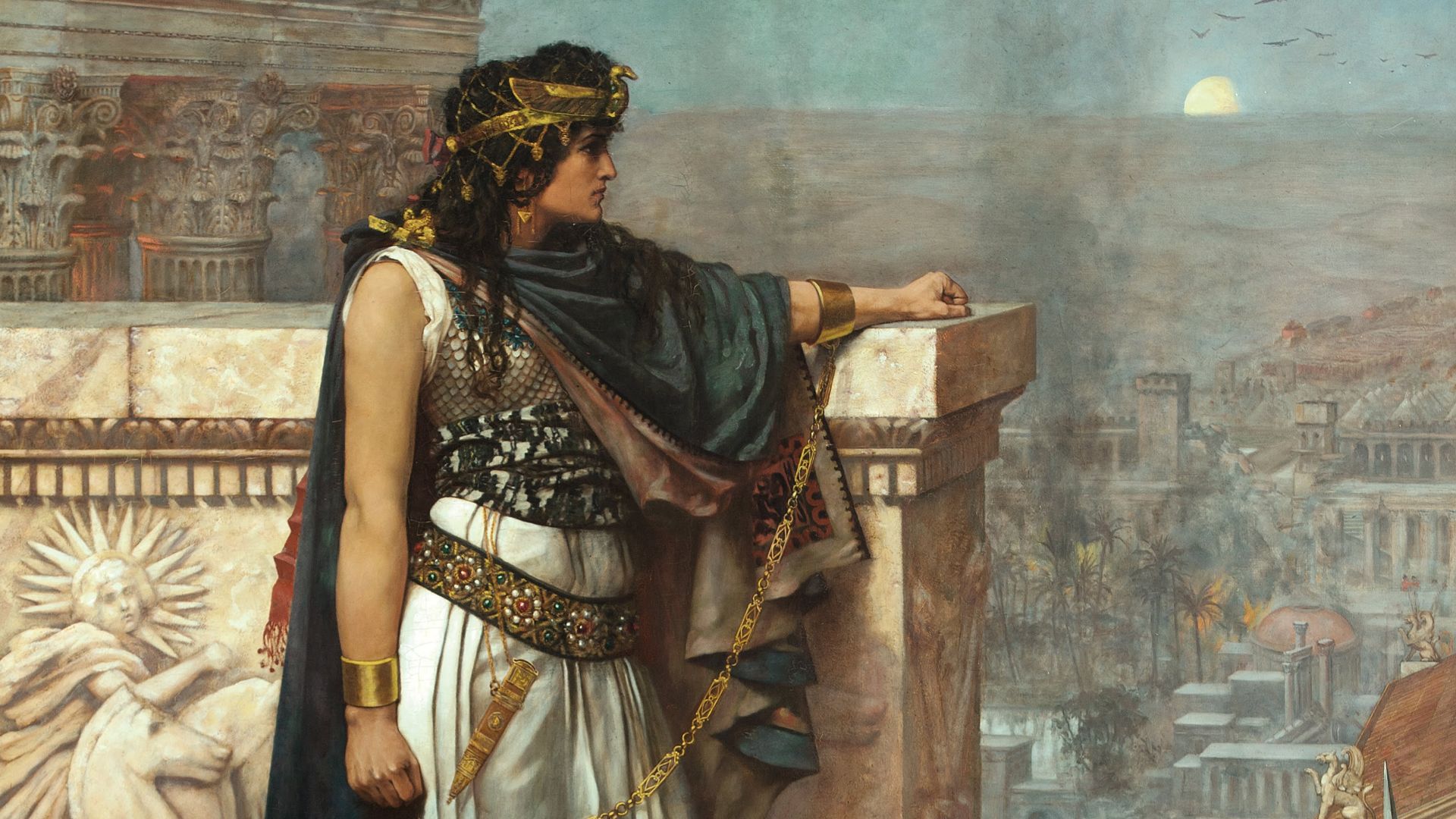
Zenobia Was More Than A Romantic Rebel Queen
Later writers transformed Zenobia of Palmyra into a glamorous rebel who supposedly appeared in Aurelian's Roman triumph in golden chains. That detail belongs to legend. The evidence instead shows an ambitious ruler who seized Egypt and territory in Asia Minor and built an independent state using many of Rome's own imperial titles and institutions.
 Herbert Gustave Schmalz, Wikimedia Commons
Eleanor Of Aquitaine Wasn't Just A Medieval Scandal
Eleanor's legend became crowded with tales of adultery, courtly love, rebellion, and family betrayal. Her documented career is more impressive. She governed lands, supported her sons' claims, acted for Richard I while he was absent, conducted diplomatic work, and remained politically active into old age before dying in 1204.
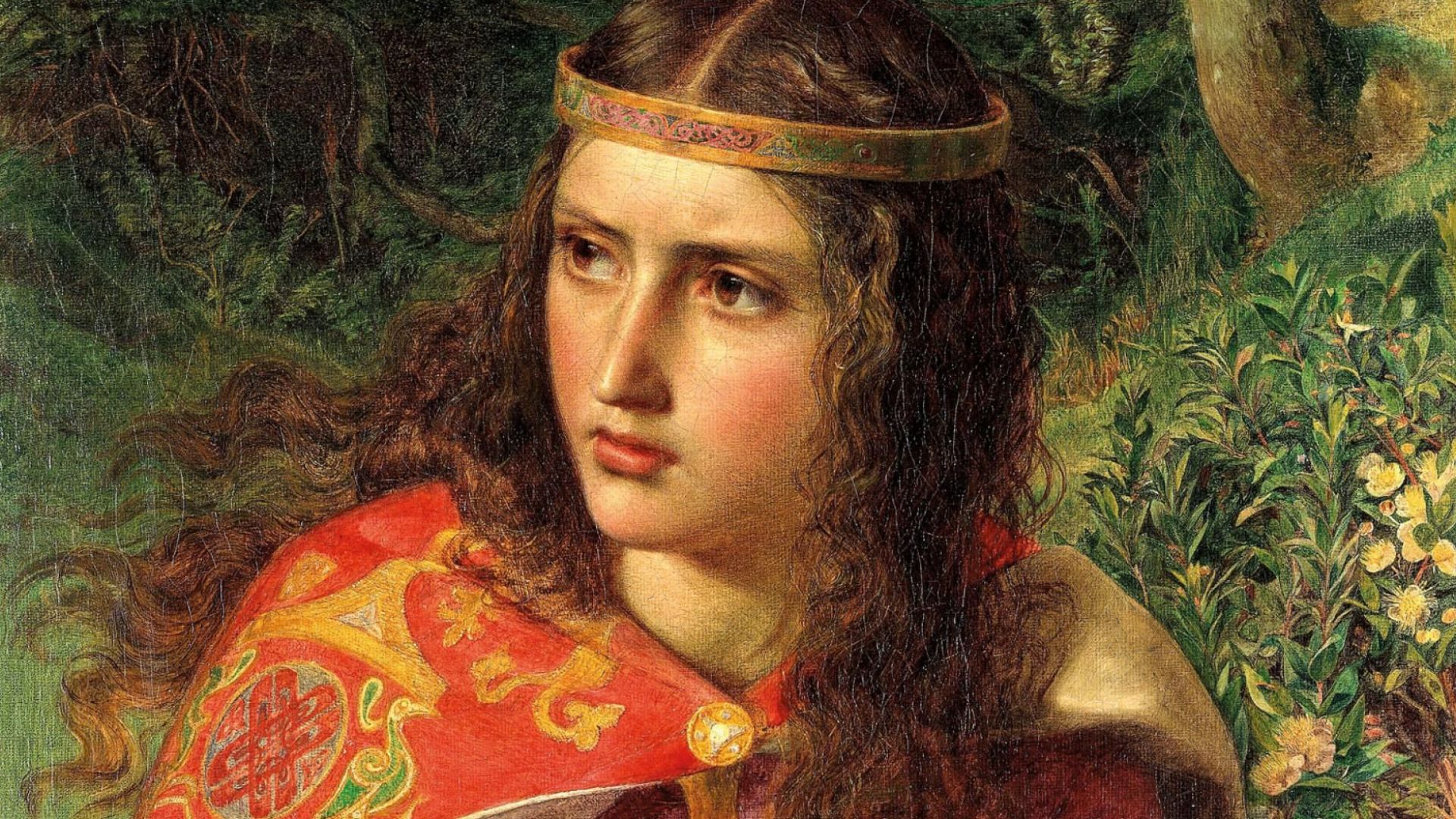 Frederick Sandys, Wikimedia Commons
Eleanor Of Provence Was More Than A Foreign Interloper
Critics blamed Eleanor of Provence and her Savoyard relatives for taking wealth and influence from England. Yet Henry III entrusted her with substantial authority. She served as co-regent in 1253–54, dealt with government and finances, summoned Parliament, and later helped organize support for the royal family during civil war.
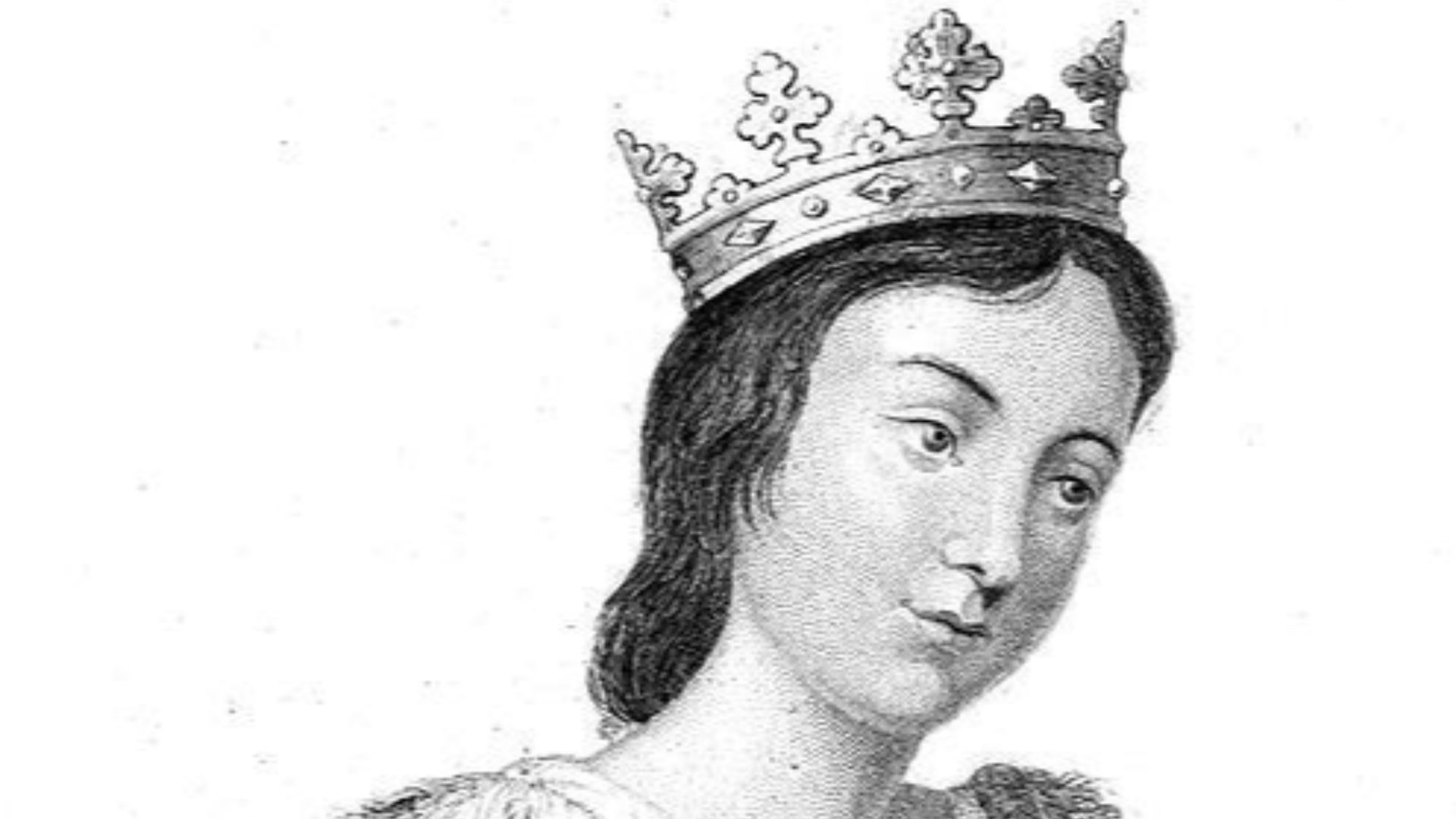 Unknown authorUnknown author, Wikimedia Commons
Isabella Of France Became A Convenient "She-Wolf"
Isabella helped overthrow Edward II in 1326 and then governed with Roger Mortimer, so modern reassessment does not turn her into a harmless victim. But scholarship has shown how intensely her reputation was manipulated by allies and enemies alike. Later caricatures also made her role in Edward's mysterious 1327 death appear far more certain than the evidence allows.
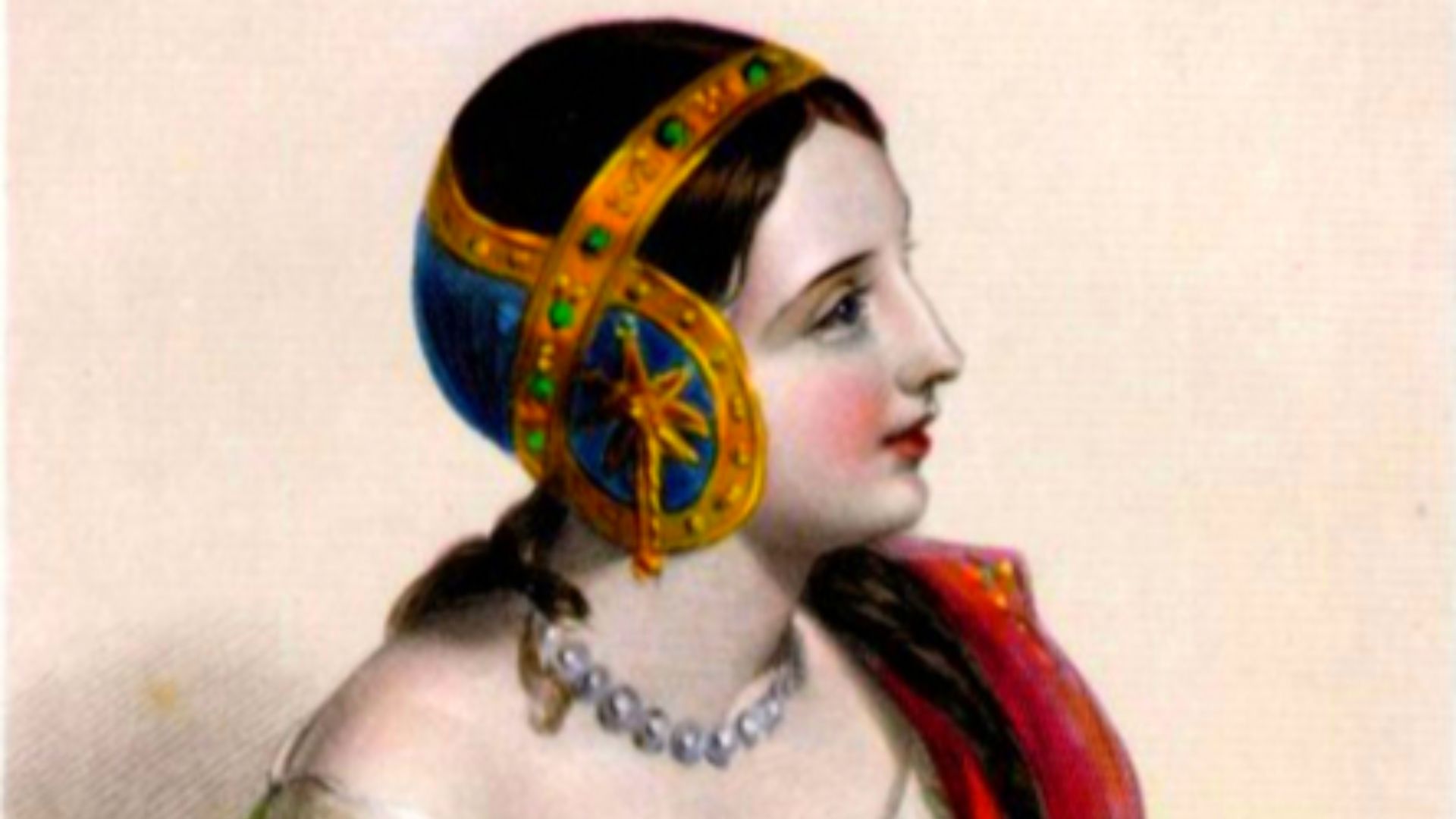 William Henry Mote, Wikimedia Commons
Margaret Of Anjou Became Shakespeare's Monster
Shakespeare helped immortalize Margaret of Anjou as bloodthirsty, vindictive, and unnaturally hungry for power. Modern scholarship increasingly places her actions within a succession crisis. With Henry VI frequently unable to rule effectively, Margaret fought to defend her husband's dynasty and the inheritance of their son, Edward of Westminster.
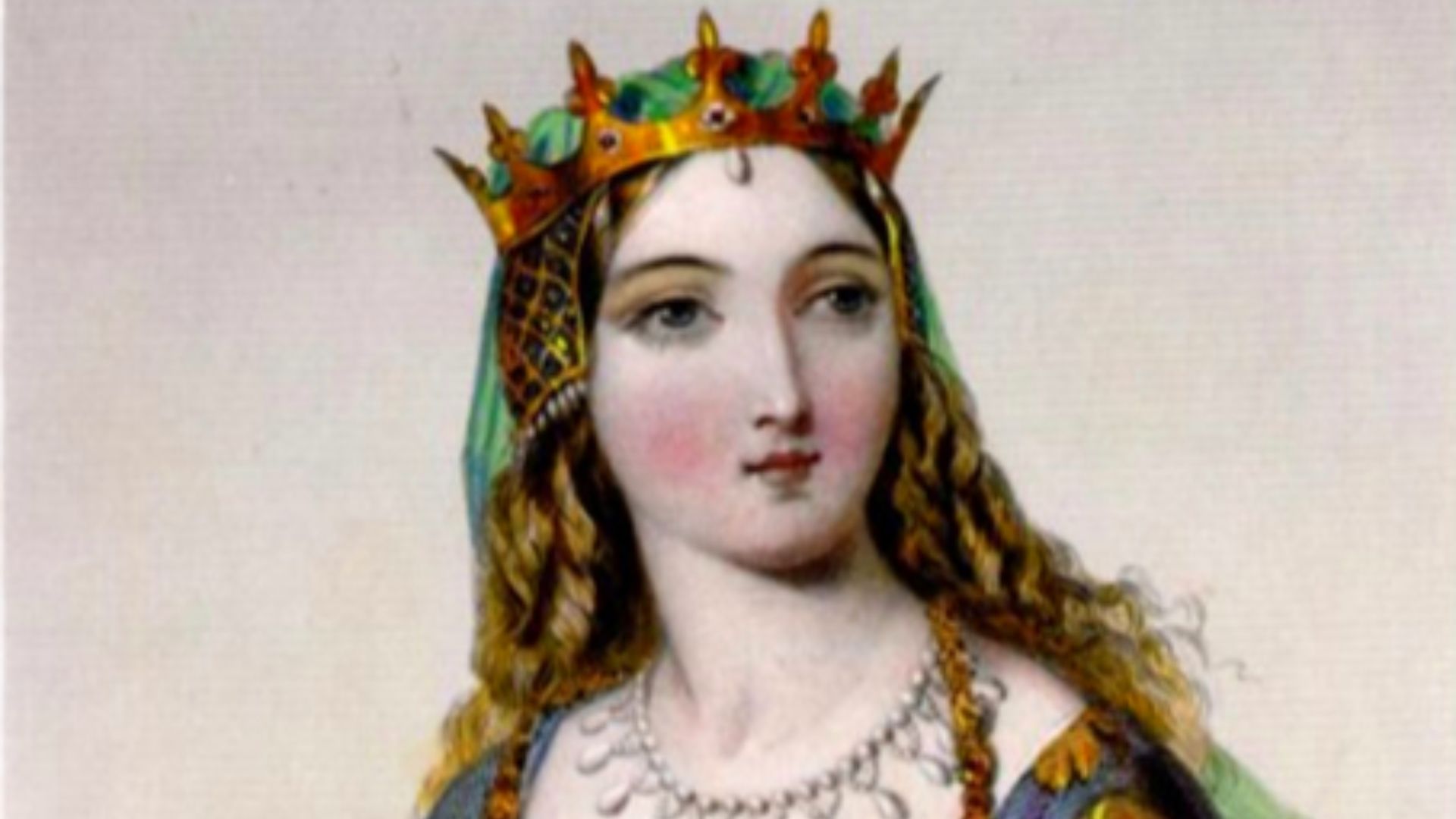 engraved by W. H. Mote (1803-1871) after an illustration by J.W. Wright, Wikimedia Commons
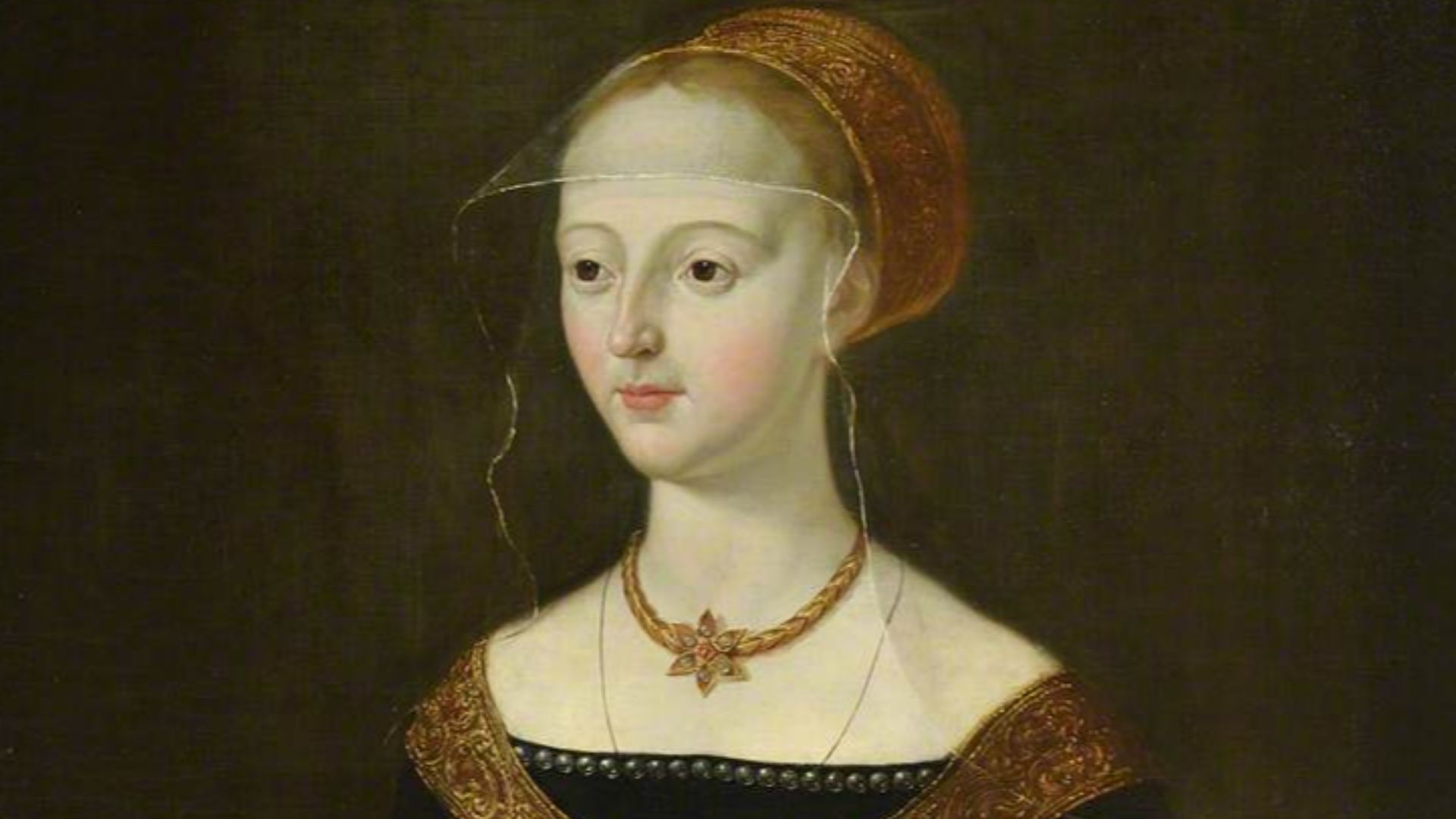
Elizabeth Woodville's "Witchcraft" Story Was Political Ammunition
Elizabeth Woodville's unexpected marriage to Edward IV created powerful enemies. Her mother, Jacquetta, was formally accused of using witchcraft to arrange the match, though the case went nowhere. Such claims later remained useful to opponents of the Woodvilles, illustrating how accusations of supernatural manipulation could become political weapons.
 Thomas Hudson, Wikimedia Commons
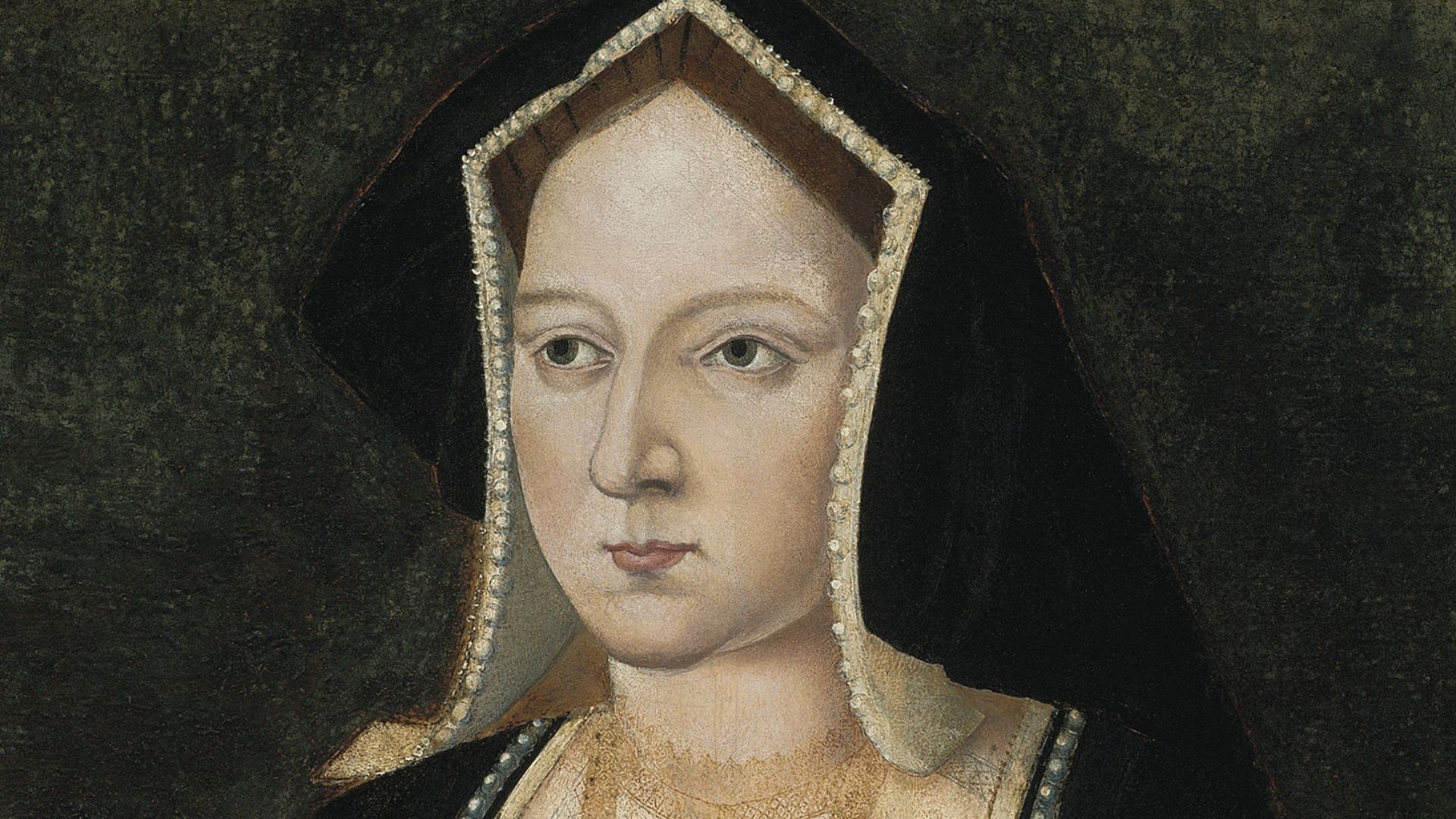
Katherine Of Aragon Was More Than Henry's Abandoned Wife
Katherine of Aragon is often remembered mainly for refusing Henry VIII's attempt to end their marriage. Long before that crisis, she had political experience of her own. Her father appointed her an ambassador in 1507, and in 1513 Henry left her as regent while he campaigned in France, during the Scottish invasion that ended at Flodden.
 Lucas Horenbout, Wikimedia Commons
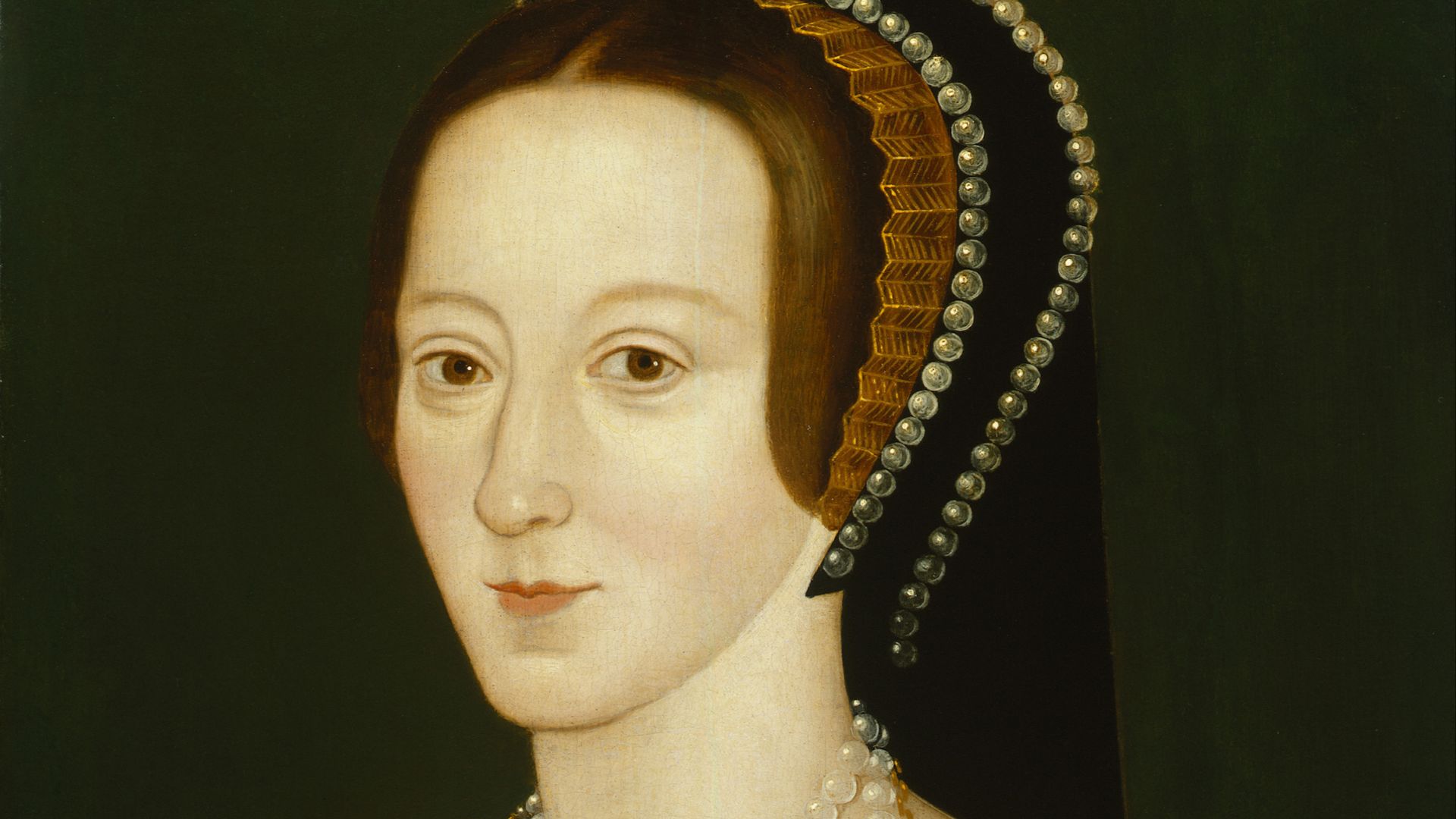
Anne Boleyn's Trial Has Not Aged Well
Anne Boleyn was arrested on May 2, 1536, and accused of adultery, treason, and plotting Henry VIII's demise. She was executed later that month. Modern historians have subjected the prosecution to intense scrutiny, and Historic Royal Palaces describes her proceedings as a "sham trial" packed with enemies of the queen.
 UnknownUnknown , English, Wikimedia Commons
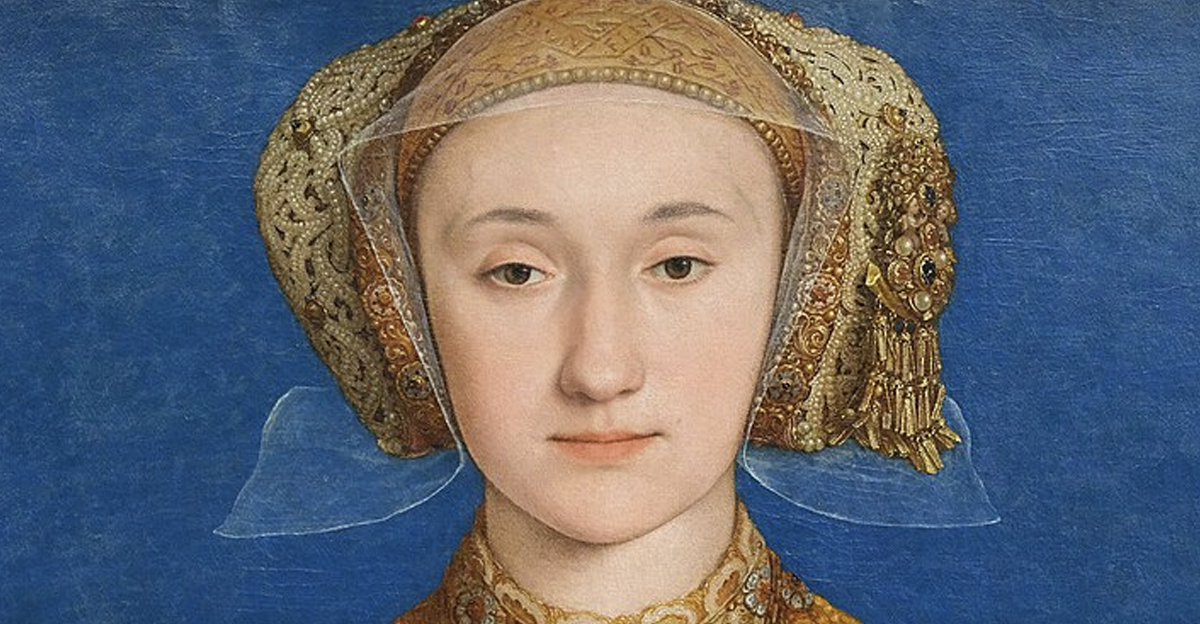
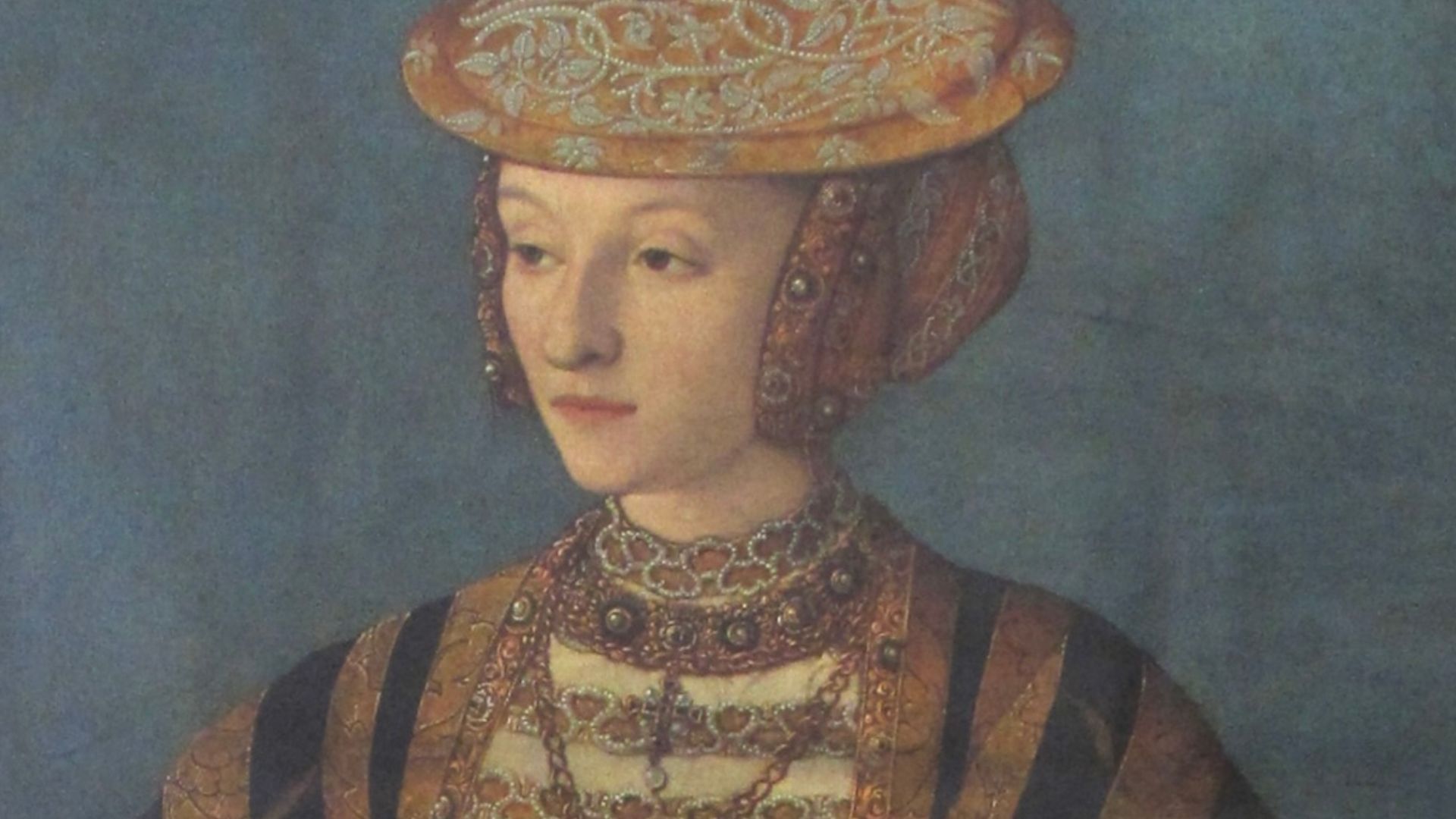
Anne Of Cleves Wasn't Henry's Hideous Mistake
The famous claim that Henry VIII dismissed Anne of Cleves as a "Flanders Mare" was not recorded until the 17th century, long after either had passed on. Contemporary observers did not accuse Hans Holbein of flattering her portrait. Historians now consider poor chemistry, cultural differences, and shifting diplomacy alongside Henry's complaints about attraction.
 Hans Holbein the Younger, Wikimedia Commons
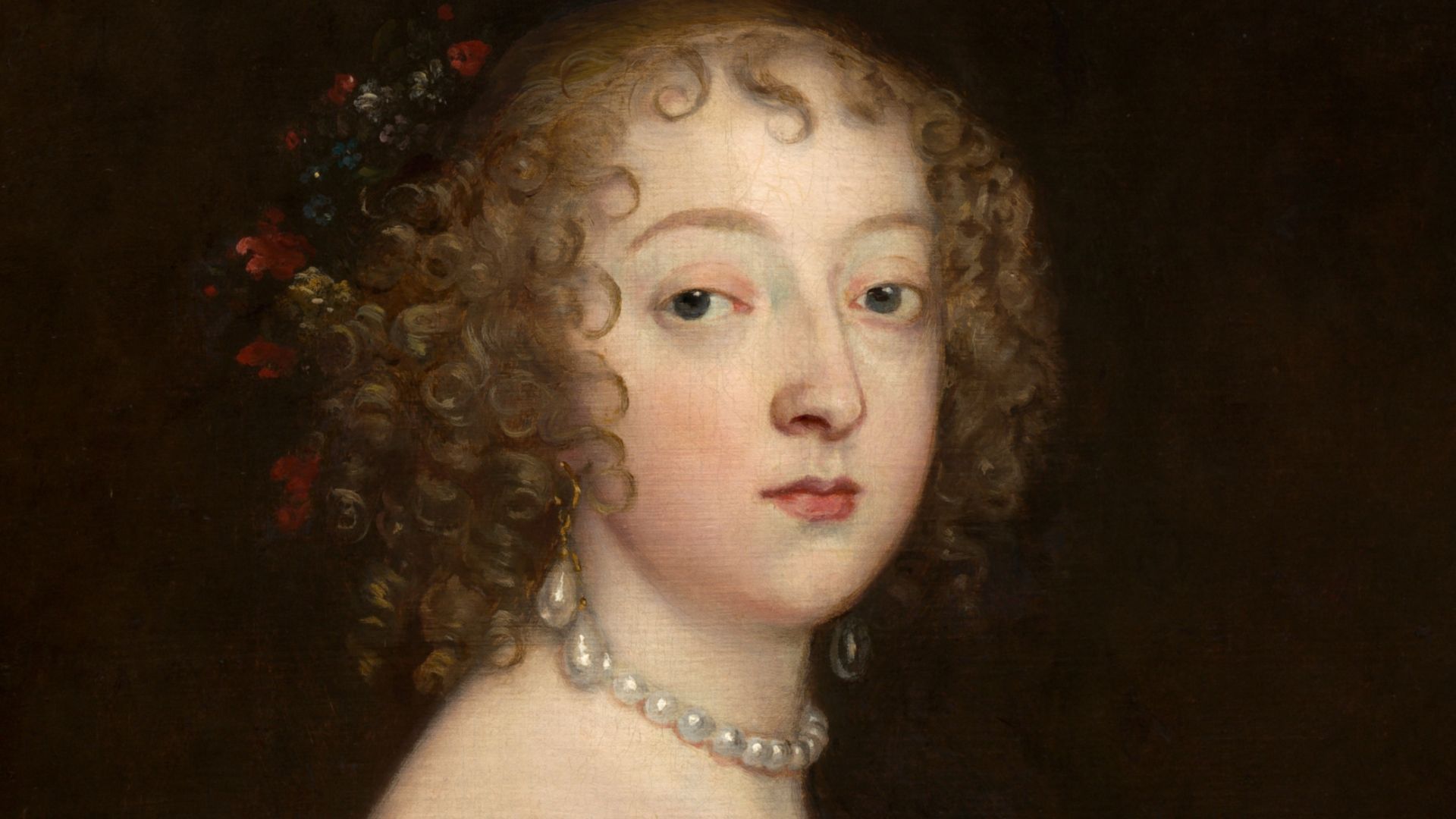
Catherine Howard's Story Looks Different When Her Age Matters
Catherine Howard was traditionally reduced to a reckless young queen who cheated on Henry VIII and paid for it in 1542. Recent interpretations give greater weight to how young she was and to the unequal relationships of her adolescence. That does not resolve every question surrounding Thomas Culpeper, but it changes the familiar caricature considerably.
 Anthony van Dyck, Wikimedia Commons
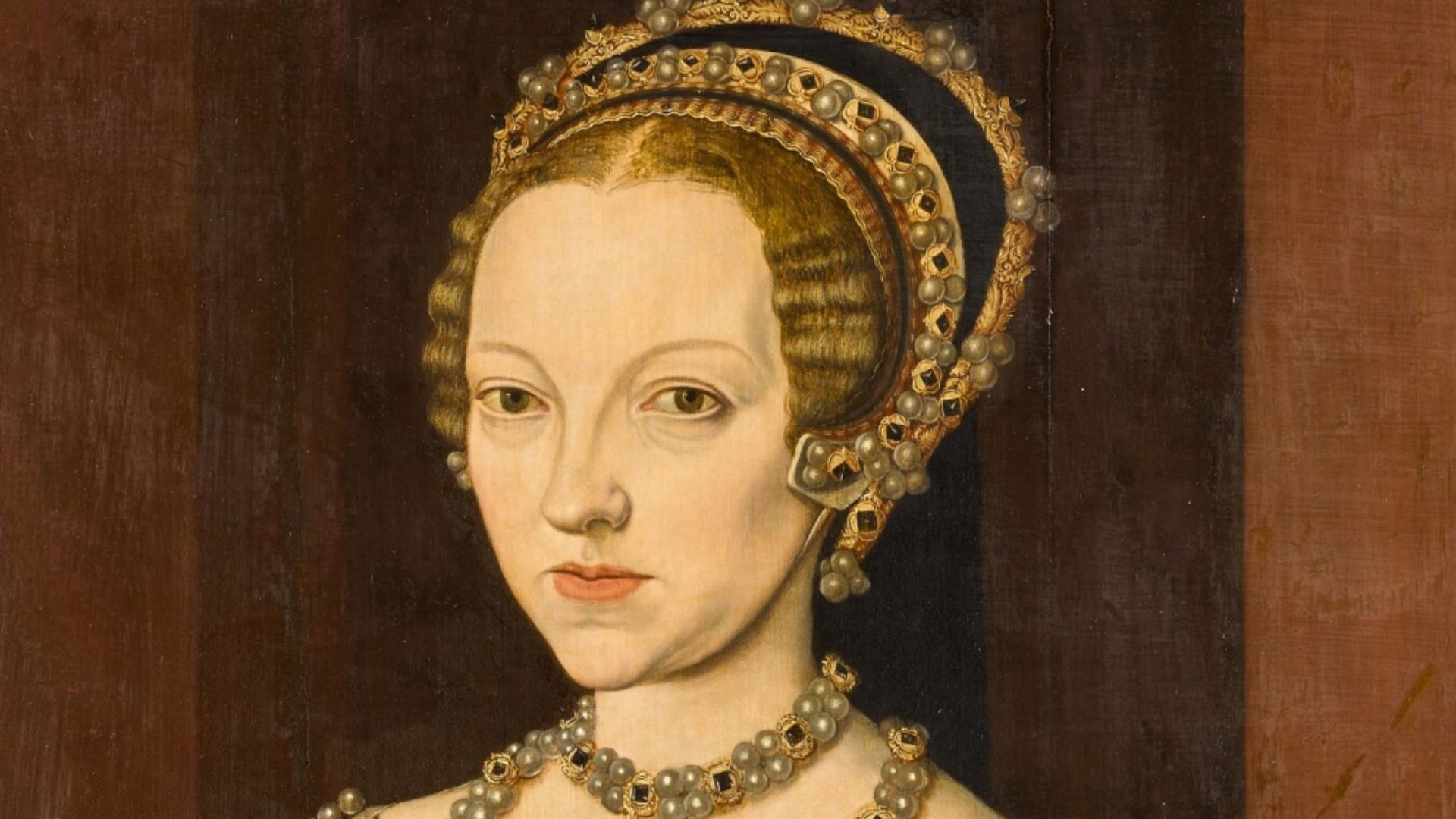
Katherine Parr Wasn't Simply Henry VIII's Nurse
Katherine Parr is still sometimes presented as the mature, sensible wife who nursed an aging Henry VIII and managed to survive him. She was much more. She served as Regent-General in 1544, took an active interest in religious and educational matters, and published books under her own name—an extraordinary achievement for an English queen.
 Attributed to Master John, Wikimedia Commons
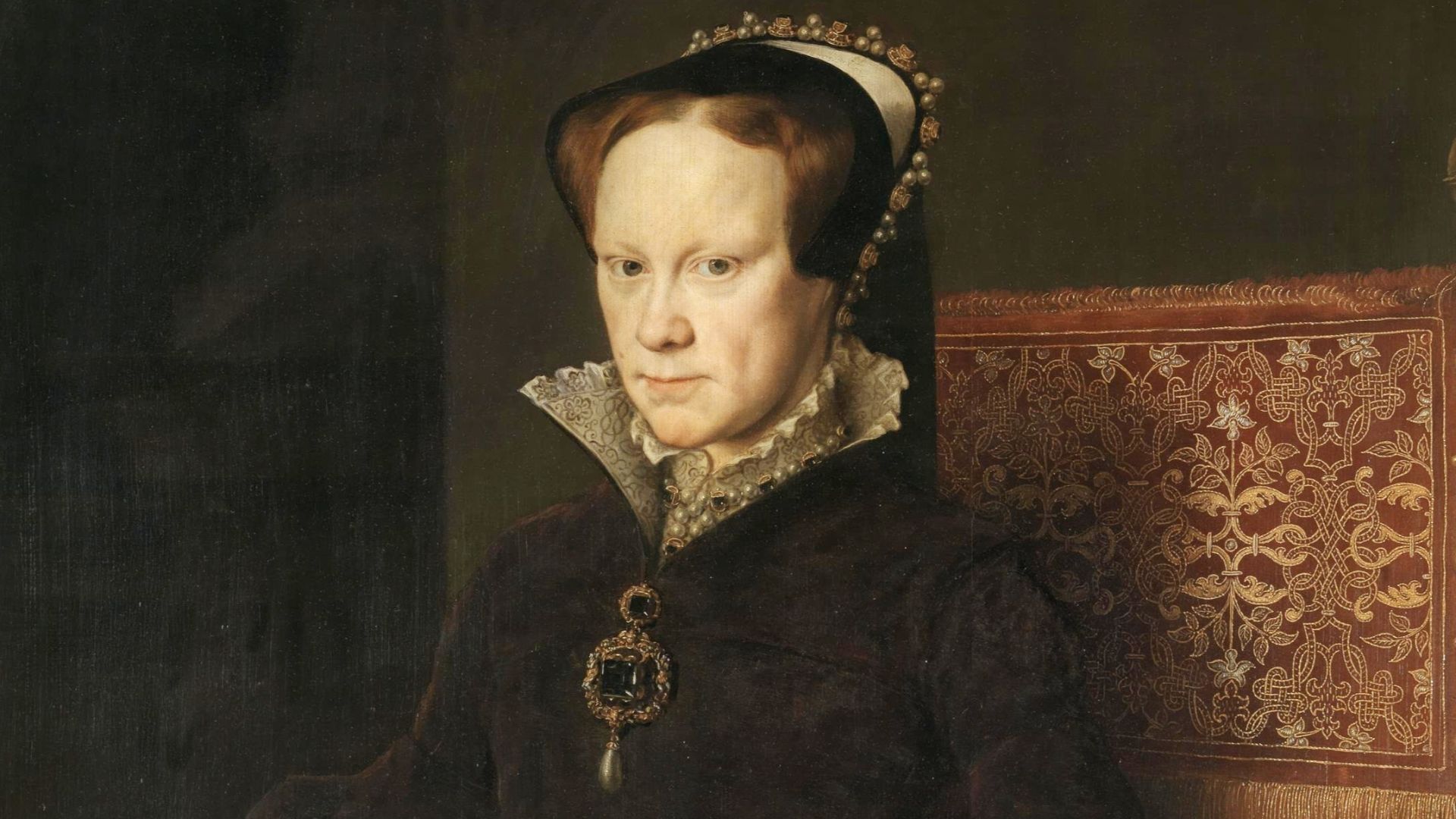
Mary I Became "Bloody Mary"
Mary I's persecution of Protestants was real: about 280 people were burned during her five-year reign. But Protestant writers, particularly John Foxe after her demise, helped make those executions the defining story of her rule. Recent historians also examine her governmental achievements and the precedent she set as England's first crowned queen regnant.
 Antonis Mor, Wikimedia Commons
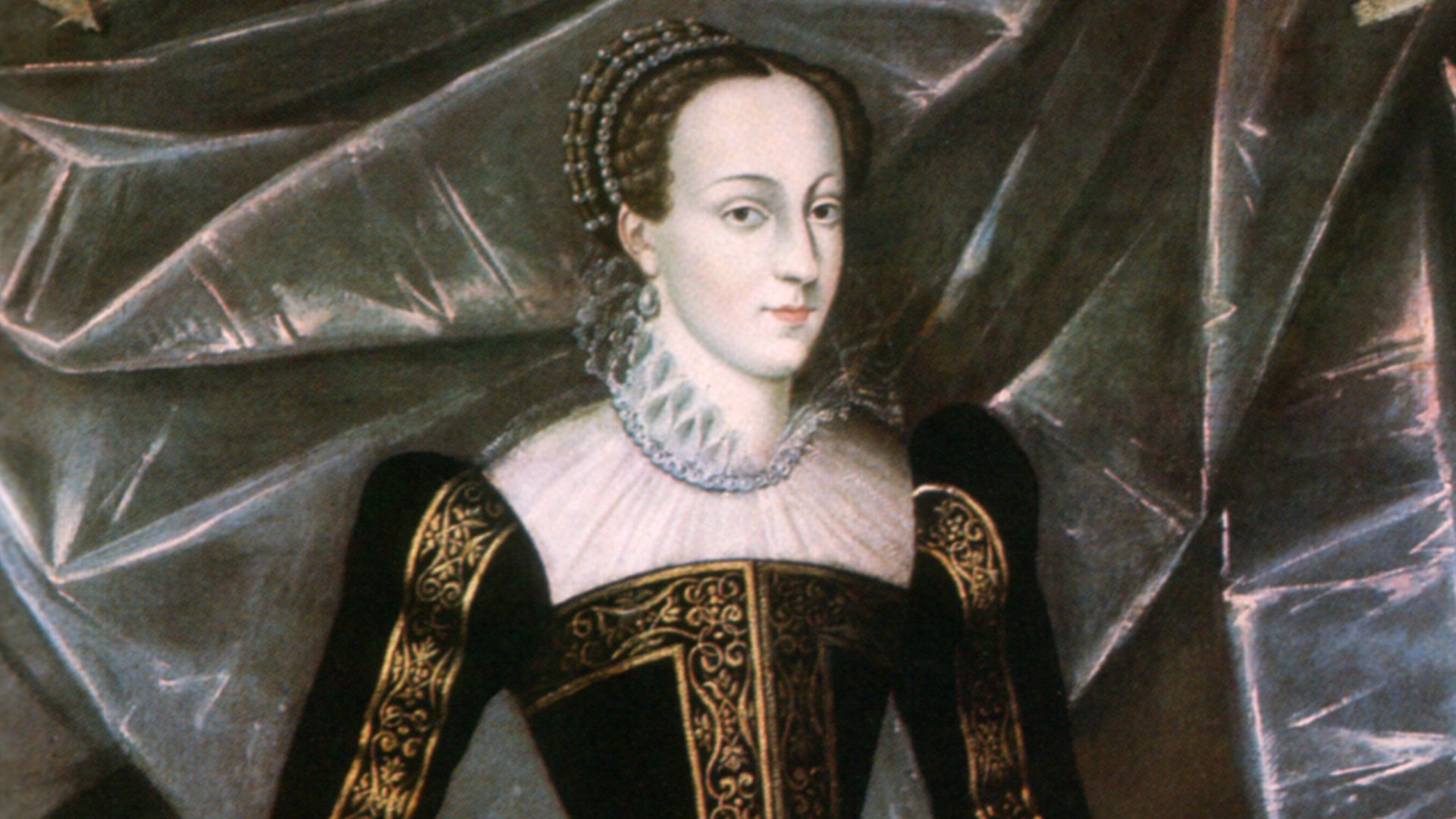
Mary, Queen Of Scots Wasn't Simply A Foolish Romantic
Mary has alternately been portrayed as a blood-thirsty schemer and an innocent martyr. The Casket Letters, presented in 1568 as evidence linking her to Lord Darnley's 1567 murder, remain heavily disputed. National Museums Scotland notes both that their authenticity is still debated and that the inquiry produced no conclusive proof against her.
 Unidentified painter, Wikimedia Commons
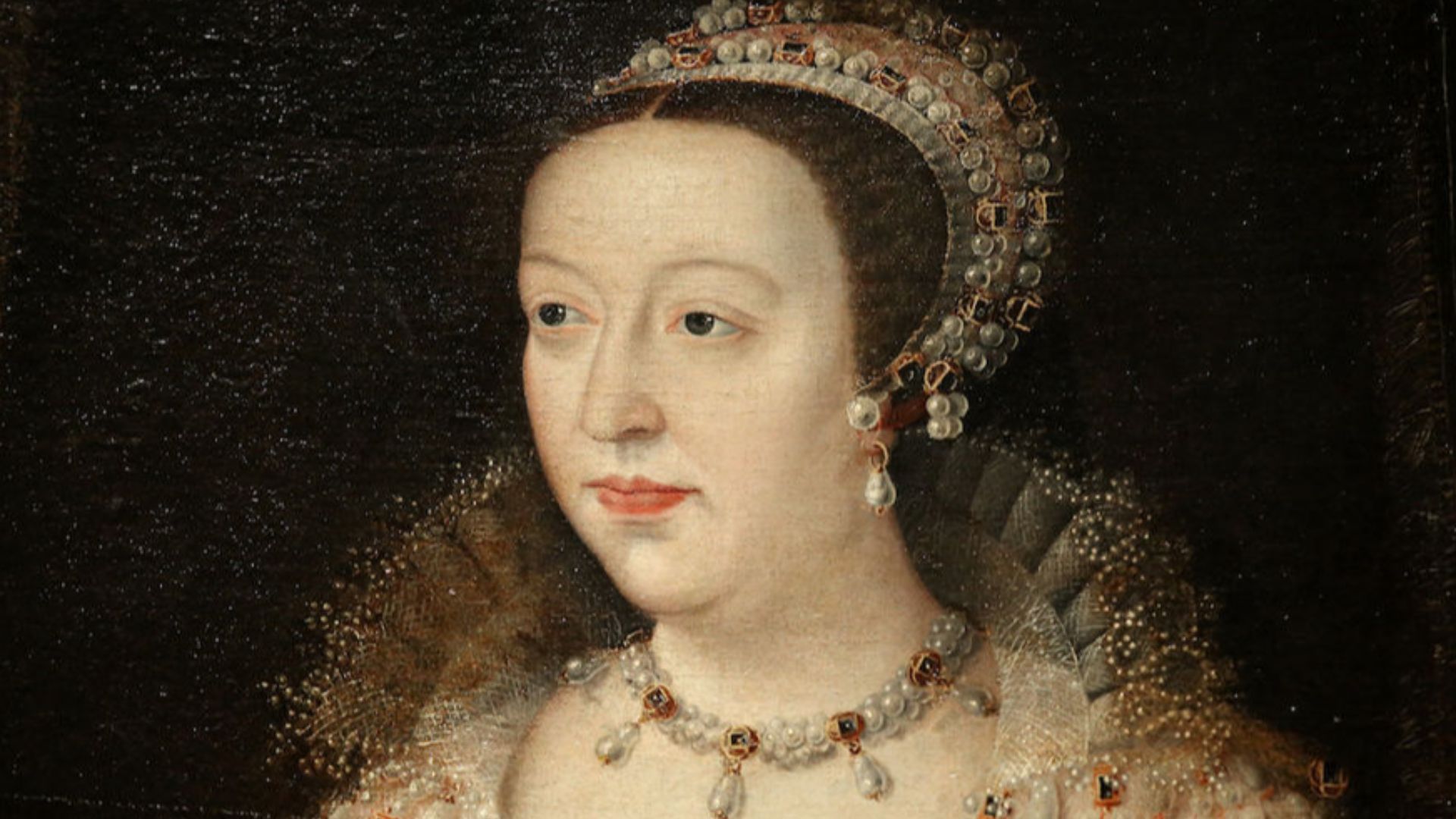
Catherine De' Medici Wasn't A Poison-Mixing Supervillain
Stories eventually surrounded Catherine de' Medici with poison, sorcery, sinister Italians, and almost limitless brutality. Historians have found little foundation for the more lurid legends. Her connection to the 1572 St Bartholomew's Day Massacre remains a serious and debated issue, but she was also a formidable political operator and cultural patron.
 Attributed to Germain Le Mannier, Wikimedia Commons
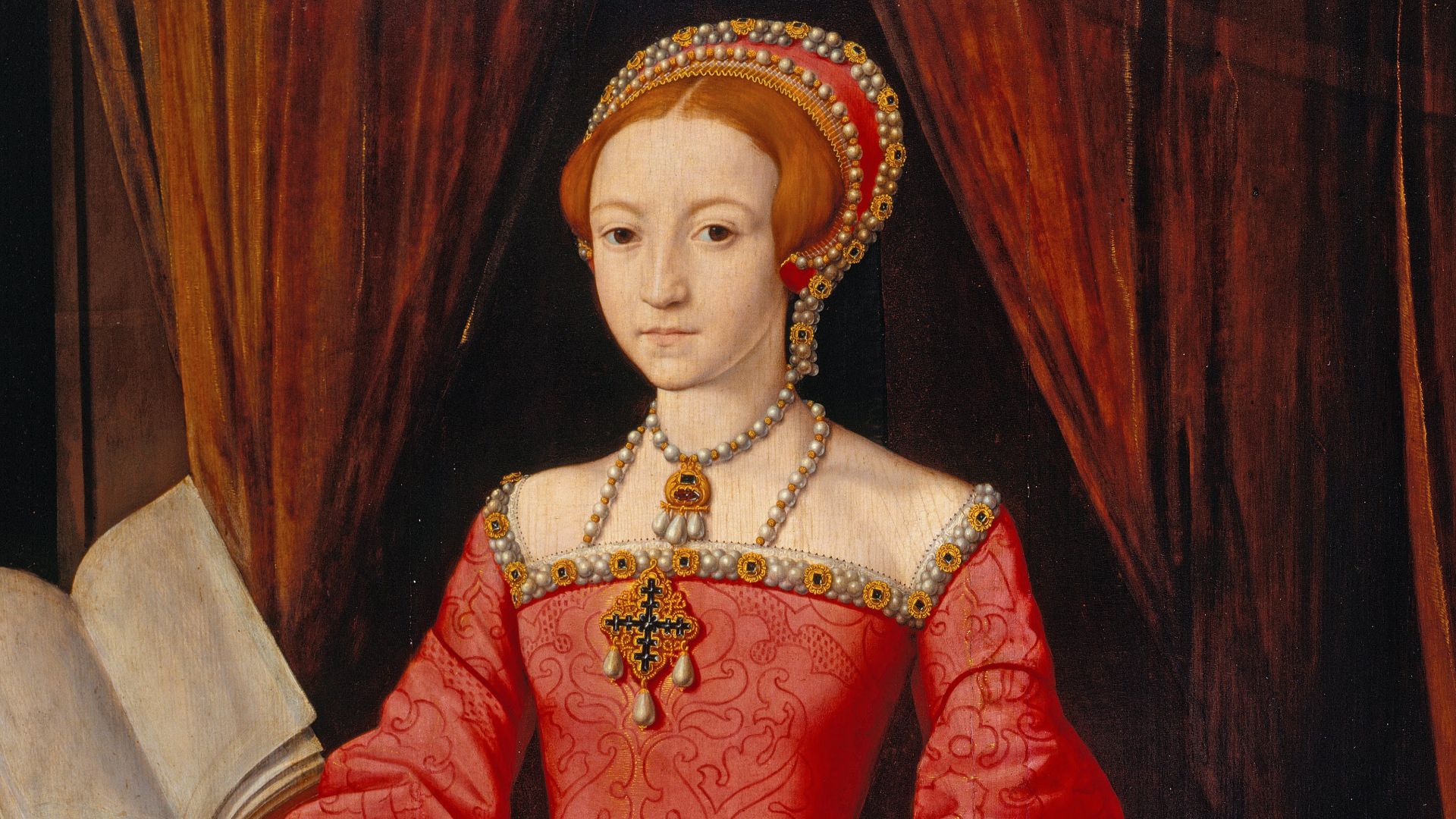
Elizabeth I's "Golden Age" Had A Darker Side
Elizabeth I's image as Gloriana helped create the enduring idea of a dazzling national Golden Age. Her reign did produce remarkable cultural achievements, but modern accounts also emphasize religious repression, poverty, war, surveillance, imprisonment, and the use of torture against suspected Catholic conspirators. The legend is only part of the reign.
 Attributed to William Scrots Details on Google Art Project, Wikimedia Commons
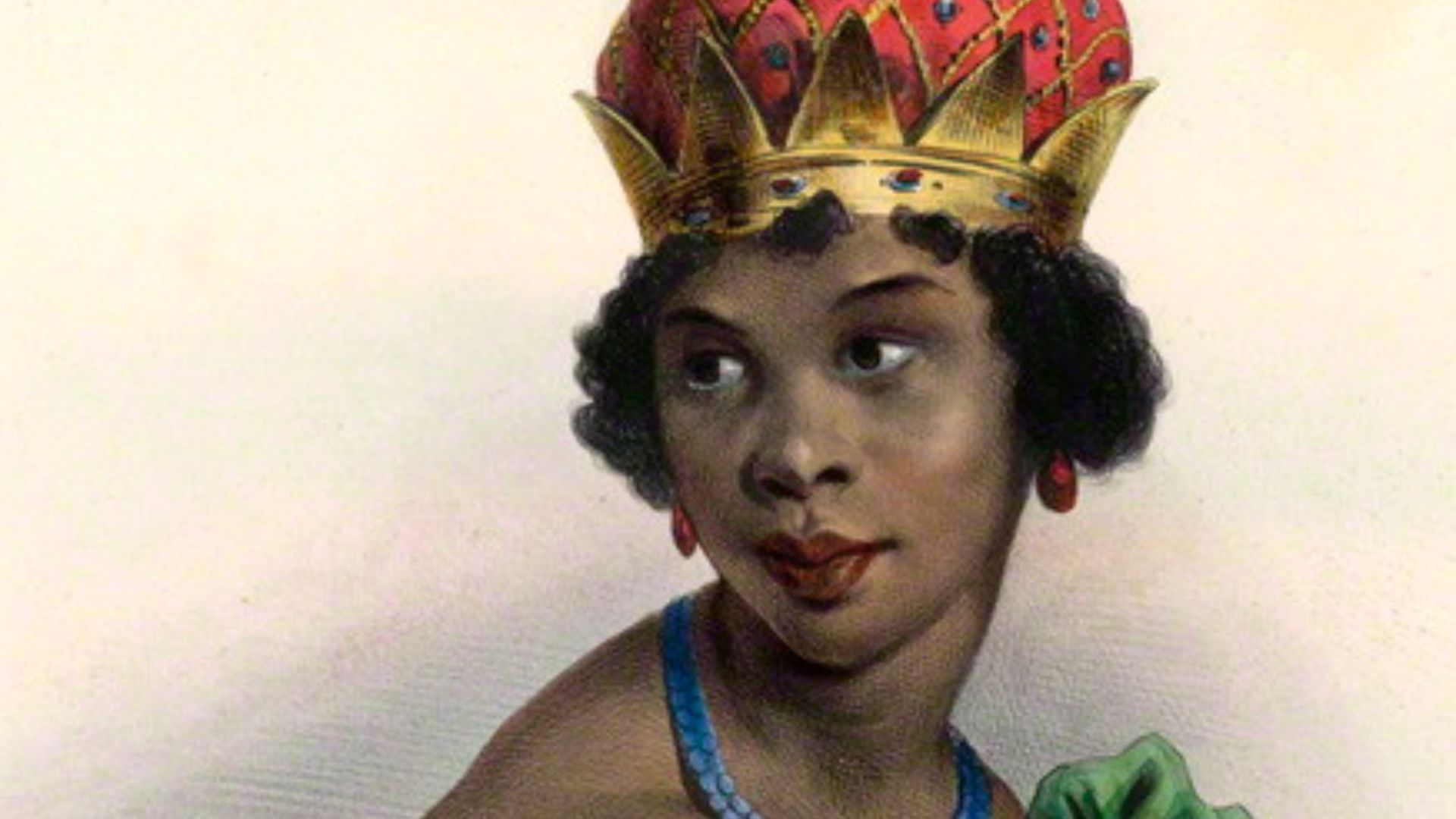
Queen Nzinga Was More Than A European Curiosity
Later European accounts often treated Nzinga of Ndongo and Matamba as an exotic warrior queen. The historical record instead reveals remarkable political flexibility: she negotiated with Portugal, fought it, worked with the Dutch, and built Matamba into a formidable state. That reassessment does not erase the region's participation in warfare and the slave trade.
 Achille Devéria, Wikimedia Commons
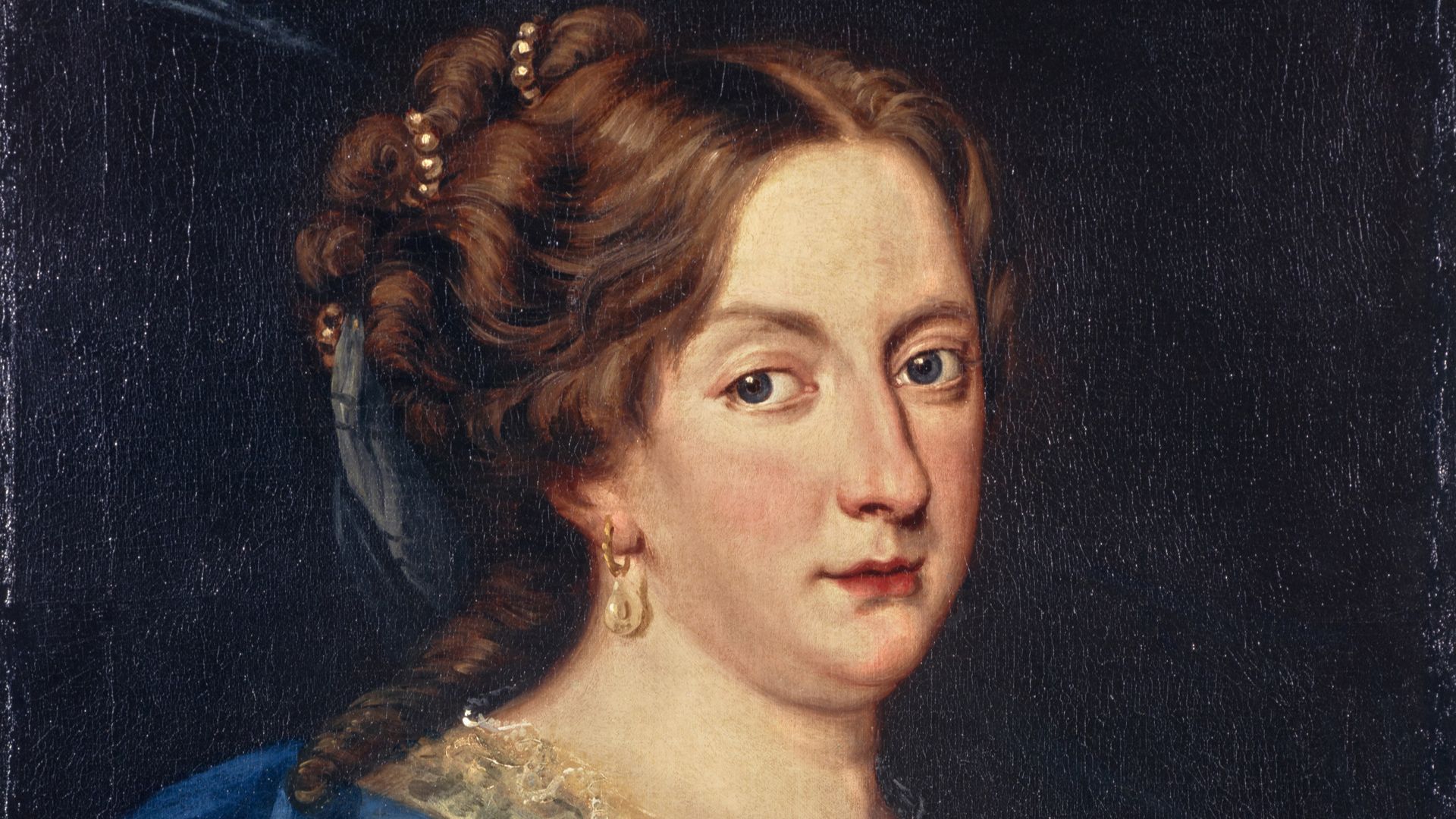
Christina Of Sweden Was More Than An Eccentric Abdicator
Christina's refusal to marry, abdication in 1654, and conversion to Catholicism made her an irresistible historical curiosity. But concentrating only on her unconventional personal life obscures a serious intellectual ruler. She cultivated scholars and artists, encouraged cultural life in Sweden, and remained influential in European intellectual circles after moving to Rome.
 Jacob Ferdinand Voet, Wikimedia Commons
Queen Anne Wasn't A Weak Figurehead
Queen Anne, who reigned from 1702 to 1714, was long overshadowed by ill health, 17 pregnancies, and stories about powerful favorites controlling her. Historic Royal Palaces calls that impression wrong. Anne met ministers daily, attended the House of Lords, navigated party rivalries, and supported the 1707 union that created the Kingdom of Great Britain.
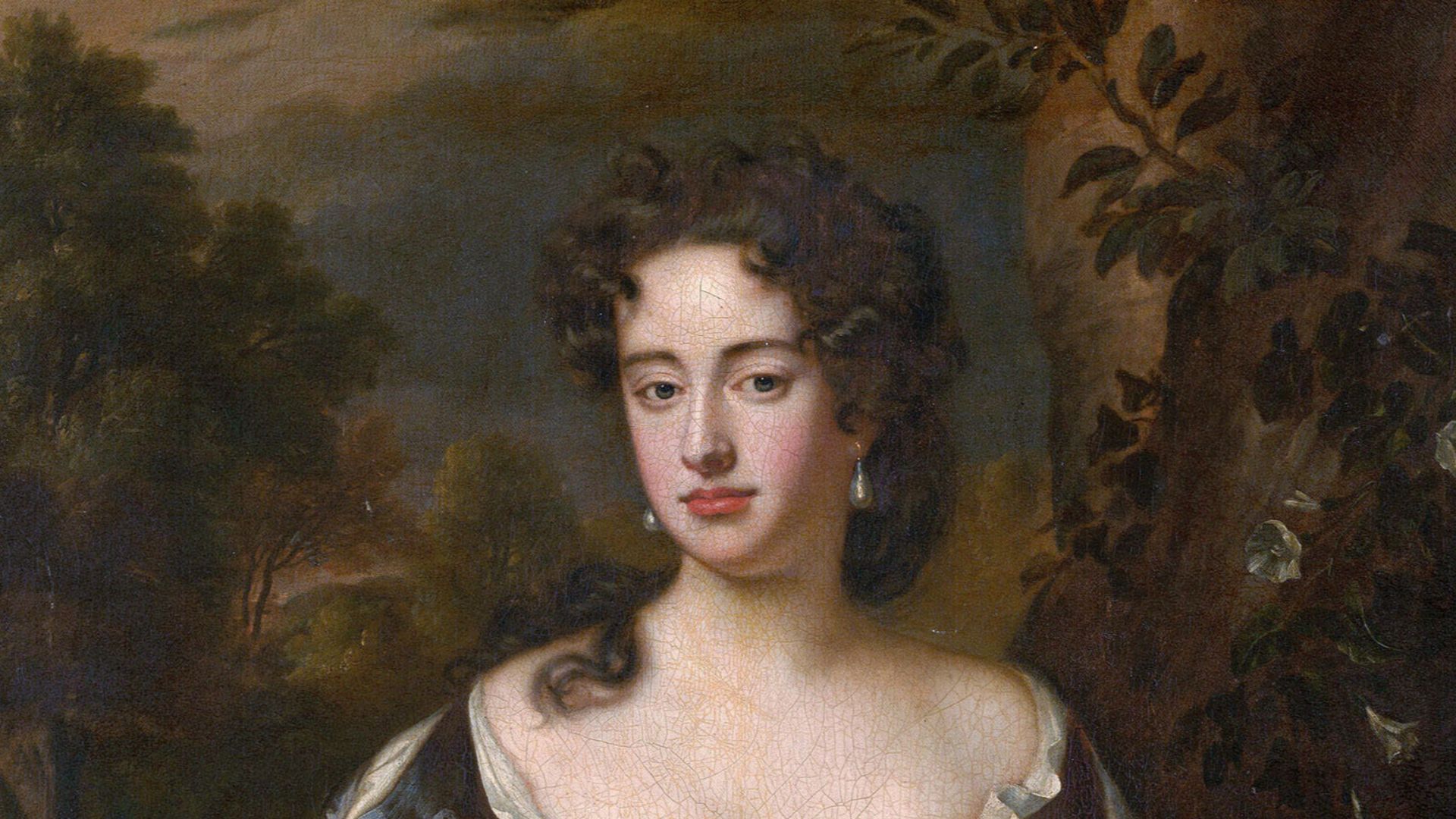 Willem Wissing and workshop, Wikimedia Commons
Marie Antoinette Never Said "Let Them Eat Cake"
Marie Antoinette's enemies attacked her with pamphlets, scandalous rumors, and accusations of betraying France. She was privileged and became politically involved, but some of the most famous charges were inventions. Historians have convincingly rejected the claim that she responded to hungry subjects by telling them to "eat cake".
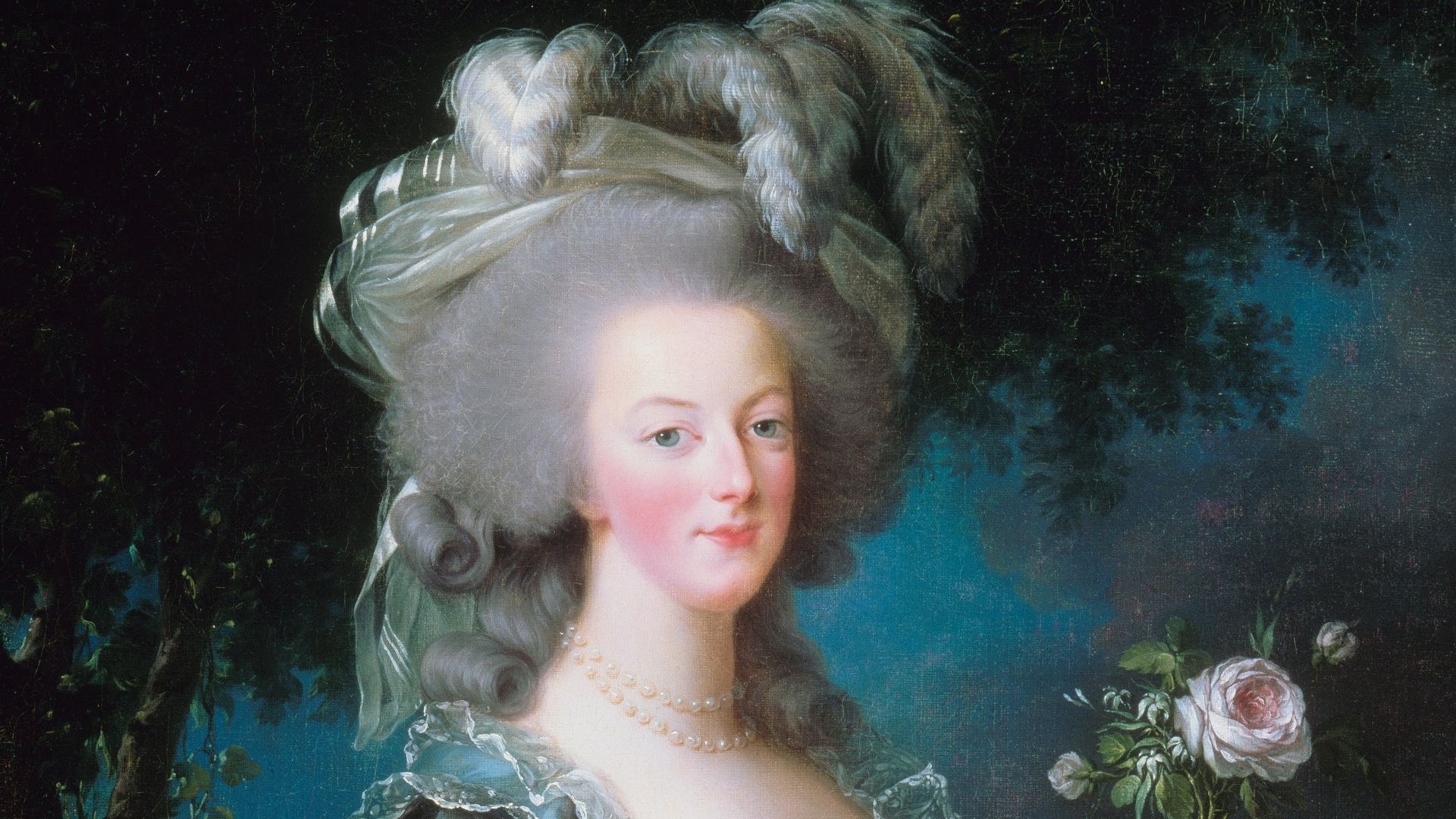 Élisabeth Louise Vigée Le Brun, Wikimedia Commons
Ranavalona I Doesn't Fit Either Extreme
Ranavalona I, who ruled Madagascar from 1828 to 1861, was often reduced to an irrational anti-European tyrant. Scholarship has challenged that reading of her economic policies, showing continuity with those of her predecessor. Yet reassessment does not erase the record: anti-Christian persecution, imprisonment, ordeals, exile, and fatalities during her reign are documented.
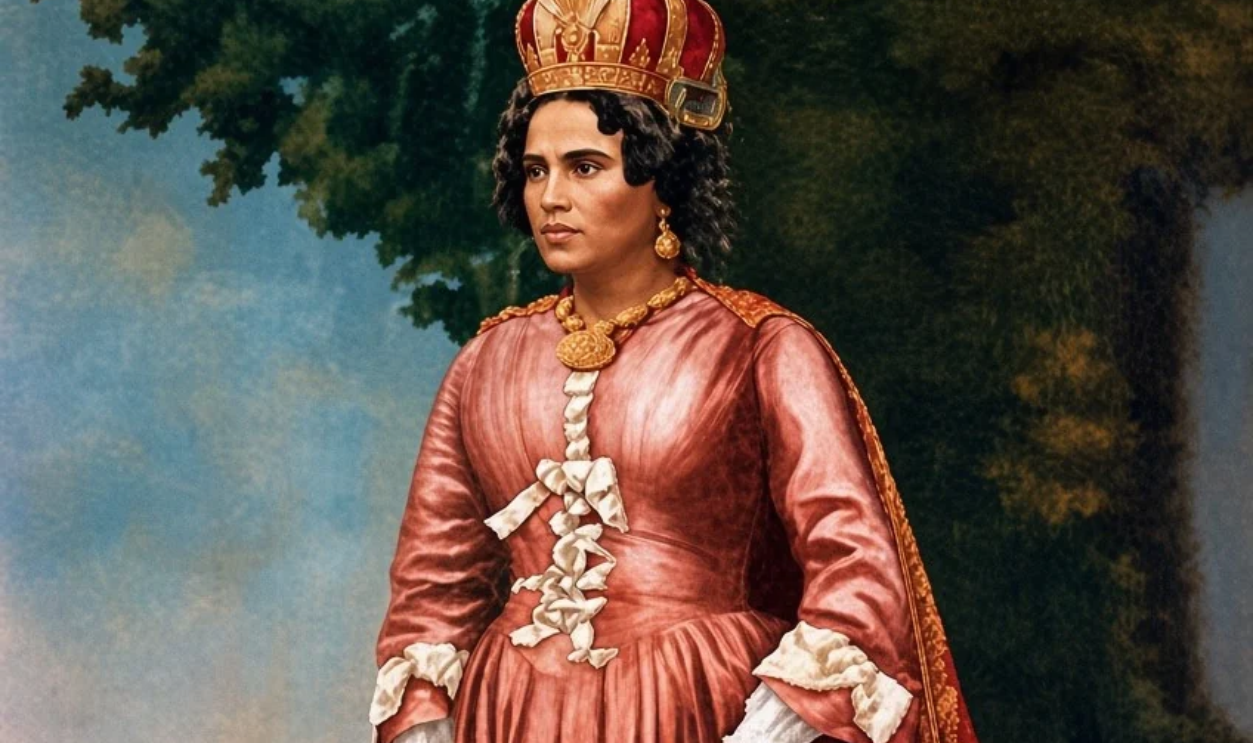 Philippe-Auguste Ramanankirahina (1860-1915), Wikimedia Commons, Modified
Rani Lakshmibai Became Both Villain And Hero
British narratives cast the Rani of Jhansi as an enemy during the 1857 uprising, while later Indian memory made her a national resistance icon. Records confirm that British annexation policy threatened her position and that she fought British forces before her passing in 1858. But her personal responsibility for the loss of 56 Christians at Jhansi remains hotly debated.
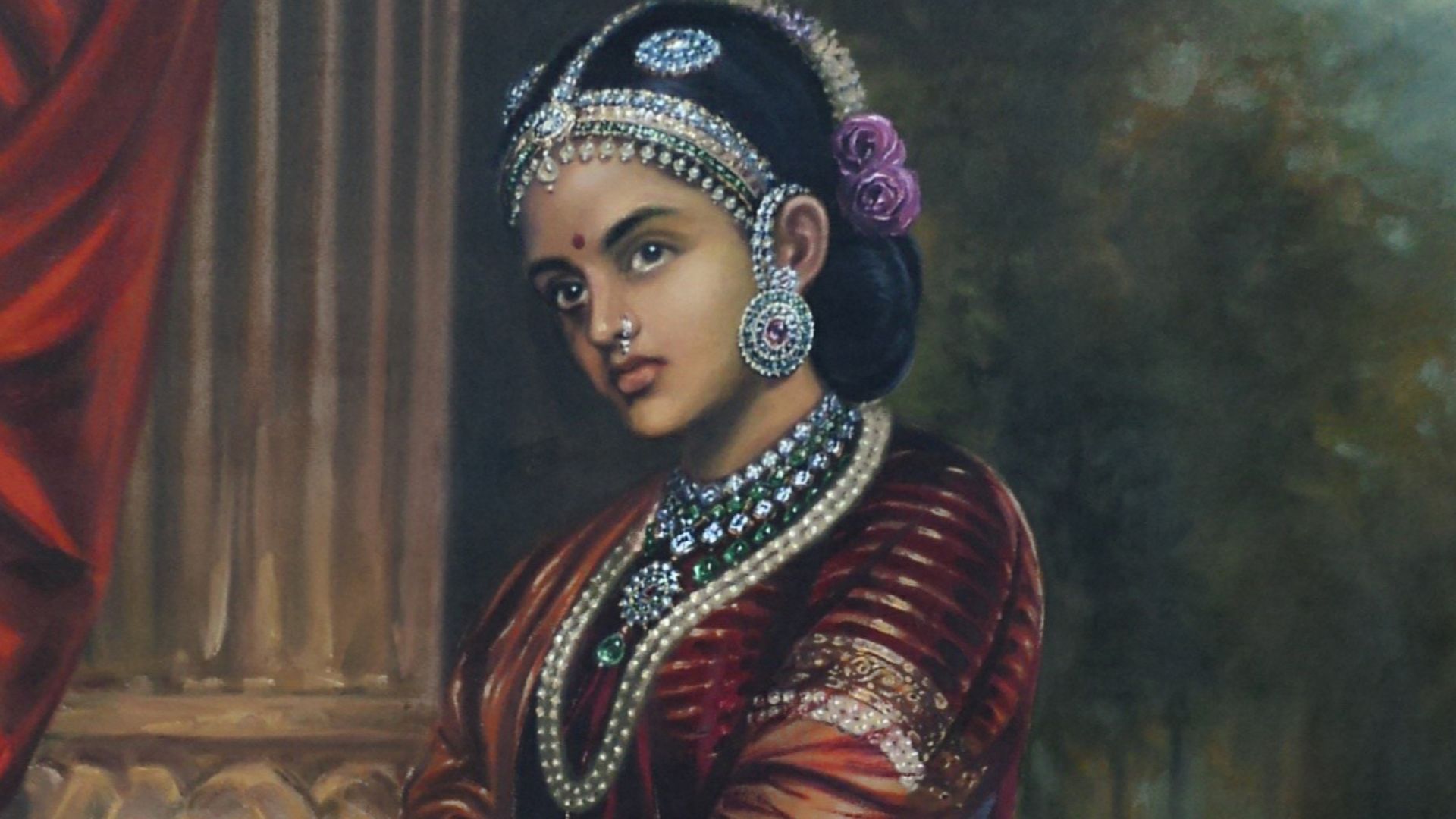 the lost gallery, Wikimedia Commons
Liliʻuokalani's Own Records Changed The Story
Queen Liliʻuokalani was overthrown in 1893 by forces tied to American business interests, with support from the US minister and American troops. The paper trail makes opposition to annexation impossible to dismiss: in 1897, 21,269 Native Hawaiians signed one major petition against it. The islands were nevertheless annexed by the United States in 1898.
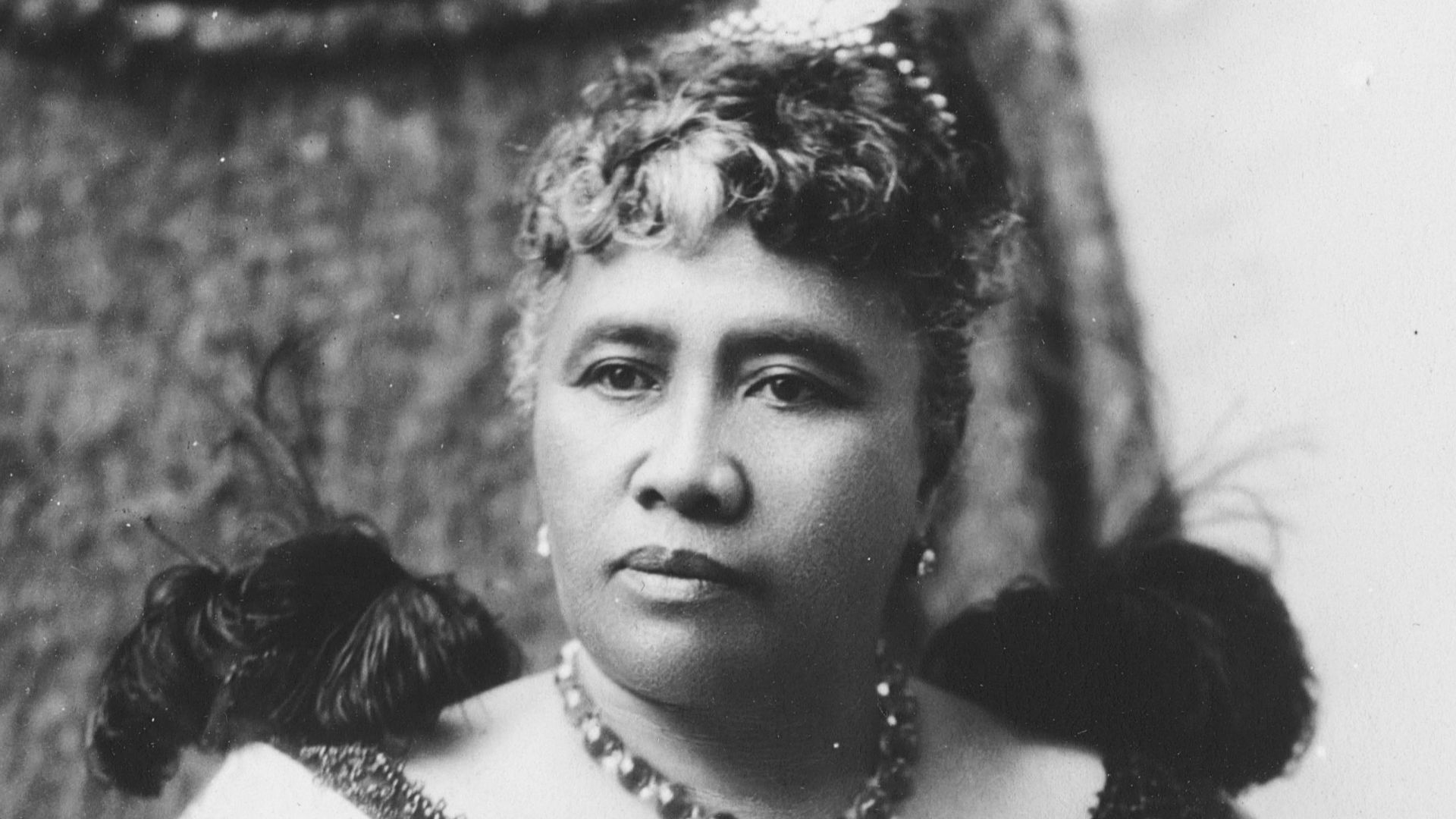 James J. Williams / Adam Cuerden, Wikimedia Commons
Jezebel's Reputation Comes From Her Opponents
For more than two millennia, Jezebel's name has been shorthand for wickedness and immorality. Yet nearly everything known about her comes through biblical authors fiercely opposed to the religious practices she supported. Modern scholarship does not declare her innocent, but it does treat that hostile viewpoint as part of the evidence.
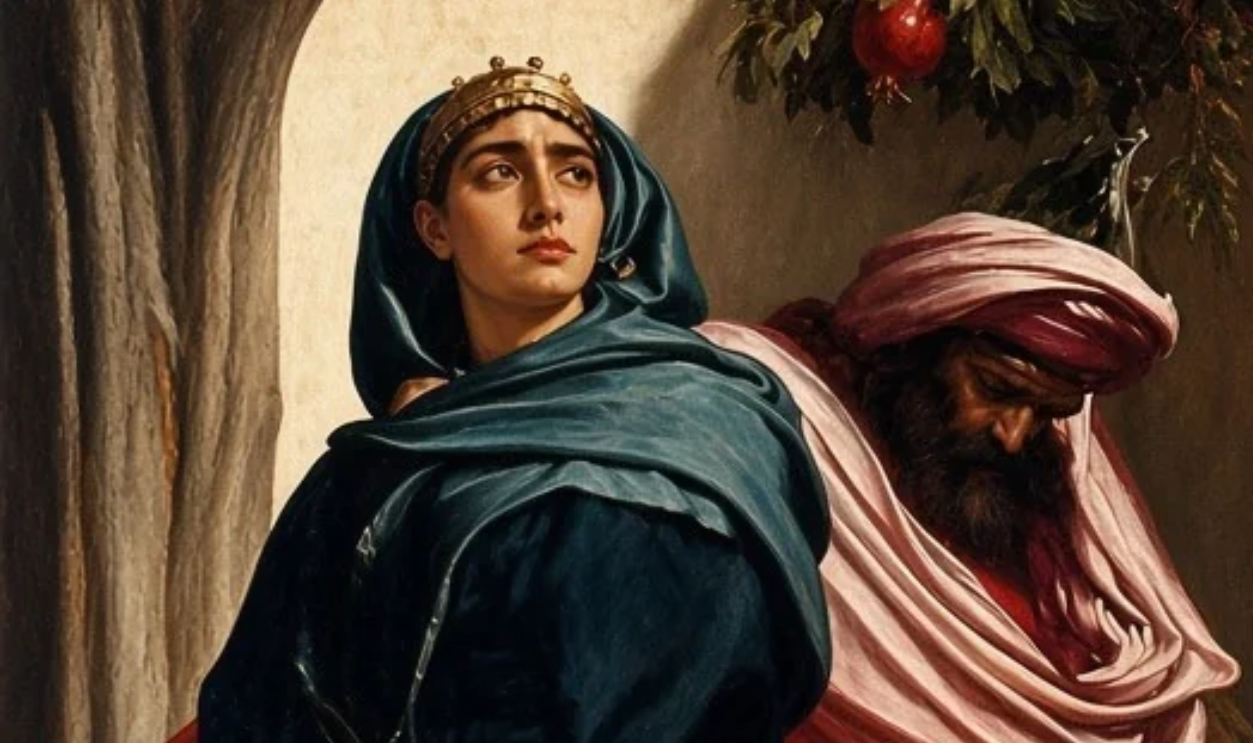 Unknown author, Wikimedia Commons, Modified
You May Also Like:
Brutal Facts About The Wives Of Henry VIII, The Tudor Tragedies
The Tragic Story Of The First And Last Queen Of Hawaii
Glorious Facts About Queen Elizabeth I, The Virgin Queen
Sources: 1, 2, 3, 4, 5, 6, 7, 8, 9, 10, 11, 12, 13, 14, 15, 16, 17, 18, 19, 20, 21, 22, 23, 24, 25, 26, 27, 28