History's Most Famous Words Aren't Always What They Seem
Some of history's most memorable quotations have a surprising problem: They don't always mean what we think they mean. Sometimes a translator chose the wrong word, sometimes an expression lost its original meaning, and sometimes a famous person never said the words at all. From royal scandals to Cold War speeches, these translation mistakes and misunderstandings have changed how generations remember the past.
Marie Antoinette Didn't Actually Mention Cake
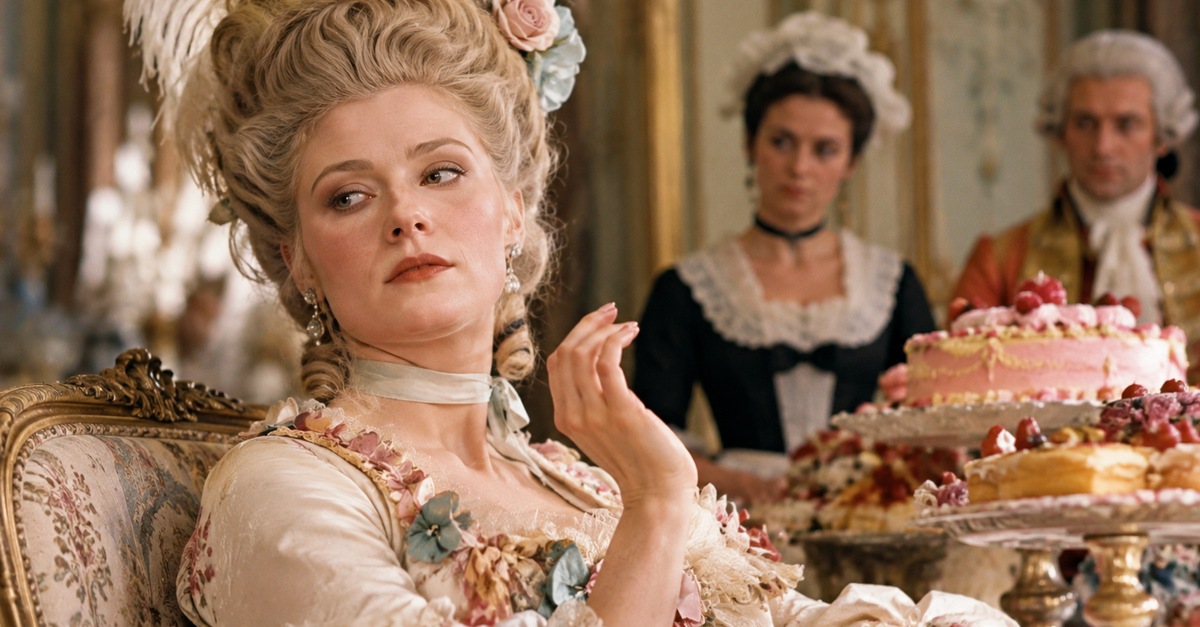
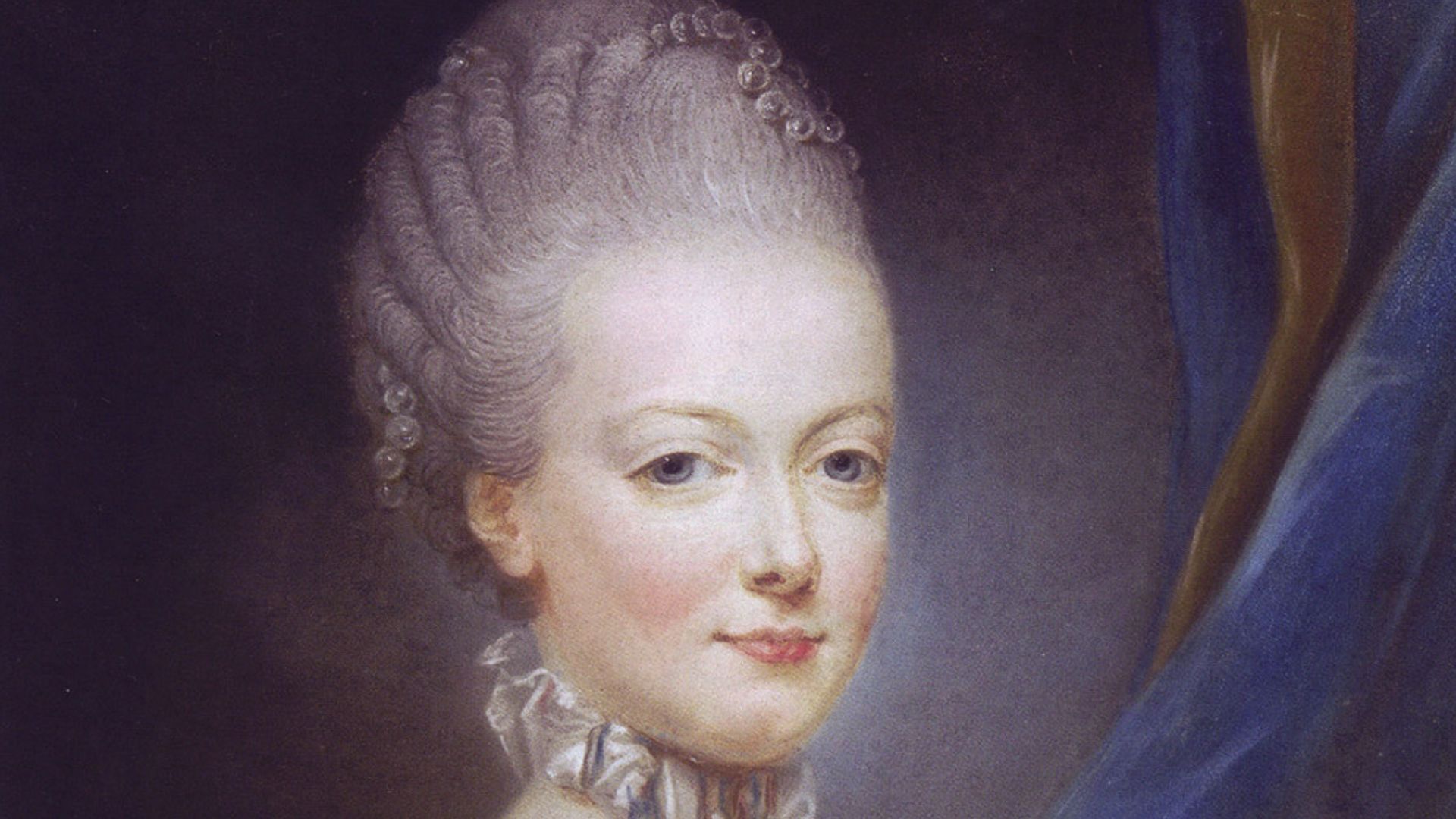
Few historical quotations are more famous than Marie Antoinette's supposed response to starving French citizens: "Let them eat cake." The French phrase traditionally associated with the story is "Qu'ils mangent de la brioche," which refers to brioche rather than ordinary cake. That distinction matters because brioche is a rich bread made with ingredients that were expensive for ordinary people.
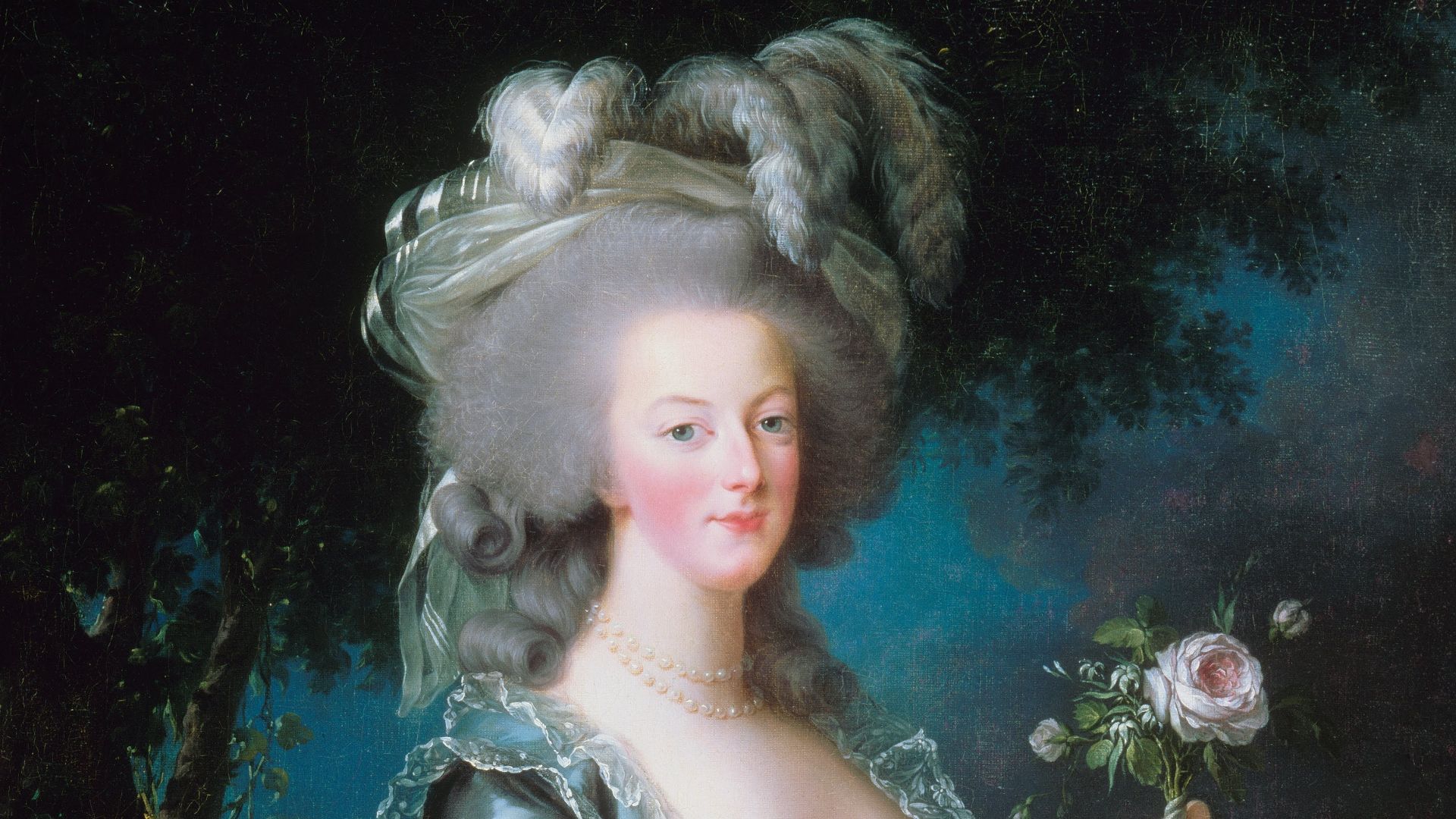 Élisabeth Louise Vigée Le Brun, Wikimedia Commons
The Original French Tells A Different Story
Brioche contains butter and eggs, making it considerably richer than the basic bread on which many French families depended. Translating the phrase as "cake" makes the remark sound like a reference to dessert rather than an expensive alternative to everyday bread. Either way, the statement suggests someone completely disconnected from the economic realities of ordinary citizens.

The Queen Probably Never Said It Anyway
The biggest problem with the quotation is that historians generally reject its attribution to Marie Antoinette. Jean-Jacques Rousseau recorded a similar remark attributed to an unnamed princess when the future French queen was still a child. The story became attached to Marie Antoinette later, illustrating how a misleading translation and questionable attribution can reinforce each other.
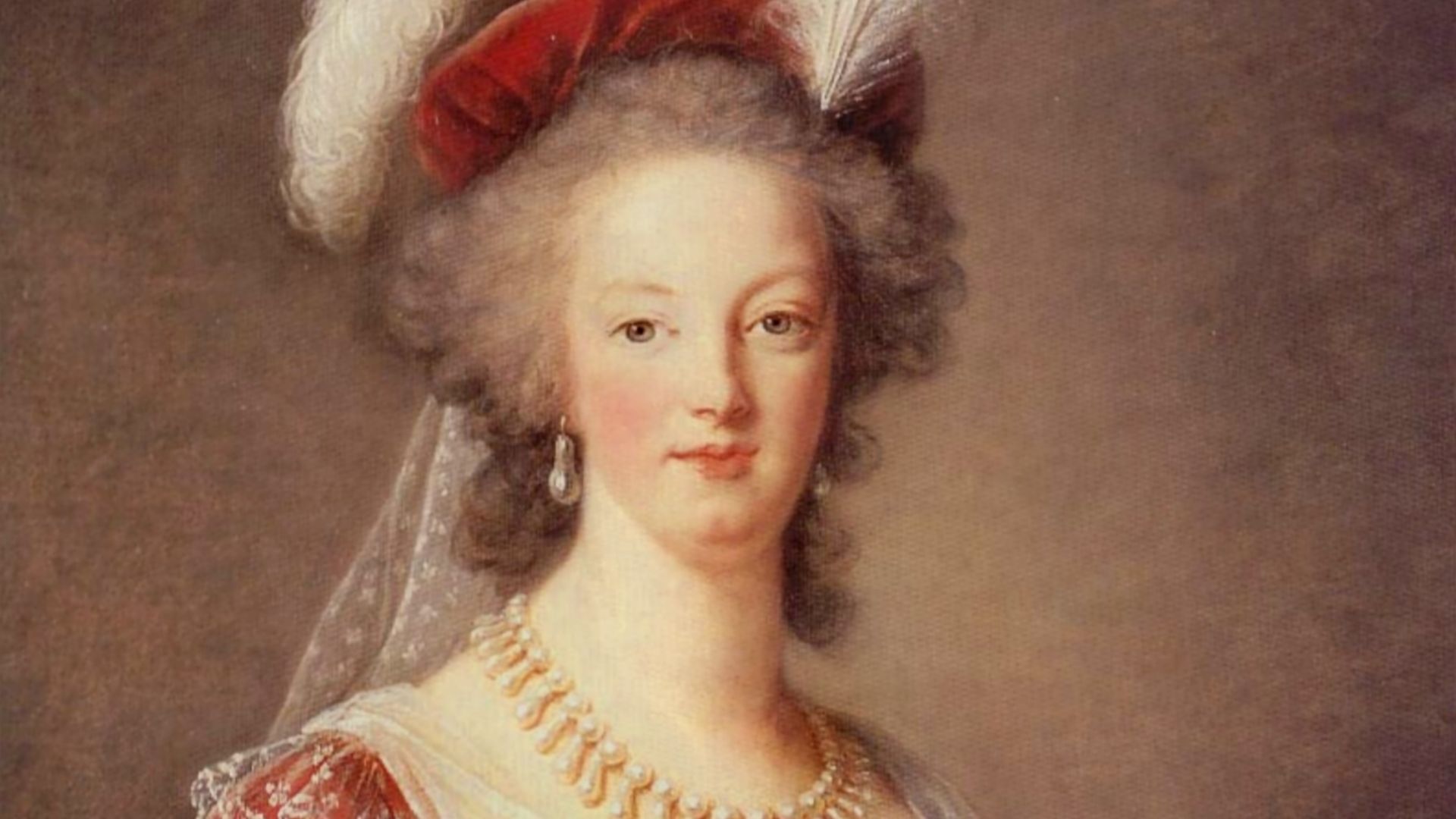 Elisabeth Louise Vigee Le Brun, Wikimedia Commons
Khrushchev's Famous Threat Sounded Terrifying
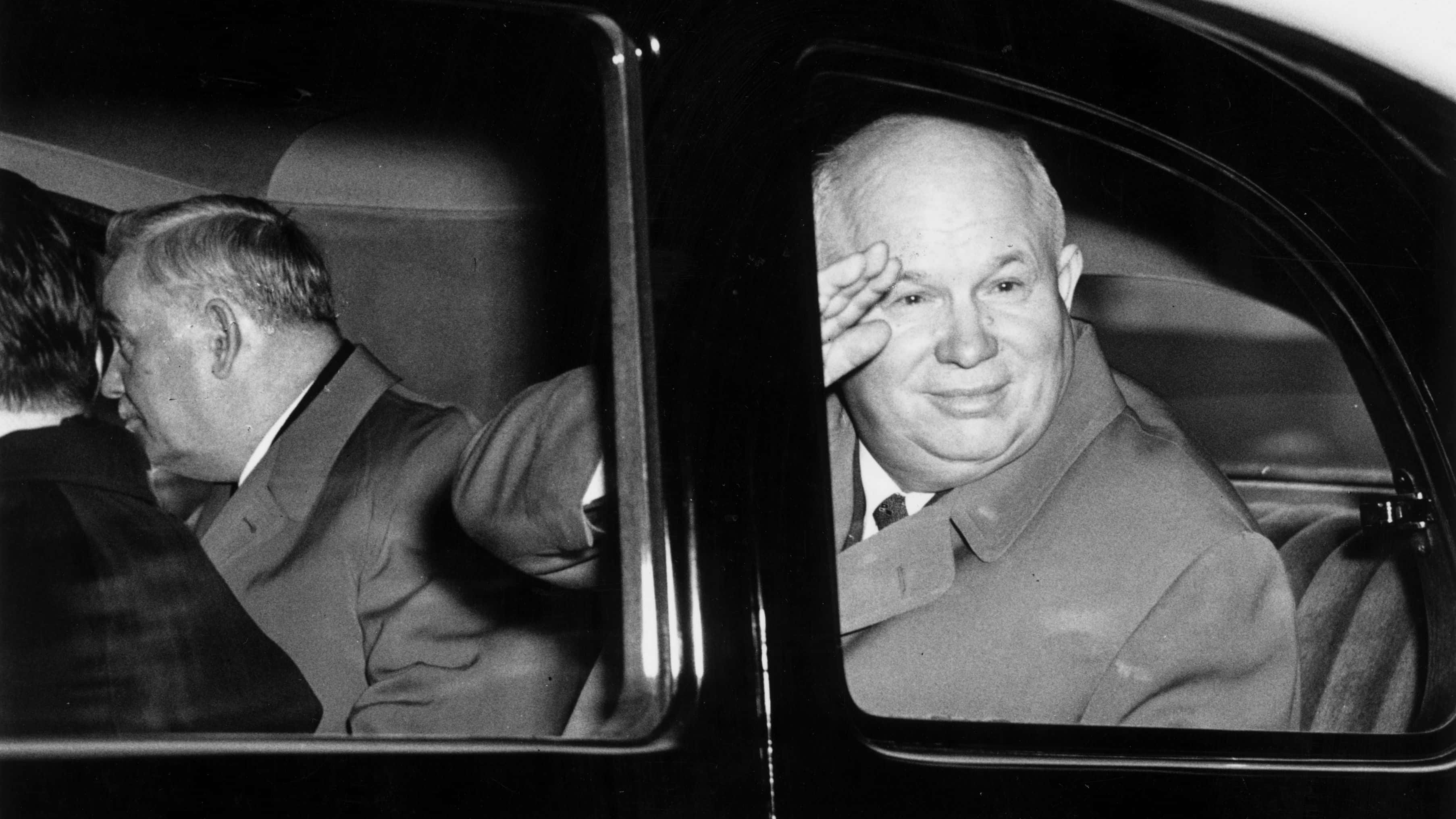
During the Cold War, Soviet leader Nikita Khrushchev became notorious for a statement translated into English as "We will bury you." To American audiences already worried about nuclear conflict, those words sounded like a direct threat of destruction. The remark helped reinforce Khrushchev's reputation as an aggressive and unpredictable Soviet leader.
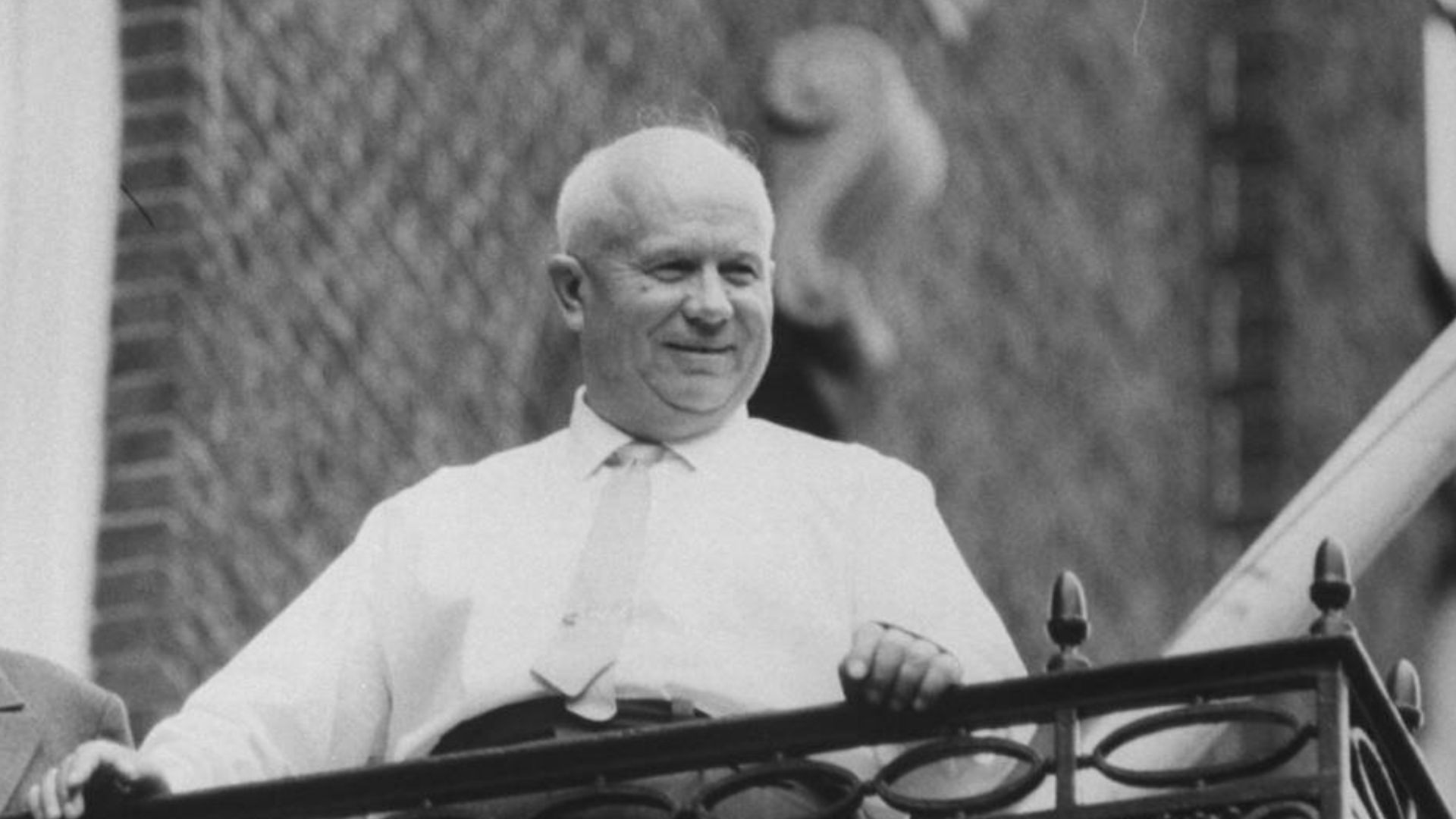 Life Magazine - Hank Walker, Wikimedia Commons
The Russian Expression Had Another Meaning
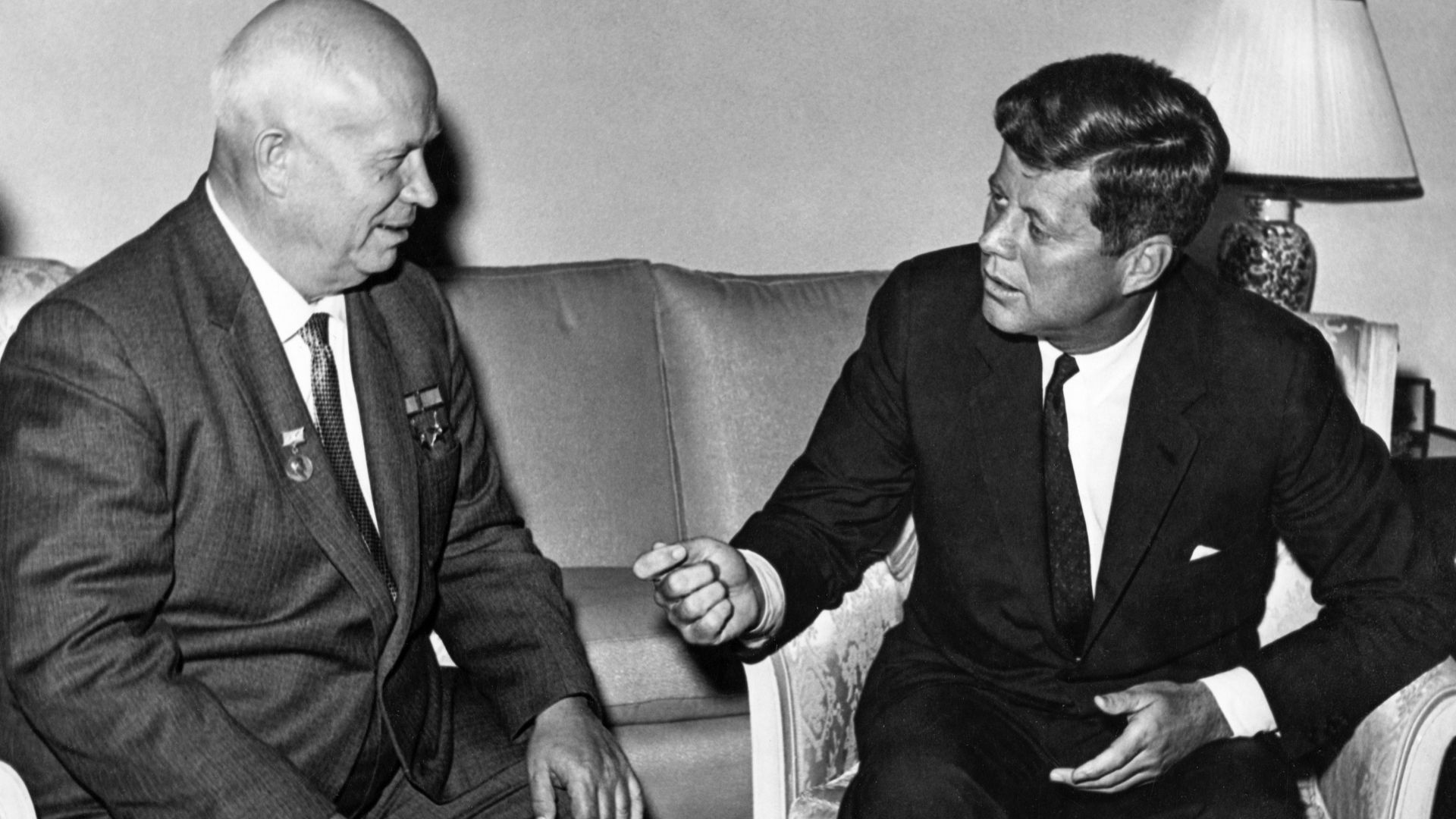
The Russian wording could also be understood as a declaration that the Soviet system would outlast capitalism. Rather than promising to physically bury Americans, Khrushchev was expressing confidence that history would eventually leave the capitalist world behind. The English version was not entirely disconnected from the original words, but it encouraged a more immediately threatening interpretation.
One Translation Made Cold War Tensions Worse
The distinction between outlasting an opponent and physically destroying one becomes particularly important during a nuclear confrontation. Khrushchev's remark was certainly confrontational, but the familiar English translation made it easier to interpret as a threat of military violence. It remains a striking example of how literal translation can lose the intended force of a political expression.
Jimmy Carter's Polish Speech Went Very Wrong
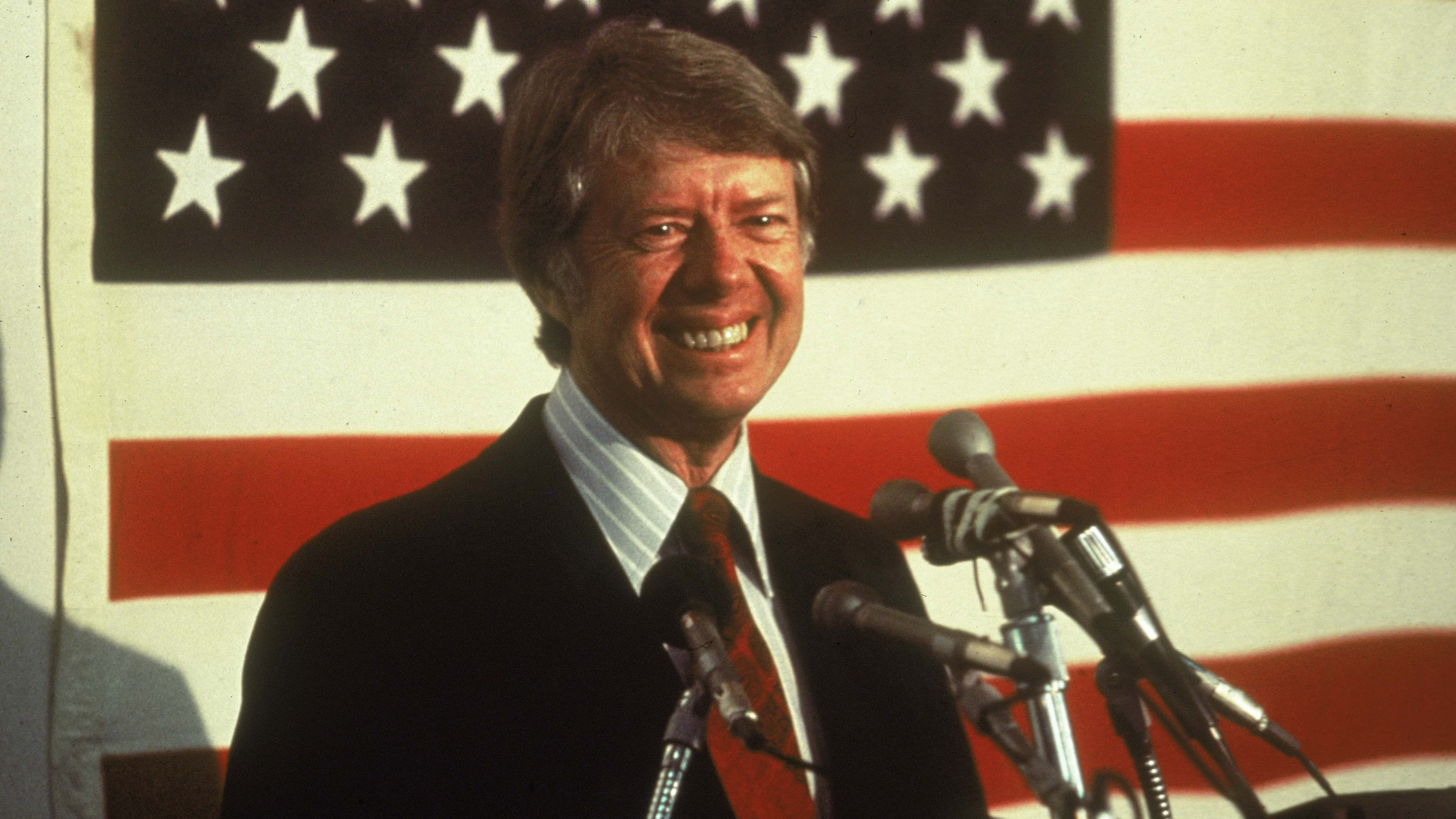
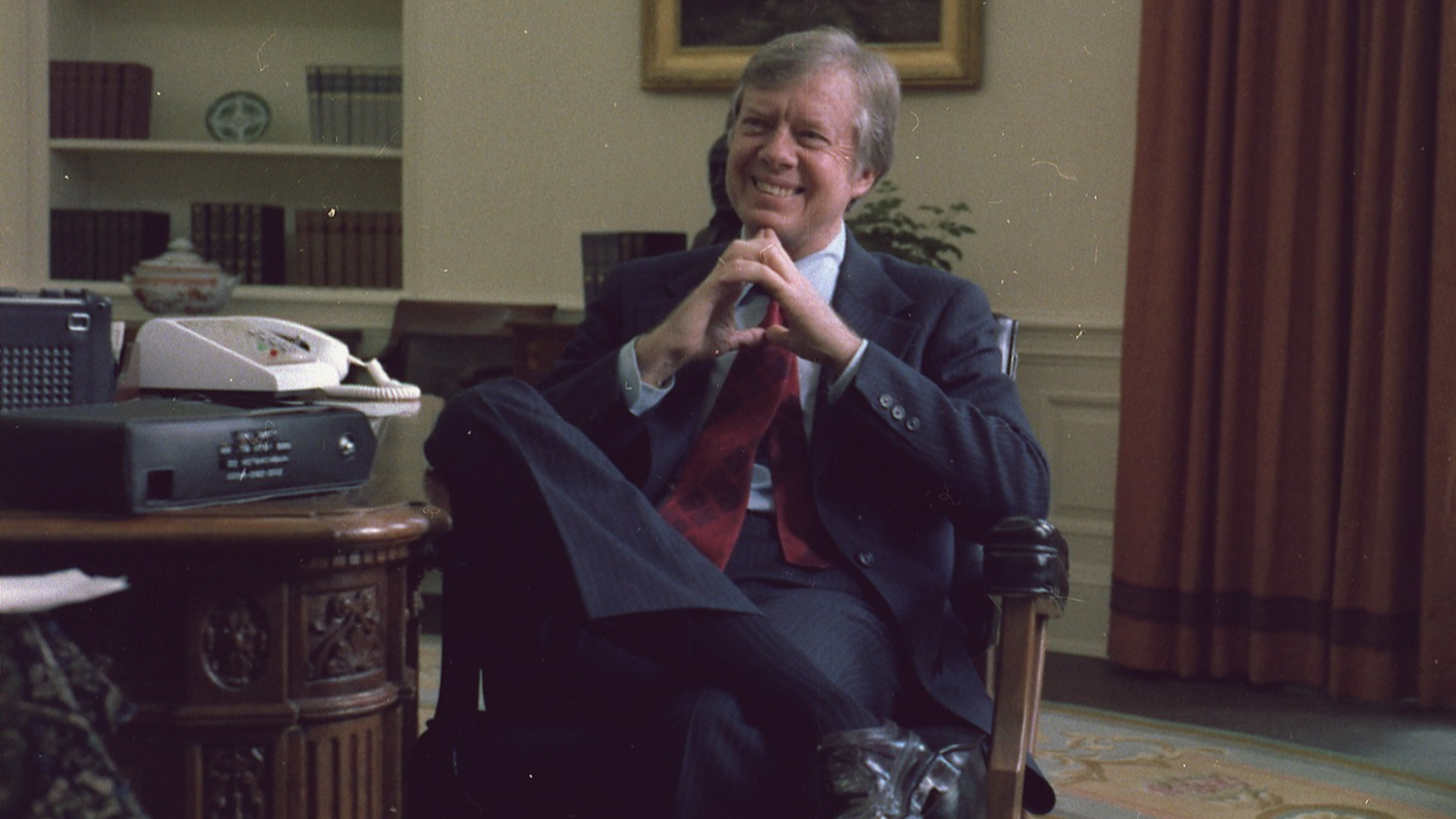
In December 1977, President Jimmy Carter visited Poland and attempted to deliver a diplomatic message about international cooperation. His remarks were translated into Polish by an interpreter whose word choices produced some embarrassing results. Instead of communicating the president's intended message, parts of the speech reportedly left listeners with a very different impression.
Carter Apparently Wanted Something Quite Different
Carter intended to express his interest in the Polish people's hopes and desires for the future. According to accounts of the visit, the interpreter selected language that made the president appear interested in their sexual desires instead. A perfectly ordinary diplomatic sentiment suddenly sounded inappropriate because of an unfortunate translation choice.
 Ansel Adams, Wikimedia Commons
The President Also Seemed To Abandon America
The translation difficulties reportedly continued when Carter referred to leaving the United States for his journey. The Polish interpretation suggested that he had abandoned America permanently rather than simply departed for an official visit. Although the mistakes became a source of amusement, they also demonstrated how quickly an interpreter's wording could embarrass a world leader.
 Unknown Author, Wikimedia Commons
Why Did Moses Suddenly Have Horns?
Anyone examining older European religious artwork might notice something unusual about Moses. Some paintings and sculptures depict the biblical figure with horns emerging from his head, including Michelangelo's famous marble statue. The explanation is connected to an influential Latin translation of the Hebrew Bible.
 Jörg Bittner Unna, Wikimedia Commons
A Hebrew Word Created Centuries Of Confusion
The biblical account describes Moses returning from Mount Sinai with his face transformed by his encounter with God. In the Hebrew text, the relevant wording is associated with rays or radiance, but St. Jerome's Latin translation used language referring to horns. Because the Hebrew words for radiance and horns are closely related, the passage became a famous example of how difficult ancient translation could be.
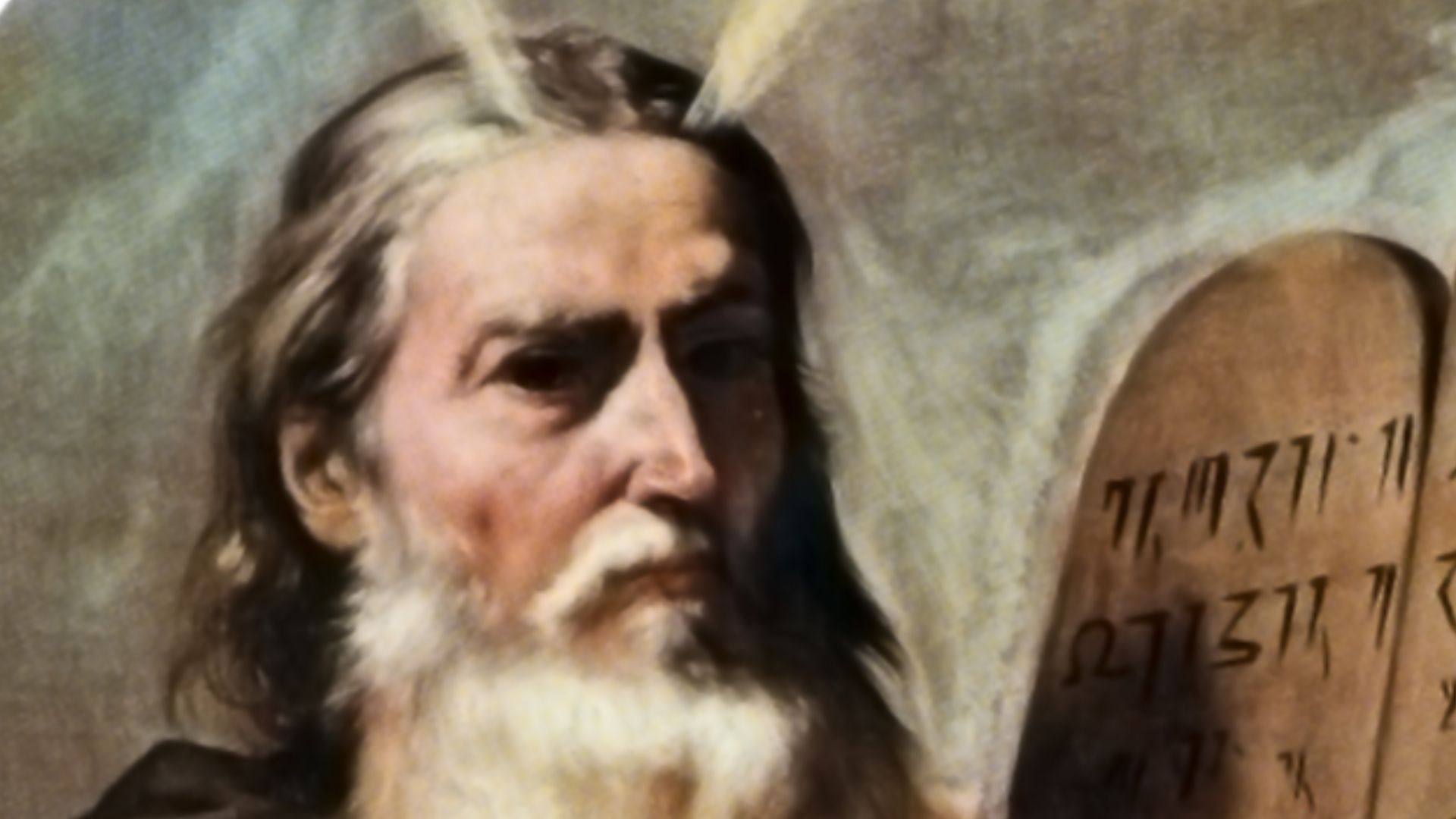 Jusepe de Ribera, Wikimedia Commons
Artists Followed The Latin Version
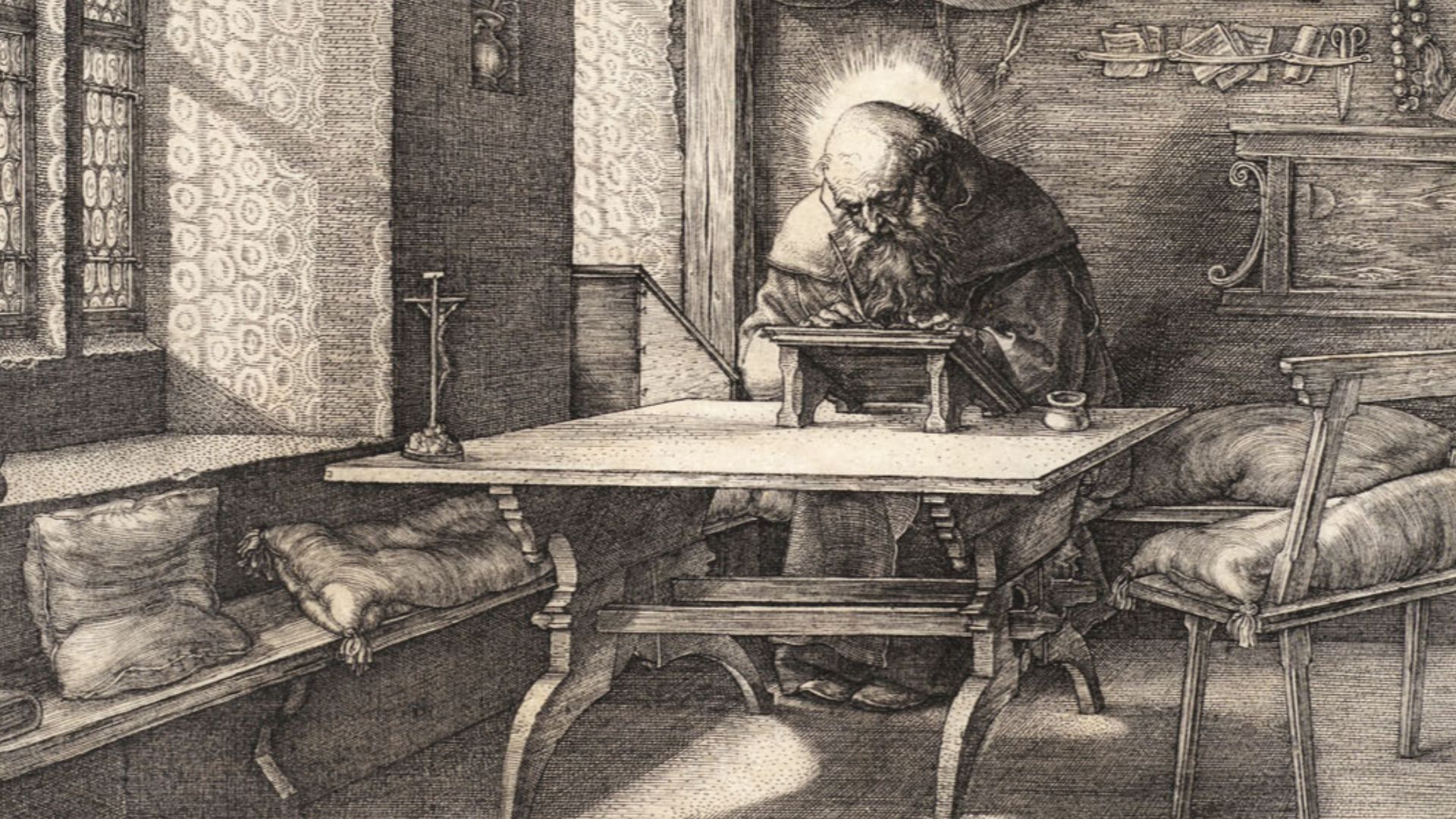
Jerome's translation became enormously influential in Western Christianity, shaping how generations encountered biblical stories. Artists working within that tradition sometimes represented Moses with physical horns rather than rays of light. The result was a lasting visual convention that demonstrates how one translation decision could influence art for centuries.
 Albrecht Dürer, Wikimedia Commons
A Treaty Changed Meaning Between Languages
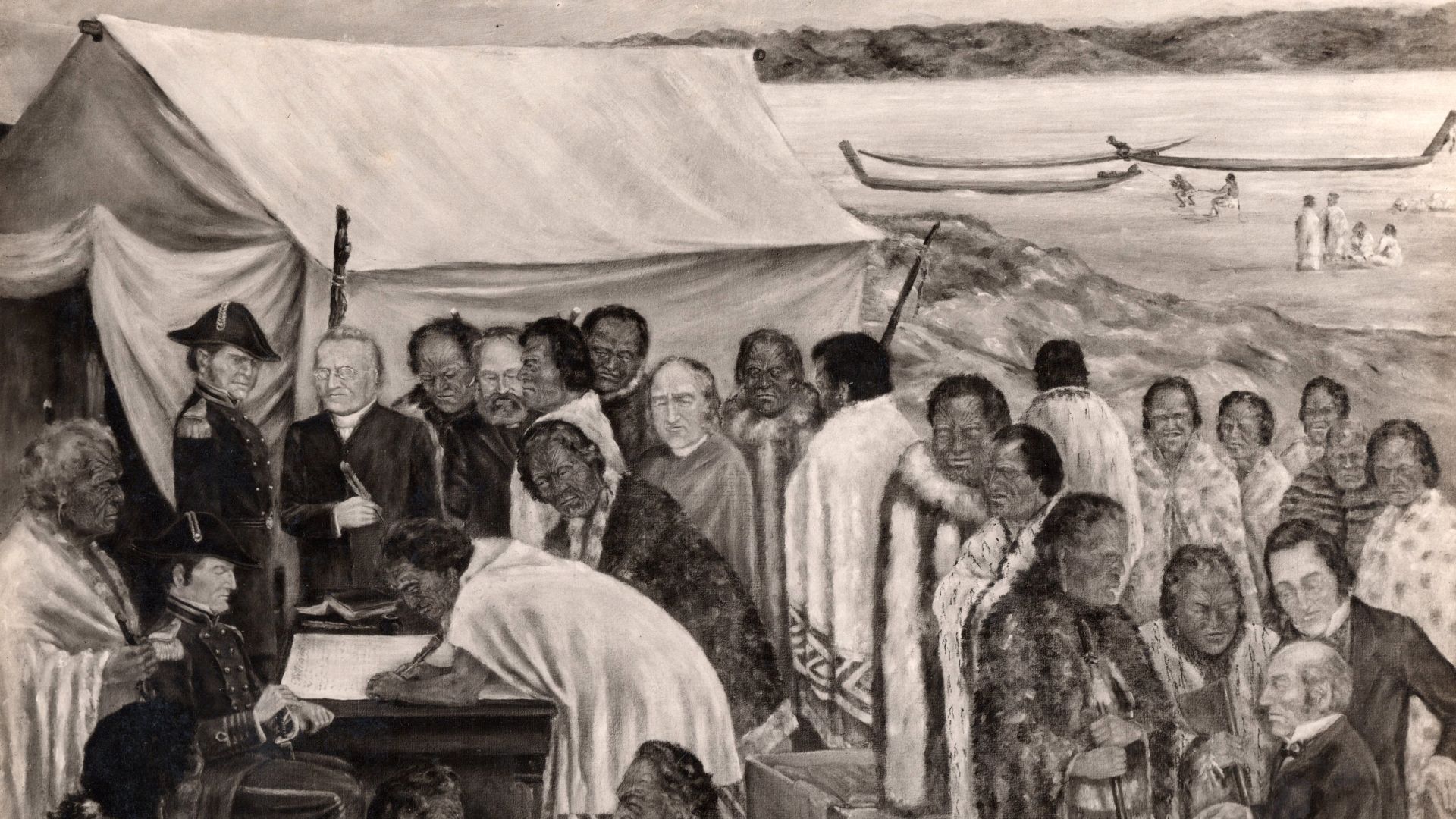
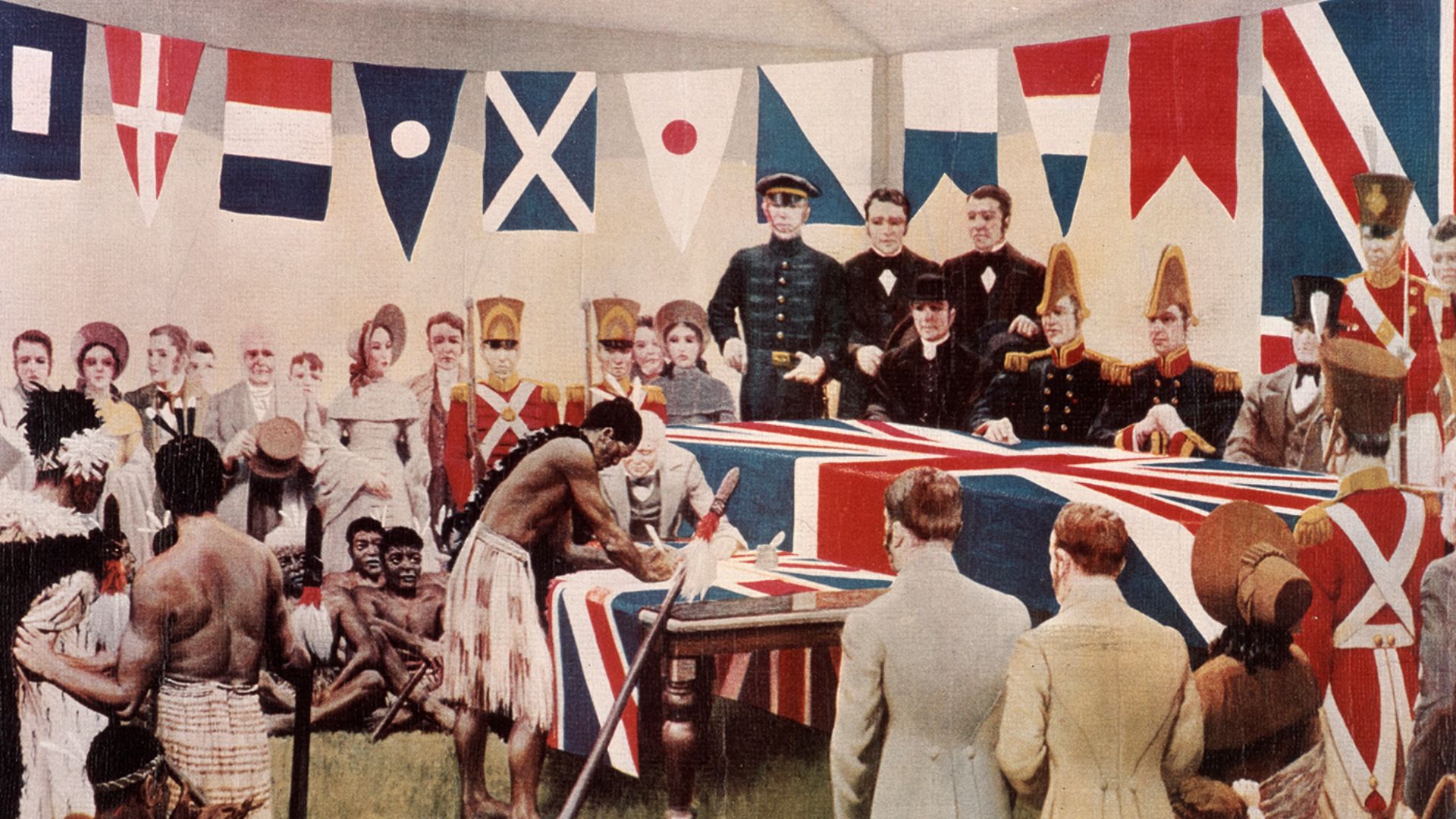
In 1840, representatives of the British Crown and Māori chiefs signed the Treaty of Waitangi in New Zealand. The agreement existed in English and Māori versions, but the two texts did not communicate identical understandings of political authority. Those differences would become central to arguments over the country's colonial history.
 Archives New Zealand from New Zealand, Wikimedia Commons
Sovereignty Was Not The Same As Governance
The English version described Māori chiefs surrendering sovereignty to the British Crown. The Māori version used the term "kāwanatanga," commonly understood as governance, rather than an exact equivalent of the English concept of sovereignty. That distinction created fundamentally different expectations about the powers the Crown would exercise.
 Archives New Zealand from New Zealand, Wikimedia Commons
The Disagreement Never Really Disappeared
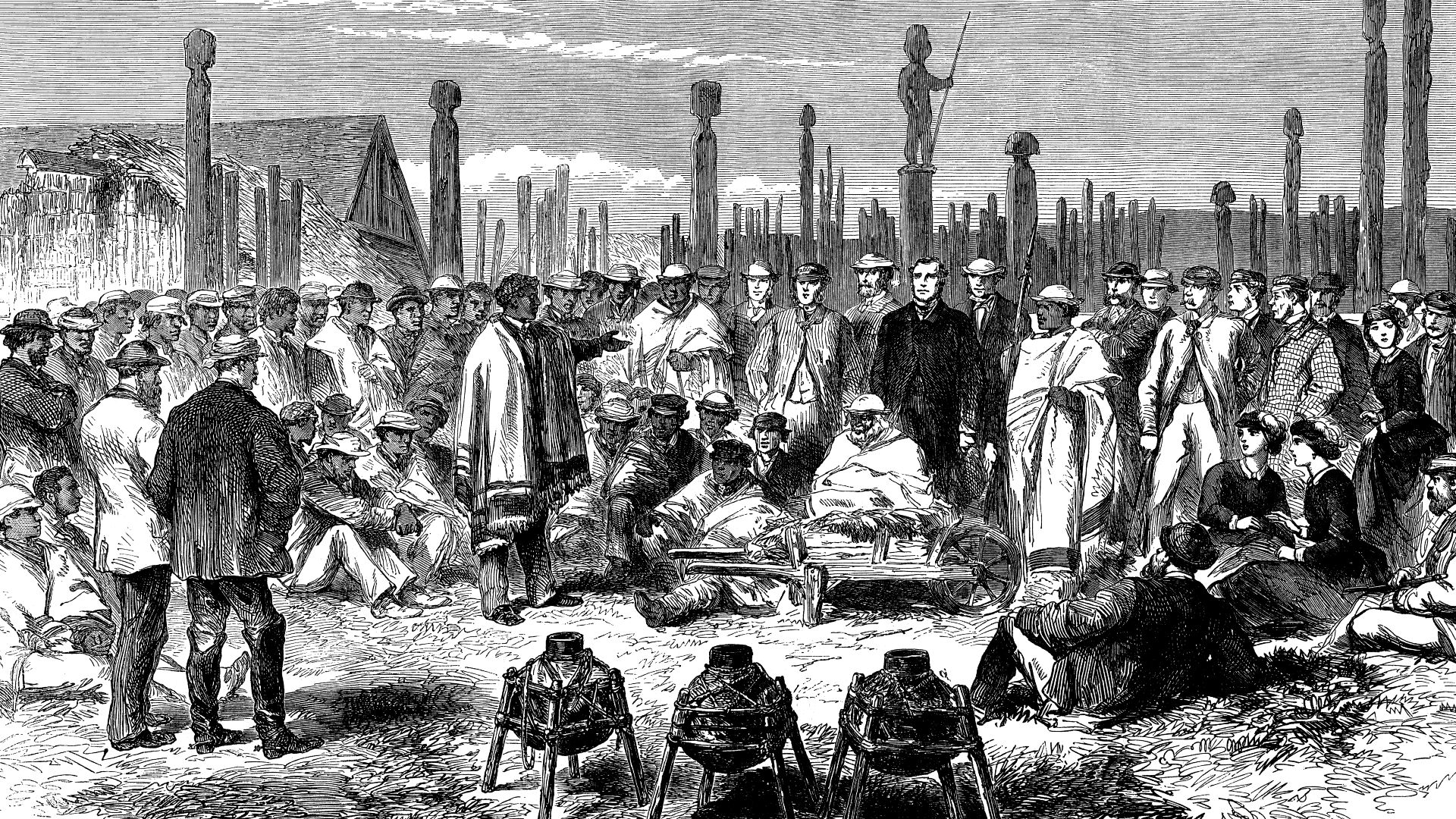
The treaty's different meanings contributed to disputes about authority, land, and the relationship between Māori communities and the Crown. Modern discussions of the Treaty of Waitangi continue to examine what its signatories understood and intended. Unlike an embarrassing mistranslated speech, this disagreement involved legal and political consequences extending across generations.
 Mason Jackson, Wikimedia Commons
Mary Boleyn's Reputation May Rest On A Translation Error
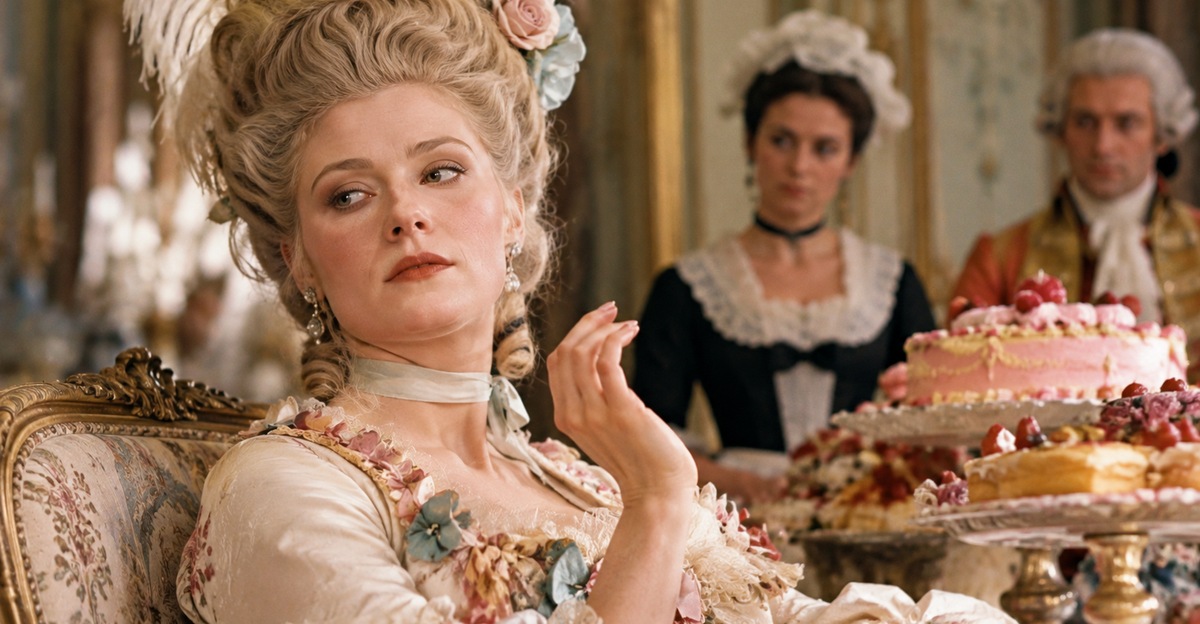
Mary Boleyn, the sister of Henry VIII's second wife Anne Boleyn, has frequently been portrayed as a scandalous figure at the Tudor court. Some historical accounts described her using an especially insulting expression supposedly connected to the French king Francis I. Recent research has challenged whether the original historical document actually identified Mary in the way later historians assumed.
 Remigius van Leemput, Wikimedia Commons
An Italian Letter Was Read Too Confidently
Historian Sylvia Barbara Soberton examined a 1536 Italian letter written by the diplomat and bishop Rodolfo Pio da Carpi. Earlier interpretations connected a damaging description to Mary Boleyn, helping establish her reputation for promiscuity. Soberton argues that the original wording referred to one of Anne Boleyn's sisters without explicitly identifying Mary.
 Screenshot from The Other Boleyn Girl, Focus Features (2008)
One Woman's Reputation Changed Across Centuries
The distinction might appear minor, but identifying a particular woman in an ambiguous historical document can transform her biography. According to Soberton's interpretation, later historians treated a disputed identification as established fact. Her research does not settle every question about Mary Boleyn's private life, but it demonstrates why historians must return to original documents instead of relying entirely on inherited translations.
 Screenshot from The Other Boleyn Girl, Focus Features (2008)
Mars Had Channels, Not Necessarily Canals
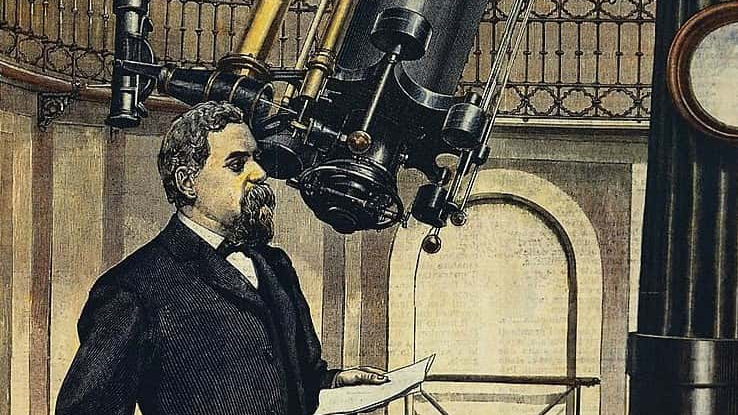
In 1877, Italian astronomer Giovanni Schiaparelli observed linear features on Mars and described them using the word "canali." English-language discussions increasingly rendered the term as "canals," a word that could suggest artificially constructed waterways. That linguistic difference helped encourage an extraordinary idea about life on the Red Planet.
 Achille Beltrame, Wikimedia Commons
The Translation Suggested Intelligent Builders
The Italian term could describe natural channels without implying that anyone had constructed them. In English, however, canals commonly refer to waterways created through engineering. The distinction helped fuel speculation that an advanced Martian civilization had built an enormous network to distribute water across the planet.

A Scientific Mistake Captured The Imagination
American astronomer Percival Lowell became a prominent advocate of the theory that Mars contained artificial canals. His interpretation encouraged public fascination with the possibility of intelligent Martians and their supposed engineering achievements. Later observations failed to confirm the canal network, but the episode remains an example of how a misleading word can shape scientific speculation.
 Unknown authorUnknown author, Wikimedia Commons
Money Wasn't Exactly Called The Root Of All Evil
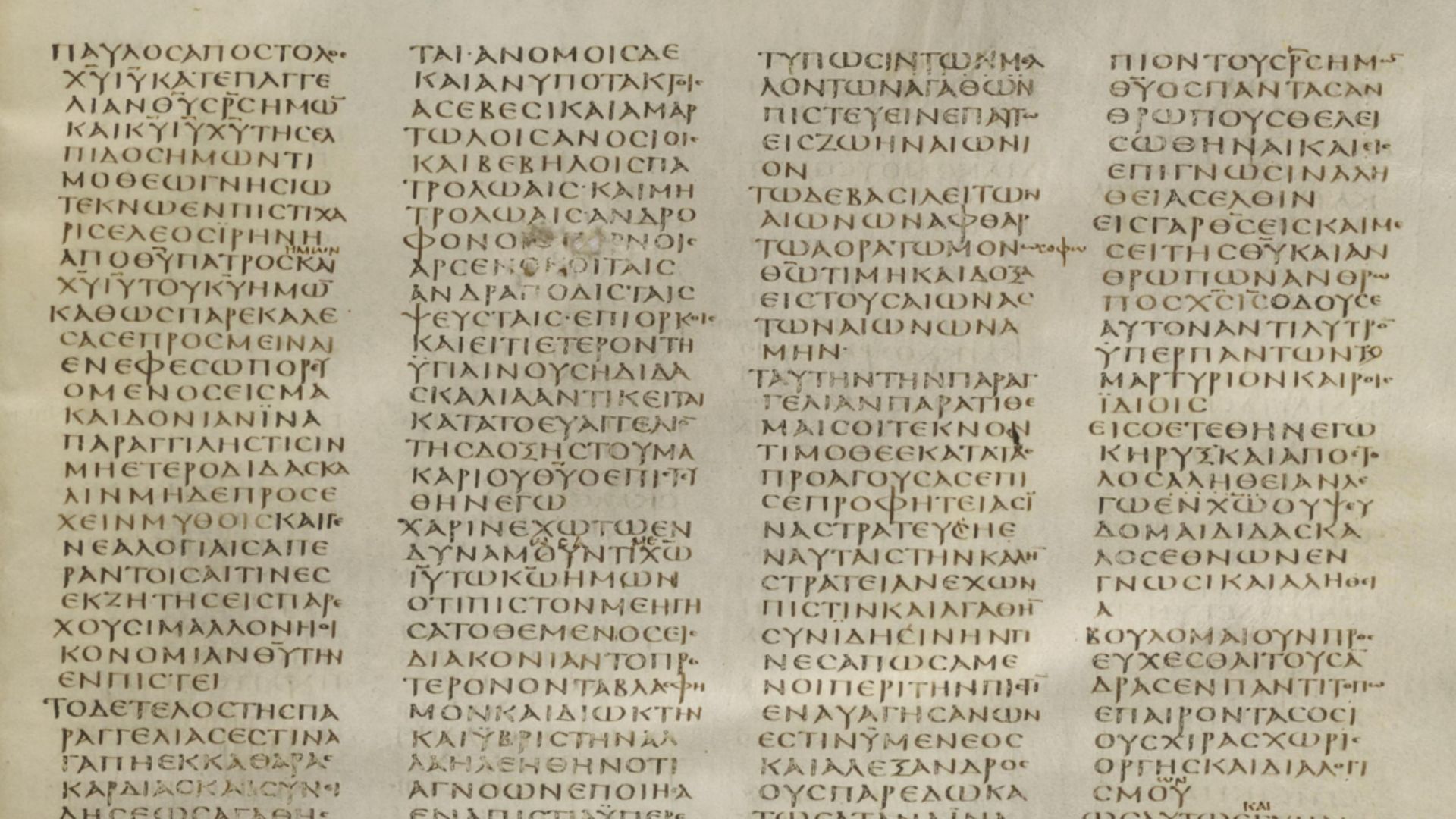
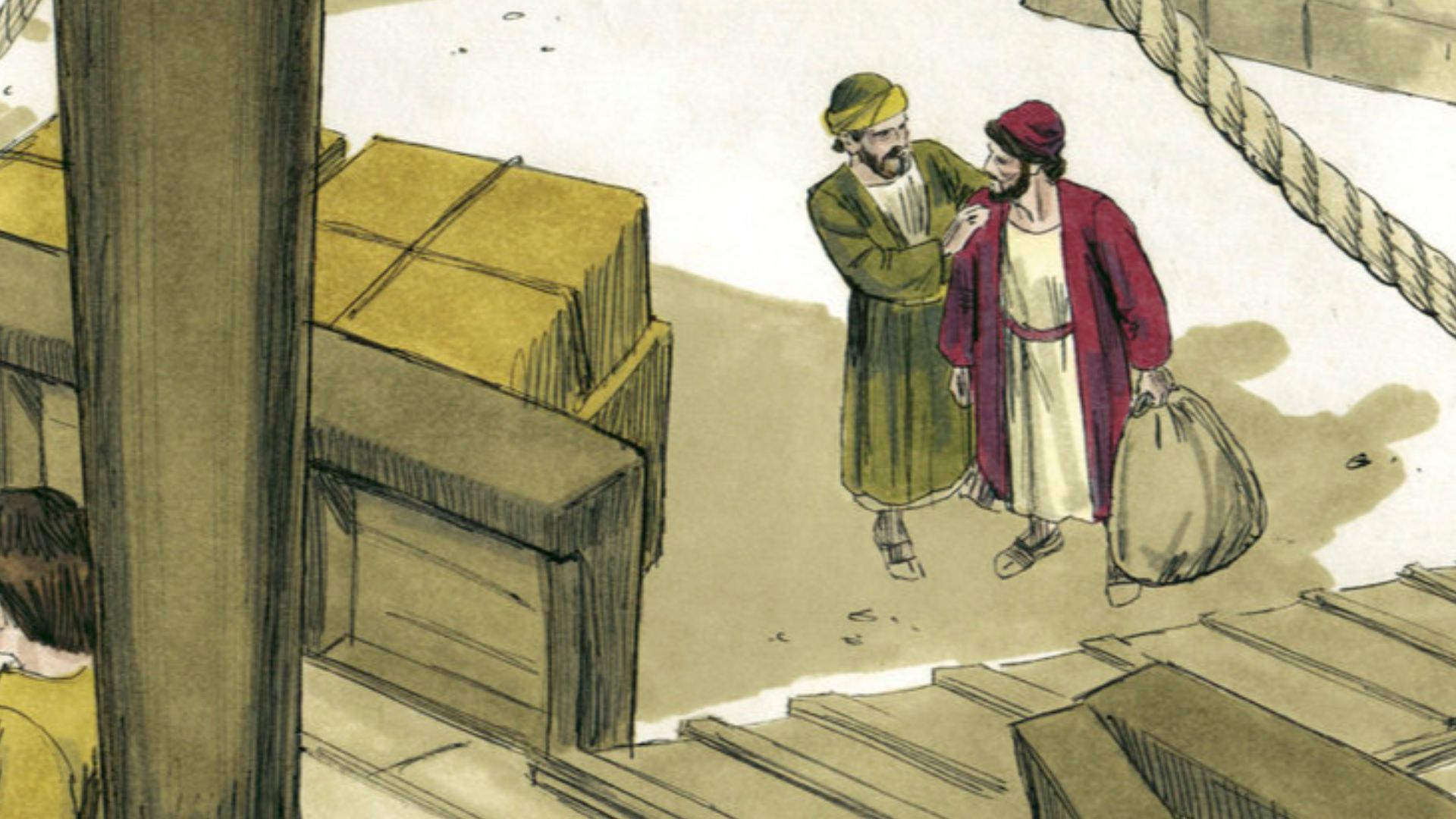
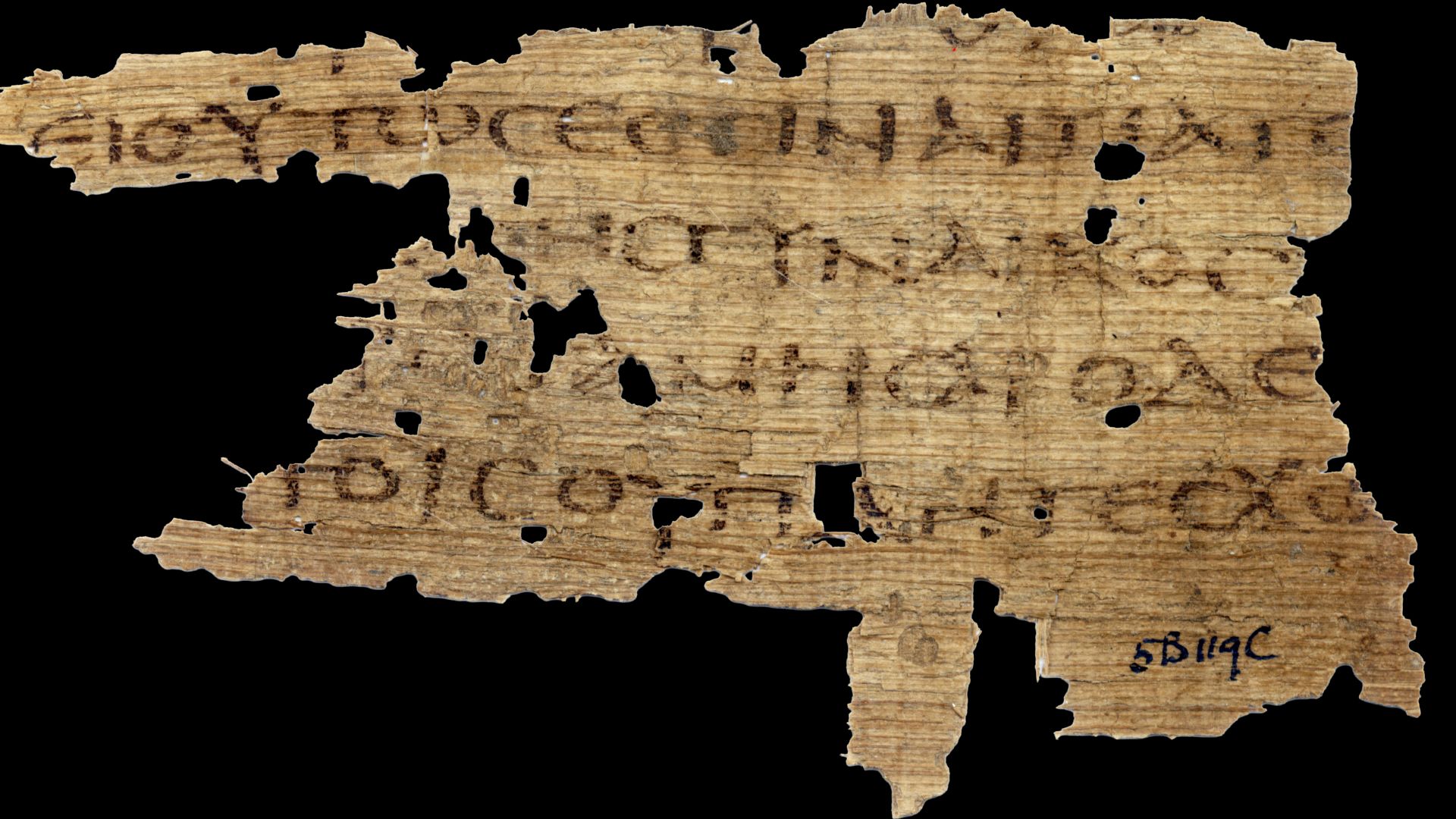
One of the most frequently repeated biblical expressions declares that money is the root of all evil. That familiar wording leaves out an important part of the passage in the First Epistle to Timothy. The traditional English formulation identifies the love of money, rather than money itself, as the source of evil.
 VistaSunset, Wikimedia Commons
The Missing Words Change Everything
The distinction between money and the love of money is more than a minor grammatical detail. One version appears to condemn wealth or currency itself, while the other warns against an excessive attachment to acquiring it. Removing those words changes the emphasis of the original teaching and can lead readers toward a different moral interpretation.
 Jim Padgett, Wikimedia Commons
A Shortened Quote Became The Famous Version
The familiar saying illustrates a different kind of historical distortion because the problem is often careless quotation rather than an incorrect translation from the original language. Over time, the shorter expression became easier to remember and repeat than the fuller biblical wording. It shows how even a relatively small omission can change the meaning of a statement that millions of people recognize.
 Unknown authorUnknown author, Wikimedia Commons
Even Famous Words Need A Second Look
Historical quotations often reach modern audiences after passing through translators, editors, historians, and storytellers. Each stage creates opportunities for mistakes, omissions, and interpretations that gradually become accepted as fact. Whether the subject is a French queen, a Soviet leader, or an ancient religious text, checking the original wording can reveal a very different story.
 Joseph Ducreux, Wikimedia Commons
You May Also Like:
The Weirdest Rules People Once Followed At Work
The Discovery Of A Bronze Age Blade Workshop In Southern Israel
Resilient Facts About Ellen Burstyn, The Actor Who Worked With The Devil