History Was Hiding In Plain Sight
Some of history's greatest discoveries weren't made during grand expeditions. They happened when ordinary people opened forgotten boxes, examined old books, or started digging in unlikely places. From ancient scrolls buried beneath cities to priceless manuscripts tucked behind paintings, these remarkable finds prove that history still has plenty of surprises.
 United States Library of Congress's Prints and Photographs division, Wikimedia Commons
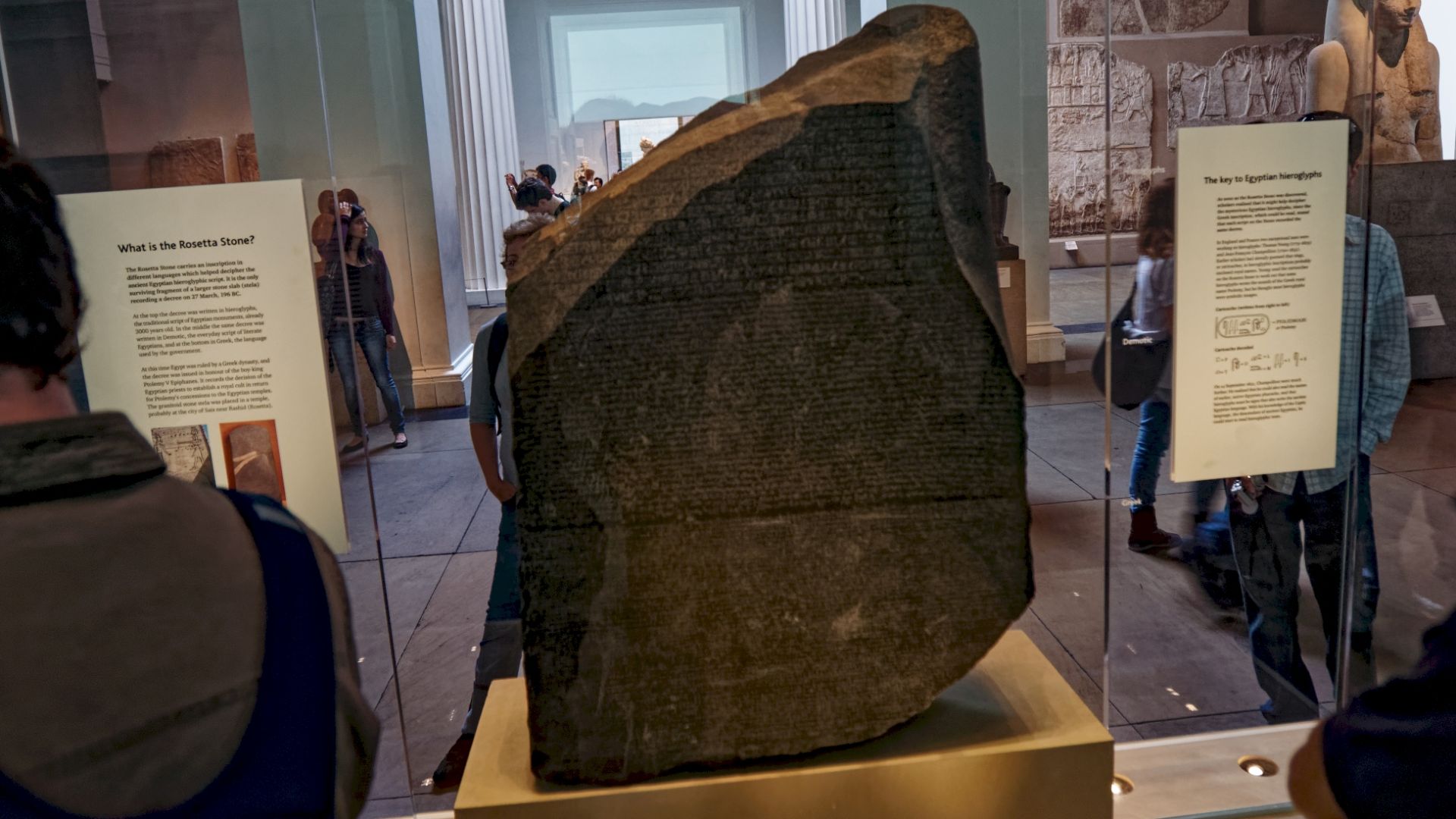
The Rosetta Stone Was Hidden In A Wall
In 1799, French soldiers renovating Fort Julien in Egypt uncovered an inscribed stone reused in an old wall. The Rosetta Stone carried a decree in three scripts. Its discovery eventually helped scholars decipher ancient Egyptian hieroglyphs.
 Txllxt TxllxT, Wikimedia Commons
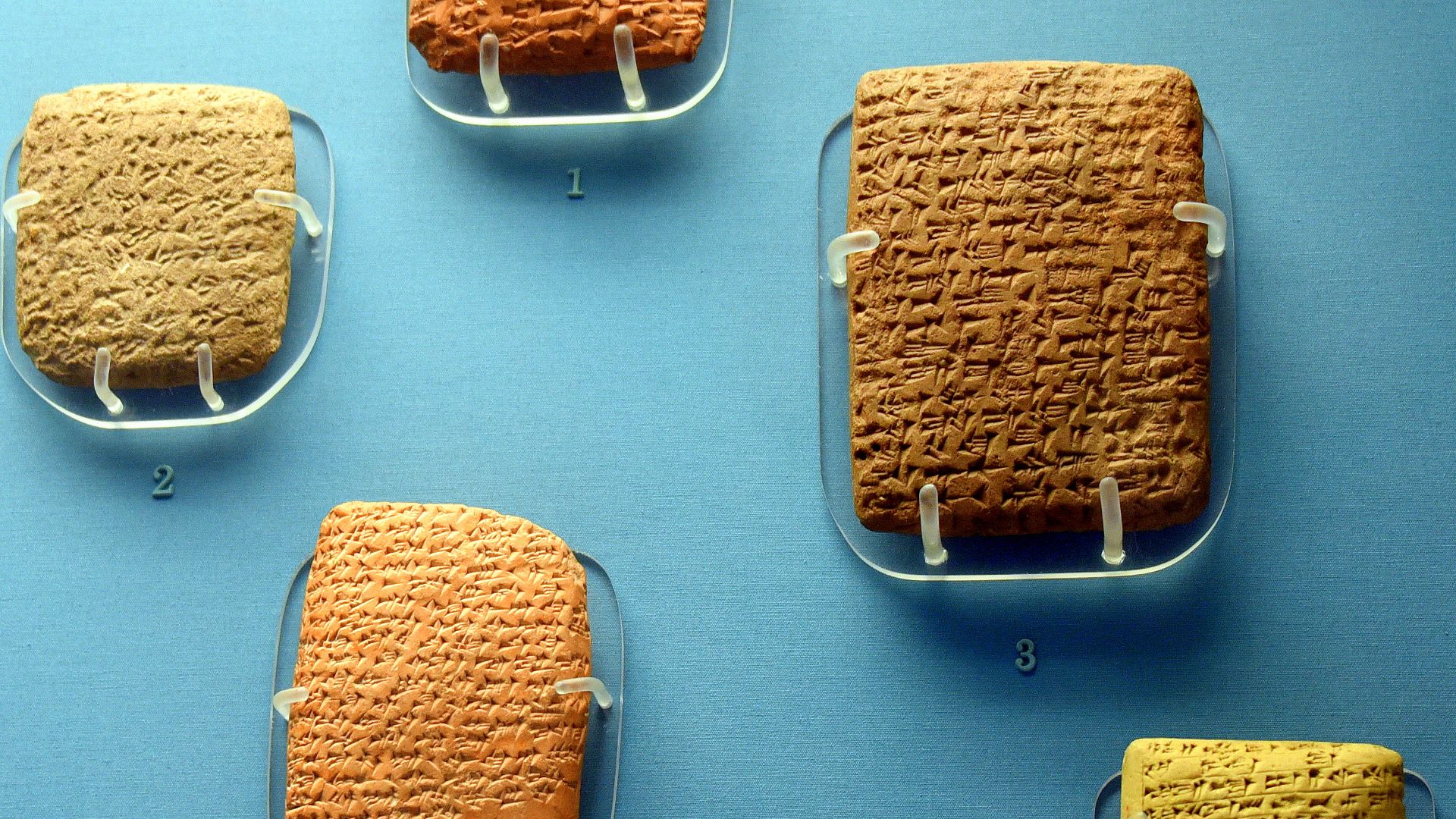
The Amarna Letters Were Found By Egyptian Farmers
In 1887, local residents uncovered ancient clay tablets near Amarna, Egypt. The exact discovery circumstances remain uncertain. These remarkable documents contained diplomatic correspondence between Egyptian rulers and neighboring kingdoms more than 3,000 years ago.
 Osama Shukir Muhammed Amin FRCP(Glasg), Wikimedia Commons
The Dead Sea Scrolls Were Found In A Cave
In 1947, Bedouin shepherds searching for a stray goat entered a cave near the Dead Sea. Inside were jars containing ancient manuscripts. Their discovery eventually led researchers to thousands of additional fragments from nearby caves.
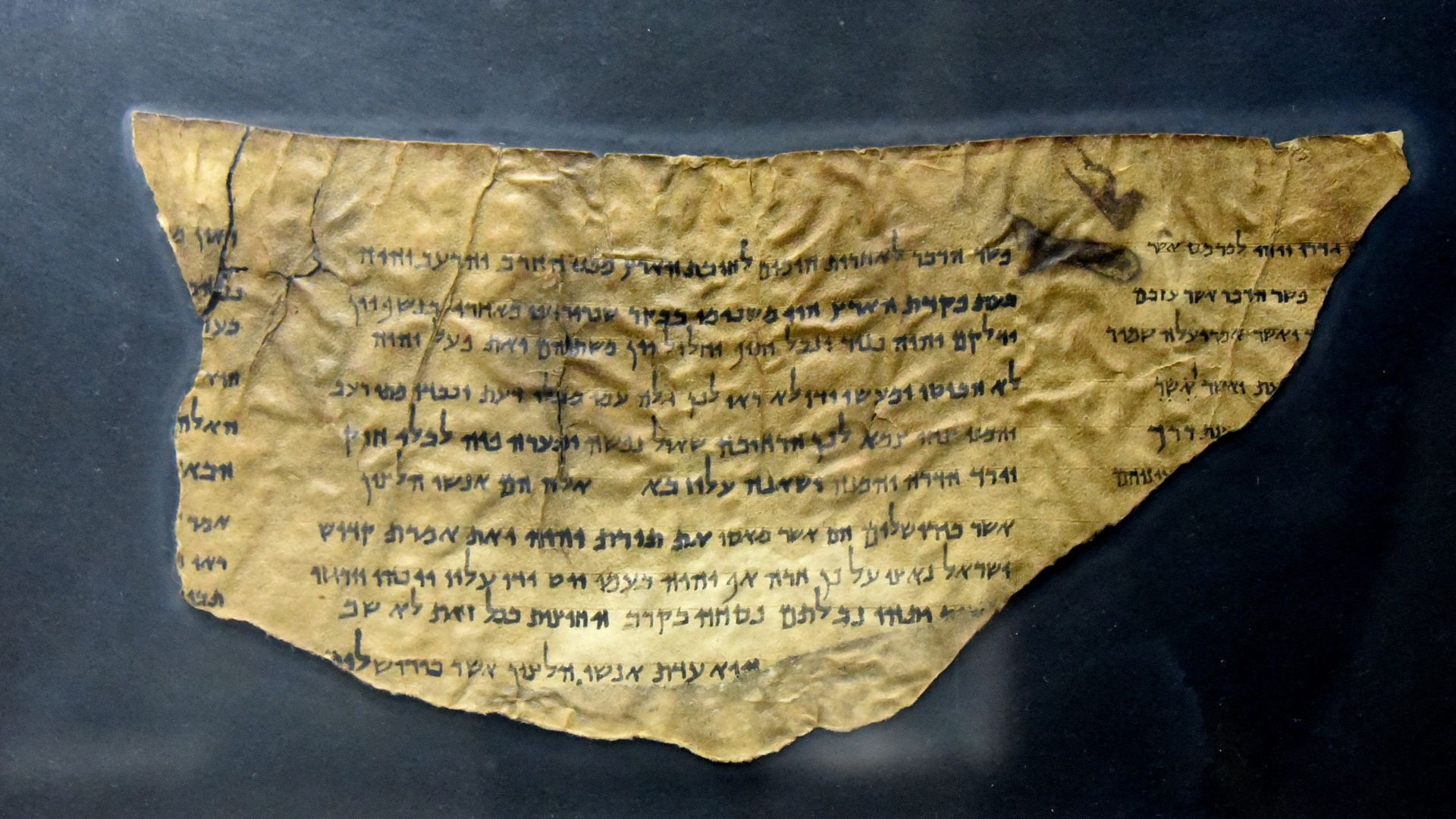 Osama Shukir Muhammed Amin FRCP(Glasg), Wikimedia Commons
The Nag Hammadi Texts Emerged From The Desert
Ancient books surfaced near Nag Hammadi, Egypt, in 1945. Traditional accounts describe farmers discovering them inside a buried pottery jar. Although the precise circumstances remain disputed, the texts transformed scholarship on early Christian traditions.
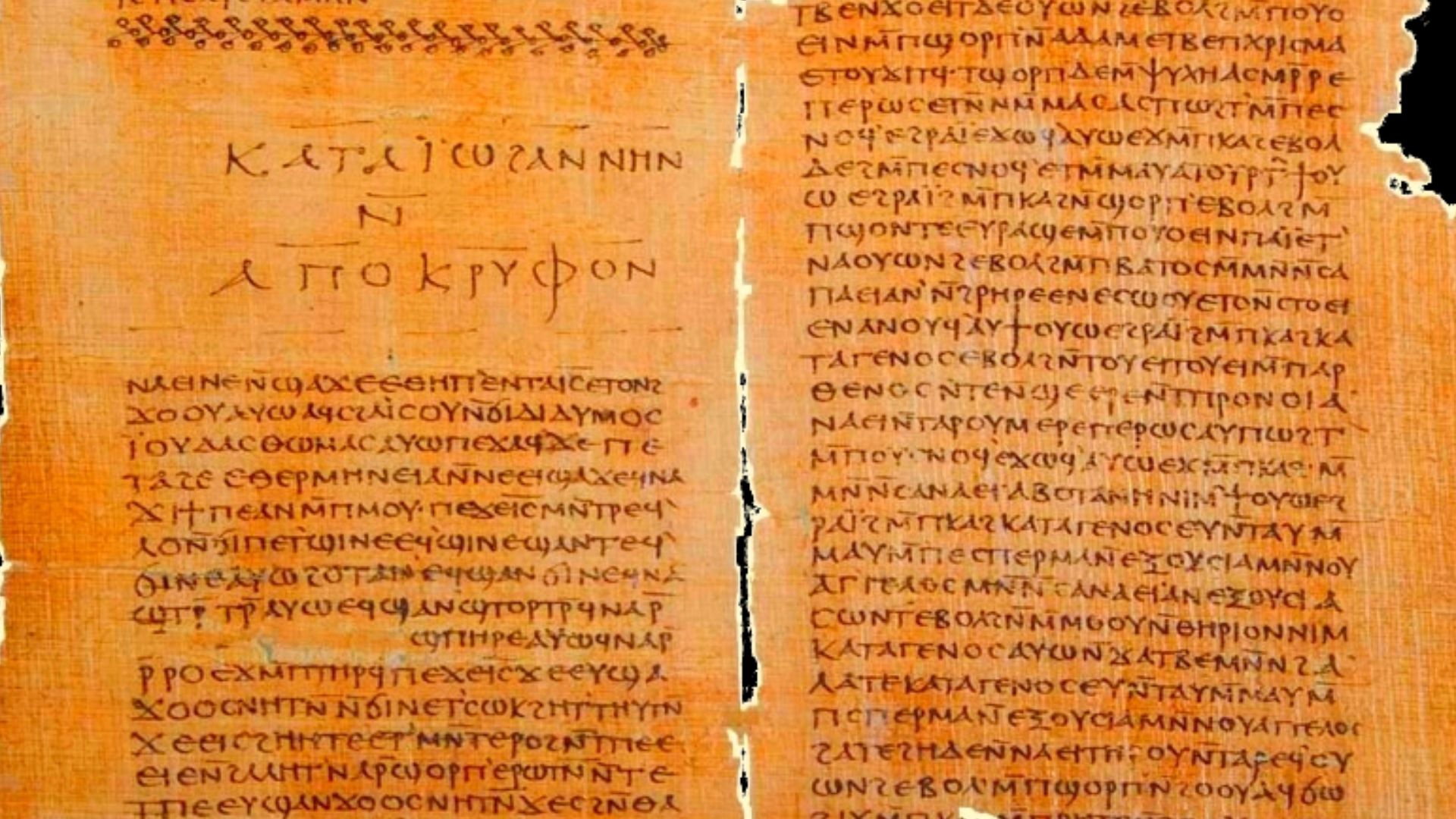 Unknown authorUnknown author, Wikimedia Commons
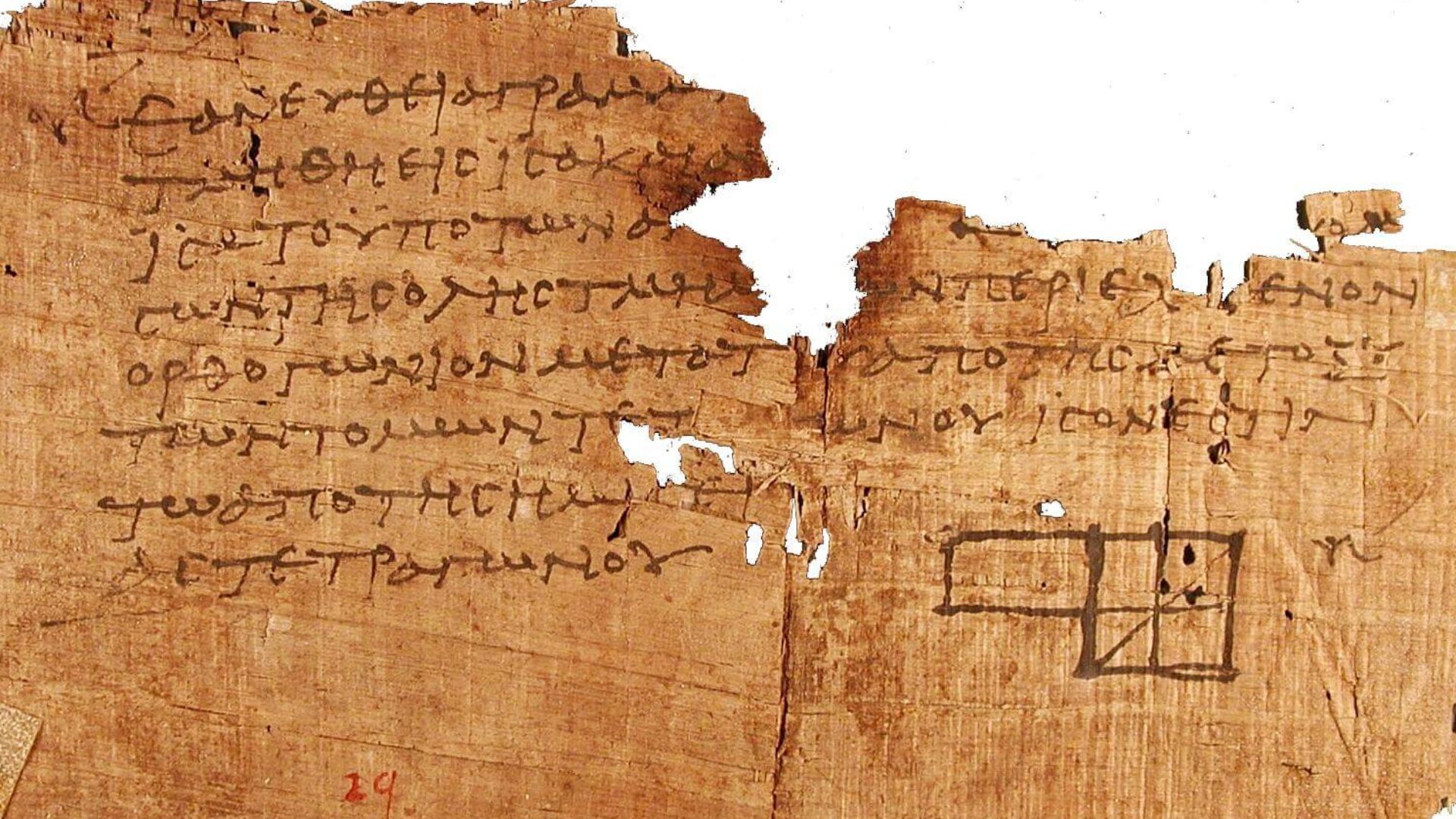
The Oxyrhynchus Papyri Came From Ancient Garbage
Beginning in 1896, archaeologists excavating Egyptian rubbish mounds uncovered thousands of discarded papyrus documents. Among everyday letters and records were fragments of ancient literary works. Apparently, one civilization's garbage really could become another civilization's treasure.
The Cairo Genizah Was Inside A Synagogue Storeroom
A forgotten collection of medieval writings emerged from a storage chamber in Cairo's Ben Ezra Synagogue. Researchers began examining the material during the 1890s. The documents revealed extraordinary details about Jewish communities and everyday medieval life.
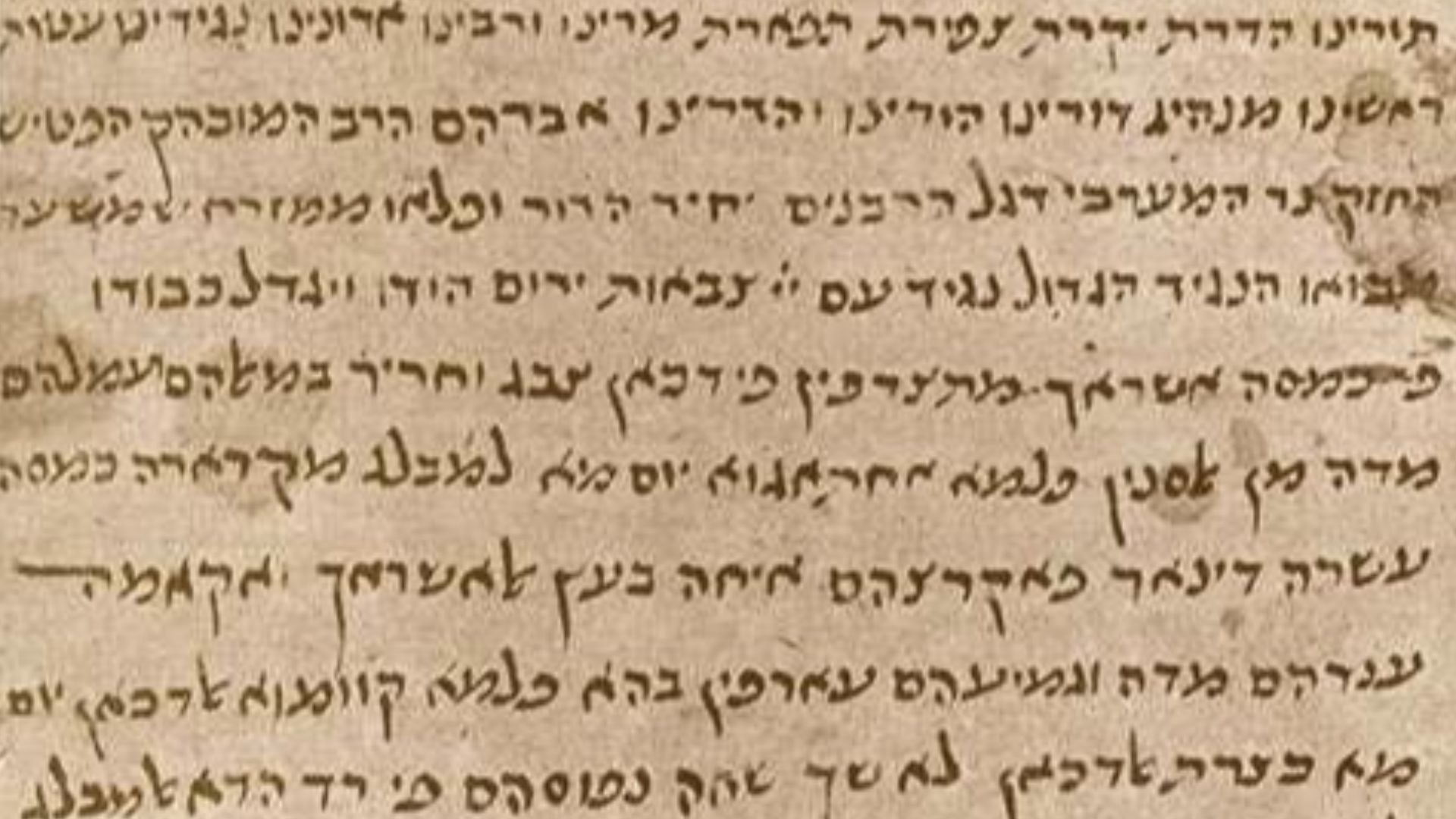 Sheynhertz-Unbayg~commonswiki, Wikimedia Commons
The Dunhuang Manuscripts Were Behind A Sealed Door
In 1900, Wang Yuanlu discovered a concealed chamber while restoring China's Mogao Caves. The hidden room contained tens of thousands of manuscripts and other objects. Many had remained protected from the outside world for centuries.
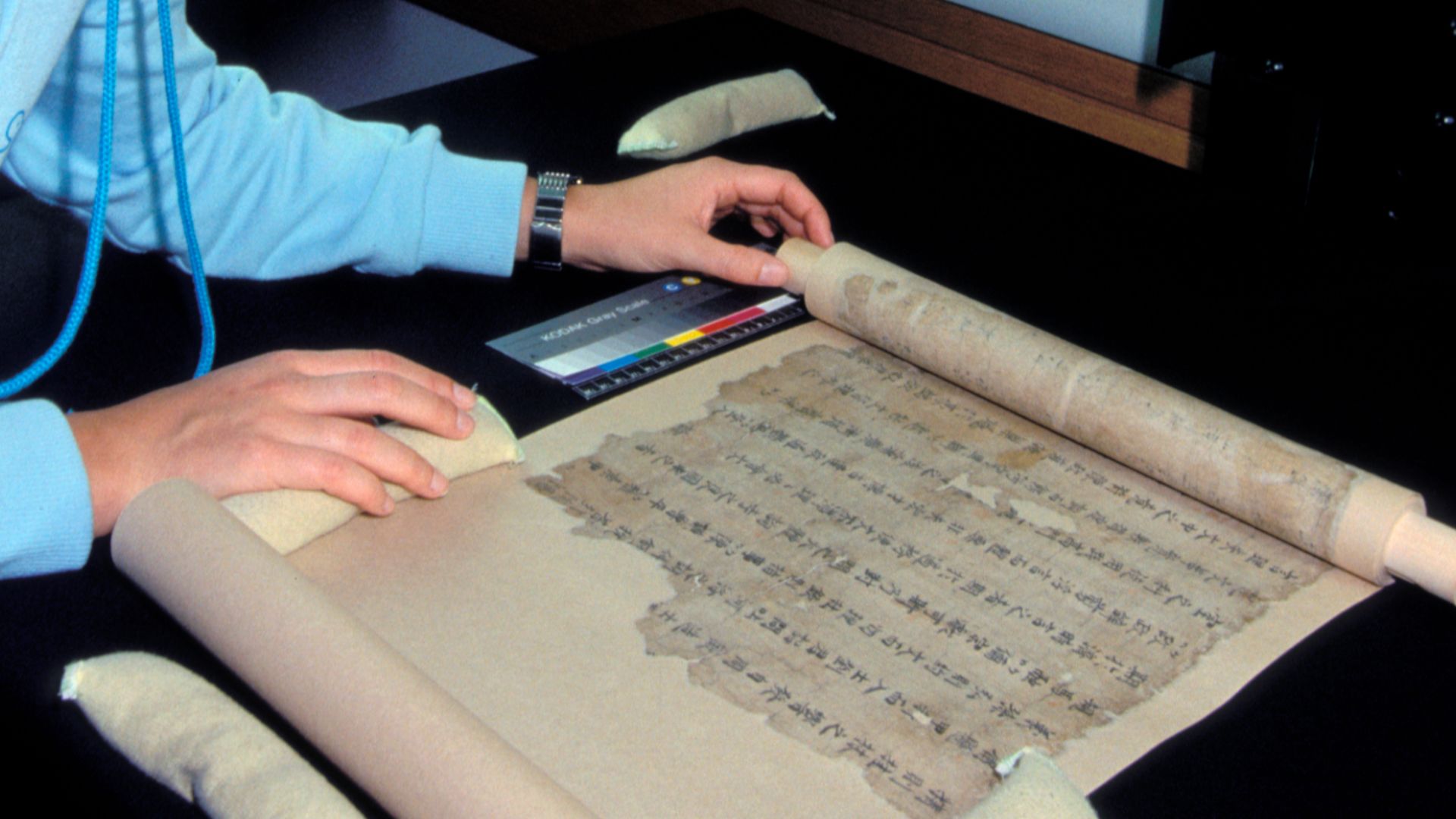 International Dunhuang Project, Wikimedia Commons
Archimedes' Writings Were Hidden Beneath Prayers
A medieval prayer book contained something extraordinary beneath its religious writing. Monks had erased and reused parchment carrying ancient mathematical works by Archimedes. Modern imaging eventually recovered texts that had remained concealed for centuries.
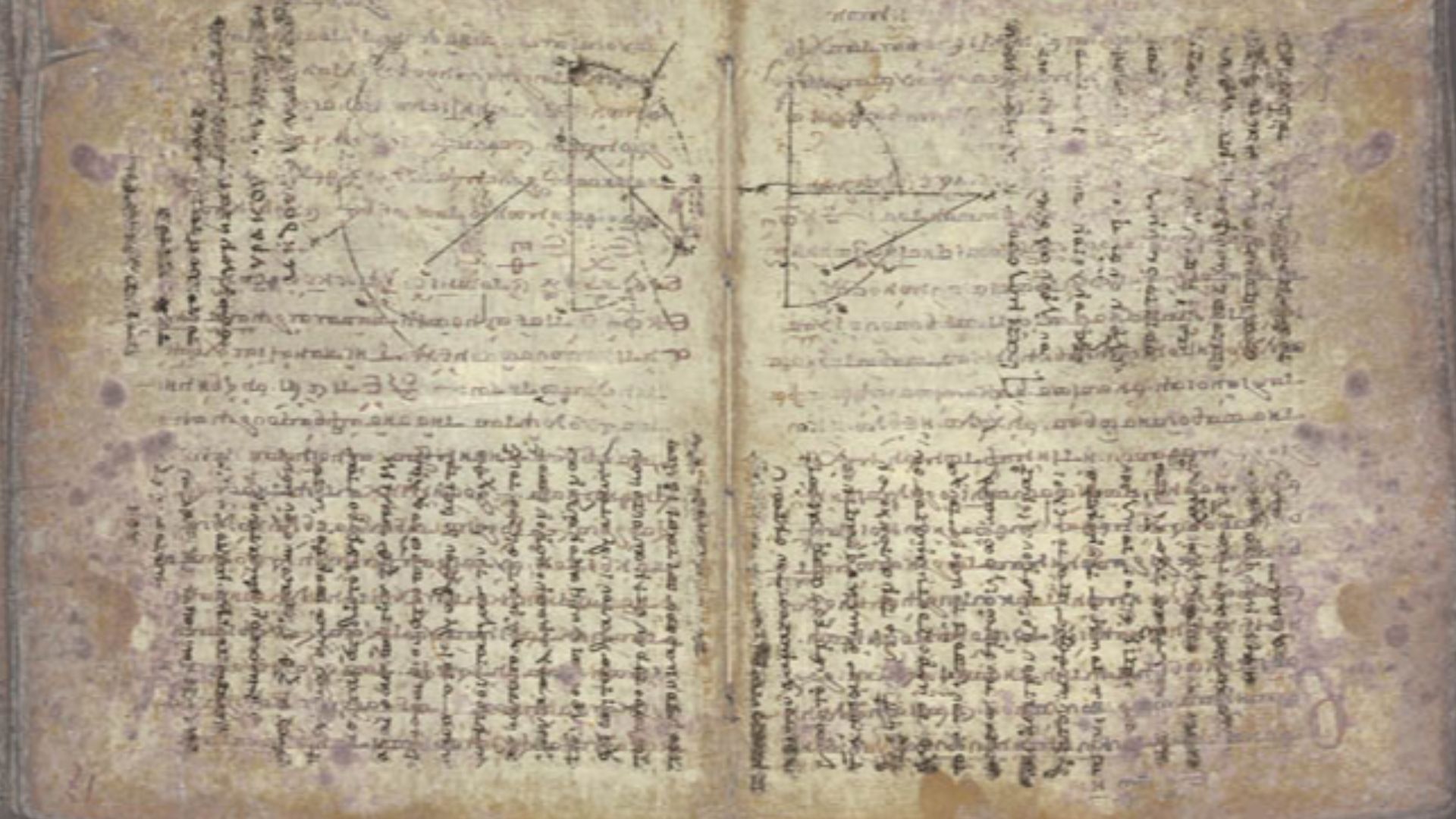 Matthew Kon, Wikimedia Commons
A Magna Carta Copy Was Found In A Victorian Scrapbook
An archivist searching Sandwich's municipal records uncovered a medieval treasure in 2014. A rare 1300 edition of Magna Carta had been preserved inside a Victorian scrapbook. It had remained overlooked for decades.
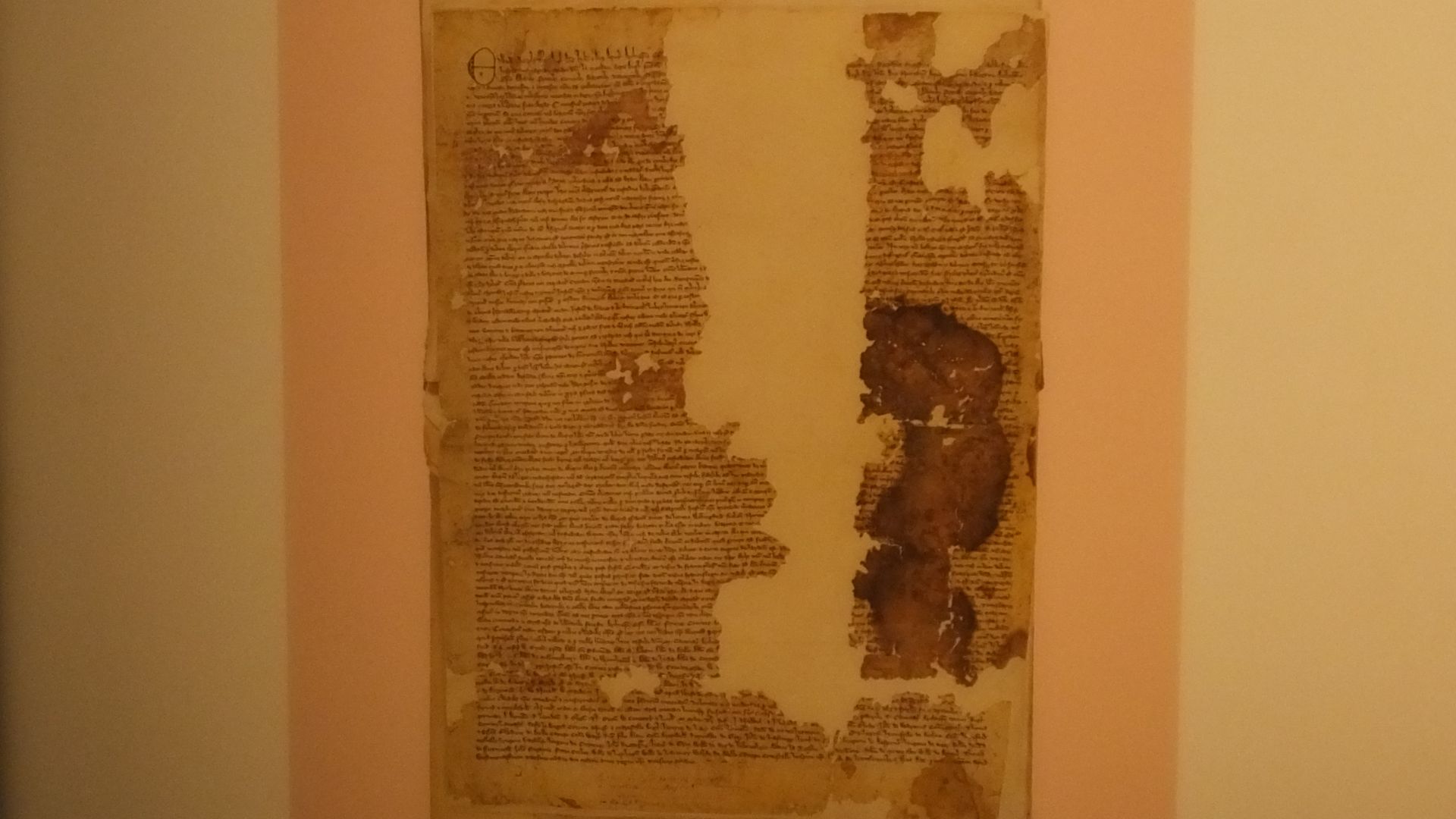 Photograph by Clem Rutter, Rochester, Kent. (www.clemrutter.net)., Wikimedia Commons
The Declaration Of Independence Was Behind A Painting
In 1989, an American collector bought an old painting for four dollars at a Pennsylvania flea market. Behind it lay an original 1776 Dunlap broadside. The extraordinary discovery turned an inexpensive purchase into a historical treasure.
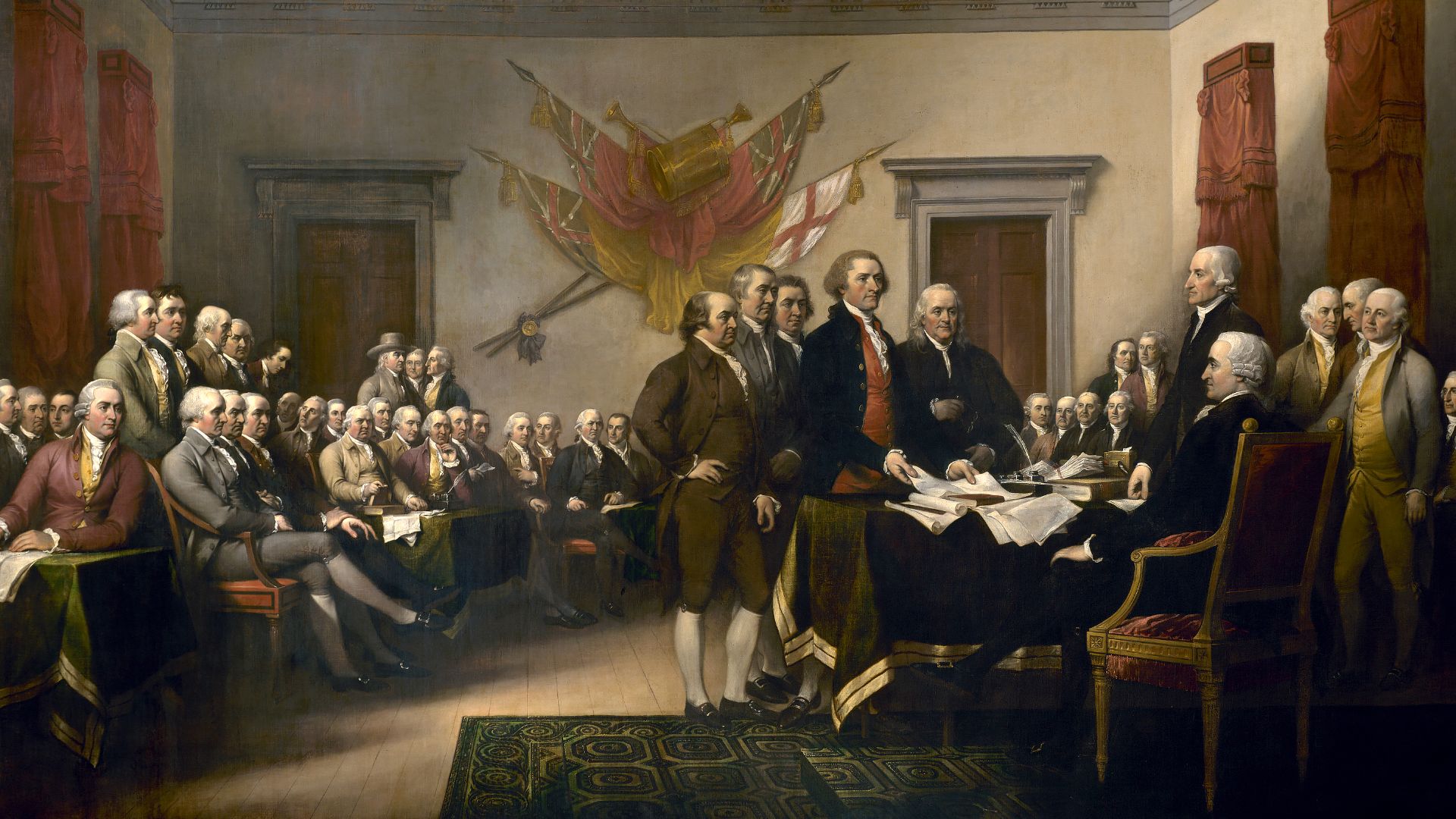 John Trumbull, Wikimedia Commons
Another Declaration Copy Was Sitting In England
Researchers identified a rare handwritten parchment copy of the American Declaration of Independence in 2015. Surprisingly, it was held at the West Sussex Record Office in England. The document became known as the Sussex Declaration.
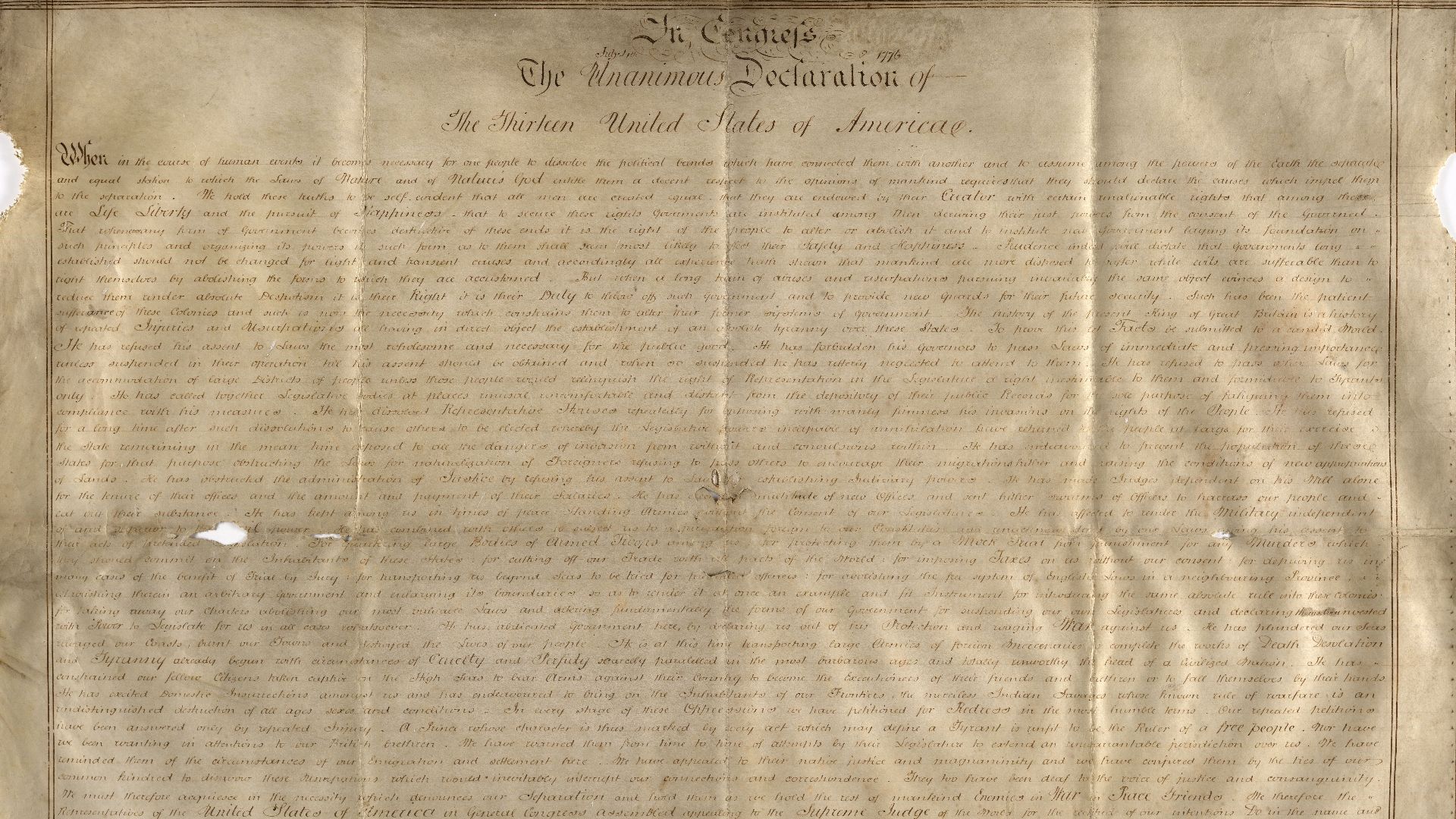 Unknown authorUnknown author, Wikimedia Commons
Shakespeare's First Folio Was Misidentified In A French Library
In 2014, a librarian preparing an exhibition in Saint-Omer examined a volume catalogued as considerably newer than it was. Further investigation identified a rare 1623 First Folio of Shakespeare. The overlooked book had been there for generations.
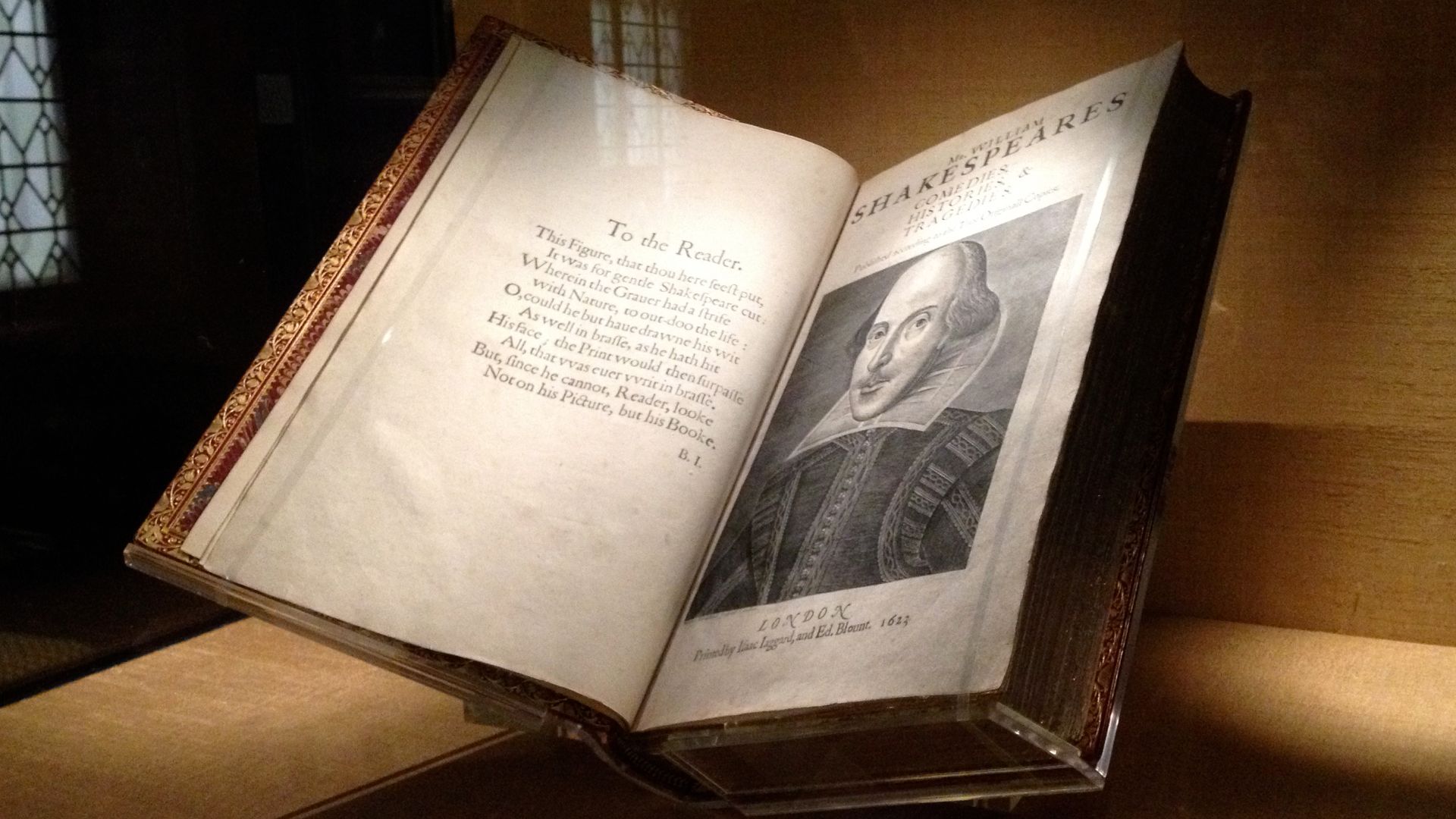 Jessie Chapman, Wikimedia Commons
The Voynich Manuscript Resurfaced At A Religious College
In 1912, rare-book dealer Wilfrid Voynich purchased a mysterious manuscript from a Jesuit college near Rome. Filled with unfamiliar writing and strange illustrations, the centuries-old volume remains undeciphered. Its origins continue to puzzle researchers.
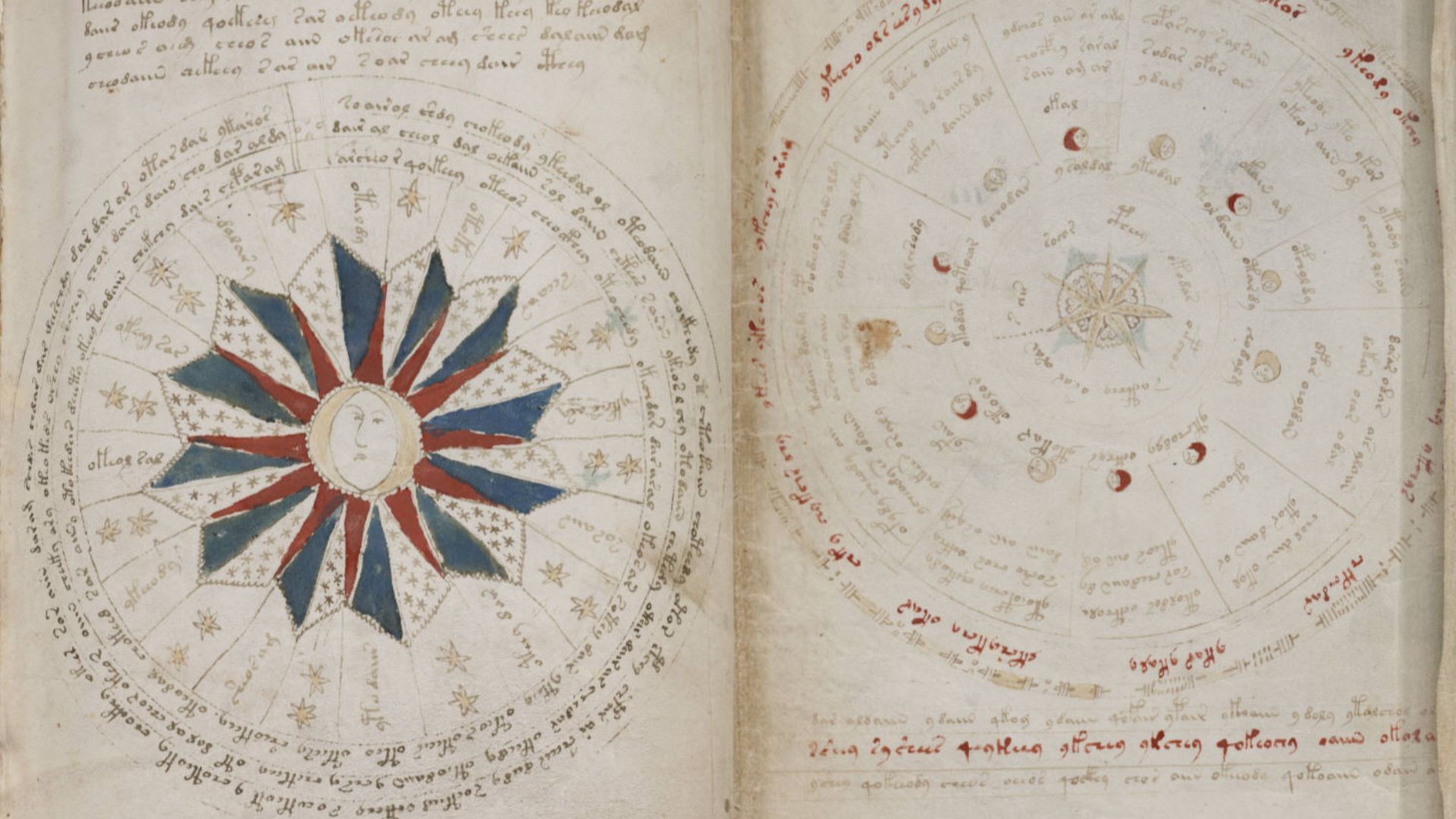 Unknown authorUnknown author, Wikimedia Commons
The Gospel Of Judas Traveled In Shoe Boxes
An ancient manuscript containing the Gospel of Judas surfaced in Egypt during the late 1970s. Years later, scholars examined portions stored in shoe boxes during a Geneva meeting. Its journey had been nearly as remarkable as its contents.
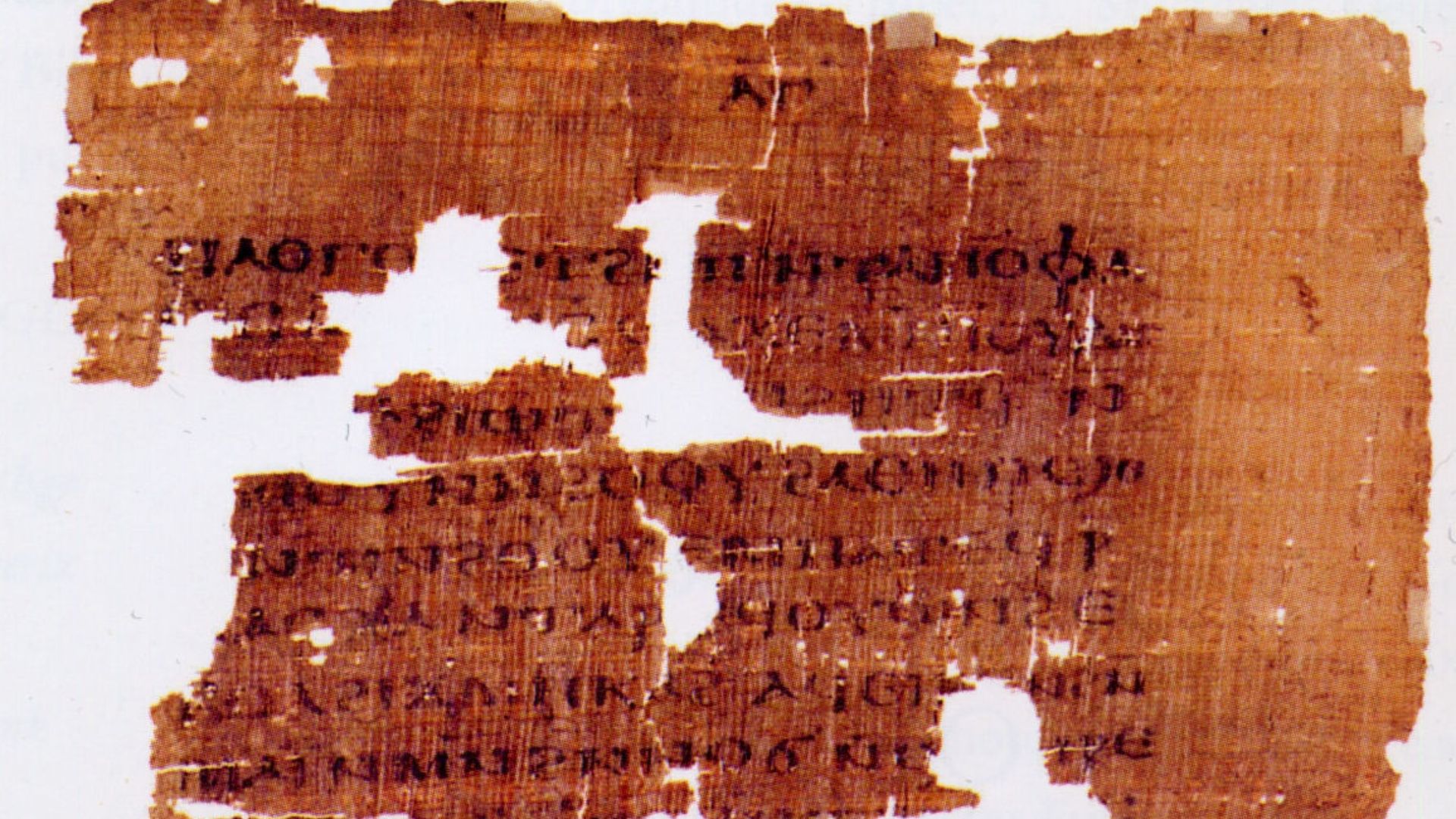 WolfgangRieger, Wikimedia Commons
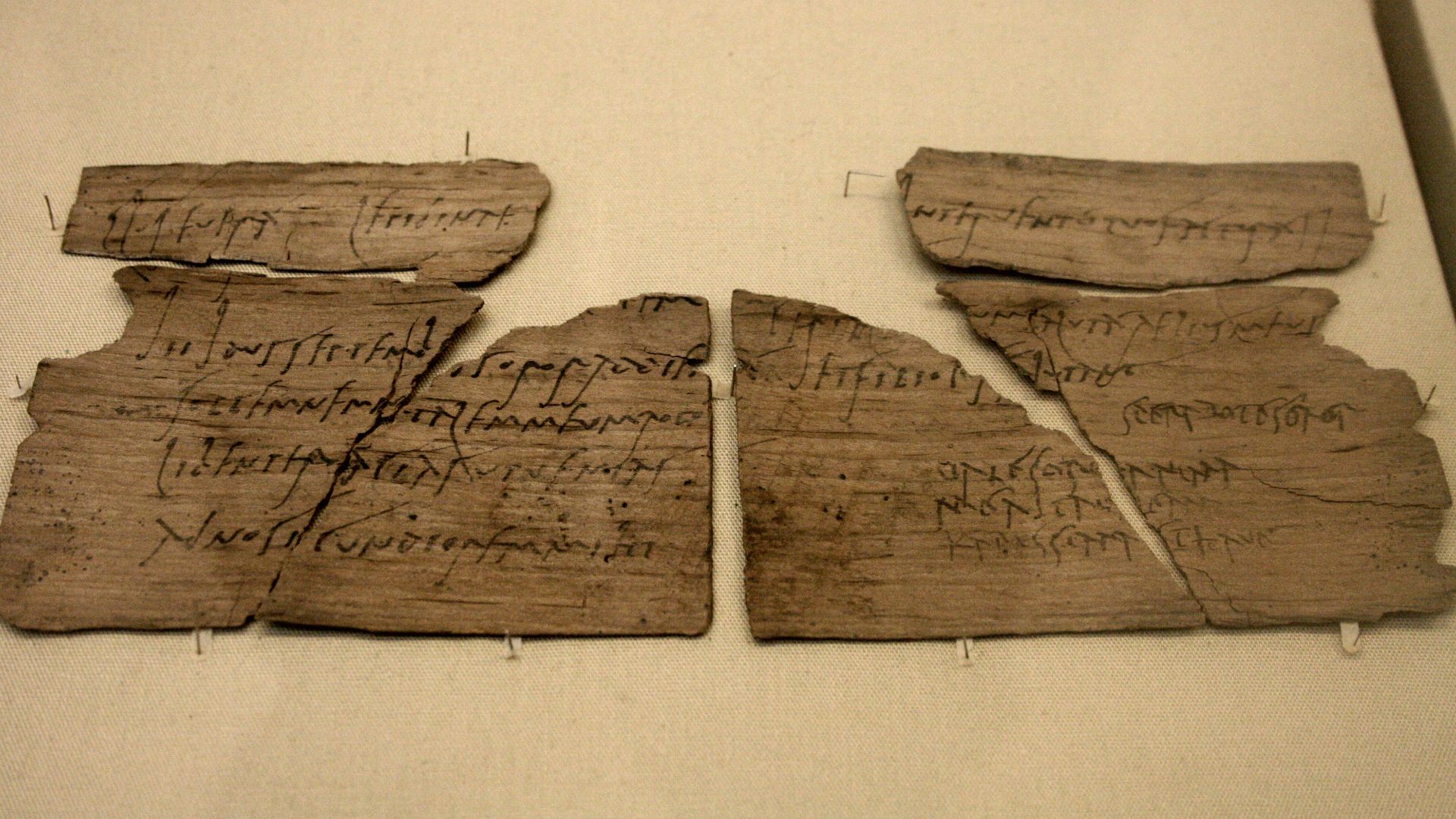
Roman Letters Survived In A Burned Pile
At Vindolanda in northern England, excavators discovered hundreds of ancient wooden writing tablets. Remarkably, around 300 had survived in the remains of a Roman bonfire. They preserved correspondence involving the fort's commanding officer.
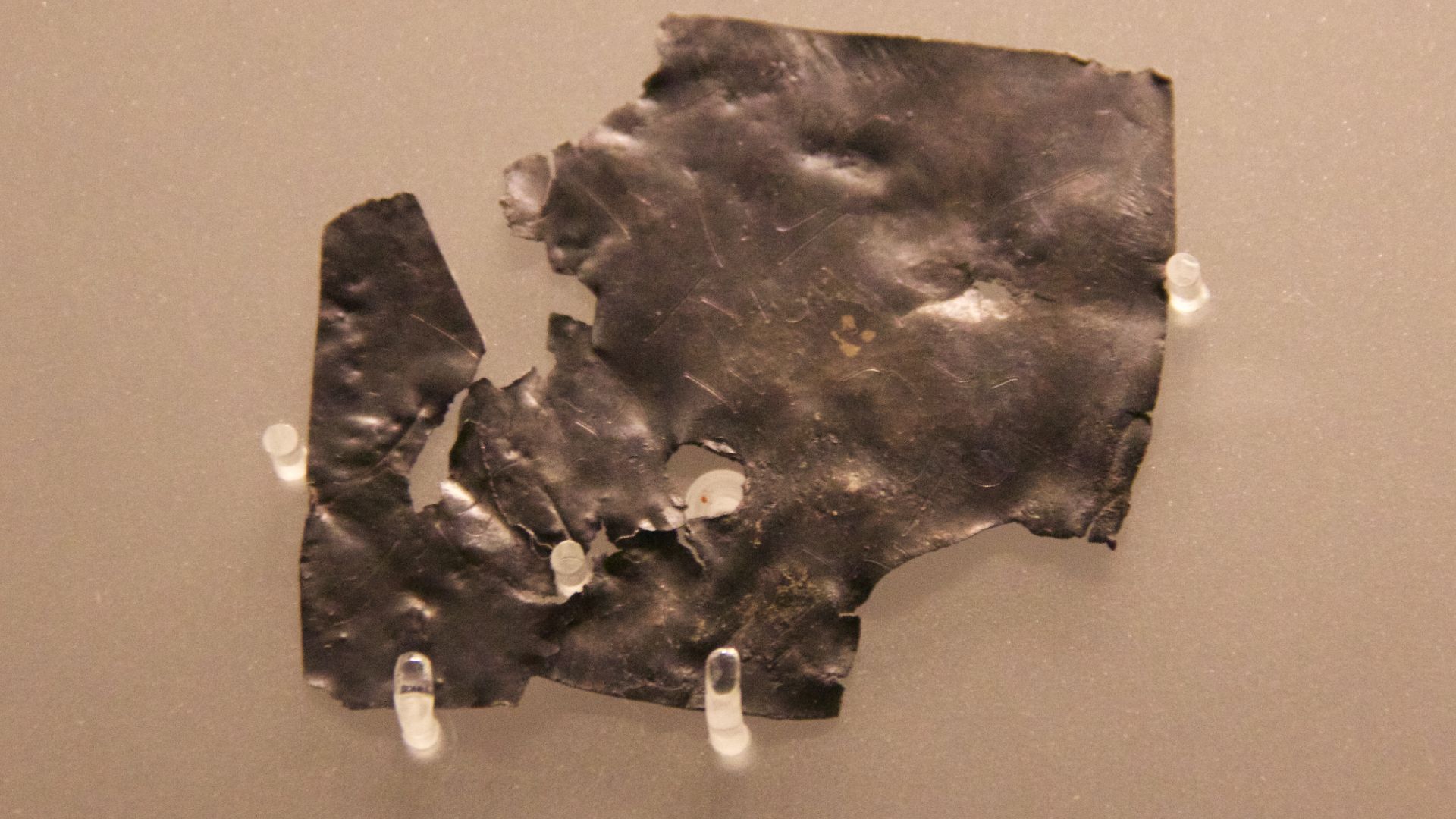
Roman Messages Were Found Beneath A Famous Bath
Excavations beneath the Roman Baths in England uncovered small metal tablets deposited in the sacred spring. Dating from the Roman period, these personal messages included appeals about stolen belongings. Ancient frustrations apparently weren't very different from modern ones.
 Photograph by Mike Peel (www.mikepeel.net)., Wikimedia Commons
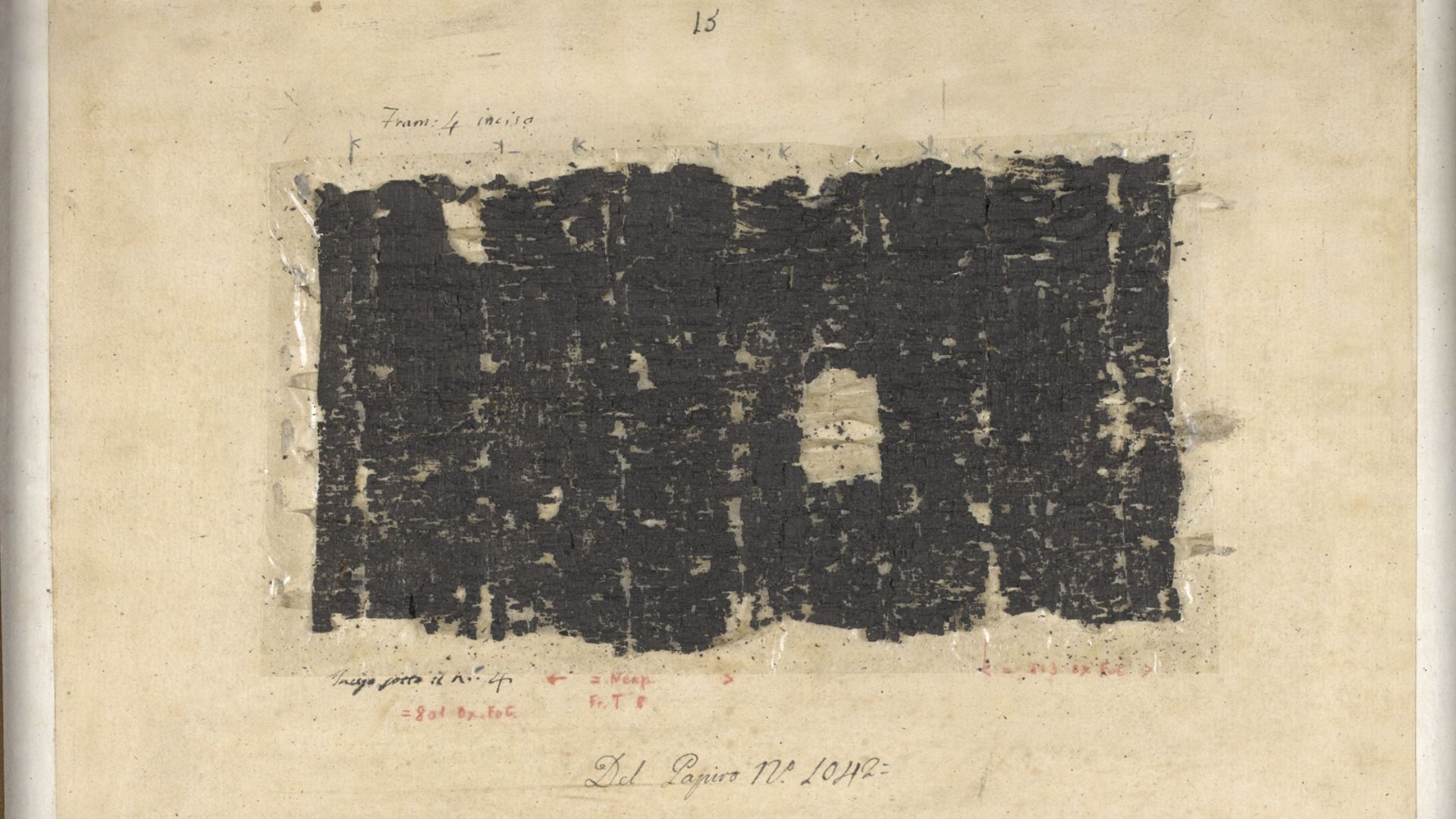
The Herculaneum Scrolls Were Buried By A Volcano
Excavators working beneath Herculaneum during the 1750s discovered hundreds of carbonized papyrus rolls. Mount Vesuvius had buried them in 79 CE. The volcanic conditions that damaged the documents also helped preserve an extraordinary ancient library.
 unknown, held at British Library, Wikimedia Commons
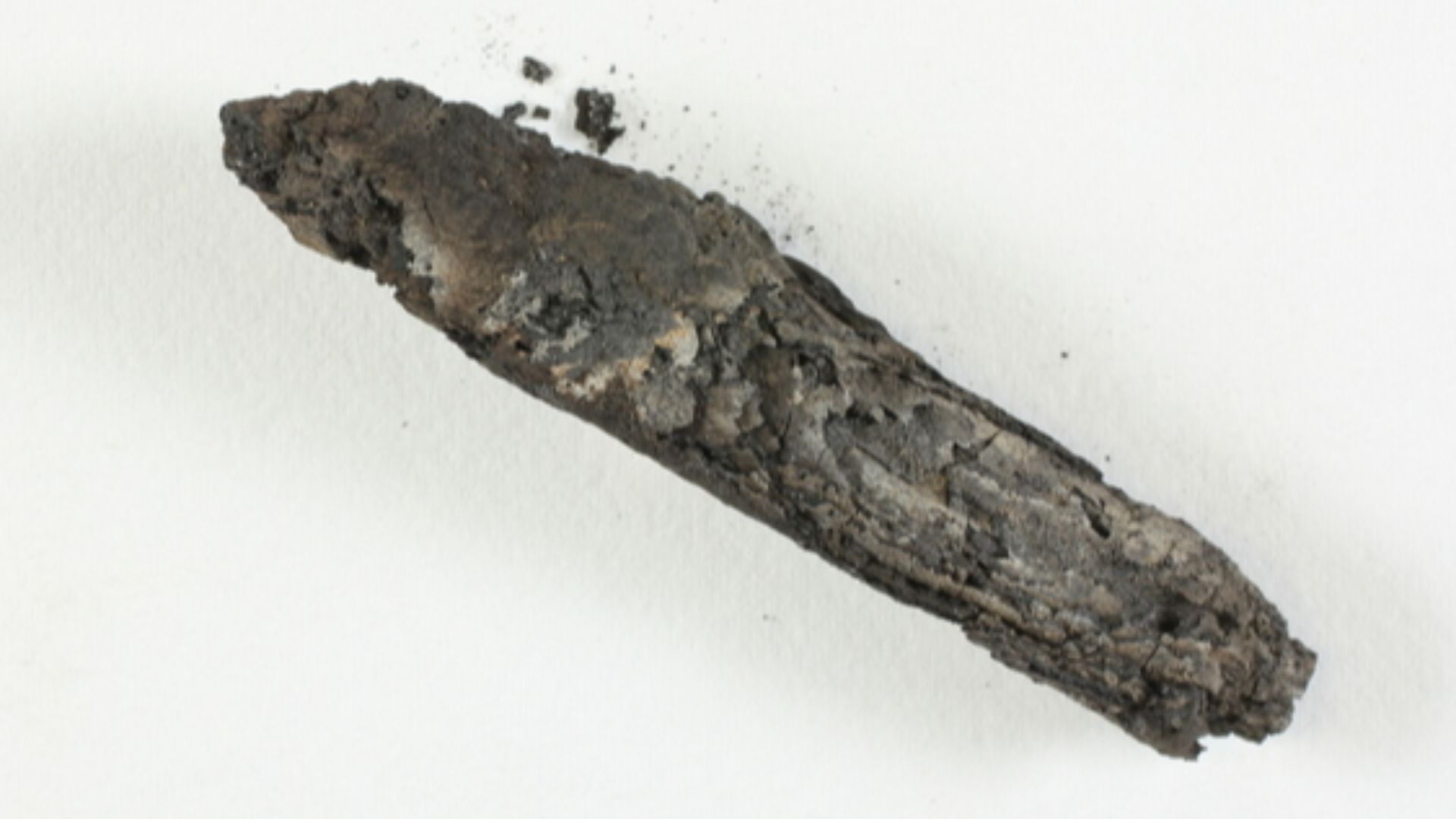
The En-Gedi Scroll Was Hidden Inside Burned Ruins
In 1970, archaeologists uncovered a badly charred scroll inside an ancient synagogue's sacred cabinet. Its condition made physical opening impossible. Decades later, digital imaging revealed Hebrew text from the Book of Leviticus.
 Israel Antiquities Authority שי הלוי, Wikimedia Commons
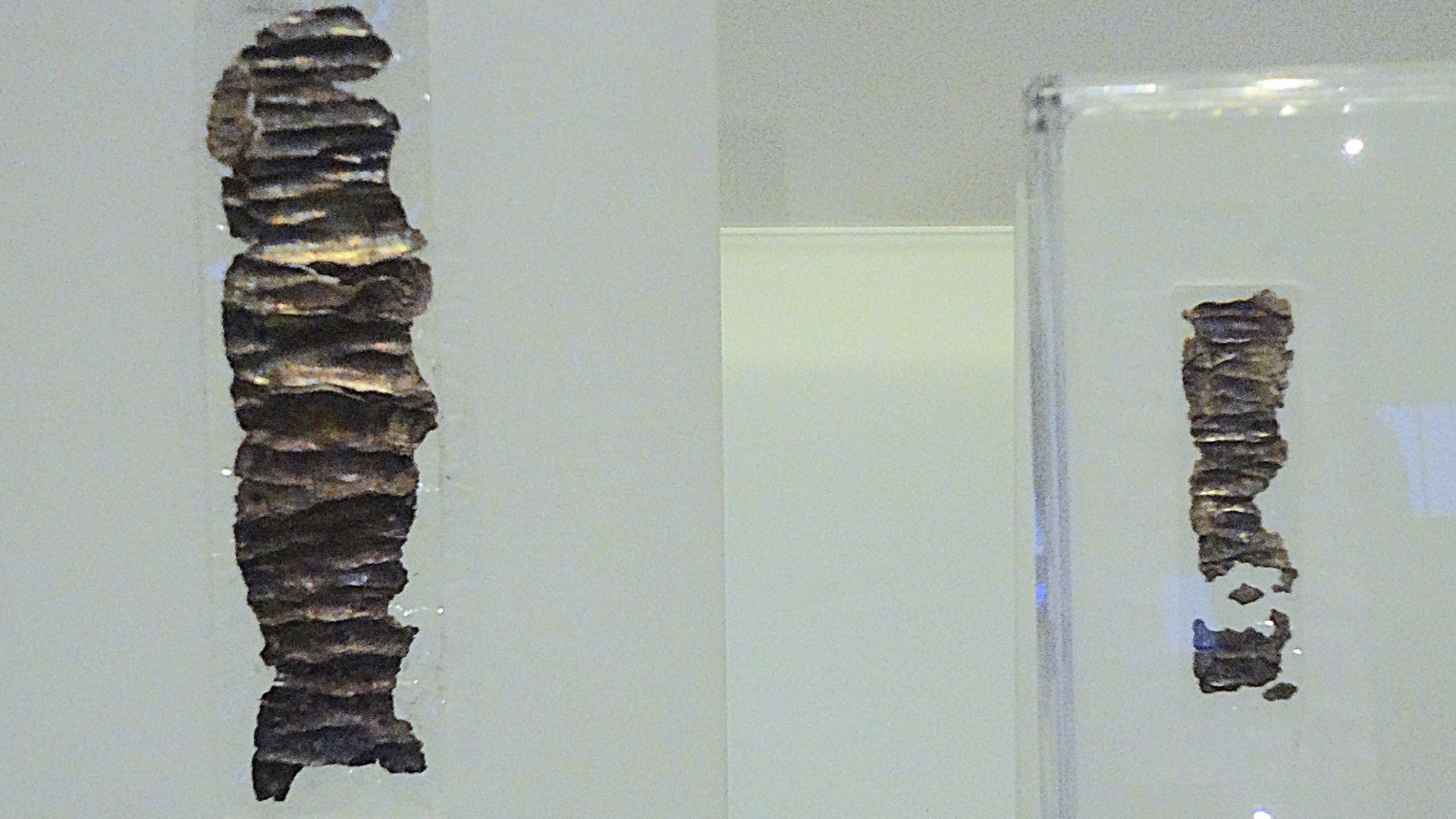
Ancient Biblical Words Were Written On Tiny Silver Scrolls
In 1979, excavations at Ketef Hinnom near Jerusalem revealed two small silver amulets in a burial chamber. Their inscriptions included an ancient priestly blessing. The texts predated surviving biblical manuscripts by centuries.
 Unknown authorUnknown author, Wikimedia Commons
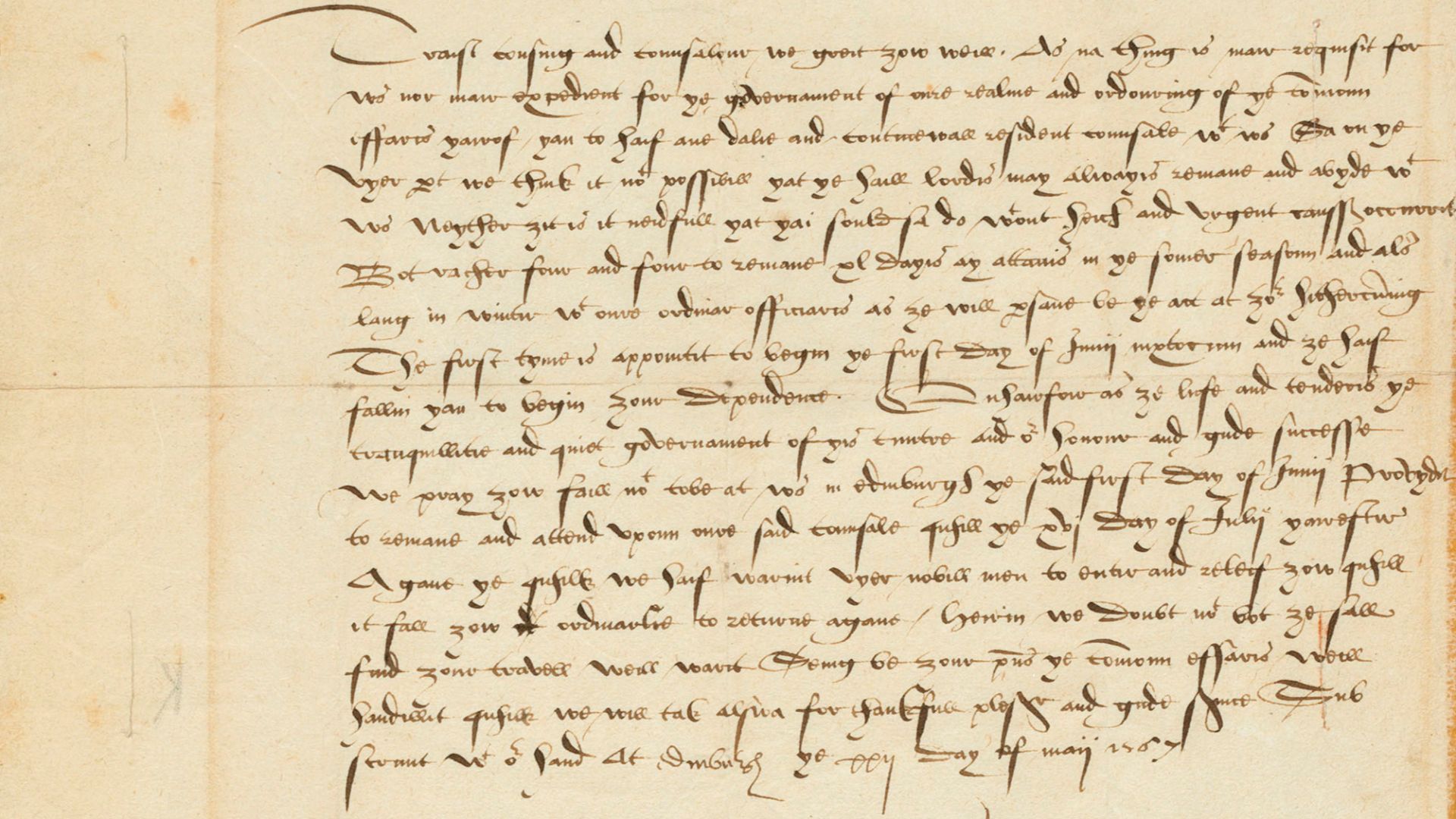
Mary, Queen Of Scots' Letters Were Filed Under The Wrong Country
Researchers deciphered 57 coded letters in 2023 after finding them among French library records concerning Italian affairs. The documents were actually written by Mary, Queen of Scots. Their contents illuminated her years of captivity.
 Christies.com, Wikimedia Commons
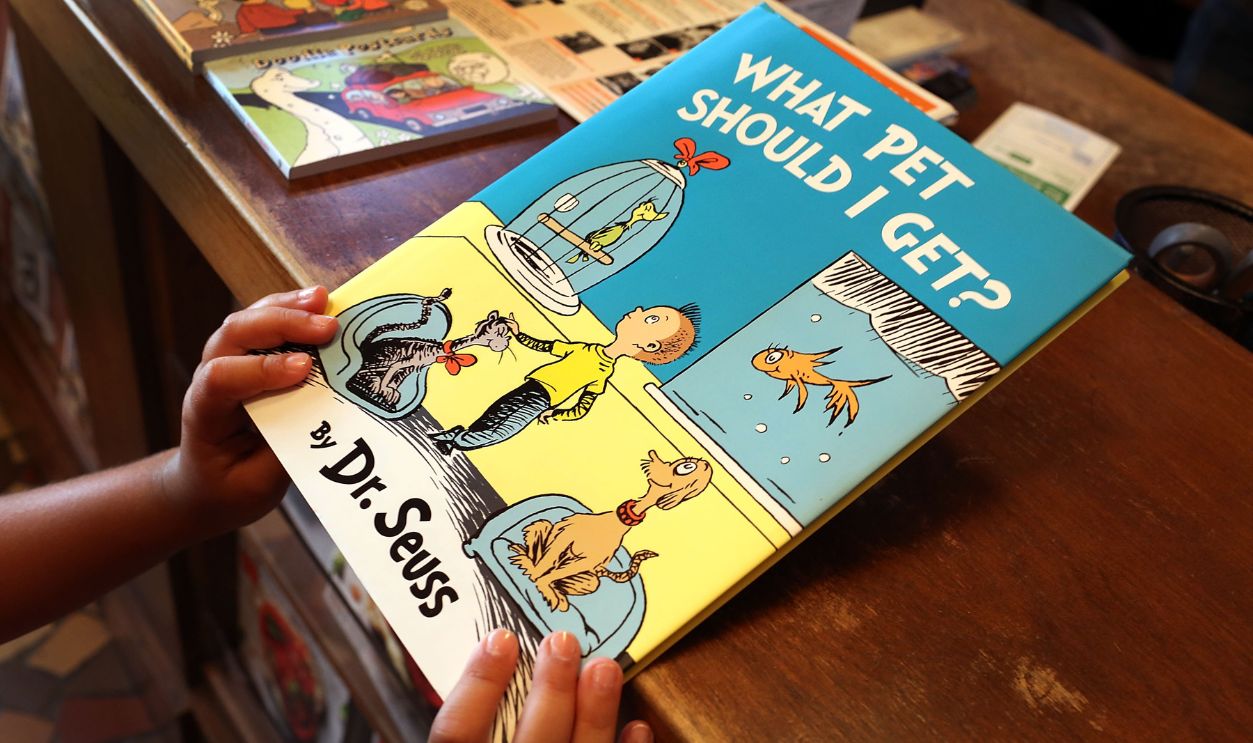
A Dr. Seuss Manuscript Was Sitting In A Box
In 2013, Audrey Geisel and Claudia Prescott rediscovered an overlooked box while organizing the late author's office. Inside were illustrations and text for What Pet Should I Get? The book was published in 2015.
Medieval Merlin Stories Were Hidden In Book Bindings
Researchers examining books at Bristol Central Library uncovered seven medieval parchment fragments in 2019. The pages had been reused in sixteenth-century volumes. Their writing preserved previously unknown variations of the famous Merlin stories.
 Linda Bailey, Wikimedia Commons
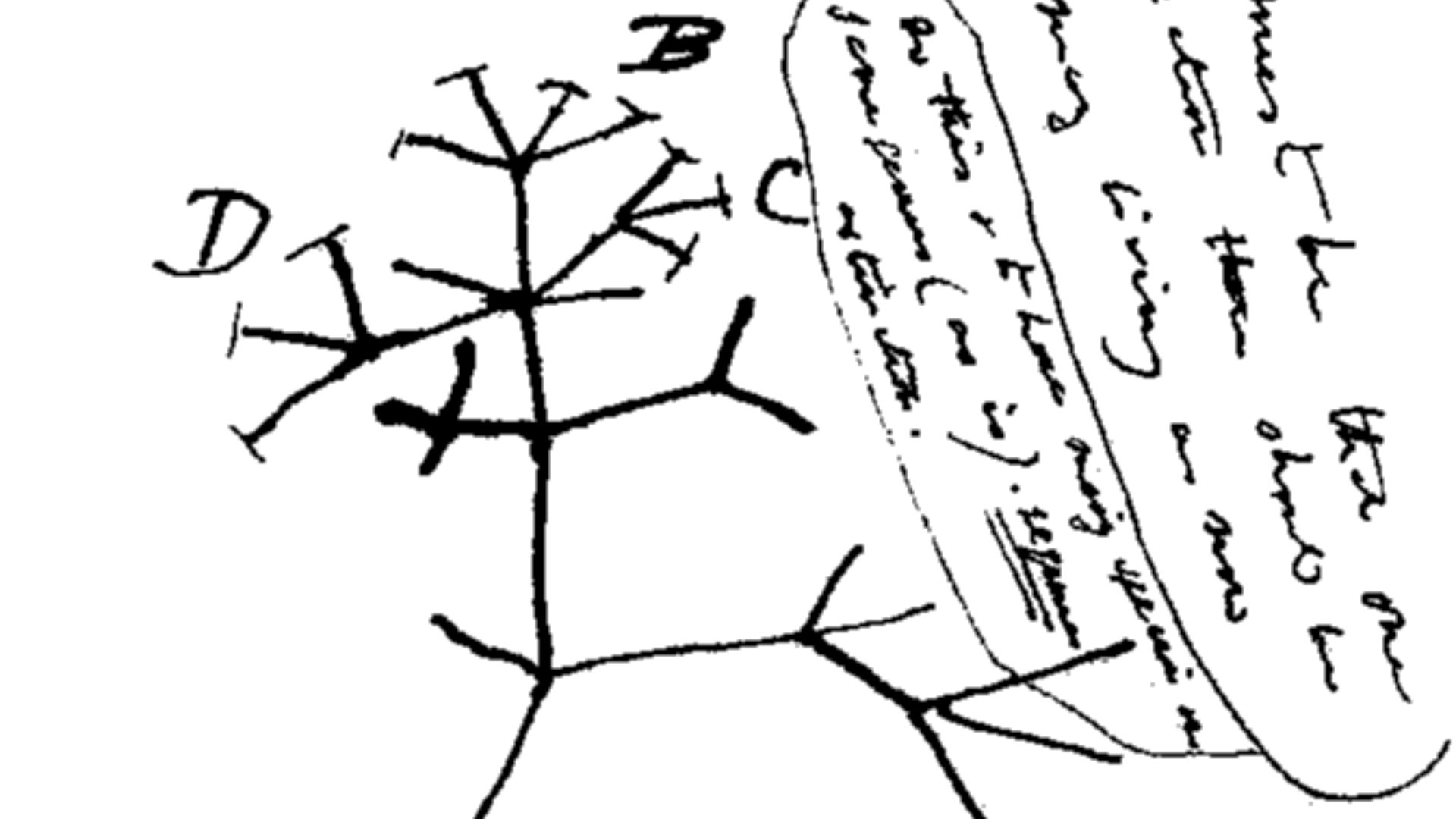
Darwin's Missing Notebooks Returned In A Pink Gift Bag
Two Charles Darwin notebooks vanished from Cambridge University Library for more than twenty years. In March 2022, they mysteriously reappeared in a pink gift bag. One contained Darwin's celebrated 1837 Tree of Life sketch.
 Charles Darwin, Wikimedia Commons
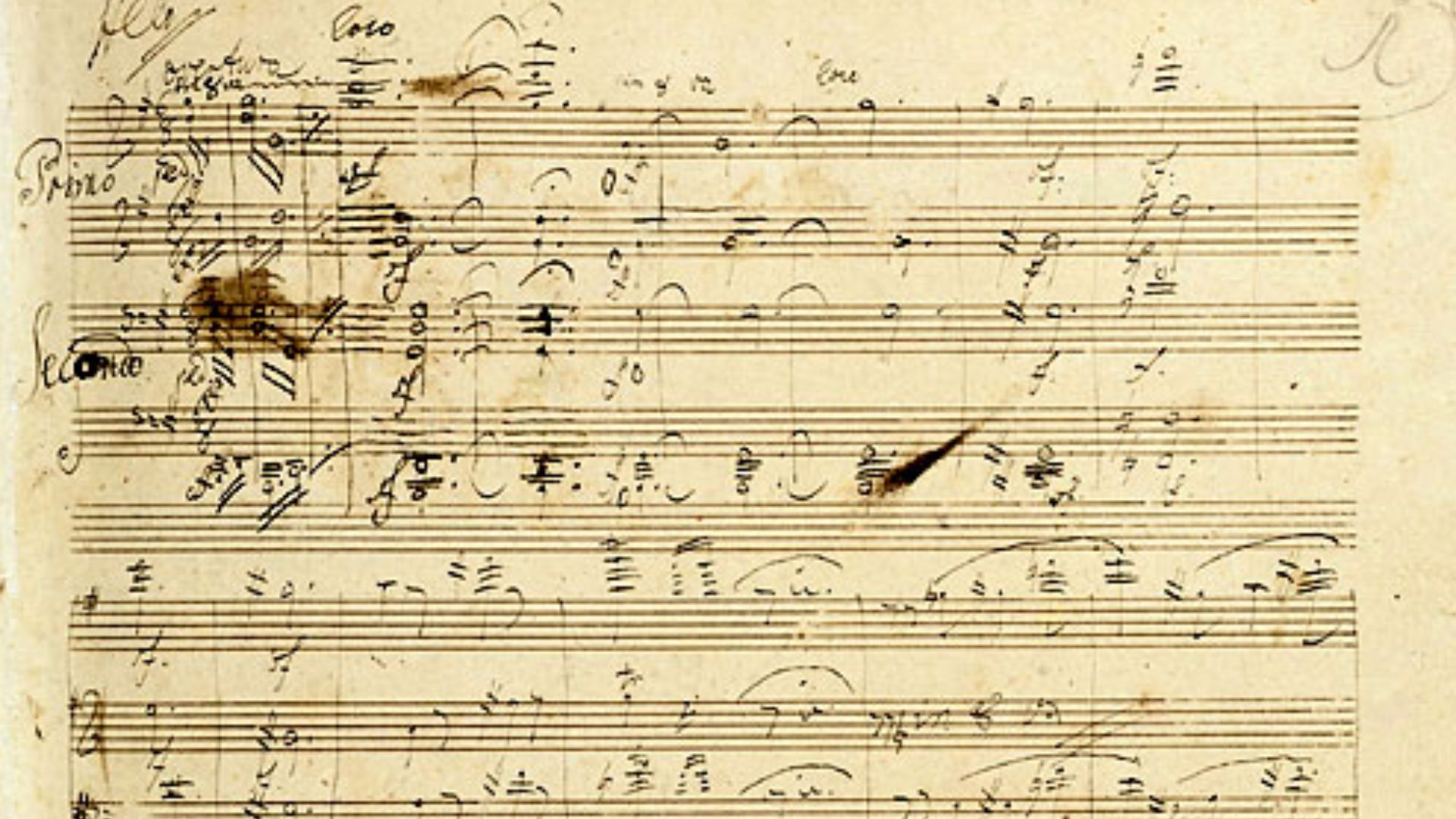
Beethoven's Lost Manuscript Was In A Seminary Cabinet
In 2005, librarian Heather Carbo discovered an original Beethoven manuscript while clearing a cabinet at a Pennsylvania seminary. The handwritten Grosse Fuge piano arrangement had been missing from scholarly view for more than a century.
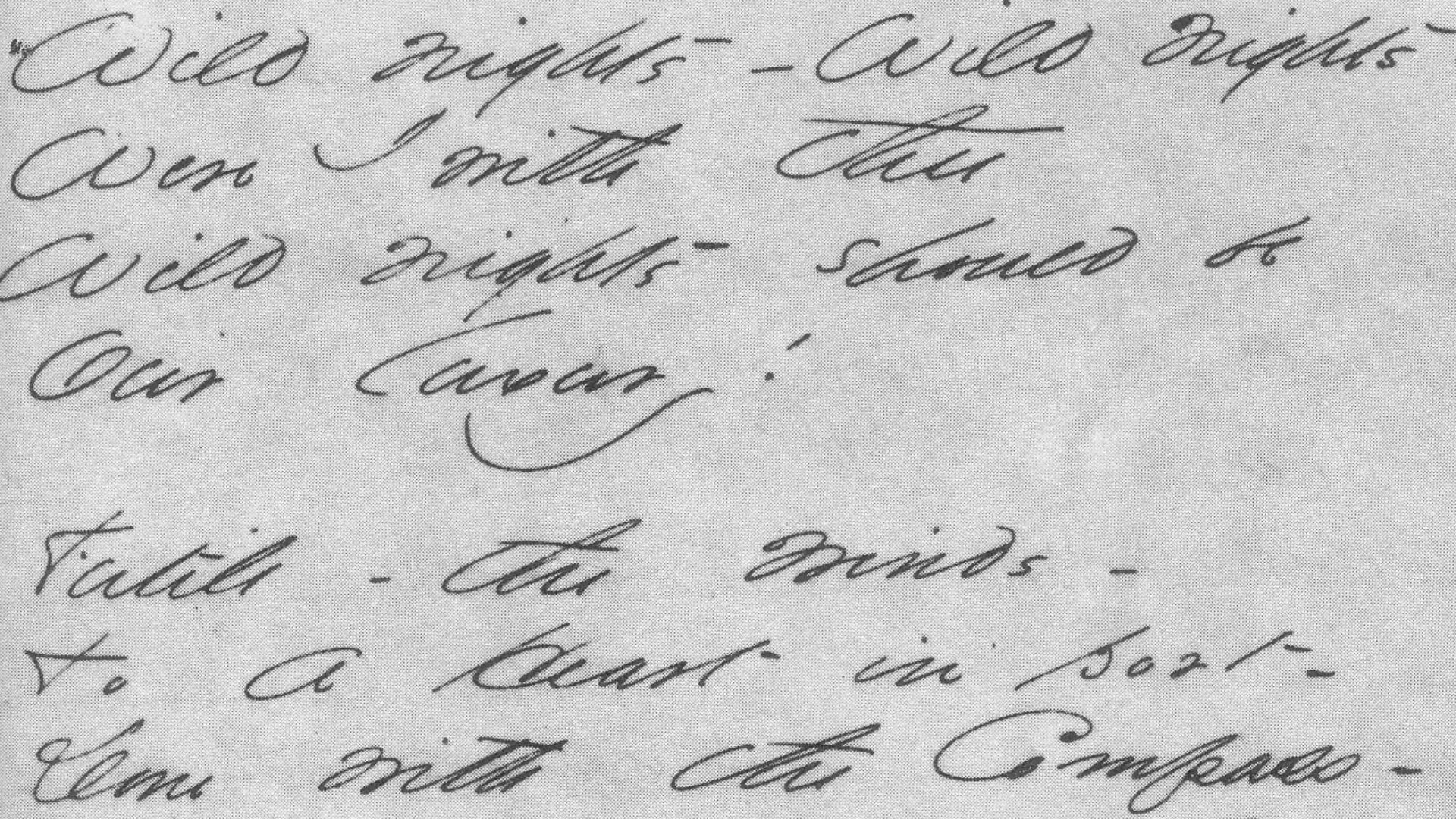
Emily Dickinson's Poetry Was Hidden At Home
After Emily Dickinson died in 1886, her sister Lavinia discovered hundreds of previously unseen poems. Many were organized into handmade booklets. The discovery eventually introduced readers to a remarkable literary collection.
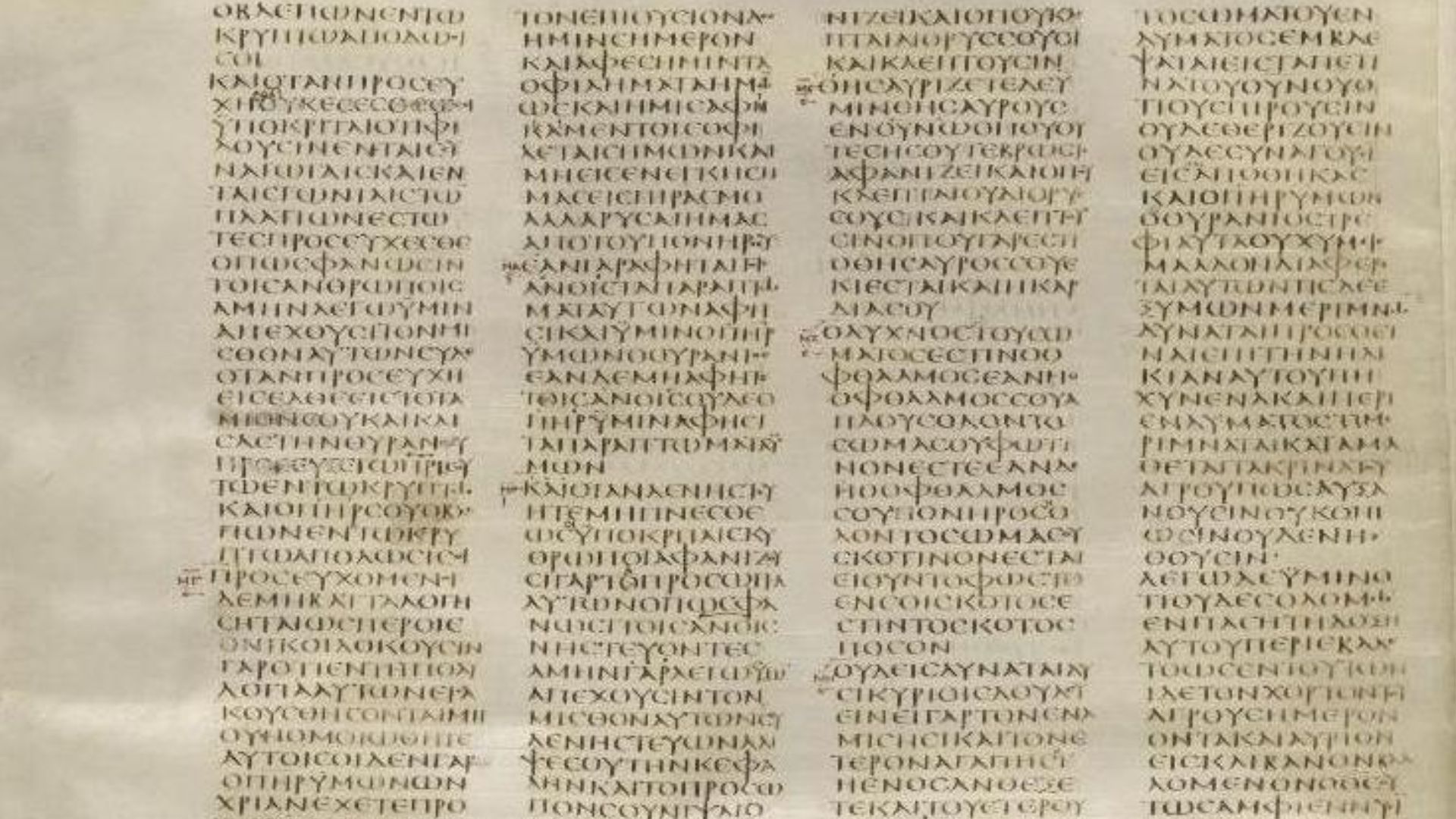
Pieces Of An Ancient Bible Were Found In A Monastery Wall
The Codex Sinaiticus survived for centuries at Saint Catherine's Monastery. In 1975, monks recovered additional leaves and fragments from the building's northern wall. These pieces belonged to a fourth-century biblical manuscript.
 Unknown authorUnknown author, Wikimedia Commons
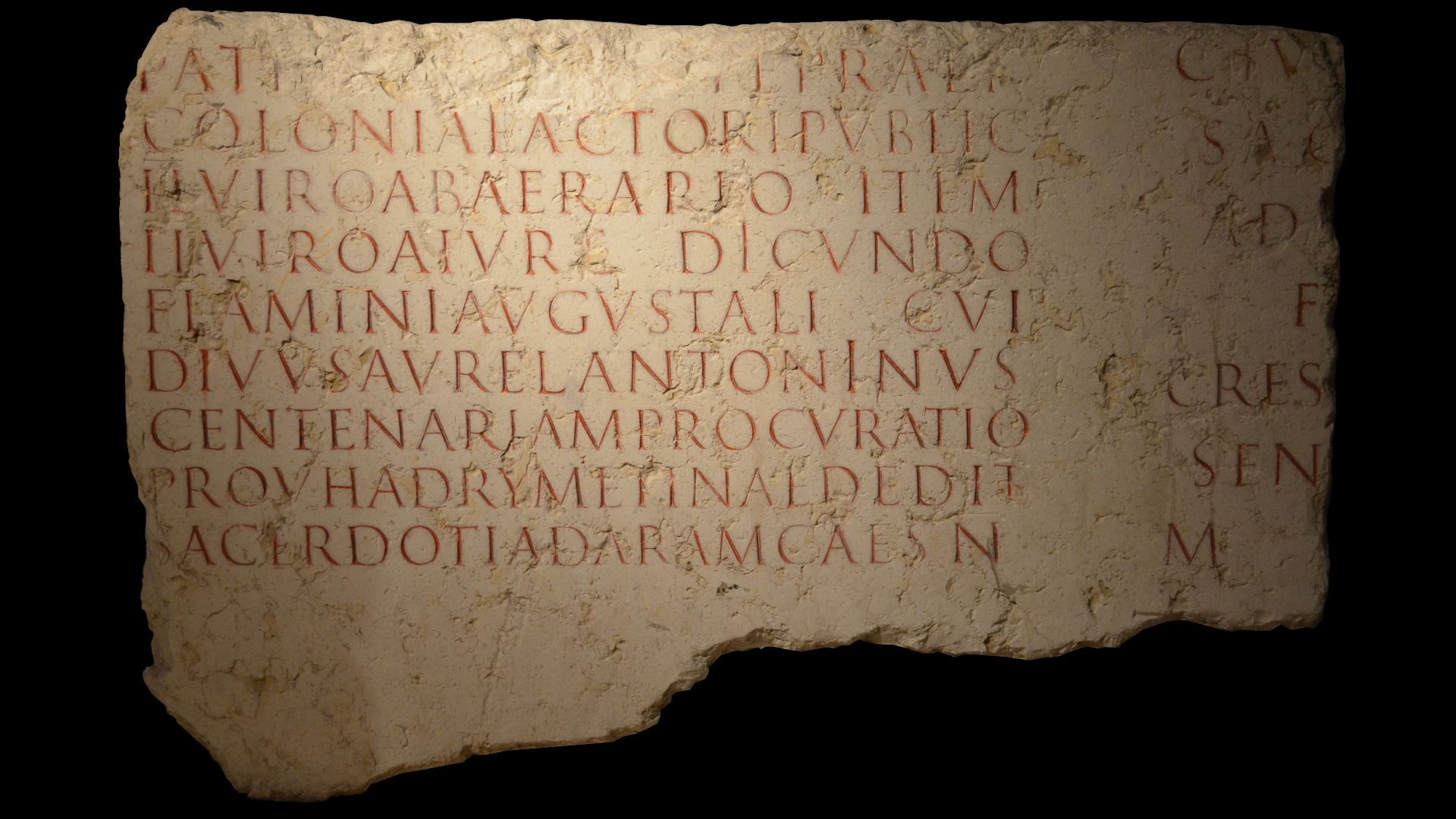
Roman Business Records Were Under A London Construction Site
Excavations for Bloomberg's London headquarters uncovered hundreds of Roman writing tablets. Researchers deciphered dozens of texts documenting commerce and daily activities. The collection included Britain's earliest known handwritten document.
 Arnaud Fafournoux, Wikimedia Commons
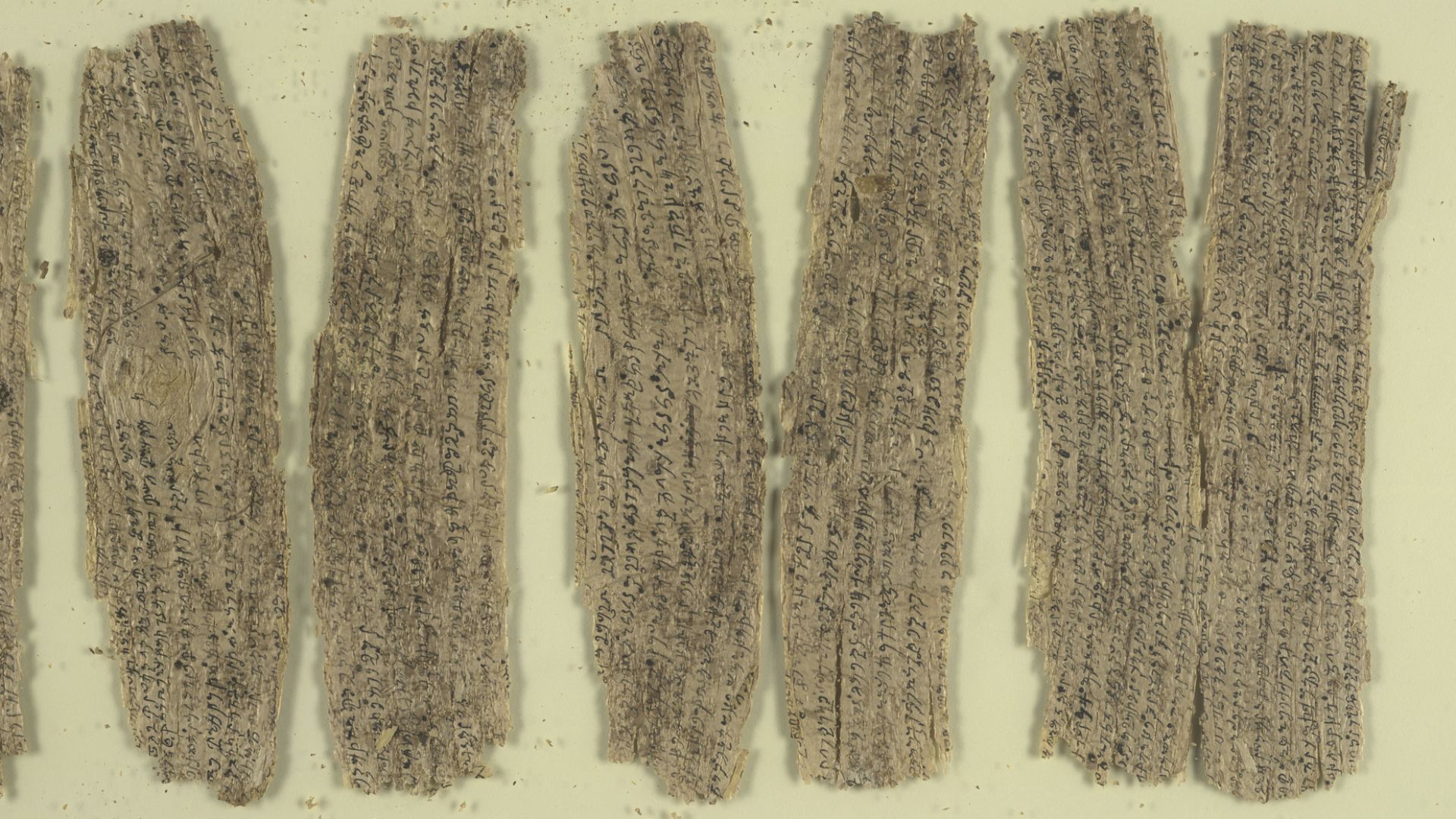
An Ancient Buddhist Scroll Was Buried Inside A Pot
A fragile Buddhist manuscript from Afghanistan had been buried inside a terracotta vessel within a stupa. Written on birch bark, it dates to around the first century BCE. Conservators eventually preserved this remarkable ancient writing.
You May Also Like:
Historical Villains Who May Not Have Deserved Their Reputation
Historical Scams That Worked Because People Desperately Wanted To Believe Them
Popular Historical Medical Procedures That Caused More Harm Than What They Were Supposed To Cure
Sources: 1, 2, 3, 4, 5, 6, 7, 8, 9, 10, 11, 12, 13, 14, 15, 16, 17, 18, 19, 20, 21, 22, 23, 24, 25, 26, 27, 28