
Underwater And Unnoticed
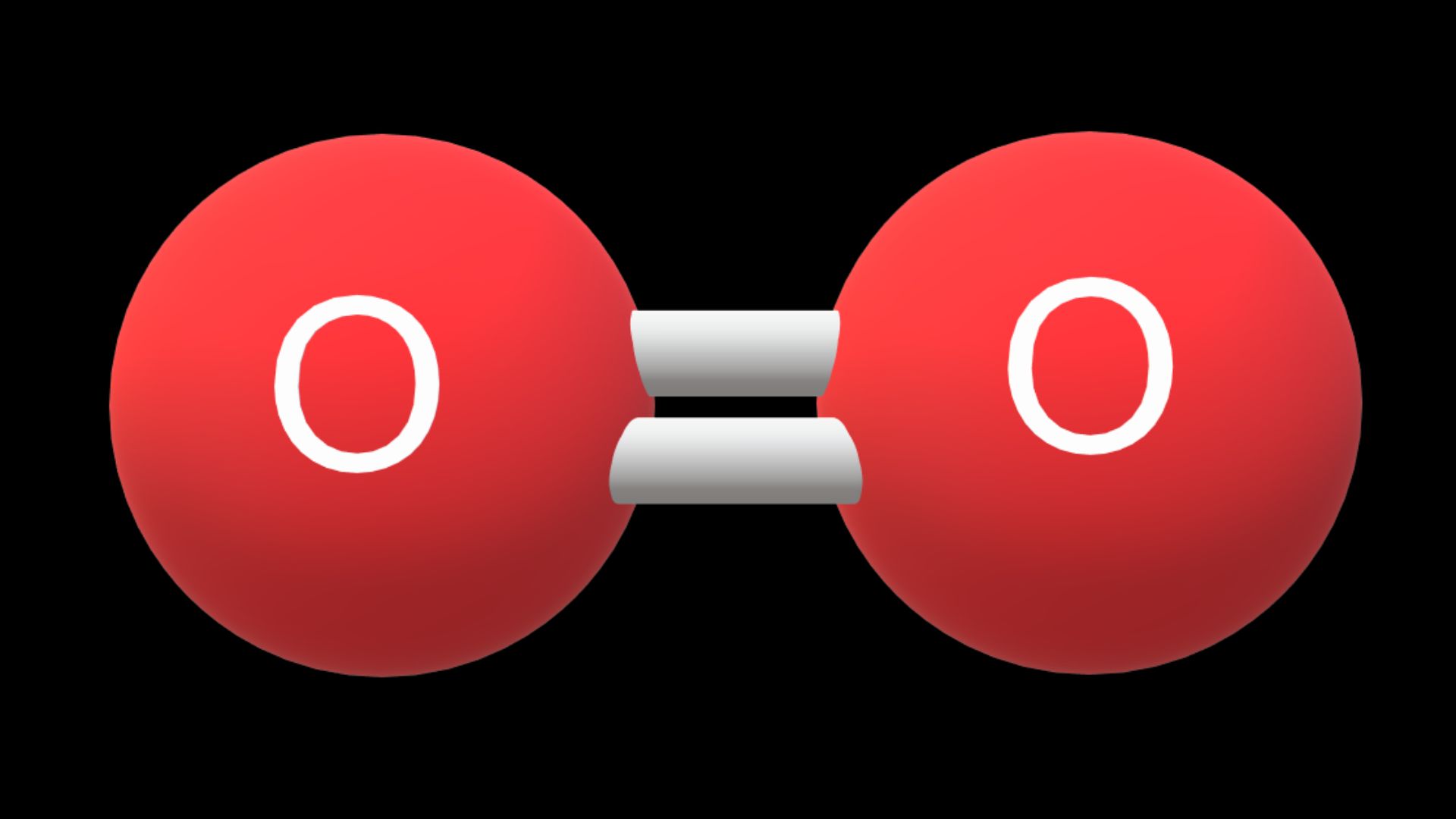
Something is disappearing from Earth's water. Not fish. Not coral. Oxygen. Scientists have identified a brand new planetary tipping point. The planet's water bodies are slowly, silently running out of breath.
 Leonhard Lenz, CC BY 4.0, Wikimedia Commons, Modified
Oxygen Crisis
Earth has a new emergency, and it's hiding underwater. Scientists have officially proposed aquatic deoxygenation as a 10th Planetary Boundary, published in Nature Ecology & Evolution in July 2024. From mountain lakes to open oceans, dissolved oxygen is vanishing at rates that have genuinely alarmed the global scientific community.
 Christinelmiller, Wikimedia Commons
Born In 2009
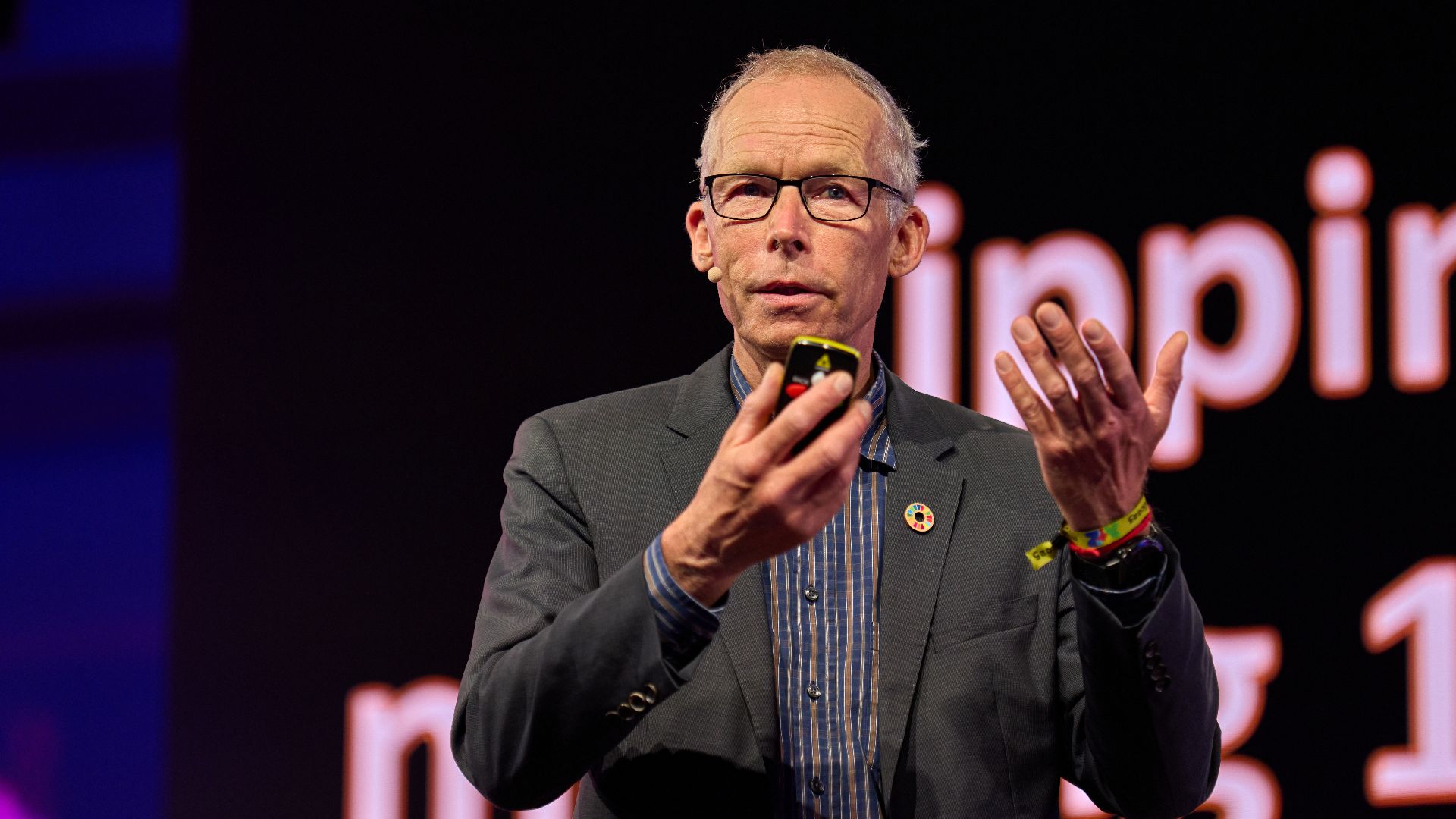
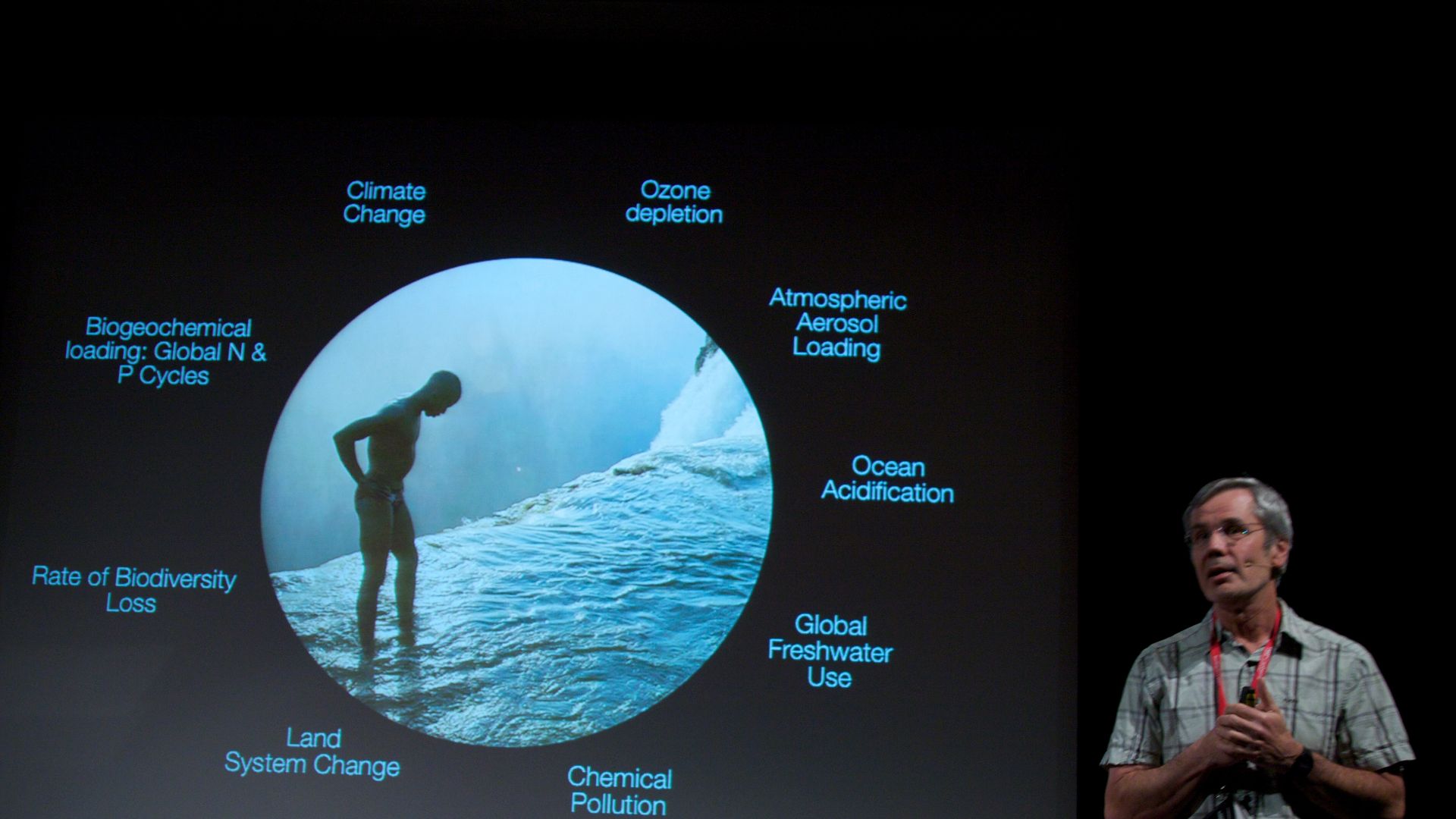
In 2009, a landmark scientific paper introduced the world to Planetary boundaries—nine measurable thresholds within which humanity could safely operate. Developed by Johan Rockström and 28 co-authors, the framework covered everything from climate change to ozone depletion.
 Leonhard Lenz, Wikimedia Commons
A Deadly Discovery
When the Planetary Boundary framework launched in 2009, dissolved oxygen data simply weren't compiled at a global scale. Over 15 years, expanding monitoring networks changed everything. Lead author Kevin Rose of Rensselaer Polytechnic Institute confirmed the growth of scientific knowledge around deoxygenation's global implications.
 UpstateNYer, Wikimedia Commons
Already Crossed Six
Of the original nine Planetary Boundaries, humanity has already breached six, including biosphere integrity, biogeochemical flows, and land-system change. Each crossed threshold weakens Earth's overall resilience. Scientists warn that boundaries don't operate independently; crossing one accelerates pressure on others, making the possible addition of a tenth boundary exponentially alarming.
What's Deoxygenation?
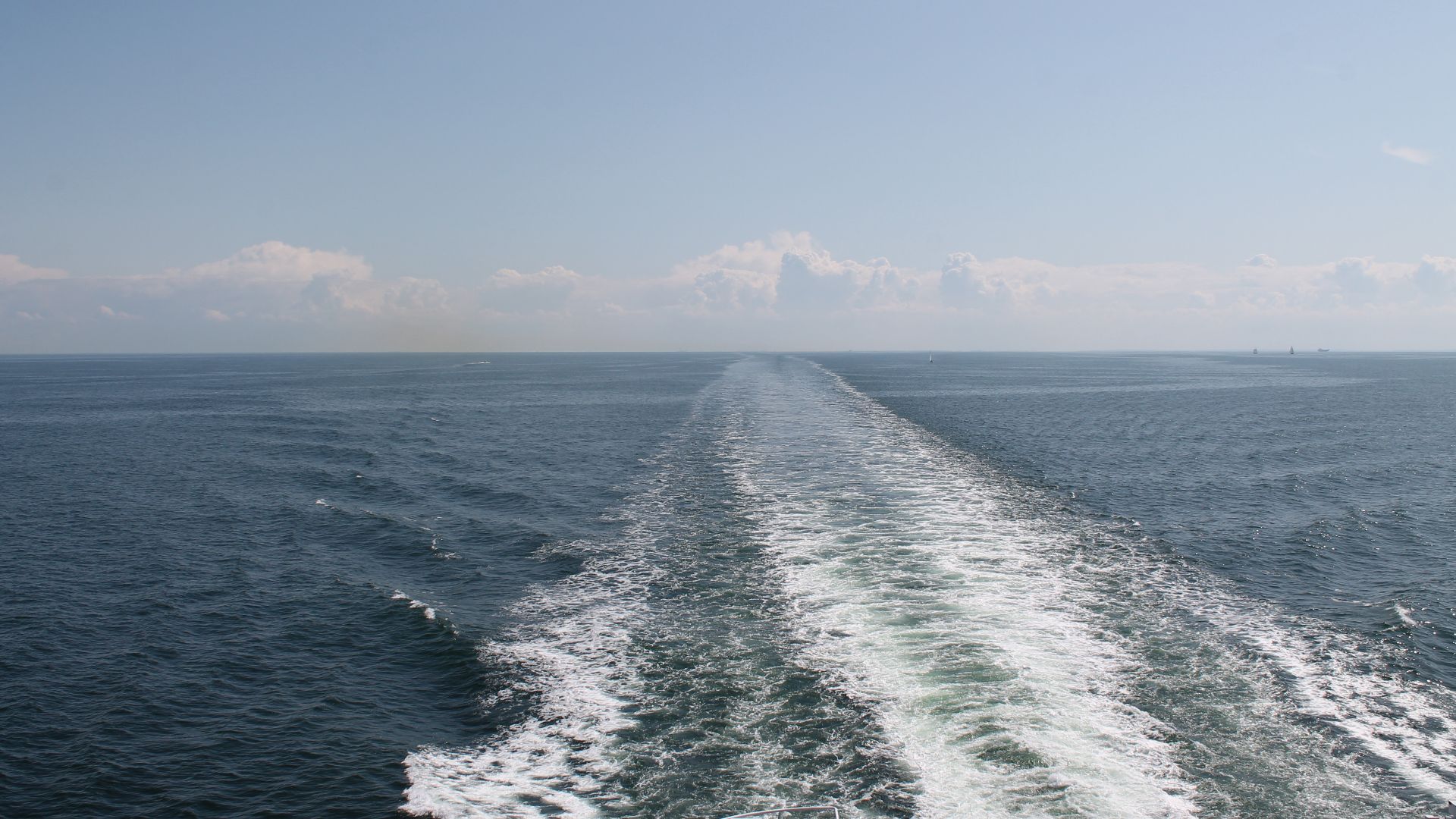
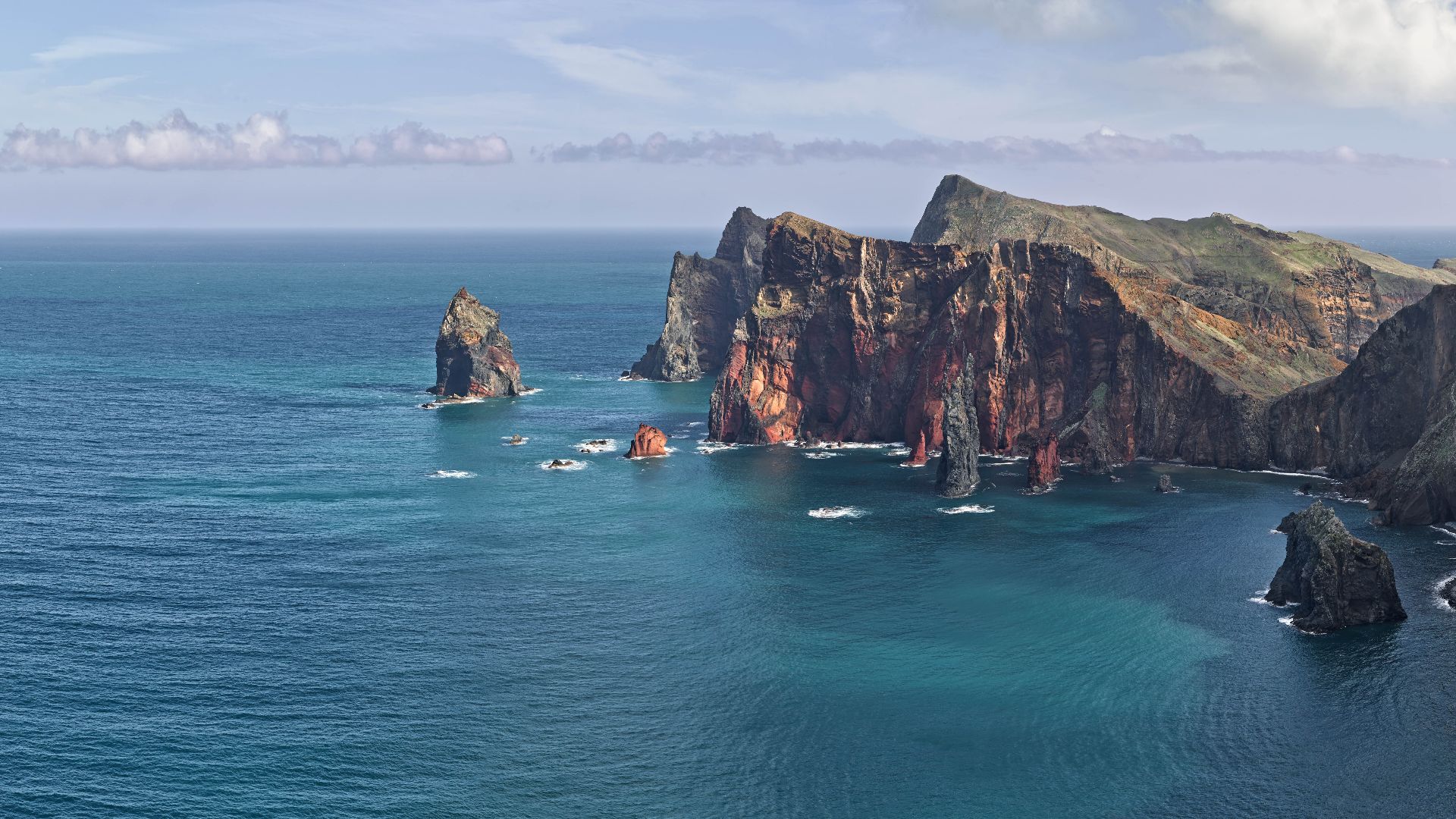
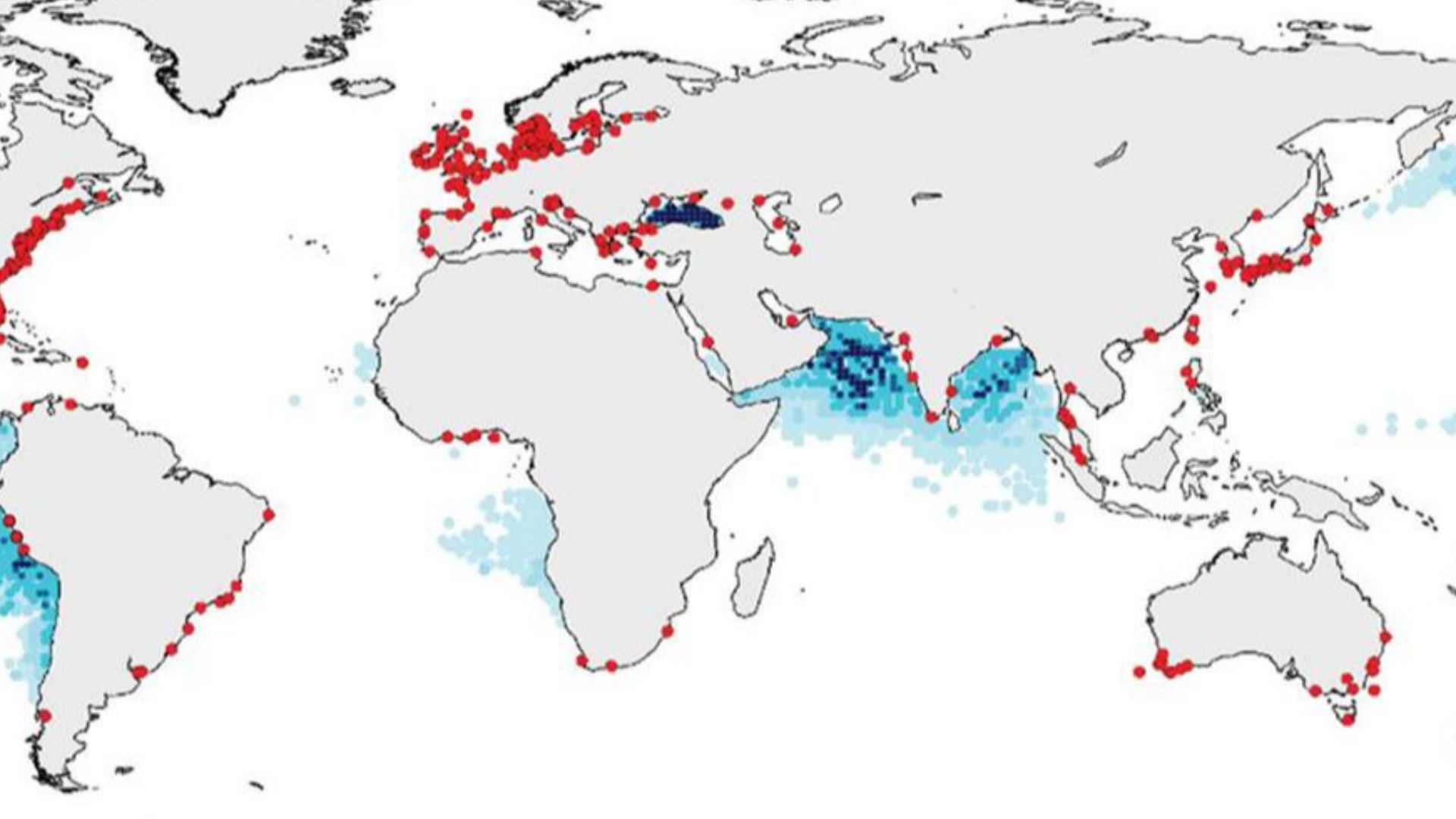
Aquatic deoxygenation isn't about naturally oxygen-poor waters like the Black Sea or Baltic Sea anoxic basins. Those have always existed. This is different. It refers specifically to human-driven oxygen loss in previously healthy, oxygenated water bodies worldwide, disrupting systems that sustained marine life for millennia without interruption.
 John Samuel, Wikimedia Commons
The Hidden Threat
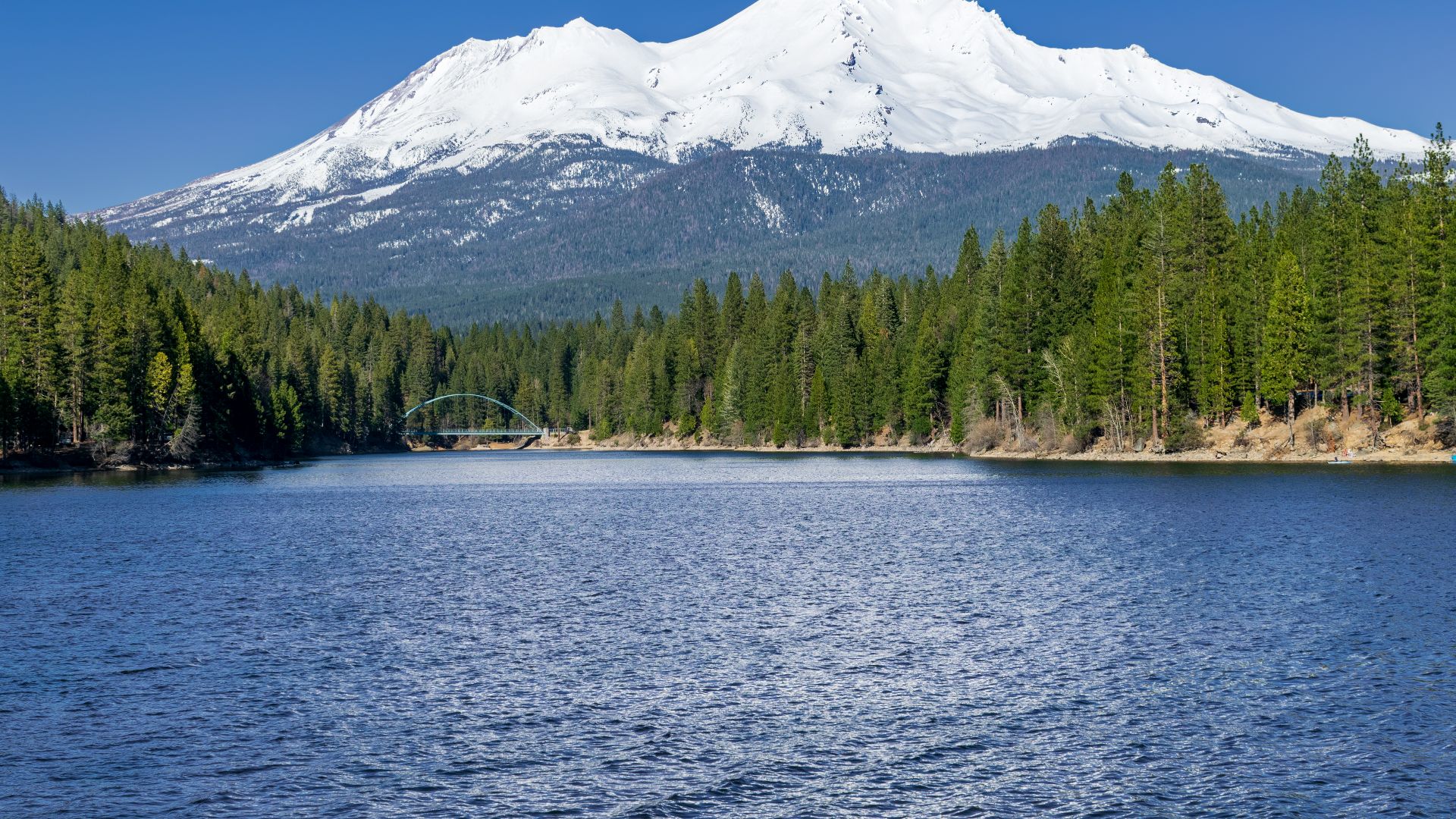
Since 1980, lakes have lost 5.5% of their oxygen, and reservoirs a staggering 18.6%. Oceans have shed 2% since 1960, a small percentage representing an astronomically vast volume. Off Central California, midwater oxygen has plummeted 40% since 1960, one of the most dramatic single-location declines ever recorded.
Dead Zones Expand
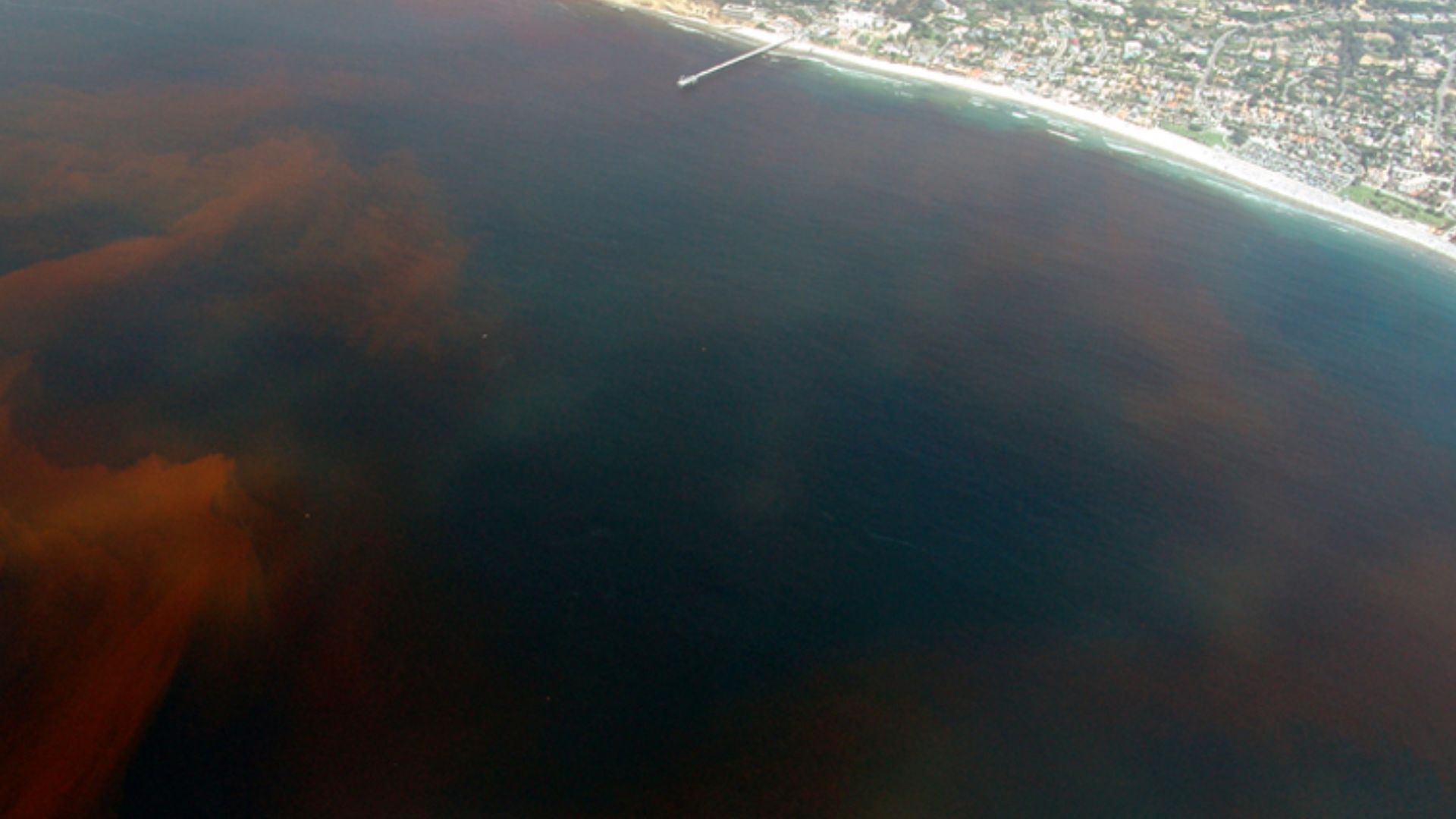
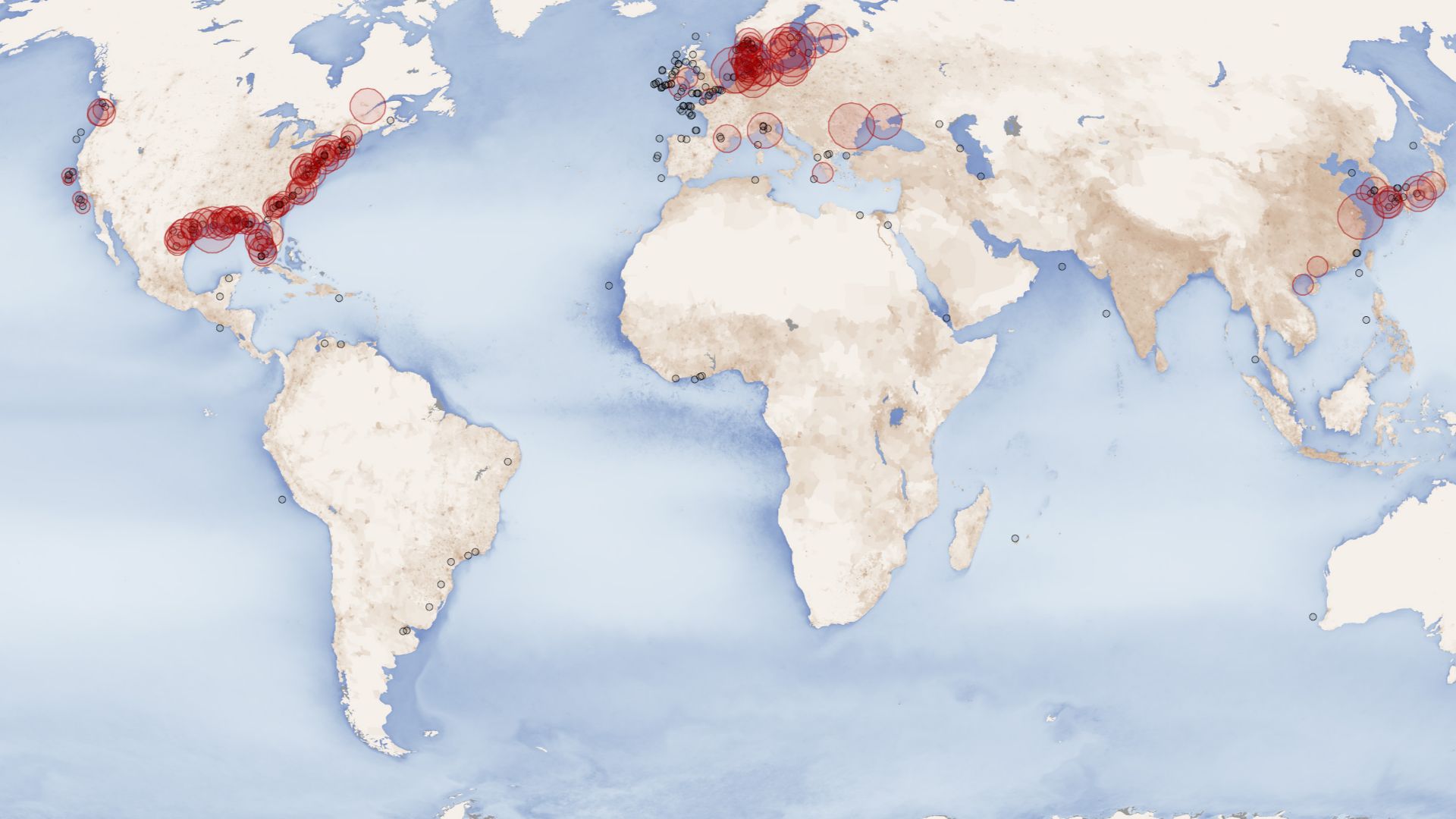
In 1960, approximately 45 ocean sites globally recorded dangerously low oxygen. By 2011, that figure had skyrocketed to over 700 documented sites. These dead zones, where marine life physically cannot survive, are multiplying faster than models predicted.
 Mortadelo2005, Wikimedia Commons
The Domino Effect
Co-author Andreas Oschlies of Germany's GEOMAR Helmholtz Centre explained the mechanics precisely. Warming water holds less dissolved oxygen. Simultaneously, warmer surface water becomes less dense, sitting atop colder deep water and blocking natural mixing. This stratification traps oxygen-starved deep layers permanently cut off from oxygen-rich surface replenishment.

History's most fascinating stories and darkest secrets, delivered to your inbox daily.
Food Chain Fallout
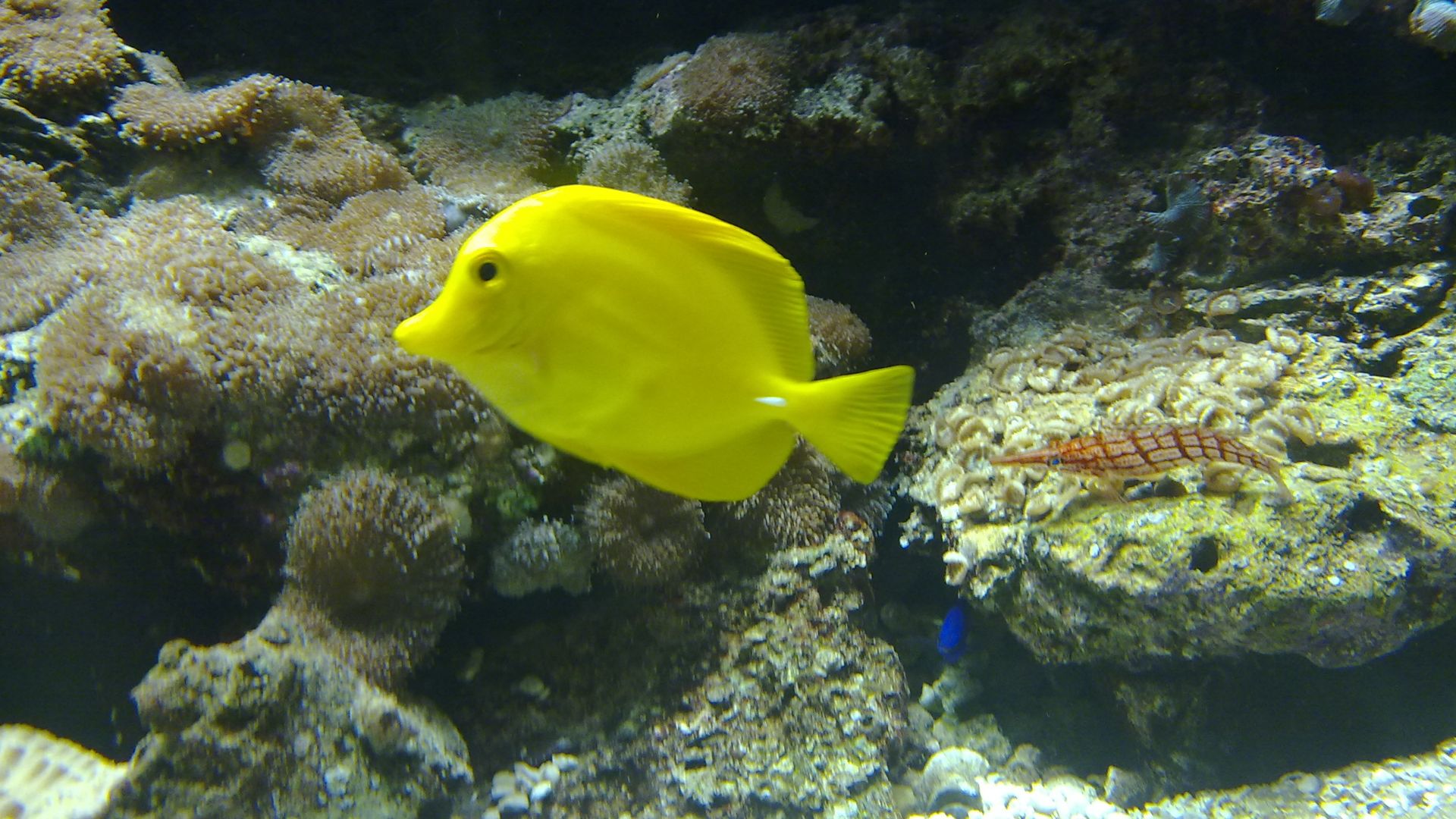
Fish, crustaceans, and mussels suffocate first, but the damage doesn't stop there. As oxygen drops, mobile species like fish tend to crowd shallower waters. This is intensifying competition and fishing pressure simultaneously.
 Irvin calicut, Wikimedia Commons
Methane's Dark Role
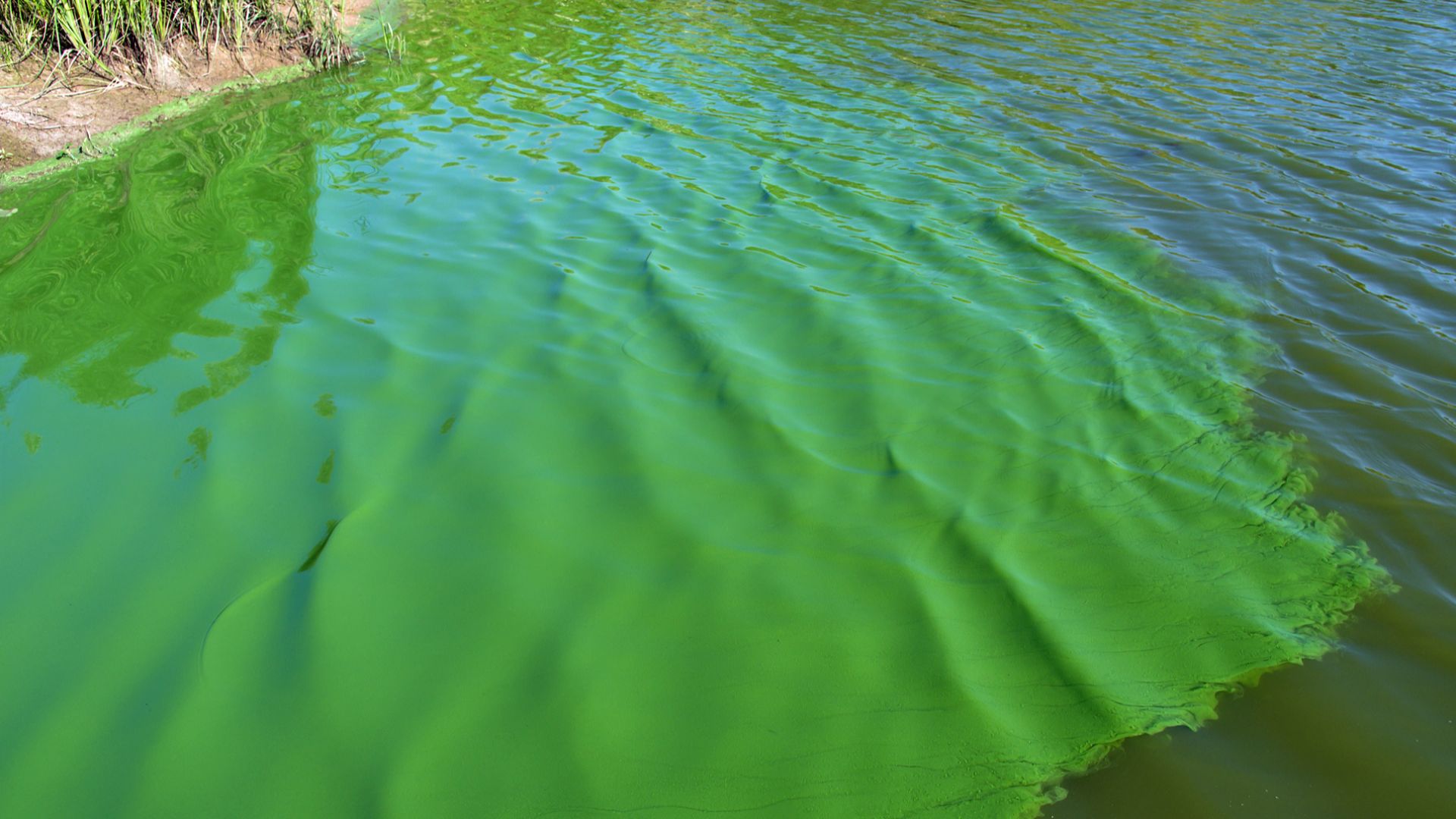
The cruelest twist: deoxygenated water becomes a greenhouse gas factory. Without oxygen, microbes decompose organic matter anaerobically, releasing nitrous oxide and methane, both far more potent than CO₂. This means aquatic deoxygenation actively accelerates the same global warming that caused it.
 Christian Fischer, Wikimedia Commons
Lakes Under Siege
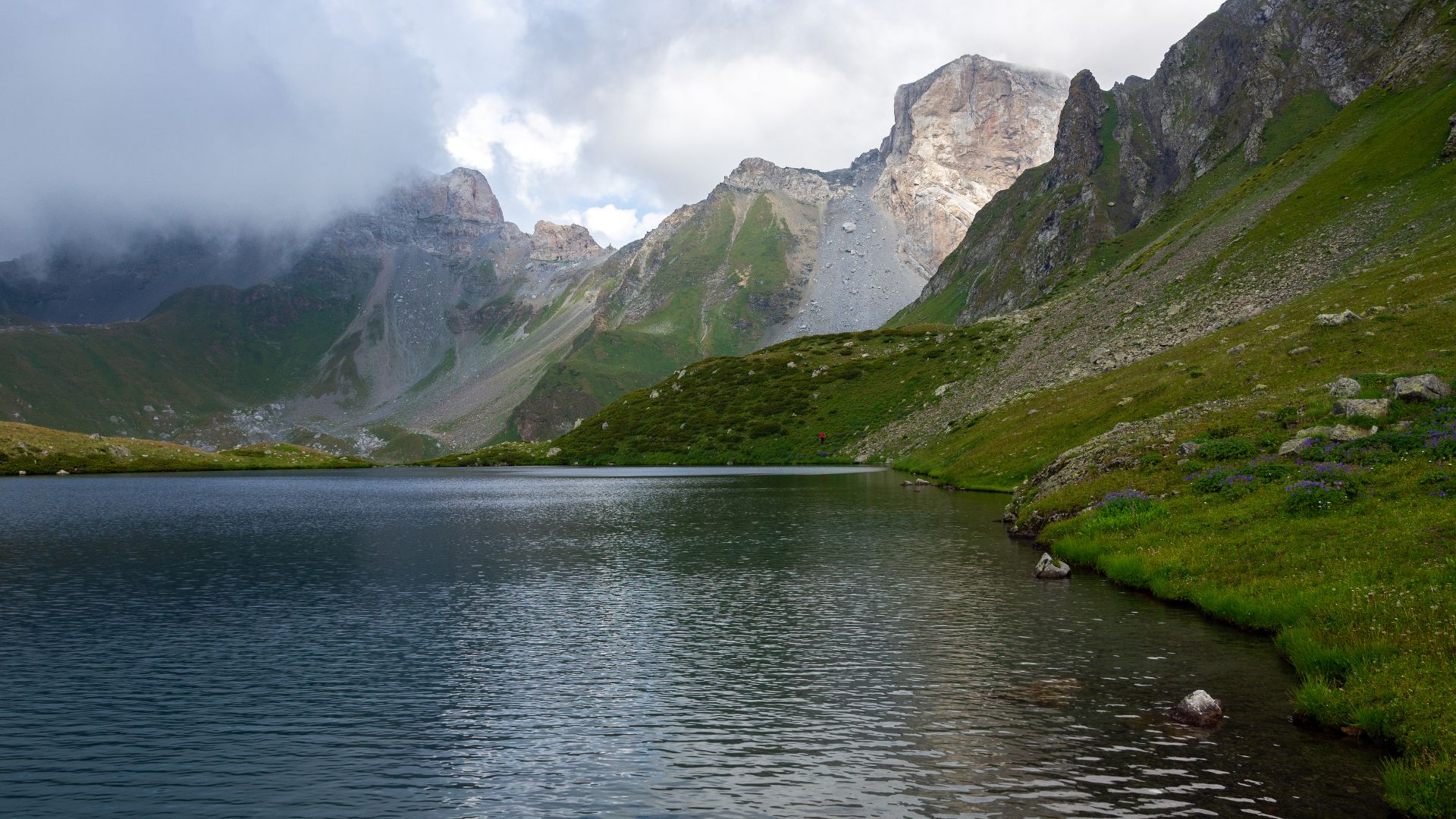
While oceans dominate the conversation, lakes are quietly drowning first. Between 1970 and 2010, the open ocean lost 0.5–3.3% of oxygen in its upper 1,000 meters, but lakes lost oxygen at nearly triple that rate. Warmer surface water traps heat.
 Vyacheslav Argenberg, Wikimedia Commons
Cascading Catastrophes
Deoxygenation doesn't quietly sit in one corner of the planetary boundary framework. It actively destabilizes all nine others. It links directly to climate change, land-system change, ocean acidification, biogeochemical flows, and biosphere integrity simultaneously. Scientists describe it as a "regulator" boundary.
 Bernadette Charpentier, Wikimedia Commons
Winners And Losers
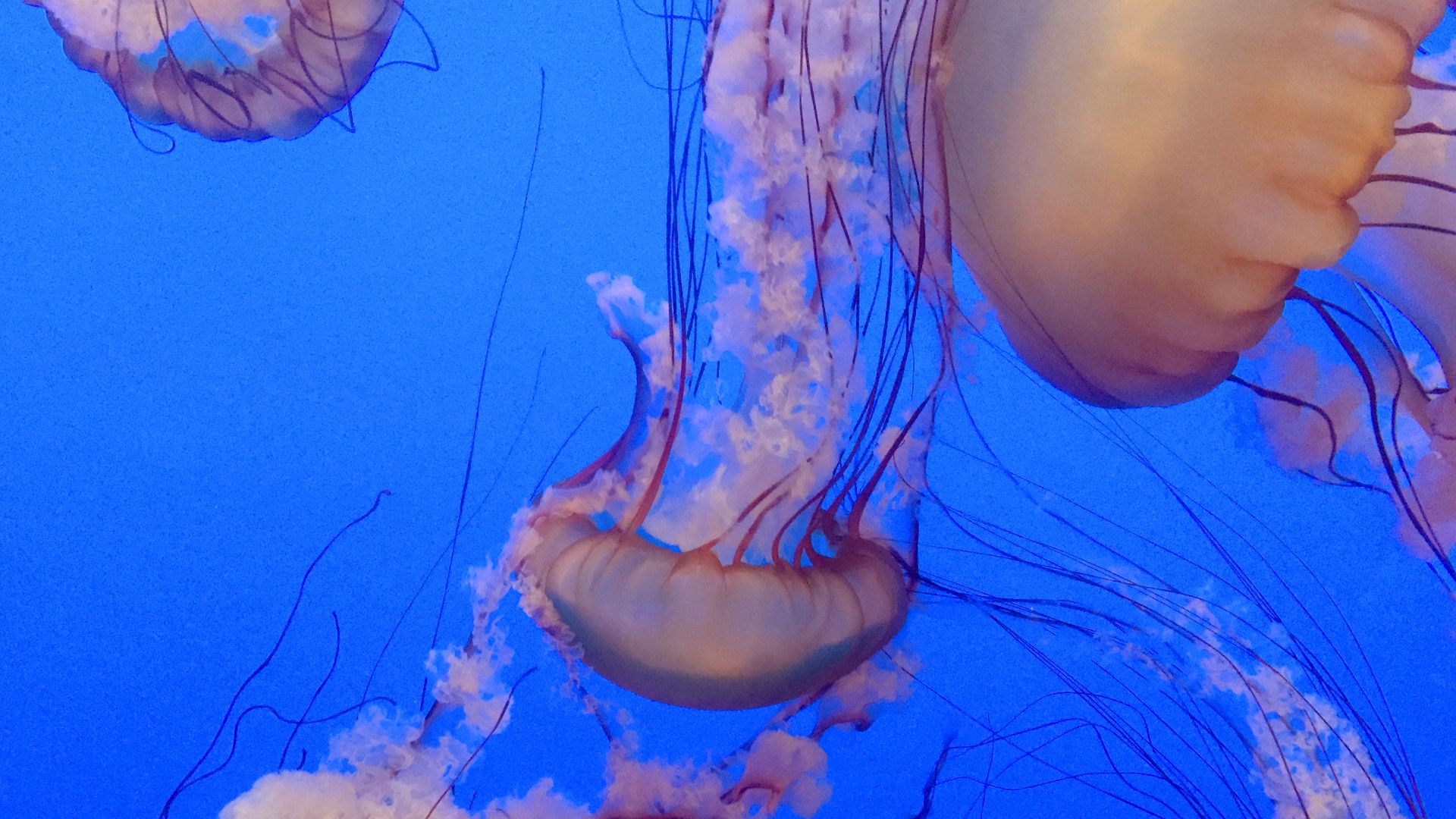
Not every species loses, and that's almost as frightening. As oxygen vanishes, hypoxia-tolerant creatures like jellyfish, microbes, and certain squid explode in population. Meanwhile, oxygen-demanding species like tuna, marlin, and swordfish get squeezed into dangerously thin surface layers.
Farming's Dirty Secret
Between 1960 and 1990, global synthetic nitrogen fertiliser use increased sevenfold, while phosphorus use tripled. On average, about 20% of applied nitrogen fertiliser washes off fields into waterways. This flood of nutrients from farms, sewage, and animal waste triggers explosive algal blooms that consume oxygen as they decompose.

Oceans Going Blind
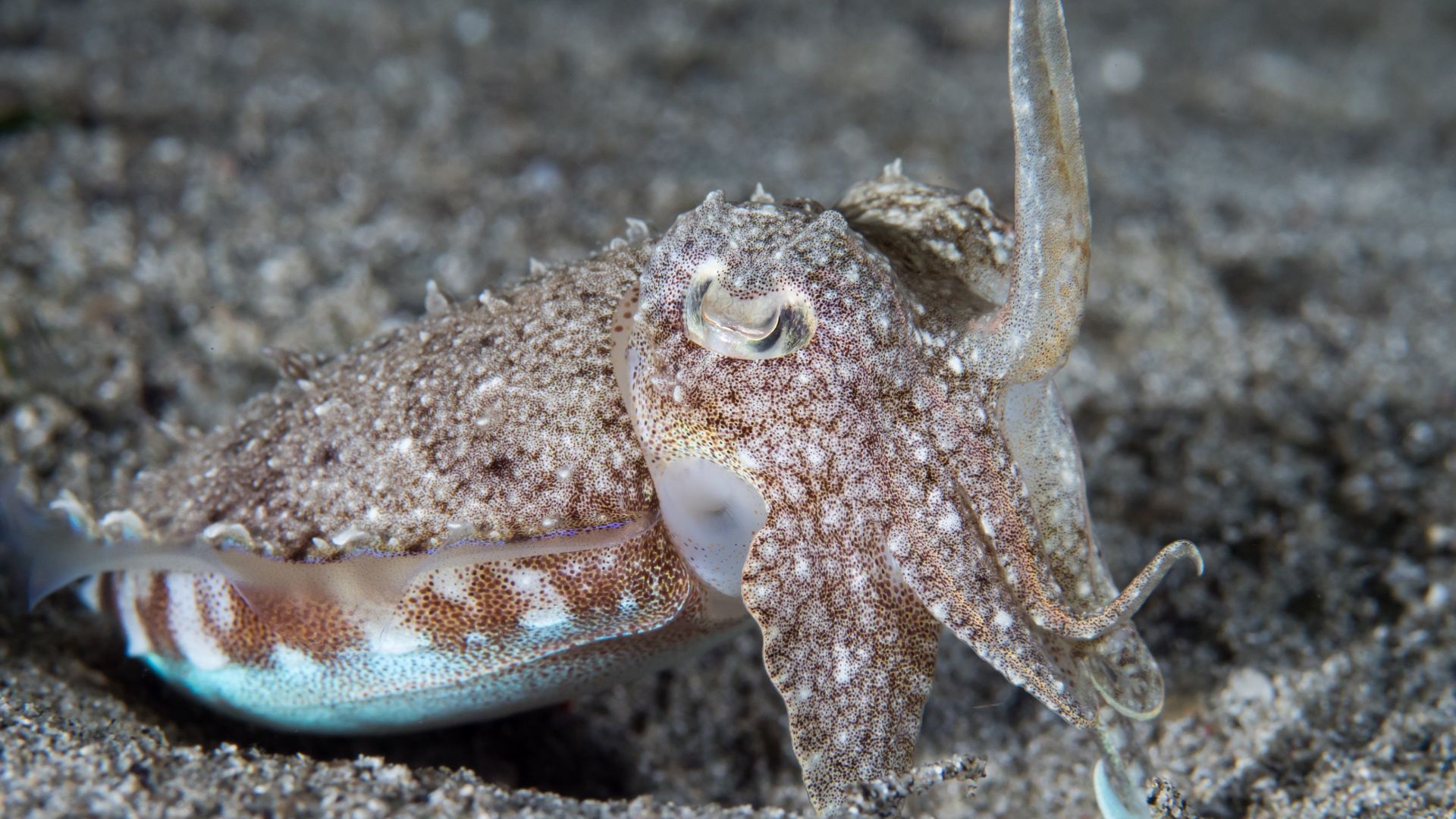
Here's something almost no one talks about: deoxygenation is robbing marine animals of their vision. Research published in Philosophical Transactions of the Royal Society found that visual tissue has exceptionally high oxygen demands. As oxygen drops, fish and cephalopods experience declining light sensitivity, altering hunting behavior and predator-prey dynamics.
 Rickard Zerpe, Wikimedia Commons
The 2080 Countdown
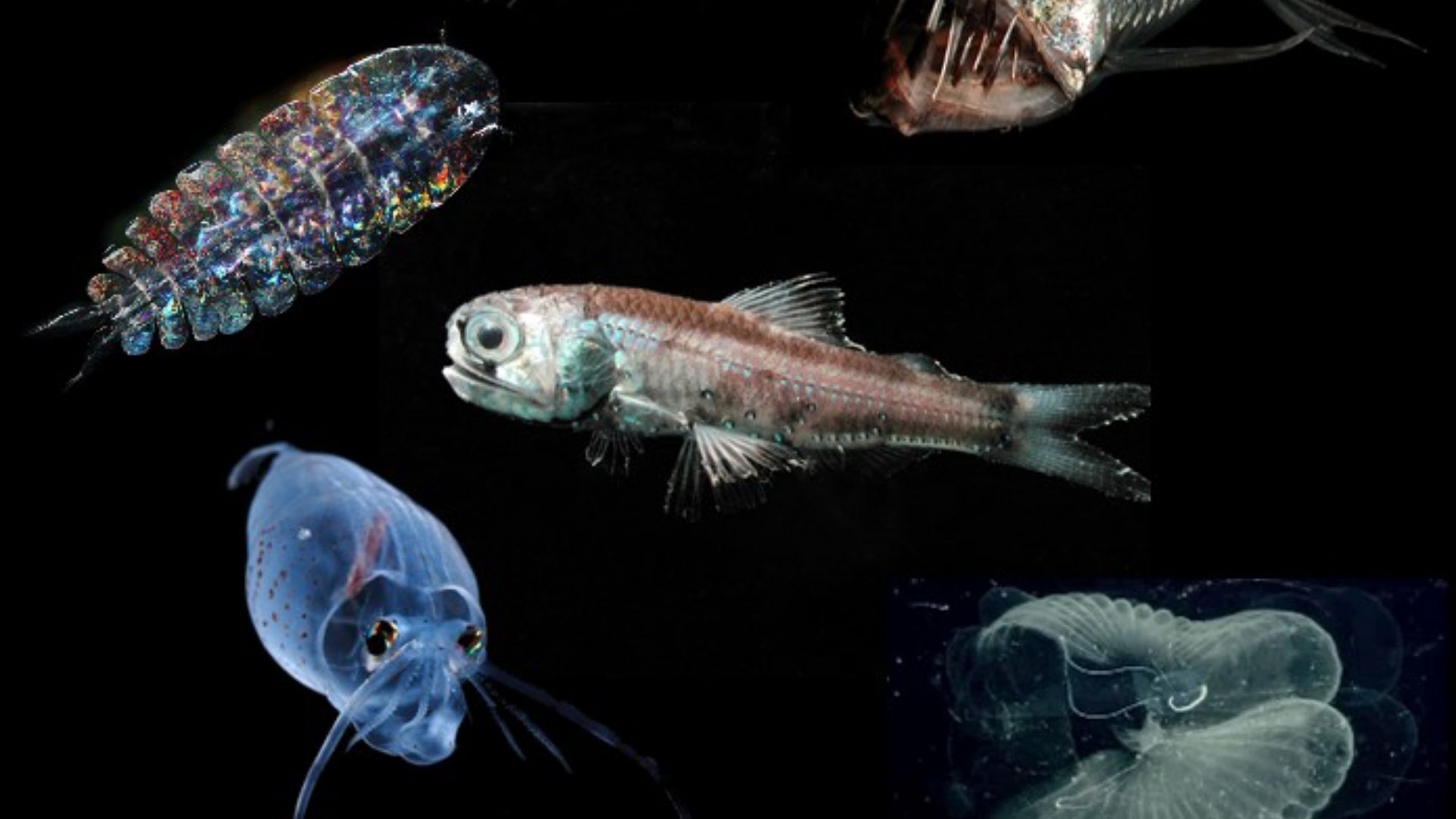
Climate models published in Geophysical Research Letters project that by 2080, deoxygenation signals will emerge across over 72% of global ocean areas under high-emissions scenarios. The mesopelagic zone, between 200 and 1,000 meters deep, is losing oxygen fastest and widest.
 Drazen et al., 2019, Wikimedia Commons
Billions At Stake
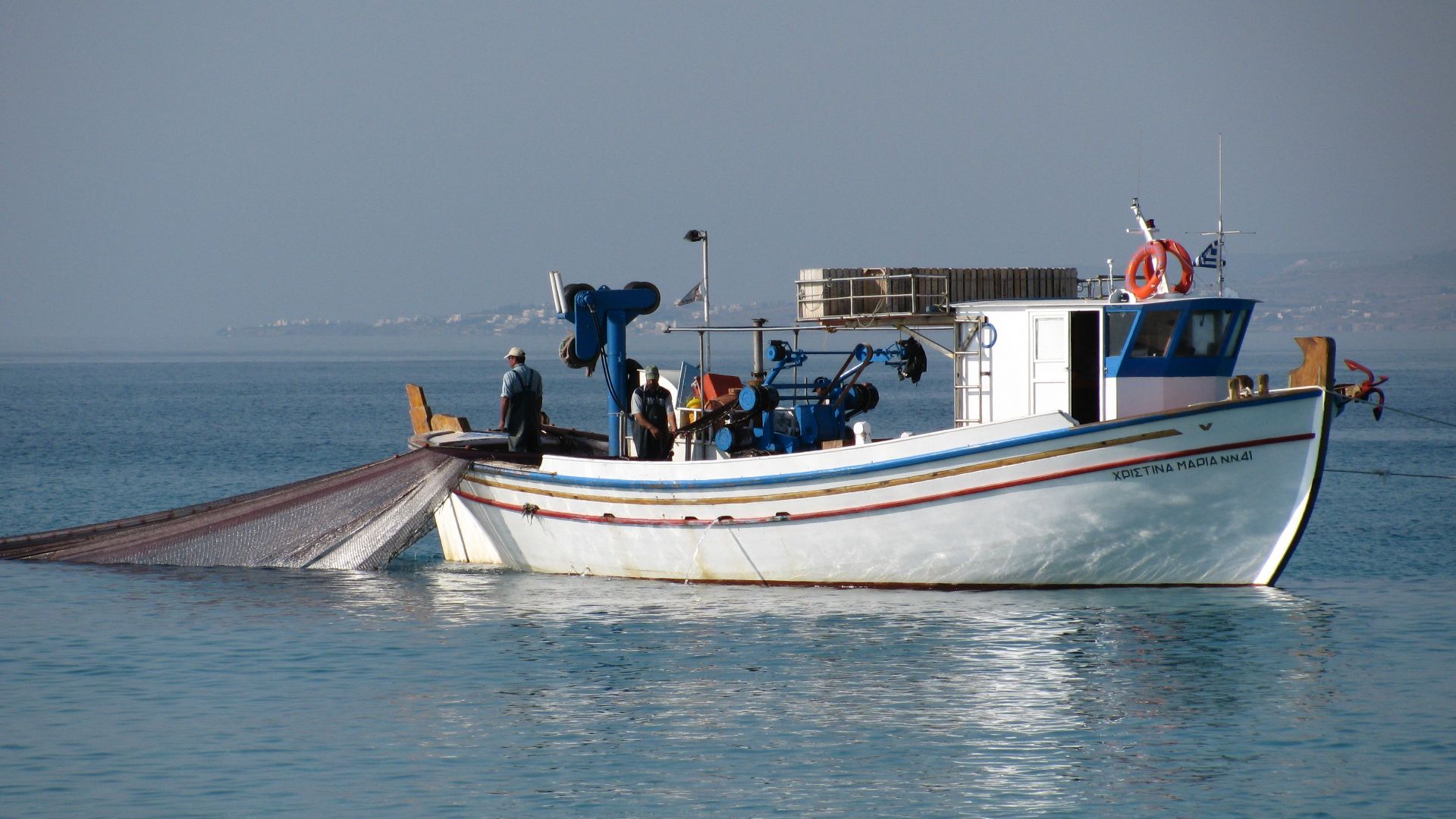
The global marine fishing industry generates approximately USD 150 billion in gross revenue annually and delivers animal protein to 3.3 billion people worldwide. Hypoxia-driven habitat compression has already caused measurable declines in fishery catches.
Committed Oxygen Loss
Perhaps the most sobering finding of all: even if humanity stopped all CO₂ emissions today, deep ocean deoxygenation would continue for centuries. A Nature Communications study confirmed that less than a quarter of the oxygen loss already "committed" by historical emissions has actually occurred yet.
 Richard Bartz, Wikimedia Commons
The GO2NE Response
In 2016, UNESCO's Intergovernmental Oceanographic Commission established GO2NE, the Global Ocean Oxygen Network, specifically to coordinate scientific advice to governments on deoxygenation. With 20–25 scientists from 11 countries, GO2NE produced the landmark 2018 policy brief, The Ocean Is Losing Its Breath.
Can We Recover?
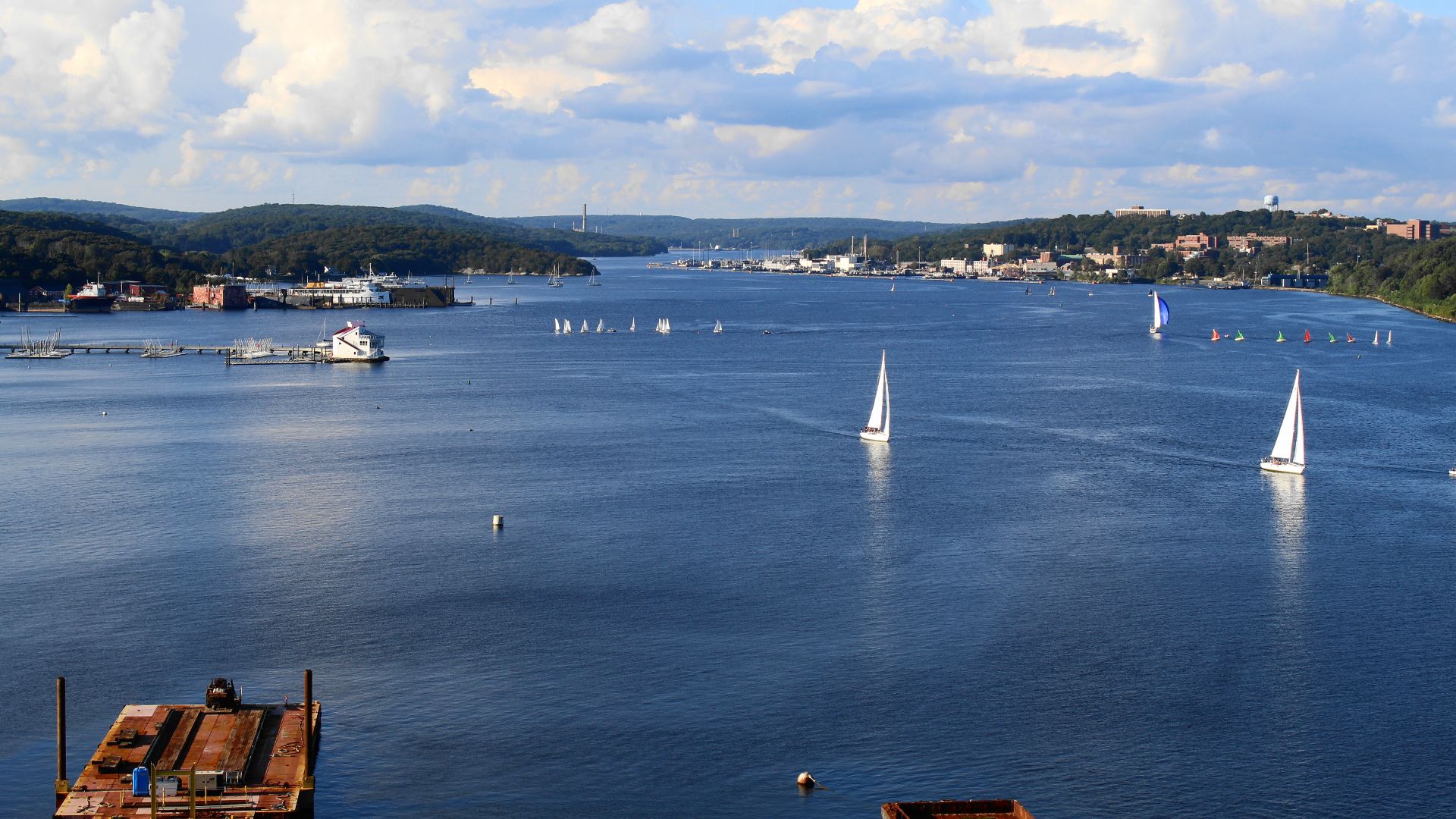
Recovery is possible, but the window is narrowing fast. Coastal deoxygenation driven by nutrient runoff is reversible through improved sewage treatment and agricultural reform, as London's Thames River demonstrated: oxygen rose tenfold after primary wastewater treatment was introduced.’
Beyond The Point
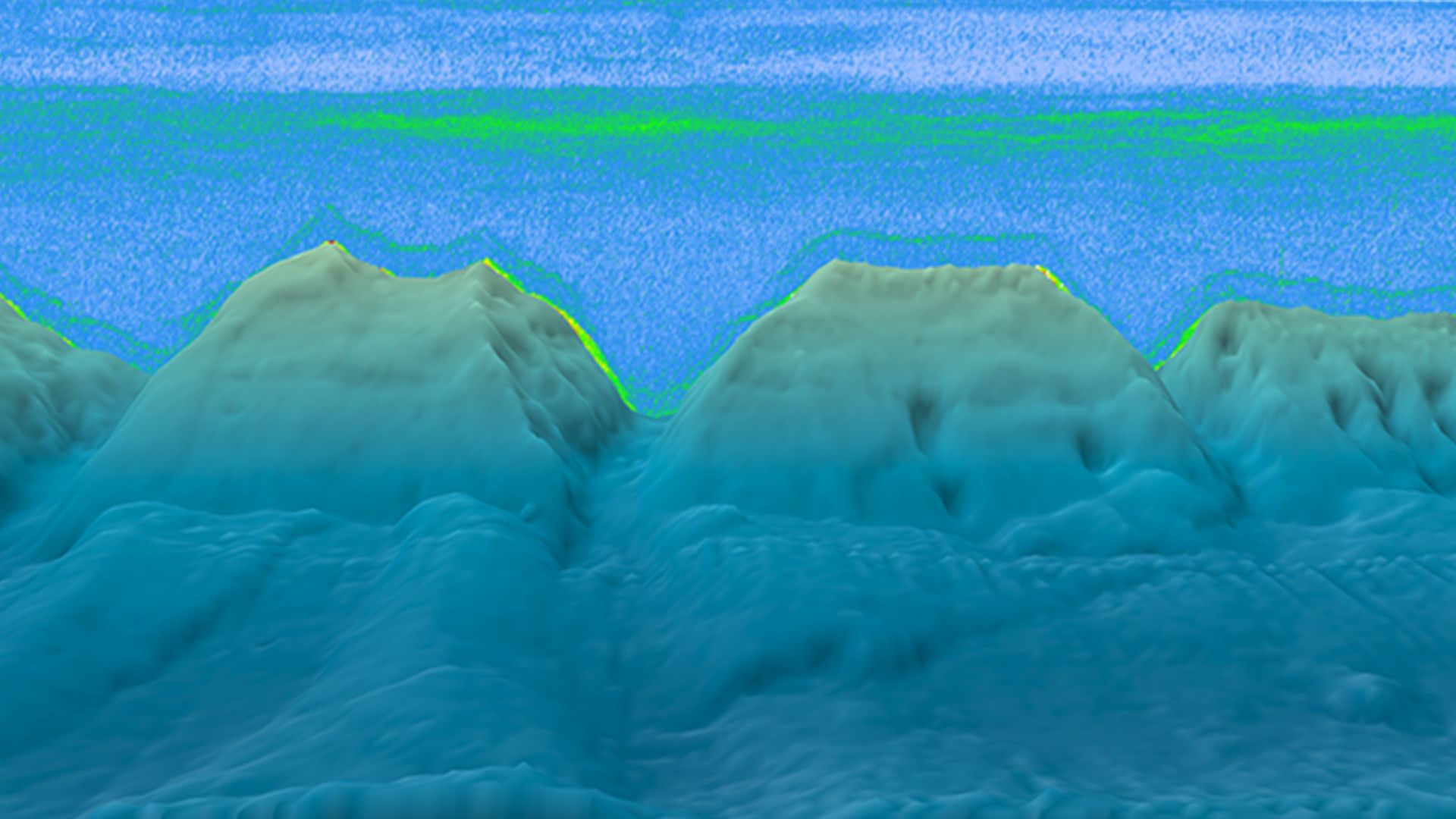
History offers a chilling preview of what unchecked deoxygenation looks like. Scientists have confirmed that past mass extinction events were directly associated with warm climates and oxygen-deficient oceans. A Mediterranean sediment core study found mesopelagic fish nearly vanished entirely during an ancient low-oxygen episode between 7,000 and 10,000 years ago.
 NOAA Okeanos Explorer, Elliot Lim, Wikimedia Commons
Habitat Compression
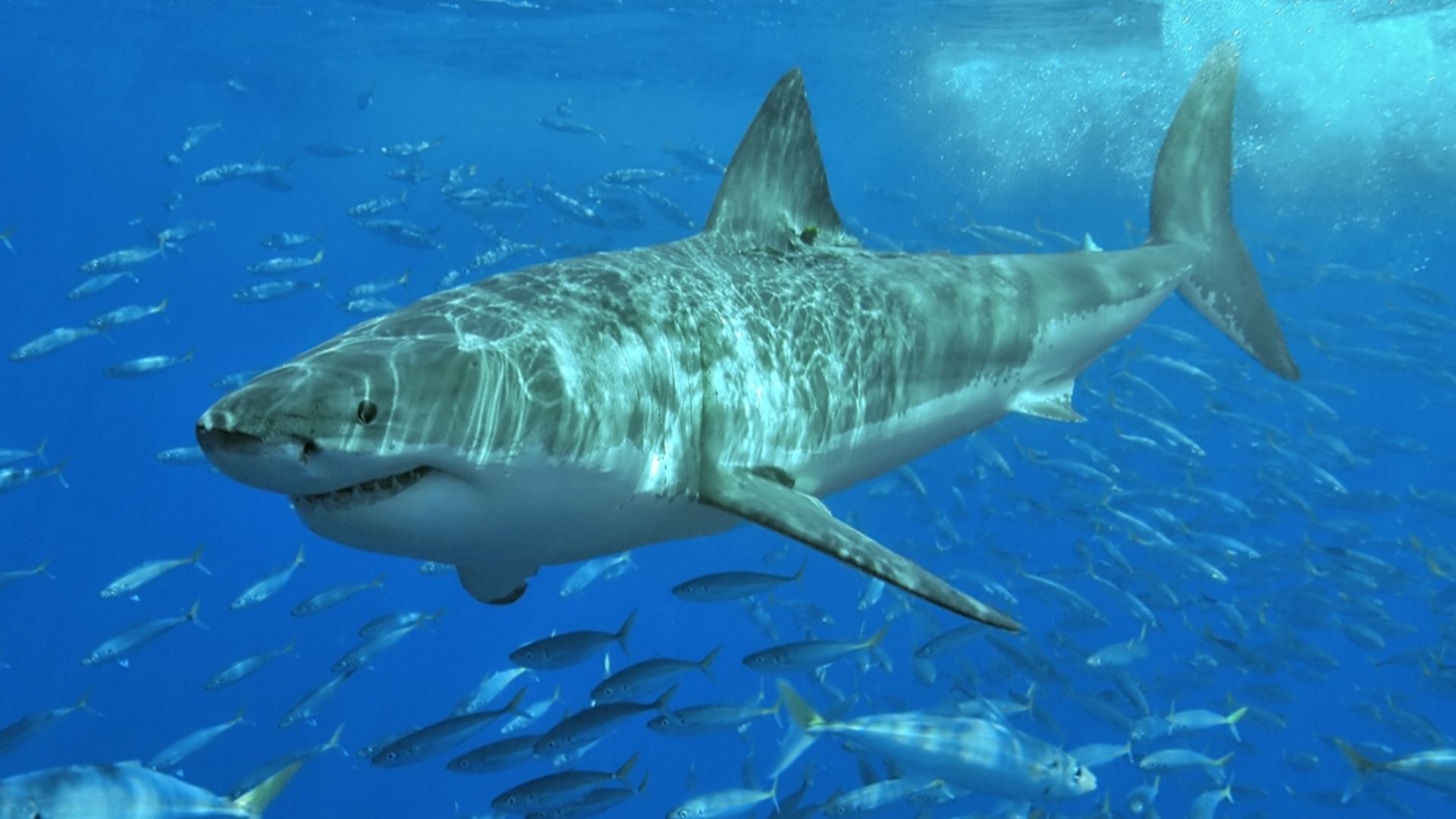
Tuna, billfish, and sharks are being physically squeezed out of existence. Not by fishing nets, but by shrinking oxygen. From 1960 to 2010, hypoxia-based habitat compression reduced suitable habitat for tropical pelagic species by 15% in the northeast Atlantic alone.
 Pterantula (Terry Goss) at en.wikipedia, Wikimedia Commons
Farming The Suffocating Sea
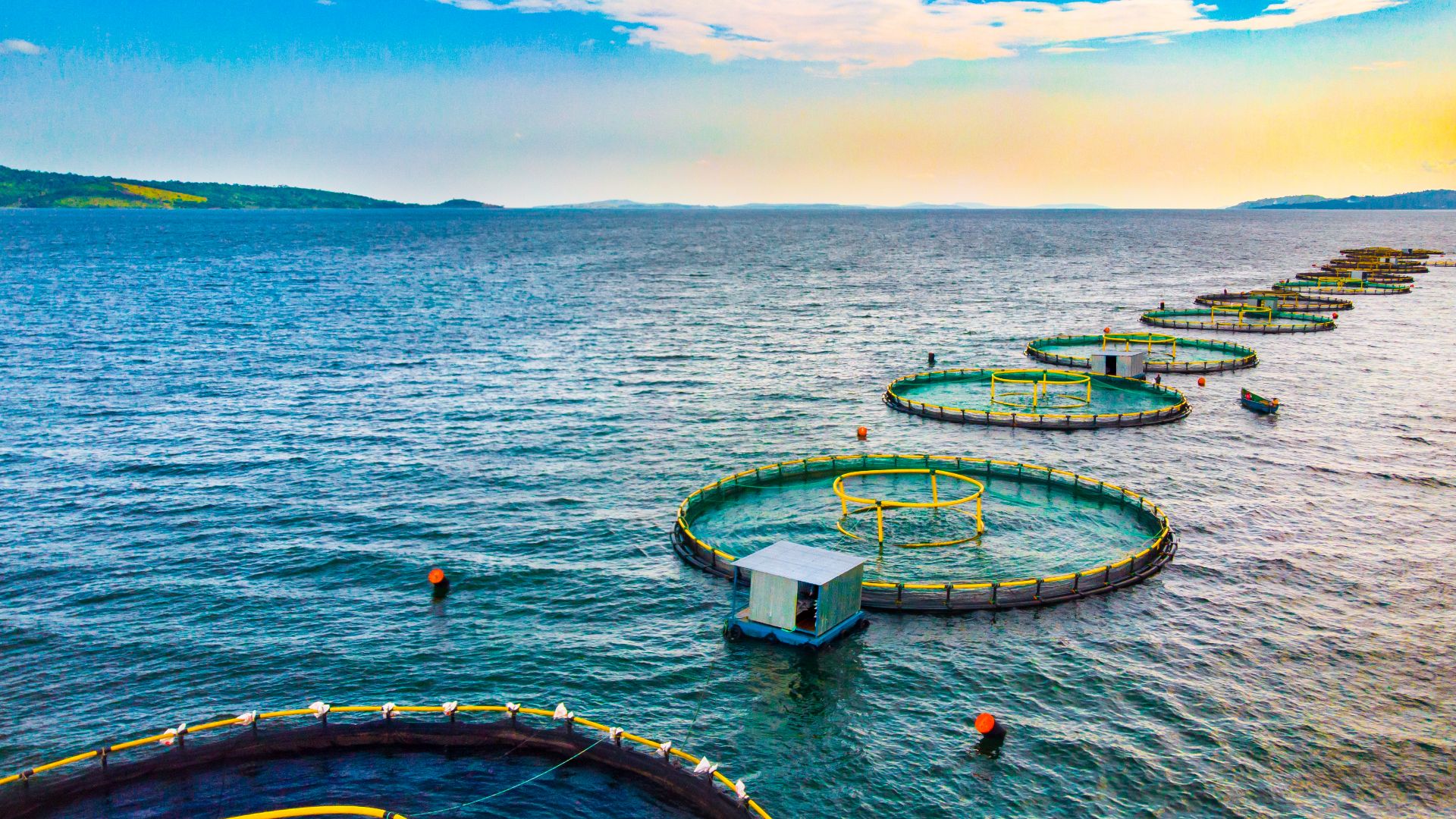
Aquaculture—the world's fastest-growing food production sector—faces an existential threat from the very waters it operates in. Unlike fish, farmed species in net pens cannot escape hypoxic intrusions. Coastal oxygen losses are already limiting viable aquaculture sites globally.
 Mohsen87taha, Wikimedia Commons
Unsafe Space
Scientists at UC Santa Cruz, led by Erica Ferrer, are currently developing a follow-up paper formally mapping how far aquatic deoxygenation has already progressed into what researchers term the "unsafe space"—the zone beyond safe planetary boundary limits.
 Robert Simmon & Jesse Allen, Wikimedia Commons