The Grocery Aisle Wasn't Always This Safe
Remember when grocery shopping meant grabbing your favorite products without worrying about safety seals, contamination warnings, or nationwide recalls? Some everyday items looked very different decades ago. Unfortunately, it sometimes took a singular frightening incident to change them. Here are the supermarket staples that were never quite the same afterward.
Tylenol: The Poisoning That Changed Packaging Forever
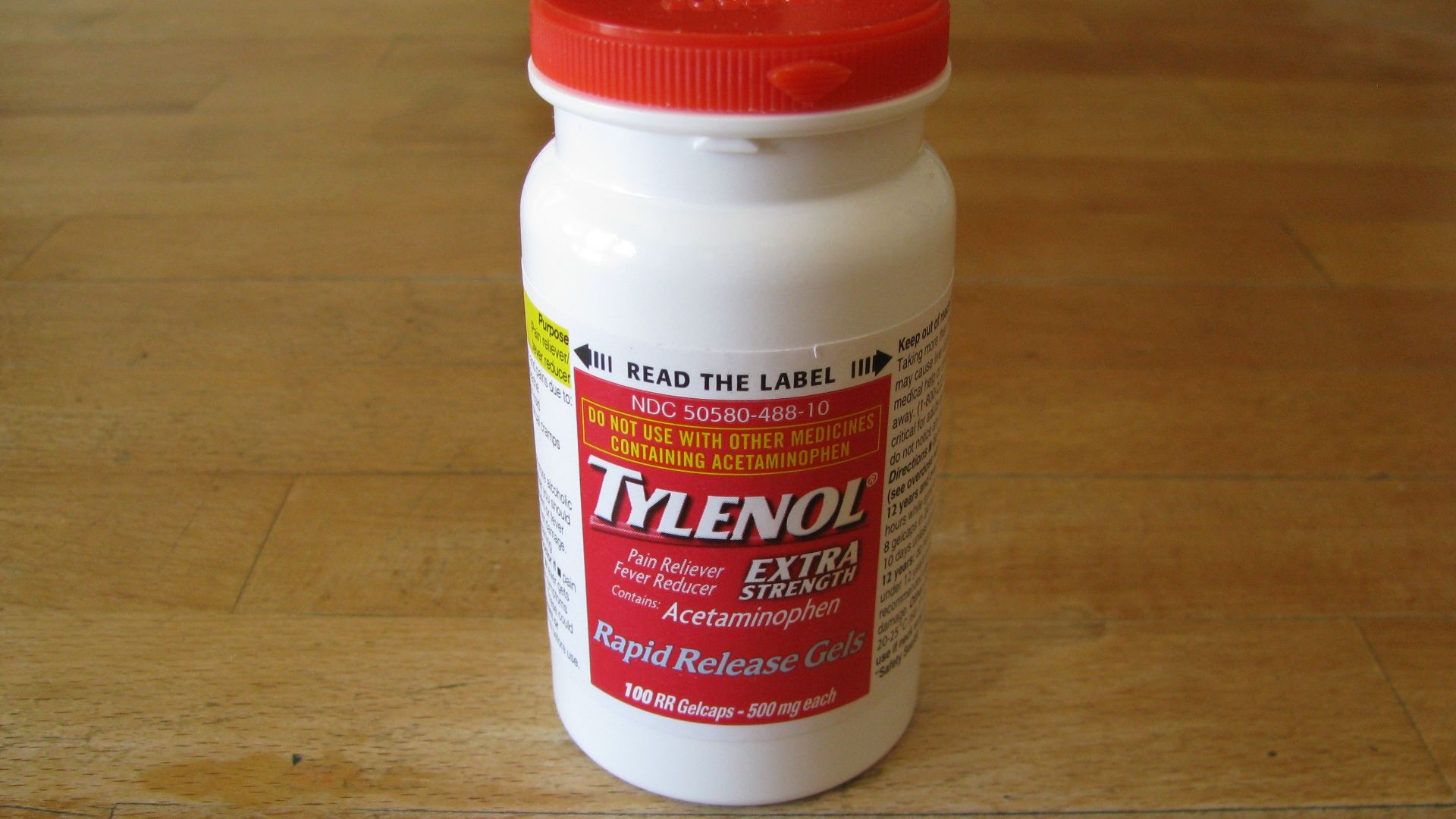
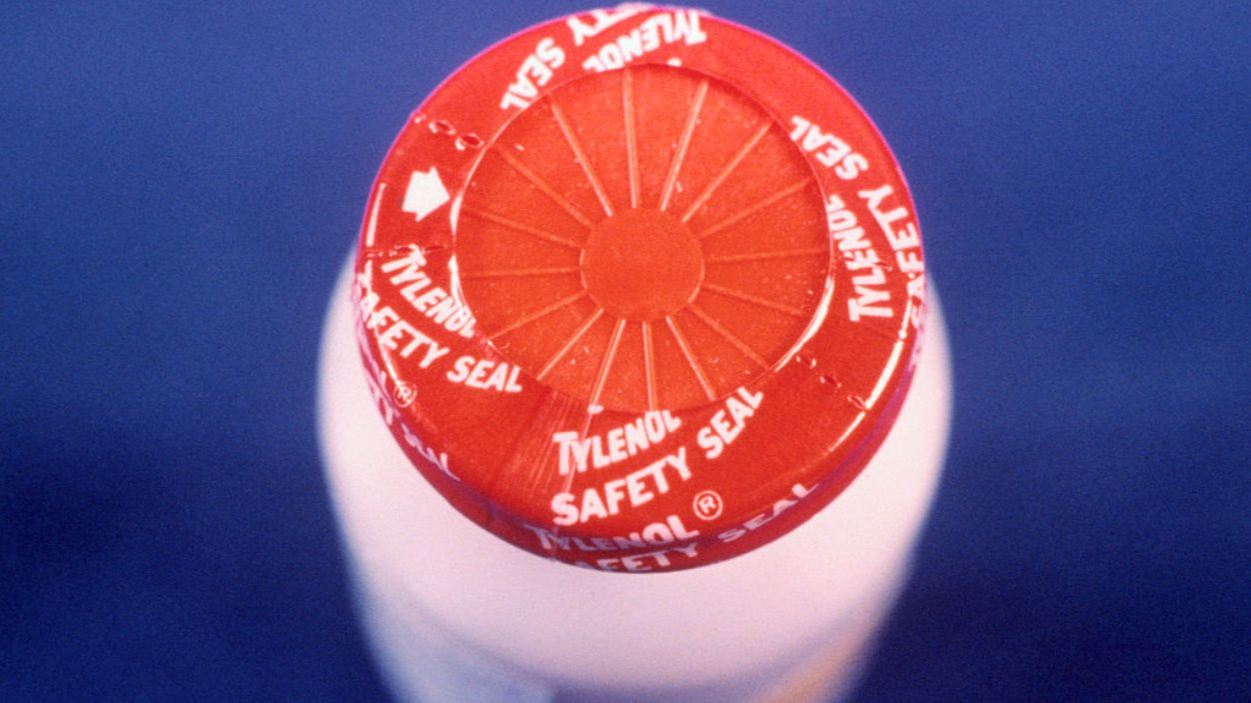
In 1982, seven people in the Chicago area died after taking Extra-Strength Tylenol capsules deliberately contaminated with cyanide. The tragedy terrified Americans and sparked a massive product recall. Before then, many shoppers barely thought about whether someone could tamper with medicine sitting on a store shelf. That changed almost overnight.
 Colin from Los Angeles, USA, Wikimedia Commons
Tylenol: Why Safety Seals Became Normal
Following the poisonings, federal regulators introduced tamper-resistant packaging requirements. Manufacturers began adopting foil seals, shrink bands, and other protective barriers. Suddenly, opening a bottle required considerably more effort. Those frustrating safety seals on countless pharmacy products today owe much of their existence to that terrifying incident in 1982.
Apple Juice: The Outbreak Nobody Expected
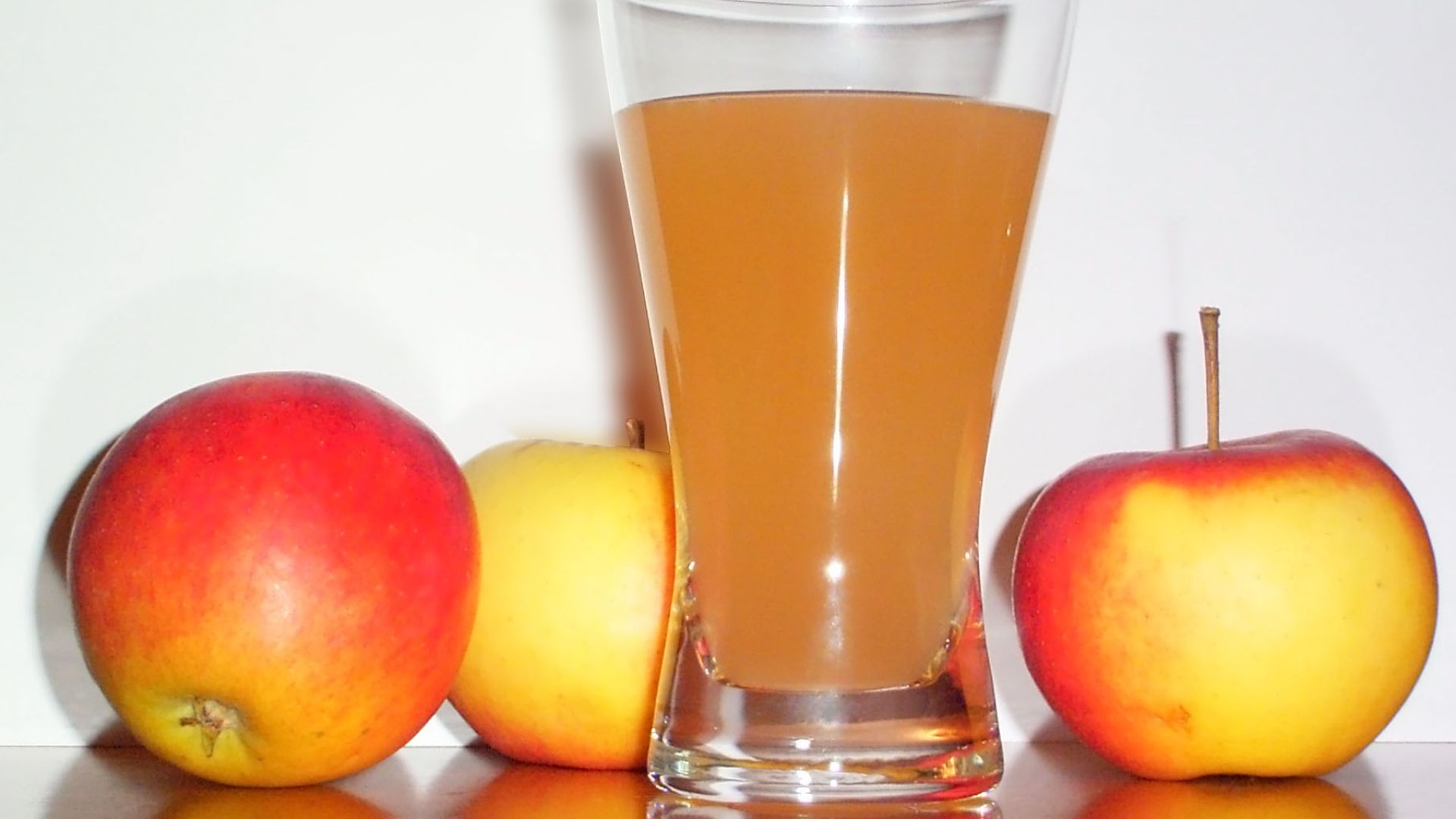
In 1996, an E. coli outbreak linked to unpasteurized Odwalla apple juice sickened dozens of people and caused the death of a child. Many Americans had assumed fresh, untreated juice was healthier. The incident exposed a dangerous misconception: something could be natural, freshly squeezed, and still contain harmful bacteria.
 Flunse (Patrick Geltinger), Wikimedia Commons
Apple Juice: When Pasteurization Became Essential
The Odwalla outbreak helped push juice safety into the national spotlight. Federal authorities eventually introduced stricter processing requirements for juice manufacturers. Pasteurization and other treatments became important tools for reducing dangerous pathogens. Unpasteurized juice never disappeared completely, but warning labels and tougher production standards changed how it reached consumers.
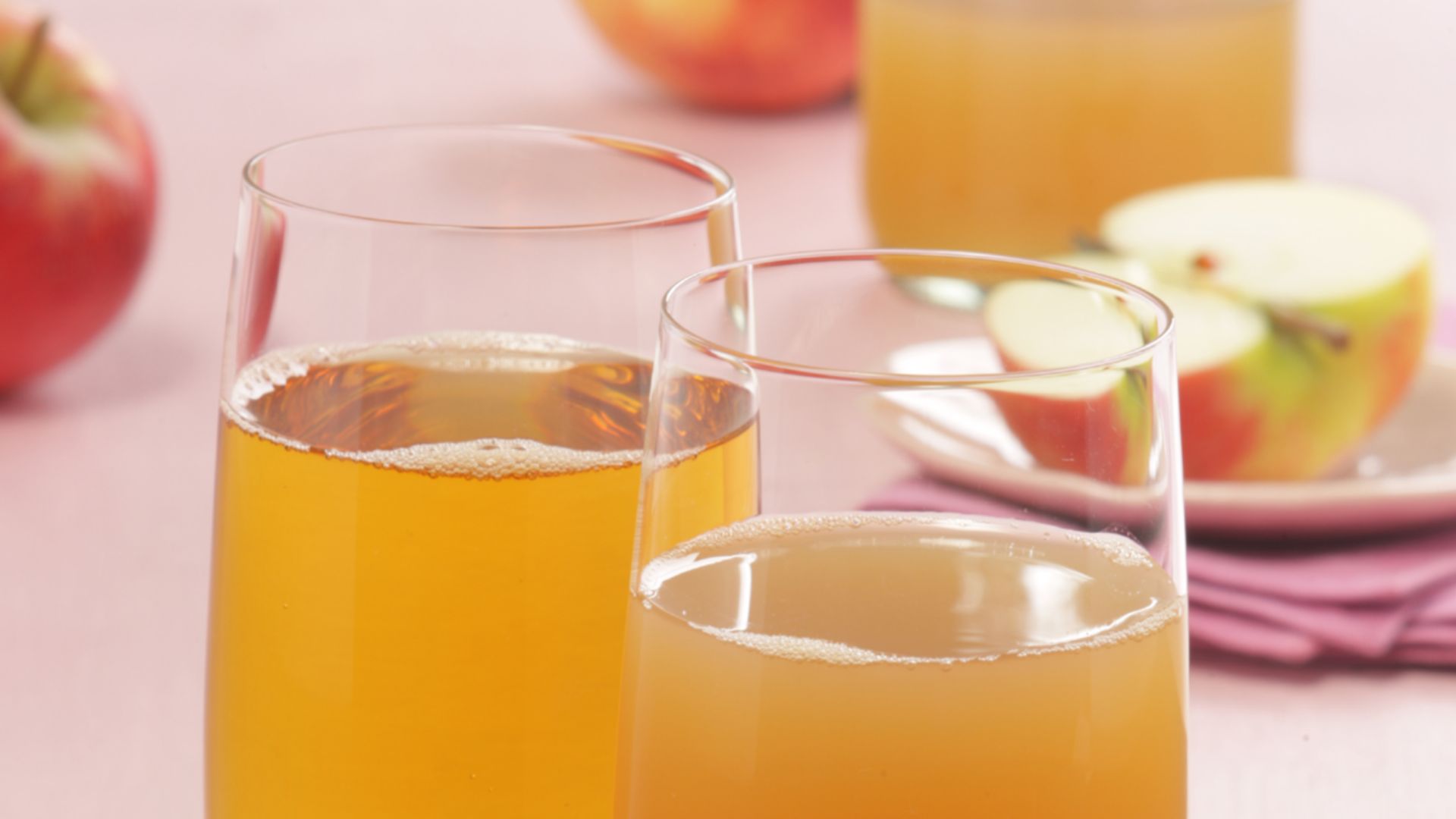 Verband der deutschen Fruchtsaftindustrie e.V., Wikimedia Commons
Ground Beef: The Hamburger Scare Of 1993
In 1993, an E. coli outbreak connected to undercooked Jack in the Box hamburgers sickened hundreds and killed four children. Families suddenly discovered that an ordinary hamburger could carry deadly bacteria. Although the outbreak involved restaurant food, its consequences reached supermarket meat counters and permanently changed expectations surrounding ground beef safety.
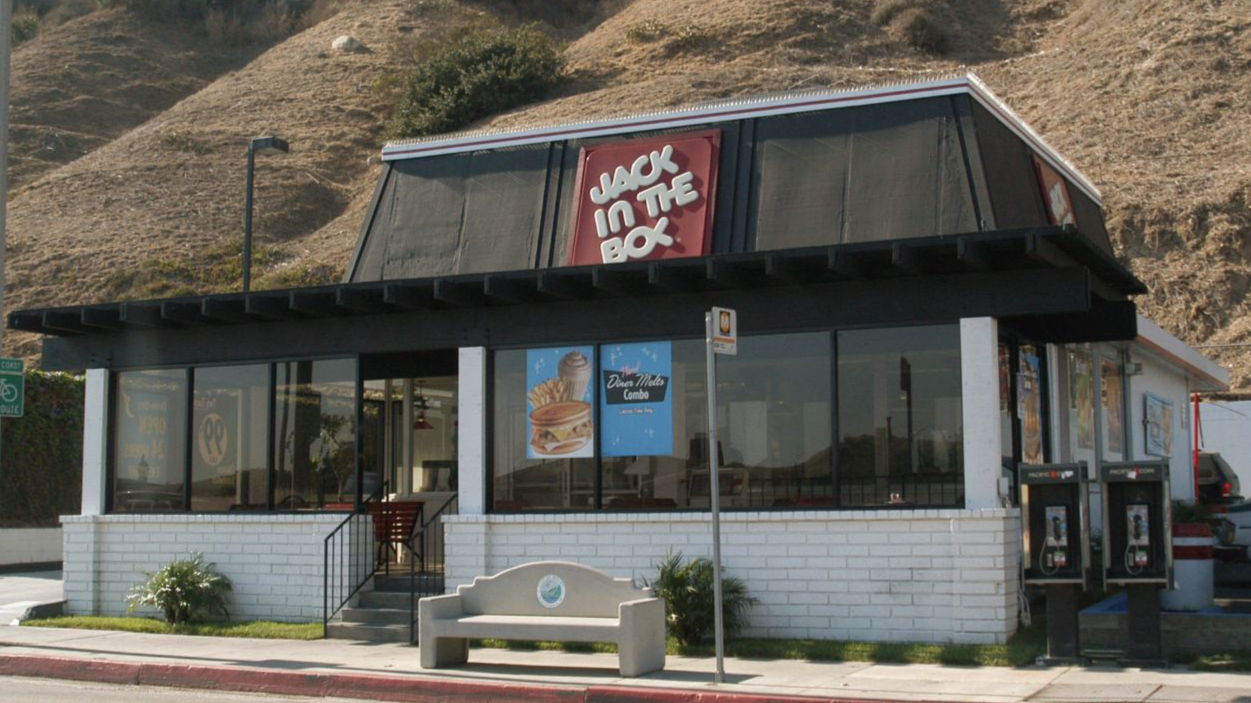
Ground Beef: Cooking Rules Got Serious
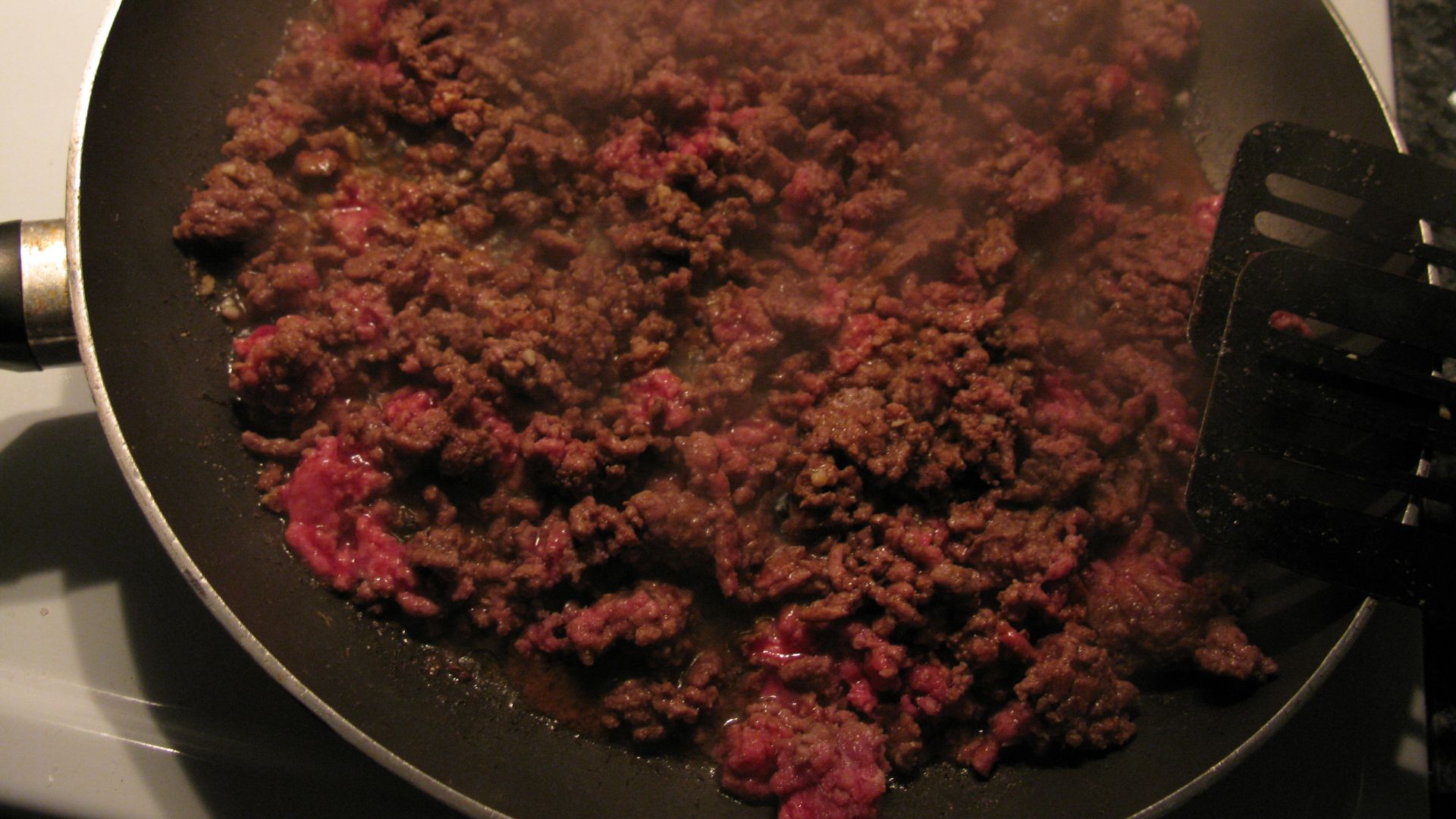
In 1994, the USDA declared E. coli O157:H7 an adulterant in raw ground beef, making contaminated meat subject to stronger regulatory action. Testing expanded, and proper cooking temperatures received greater attention. Today, food safety experts recommend cooking ground beef to 160°F. A pink-centered burger was no longer something shoppers could automatically assume was safe.
 Andrew Bossi, Wikimedia Commons
Fresh Spinach: The Salad That Frightened America
In 2006, an E. coli outbreak linked to fresh spinach sickened more than 200 Americans. Grocery stores pulled spinach from shelves, leaving shoppers wondering how something as wholesome as salad greens could be dangerous. The incident exposed vulnerabilities in the complicated journey vegetables make from farms to supermarkets.
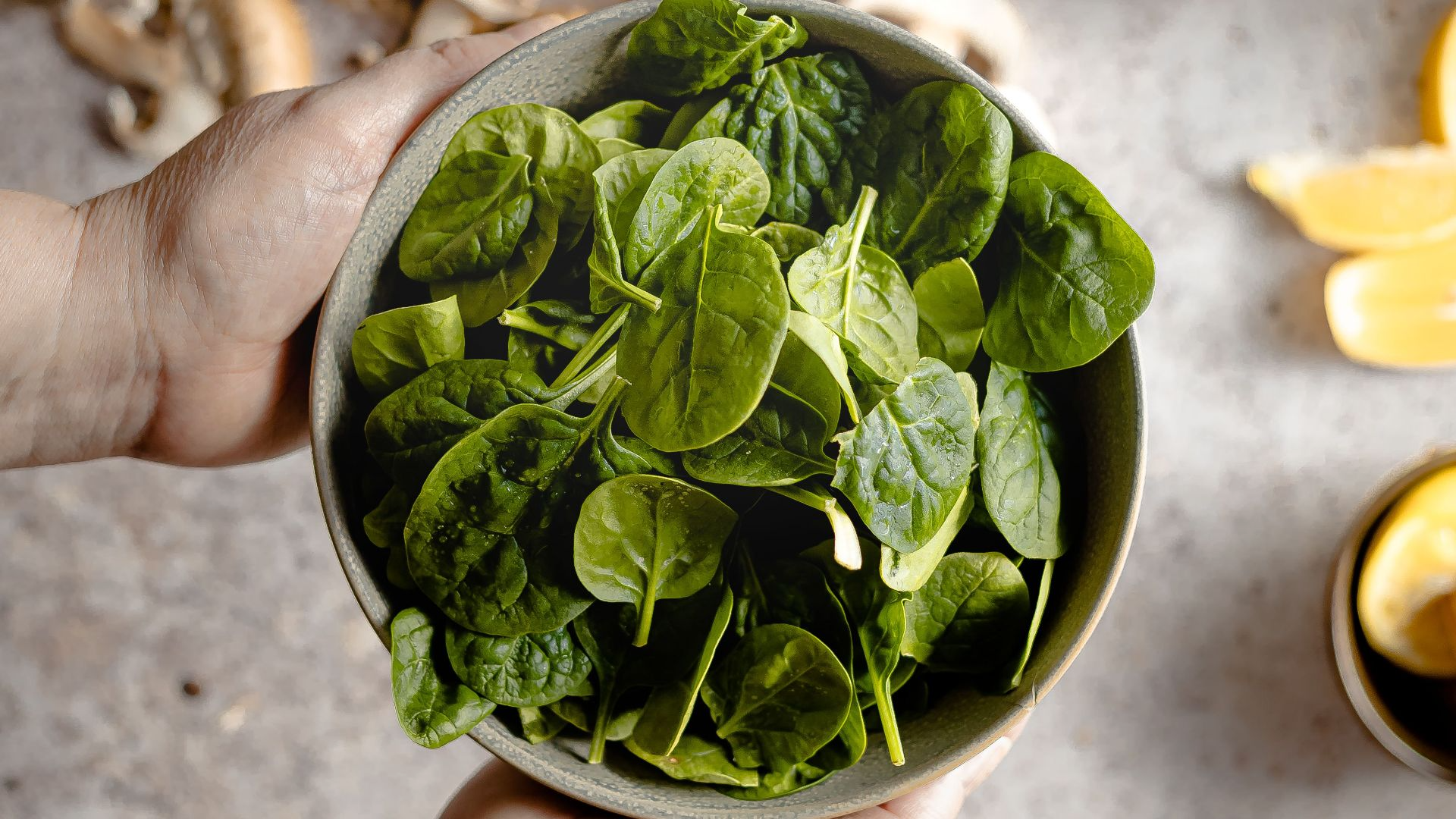
Bagged Salad: A New Focus On Farm Safety
The spinach scare pushed growers and processors toward tougher safety practices. Water quality, animal intrusion, sanitation, and tracking produce became major concerns. Bagged salads didn't disappear, but the industry increasingly recognized that washing leaves after harvesting couldn't solve every contamination problem that began on the farm.
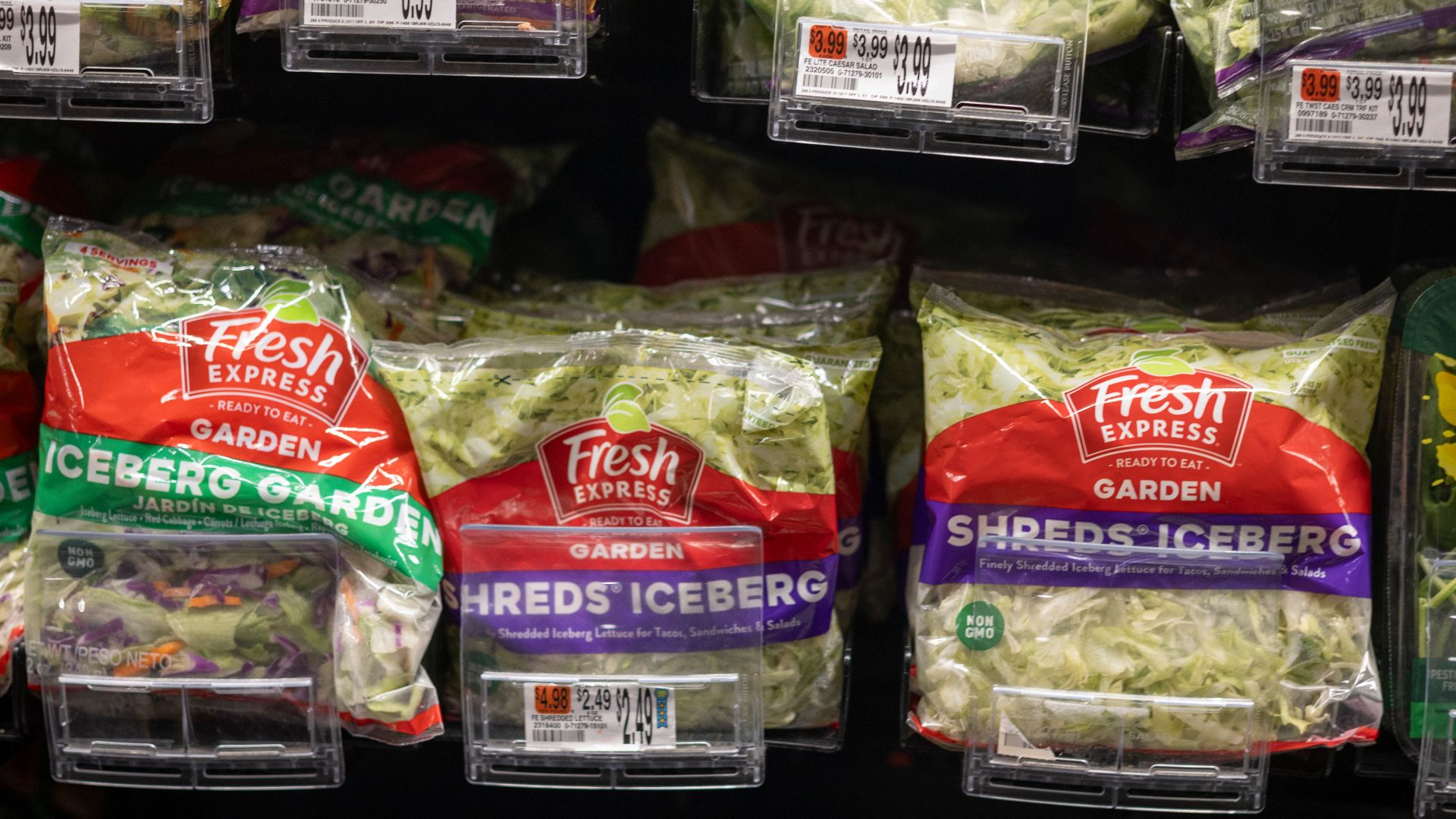
Peanut Butter: The Recall That Spread Everywhere
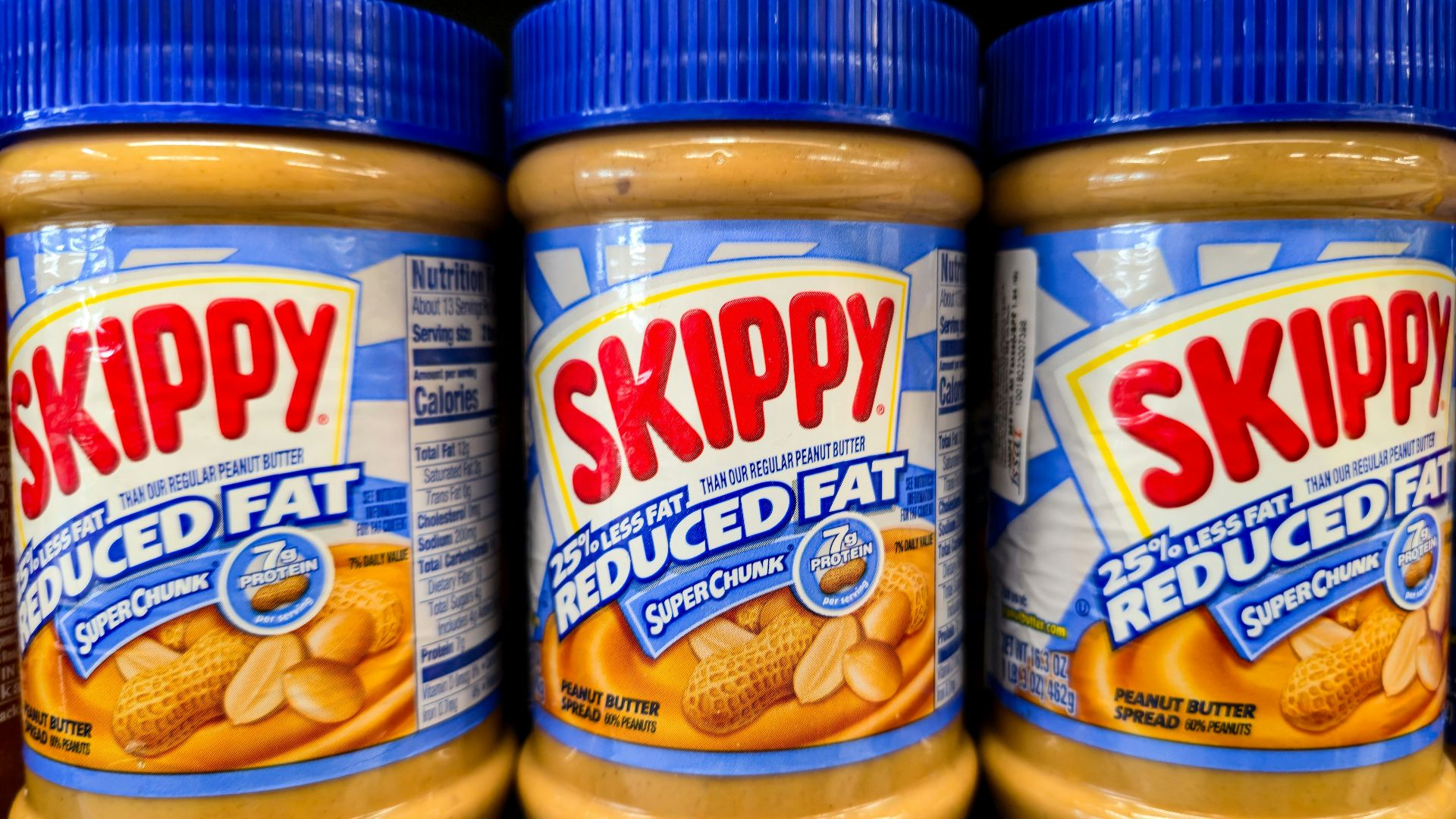
In 2008 and 2009, Salmonella contamination at Peanut Corporation of America triggered one of the country's most notorious food recalls. Hundreds became ill, and the investigation revealed that contaminated peanut ingredients had entered numerous products. Suddenly, shoppers weren't only checking peanut butter. They were inspecting practically everything containing peanuts.
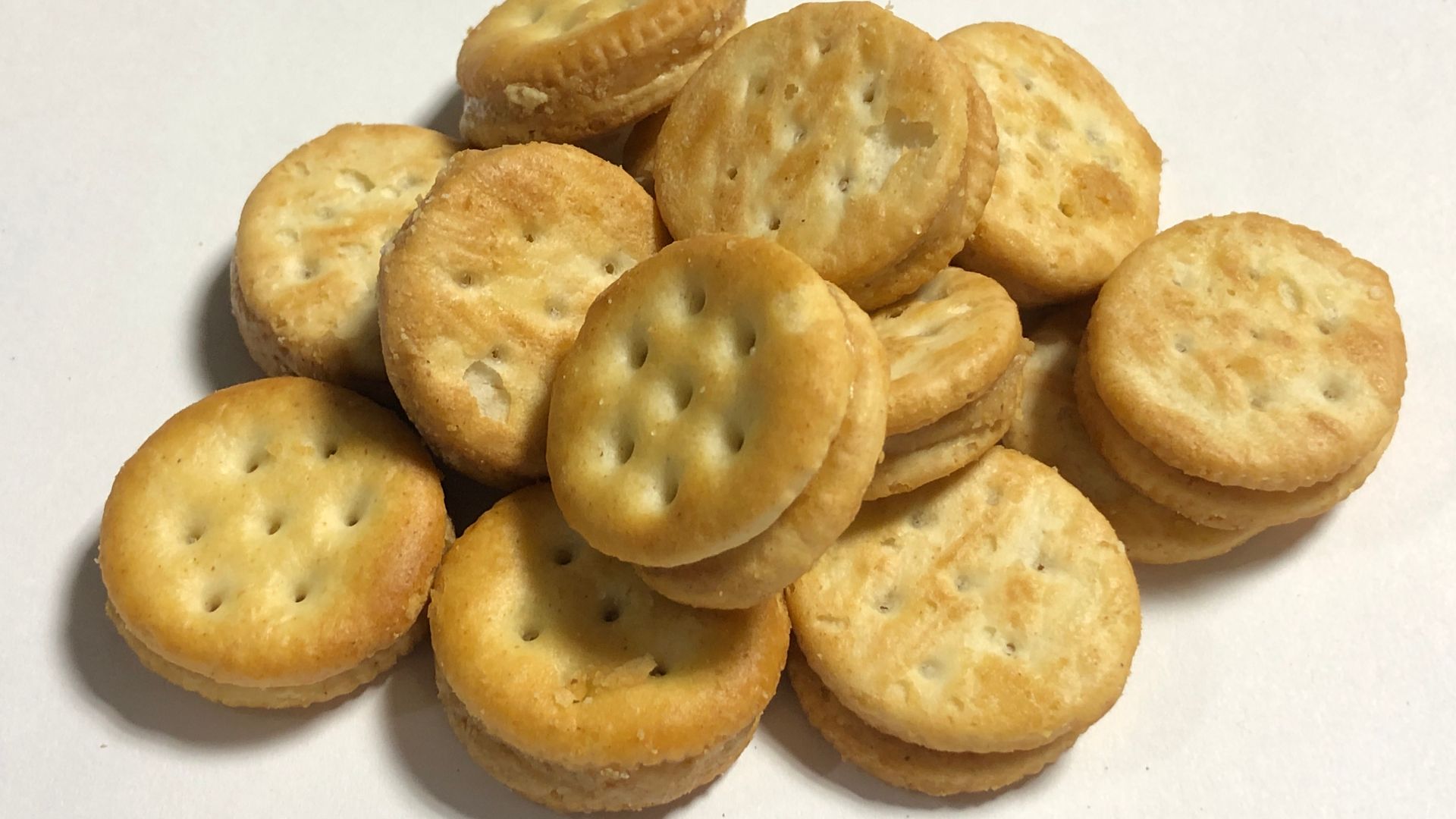
Peanut Butter Crackers: A Lunchbox Favorite Gets Recalled
Remember those little peanut butter sandwich crackers packed into school lunches? During the outbreak, certain Austin and Keebler crackers were recalled because they contained ingredients supplied by the contaminated manufacturer. The episode demonstrated how a problem at one ingredient factory could reach consumers through seemingly unrelated brands and products.
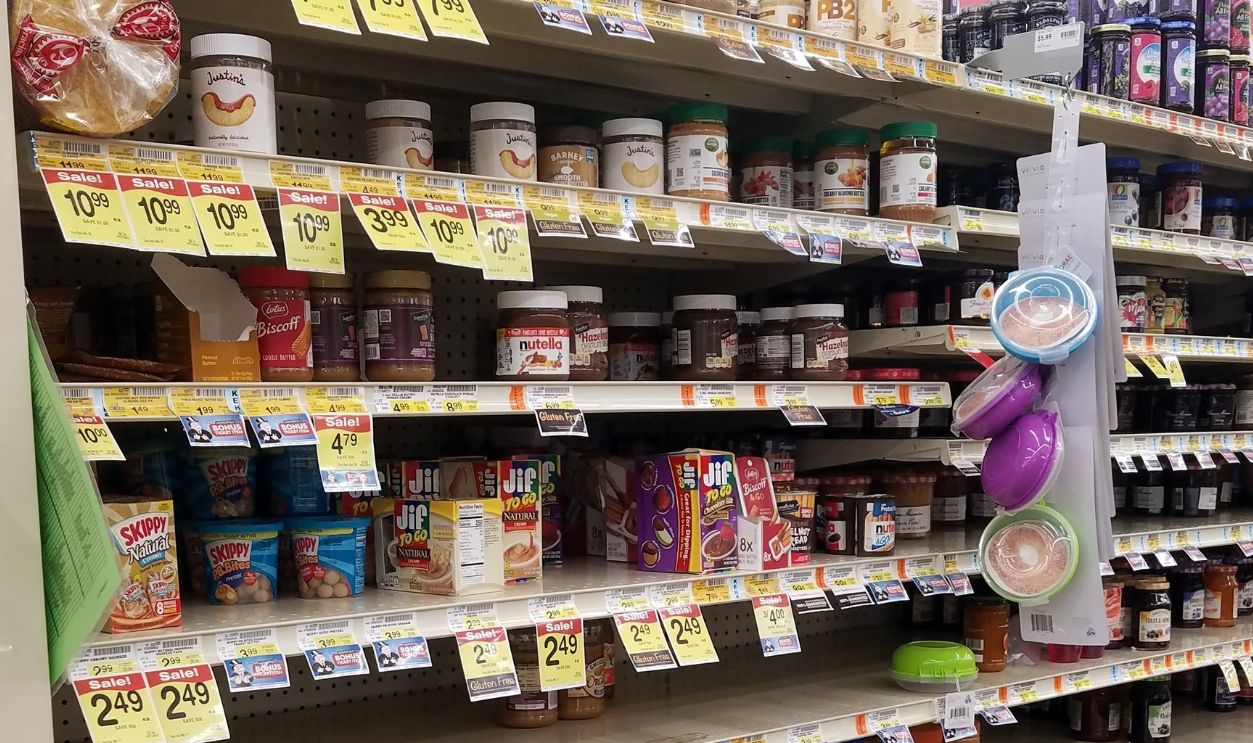
Peanut Snacks: The Ingredient Nobody Thought About
The peanut contamination crisis expanded beyond sandwich crackers. Cookies, candies, cereals, and other snacks came under scrutiny because manufacturers shared suppliers. It highlighted the importance of tracing ingredients through complicated supply chains. For consumers, an innocent-looking package of snacks suddenly required checking recall notices and production information.
 ChicagoPhotographer, Shutterstock
Eggs: The Recall That Scrambled Breakfast
In 2010, a massive Salmonella outbreak prompted the recall of approximately half a billion eggs. Millions of Americans who regularly enjoyed sunny-side-up breakfasts were reminded that eggs could carry harmful bacteria. Federal egg safety rules introduced that year also established stronger prevention measures, making refrigeration, testing, and farm sanitation increasingly important.

Cantaloupes: When Fresh Fruit Became Dangerous
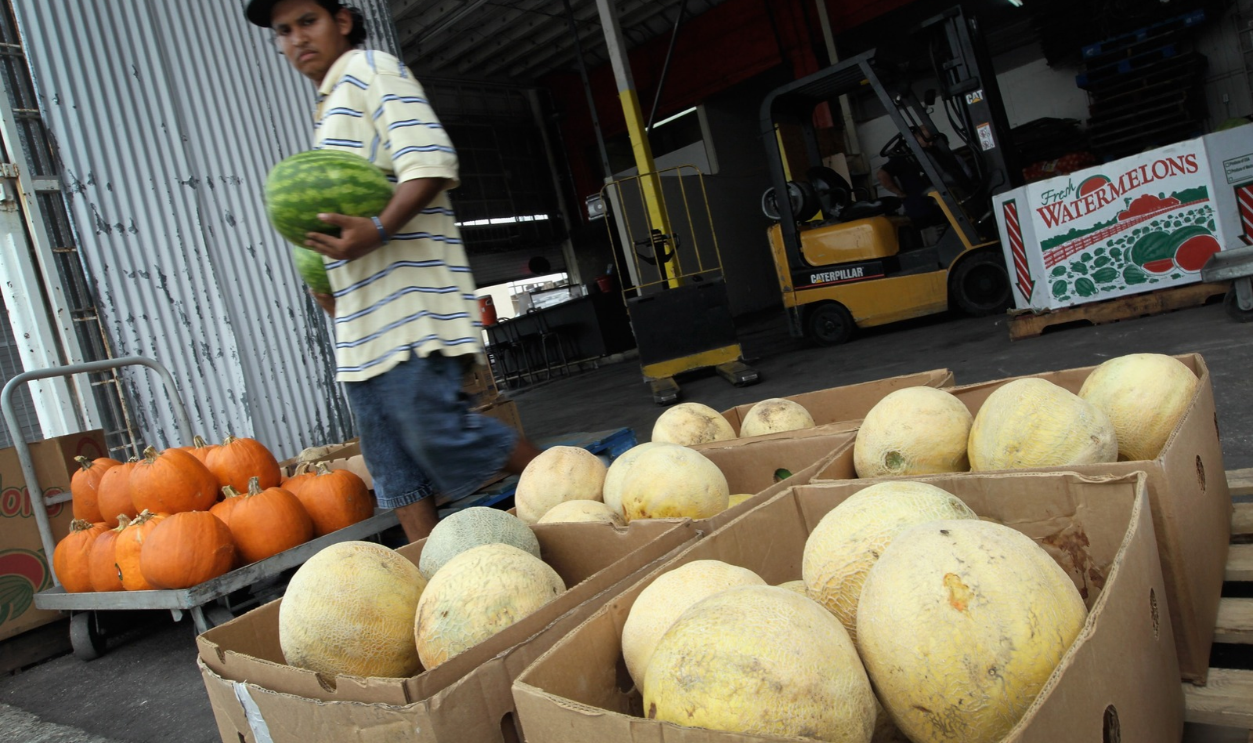
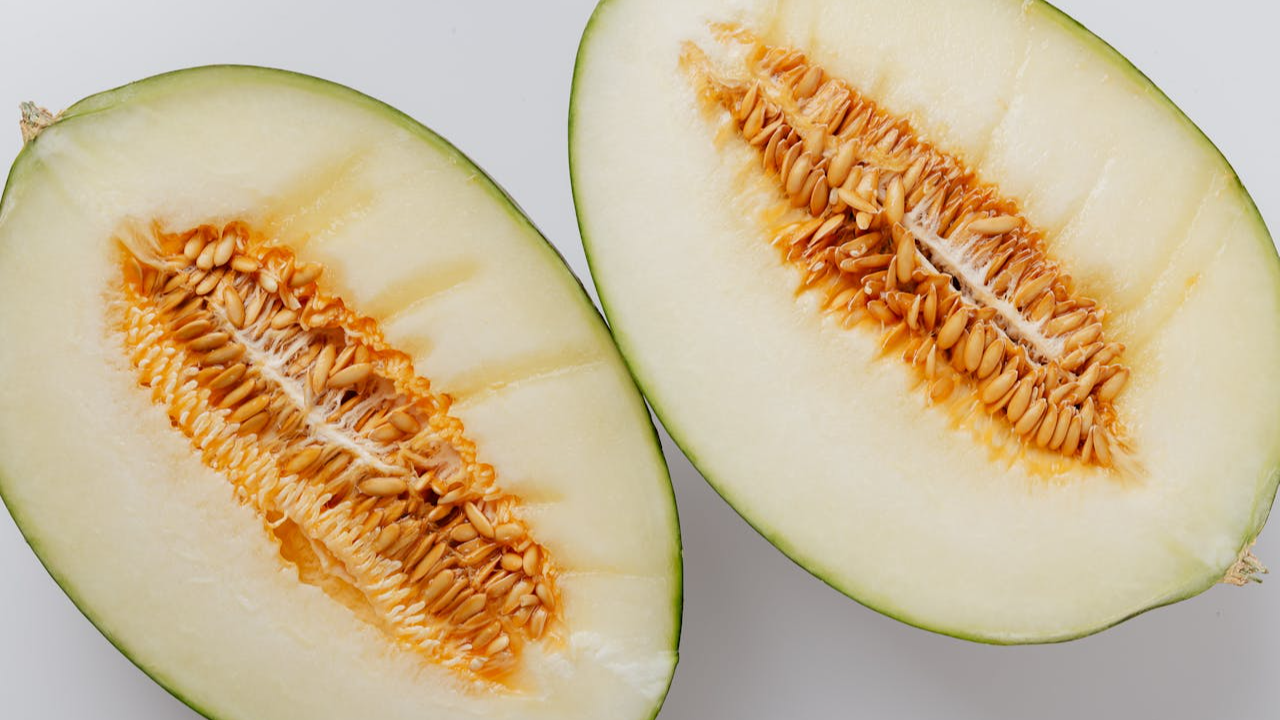
In 2011, contaminated cantaloupes from Jensen Farms in Colorado caused a devastating Listeria outbreak. According to the FDA, 146 people became infected and 30 died. The incident shocked shoppers because the fruit's rough exterior seemed harmless. Unfortunately, that textured rind could harbor bacteria capable of reaching the edible flesh during cutting.
Cantaloupes: The Rules For Melon Growers Changed
Following the outbreak, produce organizations developed detailed safety guidelines covering cantaloupe growing, harvesting, washing, packing, cooling, and transportation. Equipment sanitation received particular attention. Shoppers could still purchase their favorite summer melon, but behind the scenes, the industry had been forced to rethink how those fruits were handled.
 https://kaboompics.com/, Pexels
Romaine Lettuce: The Thanksgiving Scare
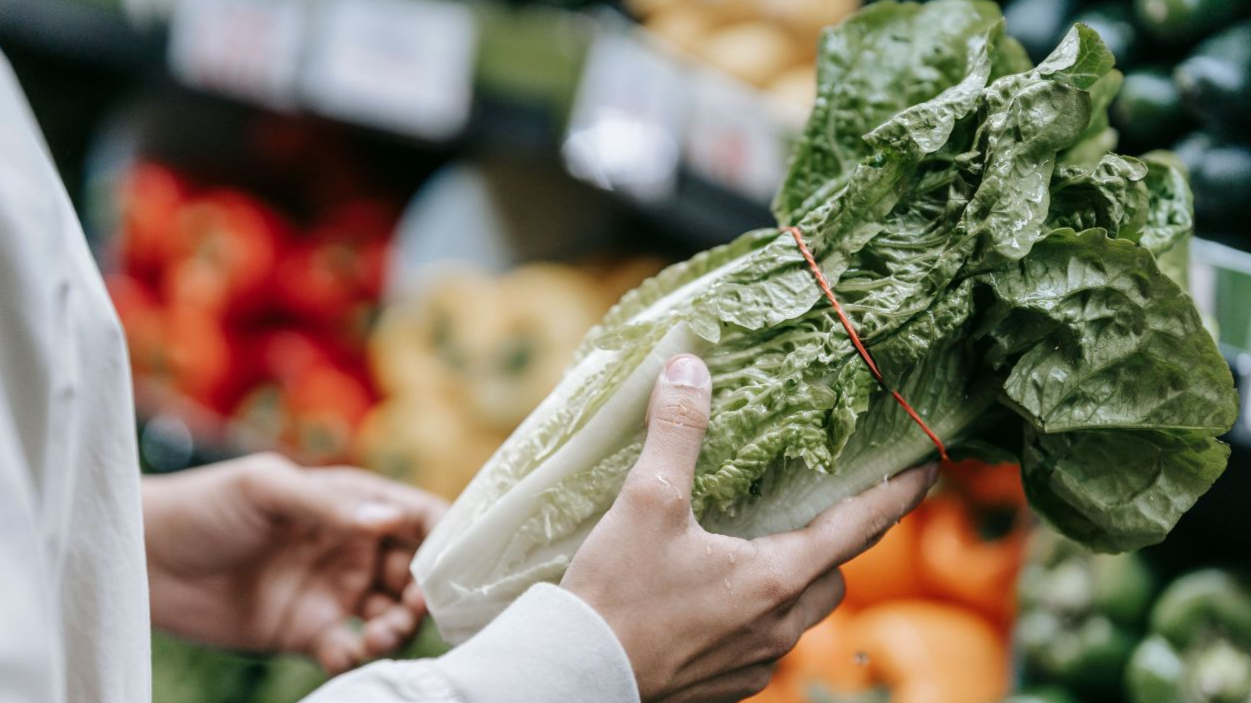
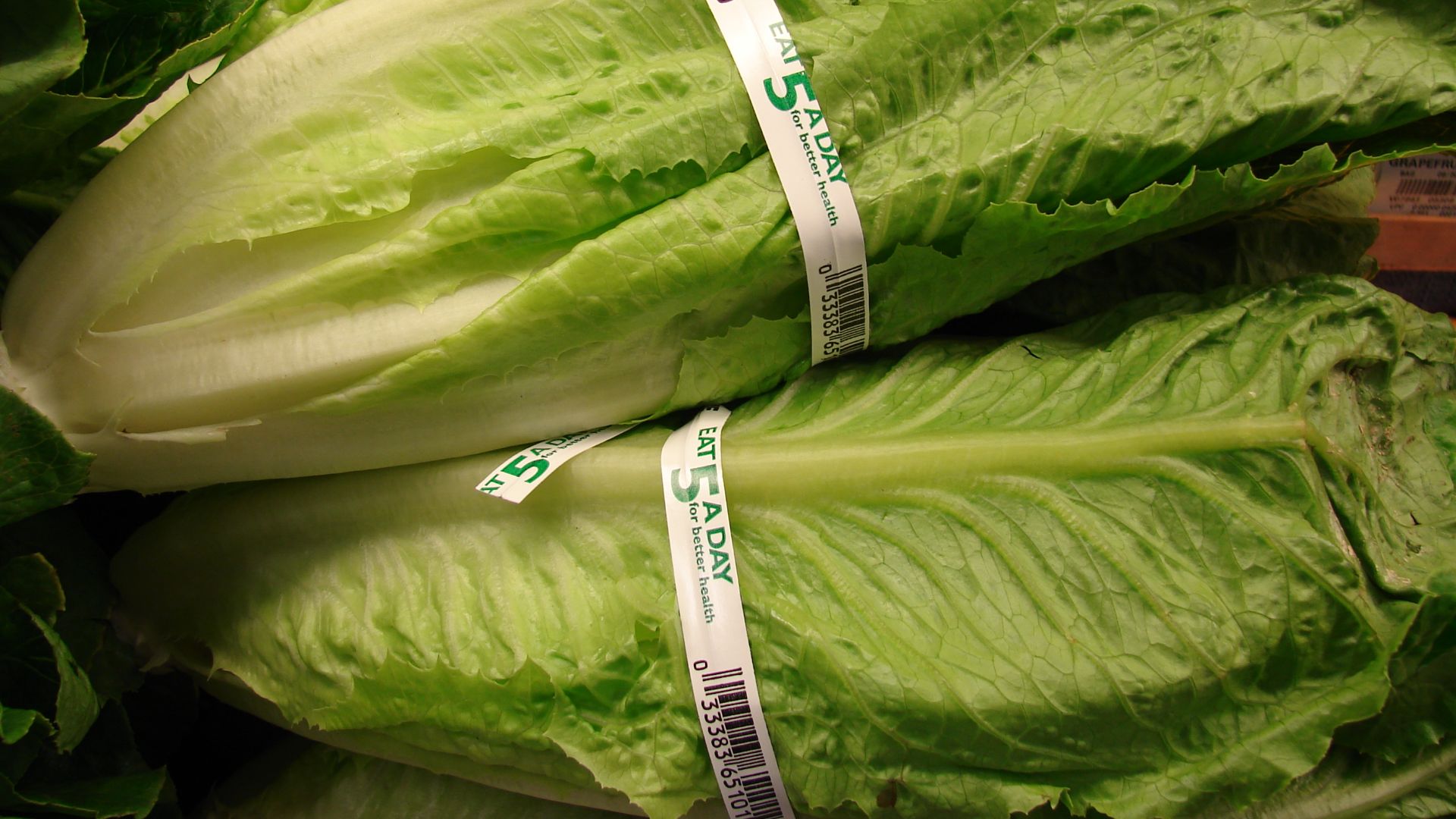
In November 2018, federal officials warned Americans not to eat romaine lettuce because of an E. coli outbreak. Supermarkets removed products, and families preparing Thanksgiving meals suddenly found themselves reconsidering their salads. The incident demonstrated how quickly a familiar grocery item could disappear when investigators couldn't immediately identify contaminated farms.
Romaine Lettuce: Why Growing Locations Started Mattering
Following the outbreak, the FDA encouraged clearer information about where romaine lettuce was grown and when it was harvested. Industry members agreed to voluntary labeling improvements. That meant shoppers could better distinguish potentially affected lettuce from produce grown elsewhere. A vegetable once purchased without a second thought now came with greater attention to its origins.
 Forest & Kim Starr, Wikimedia Commons
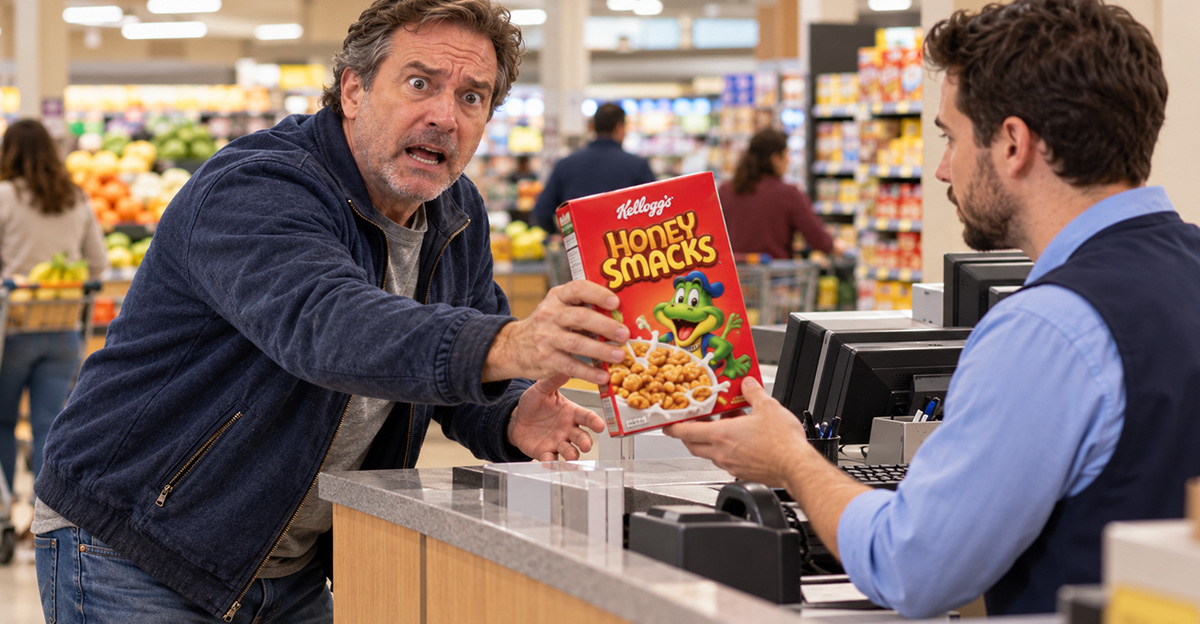
Breakfast Cereal: The Honey Smacks Disaster
In 2018, Kellogg's recalled Honey Smacks after the cereal was linked to a Salmonella outbreak. More than 130 illnesses were eventually identified. For families who had grown up eating the sweet cereal, the news seemed unbelievable. How could a dry breakfast food, sitting safely inside a cardboard box, become contaminated?
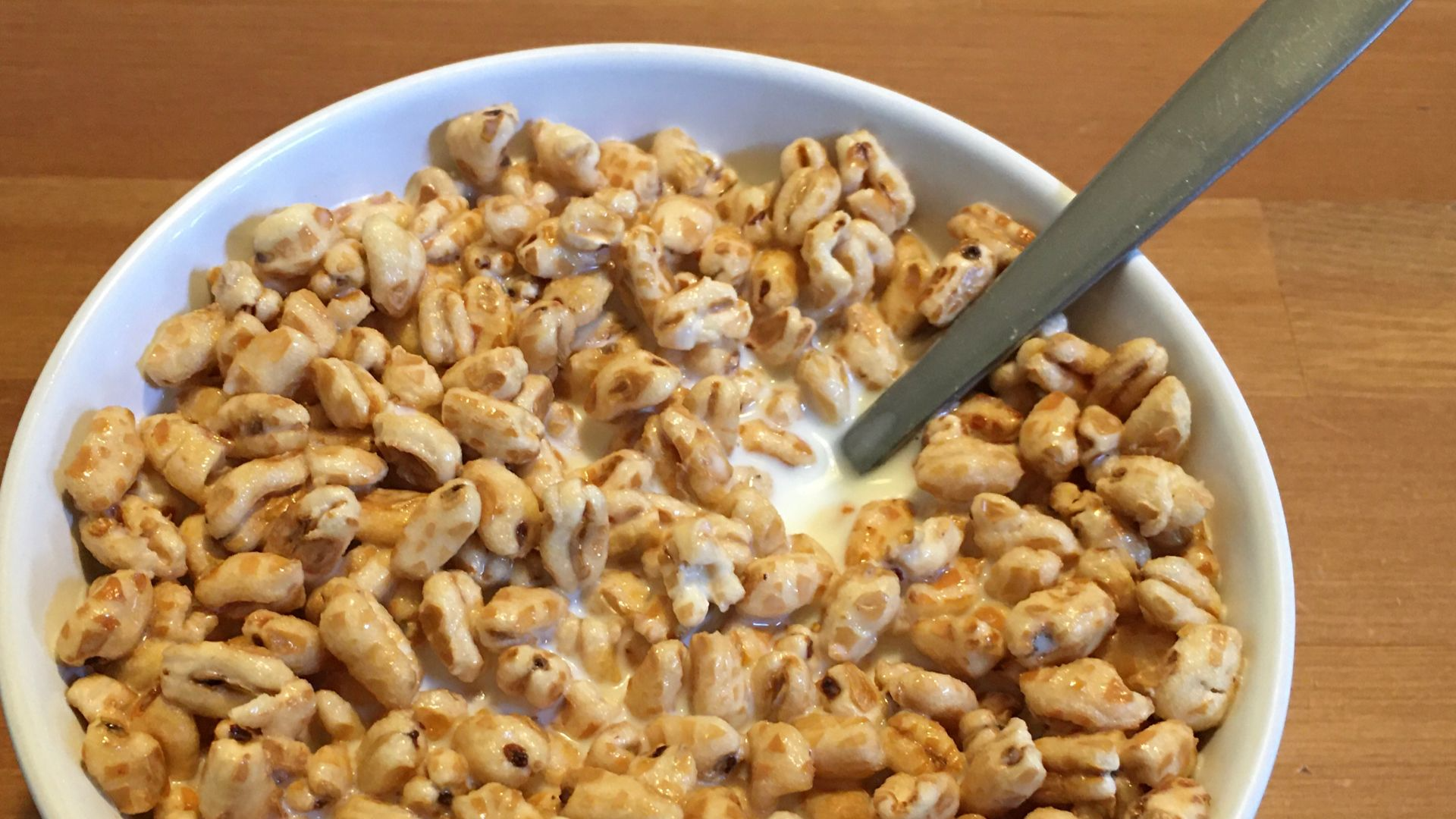
Breakfast Cereal: A Factory's Dirty Secret
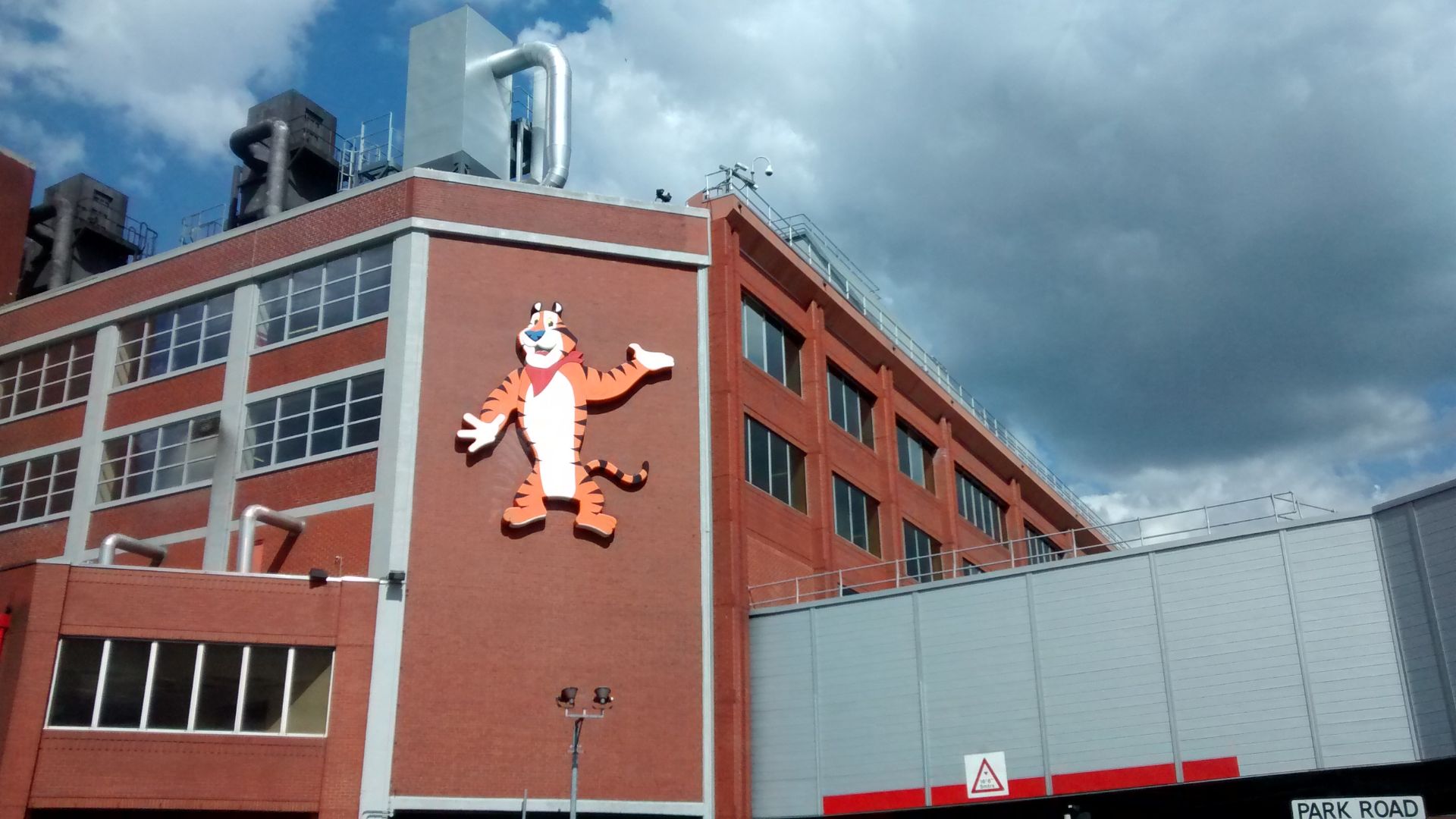
Investigators discovered serious sanitation failures at the facility that manufactured Honey Smacks. Salmonella had repeatedly been detected in the production environment, without adequate corrective action. The manufacturer later faced criminal penalties. The incident reinforced an uncomfortable truth: dry foods aren't automatically safe from bacteria simply because they contain little moisture.
 DarkestElephant, Wikimedia Commons
Flour: The Baking Staple With A Hidden Risk
In 2016, an E. coli outbreak was linked to flour produced by General Mills, prompting recalls involving Gold Medal and other brands. Many home bakers were surprised. After all, who hadn't tasted cake batter or cookie dough straight from the mixing bowl? The problem was that raw flour could contain dangerous bacteria.
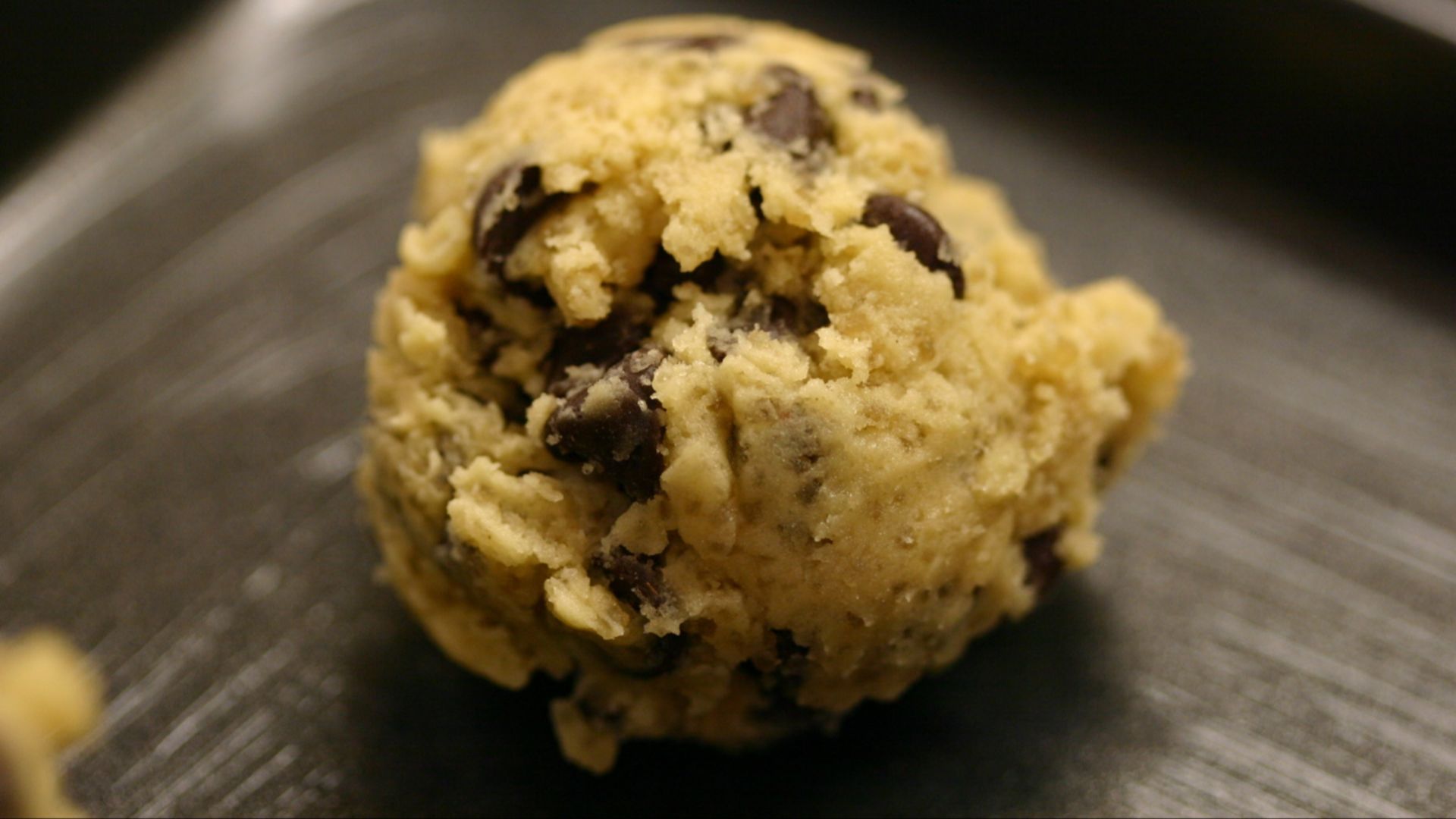
Flour: Why Raw Dough Became A Warning
The outbreak helped popularize warnings against eating raw dough and batter. Flour is produced from raw agricultural ingredients and generally isn't treated to kill every pathogen before reaching supermarkets. Manufacturers and health officials increasingly reminded consumers to cook flour-containing foods thoroughly. Sneaking a spoonful of cookie dough suddenly seemed less innocent.
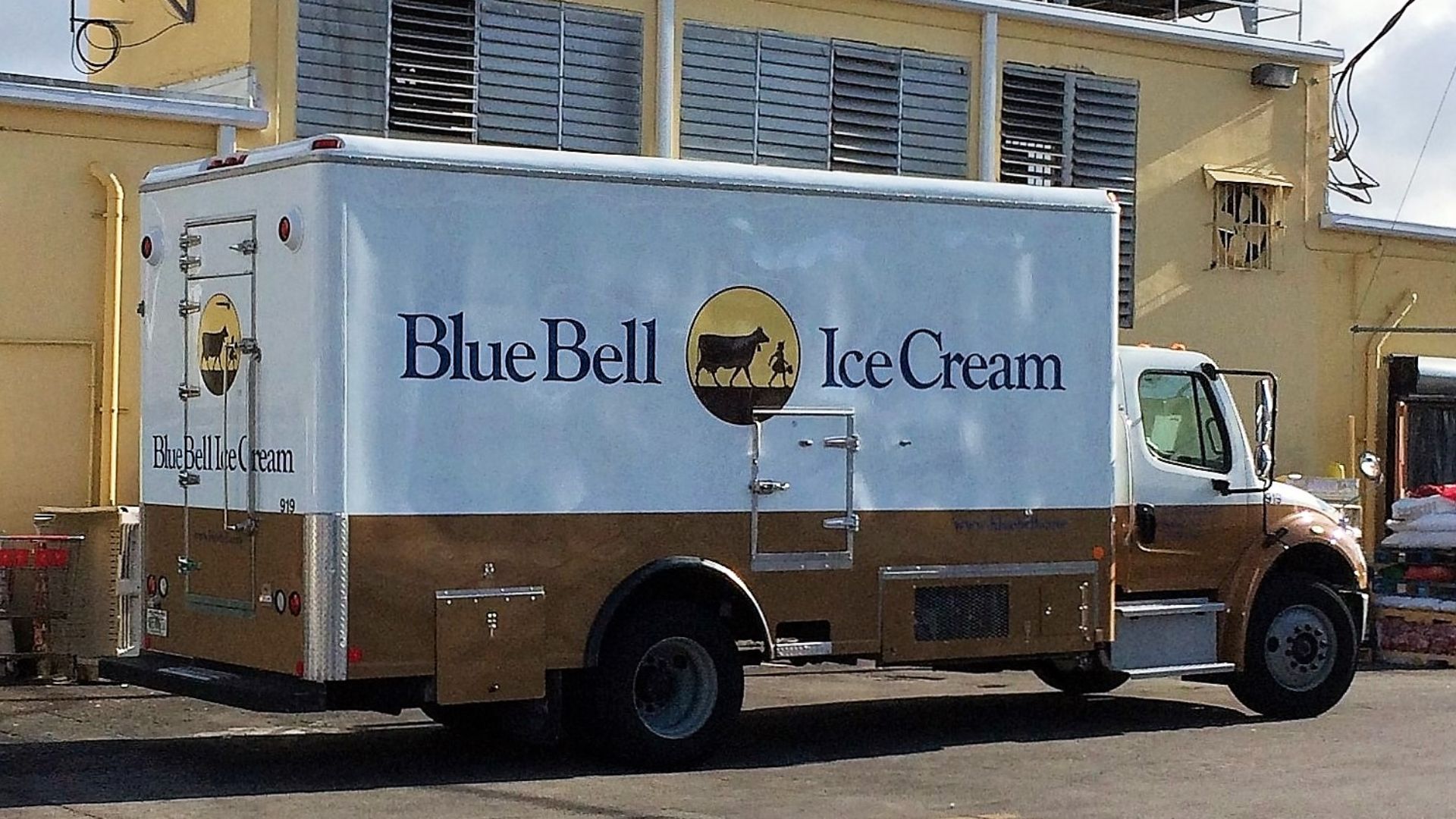
Ice Cream: Blue Bell's Frightening Recall
In 2015, Blue Bell recalled all its products following a Listeria investigation linked to illnesses and deaths. For generations of Americans, the familiar ice cream had been a freezer staple. Suddenly, those beloved tubs vanished from supermarkets. Even frozen desserts, consumers learned, weren't necessarily protected from dangerous contamination during manufacturing.
 Phillip Pessar from Miami, USA, Wikimedia Commons
Ice Cream: The Comeback Required Major Changes
Before rebuilding its business, Blue Bell introduced stronger sanitation procedures, environmental testing, and production controls. The company eventually resumed selling ice cream, but its manufacturing practices faced much closer scrutiny. For longtime customers, seeing those familiar cartons return to grocery freezers was reassuring, although the safety failures remained a painful chapter.
Carrot Juice: The Refrigeration Warning Got Stronger
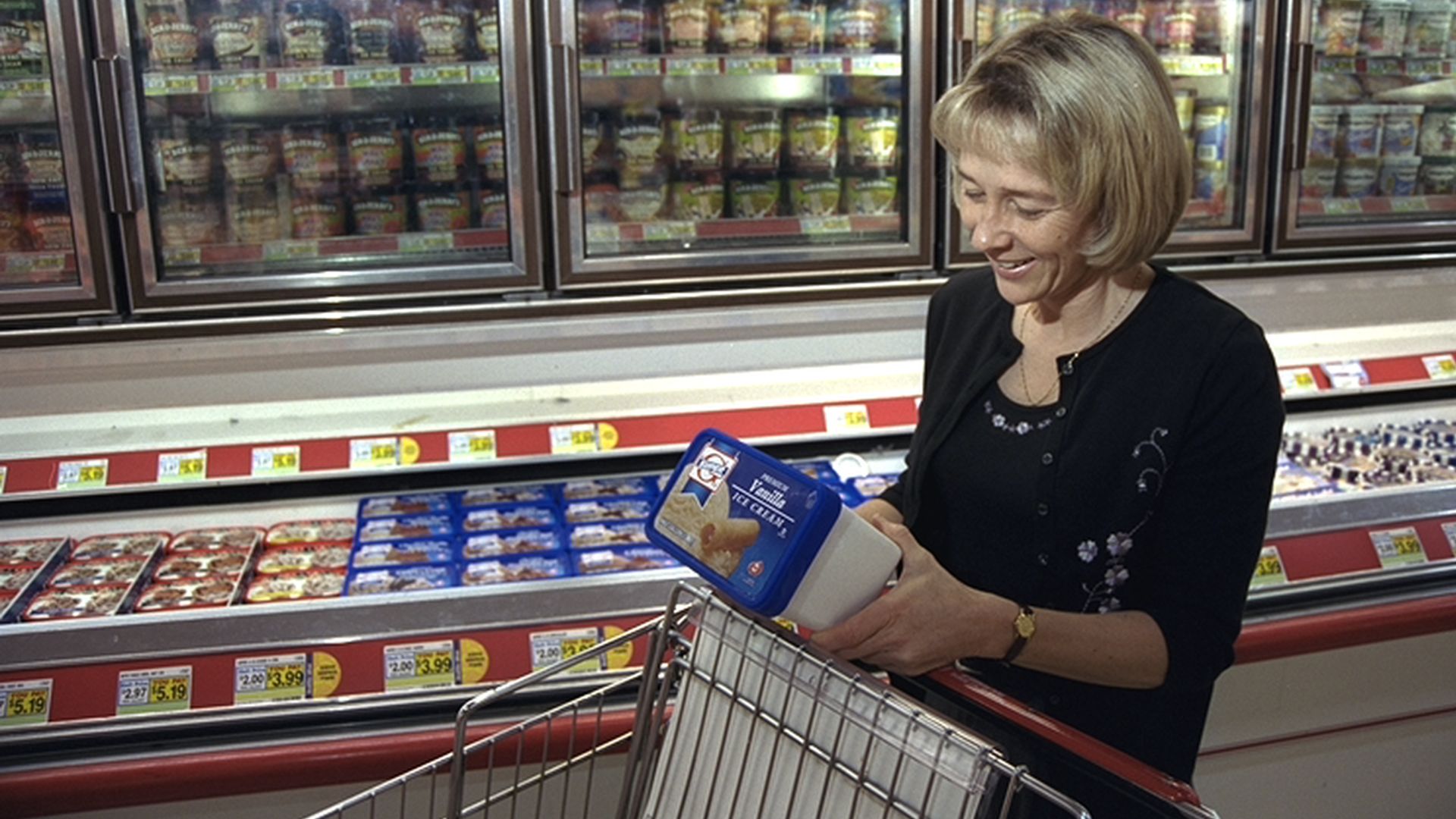
In 2006, several cases of botulism were linked to refrigerated carrot juice. Investigators suspected improper temperature control had allowed dangerous toxin production. The incident prompted updated FDA guidance for refrigerated, low-acid juices. Manufacturers were urged to consider stronger processing controls and clear refrigeration warnings rather than assuming a simple chilled label was enough.
Frozen Vegetables: The Recall That Reached Into Freezers
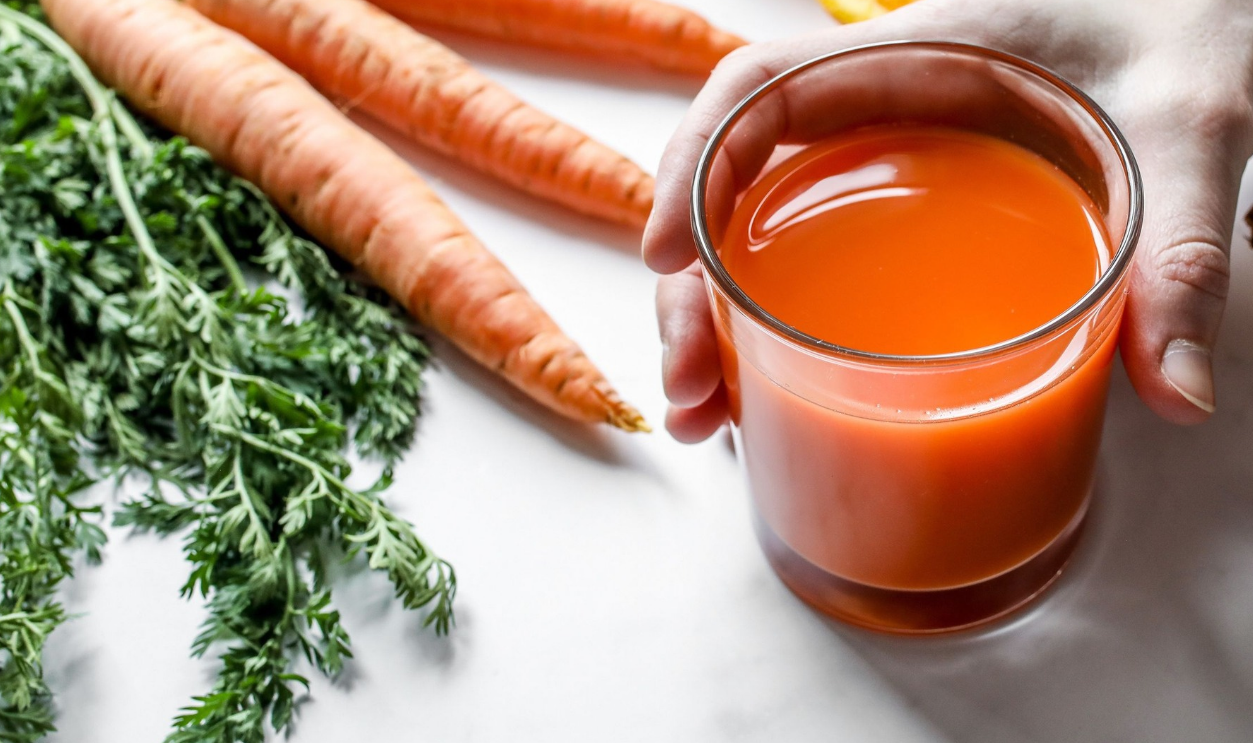
In 2016, Listeria contamination prompted CRF Frozen Foods to recall hundreds of frozen fruit and vegetable products sold under dozens of brands. Some consumers had assumed freezing killed dangerous germs. It doesn't necessarily. The outbreak brought renewed attention to sanitation at processing facilities and reminded shoppers that many frozen vegetables should be cooked before eating.
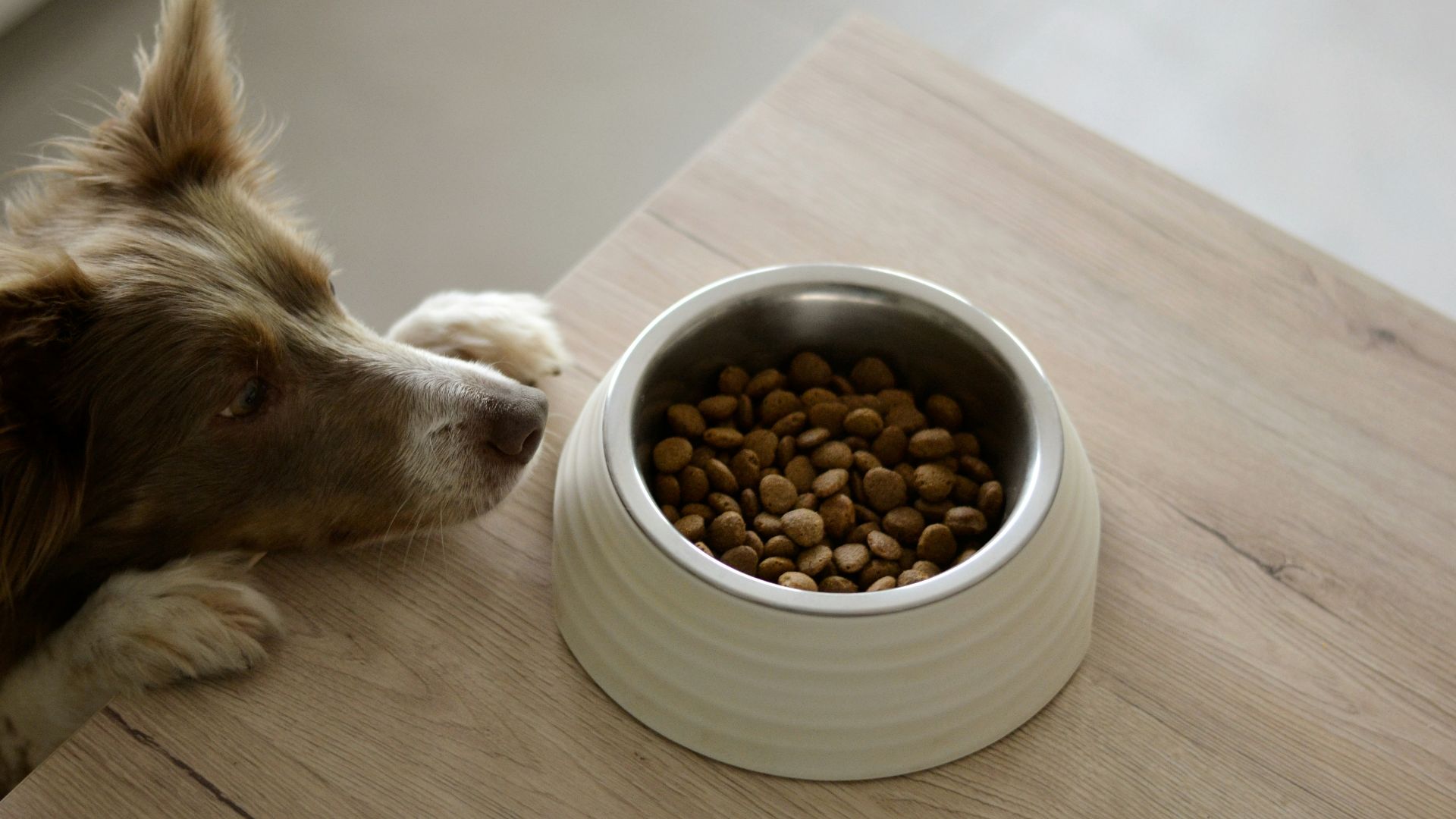
Pet Food: The Recall That Terrified Animal Owners
In 2007, melamine-contaminated pet food ingredients triggered a sweeping recall affecting numerous brands. Pets became seriously ill, and many died. Owners discovered that even expensive or familiar brands could share questionable ingredient suppliers. The crisis increased scrutiny of imported ingredients, testing procedures, and the safety of commercially manufactured pet food.
Grocery Shopping Was Never Quite The Same Again
From foil seals on medicine bottles to stricter testing of everyday foods, these safety scares left lasting marks on American grocery shopping. Not every product changed its appearance, and recalls didn't always lead to new regulations. But one thing certainly changed: manufacturers, regulators, and shoppers became more aware of dangers hidden behind familiar packaging.
You May Also Like:
Archaeological Finds That Forced Museums To Admit They Had Been Fooled