Back When Classrooms Looked Completely Different
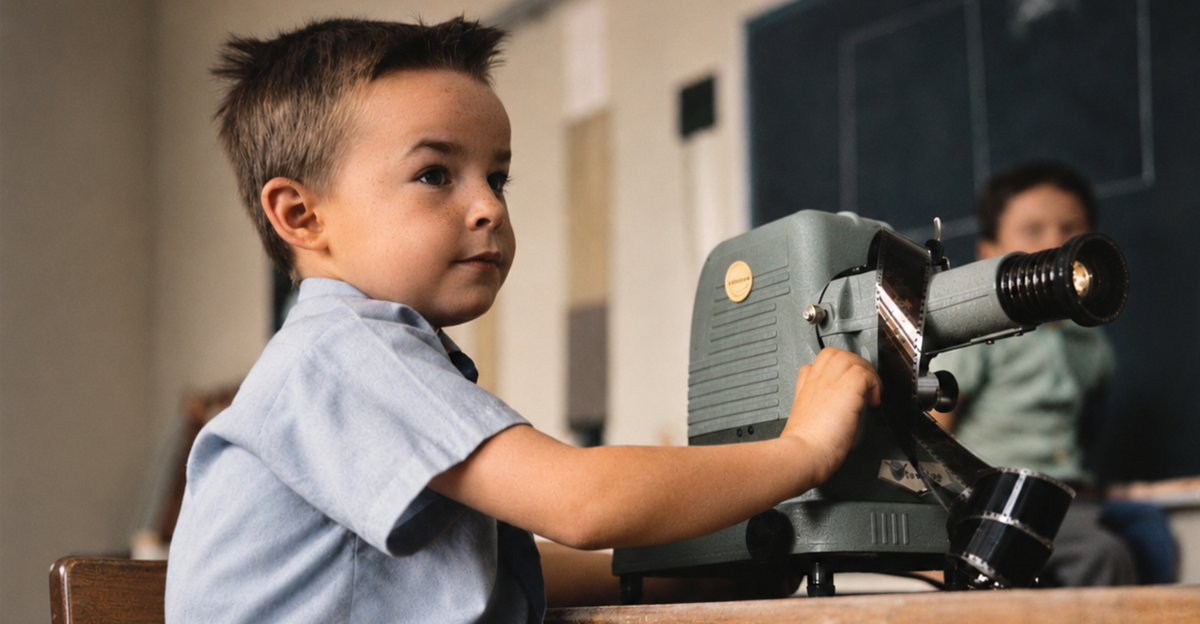
Remember the smell of freshly printed worksheets, the rattle of a film projector, or the endless clatter of typewriters? For baby boomers, these sights and sounds were part of everyday school life. Most of that equipment is now gone, replaced by technology that would have seemed like science fiction back then.
How many of these forgotten classroom staples do you remember?
 National Film Board of Canada, Getty Images
Chalkboard
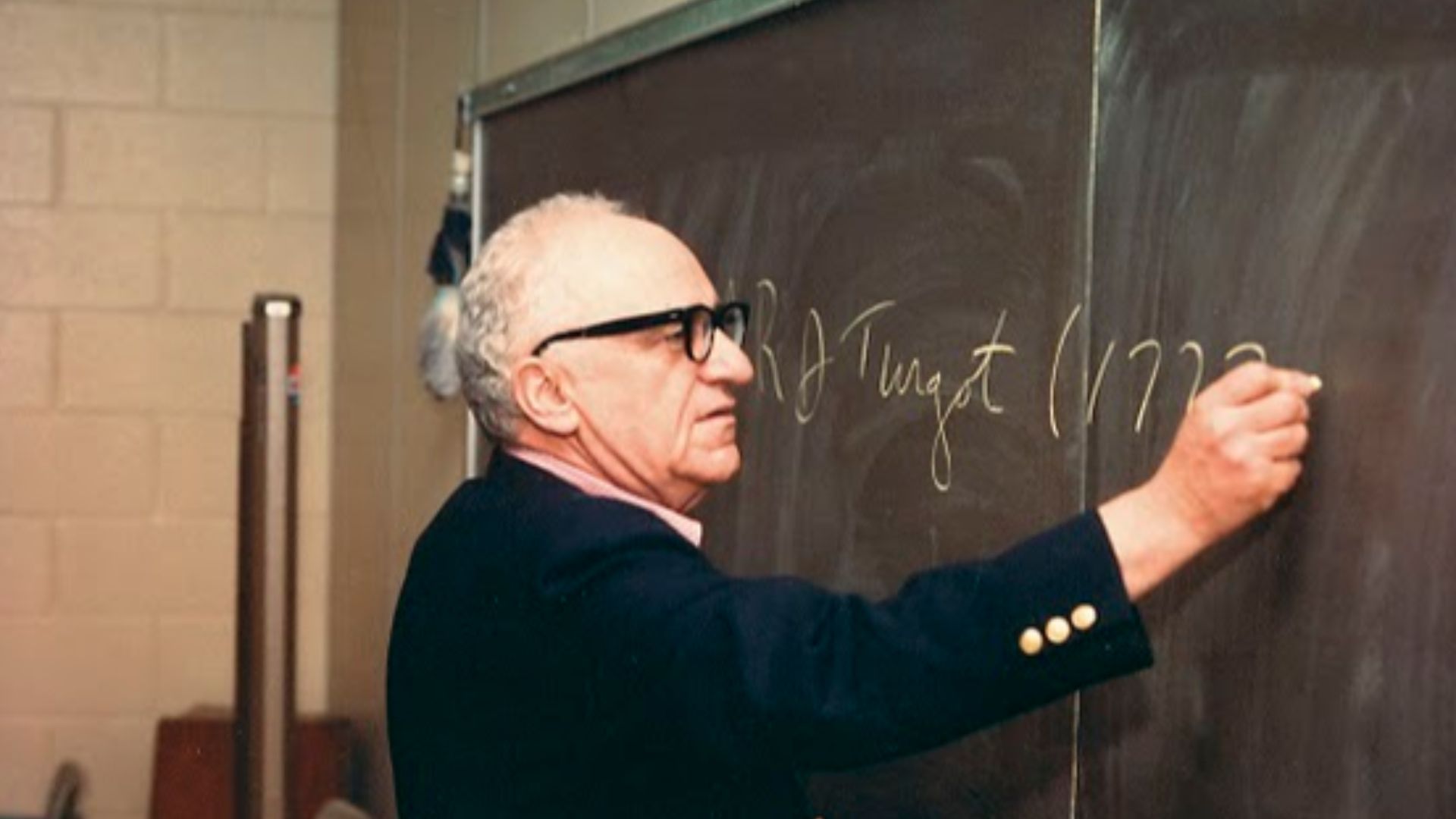
Before interactive whiteboards and digital displays, the classroom chalkboard was where nearly every lesson began. Teachers covered its dark surface with arithmetic problems, spelling words, and diagrams, then wiped everything away with a felt eraser. Students were regularly called to the front to solve problems while their classmates watched.
Chalkboard Erasers
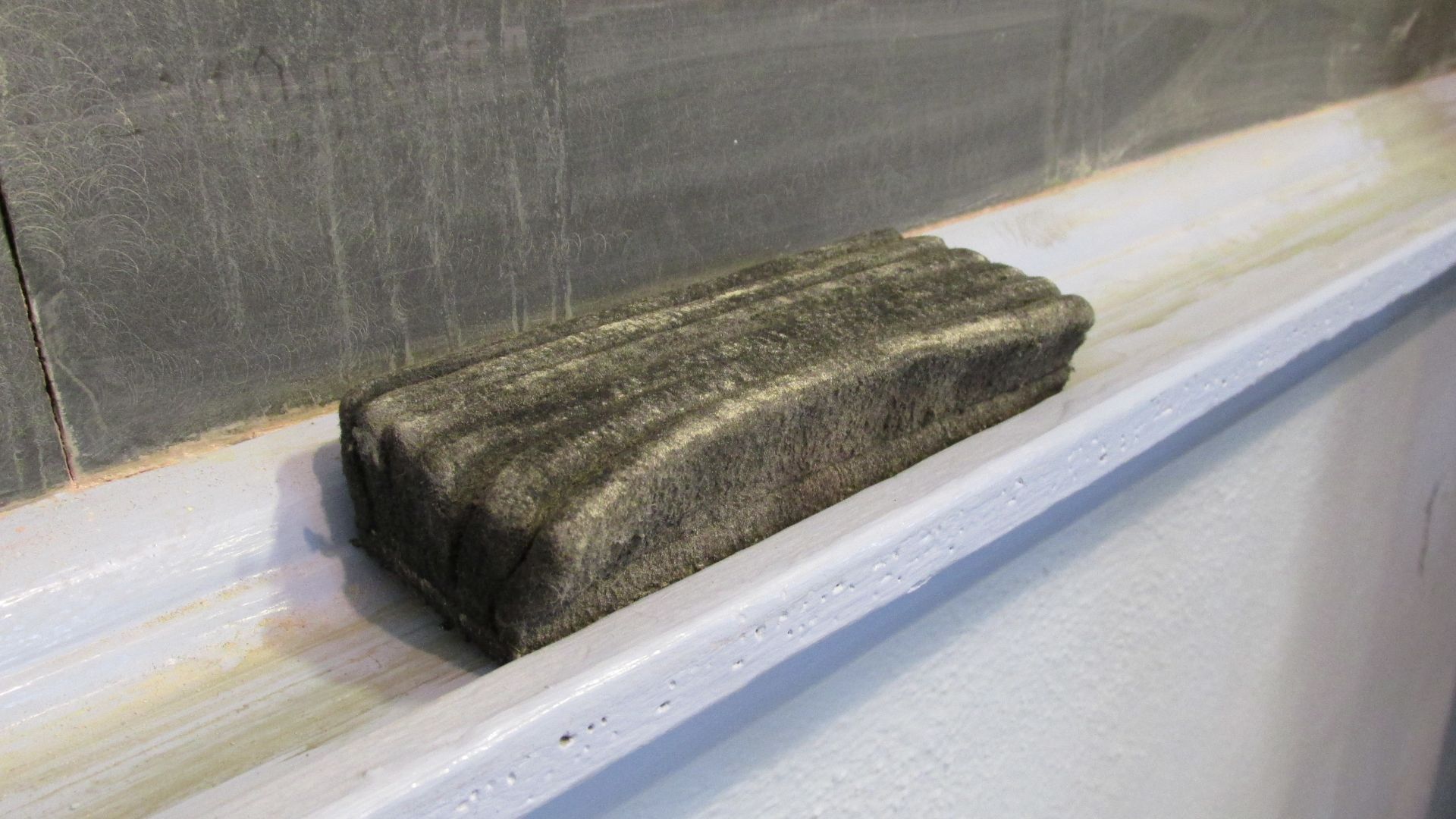
Chalkboard erasers were usually made from strips of felt attached to wooden or plastic handles. After a busy school day, they could become so clogged with chalk dust that they barely worked. Cleaning them by clapping two erasers together outdoors was a familiar classroom chore, although it sent a spectacular cloud of dust into the air.
 John Phelan, Wikimedia Commons
Overhead Projectors
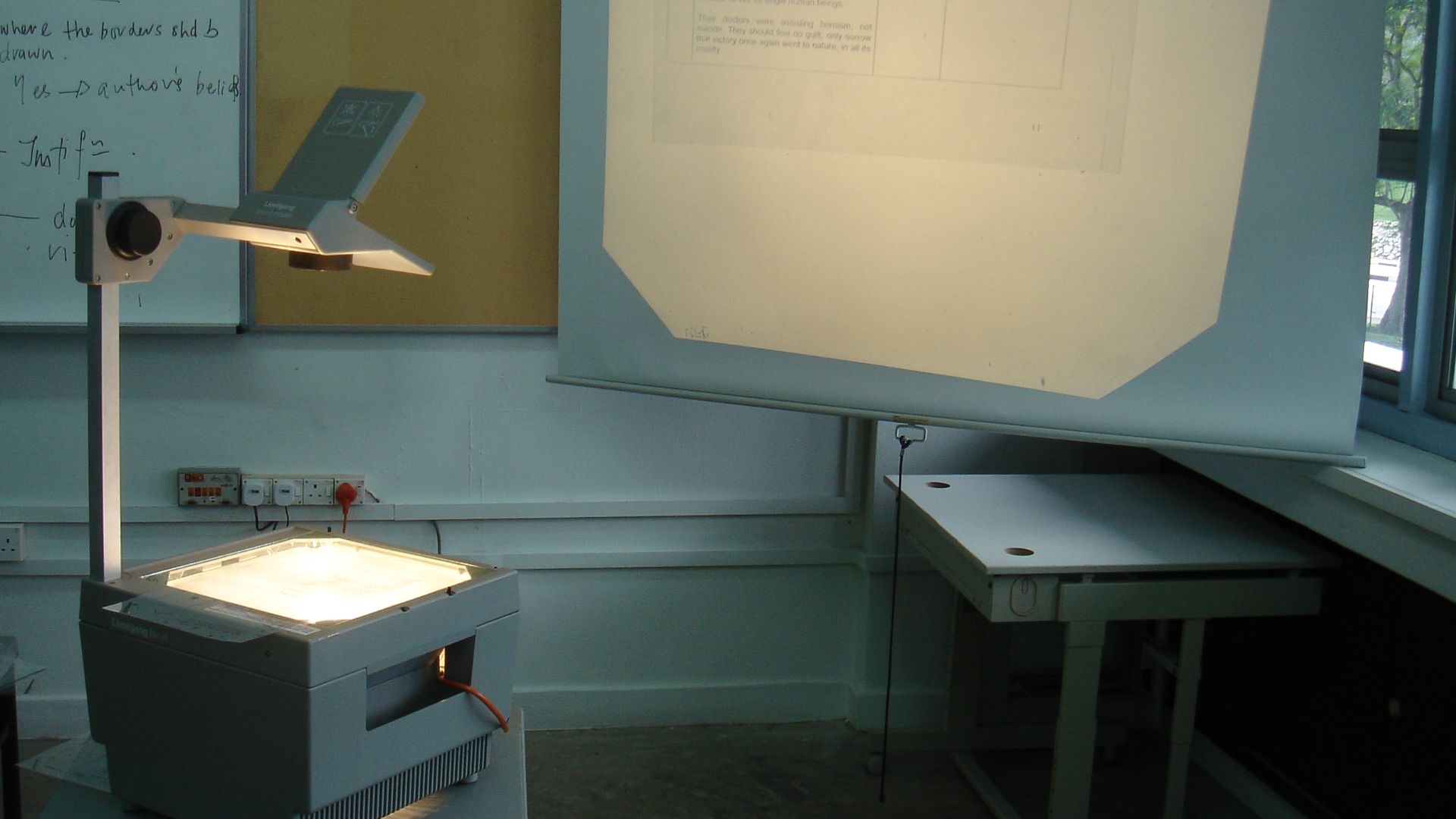
For teachers who wanted to prepare lessons in advance, the overhead projector was a major improvement. These bulky machines used a bright lamp and lenses to project writing or illustrations from transparent sheets onto a screen. Teachers could write directly on the transparencies with special markers, allowing the entire class to watch a problem being solved.
 mailer_diablo, Wikimedia Commons
Transparencies
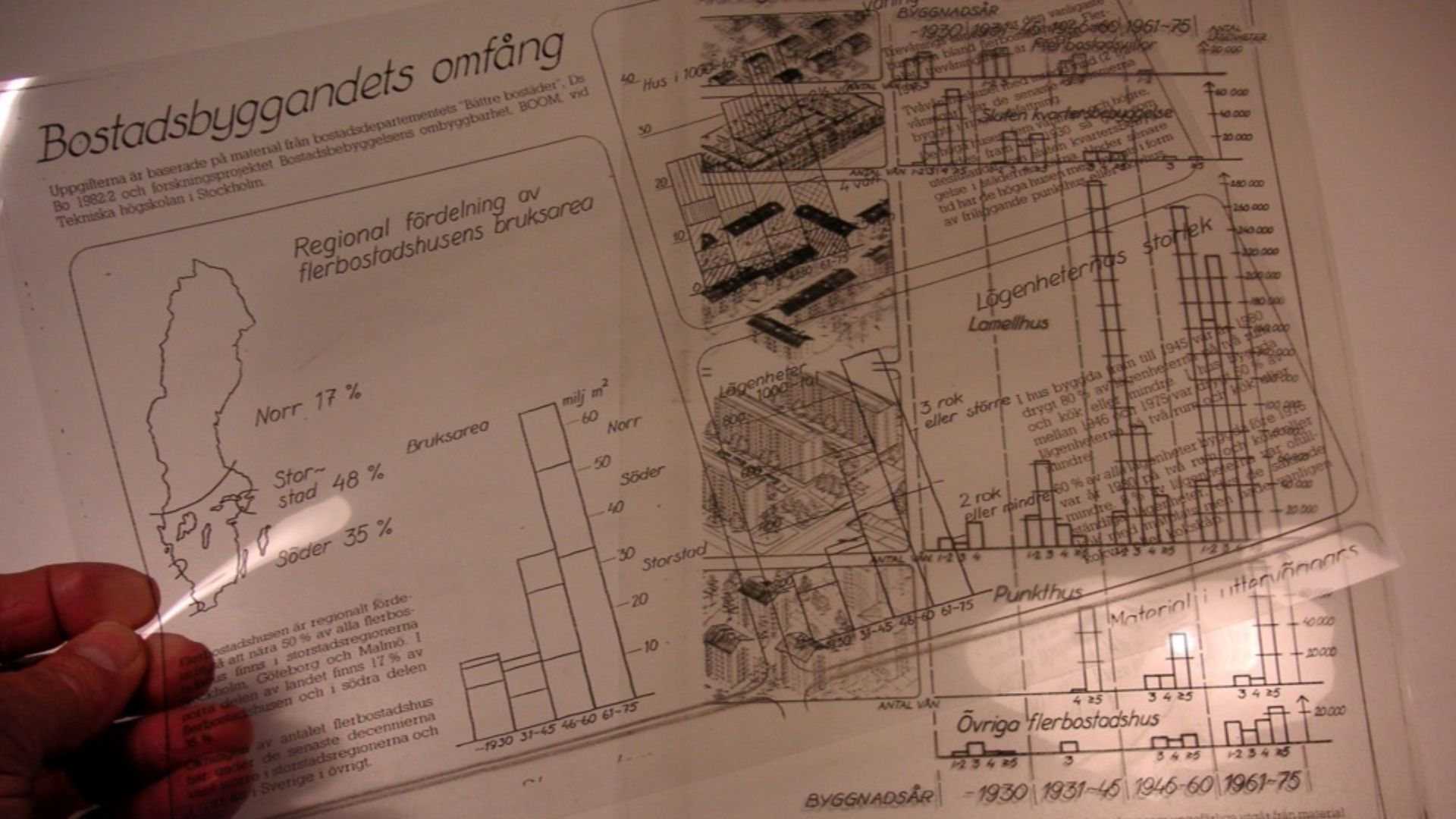
Overhead projectors depended on clear plastic sheets known as transparencies. Teachers could prepare diagrams, maps, and mathematical exercises on them, then reuse the same materials for years. Some even layered multiple transparencies to demonstrate how different parts of a system worked together, creating a surprisingly effective visual lesson without a computer.
 Holger.Ellgaard, Wikimedia Commons
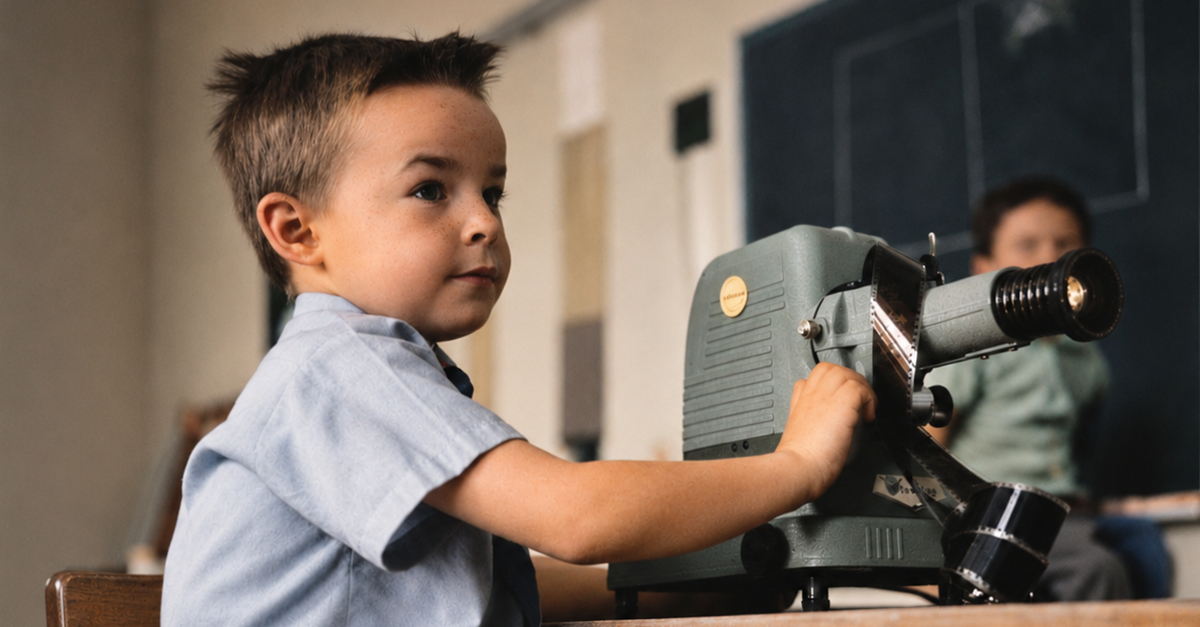
Filmstrip Projectors
Before classroom videos became easy to play, teachers frequently relied on filmstrip projectors. These devices displayed a sequence of still photographs or illustrations from a long strip of film. Many lessons included accompanying audio recordings, with an audible beep signaling when someone needed to advance to the next picture.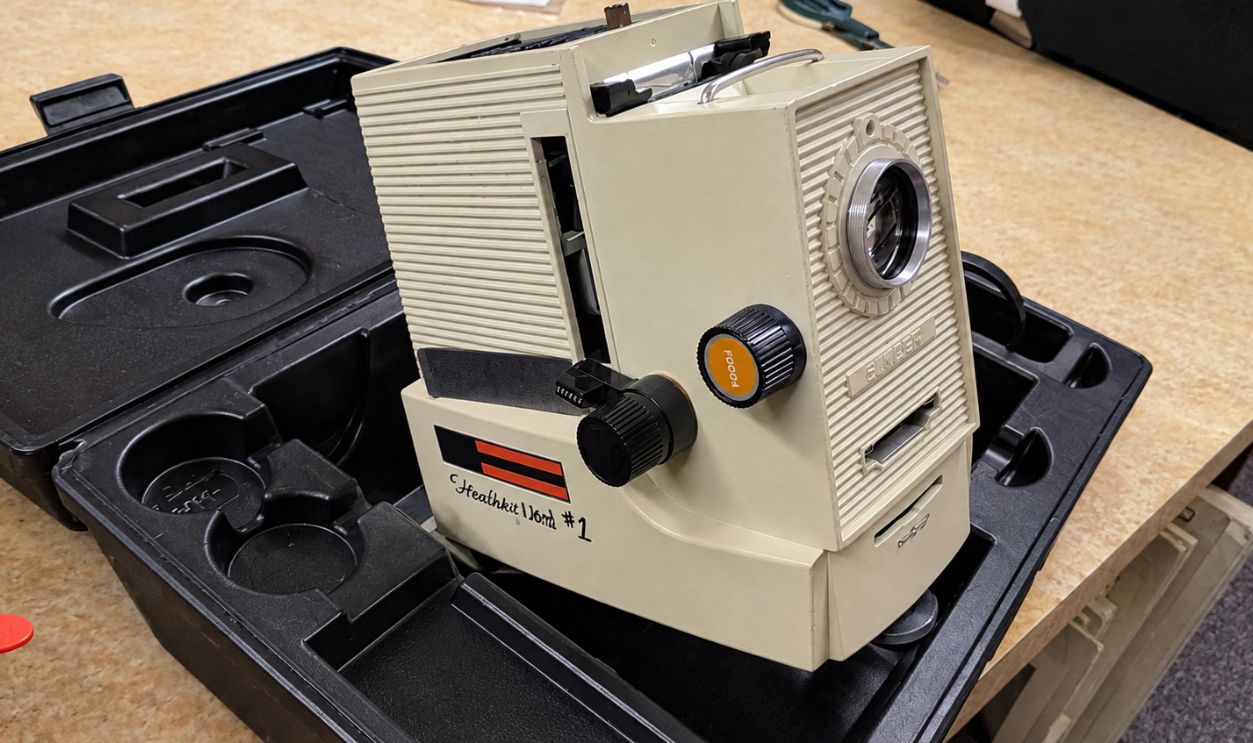 Rockclaw1030, Wikimedia Commons
16mm Film Projectors
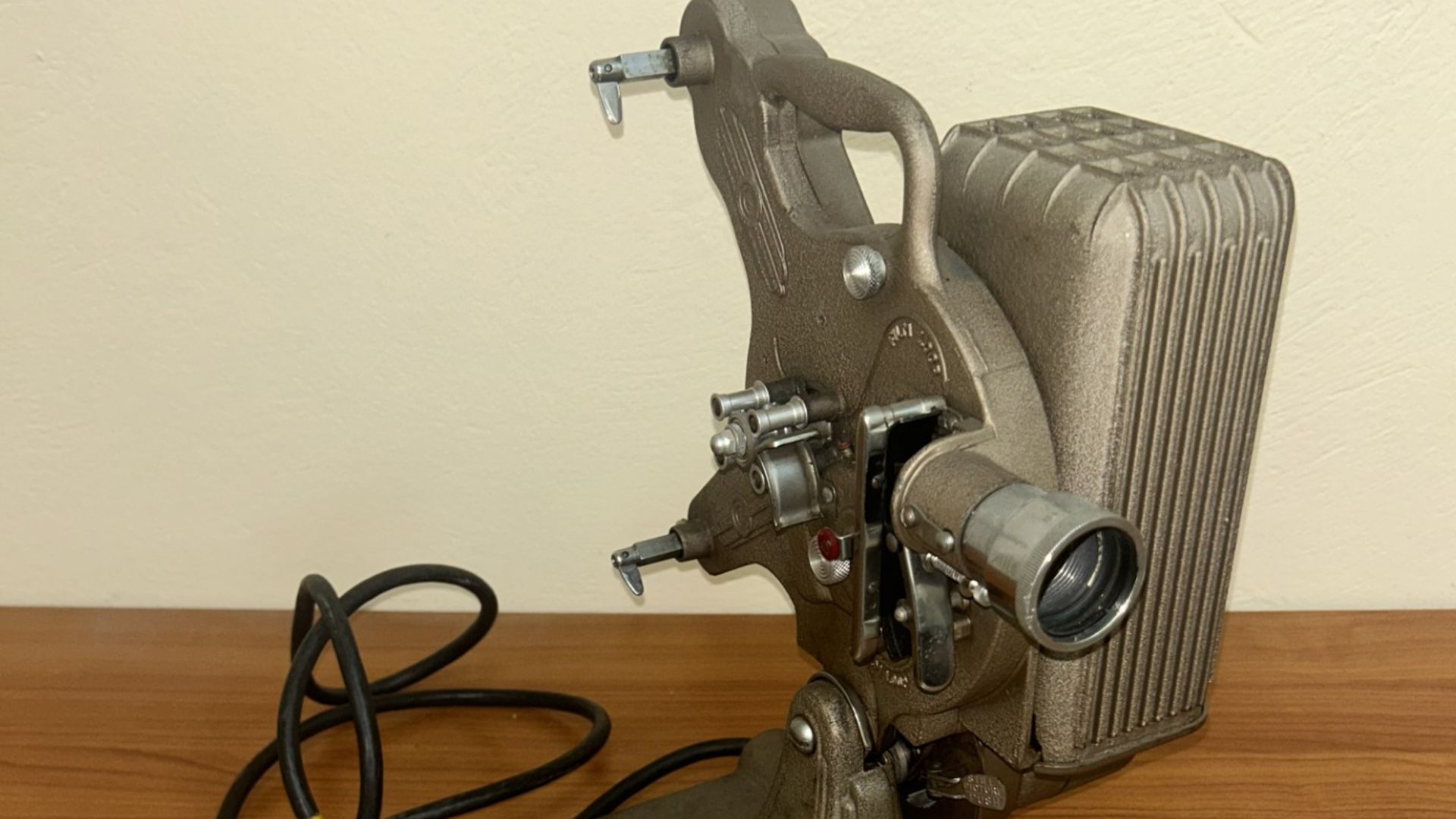
When a teacher wheeled a 16mm film projector into the classroom, students knew an unusual lesson was coming. These machines ran actual motion-picture film through a series of sprockets, rollers, and a projection mechanism. Educational films covered everything from geography and science to industrial safety, often accompanied by the projector's unmistakable mechanical chatter.
 CatalinaDurhan, Wikimedia Commons
Film Threading Equipment
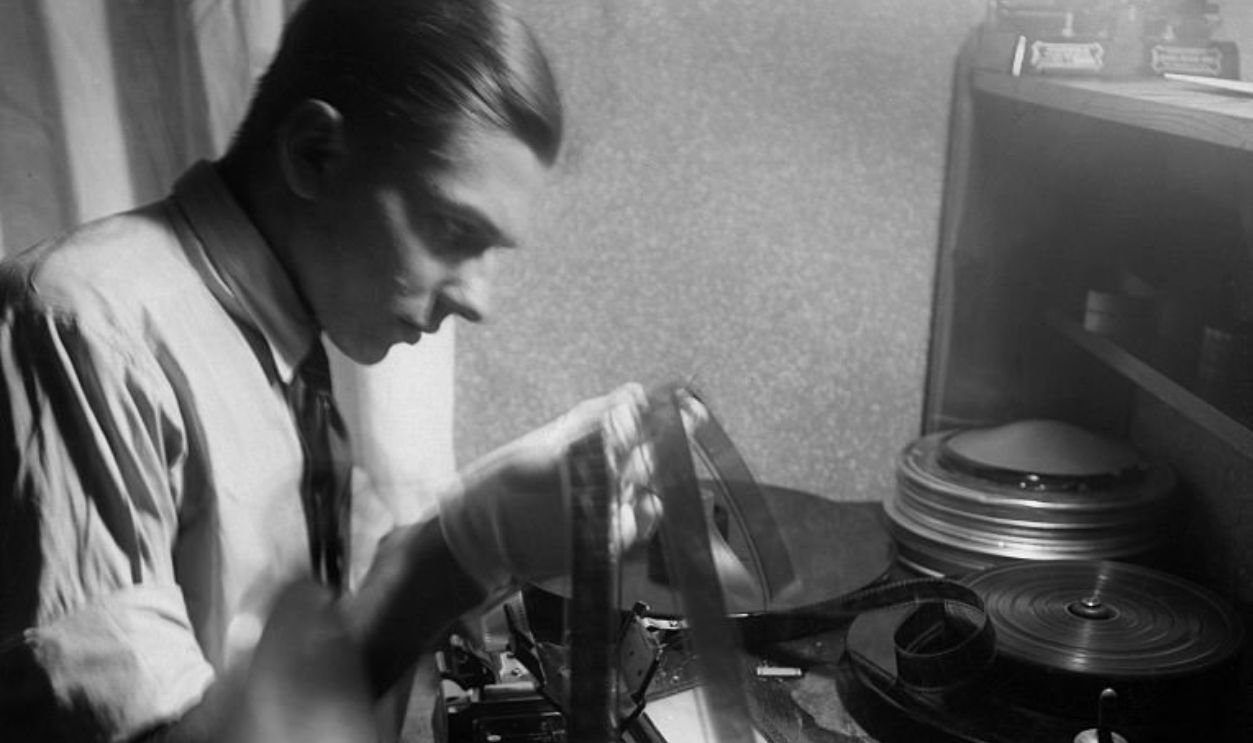
Unlike modern video players, traditional film projectors required someone to guide the film through the machine correctly. The film had to follow a particular path around the sprockets and through the projection gate before the screening could begin. An improperly threaded projector could jam or damage the film, turning what should have been a relaxing lesson into an unexpected technical problem.
 ullstein bild Dtl., Getty Images
Slide Projectors
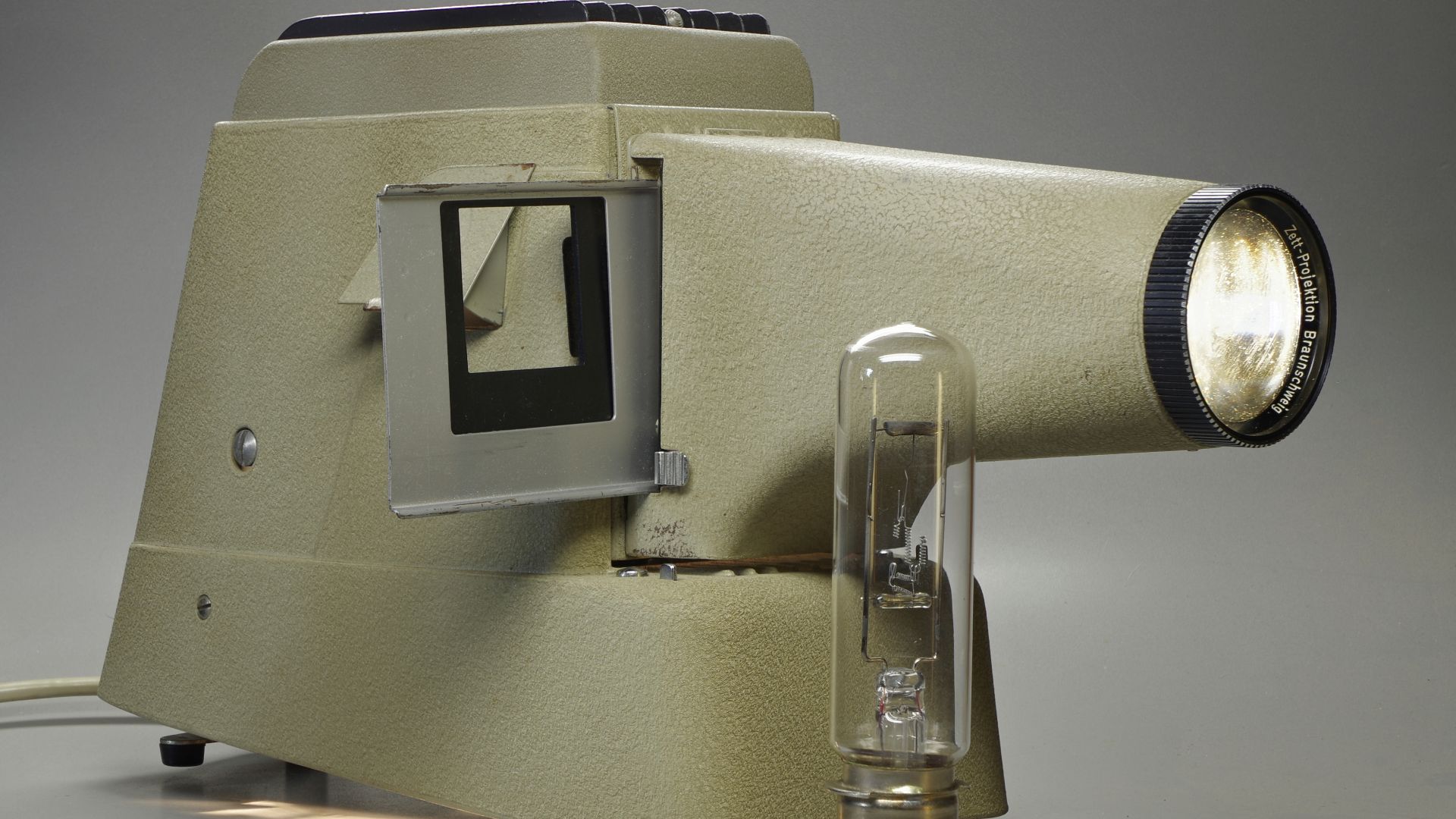
Long before teachers could search for pictures online, slide projectors made it possible to display detailed color photographs to an entire class. Many used small photographic transparencies mounted in cardboard or plastic frames. Geography, art history, and science lessons benefited from these vivid images, which could be projected much larger than photographs in textbooks.
 Berthold Werner, Wikimedia Commons
Kodak Carousel Projectors
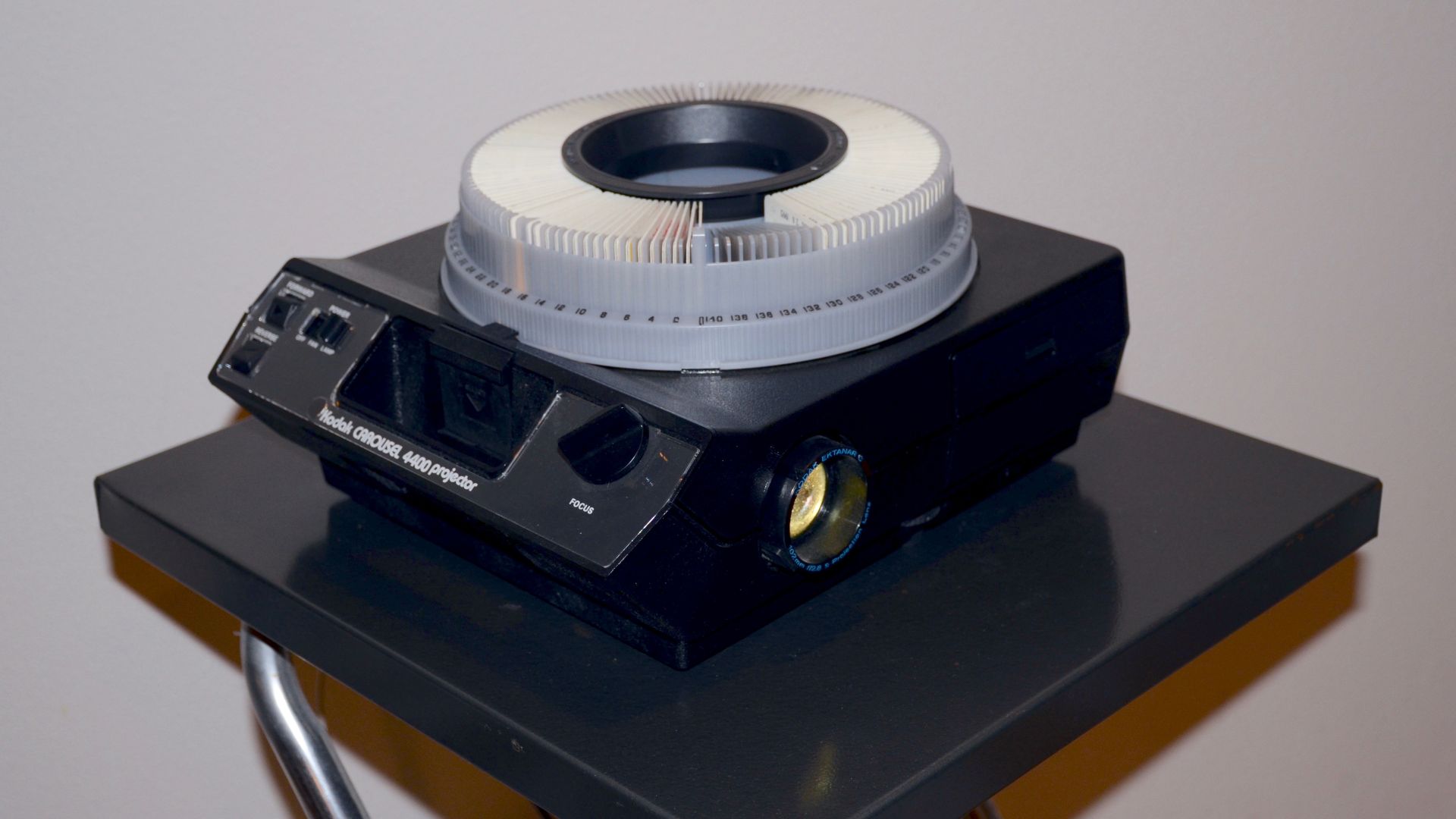
Kodak introduced its Carousel slide projector in 1961, featuring a circular tray that held 80 photographic slides. Instead of manually inserting each slide, teachers could advance through an entire presentation using the projector's mechanism. The circular trays became recognizable fixtures in schools, offices, and family living rooms.
 Steve Morgan, Wikimedia Commons
Mimeograph Machines
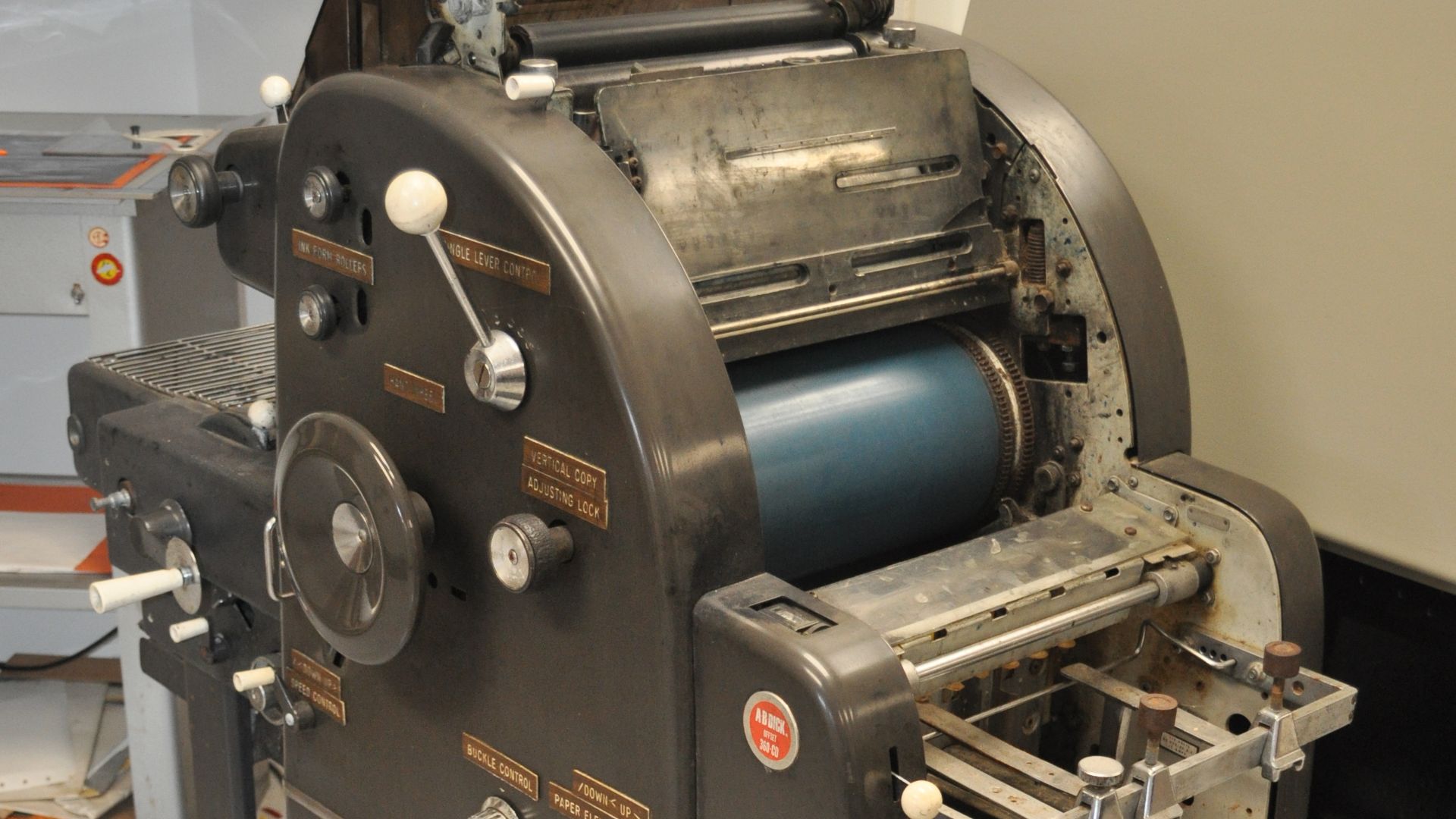
Before photocopiers became widely available, schools often used mimeograph machines to reproduce worksheets, tests, and announcements. A teacher prepared a special stencil, which the machine used to transfer ink onto multiple sheets of paper. The process was economical for producing large batches, although preparing the stencil took more effort than pressing a copy button.
 Printhusiast, Wikimedia Commons
Ditto Machines
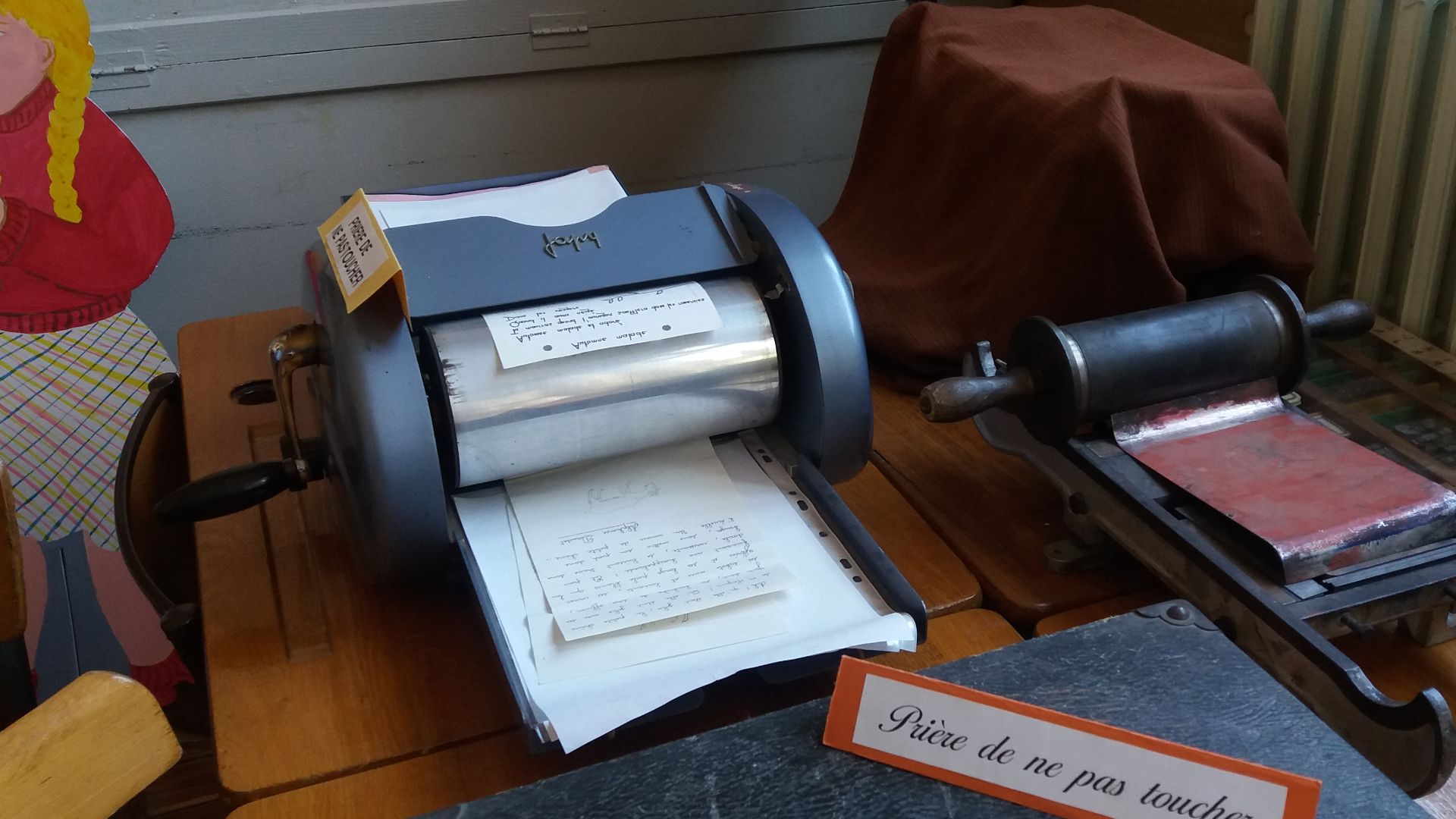
Another classroom copying device was the spirit duplicator, commonly called a Ditto machine. Unlike mimeographs, these machines used a master sheet and alcohol-based duplicating fluid to produce copies, often with distinctive purple lettering. Freshly printed worksheets had a recognizable chemical smell that many former students still associate with their school days.
 Romainbehar, Wikimedia Commons
Carbon Paper
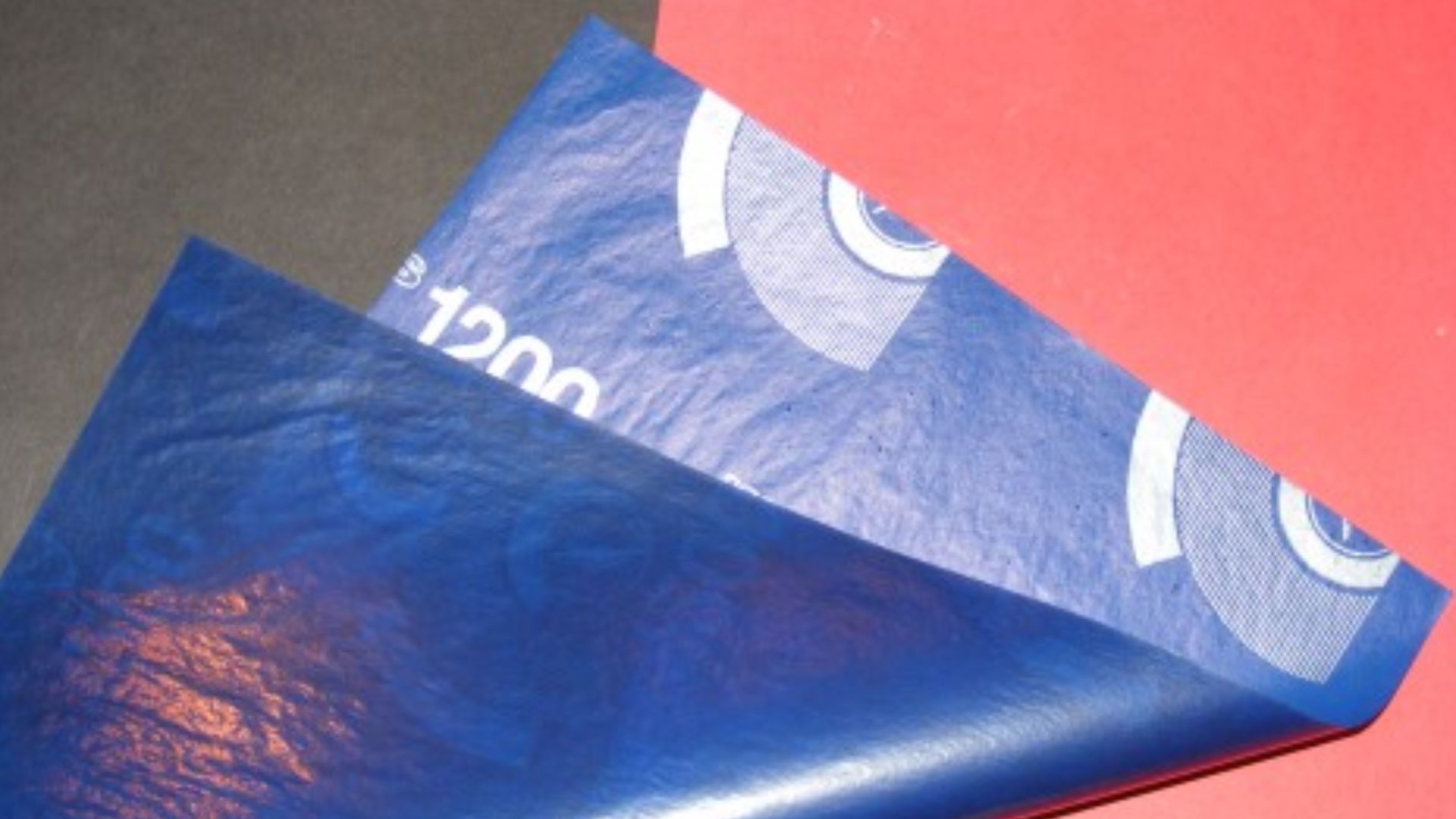
Before digital documents, carbon paper offered a simple way to create duplicates while typing or writing. A thin sheet coated with transferable pigment was placed between two pieces of paper, allowing pressure from a pen or typewriter to reproduce the original text. Teachers and school offices used the process to prepare duplicate forms, records, and correspondence without operating a copying machine.
 Emilian Robert Vicol from Com. Balanesti, Romania, Wikimedia Commons
Classroom Record Players
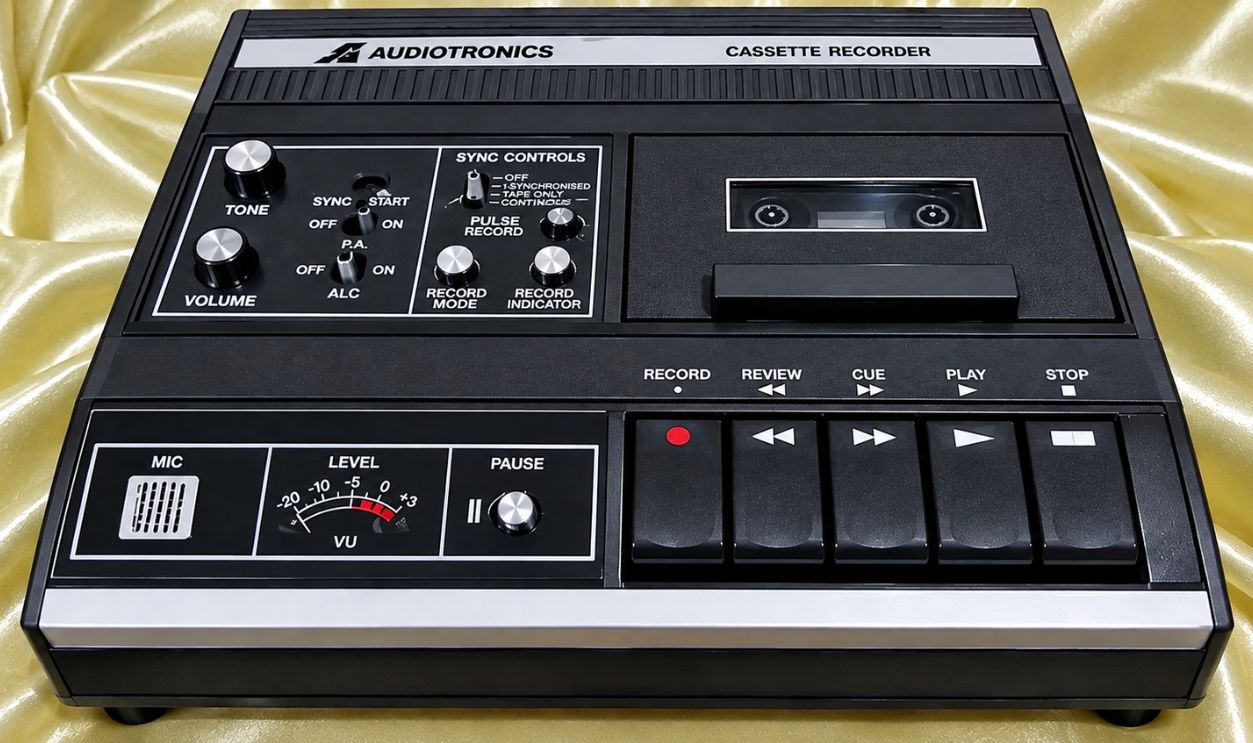
Before digital audio, teachers used phonographs and portable record players to bring music, speeches, and recorded lessons into classrooms. Some educational models were built into sturdy carrying cases and designed for frequent handling. Students might listen to classical compositions, practice foreign-language pronunciation, or follow along with stories narrated on vinyl records.
Reel-To-Reel Tape Recorders
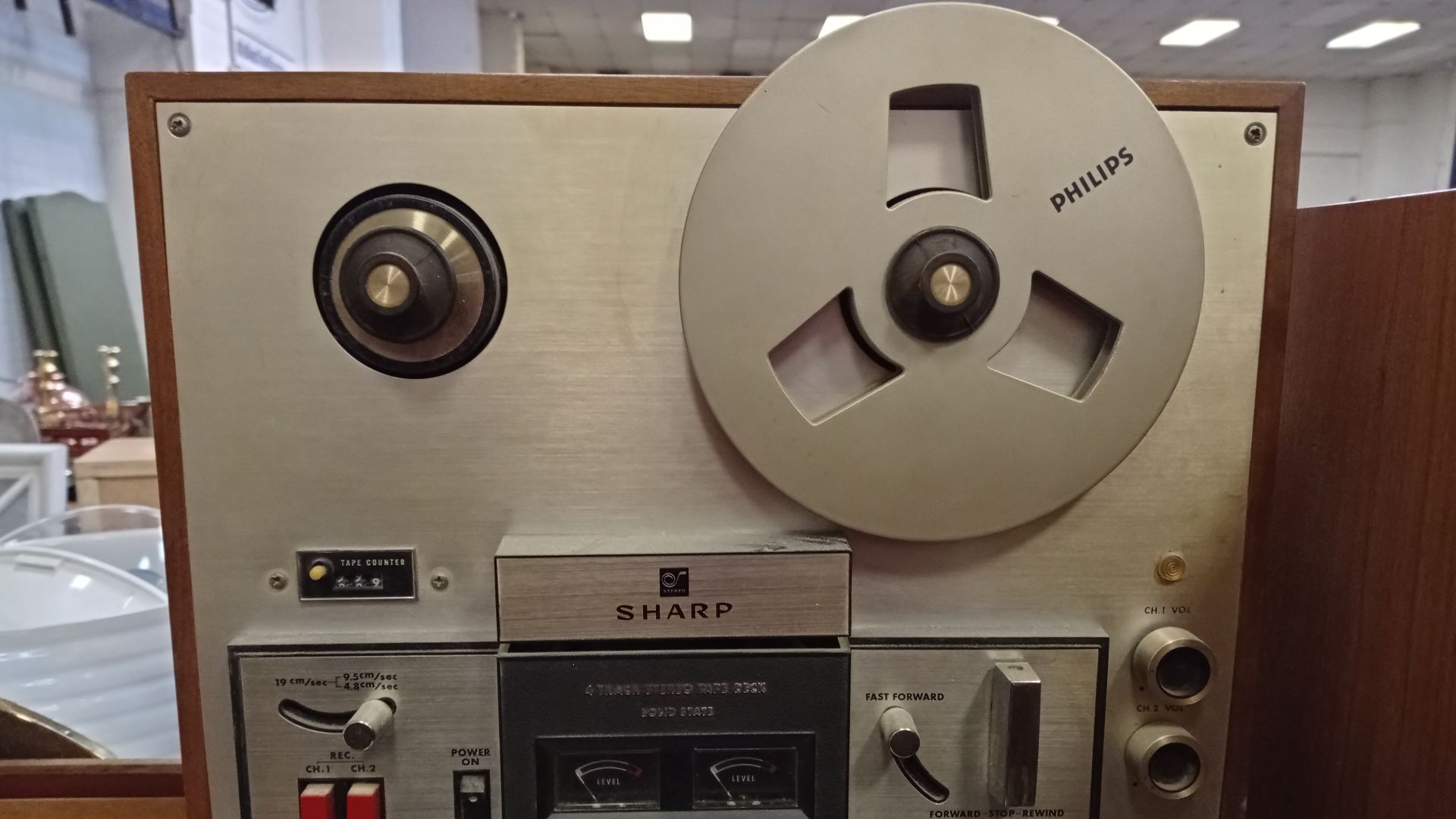
Large reel-to-reel tape recorders were another familiar piece of midcentury educational technology. Magnetic tape traveled between two exposed reels, passing across recording and playback heads inside the machine. Teachers could record student performances, play educational programs, or demonstrate pronunciation, but loading and rewinding the tape required considerable care.
 Philafrenzy, Wikimedia Commons
Language Labs Equipment
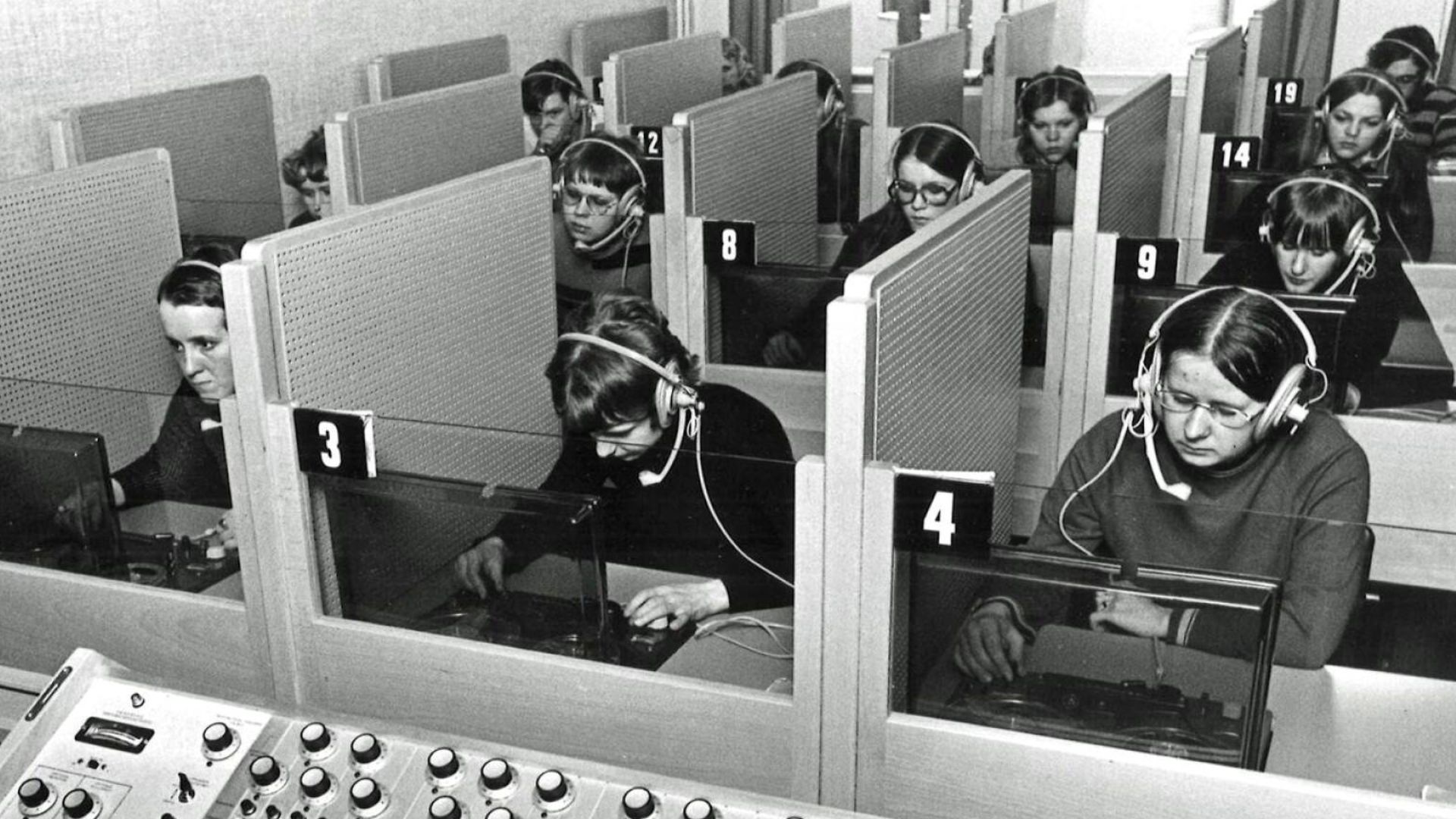
During the mid-20th century, language laboratories offered students a new way to practice foreign languages. Many featured individual booths equipped with headphones, microphones, and tape-recording equipment. Students listened to native speakers and repeated phrases, sometimes recording their own voices so they could compare pronunciation.
 Unto Järvinen / Helsingin Sanomat, Wikimedia Commons
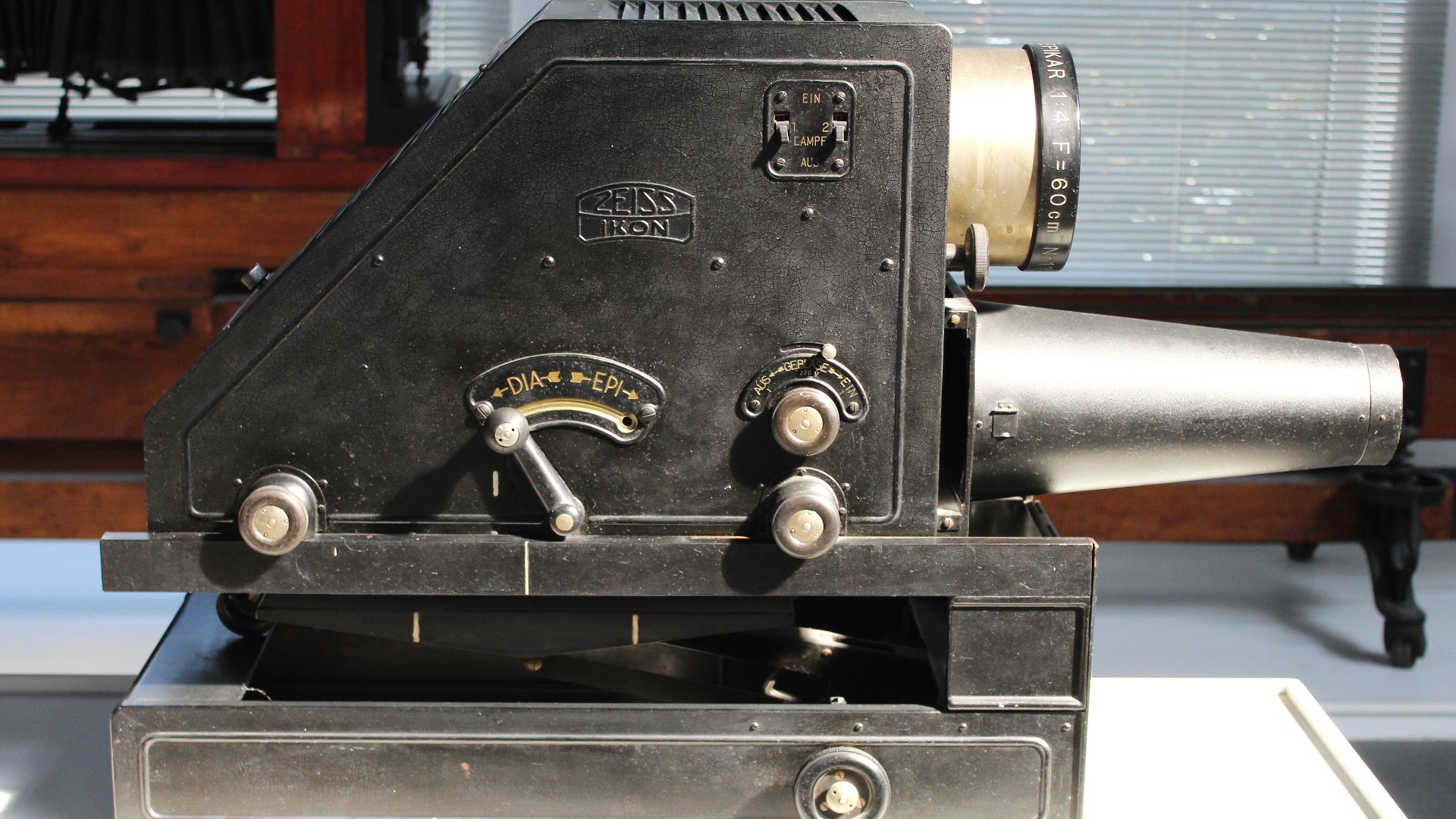
Opaque Projectors
Unlike overhead projectors, opaque projectors could display images from ordinary printed materials without first making transparencies. Teachers placed a photograph, textbook illustration, or other flat object beneath the machine's illumination system. Mirrors and lenses projected the reflected image onto a screen, although the equipment required powerful lighting and often worked best in darkened rooms.
 Miloš Jurišić, Wikimedia Commons
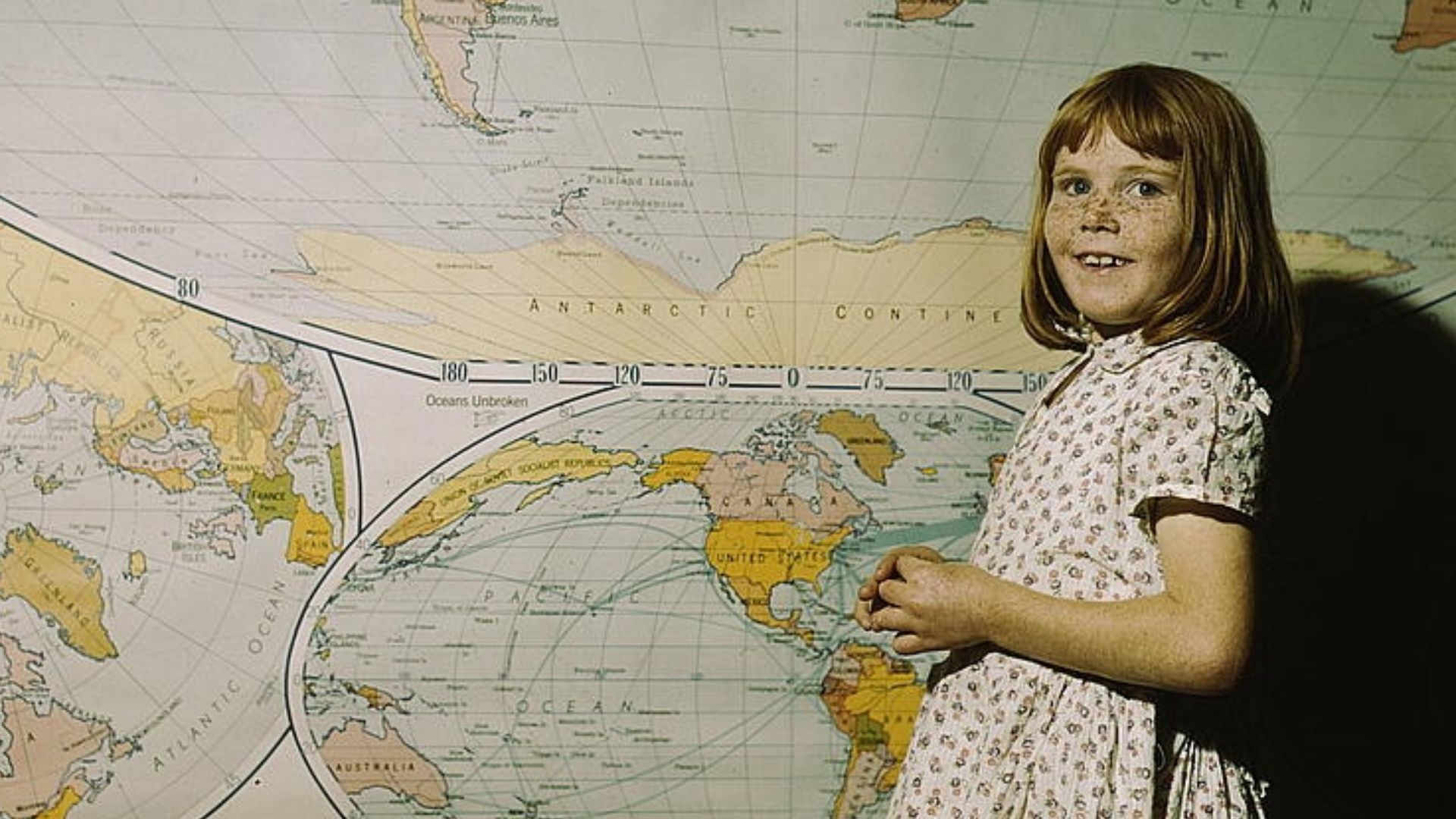
Pull-Down Maps
Geography teachers once depended heavily on enormous maps suspended above the chalkboard. These maps were mounted on spring-loaded rollers, allowing teachers to pull down whichever region they wanted to discuss. Political borders and place names could become outdated, but the maps often remained hanging in classrooms for years.
 John Vachon, Wikimedia Commons
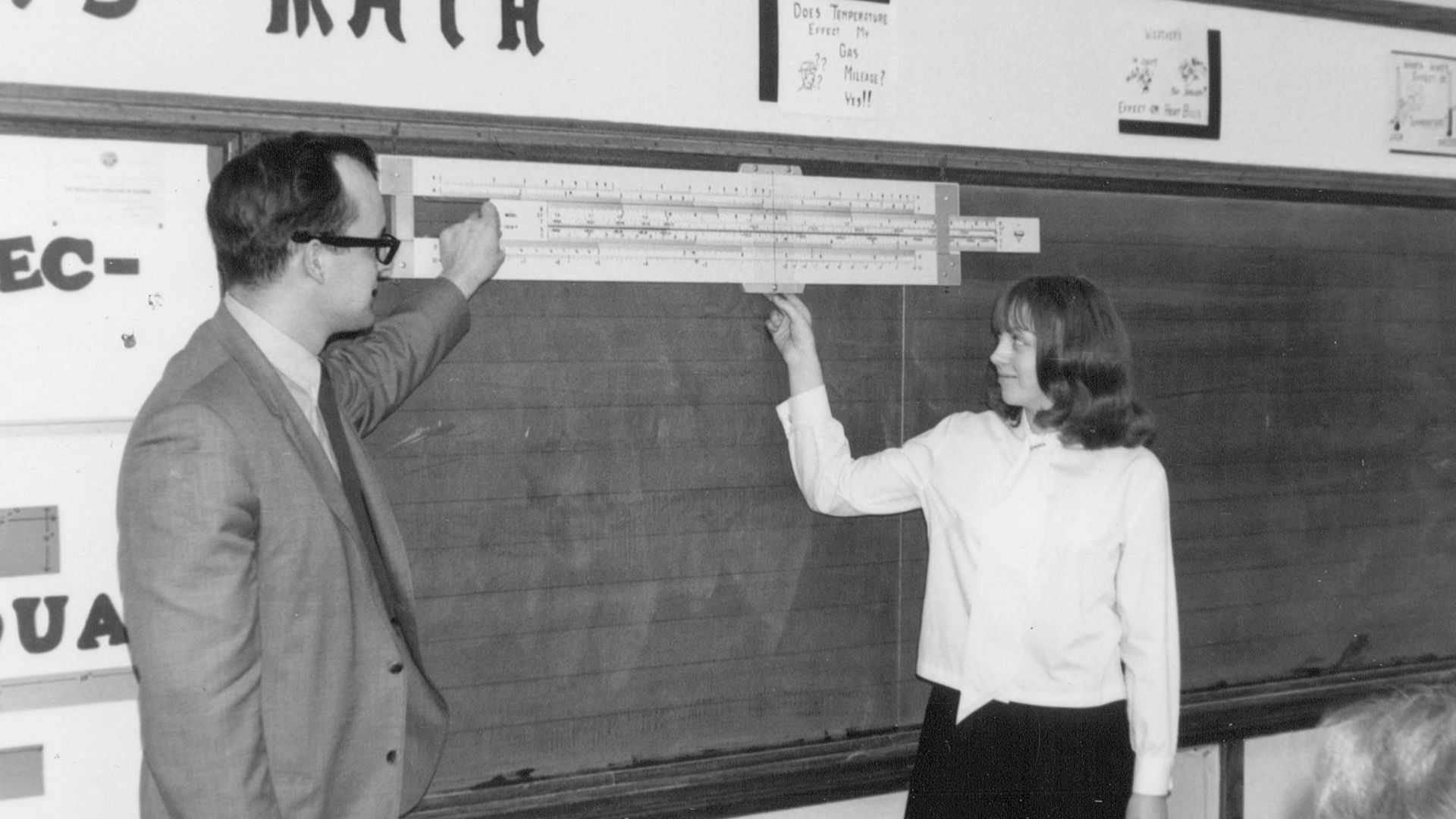
Classroom Slide Rules
Before electronic calculators became standard classroom tools, slide rules helped students perform mathematical calculations using logarithmic scales. Some schools even owned enormous demonstration models that teachers could operate in front of an entire class. One surviving example documented by the Smithsonian measures more than seven feet long and was used at a girls' high school in Pittsburgh.
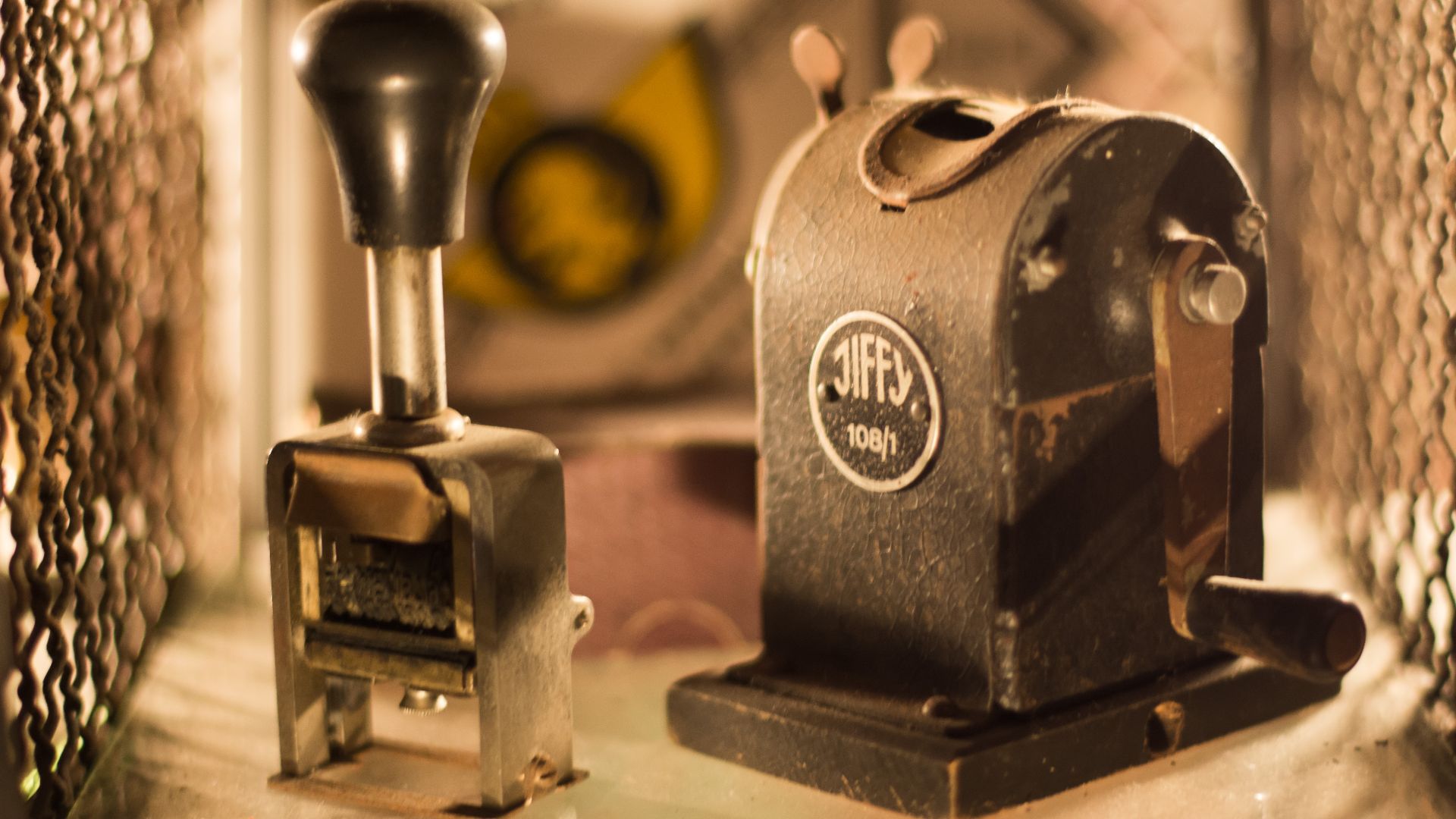
Hand Cranked Pencil Sharpeners
Before electric sharpeners became common, many classrooms had a metal pencil sharpener mounted to a wall or desk. Students inserted their pencils into an adjustable opening and turned a crank to rotate the cutting mechanism. The shavings collected inside a small compartment that eventually had to be emptied, often spilling bits of wood and graphite.
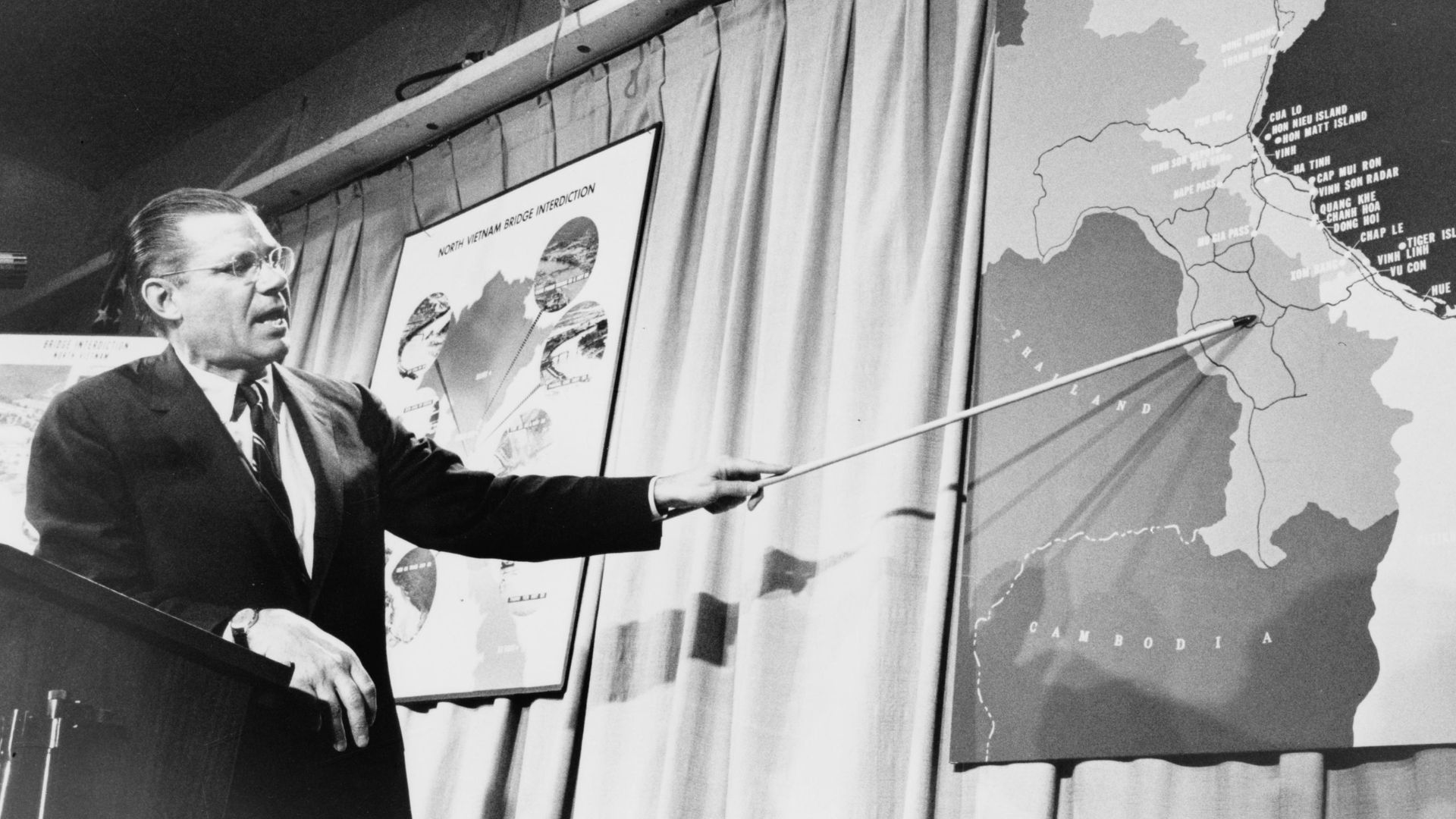
Wooden Pointers
Teachers often kept a long wooden pointer beside the chalkboard or map cabinet. It allowed them to indicate distant locations, words, or diagrams without standing directly in front of the material. Telescoping metal pointers eventually offered a more compact alternative, but the traditional wooden version remained a recognizable classroom tool.
 Marion S. Trikosko, Wikimedia Commons
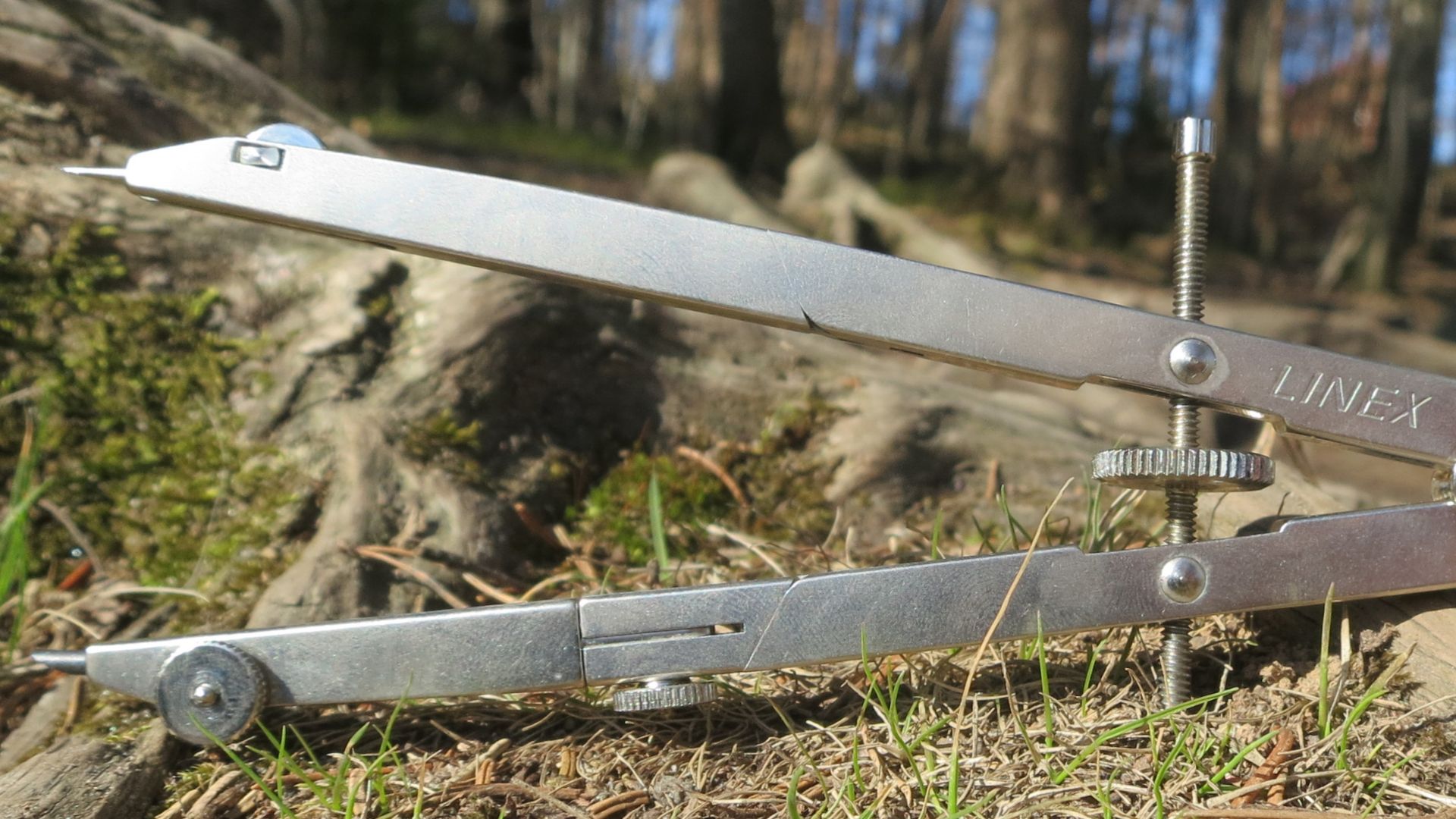
Blackboard Compasses
Before digital geometry demonstrations, mathematics teachers used oversized compasses designed specifically for chalkboards. These instruments had two long arms, with one end anchored against the board while the other held a piece of chalk. Teachers could draw large circles and arcs that were visible from the back of the room, making geometry lessons easier to follow.
 R. Henrik Nilsson, Wikimedia Commons
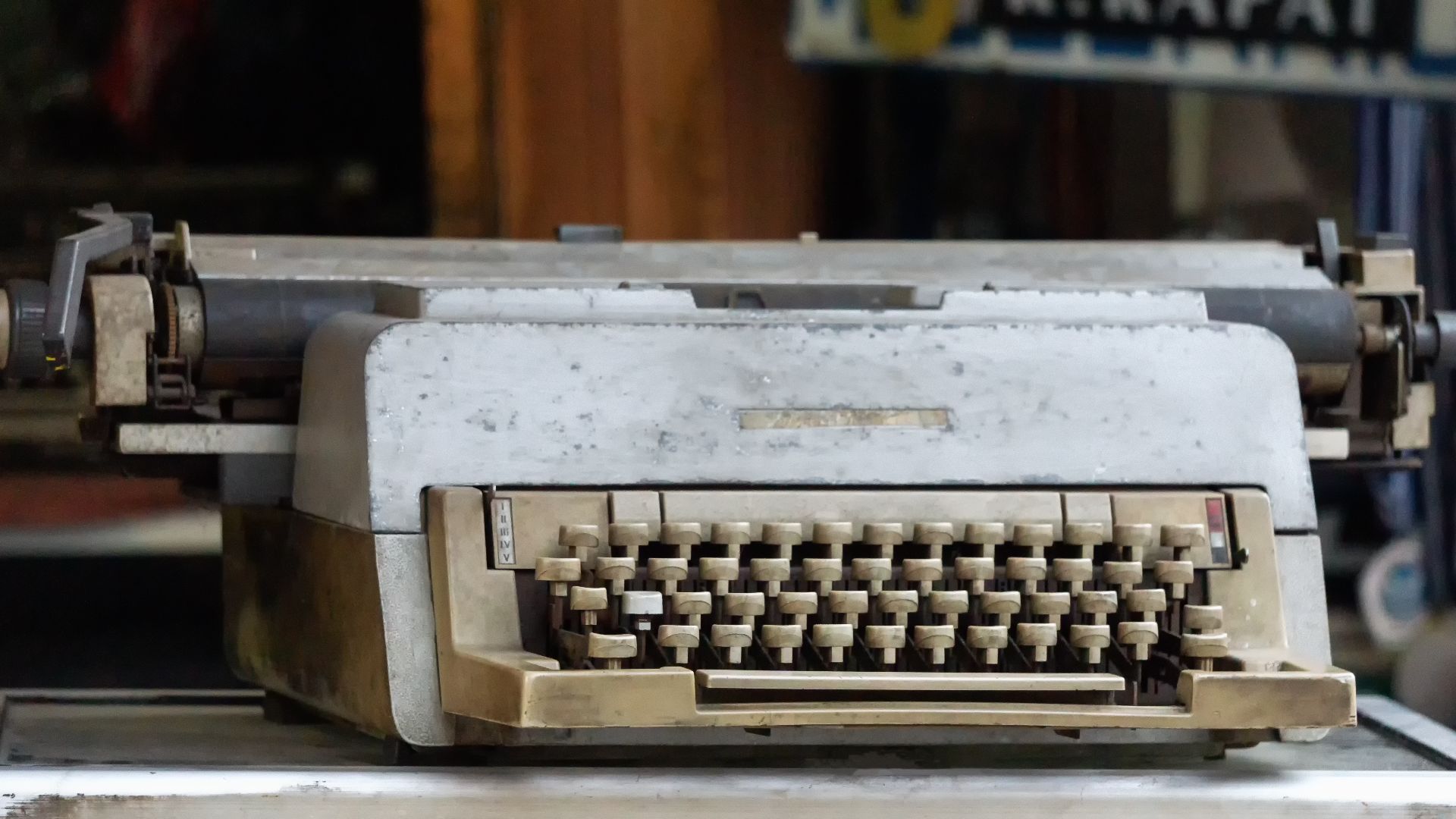
Typewriters
Before computers transformed typing instruction, school typing rooms were filled with rows of manual and electric typewriters. Students practiced finger placement, speed, and accuracy while producing a constant chorus of clicking keys. Mistakes were especially frustrating on manual machines because correcting them was much harder than deleting text on a computer.
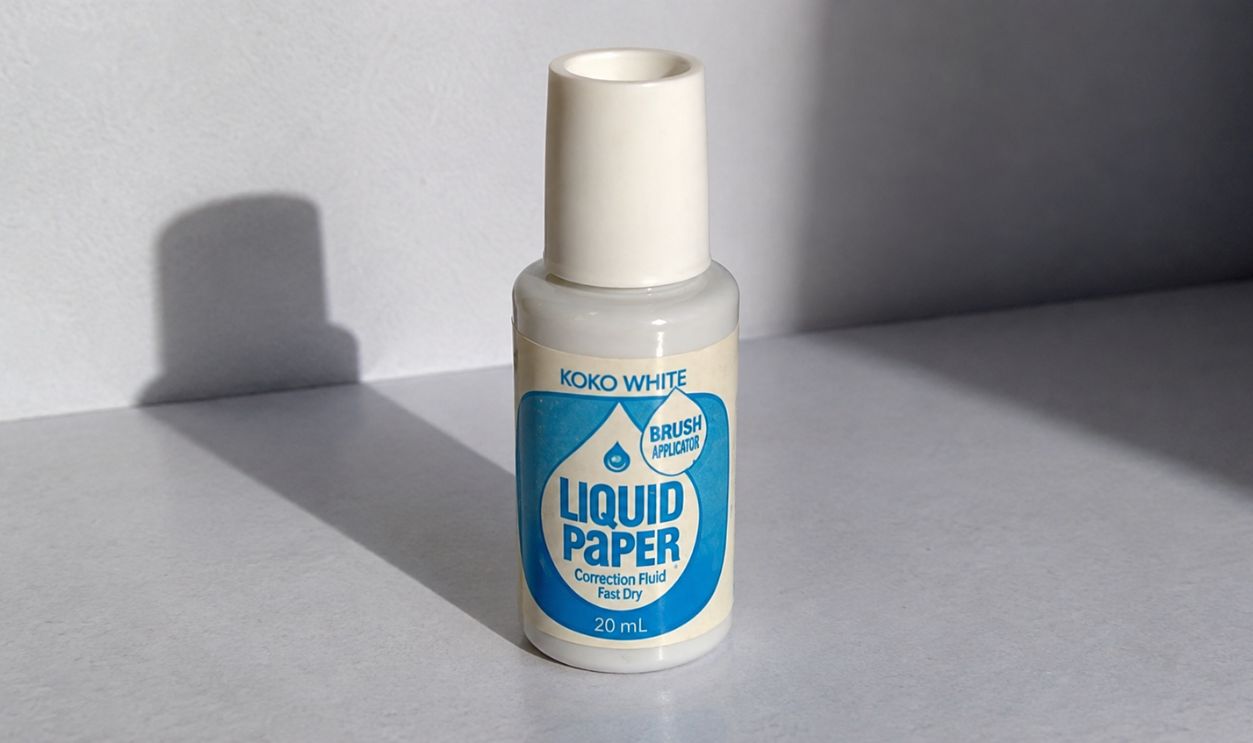
Correction Fluid
Before word processors made editing effortless, correction fluid was an essential companion to the typewriter. Students and teachers brushed the opaque liquid over typing mistakes, waited for it to dry, and then typed the corrected characters over the covered area. The process could leave visible patches on finished pages, particularly when several mistakes occurred close together.
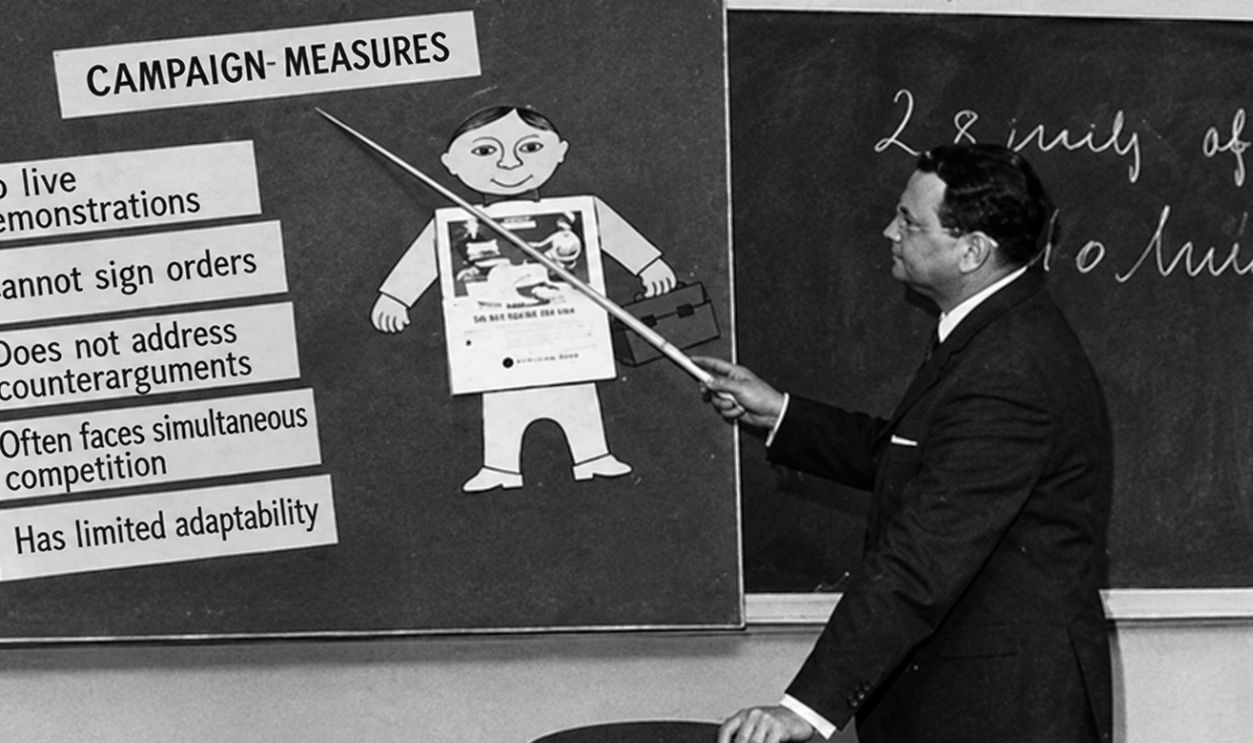
Flannel Boards
Long before interactive screens, teachers used flannel boards to create visual lessons with movable pieces. Figures backed with felt or another suitable material adhered to the fabric-covered surface through friction. Teachers could rearrange letters, numbers, story characters, and illustrations as a lesson progressed, making the boards particularly useful with younger children.
 www.berghs.se, Wikimedia Commons
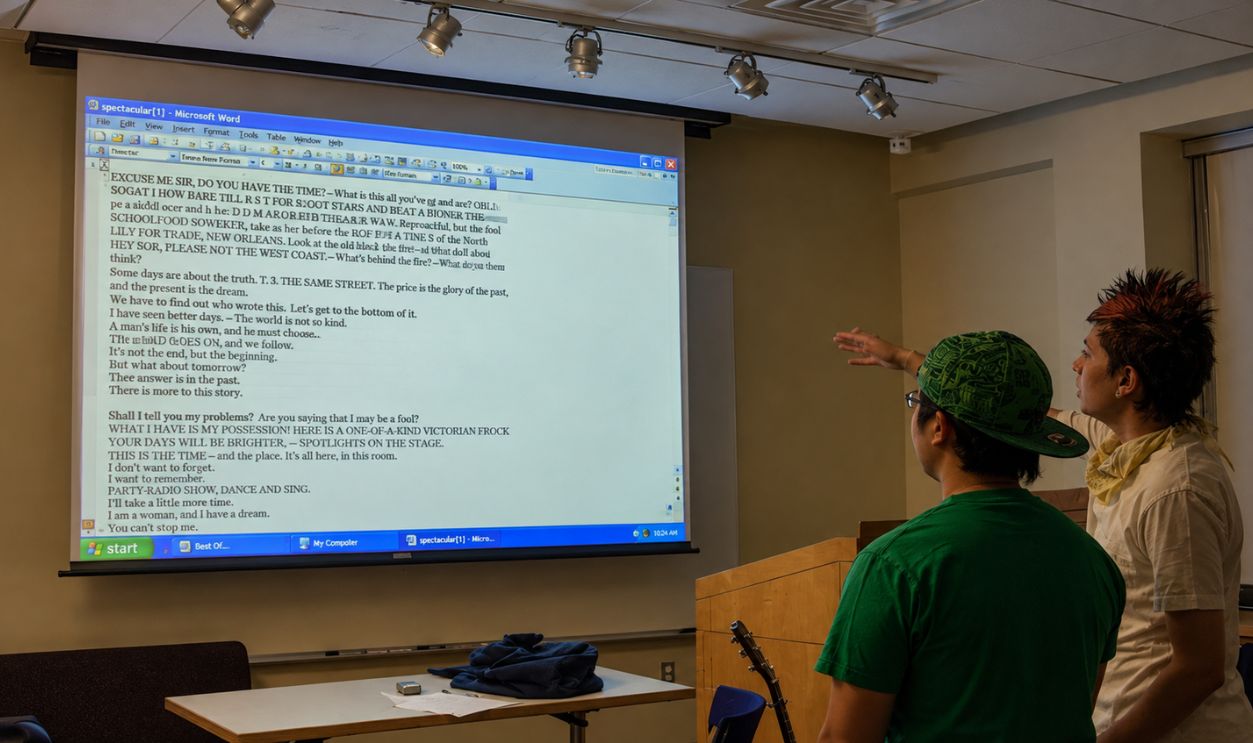
Pull-Down Projection Screens
Classrooms equipped with projectors often had a retractable projection screen mounted above the chalkboard or on a portable stand. Teachers pulled the screen downward to create a smooth, reflective surface for displaying images. When the lesson ended, the screen rolled back into its housing, sometimes with a surprisingly loud snap.
 Between Us Bois, Wikimedia Commons
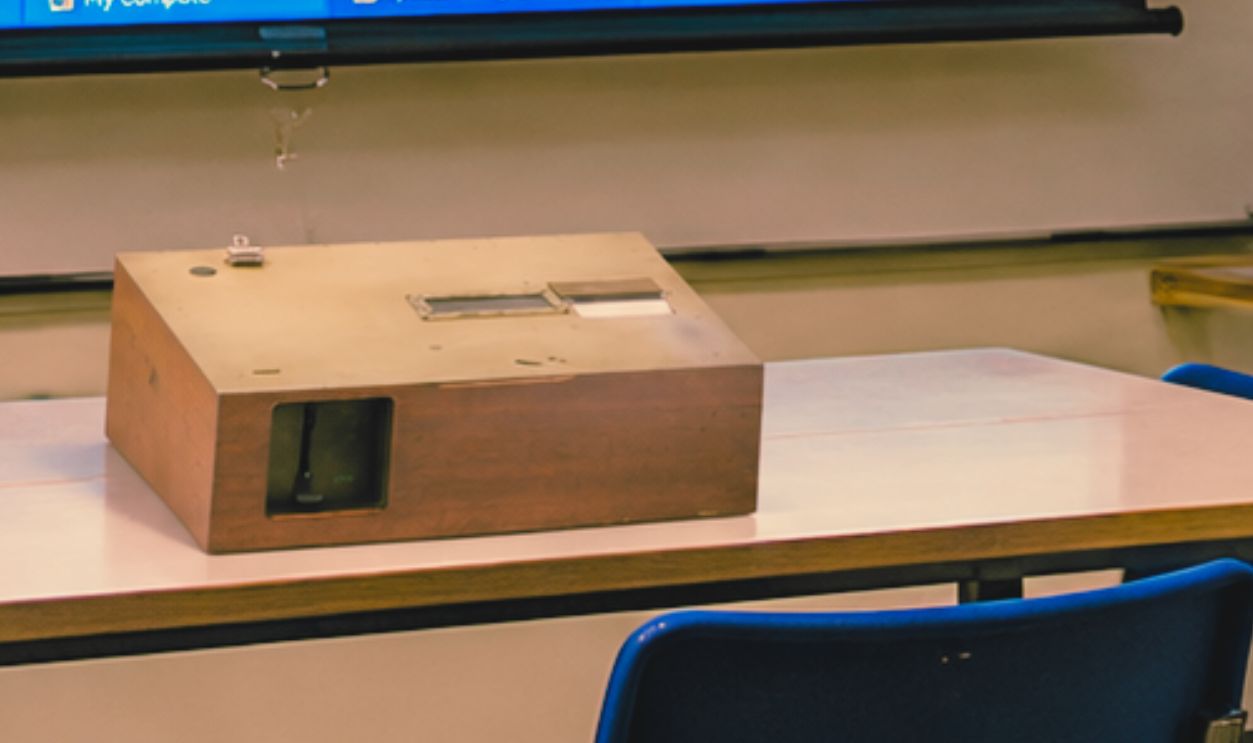
Teaching Machines
In the 1950s, psychologist B. F. Skinner developed mechanical teaching devices intended to let students work through questions at their own pace. Some displayed problems through small windows and revealed the correct answers after students responded. Although mechanical teaching machines never became universal classroom equipment, their approach influenced programmed instruction and later computer-assisted learning.
 Silly rabbit, Wikimedia Commons
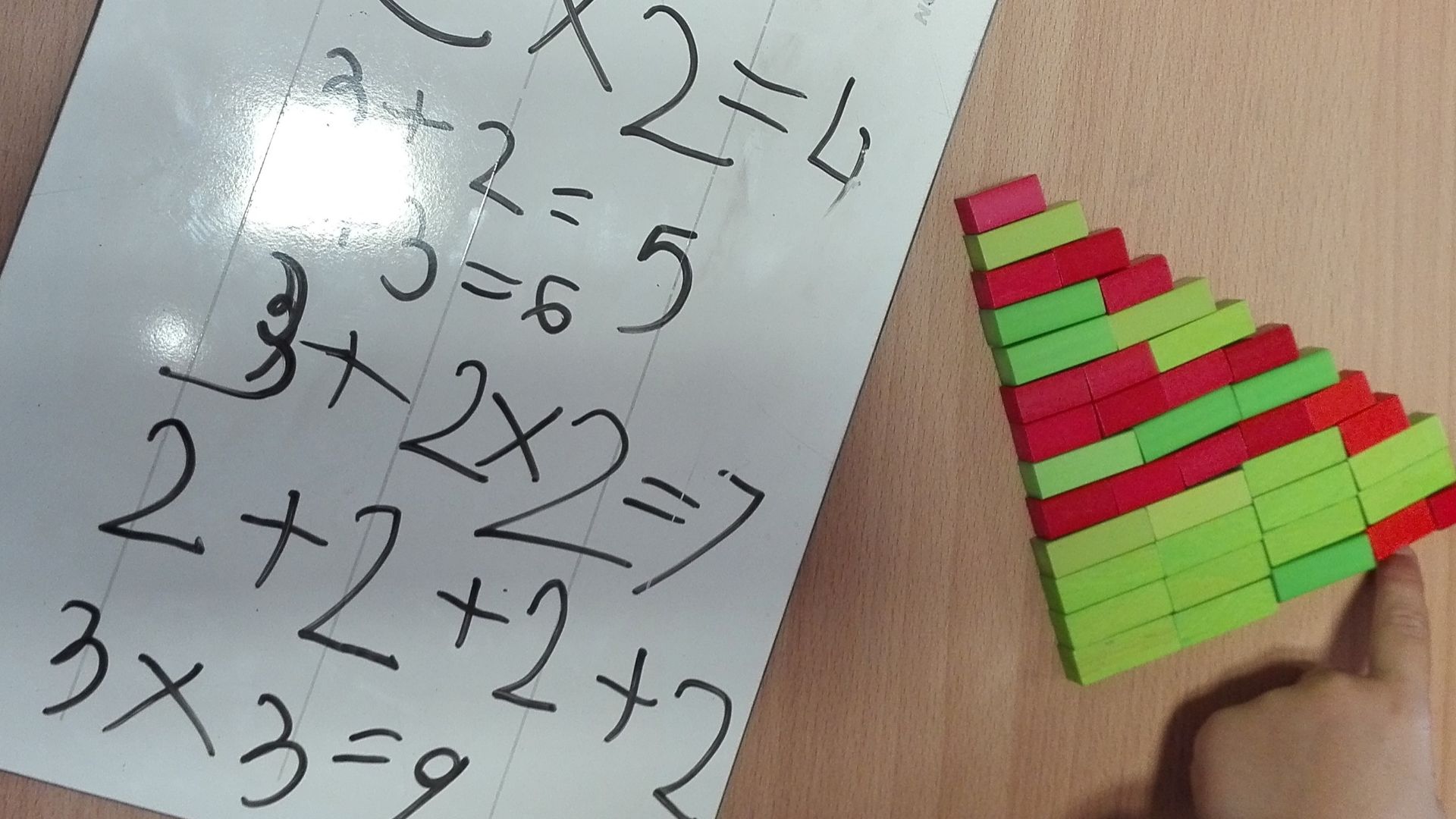
Cuisenaire Rods
During the 1950s, American classrooms began adopting Cuisenaire rods, a teaching aid developed by Belgian educator Émile-Georges Cuisenaire. These sets contained colored rods of different lengths that helped children visualize numerical relationships and arithmetic operations. They became a familiar hands-on alternative to memorizing calculations, although similar manipulatives are still used in some schools today.
Television Carts
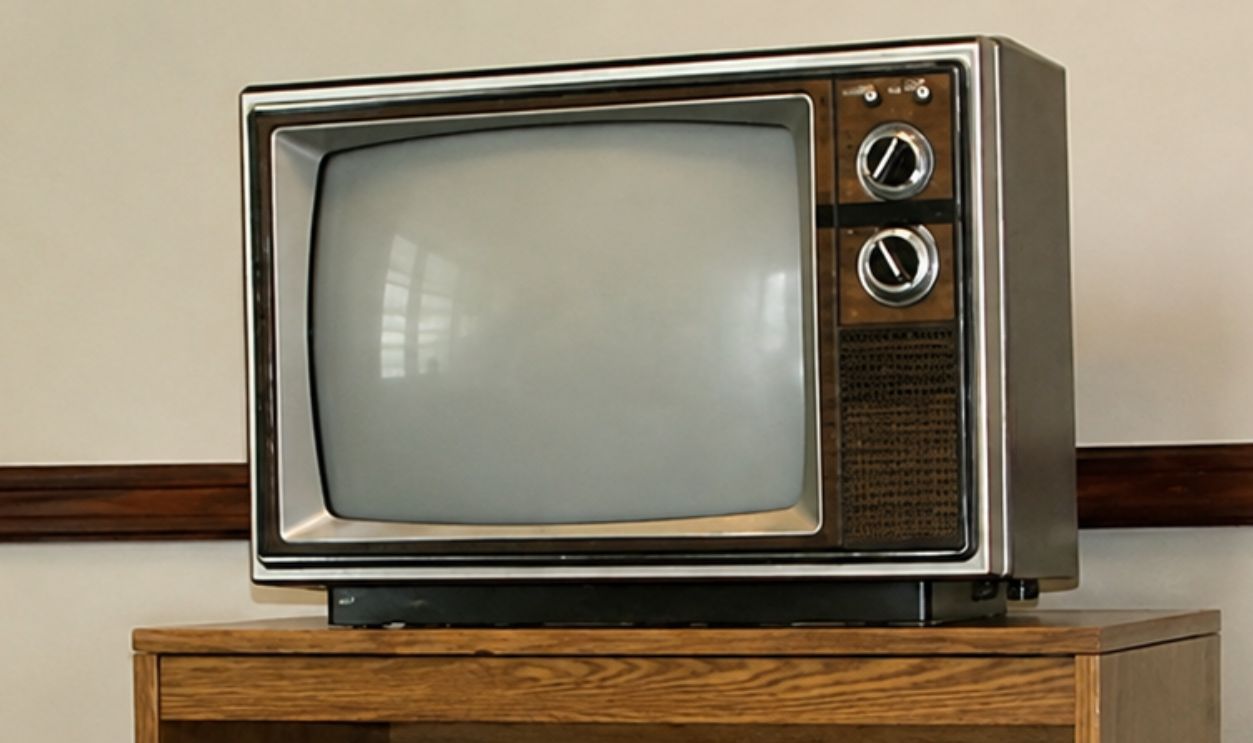
As educational television expanded, schools brought bulky television sets into classrooms on rolling carts. These metal stands allowed one television to be shared between different rooms rather than requiring every classroom to have its own set. The equipment could be awkward to move, but watching an educational broadcast offered students a change from textbooks and chalkboard lessons.
 http://www.cpsc.gov/cpscpub/spanish/99114s.html, Wikimedia Commons
The Equipment Changed, But The Memories Remain
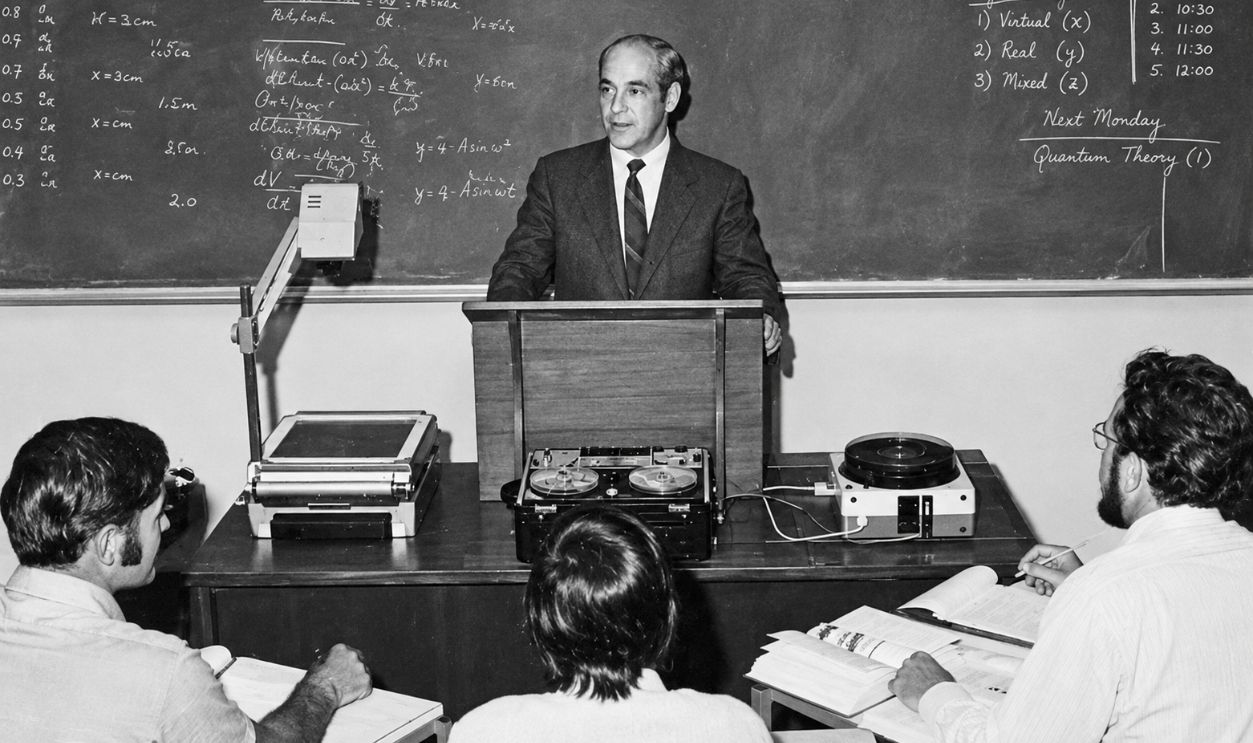
Today's classrooms can display videos, photographs, maps, and presentations using devices that would have seemed extraordinary to students in the 1960s. Many older teaching tools have been replaced by digital equipment, although some still survive in schools and specialist classrooms. For generations of Baby Boomers, however, the sounds of a rattling projector, a clicking typewriter, or a hand-cranked sharpener remain unforgettable reminders of school days.
 Gawler History, Wikimedia Commons
You May Also Like:
Birthday Party Traditions From The 1970s That Baby Boomers Remember—But Kids Today Rarely Experience