The Models That Couldn’t Keep Up
Some cars looked incredible on posters but turned into money pits in real life. Unreliable electrics or awkward redesigns pushed buyers away fast. Their names ring a bell, still, nobody’s rushing to bring one home now.
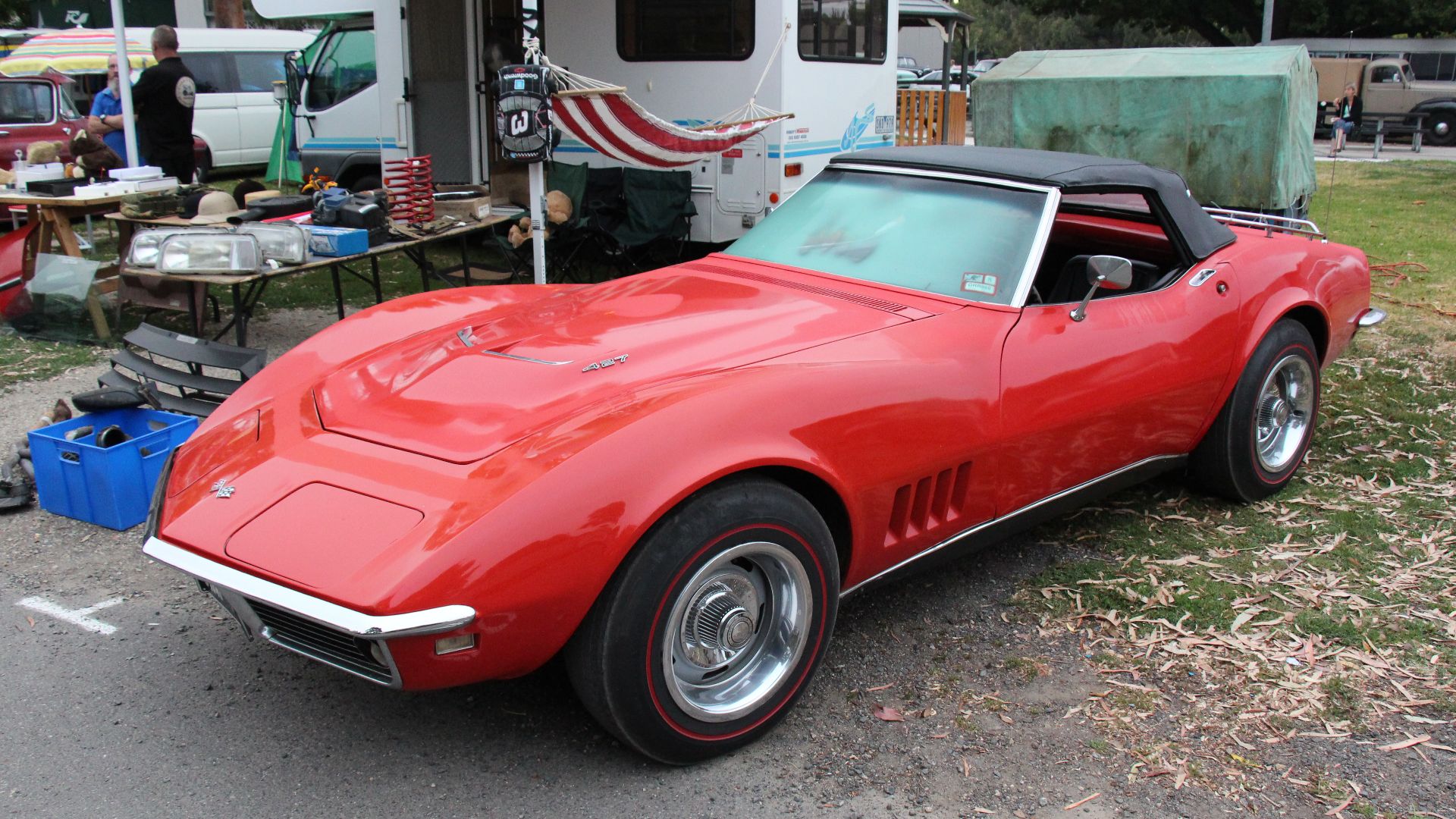
Chevrolet Corvette C3 (1968–1982)
The C3 once symbolized American performance with its dramatic curves and T-top flair, but emissions rules and shrinking horsepower dulled its appeal through the later years. Collectors now chase early chrome-bumper examples or jump to modern generations, which leaves many standard C3s overlooked and slow to move.
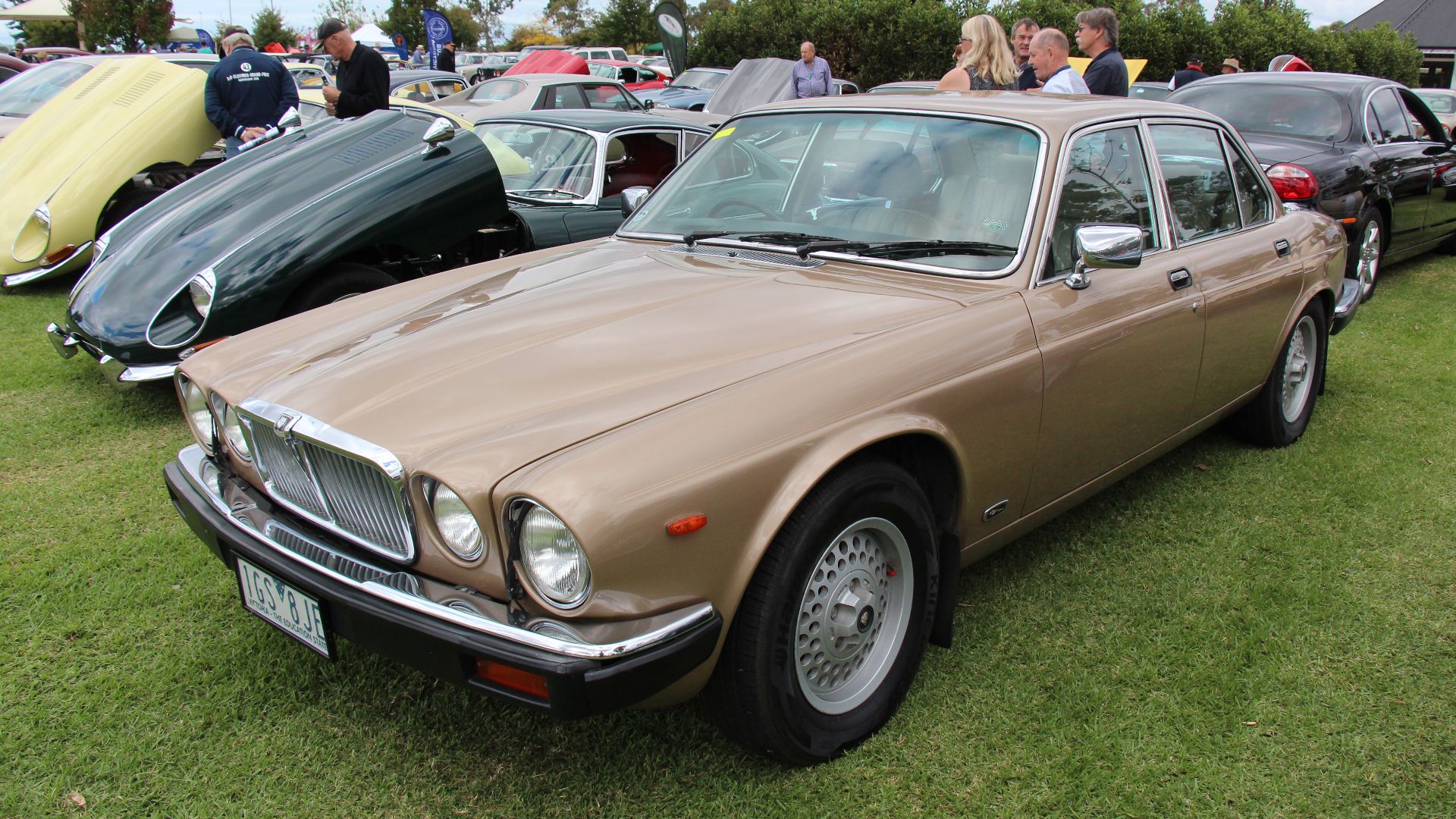
Jaguar XJ6 Series III (1979–1987)
Pininfarina lines and vintage charm give the Series III real presence, but the market remains wary. Electrical problems follow these cars like a shadow, and the overheating stories are well known. Fans love the classic British feel, but shoppers back off when maintenance estimates outrun the car’s value.
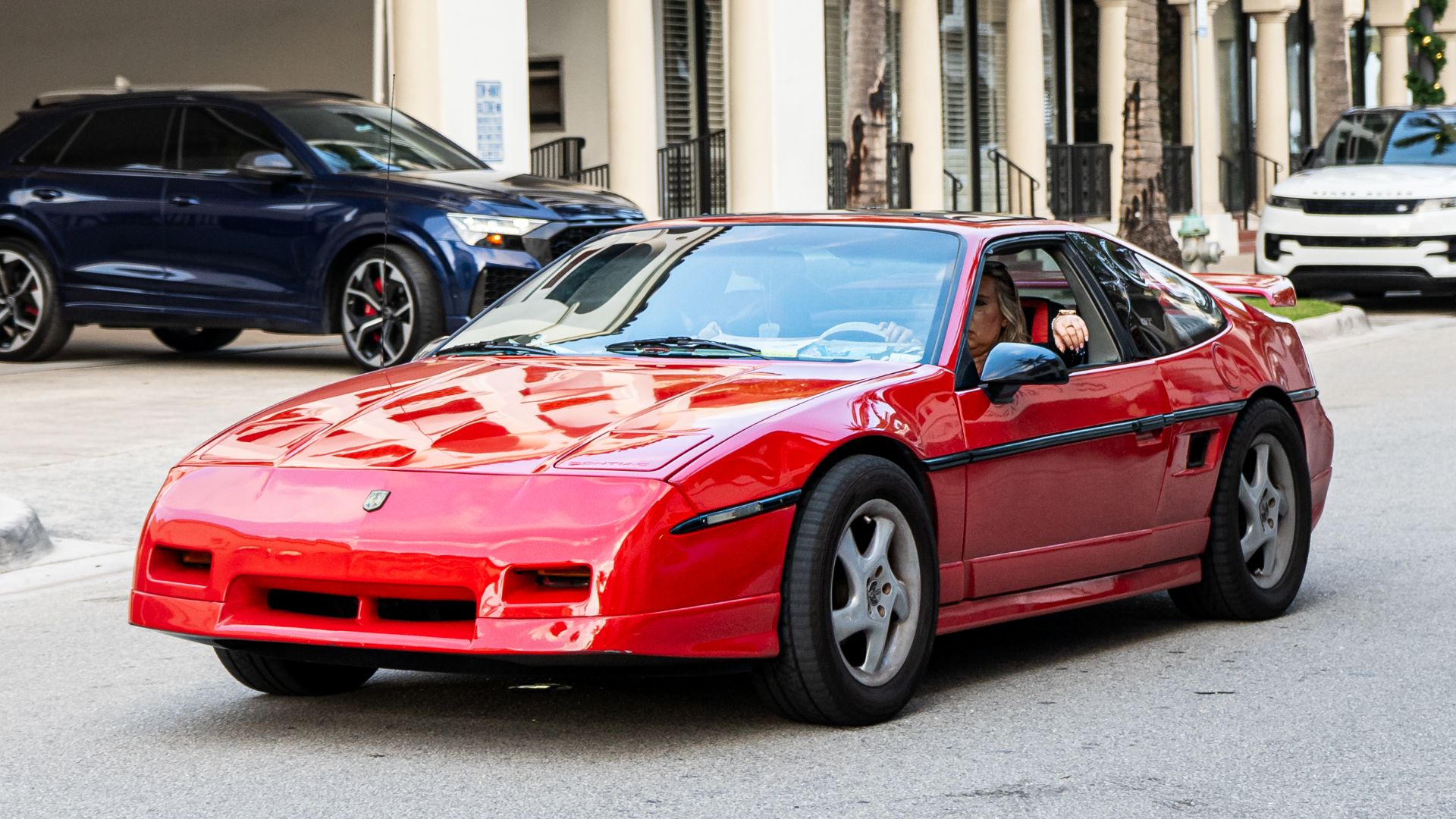
Pontiac Fiero (1984–1988)
Even with its exotic mid-engine layout, the Fiero couldn’t outrun its early reputation for engine fires and build-quality issues. Later GT models gathered modest attention, but the lineup as a whole never fully recovered. Today, it stands as a bold idea that missed its prime moment.
 OWS Photography, Wikimedia Commons
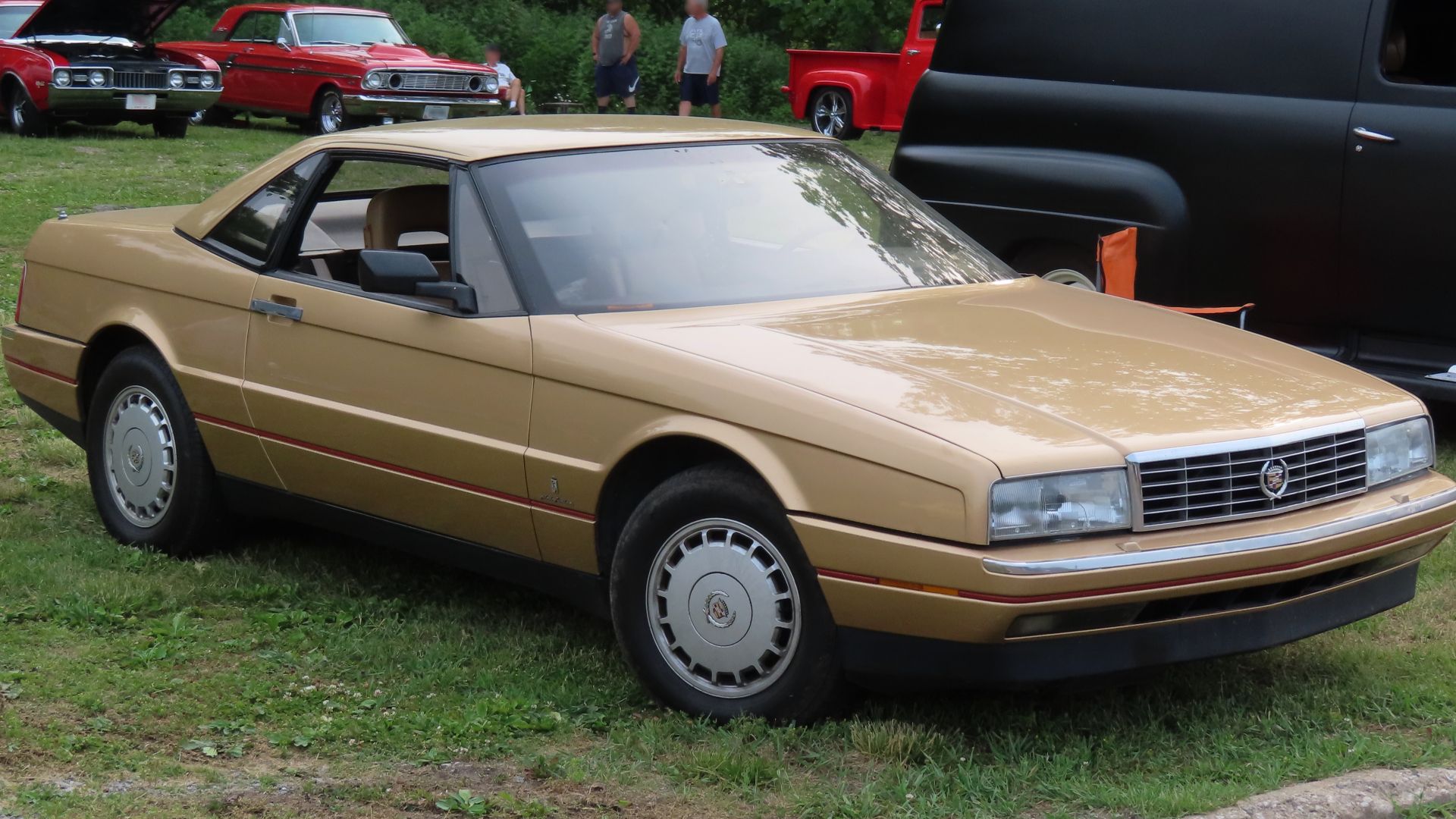
Cadillac Allante (1987–1993)
Cadillac’s Italian-American Allante came with a glamorous origin story: its body was crafted by Pininfarina in Italy and flown to Detroit for final assembly. But the unusual production process, high price, and middling performance kept demand muted. In the end, just over 21,000 were built.
 MercurySable99, Wikimedia Commons
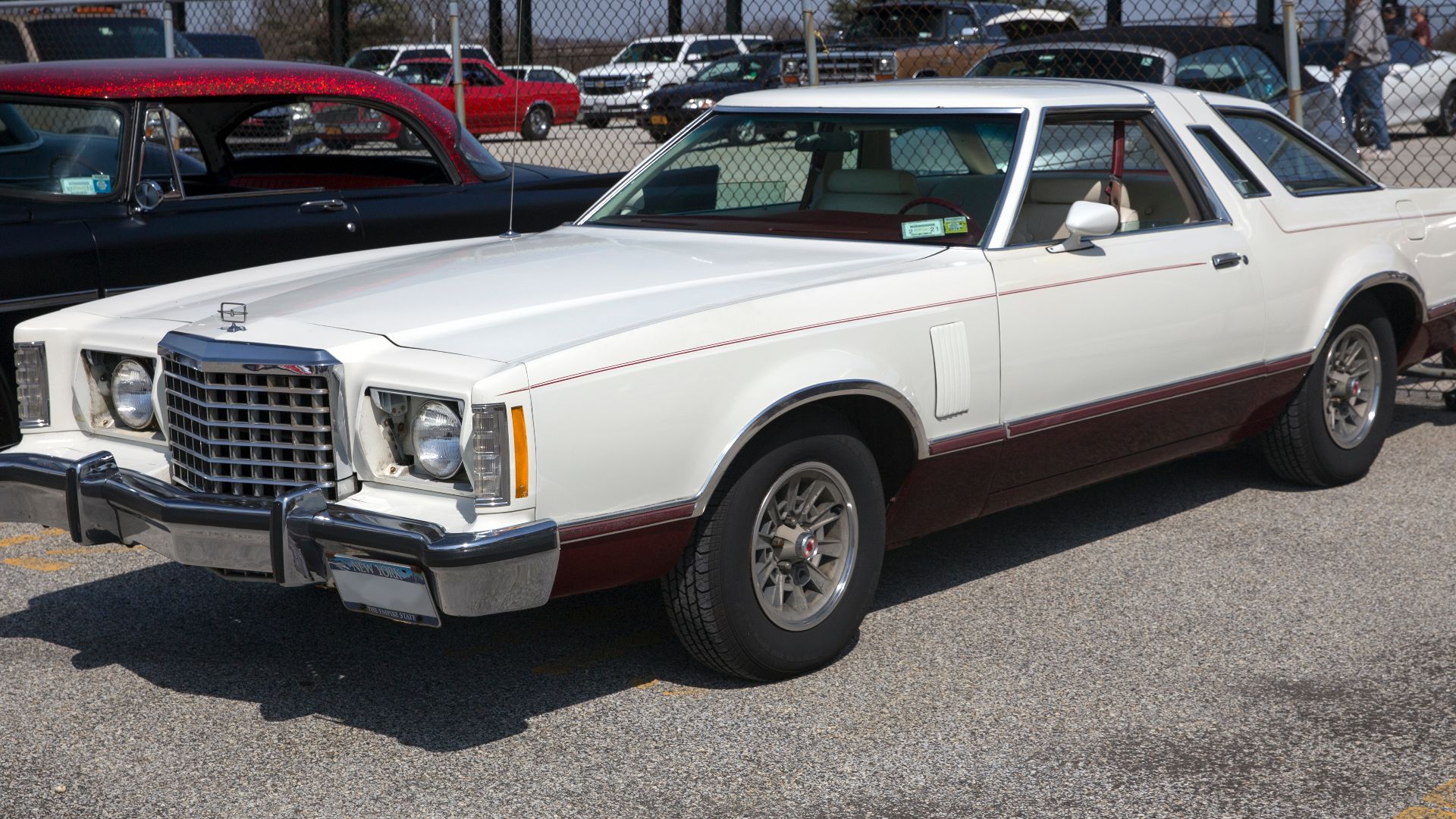
Ford Thunderbird (1977–1979)
The seventh-generation Thunderbird sold well, yet time hasn’t been kind to it. Downsizing didn’t stop it from feeling bulky, and its soft, unimpressive V8s lacked earlier generations’s punch. Enthusiasts now gravitate toward more memorable Thunderbirds, which leaves this era with very little collector demand.
 Mr.choppers, Wikimedia Commons
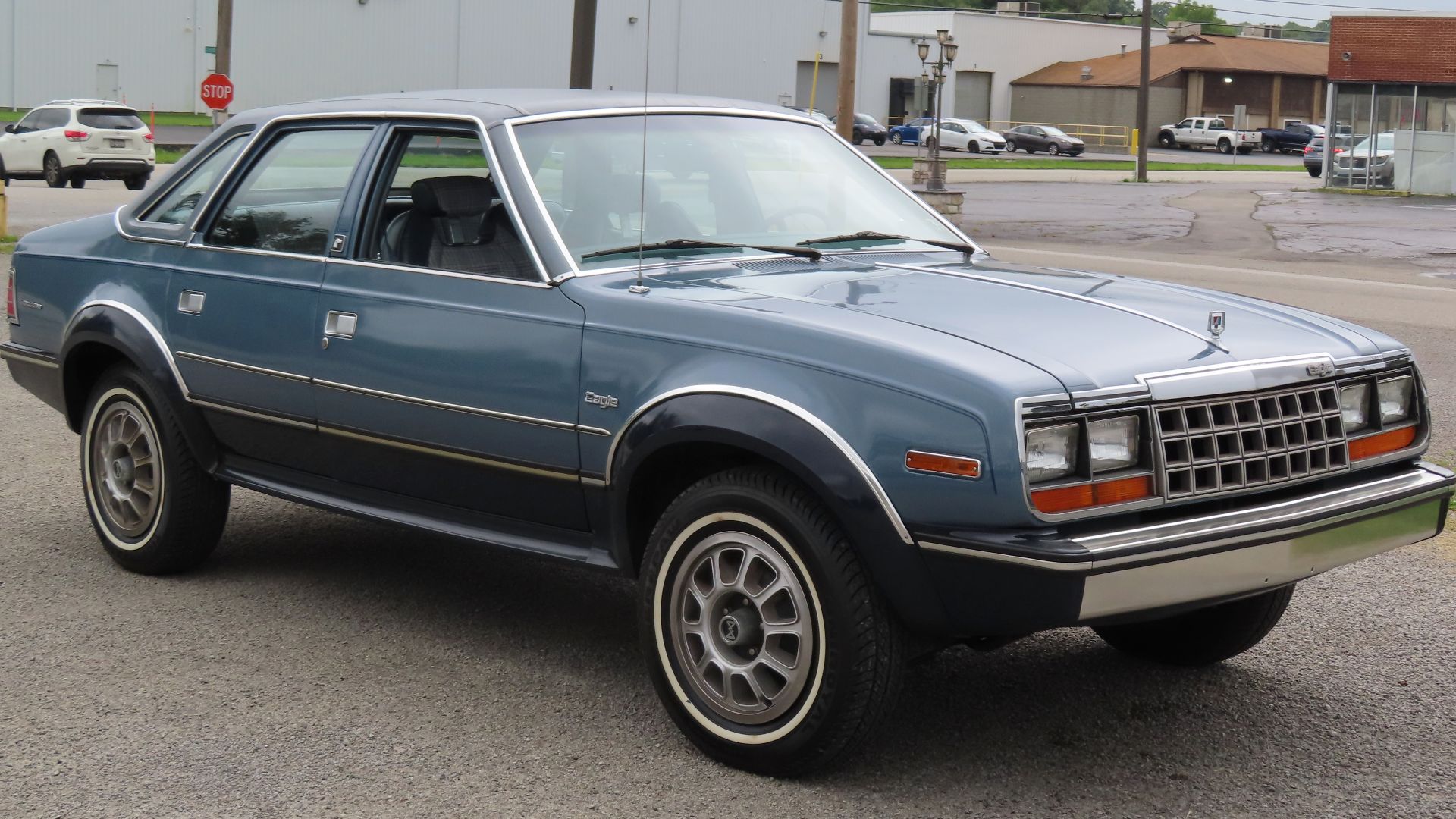
AMC Eagle Sedan (1980–1987)
Decades before crossovers took over, AMC offered the Eagle sedan—essentially a normal car with all-wheel drive. Innovation aside, its odd looks and AMC’s declining fortunes kept it from building a following. In hindsight, it’s admired more for being early than for being a collectible.
 MercurySable99, Wikimedia Commons
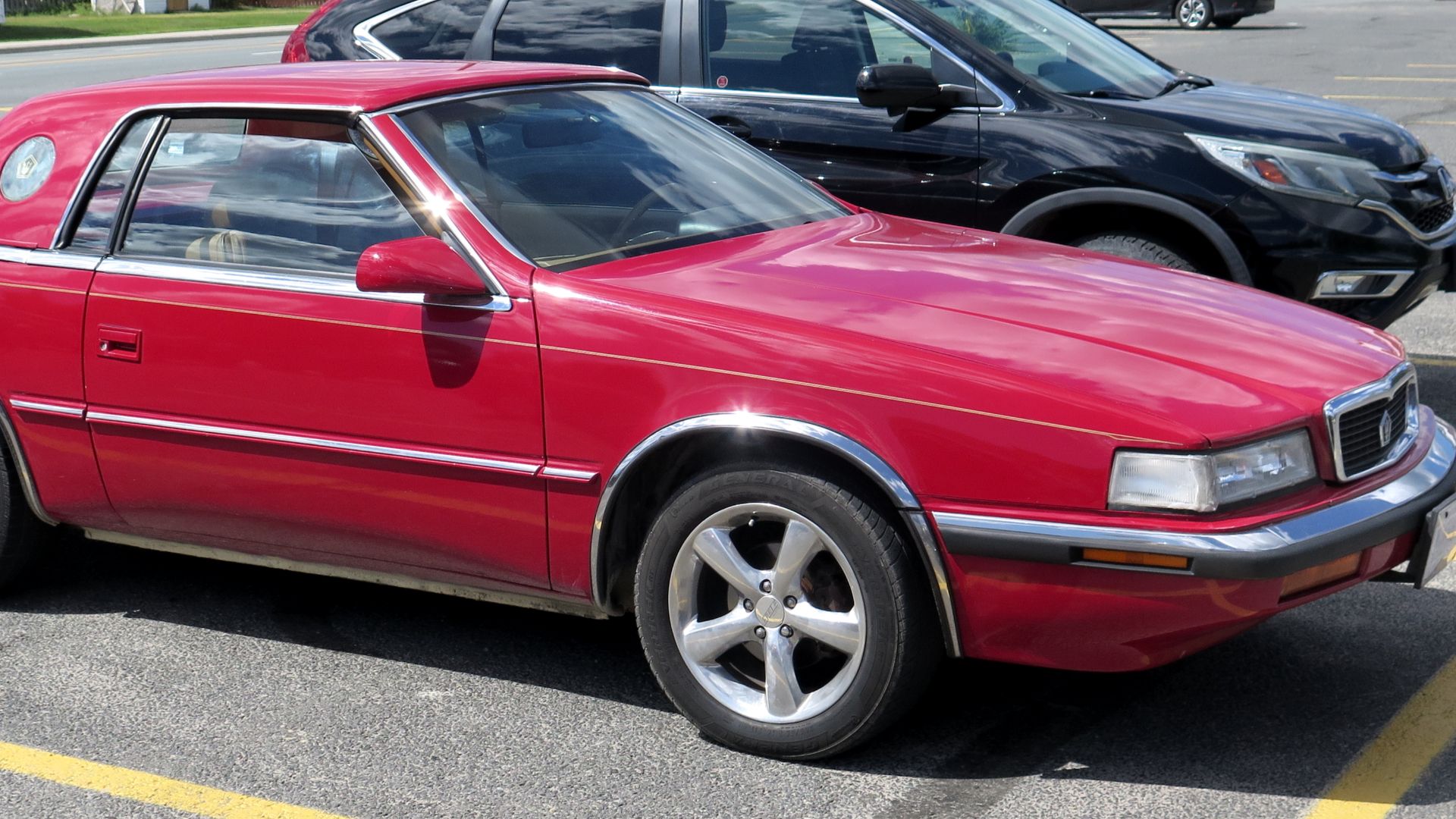
Chrysler TC By Maserati (1989–1991)
Luxury mixed with Italian flair should’ve worked, but the TC never convinced Chrysler or Maserati fans that it belonged to either world. Mediocre performance and confused branding sank it quickly. Its brief production run left the roadster remembered mainly as a well-intentioned misfire.
Triumph TR7 (1975–1981)
Triumph’s “wedge of the future” turned heads for its styling but disappointed once buyers encountered weak performance and unreliable build quality. It eventually became Triumph’s bestseller, but its reputation never recovered. Today, the TR7 sits among Britain’s more polarizing classics instead of the desirable ones.
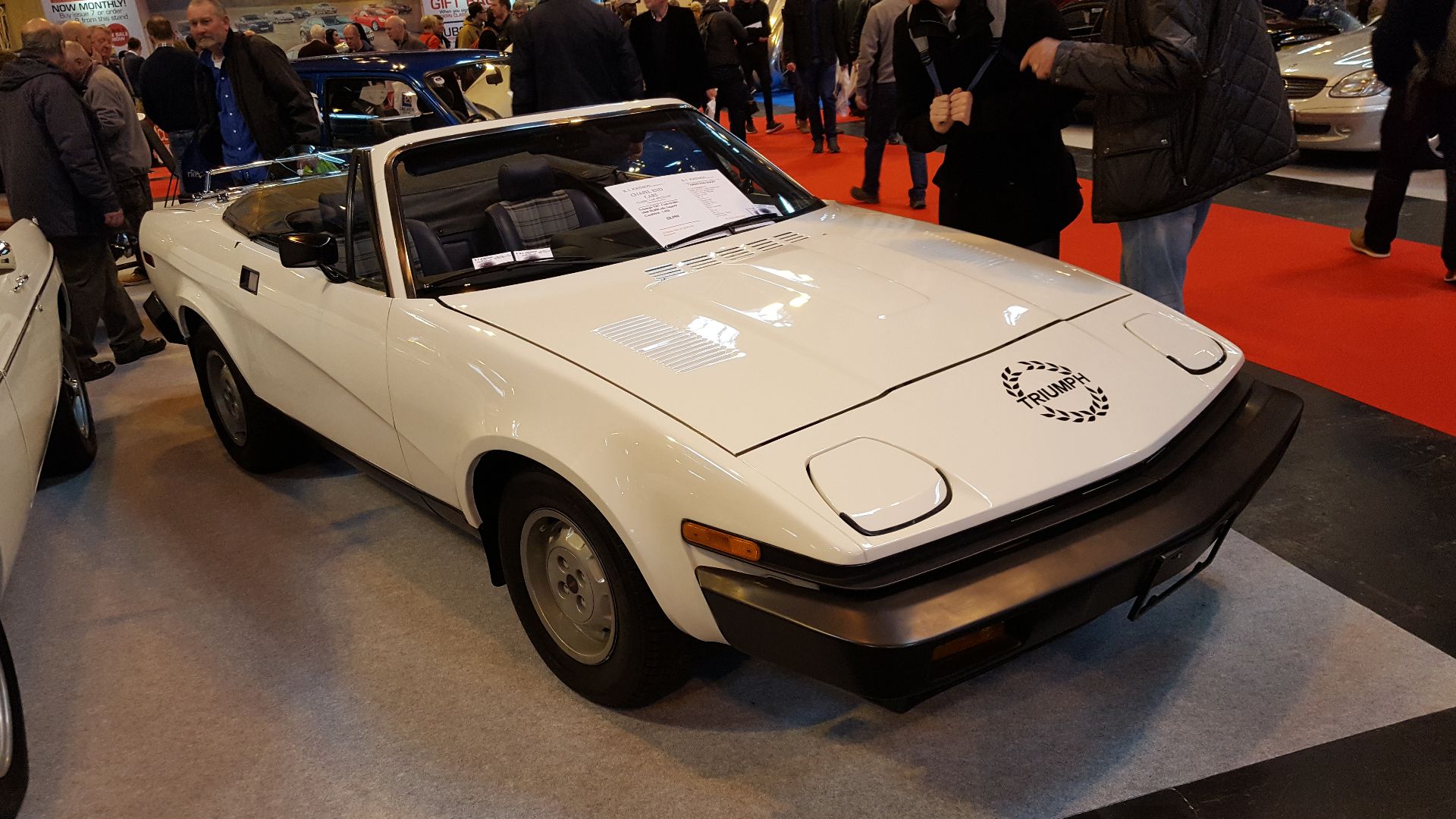 Kieran White from Manchester, England, Wikimedia Commons

History's most fascinating stories and darkest secrets, delivered to your inbox daily.
Buick Reatta (1988–1991)
Touchscreen controls and hand-built assembly made the Reatta feel futuristic. However, that excitement never translated into sales. Fewer than 22,000 were made, and collectors still favor other Buick icons. The Reatta remains a curiosity worth studying, though rarely sought after.
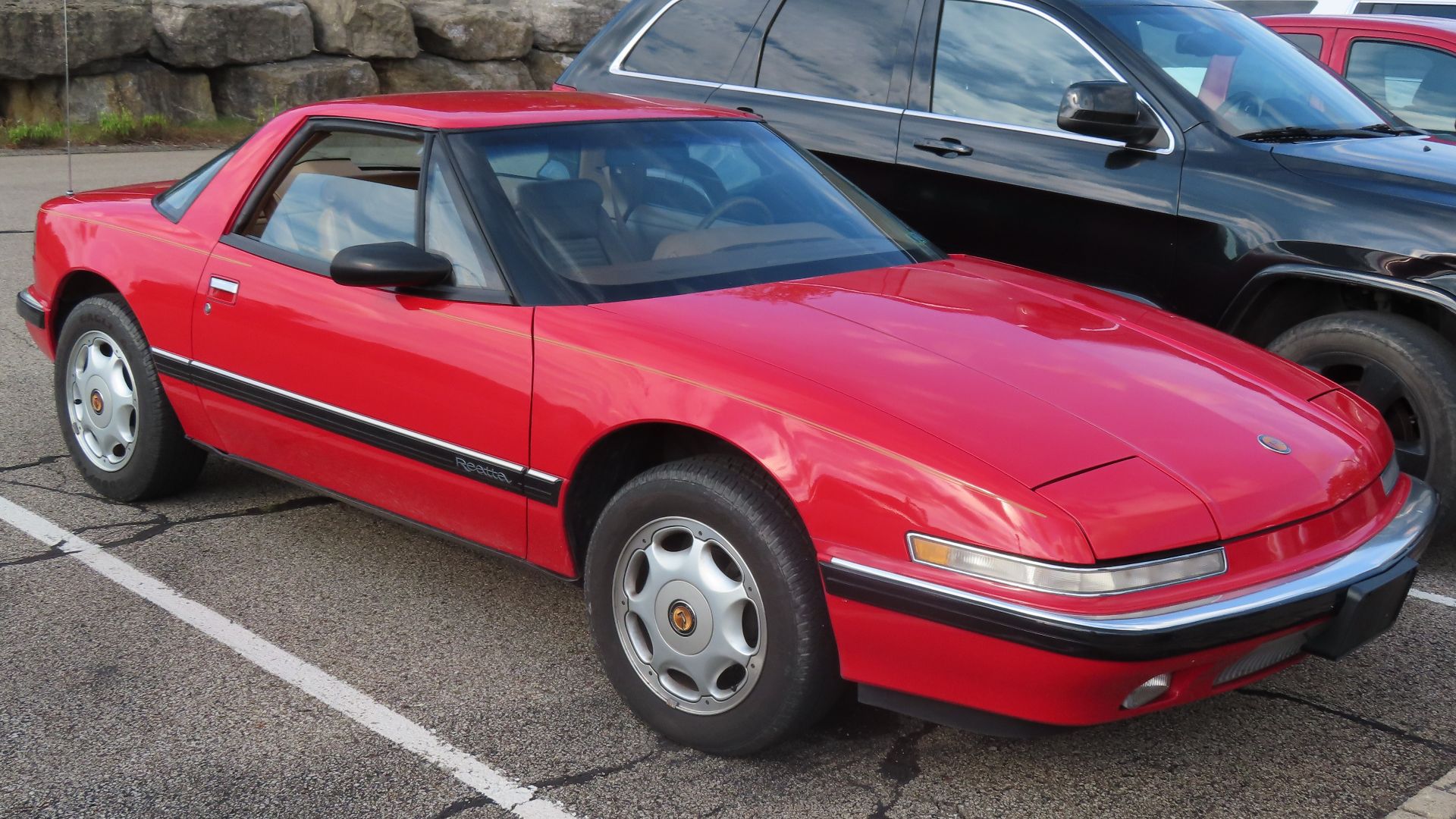 MercurySable99, Wikimedia Commons
Dodge Mirada (1980–1983)
Even with sporty trims, T-tops, and personal-luxury styling cues, the Mirada never gained much traction. Production stopped a little past 53,000 units, and it soon faded from view. J-body loyalists still appreciate it, but most collectors remain focused on more sought-after cars.
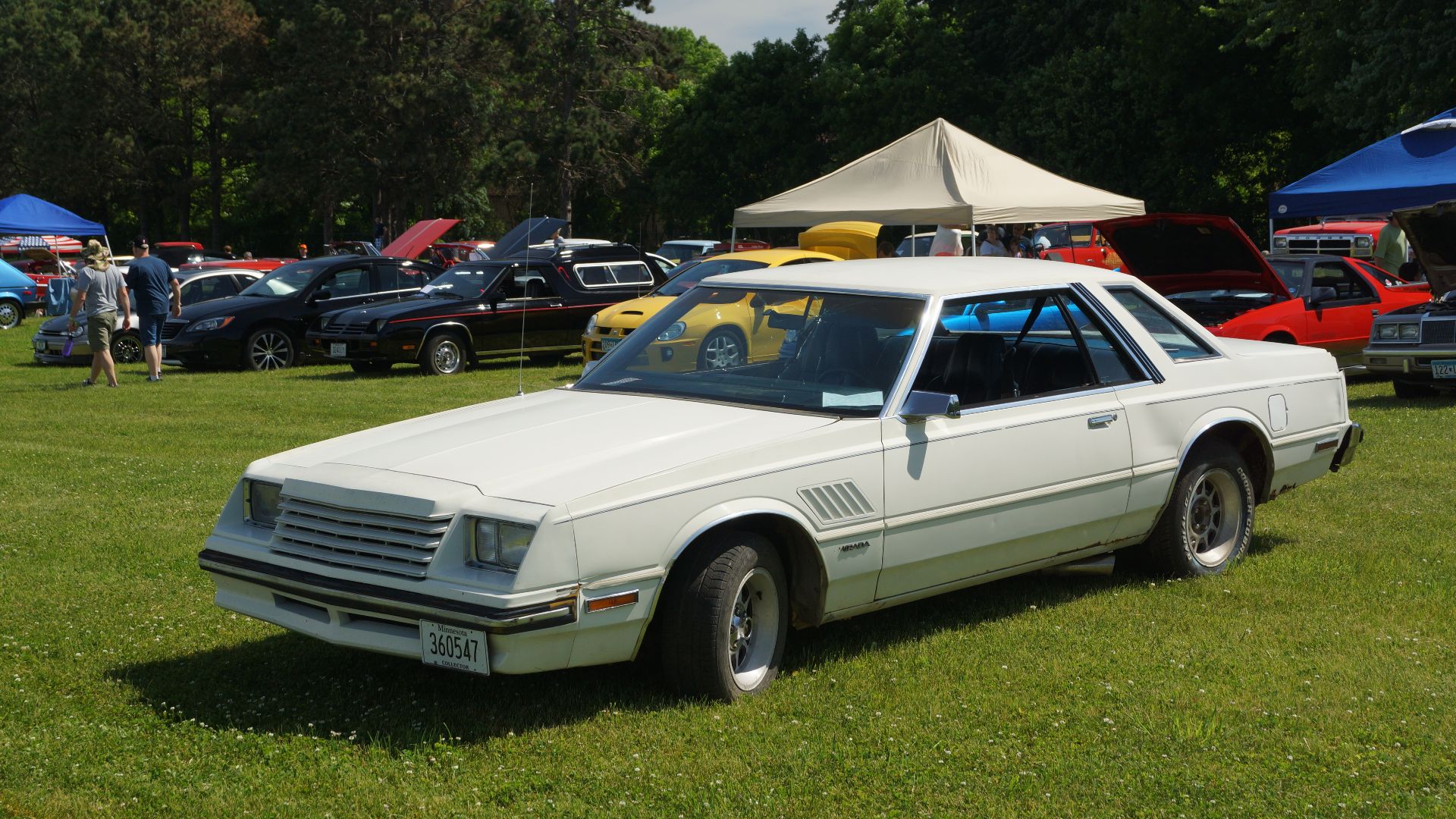 Greg Gjerdingen from Willmar, USA, Wikimedia Commons
Mercury Capri (1979–1986)
Though it shared the Fox-body platform with the Mustang, the Capri never earned the cultural weight its sibling carried. Even the rarer ASC/McLaren versions couldn’t elevate it beyond niche status. Collectors still lean hard toward Mustangs because aftermarket support is stronger.
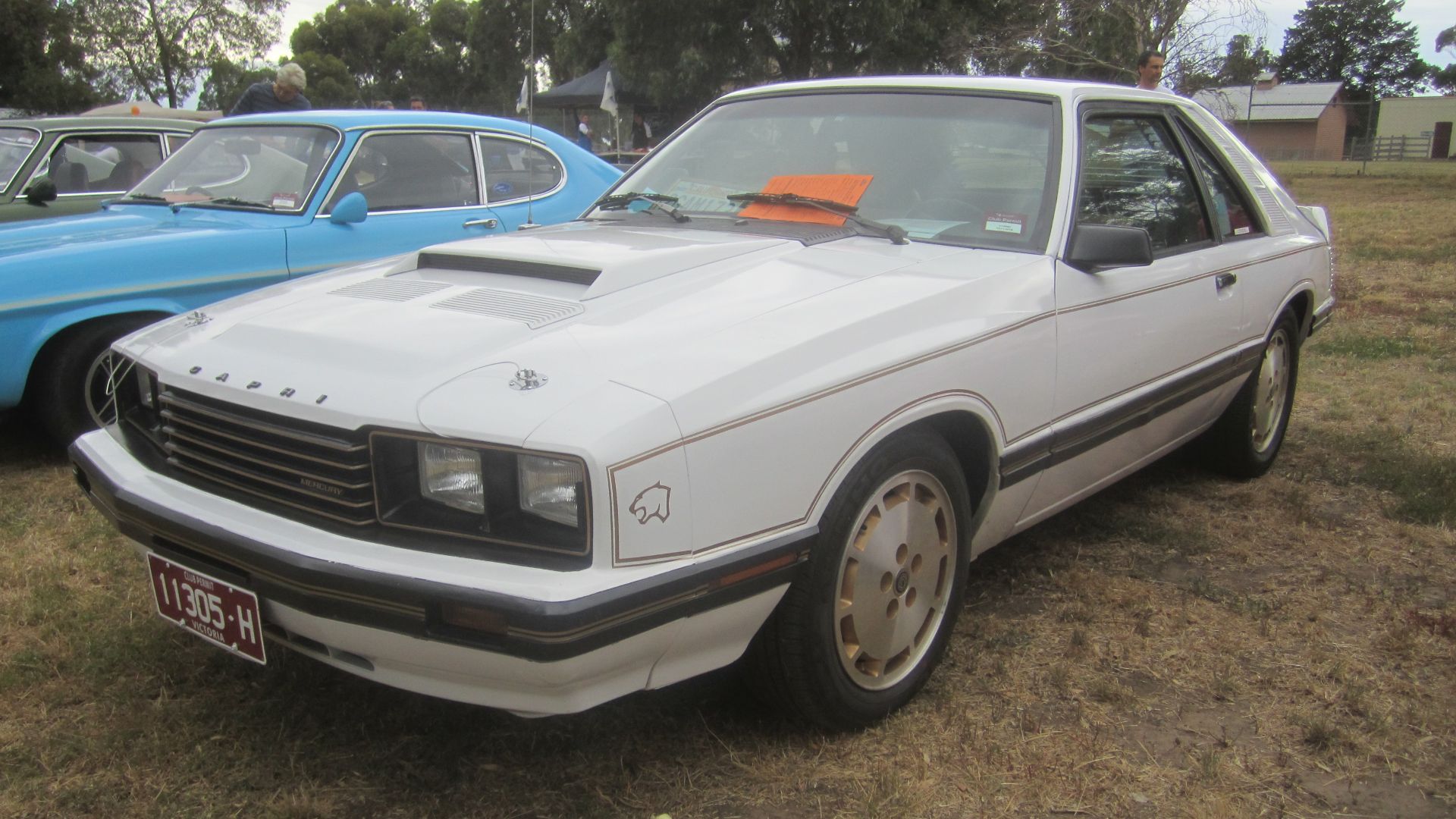
Oldsmobile Toronado (1980s models)
The Toronado entered the 1980s with a reputation built on front-wheel-drive innovation. Downsizing stripped away presence, and buyers lost interest fast. The Trofeo’s early touchscreen added novelty, not demand. Eventually, the once-influential model faded into the background of Oldsmobile history.
 MercurySable99, Wikimedia Commons
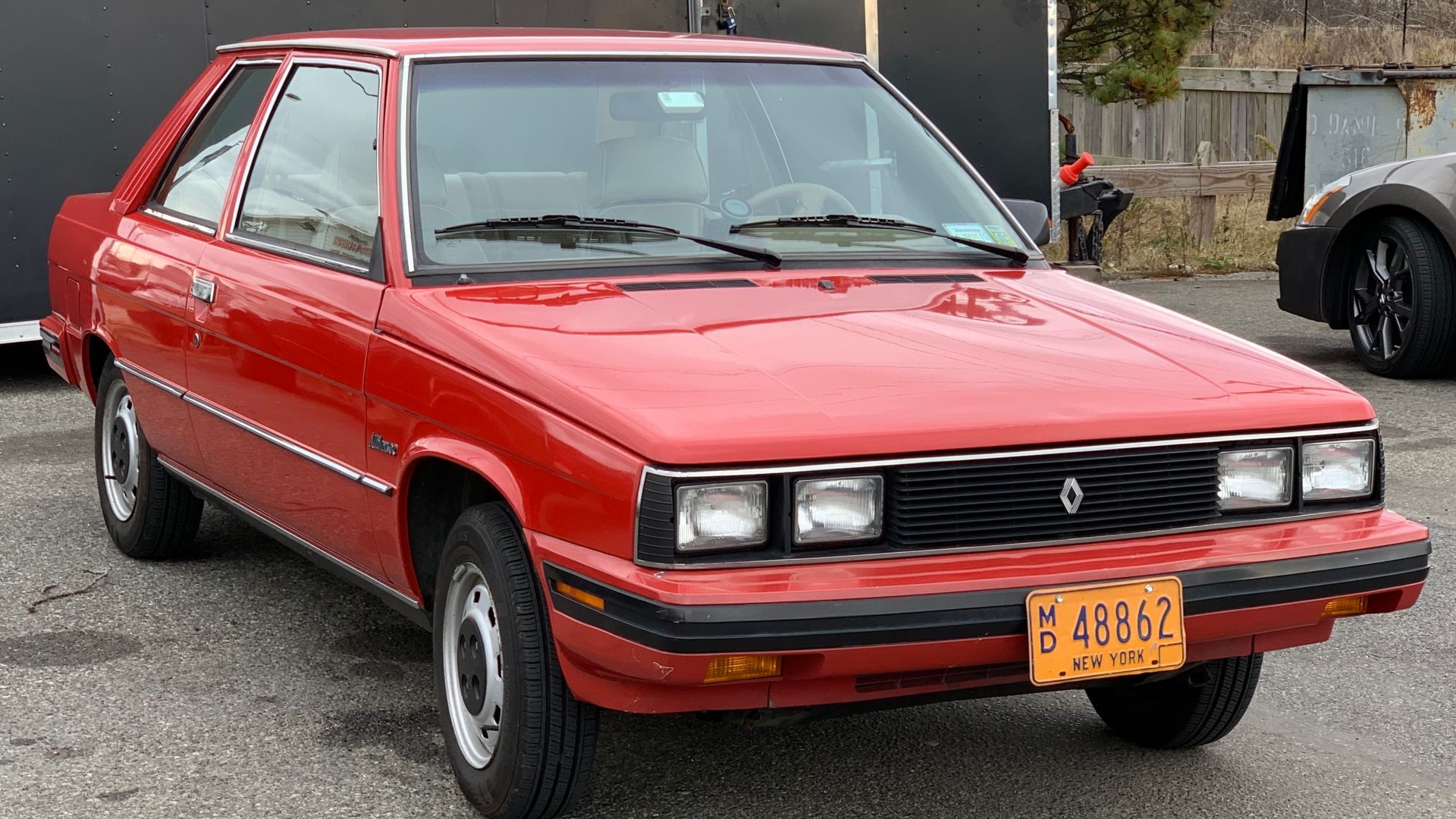
Renault Alliance (1983–1987)
Problems with durability and shrinking AMC dealership reach kept the Alliance from gaining momentum. It aimed to bring French compact sensibility to American buyers, but the execution fell short. By the end of its brief run, the model had already become one of the era’s more forgettable cars.
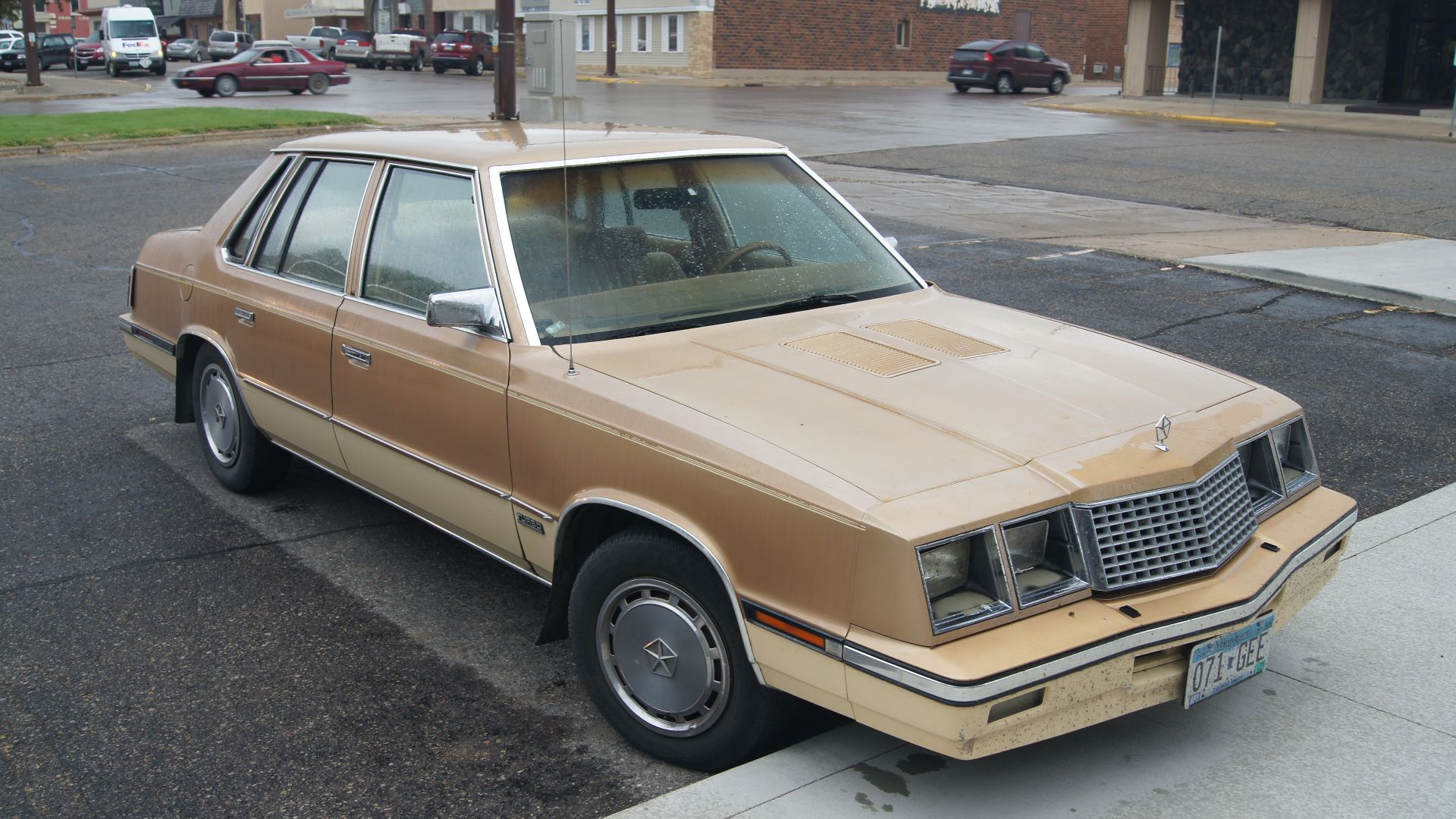
Plymouth Caravelle (1985–1988)
The Caravelle, a K-platform sedan, delivered exactly what Chrysler intended: simple, reliable transportation. But with virtually no unique features or standout trims, it got lost in the other lineup. Its badge-engineered nature kept enthusiasm low, and today it remains a barely remembered footnote in Chrysler’s 1980s catalog.
 Greg Gjerdingen from Willmar, USA, Wikimedia Commons
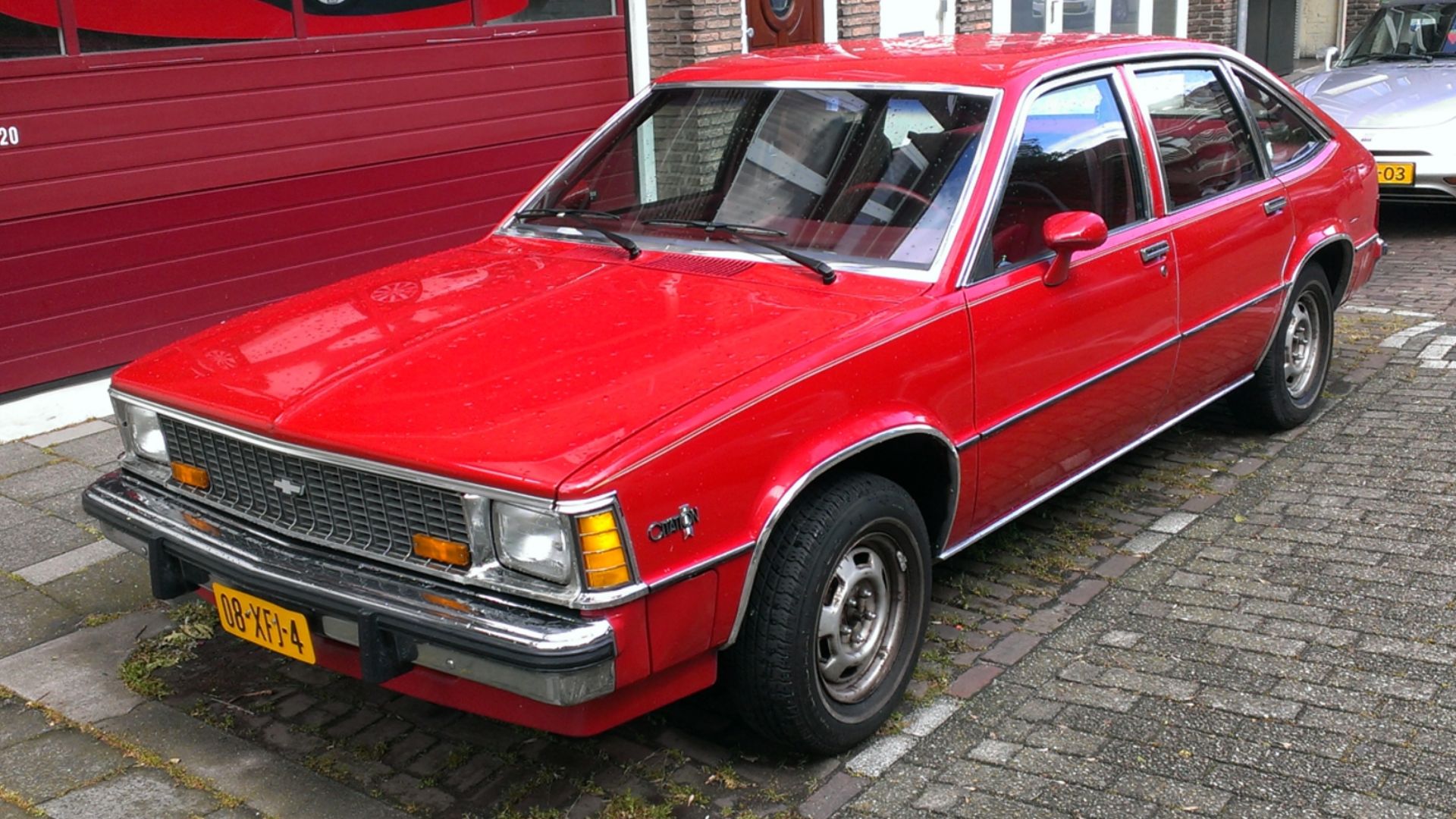
Chevrolet Citation (1980–1985)
Recalls and durability complaints quickly overshadowed the hype surrounding GM’s first front-wheel-drive compact. The Citation began as a major technological leap, but couldn’t maintain its momentum. Problems piled up, and the car ultimately became a cautionary example rather than a collectible success story.
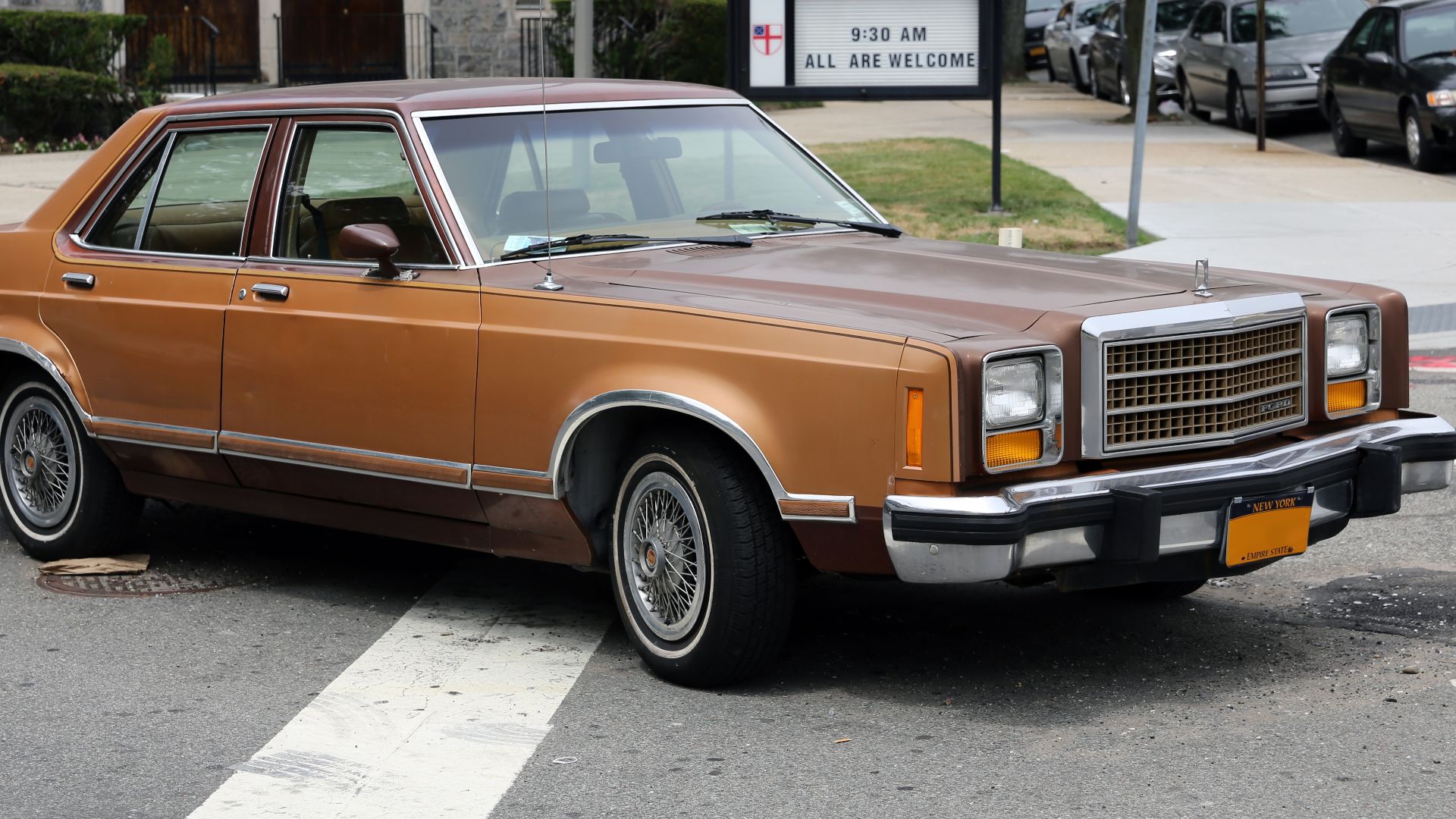
Ford Granada (1975–1982)
Ford positioned the Granada as a stylish, compact alternative with upscale touches, but sadly, the driving experience never matched the marketing. What began as a promising seller soon became known for being forgettable. Today, the model sits quietly in history, rarely mentioned by collectors or enthusiasts.
 Mr.choppers, Wikimedia Commons
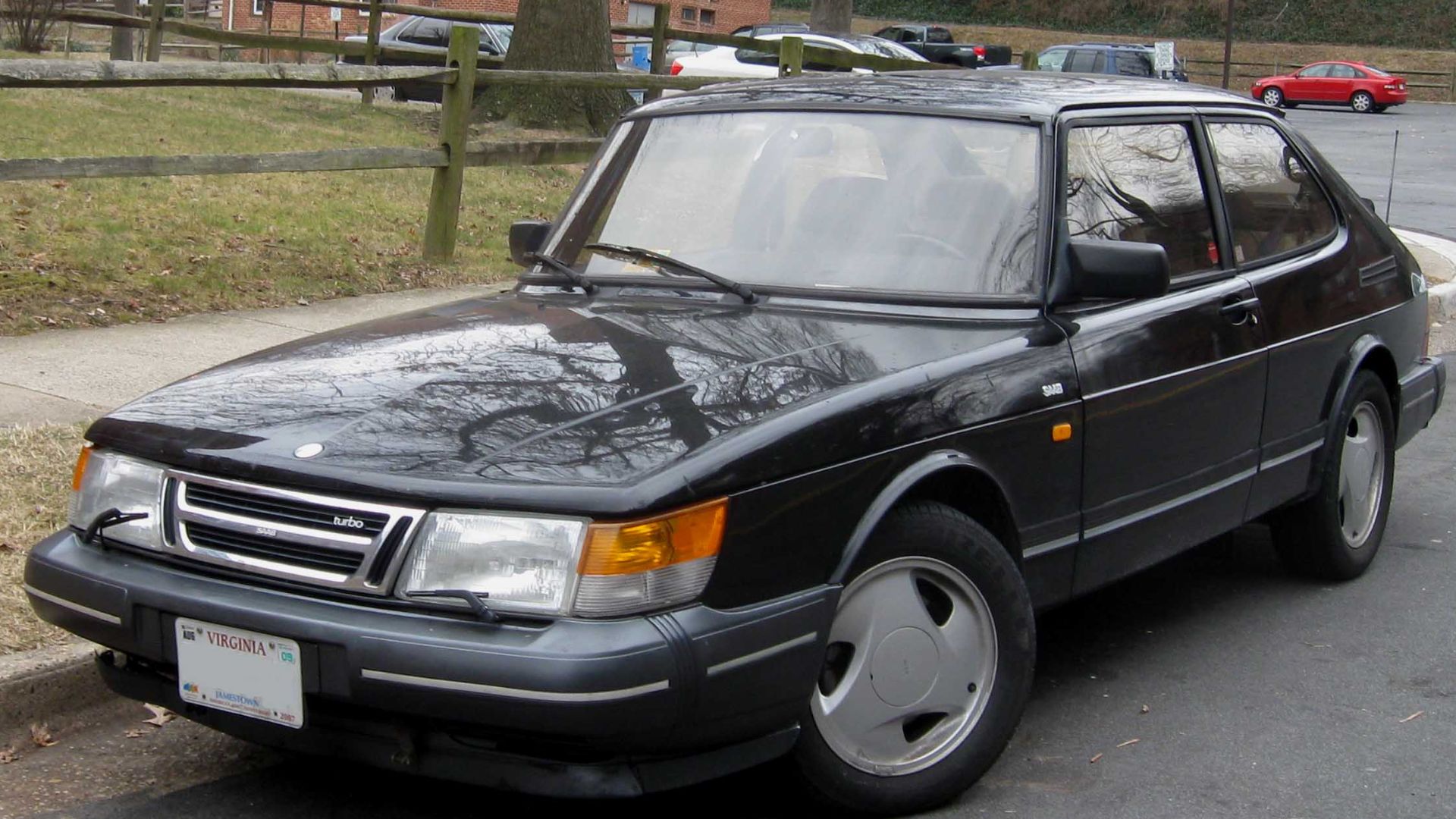
Saab 900 (Base Models)
Base-model Saab 900s never enjoyed the cult following of their turbocharged counterparts. Without the extra power or excitement, buyers focused instead on the quirks and the high repair costs. As a result, these entry trims hold little collector interest today despite the 900s overall iconic reputation.
Isuzu I-Mark (1981–1989)
Its biggest issue was anonymity. The I-Mark delivered solid fuel economy, yet lacked the presence or excitement that enthusiasts wanted. Even the rare Lotus-influenced RS Turbo couldn’t push it into the spotlight. Today, it remains one of the decade’s least remembered compact imports.
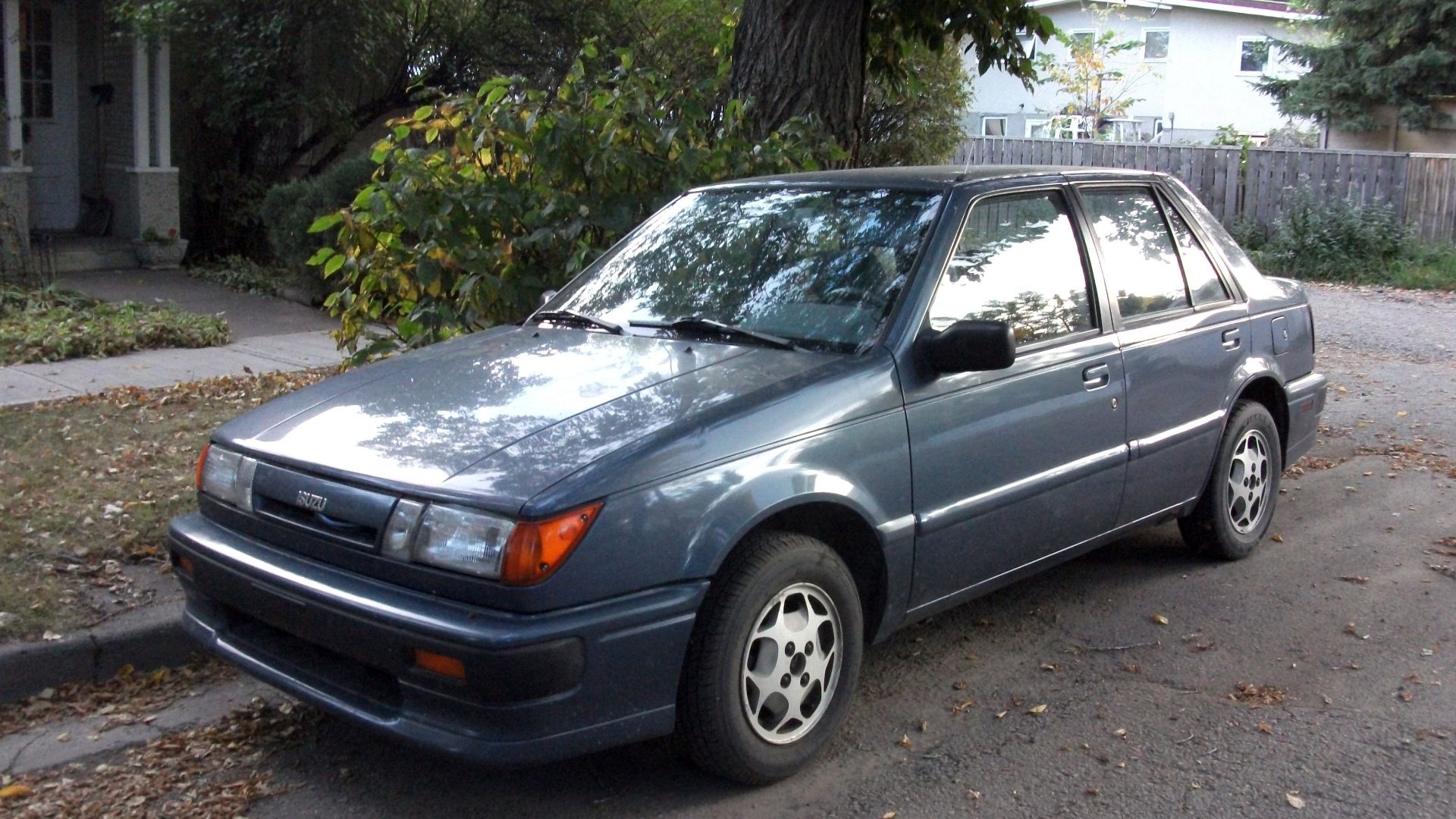 dave_7 from Lethbridge, Canada, Wikimedia Commons
Subaru XT (1985–1991)
The XT looked like it came straight out of an 80s sci-fi movie with a sharp wedge body and digital gauges. But that uniqueness didn’t translate into broad appeal. It stayed a niche favorite, and today it’s remembered more for its weirdness than any lasting collector buzz.
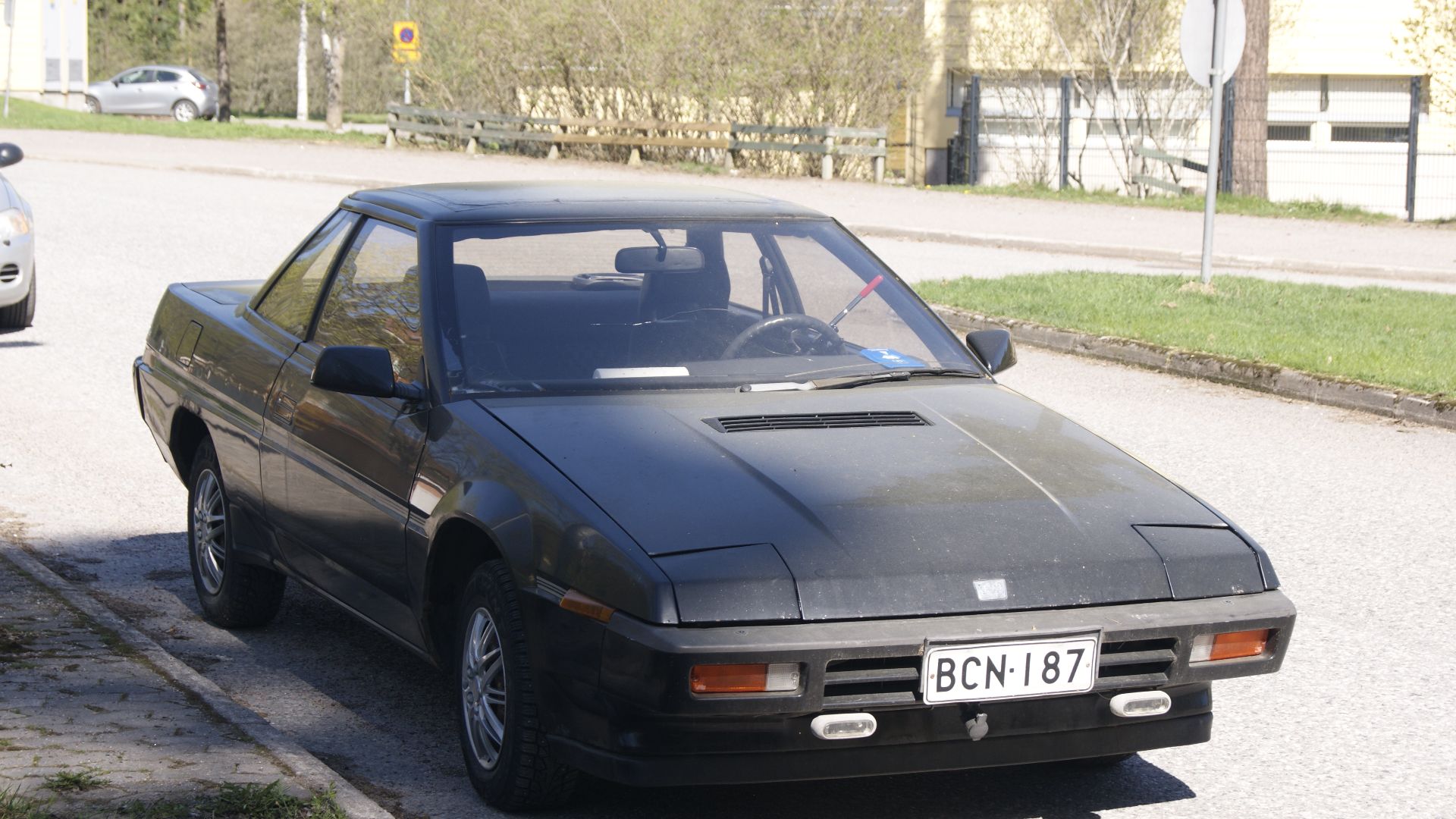 Dogs.barking.duster.rolling, Wikimedia Commons
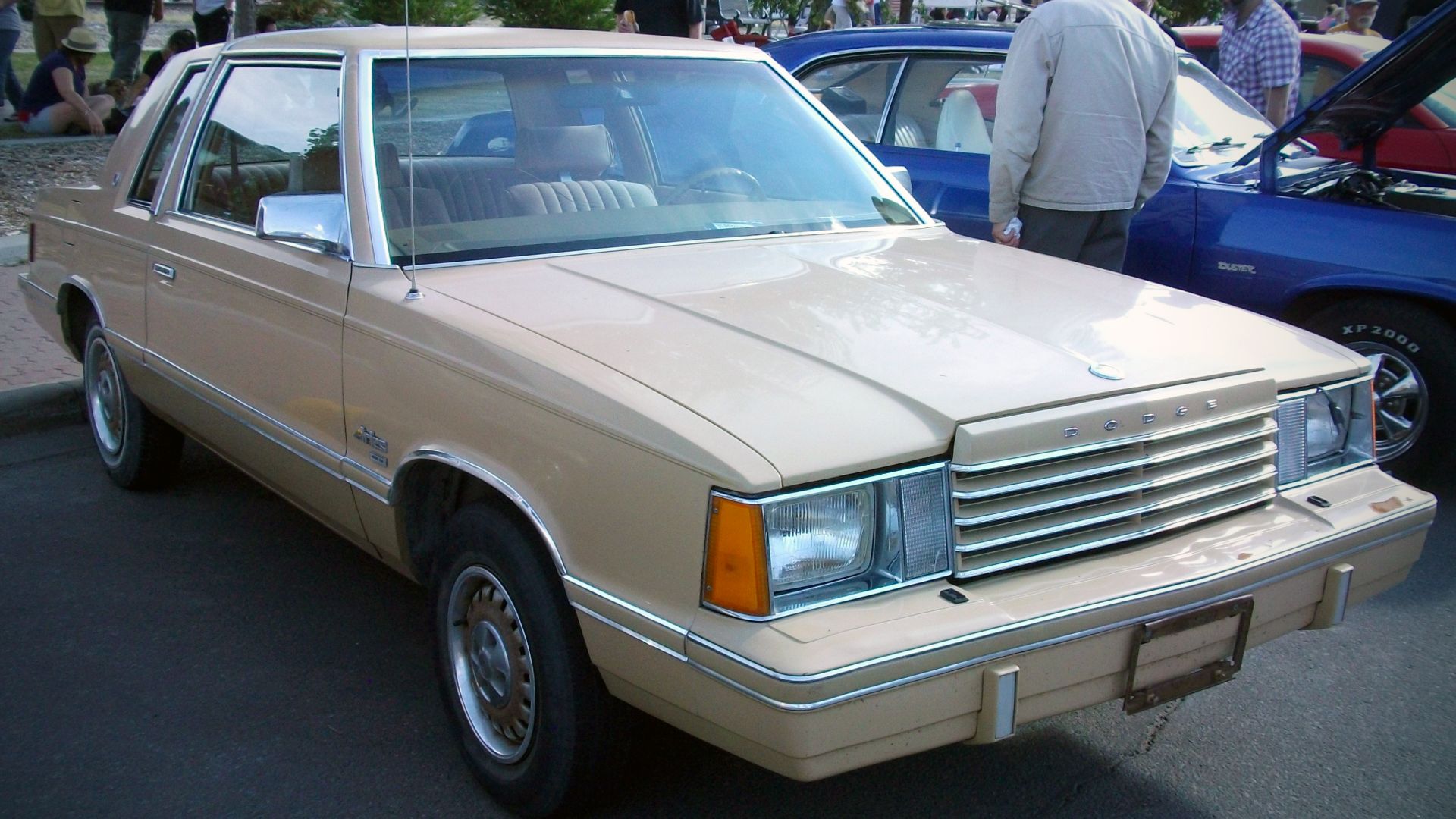
Dodge Aries (1981–1989)
Even though the Aries helped rescue Chrysler financially, that accomplishment didn’t translate into collector desirability. The car was known for practicality, not personality. With its simple engineering and modest design, it quietly aged out of relevance, remembered more for its role than its actual driving appeal.
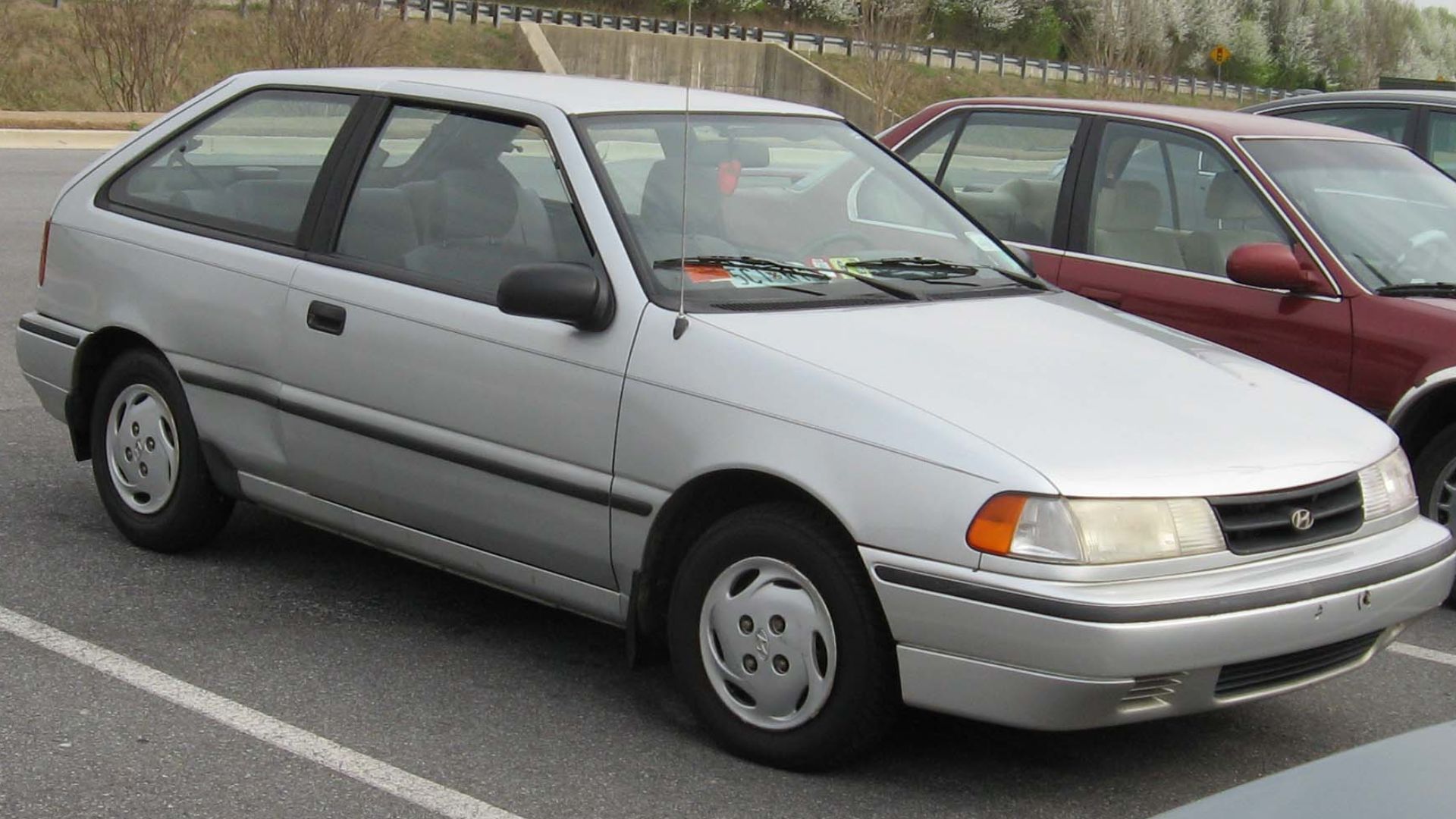
Hyundai Excel (1986–1994)
When Hyundai launched the Excel, it grabbed attention for being cheap and cheerful. That charm faded once owners encountered the build-quality issues that followed it through the decade. Few survived, and fewer are missed, which left the car as a historical footnote in Hyundai’s growth story.
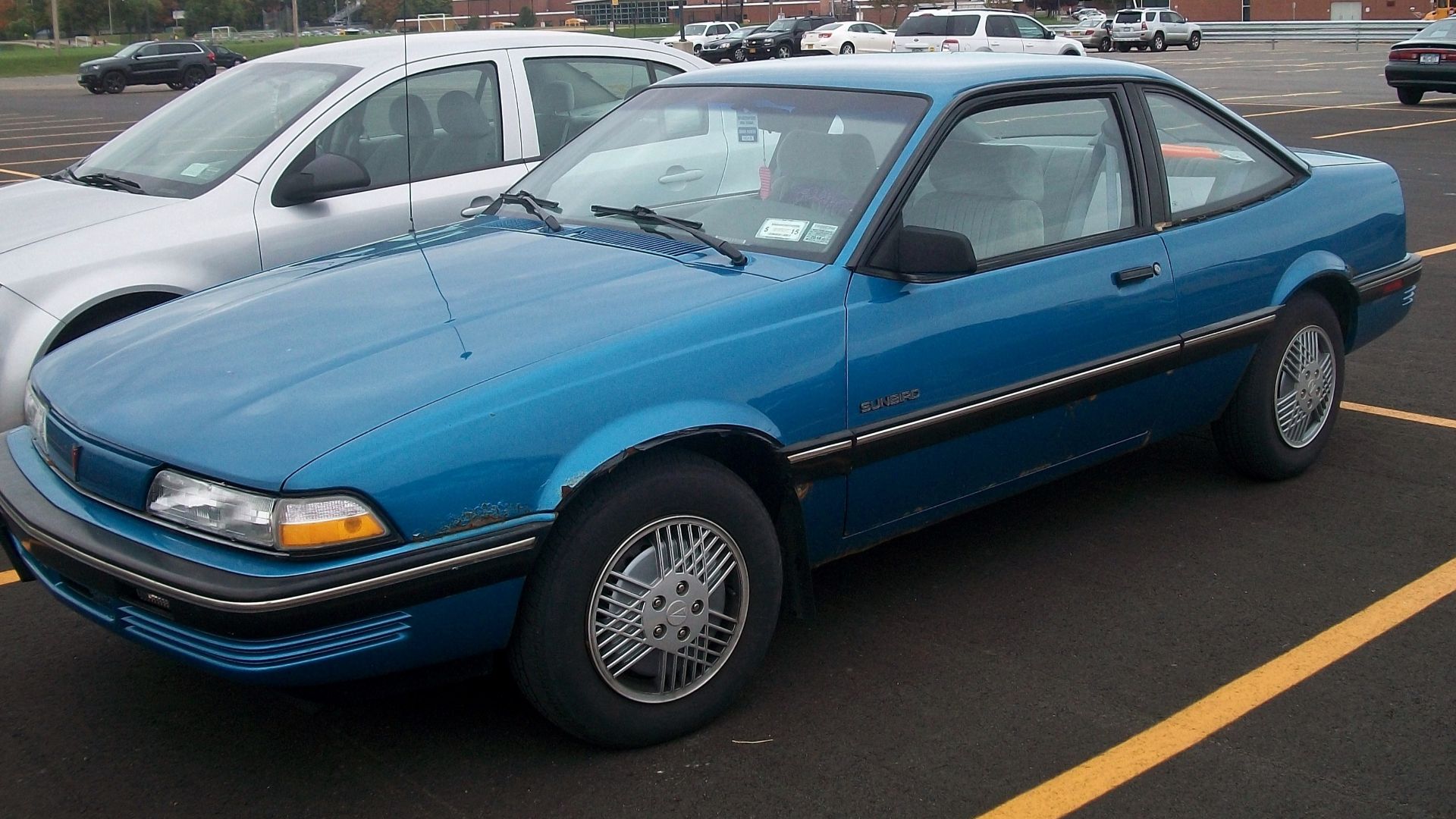
Pontiac Sunbird (1982–1994)
Pontiac pitched the Sunbird as a stylish compact with optional punch and included a turbo variant, but it never captured the excitement buyers hoped for. Most drivers saw it as transportation with a sporty badge. Over time, it faded away, overshadowed by Pontiac’s more iconic models.
 AuroraTerra, Wikimedia Commons
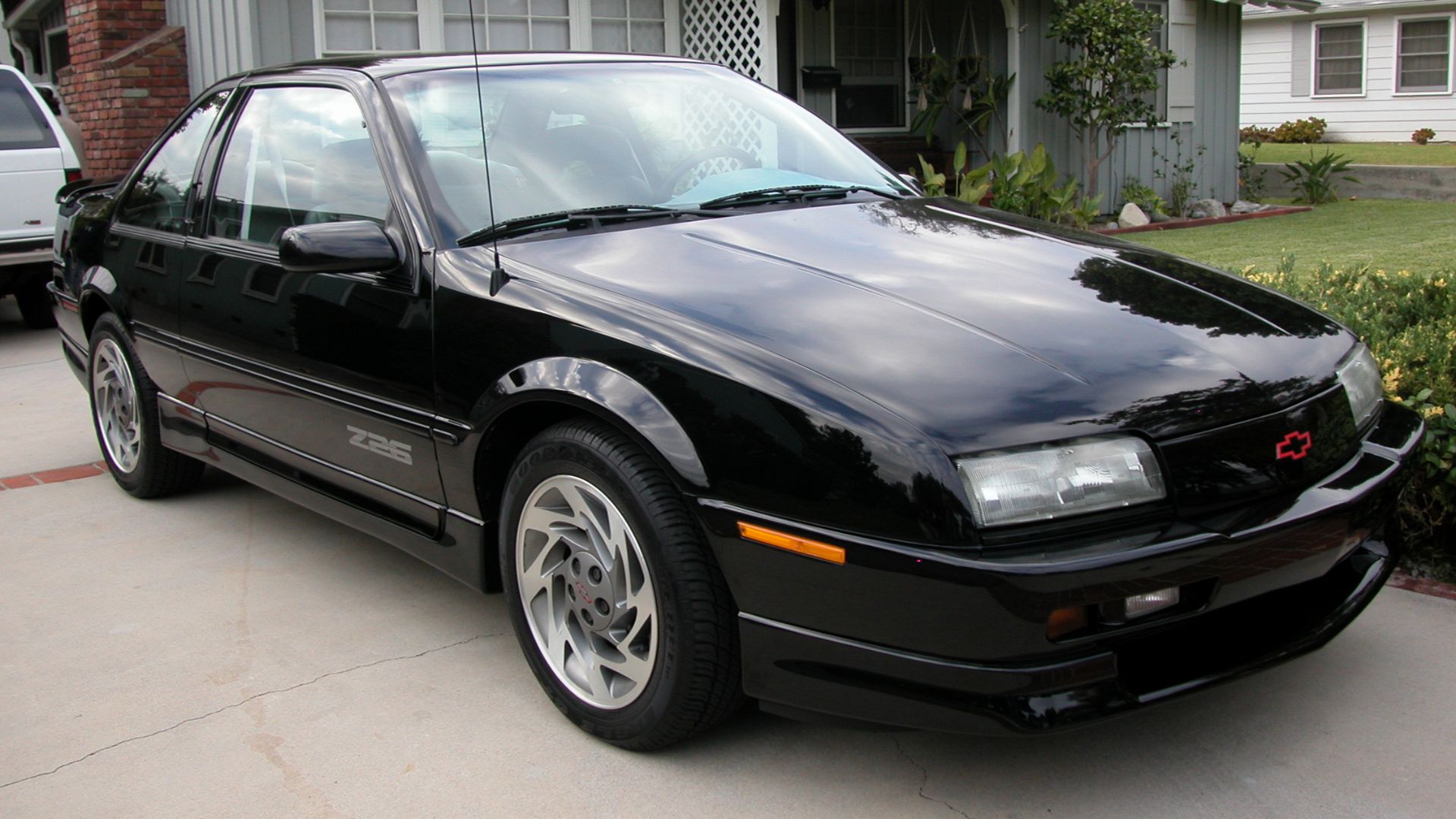
Chevrolet Beretta (1987–1996)
The Beretta arrived as a sporty two-door coupe wrapped in bold 80s design. Stronger competitors soon claimed the spotlight, and the car’s early buzz slipped away. It now sits in the category of overlooked Chevrolet experiments with almost no collector pull.
 Rich Niewiroski Jr., Wikimedia Commons
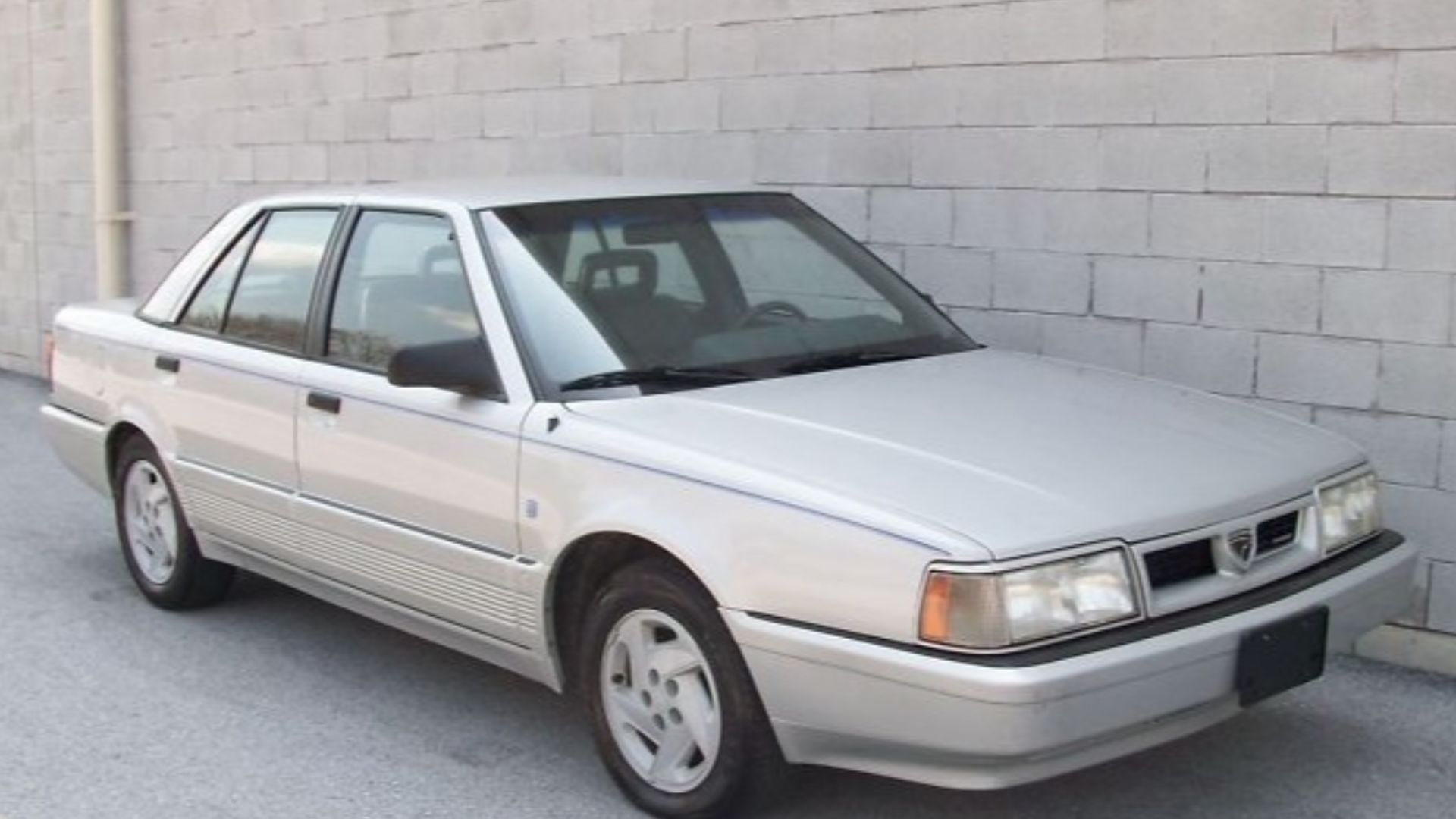
Eagle Premier (1988–1992)
Strong engineering couldn’t save the Premier from anonymity. Even with its Renault roots and Italdesign styling, the car never attracted much attention. AMC’s transition into Chrysler complicated its identity, and the model quickly faded, remembered mostly as an overlooked farewell to AMC rather than a classic.
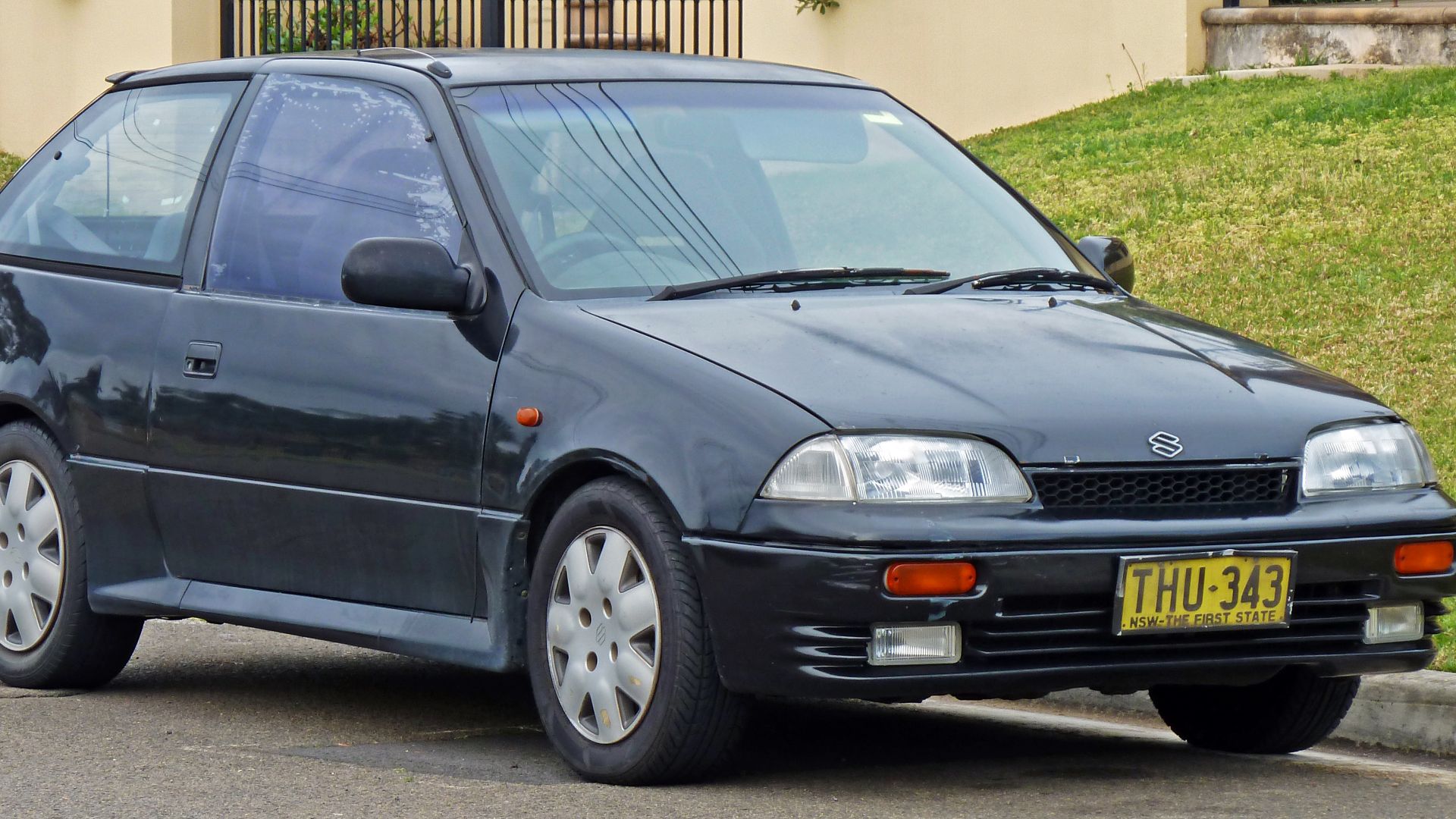
Suzuki Swift (1989–1994)
Although the Swift GT variant provided commendable performance for its size, the model as a whole lacked long-term durability and brand prestige. Its economy-car status overshadowed its strengths by restricting enthusiast interest. As a result, the Swift never established a meaningful collector footprint despite its spirited engineering.
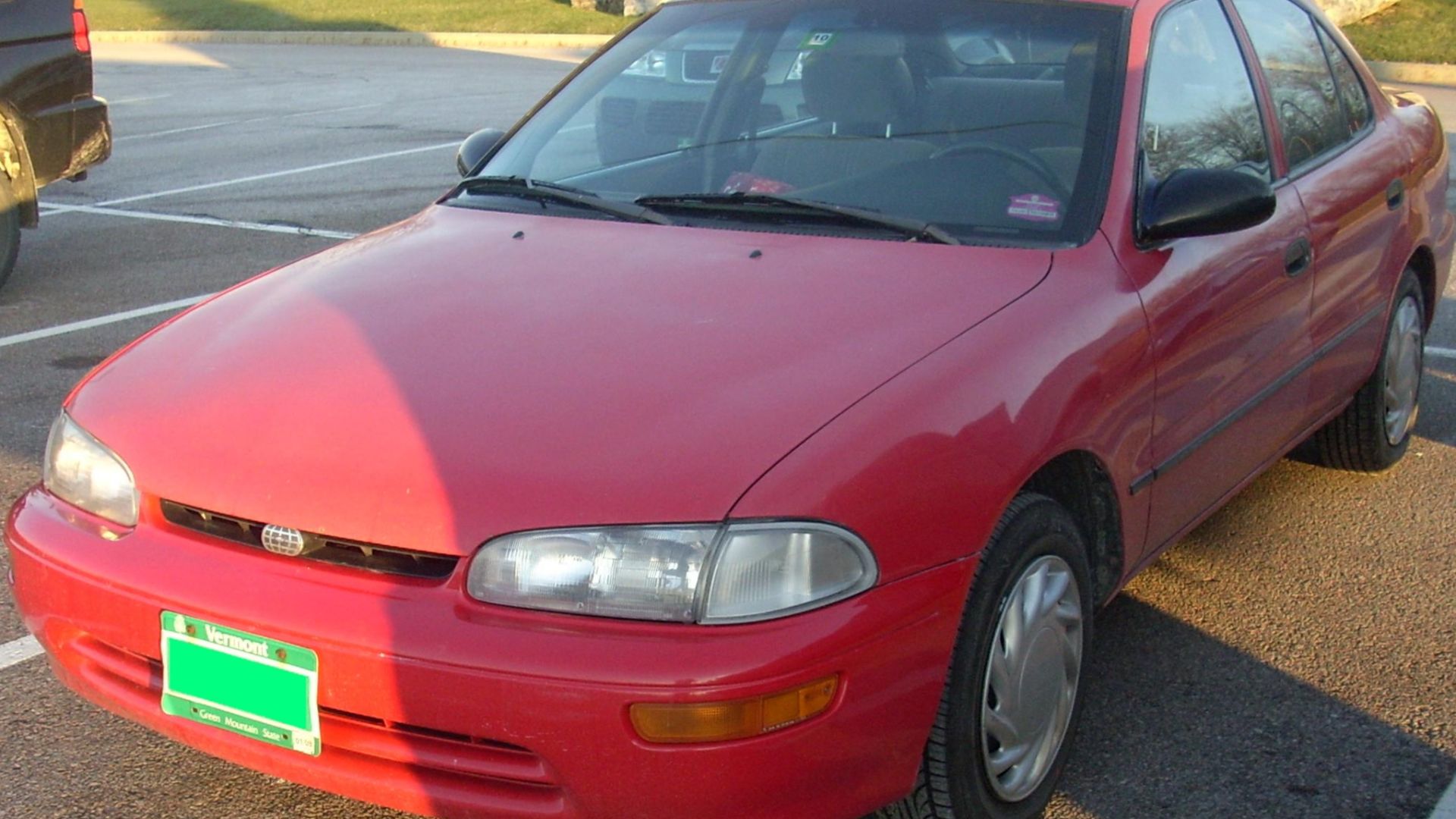
Geo Prizm (1990–1997)
The Geo Prizm shared the Corolla’s bones and built its reputation on quiet dependability. But without Toyota’s branding power, it never stood out. Over time, it served its purpose and aged out. Collectors rarely mention it, and surviving examples attract minimal attention.