
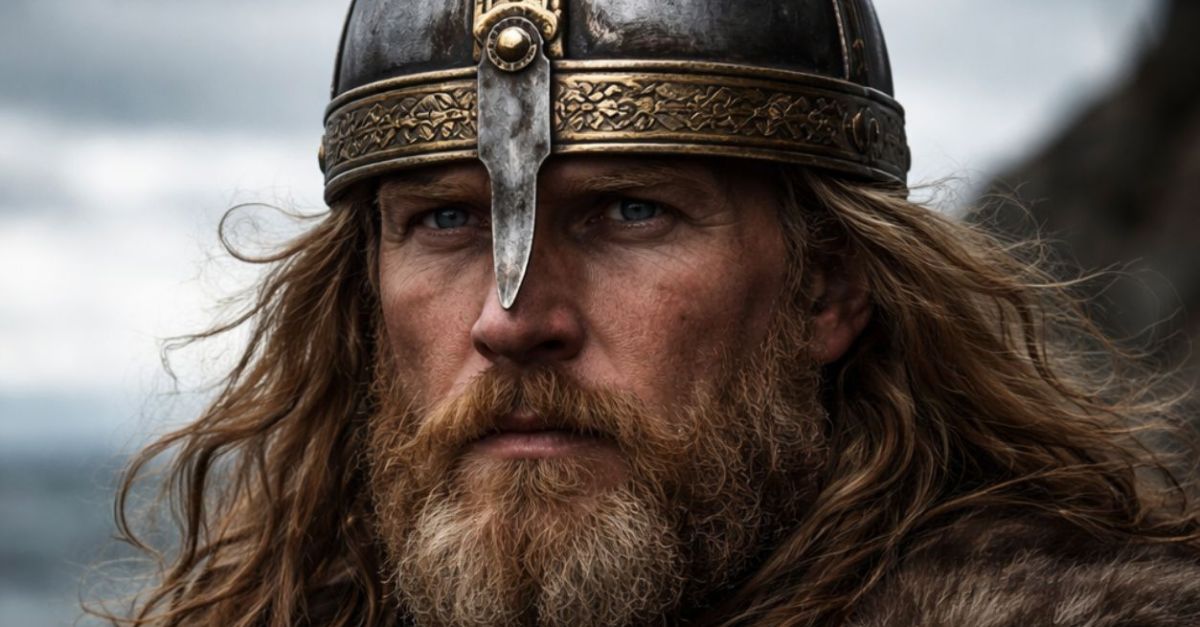
The Myth Of Christopher Columbus
The second Monday of October is a federal public holiday in the United States. Known as Columbus Day, it marks the anniversary of Christopher Columbus’s arrival in the Americas in 1492 – an event that, without doubt, marked a turning point in the fortunes of the conjoined continents, north and south of where he landed.
But despite popular perceptions, the Italian explorer wasn’t the first European to set foot on American soil. Not by a long shot.
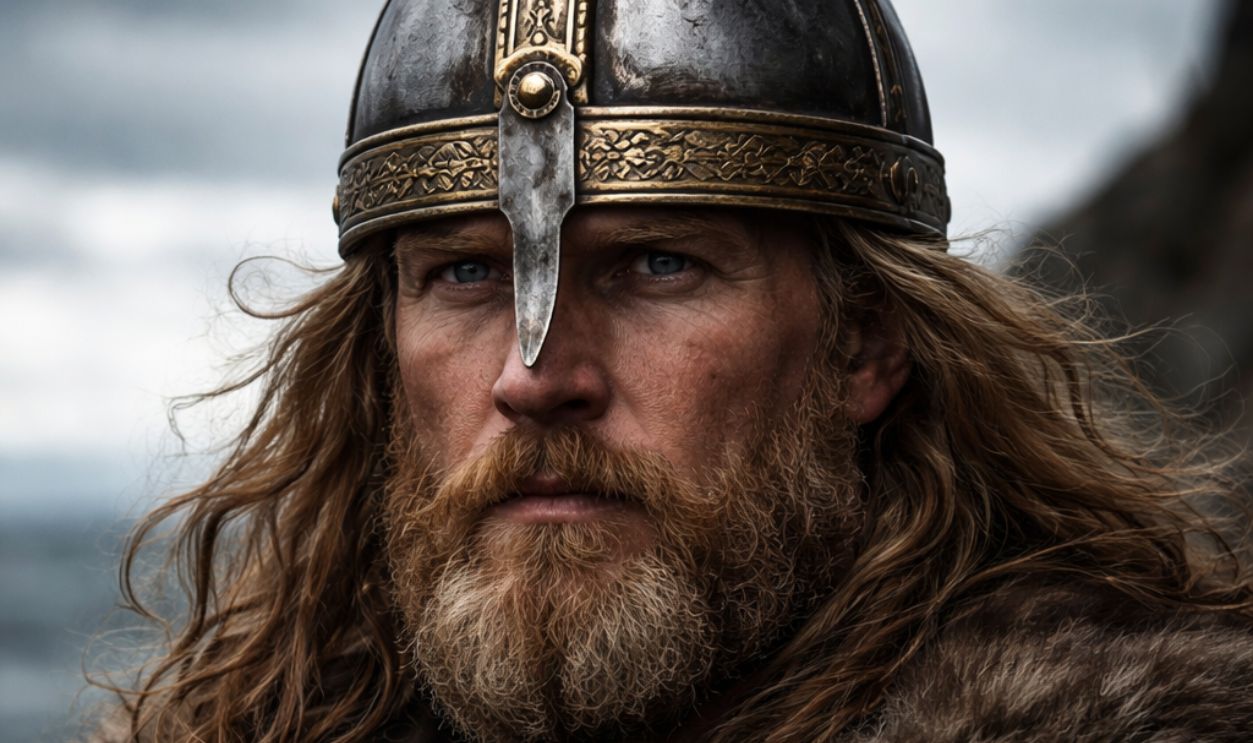
The Men Who Beat Christopher To The New World
Almost five centuries before Columbus crashed into the Bahamas, a boatload of men had made landfall in North America. And while the Vikings’ initial discovery of what would become known as the New World was almost certainly a fluke, within a short time Norse explorers led by Leif Erikson and his siblings were deliberately pointing their longboats at the fertile western land. By the early 1000s, a Viking colony was attempting to put down roots in the earthly Valhalla they called Vinland, a place of wine-grapes and wheat.
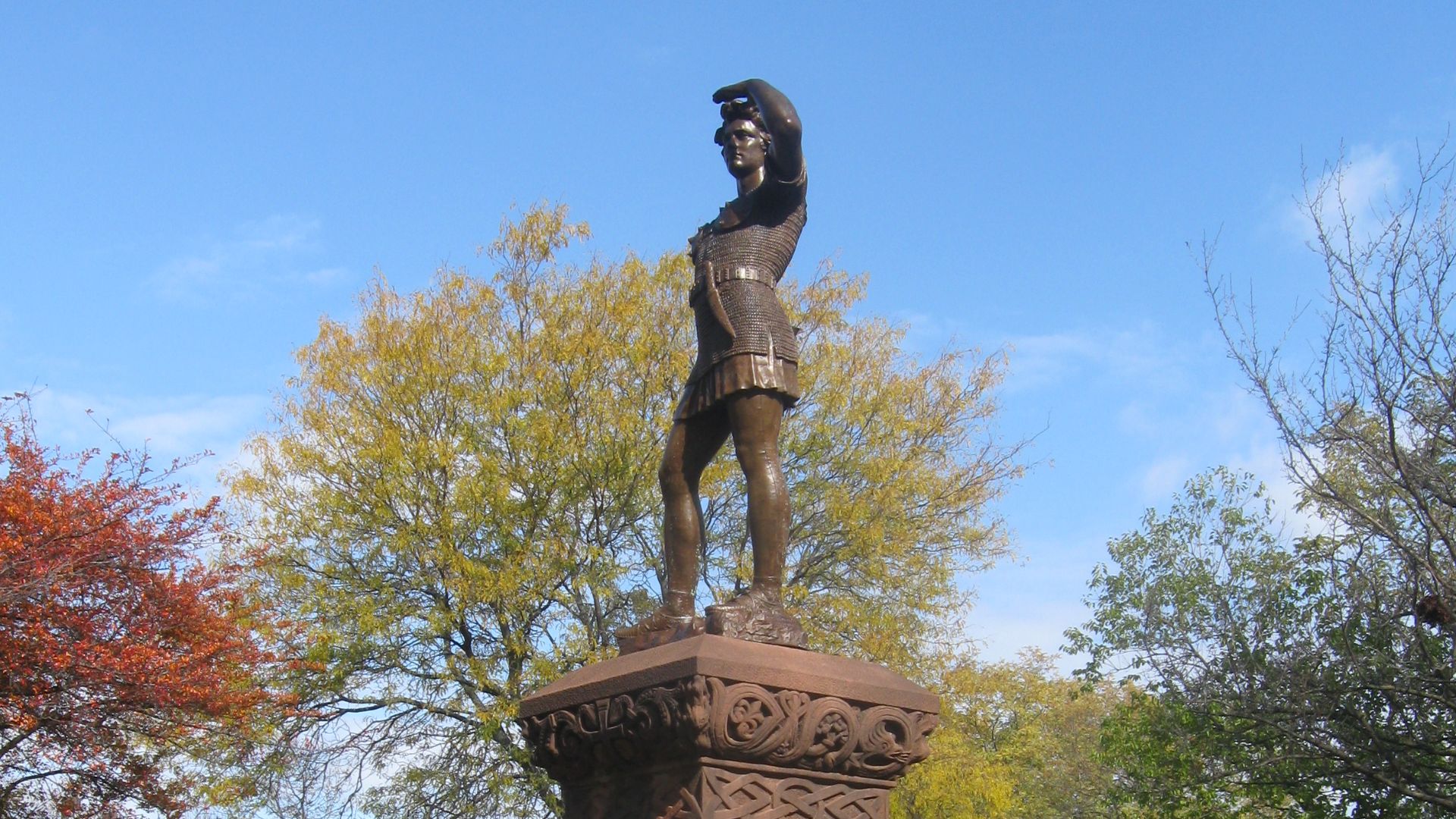
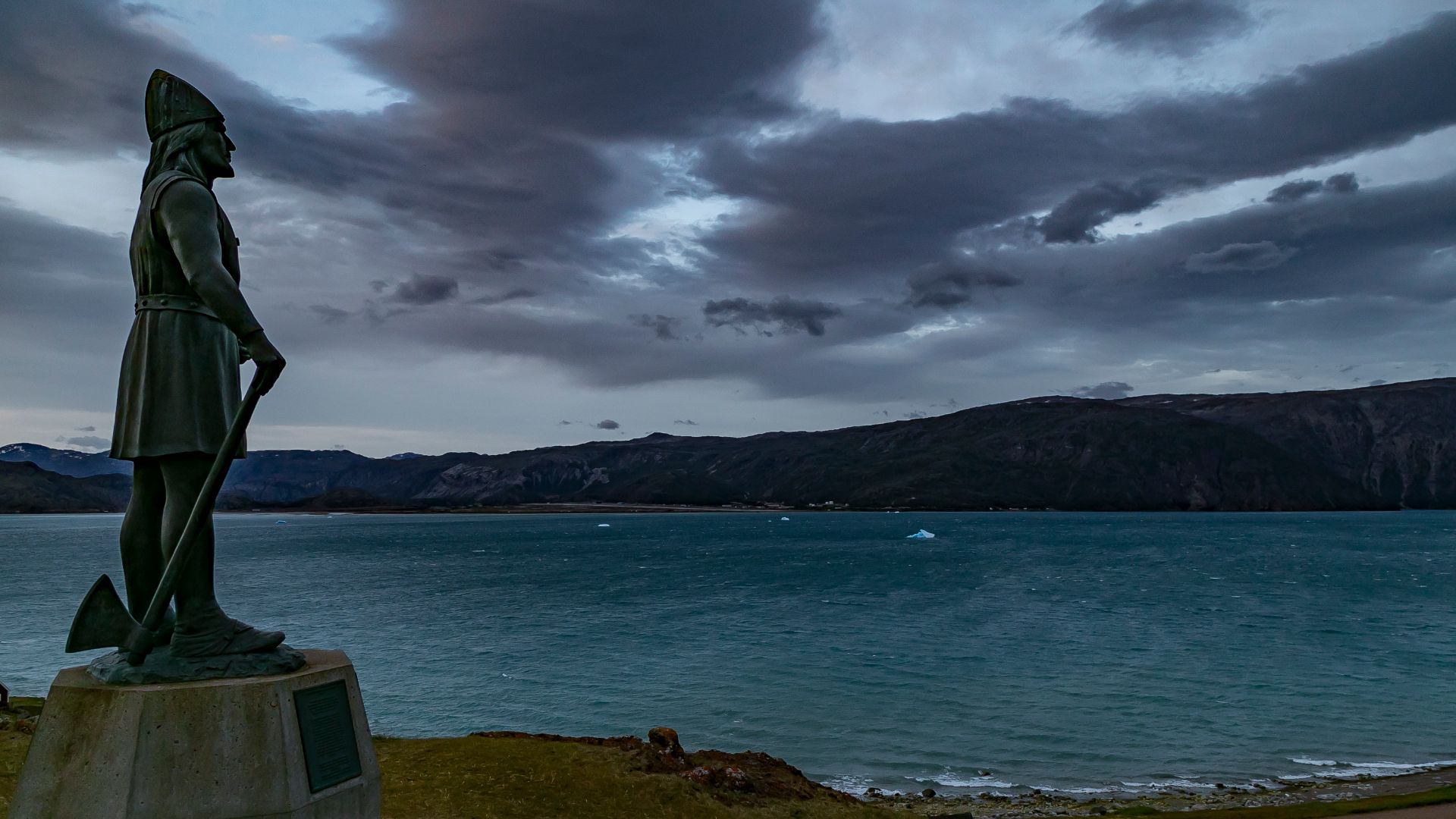
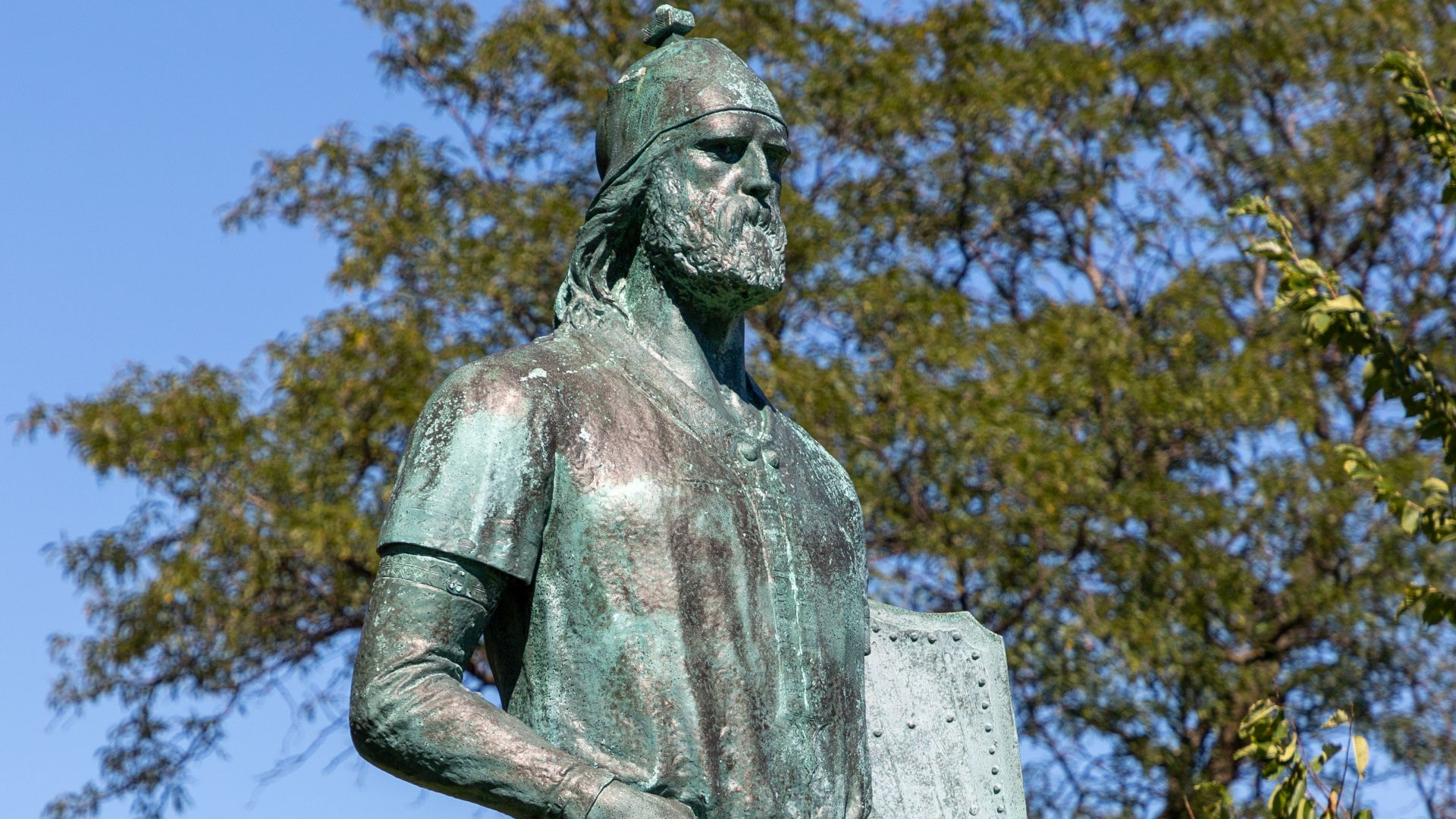
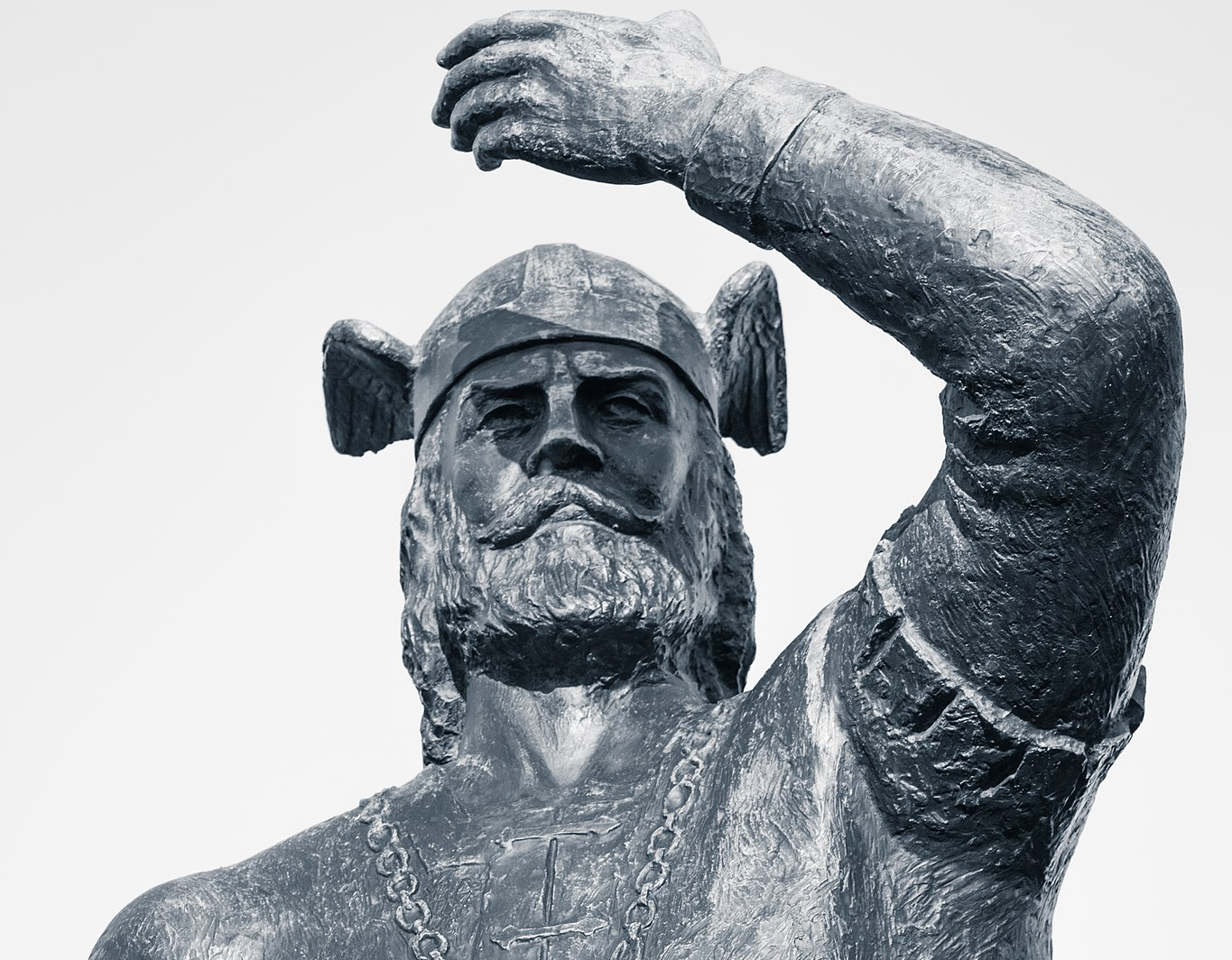 Sharon Mollerus, Wikimedia CommonsStatue of Leif Erikson as imagined by sculptor, Duluth
Born To Be A Legend
Leif was from a long line of adventurers, some of whose wanderings were not undertaken entirely voluntarily. His grandfather, Thorvald Asvaldsson, was banished from Norway for manslaughter, a punishment that prompted him to seek a new home for his young family. This he found in Iceland, a land originally discovered by his relative Naddodd. Some 22 years later, Thorvald’s son (and Leif’s father), Erik the Red, was in turn turfed out of Iceland for killing Eyiolf the Foul. During his exile, he found and settled Greenland.
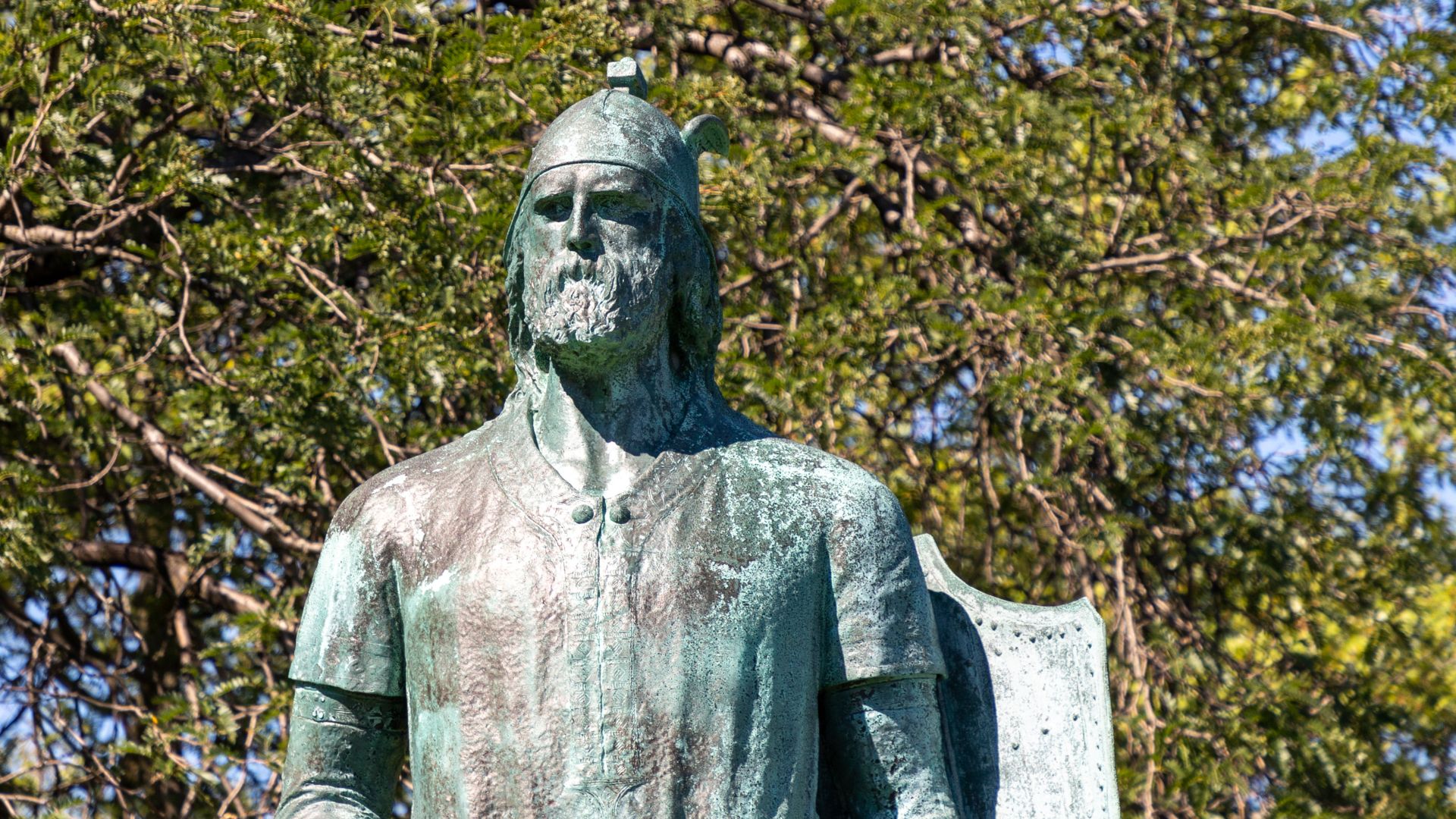
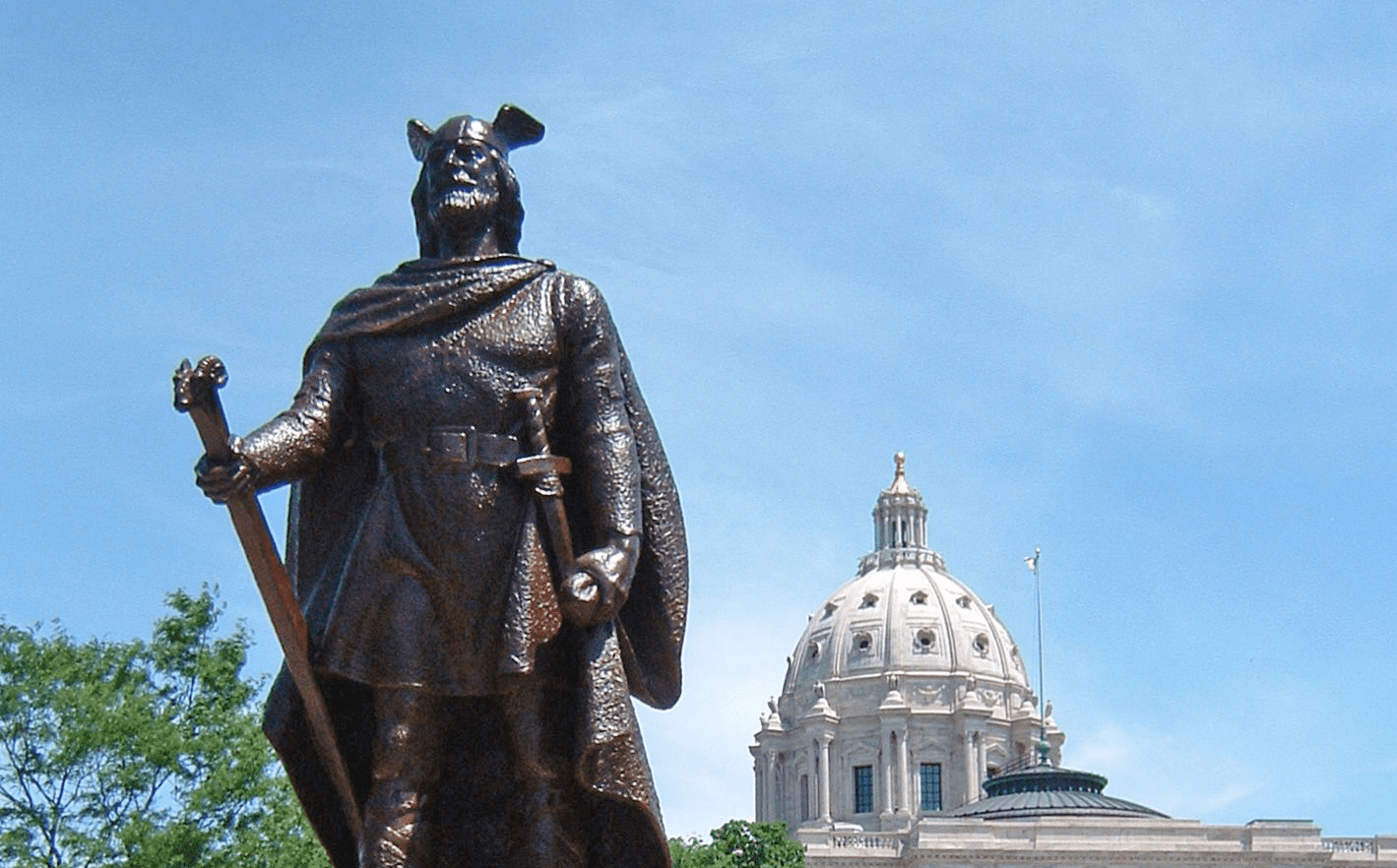 Mulad, Wikimedia CommonsViking Leif Erikson by John K. Daniels, 1948-49, near the Minnesota State Capitol. The idea that Vikings wore horned helmets is an invention of the late 1800s.
How Did He Do It?
So Leif had a lot to live up to, but sewing the seeds for the foundation of the first European settlement in the Americas isn’t a bad legacy – even if it went unnoticed by most of the world for the next millennium.
But how did this Viking vagabond find his way right across the angry Atlantic with no navigational aids, and what did he hope to find there? Was he even the first white man to set foot on American soil, or did some of his kinsmen get there earlier?
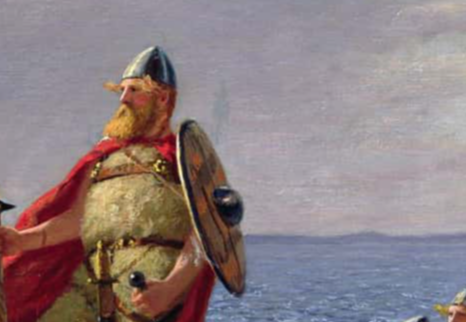 Hans Dahl, Wikimedia CommonsLeif Erikson Discovers America' by Hans Dahl
Norse Code
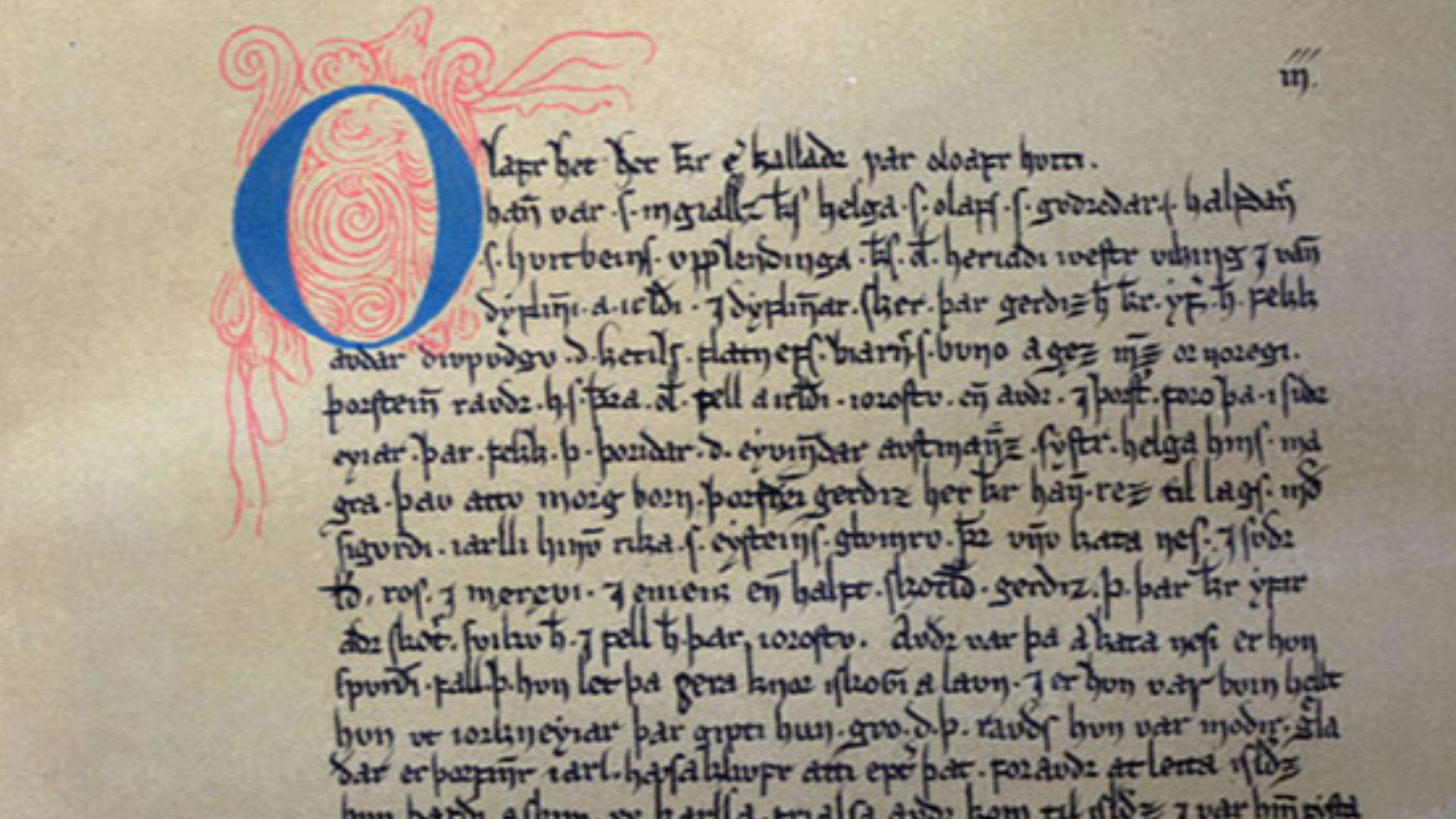
It’s never easy accurately tracing a tale that begins over a thousand years ago, but luckily the Vikings left a legacy of sagas – detailed written accounts of their heroes’ exploits.
However, in the case of Leif and the great American adventure, about two hundred years passed between the action happening and the events being transcribed into the written word. During this time, the stories would have been passed down orally across generations and around the societies of Greenland and Iceland (which became increasingly culturally separated from the Norse homeland of Norway) with inevitable distortions, exaggerations and elaborations being introduced.
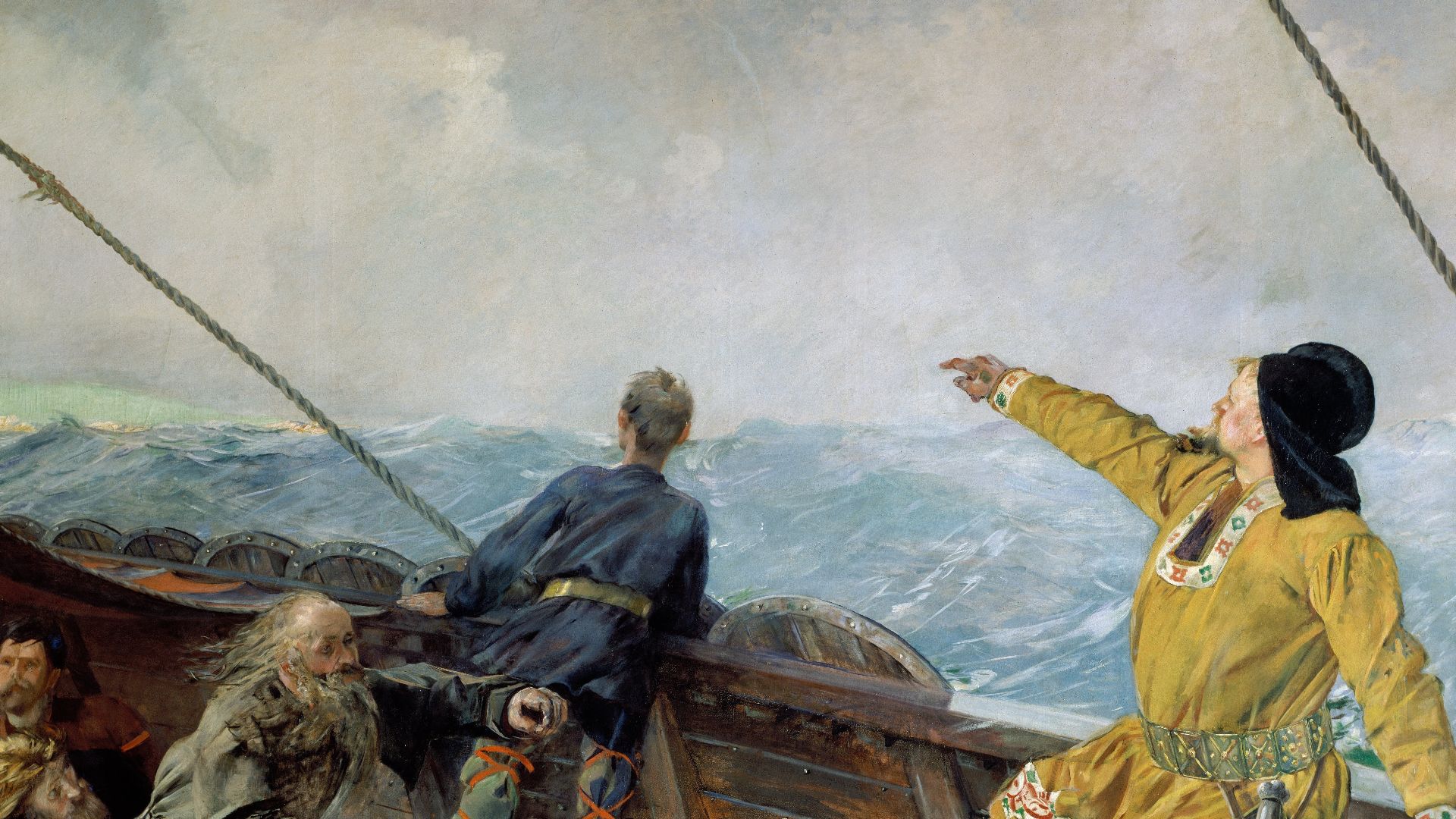 Christian Krohg, Wikimedia Commons
Competing Tales
The result is not one, but two separate accounts – the Grænlendinga saga (Saga of the Greenlanders) and the Eiríks saga rauða (Saga of Erik the Red). Collectively, they’re known as the Vinland Sagas, and contain differing versions about who did what and when. According to the Grænlendinga saga, the very first person to spot North American soil was a Viking merchant called Bjarni Herjólfsson, who was blown off course by a storm and became lost while attempting to follow his father’s route from Iceland to Greenland in around AD 986.
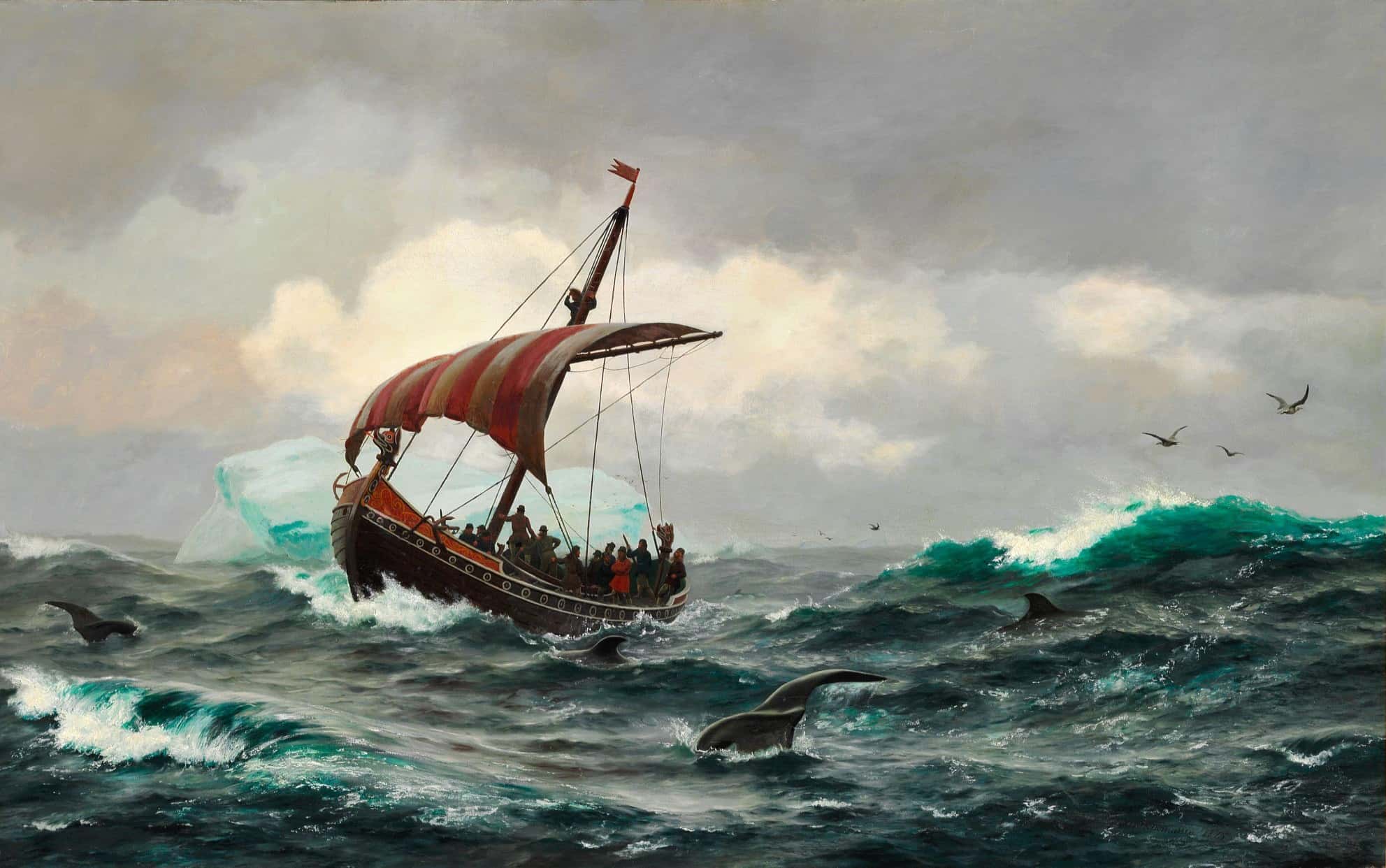 Carl Rasmussen, Wikimedia CommonsSummer in the Greenland coast circa the year 1000 by Carl Rasmussen
Paving The Way
Bjarni never made landfall on the strange new continent, and no-one seemed overly interested in his story for over a decade, until it reached the restless ears of young Leif Erikson. Enthused by the tale, Leif set off on an expedition to explore the mysterious western land, to be followed later by his brothers Thorvald and Thorstein, and his sister Freydis Eriksdottir, along with the Icelandic explorer Thorfinn Karlsefni.
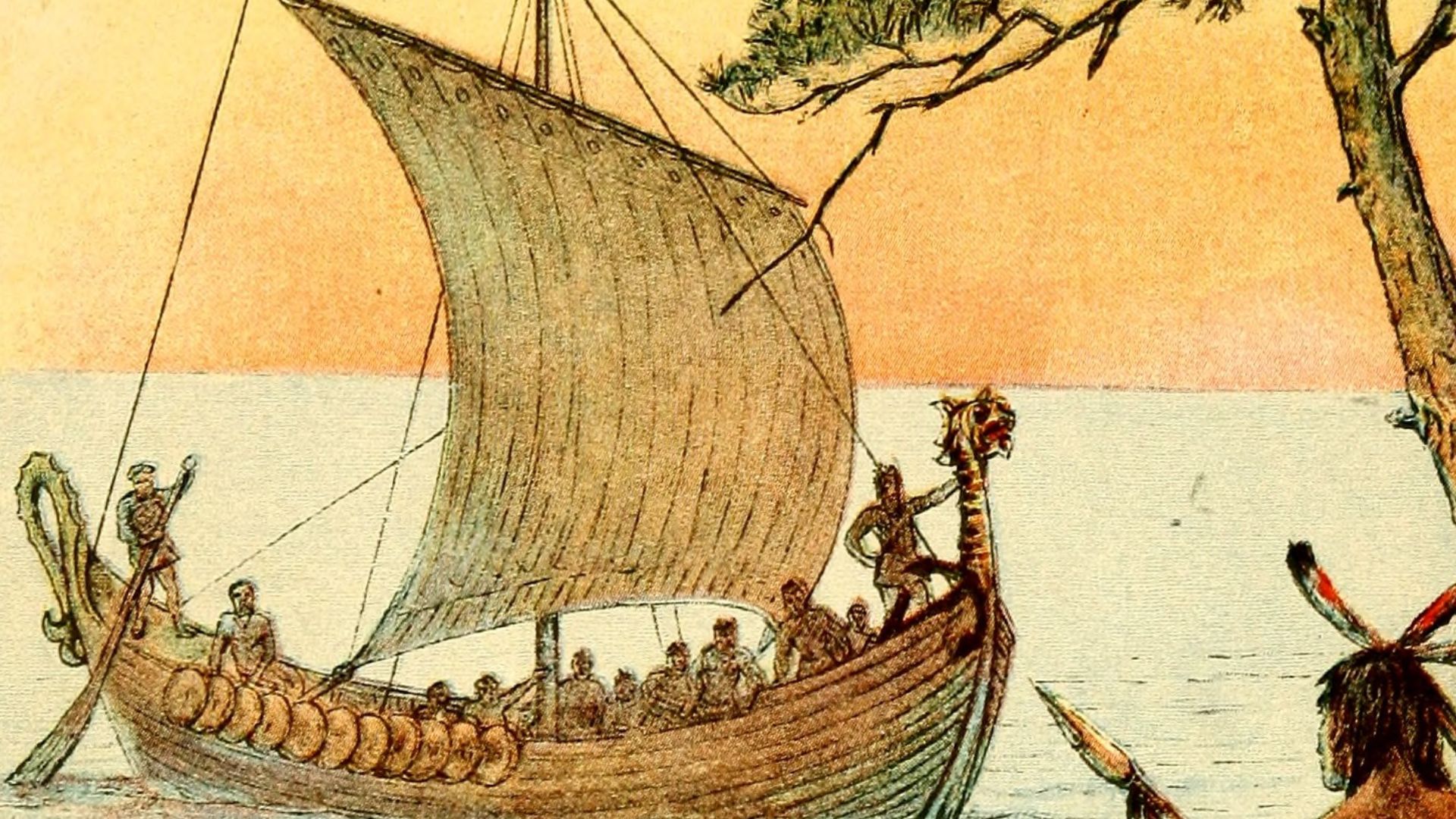 Internet Archive Book Images, Wikimedia Commons
An Alternate Theory
However, in the Eiríks saga rauða, Leif has a lesser role, simply spotting the coast of North America in much the same way as Bjarni (blown off course and lost while returning from Norway), and it’s Thorfinn Karsefni who leads the main expedition to the area named in both books as Vinland.
To understand Leif's journey, we need to meet the main players in his story:
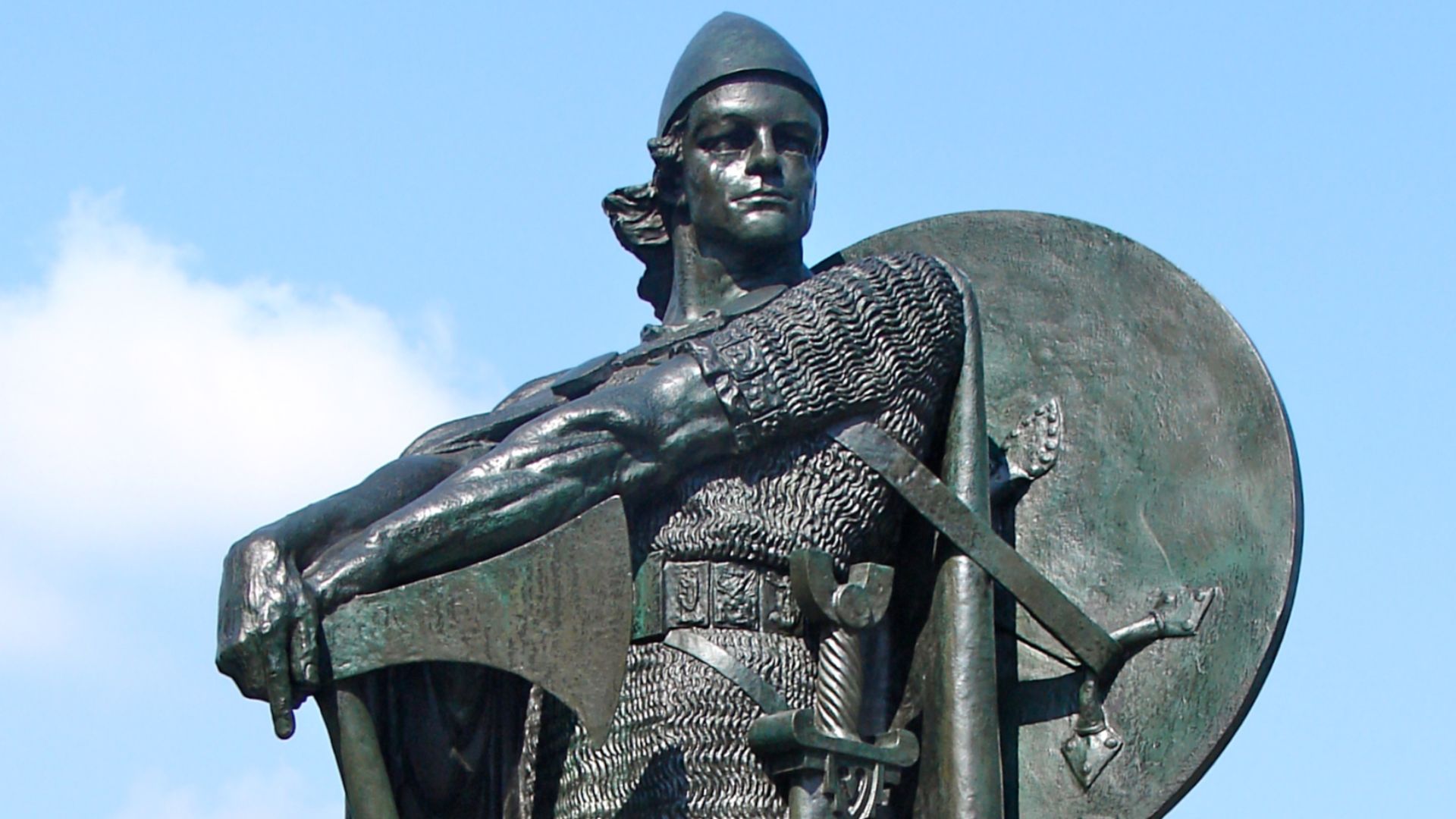
Leif Erikson
Viking explorer and early Christian evangelist, born sometime between AD 960 and 970, and the second of three sons of Erik the Red and Thjohild. He was also known as ‘Leif the Lucky’, famed for discovering America.
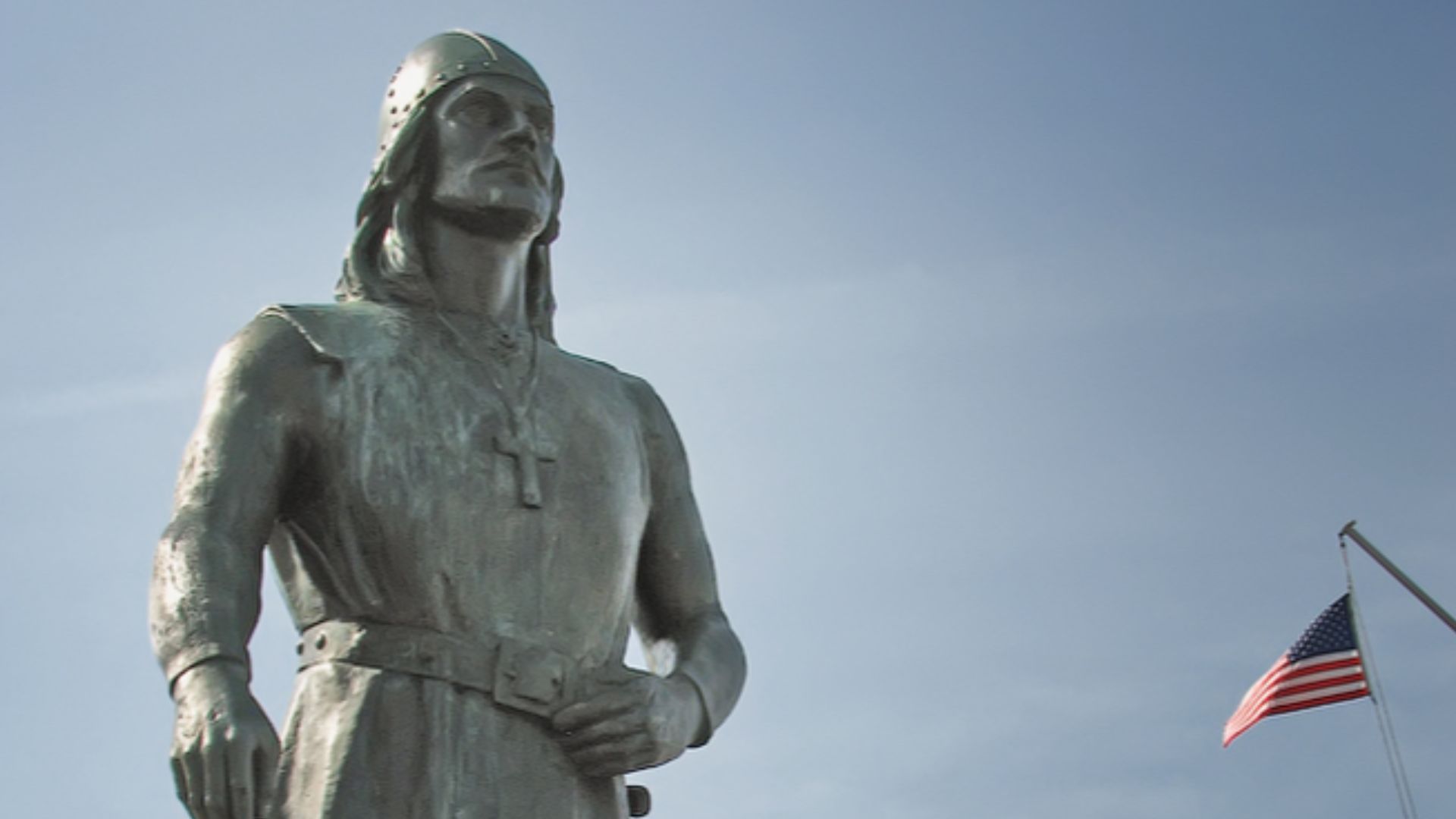 Steven Pavlov, Wikimedia Commons
Tyrker
Leif’s older servant – a foster-father figure (possibly a freed German slave), who accompanied the explorer during his American adventure and discovered the ‘grapes’ that gave the continent the name Vinland.
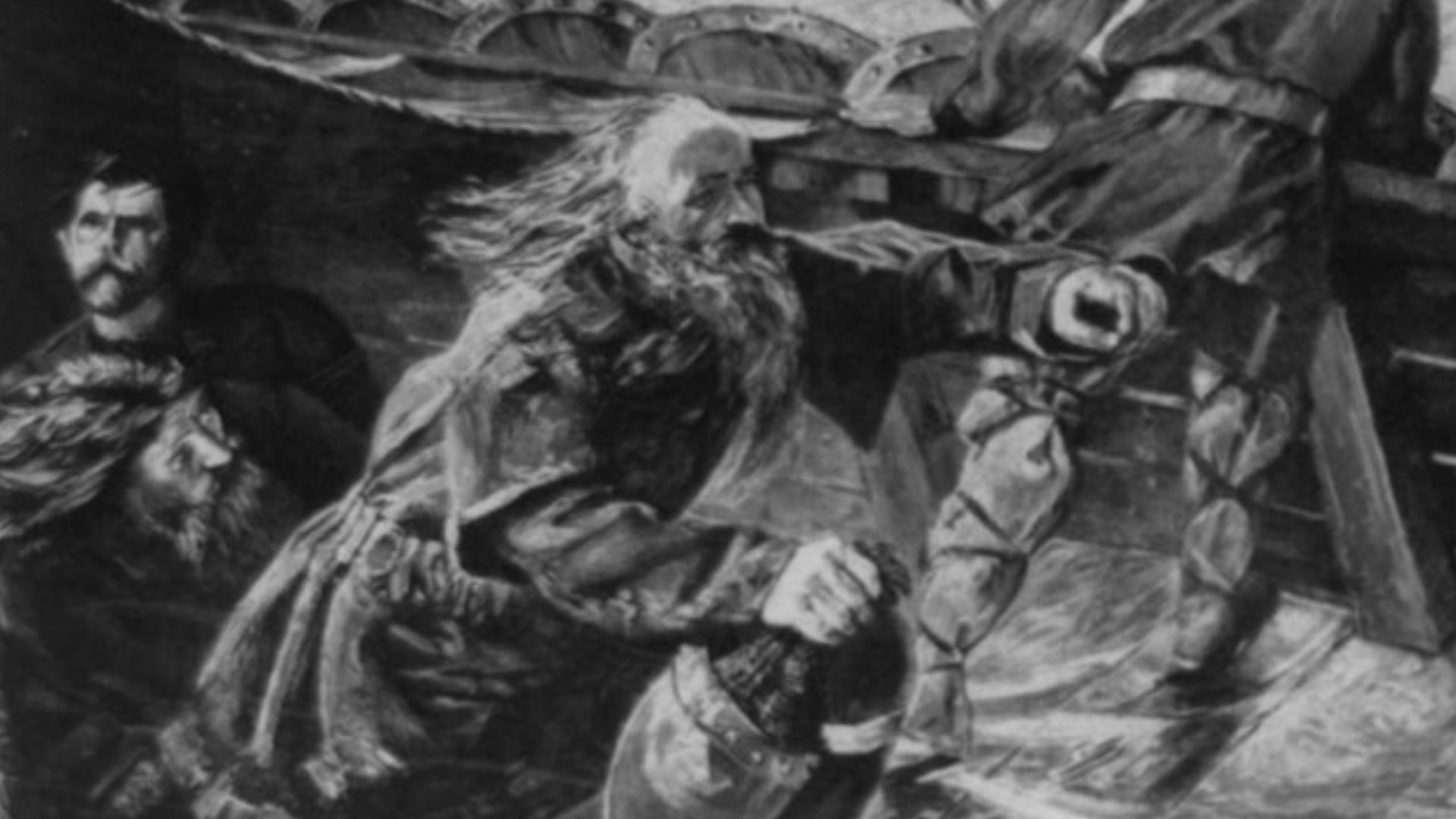 Krohg, Christian, 1852-1925, artist, Wikimedia Commons
Erik the Red
Leif’s father, who, exiled from Iceland for killing Eyiolf the Foul around the year AD 982, was the first to settle Greenland.
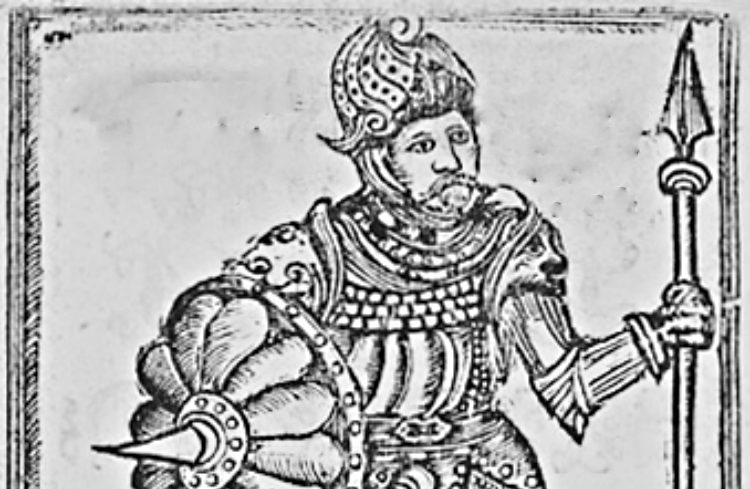 Arngrímur Jonsson, Wikimedia Commons
Thorvald Asvaldsson
Leif’s grandfather, who, banished from Norway in AD 960 for manslaughter, went into exile in Iceland, a land first discovered by his relative Naddodd.
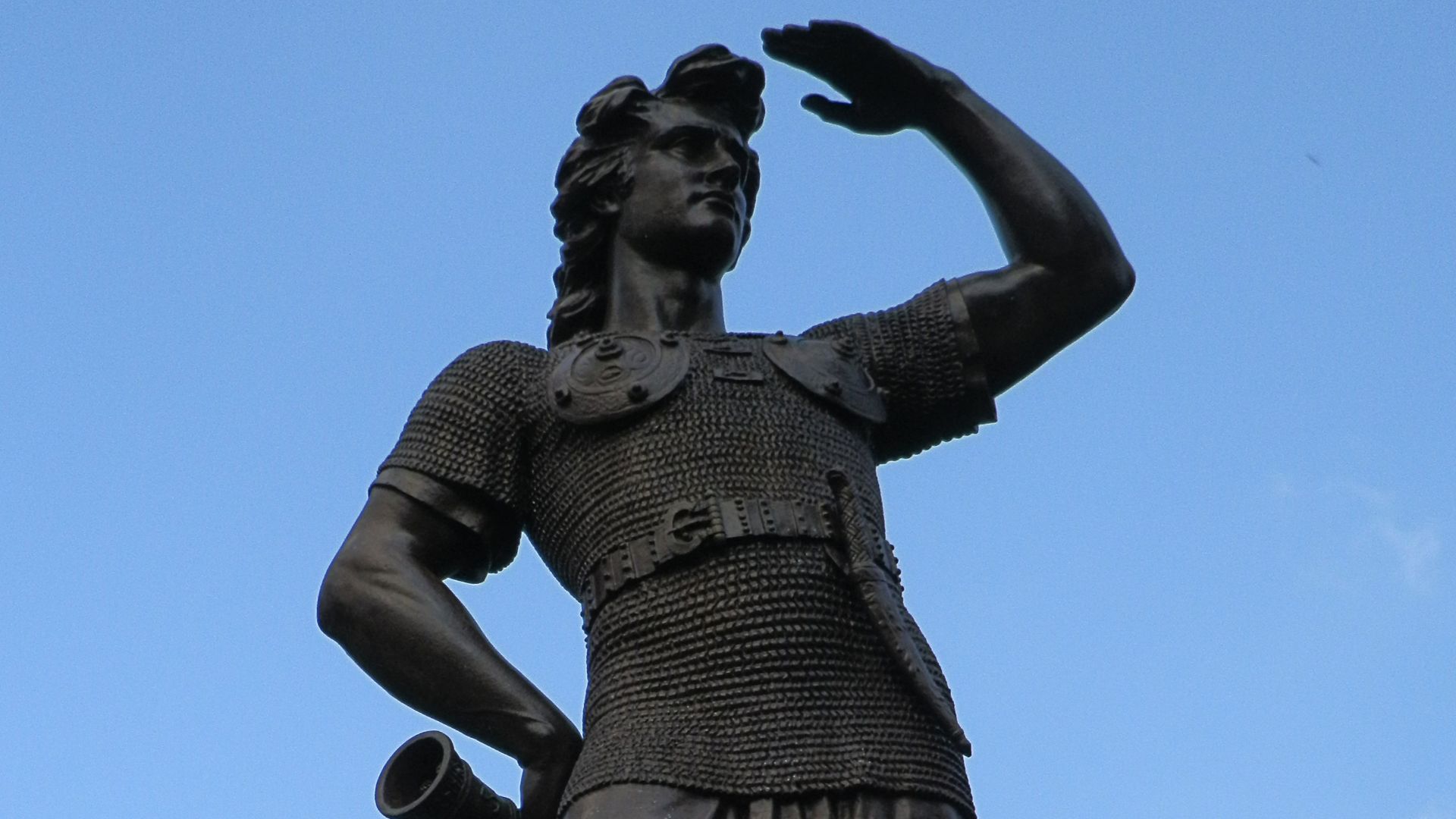 Anne Whitney, Wikimedia Commons
Bjarni Herjólfsson
Possibly the very first European to sight the Americas, in circa AD 986. Although unmentioned in the Eiríks saga rauða, in the Grœnlendinga saga Bjarni is blown off course while attempting to reach Greenland, and spots land far to the west, but he chooses not to land.
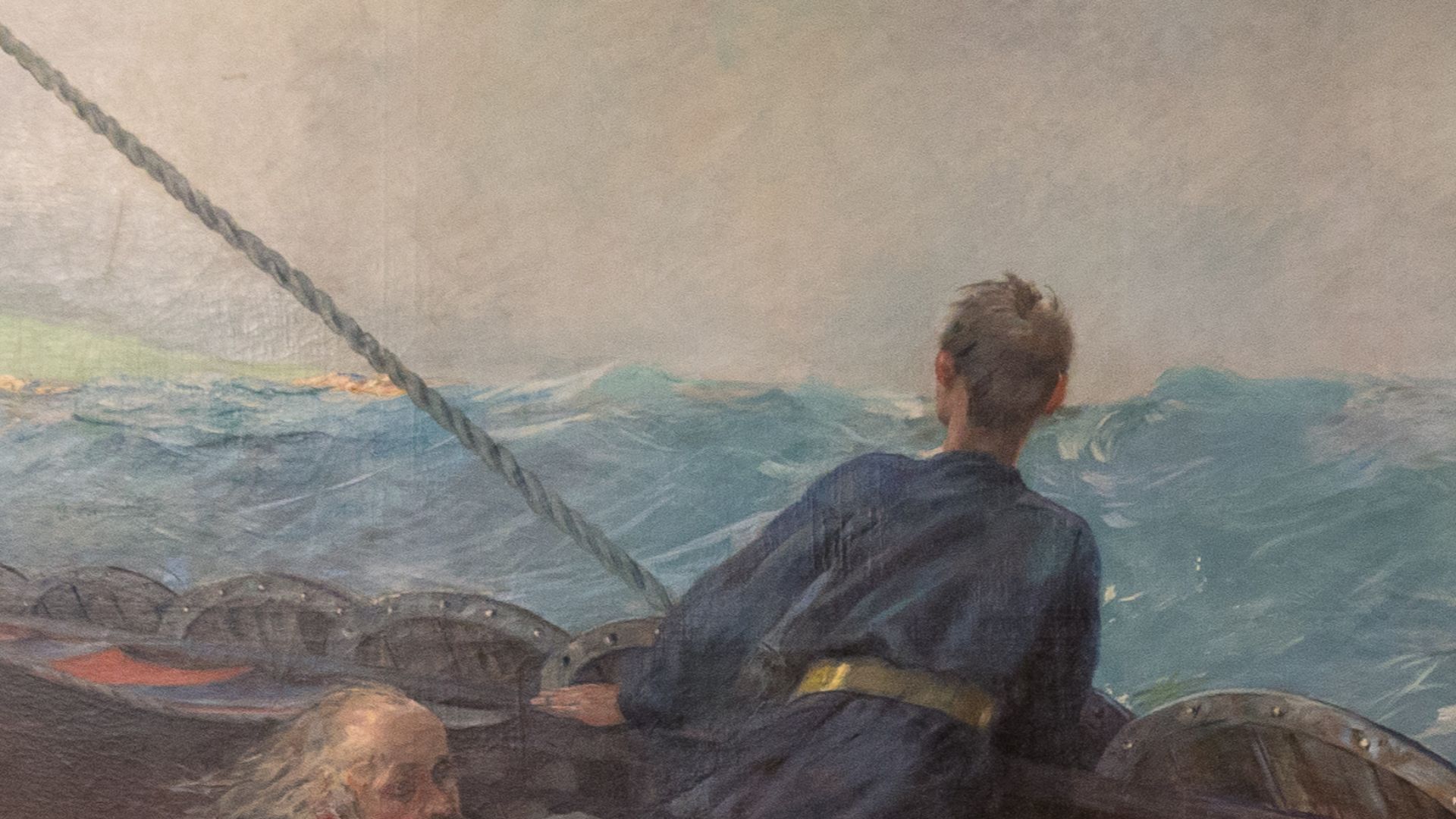 Oyvind Holmstad, Wikimedia Commons
Thorfinn Karlsefni
Icelandic explorer and prominent character in the Saga of Erik the Red, in which he is credited with leading the first major expedition to explore North American soil and with establishing a settlement.
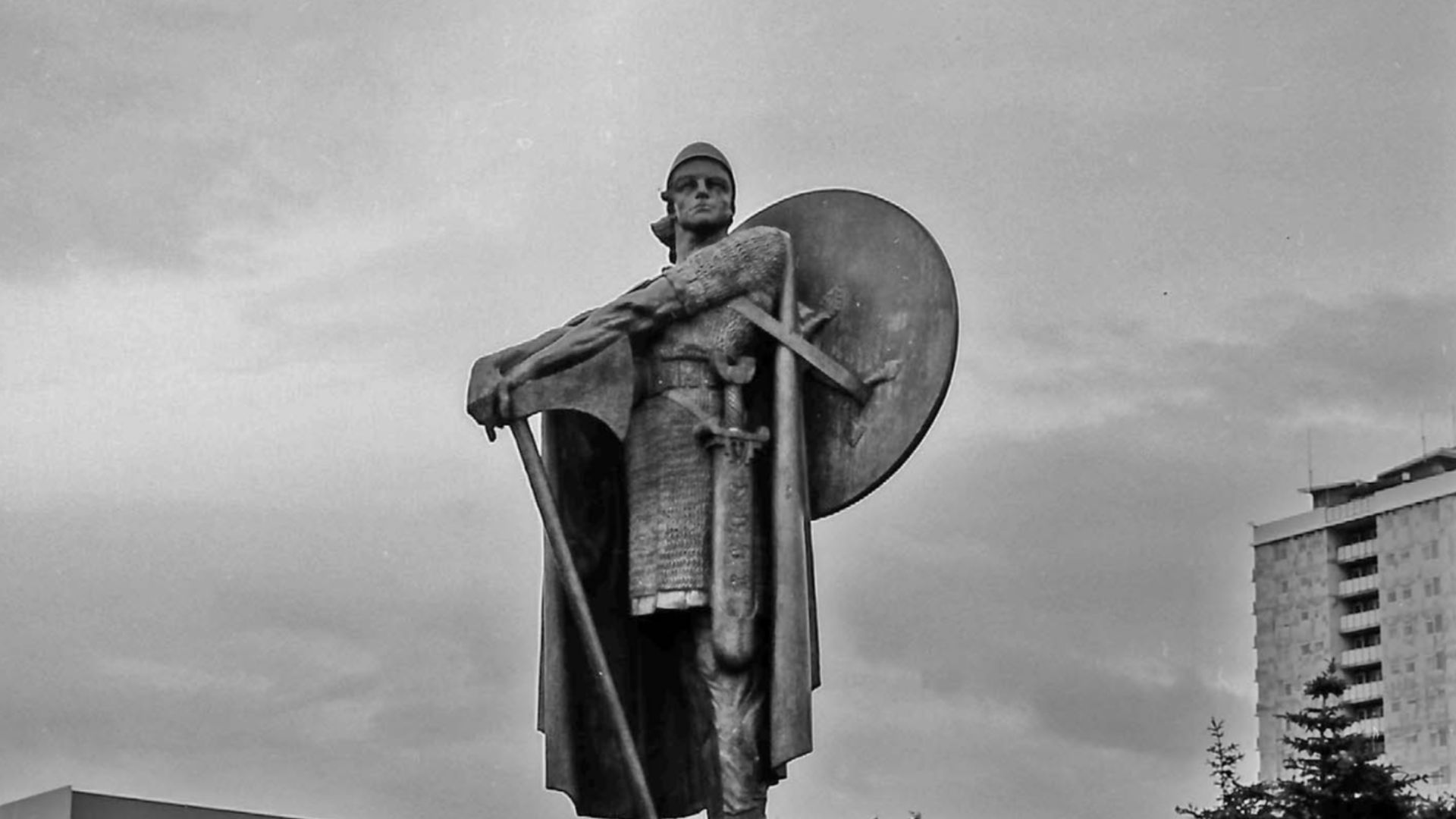
Finding The Facts
Although both stories are heavily peppered with fantastic flourishes, historians have long believed they were originally spun with fact-based threads, a theory that was proved correct when a Viking-era settlement was discovered at L'Anse aux Meadows in Newfoundland, Canada, in the early 1960s by Norwegian explorer Helge Ingstad and his archaeologist wife Anne Stine Ingstad.
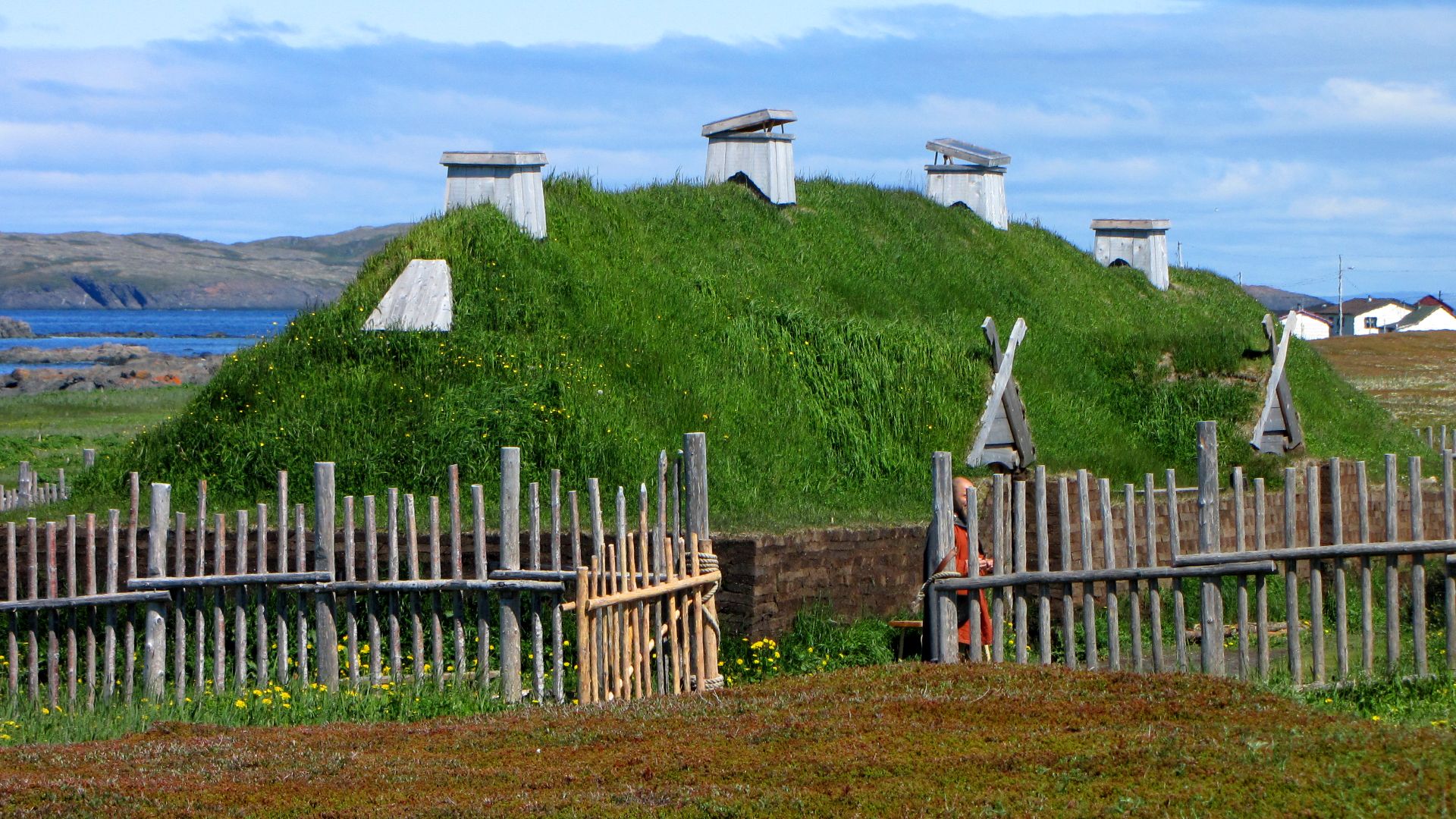 D. Gordon E. Robertson, Wikimedia Commons
Which One Came First?
Some scholars consider the Grænlendinga saga, written slightly earlier than the Eiríks saga rauða, to be the more reliable of the two accounts, although the respective stories do share several aspects and characters, and many of the events described are not mutually exclusive of one another.
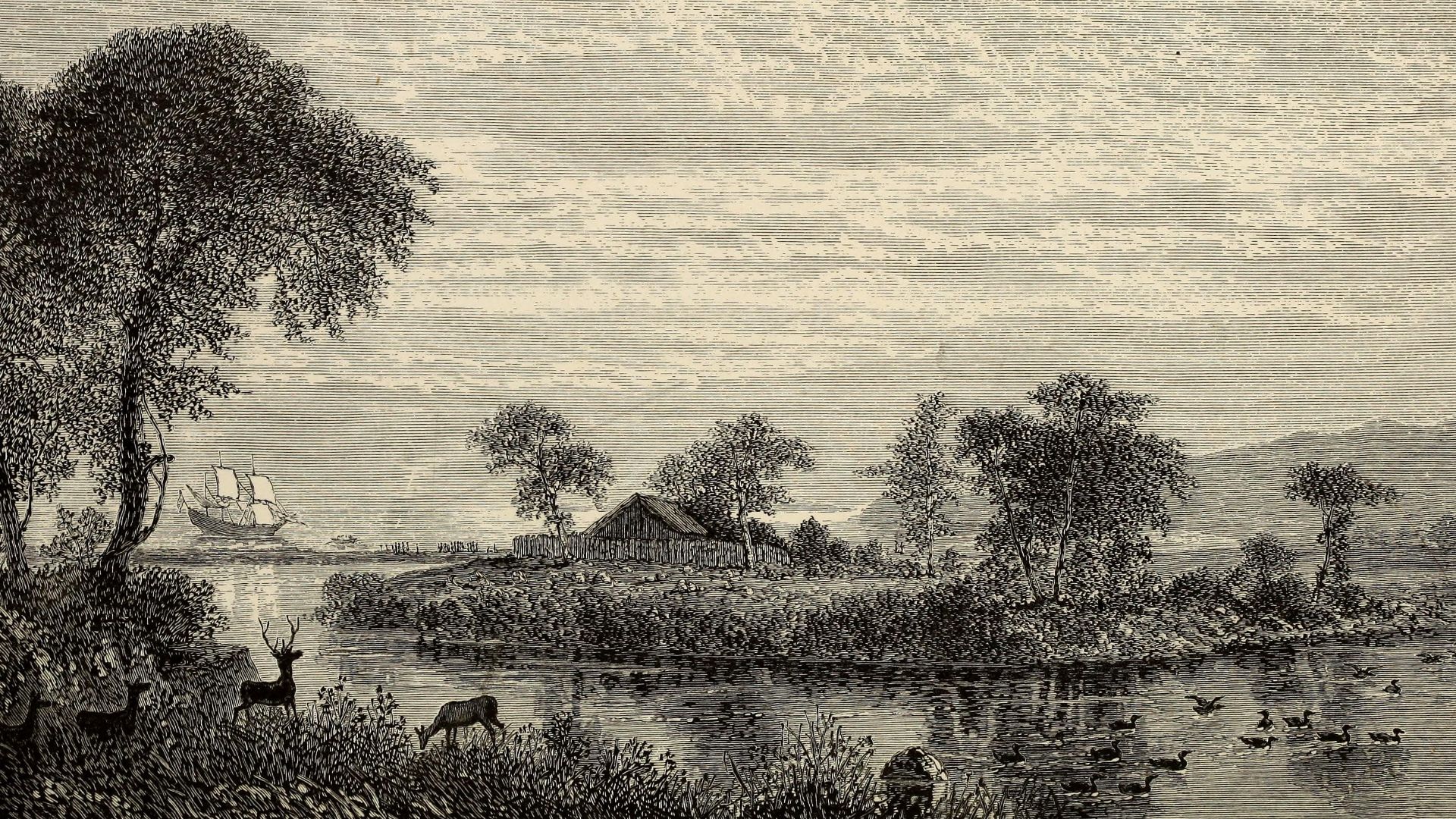 Bryant, William Cullen, 1794-1878; Gay, Sydney Howard, 1814-1888, Wikimedia Commons
Who was Leif Erikson?
According to the Viking tradition, as a child Leif was looked after and taught outside the family unit. His tutor and minder was a man called Tyrker, thought to have been a freed German thrall (or slave) captured years earlier by Erik the Red. Tyrker became more of a foster-father figure than a servant to Leif, later accompanying him on his far-ranging expeditions.
An Urge To Explore
Doubtless having heard his father and grandfather’s tales of adventure from a young age, by the time he was in his early 20s, Leif was experiencing a strong urge to explore. His initial escapade saw him depart from Greenland in AD 999 on a trip to Norway, where he intended to serve the king, Olaf Tryggvason.
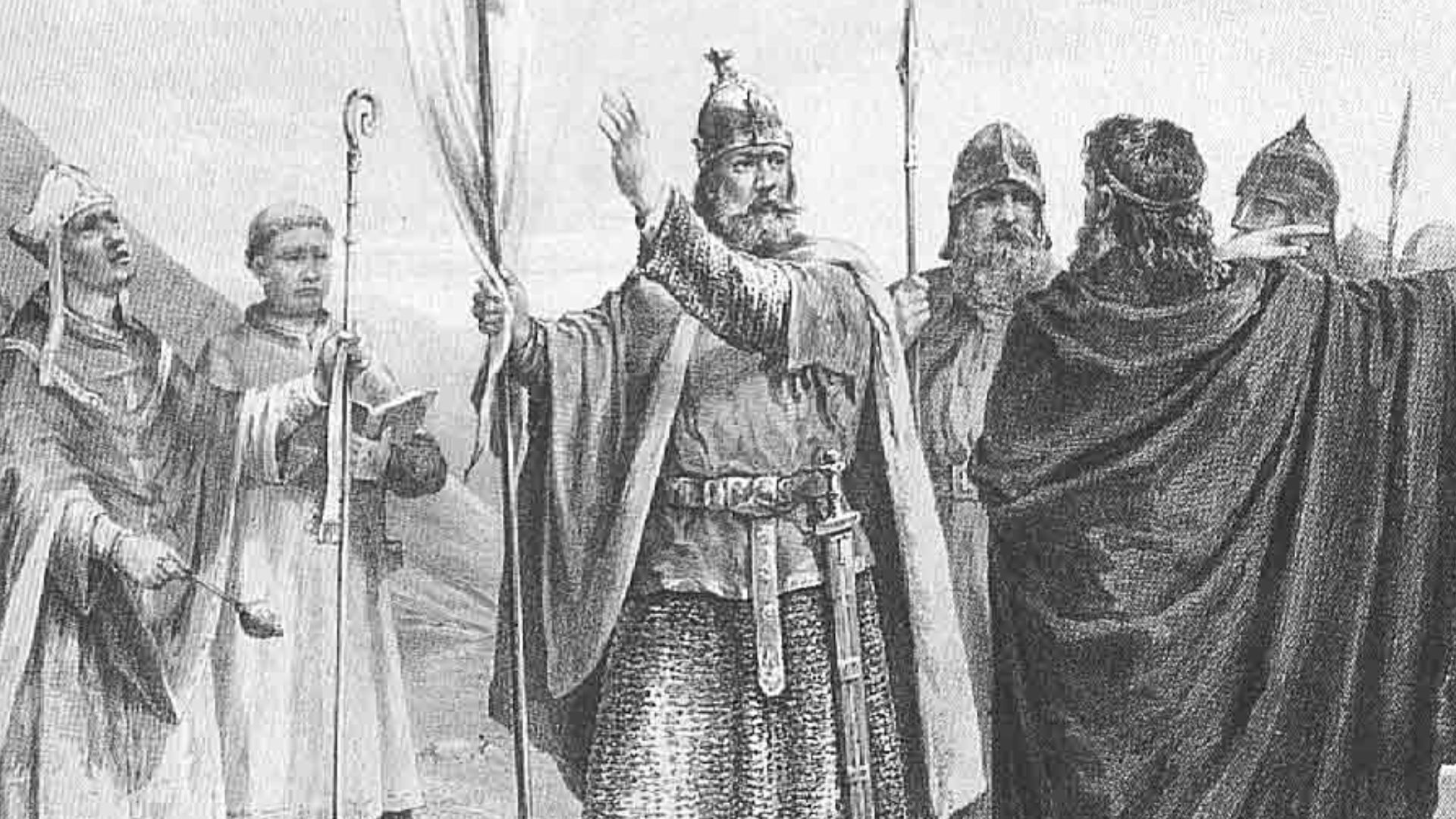 Peter Nicolai Arbo, Wikimedia CommonsArrival of Olav Tryggvason to Norway.
Blown Off Course
En route, however, Leif’s ship was blown off course and extreme weather forced him to take shelter in the Hebrides, off the northwest coast of mainland Scotland. The heavy conditions continued for a month or more, preventing the Vikings from setting sail, but Leif kept himself busy and ended up impregnating the daughter of the local lord who was hosting him. The woman, Thorgunna, gave birth to a son, Thorgils, but not before Leif had left for Norway.
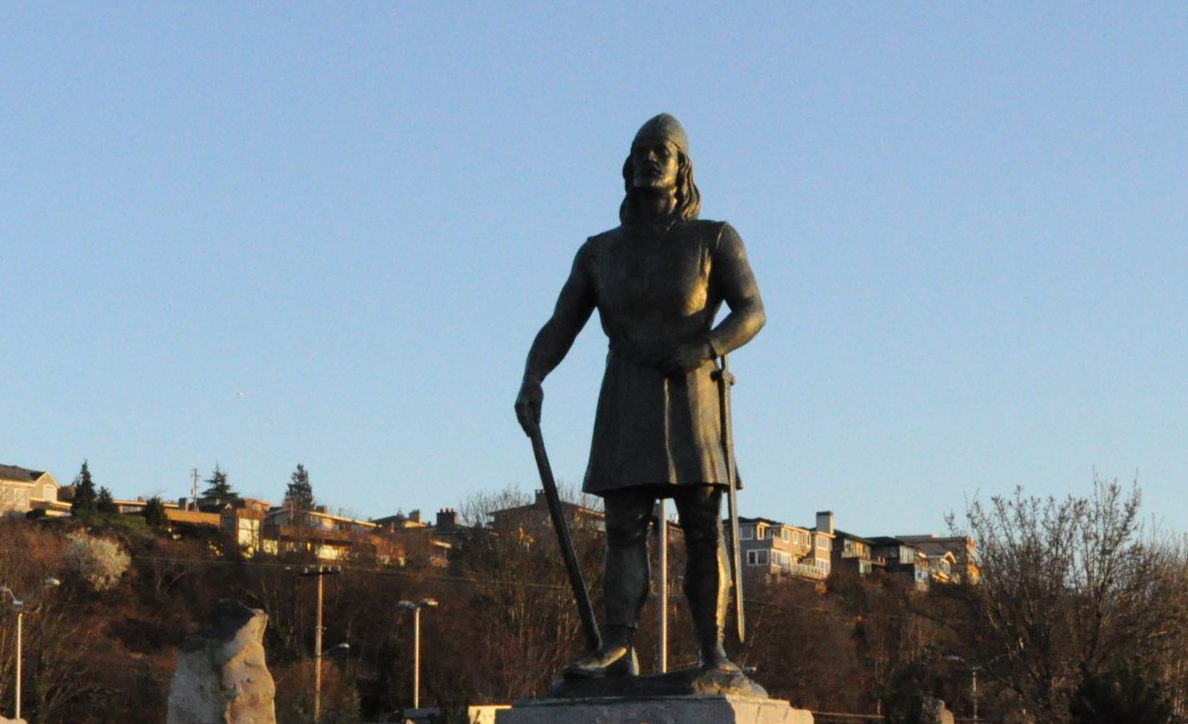 Joe Mabel from Seattle, US, Wikimedia Commons
First Impressions Matter
Leif made a good impression on Olaf and the King invited him to join his retinue as a hirdman, one of a close circle of armed soldiers. During his stay in Norway, which lasted for the winter, Leif and his entire crew were converted to Christianity, a faith followed by Olaf, and baptised. In the spring, Leif was given a mission: to introduce Christianity to the people of Greenland. It was a challenge he would eventually set about with enthusiasm, but he hadn’t yet sated his appetite for adventure.
 Paul R. Burley, Wikimedia Commons
Blown Off Course?
The stories surrounding Leif’s first encounter with the Americas differ significantly. In the Eiríks saga rauða, storms again blow the returning Viking off course after he leaves Norway, this time taking him so far west he veers close to the coast of a continent that is unfamiliar to all aboard, but which appears promisingly fertile.
 Rudiger Wenzel, Wikimedia Commons
Or Was It On Purpose?
In the Grænlendinga saga, however, Leif learns about this mysterious land from Bjarni Herjólfsson, and is so intrigued that he buys Bjarni's knarr (a Viking ship) and determines to retrace his route. According to this account, with a crew of 35 men, and armed only with a secondhand boat and a verbal description of the route to follow, Leif sets off on his 1,800-mile journey to a completely new world sometime in AD 1000.
Let's review the Leif's timeline in more detail.
 Internet Archive Book Images, Wikimedia CommonsLEIF ERICSON 53 launched a second small boat, which they had brought with them
Leif Erikson's voyage to Vinland: a timeline
The exact chronology and geography of Leif Erikson’s adventures are debatable subjects, with the two primary sources offering differing accounts, but the following is a representation of events primarily described in the Grænlendinga saga (Saga of the Greenlanders), which most scholars accept as being the more reliable text.
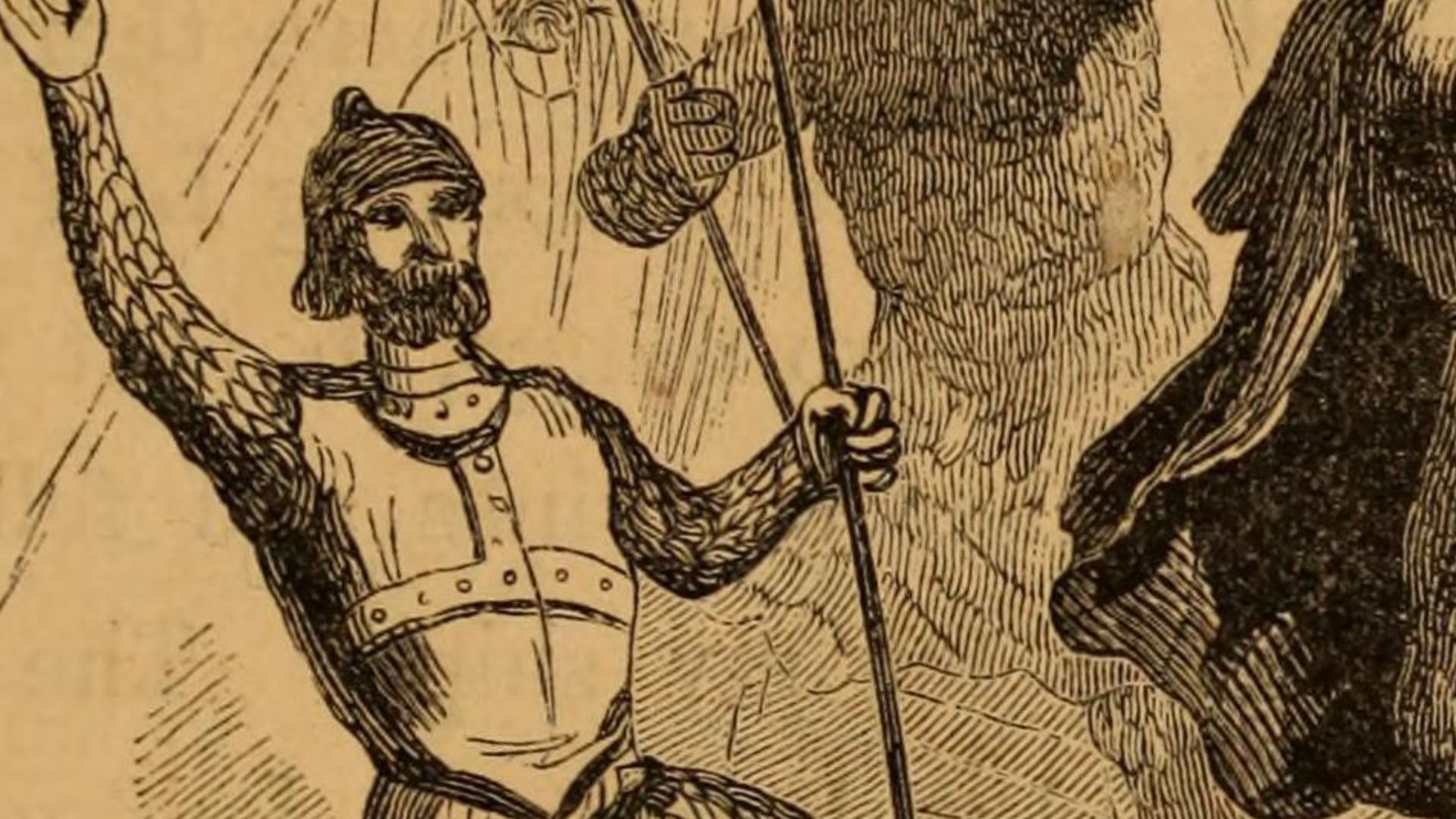 Internet Archive Book Images, Wikimedia CommonsLeif the son of Erik the Out- gate it, as he intended to sail upon a voyage of discovery.
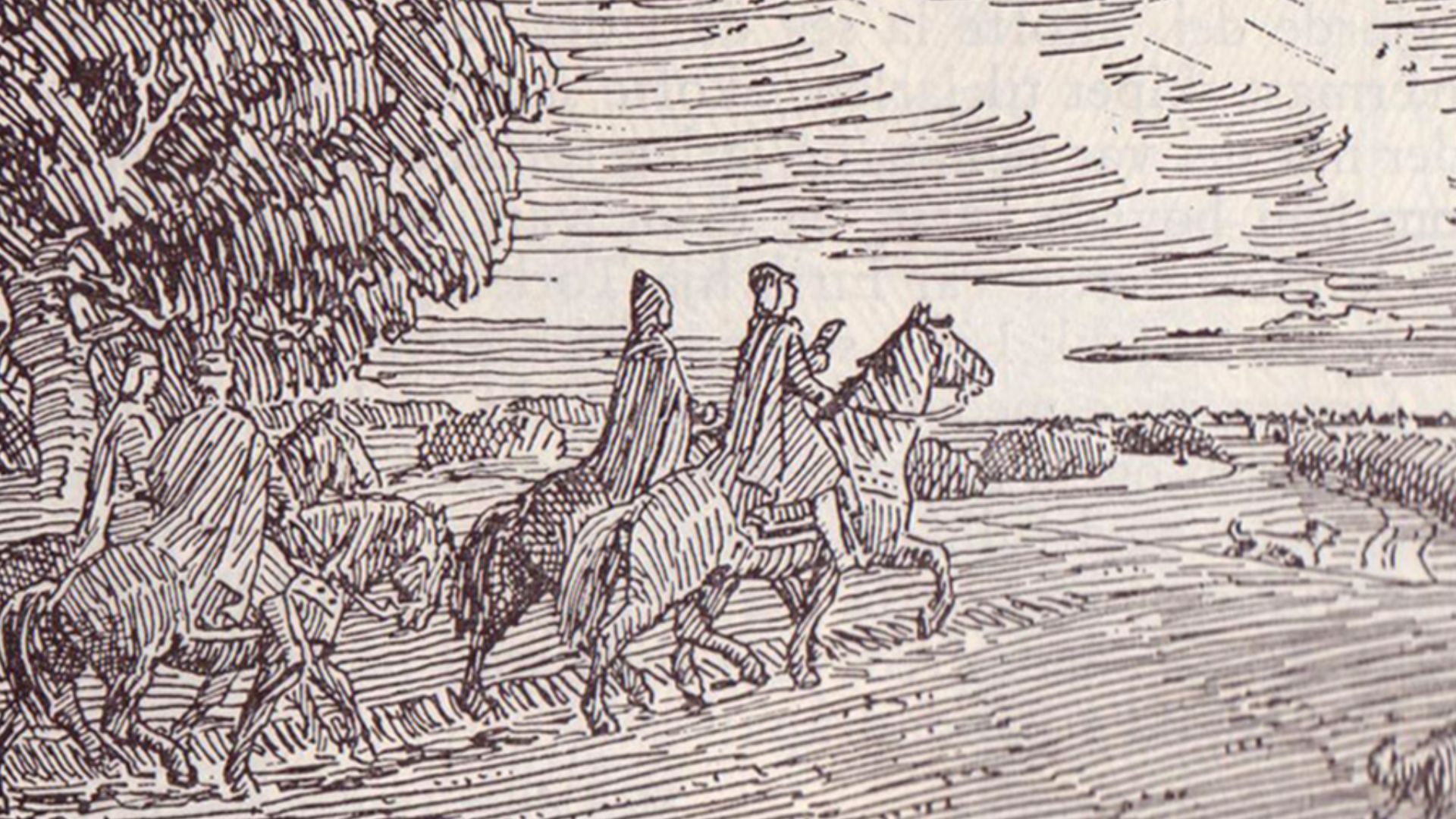
1 | Spring/early summer AD 999 – Greenland
Leif departs Greenland, heading for the Norse homeland of Norway, where he intends to serve the King, Olaf Tryggvason. His boat is blown off course, however, and he makes a forced landfall in the Hebrides.
 Erik Werenskiold, Wikimedia Commons
2 | Summer – Hebrides, Scotland
Confined to the islands for a month or more by extreme weather, Leif is shown hospitality by a local chief and begins an affair with his daughter, Thorgunna, which results in the birth of a son, Thorgils.
 Paul R. Burley, Wikimedia Commons
3 | Winter – Nidaros (present-day Trondheim), Norway
Upon reaching Norway, Leif is well received by Olaf Tryggvason. While spending the winter in Norway, Leif adopts the Christian faith followed by his host, and is sent back to Greenland on a mission to convert his brethren. According to the Eiríks saga rauða (Saga of Erik the Red), Leif’s boat is blown off course again during his return trip, taking him past the area of North America that would later become known as Vinland. Reports differ about whether this happened at all, and, if it did, whether he landed.
4 | AD 1000 – Brattahlíð (Brattahlid), Greenland
Having either been inspired by the tales of Bjarni Herjólfsson (a Viking trader who spotted the American coast after becoming lost in AD 986) or seeking to return to the fertile land he’d glimpsed while recently returning from Norway (depending on which saga you believe), Leif deliberately sails northwest to locate and explore the mysterious continent.
 AwOiSoAk KaOsIoWa, Wikimedia Commons
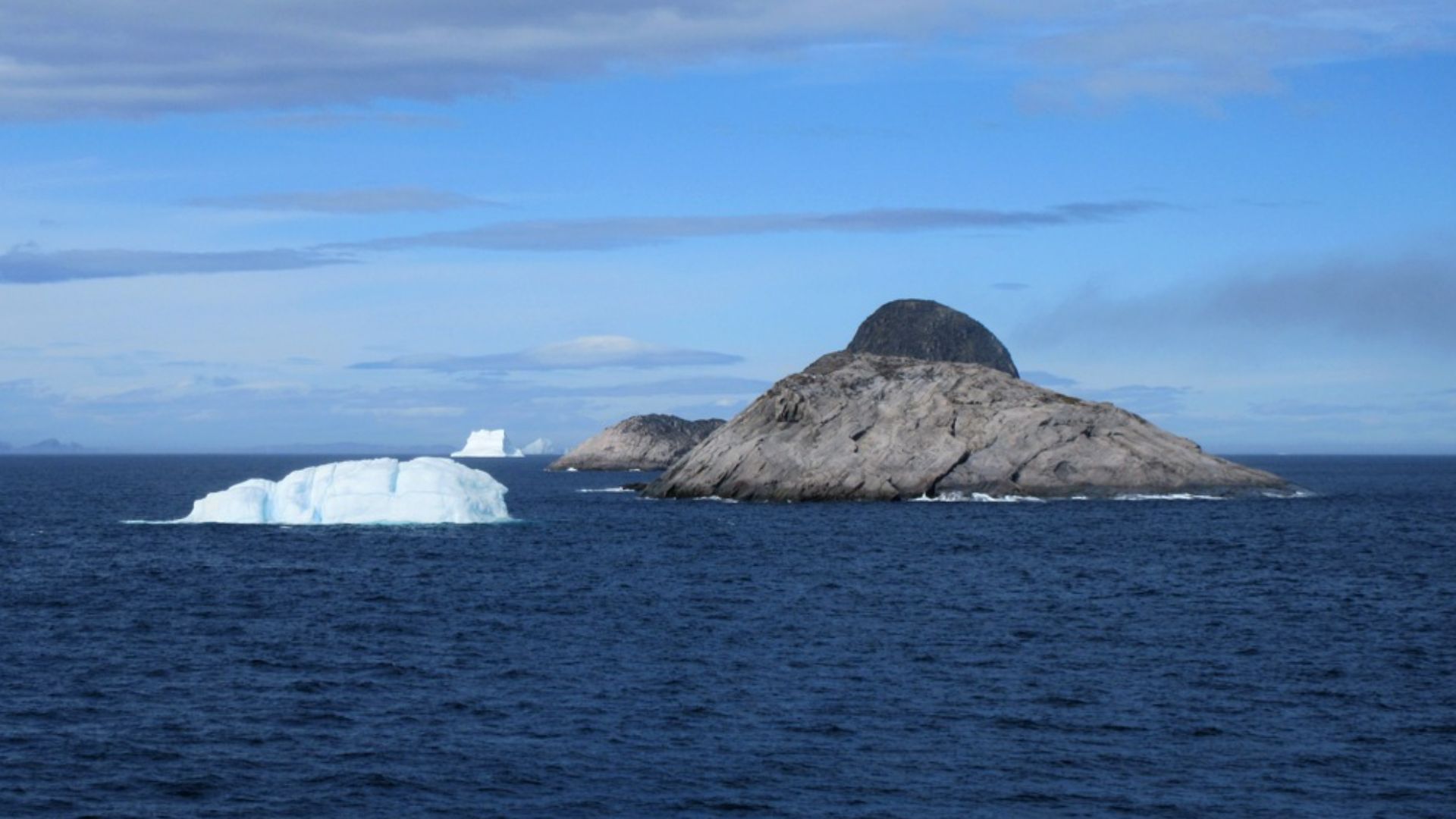
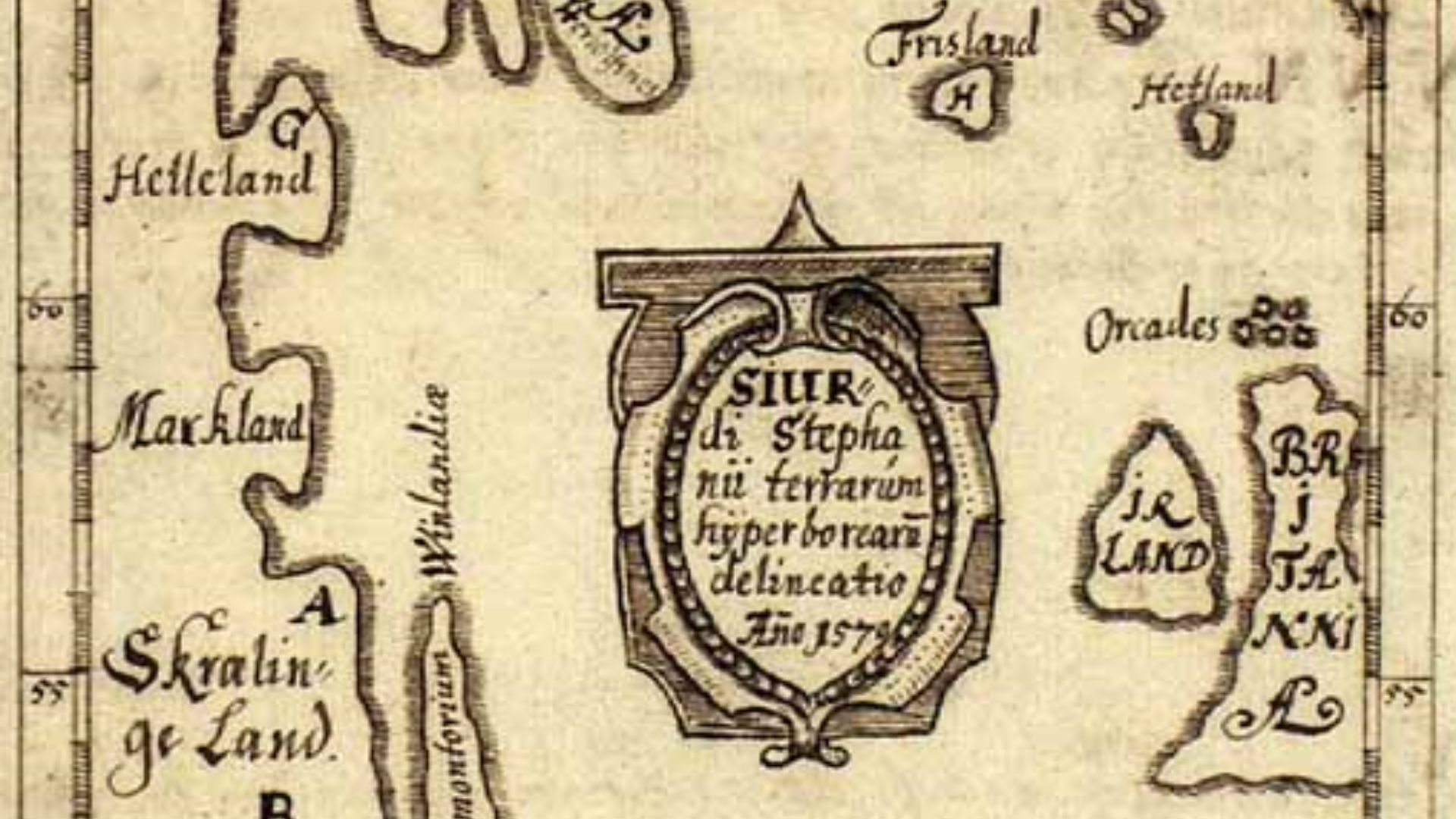
5 | Helluland (believed to be Baffin Island)
After crossing the icy waters now known as the Davis Strait, Leif encounters a barren and frostbitten coast, which he names Helluland (‘stone-slab land’).
 David Stanley, Wikimedia Commons
6 | Markland (probably part of the Labrador coast, Canada)
Sailing on, tracing the coastline south, Leif finds forested terrain skirted by white shoreline. Leif calls this Markland (‘wood land’), but he doesn’t dwell there long.
 Sigurd Stefansson (drawn circa 1590), Þorður Þorlaksson (copied 1690), Wikimedia Commons
7 | Winter AD 1000 – Vinland (L'Anse aux Meadows, Canada)
Pushed along by a northeasterly wind for two days, Leif finally finds the sort of landscape he’s been looking for – fertile and full of food including grapes (although these may have been gooseberries). They overwinter here, in a small settlement called Leifsbúðir (‘Leif’s shelters’). In spring, Leif and his crew sail back to Greenland, carrying a precious cargo of grapes and wood. En route, they chance upon some shipwrecked Vikings, whom they save.
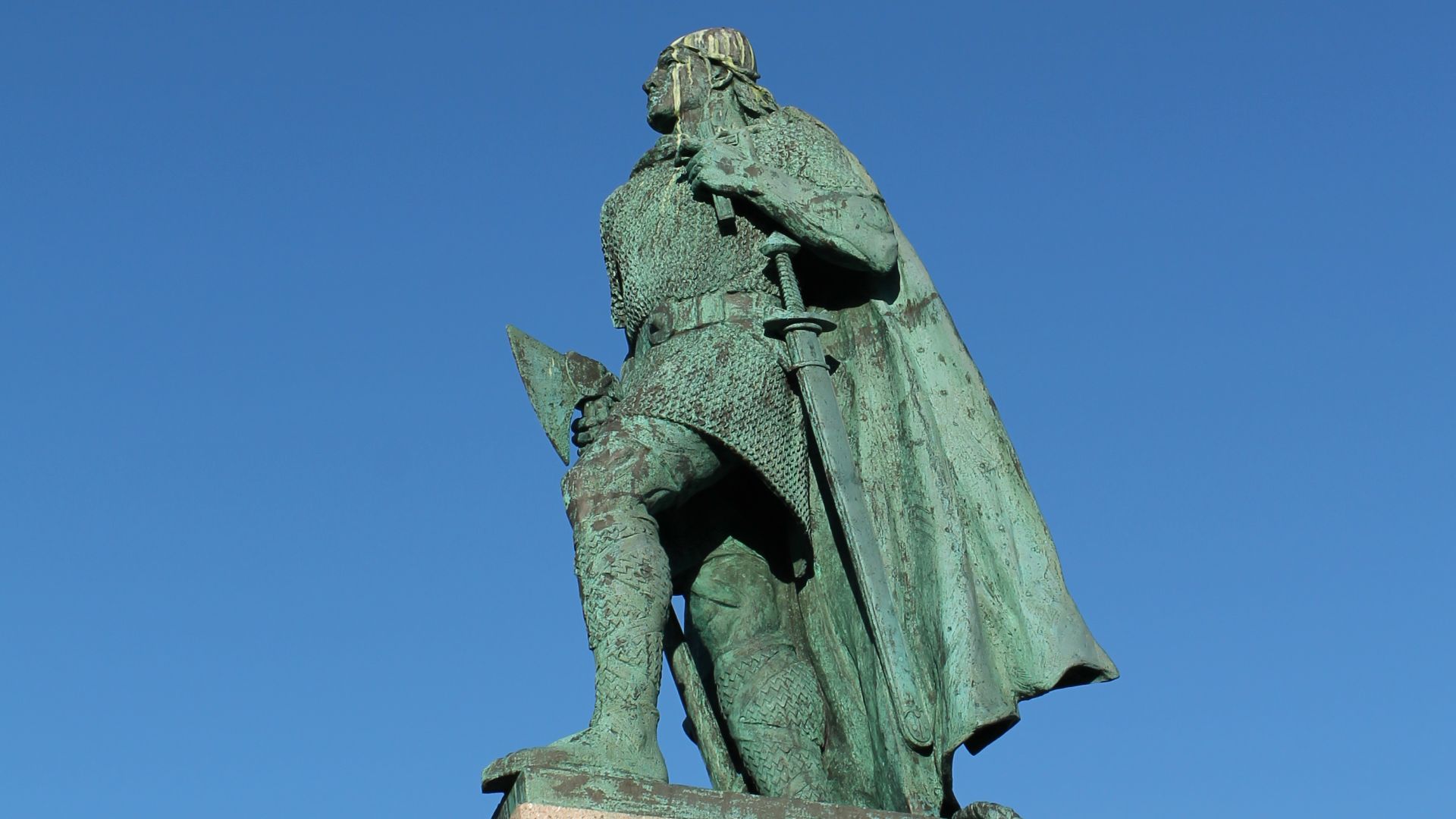 Ivan Sabljak, Wikimedia Commons
Erik Almost Came Too
Erik, who reportedly harboured reservations about the expedition, was prepared to accompany his son, but pulled out of the trip after falling from his horse not long before departure, which he interpreted as a bad omen. Undeterred, Leif set sail and followed Bjarni’s AD 986 homecoming route in reverse, plotting a course northwest across the top end of the Atlantic. The first place they encountered is described as a barren land, now believed to be Baffin Island. Leif called it as he saw it, and named the place Helluland, meaning ‘the land of the flat stones’.
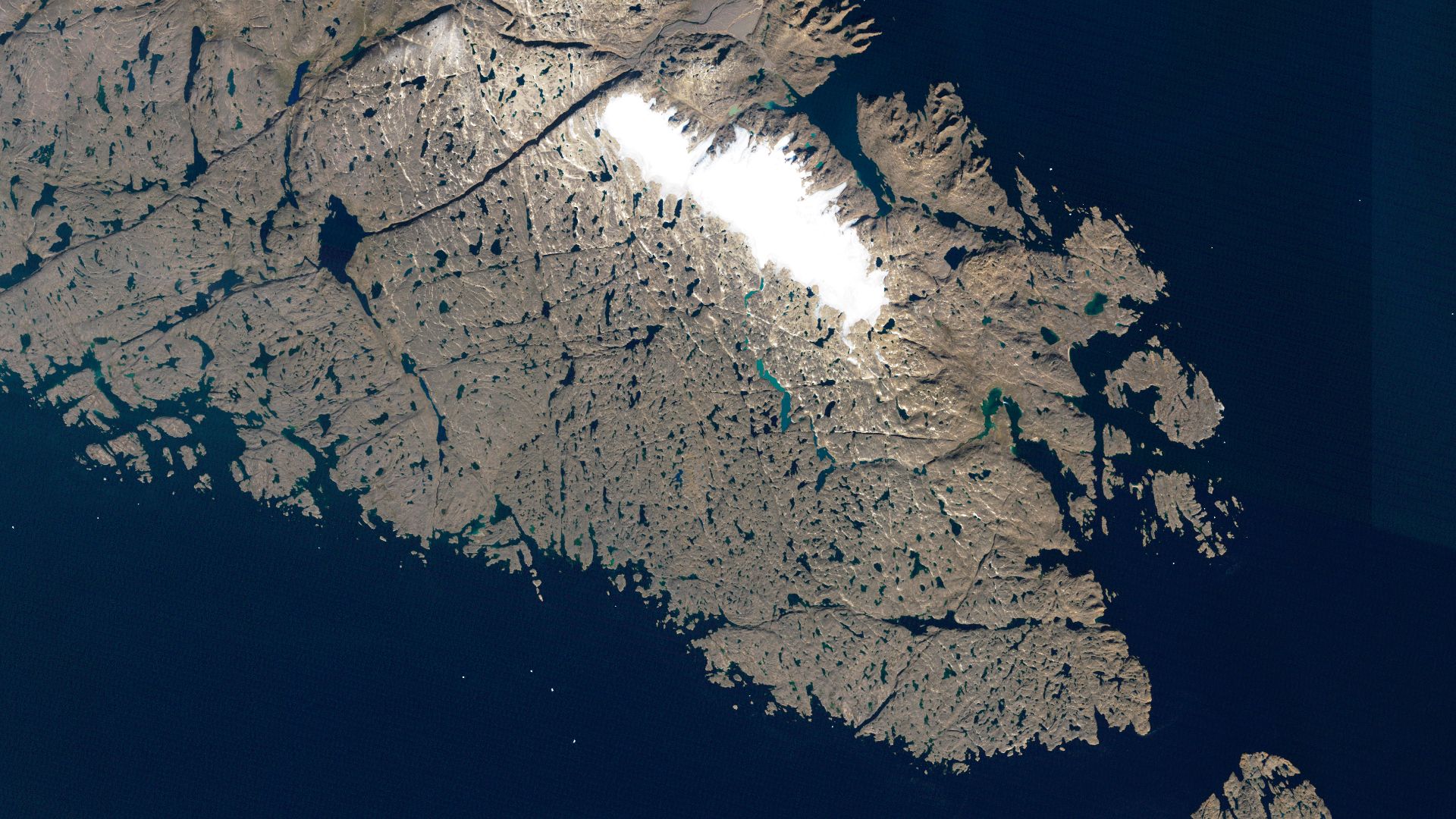 Jesse Allen and Robert Simmon, Wikimedia Commons
Into The Great White North
He continued, heading south and skirting the coast of the country we know as Canada. The next place of note, where the landscape changed to become heavily wooded, Leif branded Markland – meaning ‘land of forests’ – which was likely the shore of Labrador. The country looked promising, not least because of the abundance of trees, something sorely lacked by Greenland (despite its name, which Erik the Red chose to make it sound appealing to the people he wanted to lure there from Iceland). Although wood was in high demand for building homes and boats, Leif kept sailing south.
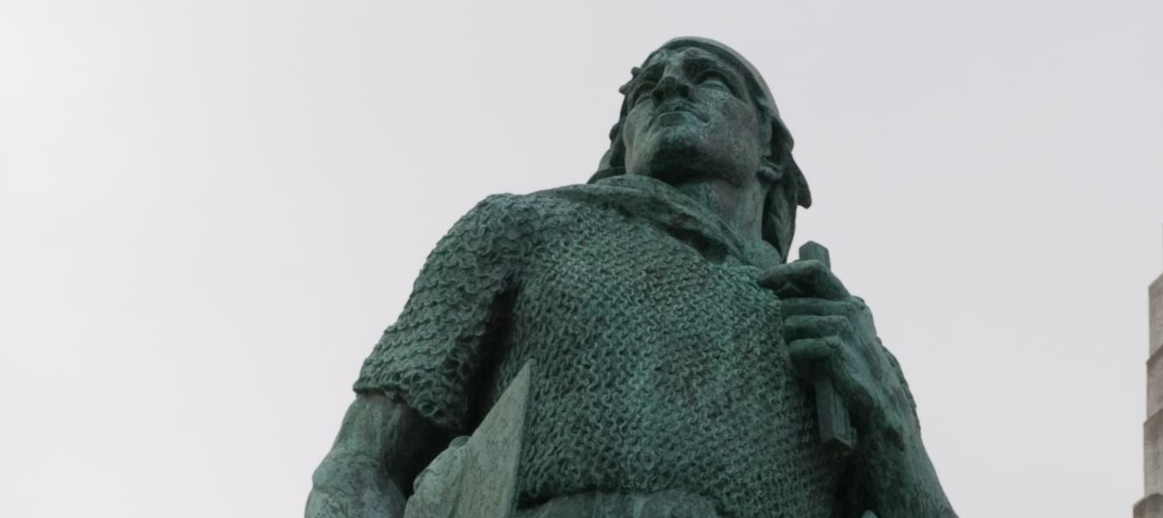 Thomas Quine, Wikimedia Commons
Why Is Vinland Known As "The Land Of Wine"?
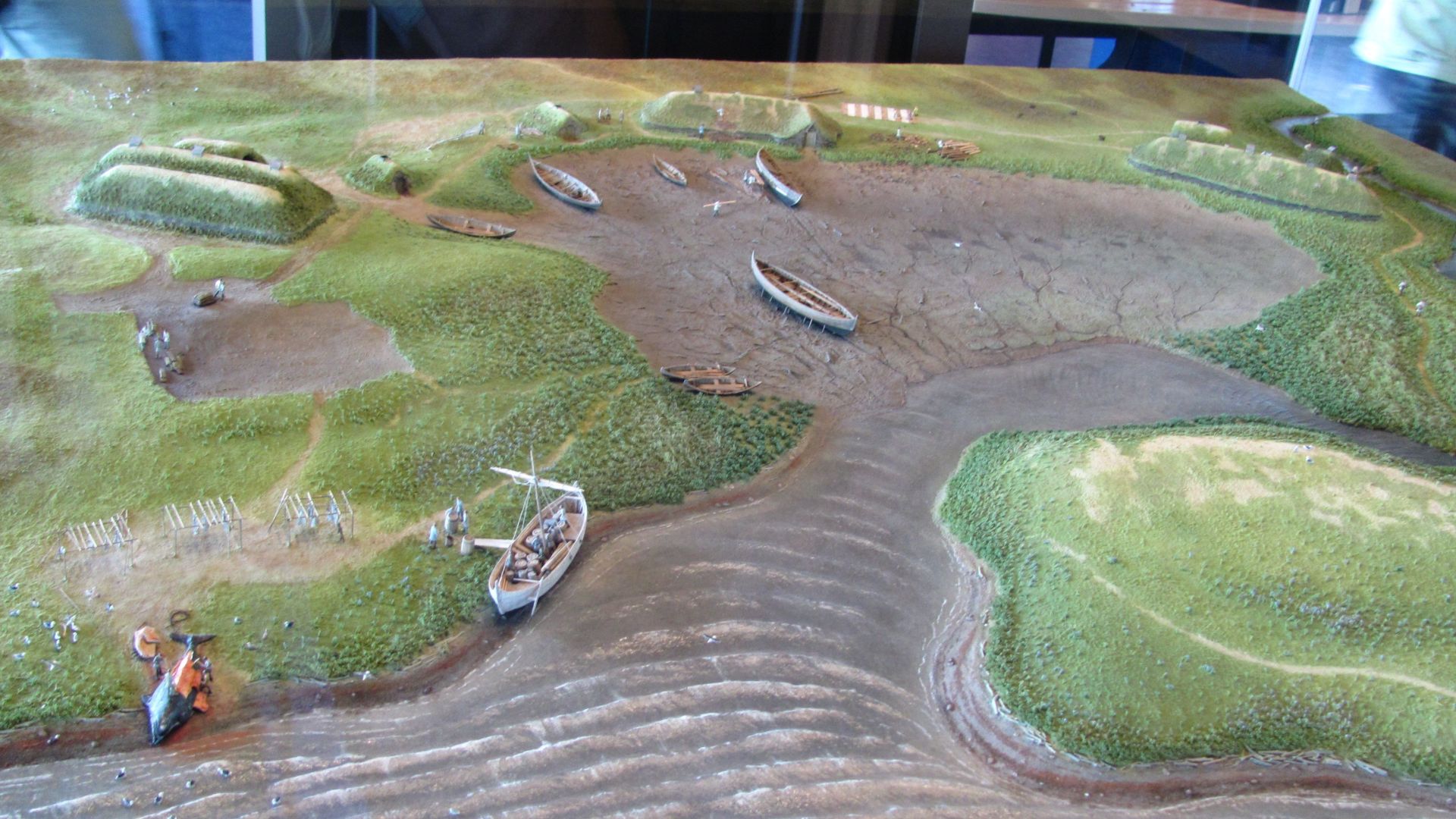
Eventually, the explorers came to a place, thought to be Newfoundland Island, that ticked all Leif’s boxes. The expedition set up camp in a place that would come to be called Leifsbúðir (literally Leif’s Booths) near Cape Bauld, close to present-day L'Anse aux Meadows on the northern tip of Newfoundland. Here they spent at least one winter, enthusing about the comparatively mild climate, fertile conditions and abundance of food. One day, Tyrker apparently went missing from a group gathering supplies, and when Leif located him, he was drunk and babbling happily about some berries he’d found.
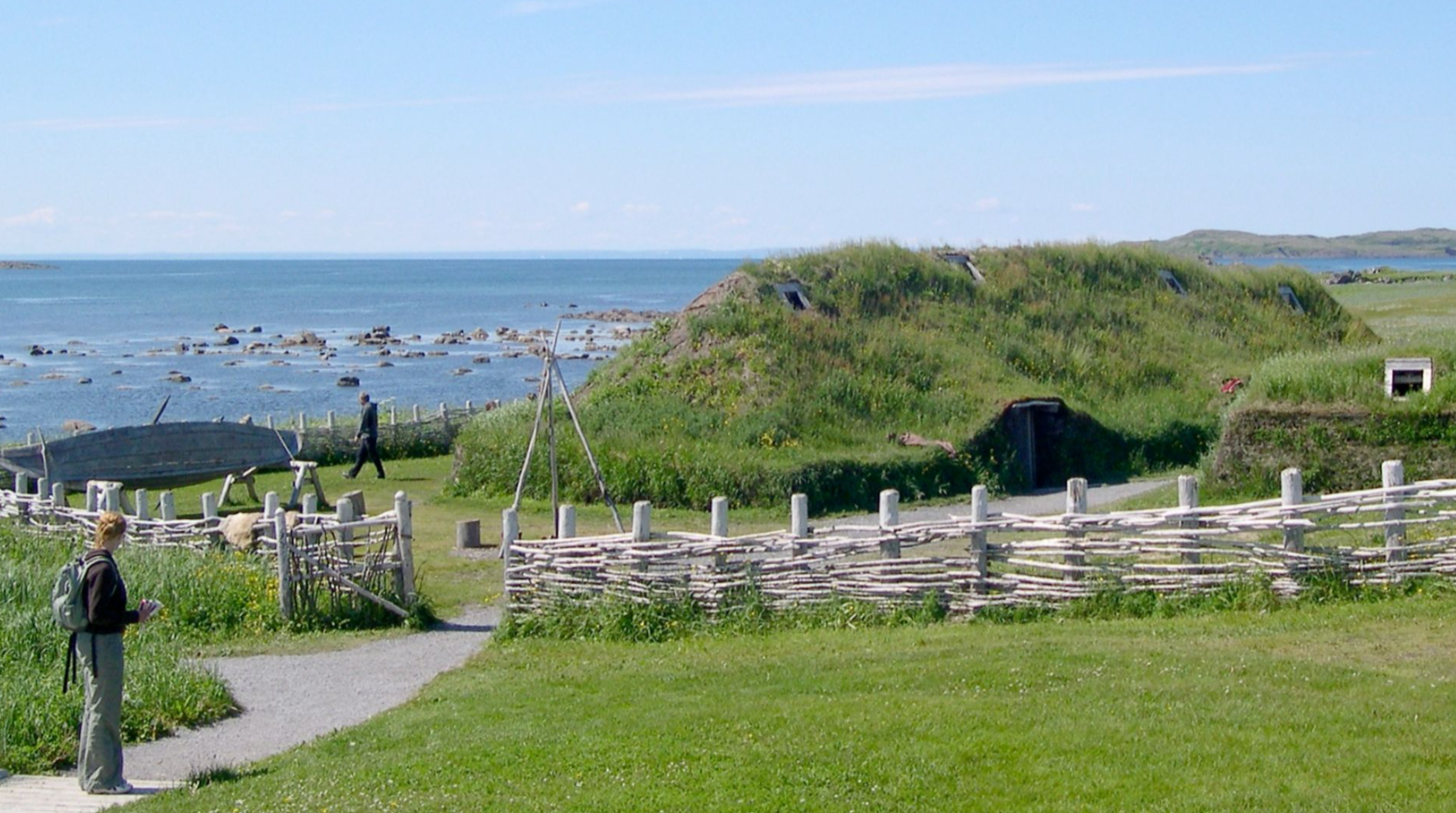 Dylan Kereluk, Wikimedia Commons
They Probably Were Not Grapes
These are referred to in the saga as grapes, although modern experts think it unlikely that grapes as we know them would have grown so far north, and speculate that Tyrker had been scrumping naturally fermenting squashberries, gooseberries or cranberries. Either way, this discovery was greeted with delight, and the place was subsequently named Vinland, meaning ‘land of wine’.
 Torbenbrinker, Wikimedia Commons
Why Was Leif Erikson Called Leif The Lucky?
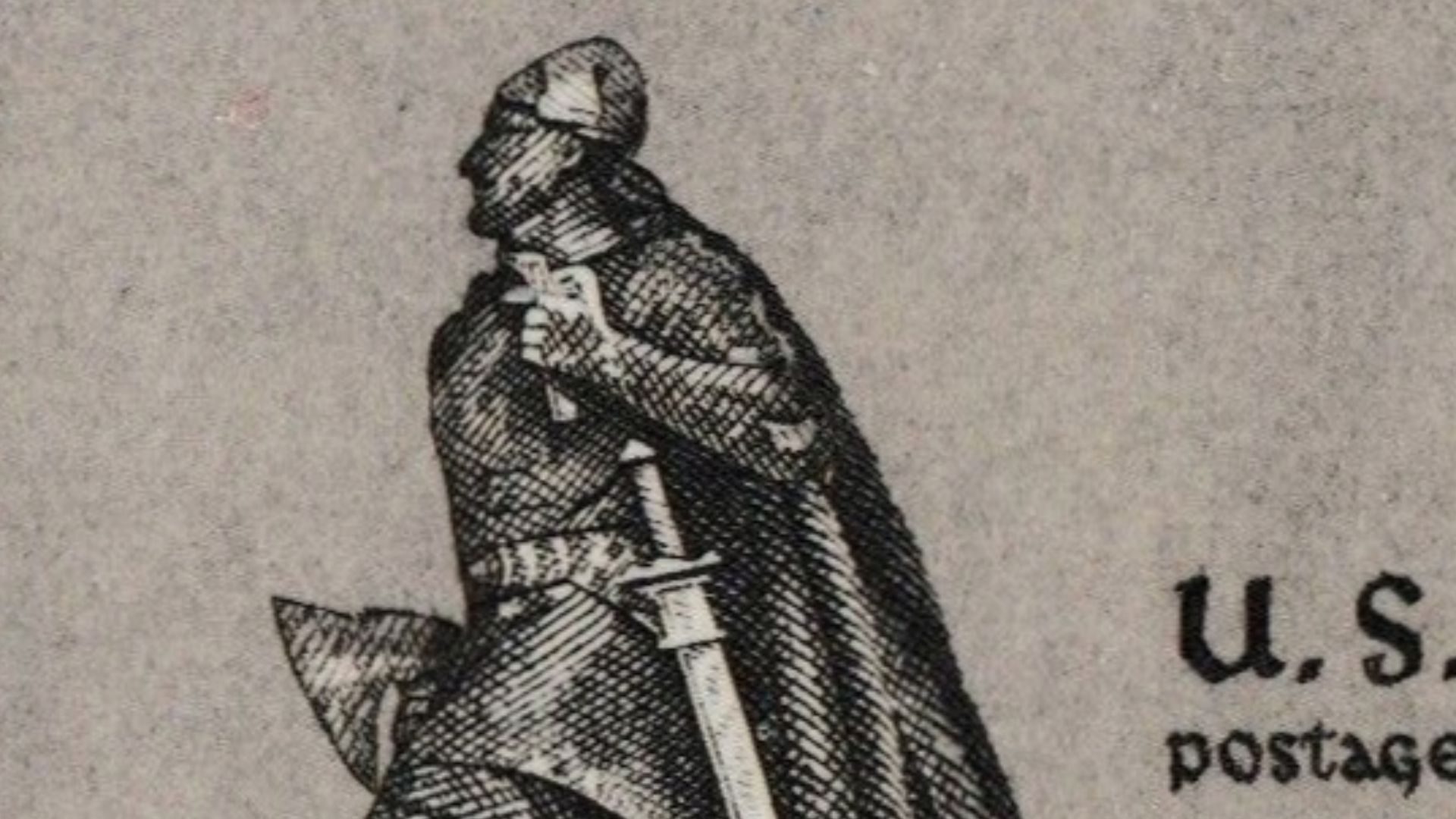
At some point in 1001, laden down with supplies of precious wine ‘grapes’ and wood, Leif and his men made the return journey to Greenland, full of tales about a western land of bounty and beauty. On their way home, they chanced upon and rescued a group of shipwrecked Norse sailors, an adventure that added to the captain’s fame and led to him acquiring the nickname ‘Leif the Lucky’.
 Bureau of Engraving and Printing, Wikimedia Commons
He Remained In Greenland
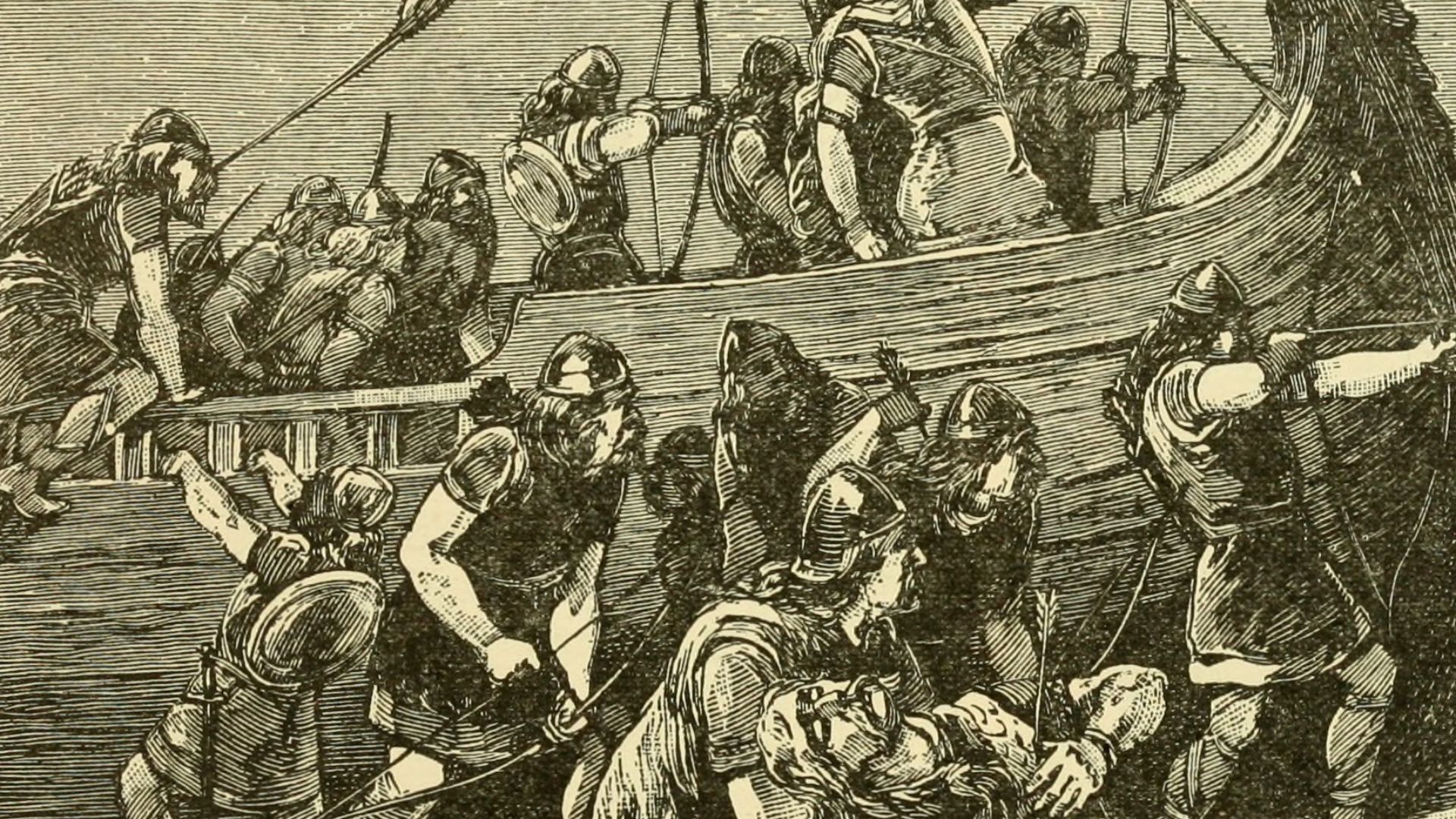
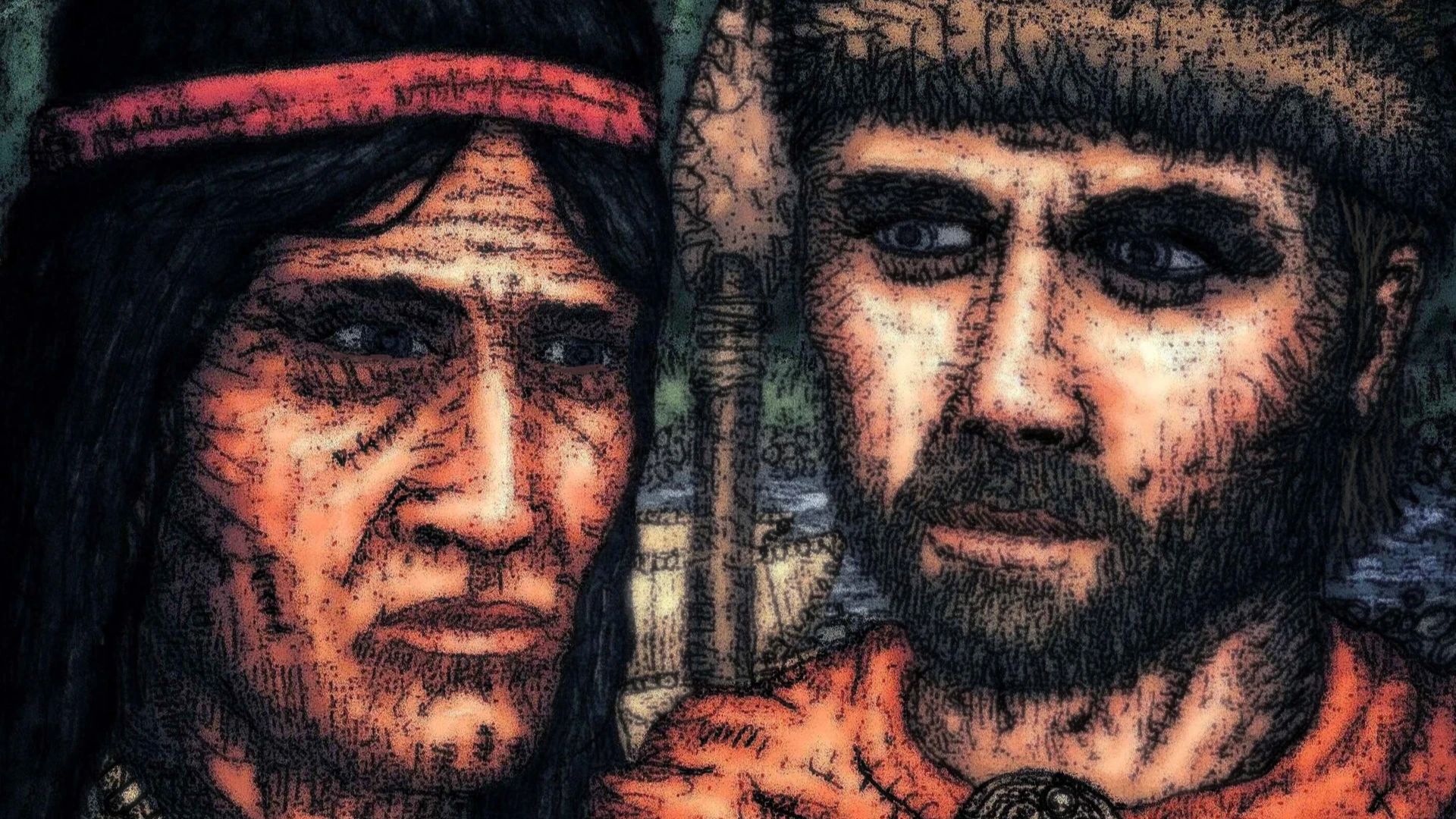
Leif subsequently remained in Greenland, enthusiastically espousing Christianity, while his brother Thorvald undertook a second expedition to Vinland, during which he was killed. Unlike Greenland and Iceland, Vinland had a population of indigenous people – known to later Viking explorers as the Skrælings – who were less than impressed at the sudden arrival of the Scandinavians. Thorvald earned the unfortunate honour of becoming the first European to die on the continent when he was killed in a skirmish with the Skrælings.
 Internet Archive Book Images, Wikimedia Commons
Tragedy Follows Tragedy
His other brother, Thorstein, attempted to retrieve Thorvald's body, but died following an unsuccessful voyage. His wife, Gudrid Thorbjarnardóttir, then met and married Thorfinn Karlsefni, an Icelandic merchant who subsequently led an attempt to establish a bigger, more permanent settlement on the new continent. This failed, but the couple did give birth to a son, Snorri Thorfinnsson, the first European to be born on the American continent.
 Rowyn flowerdew, Wikimedia Commons illustratin of vikings meeting the skraelings, indigenous beothuk and thorfinn karlsefni by rowyn flowerdew
Settling Wasn't Easy
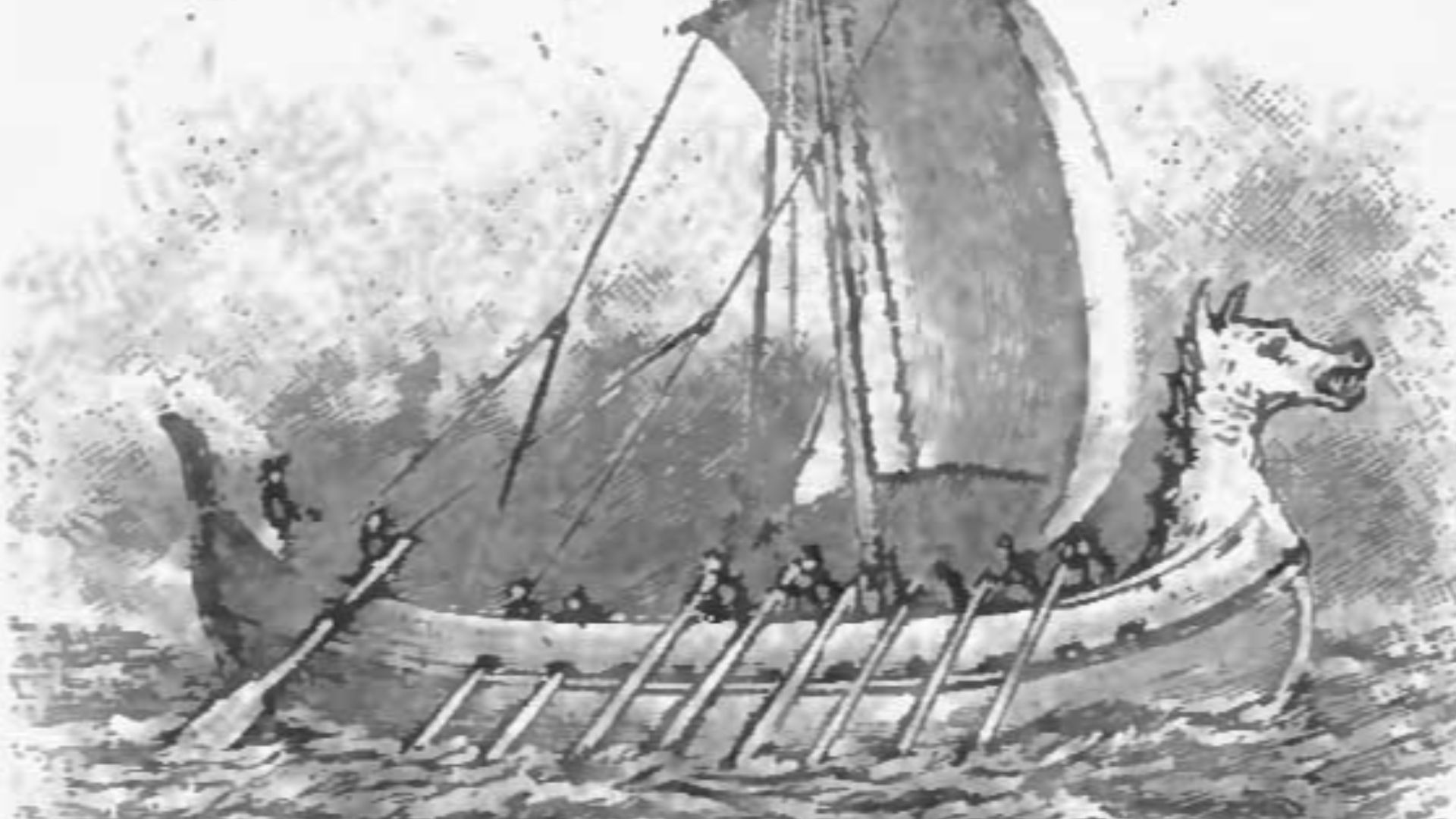
Freydis Eiriksdottir, Leif's sister, also travelled to Vinland, either with Thorfinn Karlsefni or as part of an expedition with two other Icelandic traders, who she subsequently betrayed and had killed (depending on which saga you read). Ultimately, although the terrain offered a good supply of wood and supplies, operating a permanent settlement so far from home proved too hard for the Vikings.
 Unknown authorUnknown author, Wikimedia Commons
Their Influence Lived On
The American chapter of the Vikings’ saga had begun by accident, and their subsequent attempts to deliberately colonise the continent were doomed to fizzle out. Ferocious attacks from First Nation peoples, climate change and distance from their Norse brethren have all been blamed for their failure.
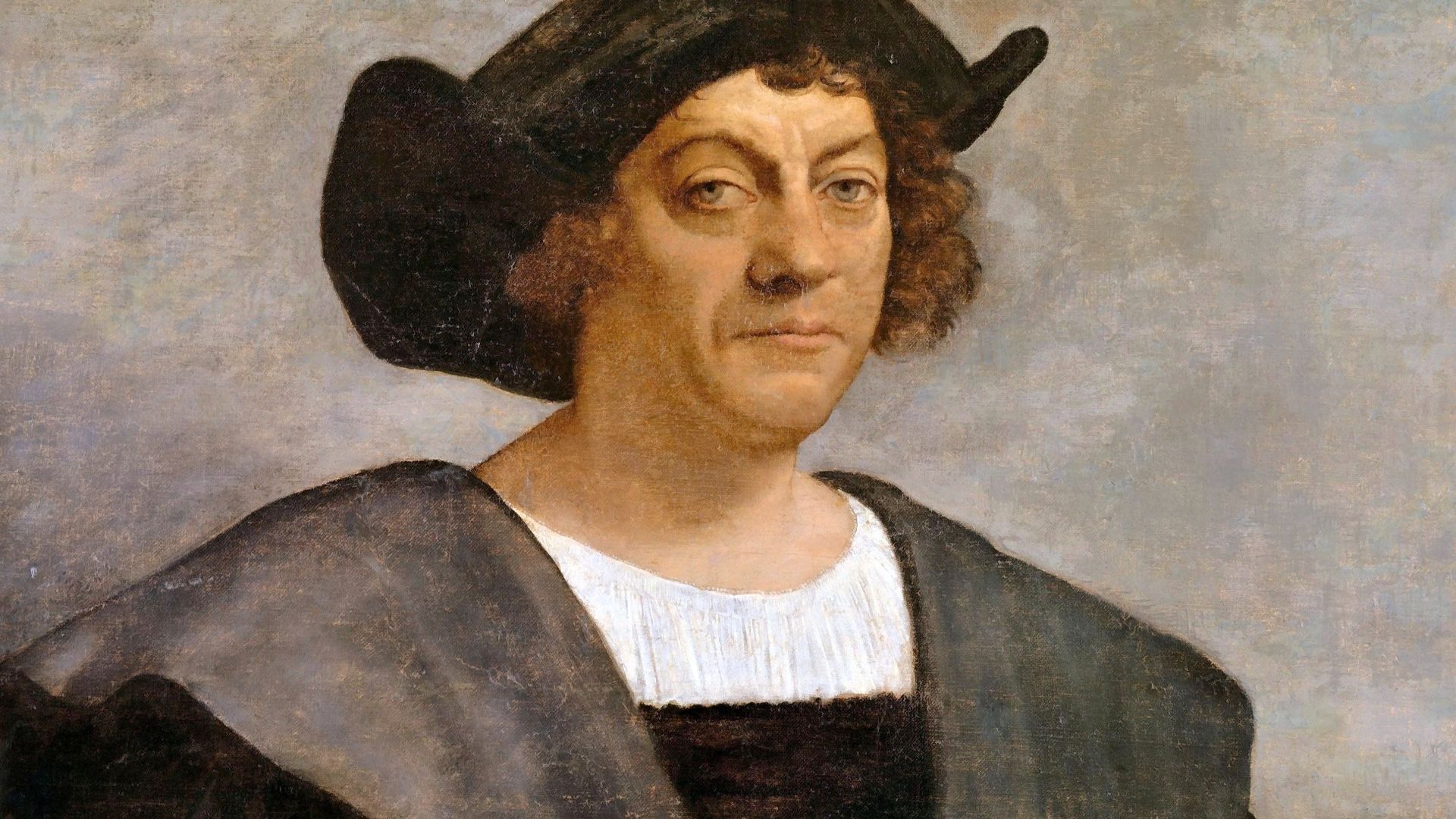
But these intrepid and fearsome folk knew how to wield pens as well as battleaxes and oars, and news of the Norsemen’s globe-bending discovery percolated through European ports over the centuries, influencing the ambitions of later European explorers, including Columbus, who claimed to have visited Iceland in 1477.
 Sebastiano del Piombo, Wikimedia Commons
When is Leif Erikson day?
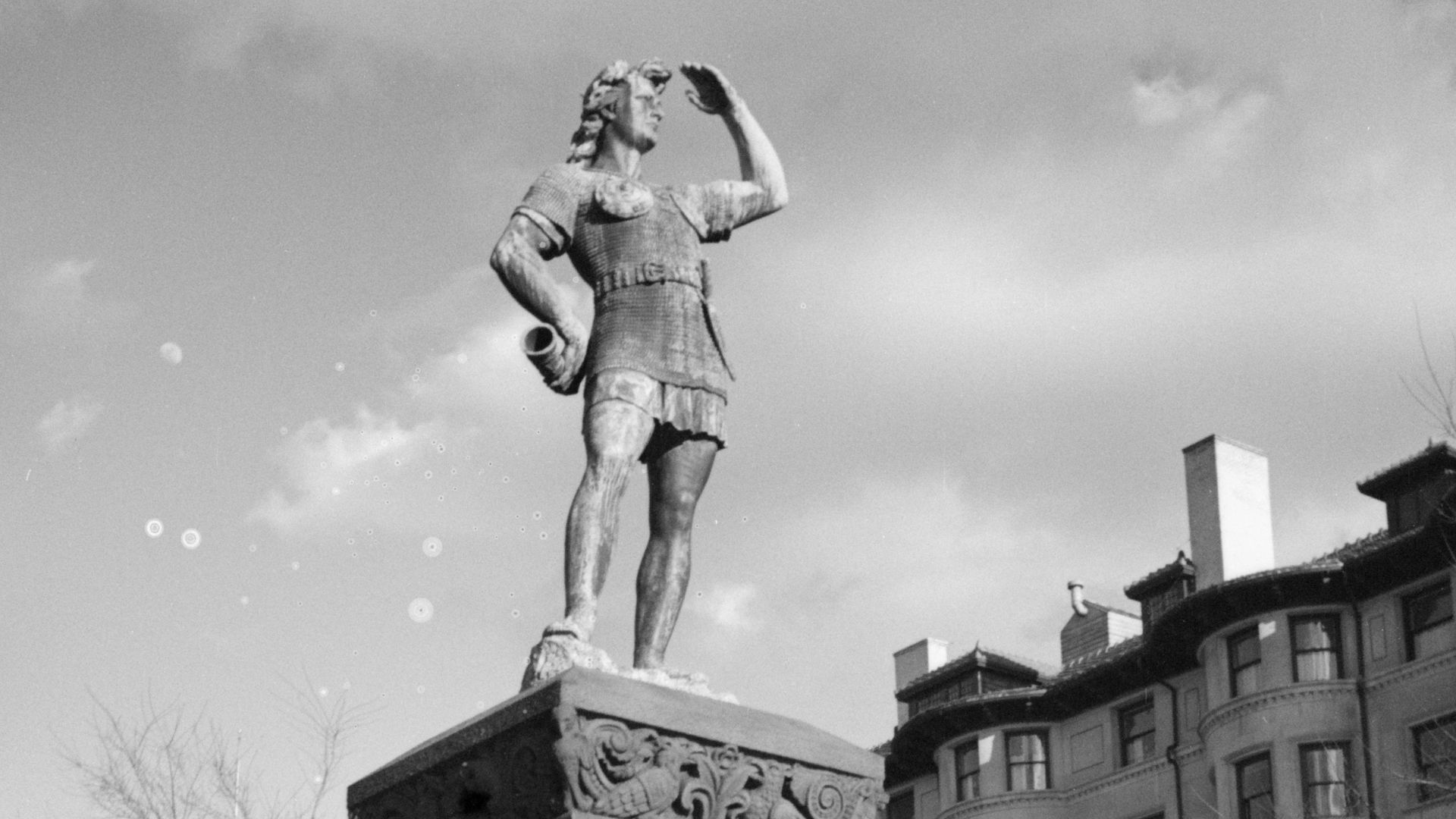
Very belatedly, Leif’s achievements are now being recognised in the land he explored more than 1,000 years ago, with Leif Erikson Day being celebrated on 9 October – the same day that the first organised immigration from Norway to the US took place in 1825. Today, there are more than 4.5 million people of Norwegian ancestry living in the United States; the saga continues.
This content was created in partnership with HistoryExtra and written by Pat Kinsella. Editorial changes were made to the original article.











.jpg)


