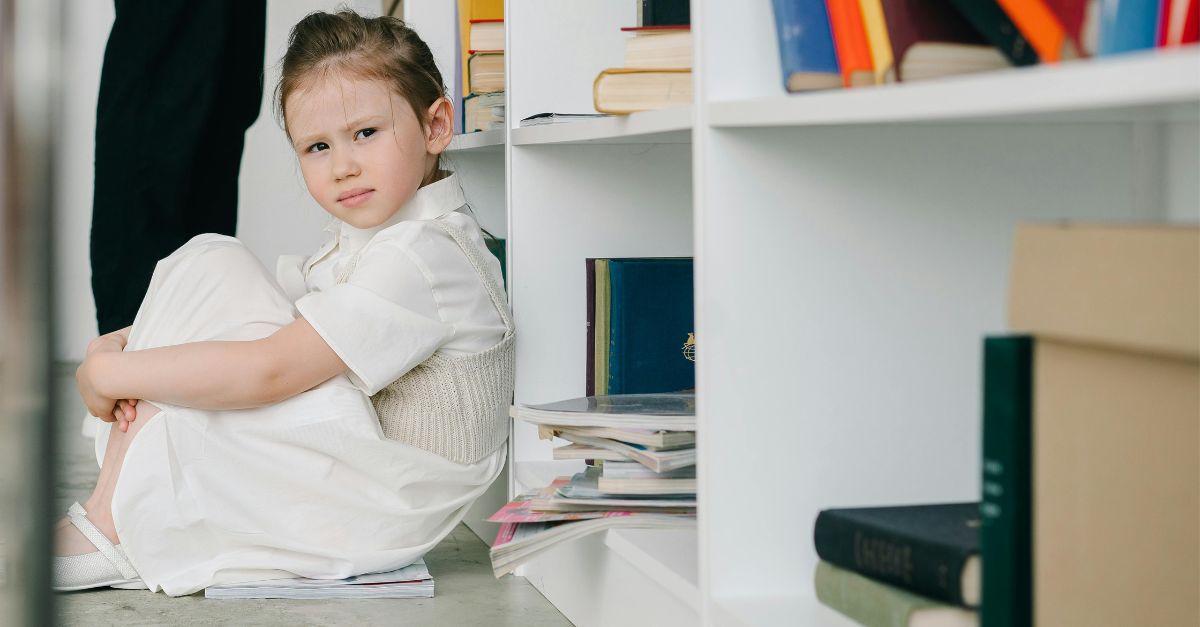
Red Flags No One Should Ignore
Tantrums fade, and defiance softens as children grow older and more socially aware. Certain behaviors, though, persist despite consequences, teaching moments, or age-appropriate expectations. These patterns deserve attention rather than dismissal as phases.
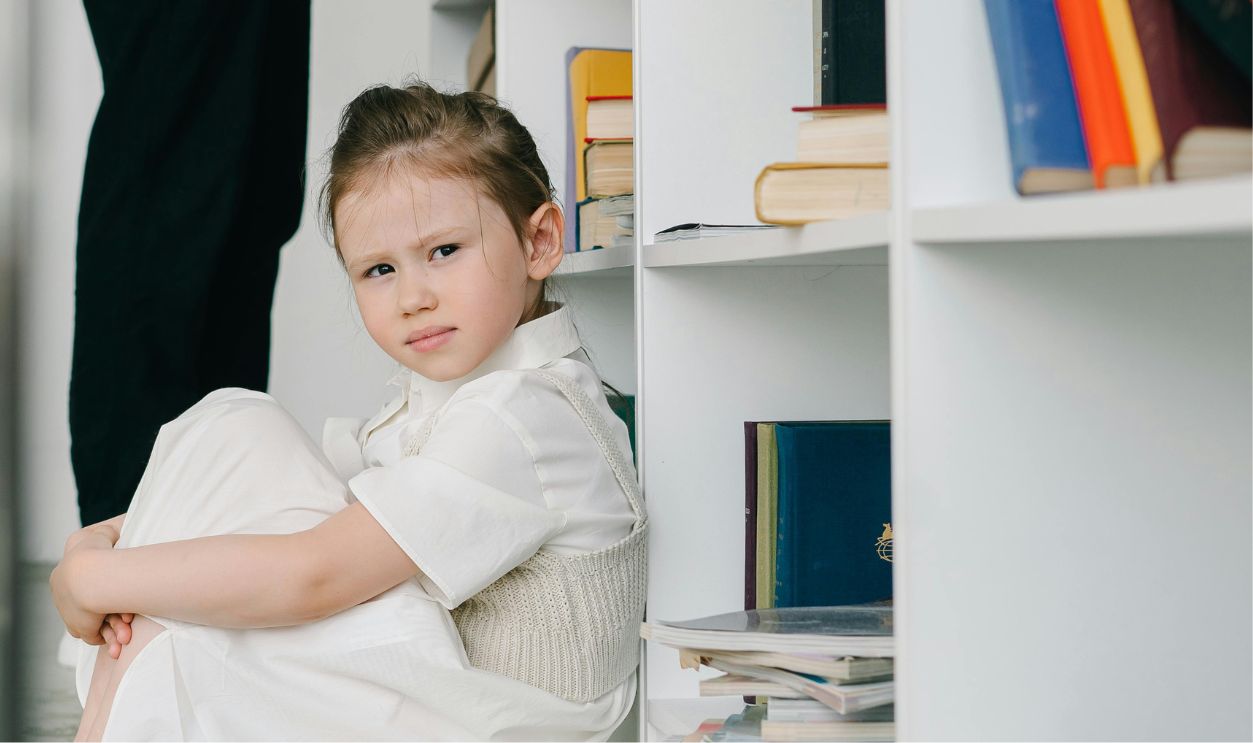
Cruelty To Animals
Deliberately harming pets or wildlife separates this behavior from normal childhood curiosity about creatures. Kids who torture or harm animals repeatedly lack the empathy development expected at their age. And guess what? Serial killers often share histories of animal abuse during childhood.

Lack Of Remorse After Hurting Others
Most children feel uncomfortable after causing pain, even when they initially acted in anger or frustration. Now, if a child who hurts siblings or classmates and shows zero regret, they display conscience deficits that typically worsen without intervention.

Persistent Lying Without Reason
Occasional fibs about things like broken vases represent normal childhood behavior, testing boundaries. Compulsive lying about trivial matters when honesty carries no penalty indicates something fundamentally different is happening. These children lie reflexively even when the truth serves them better.

Bullying Weaker Or Younger Children
Targeting vulnerable kids reveals a preference for power imbalances rather than fair conflict or competition. Bullies select victims they can dominate easily, avoiding peers who might fight back effectively. The behavior demonstrates calculated cruelty, not impulsive aggression.
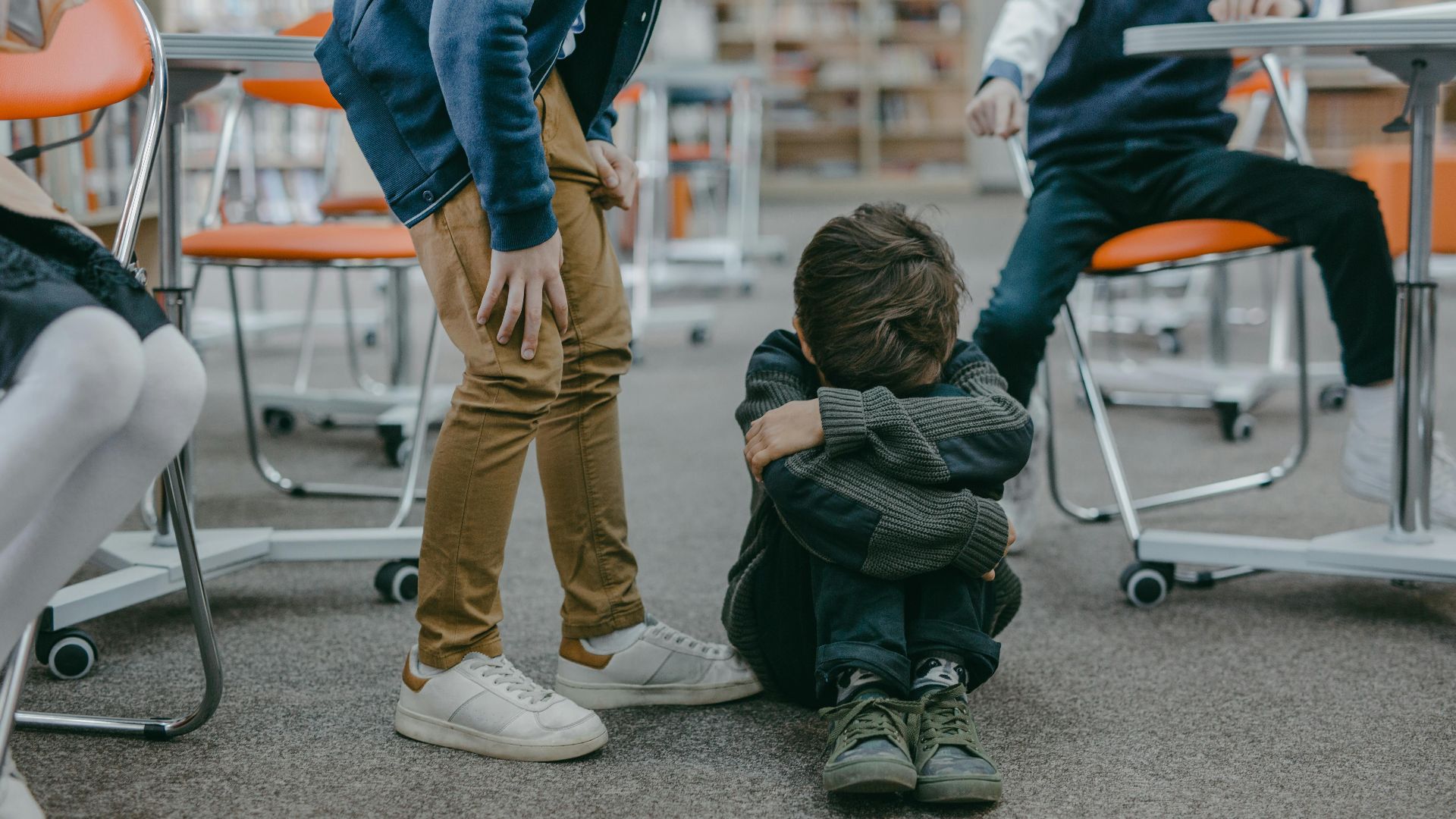
Hurting Themselves To Gain Sympathy Or Avoid Responsibility
Self-inflicted injuries for attention differ dramatically from genuine mental health crises requiring immediate professional intervention. Some children create minor wounds, and even sometimes harm themselves, specifically to blame others. The behavior manipulates caregivers through manufactured victimhood.
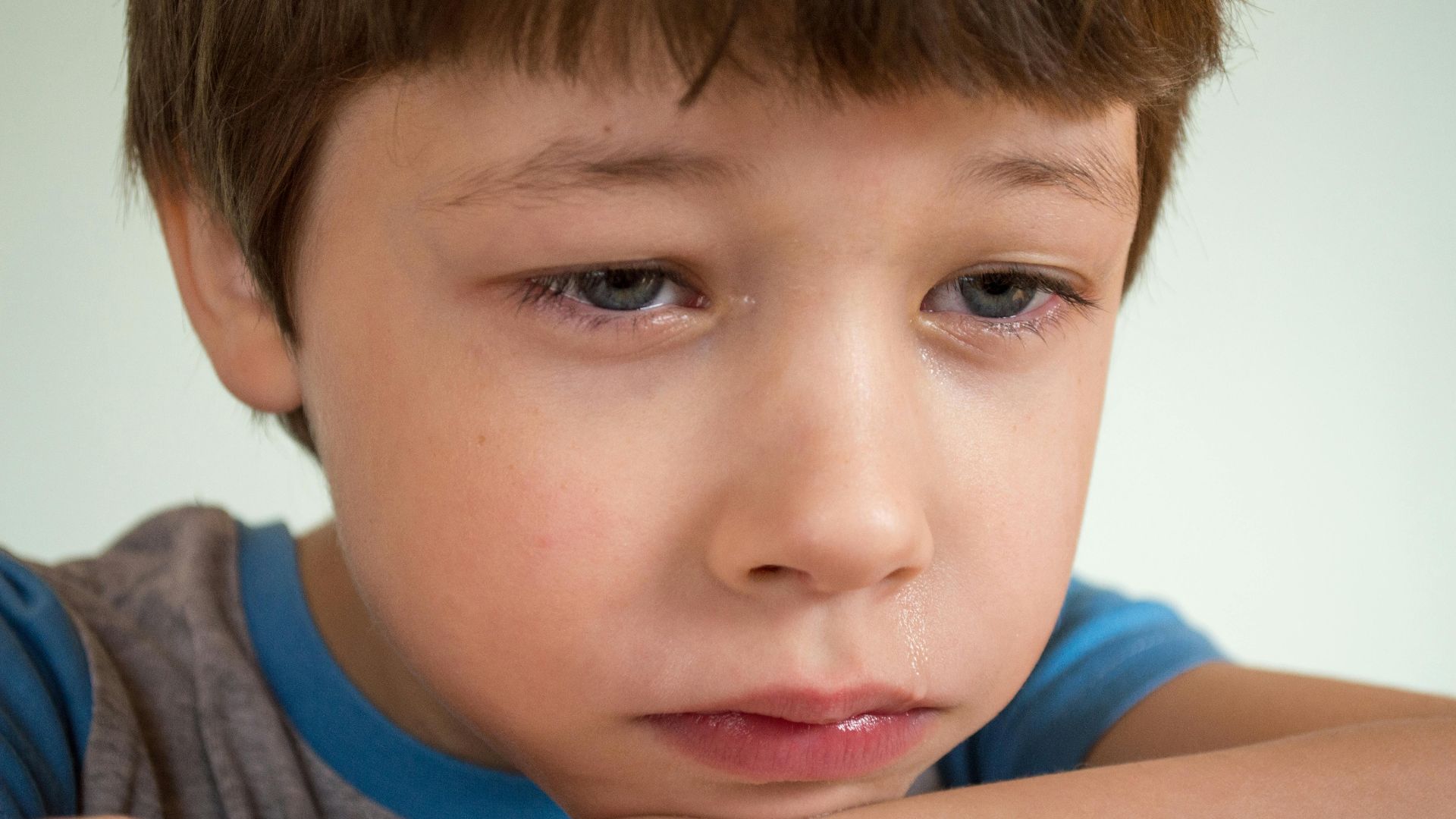
Manipulating Others For Personal Gain
Emotional manipulation involves reading emotions and using that awareness to influence outcomes. Some children play adults against each other from learned coping habits. Such behavior usually reflects unmet needs or modeling from adults rather than advanced intelligence or malicious intent.

Destroying Others’s Belongings Intentionally
Breaking a sibling's toy during a fight differs dramatically from methodically destroying possessions to cause maximum emotional pain. Whenever a child targets items with sentimental value, not just expensive things, the goal involves psychological damage rather than simple property destruction.
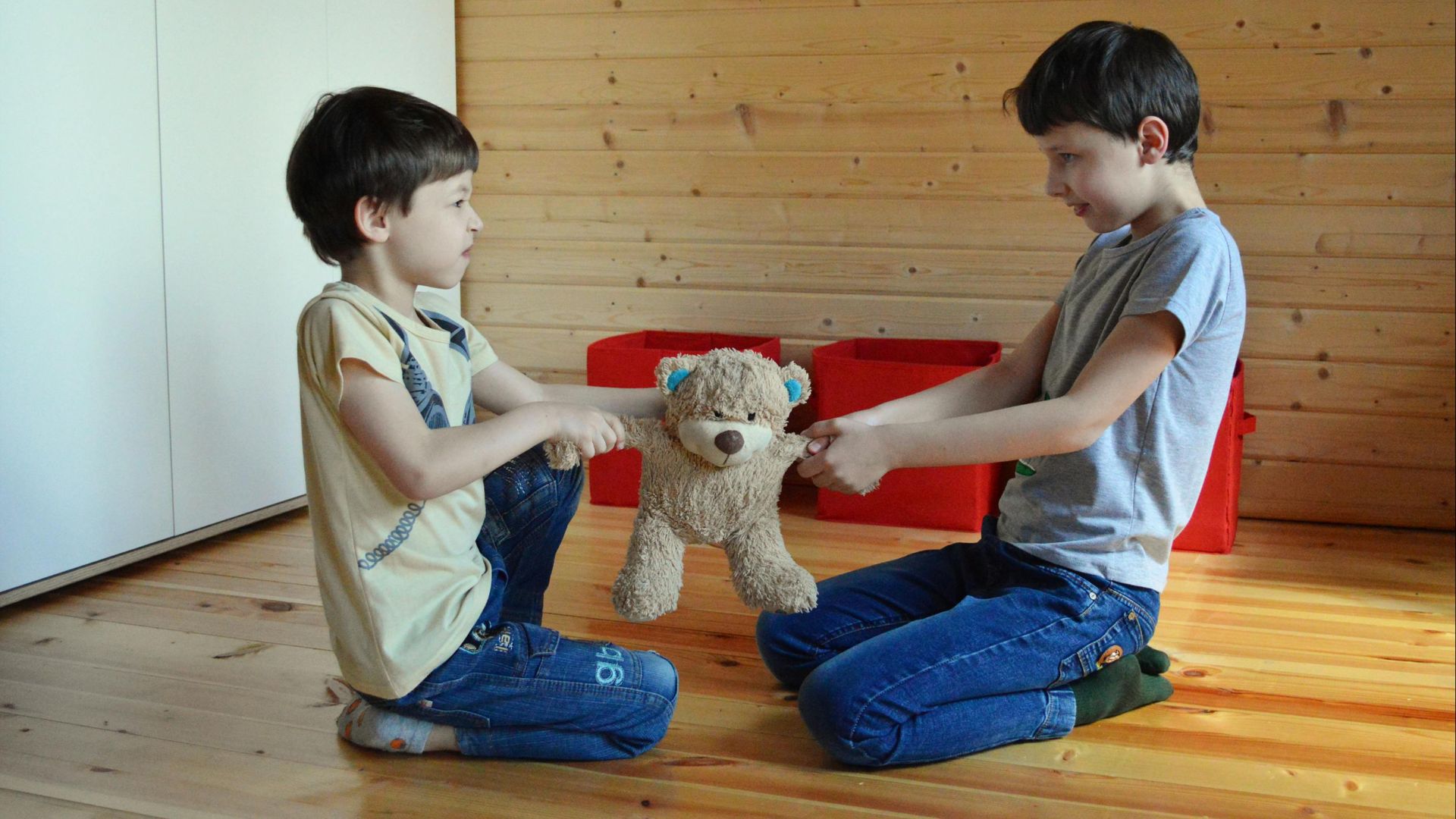
Showing No Empathy When Others Are Hurt
Typical kids feel uncomfortable watching someone cry or bleed, even enemies they dislike intensely. When it comes to those who lack empathy, they don’t seem affected by other’s distress. They view this with curiosity or indifference instead of appropriate concern. Some even smile while watching tears.


History's most fascinating stories and darkest secrets, delivered to your inbox daily.
Stealing Without Guilt
Taking candy from a store tests boundaries that most children eventually understand after punishment. Repeated theft without remorse indicates the absence of internal controls that normally develop through socialization. These kids keep stealing from family members who trust them most when no discipline is instiled. This habit snowballs.
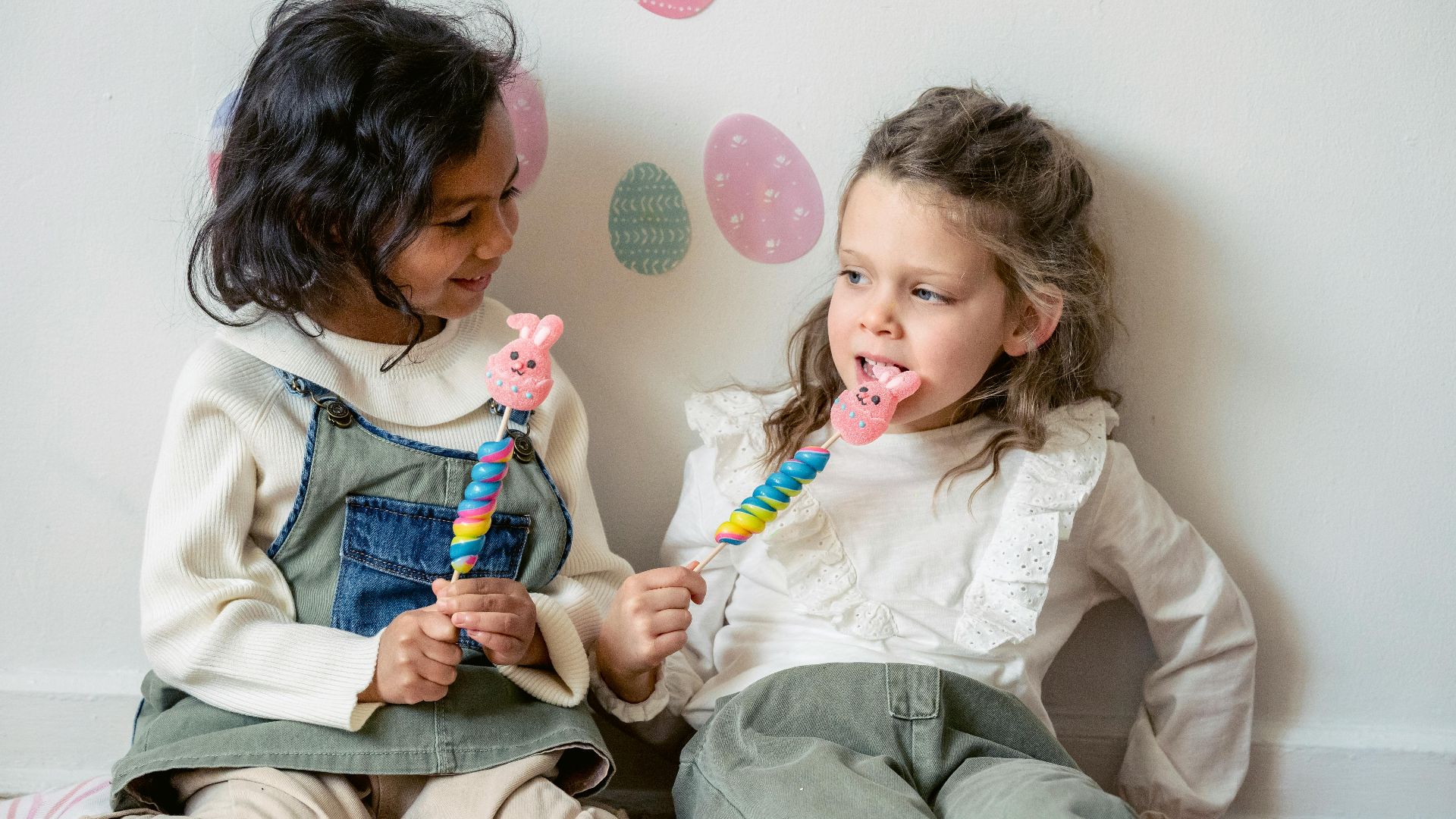
Blaming Others Constantly For Their Own Mistakes
They dropped their food, and you saw it in the corner of your eye. But when they came to report it, it was their sibling who had done it. For this child, deflection becomes an automatic response, replacing accountability. The pattern hardens into personality if left unchecked.
 Karolina Grabowska www.kaboompics.com, Pexels
Demanding Special Treatment Without Earning It
Entitlement develops when children expect privileges, exemptions, and rewards without corresponding effort or achievement “just because” they are higher in status or another category. Rules apply to everyone else, while these kids believe themselves exempt from normal expectations. When parents entertain this, they unknowingly reinforce this pattern.
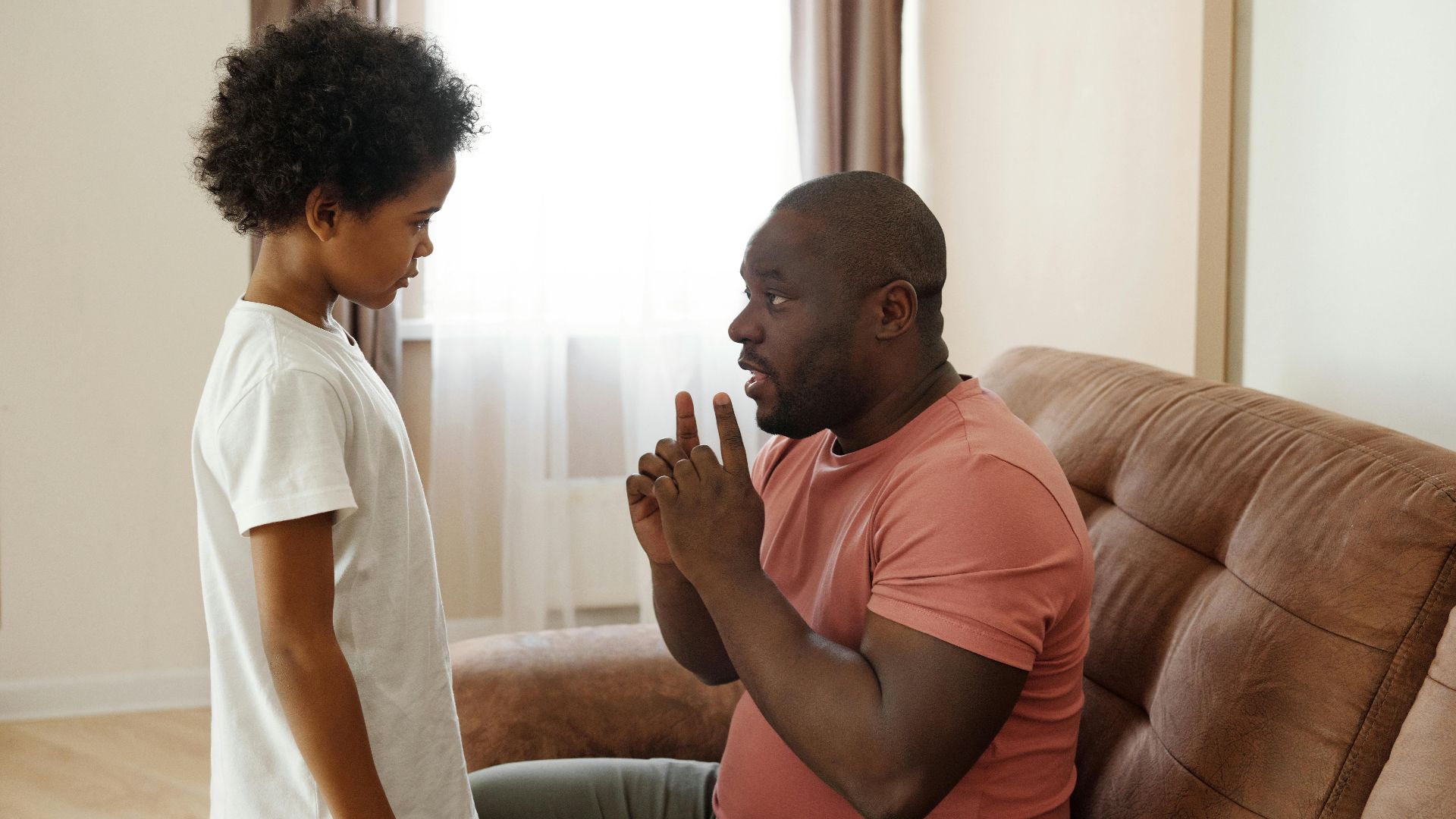
Starting Fires Or Engaging In Dangerous Behavior Deliberately
Pyromania in children represents one of the most serious warning signs psychologists identify in youth. Kids who set fires repeatedly understand the danger but feel compelled to watch destruction unfold. The behavior often escalates from small flames to genuinely catastrophic incidents.
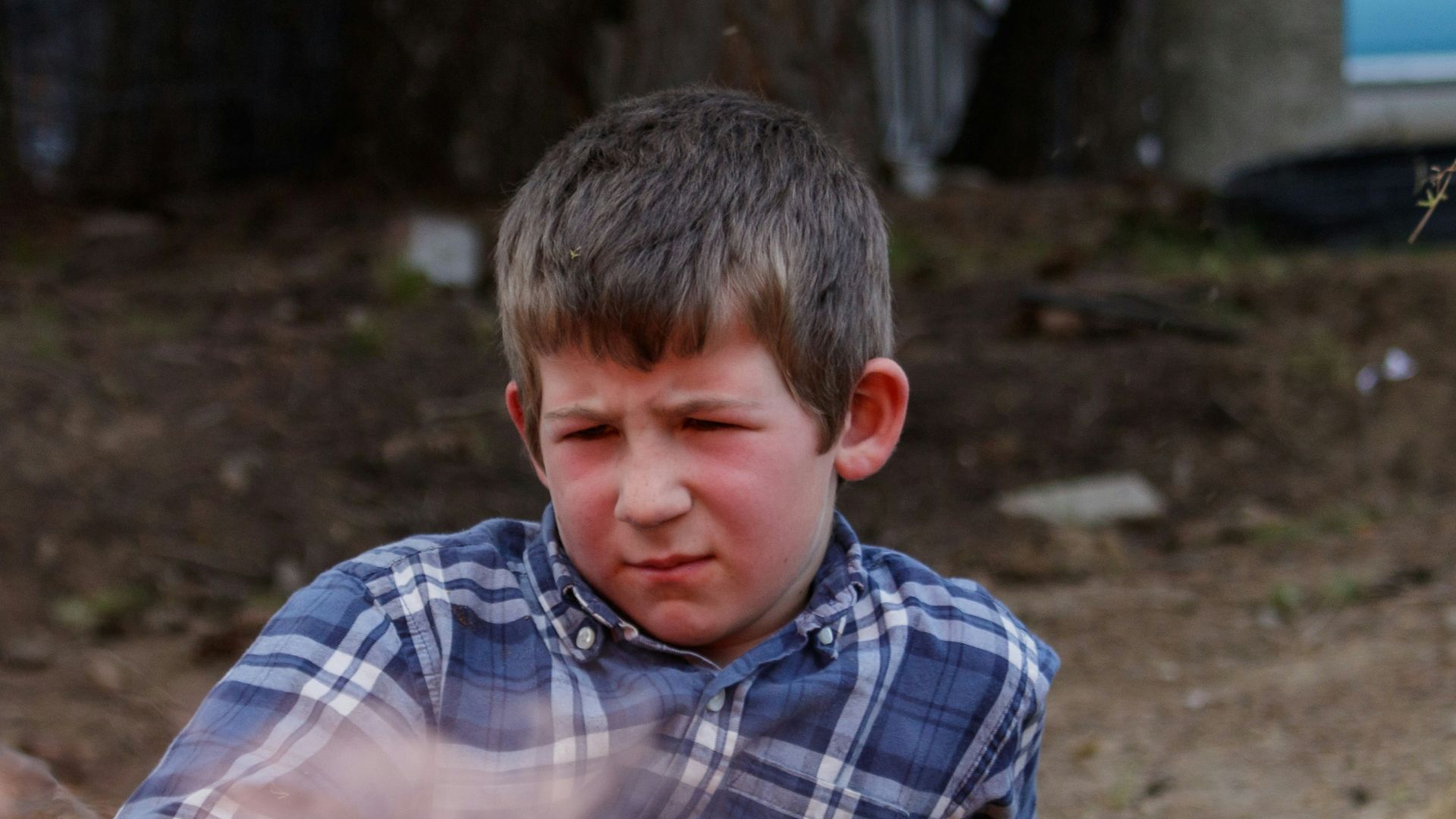
Showing Cruelty To Siblings Consistently
Sibling rivalry involves normal competition, occasional fights, and temporary anger that passes after conflicts are resolved. Systematic torment targeting younger or weaker siblings reveals predatory instincts beyond typical family friction. And they are so sneaky, always hurting siblings when caregivers aren't watching.
 Karolina Grabowska www.kaboompics.com, Pexels
Never Apologizing Genuinely
Empty apologies sound like "sorry you got upset" instead of acknowledging wrongdoing and expressing remorse. Those who apologize only to escape punishment lack the internal discomfort that makes apologies meaningful. Their words carry no emotional weight whatsoever. They may repeat the offense over and over.

Lacking Guilt After Breaking Rules
Consequences teach most children to avoid repeating mistakes by creating an uncomfortable feeling of guilt. Kids without guilt experience punishment as a mere inconvenience rather than a moral correction. Repeated groundings or timeouts fail to modify their behavior patterns.
 Karolina Grabowska www.kaboompics.com, Pexels
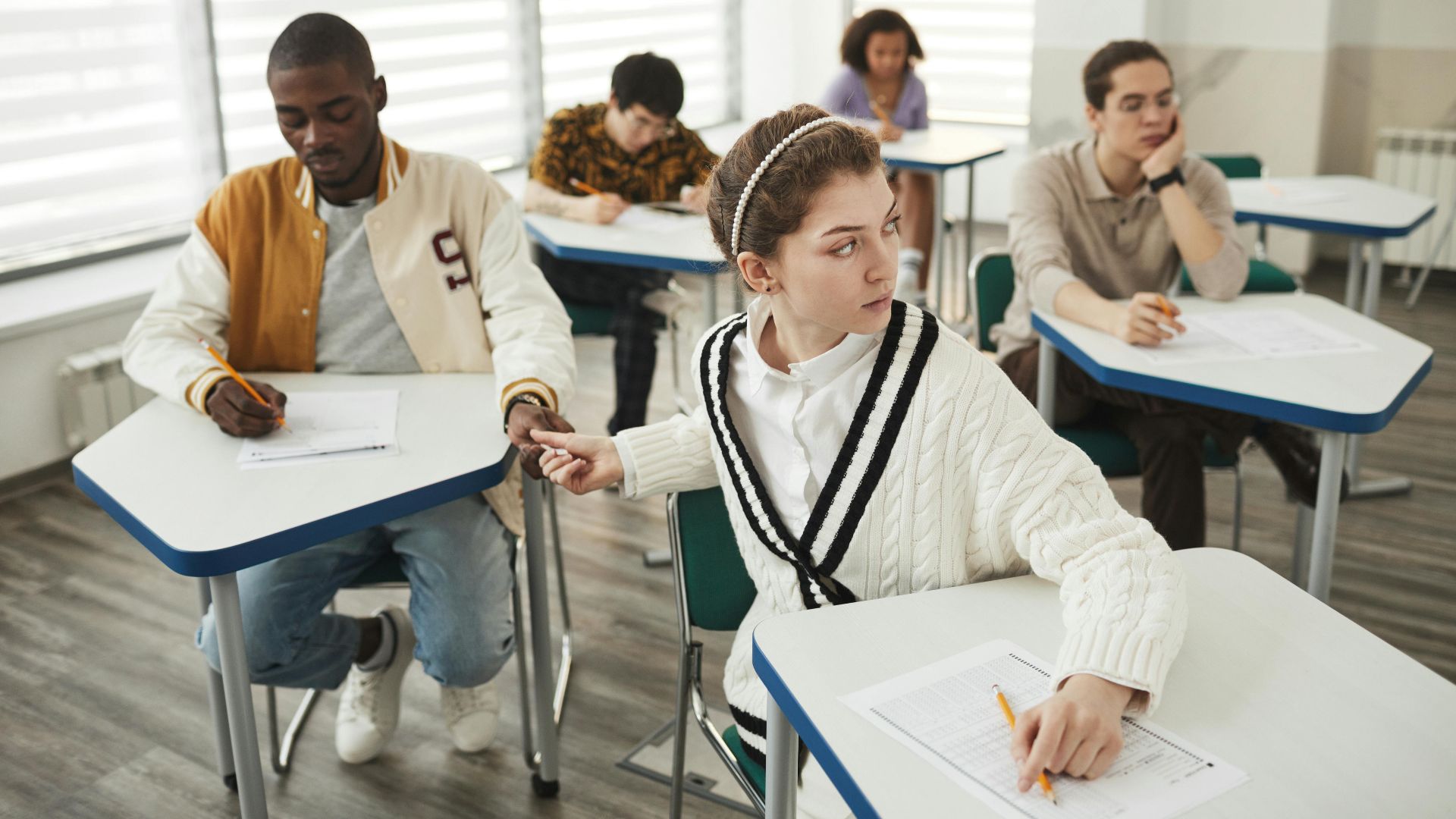
Cheating Habitually Without Shame
Academic dishonesty at low levels might involve peeking at a neighbor's test once when unprepared. Serial cheaters copy homework daily, steal test answers, and plagiarize without experiencing any moral discomfort. Winning matters more than how they achieve success.
Disrespecting Authority Figures Persistently
Occasional back talk or testing boundaries falls within normal developmental stages as children establish independence. But with young ones who consistently mock teachers or undermine parents, they demonstrate contempt for anyone holding power over them. Defiance escalates when confronted with consequences.

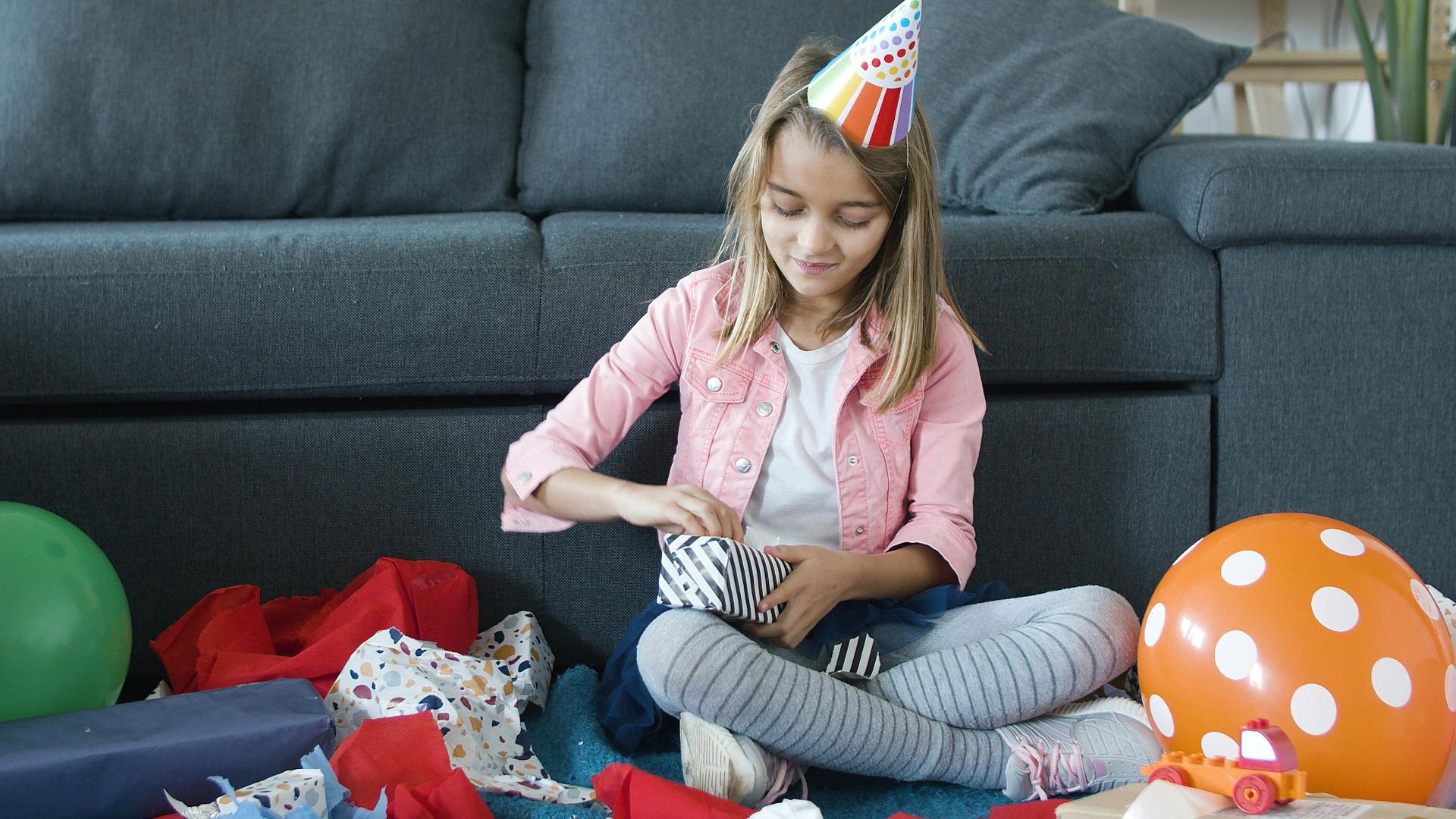
Showing No Gratitude For Gifts Or Help
Most children light up when receiving presents. Now, there is a type of child who’ll unwrap gifts with bored expressions or demand better things, lacking the appreciation that healthy relationships require. If it’s a one-time thing, they could just be having a bad day, but continually, that’s trouble.
Targeting Vulnerable People For Mockery
Whenever this child notices someone disabled, with a speech impediment, or visibly struggling, that person becomes a target of bullying, ridicule, or even abuse. Seeking out vulnerability mirrors predatory behavior, and it highlights the enjoyment drawn from control and unequal power beyond simple misbehavior.
Refusing To Follow Any Household Rules
Age-appropriate rule-testing might involve staying up fifteen minutes past bedtime or sneaking extra cookies occasionally. Complete disregard for every boundary creates chaos that disrupts entire family systems. Such children view rules as suggestions meant for weaker people.

Vandalizing Property Without Remorse
Accidental damage during play differs completely from deliberately keying cars or destroying public property for entertainment. These children target things that matter to communities or individuals. Cleanup costs and victim impact statements leave them unmoved.
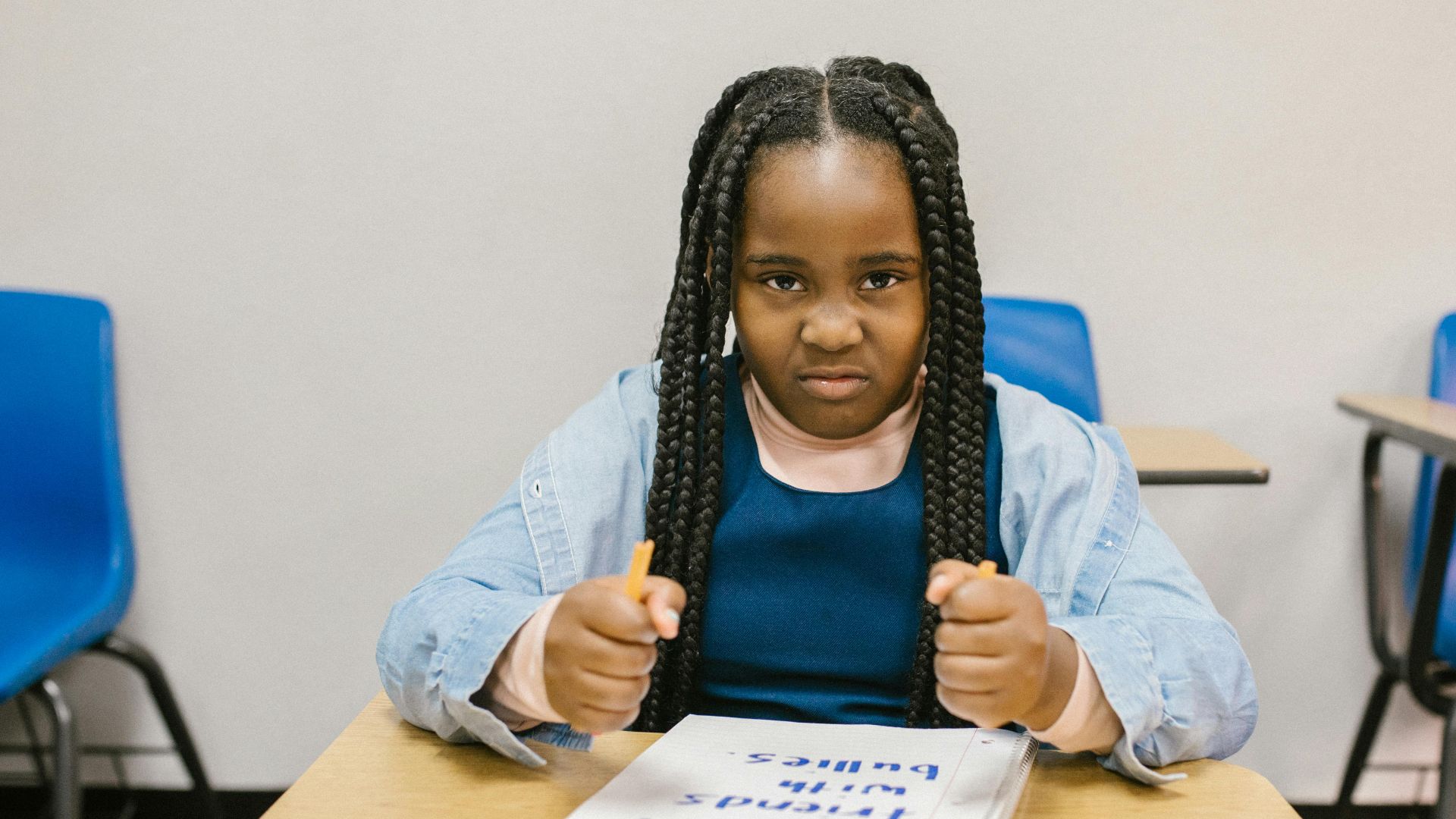
Threatening Others When They Don't Get Their Way
Tantrums involve emotional overwhelm that passes once children calm down and regain control of their feelings. Now, for kids who issue calculated threats like "I'll hurt your pet" or "I'll destroy your stuff," they use intimidation strategically. Unchecked, their threats often escalate into actual violence.

Excluding Others Intentionally To Hurt Feelings
Social dynamics naturally shift as children form friendships and move through complex peer relationships throughout development. But when they skip some conditioning early in life and start deliberately exclusion campaigns designed to isolate specific targets, it demonstrates relational aggression at concerning levels.

Taking Credit For Others's Work Or Accomplishments
Group projects reveal which children put in effort and which coast on teammates's labor while claiming equal credit. Those who steal ideas, plagiarize assignments, or accept praise for achievements they didn't earn lack integrity. Recognition matters more than honest effort.

Lying About Others To Get Them In Trouble
Fabricating stories that land classmates in serious trouble goes beyond typical tattling. This selection of kids invents detailed accusations, knowing full well the target is innocent. The goal is to watch authority figures punish someone based on pure fiction to their delight.