
Sports Car For The Decades
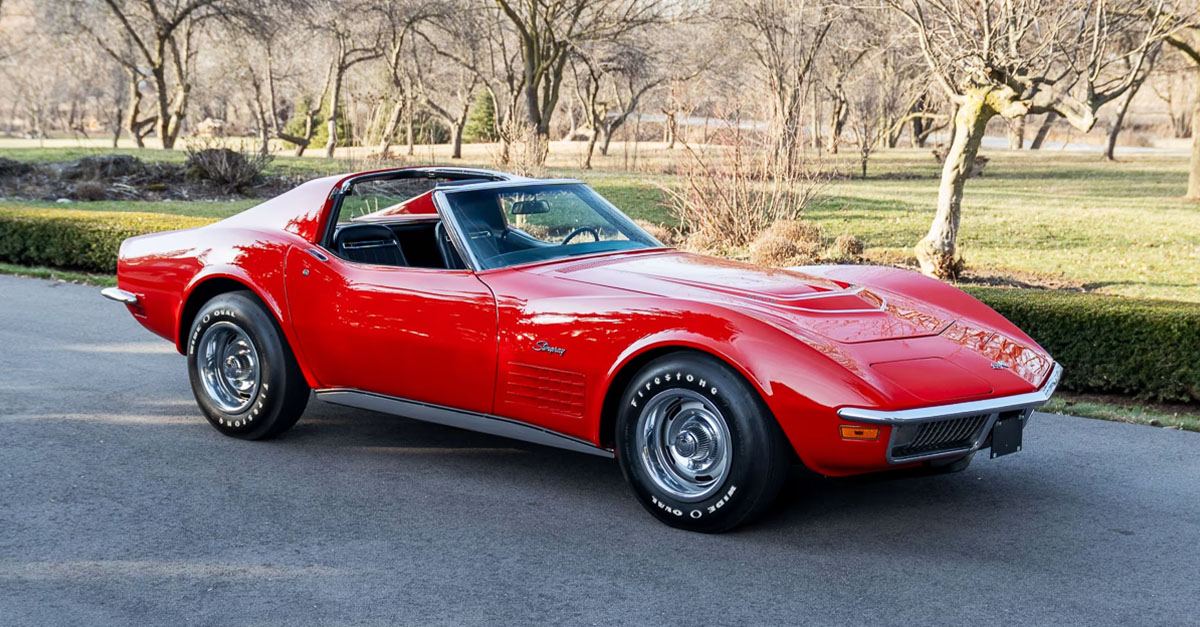
The Chevrolet Corvette marked a sea change in the US auto industry. Although a bit slow to pick up speed, this sports car would soon become an iconic symbol of adventure and freedom in the 1960s. This “halo car” still shines bright, so let’s look back at its first 40 years or so.
Making A Splash
Now seen as “the most popular sports car in history,” as one writer put it, the Corvette made a splash at the General Motors Motorama at New York’s Waldorf-Astoria Hotel in January 1953. Chevrolet head Tom Keating promised mass production within six months, and he was right.
At The Starting Line
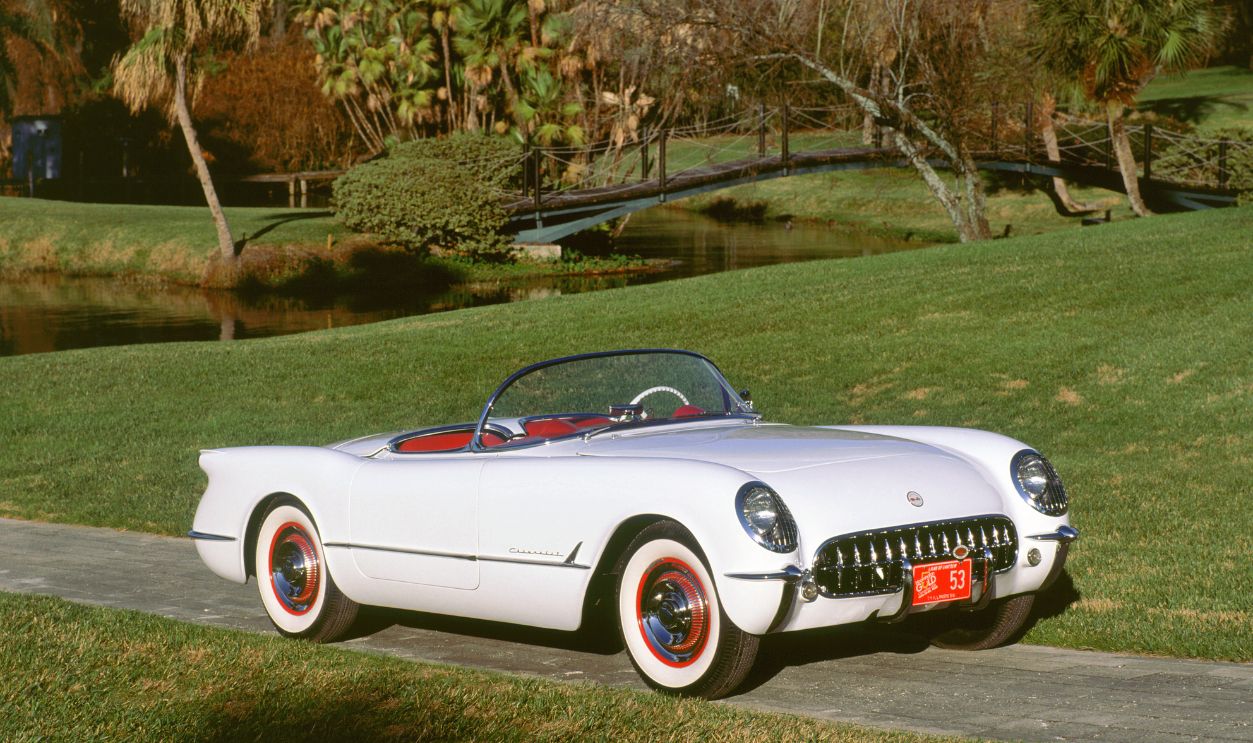
Some 300 Corvette convertibles were hand-produced for the 1953 model year, which was wrapping up as the first Corvettes appeared at dealerships. Customers had the choice of one color, Polo White, and one engine, a six-cylinder 235 cu in (3.9 L) Blue Flame offering 150 hp.
 Mustang Joe, CC0, Wikimedia Commons
Ramped-up Production
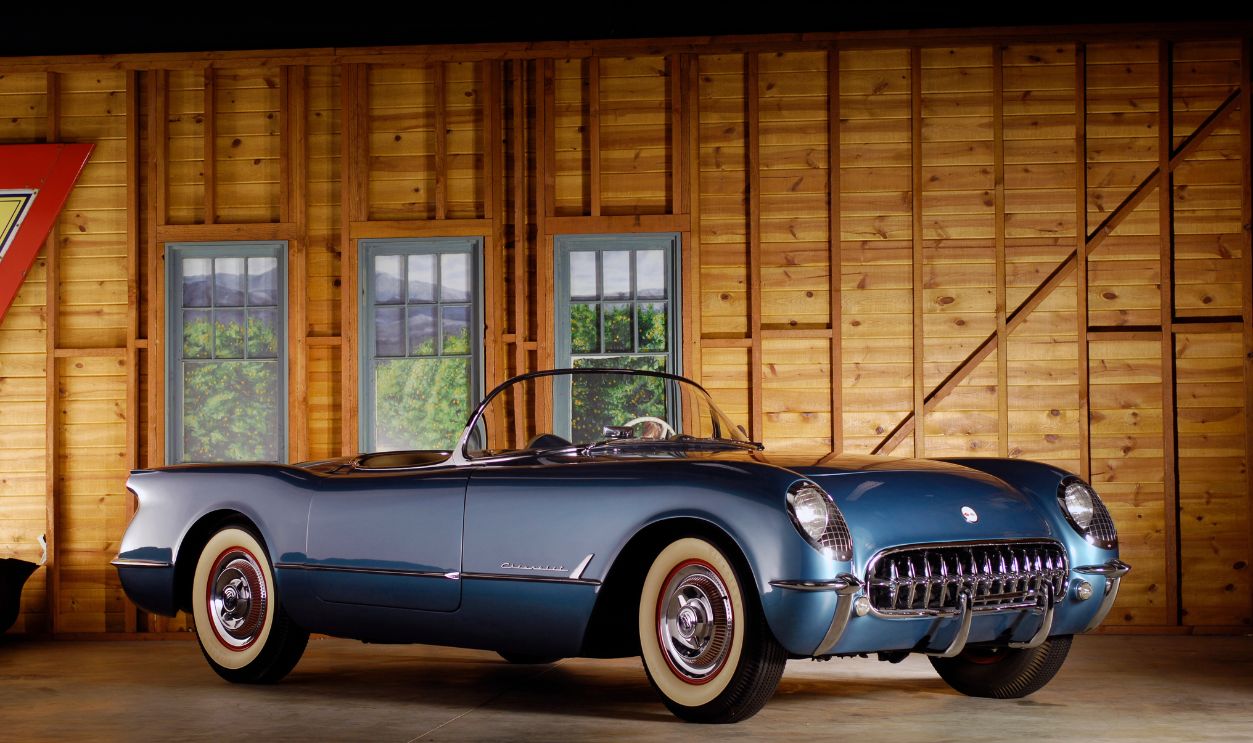
The next year, there were more colors and more cars: 3,640 Corvettes available in Pennant Blue, Sportsman Red, Black, and the now-familiar Polo White. But Chevrolet seemed to have been overly optimistic about the 1954 model. It would take two steps to correct the problem.
Slow Start On The Hit Parade
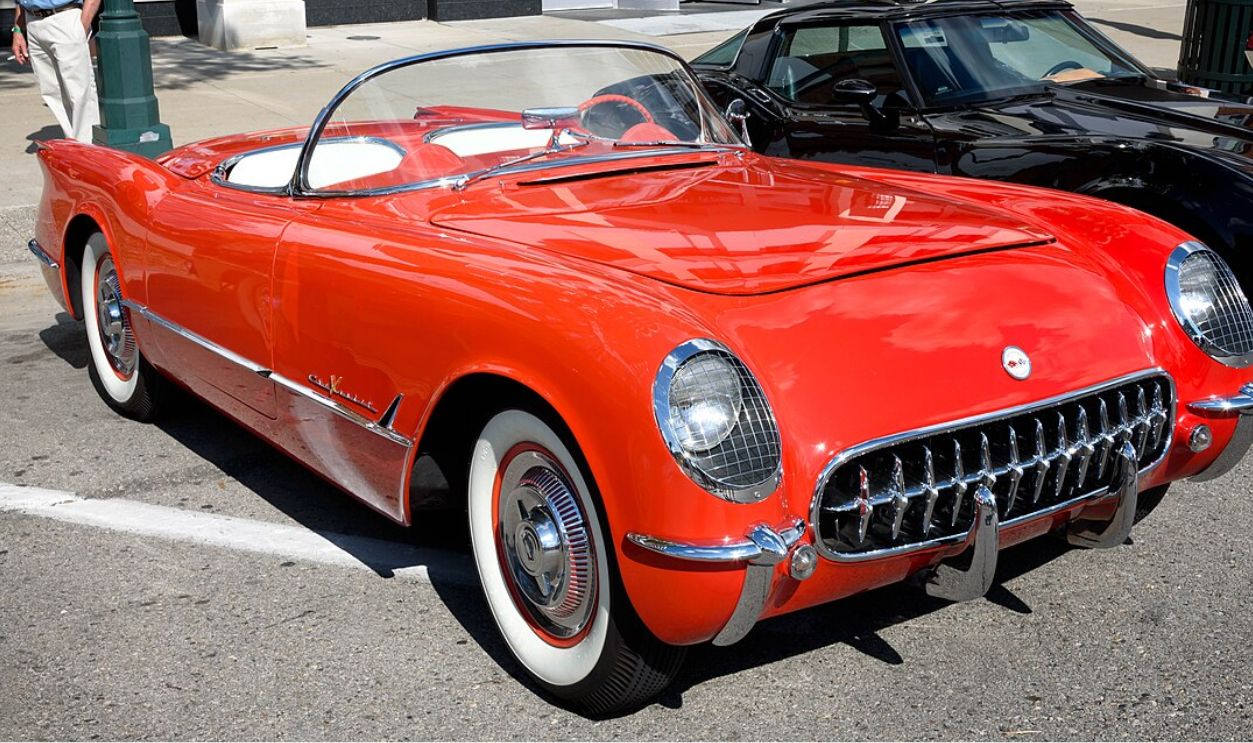
With so many unsold 1954 Corvettes, GM decided to produce just 700 units of its 1955 model. And for those who could get their hands on the 1955 update, there was something special: a V8 option nearly every buyer sprang for. The 265 cu in (4.34) eight-cylinder arrived just in time.
 Mustang Joe, CC0, Wikimedia Commons
In The Passing Lanes
Carmakers pondered the sports car market and this upstart Corvette. Driving into the sector were the Ford Thunderbird and the Studebaker Speedster, as well as Chrysler’s own C-300, albeit in a heavier weight class. Chevrolet would soon be plotting another engine boost.
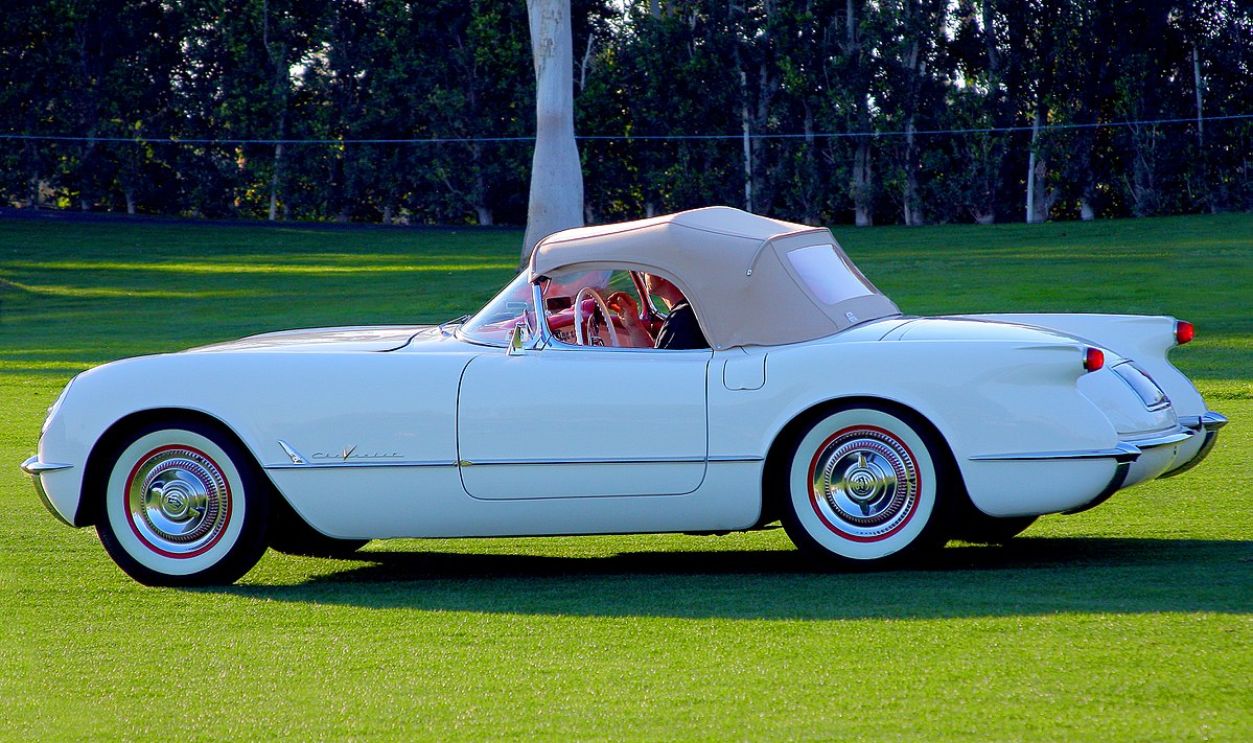 Rex Gray, CC BY 2.0, Wikimedia Commons
Fueling Some Excitement
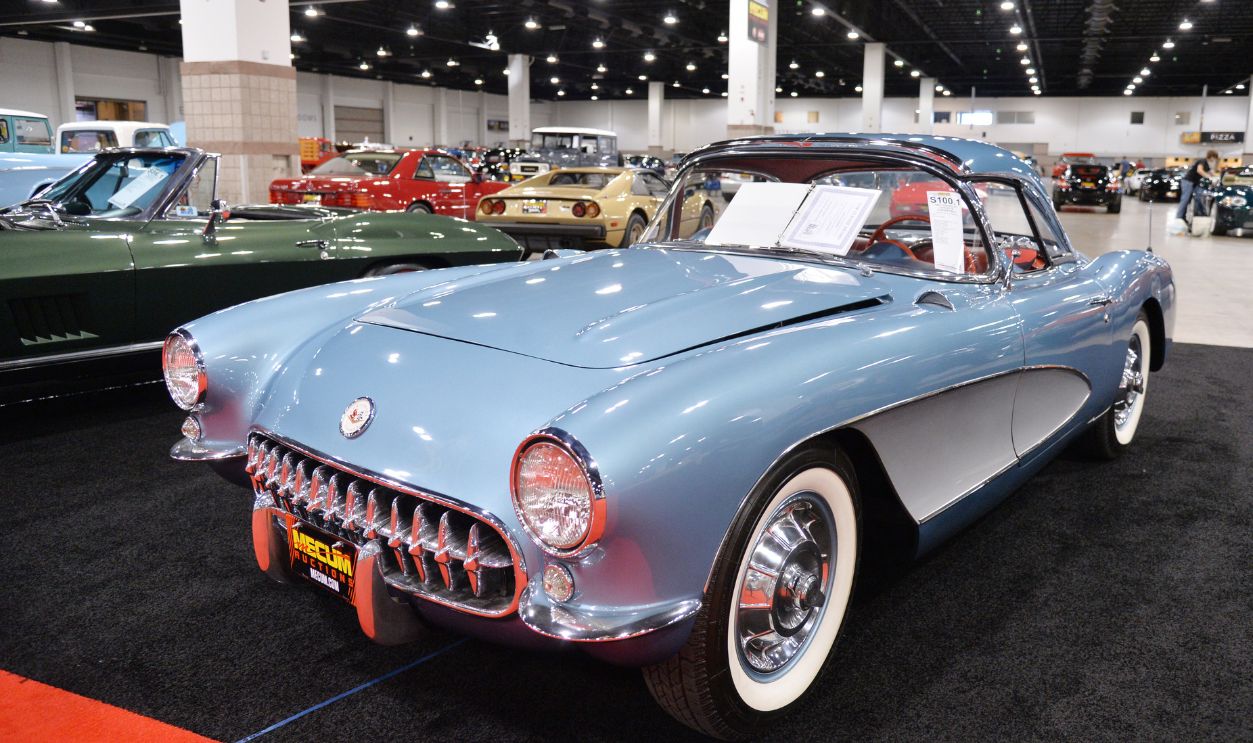
Halfway through the 1957 model year, Chevrolet unveiled the option of “Ramjet” fuel injection. To make the PR folks even happier, the Corvette became just the third mass-produced American car to reach “one hp per cubic inch” with its 283 cu in (4.3 L) V8 Small-Block engine.
Moving Things Around
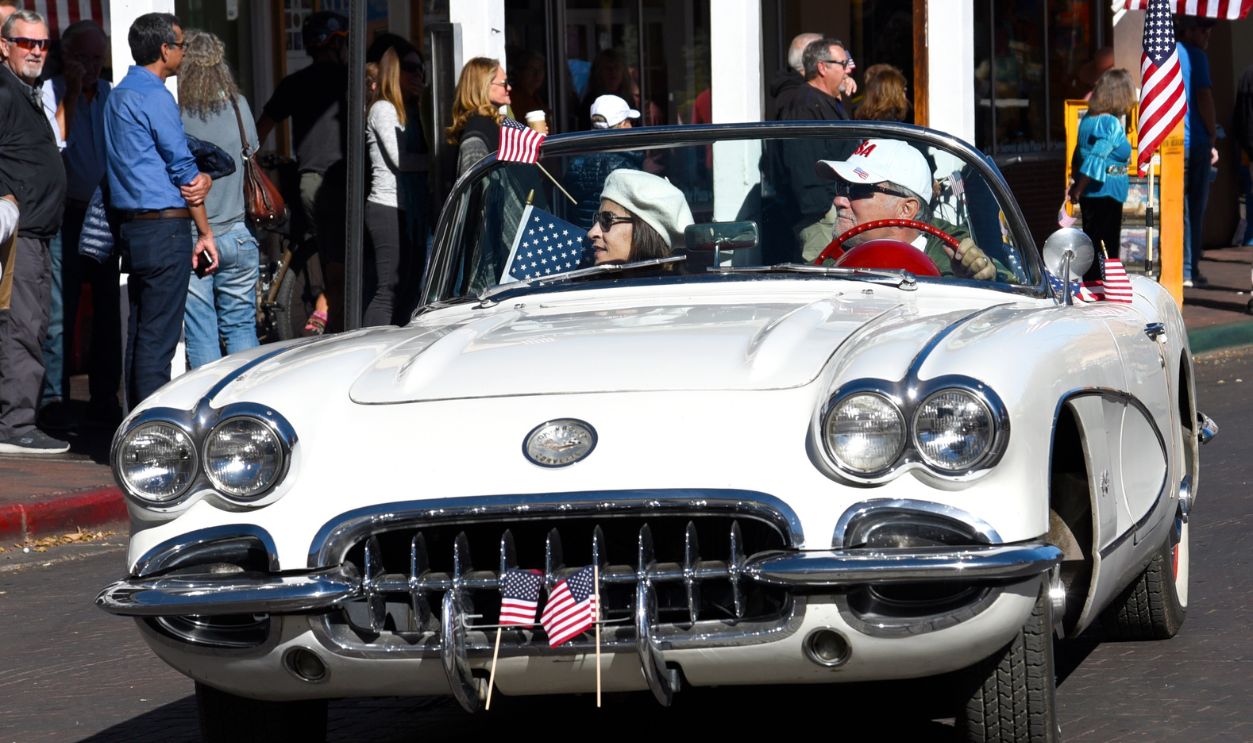
Also boosting the 1957’s credentials were heavy-duty brakes and a more effective suspension. But not to leave vital cosmetic changes behind, the 1958 model stretched the front end, added some quad headlamps, and put all the dashboard gauges directly in front of the driver.
 Robert Alexander, Getty Images
The End Of The Beginning
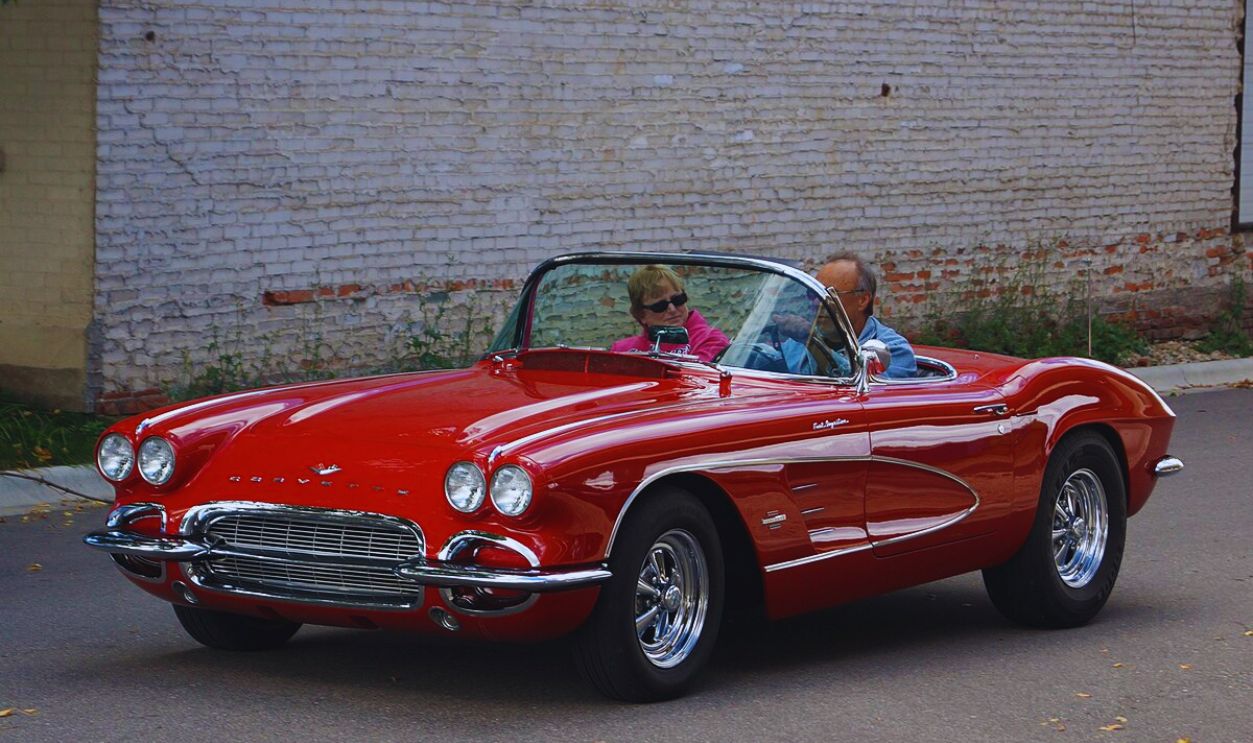
The next two years were pretty quiet on the tinkering front, though body chrome took up less real estate and optional engines became even more powerful. But the first generation of Corvettes was rapidly drawing to a close, and the 1961 and 1962 models saw bigger changes.
 Greg Gjerdingen from Willmar, CC BY 2.0, Wikimedia Commons

History's most fascinating stories and darkest secrets, delivered to your inbox daily.
Seeing Red
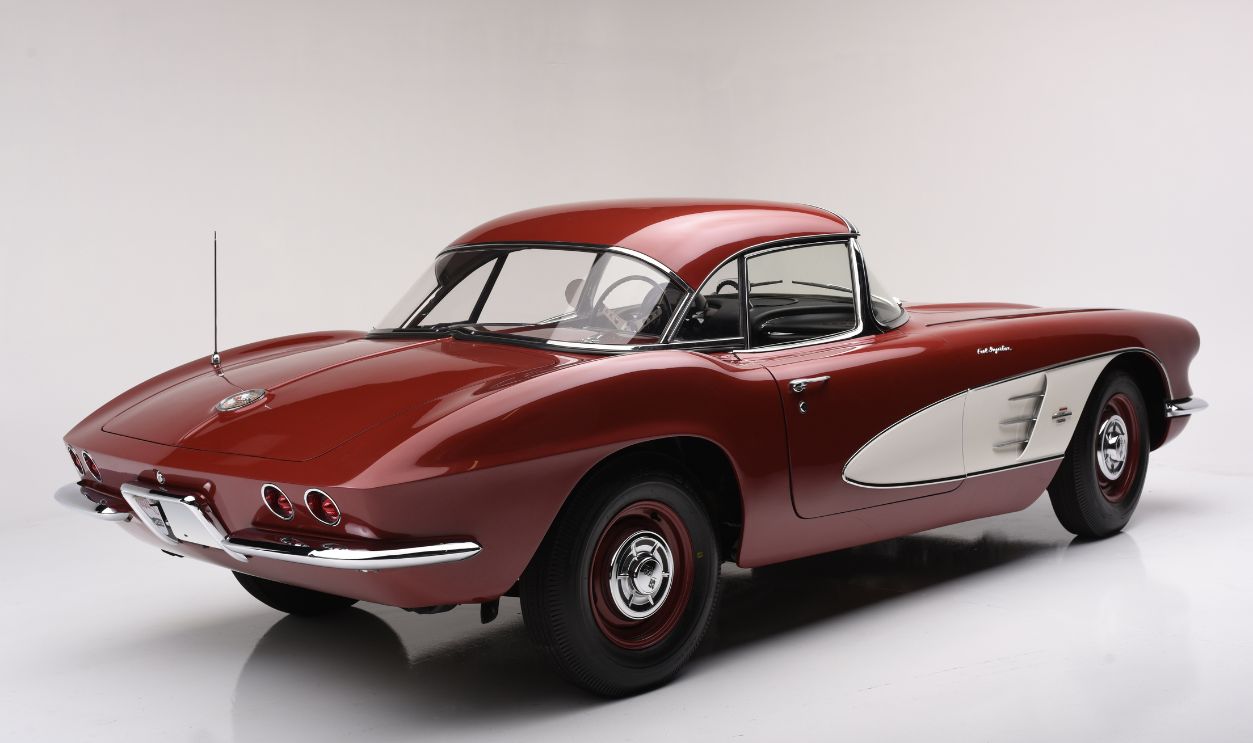
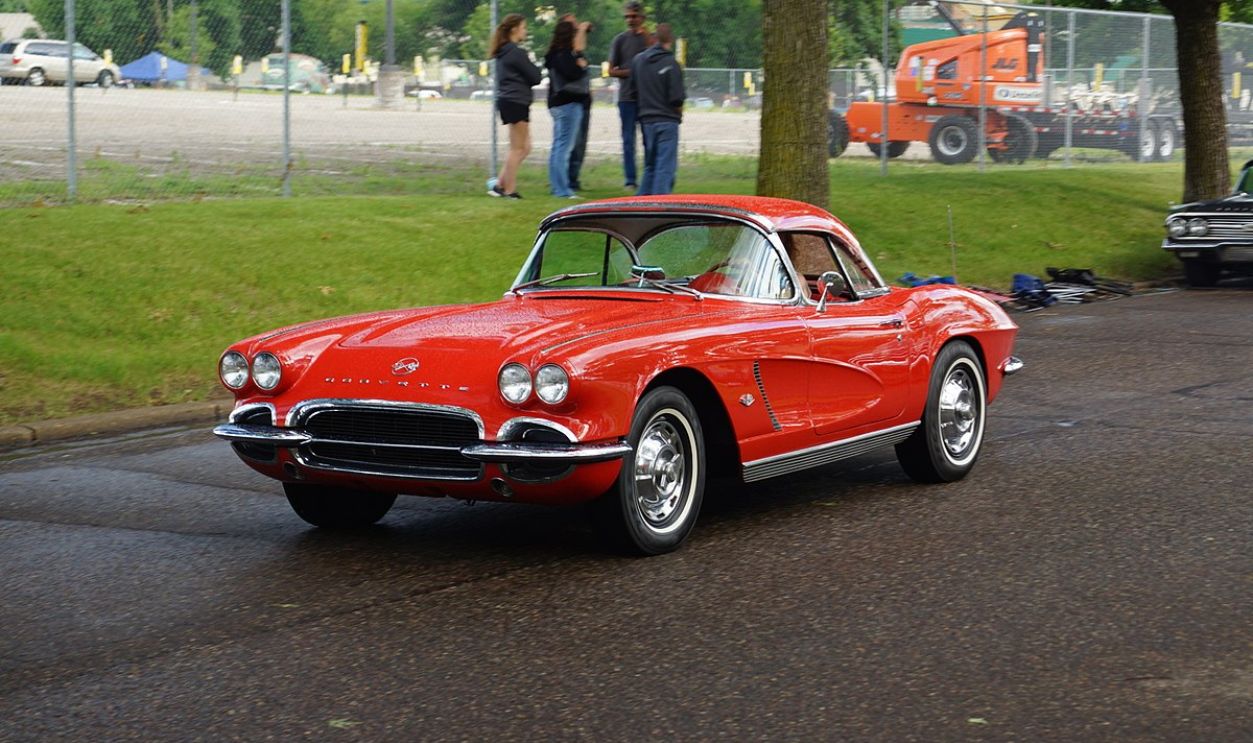
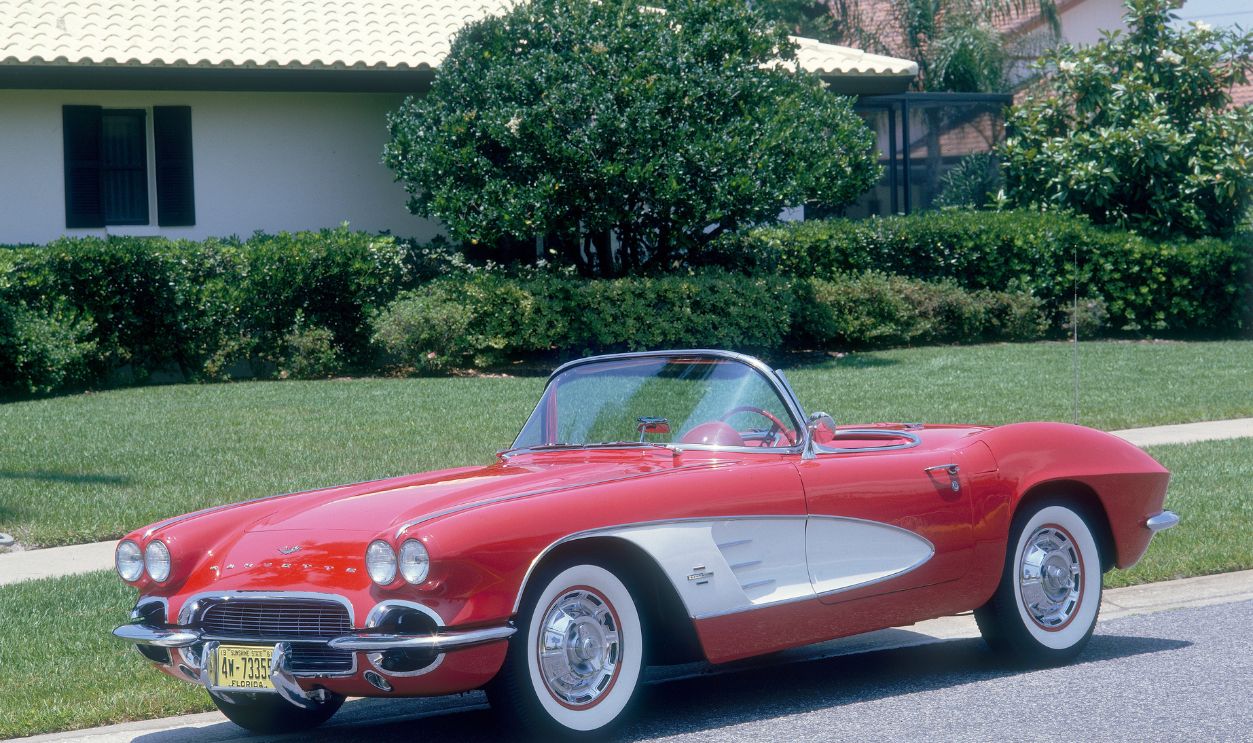
The 1961 model had a new rear assembly, with a tapered tail that featured four round lights, all red. Then, for 1962, the Corvette’s engine was boosted to 327 cu in (5.36 L), putting out 250 hp, or 360 hp with optional fuel injection, a record for C1 models.
End Of Act 1
With the 1962 model year over, the first generation said adieu to its wraparound windshield, trunk lid, and exposed headlights. These were features either gone for good or destined to resurface years later. But now the sharks were circling, so it was time for a new plan.
 Greg Gjerdingen, CC BY 2.0, Wikimedia Commons
Diving Deep For Inspiration
Inspired by his previous work on the “Q Corvette” and the “Mitchell Sting Ray,” styling expert Bill Mitchell had a big influence on the look of the second generation. He also enjoyed deep-sea fishing, so a mako shark he caught fed into his ideas about sports car contours.
Unique Styling
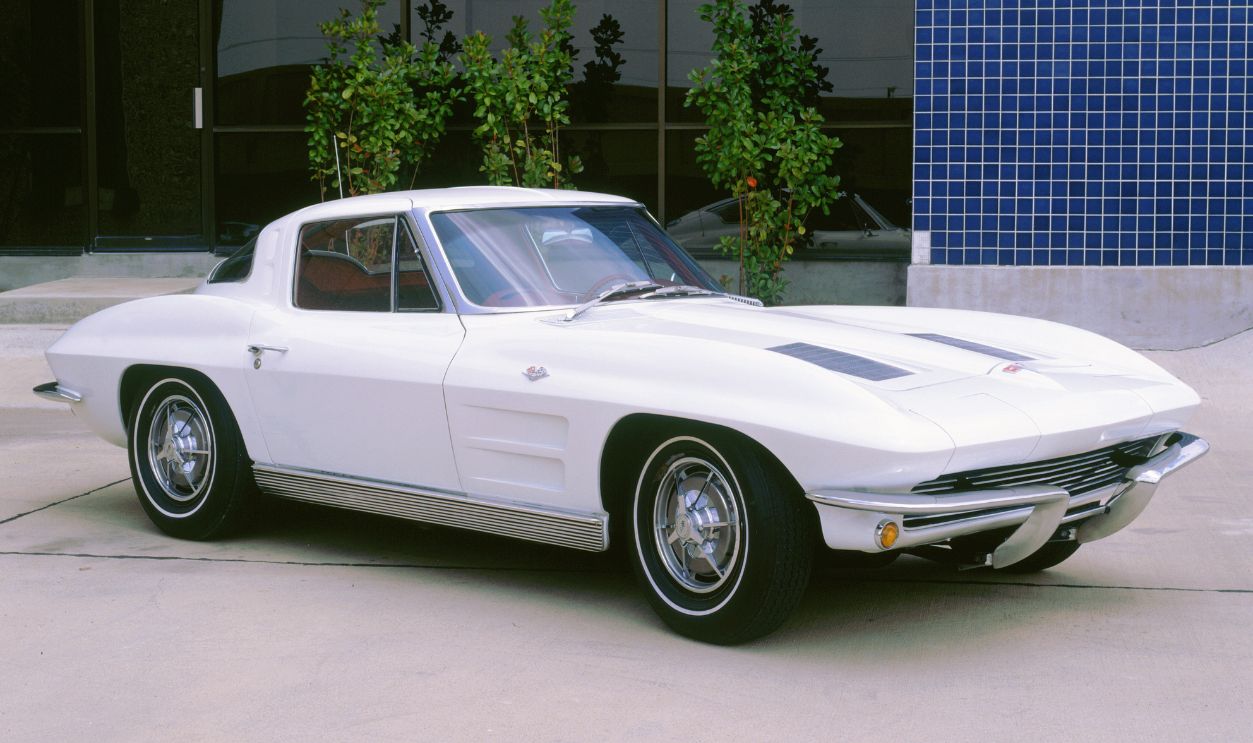
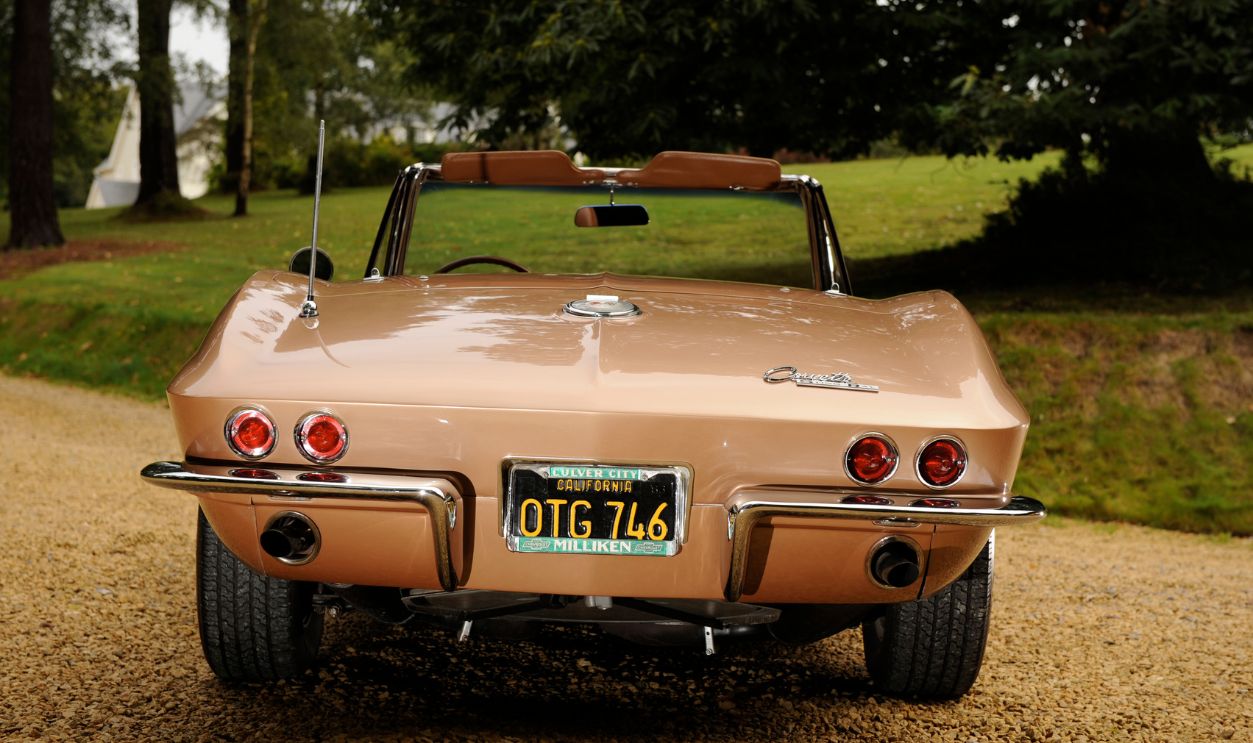
The “Sting Ray” that became the 1963 Corvette had a rear deck with unique tapering. Other features included hidden headlamps, non-functional hood vents, an independent rear suspension, and a coupe option. But a feature of Mitchell’s annoyed Corvette’s chief engineer.
 Valder137, CC BY 2.0, Wikimedia Commons
Rear Window
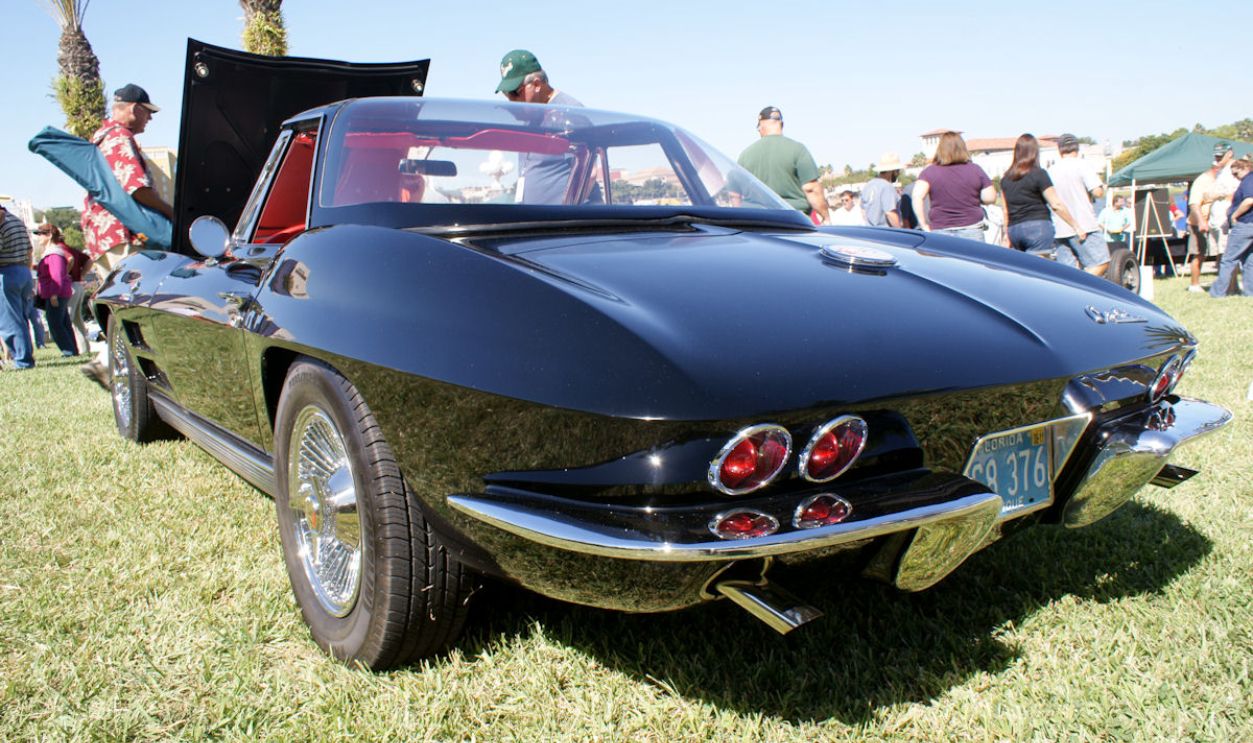
Zora Arkus-Duntov felt the split rear window Mitchell had insisted on needlessly degraded rear visibility. He was pleased to get his way for the 1964 model, for which a more conventional back window was installed. But another of his projects would end up barely making it off the ground.
A Race To Compete
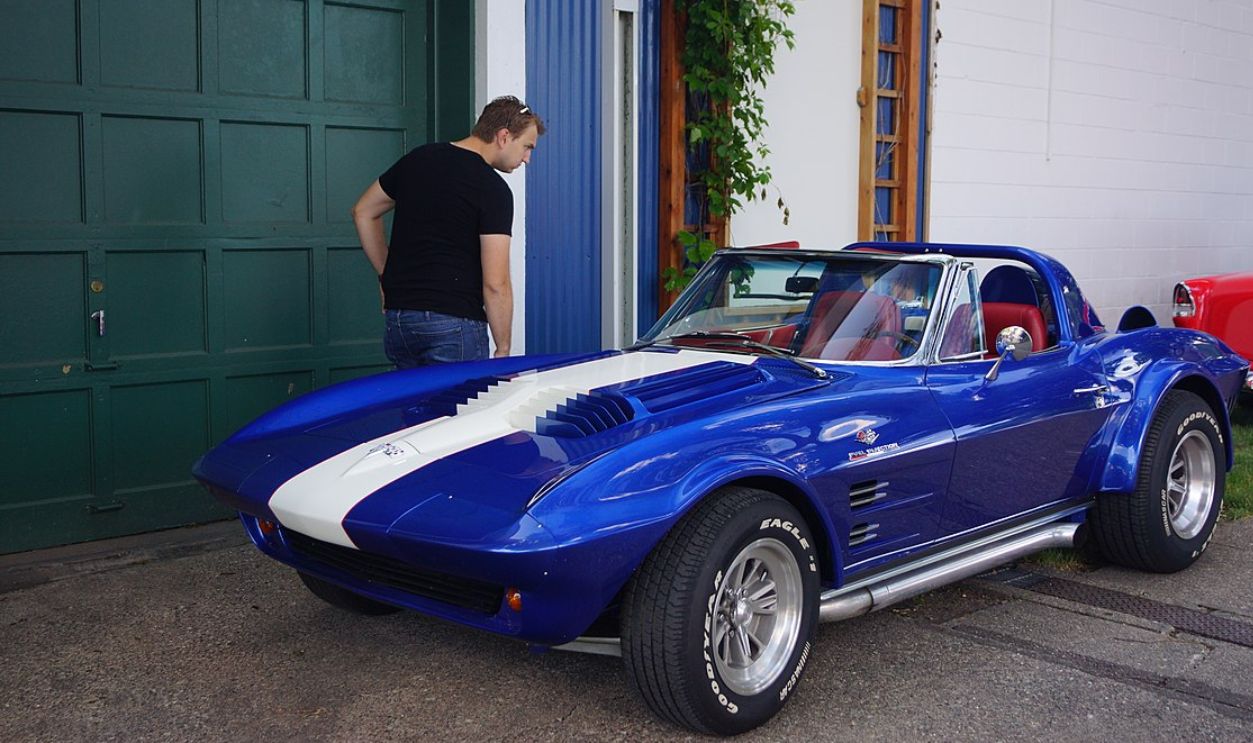
General Motors was worried about Ford’s efforts to extend its racing cred with the Shelby Cobra. Arkus-Duntov created a lightweight version of the C2 Corvette called the Grand Sport. Only five were ever made, so naturally they’re among the most-sought Corvettes around.
 Greg Gjerdingen, CC BY 2.0, Wikimedia Commons
A Promising Start
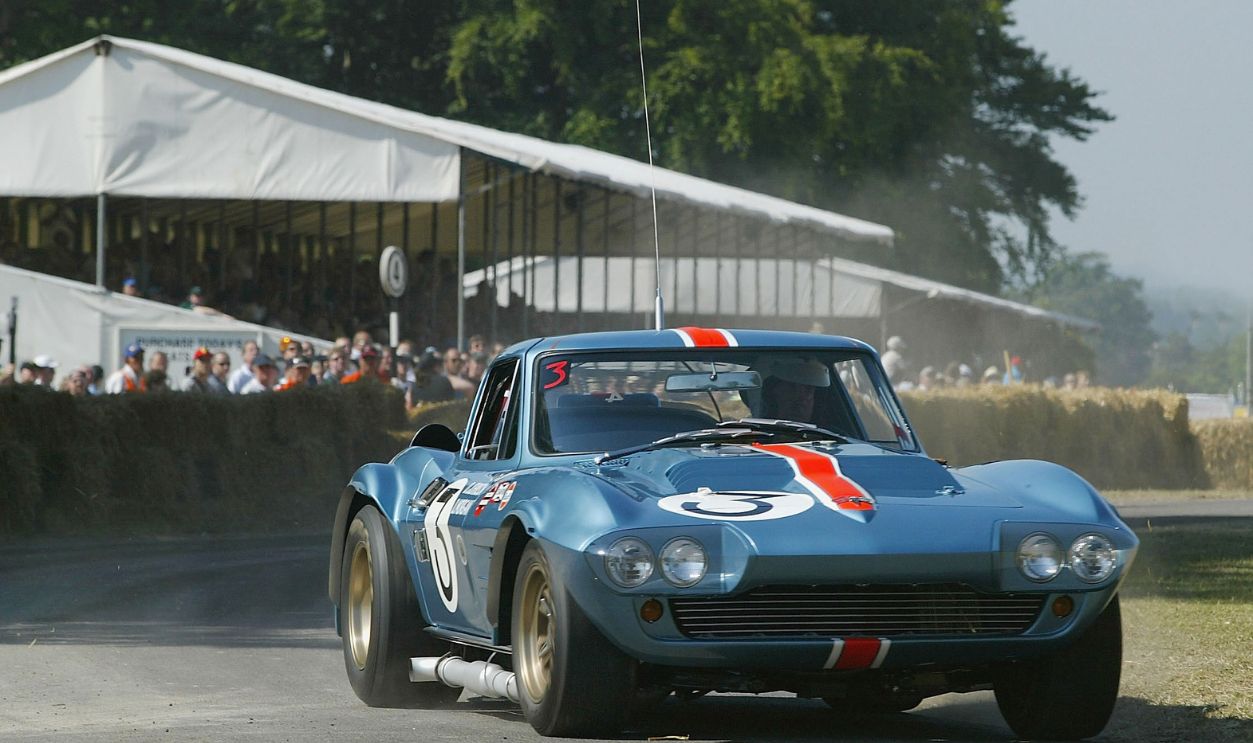
Renowned drivers such as Roger Penske, AJ Foyt, and Jim Hall raced in the Grand Sport Corvettes, with GM planning to make a hundred or so more. But in the end, the project went no further, and the Corvette’s reputation would have to rest on cars semi-ordinary folk could drive.
Options Abound
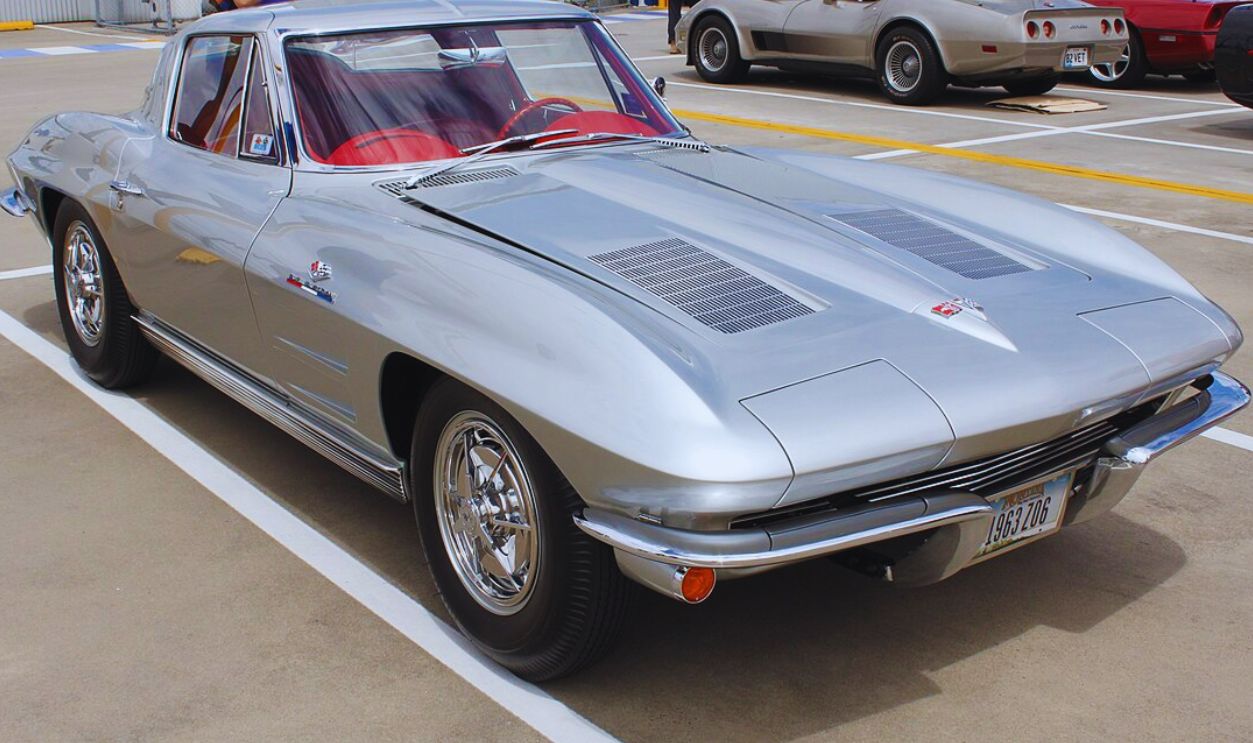
But the Corvette was no stranger to the wonderful world of options. The Z06 competition package provided better suspension and brakes for the 1963 and 1964 models, though only around 200 coupes and one convertible received the Z06 makeover. But 1965 saw bigger changes.
 Jeremy, CC BY 2.0, Wikimedia Commons
Big Block Party
After going strong with its V8 small-block engine, the Corvette was ready for some big-block power. An engine option for 1965 was a 396 cu in (6.49 L) V8, which provided a powerful 425 hp. The fuel-injected 327, more expensive than the big-block, was becoming a tougher sell.
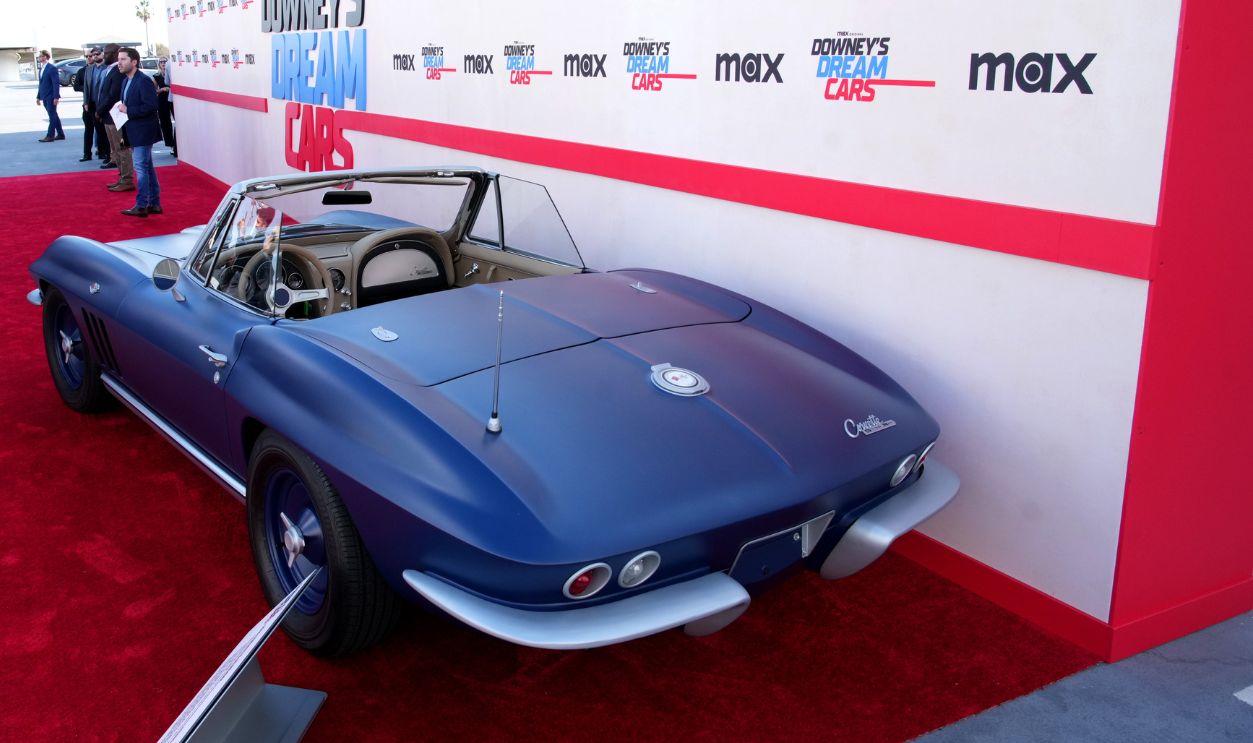
Fuel Dejection
Fuel injection offered some advantages, such as a comparatively good 20 mpg on the highway and fuel delivery even when the car was taking those high-G racing corners. But customers had trouble seeing why they should pay more for 50 fewer hp, so 1965 was the last for this option.
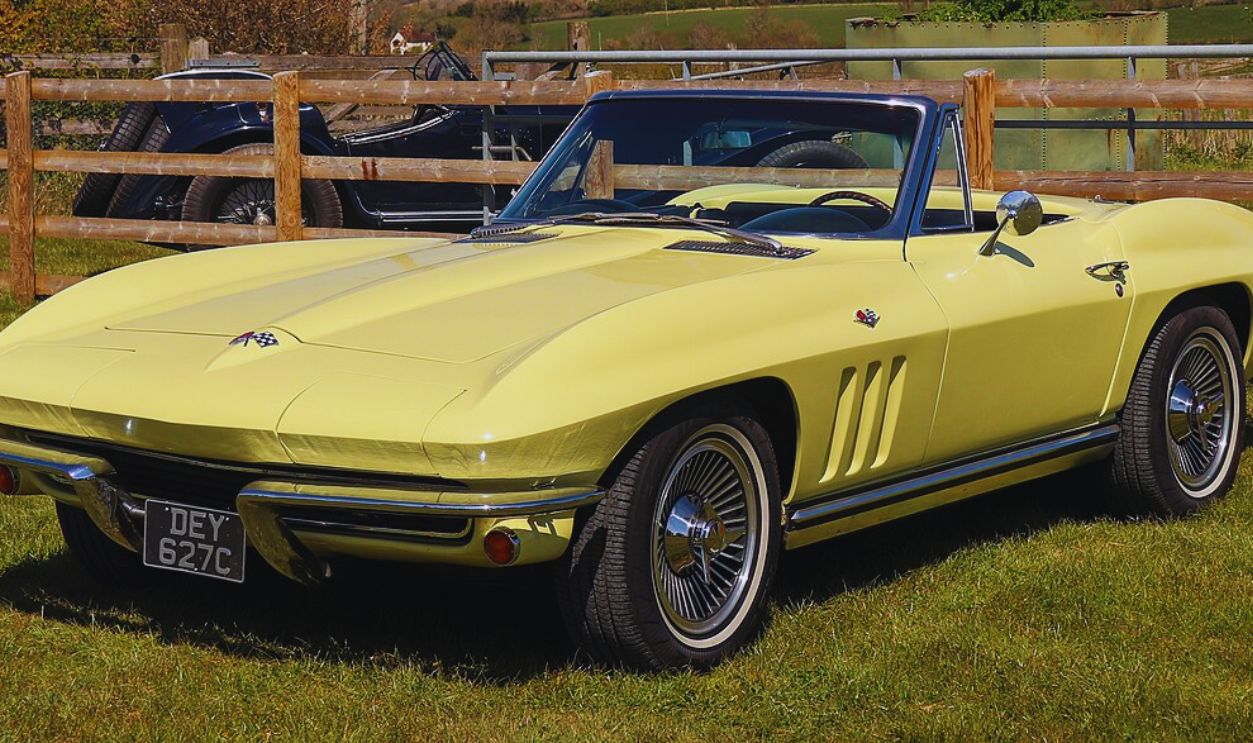 Vauxford, CC BY-SA 4.0, Wikimedia Commons
Power To The People
Meanwhile, big-block was getting even bigger, with the 1966 Corvette offering a 427 cu in (7 L) engine as an option. And if that greater power risked too much whiplash, you could always take advantage of another new option that year, namely headrests. And then the L88 came along.
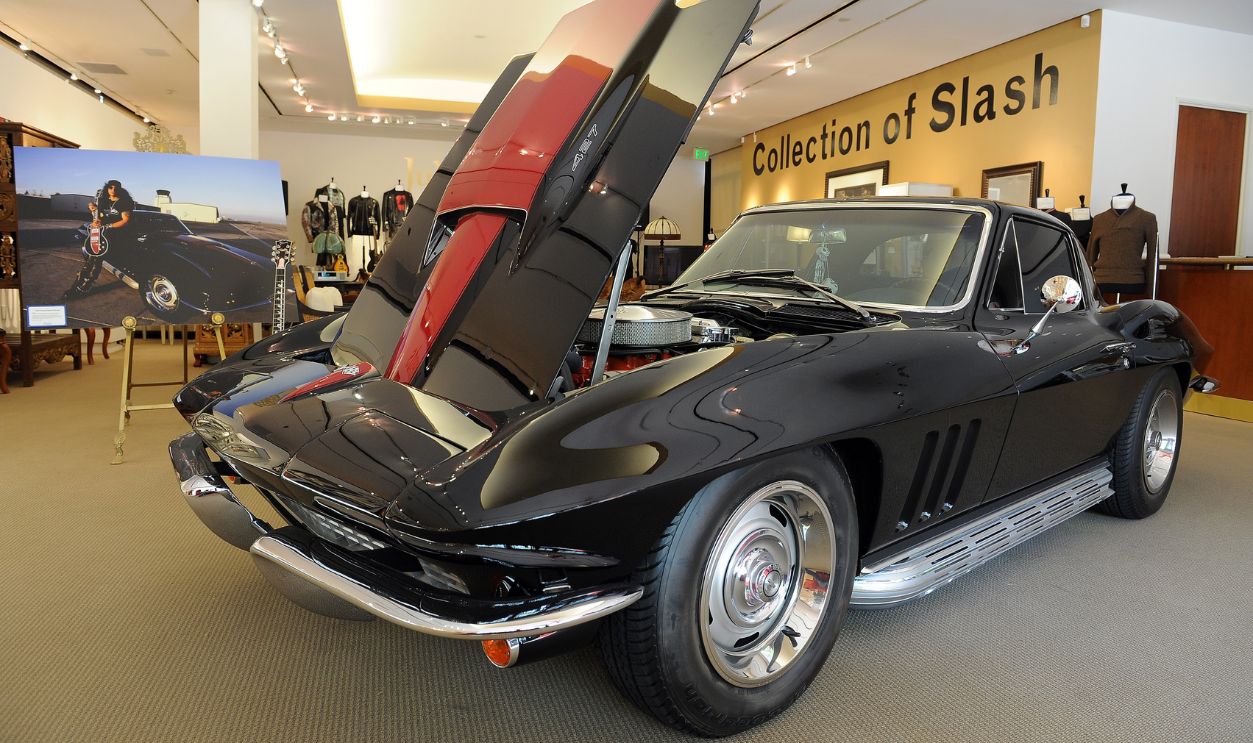
Limited Company
The 1967 Corvette offered an option that only 20 customers chose. It was a factory-installed L88 engine that officially offered 430 hp, but unofficially produced something like 560 hp or more. But maybe a Tri-Power carburetor paired with a 427 would be more your style.
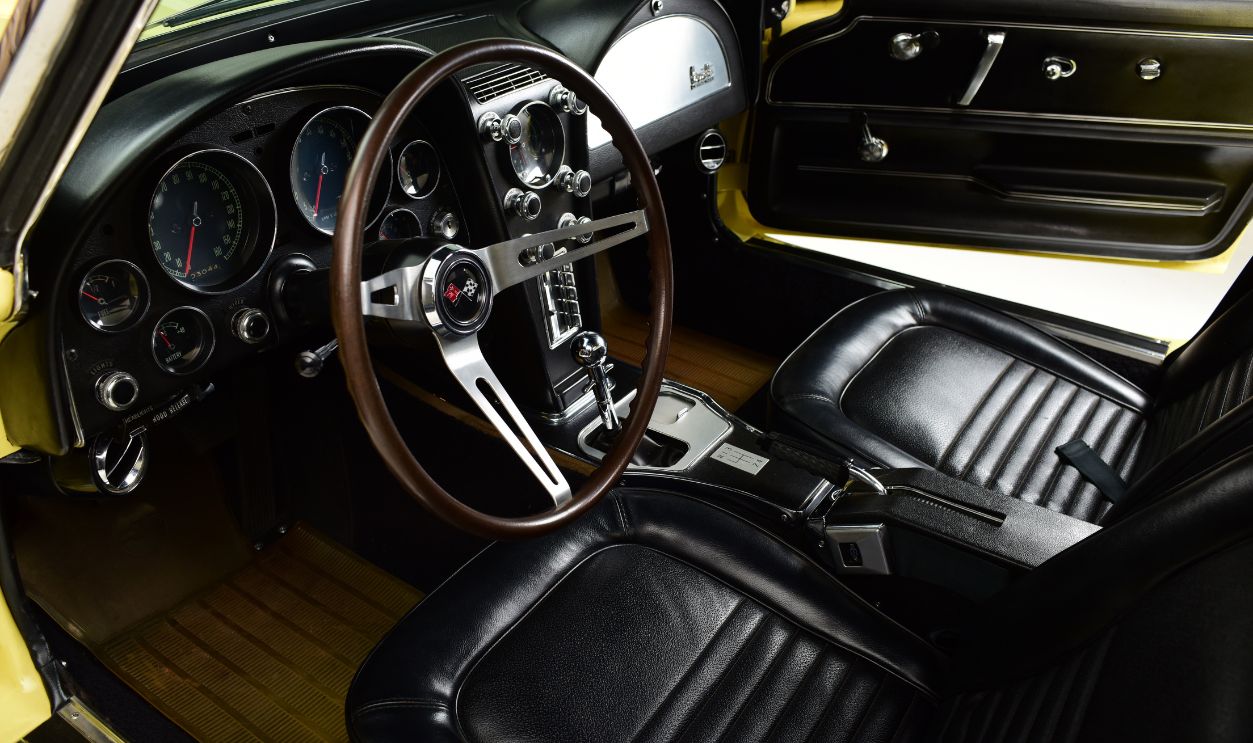
Thanks For The Memories
The problem was that whatever the options, customers were cooling to the Corvette. It seemed like this generation had run its course, so the C2 generation would be following its predecessors to the exit. The C3 iteration would revamp the Corvette’s body and interior.
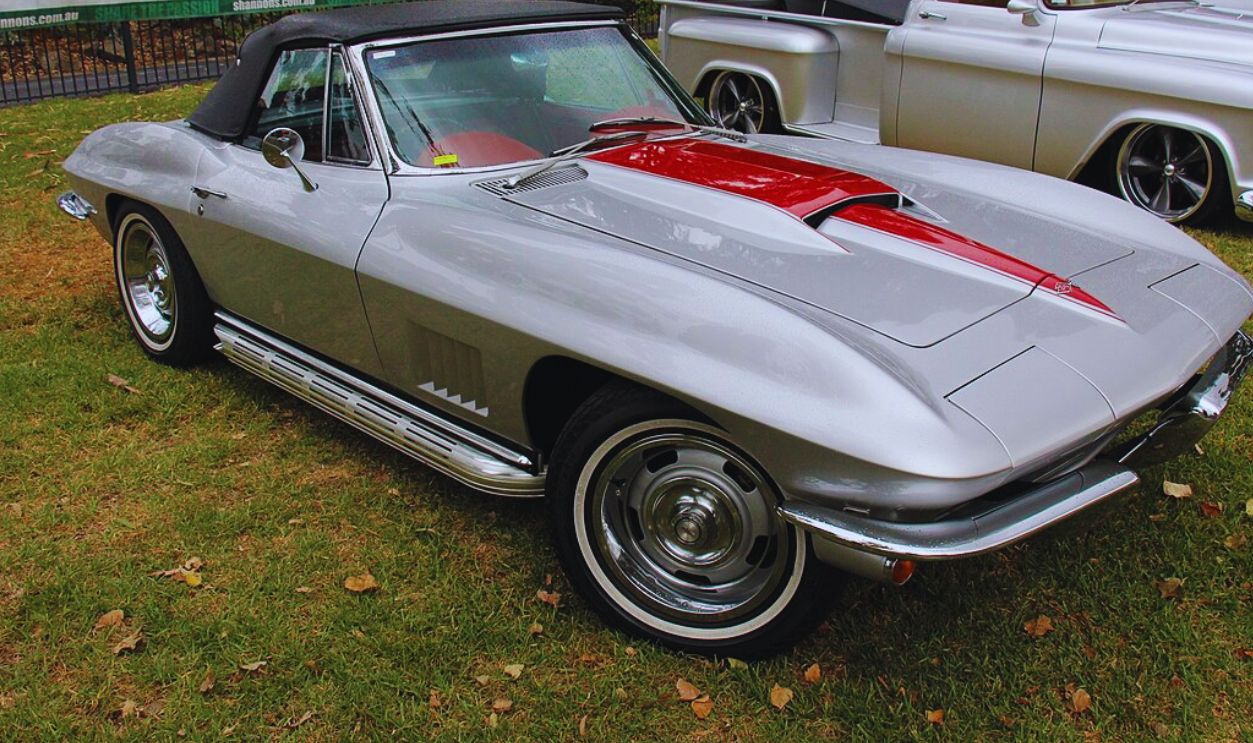 onwardsSicnag, CC BY 2.0, Wikimedia Commons
Shark Attack
The third generation took a cue from the Mako Shark II concept car as this lengthy generation took to the stage. The 1968 Corvette was the first to offer T-top removable roof panels, but no updates to the base engine, which was still a 327 cu in (5.36 L) version delivering 300 hp.
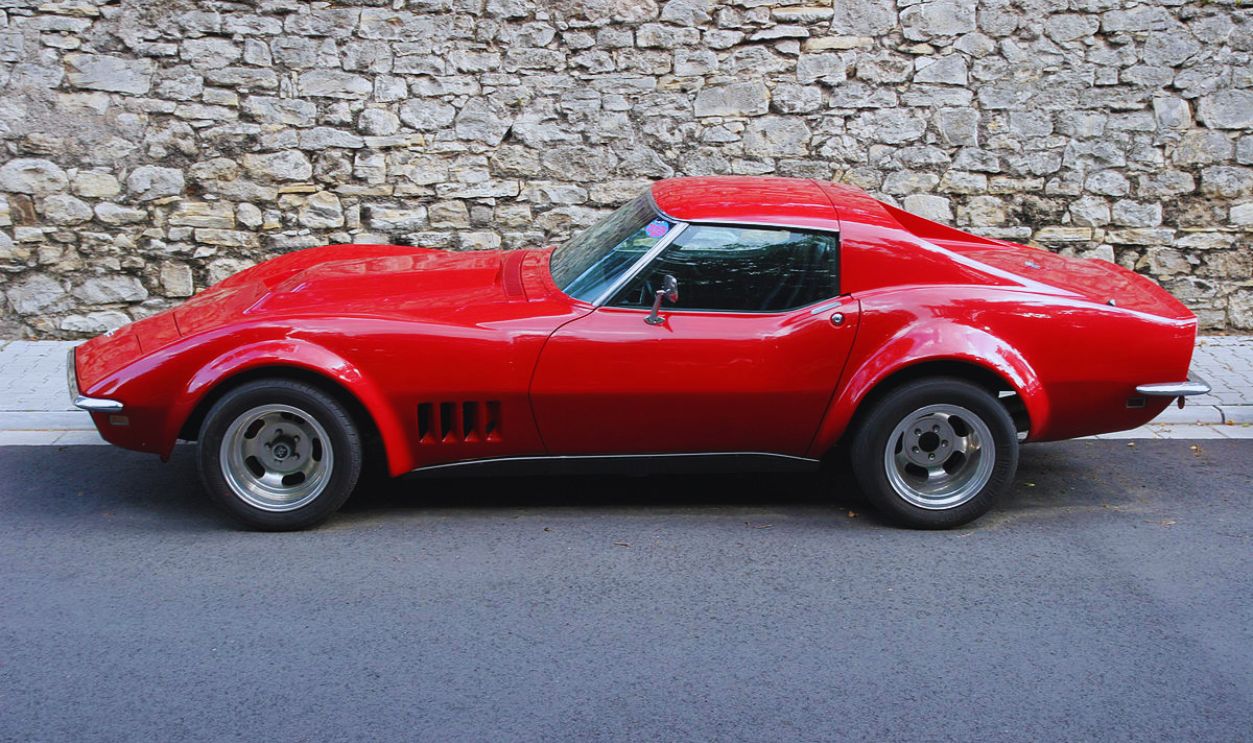 Kuebi = Armin Kubelbeck, CC BY-SA 3.0, Wikimedia Commons
Accelerating Options
The 1969 Corvette’s engine grew to 350 cu in (5.7 L), yet horsepower remained unchanged. But the optional ZL-1 engine was an all-aluminum big-block 427 cu in (7 L) special racing beast, unofficially producing 560 hp and accelerating through a quarter-mile (0.4 km) in 10.89 seconds.
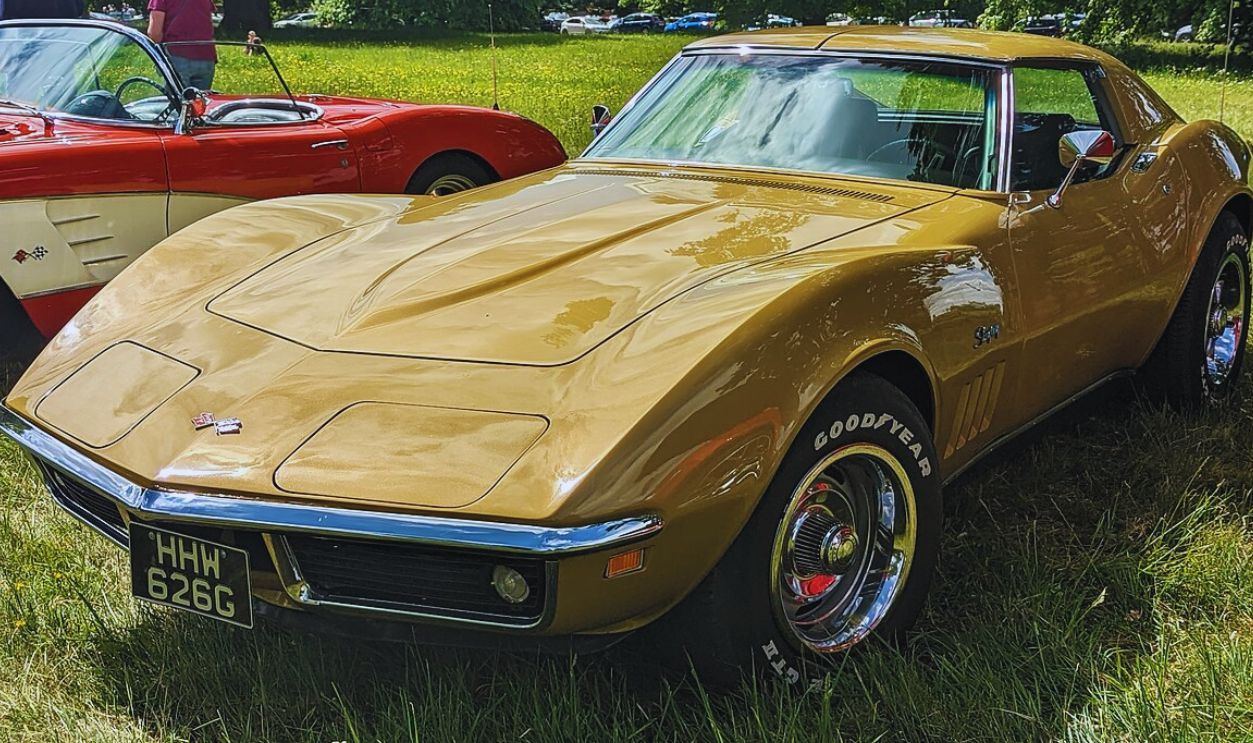 Calreyn88, CC BY-SA 4.0, Wikimedia Commons
Special Package For Special Drivers
From 1970 to 1972, a ZR-1 special package provided the LT-1 engine with special racing options thrown in, but only 53 ZR-1 cars were ever built. More modestly, the 1970 model expanded the 427 big-block to 454 cu in (7.44 L) and 390 hp, but new regulations were coming.
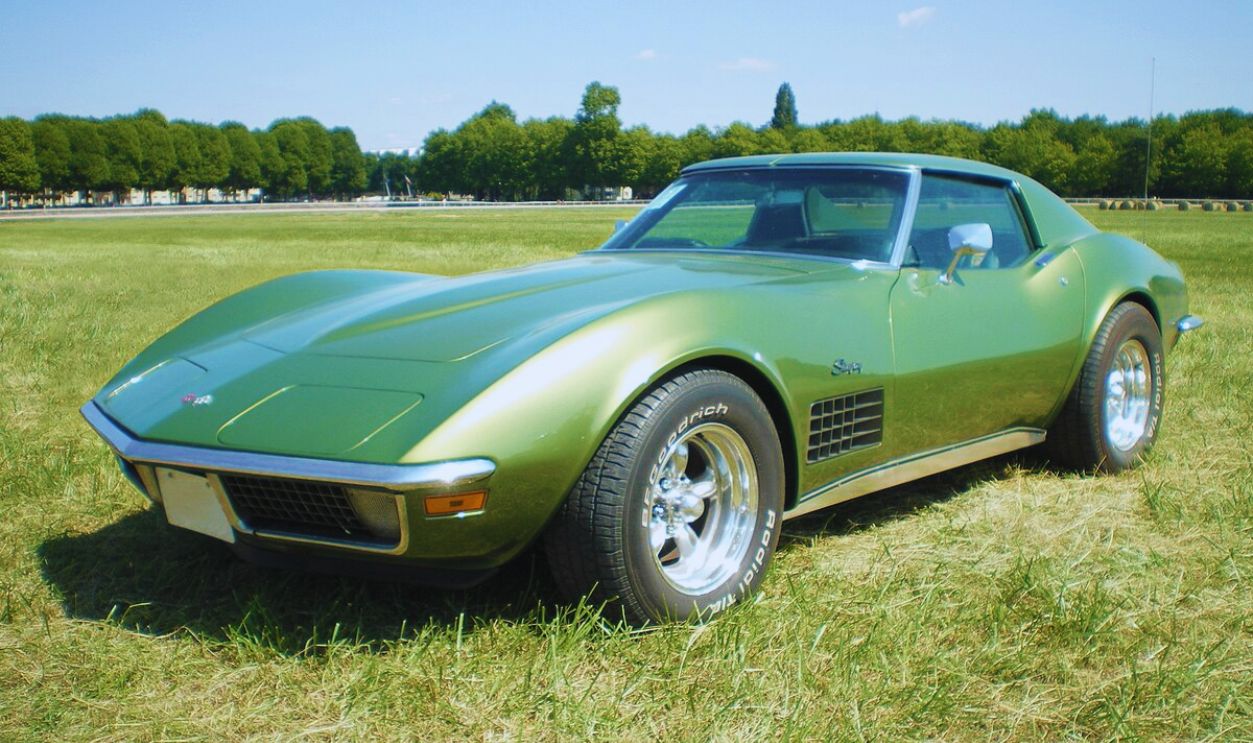 Rundvald, CC BY-SA 3.0, Wikimedia Commons
Losing The Lead
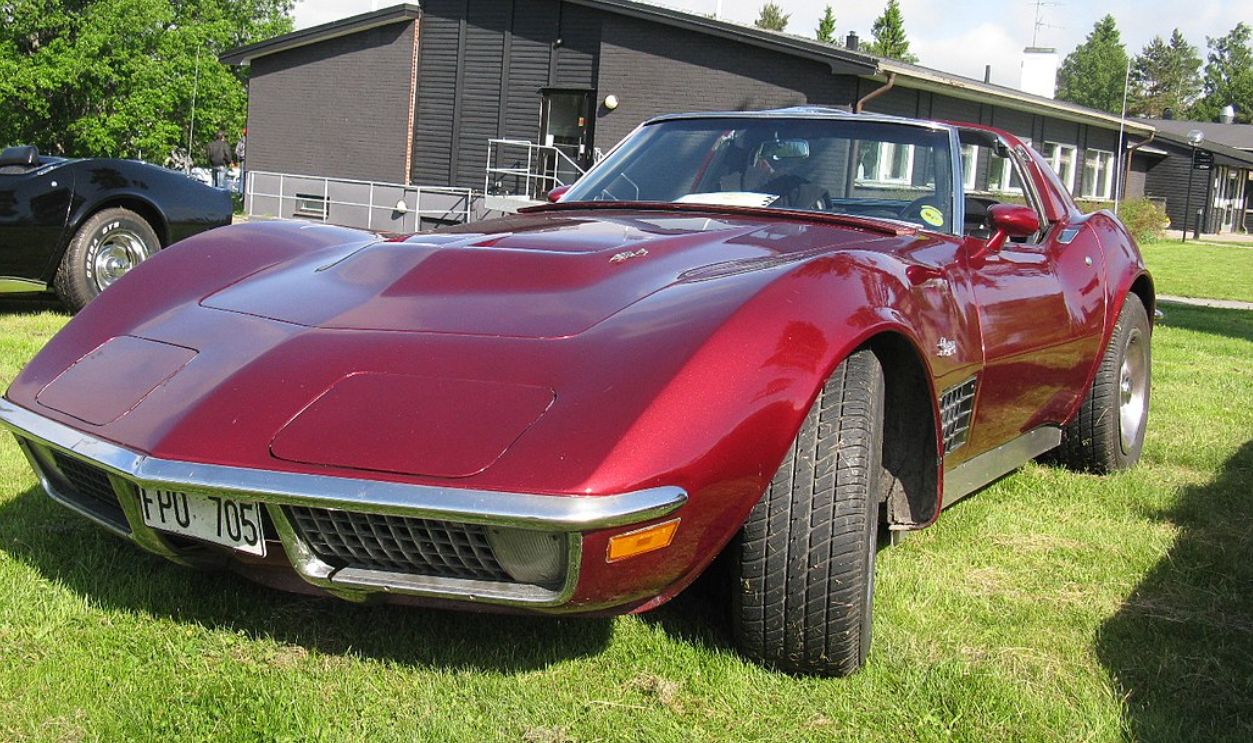
Chevrolet had to reduce engine-compression ratios because of low-lead gas and its weaker anti-knock effects. This reduced engine power, reducing the 1971 rating of the base 350 cu in (5.7 L) L48 from 300 to 270 hp, and the optional LT-1 engine dropped from 370 to 300 hp.
 nakhon100, CC BY 2.0, Wikimedia Commons
Still Powerful
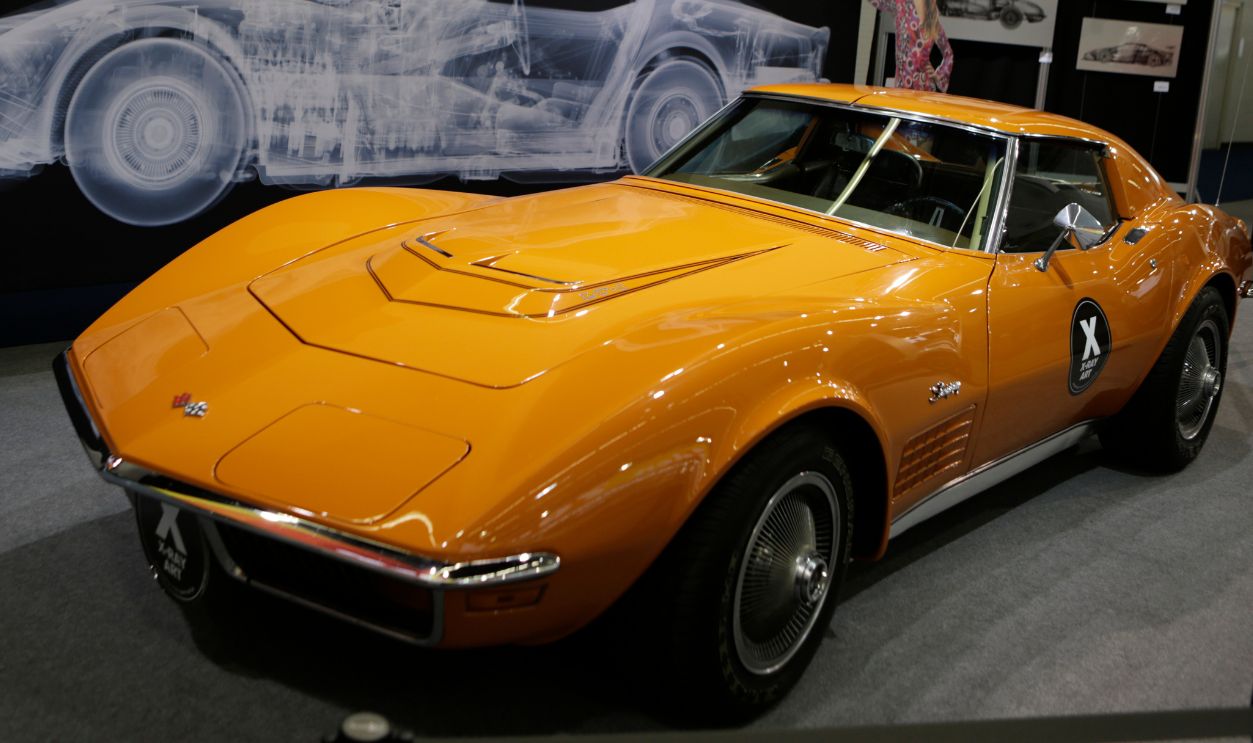
But you could get an LS6 with a 454 cu in (7.4 L) big-block with aluminum heads. That would give 425 hp. You could get it with manual transmission, and its power was the highest of the 1971 and 1972 models. Meanwhile, there’d be more figures deflating, but for a different reason.
Rounding Down
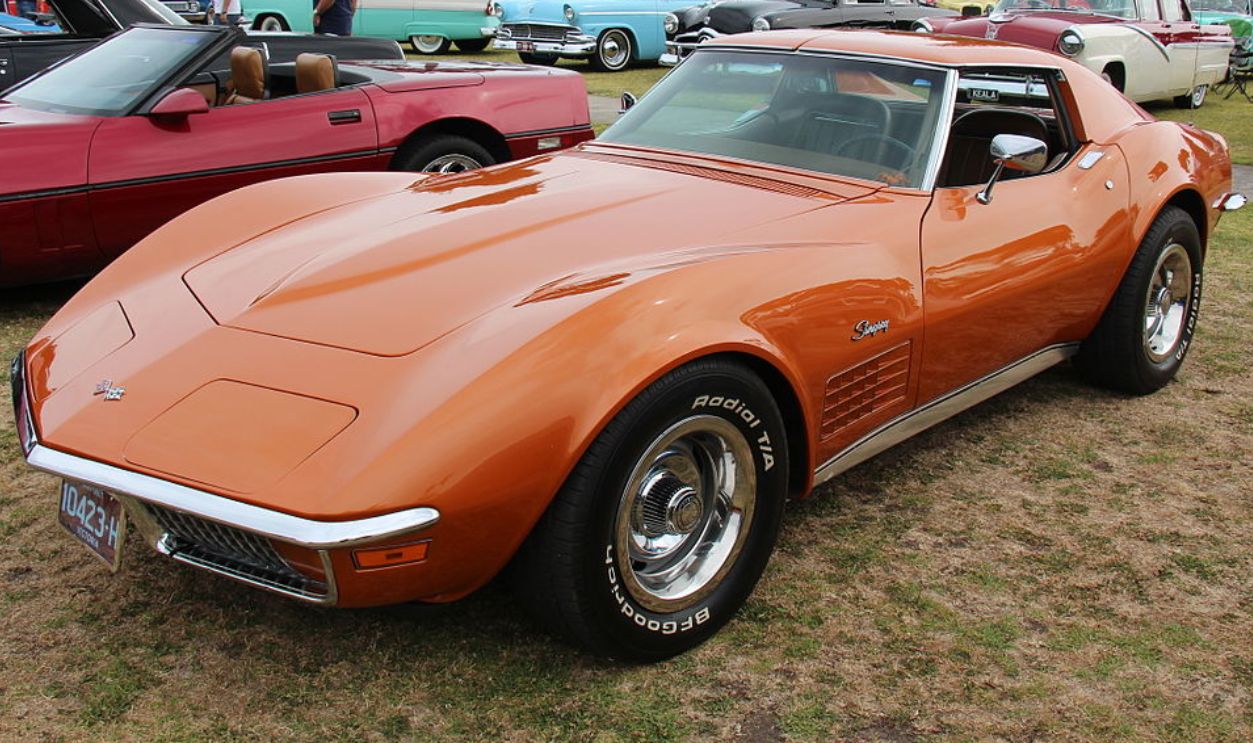
GM switched from reporting horsepower using SAE Gross to SAE Net standards, so a 350 cu in (5.7 L) engine, same as 1971 version, dipped to 200 hp in 1972, and the optional LT-1 went down to 270 hp. And bumpers would have to be redesigned over the next two years.
 Sicnag, CC BY 2.0, Wikimedia Commons
Bumping Up The Design
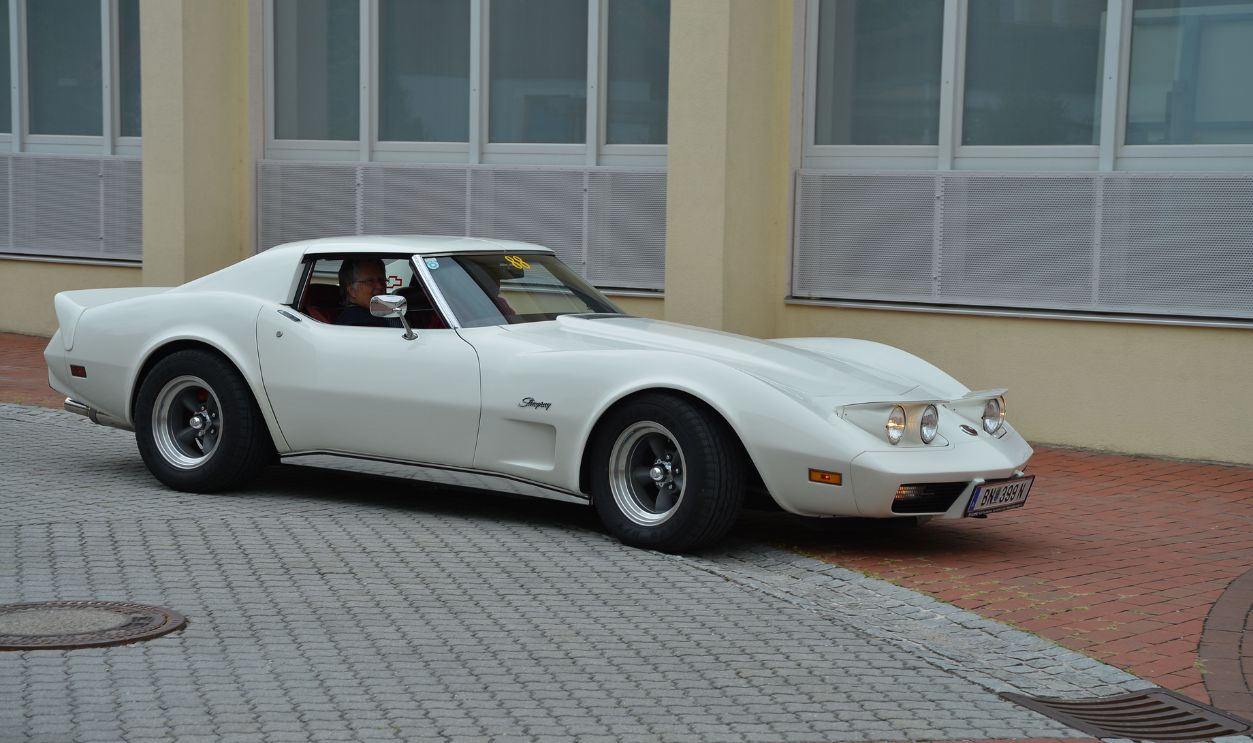
By 1974 both front and rear bumpers were redesigned to meet 5 mph (8 km/h) standards—so no more two-piece chrome bumpers. And there’d be no more dual-exhaust systems the next year, because of catalytic converters, which required no-lead fuel. Time for more hp drops.
Shrunken Horses
The ZQ3 engine took a dive to 165 hp, while the optional L82 stepped down to 205 hp—though it would peak in 1980 at 230 hp. Chevrolet didn’t even try offering a revamped 454 big-block engine. And the 1975 model year saw the end of another era.
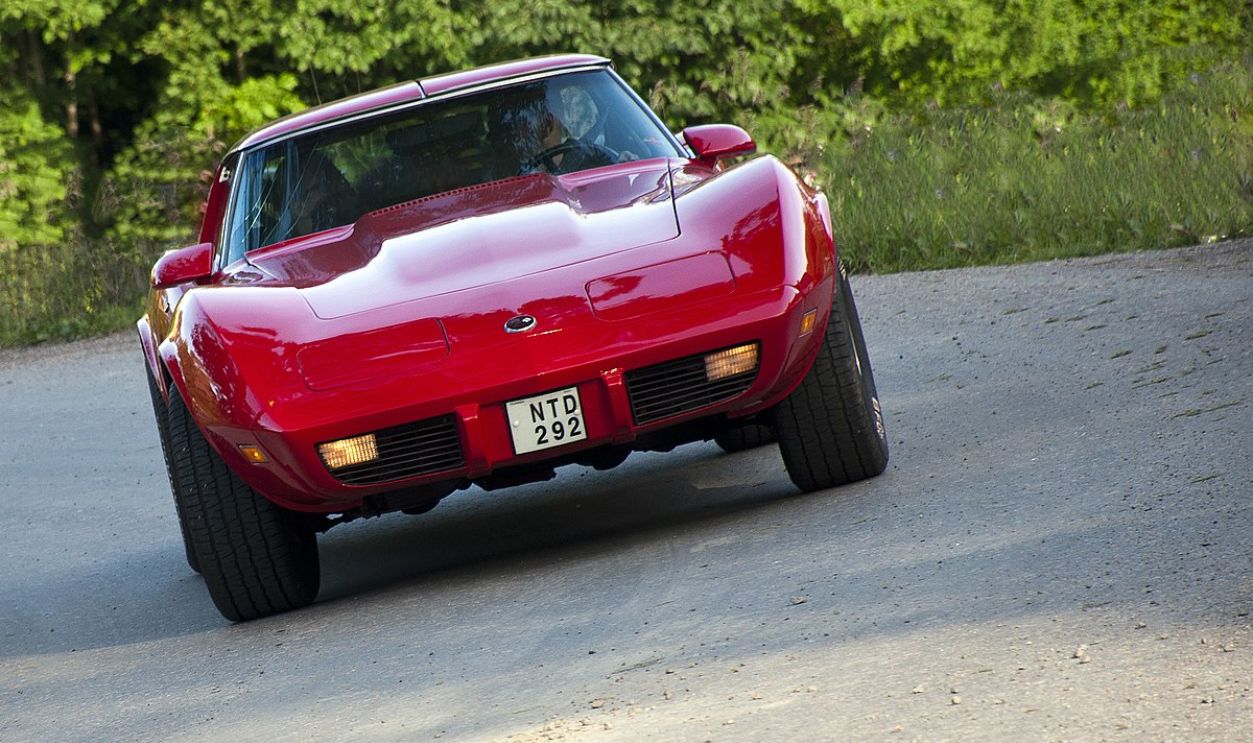 Staffan Andersson, CC BY-SA 4.0, Wikimedia Commons
Changing Gears
Until over a decade later, 1975 would be the last time a Corvette convertible would be produced. And, that same model year, pivotal engineer Arkus-Duntov was replaced by Dave McLellan as the Corvette’s chief engineer. And one of McLellan’s first tasks would literally be a hot one.
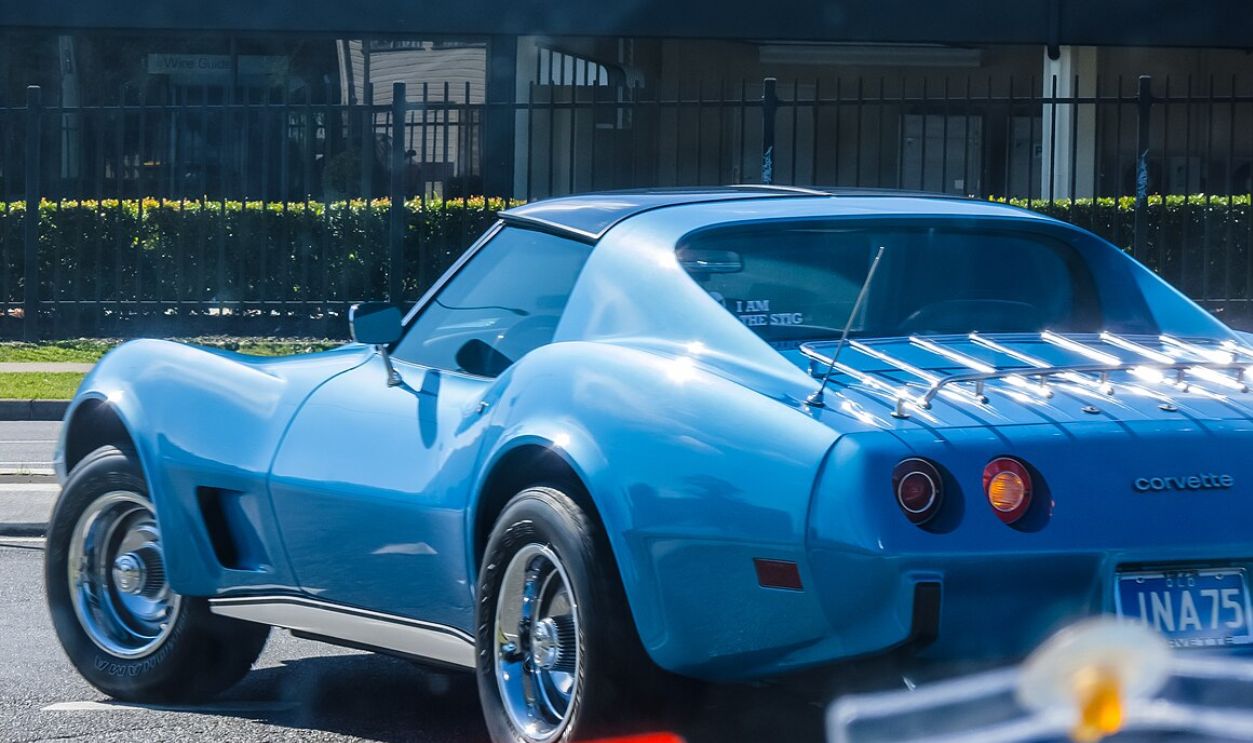 John Robert McPherson, CC0, Wikimedia Commons
Hot Topic
Catalytic converters produce a lot of heat, which the 1975 models’ fiberglass floors weren’t exactly happy with. So the solution was to put in steel panels for the 1976 models. Also in 1976, the names “Corvette,” “Sting Ray,” and “Stingray” became firmly synonymous monikers.
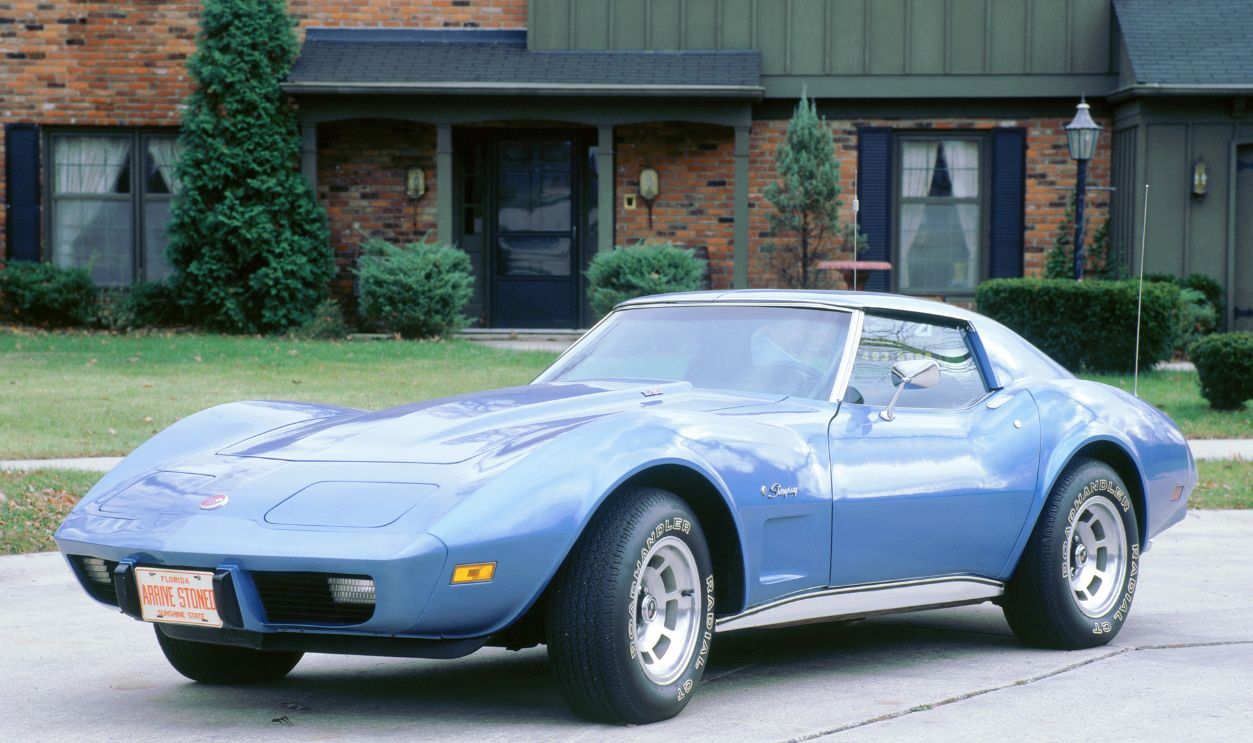
Seeing Black
The 1977 model year would be the swan song for getting a tunneled roof treatment with a vertical back window, and the first year offering leather seats for no additional payment. And after an absence of six years, the black Corvette returned as an option for buyers so inclined.
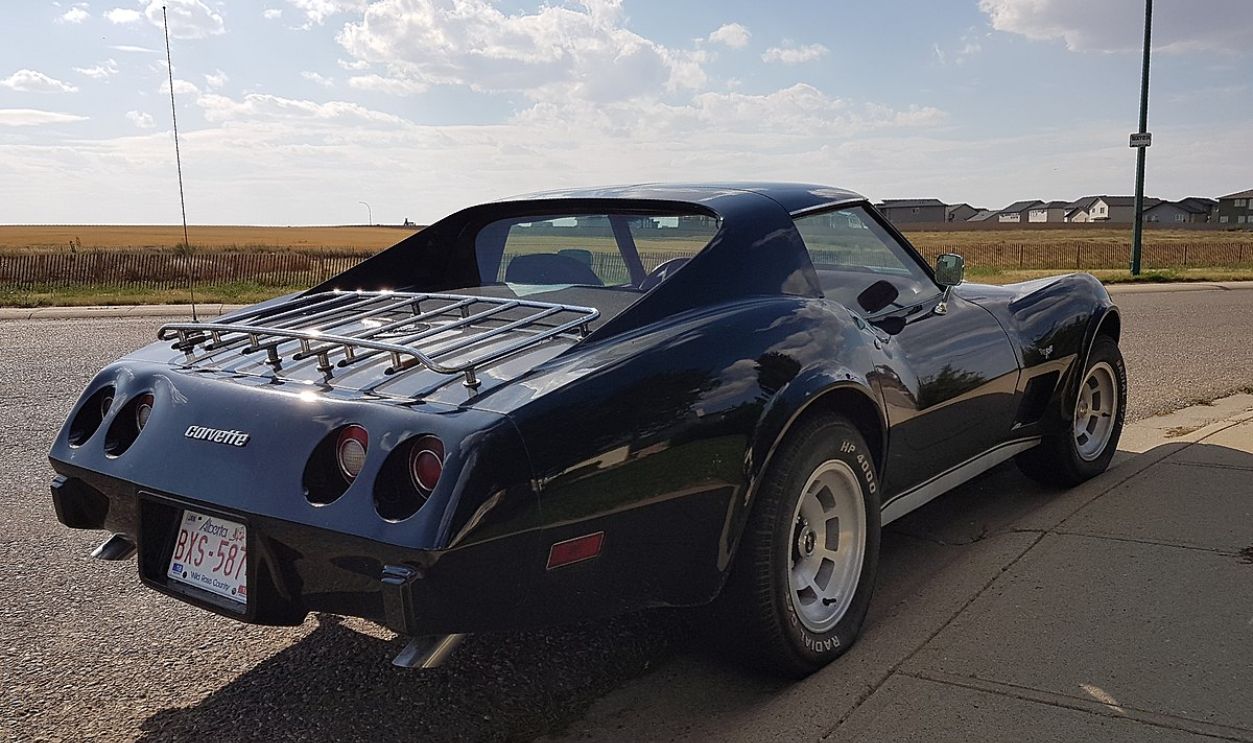 dave_7, CC BY 2.0, Wikimedia Commons
Happy Anniversary
The next year celebrated the Corvette’s 25th anniversary, so naturally a 25th Anniversary Edition was in order. Buyers could enjoy its new fastback glass rear window and a redesigned interior and dashboard. But those stirred by the occasion had a more expensive option for 1978.
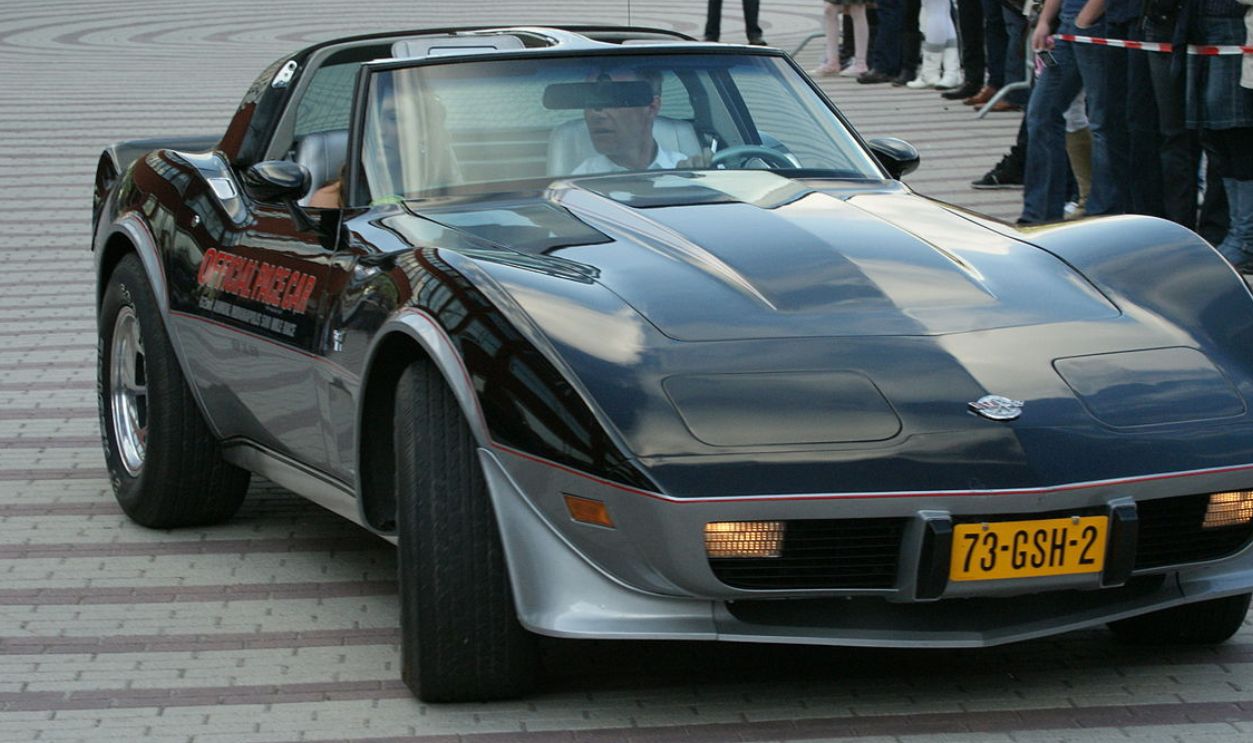 Niels de Wit, CC BY 2.0, Wikimedia Commons
Keeping Pace
The Silver Anniversary Edition was a two-tone affair, with a silver-over-gray paint scheme on the lower body. And any year was great for a car to become an Indy 500 pace car, with plenty of replica pace cars produced, allowing you to add some flair to your own neighborhood races.
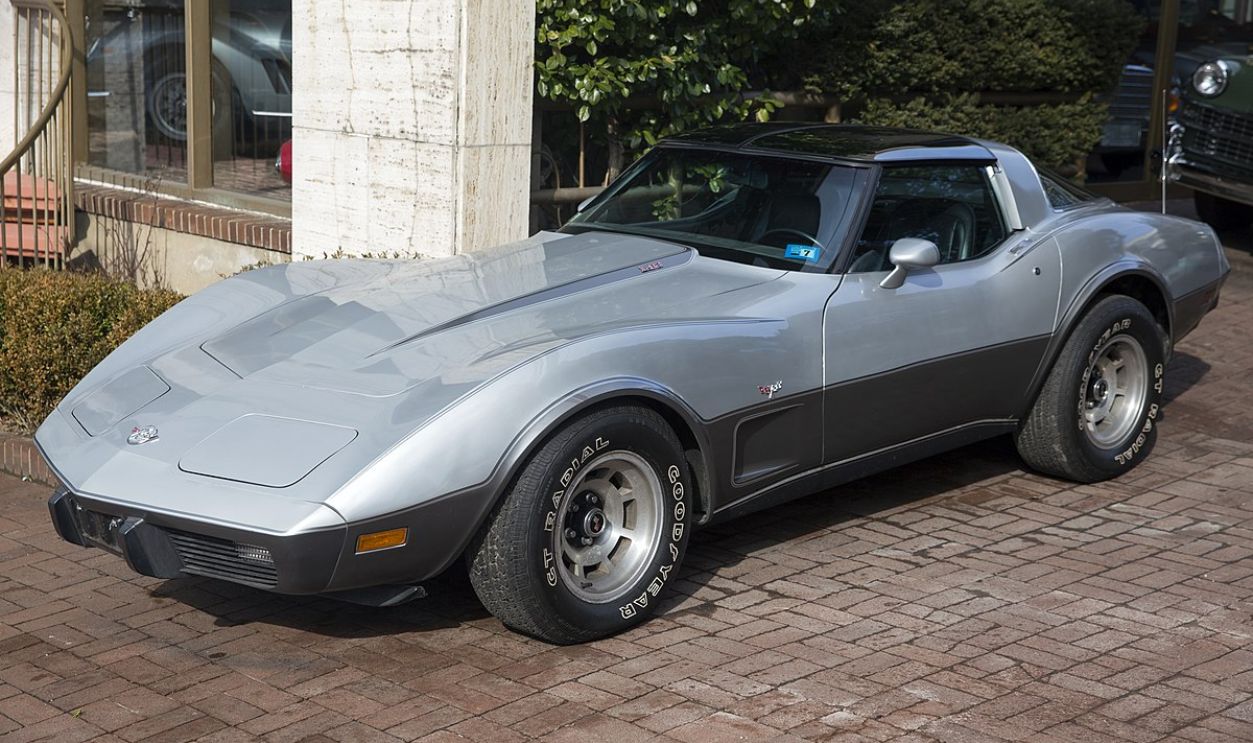 Mr.choppers, CC BY-SA 3.0, Wikimedia Commons
Peak Production
The pace car was such a hit that all 1979 models took their cue from the 1978 pace car’s design, and it was also the year that Corvette production hit its all-time high—53,807 to be exact. And the third generation kept on going, with 1,980 models tackling a bit of drag.
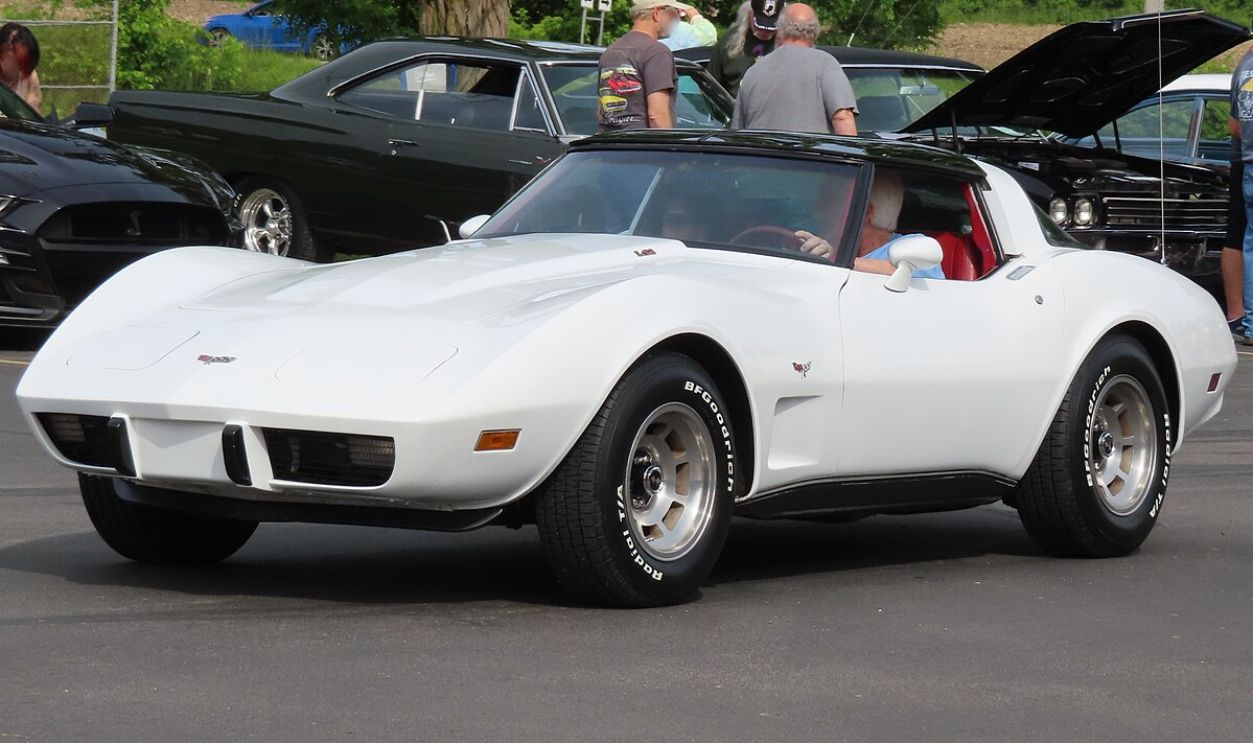 MercurySable99, CC BY-SA 4.0, Wikimedia Commons
Design Exercise
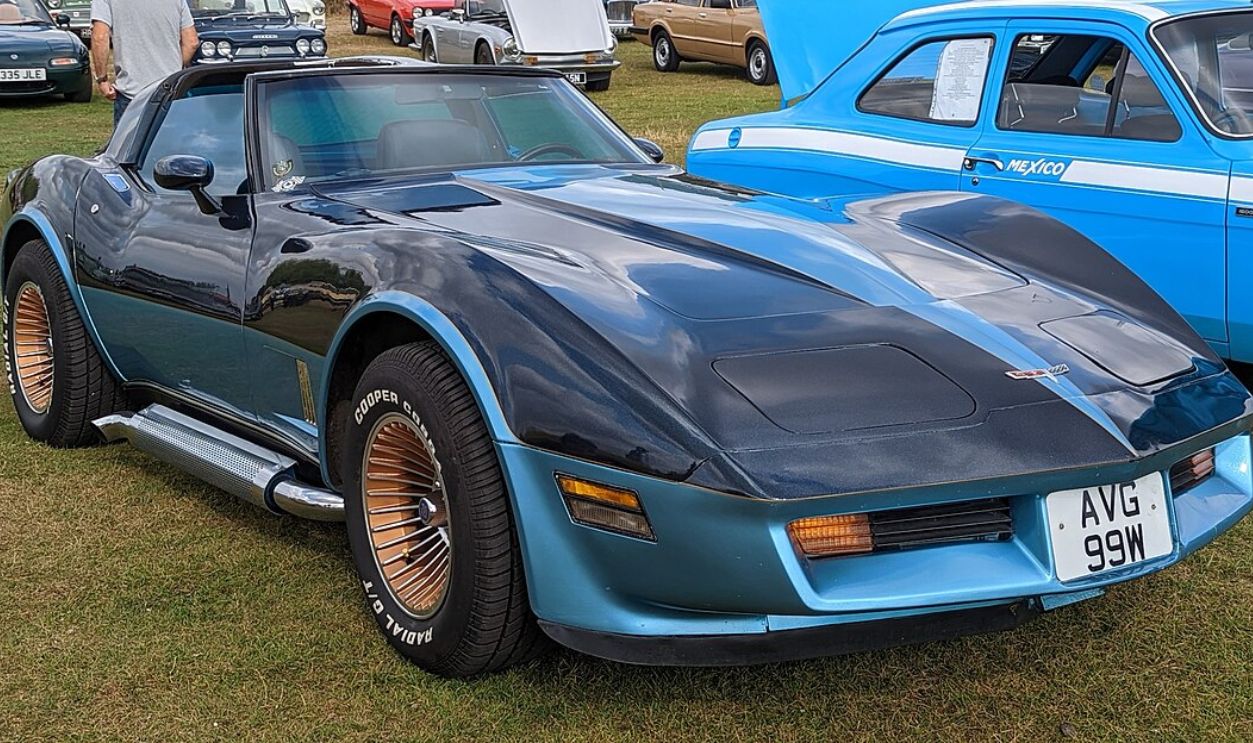
The 1980 models shed body and chassis weight, reversing a longtime trend of heavier and heavier models, with the new contours specifically designed to be more aerodynamically friendly. Meanwhile, a big move was in the offing for the Corvette assembly line.
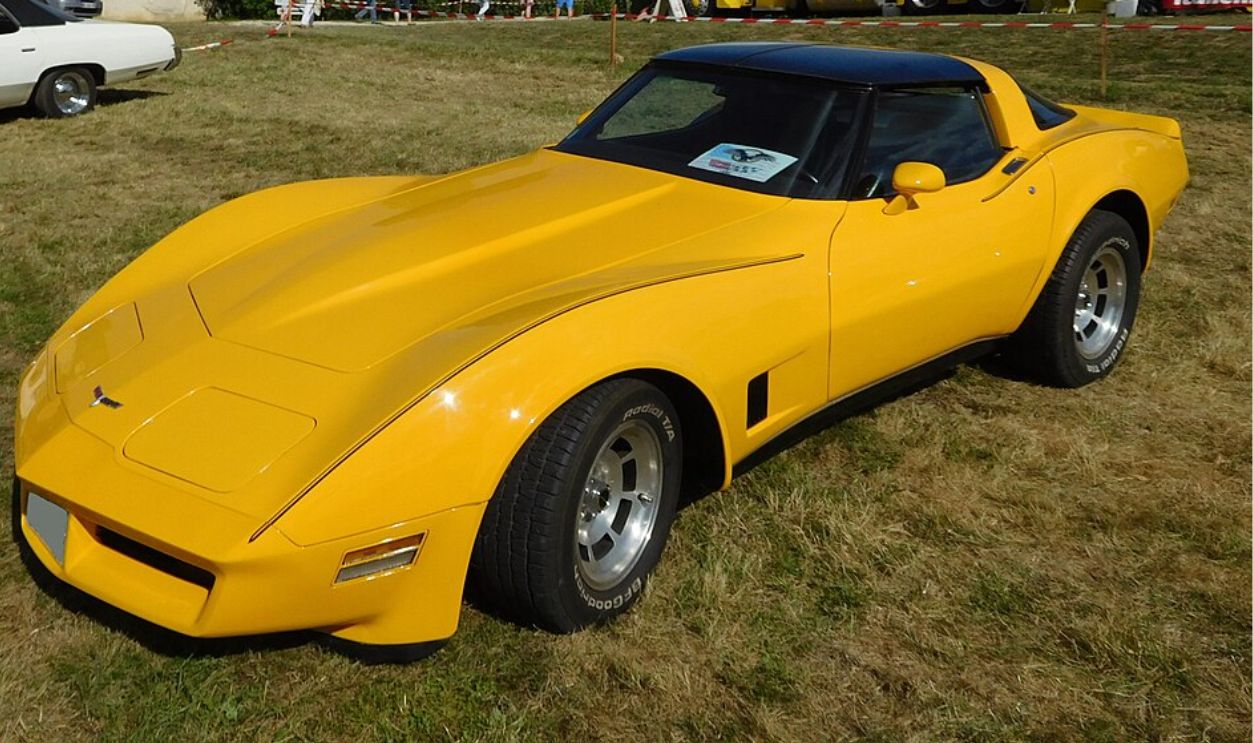 Cjp24, CC BY-SA 4.0, Wikimedia Commons
Production Displacement
Partway through the 1981 model year, production moved to Bowling Green, Kentucky from St Louis, Missouri. The only engine on offer was the 190 hp V8 engine L81, with 350 cu in (5.7 L) of displacement. And it marked the last manual transmission on offer for the next few years.
 Calreyn88, CC BY-SA 4.0, Wikimedia Commons
Time To Go
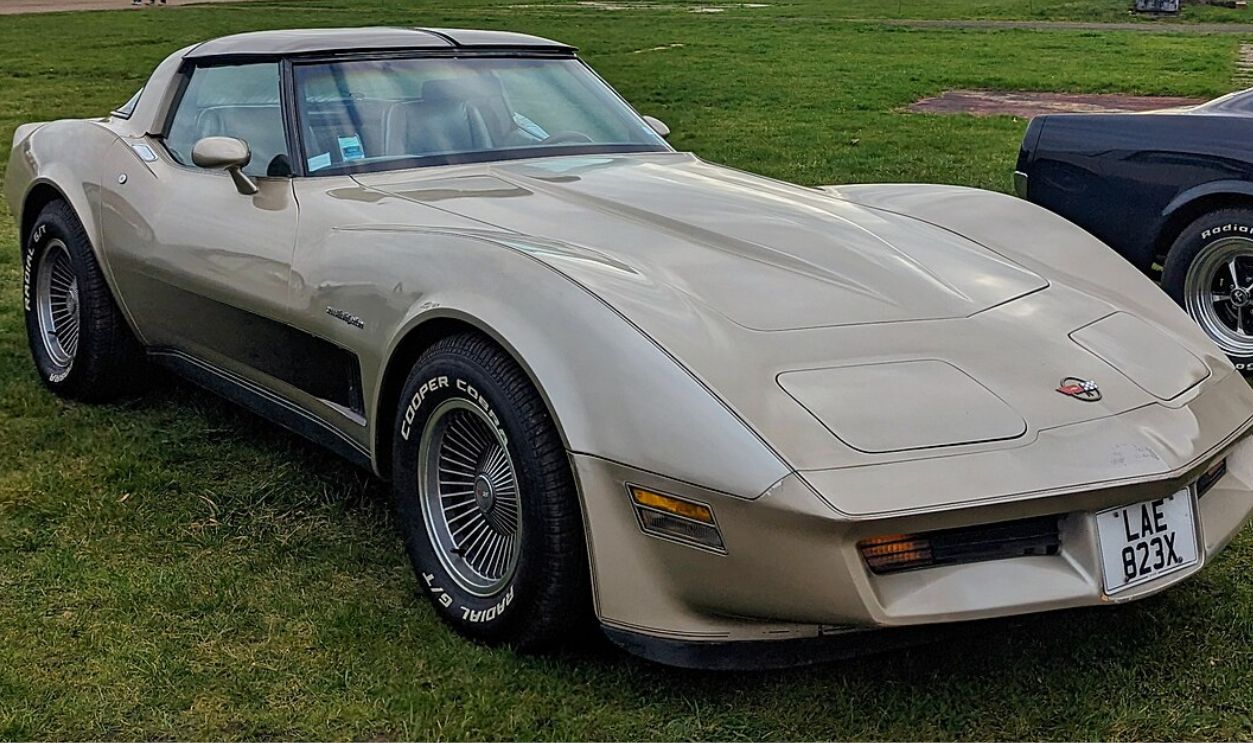
The third generation ended with less of a bang and more of a whimper. It marked the return of fuel injection with an L83 rated at 200 hp. And the 1982 Collectors Edition offered a rear-window hatch. And some of those involved in the C4 launch likely could’ve used an escape hatch.
 Calreyn88, CC BY 4.0, Wikimedia Commons
Lost Year
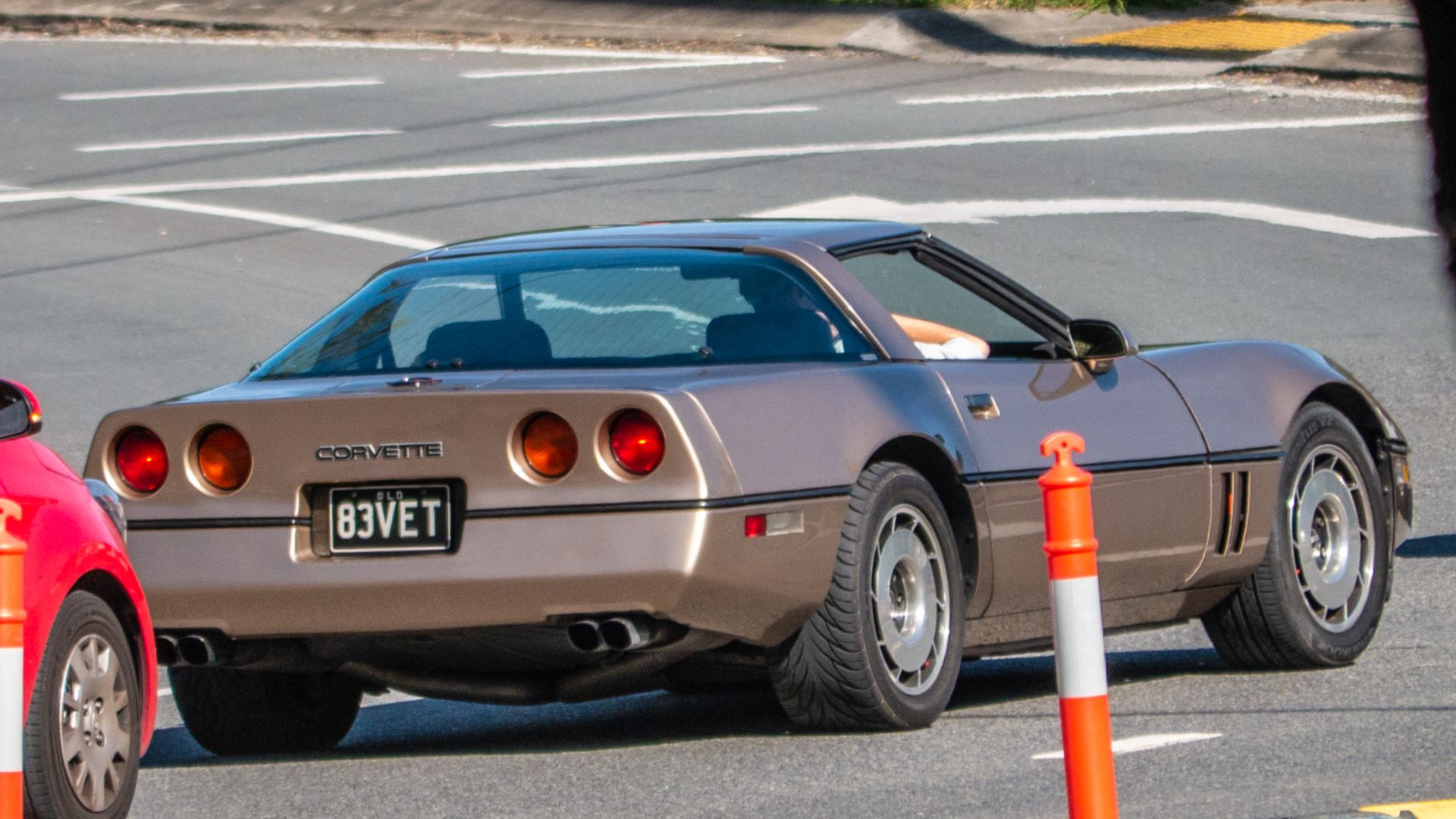
The Corvette’s 1983 model year was the year that never was, at least as far as the public was concerned. Planning was plagued by design issues and parts shortages. Some 43 prototypes were created, but nearly all were binned or renamed. One survivor symbolized the bad luck.
 John Robert McPherson, Wikimedia Commons
The Car That Almost Was
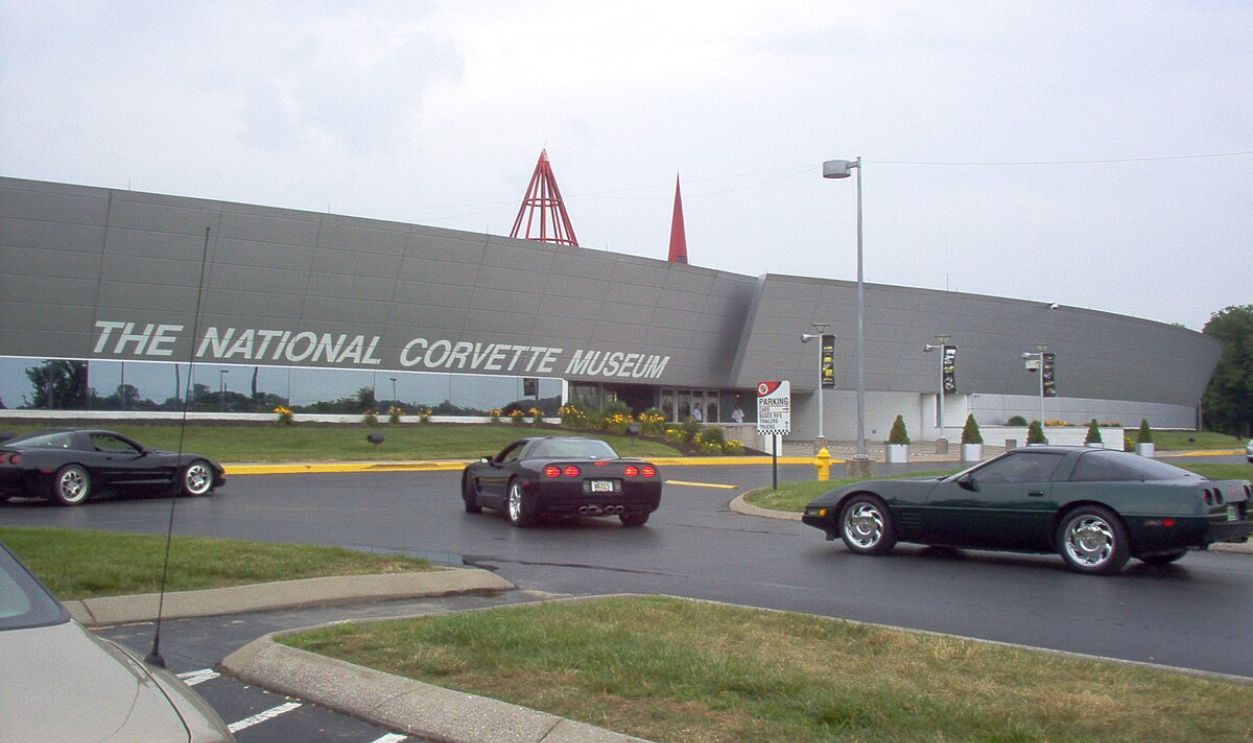
A prototype white Corvette with a medium-blue interior escaped destruction, only to be unceremoniously plunked above the Bowling Green Assembly Plant’s employee entrance. Rescued from obscurity, it was sent to the National Corvette Museum, but calm eluded it.
 formulanone, CC BY-SA 2.0, Wikimedia Commons
That Sinking Feeling
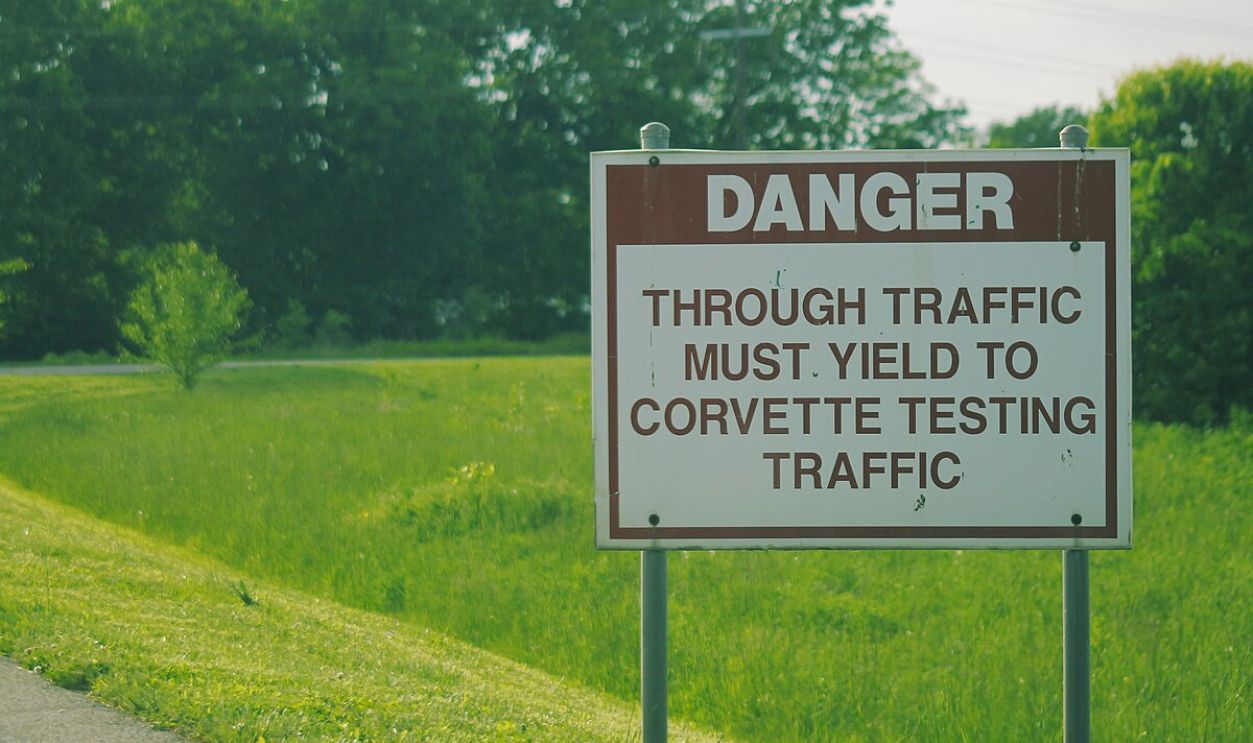
In 2014, a sinkhole silently, stealthily opened up beneath the Corvette museum, threatening to devour nine valuable Corvettes, including the 1983 prototype. It escaped falling into the depths of the underworld, but barely. Meanwhile, let’s see if the 1984 models ever got off the ground.
Early Start
Although the 1983 models weren’t happening, the 1984 models debuted pretty early, with the first cars rolling off the assembly line in January 1983. When customers got their hands on them two months later, they might have noticed that the fourth-generation had shed some pounds.
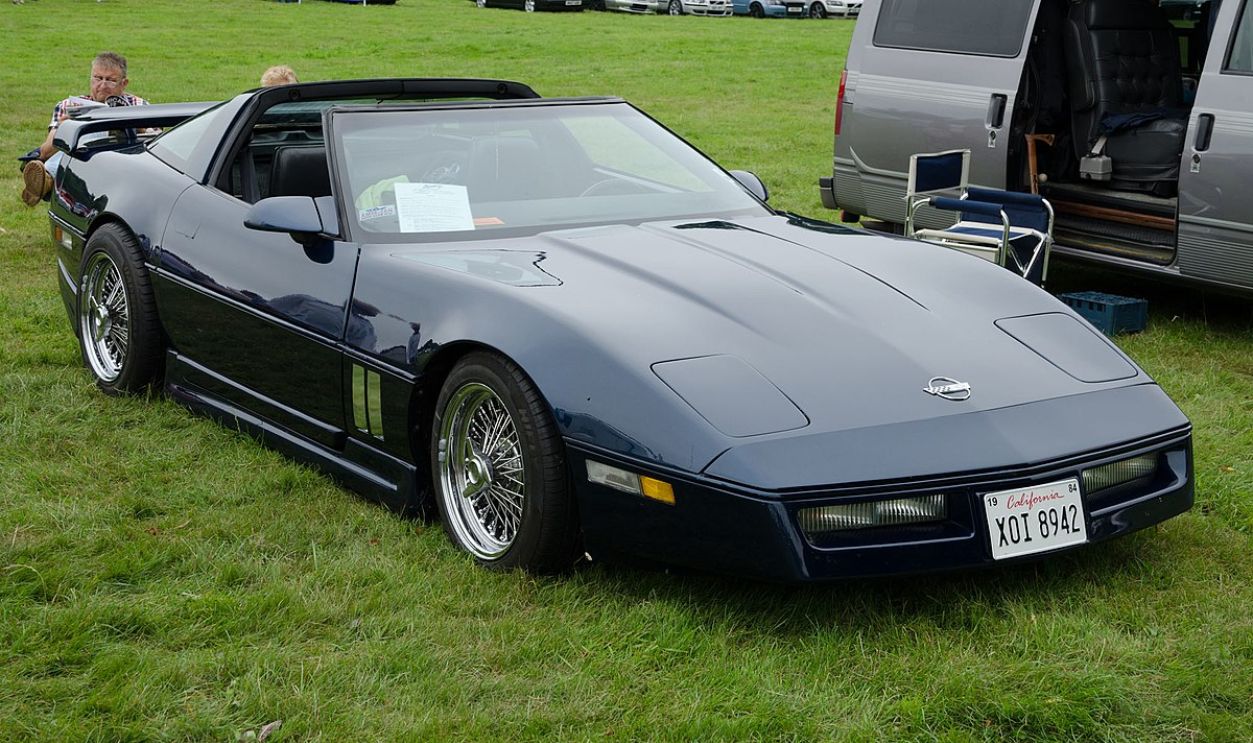 SG2012, CC BY 2.0, Wikimedia Commons
Aluminum Diet
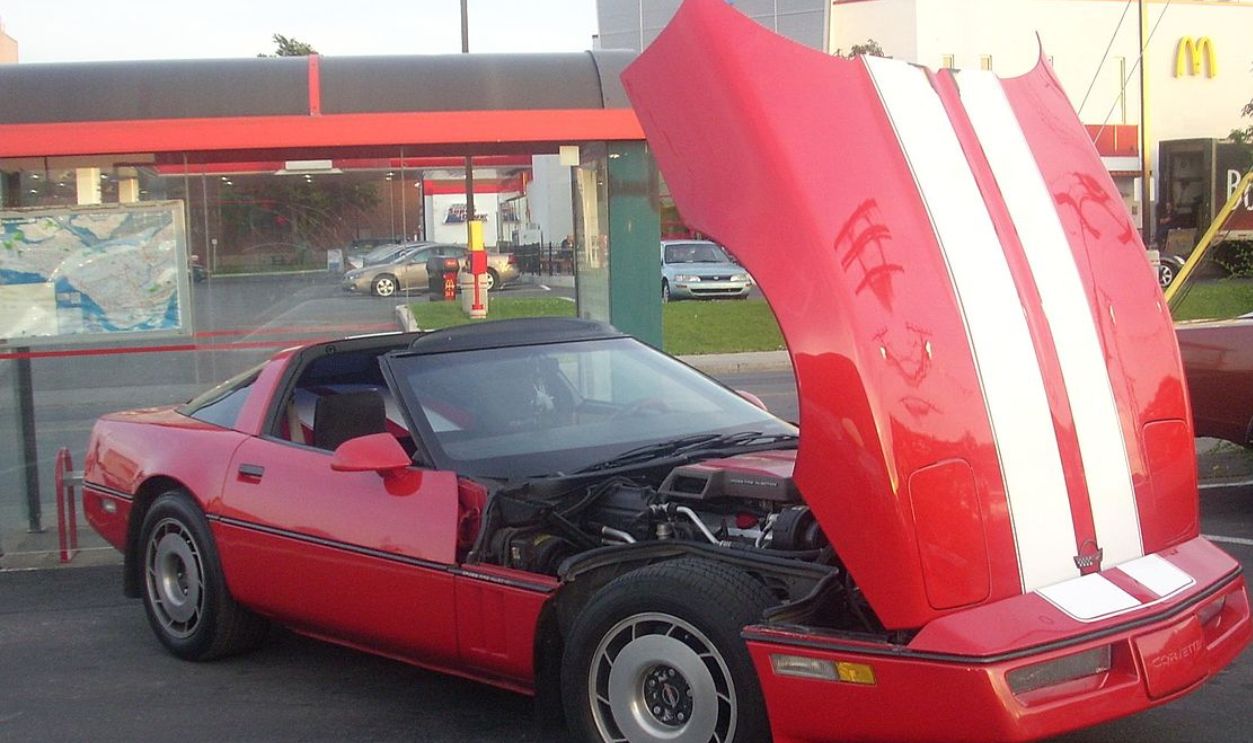
Aluminum was a vital part of the fourth generation’s design, being used in the redesigned chassis. The aluminum brake calipers and an all-aluminum suspension were lighter, but added a sense of welcome rigidity. Also lean was a one-piece Targa top with no center reinforcement.
Seeing The Light
There were still retractable headlights, but they were now single units, last seen in 1957. The new electronic dashboard featuring an LCD speedometer and tachometer was standard. However, under the hood, the fourth generation’s debut retained the “Crossfire” V8 engine.
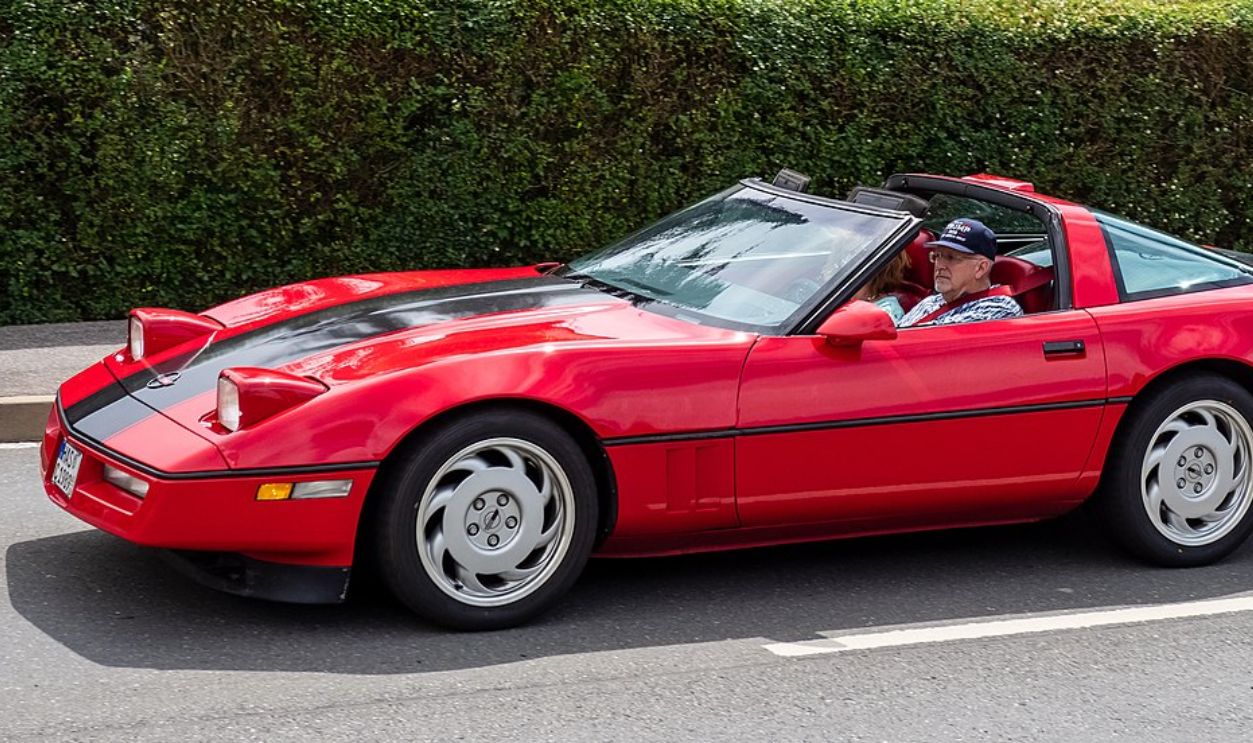 Reinhold Moller, CC BY-SA 4.0, Wikimedia Commons
Half And Half
Manual transmission returned as an option in late 1984. And the 1985 to 1988 model years offered an optional “4+3” transmission that Doug Nash designed to help meet US fuel economy rules. It featured a four-speed manual that went into automatic overdrive for the top three gears.
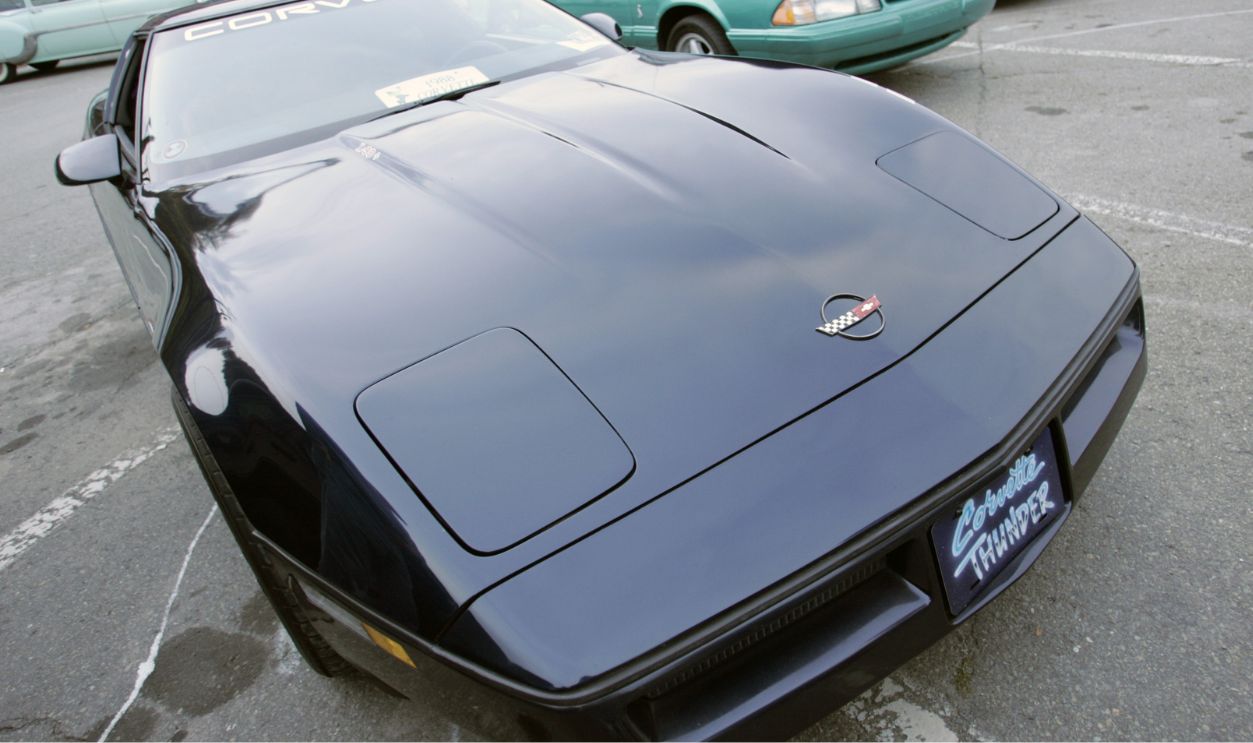
Pacing Again
The Corvette returned as an Indy 500 pace car, so a 1986 Corvette Indy Pace Car naturally followed. It was the first Corvette convertible to be produced since 1975. It included a third center brake light to conform to safety regulations, and came with various color options.
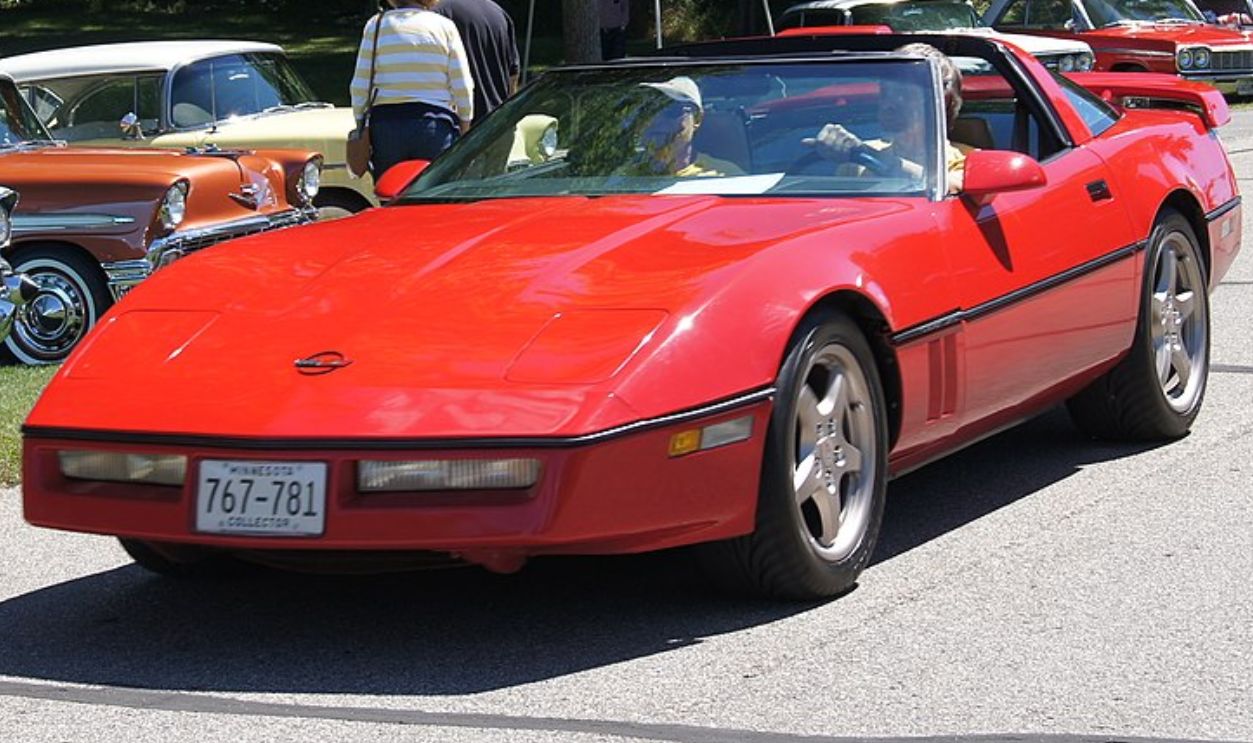 Greg Gjerdingen, CC BY 2.0, Wikimedia Commons
Lotus Power
The 35th anniversary of the Corvette was celebrated in 1988 with the 35th Anniversary Edition. But discerning buyers might be more interested in the revived ZR-1 option, brought back in 1990. Initially, it used a Lotus-designed four-cam DOHC-design LT-5 engine putting out 375 hp.
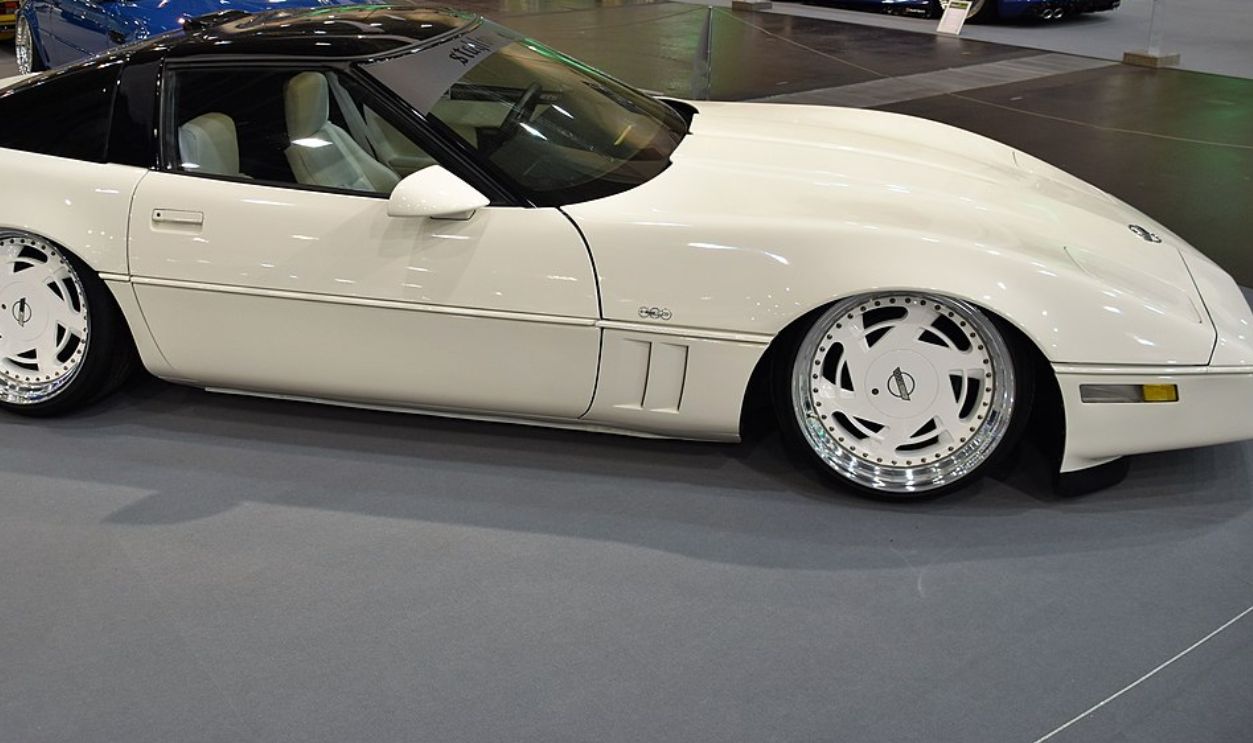 Charles, CC BY 2.0, Wikimedia Commons
Dominant Design
The 1991 model year saw reconfigured body, interior, and shells for the Corvette, with the base model and the ZR-1 versions looking similar, aside from that third brake light. Acceleration Slip Regulation (ASR) came out in 1992, as did a 300 hp LT-1. But things were slowing down.
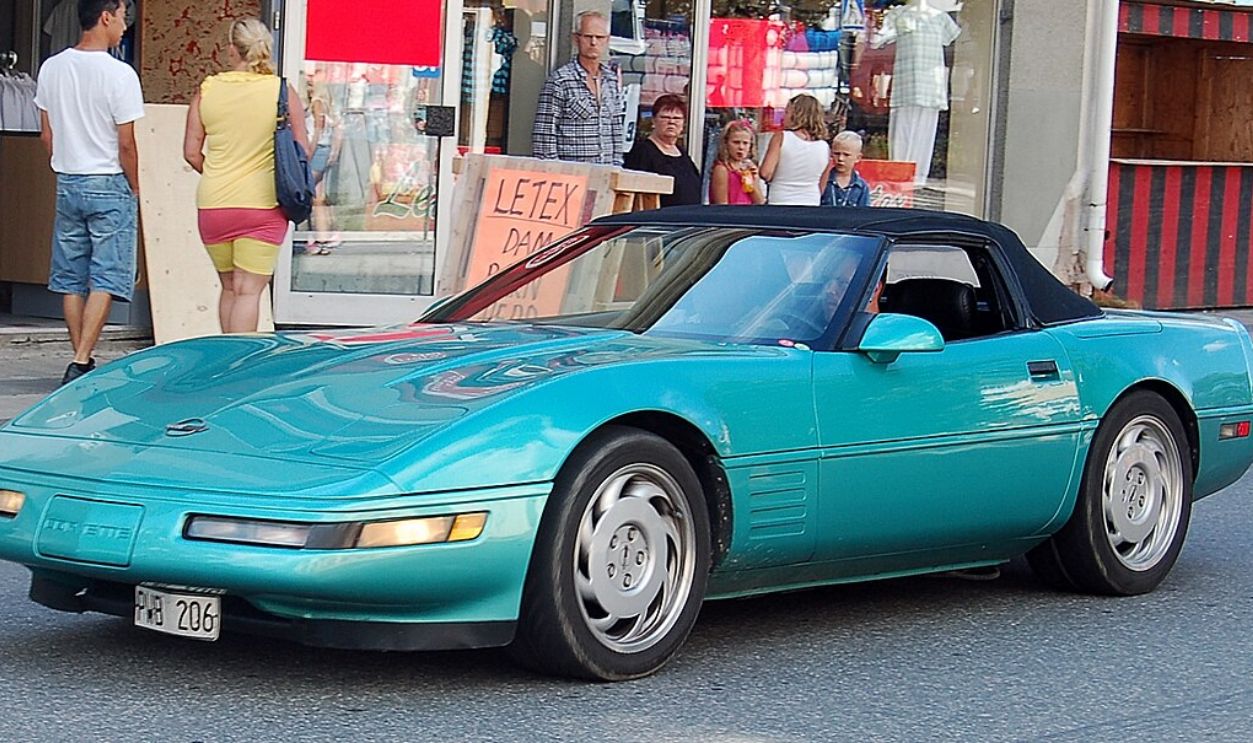 Janee, CC BY-SA 3.0, Wikimedia Commons
Time To Say Good-bye (Again)
ZR-1 cars were produced until 1995, with a total of 6,939 of them having been built. The next year was the final year for the fourth generation, so on offer were the Grand Sport and a Collector Edition, and options such as the LT-4 engine, churning out 330 hp, and run-flat tires.
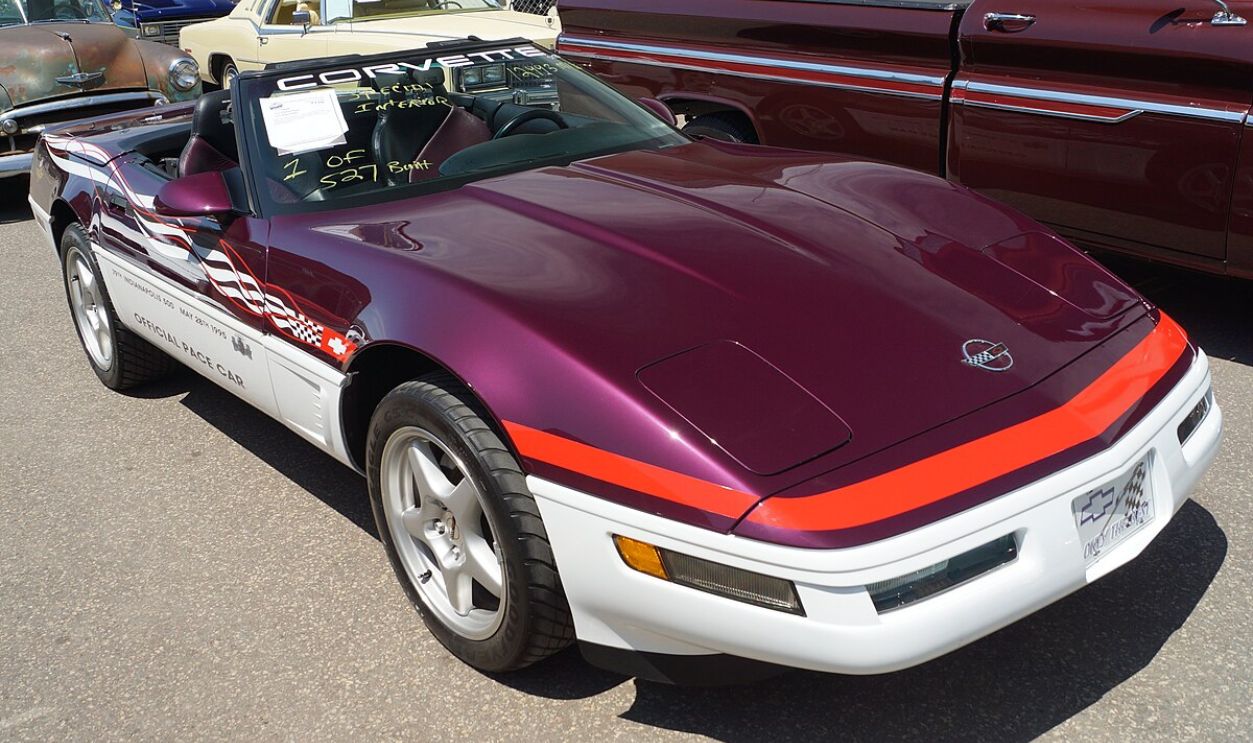 Greg Gjerdingen, CC BY 2.0, Wikimedia Commons
Bumps Ahead
And sales were indeed running flat—at best. Launch of a new generation was again delayed by quality and production issues, but at least there was an actual 1997 model year. Automotive journalists were impressed, and more generations were to come. The Corvette would live on.
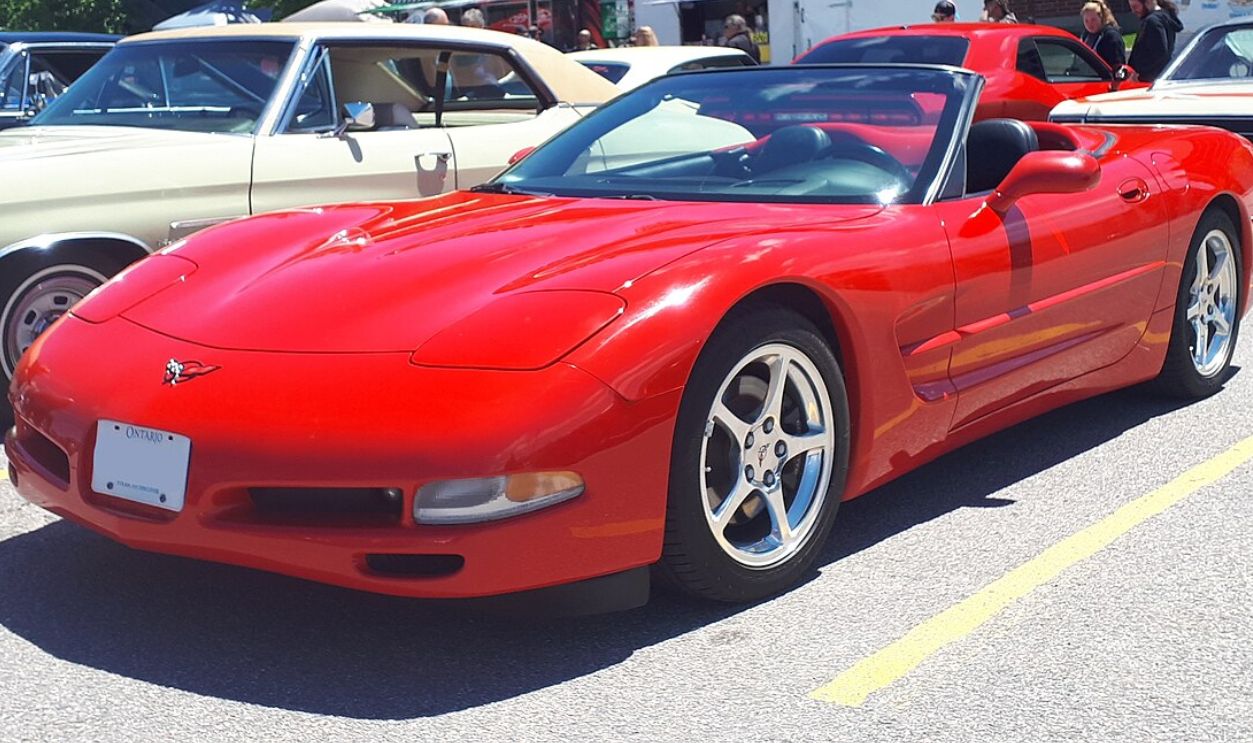 SsmIntrigue, CC BY-SA 4.0, Wikimedia Commons
Charting Its Own Course
Named after a powerful but small and nimble type of warship, the Corvette charmed the hearts of car-loving Americans with a need for speed. Even if its reputation exceeded its sales, it cast a “halo” over the Chevrolet brand and boosted the allure of domestically made sports cars.
You May Also Like:
The Rise And Fall Of An American Icon: The Ford Thunderbird
10 Classic Chevys Every Collector Wants—And What They’re Worth Today









.jpg)
.jpg)
.jpg)
.jpg)
.jpg)
.jpg)
.jpg)
.jpg)
_4.7.jpg)
.jpg)


.jpg)
.jpg)

_Coupe_1975_Kirby_Rd_Aspley_P1330108.jpg)

.jpg)


.jpg)

_-_15542808671.jpg)
.JPG)

.jpg)
_(52570173390).jpg)

_(cropped).jpg)
