Are You On The Hook For This?
It’s the kind of nightmare you never see coming: your car is wrecked, you weren’t even there, and now you’re being dragged into a lawsuit because your relative claims you let them take it. Now you're angry, confused, and potentially on the hook for thousands.
Let’s break down what you can do when someone else crashes your car and claims you gave them permission.

Who's Legally Responsible In A Car Crash?
Generally, car insurance follows the car, not the driver. That means your policy might still be valid even if you weren’t driving. But this hinges on one big factor: whether or not the person had permission to drive your car. If permission was granted, even informally, your insurer may be responsible. But if it wasn’t, you could have a stronger case for non-liability.
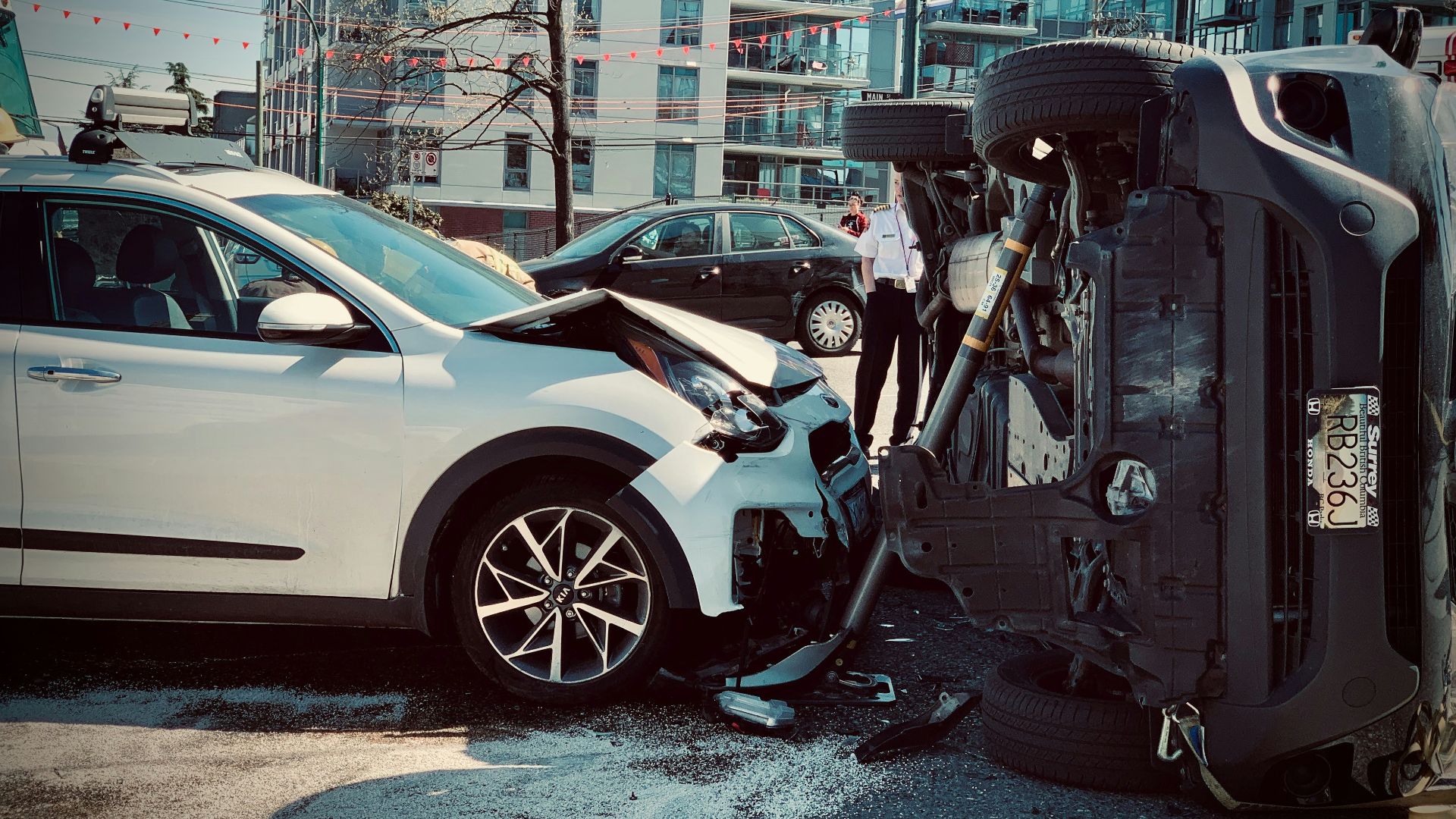
Why Permission Matters So Much
If the driver had your permission—spoken, written, or implied—your insurance could be liable. If they didn’t, things get more complicated. That one word—“permission”—can make or break your case and determine who’s paying what.

What Counts As “Permission” In Legal Terms?
It’s not just about handing over your keys. Courts can consider verbal agreements, past behavior (like lending them the car before), or even casual access if you left the keys out. But if you clearly said no, or never offered, it may count as unauthorized use. The key is to show a pattern of intent—what you meant when the car was taken, not just what the other person assumed.

Unauthorized Use VS Theft: What’s The Difference?
If your family member took the car without any form of consent, that might be considered unauthorized use, or even auto theft. That could absolve you of liability. But if you’ve let them borrow the car before, proving theft gets tricky. Courts will ask: was the car “taken” or “borrowed”? The more past leniency you’ve shown, the harder it is to argue this time was different.
Document Everything Immediately
Start writing down what happened, what you said to them before the incident, and any witnesses who can confirm you didn’t give permission. The sooner you document your side of the story, the more credible it looks if you have to go to court. Dates, texts, photos of damage, and even your emotional response at the time can help paint a clearer picture of your lack of consent.

Talk To Your Insurance Provider ASAP
Even if you don’t plan to file a claim, notify your insurer right away. Be honest about what happened and clearly state you didn’t give permission. They’ll launch an investigation and may deny liability if they believe you. The sooner they hear your side, the more time they have to flag the claim and potentially reject payment under “unauthorized use”.

If You’re Being Sued, Call A Lawyer Now
Don’t try to navigate this alone. Whether it’s a claim for damages or injuries, a qualified attorney can help protect you from liability and figure out how to prove your relative acted without your consent. Some offer free consultations—start there. An attorney can also help you countersue or pursue damages if their actions have harmed your finances or reputation.

Dig Into Your State’s “Permissive Use” Laws
Every state has its own definition of what counts as “permission”. Some are strict, requiring clear consent. Others assume permission if someone has used your car before. Knowing your local laws will help you build a stronger defense. Your attorney will likely use this as a core strategy, whether arguing that permission was never given, or disputing the implied use argument.
 Vodafone x Rankin everyone.connected, Pexels

History's most fascinating stories and darkest secrets, delivered to your inbox daily.
What If They Had The Keys But Took The Car Without Asking?
If you left your keys out or in a shared space, the situation gets murkier. But that still doesn’t mean your relative had the right to take the car. Context is key. If you can prove they didn’t ask or you previously said no, that helps your case. Locking your keys away—or showing you usually do—can support your claim that you didn’t intend to grant access.

Eyewitnesses Can Be Game-Changers
If anyone heard you say no, saw your relative take the car without asking, or knows your relationship dynamics, ask them to provide a statement. Their testimony could swing the case in your favor, especially if there are no written agreements.

Check For Digital Evidence
Do you have text messages, DMs, or voicemails where you denied permission or expressed frustration afterward? Screenshots can be powerful. Time-stamped messages might show you clearly objected or were unaware that the car was taken. Look through call logs, chat apps, and even calendar entries—anything that helps verify your version of events.

Can You File A Police Report?
Yes—and you probably should. If the use was truly unauthorized, file a police report for unauthorized use or theft. Even if it doesn’t lead to criminal charges, it helps create a paper trail that proves you’re not covering for the thief.

What If Your Insurance Still Pays?
Even if your insurer decides to cover the claim, they might raise your premiums or drop you later. You can appeal the decision or switch insurers, but it’s a reminder why it's crucial to document that you didn’t give permission.

Should You Sue For Damages?
If your relative’s actions cost you money, legal fees, or led to increased premiums, you might have grounds to file a civil suit. Small claims court could be an option if the damages are under a certain threshold, and you don’t need a lawyer for that. It may not repair the relationship, but it can help you recover some of what you lost.

How To Protect Yourself Going Forward
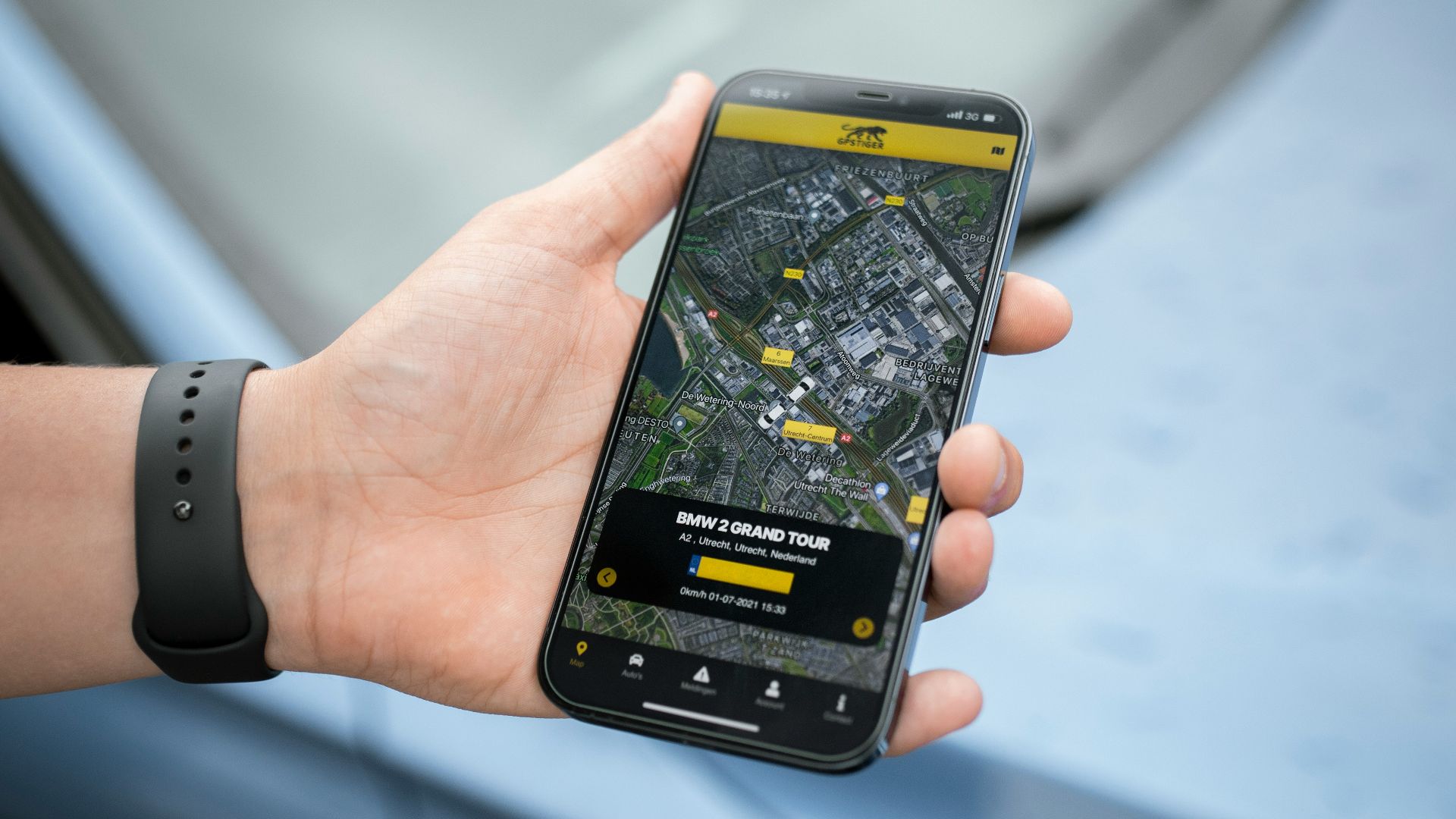
This is a wake-up call. Lock your keys away. Don’t leave them in shared spaces. If you’ve been casually lending your car, stop—especially if there’s even a chance someone might take advantage again. Also consider installing a GPS tracker or dash cam, especially if your car is often parked near shared or public access points.
What If You Live Together?
Living under the same roof doesn’t automatically mean permission, but family ties can make courts assume implied consent. It’s your job to show that, in this case, you said no or were never asked. Written messages or previous warnings help establish a pattern of non-permission, even within families.

Let Your Insurance Know If You’re Restricting Use
Most policies assume a handful of people might drive your car, like household members. If there’s someone you don’t want driving it, tell your insurer in writing. It might help down the line if there's another incident. Some insurers even let you explicitly exclude certain drivers from your policy—check if that’s an option.

Don’t Let This Ruin Your Relationship, But Don’t Ignore It Either
You’re allowed to set boundaries, even with family. Whether or not you pursue charges or sue, make it clear this can’t happen again. Actions need consequences, or you’re inviting a repeat disaster. Protecting yourself doesn’t mean you don’t care—it means you respect yourself and your property.

This Feels Personal, But It’s Also Legal
Yes, it’s betrayal. But it’s also a matter of liability, proof, and documentation. Focus on the facts. With the right help and evidence, you can protect yourself, even if your family member is trying to shift the blame. This is about clearing your name and protecting your future.
 Tingey Injury Law Firm, Unsplash
You May Also Like:
My Car Payment Is More Than My Rent. How Did I Get Here—And How Do I Escape?
I let my boyfriend use my credit cards to build his brand. He's gone. The debt isn't. What now?