

Before Hollywood Took Over
Before Jaws was a fin cutting through the water, it was a paperback everyone seemed to be carrying. Before Jack Nicholson became McMurphy, Ken Kesey’s readers already knew him. For baby boomers, many Hollywood classics arrived first as dog-eared novels passed through classrooms, book clubs, beach bags, and families.
Please let us know: Which did you enjoy first? The book or the movie?
 shevchukandrey, Adobe Stock Images
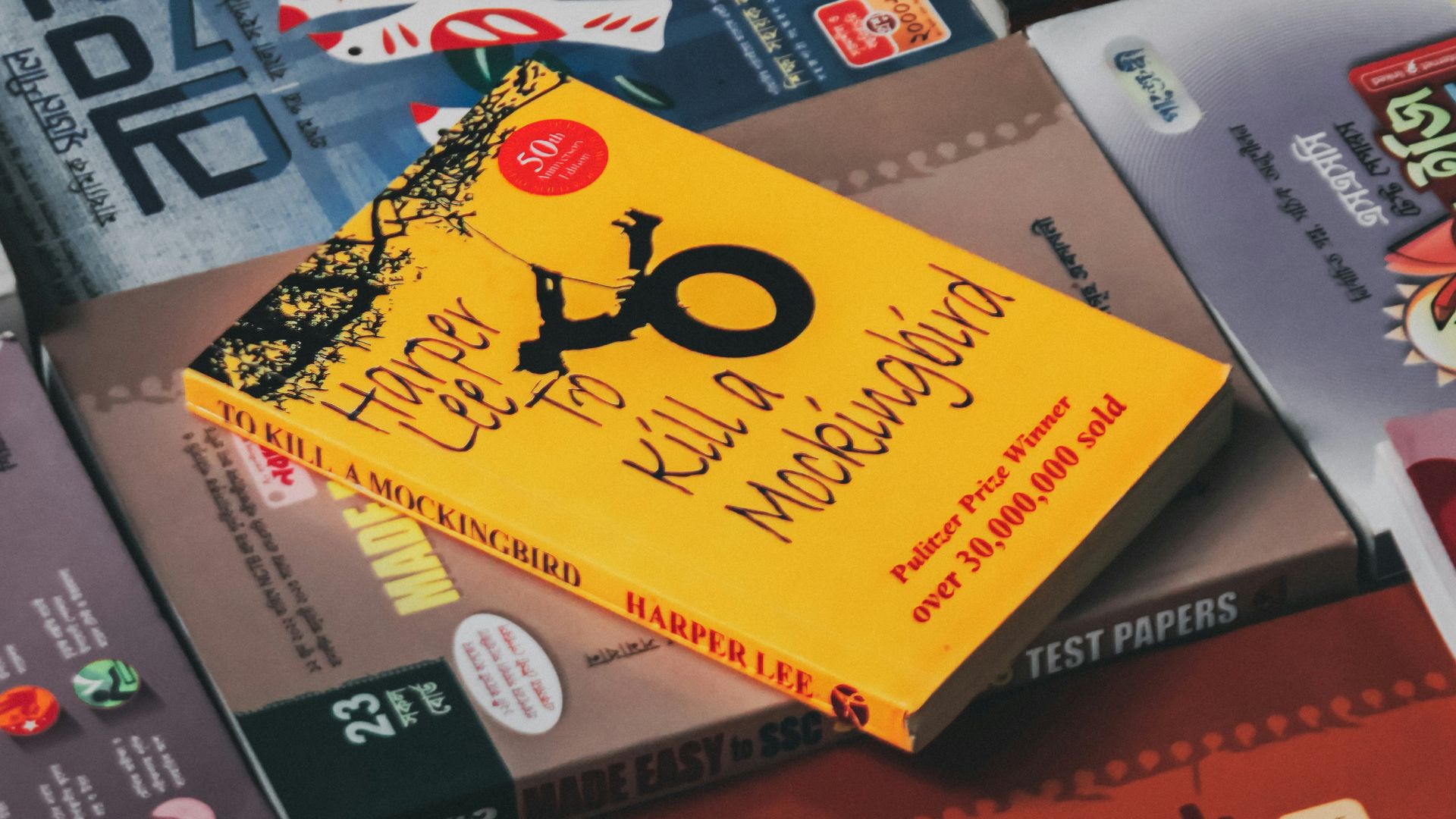
To Kill A Mockingbird Was A Book Before Atticus Had Gregory Peck’s Face
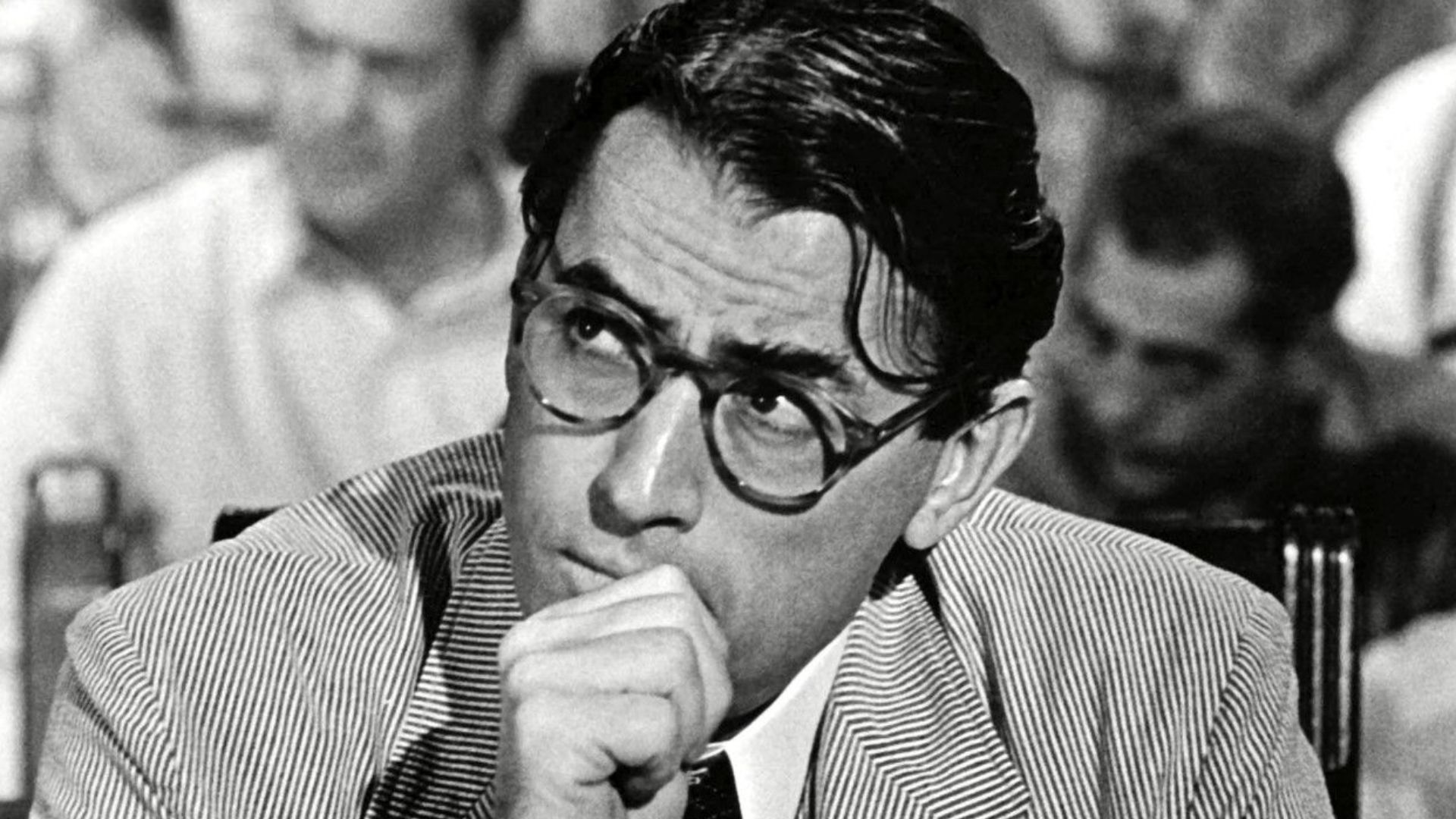
Harper Lee’s To Kill a Mockingbird appeared in 1960 and won the Pulitzer Prize before the 1962 film turned Gregory Peck’s Atticus Finch into an American screen icon. For generations of students, though, Maycomb, Scout, Boo Radley, and the courtroom existed first on the page.
One Flew Over The Cuckoo’s Nest Belonged To The Counterculture
Ken Kesey published One Flew Over the Cuckoo’s Nest in 1962, more than a decade before Jack Nicholson played McMurphy in the celebrated 1975 film. The novel became a counterculture classic in its own right, making Nurse Ratched frightening to readers long before movie audiences met her.
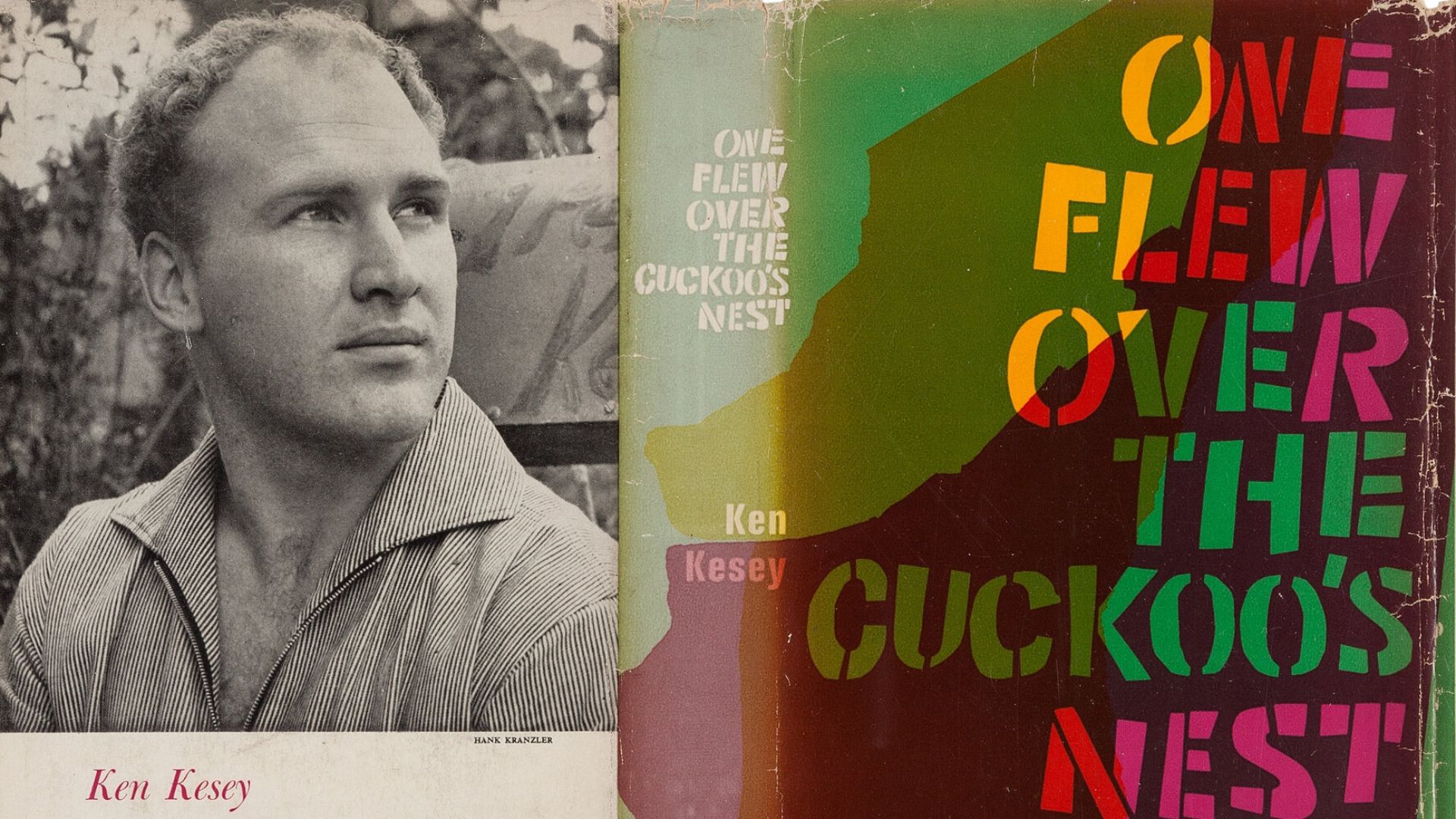 Jacket design by Paul Bacon Author photo by Hank Kranzler, Wikimedia Commons
The Graduate Started With Charles Webb
Dustin Hoffman and Anne Bancroft made The Graduate inseparable from 1960s cinema, but Charles Webb published the novel in 1963. Benjamin Braddock’s aimlessness, affair with Mrs Robinson, and fixation on Elaine were already on the page four years before Mike Nichols transformed the story into a movie landmark.
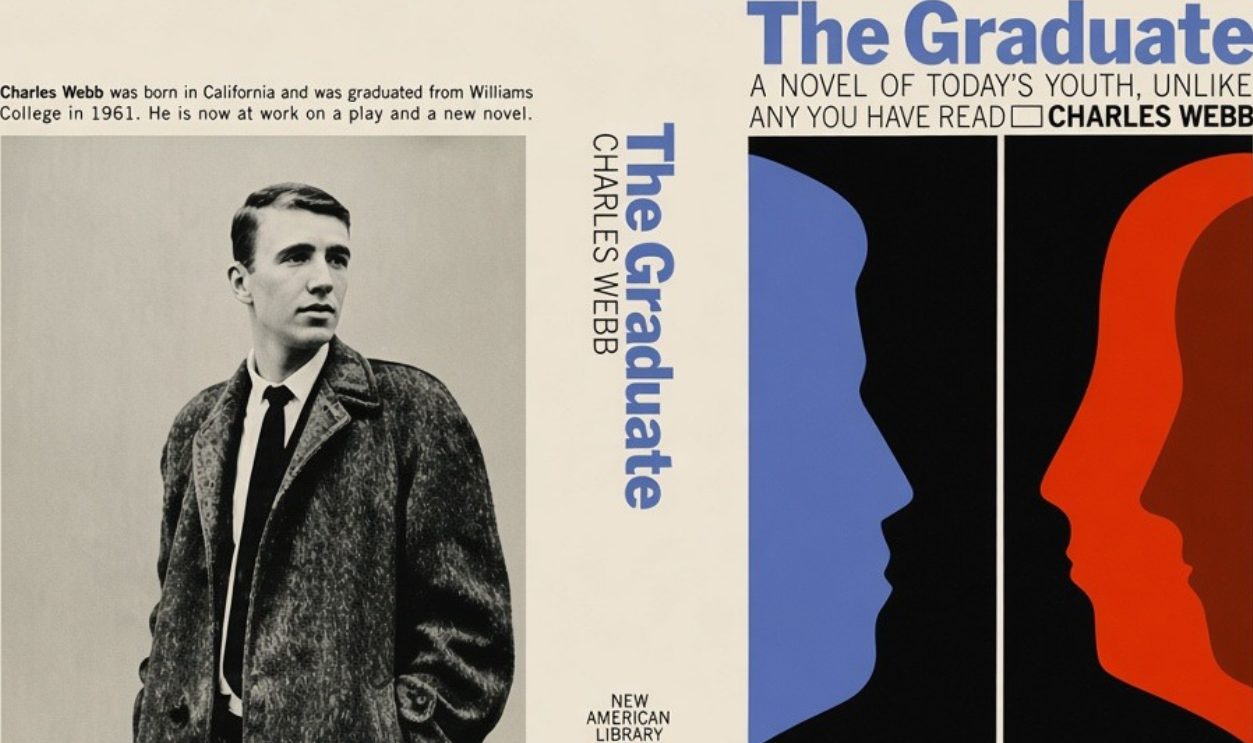 Jacket Design: Milton Glaser, Wikimedia Commons, Modified
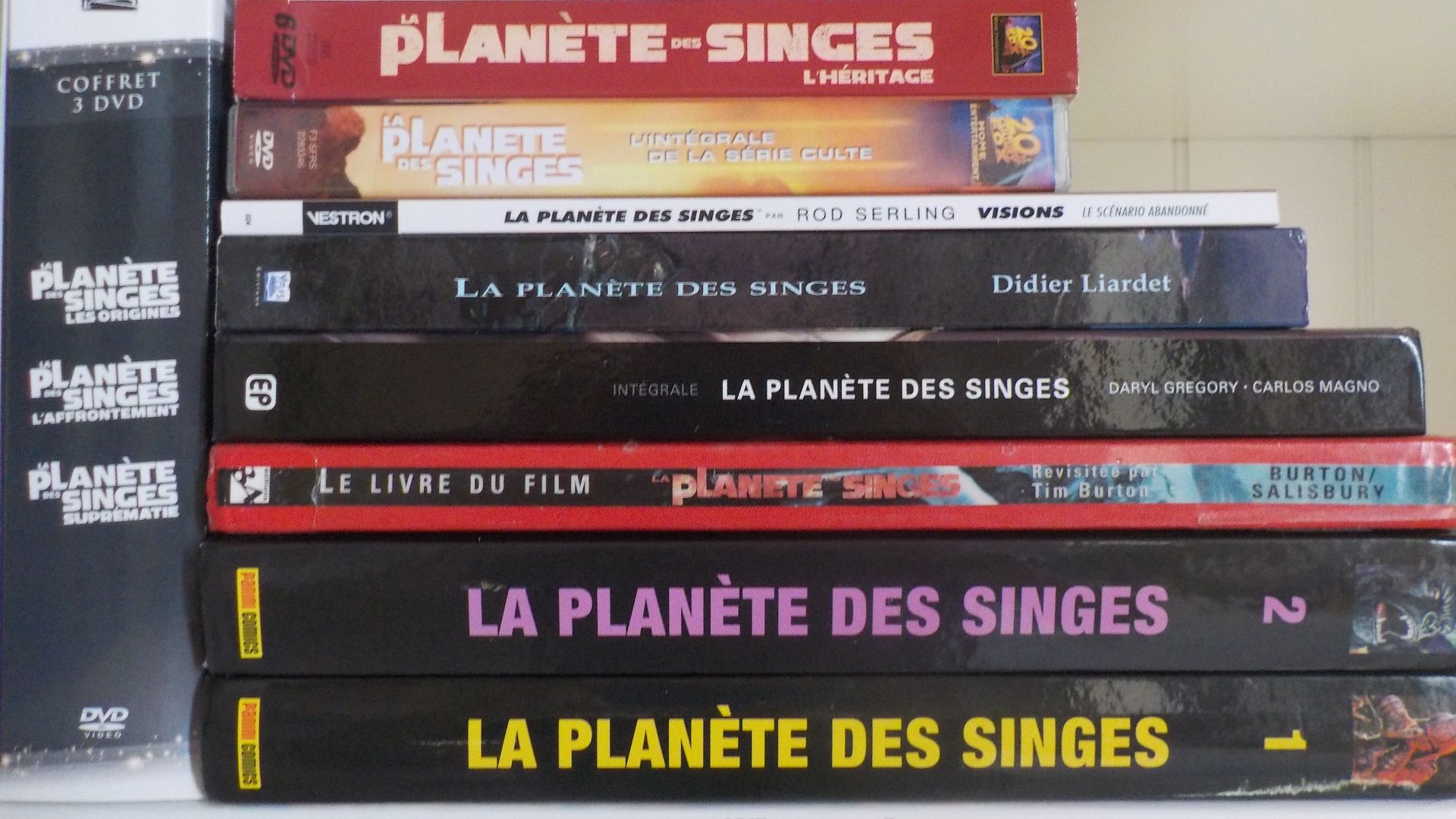
Planet Of The Apes Was A French Novel
Long before Charlton Heston stared at the Statue of Liberty, Pierre Boulle published La Planète des singes in 1963. The English-language version appeared as Planet of the Apes in the United States that same year. The 1968 film changed important details, but the upside-down civilization began in Boulle’s novel.
Rosemary’s Baby Terrified Readers Before Moviegoers
Ira Levin’s Rosemary’s Baby became a major bestseller in 1967, one year before Roman Polanski’s film starring Mia Farrow. The adaptation stayed unusually close to Levin’s story, which helps explain why younger audiences often treat the movie as the original. Readers of the era knew better.
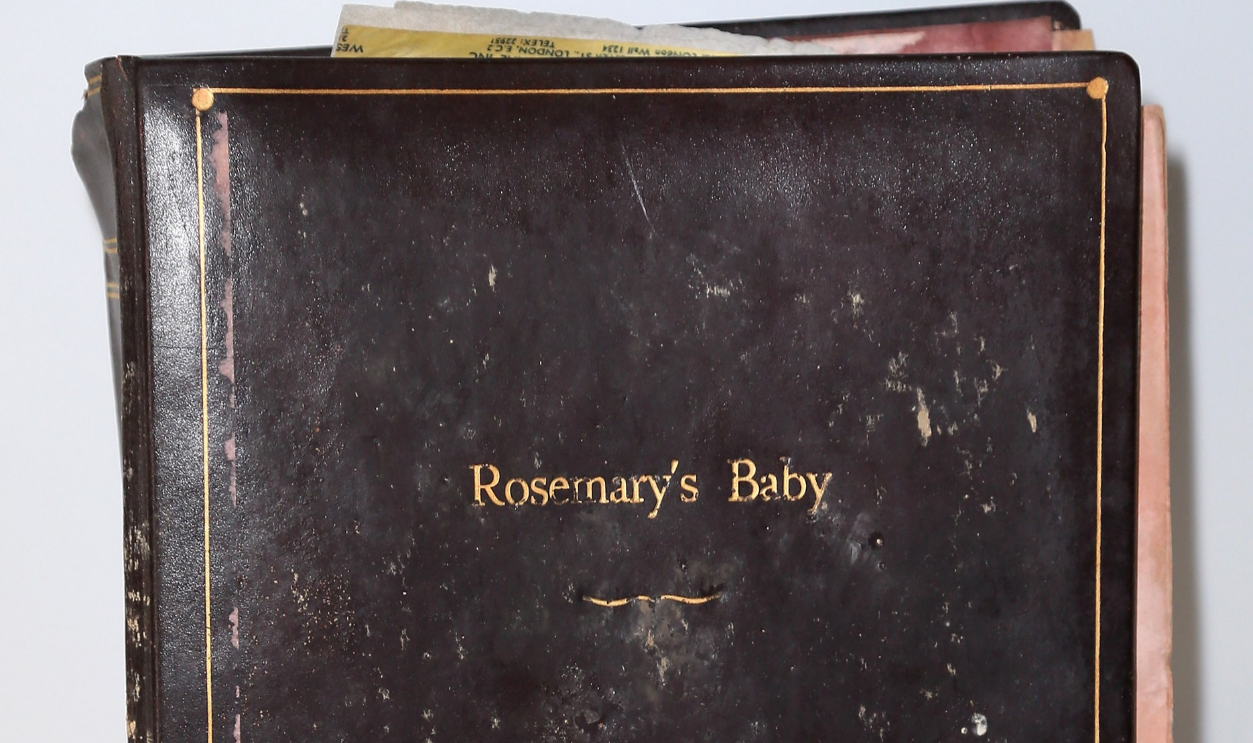 David Livingston, Getty Images
Airport Was Already A Blockbuster Without An Airplane Screen
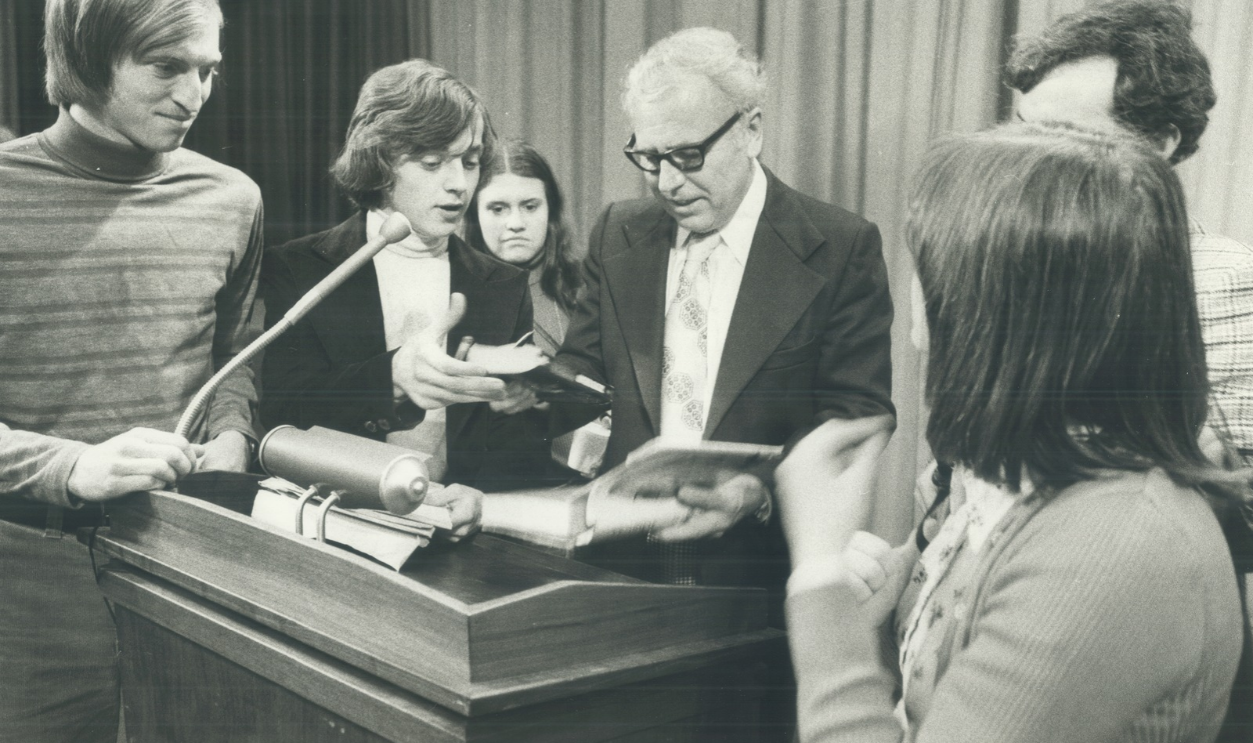
Arthur Hailey published Airport in 1968, turning a snowbound fictional airport into a sprawling drama about passengers, employees, relationships, and disaster. The 1970 movie helped launch the decade’s disaster-film boom, but Hailey had already shown that the machinery of modern travel could carry a bestseller.
The Godfather Was A Publishing Phenomenon First
Mario Puzo’s The Godfather arrived in 1969 and became the commercial breakthrough he had consciously pursued. Puzo later acknowledged that financial pressure pushed him toward writing a Mafia novel. Francis Ford Coppola’s 1972 film eventually overshadowed the book, but readers had entered the Corleone world first.
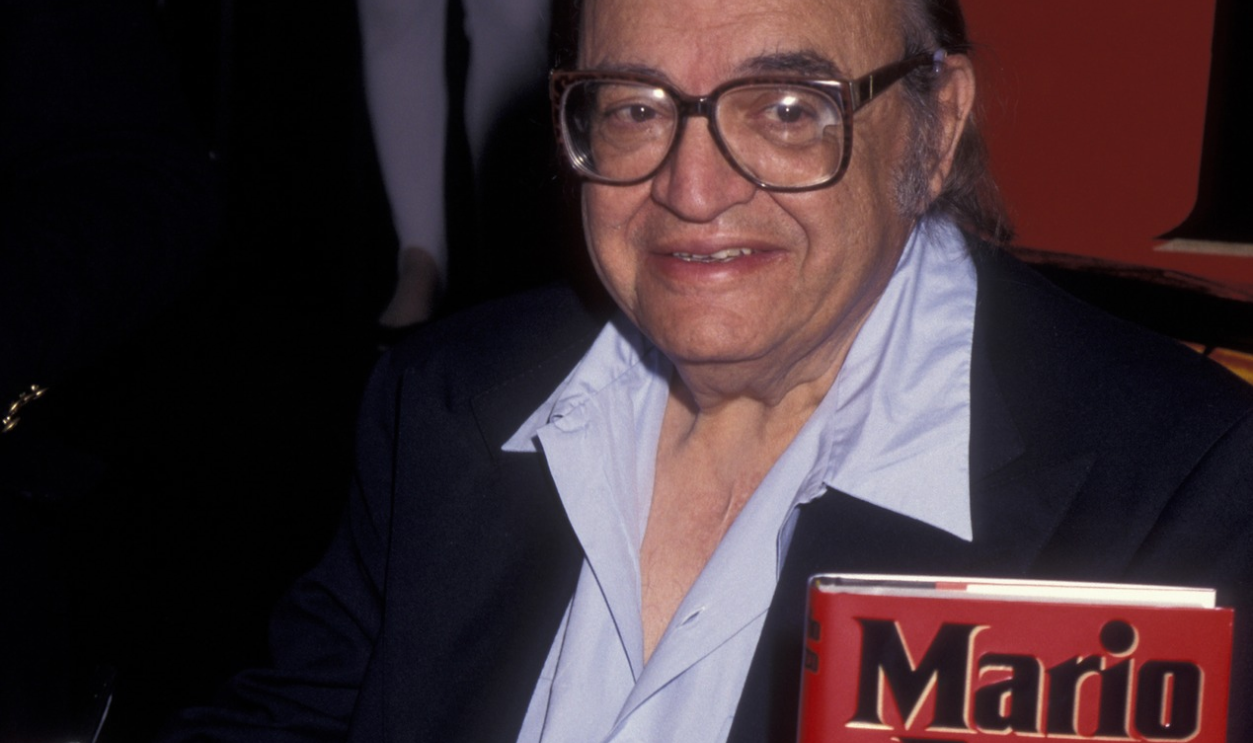 Ron Galella, Ltd., Getty Images
The Andromeda Strain Made Science Feel Like A Thriller
Michael Crichton’s 1969 novel The Andromeda Strain presented its extraterrestrial outbreak with charts, technical language, and report-like realism. The 1971 Robert Wise movie followed, but the novel had already established Crichton’s gift for turning complicated science into page-turning popular suspense.
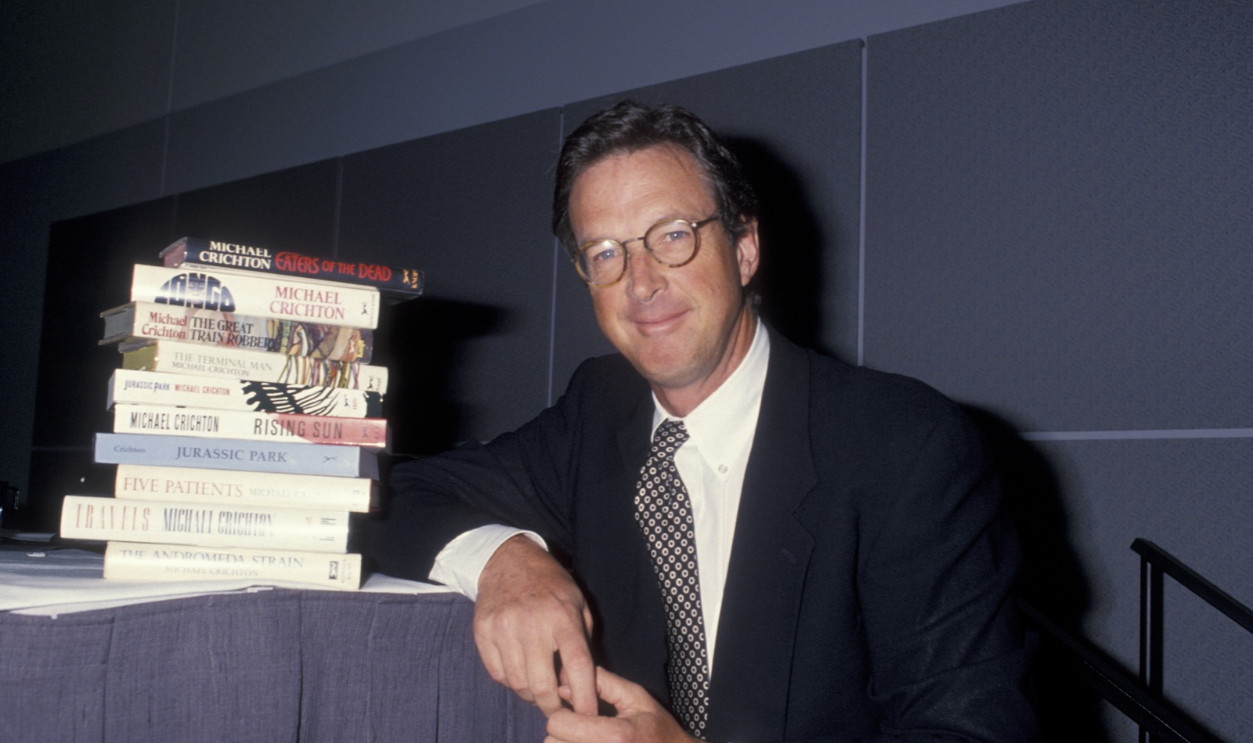 Ron Galella, Ltd., Getty Images

History's most fascinating stories and darkest secrets, delivered to your inbox daily.
The Poseidon Adventure Capsized On Paper First
Paul Gallico published The Poseidon Adventure in 1969, three years before Gene Hackman, Shelley Winters, and an upside-down ocean liner made the story a movie sensation. The novel had already introduced the central nightmare: survivors climbing through a ship where ceilings had become floors and escape meant going up toward the hull.
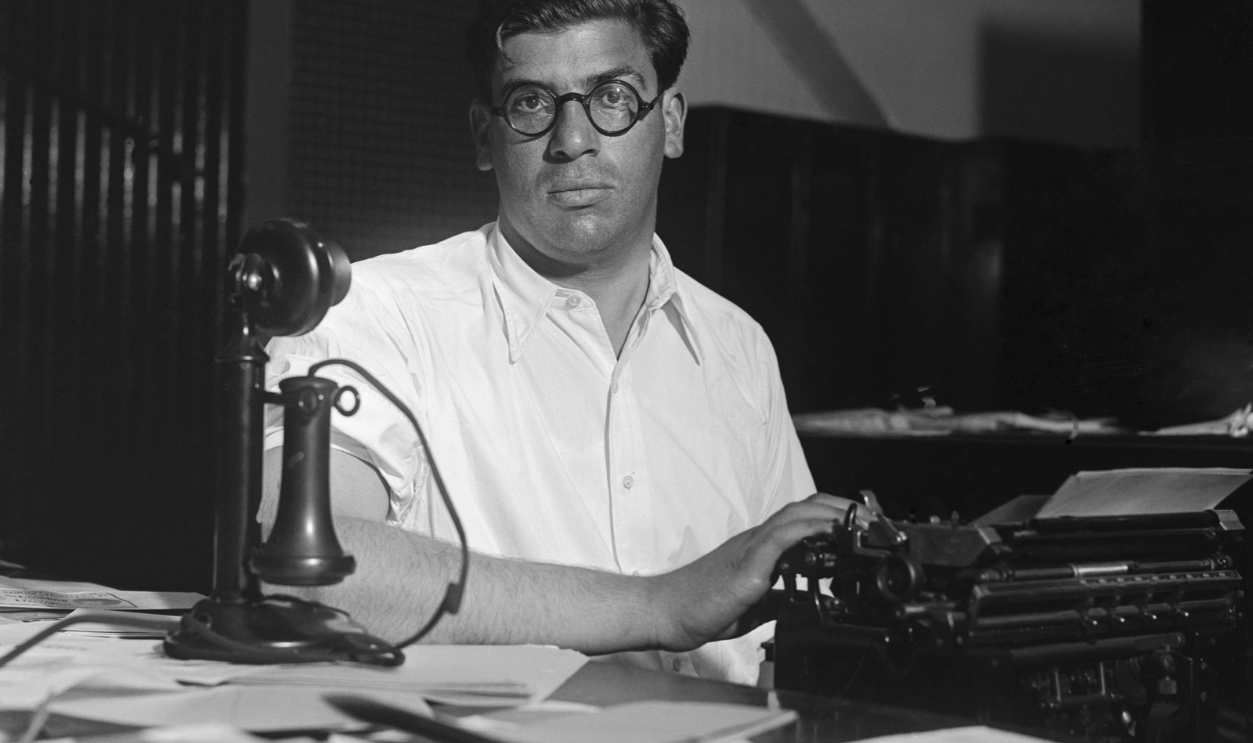
Papillon Was A Worldwide Reading Obsession
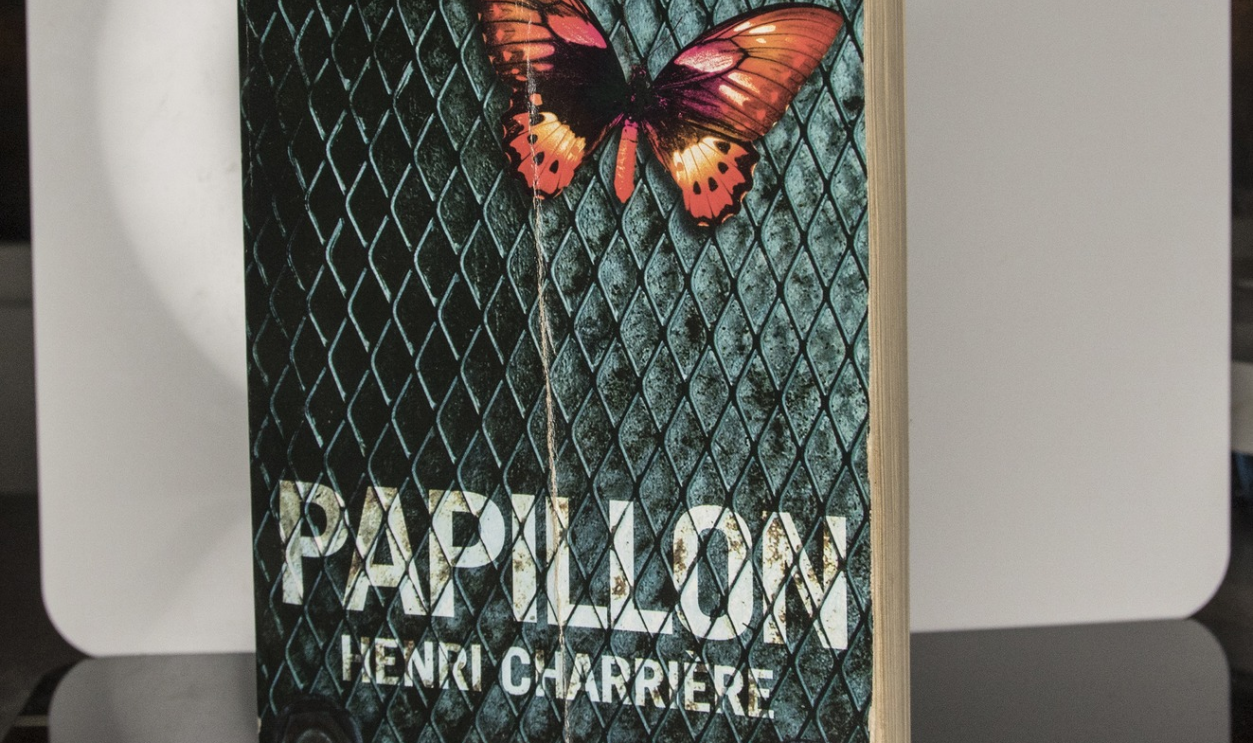
Henri Charrière’s Papillon appeared in France in 1969 and in English soon afterward, presented as the story of his imprisonment and repeated escapes from the French penal system. Researchers later challenged how much was strictly autobiographical, but the book became an enormous international hit before the 1973 Steve McQueen movie.
Deliverance Was Literary Fiction Before It Was A Movie Nightmare
James Dickey’s Deliverance was published in 1970 and became a major literary and commercial success before John Boorman adapted it in 1972. Today, the movie’s river trip and disturbing brutality dominate cultural memory, but boomers were also reading Dickey’s intense prose about masculinity, wilderness, and survival.
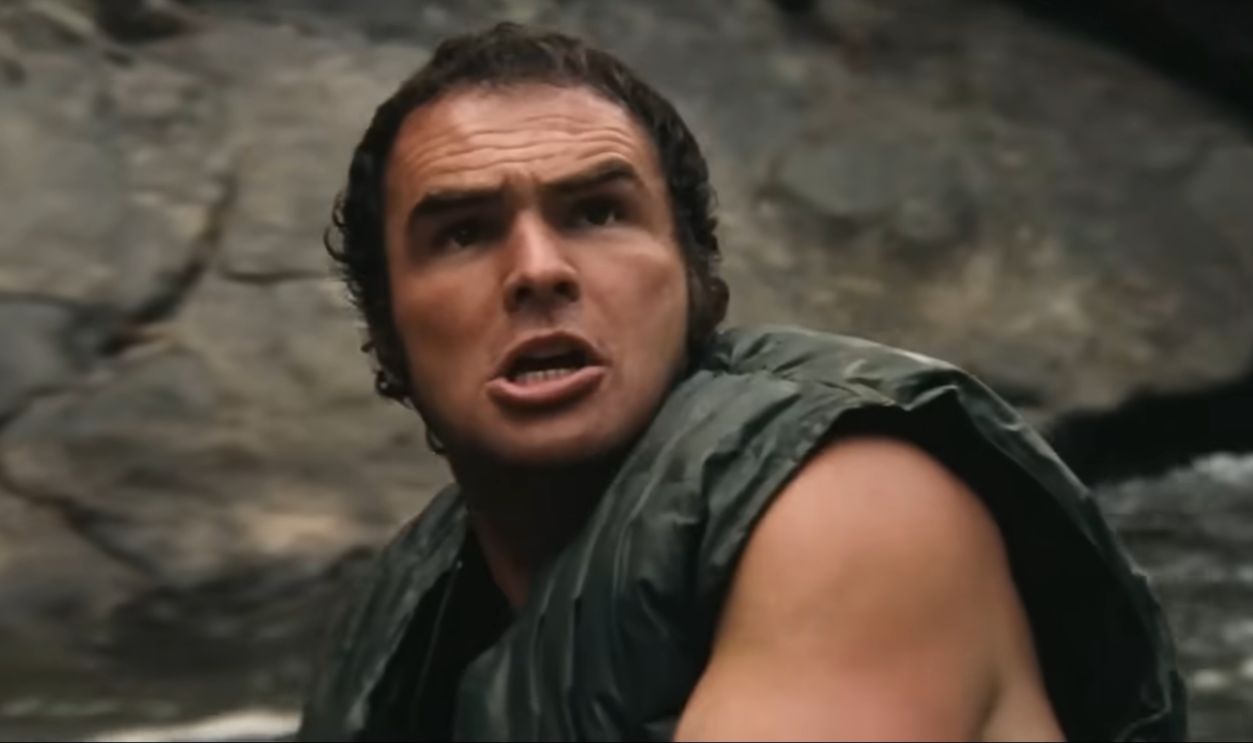 Screenshot from Deliverance, Warner Bros. Pictures (1972)
The Exorcist Frightened People In Hardcover
William Peter Blatty’s The Exorcist became a publishing phenomenon in 1971, two years before the movie generated lines around theaters. The novel already contained Regan, Father Karras, possession, doubt, and the battle between faith and evil. The film did not invent the panic. It gave the panic pictures and sound.
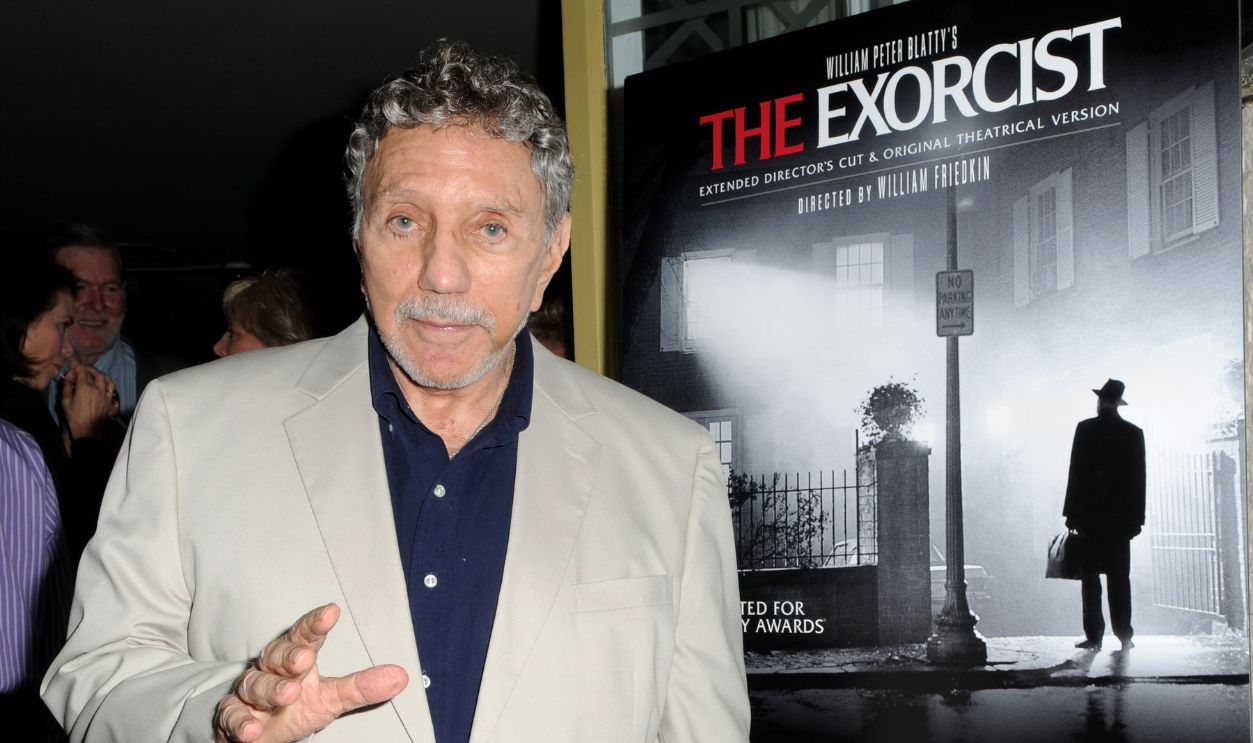 George Napolitano, Getty Images
The Day Of The Jackal Made Procedure Suspenseful
Frederick Forsyth’s 1971 novel The Day of the Jackal followed a professional assassin preparing to kill Charles de Gaulle while police slowly closed in. Fred Zinnemann’s 1973 film became a respected thriller, but readers had already discovered how gripping passports, disguises, schedules, surveillance, and preparation could be.
The Stepford Wives Became A Phrase Before A Remake
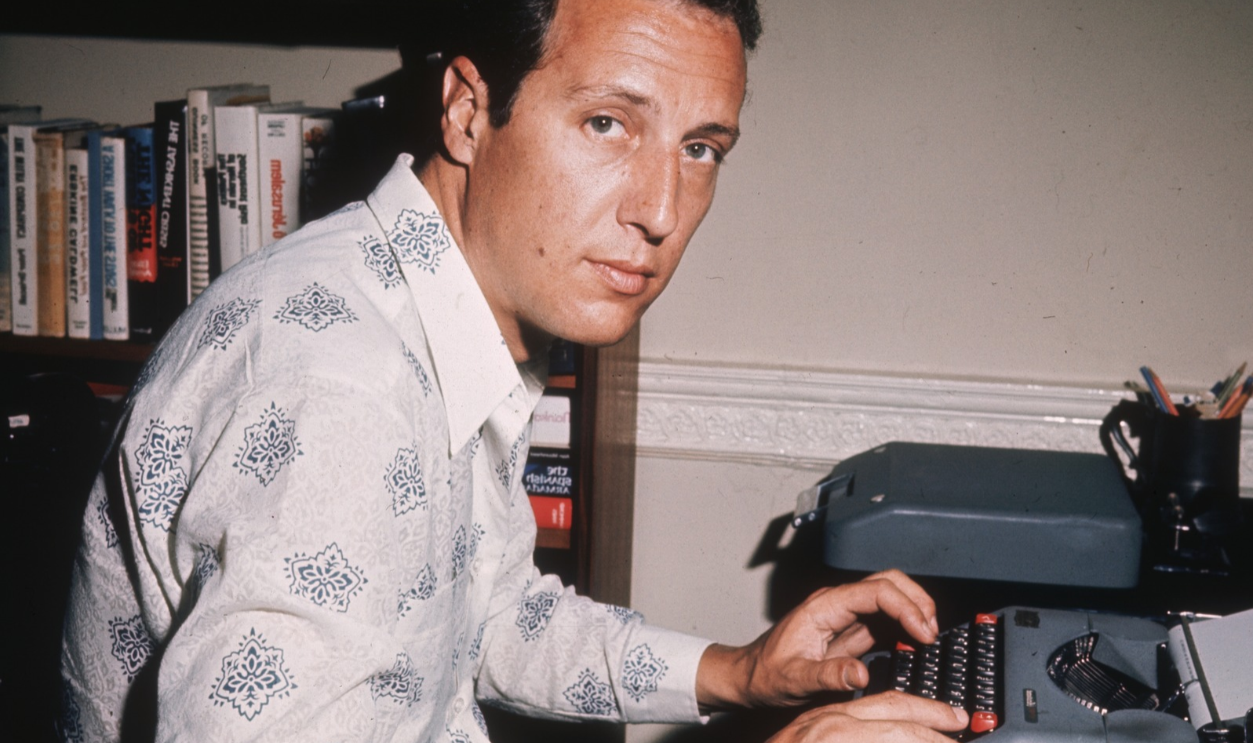
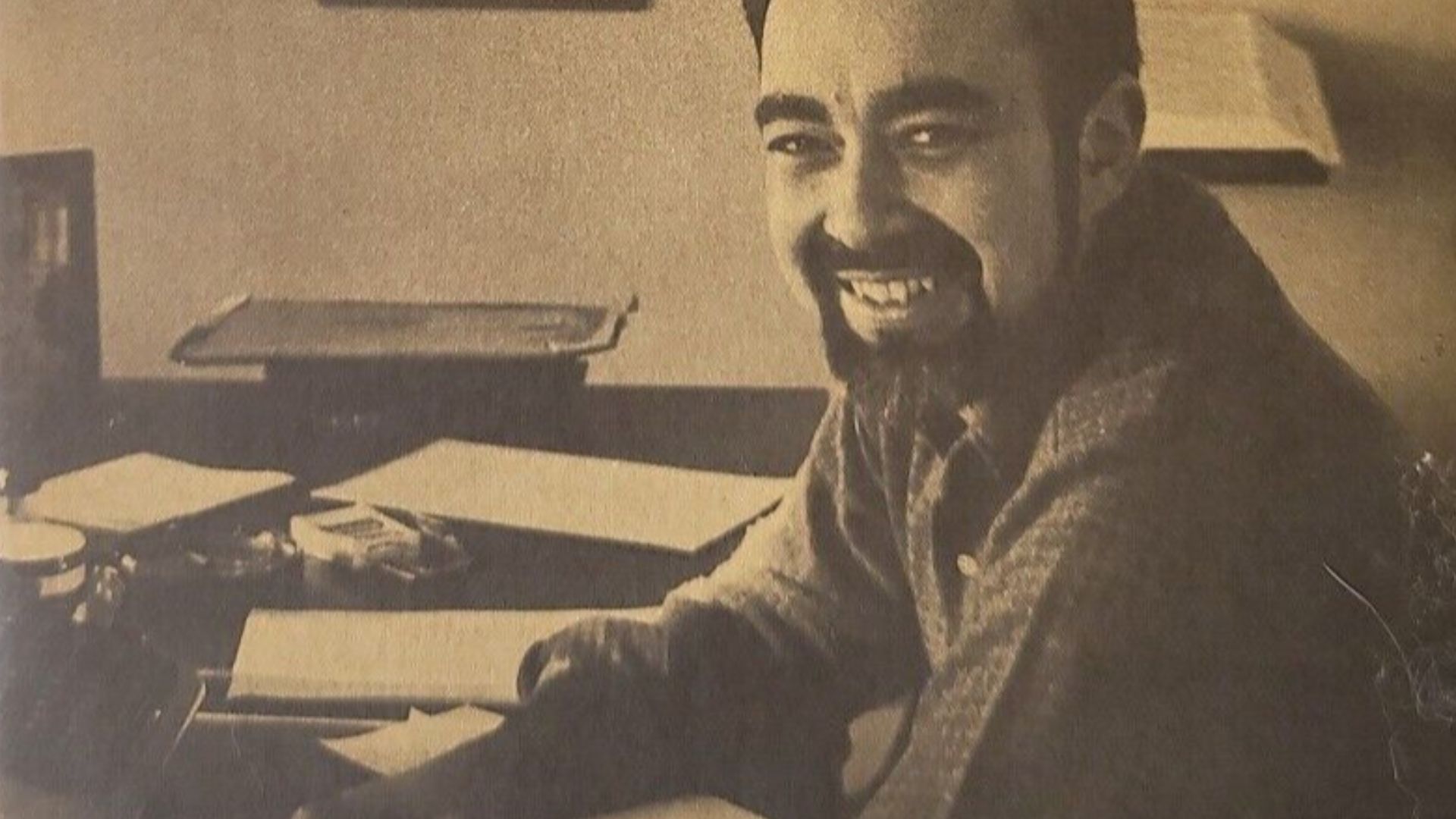
Ira Levin published The Stepford Wives in 1972, and the 1975 film brought its sinister Connecticut suburb to the screen. The story’s influence became so deep that “Stepford wife” entered everyday language. Younger audiences may know the movies or the phrase, while an earlier generation knew the slim, unsettling novel.
 Jacket design by Paul Bacon Photo by Inge Morath, Wikimedia Commons
The Taking Of Pelham One Two Three Started Underground On The Page
Morton Freedgood, writing as John Godey, published The Taking of Pelham One Two Three in 1973. Joseph Sargent’s gritty 1974 movie with Walter Matthau and Robert Shaw quickly followed. The film became the better-known version, but the clever subway-hostage premise began as a New York crime novel.
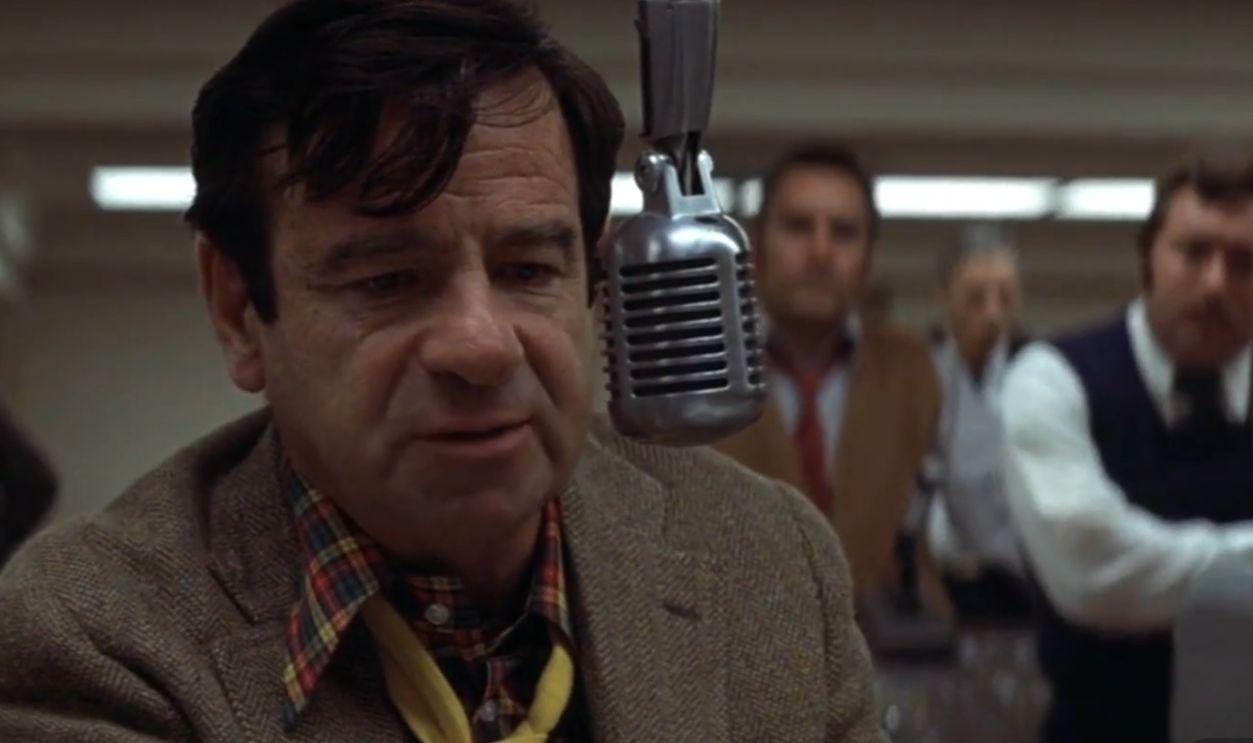 Screenshot from The Taking of Pelham One Two Three, United Artists (1974)
Jaws Was Everywhere Before The Shark Could Swim Onscreen
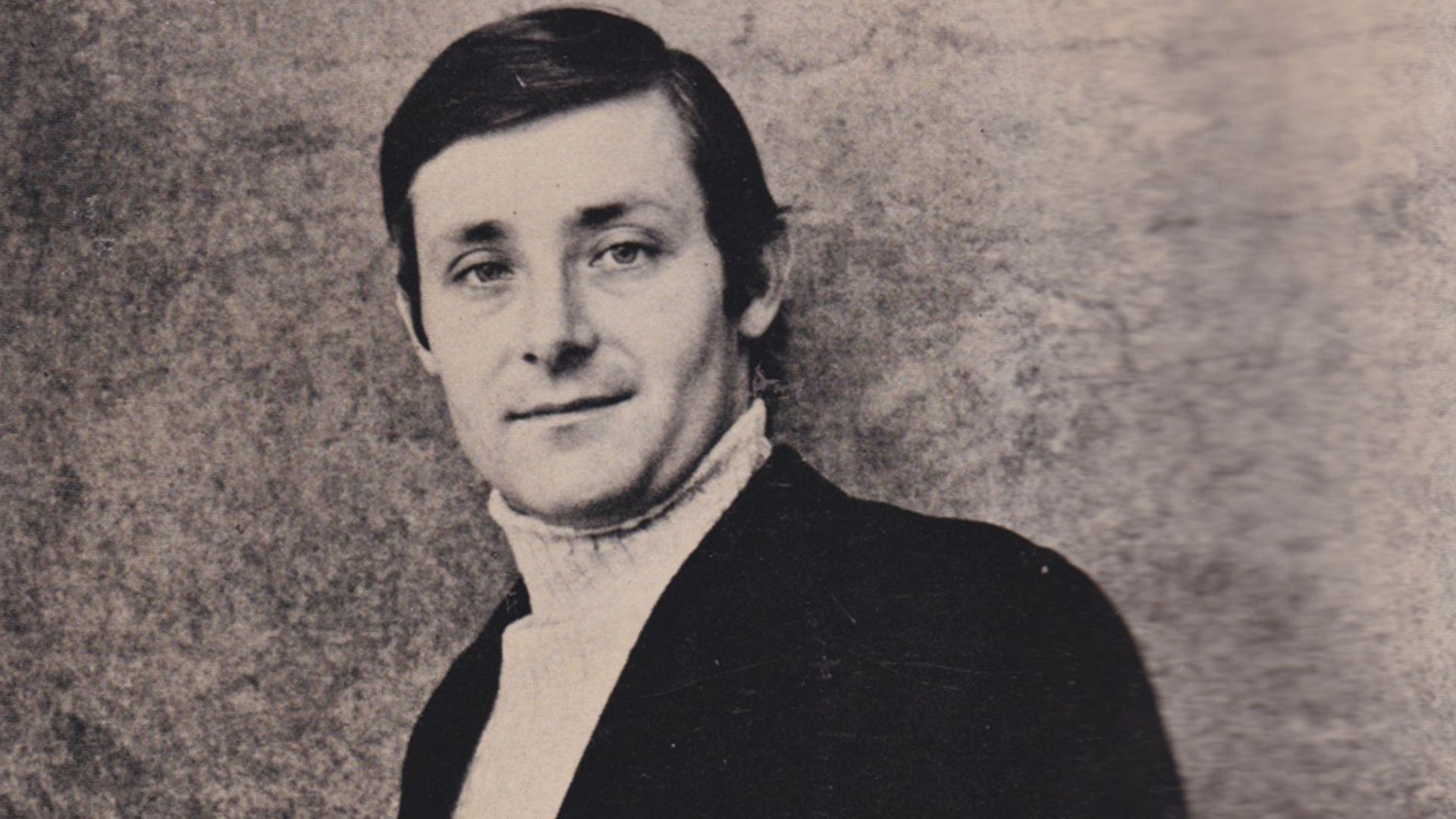
Peter Benchley’s Jaws became a runaway bestseller in 1974. Its paperback exploded just as Steven Spielberg’s 1975 film approached, creating one of the great book-and-movie feedback loops in pop culture. Millions encountered Amity and its shark in print before John Williams’ two-note theme made the ocean terrifying.
 Back jacket photo by Alex Gotfryd, Wikimedia Commons
Marathon Man Asked “Is It Safe?” In Print First
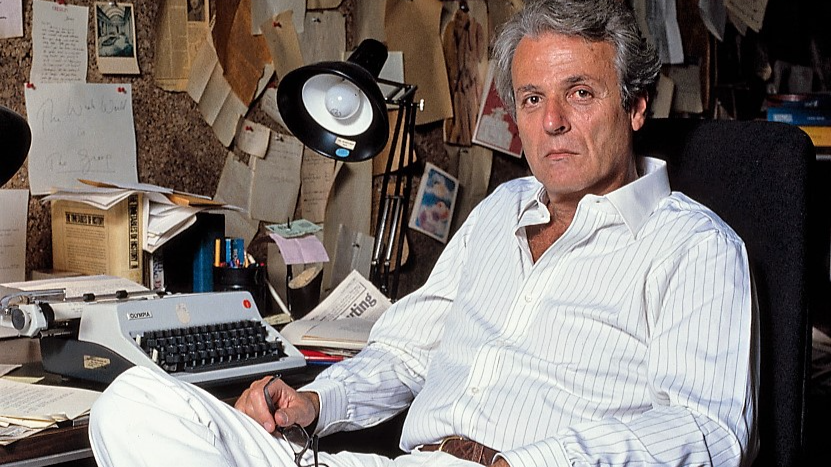
William Goldman published Marathon Man in 1974 and then adapted his own thriller for the 1976 movie starring Dustin Hoffman and Laurence Olivier. The dental-torture scene became the part everyone remembers, but readers had already followed Babe Levy into a conspiracy involving diamonds and espionage.
 Gotfryd, Bernard, Wikimedia Commons
The Shining Belonged To Stephen King Before Stanley Kubrick
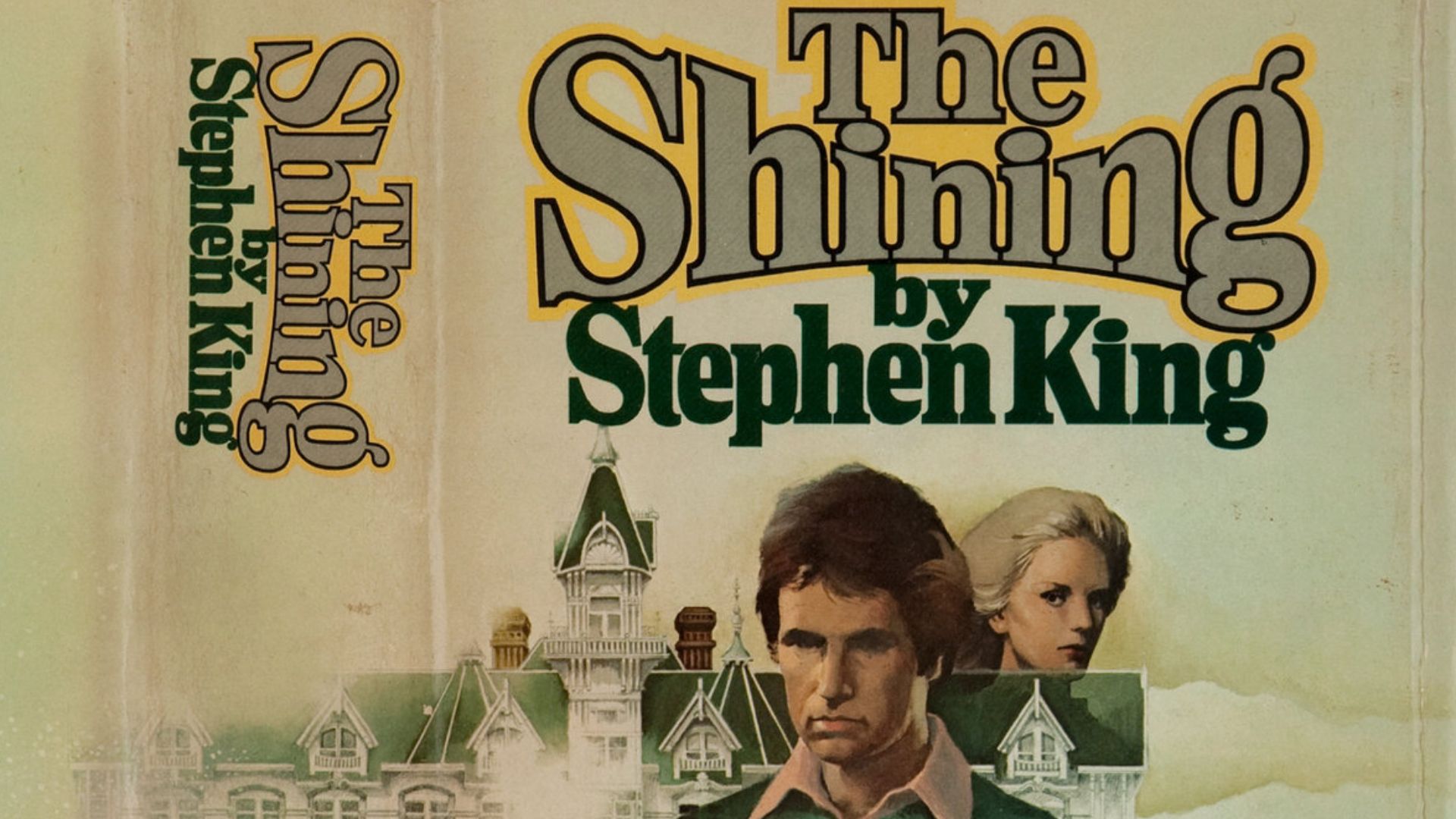
Stephen King published The Shining in 1977, three years before Stanley Kubrick’s film gave the world Jack Nicholson’s version of Jack Torrance. King’s novel spends far more time inside the family’s relationships, Jack’s alcoholism, and the Overlook’s supernatural influence. For readers, the differences are impossible to miss.
Kramer Vs. Kramer Was A Novel About Divorce First
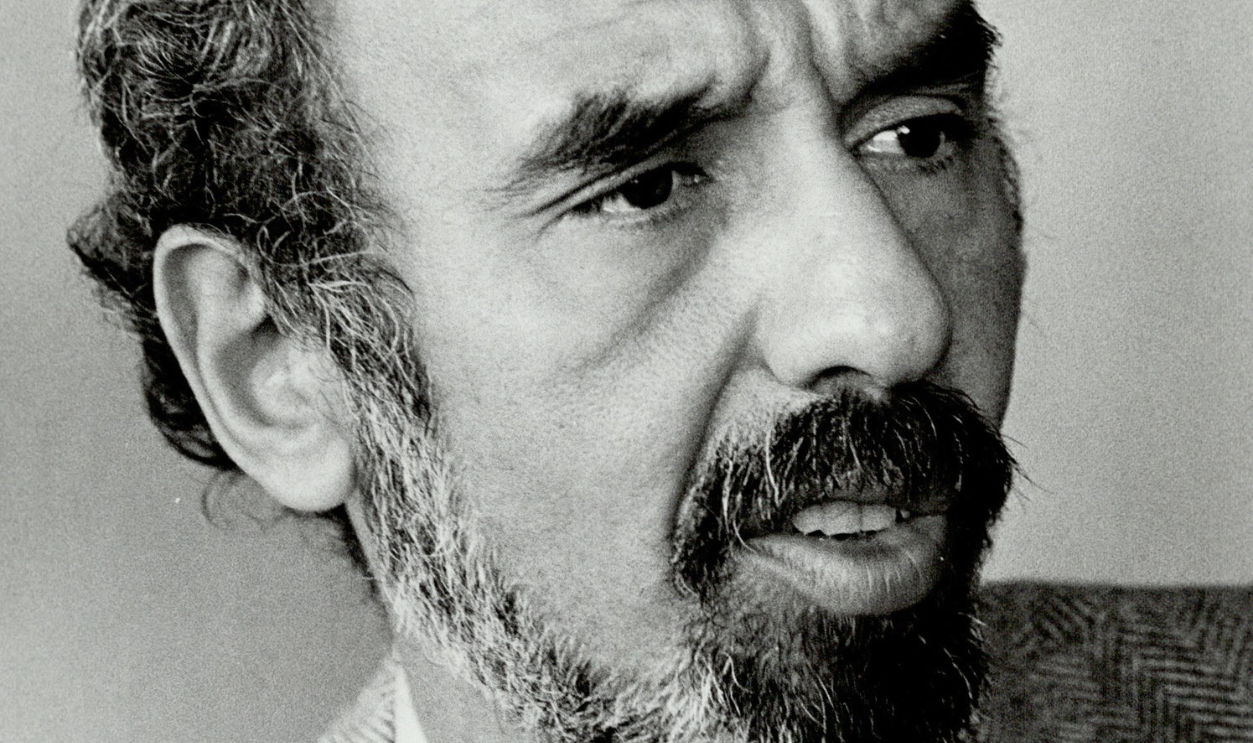
Avery Corman’s Kramer vs Kramer appeared in 1977 before Robert Benton’s 1979 movie won over audiences with Dustin Hoffman and Meryl Streep. The film altered the balance of the story, giving Joanna considerably more perspective than the novel did. Even the familiar custody battle changed as it moved to the screen.
 Toronto Star Archives, Getty Images
The Paperback Rack Was Its Own Streaming Service
Boomers did not have endless on-demand entertainment competing for every free minute. Mass-market paperbacks were inexpensive, portable, visible, and easy to pass from one person to another. When a novel caught fire, the same cover could appear on beaches, buses, airplanes, campuses, and bedside tables within months.
Then Hollywood Took Over The Memory
The strange thing is not that these movies became classics. Many deserved to. It is that the films became so culturally dominant that people sometimes forget they were adaptations at all. For baby boomers, the title might still summon a dog-eared paperback. For younger generations, it is often a poster, an actor, or a famous scene.
 Universal Pictures, Wikimedia Commons
You May Also Like:
Movies That Make Me Cry Every Single Time. How About You?
Best Picture Winners You've Probably Never Heard Of
Sources: 1, 2, 3, 4, 5, 6, 7, 8, 9, 10, 11, 12, 13, 14, 15, 16, 17, 18, 19









.jpg)
