The Queen History Turned Into A Monster
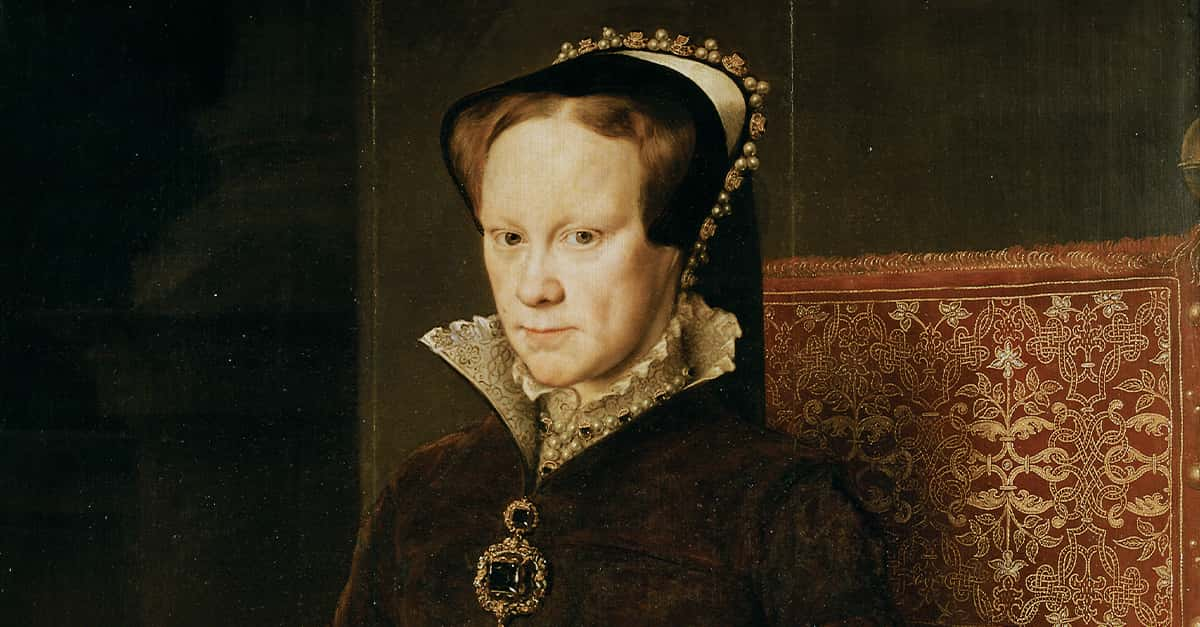
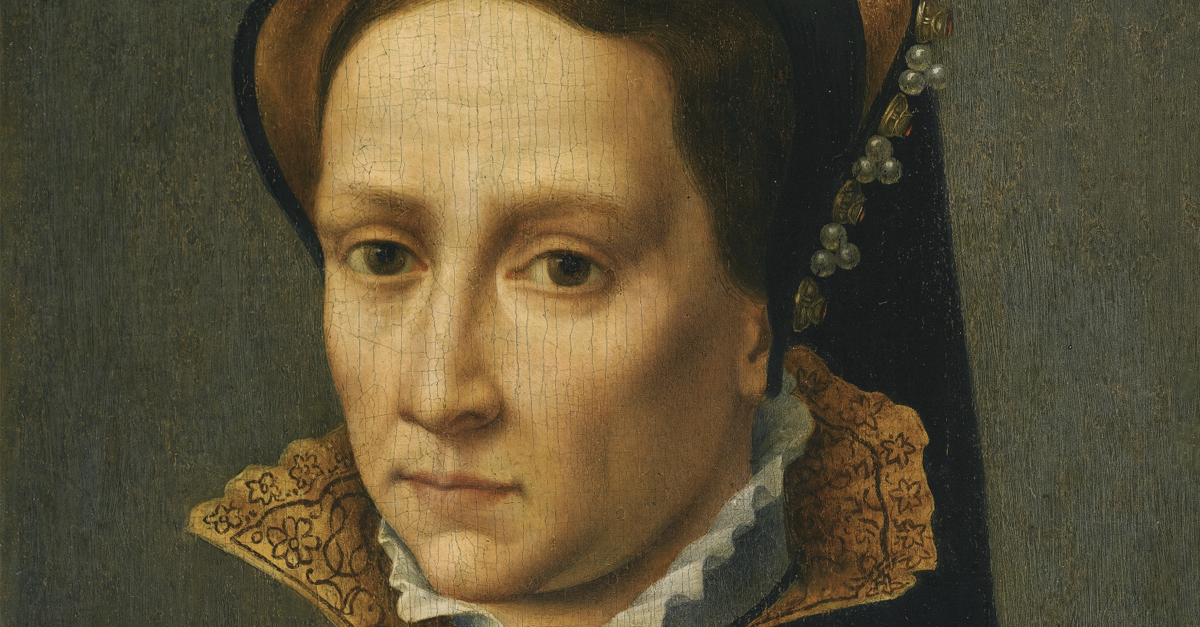
For centuries, Queen Mary I of England has been remembered by one terrifying nickname: “Bloody Mary.” Her reputation rests largely on the execution of approximately 280 Protestants who were burned alive during her five-year reign. Yet modern historians have uncovered a far more complicated story about a woman who overcame extraordinary obstacles to become England's first reigning queen. The truth about Mary Tudor is both more fascinating and more unsettling than the legend suggests.
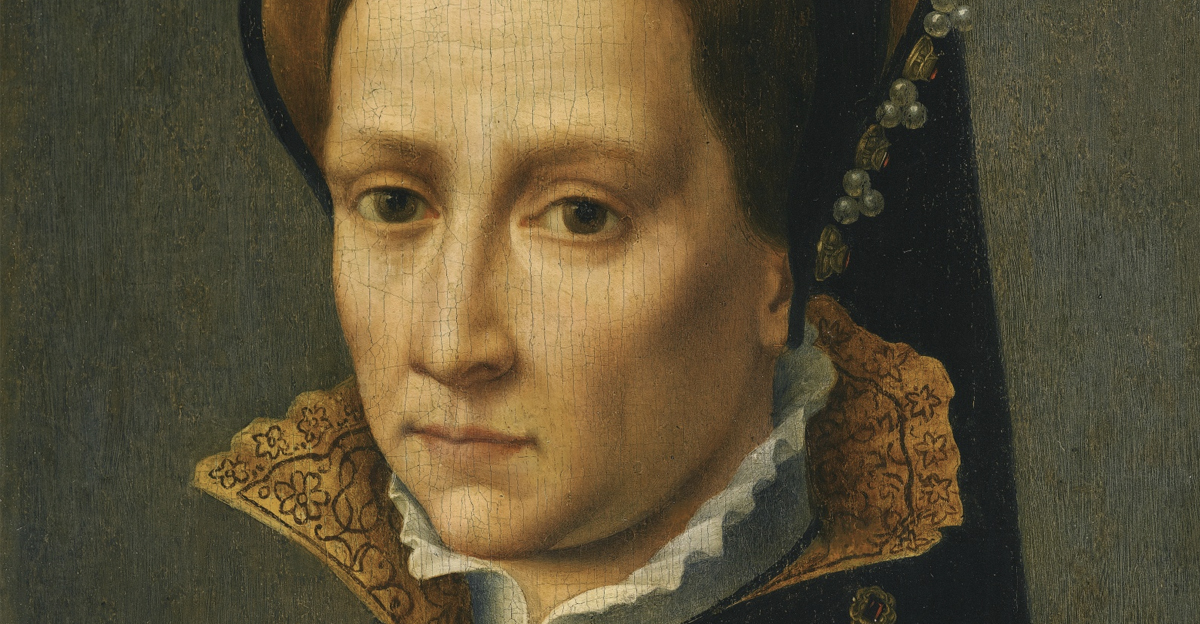 Follower of Anthonis Mor, Wikimedia Commons
A Princess Who Wasn't Supposed To Exist
Mary Tudor was born on February 18, 1516, to King Henry VIII and his first wife, Catherine of Aragon. Although her parents desperately wanted a male heir, Mary became their only child to survive infancy. She received an impressive education and grew up surrounded by the privileges of English royalty. For years, she appeared destined for an important position in the Tudor dynasty, but her father's obsession with producing a son would destroy her comfortable world.
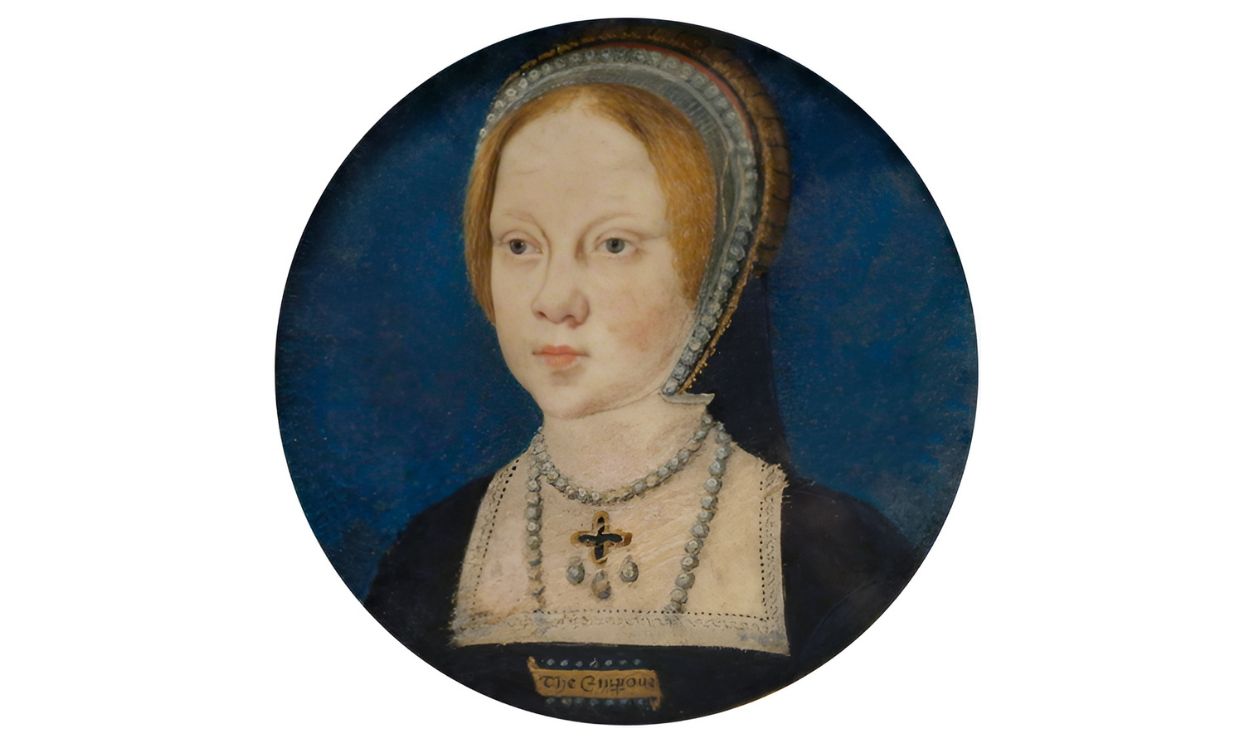 National Portrait Gallery, Wikimedia Commons
Her Father's Betrayal Changed Everything
When Henry VIII became determined to marry Anne Boleyn, his marriage to Catherine of Aragon became an obstacle he was desperate to remove. His break with Rome eventually led to the annulment of his first marriage and the establishment of royal supremacy over the English Church. Mary was declared illegitimate in 1533 and stripped of her position in the succession. Almost overnight, the once-beloved princess became a political inconvenience.
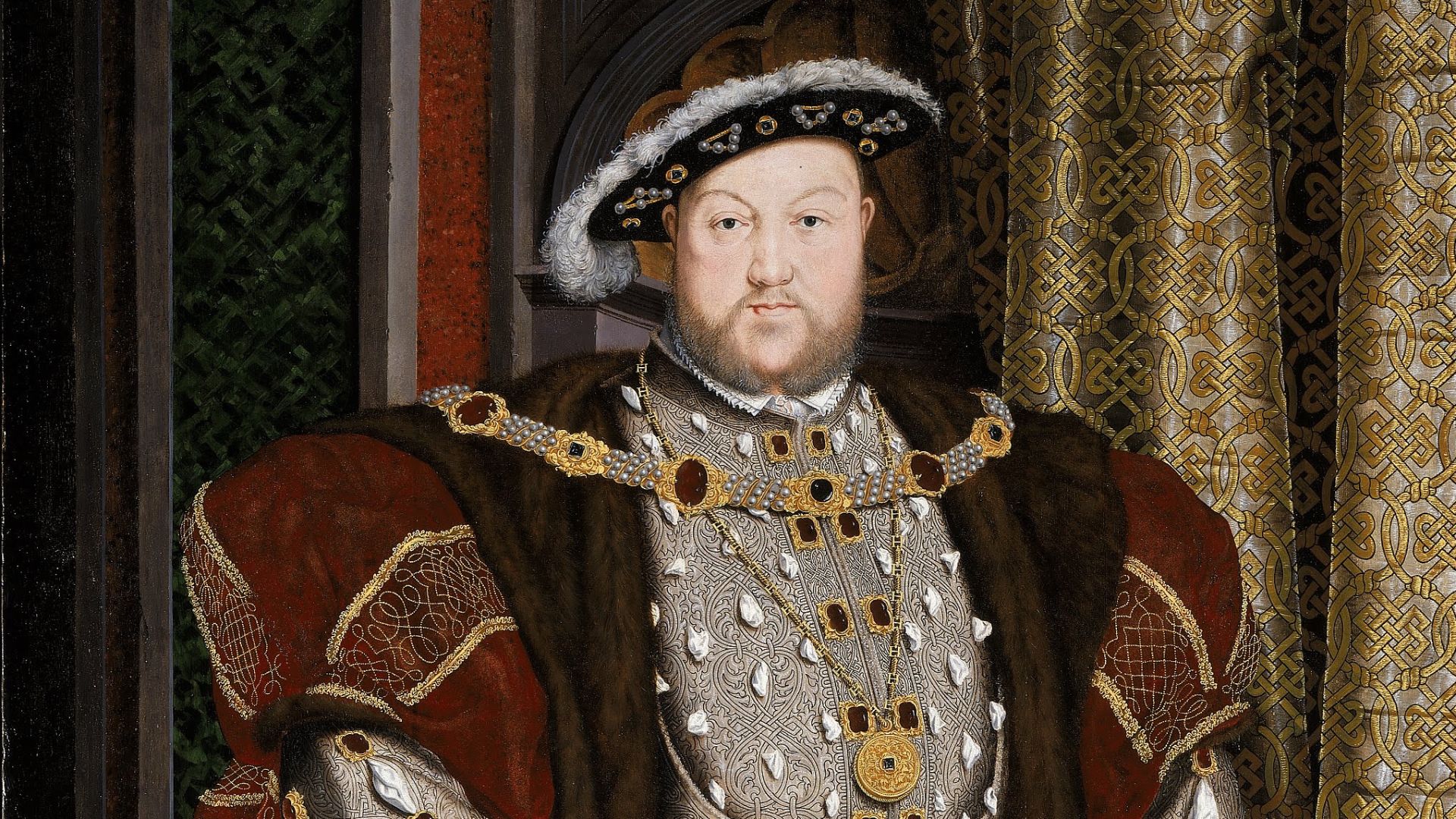 Workshop of Hans Holbein the Younger, Wikimedia Commons
She Lost More Than Her Crown
Mary's punishment extended far beyond losing her royal status. She was separated from her mother and placed in the household of her younger half-sister Elizabeth, the daughter of Anne Boleyn. She was also pressured to accept that her parents' marriage had been invalid and that her father possessed supreme authority over the English Church. Her refusal to surrender her religious convictions placed her in an increasingly dangerous position.
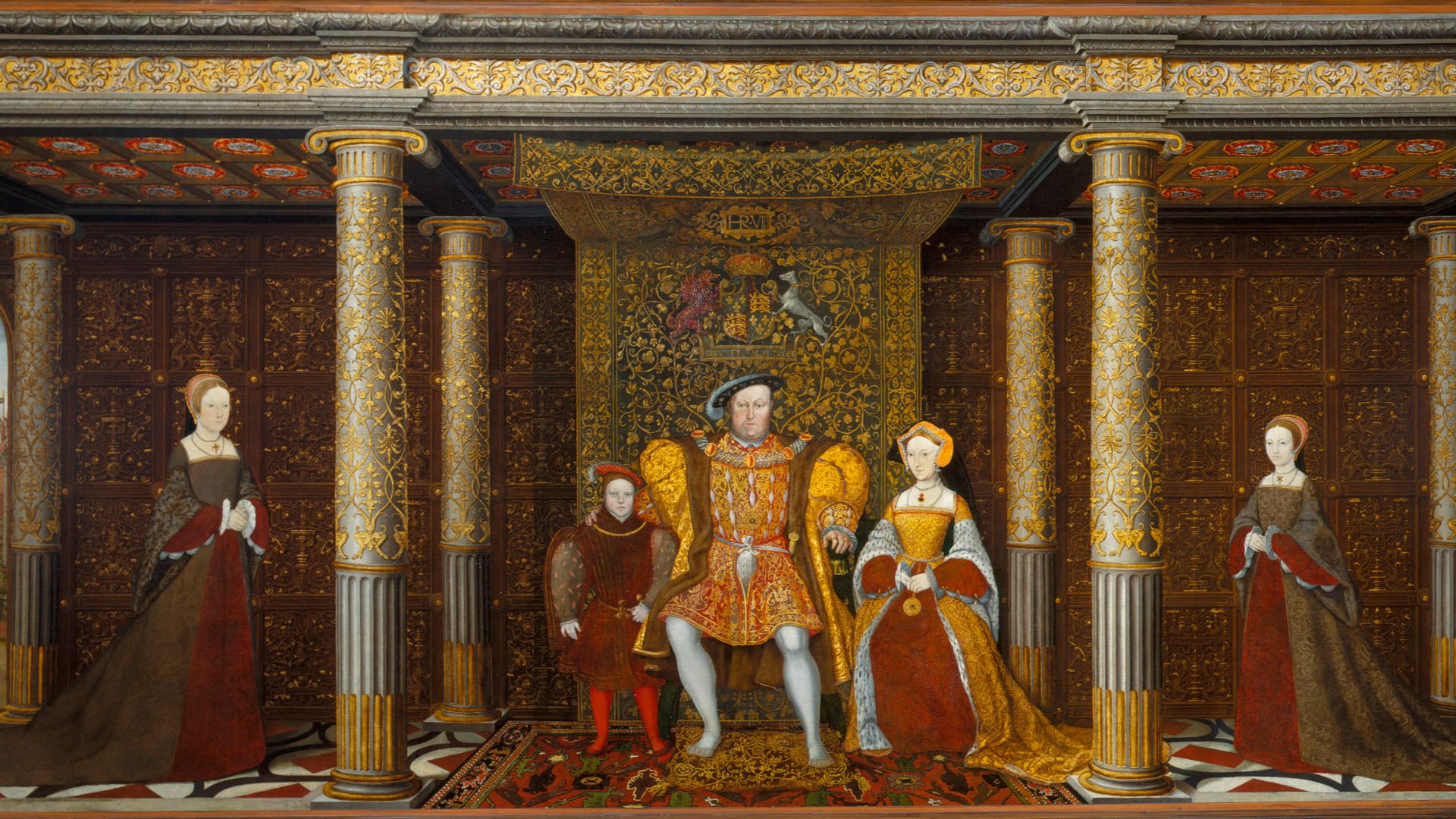 Unknown authorUnknown author, Wikimedia Commons
She Finally Gave In To Her Father
By 1536, Mary faced overwhelming pressure to submit to Henry's demands. After Anne Boleyn's execution, she finally acknowledged her father's religious authority and accepted the official declaration that her parents' marriage had been unlawful. This submission allowed her to return to royal favor, although it did not erase what had happened. Historians have emphasized how these experiences shaped Mary's fierce attachment to Catholicism and her determination to defend her legitimacy.
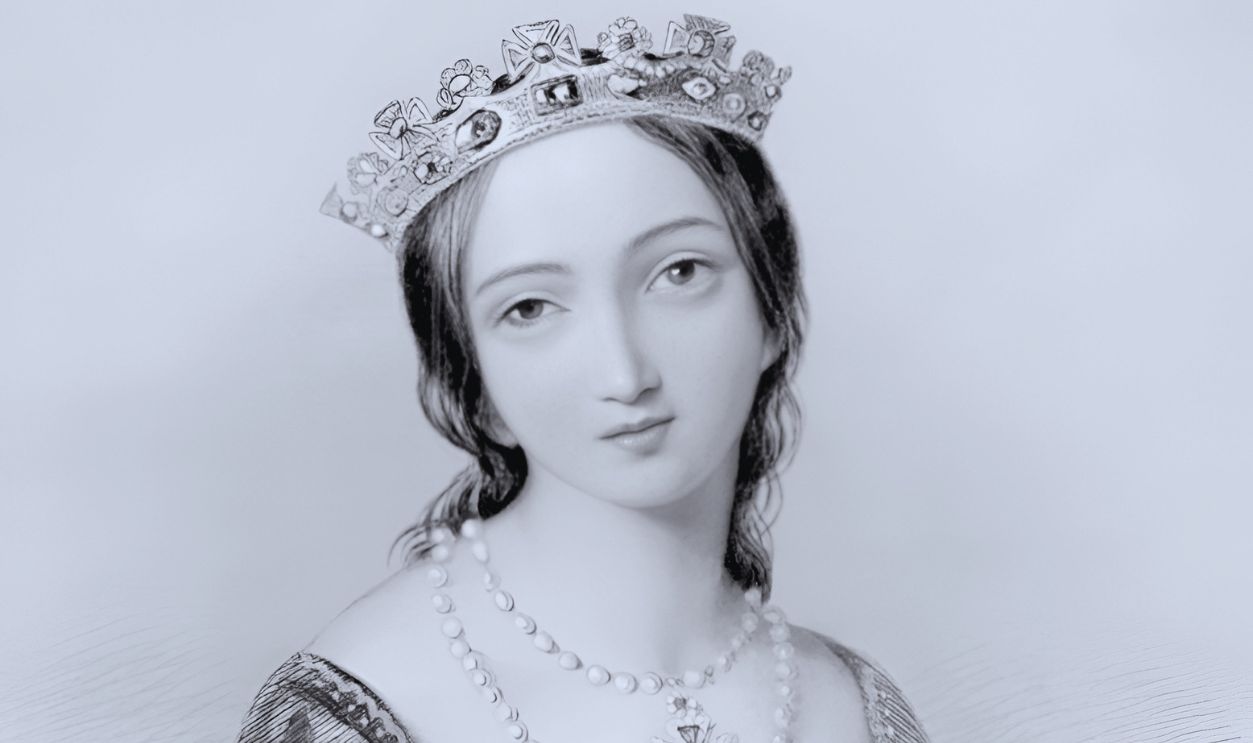 W H Egleton, Wikimedia Commons
Her Brother Threatened Everything She Believed
When Henry VIII died in 1547, Mary's younger half-brother Edward VI inherited the throne. Under Edward's Protestant government, England underwent sweeping religious changes that challenged traditional Catholic worship. Mary remained committed to the Mass and resisted pressure to abandon her beliefs. The religious struggle that would later define her reign had already become intensely personal.
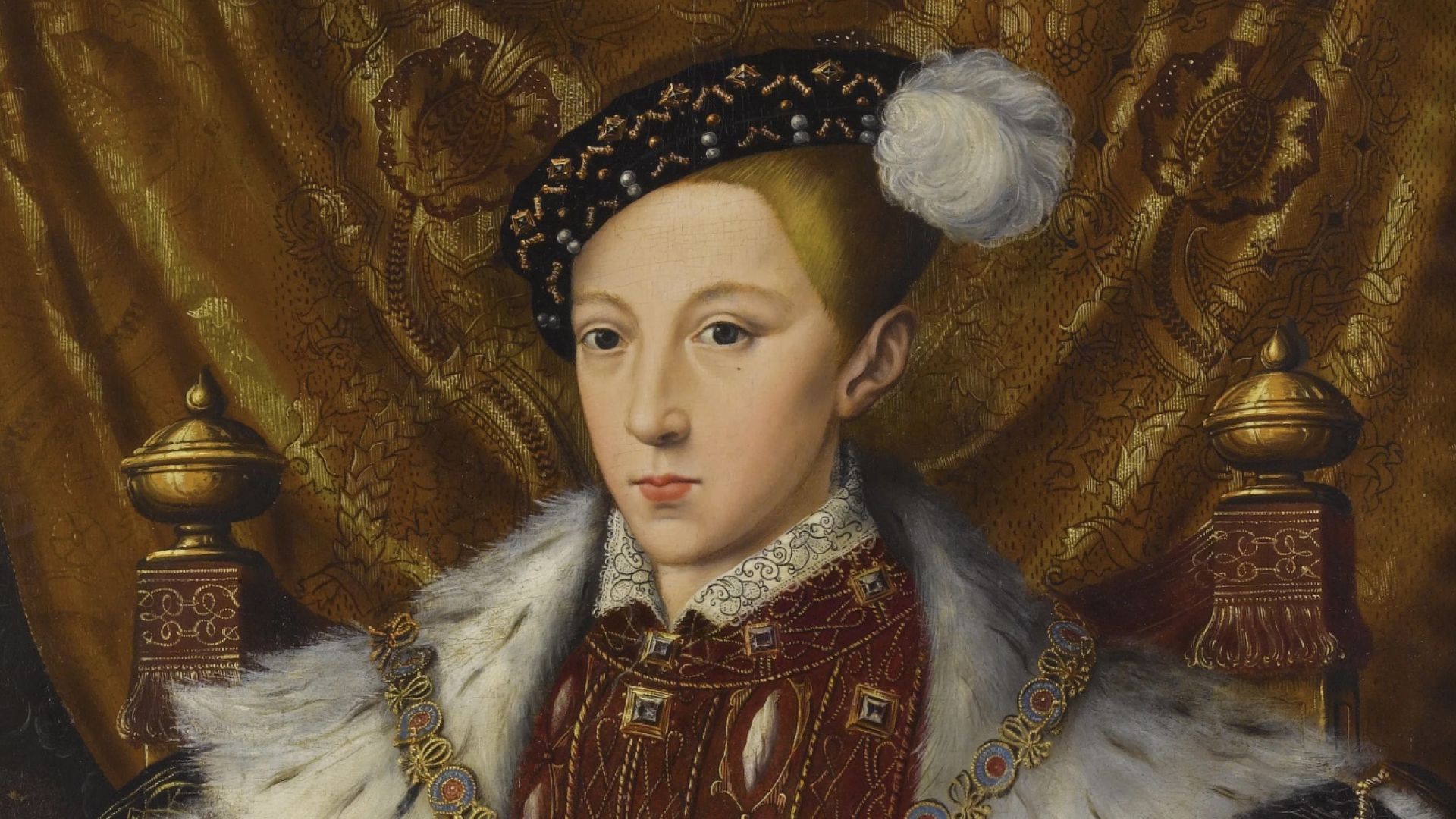 Circle of William Scrots, Wikimedia Commons
Then Her Brother Tried To Steal Her Future
As Edward VI approached death in 1553, he supported a succession plan that excluded his Catholic half-sister. Instead, the crown was intended for their Protestant cousin, Lady Jane Grey. When Edward died, Jane was proclaimed queen with the backing of powerful members of his government. Mary suddenly faced a choice between accepting the loss of her inheritance and confronting the political establishment.
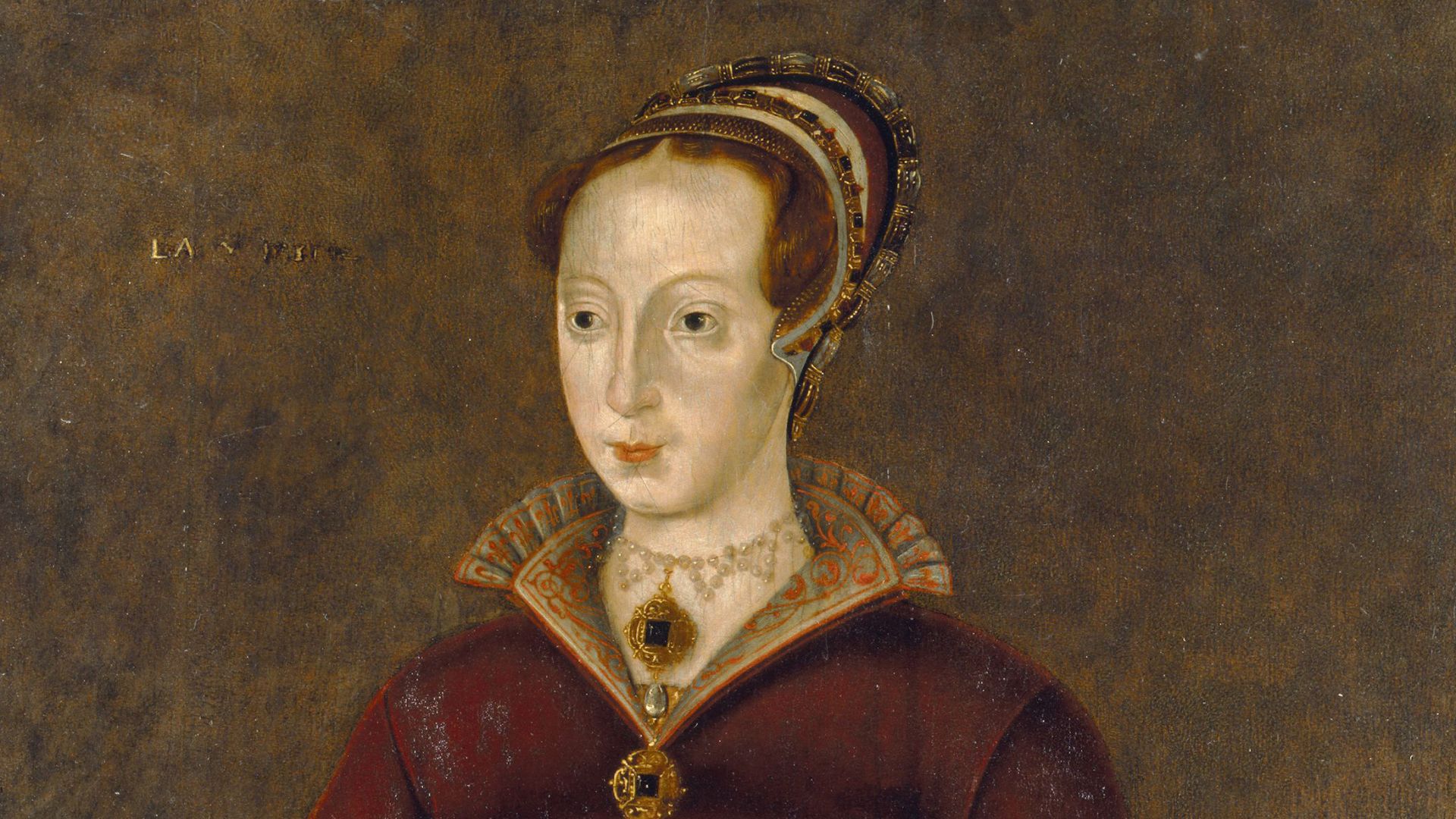 Unidentified painter, Wikimedia Commons
She Refused To Surrender
Rather than flee England, Mary gathered supporters and publicly asserted her right to the throne. Her cause attracted powerful backing, and the political alliance supporting Lady Jane Grey quickly collapsed. Jane's brief reign lasted only nine days before Mary was recognized as the rightful monarch. The woman who had spent much of her life being pushed aside had achieved an extraordinary victory.
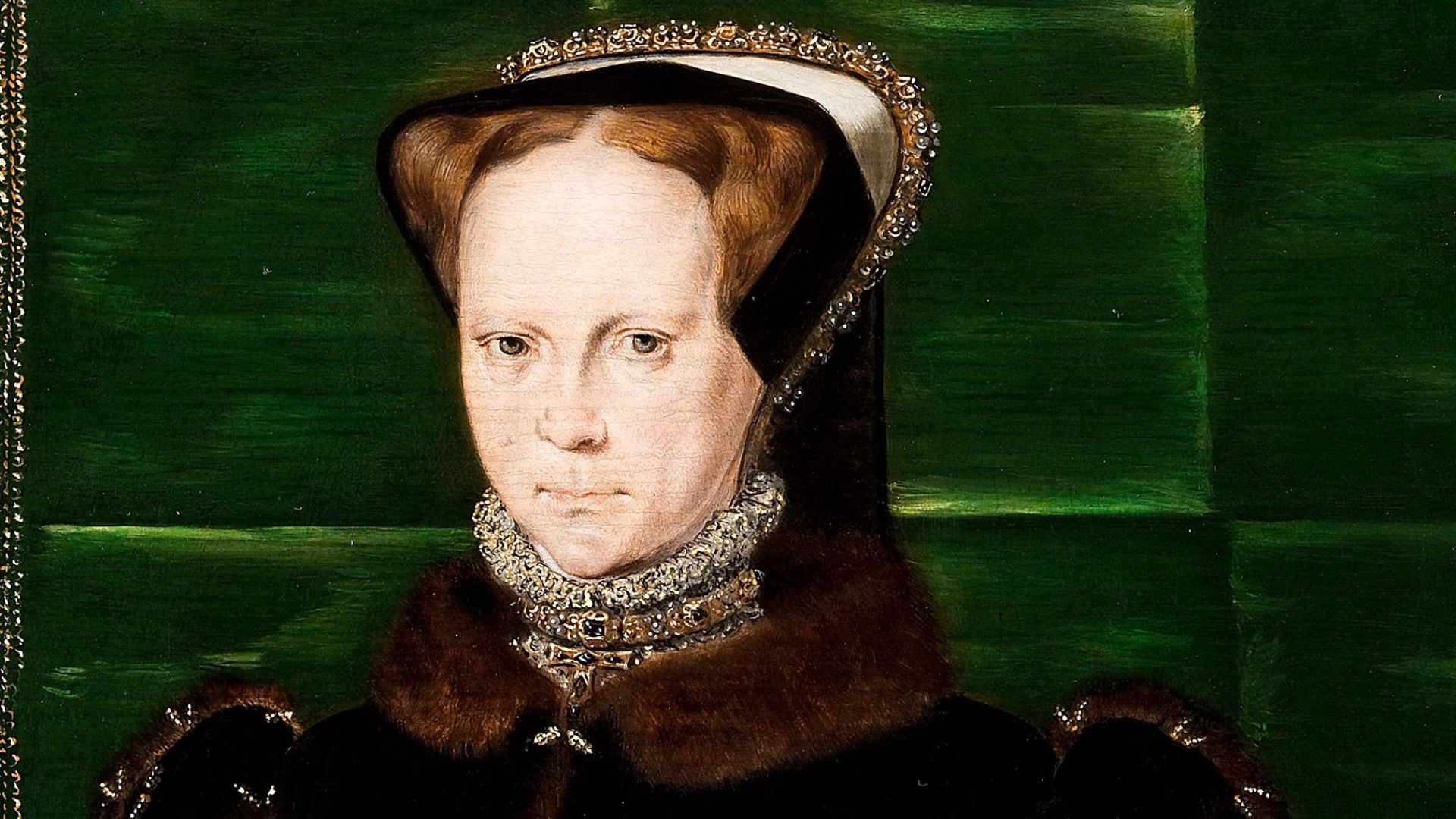 Hans Eworth, Wikimedia Commons
England Welcomed Her Like A Hero
On August 3, 1553, Mary entered London to widespread public celebration. The same woman later portrayed as a hated tyrant initially enjoyed a triumphant reception from her subjects. Her victory had defeated an attempt to overturn the established succession and demonstrated that she possessed substantial political support. The contrast between this moment and her later reputation is one of the most revealing parts of her story.
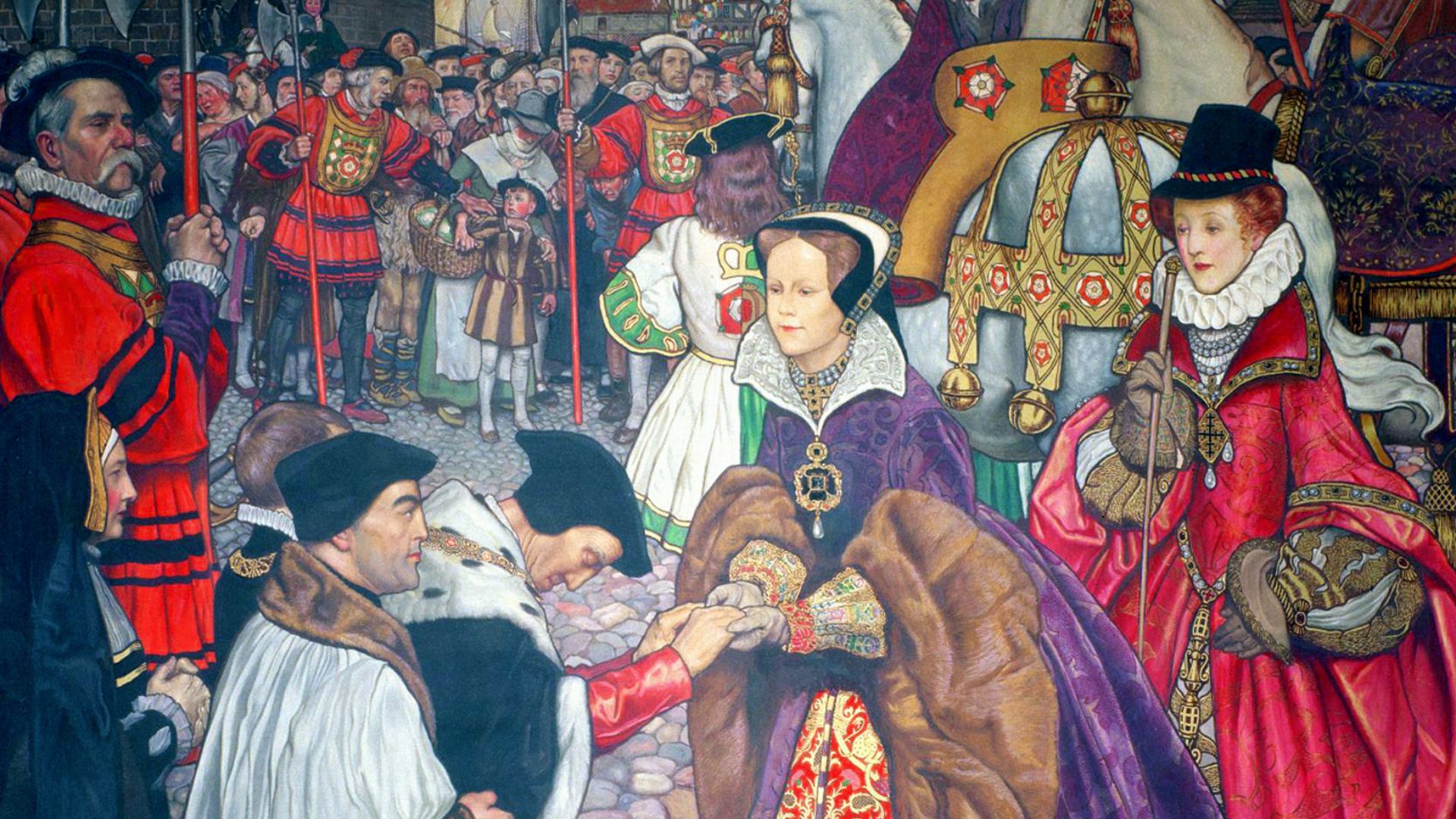 John Byam Liston Shaw, Wikimedia Commons
She Made History Before The Burnings Began
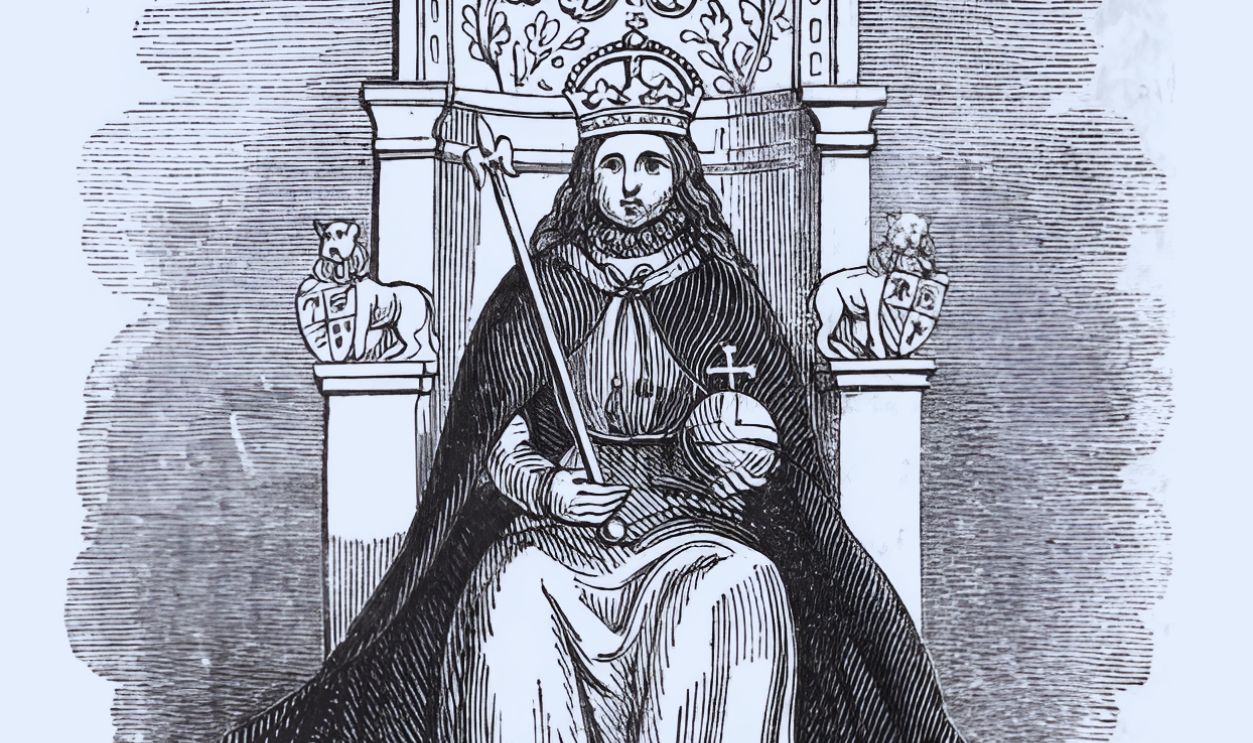
Mary became England's first crowned queen regnant, meaning she ruled in her own right rather than through marriage to a king. Her accession challenged deeply rooted assumptions about whether a woman could successfully exercise royal authority. She faced questions about marriage, succession, military leadership, and the limits of a husband's power. Even before her most controversial decisions, Mary's reign was breaking new political ground.
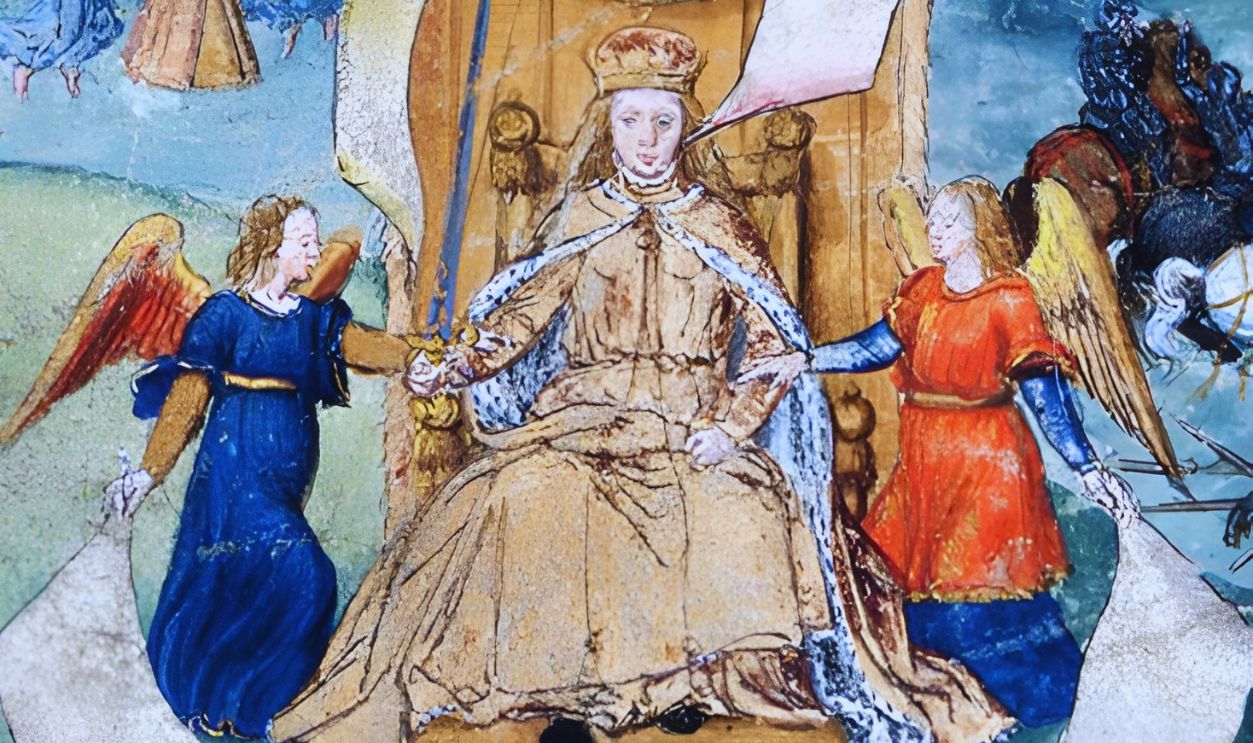 The National Archives, Wikimedia Commons
She Wanted To Undo Her Father's Revolution
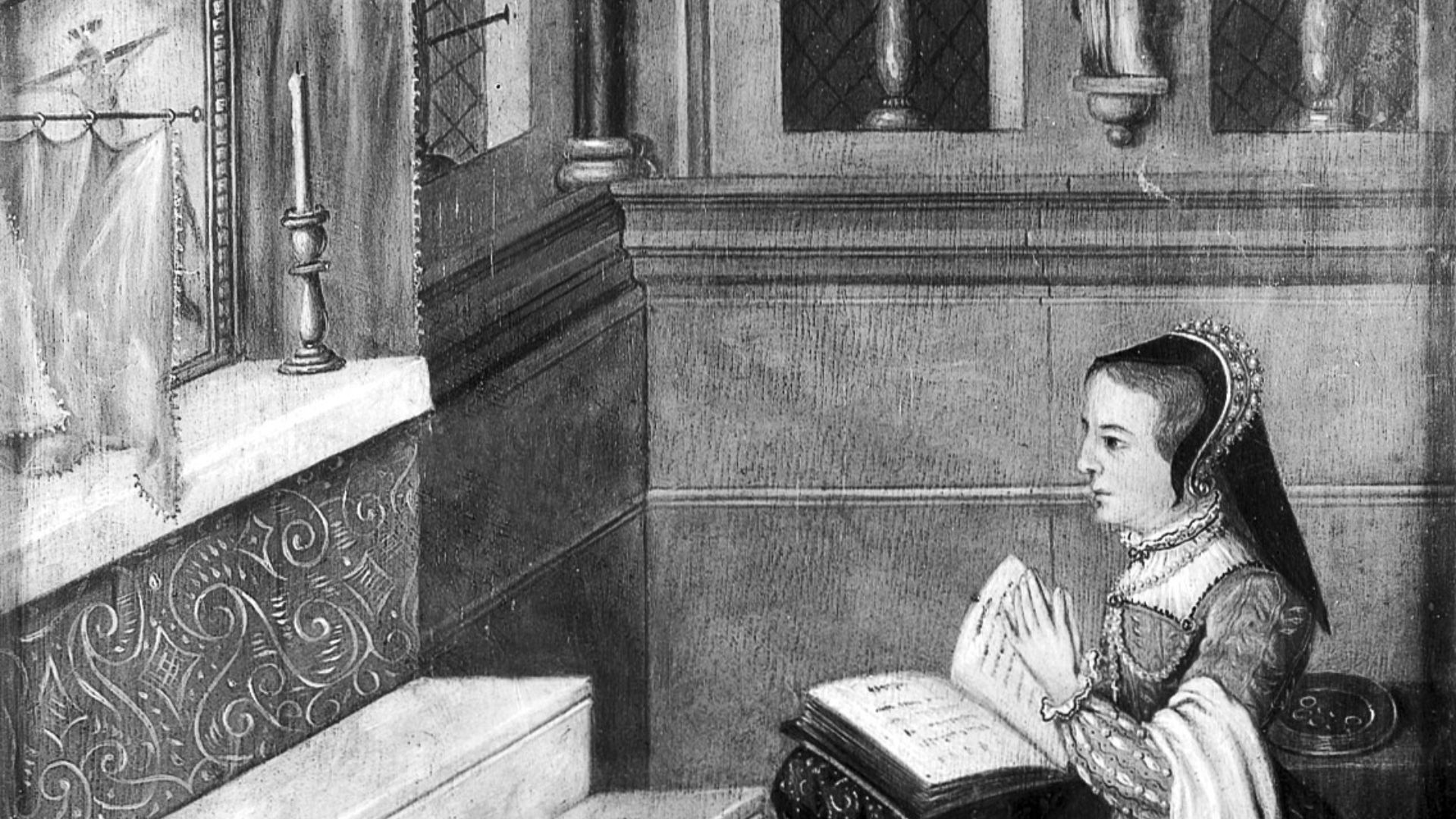
Mary's most important religious ambition was to restore England's relationship with the Roman Catholic Church. Her father had rejected papal authority, while her brother's government had introduced increasingly Protestant reforms. Mary reversed those changes, restored Catholic bishops, and eventually returned England to papal jurisdiction. To her, this was not simply a political program but an attempt to restore what she considered the true faith.
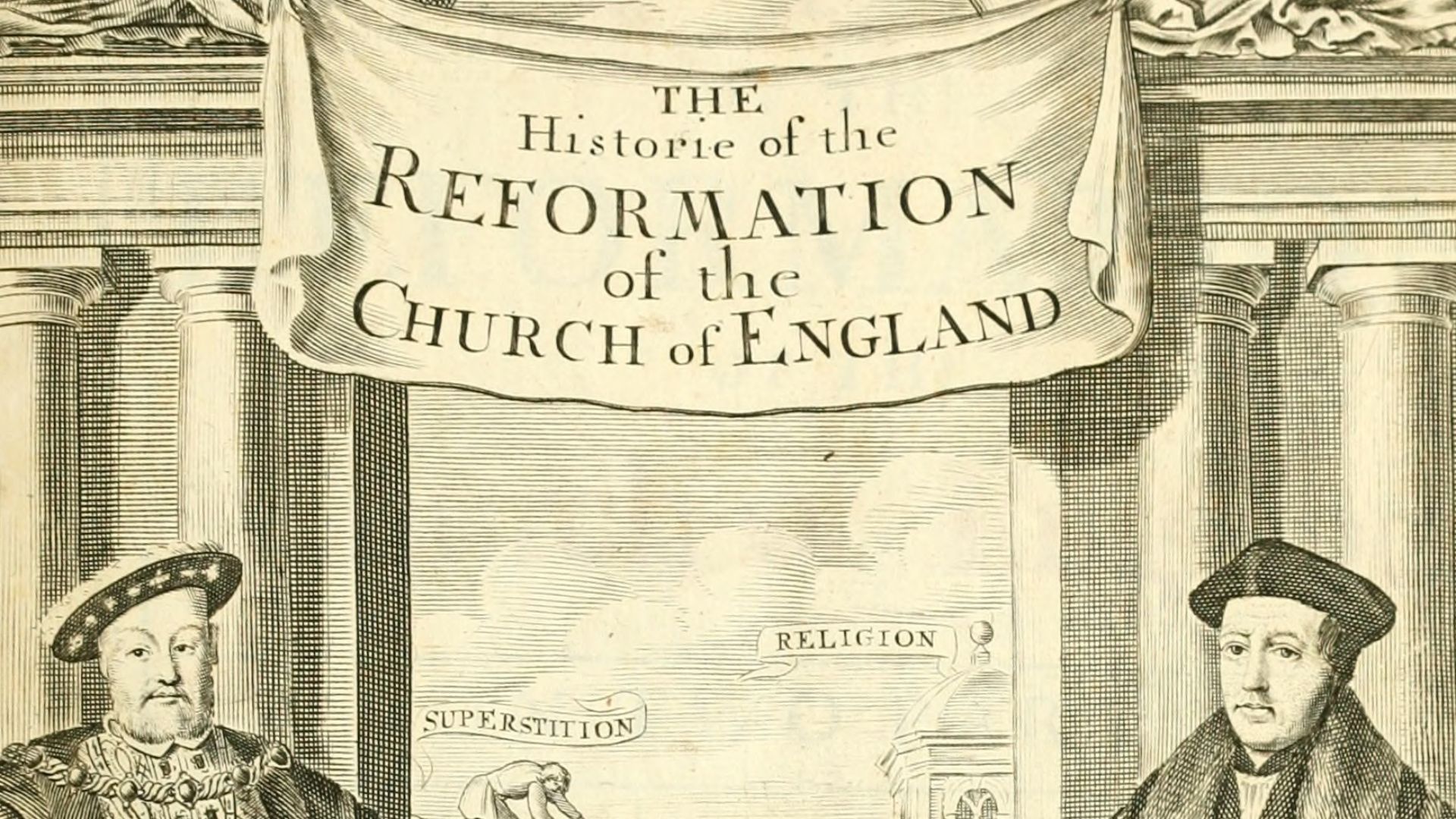 Internet Archive Book Images, Wikimedia Commons
England Wasn't As Protestant As People Assume
For generations, traditional accounts treated Mary's Catholic restoration as a hopeless attempt to reverse an inevitable Protestant future. More recent scholarship has challenged that assumption by examining how strongly traditional religious practices remained embedded in English communities. Many people still valued Catholic ceremonies, rituals, and forms of worship that had been restricted under Edward VI. Mary's restoration therefore encountered genuine enthusiasm in some areas, even as it provoked resistance elsewhere.
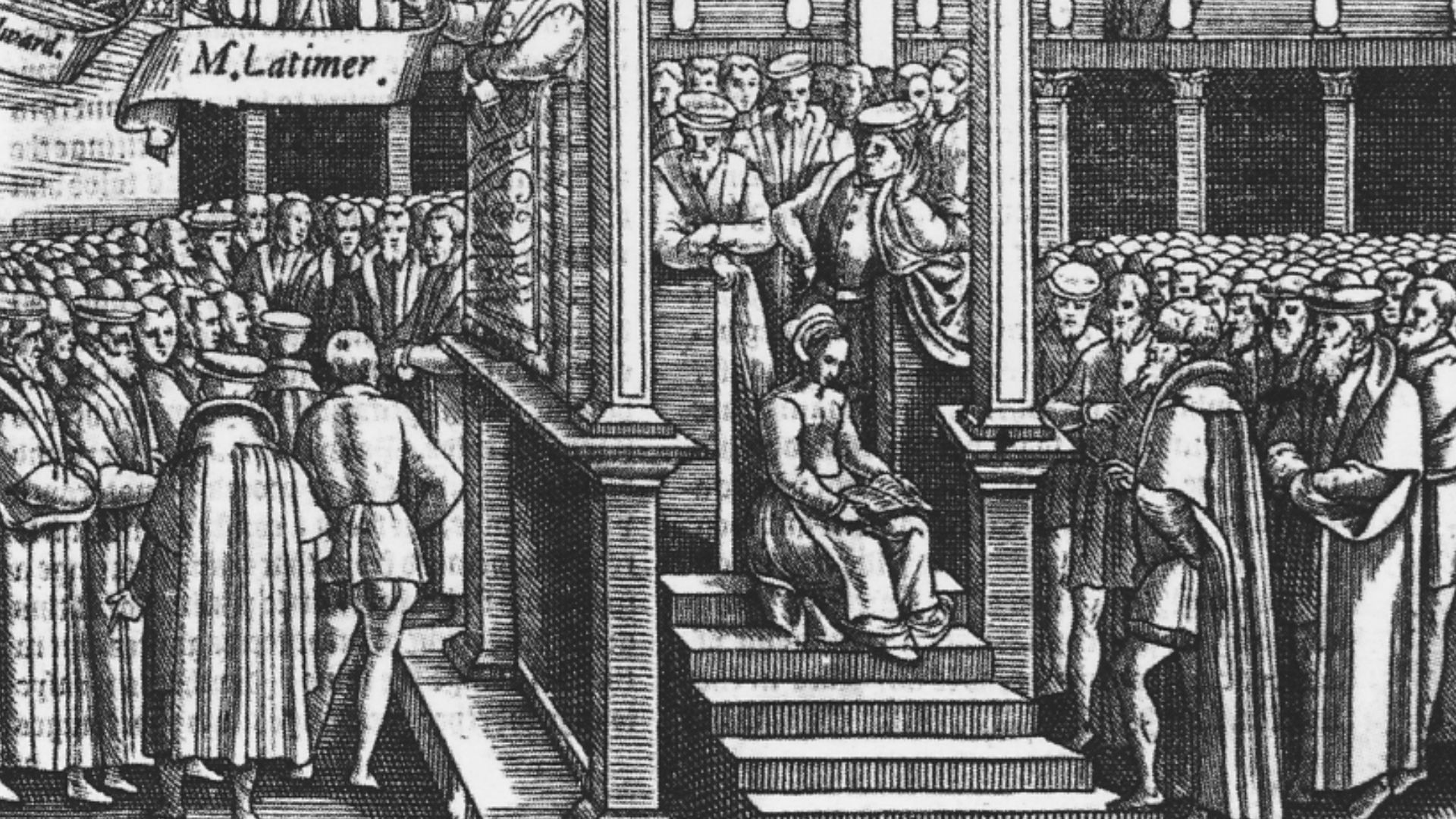 From John Foxe's Acts and Monuments, artist unknown. Uploaded by qp10qp., Wikimedia Commons
Her Marriage Sparked A Political Crisis
In July 1554, Mary married Philip of Spain, a powerful Habsburg prince who would become King Philip II. The marriage promised an important alliance and offered the possibility of a Catholic heir, but many English subjects feared growing Spanish influence. Opposition helped fuel Wyatt's Rebellion earlier that year, creating a serious threat to Mary's government. The queen confronted the crisis with a determined public response that helped secure her position.
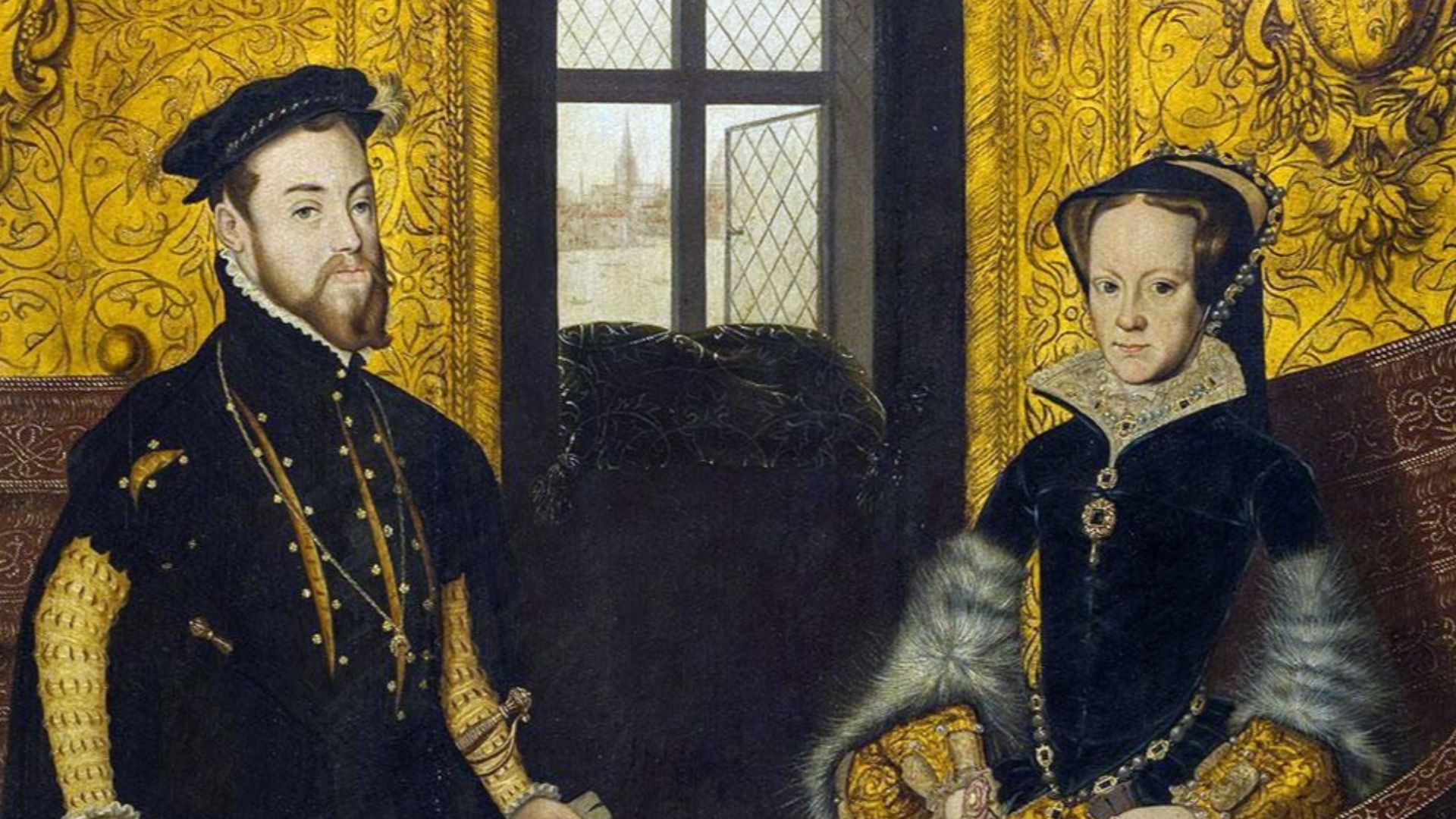 Hans Eworth, Wikimedia Commons
She Could Be Surprisingly Ruthless
The failure of Wyatt's Rebellion brought severe consequences for those considered threats to the throne. Lady Jane Grey, whose life Mary had initially spared, was executed in February 1554 along with her husband, Guildford Dudley. Mary's half-sister Elizabeth was also imprisoned in the Tower of London before eventually being released. These decisions demonstrated that the queen could respond harshly when she believed her authority was endangered.
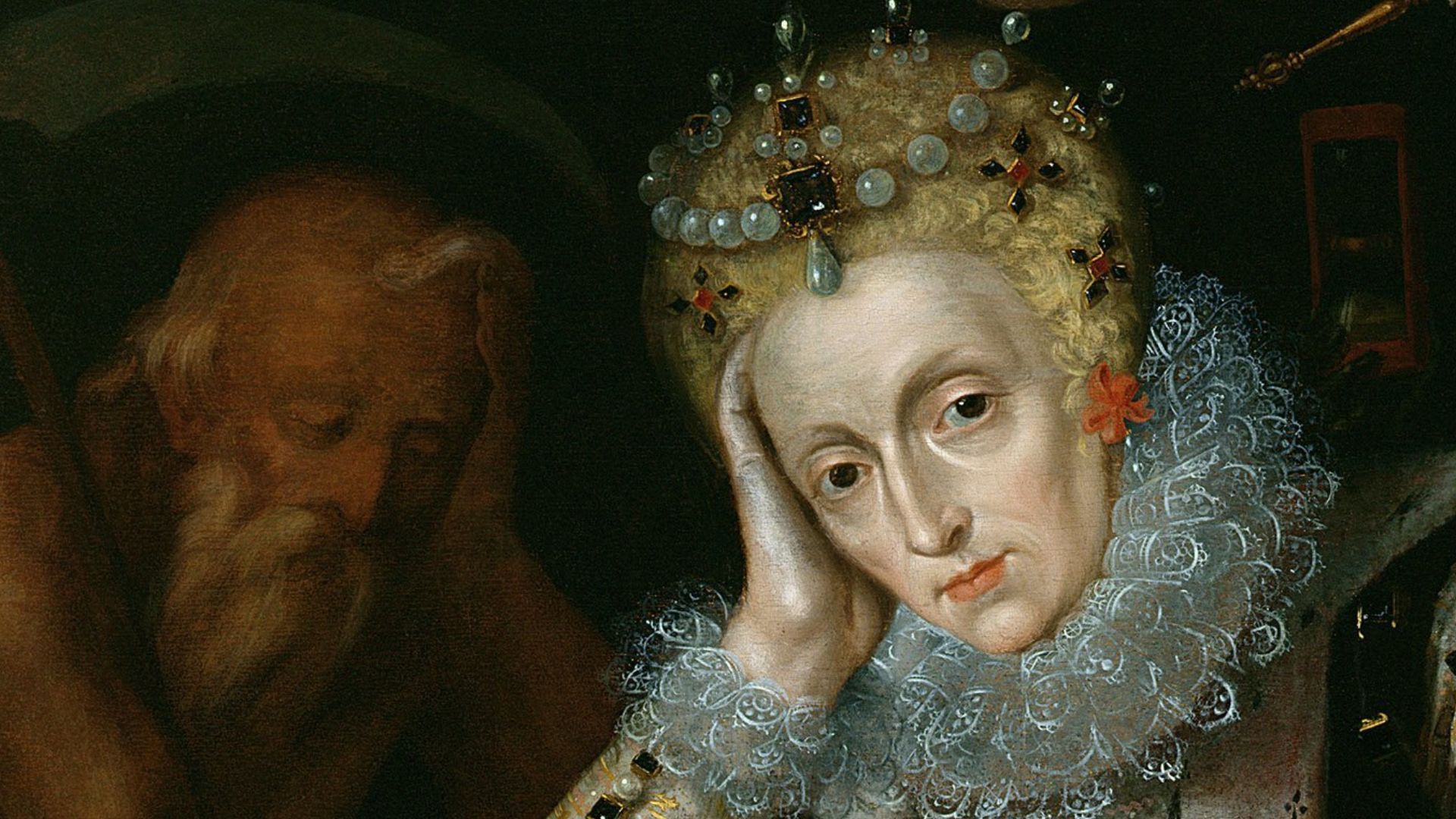 English School / Unidentified painter, Wikimedia Commons
Then The Religious Executions Began
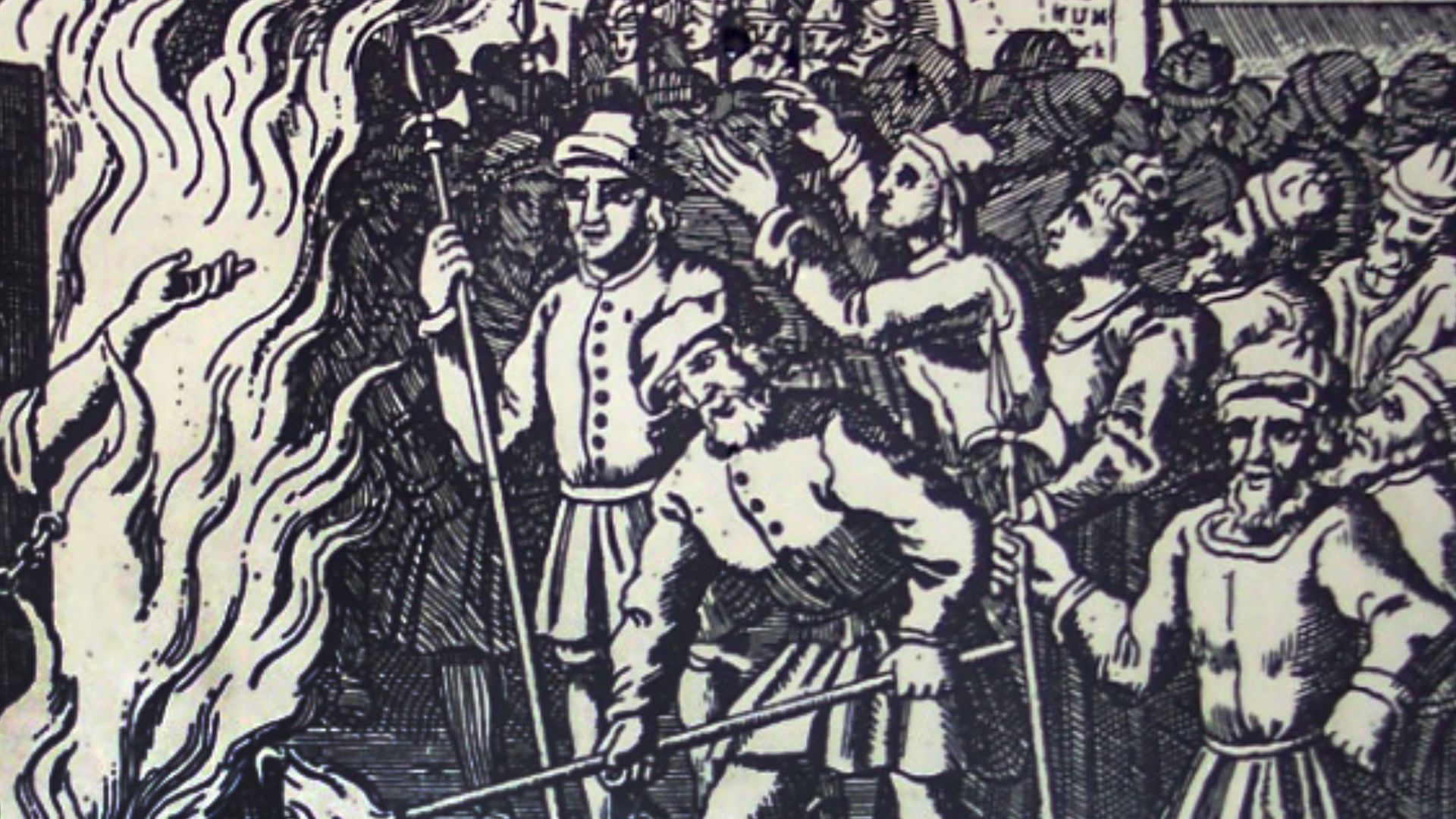
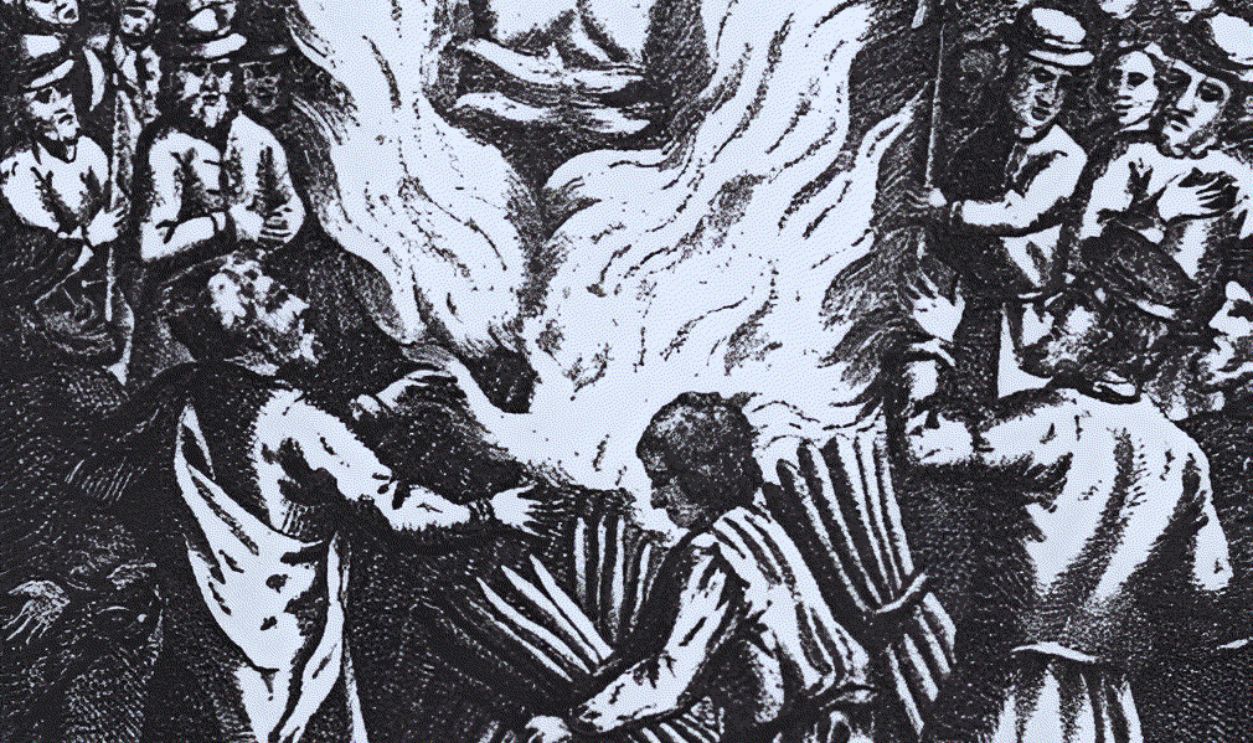
In 1555, Mary's government began enforcing revived laws against religious heresy. Protestants who refused to abandon beliefs condemned by the Catholic authorities could face execution by burning. The campaign continued through the remaining years of her reign and claimed approximately 280 lives. Whatever historians conclude about Mary's wider achievements, these killings remain an undeniable and horrifying part of her legacy.
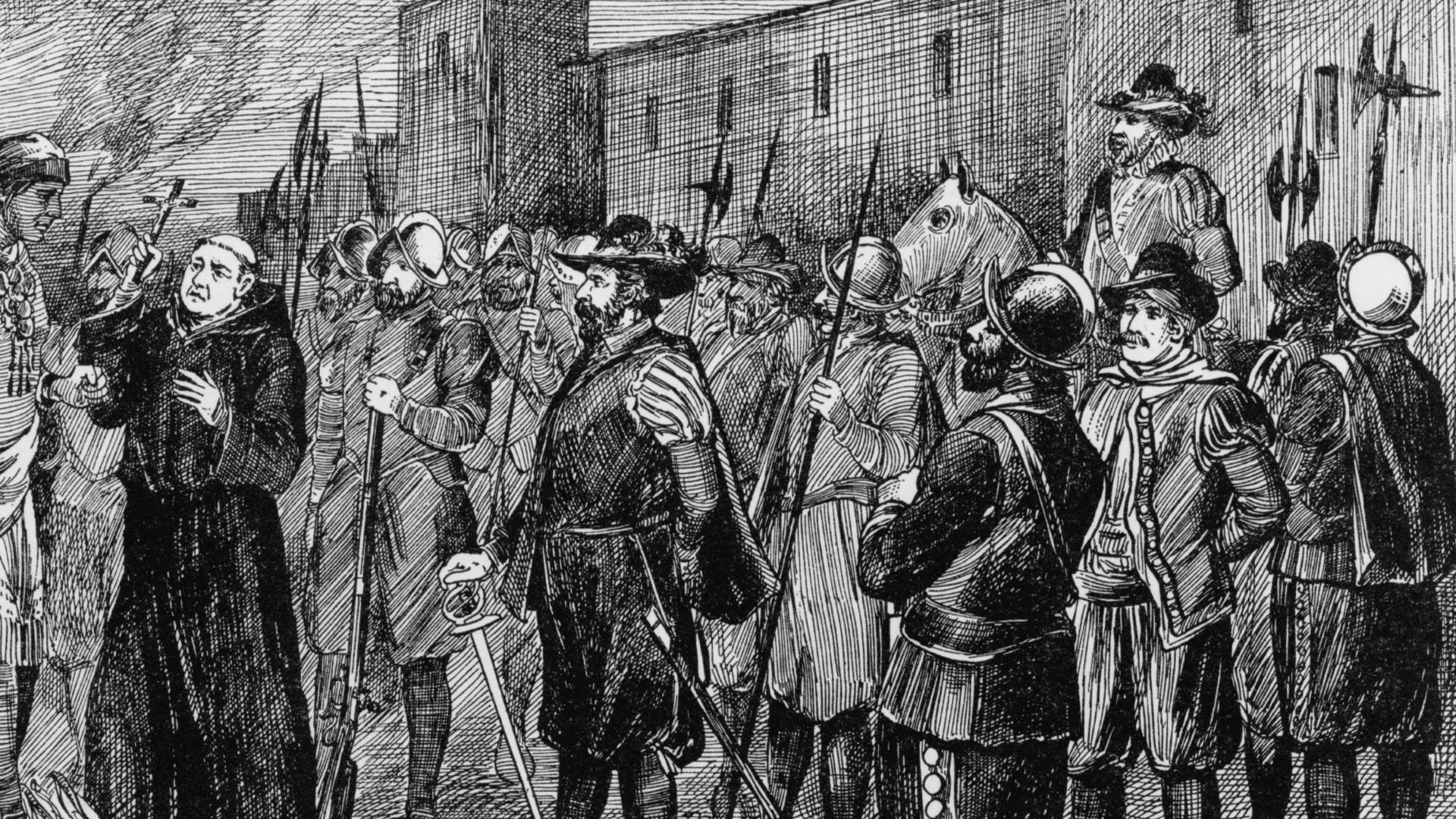 Greene, A. B., engraver, Wikimedia Commons
The Victims Weren't Just Powerful Men
Some of the most famous people executed under Mary were prominent Protestant churchmen, including bishops Hugh Latimer and Nicholas Ridley. Former Archbishop of Canterbury Thomas Cranmer was also burned after becoming a central figure in England's Protestant Reformation. Yet most of those executed were not powerful religious leaders or members of the nobility. Many were ordinary men and women whose refusal to conform placed them in mortal danger.
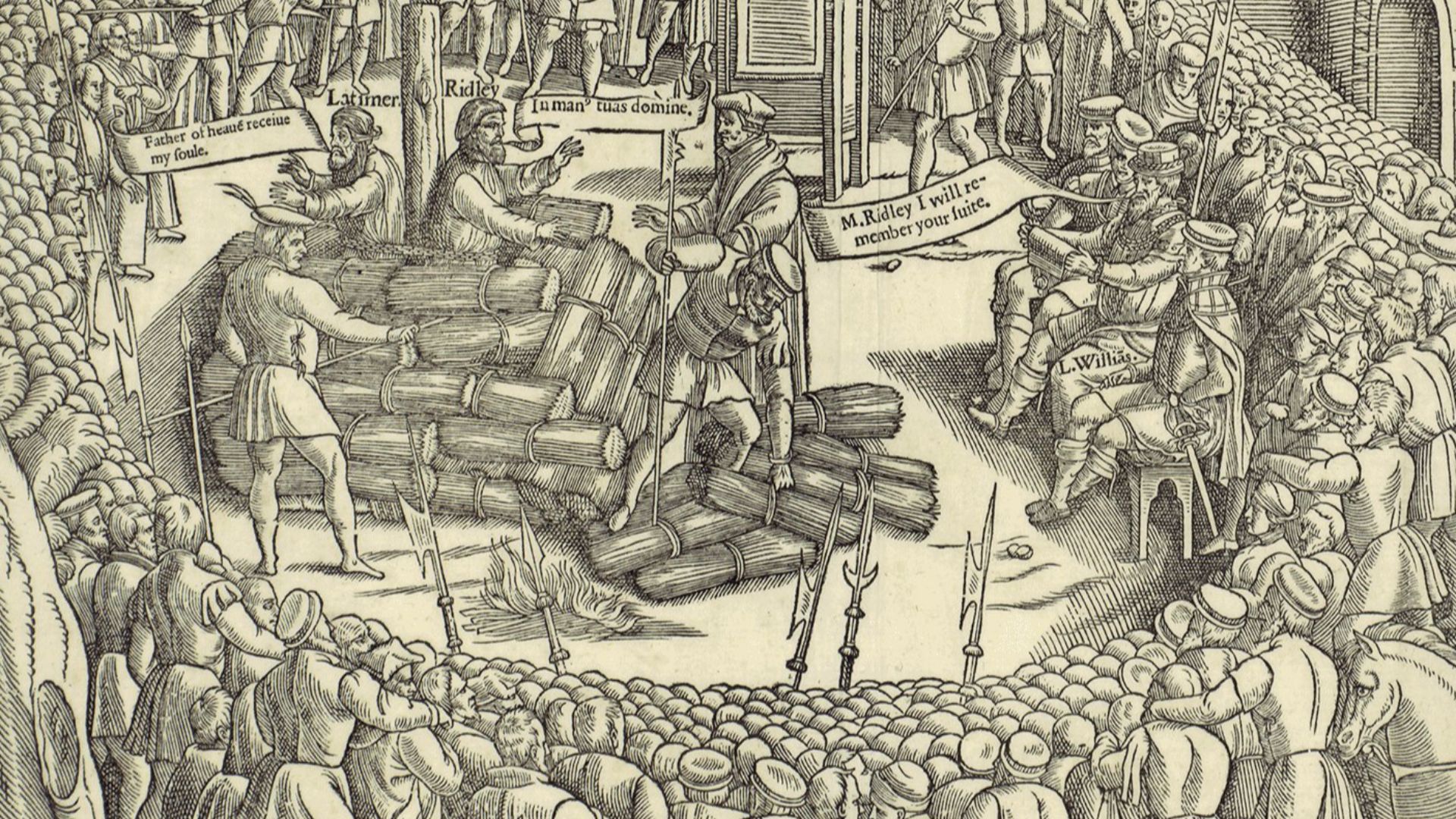
The Fires Left A Terrifying Legacy
London's Smithfield became one of the locations associated with the Marian burnings. Public executions were intended to demonstrate the consequences of religious defiance and discourage others from embracing condemned beliefs. Instead, the suffering of the victims provided Protestant communities with powerful stories of courage and martyrdom. Those stories would eventually play an enormous role in shaping how future generations remembered Mary.
 Unknown artistUnknown artist, Wikimedia Commons
The Horrors Had A Religious Justification
Mary and her advisers operated in a society where religious dissent could be treated as a threat to both spiritual salvation and political stability. Many Catholic and Protestant authorities of the period believed that persistent heresy deserved severe punishment. Mary's government viewed the executions as a means of defending religious truth and preventing others from being led astray. Understanding that worldview explains the reasoning behind the persecution, although it does nothing to excuse the suffering inflicted on its victims.
 Sir Symonds D'Ewes, Wikimedia Commons
Her Family Was Hardly Innocent
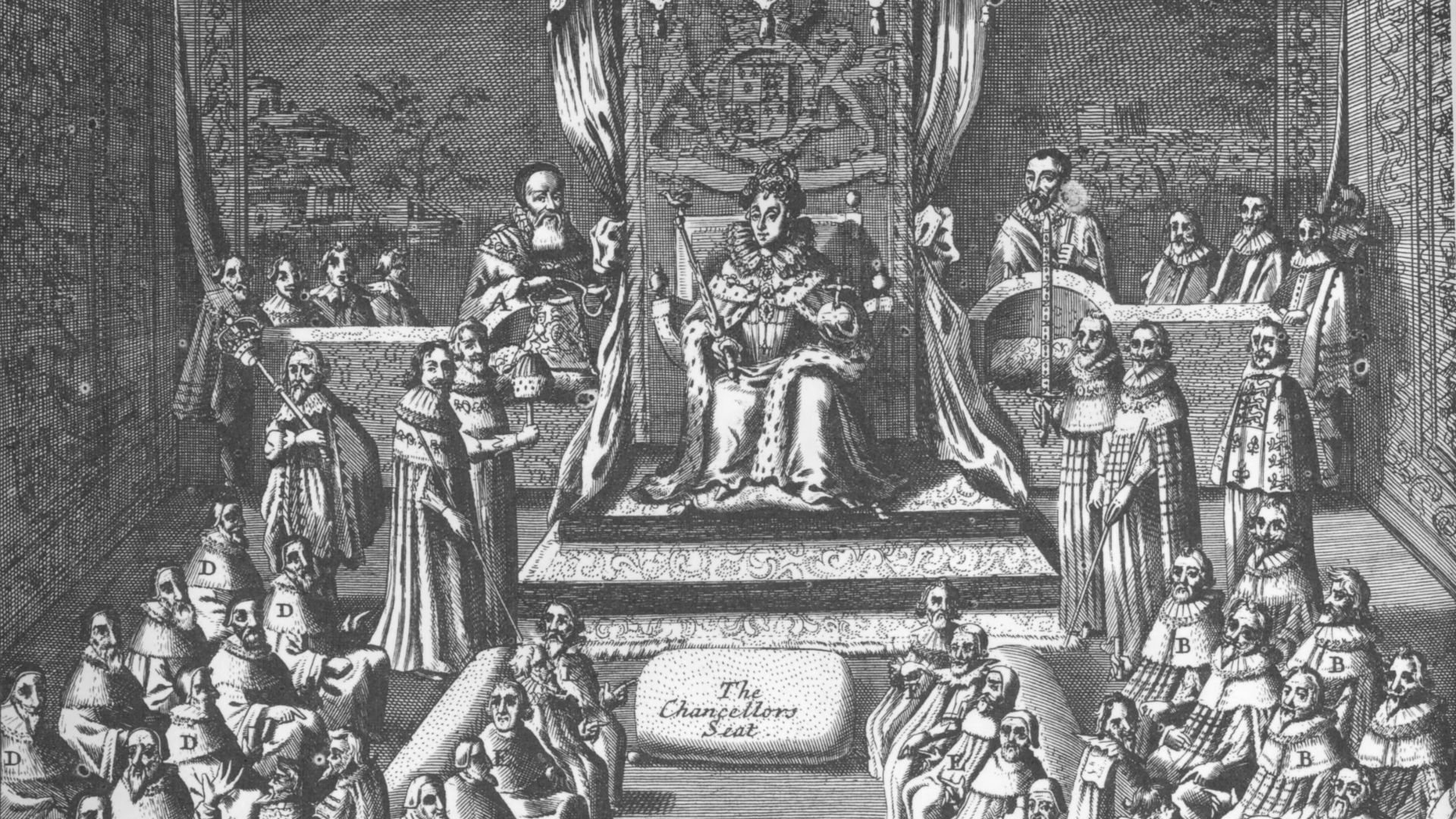
Mary's father, Henry VIII, had also persecuted religious opponents and ordered numerous executions during his reign. Her brother Edward VI's Protestant government had sanctioned the suppression of religious rebellion, while her successor Elizabeth I would later execute Catholics accused of treason. Religious and political violence was therefore not unique to Mary's rule. Historians nevertheless recognize that the scale and concentration of her campaign against Protestant heresy were particularly severe.
So Why Was She Singled Out?
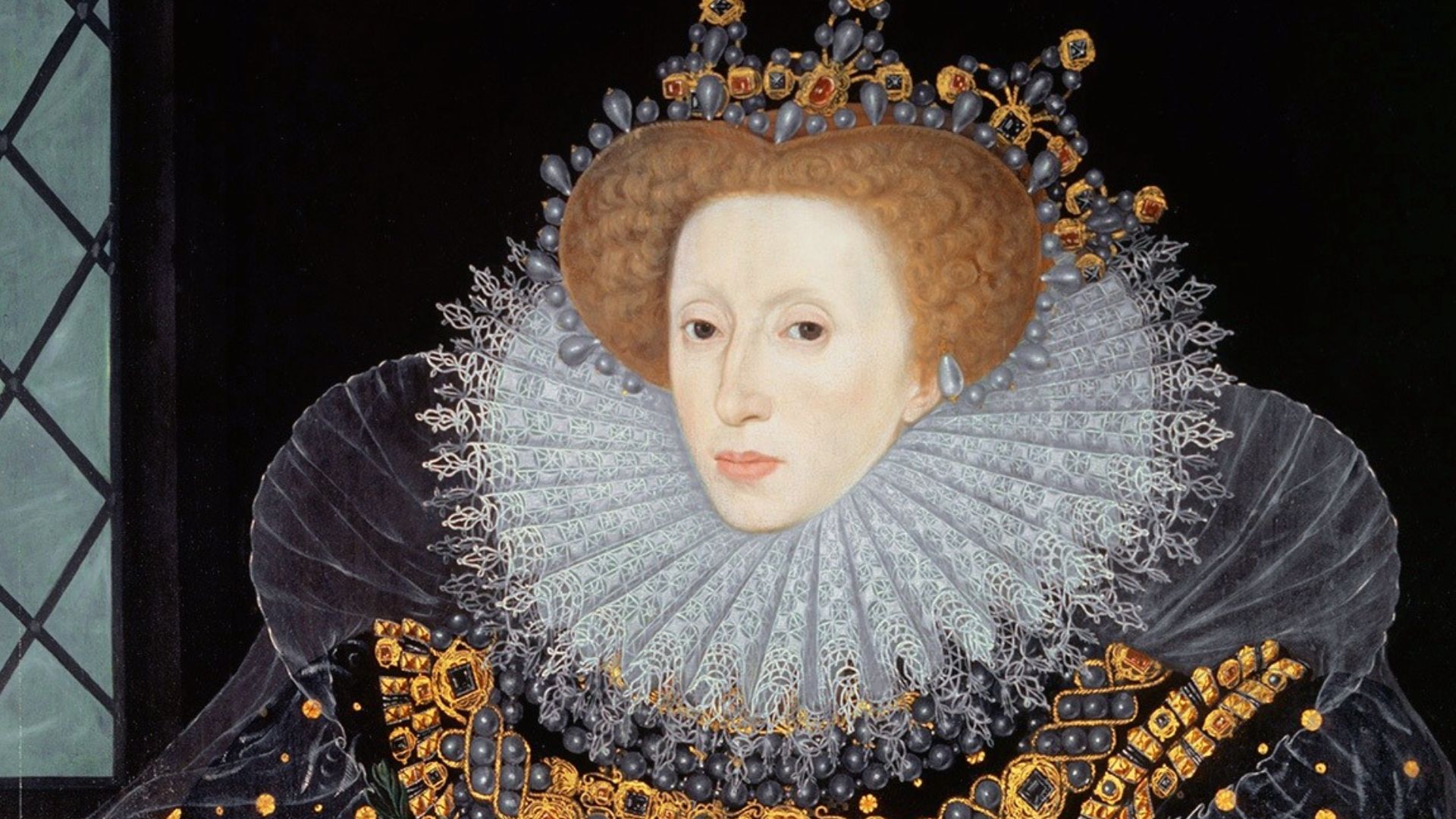
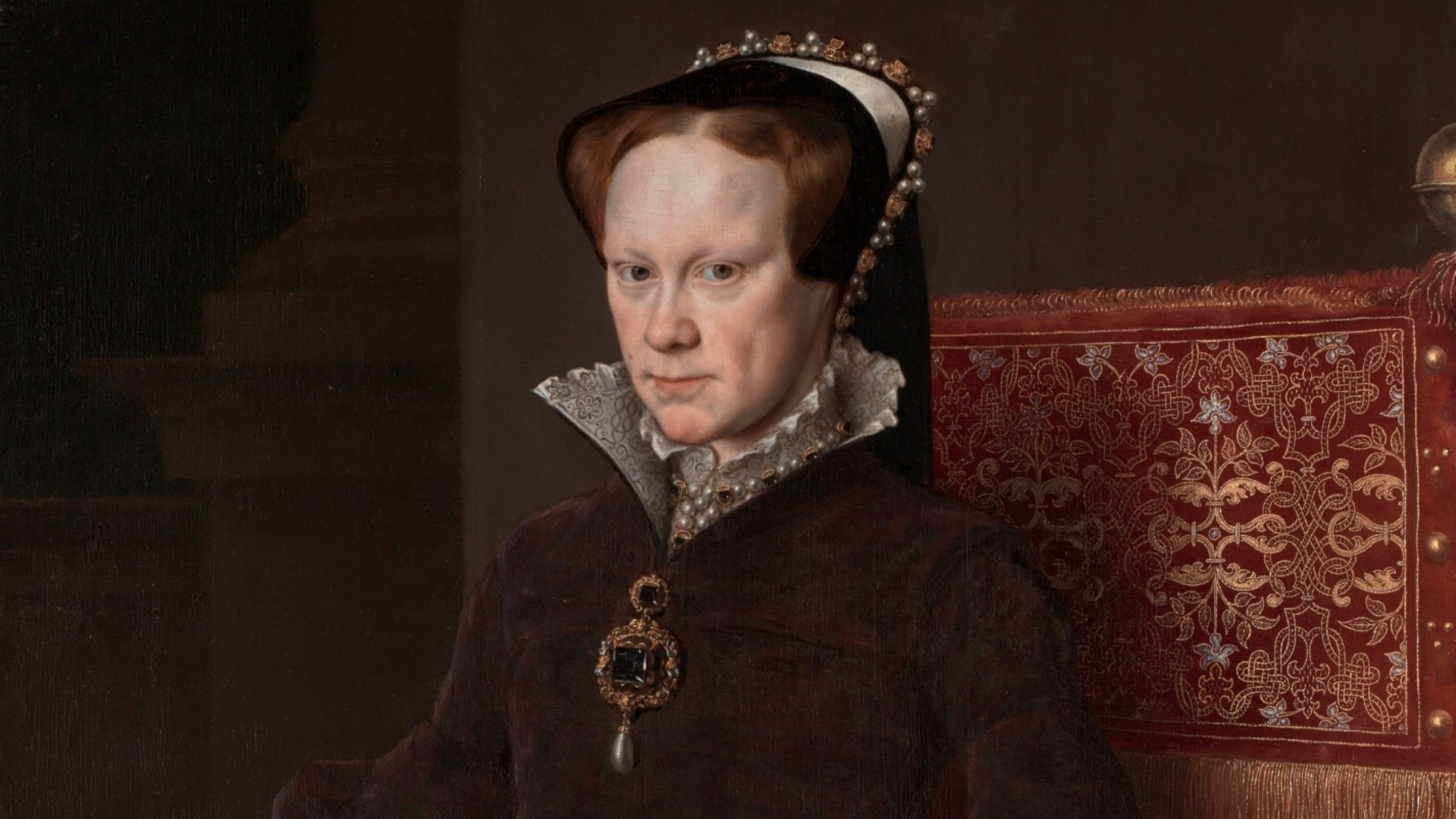
One reason Mary's reputation became uniquely notorious was that England's eventual Protestant identity encouraged a deeply negative interpretation of her reign. Her policies became symbols of the Catholic past that subsequent Protestant writers wished to reject. Meanwhile, the violence committed under other Tudor monarchs was often remembered within more favorable national narratives. This contrast raises an important question about who gets to shape the historical reputation of a ruler.
 Antonis Mor, Wikimedia Commons
One Book Helped Make Her Infamous
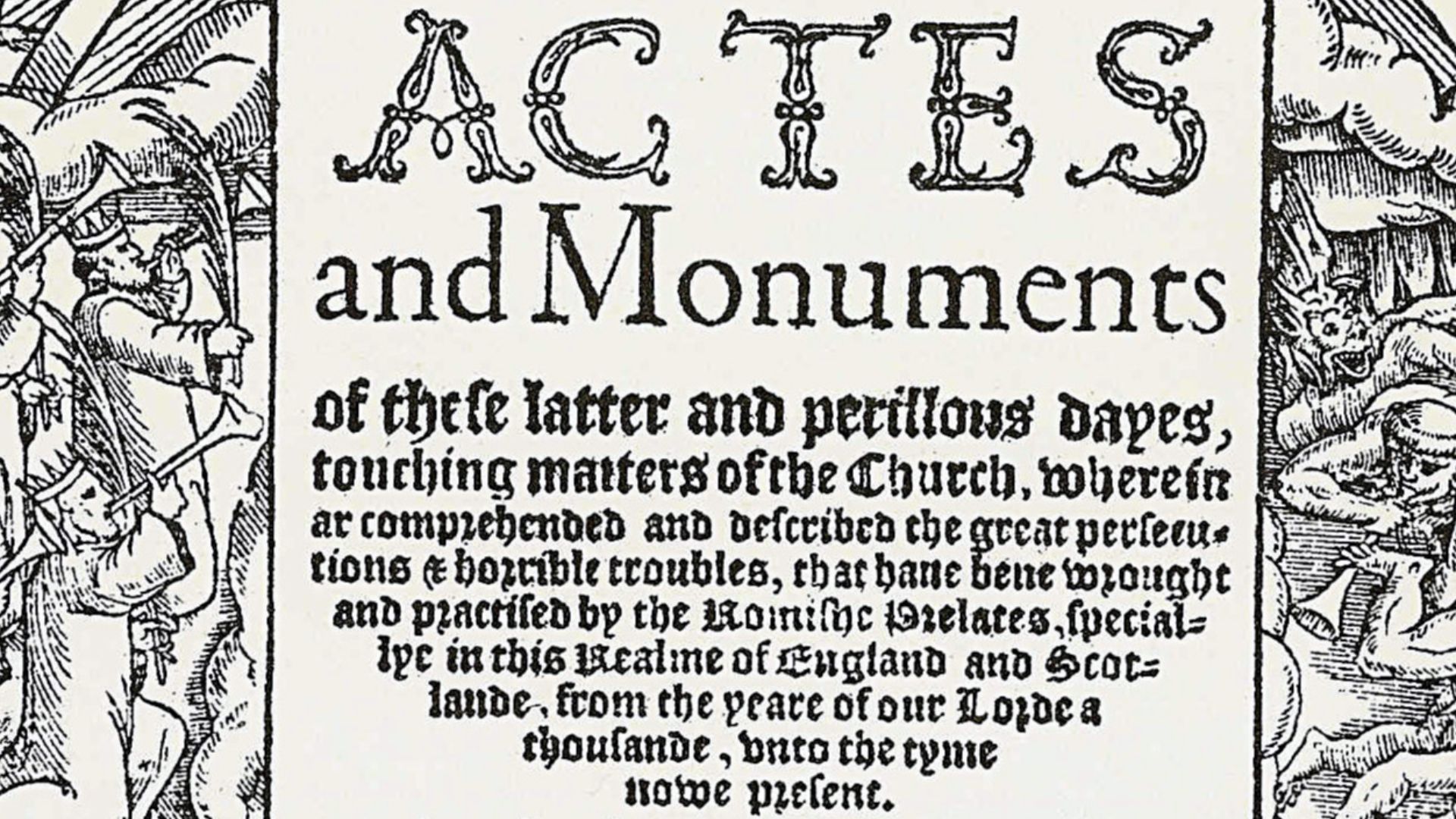
In 1563, Protestant writer John Foxe published Actes and Monuments, the work commonly known as Foxe's Book of Martyrs. Its accounts of Protestant suffering under Mary helped transform the executed religious dissenters into enduring symbols of faith and resistance. Vivid descriptions and illustrations made the persecutions unforgettable to readers. The book became hugely influential in Protestant England and helped establish the foundations of Mary's notorious reputation.
Propaganda Became Accepted History
Foxe's work preserved valuable accounts of persecution, but it was also written from a strongly Protestant perspective. Generations of readers encountered Mary's reign through this powerful interpretation, frequently emphasizing religious cruelty while paying less attention to her other achievements. Historian Anna Whitelock has examined how the queen's reputation was shaped by this long-lasting tradition. Modern historians have consequently begun distinguishing the documented atrocities of Mary's reign from the political and religious narratives built around them.
 J.R. Planché, Wikimedia Commons
Historians Have Uncovered Another Story
Scholars including Eamon Duffy have challenged the older assumption that Mary's Catholic restoration was disorganized and destined to fail. Research has highlighted the energy devoted to preaching, religious education, rebuilding Catholic institutions, and restoring traditional worship. Historians continue to disagree about whether these changes could have endured if Mary had lived longer. What is increasingly difficult to defend is the simplistic idea that her entire reign accomplished nothing.
Even The Burnings Are Being Reexamined
Duffy has controversially argued that Mary's campaign against Protestant dissent was more organized and effective than earlier historians believed. Research published in The English Historical Review has examined how Catholic observers elsewhere in Europe regarded the English persecution and sometimes viewed its methods as worthy of imitation. Other historians maintain that the executions strengthened Protestant resistance and ultimately undermined Mary's objectives. The disagreement concerns the campaign's effectiveness, not whether the persecution happened or whether its victims suffered.
 Unknown Author, Wikimedia Commons
She Was More Than A Religious Fanatic
Mary's government also pursued financial and administrative reforms, while developments in naval organization and overseas commerce contributed to changes that continued under Elizabeth I. Historians have emphasized that her administration was more capable and forward-looking than traditional portrayals suggest. These accomplishments rarely feature in popular accounts dominated by religious persecution. They also complicate the familiar contrast between Mary's supposedly disastrous reign and Elizabeth's celebrated achievements.
She Faced A Problem No King Had Faced
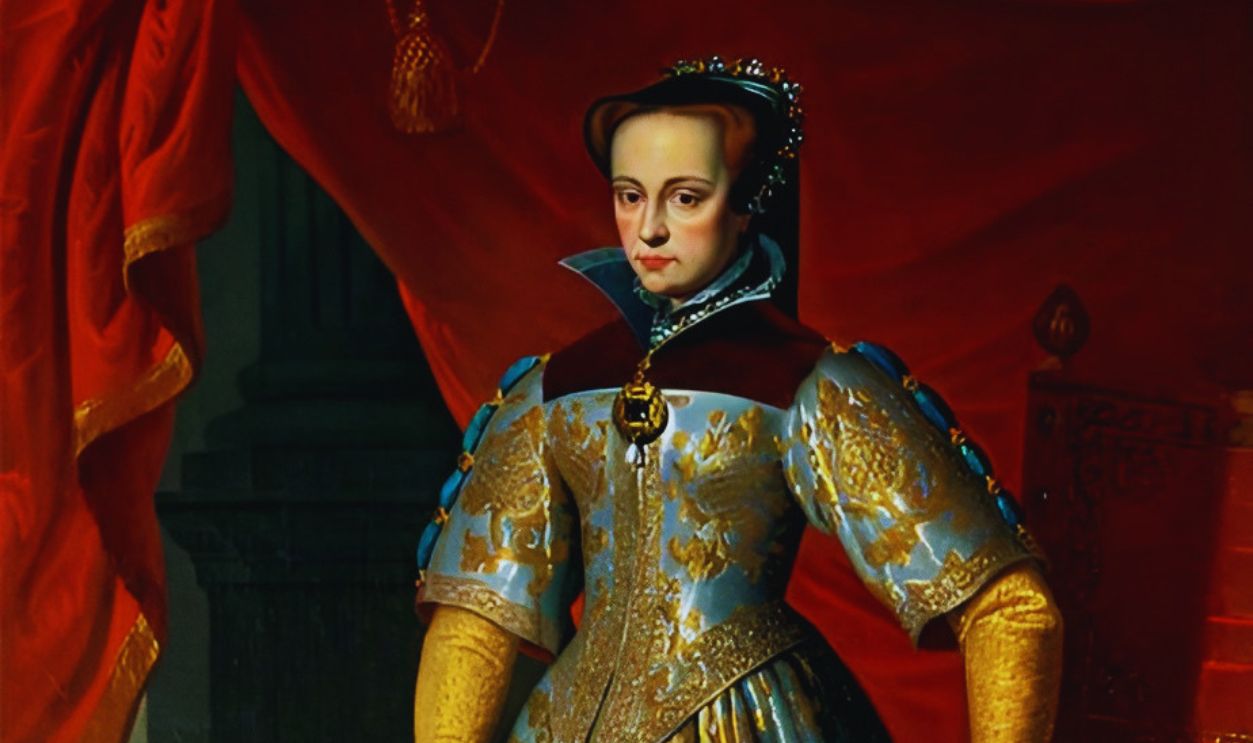
As England's first queen regnant, Mary confronted expectations that a female monarch should marry while simultaneously preserving her own political authority. Her marriage to Philip intensified fears that England might fall under foreign control or that she would become subordinate to her husband. Historian Lucy Wooding has noted the contradictory criticisms directed at Mary, who has been portrayed as both excessively aggressive and dangerously weak. Her gender helped shape the standards by which her rule was judged.
Her Greatest Personal Hope Ended In Heartbreak
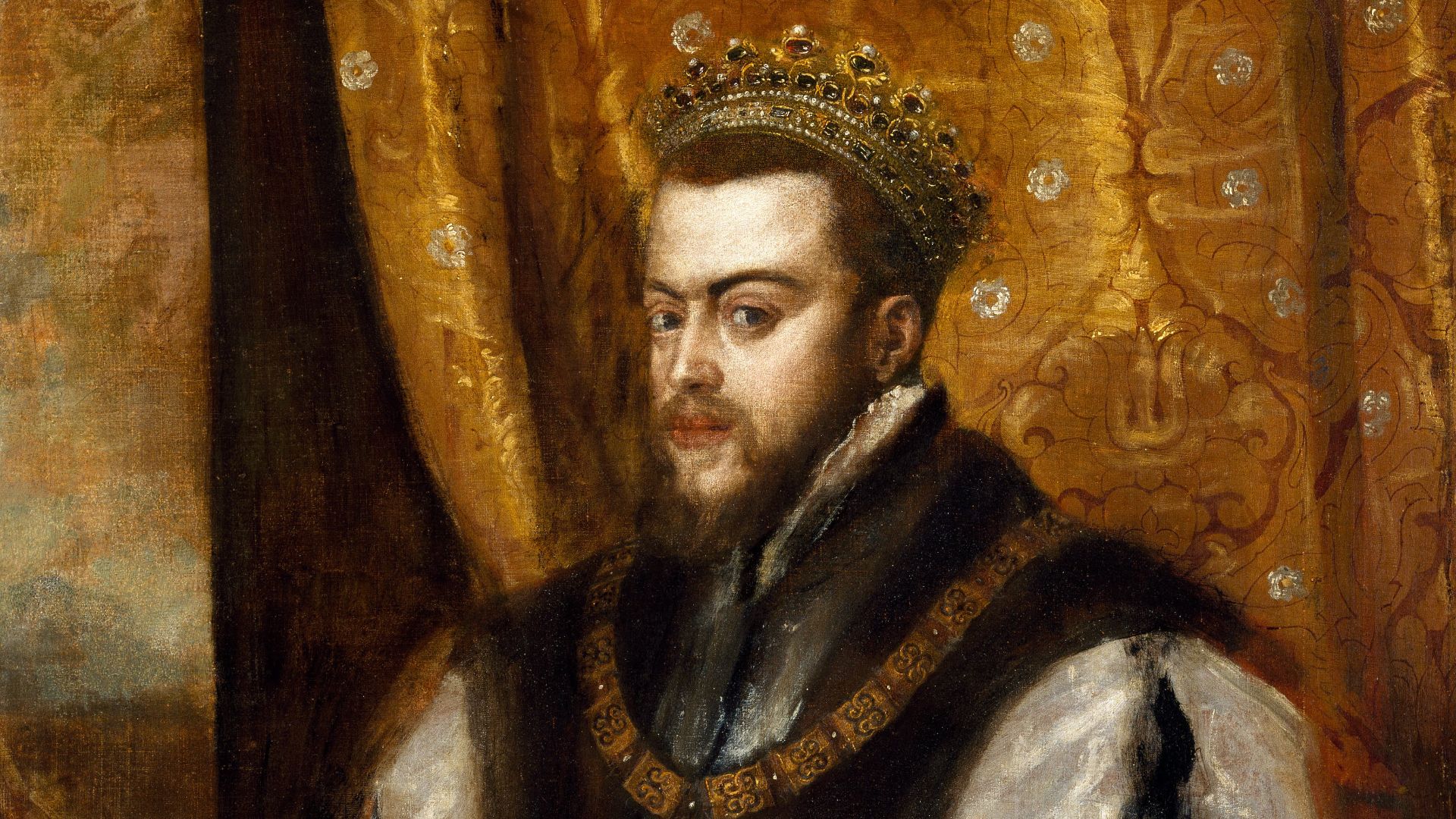
Mary desperately wanted a child who could inherit the throne and preserve her Catholic settlement. In 1555, she believed she was pregnant, and preparations were made for the expected royal birth. The anticipated delivery never occurred, leaving the queen without the heir she had hoped would secure her dynasty. Her marriage to Philip ultimately produced no children, and the succession remained unresolved in favor of a Catholic future.
 Francis Delaram, Wikimedia Commons
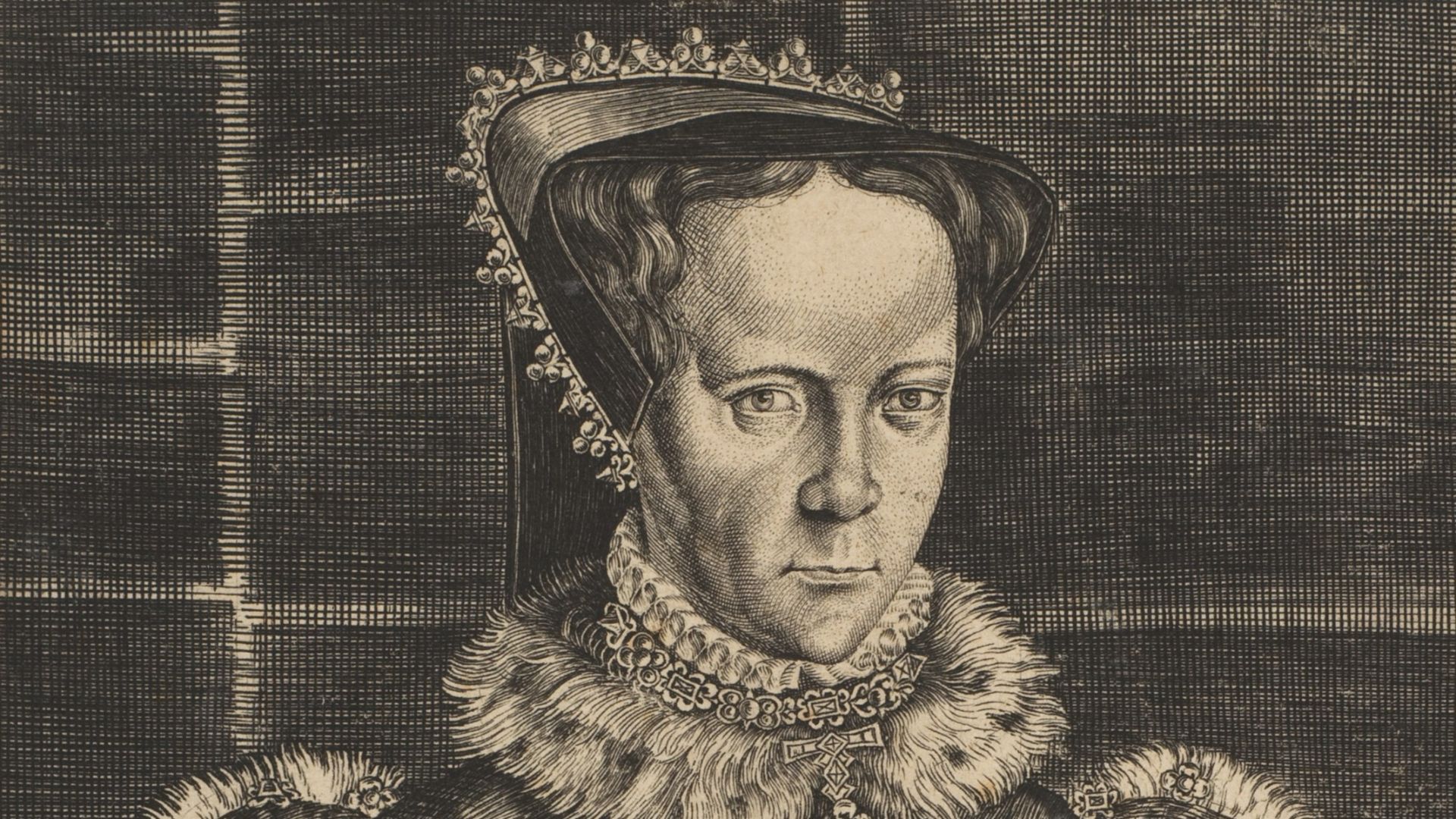
Her Final Years Brought More Disaster
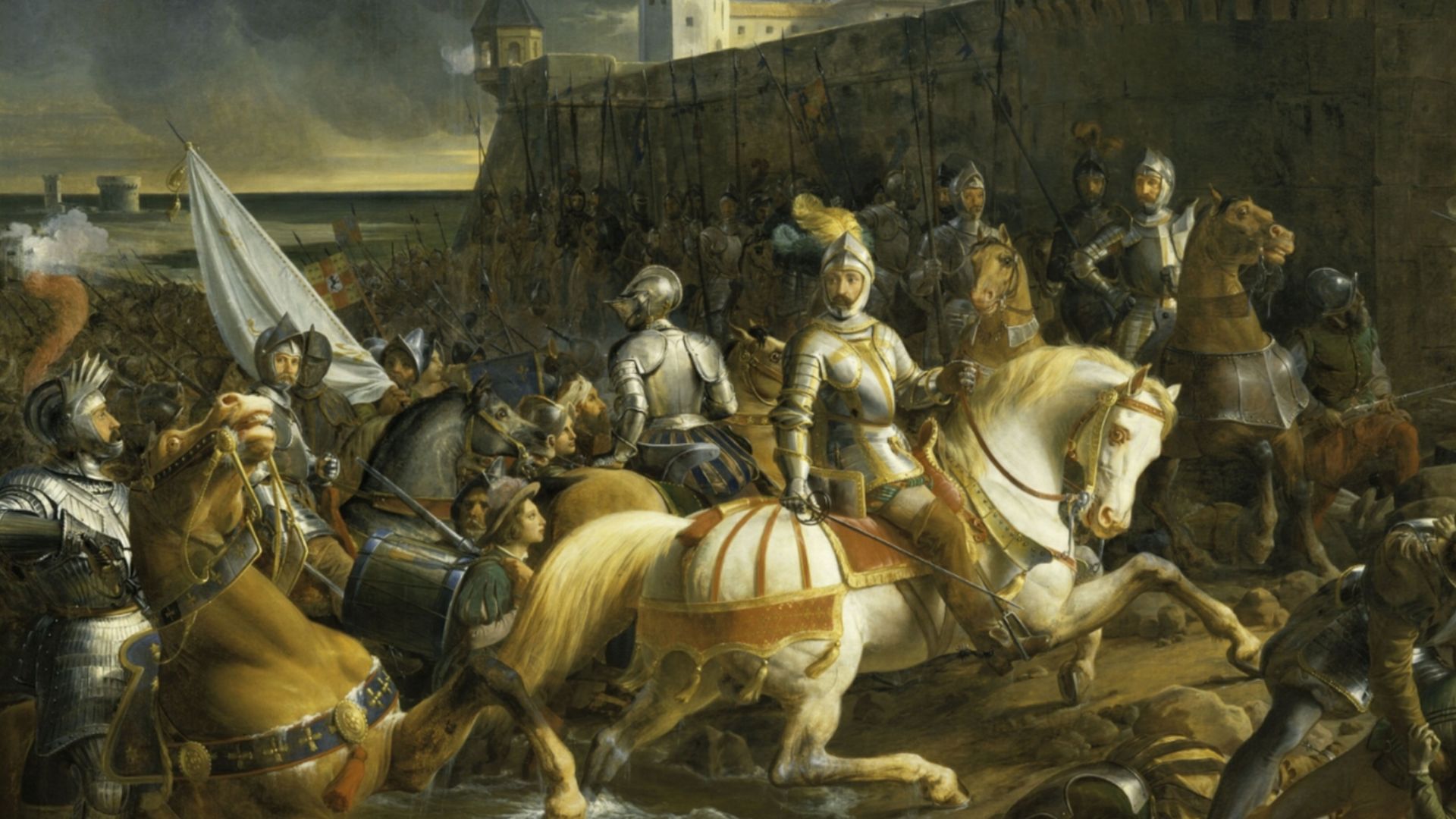
Mary's later reign was overshadowed by war with France, growing dissatisfaction, and continued concerns about the succession. In January 1558, French forces captured Calais, England's last remaining possession on the French mainland. The loss was a devastating political humiliation and further weakened confidence in her government. With her health deteriorating and no surviving child to succeed her, Mary's ambitions were increasingly threatened by circumstances beyond her control.
 François-Édouard Picot, Wikimedia Commons
Her Death Changed Everything
Mary died on November 17, 1558, at the age of 42, after ruling for just over five years. Her Protestant half-sister Elizabeth inherited the throne and eventually established a new religious settlement that reversed the central direction of Mary's restoration. Elizabeth's long reign gave the Protestant interpretation of English history decades to develop and flourish. Mary's brief and troubled reign was increasingly remembered through the religious policies that her successor had rejected.
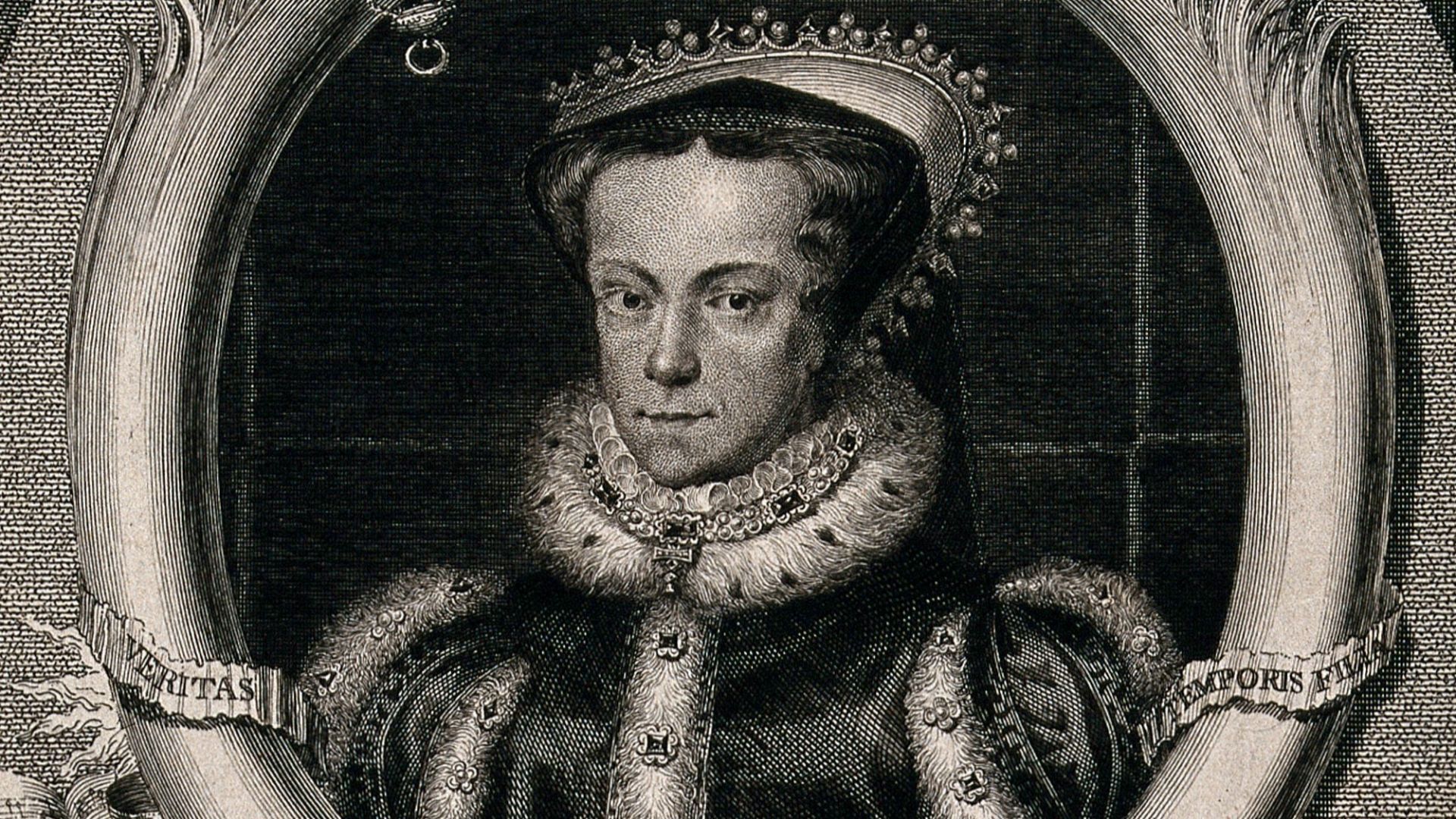
The Truth About Bloody Mary Is More Complicated
Modern scholarship has not established that Mary was innocent of the atrocities committed under her government. Instead, it has revealed a determined and historically significant monarch whose life was shaped by family betrayal, religious conflict, political insecurity, and extraordinary personal challenges. She was responsible for a brutal persecution, but she also overcame formidable opposition, established a precedent for female sovereignty, and pursued reforms that historians continue to reassess. The real Mary Tudor was neither a misunderstood saint nor merely the monster of Protestant legend, and that complicated reality makes her story more compelling than the nickname that has survived for centuries.
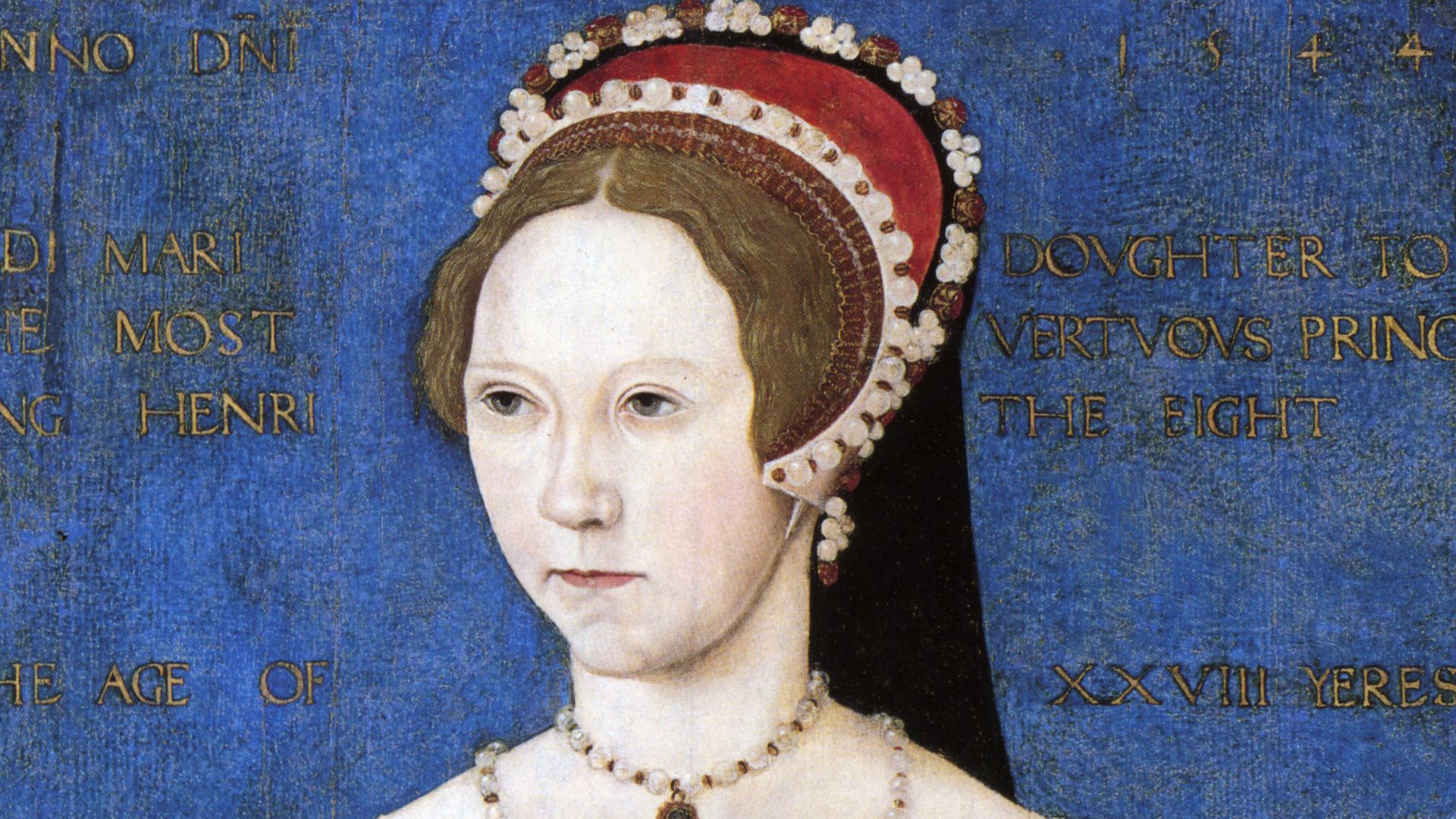 Master John (floruit 1544-1545), Wikimedia Commons
You May Also Like:
Bizarre Facts About Every English Monarch