Strange Times, Strange Thinking
What passed for common sense sixty years ago might leave us puzzled today. People lived by beliefs that seem slightly alarming and sometimes completely baffling. Their confidence in those ideas makes them even more fascinating now.

Doctors Endorsed Cigarettes As Healthy
Back then, a white coat could sell anything, including a cigarette. Companies paraded doctors through ads claiming smoking soothed nerves and helped digestion. Hospitals even allowed lighting up inside. The catch, of course, was that none of this came from real medical policy.

Secondhand Smoke Considered Harmless Indoors And On Airplanes
Flights once doubled as slow-moving smoke machines because no one thought breathing it in mattered. Homes, offices, and planes all welcomed cigarettes without hesitation. Ashtrays sat on armrests like required equipment. Only later did people realize those floating clouds weren’t exactly “crisp mountain air”.
 Unknown authorUnknown author, Wikimedia Commons
Alcohol And Smoking During Pregnancy Seen As Safe
Pregnancy advice in the 1960s leaned heavily on the “you’ll be fine” approach. Many doctors didn’t warn against cigarettes or casual drinks because risks weren’t widely recognized. Smoking was shrugged off as relaxing, and moderate drinking barely raised eyebrows.

Children Allowed To Play With Elemental Mercury
Nothing said “fun afternoon” like rolling shiny mercury beads across a table. Kids handled liquid metal from thermometers and school kits with zero protective gear. Teachers rarely worried because the dangers weren’t well understood.
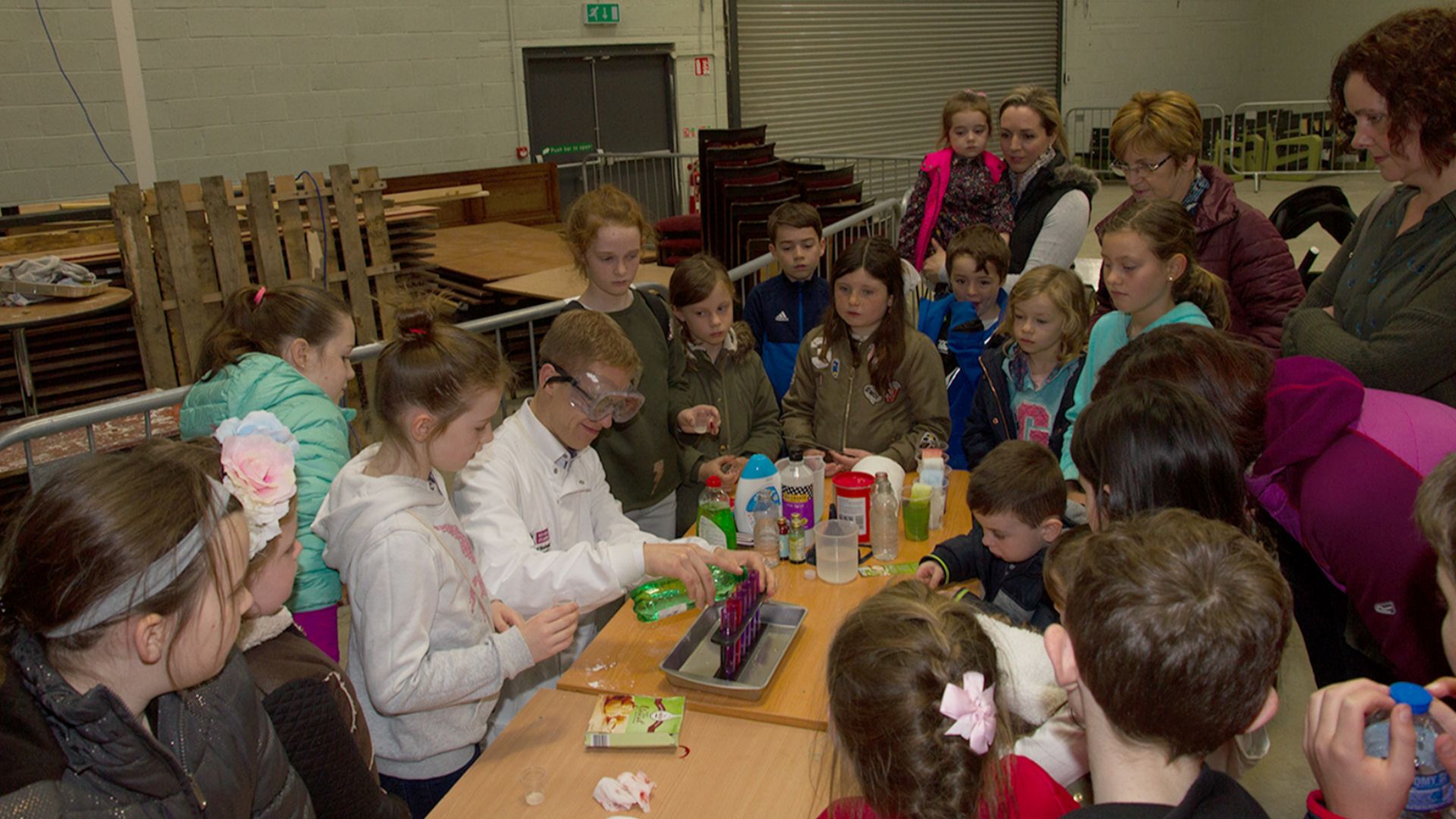 Colette Gemmell, Wikimedia Commons
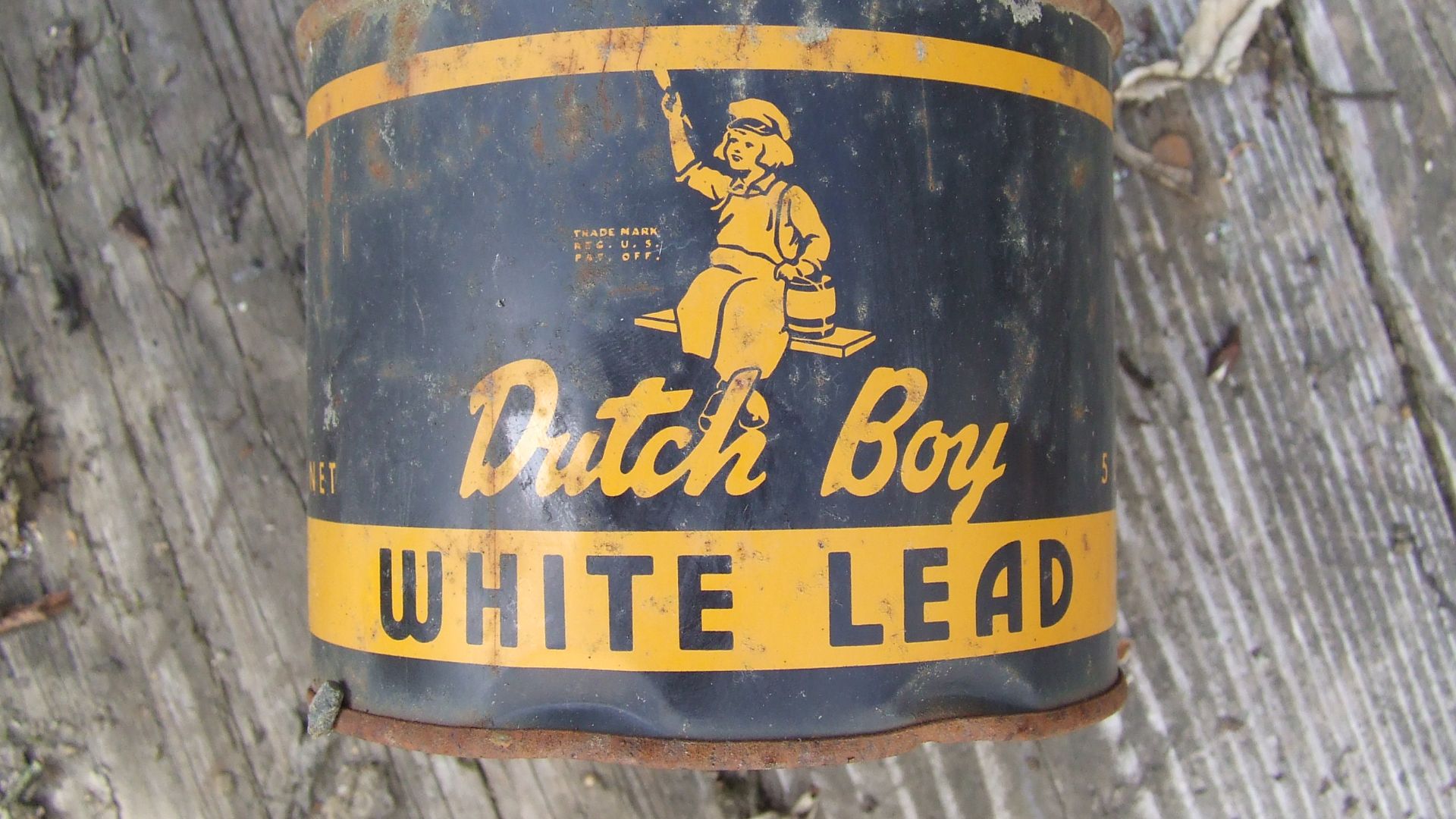
Leaded Gasoline And Paint Believed Harmless
Families painted cribs and walls with lead-based colors while cars burned leaded gasoline without question. The stuff was everywhere because its risks weren’t widely accepted. It sounded efficient, so people trusted it. Today, it feels wild to think nursery decor once came with a toxic bonus feature.
DDT In Homes And Farms Considered Safe
DDT earned the title of household hero long before anyone realized the fallout. People sprayed it on mattresses, crops, and just about anything that moved. Kids and farm workers stood right in the mist. At the time, the attitude was basically “smells strong, must work,” which didn’t age well.

X-ray Shoe Fluoroscopes Marketed As Harmless Tech
Shoe shopping once included sticking feet into an X-ray box because it looked futuristic. Stores even hyped it as a special attraction. With little shielding, kids used them repeatedly like arcade machines. The idea of getting radiation for a better shoe fit sounds wild now.
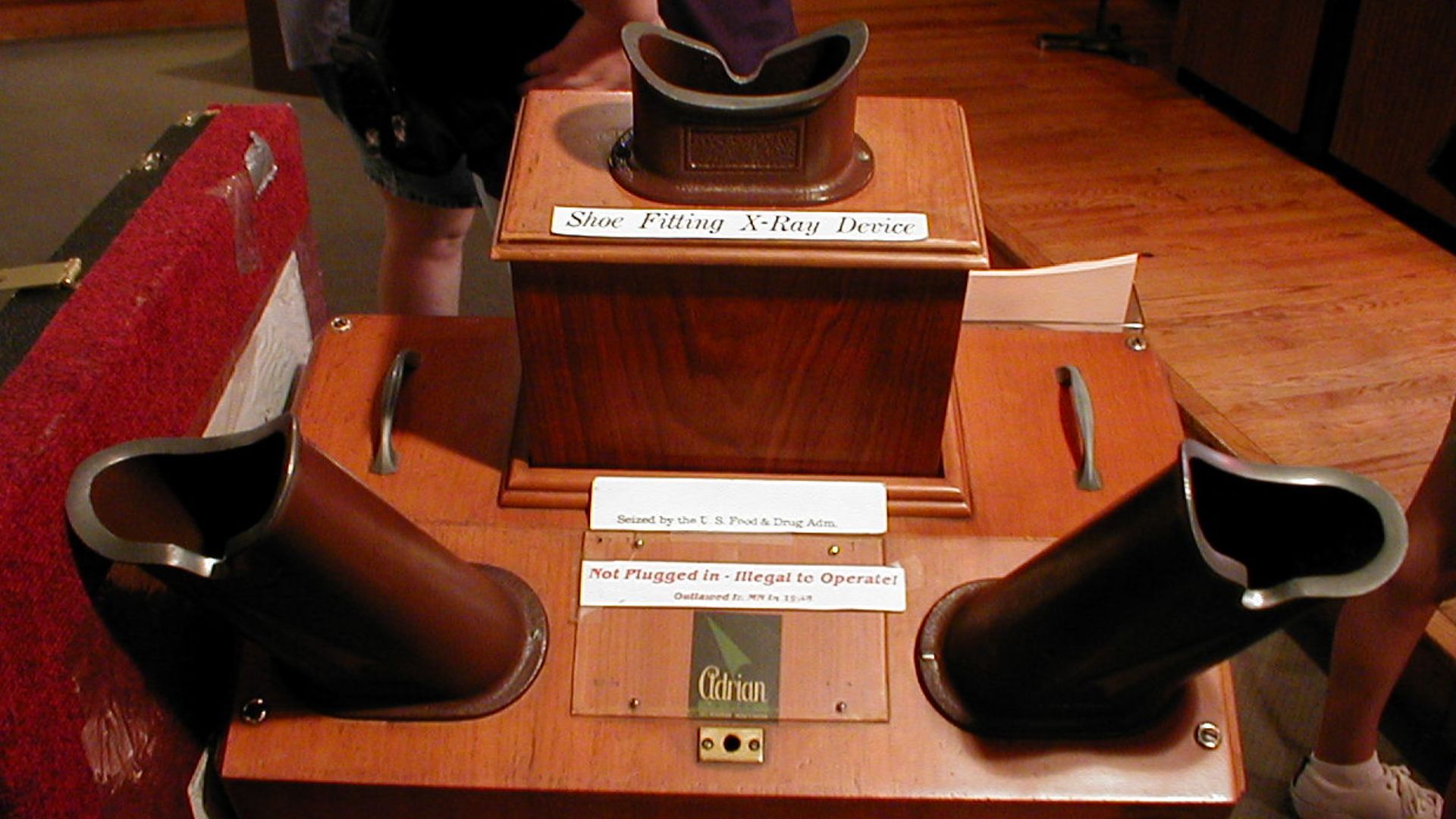 Andrew Kuchling from Vienna, Virginia, USA, Wikimedia Commons
Lobotomies Promoted As Mental Health Treatment
Lobotomies were marketed as advanced solutions for depression or anxiety, despite involving severed brain connections. Hospitals treated the procedure like routine care, and its inventor even earned a Nobel Prize. History later delivered the obvious verdict: brain surgery with an ice-pick vibe, maybe, wasn’t the miracle everyone hoped.


History's most fascinating stories and darkest secrets, delivered to your inbox daily.
Homosexuality Classified As A Disorder
The 1960s brought the unfortunate belief that homosexuality needed a “fix”. Conversion therapy stepped in with aversion tactics and electroshock, backed by official medical classification. Only in 1973 did the APA finally correct itself.

Racial Segregation Seen As Natural, Socially Beneficial
Segregation shaped daily life across the American South, enforced by law and sold as “good for everyone,” which says plenty about the mindset. Schools, hospitals, and public spaces kept people apart until the 1964 Civil Rights Act started undoing it.

Women Deemed Biologically Unfit For Endurance Sports
The idea that women couldn’t handle long-distance races carried so much weight that major events simply kept them out. Marathons barred female runners entirely, and the Boston Marathon held its line until 1972. Some claimed running might damage reproductive health, proving confidence didn’t always equal scientific understanding.

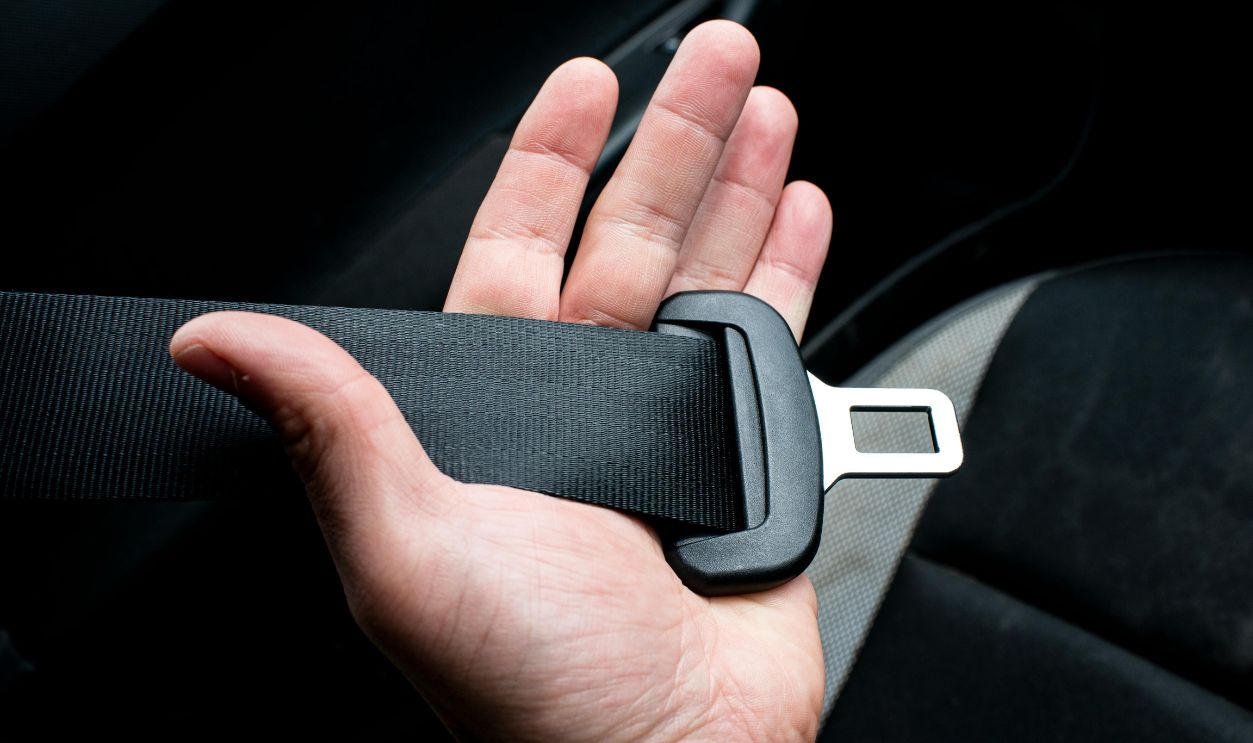
Seat Belts Considered Unnecessary, Even Dangerous
Plenty of drivers once treated seat belts like optional fashion accessories nobody asked for. Many cars didn’t include them, and some manufacturers hinted that belts could cause injuries. Advocates pushing for safety hit steady resistance.
Children’s Car Seats Not Considered Important
Family drives often looked like moving playgrounds. Kids stood on seats or wandered freely because car seats weren’t required. Babies sometimes napped in bassinets on the back seat. Early car seats focused on boosting height, not protection. The entire setup reads like safety took a long vacation.

Tanning Marketed As Healthy
A deep tan was a sign of glowing health 60 years ago, so families encouraged plenty of sun. Sunscreen barely entered the conversation unless someone burned easily. Some products were sold more like beauty extras than essentials. With skin cancer risks not widely discussed, the message boiled down to “bronze equals better”.

Sugar Marketed As Wholesome Energy
Sugar companies went all-out, convincing everyone that sweetness meant strength. Ads pitched sugar as a clean source of energy, and concerns stayed buried. Breakfast cereals also arrived coated in so much sugar that they practically counted as dessert.

Babies Put To Sleep On Their Stomachs For Safety
Parenting manuals taught that stomach sleeping kept babies safe from choking and helped digestion. The advice felt so normal that few questioned it. The position was eventually linked to Sudden Infant Death Syndrome, but that shift didn’t come until the 1990s. Until then, families followed guidance that sounded reassuring.

Infant Formula Marketed As Superior To Breastfeeding
Formula companies leaned hard on the promise of science, claiming their products surpassed mother’s milk. Hospitals handed out free samples that nudged many mothers toward formula. Ads highlighted terms like “scientifically perfected”. The push created confidence in a product that didn’t always match the marketing.

Corporal Punishment Believed Essential For Child Discipline
Schools and homes treated spanking as standard practice. Teachers used paddles and canes, insisting that structure required a firm hand. Parents echoed the sentiment, convinced that physical punishment built character. Well, the confidence in “a good swat fixes everything” shows how strongly the era linked toughness with proper upbringing.

Asbestos Praised As A Miracle Material
Asbestos won widespread acclaim for fire resistance, showing up in insulation, tiles, roofing, brake pads, and even ironing board covers. Some children’s science kits included it. Health risks weren’t widely acknowledged, thanks to heavy suppression. The material looked miraculous until reality revealed that the miracle came with a steep cost.
 Oregon Department of Transportation, Wikimedia Commons
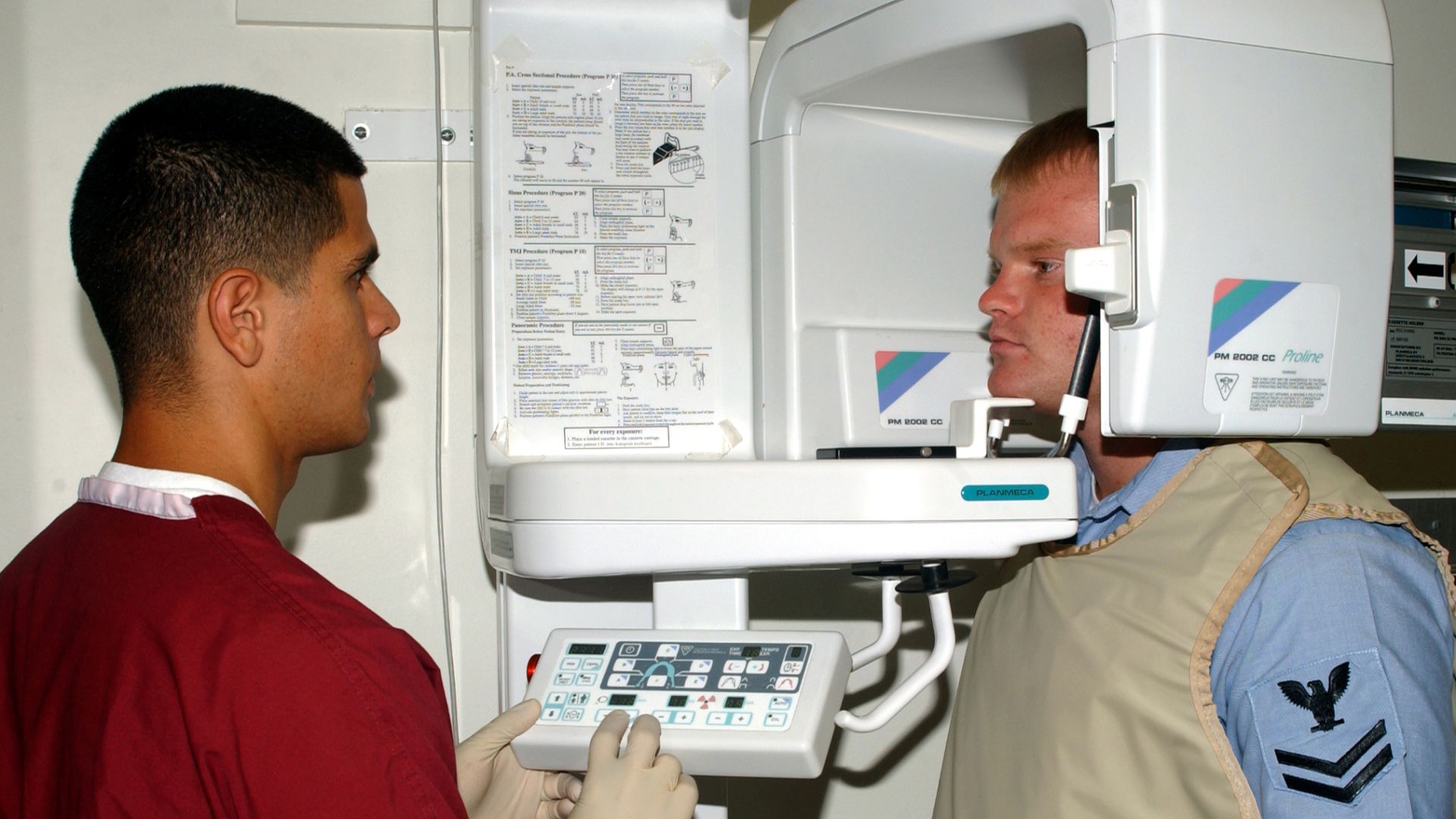
Unshielded Medical And Dental X-rays Seen Benign
Medical visits once meant getting X-rays without lead aprons or thyroid shields because the danger wasn’t fully understood. Dental staff even held the film in place with their hands. The casual attitude helped these machines spread everywhere, from clinics to shoe stores.
 Clarck Desire, Wikimedia Commons
Duck-And-Cover Drills Believed Sufficient Against Nuclear Threats
There was a time when schools treated duck-and-cover drills as if a desk could stop a nuclear blast. Animated films featuring Bert the Turtle taught kids the routine with cheerful confidence. Families even built backyard fallout shelters, trusting government advice. The gap between expectations and reality could’ve powered its own warning siren.
 Walter Albertin, Wikimedia Commons
Driving After A Few Drinks Normalized
Social routines embraced “one for the road” as if it were helpful guidance, not terrible timing. Drinking before driving sparked little concern, and enforcement barely existed. Higher legal limits made the habit seem acceptable. It was a culture where confidence in reflexes stood in for actual safety.

Refrigerator Mothers’ Theory Blamed Autism On Parenting
A damaging idea took hold mid-century, claiming autism resulted from unloving mothers. Psychiatrists like Leo Kanner and Bruno Bettelheim pushed the theory, which created deep stigma for families. As biological research advanced, the whole premise fell apart.

MSG Believed To Cause “Chinese Restaurant Syndrome”
If you’ve ever wondered why MSG got such a bad reputation, the answer traces back to one 1968 letter that blamed Chinese food for odd symptoms. There is no consistent evidence to support those claims. Ironically, MSG sits in plenty of everyday foods like tomatoes and cheese.
 Unknown authorUnknown author, Wikimedia Commons
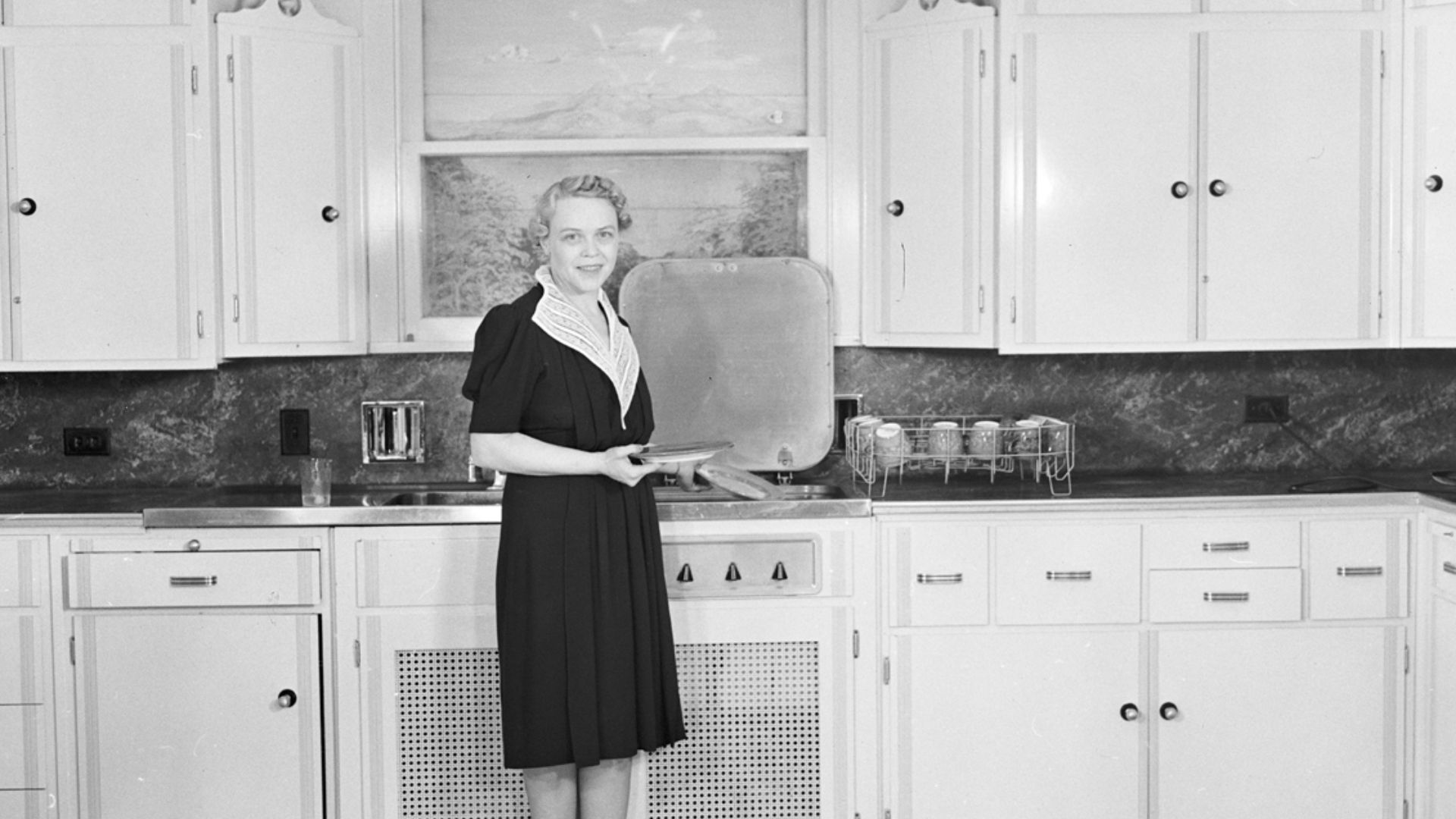
Household Appliances Feared Emitting Harmful “Radiation” Signals
Families used to fear microwaves and televisions, convinced that they leaked mysterious “radiation” into their living rooms. Many families kept a wide berth from the screen, sure that something dangerous lurked inside. Much of the fear came from misusing the word “radiation”. It sounded scientific, so the panic felt justified, if not accurate.
 Seattle Municipal Archives, Wikimedia Commons