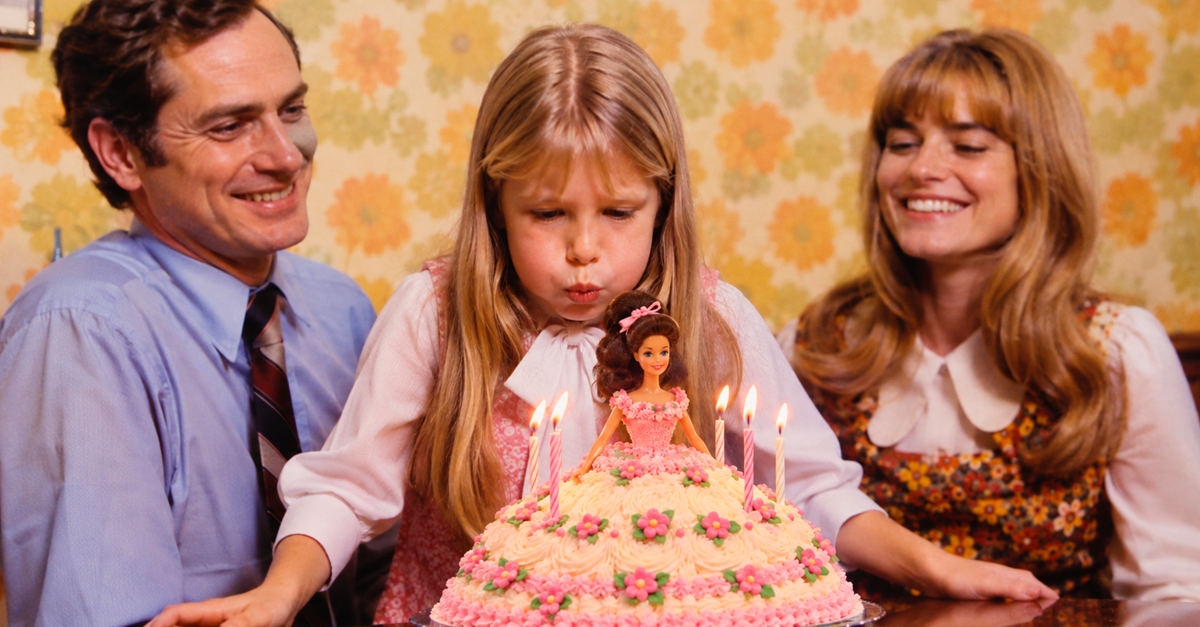
When Birthday Parties Were Simple But Unforgettable
Birthday parties in the 1970s didn't need fancy venues, elaborate decorations, or professional entertainers. A homemade cake, a few neighborhood friends, and some classic party games were enough to make a birthday unforgettable. And while the celebrations were simple, some of the traditions would seem downright strange to kids today.
From pointy paper hats to tiny goodie bags, here's a look at the things that made 1970s birthday parties so memorable.
A Living Room Full Of Party Guests
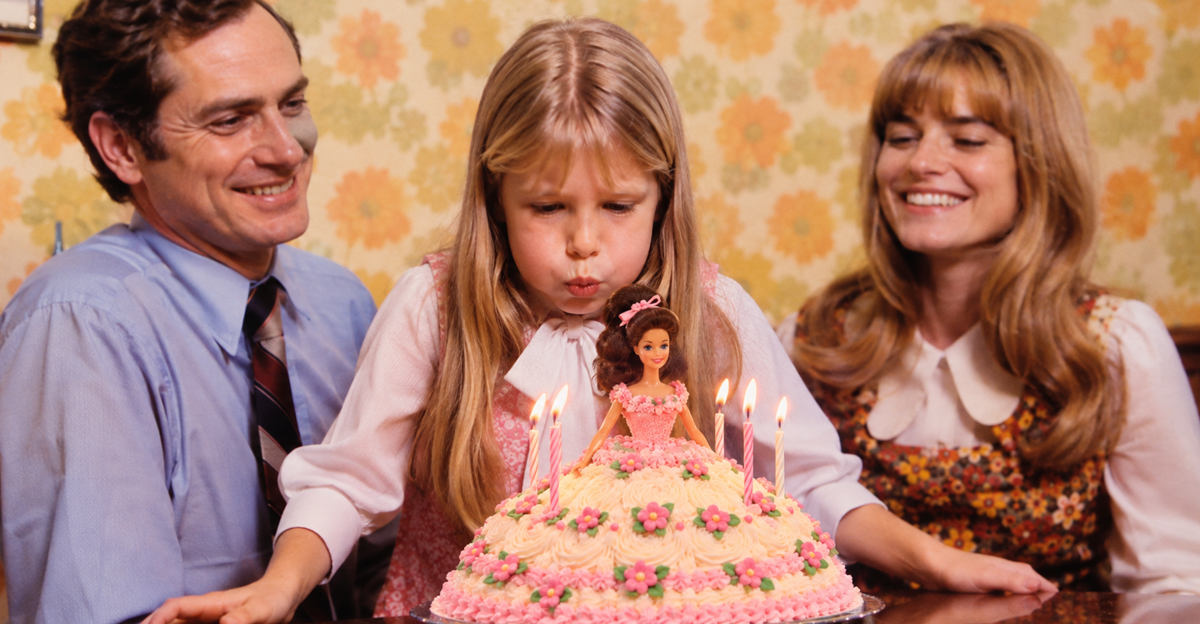
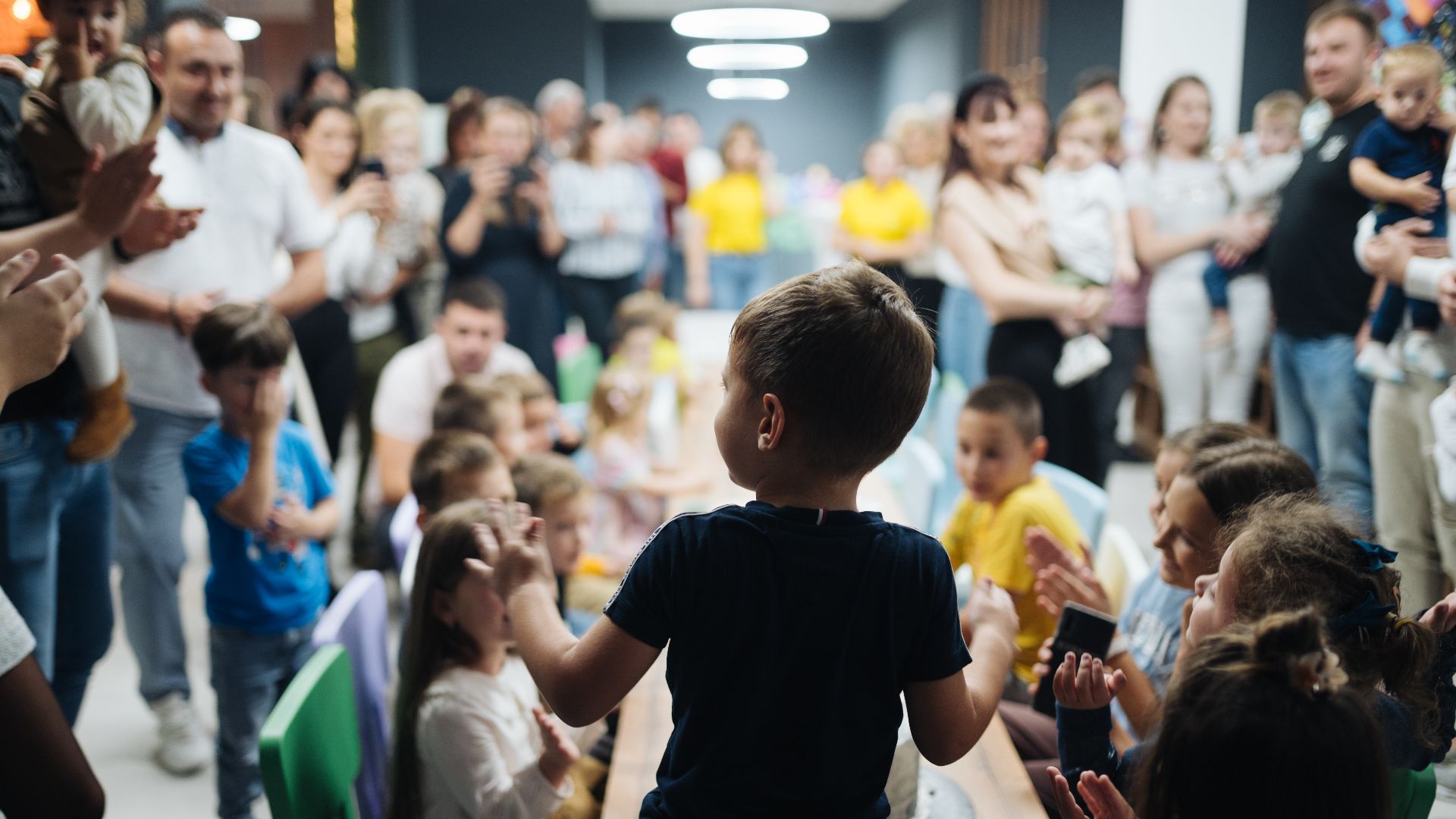
For many families, hosting a birthday party meant rearranging the furniture and making room for excited children. The living room, kitchen, or backyard became the party venue, with parents handling the entertainment themselves. Home celebrations were well established by the 1970s, although dedicated children's entertainment venues would soon begin offering families another option.
 Shixart1985, Wikimedia Commons
Paper Birthday Invitations
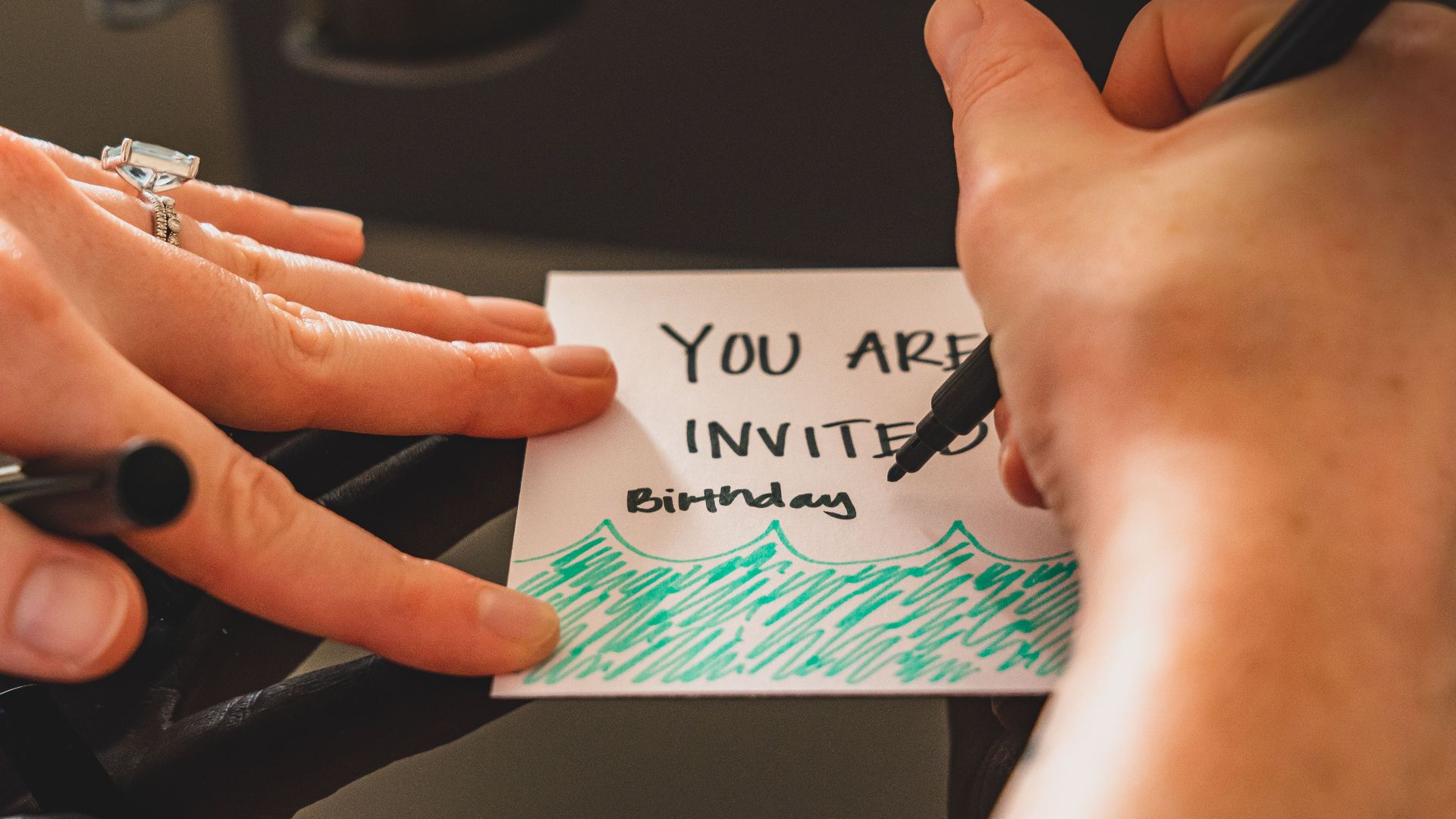
Birthday invitations were physical cards that parents could fill out and deliver by hand or send through the mail. The date, address, and starting time were written inside, with families responding by telephone or in person. There were no electronic invitations, group chats, or automatic reminders to keep everyone organized.
Crepe Paper Streamers Everywhere
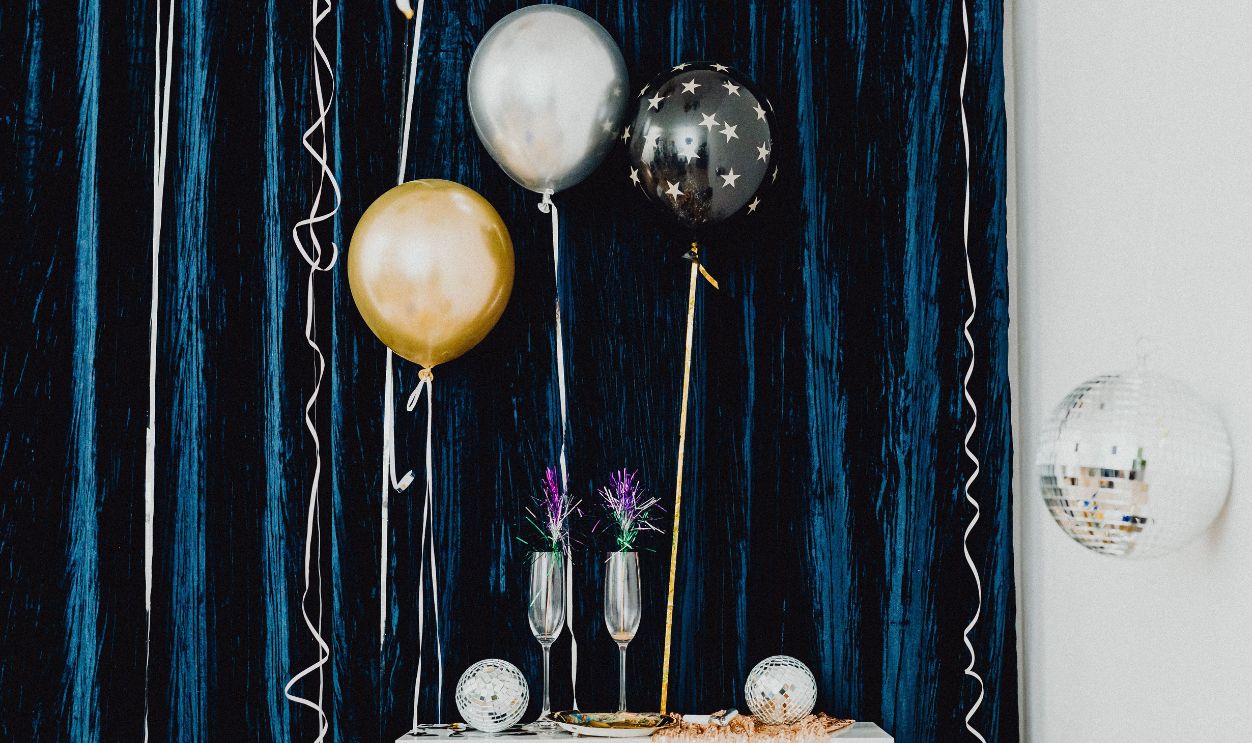
Colorful crepe paper was an inexpensive way to transform an ordinary room into a party space. Parents twisted long strips together, draped them across ceilings, or hung them around doorways. Along with balloons and other paper decorations, streamers created a festive atmosphere without requiring professional decorating services.
 https://kaboompics.com/, Pexels
Pointy Paper Party Hats
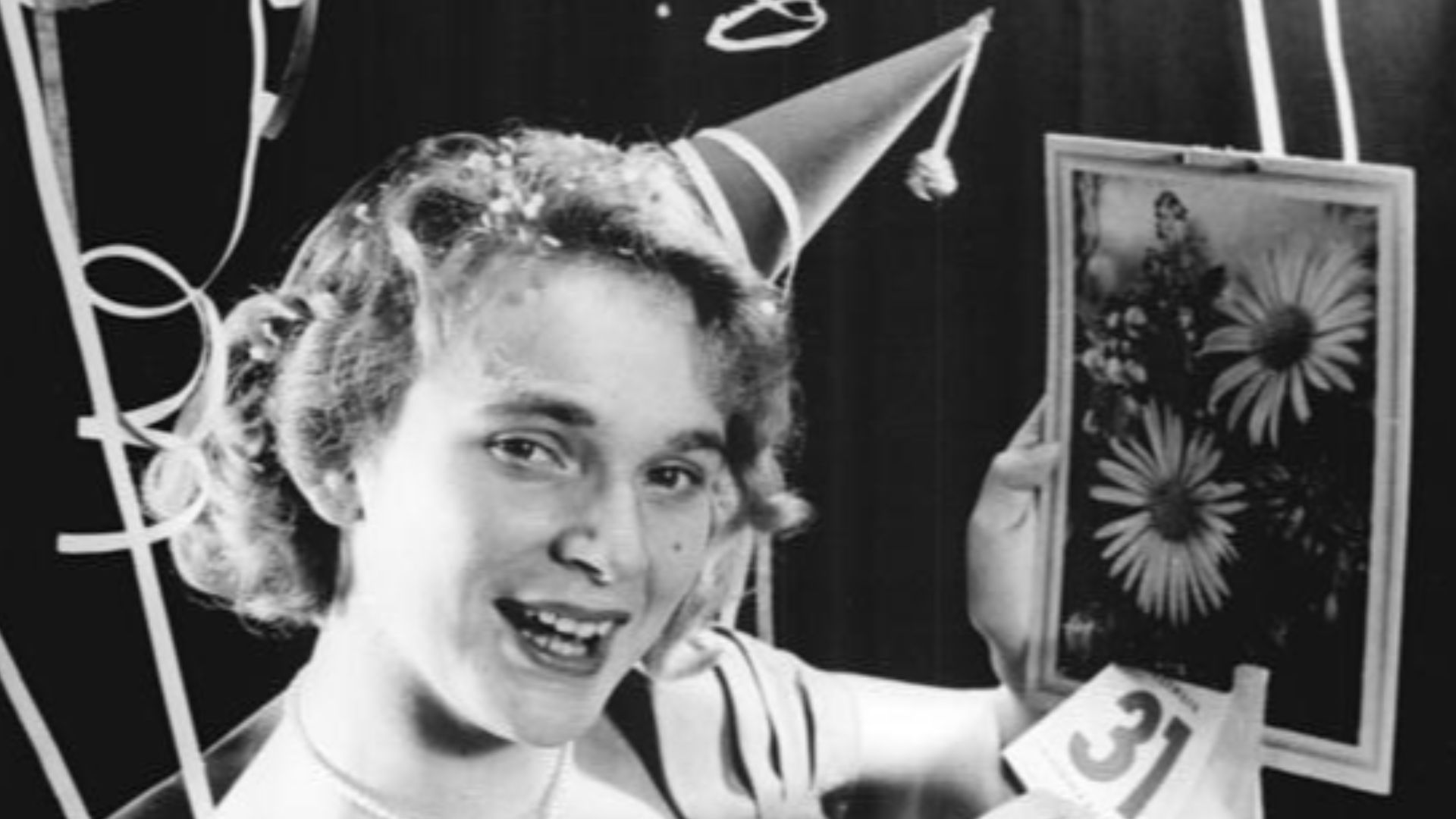
Cone-shaped paper hats were practically a birthday party uniform in the 1970s. They came in bright colors and cheerful patterns, held in place by thin elastic strings that dug painfully into your chin. The hats looked festive, but getting rid of that uncomfortable little string was often one of the best parts of the party.
 Hans-Günter Quaschinsky, Wikimedia Commons
Homemade Birthday Cakes With Colorful Frosting
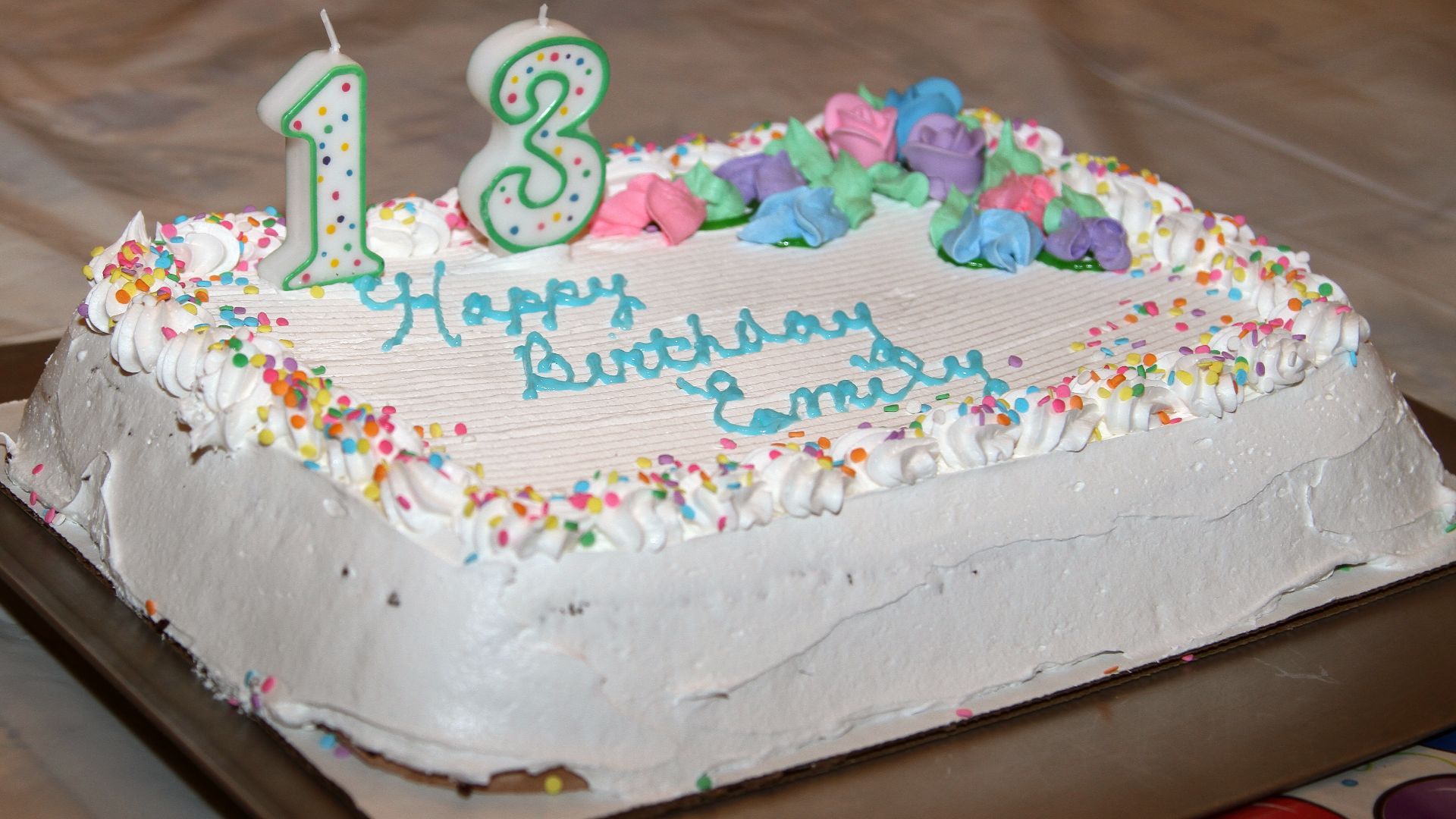
Homemade birthday cakes were a central feature of many family celebrations. Parents could bake from scratch or use convenient boxed mixes, then decorate the finished cake with icing and candles. Elaborate decorations weren't essential, and the birthday child's favorite flavor often mattered more than professional-looking results.
 Jim, the Photographer, Wikimedia Commons
Pin The Tail On The Donkey
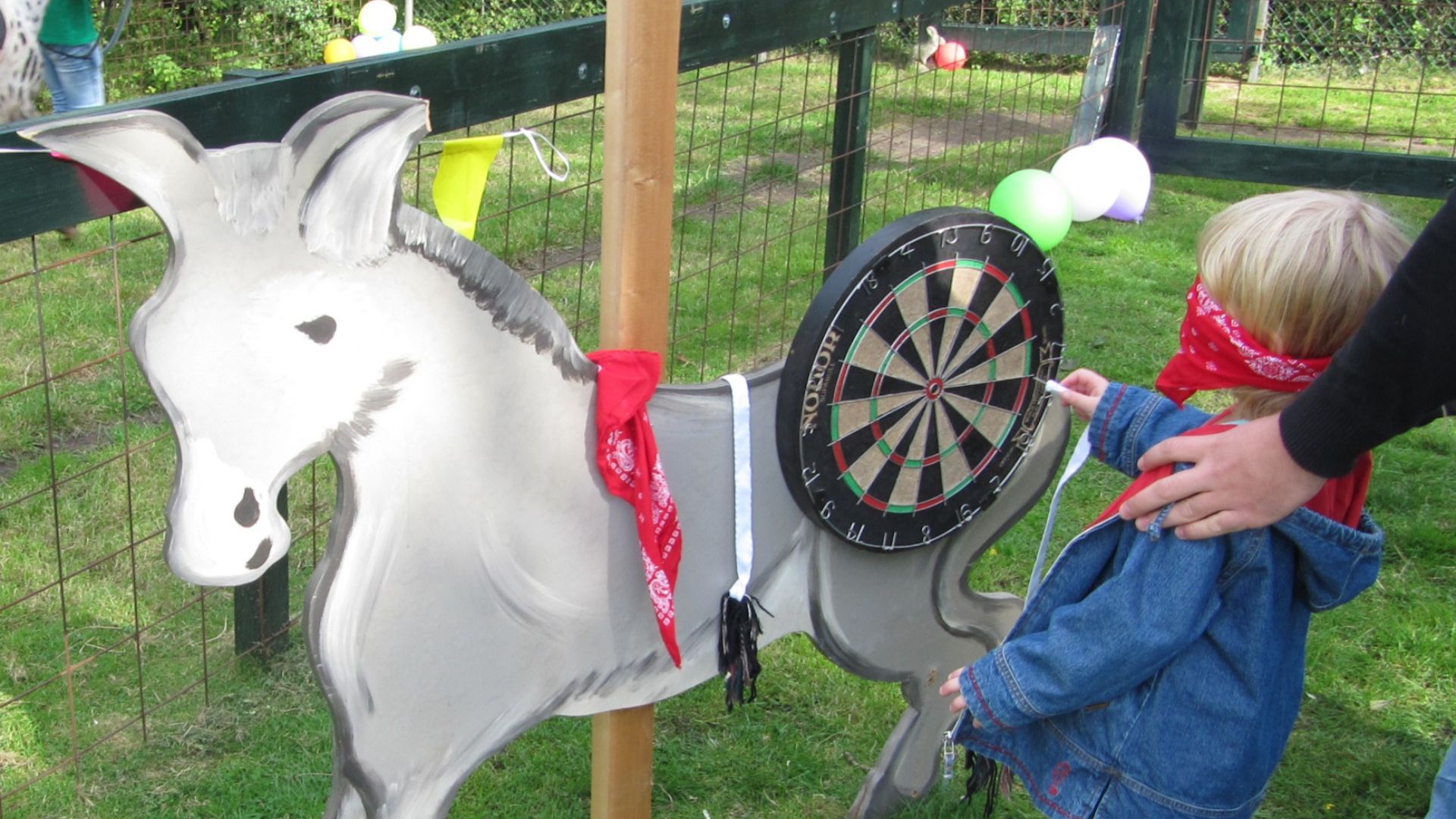
Children took turns wearing a blindfold and trying to attach a tail to a picture of a donkey. The player who placed it closest to the correct spot won, usually to enthusiastic cheers from the other guests. The game dated back to the 1880s, and commercial versions were still being sold in the 1960s.
 Michiel1972, Wikimedia Commons
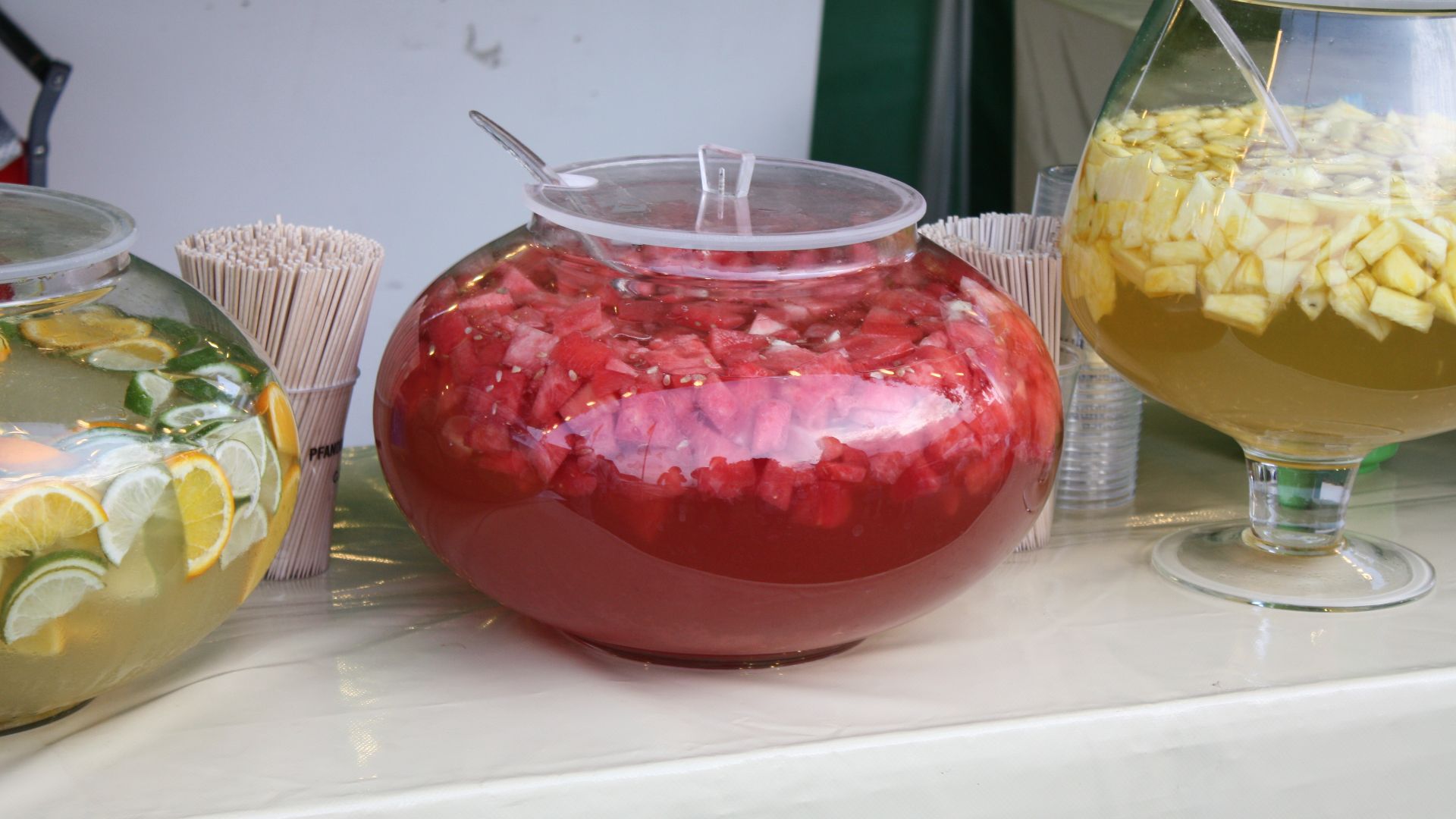
A Big Bowl Of Kool-Aid or Punch
Sweet fruit-flavored drinks were a familiar feature of children's parties, and the 1970s offered plenty of convenient options. Families could serve drinks such as Kool-Aid or Hawaiian Punch from large pitchers or punch bowls. Guests poured their refreshments into small cups, while adults prepared enough for everyone at once.
 Politikaner, Wikimedia Commons
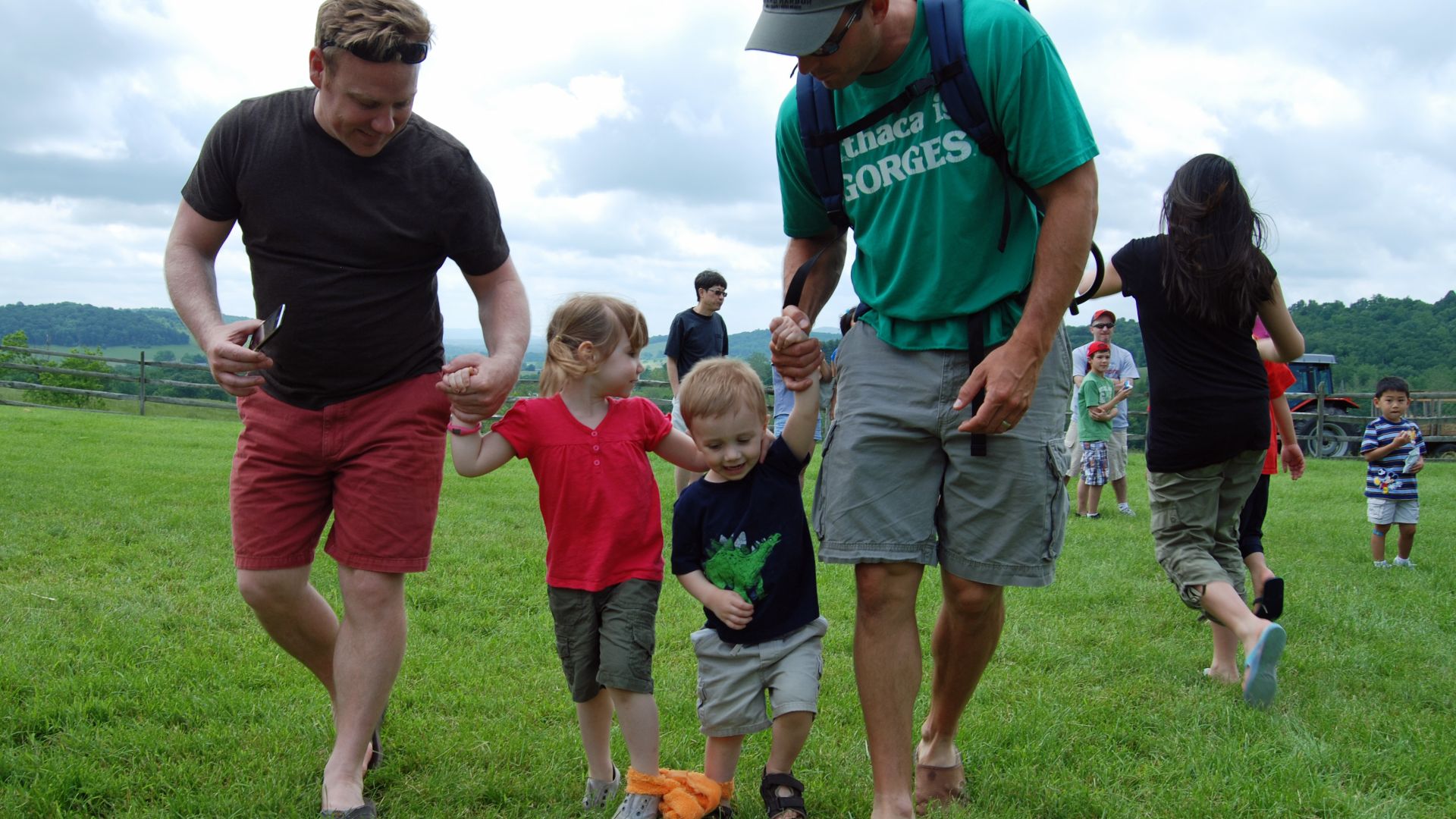
Three-Legged Races
Backyard birthday parties could include a three-legged race, with pairs of children tying their adjacent legs together. The challenge was to reach the finish line without falling or losing coordination. These old-fashioned races required little equipment, making them an easy addition to outdoor celebrations.
 Virginia State Parks staff, Wikimedia Commons
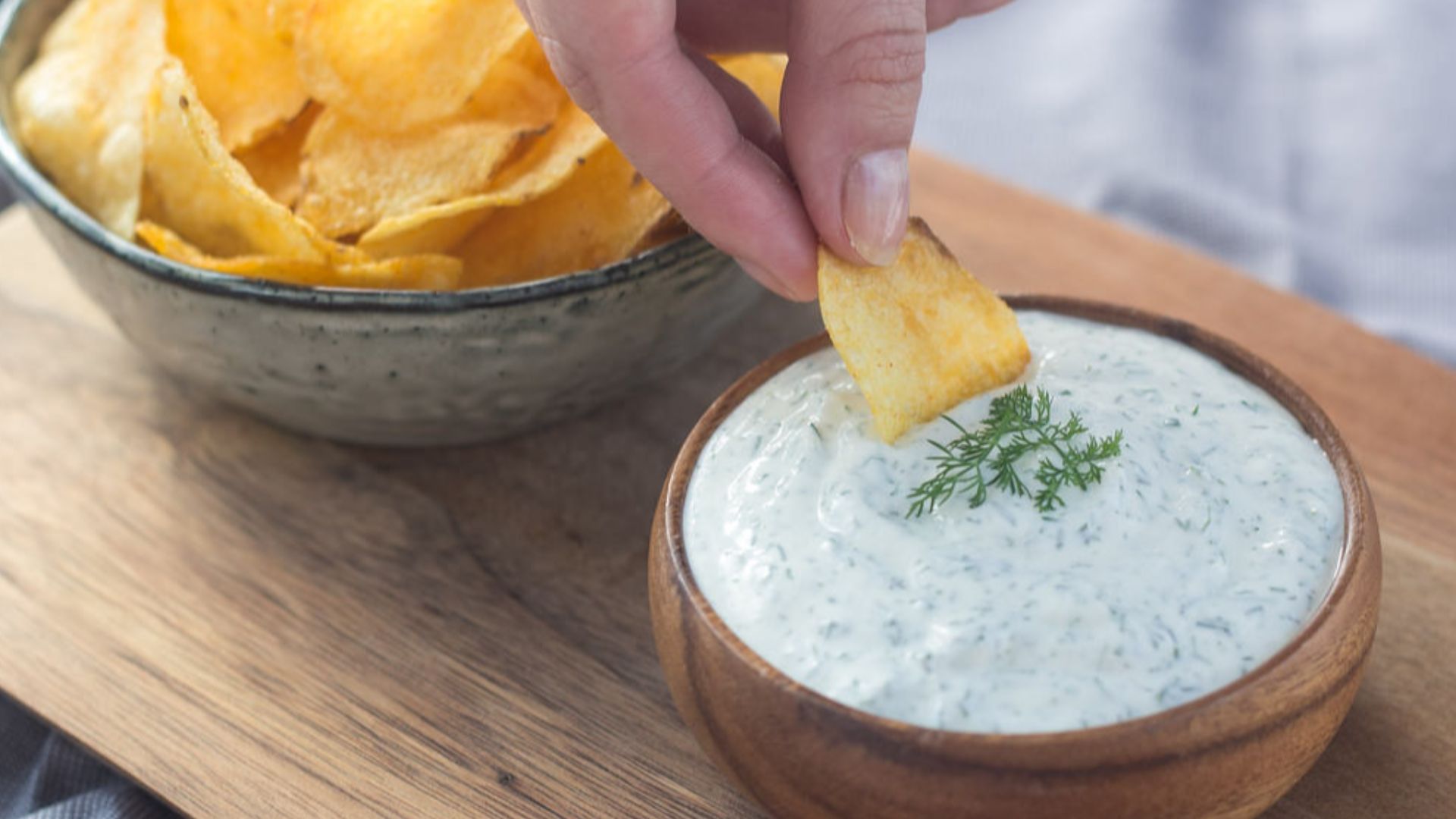
Potato Chips And Onion Dip
A big bowl of potato chips with creamy onion dip was a familiar sight at 1970s birthday parties. One popular recipe combined sour cream with Lipton onion soup mix, creating a tasty dip with almost no effort. It was cheap, easy to prepare, and perfect for a crowd of hungry kids who kept returning for another handful.
 Androgles1992, Wikimedia Commons
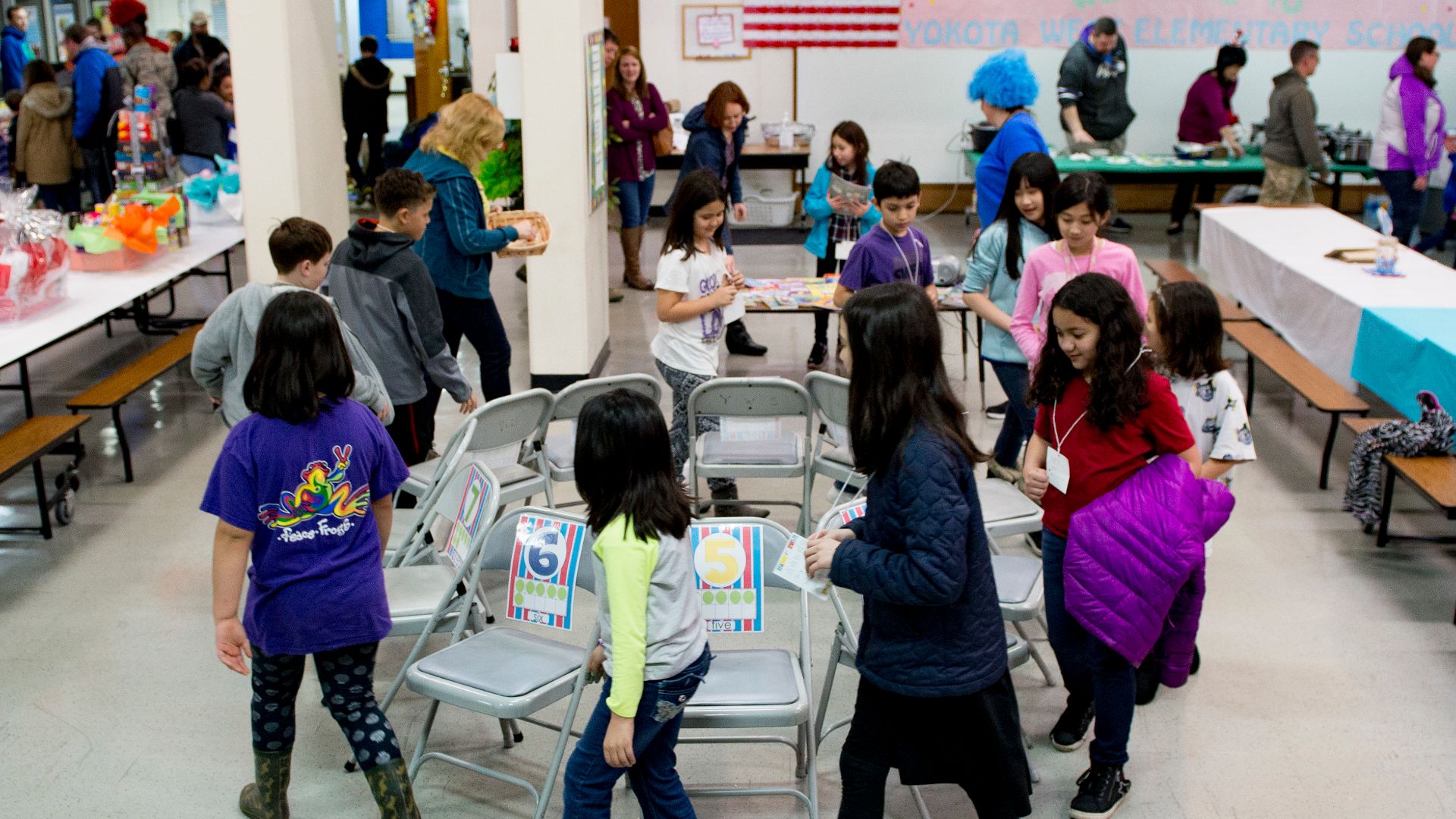
Musical Chairs In The Living Room
A circle of chairs, some music, and a group of enthusiastic children were enough to create a classic birthday game. When the music stopped, everyone scrambled for a seat, leaving one unlucky player standing. Musical chairs was already an old tradition by the 1970s, but it remained a familiar feature of children's celebrations.
 Airman 1st Class Donald Hudson, Wikimedia Commons
Colorful Jell-O Mold
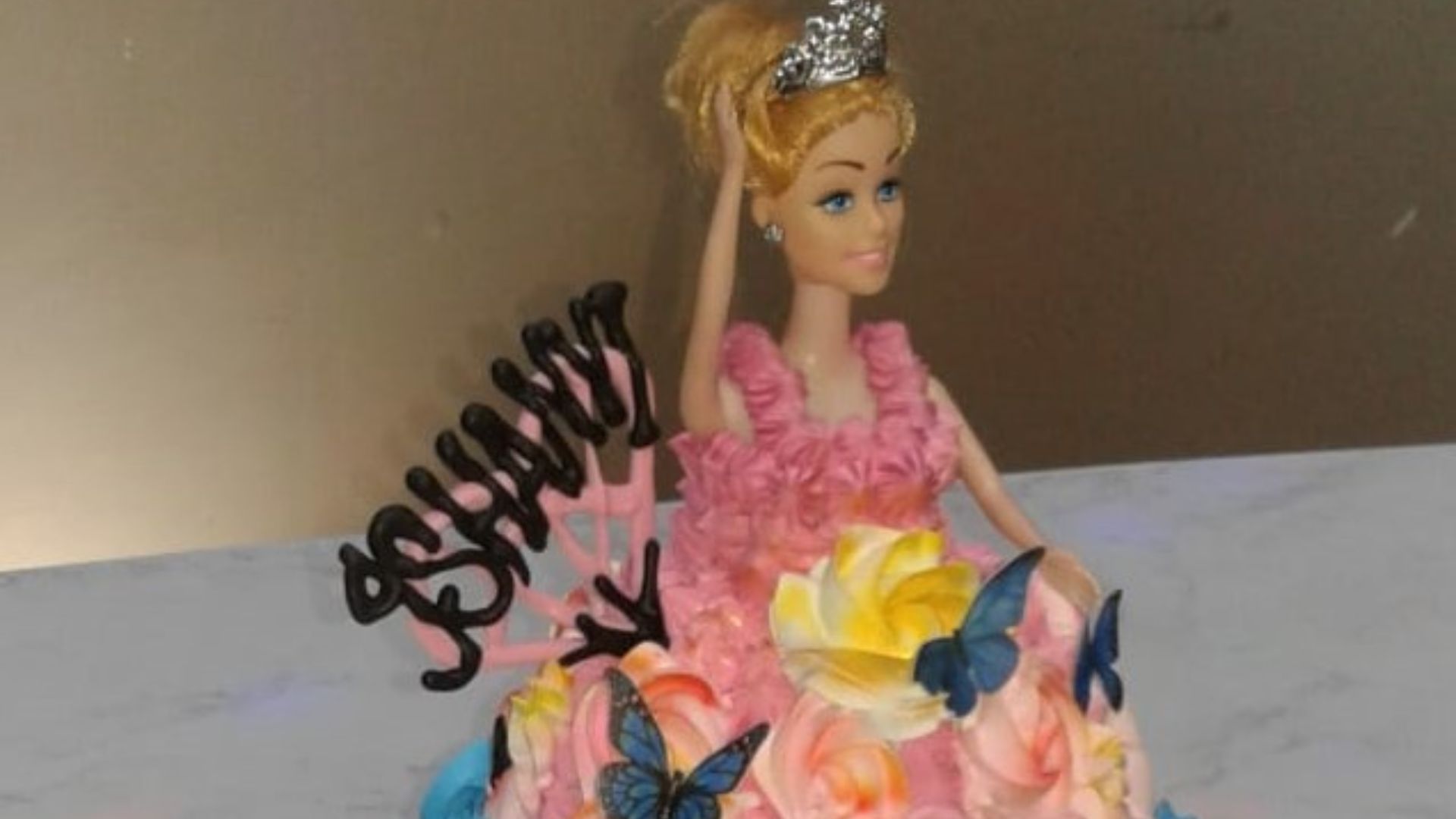
Brightly colored gelatin desserts were especially associated with mid-century American entertaining. By the 1970s, cookbooks and advertisements offered countless ways to prepare Jell-O, including elaborate molds filled with fruit or colorful layers. Although not every birthday party featured one, these wobbly creations were part of the broader food culture many children remember.
Blind Man's Bluff
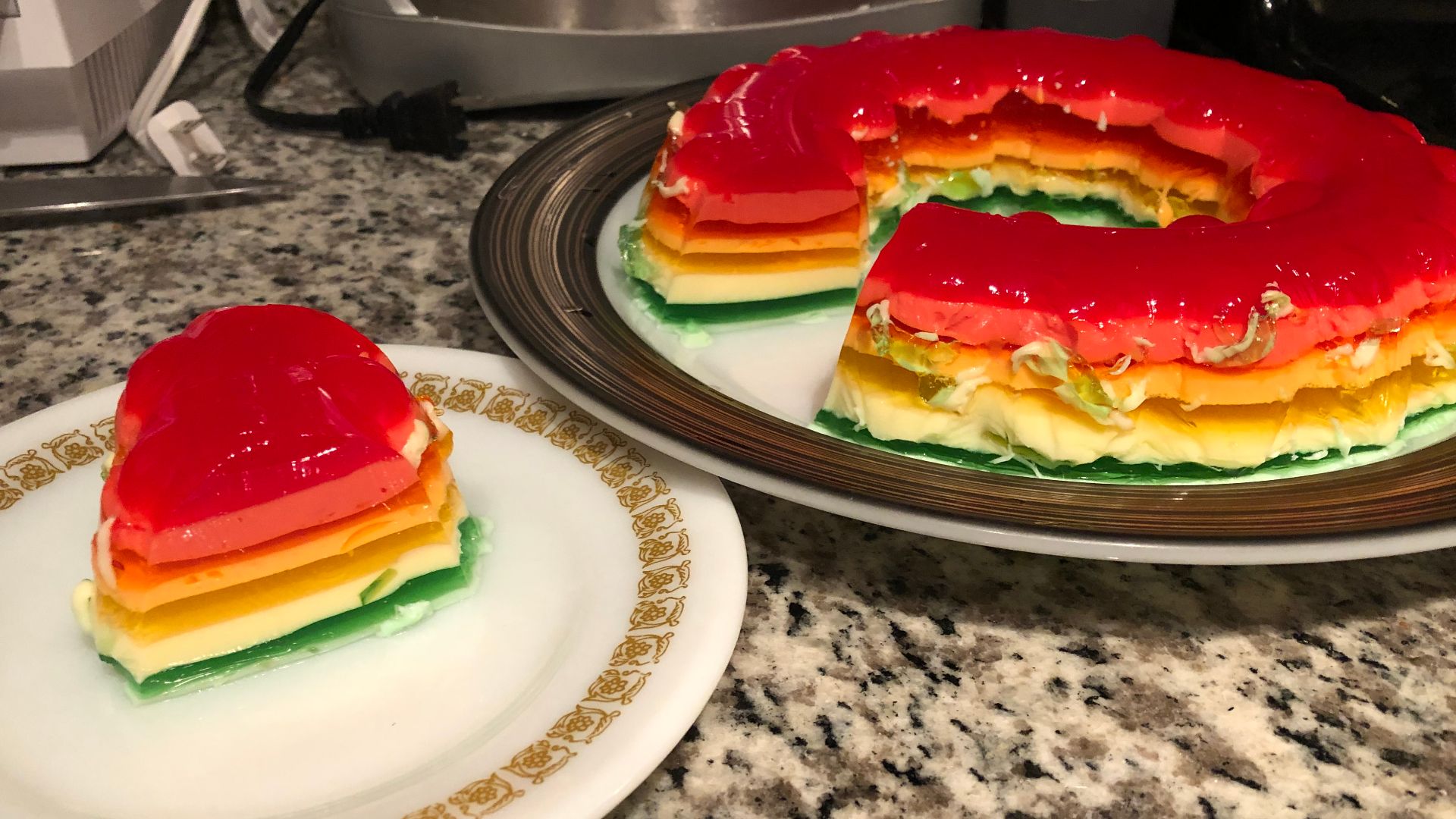
Long before electronic party entertainment, children played games that relied on guessing, movement, and a little confusion. In blind man's bluff, one player was blindfolded and tried to catch or identify the others. The game had existed for centuries, but it remained part of the traditional party-game repertoire well into the 20th century.
The Clothespin Drop
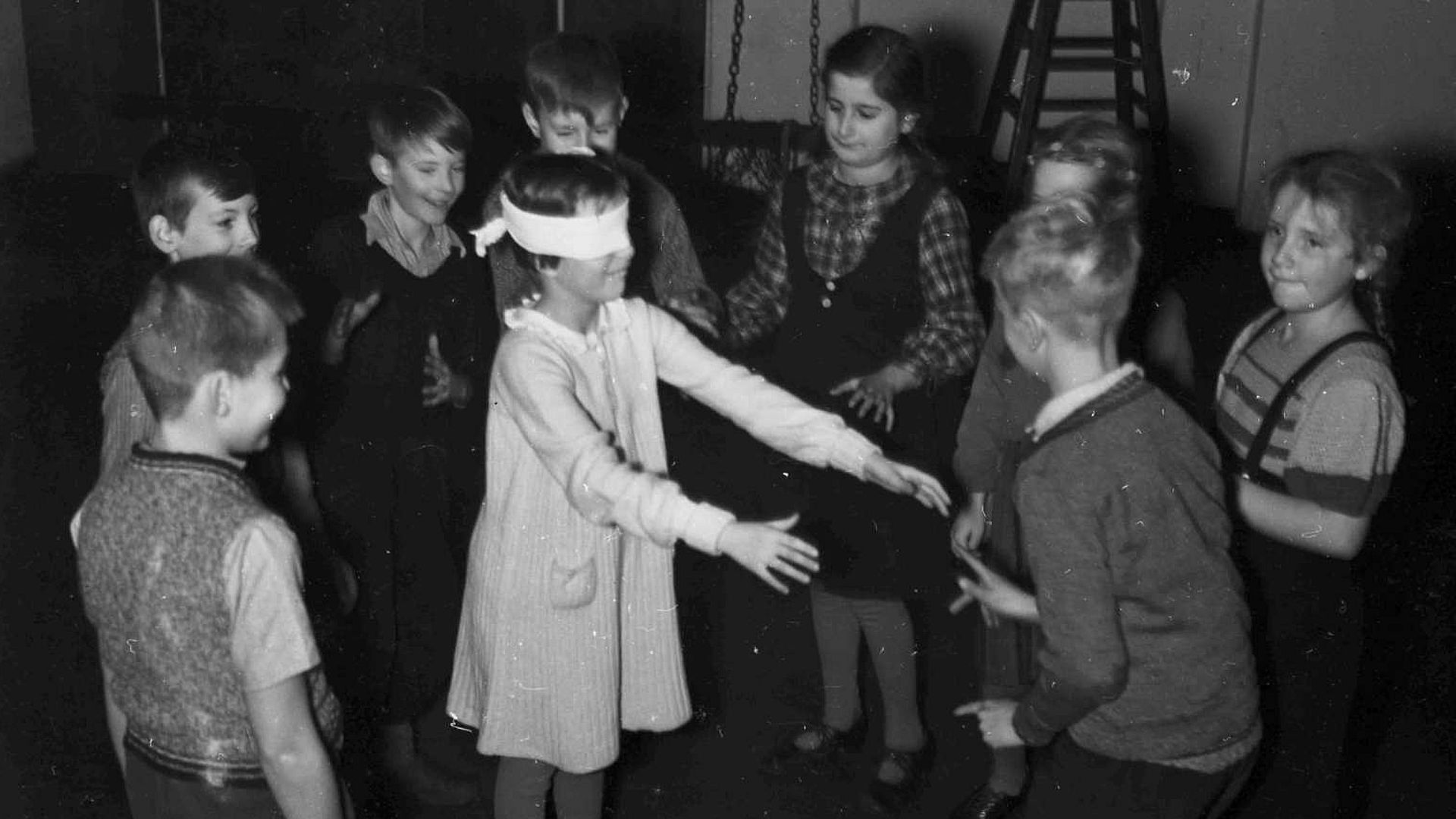
One old-fashioned birthday game involved dropping clothespins into a Mason jar or another narrow container. Players attempted to land as many as possible inside without missing, turning an ordinary household object into a test of coordination. A 1986 newspaper column recalled the game as an example of the simple entertainment children enjoyed at earlier parties.
Barbiedoll Birthday Cakes
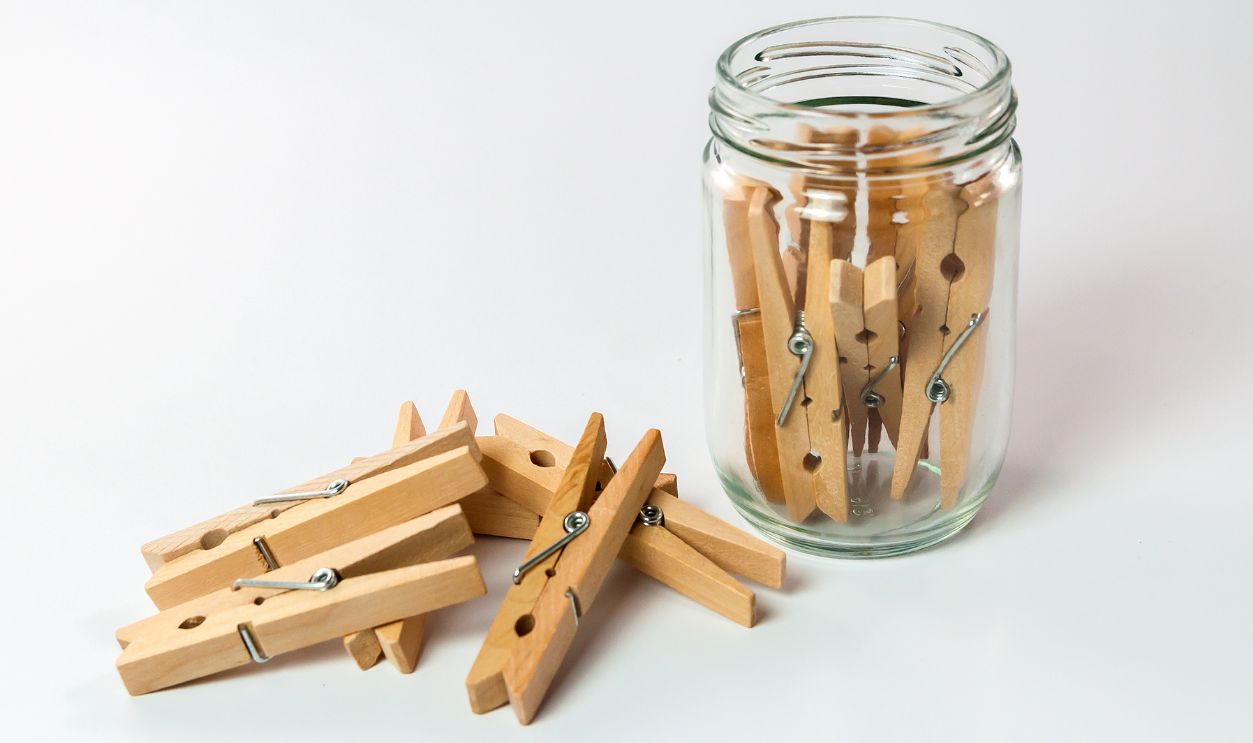
Some birthday cakes went far beyond ordinary designs, featuring a Barbie doll standing inside a dome-shaped cake. Frosting covered the cake to resemble an elaborate ball gown, turning the doll into the centerpiece. Although doll cakes had existed for decades, Wilton introduced a special dome-shaped cake pan in the 1970s, making these creations easier for home bakers to produce.
 Agamani Saha, Wikimedia Commons
Twister
By the 1970s, families had another entertaining option that involved plenty of awkward positions. Milton Bradley introduced Twister in 1966, and the game became a commercial success after appearing on The Tonight Show. Players placed their hands and feet on colored circles, often becoming hopelessly tangled as the game continued.
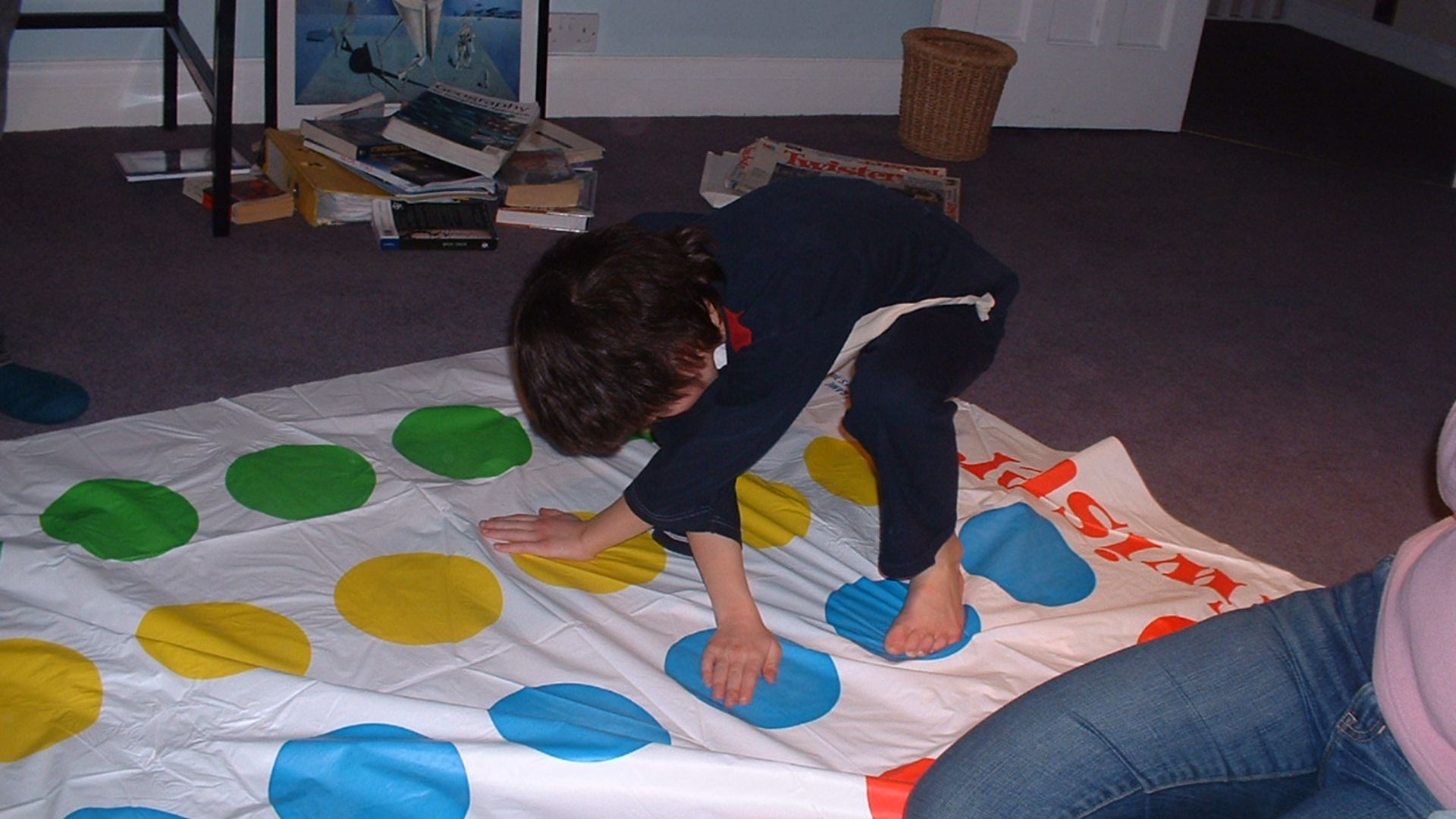 Jerry Daykin from Cambridge, United Kingdom, Wikimedia Commons
Egg Tosses In The Backyard
Another traditional party activity involved pairs of children tossing an egg back and forth. The challenge became increasingly difficult as players moved farther apart, trying not to break the egg. These simple competitions were among the old-fashioned children's party games nostalgically recalled in the 1980s.
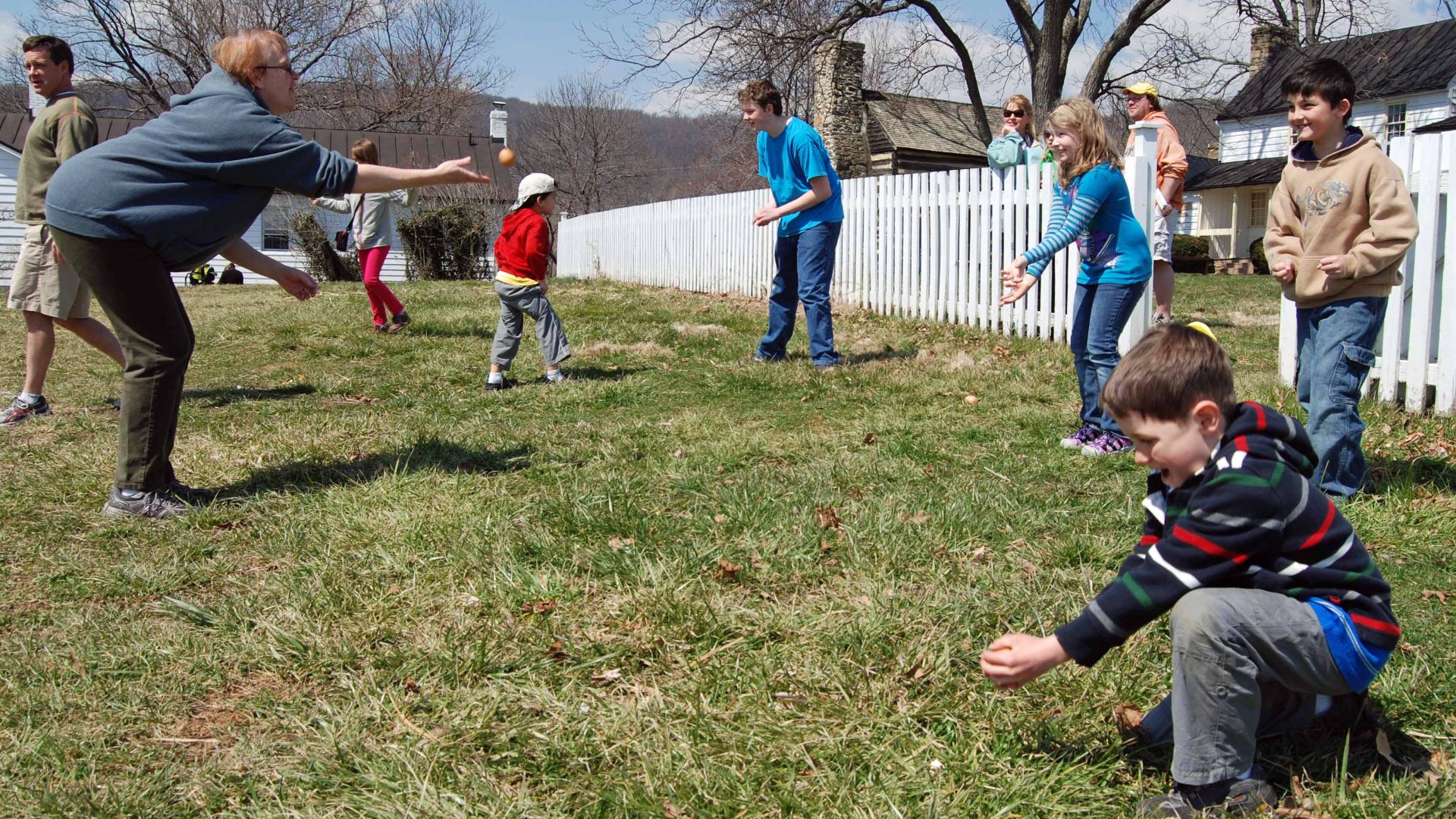 Virginia State Parks staff, Wikimedia Commons
Homemade Treasure Hunts
Instead of paying for organized entertainment, parents could arrange a scavenger hunt using ordinary household objects. Children searched the house or backyard for items on a list, competing to find everything before their friends. These homemade activities provided plenty of excitement without requiring expensive equipment.
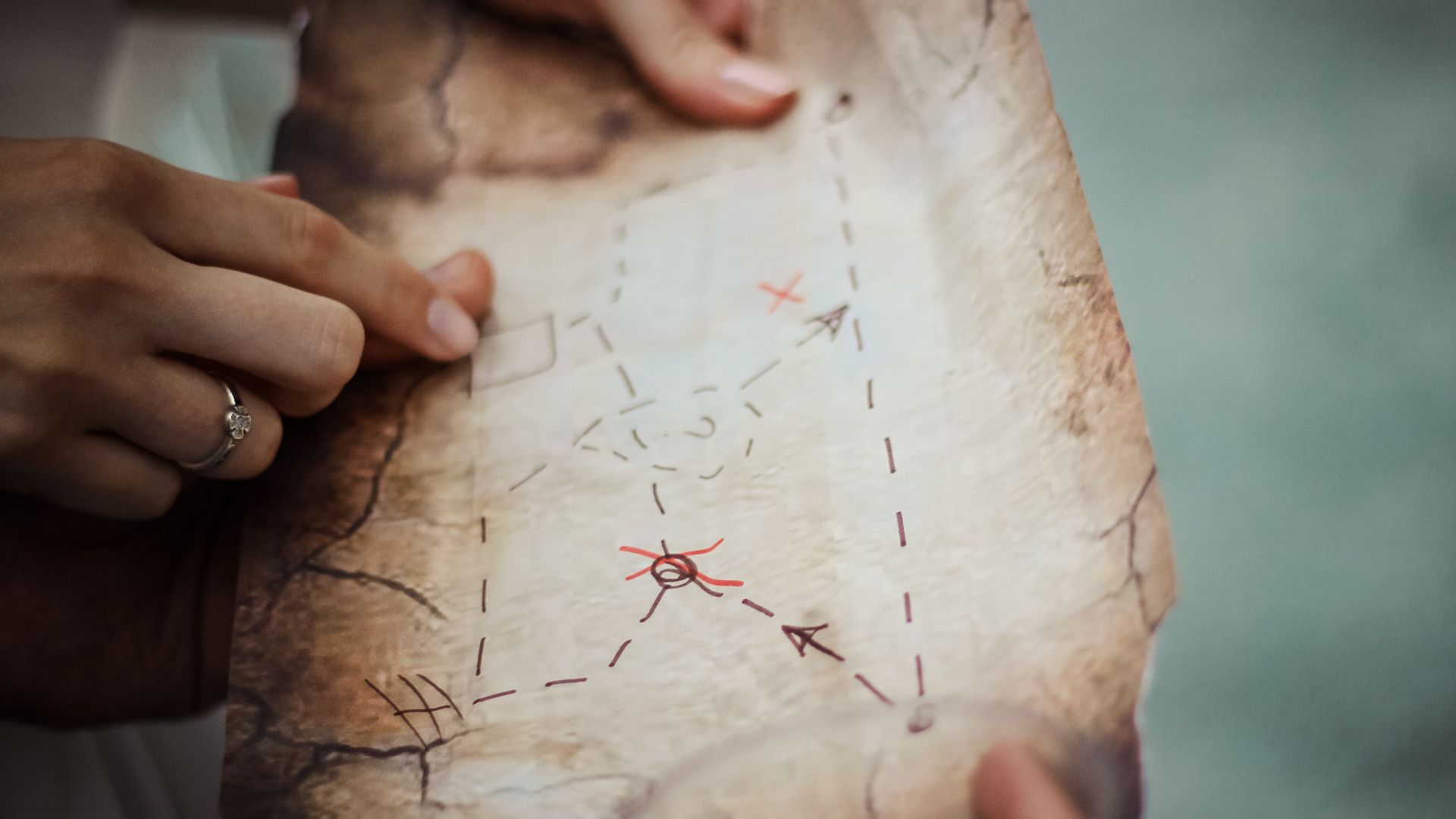 N. ellladee, Wikimedia Commons
Kim's Game
At some traditional children's parties, the entertainment included a memory challenge known as Kim's Game. Players studied a collection of everyday objects placed on a tray before the objects were covered or one was removed. The challenge was to remember what they had seen or identify the missing item, depending on the version being played.
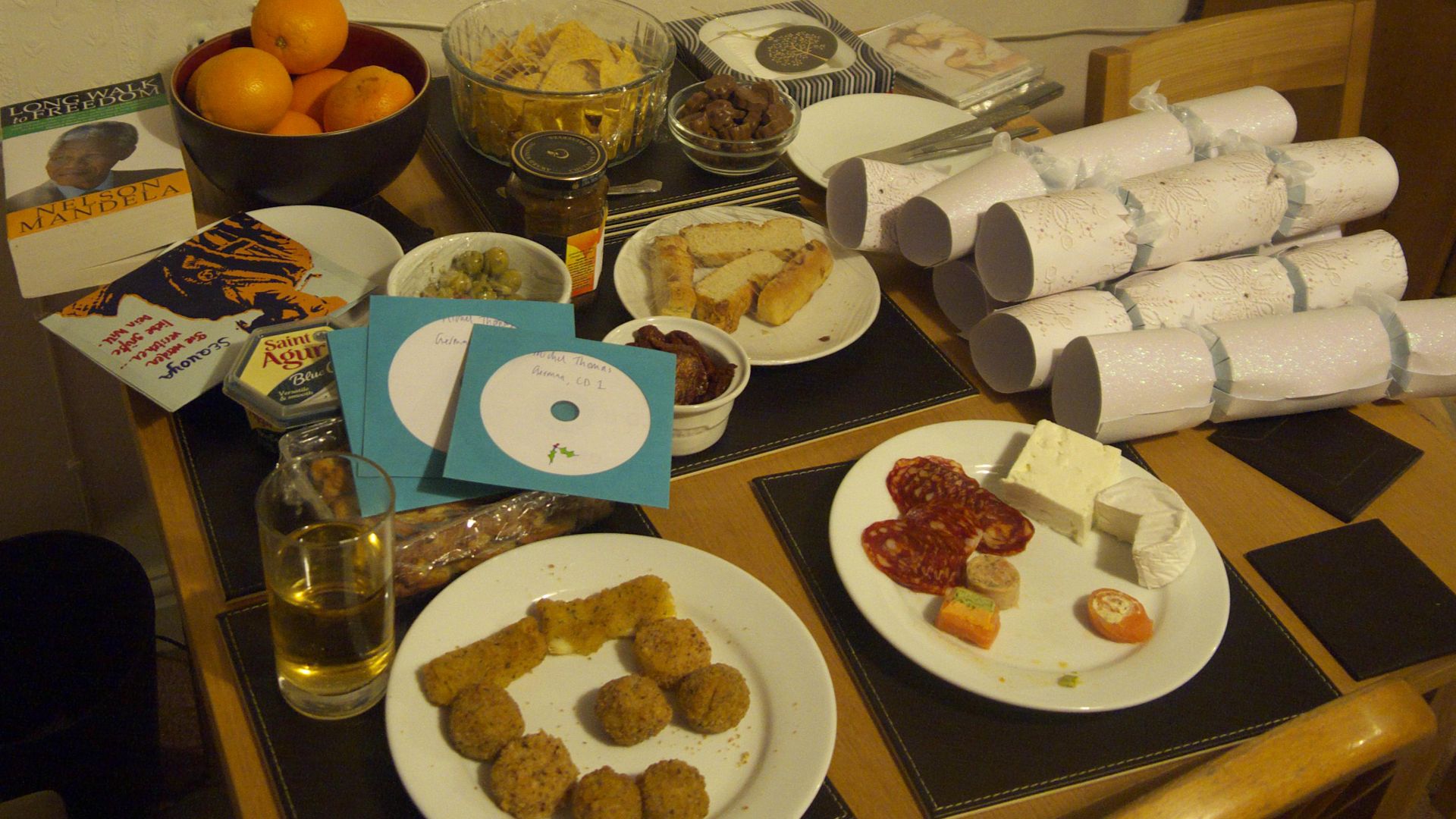 Sam Saunders, Wikimedia Commons
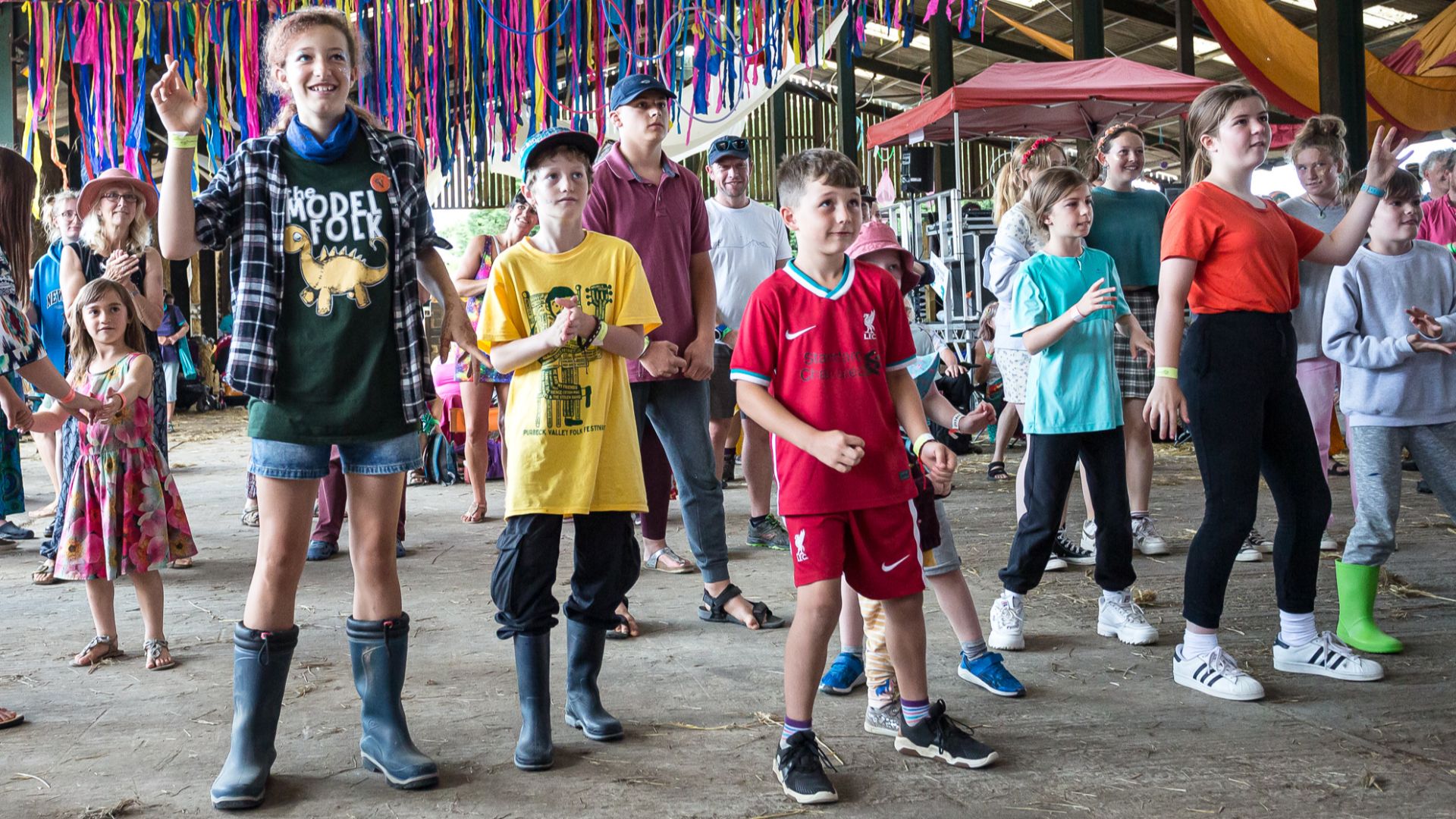
Musical Statues
Another traditional party game involved children dancing or moving while music played. As soon as the music stopped, everyone had to freeze in position, and anyone caught moving could be eliminated. Unlike musical chairs, there was no furniture involved, making the game easy to organize in almost any room.
 Stephen and Helen Jones, Wikimedia Commons
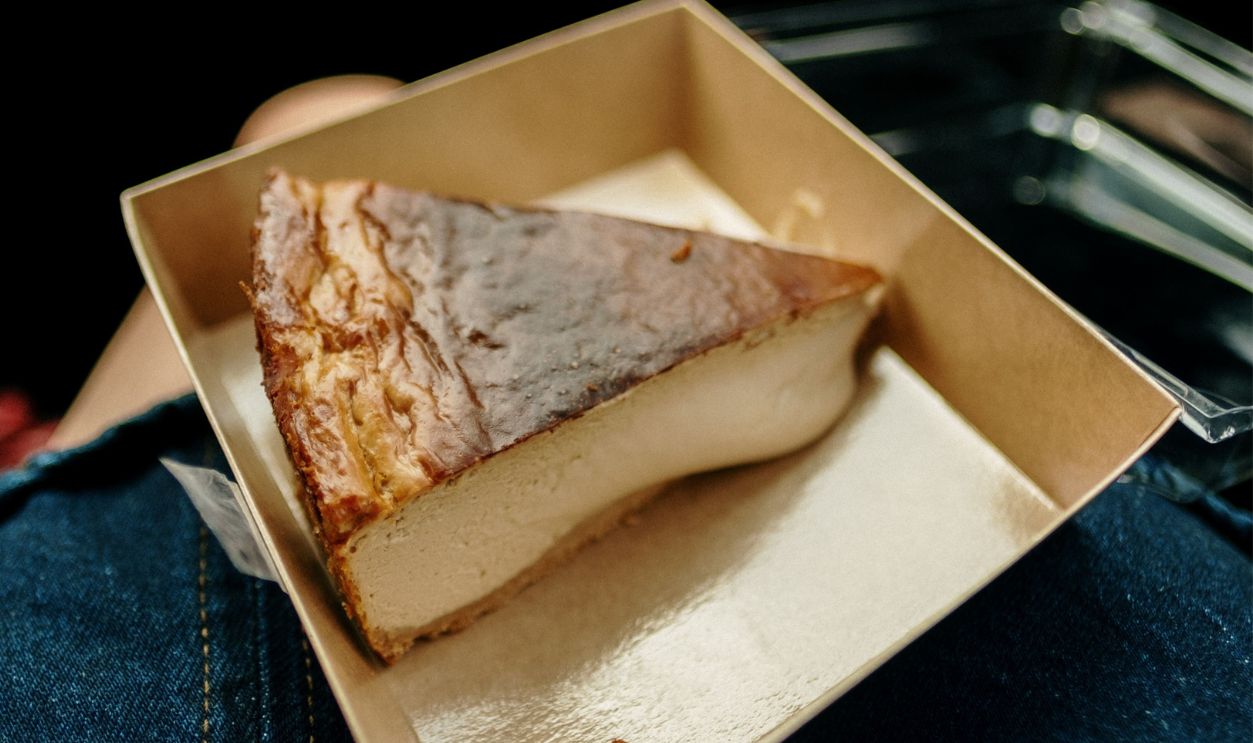
Tiny Prizes For Winning Party Games
Traditional party games sometimes ended with a small prize for the winner. The reward could be candy, a little toy, or another inexpensive treat chosen by the host. For children, the excitement of competing could make even a modest prize feel surprisingly important.
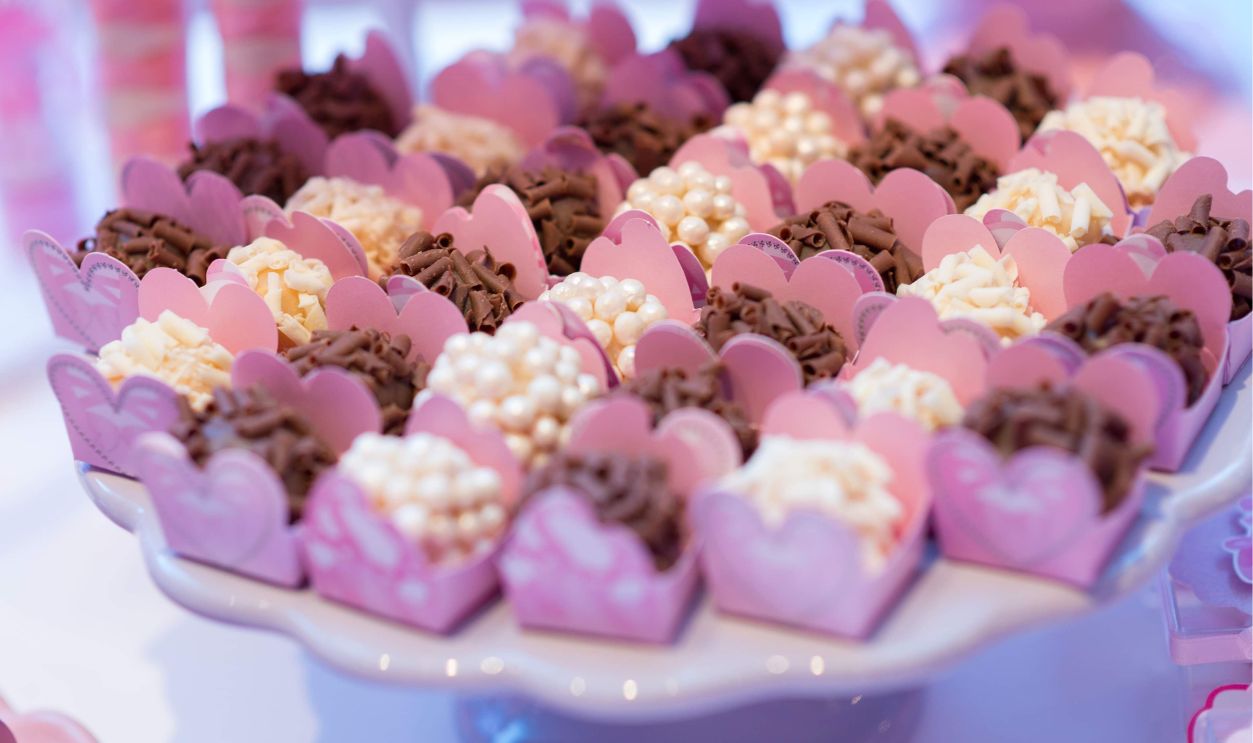
A Slice Of Cake To Take Home
In some families, the birthday cake wasn't just for eating during the celebration. Guests could receive an extra slice wrapped in a paper napkin to take home after the games finished. This practice was particularly associated with traditional British children's parties, where a piece of birthday cake could serve as a simple going-home treat.
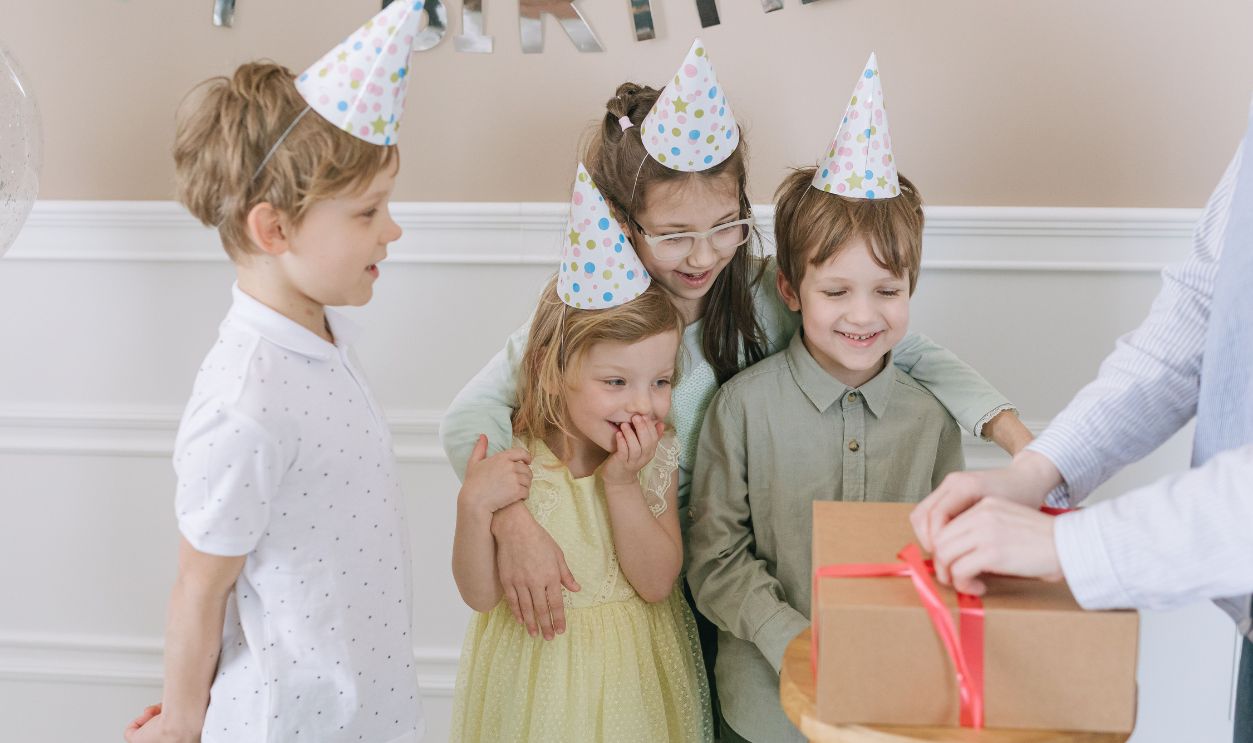
Opening Birthday Presents In Front Of Everyone
Unwrapping birthday gifts was often part of the entertainment, with guests gathering around to watch. Popular children's presents during the 1970s included dolls, board games, model kits, and toys associated with television programs. The birthday child opened each package while friends waited to discover what was inside.
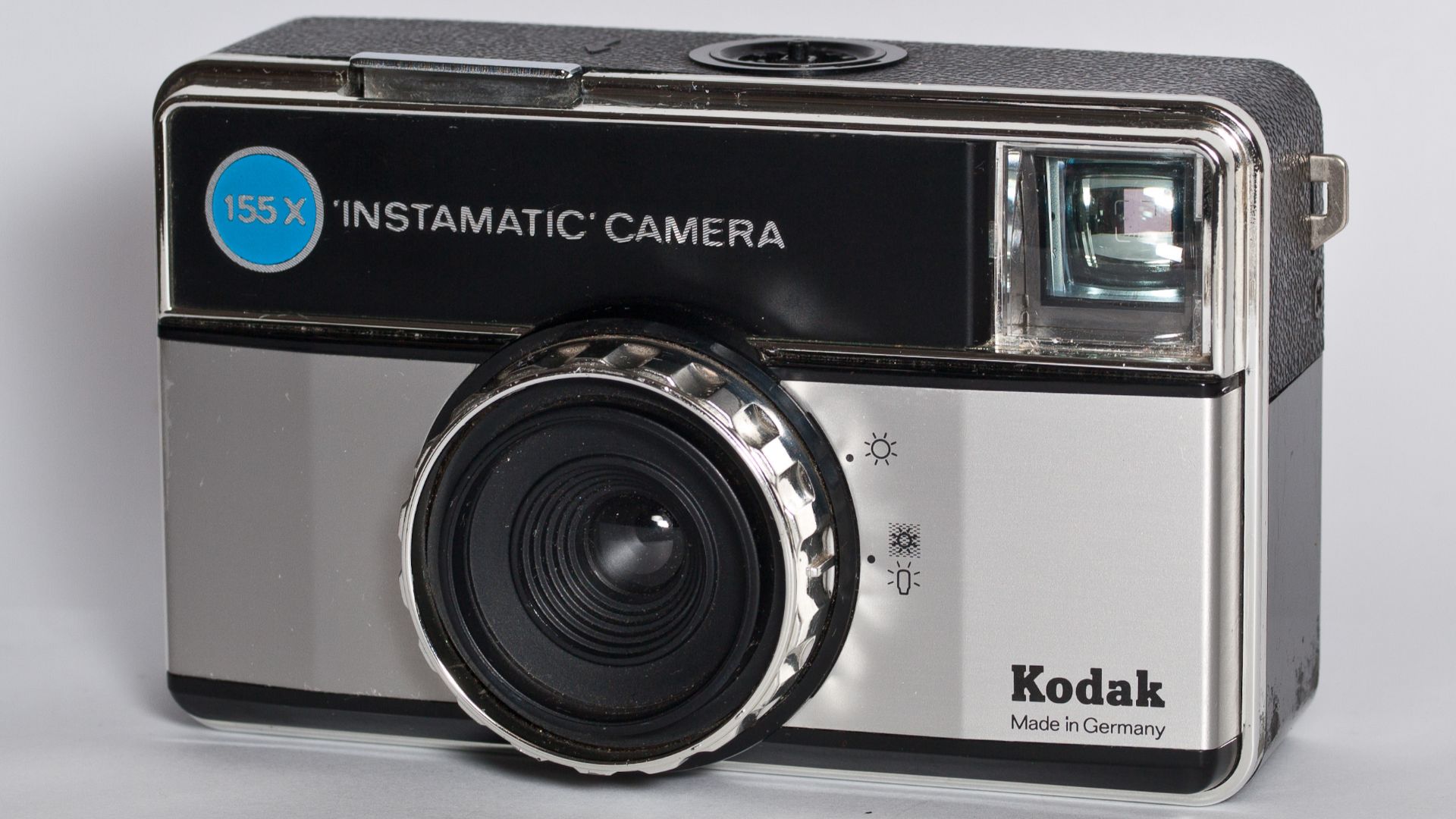
Kodak Instamatic Cameras
A parent might bring out a Kodak Instamatic to photograph the birthday cake, presents, and children gathered around the table. Kodak introduced its original Instamatic cameras in 1963 and launched the smaller Pocket Instamatic line in 1972. Unlike today's smartphone photographs, film pictures generally had to be developed before families could see how they turned out.
 Uberprutser, Wikimedia Commons
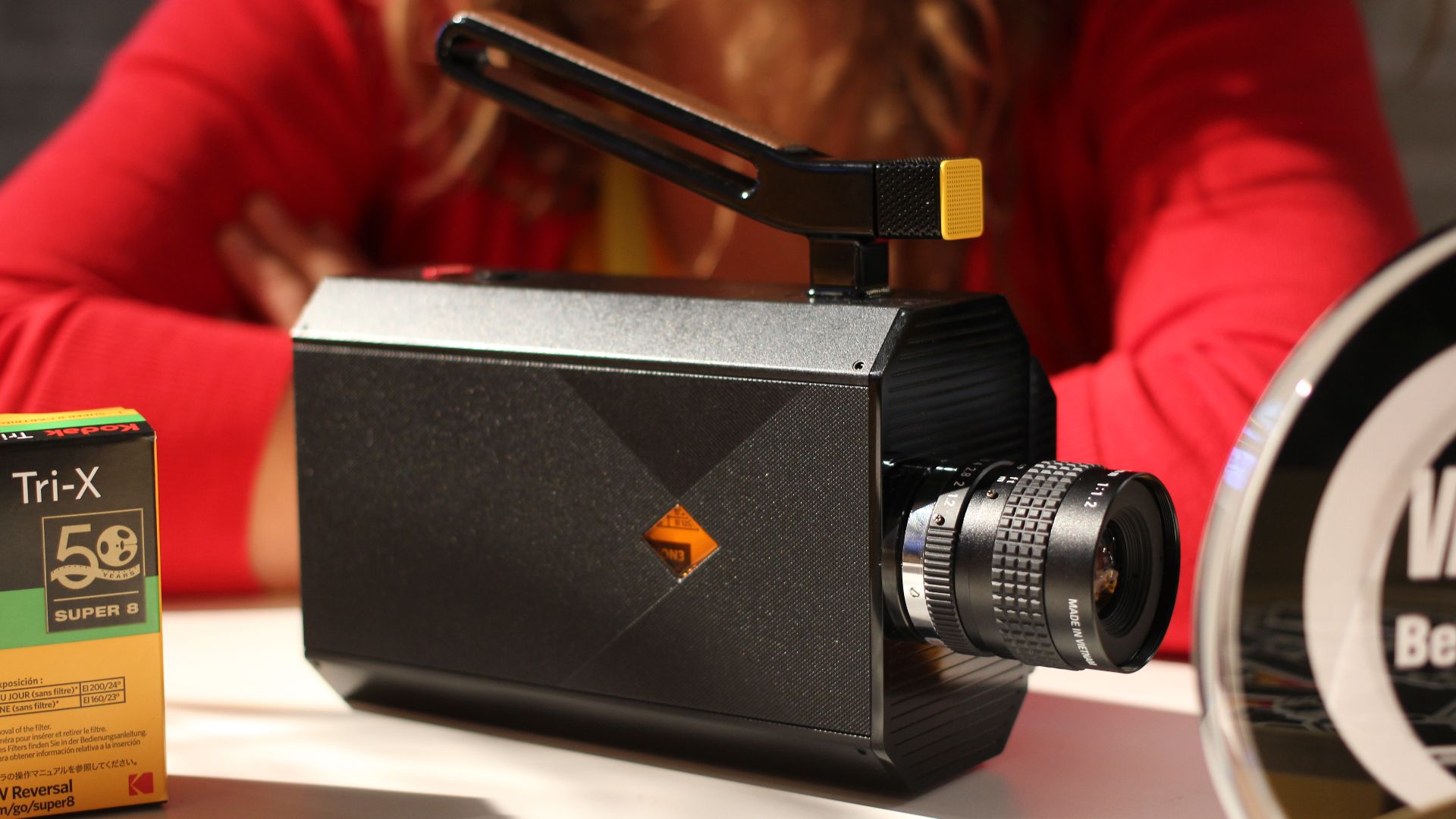
Super 8 Home Movies
Families with movie cameras could preserve birthday celebrations on film rather than taking only still photographs. Kodak introduced sound-capable Super 8 equipment in 1973, expanding the possibilities for amateur filmmakers. Watching those recordings required a projector or other compatible equipment, making birthday memories considerably less accessible than today's digital videos.
 Maurizio Pesce from Milan, Italia, Wikimedia Commons
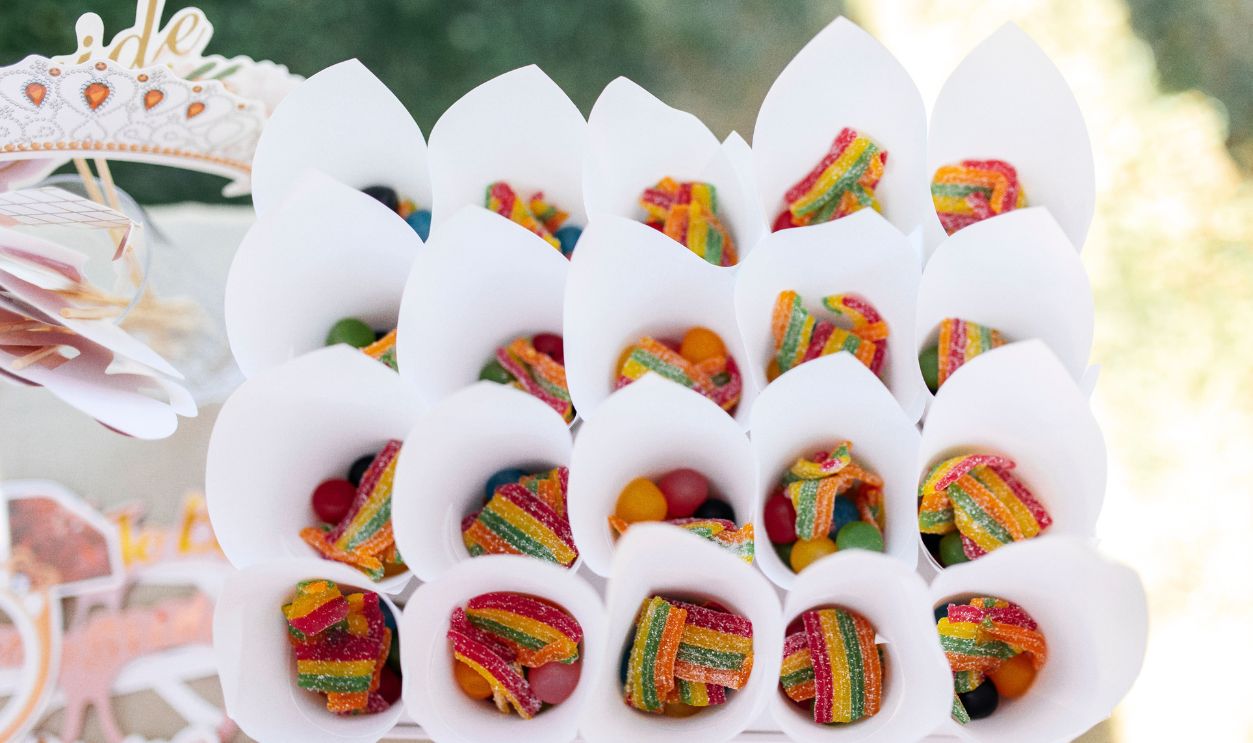
Little Goodie Bags To Take Home
At the end of a 1970s birthday party, children sometimes left clutching small paper or plastic goodie bags. Inside might be a few pieces of candy, a party blower, a paper whistle, or a novelty ring. Half the fun was getting home and emptying the bag to see exactly what you'd received.
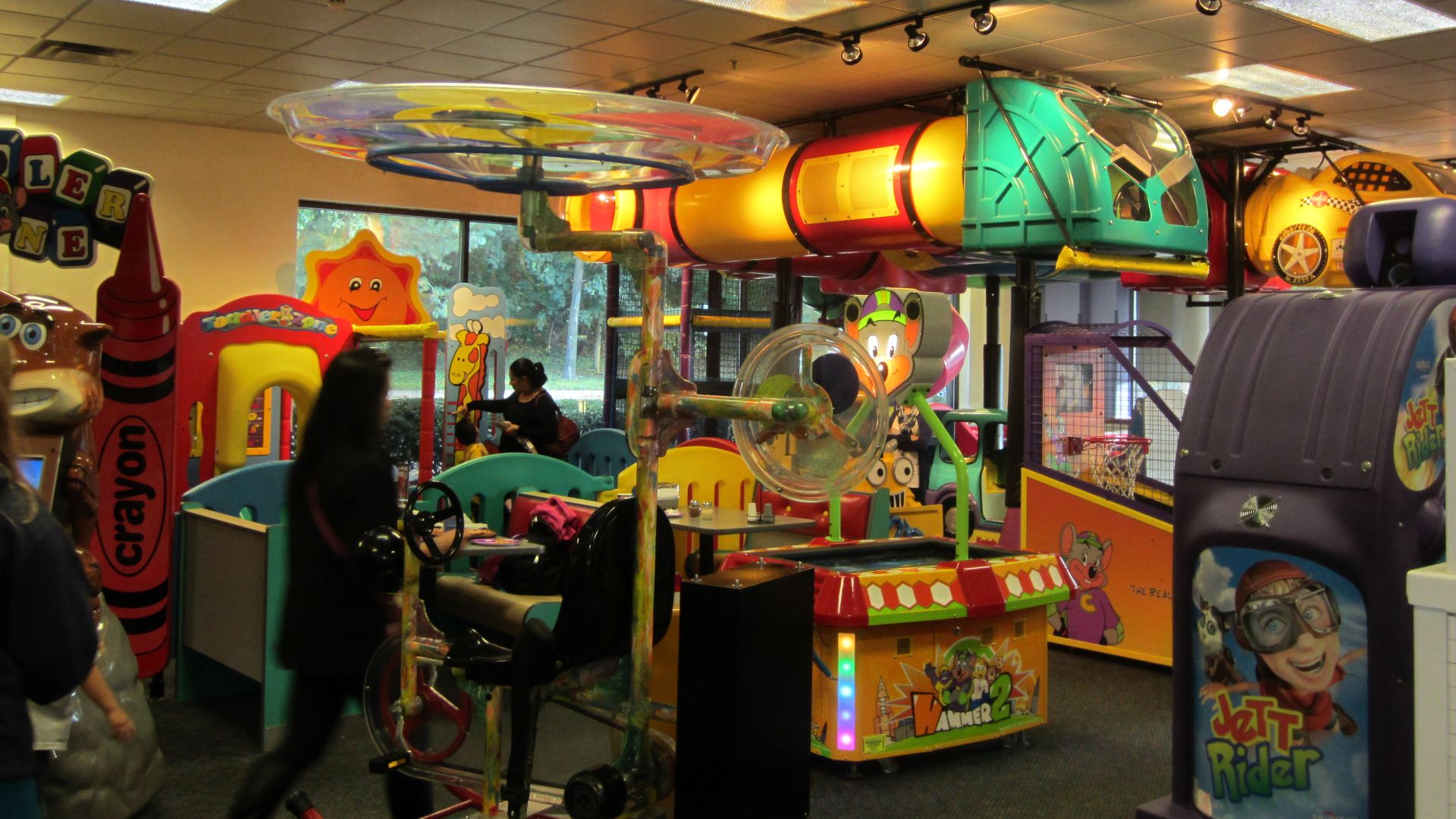
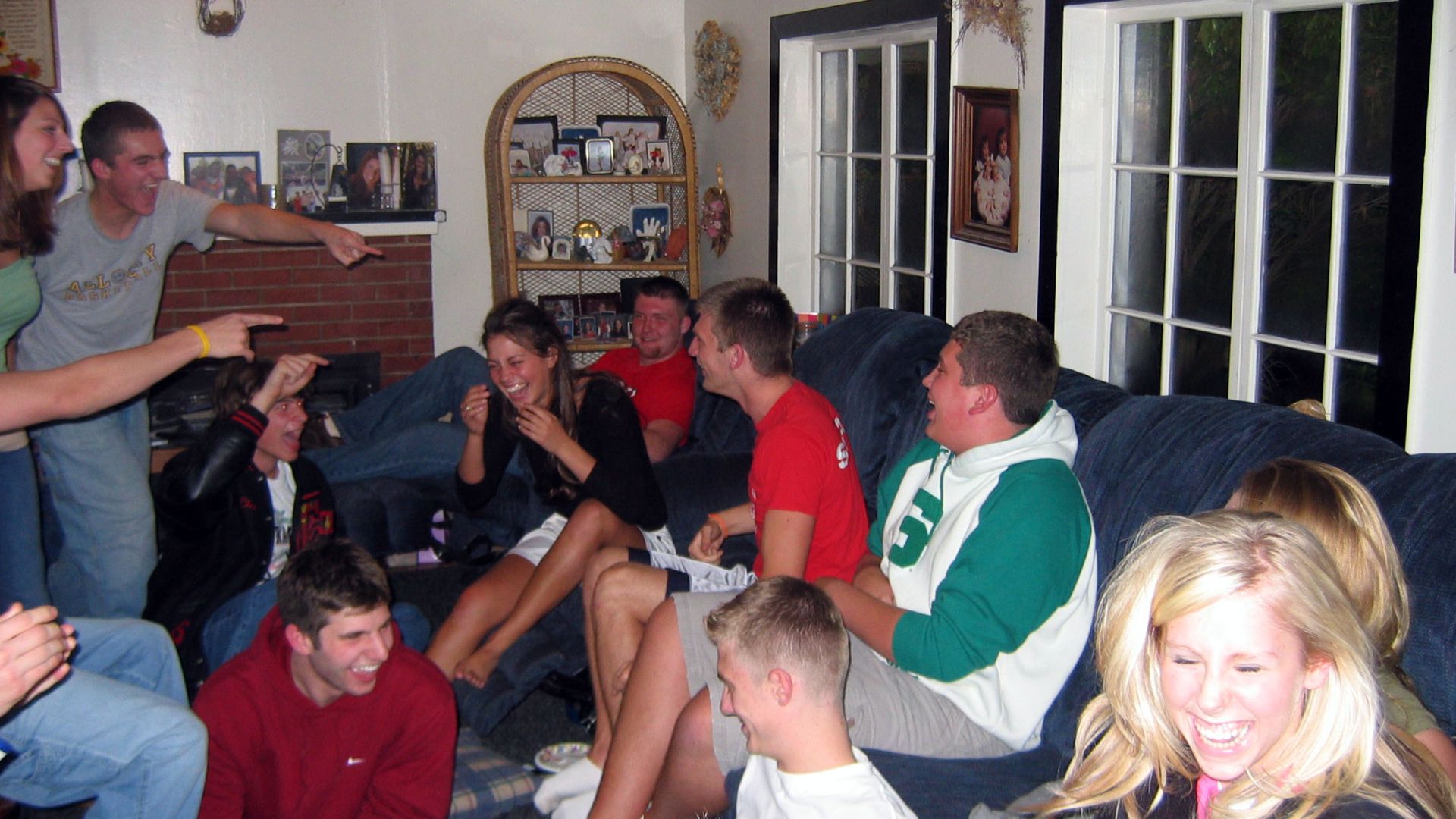
Birthday Parties Were Beginning To Change
By the late 1970s, new entertainment venues were offering alternatives to traditional home birthday parties. Chuck E. Cheese's Pizza Time Theatre opened in San Jose, California, in 1977, combining pizza, arcade games, and animatronic entertainment. Although it wasn't exclusively a birthday party venue, its format helped establish a model that would become familiar to later generations.
 Fox Totorus, Wikimedia Commons
The Simplest Traditions Made Lasting Memories
The games, homemade cakes, and family gatherings associated with 1970s birthdays belonged to traditions that had developed over generations. Some remain popular, while others are less familiar to children growing up with digital invitations and organized entertainment. For Baby Boomers who experienced these celebrations, the memories often involve the people, excitement, and little rituals that made each birthday special.
 Liface at English Wikipedia, Wikimedia Commons
You May Also Like:
Toy Store Items From The 1960s That No One Remembers—Seriously, Do You Remember Even 5 Of These?
The Strangest Products People Once Bought From Mail-Order Catalogs—Would You Buy Any Of These?