
One Of The Greats
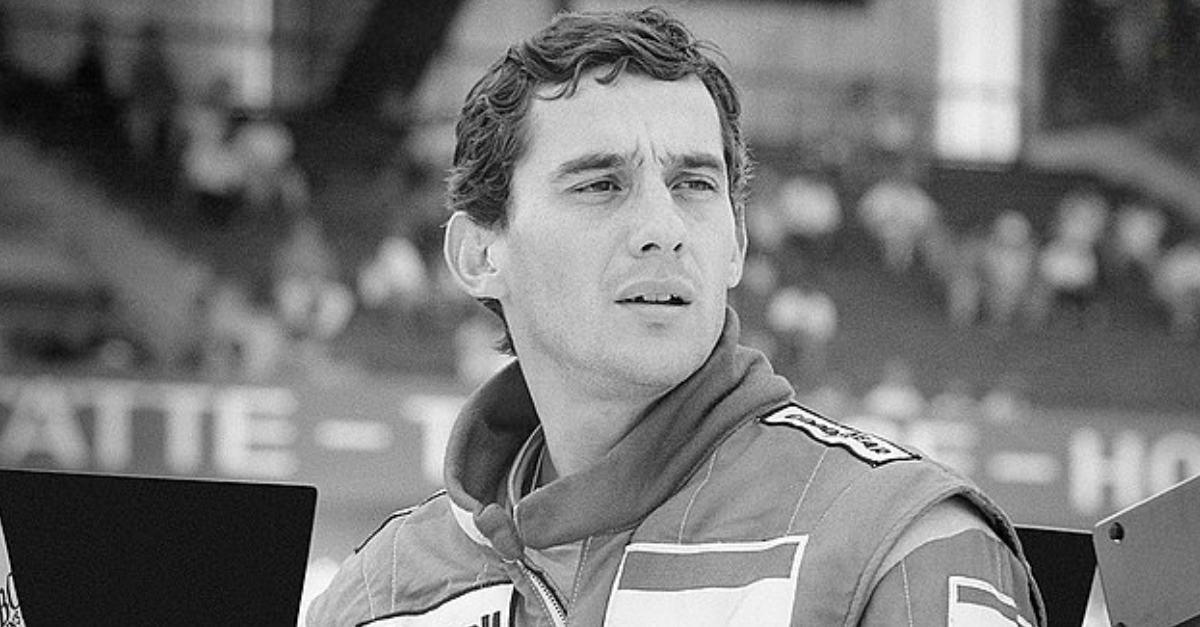
Ayrton Senna wasn’t just a driver—he was a national hero, a three-time Formula One world champion whose brilliance on the track made him larger than life in Brazil. But on May 1, 1994, as he led the San Marino Grand Prix, the unthinkable happened. In an instant, a fatal crash turned triumph into tragedy, silencing one of racing’s greatest legends. What unfolded that day would forever change the sport—and leave millions asking questions that still linger decades later.
McLaren To Williams
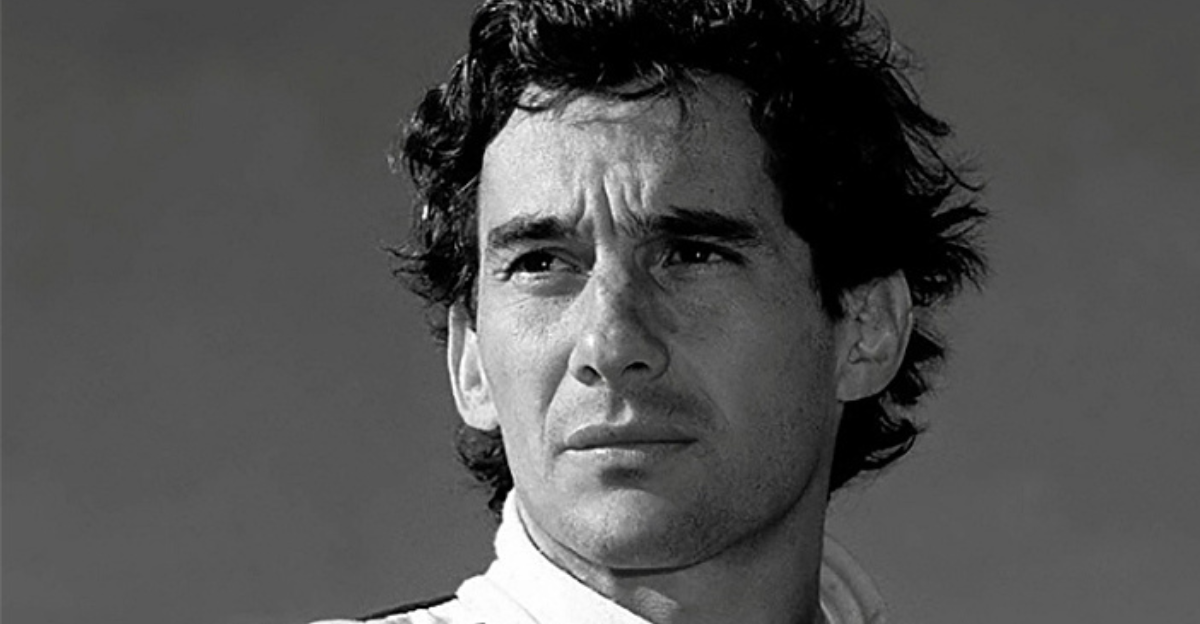
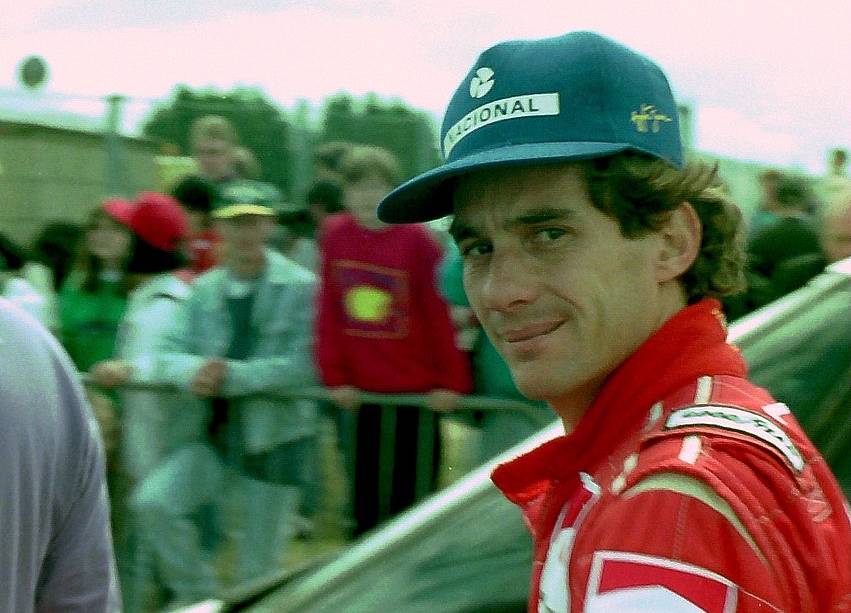
Before we get to that fateful day, we should start with a little bit of important history leading up to that race in San Marino. The most important part being Senna leaving the McLaren racing team for Williams at the beginning of the 1994 season. But this move didn't sit well with the driver right from the get go.
 Martin Lee, CC BY-SA 2.0, Wikimedia Commons
Uncomfortable
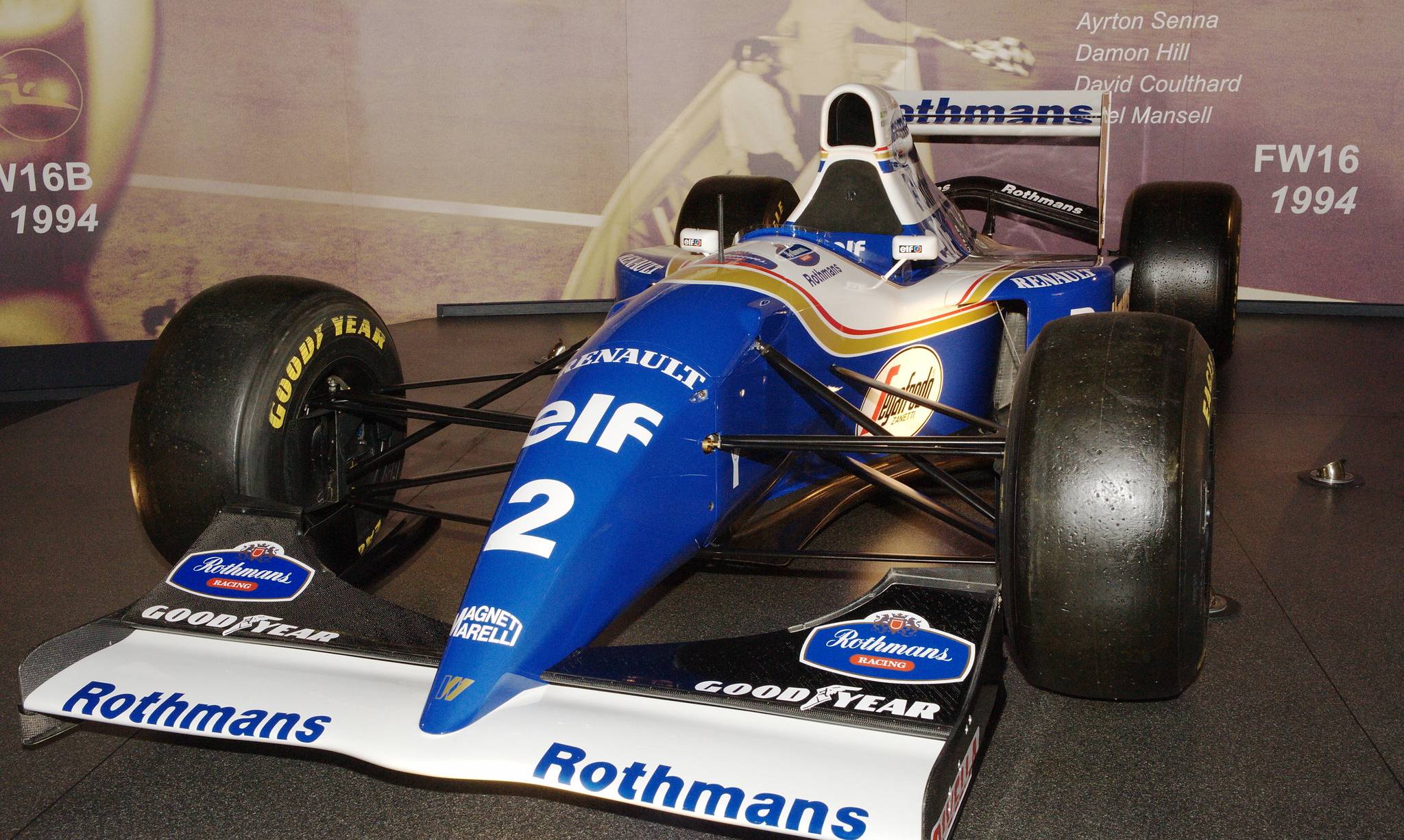
Rule changes for the 1994 season meant that cars could no longer have electronic aids. And while that was a factor in Senna not feeling great in the Williams car, it wasn't the only reason. During preseason testing, Senna said this about the new car: "I have a very negative feeling about driving the car and driving it on the limit and so on".
Off To A Bad Start
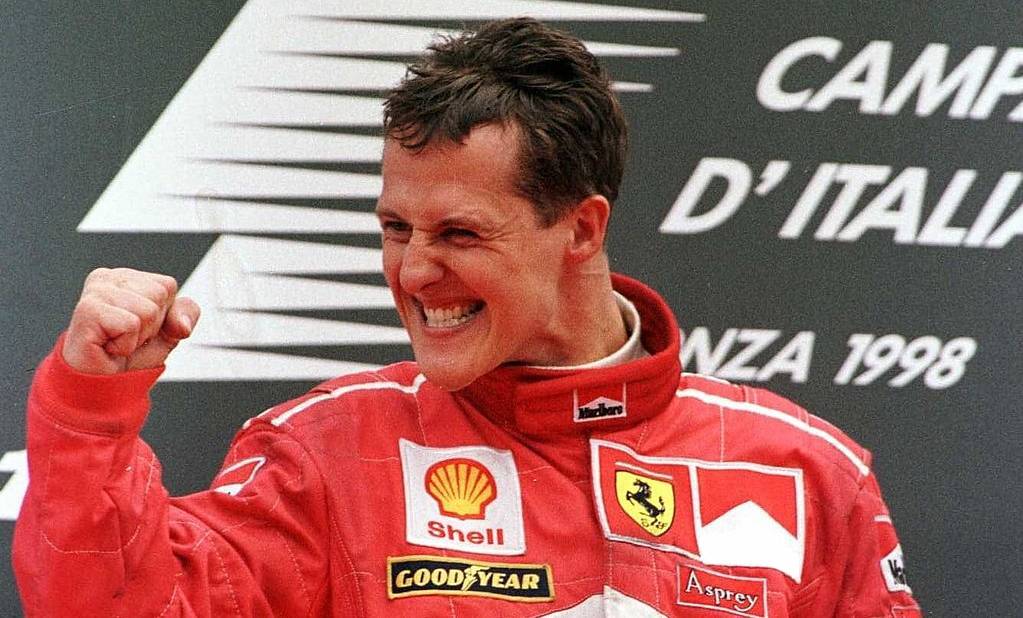
His negative feelings toward the car played out over the first two races of the season. While he won the pole position for each, he failed to score any points in either of them. Senna headed into the third race of the season, the San Marino Grand Prix, 20 points behind the championship leader, Michael Schumacher.
 Michael Cooper, CC0, Wikimedia Commons
Bad Friday
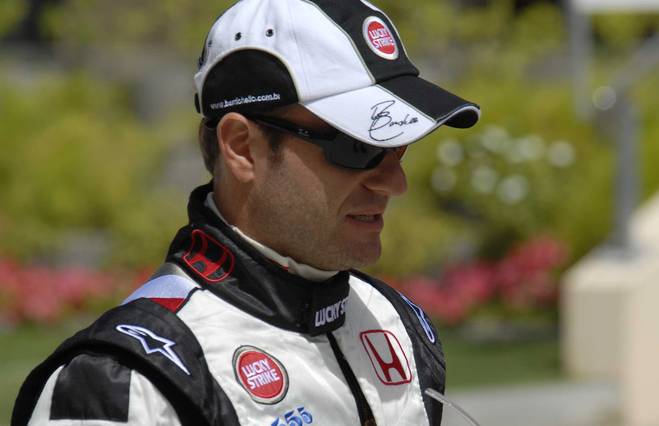
While Senna had a good practice run on the Friday before the race, his protégé Rubens Barrichello suffered a major crash that almost claimed his life. His airway was blocked after the wreck, and FIA doctor Sid Watkins had to perform emergency work to save his life.
 Phillip Asbury, CC BY 2.0, Wikimedia Commons
Worse Saturday
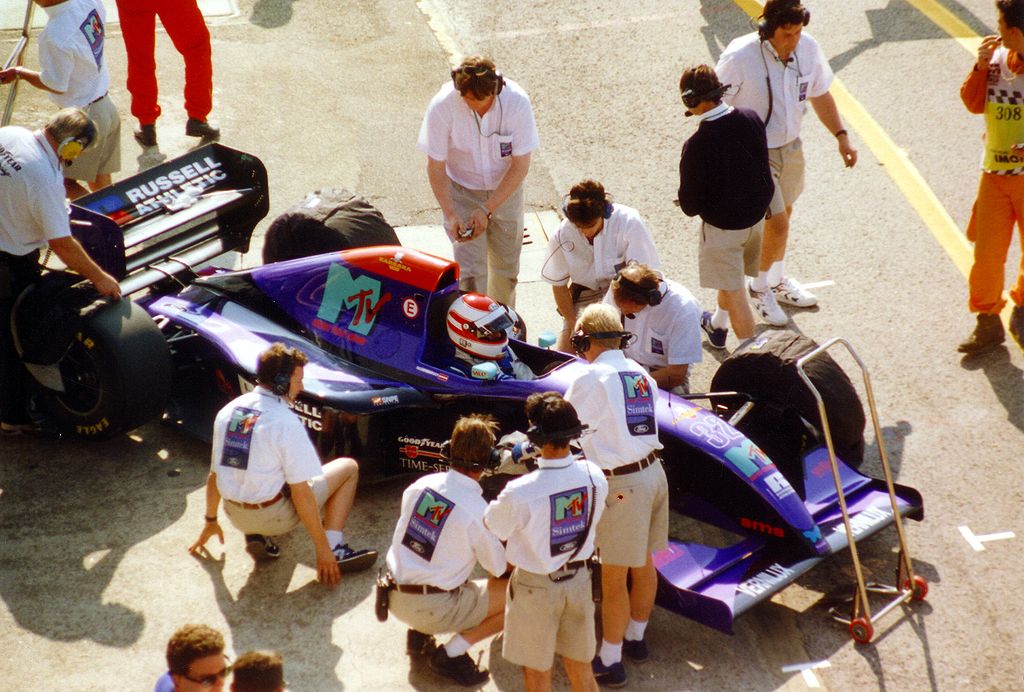
Saturday seemed promising for Senna. After fine-tuning his car from the previous day’s drive, he clocked his fastest time of the weekend that morning—proof that his focus and determination were as sharp as ever. But beneath the buzz of the paddock, an unease lingered. Later that afternoon, disaster struck: rookie driver Roland Ratzenberger lost control and slammed into a concrete barrier. The crash was catastrophic—and it claimed his life. Suddenly, the weekend no longer felt like a race, but a grim countdown.
 Sgozzi, CC BY-SA 3.0, Wikimedia Commons
I Can't Stop Racing
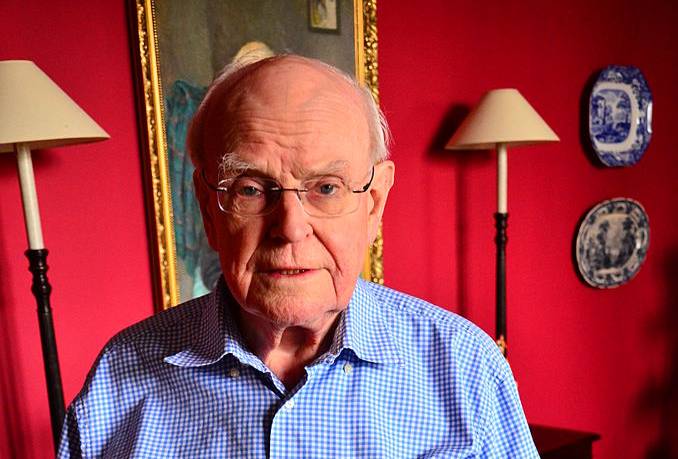
Sid Watkins broke the news to Senna that Ratzenberger didn't make it, while also reassuring him that he didn't have to go through with the race. Watkins even asked Senna to pull out of the race and go fishing with him instead, to which Senna told him that he couldn't stop racing.
 Ben Sutherland, CC BY 2.0, Wikimedia Commons
Broke Down
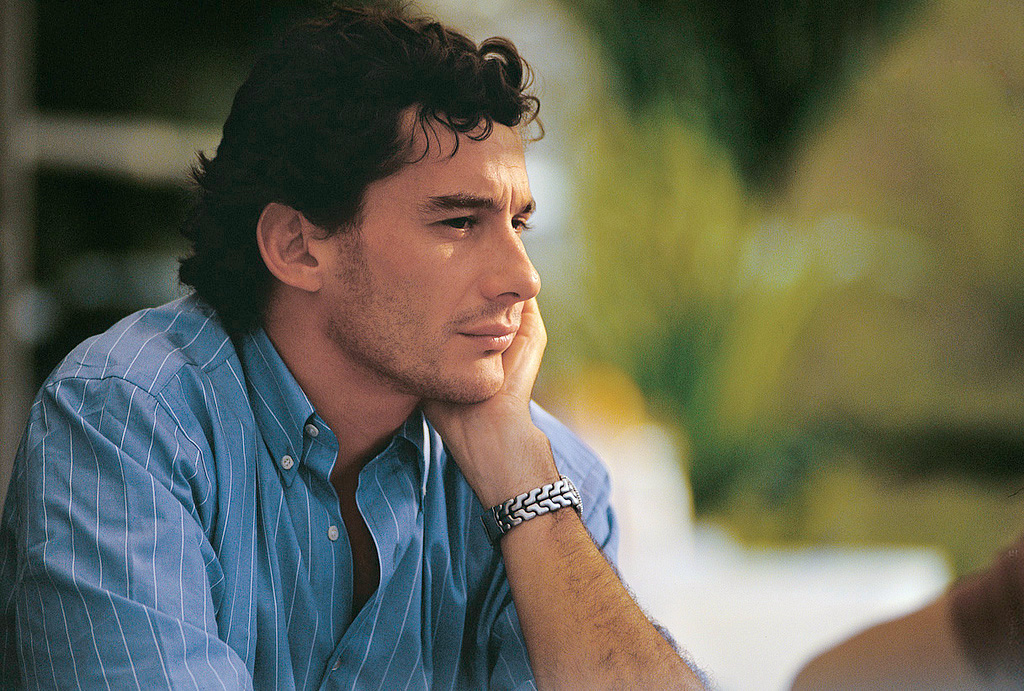
While Senna didn't pull out of the race, he did withdraw from the rest of the qualifying session that day. He went back to his motor home and collapsed in tears on the floor. There were concerns among the team about Senna's emotional state.
 Instituo Ayrton Senna, CC BY 2.0, Wikimedia Commons
Talking Safety
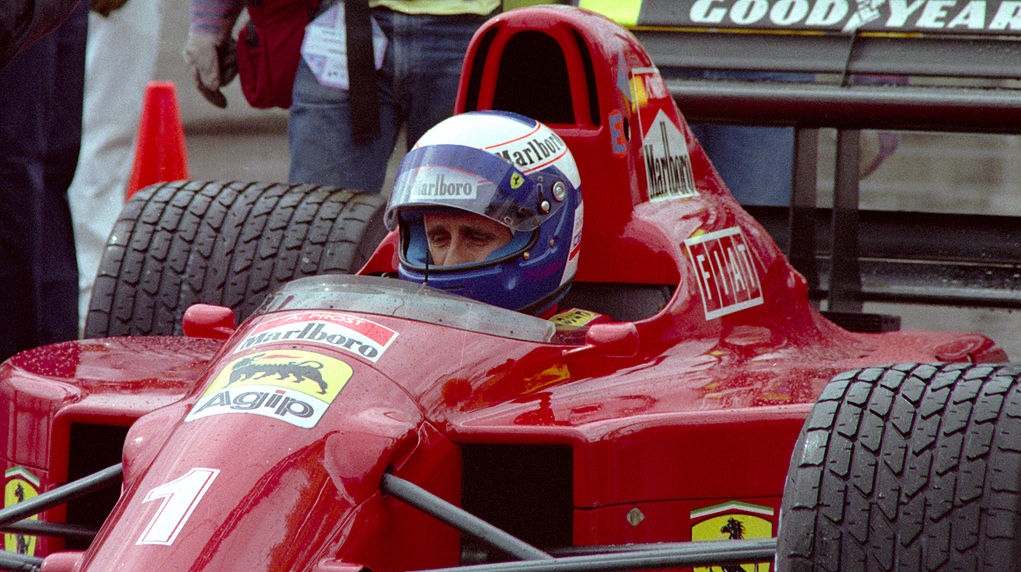
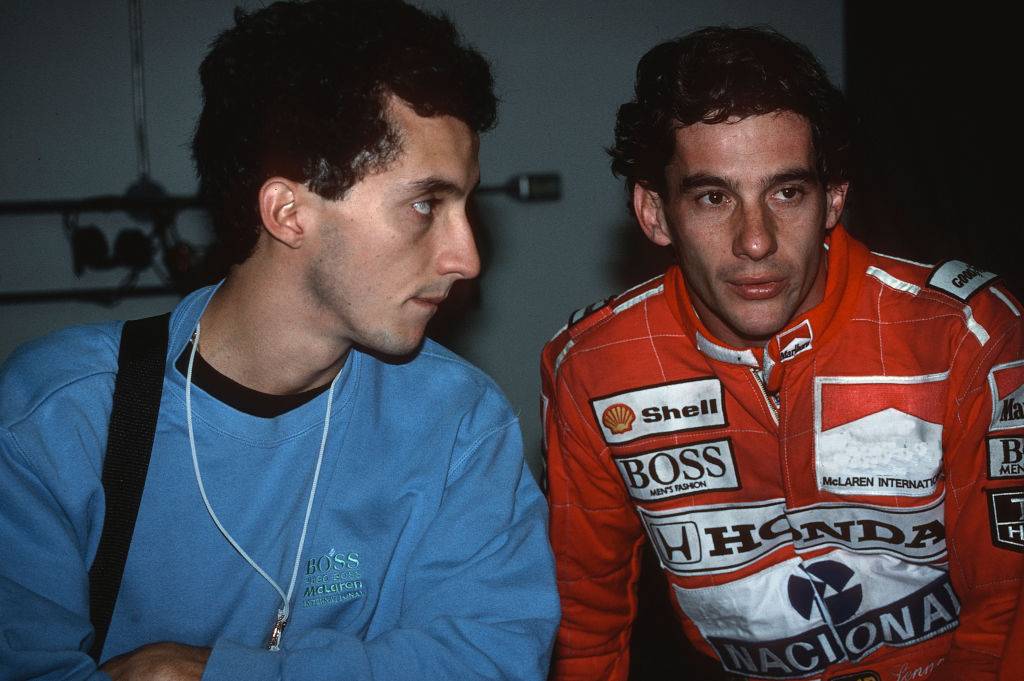
Sunday morning, the day of the race, Senna was the fastest man on the track in warm-ups. Following the warm-up session, Senna ran into former driver Alain Prost and talked to him about working together to improve safety in the sport. The men agreed to get together before the upcoming Monaco Grand Prix.
 Stuart Seeger, CC BY 2.0, Wikimedia Commons

History's most fascinating stories and darkest secrets, delivered to your inbox daily.
Grand Prix Drivers' Association
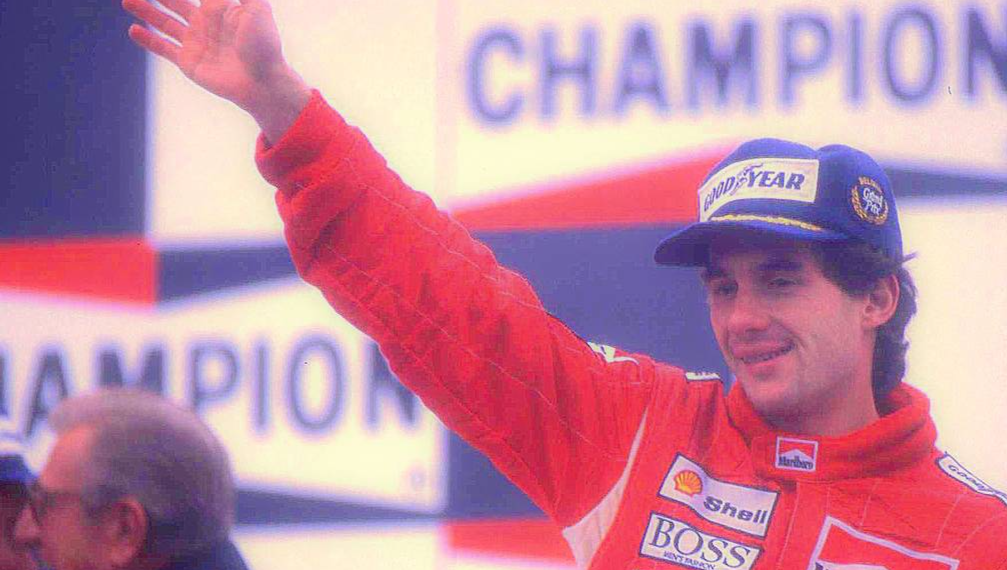
Later that day, Senna also got together with a number of other drivers and discussed bringing back the F1 driver's union, the Grand Prix Drivers' Association. Senna said he would take the lead with it and the other drivers agreed that was best, given his seniority and standing in the sport.
 madagascarica, CC BY 2.0, Wikimedia Commons
Race Starts/First Crash
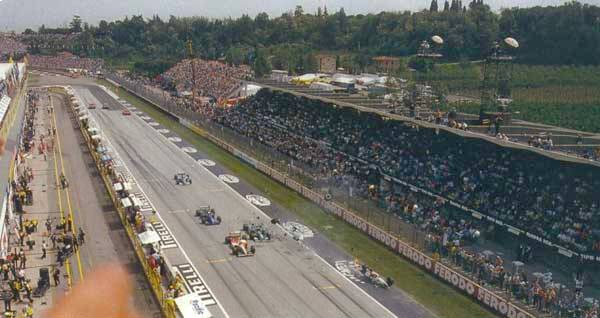
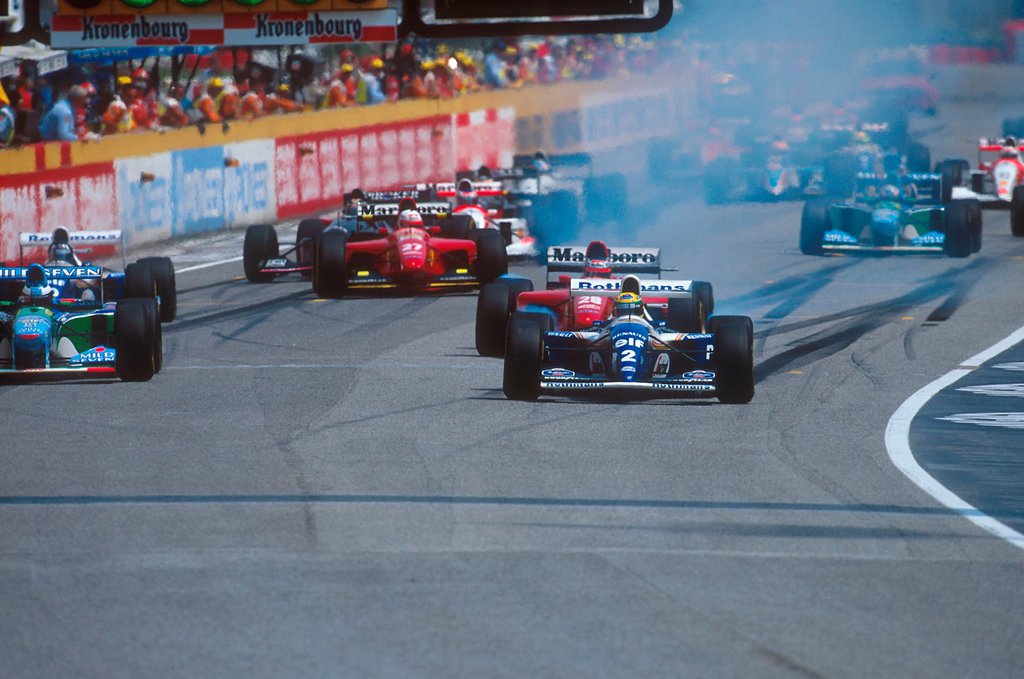
When the lights went out and the race began, chaos erupted almost instantly. Pedro Lamy and JJ Lehto collided in a violent crash that sent debris scattering across the circuit. Miraculously, both drivers escaped unharmed—but the track was littered with wreckage. To contain the danger, the safety car was deployed, slowing the field and casting an uneasy shadow over the opening laps.
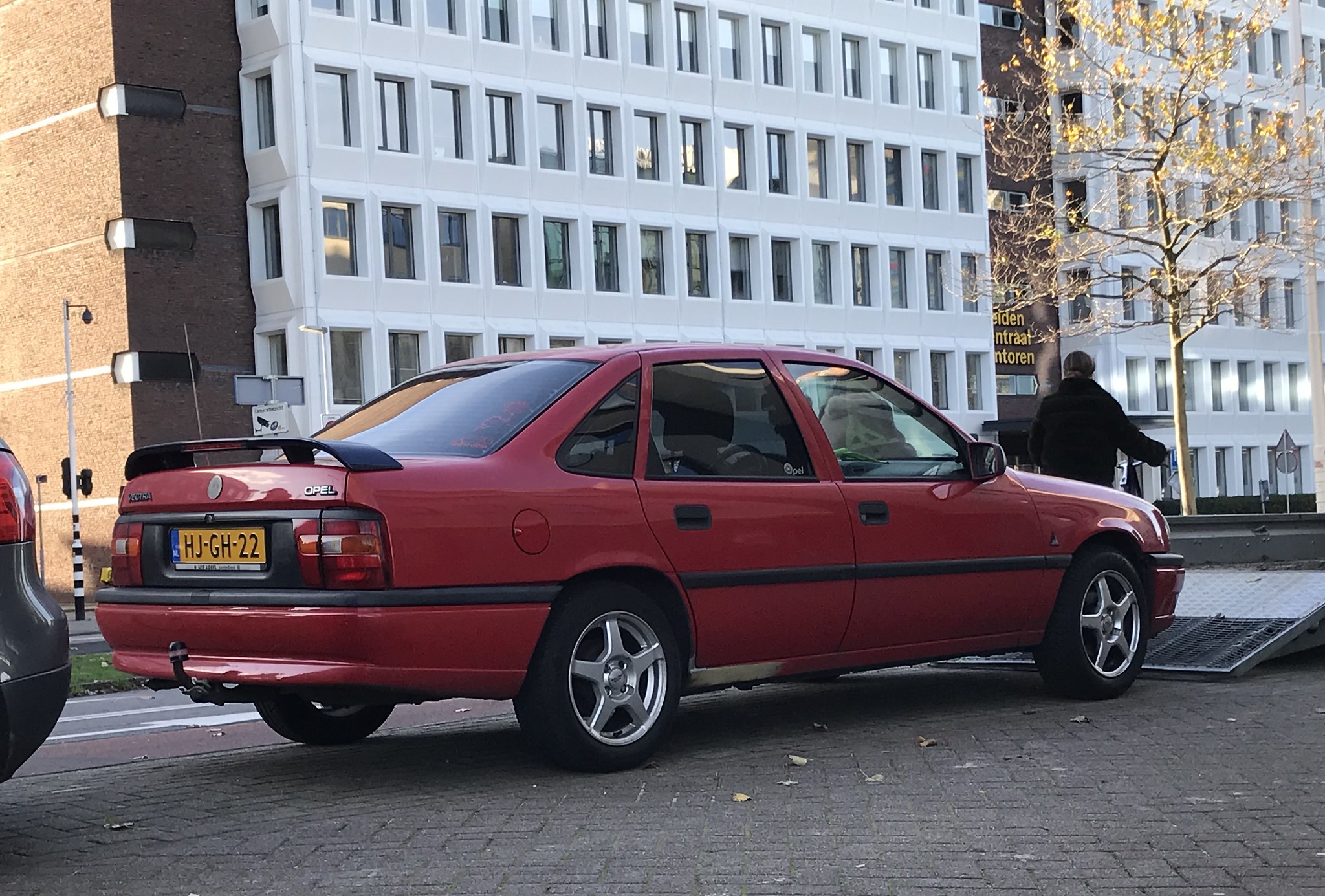
Opel Vectra
The safety car was an Opel Vectra. While one might not think much about the kind of car it is, in this case it might've been very important in what happened later. You see, while the safety car is meant to slow down the field, the Vectra was going too slow (especially after its brakes overheated).
Cooled Tires
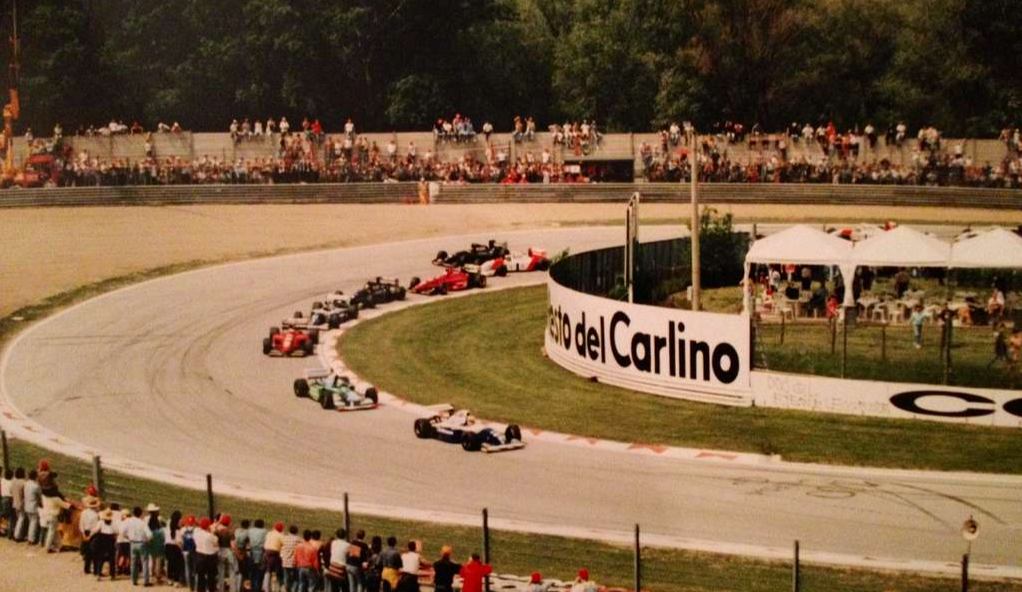
The safety car led the field for five laps, during which Senna even pulled up alongside it and told the driver to speed up a bit, as the slow pace was cooling his tires—thus causing them to lose grip. One theory of the crash goes back to the slow pace of the car and the loss of temperature and pressure of the race car's tires.
The Race Resumes
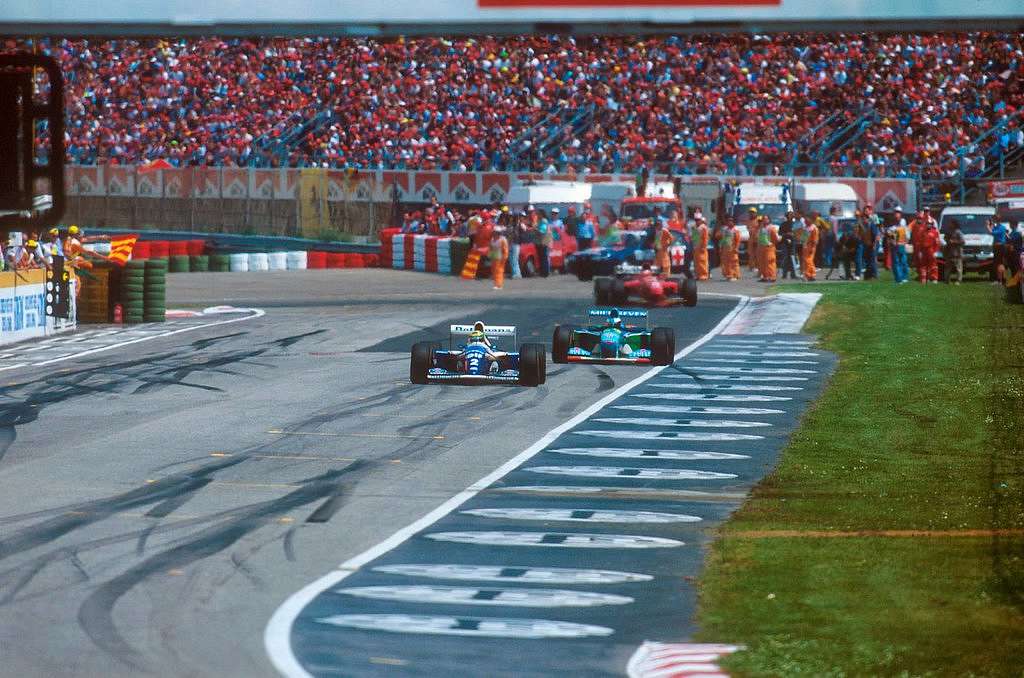
On lap six, the safety car finally left the track and the race resumed at full speed with Senna taking off fast. As he went through the Tamburello corner, Schumacher, who was behind him, noticed the tight line Senna took, as well as the way his car shook over the bumps. Whether Senna felt it too, we don't know.
But it would be the last time he made it through that corner alive.
Lap Seven
Senna was still leading the race as he came back around to Tamburello corner. But this time, instead of making it through, his car took a straight line right off the track and into an unprotected barrier. The collision tore off the car’s nose cone as well as the front wheel on the right-hand side.
Going Fast
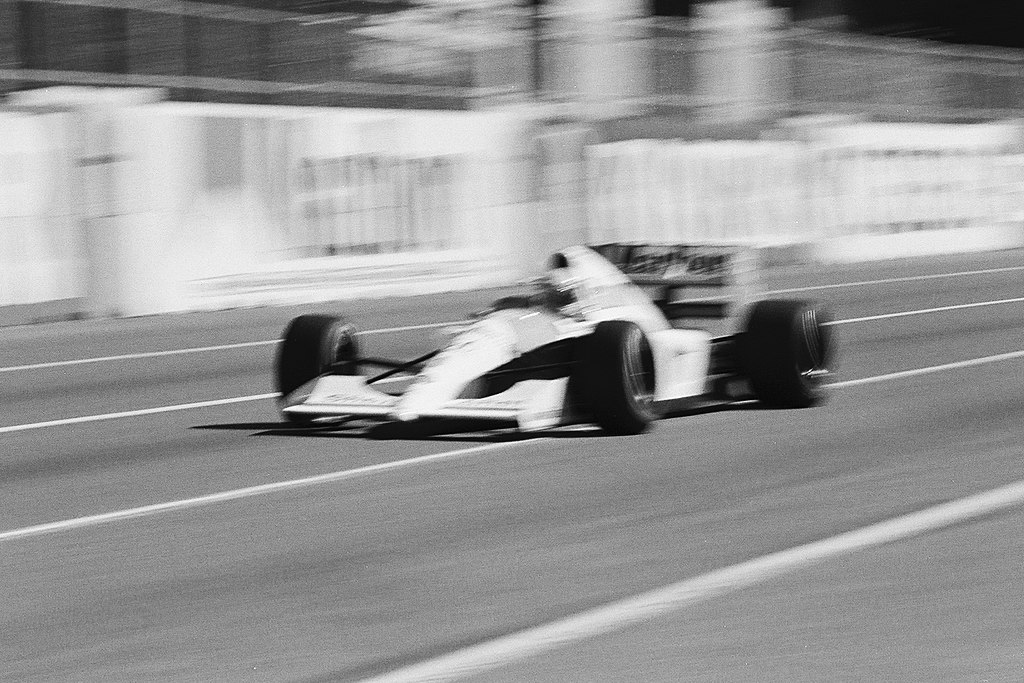
Data recovered from the wreckage painted a chilling picture. Senna entered the corner at a blistering 192 miles per hour. He fought to slow the car—slamming the brakes and downshifting twice—but it wasn’t enough. When his Williams finally struck the concrete barrier, he was still traveling at 131 miles per hour. The impact was devastating.
 Stuart Seeger, CC BY 2.0, Wikimedia Commons
One Last Movement
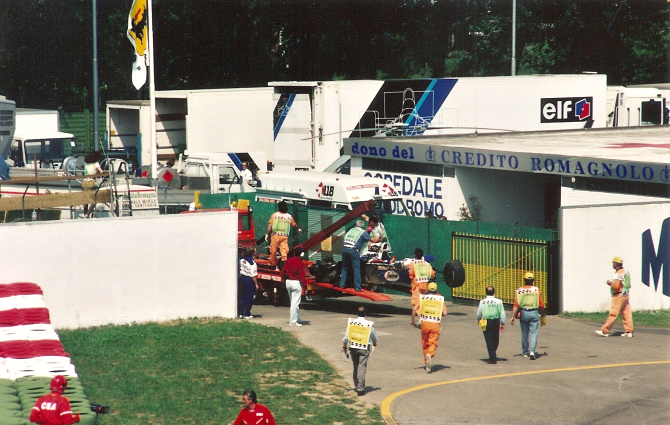
After the crash, Senna was motionless for about 10 seconds. Then, he was seen to move his head, which gave some hope that he might be okay. But it was not to be. Senna's head quickly returned to its original position, and he never moved again.
The Fatal Injuries
There were three main injuries. Each one on their own could've been fatal.
 Instituto Ayrton Senna, CC BY 2.0, Wikimedia Commons
The Tire
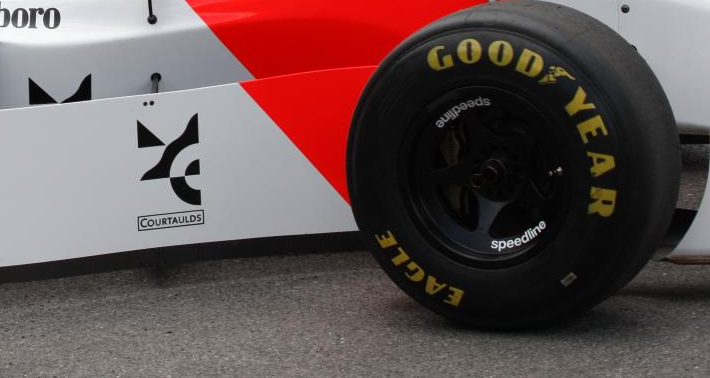
When the right tire split off from the car, it shot up through the cockpit and hit Senna in the helmet, sending his head back hard into the seat and causing fatal fractures to his skull.
 richard, CC BY 2.0, Wikimedia Commons
Other Injuries
A piece of suspension also penetrated Senna's helmet and a piece of the upright assembly had crashed through his visor.
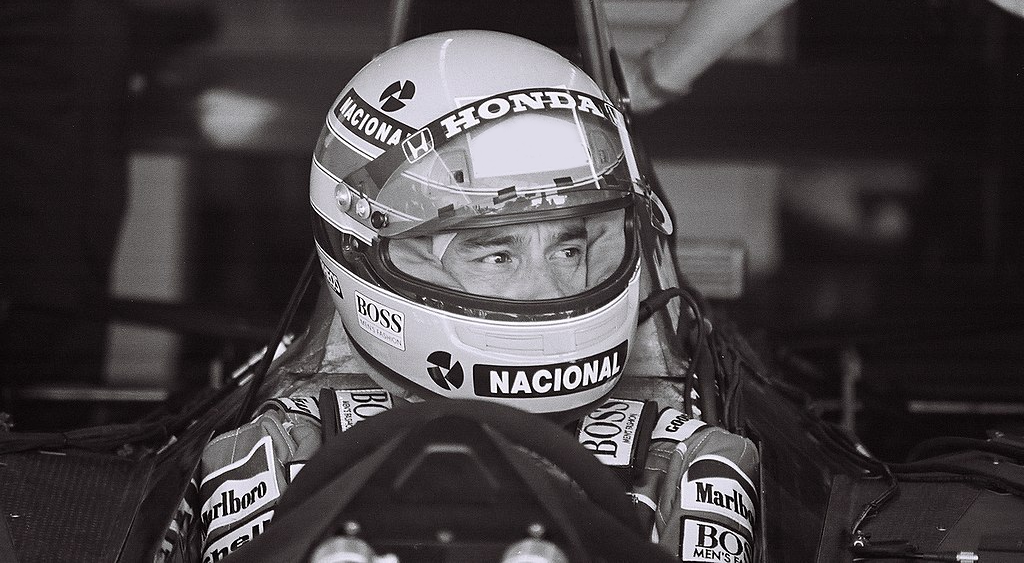 StuSeeger, CC BY 2.0, Wikimedia Commons
A Sigh
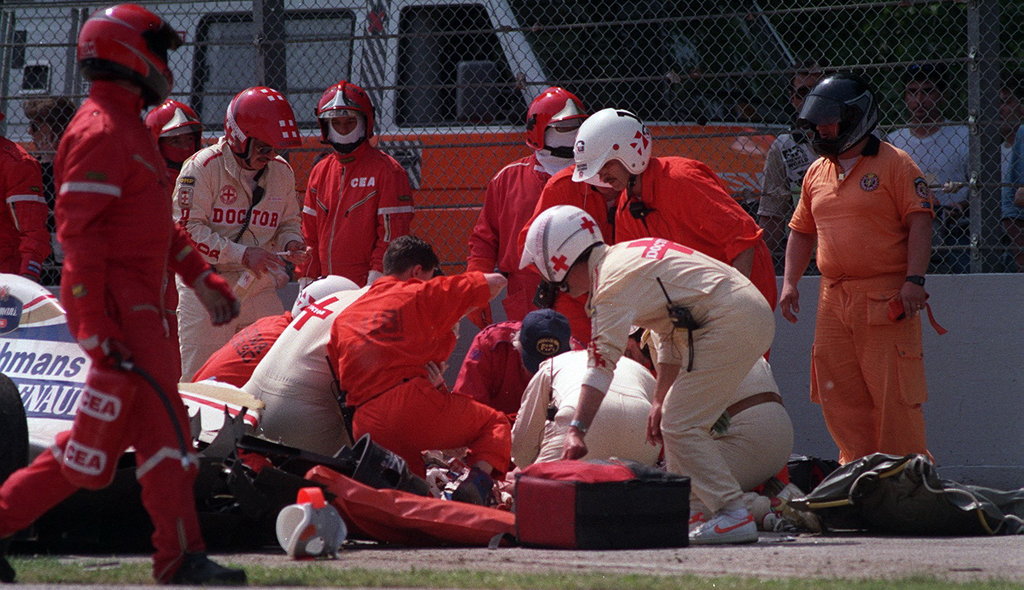
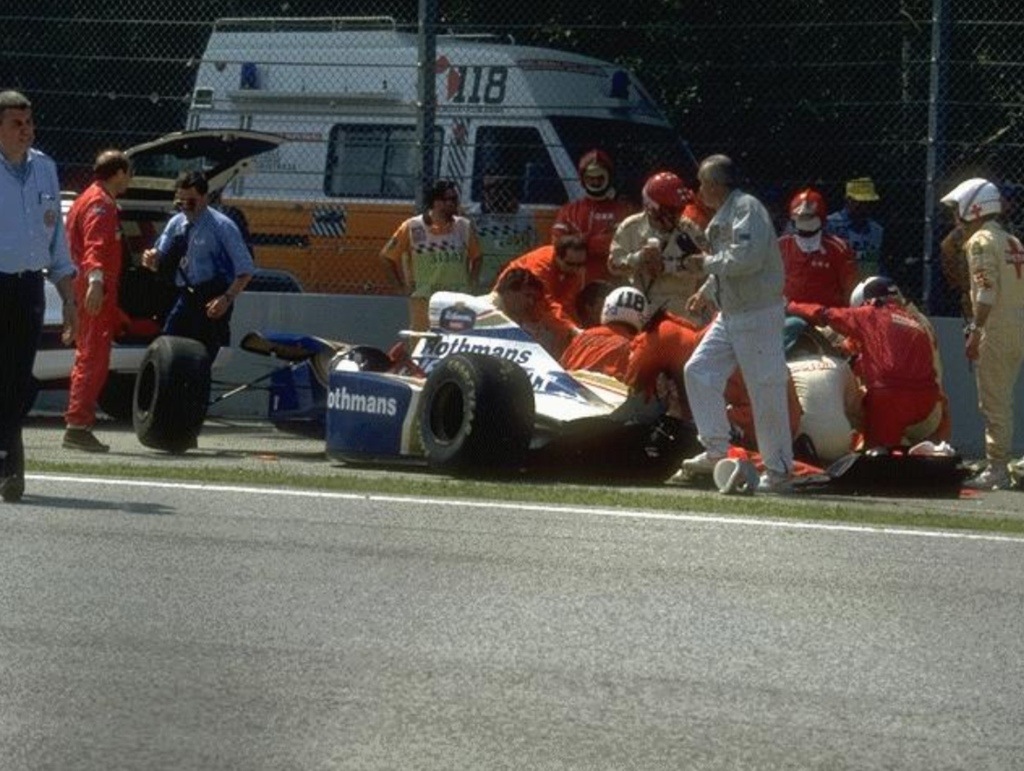
On the track, neurosurgeon Sid Watkins rushed to Senna’s side and performed an emergency tracheotomy in a desperate attempt to save him. Later, he recalled the moment with an almost spiritual weight: "He looked serene. I raised his eyelids, and it was clear from his pupils that he had suffered a massive brain injury. We lifted him from the cockpit and laid him on the ground. As we did, he sighed—and although I am not a religious man, I felt his spirit leave us at that very instant".
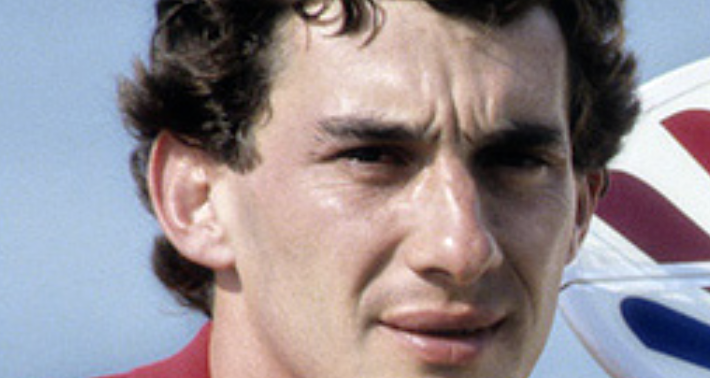 Instituto Ayrton Senna, CC BY 2.0, Wikimedia Commons
The Austrian Flag
Medical staff on the scene discovered something they never expected to find in the wreckage: An Austrian flag. It turns out Senna had taken an Austrian flag in his car with him at the start of the race. It is assumed that, had he won, he planned on waving the flag in honor of the fallen Austrian driver, Ratzenberger.
15:00
Senna was airlifted to a hospital and arrived there at 15:00—about 43 minutes after the crash.
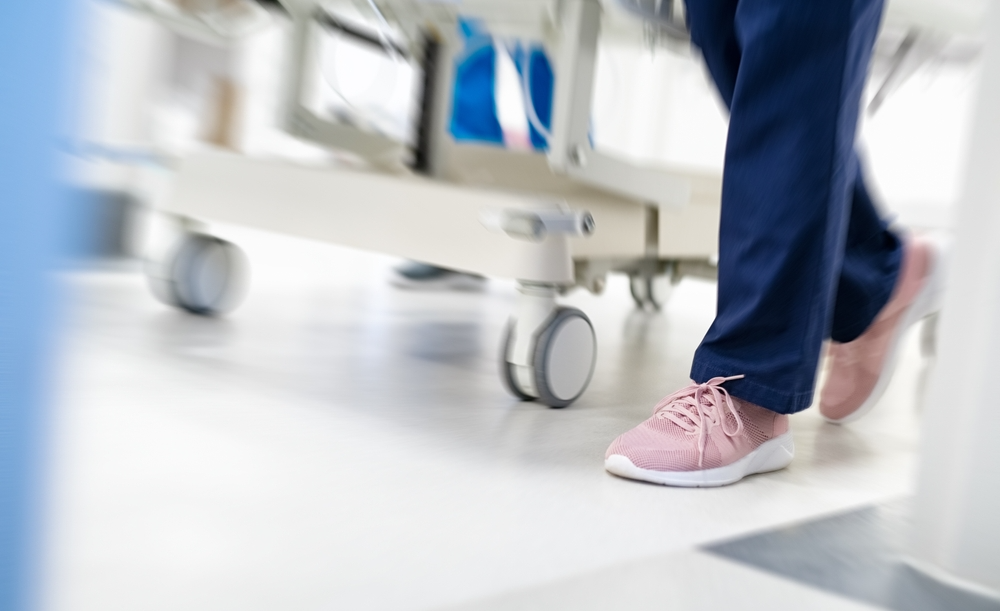
15:10
At 15:10, Senna's heart stopped. Doctors restarted it and placed him on life-support.
18:15
Senna's brother arranged for him to have last rites performed by a priest. Those occurred at 18:15.
 Paul-Henri Cahier, Getty Images
18:37
Senna's heart stopped beating again at 18:37. Doctors made the decision not to restart it.
14:17
While the The FIA and Italian motorsport authorities maintained that Senna died at the hospital, testimony from experts during a 1997 legal proceeding led to the courts ruling Senna that died when he hit the wall at 14:17.
Time Of Death Debate
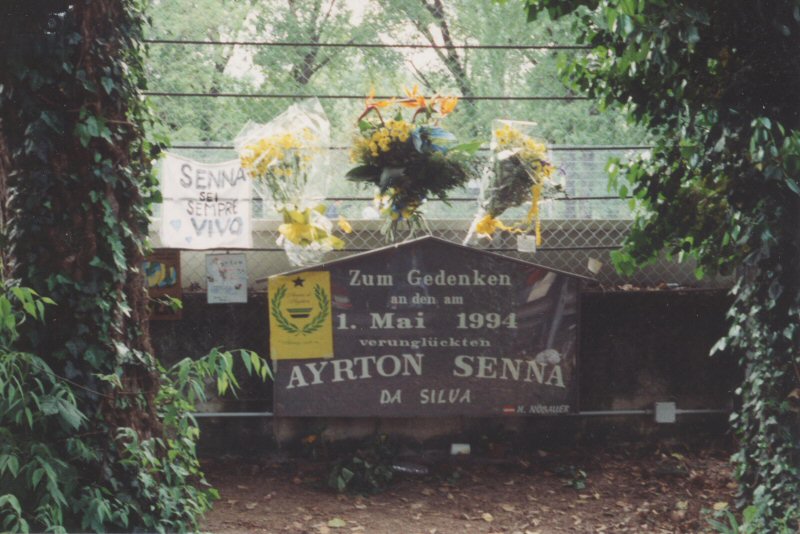
In Italy, a collision that results in a death must be criminally investigated. That law is why some say race authorities didn't want to declare Senna deceased on the track, and why they kept him alive "improperly after biological death [had] taken place," to transport him away to a hospital.
 runmatze, CC BY-SA 3.0, Wikimedia Commons
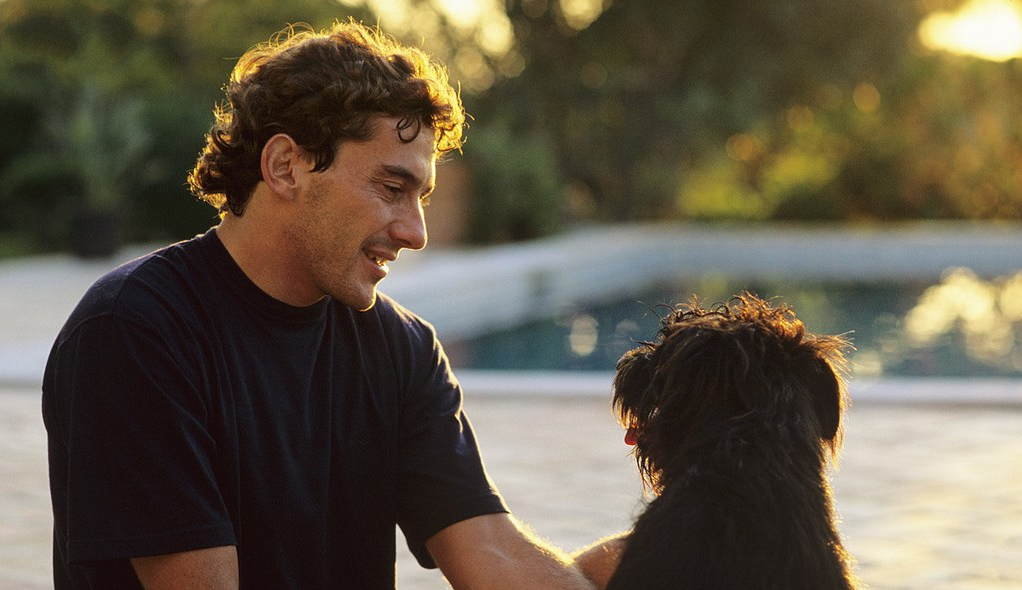
Criminal Charges
Over the course of three years after the crash, members of the Williams team were charged with manslaughter and prosecuted in Italian courts. However, in December of 1997, they were all acquitted.
 senna.org.br, CC BY 2.0, Wikimedia Commons
The Cause Of The Crash
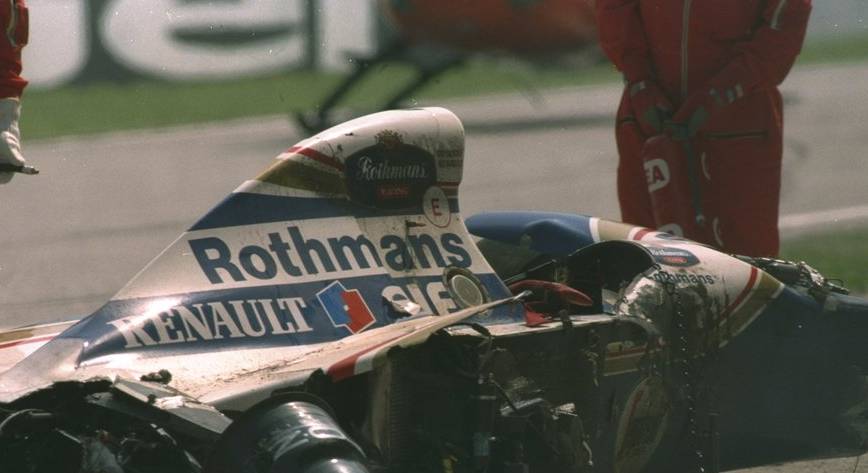
The official ruling by the highest court of appeals in Italy was that it was mechanical failure that caused the crash.
The GPDA And Safety Changes
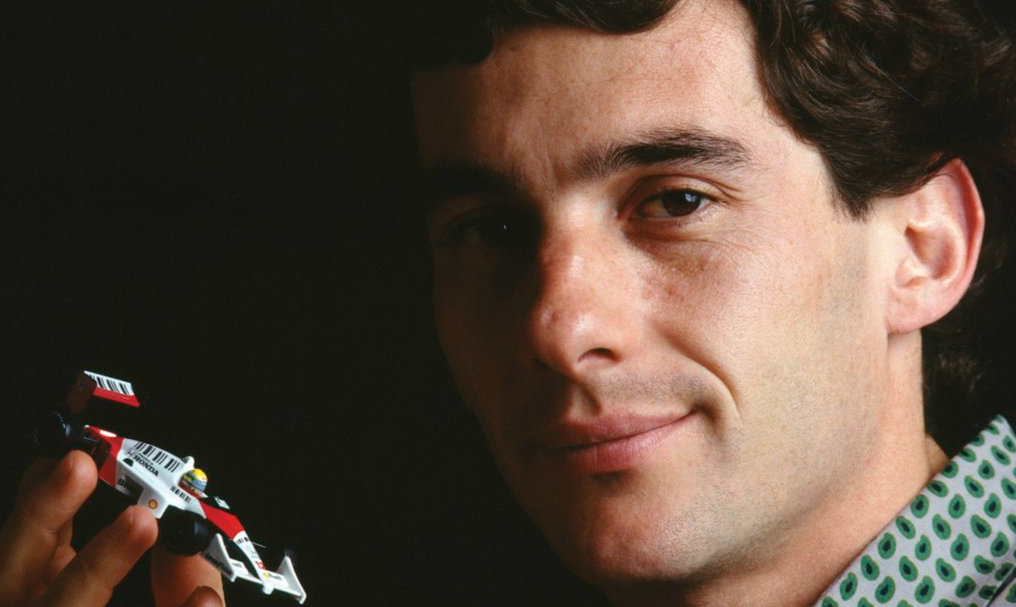
The very next race took place in Monaco, where Senna’s absence was impossible to ignore. It was there that drivers announced the rebirth of the Grand Prix Drivers’ Association, a united front dedicated to ensuring that no tragedy like Imola would happen again. Their first demand was clear: safety had to come before speed. To its credit, the FIA responded swiftly, introducing urgent changes to both the cars and the circuits. Formula 1, shaken to its core, would never be the same again.
 Instituto Ayrton, CC BY 2.0, Wikimedia Commons
Alternate Theories
As with most celebrity deaths, there have been alternate theories posited as to the reason for the crash. Some have claimed there was driver error and some are convinced Senna punctured his tire in the turn, which caused the accident. In the end, all that matters is that the world of motorsport lost one of the greats that day, the day Ayrton Senna died.







.jpg)

_-_GP_d%27Italia_1998.jpg)


.jpg)


