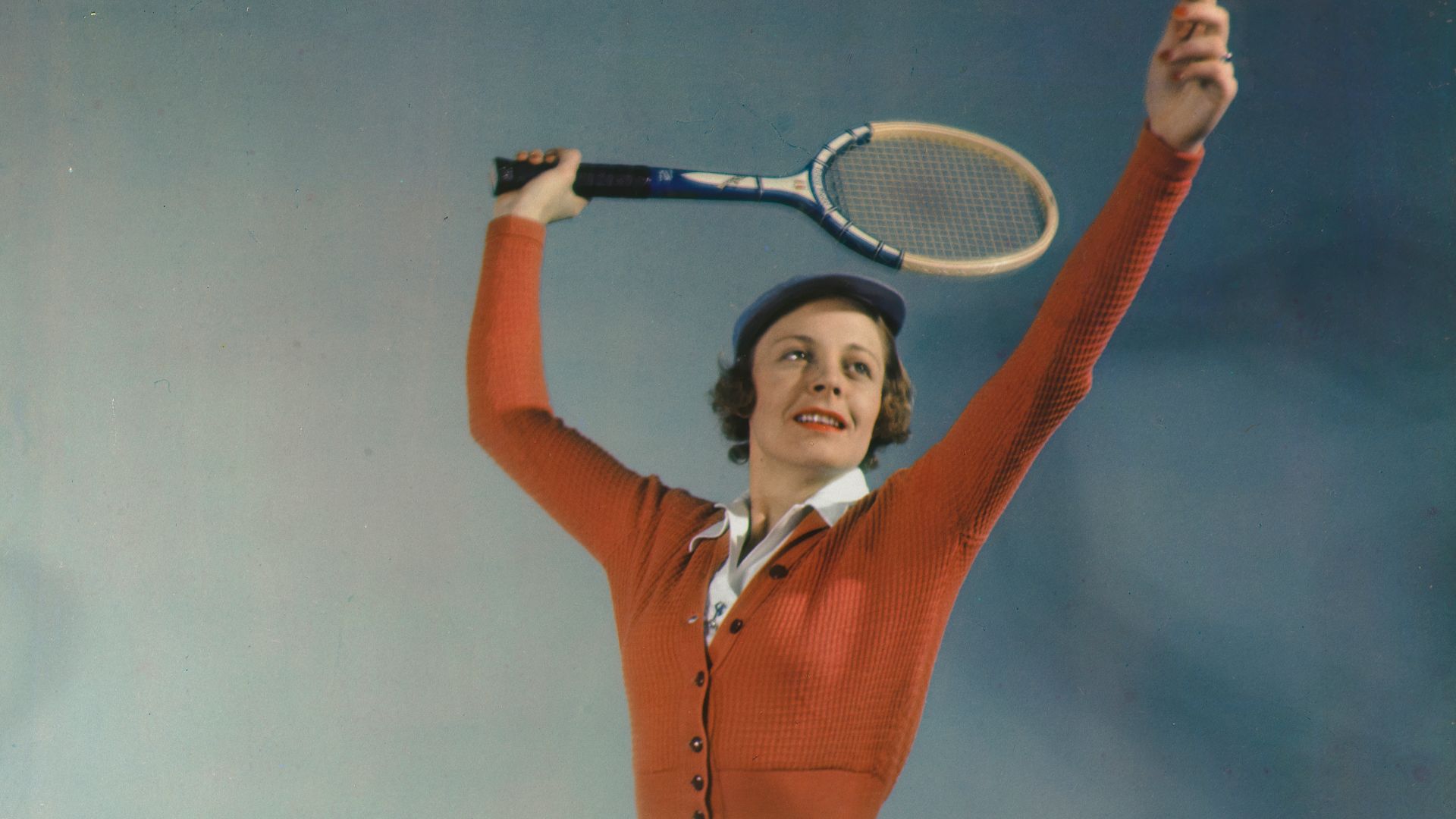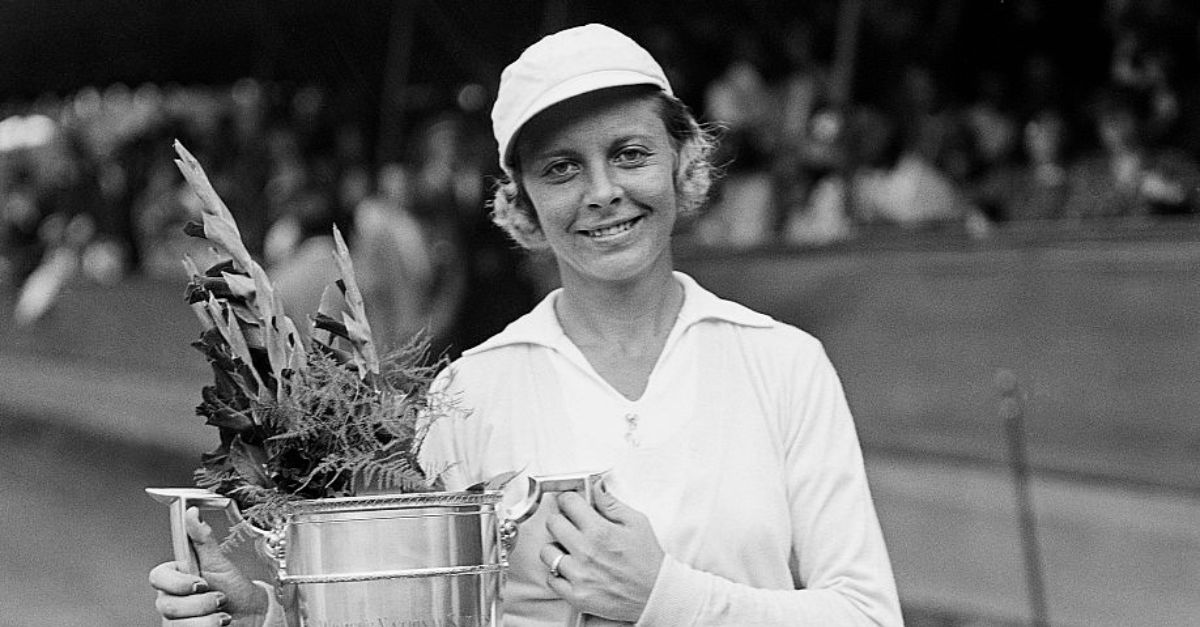
She Dominated The Court
During the late 1930s, one name dominated the world of women’s tennis: Alice Marble. Aggressive and always on the attack, the American won 18 Grand Slam titles. Furthermore, in all her time competing in the Wightman Cup, she only lost a solitary match in both the singles and doubles.
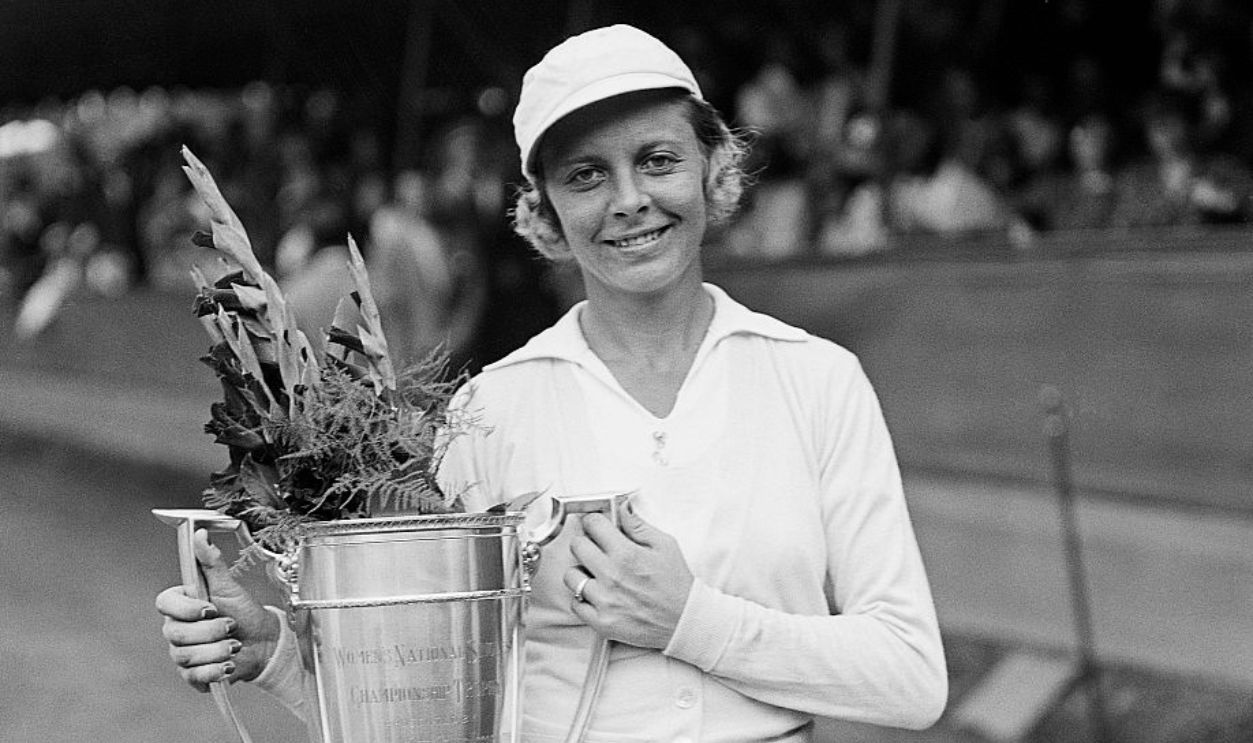
Triple Crown Win At Wimbledon
In 1939, the same year she was named world number one, the 25-year-old clinched the ‘Triple Crown’ – singles, women’s doubles and mixed doubles titles – at Wimbledon, storming to her singles win against Britain’s Kay Stammers Bullitt 6-2, 6-0.
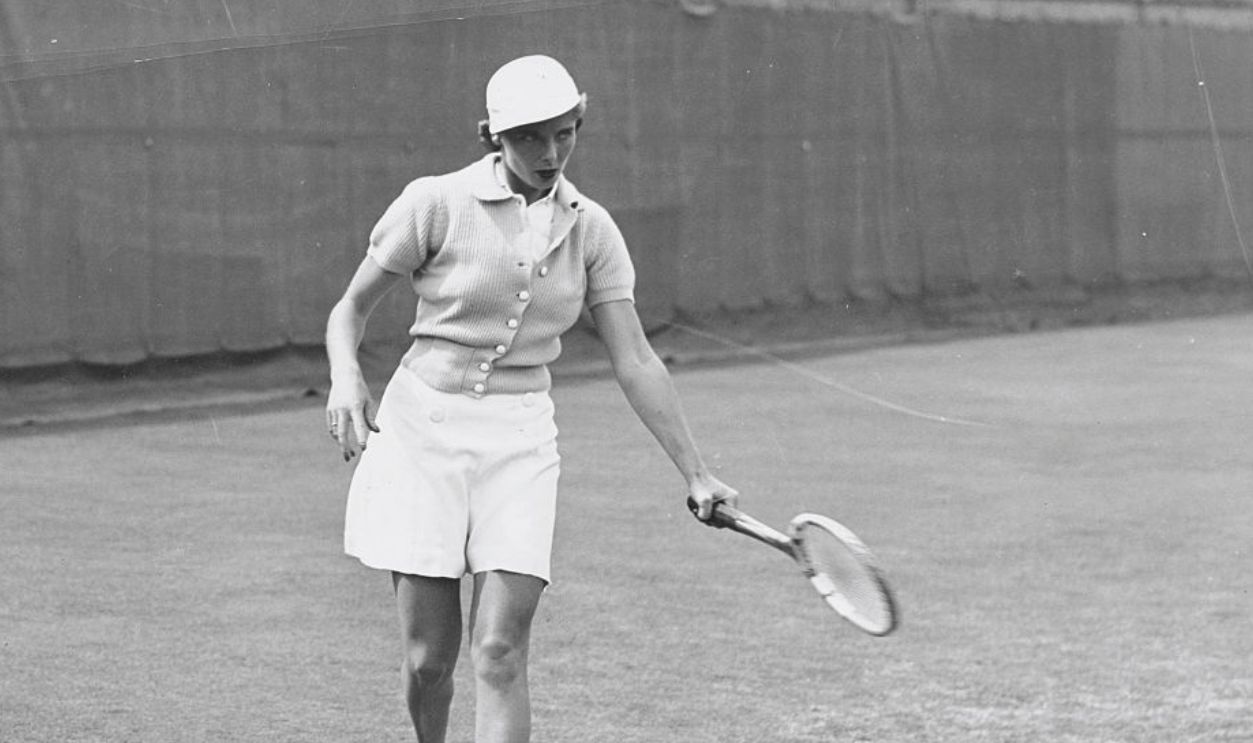
She Changed How The Game Was Played
Marble was a pioneer on the court, not least for playing in shorts rather than a more traditional skirt. She was also first to adopt serve-and-volley, a devastating tactic against weaker opponents. Who knows what further accolades Marble could have achieved if it wasn’t for World War II, which brought her whole new challenges.
 Unknown authorUnknown author, Los Angeles Daily News, Wikimedia Commons
Finding Strength
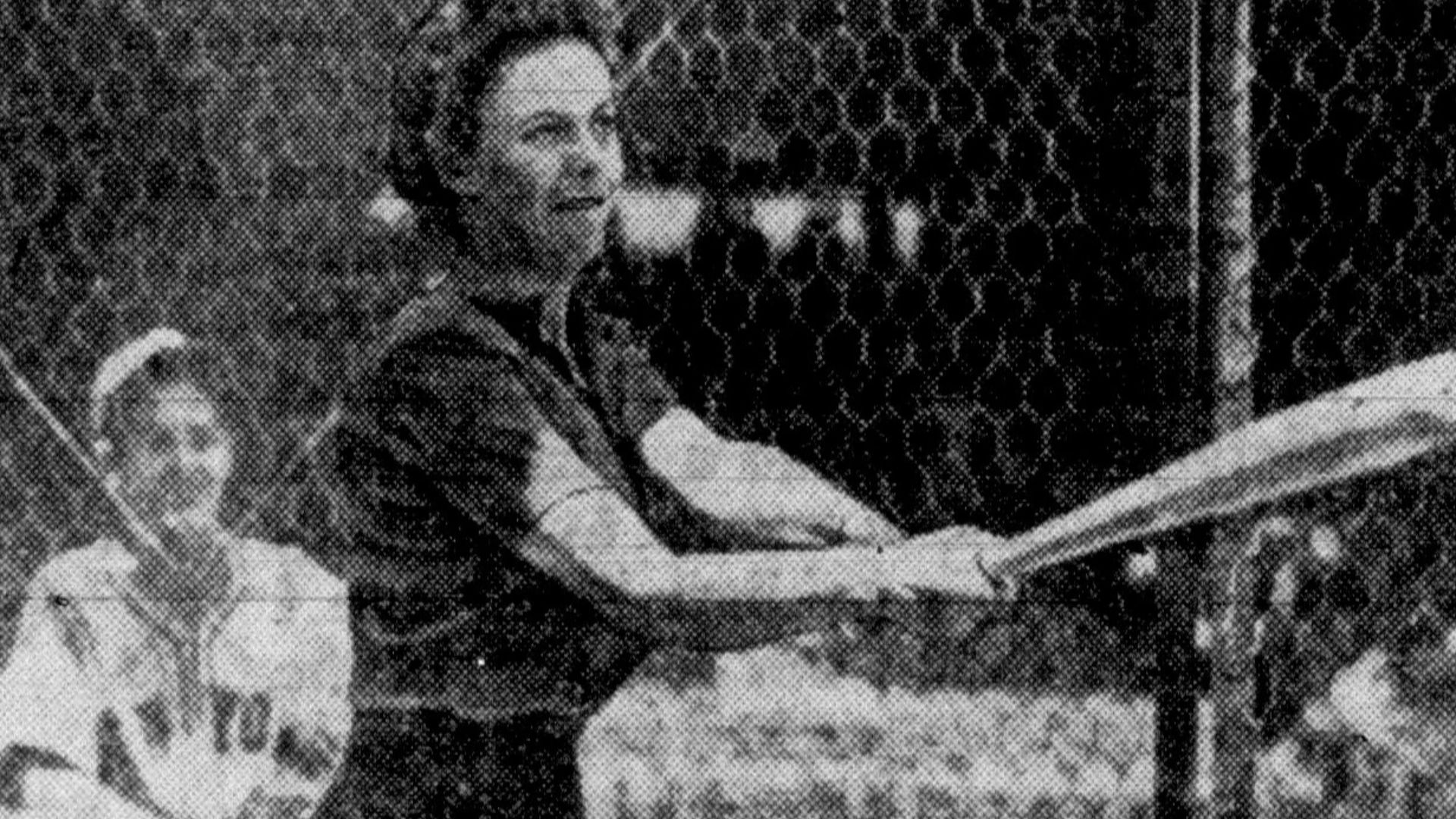
As a child growing up in California, Marble initially looked to pursue a different sport, baseball, but her older brother persuaded her to try tennis as it was “less masculine”. Yet all that pitching and swinging of baseball bats gave more punch to her serve, which ironically saw her game compared to that of a man.

She Was The Survivor Of A Devastating Crime
Marble was tough, but she had to be as two events in her youth threatened to destroy not only her sporting career, but her mental well-being too. At the age of 15, she was sexually assaulted by a stranger who was never caught. Although she kept the horrific incident secret from her mother out of shame, it scarred her for many years. And it was through tennis that she found renewed strength and hardiness.

She Defied The Odds
Then, in 1934, Marble collapsed midway through a match in Paris, during her first tennis competition abroad. Diagnosed with tuberculosis and pleurisy, doctors told her she would never play tennis again. Only a year later, the tenacious blonde had discharged herself from the sanatorium and returned to the courts. From 1936 onwards, Marble was near unbeatable.
 Duchemin, Émile (1862-1914). Photographe, Wikimedia Commons
Off-Court Success
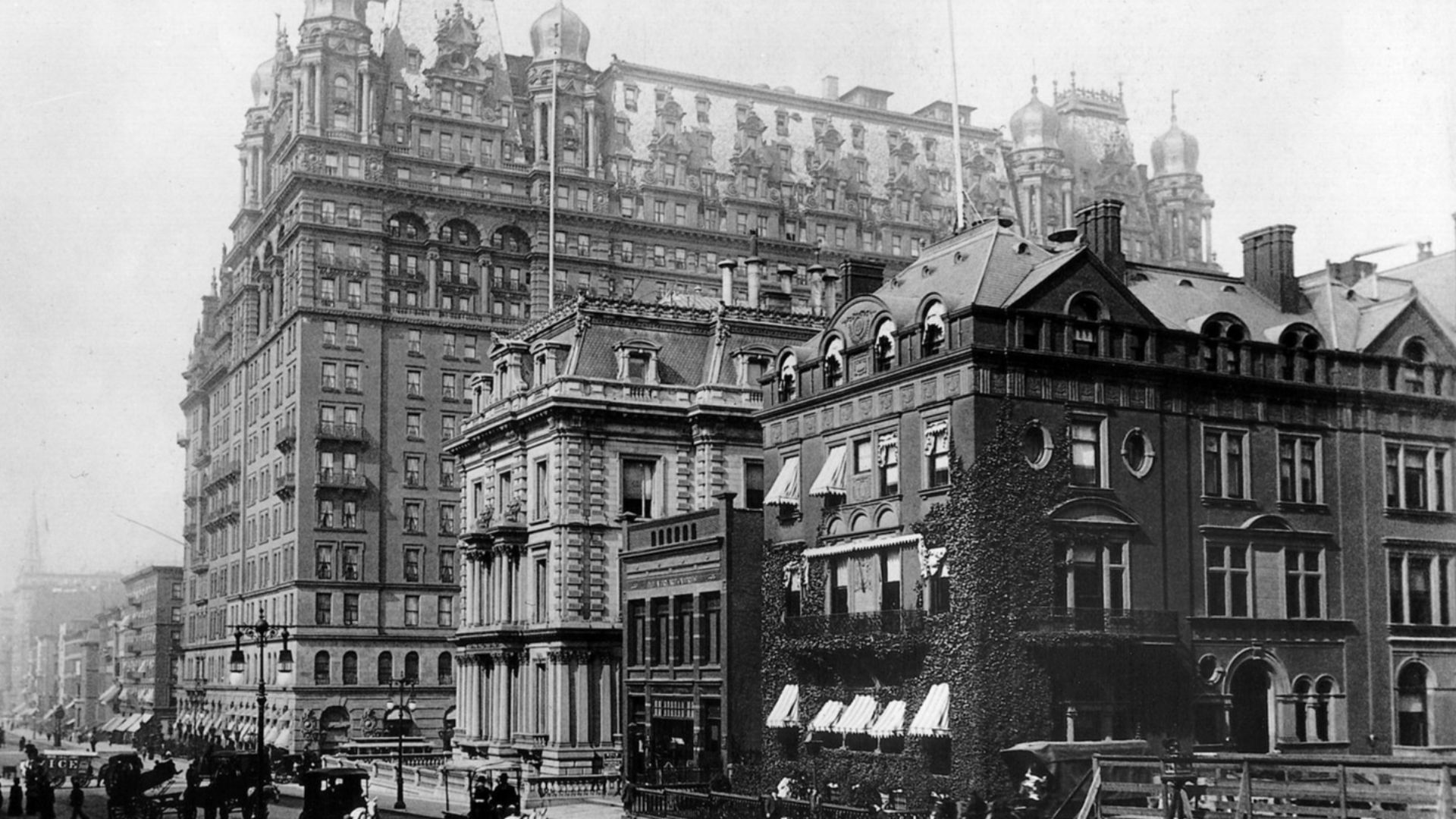
With her successes in the US Championships (later known as the US Open) and Wimbledon, fame came Marble’s way. She designed a line of tennis apparel, was booked as a public speaker and even performed as a singer at New York’s Waldorf Astoria.
 unknown, upload by Adrian Michael, Wikimedia Commons
Wonder Woman
Her voice was also put to use in a brief stint as an American football reporter, where her broadcasts garnered quite a following. It wasn’t just magazine covers that Marble graced. When DC Comics asked her to endorse their new superhero, Wonder Woman, she decided to give editing a try. She established a regular feature titled ‘Wonder Women of history… as told by Alice Marble’, which told the stories of real women, like Florence Nightingale, in the style of a comic.

Pro Tour And Marriage
As for her tennis career, Marble turned professional in 1940, earning a decent crust from playing exhibition matches around the country, sometimes on military bases. During one such tour, Marble met soldier Joe Crowley, who she married in 1942.
Woe And War
But in 1944, a double tragedy struck. Marble miscarried after being in a car accident, only to be told a matter of days later that her husband’s plane had been shot down. “I felt I had nothing left to lose but my life,” she later recalled. “At the time, I didn’t care about living.” Marble attempted suicide by taking an overdose of sleeping pills, but it didn’t work.

She Had A Close Call
In the hope of recuperating, she thought the best thing to do was to assist the war effort. Marble signed up to spy for US Intelligence, travelling to Switzerland in 1945 to uncover the ledgers of a banker (who was also a former lover) suspected of hiding Nazi wealth. She barely escaped with her life when a double agent shot her in the back.
 FOTO:Fortepan — ID 17697: Adományozó/Donor: Schoch Frigyes., Wikimedia Commons
Game Changer
After the war, Marble returned to tennis – not as a player, but as a coach to future champ Billie Jean King and as an advocate for equality. She served up a fierce editorial in a 1950 edition of American Lawn Tennis magazine, calling for the racial integration of tennis and supporting the promising African-American player Althea Gibson.
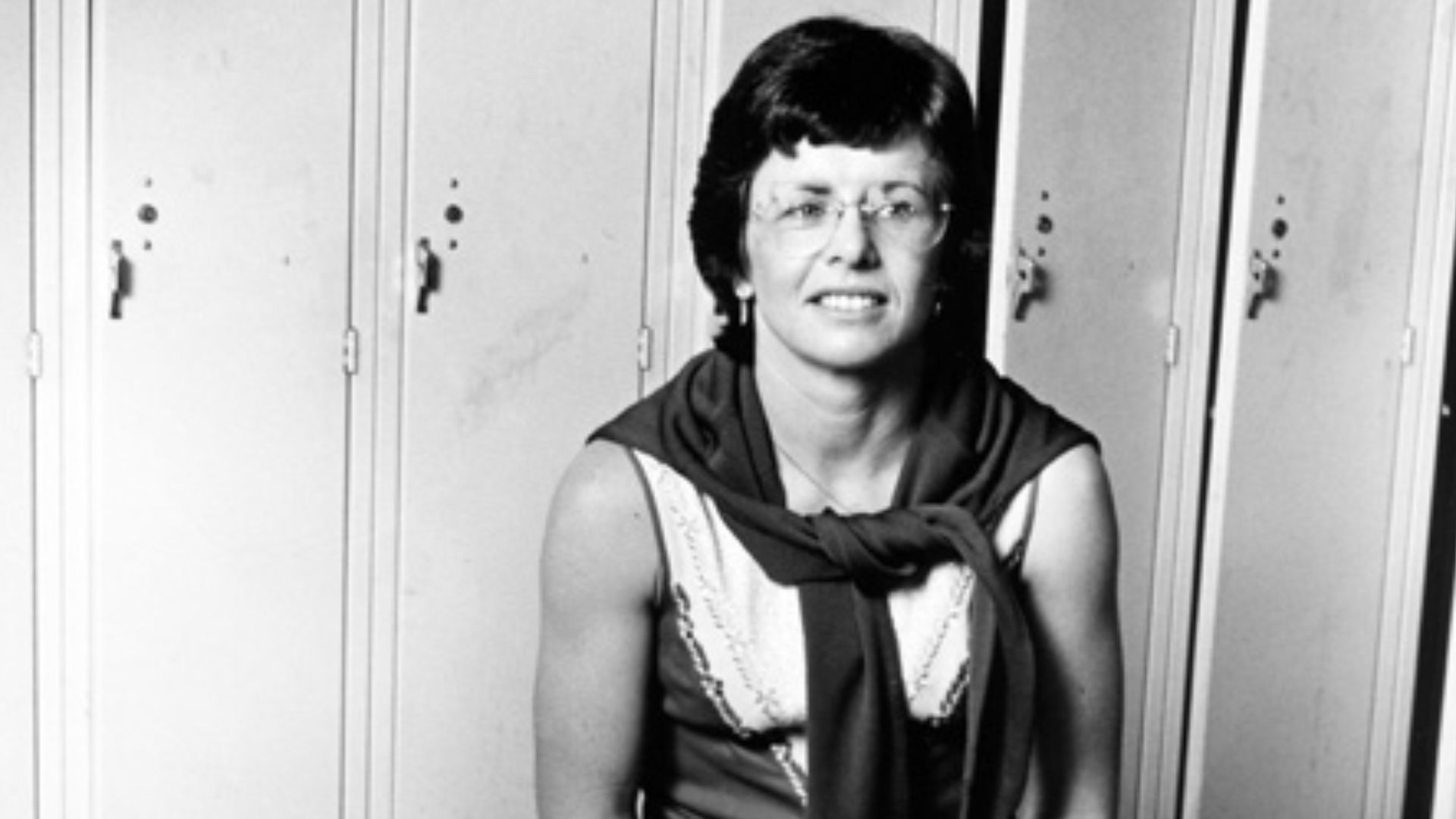 Lynn Gilbert, Wikimedia Commons
She Spoke Up For Equality
“If tennis is a game for ladies and gentlemen,” she wrote, “it’s also time we acted a little more like gentlepeople and less like sanctimonious hypocrites.” Gibson was accordingly invited to the US Championships that year, the first black player of either gender to compete in a Grand Slam tournament.
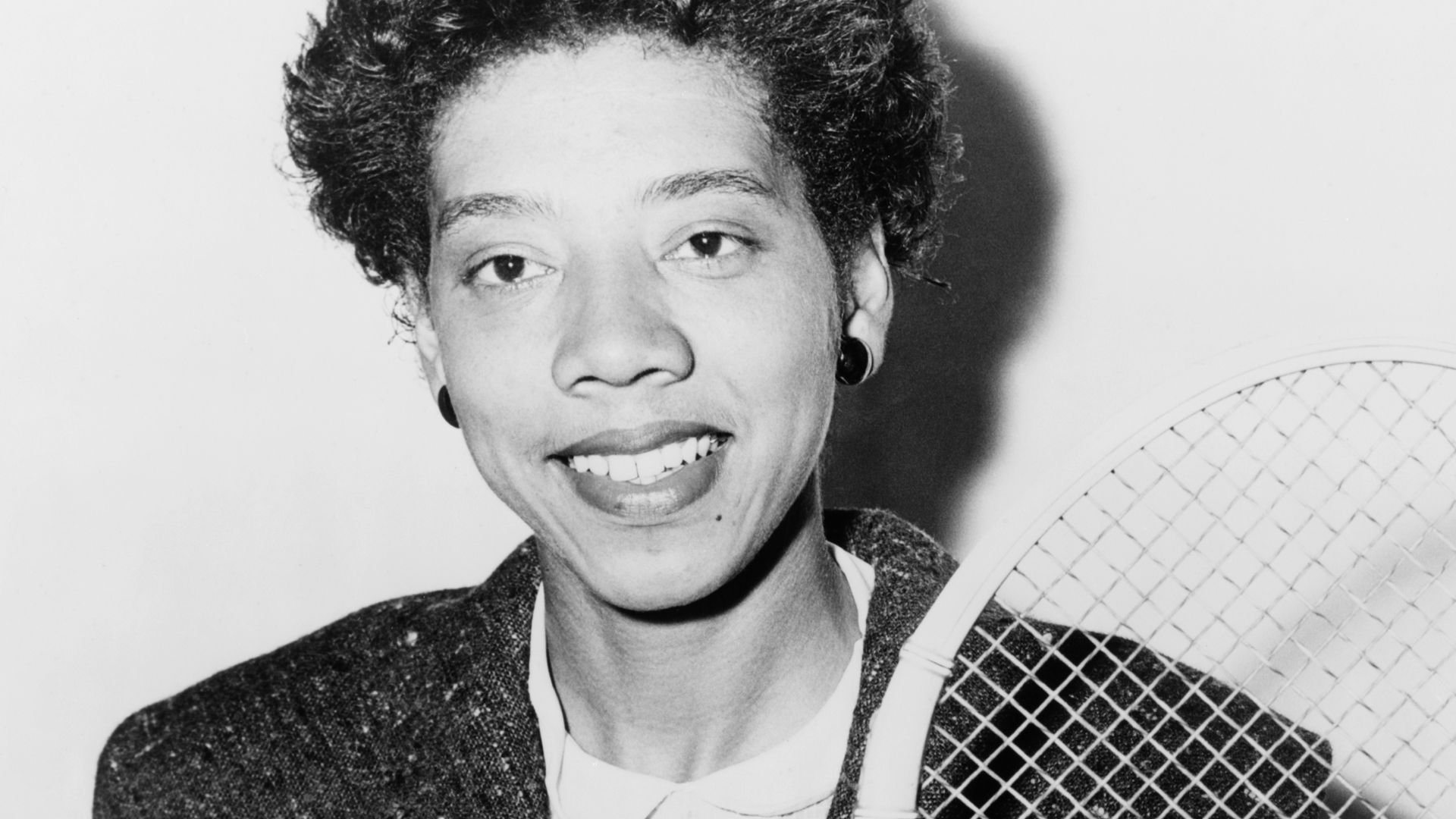 Adam Cuerden, Wikimedia Commons
She Changed Tennis Forever
Whether with a racquet or a pen in her hand, Marble changed tennis forever, ensuring her place next to the wonder women in history, whom she so admiringly covered for DC.
This content was created in partnership with HistoryExtra.