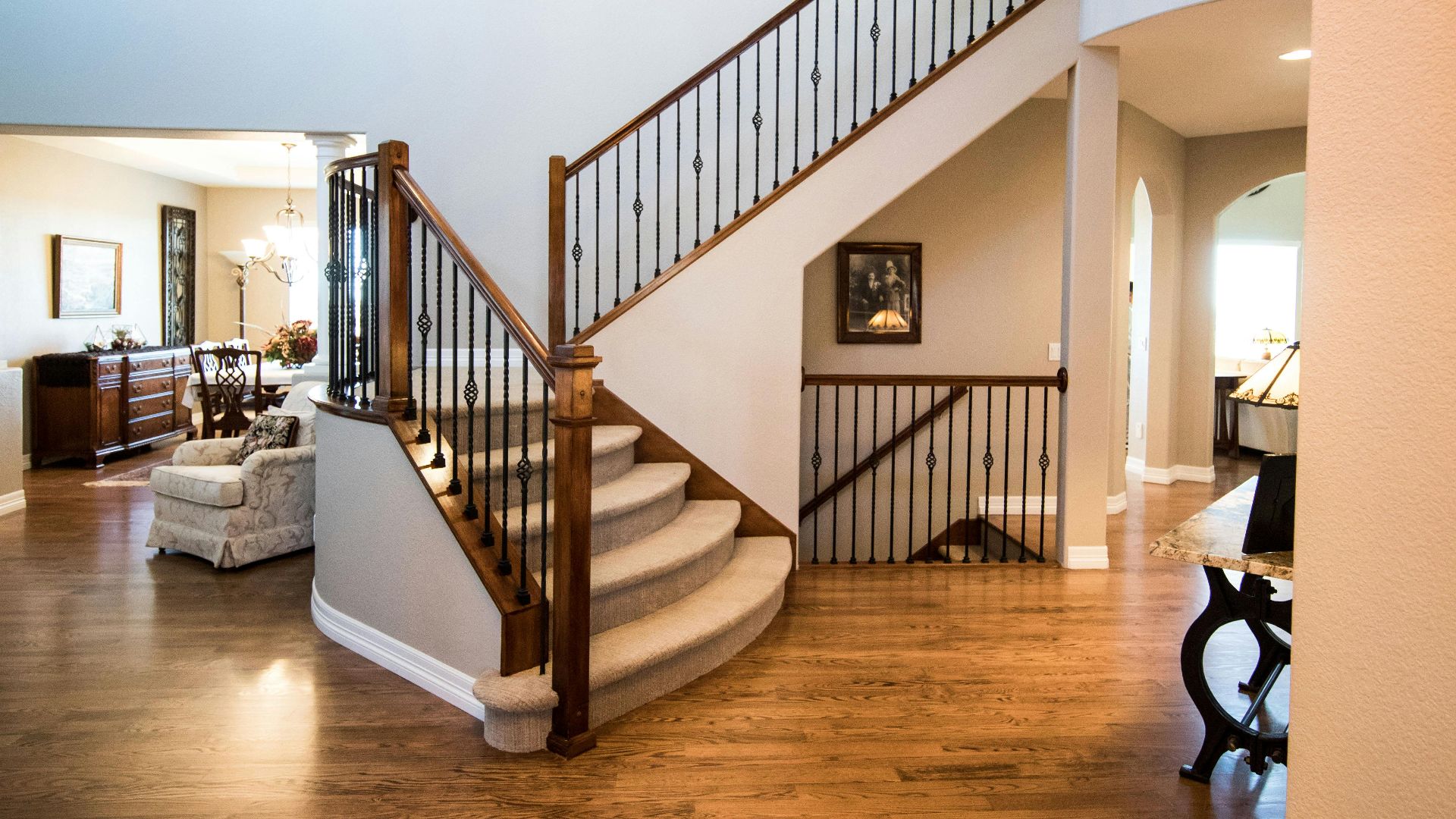
One Step Shy Of Sensible
A single step can be art, confusion, or both. The strangest staircases blur that line beautifully, turning practical design into an optical illusion and making everyday movement feel like an unpredictable experiment.

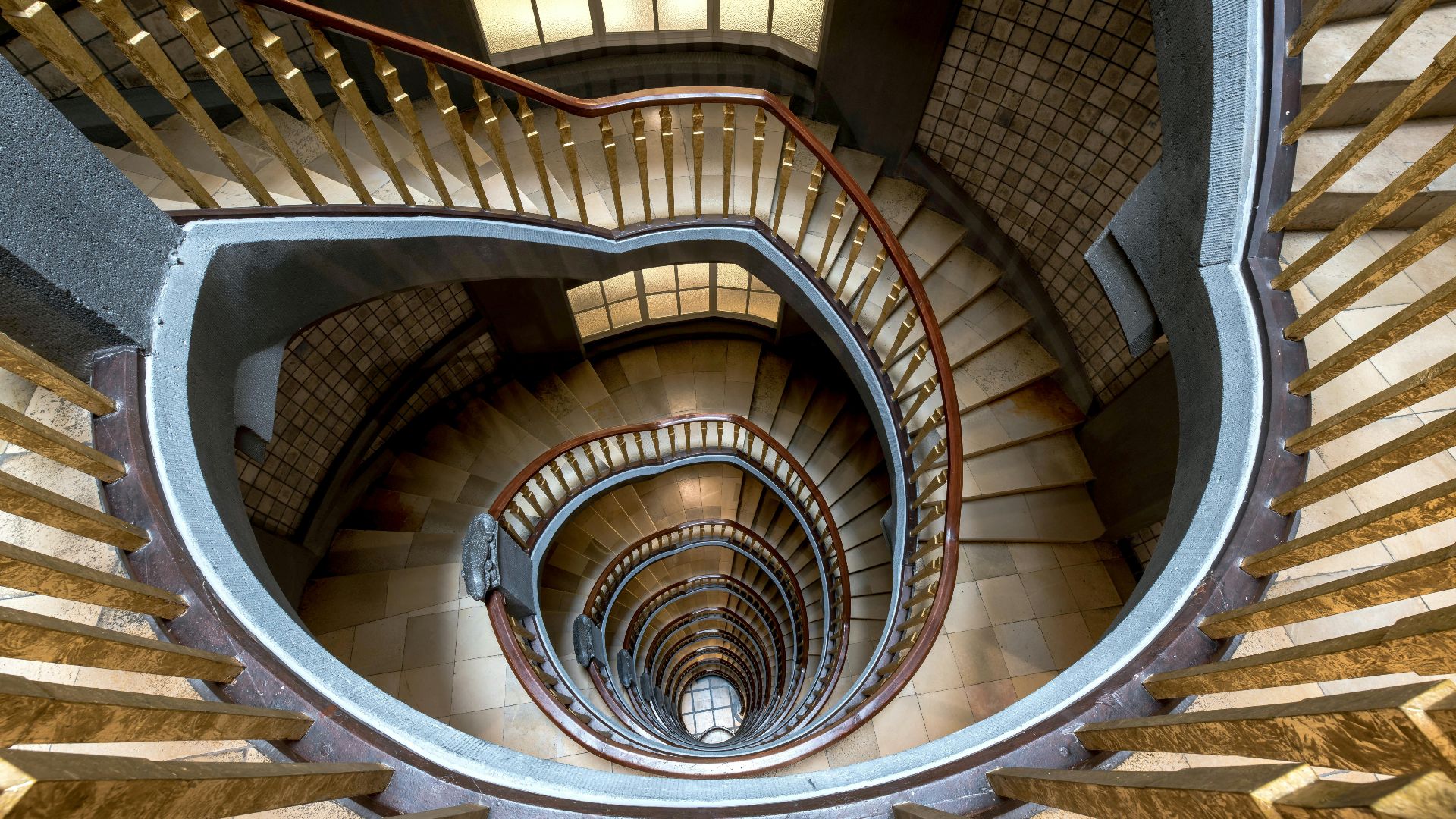
Endless Spiral Staircase
Walk long enough on an endless spiral staircase and you might forget which way is up. The constant turning and identical steps mess with your sense of direction to leave you dizzy, disoriented, and one misplaced step away from a dramatic tumble.
Transparent Glass Treads
Glass stairs may look sleek, but they play tricks on your eyes. With no visible depth or edge cues, every step feels uncertain. Add a smooth surface that turns slippery when wet or dusty, and you’ve got elegance that doubles as a hazard.
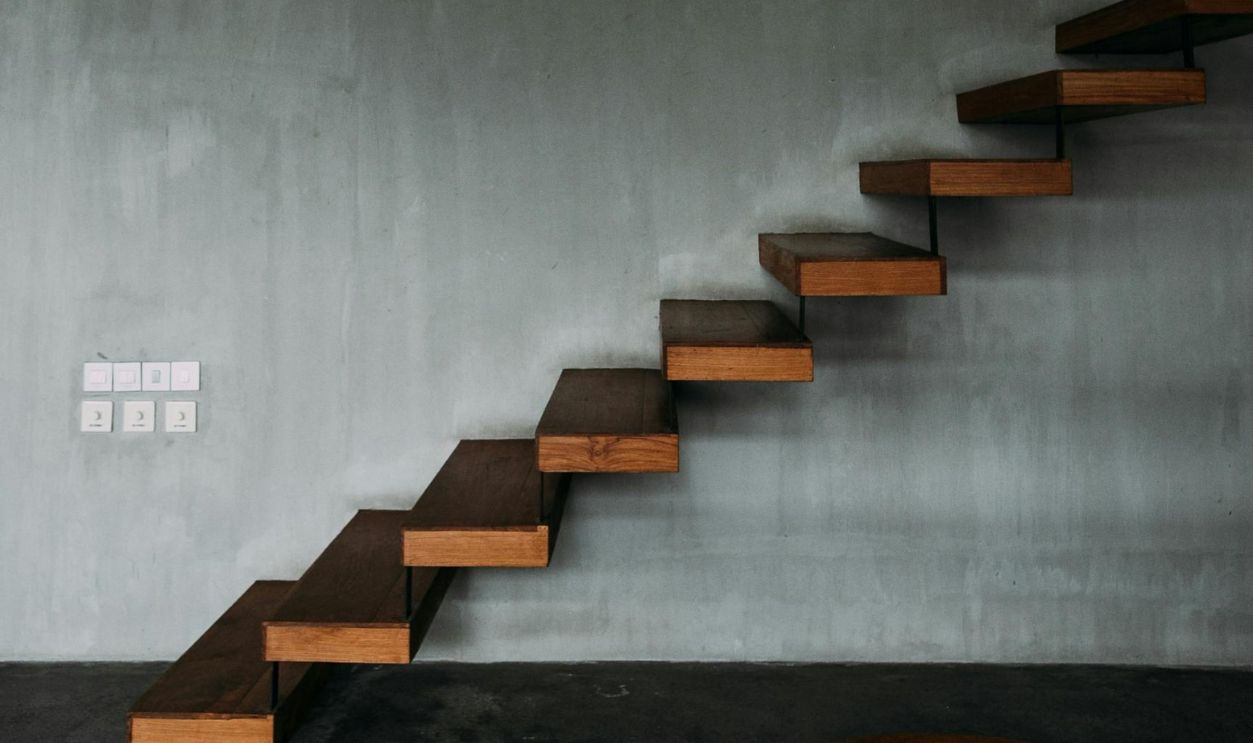
Floating Cantilever Stairs With No Handrail
Ever walked on stairs that seem to hang in midair? Cantilever designs pull off that illusion by anchoring one end and ditching handrails for style points. They look incredible, though the missing safety grip means even one misstep can turn your floaty fantasy into a fall.
Alernating Tread Stairs (“zigzag” Steps)
Every step on zigzag stairs feels like solving a puzzle in motion. The alternating design keeps space compact while keeping you alert. One slip in rhythm, and the clever layout turns from smart architecture to an unexpected workout for your reflexes.
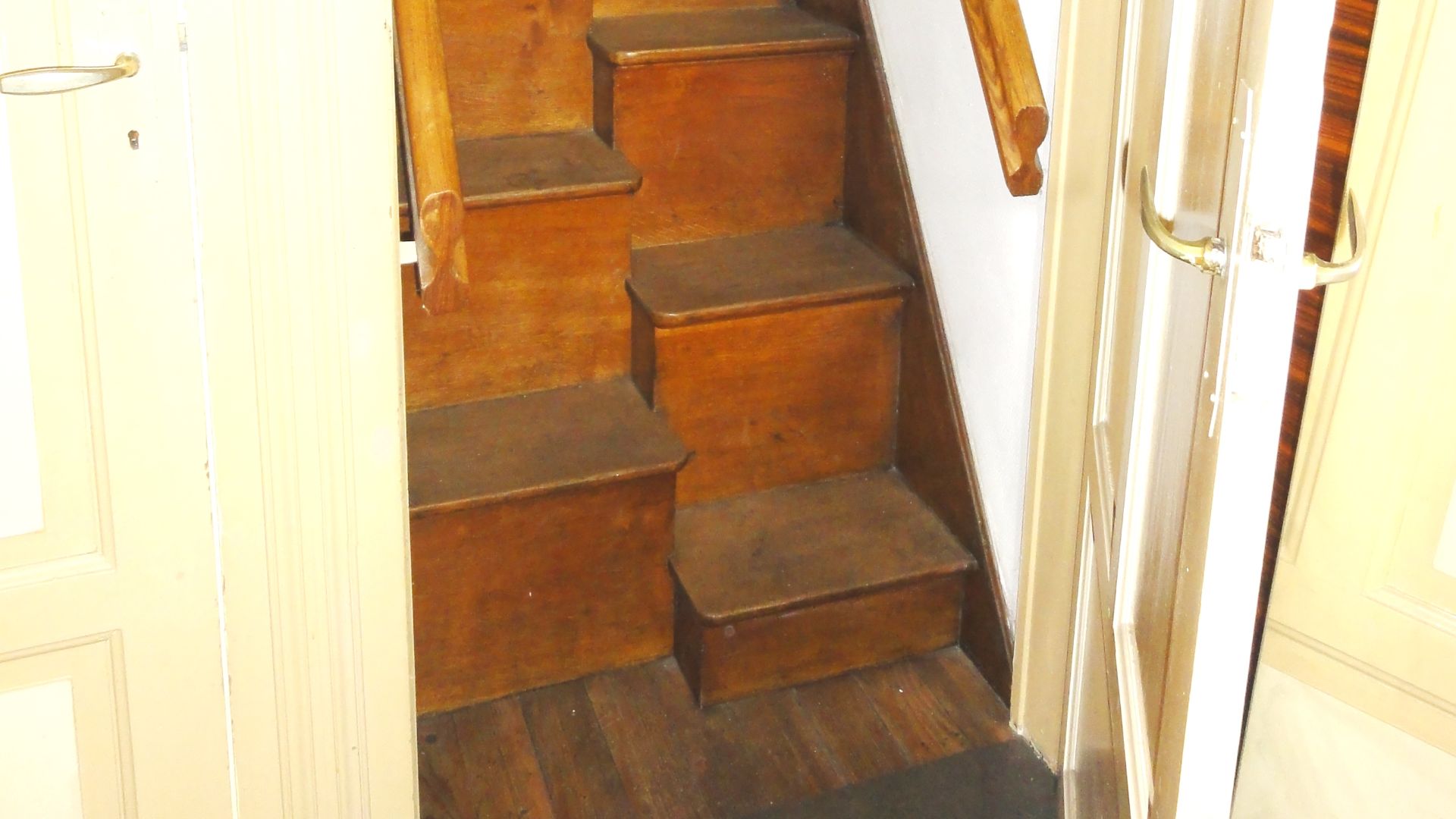
Ultra-Steep Stair Incline
Climbing these feels more like scaling a mountain than using stairs. Ultra-steep inclines push the limits of what counts as safe, sometimes even skirting building codes. They fit tight spaces but can easily turn a quick trip upstairs into an accidental workout—or worse.
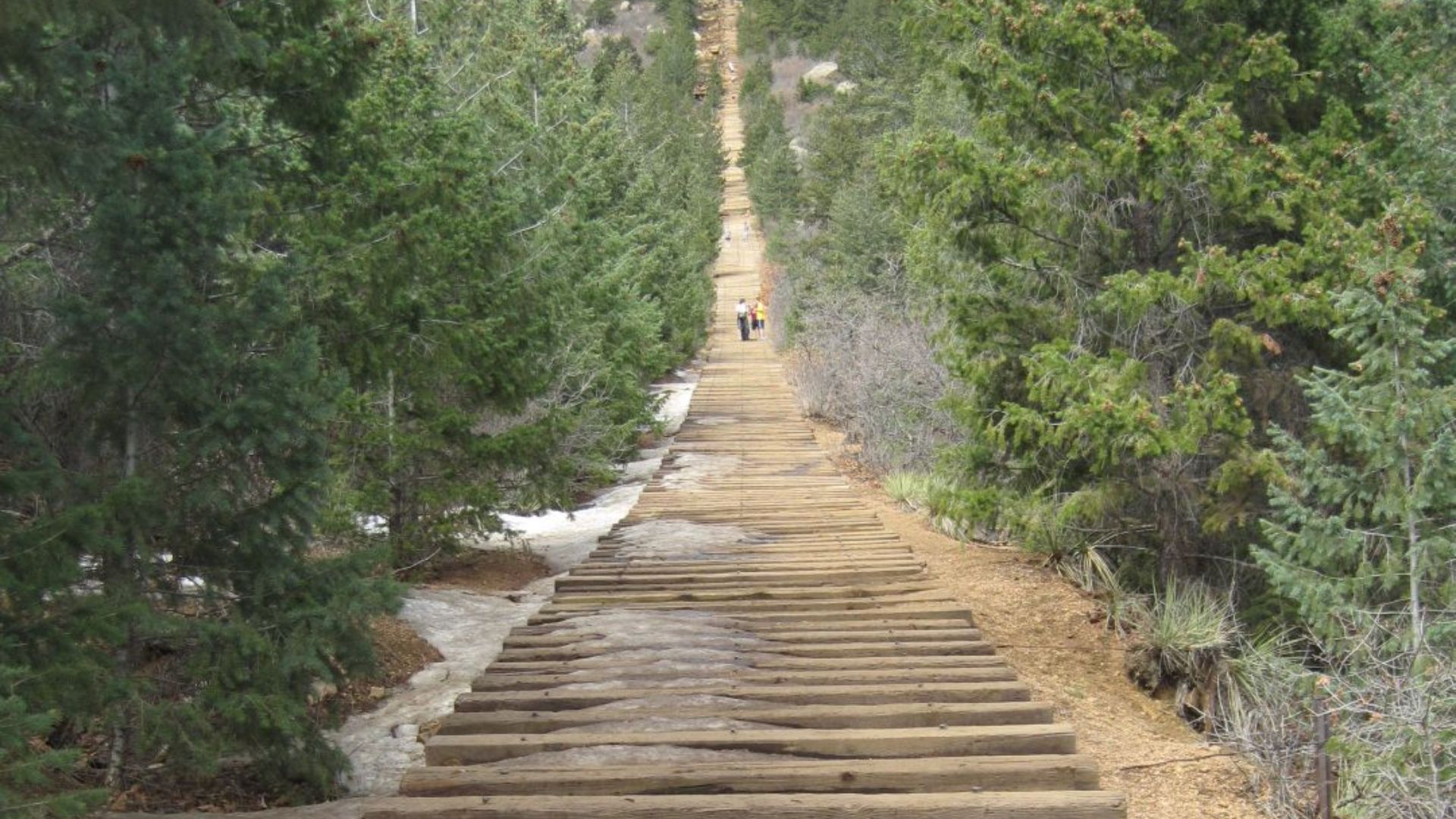
Colorless White Monochrome Steps
Ever tried walking on stairs that vanish under your feet? Pure white steps melt into each other, leaving your eyes guessing where to land. One wrong move feels almost guaranteed, and suddenly that minimalist look doesn’t seem so practical anymore.
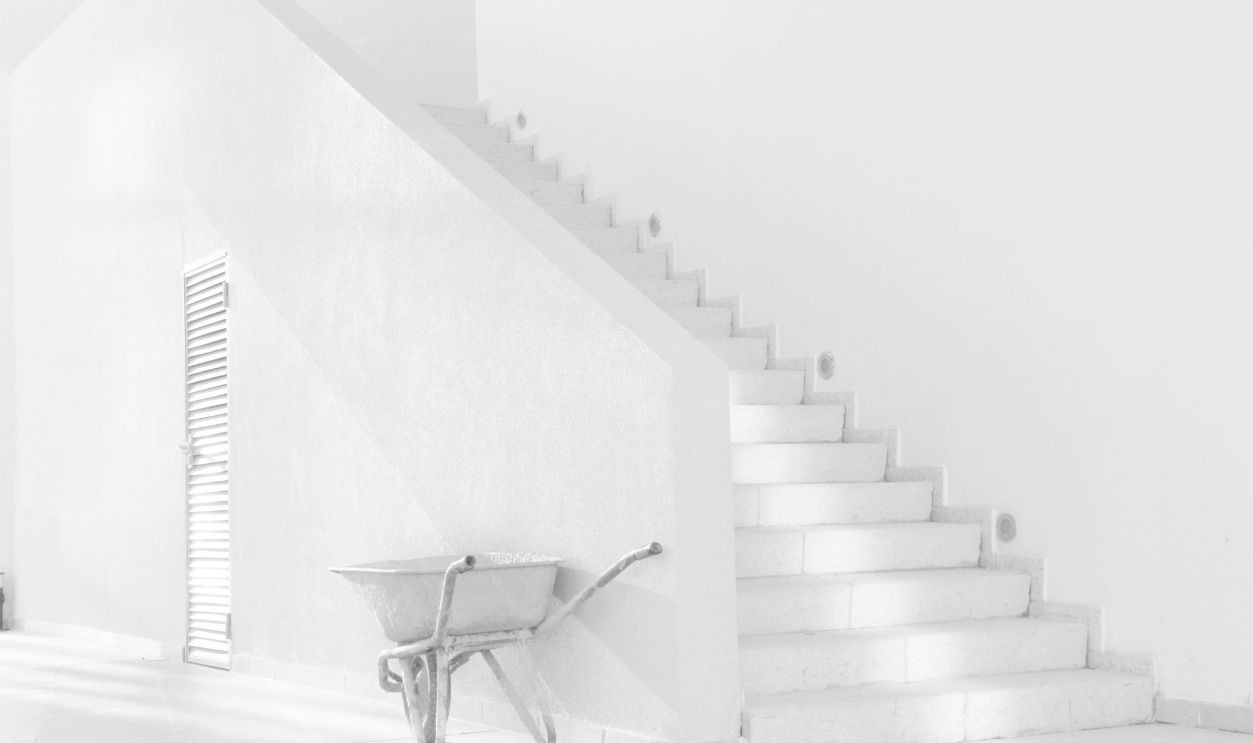
Spiral Staircase With Exceptionally Narrow Treads
The closer you step toward the center, the trickier it gets. Spiral stairs shrink fast near the pole, which forces you to hug the edge for balance. It looks dramatic in photos, but real feet don’t always agree with that design choice.
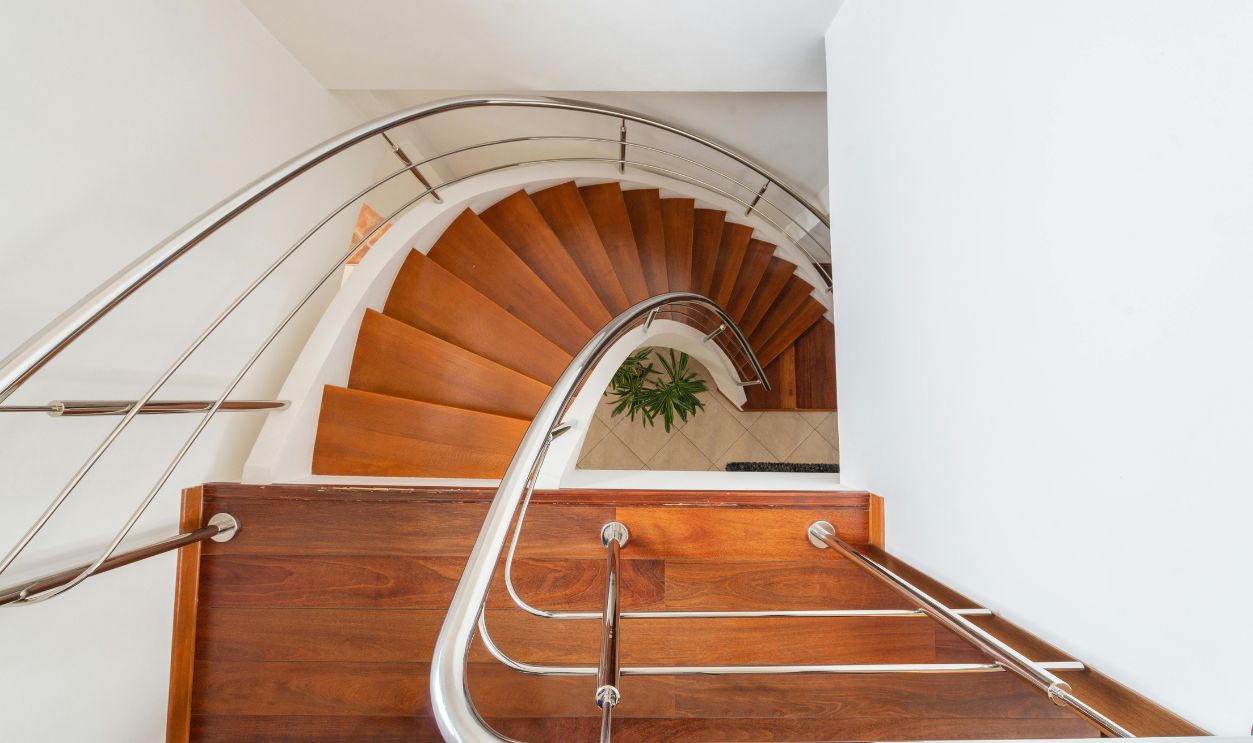
Open Riser Stairs With Large Gaps Between Steps
At first glance, they look modern and light as air. Then you notice the gaps—big enough for a foot, toy, or tail to slip through. Those stylish openings quickly remind you that design flair doesn’t always get along with common sense.
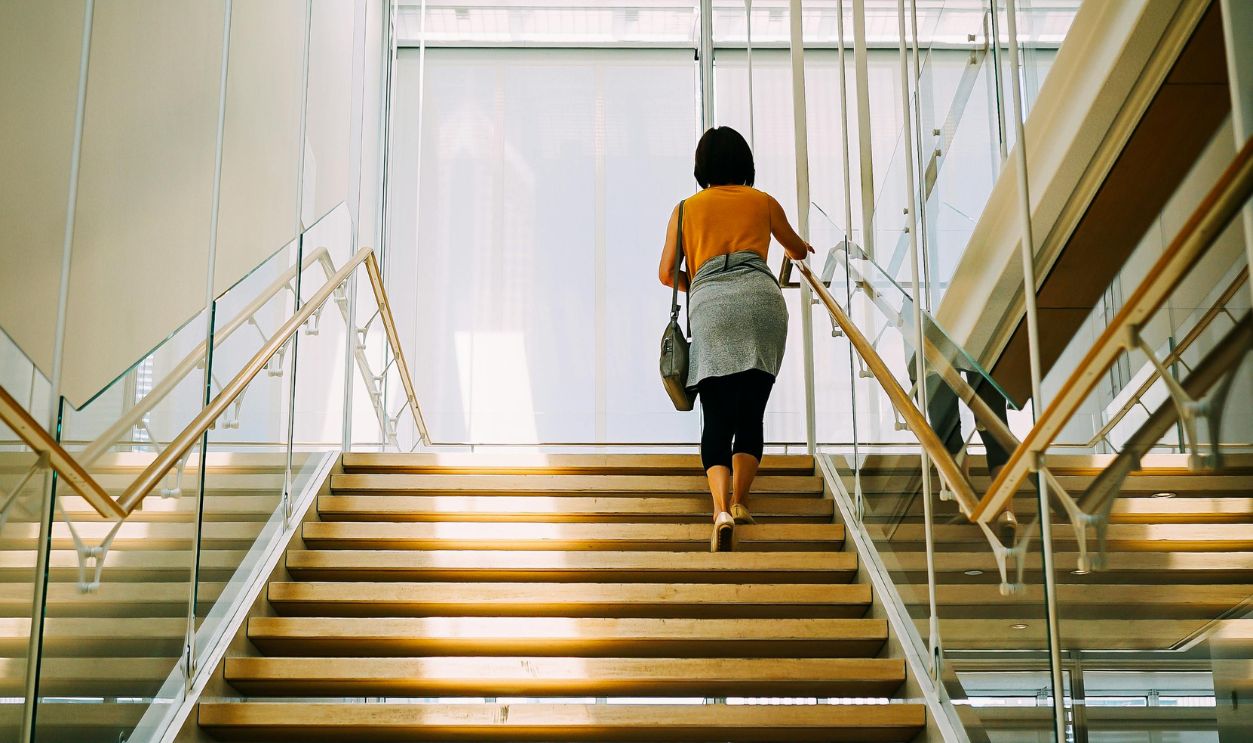

History's most fascinating stories and darkest secrets, delivered to your inbox daily.
Outdoor Exposed-Metal Stairs
Metal stairs and bad weather are never friends. Rain or frost can turn each step into a surprise slide. Without anti-slip coating or texture, that shiny surface becomes a trap the moment the temperature drops or the clouds open up.
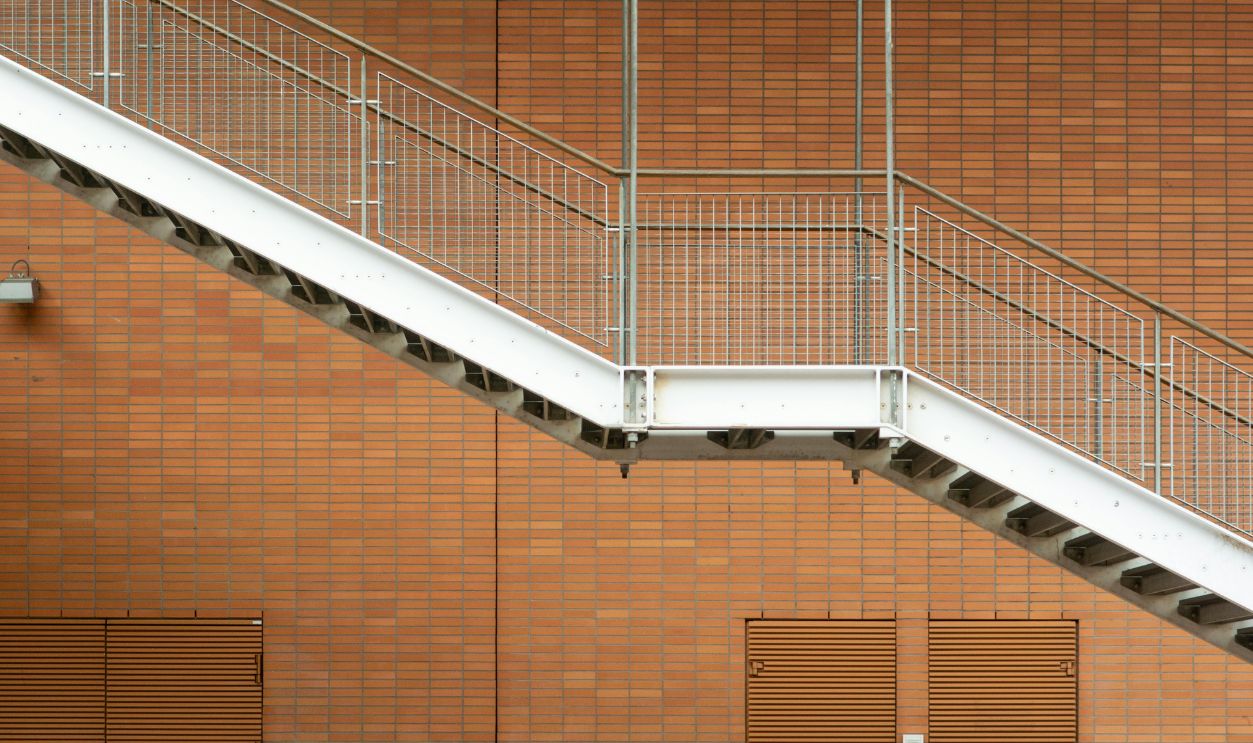
Randomly Varying Step Heights
Nothing messes with your balance faster than uneven steps. Your brain expects rhythm, your feet don’t find it, and chaos follows. Some call it creative design; most call it a lawsuit waiting to happen—and the building code agrees.
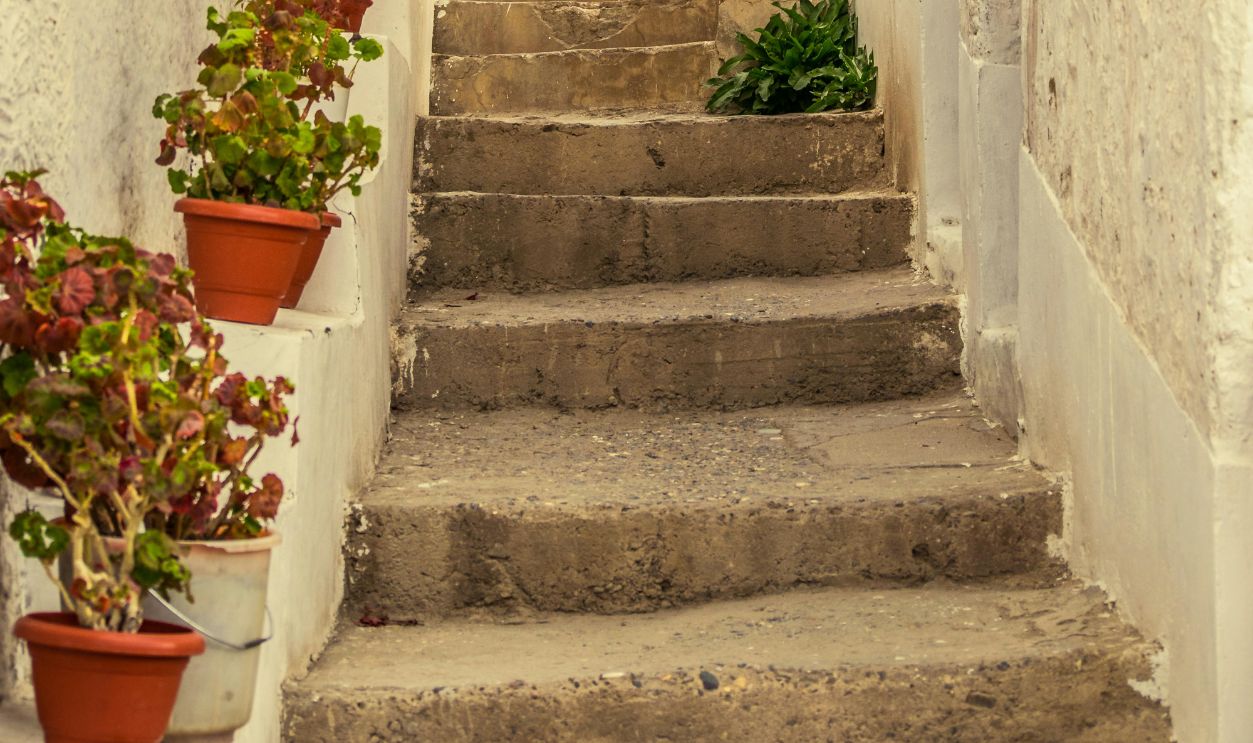
Staircase Winding Around A Central Column
Some spiral staircases make you feel like you’re ducking through a maze. Tight turns around a central column shrink headroom fast, forcing awkward movements. One distracted step or quick rise can end with a sharp bump instead of a graceful climb.
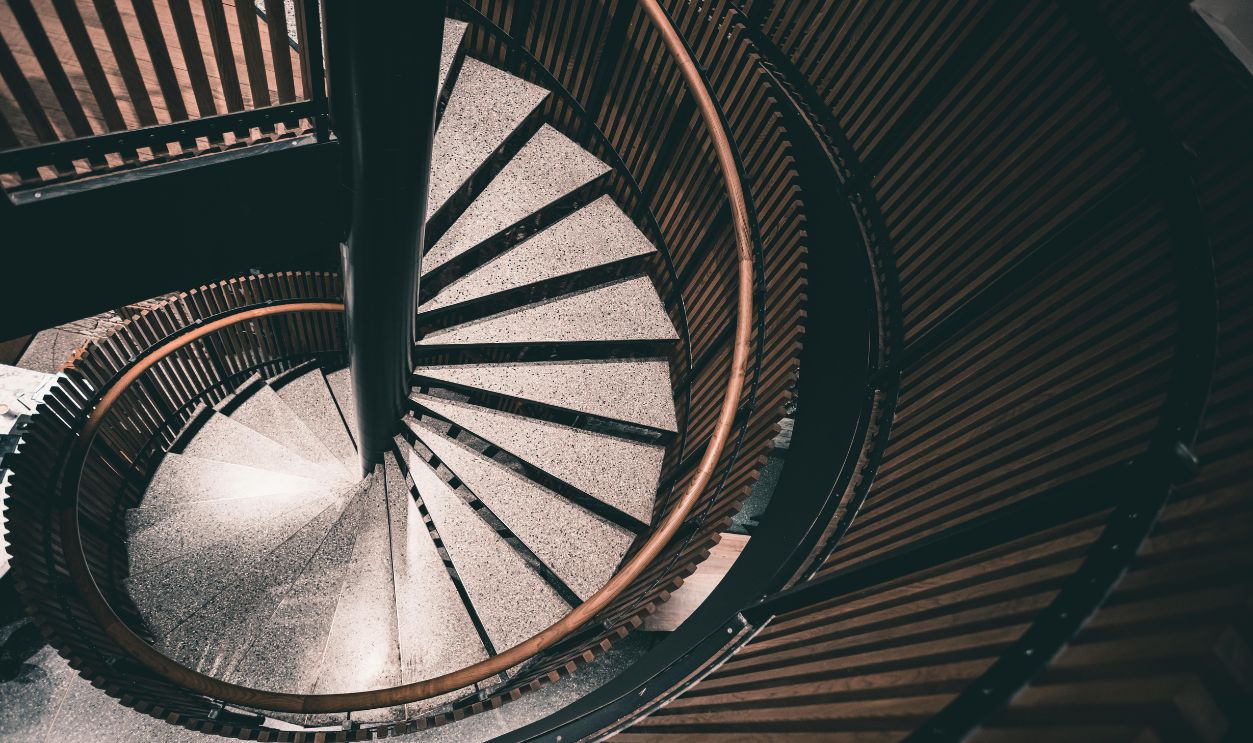
Black-On-Black Stairs
Step into low light on black stairs, and the edges disappear instantly. The railing blends in too, which leaves no clear path for your eyes. Without contrast, every step feels like a guessing game that could end with a stumble or worse.
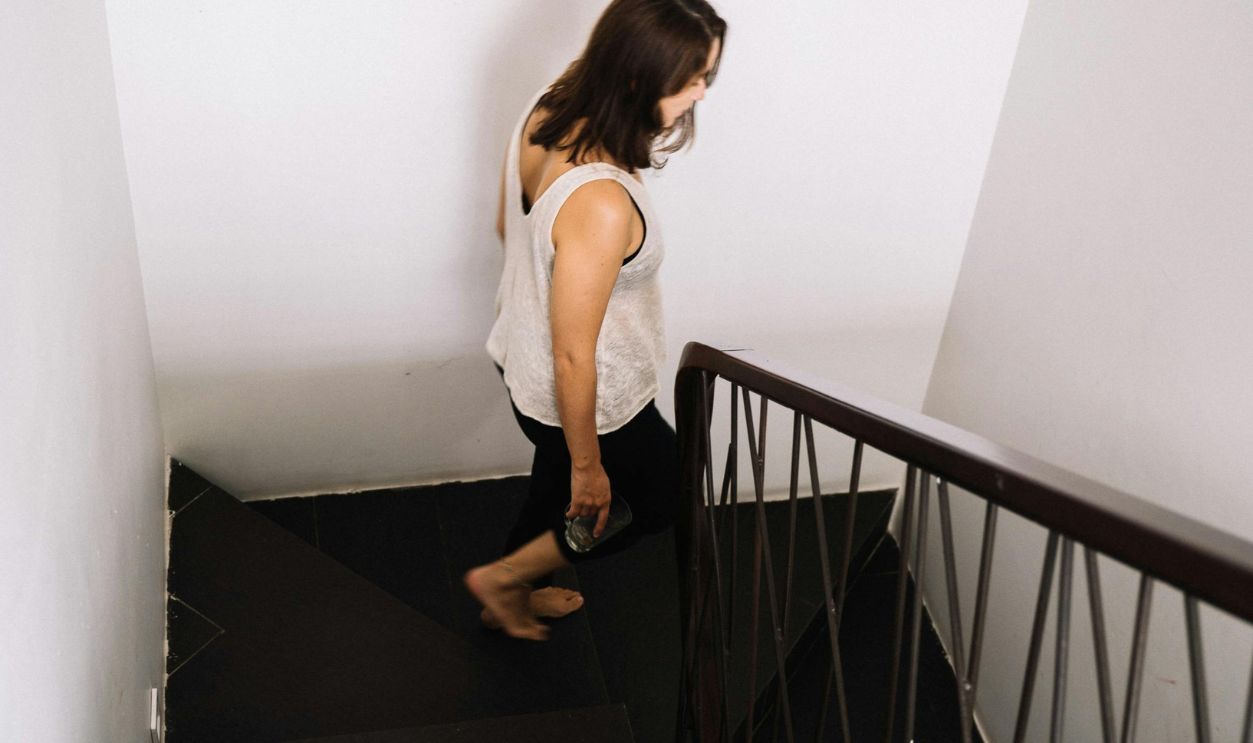
No Landing Platform Between Long Flights Of Stairs
Climbing a long staircase with no landing feels endless. Your legs start to burn, and there’s nowhere to pause or reset. Landings exist for a reason—they reduce fatigue, cut fall risk, and help you catch your breath before the next round.
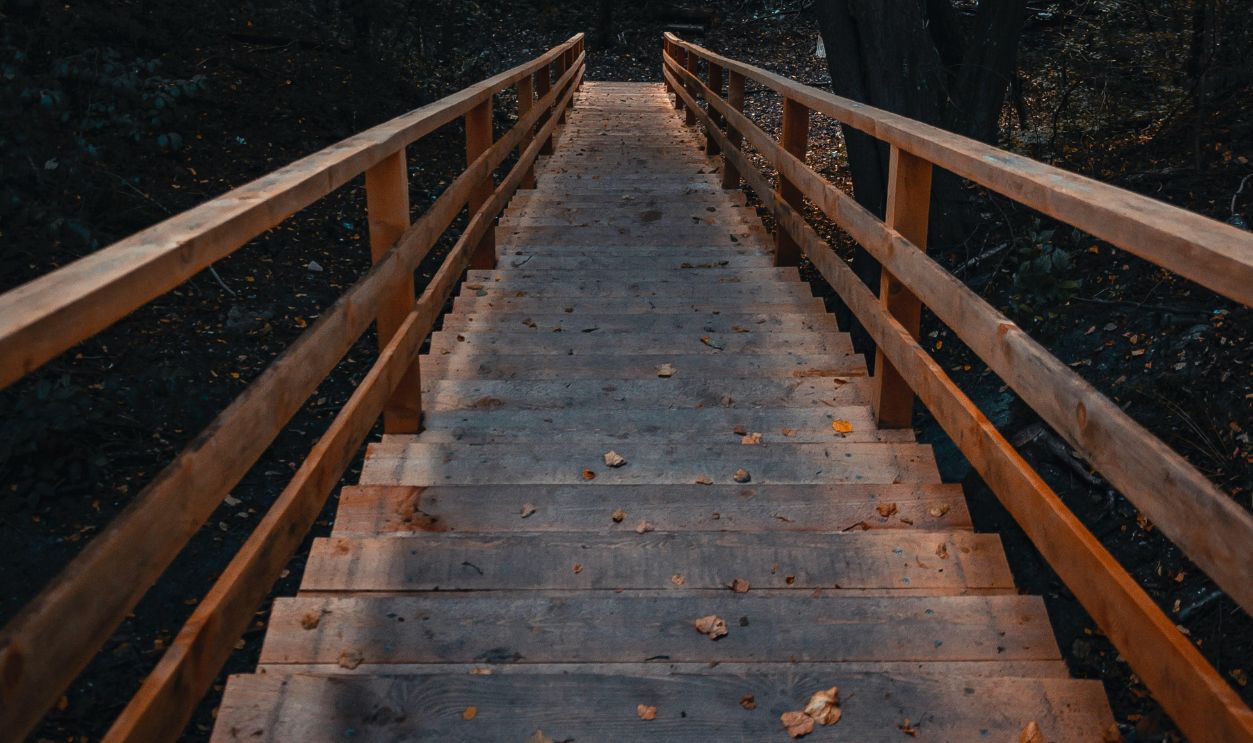
Minimal Width Stairs In A High-Traffic Space
When stairs are too narrow, crowds move like traffic in a single lane. The squeeze causes congestion and quick missteps, especially during rush hours or emergencies. Safety codes set width rules for a reason—tight spaces and heavy foot traffic don’t mix.
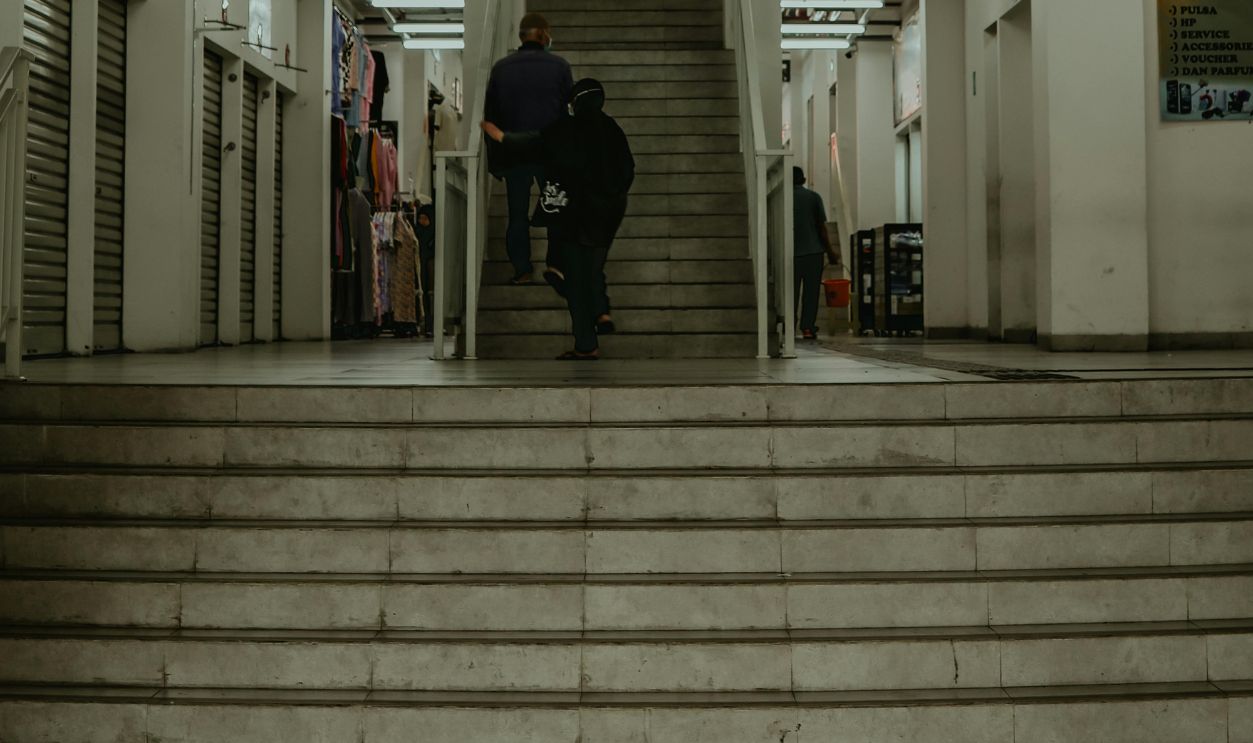
Hidden Lighting Beneath Stairs
Under-stair lighting looks luxurious until the glare hits your eyes. The shine can hide step edges and distort depth, making movement tricky. Designers love the glow, but poor placement turns dramatic lighting into a trip hazard disguised as style.
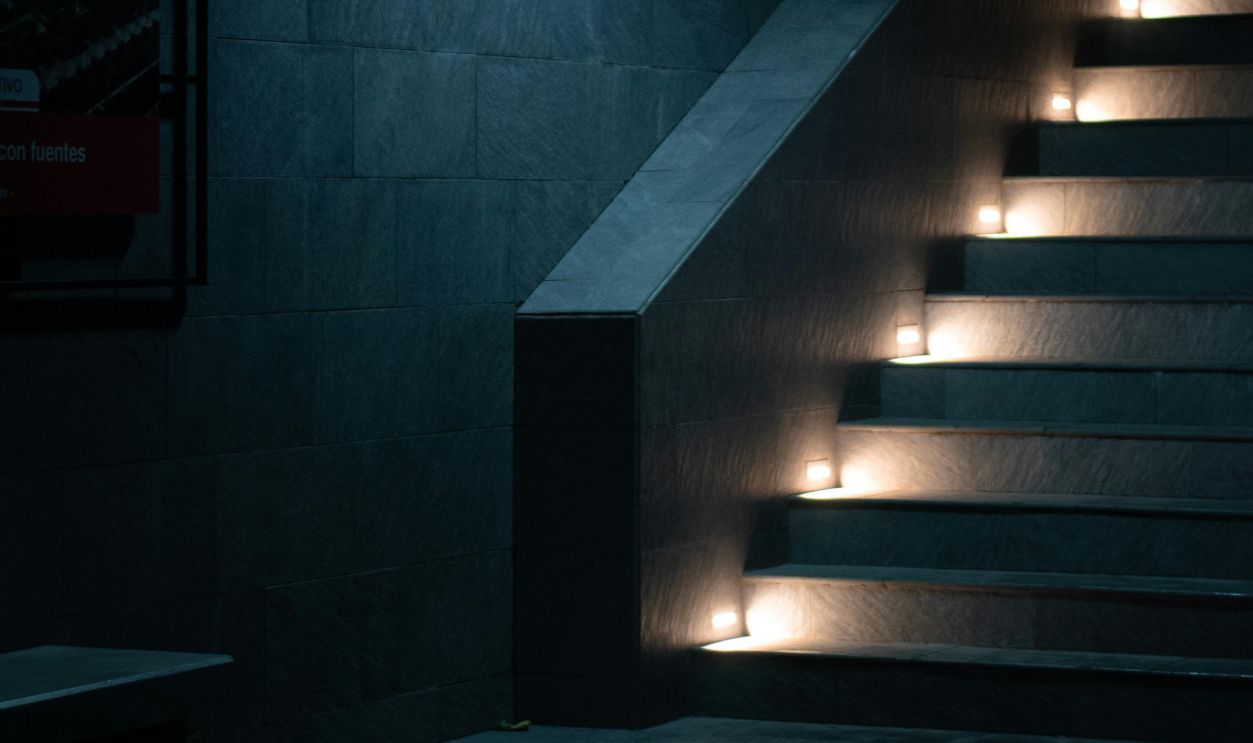
Stairs With Integrated Storage Compartments
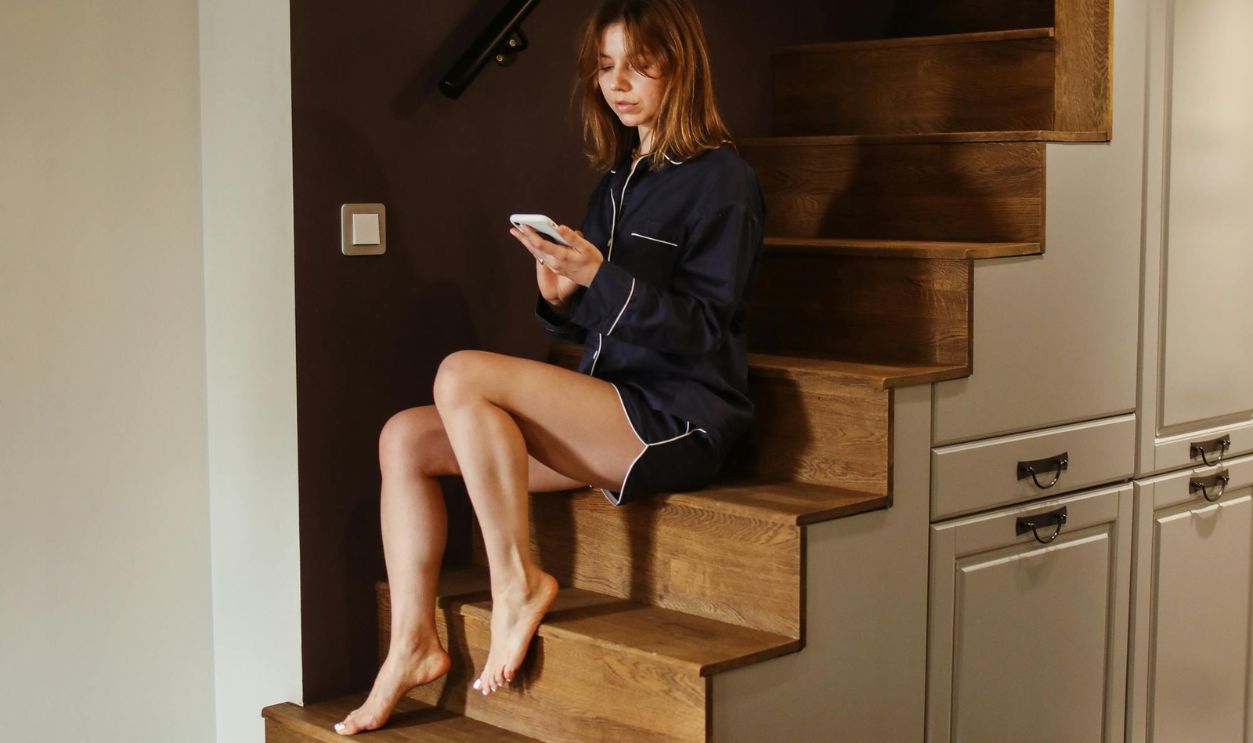
Storage stairs sound clever until you actually use them. Drawers built into each step eat into tread space, leaving less room for your feet. That tiny shortcut for storage can quickly turn into a tripping hazard when balance meets bad design.
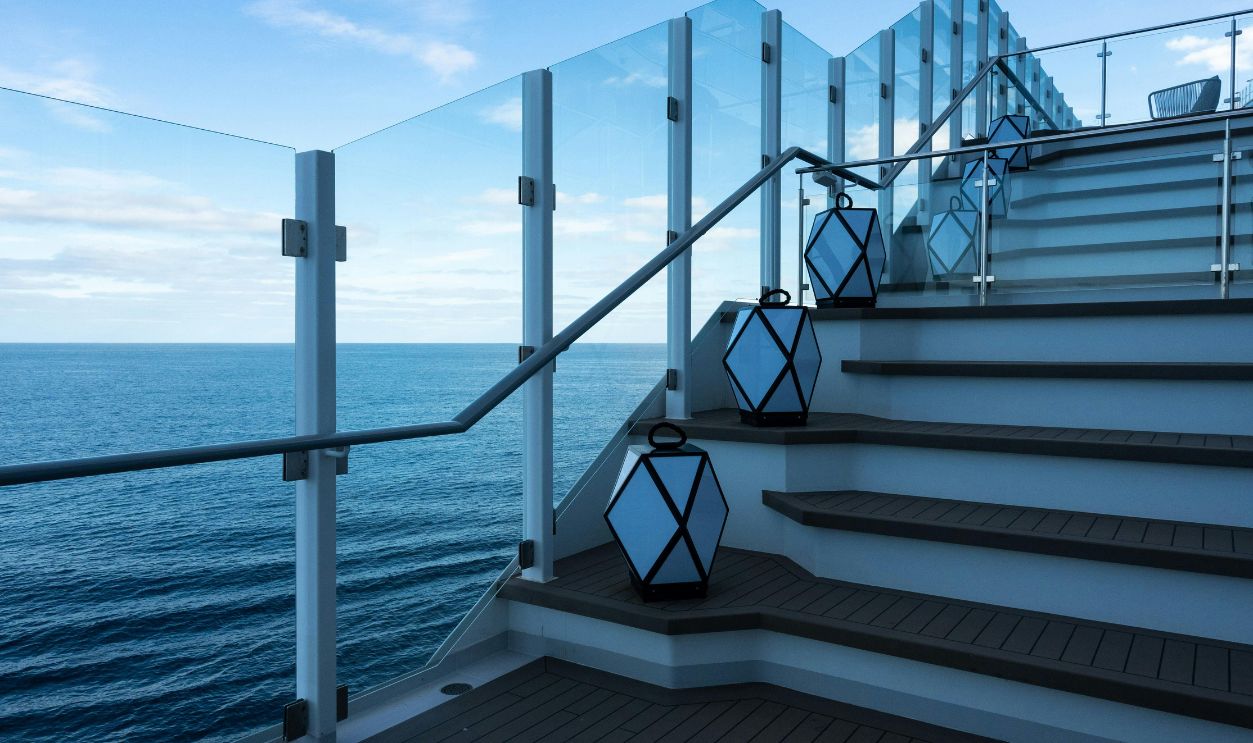
Staircase With Glass Walls
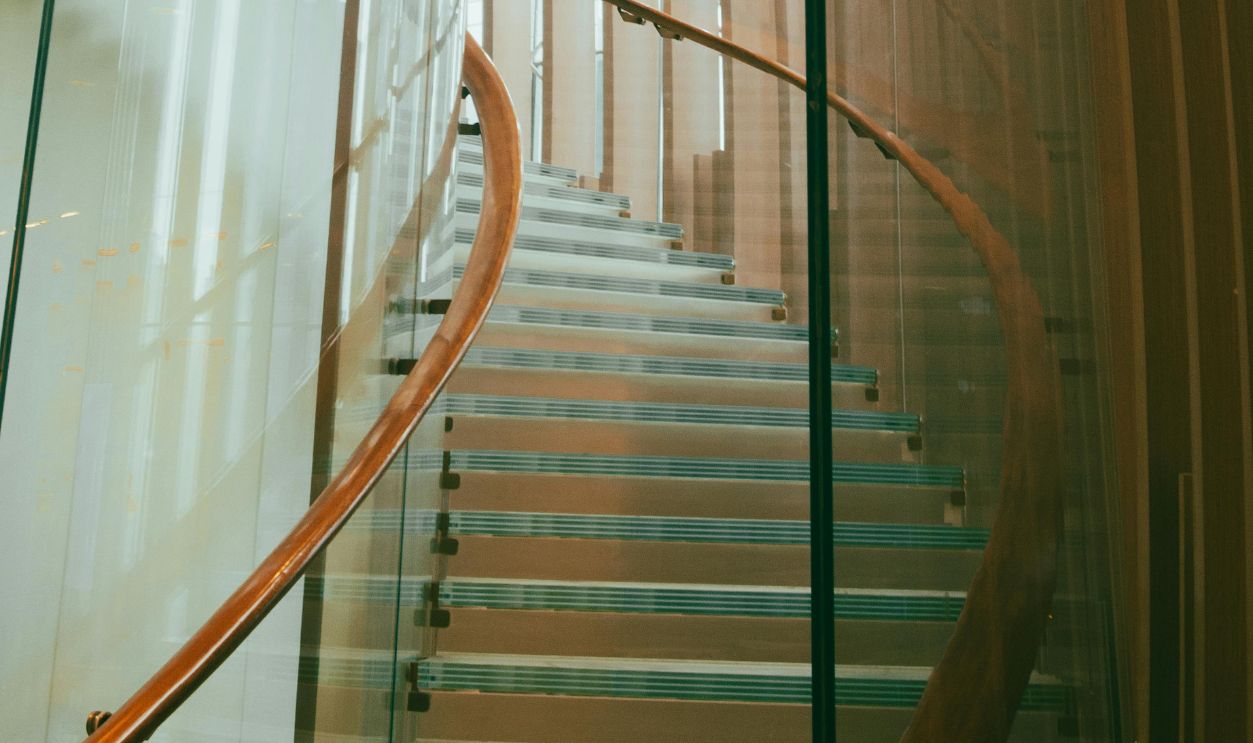
It’s one thing to walk between glass walls, another to realize there’s nothing to grab. Without a visible handrail, the climb feels exposed and uneasy. The setup may look sleek; however, one slip can turn that open view into a real fall.
Oversized Decorative Steps
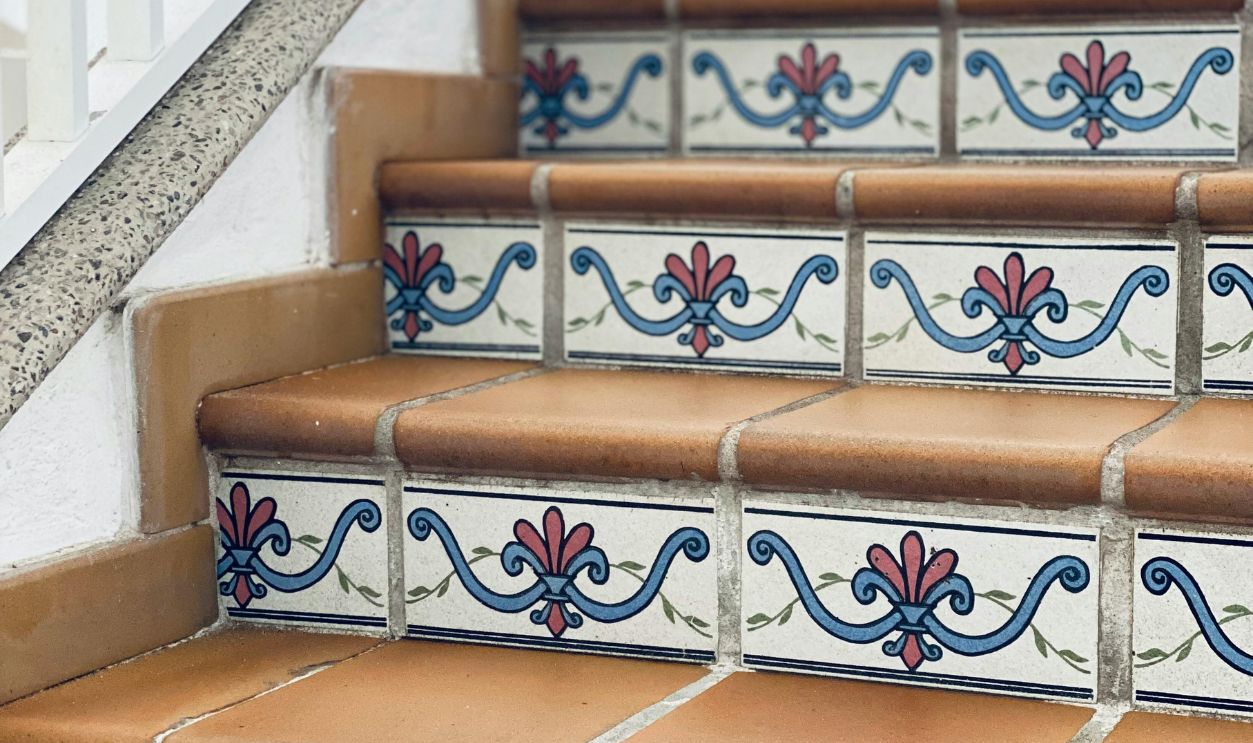
Extra-wide steps catch your eye the moment you see them. Their dramatic size breaks your stride and throws off balance, turning a simple climb into an awkward march. Many plazas use them as seating, where walking feels more like navigating furniture than stairs.
Floating Stepping-Stone Style Stairs
These stairs look like something out of a dream—until you miss one. The gaps demand precise footwork, and there’s rarely a handrail for backup. Over water or open floors, a single misstep can turn that airy design into a nerve-wracking moment.
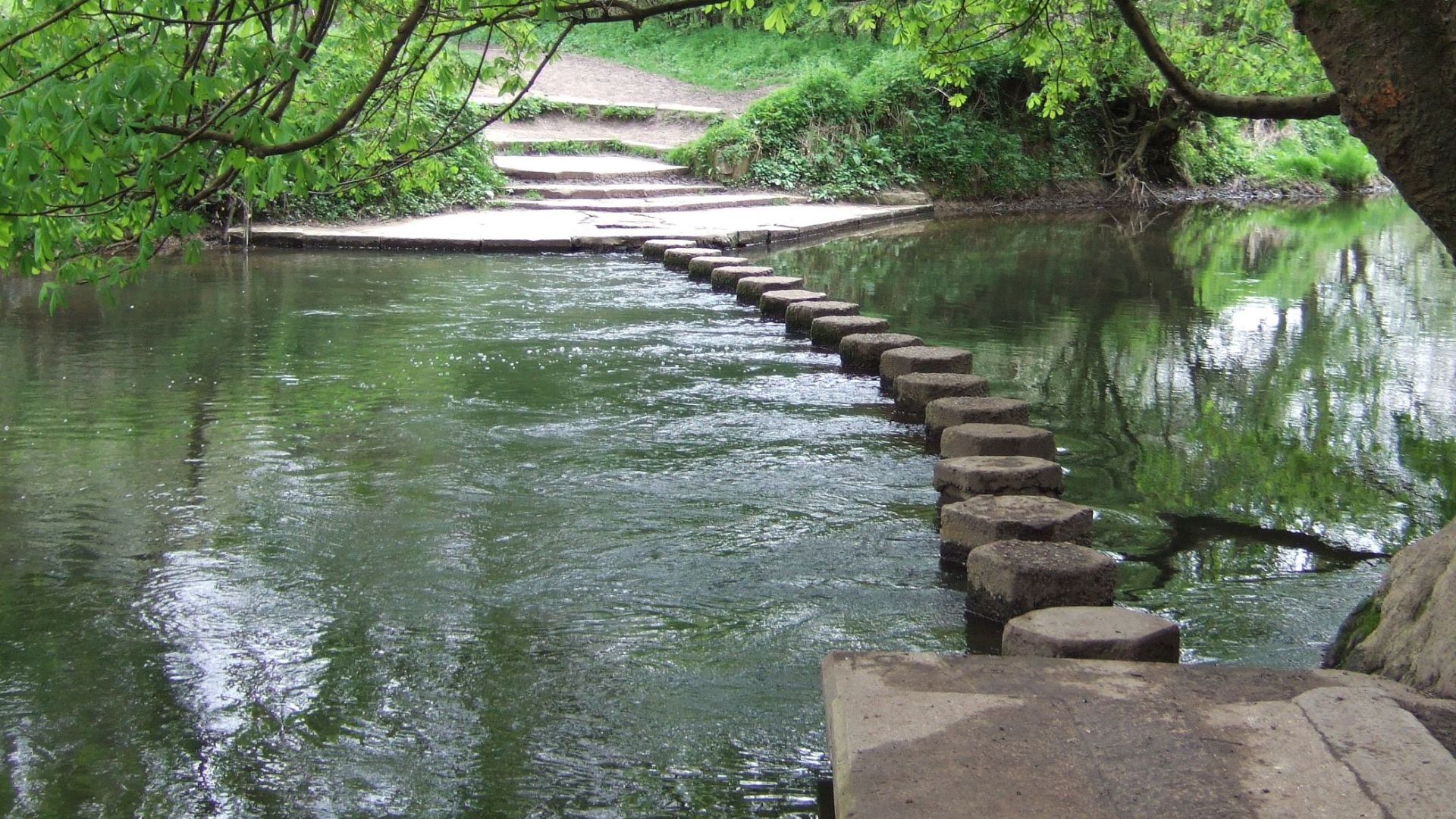 Martyn Davies, Wikimedia Commons
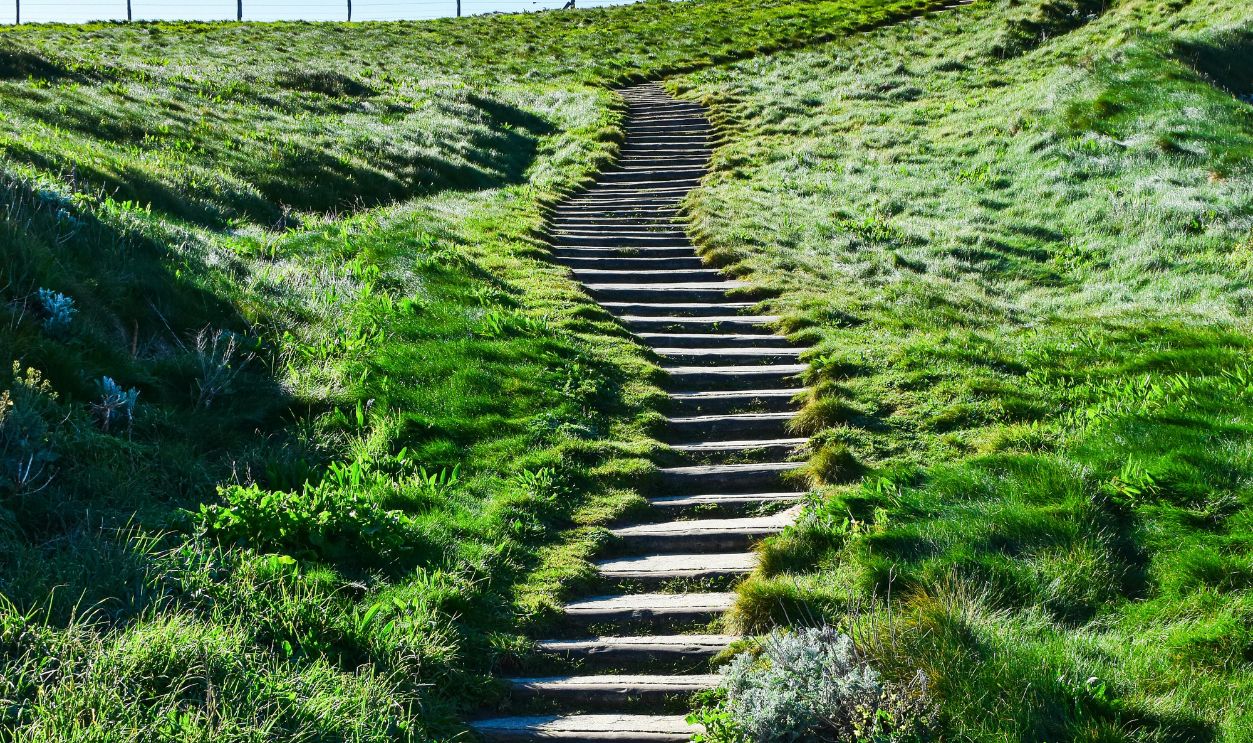
Staircase Built On A Steep Embankment
Climbing stairs beside a steep drop feels uneasy from the first step. Missing guardrails turn that tension into real danger, as one slip could send you tumbling downhill. Some designers favor the open view, though gravity never makes a graceful exception.
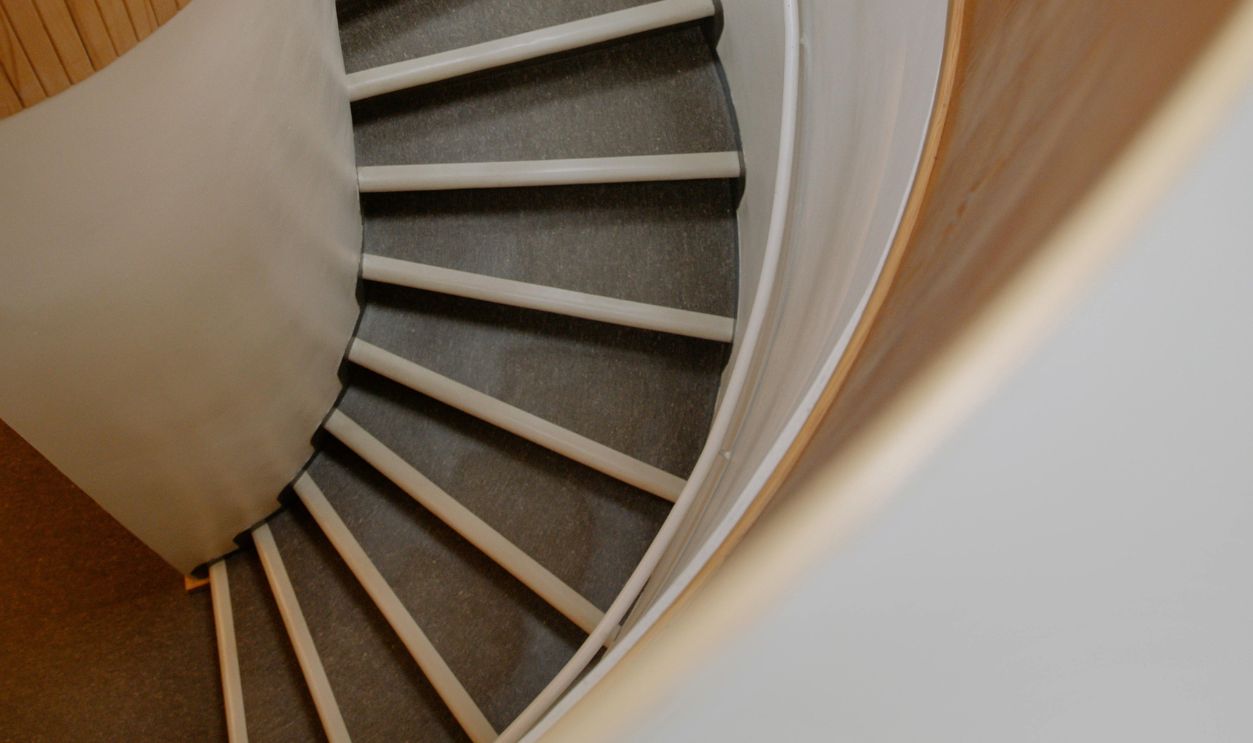
Circular Staircase With Inward-Leaning Steps
Circular stairs that tilt inward impress at first sight, then quickly unsettle you. The hollow center below pulls your balance off course, while the slanted steps lure each foot closer to the edge. Beauty and risk share the same curve here.
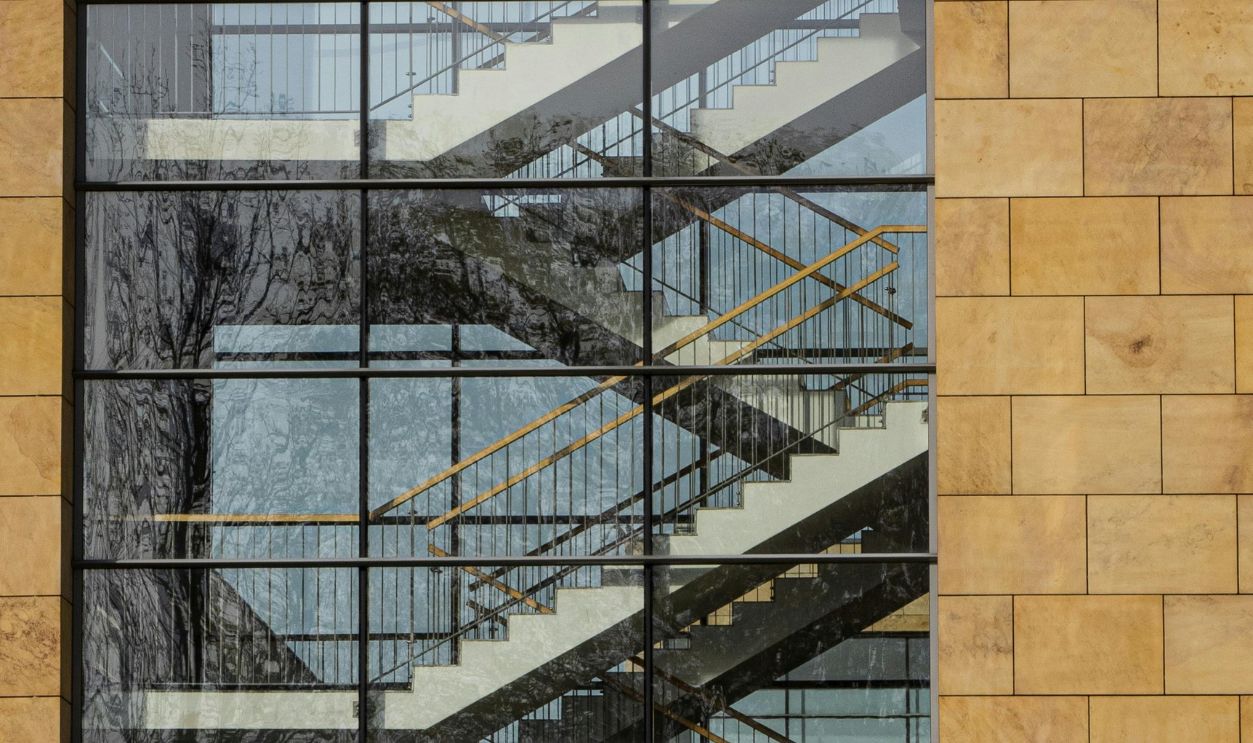
Staircase Embedded In A Glass Cube Facade
Climbing a staircase inside a glass cube feels like stepping into a hall of mirrors. Reflections bounce in every direction, making it hard to separate up and down. The light show is mesmerizing, yet one glance away can throw your balance completely off.
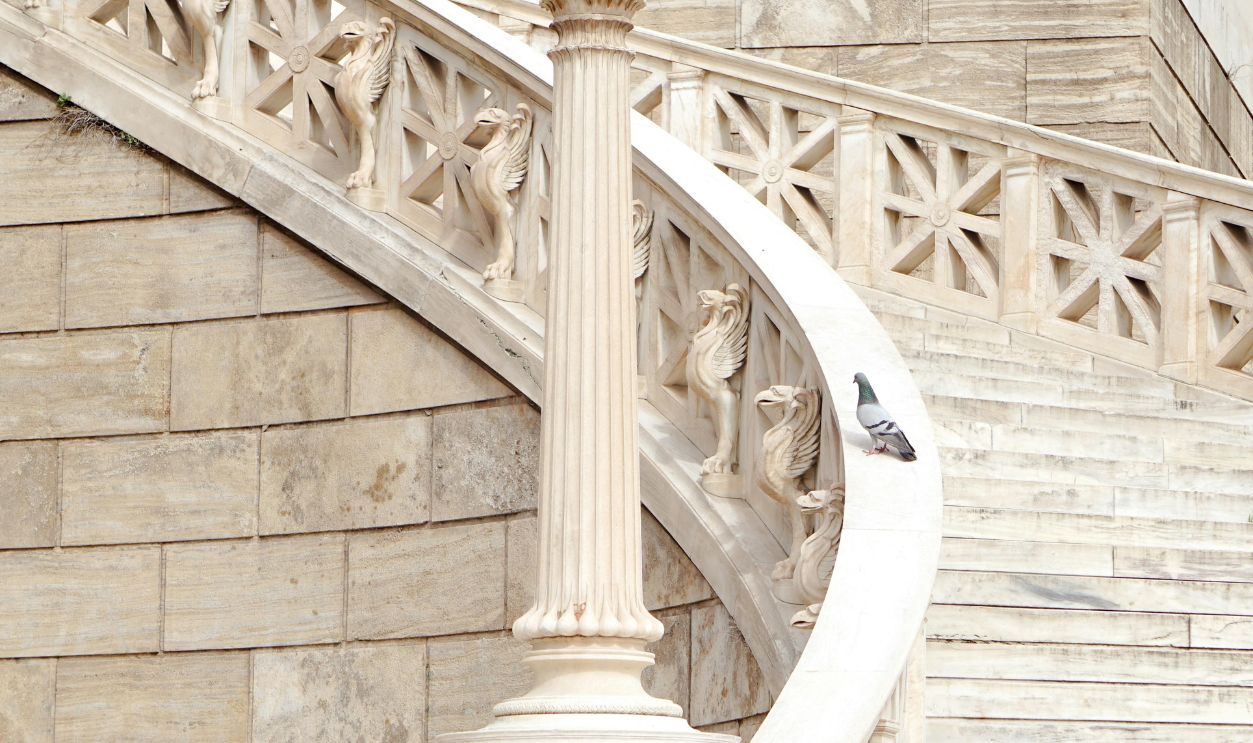
Steps Made Of Polished Marble
Marble or tile stairs shine like mirrors until the first drop of water hits. The smooth surface loses grip instantly to turn elegance into a slip hazard. A bit of moisture changes each step from graceful glide to heart-stopping slide.
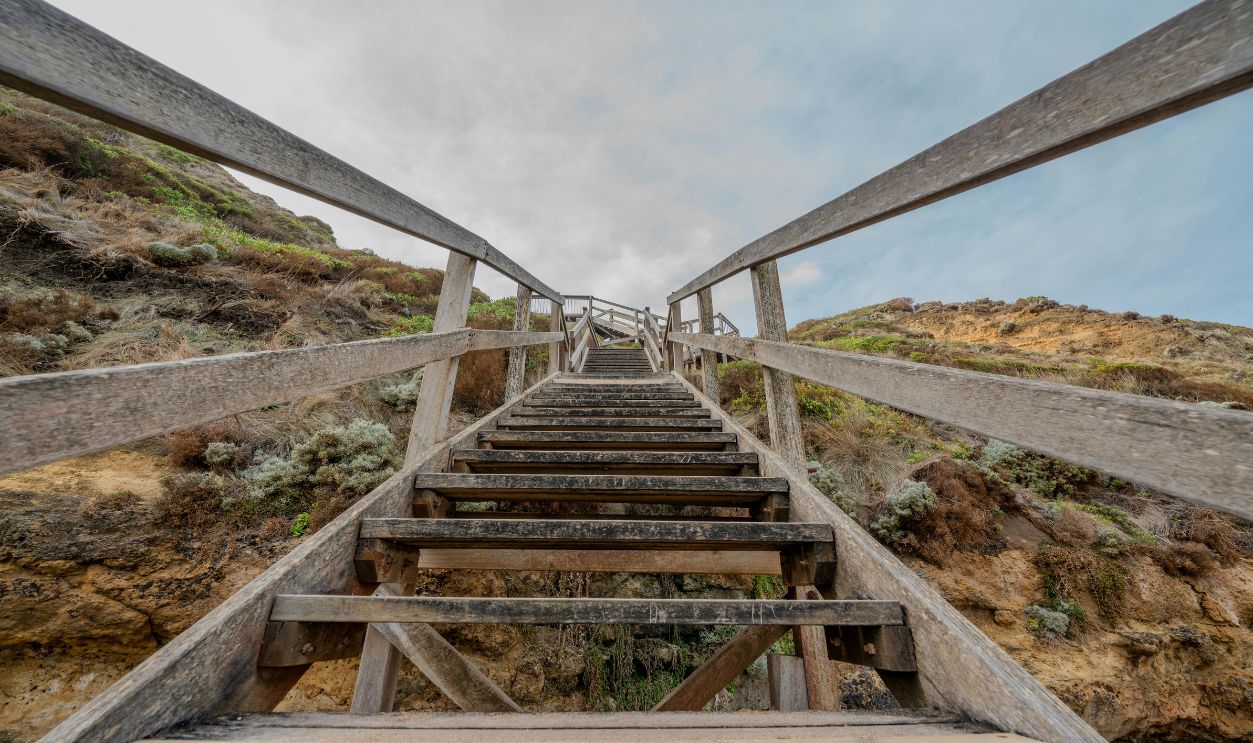
Outdoor Wooden Stairs With No Anti-Slip Tread
Rain and wood rarely mix well. When outdoor stairs skip anti-slip strips, moisture turns them into a slippery trap. Even a drizzle can make those steps unpredictable, proving that a bit of grip tape could save more than just style points.
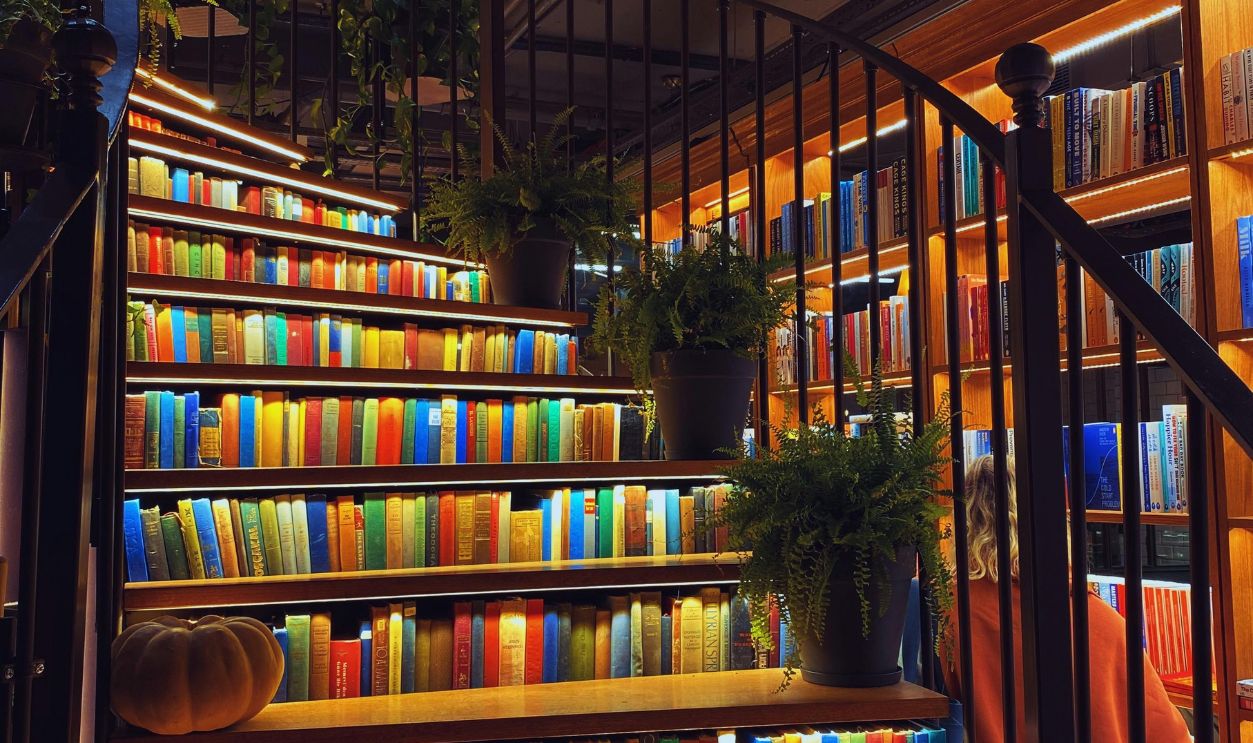
Integrated Curved Bookshelves
The idea sounds clever at first glance—storage that blends right into the stairs. Yet those curved shelves hide the step edges, which makes it tricky to see where to place your feet. One wrong move can turn a calm reading corner into chaos.
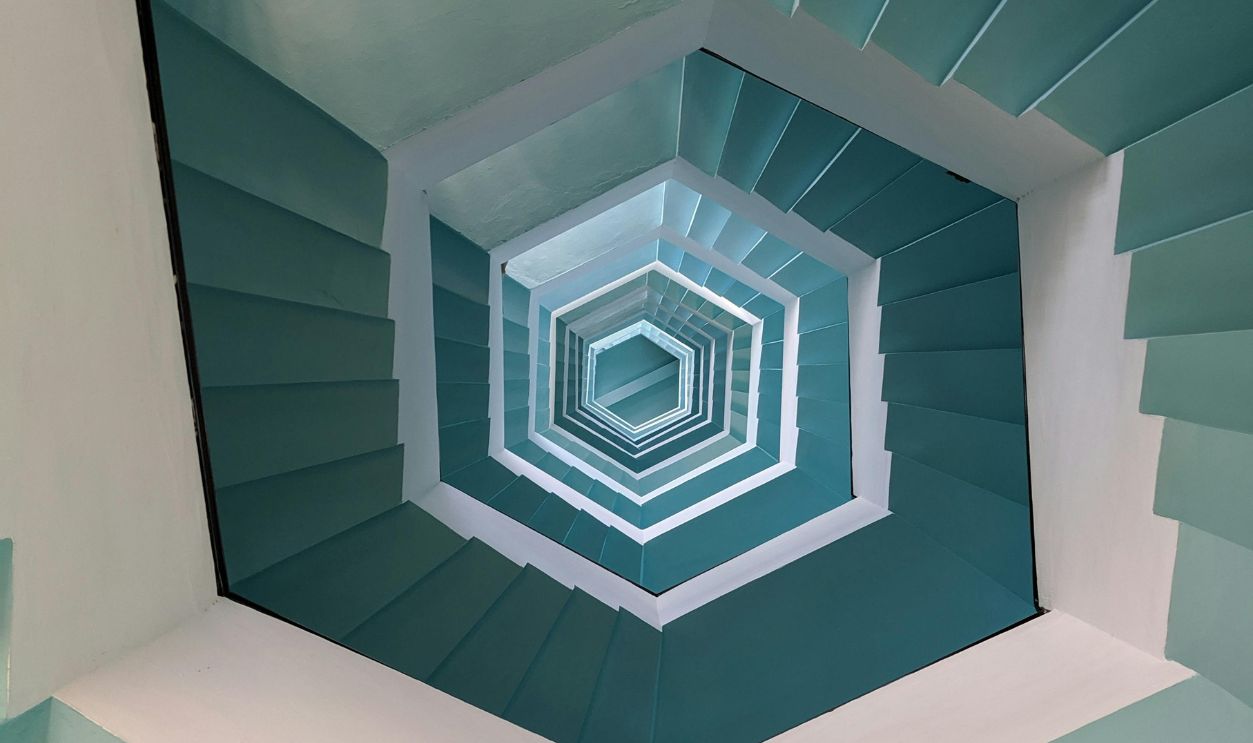
Helical Staircase With No Intermediate Rail
A helical staircase with a wide open void looks spectacular from below. However, the problem starts when there’s nothing between you and that drop. Beauty and risk meet halfway, and only one of them gets the final say.
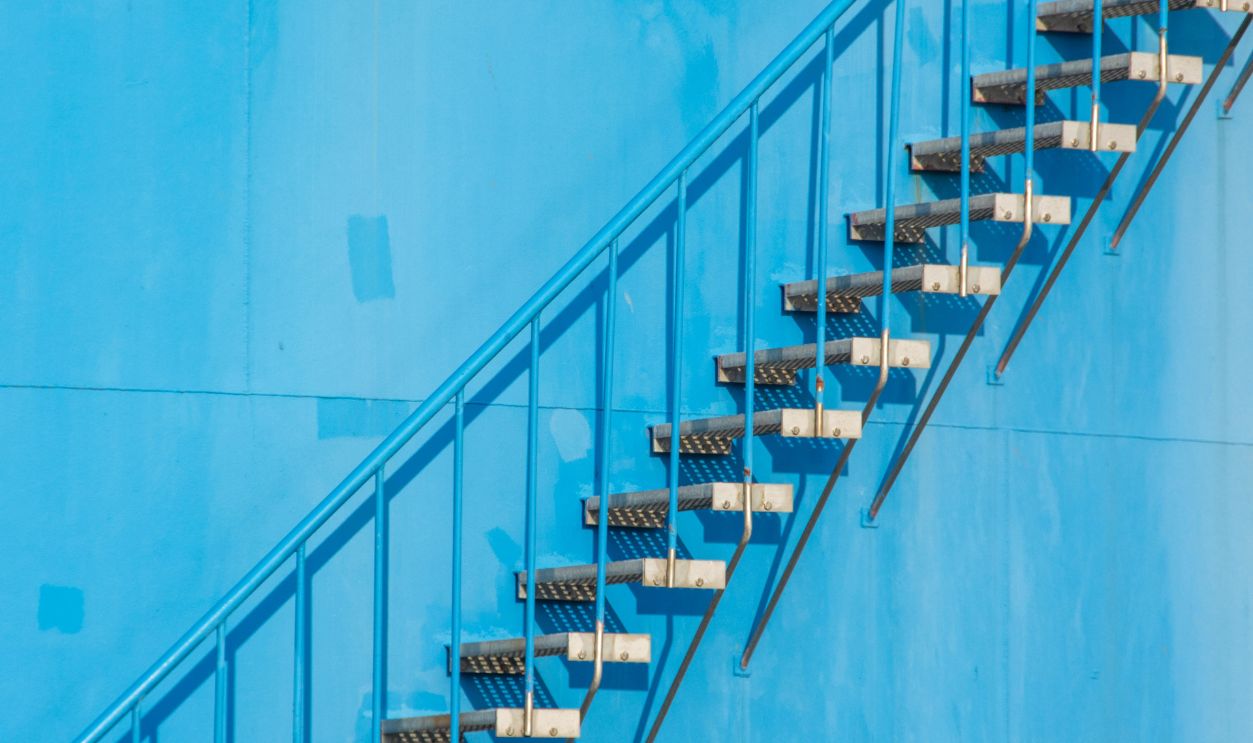
Minimalist Steel Plate Steps With Perforations
Sleek steel stairs with tiny holes look tough but feel treacherous. Rain makes them slick, and gusty wind adds wobble where none should exist. Designers love the industrial vibe, though most people just hope to reach the top unscathed.
Extremely Narrow Spiral With Central Pole
These tight spirals feel more like ladders than stairs. The only thing to hold is a skinny pole that offers little help if you slip. With no outer rail and cramped treads, every turn becomes a careful shuffle toward safety.
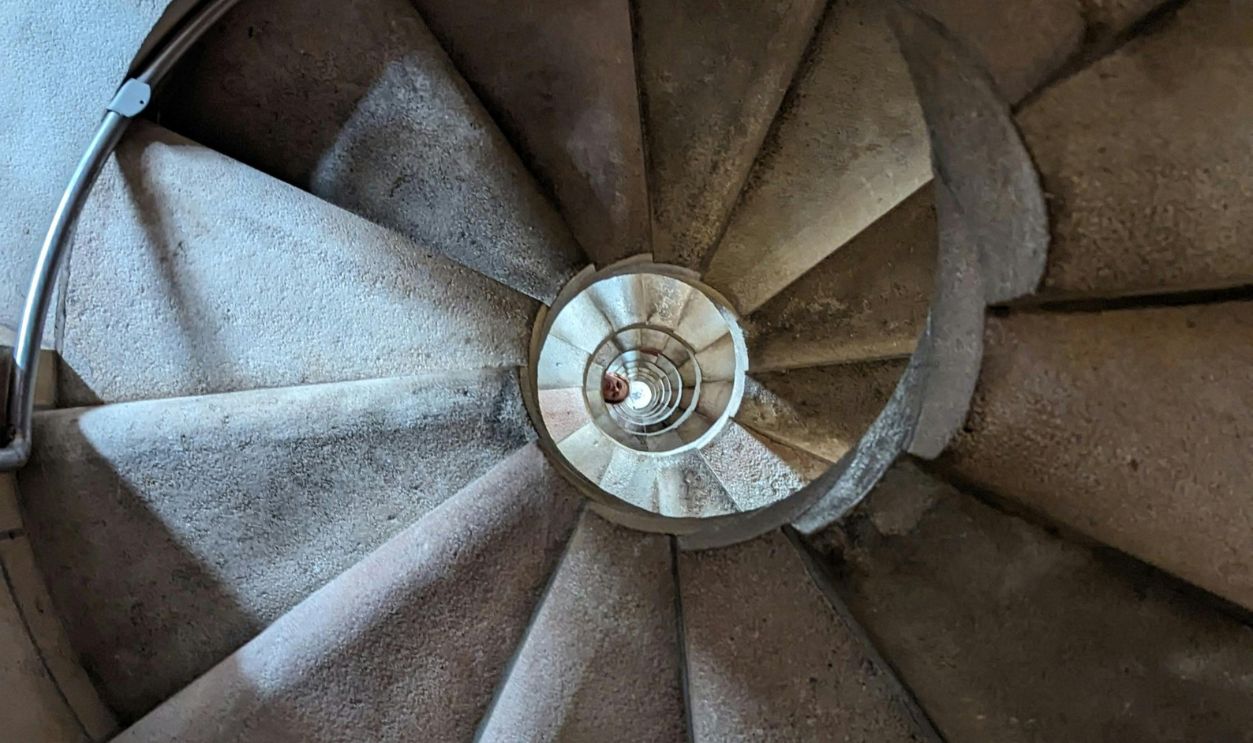
Split-level Staircase With Abrupt Change In Direction
Just when you think you’ve got the rhythm, the stairs twist on you. A sudden turn breaks your stride, and the odd step angles throw everything off. Without clear markings, it’s easy to misjudge the shift and lose your footing.
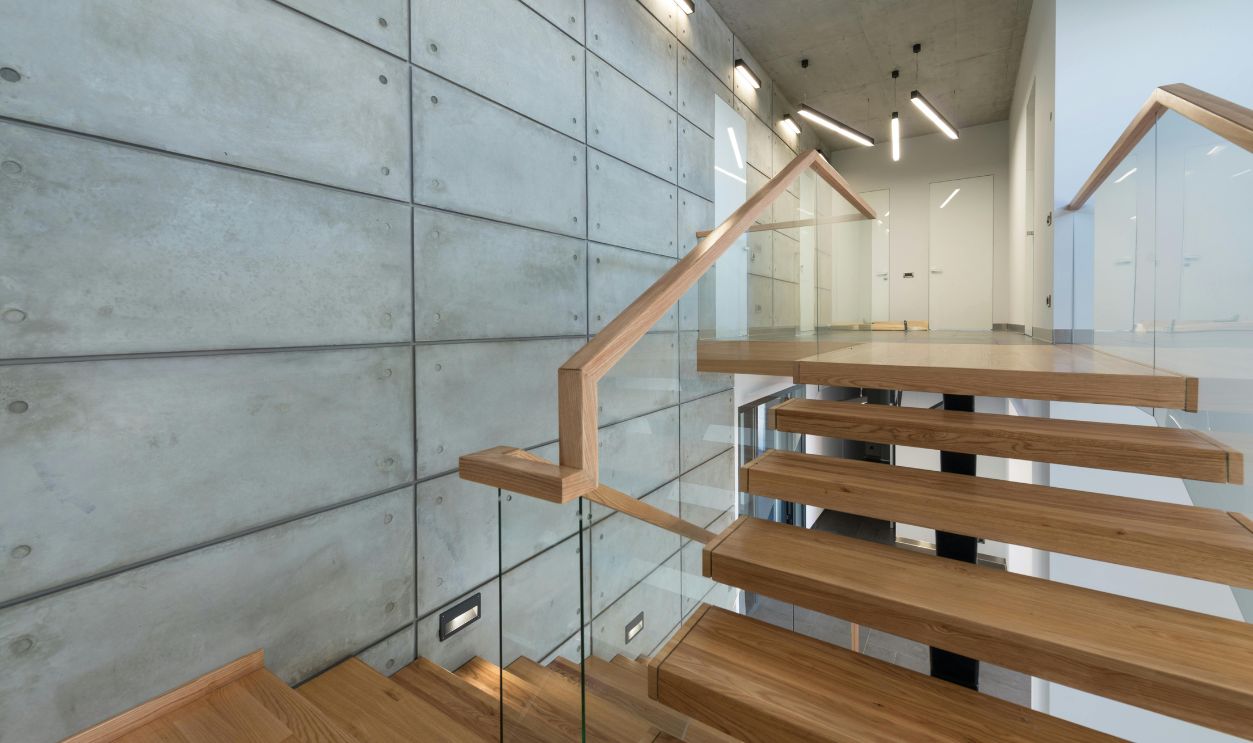
Staircase With Translucent Treads
Translucent stairs look futuristic until you try to climb them. The glow underneath hides the depth, making every step a mystery. Hotels love the dramatic effect, but your eyes don’t—especially when the lighting tricks you into missing the next rise.
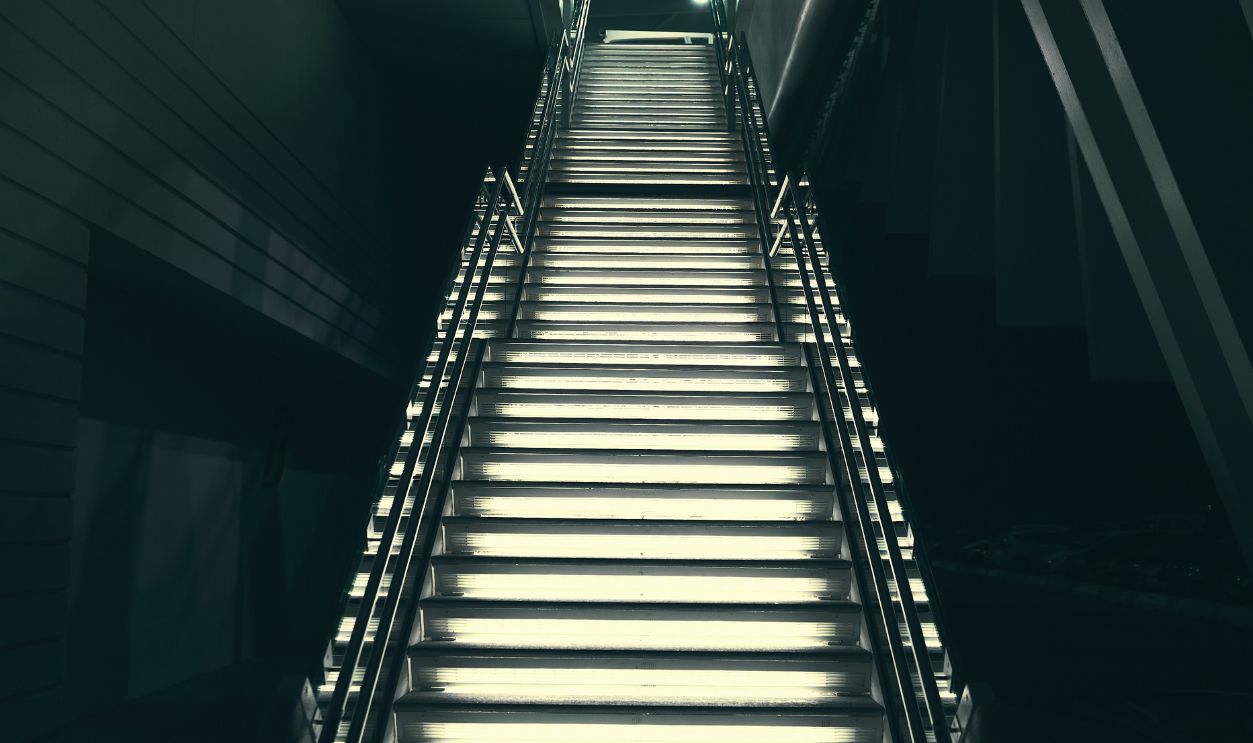
Rustic Outdoor Log Stairs
Nature-inspired stairs sound charming until your foot lands sideways. Uneven logs and irregular shapes make every step unpredictable, especially after rain. One wrong placement on that bumpy surface can turn a scenic walk into a clumsy slip through the mud.
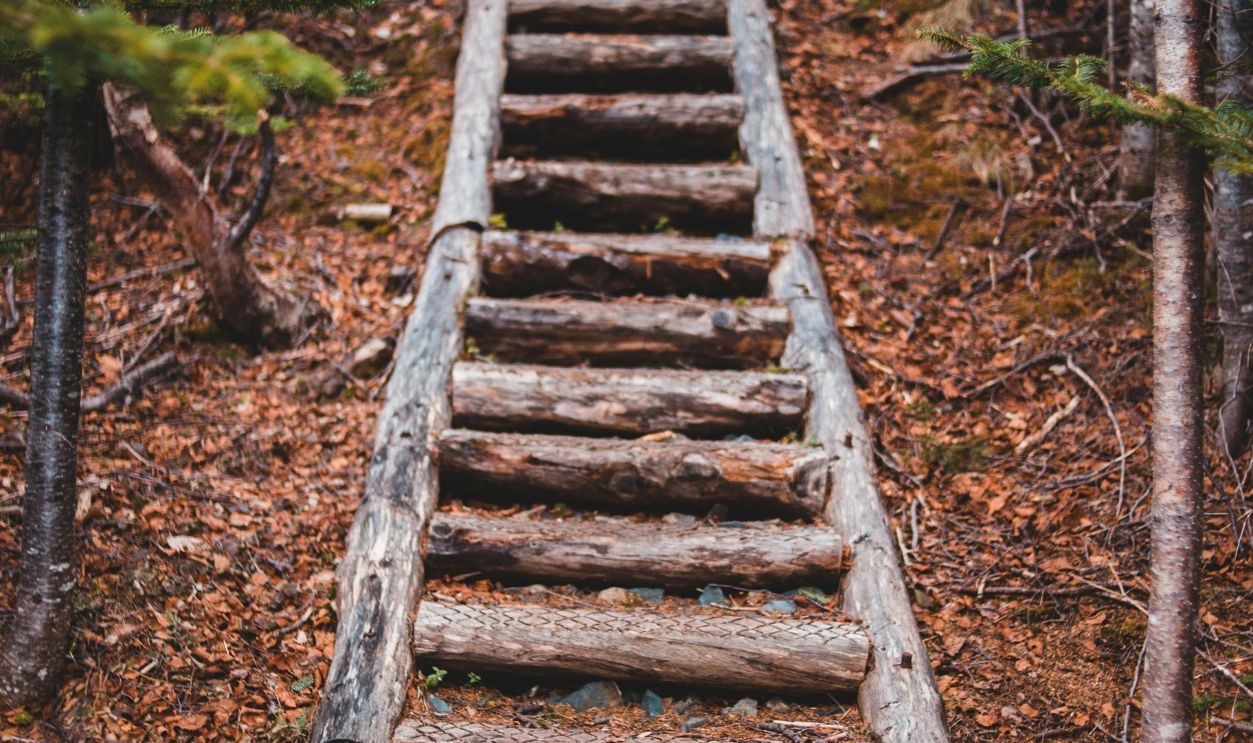
Concrete Stairs In A Warehouse
Warehouse stairs rarely win design awards, though safety should still count. Faint or missing edge markings and dim lights make every step blur into the next. The dull concrete hides depth cues, and one wrong guess can send someone stumbling hard.
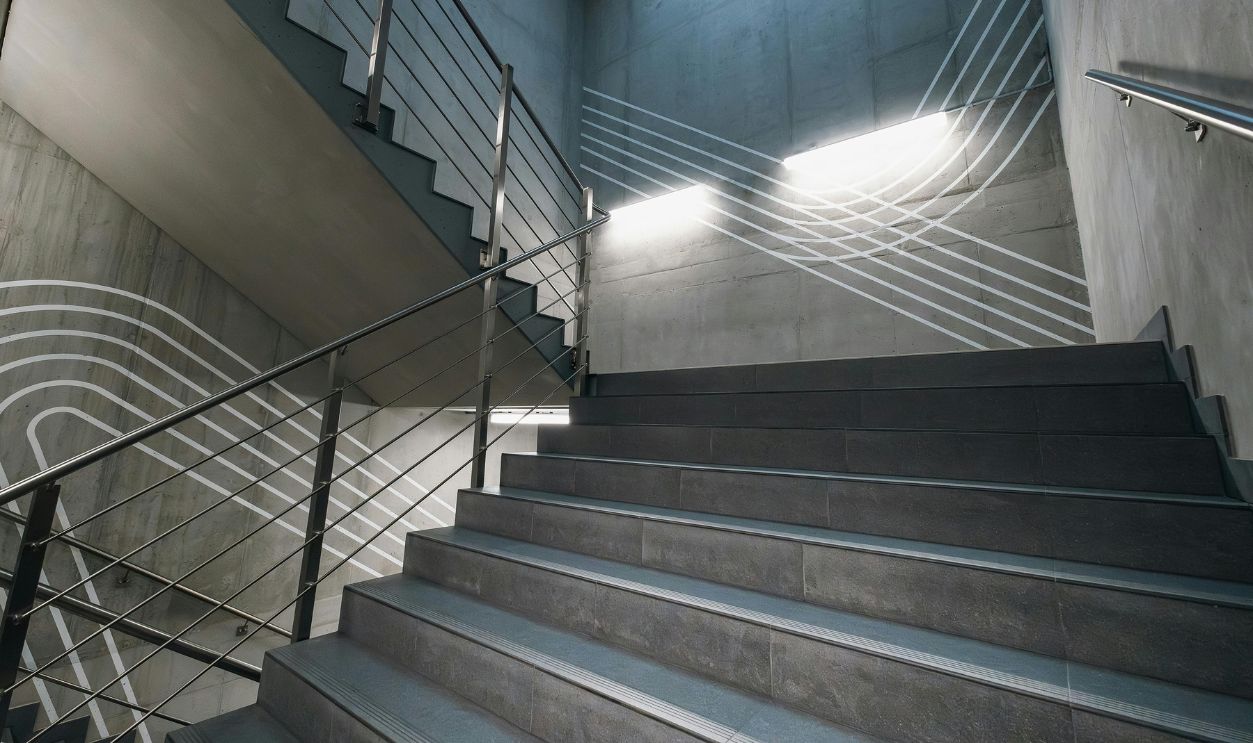
Stairs Built Around A Tree Trunk
Tree-trunk stairs score full marks for creativity and lose them just as quickly for practicality. Uneven shapes and irregular cut-outs turn every climb into a guessing game. What seems charming at first becomes a constant reminder that nature doesn’t follow building codes.
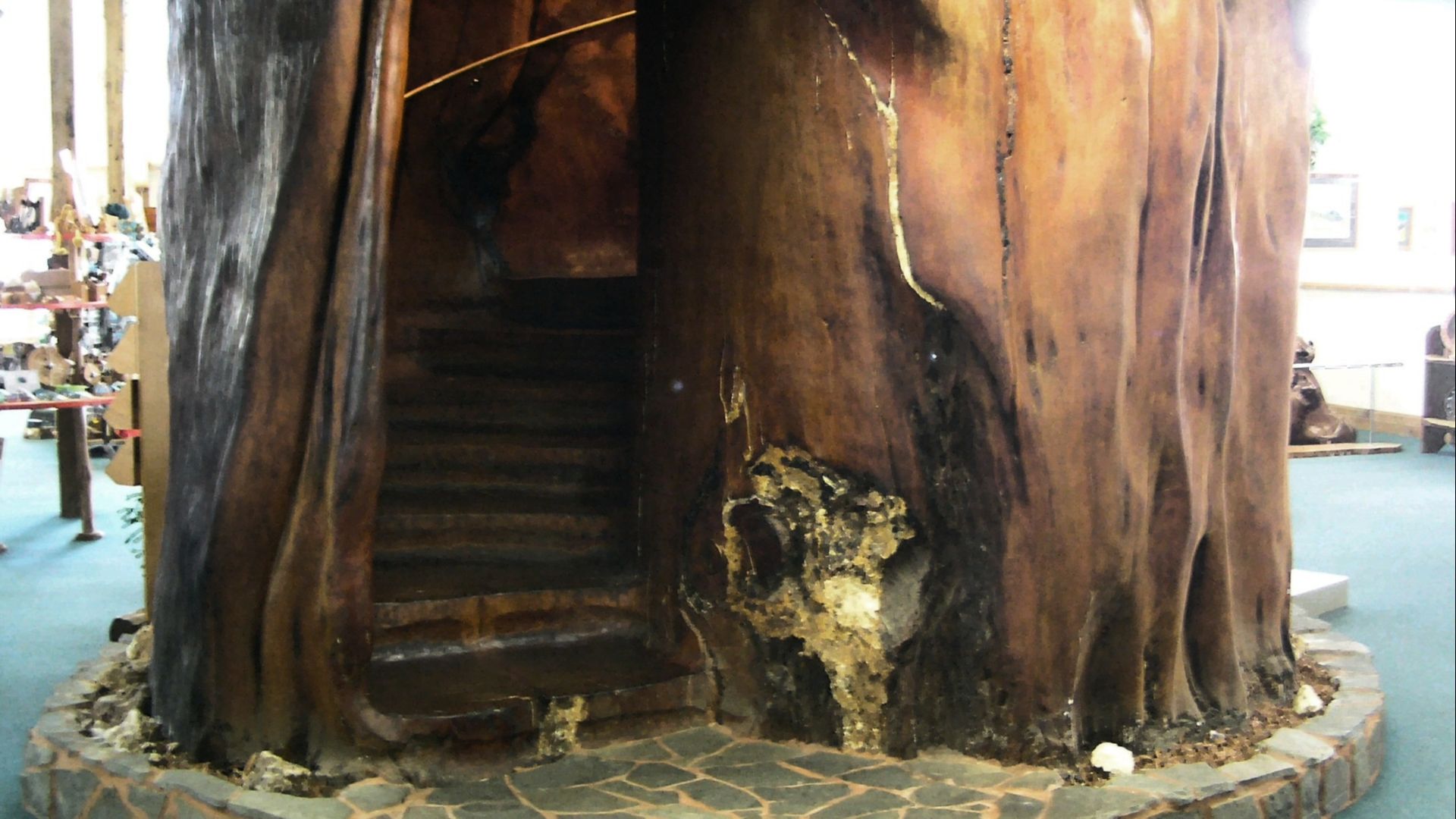
Open-Air Zigzag External Staircase
A zigzag staircase clinging to a building looks daring until the rain hits. Snow, ice, and wet gusts coat each metal plate to steal any grip in seconds. Lacking cover, the climb quickly shifts from bold design to a slippery outdoor challenge.
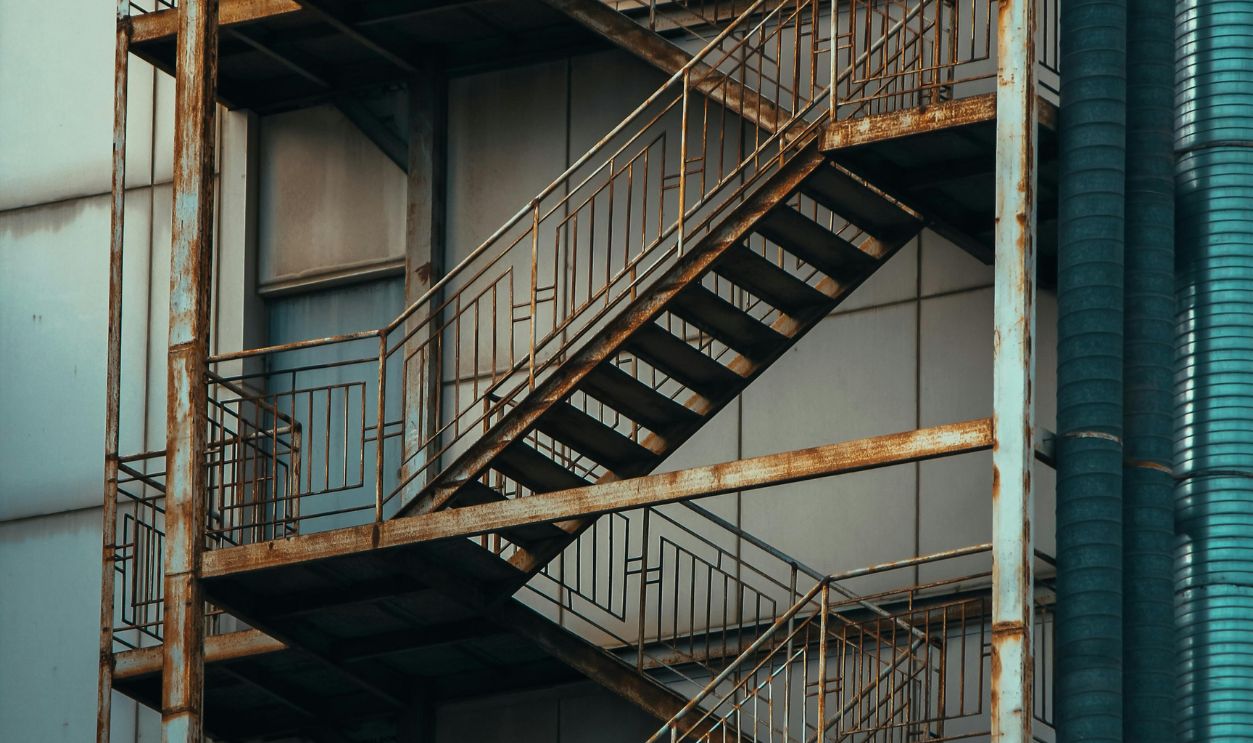
Blended Floor Stairs
At first glance, you might not even notice them. These stairs blend so perfectly with the floor that the edges disappear completely. People walk forward thinking it’s flat ground, then suddenly realize the floor isn’t as level as it looked.
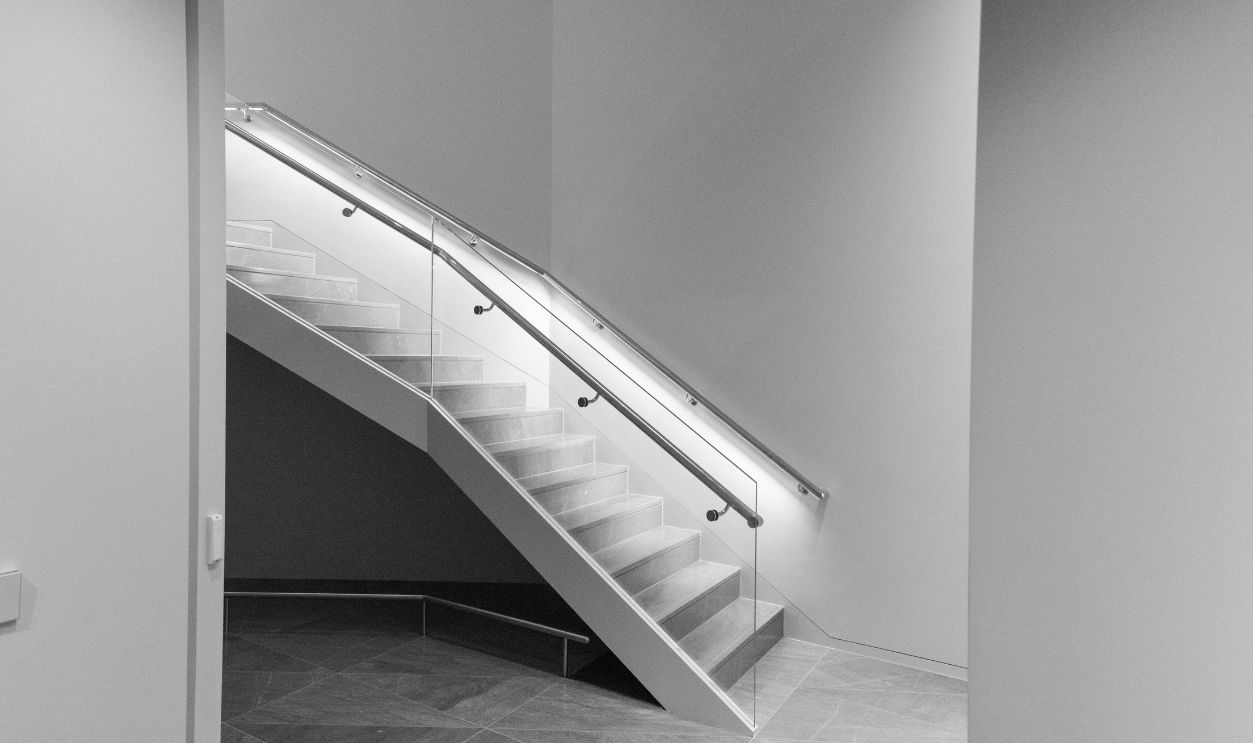
Interactive Stairs With Motion Sensors
Every step comes with a surprise when the stairs start flashing or chiming. Motion sensors make the climb feel like a game, but distractions and bright bursts can throw off balance fast. It’s playful tech that sometimes forgets about human reflexes.

Outdoor Metal Spiral Stairs
Stylish gaps might look sleek on paper, though they’re trouble in real life. Missing mid-rails leave big openings that turn slick metal stairs into fall hazards. When rain or ice hits, the elegant spiral feels more like a dare than a design choice.
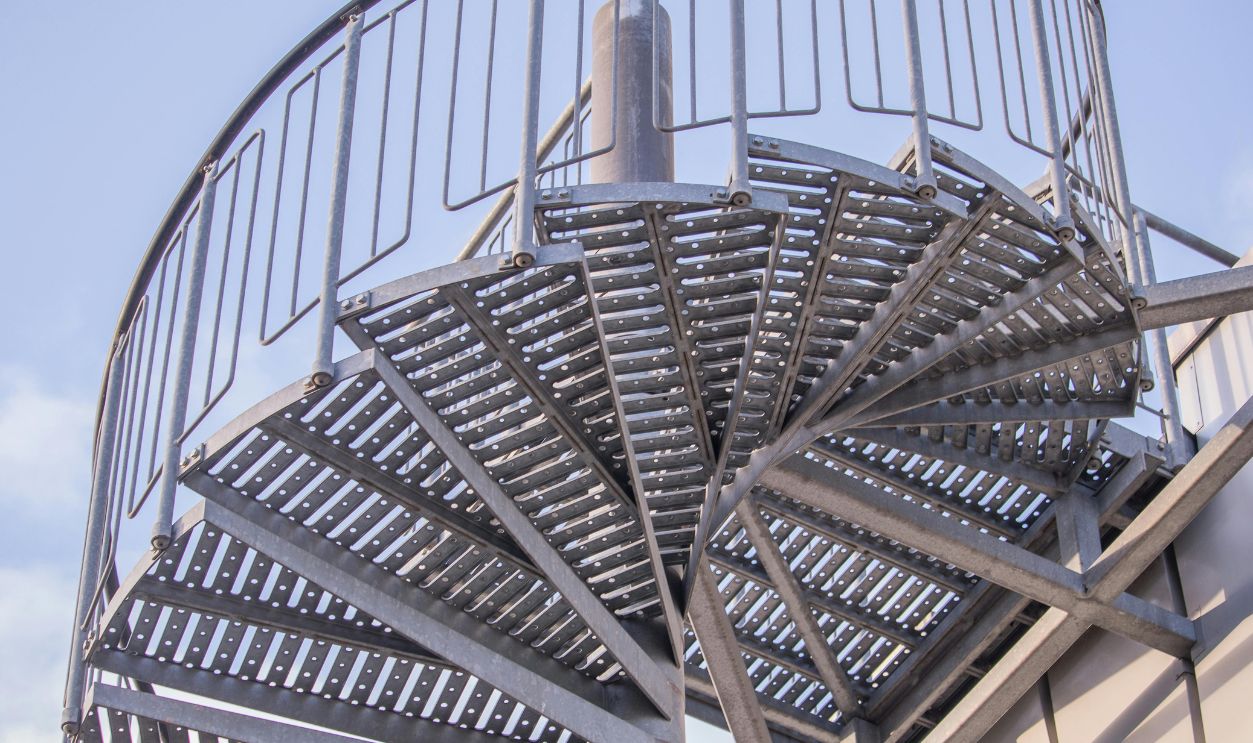
Stairs That Double As Seating In Open-Plan Space
It sounds creative—stairs that double as seats—but that’s where confusion begins. The mix of sitting and walking space throws people off. Non-standard step sizes don’t help either, turning what should feel casual into an accident waiting to happen.
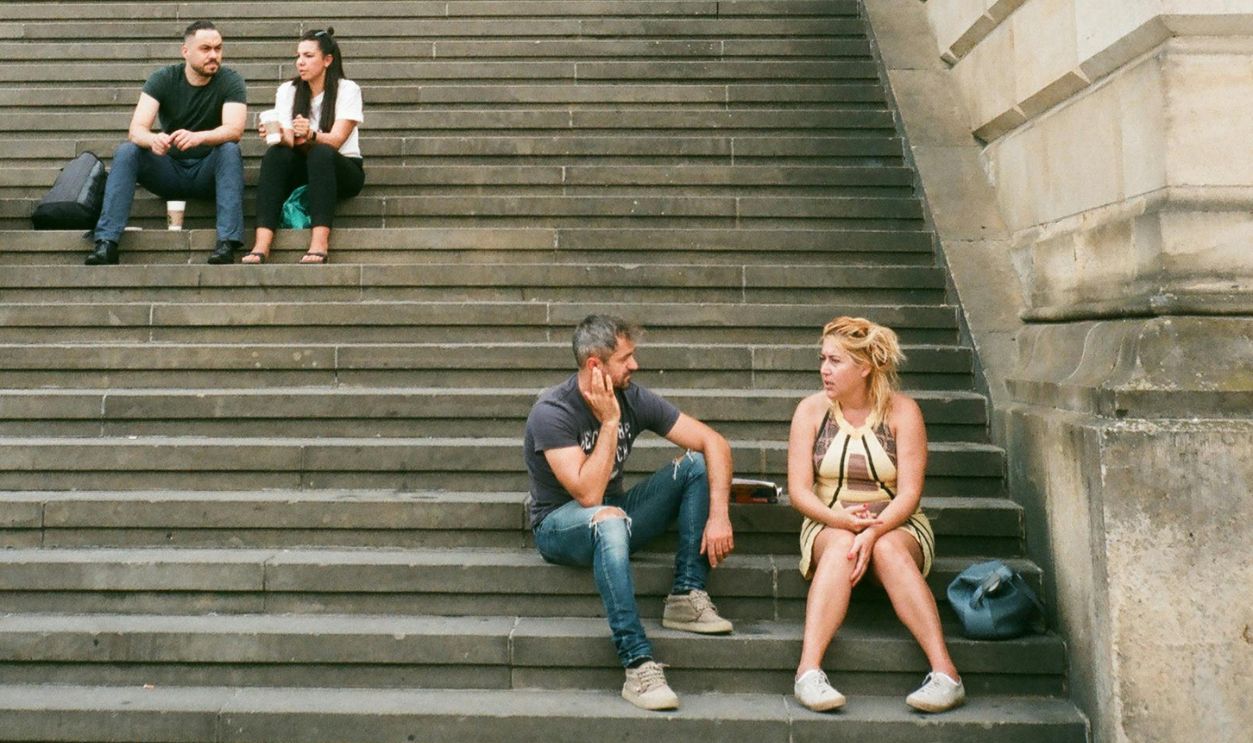
Hanging Plastic Staircase
They look like something out of a futuristic loft—until they start to sway. Lightweight plastic stairs can flex under pressure, turning each step into a wobble. Without solid supports, the climb feels less architectural and more like walking on air.
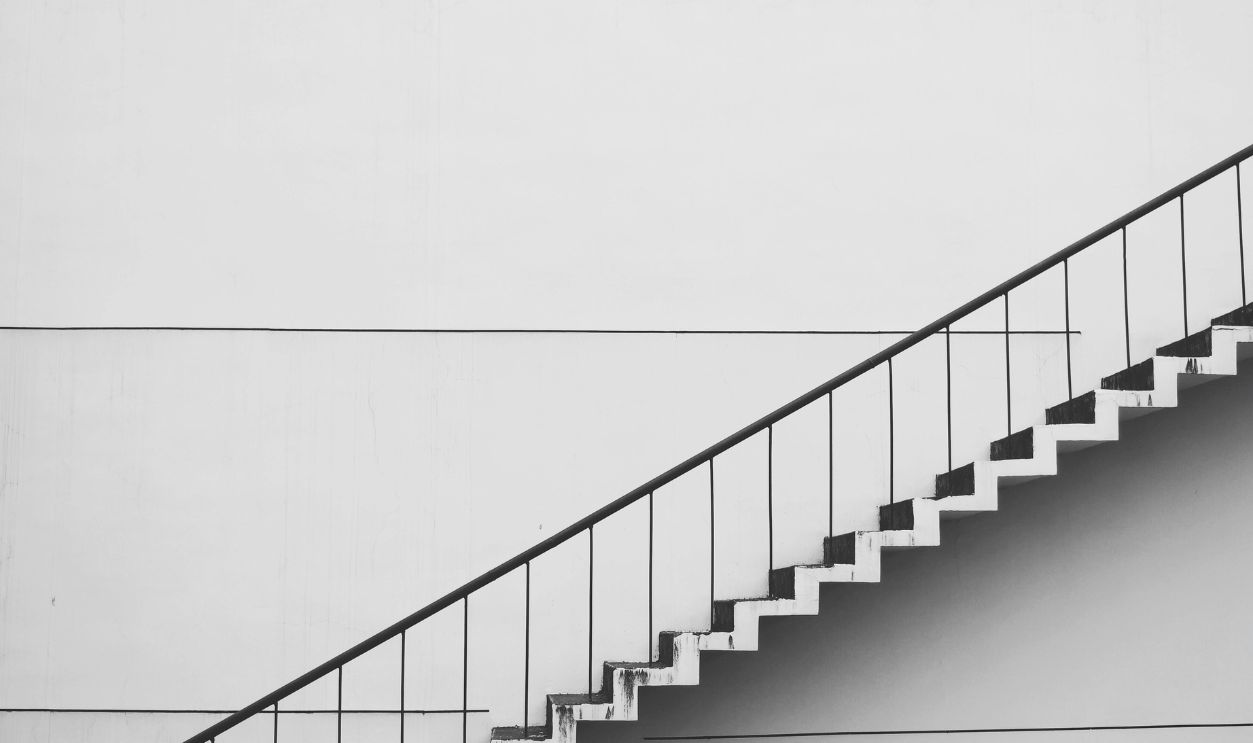
Planter-Integrated Stair Design
Plants between steps sound charming until your foot meets a fern instead of a stair. Planters shrink the walking space and throw off rhythm, especially when leaves spill over. What starts as decor can quickly become a green trap for your toes.
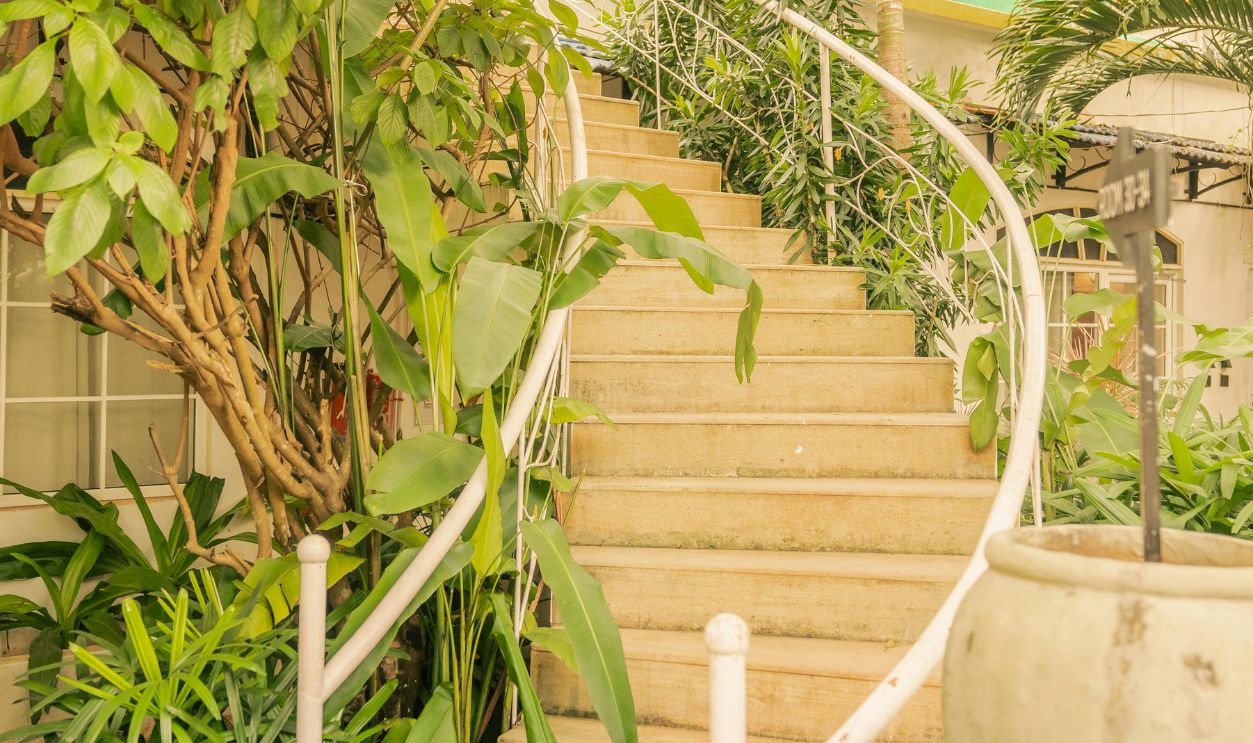
Floating Slab Stairs
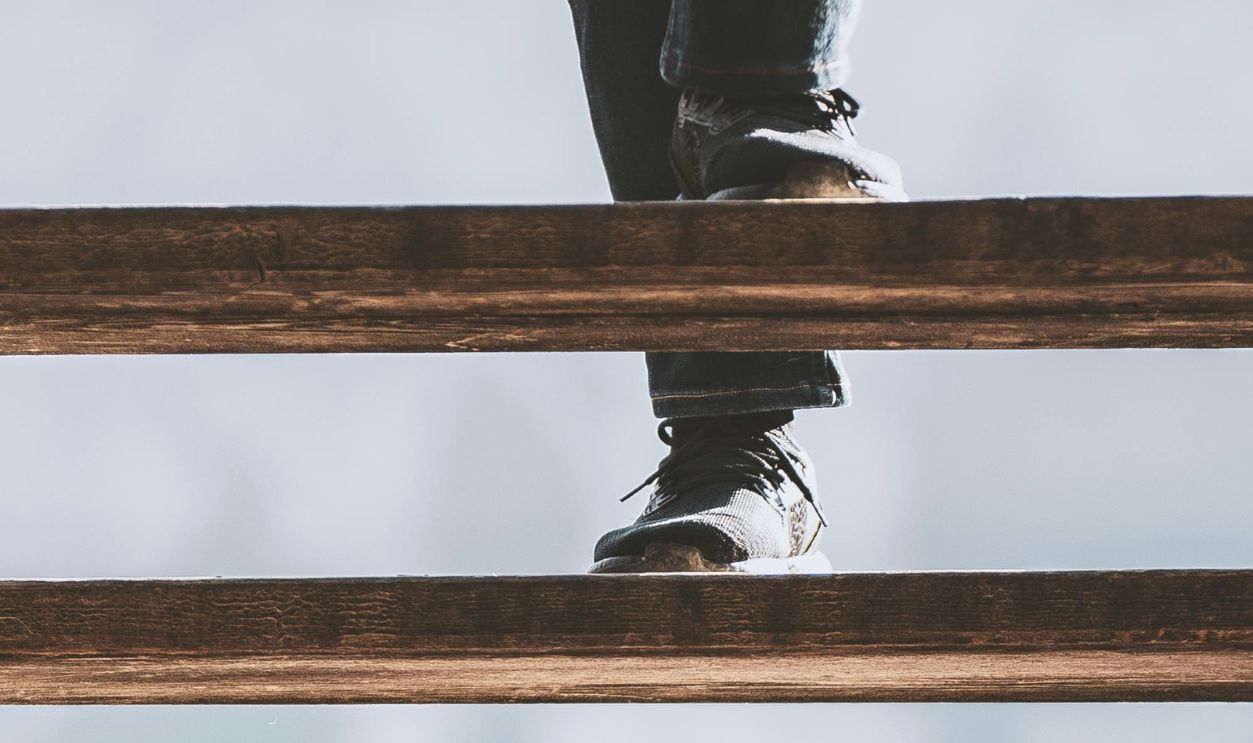
Floating stairs pull off that impossible look—until you realize they rely on hidden steel or concrete for strength. The illusion is stunning, but it tricks the brain into doubt. Each step feels like testing gravity’s patience one foot at a time.
 eberhard grossgasteiger, Pexels
Stairs Leading Directly Into A Glass Wall
Few things mess with depth perception like a staircase that ends at a mirror. You keep walking, expecting more steps, until reality hits—literally. Without space or cues, that sleek finish becomes a collision course disguised as modern design.
Mirror-Angled Stair Risers
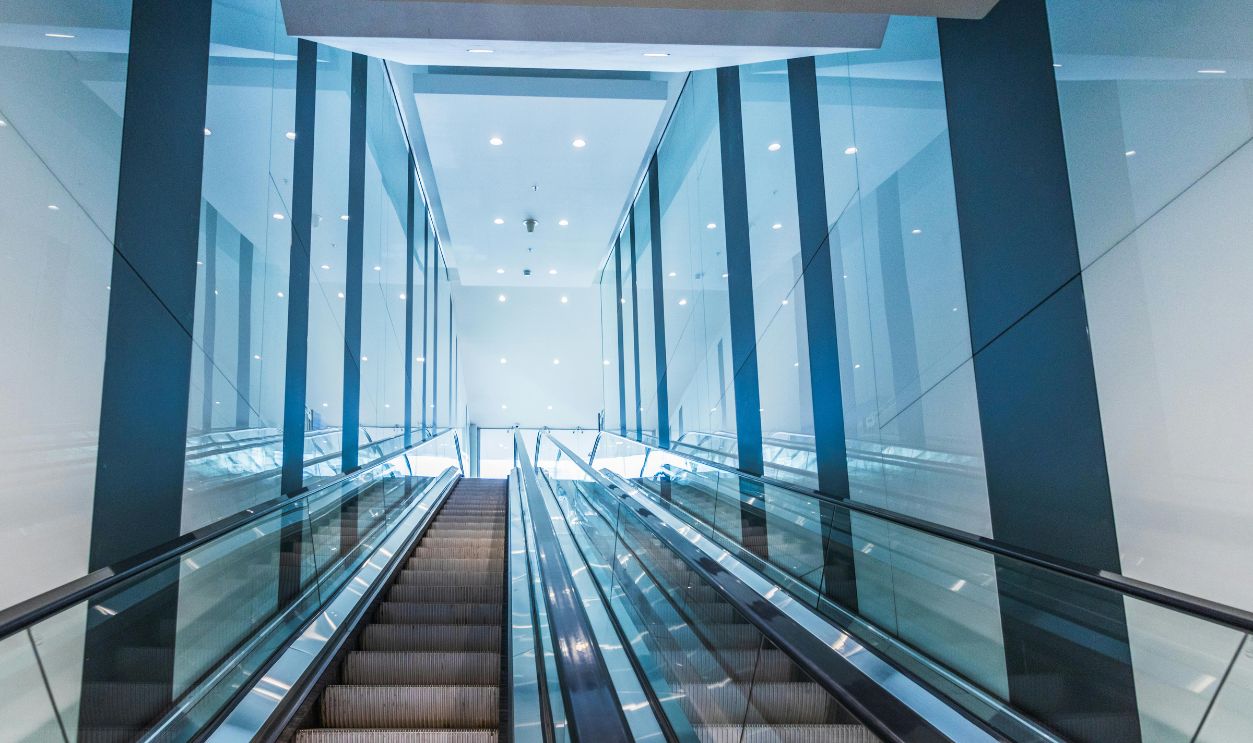
Mirror risers turn every step into a guessing game. Reflections distort depth and hide edges, leaving you unsure where to land. What looks futuristic in photos can turn dizzying in person when your eyes can’t tell the floor from the void.
Children’s Playground-Style Stairs Used In Adult Homes
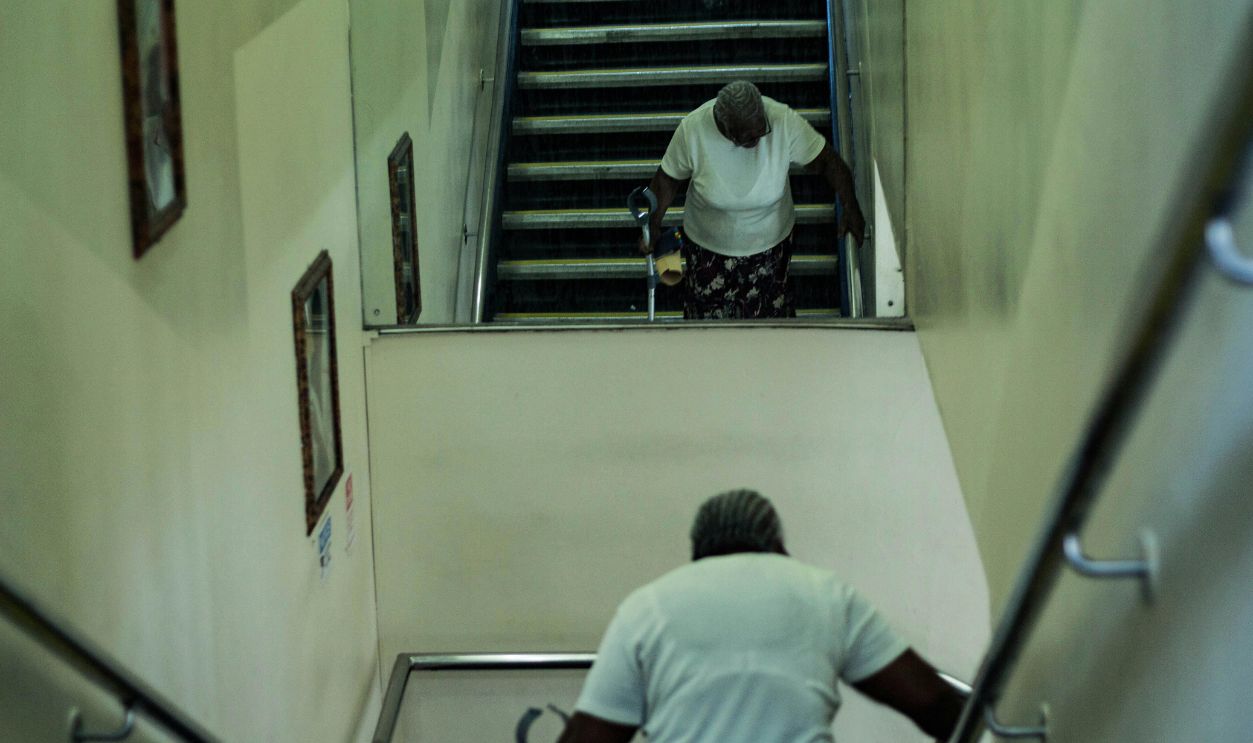
Oversized playground-style steps feel playful at first glance and completely impractical for adults. The climb demands exaggerated strides, breaking your rhythm and balance. Fun for kids, exhausting for grown-ups, and definitely not what anyone means by safe home design.