When Aging Feels Steady
Not everything about getting older feels like a loss. Some changes actually feel steadier, even reassuring. These signs don’t grab attention, but they shape how everyday life continues to feel manageable and familiar.

Daily Movement Doesn’t Come With Fear
Confidence in your movement is often the first sign. When walking feels steady and natural, you stop thinking about balance altogether. That quiet sense of physical assurance reflects a body that’s adapting well with age, not growing fragile.

Strength Changes Feel Steady And Manageable
Strength naturally shifts with age, but the pace tells the real story. Gradual, predictable change suggests the body is adapting rather than deteriorating. Steady strength loss is commonly associated with aging, and when it remains resilient instead of becoming frail, your body is aging well.

You Recover Steadily After Illness Or Stress
How well you bounce back says more than the setback itself. Older adults who return to their normal routine after getting sick or stressed show they have good reserves. In case your recovery steadily improves, you're likely to stay healthier long-term.

Minor Forgetfulness Without Worsening Patterns
Not all memory changes indicate disease. Brief forgetfulness can occur even when thinking and judgment remain steady. What matters most is consistency, as stable cognitive performance separates normal aging from patterns that interfere with daily functioning.

Your Social Connections Stay Meaningful
Social engagement often evolves over time without disappearing. Continued emotional presence in relationships reflects stable social and cognitive functioning. Meaningful connection, even within a smaller circle, signals healthy aging rather than withdrawal or isolation.

You Experience Restorative Sleep Most Nights
Sleep might not always be perfect, but you generally wake up feeling rested. Waking up without persistent fatigue or mental fog suggests the body’s recovery systems remain effective. Refreshing sleep is a common indicator of aging that hasn’t disrupted physical or cognitive balance.

Everyday Tasks Remain Manageable
In everyday life, routines continue to feel manageable. For example, basic responsibilities do not pile up or feel mentally exhausting. Because of this, there is less reliance on constant help, and daily life maintains a familiar rhythm rather than becoming overwhelming.
You Adapt To Change Easier Than People At This Age
Life changes still occur, but emotional disruption stays limited. Adjustments don’t spiral into prolonged stress or resistance. Reduced emotional friction around change reflects psychological resilience that often accompanies healthy aging.

History's most fascinating stories and darkest secrets, delivered to your inbox daily.
Chronic Conditions Stay Well Managed
Many people live with long-term health conditions as they age. However, stable symptoms and predictable routines make daily life easier to manage. In turn, this reduces sudden health scares and allows focus to stay on living, not constantly reacting to illness.

You Maintain A Healthy Appetite And Stable Weight
Maintaining a healthy appetite and a steady weight as the years pass can signal that the body is aging well. Many adults experience a drop in appetite over time and this leads to unplanned weight loss, which may also hint at weakened immune defenses.
Maintain Emotional Stability Most Of The Time
Your emotions feel generally steady rather than unpredictable. Stressful moments happen, but they do not spiral. You are able to move through difficult days without feeling emotionally overwhelmed or stuck in prolonged lows.

Retain A Sense Of Purpose
There is still a reason to get up and engage with the day. Responsibilities may look different, but they still matter to you. Having something that feels meaningful helps structure time and prevents days from becoming a blur without direction.

Stay Curious Rather Than Withdrawn
Staying engaged does not feel forced. Conversations hold attention, and curiosity in books and life in general remains part of daily interactions. This willingness to stay mentally involved supports connection and reduces the tendency to pull away from people or surroundings.

You Can Understand Body Signals And Act Accordingly
You notice when your body needs a break, rather than pushing through it. Fatigue or pain doesn’t get brushed off. Paying attention early often helps avoid injuries and makes it easier to stay steady and capable as the body changes with age.

Retain Fine Motor Skills
There’s no constant struggle with hand control. Small, precise movements still work without frustration. Holding onto that ability supports independence and keeps everyday tasks from becoming unnecessarily difficult over time. Fine motor skills are an important signal for better aging.

You Haven’t Lost Your Funny Bone
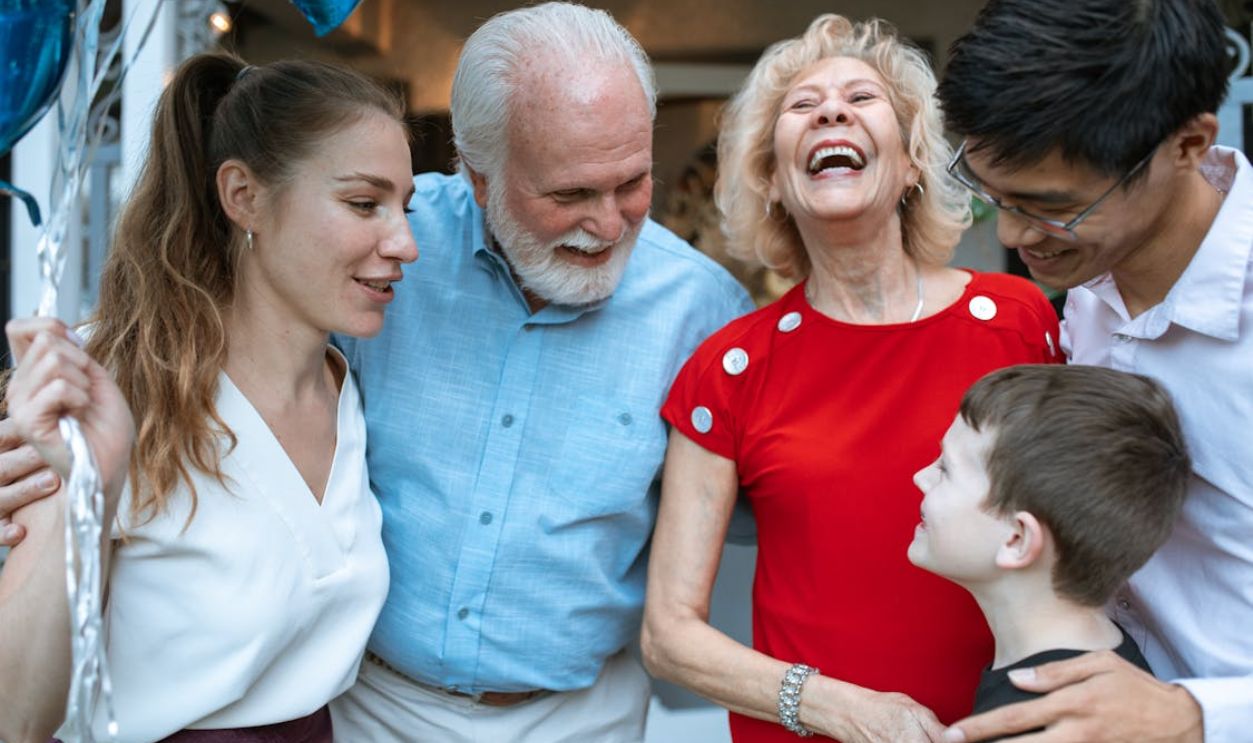
Do you find things amusing without trying too hard? If laughter comes up in conversation and day-to-day life, all is well. The ongoing ability to enjoy humor often makes stress easier to handle and keeps emotional well-being intact. It is also a major marker of better mental health.
Dental Health Hasn’t Declined Significantly
You don't have to think much about your teeth during meals or conversations. Oral care stays consistent, and discomfort doesn't interfere. If you keep your dental health in check, it's easier to eat well and support broader physical well-being over time.

Sensory Changes Don’t Disrupt Daily Life
Glasses or hearing aids are unavoidable for most people at that age. They are also undeniably an important part in making you feel comfortable. It reduces your strain during reading or listening in on conversations. If you can steadily make use of such devices, your health is fine.

Movement Remains Part Of Your Routine
Pickleball has emerged as a great geriatric sport. Suppose you still have an interest in some form of physical activity like this, you are on the right path to a healthy retirement. However, this kind of vigor usually comes to those who have been active during their early years.

There Is No Fear Of Aging
Getting older does not feel like a constant source of anxiety. Adjustments are made calmly as they arise, without panic or denial. A realistic outlook reduces ongoing stress and makes it easier to focus on maintaining well-being instead of fixating on future decline.

You Still Retain Decision-Making Capacity
Every day choices still make sense. Deciding how to manage tasks or when to seek help feels straightforward. Strong decision-making plays a quiet role in staying capable as personal needs and responsibilities continue to evolve. It means that your brain can still function independently.

Health Monitoring Is Part Of Your Routine
You don’t wait for something to feel seriously wrong before seeing a doctor. Preventive visits remain routine, and concerns are discussed early. Staying proactive with health care often leads to better outcomes and fewer disruptions later on with your health.

You Experience Fewer Medication Complications
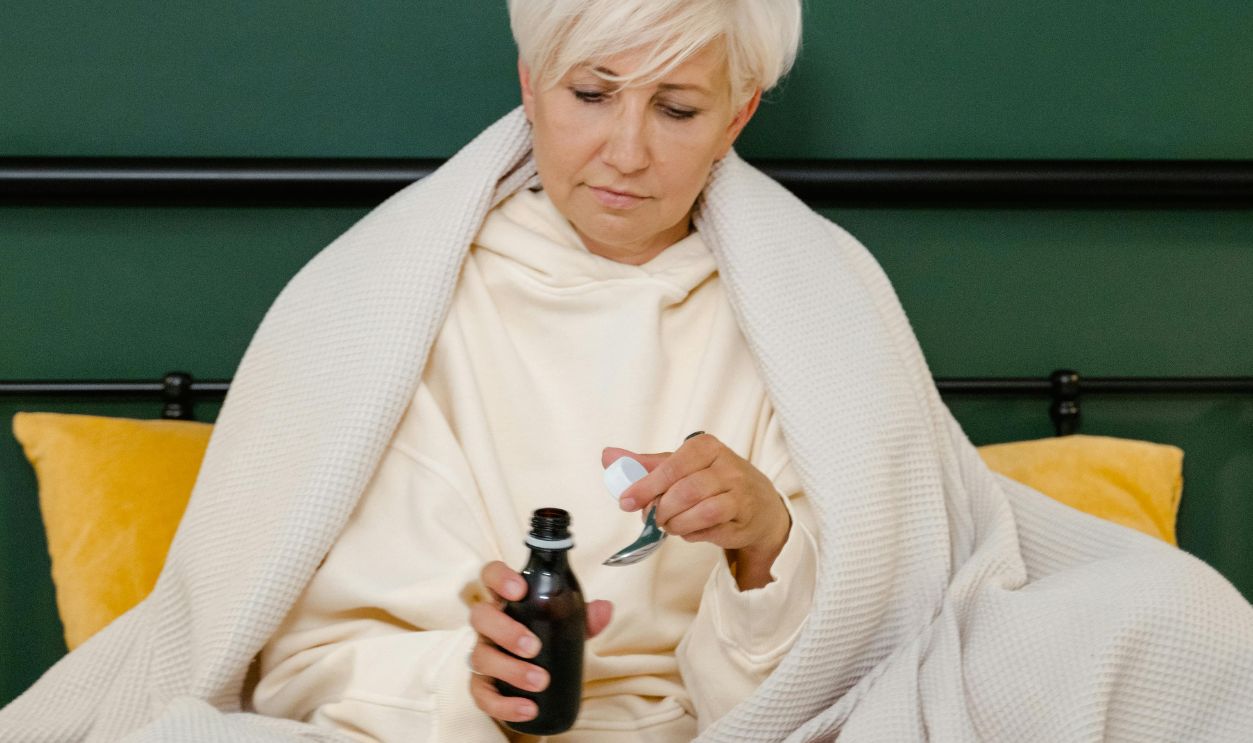
Medications continue to work as intended without causing constant side effects or confusion. Prescriptions feel organized rather than overwhelming. Fewer reactions often point to proper dosing and good coordination, making it easier to manage health safely and consistently as needs change.
The Need For More Has Eased
Life may look quieter than it once did, but it still feels okay. There is a sense of acceptance for this quiet phase that does not feel depressing. Feeling mostly content with how life has unfolded often reflects emotional balance and a healthy adjustment to aging.

Handle Loss And Change Without Becoming Stuck
Loss becomes part of later life, but it does not halt forward movement. Grief is felt without permanently reshaping identity. Being able to adjust after losses often reflects emotional resilience and healthy psychological adaptation with age.