91. Birds and the Bard
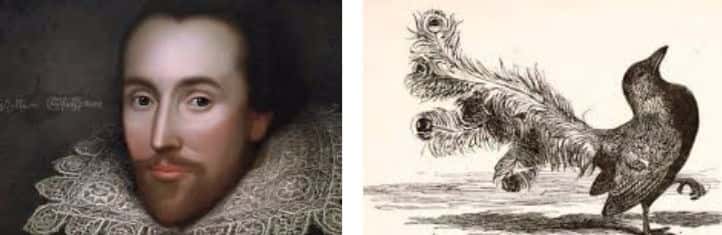
From swans and doves to turkeys and sparrows, the works of William Shakespeare contain references to various types of birds. In 1890, an American “bardolator” named Eugene Schieffelin decided to import every kind of bird mentioned in Shakespeare’s works not yet present in the United States.
Included in this group was the starling, and Schieffelin released 100 starlings in New York’s Central Park. The starling adapted well to its new environment, driving some indigenous birds to the edge of extinction. Thanks a lot, Eugene.
92. While You Still Have the Willies . . .
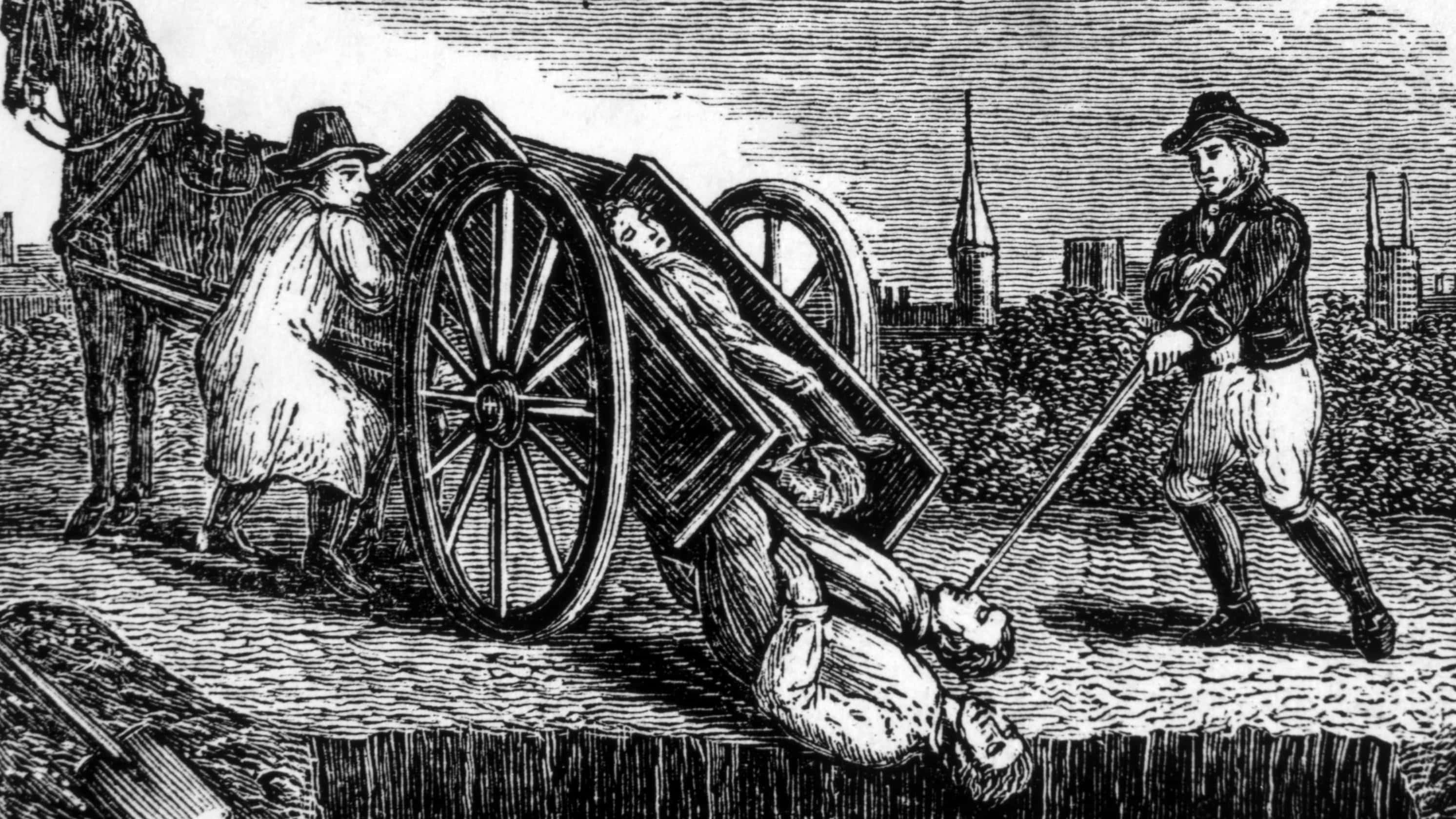
Children have always feared the dreaded bogeyman. One theory about the origins of the word will make your hair stand on end. During the Middle Ages, the term “buggy man” was used to describe a particularly grisly line of work. It was the “buggy man’s” job to collect the corpses of the victims of the Black Plague.
93. Extreme Candy
Remember that strangely appealing candy known as NECCO Wafers? Well, NECCO Wafers have been to the ends of the earth and back. It seems they were especially favored by polar explorers, who brought them along on their expeditions. Intrepid explorer Donald MacMillan brought them to the Arctic in 1913. In the 1930s, Admiral Byrd shipped over two and a half tons of NECCO wafers to the South Pole.

94. Button It Up
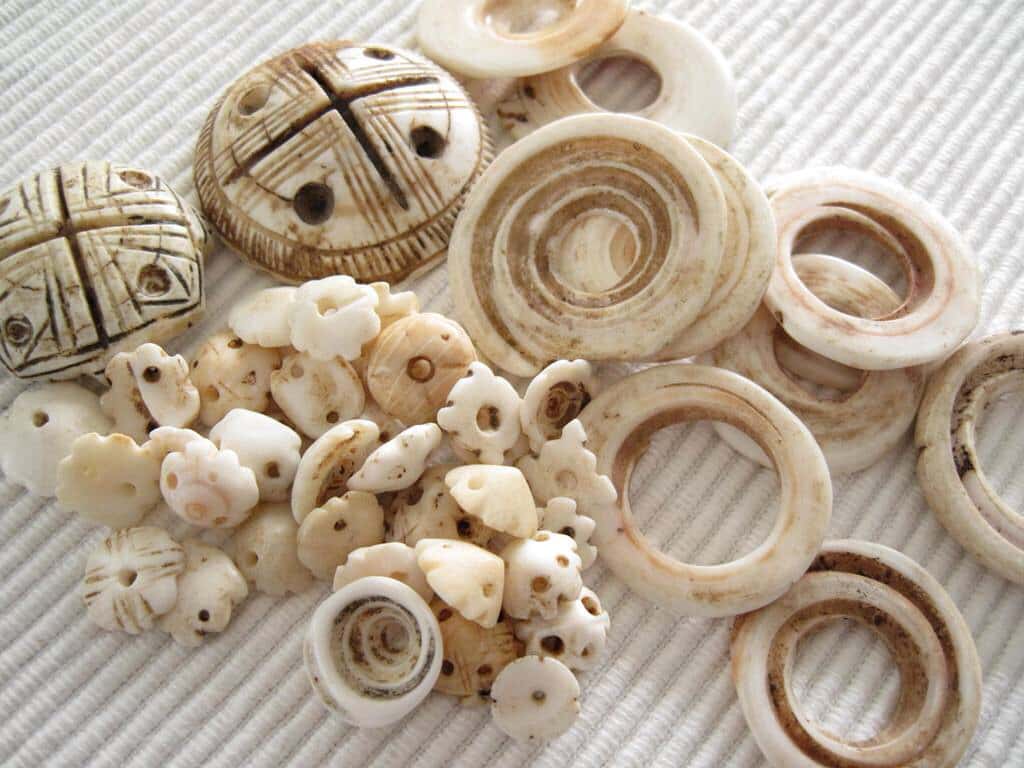
The first known buttons weren’t actually used to fasten clothing. Dating back 5,000 years, the most ancient buttons, discovered in the Indus Valley in modern-day Pakistan, were made of shell and were used for ornamentation rather than function.
 Pinterest
95. Talk about Being Long-winded
Fidel Castro is immortalized in The Guinness Book of World Records for an impressive feat of endurance. The feat was neither athletic nor military, but in 1960 he did manage to talk nonstop for four hours and 29 minutes at the United Nations. Later, in 1986, he exploded that record, speaking for seven hours and 10 minutes at the Communist Party Congress in Havana. I want him for my next filibuster.

96. Don’t forget to . . .
Just because mummies look like they have terrible teeth, don't think that a clean set of chompers is a new invention. Ancient Egyptians and Babylonians practiced good dental hygiene as far back as 3500 BC.
They fashioned brushing tools from twigs, and their toothpaste was made from powders containing burned eggshells, ashes, and ox hooves. The ancient Chinese chewed on aromatic sticks to freshen their breath, and later in the 15th century, they invented the first natural bristle toothbrush, comprised of pig hair and a bamboo handle. Europeans altered the design, going for a softer approach with horsehair and sometimes feathers.

97. Torture Treatment
Most people dread the idea of a cold shower—especially first thing in the morning. Research, however, indicates that taking a chilly shower has multiple health benefits. These include boosts to immunity, circulation, and the appearance of skin and hair. A shivery shower can also increase alertness, stimulate weight loss, and ease muscle soreness. Though it might sound counterintuitive, jumping into a cold shower eases stress over the long term and helps relieve symptoms of depression.

98. Just a Castaway
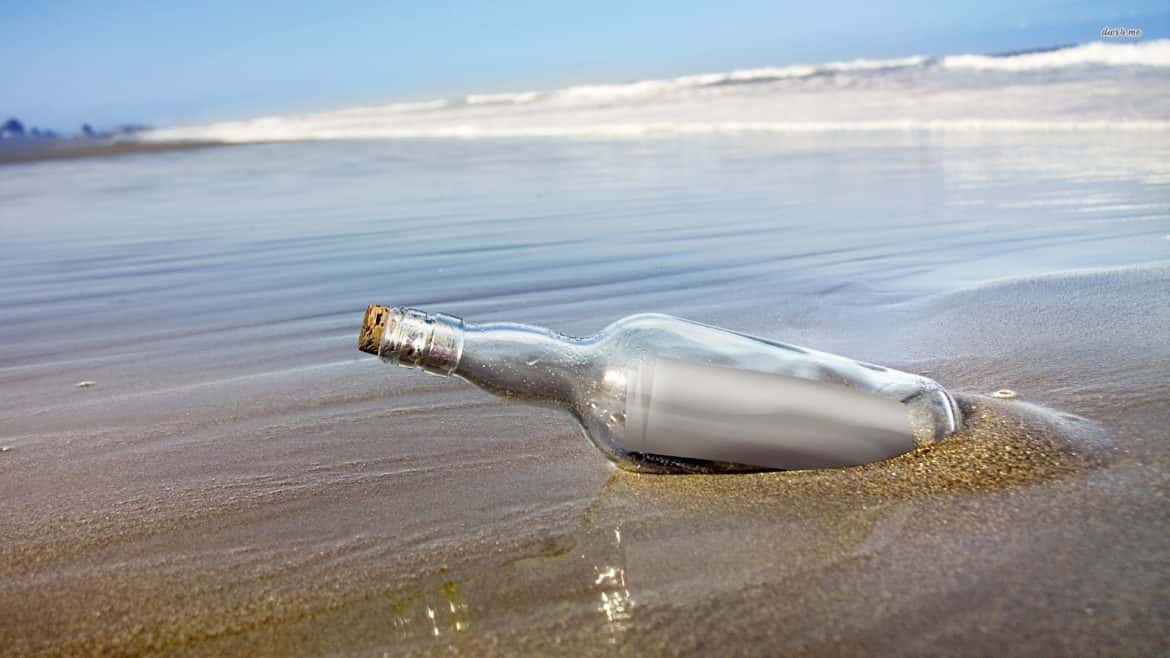
Messages in bottles evoke fairytale stories of fate and love, but the first known message sent in a bottle had far less romantic intentions. Tossed into the Mediterranean by the Greek philosopher Theophrastus in 310 BC, the purpose of the experiment was to study the flow of water currents.
99. Tooth Tales
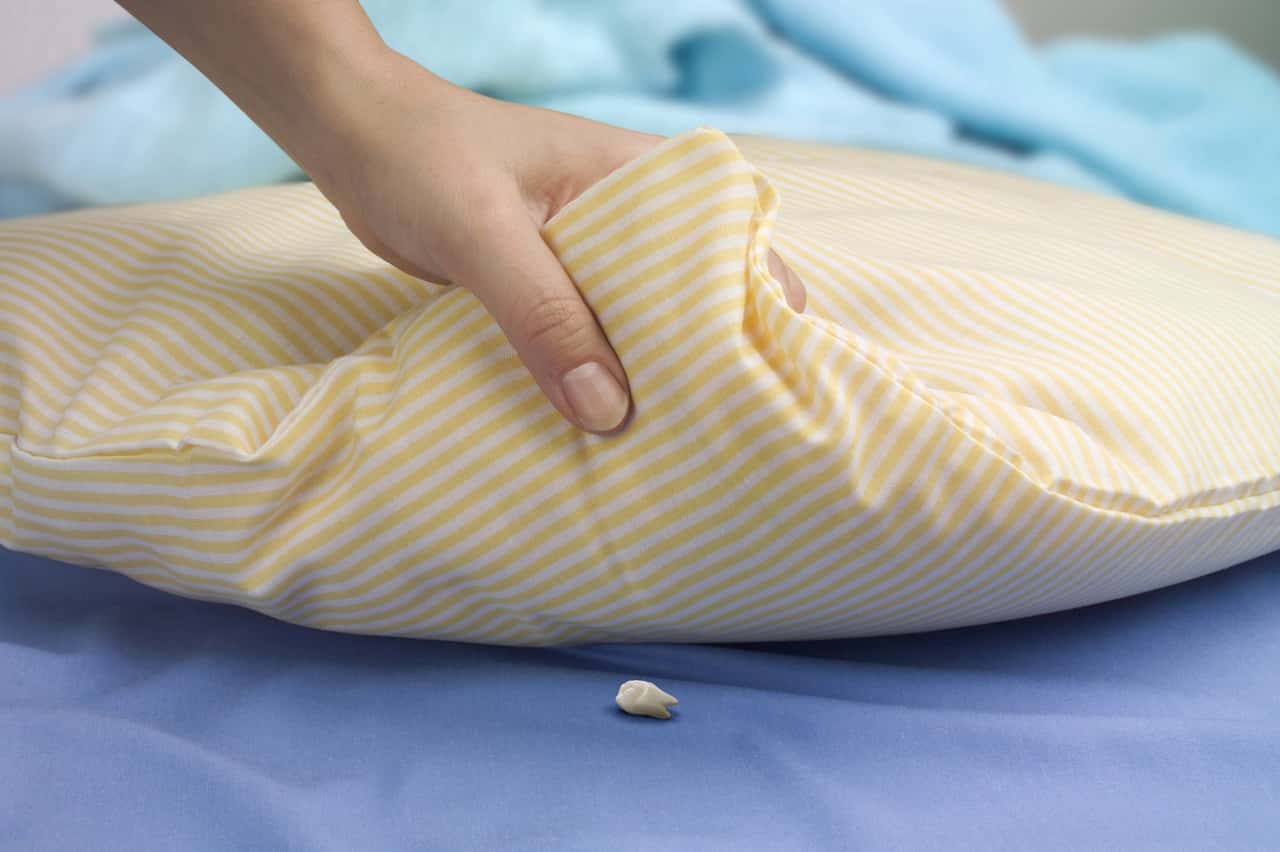
It’s a time-honored tradition to hide children’s lost teeth under the pillow for the tooth fairy. The origins of this custom, however, involve the medieval practice of burying children’s teeth in the ground. The idea was that this would (somehow) cause permanent teeth to grow back in the children’s mouths.
Which is...kinda adorable? It's like people from the Middle Ages figured out how plants worked, and then just hoped that everything else would grow like that too.

History's most fascinating stories and darkest secrets, delivered to your inbox daily.
100. Sighing for the Wrong Reason
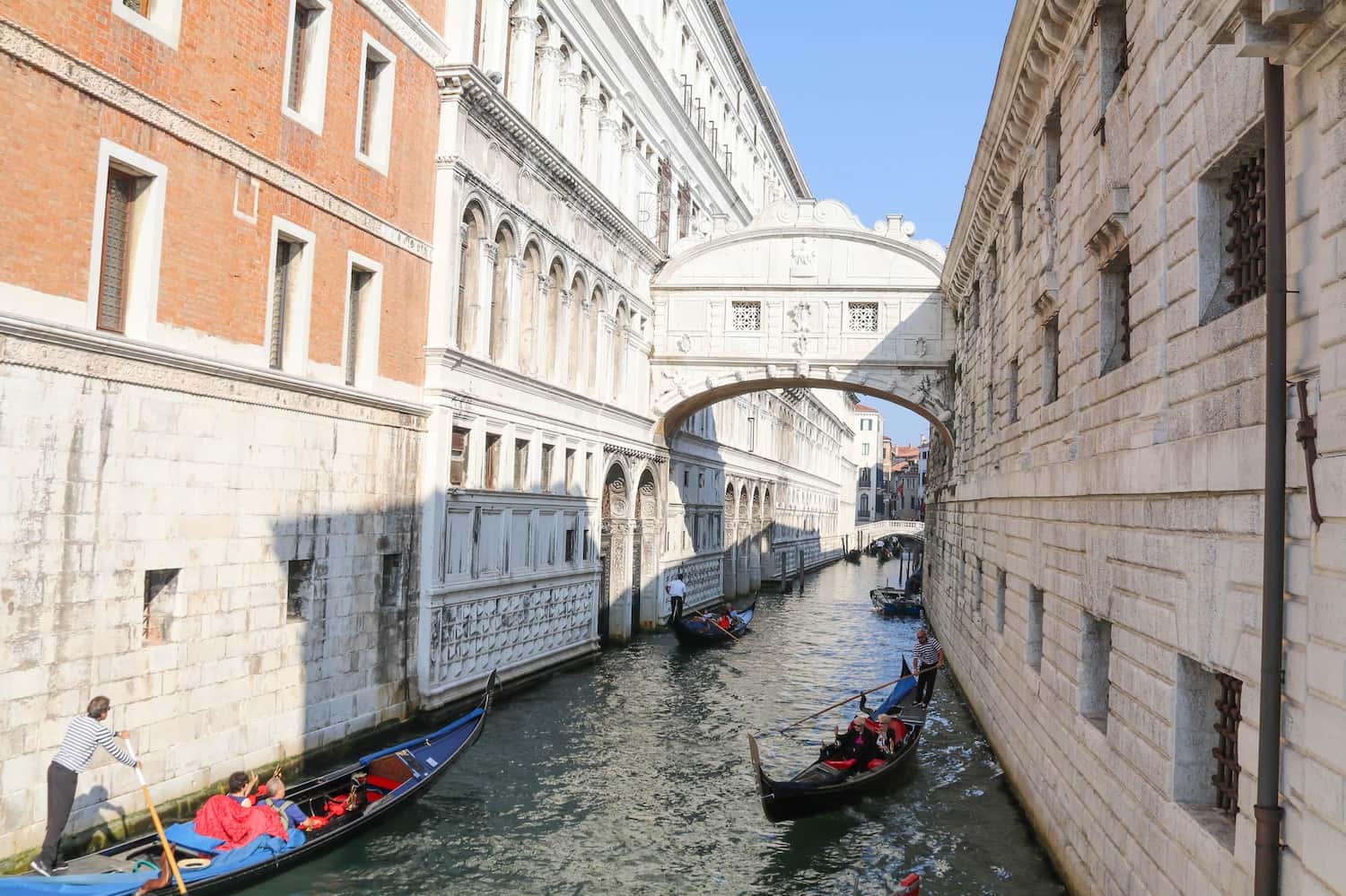
“The Bridge of Sighs,” the name given to the iconic bridge in Venice, suggests mystery and rapturous romance. However, the sighs referred to are anything but romantic. Built in the early 17th century to connect the old and new wings of the Doge of Venice's prison system, the corridor arching over the Rio di Palazzo was dubbed "The Bridge of Sighs" because doomed prisoners could be heard sighing in anguish as they glimpsed their final view of the outer world before being led down to the dungeon. The name was given to the bridge by the famous poet Lord Byron in the 19th century.
Still looking for more fun facts? Click the link and explore.
Sources: 1, 2, 3, 4, 5, 6, 7, 8, 9, 10, 11, 12, 13, 14, 15, 16, 18, 19, 20, 21, 22, 23, 24, 25