71. I Wonder if They Tried Honking
The biggest traffic jam of all time happened in 2010 in China. Mostly taking place on China National Highway 110, it affected cars for over 60 miles. The jam lasted for more than 10 days, and some people were trapped in their cars for five days straight.

72. I Bet, I Bet, 50 Words or Less
OK, back to the seriously fun facts...
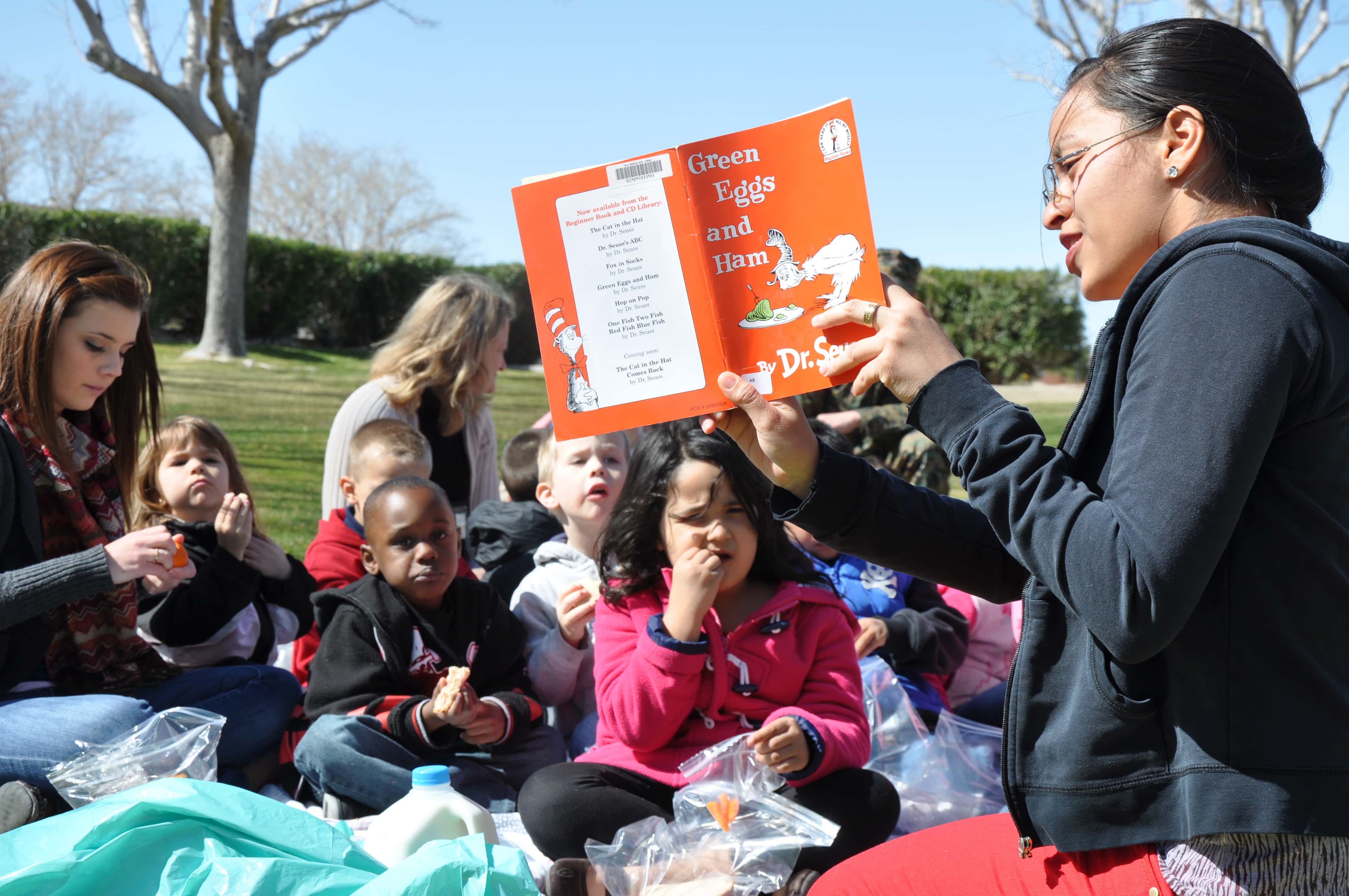
Green Eggs and Ham is one of the most popular children’s books of all time, and if you count them up, it uses exactly 50 different words. That’s because Dr. Seuss wrote it on a bet: his publisher bet Seuss $50 that he couldn’t write an entire book with 50 or fewer words.
73. Duck Money
Scrooge McDuck was named by Forbes as the richest fictional character in the world. They estimate his personal net worth to be $65.4 billion. They said he made his money in mining and treasure hunting, and that he kept most of his wealth, of course, in his gold coin swimming pool.

74. Pennyweight
The smallest birds on earth are hummingbirds. Although they come in a variety of sizes, the smallest weighs as little as 2.4 grams. For comparison, a US penny weighs 2.5 grams.

75. Fluffy and Heavy
Clouds are made up of water vapor that’s collected in the atmosphere. Because they float in the sky, you might think that they’re light as a feather, but the average weight of a cumulus cloud (the really fluffy looking ones) is actually 1.1 million pounds.

76. Get Your Peafowl Straight
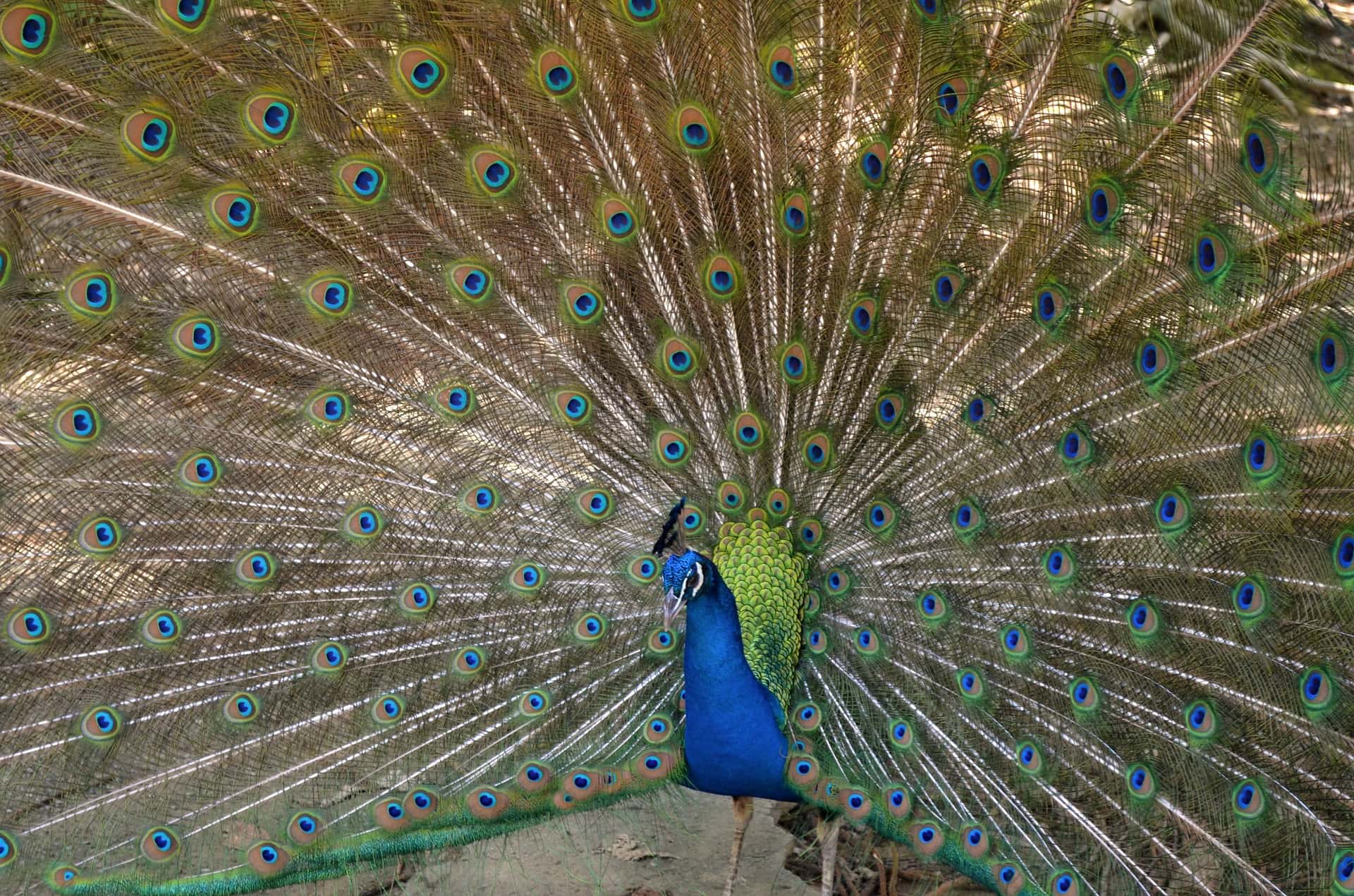
Peacocks are all male.
They’re actually a kind of bird called a peafowl, and the females are called peahens.
77. These Colors Do Fade
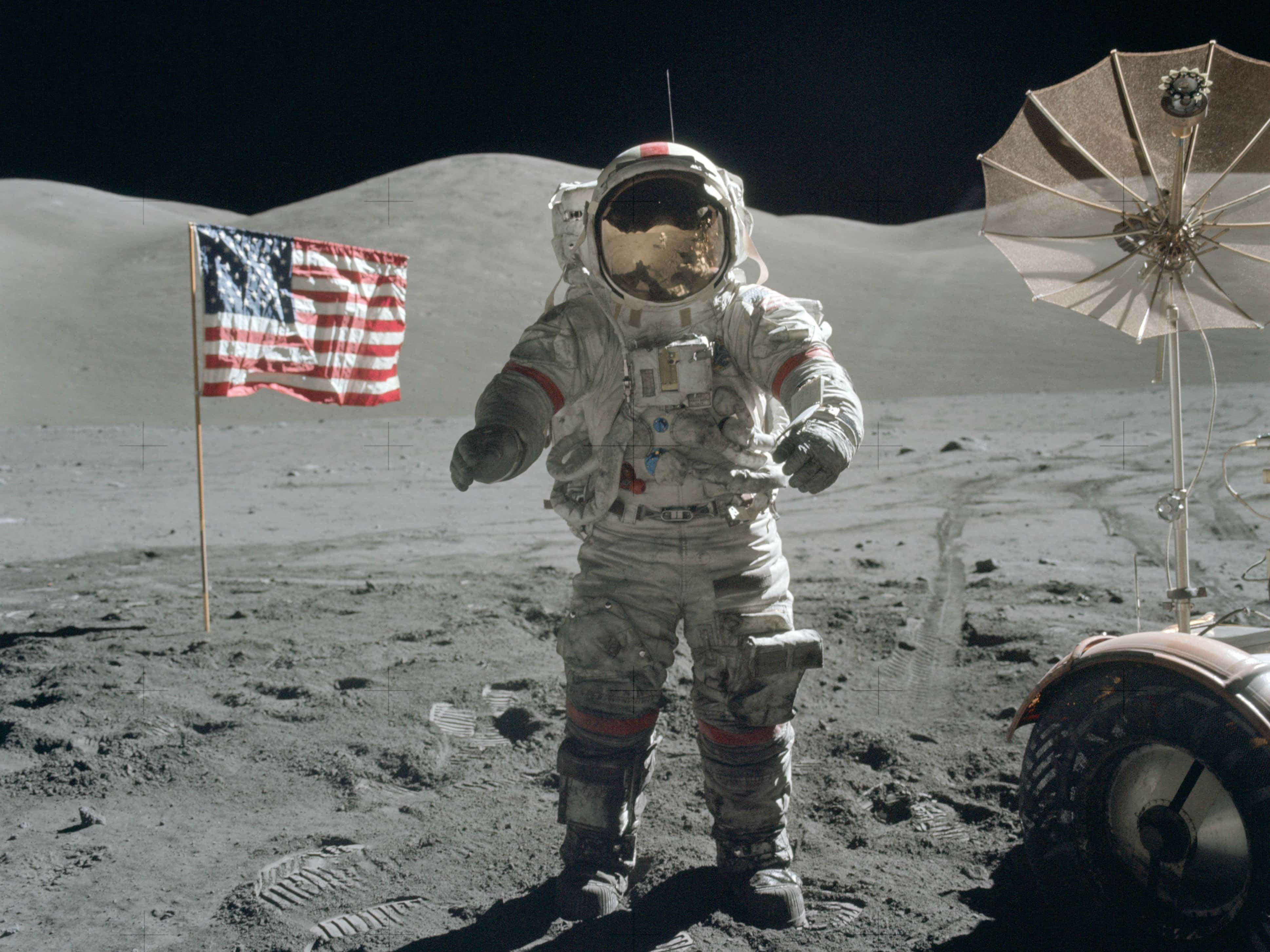
Red, white, and blue no more. In 2012, NASA confirmed that five of the six American flags planted on the moon by various lunar missions were still standing where they were. The catch? The flags don’t really look like American flags anymore. In the harsh radiation of space, and the bright sunlight on the moon, unfiltered by any atmosphere, the flags have been bleached completely white.
78. Don't Mess with the IRS
Al Capone was one of the most famous mob bosses, ruling the Chicago underworld, and making an estimated $100 million per year.
So what brings down a gang-lord like that? Mass murder? Corruption? Some other outrageous crime.
Nope. Turns out that Capone's crimes only caught up with him because the IRS looked into his tax situation. He'd gone years without filing, and in the end, that's the crime that did him in. He was given an eleven-year sentence for tax evasion, the longest tax evasion sentence ever given in the United States.

79. The Big Guys Can’t Jump
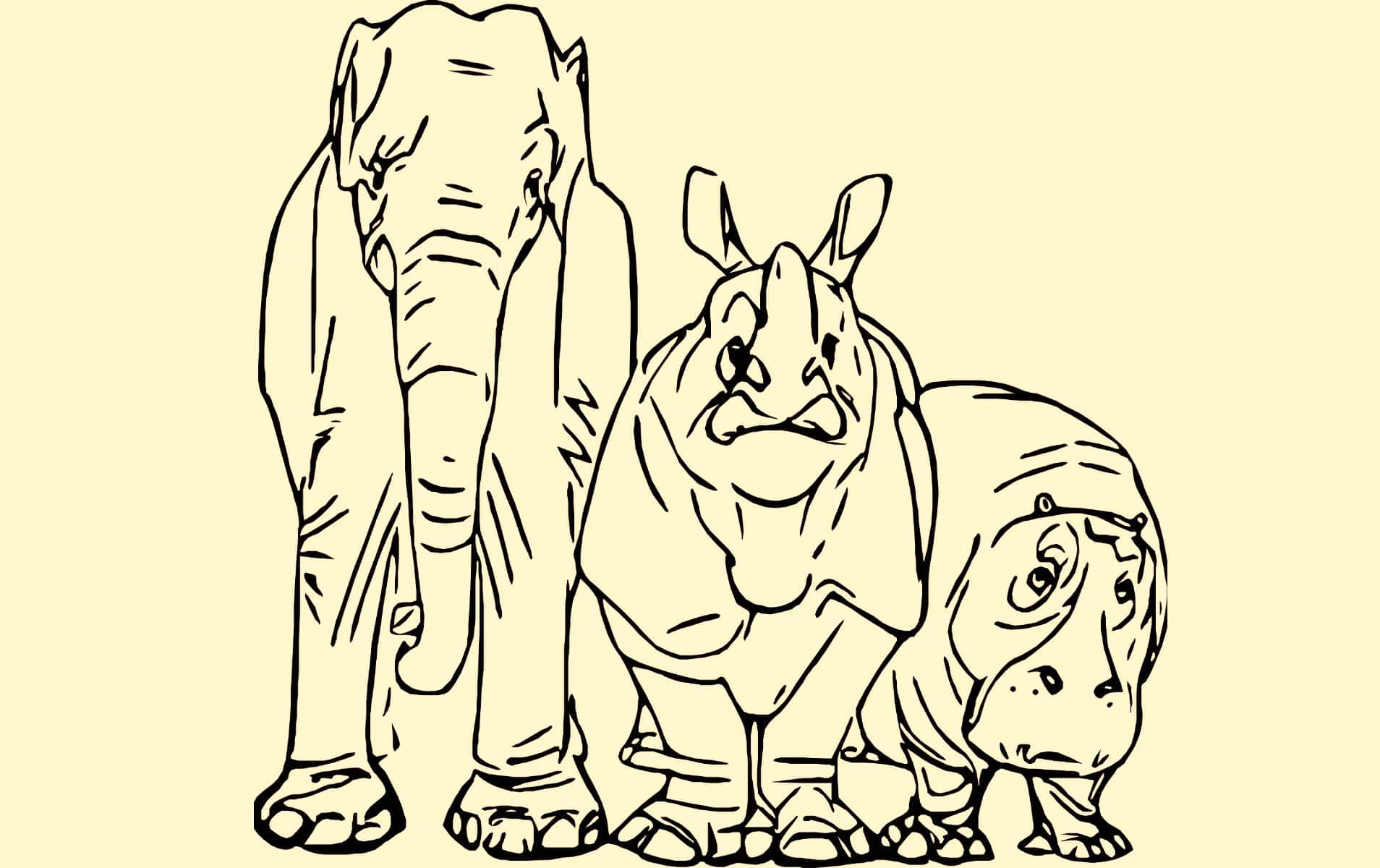
Elephants, rhinos, and hippos are some of the very few types of mammal that can’t jump.
While rhinos and hippos will occasionally get all four feet off of the ground while running, the elephant never does at all. Despite what Dumbo may have taught you, they stay firmly landlocked at all times.
Remember that next time you're trying to have fun with an elephant: if you break out a skipping rope, you are really going to hurt their feelings.

History's most fascinating stories and darkest secrets, delivered to your inbox daily.
80. Try to Name Them All!
English is a complicated language, and words like “set” and “run” don’t make it any easier. For years, set was considered to have the most meanings of any word, with the Oxford English Dictionary giving it 430 separate definitions in 1989. But according to OED's chief editor John Simpson, the word “run” has surpassed it with a whopping 645 meanings as of 2011!
At least the word fun is simple!

81. Better Loot
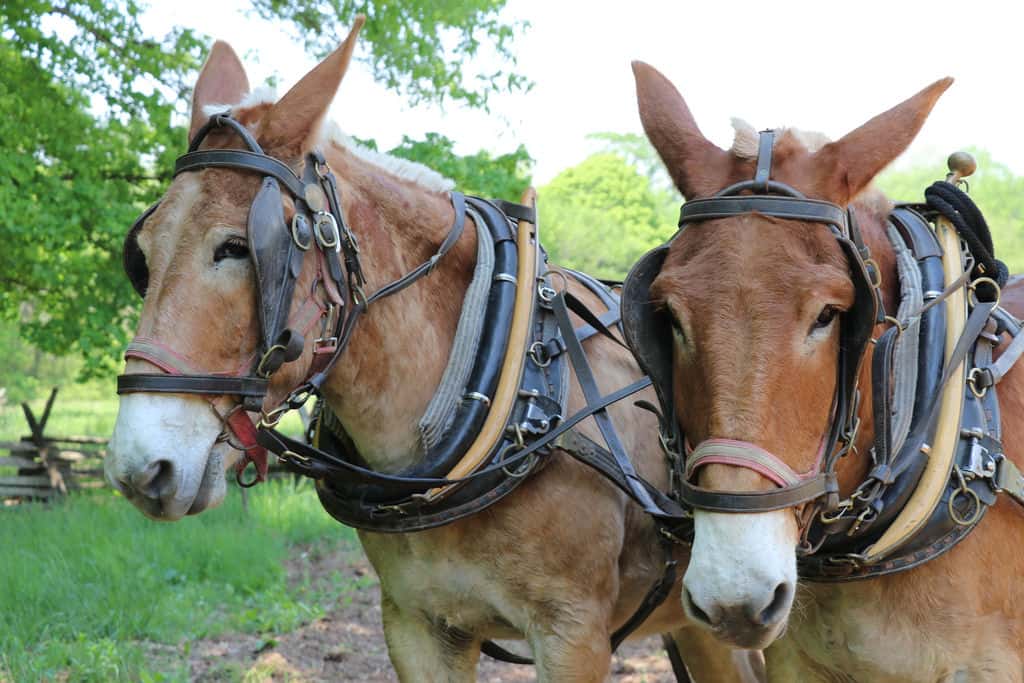
Confederate cavalry commander James Ewell Brown “J.E.B.” Stuart once sent a telegram to Union General Montgomery C. Meigs complaining about the quality of the mules he had just stolen from Union soldiers. “Gen. Meigs,” he wrote, “will in the future please furnish better mules; those you have furnished recently are very inferior.”
82. A Fact About "Having Fun"
Skyn Condoms performed surveys to find out the sex habits of U.S. millennials by State. They learned that a surprising number of people from California, for example, had sex in a school. According to their findings:
- Millennials from Georgia were most likely to masturbate multiple times per day.
- More than half of the population of sexually active millennials from Kansas have had sex in a hot tub or pool.
- Millennials in Massachusetts were most likely to have had a one night stand.
- Millennials in New York were most likely to have a threesome.
And more fun stuff. See the source below for more. Naughty, naughty!

83. Poopy Time
Not such a fun fact: Toilet paper is so ineffective that using it to wipe your butt after you poop doesn't even prevent health problems such as urinary tract infections. It simply doesn't remove all the poop. There's also research to suggest aggressive wiping with toilet paper can cause anal fissures and even hemorrhoids. Doctors recommend using wet wipes instead, which are far more effective at removing fecal matter.

84. Persistent Headaches
Headaches are nothing new. Neither is the use of salicylic acid, the active ingredient in aspirin. Derived from the bark and leaves of willow trees, salicylic acid was used as far back as 2000 BC by the ancient Sumerians to reduce inflammation. Writings from ancient Egypt attest to the use of willow in the treatment of pain, and the “father of medicine,” Hippocrates, recommended a willow bark tea for the reduction of fever.

85. Dressed for Success
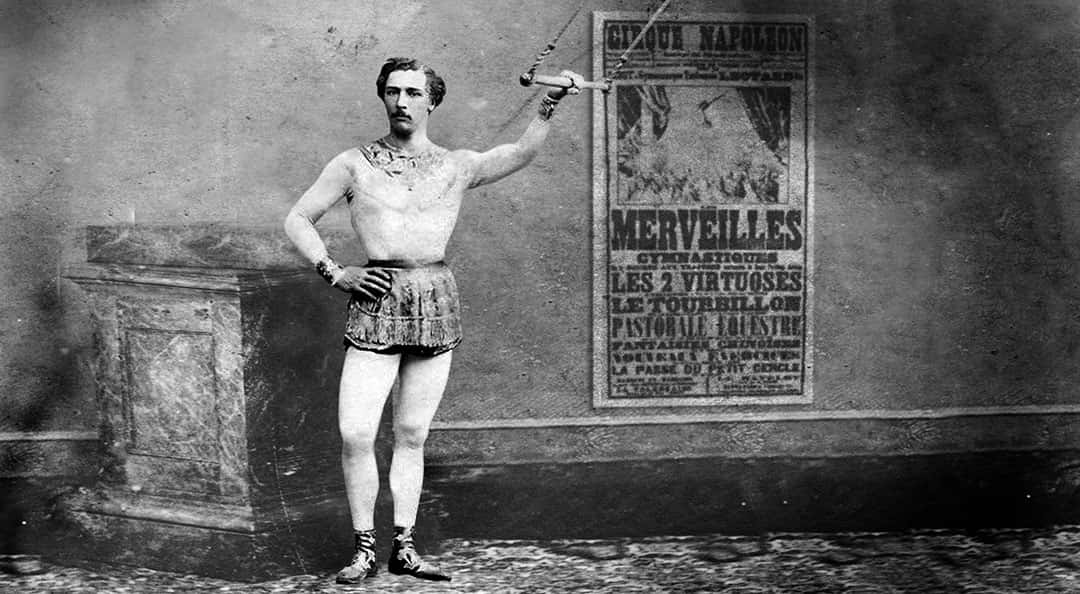
Nowadays it’s mostly ladies who wear leotards, but the knitted garment was actually popularized by a man named Jules Leotard. A Frenchman born in Toulouse, Leotard also invented the flying trapeze, which explains his interest in one-piece exercise wear that would allow for maximum freedom of movement.
86. Onions in the Eye
The eyes of Pharaoh Ramses IV, who died in 1149 BC, were replaced with a couple of small onions during the mummification process. Ancient Egyptians associated the onion with mysticism and though them to possess magic powers.

87. Medicine That Could Make You Sick
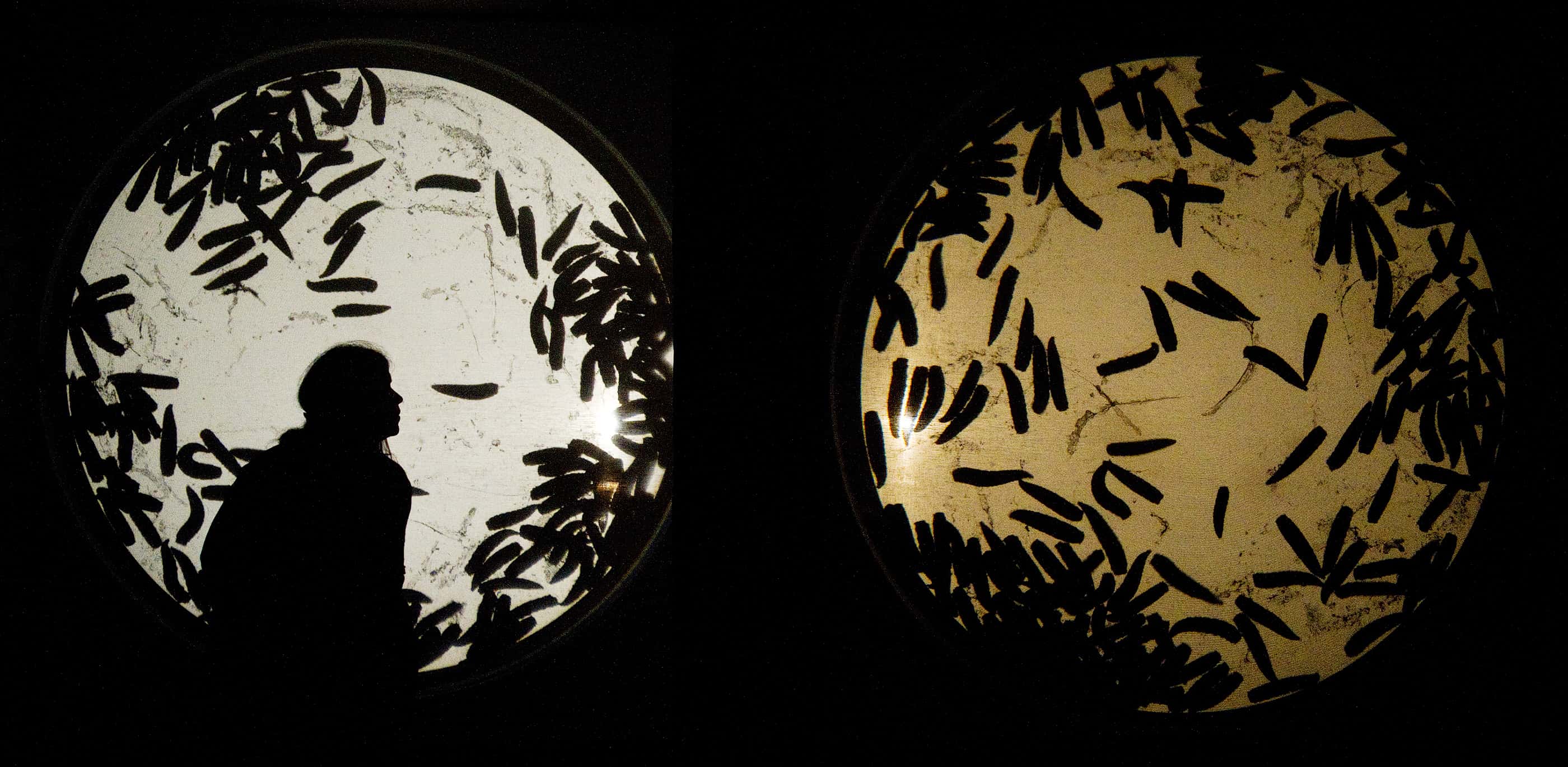
In 2004, the US Food and Drug Administration approved the first live “medical device” for use on humans: maggots. Since the early 1990s, California physician Dr. Ron Sherman has been proving the ability of maggots to clean difficult wounds, prevent bacteria growth, and promote healing. Dr. Robert Kirsner, Director of the University of Miami Cedars Wound Center, reports that he employs maggot therapy in one out of 50 cases. You might not want to bring this up at a dinner party.
88. Explosive Information
You may know that the first fireworks date back to China’s ancient Han Dynasty, but the original purpose of these displays was not for entertainment, but to ward off evil spirits with the tumultuous noise.

89. Road Rage
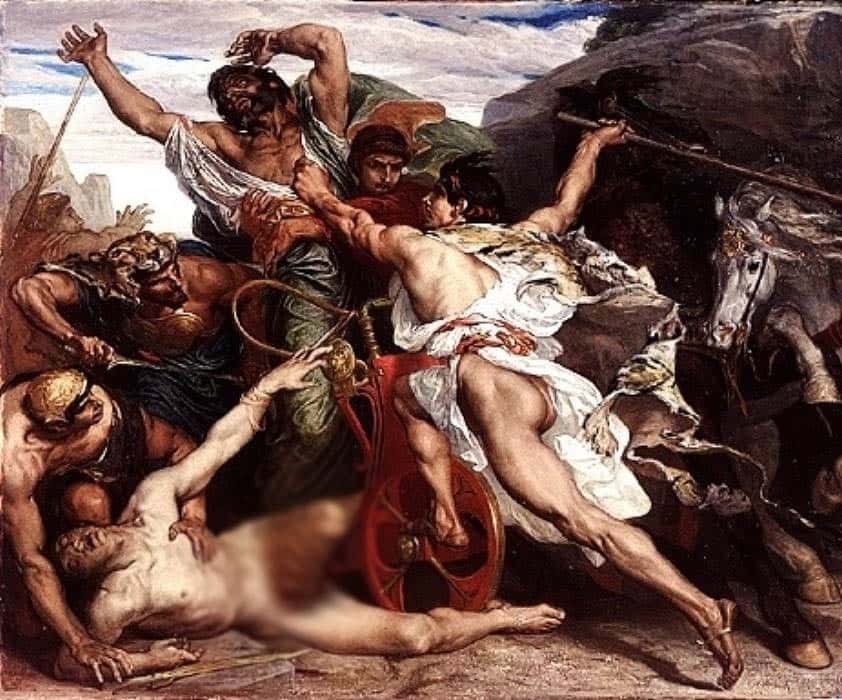
Road rage didn’t begin with the invention of the automobile: Road rage actually occurs in the ancient Greek tragedy Oedipus Rex. The young Oedipus, while fleeing the city after learning that he is fated to kill his father and marry his mother, confronts a group of travelers on the road. An altercation ensues over the right of way, and Oedipus kills most of the travelers—including the man who is actually his biological father. It’s complicated.
90. Hungry Anyone?
Bizarre behavior seems to run in the family. North Korean dictator Kim Jong-il, father of the current leader Kim Jong-un, proposed to alleviate hunger in his country by breeding giant, dog-sized rabbits. It didn’t work too well: the 12 original breeder bunnies were eaten at the leader’s birthday party in 2007.

91. Birds and the Bard
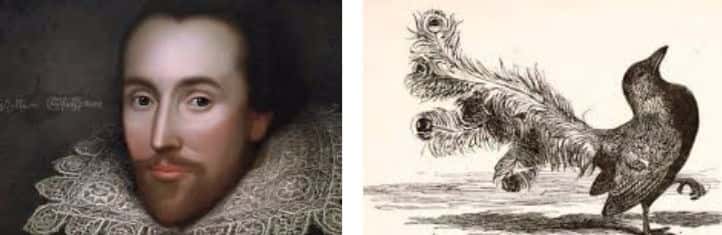
From swans and doves to turkeys and sparrows, the works of William Shakespeare contain references to various types of birds. In 1890, an American “bardolator” named Eugene Schieffelin decided to import every kind of bird mentioned in Shakespeare’s works not yet present in the United States.
Included in this group was the starling, and Schieffelin released 100 starlings in New York’s Central Park. The starling adapted well to its new environment, driving some indigenous birds to the edge of extinction. Thanks a lot, Eugene.
92. While You Still Have the Willies . . .
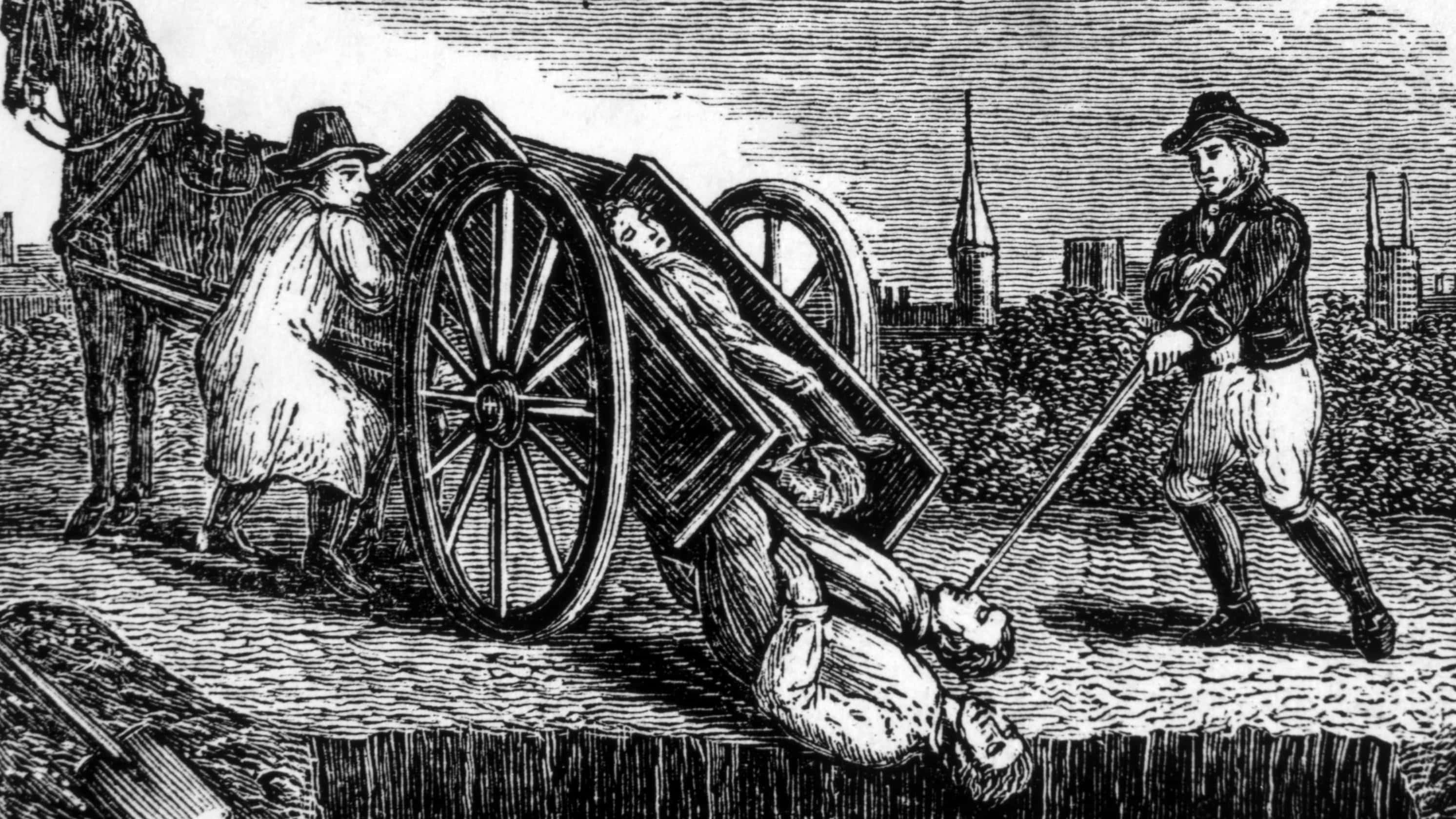
Children have always feared the dreaded bogeyman. One theory about the origins of the word will make your hair stand on end. During the Middle Ages, the term “buggy man” was used to describe a particularly grisly line of work. It was the “buggy man’s” job to collect the corpses of the victims of the Black Plague.
93. Extreme Candy
Remember that strangely appealing candy known as NECCO Wafers? Well, NECCO Wafers have been to the ends of the earth and back. It seems they were especially favored by polar explorers, who brought them along on their expeditions. Intrepid explorer Donald MacMillan brought them to the Arctic in 1913. In the 1930s, Admiral Byrd shipped over two and a half tons of NECCO wafers to the South Pole.

94. Button It Up
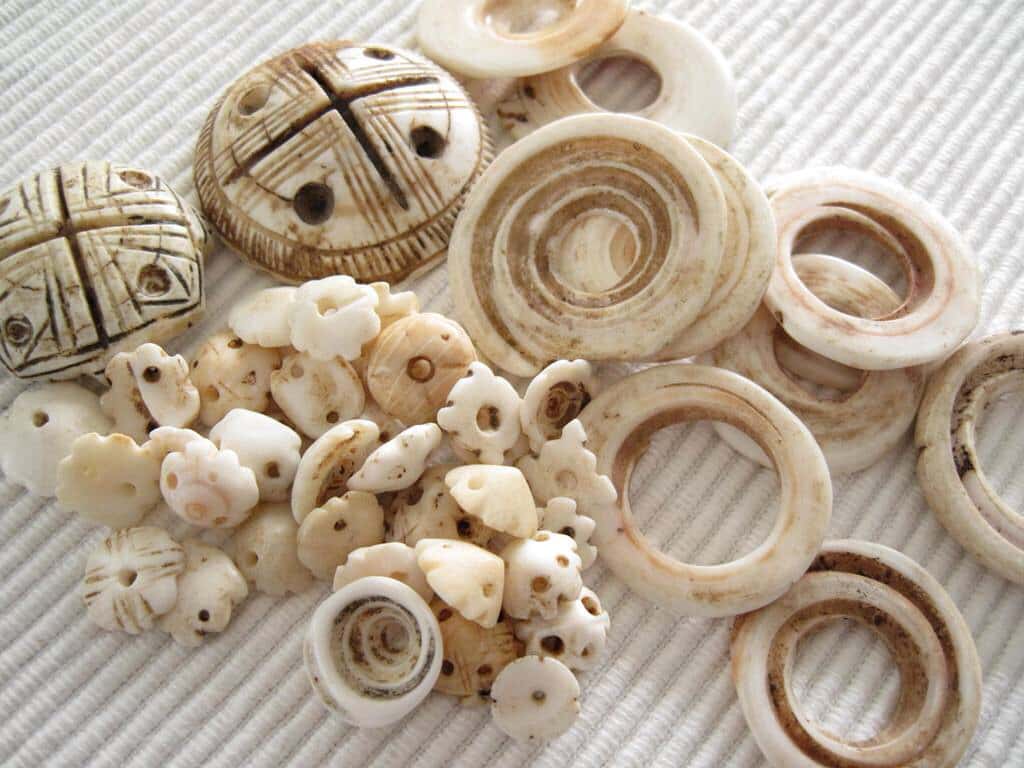
The first known buttons weren’t actually used to fasten clothing. Dating back 5,000 years, the most ancient buttons, discovered in the Indus Valley in modern-day Pakistan, were made of shell and were used for ornamentation rather than function.
 Pinterest
95. Talk about Being Long-winded
Fidel Castro is immortalized in The Guinness Book of World Records for an impressive feat of endurance. The feat was neither athletic nor military, but in 1960 he did manage to talk nonstop for four hours and 29 minutes at the United Nations. Later, in 1986, he exploded that record, speaking for seven hours and 10 minutes at the Communist Party Congress in Havana. I want him for my next filibuster.

96. Don’t forget to . . .
Just because mummies look like they have terrible teeth, don't think that a clean set of chompers is a new invention. Ancient Egyptians and Babylonians practiced good dental hygiene as far back as 3500 BC.
They fashioned brushing tools from twigs, and their toothpaste was made from powders containing burned eggshells, ashes, and ox hooves. The ancient Chinese chewed on aromatic sticks to freshen their breath, and later in the 15th century, they invented the first natural bristle toothbrush, comprised of pig hair and a bamboo handle. Europeans altered the design, going for a softer approach with horsehair and sometimes feathers.

97. Torture Treatment
Most people dread the idea of a cold shower—especially first thing in the morning. Research, however, indicates that taking a chilly shower has multiple health benefits. These include boosts to immunity, circulation, and the appearance of skin and hair. A shivery shower can also increase alertness, stimulate weight loss, and ease muscle soreness. Though it might sound counterintuitive, jumping into a cold shower eases stress over the long term and helps relieve symptoms of depression.

98. Just a Castaway
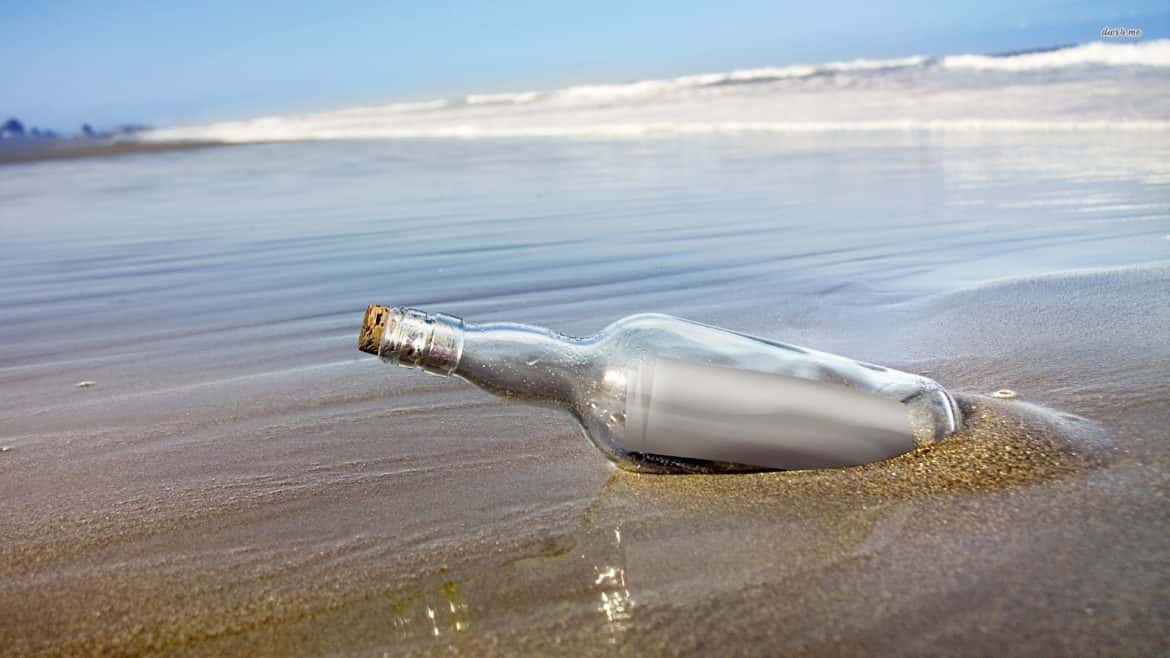
Messages in bottles evoke fairytale stories of fate and love, but the first known message sent in a bottle had far less romantic intentions. Tossed into the Mediterranean by the Greek philosopher Theophrastus in 310 BC, the purpose of the experiment was to study the flow of water currents.
99. Tooth Tales
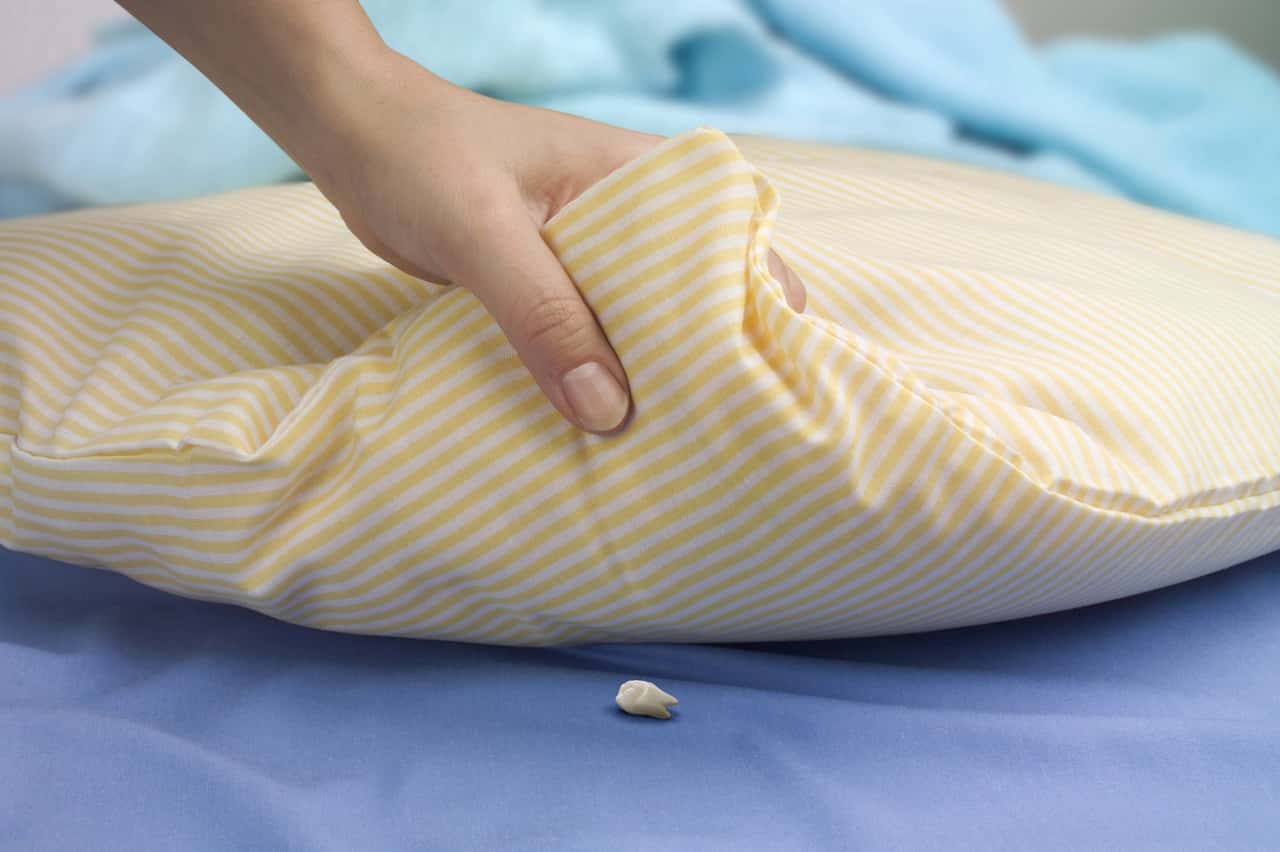
It’s a time-honored tradition to hide children’s lost teeth under the pillow for the tooth fairy. The origins of this custom, however, involve the medieval practice of burying children’s teeth in the ground. The idea was that this would (somehow) cause permanent teeth to grow back in the children’s mouths.
Which is...kinda adorable? It's like people from the Middle Ages figured out how plants worked, and then just hoped that everything else would grow like that too.
100. Sighing for the Wrong Reason
“The Bridge of Sighs,” the name given to the iconic bridge in Venice, suggests mystery and rapturous romance. However, the sighs referred to are anything but romantic. Built in the early 17th century to connect the old and new wings of the Doge of Venice's prison system, the corridor arching over the Rio di Palazzo was dubbed "The Bridge of Sighs" because doomed prisoners could be heard sighing in anguish as they glimpsed their final view of the outer world before being led down to the dungeon. The name was given to the bridge by the famous poet Lord Byron in the 19th century.

Still looking for more fun facts? Click the link and explore.
Sources: 1, 2, 3, 4, 5, 6, 7, 8, 9, 10, 11, 12, 13, 14, 15, 16, 18, 19, 20, 21, 22, 23, 24, 25