Ancient Crystals, Cosmic Clues
It’s wild to imagine something smaller than a grain of sand holding billions of years of history. Yet inside Zircon glittering crystals lies a memory of the galaxy’s slow dance around us.

Zircon Crystals Preserving Earth’s Galactic Crossings
Imagine holding a gemstone older than the Moon. Zircon crystals, some over four billion years old, carry oxygen isotopes that whisper of chaos deep within Earth’s crust. They formed during turbulent eras to match the times our planet cruised through the Milky Way’s dense spiral arms.
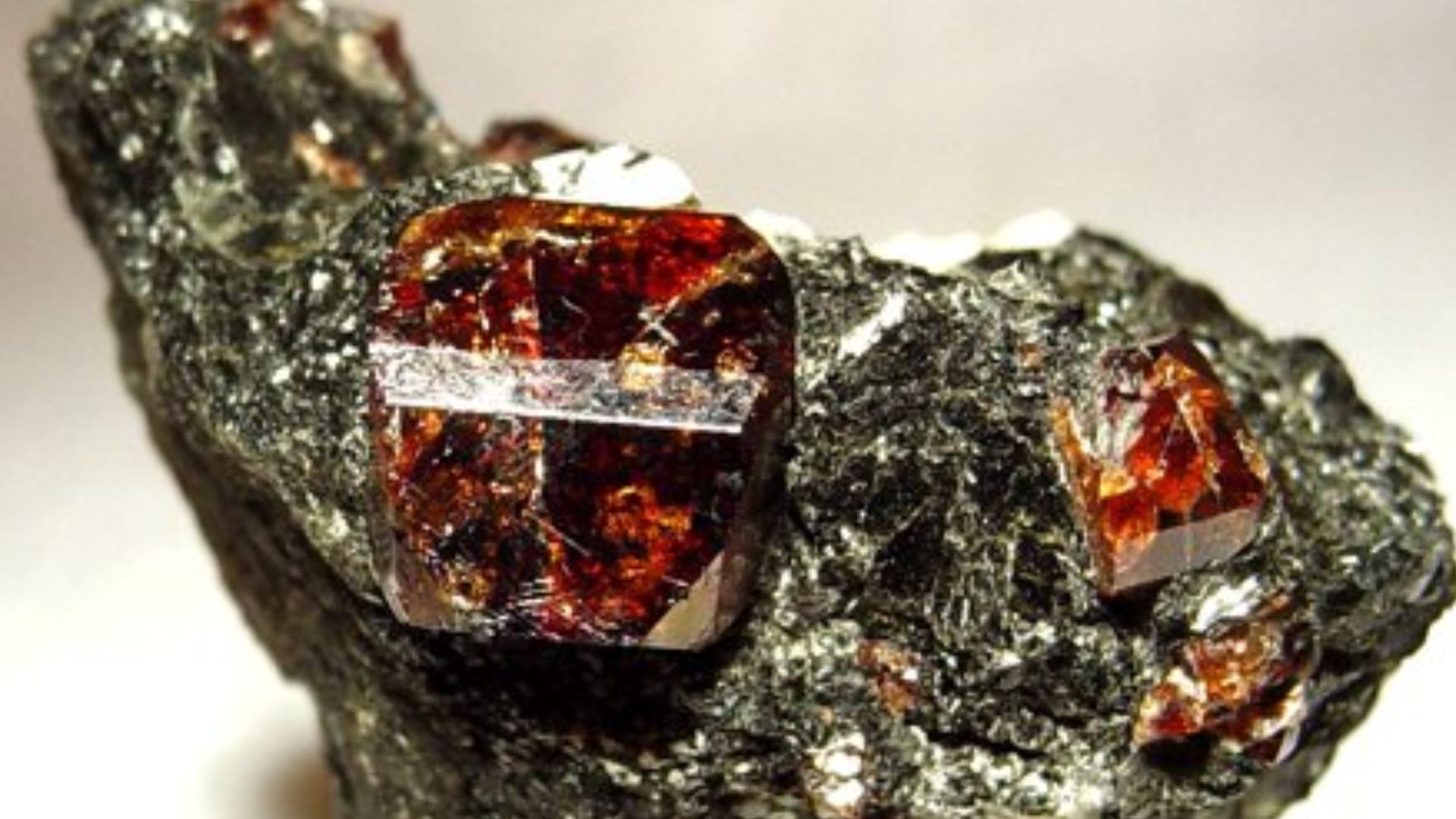 Robert M. Lavinsky, Wikimedia Commons
Moon Rocks Recording Solar Wind Changes Tied To Galactic Motion
Your favorite Moon samples aren’t just lunar souvenirs—they’re time capsules of solar behavior. Buried within them, isotopes recorded when solar wind intensified, may one day help scientists explore possible links between solar activity and our Solar System. Each layer marks an ancient checkpoint in our shared cosmic commute.
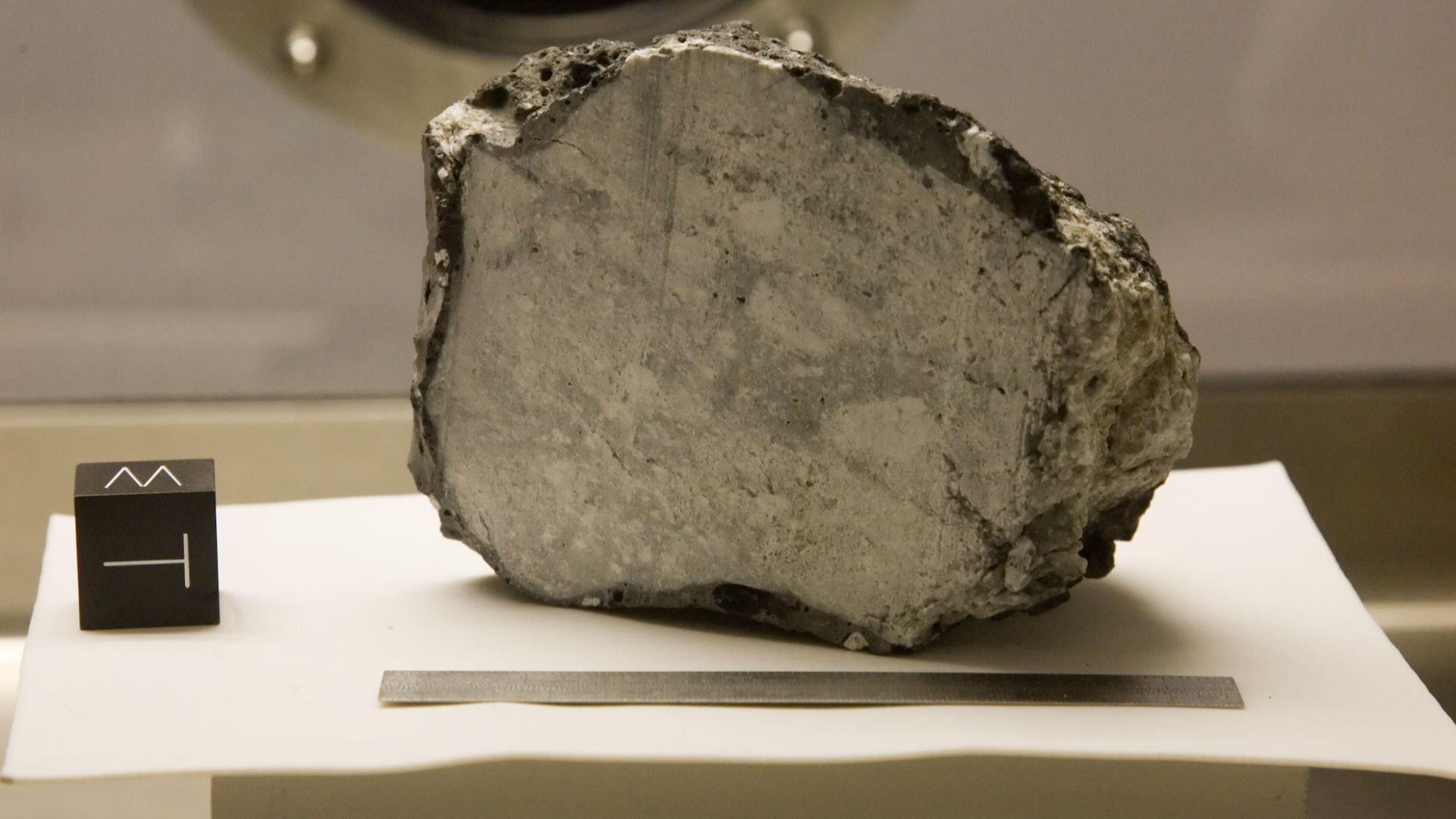 Shannon Moore, Wikimedia Commons
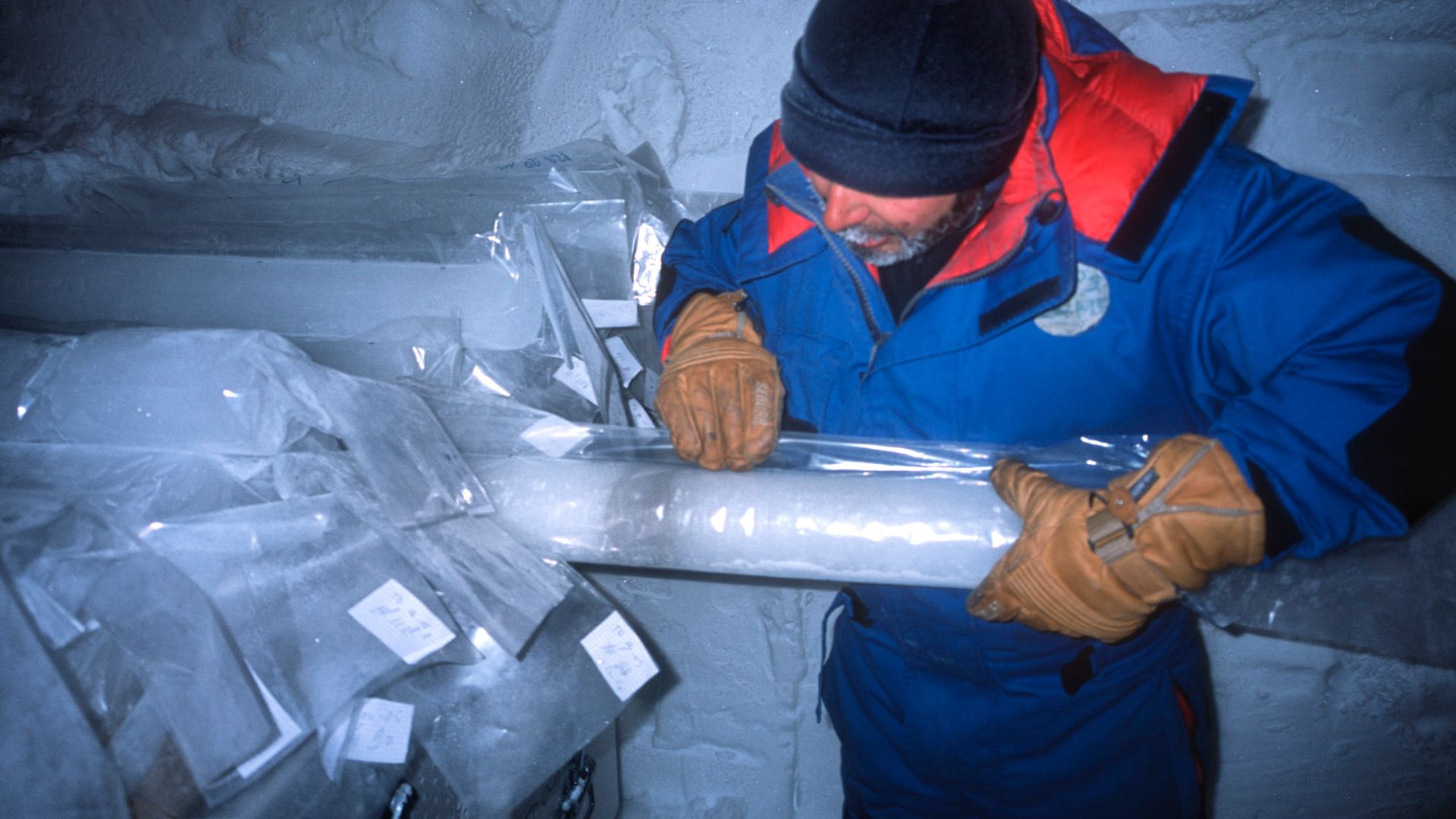
Ice Cores Capturing Cosmic Radiation Spikes From Nearby Supernovae
Deep Antarctic layers trap traces of beryllium-10 and chlorine-36—atoms born in distant stellar explosions. These cosmic fingerprints spike whenever nearby supernovae bombarded Earth. Galactic fireworks have left real chemical graffiti in your planet’s ice.
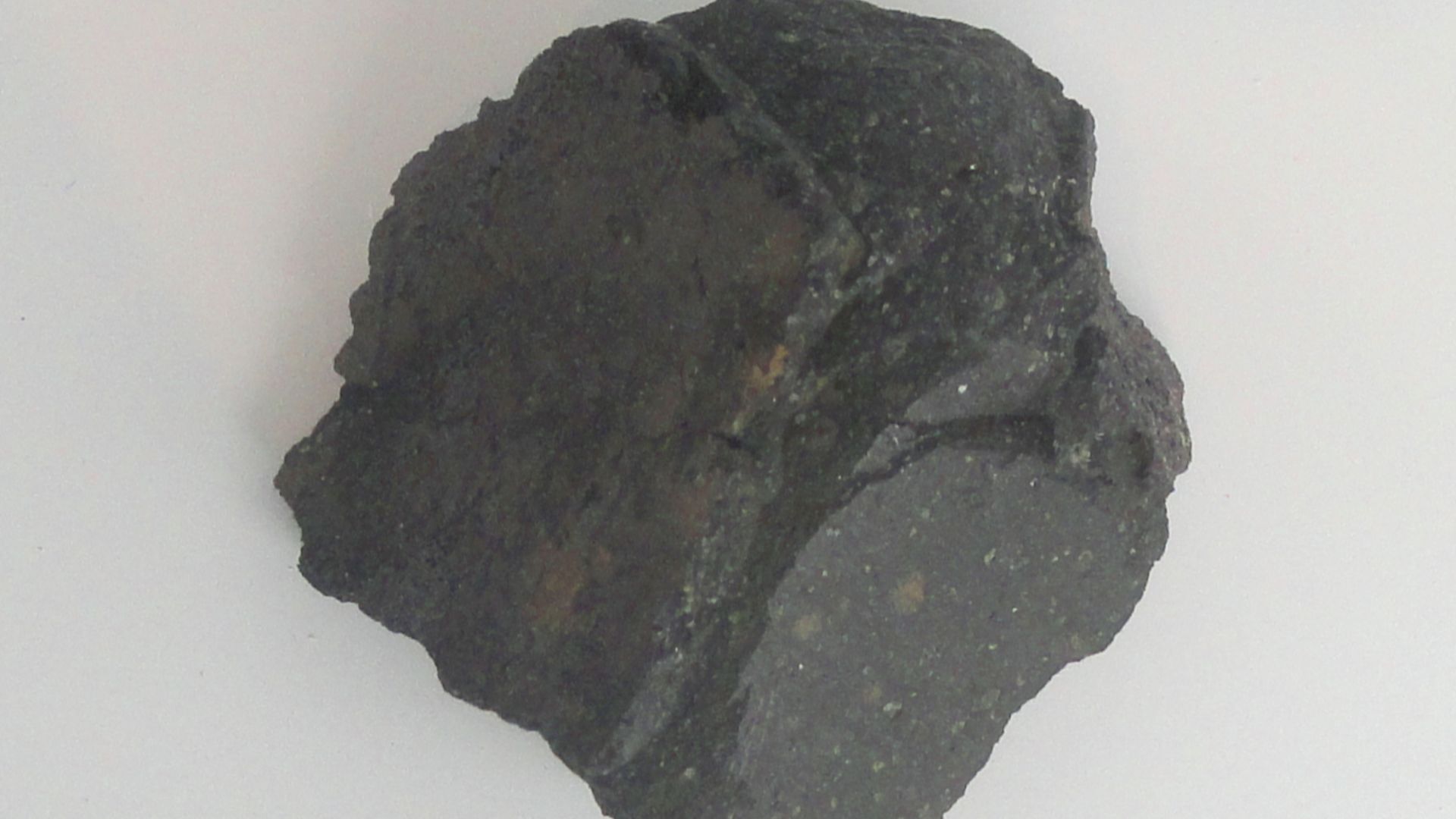
Meteorites Showing Isotopic Traces Of Galactic Dust
Some space rocks that crash to Earth are grains that carry isotopic ratios hinting at where the Solar System drifted within the Milky Way. Like cosmic breadcrumbs, meteorites preserve the stardust chemistry of ancient neighborhoods Earth once passed through on its galactic tour.
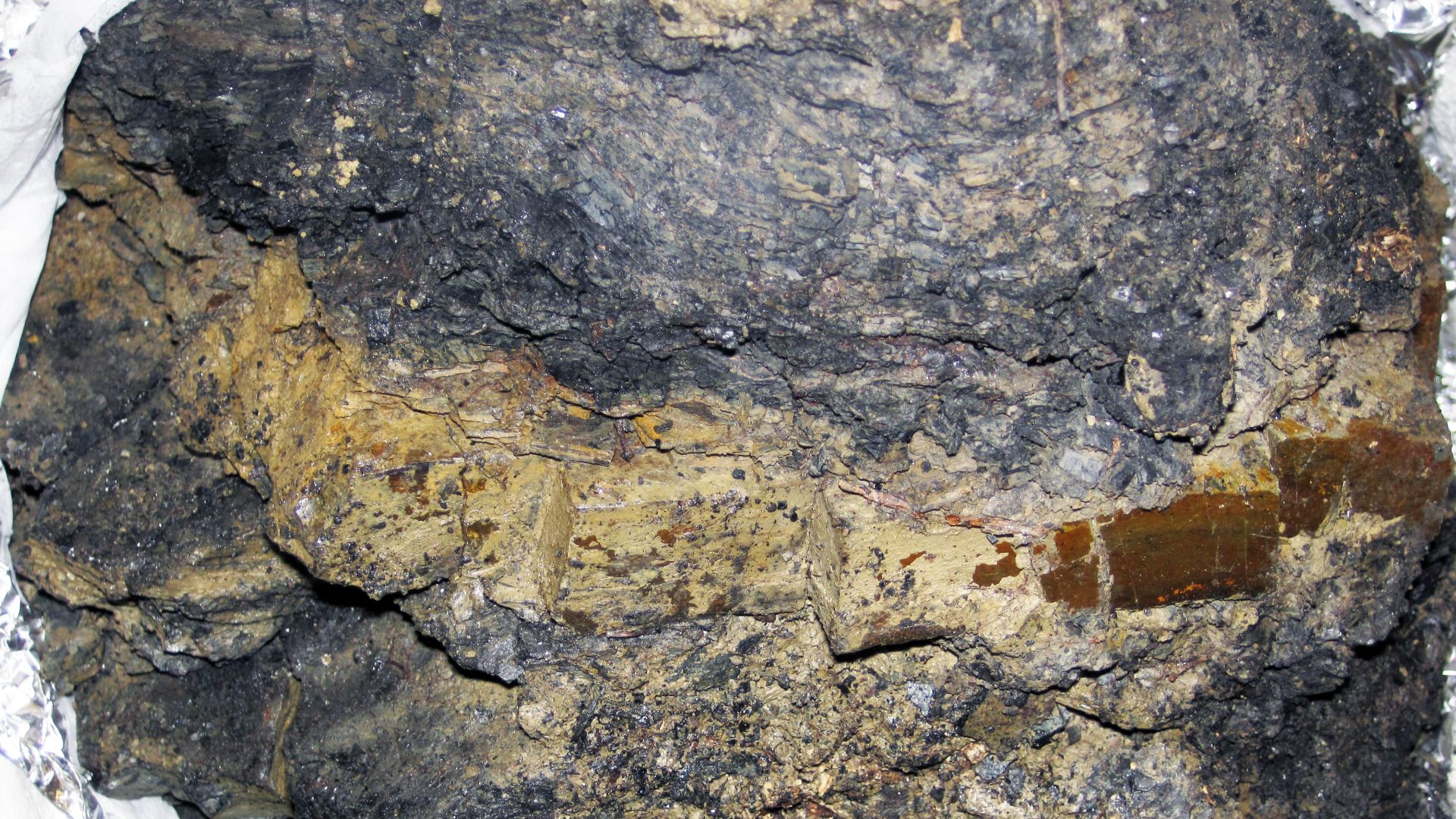
Sedimentary Iridium Layers From Spiral Arm Debris
You’ve heard of the dinosaur-killing asteroid, but did you know iridium layers in rocks also mirror cosmic traffic jams? These layers spike when Earth moves through spiral arms thick with debris. Every shimmering trace records a moment when the heavens got busier—and far more dangerous.
 James St. John, Wikimedia Commons
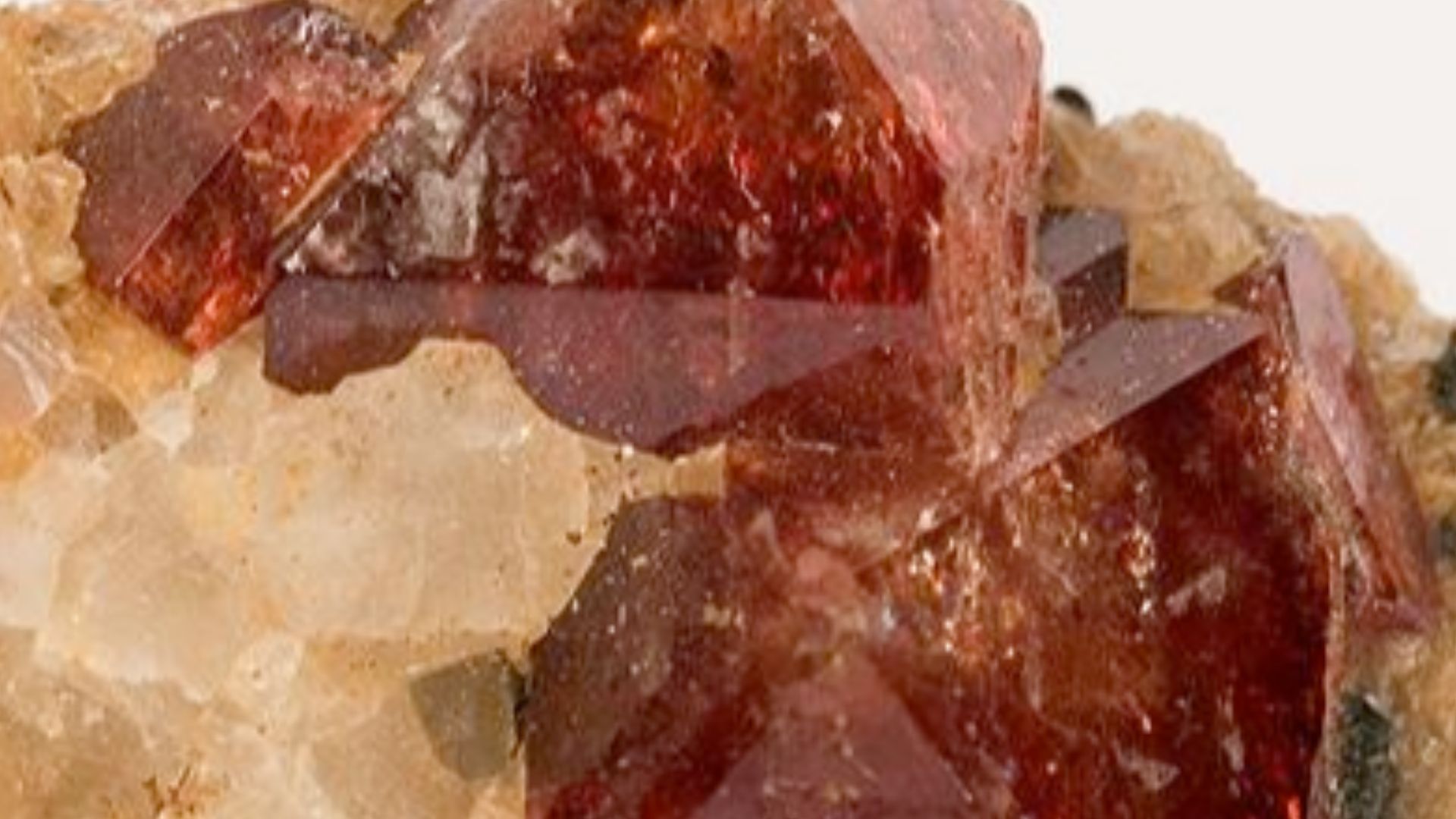
Ancient Zircons Revealing Crustal Chaos During Arm Passages
Under microscopes, ancient zircons sparkle with geological mayhem. Their oxygen variations surge when Earth plowed through spiral arms, suggesting the crust endured massive melting and reshaping. You could say these minerals remember when the galaxy’s gravitational rhythm played rough with Earth’s molten dance floor.
 Robert M. Lavinsky, Wikimedia Commons
Lunar Soil Trapping Cosmic Dust From Dense Galactic Regions
Each grain of lunar soil is a silent collector. Without an atmosphere, the Moon continuously gathers cosmic dust drifting through space. Some scientists theorize that denser galactic regions boost this influx, though direct lunar evidence of such cosmic-ray surges remains largely theoretical and under ongoing investigation.
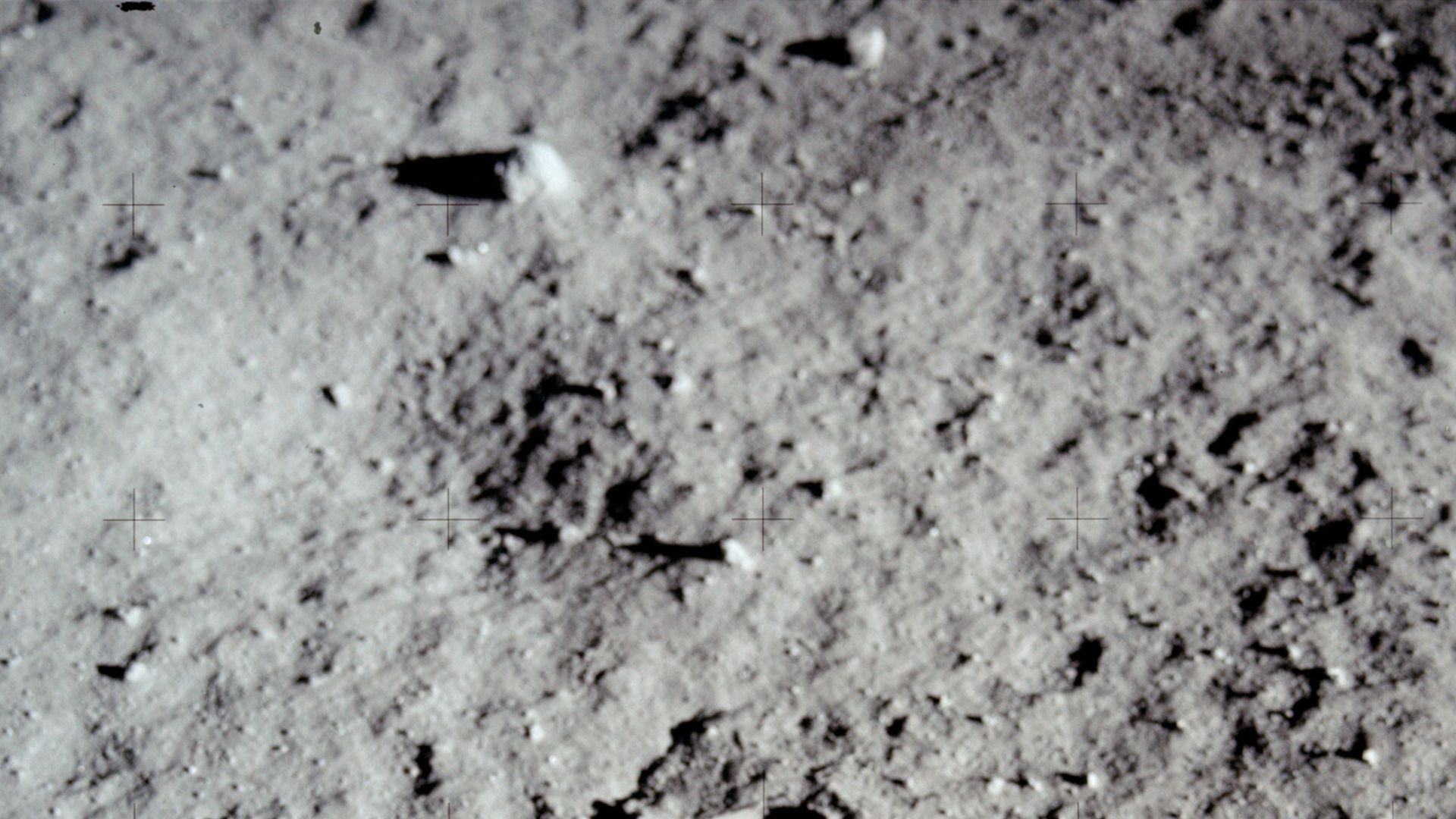 NASA / Buzz Aldrin, Wikimedia Commons
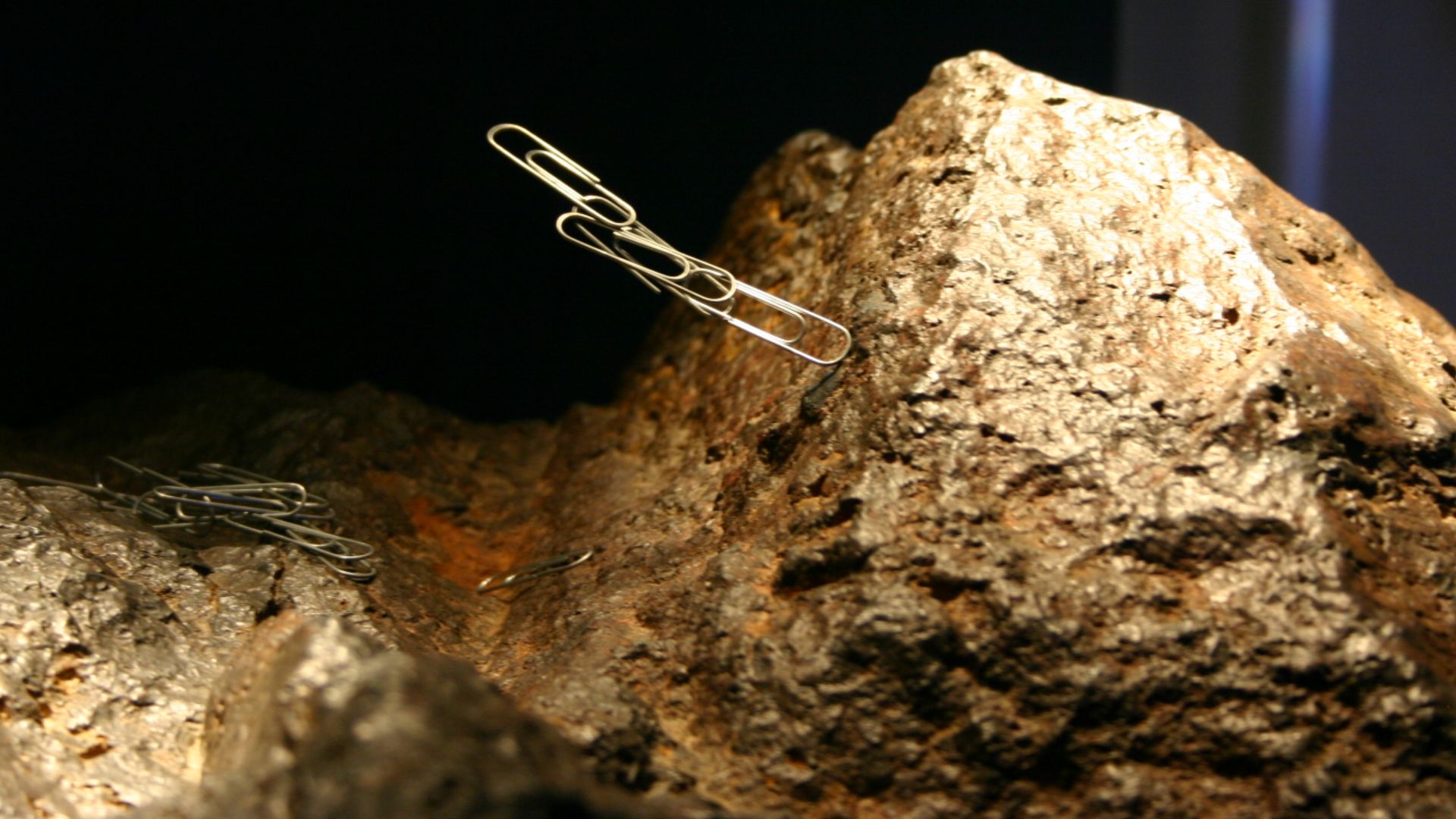
Magnetic Minerals Recording Galactic Tidal Effects
Magnetic minerals act like tiny compass needles frozen in stone. Their orientations record Earth’s shifting magnetic field, which is mainly shaped by movements in the molten core. Although galactic or solar influences are sometimes theorized, no solid evidence links them to measurable changes in paleomagnetic records.

History's most fascinating stories and darkest secrets, delivered to your inbox daily.
Deep-Sea Nodules Reflecting Variations In Cosmic Dust
Miles beneath your feet, metallic nodules grow slower than fingernails. They absorb iron, nickel, and manganese from seawater over millions of years. Some hypotheses suggest galactic motion might influence dust influx, but no confirmed evidence links these slow-forming nodules to denser regions of the Milky Way.
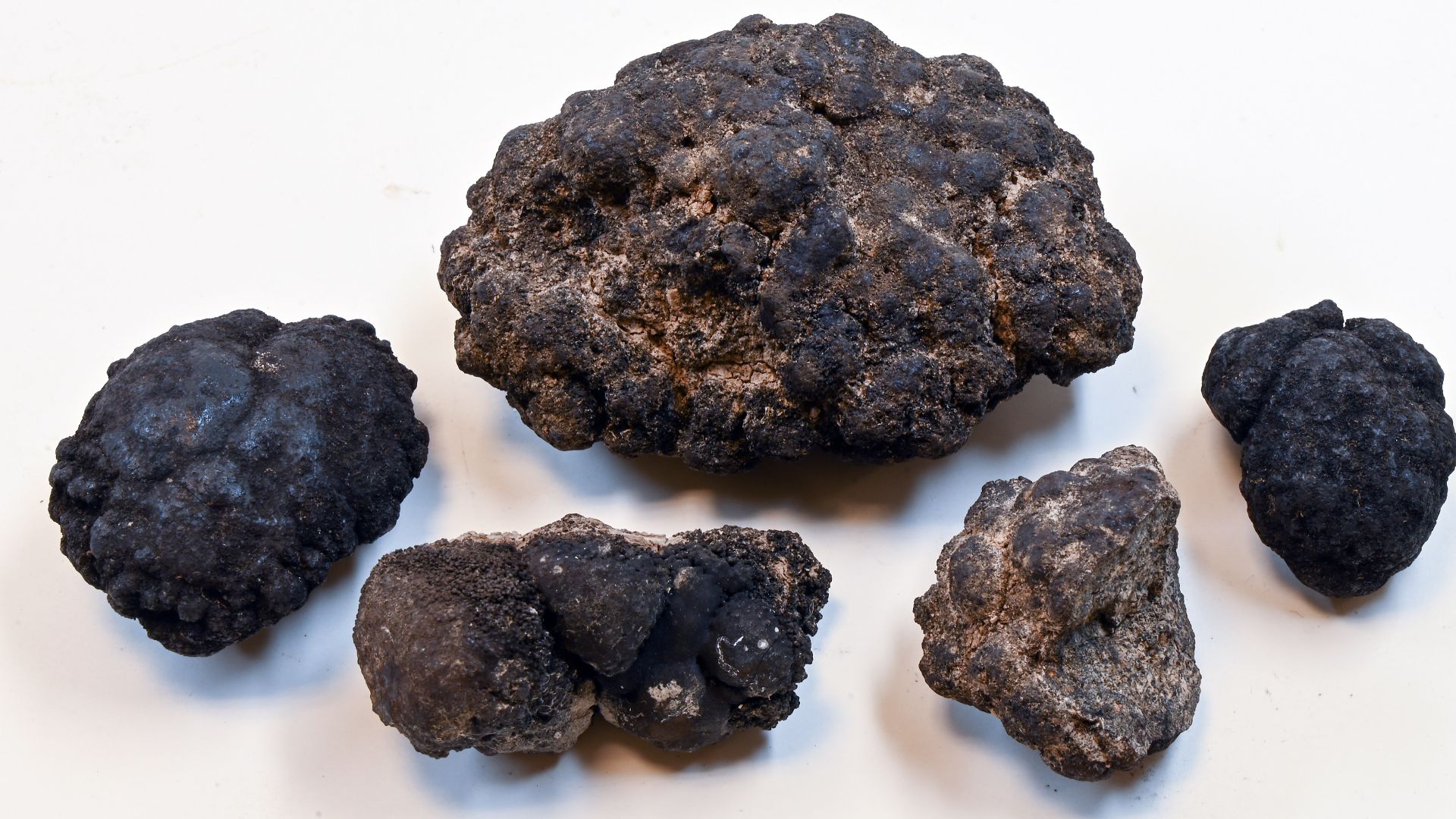 Hannes Grobe/AWI, Wikimedia Commons
Crystals Holding Xenon Isotopes From Supernova Residues
Inside certain ancient crystals, traces of xenon gas betray their celestial origins. These atoms formed in violent stellar deaths long before Earth solidified. Finding them locked inside minerals proves that supernova material didn’t just pass by—it blended into the building blocks beneath your very feet.
 Robert M. Lavinsky, Wikimedia Commons
Crustal Isotopes Tied To Comet Impacts During Arm Crossings
When Earth sails through spiral arms, comet impacts tend to multiply. Traces of those violent visits linger in isotopic ratios within the crust. Layers rich in certain elements hint at cosmic collisions that briefly turned your planet’s skies into theaters of fire and falling stars.
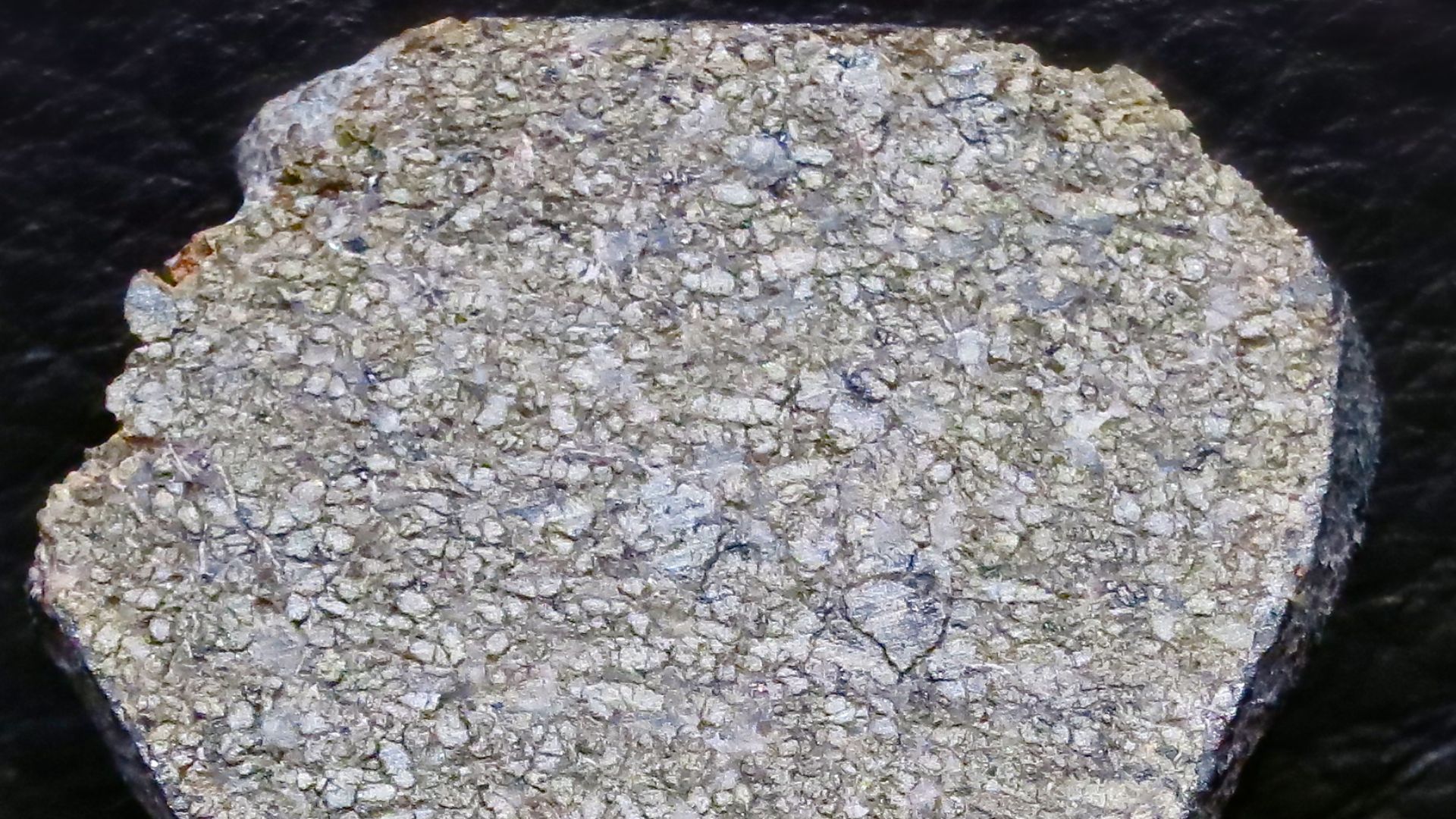 Steve Jurvetson, Wikimedia Commons
Tektites From Galactic Perturbation-Driven Impacts
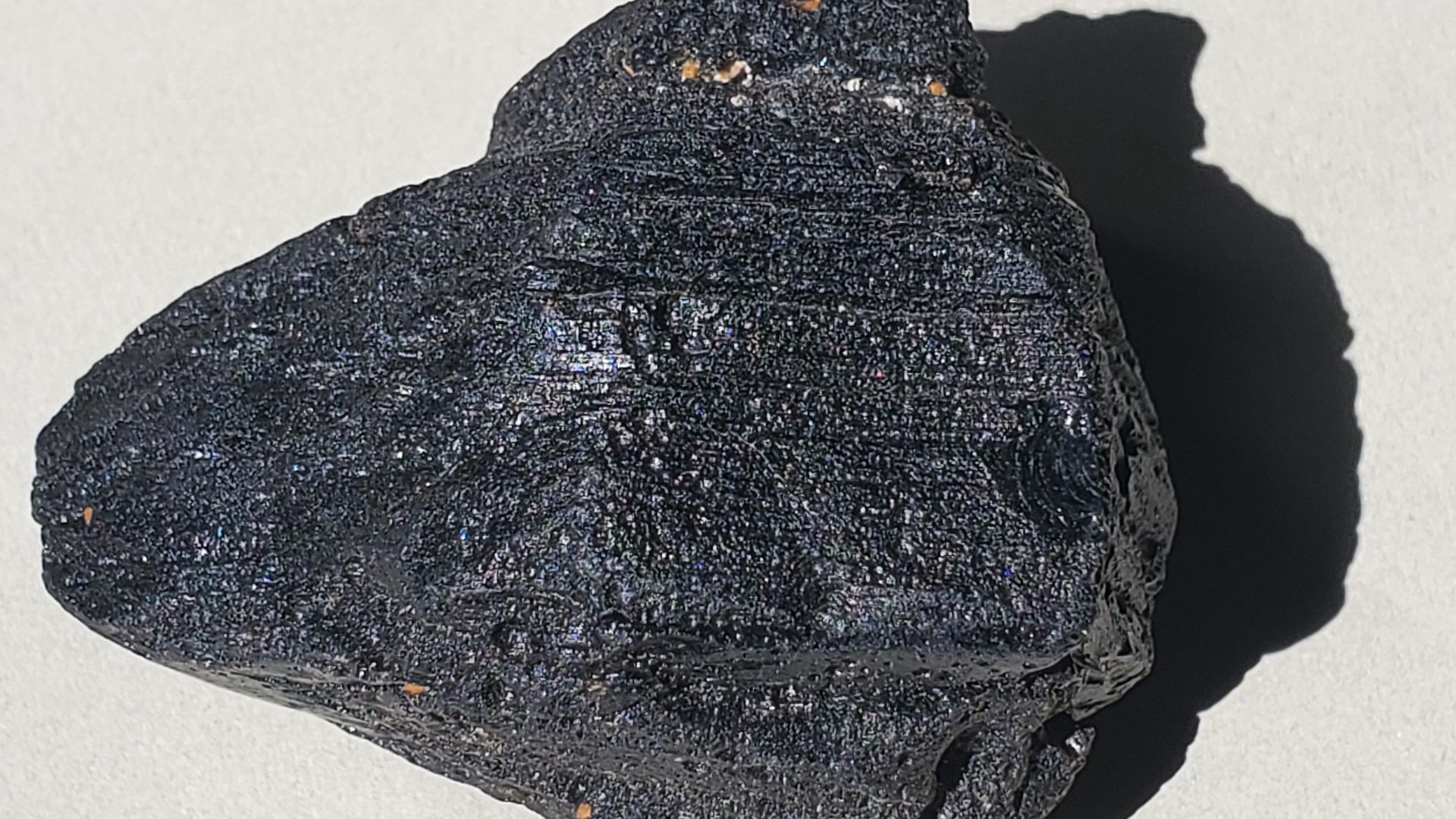
Tektites—glassy remnants of ancient impacts—carry traces of cosmic events. Some researchers suggest that passing through dense galactic regions might disturb the Oort Cloud, triggering more impacts. The direct links between tektite layers and specific galactic crossings remain hypothetical.
 Ladd Observatory , Wikimedia Commons
Zircons Showing Mantle Disruptions Aligned With Galactic Orbit
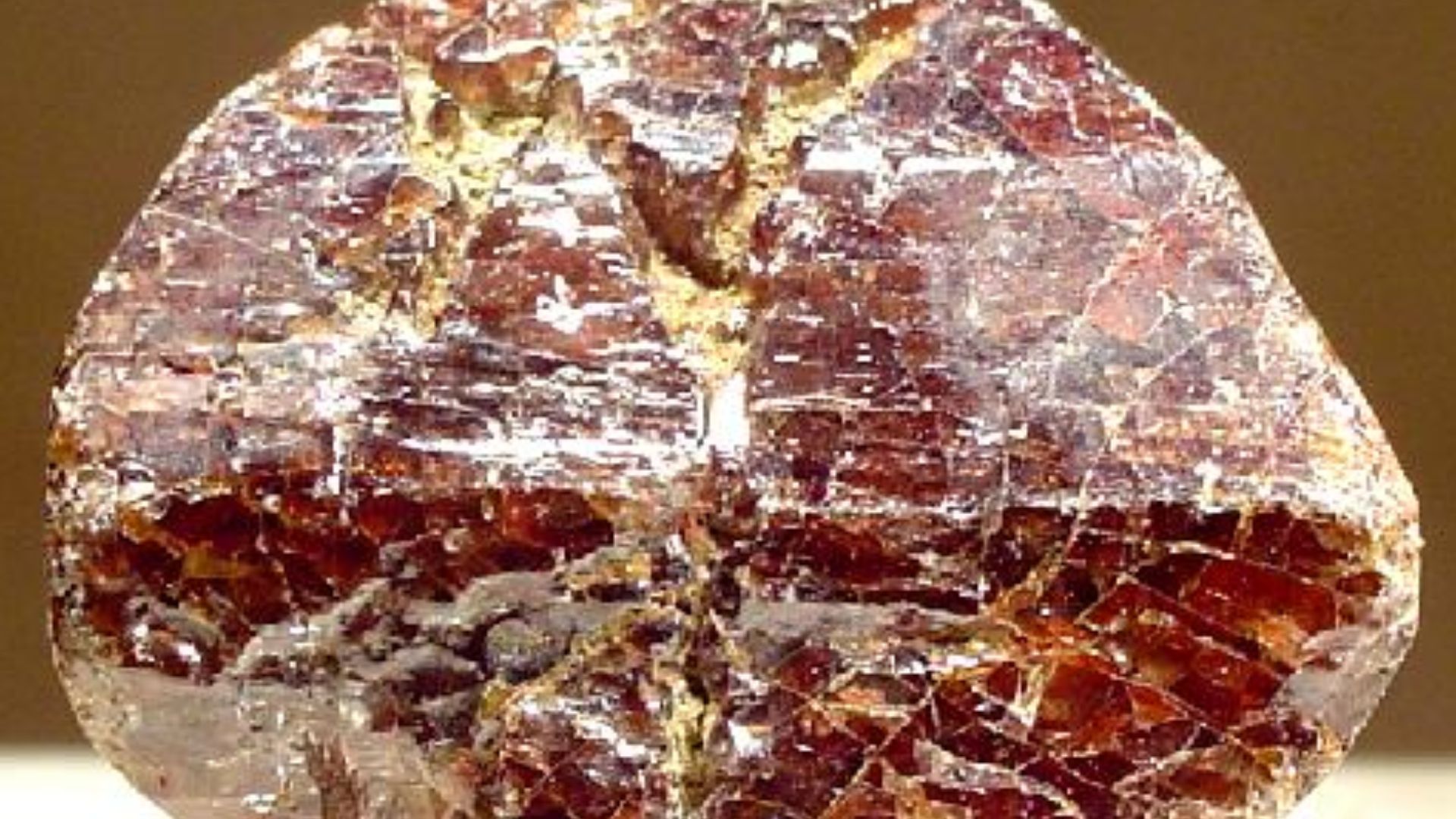
Deep within zircons, oxygen isotope fluctuations reveal when Earth’s mantle convulsed with unusual vigor. Those upheavals align suspiciously well with the planet’s looping path through denser galactic arms. The minerals pulse with records of tectonic restlessness synced to the galaxy’s rhythm.
 Robert M. Lavinsky, Wikimedia Commons
Fossilized Minerals Showing Shifts From Cosmic Ray Exposure
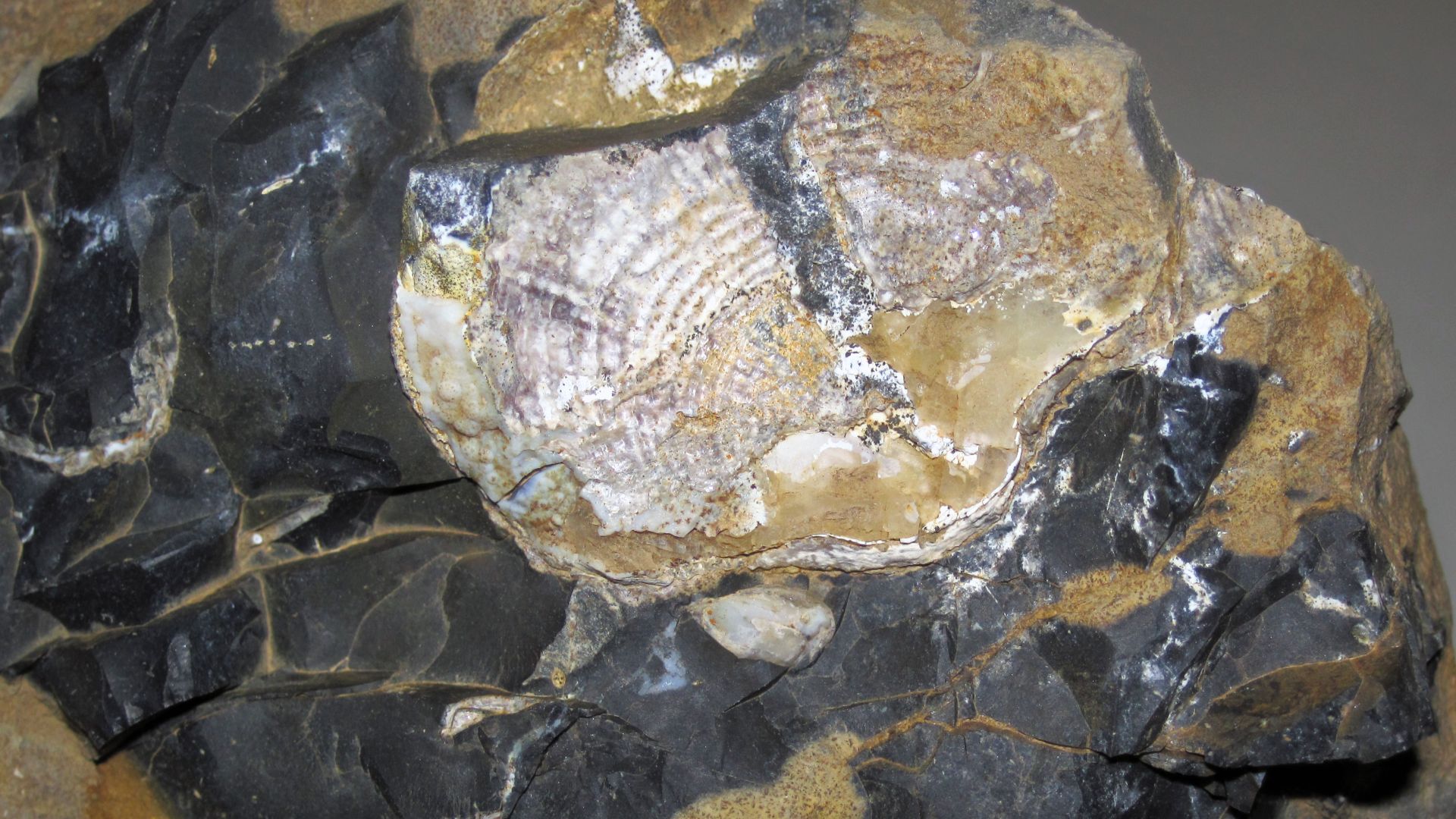
Some fossil-bearing rocks record traces of ancient radiation. Their minerals bleach, darken, or change structure when cosmic rays intensify. Scientists link these variations to possible nearby supernova activity, though direct connections between mineral changes and Earth’s motion through star-forming galactic regions remain speculative.
 James St. John, Wikimedia Commons
Quartz Inclusions Storing Radiation Records From Space
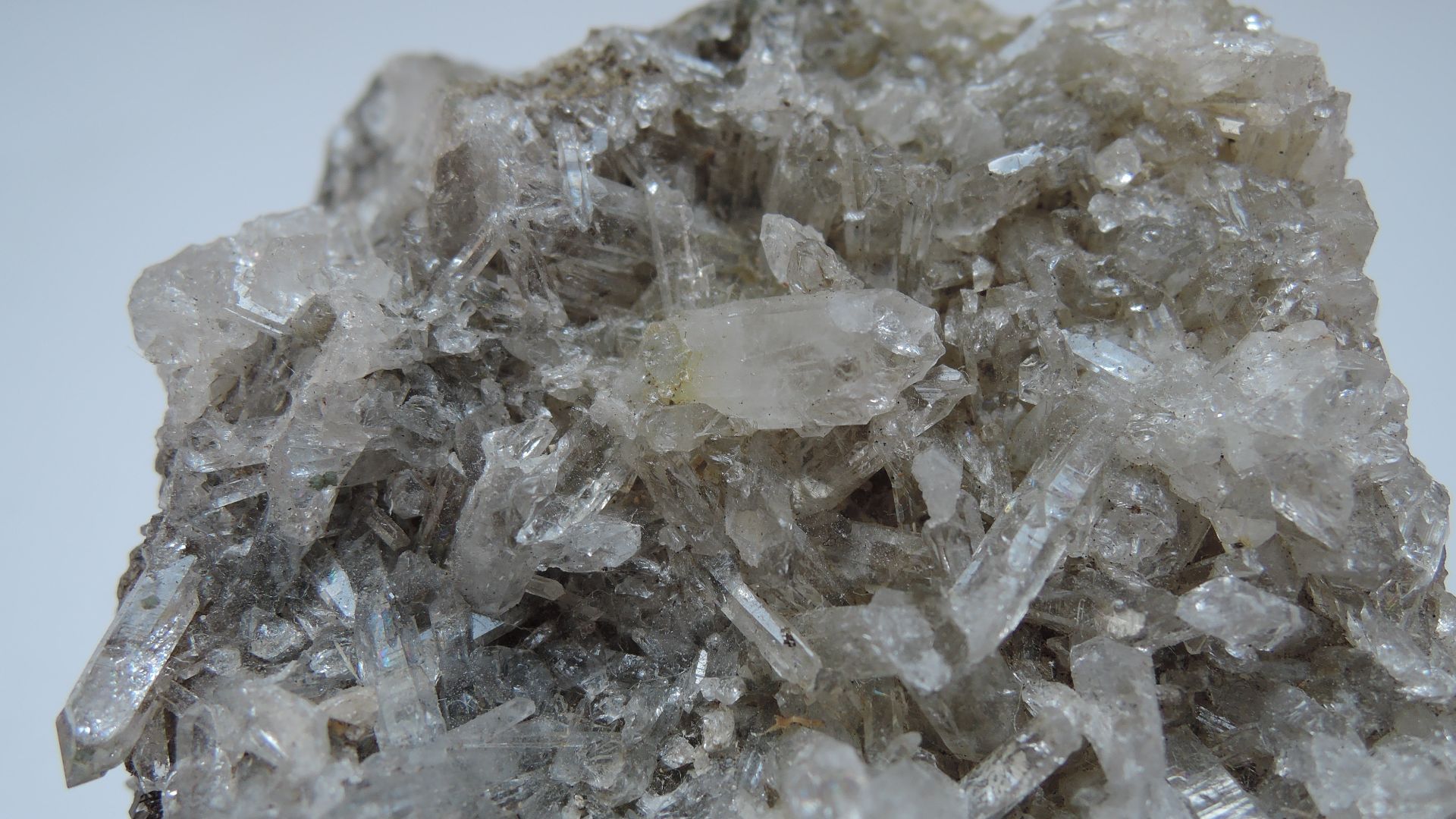
Inside clear quartz, tiny imperfections hold radiation scars—microscopic traces of high-energy particles. These marks highlight how cosmic-ray exposure shifted over geologic time. Some studies suggest possible links to Earth’s galactic motion, but connections between quartz radiation records and spiral-arm crossings remain unconfirmed.
 Jan Helebrant, Wikimedia Commons
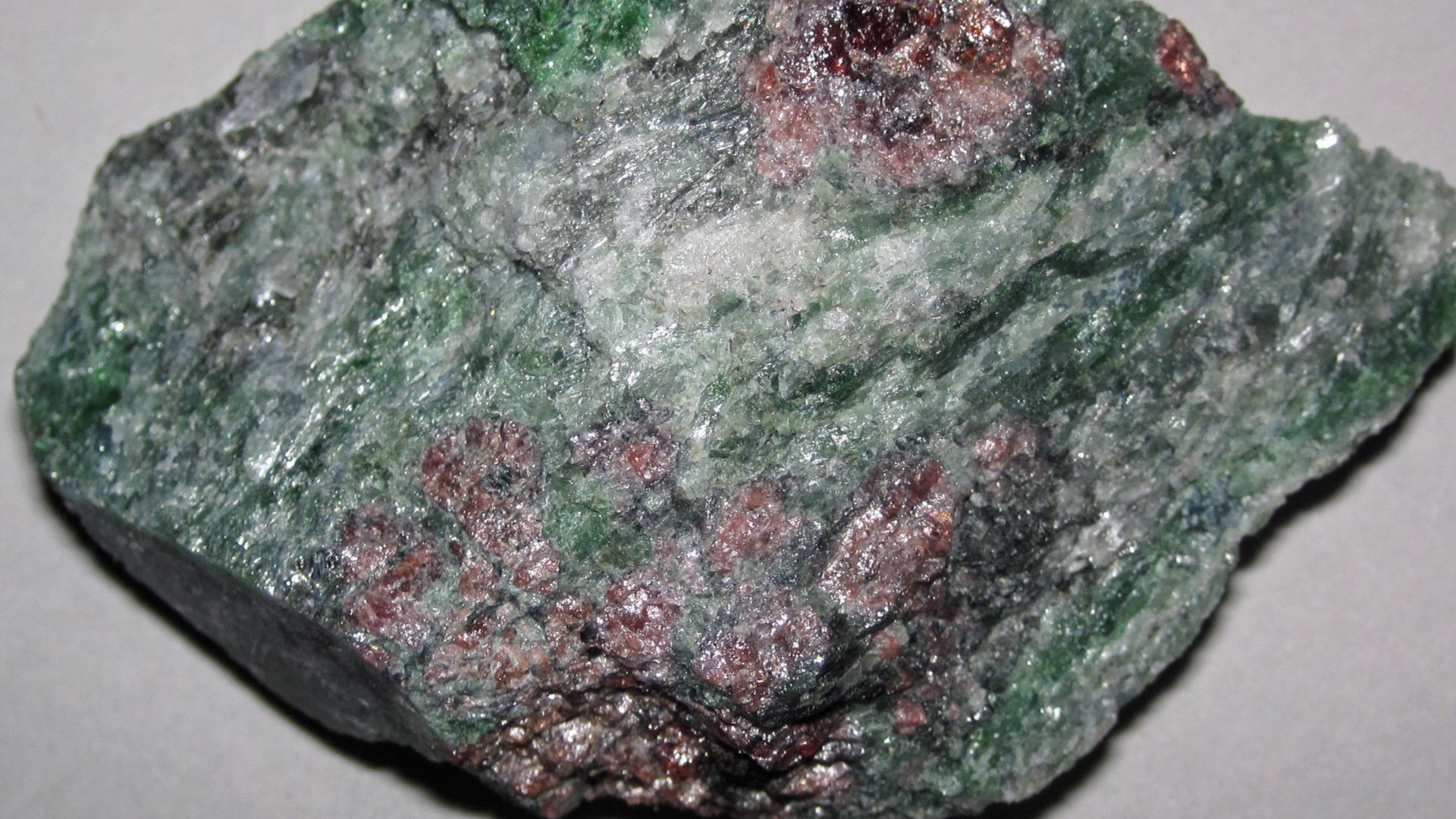
Ocean Crust Crystals Tracking Volcanic Surges From Galactic Cycles
The seafloor preserves a timeline of volcanic surges. Some basalt crystals formed during eruptions that appear roughly periodic, possibly aligning with the Solar System’s path through the Milky Way. While intriguing, the idea that galactic crossings influence Earth’s internal activity remains speculative and unconfirmed.
 James St. John, Wikimedia Commons
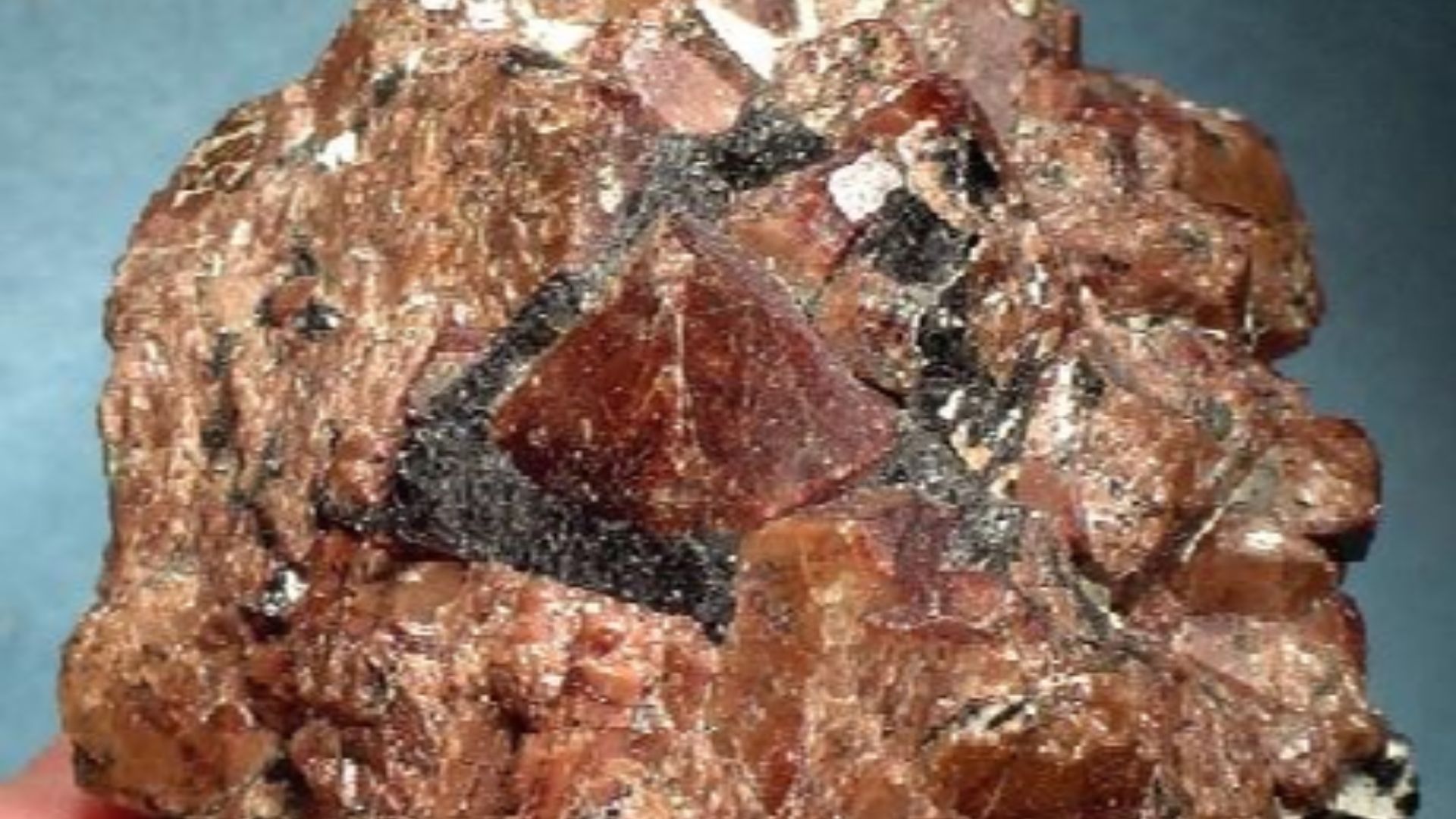
Greenland Zircons Revealing Oxygen Variability From Spiral Arms
Greenland’s ancient bedrock hides zircons older than nearly any other. Oxygen shifts inside them point to intense crustal mixing events that coincide with Earth’s crossings of spiral arms. Each crystal forms a frozen echo of galactic turbulence filtered through your planet’s molten beginnings.
 Robert M. Lavinsky, Wikimedia Commons
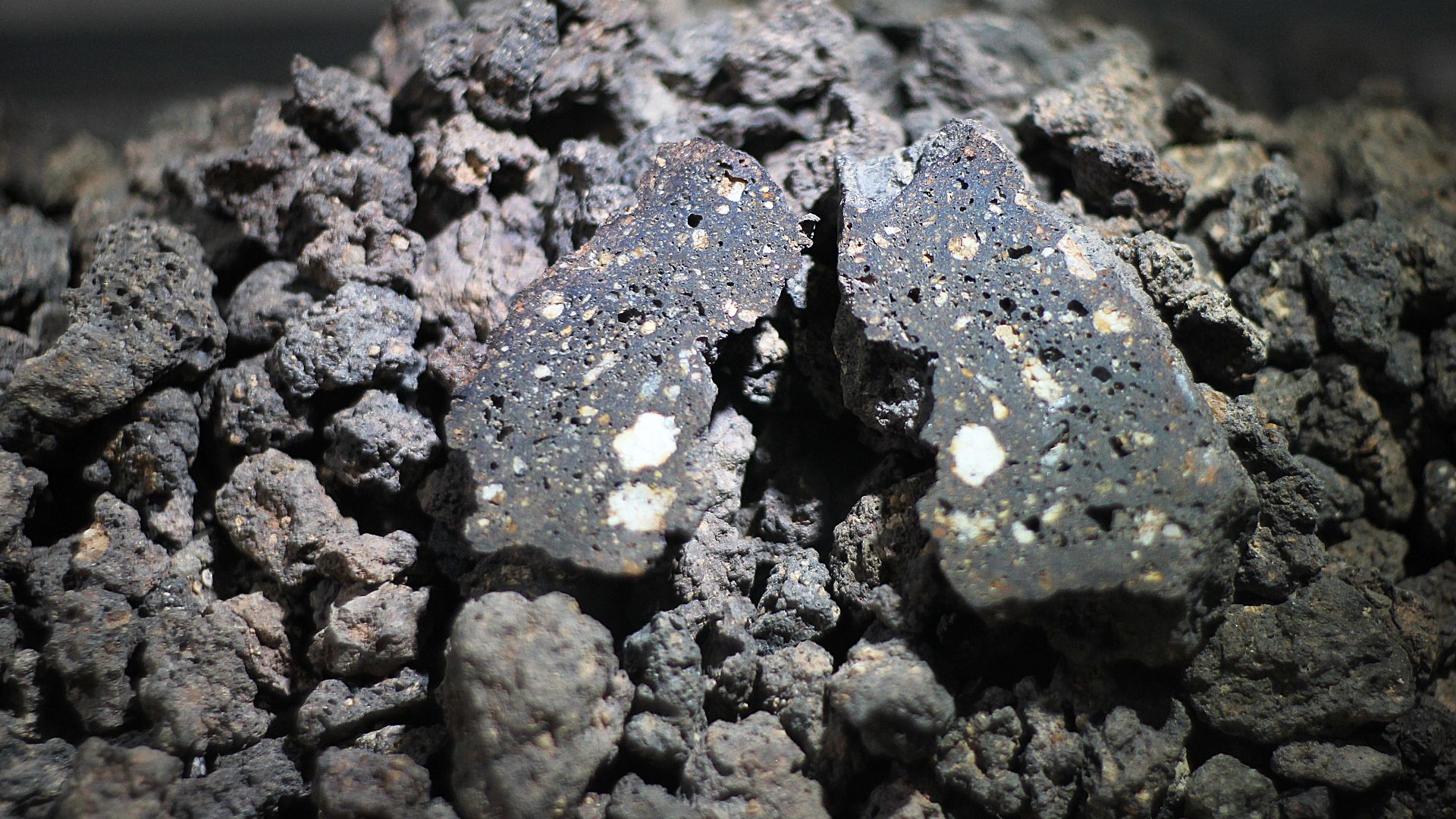
Crystals From Impact Melt Sheets Tied To Galactic Activity
When massive impacts melted parts of Earth’s crust, they left behind glassy sheets that cooled into stone. These contain isotopic traces of extraterrestrial material, confirming cosmic origins. Yet linking specific impact layers to galactic-scale activity—such as spiral-arm passages—remains speculative and lacks consistent global evidence.
 Juan Manuel Fluxa, Wikimedia Commons
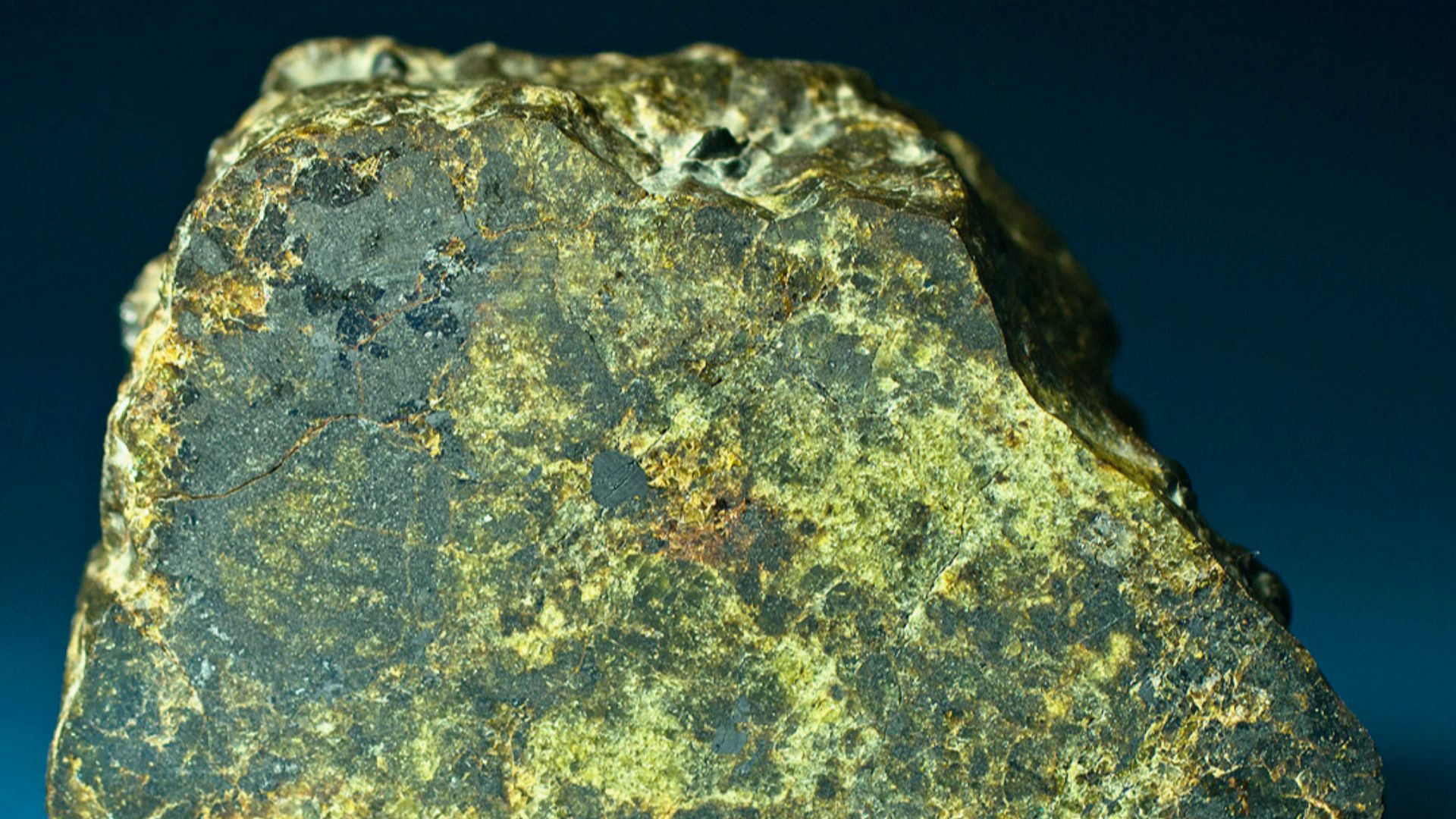
Olivine In Meteorites Showing The Milky Way’s Chemical Fingerprint
Green olivine grains found in ancient meteorites carry the chemical dialect of their birthplace. By analyzing their magnesium-to-iron ratios, researchers can trace where in the Milky Way these materials first condensed. Each fragment is a postcard from neighborhoods our Solar System long ago outgrew.
 Steve Jurvetson from Los Altos, USA, Wikimedia Commons
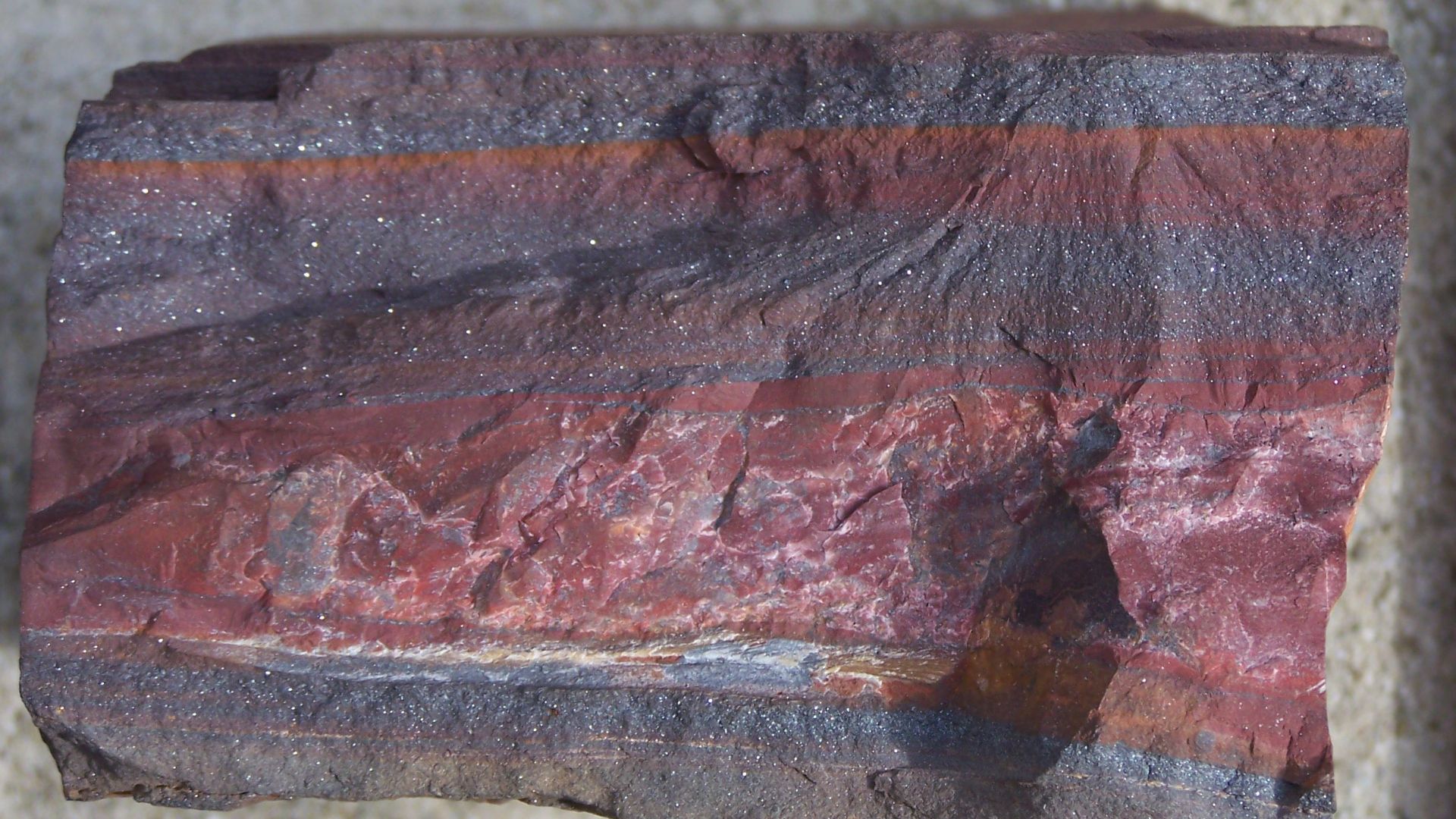
Iron Formations Aligning With Radiation Peaks
Banded iron formations shimmer with alternating layers of iron and silica, recording shifts in early ocean chemistry. These rocks reflect changes tied to oxygen buildup and volcanic activity on Earth. Though cosmic influences are sometimes hypothesized, no evidence supports galactic motion directly shaping their deposition patterns.
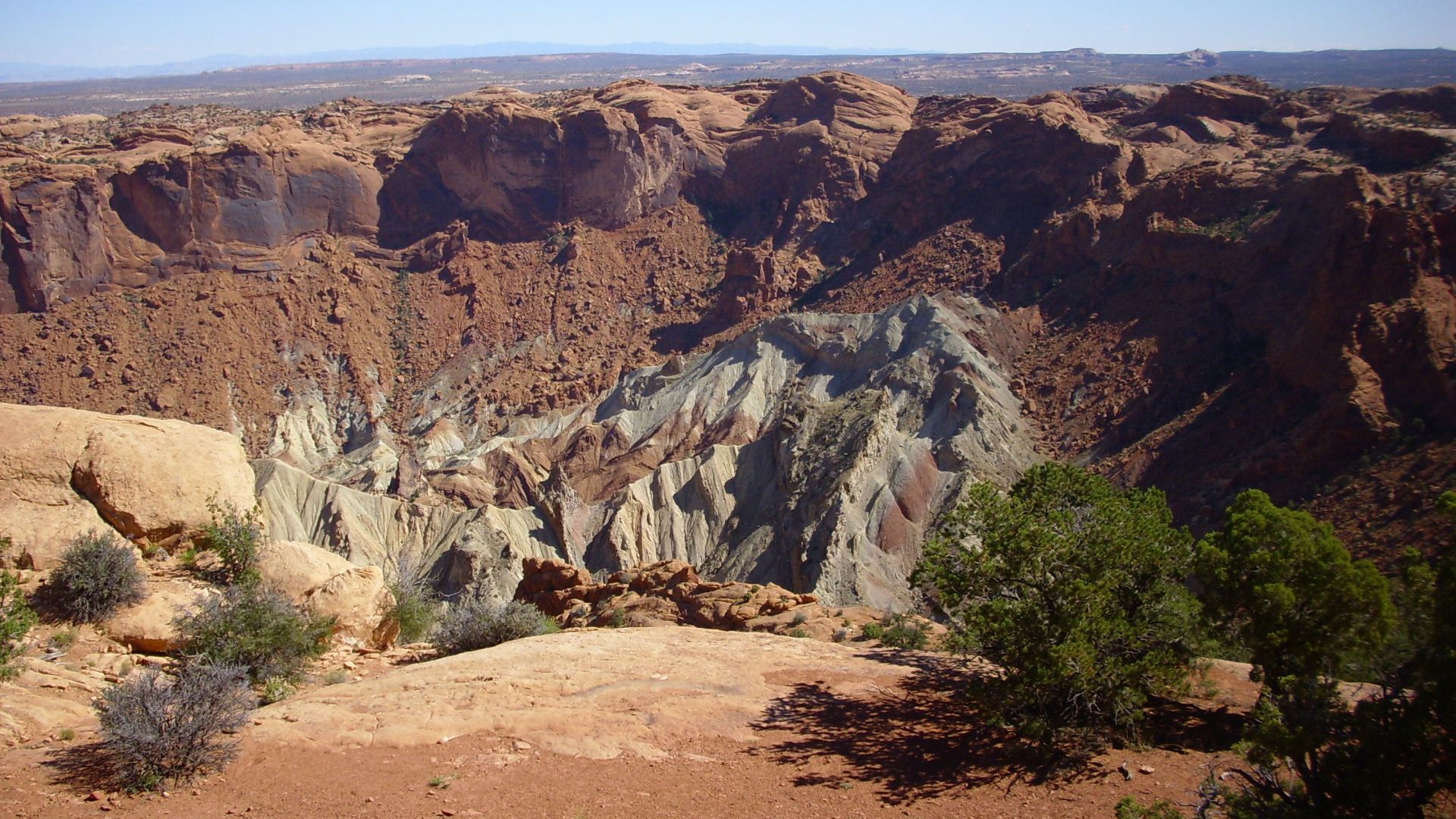
Crater Crystals Formed Under Galactic Tidal Influence
Impact craters preserve more than scars—they contain crystals born under immense pressure. These minerals record shock features like planar deformations and high-pressure phases, revealing the impact’s ferocity. While some theories link comet influx to galactic motion, no confirmed evidence ties specific implications to galactic tidal forces.
 Kent G. Budge, Wikimedia Commons
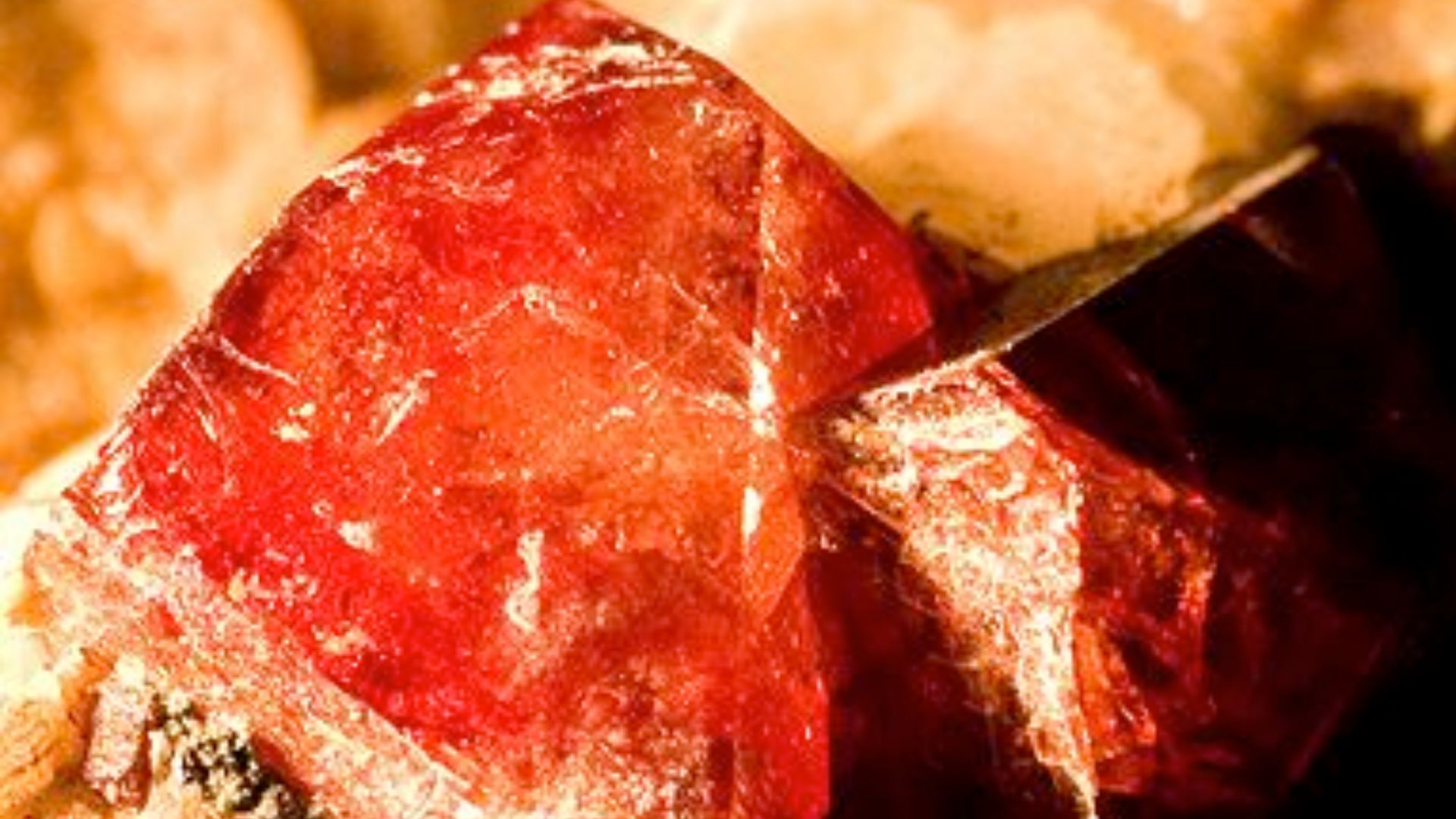
Zircons Tracing Crust Rejuvenation Every Galactic Cycle
Every few hundred million years, Earth renews its crust through melting and recycling. Zircons born in these cycles show repeating isotopic rhythms that align with the Solar System’s galactic revolutions. Think of them as geological metronomes keeping time with the Milky Way’s slow, steady spin.
 Robert M. Lavinsky, Wikimedia Commons
Zircon Inclusions Recording Galactic Radiation Damage
Inside zircons, crystal lattices can deform under intense radiation, preserving scars that last billions of years. Most of this damage comes from terrestrial radioactive decay. While some theories link cosmic ray surges to galactic motion, direct correlations with specific zircon alteration epochs remain unproven.
 Robert M. Lavinsky, Wikimedia Commons
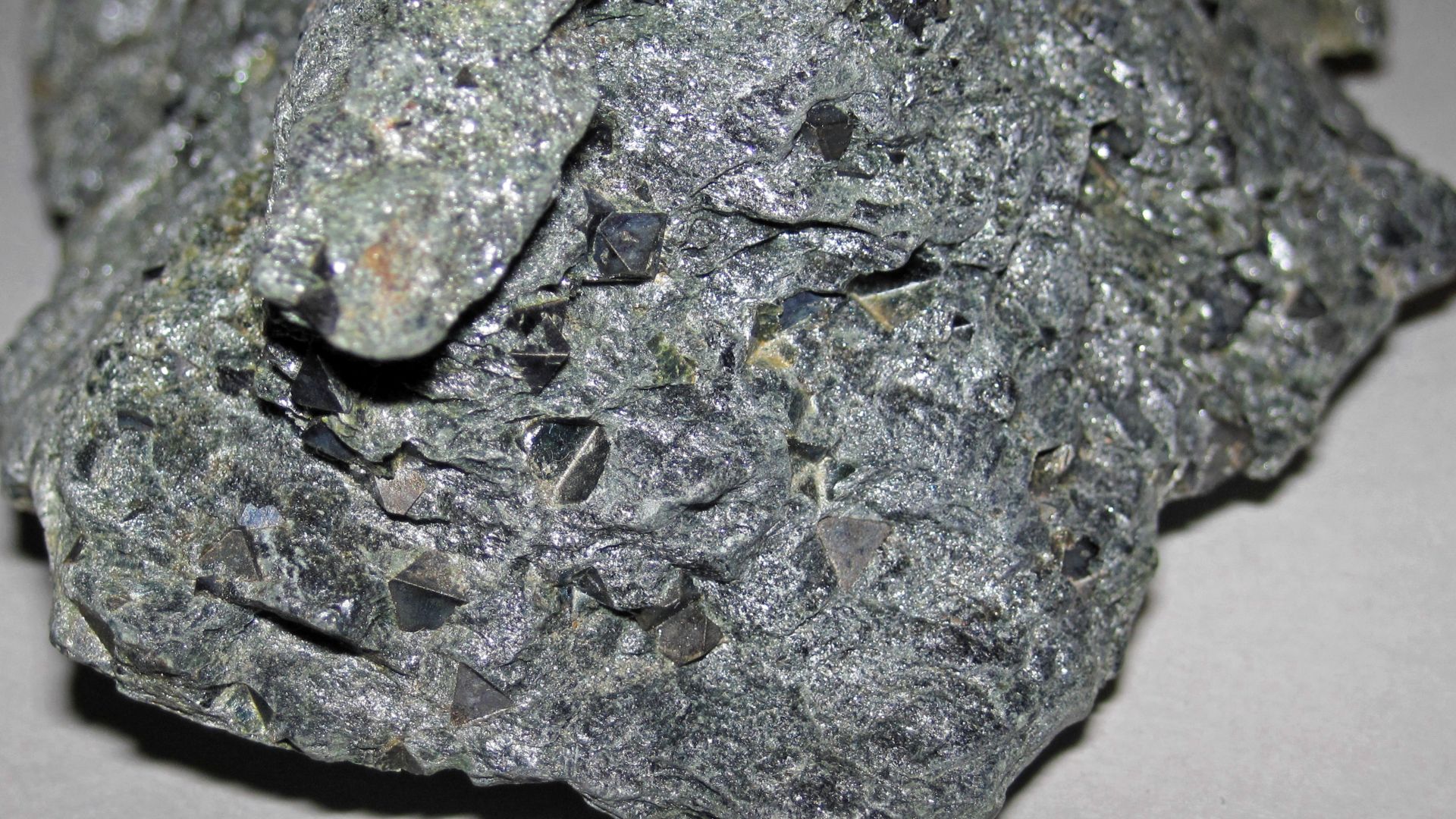
Magnetite Grains Showing Polarity Disruptions From Galactic Tides
Magnetite crystals in ancient rocks record each reversal of Earth’s magnetic field, flipping alignment as the core’s dynamo shifts. Some studies explore possible links between reversal frequency and galactic cycles, but any influence from spiral-arm passages or gravitational regions remains speculative and unconfirmed by current evidence.
 James St. John, Wikimedia Commons
Diamonds Trapping Noble Gases From Cosmic Dust
Deep within Earth, some diamonds host rare helium and neon isotopes that resemble those of solar or interstellar origin. Their presence points to extraterrestrial material, though sources—solar wind, primordial gas, or dust—are still debated. Directly linking these isotopes to increased interstellar dust from galactic crossings remains unconfirmed.