
You probably grabbed a handful of “berries” this morning—maybe a strawberry, perhaps a banana! Oh yes, we did not stutter: a banana.
The twist here, which still surprises many biology students from a botanist’s standpoint, is that the banana you peeled is a true berry, while the strawberry you sliced into your cereal isn’t one at all. The confusion comes from language and marketing, not science. If you’re ready to learn what makes a fruit a berry and why your breakfast may be mislabeled, let’s peel back the layers.
What Makes A “Berry” Really A Berry
In botany, a berry is defined as a fleshy fruit produced from a single flower with one ovary, containing seeds inside the pulp. This technical definition excludes many fruits we call berries and includes many we don’t.
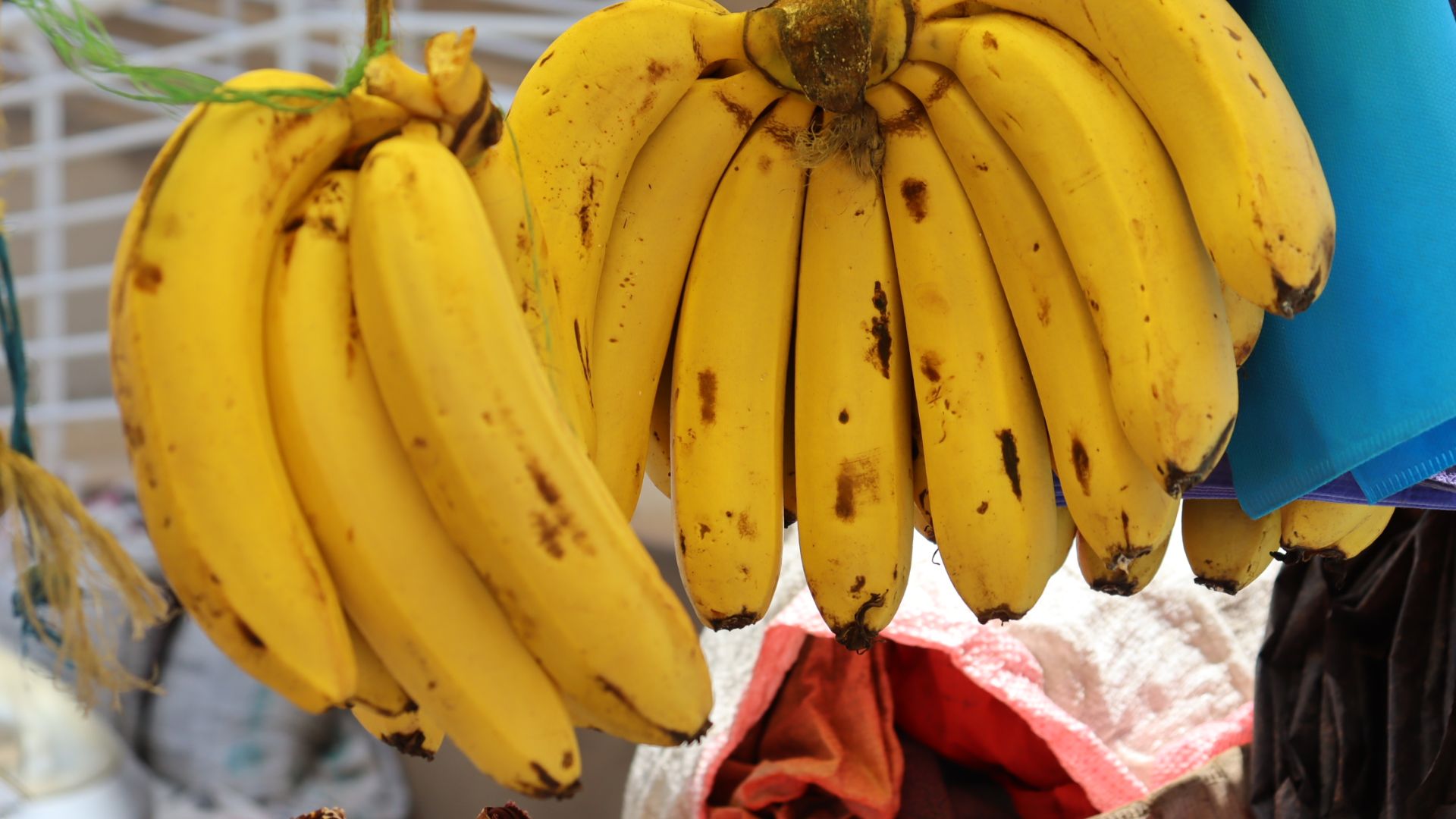
To qualify, the fruit’s skin, flesh, and seed-bearing parts must all come from the same ovary. Bananas fit that rule perfectly—they form from a single flower’s ovary, develop soft interiors, and contain tiny seeds embedded in the flesh. Even the modern seedless banana still traces its structure back to those ancient botanical requirements.
 safaritravelplus, Wikimedia Commons
Why Bananas Fit And Strawberries Don’t
The banana’s smooth skin and layered interior check every scientific box of a true berry. It develops from one flower and contains multiple seeds. It also ripens into a soft, edible fruit.
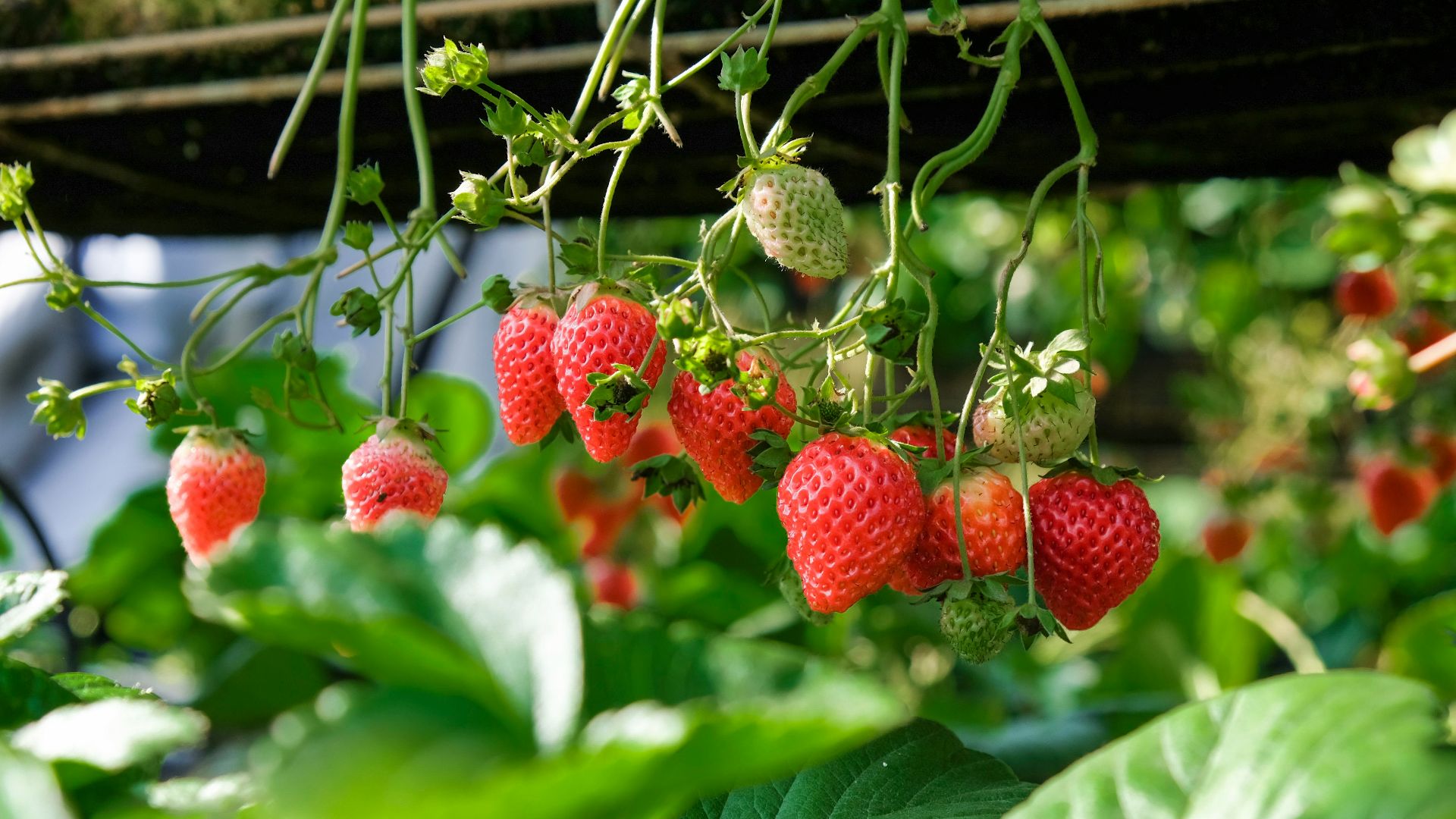
The strawberry, on the other hand, breaks almost every rule. It grows from a flower with many ovaries, creating multiple seed-like “achenes” on its outer surface. Those specks aren’t seeds in the traditional sense—they’re individual fruits, each containing one seed. The red flesh we eat isn’t even the ovary at all—it’s an enlarged part of the flower known as the receptacle. That’s why botanists classify strawberries as “aggregate-accessory fruits,” not true berries.
Connecting the two reveals how everyday terms can drift from scientific accuracy. In the kitchen, “berry” means sweet and small. In botany, it means structural origin.
How To Impress At Your Next Gathering
Keep this short list handy next time trivia night rolls around:
Bananas: True berries, formed from one flower and one ovary.
Strawberries: Not berries—aggregate-accessory fruits.
Tomatoes, grapes, and kiwis: Yes, they’re real berries.
Raspberries and blackberries: Nope, they’re clusters of many small fruits.
This little taxonomy twist makes for great conversation—and maybe a few raised eyebrows at the fruit bowl.
So, next time you reach for a strawberry smoothie, remember you’re drinking an impostor berry. The banana, humble as it seems, carries the true botanical title. It’s proof that plants don’t care about grocery labels—they follow their own rules. And once you understand them, every fruit aisle tells a more fascinating story than you were ever taught in school.