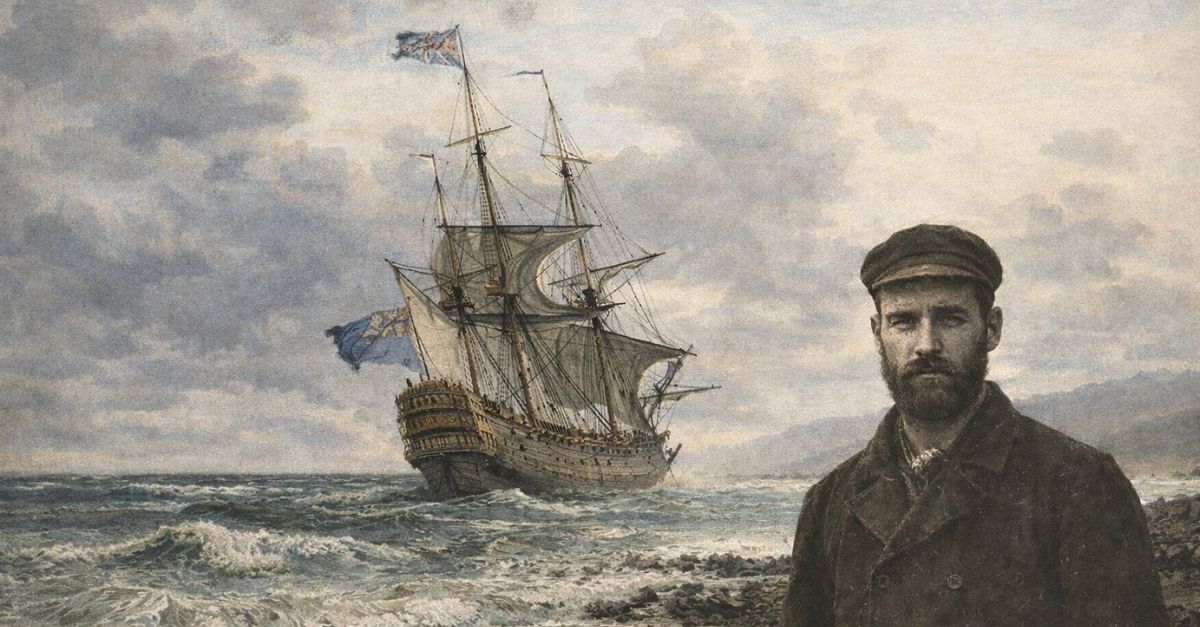
Built to Outrun
Before the rise of steel or even iron warships, the HMS Ocean was a marvel of Naval engineering. She served toward the end of the Seven Years’ War, where strategic positioning, including speed for larger vessels, shaped fleet movements and communication. Built from oak and powered by wind, she demonstrated the remarkable power of pre-industrial human engineering.
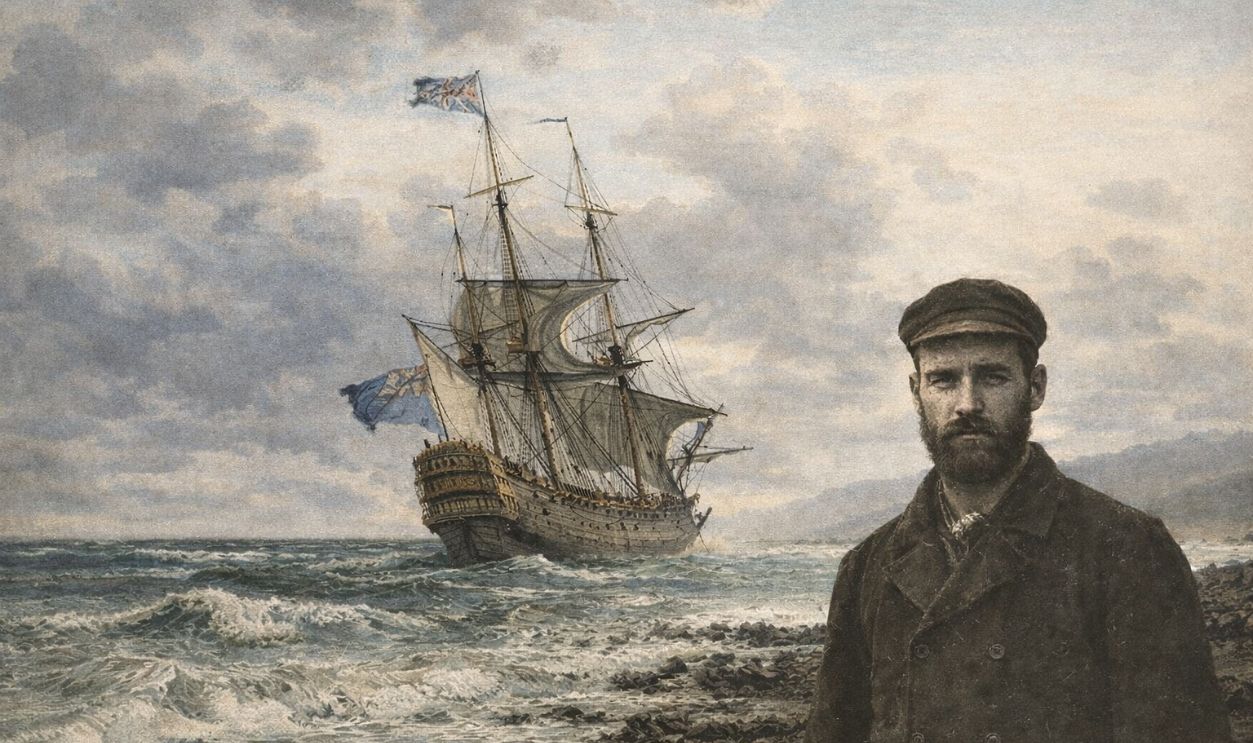 Hendrik Kobell, Wikimedia Commons, Modified
When Speed Meant Survival
Picture a wooden warship outrunning rivals built from the same timber. In 1761, HMS Ocean entered Royal Navy service during the Seven Years’ War, and her robust design quickly established her role. Sailors valued pace because survival depended on it as faster ships chose their fights and escaped danger.
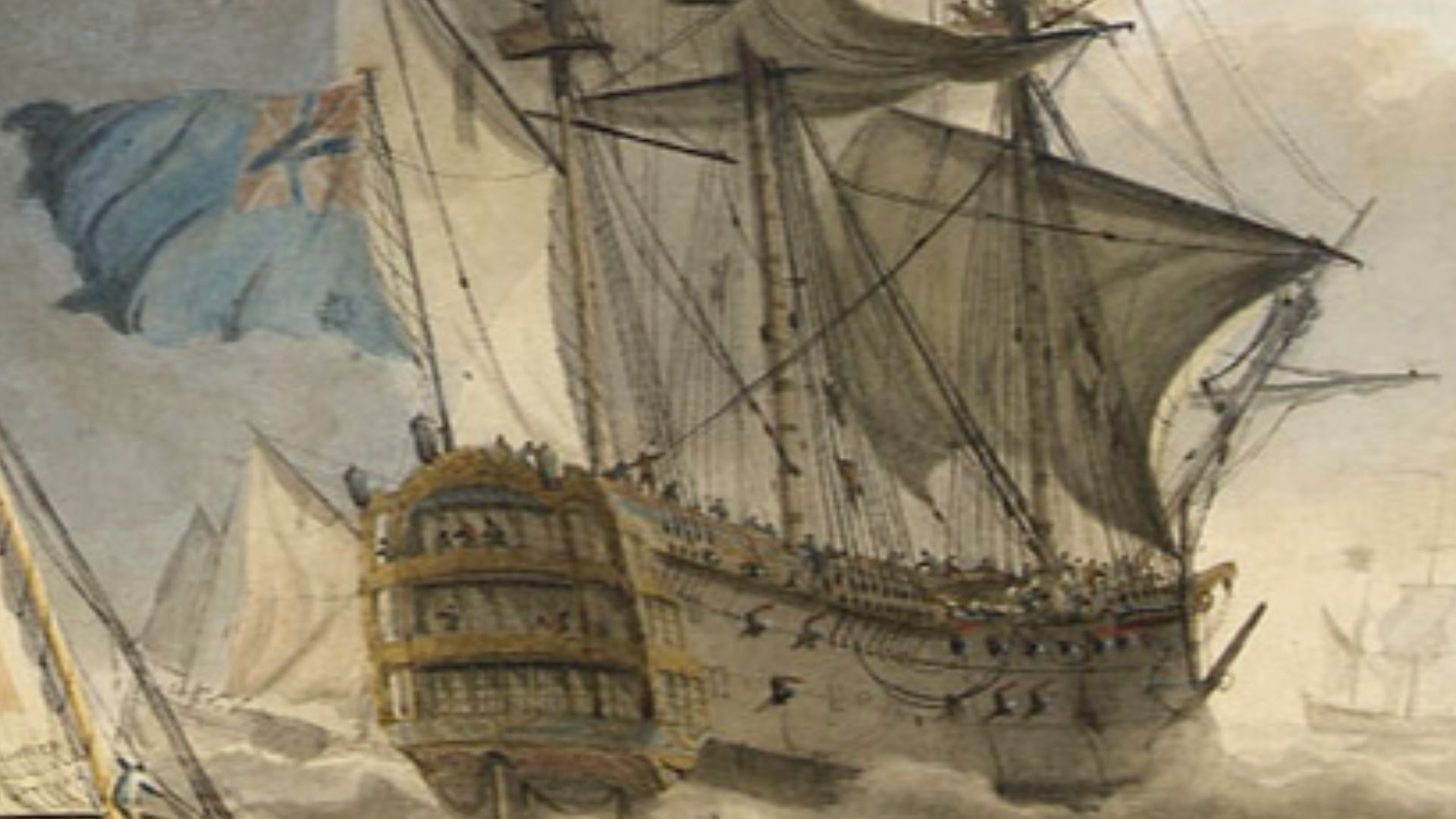 Hendrik Kobell, Wikimedia Commons
Hull Geometry and Hydrodynamic Advantage
Naval architecture determined performance long before engines existed. Designers shaped HMS Ocean with proportions typical of her class to balance stability and reduce some hydrodynamic drag. Consequently, resistance to water decreased. Combined with optimized sail distribution, hull efficiency translated directly into measurable gains in speed.
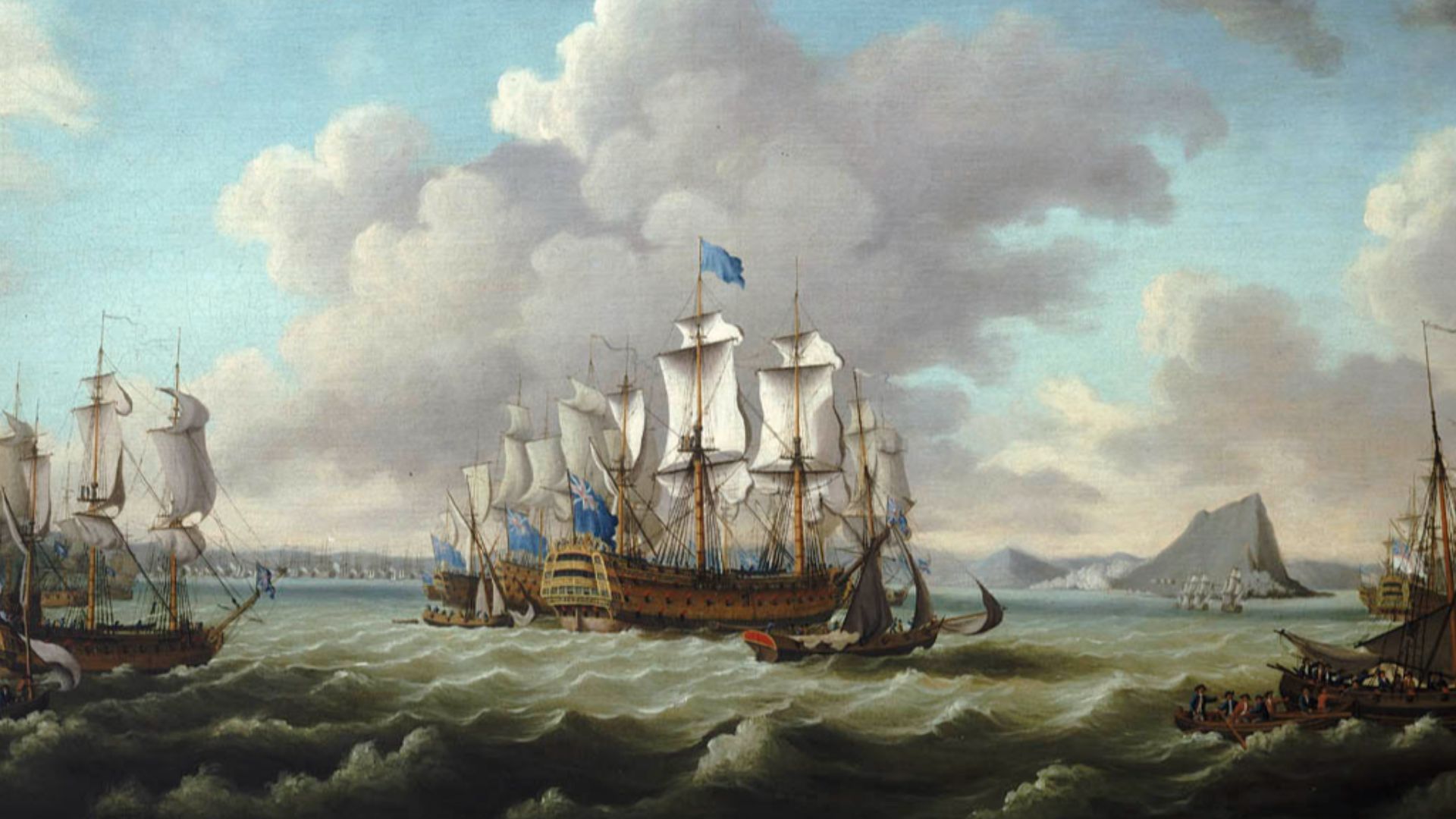 Richard Paton, Wikimedia Commons
Oak, Weight, and Smart Construction
Wood seems ordinary until it starts winning races. Shipwrights selected seasoned English oak for strength, yet careful drying reduced excess moisture weight. Lighter framing also meant quicker acceleration under favorable winds. Meanwhile, flexible timber absorbed stress without splintering, allowing Ocean to push harder in heavy seas.
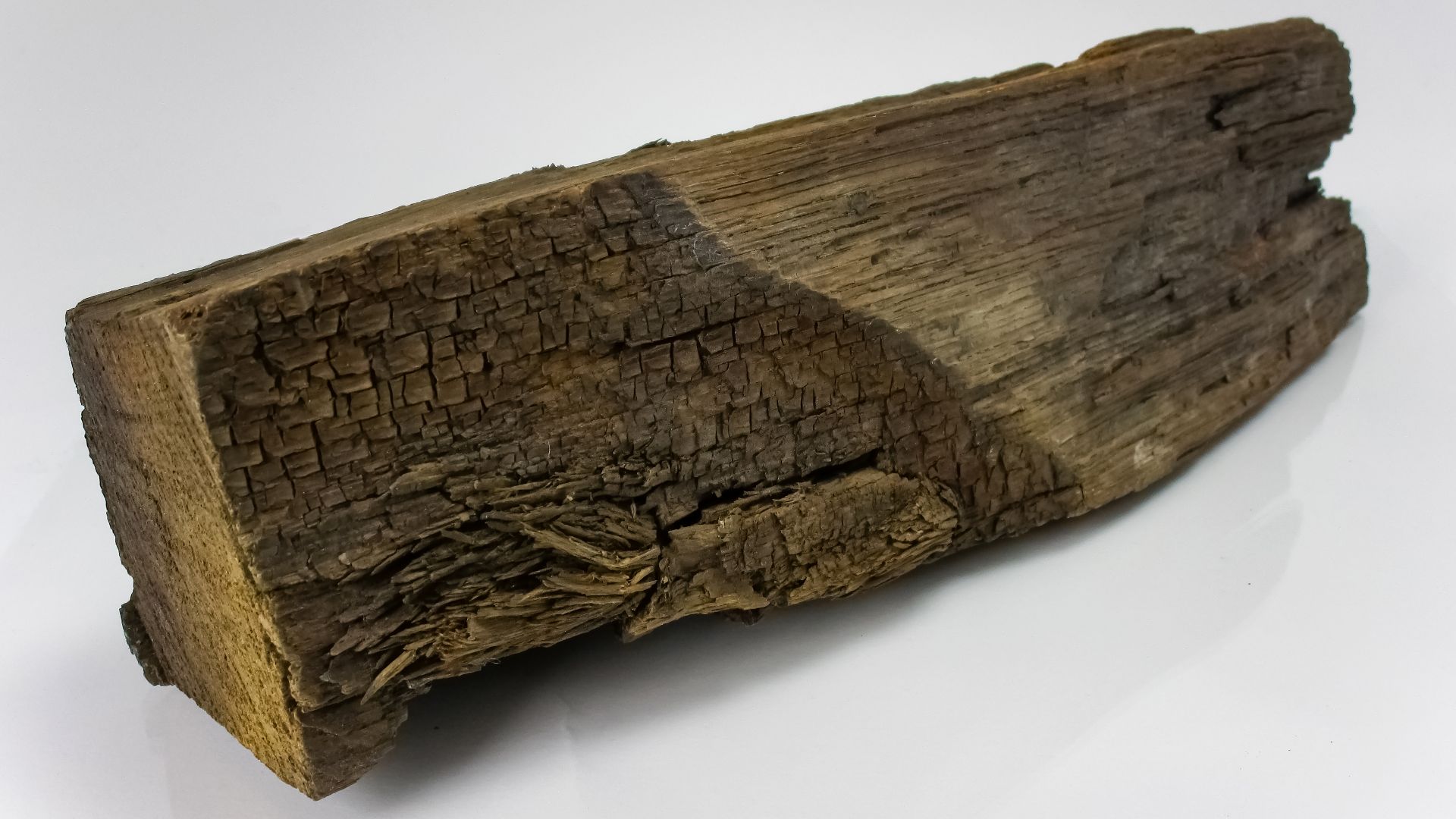
Armament, Crew, and Classification
HMS Ocean carried 90 guns as a second-rate ship of the line, positioning her for major fleet engagements above frigates and sloops. Standard crew numbers approached 750 officers and sailors. Dimensions placed her around 176 feet on the gun deck, creating a stable platform for heavy armament.
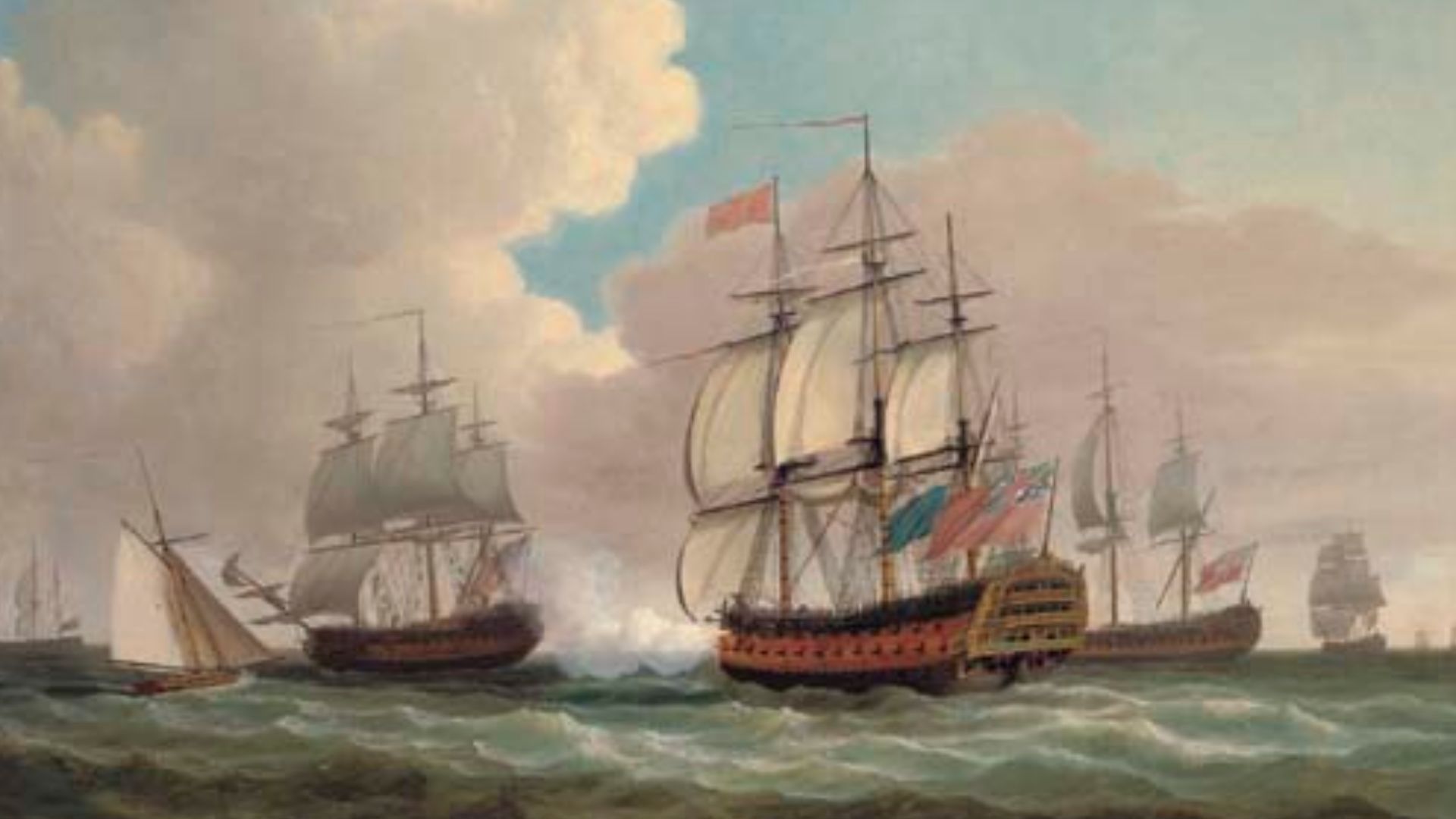 Dominic Serres, Wikimedia Commons
Why Smaller Ships Often Move Faster
Bigger was not always better, especially at sea. Massive ships of the line looked impressive but moved like floating fortresses. Frigates, by contrast, were handled like disciplined athletes compared to ships like Ocean. Less bulk meant fewer compromises. So, when pursuit mattered, grace beat grandeur every single time.
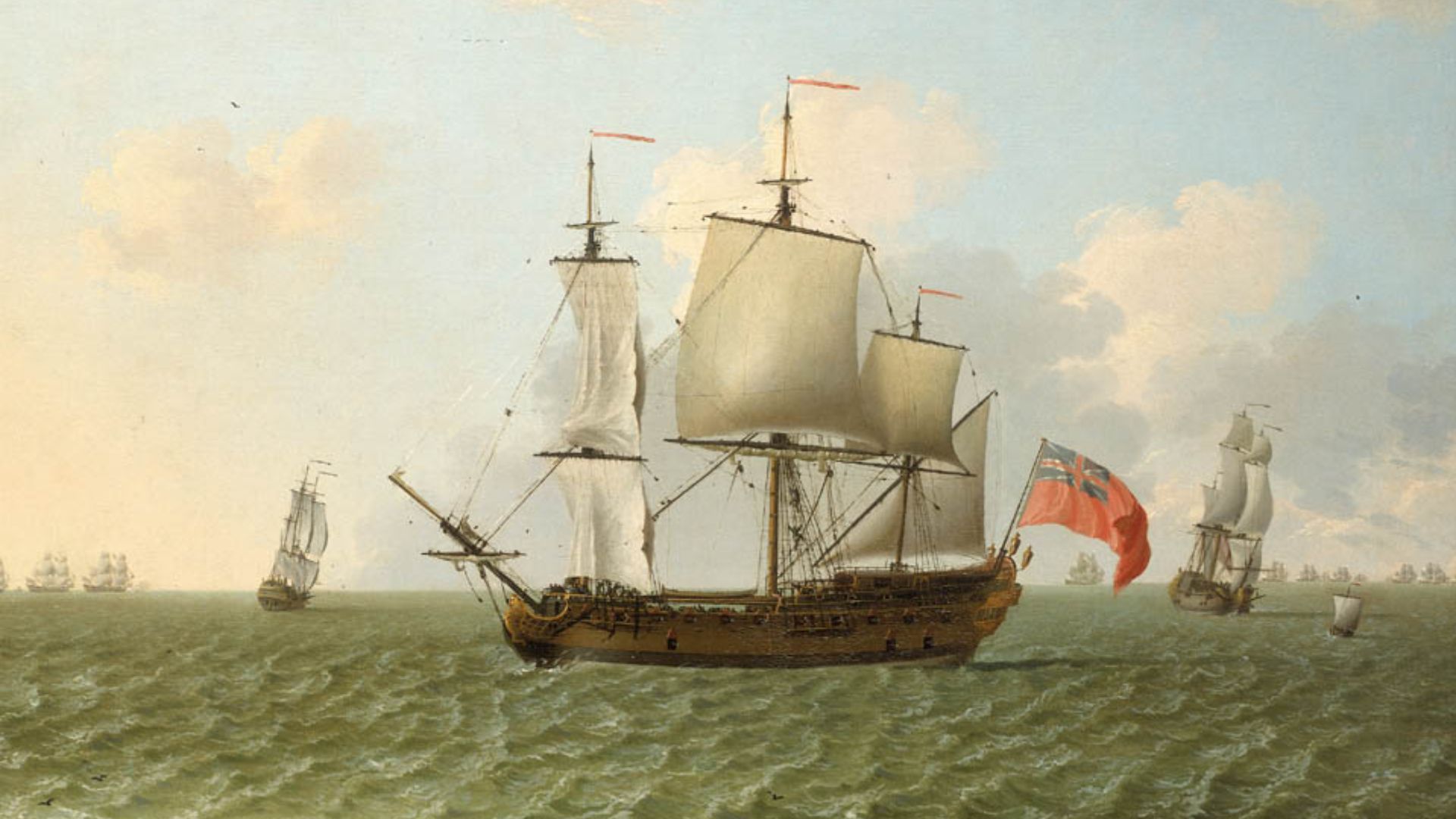 Francis Swaine, Wikimedia Commons
Documented Top Speed
Speed records circulated through logbooks and correspondence. Reports from the era credited similar vessels with reaching up to 12 knots under strong winds. For a mid-eighteenth-century wooden warship, that figure stood out. Contemporary ships of the line maintained competitive paces under varying conditions. Therefore, numbers alone built her reputation.
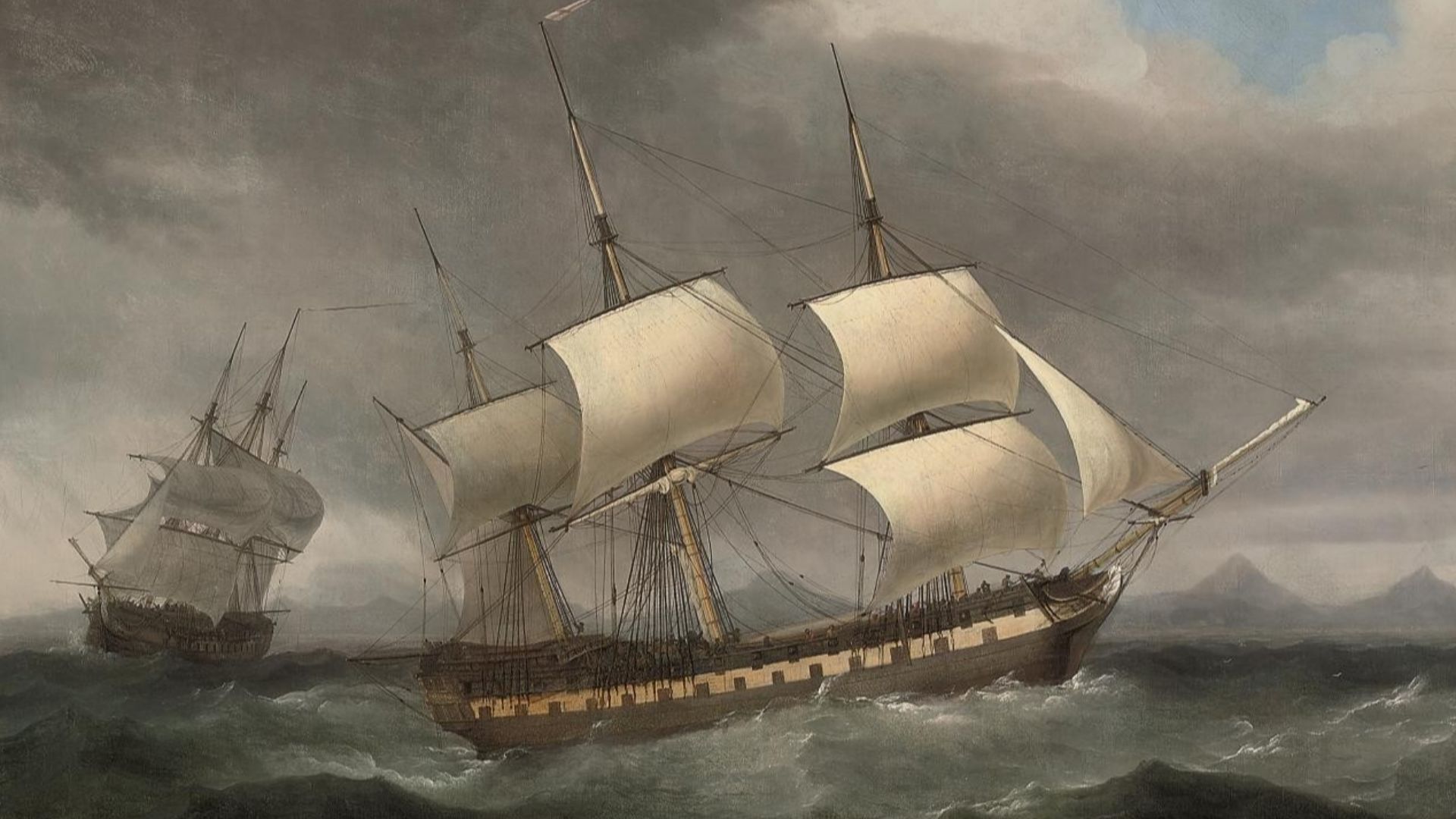 Thomas Whitcombe, Wikimedia Commons
Life Aboard a Swift Frigate
Ship logs recorded positions and weather, yet they also captured emotion. Ship logs from the era described mornings when the wind filled every sail, and the deck hummed with motion. Successful maneuvers built quiet confidence. Serving on a capable warship made even routine patrols feel important.
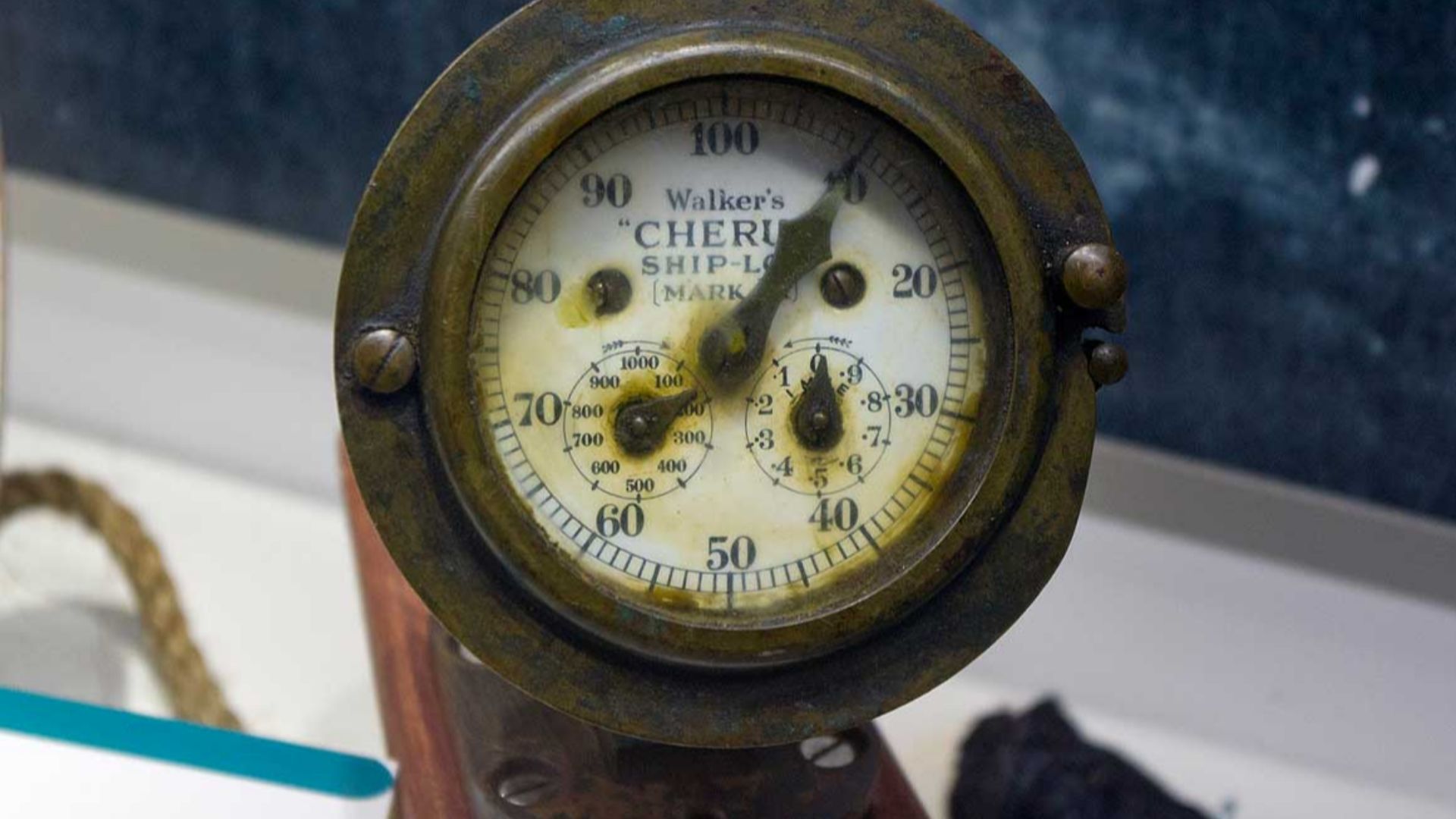
Chasing Privateers Across Open Water
War demanded urgency.After intelligence surfaced about enemy threats, Ocean received orders to support fleet operations. Tension built as sails were set at full stretch and every extra knot mattered. Victory sometimes hinged on who reached the horizon first, and such vessels often played key roles in strategic positioning
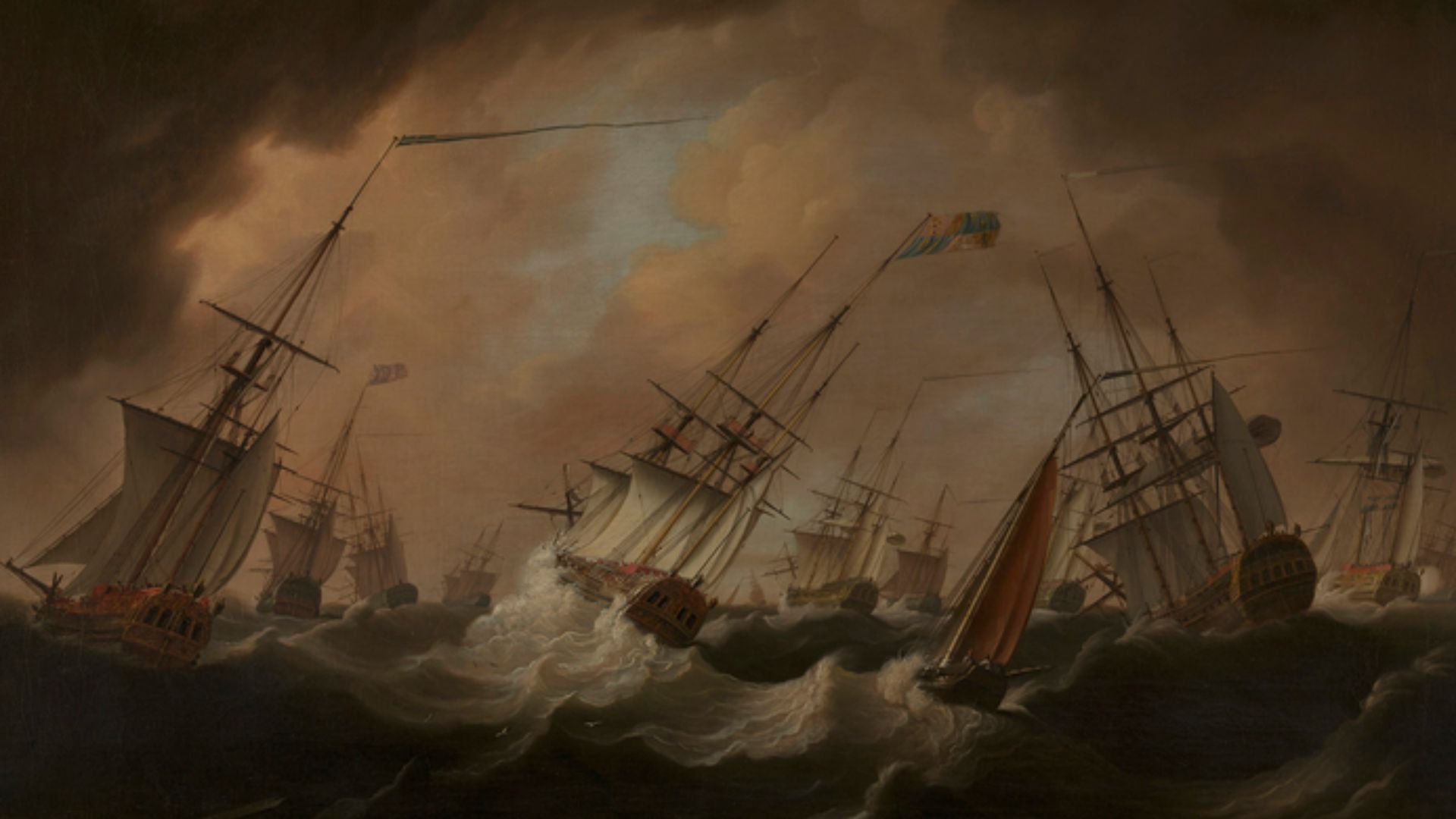 Richard Wright, Wikimedia Commons

History's most fascinating stories and darkest secrets, delivered to your inbox daily.
The Power of Speed in Decision Making
Control defined naval power in the eighteenth century. Commanders who possessed faster vessels dictated engagement distance and timing. Ocean offered advantages in firepower and presence. Because she could close gaps or withdraw quickly, captains gained strategic confidence. Speed altered decision-making long before cannons fired.
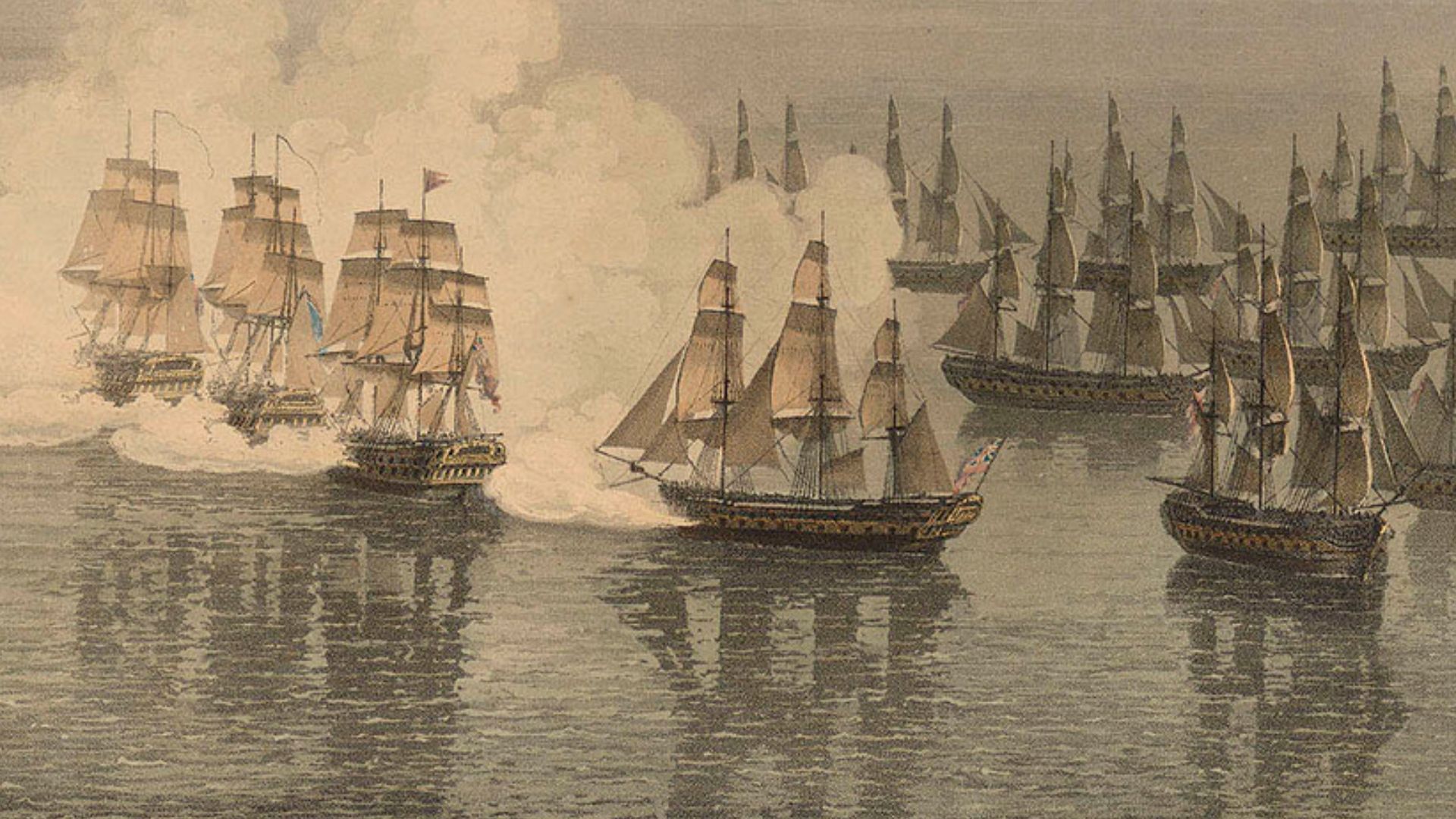 William Daniell, Wikimedia Commons
Delivering Orders Before Anyone Else
Just imagine trying to deliver urgent news while pedaling the slowest bike in town. Naval warfare worked the same way. Messages, orders, and reconnaissance depended on rapid movement. Such ships handled coordination duties effectively within fleets, and admirals appreciated a ship that arrived before excuses did.
A Captain Who Trusted the Wind
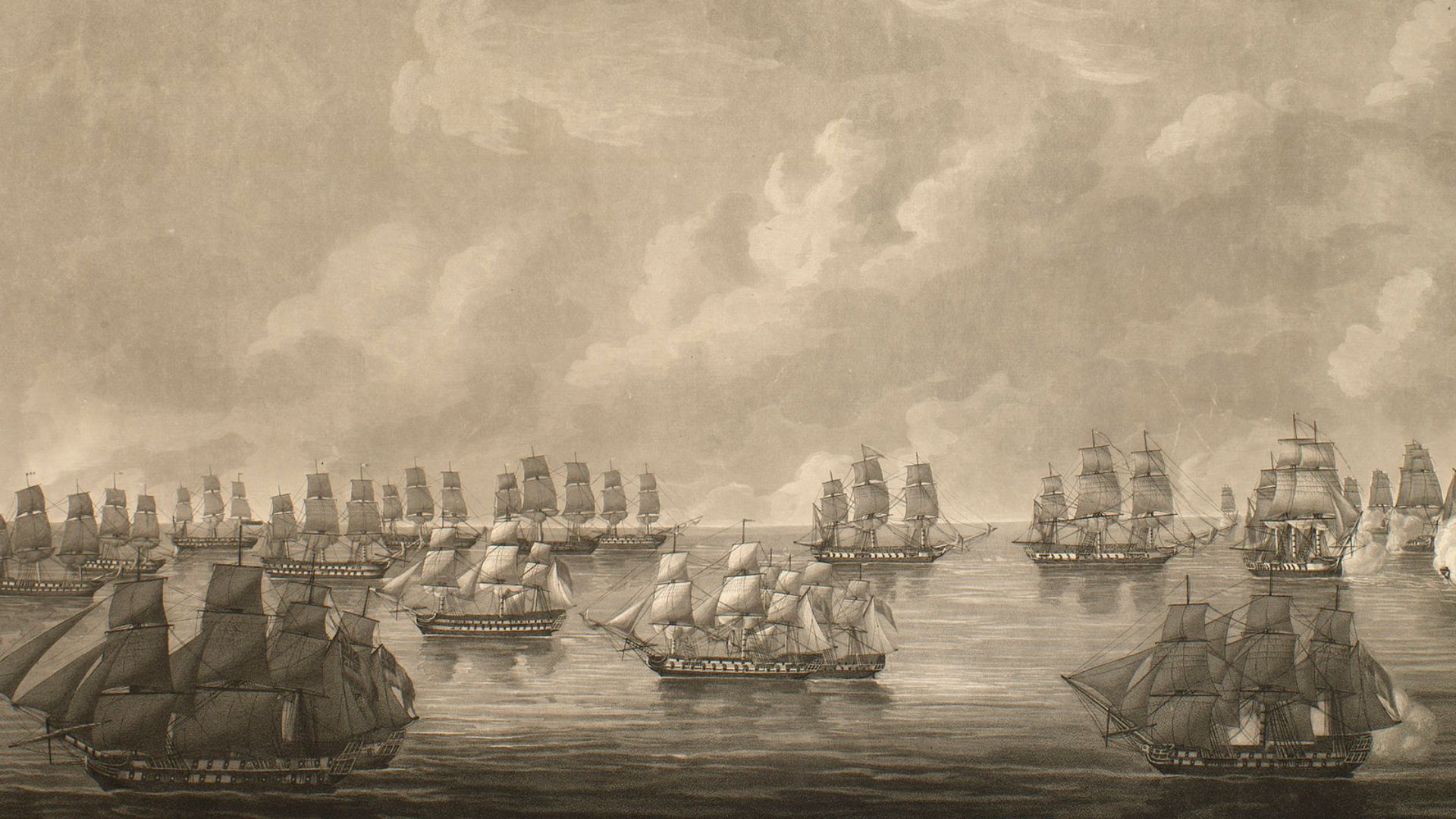
Captain William Langdon assumed command with a focus on operational readiness. During Atlantic patrols, he pressed sail confidently, even in uncertain weather. Crew practices emphasized disciplined sail handling and sharp timing during maneuvers. Therefore, leadership, as much as design, sustained Ocean’s operational effectiveness.
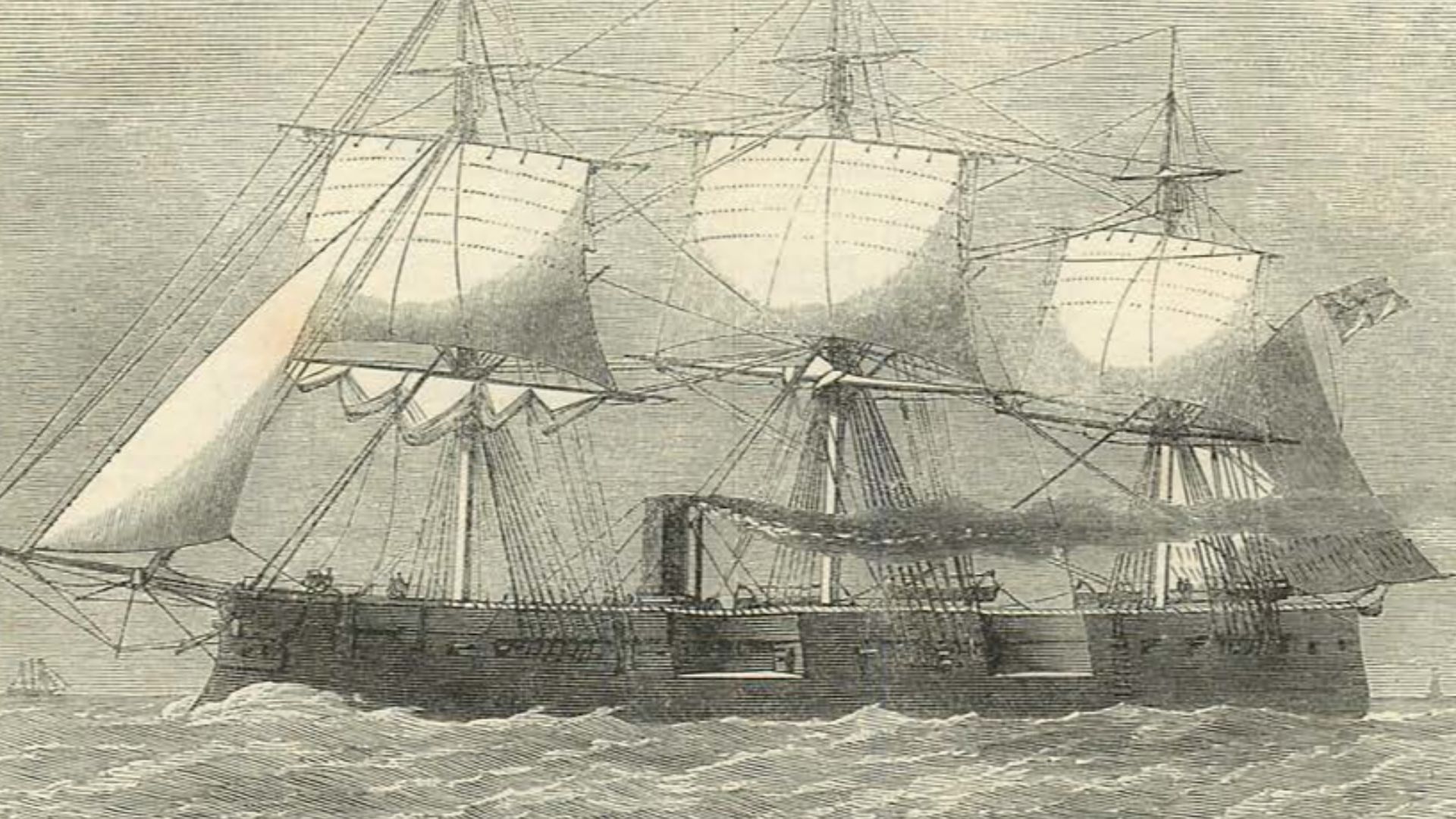 Edwin Weedon, Wikimedia Commons
What Makes a Warship Truly Fast
Raw knots tell part of the story. Strategic value tells the rest. Speed also mattered because it reshaped naval encounters before cannon fire began. Consider the implication: a vessel that chooses distance often chooses outcome. Ocean demonstrated how design influences power in fleet dynamics
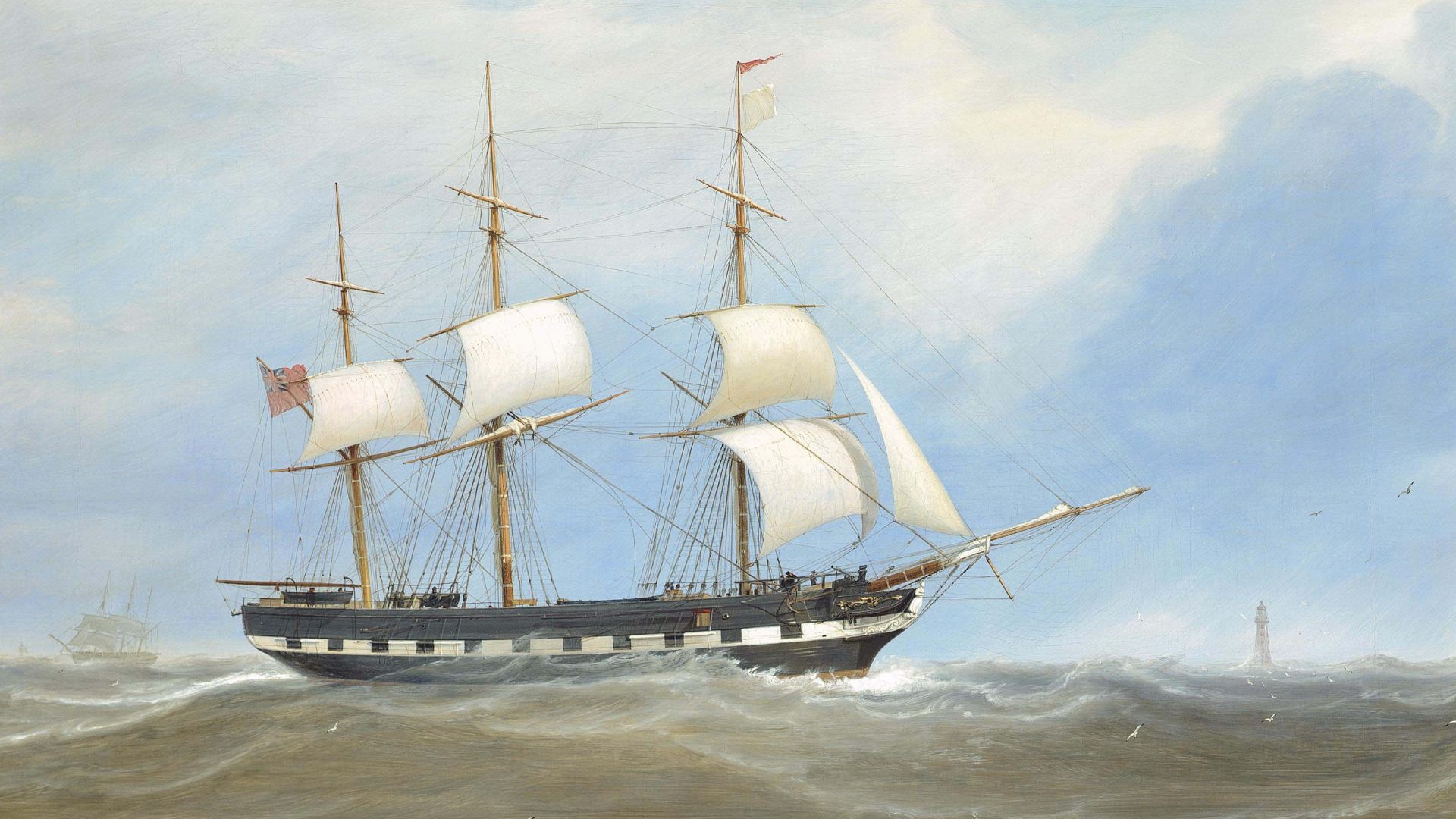 William Clark, Wikimedia Commons
Canvas as Engine
Wind became propulsion, and canvas translated invisible force into motion. Masts towered like skeletal frameworks directing pressure into forward thrust. Each sail also alters momentum. Through coordinated movement, this boat turned air into advantage, gliding across open water with deliberate purpose.
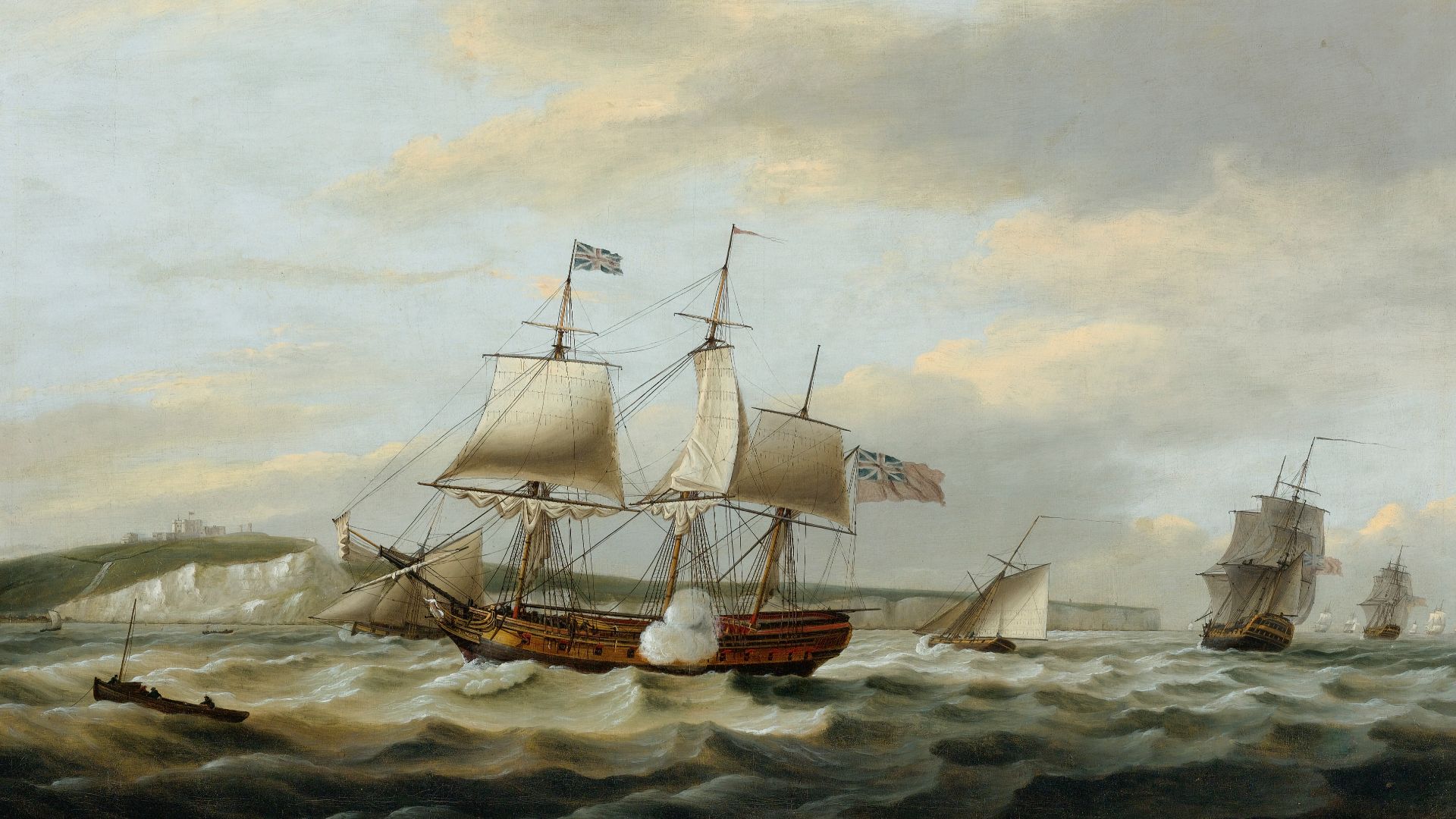 Thomas Luny, Wikimedia Commons
Racing the Horizon
Sea duty could drag, yet serving aboard a quick frigate added excitement. Crew members often found excitement in favorable winds pushing the ship forward. Whenever rival sails appeared in the distance, anticipation spread instantly. Action replaced boredom fast, especially when pursuit meant stretching every rope and spar.
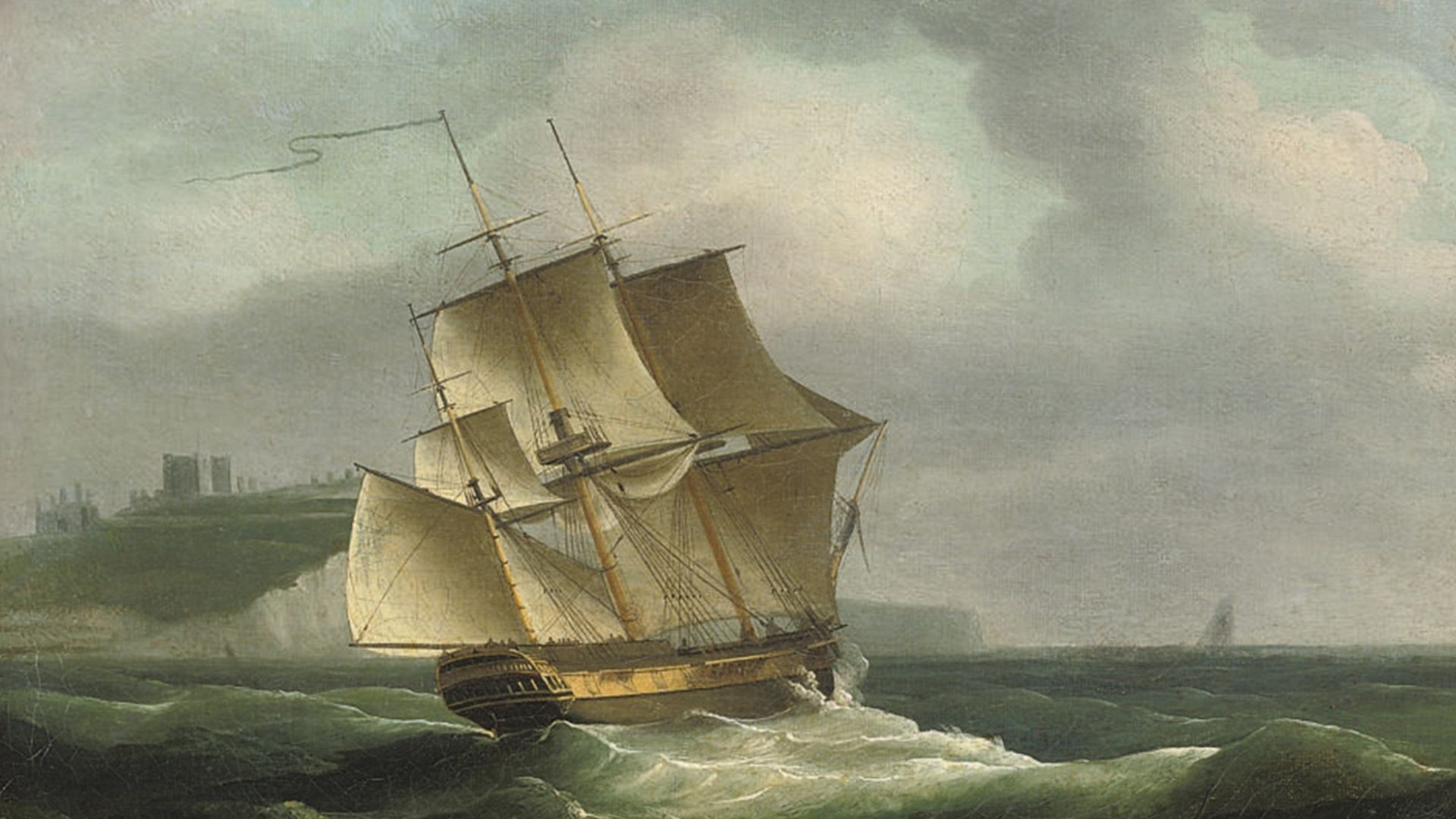 Thomas Whitcombe, Wikimedia Commons
Weight Distribution and Stability
Balanced internal layout supported consistent performance. Guns, ballast, and supplies required careful placement to prevent excessive roll. Consequently, steadier trim improved sail efficiency. Reduced drag followed controlled heel angles. The engineering discipline allowed Ocean to maintain higher average speeds during extended voyages.
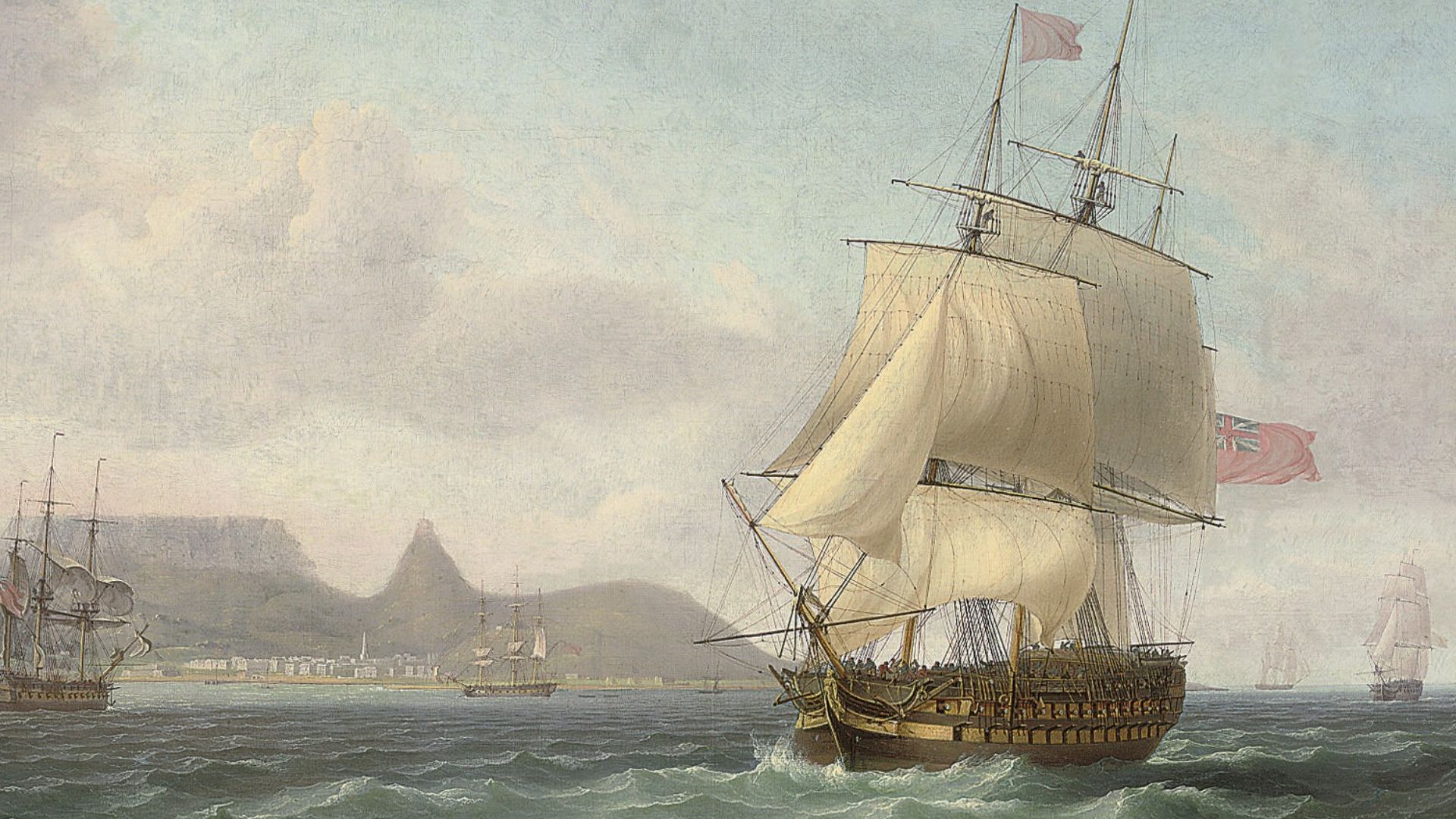 Thomas Whitcombe, Wikimedia Commons
Maintenance Behind the Scenes
Performance rarely lasts without upkeep. Crews scraped hull growth regularly because marine fouling slowed ships noticeably. Routine repairs to rigging ensured sails caught the wind effectively. Attention to small details preserved speed gains, proving that discipline mattered as much as design.
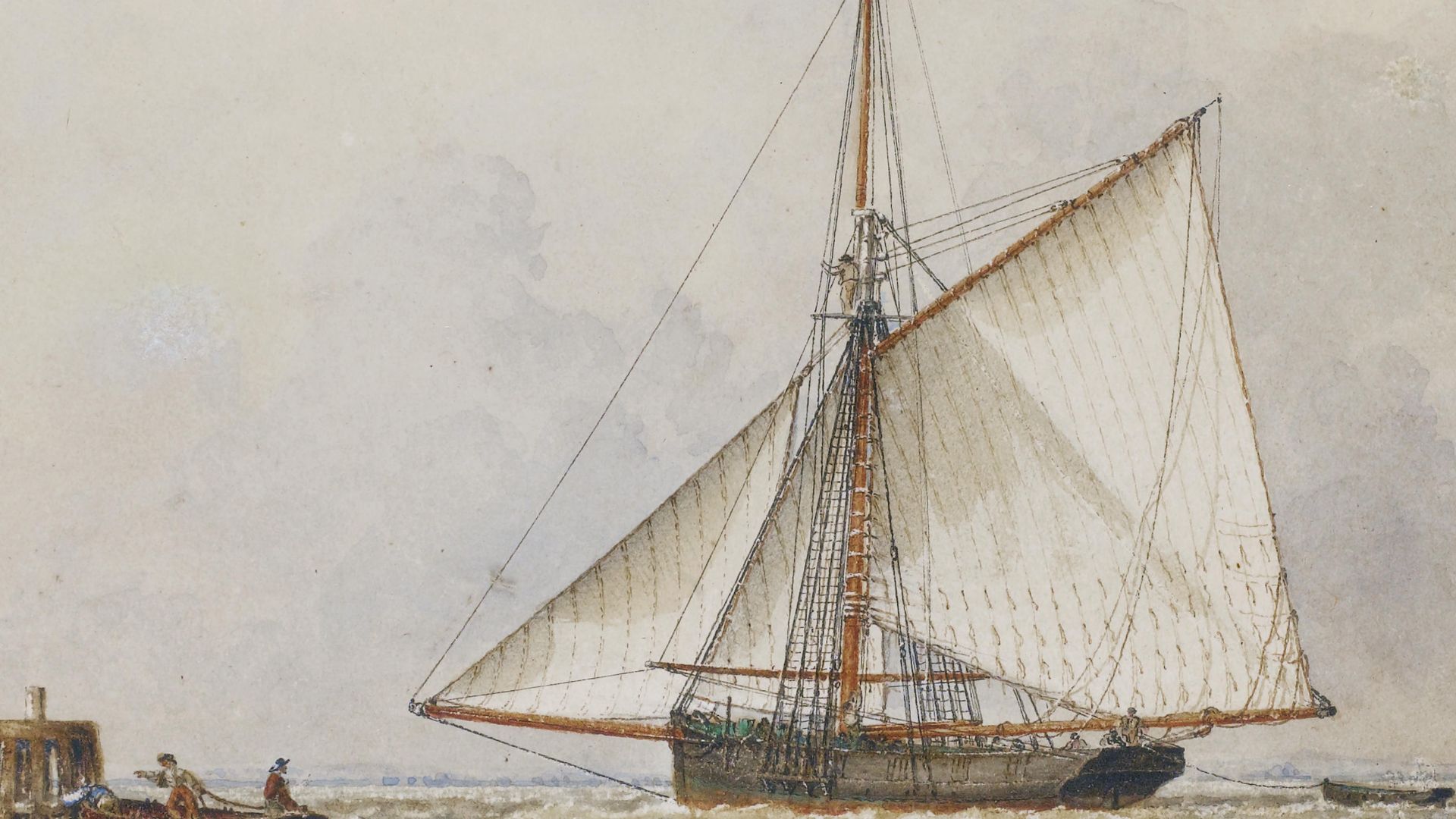 John Ward of Hull (1798-1849), Wikimedia Commons
Comparative European Performance
British frigates competed closely with French counterparts during the mid-eighteenth century. French designs often emphasized sleek hull lines for speed. Yet Royal Navy records suggest ships like Ocean performed reliably against contemporaries. Operational reports from the era cited reliable performance under varying wind conditions for her class.
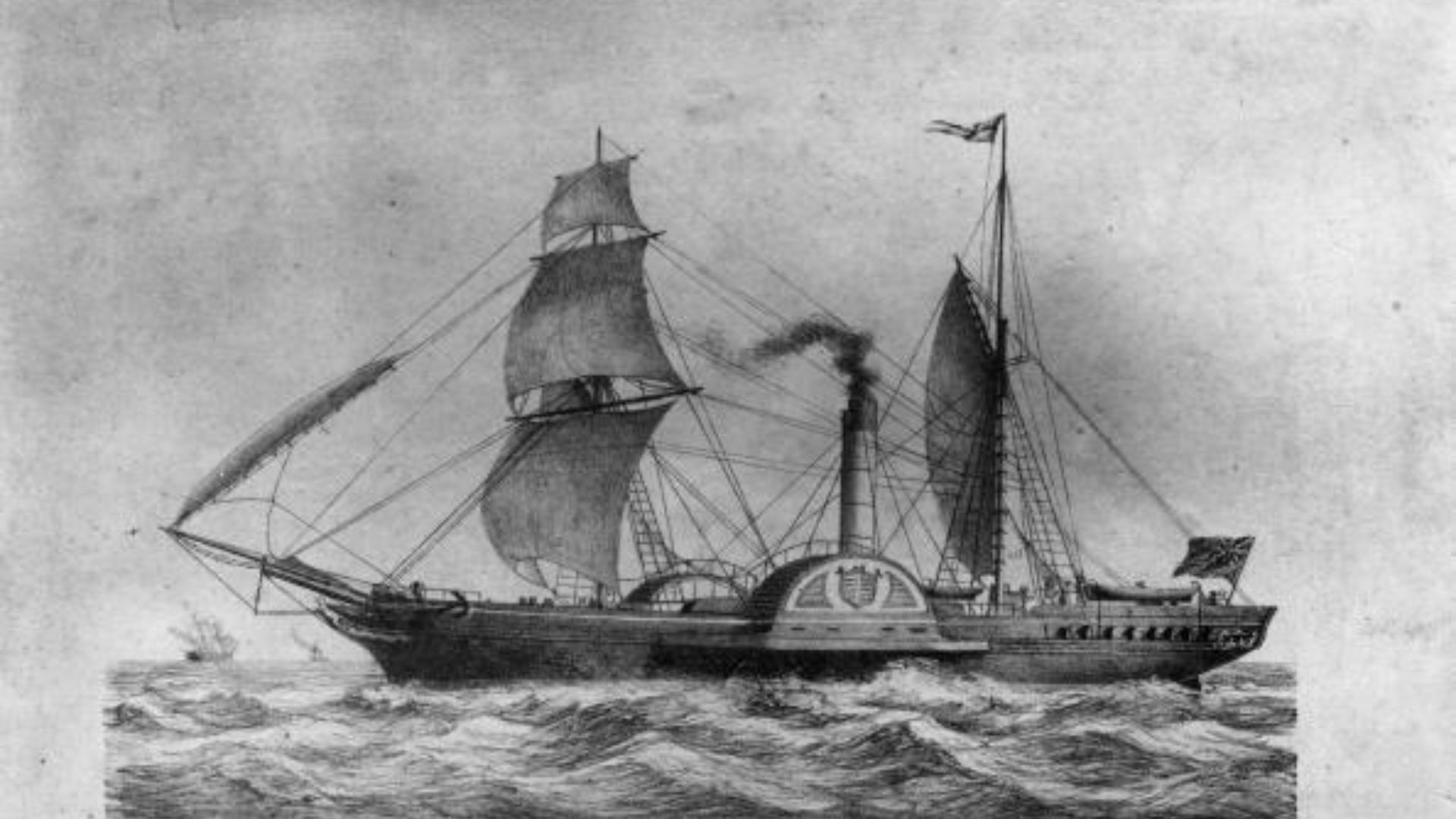 George Atkinson Jnr, Wikimedia Commons
Why She Was Not Built for the Line of Battle
Line of battle tactics favored durability over agility. The boat was built for the heavy broadsides required in prolonged fleet engagements. Her strengths were maximized in that fleet role. Admirals finally recognized the difference between a sprinter and a heavyweight contender.
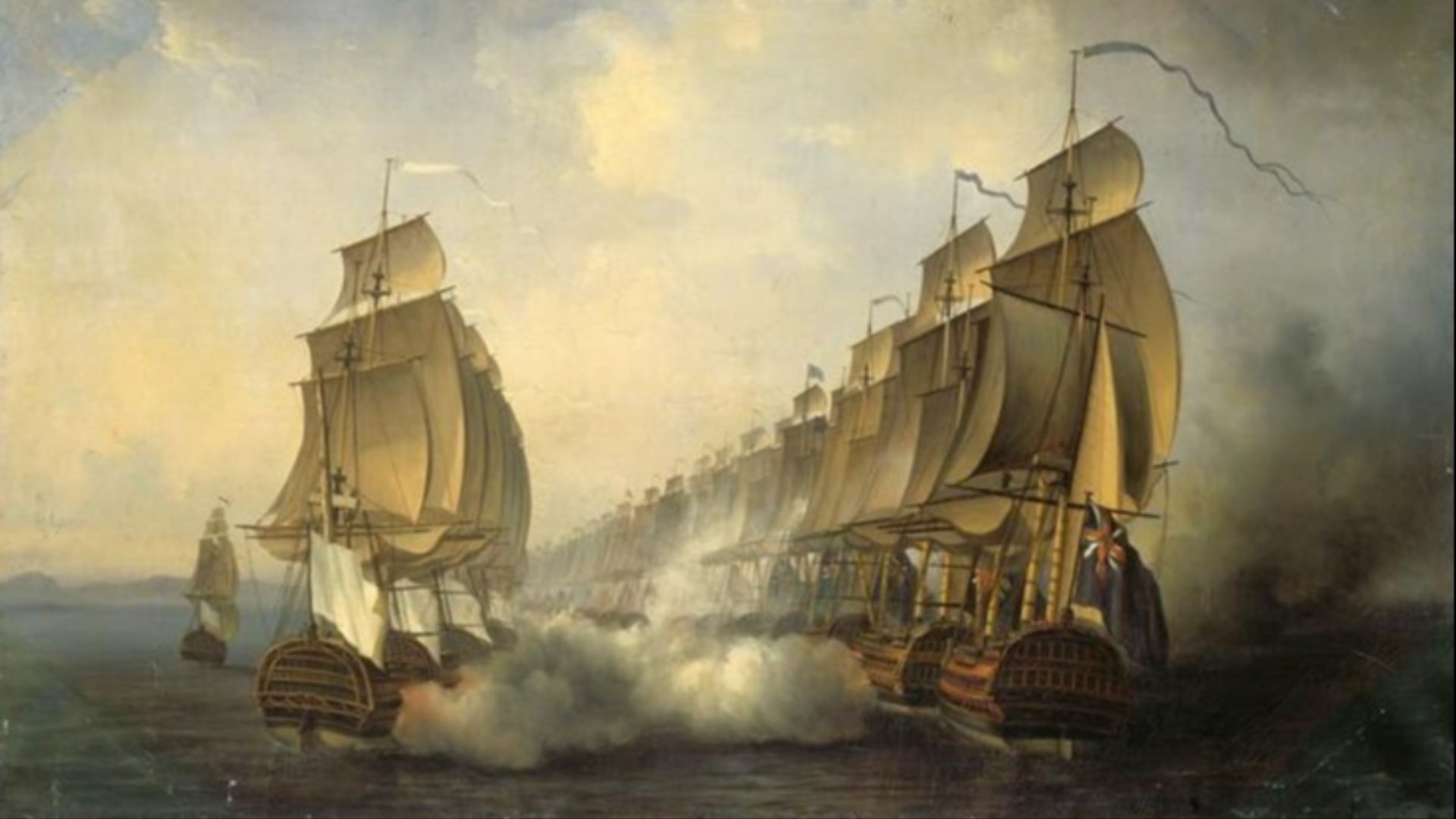 Auguste Jugelet, Wikimedia Commons
Storms, Strain, and Survival
North Atlantic weather tested every vessel. During heavy seas, masts groaned, and hull seams strained under pressure. Even so, Ocean maintained structural integrity through reinforced framing and disciplined sail reduction. Survival in harsh conditions further reinforced confidence in her construction.
 Veourstofa Islands, Wikimedia Commons
The End of Active Service
Eventually, technological progress and operational wear reduced her frontline relevance. Records indicate she was sold in 1793 after years of guard and escort duties. For former crew, memories endured longer than commissions. A sturdy wooden ship of the line had carried them across oceans and through history.
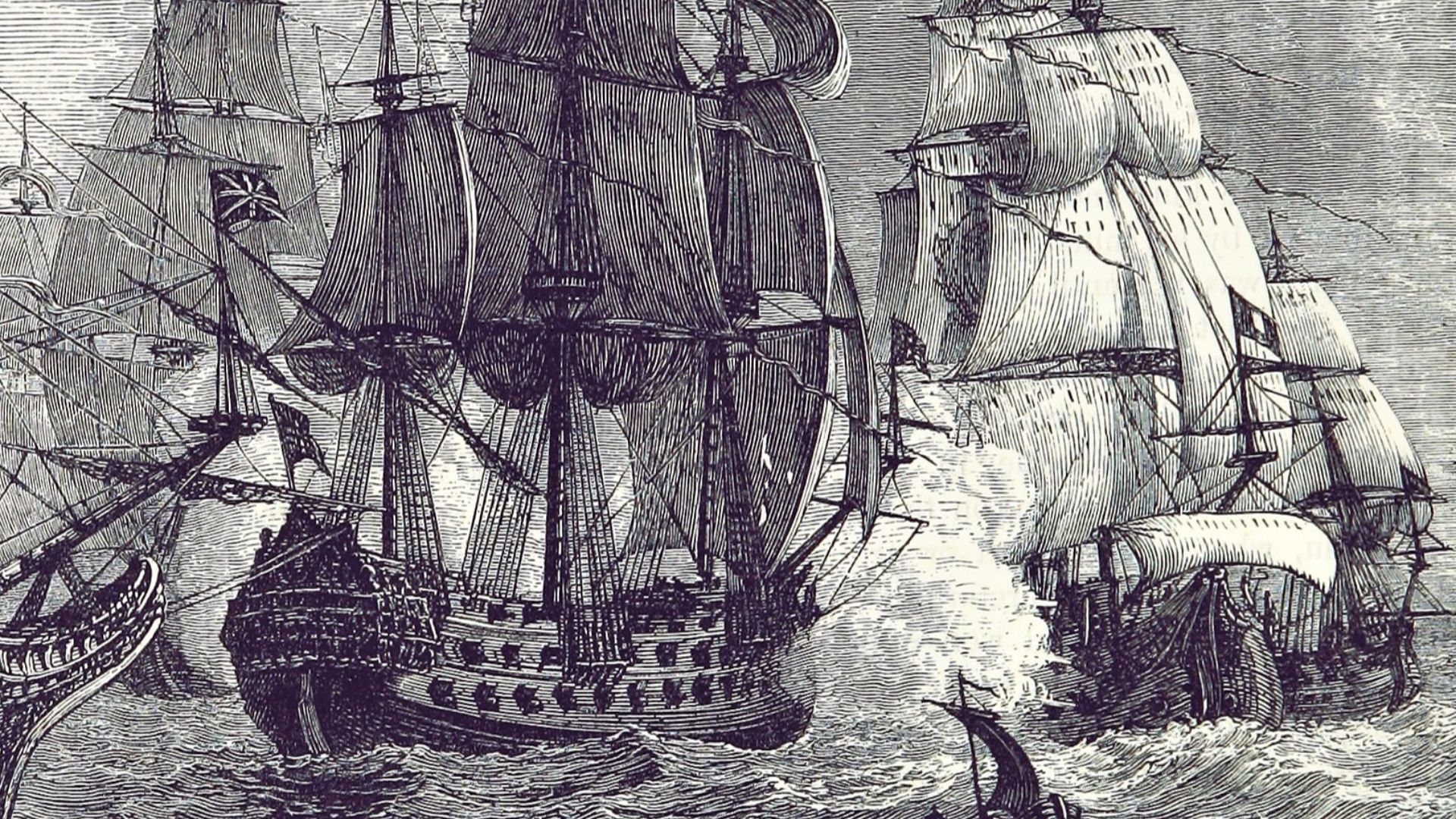 James Grant, Wikimedia Commons
Confidence as a Strategic Asset
Speed changed how officers thought. Knowing Ocean's firepower could dominate encounters reduced hesitation. Decisive choices followed. Captains pressed the advantage because retreat remained possible. That assurance shaped tactical posture across patrol routes and influenced engagement outcomes long before contact occurred.
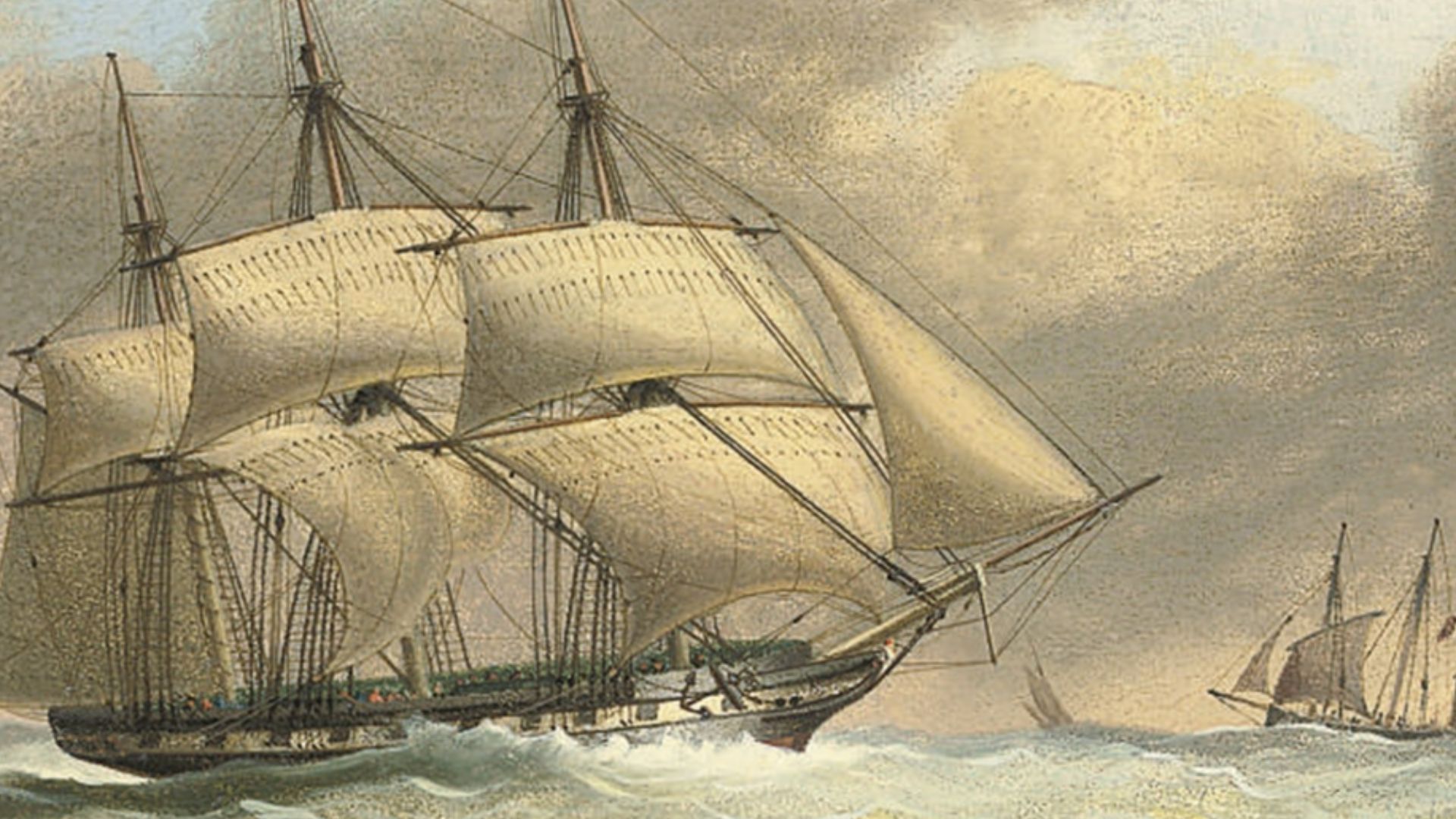 Nicholas Matthews Condy, Wikimedia Commons
Limits of Wooden Design
Wood imposed boundaries. Hull strength depended on joinery and timber quality. Prolonged strain loosens fastenings over time. Even the fastest frigate required periodic refit. Performance peaked within physical limits set by the material science of the eighteenth century.
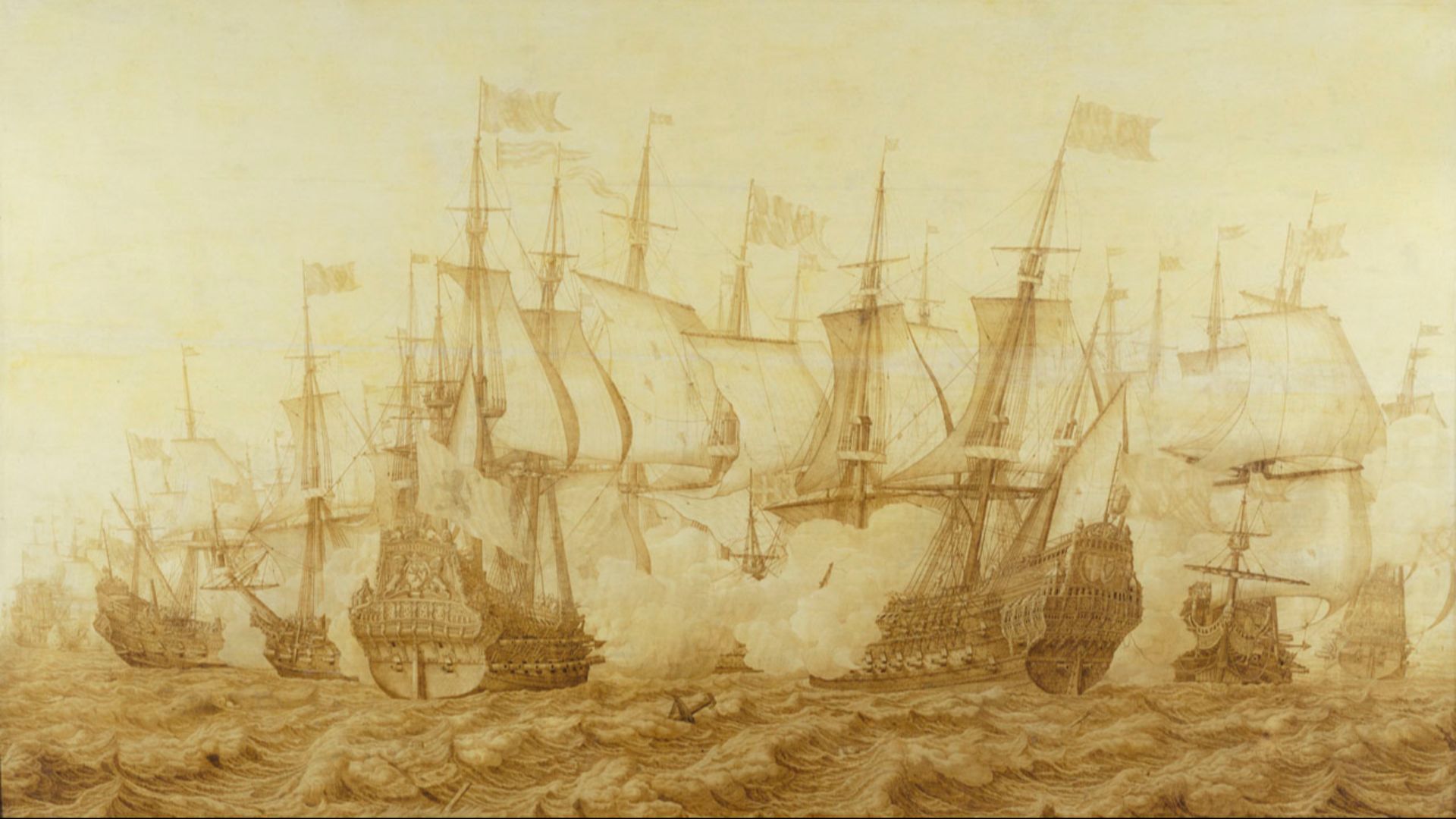 Heerman Witmont, Wikimedia Commons
Before Steam Changed Everything
What defines supremacy at sea during a wind-driven era? Power derived from design, discipline, and favorable weather. Steam engines later shifted that equation permanently. Ocean’s design represents a peak moment when craftsmanship determined naval prowess without mechanical propulsion.
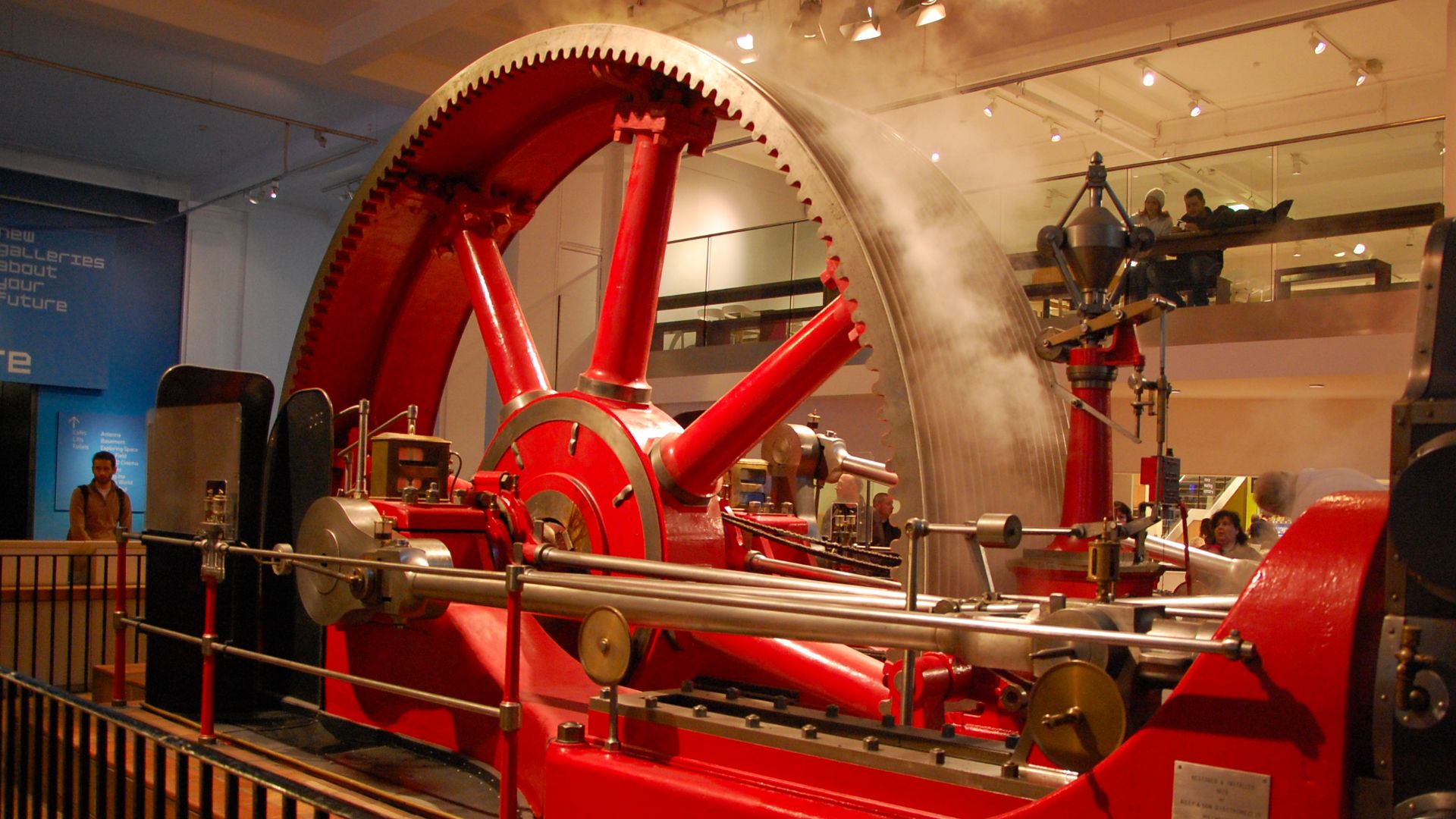 Rodrigo Menezes (Ironman br), Wikimedia Commons
Speed as Reputation
Reputation travels faster than hulls. Reports circulated through ports, highlighting ships like Ocean for their service. Rivals adjusted expectations accordingly. In maritime culture, perception shaped caution. Thus, velocity extended beyond water, influencing behavior across distant fleets.
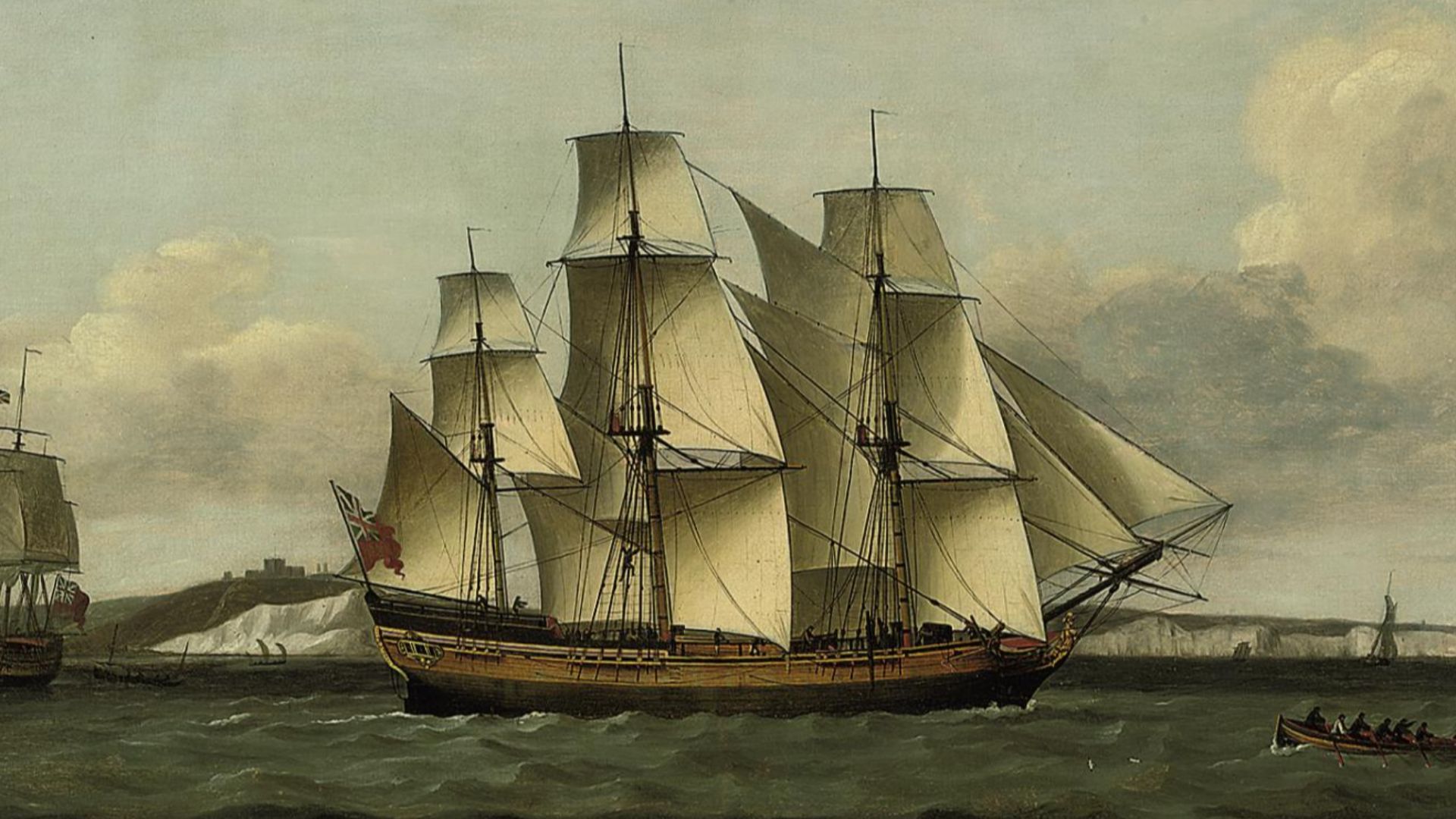 Thomas Luny, Wikimedia Commons
Why Her Story Still Matters
History remembers battles loudly, yet performance often hides in footnotes. Ocean reminds us that design innovations can shift naval outcomes quietly. Smart design, disciplined crews, and purposeful command created distinction. Even centuries later, a wooden warship’s engineering still sparks curiosity.
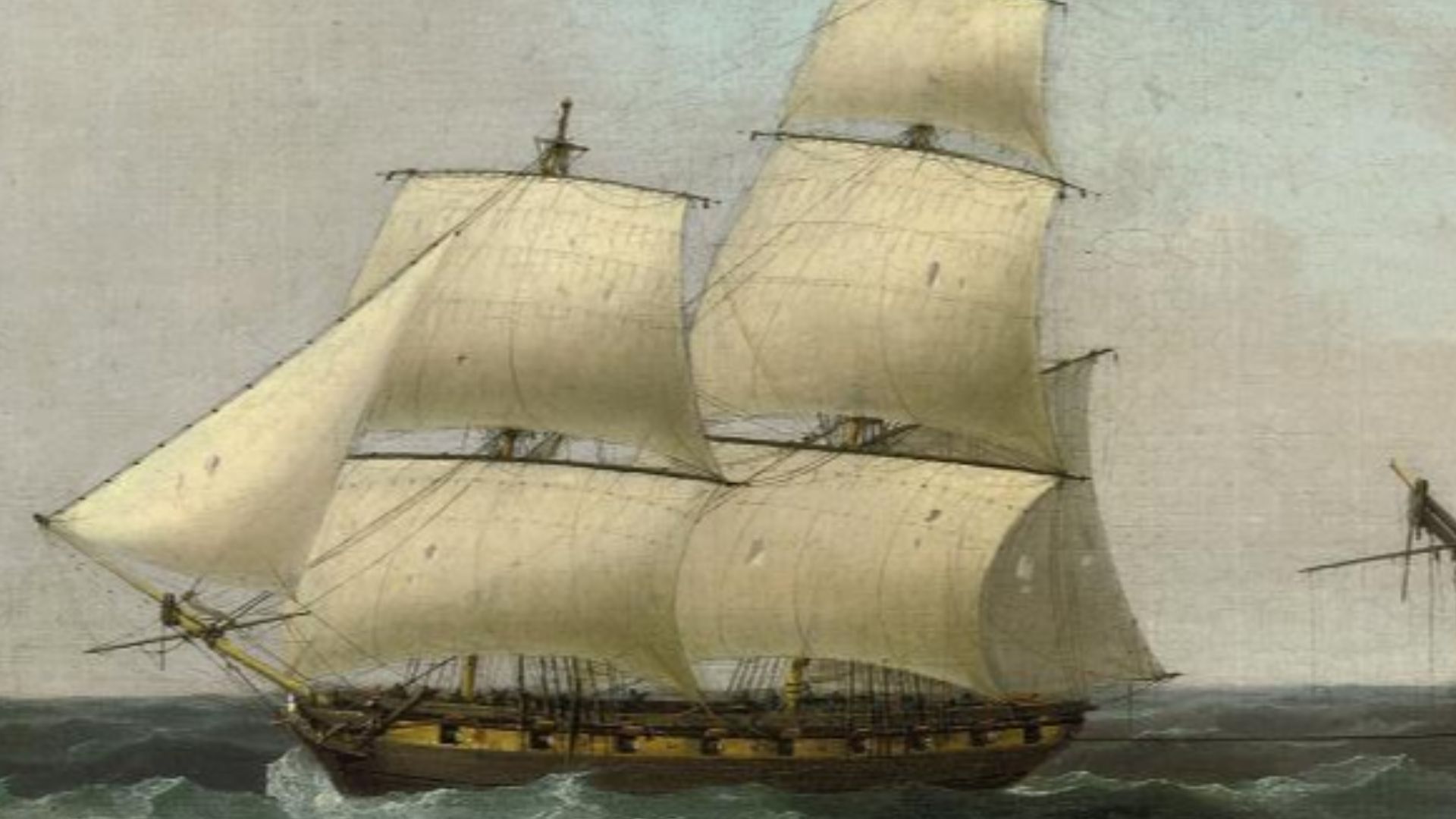 Thomas Whitcombe, Wikimedia Commons