
The History Behind America's Ignoring Turkey Eggs Entirely
Turkey takes center stage during Thanksgiving gatherings across the country, though the bird’s eggs barely register in modern cooking. That gap between fame and neglect hints at an unexpected past.
Most Americans Don’t Realize Turkey Eggs Are Perfectly Edible
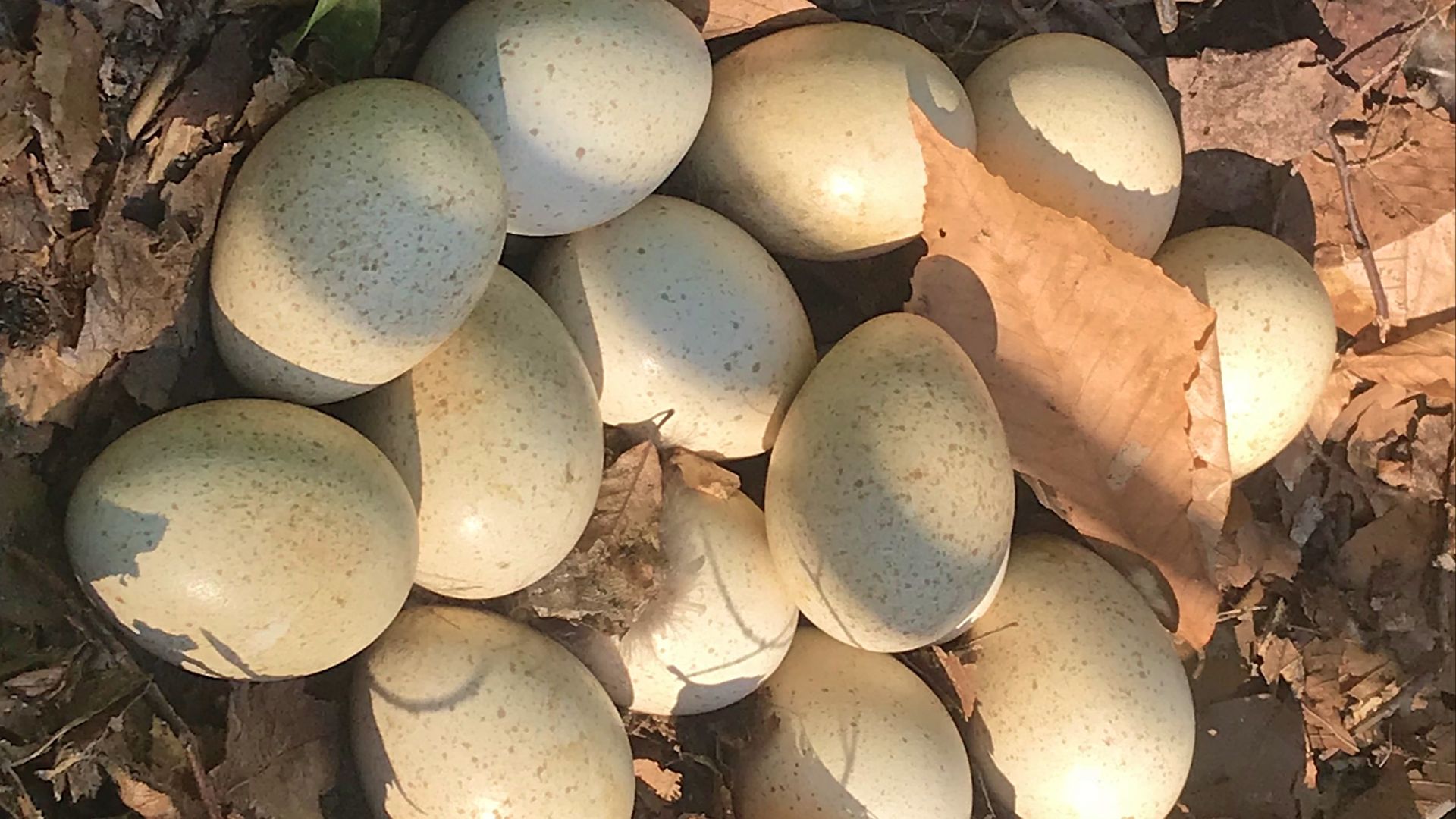
The bird itself is a Thanksgiving staple, but turkey eggs rarely appear in grocery stores because farms reserve them for breeding, not consumption. Their absence from retail shelves shapes public perception, leading many Americans to assume they’re unsafe or unsuitable to eat.
 The Cosmonaut, Wikimedia Commons
Where Turkeys Truly Came From
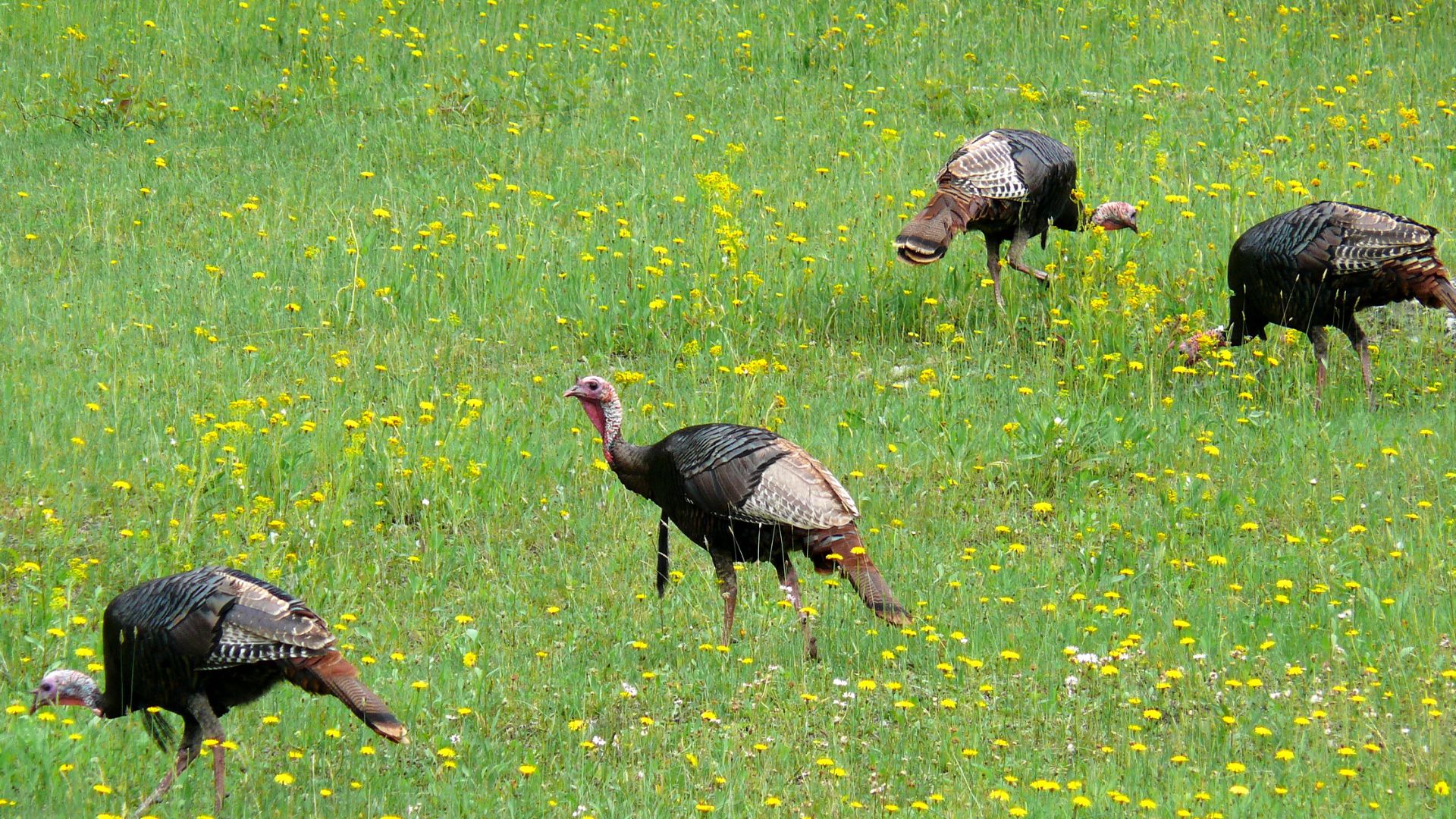
Wild turkeys originated in North America, ranging across woodlands from present-day Mexico into the eastern United States. Archaeological evidence shows Indigenous groups domesticated a southern Mexican subspecies centuries before European contact.
Indigenous Communities Valued The Bird Long Before Europeans Arrived
Many Indigenous cultures valued turkeys for food, feathers, and ceremony. Pueblo communities raised domesticated turkeys for plumage used in blankets, while Eastern Woodlands tribes hunted wild flocks seasonally. Their significance extended beyond meals, appearing in ritual objects and storytelling traditions.
 George Catlin, Wikimedia Commons
Europe Met The Turkey And Got The Name Wrong
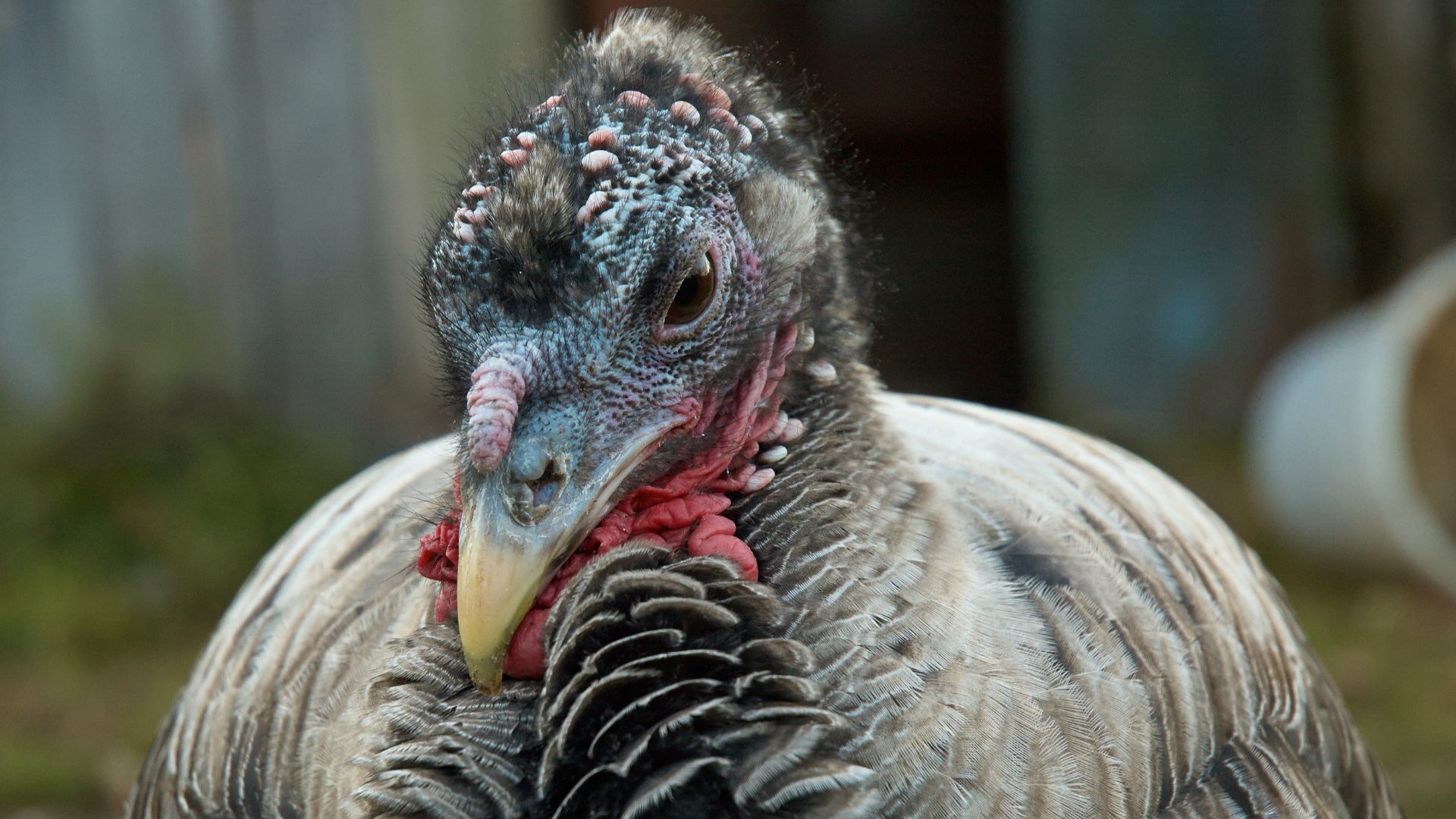
When Spanish explorers encountered Mexican domesticated turkeys in the early 1500s, they transported them to Europe, where the birds entered trade networks dominated by Turkish merchants. Europeans mistakenly associated the new bird with “Turkey” trade goods, producing the misapplied name that still survives despite the species’ entirely North American origins.
 Dmitry Makeev, Wikimedia Commons
Yet, It Was A Fashionable Bird In Early Europe
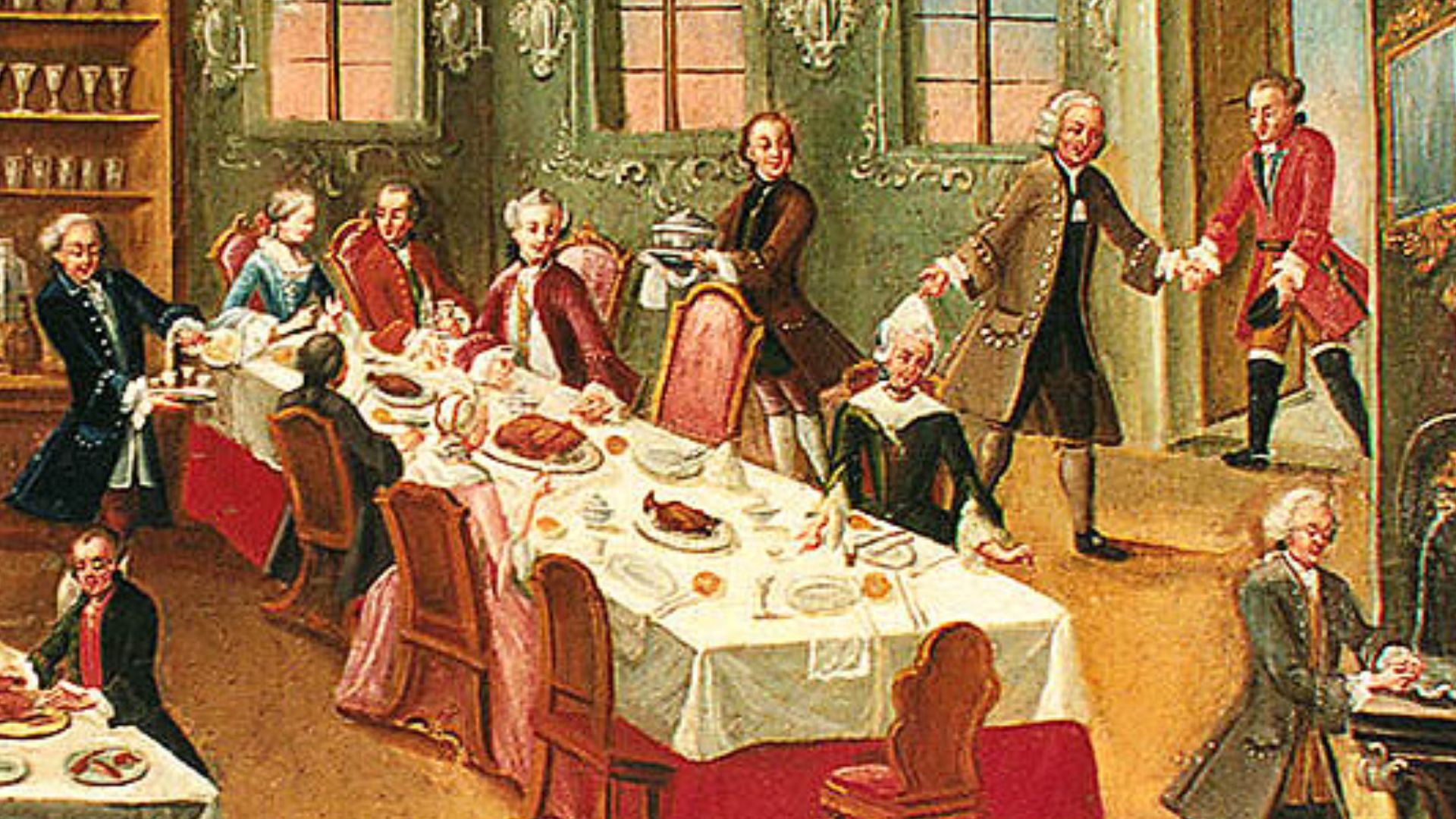
When turkeys reached Europe in the sixteenth century, wealthy households embraced them as novelty animals rather than practical farm birds. Their striking plumage and dramatic displays made them status symbols at banquets. This early fascination centered on spectacle, not egg production.
 AnonymousUnknown author, Wikimedia Commons
Early Europeans’ Beliefs About Turkeys
Early European accounts described turkeys as impressive but unfamiliar birds, prompting speculation about their habits and reproduction. Some writers compared them to peafowl, while others claimed their eggs were delicate or unsuitable for frequent consumption. These impressions shaped early culinary expectations and contributed to turkey eggs never gaining widespread European use.
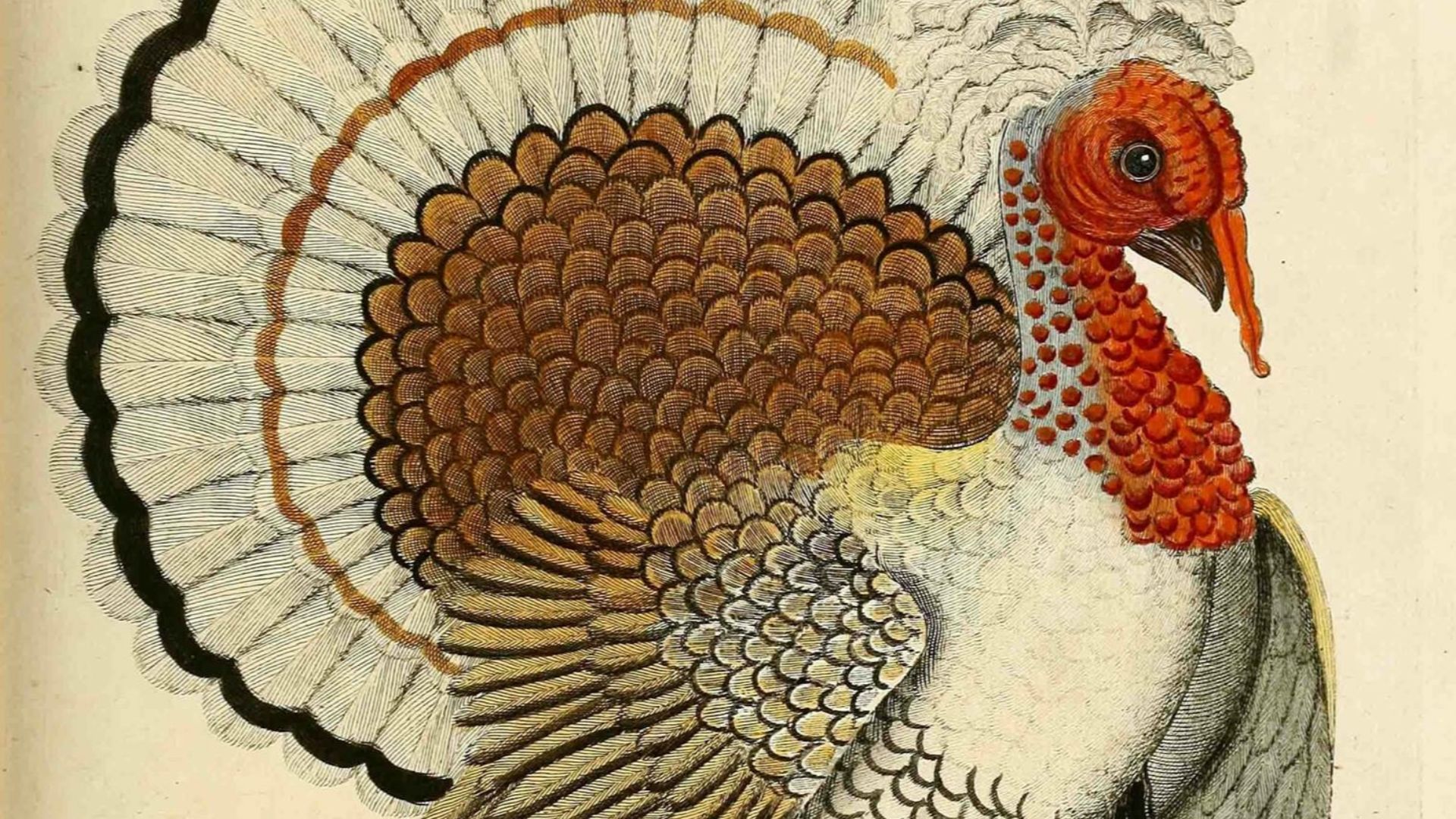 Eleazar Albin, Wikimedia Commons
Superstitions That Followed The Bird Across The Atlantic
As turkeys spread through Europe, folklore grew around their behavior and eggs. Some communities viewed the birds as temperamental or unlucky, partly because their unfamiliar displays seemed dramatic compared to chickens. These perceptions shaped early household attitudes, leading many families to rely on poultry they already trusted.
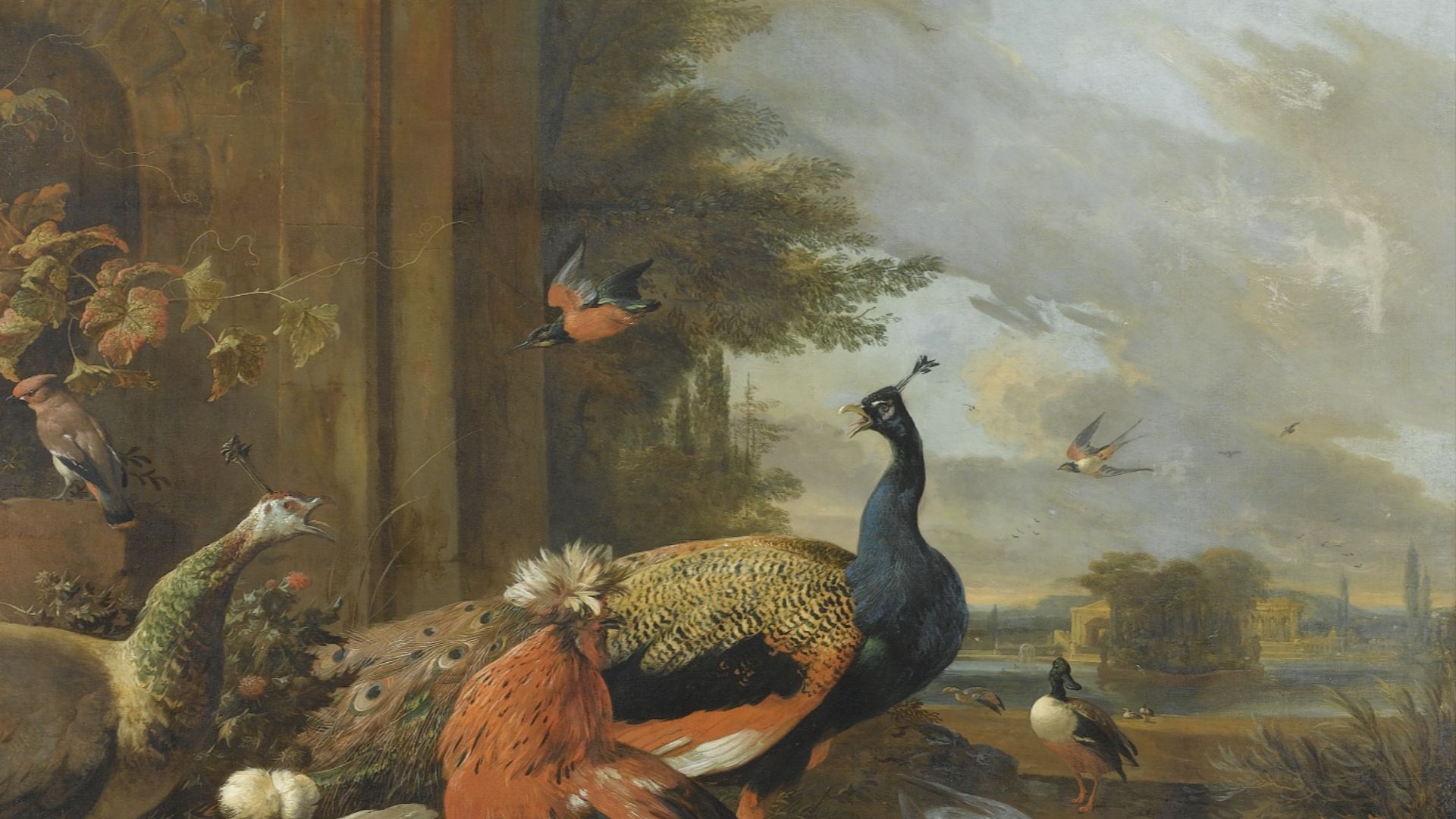 Melchior d'Hondecoeter, Wikimedia Commons
Linking Turkey Eggs To Bad Luck
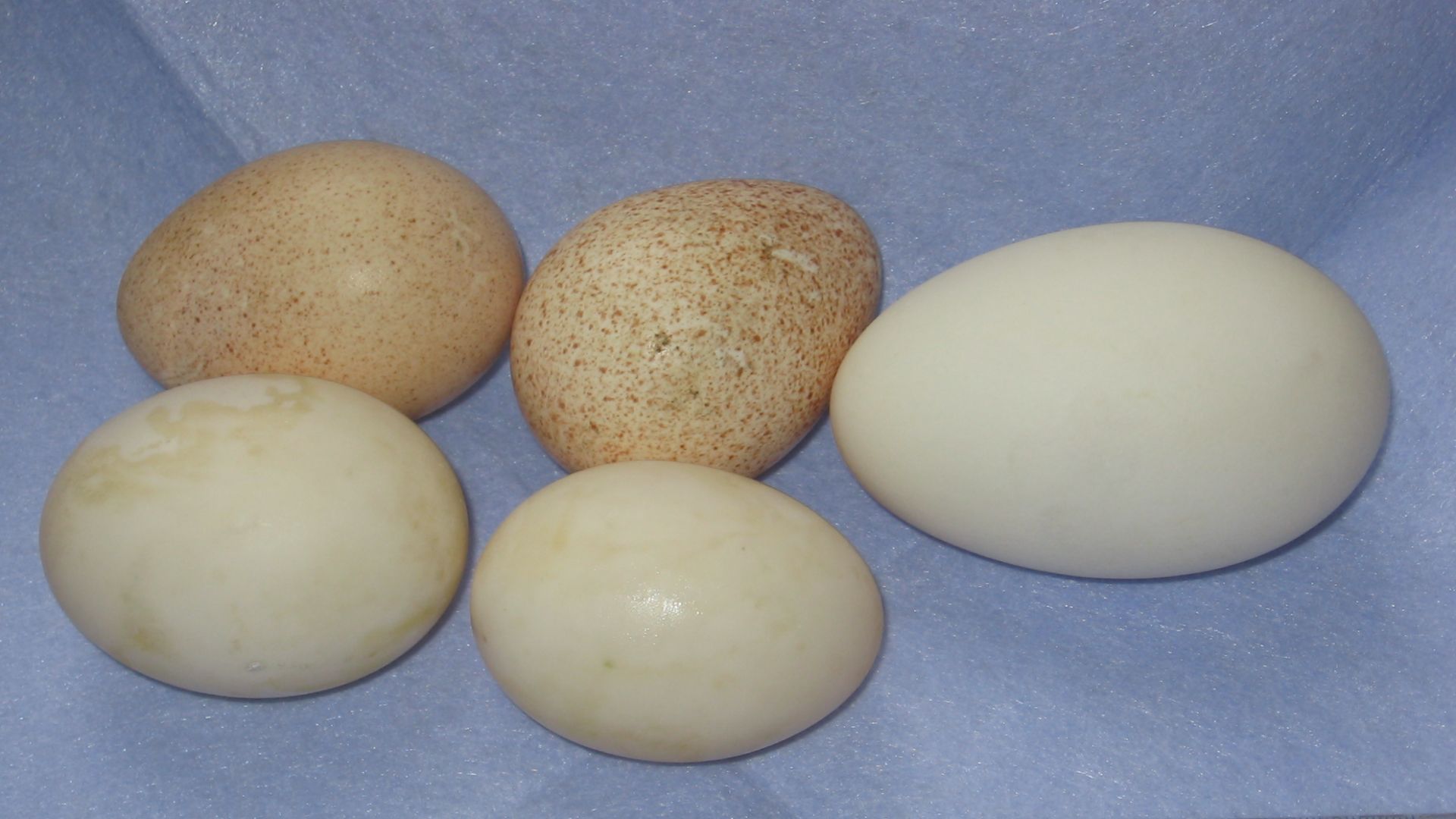
Some European households believed turkey eggs were riskier to consume because their thicker shells and speckled appearance seemed unusual. Others repeated older superstitions associating uncommon eggs with digestive trouble or misfortune.

History's most fascinating stories and darkest secrets, delivered to your inbox daily.
So, Colonists Adopted The Turkey But Ignored Its Eggs
Colonists quickly embraced turkeys as a reliable meat source, especially during seasonal hunts. Yet they favored chicken eggs because hens produced far more and required fewer resources. Since turkey eggs were scarce and needed for replenishing flocks, early American households rarely consumed them.
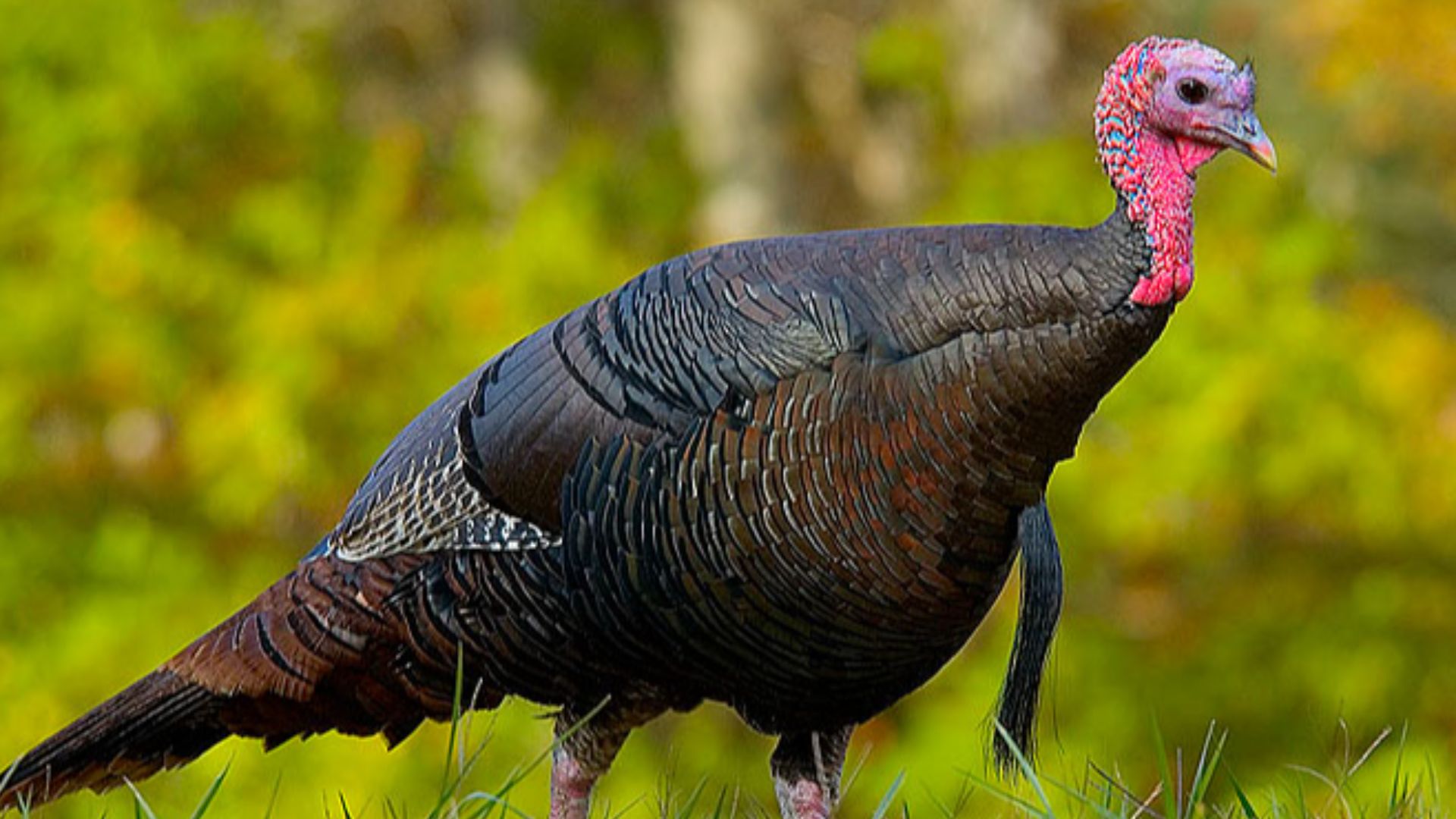
And Chickens Quickly Became The Preferred Egg-Laying Bird
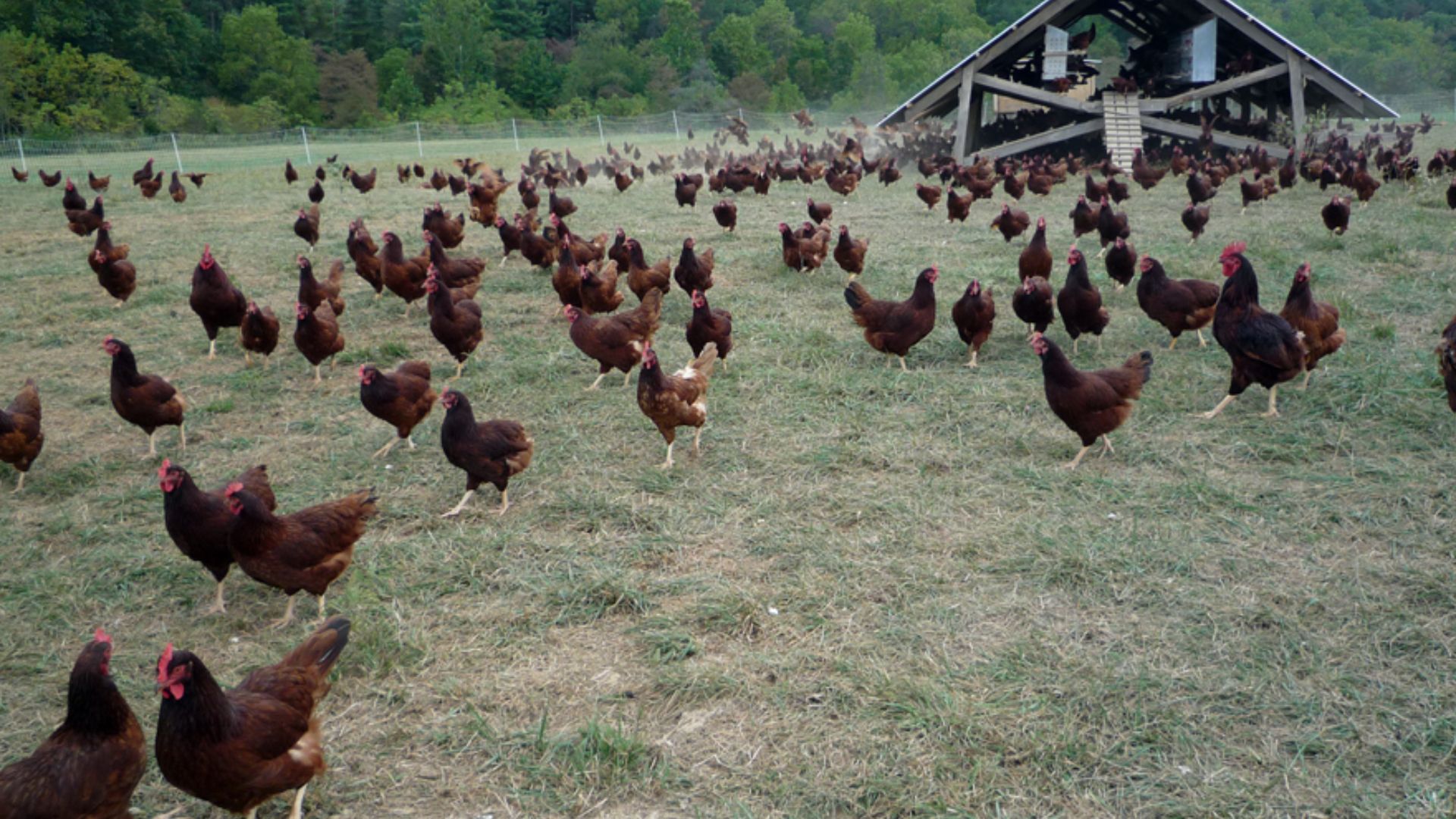
Chickens offered predictable egg production, lower feed requirements, and easier handling. Their rapid laying cycles created dependable household supplies, something turkeys could not match. As settlements expanded, this consistency shaped food systems. Chickens became essential for both subsistence and trade, while turkey eggs remained too limited to influence broader dietary routines.
 Jessica Reeder, Wikimedia Commons
The Biological Quirk Holding Turkey Eggs Back
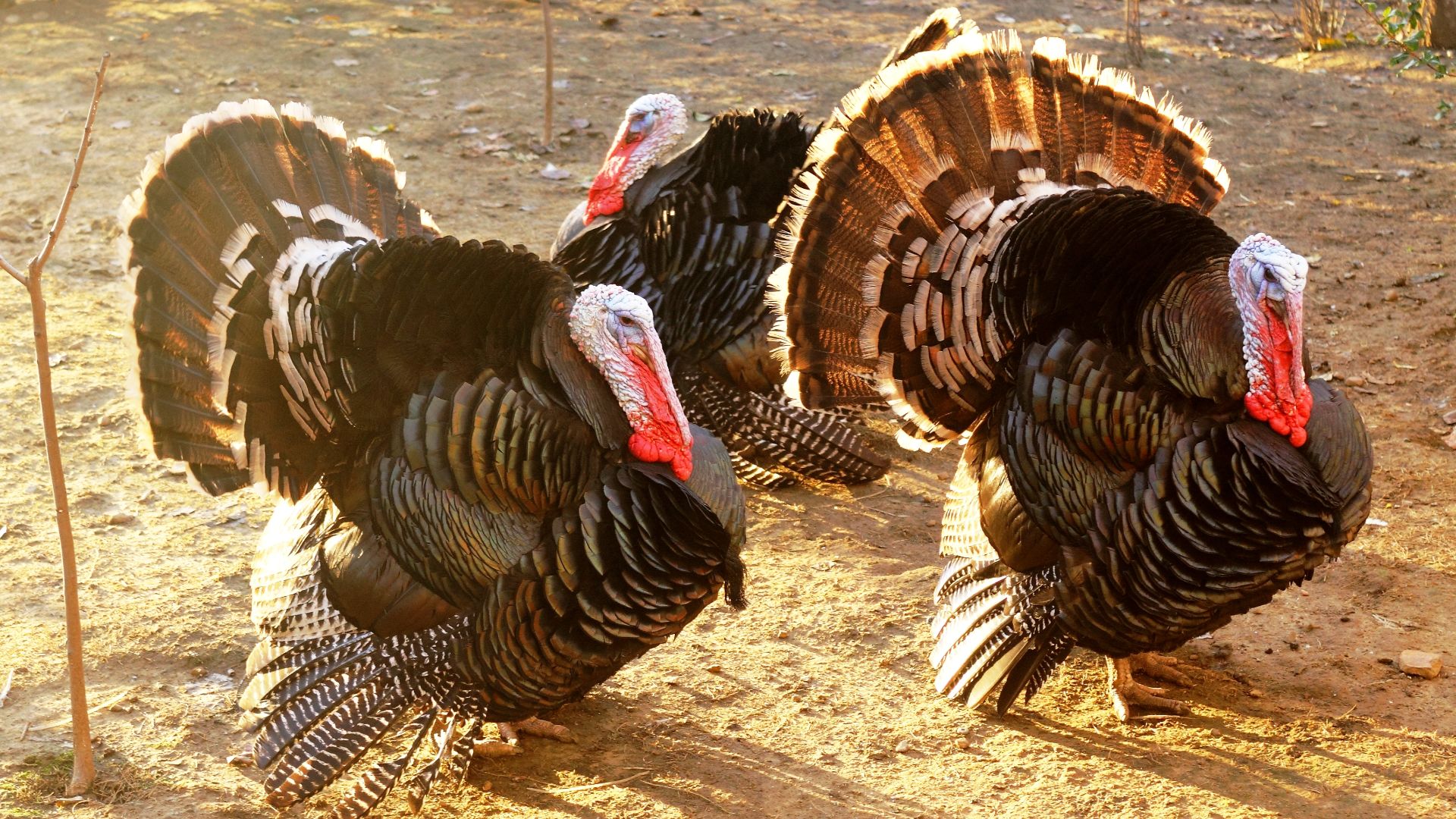
Turkeys mature slowly and lay far fewer eggs each year, usually between seventy and one hundred. Their reproductive cycle prioritizes seasonal nesting rather than continuous output. This biological pattern makes large-scale egg collection impractical compared with chickens.
Low Egg Output Changed The Future Of Turkey Farming
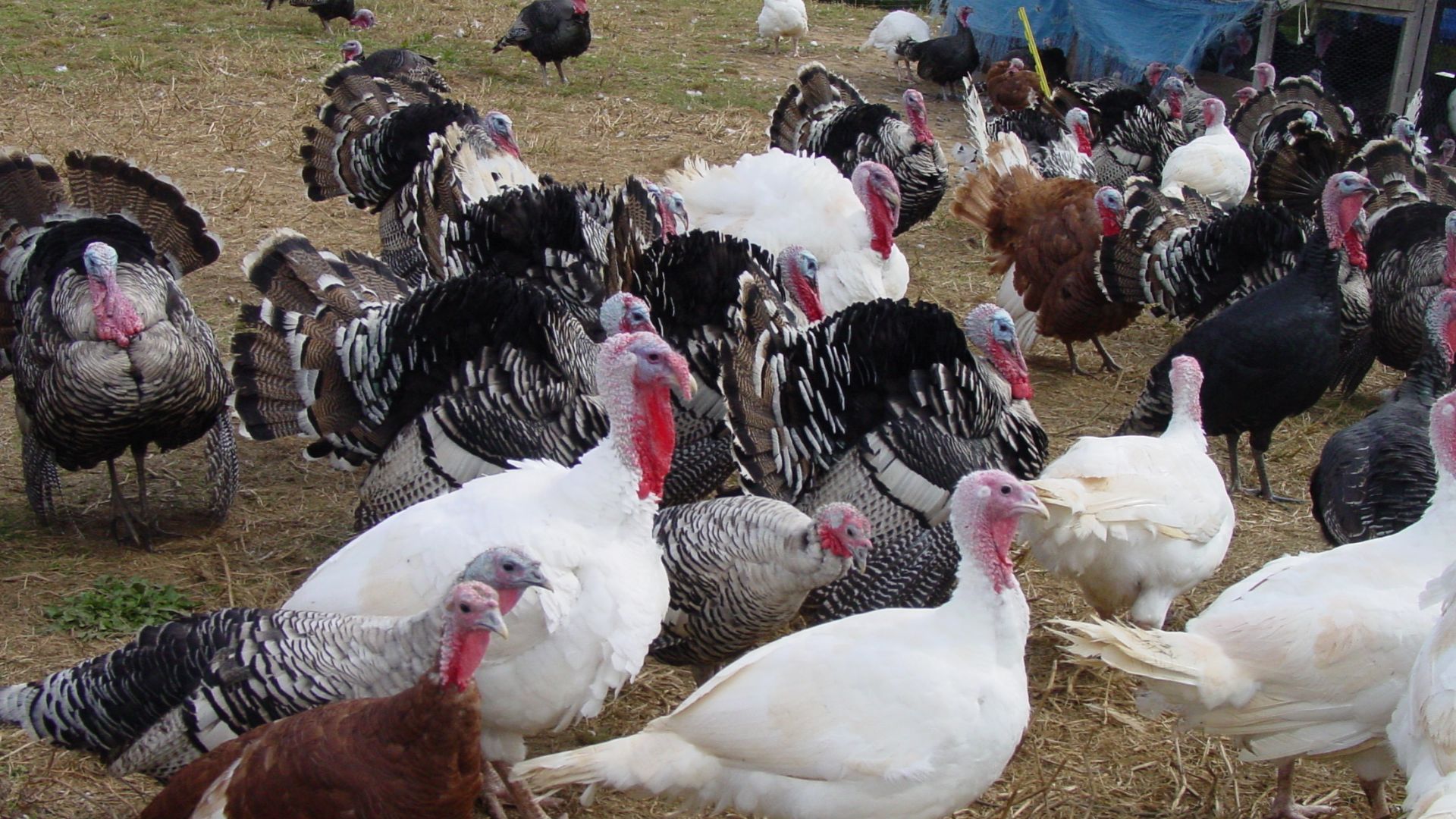
Because turkey hens produced limited eggs, farmers realized their value rested in meat rather than egg production. As commercial agriculture expanded, breeders directed resources toward developing heavier, faster-growing turkeys. This emphasis shifted the industry permanently, ensuring eggs were served primarily for hatching purposes rather than entering everyday markets.
 Curt Gibbs from Long Beach, California, Wikimedia Commons
And Turkey Farms Shifted Entirely Toward Meat Production
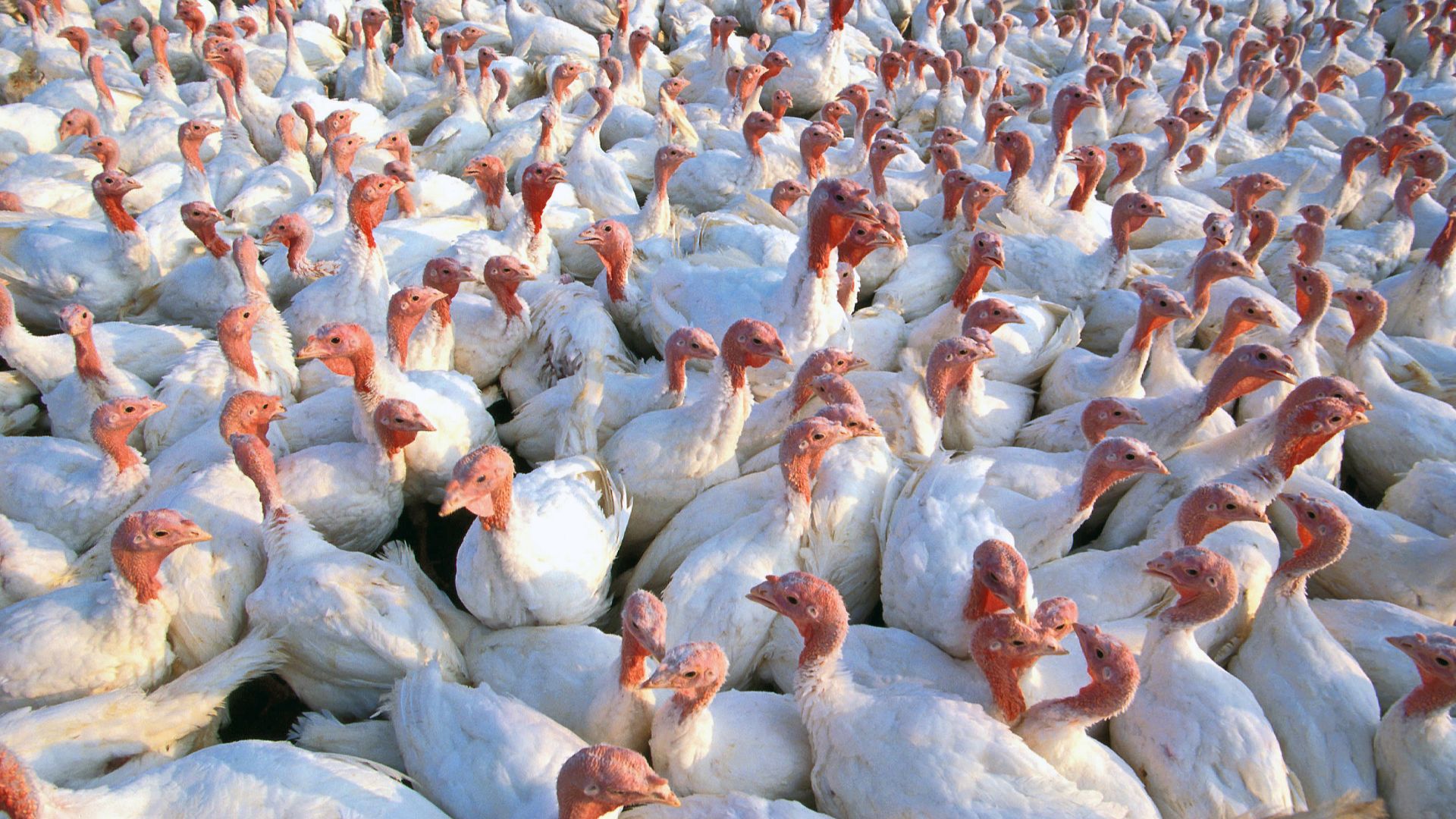
Modern turkey operations evolved around meeting demand for holiday and deli meat, not supplying eggs. Breeding programs optimized size, growth rate, and feed efficiency. Since each egg represented a potential chick—and therefore future meat revenue—producers had little incentive to divert eggs to consumers.
 Archaeodontosaurus, Wikimedia Commons
The Economic Reason Turkey Eggs Rarely Reach The Table
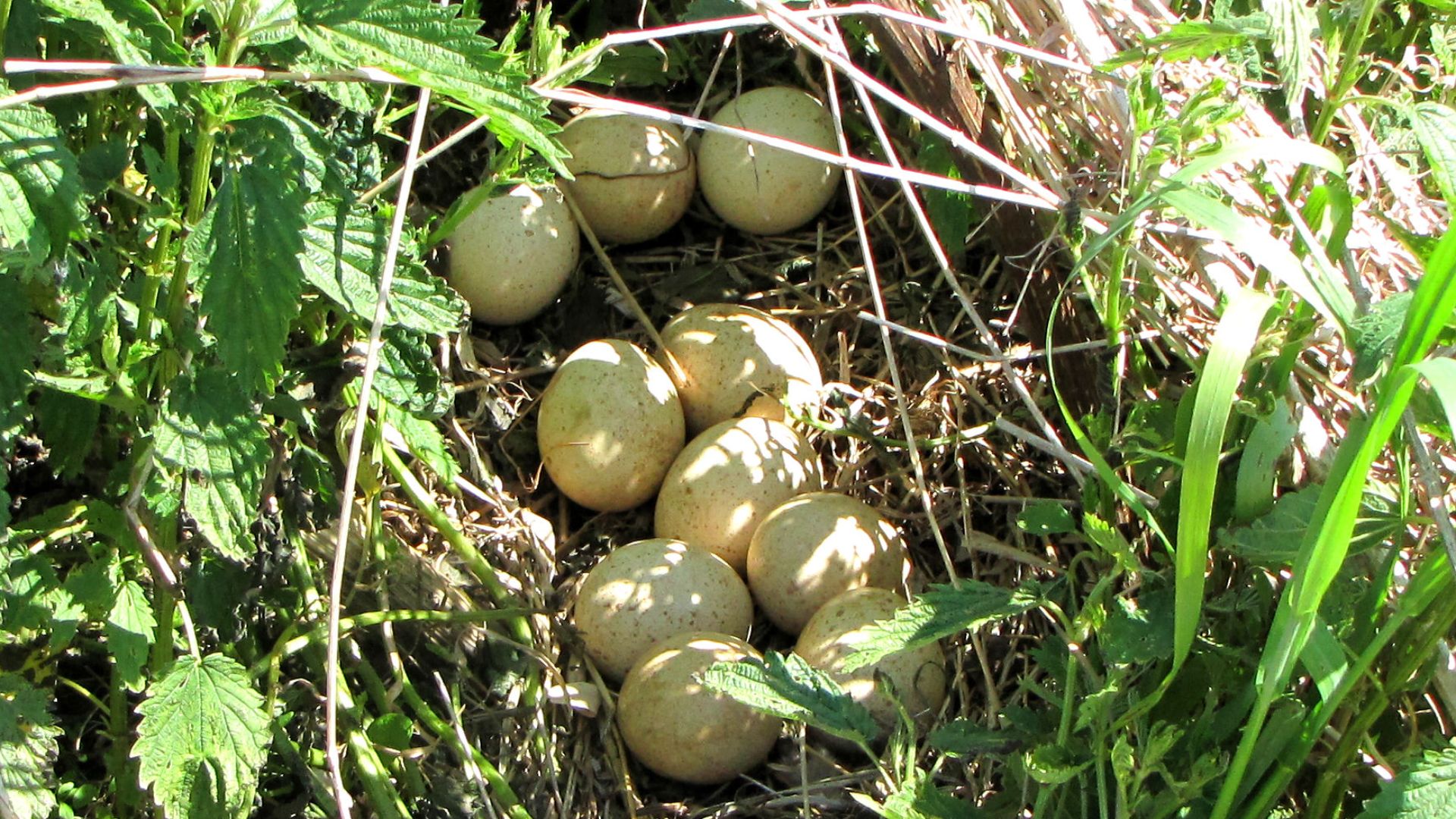
Producing turkey eggs is costly because hens lay infrequently and need larger enclosures. Each egg represents a significant investment compared with a chicken egg. Since commercial production depends on scale and efficiency, selling turkey eggs offers little financial return.
 D. Gordon E. Robertson, Wikimedia Commons
Although Some Restaurants Tried Serving Turkey Eggs
Historical menus show occasional appearances of turkey eggs in specialty restaurants, particularly in the nineteenth and early twentieth centuries. These offerings catered to diners seeking novelty rather than everyday fare. Limited supply prevented widespread adoption, and most establishments eventually abandoned them.
However, Those Early Experiments Never Turned Into A Trend
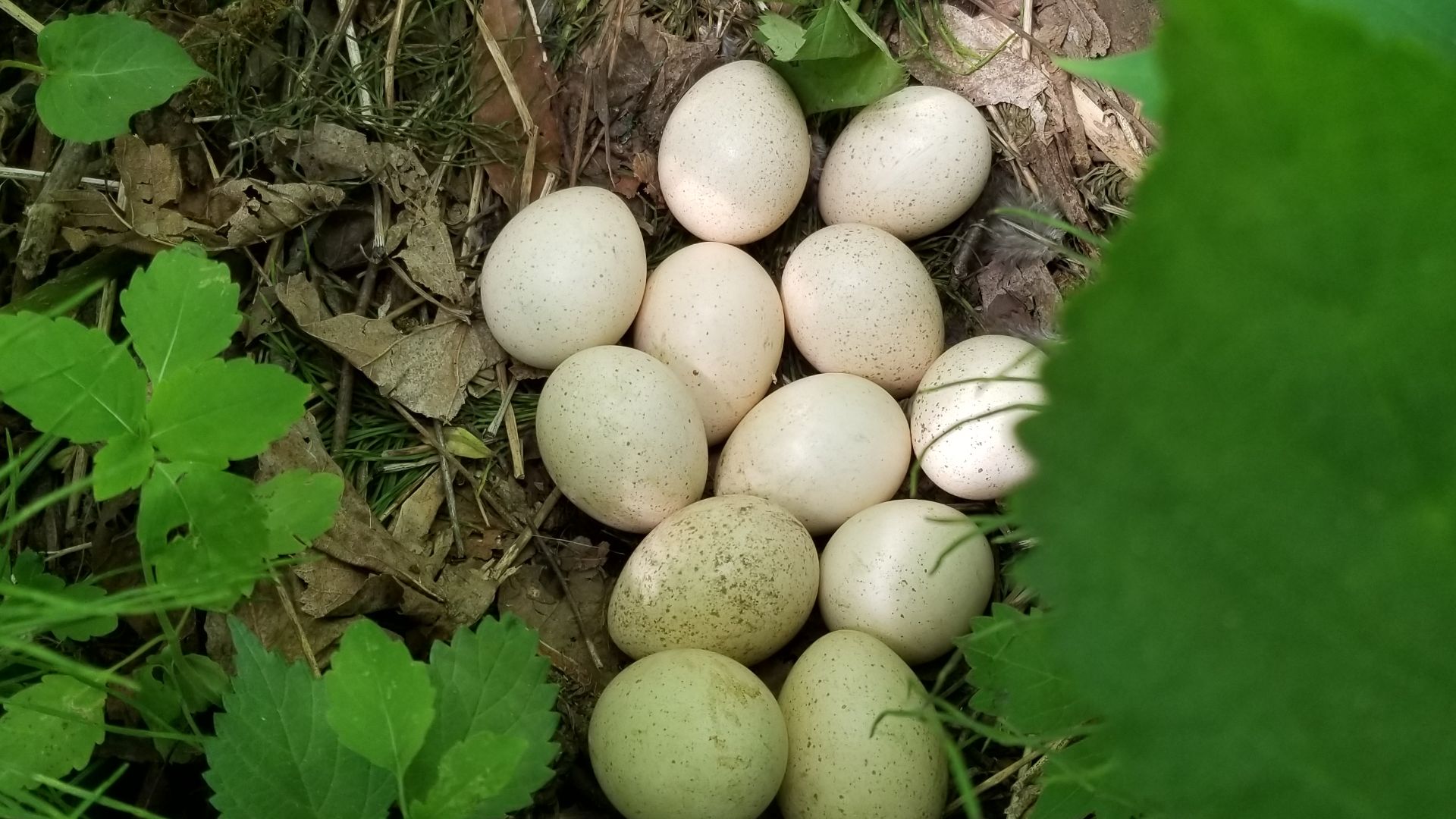
Despite curiosity, restaurant chefs struggled to secure enough turkey eggs to maintain their dishes. Their irregular availability disrupted planning, and higher prices discouraged customers. Chicken eggs remained cheaper, which gave them a permanent advantage. As a result, turkey egg dishes faded.

As A Turkey Egg Harder To Use In The Kitchen
Turkey eggs have thicker shells and stronger membranes, requiring firmer cracking and slightly longer cooking times. Their larger yolks alter ratios in baked goods, making direct substitutions unreliable without adjustments. These differences create additional steps for home cooks accustomed to chicken eggs.
Do Turkey Eggs Taste Different From Chicken Eggs?
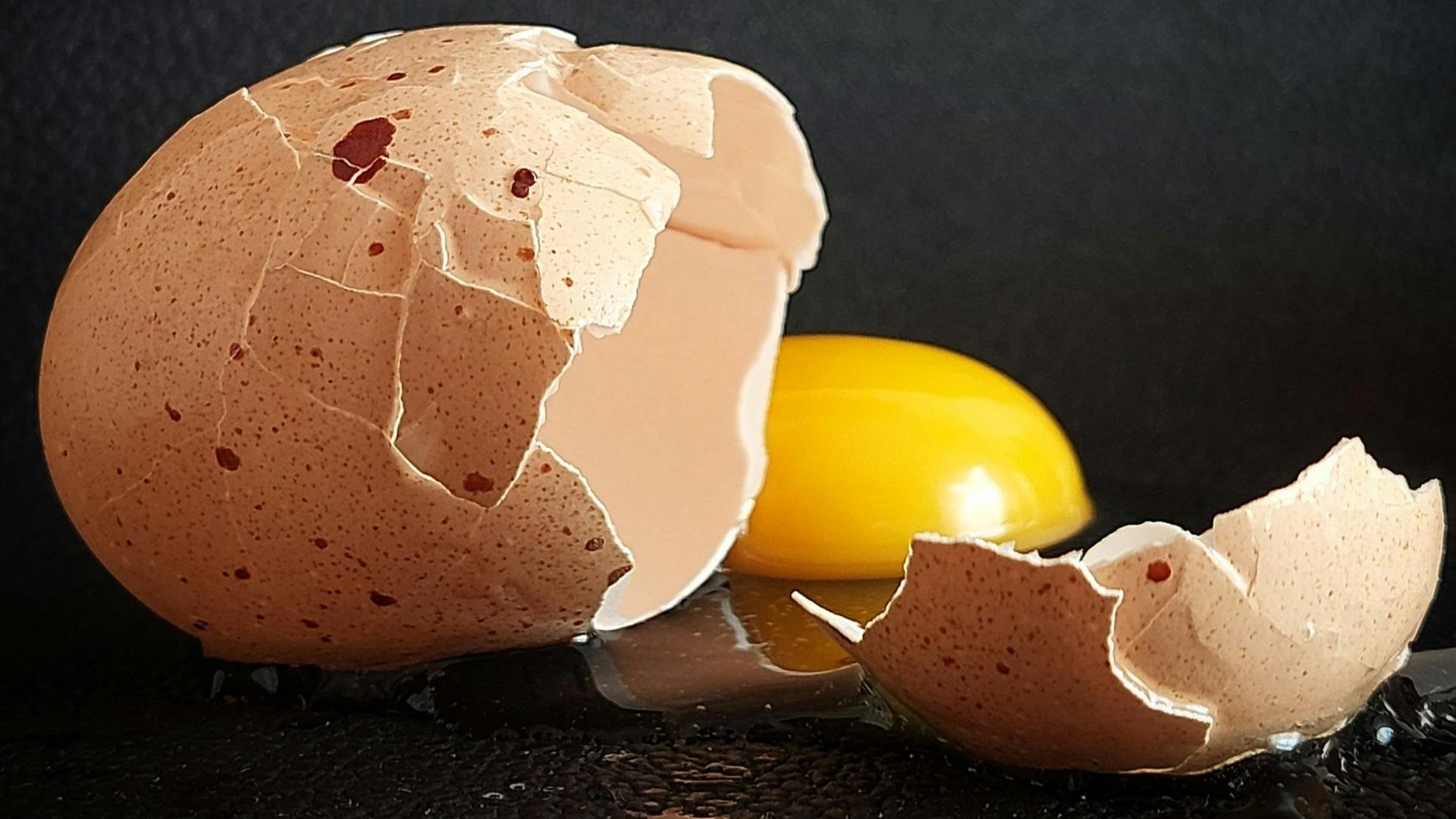
Reports from farmers and chefs describe turkey eggs as richer due to their larger yolks and higher fat content. The flavor remains familiar, though slightly creamier when used in custards or scrambled preparations. This subtle difference appeals to some cooks, yet the eggs’ scarcity limits opportunities for most Americans to experience them firsthand.

Here’s What Nutritionists Say
Analyses show turkey eggs contain more calories, protein, and fat than chicken eggs. This creates a denser nutritional profile that some cooks appreciate for custards or baked goods. Despite these advantages, the limited supply prevents nutrition experts from recommending them as a practical option.
Small Farms Still Use Turkey Eggs Today
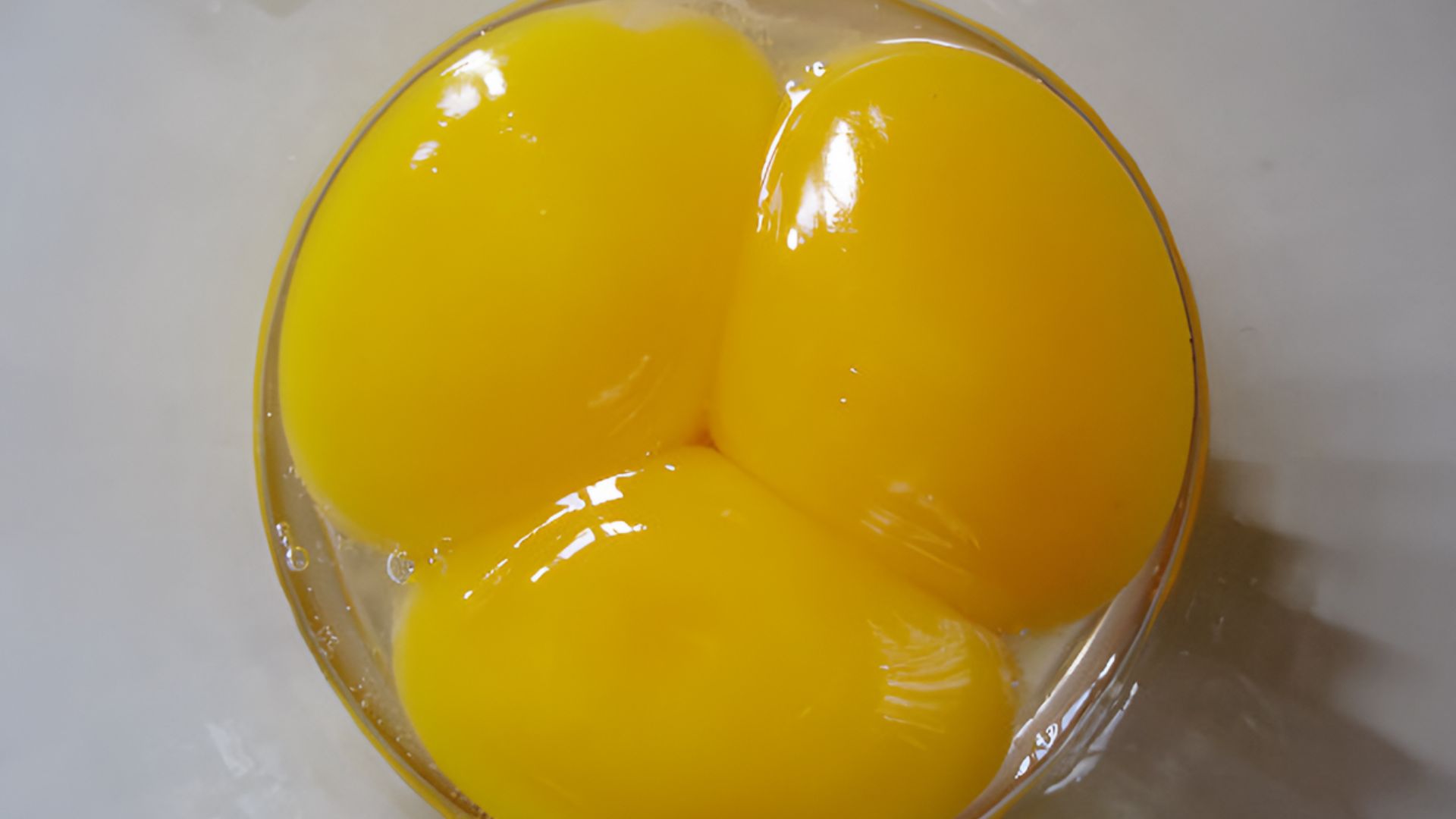
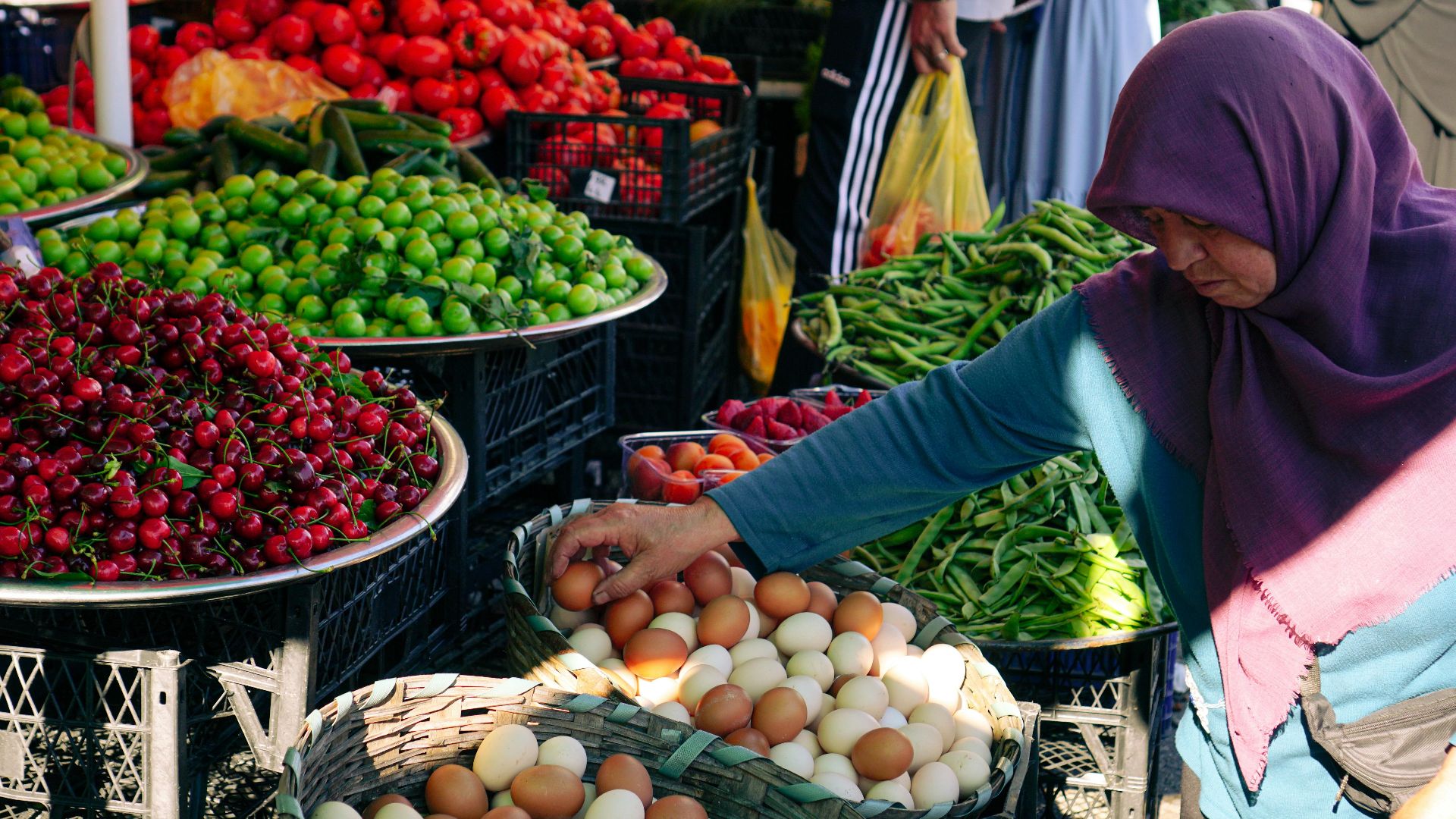
Heritage breeders and small farms sometimes collect surplus turkey eggs for household cooking or local sales. These eggs typically appear at seasonal markets rather than commercial outlets. Their availability depends on flock size, breeding schedules, and demand for poults.
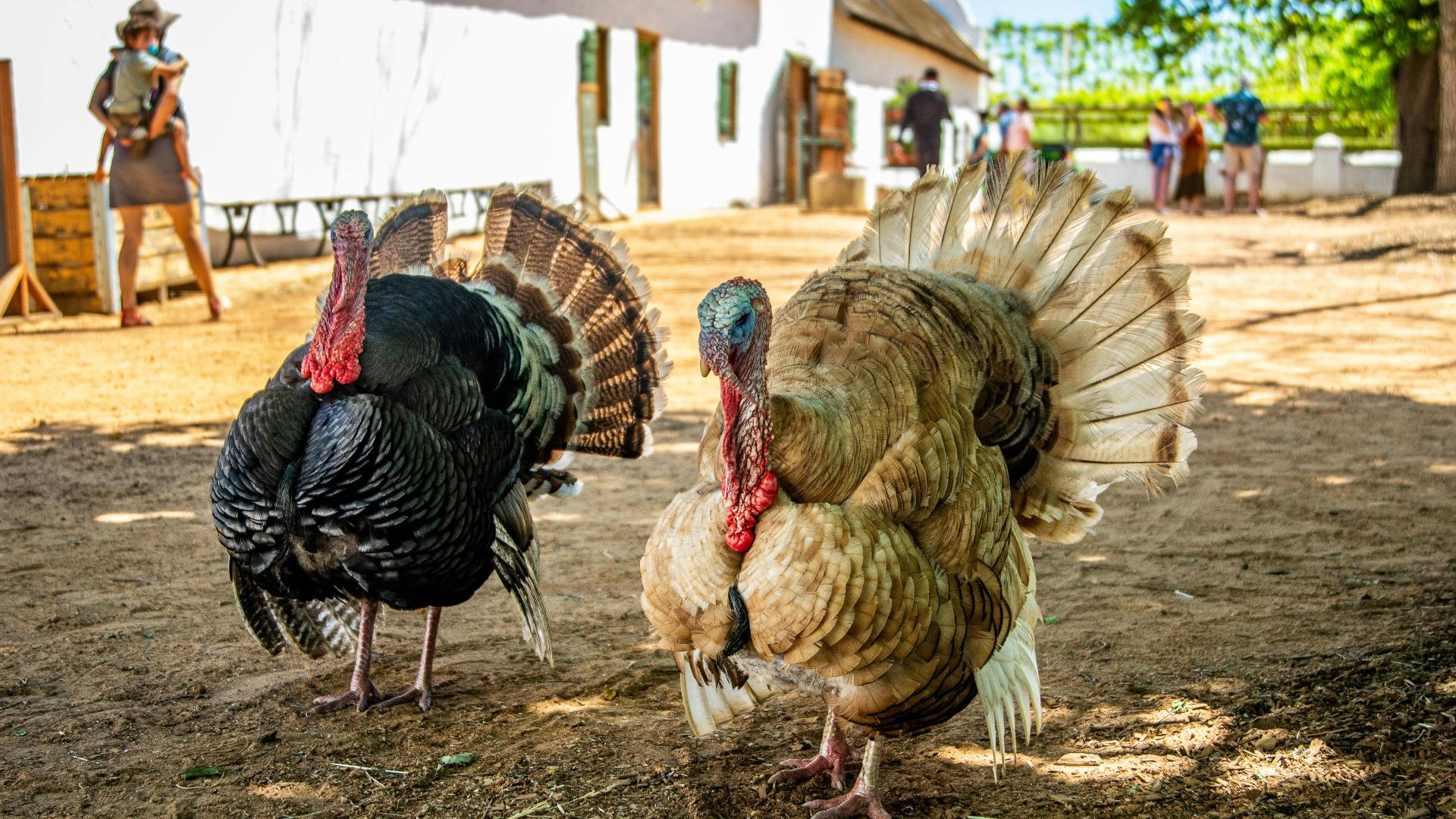
What Modern Chefs Think Of Cooking With Turkey Eggs
Chefs who encounter turkey eggs describe them as flavorful ingredients suitable for richer sauces, pastries, and specialty brunch dishes. Their size creates generous emulsions, while the sturdy shell protects the yolk during handling. However, chefs note the difficulty of obtaining them in steady quantities.

Dishes Where Turkey Eggs Shine
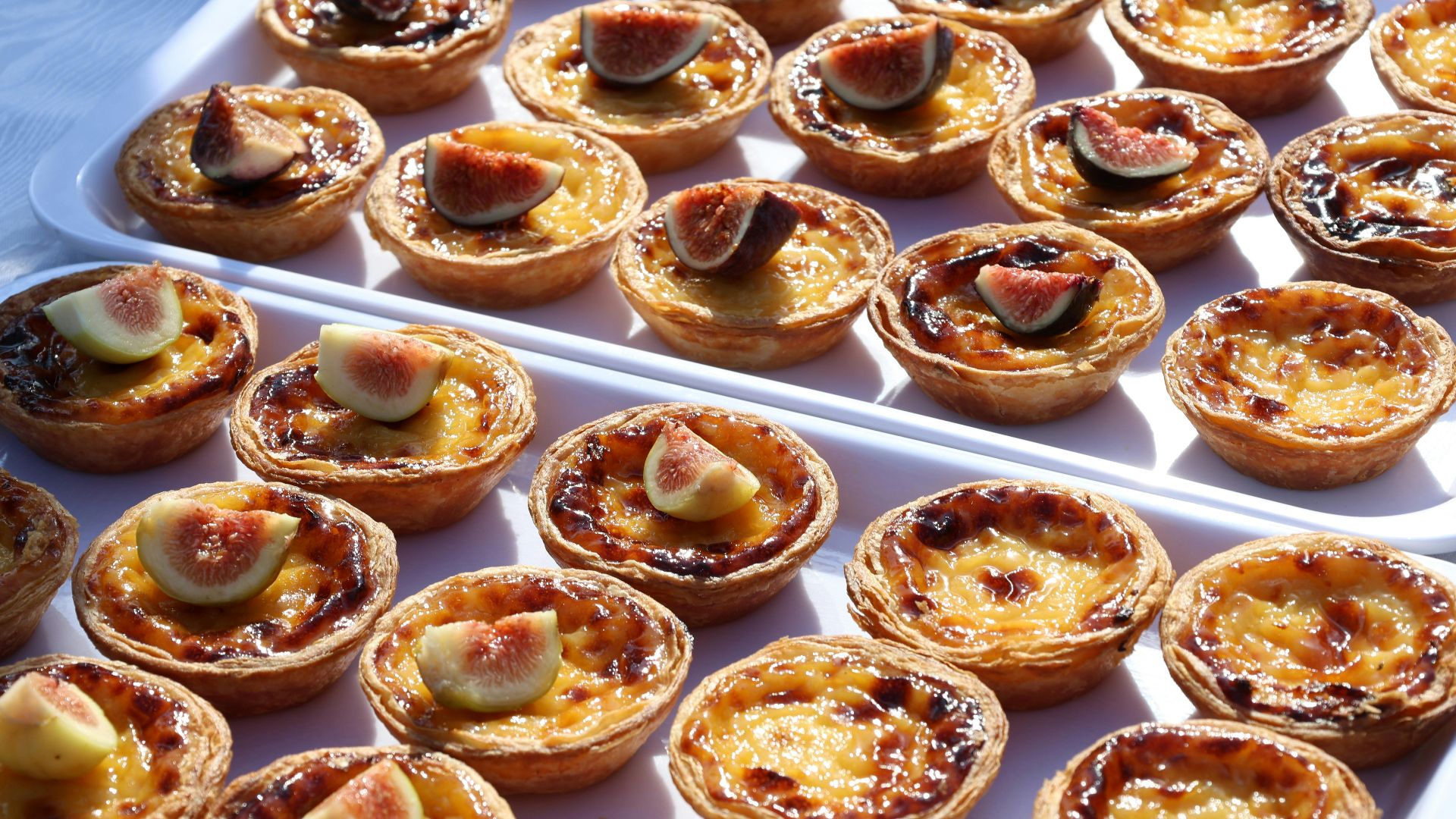
Turkey eggs excel in preparations that benefit from a creamier texture, such as custards, quiches, brioche doughs, or slow-scrambled egg dishes. Their larger yolks deepen color and structure, giving baked goods a velvety finish.
But You Won’t See Turkey Eggs In Grocery Stores
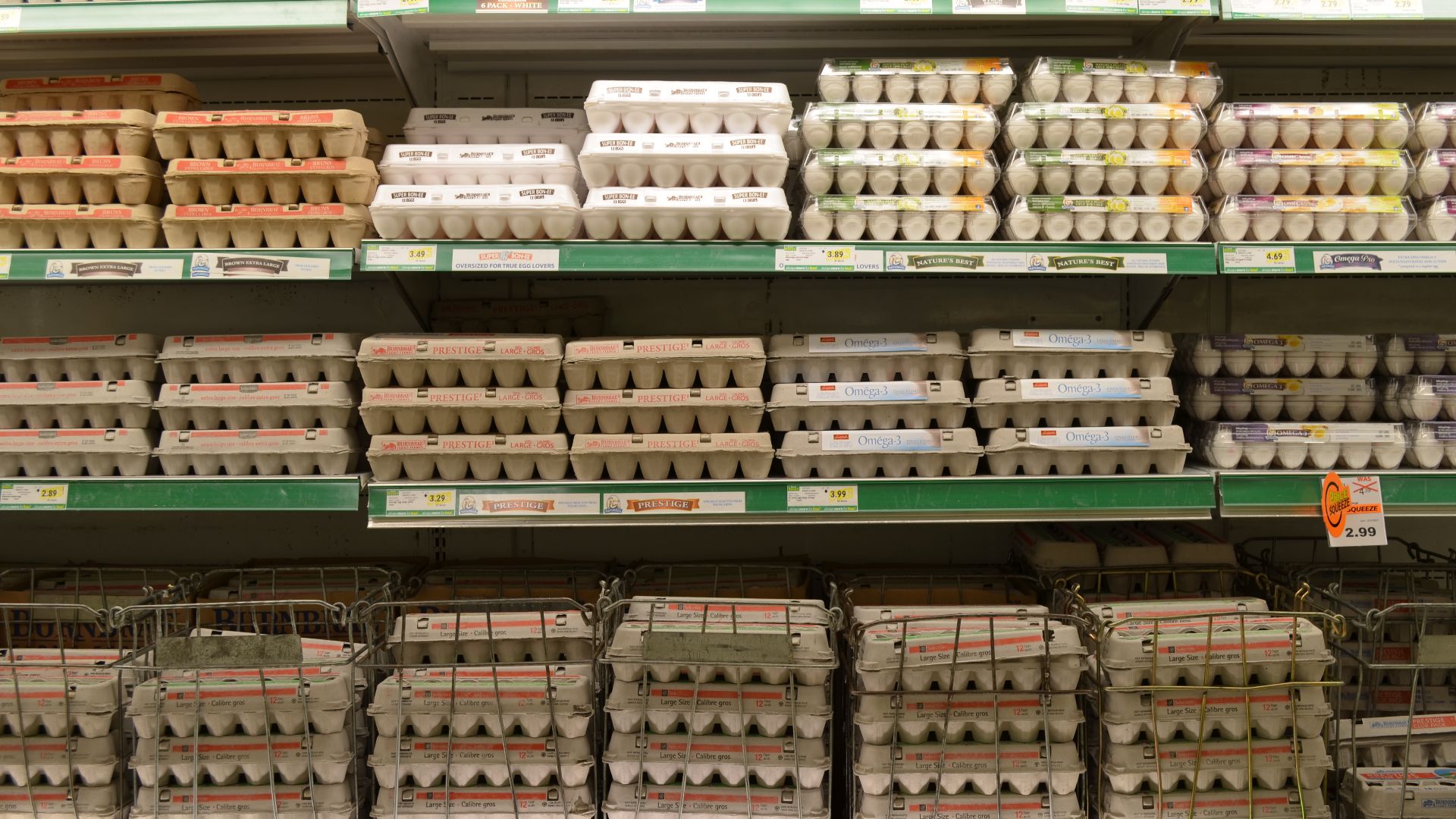
Commercial turkey operations prioritize meat production, so nearly every viable egg is incubated to produce poults. This leaves too few for retail distribution, and the remaining eggs cost far more than chicken eggs to produce. Without volume or strong consumer demand, grocery chains have no realistic incentive to stock them.
 Stilgherrian from Wentworth Falls, Australia, Wikimedia Commons
Could A New Food Trend Bring Turkey Eggs Back?
Specialty food movements occasionally revive overlooked ingredients, yet turkey eggs face structural limitations: low output, higher farming costs, and breeding priorities that limit availability. While chefs and enthusiasts might spark niche interest, scaling production would require major industry changes.
Or Will Chickens Always Remain The Egg Of Choice?
Given chickens’ high productivity, low maintenance requirements, and established culinary role, they remain unmatched as an egg source. Their reliability supports everything from home kitchens to large food manufacturers. Unless future agriculture changes dramatically, chickens will continue dominating egg production, leaving turkey eggs as intriguing but impractical alternatives.
 Raysonho @ Open Grid Scheduler / Grid Engine, Wikimedia Commons