
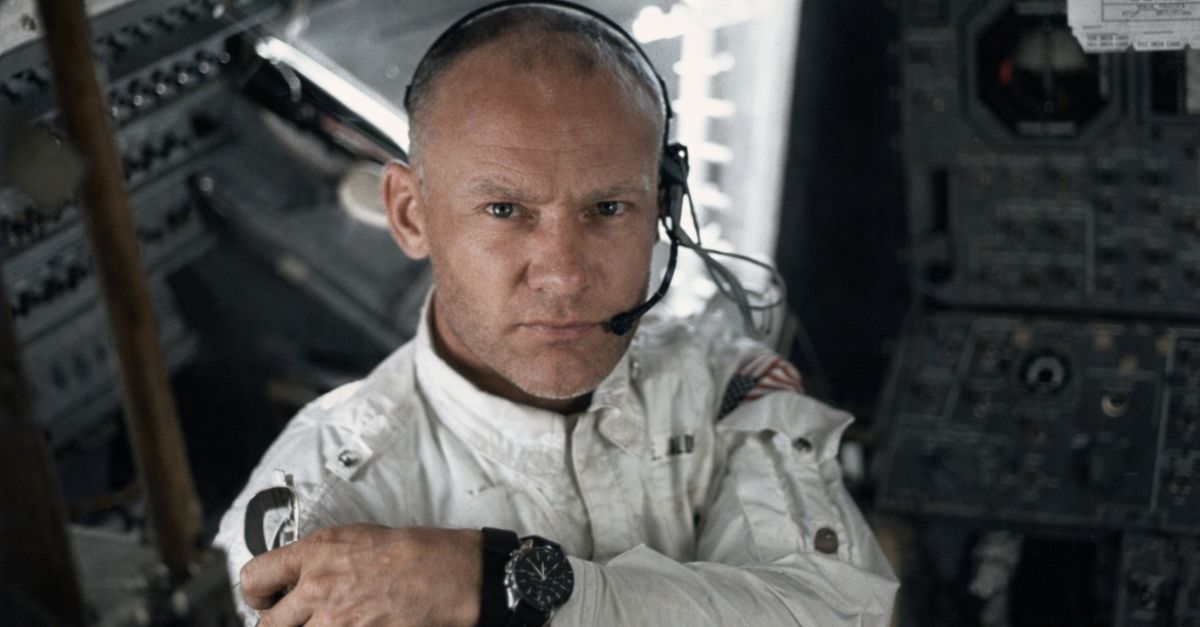
A Television Miracle The World Wasn’t Ready For
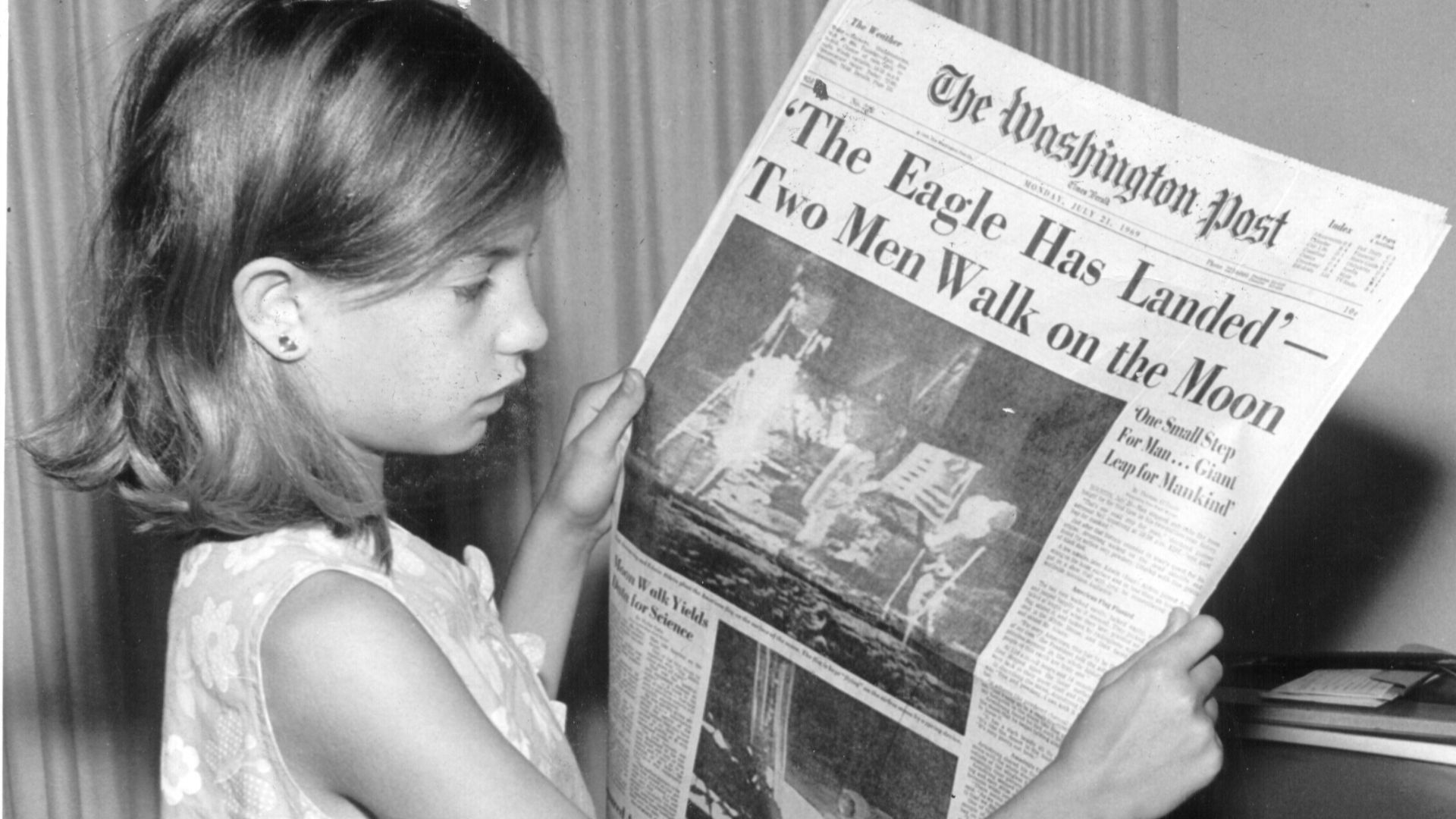
On a warm July night in 1969, people around the world stared at their televisions as a man stepped onto the Moon. The image was grainy, and for some, it looked like history. For others, it looked suspiciously staged.
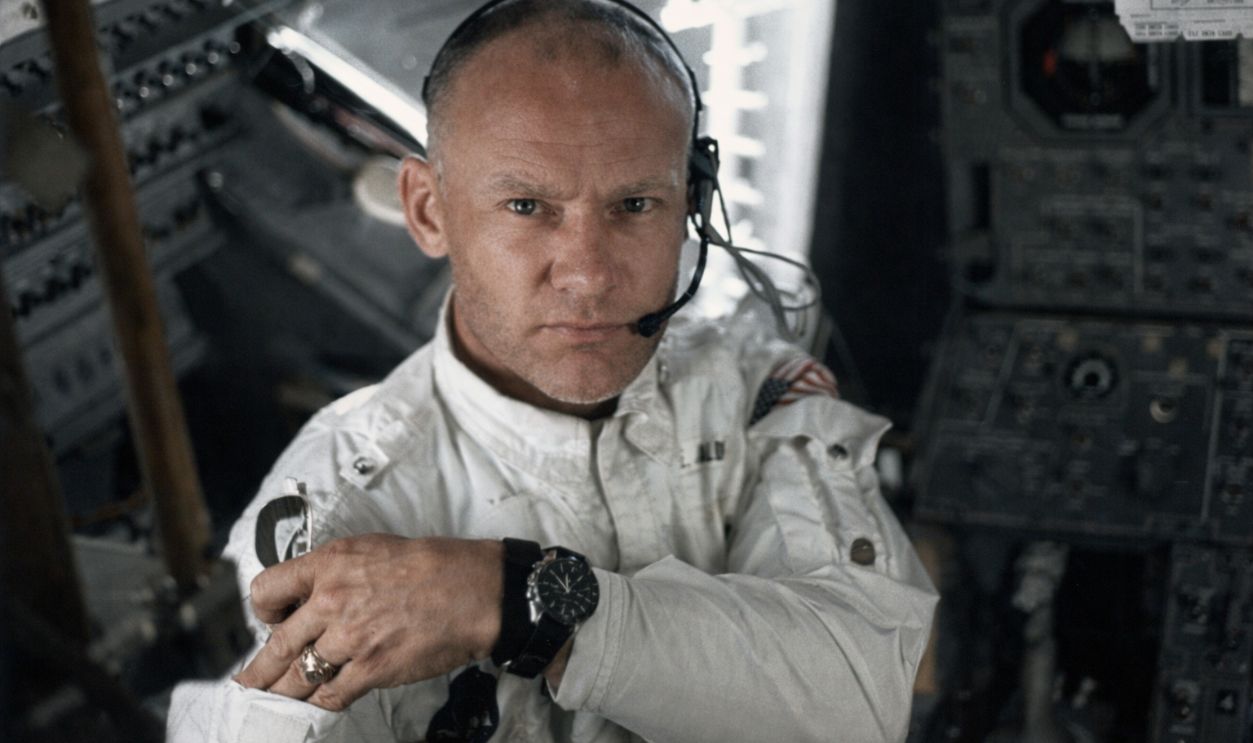 Space Frontiers, Getty images, Modified
A Cold War That Heated The Sky
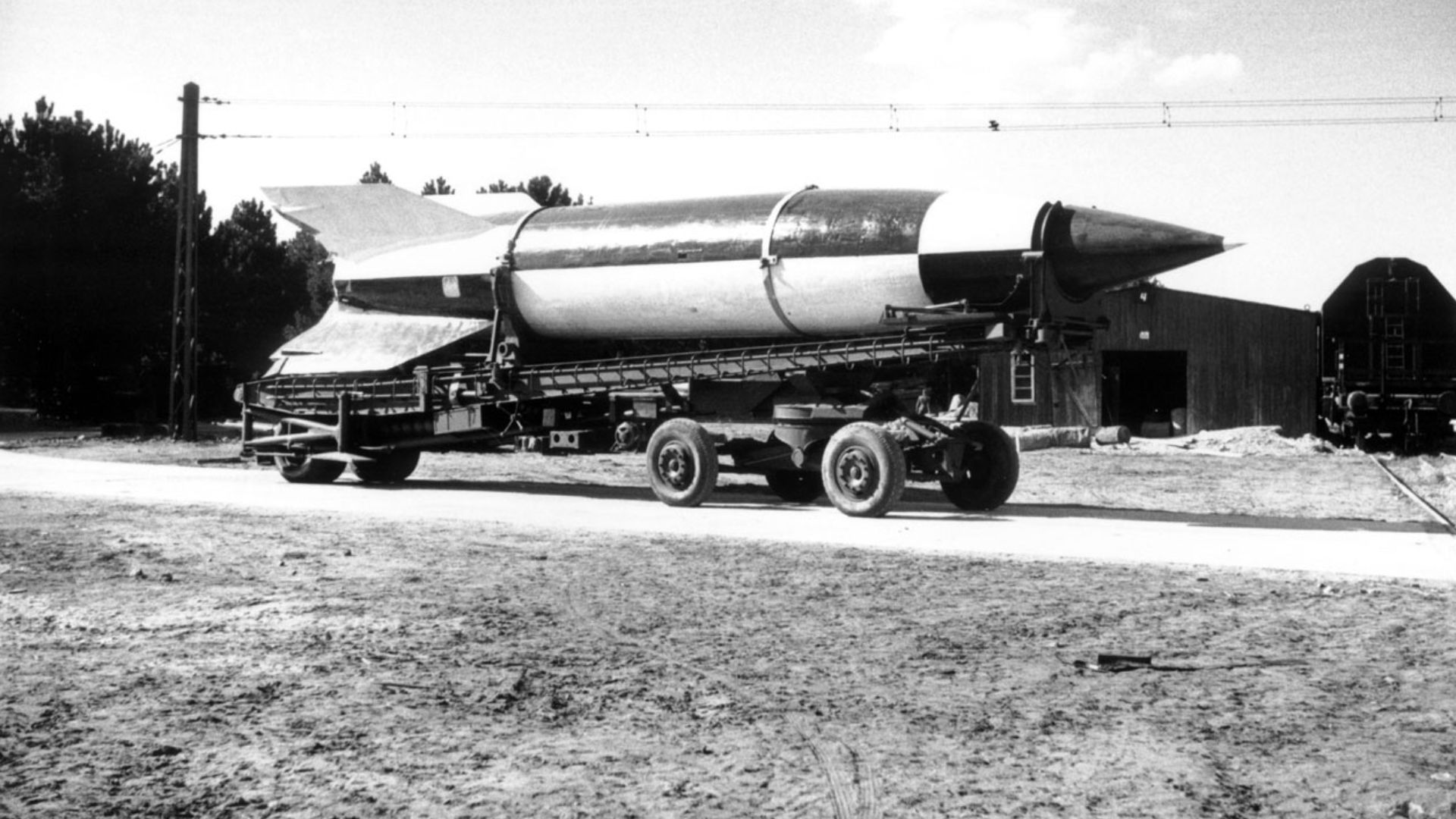
In the years after WWII, the United States and the Soviet Union became bitter rivals. They fought for power through politics, influence, and technology. During this time, space became their next battlefield, and whoever reached it first would prove they ruled the modern world.
 User Ian Dunster on en.wikipedia, Wikimedia Commons
America’s Early Losses In The Space Race
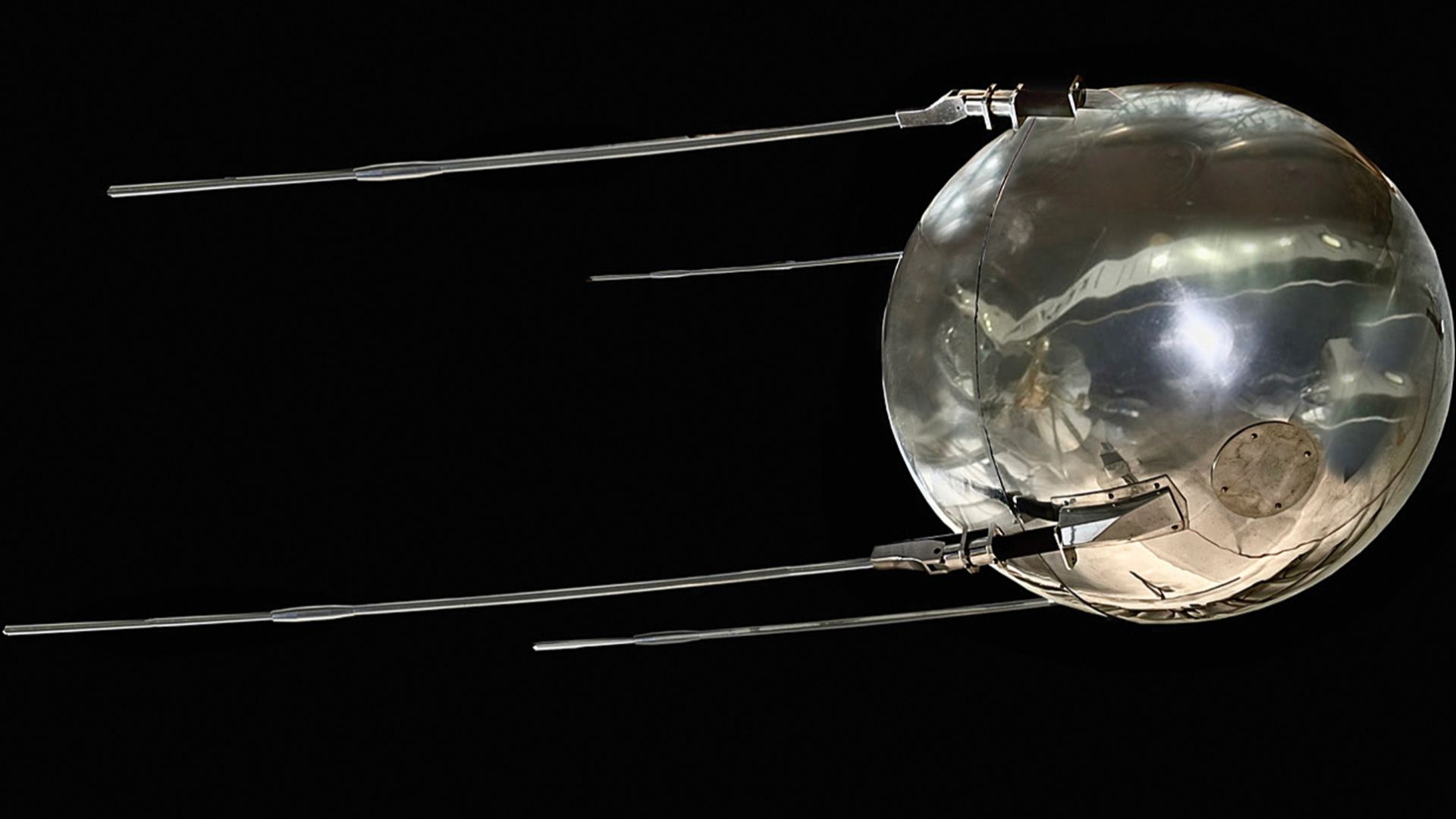
While the US planned big dreams, the Soviets delivered big wins. In 1957, they launched the first satellite, Sputnik. Just four years later, they sent the first human into space. Each Soviet success made America’s failures harder to ignore—and harder to explain.
 Steve Jurvetson, Wikimedia Commons
JFK’s Deadline And A Nation Under Pressure
In 1961, President John F. Kennedy made a bold promise: America would land a man on the Moon before the decade ended. At the time, it was more hope than plan. That single deadline lit a fire under an entire nation.
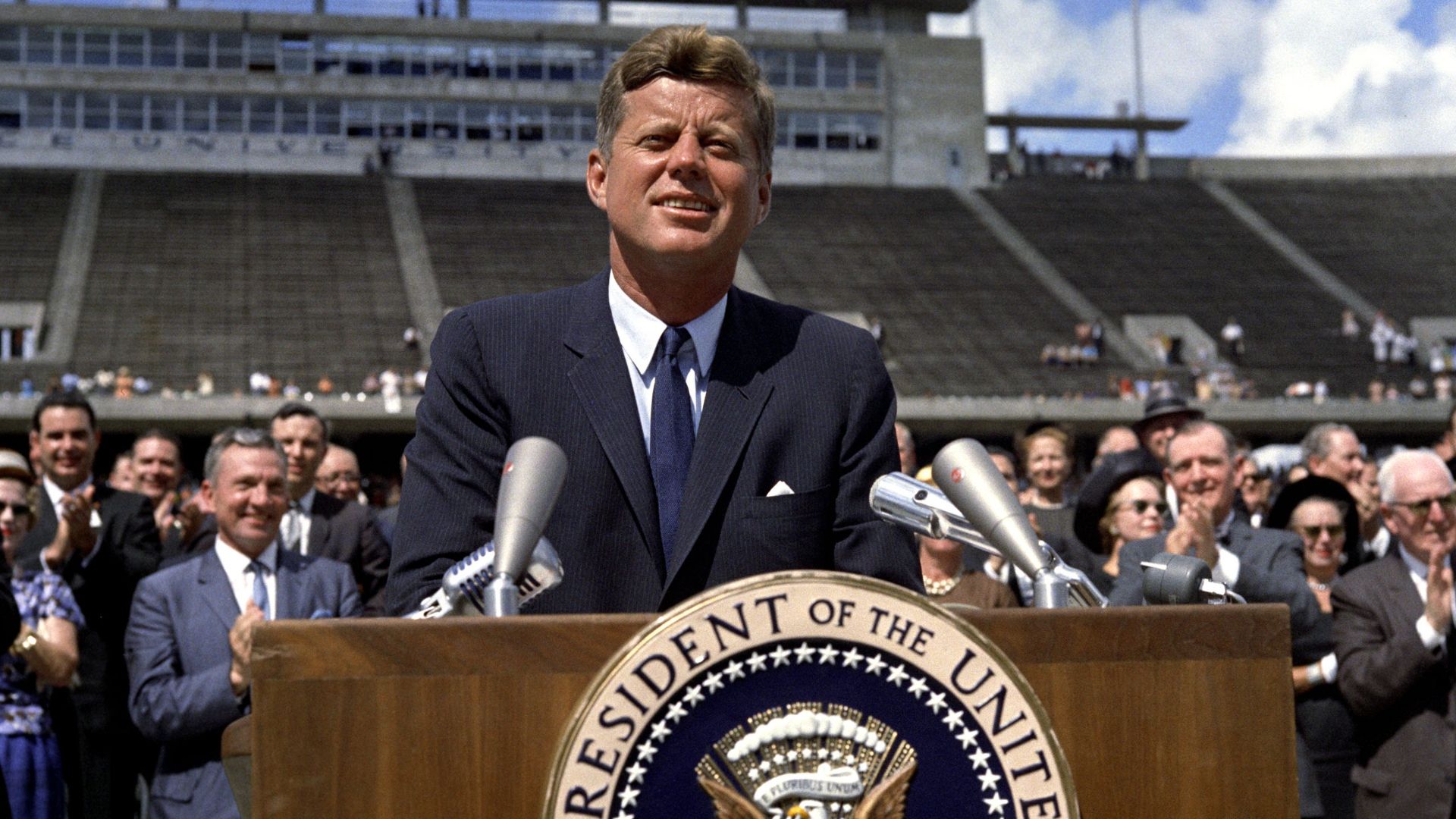 Robert Knudsen, Wikimedia Commons
Building The Apollo Program From The Ground Up
Turning Kennedy’s promise into reality meant starting from scratch. NASA had to design rockets, train astronauts, and invent computers that didn’t exist yet. Over 400,000 people worked on Apollo, and it cost approximately $25.4 billion, making it one of history’s biggest scientific efforts.
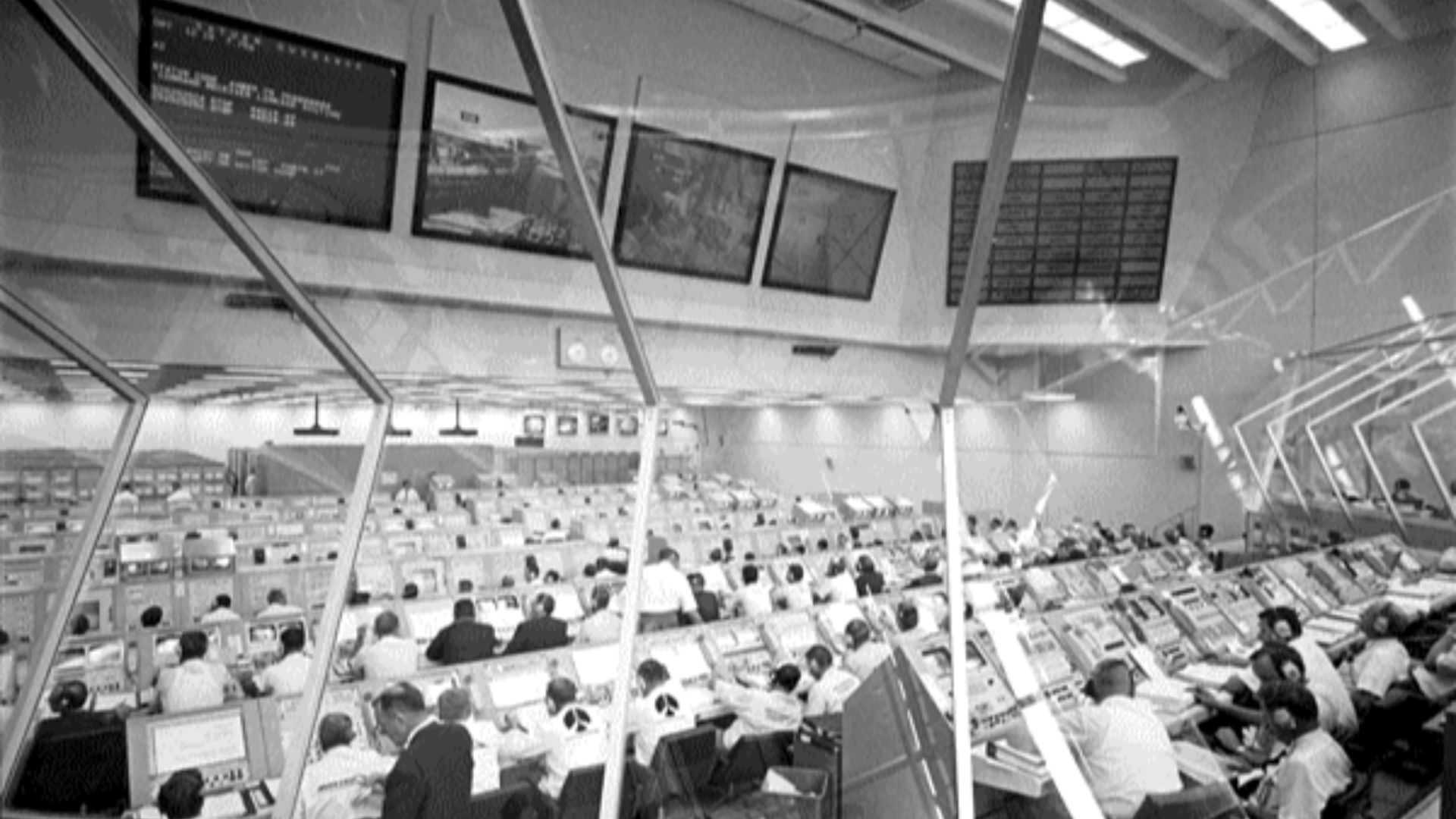
The Quiet Commander
Neil Armstrong was calm and serious, more focused on flying than fame. As a test pilot and engineer, he was known for staying steady under pressure. When chosen to be first on the Moon, he treated it as a responsibility, not a personal triumph.
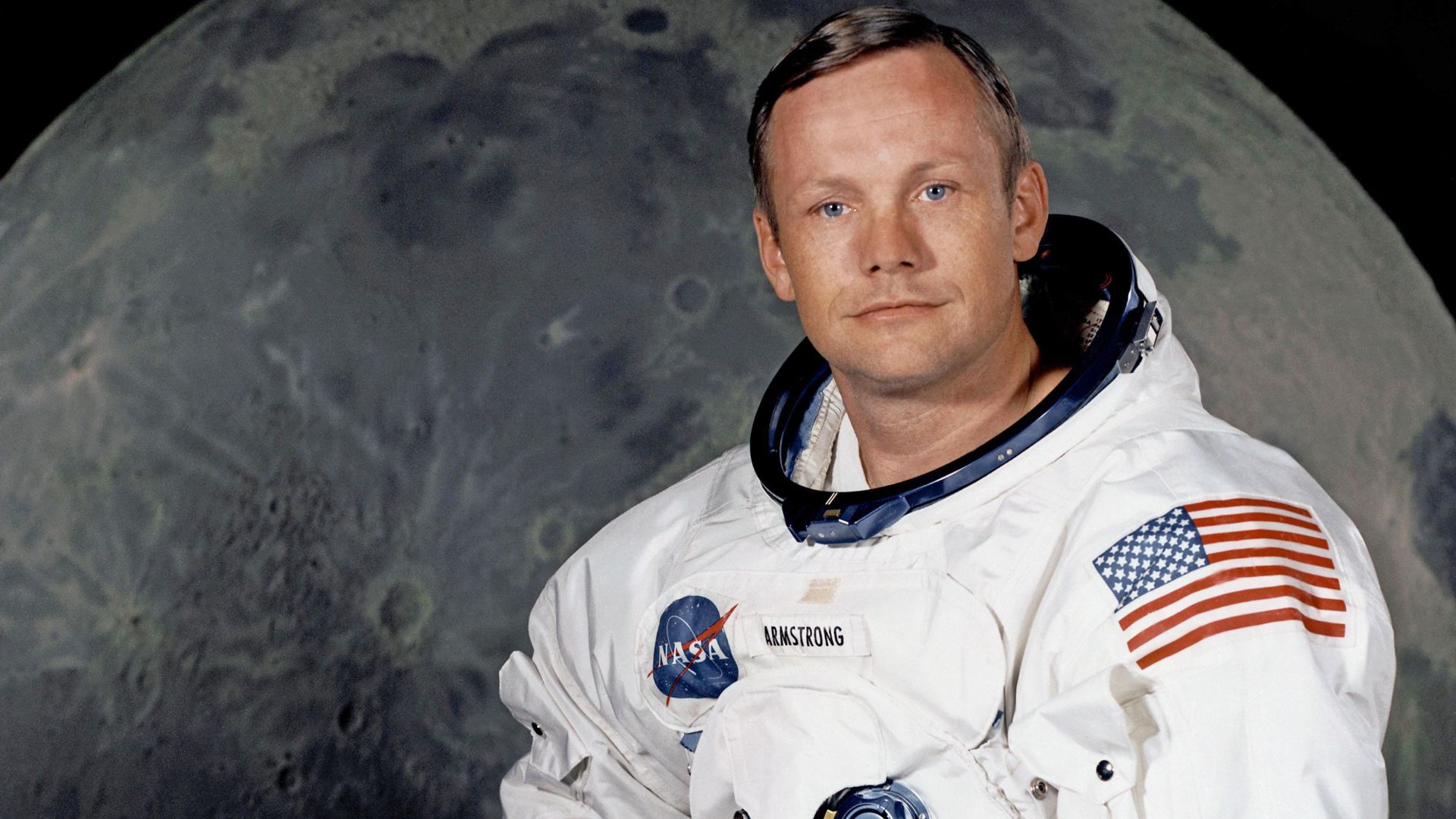 Unknown authorUnknown author, Wikimedia Commons
The Ambitious Engineer
Buzz Aldrin approached Apollo 11 with confidence shaped by deep technical knowledge. He held a doctorate in astronautics and helped refine how astronauts moved in space. Unlike Armstrong, he spoke openly and forcefully, which later drew attention from critics searching for inconsistencies.
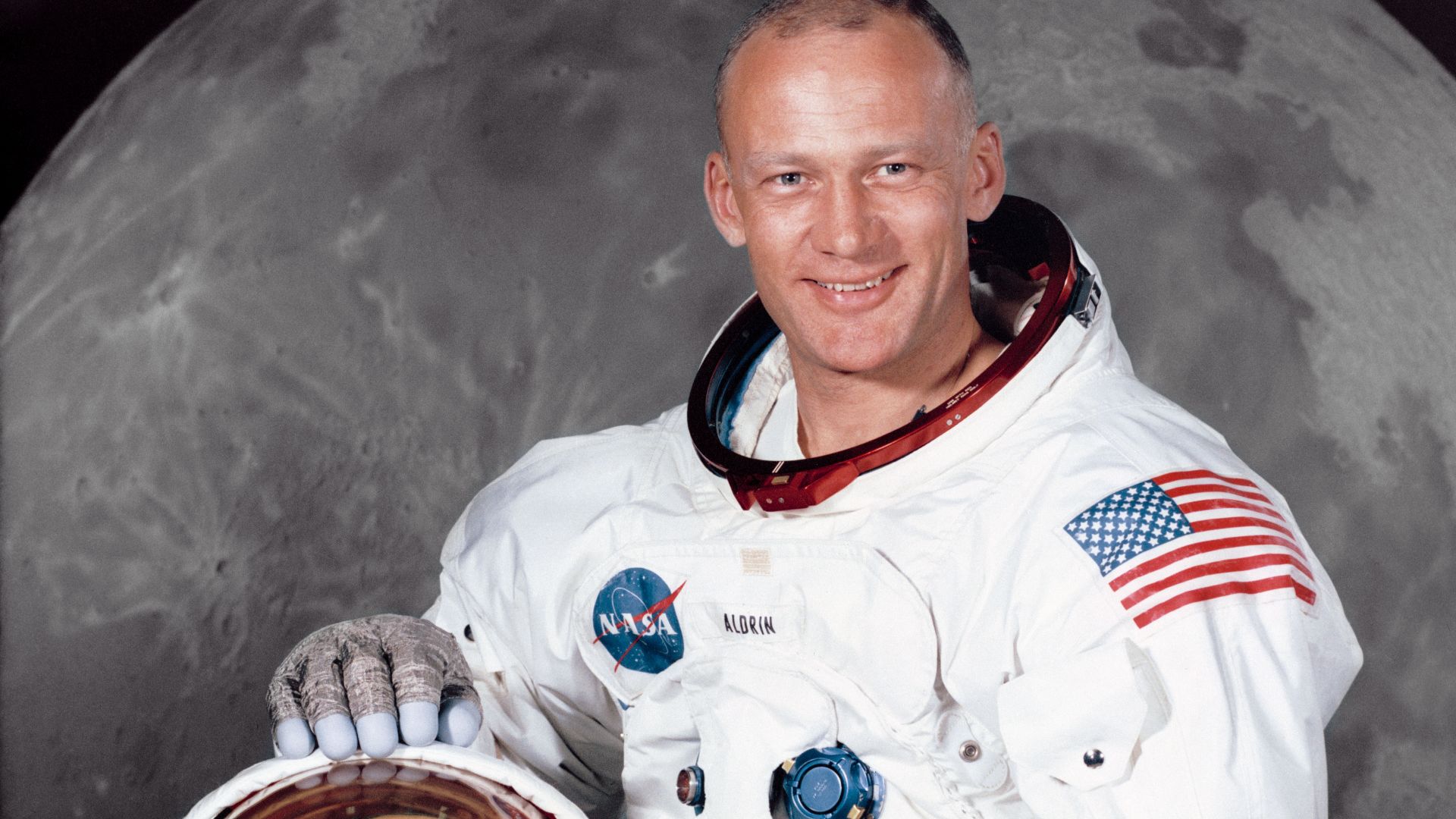
The Forgotten Pilot
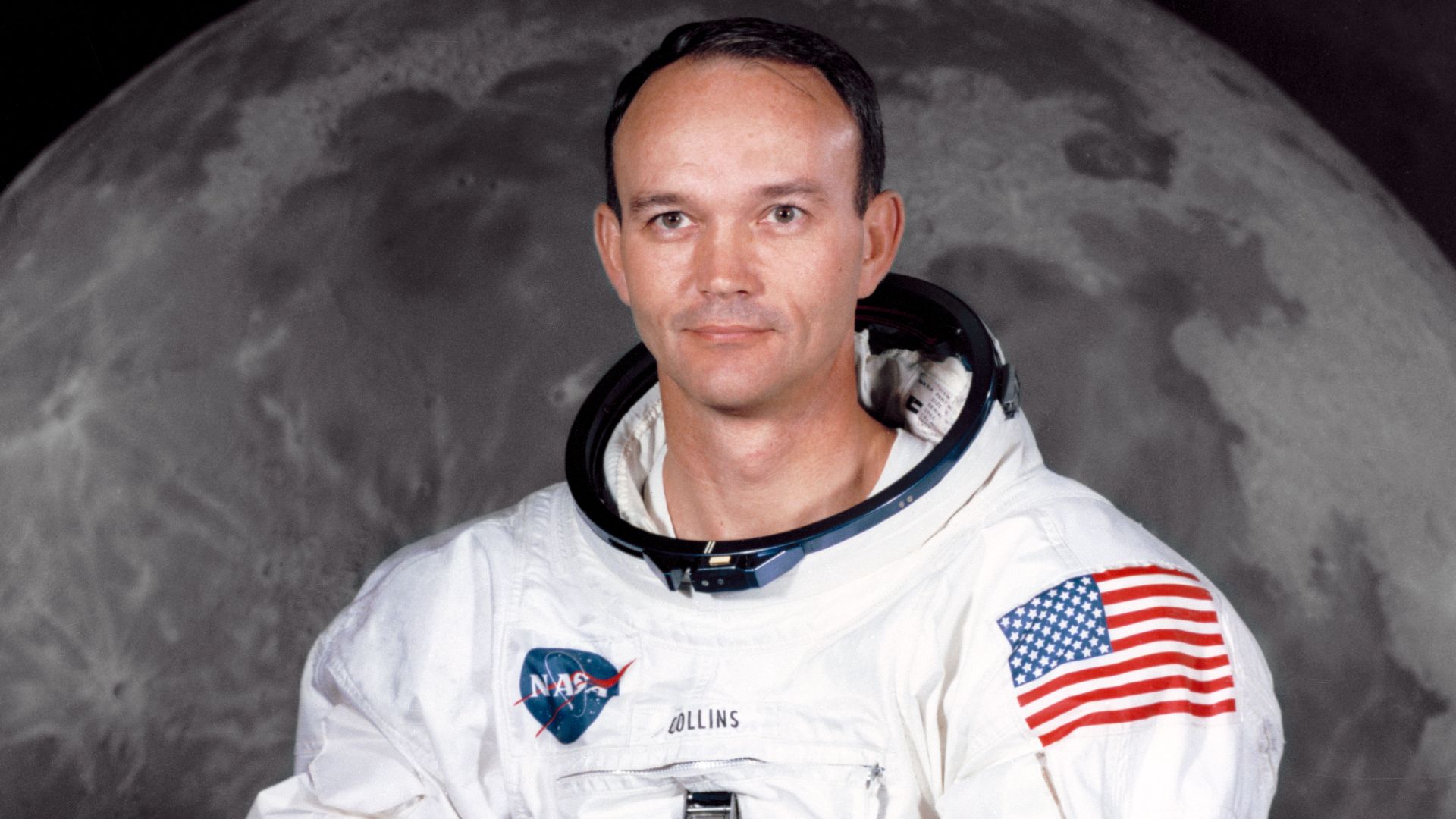
While the Moon walk captured history, Michael Collins remained alone in orbit. He piloted the command module, keeping it ready for return. Because he never stepped onto the surface, some later questioned why one astronaut did not directly witness the landing below.
The Tense Descent And A World Watching
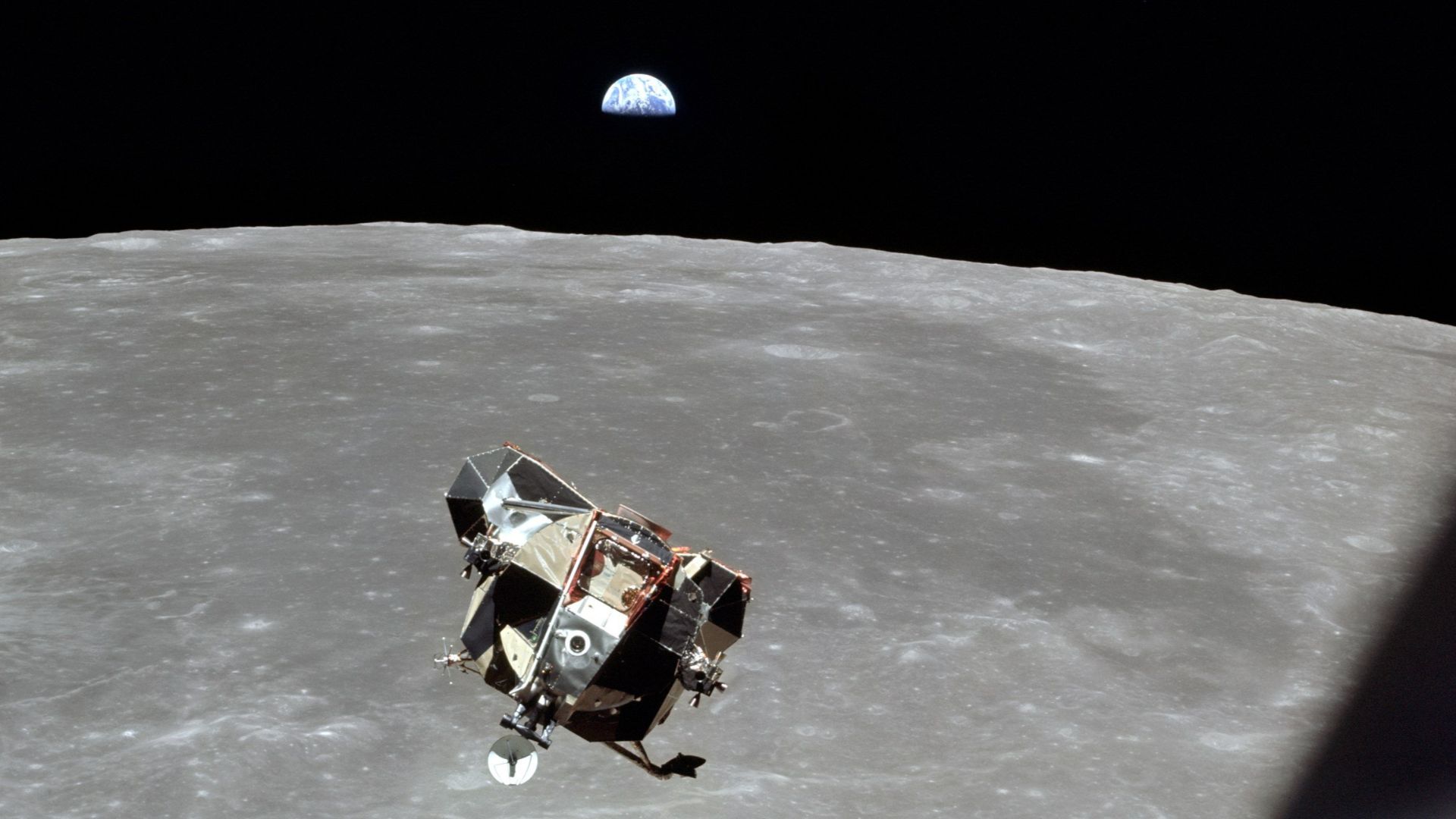
On July 20, 1969, Apollo 11 faced alarms and a rocky landing site as it neared the Moon. Armstrong took manual control and landed with just 20 seconds of fuel left. Around 600 million people watched, stunned by the quiet, unfamiliar scene.
 Michael Collins, Wikimedia Commons

History's most fascinating stories and darkest secrets, delivered to your inbox daily.
The Man Who Started It All
In 1976, a former NASA contractor named Bill Kaysing self-published a book claiming the Moon landing was fake. He offered no hard proof, but his accusations were bold. For skeptics, his ideas planted the first serious seeds of doubt.
 Jack Weir (1928-2005), Wikimedia Commons
Misunderstood Photos That Sparked Questions
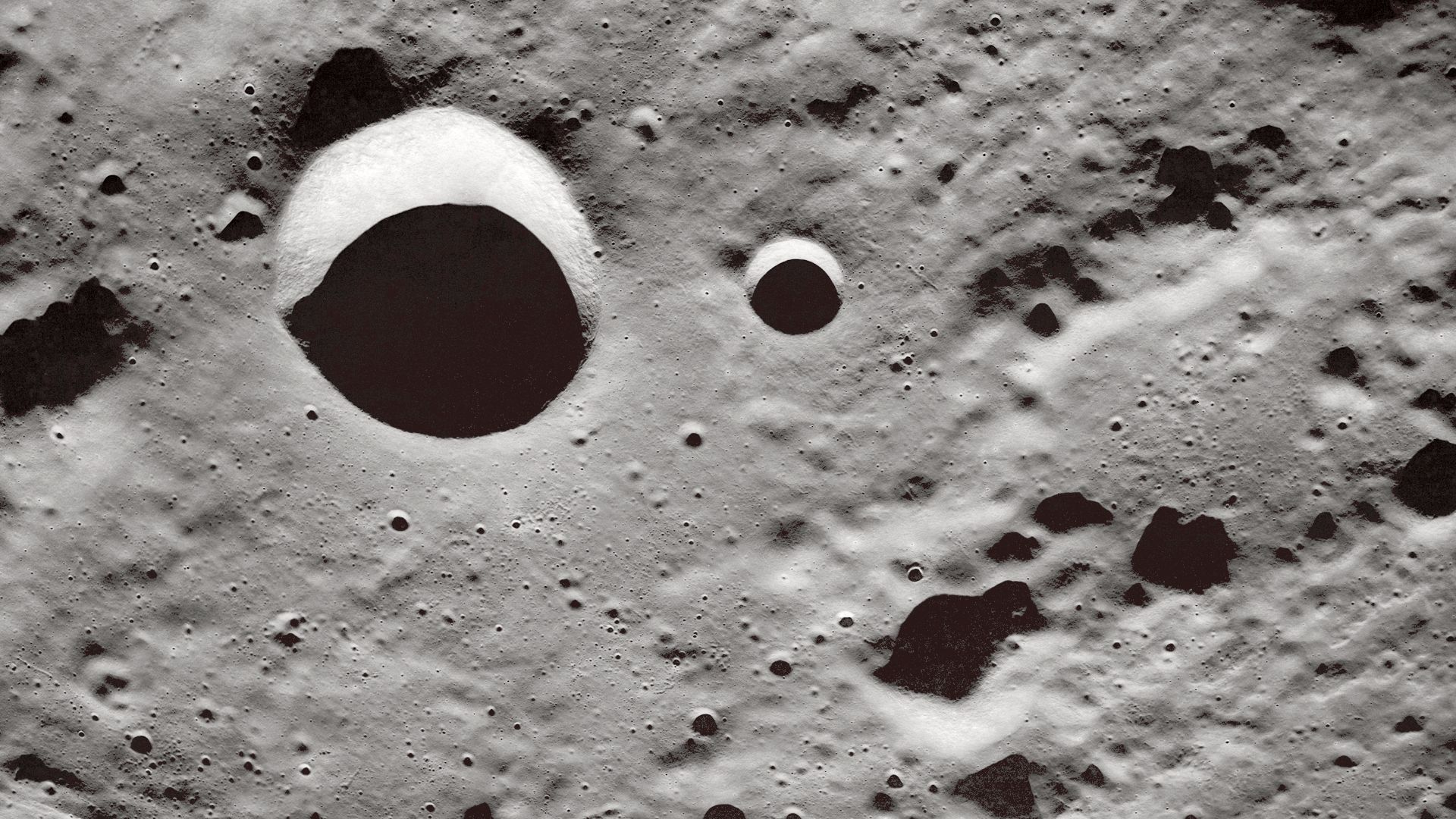
Some Moon landing photos showed shadows falling in different directions. Others had crosshairs that looked out of place. Critics thought this meant artificial lighting or image tampering, but they didn’t understand how wide-angle lenses and film exposure actually worked.
 NASA Apollo, Wikimedia Commons
The Lunar Footage That Looked Off
The video showed astronauts moving in slow, floating steps across a dusty surface. The flag appeared to flutter, and there were no stars in the sky. These strange details confused viewers, especially those who didn’t know how the Moon’s environment behaves.
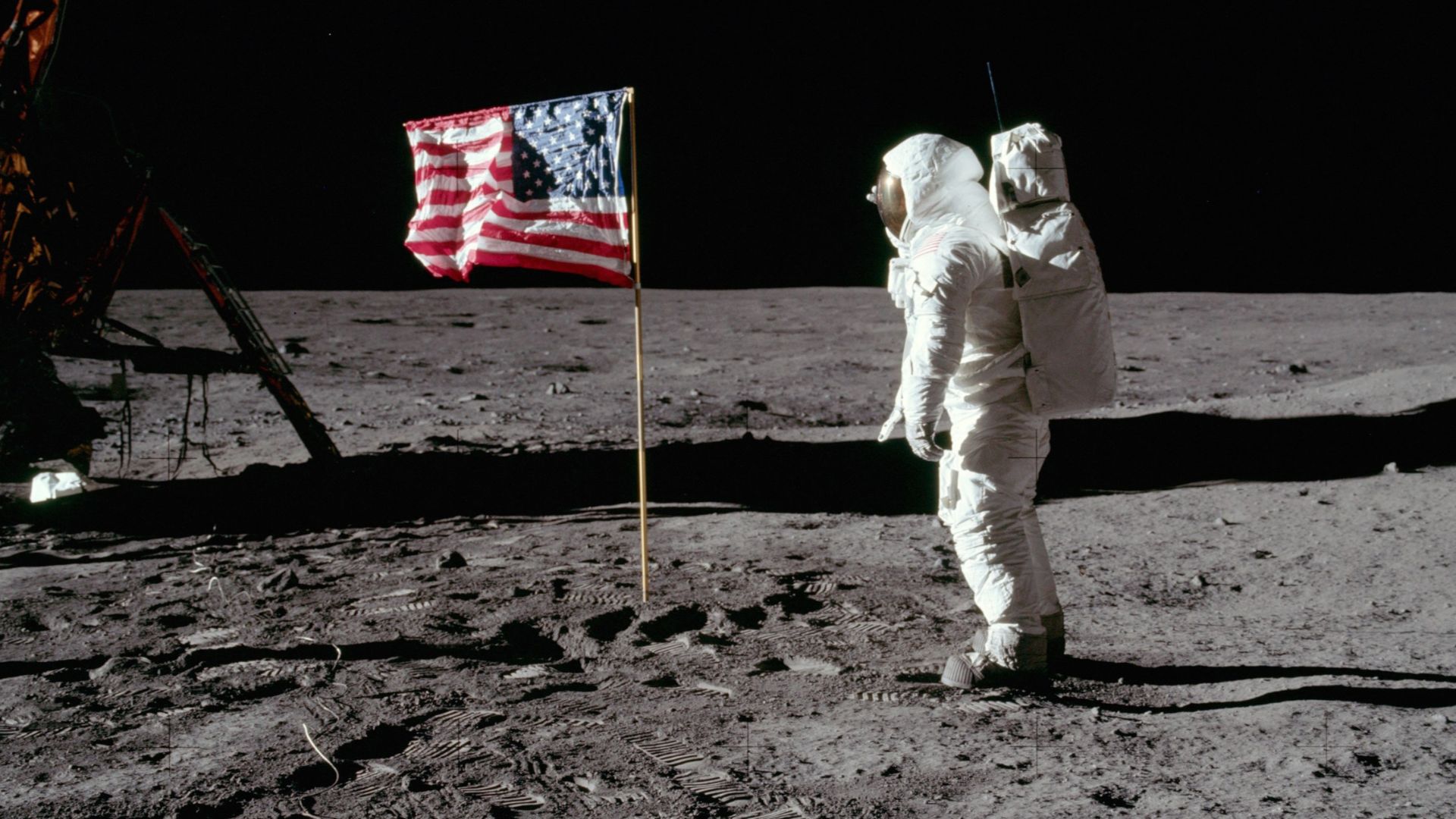
NASA’s Silence That Spoke Too Loudly
When early doubts emerged, NASA initially chose not to respond, focusing on future missions and ignoring conspiracy claims. That silence created a gap, and into it stepped writers, filmmakers, and skeptics eager to explain what NASA wouldn’t.
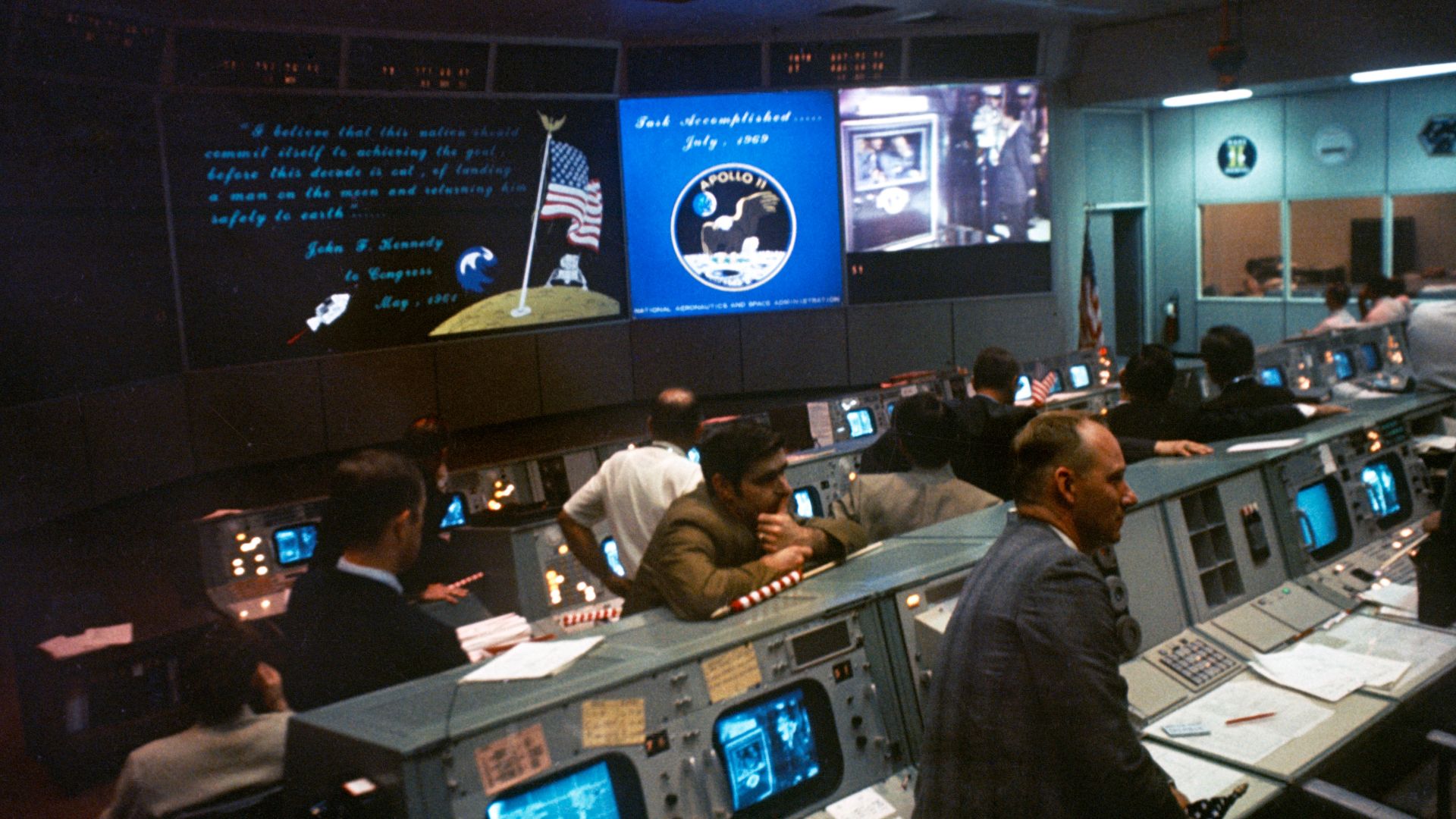
Watergate And The Rise Of Distrust
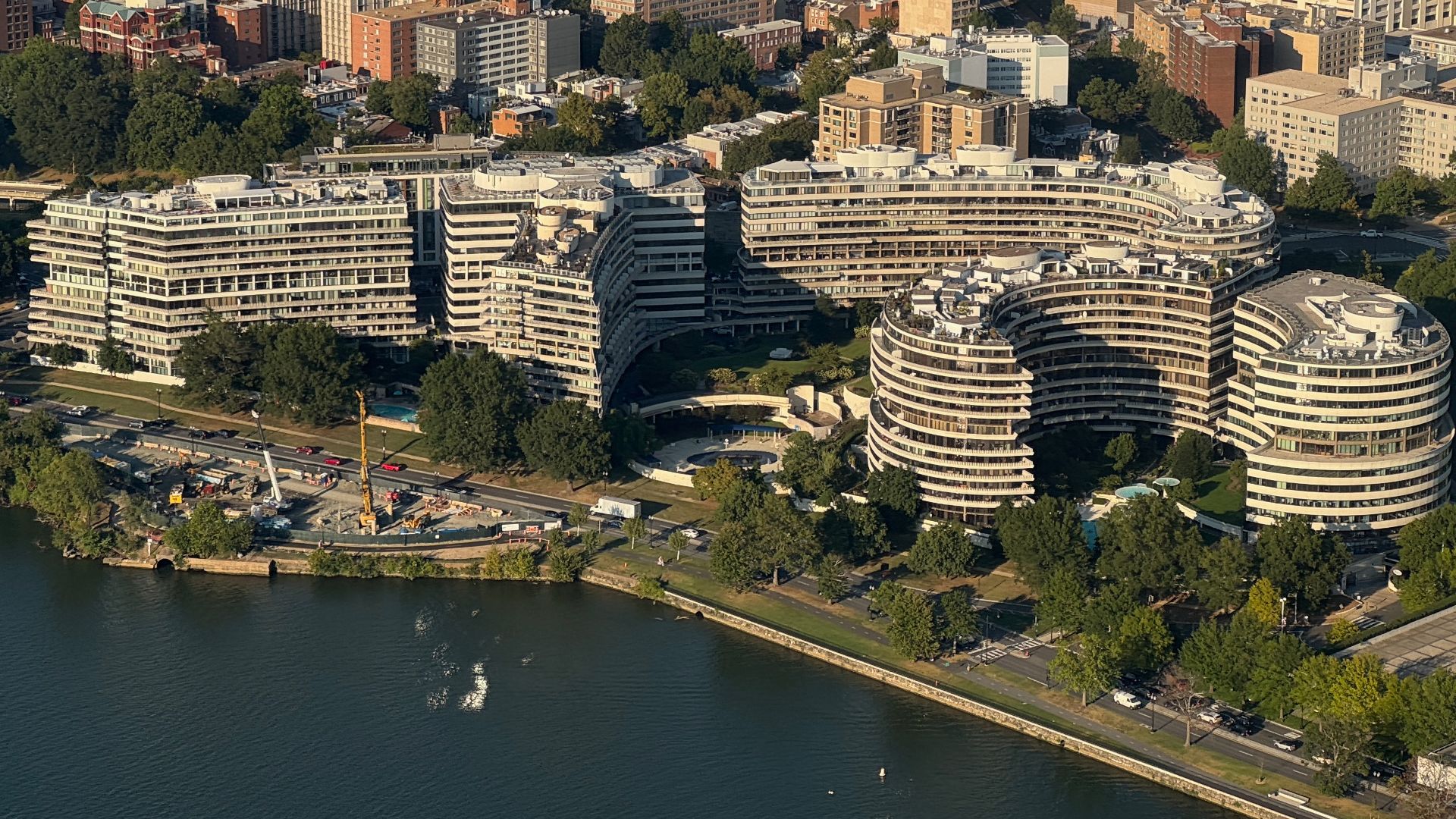
Americans learned their government had lied about Vietnam and spied on its own citizens in the 1970s. The Watergate scandal confirmed their worst fears. With public trust collapsing, some people began to wonder if the Moon landing had been just another cover-up.
Hollywood Enters The Picture With Capricorn One
In 1978, a movie called Capricorn One showed astronauts faking a Mars mission in a TV studio. It was fiction, but it felt believable. For many viewers, the idea that space missions could be staged suddenly seemed more realistic than before.
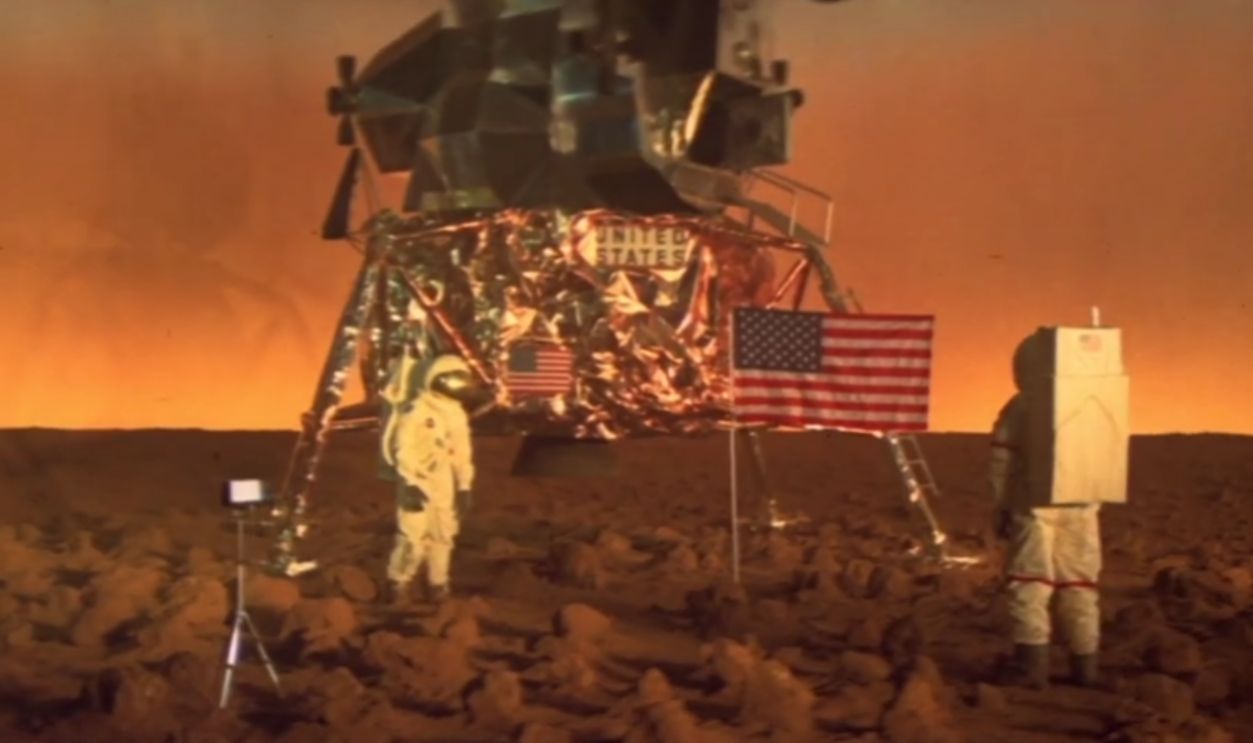 Screenshot from Capricorn One, Warner Bros.(1978)
The 1990s TV Boom That Revived The Theory
Decades after Apollo 11, TV networks began airing Moon hoax specials. One early 2000s show, Did We Land on the Moon?, presented conspiracies as open questions. With no experts countering the claims, viewers were left to decide who was telling the truth.
 Eden, Janine and Jim from New York City, Wikimedia Commons
The Internet’s Role In Spreading Doubt
When the internet became widely used, conspiracy forums and early websites gave Moon hoax believers a place to connect. Rumors spread faster than facts. Edited videos and mistranslated science confused people and made made-up stories look almost official.

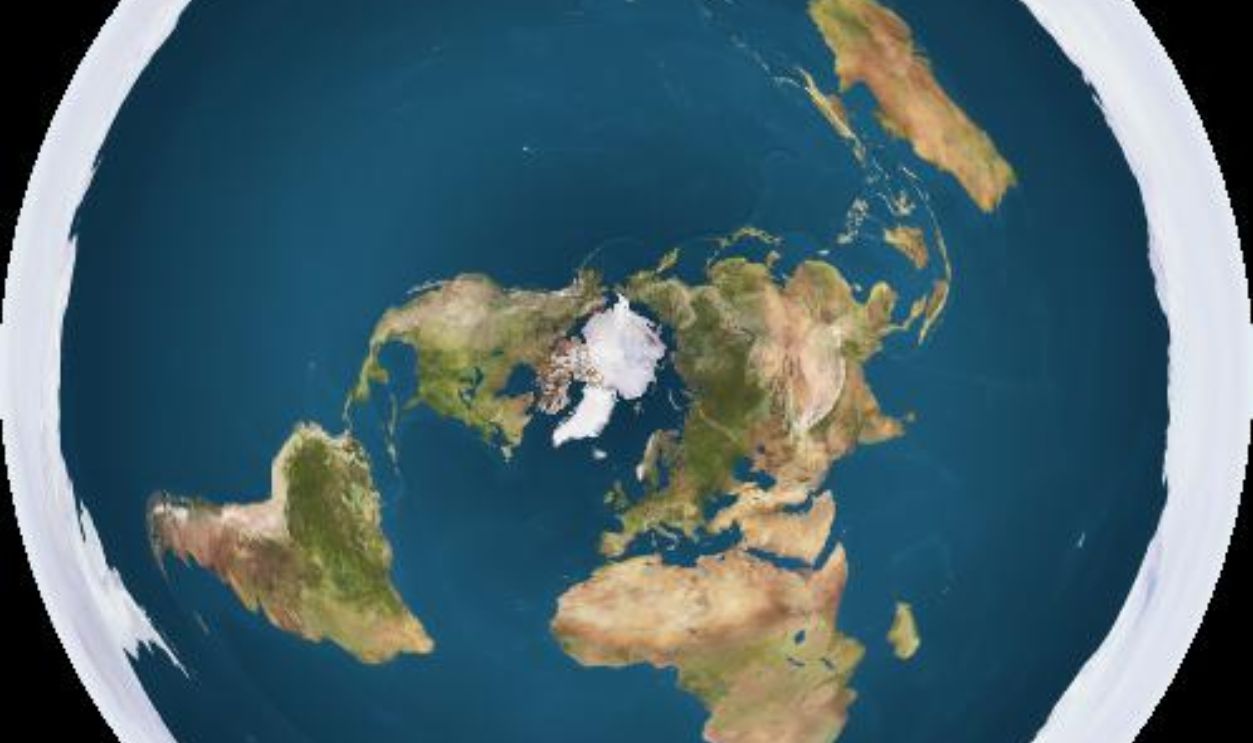
When Moon Hoax Meets Flat Earth
In some online spaces, Moon hoax believers began to overlap with Flat Earth groups. Both sides rejected mainstream science and trusted only what they could see for themselves. Together, they created a growing world of anti-space thinking that ignored expert evidence completely.
 Trekky0623, CC BY-SA 4.0, Wikimedia Commons
Why Conspiracy Theories Feel Safer
For some people, believing in a hidden truth feels safer than accepting a complicated reality. If a big event seems too perfect or too distant, they search for holes in the story. Doubt becomes comfort, and questioning becomes a way to feel control.
NASA’s Real Mistakes And Missing Tapes
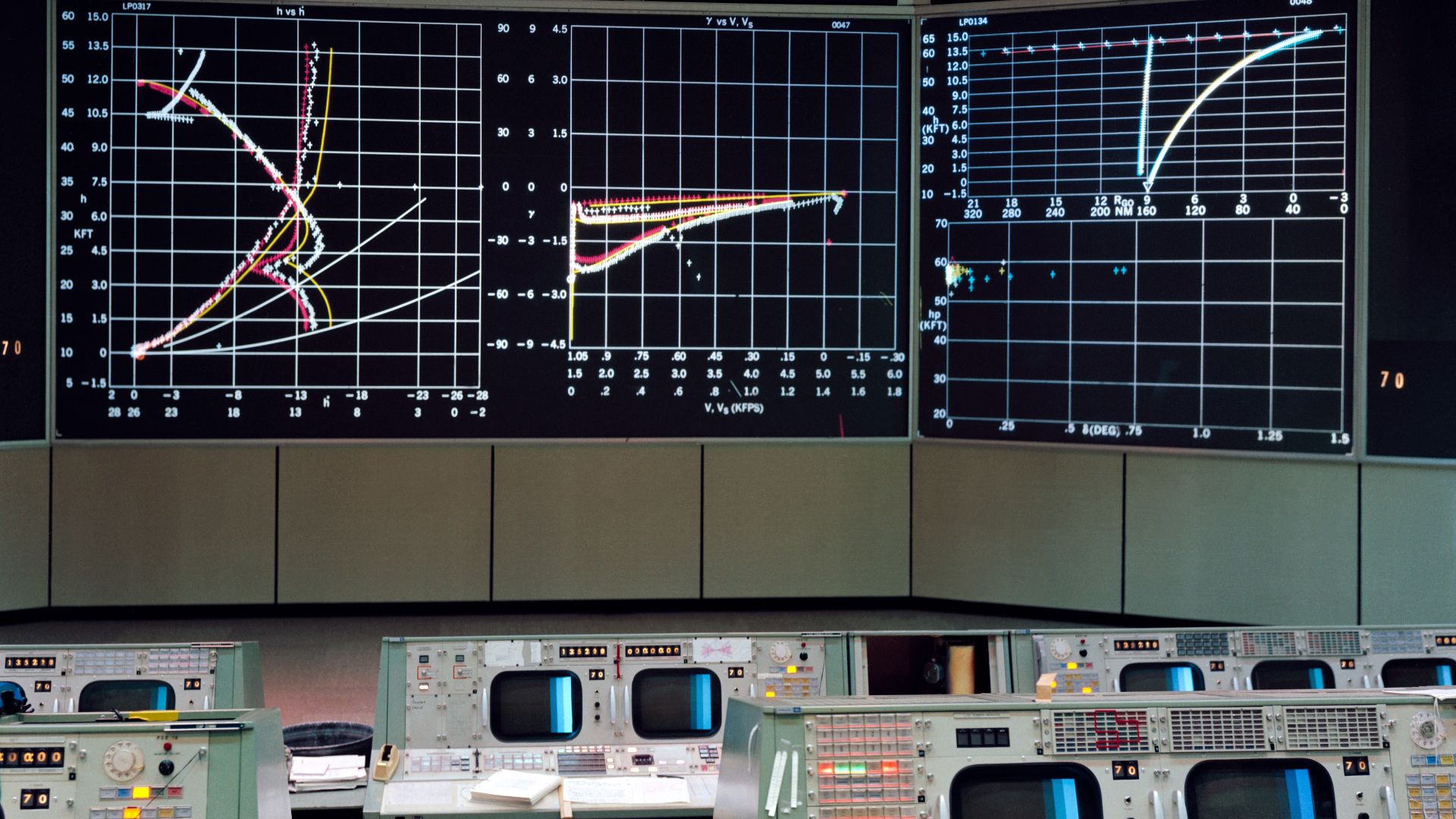
In the early 2000s, NASA admitted it could not locate the original Apollo 11 videotapes. They had likely been erased and reused during a storage shortage. It was a simple error, but to skeptics, it looked like proof of a cover-up.
The Moon Rocks Argument No One Buys
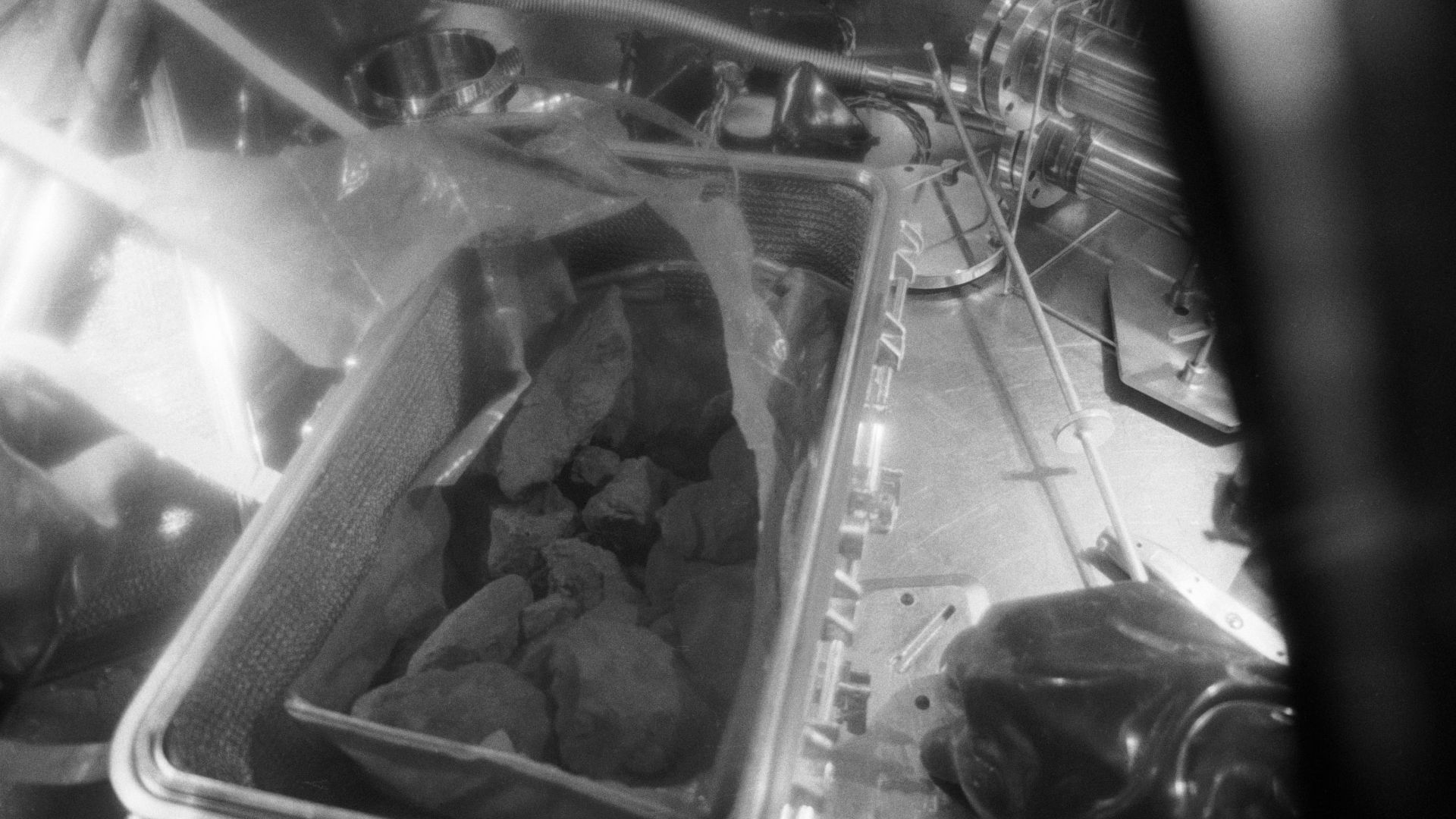
NASA brought back 842 pounds of Moon rocks, studied by scientists around the world. These rocks are different from anything found on Earth. Still, hoax believers call them fakes, refusing to accept that lab results from multiple countries prove otherwise.
When Astronauts Fought Back
Some astronauts ignored the hoax claims, but others got angry. In 2002, Buzz Aldrin punched a man who called him a liar. While their frustration was real, these moments gave conspiracy theorists more drama to use in their stories.
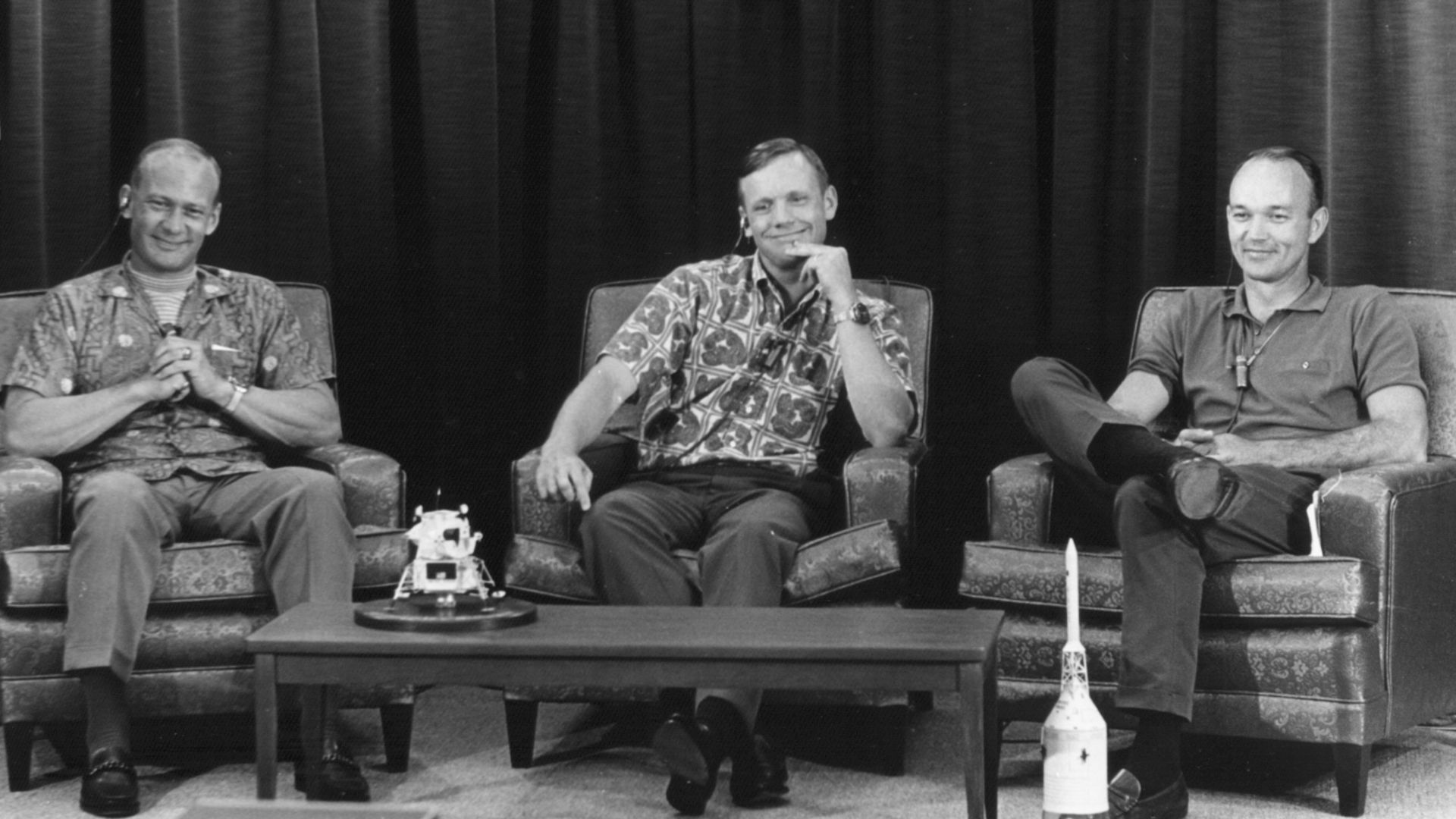
The Science That Shuts It Down
Experts have explained every strange photo and video detail, from shadows to missing stars. The science checks out. Faking it would’ve required thousands to stay silent and technology no one had in 1969. In truth, doing it was easier than faking it.
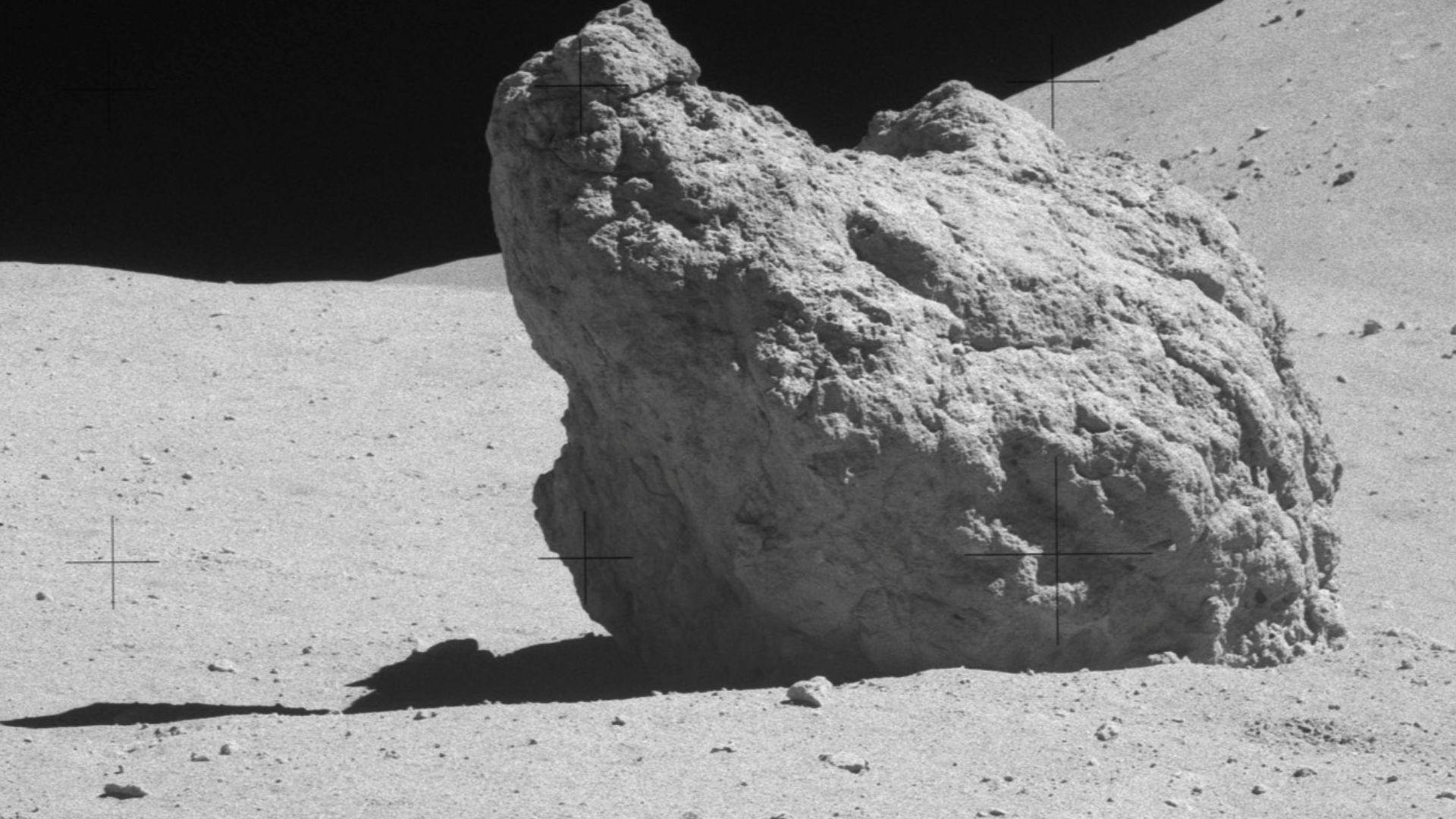 James Stuby based on NASA image, Wikimedia Commons
What We Lose By Denying Apollo
Doubting the Moon landing turns a global achievement into a global lie. It erases years of teamwork, invention, and risk. When we reject well-documented history, we don’t just lose facts. We lose the meaning behind humanity’s greatest leap.
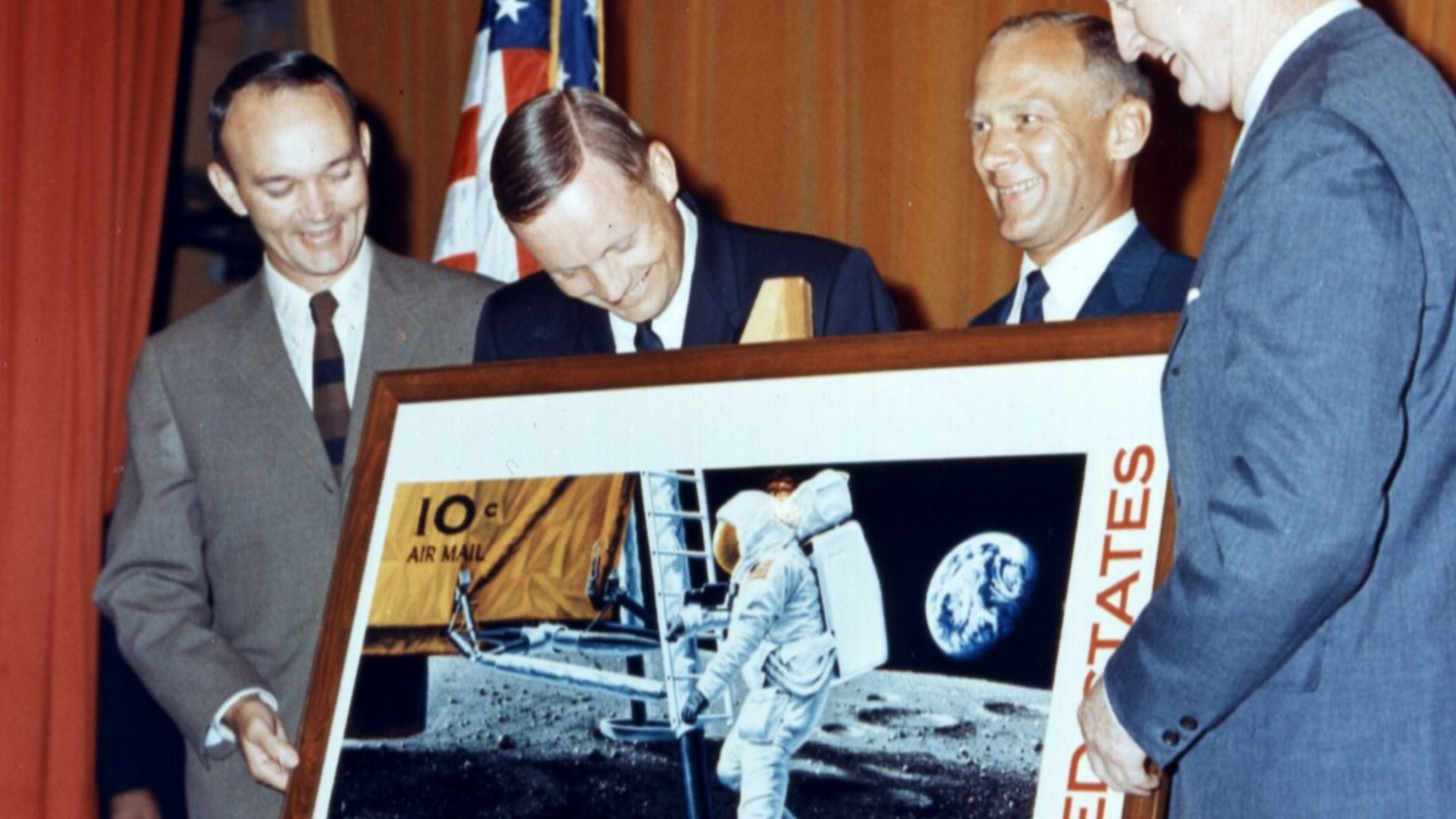 NASA, scan by Kipp Teague, Wikimedia Commons
Proof Still Bounces Back From The Moon
Even today, scientists fire lasers at small mirrors left behind by Apollo astronauts. The beams bounce back from the Moon’s surface, showing that the mirrors are still there. No camera tricks. No debate. Just quiet, steady proof, shining back from space.
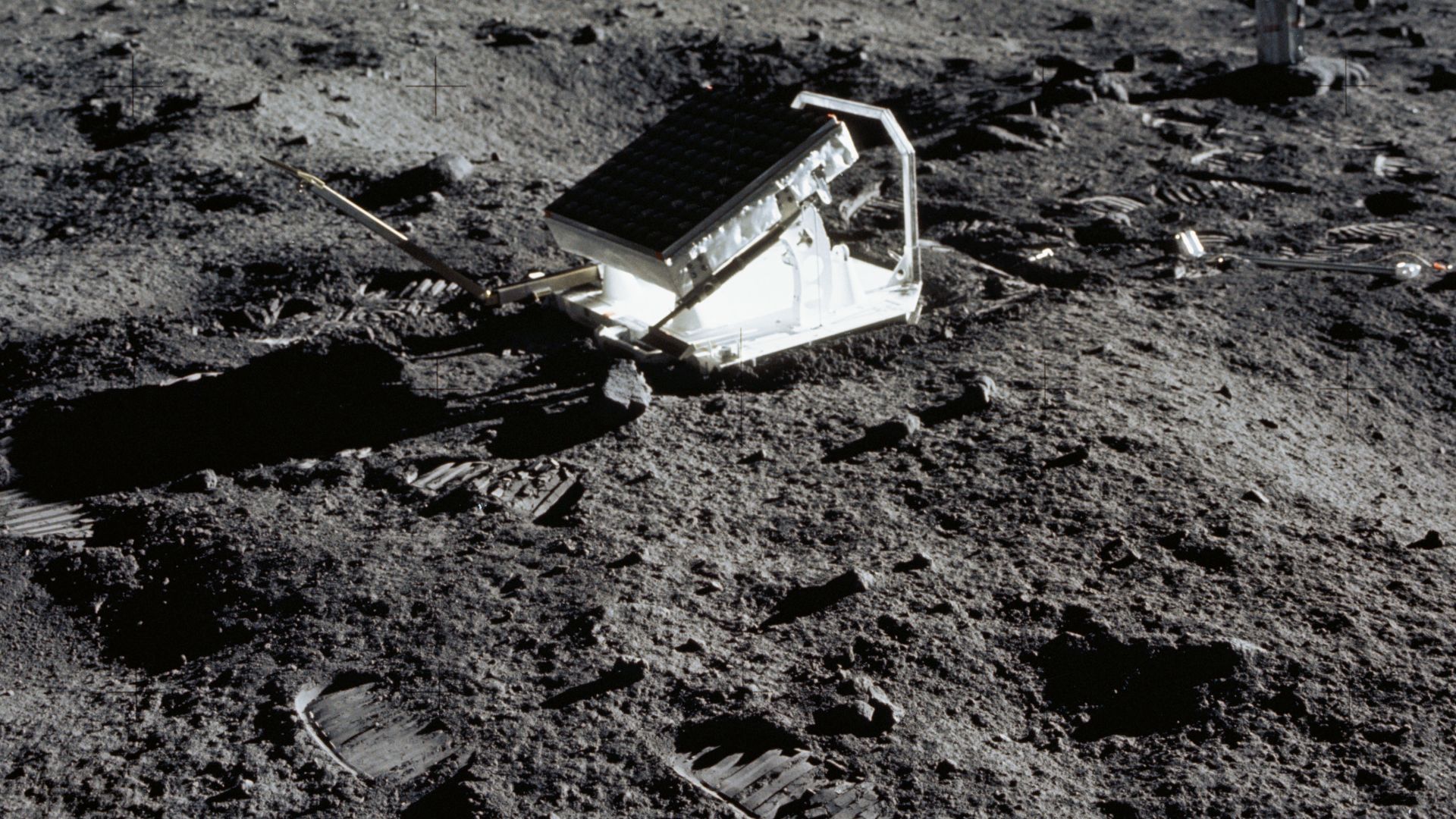 Unknown authorUnknown author or not provided, Wikimedia Commons










.png#/media/File:Early_internet_(cropped).png)
